66 items
4.5/5 based on 4495 reviews collected online and in stores

TURBO TRAINERS FAQS

How does a turbo trainer work for indoor cycling?

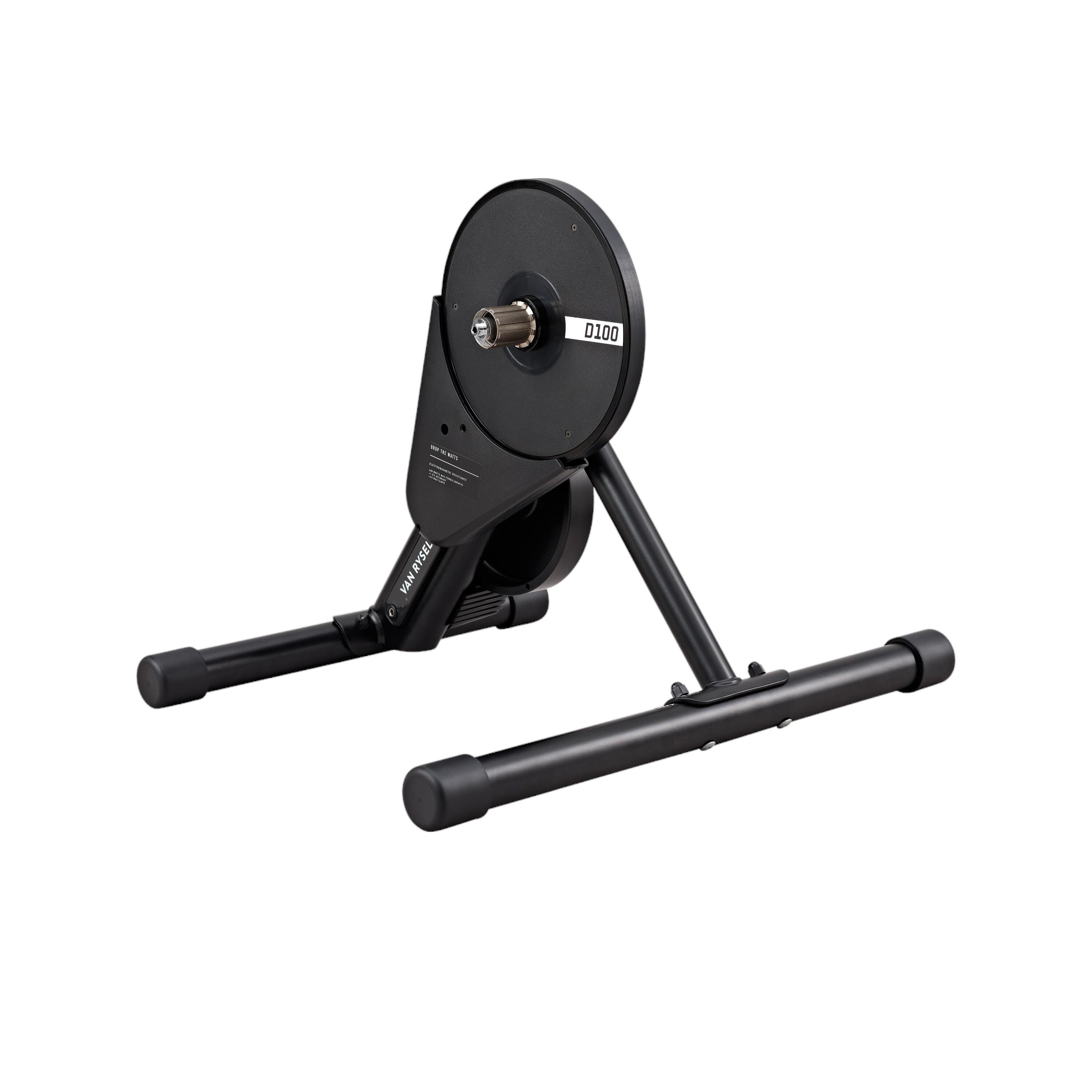
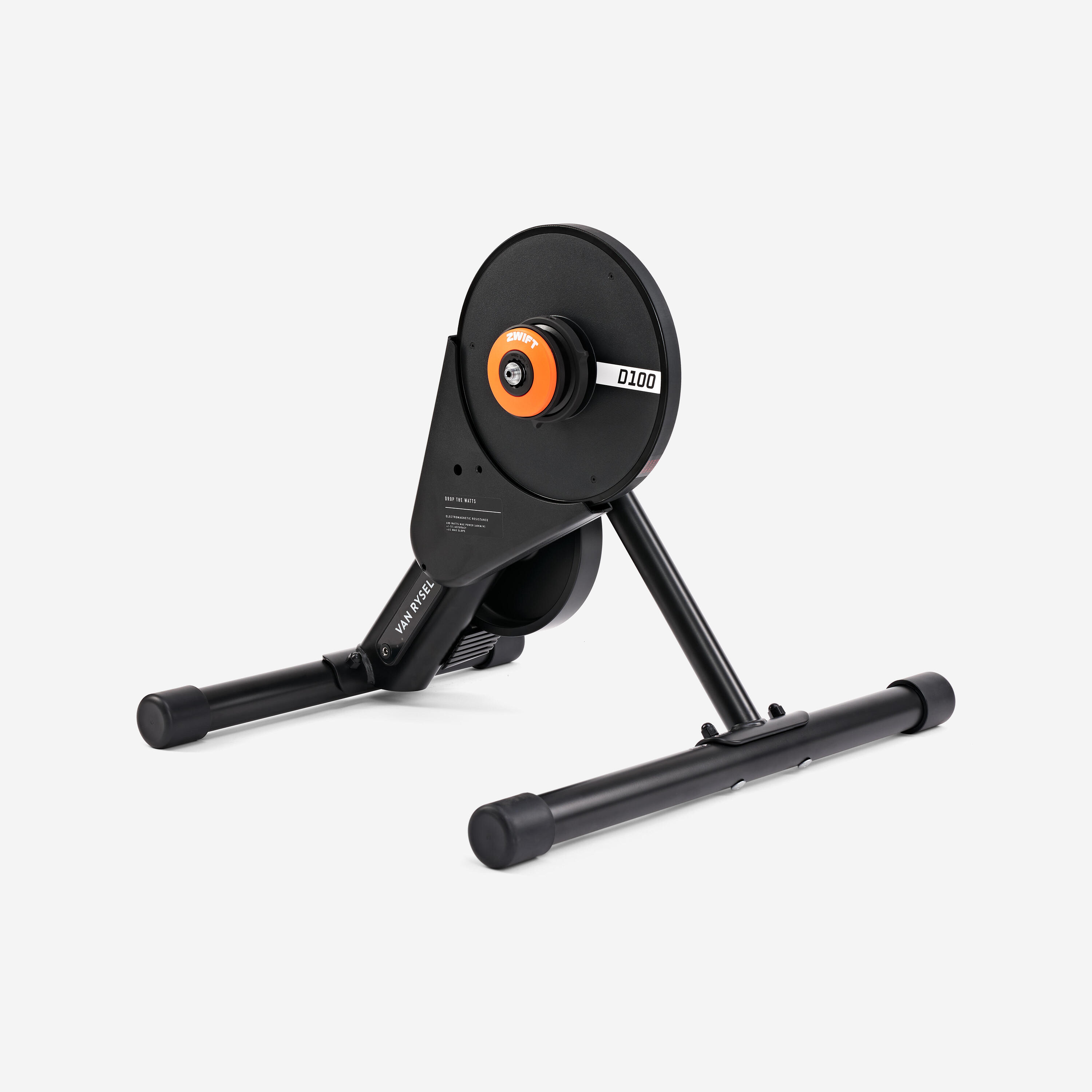
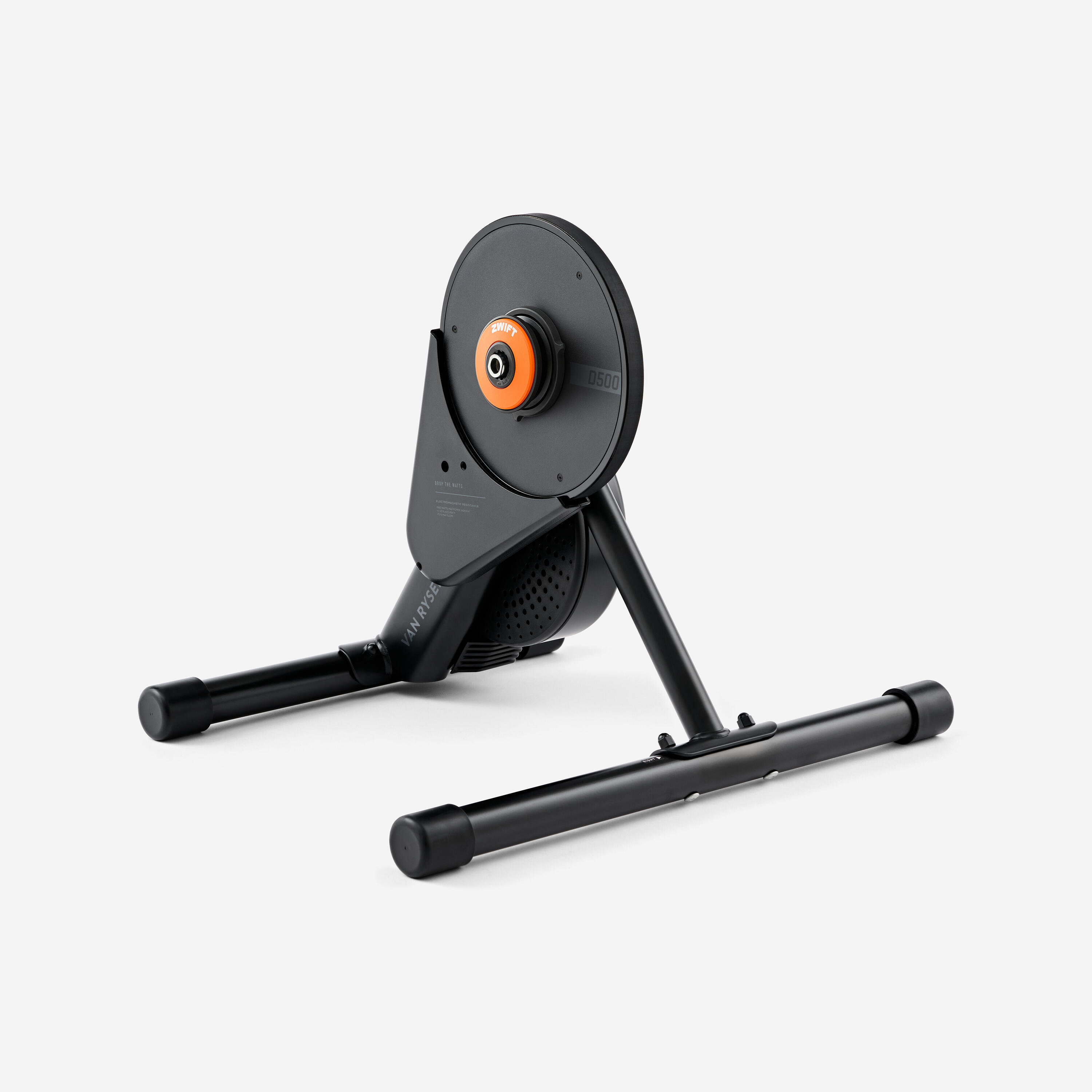
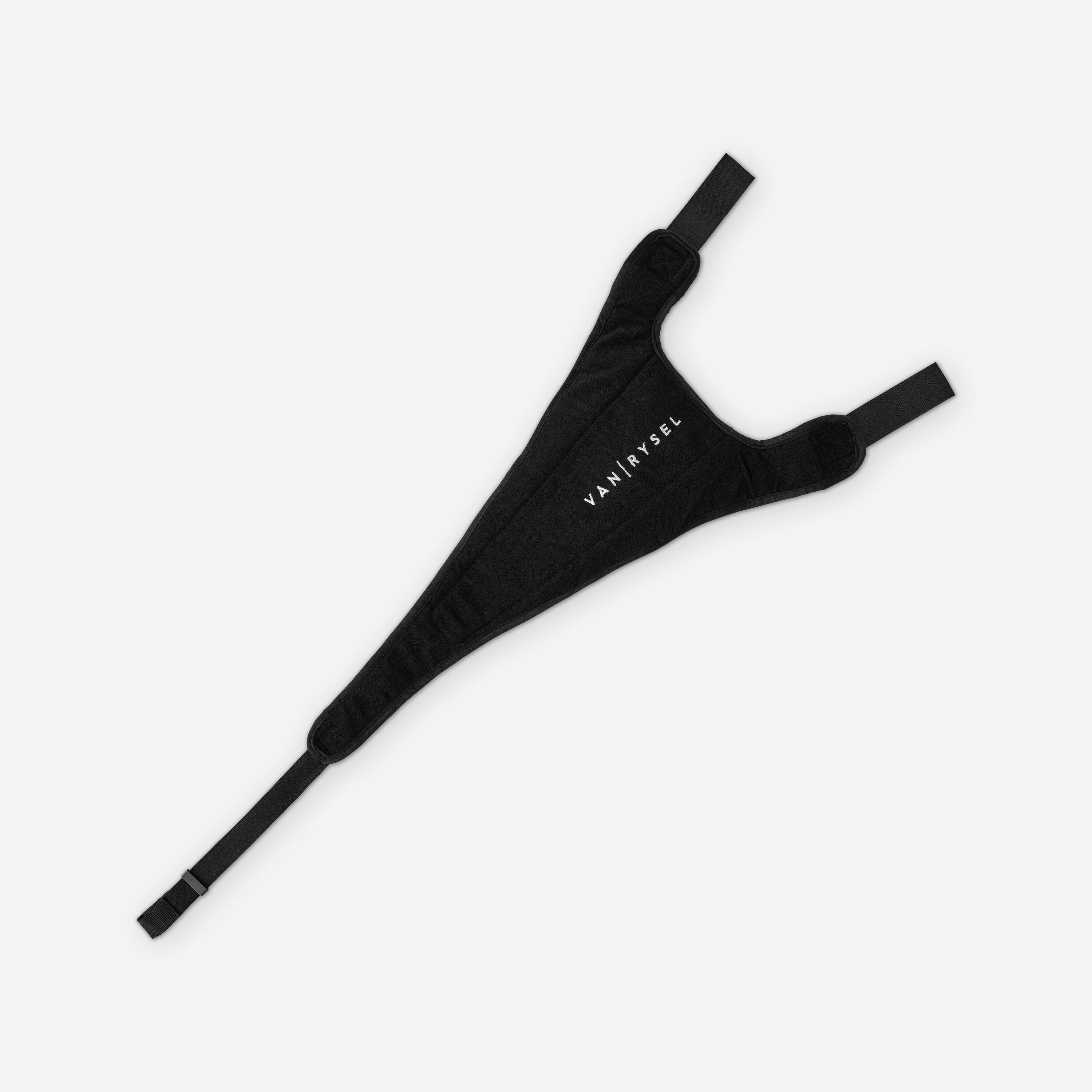
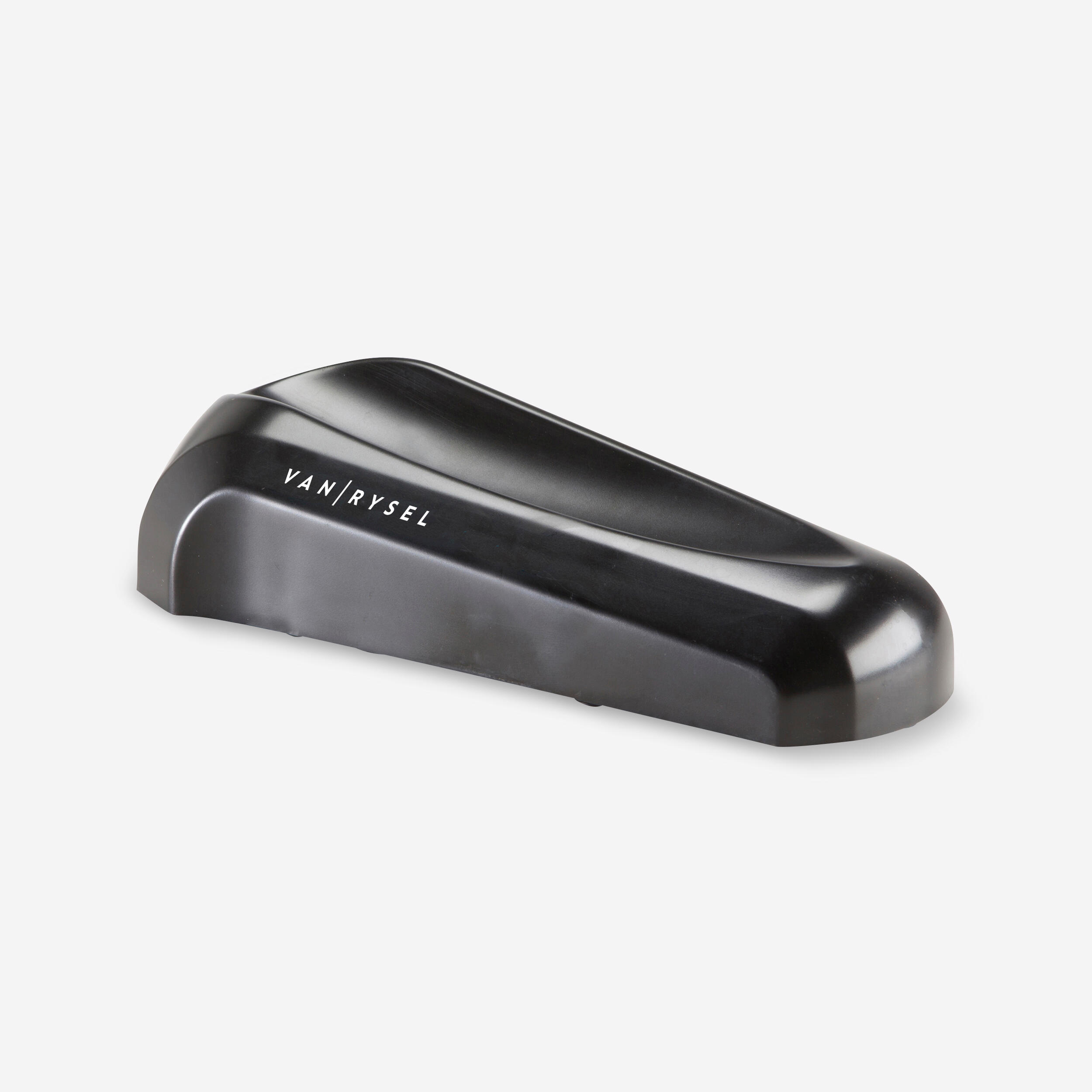
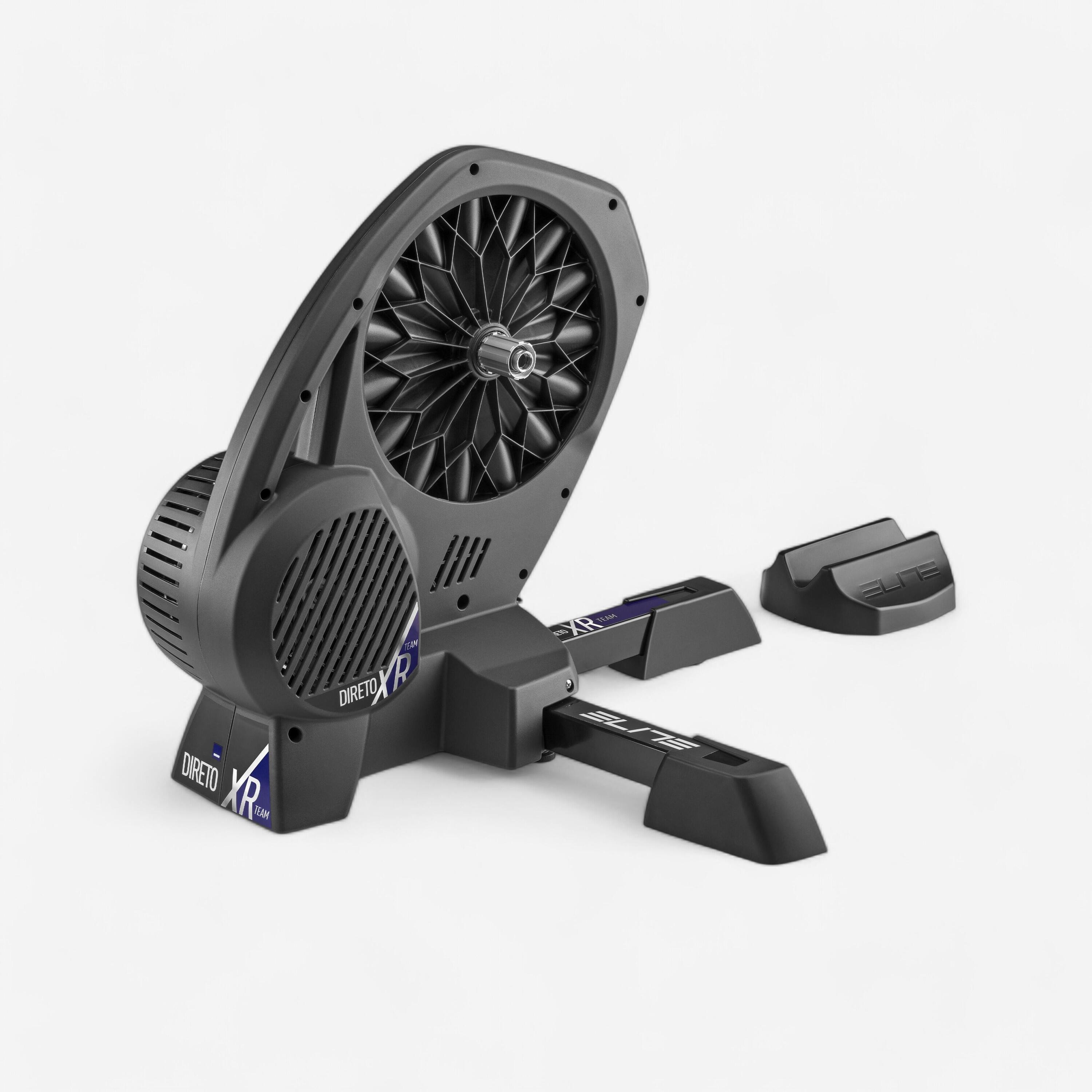
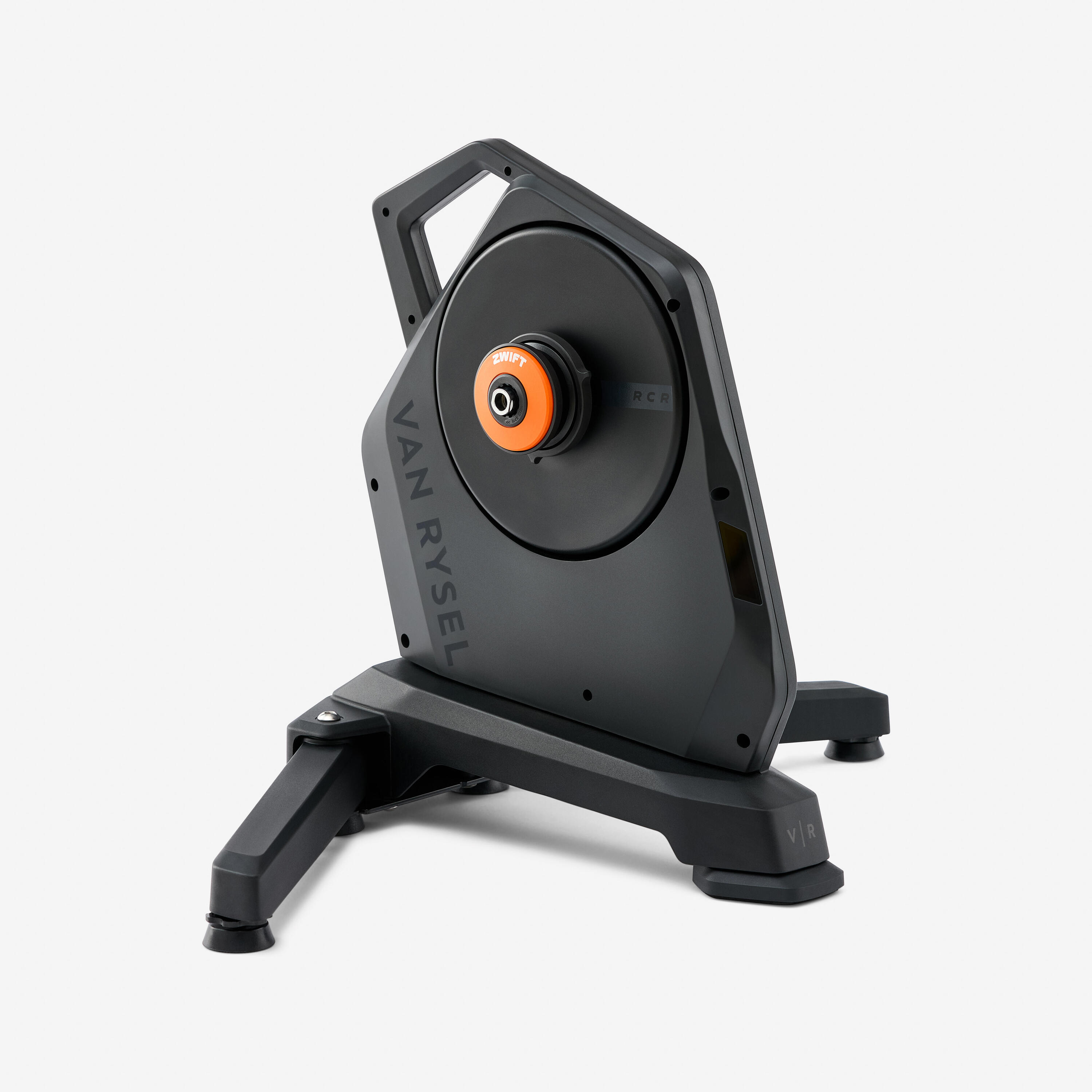
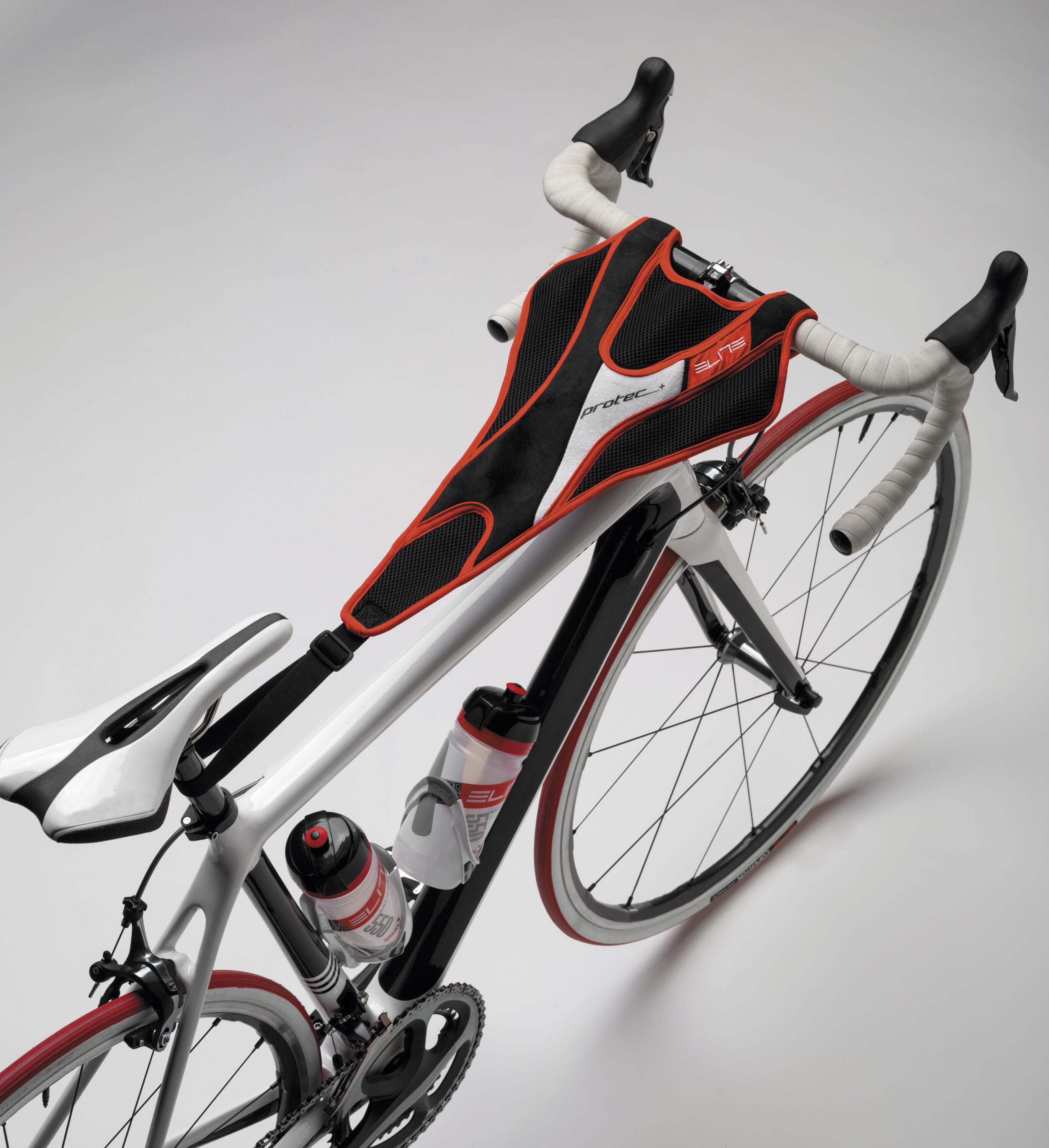
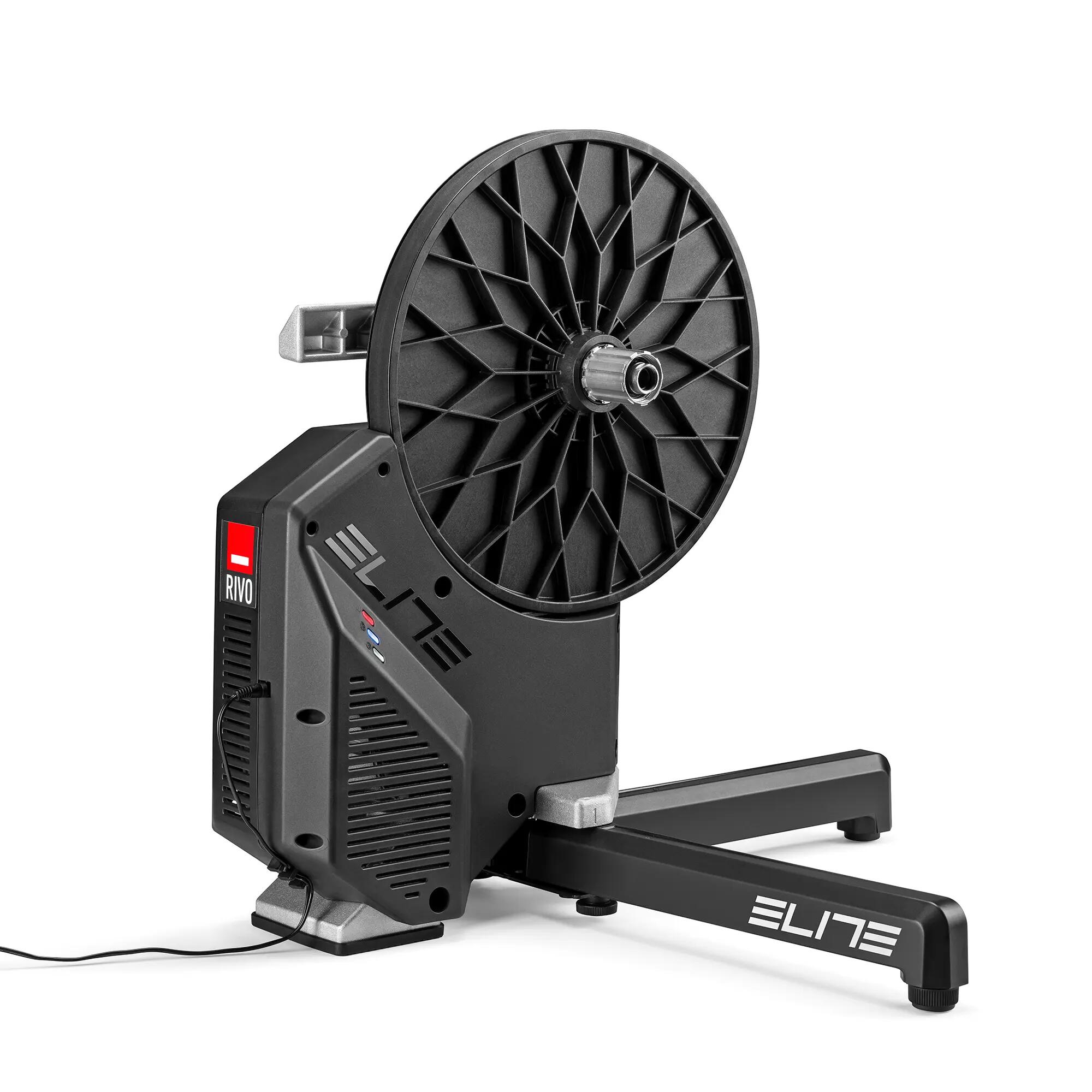
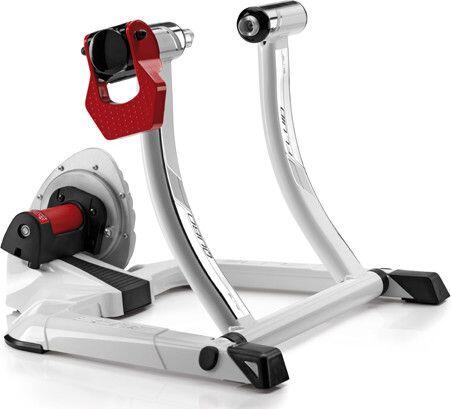
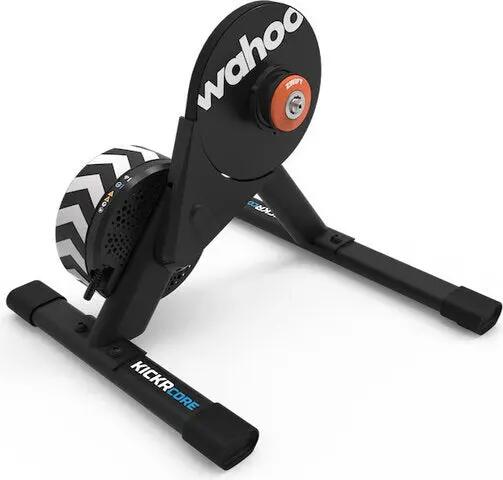
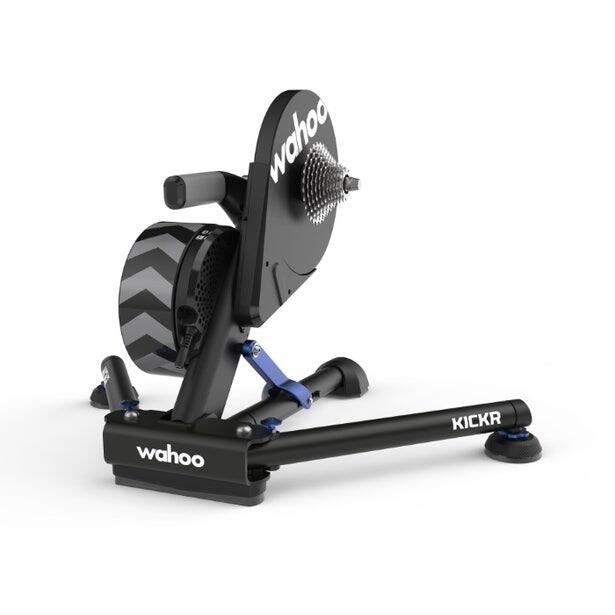
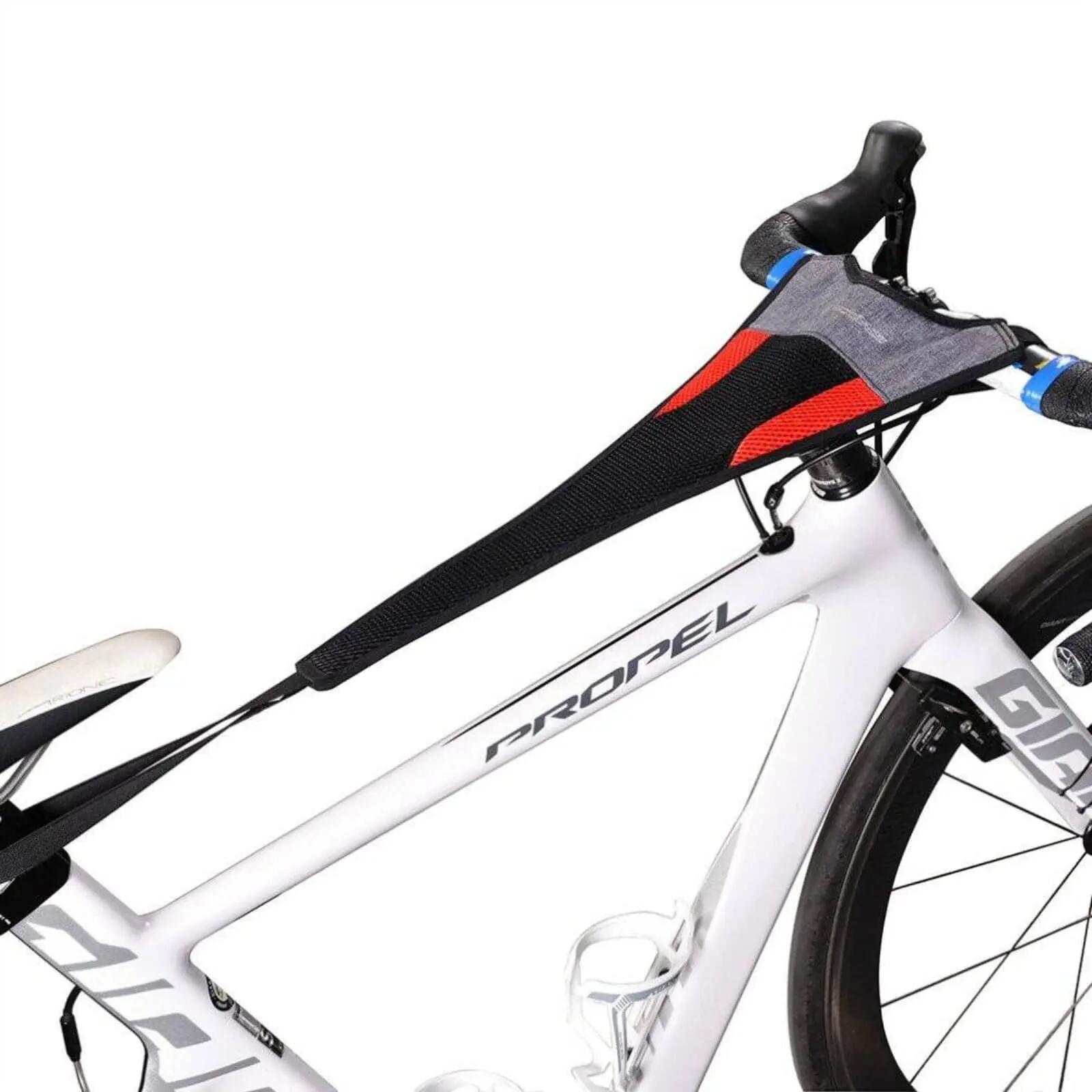
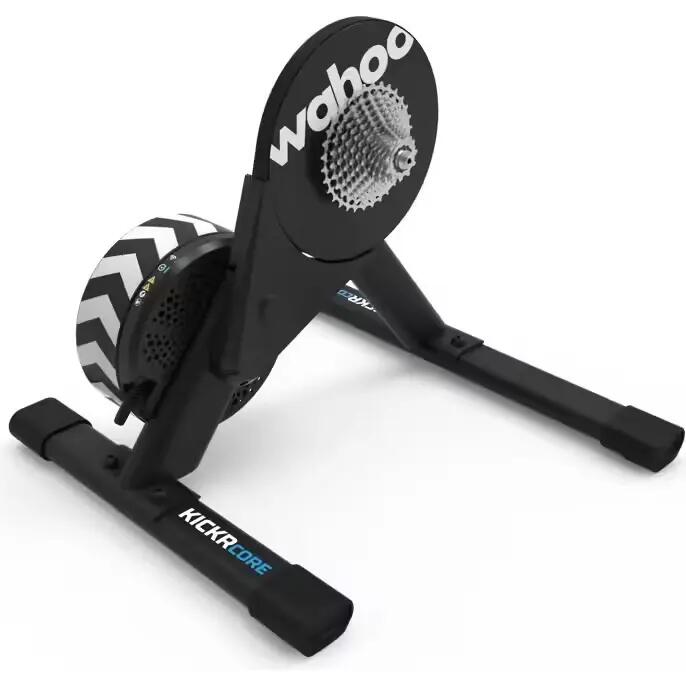
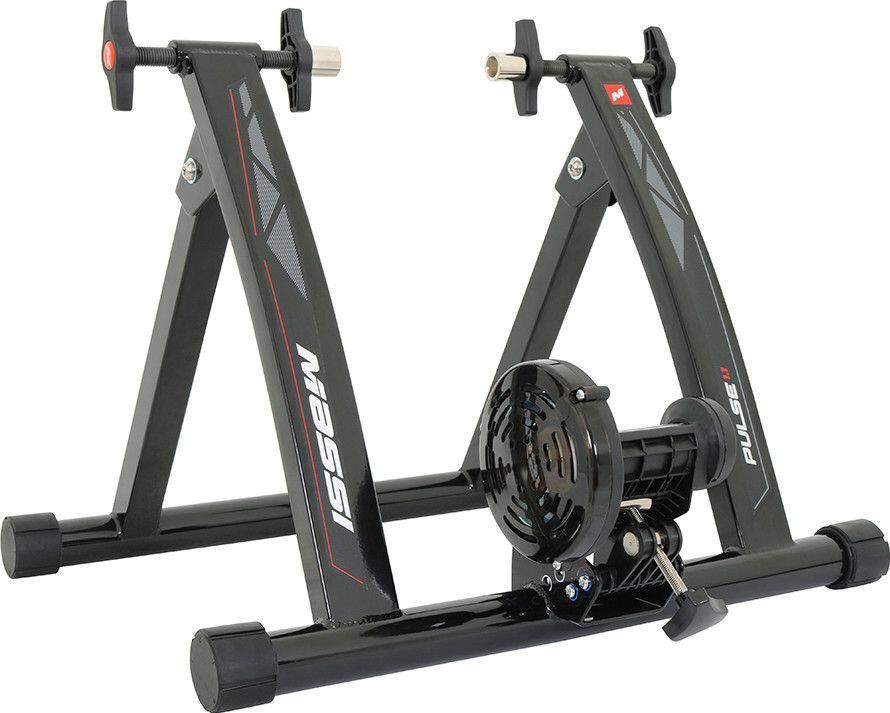
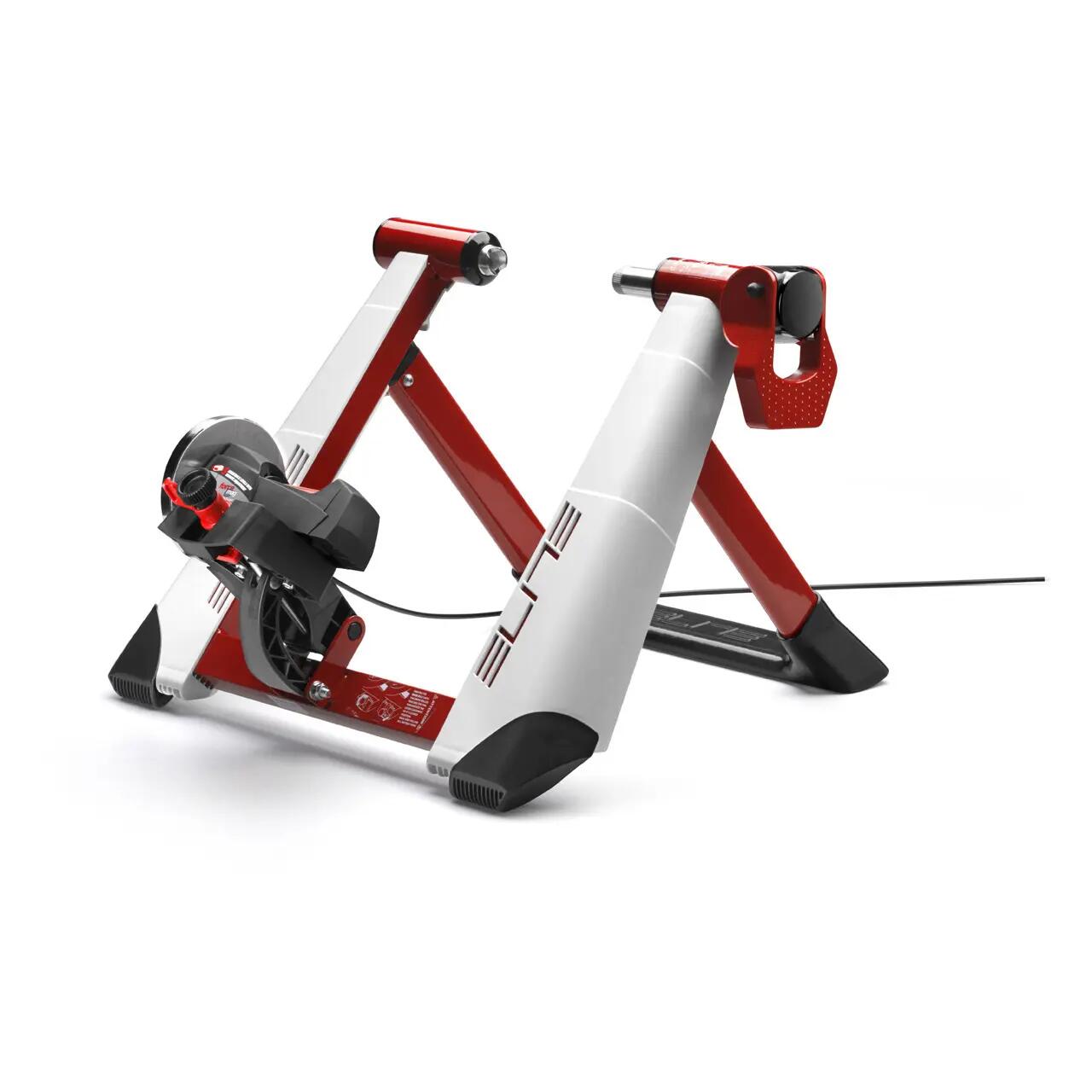
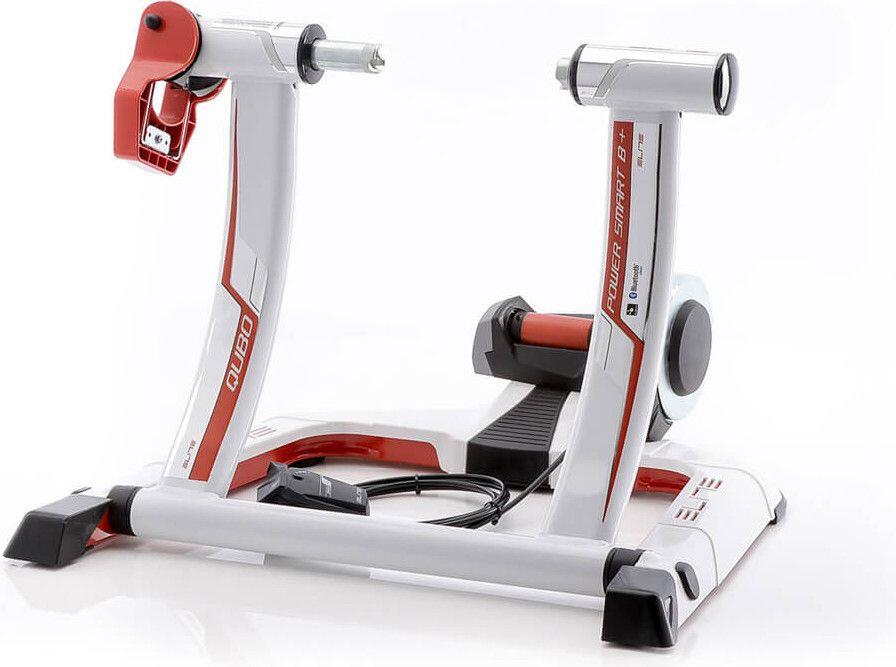
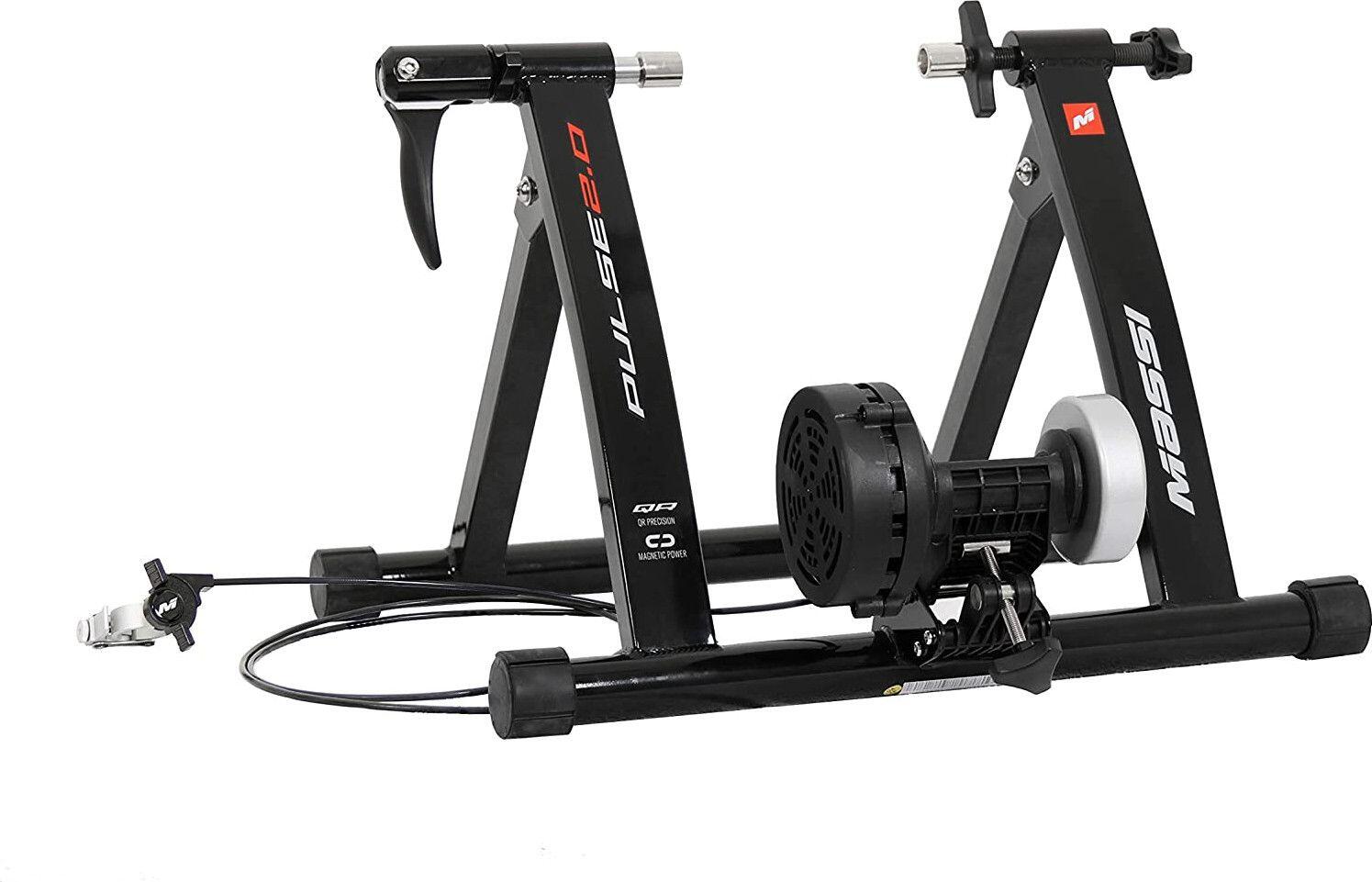
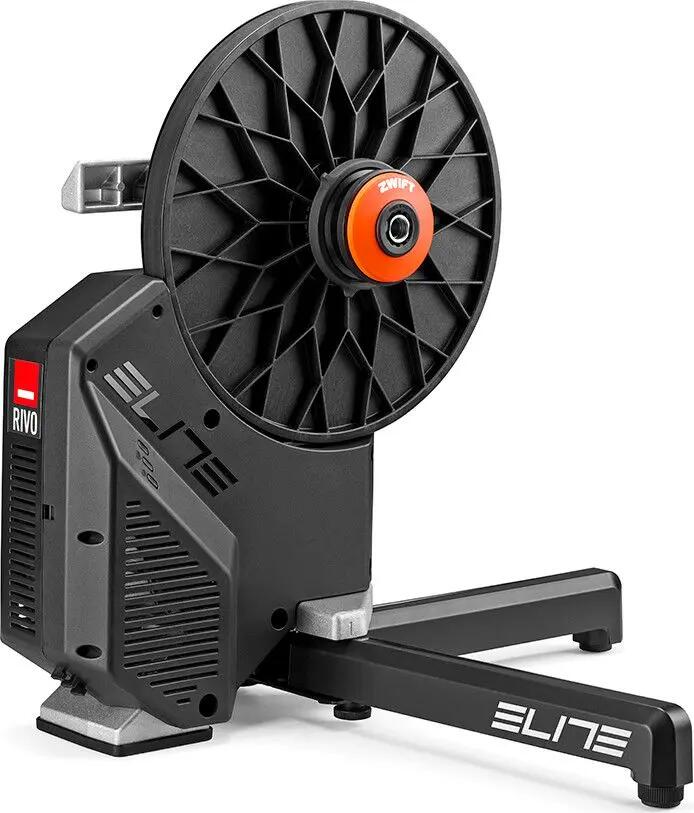
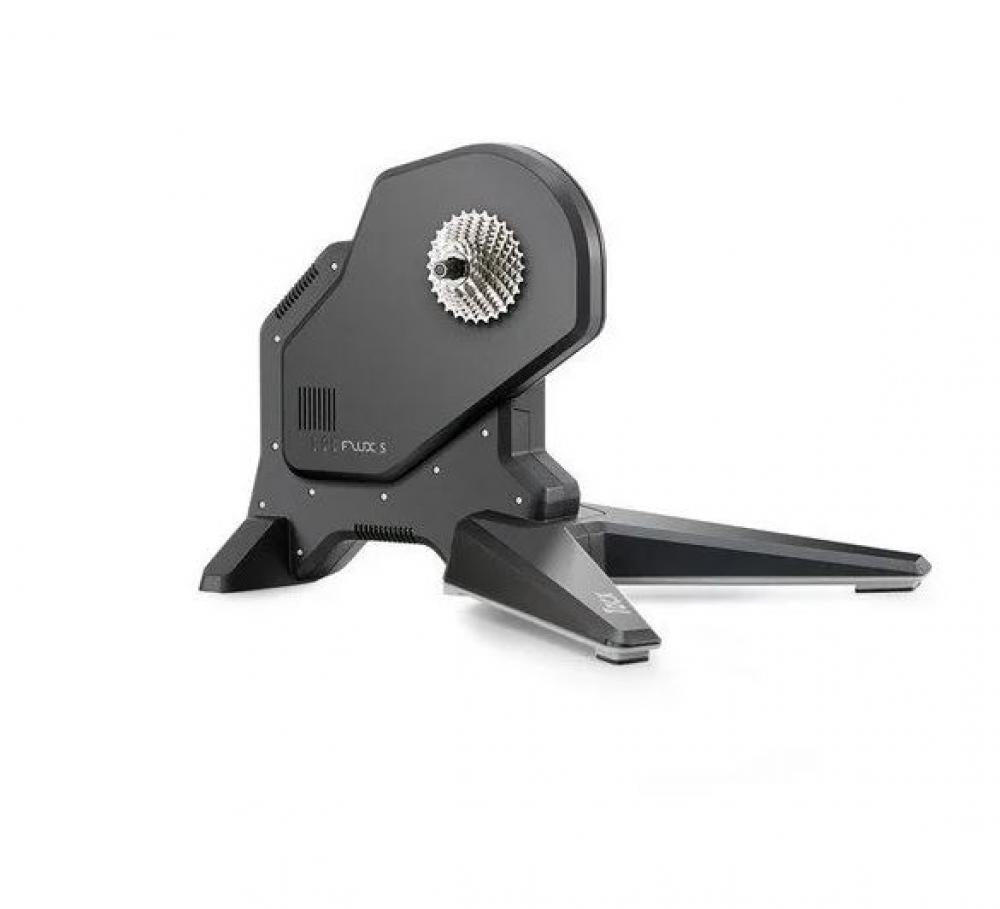
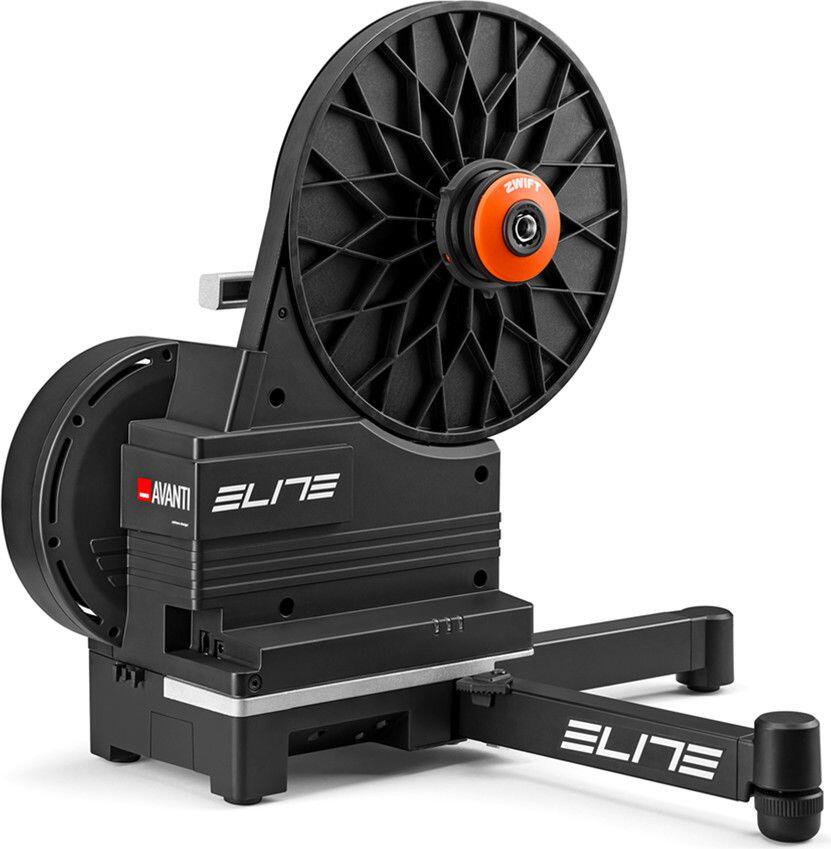
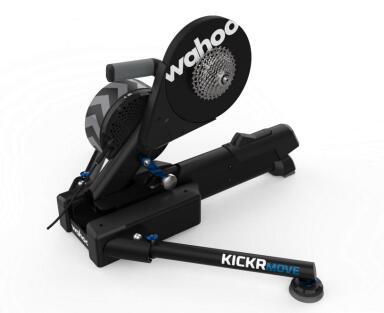
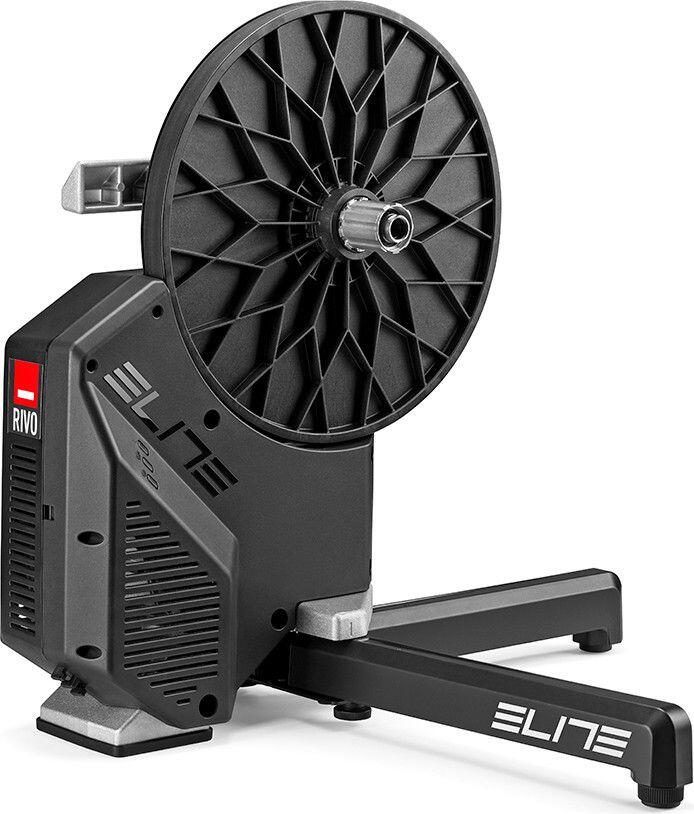
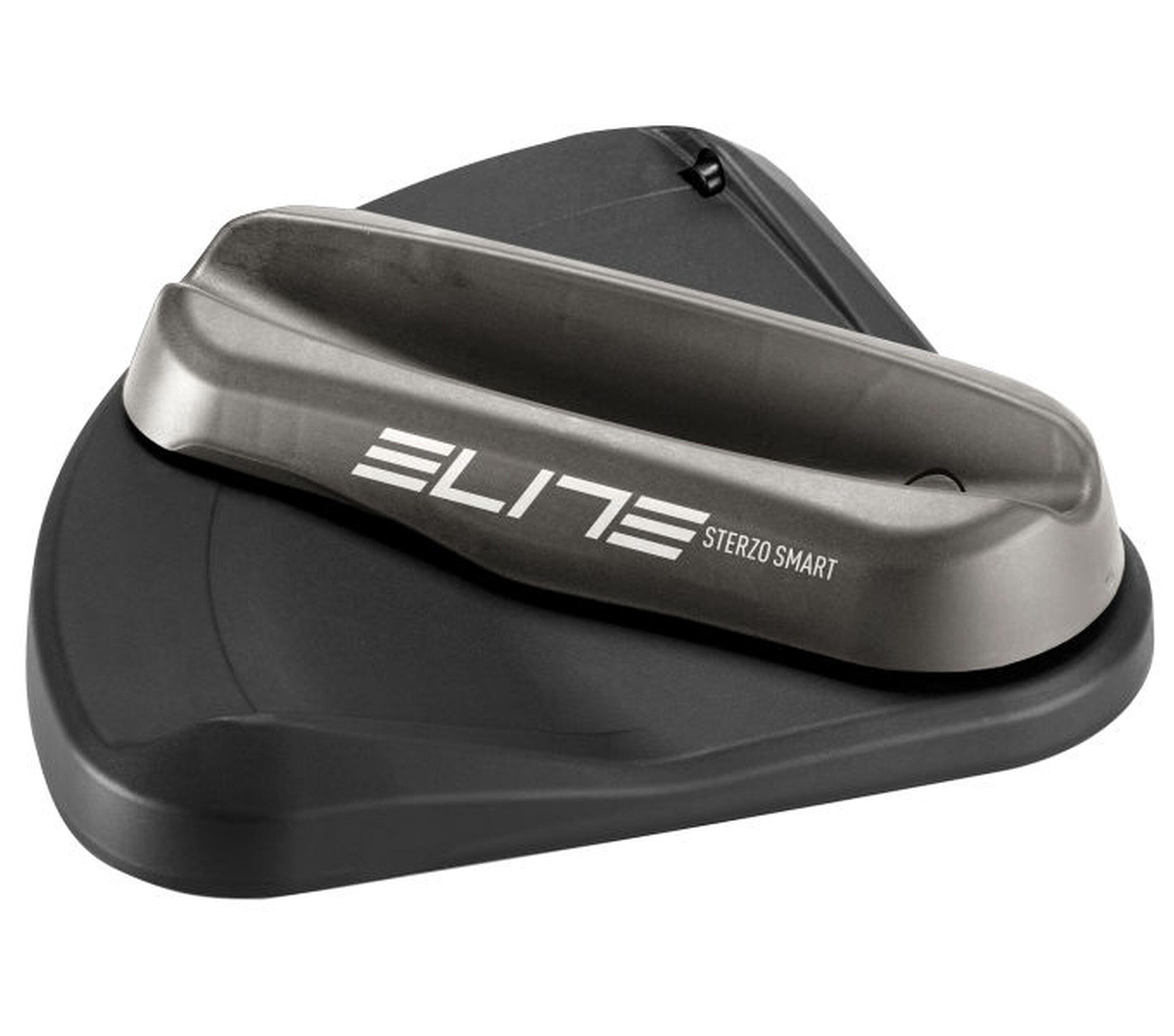
A turbo trainer allows you to convert your outdoor bicycle into a high-performance indoor training machine by securing the rear of the frame to a resistance unit. This setup enables you to pedal stationary while staying in the comfort of your home, making it the perfect solution for the unpredictable Irish weather. There are two main types: wheel-on trainers, where your tyre spins against a roller, and direct-drive units, where you remove the rear wheel and connect the bike's chain directly to the trainer's cassette. The technical reason for choosing direct-drive is to eliminate tyre wear and provide a more accurate power measurement. To further enhance your setup, you can check out our specialised turbo trainer accessories such as riser blocks for front-wheel stability and sweat covers to protect your bike frame. For the dedicated Dublin cyclist, these tools provide a realistic road feel that keeps your legs moving when the evenings draw in.

Can I use any bike with modern bike turbo trainers?

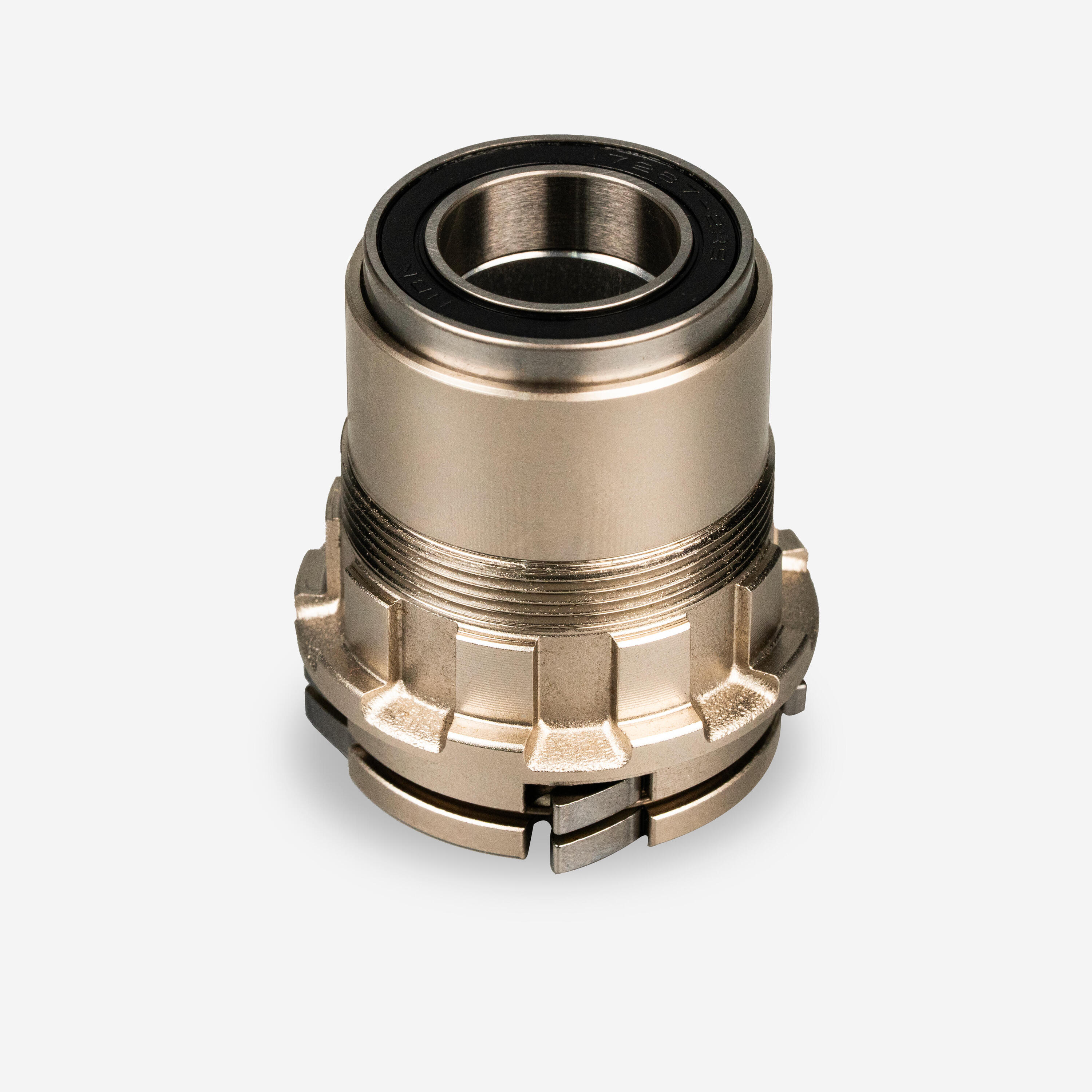
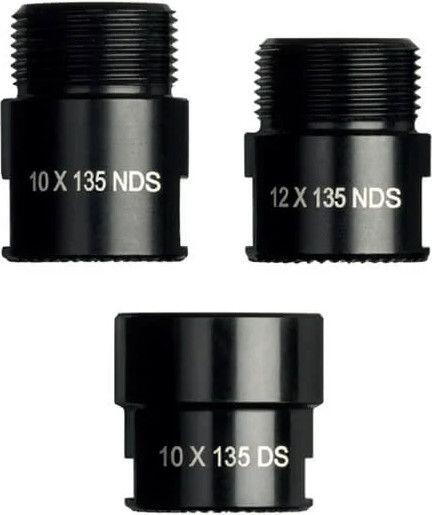
Most road, hybrid, and mountain bikes are compatible with the best turbo trainers, provided you have the correct axle adapters. For wheel-on models, you may need a specific trainer tyre to prevent the standard rubber from overheating and wearing down prematurely. If you are using a mountain bike, the knobby tread can be quite loud on a roller, so a smooth tyre is highly recommended. Many riders also find that having a dedicated bike for the trainer is more convenient; you can browse our range of road bikes to find a secondary frame for your indoor studio. For added security when storing or transporting your setup, consider investing in reliable bike locks. Always verify if your bike uses a quick-release skewer or a thru-axle, as this determines which mounting kit you will need. Smart trainers often require you to match the cassette to your bike's drivetrain speed, ensuring seamless shifting during your virtual climbs.

What are the benefits of using indoor bike trainers?

Utilising indoor bike trainers allows for highly controlled, data-driven workouts that are difficult to replicate on open roads. Without traffic or junctions, you can maintain constant tension on the pedals, which is essential for improving functional threshold power (FTP). For those looking to fully customise their training environment, organizing essential gear with practical bike luggage solutions can help keep equipment neatly stored and easily accessible during training sessions. The "why" behind indoor training is efficiency; a one-hour session on a turbo often equals significantly more effort than an hour outdoors due to the lack of freewheeling. It is an excellent way to maintain cardiovascular health and leg strength during the winter months, ensuring you are race-ready when the spring cycling season arrives in Ireland.
How do indoor smart bikes differ from traditional setups?

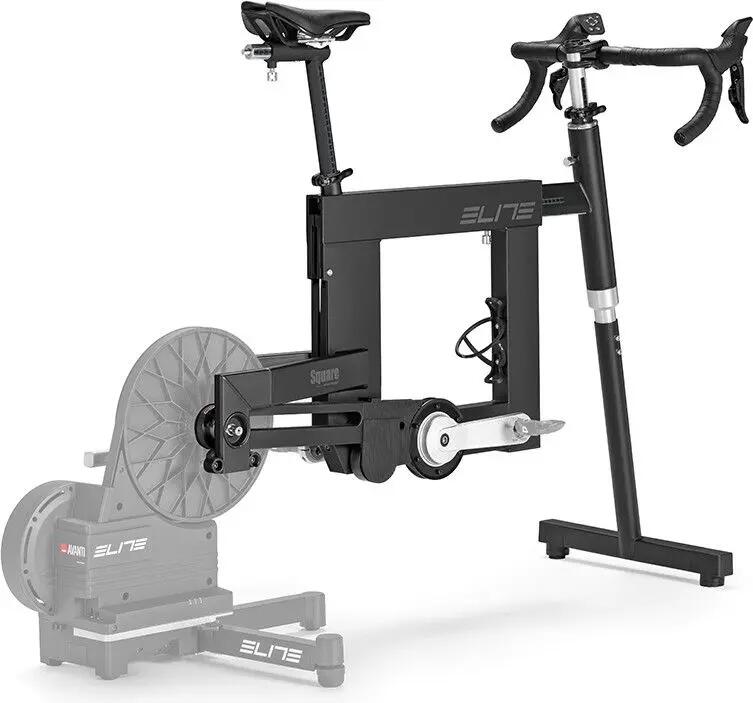
While a turbo trainer uses your existing bicycle, indoor smart bikes are standalone, purpose-built units made specifically for virtual cycling. These machines often feature built-in screens, electronic shifting, and incredibly quiet belt drives, making them ideal for early morning sessions where noise is a concern. The level of integration is higher, offering instant resistance changes when you hit a hill in apps like Zwift or Rouvy. If you prefer the versatility of your own bike but want more stability, ensuring your bike is secure is paramount. While a bike kickstand is useful for outdoor stops, you should never use one while the bike is mounted on a trainer as it can interfere with the frame's alignment. Smart bikes provide a "clutter-free" experience but require more floor space than a foldable turbo trainer.

How can I make indoor cycling feel more realistic?

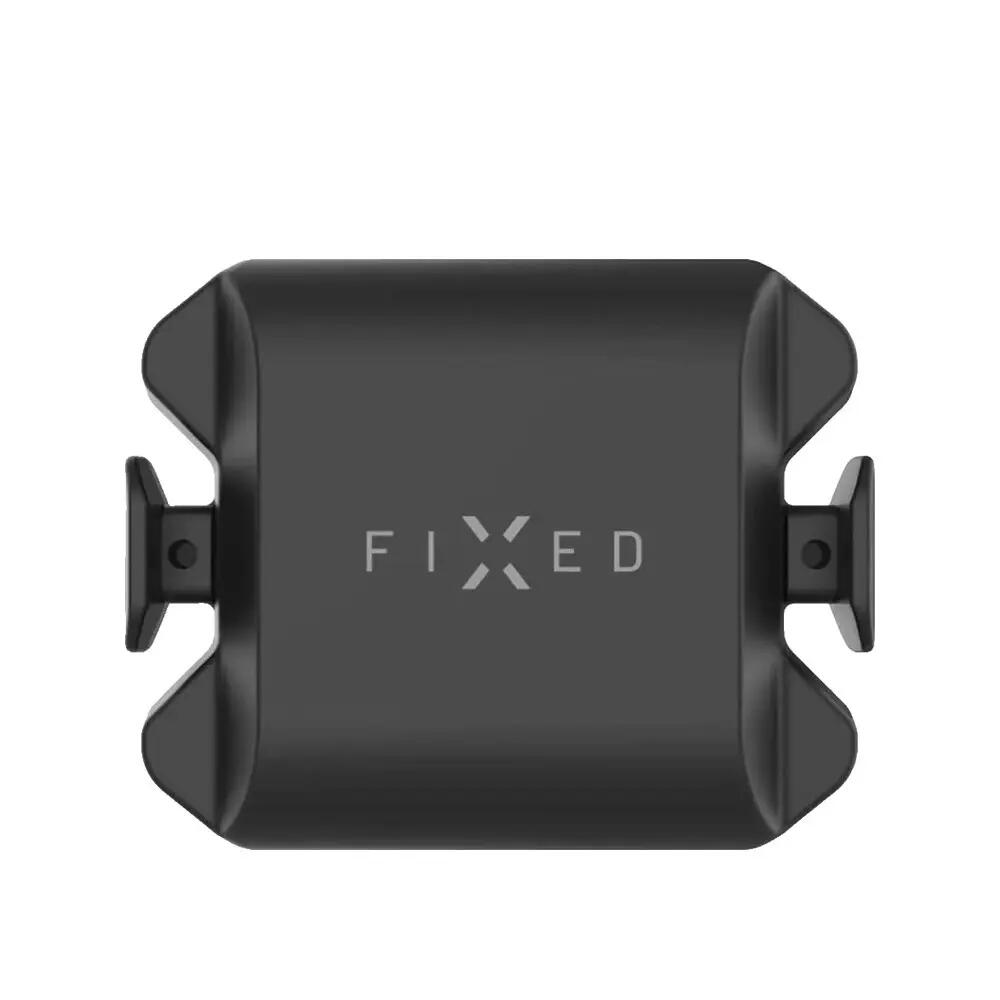
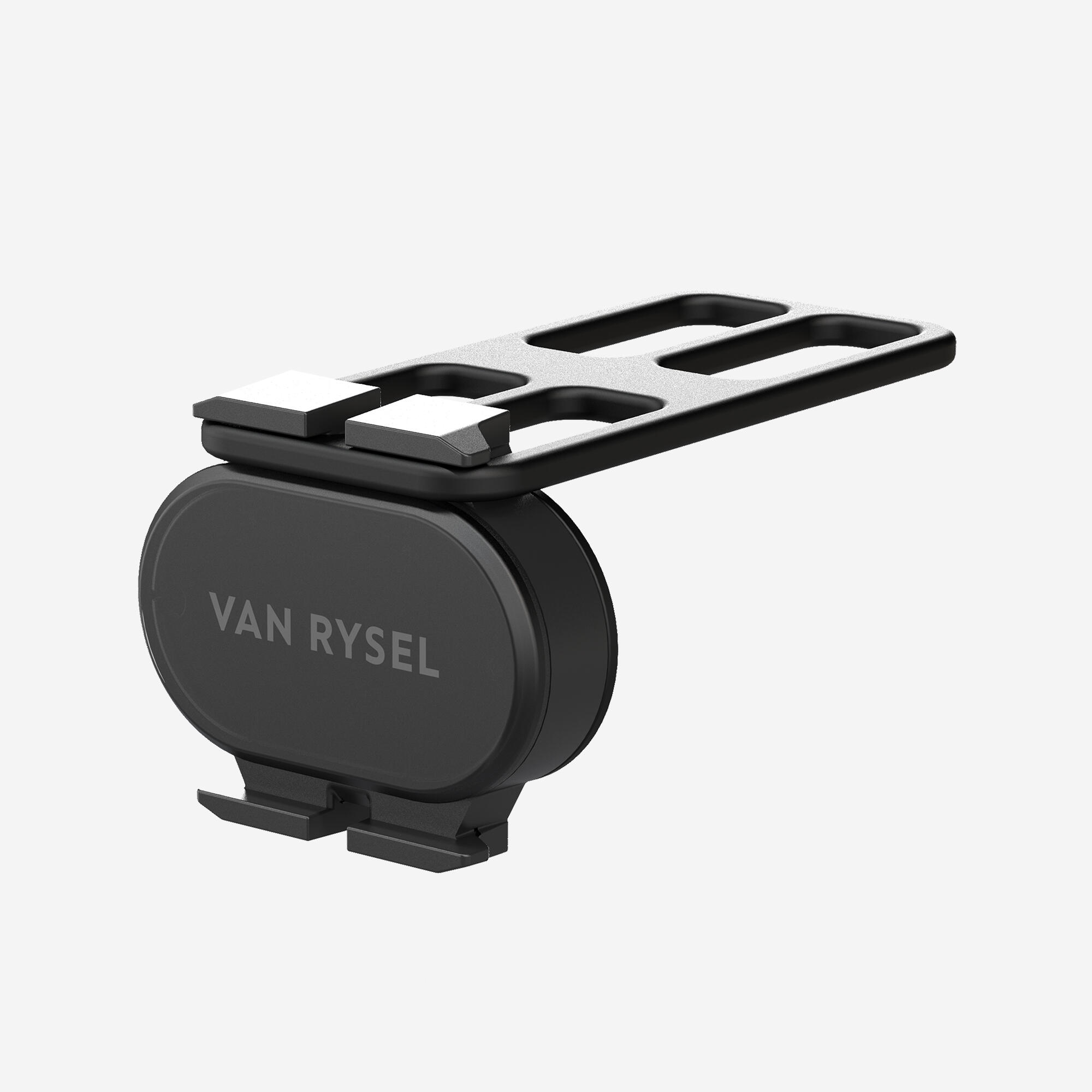
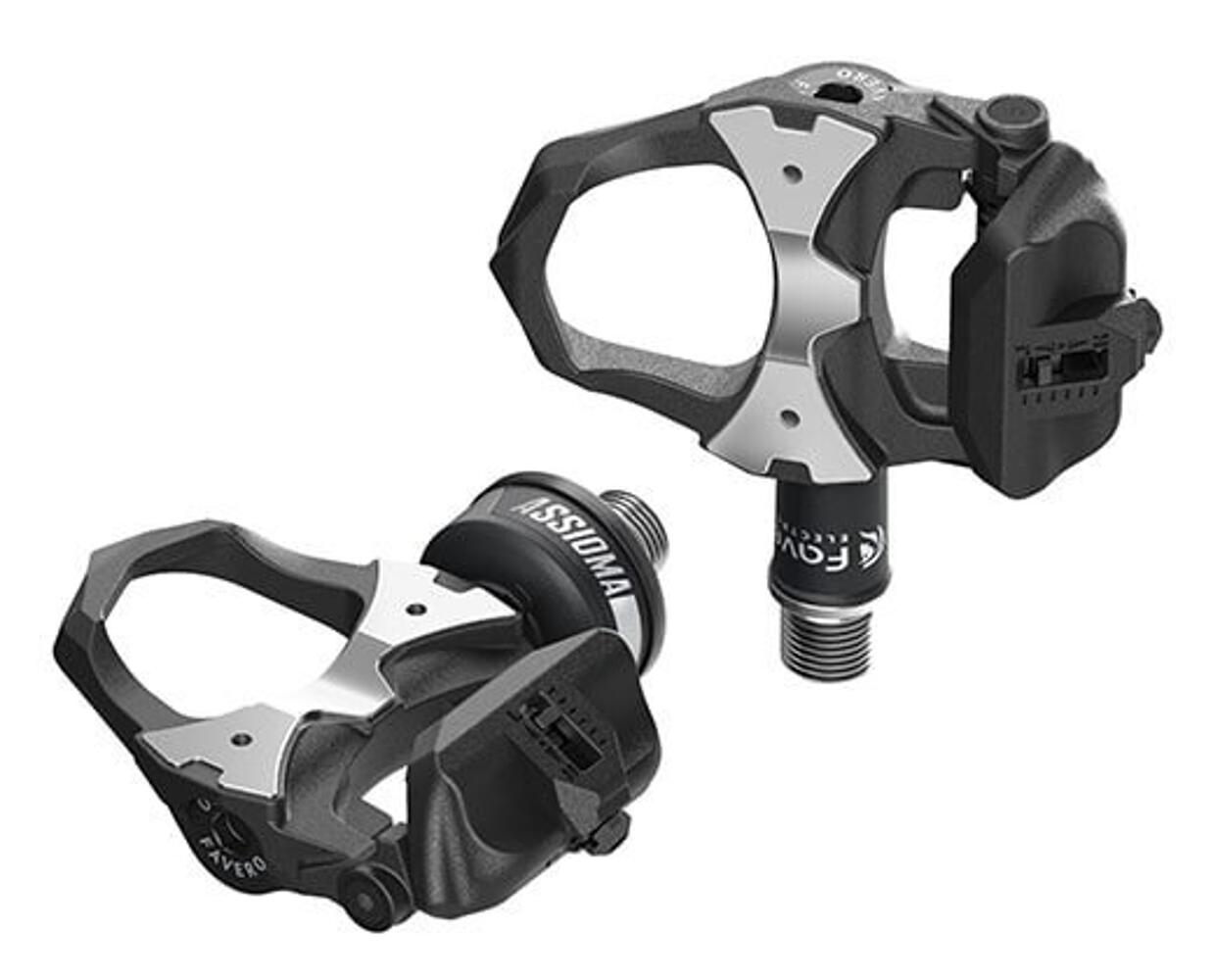
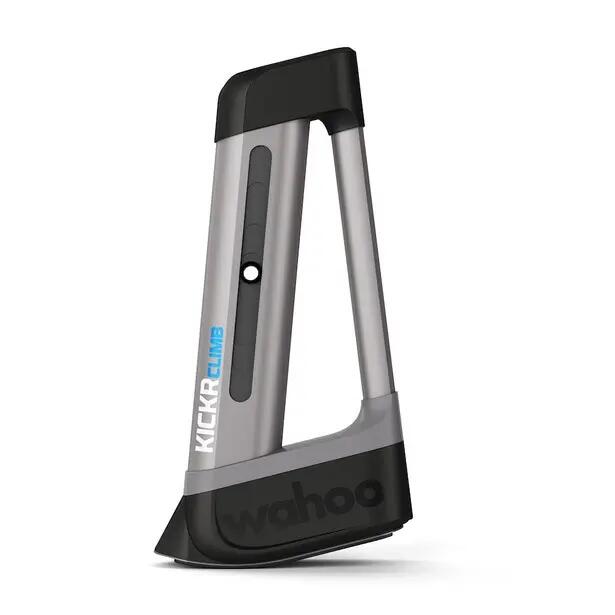
To replicate the sensation of the road, look for trainers with a heavy flywheel, as the inertia creates a more natural pedal stroke. Many of the best turbo trainers now offer "gradient simulation," where the unit physically tilts or increases resistance to match the terrain on your screen. Smart tip: Proper cooling is the most overlooked factor in indoor success; without the natural wind of the road, your body temperature rises rapidly, leading to a drop in power. Position a high-velocity fan directly in front of your setup to stay cool. Additionally, using a cadence sensor and power meter will provide the technical feedback needed to refine your pedaling technique. For those who also ride outdoors, installing reliable bike muduards can help protect you from road spray and debris during wet-weather rides, improving comfort and visibility. By combining a high-quality direct-drive unit with the right software, you can tackle famous Alpine passes or Irish coastal routes without ever leaving your house, making your training both effective and entertaining.