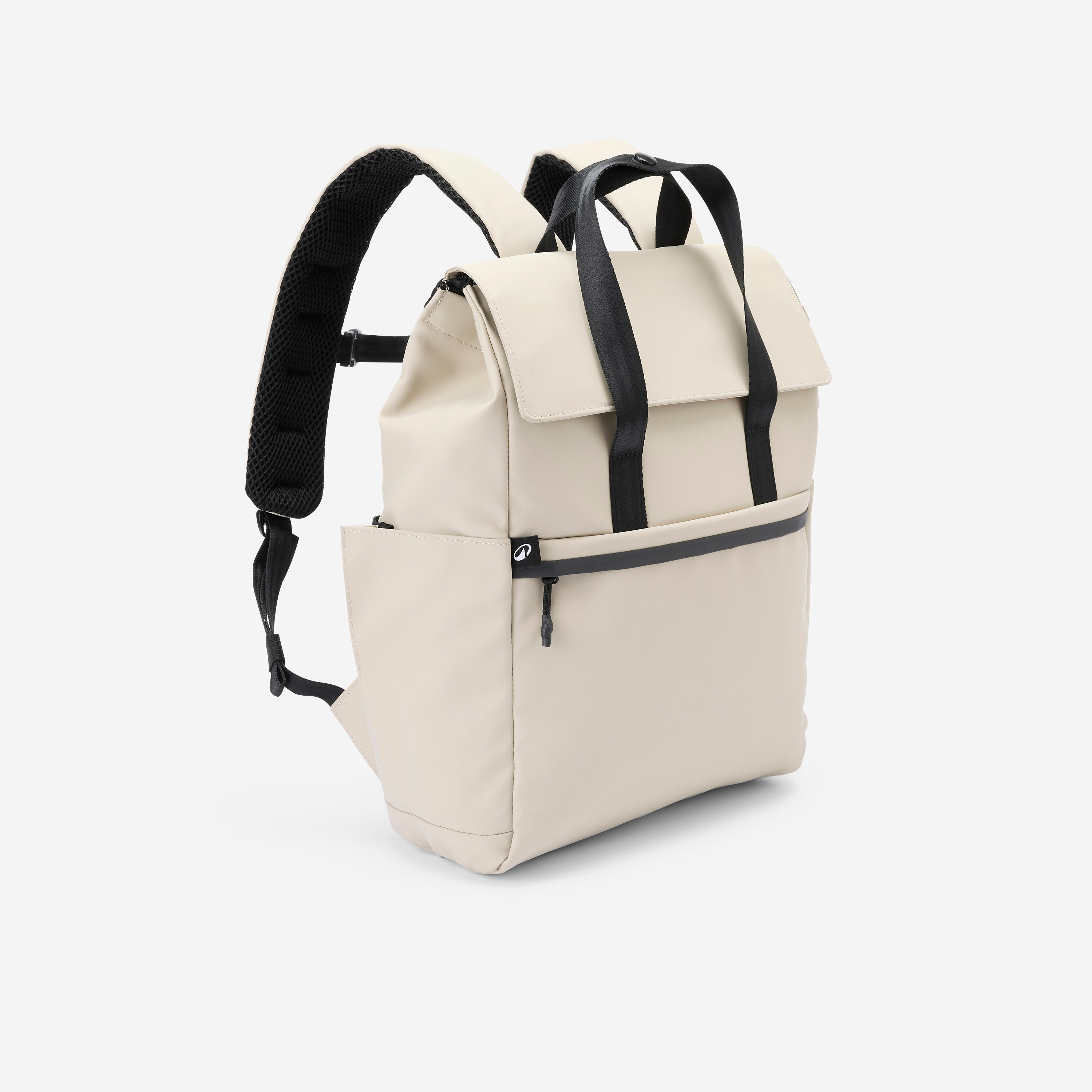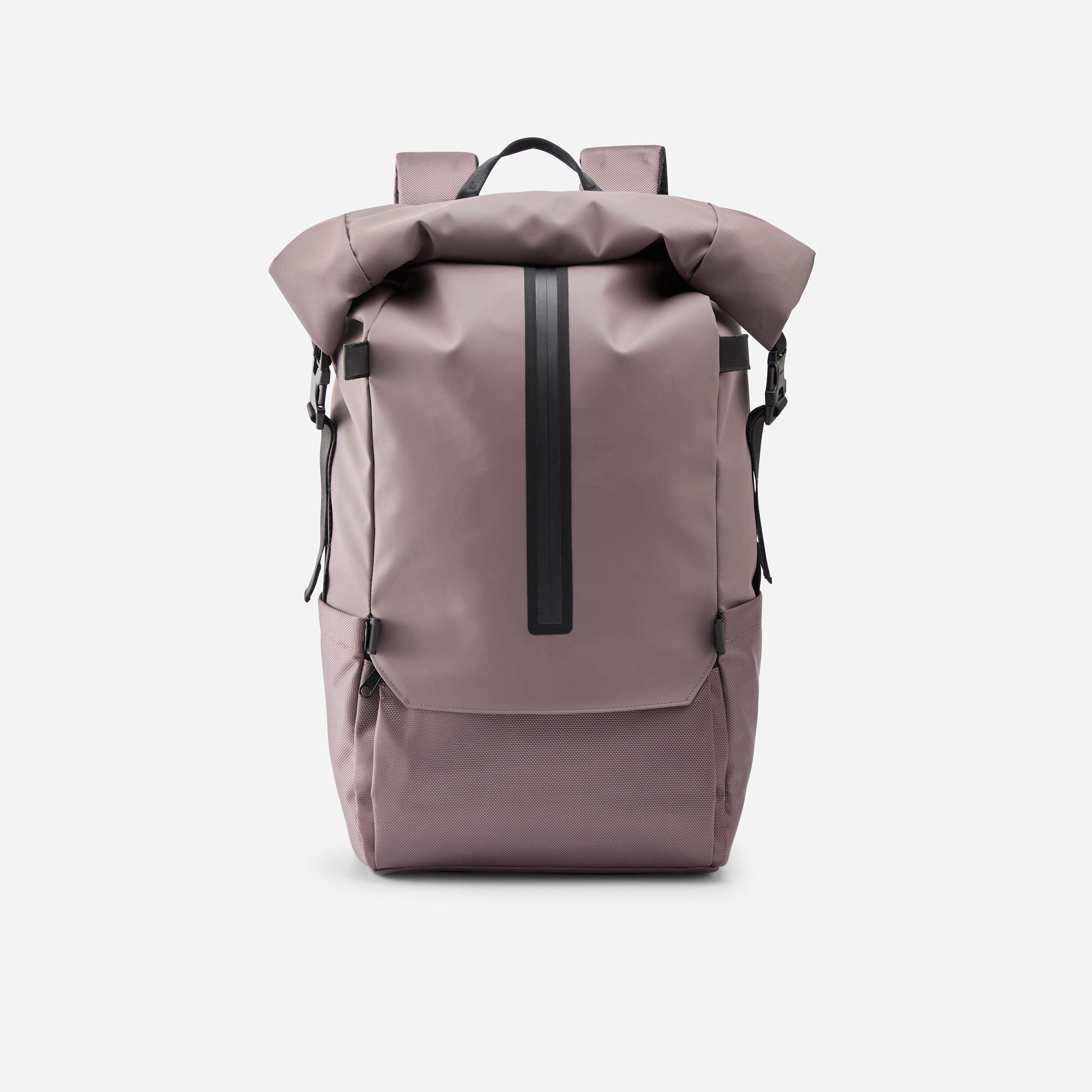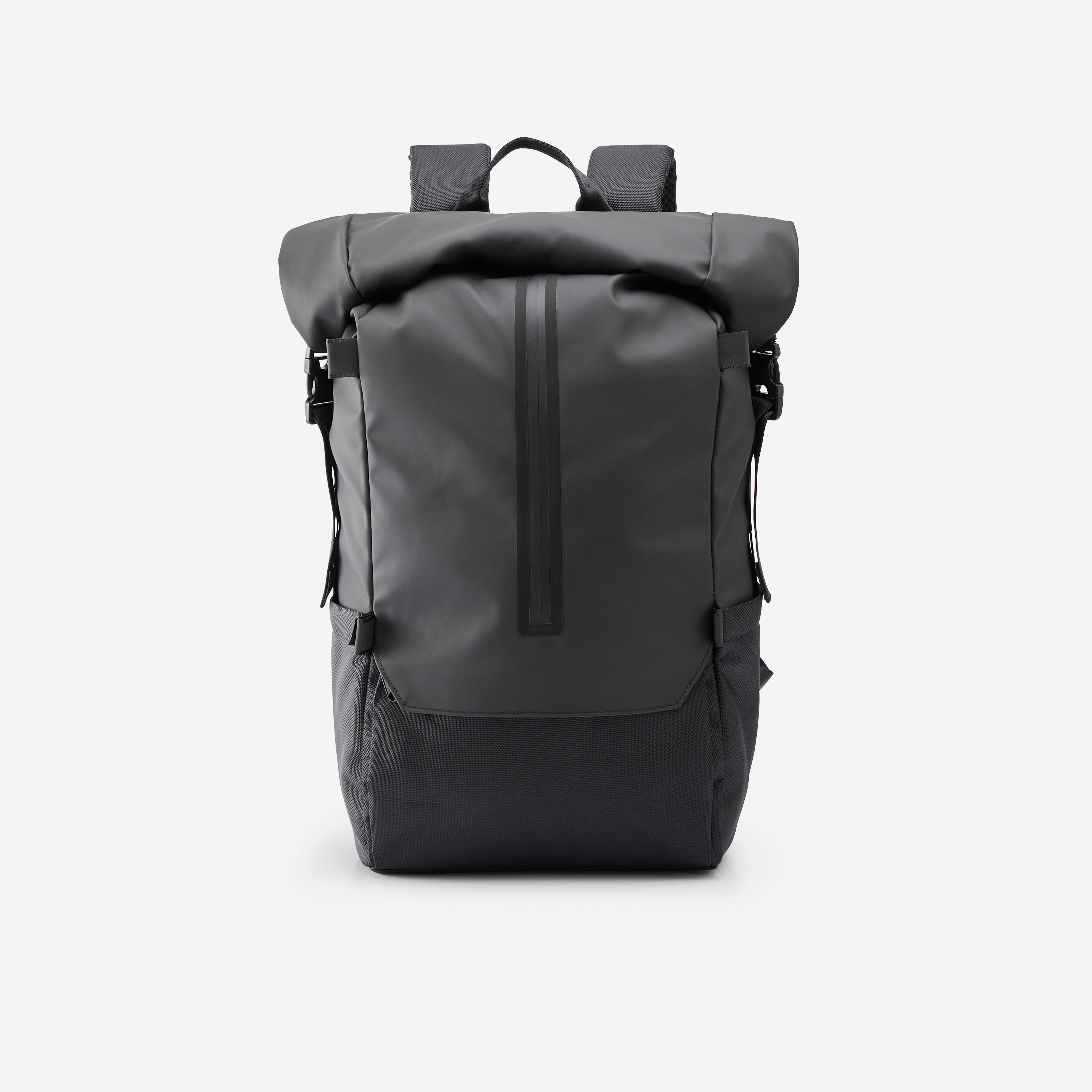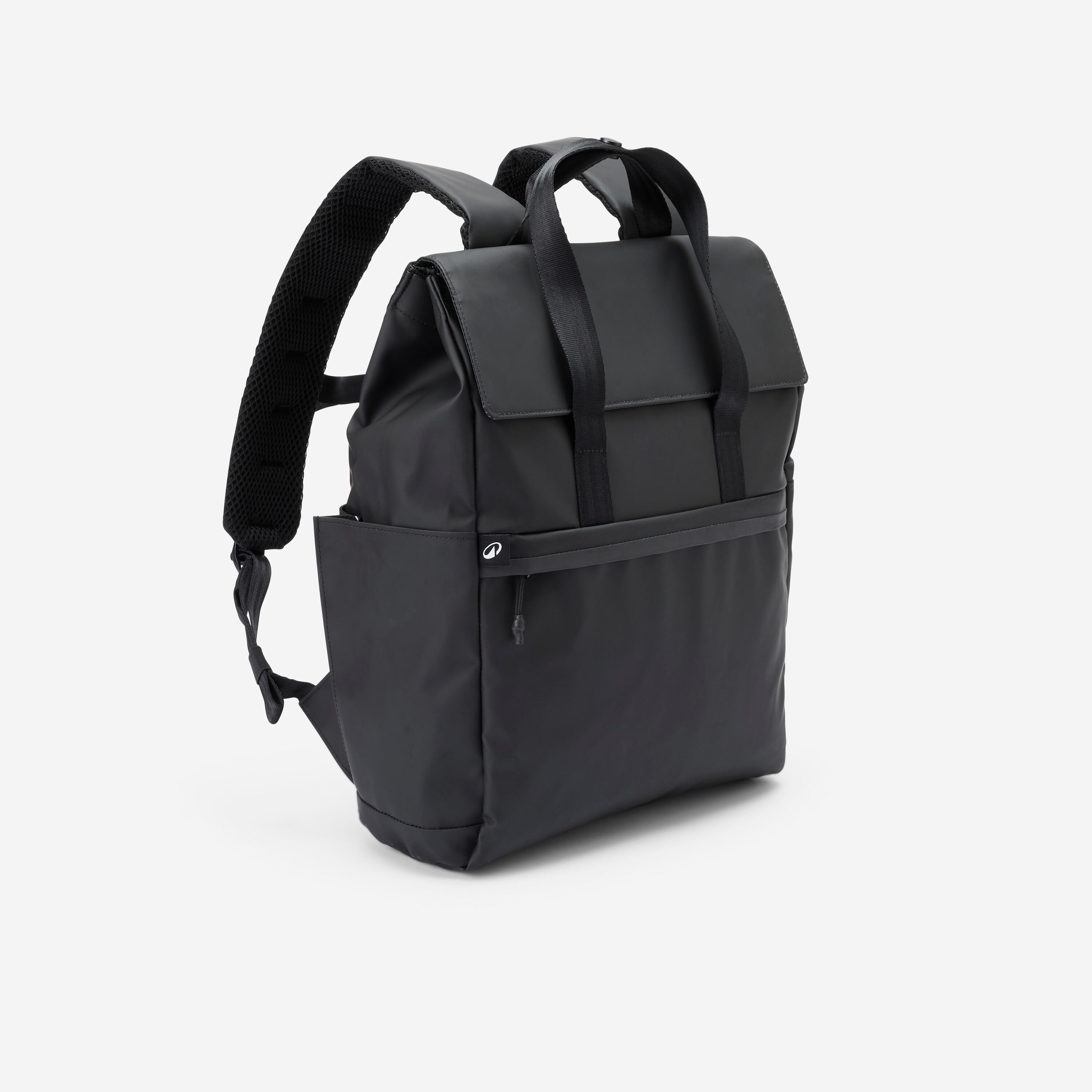
379 items
4.3/5 based on 8274 reviews collected online and in stores

CYCLING BACKPACK & MESSENGER BAGS FAQS

Should I wear a backpack while cycling?

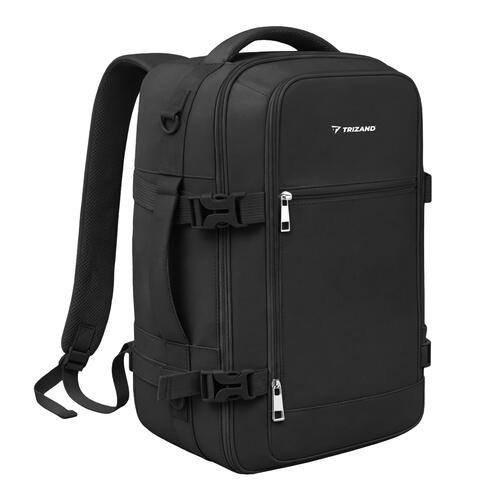
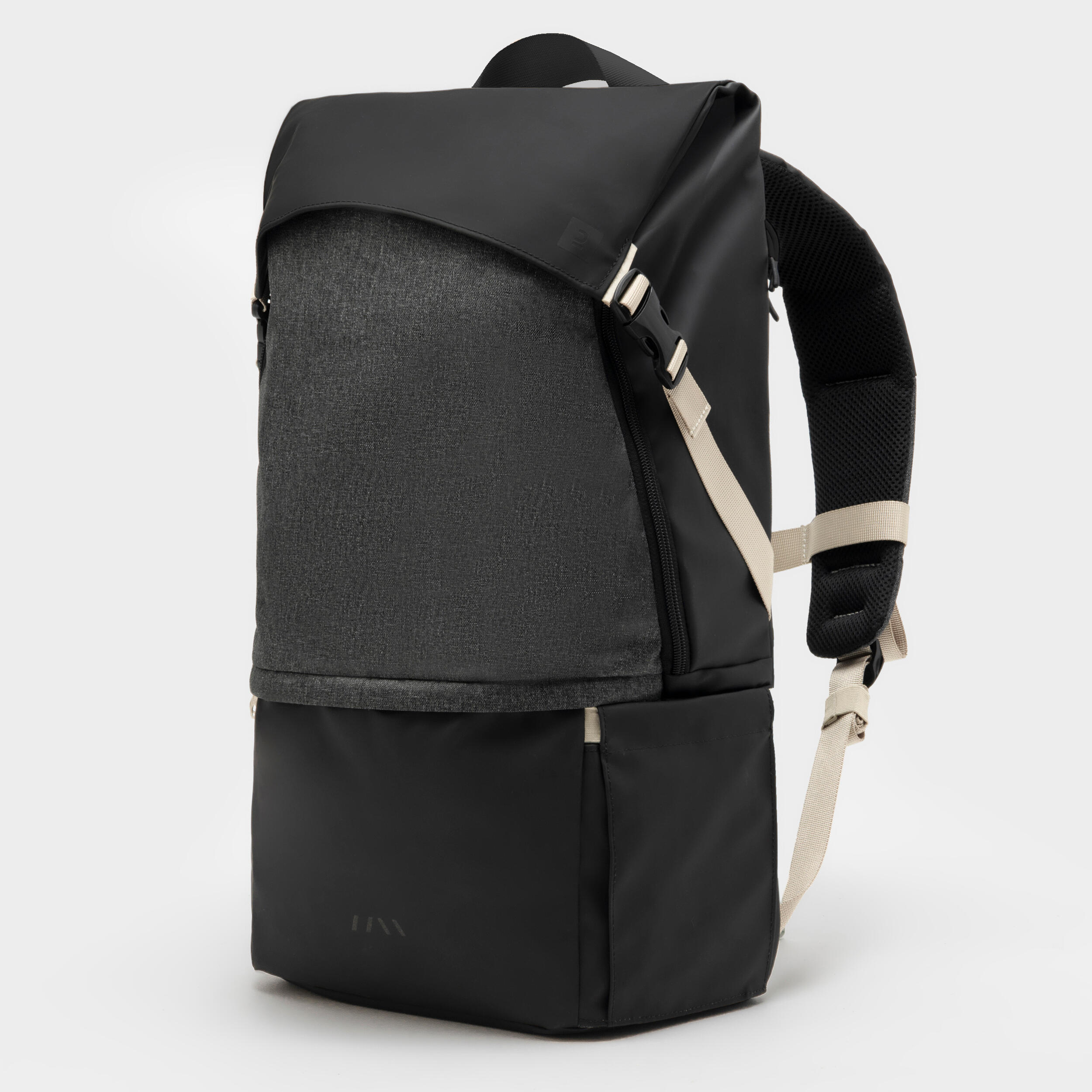
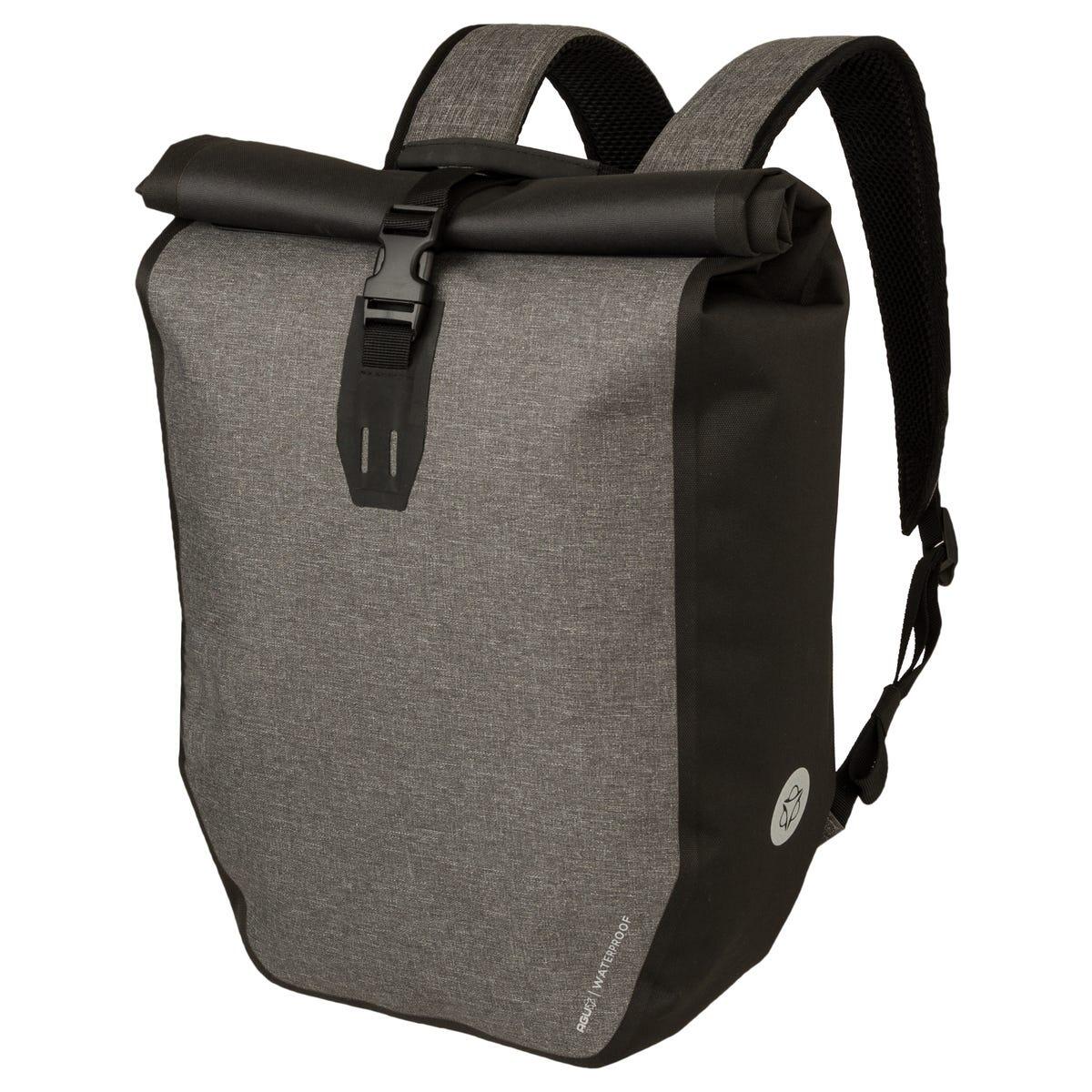
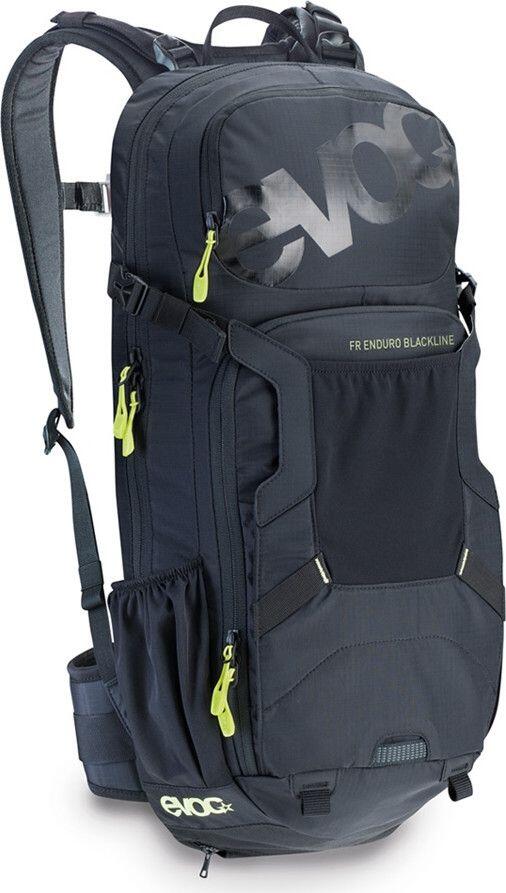
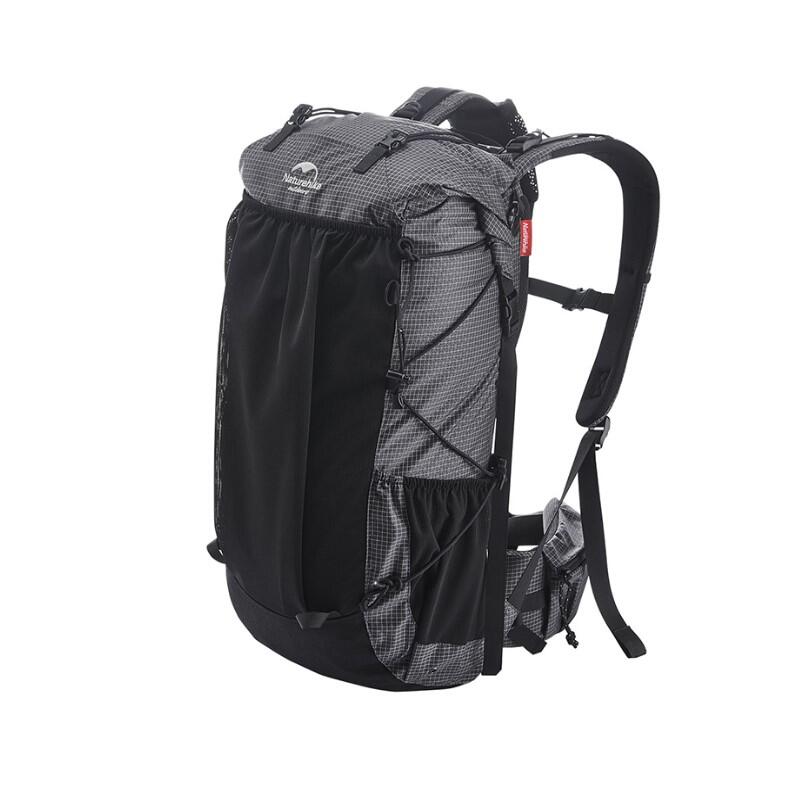
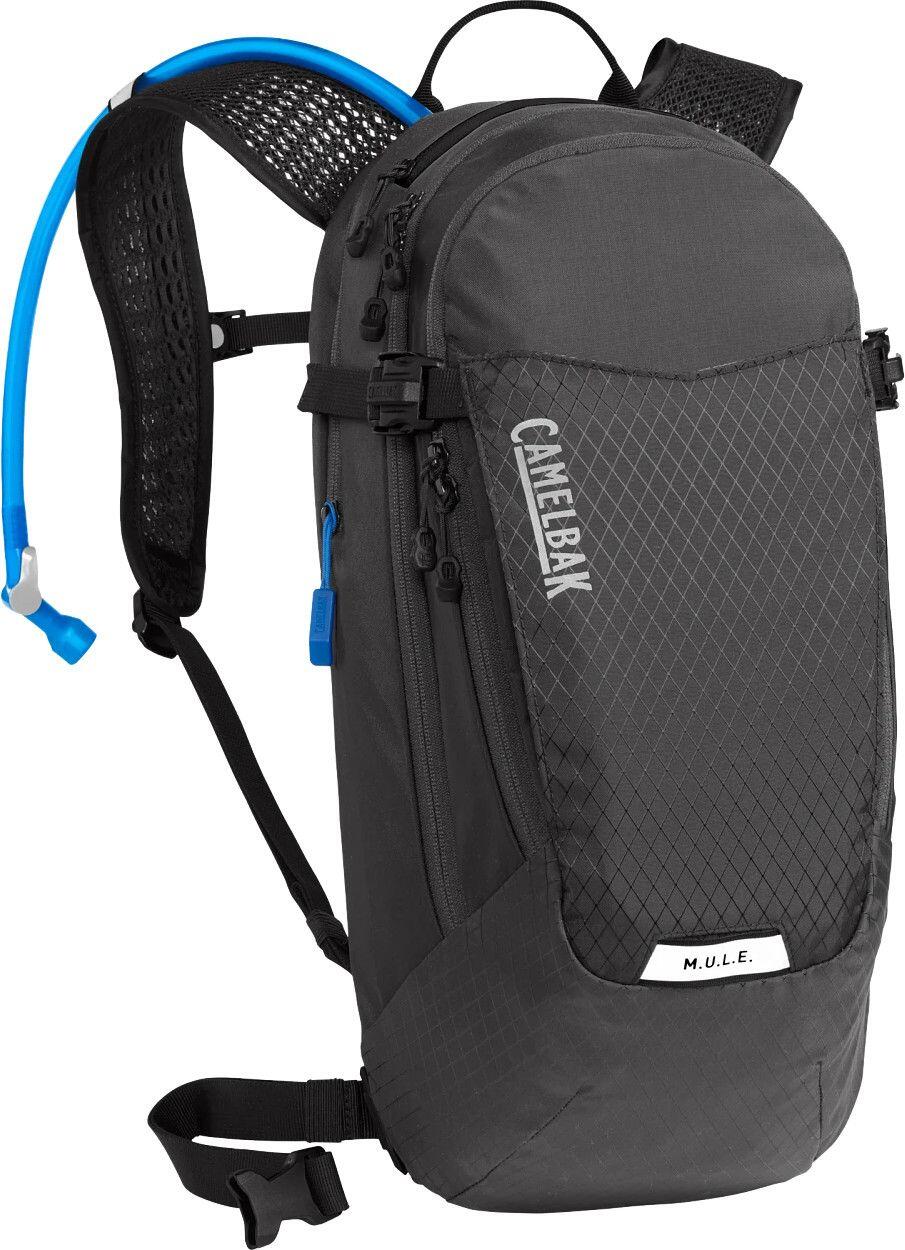
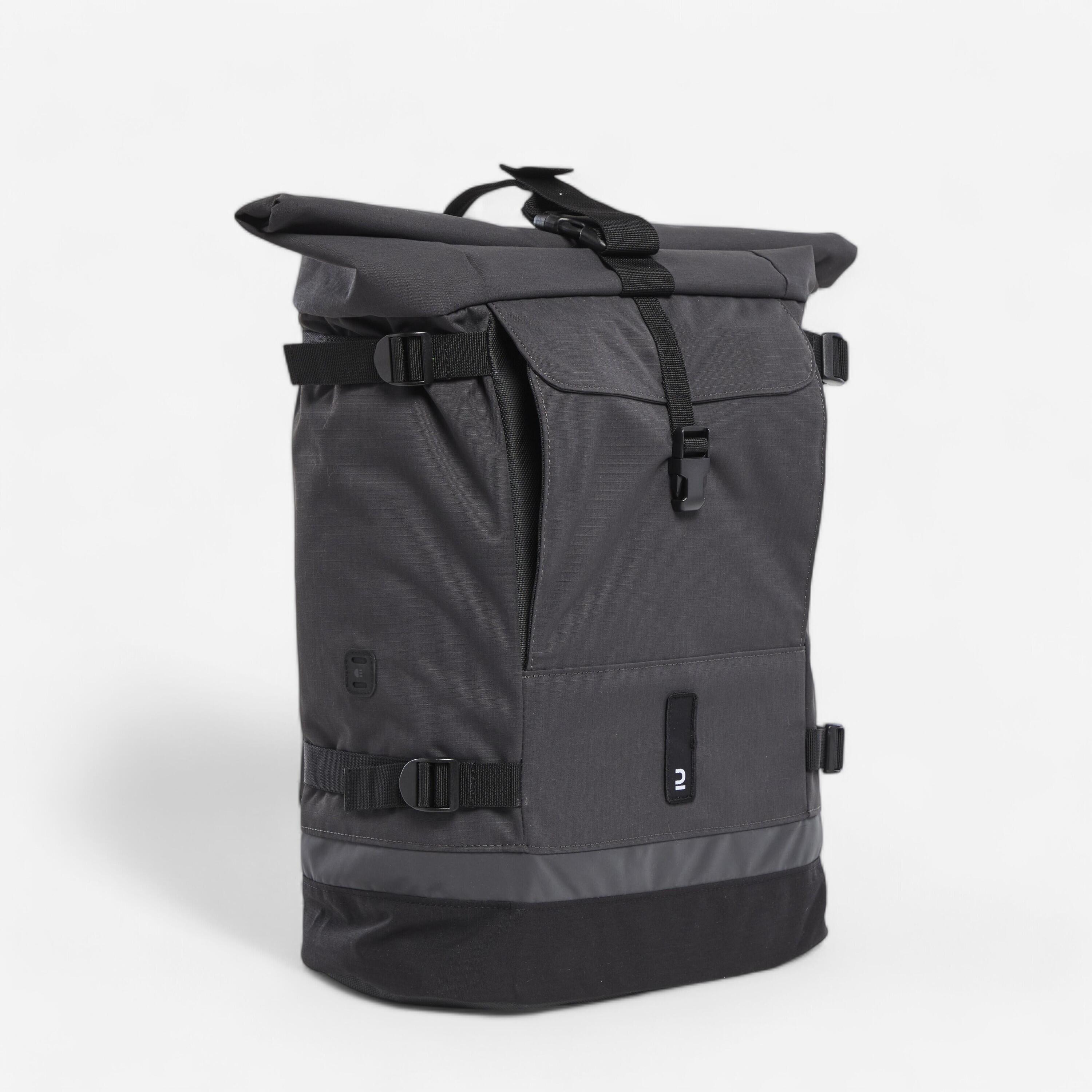
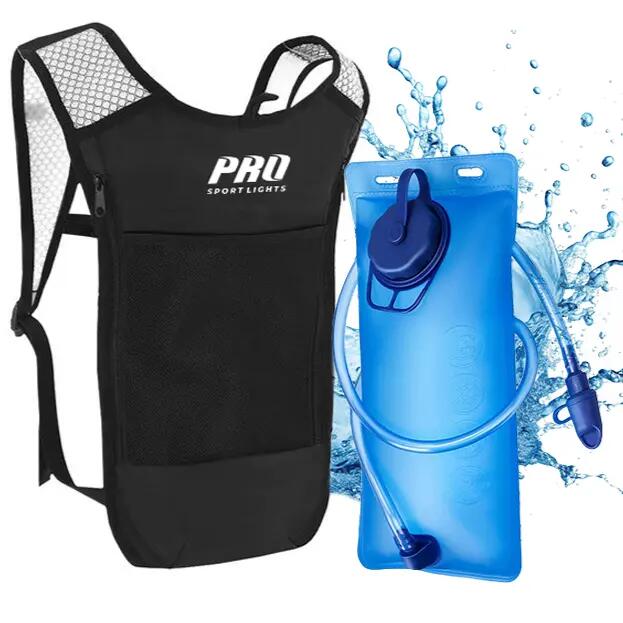
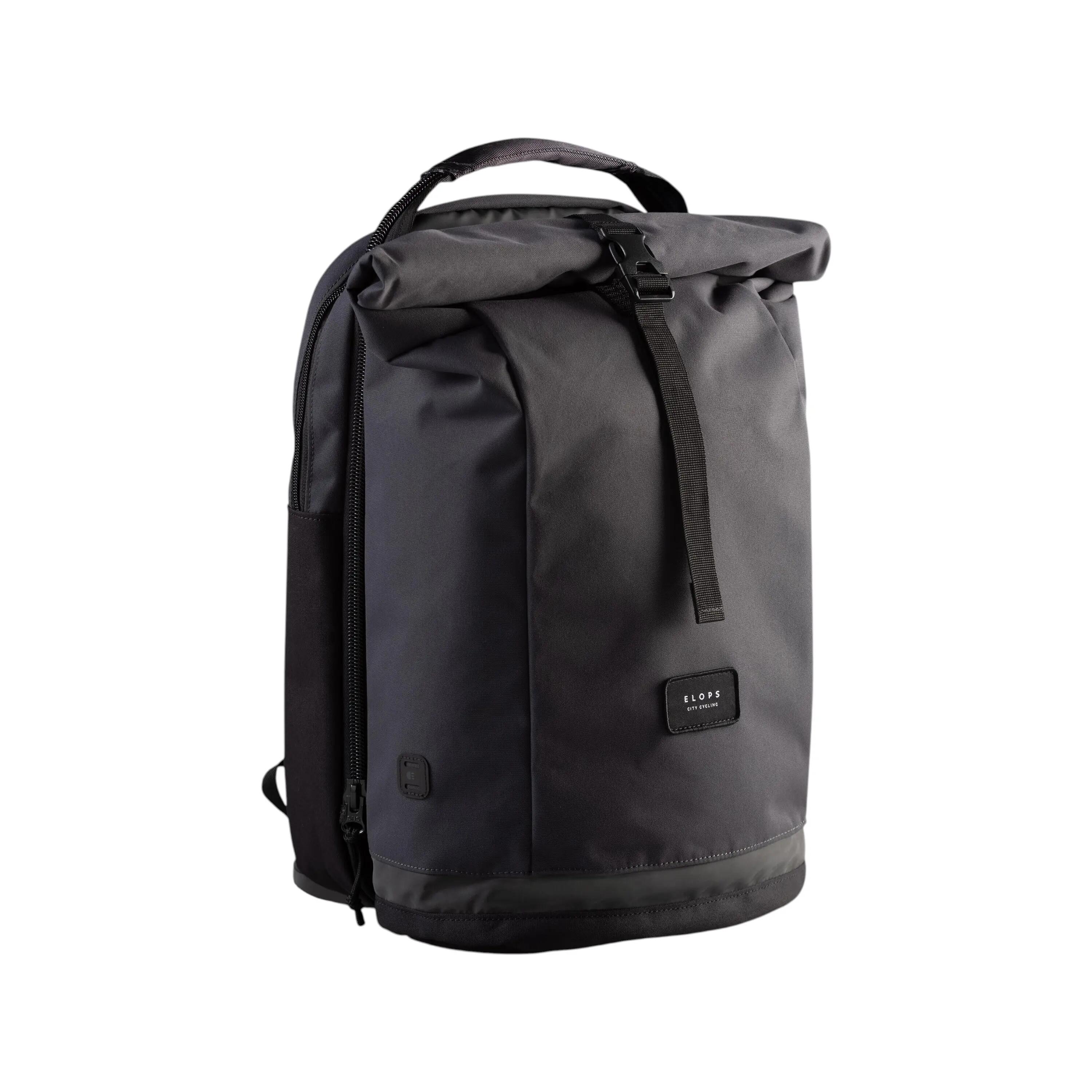
Wearing a backpack while cycling provides a versatile solution for carrying daily essentials such as locks, snacks, or light layers without needing permanent bike modifications. For the urban commuter, a dedicated pack keeps valuables secure and easily accessible once you leave the saddle. However, standard leisure bags often lack the necessary ventilation required for physical exertion. Our technical waterproof cycling backpacks solve the issue of inclement weather by utilising heat-sealed seams and roll-top closures that prevent moisture ingress during heavy downpours. The technical reason behind cycling-specific straps is the inclusion of a sternum belt, which prevents the load from shifting laterally when you lean into corners or stand up on the pedals for a climb. If you carry a laptop, look for models with a suspended internal sleeve that protects hardware from the vibrations felt through the frame and your body. Smart tip: Position the bag high on your back and tighten the straps so the bottom sits above your hips, preventing the bag from hitting the rear tire or interfering with your pedalling cadence.
What size backpack is best for cycling?

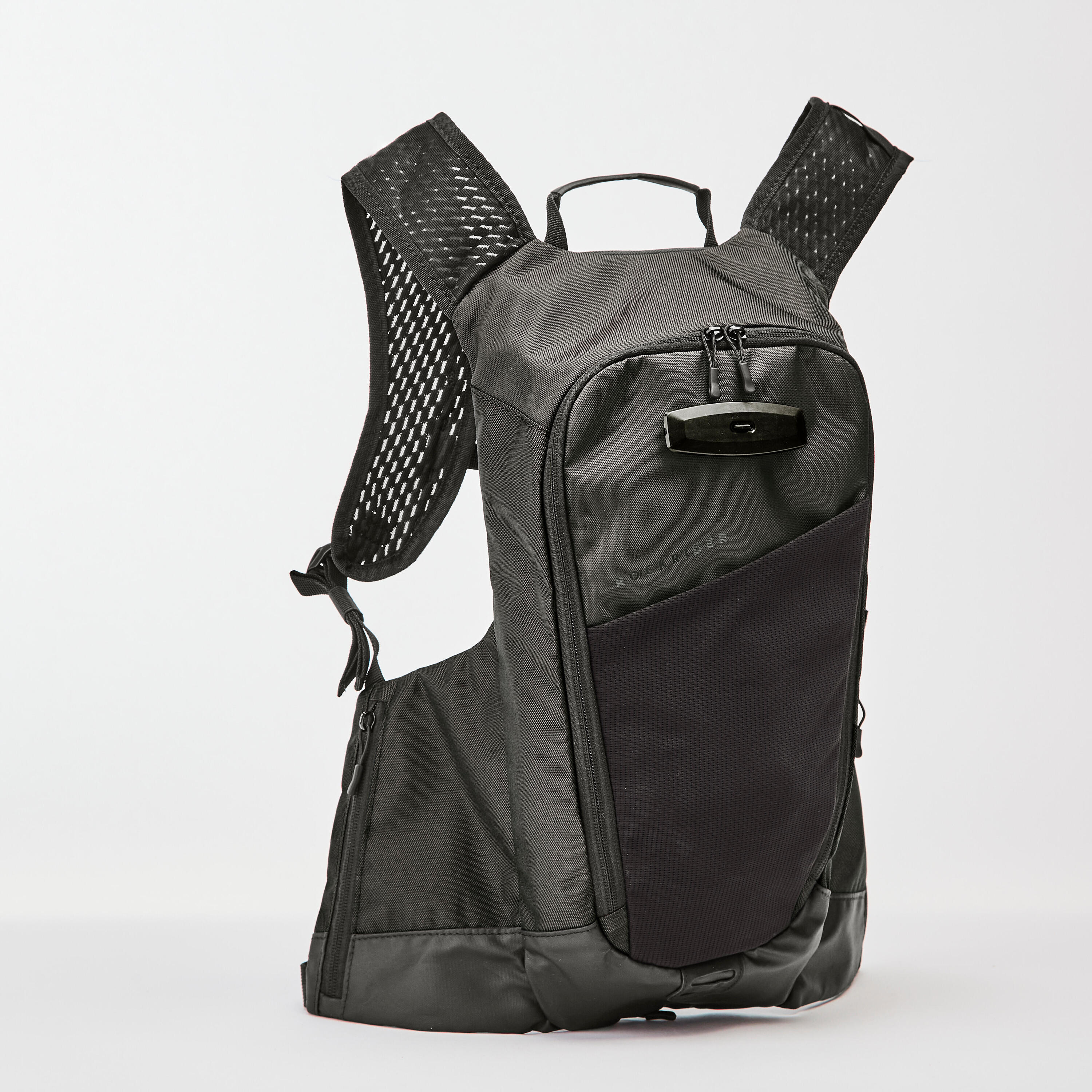
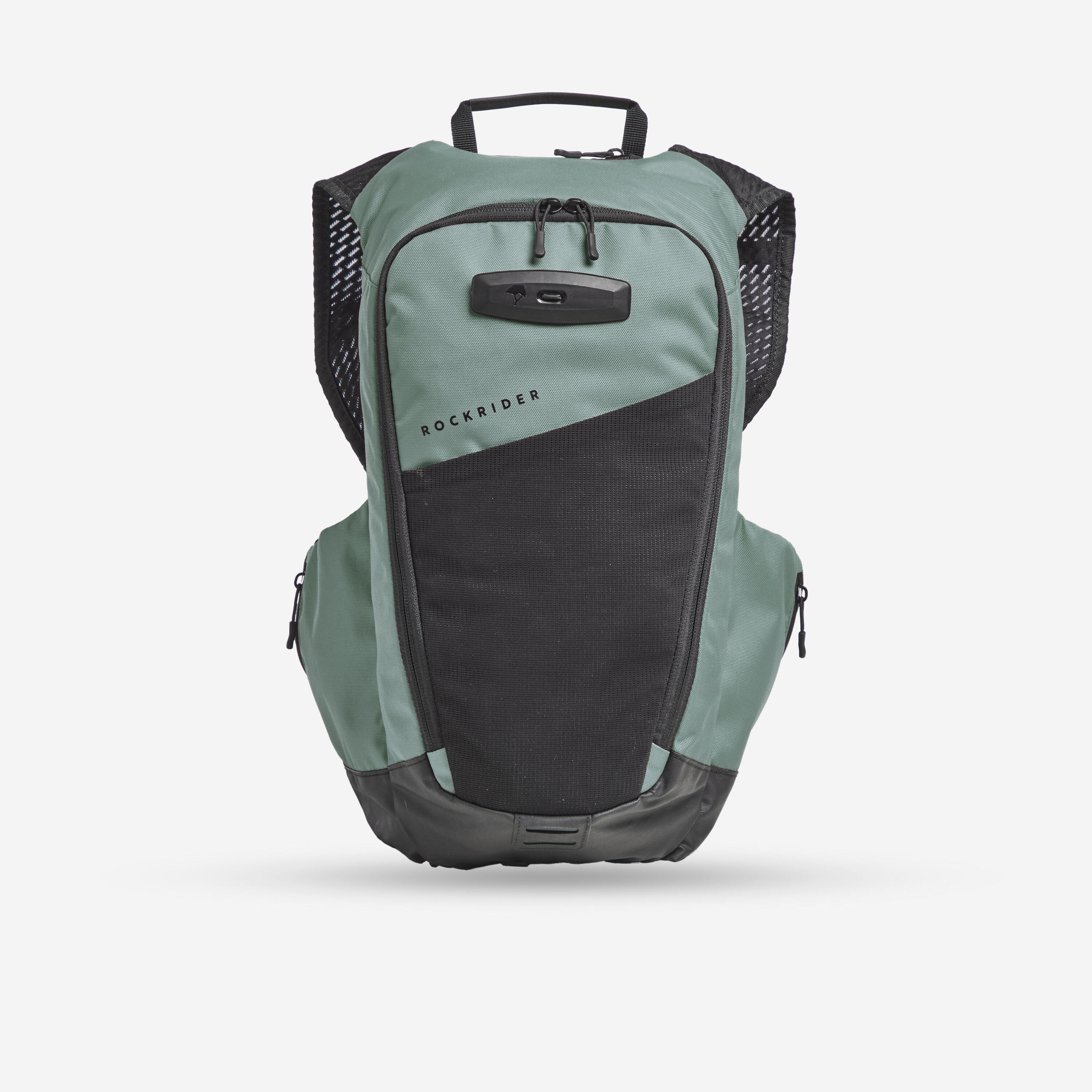
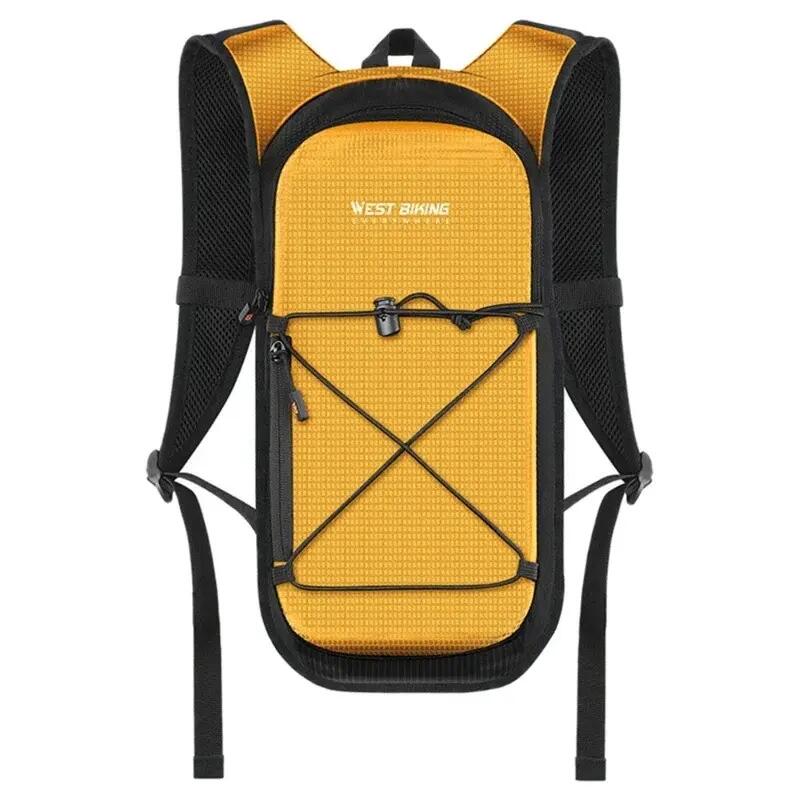
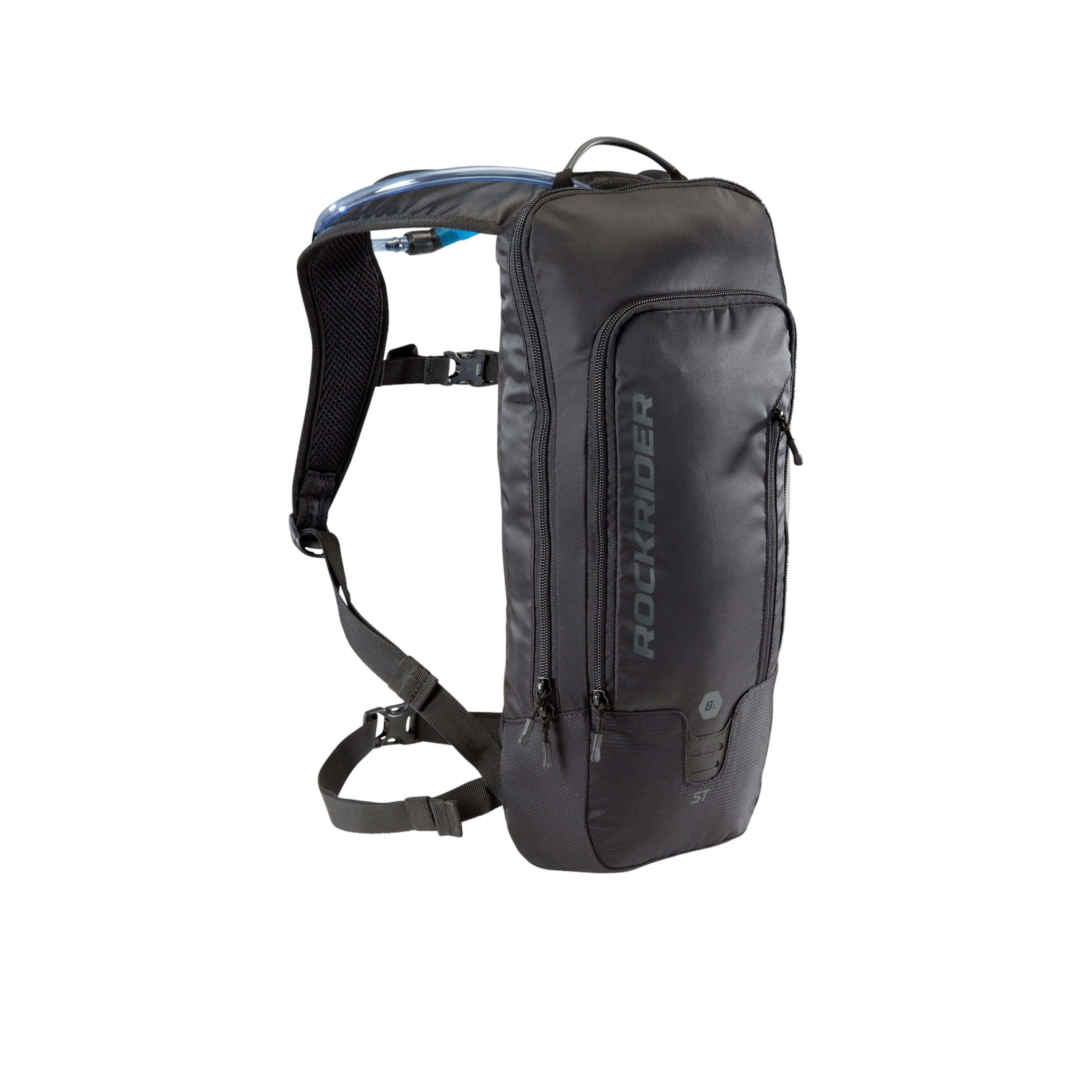
Selecting the right volume depends on the duration of your trip and the specific items you need to transport safely. For a fast road training session where you only need a puncture kit and a gilet, a compact 5-10 litre pack is optimal to maintain aerodynamics and minimize sweat. If you are commuting to work, a 20-25 litre capacity in our cycling backups range offers enough space for a full change of clothes, shoes, and a lunch box. The reason for choosing a slim profile is to keep the weight centered along your spine, which maintains your balance on the bike. Expert advice: Overloading a bag can cause the straps to dig into your shoulders and restrict blood flow. Always utilize the external compression straps to keep the internal contents from rattling, which reduces the perceived weight and prevents the bag from deforming against your helmet when you are in a tucked riding position.

What are the benefits of using cycling messenger bags?

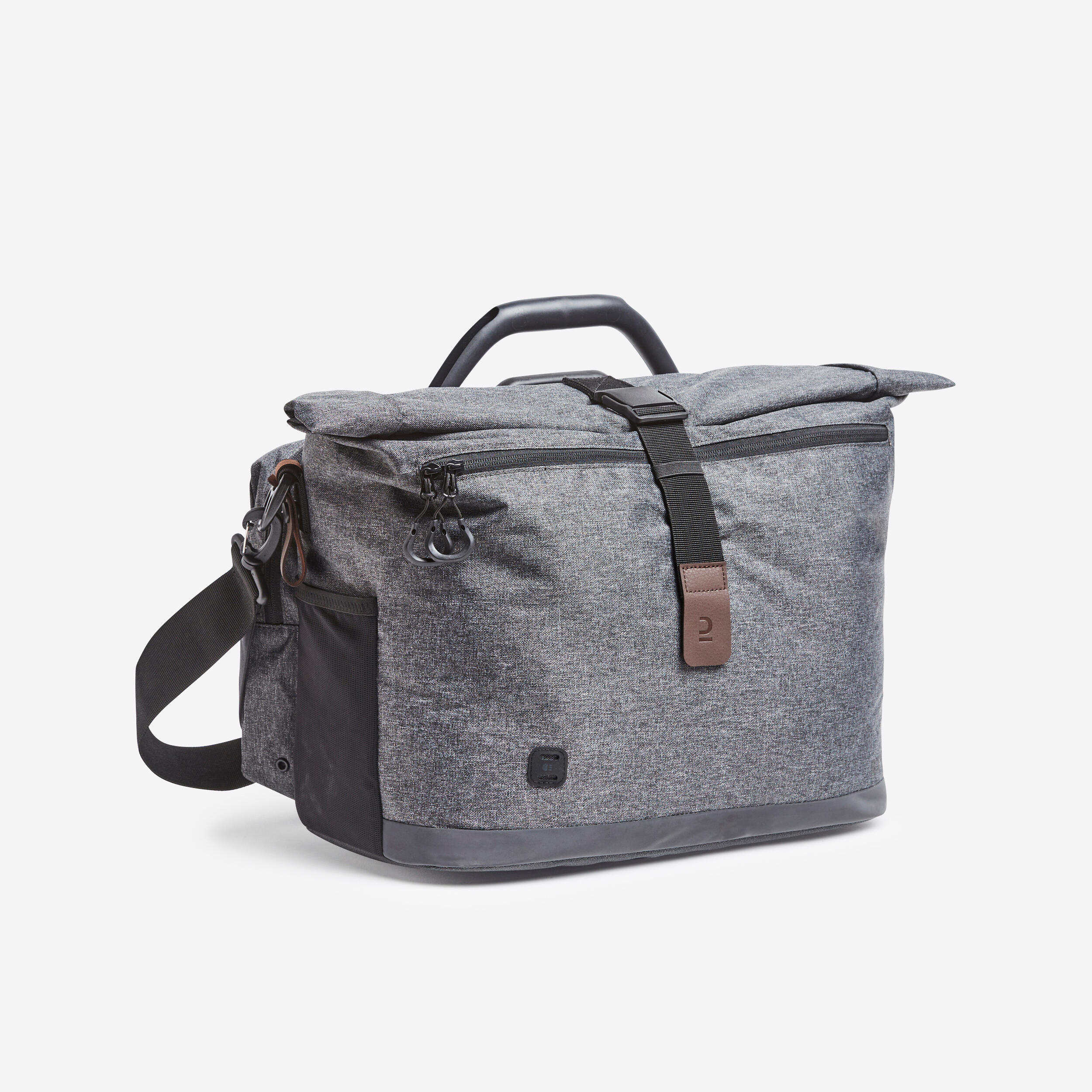
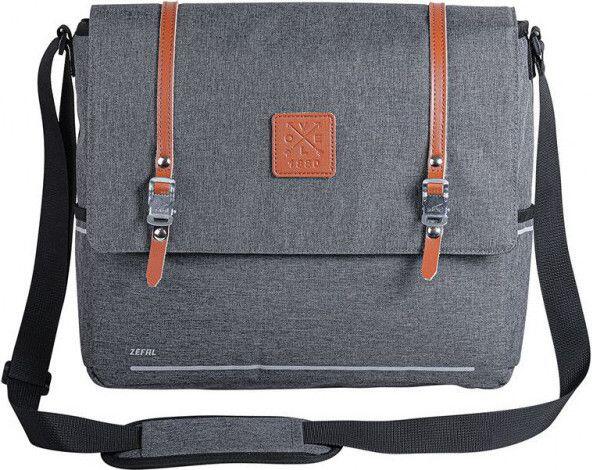
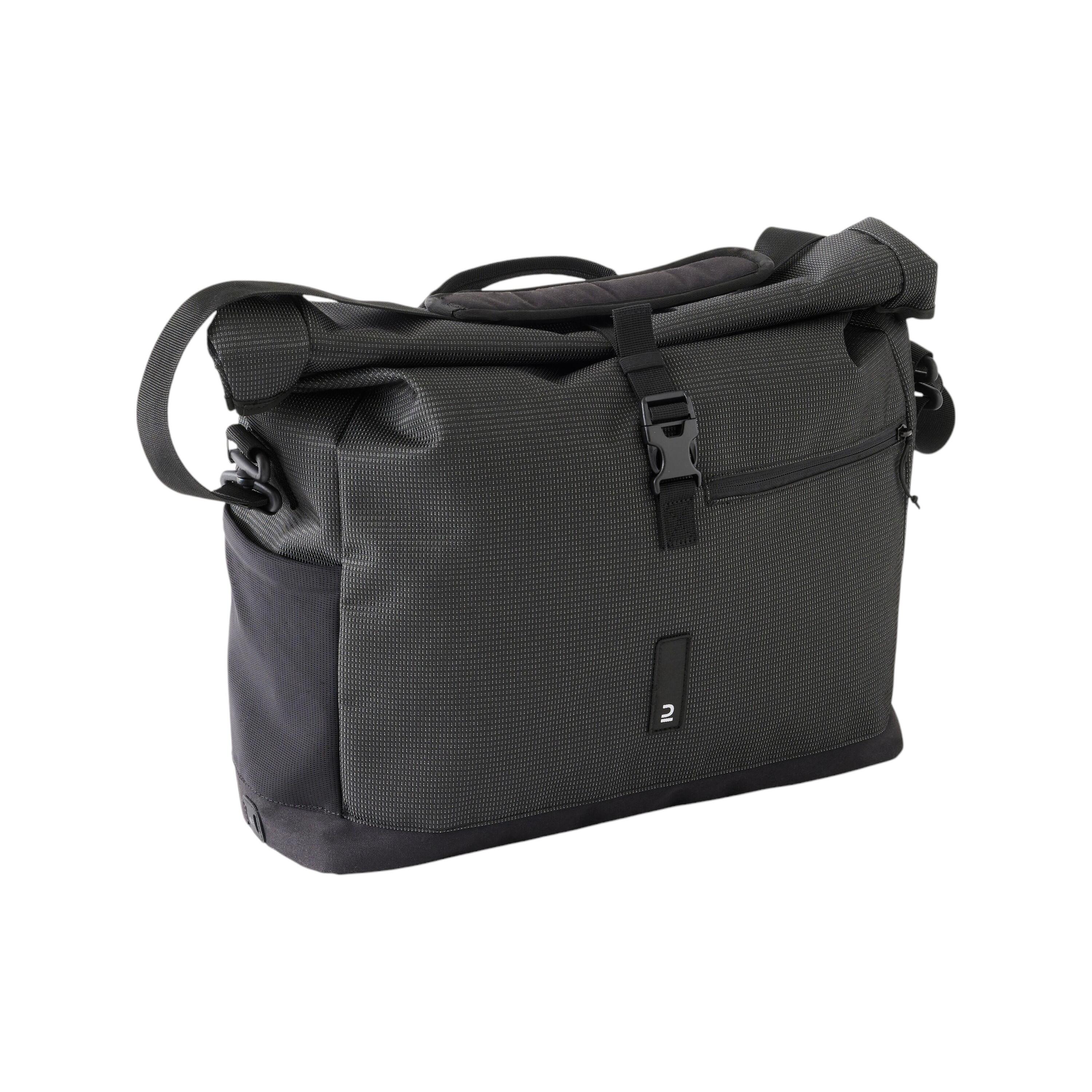
Messenger bags are a popular choice for riders who need frequent, rapid access to their belongings without removing the entire carrier. These single-strap bags are built to swing around to the front of the body, making them perfect for couriers or students. Our cycling messenger bags feature a cross-body stabilizer strap, also known as a "third-leg" strap, which keeps the bag firmly on your back while you are pedalling at high speeds. The technical reason behind the wide, padded shoulder strap is to distribute the weight across a larger surface area of the chest and shoulder, preventing localized pressure points. Small tip: Ensure the main buckle is positioned on your chest rather than your shoulder to avoid chafing. These bags often include high-visibility reflective strips and dedicated loops for clipping on rear lights, enhancing your safety when navigating through heavy traffic or low-light environments during your evening commute.

What features help with ventilation in cycling bags?

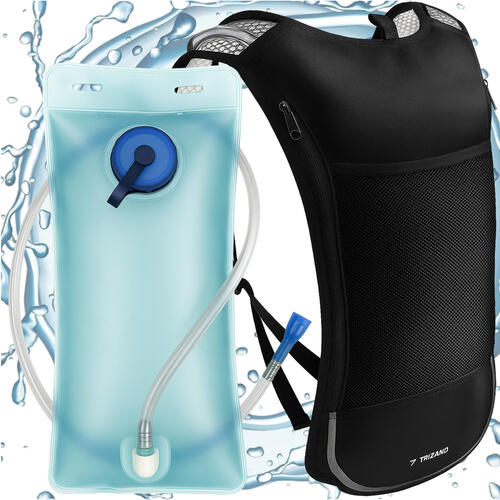
Heat management is a primary concern because a bag creates a barrier between your skin and the moving air, leading to a "sweaty back" effect. To combat this, look for bags equipped with a mesh-covered foam back panel or a suspended trampoline mesh system. These designs create a physical gap between the bag and your jersey, allowing air to circulate freely and evaporate perspiration. Cyclists planning longer commuts or touring rides often explore practical storage options like bike bags designed with ventilation-focused back panels and ergonomic support. The reason for using perforated EVA foam in the shoulder straps is to provide cushioning while allowing heat to escape through the holes. Additionally, choosing a bag with light-colored fabrics can help reflect sun rays during peak summer. Small advice: Loosen the straps slightly during low-intensity sections of your ride to increase airflow, then tighten them back up for technical descents where stability is paramount. Combining a ventilated bag with a technical cycling jersey ensures that moisture is moved away from your body as quickly as possible, keeping you dry and comfortable.