27 items
4.6/5 based on 345 reviews collected online and in stores

Electric Road Bikes FAQs

How far can an electric road bike travel on a single charge?

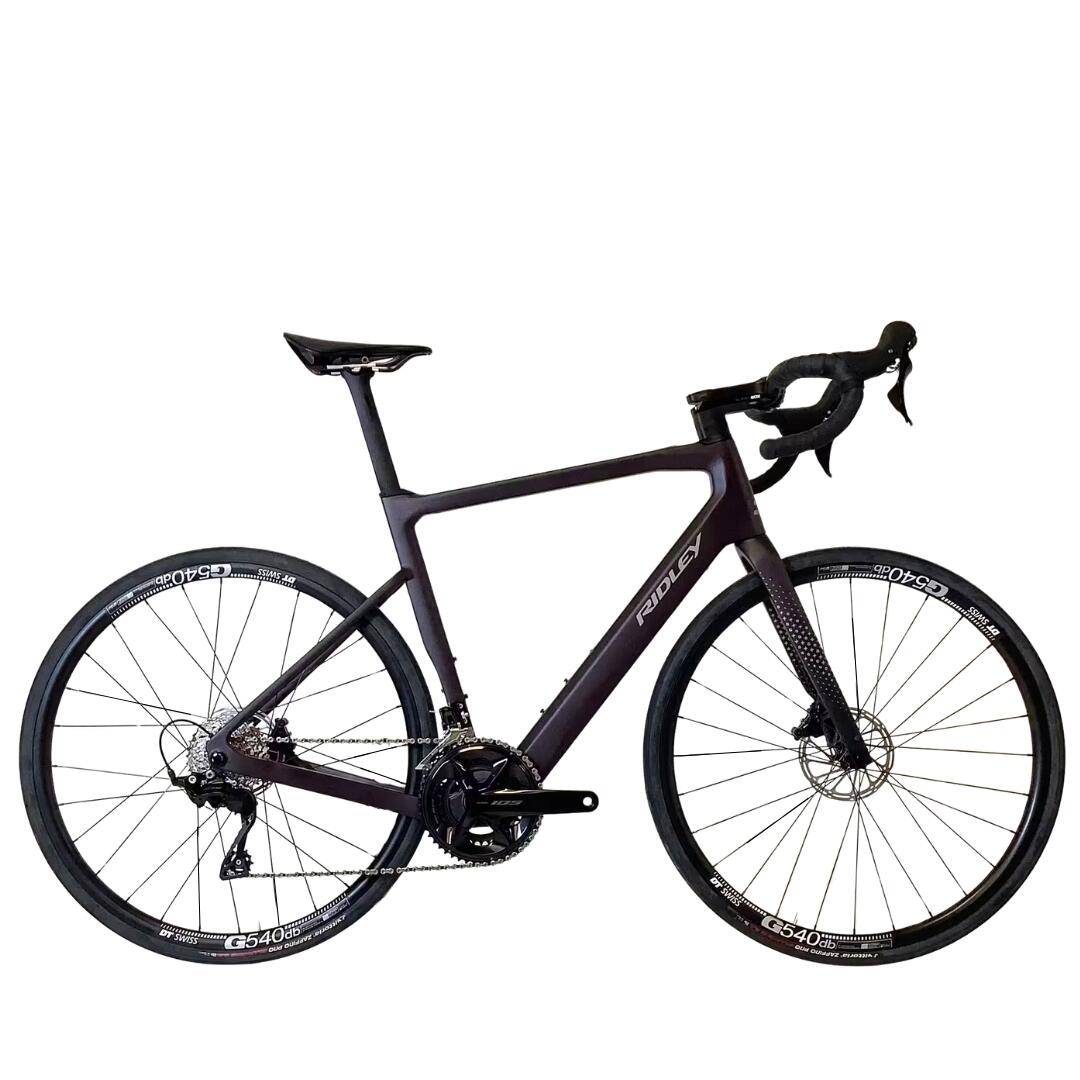
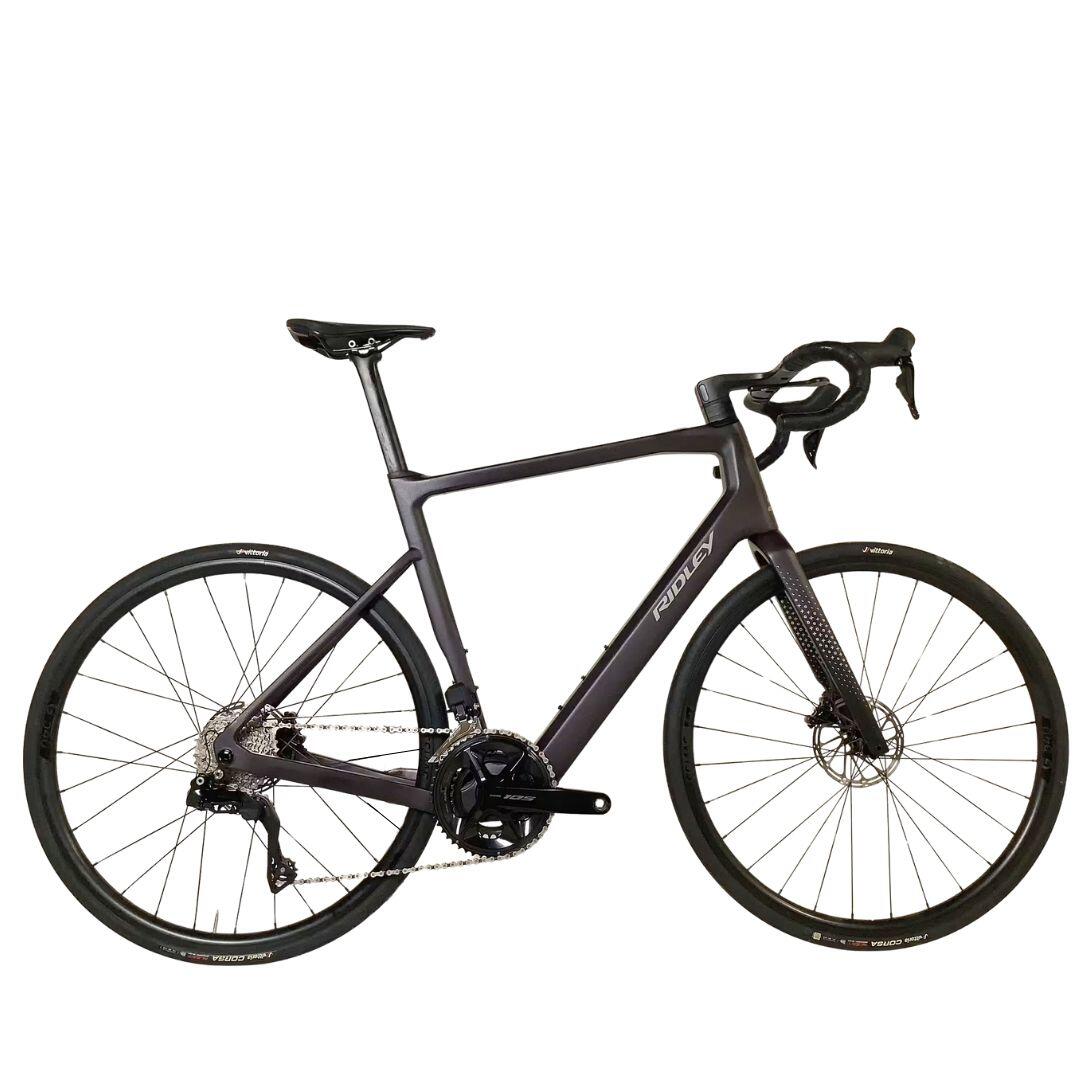
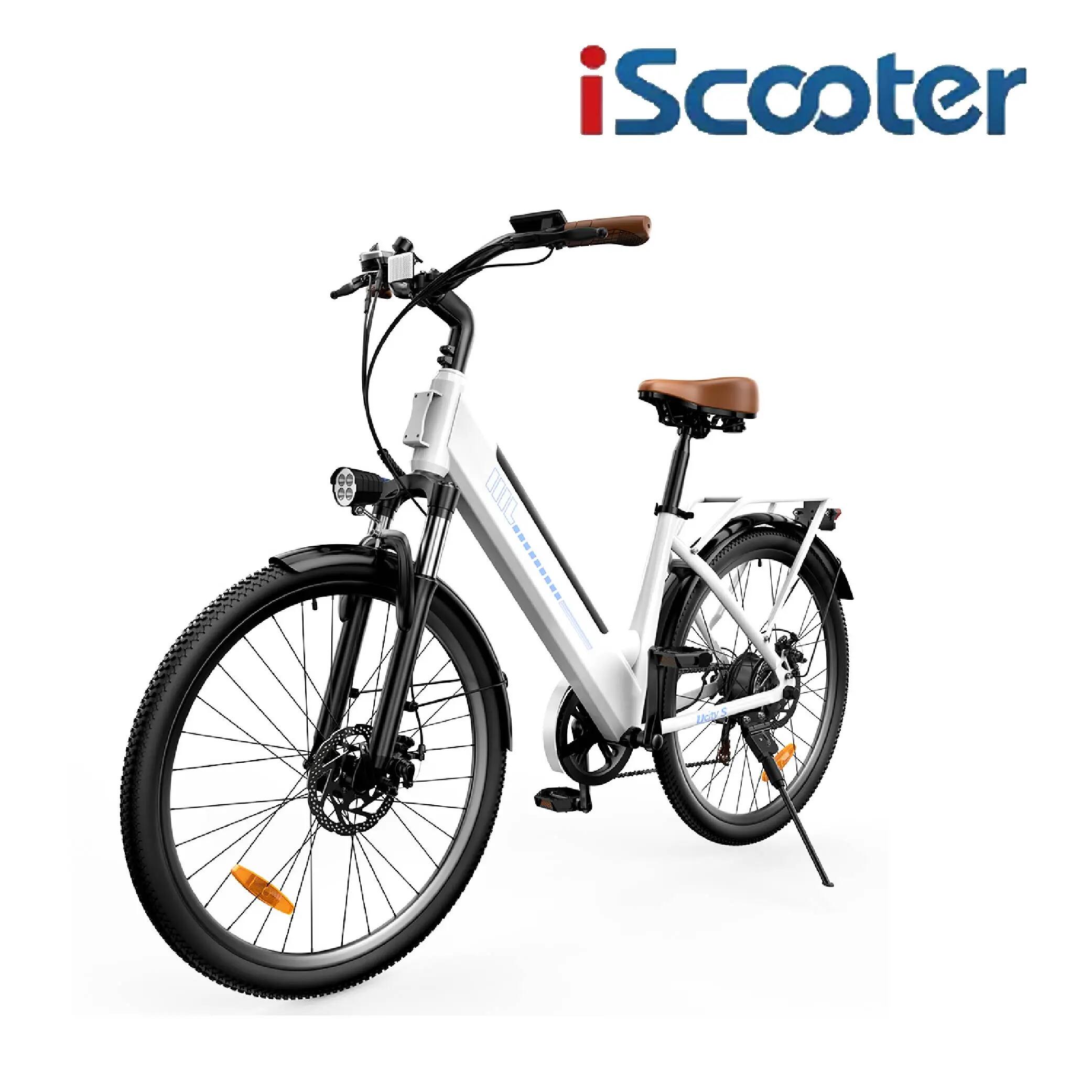
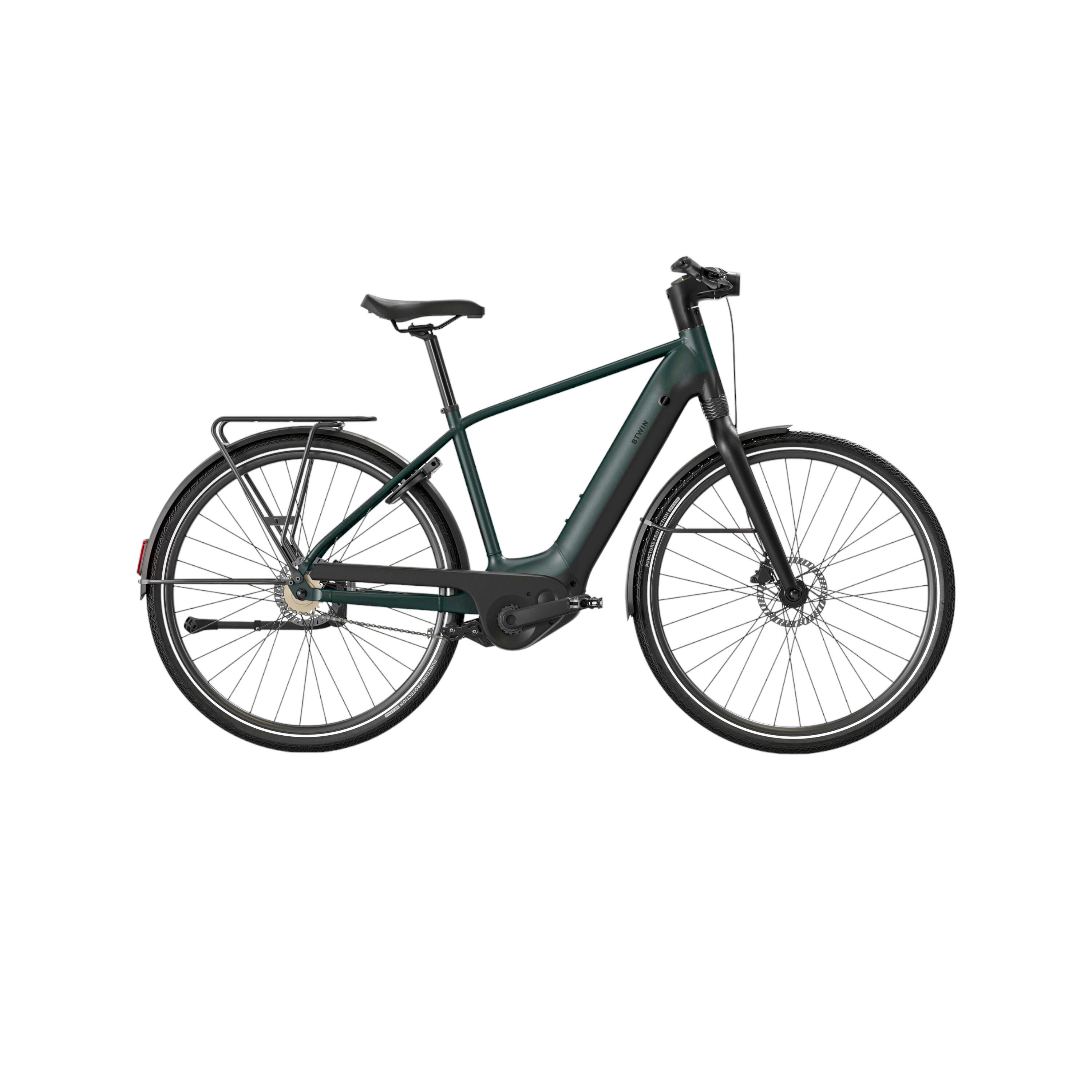
The range of an electric road bike on a single charge varies meaningfully across rider, terrain and assist mode rather than sitting at a single fixed number. The reason this matters is that the battery powers an assist motor rather than the bike outright, and the rider's own pedalling effort changes how hard the motor has to work across every mile. Larger batteries deliver longer rides on a single charge, while heavier riders, steeper terrain, headwinds and higher assist modes all shorten the range across a given ride. Lower assist modes used selectively on hills extend the battery dramatically across a full day out. Practical advice: plan around the rider profile and route rather than the headline battery figure on the spec sheet. For commuting on flat urban routes where range pressure is lower, browse our range of electric city bikes across the Btwin and Elops labels in step-through and crossbar builds.

Are electric road bikes a good fit for beginner cyclists?

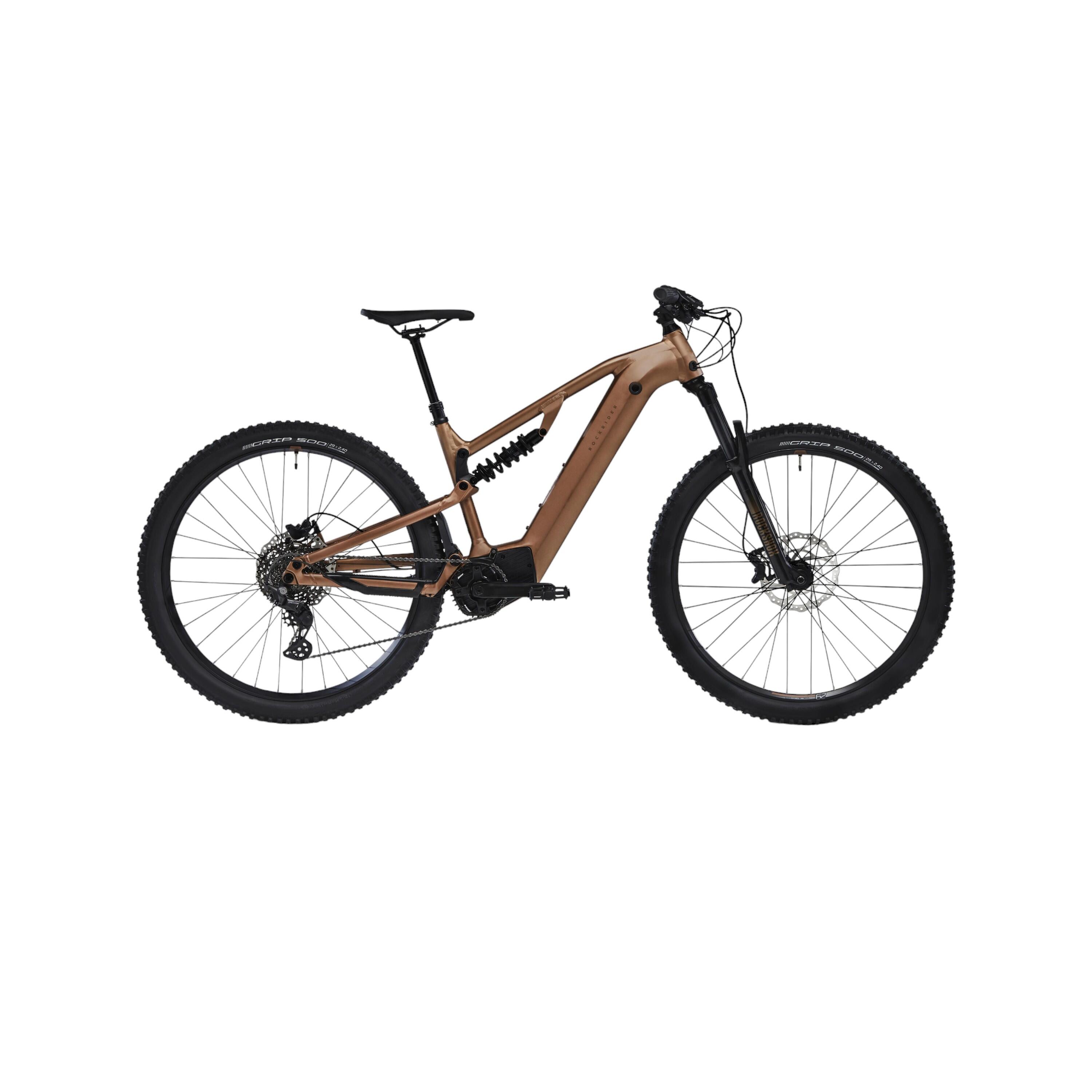
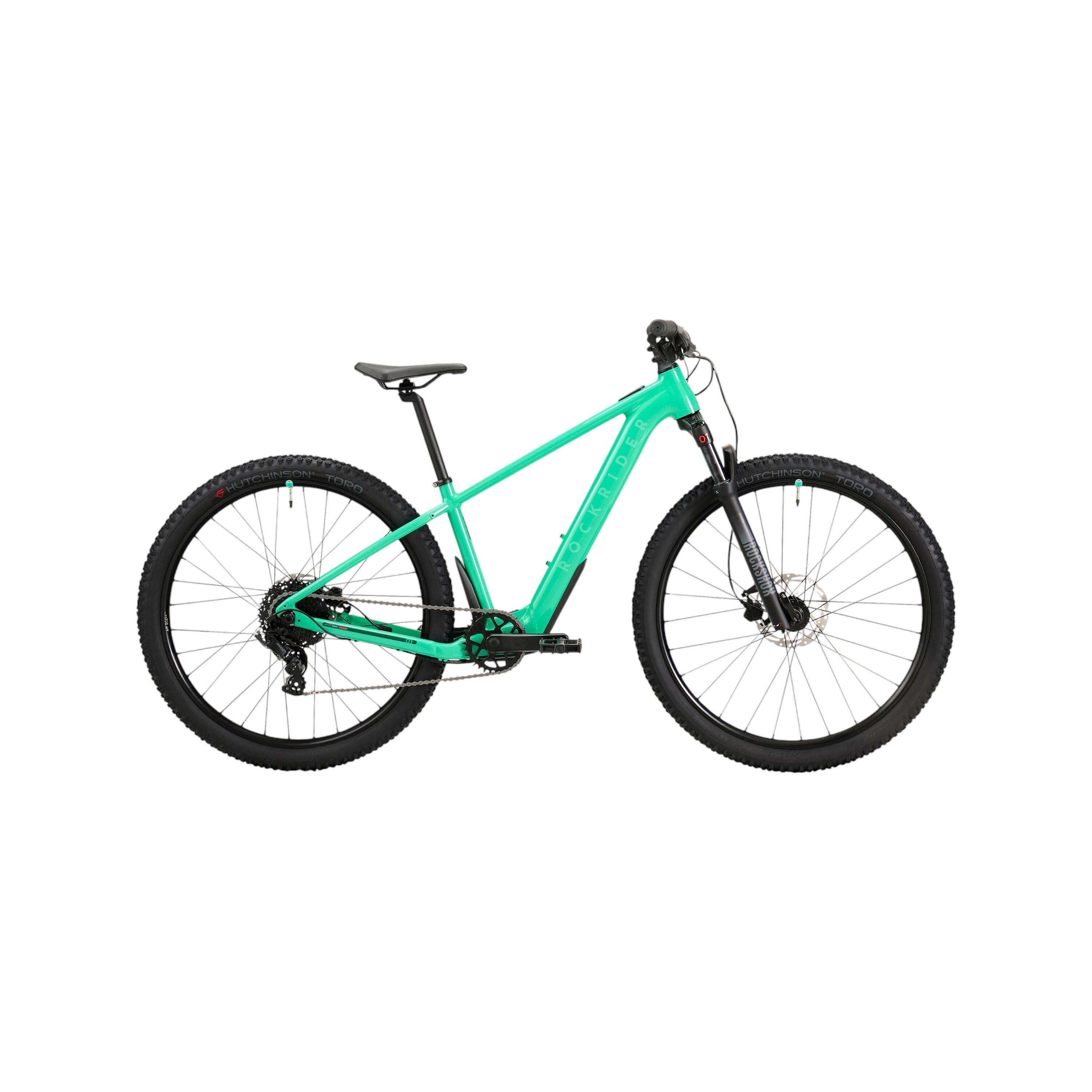
Yes, electric road bikes offer one of the smoothest entries into road cycling for beginners, since the motor assist reduces fatigue on climbs, helps maintain group pace on longer rides, and builds confidence for newer riders who may struggle with tough terrain. The reason matters across early training rides: a beginner riding a non-assisted road bike often quits a hilly route halfway through, while an electric road bike keeps them on the bike long enough to actually build the habit. For off-road climbs and rough surfaces where the assist becomes even more useful, browse our range of electric mountain bikes across the Rockrider label in hardtail and full-suspension builds.

What is the difference between an electric road bike and an electric gravel bike?

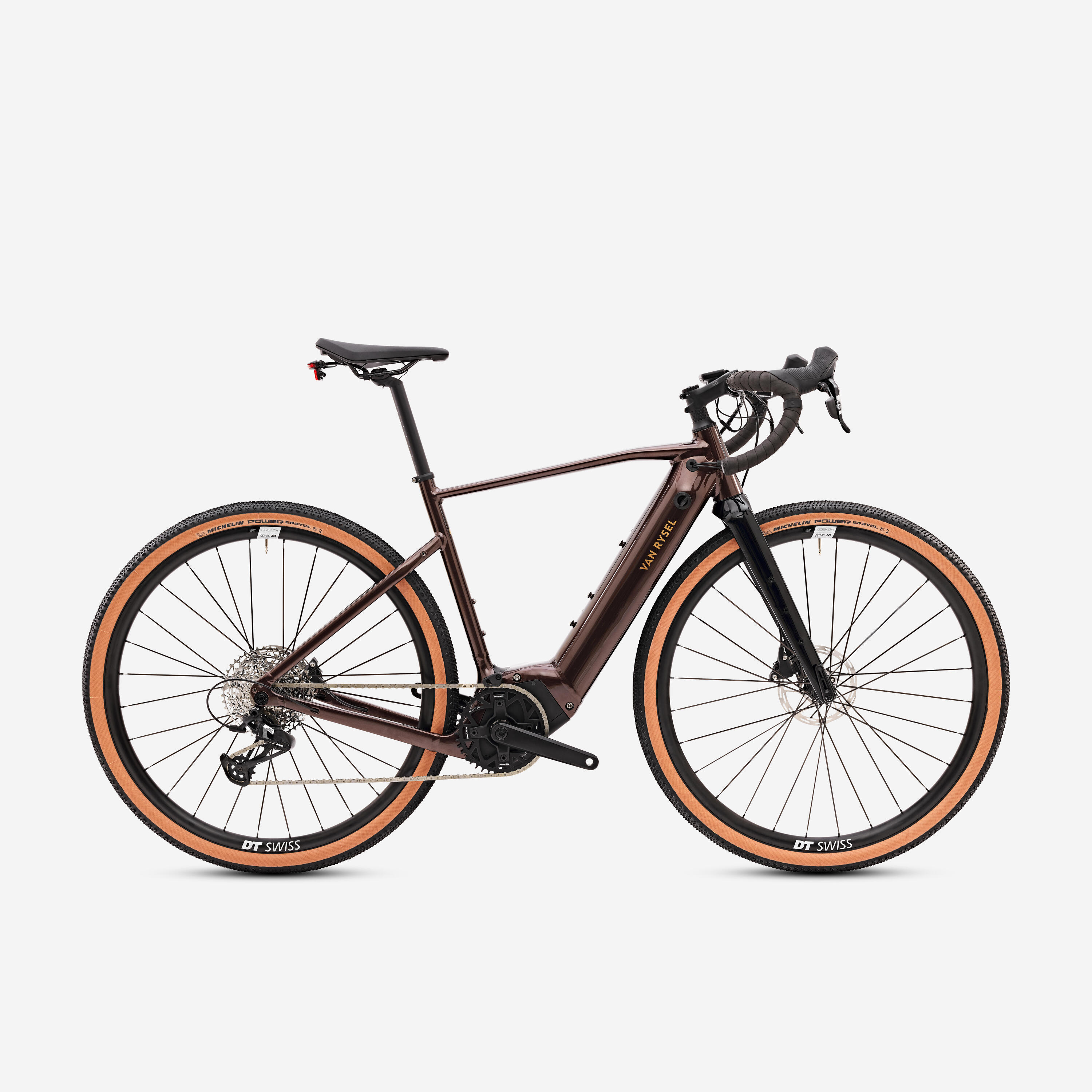
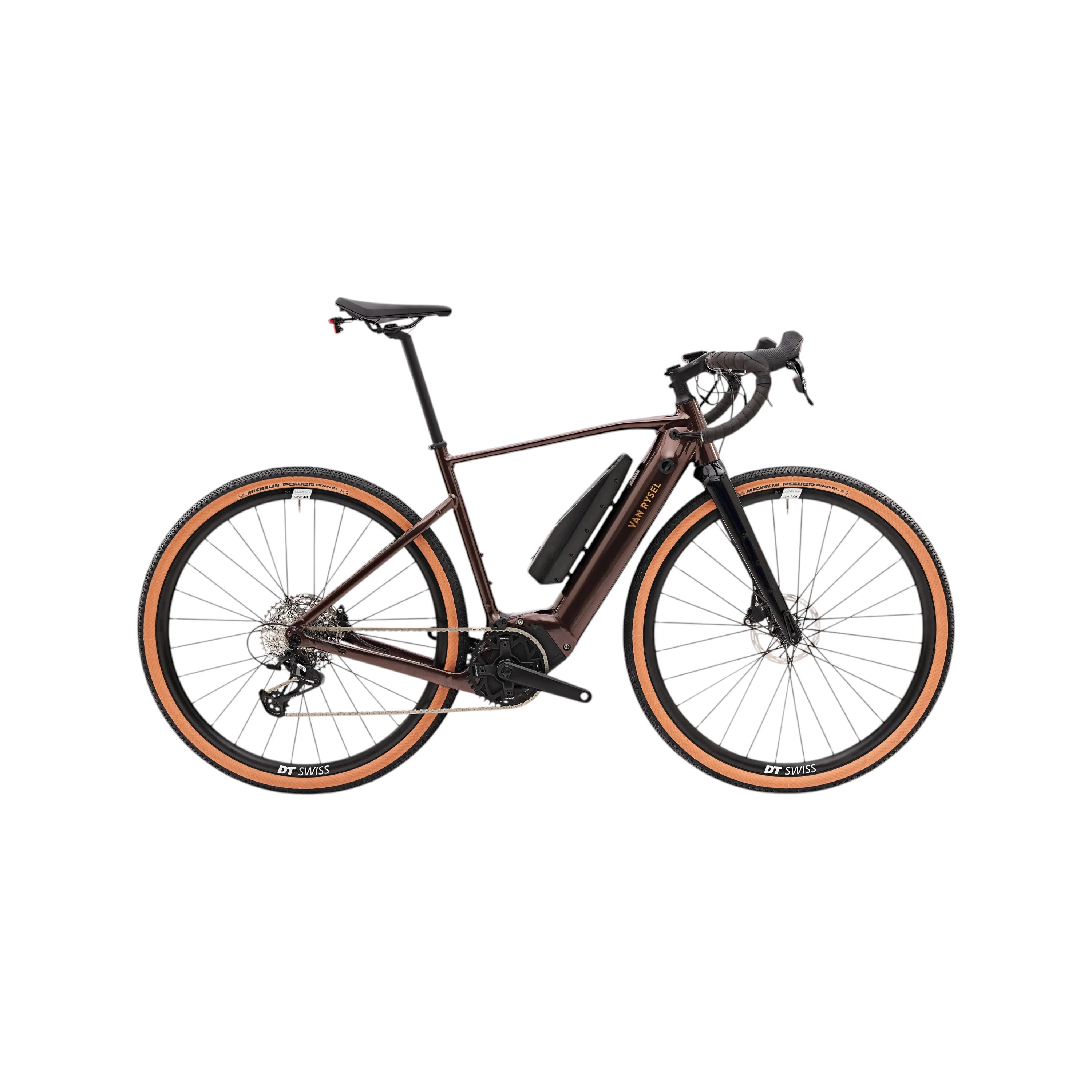
Electric road bikes and electric gravel bikes share the same drop-bar silhouette at a glance, but they target very different riding goals across the season. Electric road bikes pair the assist motor with narrow, fast-rolling slick tyres and aggressive geometry for tarmac use, prioritising speed, smooth-road comfort and long-distance touring on sealed surfaces. Electric gravel bikes, by contrast, run wider, knobbly tyres with more clearance for loose surfaces, plus a more upright posture for longer days off-road on canal paths, forest tracks, and unsealed lanes. Browse our range of electric gravel bikes in carbon, aluminium, and adventure-touring builds across the Riverside and Triban labels.

Can I ride an electric road bike in the rain and through the winter?

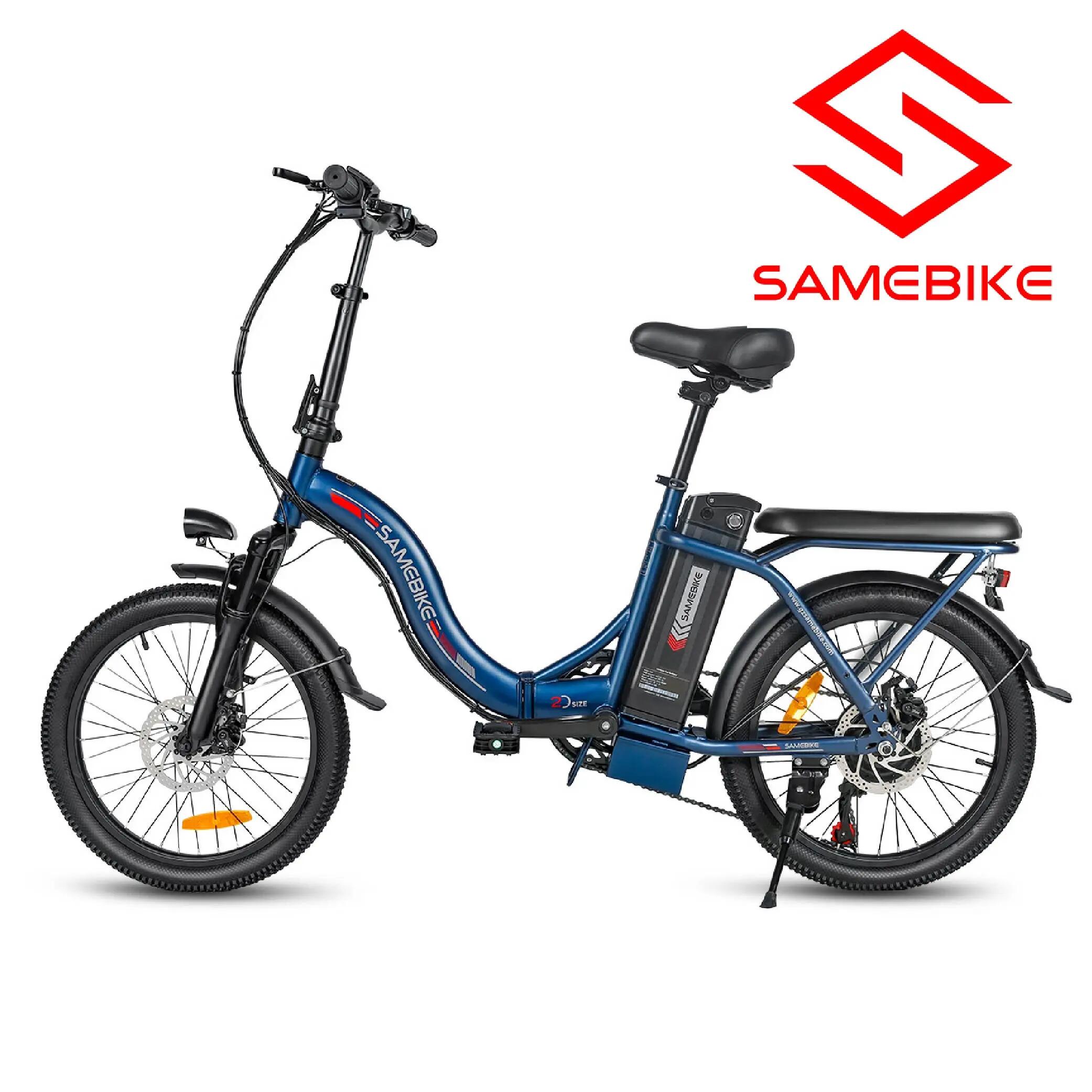
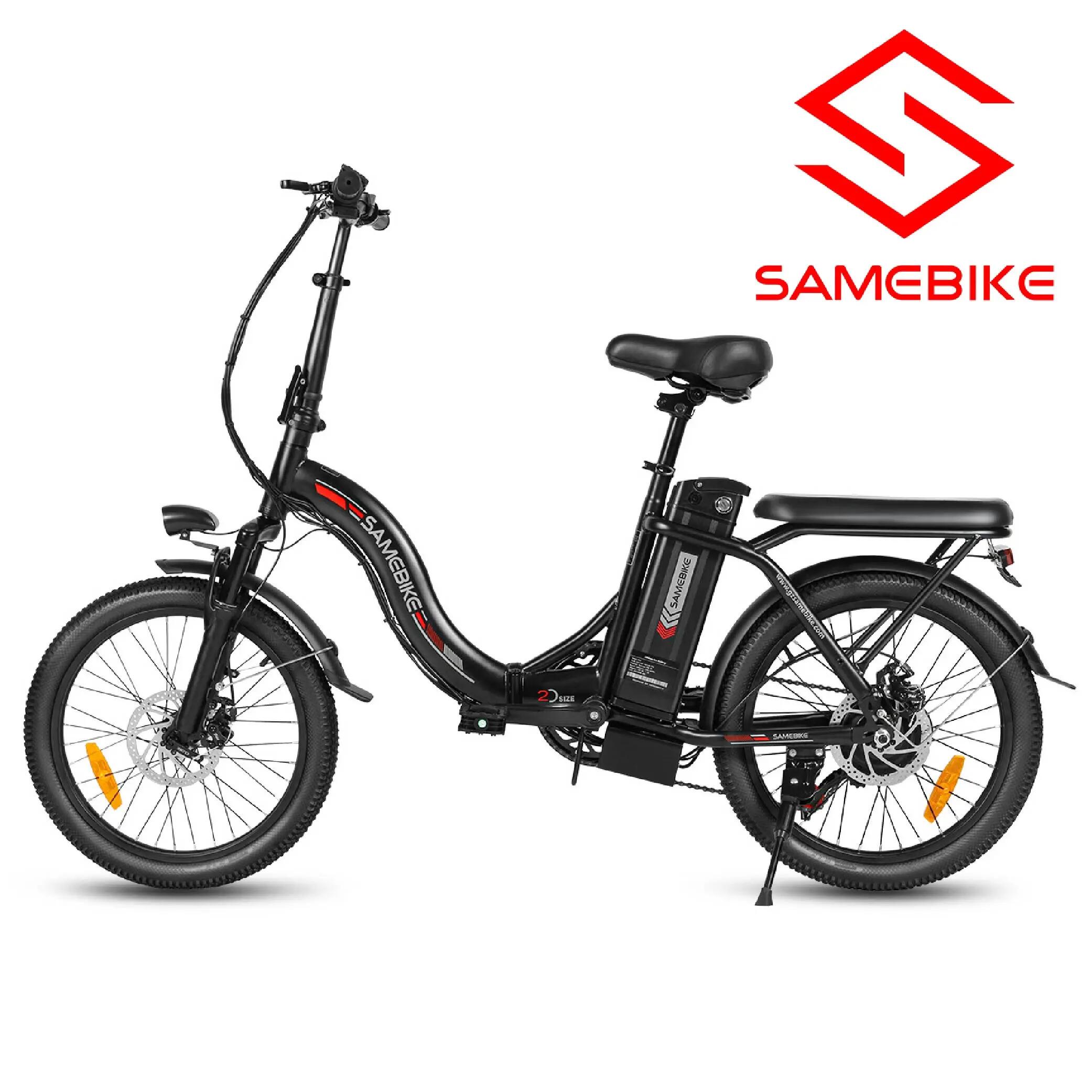
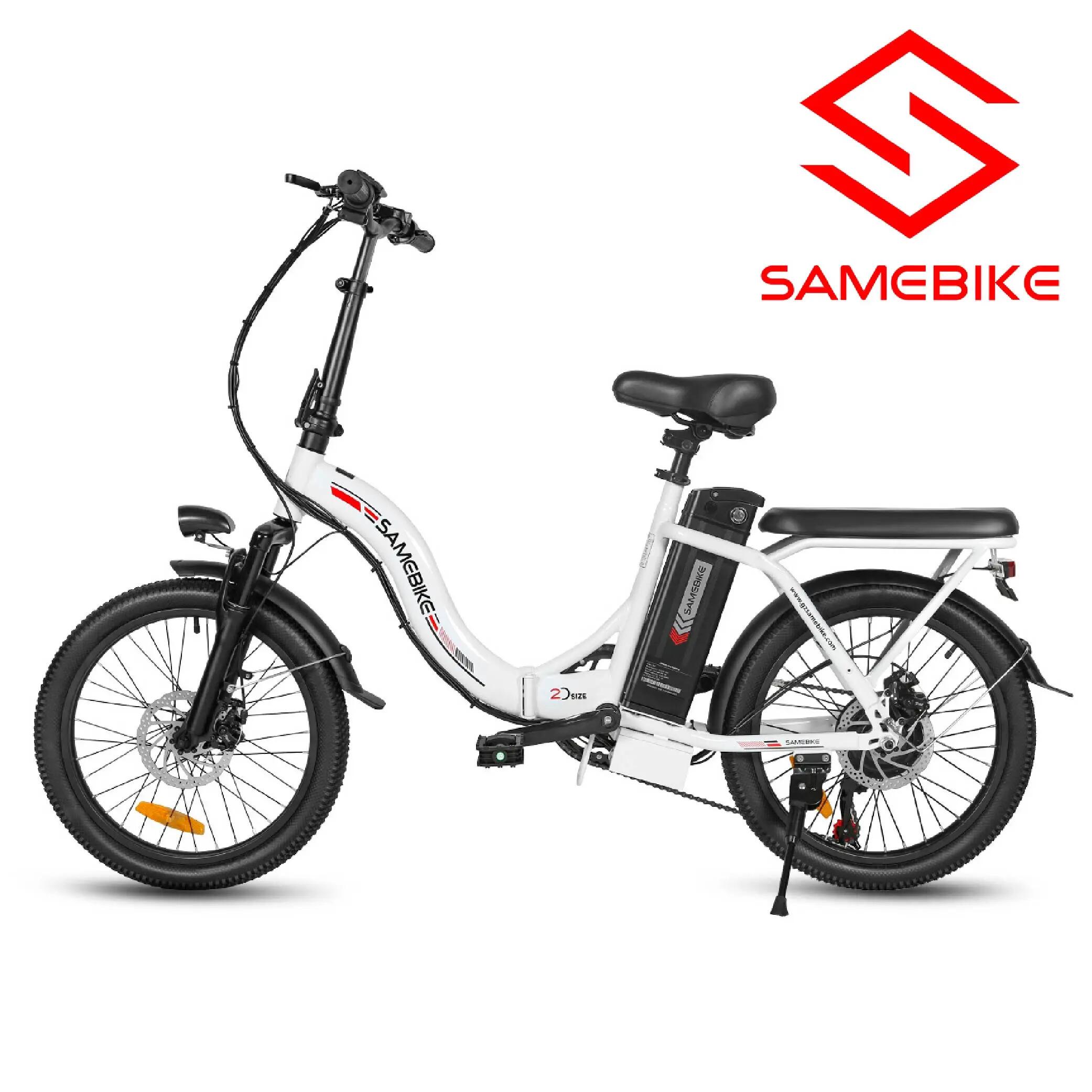
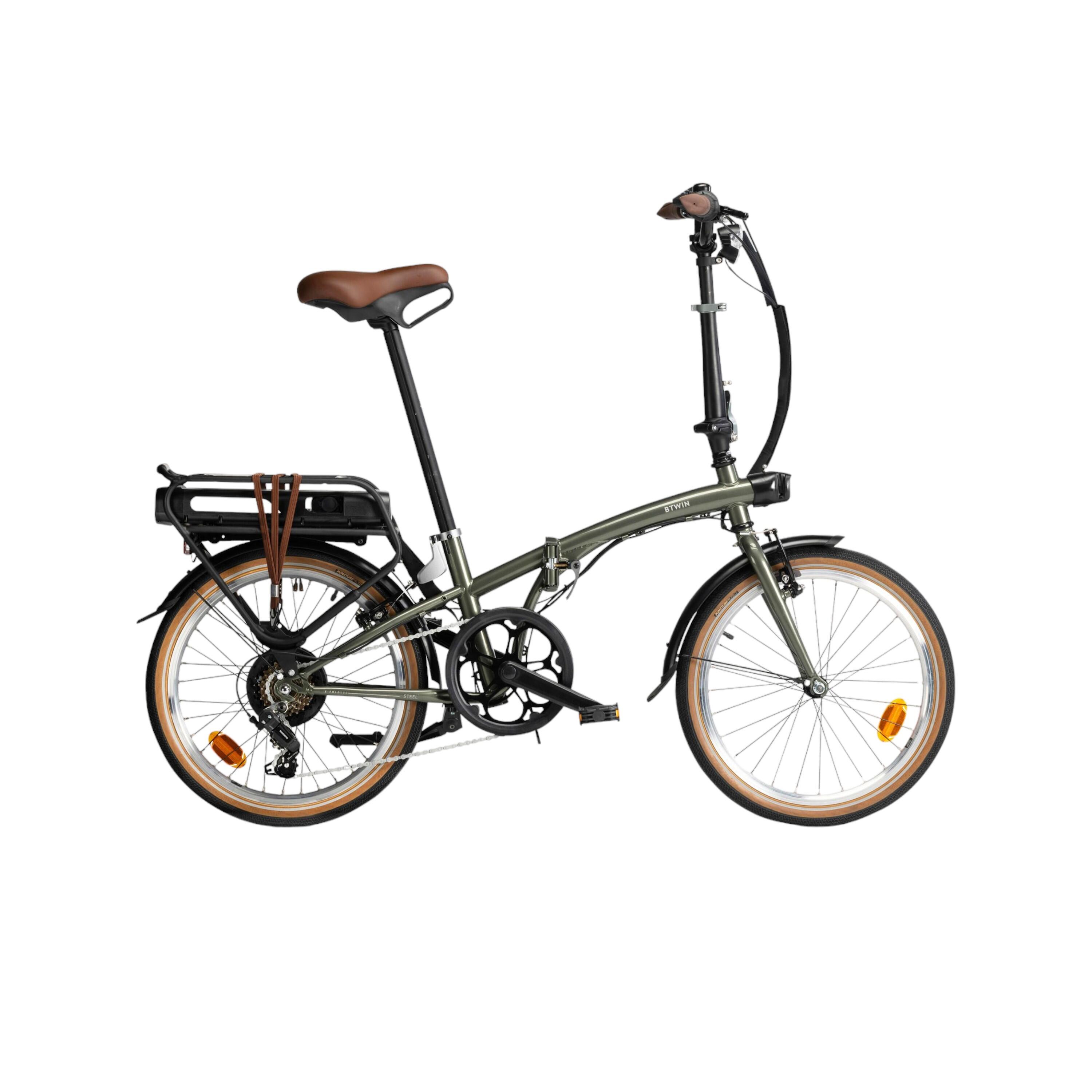
Yes, most electric road bikes are water-resistant and can be ridden safely through light to moderate rain and across the wet winter months, since the battery housing, motor, and wiring are sealed against splash water from the road. The reason caution still matters is full submersion: avoid deep puddles, flooded roads, and dunking the bike in canal trips that fully submerge the motor or battery housing. For commuters who need a more compact bike that lives indoors away from damp sheds, browse our range of electric folding bikes in compact and ultra-compact frames across the Btwin and Tilt labels for flat and apartment storage.

How does an electric road bike differ from a traditional road bike?

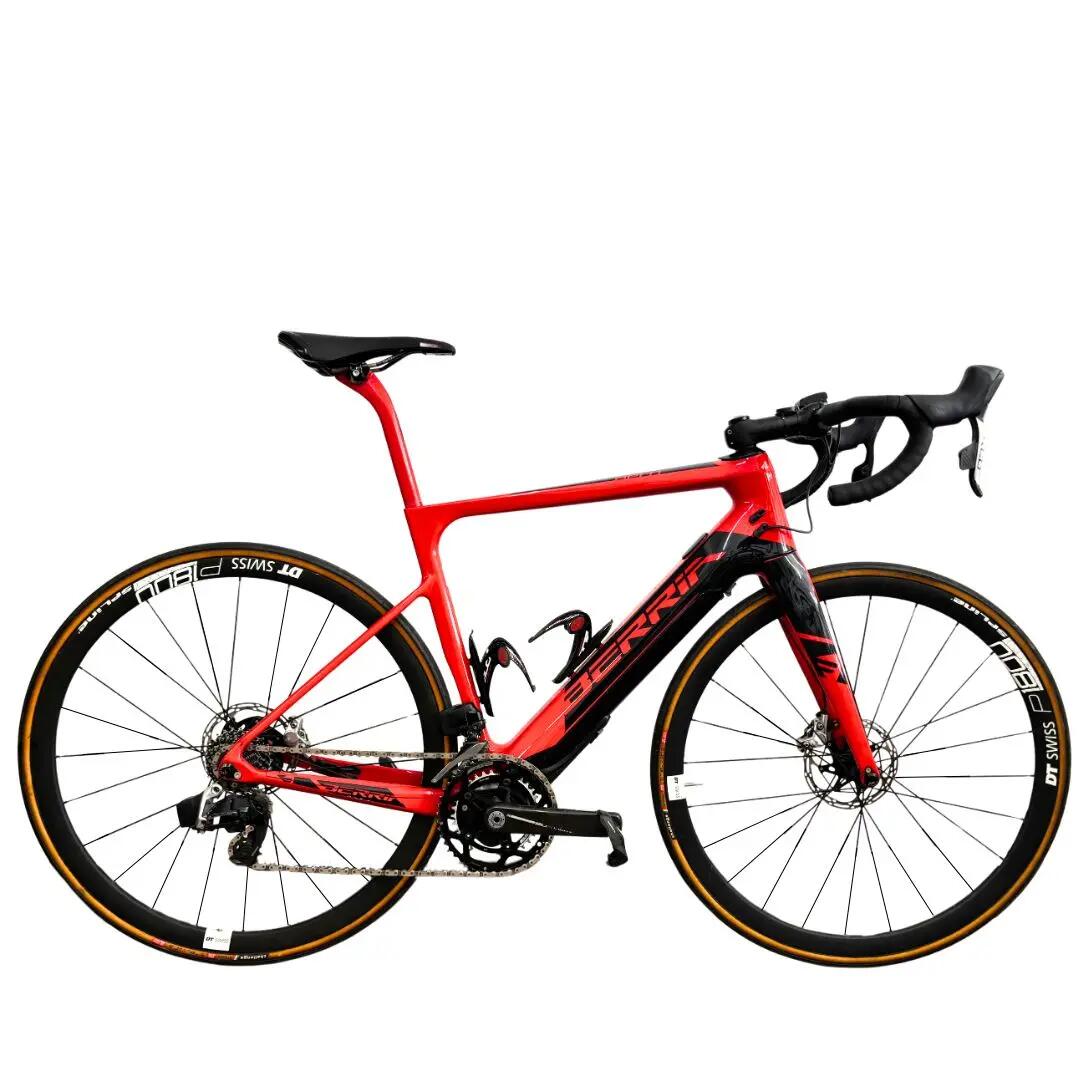
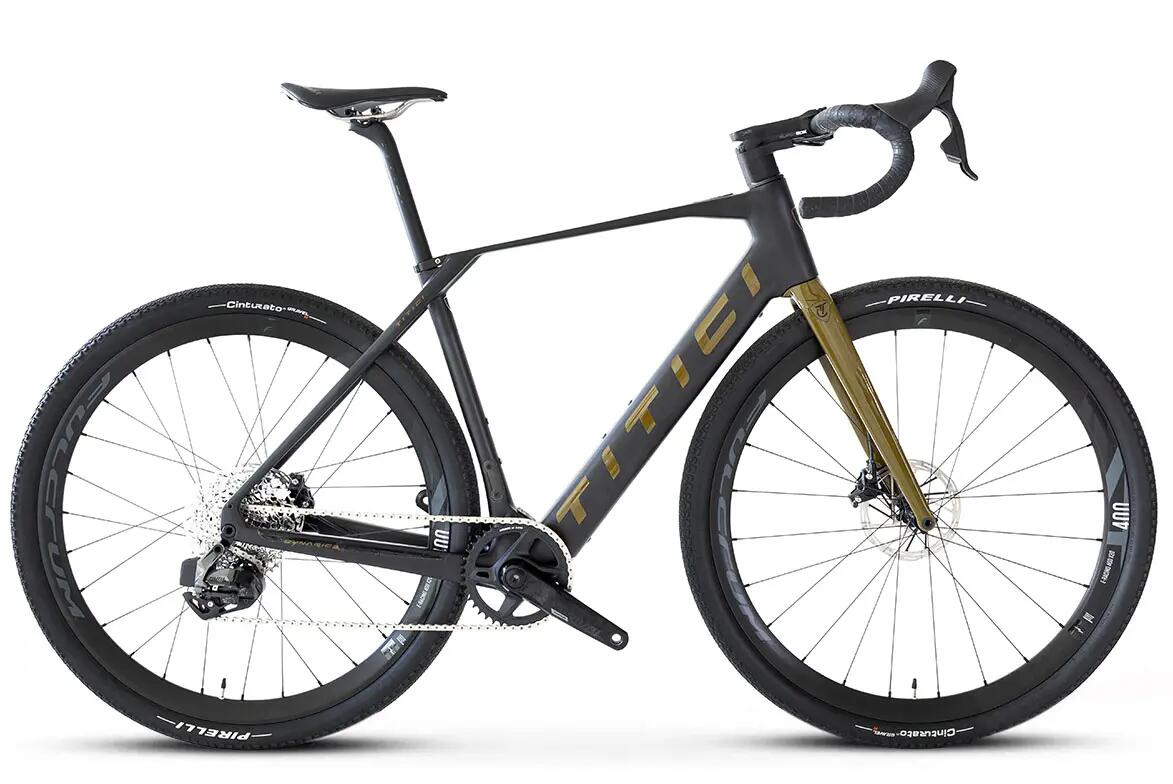
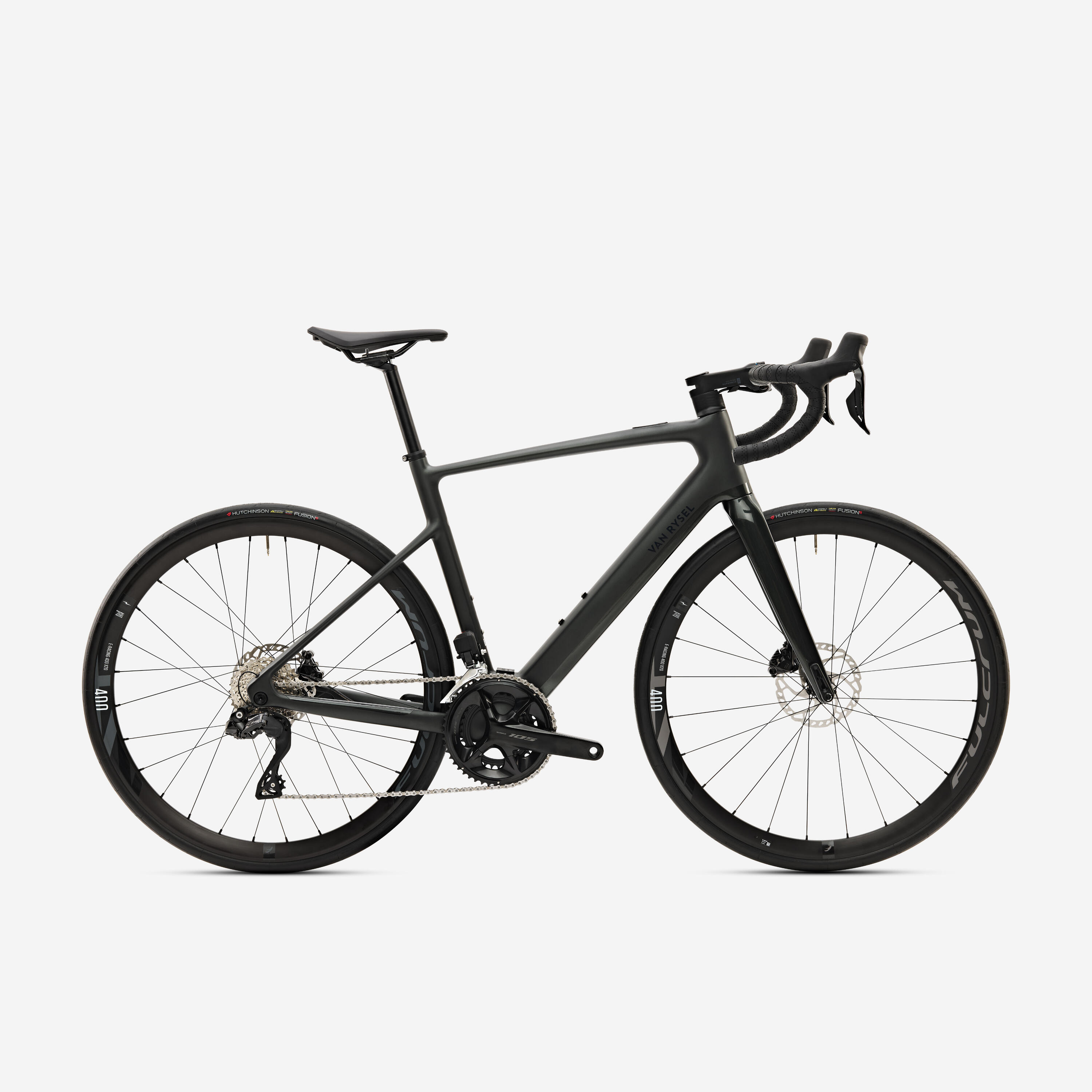
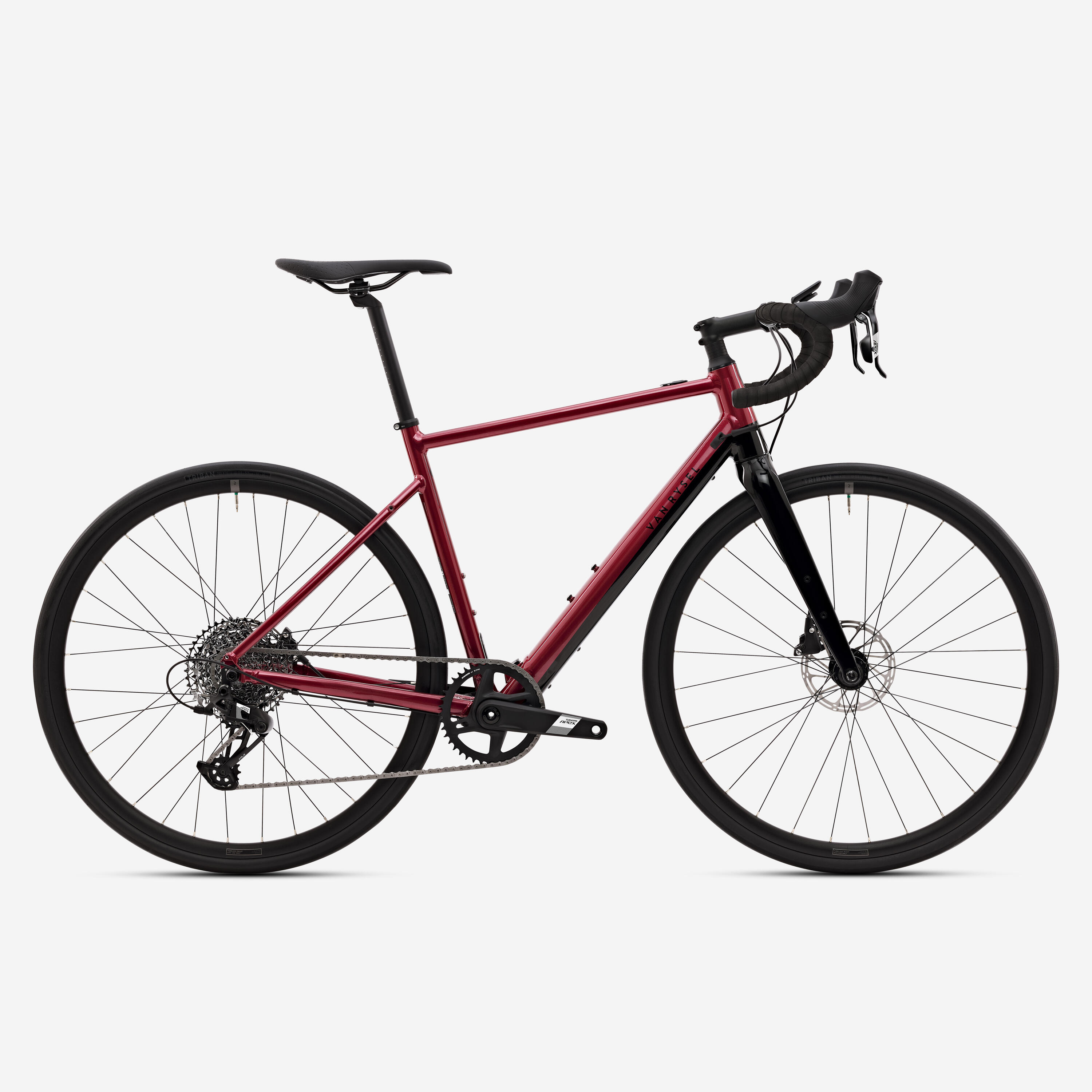
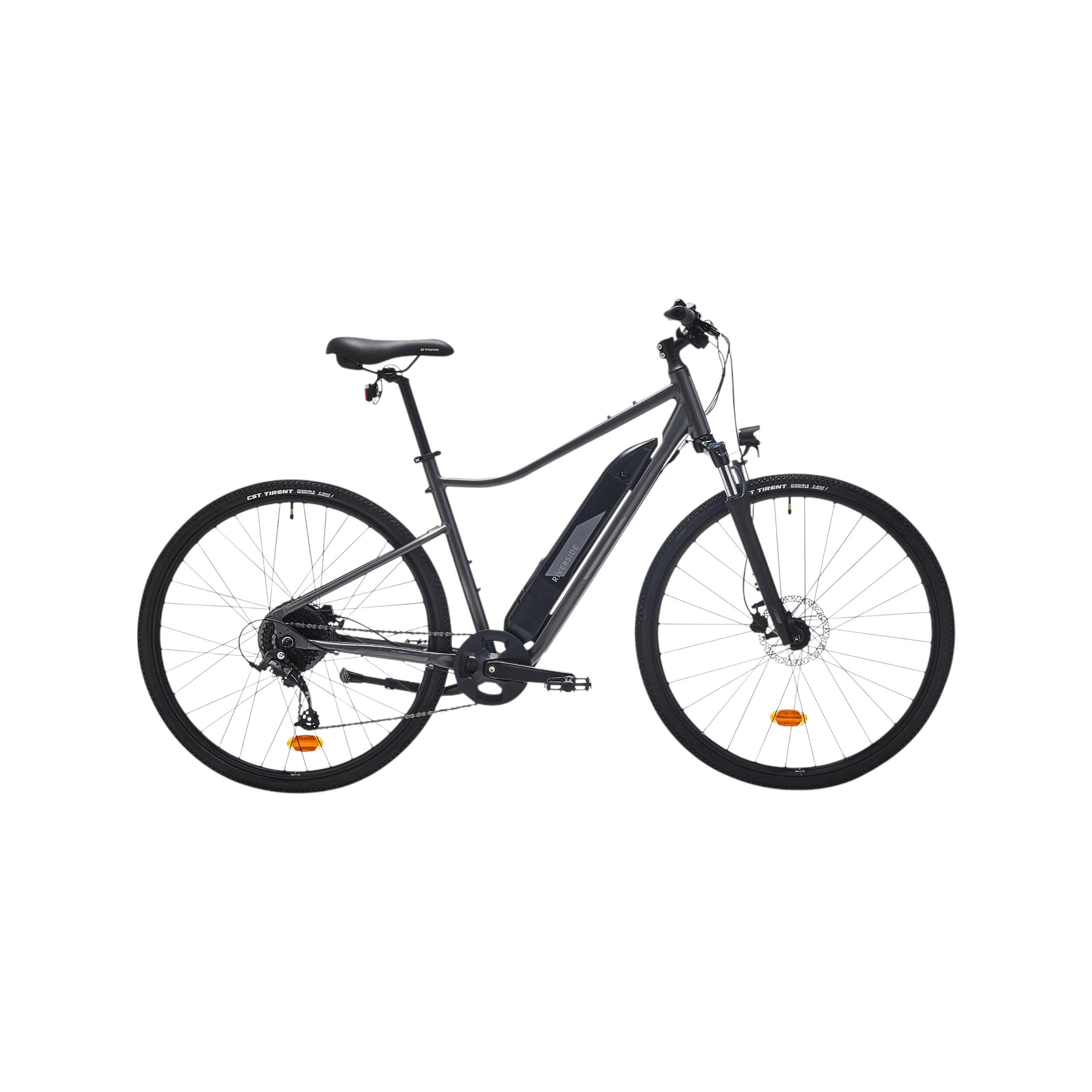
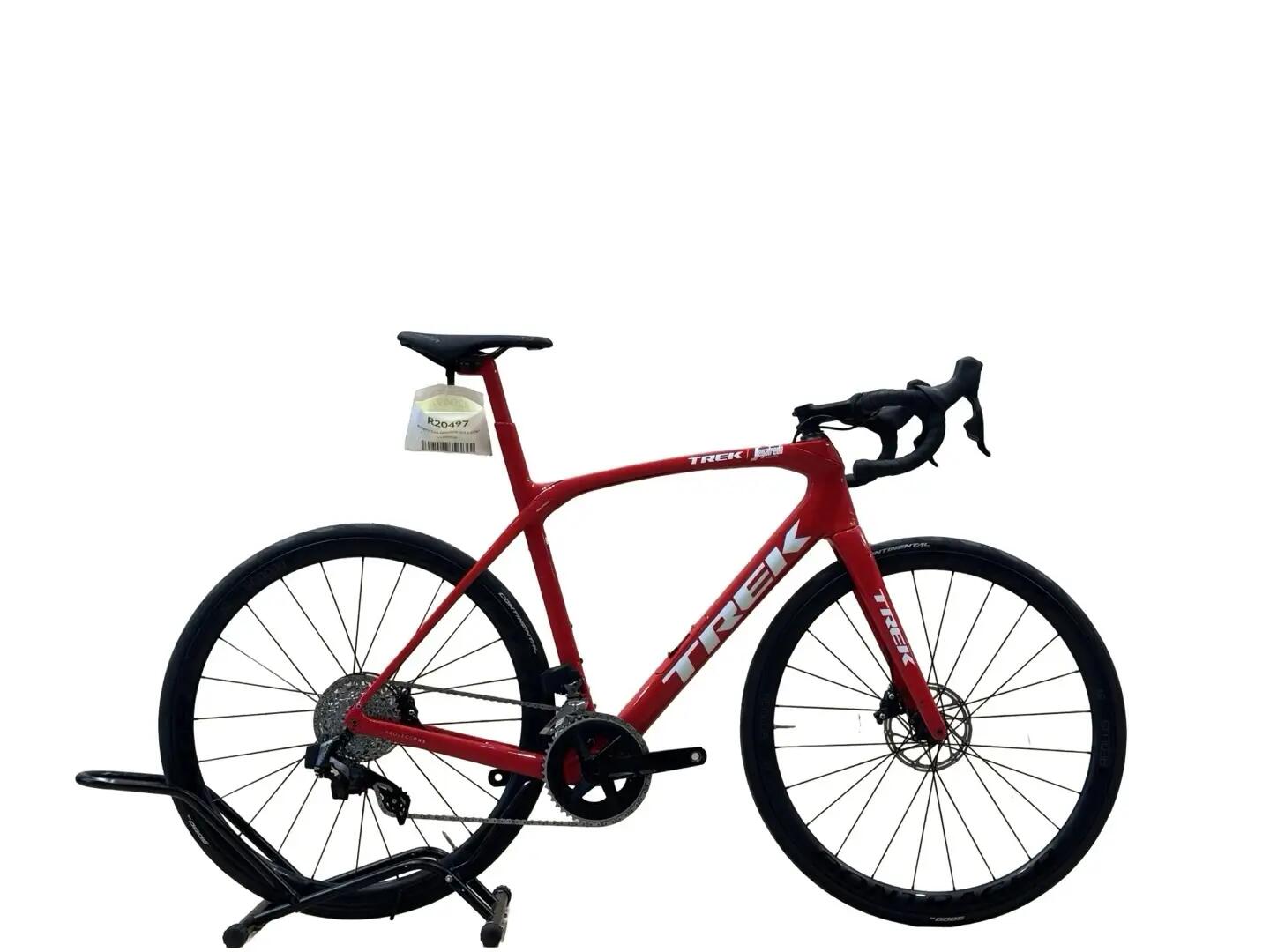
An electric road bike differs from a traditional road bike in one core respect: the addition of a battery-powered motor that adds assist to every pedal stroke up to a regulated speed limit. Traditional road bikes are purely pedal-powered, lighter, more responsive in the corners, and cheaper across the entry-level price band, while electric road bikes trade some of that responsiveness for the ability to extend ride length, smooth out climbs, and keep newer or less fit riders in the saddle for longer. Browse our range of electric trekking bikes across the Riverside and Btwin labels for upright, multi-purpose touring use.