2,041 items
4.3/5 based on 14115 reviews collected online and in stores

Electric Bikes FAQs

How do I choose the right electric bicycle for my commute?

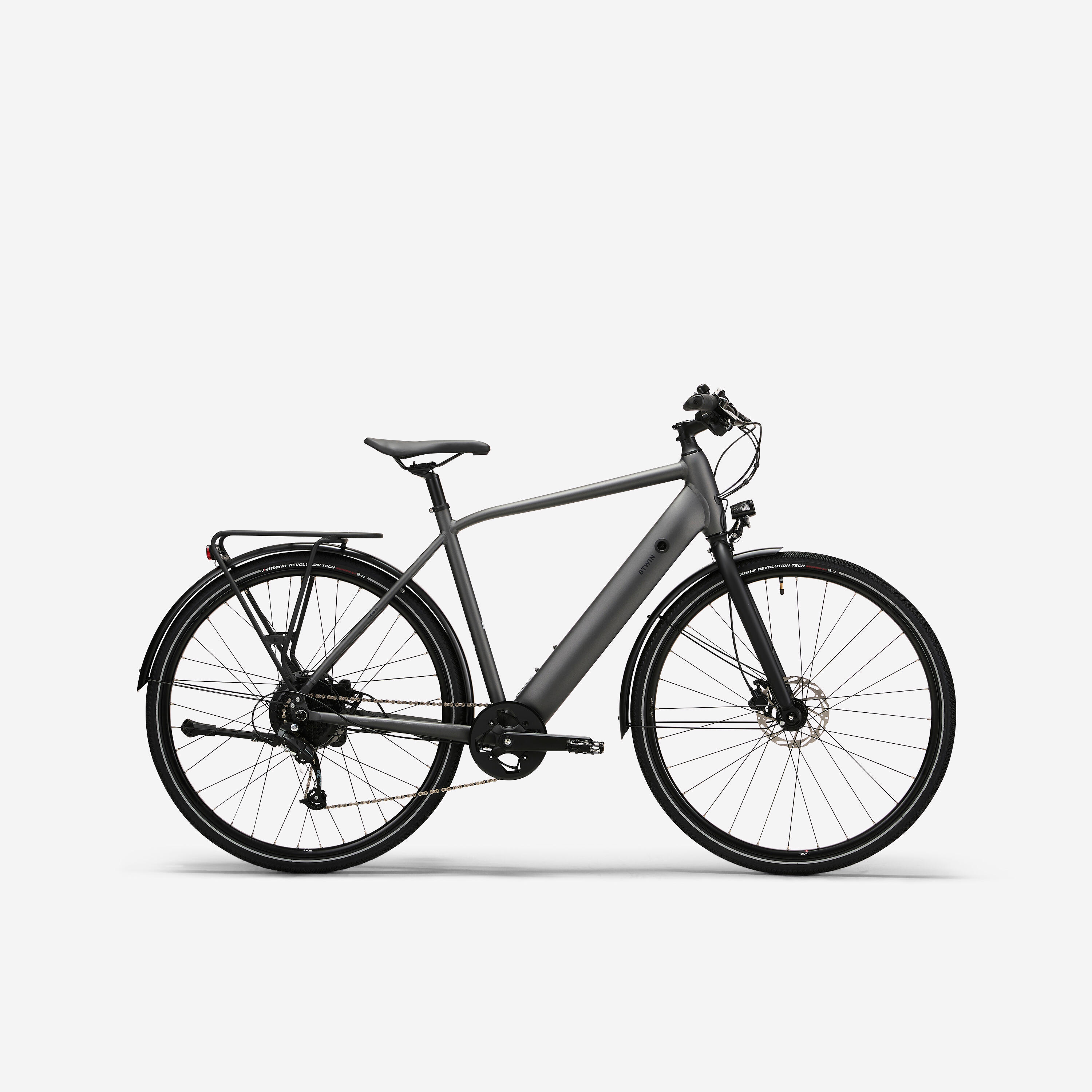
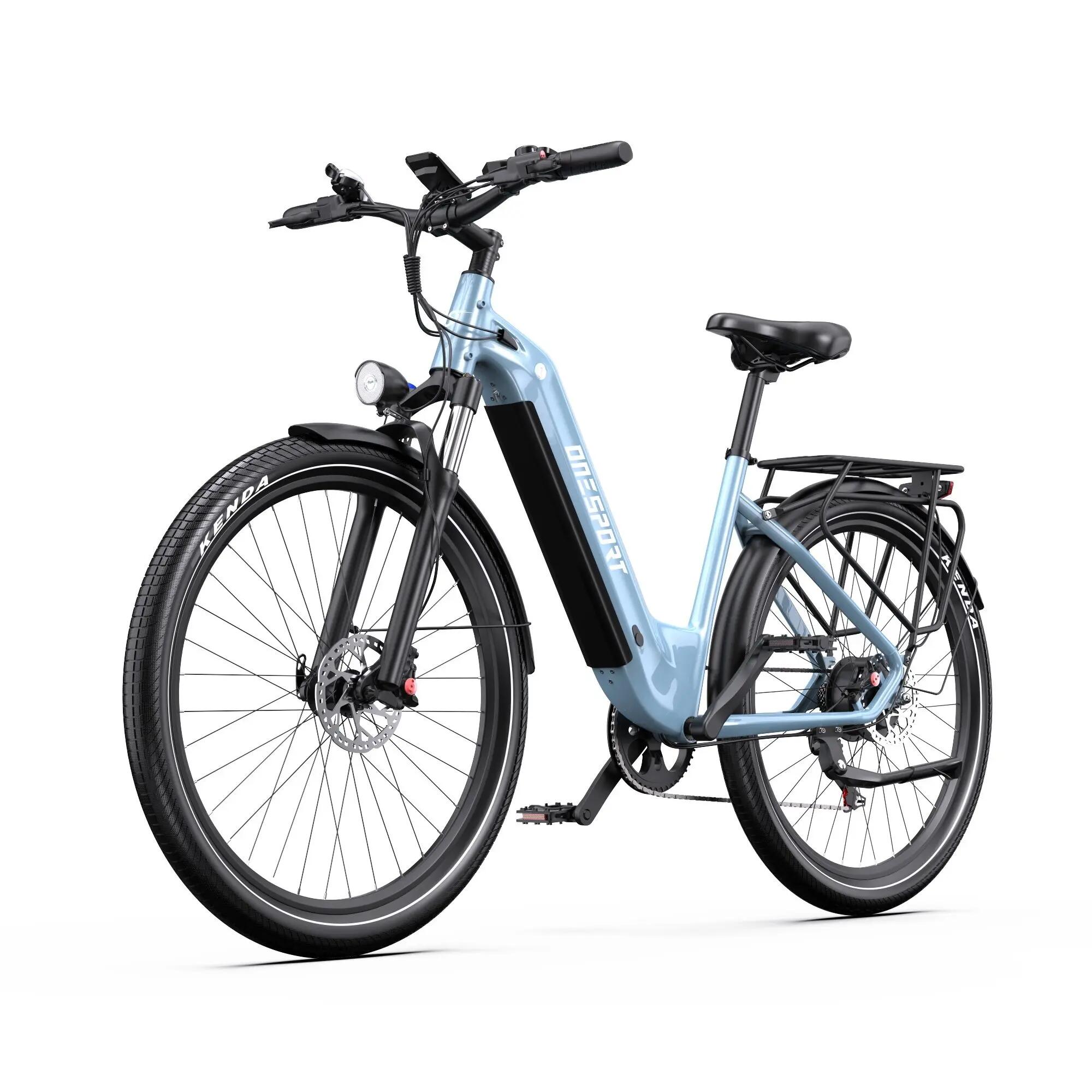
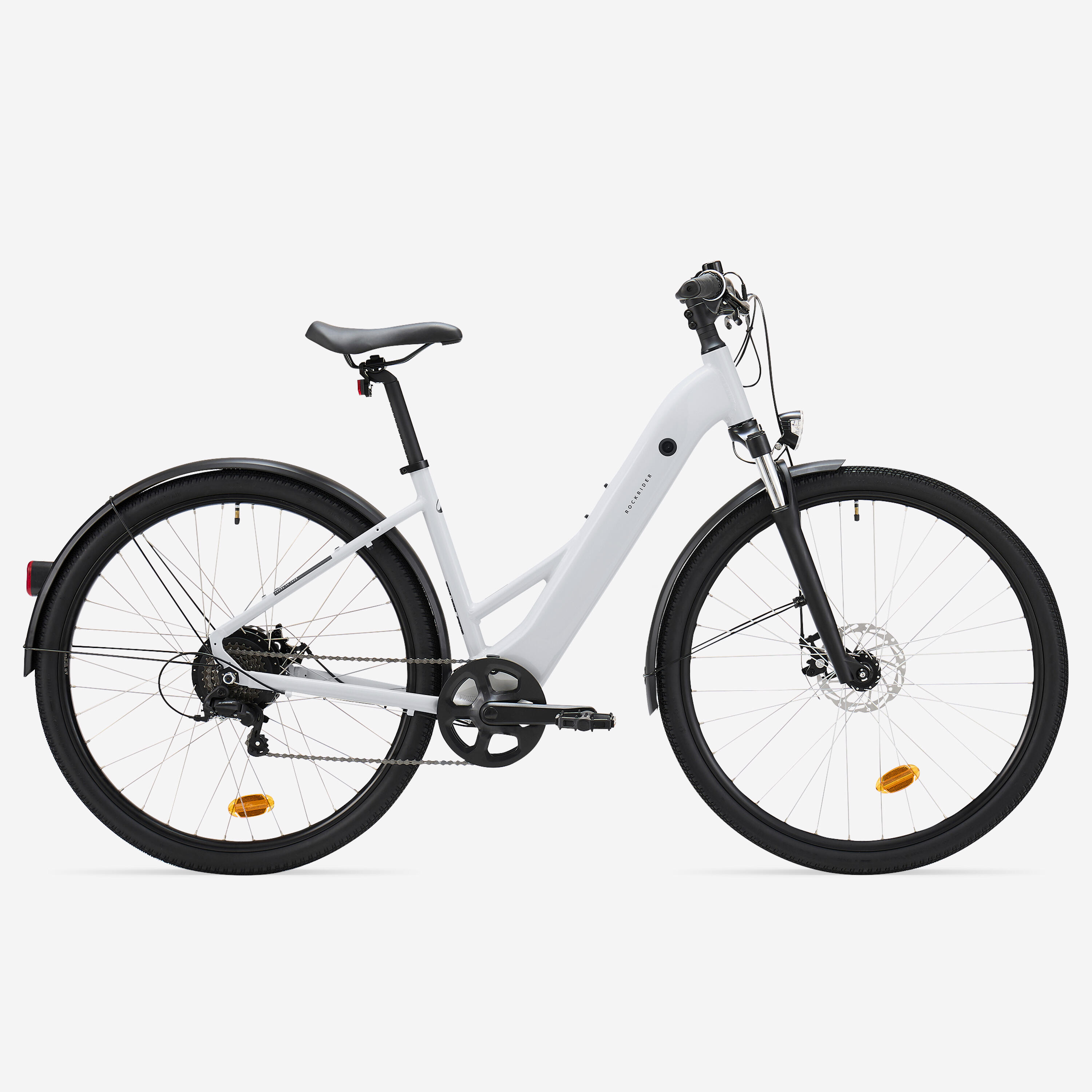
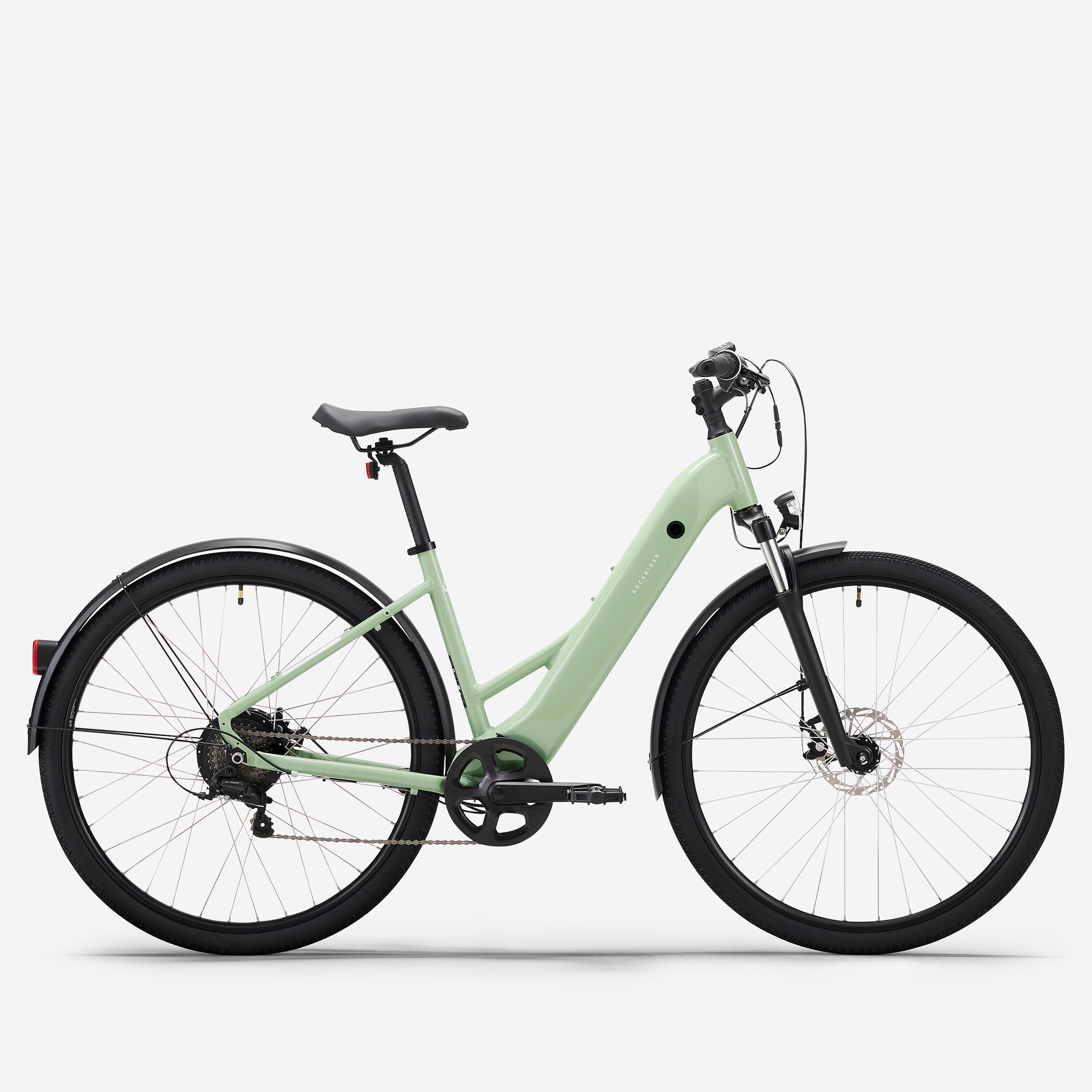
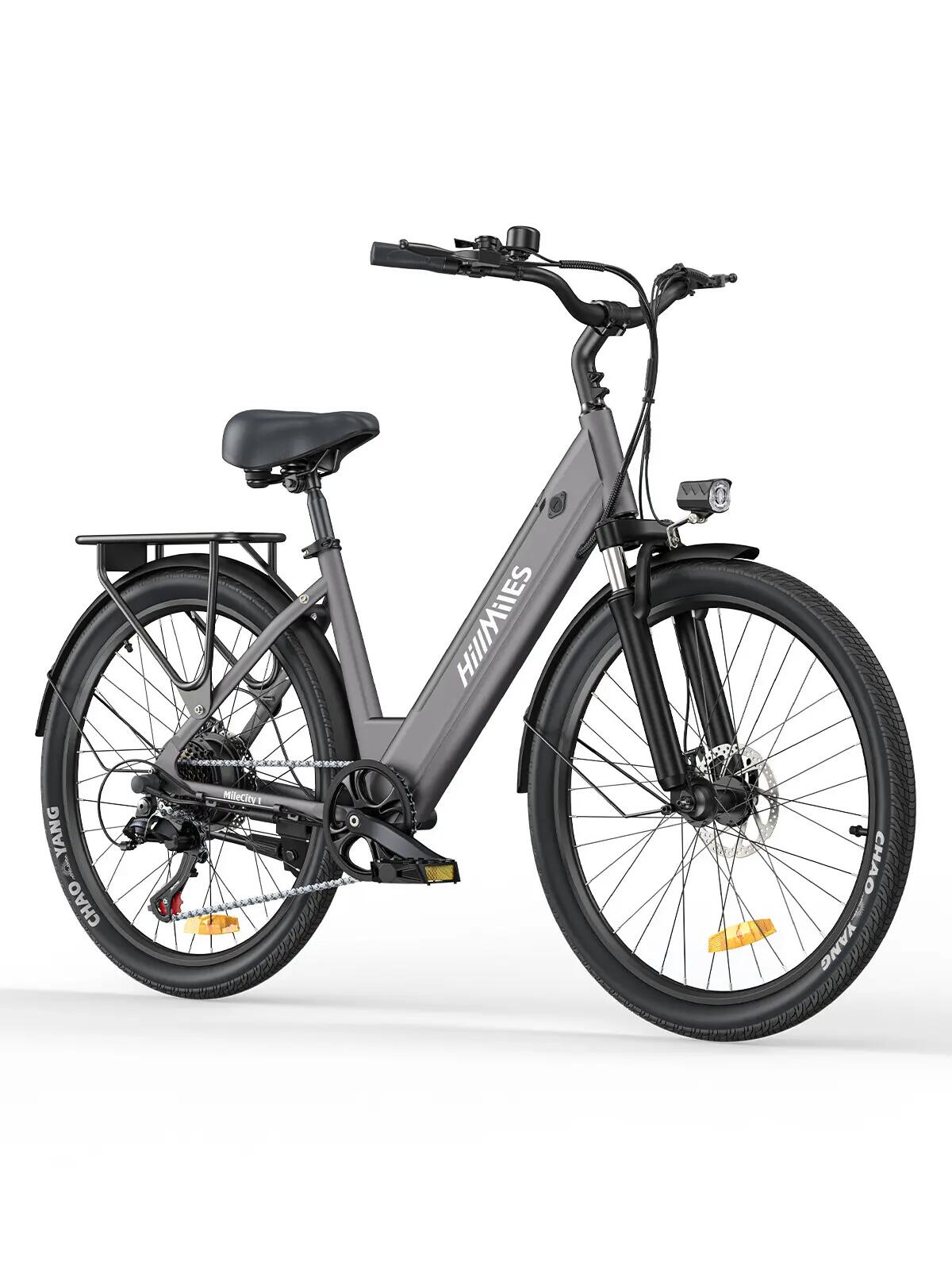
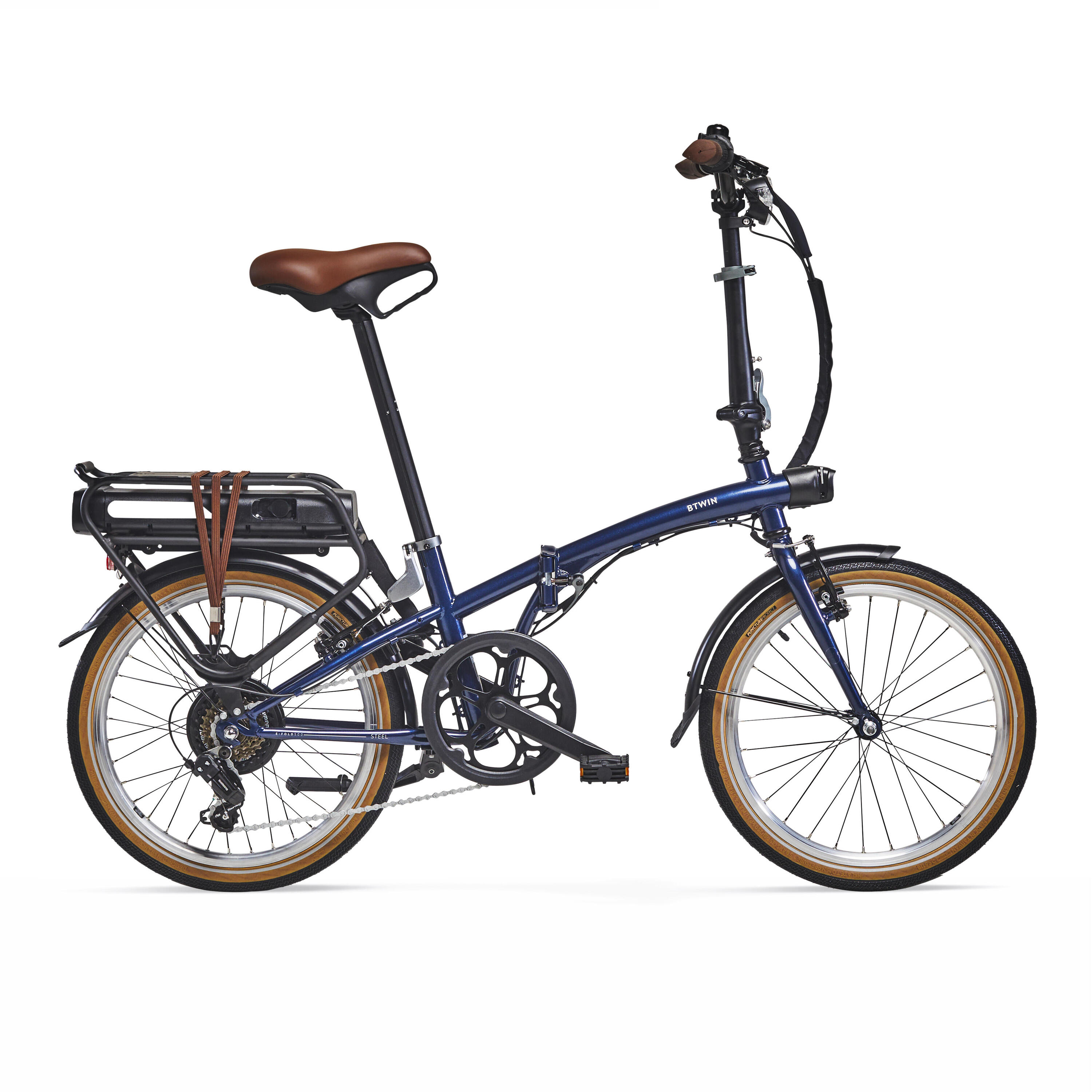
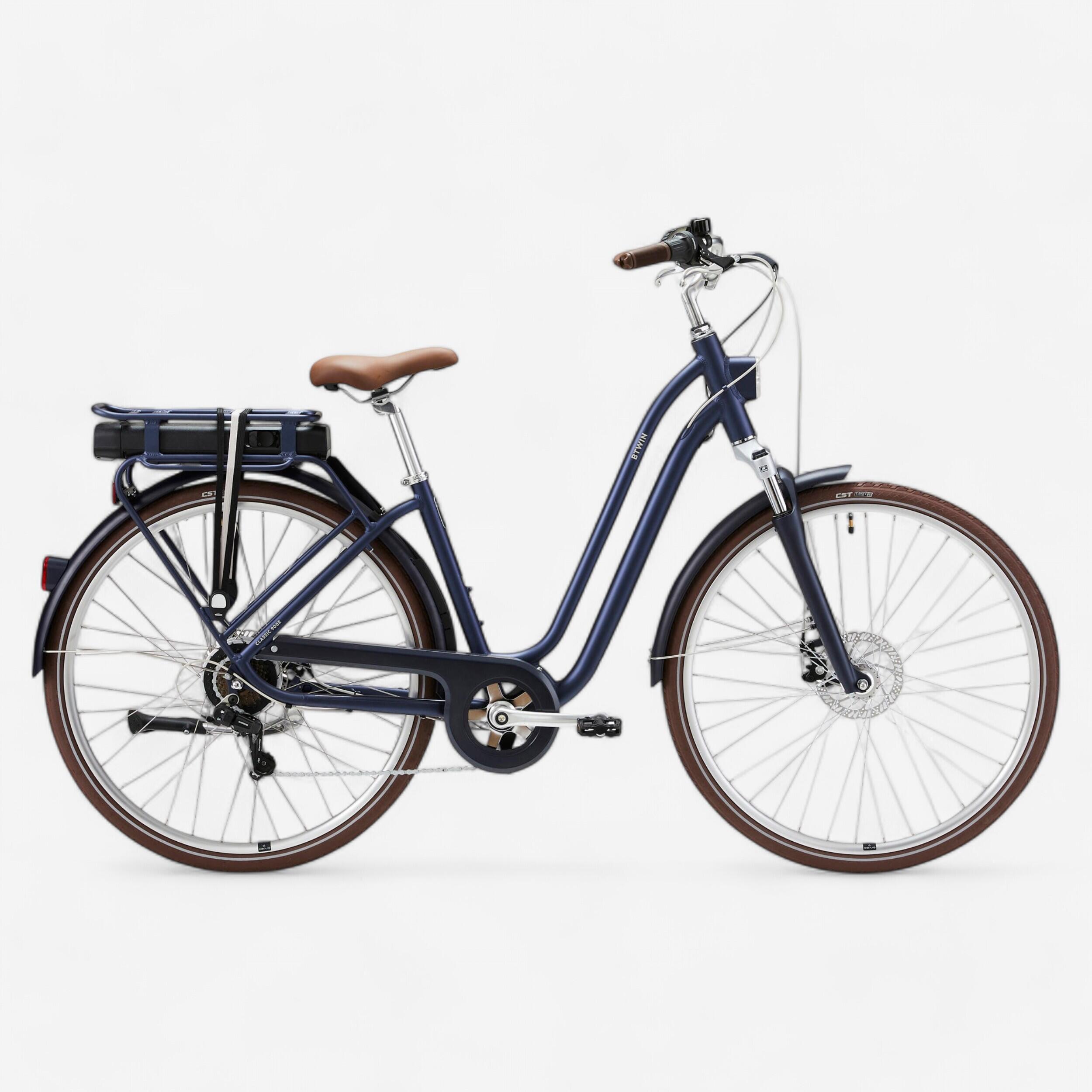
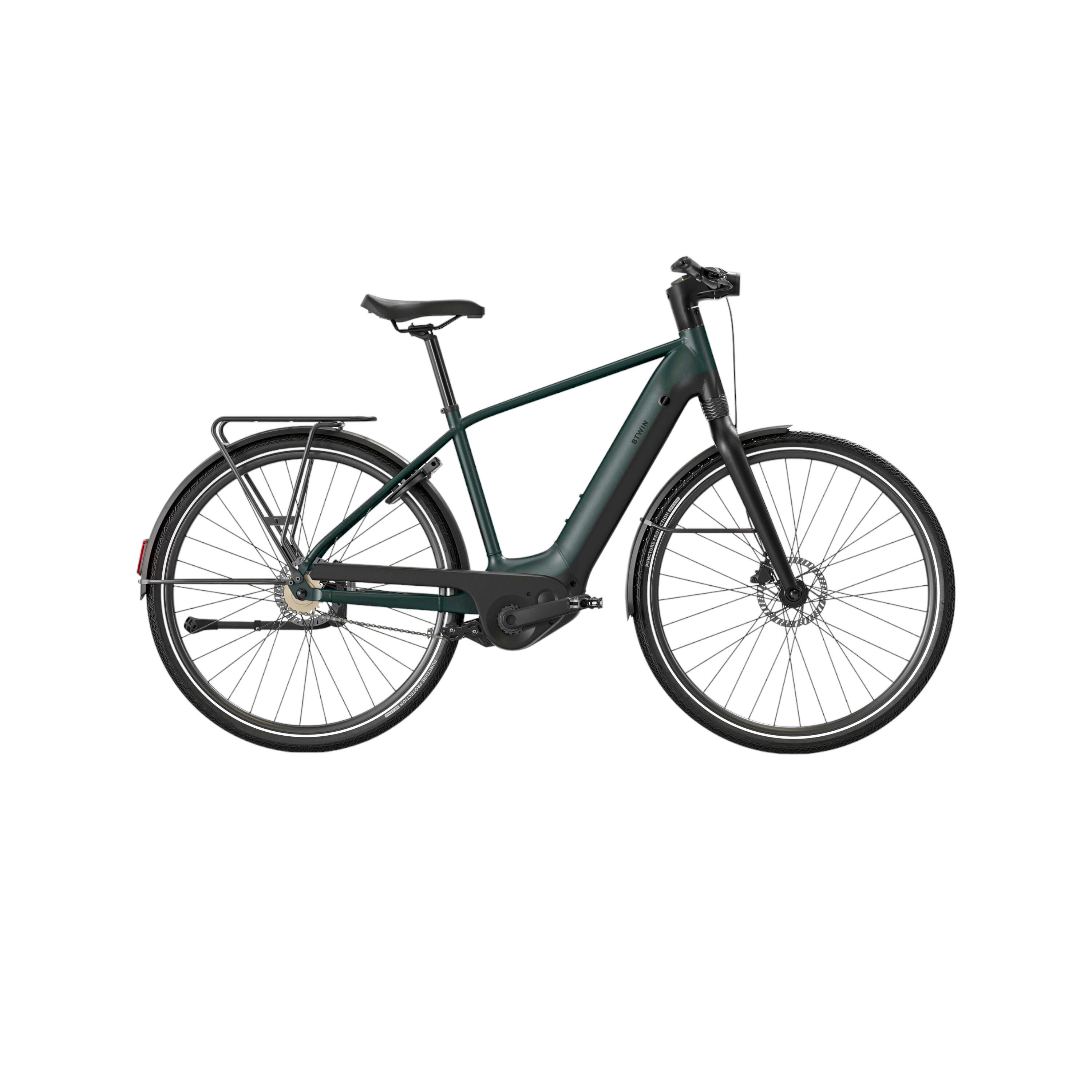
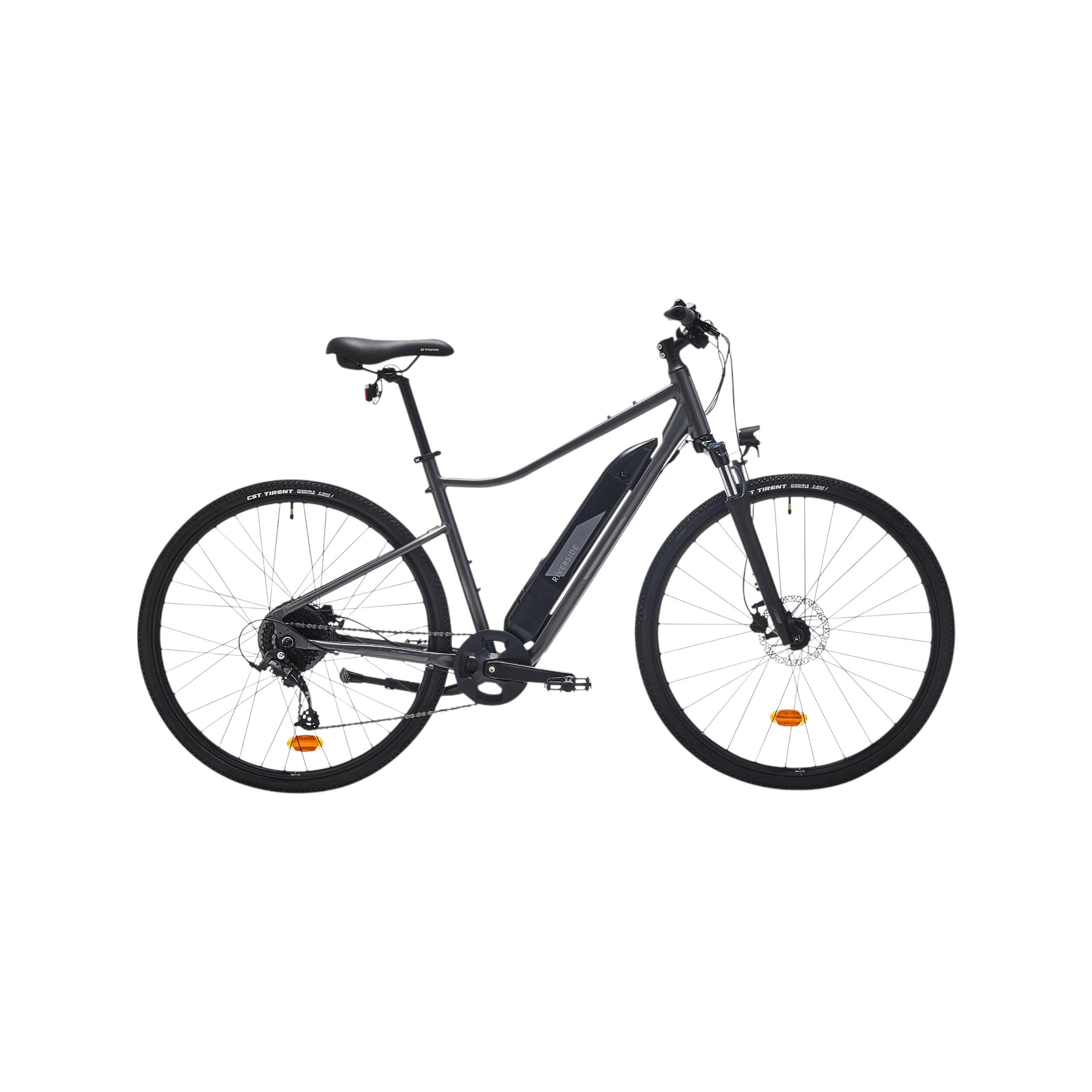
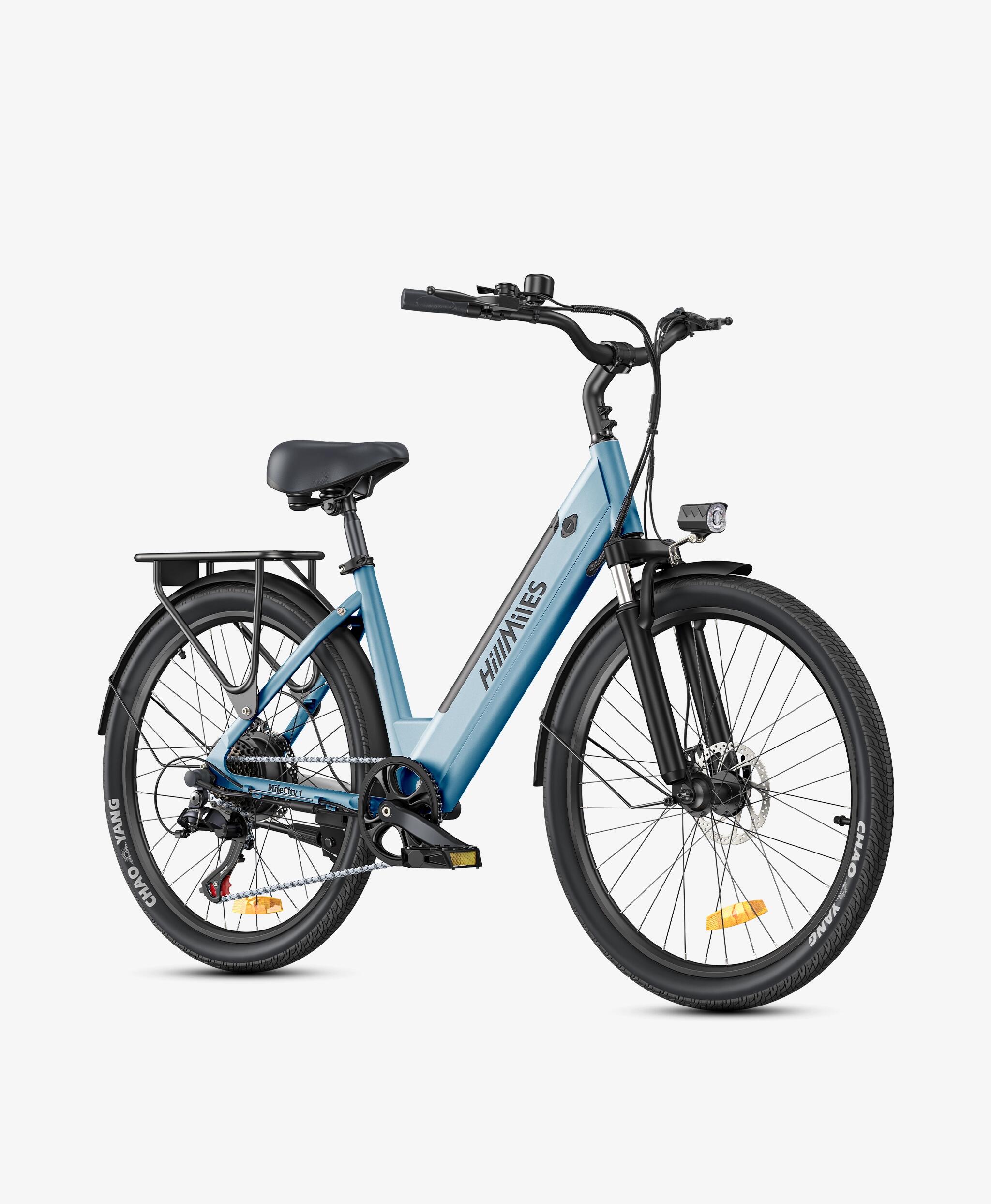
Selecting the ideal electric bicycle depends largely on your route and surface type. For the Dublin commuter navigating tarmac and cycle lanes, electric city bikes are the most practical choice. These models usually feature an upright geometry for better visibility in traffic and come equipped with mudguards and pannier racks. The technical 'why' behind city-specific designs is the focus on comfort and utility over raw off-road power. If your journey involves steep inclines or longer distances, look for a mid-drive motor which provides better torque and a more natural pedalling sensation. Smarttip: Always check the battery Watt-hour (Wh) rating to ensure it matches your round-trip distance without needing a midday charge.
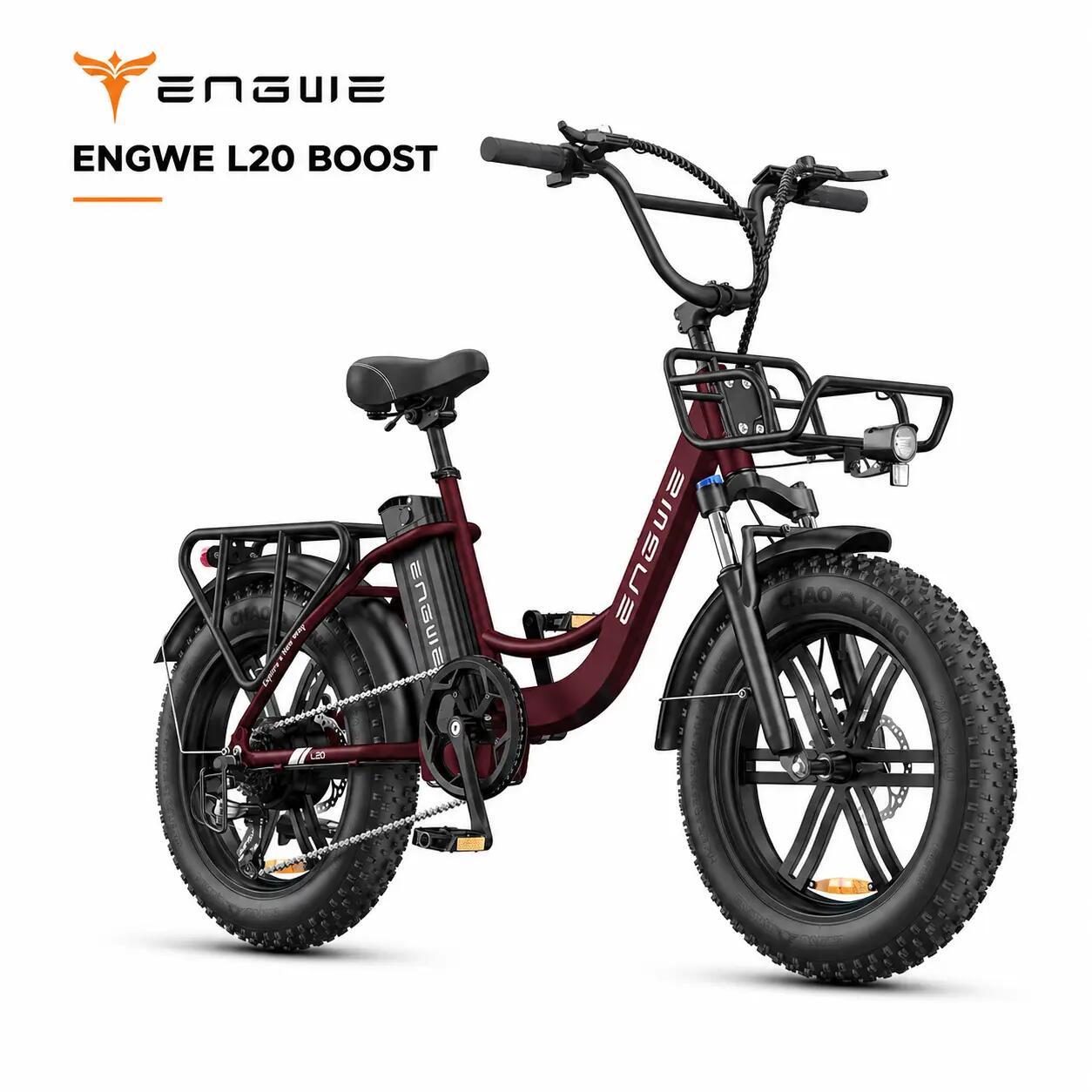
What makes electric mountain bikes different from standard e-bikes?

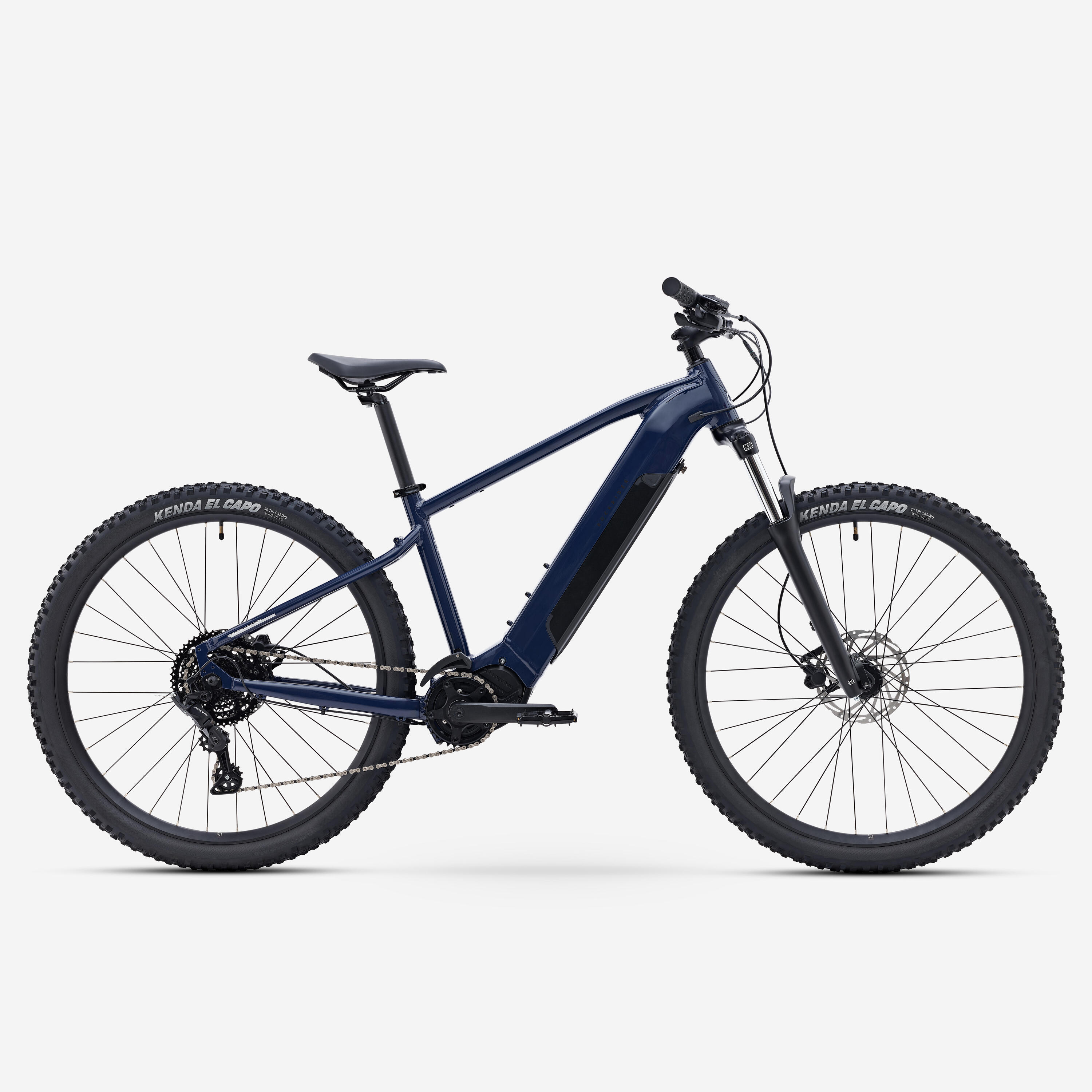
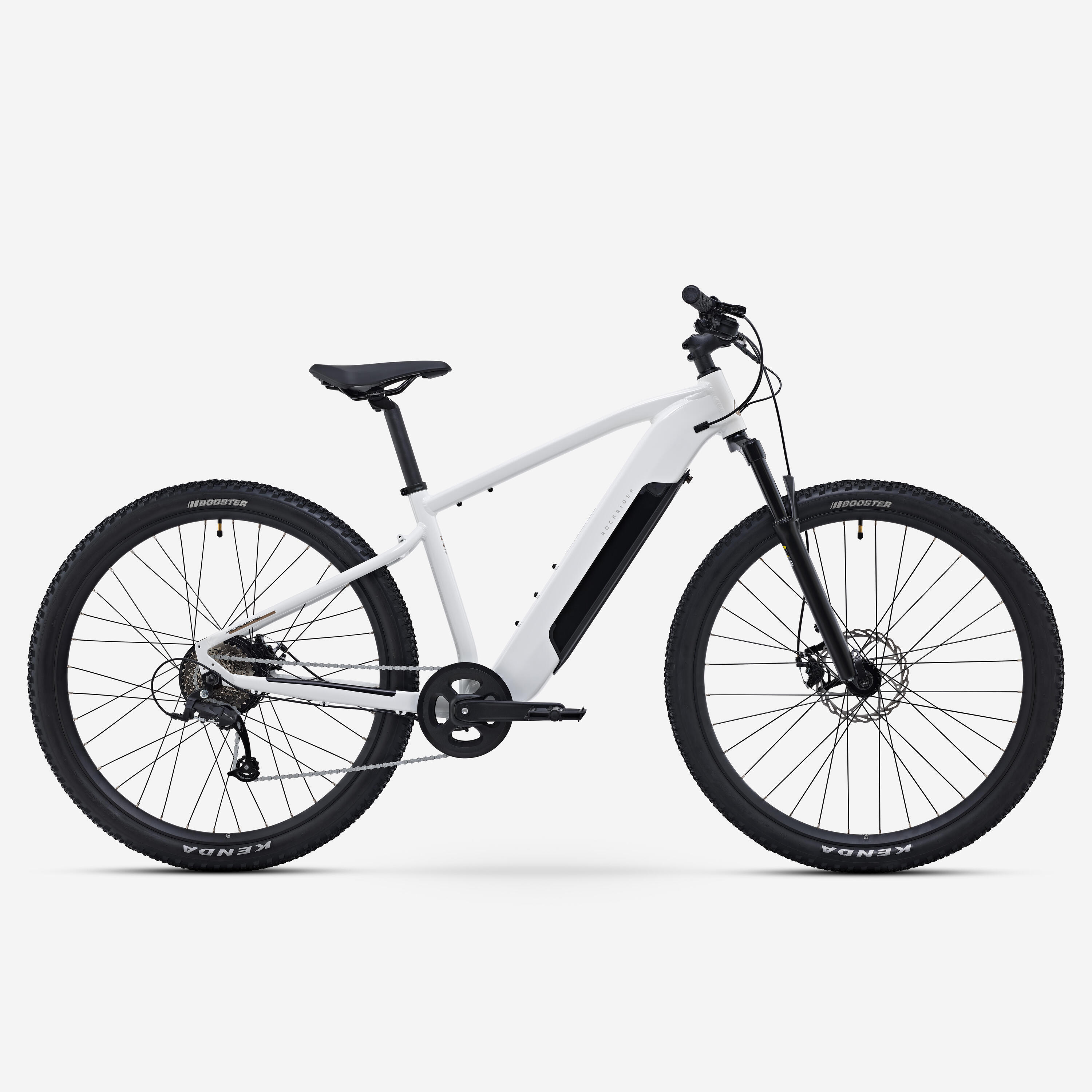
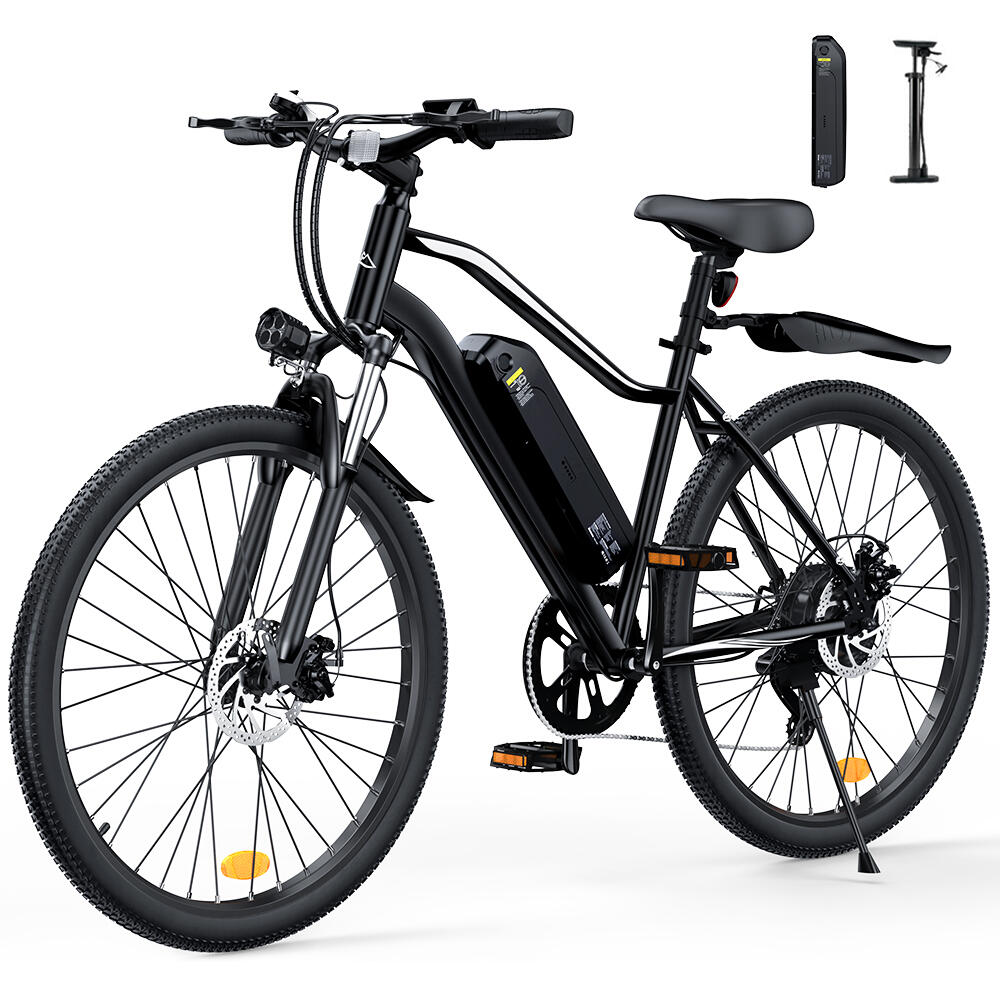
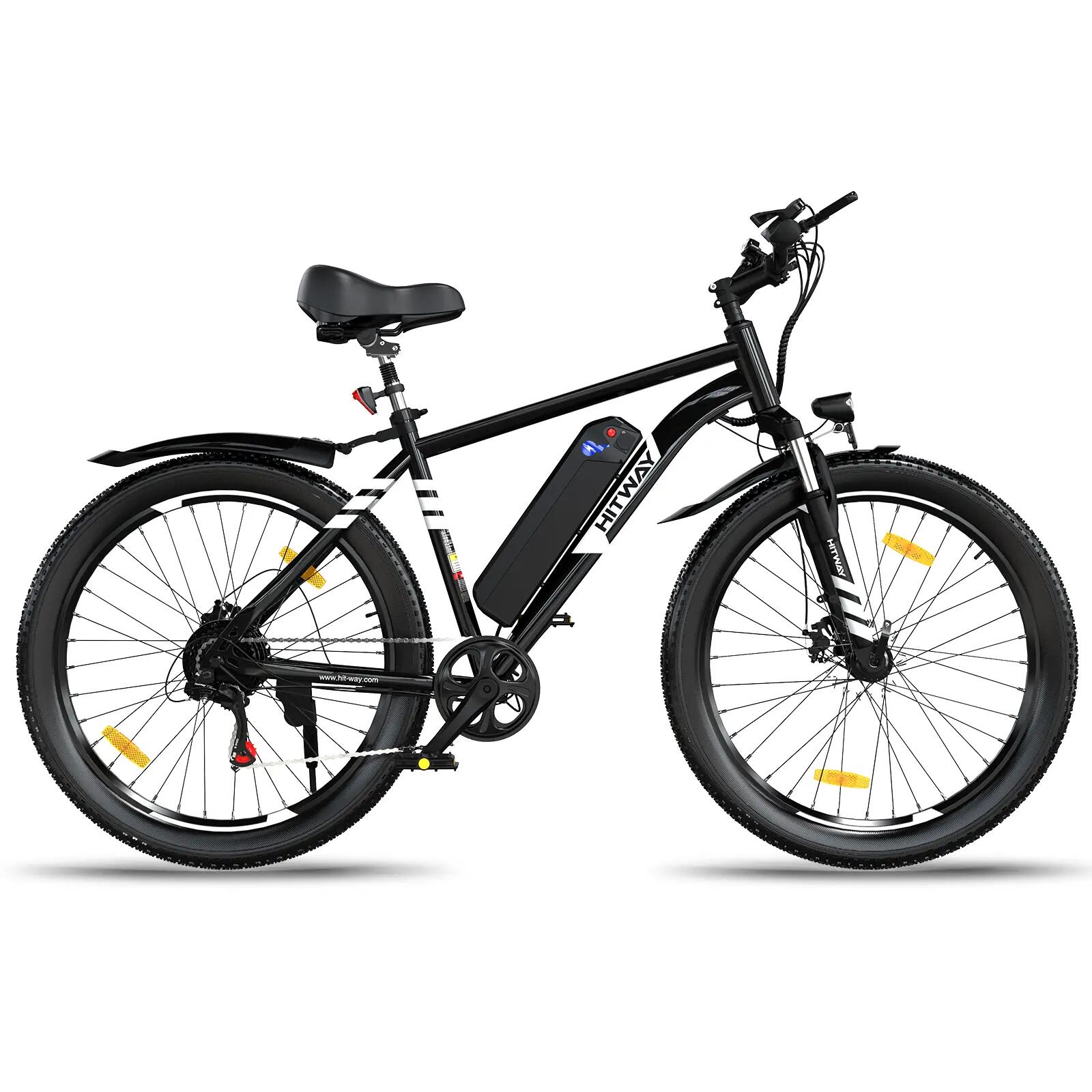
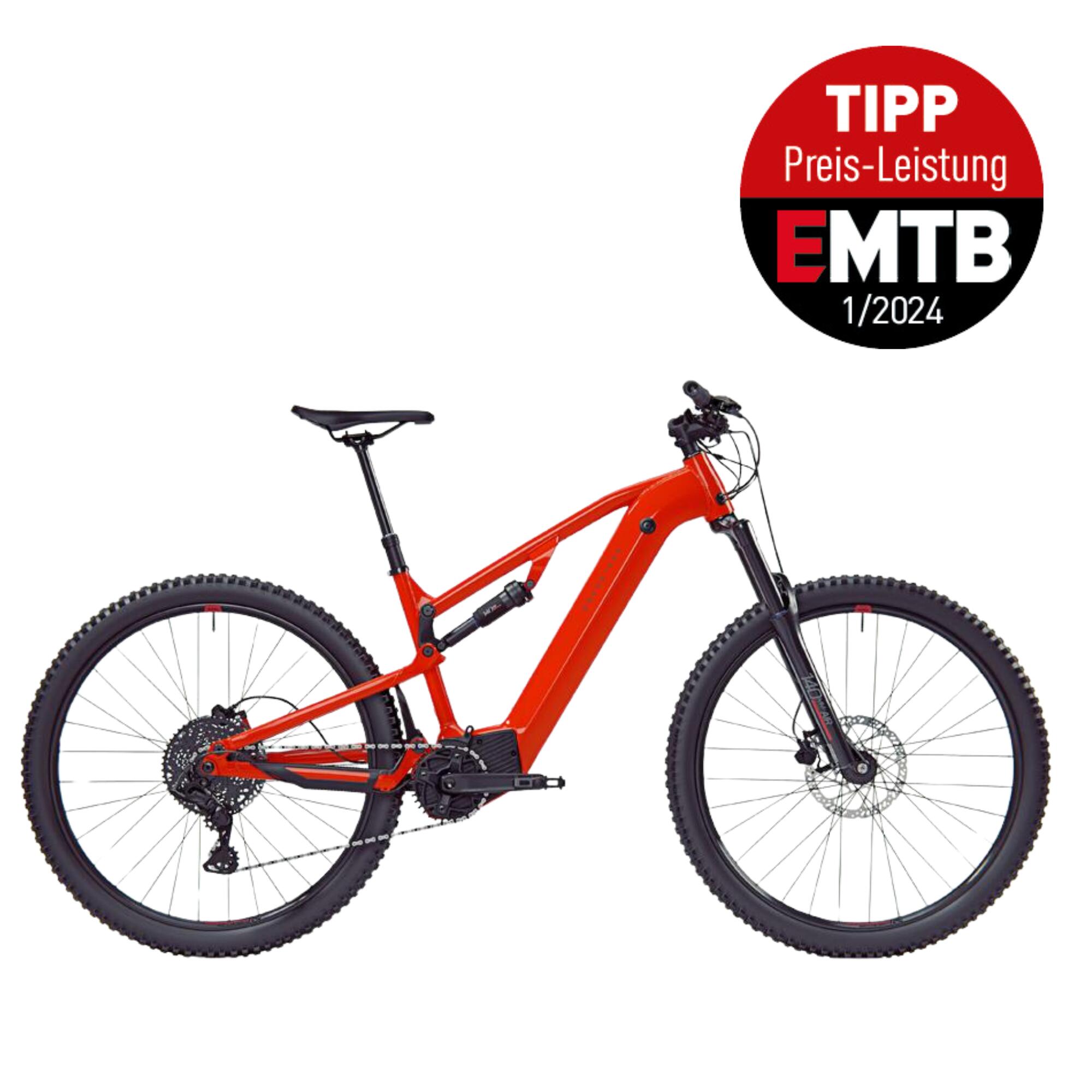
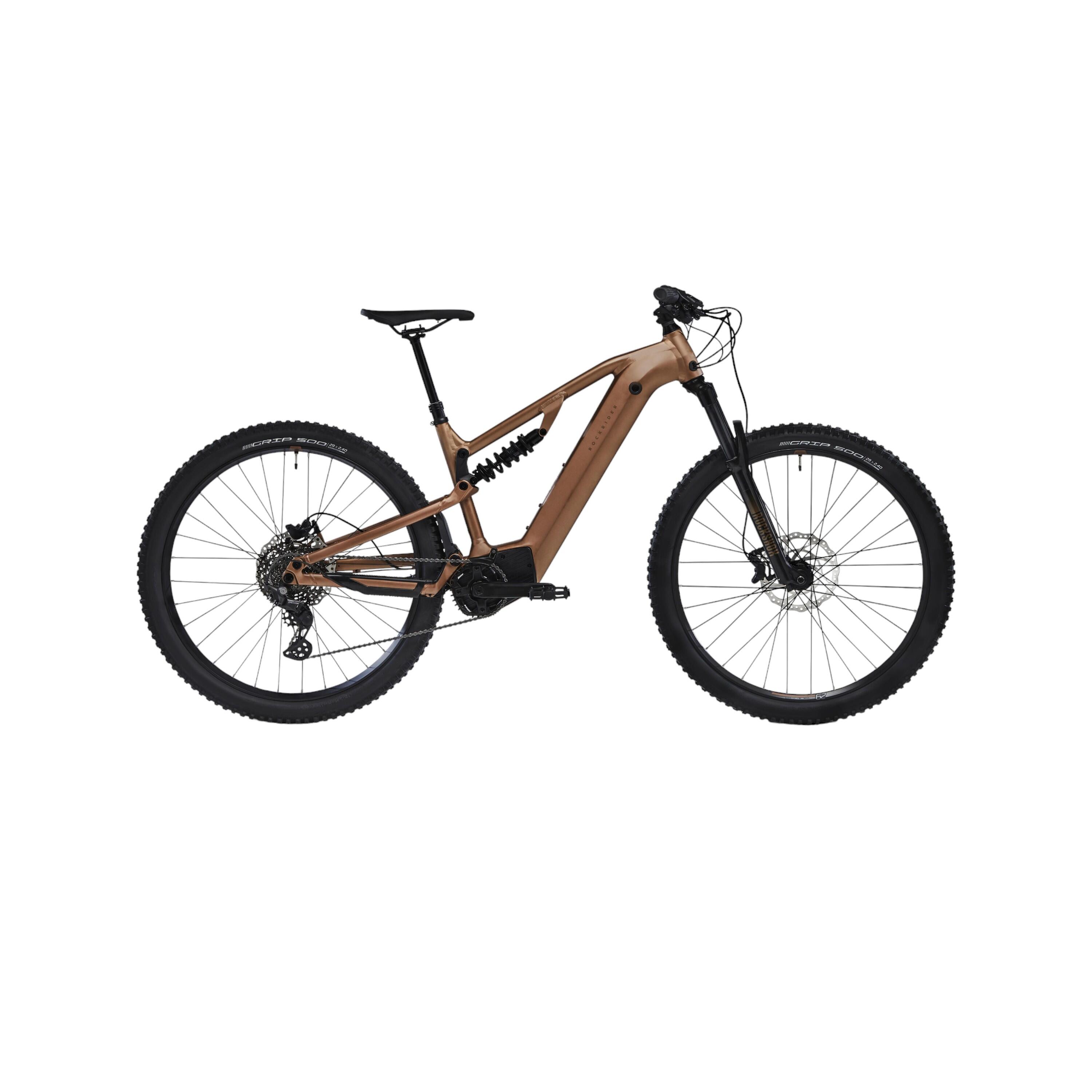
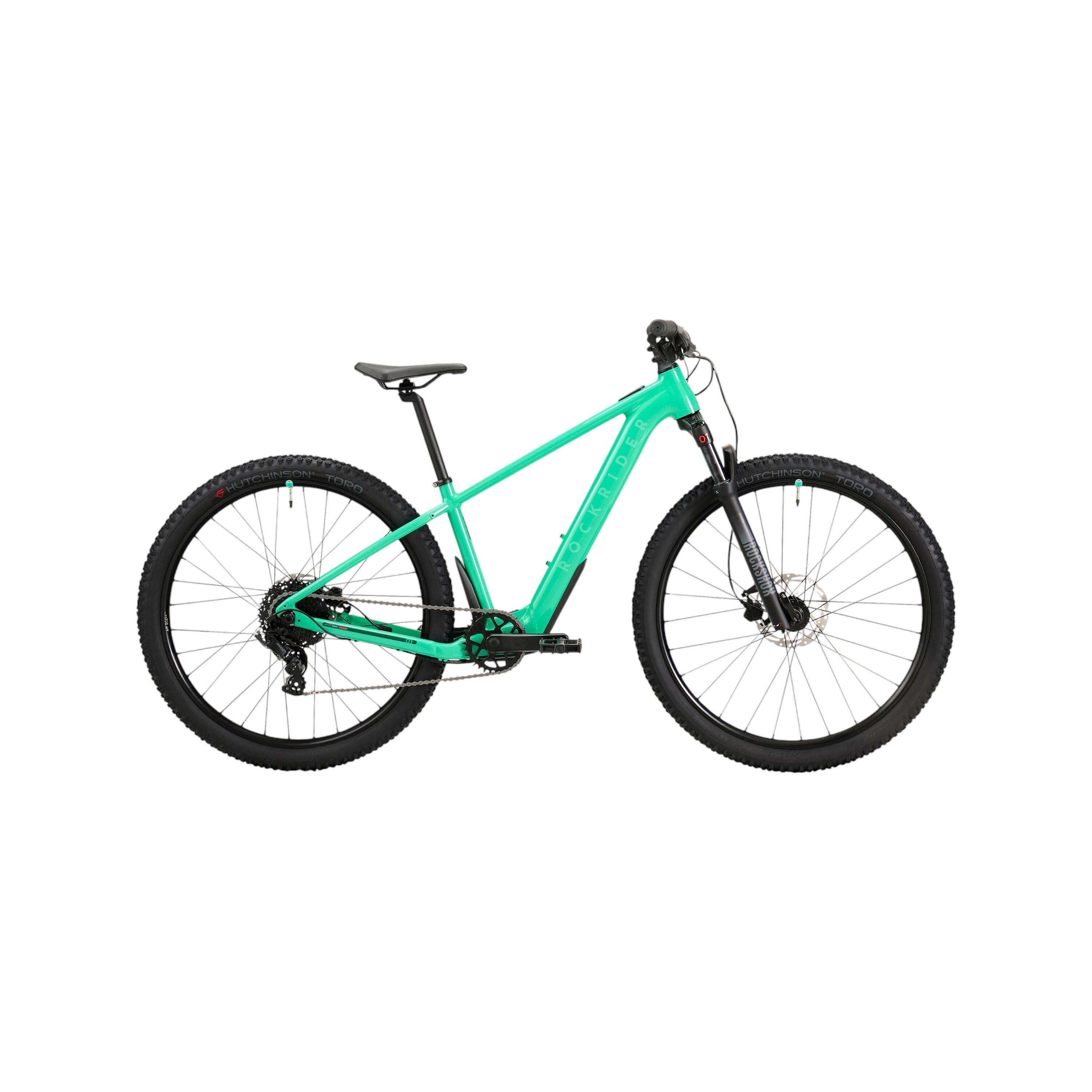
When looking at electric bikes for sale, you will notice significant structural differences in off-road models. High-performance electric mountain bikes are engineered with reinforced frames and advanced suspension systems to handle the mechanical stress of rough terrain. The reason for the 100mm to 160mm travel in the forks is to provide mechanical grip and shock absorption on technical trails. These e bikes often feature wider tyres with aggressive tread patterns to ensure stability on loose peat or gravel. For the rider, a waterproof rating on the motor and battery casing is essential due to our frequent rain. Authority wise, always ensure you wash away mud from the drivetrain after a session to prevent premature wear on the motor-assisted chain.

Which features define high-performance electric road bikes?

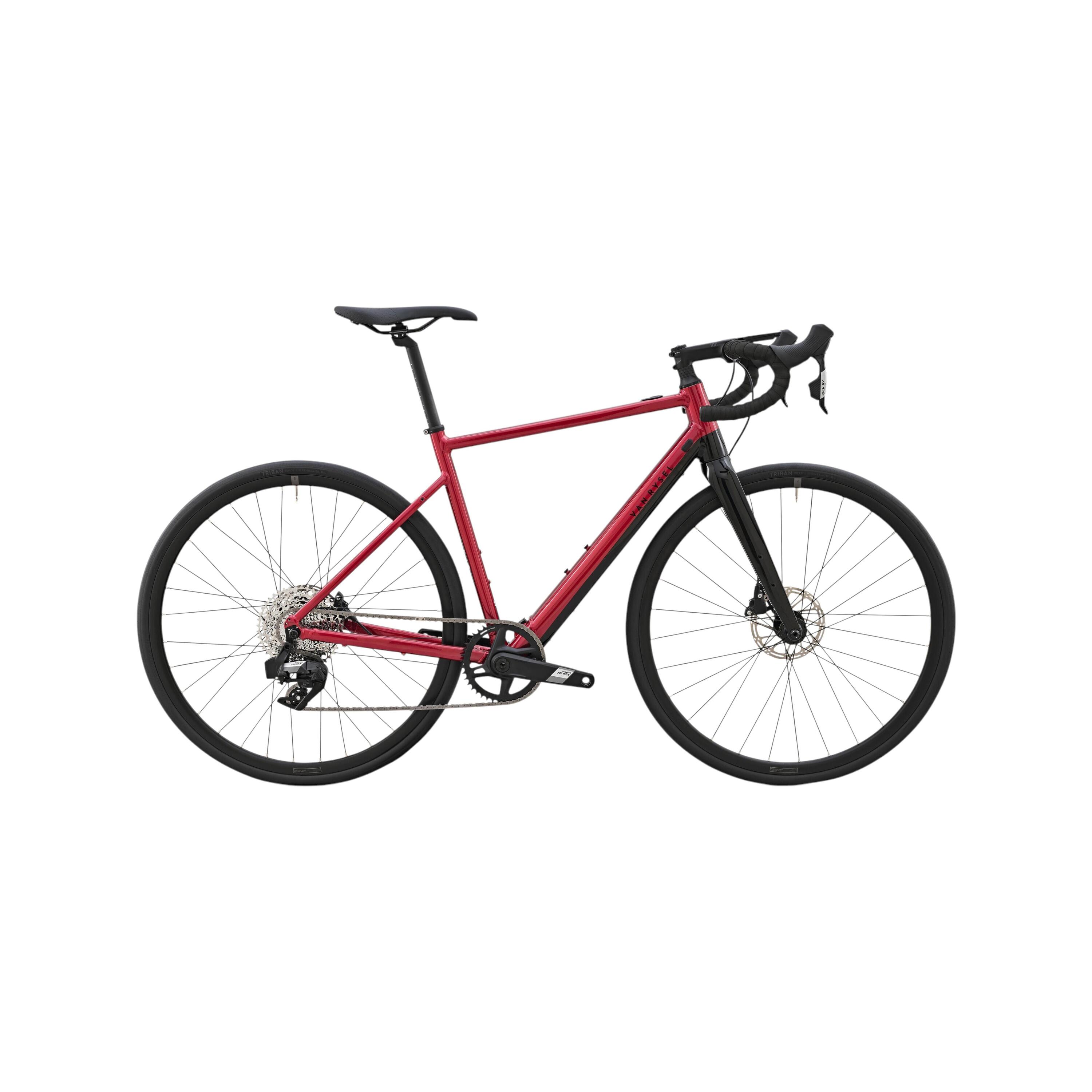
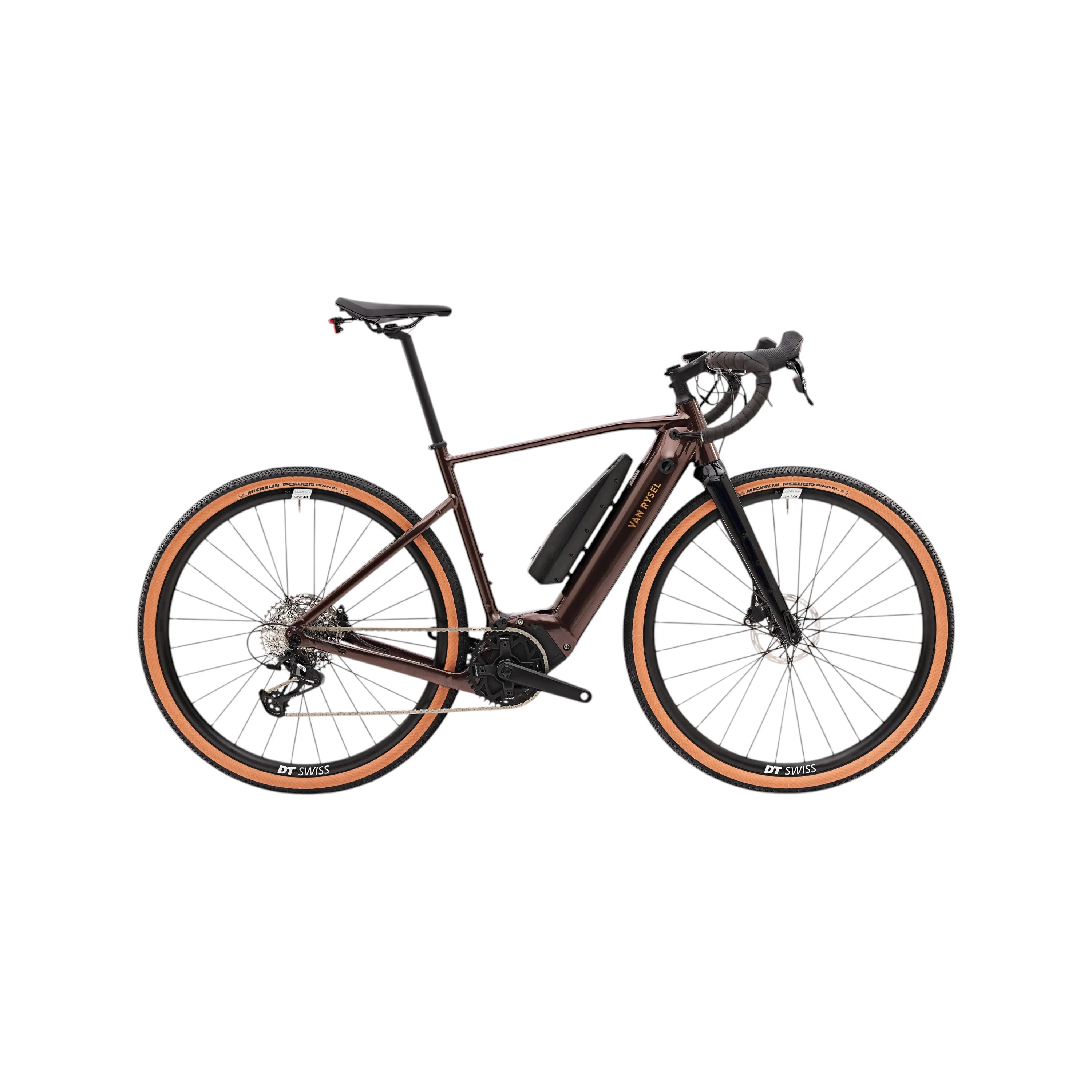
High-performance electric road bikes are engineered to maintain the agility and speed of a traditional racing frame while integrating a sophisticated motor system. These models prioritize a lightweight chassis, often utilizing premium carbon or hydroformed aluminium to offset the added mass of the battery. The technical benefit of these platforms is the seamless assistance they provide, specifically tuned to engage at higher cadences during climbs. For cyclists seeking a blend of aerodynamic efficiency and motorised power, our electric road bikes offer the perfect balance for long-distance training where you want to sustain high average speeds without reaching your physical threshold prematurely on steep inclines.

How does motor placement affect the handling of electric bikes?

The location of the motor significantly influences the centred of gravity and, consequently, the bike's responsiveness. Mid-drive motors are widely preferred for their ability to provide natural power delivery, as the weight is concentrated centrally near the bottom bracket. This configuration is essential for maintaining stability, especially when navigating technical paths or rapid cornering. Riders planning long-distance adventures often explore reliable electric trekking bikes designed to balance power assistance with comfort across varied terrain. By contrast, hub-mounted motors often feel punchier but can affect the balance of the front or rear end. When evaluating different electric bikes, consider your primary terrain; a centralized motor setup is often superior for versatile handling, ensuring you can manage weight distribution effectively throughout your ride.

Are there electric bikes that have a range of more than 50km per charge?

Yes, many modern electric bike models easily exceed a 50km distance capability on a single charge, making them excellent choices for long commutes and weekend touring. When exploring the available options for electric bikes in Ireland, battery capacity—measured in Watt-hours (Wh)—is the definitive technical metric determining how far your electric cycle will travel before requiring a recharge. The technical reason a high-capacity lithium-ion system can support such extensive distances lies in efficient battery management software combined with low-resistance multi-mode motors. For example, an electric bicycle equipped with a 400Wh or 500Wh pack will comfortably achieve ranges between 60km and 100km under optimal conditions. To maximize this mileage, using the lower support modes balances human pedalling energy with motorized output. High-performance racing models from benchmark design lines like Van Rysel illustrate how minimizing frame mass directly translates to a lighter energy drain on steep gradients. If you are upgrading from conventional bikes to powered support, verifying battery ratings will guarantee sufficient longevity across the Irish countryside.

How fast can these electric bikes go?

In accordance with Irish and EU regulations, every electric bicycle sold for road use is restricted to a maximum assisted speed of 25 km/h. This means the motor will stop providing power once you reach this limit, though you can certainly pedal faster using your own strength. This regulation ensures safety on shared paths and city streets. Families introducing young riders to cycling often consider beginner-friendly electric kids’ bikes that follow the same safety standards and speed limitations. When you browse electric bikes for sale, you will see different motor ratings, typically 250 W, which is the legal limit for a standard pedelec. This power is more than enough to flatten out the steepest hills in the Wicklow Mountains. Choosing a bike with multiple assist modes usually ranging from 'Eco' to 'Turbo' allows you to manage your energy consumption, ensuring you have plenty of power left for the final leg of your adventure.