382 items
4.4/5 based on 170682 reviews collected online and in stores

SNORKELING FAQS

Which technical footwear options prevent injury on sharp reef and rocky shorelines?

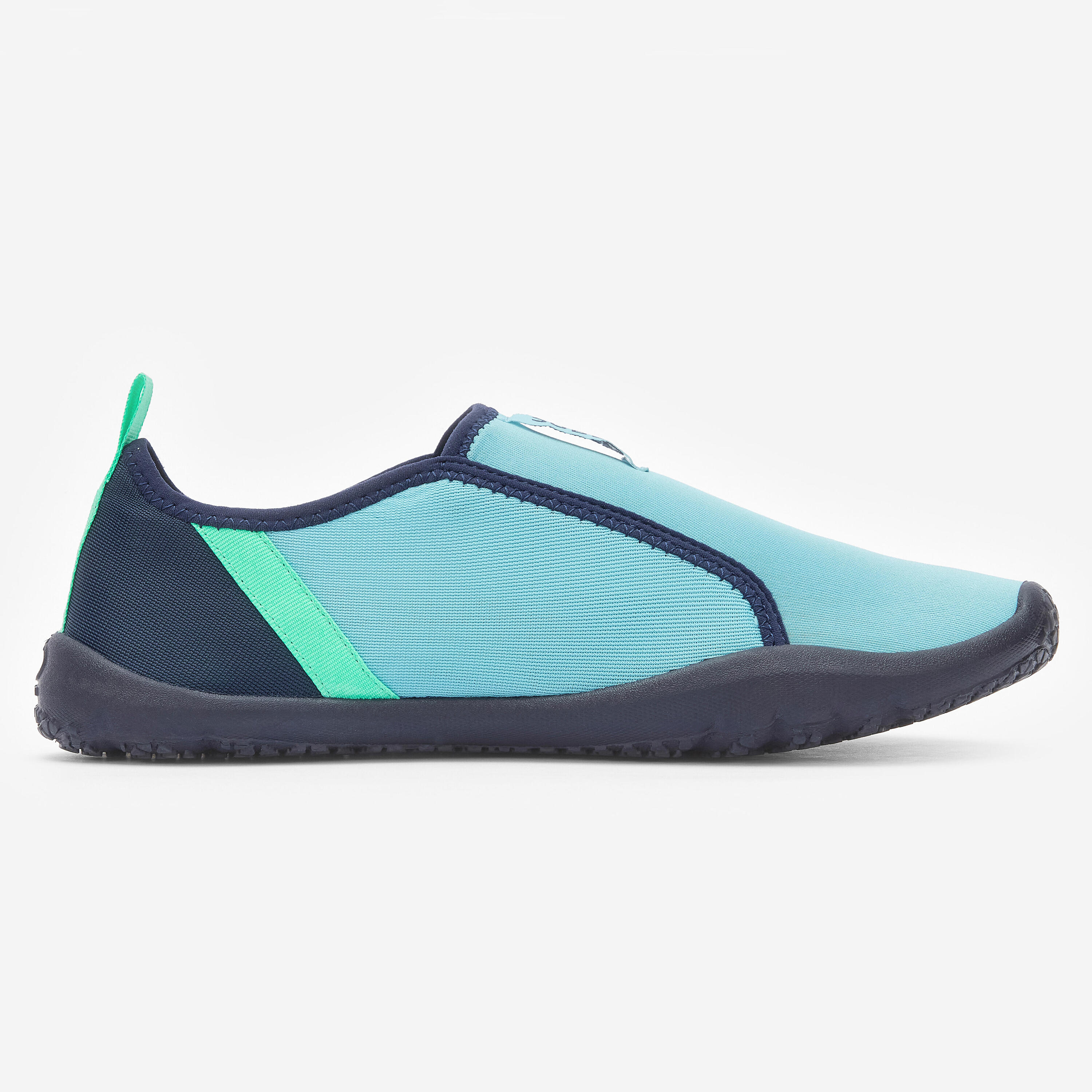
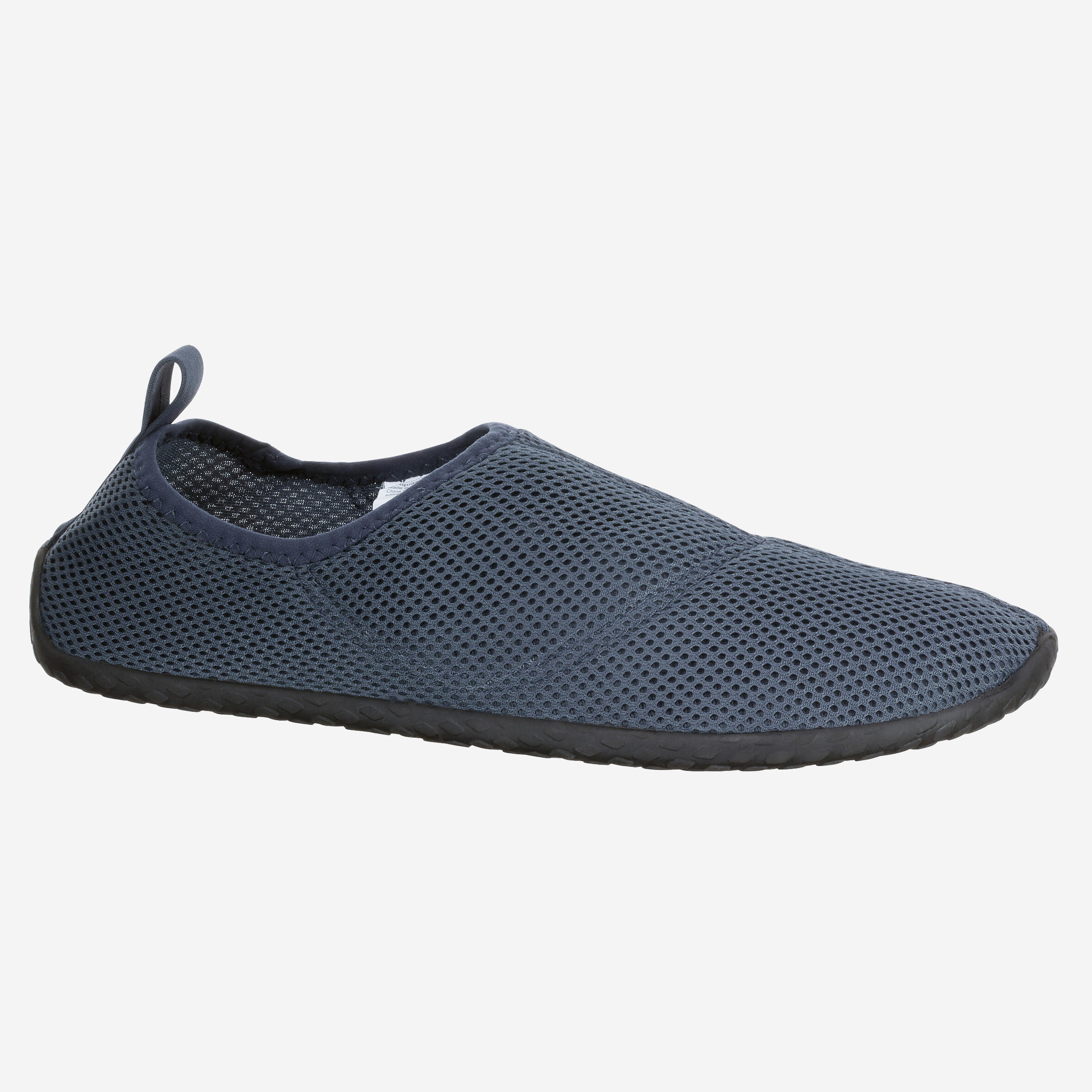
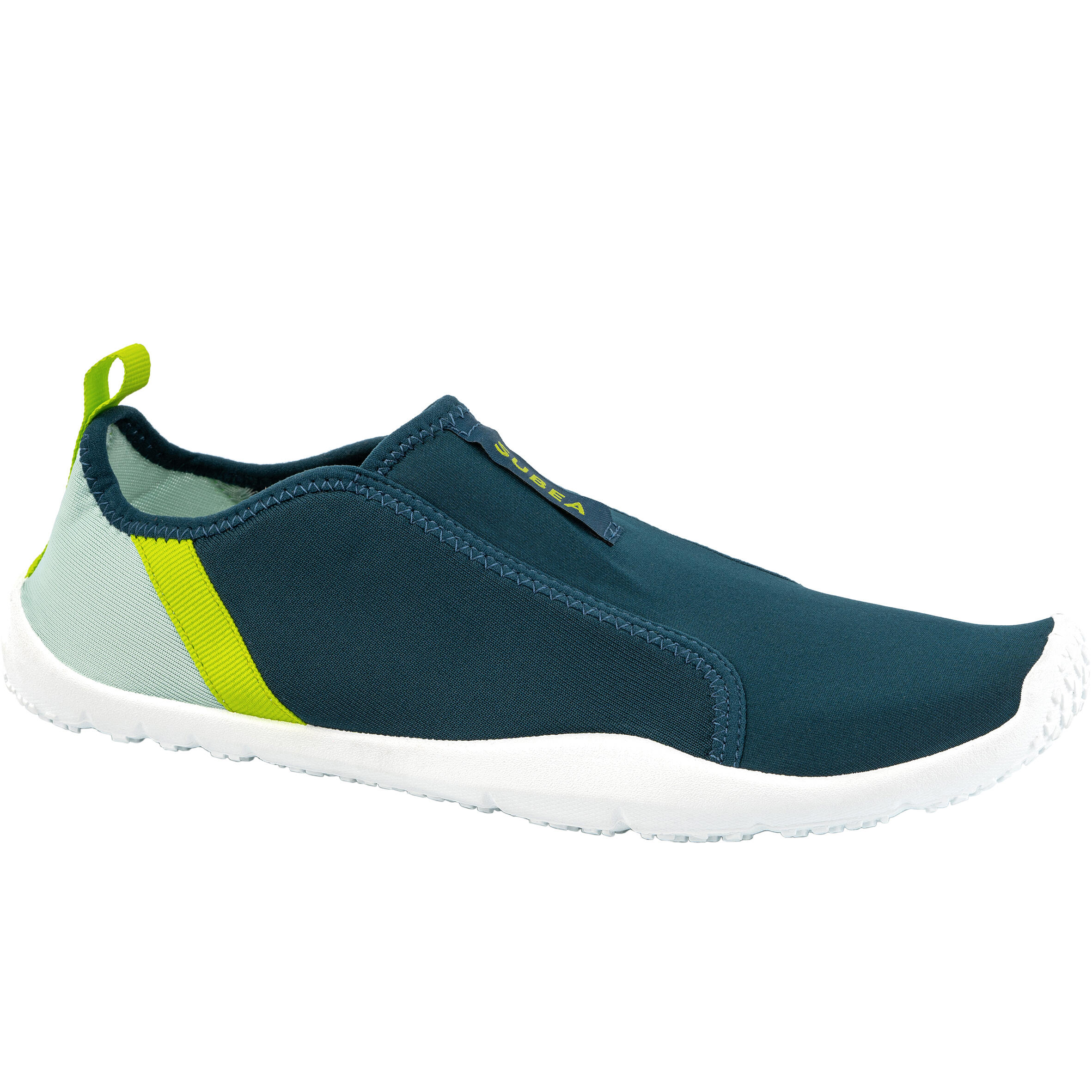
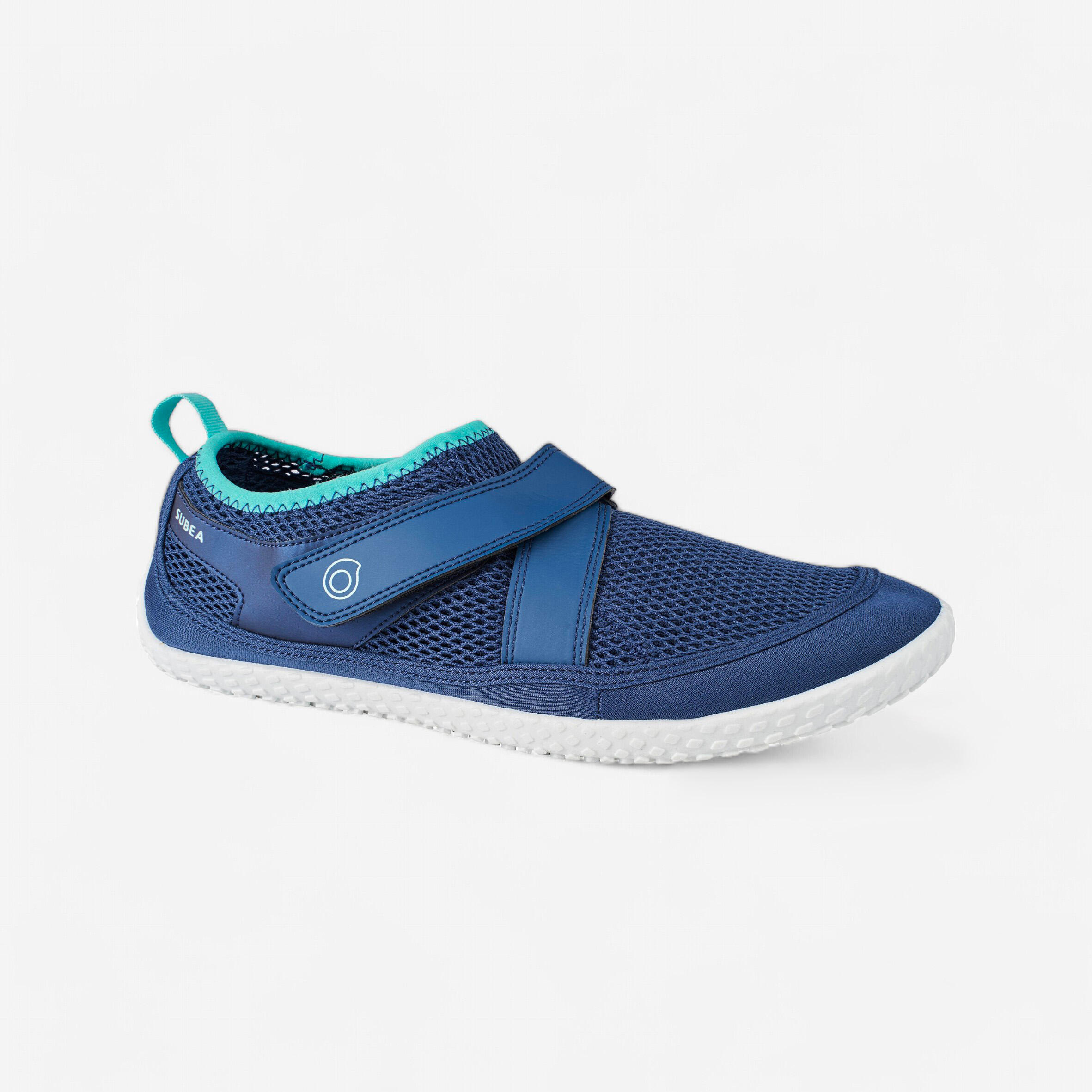
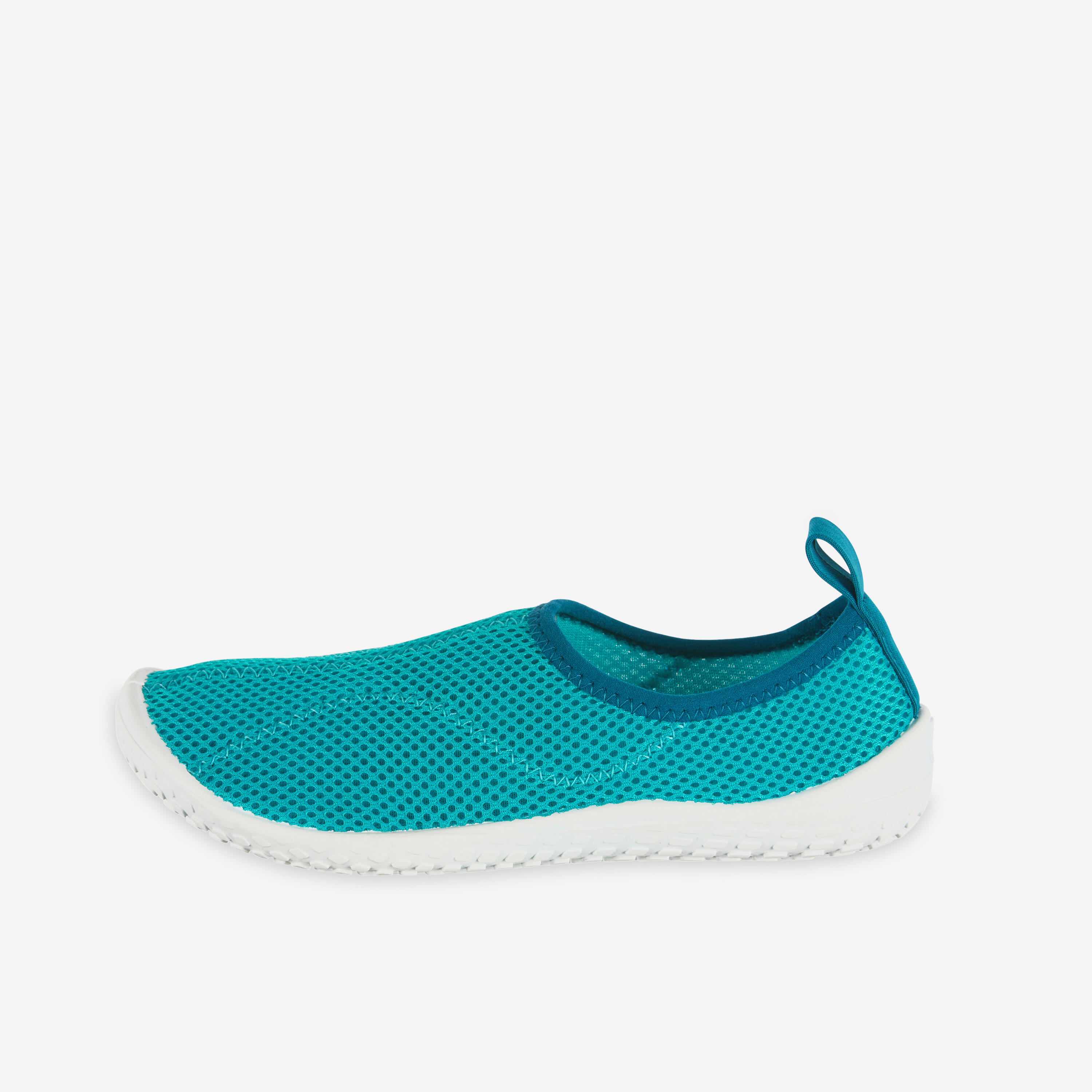
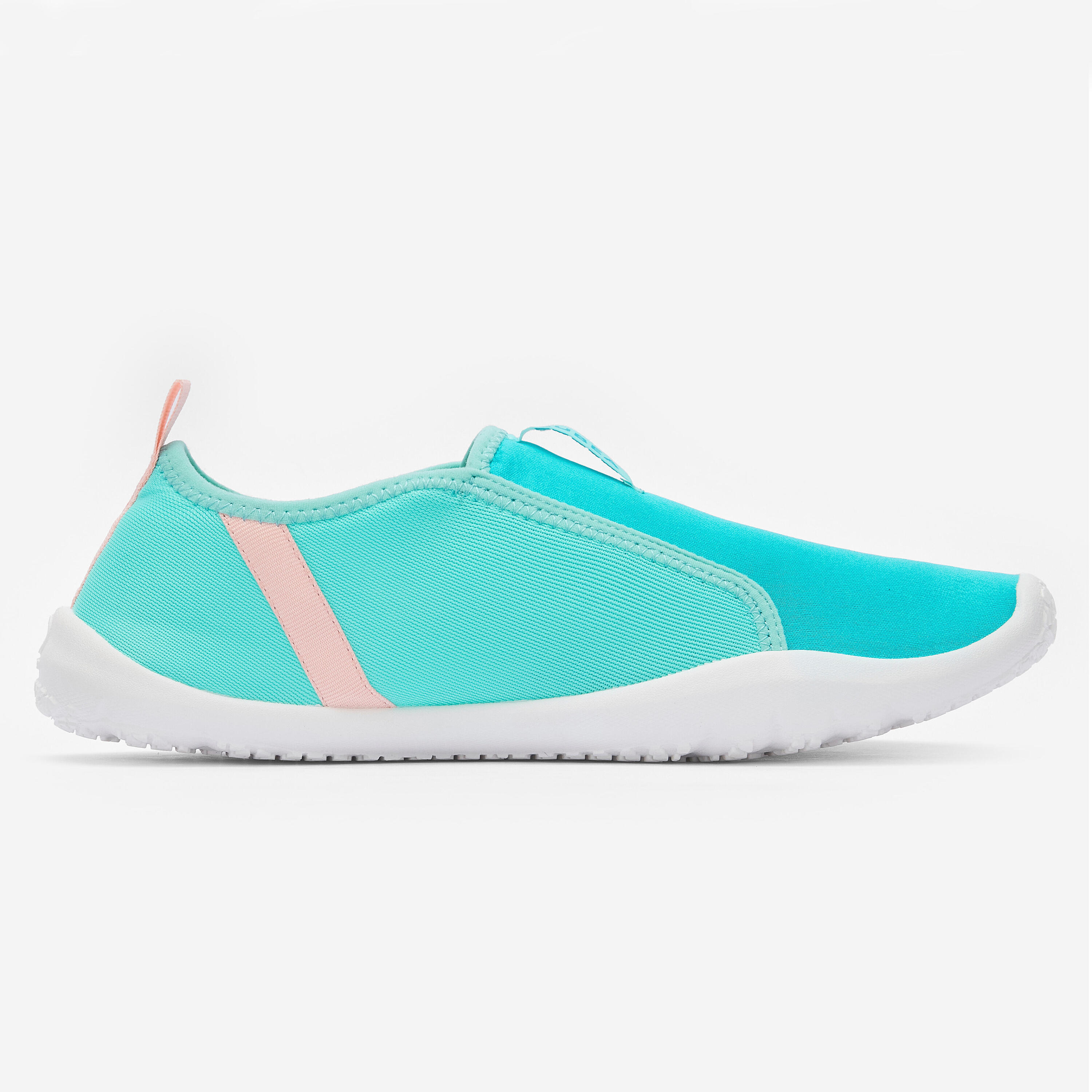
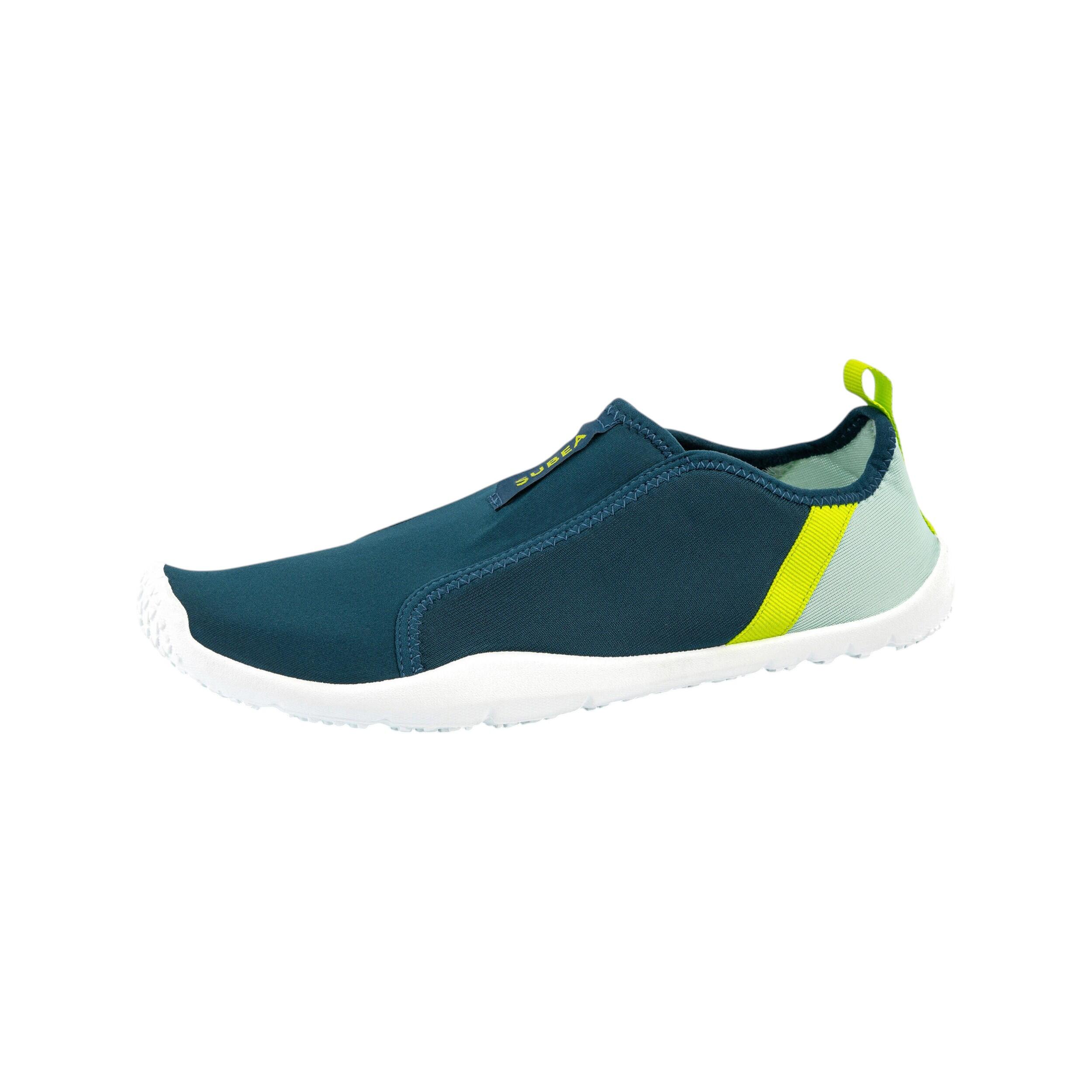
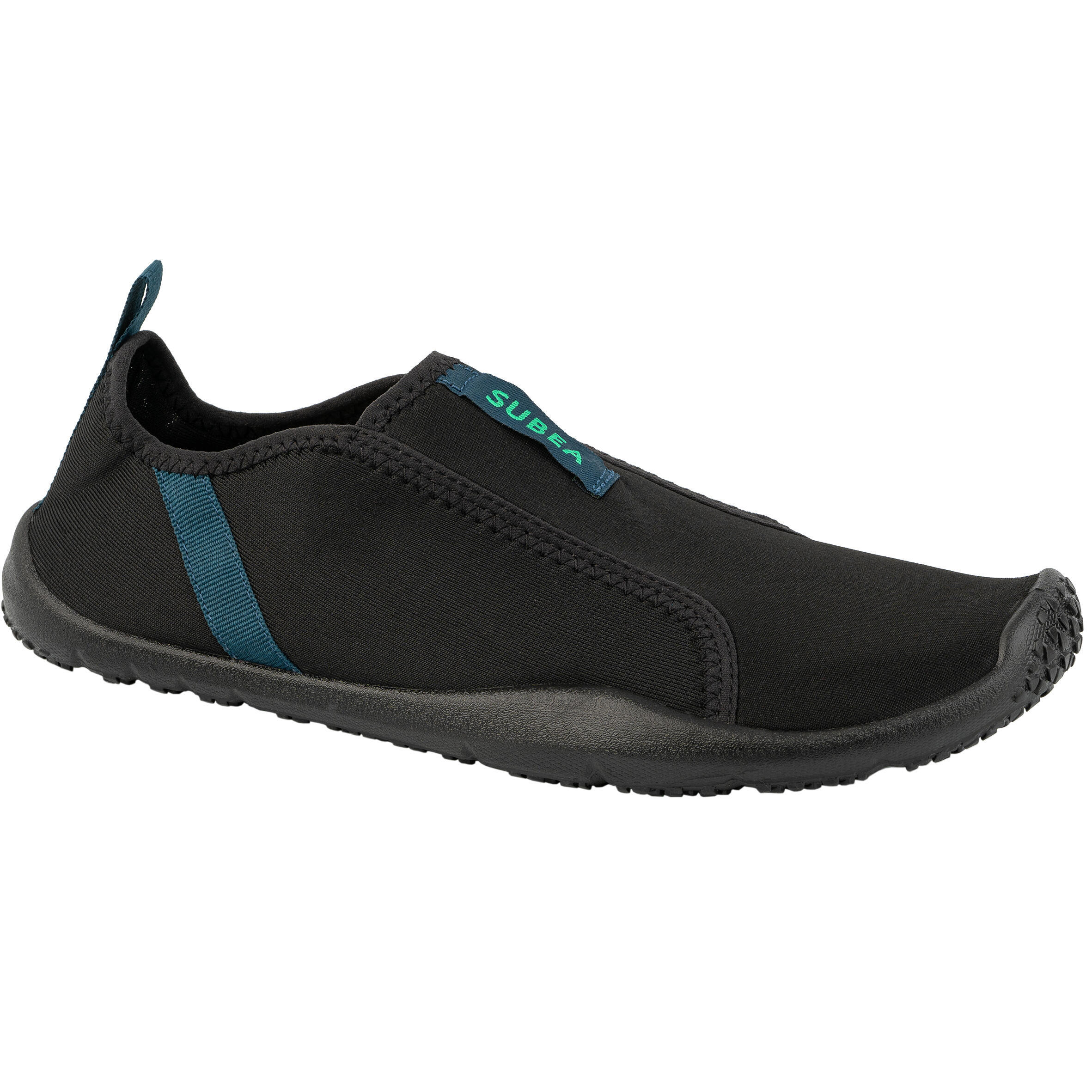
Navigating uneven coastal entry points requires durable underside protection to guard against sharp stones, barnacles, and hidden weaver fish. Aquashoes and water shoes feature vulcanised rubber outsoles with multi-directional tread patterns that grip wet, slippery rock surfaces firmly. The technical reason for the lightweight mesh upper assembly is to facilitate rapid water drainage, keeping the feet nimble during transitions from land to sea. This snug neoprene collar prevents rough debris or coarse sand grains from slipping inside the heel area, ensuring continuous comfort while wading through coastal shallows before swimming out.
How do thermal insulation layers preserve core body temperature during extended sub-surface excursions?

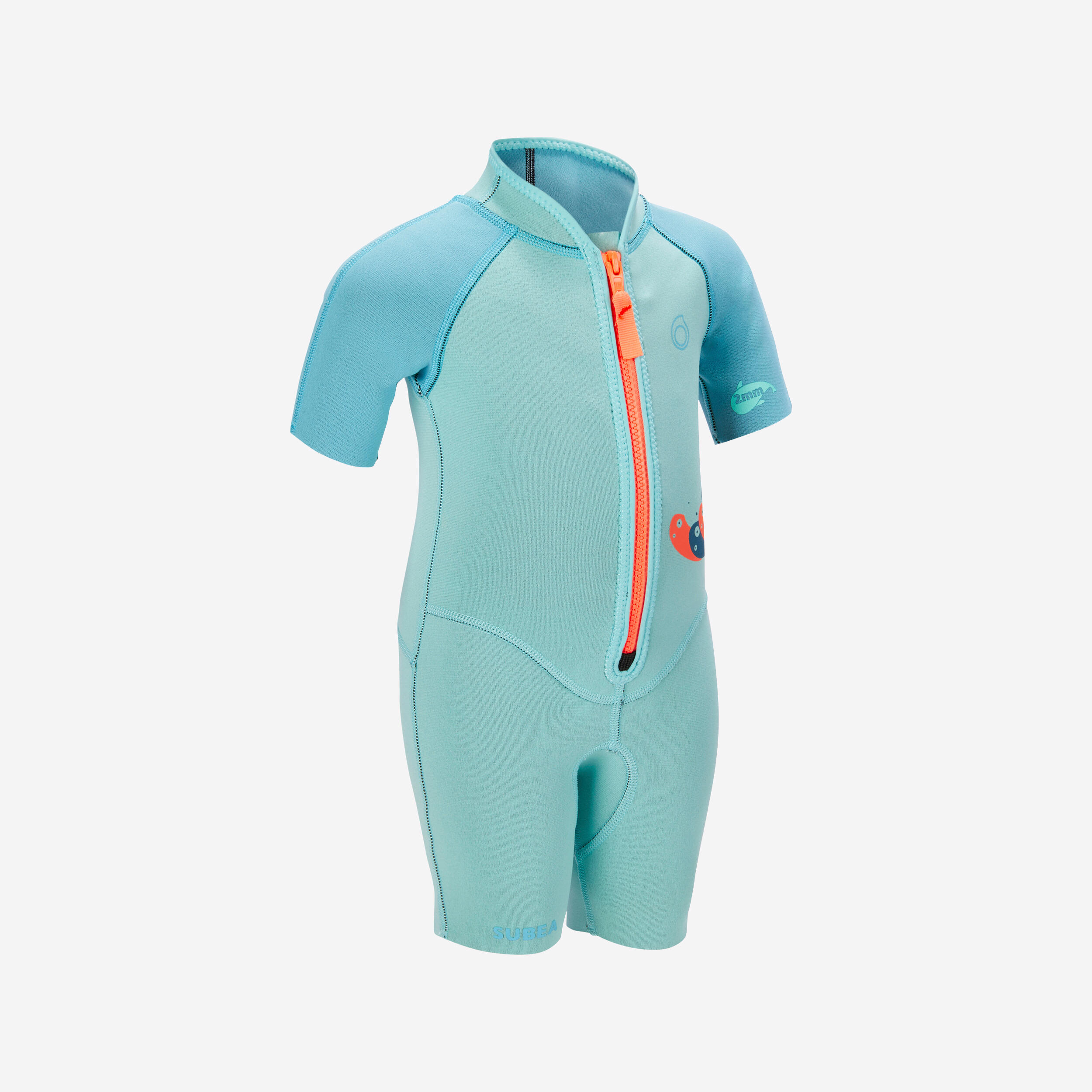
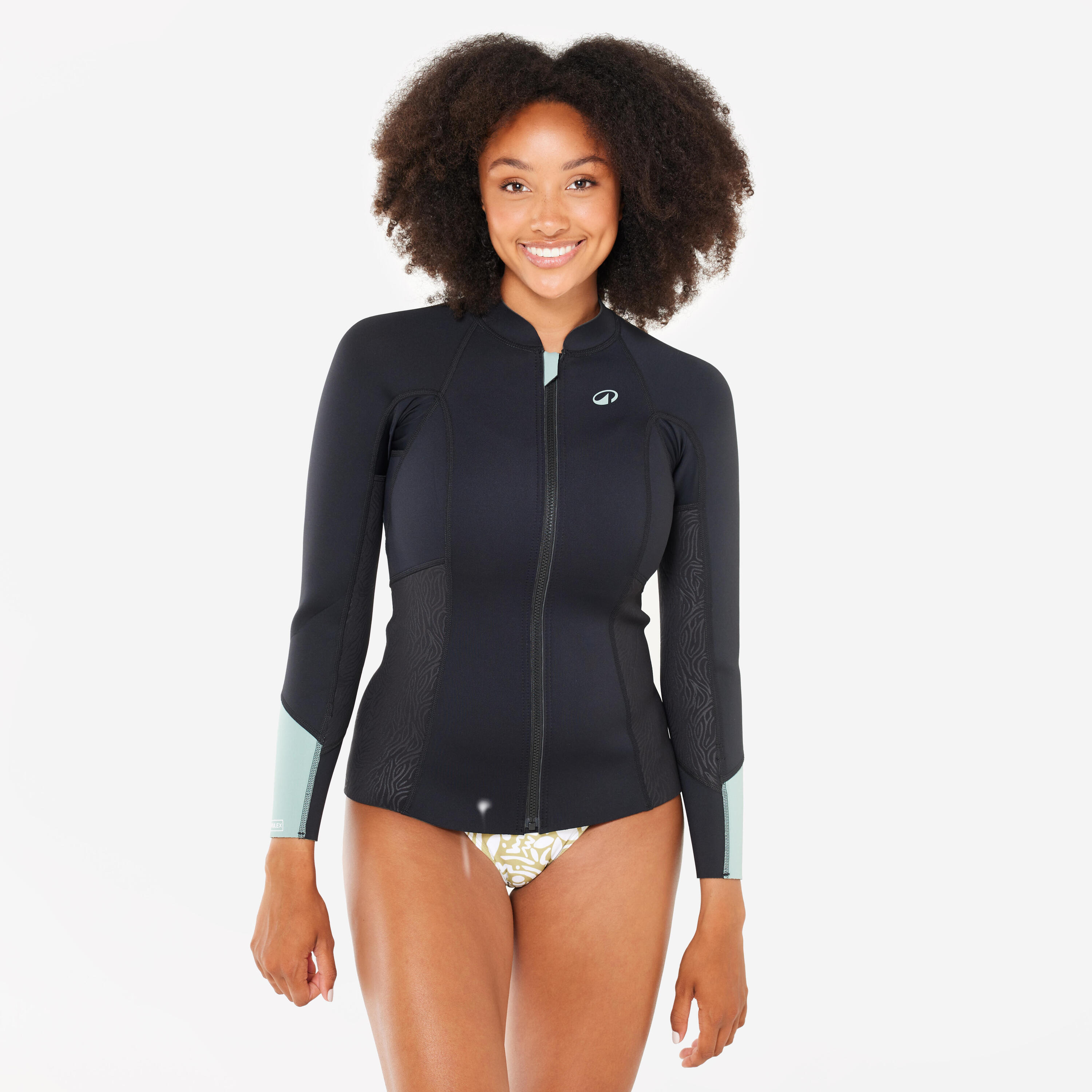
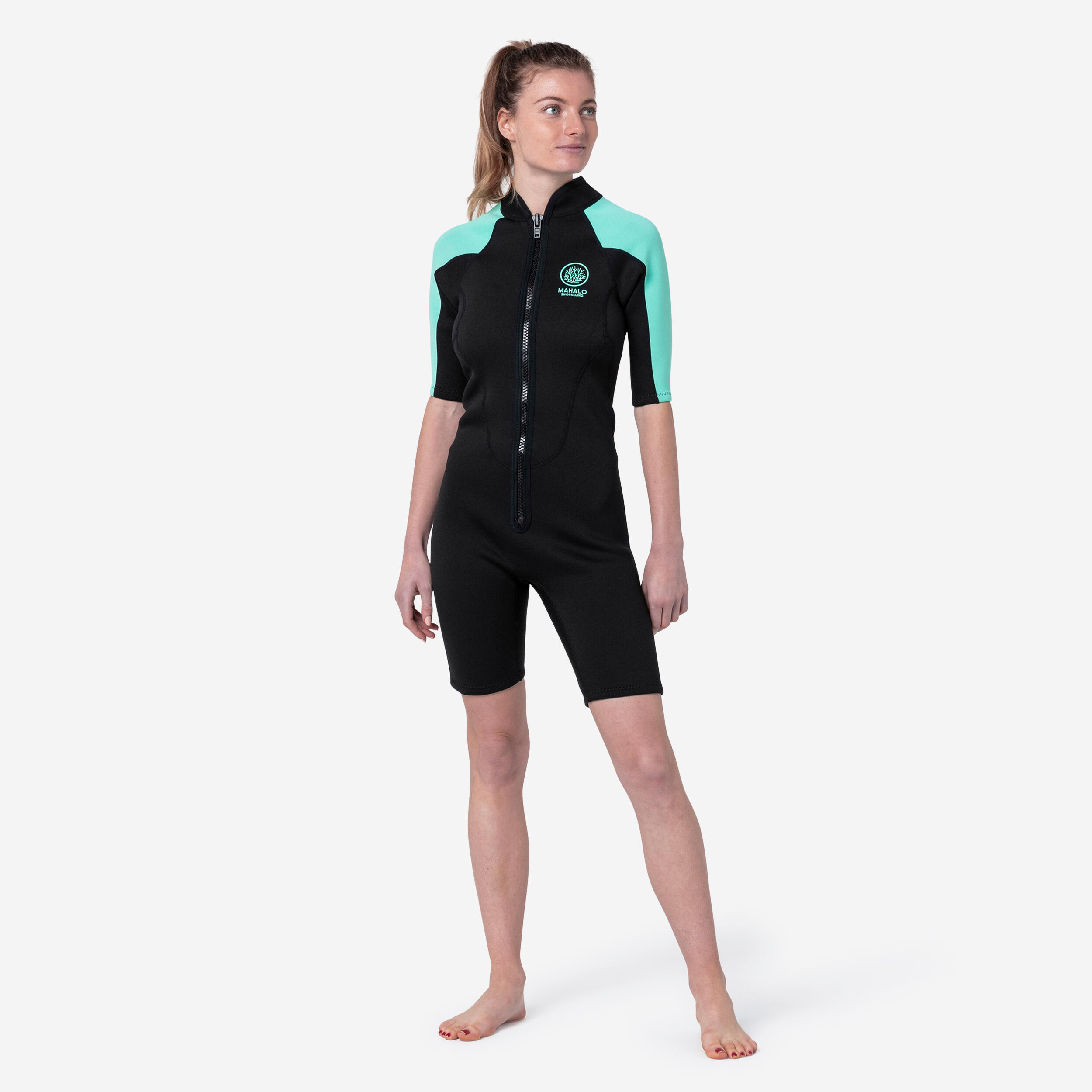
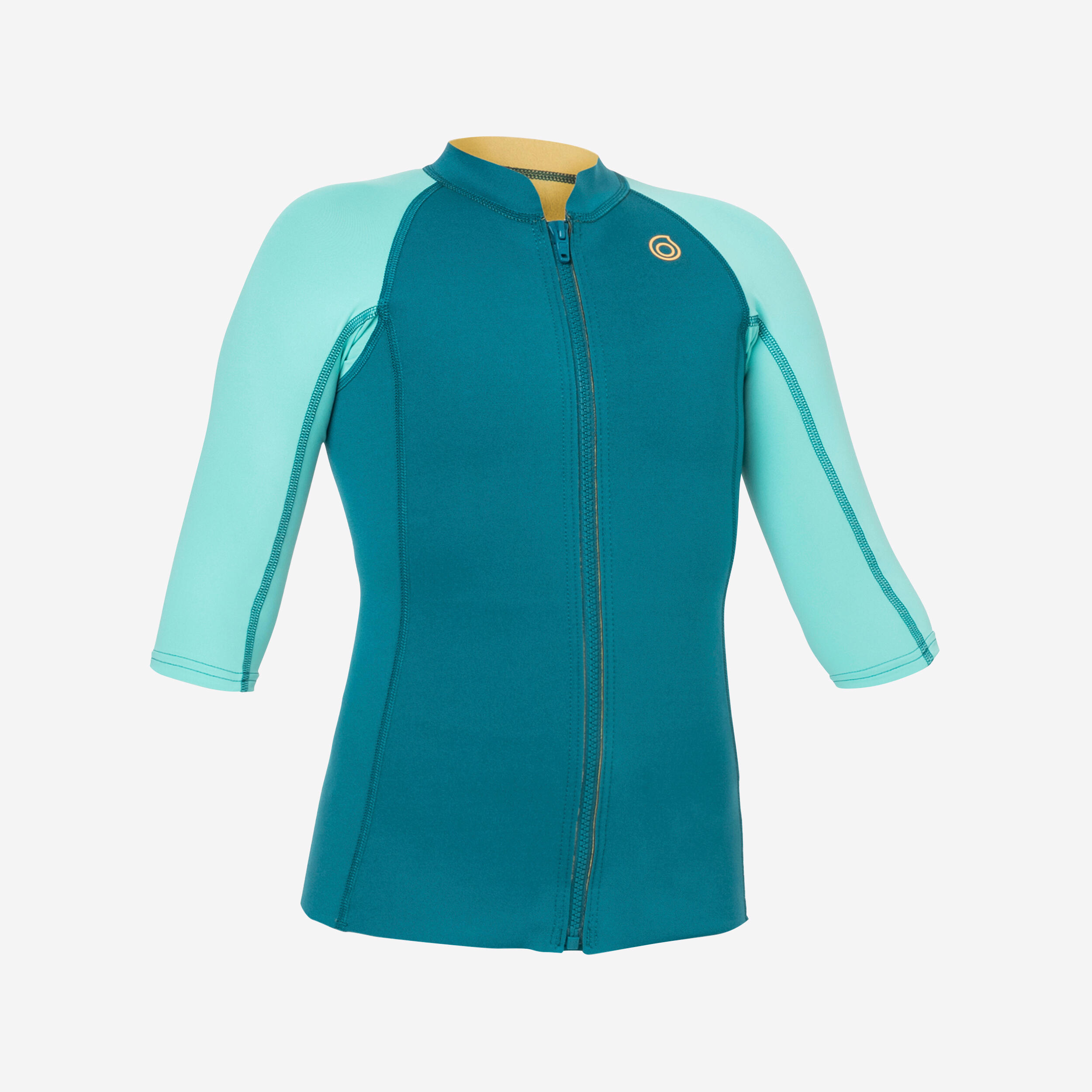
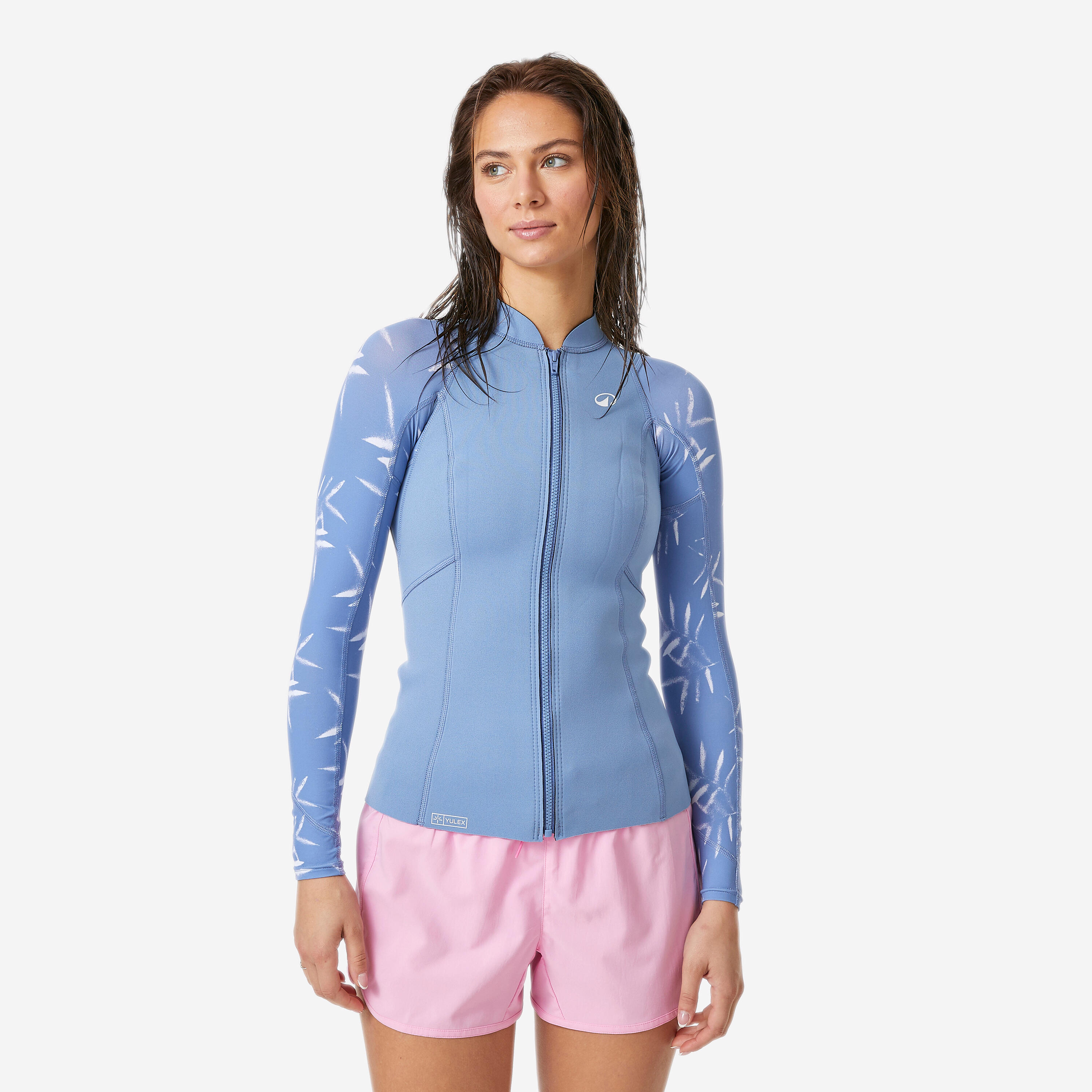
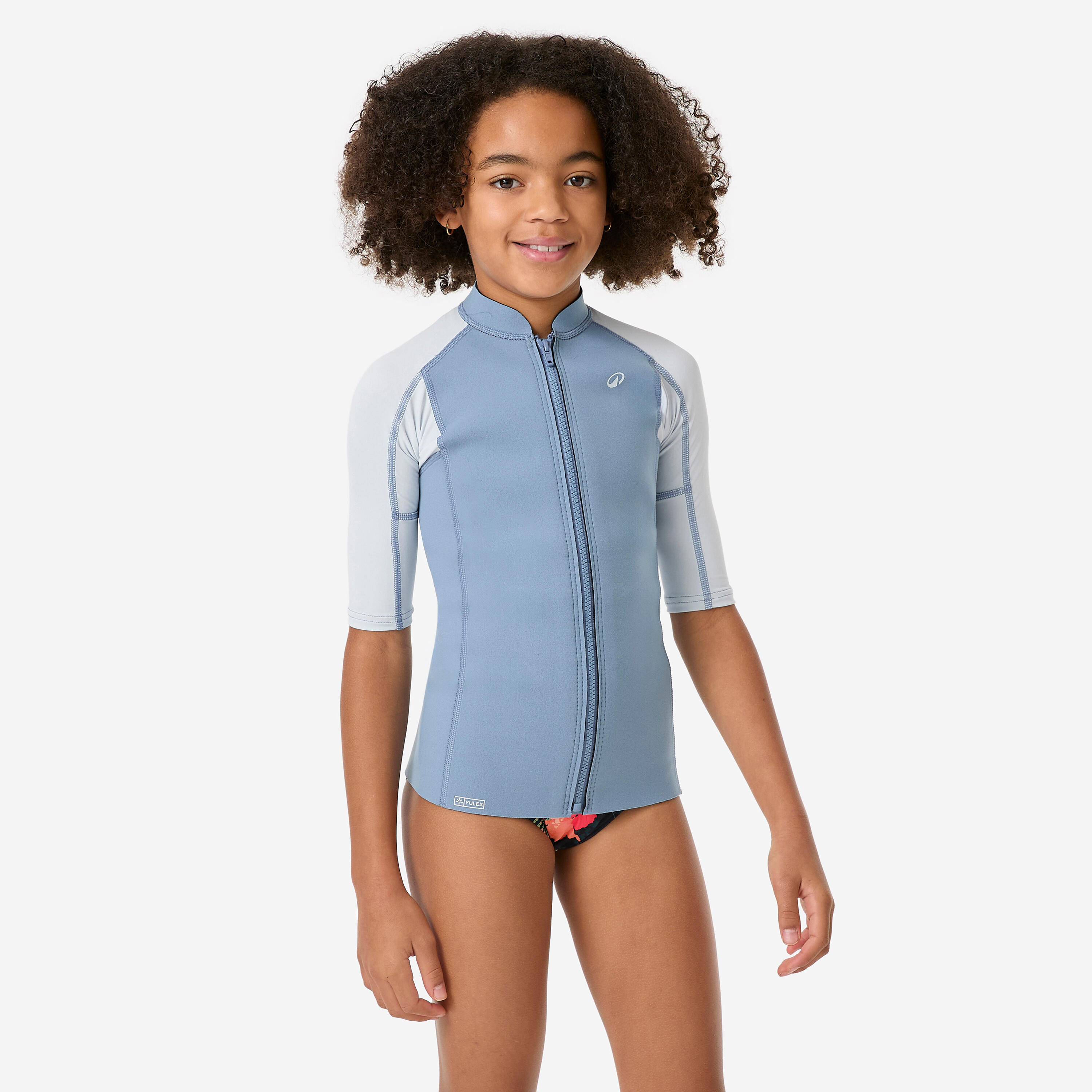
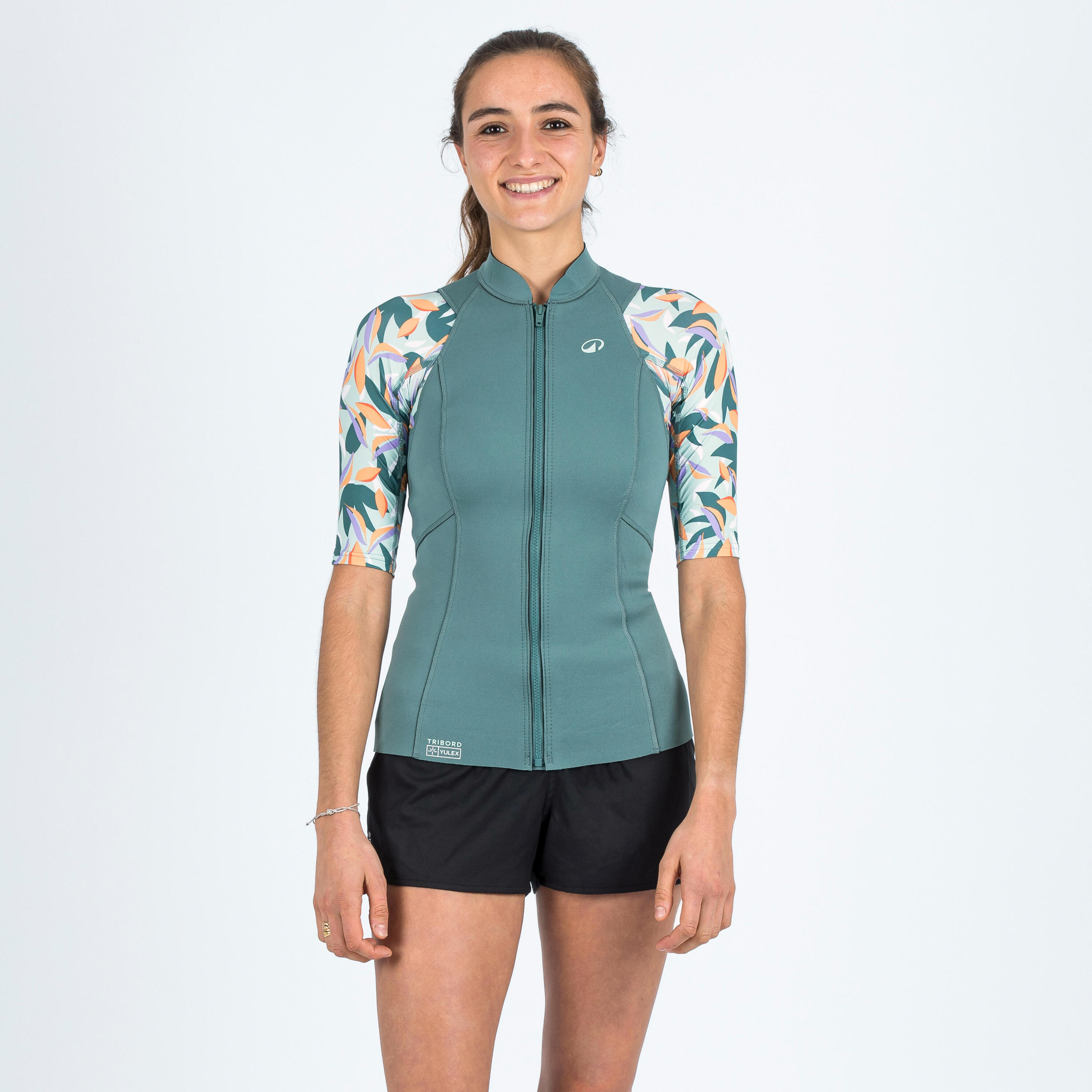
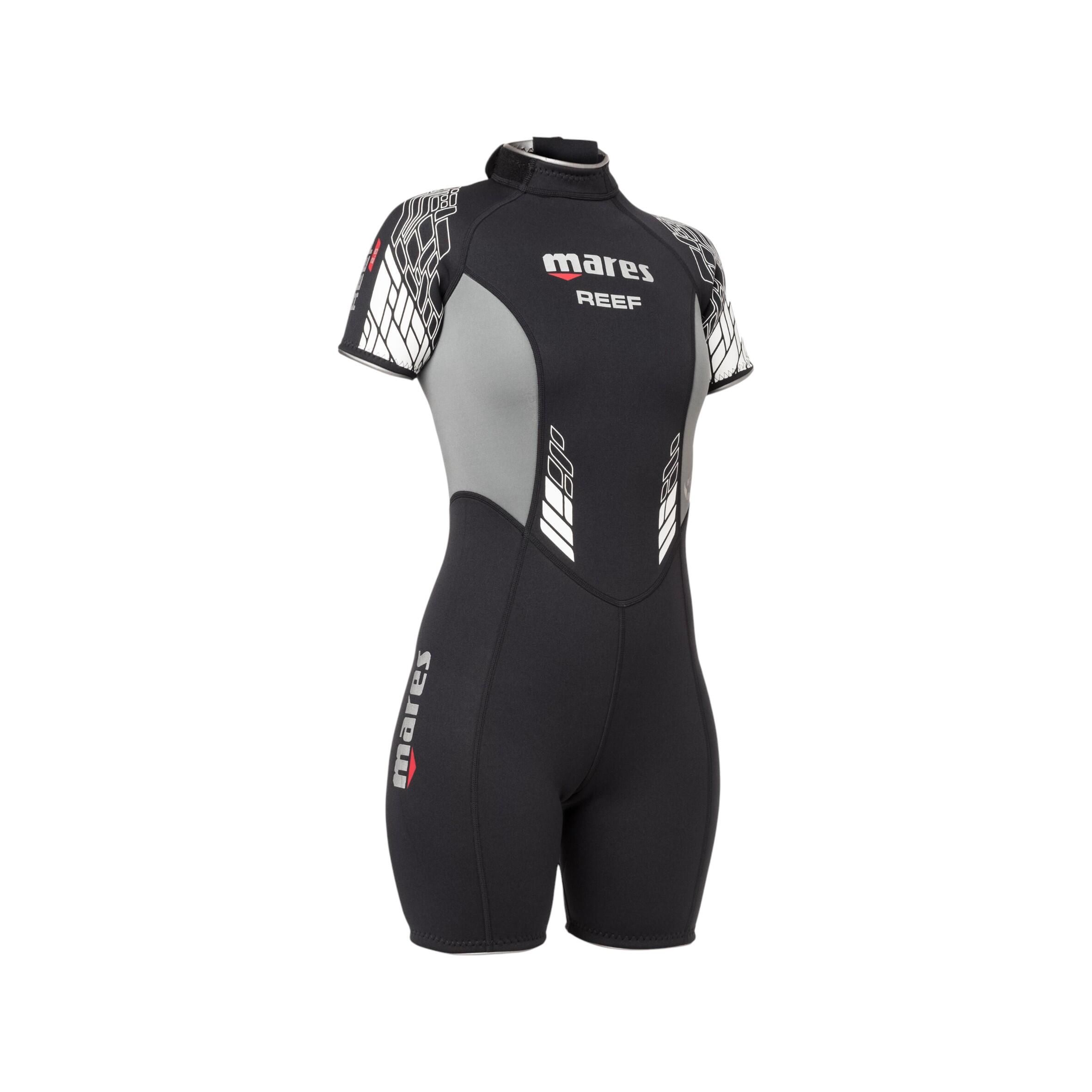
Cold coastal currents can deplete body heat rapidly, leading to muscle fatigue and significantly shorter time in the water. Choosing high-stretch snorkeling shorties and thermal tops helps lock a thin micro-layer of water against the skin, which the body warms naturally to form a protective thermal barrier. The 5 mm foam core paneling ensures excellent buoyant lift and wind protection across the back. Selecting models with non-restrictive underarm seams reduces operational friction, ensuring smooth, unrestricted arm movement during long surface swims over kelp forests.

What safety mechanisms enhance surface tracking and visual monitoring from a distance?

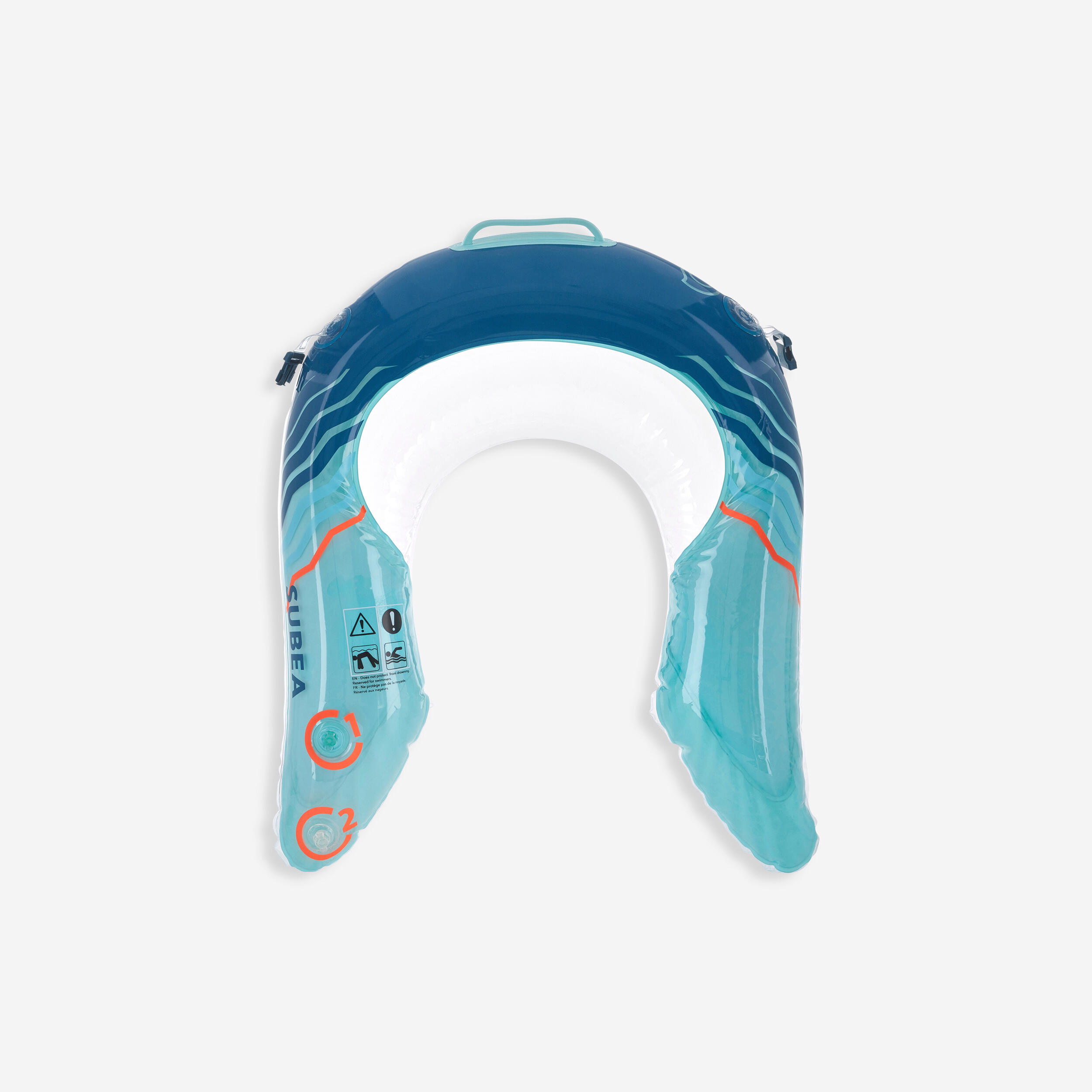
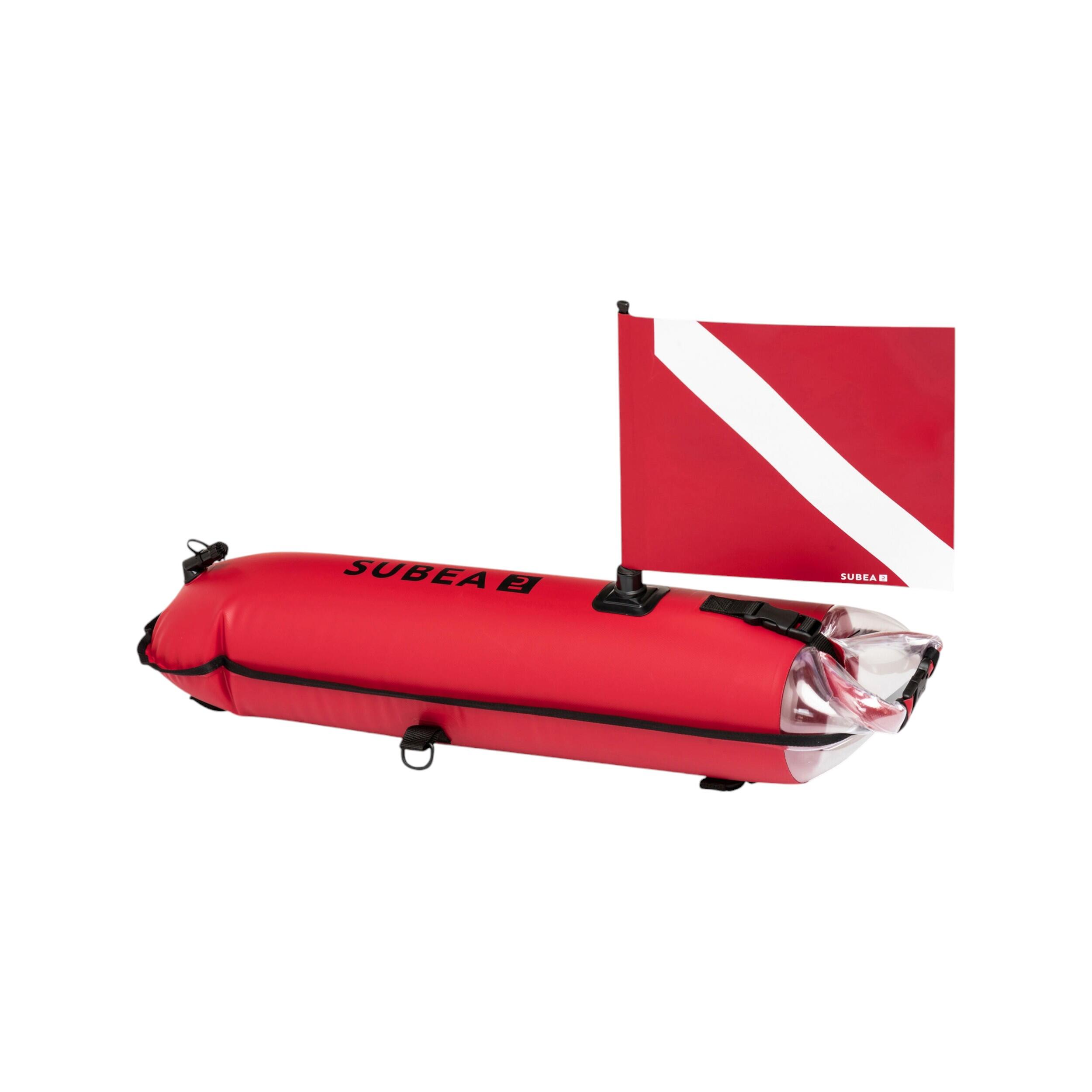
Maintaining clear visibility for passing watercraft and shore support is a critical component of coastal safety protocols. Deploying a brightly coloured observation and buoyancy buoy creates a highly visible marker that signals your exact position to nearby boats and fellow water sports enthusiasts. Beyond the primary safety function, these inflatable units contain integrated handles that let swimmers rest securely when fatigued. Some advanced variations incorporate clear viewing windows at the base, allowing children to watch marine life comfortably without submerging their faces entirely.

Why does skirt material and volume dictate individual selection for traditional viewing setups?

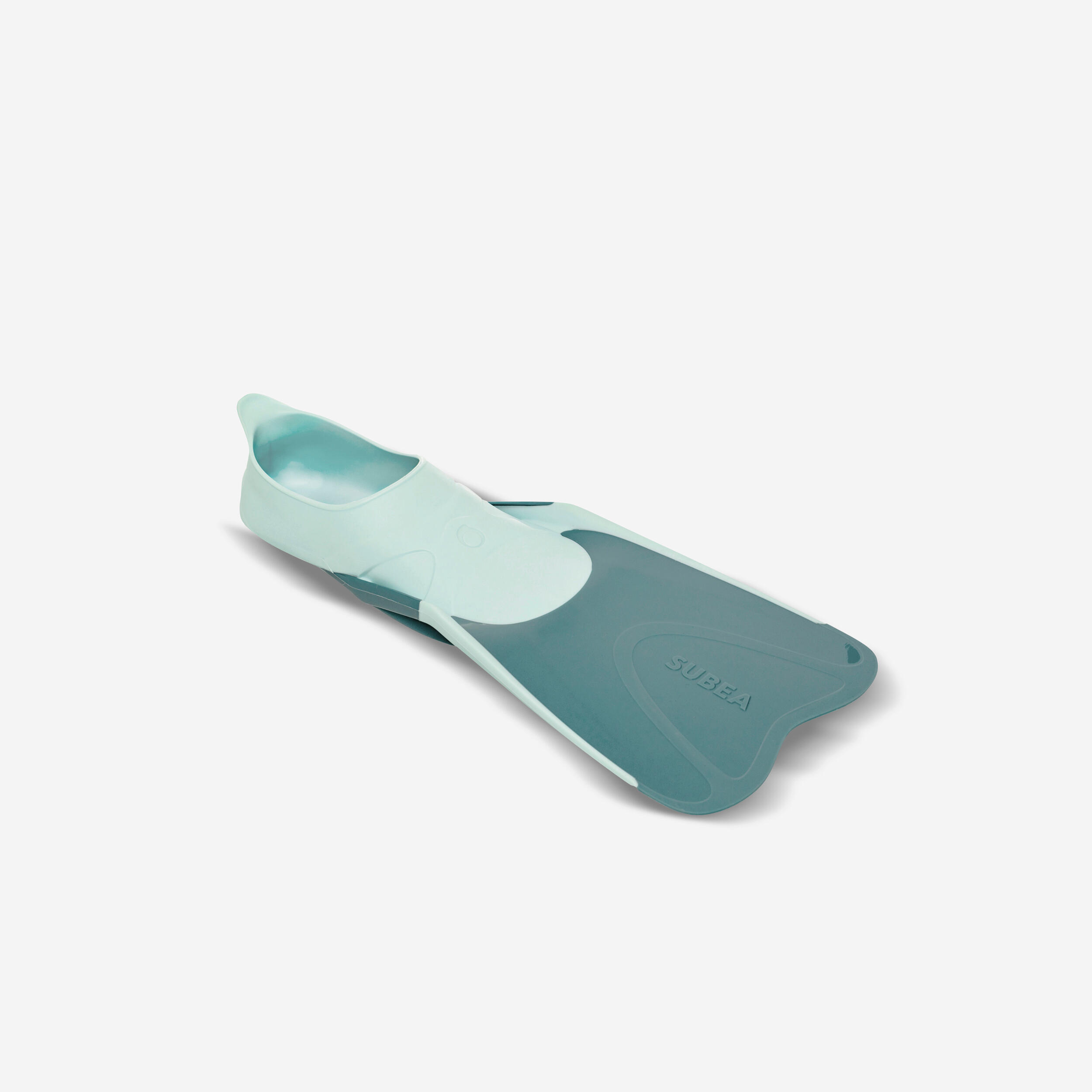
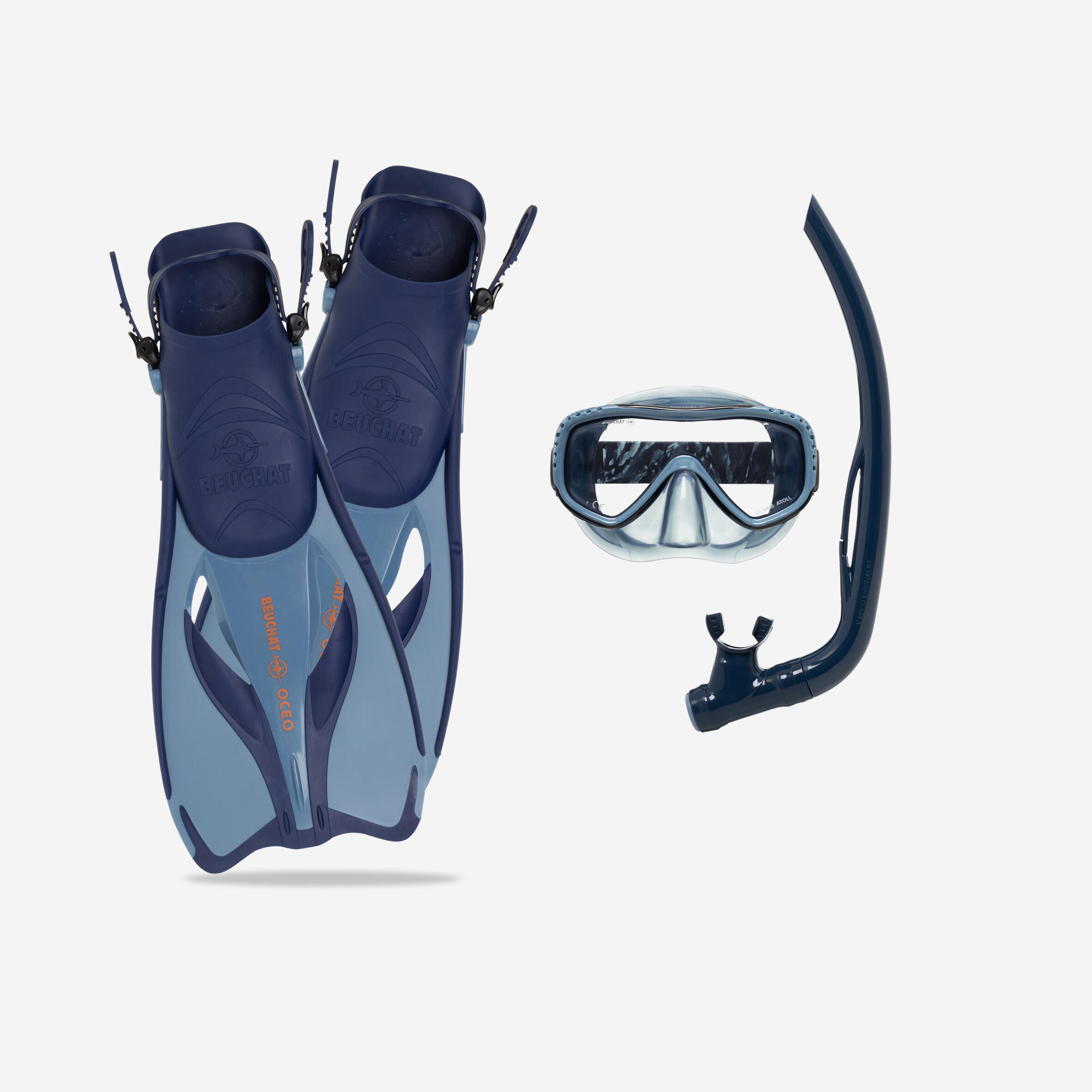
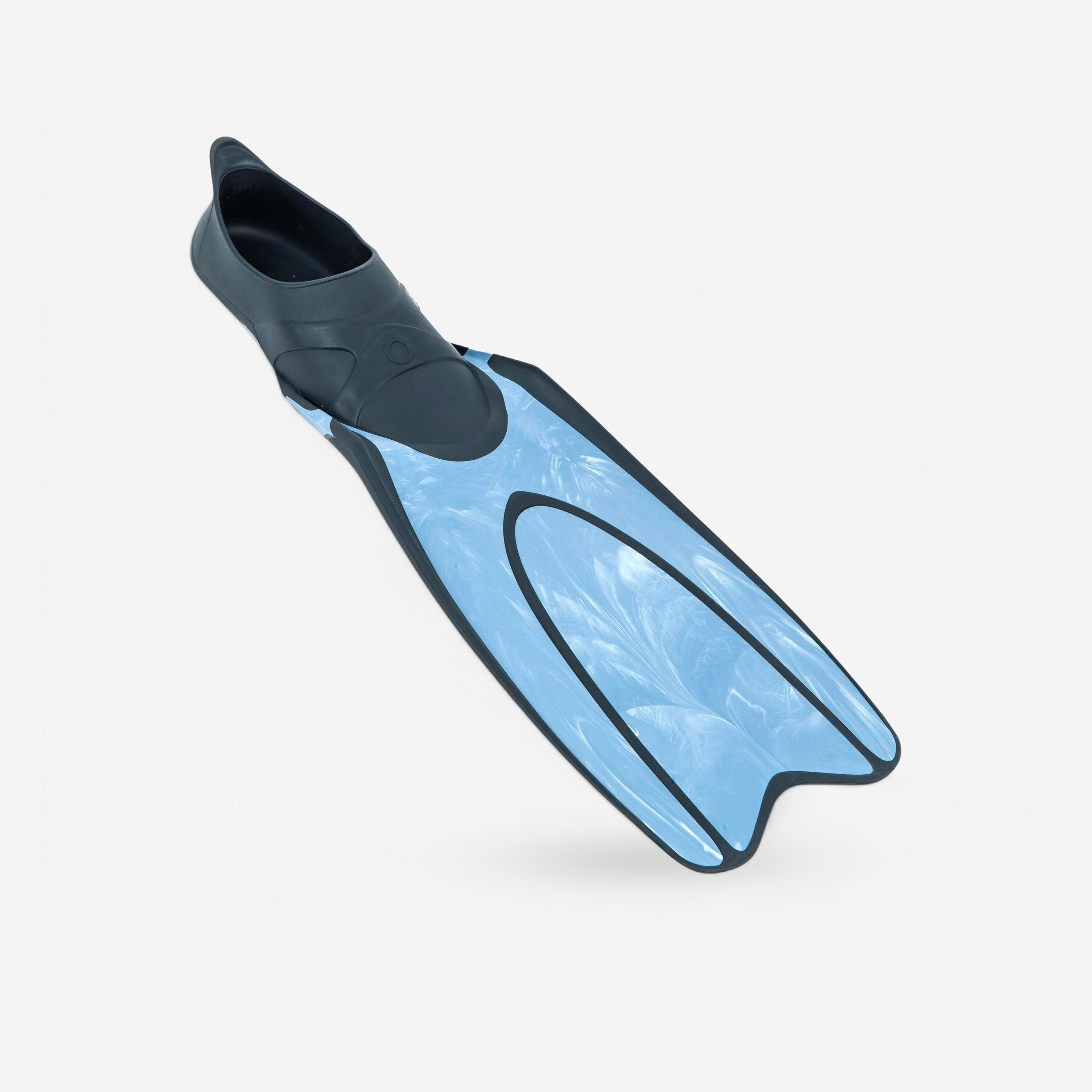
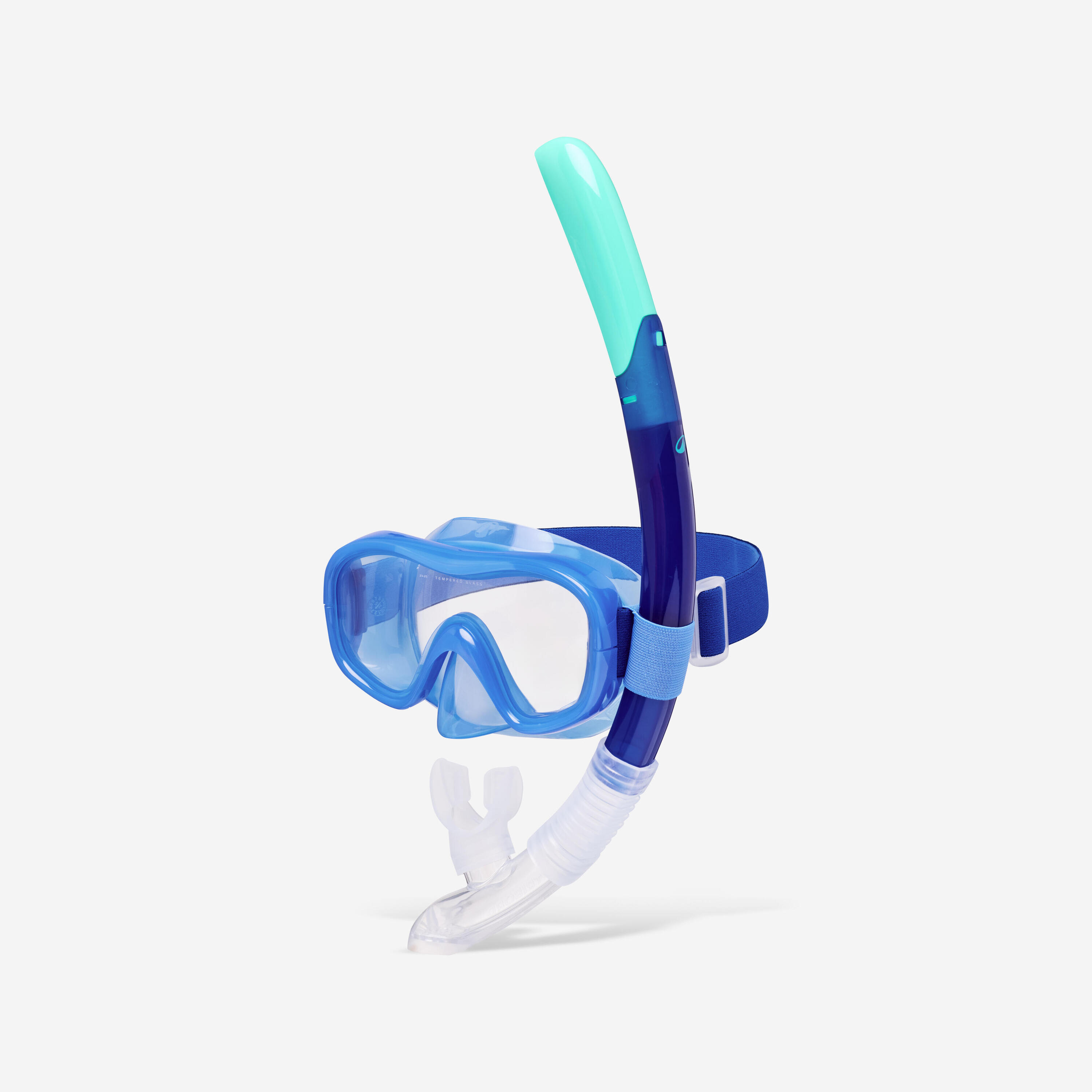
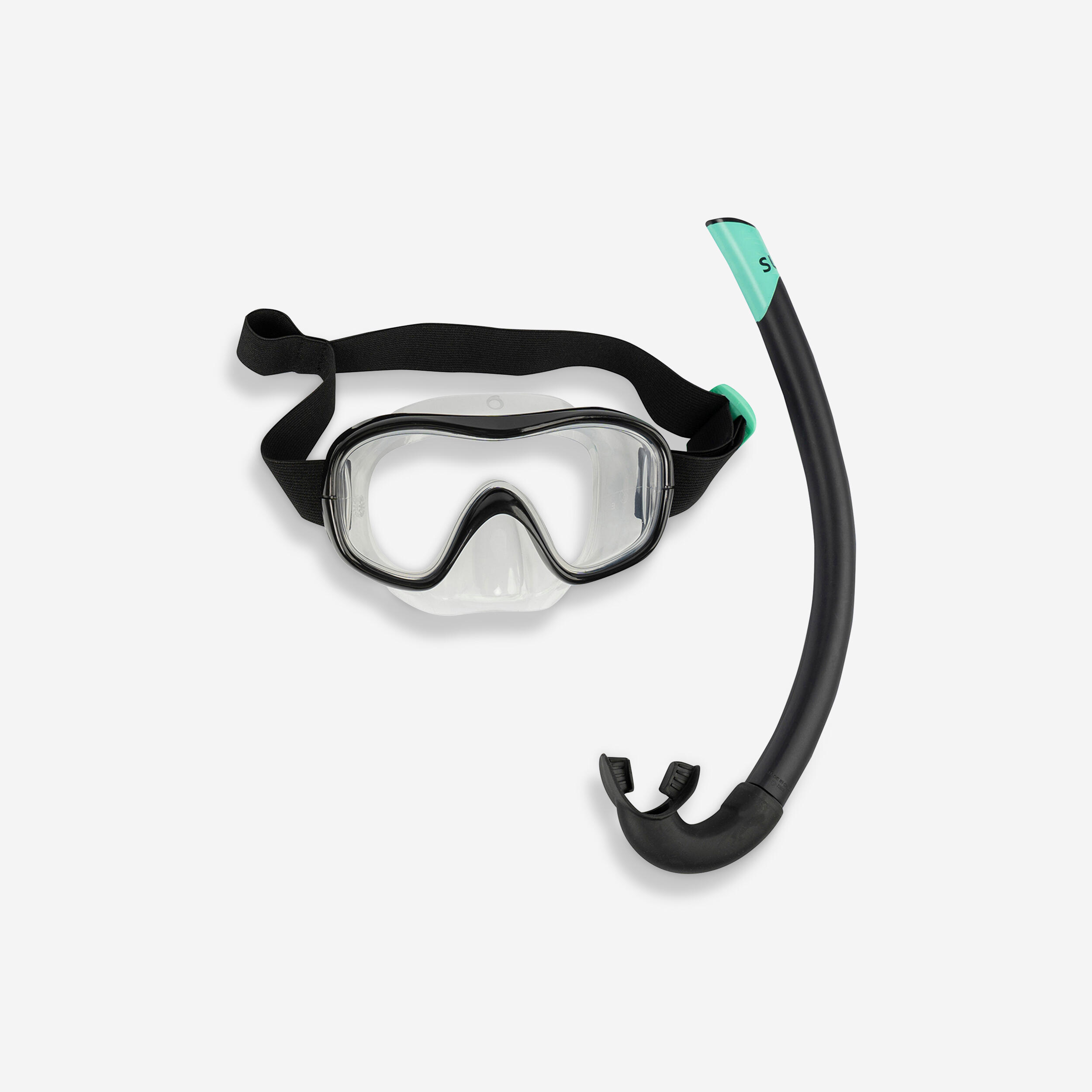
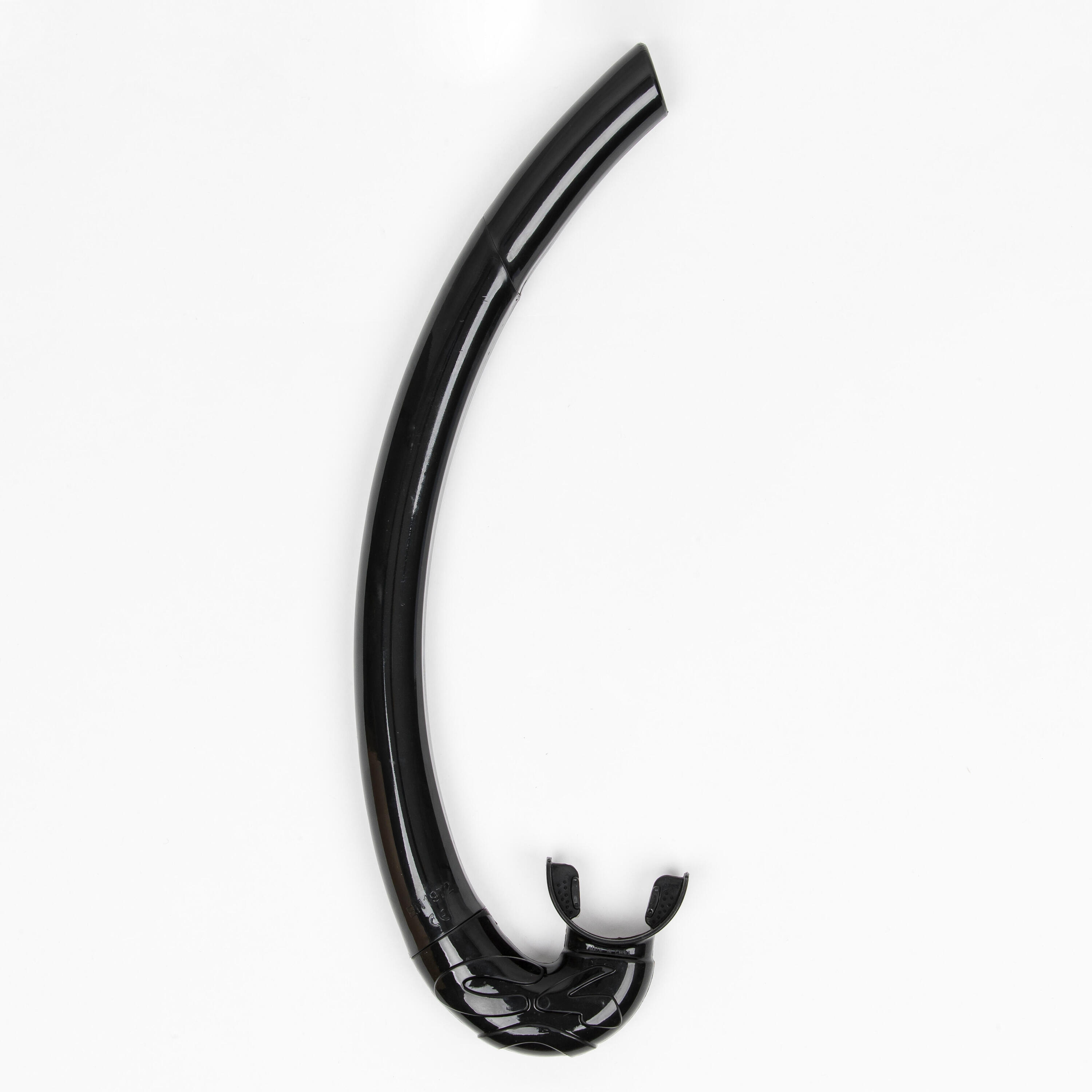
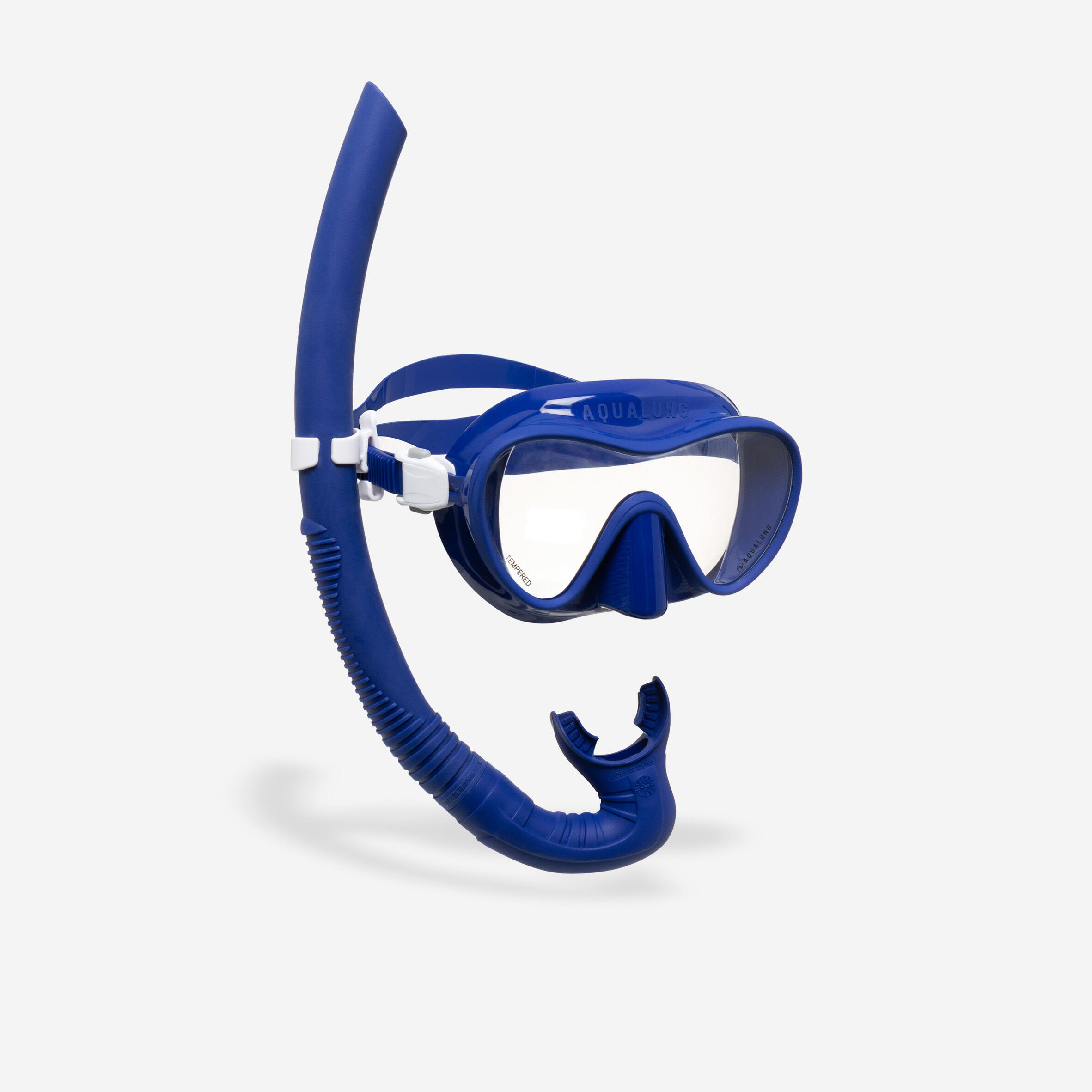
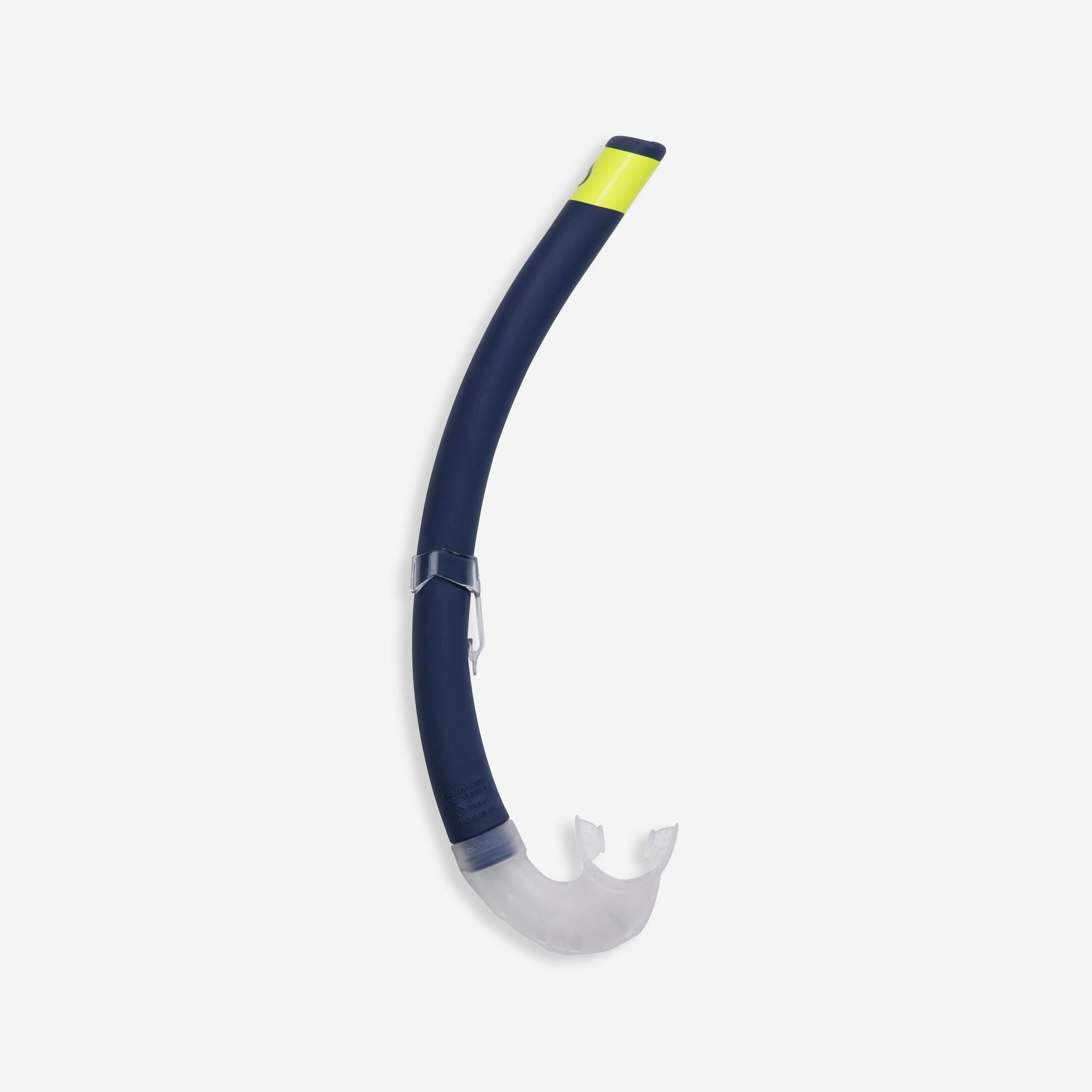
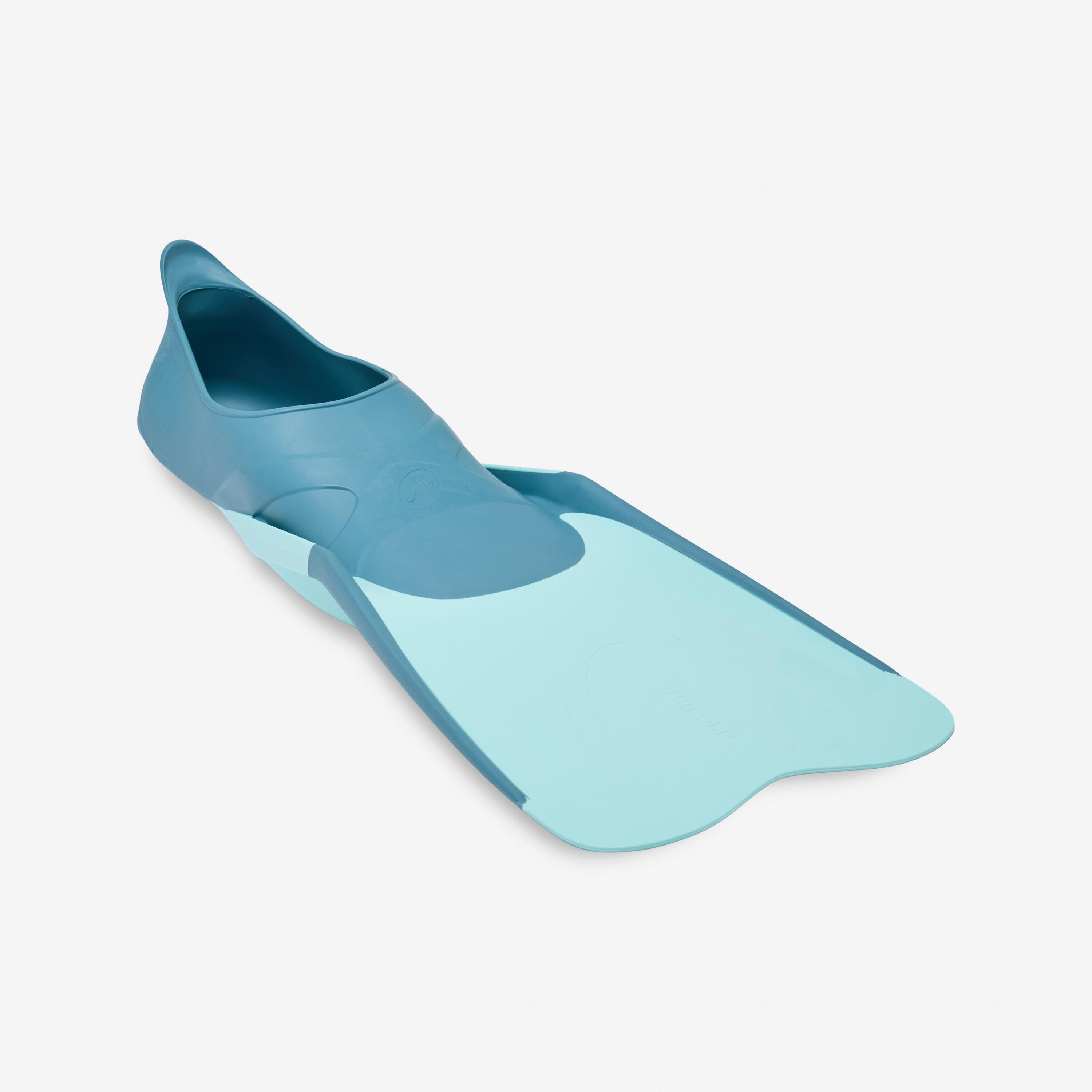
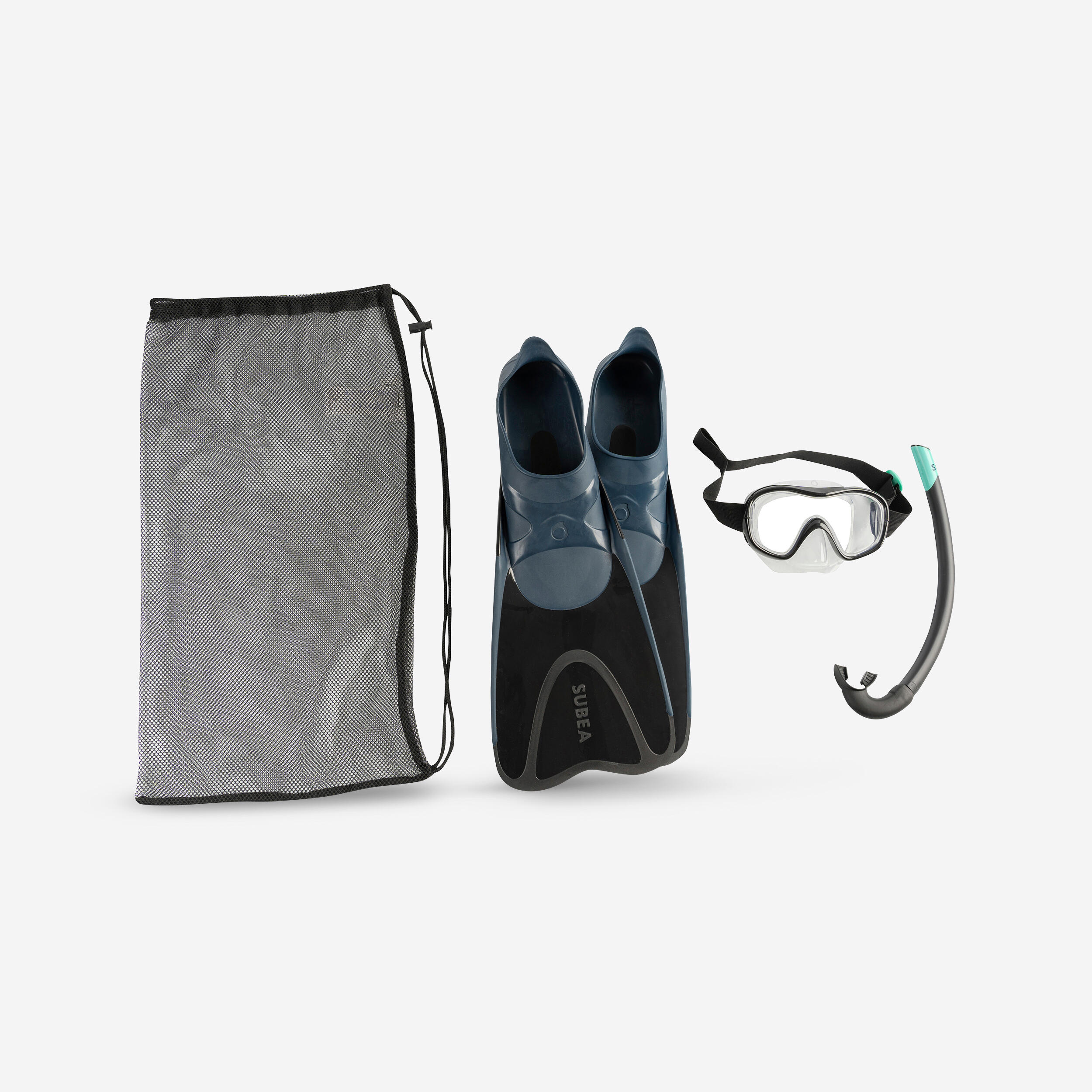
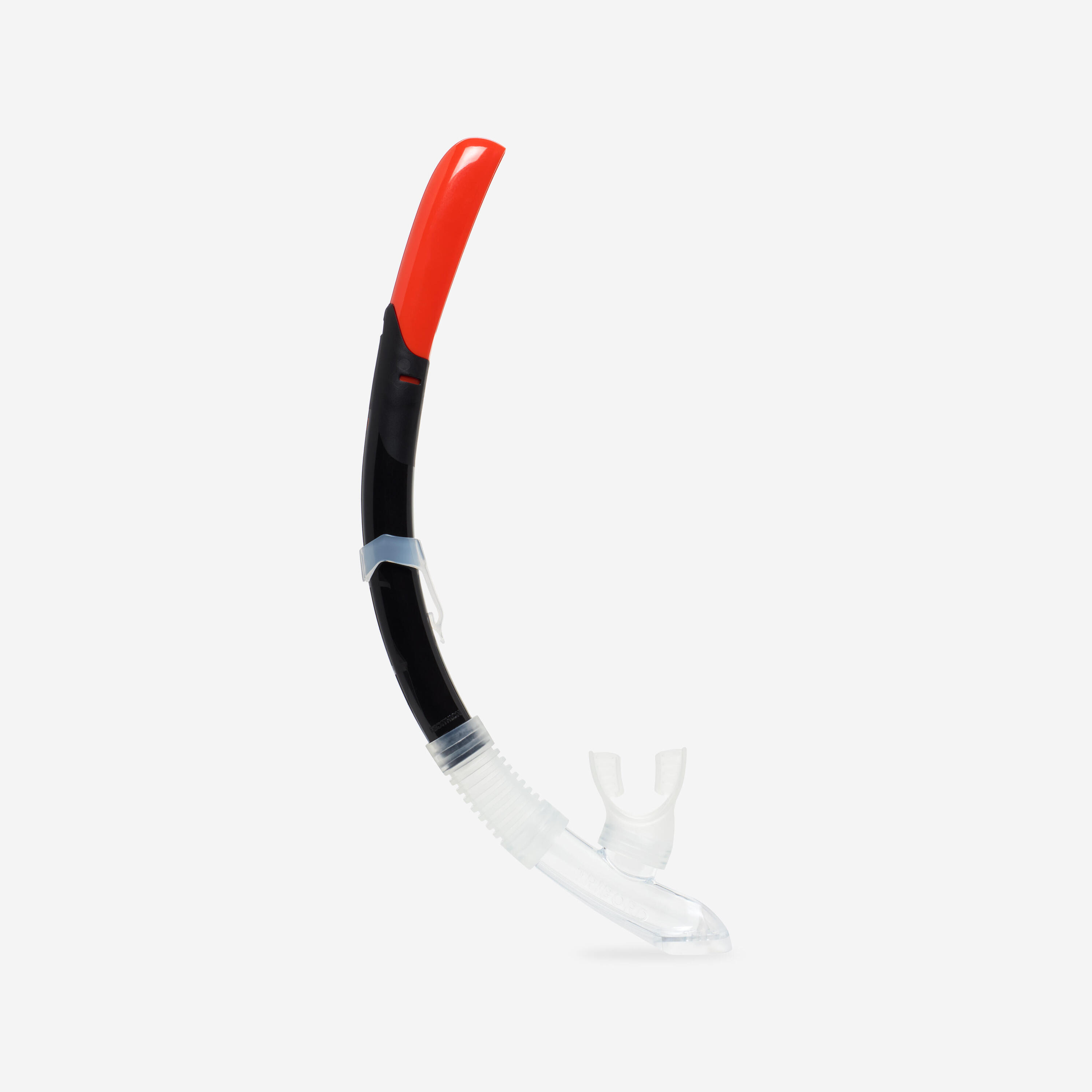
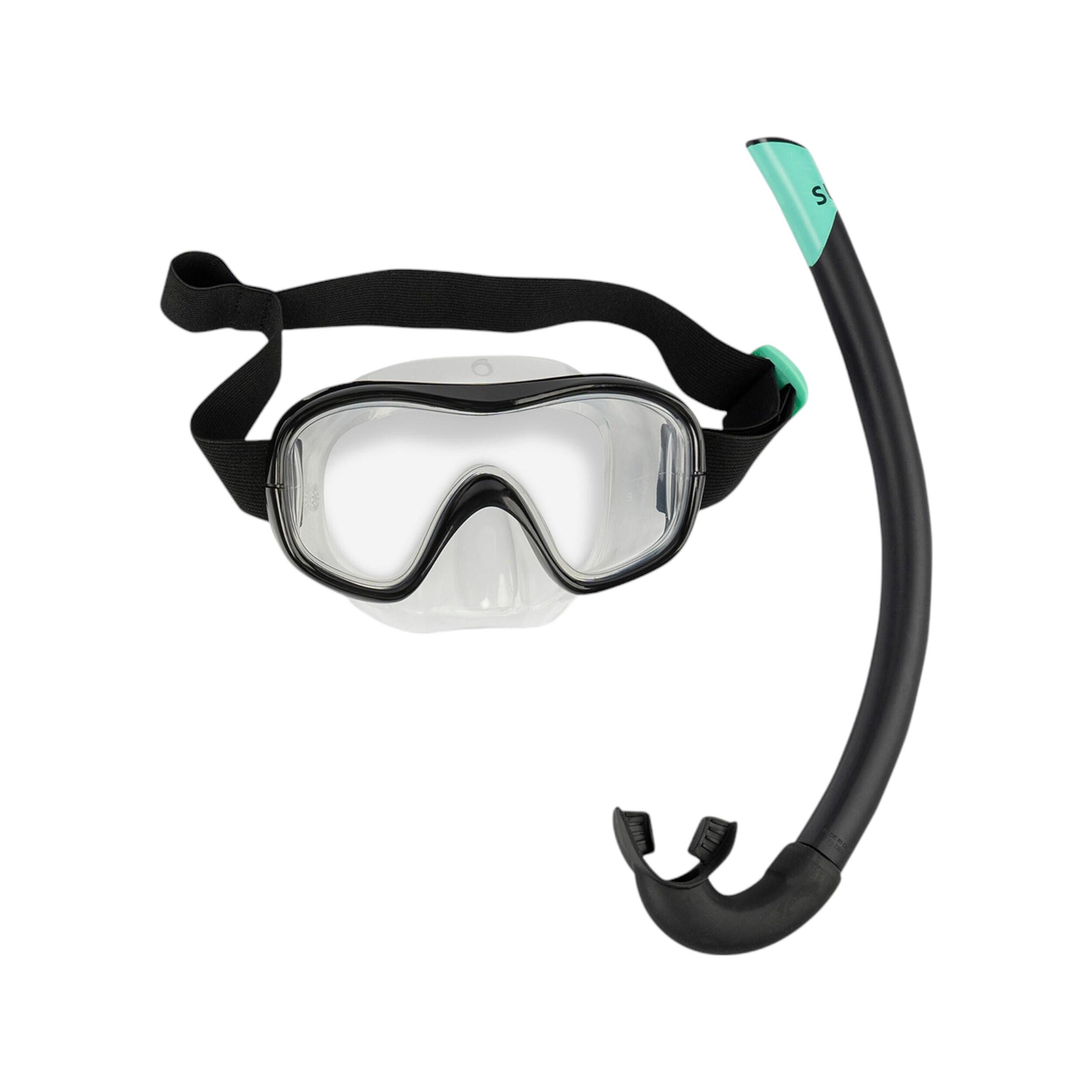
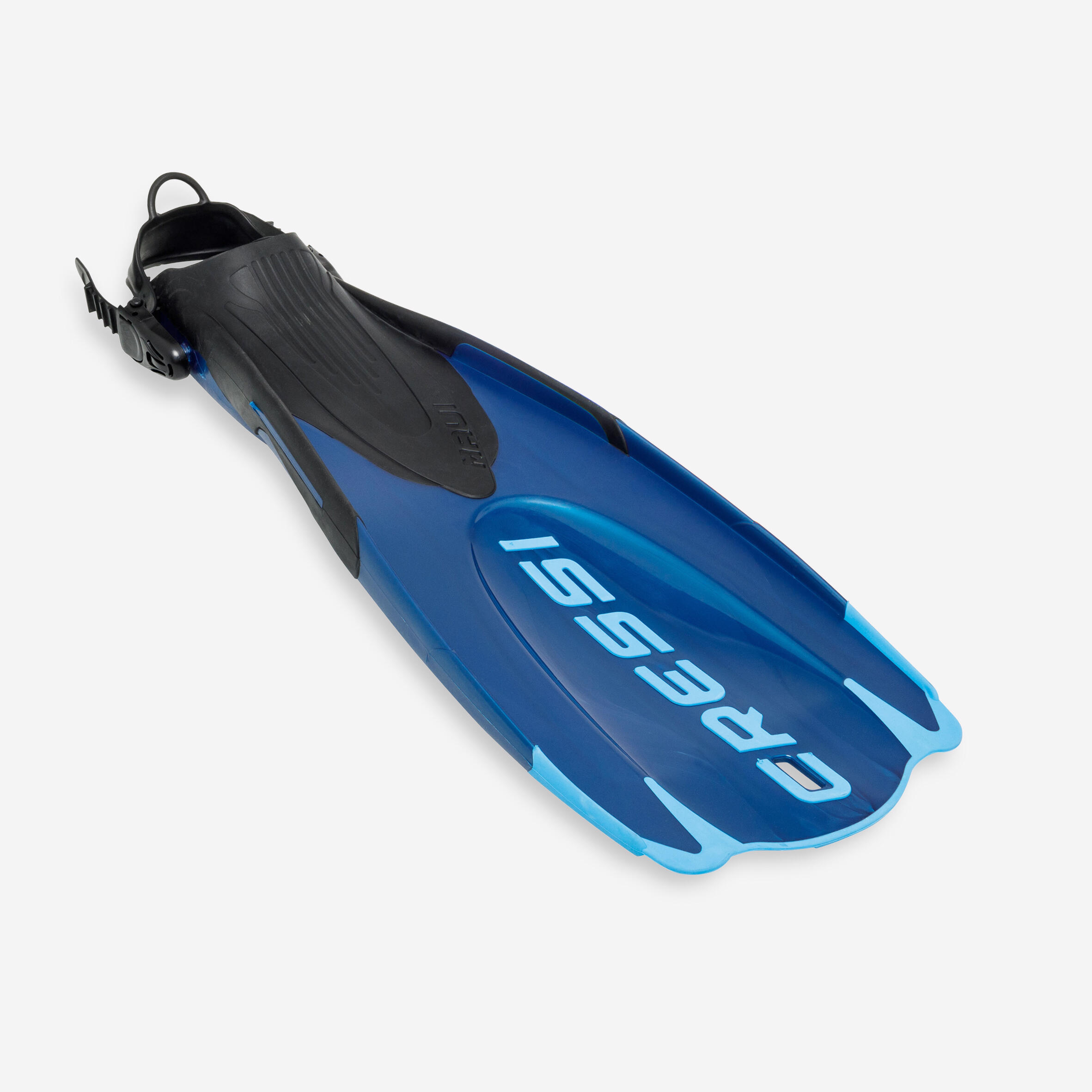
Attaining a watertight seal depends entirely on how effectively the facial interface material conforms to varying facial contours. Traditional snorkeling masks, snorkels and fins combos utilise hypoallergenic liquid silicone skirts that compress uniformly without leaving painful pressure marks. The low-volume interior design decreases the buoyant pull of the frame, making it much easier to clear any water ingress via the purge valve. Stiffer blade fins convert minimal leg effort into powerful forward propulsion, maximising tracking efficiency through choppy coastal currents.

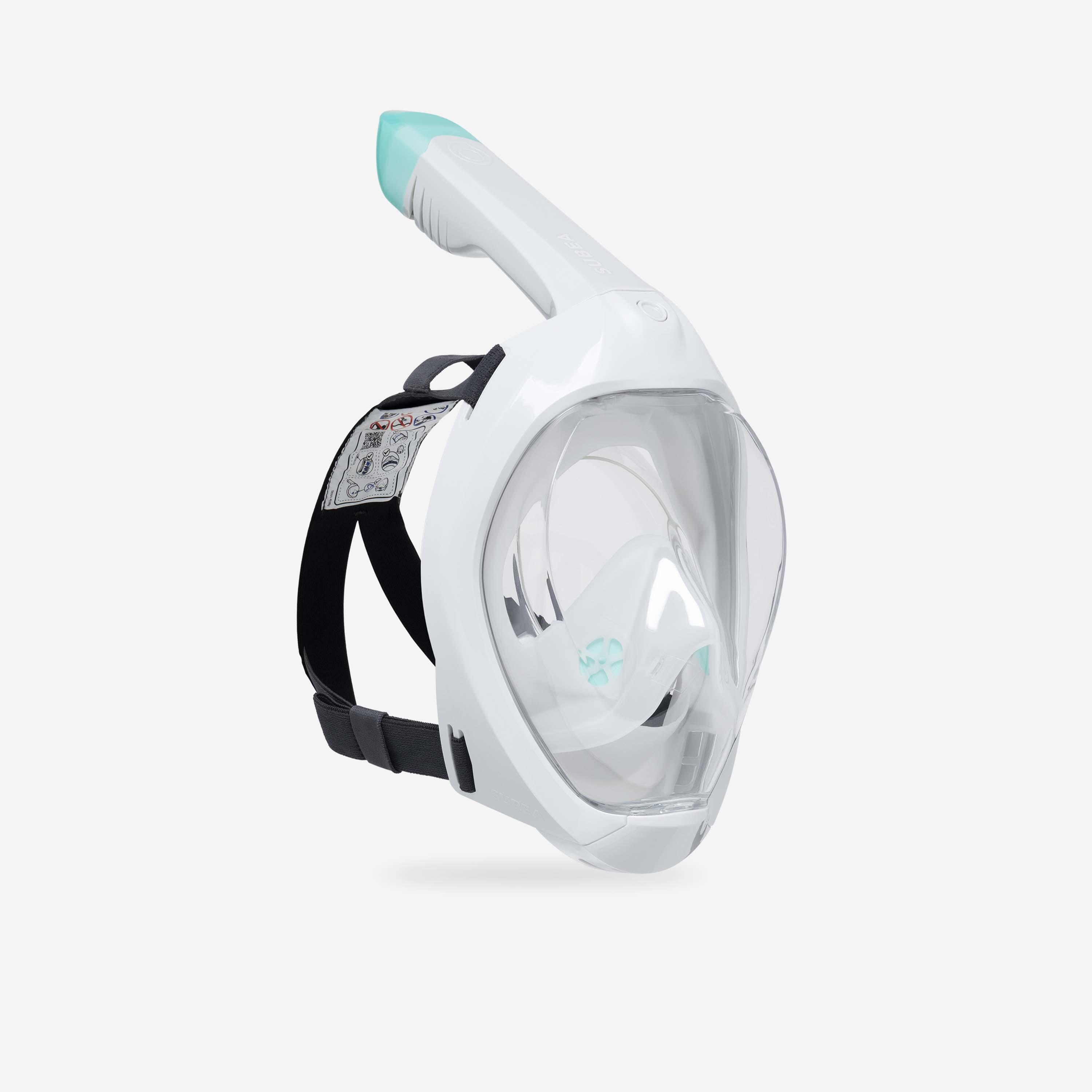
How does airflow physics eliminate internal fogging issues for surface leisure swimmers?

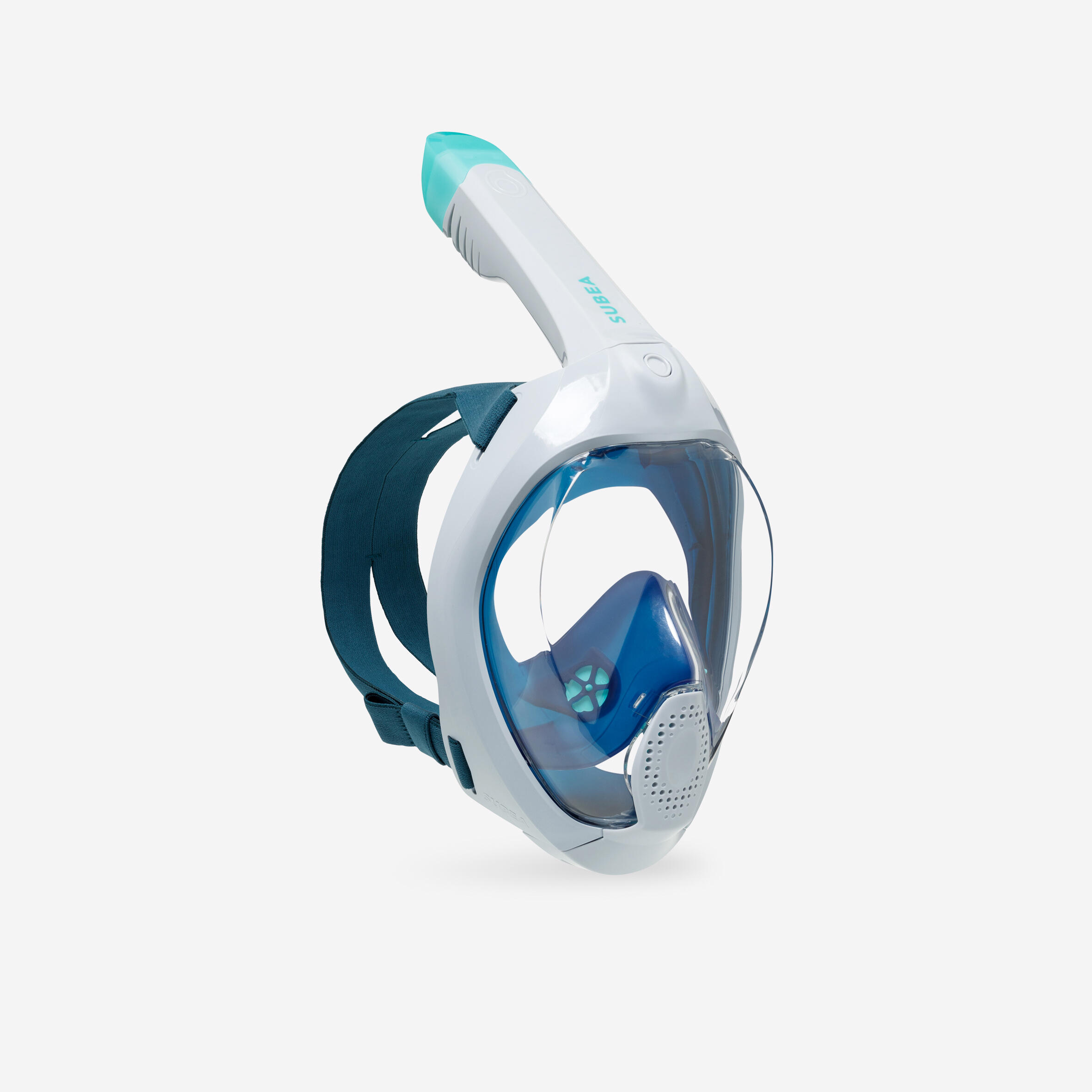
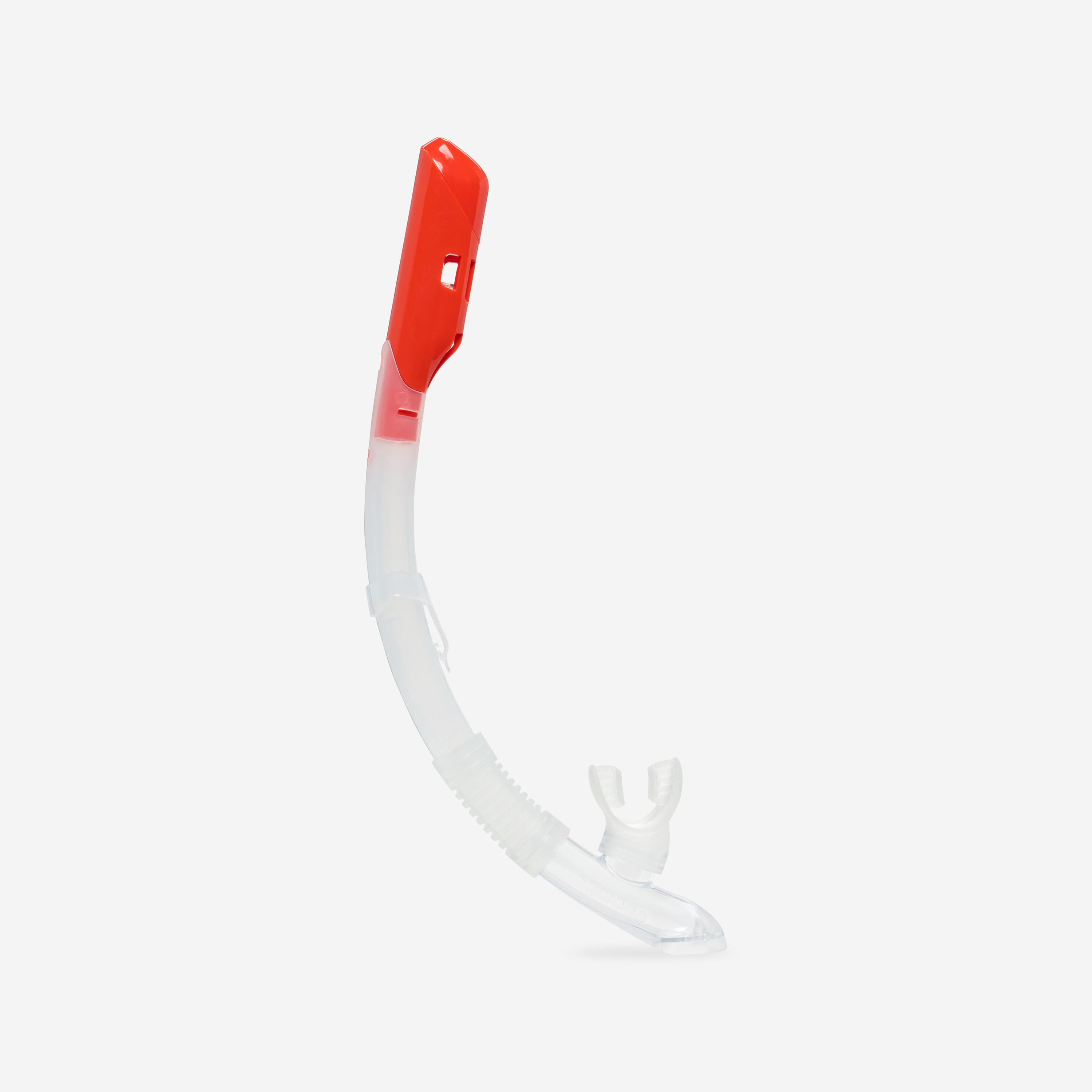
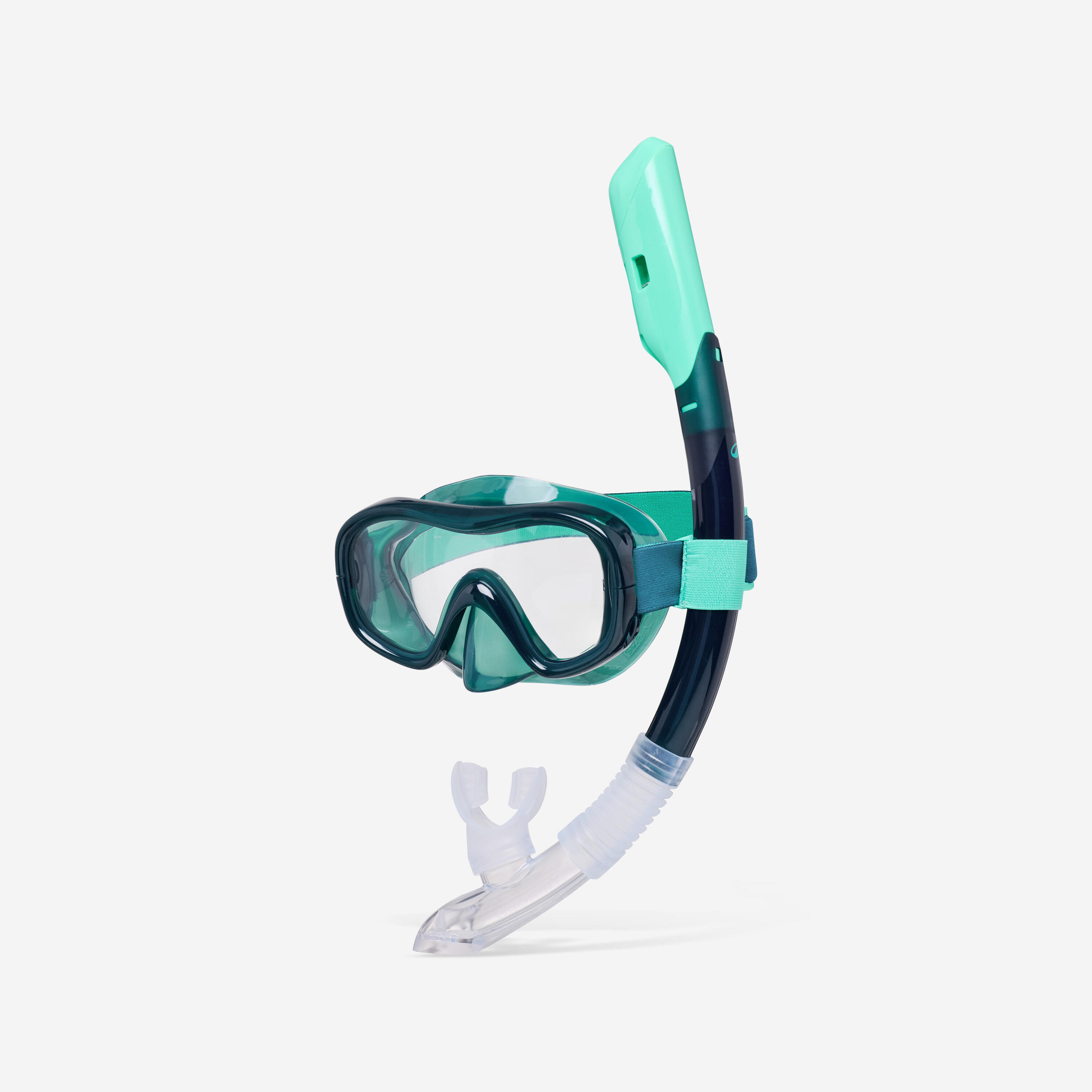
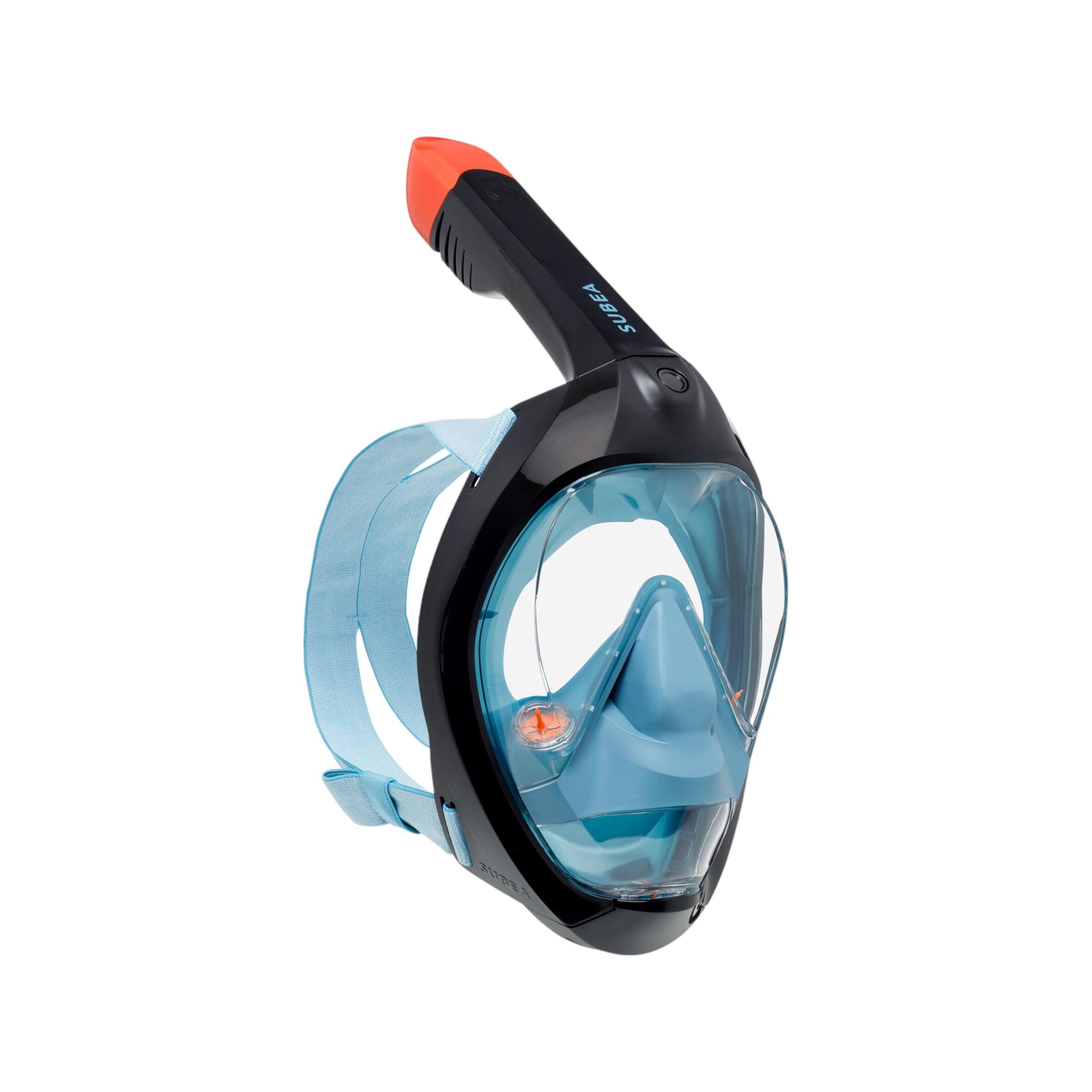
Natural condensation occurs when warm, humid breath meets a cold glass lens surface in open water. Using innovative easybreath snorkeling masks resolves this common problem through a dual-chamber internal air circulation system that routes fresh incoming air across the lens first, preventing mist from gathering. The dry-top snorkel valve utilises an internal float mechanism that seals instantly when submerged, stopping seawater from entering the main breathing area during swell variations. This layout supports natural nose and mouth breathing, keeping visibility crisp during calm underwater tours.