807 items
4.5/5 based on 202101 reviews collected online and in stores

DIVING and SNORKELING FAQS

How do you choose the right diving wetsuit for different water temperatures?

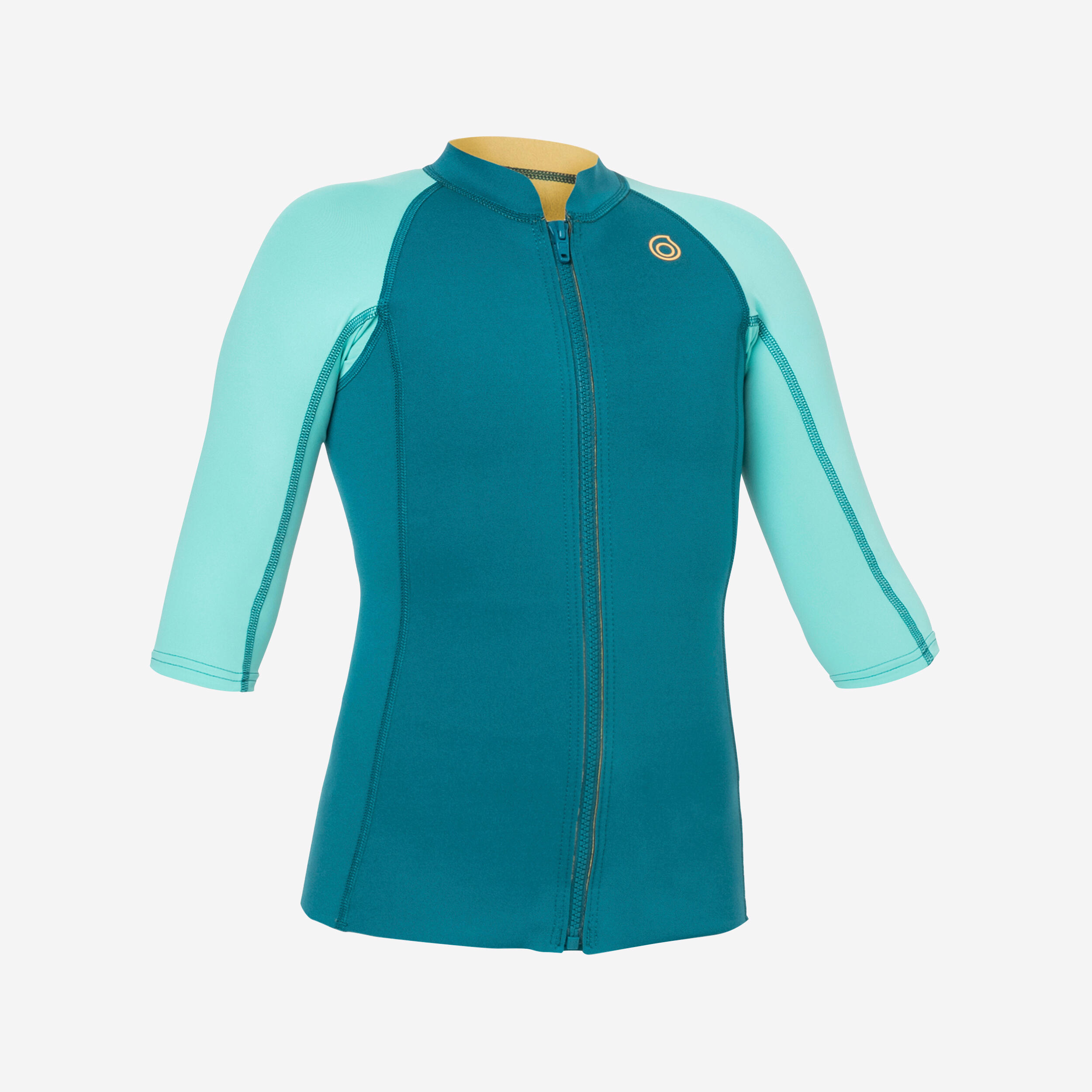
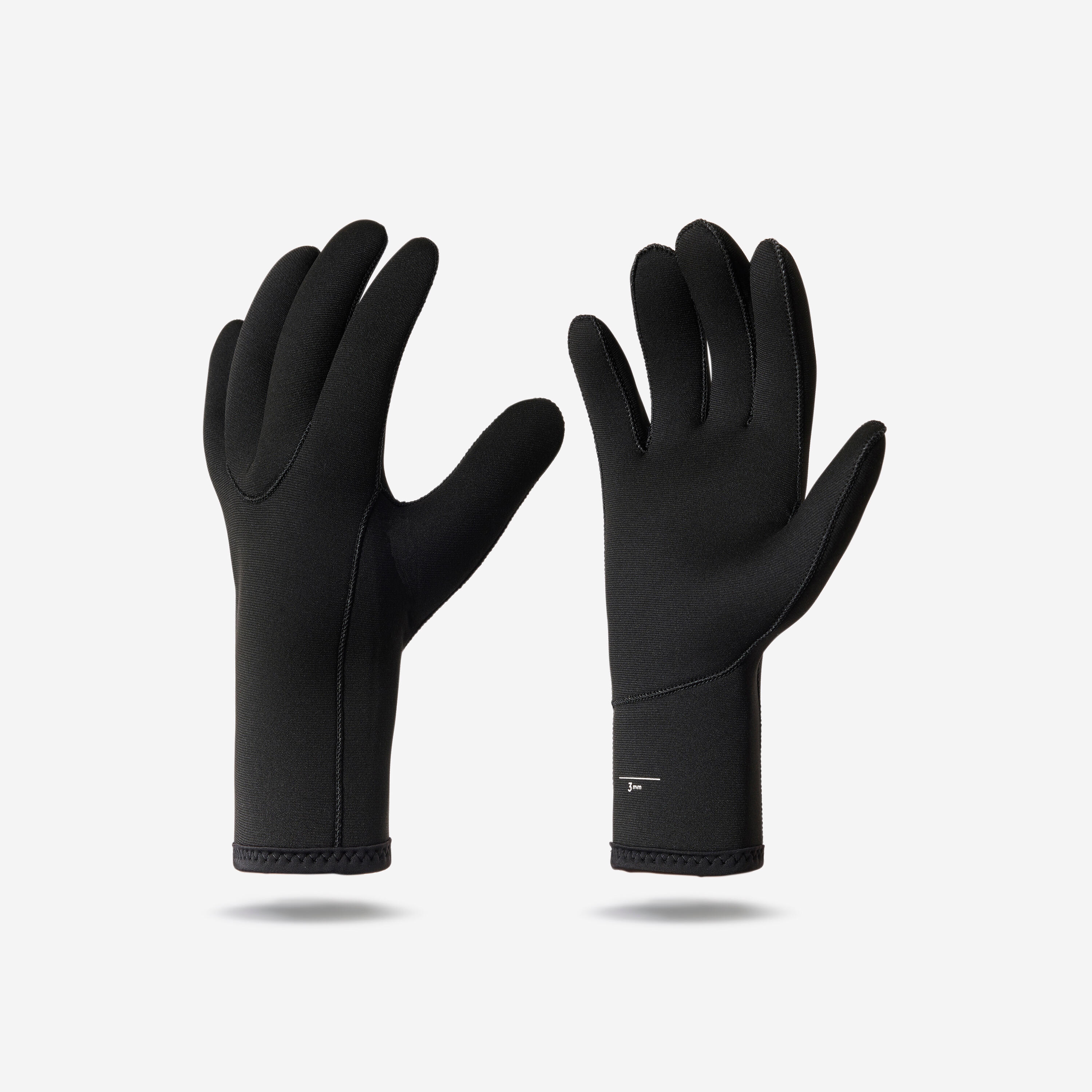
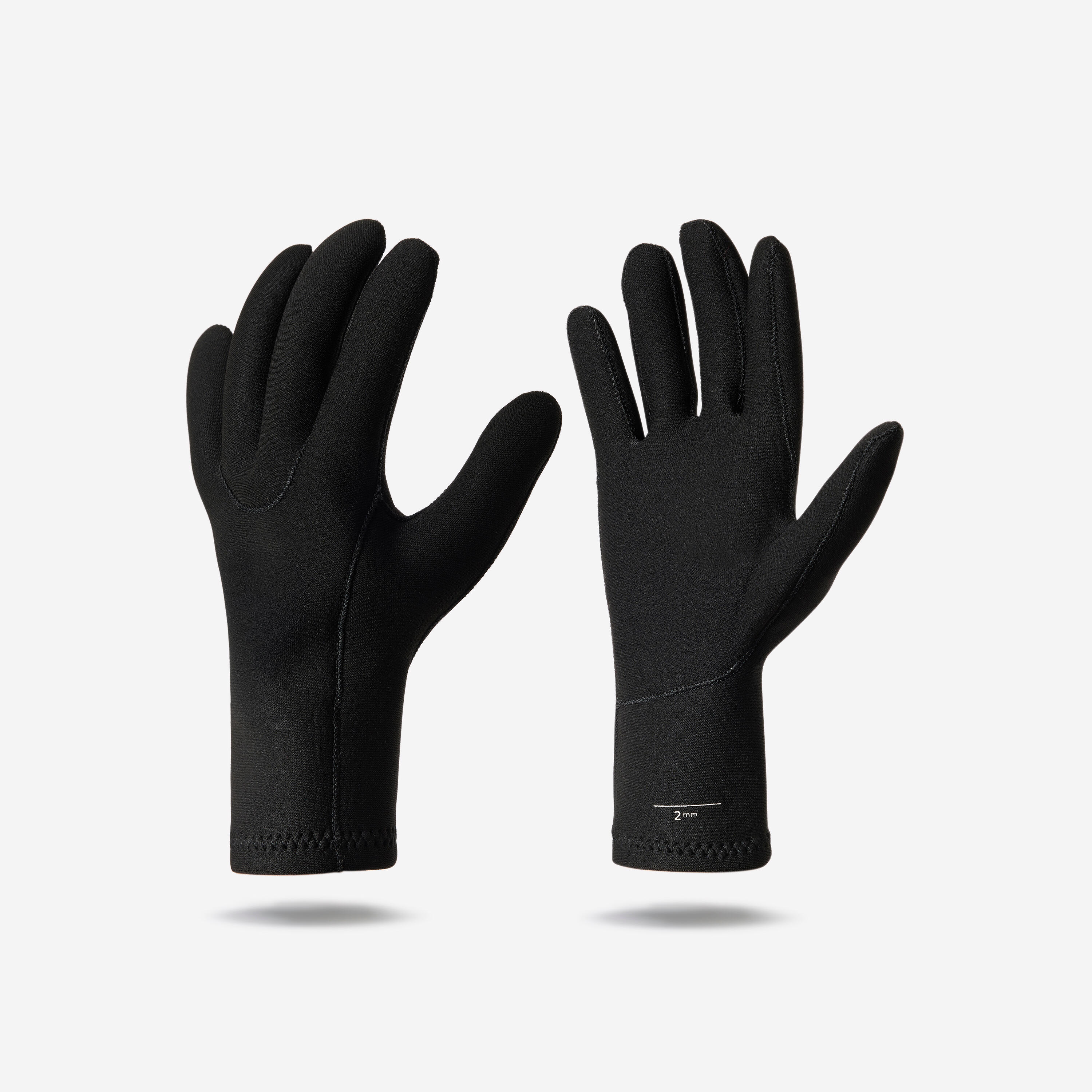
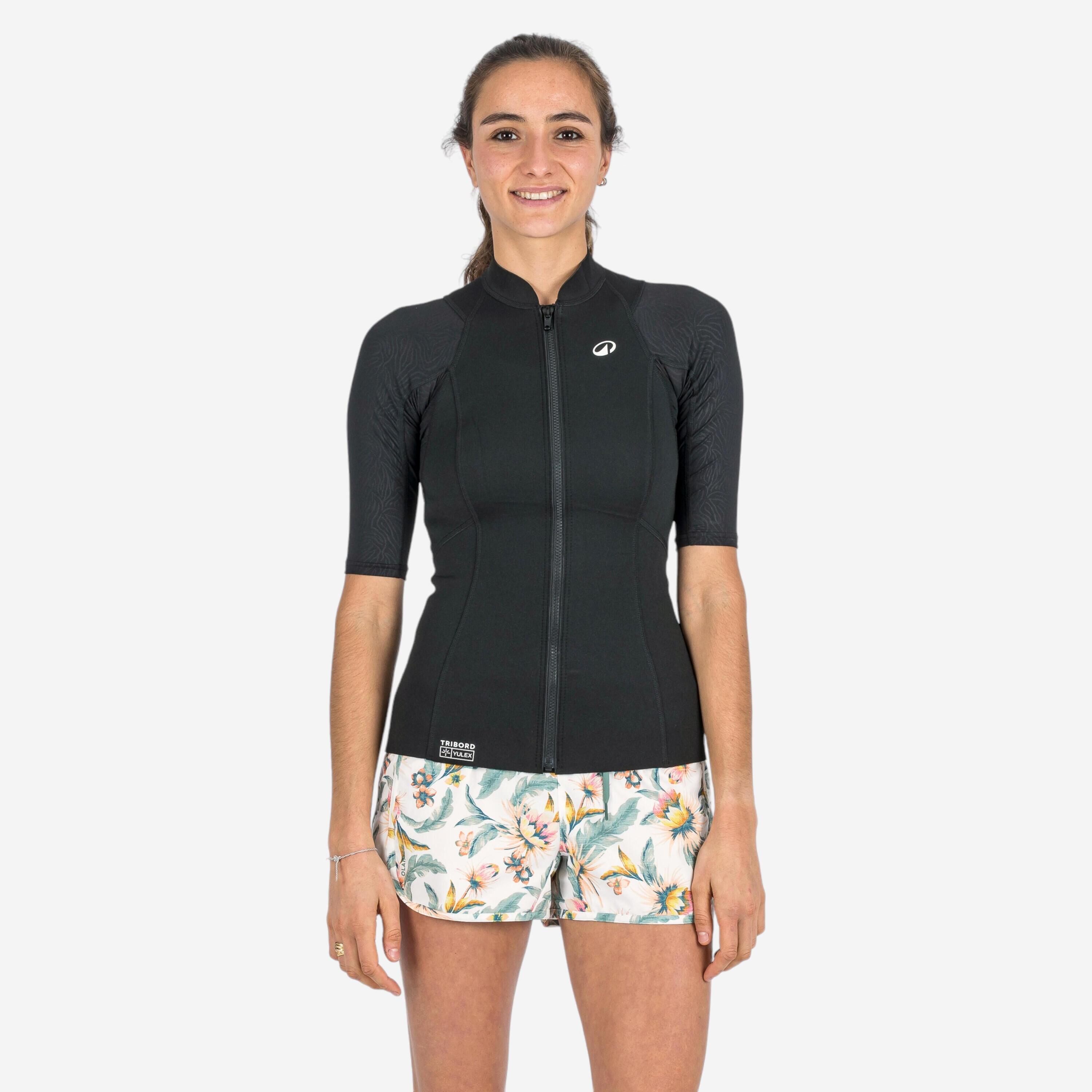
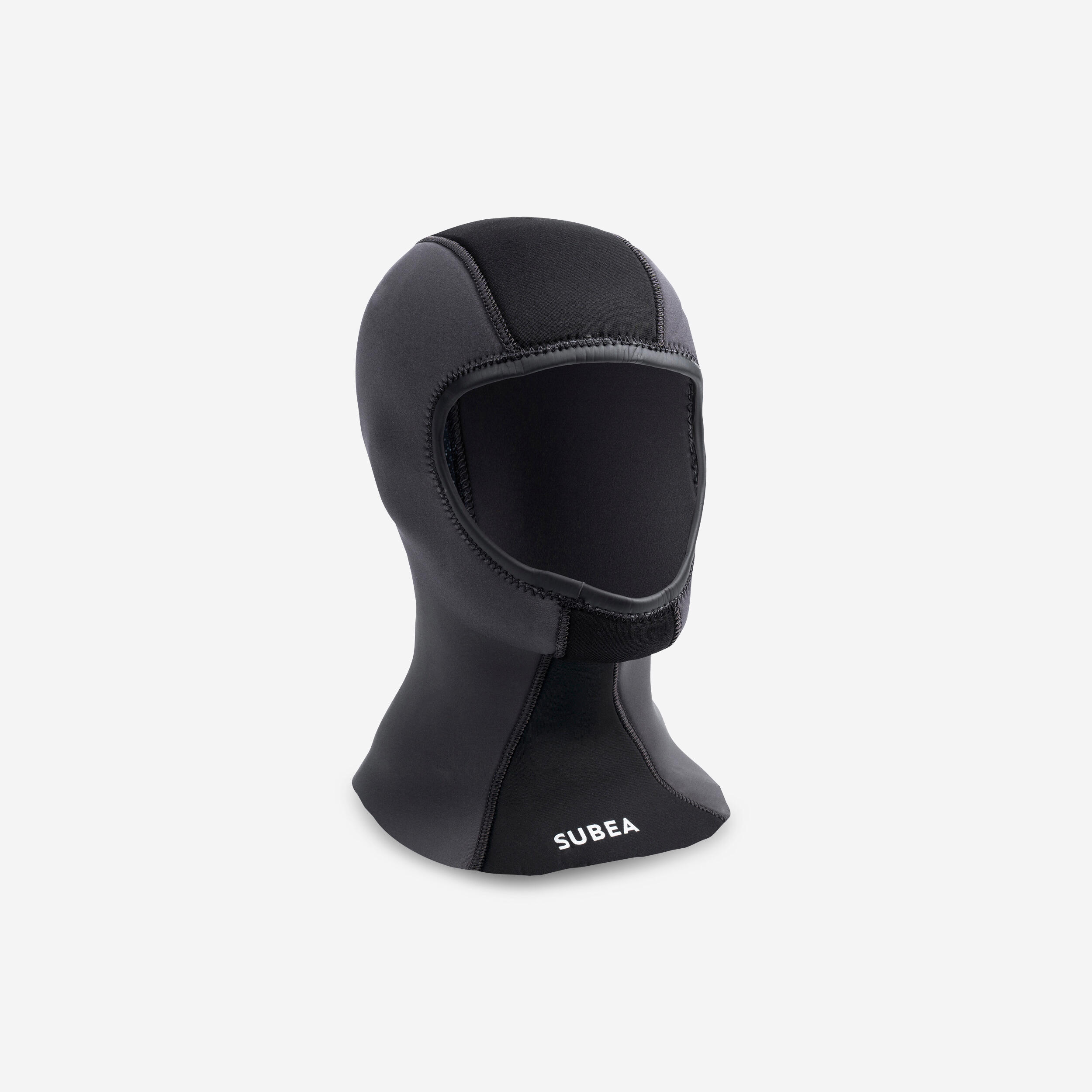
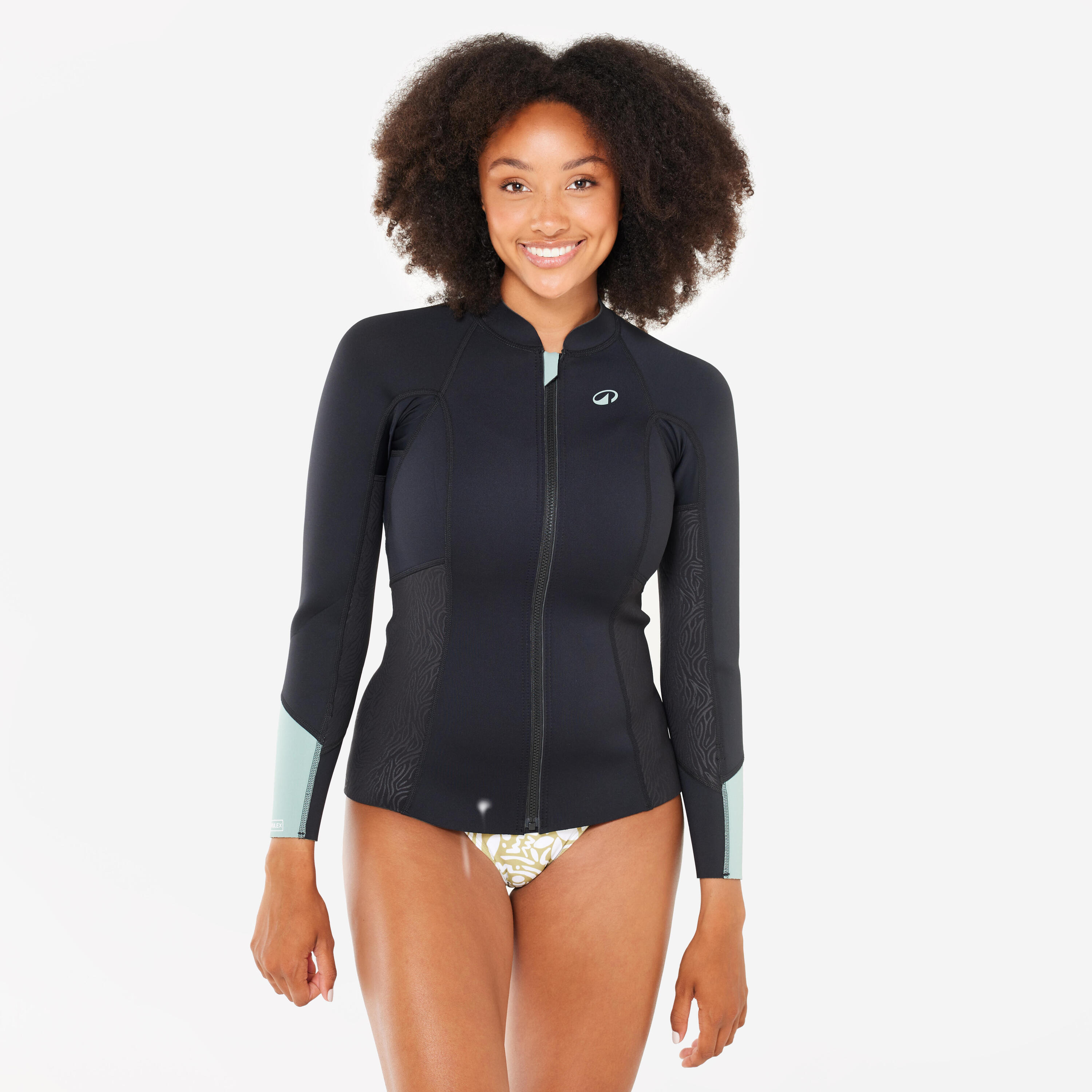
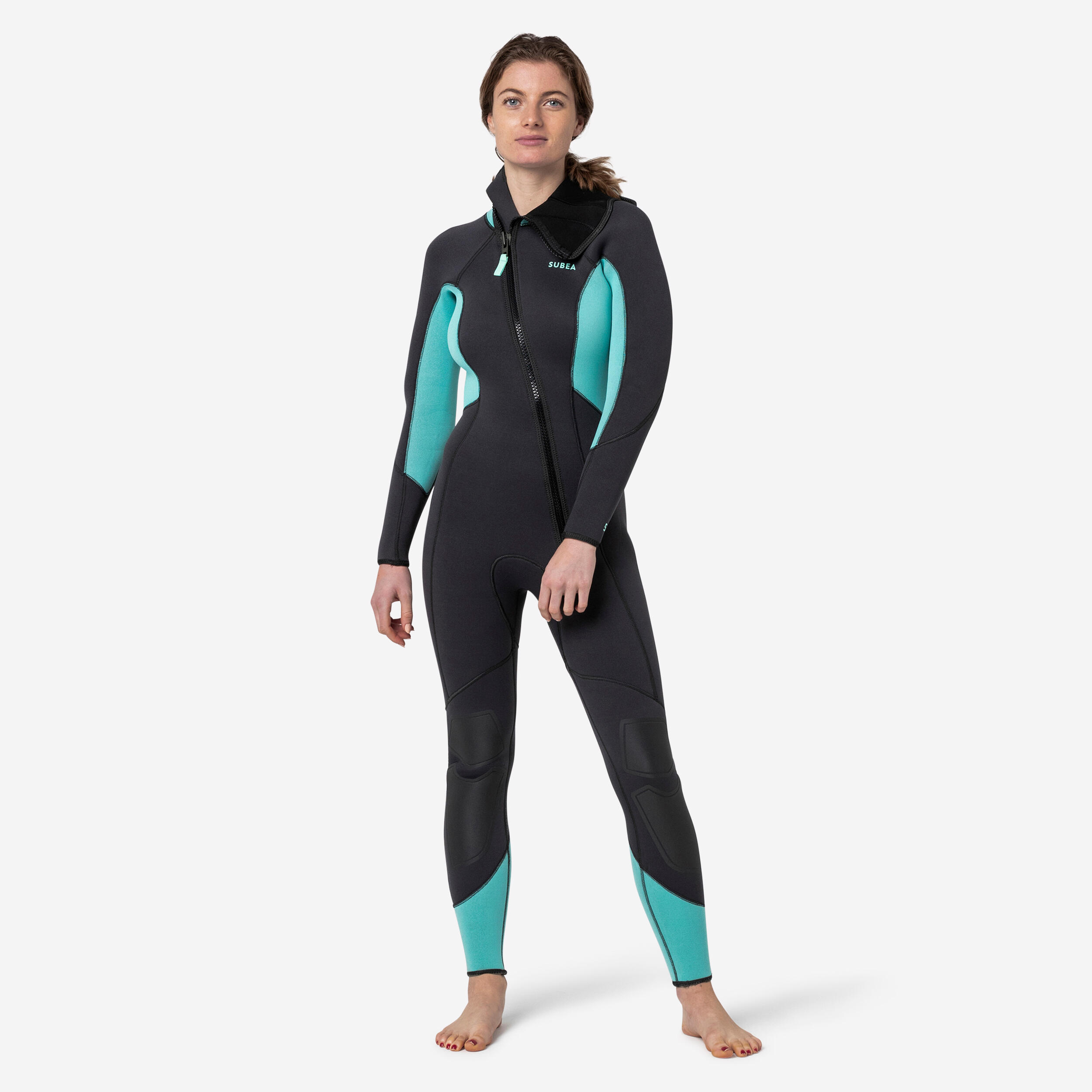
Selecting proper insulation depends on water temperature and immersion time. A wetsuit designed for diving and snorkelling may also be suitable for scuba diving , depending on the water temperature and dive conditions. Wetsuits between 5 mm and 7 mm thick provide the insulation needed for colder, deeper dives. A thicker neoprene layer traps a thin film of water against the skin, which warms naturally and helps reduce heat loss. Neoprene density also plays an important role because increasing water pressure compresses the air bubbles within the material, reducing its insulating performance. Reinforced wrist seals and durable zips help limit cold water flushing during active movement.
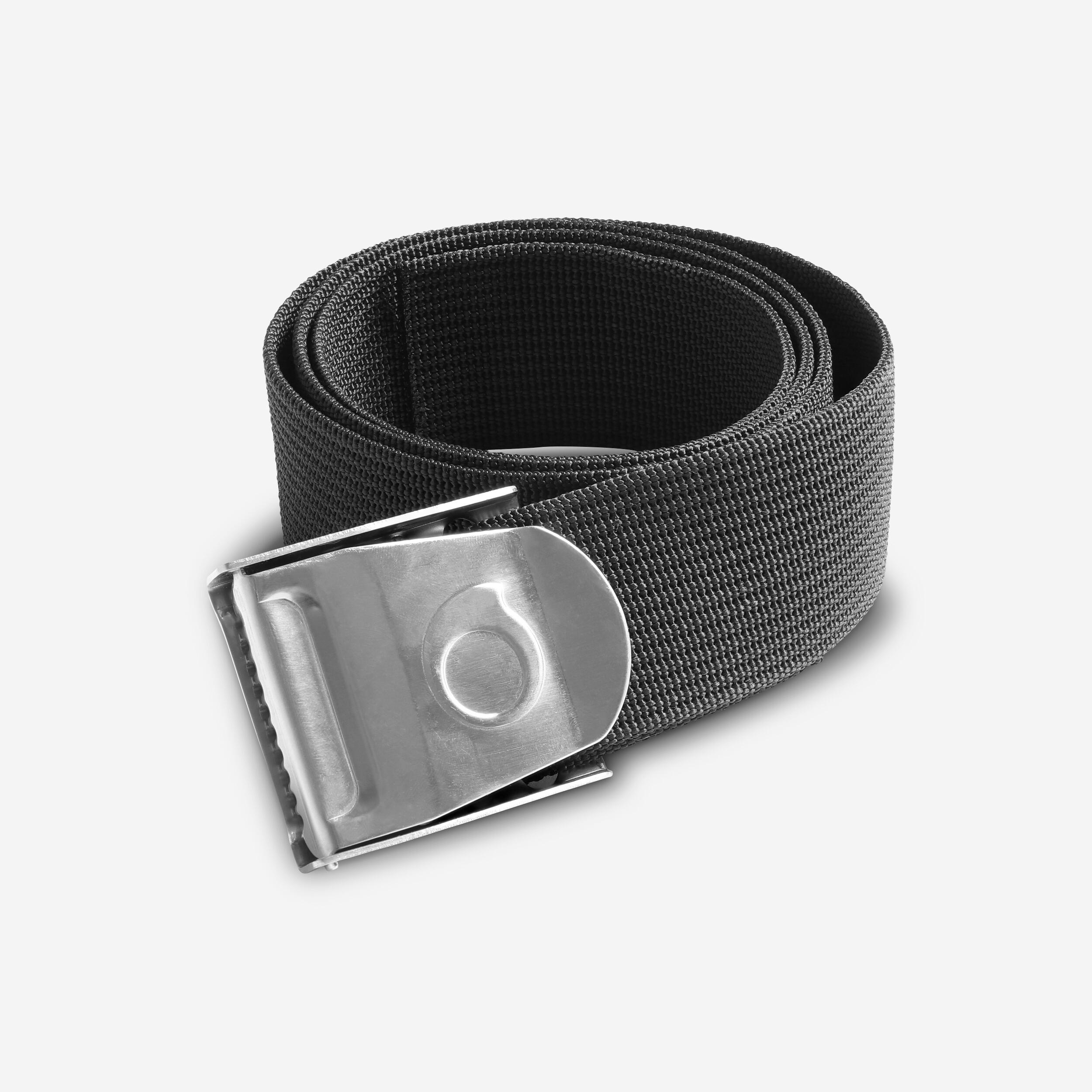
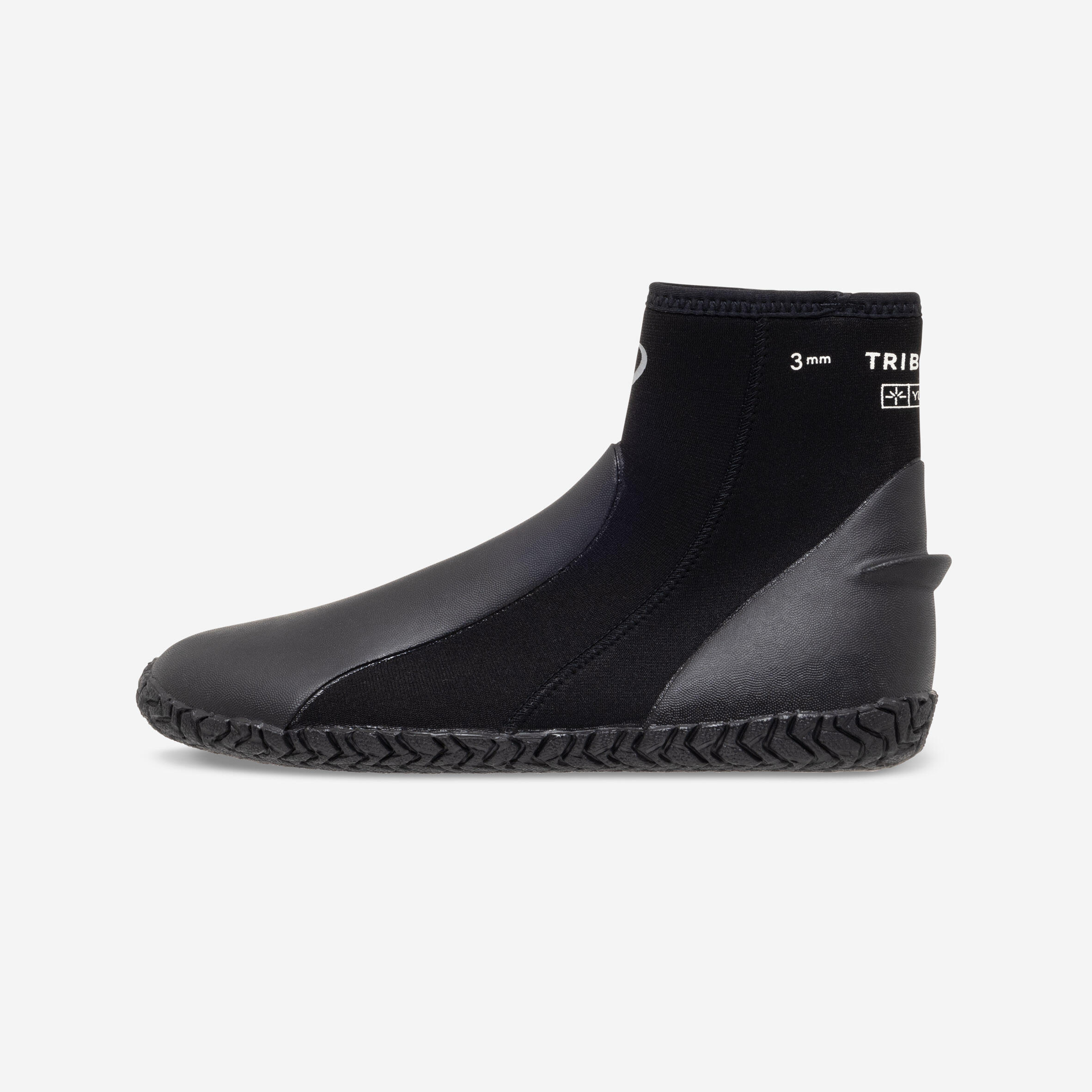
What should you look for in diving boots for rocky shore entries?

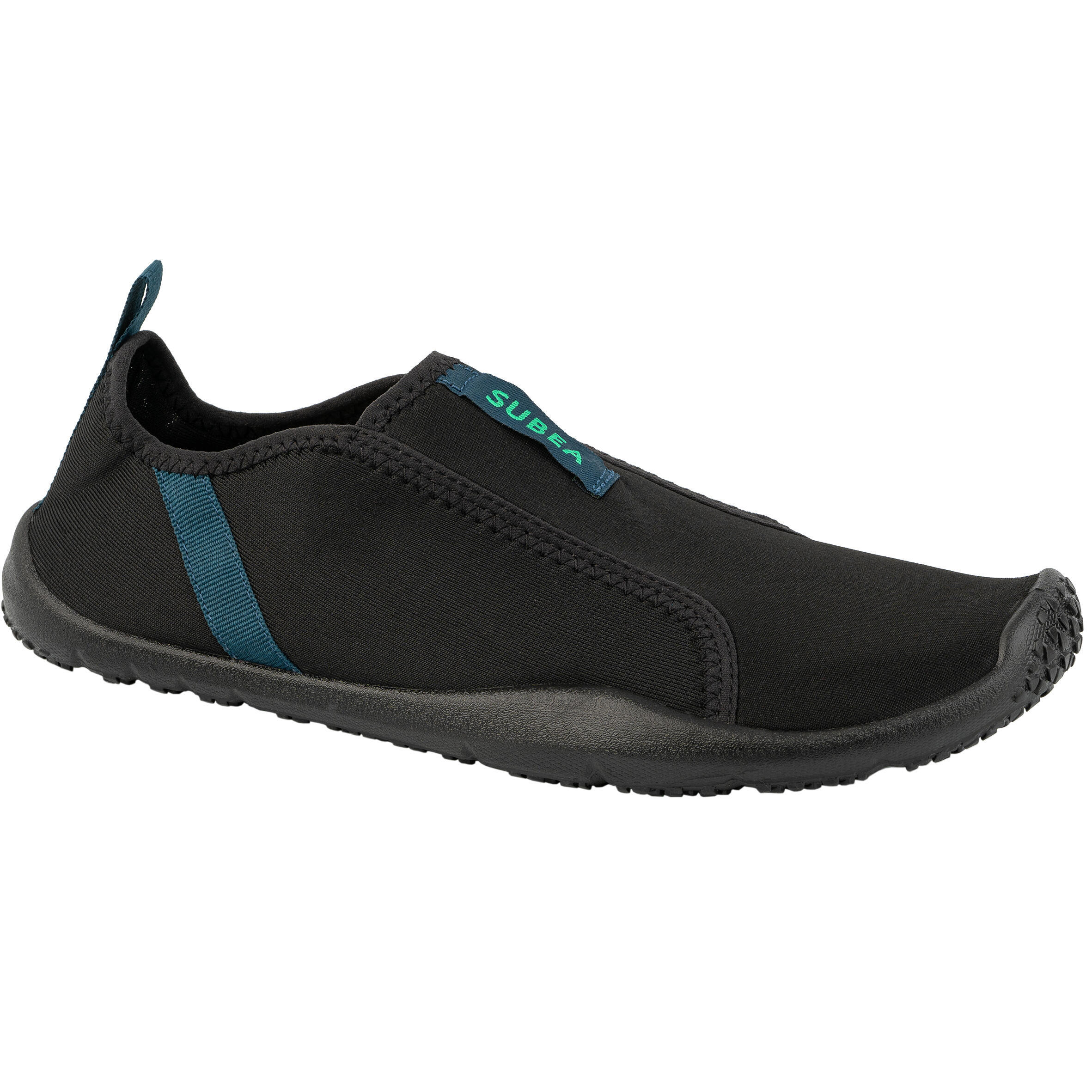
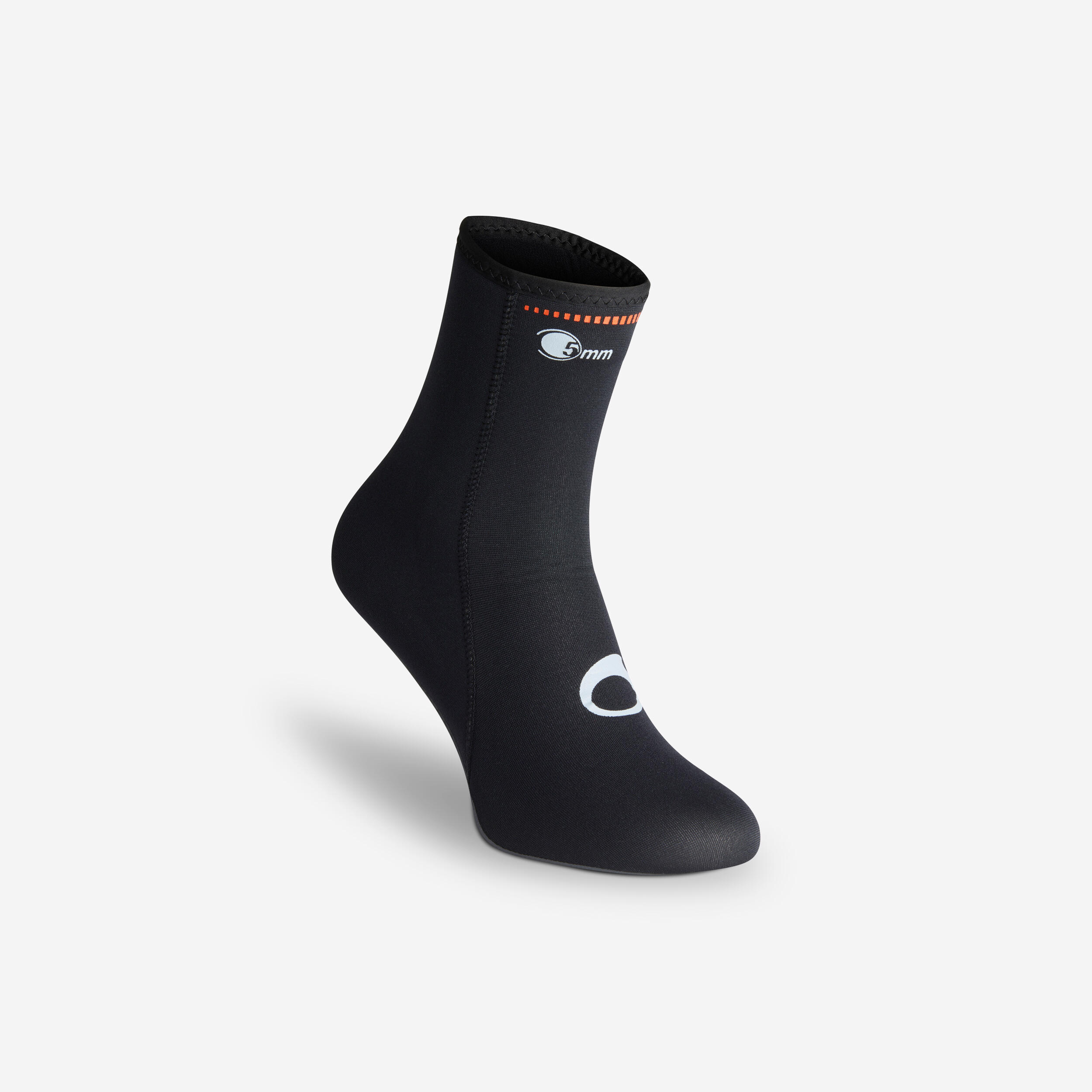
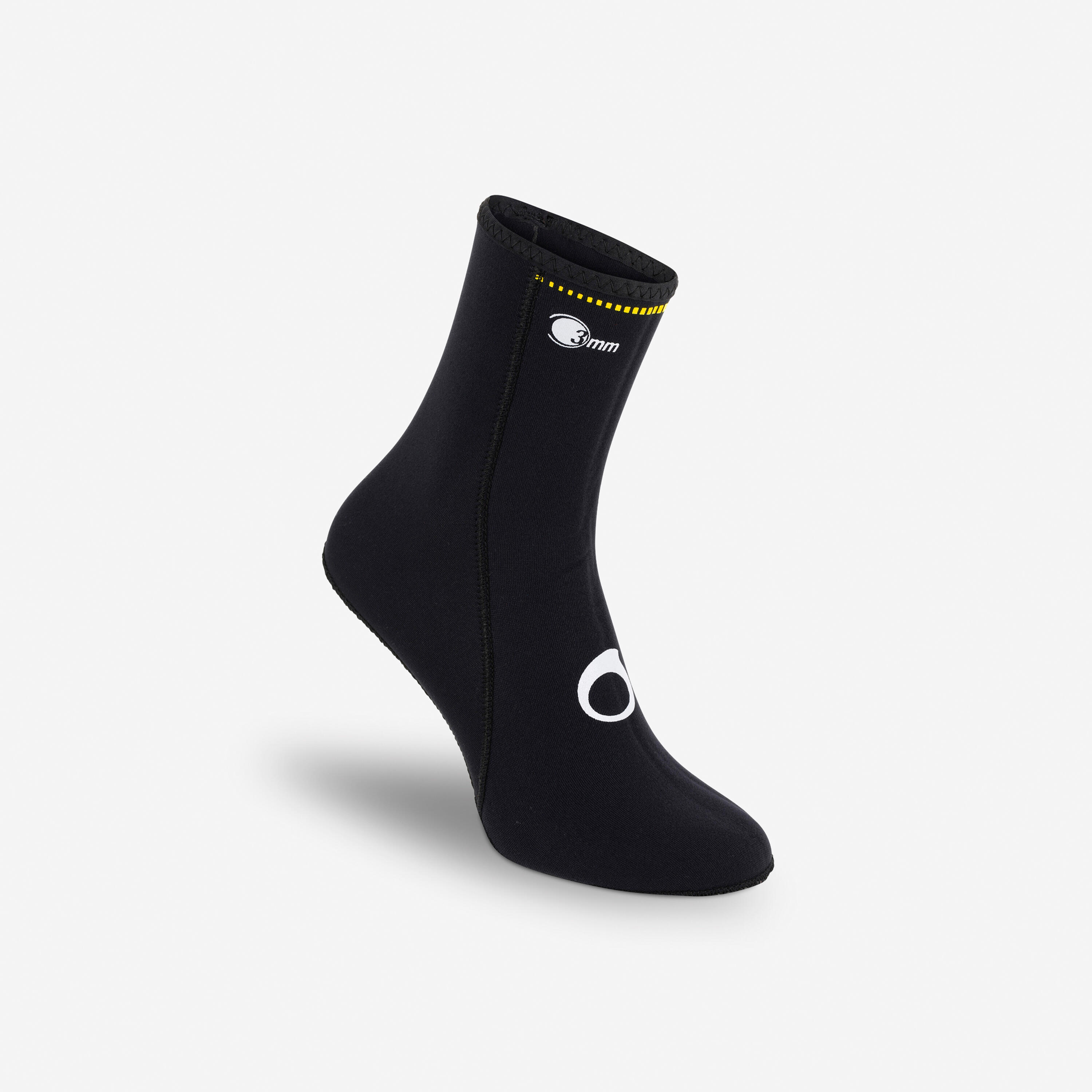
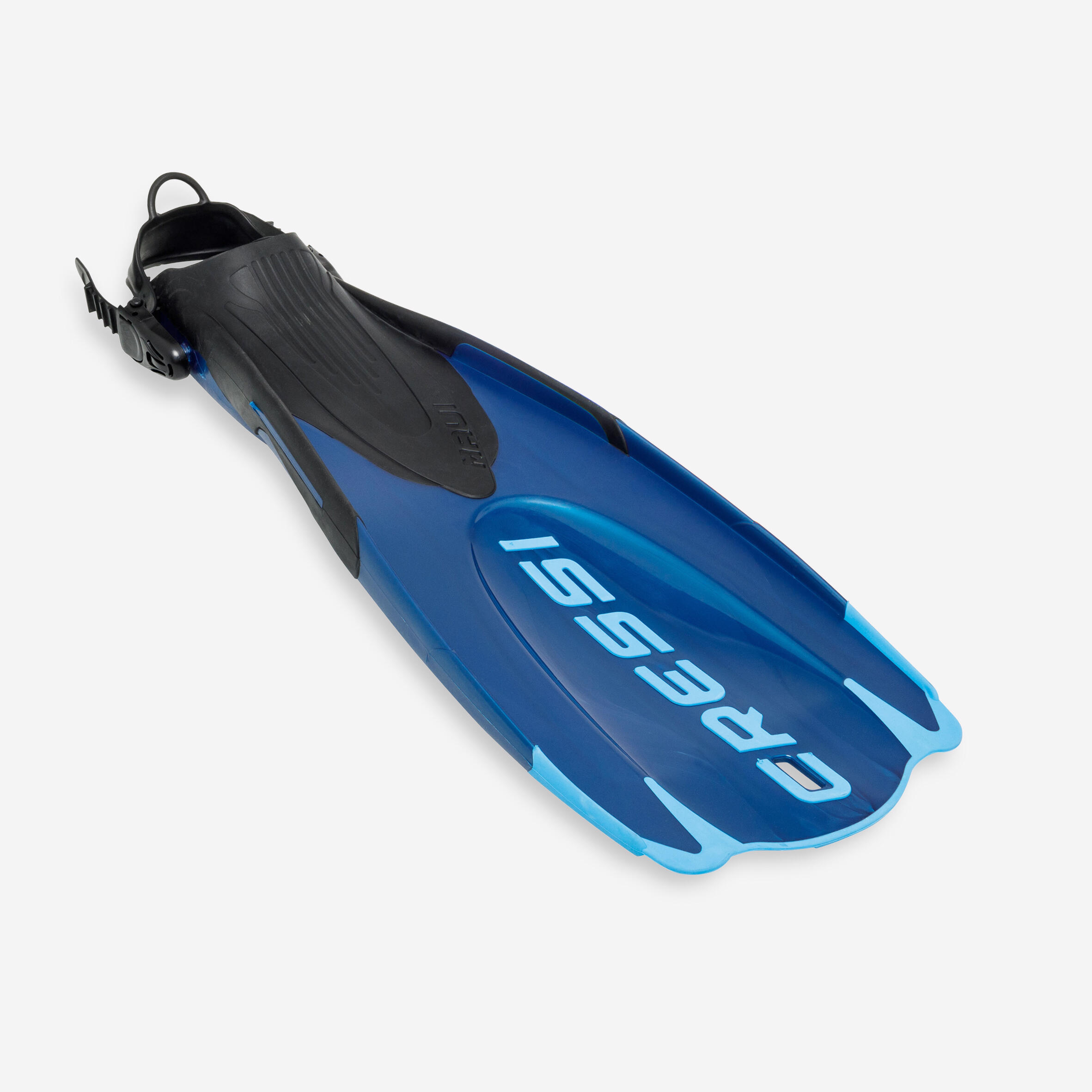
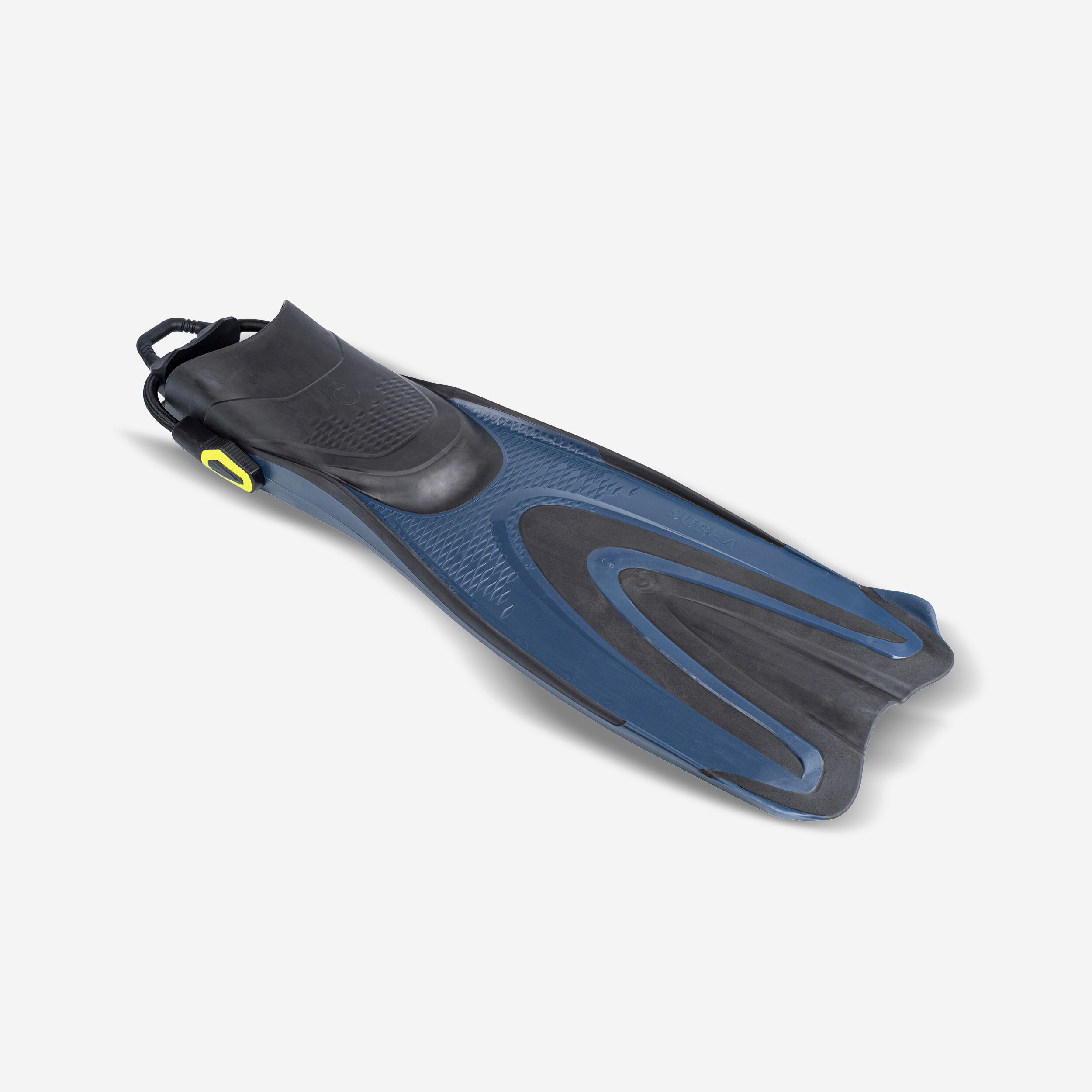
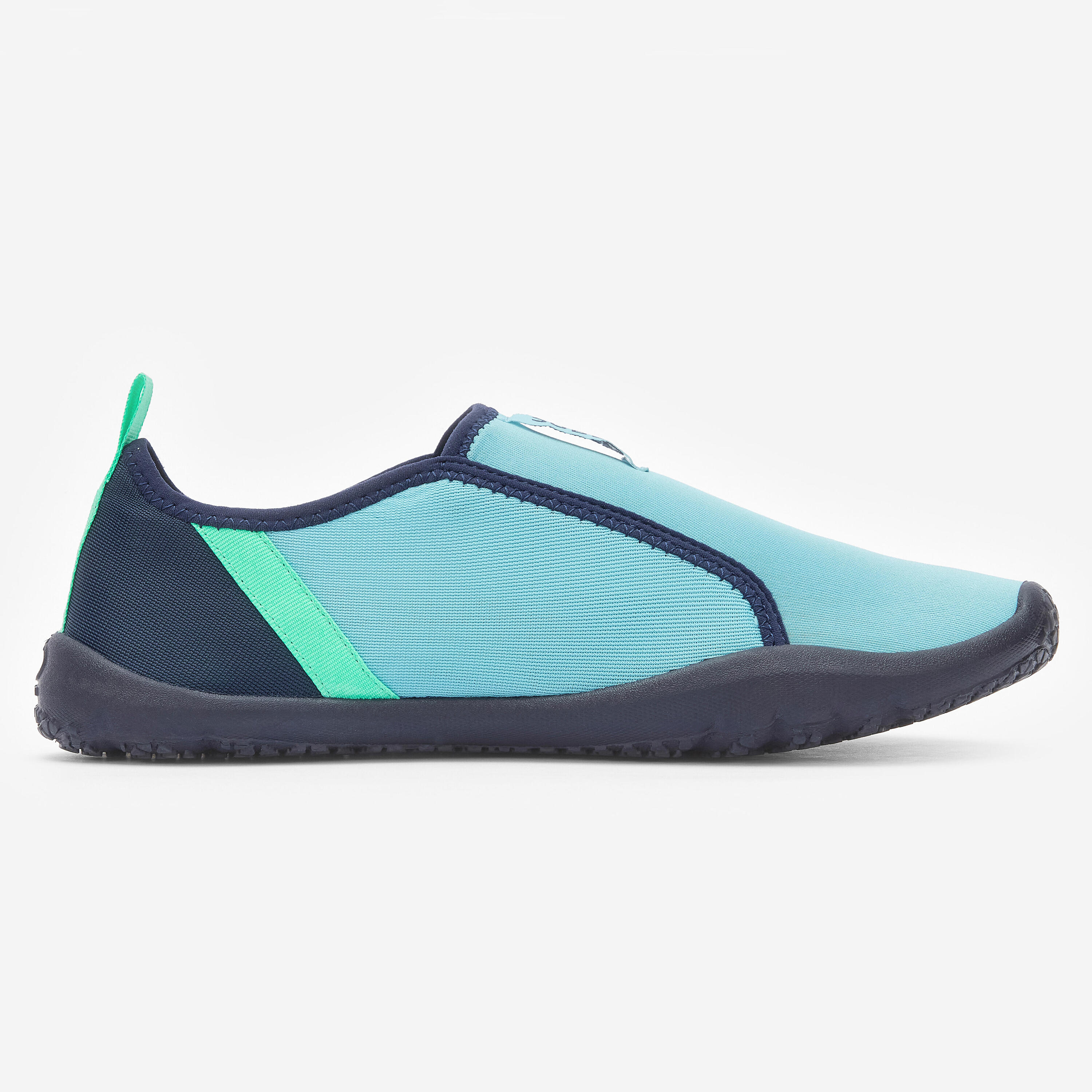
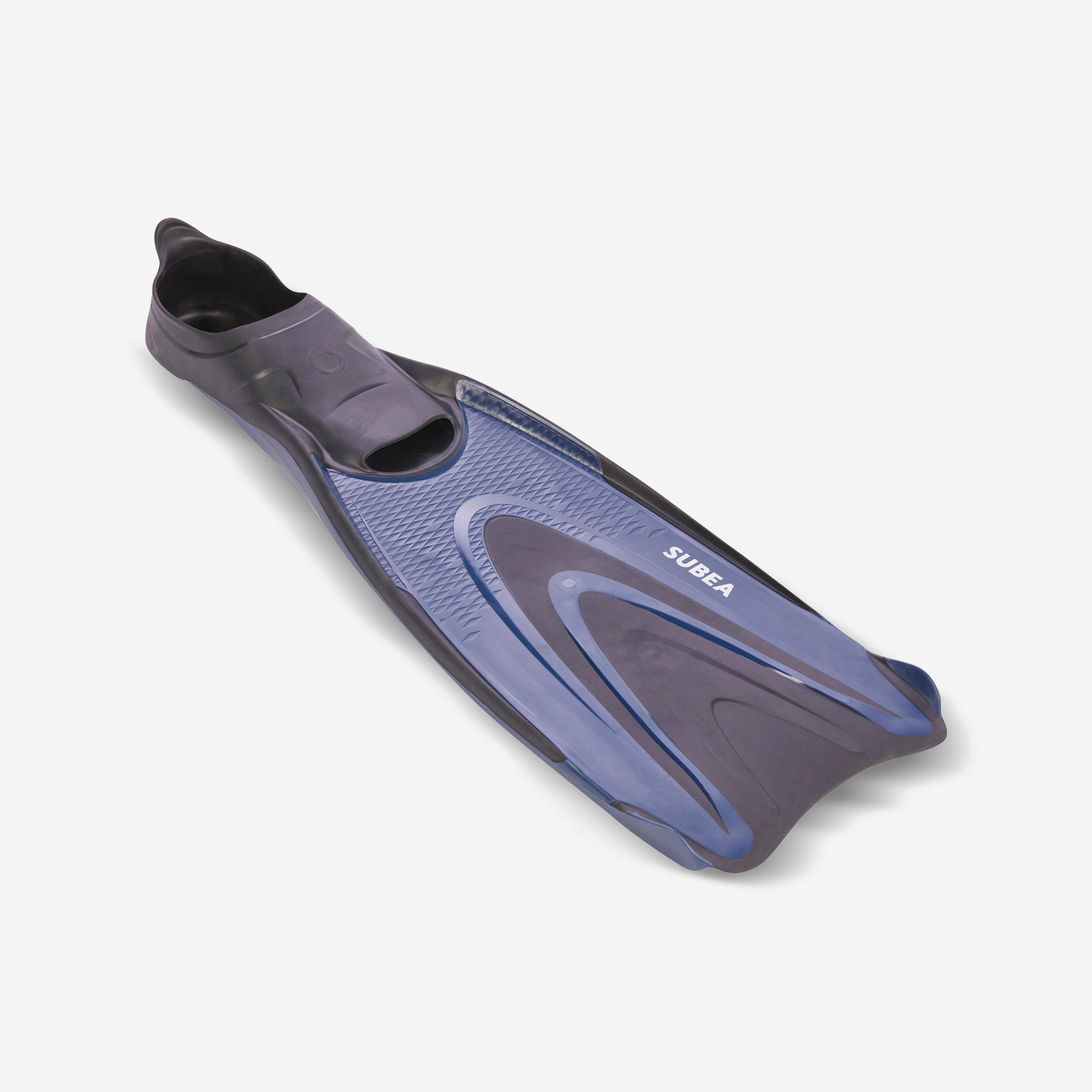
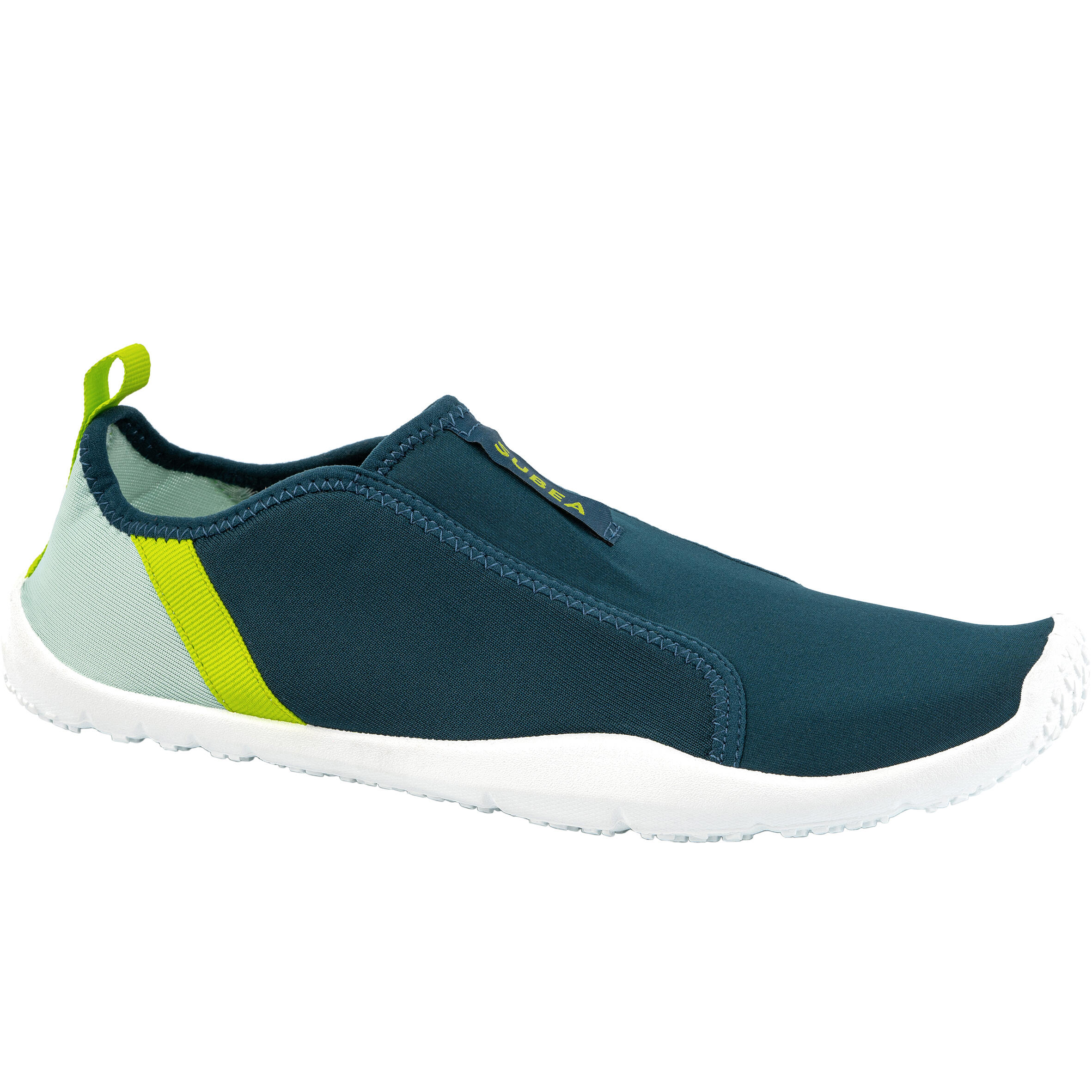
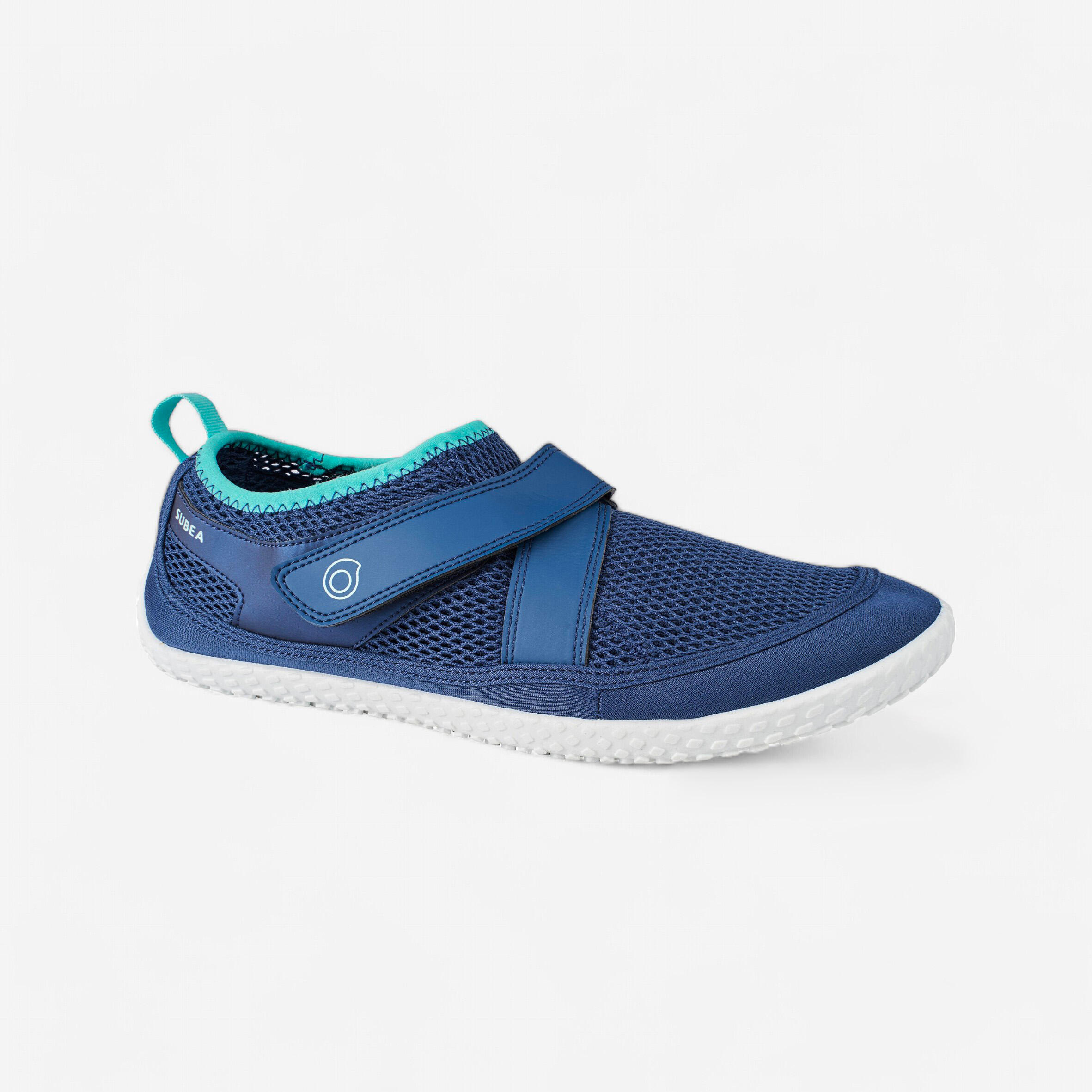
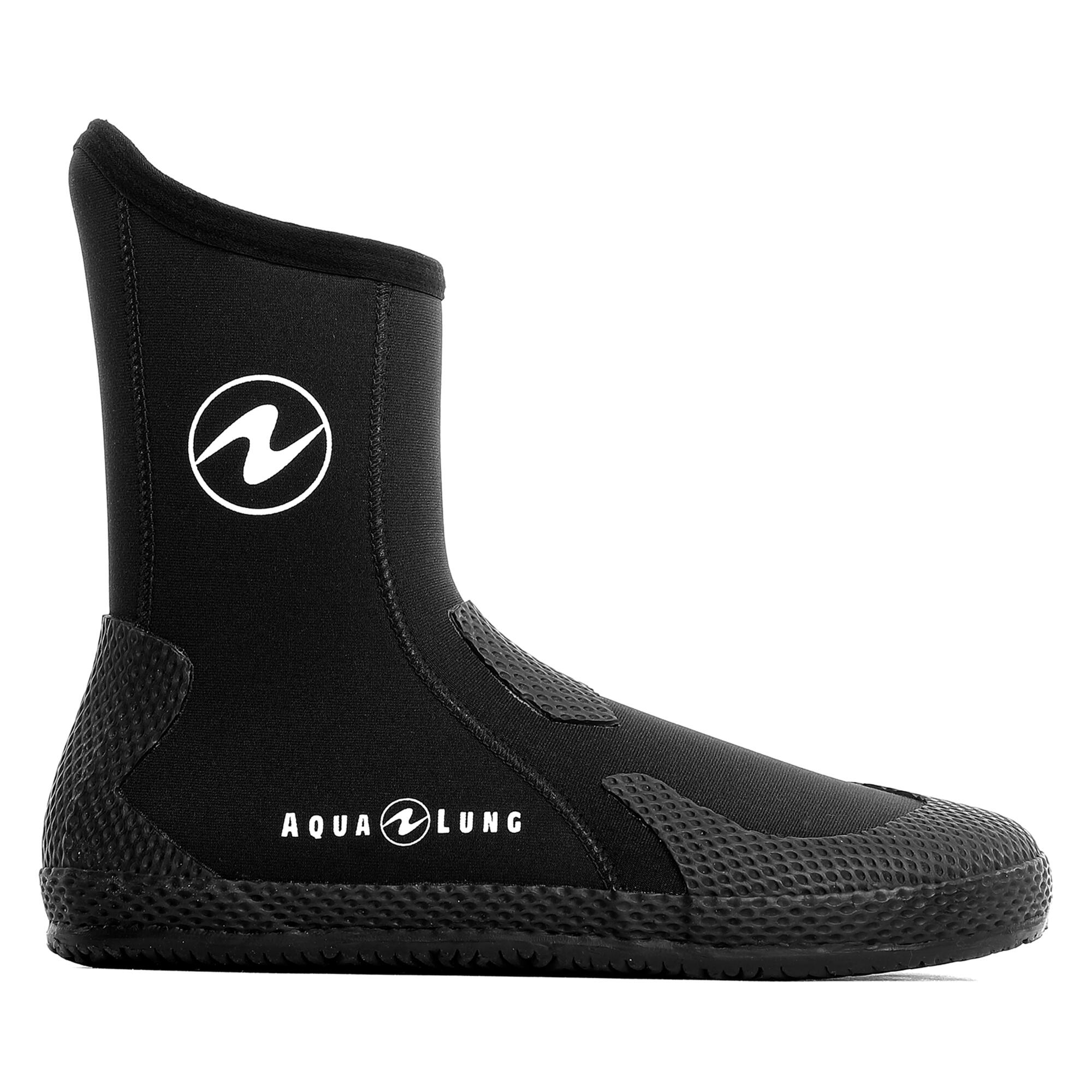
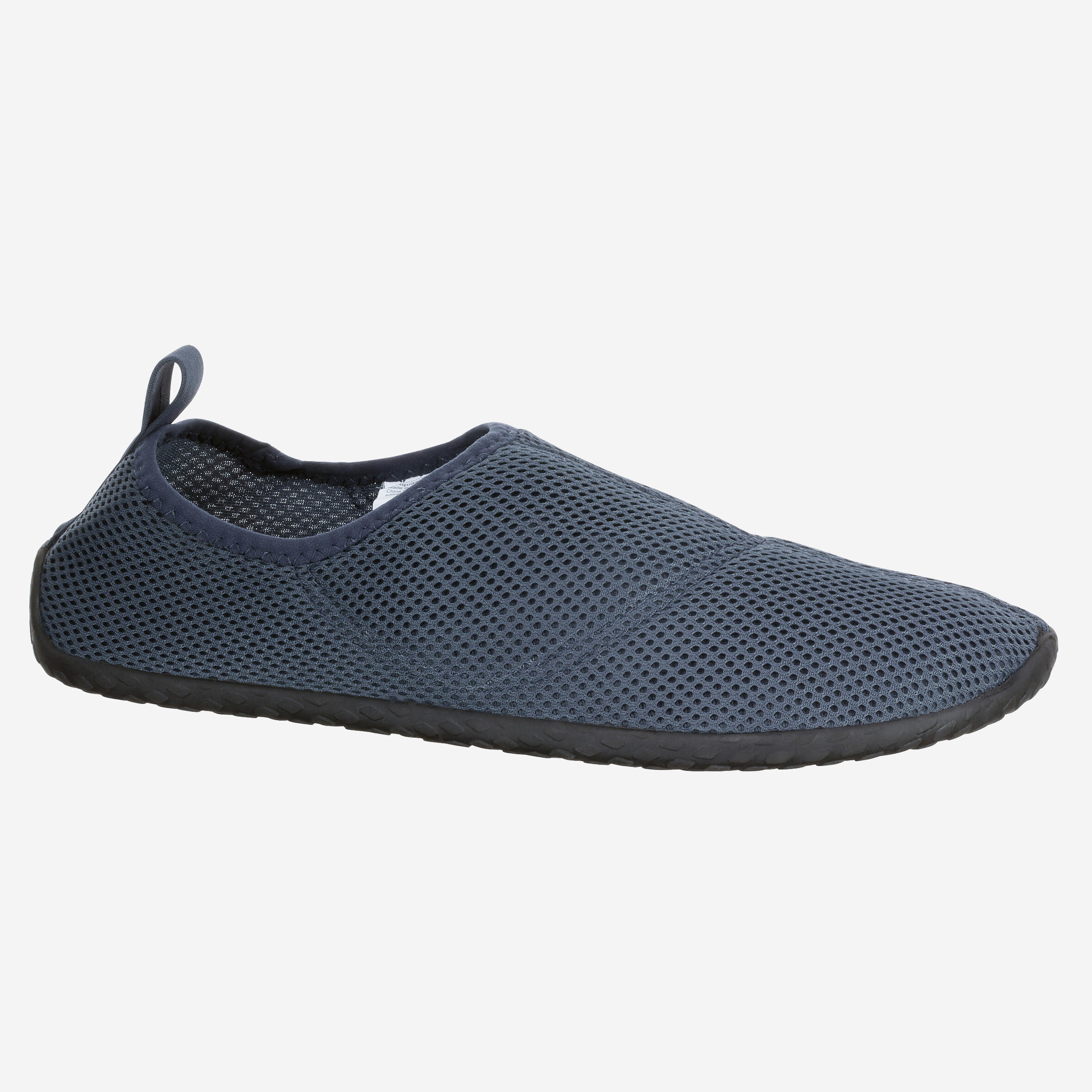
Rocky shore entries often involve barnacles, slippery kelp and uneven ground, making reliable foot protection essential. Diving boots use thick vulcanised rubber outsoles with multi-directional tread patterns to improve grip on wet surfaces. Neoprene uppers between 3 mm and 5 mm protect the ankles while remaining flexible inside open-heel fins. A heel notch helps keep fin straps securely in place during longer dives. Breath-hold sessions benefit from freediving fins and thinner neoprene socks, which reduce drag and improve efficiency in the water.
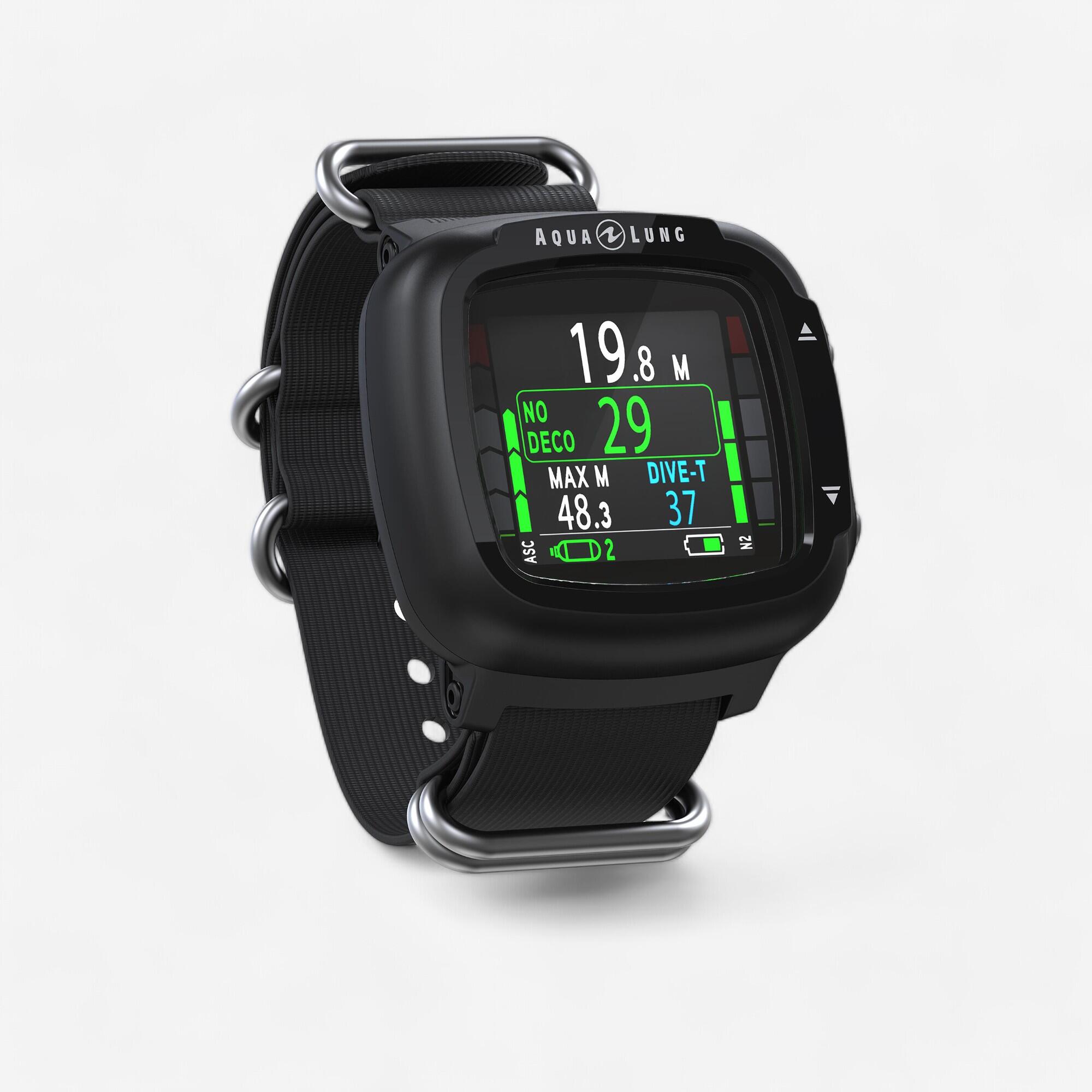
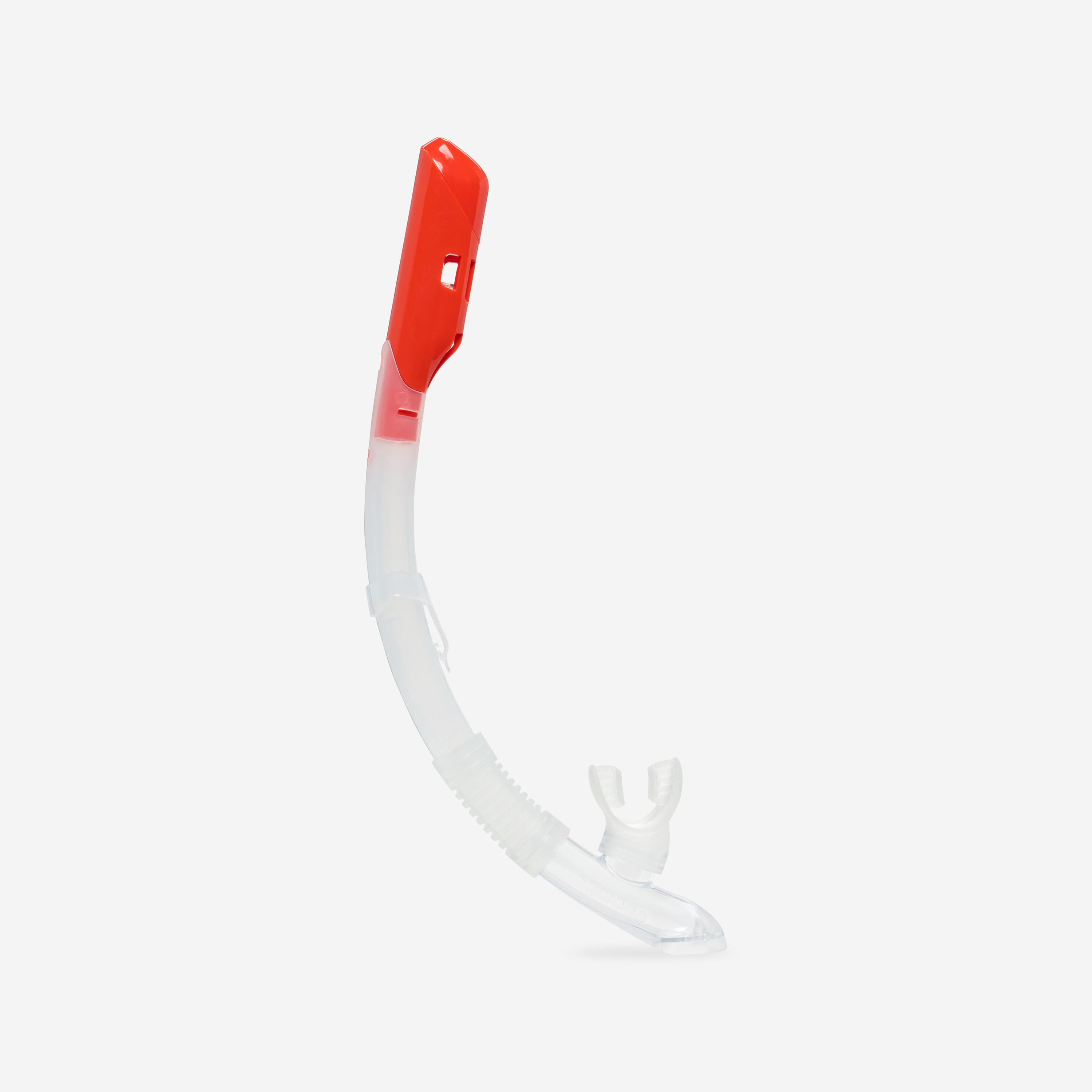
Which accessories improve safety during diving and snorkelling?

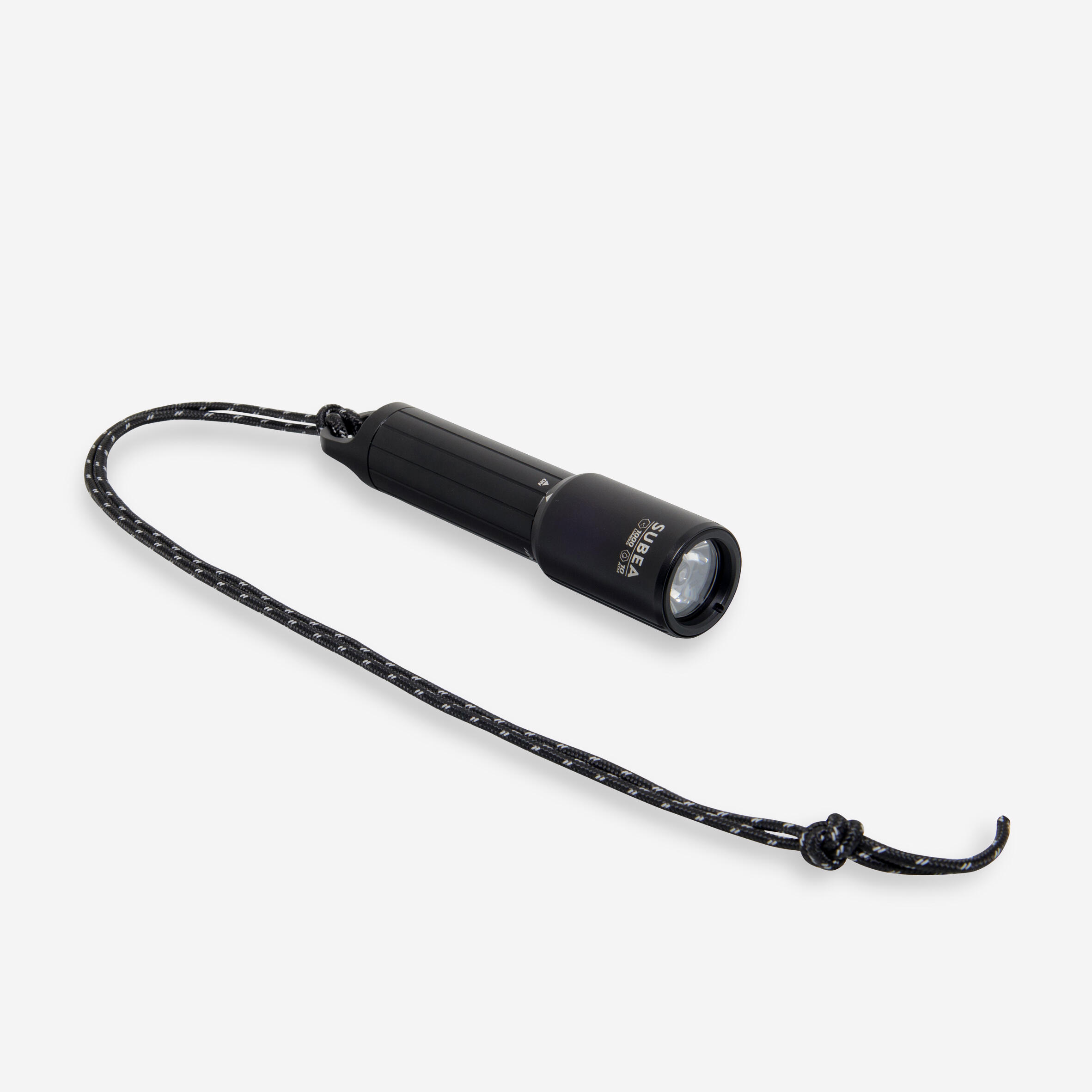
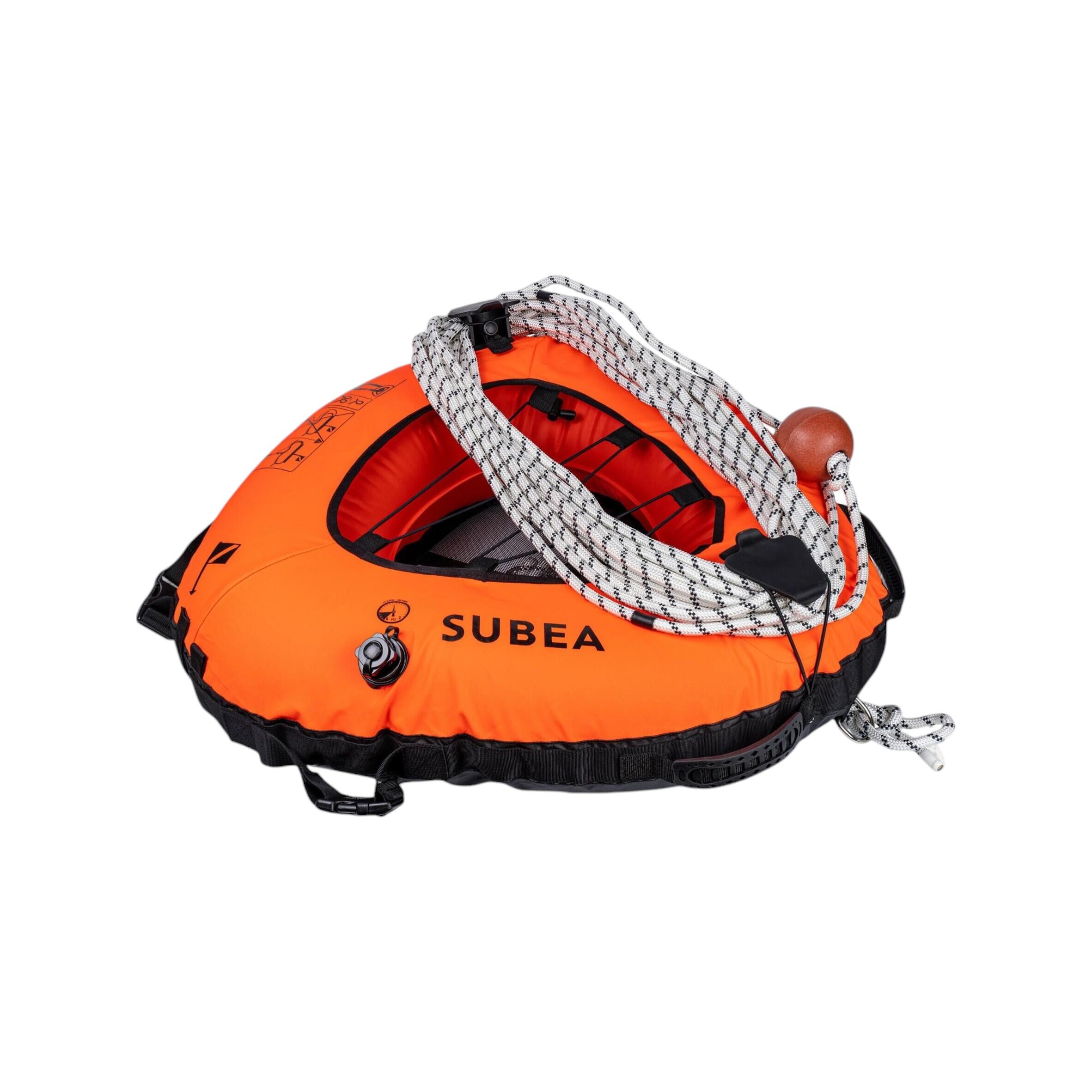
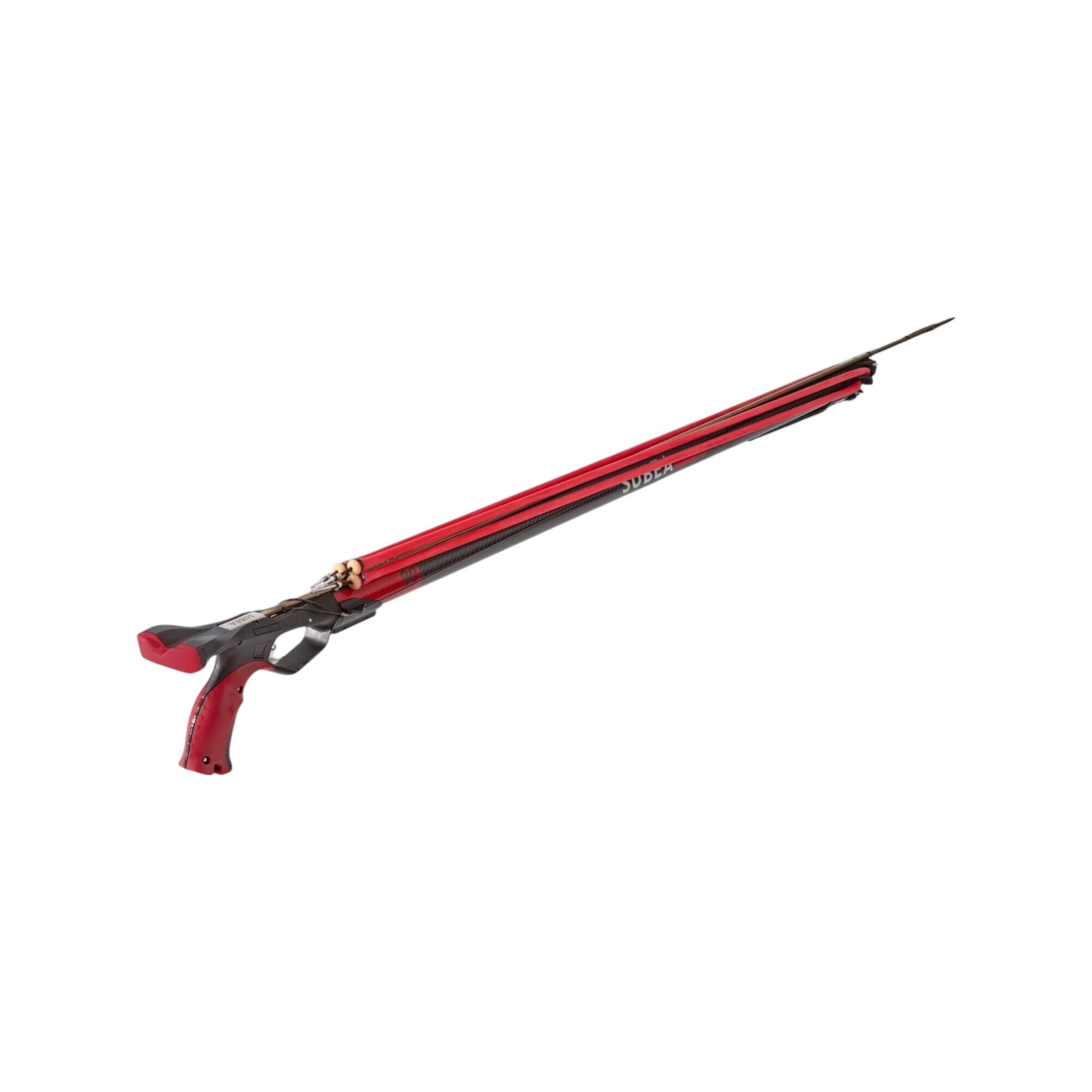
Maintaining visibility and communication is essential when diving in changing tides and currents. Surface marker buoys with weighted bases help boats track their position, even in rough conditions. Divers who also take part in spearfishing can benefit from specialist equipment for handling kelp and submerged lines while complementing their wider diving and snorkelling kit. Acoustic signalling devices connect to inflator hoses for surface communication, while underwater slates allow buddies to exchange important information during a dive.

How does mask volume affect comfort and visibility underwater?

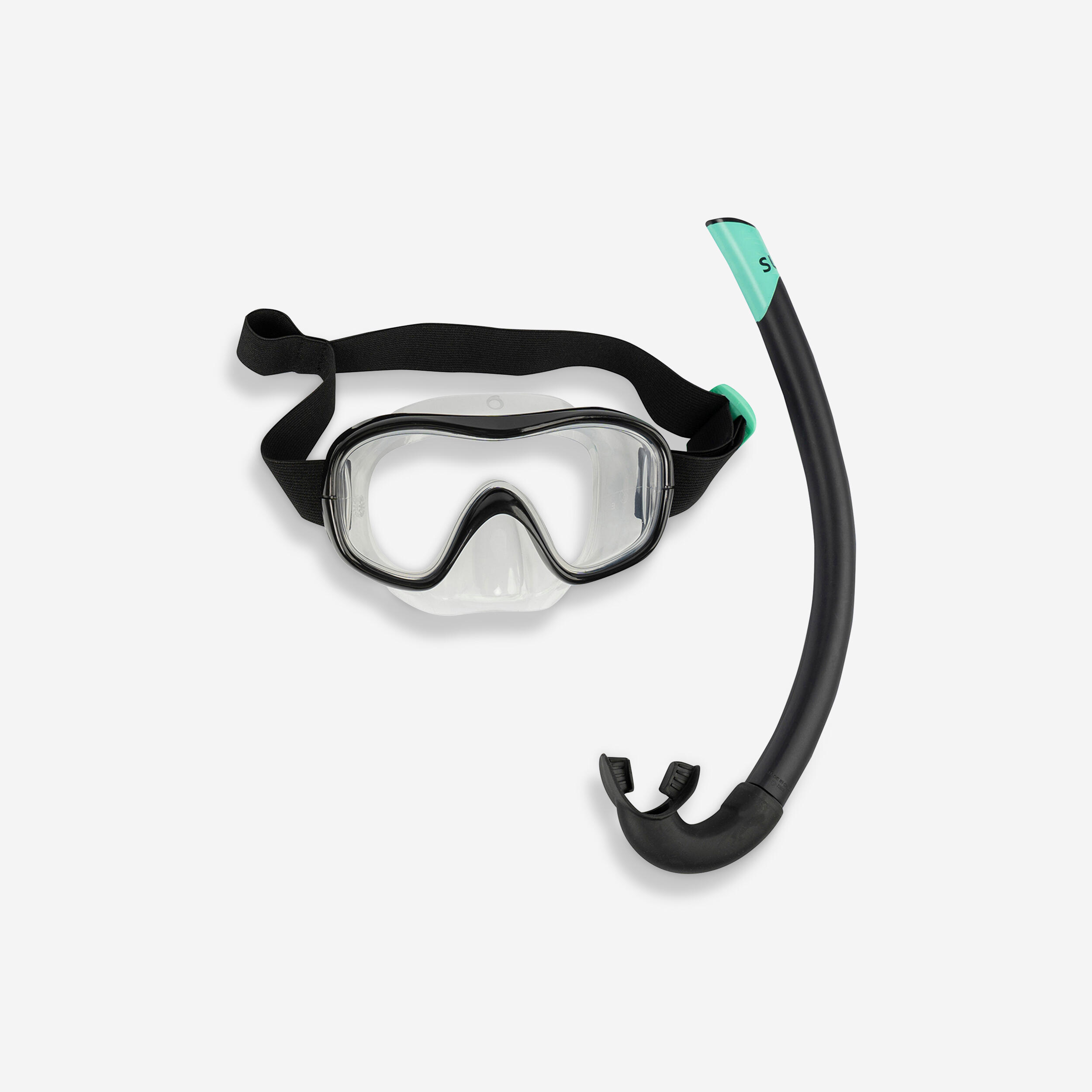
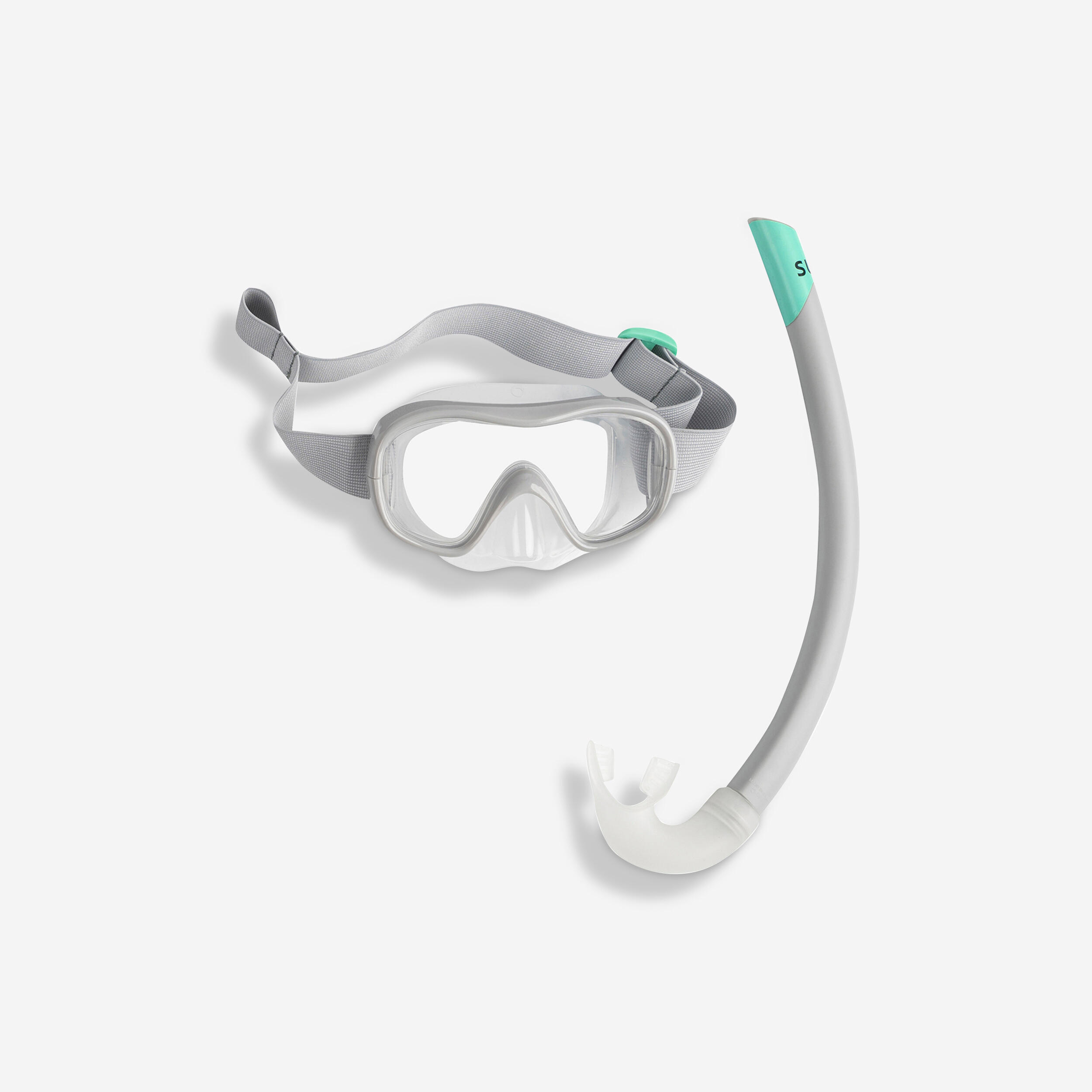
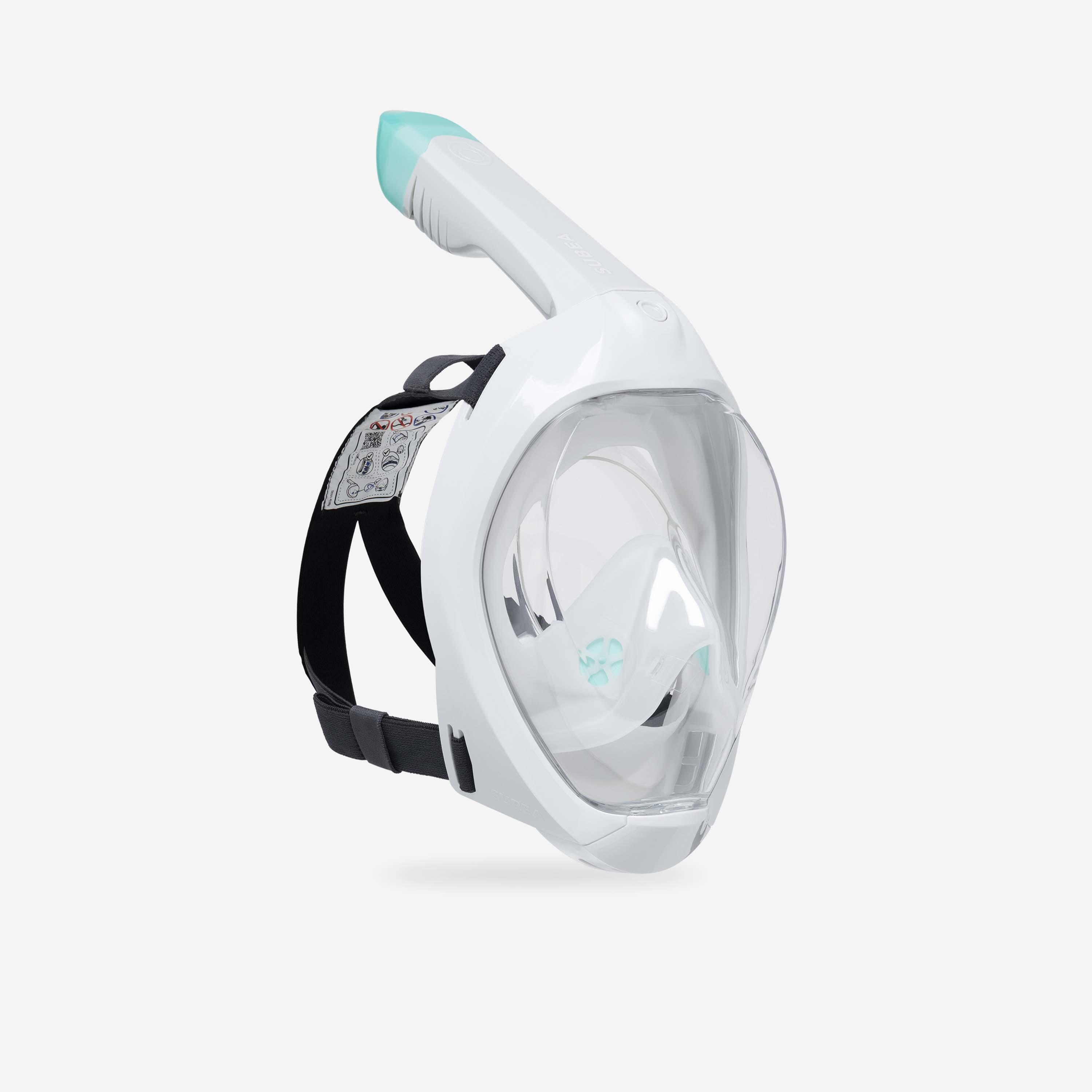
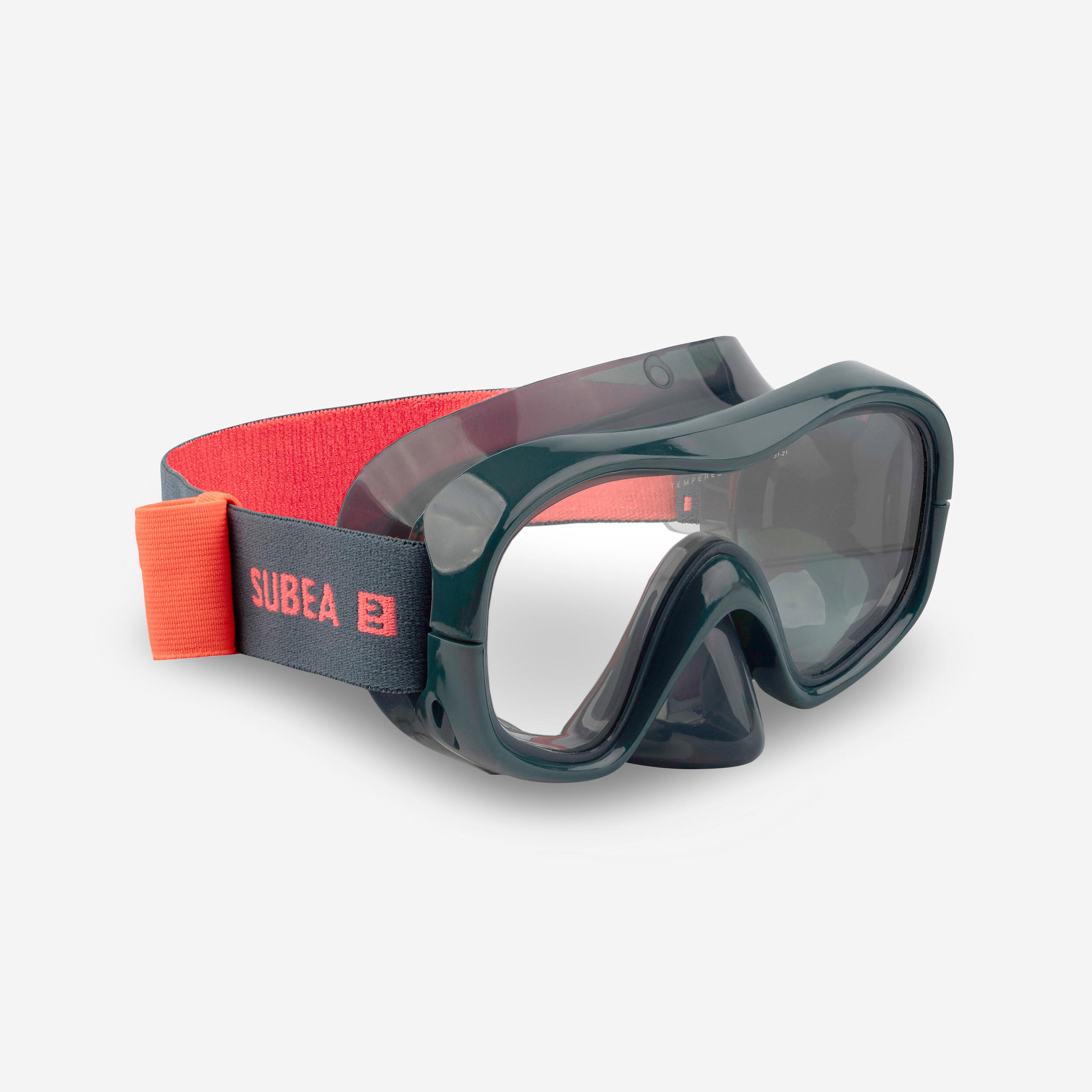
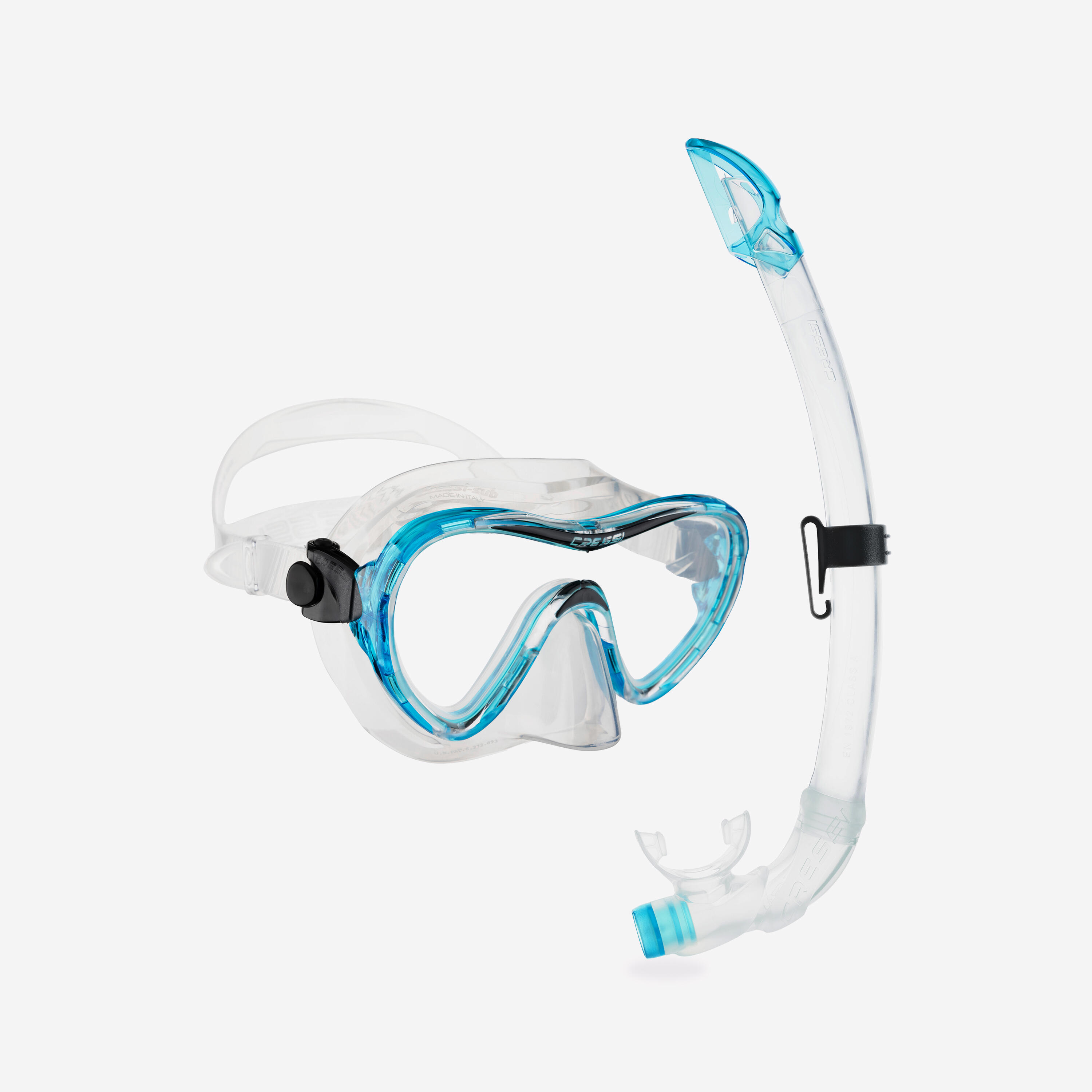
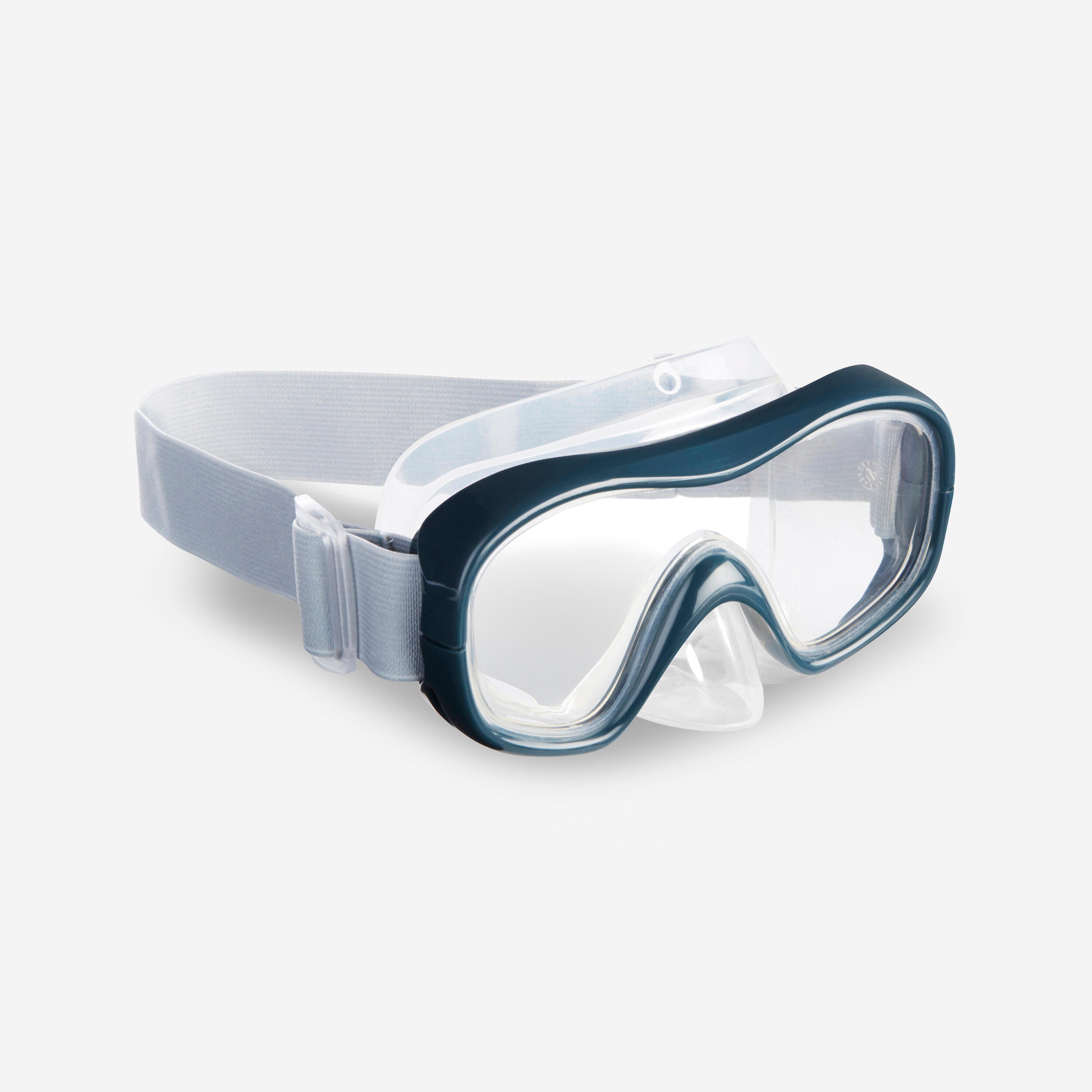
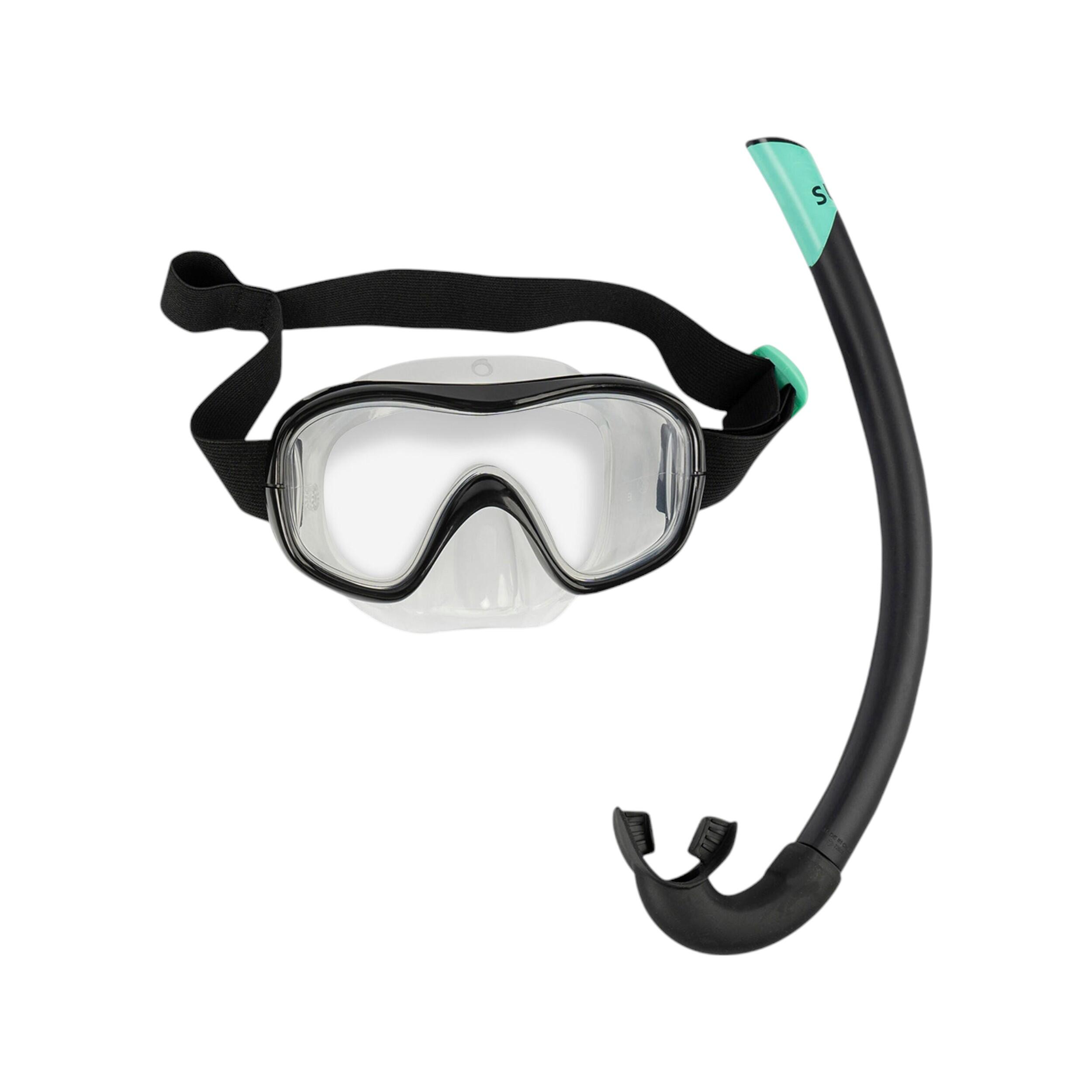
Mask volume influences both visibility and the effort needed to clear and equalise pressure underwater. Low-volume masks position the lenses closer to the face, reducing the amount of air needed during descents. This makes clearing water easier and reduces the air required to equalise the mask at depth. Diving and snorkelling equipment can be tailored to different activities, with snorkelling masks offering larger panoramic lenses, while low-volume designs suit deeper dives where efficient air use matters more. Single-lens masks provide a wide, uninterrupted view, whereas dual-lens models can accommodate prescription inserts.

How do water conditions influence diving and snorkelling equipment?

Water clarity changes with plankton blooms, tidal movement and sediment stirred up from the seabed. Heavy Atlantic swells can reduce visibility, making reliable accessories especially useful. Diving and snorkelling become safer in low-visibility conditions when complemented by freediving accessories such as nose clips and recovery lanyards where appropriate. Brightly coloured fins and accessories improve buddy visibility when light levels fall, while low-iron glass lenses provide a clearer view by reducing the green tint often seen underwater.