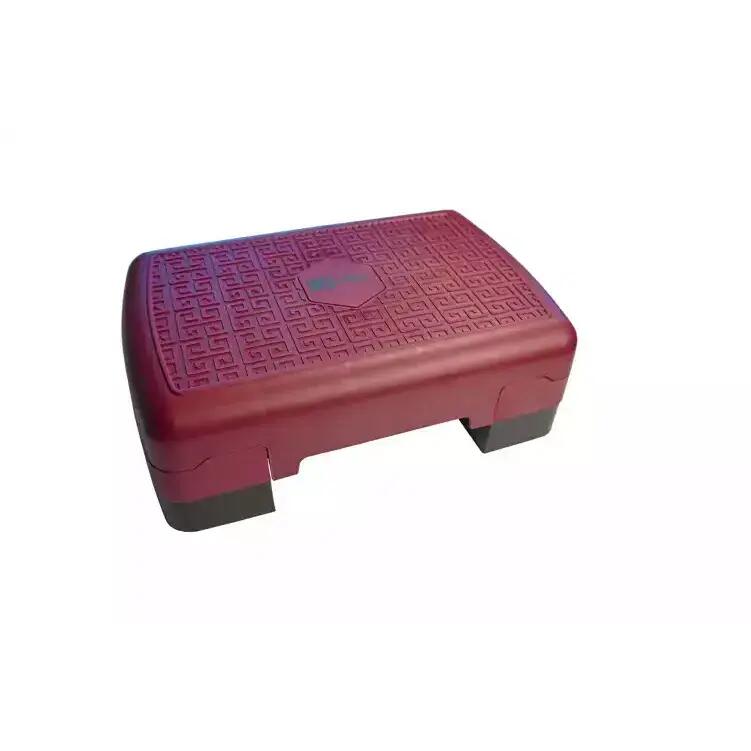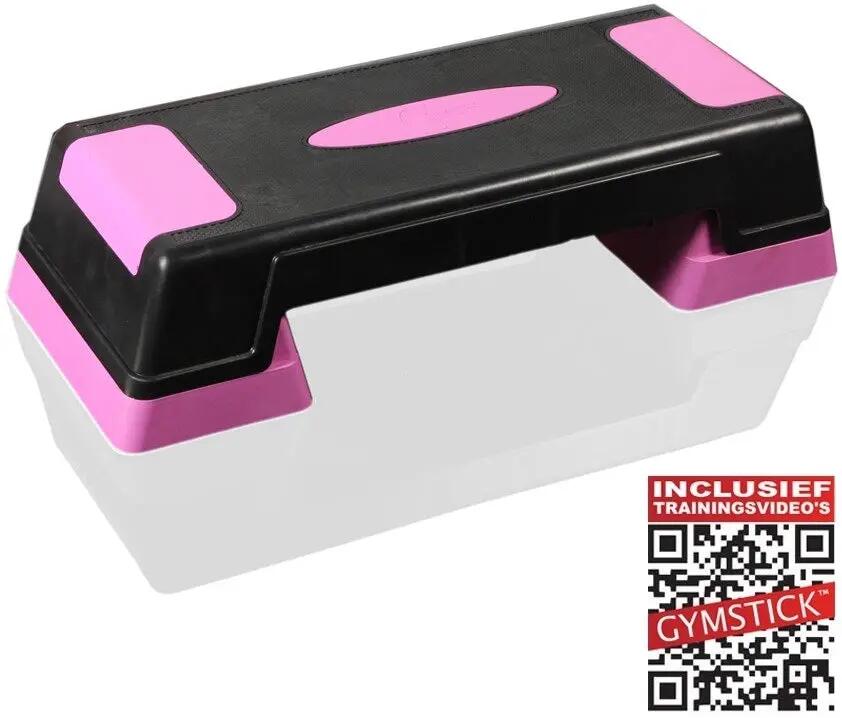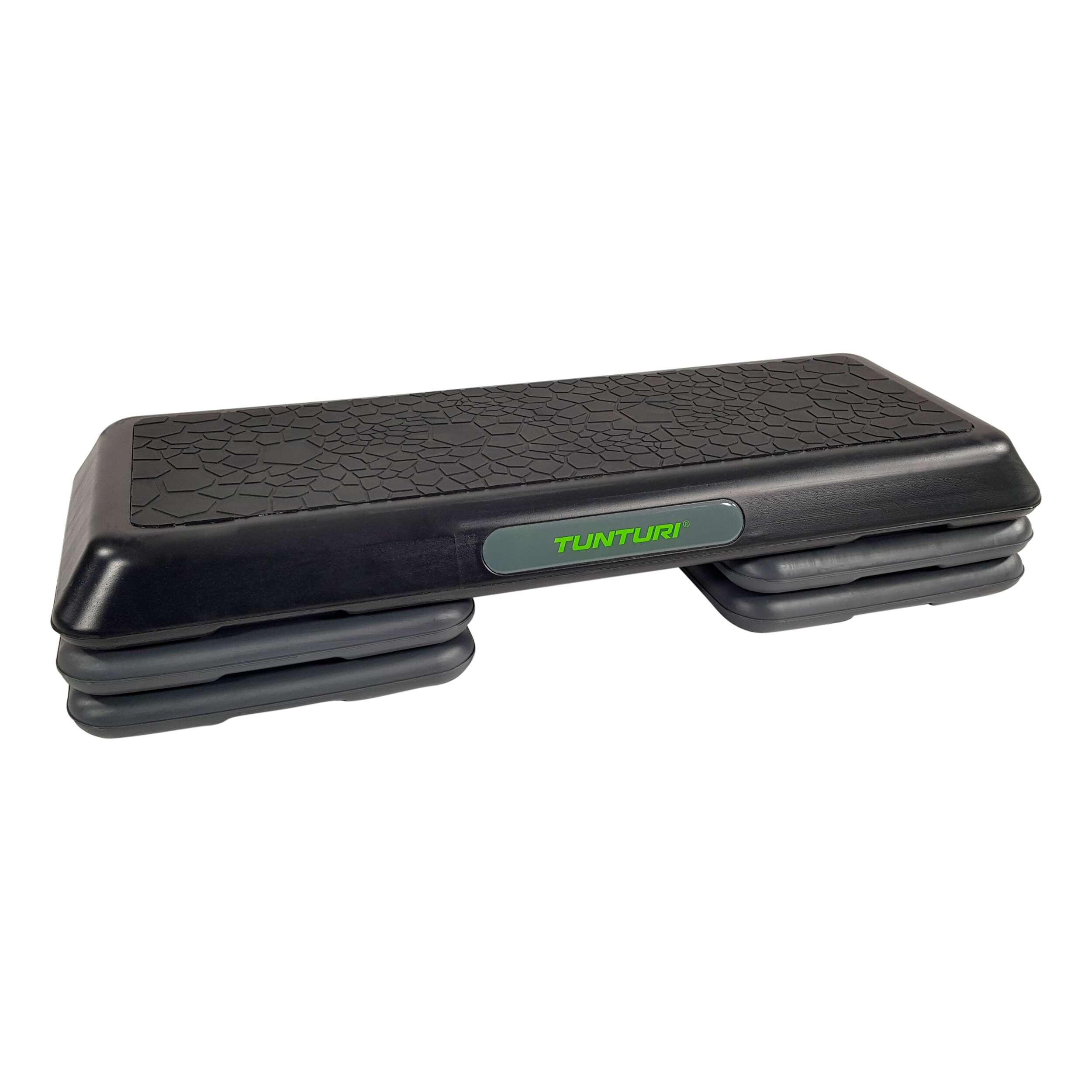
45 items
4.3/5 based on 840 reviews collected online and in stores

Aerobic Steppers FAQs

What should I look for when choosing an adjustable aerobic stepper?

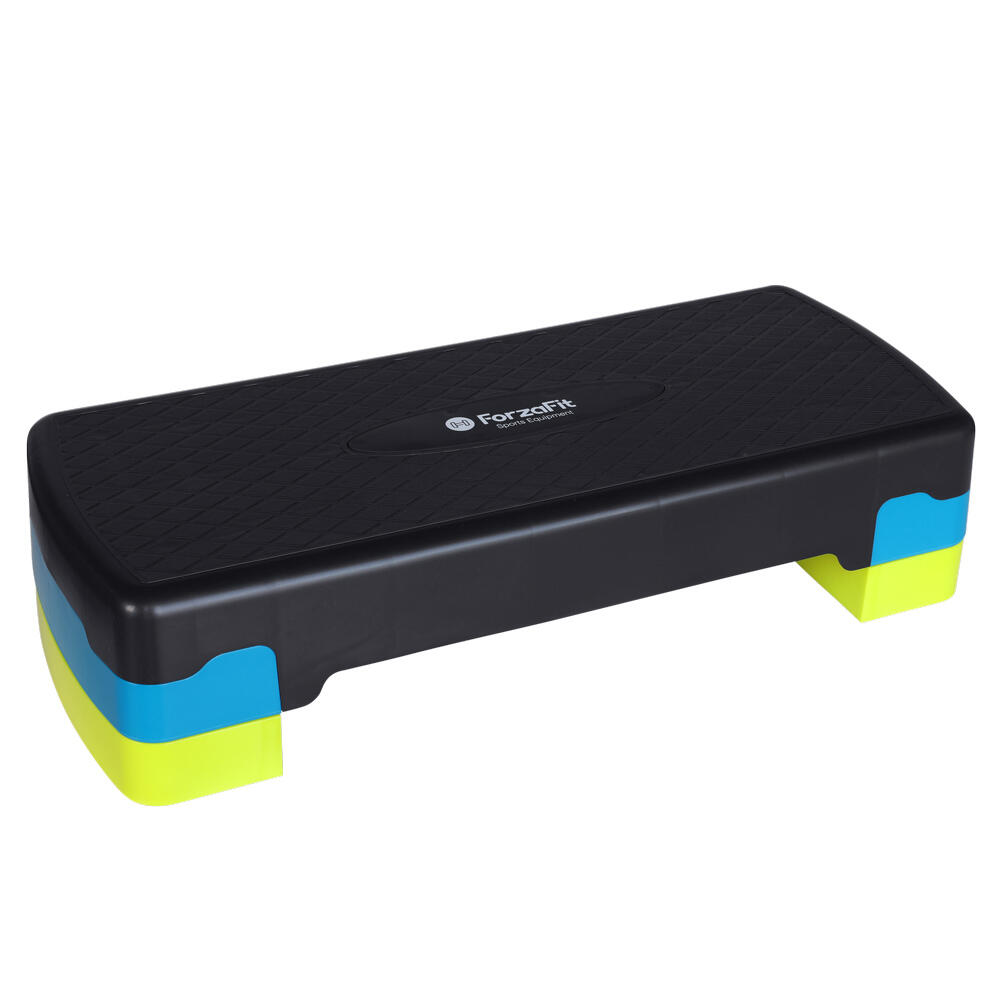
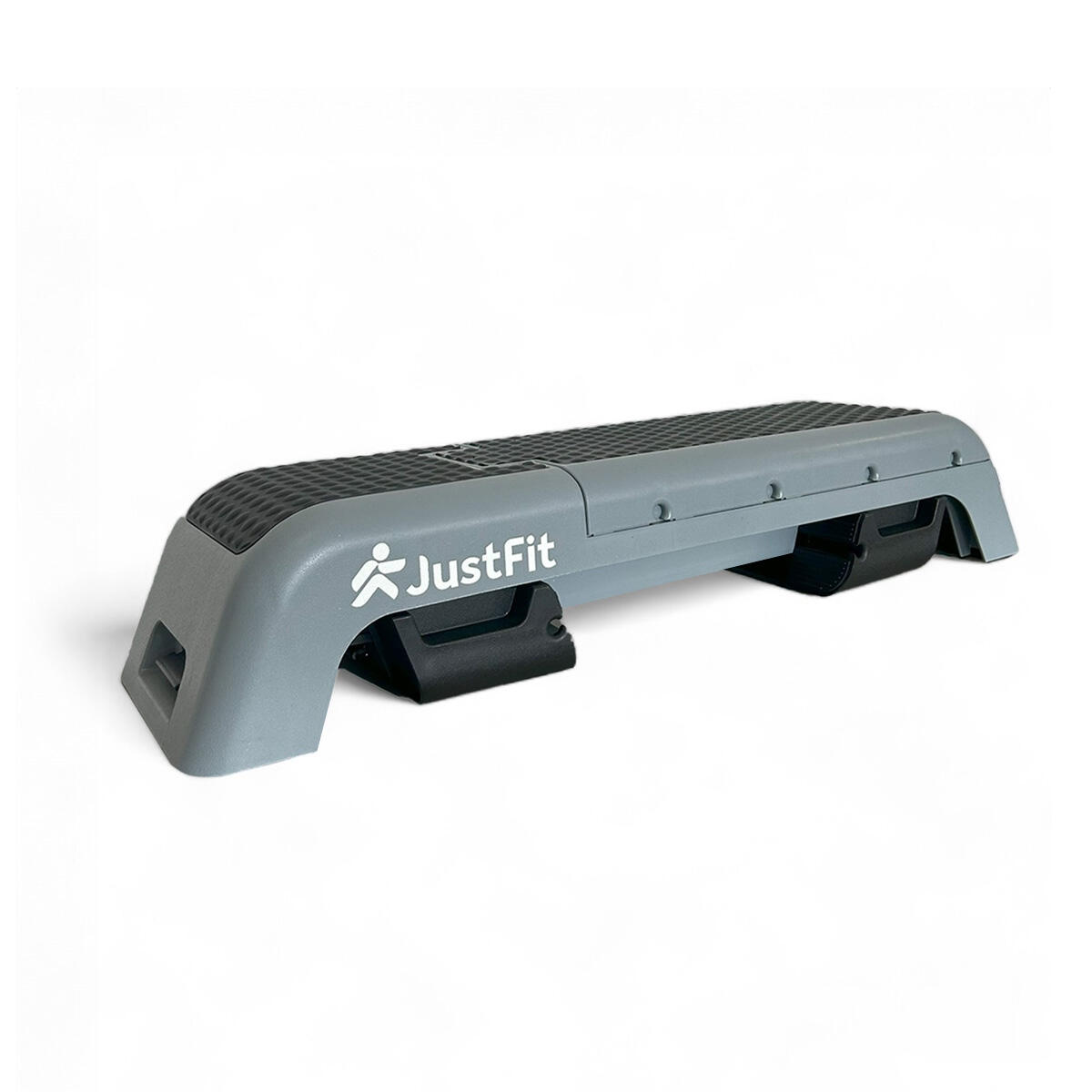
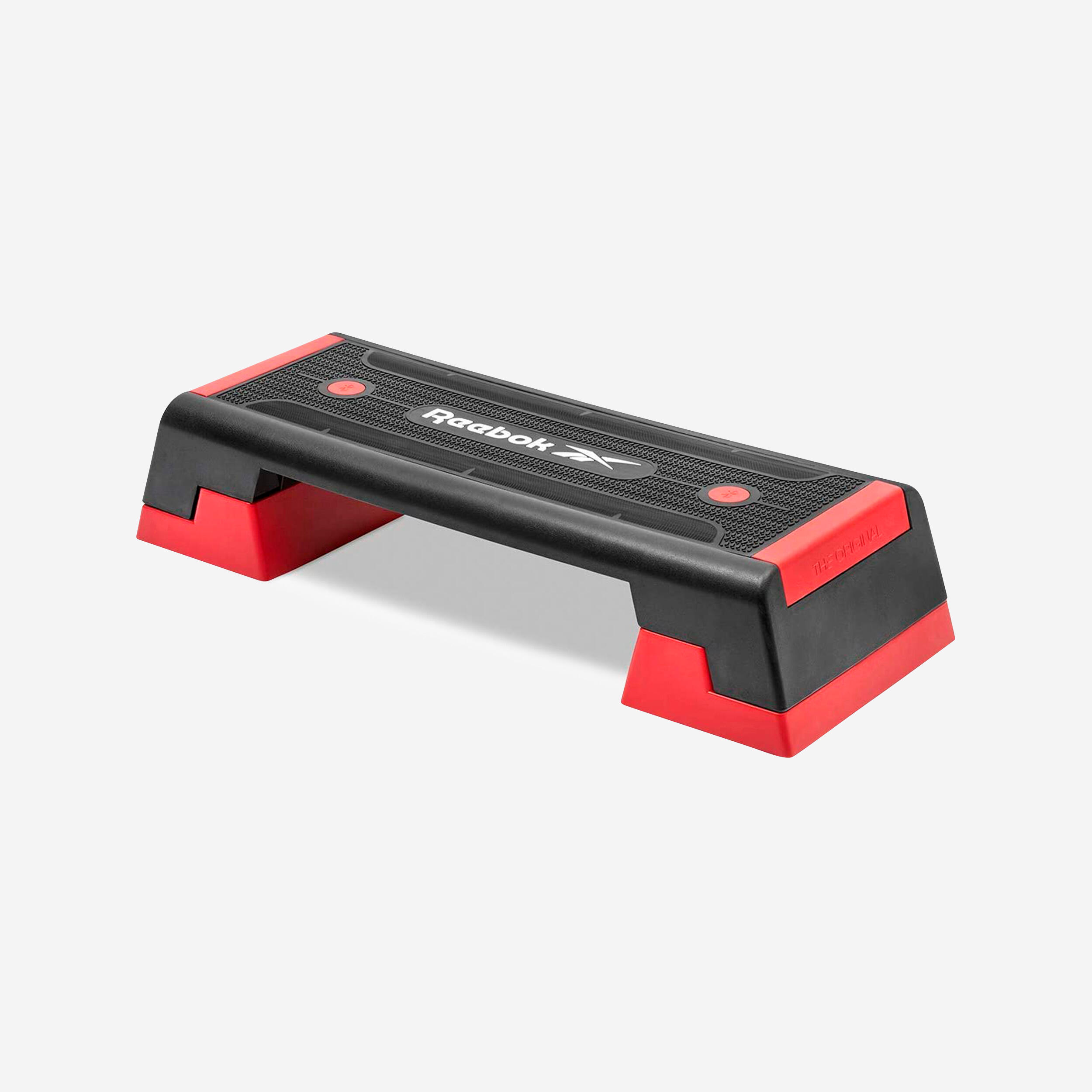
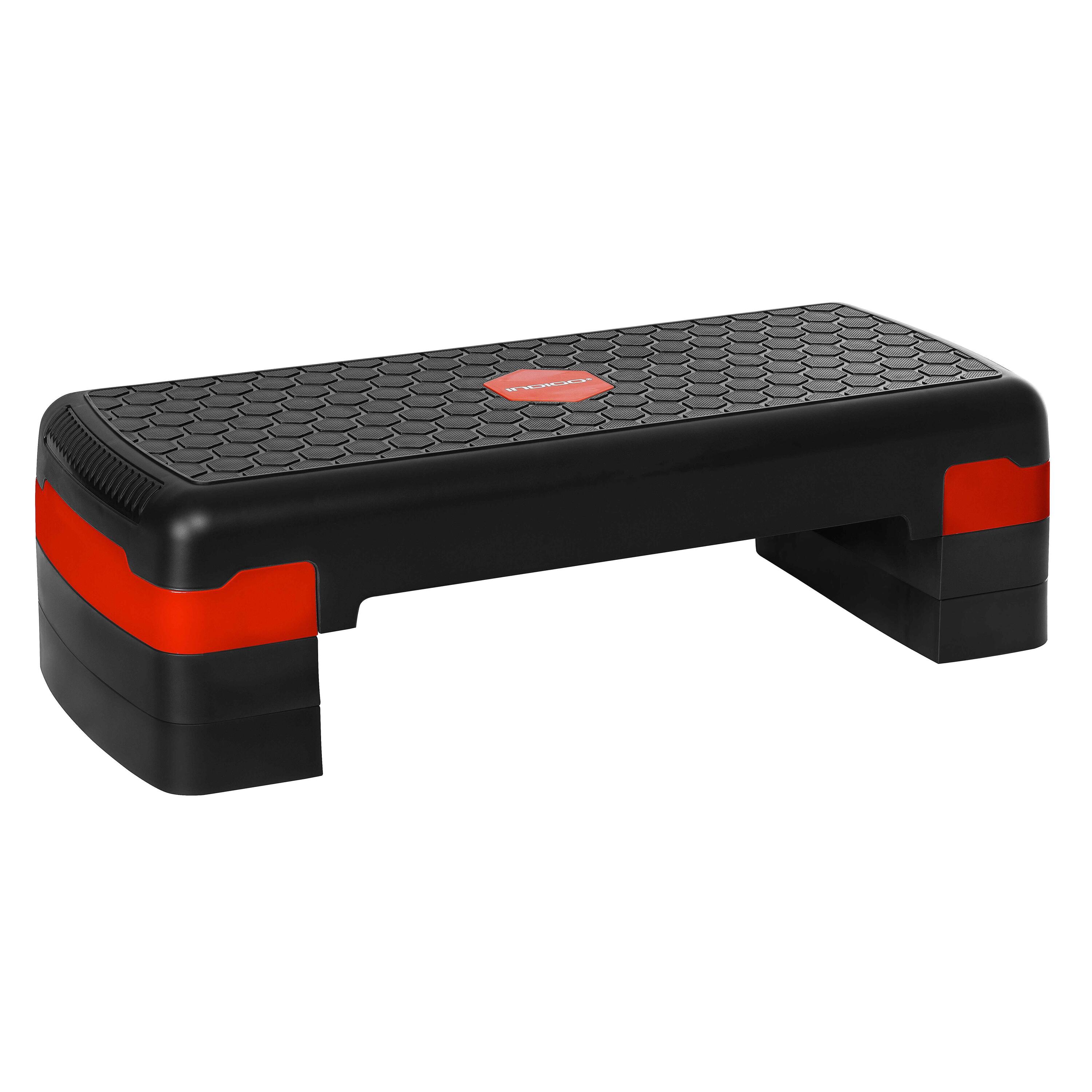
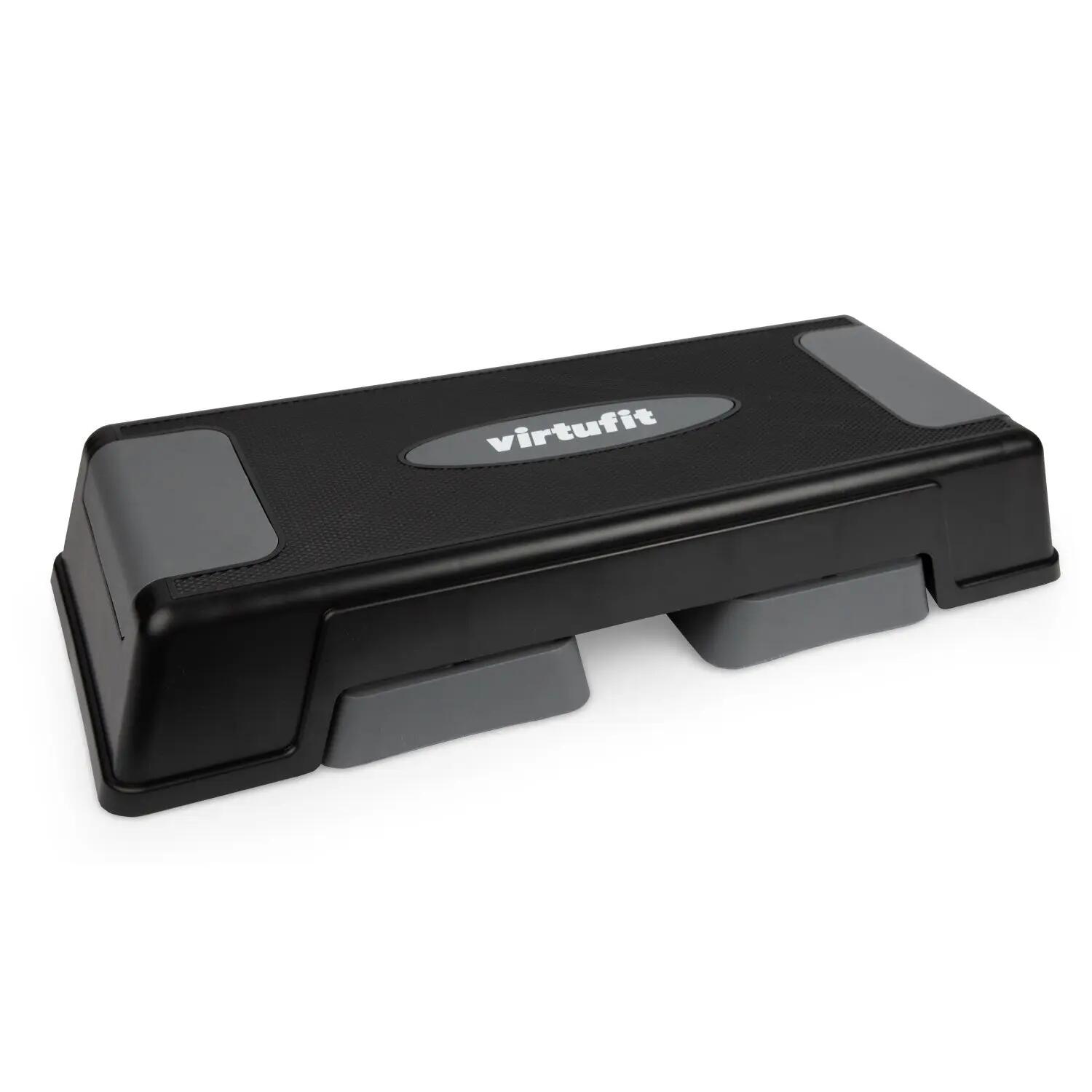
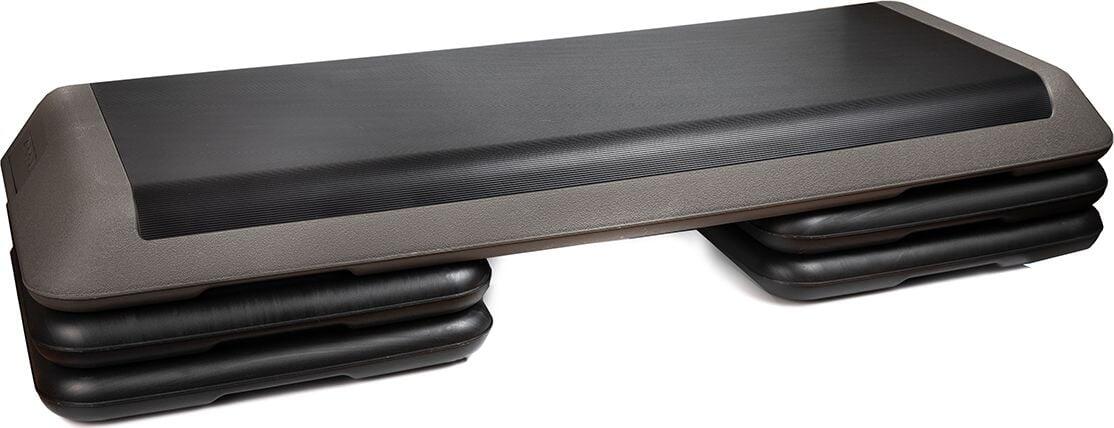
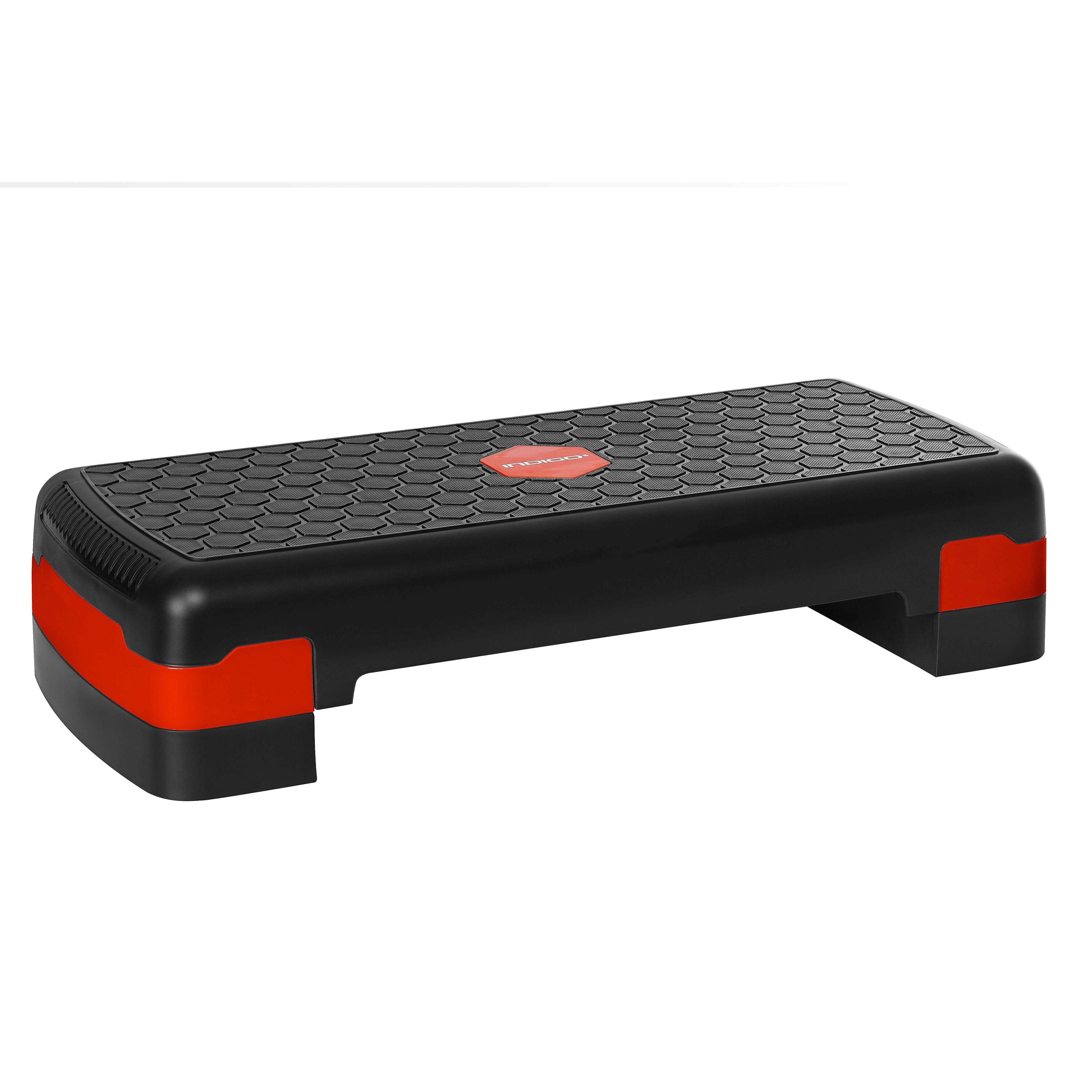
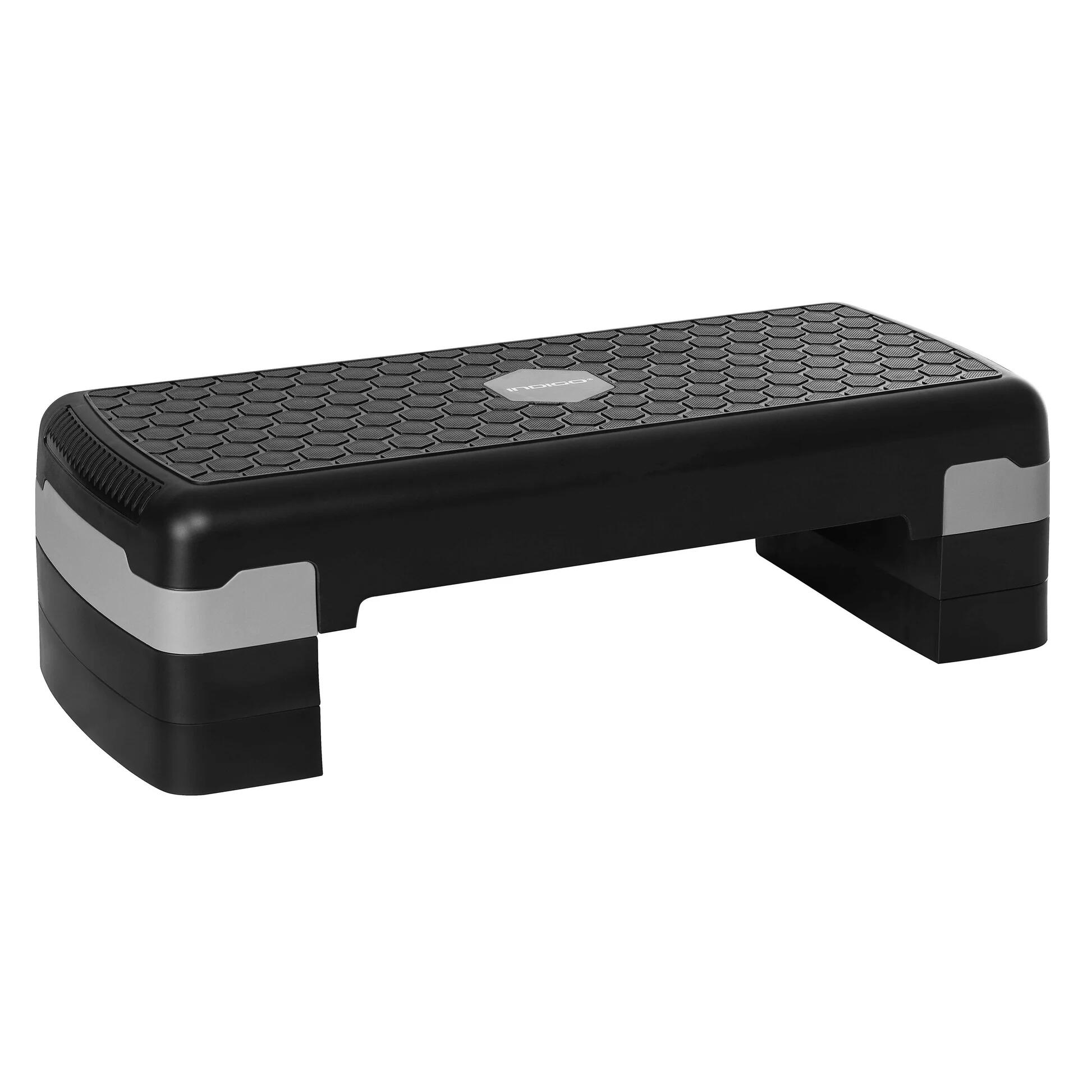
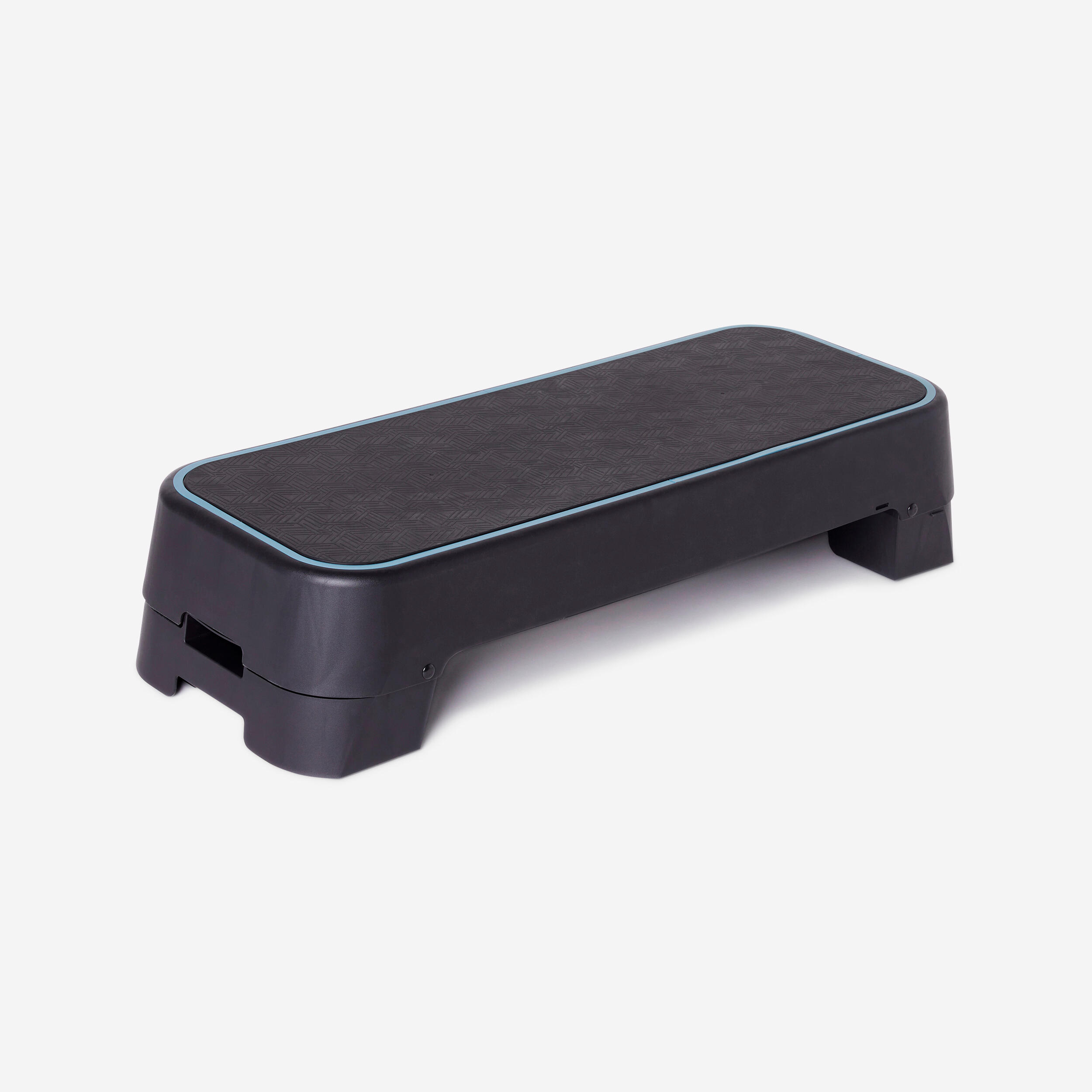
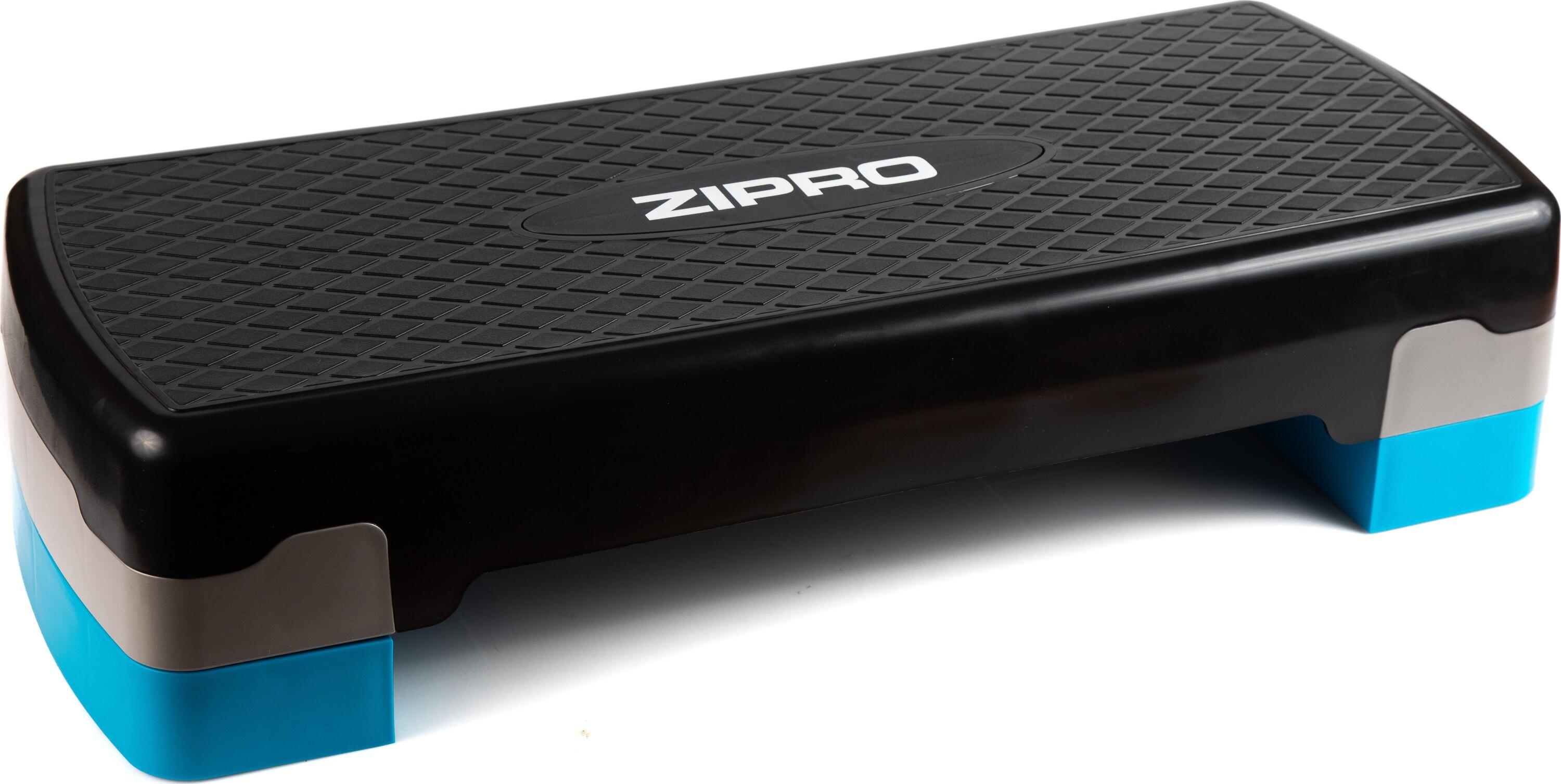
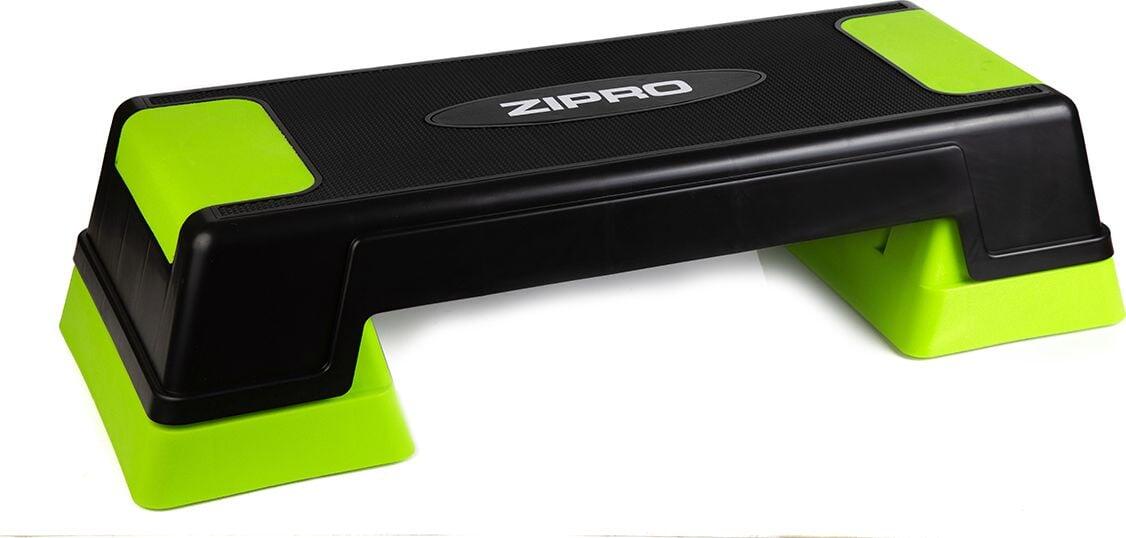
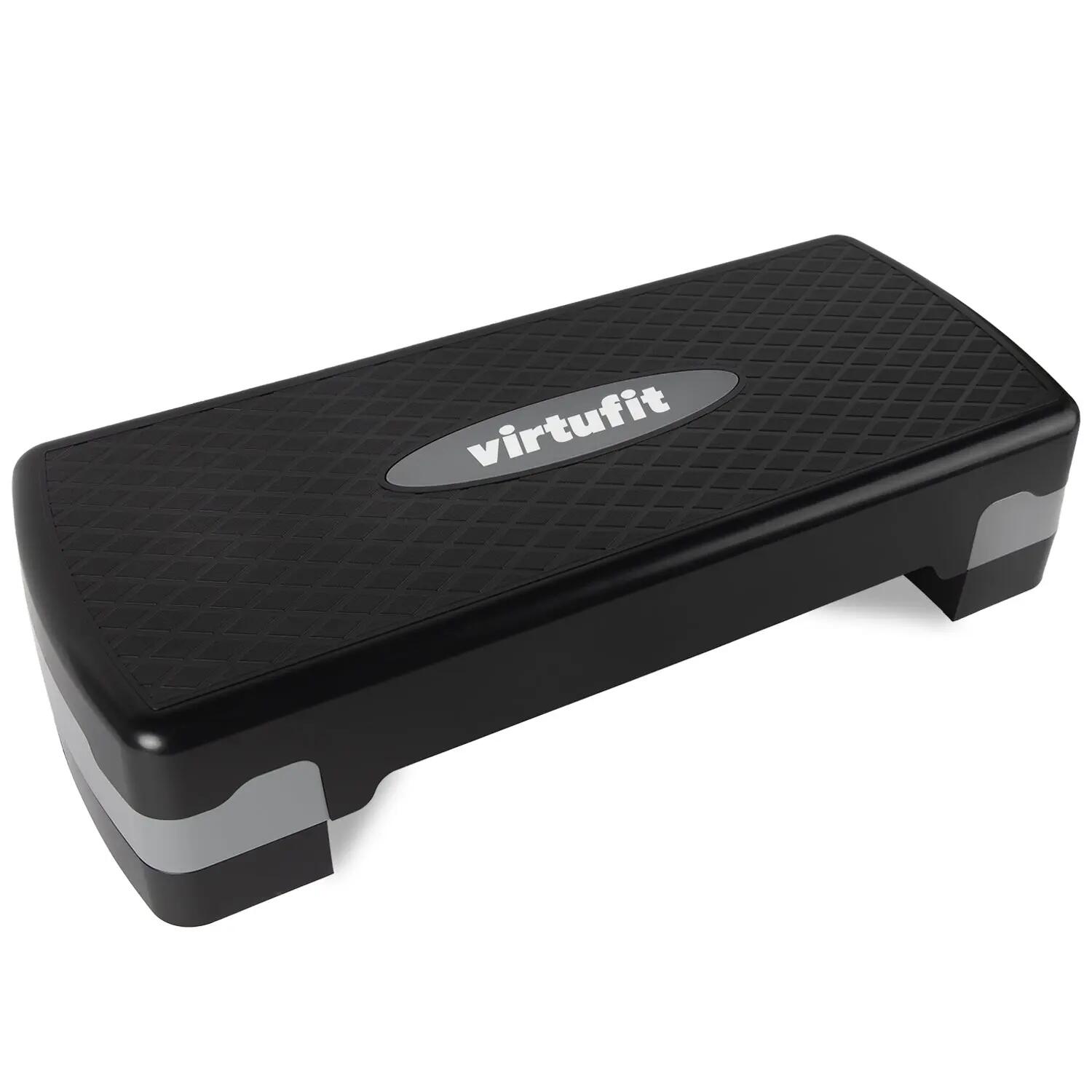
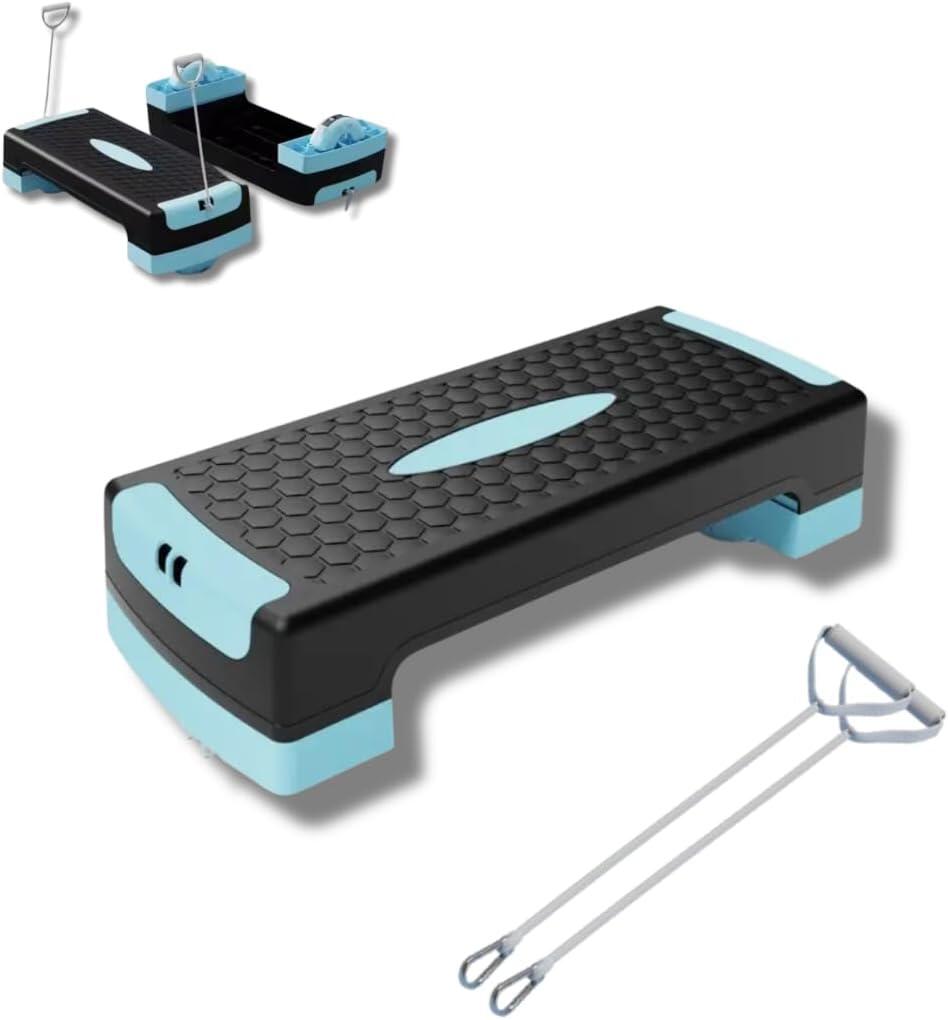
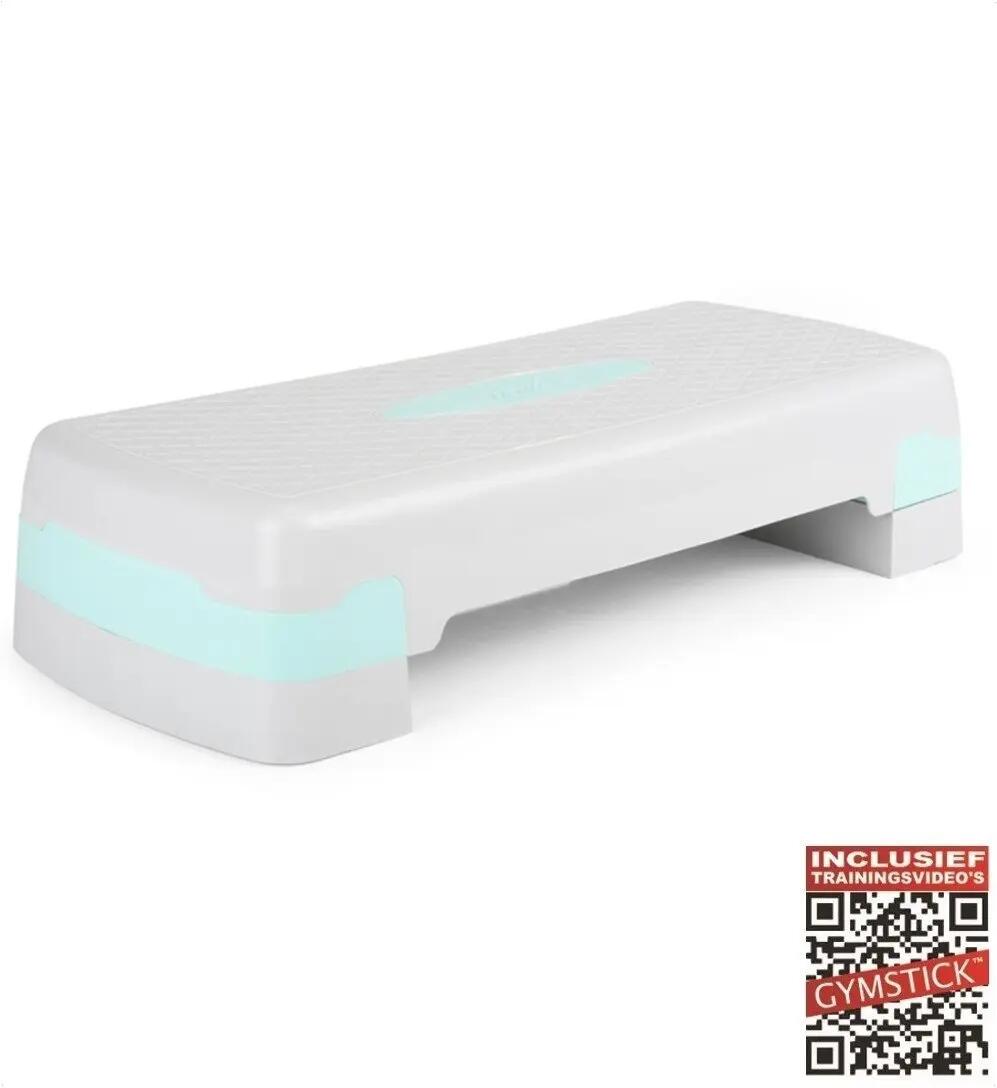
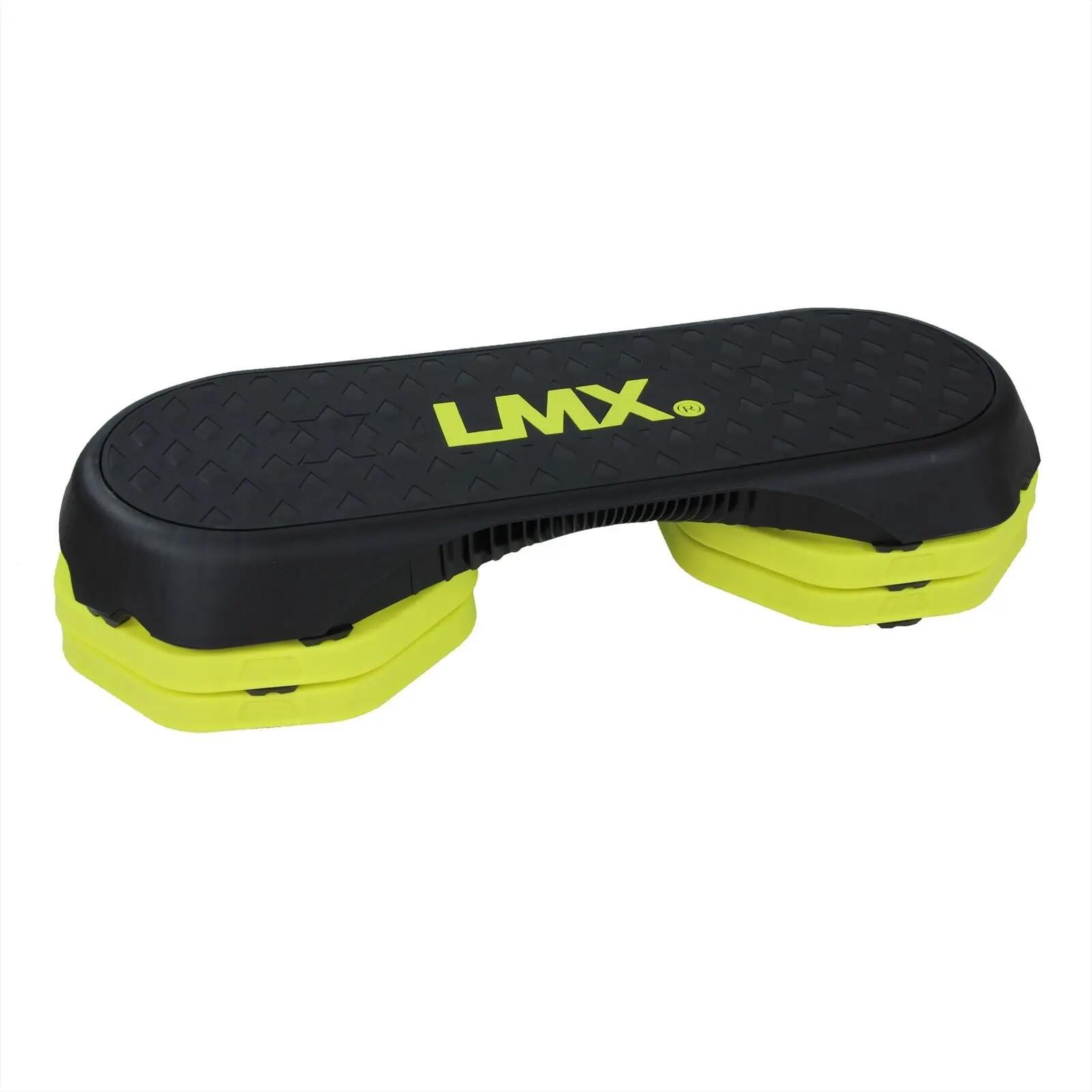
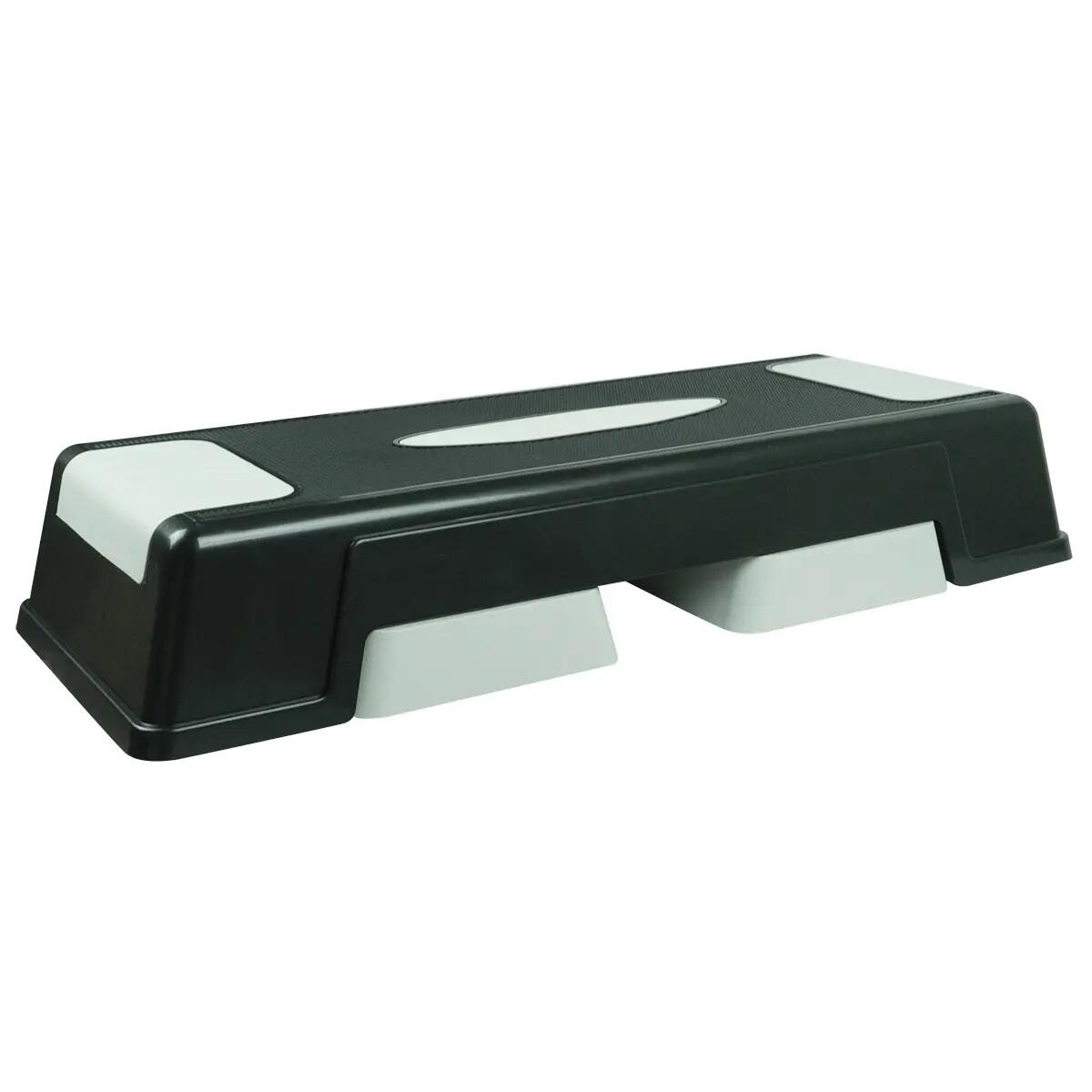
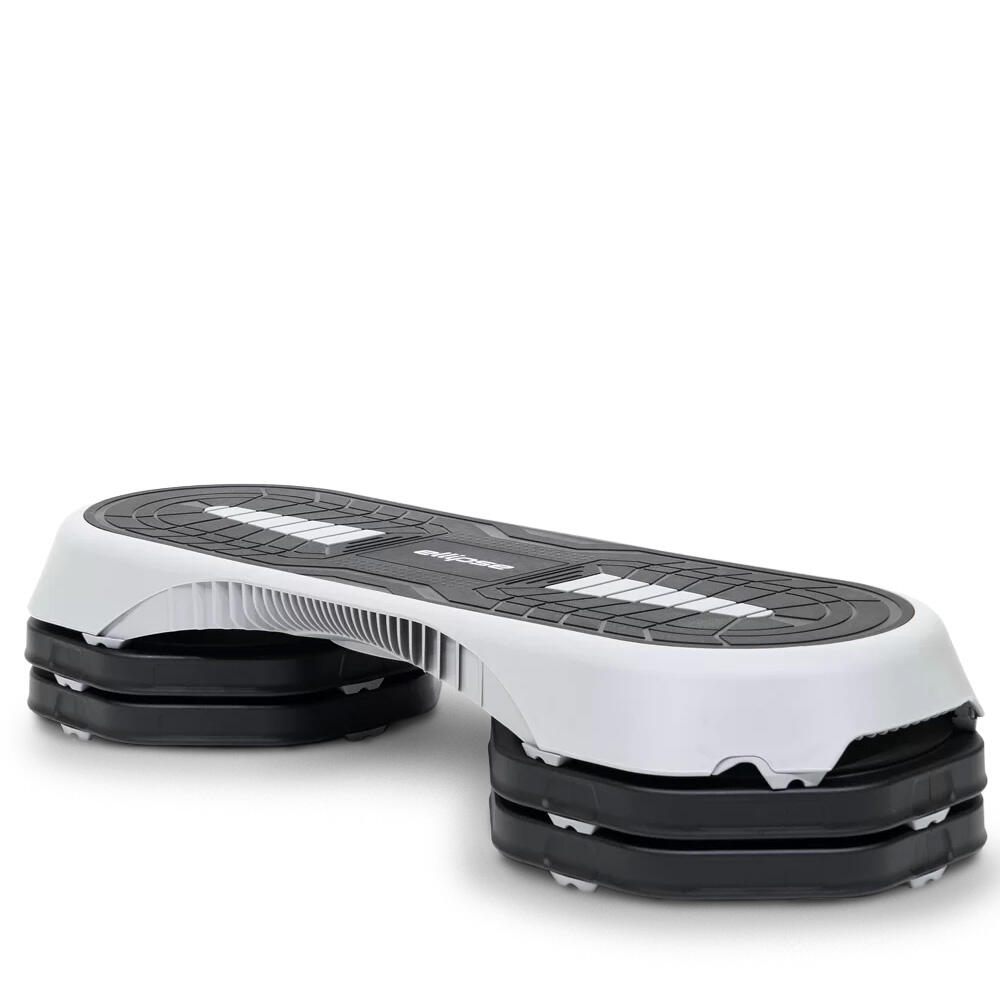
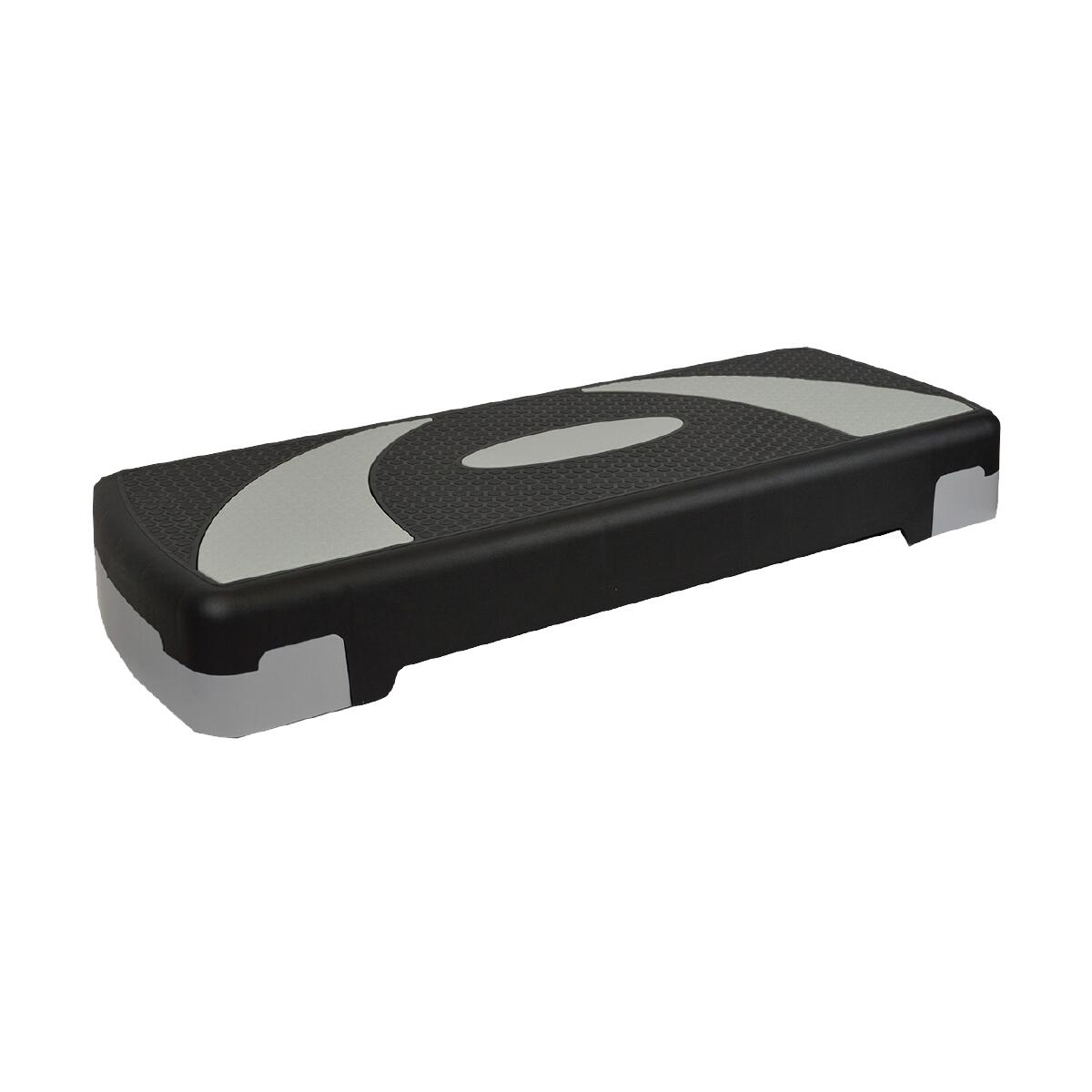
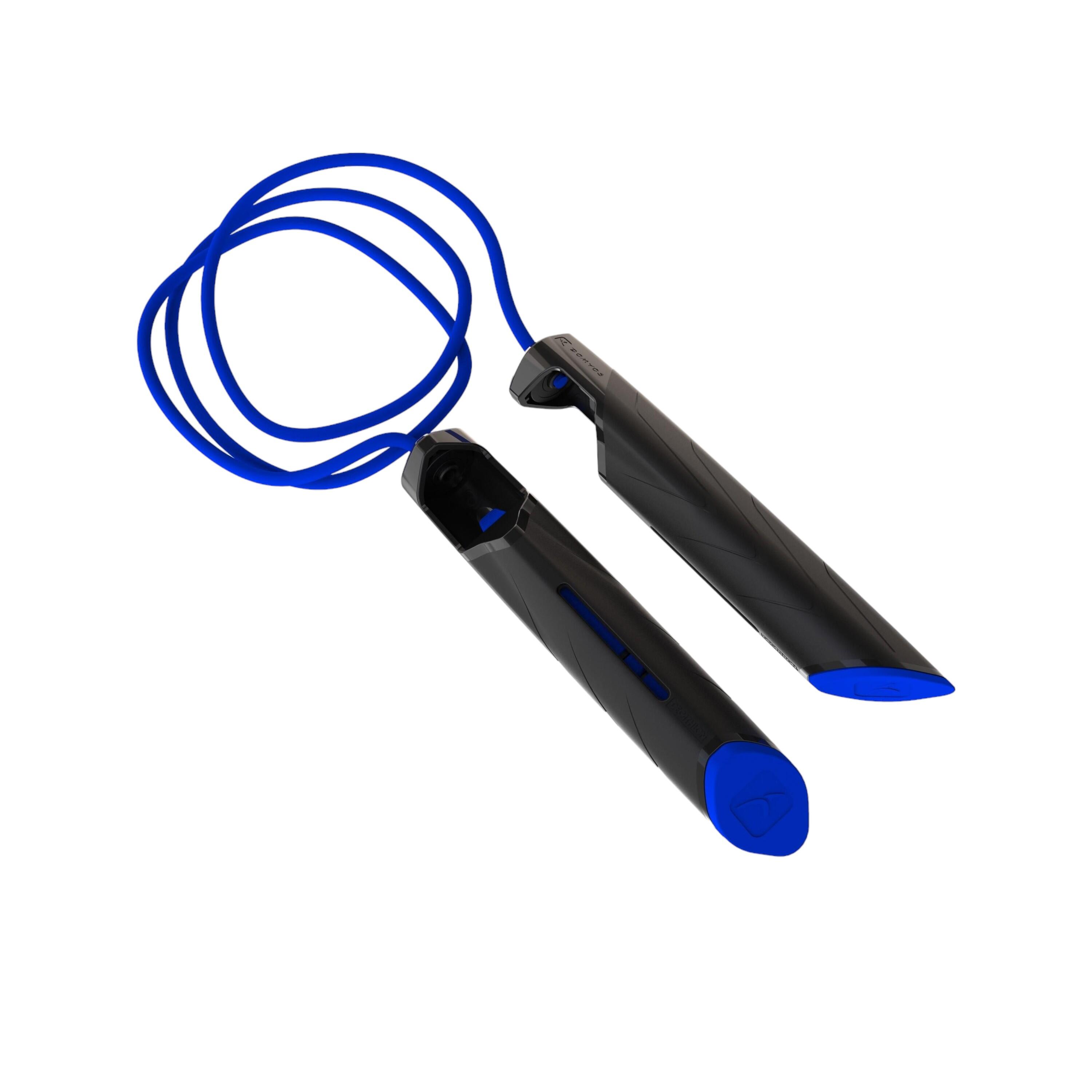
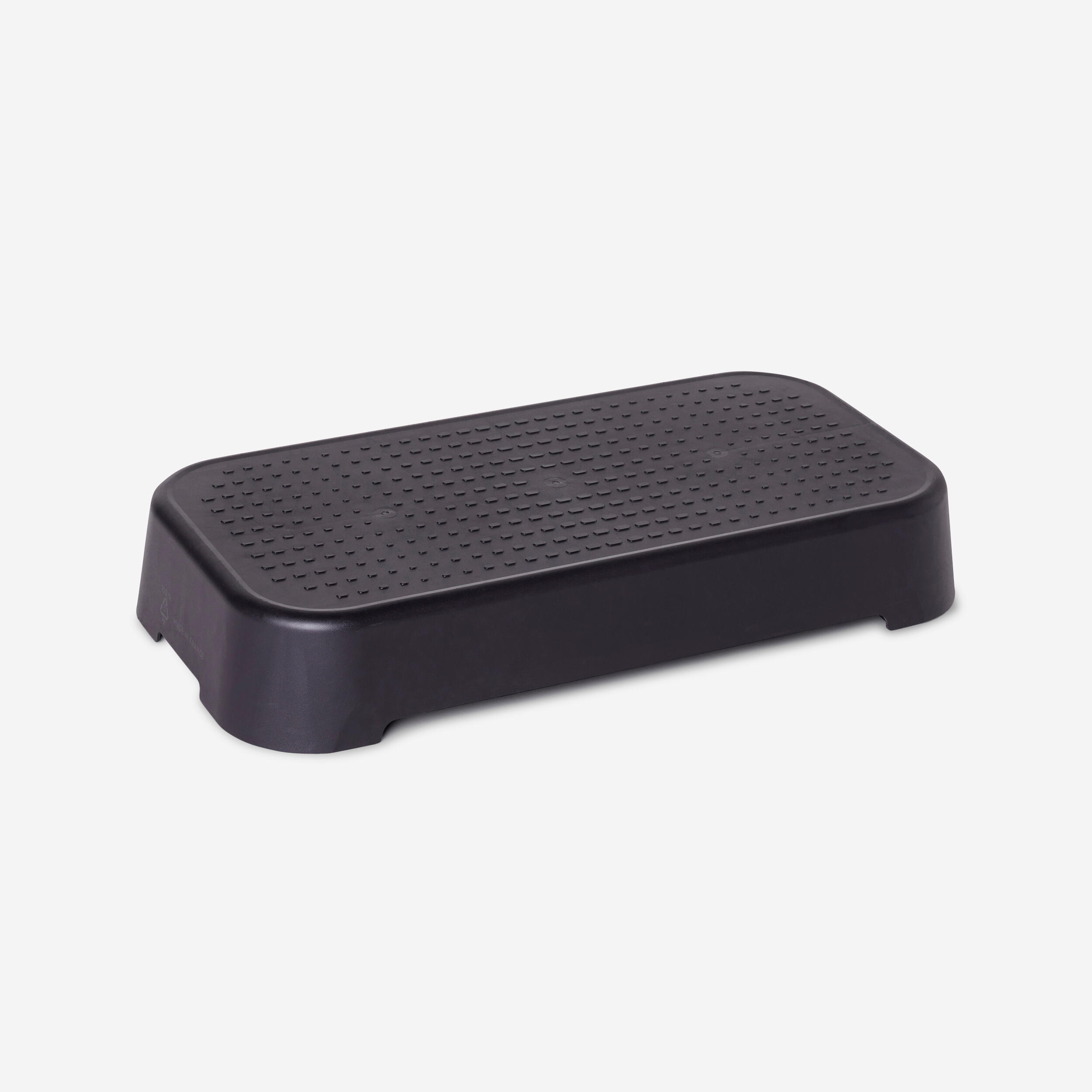
The most important factors are platform height range, surface grip, and overall weight capacity. Most adjustable aerobic steppers offer two or three height settings, typically between 10 cm and 20 cm, achieved by slotting in additional risers underneath the platform. For beginners, starting at the lowest setting reduces the load on your knees and ankles while your body adapts to the stepping motion. The non-slip surface on the platform is a critical safety feature; textured or ribbed top panels prevent your foot from sliding mid-stride, which matters most during high-tempo cardio intervals when fatigue sets in. Weight capacity is equally important: check the stated maximum user weight before purchasing, as exceeding it can compromise the structural integrity of the risers over time. For those looking to extend their cardio toolkit beyond the step platform, skipping and speed ropes are a natural complement, adding upper body and coordination work to what is otherwise a lower-body-dominant session. Expert advice: when testing height settings in-store, step up and check that your knee does not travel past 90 degrees at the top of the movement; that angle is the benchmark for safe, joint-friendly stepping.

Can I use an aerobic stepper for strength training as well as cardio?

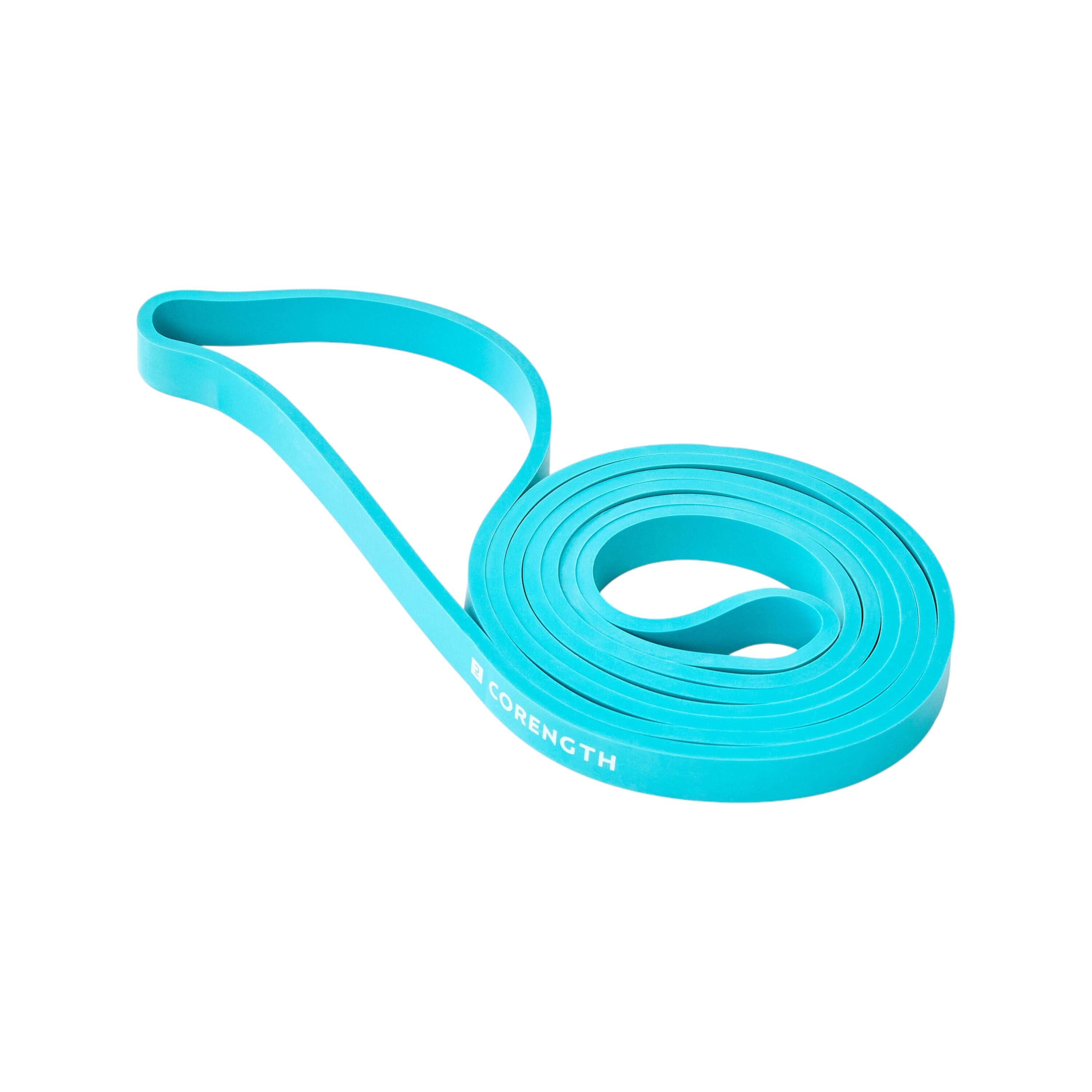
Yes, and this is where a quality platform earns its floor space. Beyond traditional step aerobics, the platform functions as an elevated surface for incline push-ups, tricep dips, elevated split squats, and deficit reverse lunges, all of which load the working muscles through a greater range of motion than flat-floor versions. The reason elevated split squats are particularly effective is that the trailing leg drops lower, increasing the stretch through the hip flexor and recruiting more of the glute on the front leg. For core work, placing your hands on the platform and feet on the floor for plank holds shifts more load onto your anterior chain. To add resistance to step-up progressions, resistance bands looped above the knee during lateral step-overs are a practical way to increase glute activation without needing any additional weights. Practical advice: for weighted step-ups, always place your entire foot on the platform and drive through the heel rather than the ball of the foot to maximise glute engagement and reduce knee strain.

Is an aerobic stepper effective for weight loss?

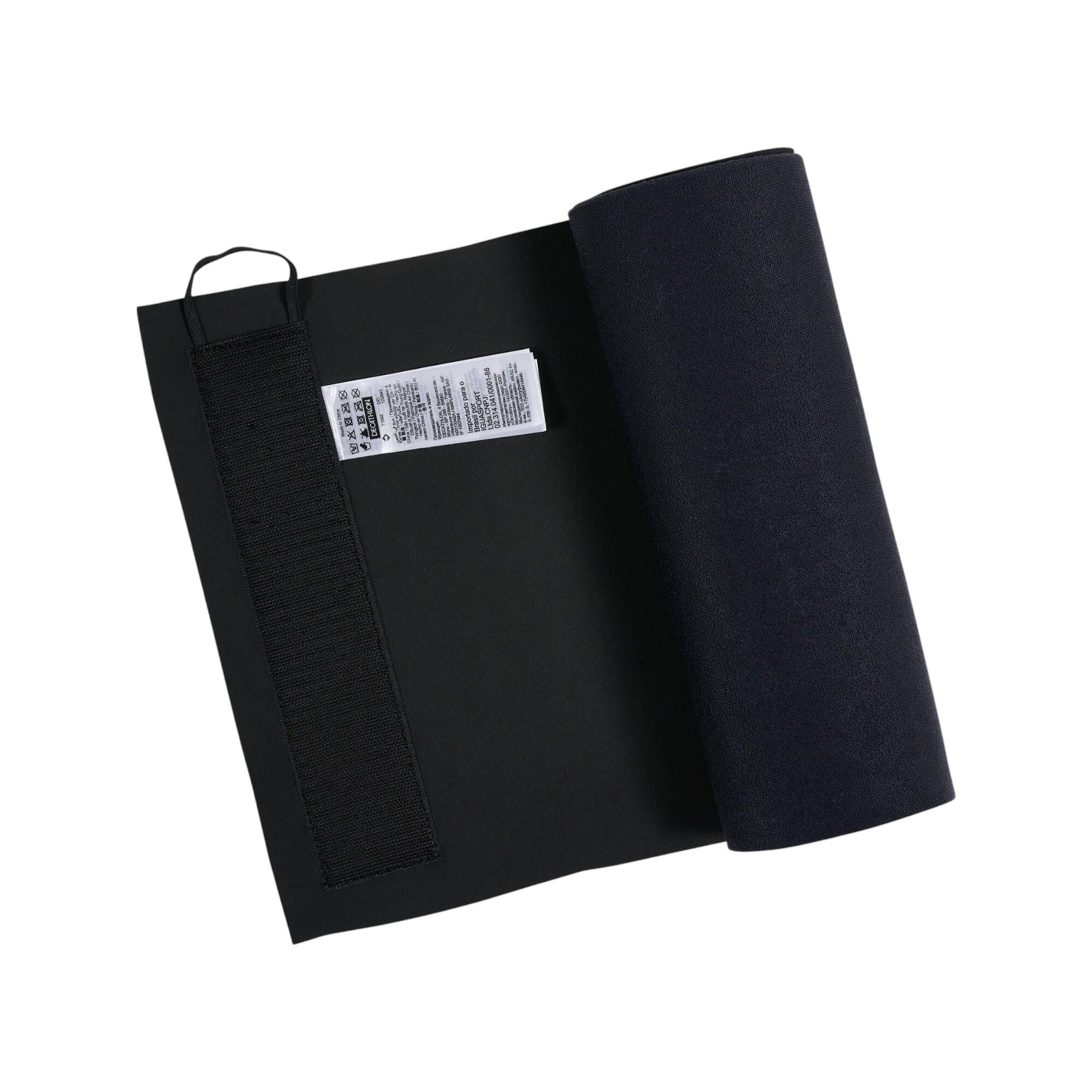
Step training sits in a productive middle ground between steady-state cardio and resistance work, which makes it efficient for fat loss. The repetitive lower-body movement keeps your heart rate elevated throughout the session, while the muscular demand of driving your body weight upward on every rep builds lean tissue, which raises your resting metabolic rate. A 30-minute moderate-intensity step circuit can burn a comparable number of calories to a jog at the same effort level, with the added benefit of lower impact on your joints. For those wanting to layer in additional calorie expenditure during a session, cardio fitness sauna belts worn around the midsection during step workouts are a popular option for increasing core temperature and sweat output. The key to sustained results is progressive overload; increase your platform height, session duration, or movement speed every two to three weeks to prevent your body from adapting to the same stimulus.

What accessories pair well with an aerobic stepper for a full-body workout?

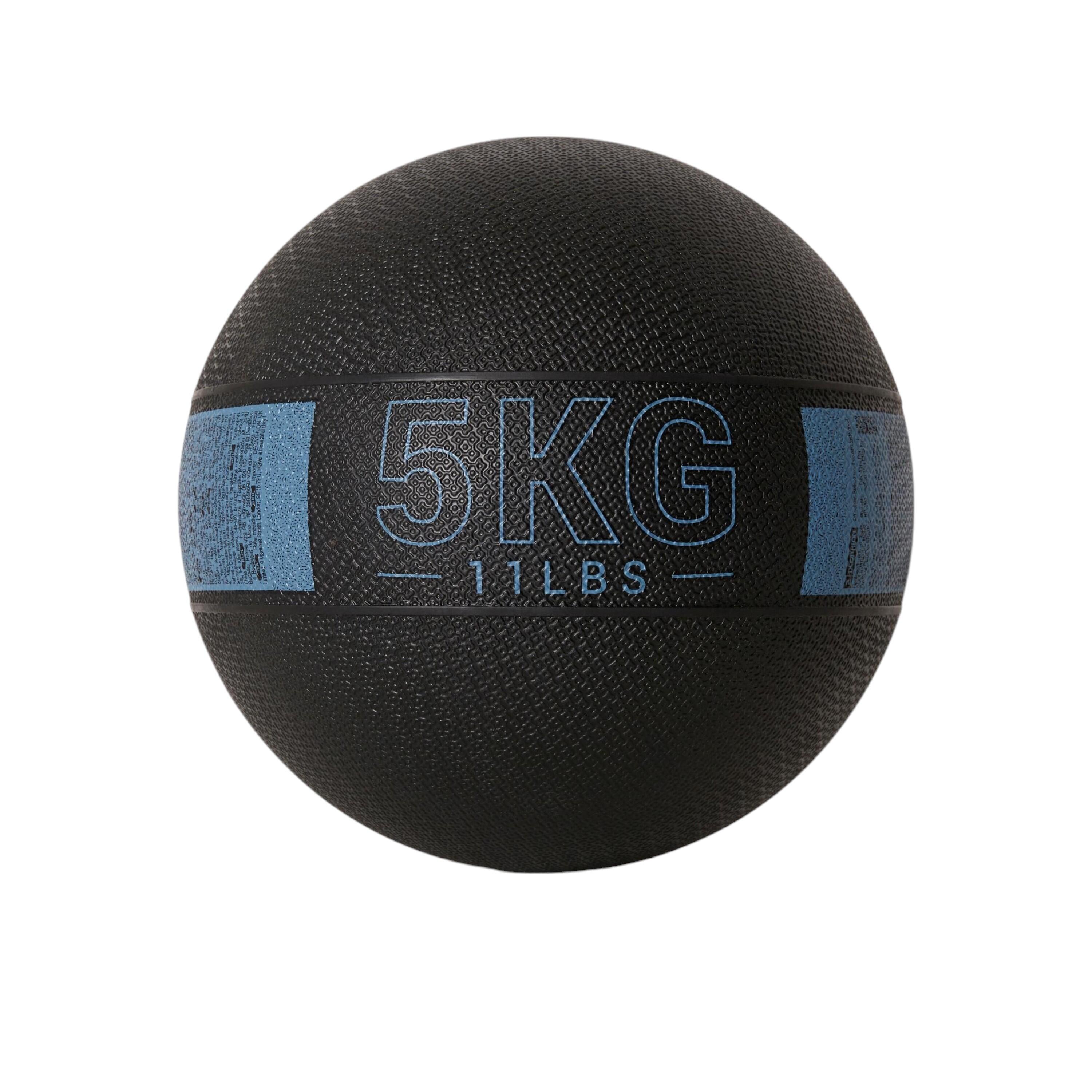
The step platform excels as a lower-body and cardio tool, but pairing it with the right accessories turns a single piece of kit into a complete home gym circuit. For upper body conditioning between step intervals, weighted rubber medicine balls are particularly effective; overhead slams, rotational throws against a wall, and squat-to-press movements target the shoulders, core, and arms without requiring a bench or rack. Medicine ball exercises also share the step's characteristic of combining cardiovascular demand with muscular load, so the transition between the two keeps your heart rate high throughout the circuit. Smart tip: structure your session as alternating blocks of two minutes on the step followed by one minute of medicine ball work to maintain intensity while giving your step-specific muscles a brief active recovery.

How does a cardio fitness stepper differ from a balance or stability training tool?

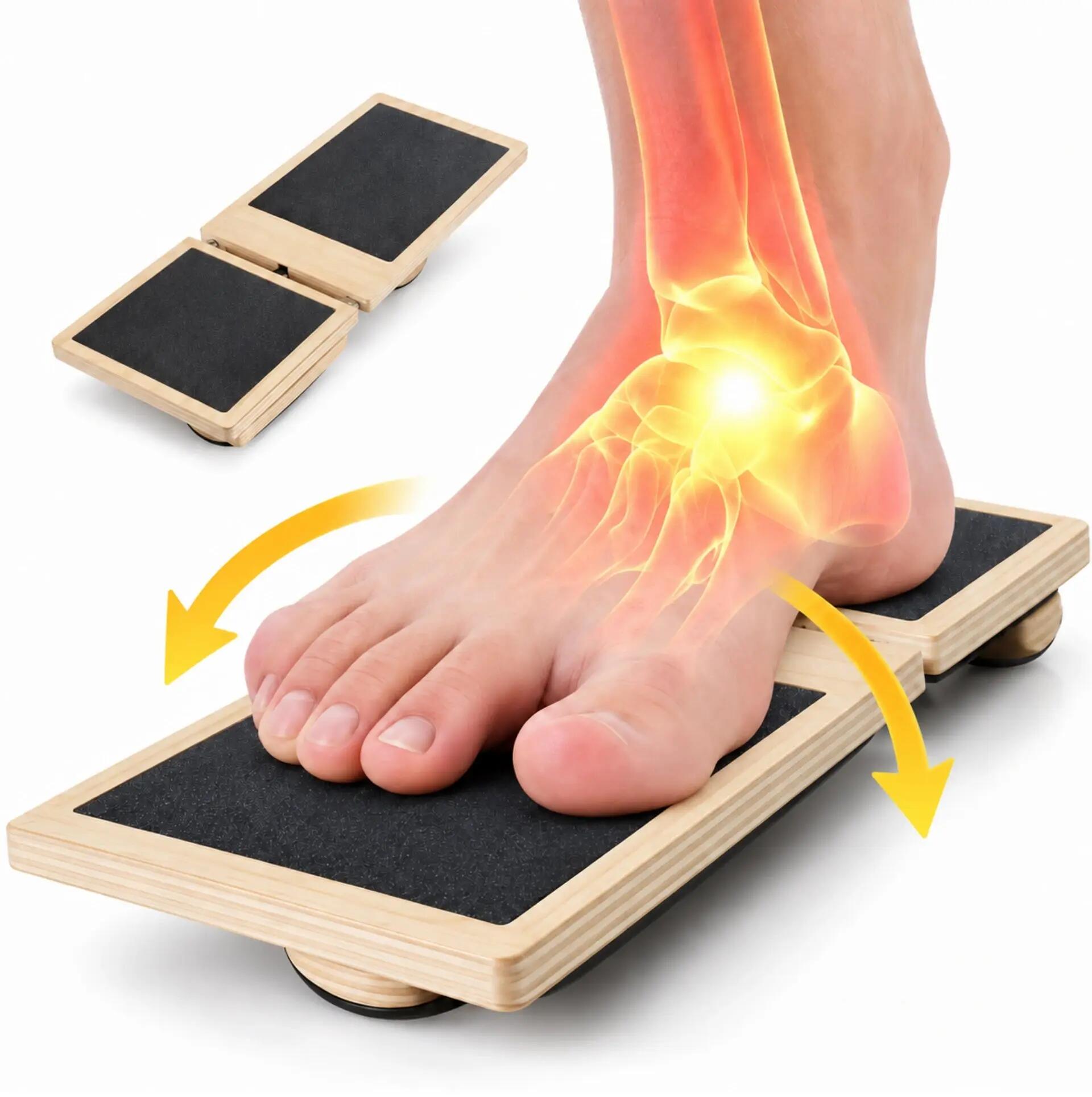
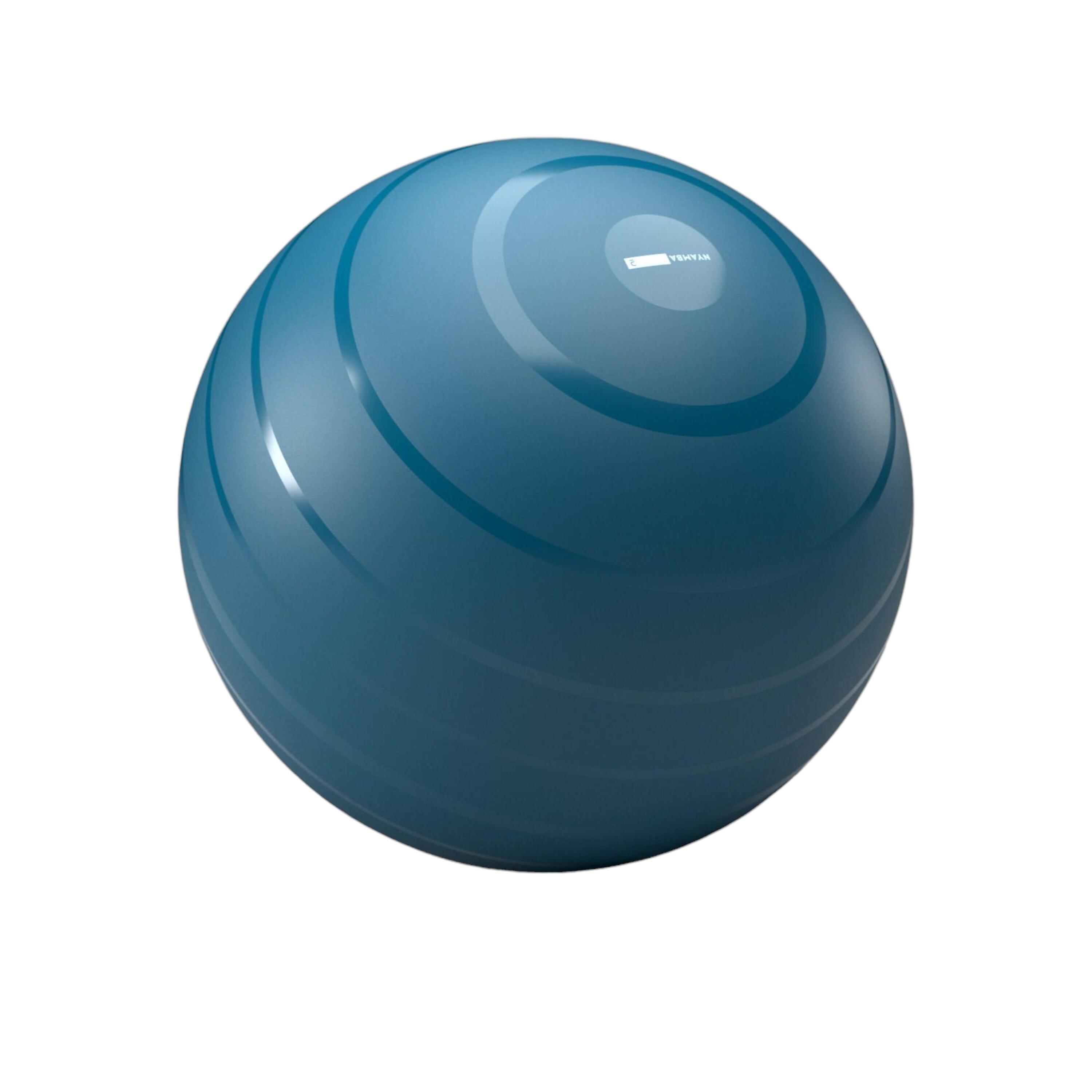
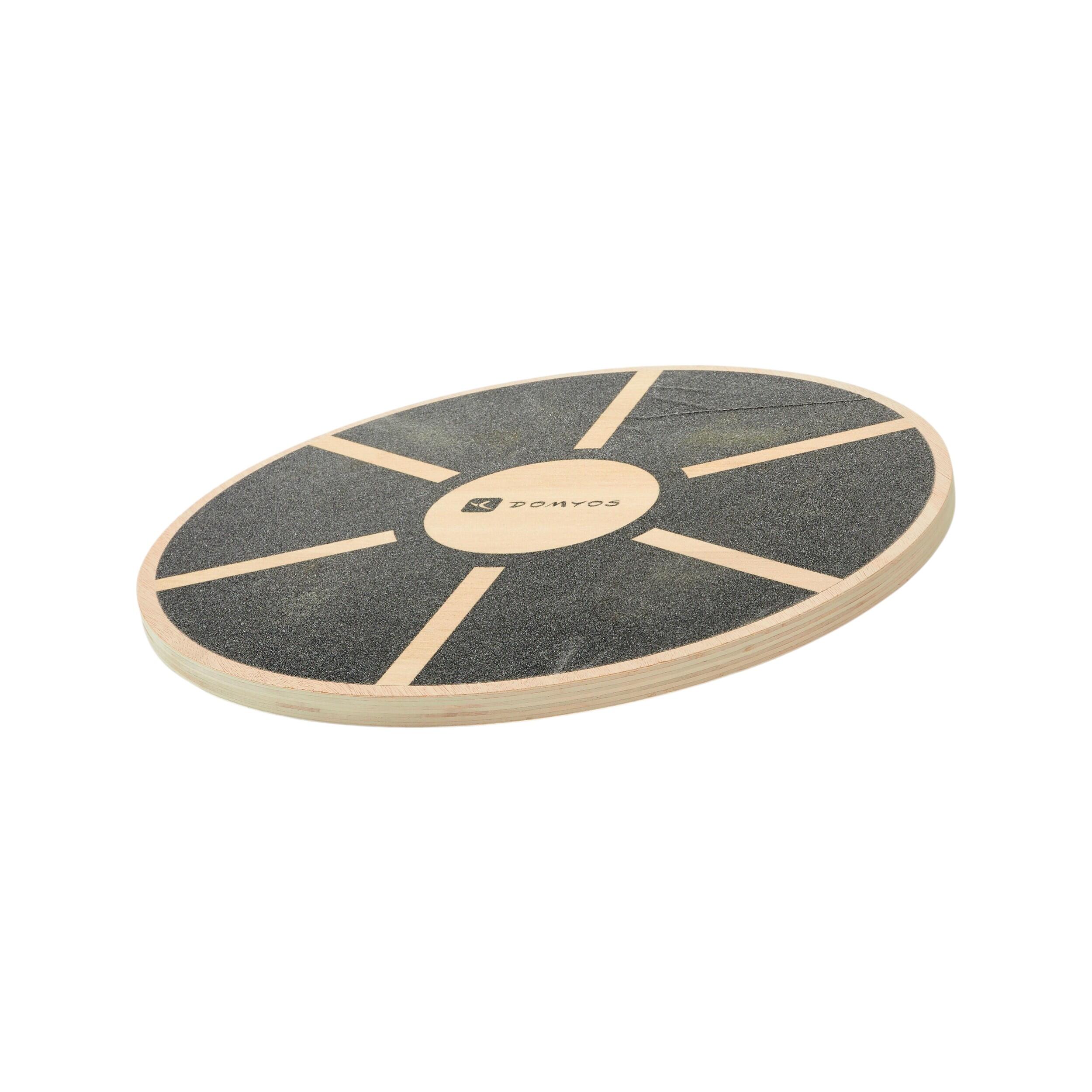
A cardio fitness stepper is a rigid, flat-topped platform built for repetitive, high-tempo movements where stability underfoot is non-negotiable. Its primary job is to provide a secure, elevated surface that withstands repeated foot strikes without flexing or shifting. A stability or balance training tool, by contrast, is intentionally unstable; wobble boards, balance pods, and inflated discs challenge your proprioceptive system by forcing your smaller stabilising muscles to constantly micro-adjustments. The two serve different physiological goals. Step platforms train cardiovascular output, leg power, and coordination through consistent, predictable movement patterns. For those wanting to add core stability and joint-control work alongside their aerobic sessions, exercise balls offer a direct complement, building the deep stabilising muscles of the trunk and hips that support better posture and reduce injury risk during high-rep step routines.