129 items
4.5/5 based on 19602 reviews collected online and in stores

Gym & Fitness Mats FAQs

How do I choose the right fitness mats for my workout?

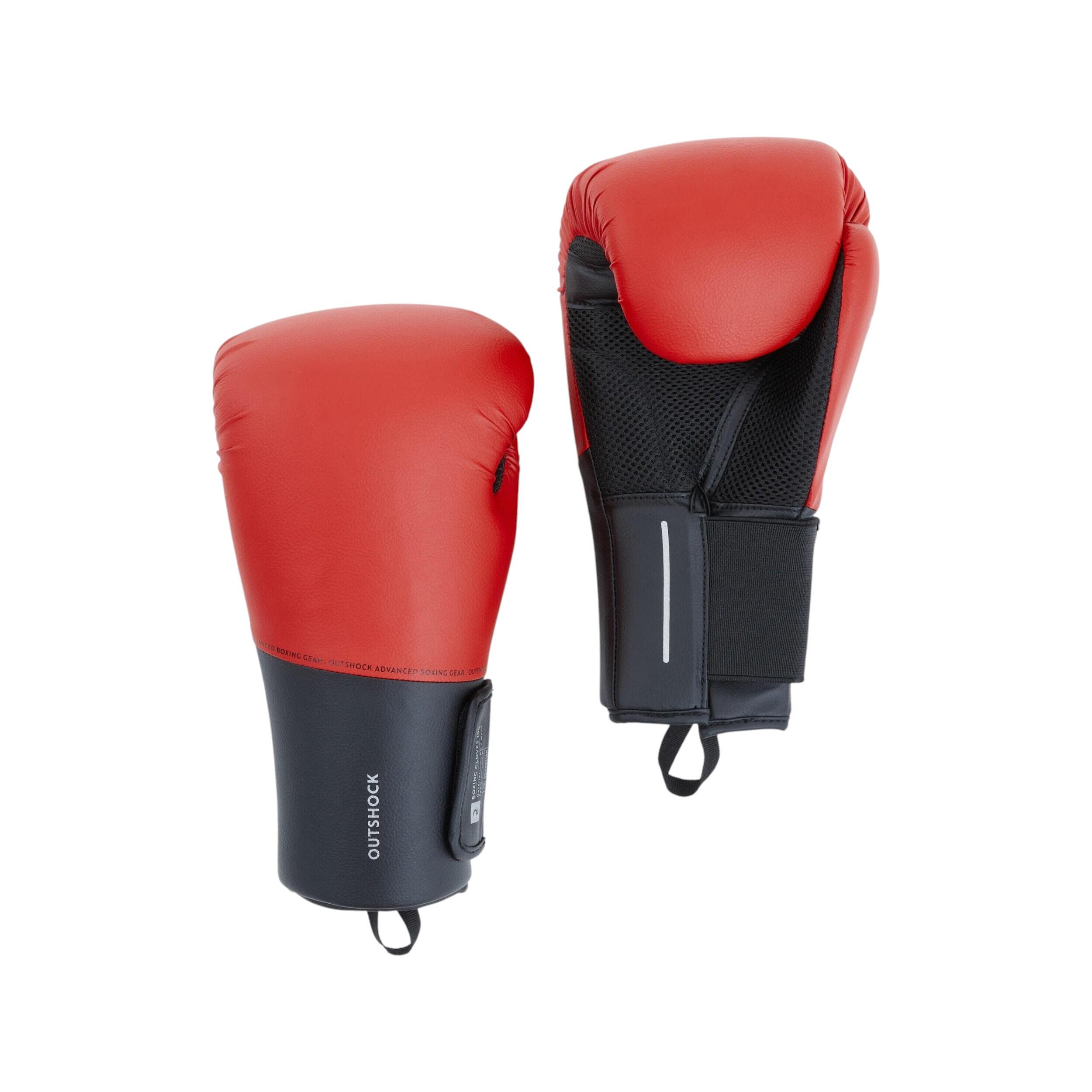
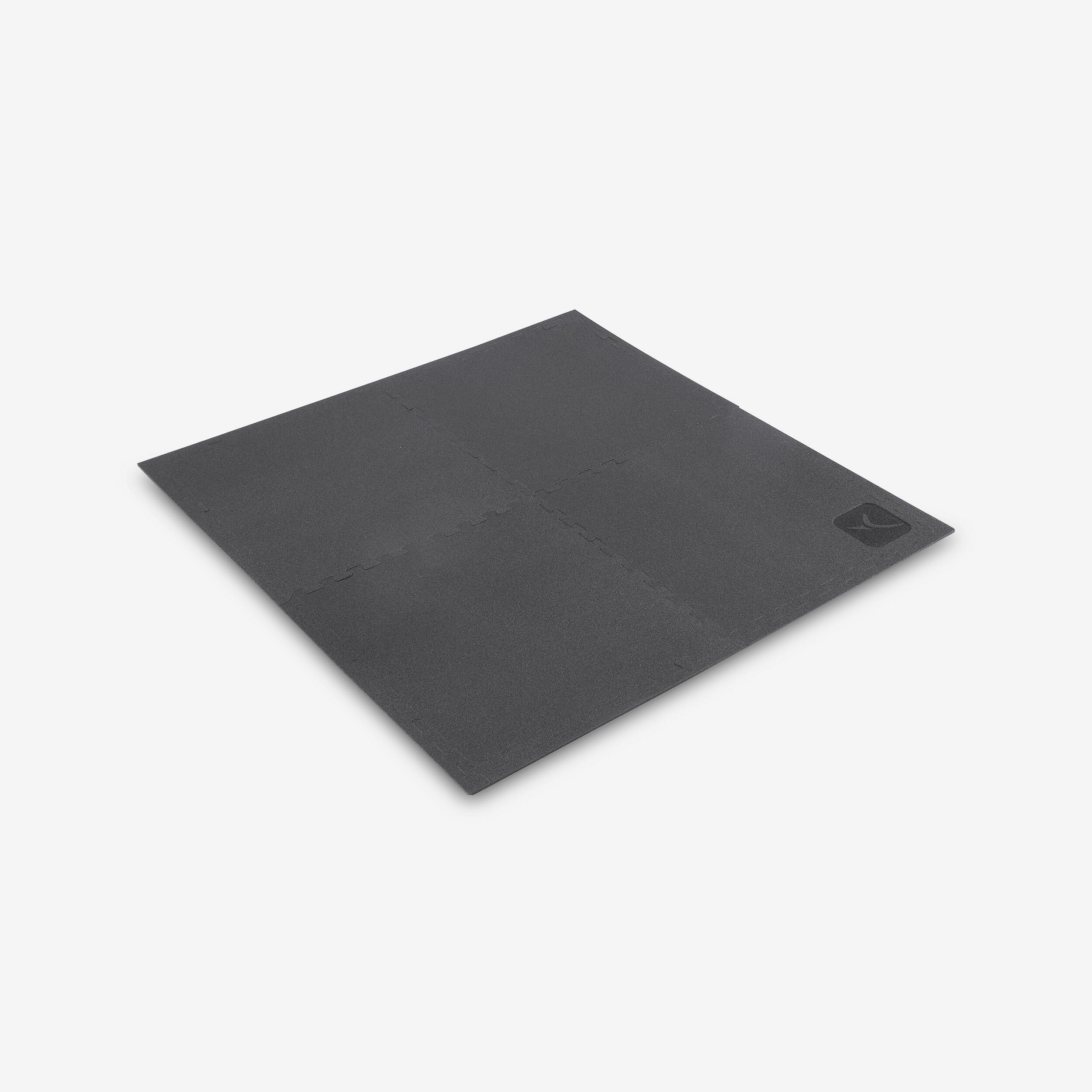
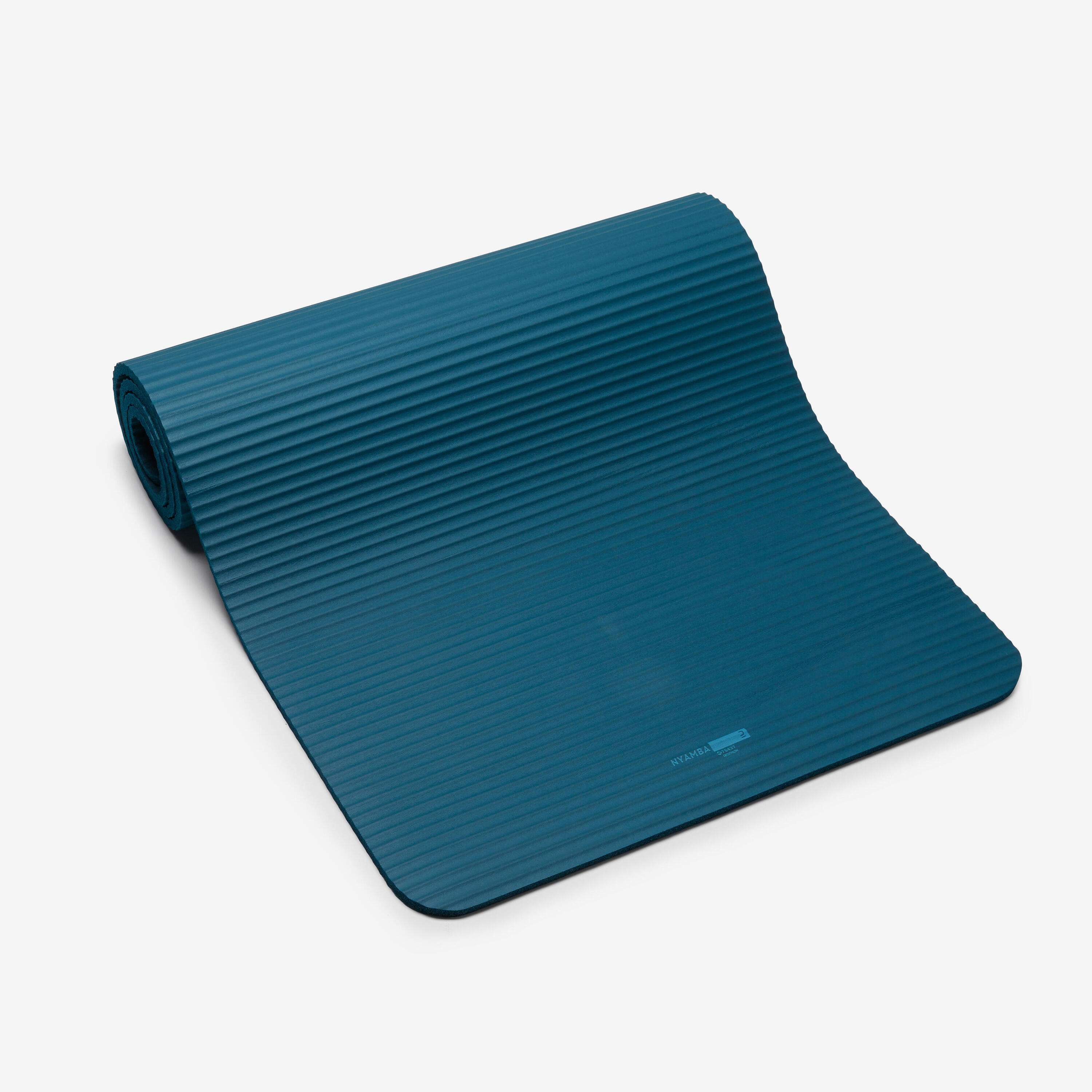
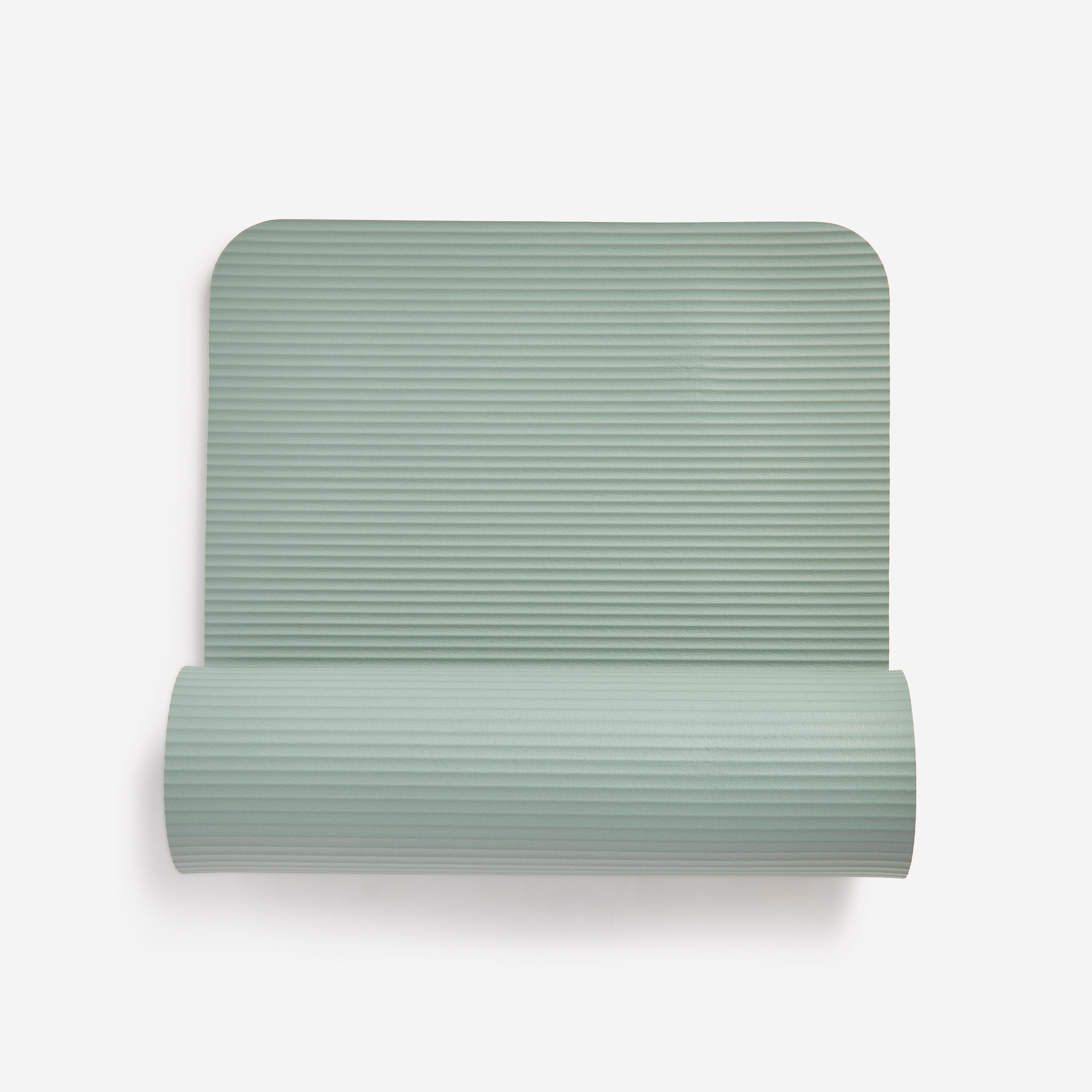
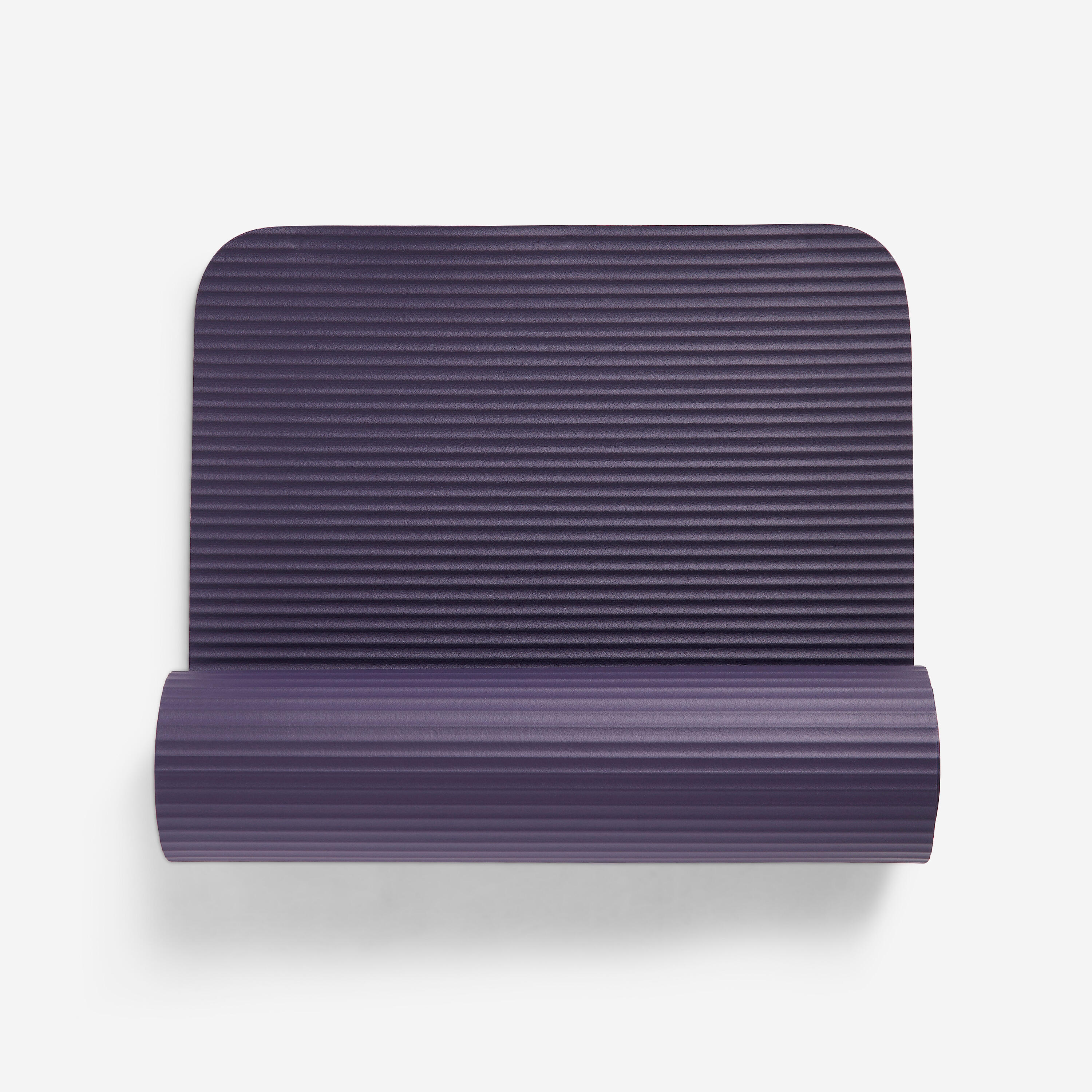
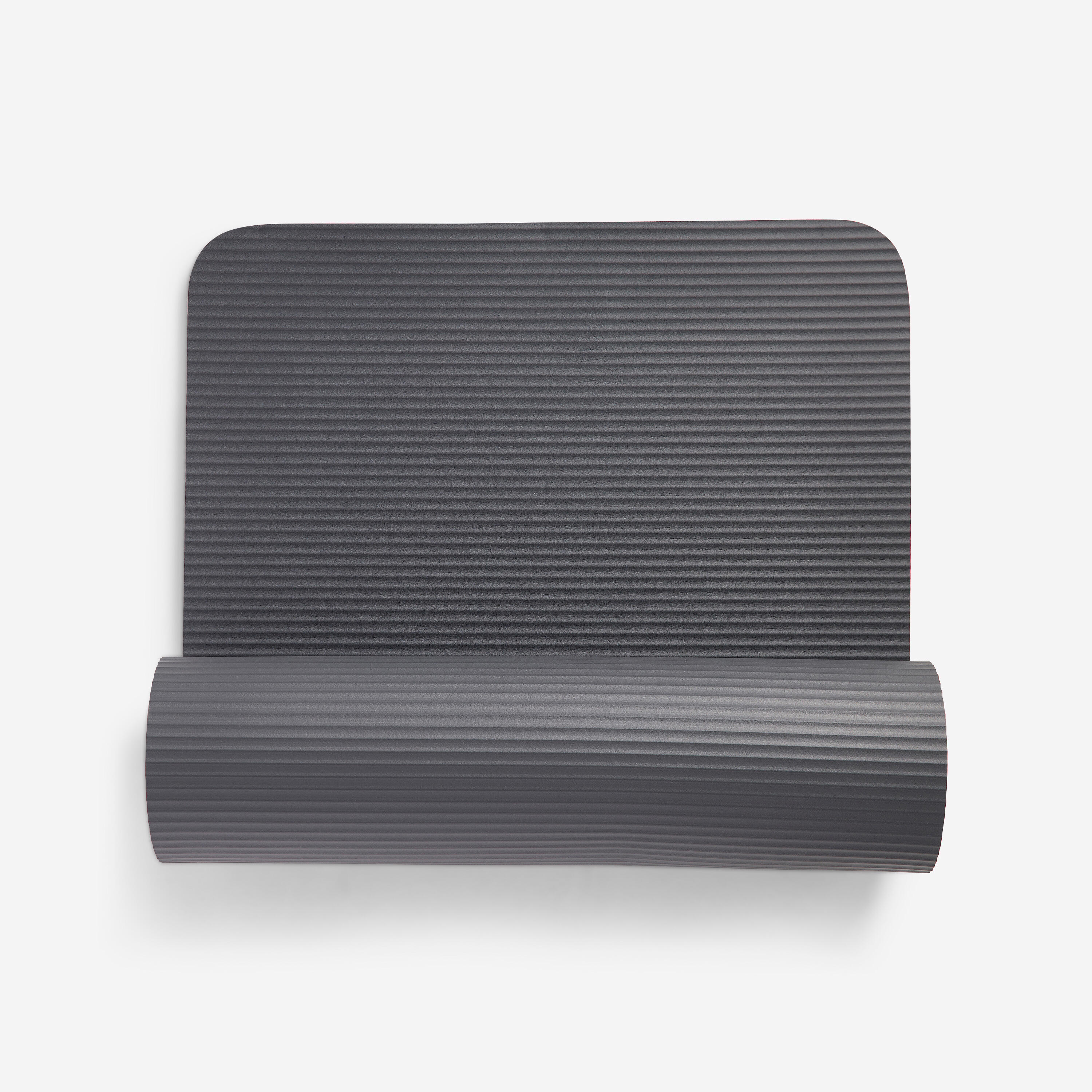
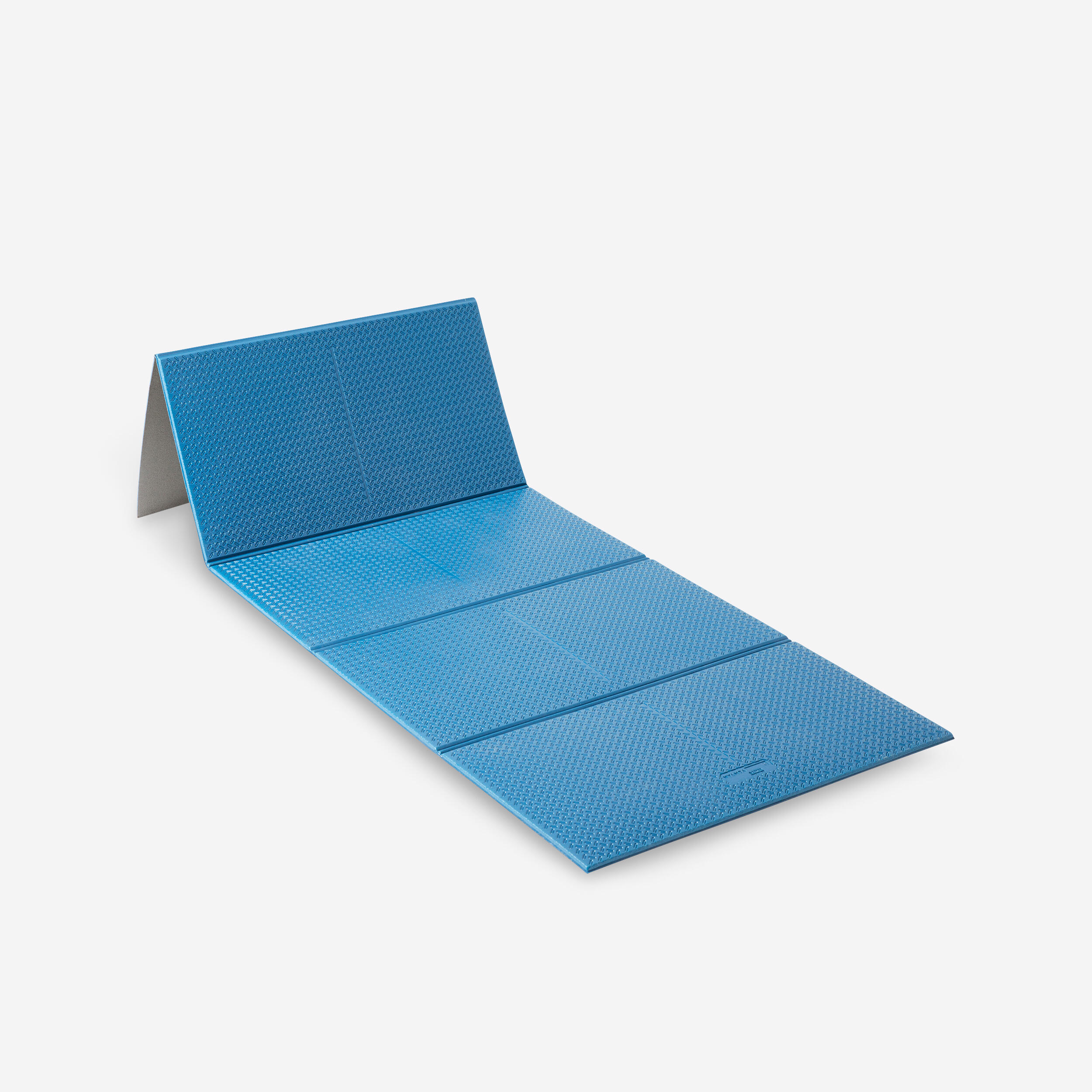
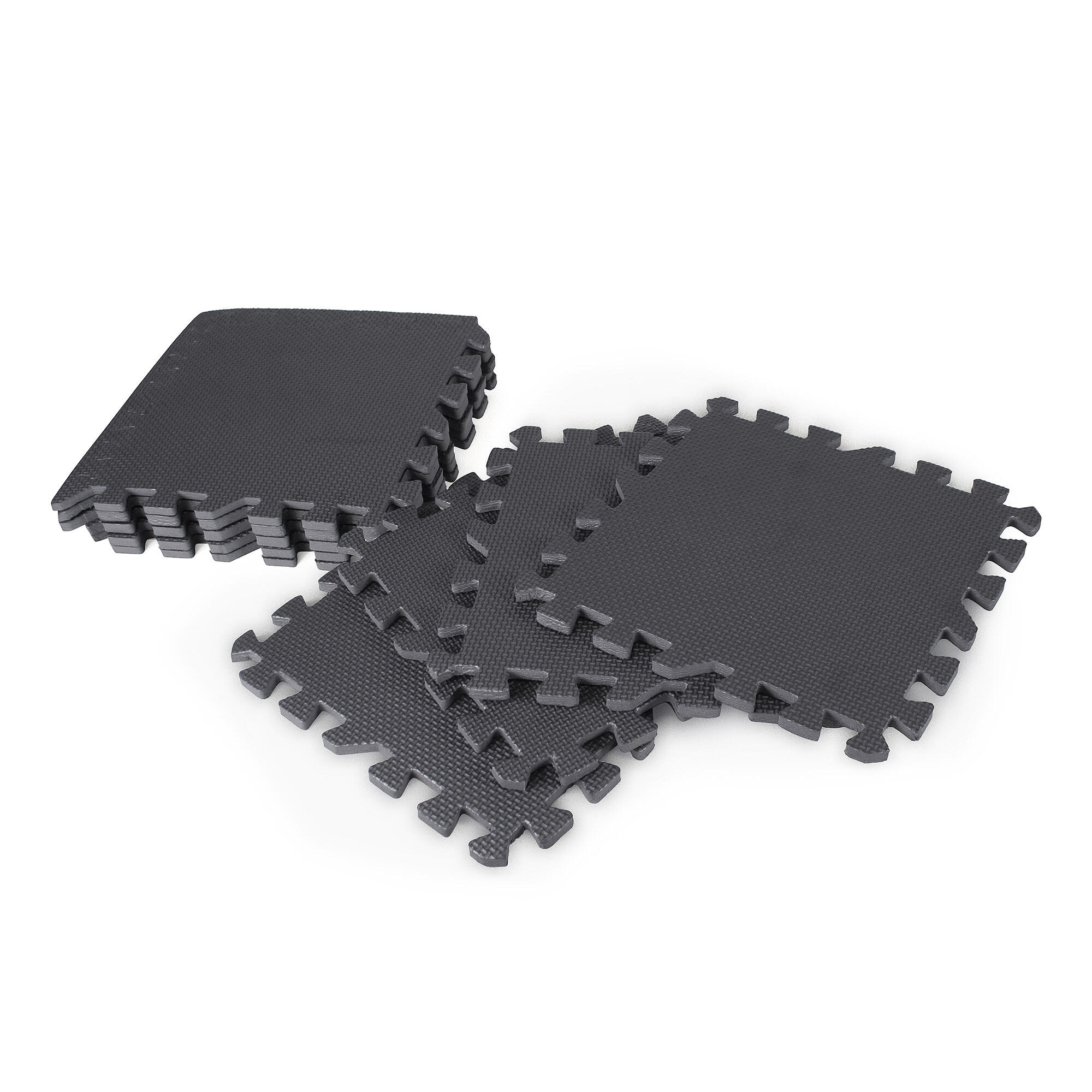
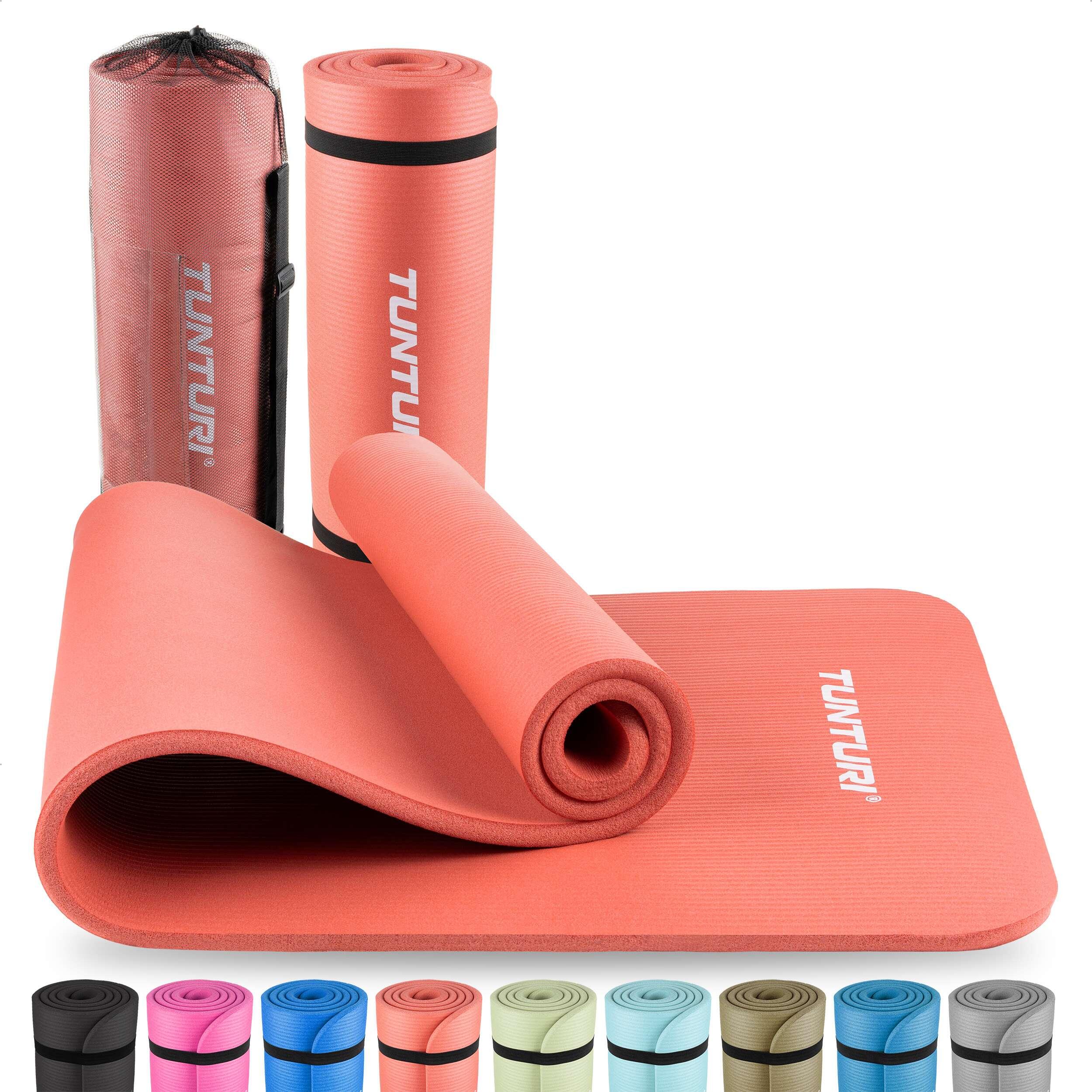
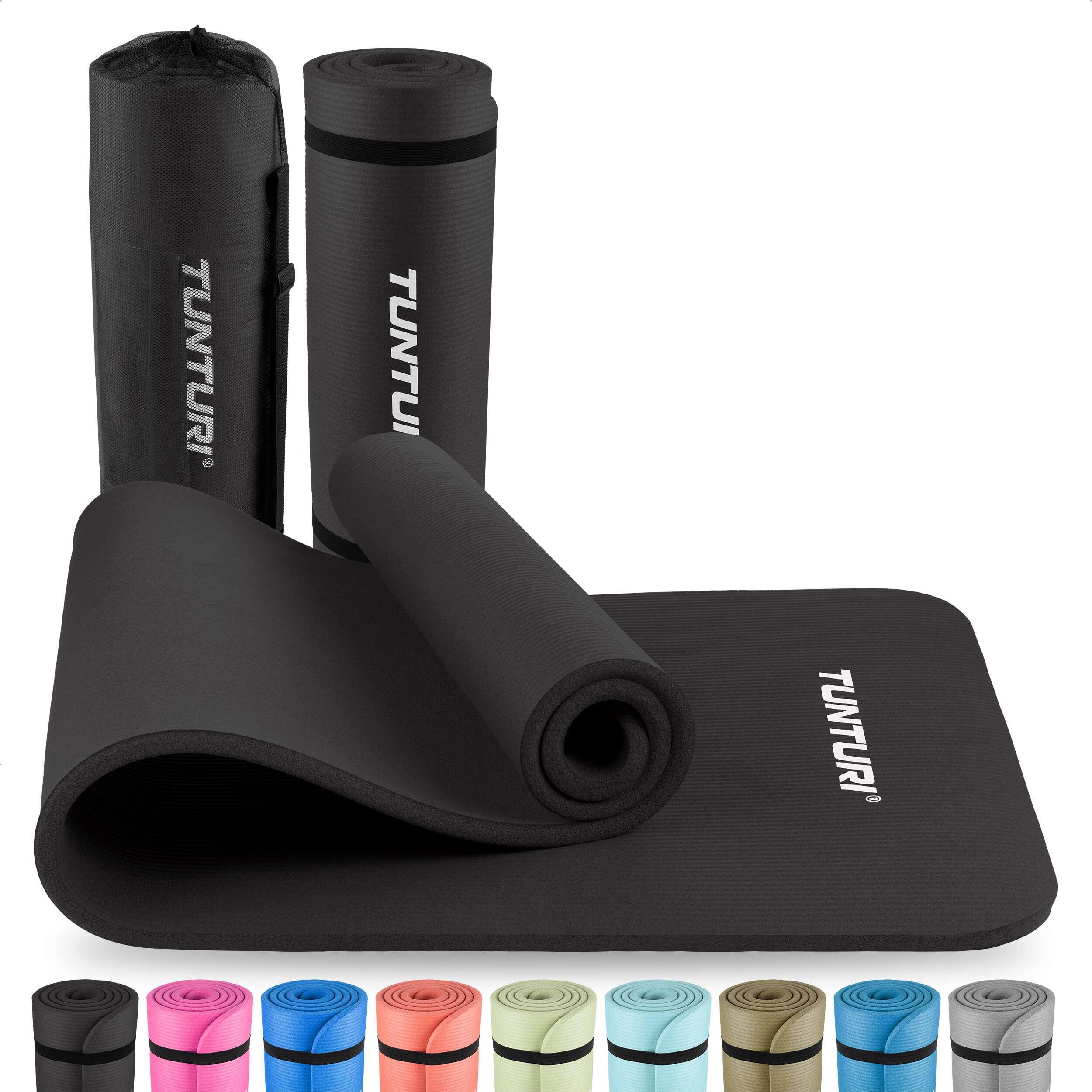
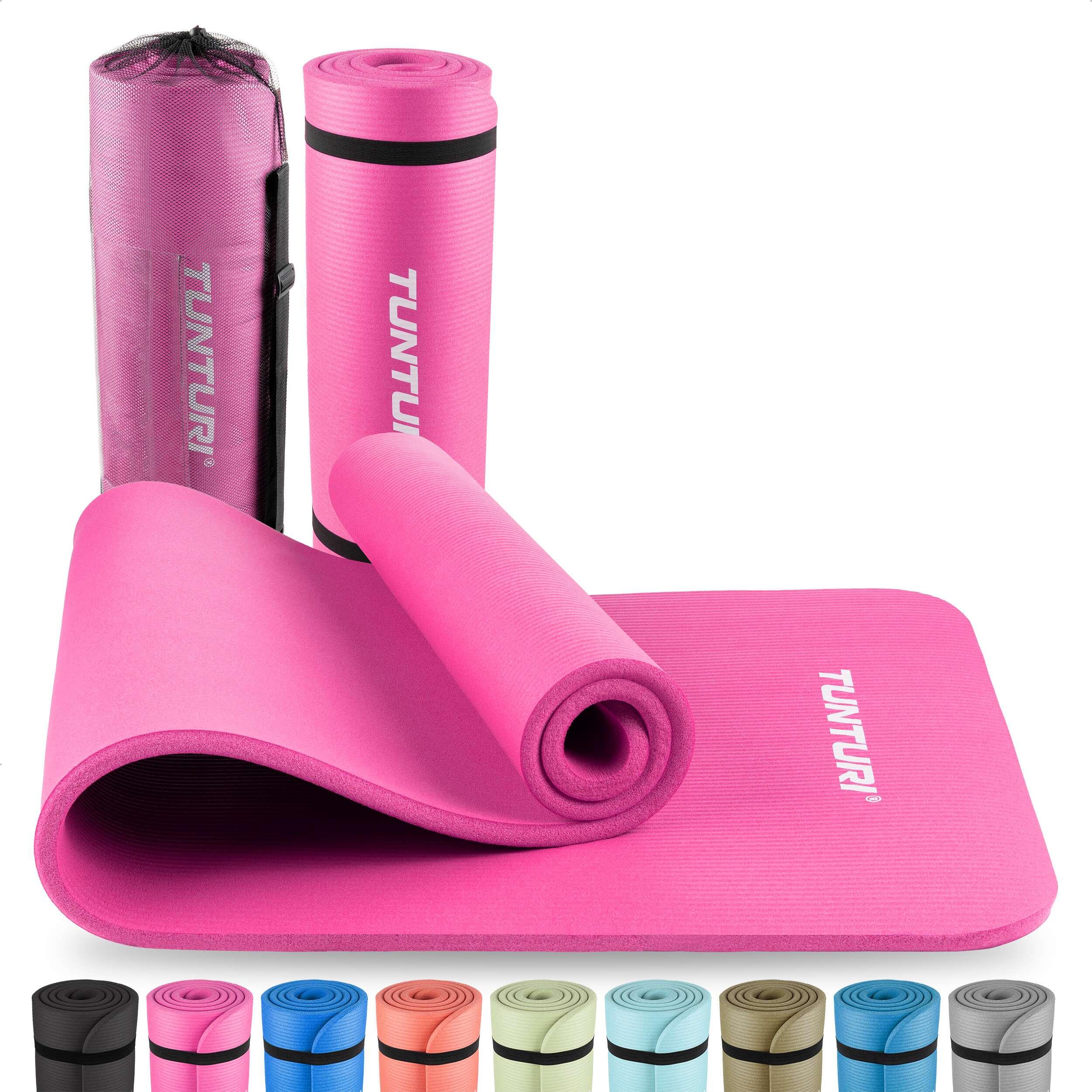
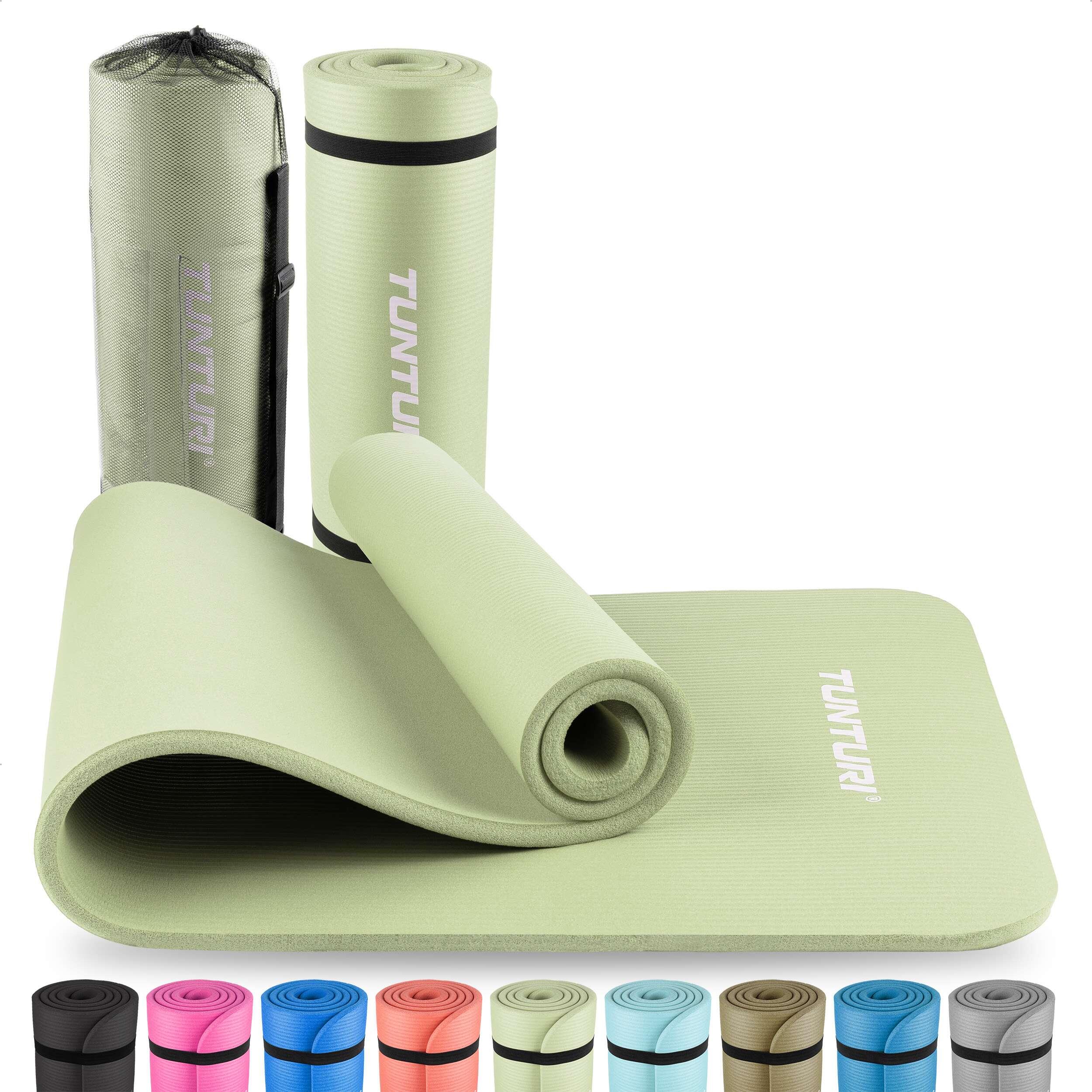
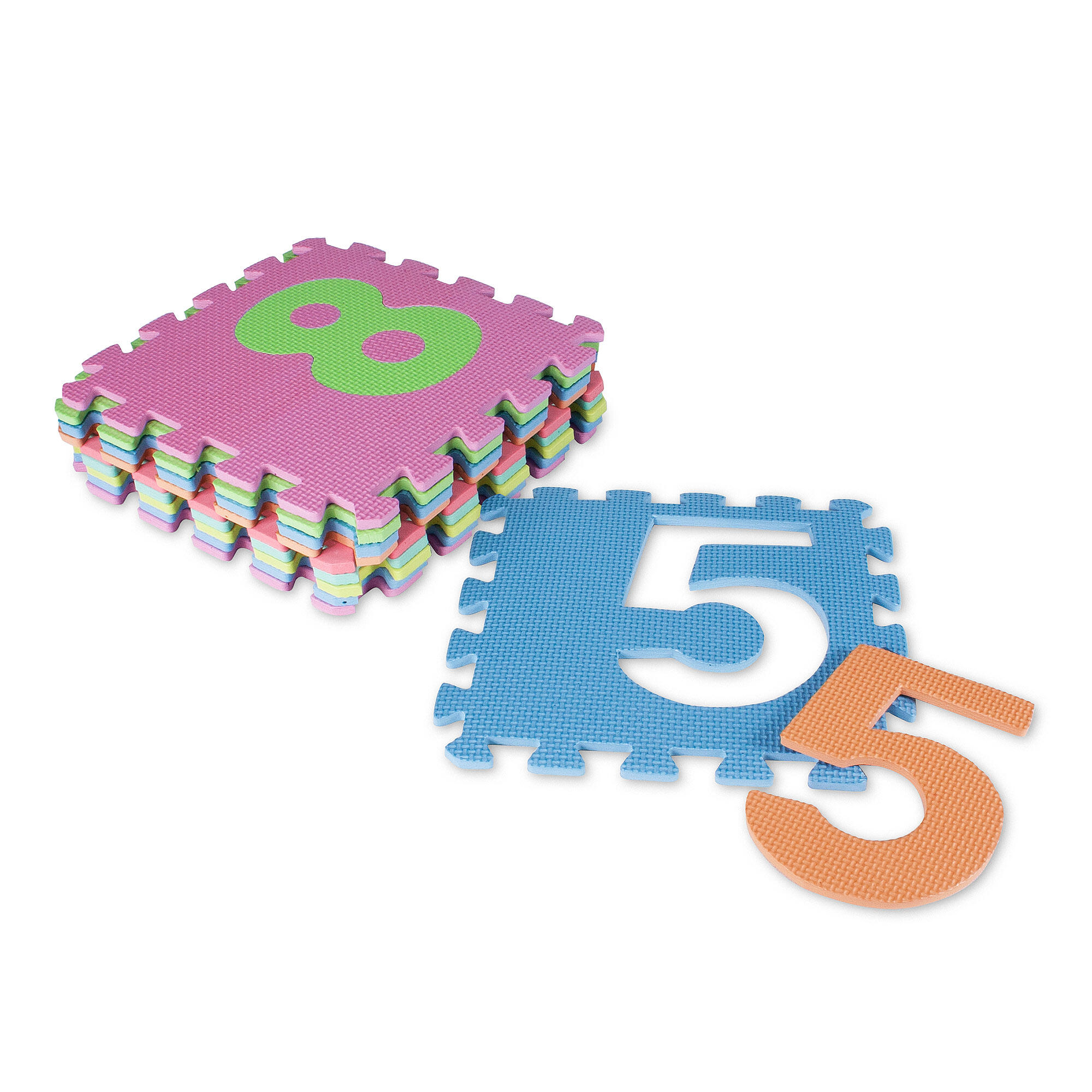
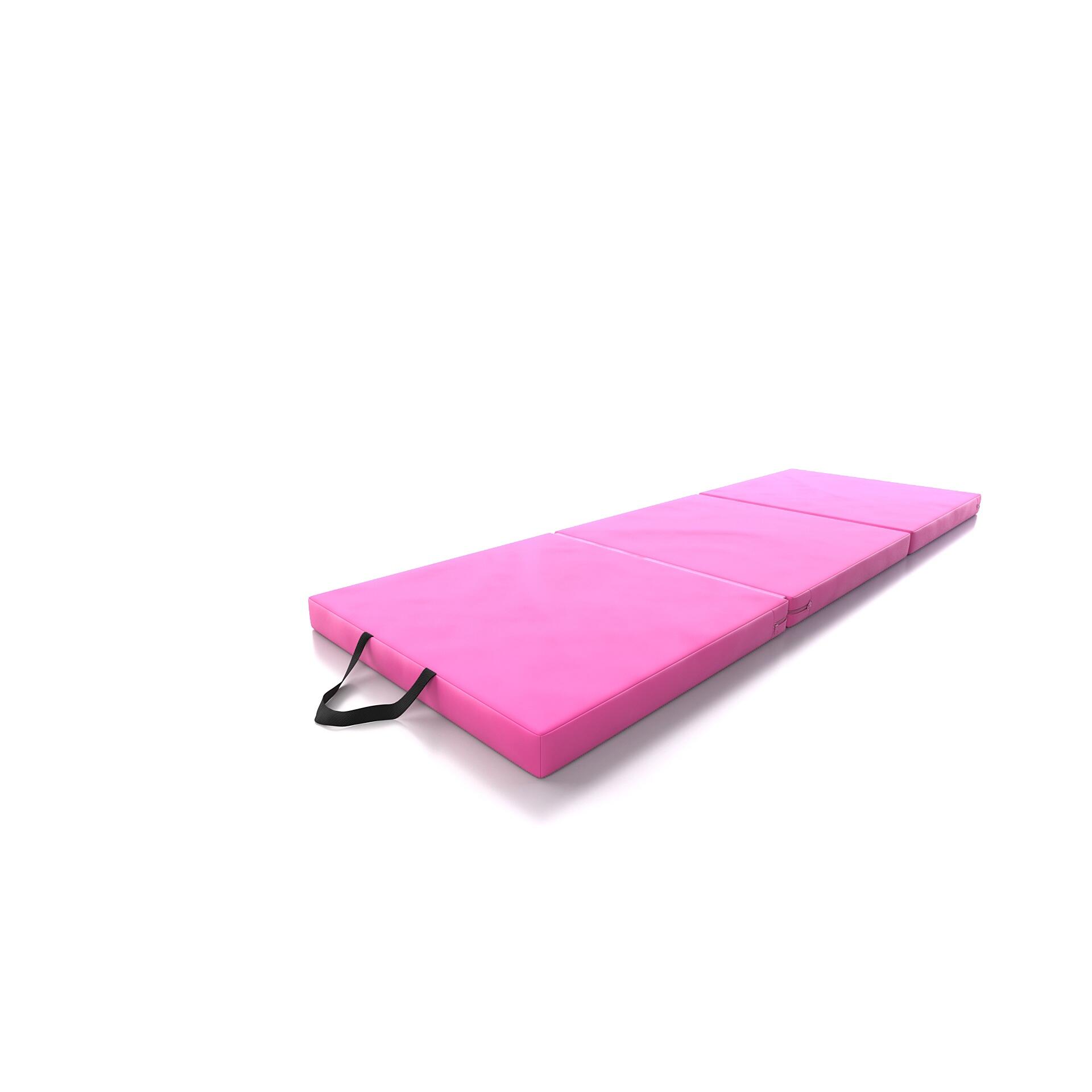
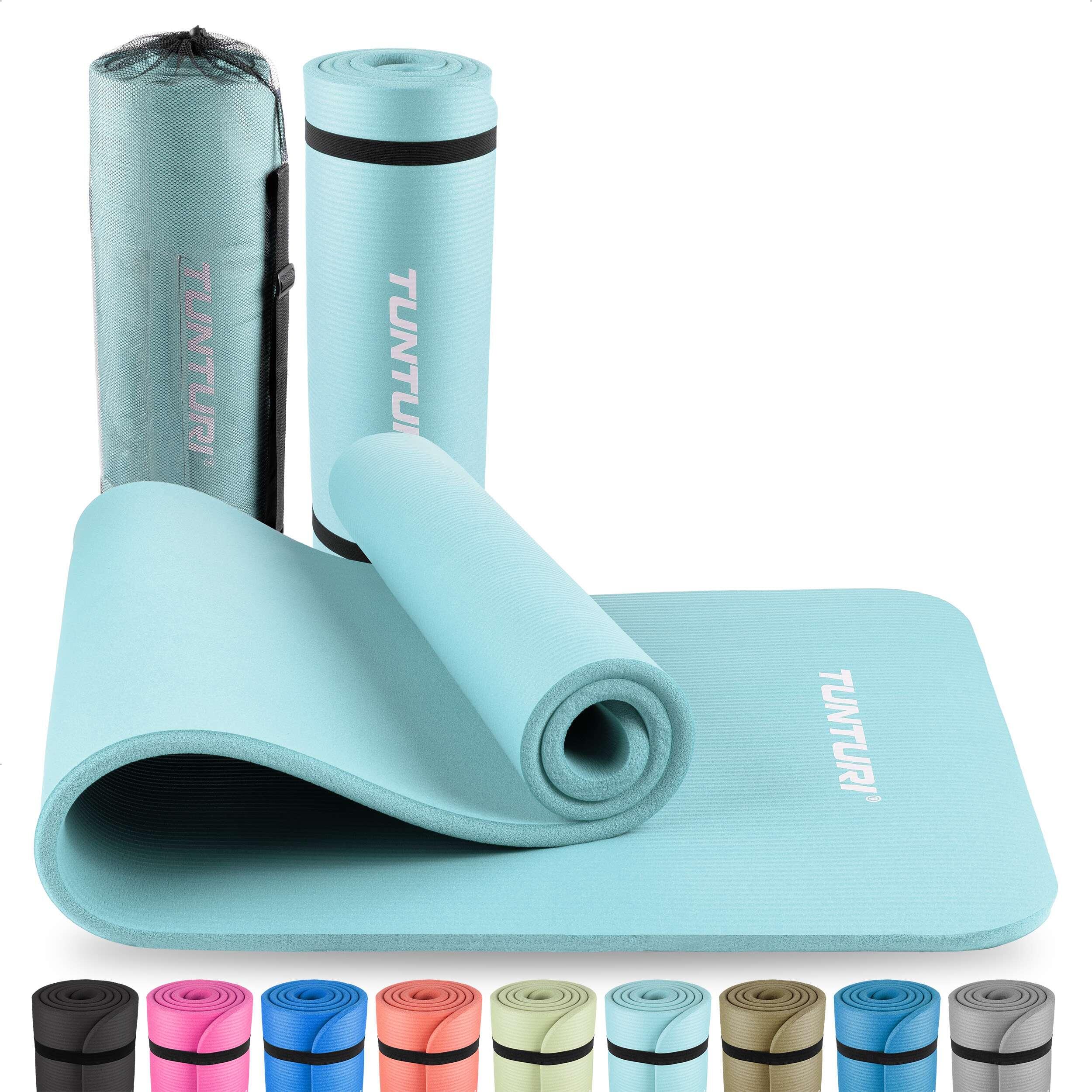
Selecting the correct surface depends entirely on the intensity of your movement and the type of impact your joints will sustain. For static stretching or core work, a thicker foam provides necessary spinal cushioning, while high-intensity dynamic training requires a denser, thinner material to ensure stability. When performing striking drills or conditioning sessions, equipment such as boxing gloves works in combination with a stable, shock-absorbing mat to protect your joints and maintain balance during powerful movements. The technical "why" behind different densities lies in the shore hardness of the material. A softer mat is excellent for comfort but can lead to ankle instability during weighted squats. For a versatile home setup, many athletes choose interlocking tiles that allow for a custom training footprint that adapts to their available floor space.

What is the benefit of a floor protection mat?

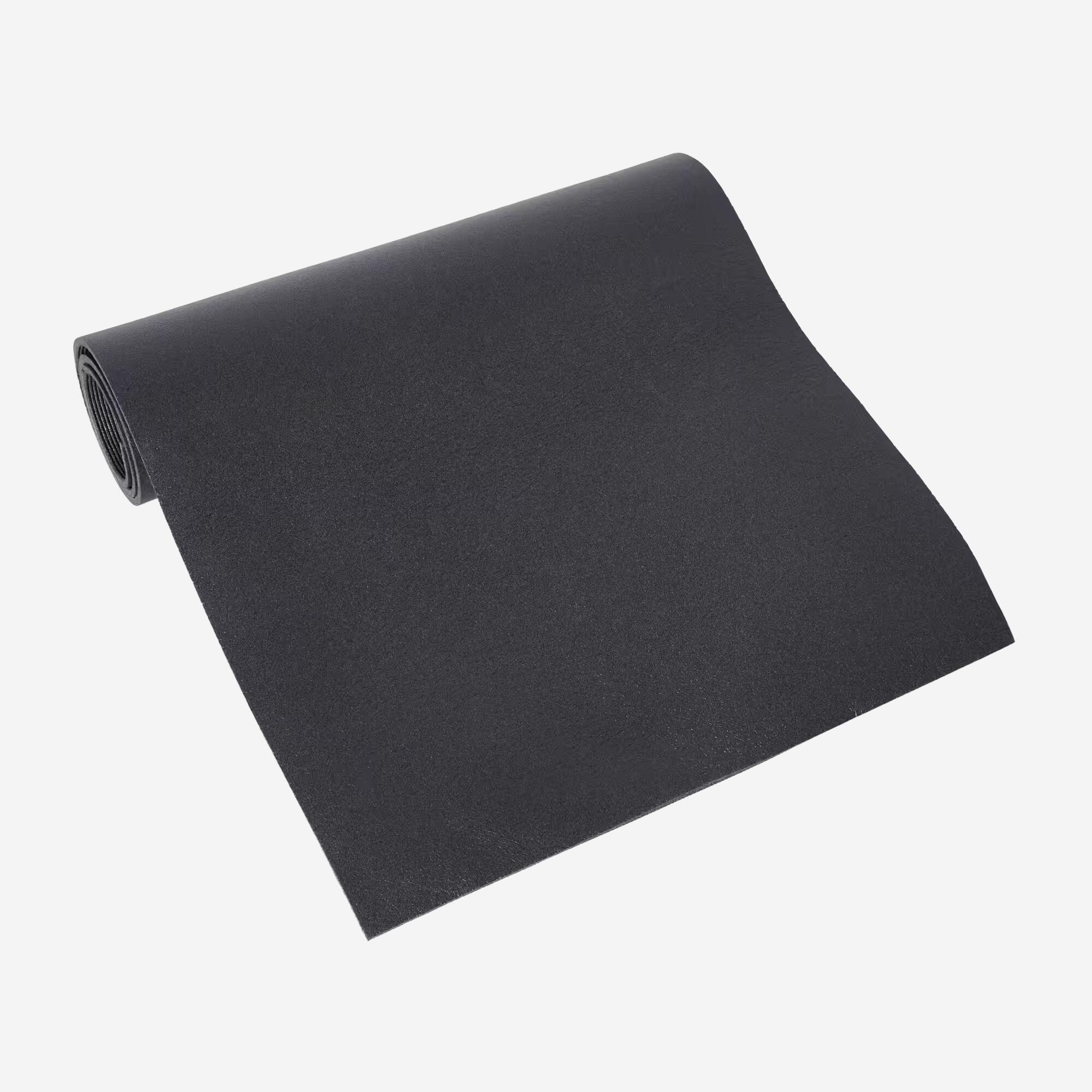
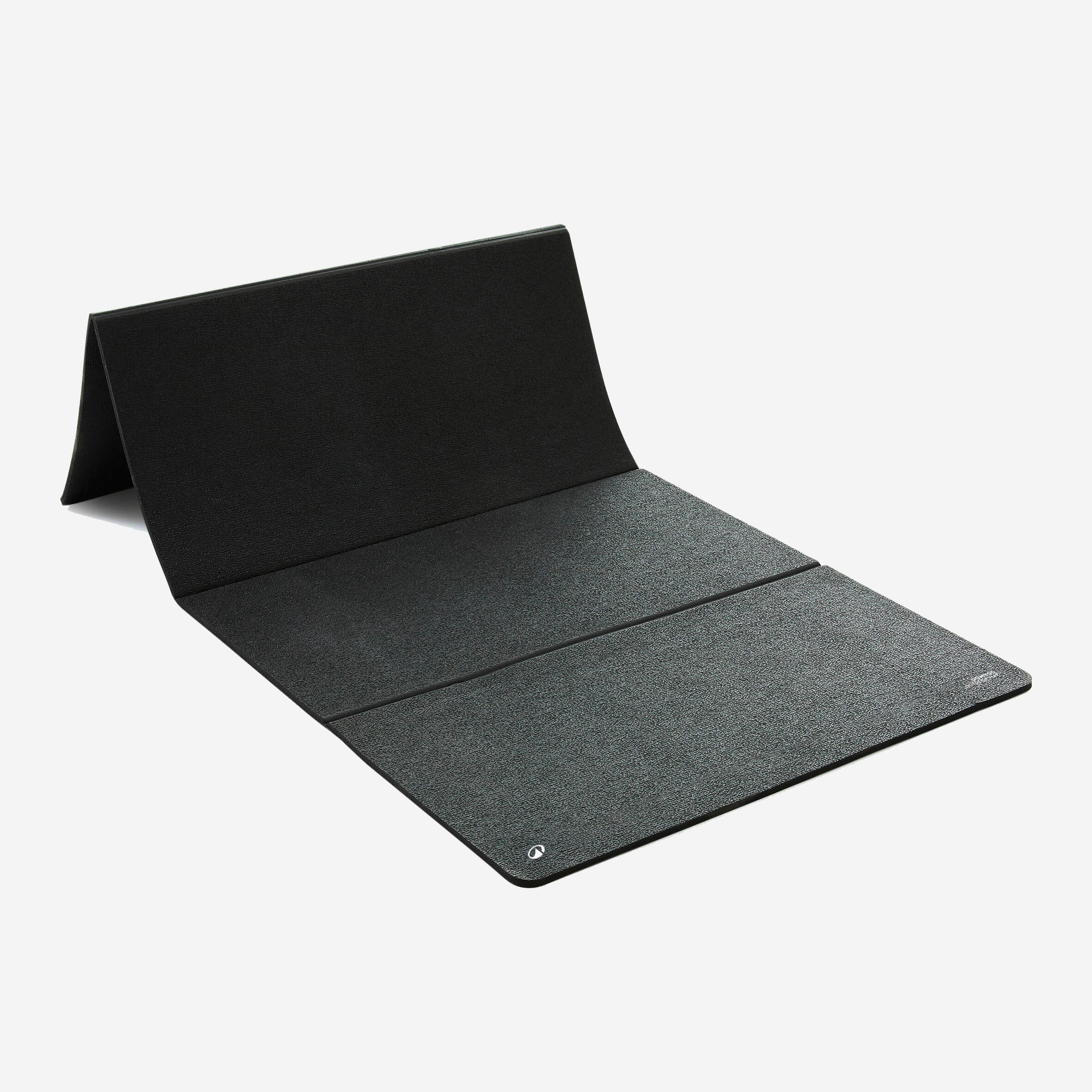
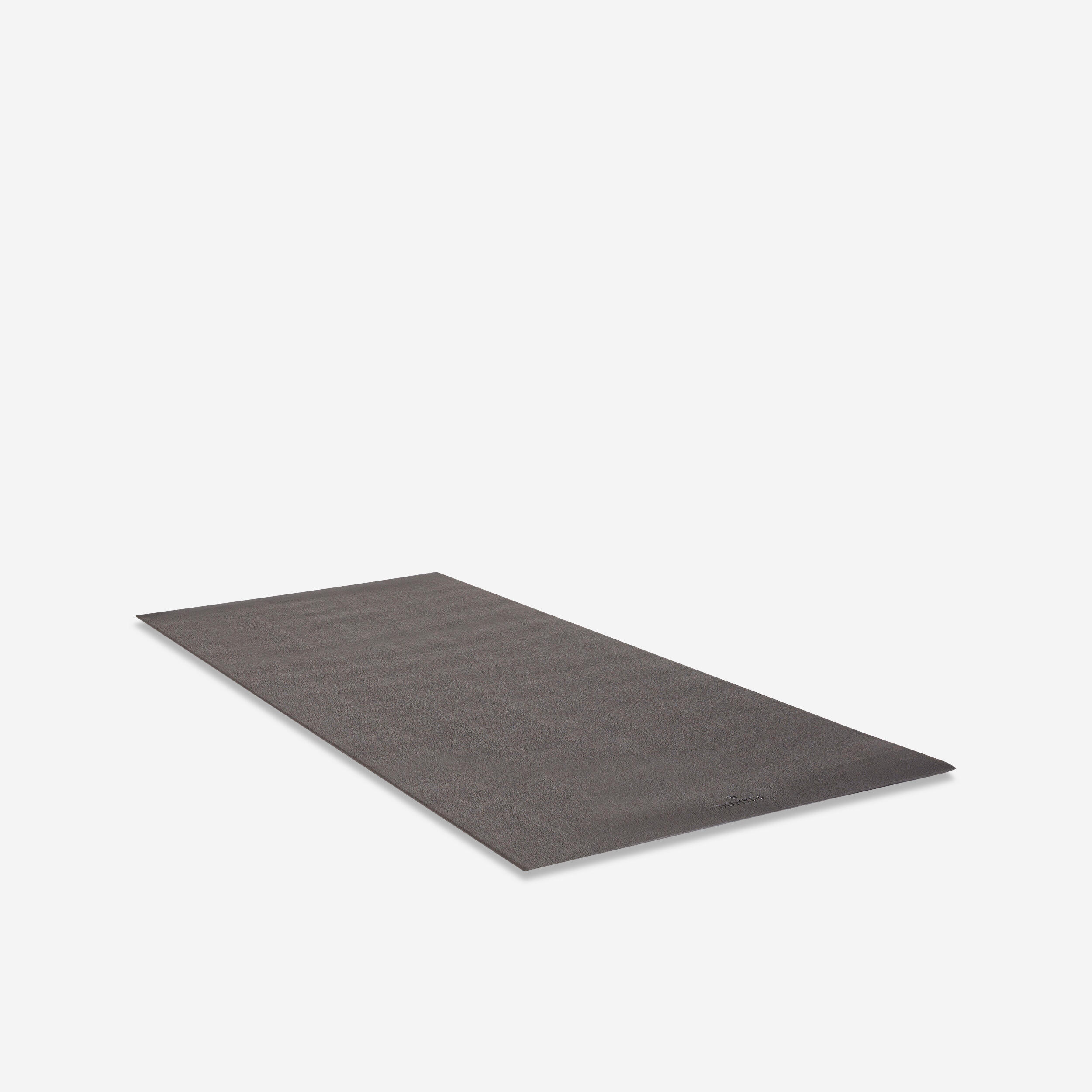
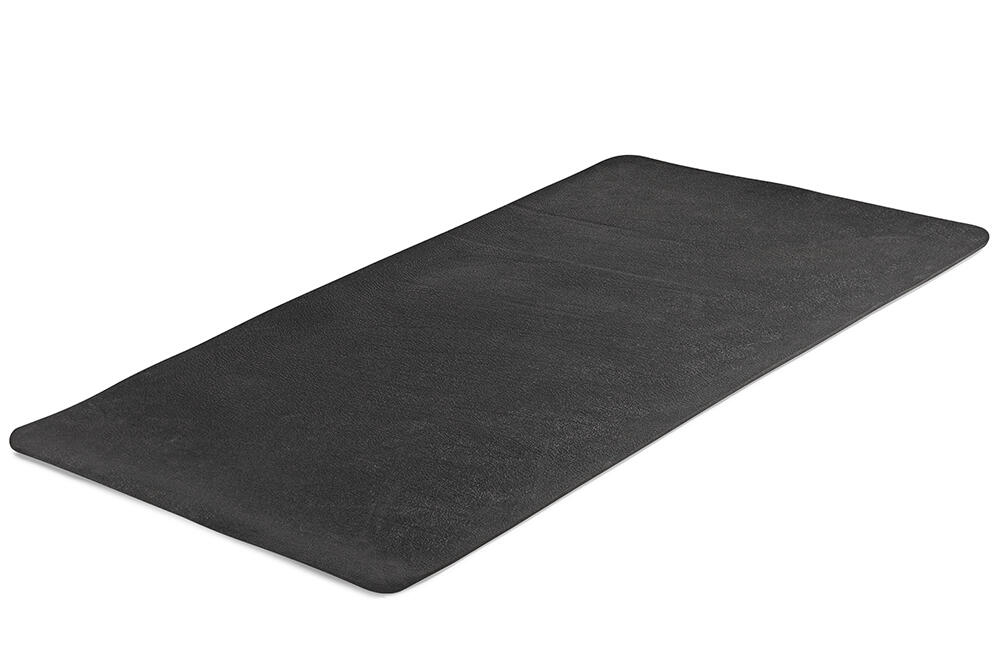
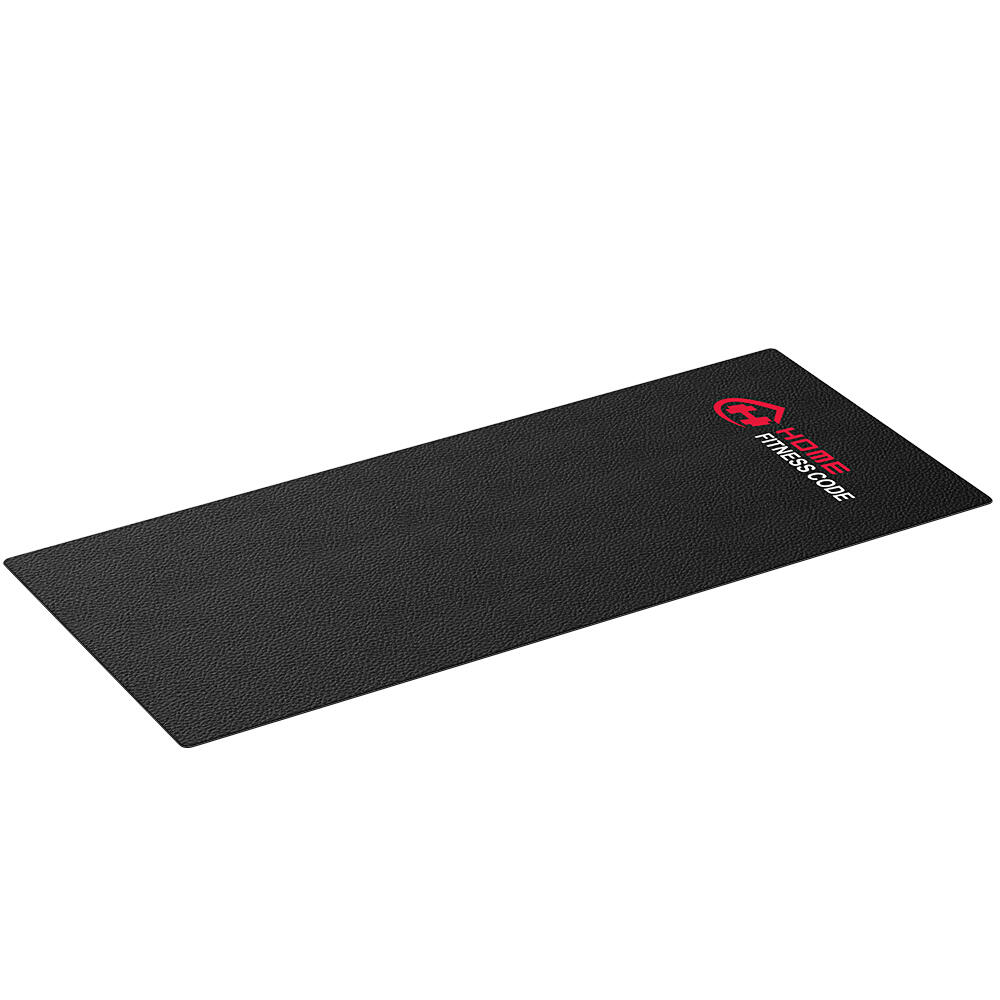
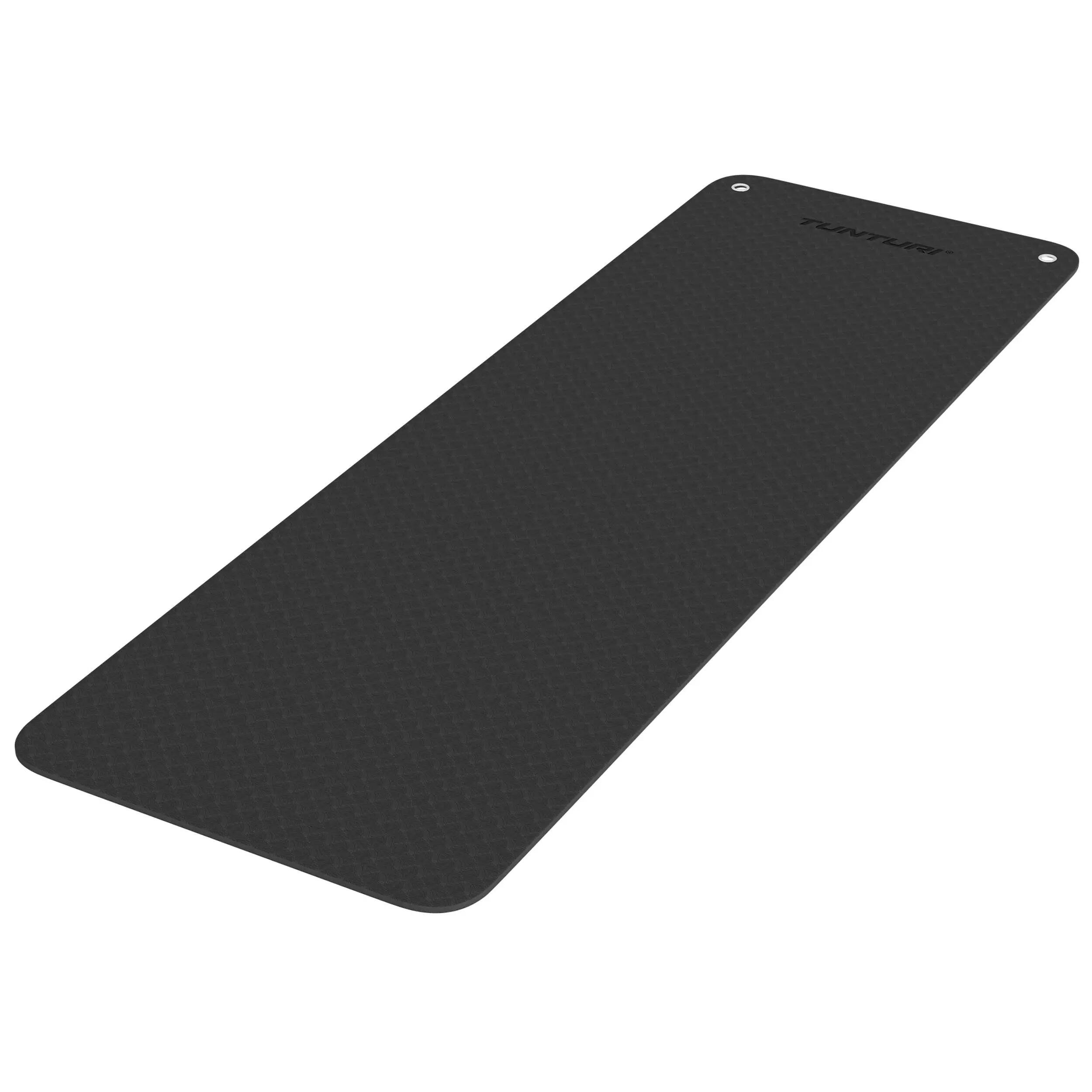
A dedicated protection layer serves a dual purpose like safeguarding your home's subfloor from heavy equipment and providing acoustic insulation for high-impact jumping. Using a professional-grade fitness floor protection mat under treadmills or rowing machines prevents the chassis from vibrating against hard surfaces, which significantly reduces noise and mechanical wear. To further enhance your setup, integrating fitness & gym training accessories like weight plates or kettlebells requires a surface that can absorb point-loading without permanent deformation. Expert tip: If you are setting up a permanent lifting area, look for mats with a non-porous top layer, as these are much easier to sanitise after a heavy, high-perspiration session on the gym floor.

Are there affordable gym mats for sale that still offer high durability?

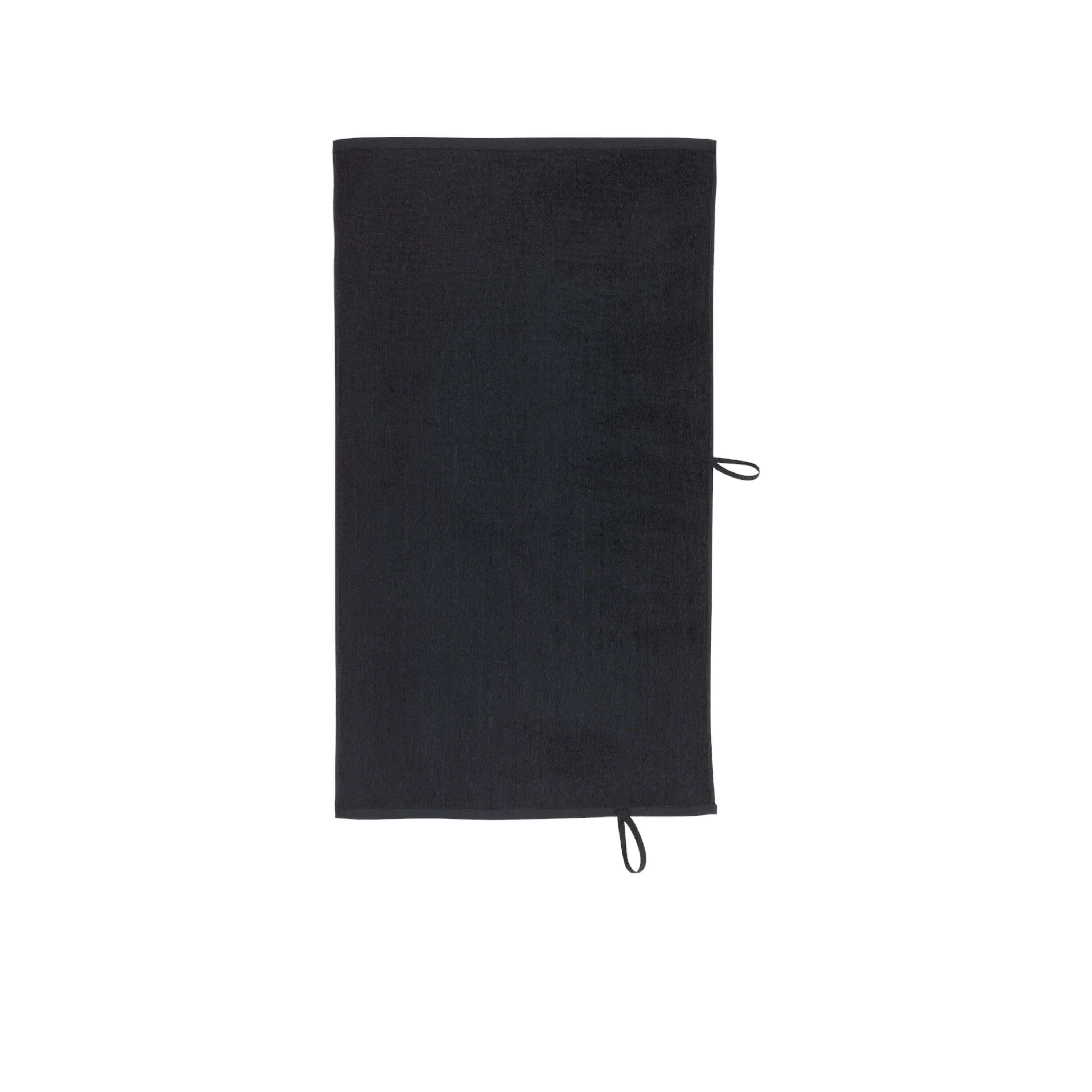
Finding value in your equipment does not mean sacrificing the technical integrity of the materials used in construction. We frequently recommend complementary essentials like absorbent gym towels, which help manage moisture during workouts and keep your training area clean and comfortable. Our entry-level mats are designed with closed-cell foam technology, which prevents moisture absorption and increases the lifespan of the product. The reason we recommend closed-cell structures for beginners is that they maintain their shape longer than standard open-cell alternatives found in non-sporting liners. Even our most budget-friendly gym mats undergo rigorous friction tests to ensure they provide a consistent coefficient of grip throughout their use. Expert advice : To extend the life of any mat, avoid using it with outdoor shoes that might carry sharp grit, which can puncture the protective surface layer over time.

How do I maintain and clean my gym mats effectively?

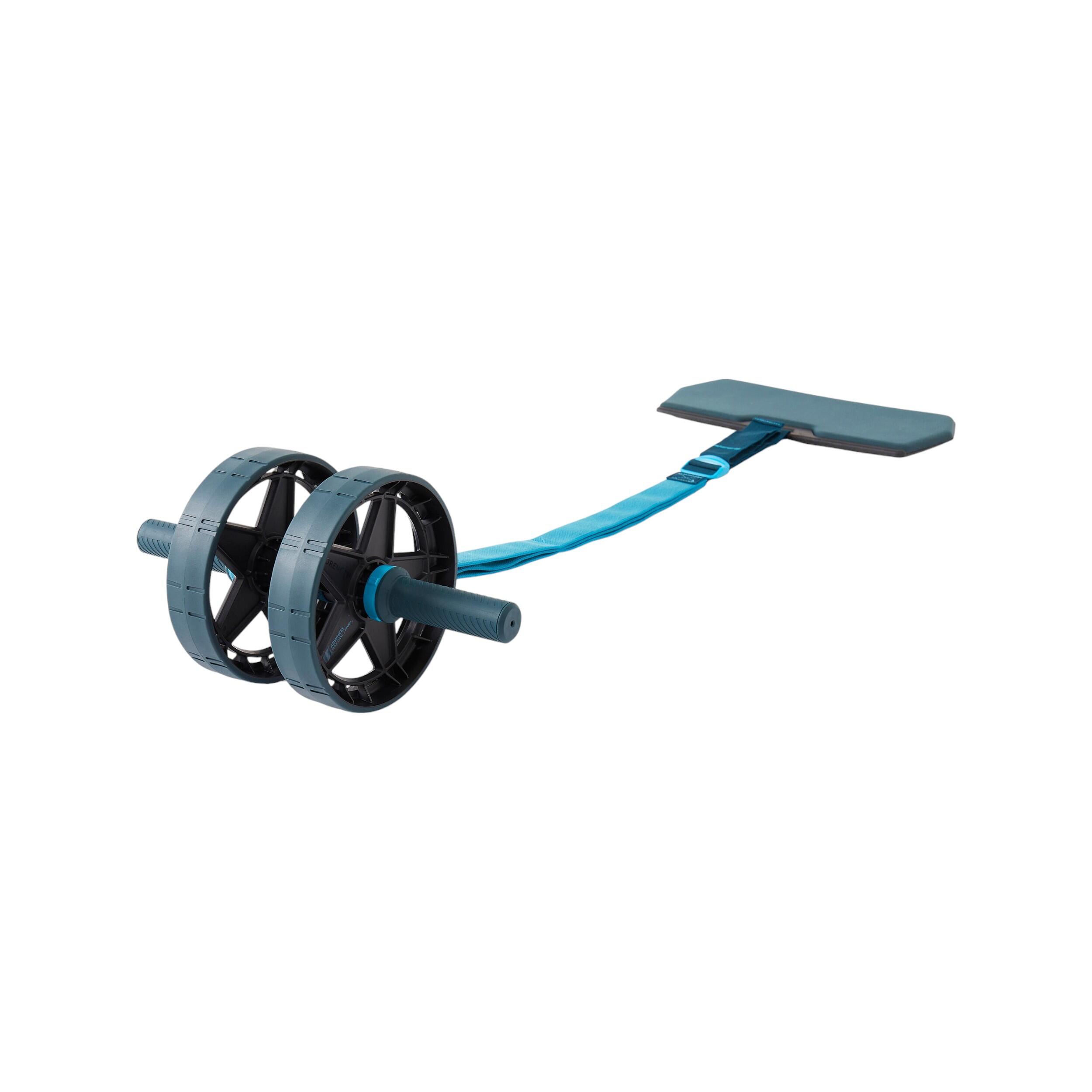
Hygiene is paramount when using synthetic surfaces for floor-based exercises where skin contact is frequent. You should wipe down your fitness mats after every session using a mild soapy solution or specialized equipment wipes that do not contain bleach. Harsh chemicals can break down the polymer bonds in the foam, causing the material to become brittle or lose its non-slip properties. For deeper cleans, most gym & fitness mats can be gently hosed down and air-dried away from direct sunlight. The technical reason to avoid UV exposure is that it accelerates the oxidation of the rubber or TPE, leading to "flaking." Maintaining a clean workout space is especially important when using core strength abs equipment, where consistent contact with surfaces is common. Ensuring your mat is completely dry before rolling it up prevents the growth of bacteria and odours, keeping your training environment fresh and safe for your next workout.

What is the difference between a yoga mat and a standard gym mat?

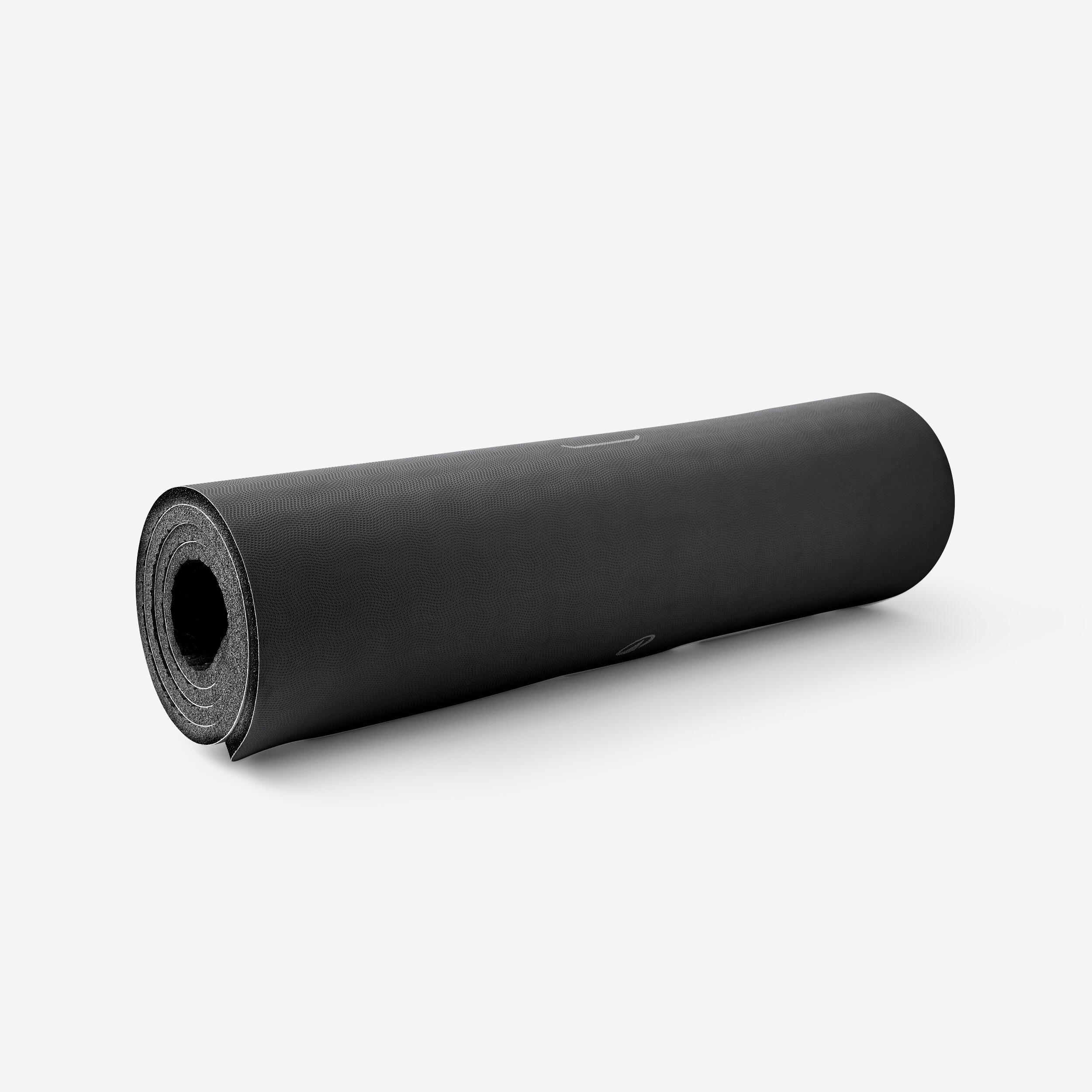
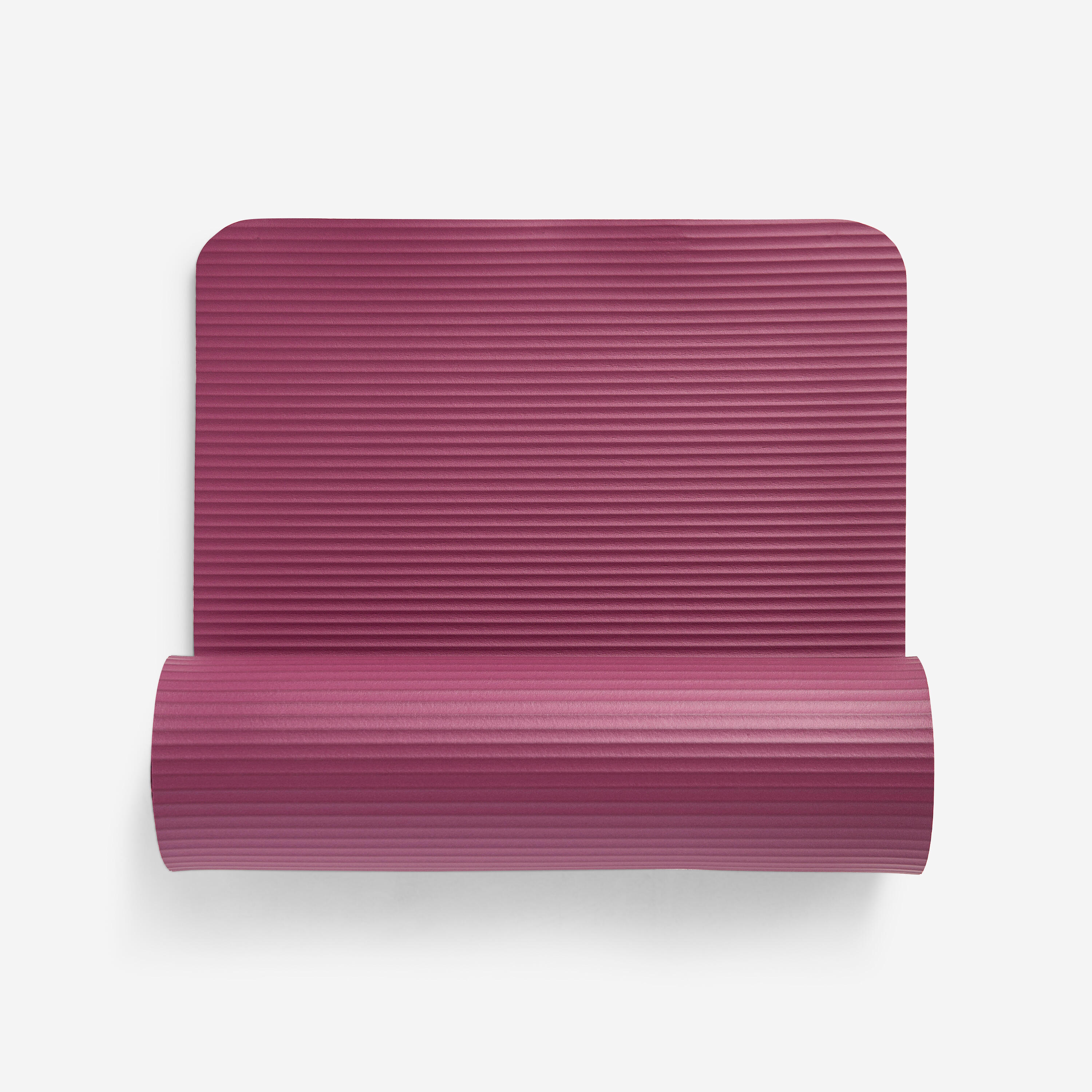
While they may look similar, the technical specifications of a yoga mat and a general fitness mat are designed for different mechanical stresses. Yoga mats are typically thinner (around 3mm to 5mm) to provide a "grounded" feel for balance-heavy poses, focusing primarily on tackiness to prevent hands from slipping. In contrast, standard gym mats are often 10mm or thicker to provide significant impact absorption for the knees and back during sit-ups or planks. The reason for this added thickness is to protect the bursa sacs in the joints from the hard pressure of a concrete or wooden floor. If your routine involves a mix of both disciplines, choosing a medium-density 7mm mat can offer a functional compromise between the two needs. Incorporating balance stability training equipment alongside your mat can further enhance coordination, control, and overall workout effectiveness.