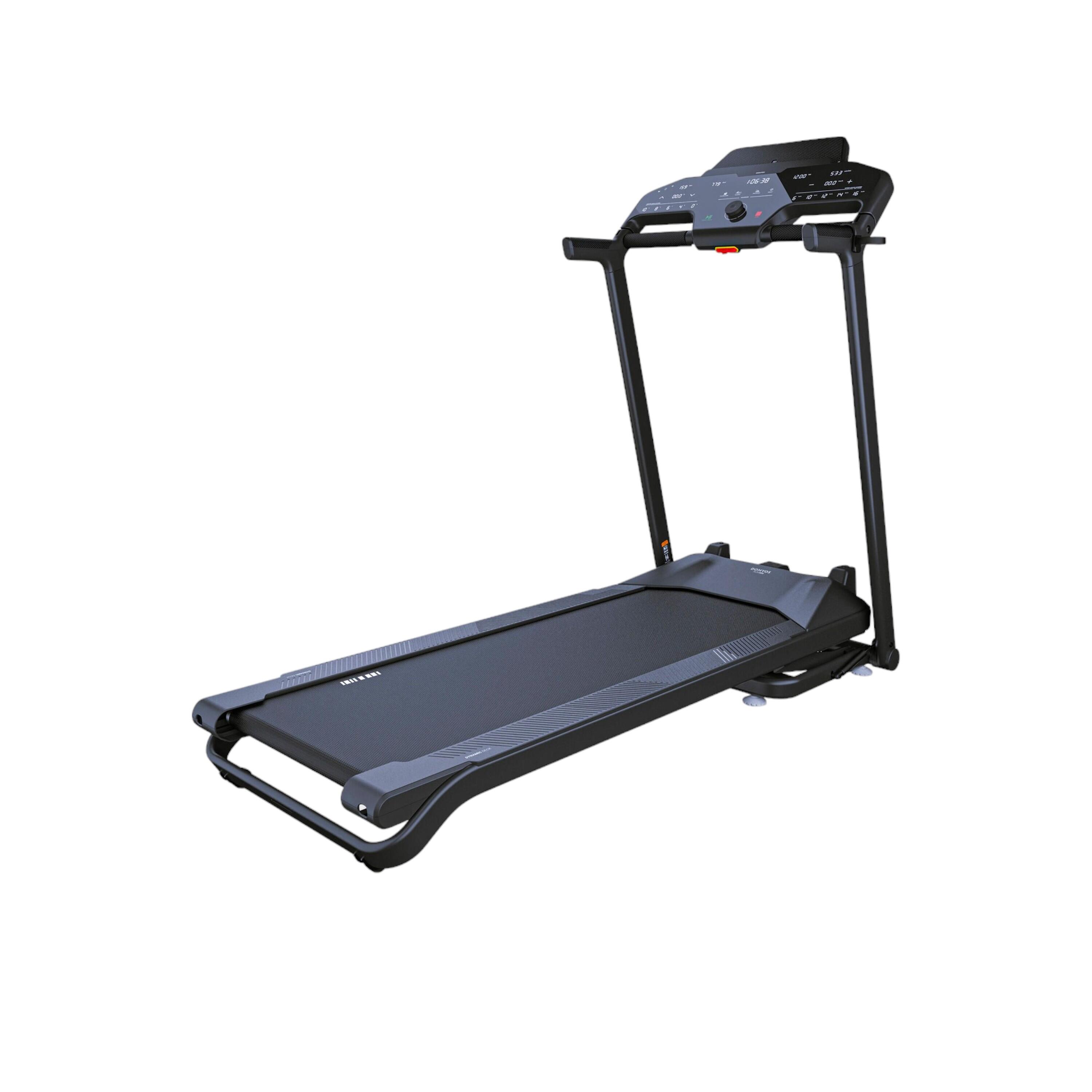
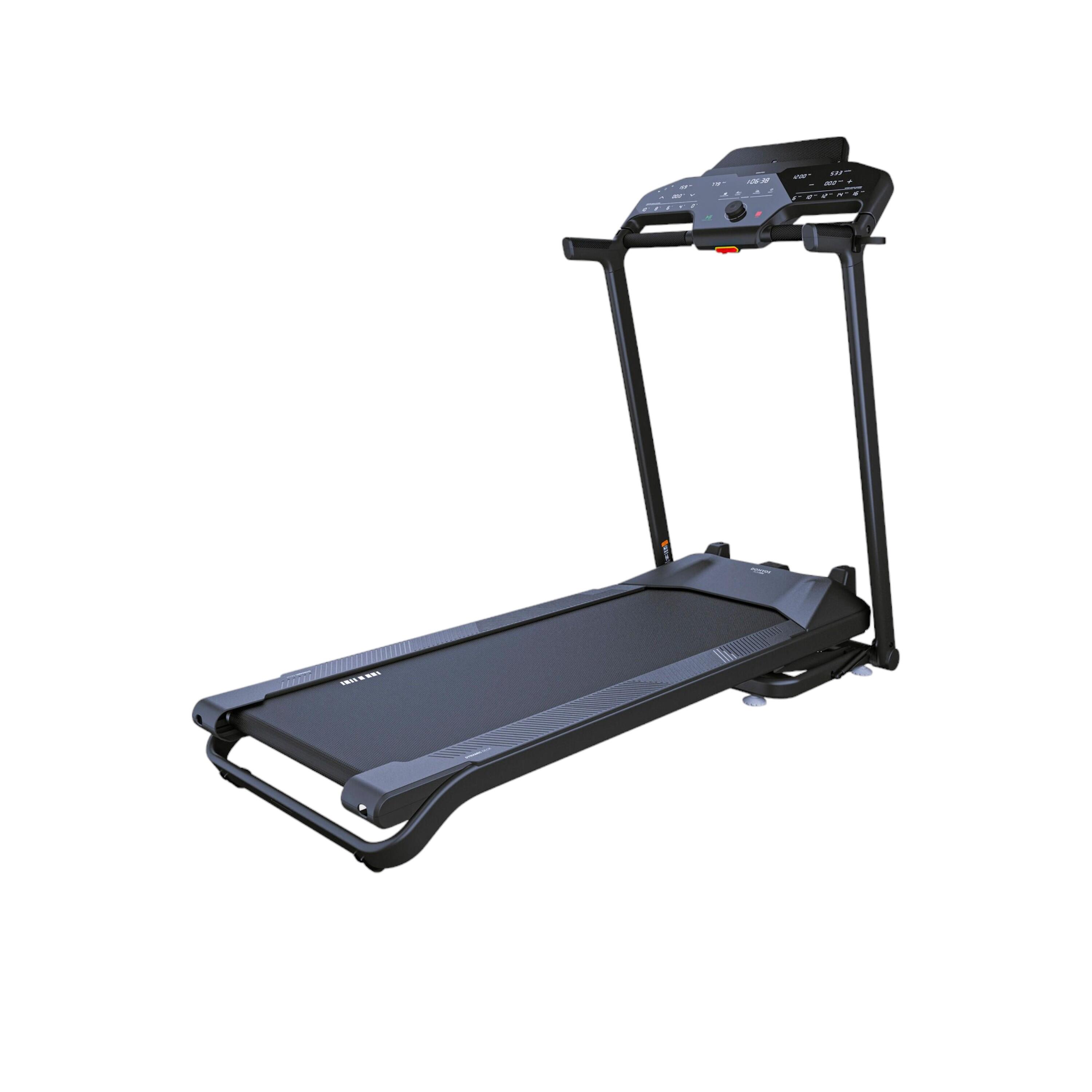
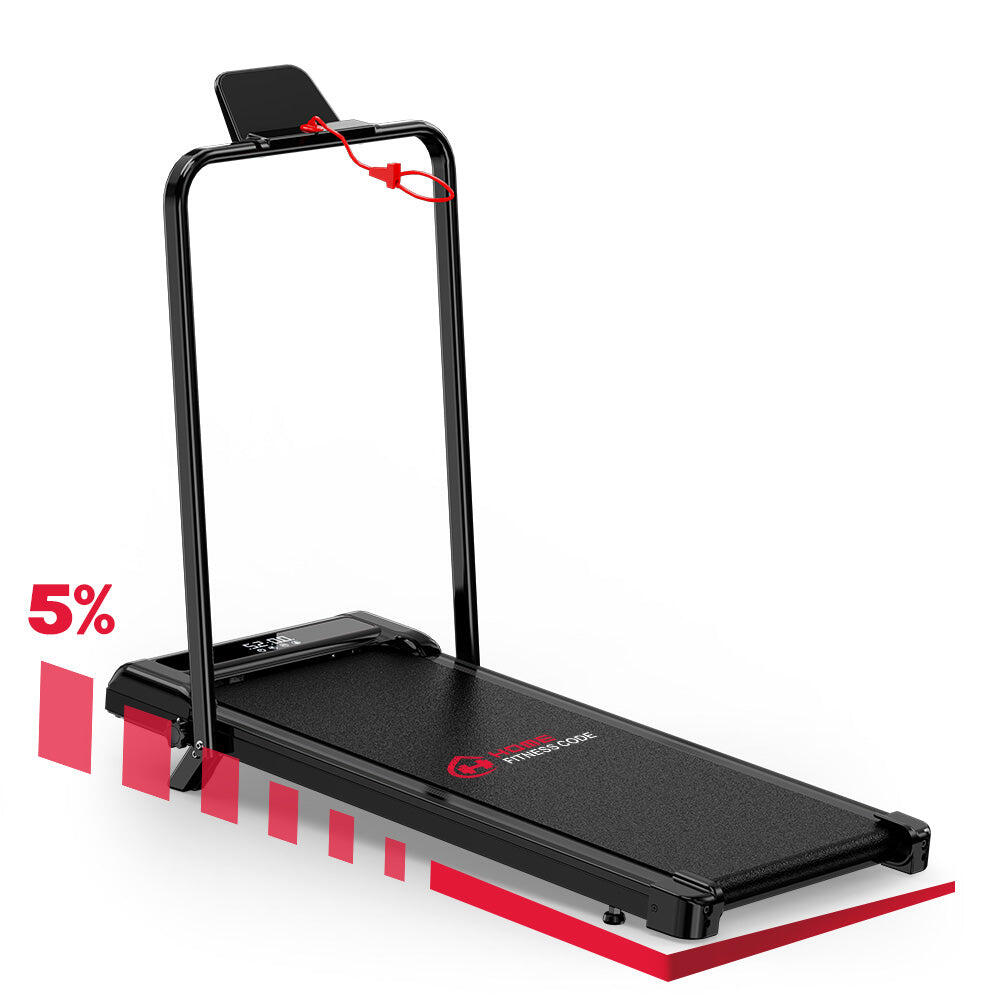
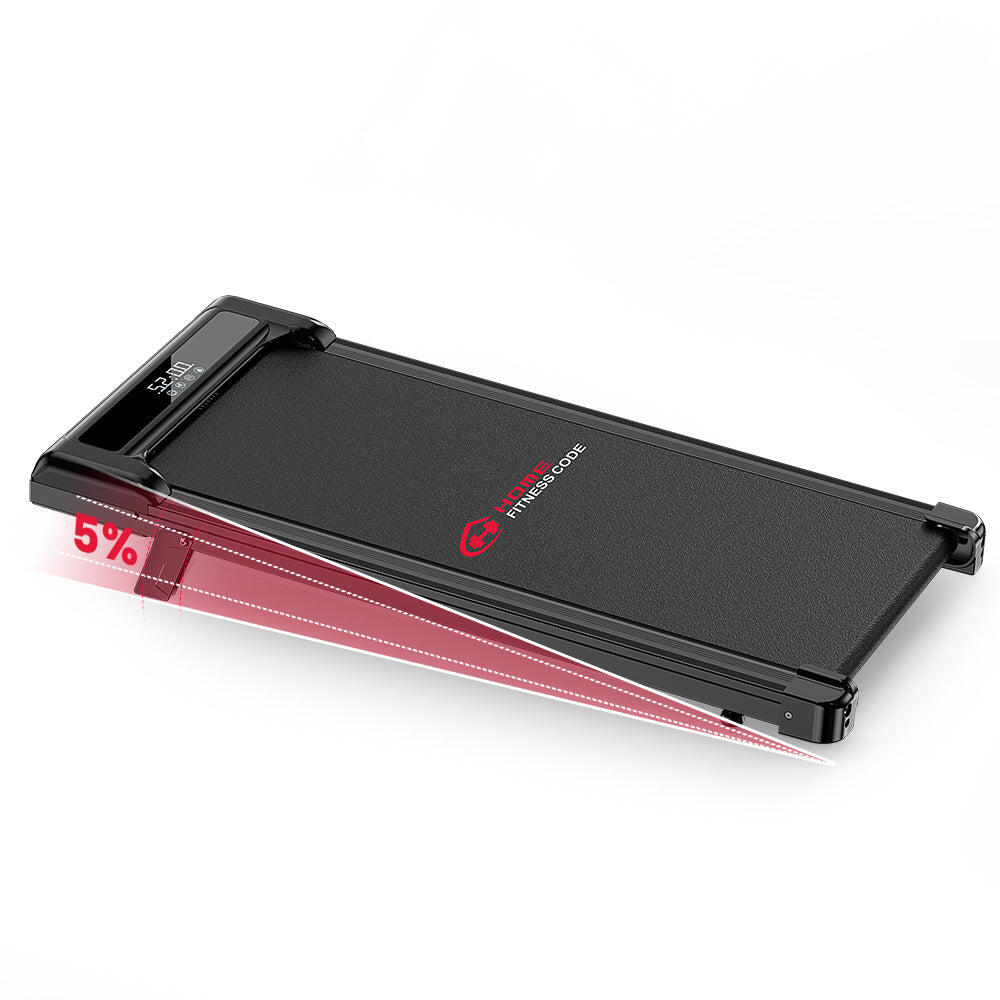
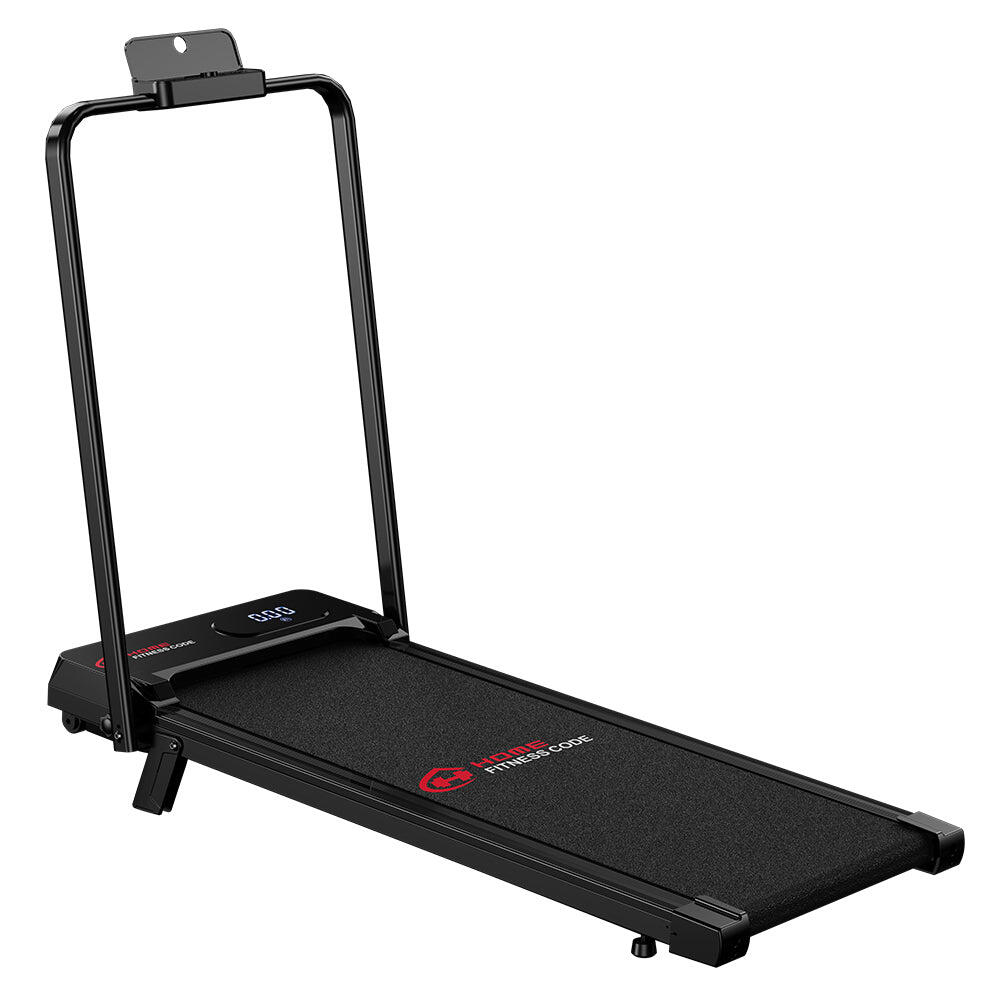
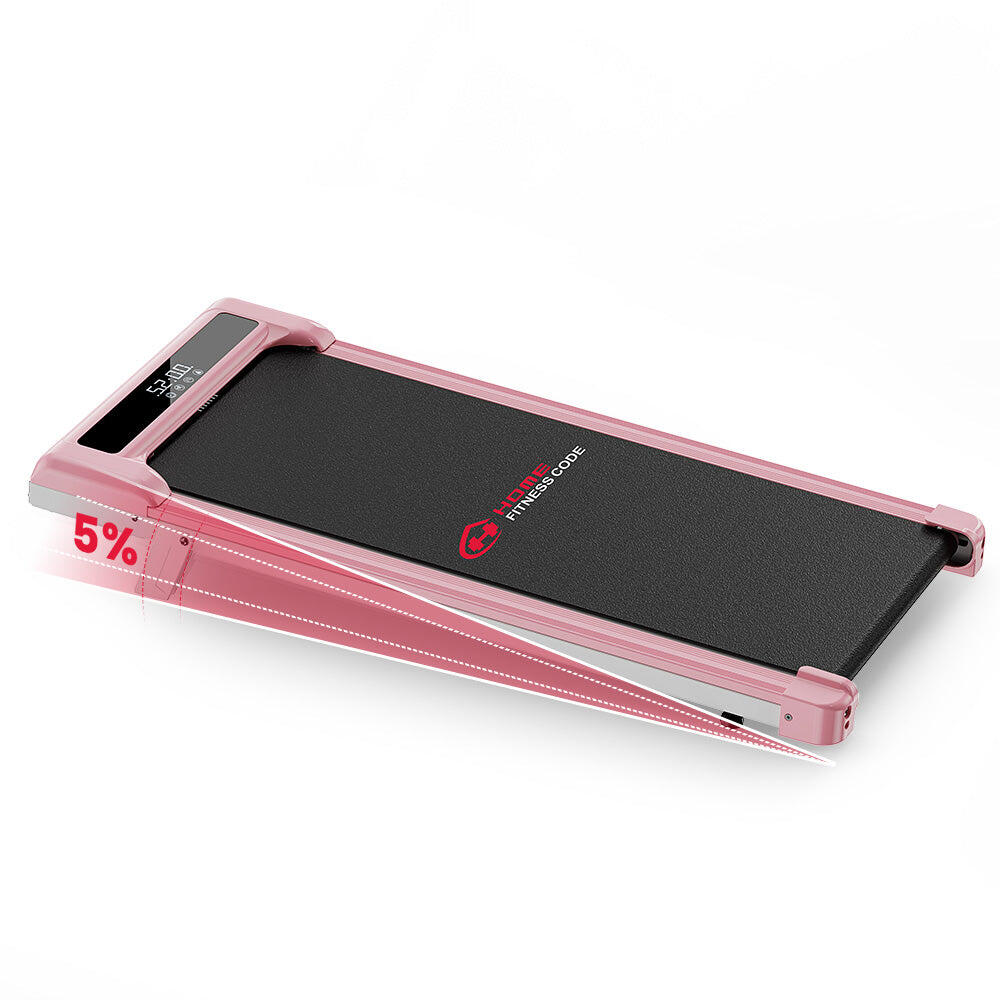
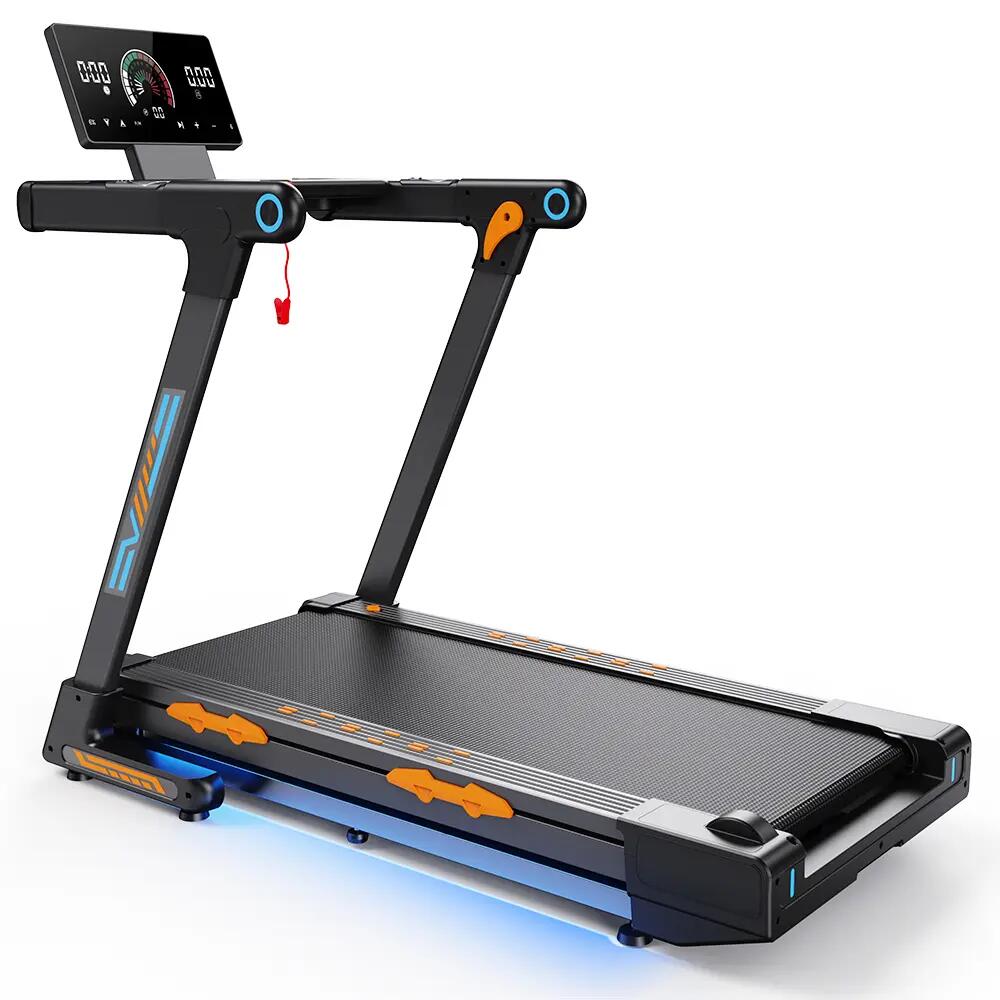
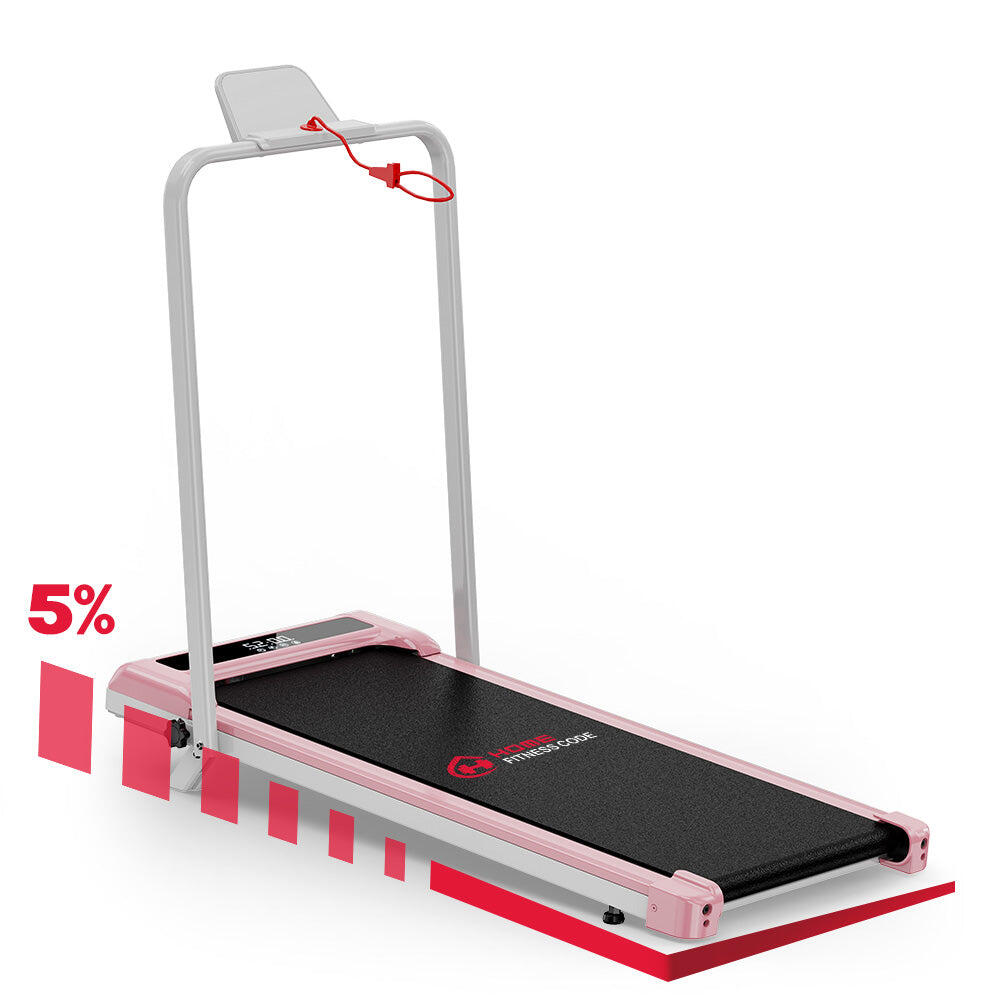
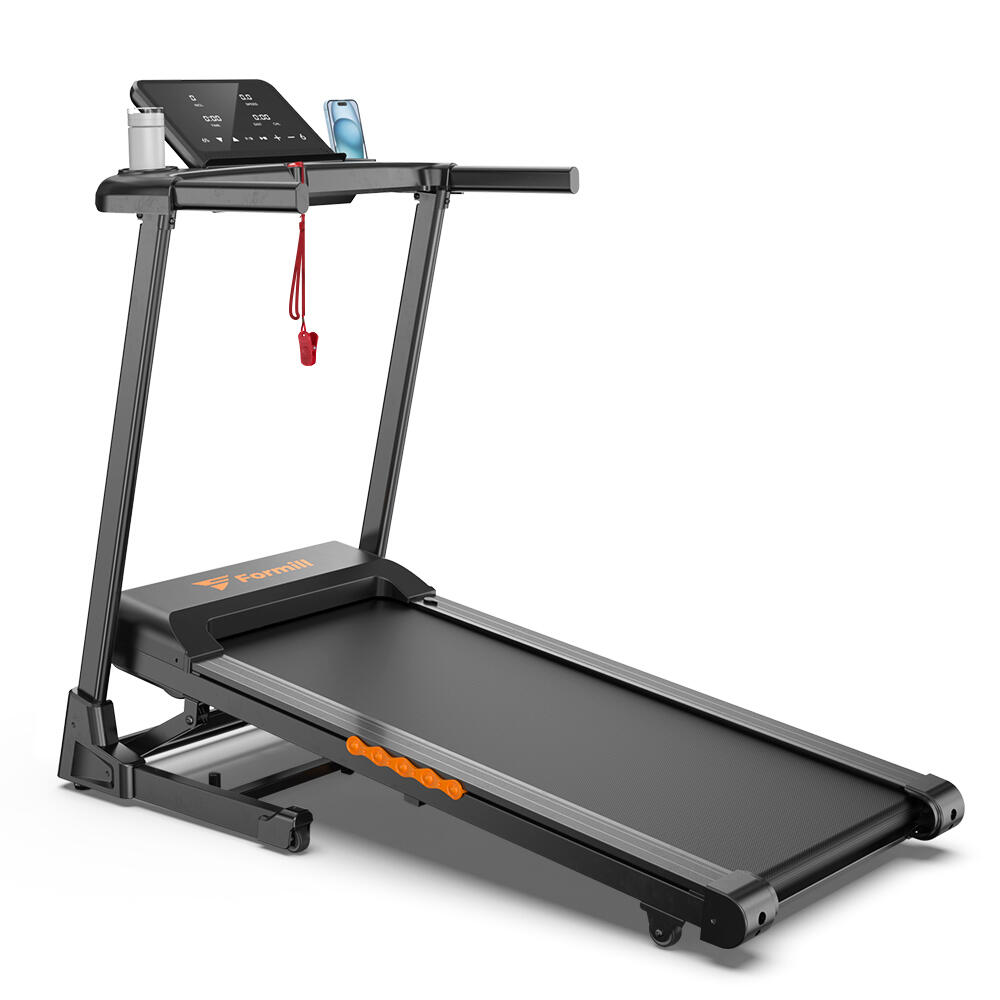
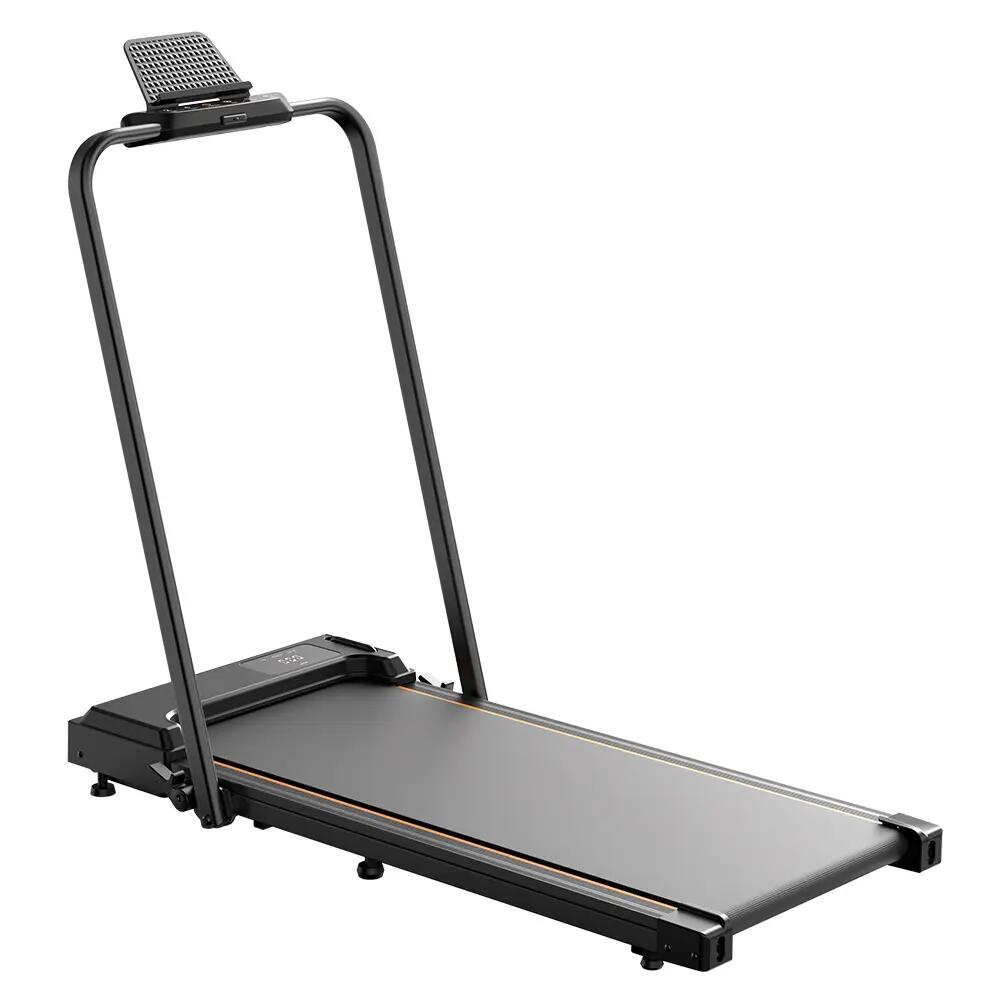
Marketplace -Online Only Marketplace -Online Only2 coloursMarketplace -Online OnlyHOMEFITNESSCODE Folding Walking Treadmill Z3, 1-6km/h, 5% Incline, Quiet Brushless Motor3.9(15)Reviews.votesAria2 coloursCurrent price {{currentPrice}} €129.99€129.99/unitSold and shipped by APEXFIT
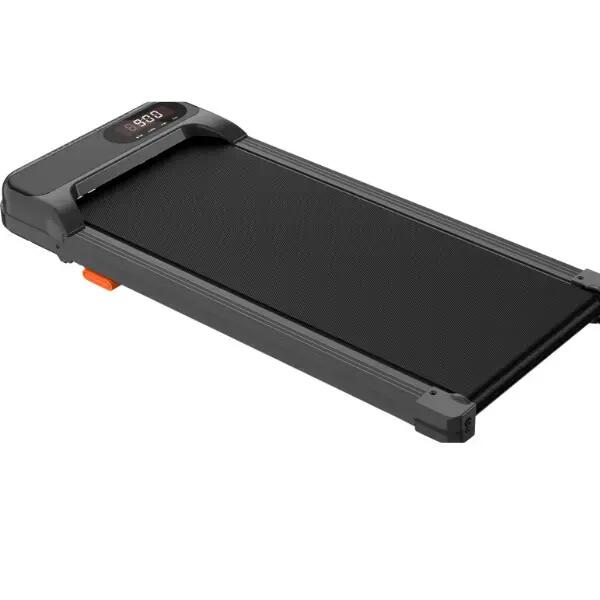
Marketplace -Online Only Marketplace -Online Only2 coloursMarketplace -Online OnlyHOMEFITNESSCODE Compact Walking Treadmill Z3, 1-6km/h, 5% Incline, Quiet Brushless Motor2.8(5)Reviews.votesAria2 coloursCurrent price {{currentPrice}} €109.99€109.99/unitSold and shipped by APEXFIT
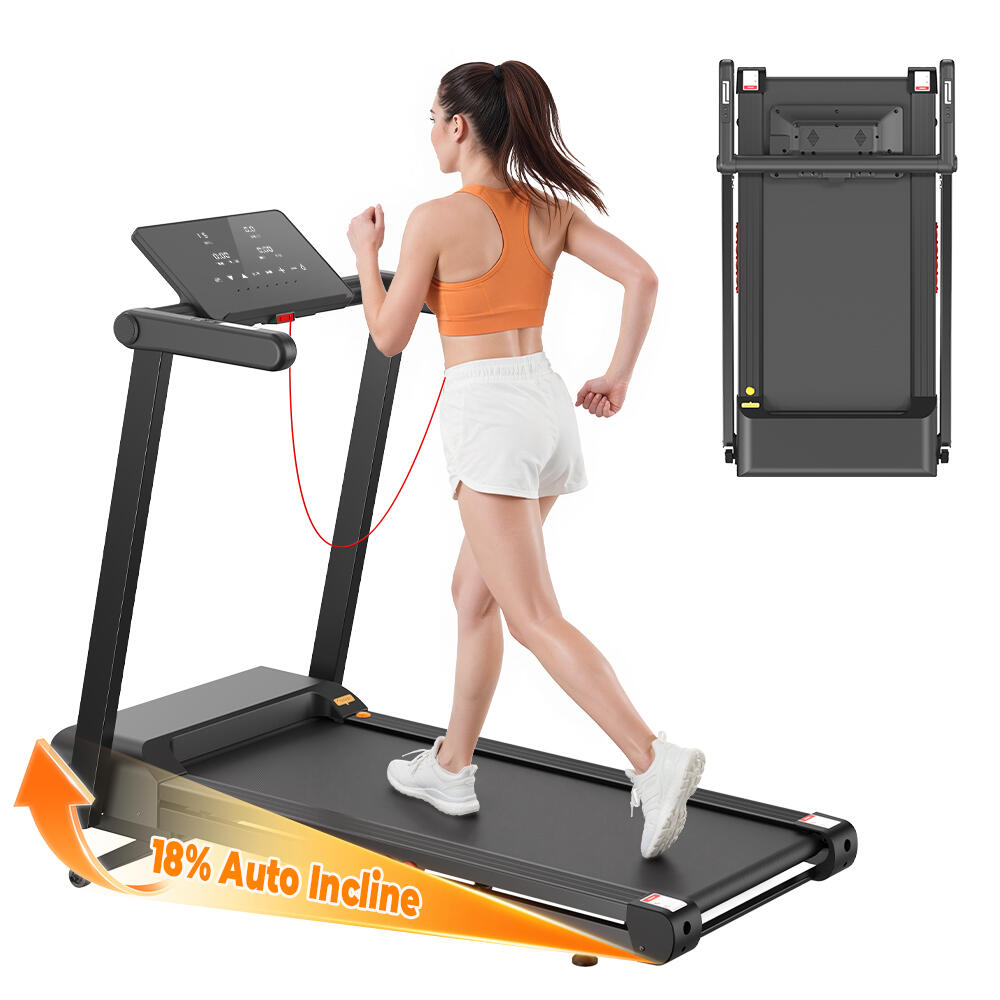
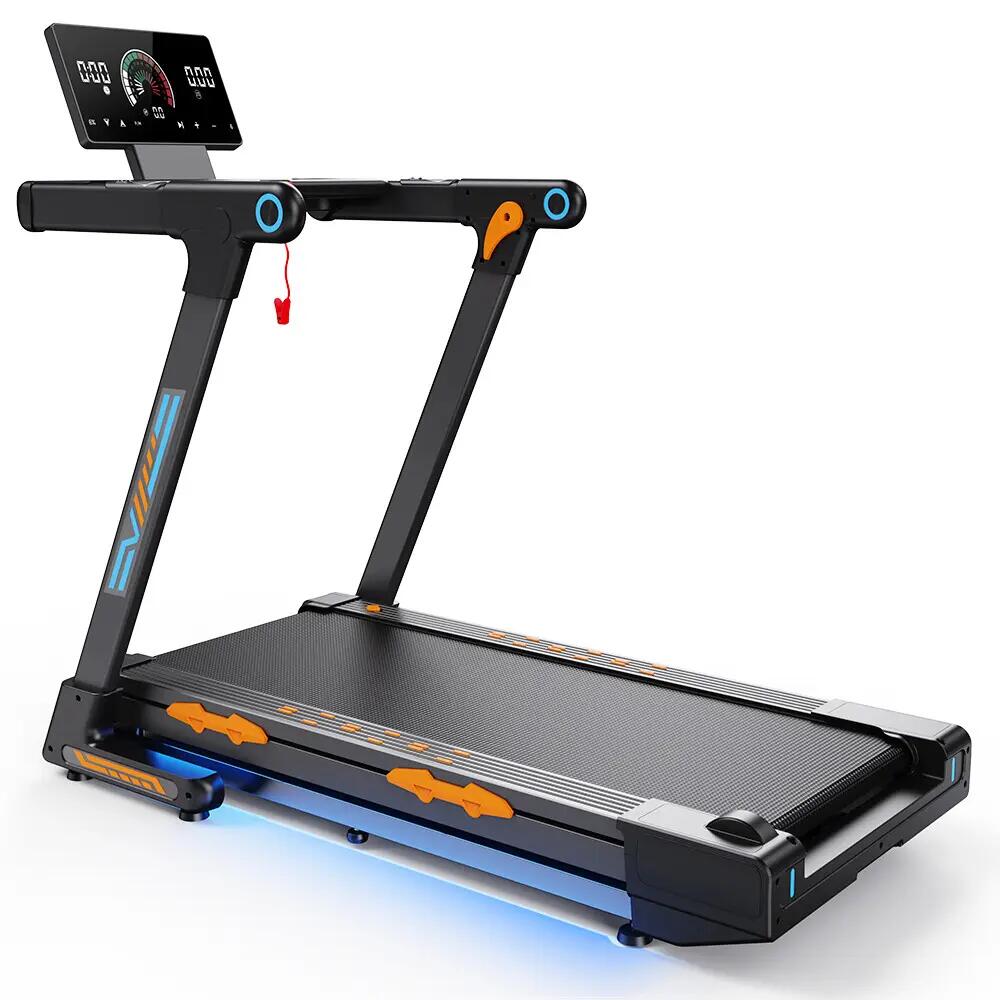
Marketplace -Online Only Marketplace -Online OnlyMarketplace -Online OnlyHOMEFITNESSCODE 2-in-1 Folding Treadmill with LED Display, 1–6KM/H Speed Range4.3(31)Reviews.votesAriaCurrent price {{currentPrice}} €139.99€139.99/unitSold and shipped by APEXFIT
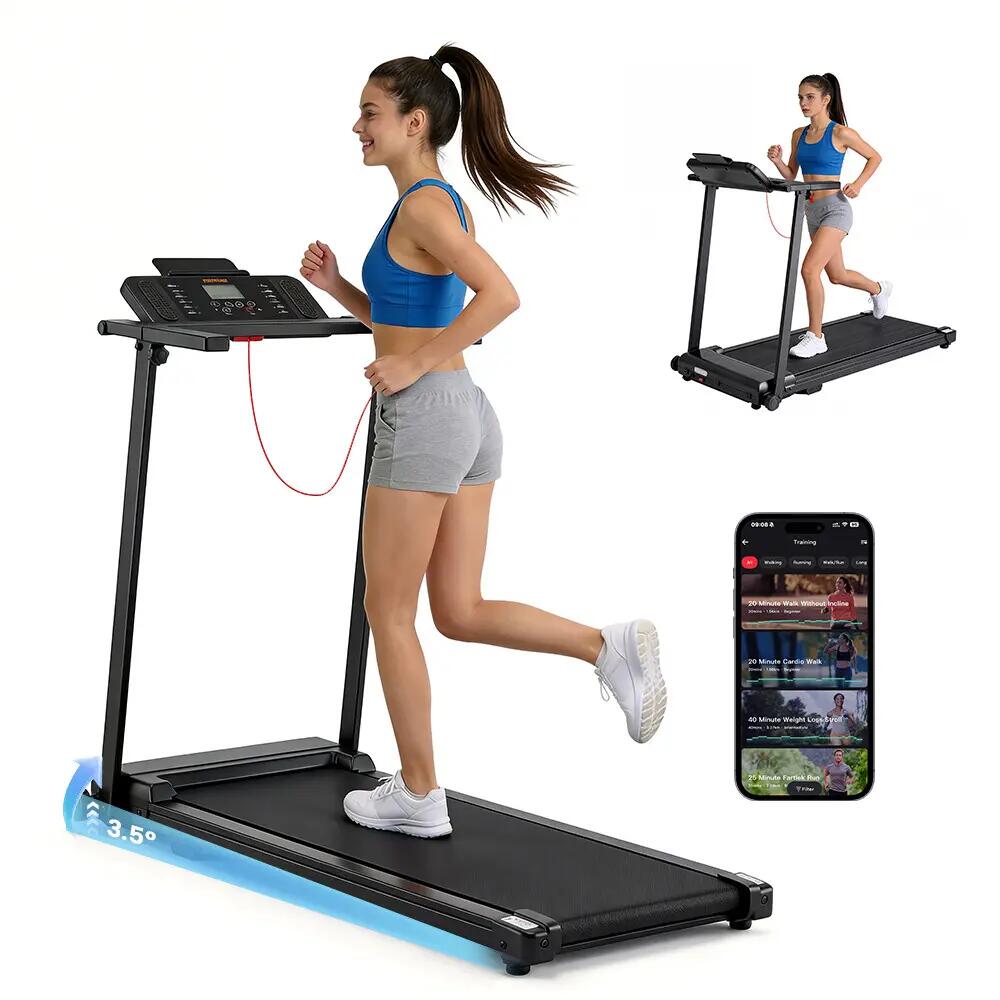
Marketplace -Online Only Marketplace -Online OnlyMarketplace -Online OnlyISCOOTER iscooter X2NC treadmill with 1–12 km/h, 3.5%Current price {{currentPrice}} €209.00 Former price €399.00 47% offLowest price: €399.00Starting on 22/9/2026 and valid for the entire duration of the promoSold and shipped by KuKirin Official
Marketplace -Online Only Marketplace -Online Only2 coloursMarketplace -Online OnlyHOMEFITNESSCODE Compact Walking Treadmill Z3, 1-6km/h, 5% Incline, Quiet Brushless Motor2.8(5)Reviews.votesAria2 coloursCurrent price {{currentPrice}} €109.99€109.99/unitSold and shipped by APEXFIT
Marketplace -Online Only Marketplace -Online OnlyMarketplace -Online OnlyHOMEFITNESSCODE Foldable Walking Pad 1–6km/h with 5% Manual Incline4.6(9)Reviews.votesAriaCurrent price {{currentPrice}} €119.99€119.99/unitSold and shipped by APEXFIT
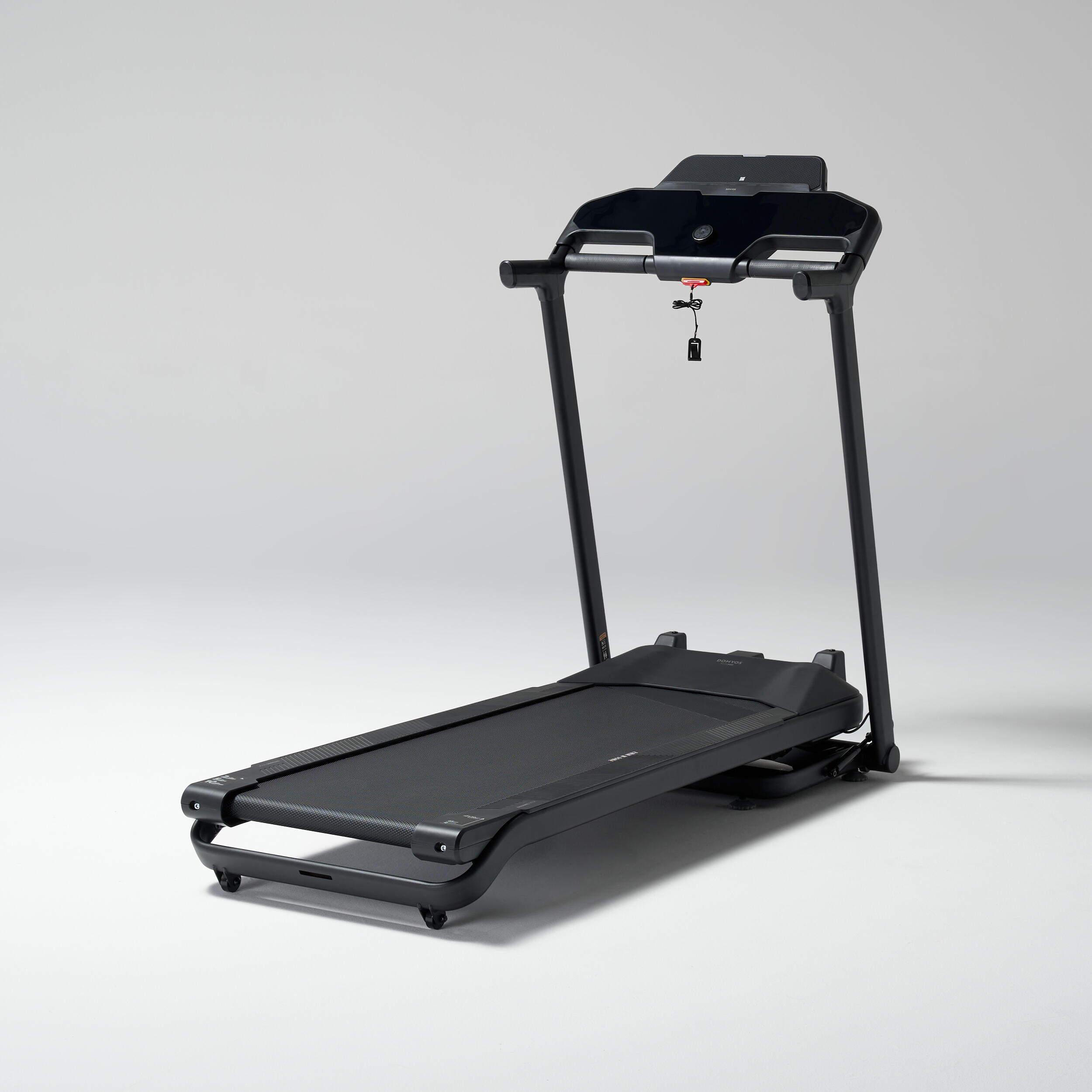
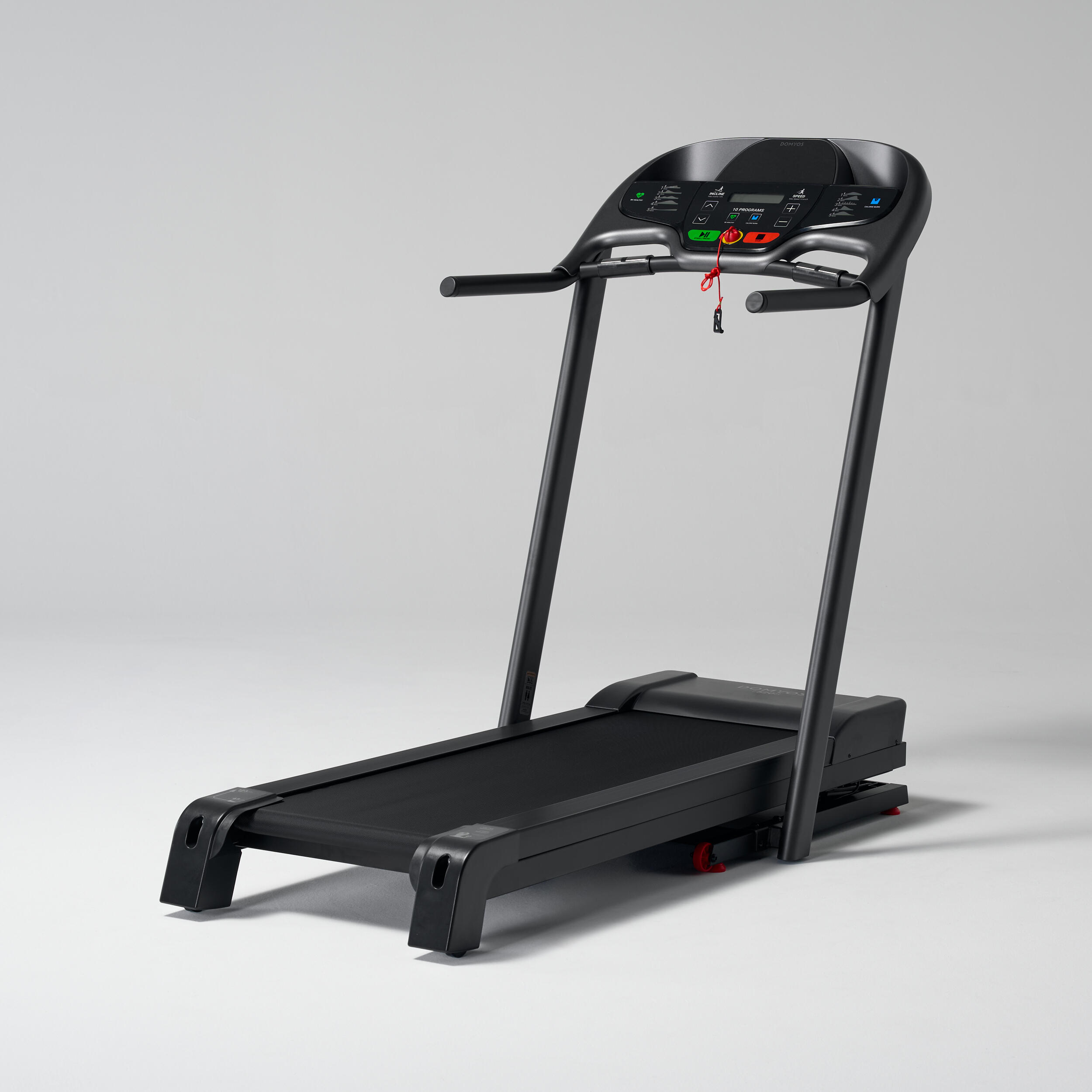
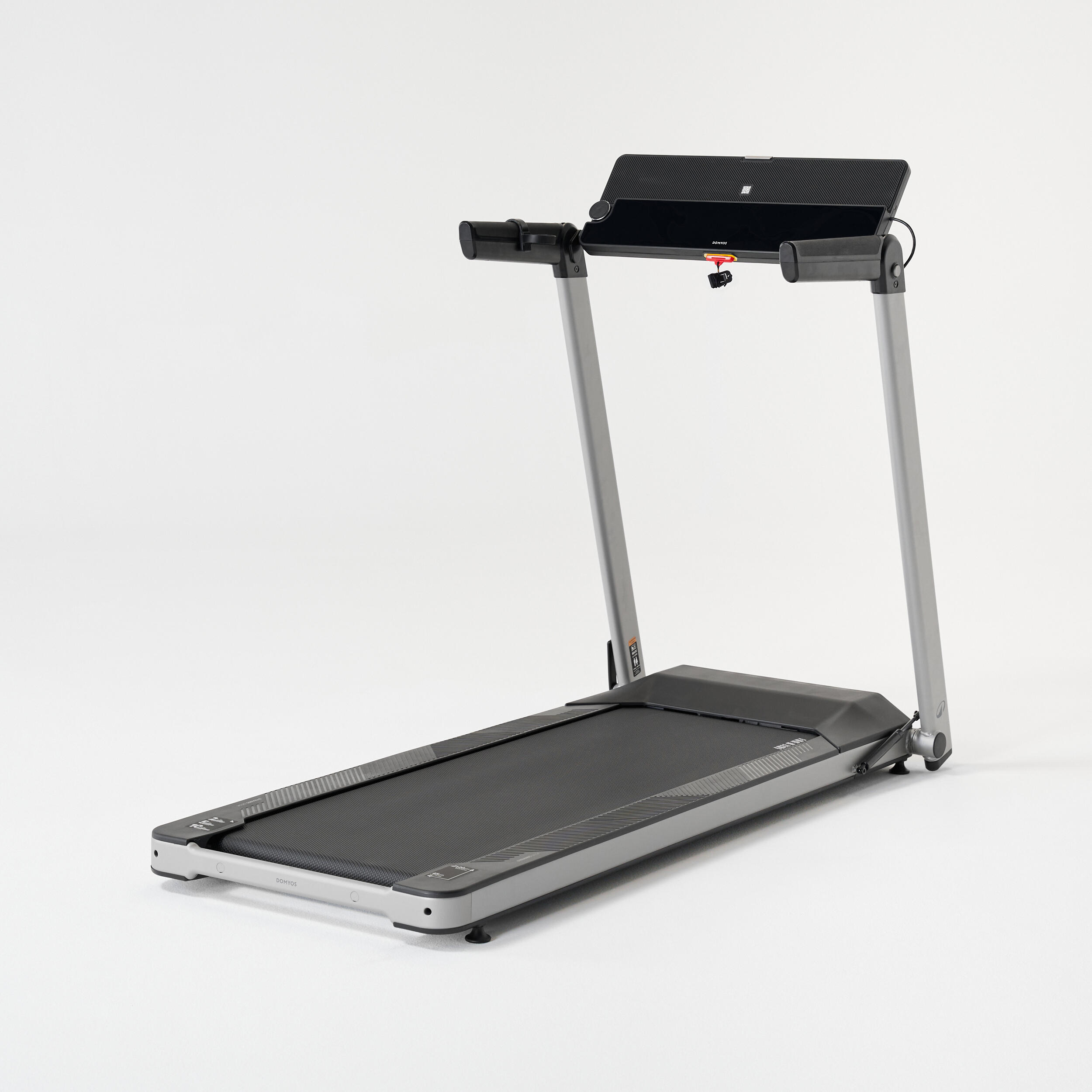
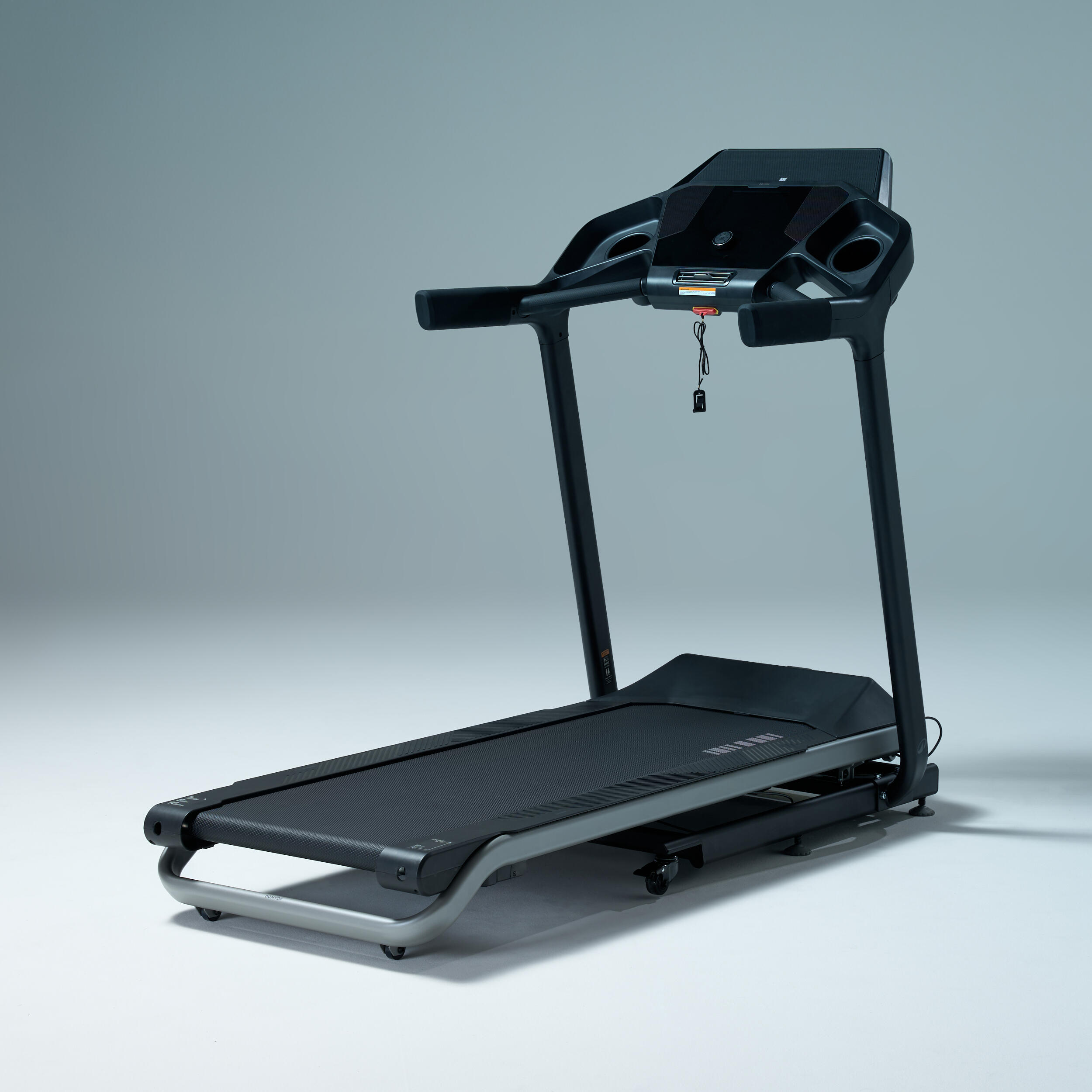
DOMYOS Folding running treadmill 16km/h, RUN5004.6(1,833)Reviews.votesAriaCurrent price {{currentPrice}} €720.00
Marketplace -Online Only Marketplace -Online OnlyMarketplace -Online OnlyISCOOTER ISCOOTER FT62 treadmill 16 km/hCurrent price {{currentPrice}} €409.00 Former price €475.00 13% off€409.00/unitLowest price: €475.00Starting on 13/9/2026 and valid for the entire duration of the promoSold and shipped by KuKirin Official
Marketplace -Online Only Marketplace -Online OnlyMarketplace -Online OnlyISCOOTER FT71 Foldable Treadmill for Home, LED , APP ControlCurrent price {{currentPrice}} €499.00Sold and shipped by PowerRide
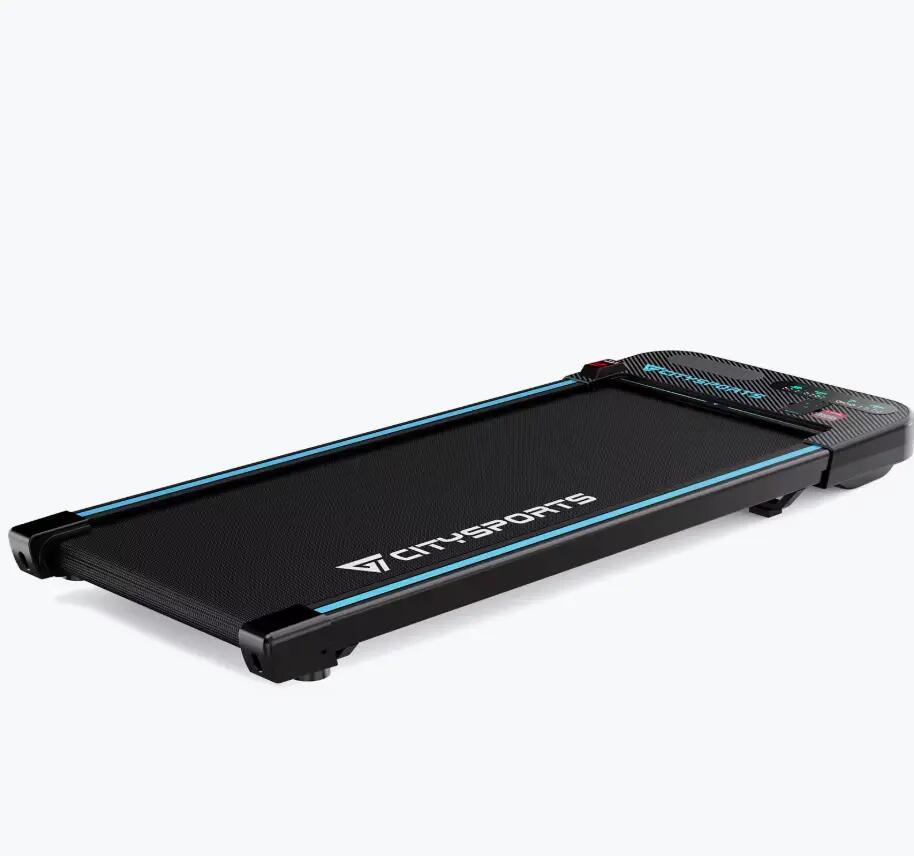
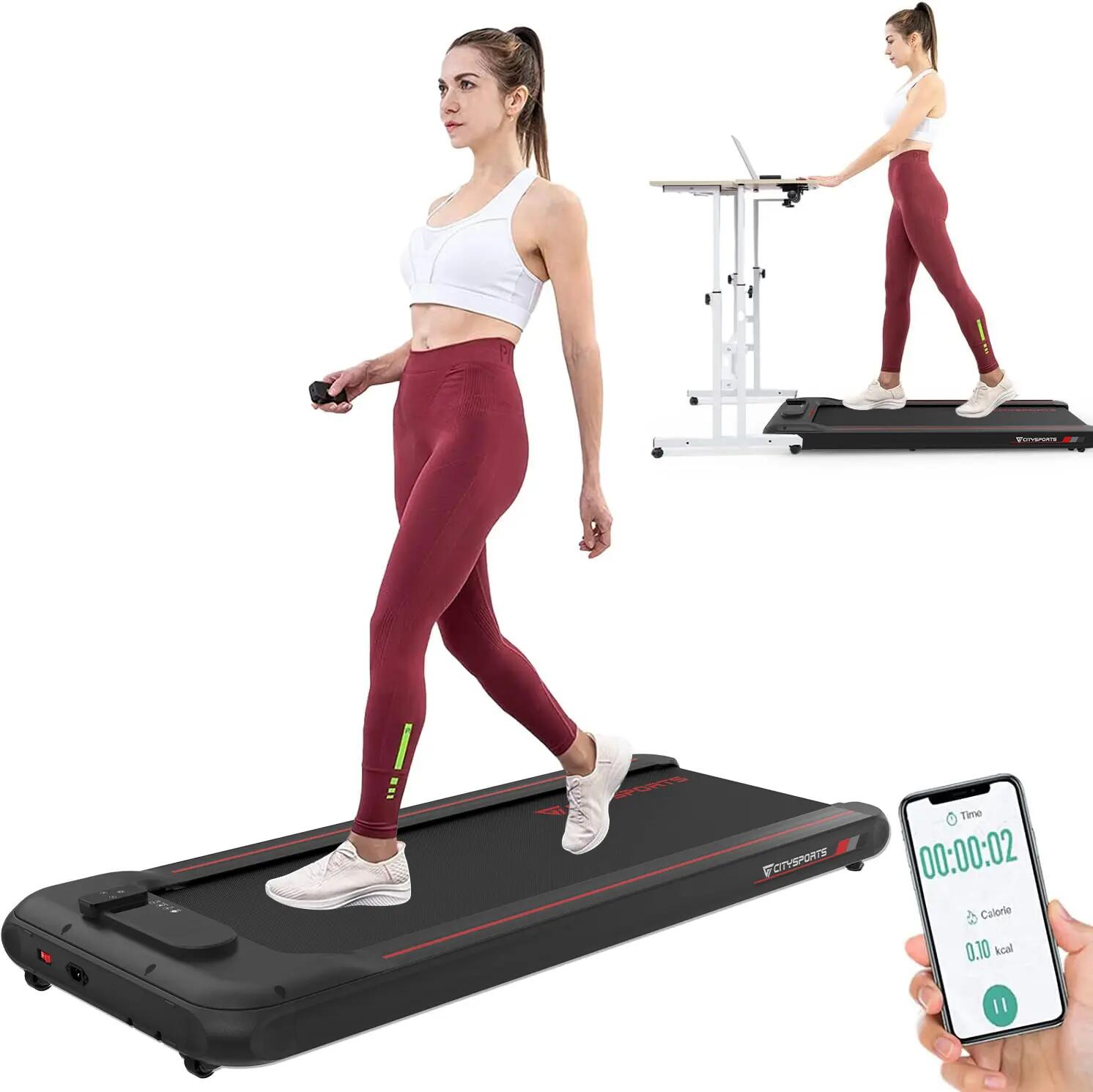
Marketplace -Online Only Marketplace -Online OnlyMarketplace -Online OnlyCITYSPORTS Treadmill/Walking pad, WP2X, 440W – 1.0–6.0 km/h – Bluetooth – Black/BlueCurrent price {{currentPrice}} €129.00Sold and shipped by Citysports EU
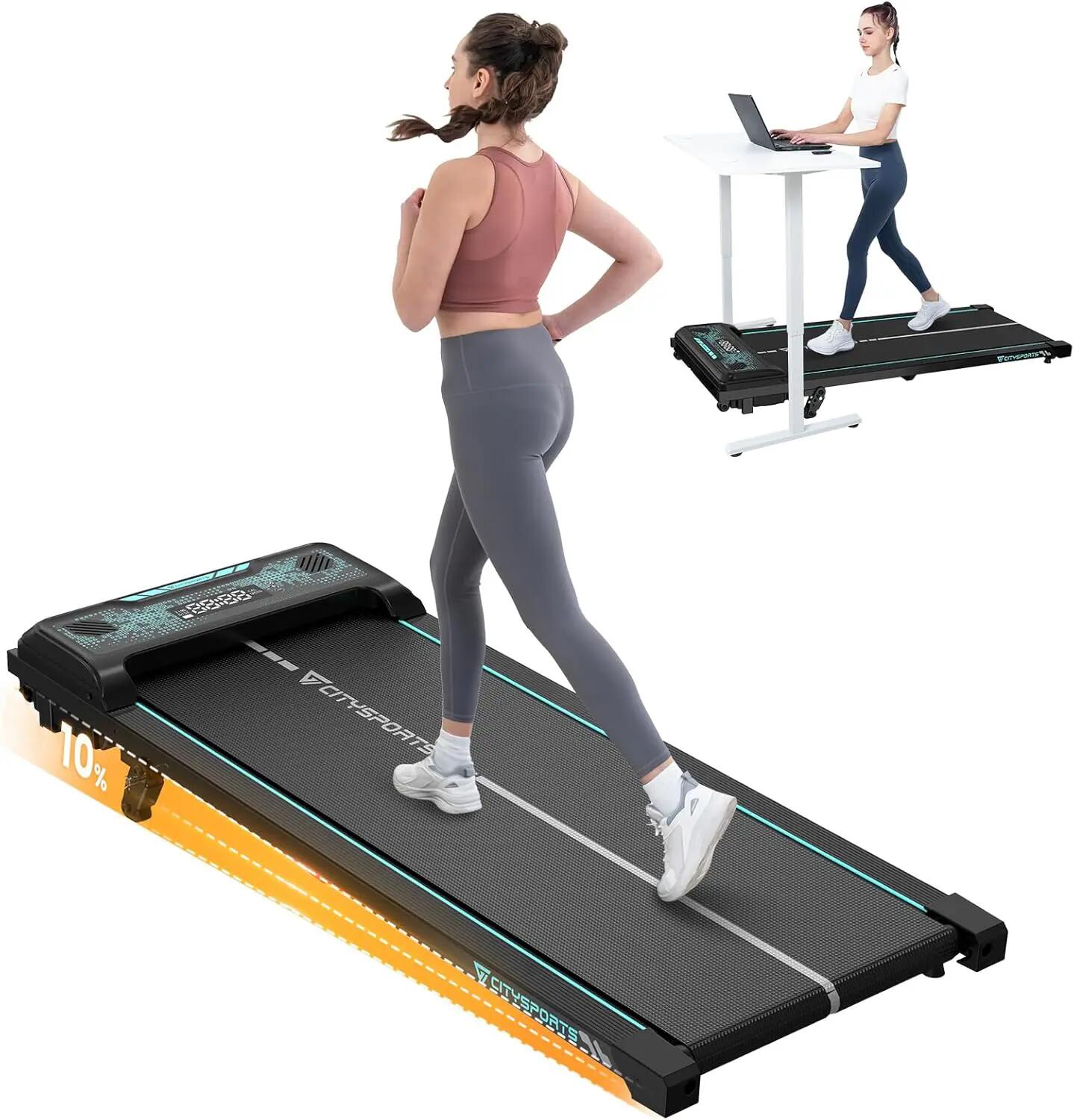
Marketplace -Online Only Marketplace -Online OnlyMarketplace -Online OnlyCITYSPORTS Foldable Treadmill for Home and Office Use, 1–6 km/h, Incline 0–10%Current price {{currentPrice}} €144.00Sold and shipped by Citysports EU
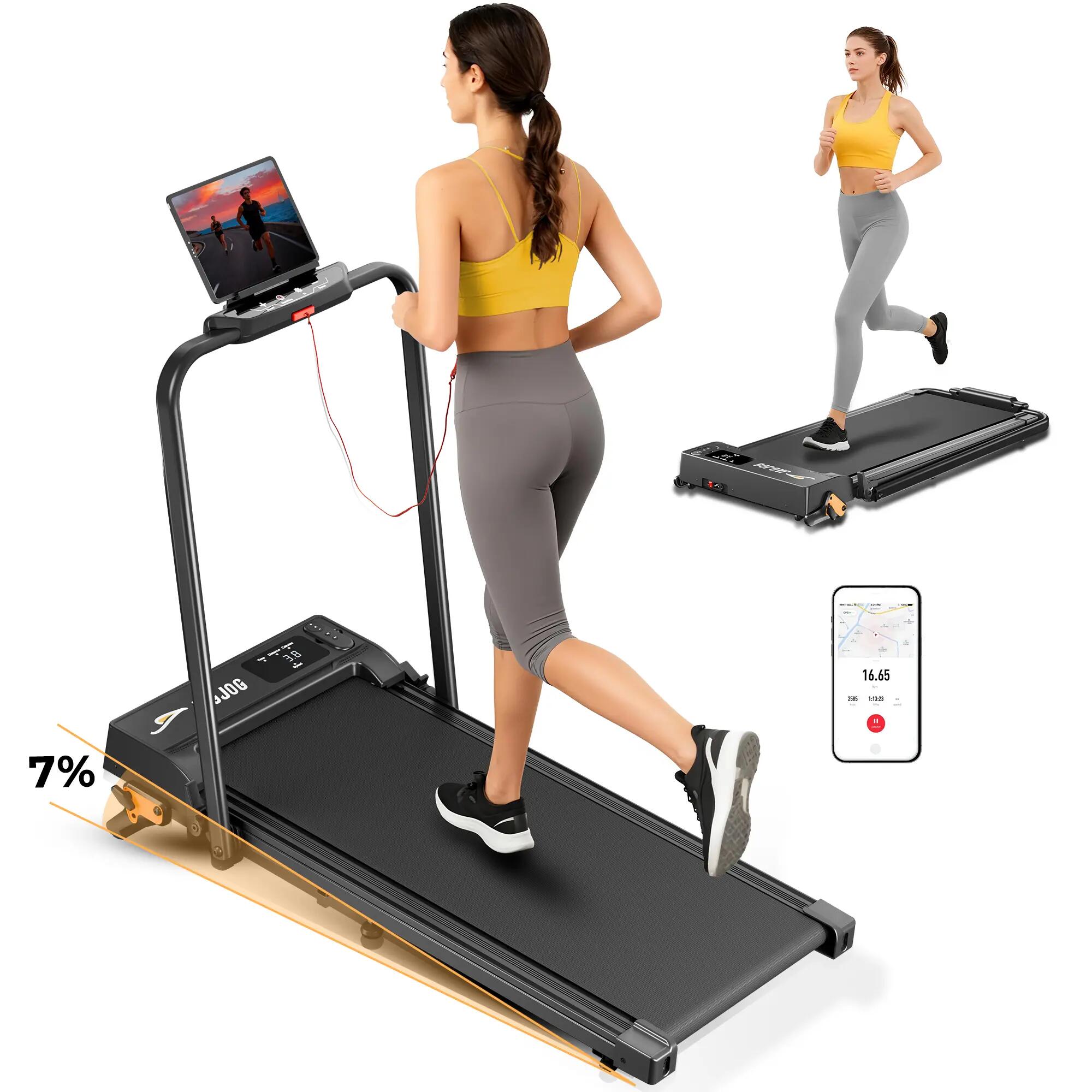
Marketplace -Online Only Marketplace -Online OnlyMarketplace -Online OnlyISCOOTER iscooter JT52 treadmill with 1–12 km/h, 0–7%Current price {{currentPrice}} €189.00Sold and shipped by KuKirin Official
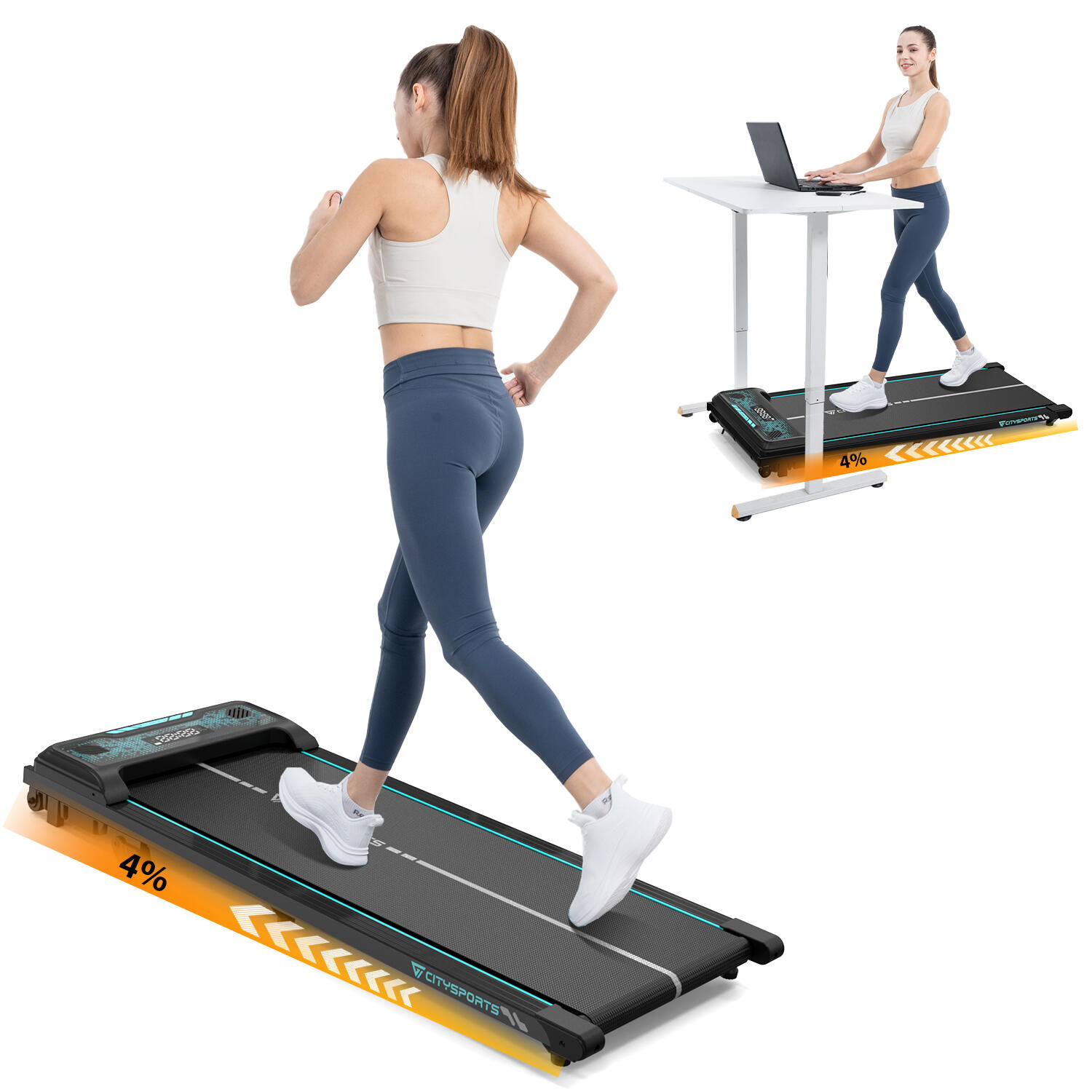
Marketplace -Online Only Marketplace -Online OnlyMarketplace -Online OnlyCITYSPORTS Treadmill for home and office, WP6, 4% incline, 1–6 km/h, black and greenCurrent price {{currentPrice}} €129.00 Former price €134.00 3% offLowest price: €134.00Promo 27/9/2026 from to 27/10/2026Sold and shipped by Citysports EU
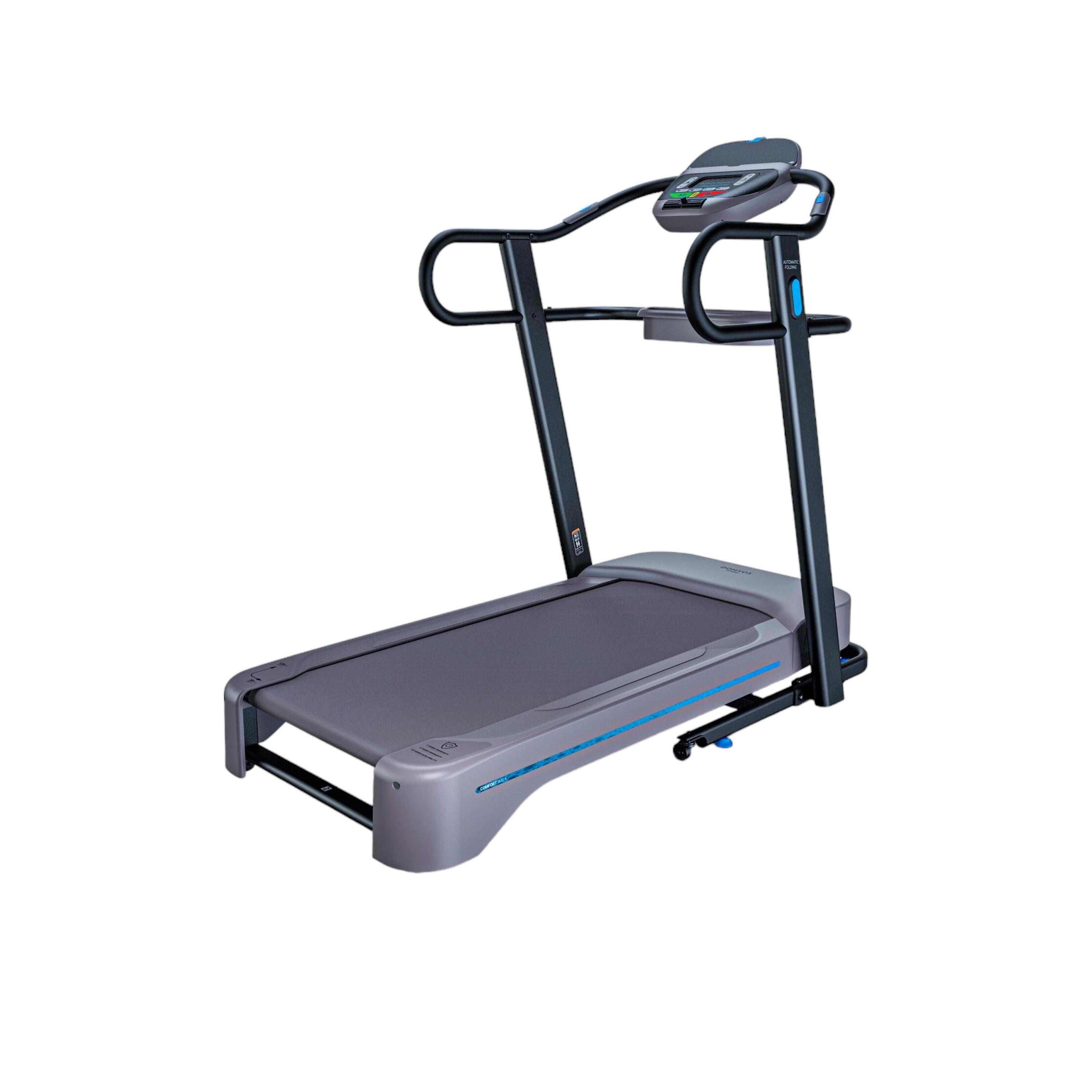
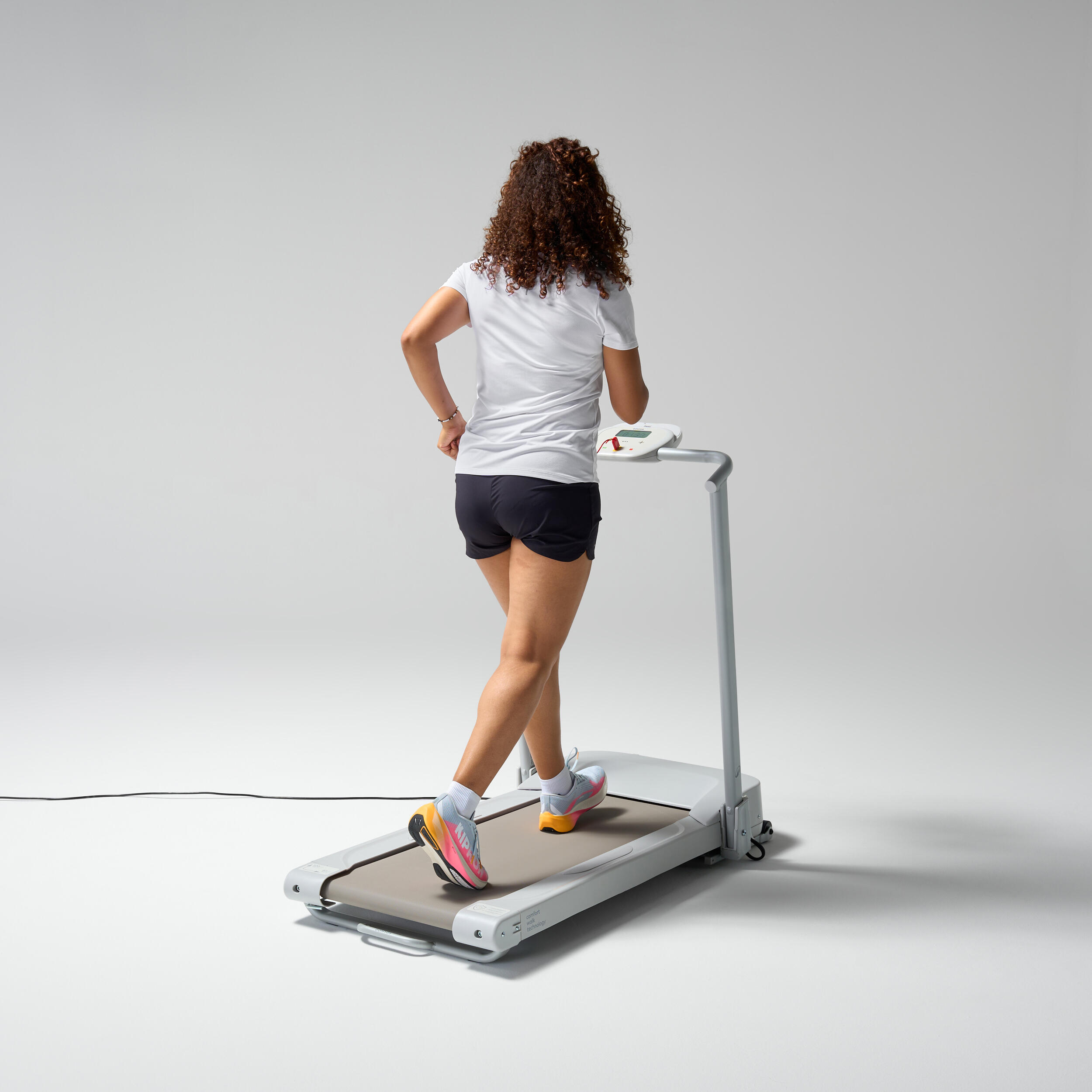
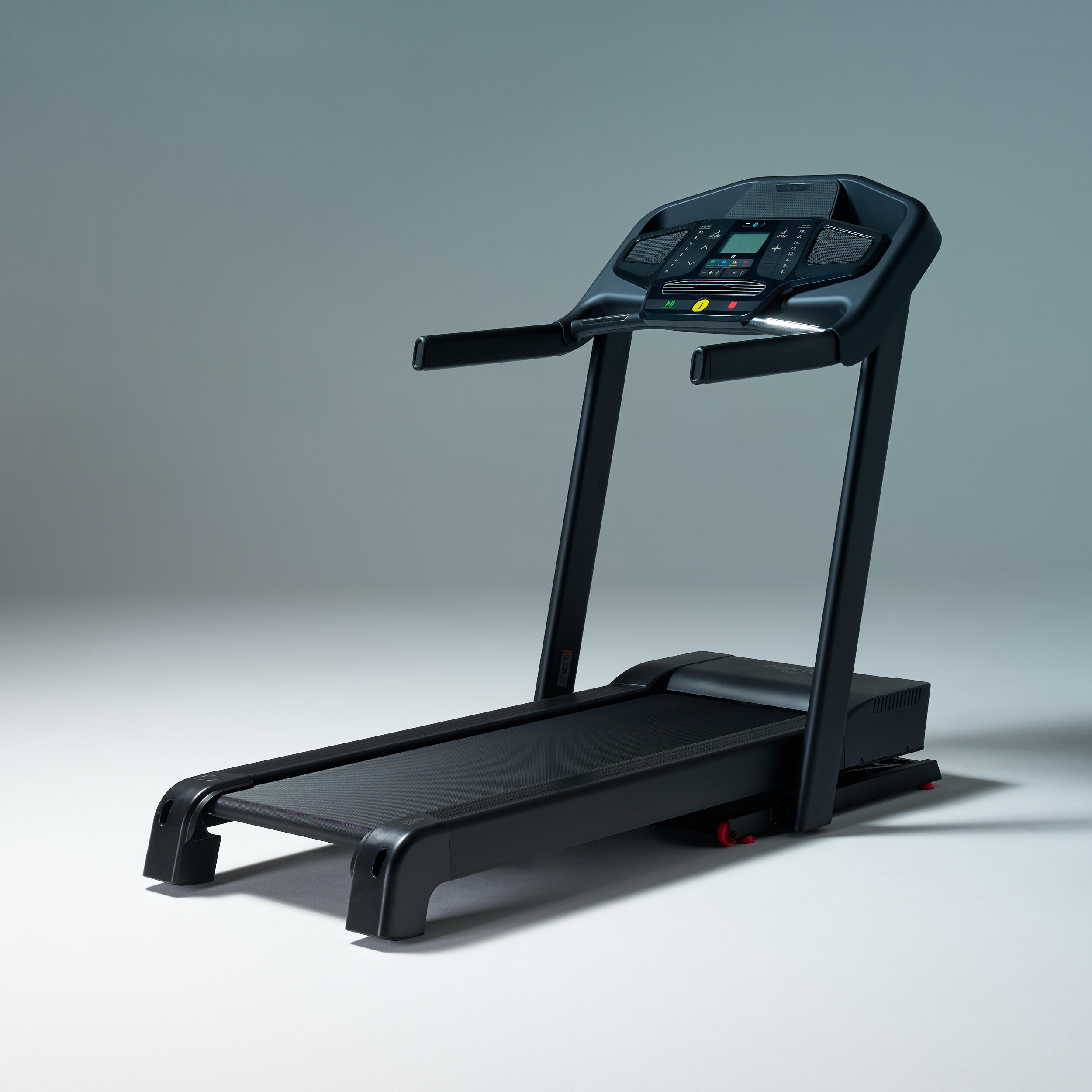
DOMYOS Folding Walking Treadmill 8 km/h, W500B4.6(412)Reviews.votesAriaCurrent price {{currentPrice}} €420.00
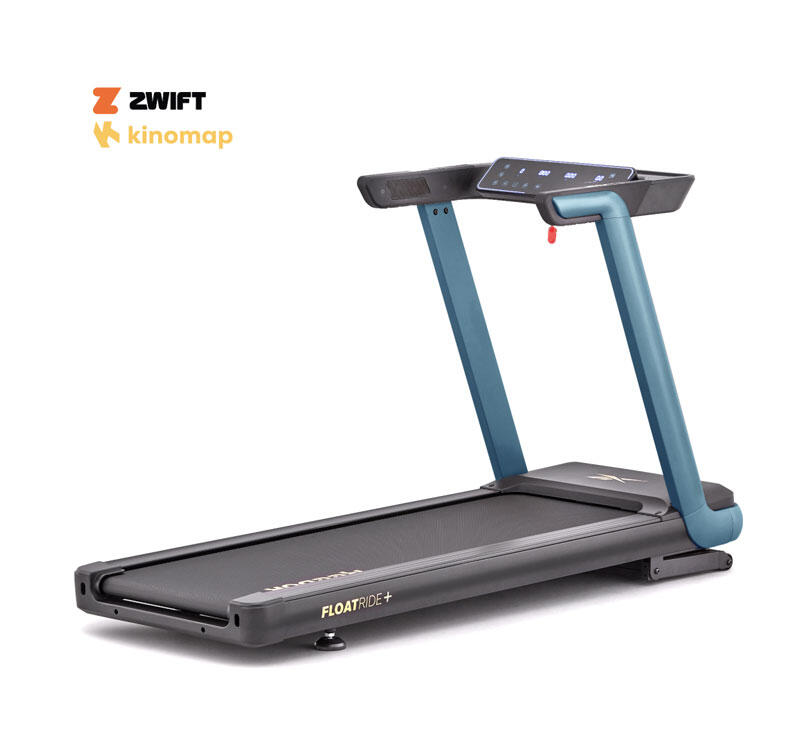
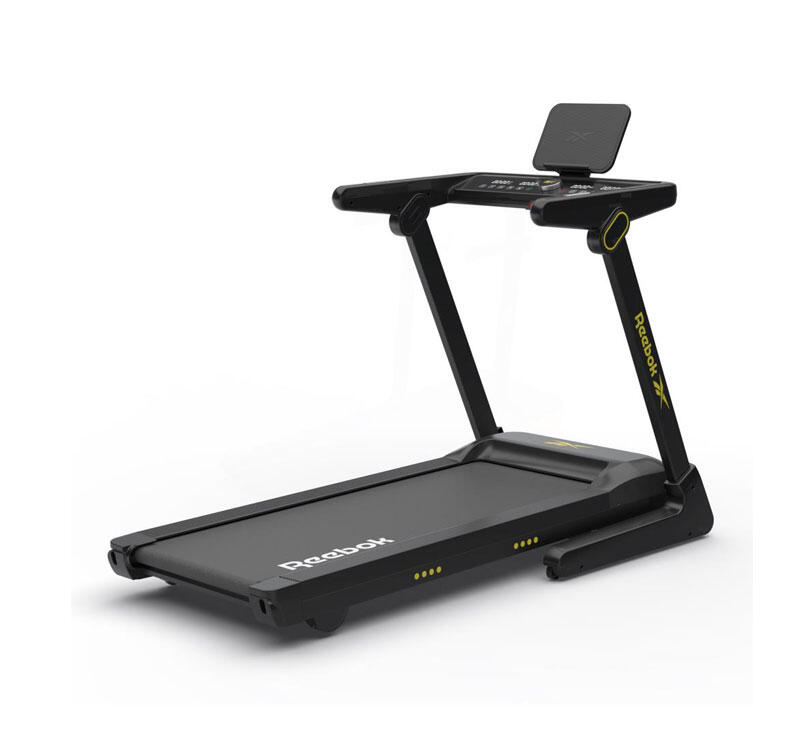
Marketplace -Online Only Marketplace -Online Only4 coloursMarketplace -Online OnlyREEBOK Running Treadmill - FR30Z Floatride - 20 km/h - Zwift & Kinomap - Green4 coloursCurrent price {{currentPrice}} €999.00 Former price €1,299.00 23% offLowest price: €1,299.00Promo 21/9/2026 from to 8/10/2026Sold and shipped by fitnessdigital
DOMYOS Compact running treadmill 14km/h, RUN1004.6(398)Reviews.votesAriaCurrent price {{currentPrice}} €610.00
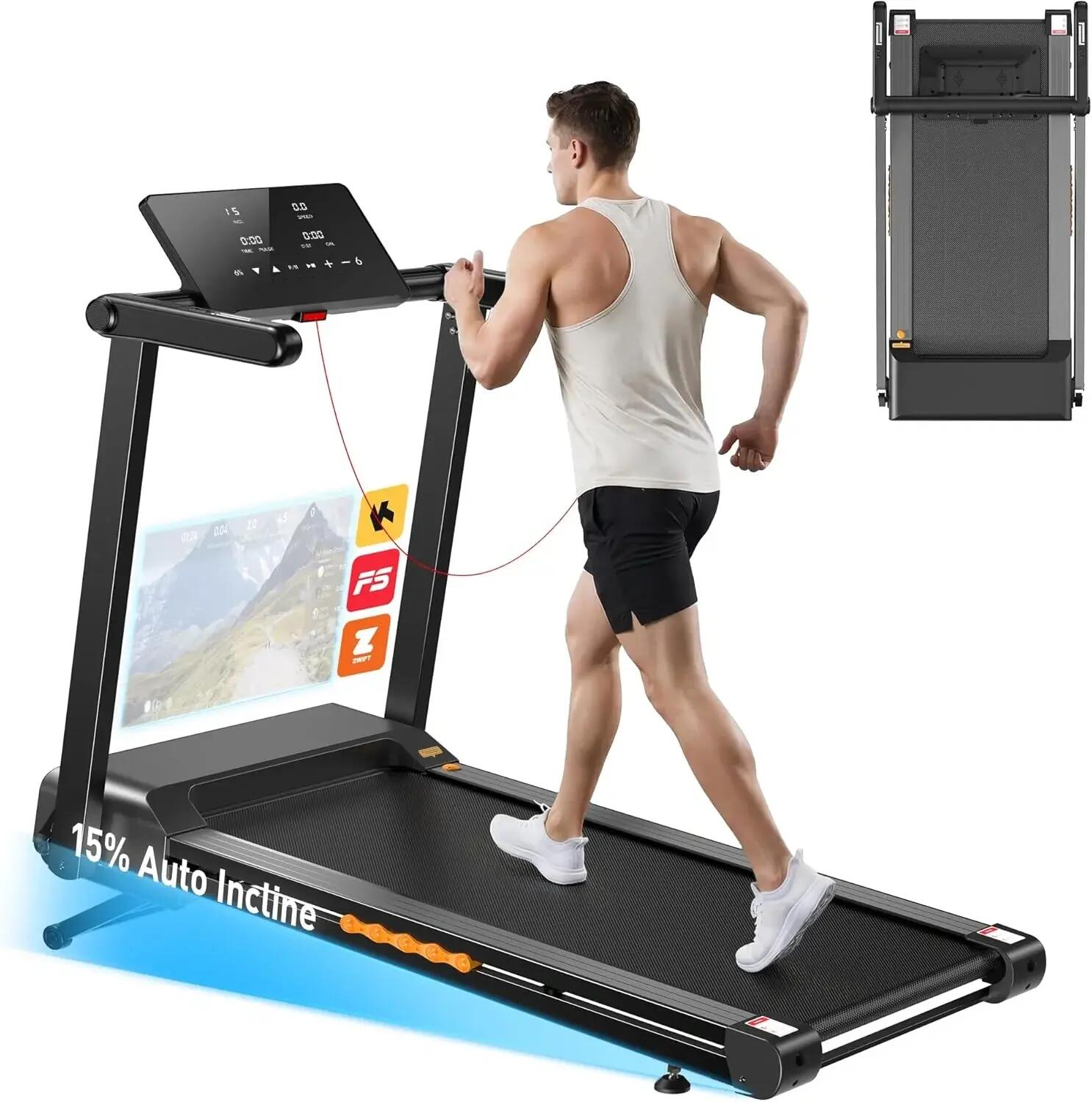
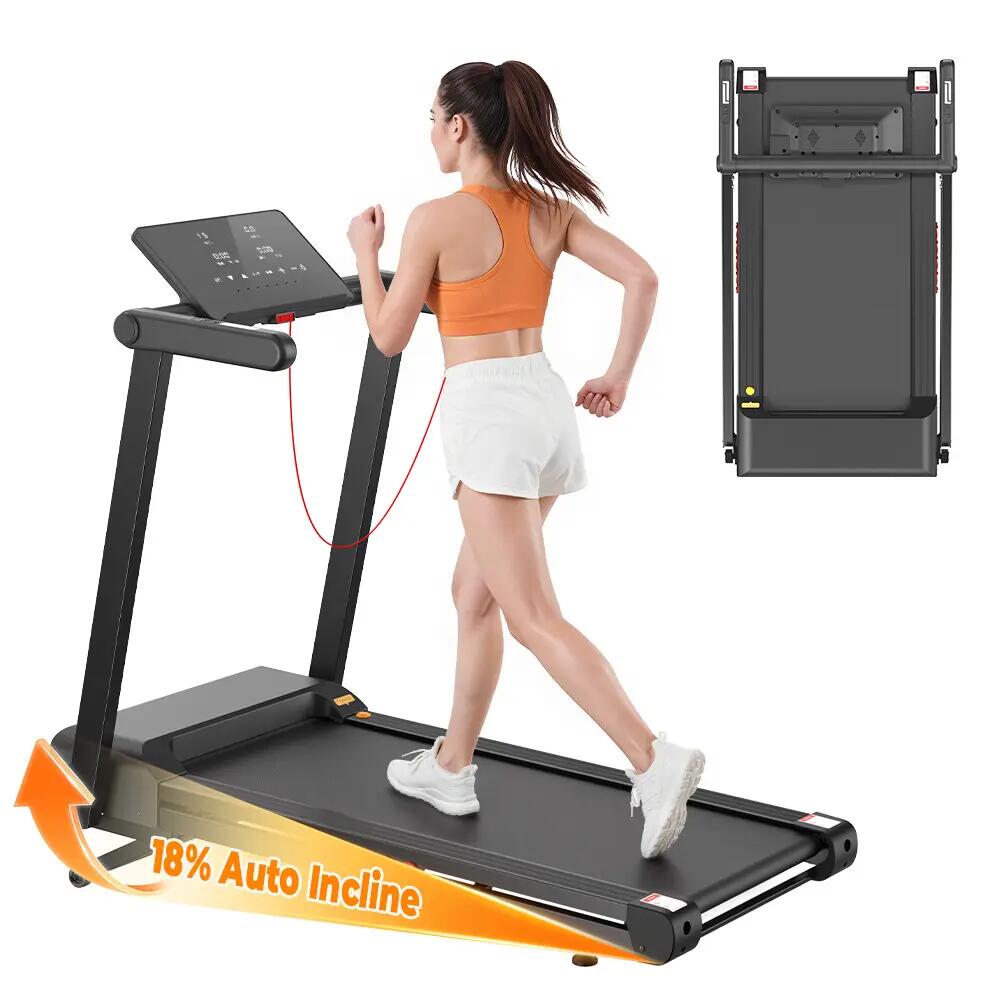
Marketplace -Online Only Marketplace -Online OnlyMarketplace -Online OnlyISCOOTER JT60 Foldable Home Treadmill, 3.5 HP, 14 km/h, 15% Automatic InclineCurrent price {{currentPrice}} €399.00Sold and shipped by PowerRide
Marketplace -Online Only Marketplace -Online OnlyMarketplace -Online OnlyCITYSPORTS Treadmill, CITYSPORTS – Speed 1.0–6.0 km/h – App – LED DisplayCurrent price {{currentPrice}} €124.00 Former price €129.00 3% offLowest price: €129.00Promo 27/9/2026 from to 25/10/2026Sold and shipped by Citysports EU
Marketplace -Online Only Marketplace -Online Only2 coloursMarketplace -Online OnlyHOMEFITNESSCODE Folding Walking Treadmill Z3, 1-6km/h, 5% Incline, Quiet Brushless Motor3.9(15)Reviews.votesAria2 coloursCurrent price {{currentPrice}} €199.99€199.99/unitSold and shipped by APEXFIT
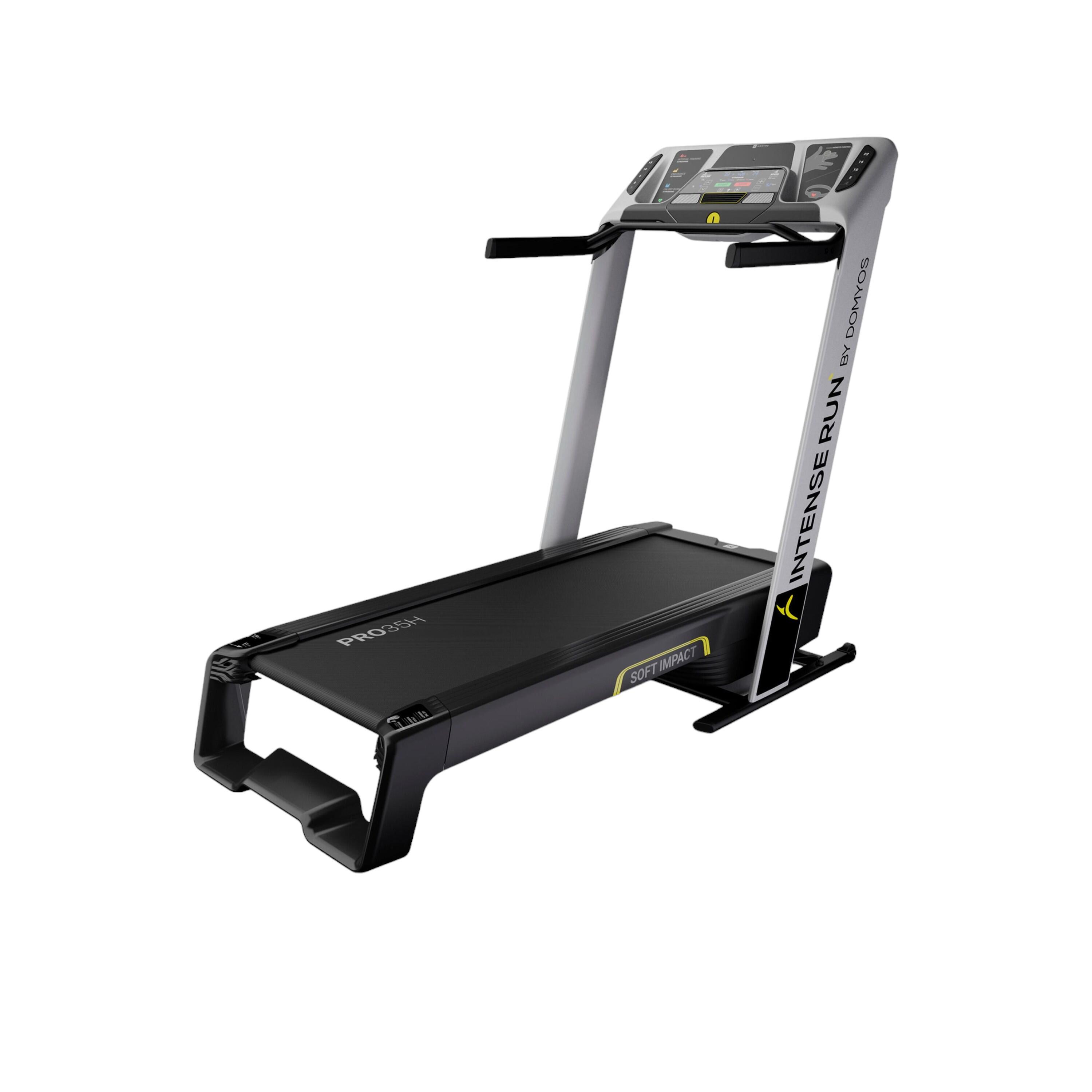
Promotion PromotionPromotionDOMYOS Folding running treadmill with adjustable incline 22km/h, Challenge Run4.6(37)Reviews.votesAriaCurrent price {{currentPrice}} €1,000.00 Former price €1,300.00 23% offLowest price: €1,300.00Starting on 20/5/2026 and valid for the entire duration of the promo
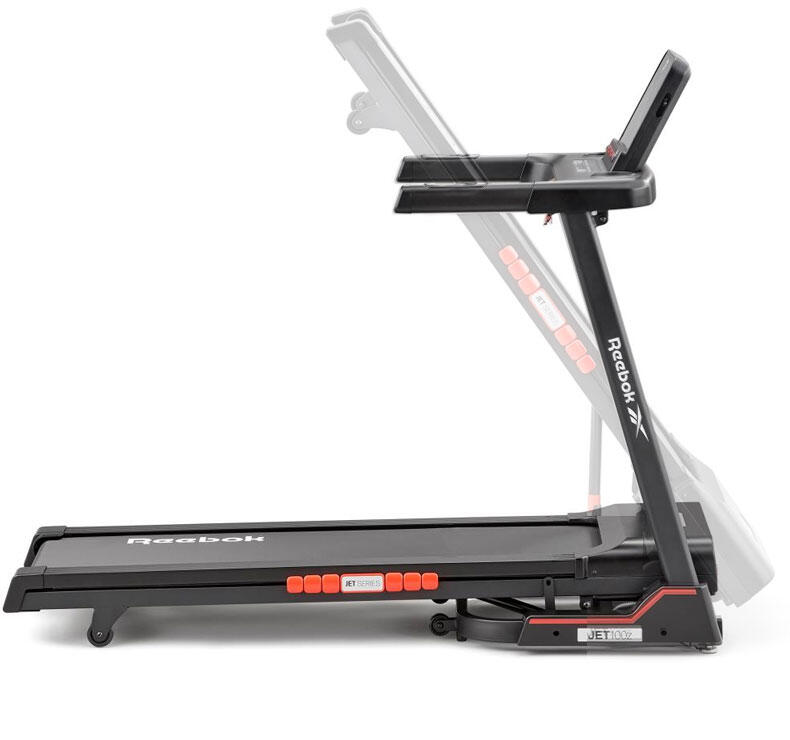
Marketplace -Online Only Marketplace -Online OnlyMarketplace -Online OnlyREEBOK Running Treadmill - Jet 100 Z - 18 km/h - Zwift & Kinomap - 130 x 43 cmCurrent price {{currentPrice}} €649.00 Former price €1,250.00 48% offLowest price: €1,250.00Promo 21/9/2026 from to 8/10/2026Sold and shipped by fitnessdigital
Marketplace -Online Only Marketplace -Online OnlyMarketplace -Online OnlyREEBOK Running Treadmill - ERS 510T - 18 km/h Max Speed - Foldable - Zwift & KinomapCurrent price {{currentPrice}} €699.00 Former price €1,000.00 30% off€699.00/unitLowest price: €1,000.00Promo 21/9/2026 from to 8/10/2026Sold and shipped by fitnessdigital
Marketplace -Online Only Marketplace -Online OnlyMarketplace -Online OnlyISCOOTER iscooter FT62 treadmill with 1–16 km/h, 0–18%Current price {{currentPrice}} €409.00 Former price €439.00 6% offLowest price: €439.00Starting on 13/9/2026 and valid for the entire duration of the promoSold and shipped by KuKirin Official
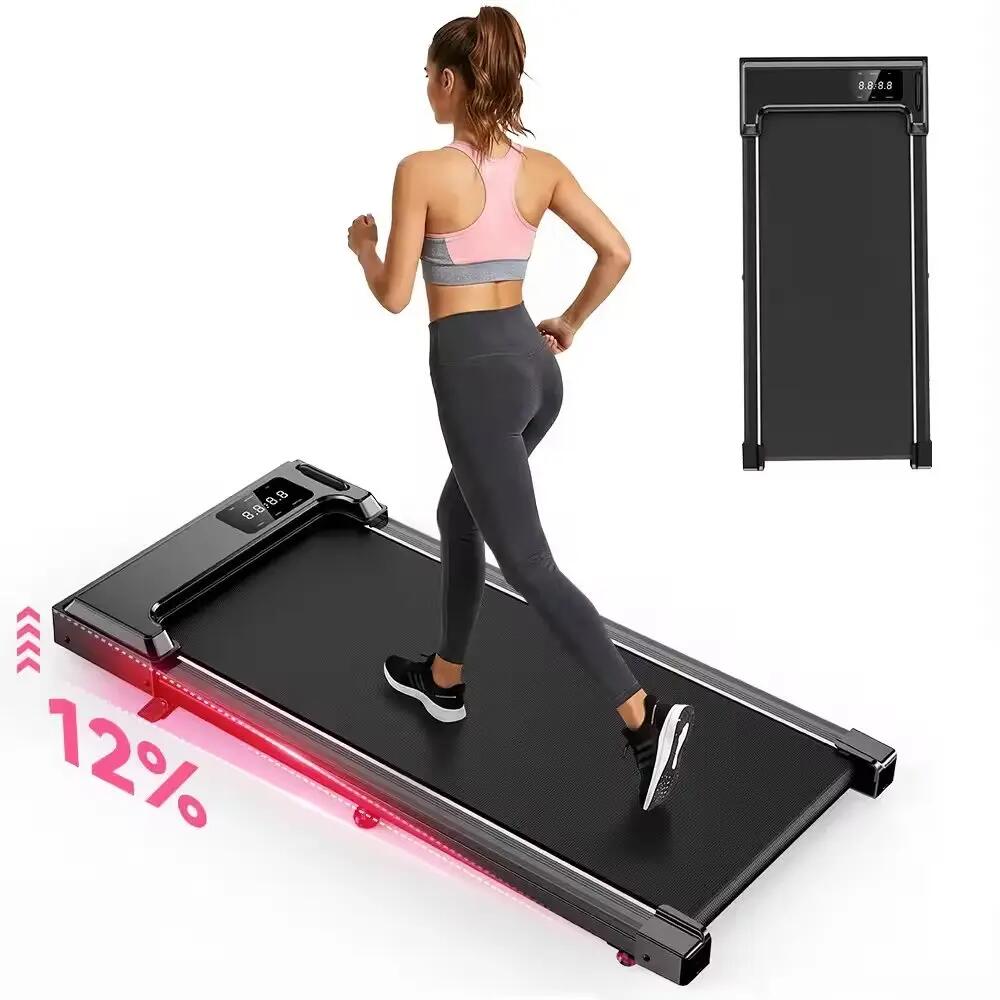
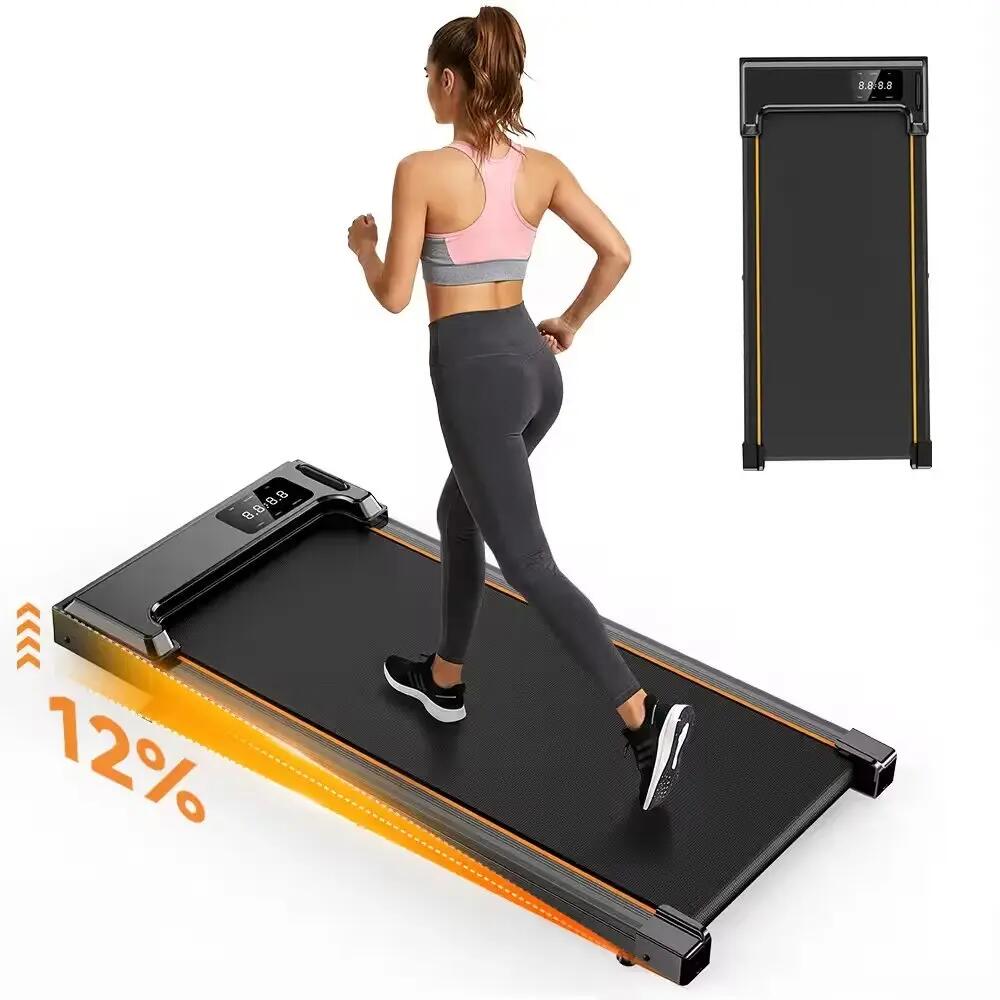
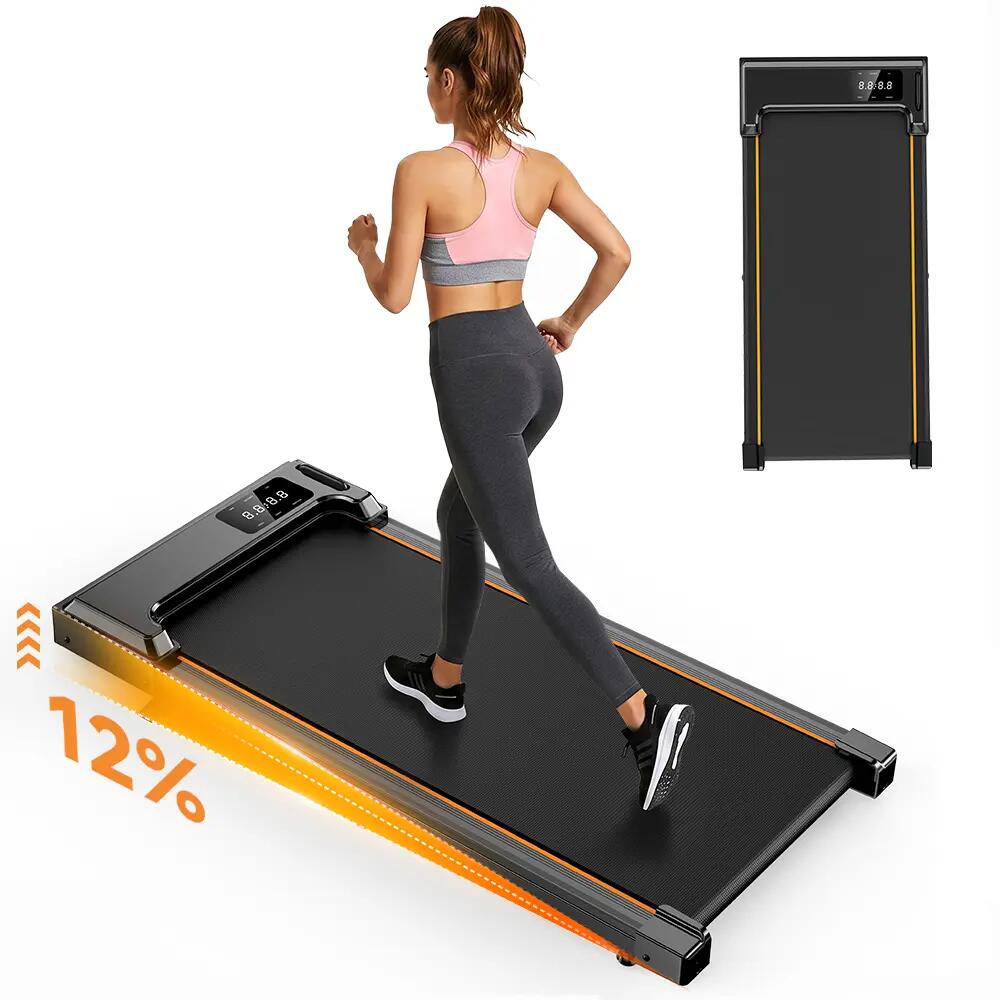
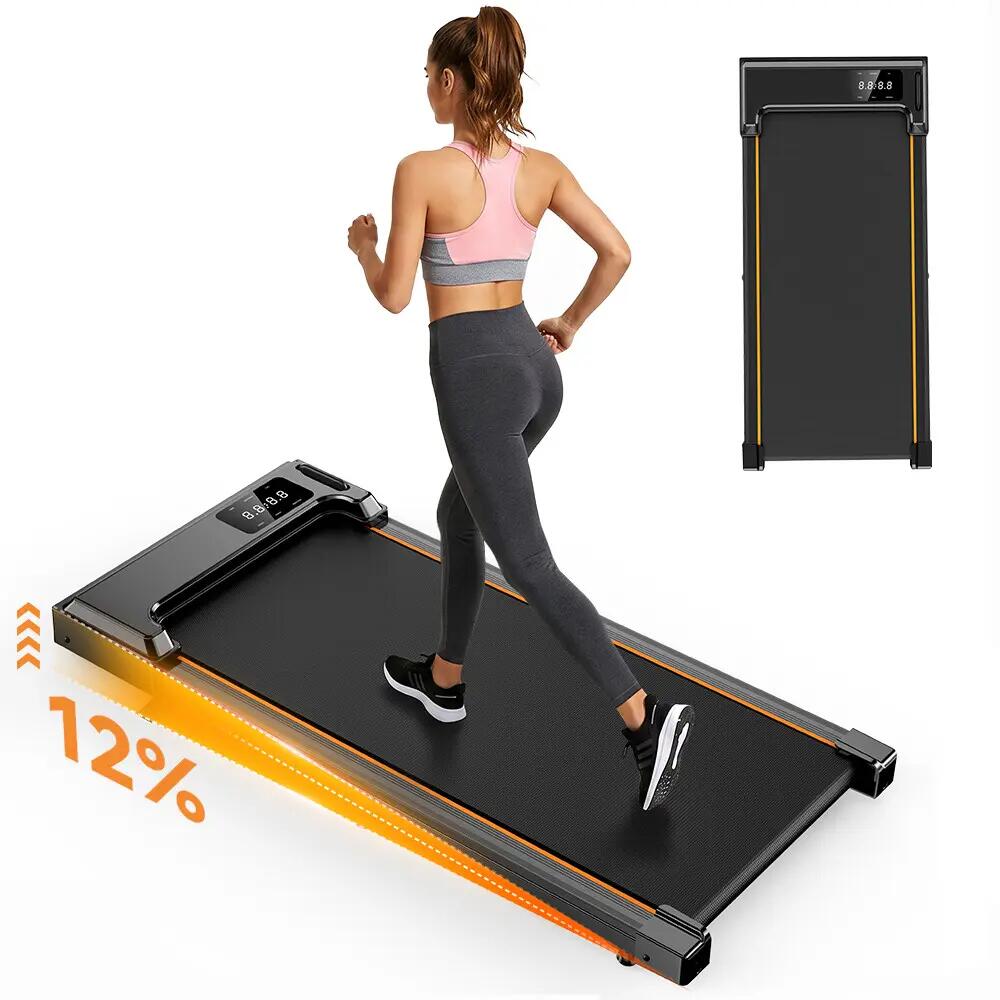
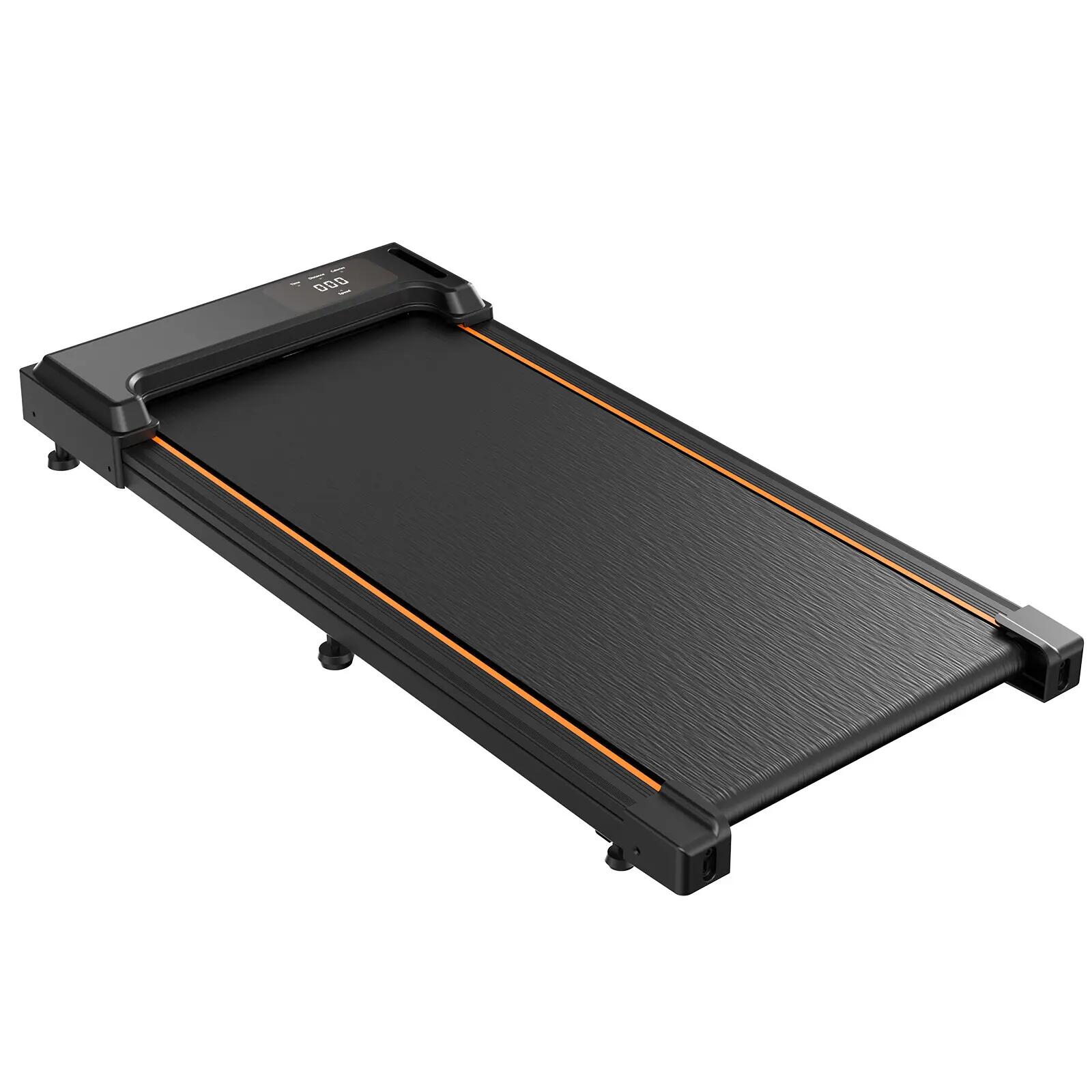
Marketplace -Online Only Marketplace -Online Only2 coloursMarketplace -Online OnlyISCOOTER Compact Walking Pad FT33, 2.5HP, 1–6km/h, 12% Incline, Vibration2 coloursCurrent price {{currentPrice}} €179.00Sold and shipped by Apexcycle
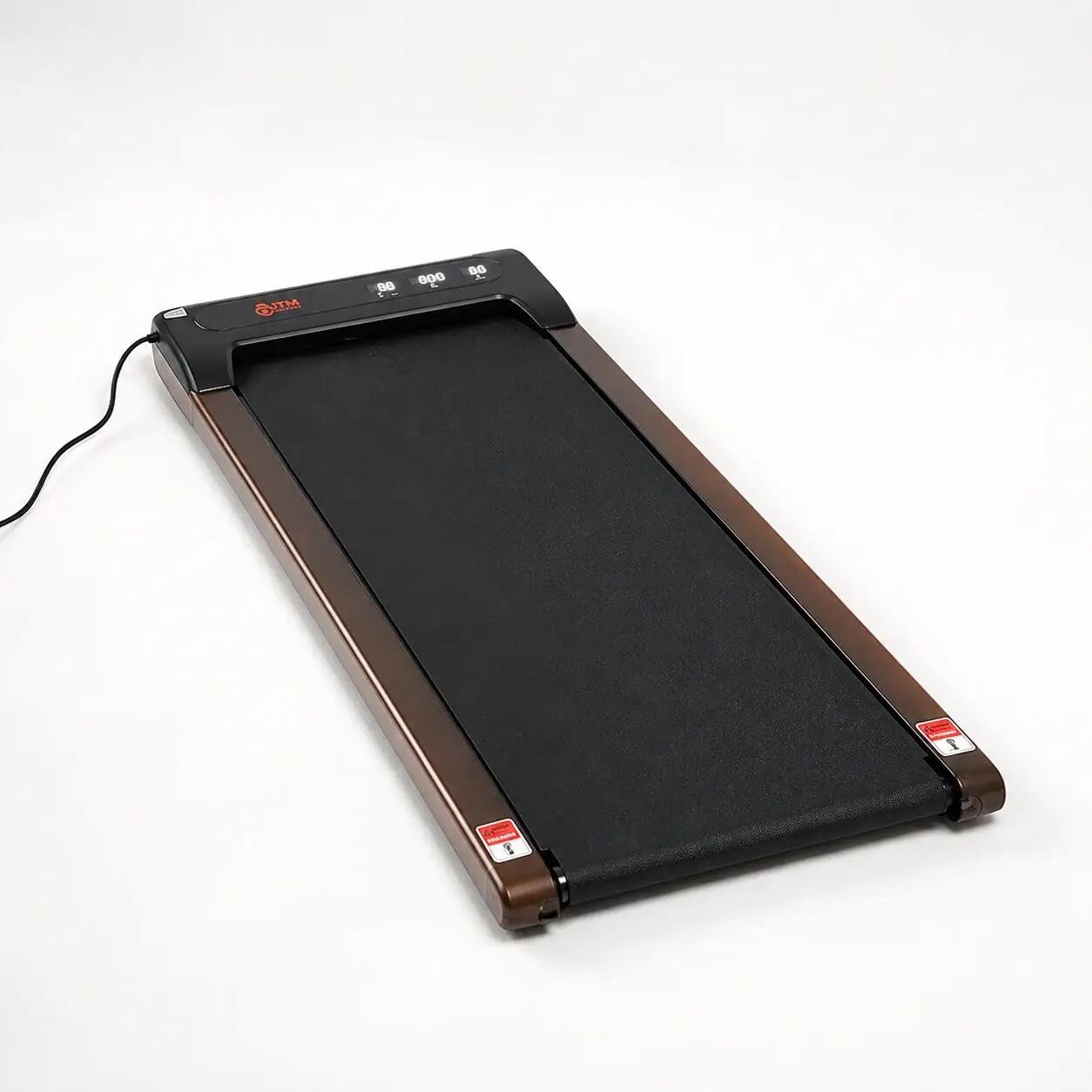
Marketplace -Online Only Marketplace -Online OnlyMarketplace -Online OnlyITM ITM Fitness Walking Pad 600 Under-Desk TreadmillCurrent price {{currentPrice}} €239.00€239.00/unitSold and shipped by InTheMarket
Marketplace -Online Only Marketplace -Online OnlyMarketplace -Online OnlyISCOOTER iscooter FT71 treadmill with 1–16 km/h, 0–24%Current price {{currentPrice}} €489.00Sold and shipped by KuKirin Official
Marketplace -Online Only Marketplace -Online OnlyMarketplace -Online OnlyITM ITM Fitness Walking Pad 400 | Ultra-Compact Under-Desk TreadmillCurrent price {{currentPrice}} €149.00€149.00/unitSold and shipped by InTheMarket
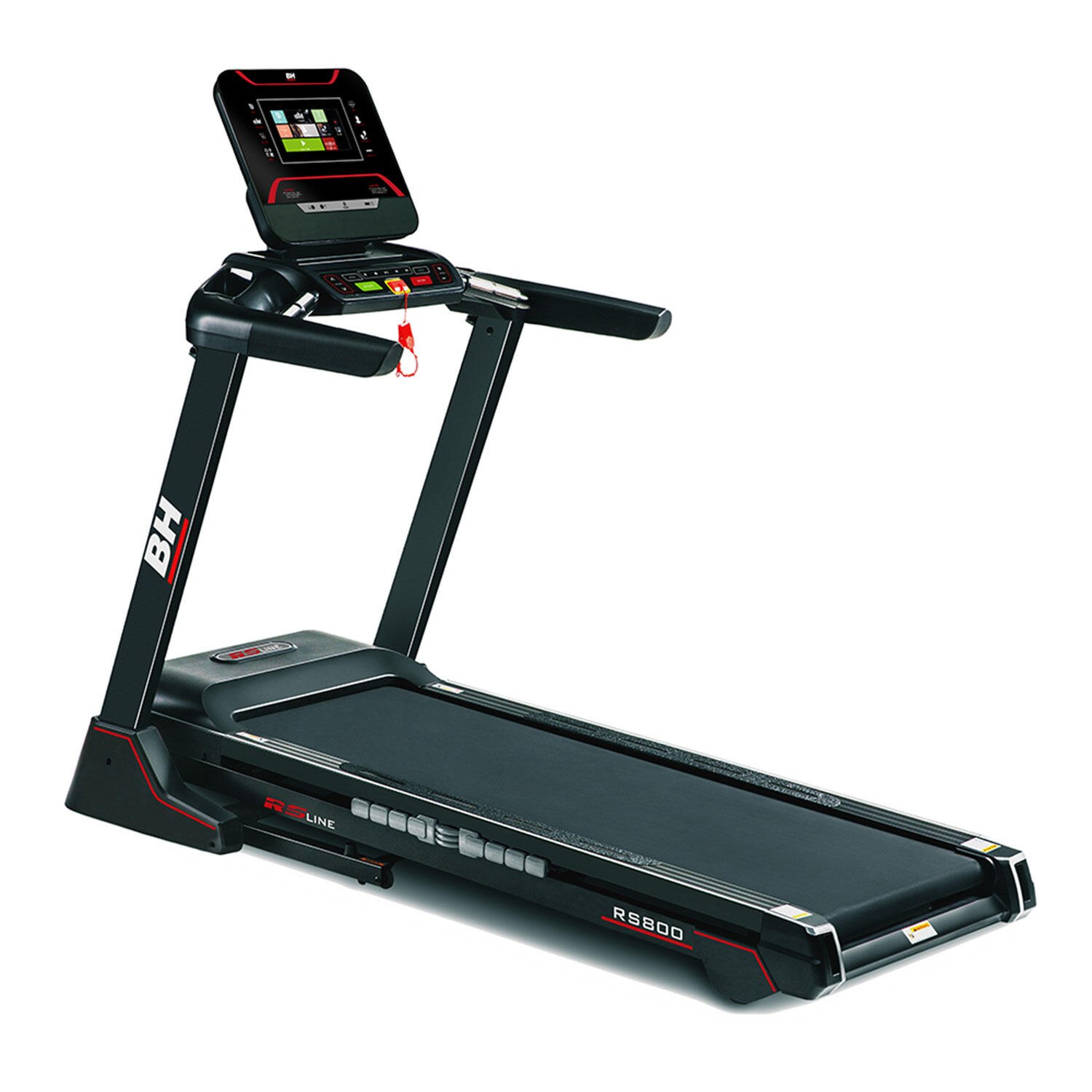
Marketplace -Online Only Marketplace -Online OnlyMarketplace -Online OnlyBH FITNESS RS800 Multimedia Treadmill G6176TFT FTMS Touch Screen3(2)Reviews.votesAriaCurrent price {{currentPrice}} €1,199.00Sold and shipped by Gymgear Equipment Ltd
Marketplace -Online Only Marketplace -Online OnlyMarketplace -Online OnlyISCOOTER FT61:3.0HP,15°Incline,13.5km/h,Quiet,LCD,135Kg,Shock Absorb,Home UseCurrent price {{currentPrice}} €366.00Sold and shipped by Buy Best E-Bike Store
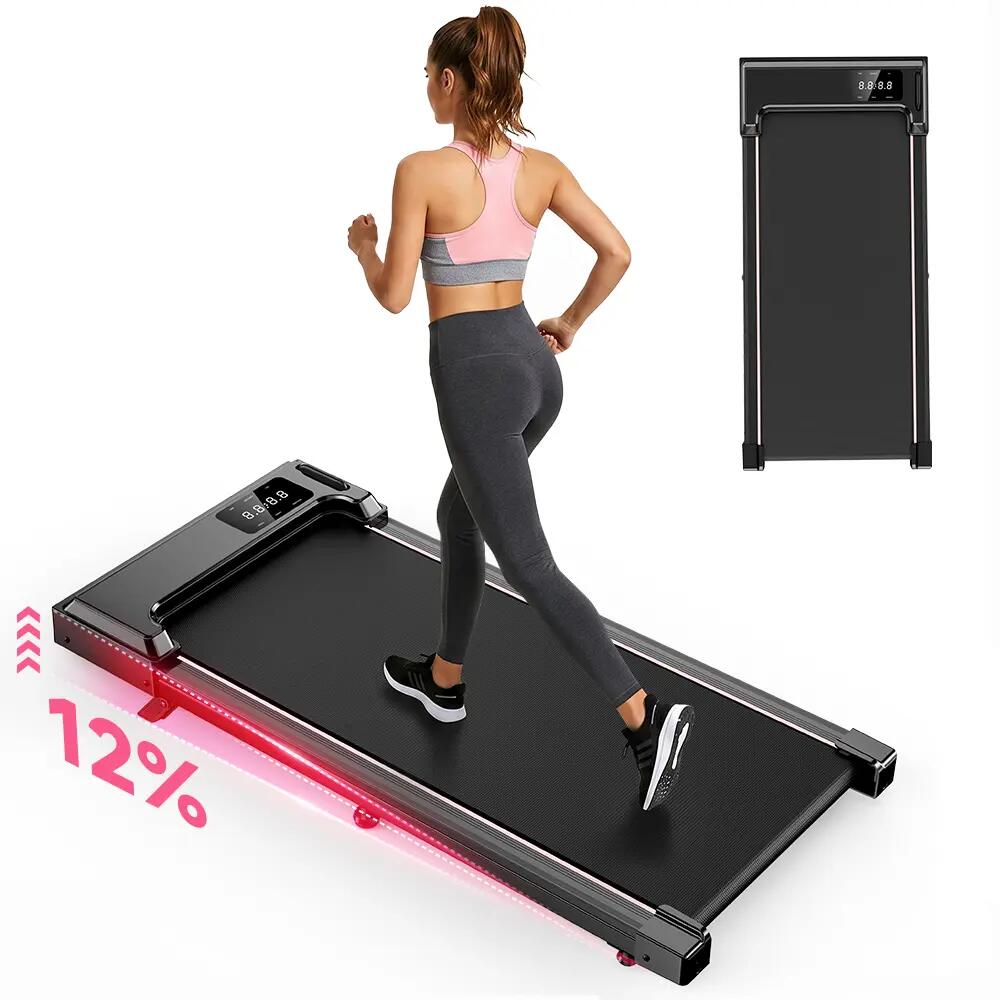
Marketplace -Online Only Marketplace -Online Only2 coloursMarketplace -Online OnlyISCOOTER Compact Walking Pad FT33, 2.5HP, 1–6km/h, 12% Incline, Vibration2 coloursCurrent price {{currentPrice}} €179.00Sold and shipped by Apexcycle
Marketplace -Online Only Marketplace -Online OnlyMarketplace -Online OnlyISCOOTER iscooter FT33 walking treadmill with 1–6 km/h, 0–12%5(1)Reviews.votesAriaCurrent price {{currentPrice}} €139.00Sold and shipped by KuKirin Official
Marketplace -Online Only Marketplace -Online OnlyMarketplace -Online OnlyISCOOTER iscooter FT62 treadmill with 1–16 km/h, 0–18%Current price {{currentPrice}} €409.00 Former price €439.00 6% offLowest price: €439.00Starting on 13/9/2026 and valid for the entire duration of the promoSold and shipped by KuKirin Official
Marketplace -Online Only Marketplace -Online OnlyMarketplace -Online OnlyISCOOTER FT51 Treadmill:2.5HP,LED Display,1-10km/h,120Kg Max Load,200V,45dBCurrent price {{currentPrice}} €176.00Sold and shipped by Buy Best E-Bike Store
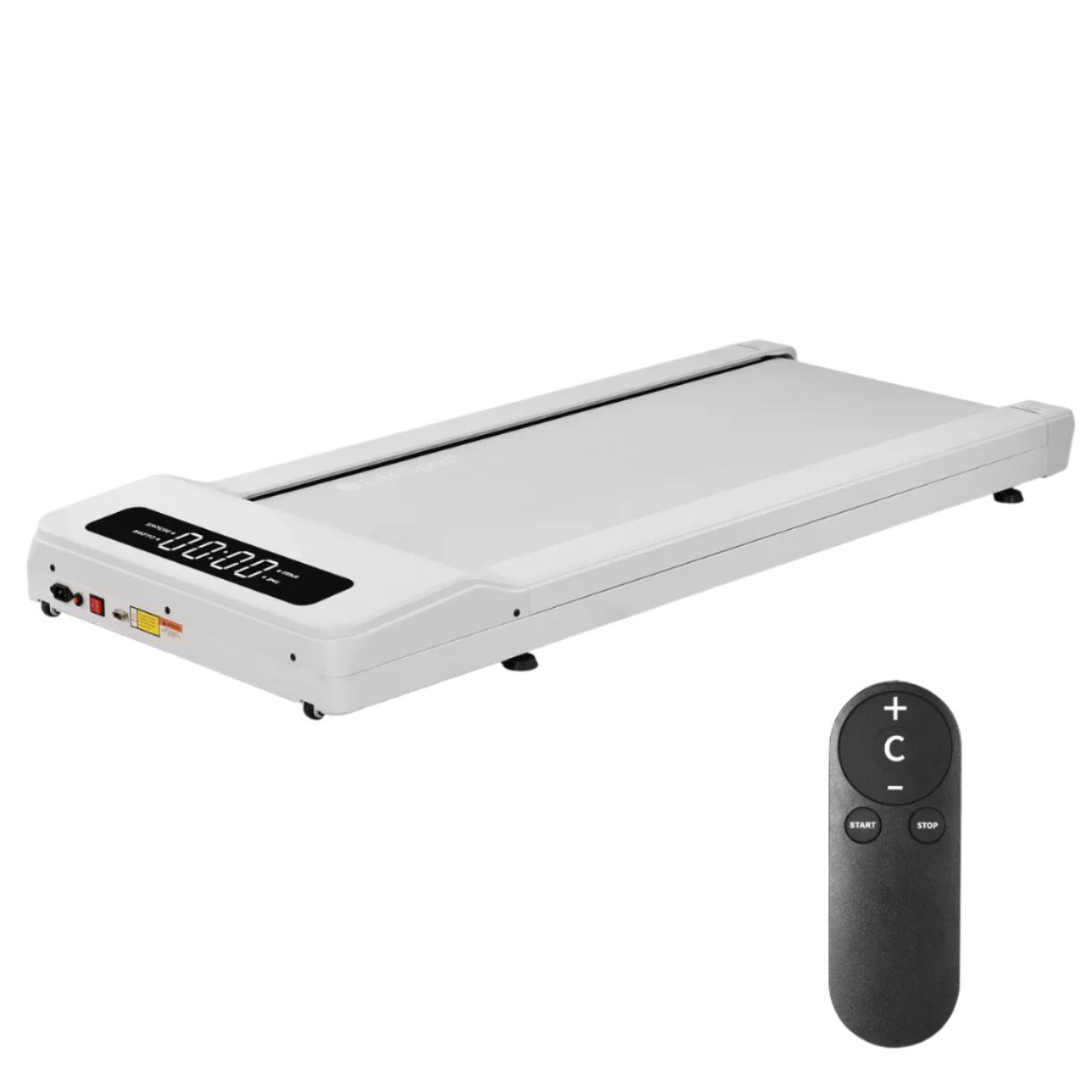
Marketplace -Online Only Marketplace -Online OnlyMarketplace -Online OnlyLIFESPAN Under-Desk Treadmill Walking Pad Pristine White – TX6Current price {{currentPrice}} €1,099.00 Former price €1,299.00 15% offLowest price: €1,299.00Promo 7/7/2026 from to 11/10/2026Sold and shipped by LifeSpan Fitness EURO
Marketplace -Online Only Marketplace -Online Only2 coloursMarketplace -Online OnlyISCOOTER FT33 Walking Pad Treadmill ,1–6 km/h Speed, Shock Absorption &Foldable Design2 coloursCurrent price {{currentPrice}} €179.00Sold and shipped by PowerRide
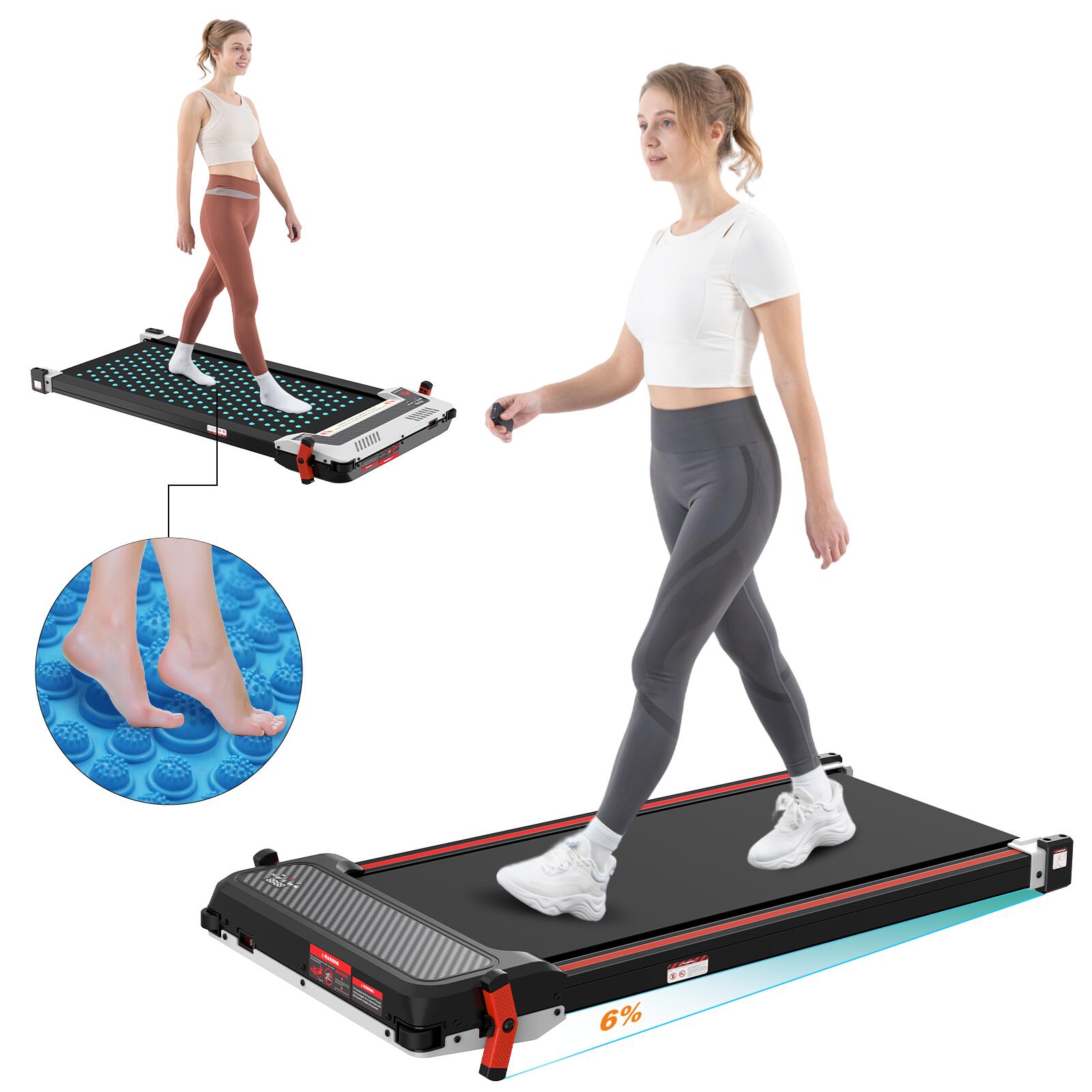
Marketplace -Online Only Marketplace -Online OnlyMarketplace -Online OnlyCITYSPORTS Walking Treadmill fixed angle 6% ,550W,6.0km/h,Remote control,Massage belt3.7(7)Reviews.votesAriaCurrent price {{currentPrice}} €129.00 Former price €189.00 31% offLowest price: €189.00Promo 21/8/2026 from to 19/10/2026Sold and shipped by Citysports EU
Marketplace -Online Only Marketplace -Online OnlyMarketplace -Online OnlyISCOOTER iscooter FT33 walking treadmill with 1–6 km/h, 0–12%Current price {{currentPrice}} €139.00Sold and shipped by KuKirin Official
Marketplace -Online Only Marketplace -Online OnlyMarketplace -Online OnlyISCOOTER iscooter FT31 walking treadmill with 1–6 km/h, 0–12%Current price {{currentPrice}} €139.00Sold and shipped by KuKirin Official