7 items
4.9/5 based on 54 reviews collected online and in stores

Europa Conference League Footballs FAQs

Which Europa Conference League football, mini or full size, is appropriate for the session?

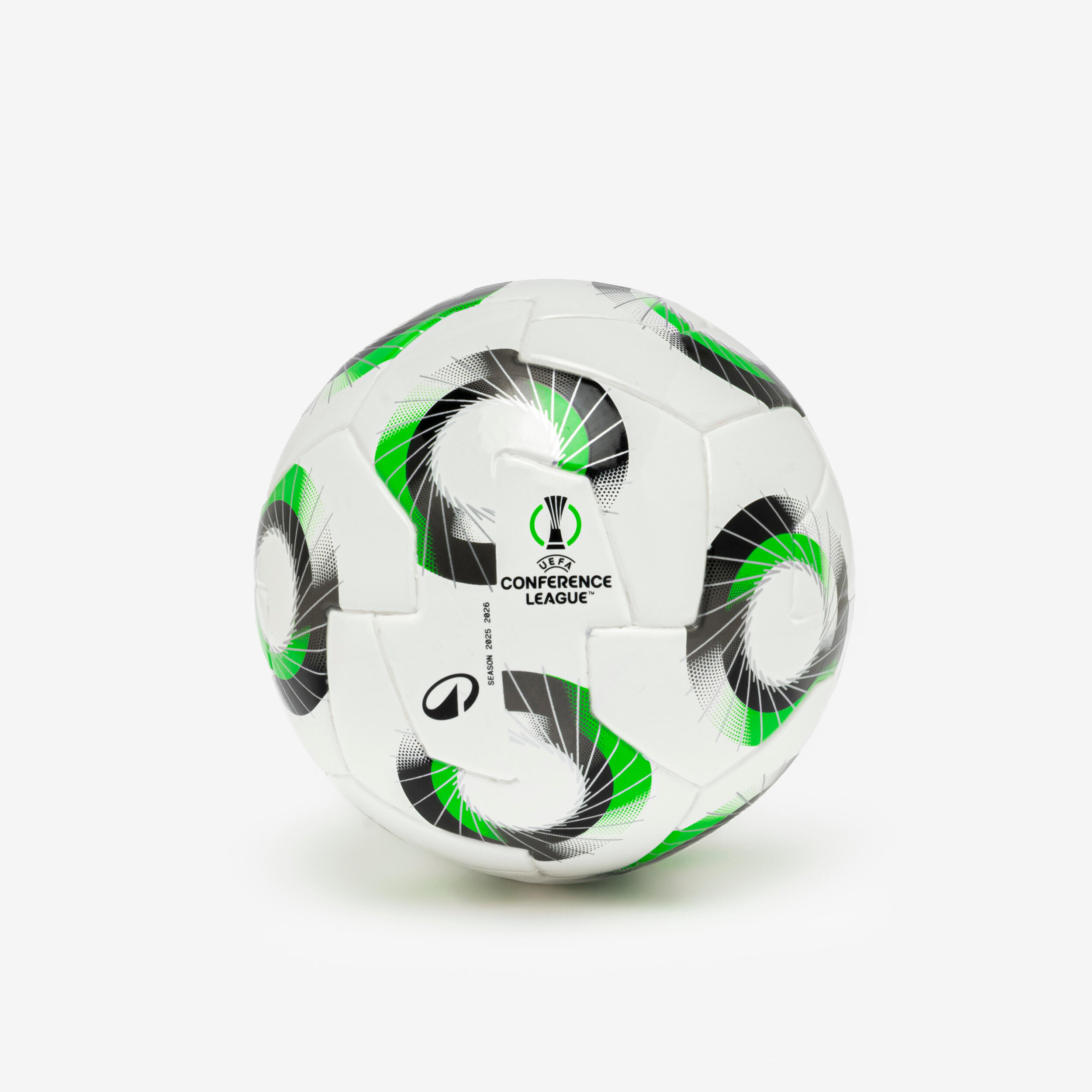
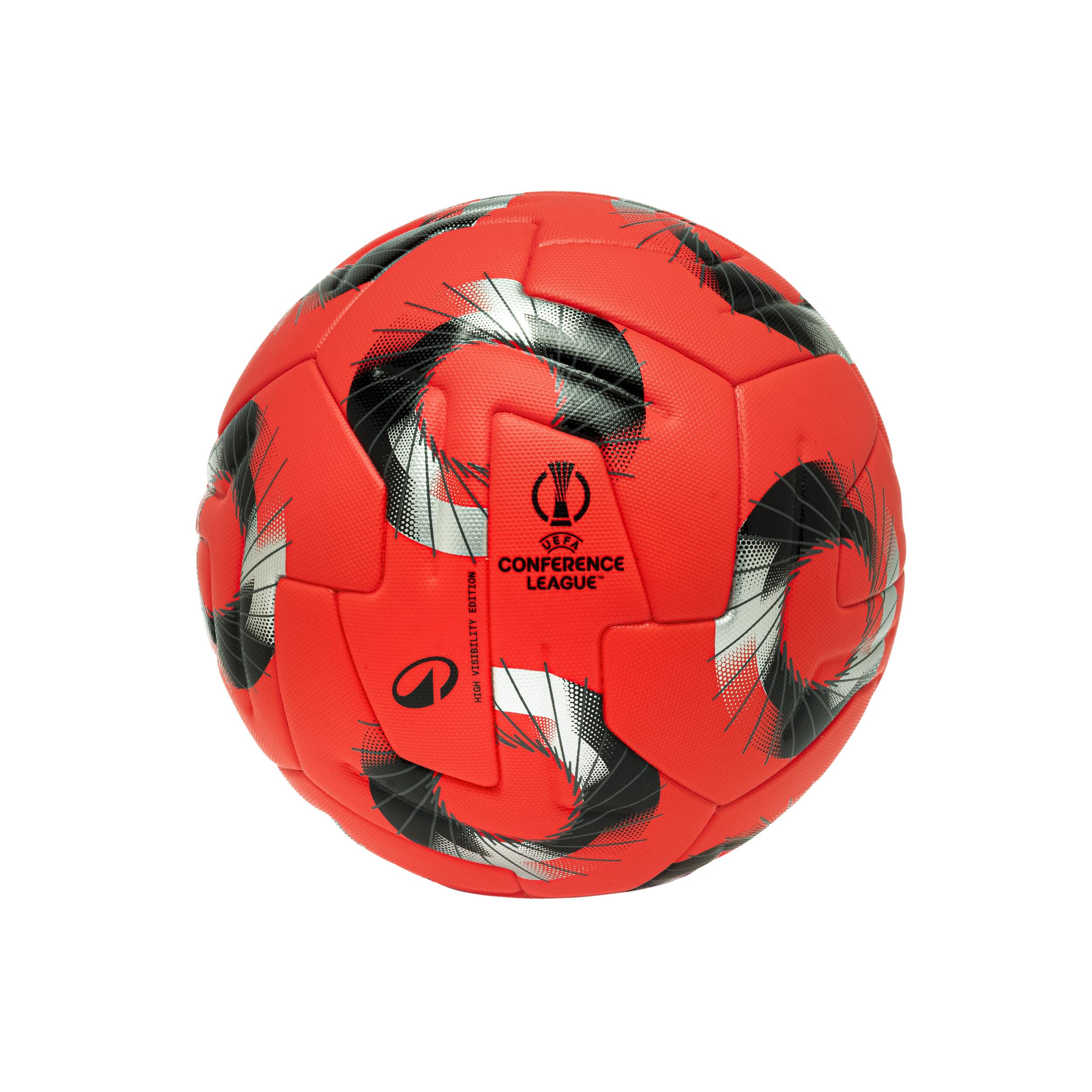
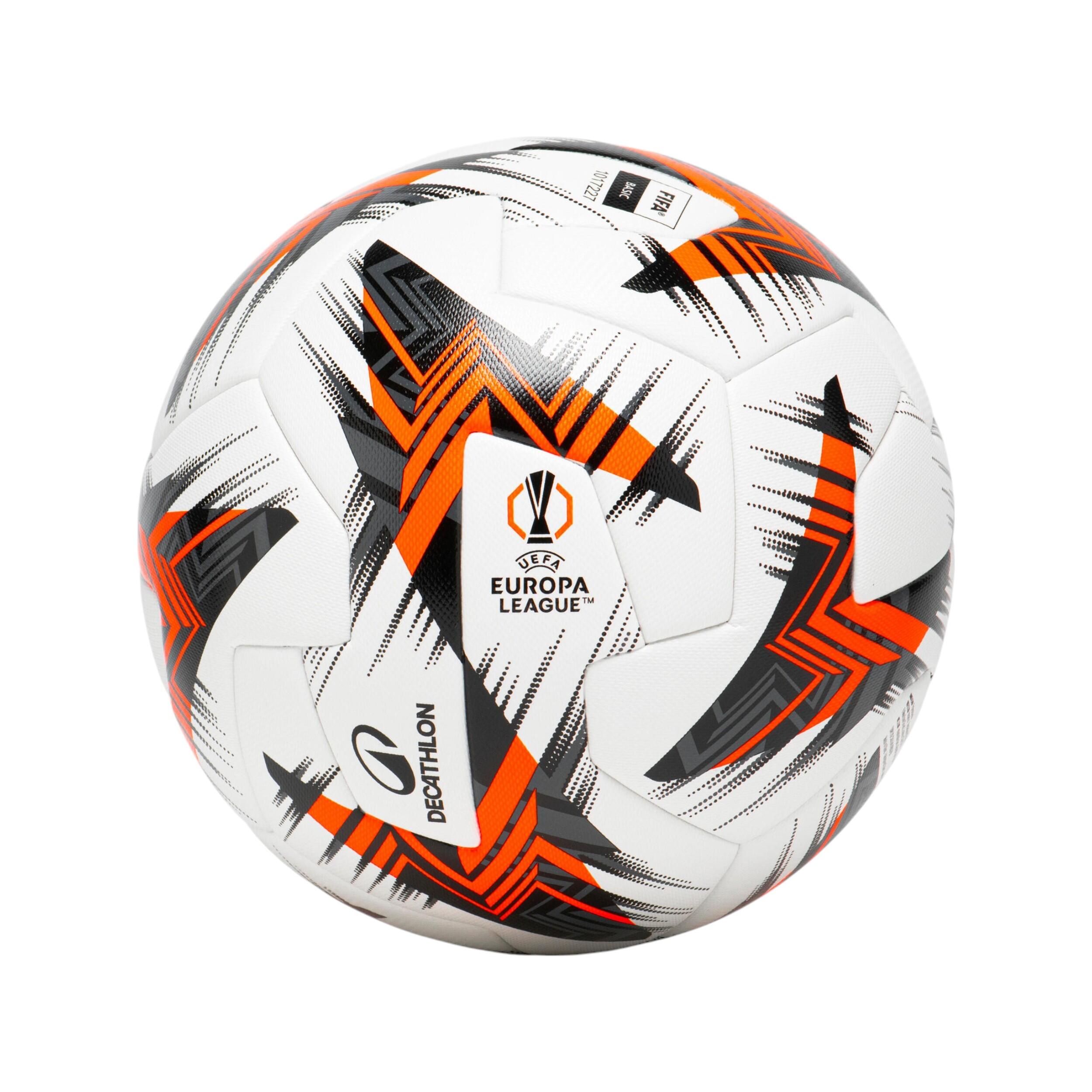
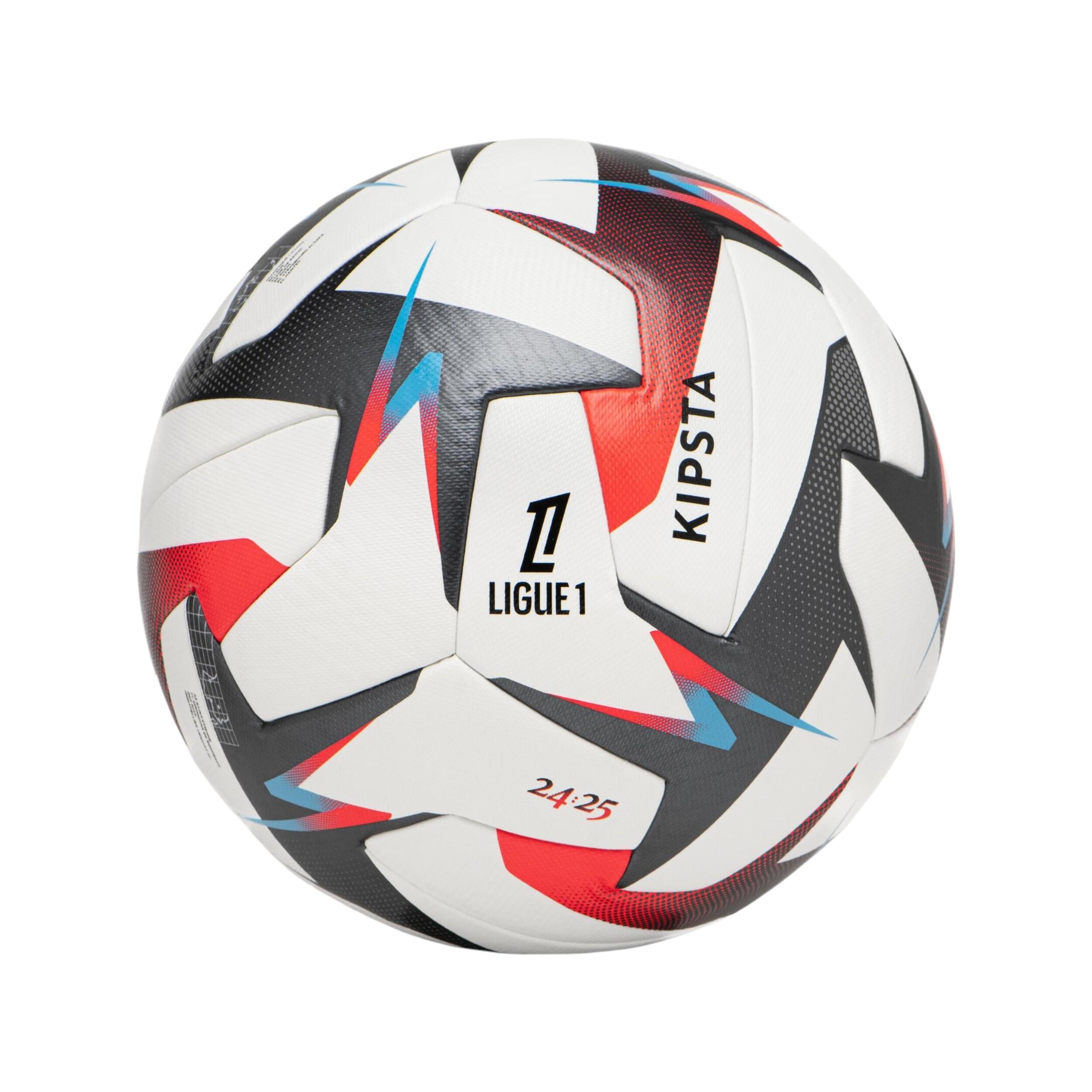
The category contains two distinct choices: airless size 1 mini replicas and a thermobonded size 5 FIFA Basic replica. Mini balls suit football discovery, short dribbling activities, casual play and supporter collections. The full-size model is more appropriate for conventional passing, shooting and regular outdoor sessions because it follows recognised size 5 dimensions and undergoes more demanding performance testing. KIPSTA supplies balls associated with the UEFA Europa League and Conference League, giving these products a direct competition connection rather than graphics alone. Other UEFA footballs include Champions League and Europa League constructions when a different competition, performance level or ball size is required. Select by playing purpose first, then check the season artwork.

Can a size 1 replica support a child's first touches?

Its compact dimensions, light weight and softer impact make the mini replica manageable for early kicking, dribbling and ball-control activities. The sampled UEFA Europa Conference football weighs approximately 120-150 g and measures 43-44 cm in circumference. A solid foam centre replaces the inflatable bladder, making the ball puncture-proof and ready to use without a pump. Its TPU outer provides the main wear layer, while KIPSTA checks roundness at 4,500 points and reviews the construction when average variation exceeds 2%. A mini ball helps build coordination and confidence, but it does not reproduce the size, weight or flight of the ball used during organised team football.

What does FIFA Basic approval add to the size 5 replica?

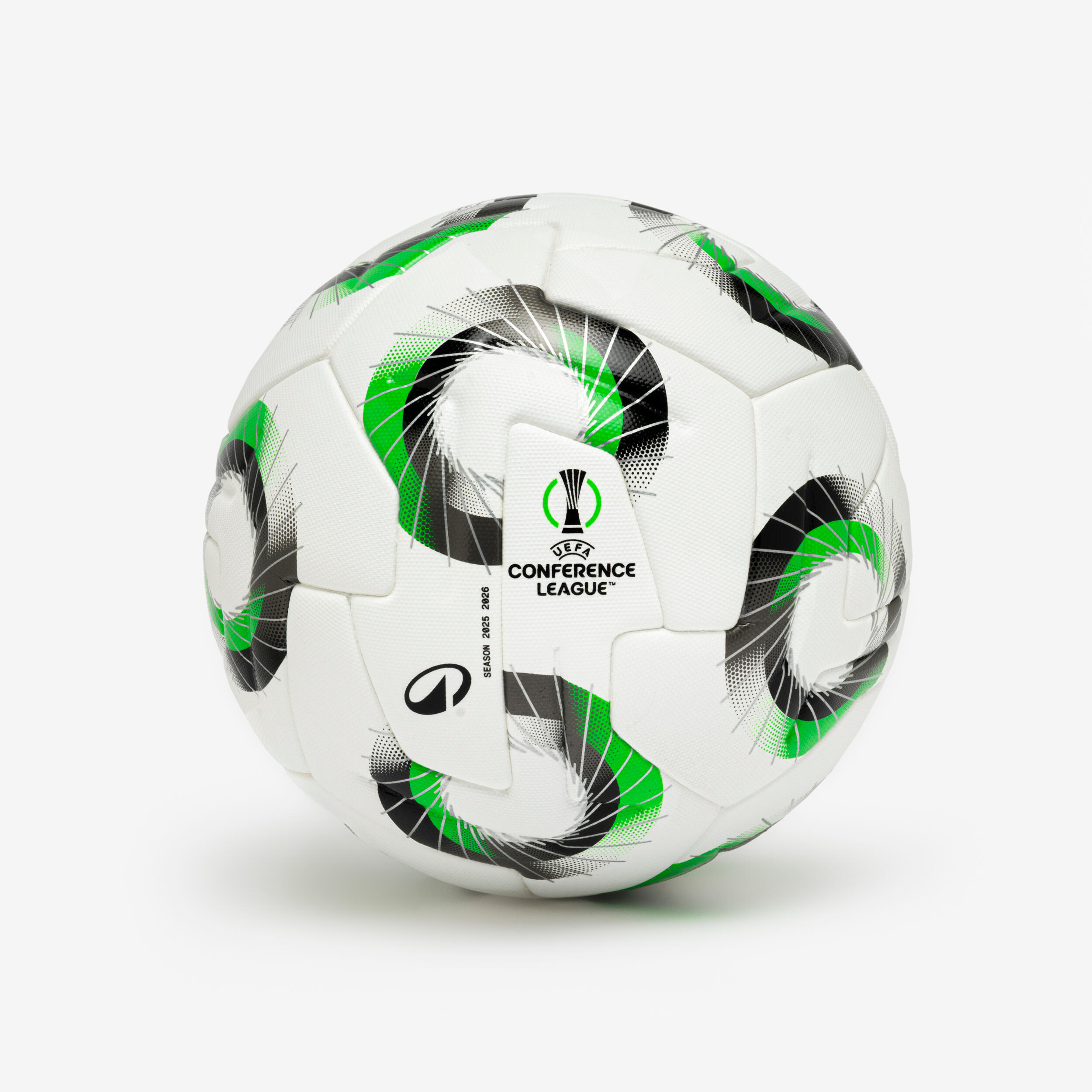
FIFA Basic approval places defined requirements around size, weight, bounce, roundness, durability and inflation retention. The full-size Europa Conference League replica football weighs 410-450 g and uses 12 specially shaped thermobonded panels rather than conventional visible stitching. KIPSTA measures its sphericity at 4,500 points, with average variation limited to 1.8%. Rebound testing involves ten drops from two metres onto a steel plate, producing an accepted bounce between 125 cm and 155 cm. The ball also records a stable-flight score of 5.74 under KIPSTA's own protocol. These checks make it more suitable for regular football than an airless recreational mini.

What will KIPSTA inspect after 2,500 collisions?

The size 5 replica is fired against inclined concrete at 50 km/h from 2.5 metres away, then assessed for more than visible surface damage. Circumference growth must remain below 1.5 cm, sphericity variation below 1.8% and pressure loss below 12.5%. The ball also receives wet-weather testing through 250 compressions while sitting in 2 cm of water, with absorption limited to 10% of its initial weight. Its recommended inflation pressure is 0.8 bar, and it must retain approximately 0.7 bar after 72 hours. Players seeking alternatives for weekly club practice can review training footballs matched to age, surface and session frequency. No equivalent impact figures are published for the foam-centred mini replicas.

What are the differences in care between the two constructions prior to storage?

Mini replicas require no inflation, but their foam structure must not be crushed beneath heavy kit or stored tightly out of shape. Keep an Europa mini replica football dry, ventilated and away from direct heat after play. The thermobonded size 5 model needs regular pressure checks and protection from thorns or other sharp objects. Never fully deflate it, as collapsed panels can become damaged and may not recover their intended shape or performance. Insert a clean, compatible pump needle straight into the valve and follow the pressure printed on the ball. Both constructions are marked as non-washable, so remove surface dirt gently and allow any dampness to dry naturally before putting the ball away.