995 items
4.5/5 based on 130456 reviews collected online and in stores

Footballs FAQs

How do you choose the right football size?

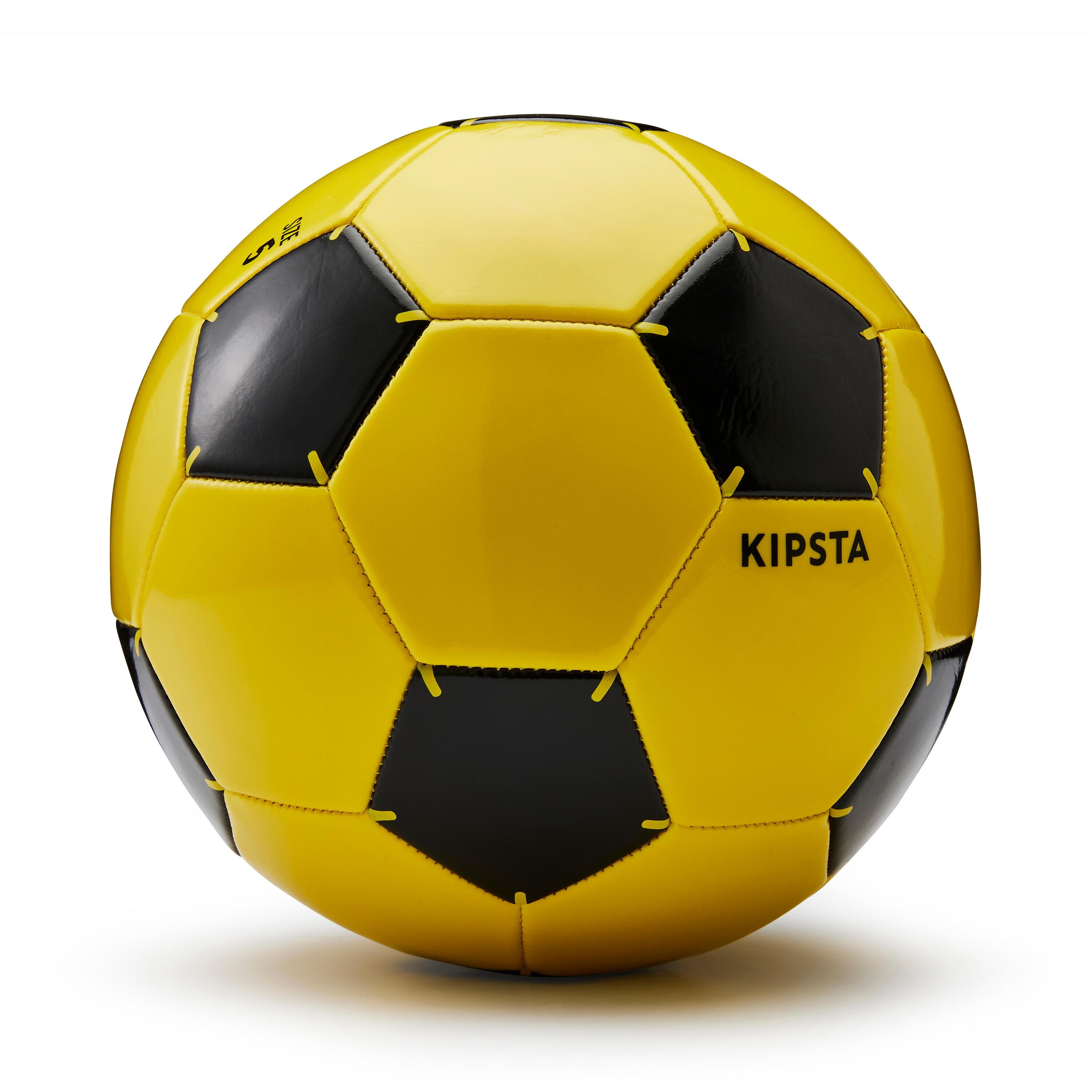
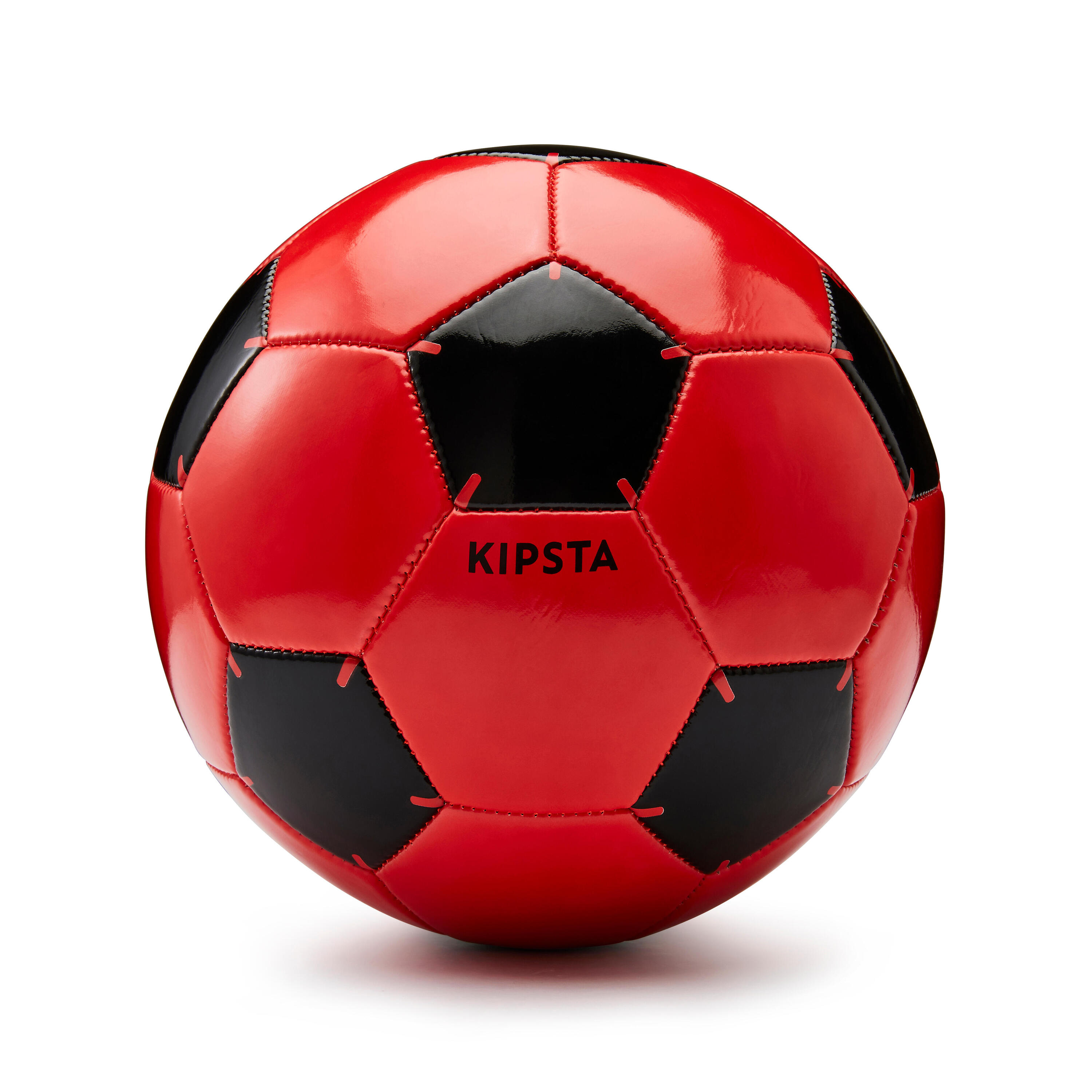
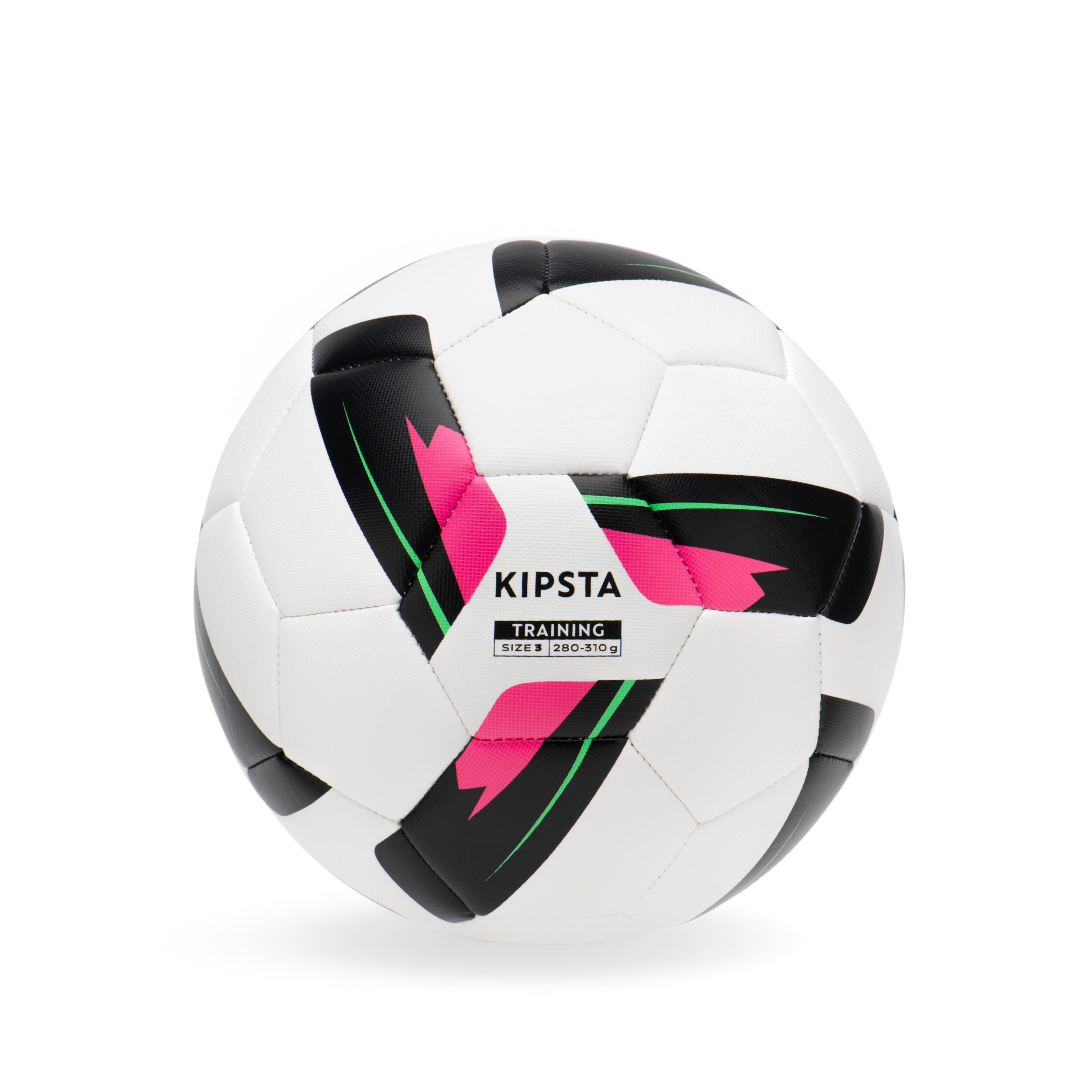
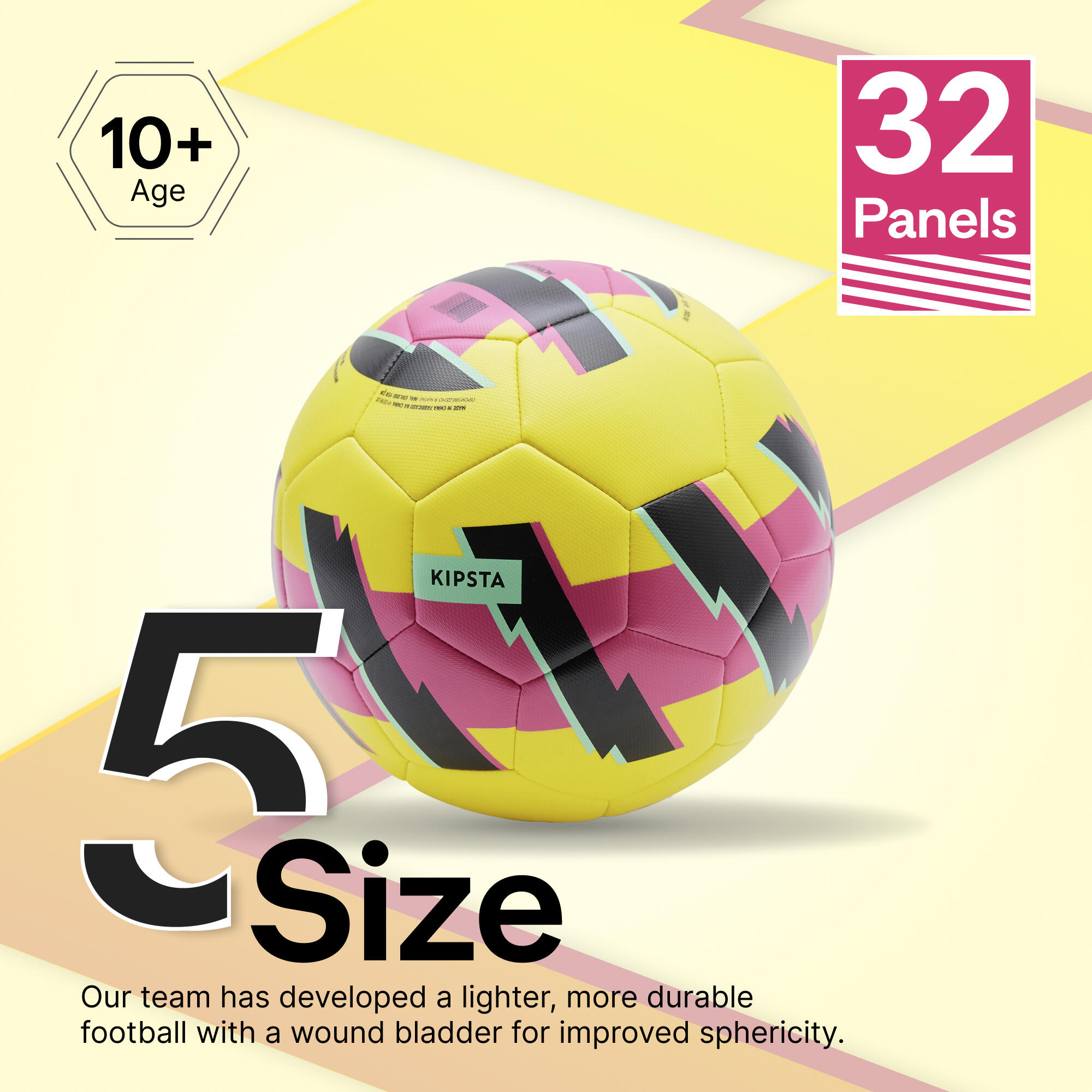
Match the ball size to the player's age, then consider weight, surface and playing frequency. Size 3 generally suits children under nine, size 4 is commonly used from nine to twelve, and size 5 is the standard option for players over twelve. Younger beginners may also benefit from a lighter learning ball that keeps size 5 dimensions while reducing the effort needed for passing, shooting and heading. Regular club sessions call for durable training footballs with reliable bounce, shape and air retention. Check the detailed technical size information on the product page rather than relying only on introductory copy, as specifications provide the clearest guide for age and intended use.

What separates a training ball from a match ball?

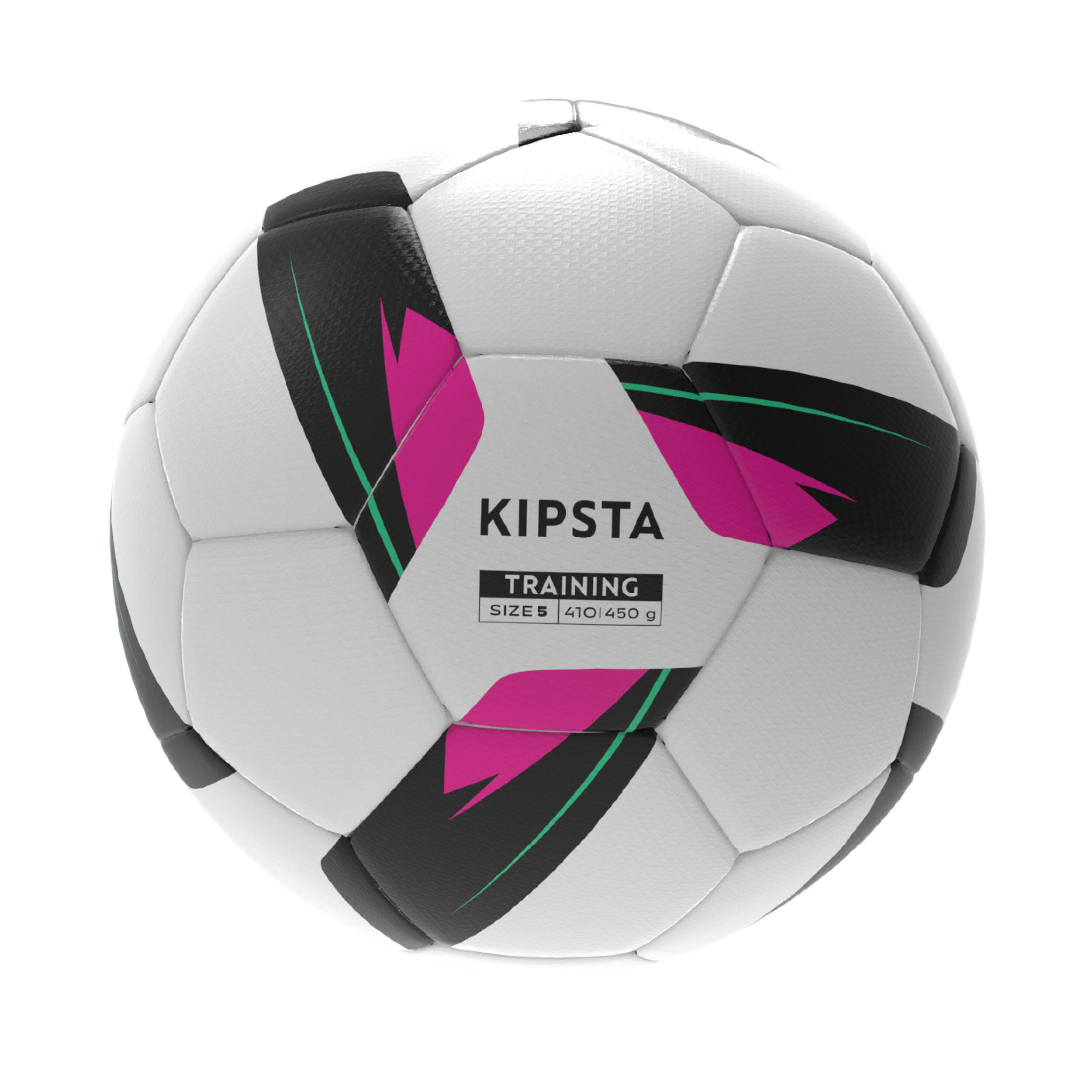
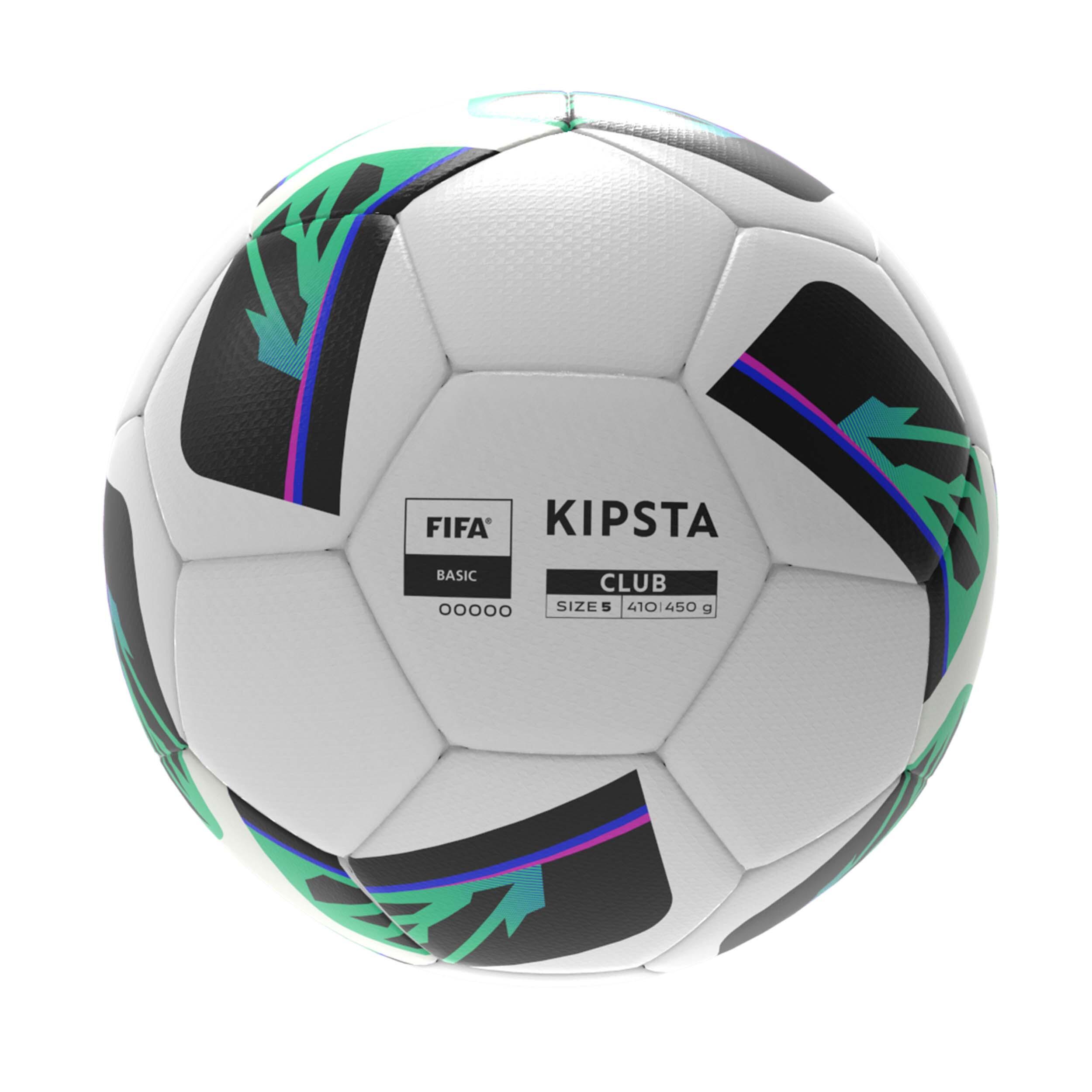
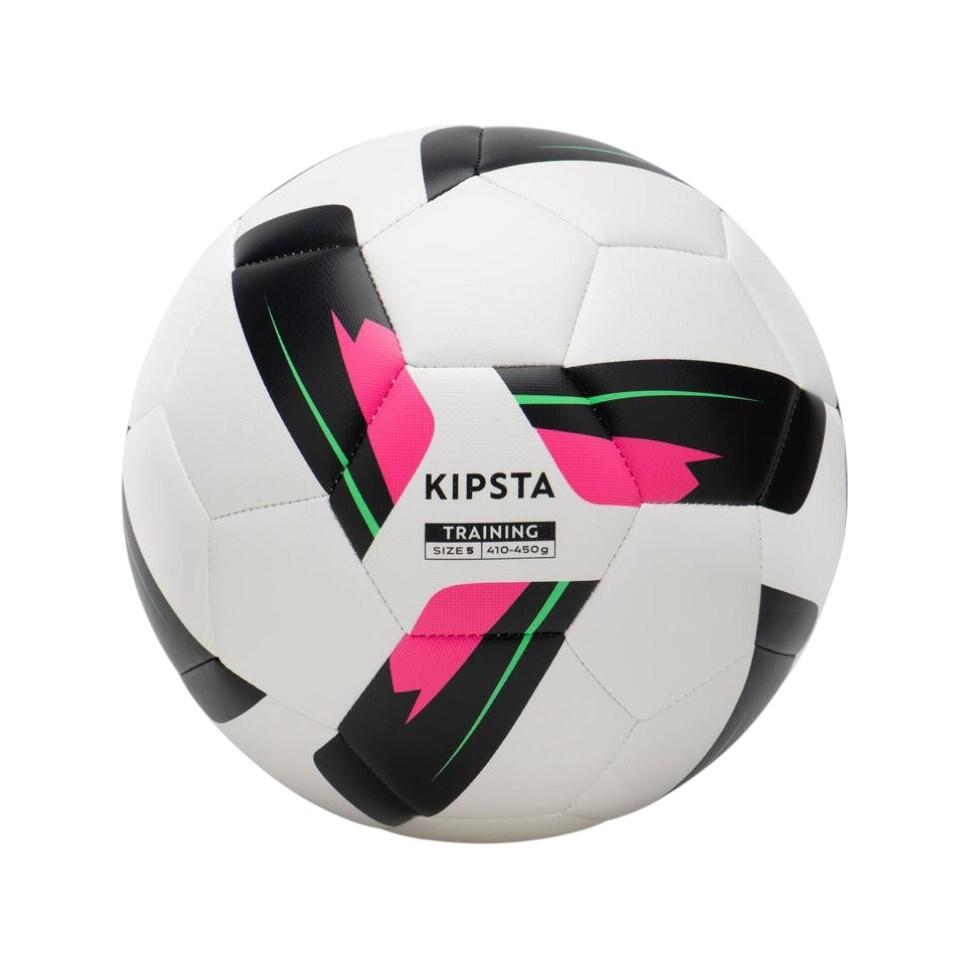
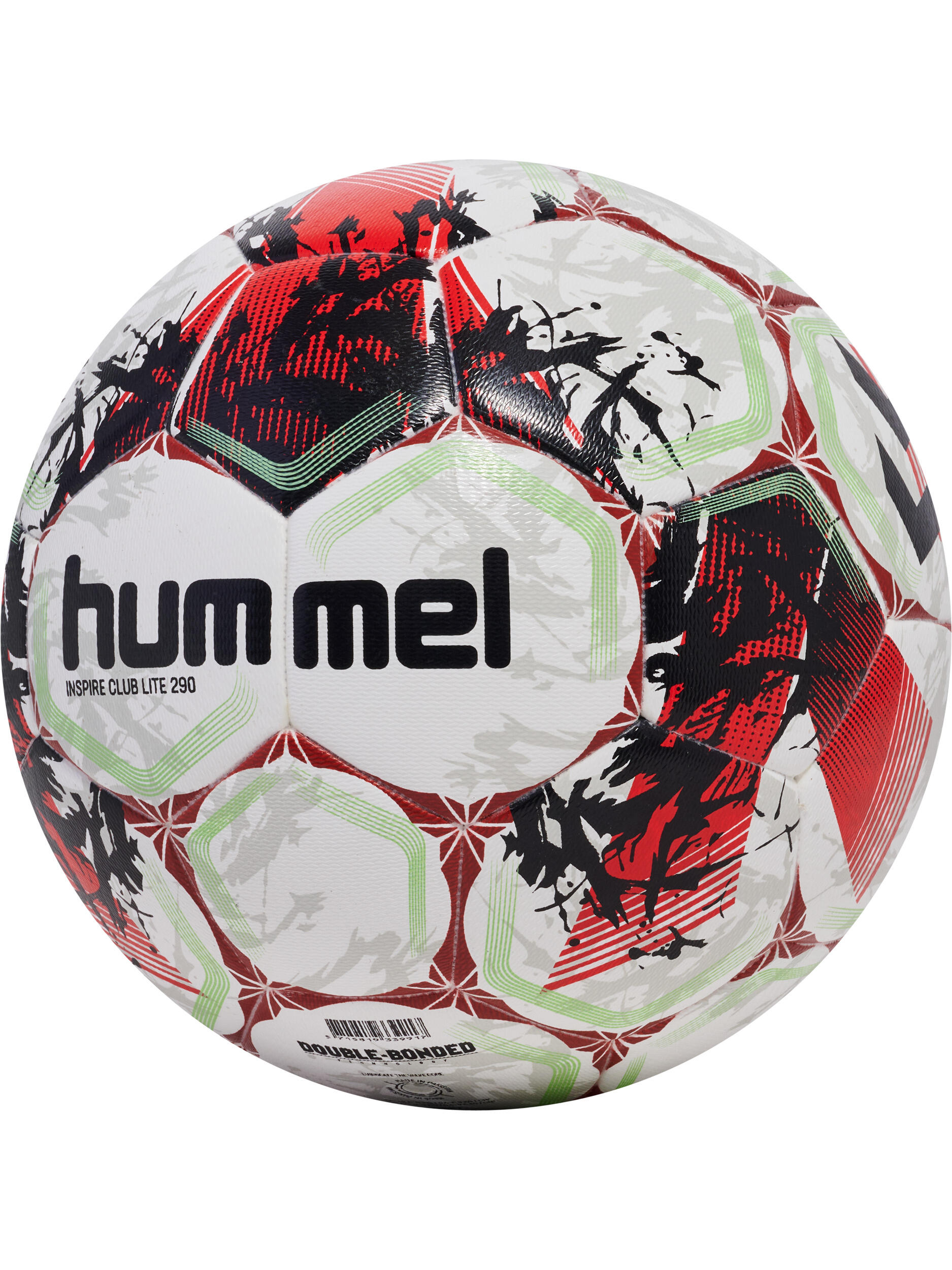
Training balls prioritise durability, consistent inflation and dependable performance through repeated drills. KIPSTA machine-stitched models use robust outer covers and optimised bladders, with laboratory checks covering roundness, water absorption, bounce and pressure loss. Match models can add more technical panel constructions and stricter performance requirements. The Hybrid 2 uses 24 panels, glued internal seams and a cloth-wrapped bladder to support stable flight and shape retention. Its FIFA Quality certification places it among the UEFA footballs suited to players seeking recognised match-level characteristics. Keep the ball at the stated pressure because both underinflation and excessive pressure can alter touch, rebound and flight during play.

Which footballs work well for young beginners?

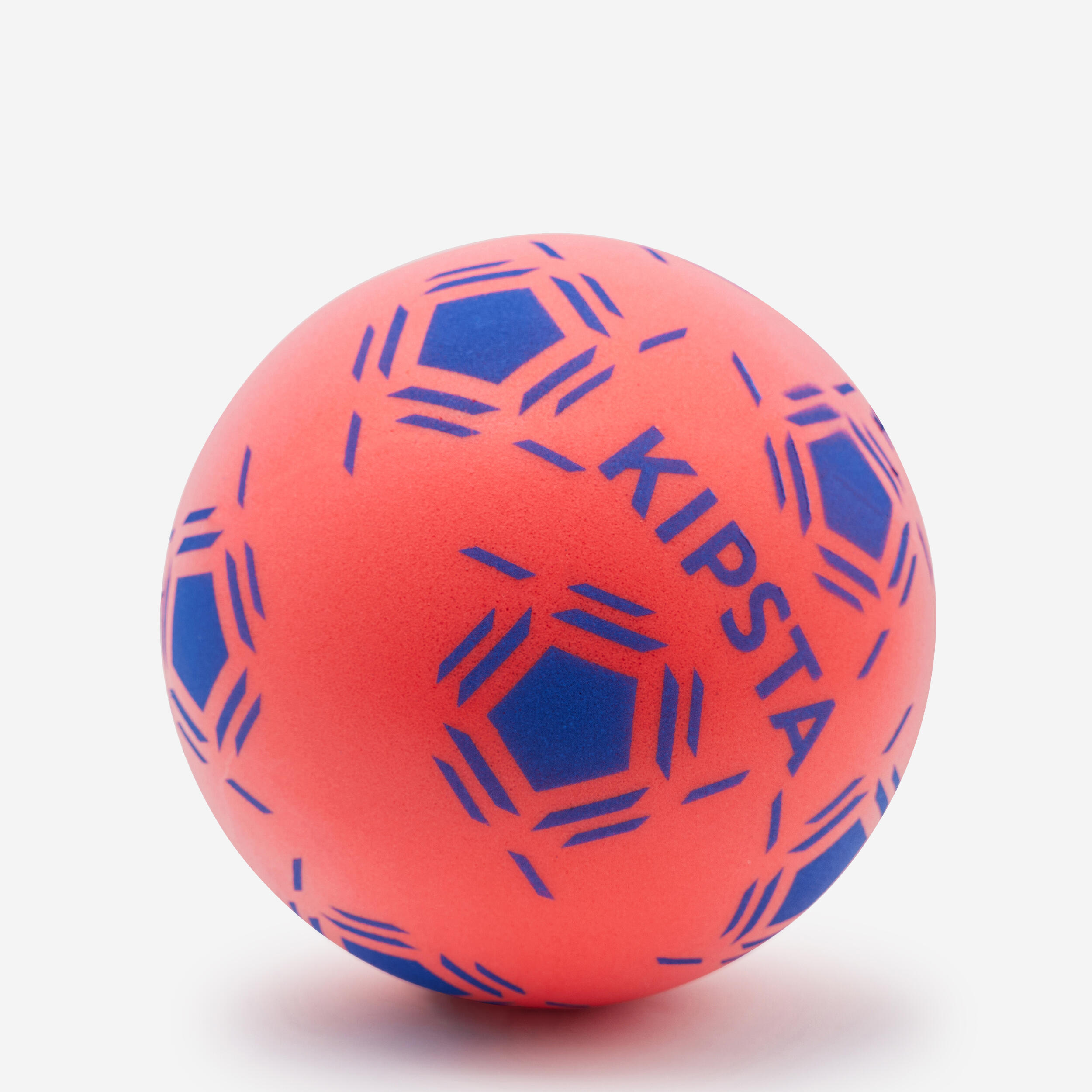
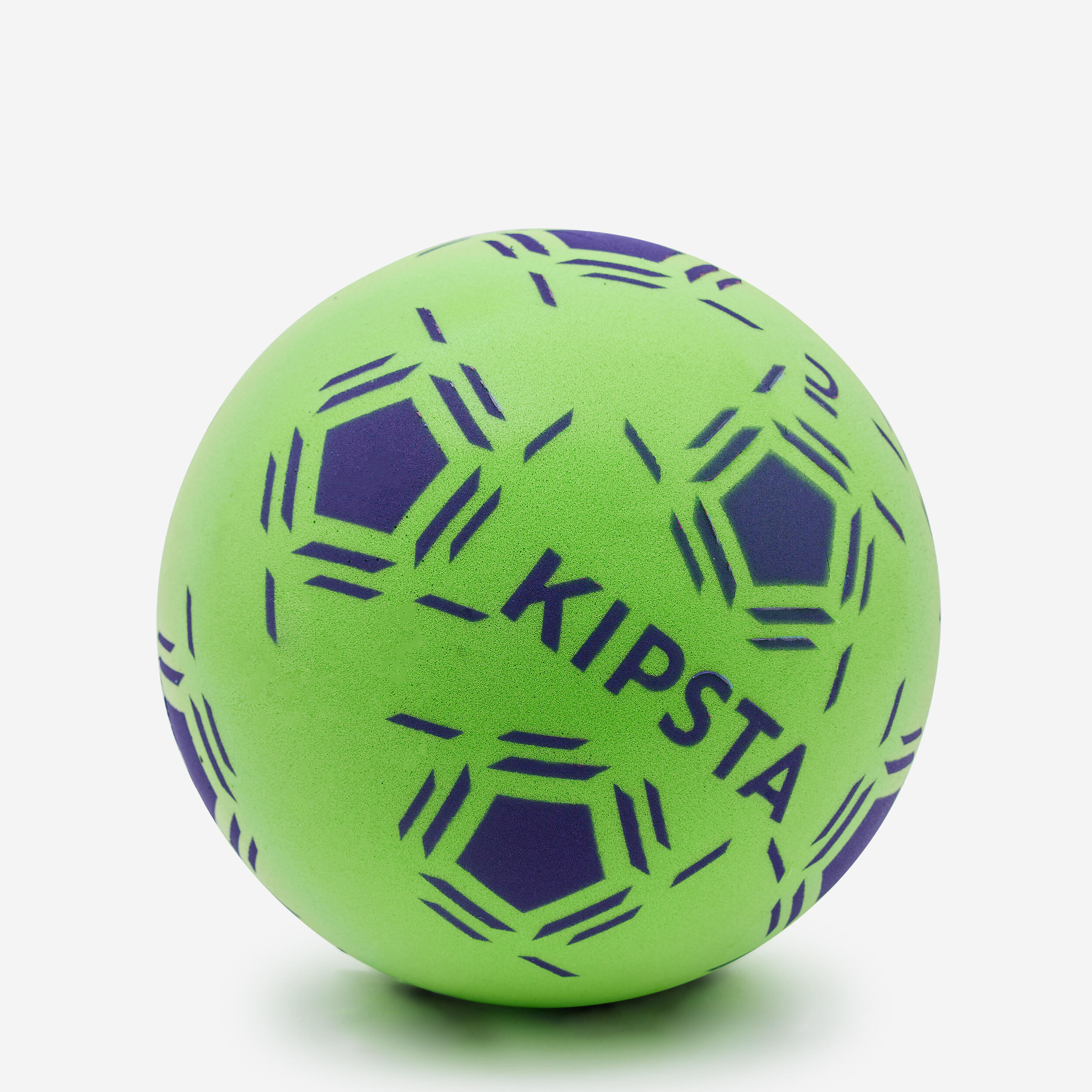
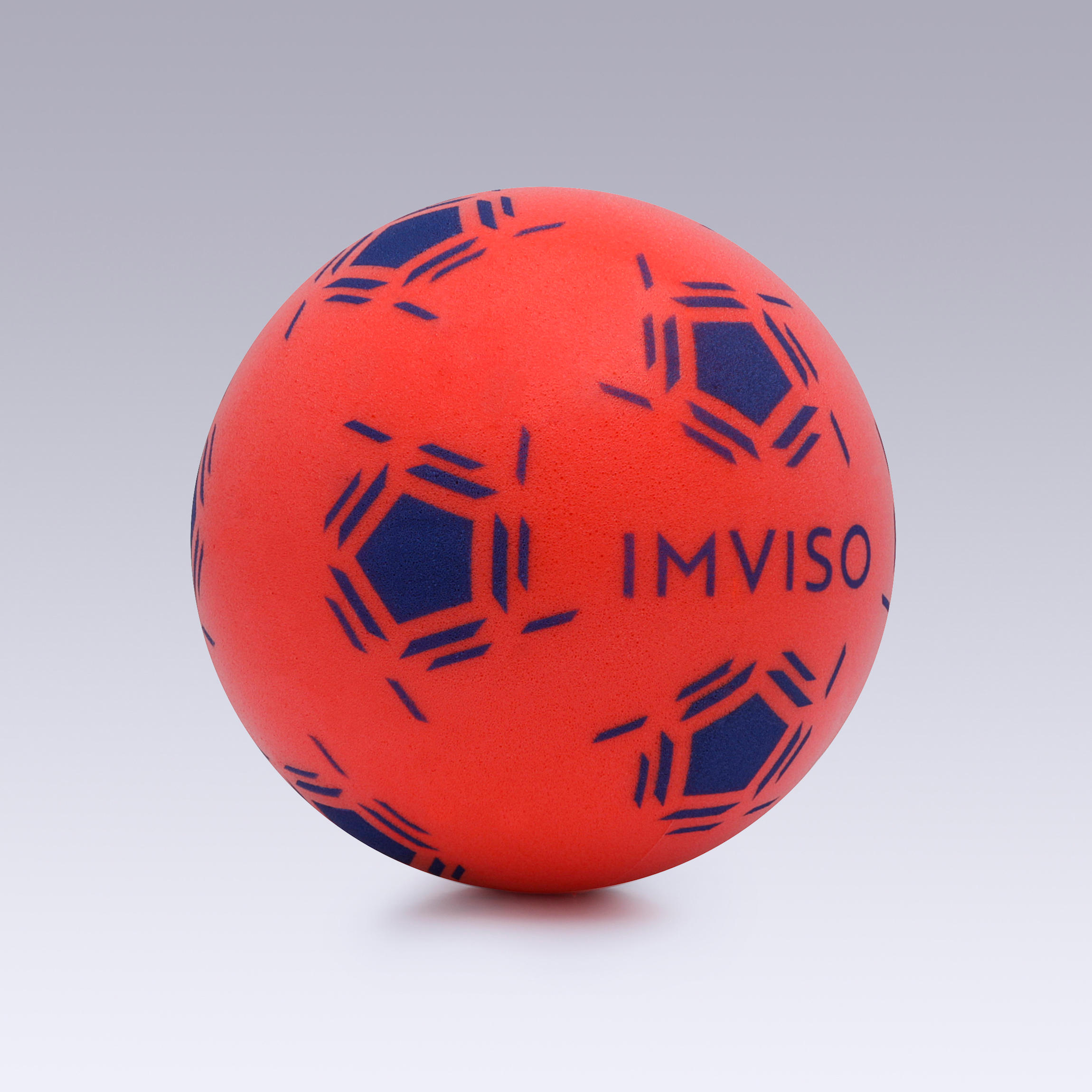
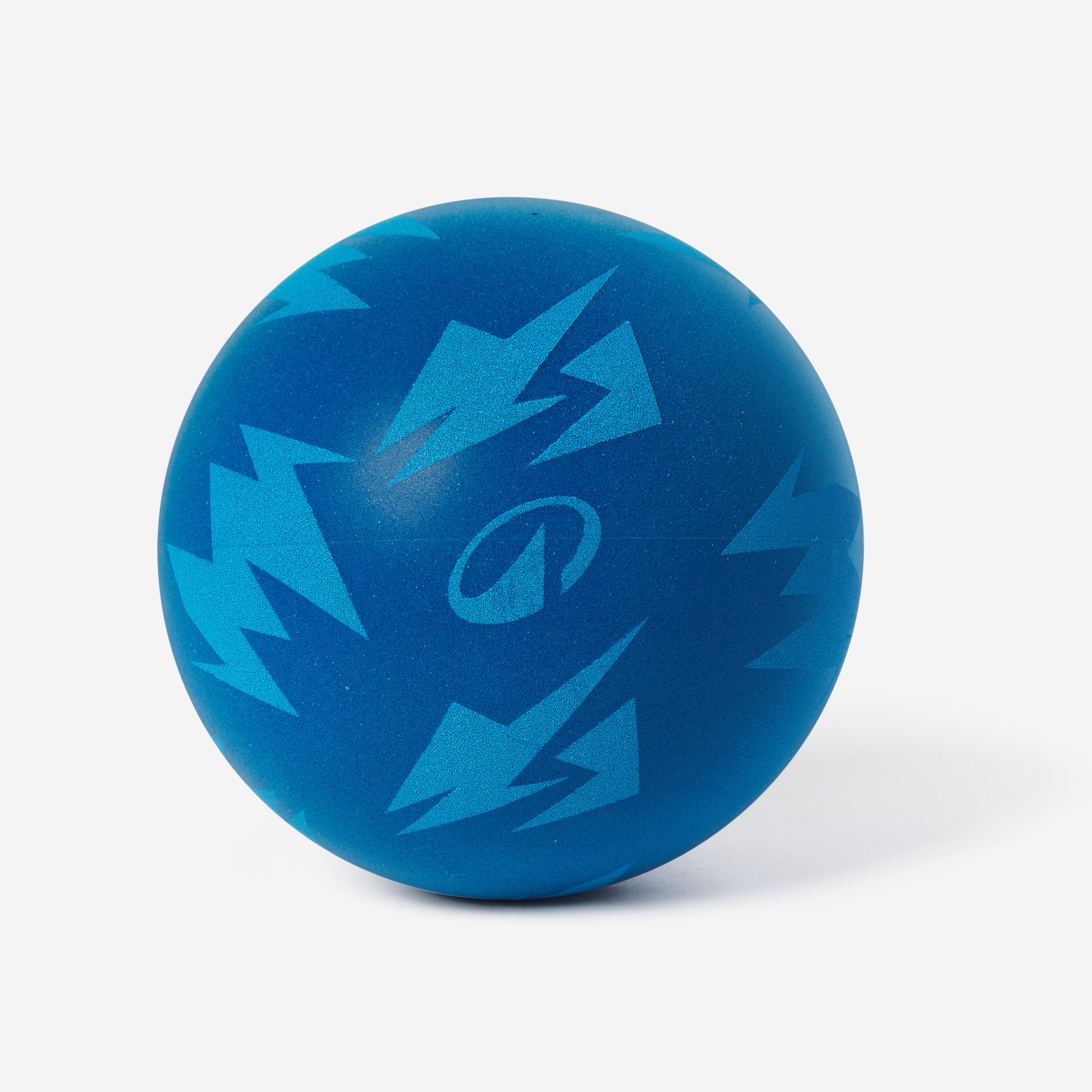
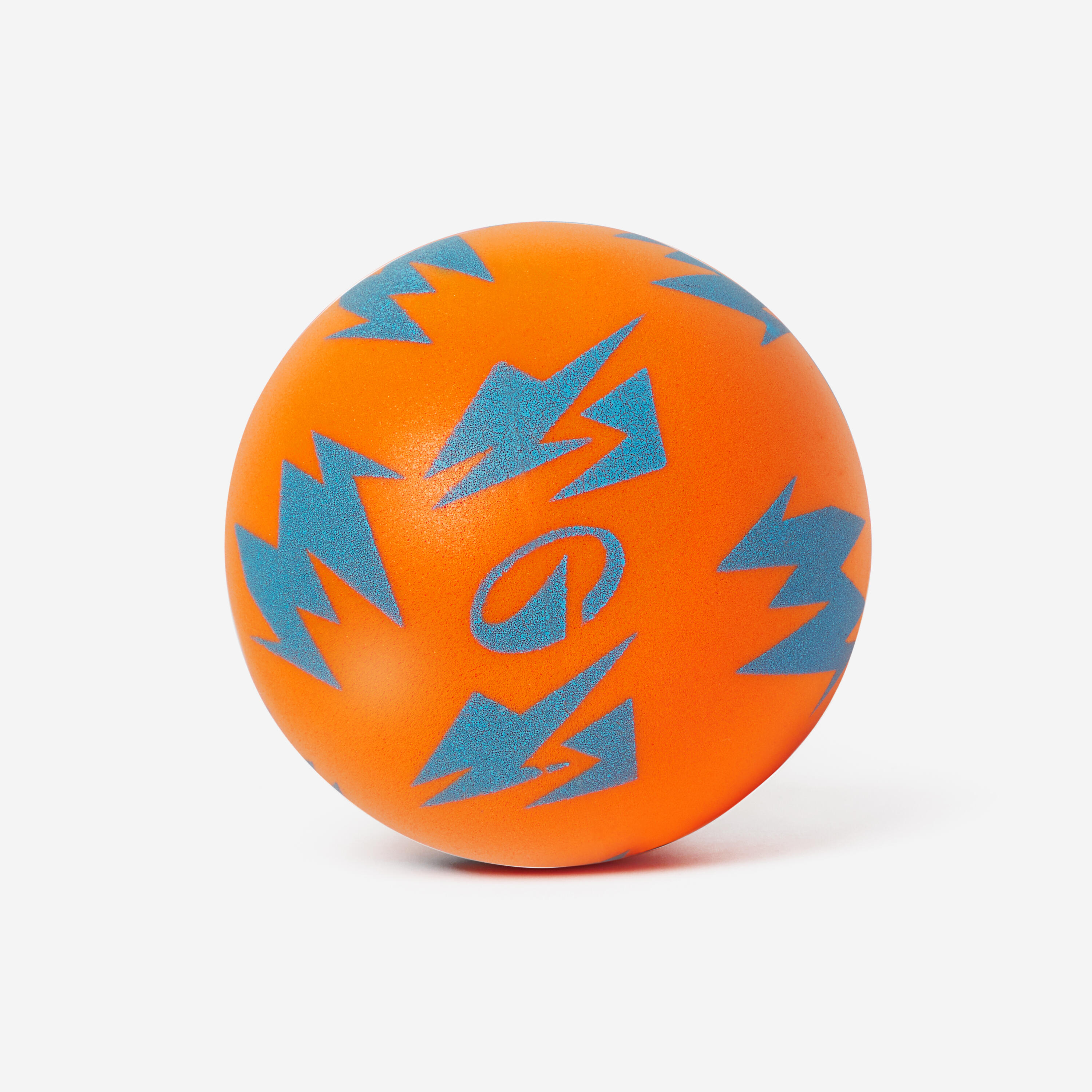
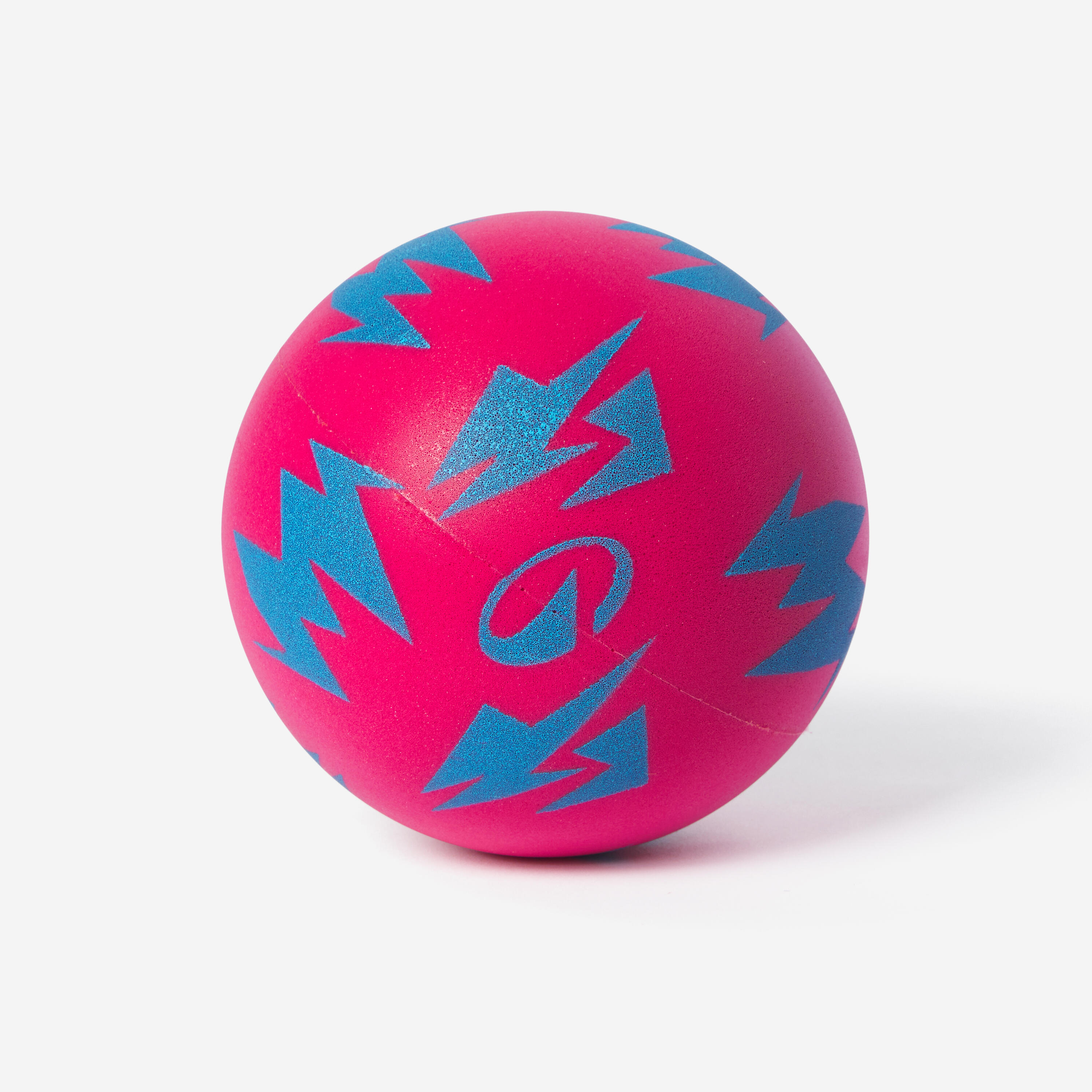
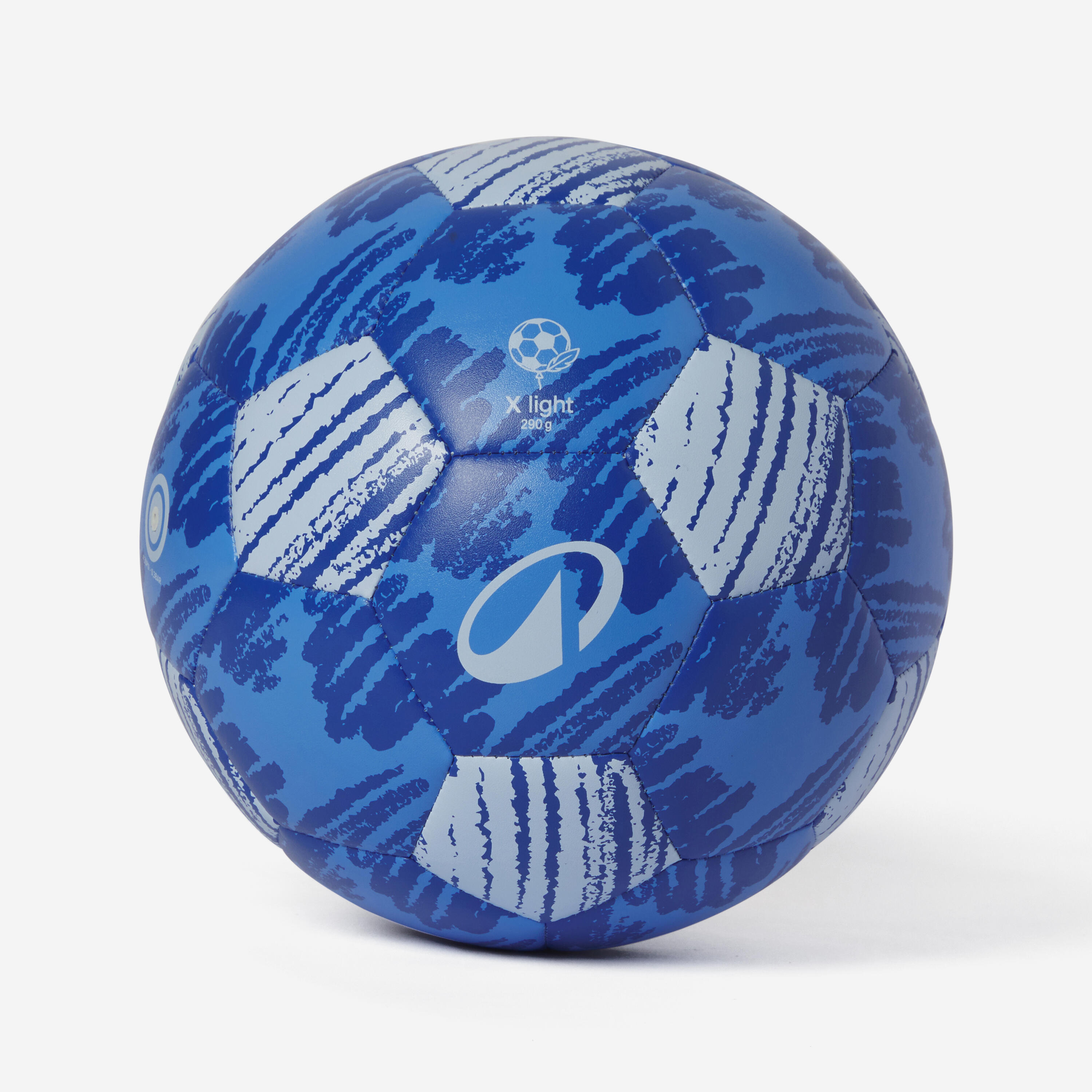
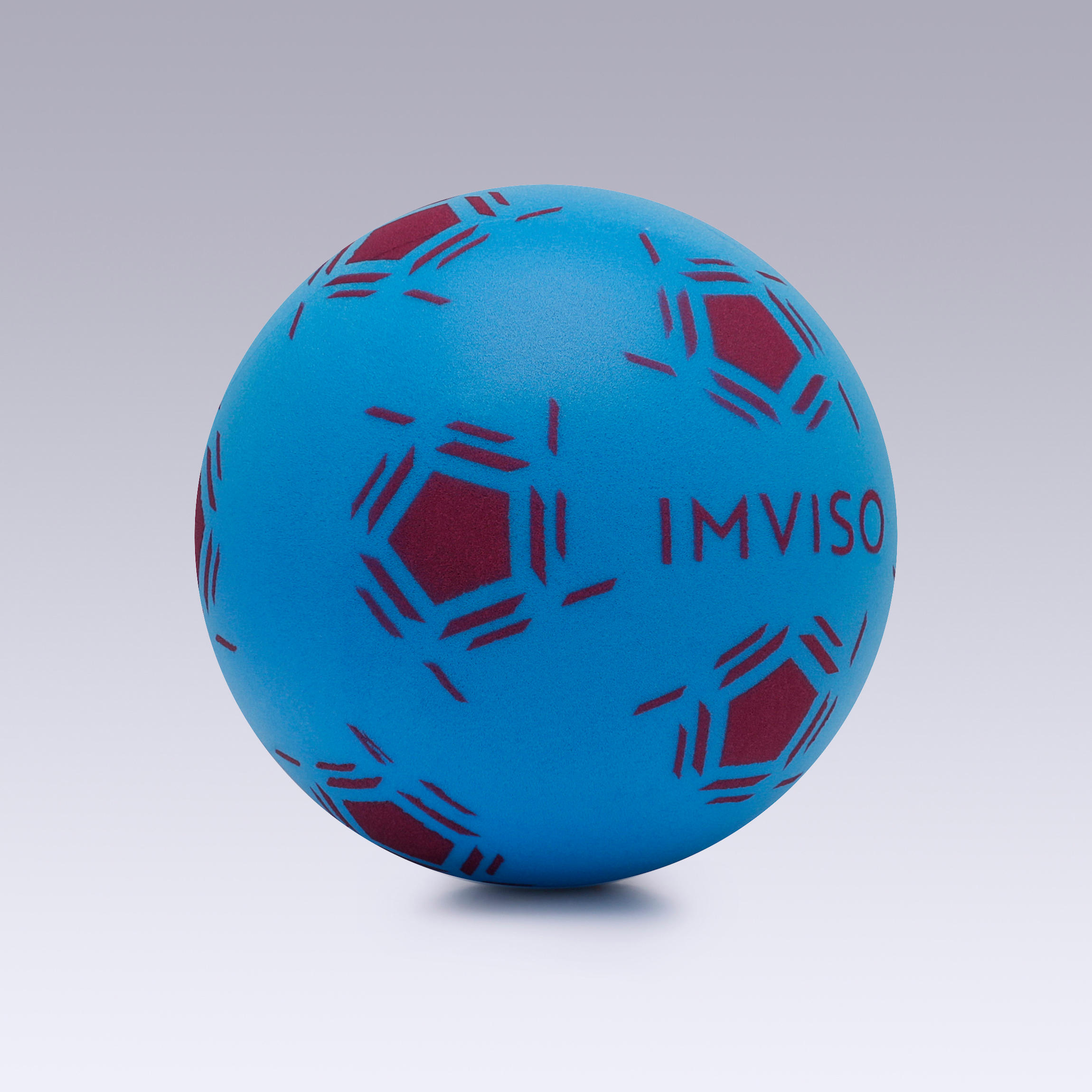
Softness, manageable weight and predictable bounce can help children build confidence during their first sessions. A Light Learning ball keeps conventional size 5 dimensions but weighs approximately 340-360 g, around 15% less than a standard size 5 ball. This makes longer passing, aiming and heading more manageable without changing the basic ball size. Foam constructions serve a different purpose indoors, using soft polyurethane and reduced bounce for safer early futsal practice. The dedicated indoor futsal footballs selection includes balls suited to controlled court play. Match the ball to the surface carefully, as foam models are intended for dry indoor use while stitched learning balls may be unsuitable for abrasive tarmac.

What makes a football suitable for competitive play?

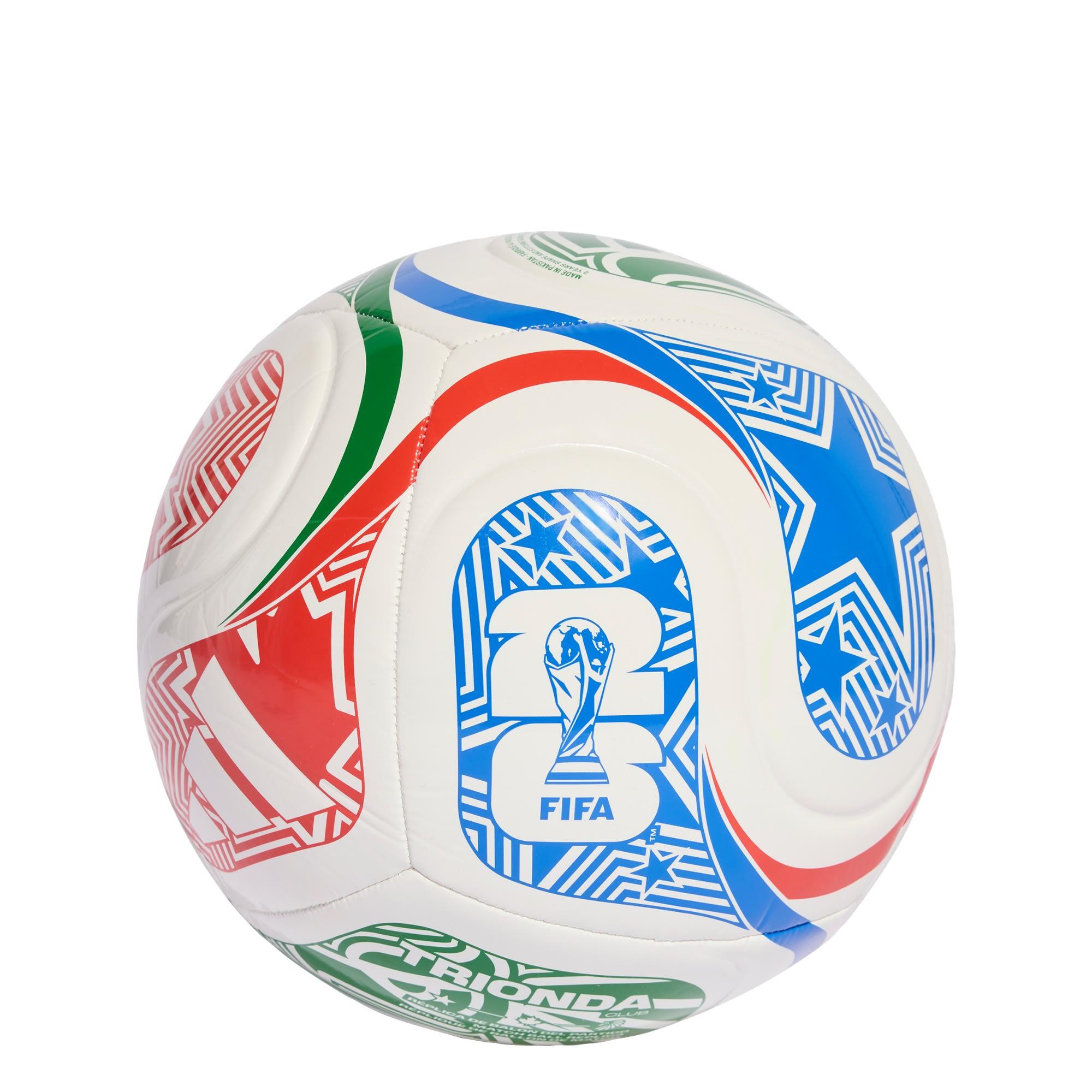
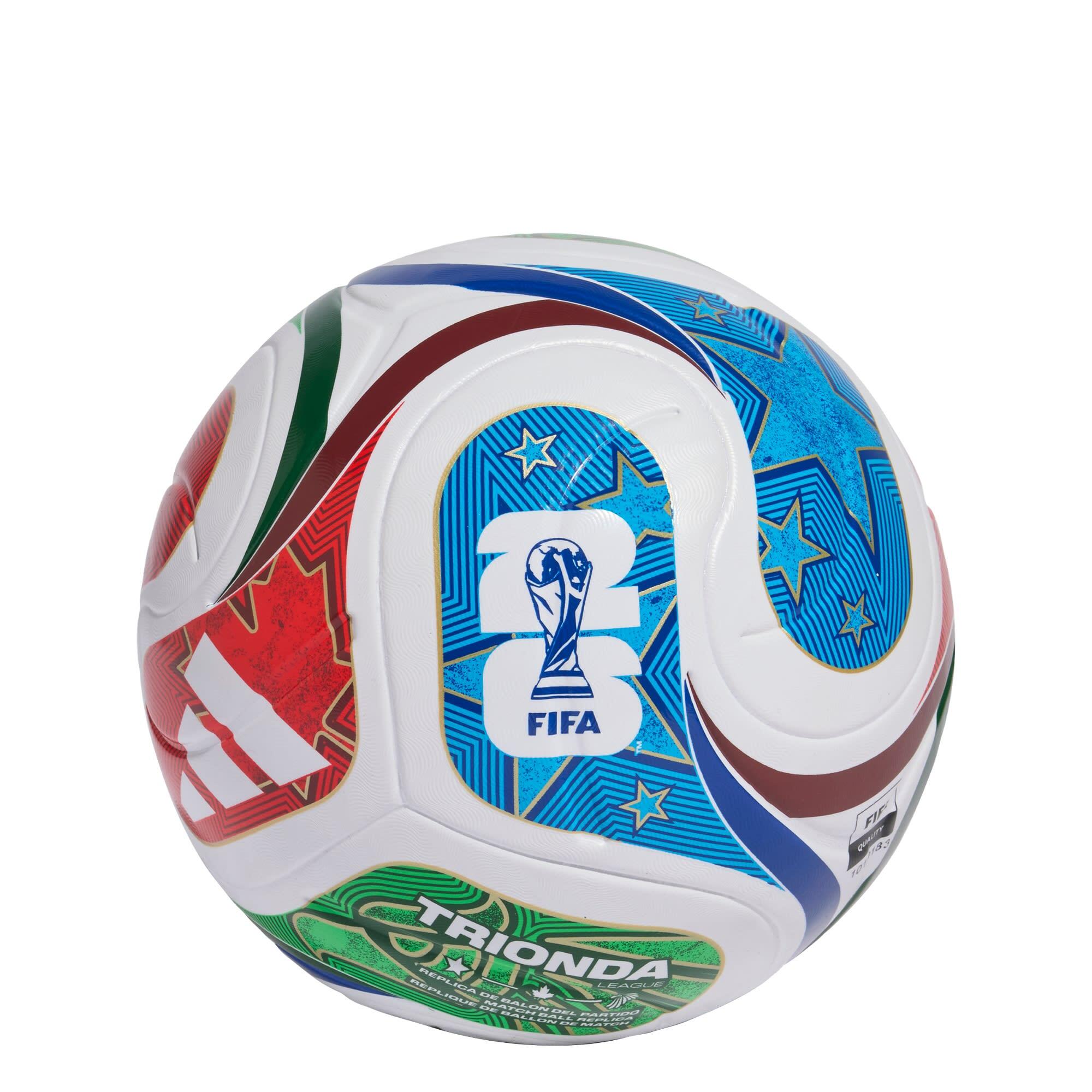
Competitive football requires controlled circumference, roundness, bounce, water absorption and pressure retention. KIPSTA measures ball shape at thousands of points and uses machine-fired impact testing to check whether stitching, circumference and air loss remain within defined limits after repeated strikes. The Hybrid 2 Match ball also reports only 9% pressure loss over 14 days and carries FIFA Quality certification. Tournament-themed designs can be found among FIFA World Cup footballs, but the graphics alone do not confirm the performance level. Read the certification, construction and intended-use details for each model. A ball for regular competition needs consistent behaviour, while a softer recreational model may be more appropriate for gardens, beaches or early learning.

How should you maintain a football's pressure and condition?

Check the recommended pressure near the valve and use a compatible pump with a clean, undamaged needle. Insert the needle carefully to avoid harming the valve, and expect gradual air loss because even well-constructed balls need periodic reinflation. Store the ball somewhere dry and ventilated, away from radiators, sharp objects, thorns and prickly surfaces. Surface restrictions differ between models: First Kick and Light Learning balls are not intended for tarmac, while soft Sunny balls can be punctured by branches or other pointed objects. Product details within the KIPSTA footballs category provide model-specific guidance on pressure, surfaces and care. Correct inflation and suitable ground use help preserve bounce, shape and outer-cover durability.