48 items
4.3/5 based on 18249 reviews collected online and in stores

Football Tapes & Straps FAQs

What is the role of kinesiology tape, rigid tape, or shin-pad strap?

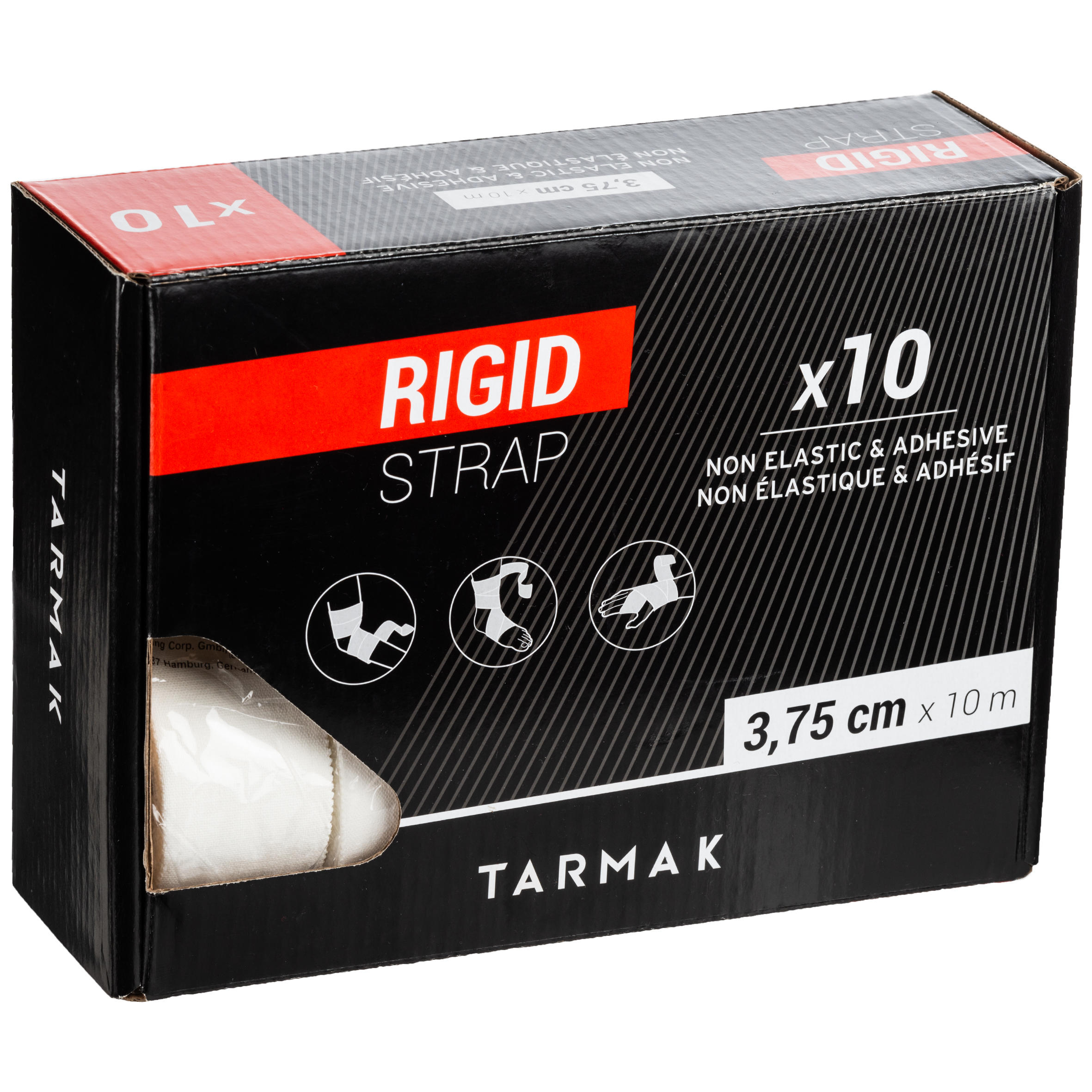
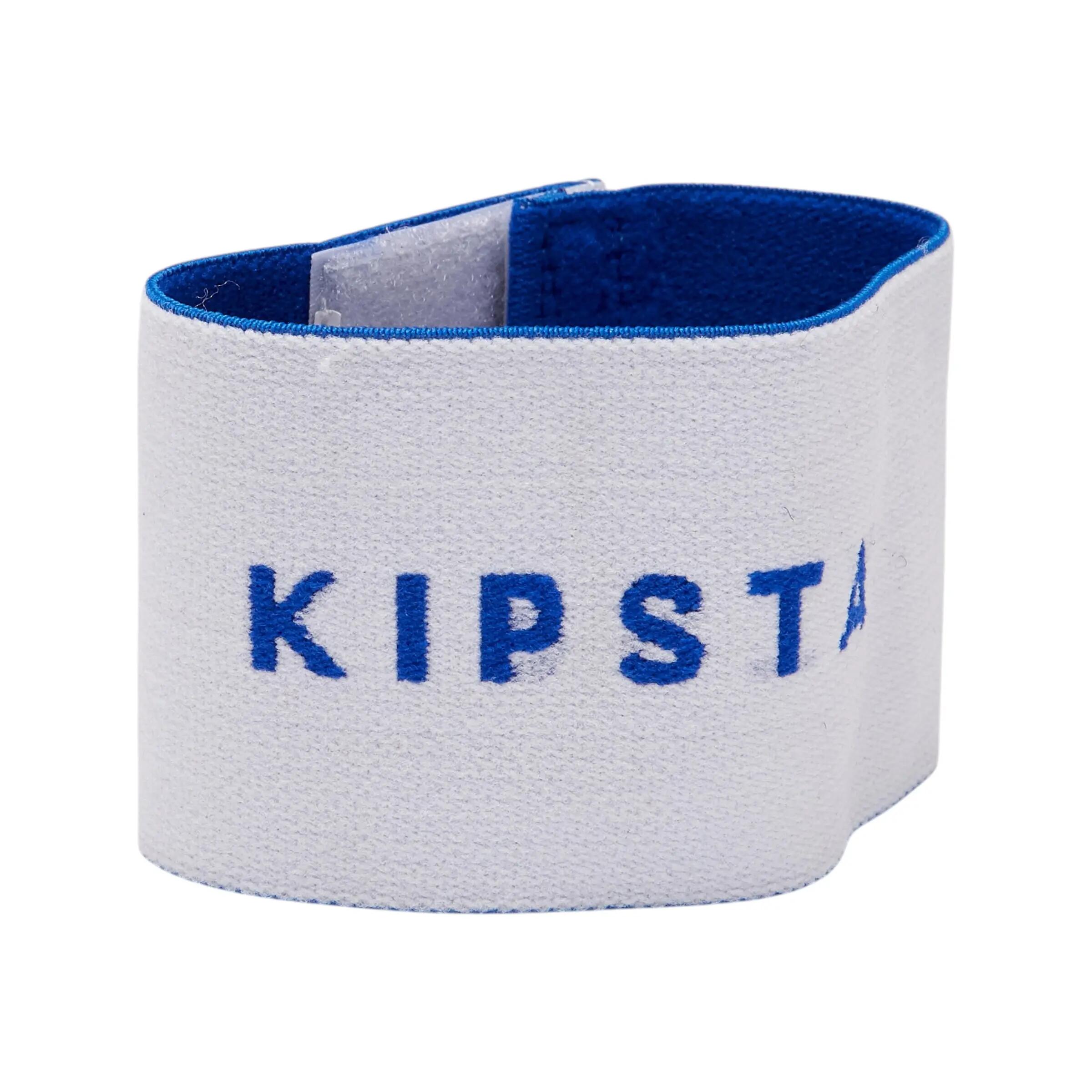
Football tapes and straps include several constructions with separate purposes, so the product type needs to match the intended task. The reversible KIPSTA strap holds removable shin pads in position without placing adhesive on the skin. Rigid tape provides non-elastic support, while cohesive wrap stretches and sticks to itself rather than directly to the body. Kinesiology tape remains flexible against the skin and is supplied either as a roll or prepared strips. Several tape products are identified as medical devices, making their supplied instructions important. Other products within football muscular supports use different compression, reinforcement and fastening systems. Do not treat a shin-pad holder as therapeutic tape or assume that one taping method suits every joint, muscle or injury.

What is held in position by a reversible support strap?

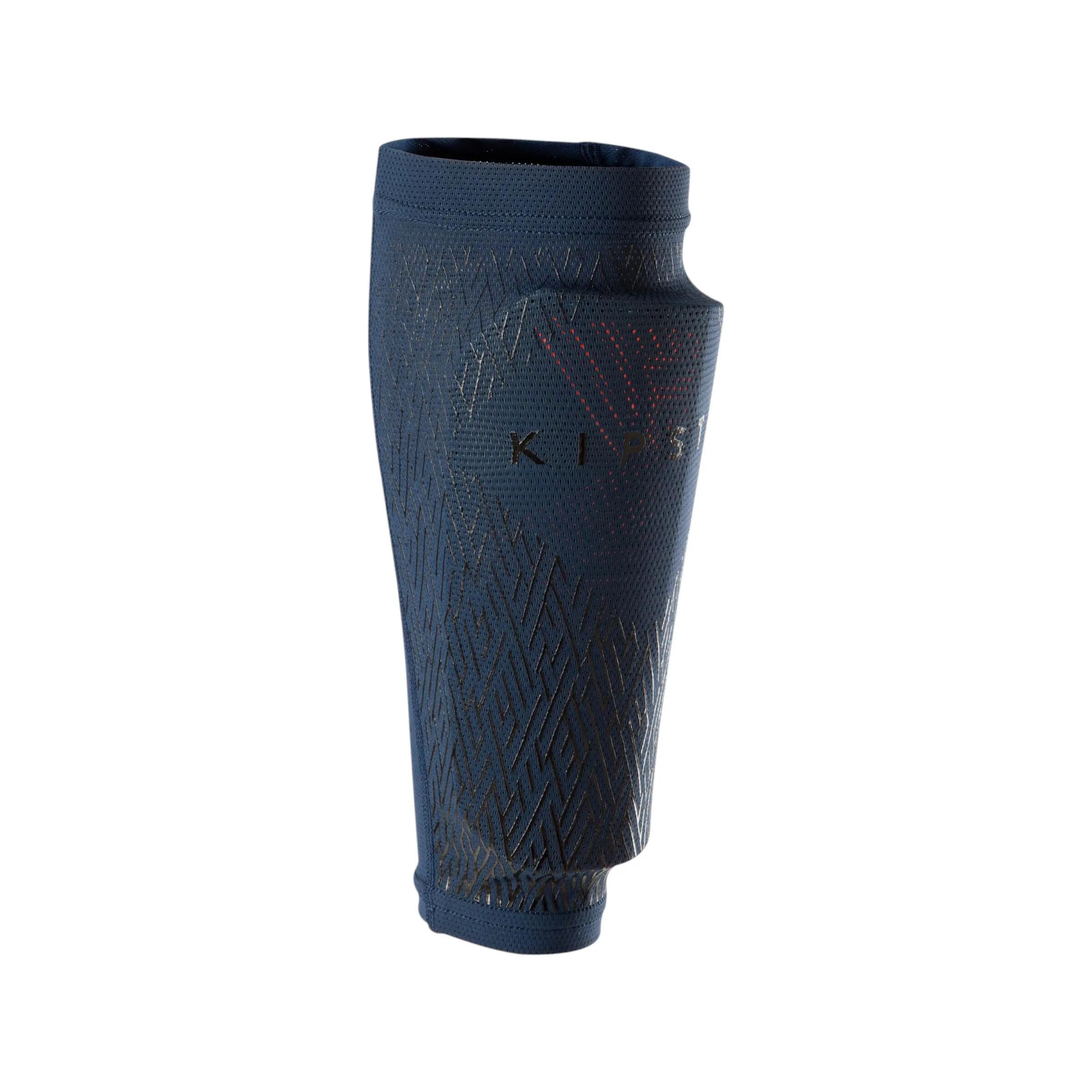
KIPSTA reversible straps are made specifically to secure separate shin-pad shells against the lower leg during football. They use elastic bands and rip-tab fasteners rather than adhesive, allowing players to adjust the tension and wear either colour side facing out. Each pack contains two one-size straps. A reversible support strap can sit beneath or against the football sock without replacing the protective shell itself. Check that the shin pad remains centred during jogging, turns and kicking before the match starts. The online washing information is contradictory, so follow the sewn-in product label rather than relying on an uncertain category-level care instruction.

Why does cohesive wrap behave differently from adhesive tape?

A cohesive wrap attaches to its own layers instead of bonding directly to the skin. This makes it easier to reposition while applying and separates it from rigid cotton tape or adhesive kinesiology strips. The movable self-adhesive supportive wrap measures 7.5 cm by 4.5 m and combines polypropylene with elastane for flexible support. Rigid tape provides less stretch and is used where firmer positioning is required. Both products are identified as medical devices, so application needs to follow the supplied directions. Avoid excessive tightness, and remove the wrap if it causes numbness, tingling, discolouration, swelling or increased discomfort.

Which format is better for the job, pre-cut pieces or an entire roll?

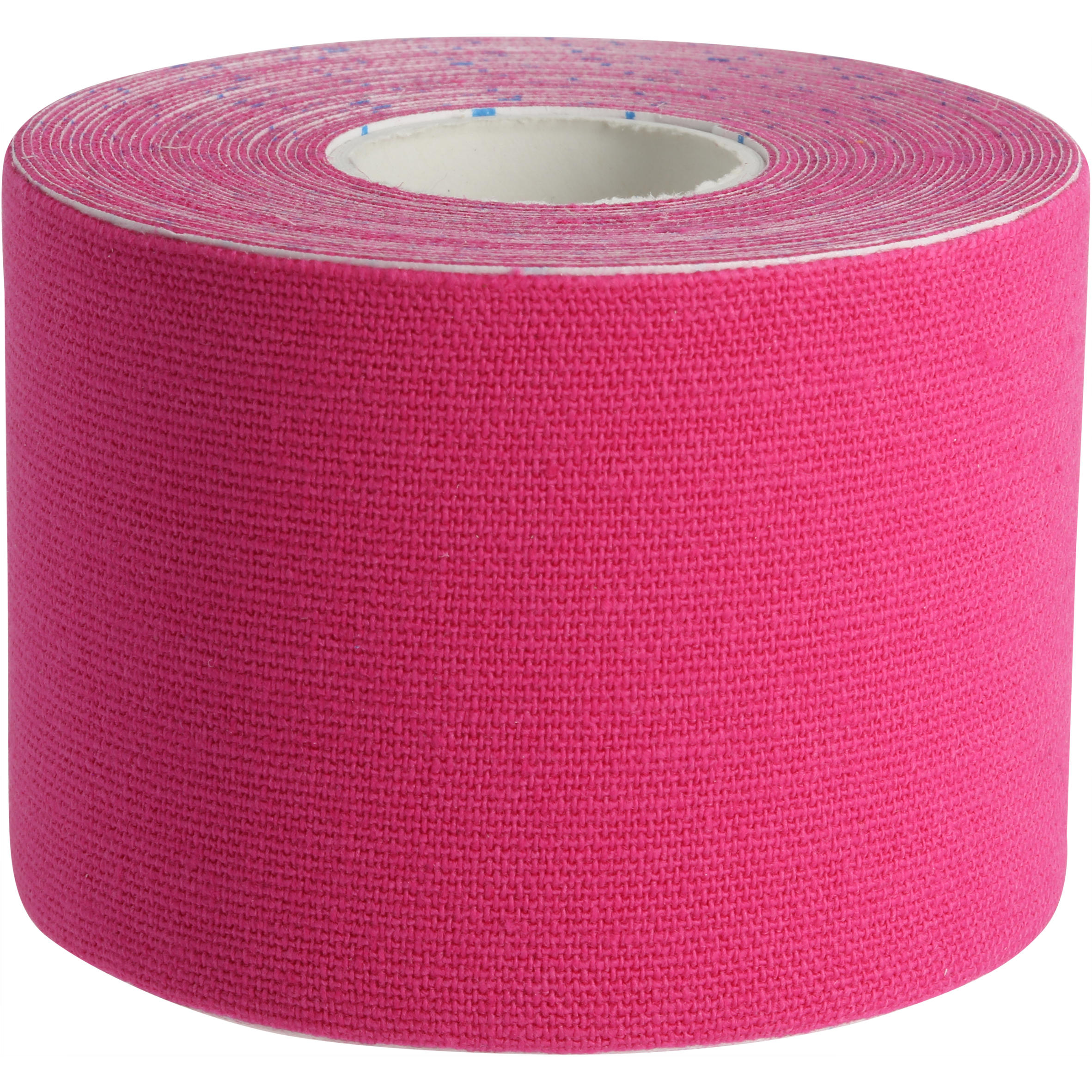
A full kinesiology roll allows you to cut different lengths and shapes, while a pre-cut kit reduces measuring and preparation. The standard kinesiology support tape measures 5 cm by 5 m and contains cotton with elastane. Its colour does not change the stated technical function. A pre-cut kit may contain rounded strips in different lengths, reducing preparation before application. However, neither format removes the need for correct positioning. Follow the medical-device instructions or qualified professional guidance rather than improvising a taping arrangement from general football content.

What should you know before using and storing football supports?

Read the instructions for the exact tape, wrap or strap before use because adhesion, stretch and wear time vary by construction. The pre-cut kinesiology tape kit contains six 25 cm strips and three 12.5 cm strips, providing nine rounded pieces for three applications. Apply adhesive products only to suitable clean, dry skin and stop if irritation develops. Rigid and kinesiology tapes are single-use, so discard them after removal rather than trying to reapply weakened adhesive. Unopened products need clean, dry and dark storage away from moisture and direct heat. Keep reusable cohesive wraps clean and dry between applications, and inspect reusable shin pad straps for stretched elastic or damaged rip-tabs. The product warranty does not mean an applied strip remains usable for two years. Therapeutic claims such as pain relief, swelling reduction or injury prevention are not supported by detailed product-specific clinical results on these pages, so avoid treating tape as a guaranteed solution for an injury.