482 items
4.5/5 based on 34123 reviews collected online and in stores

Football Shin Pads and Muscular Supports FAQs

What are the functions of shin pads, sleeves, and supports?

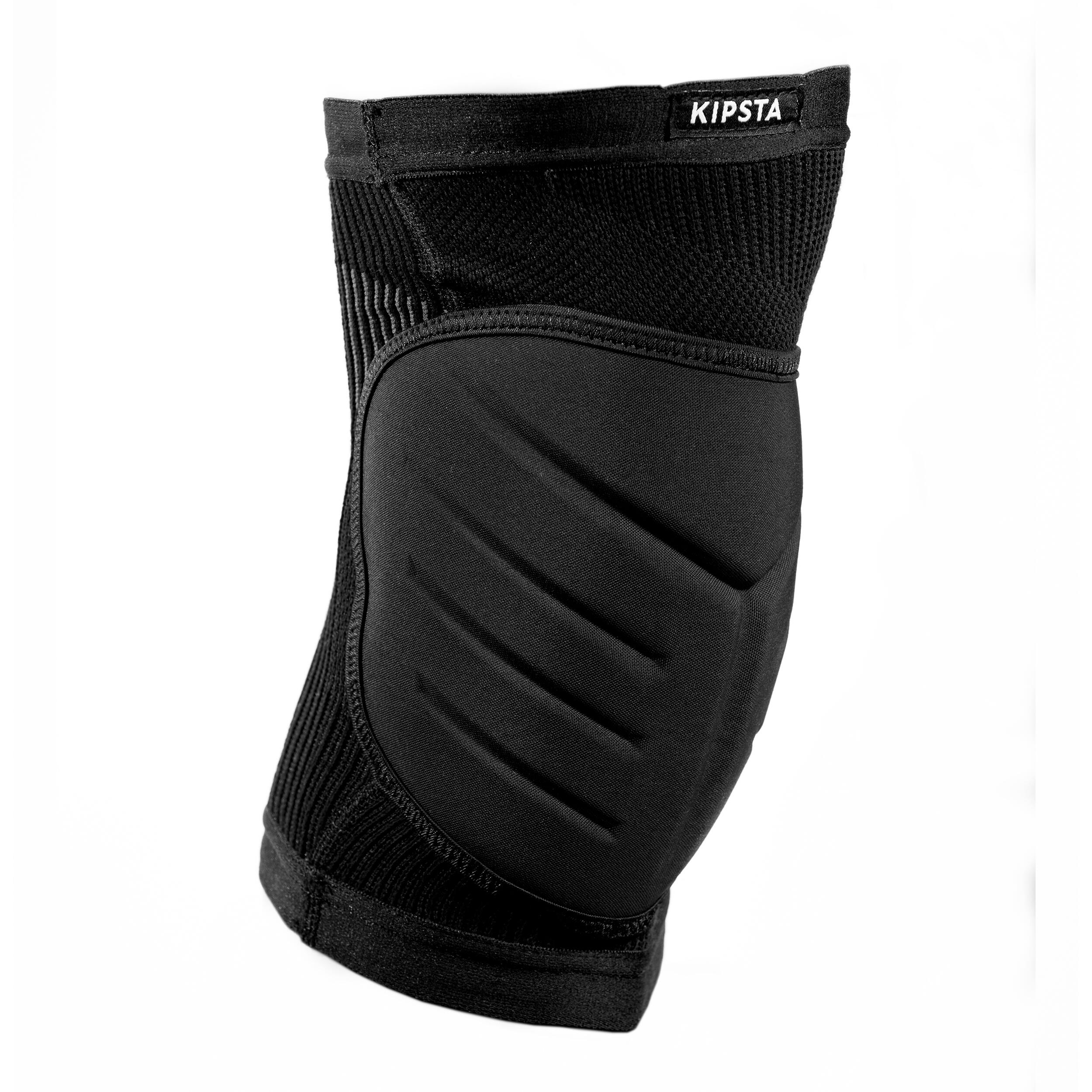
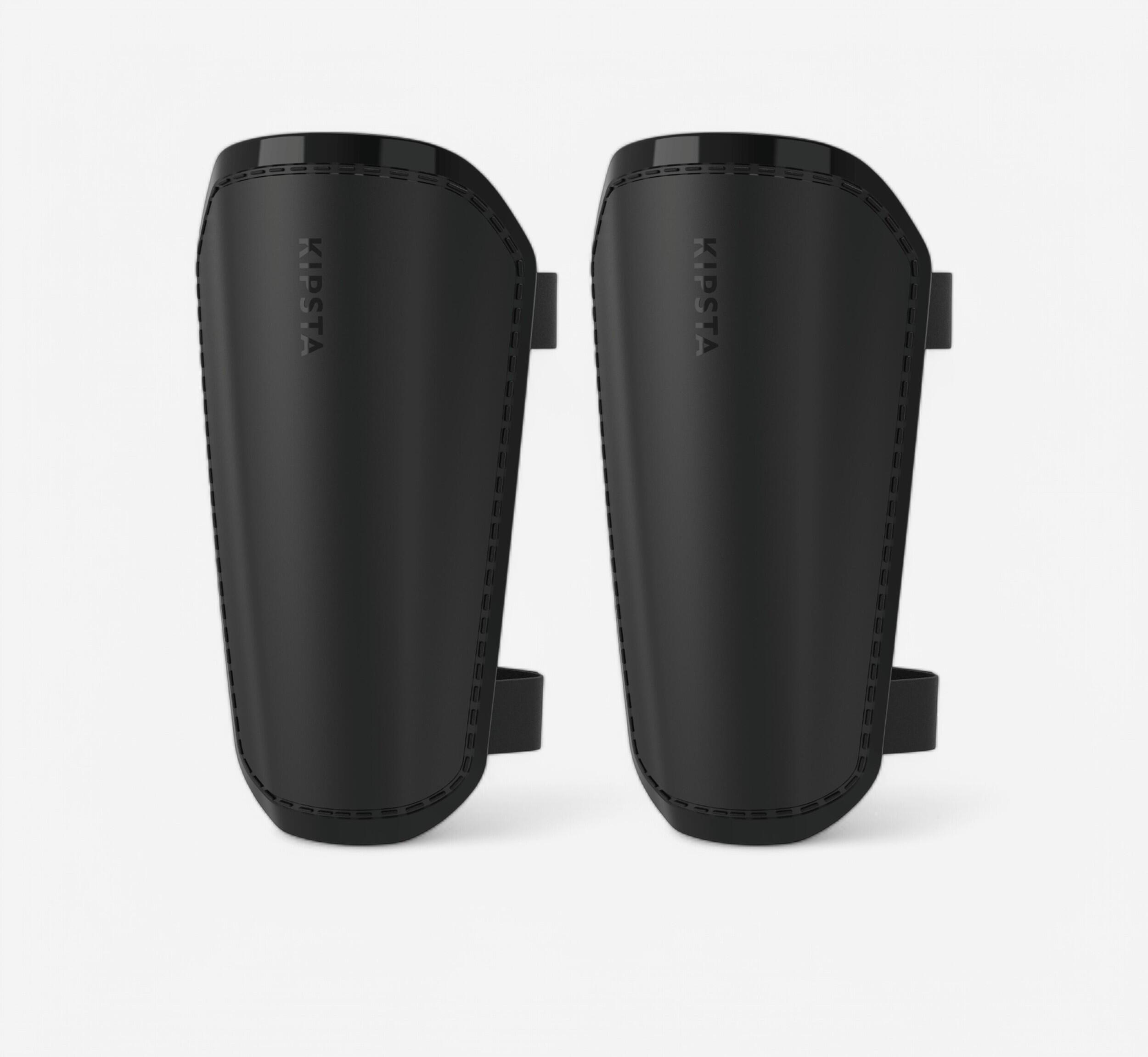
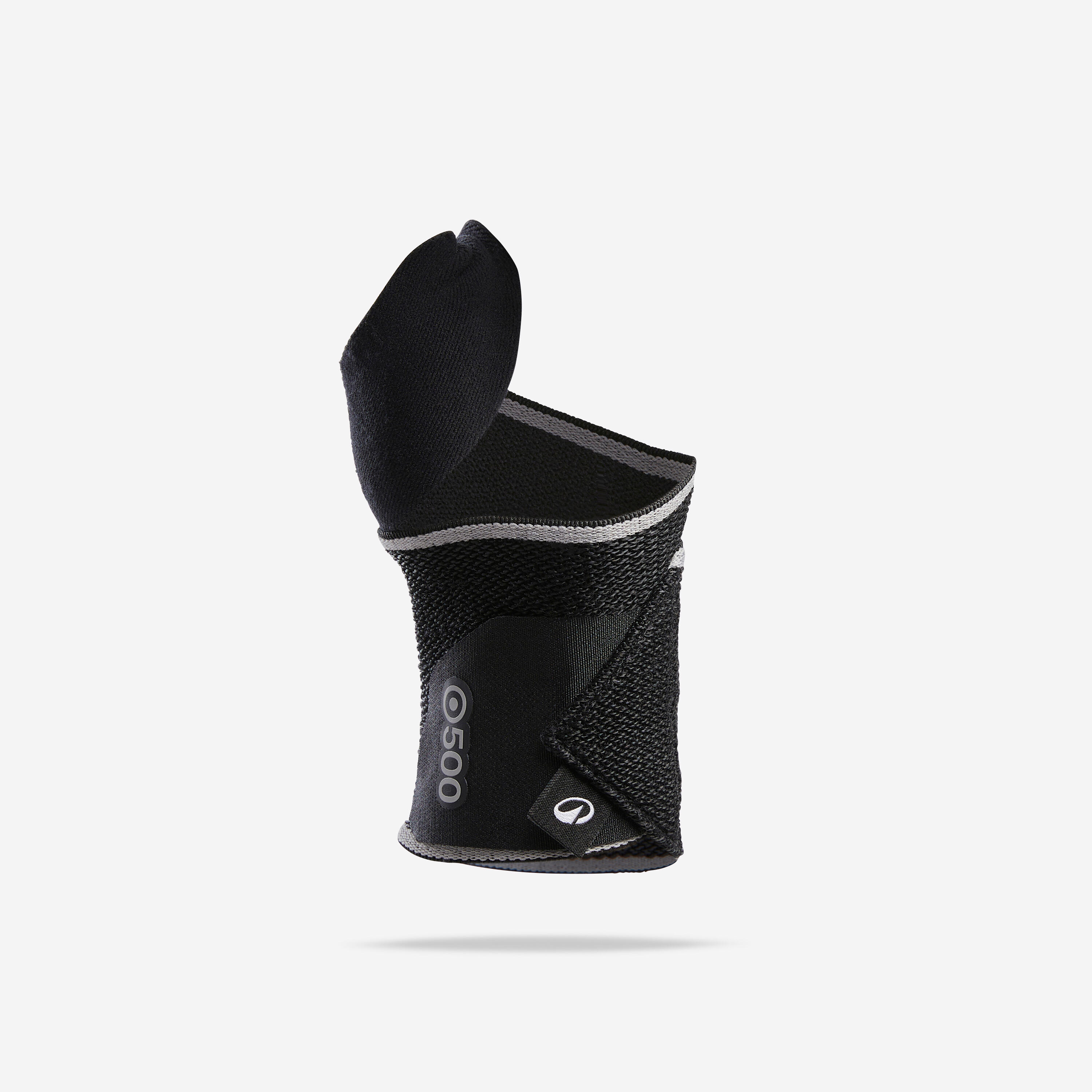
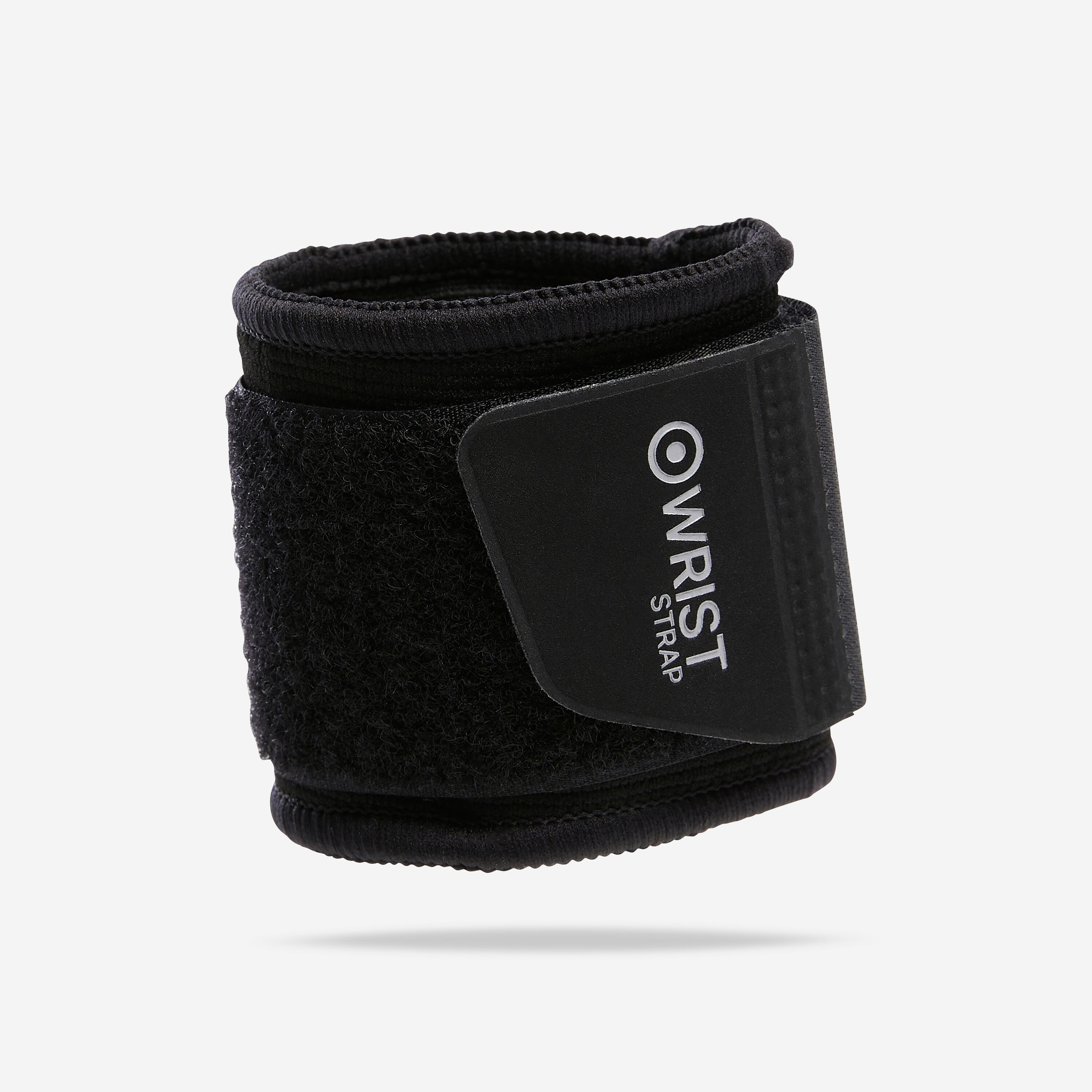
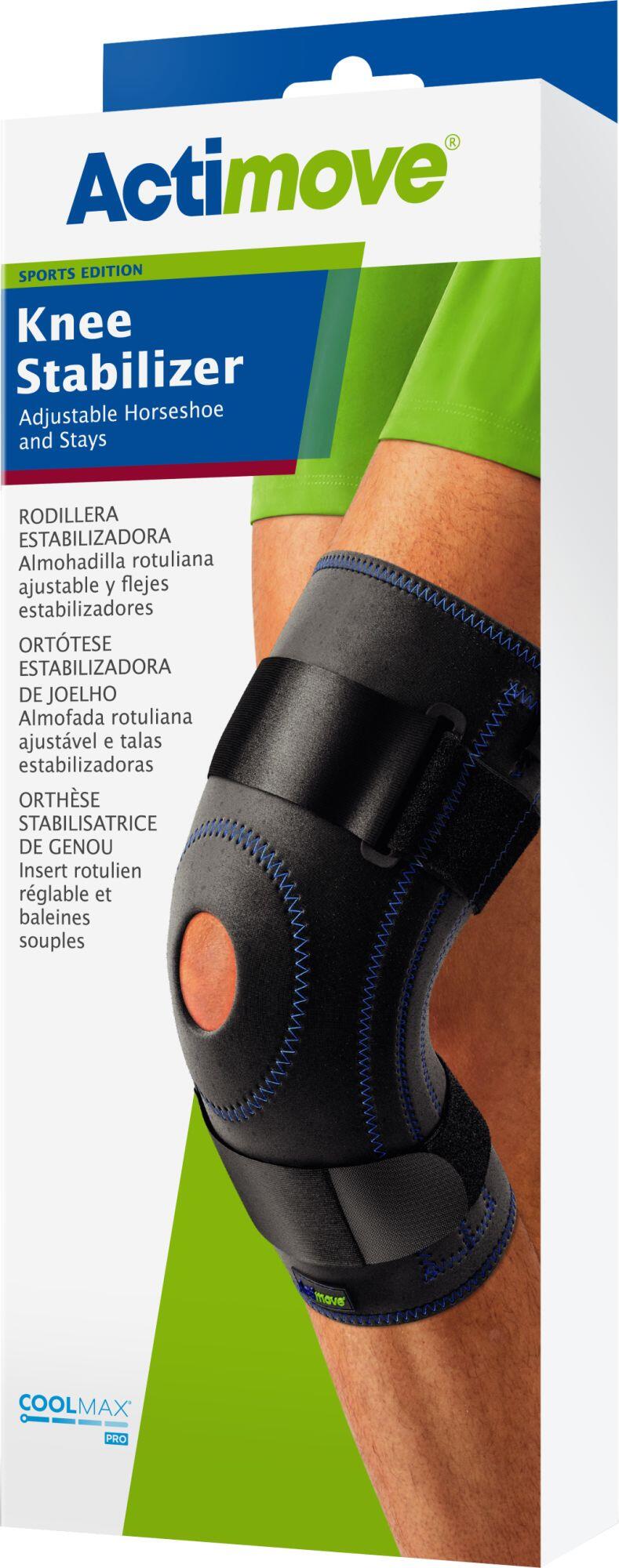
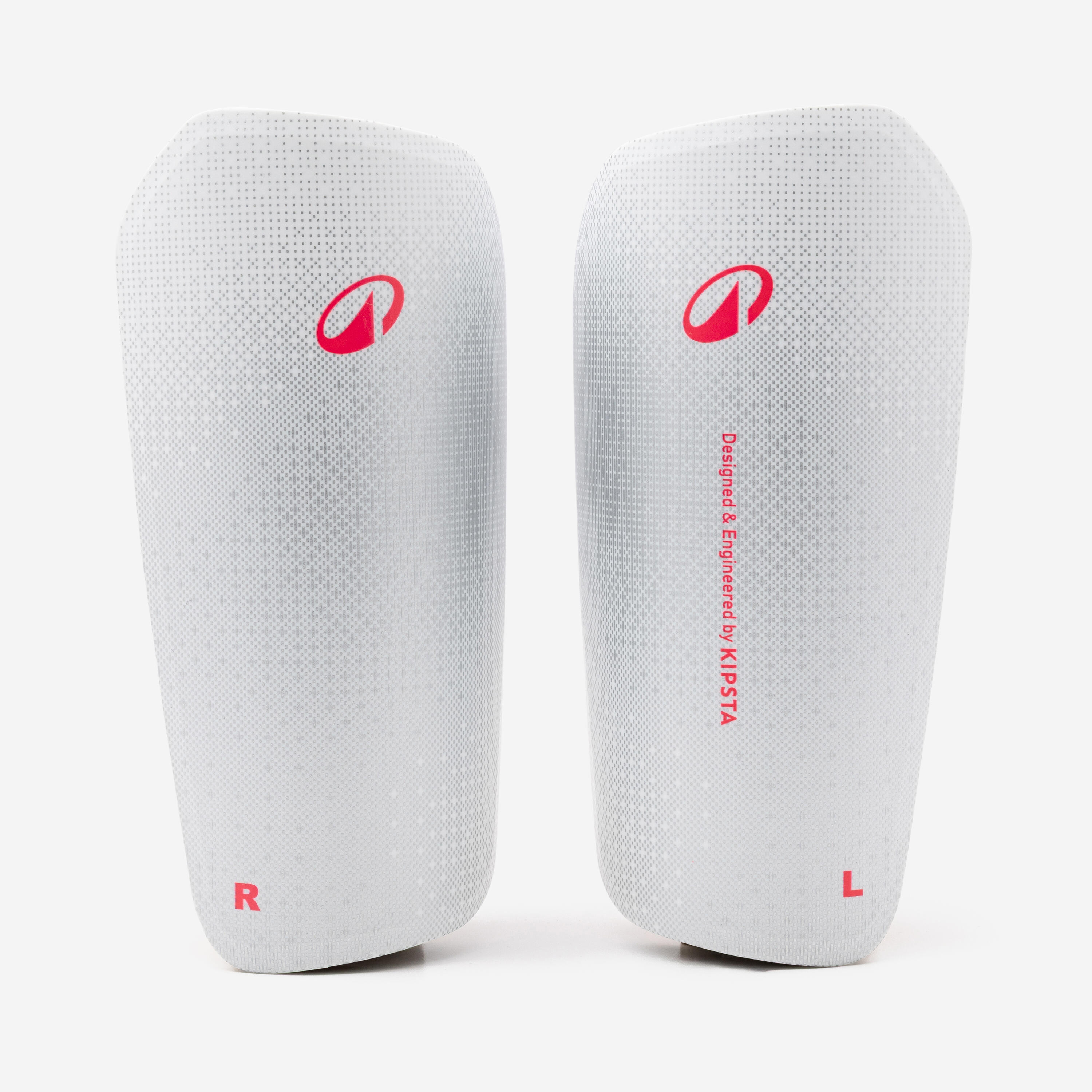
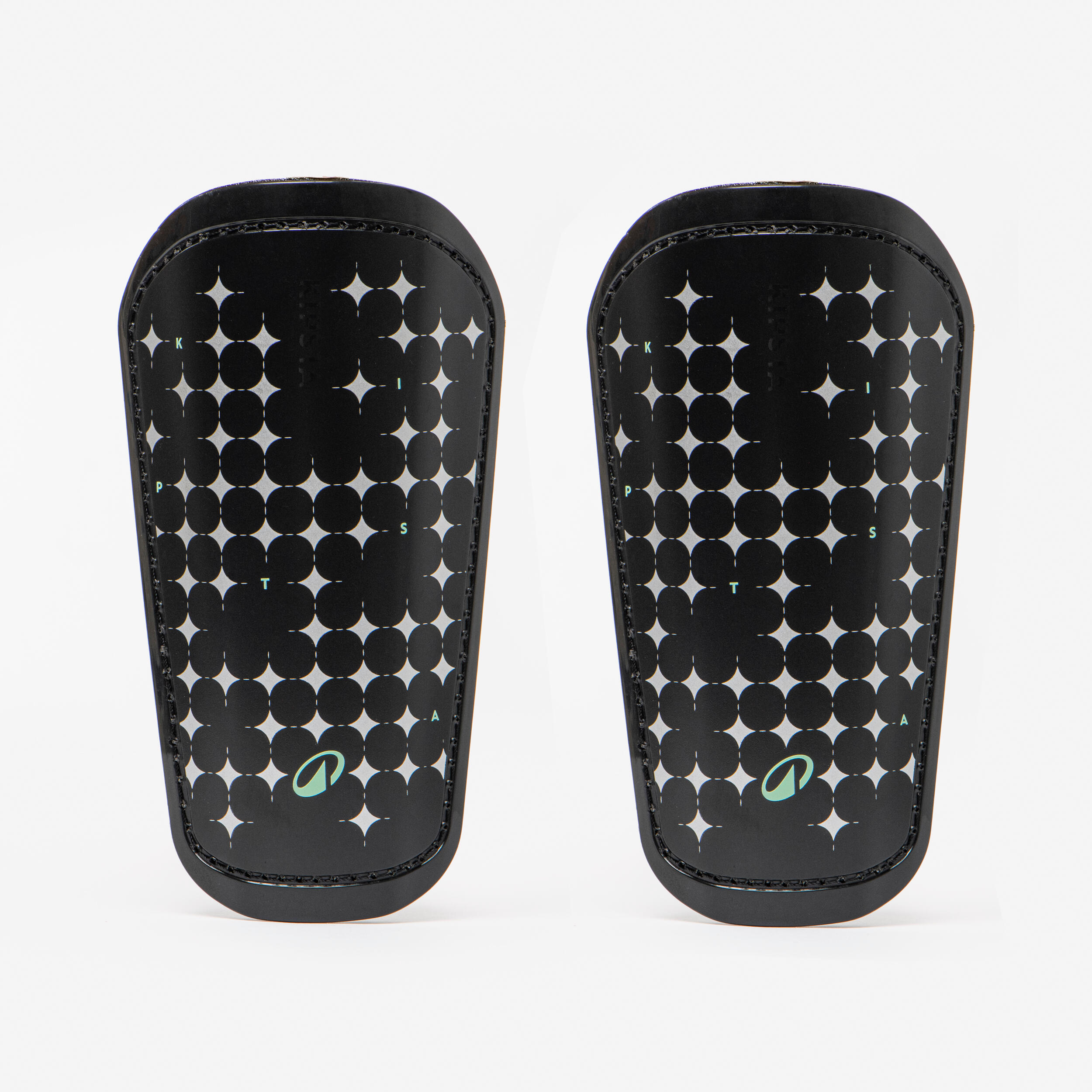
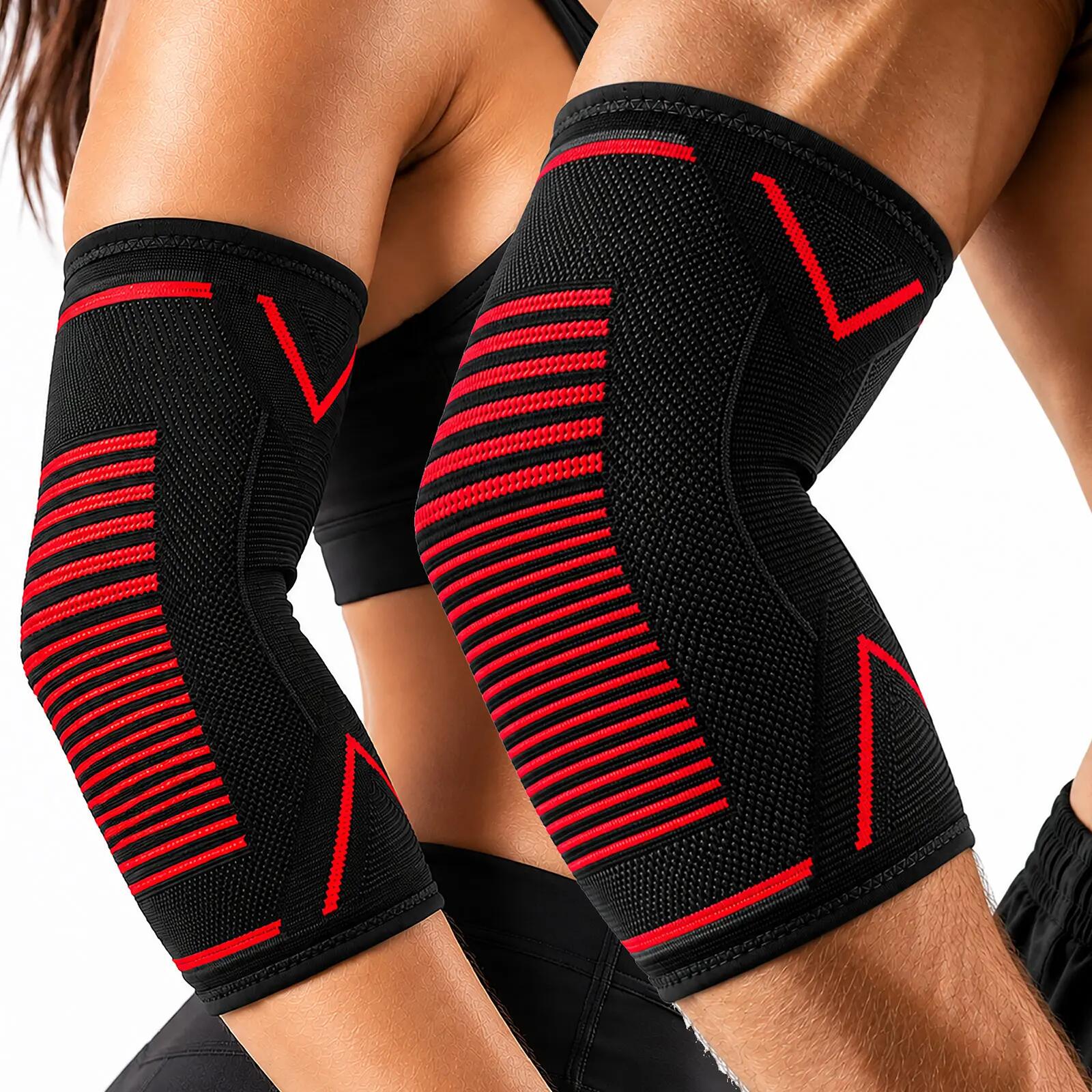
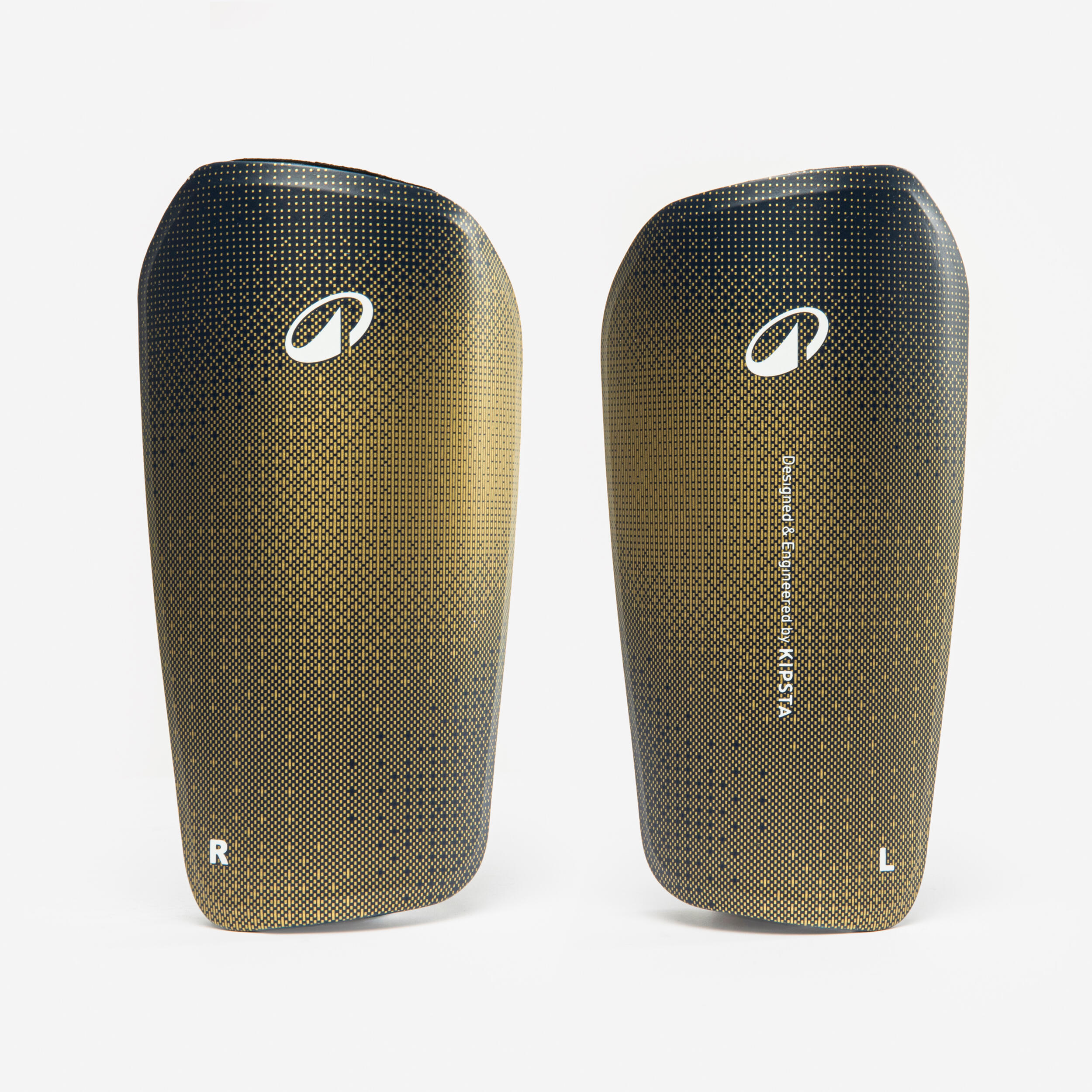
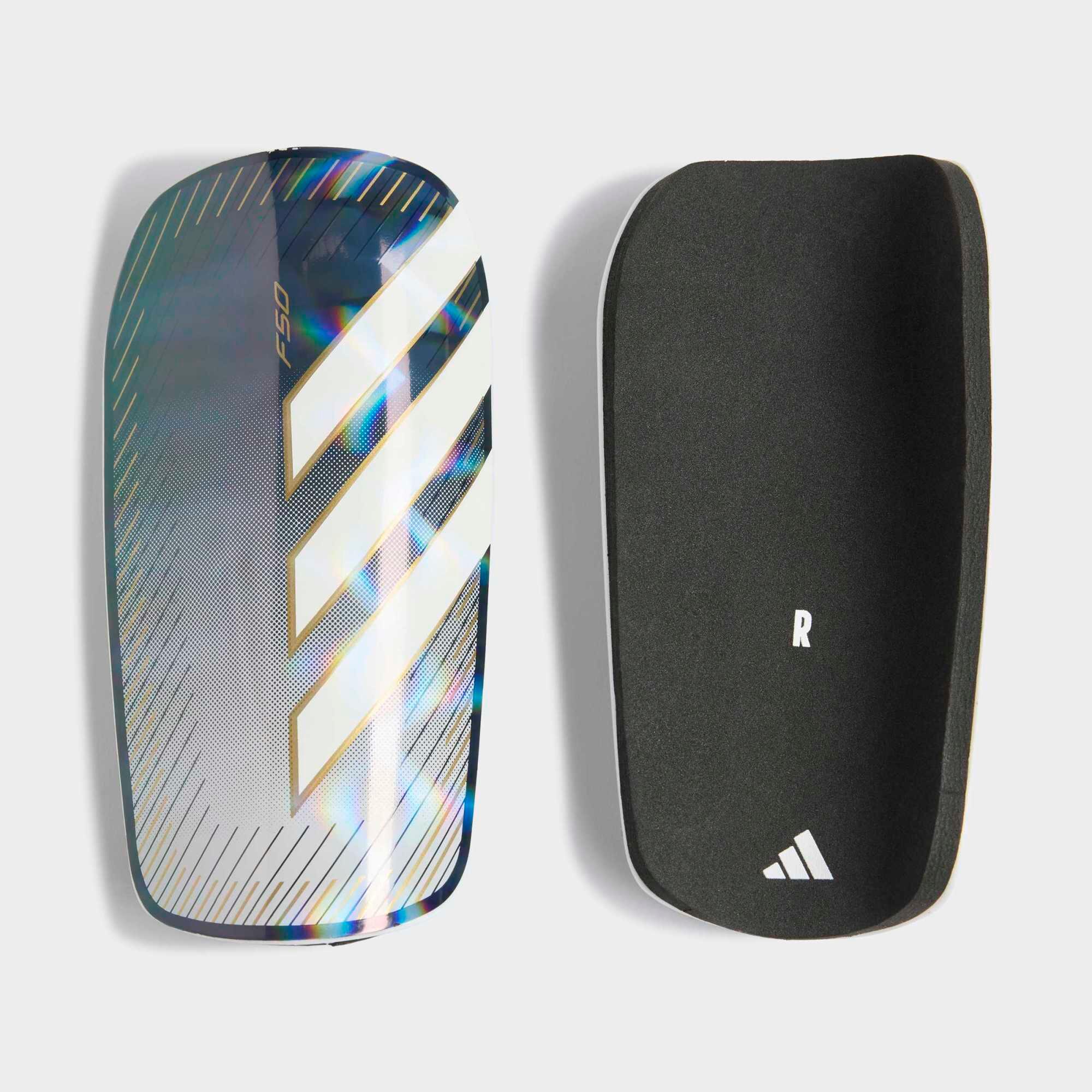
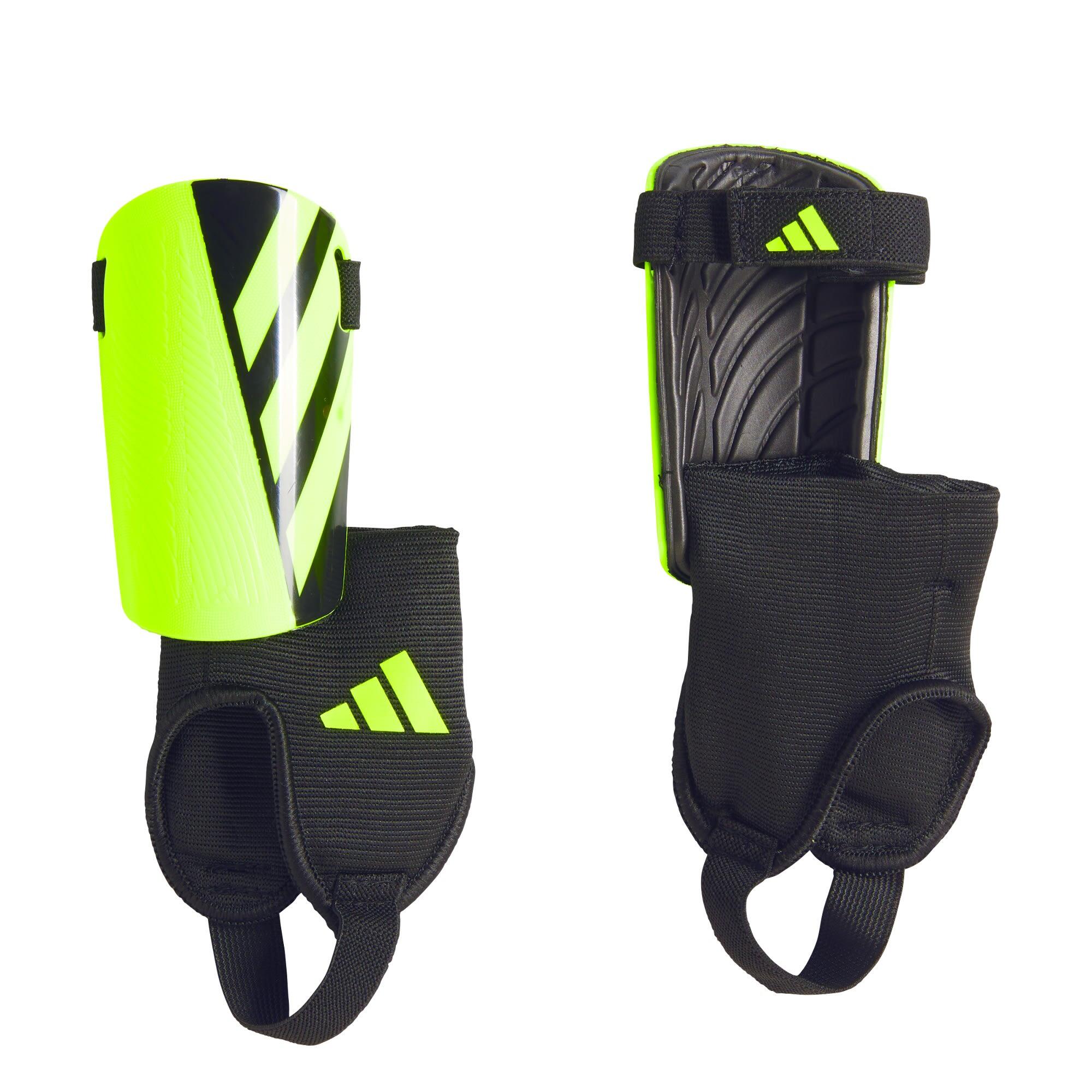
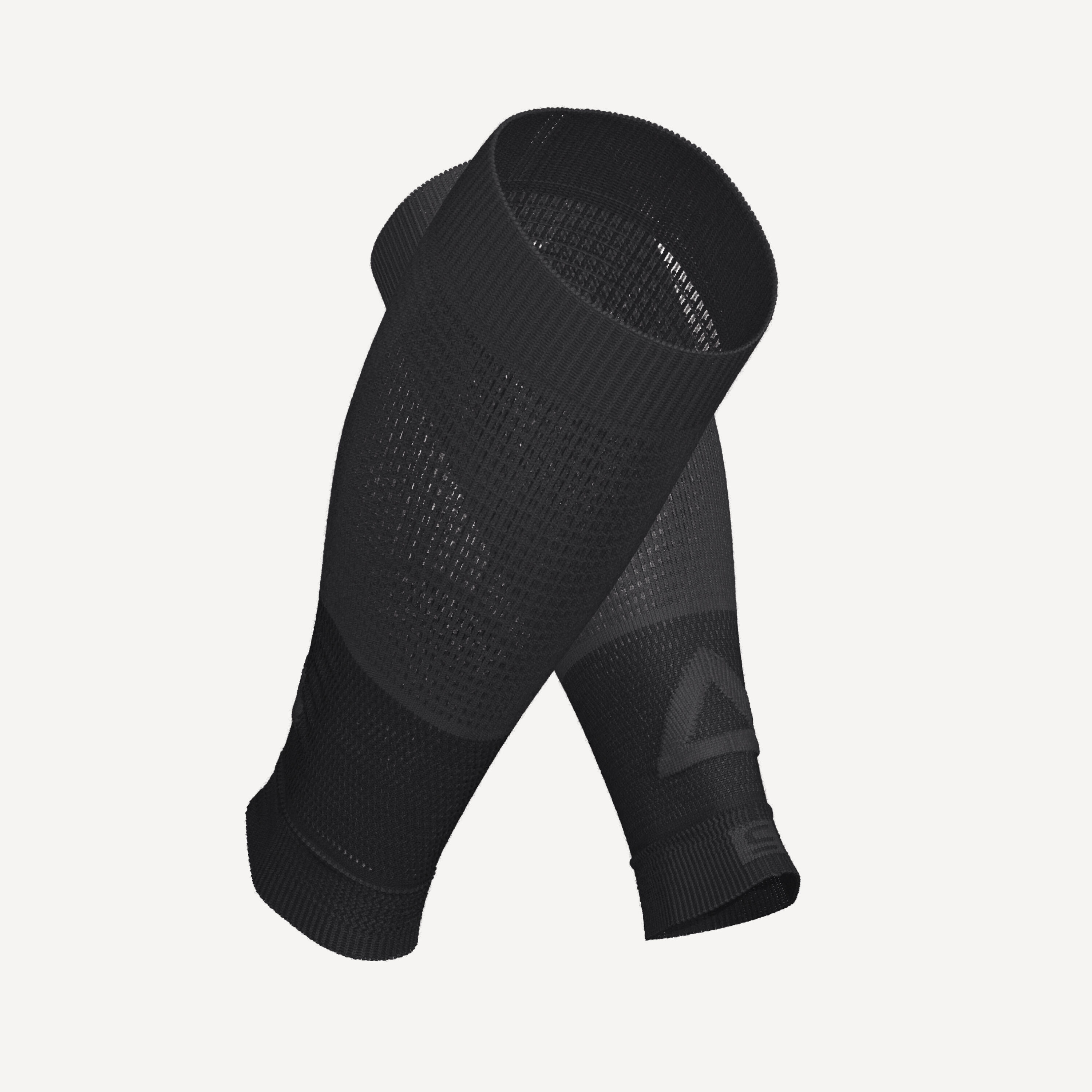
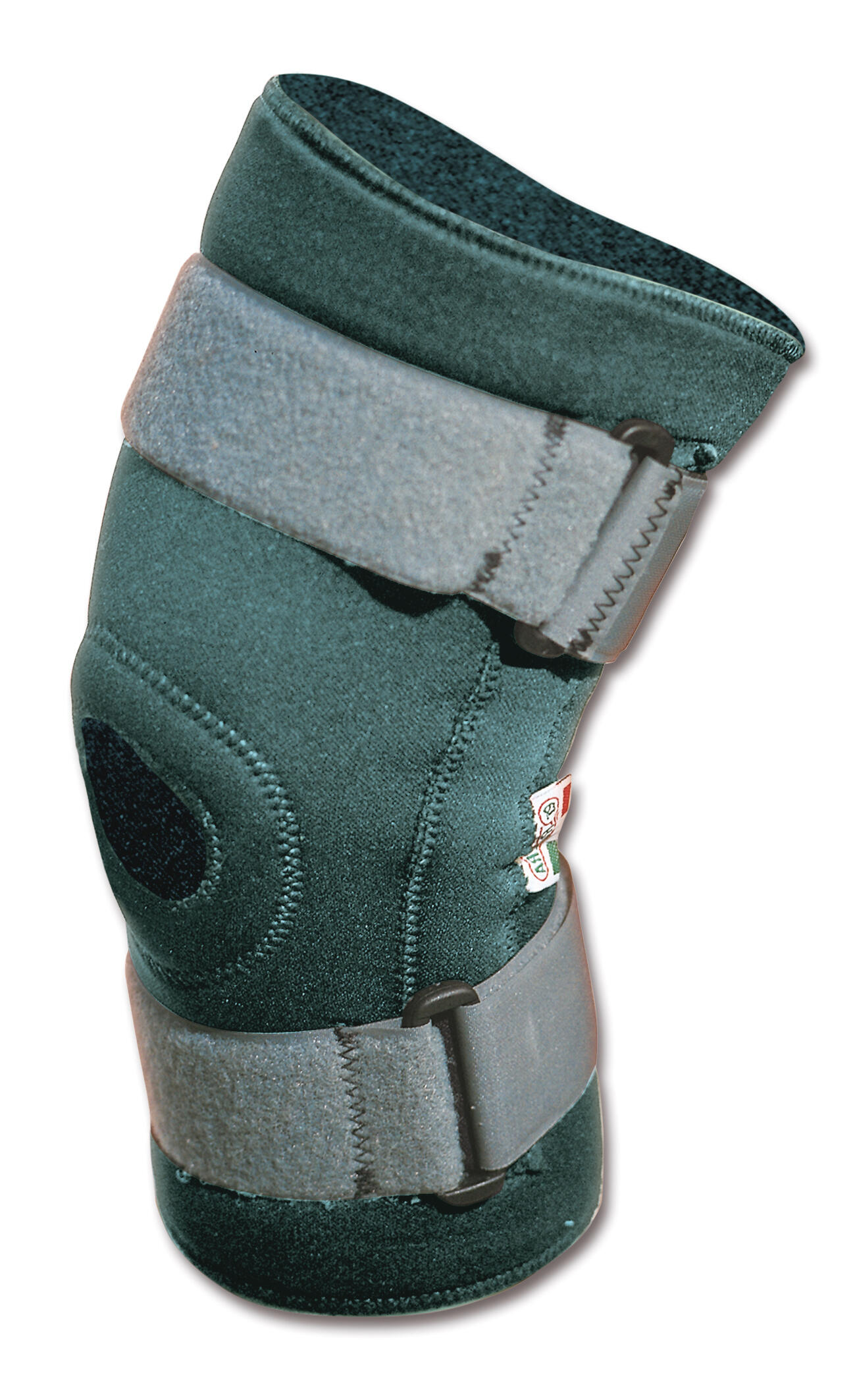
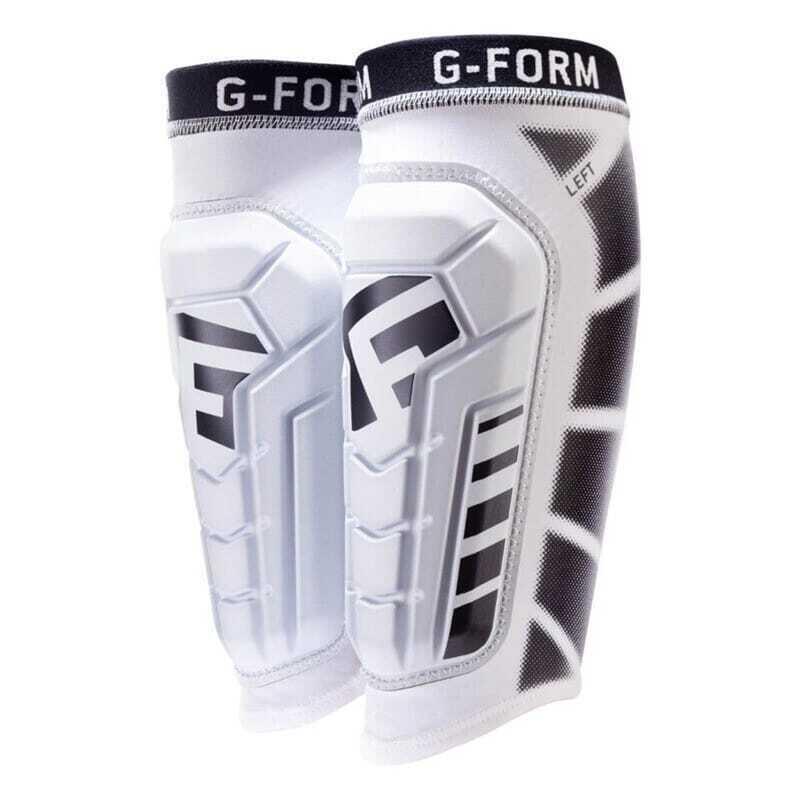
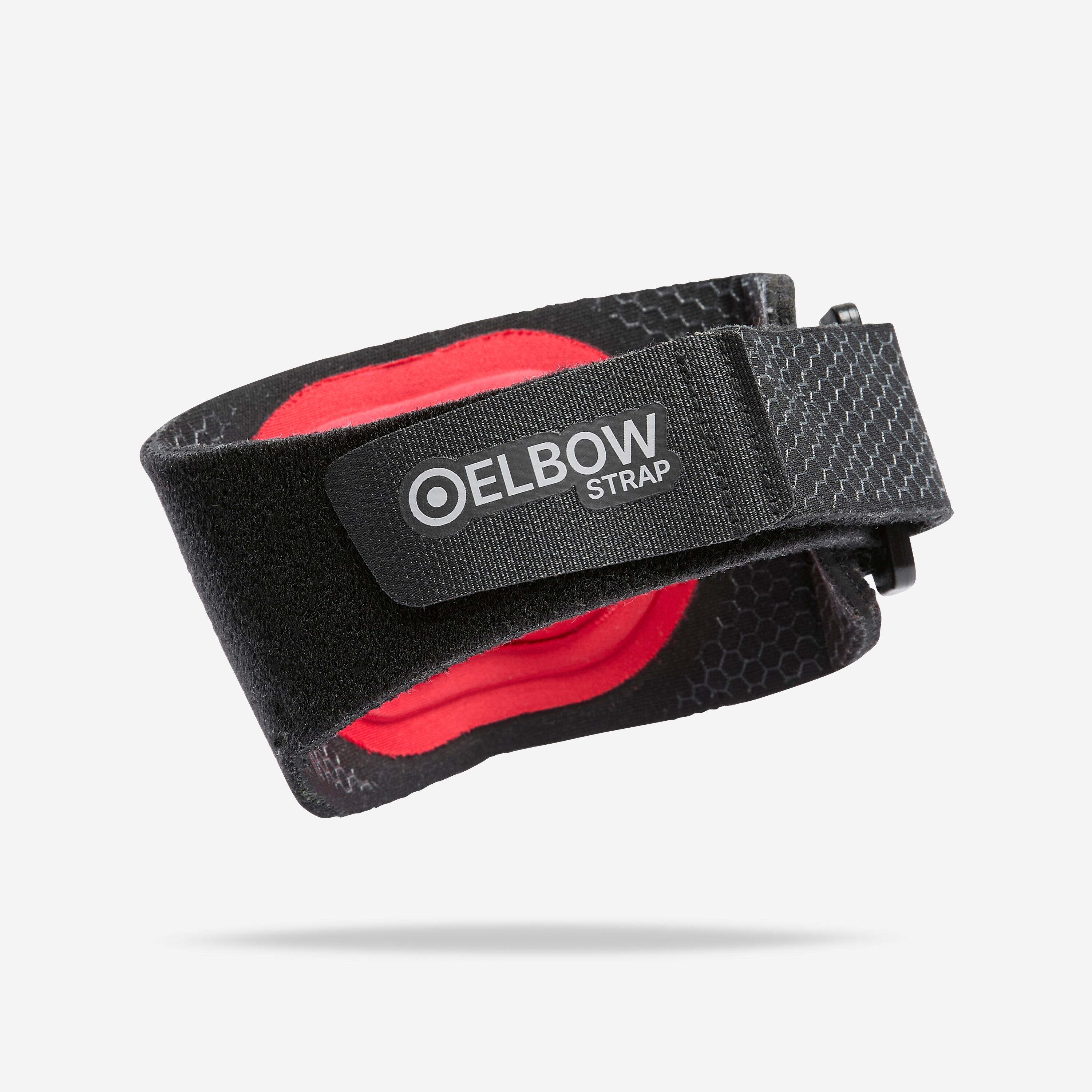
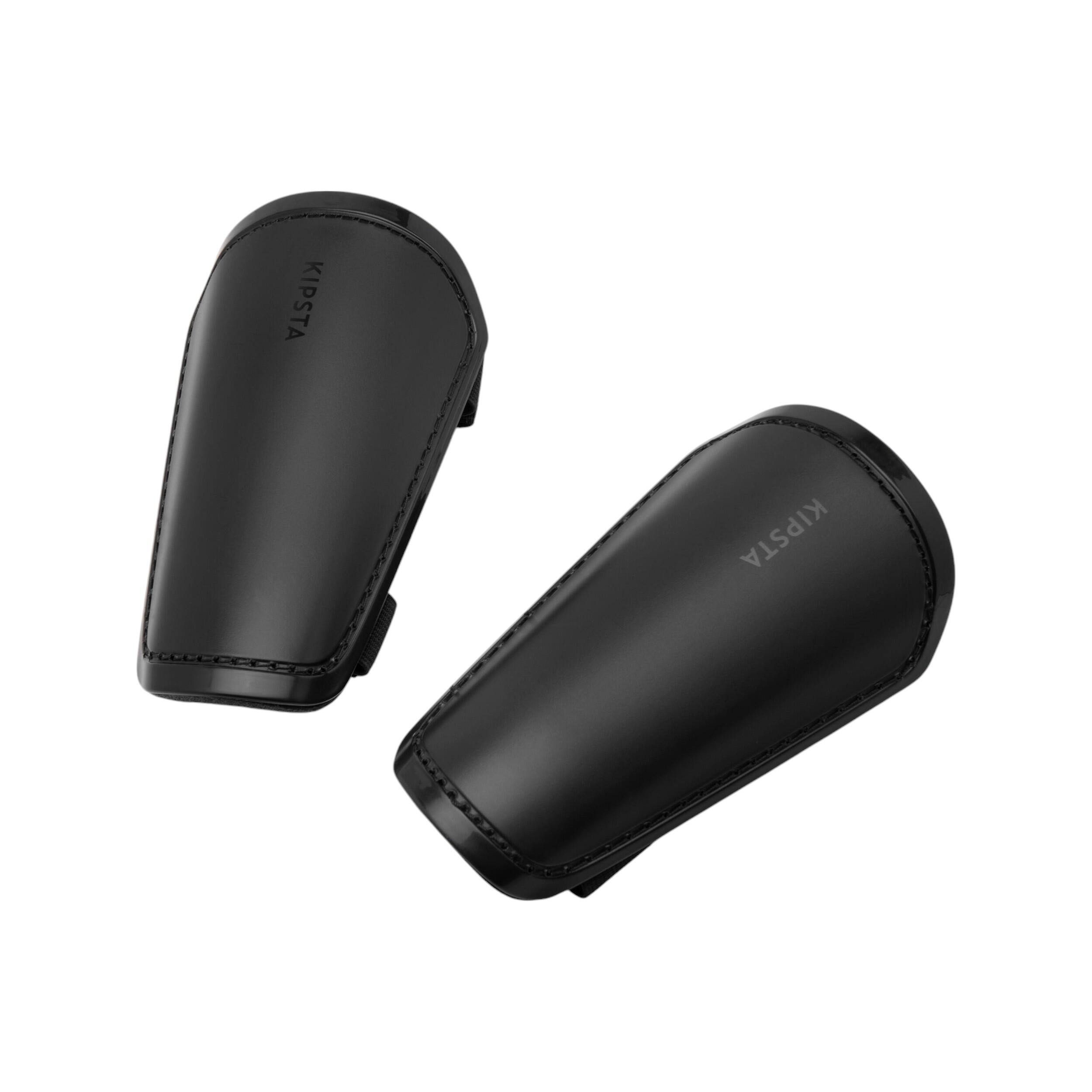
These products serve different purposes and cannot be treated as interchangeable forms of football protection. Protective shin pads use a hard outer shell and shock-absorbing foam to reduce impact during tackles. Sleeves contain no protective shell and simply hold separate pads securely against the leg. Muscular supports, straps and bandages provide varying levels of compression, positioning or joint stability, depending on their construction and product instructions. The dedicated football shin pads category contains shell-based protection for players who need coverage during training and matches. Choose according to the body area and intended function rather than assuming any sleeve, tape or support can replace certified shin protection.

Can shin-pad sleeves replace a protective shell?

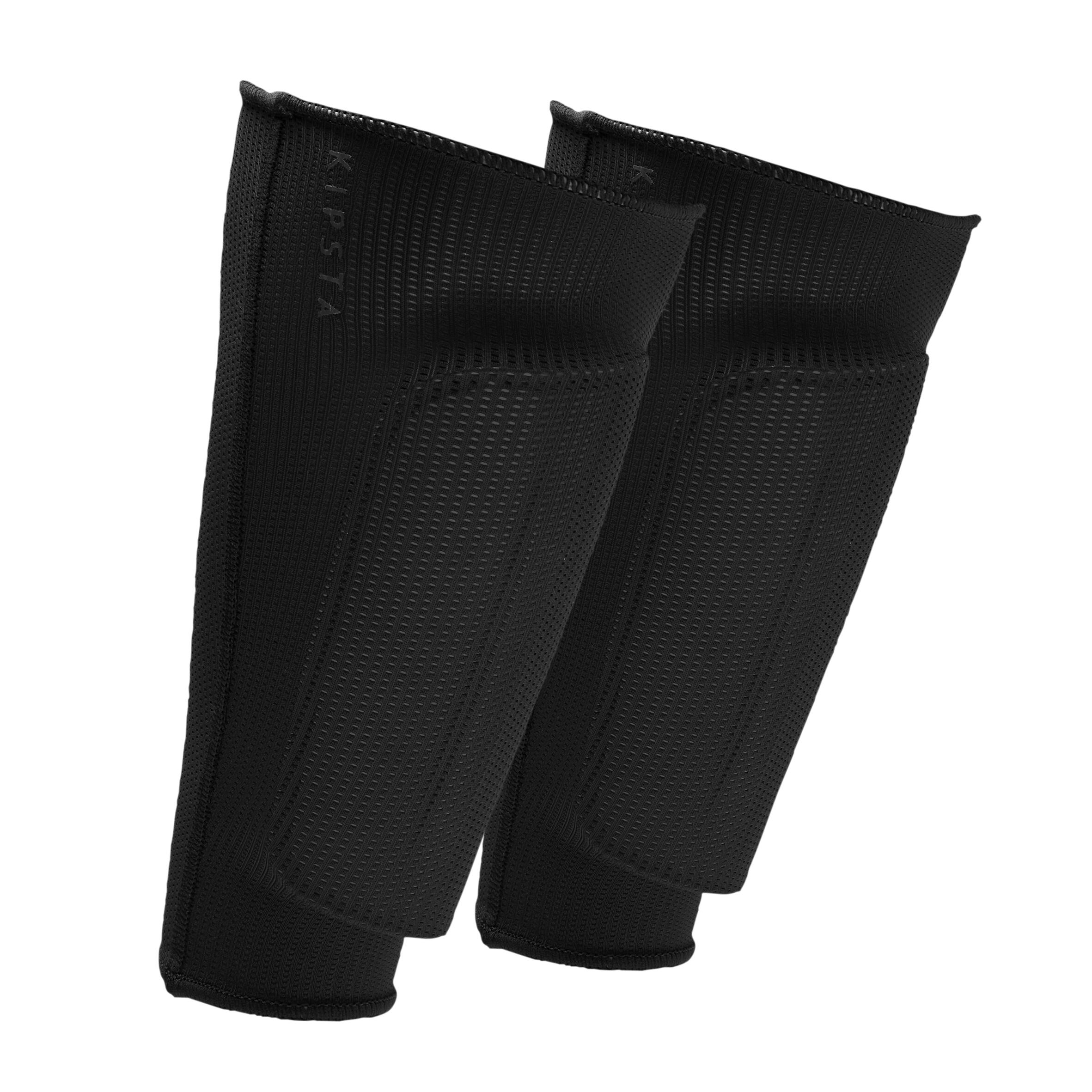
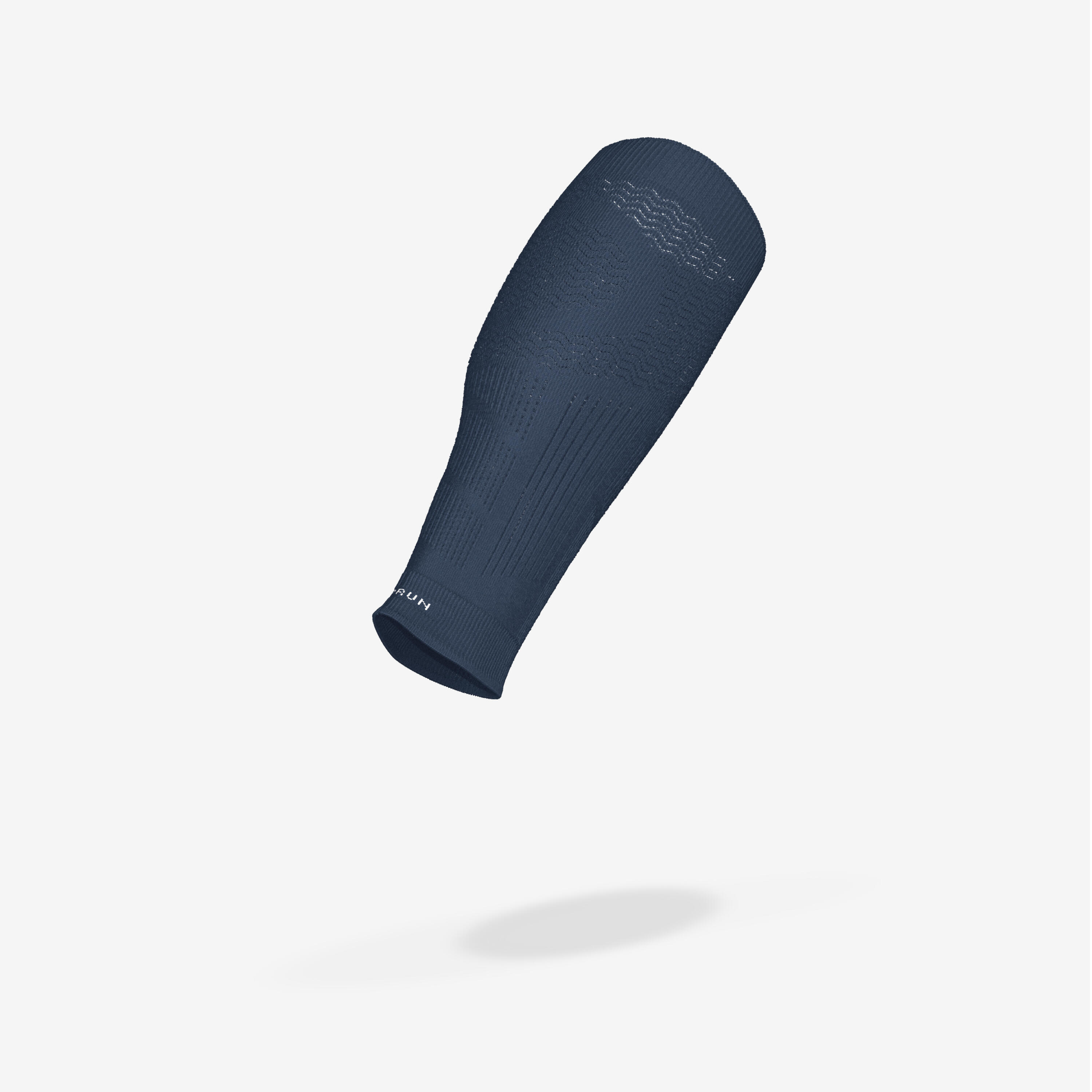
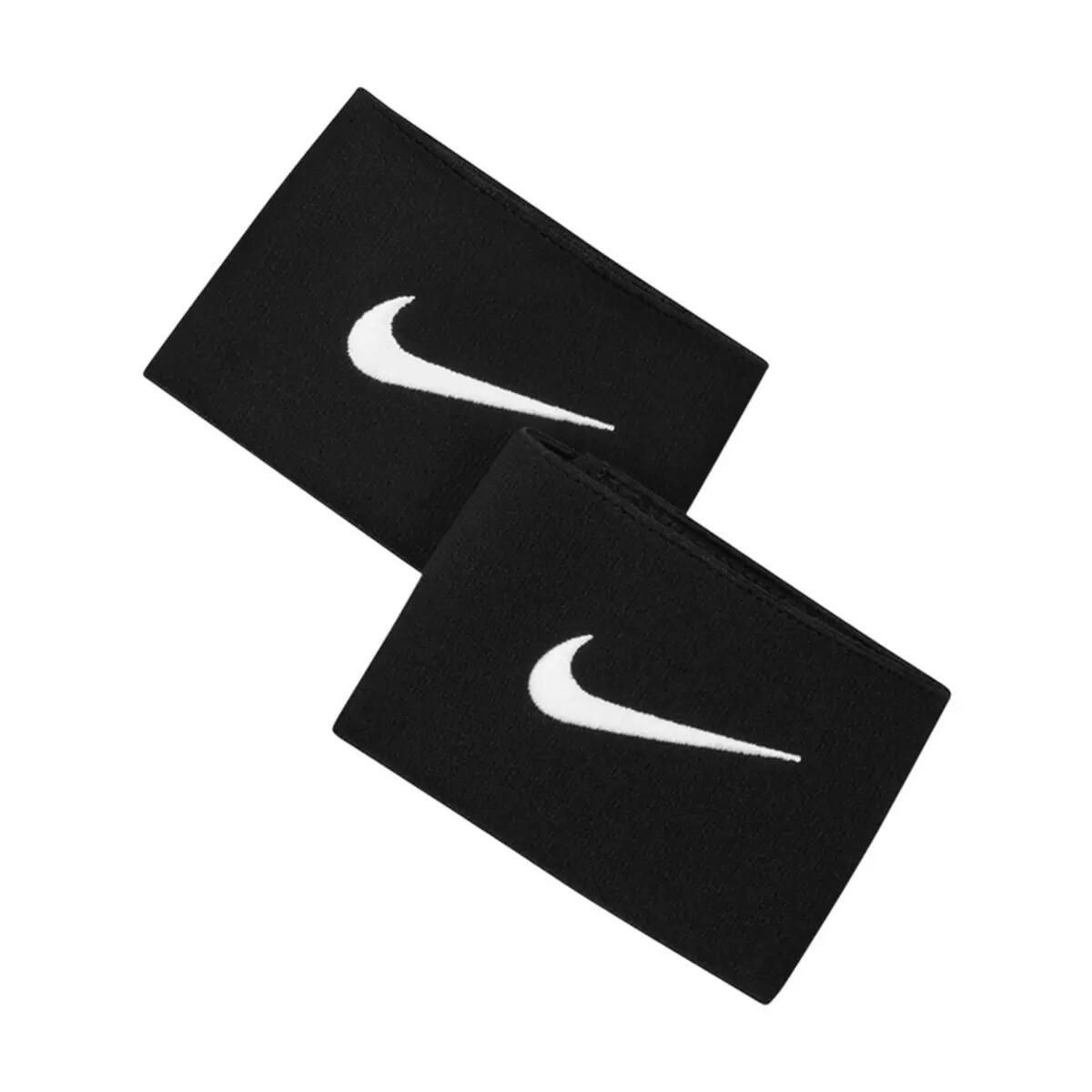
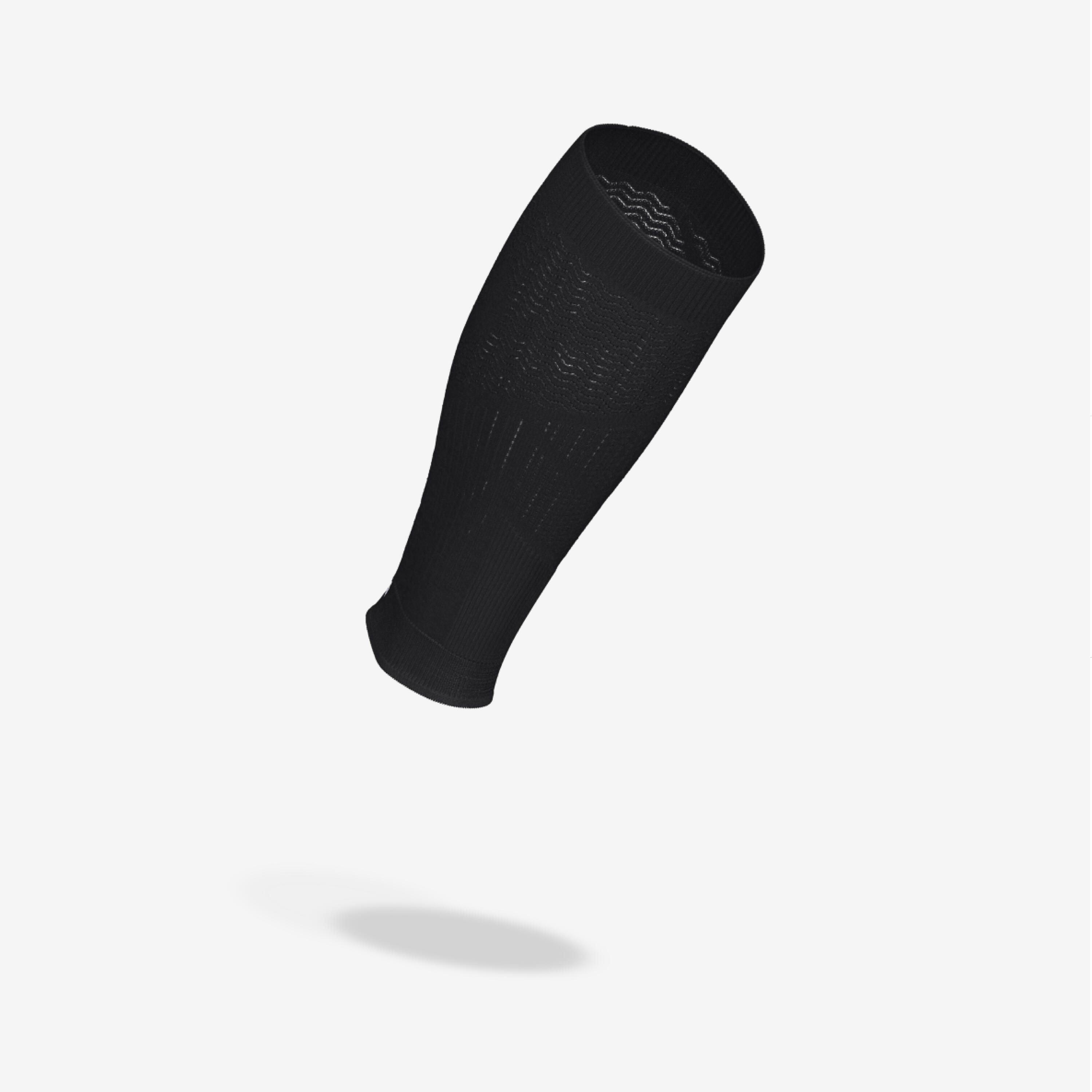
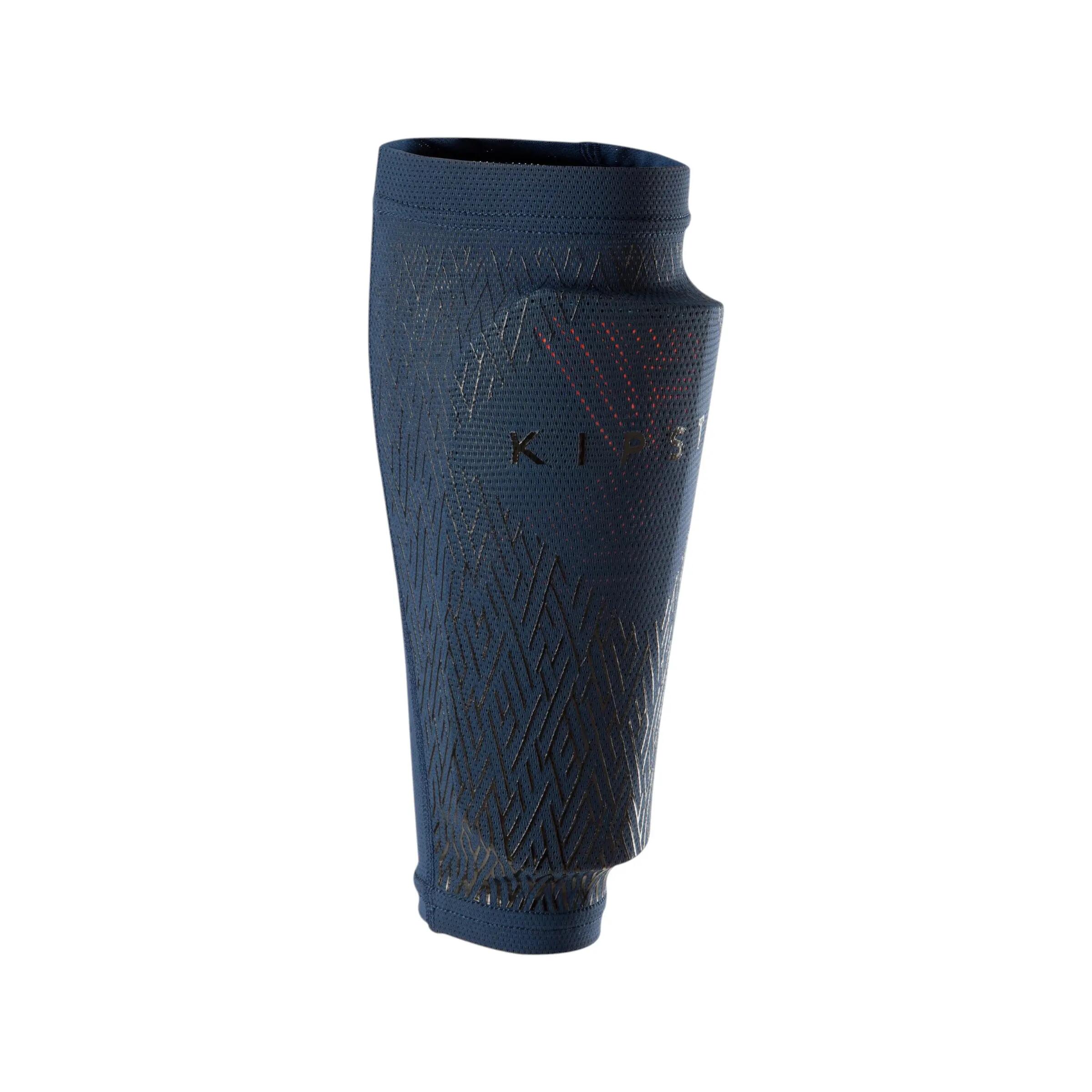
No. Shin-pad sleeves use elasticated fabric to hold a separate shell in position and do not provide the impact resistance required from the pad itself. Their polyamide and elastane construction can feel softer than rip-tab straps, while breathable material helps manage perspiration and reduce odour during play. Put the protective shell against the shin first, then pull the sleeve over it and check that neither item moves during running, turning or striking. Complete a short warm-up using cones or other football training equipment before the session begins. A sleeve that rolls down or allows the shell to rotate needs adjustment, another size or a different fastening method.

Why does EN 13061 matter when choosing football shin pads?

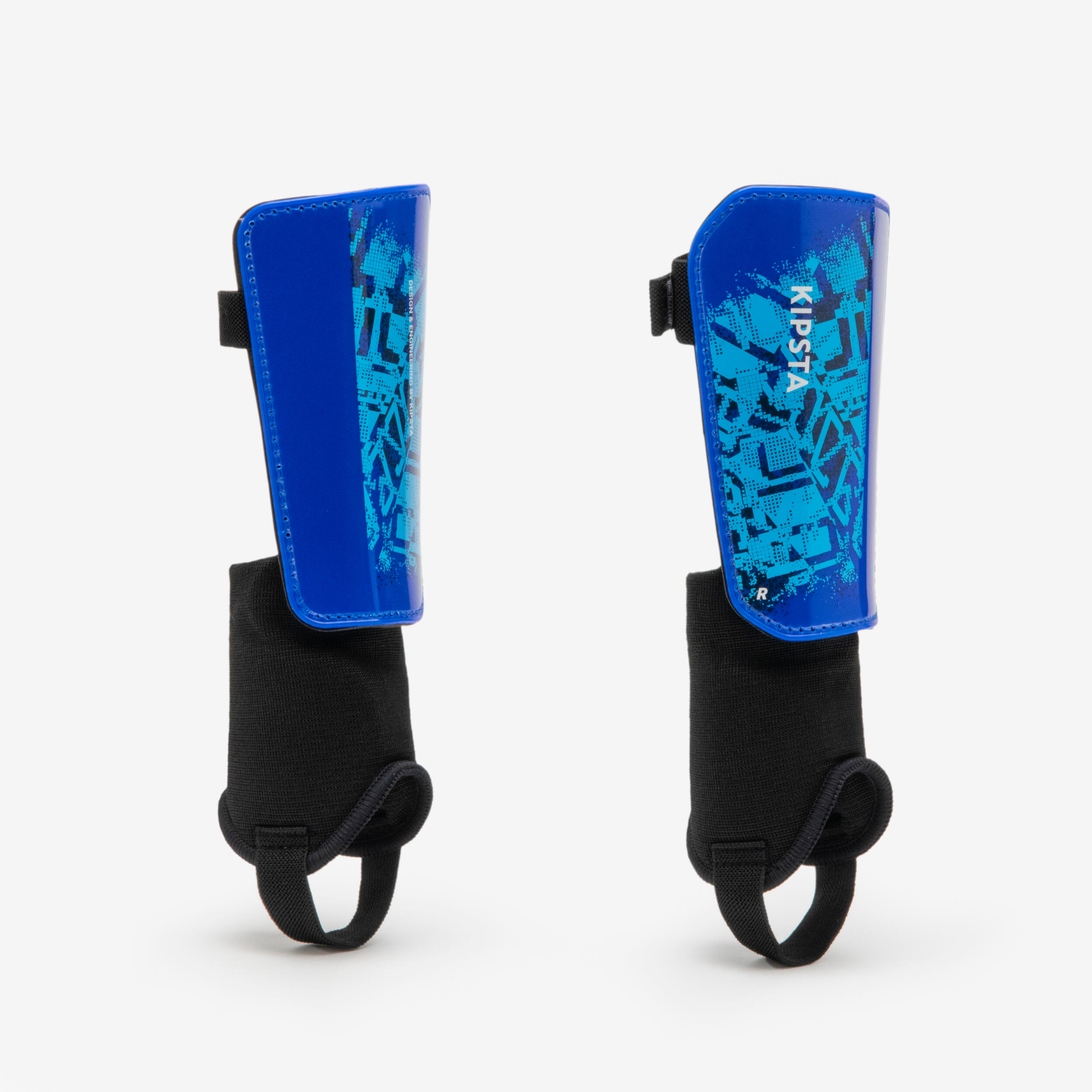
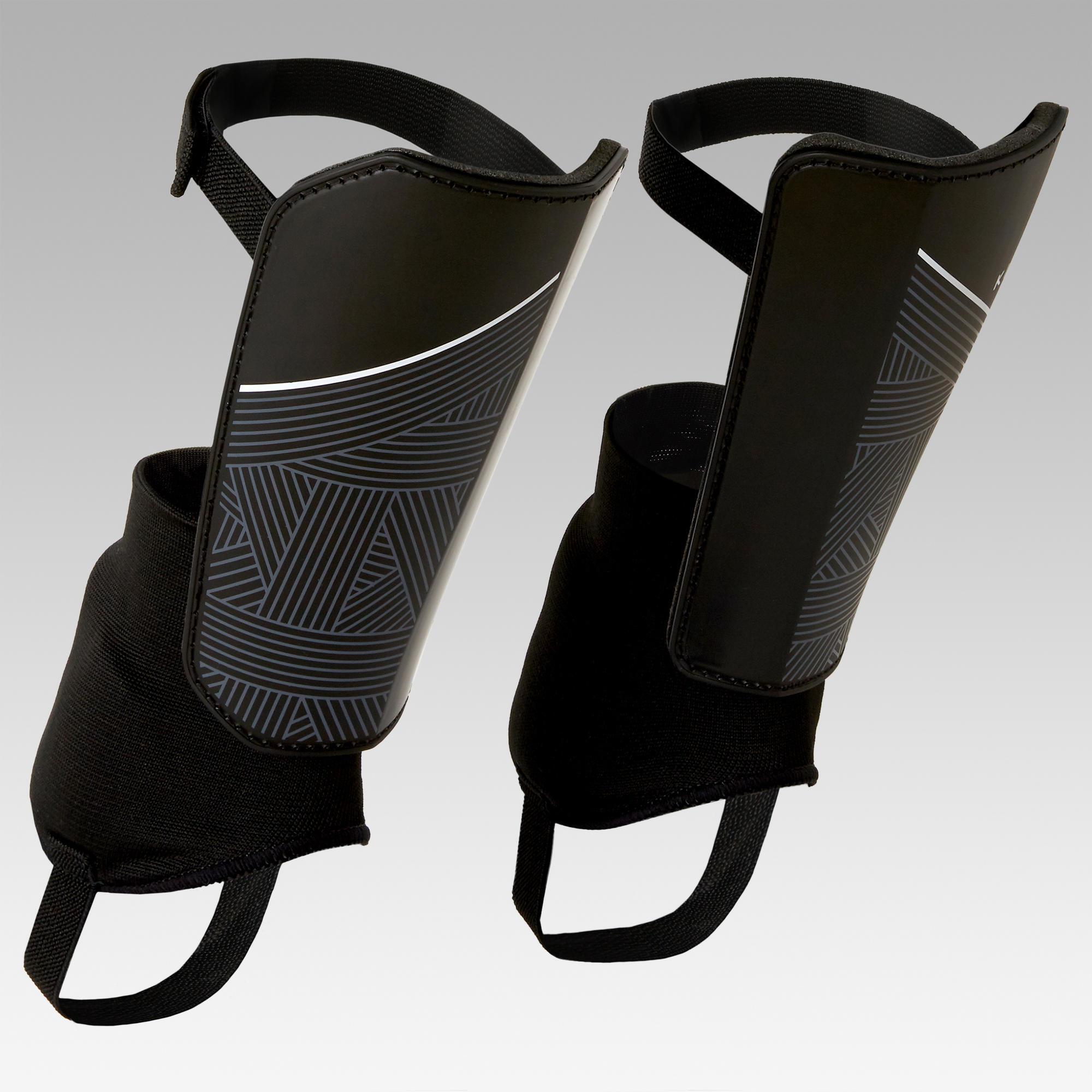
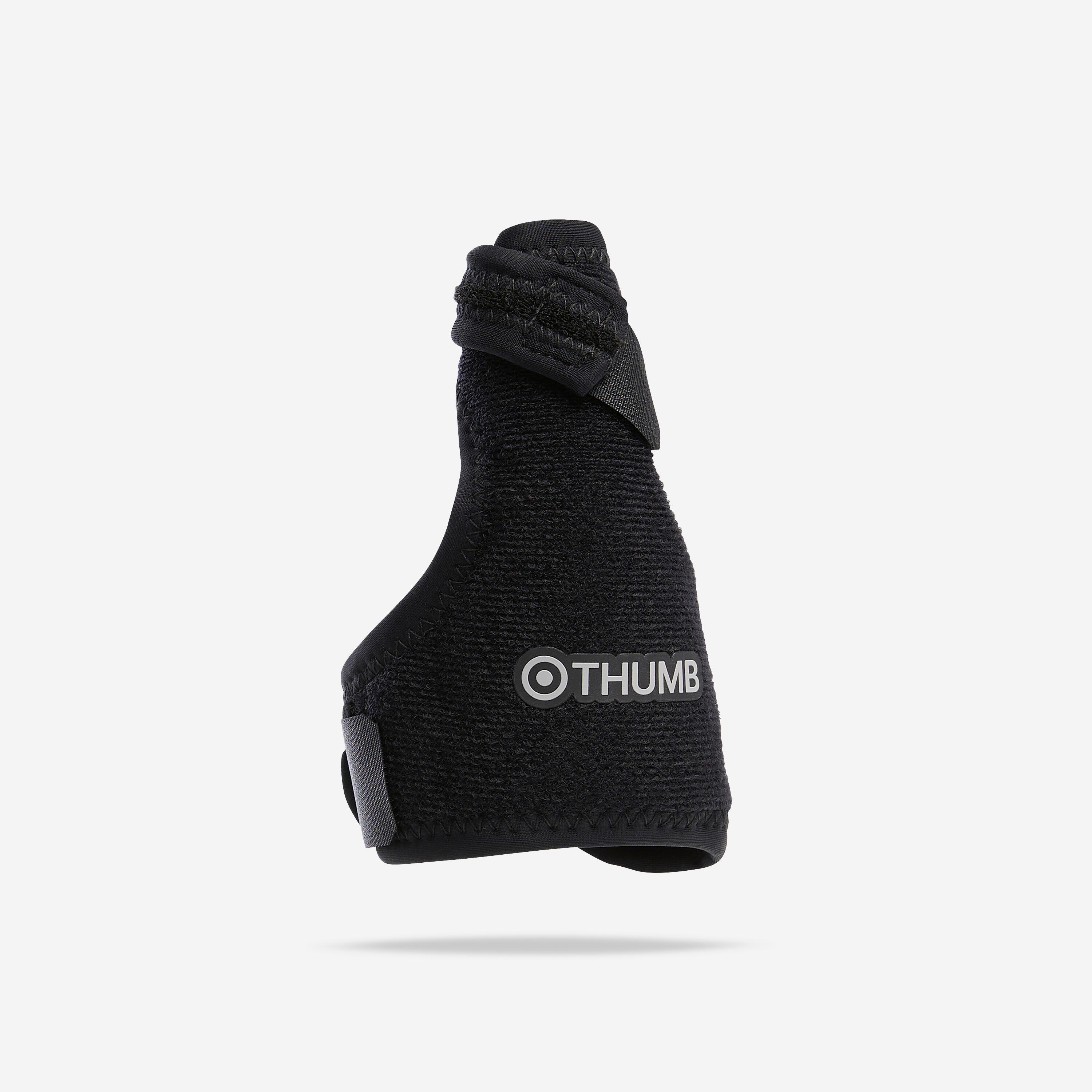
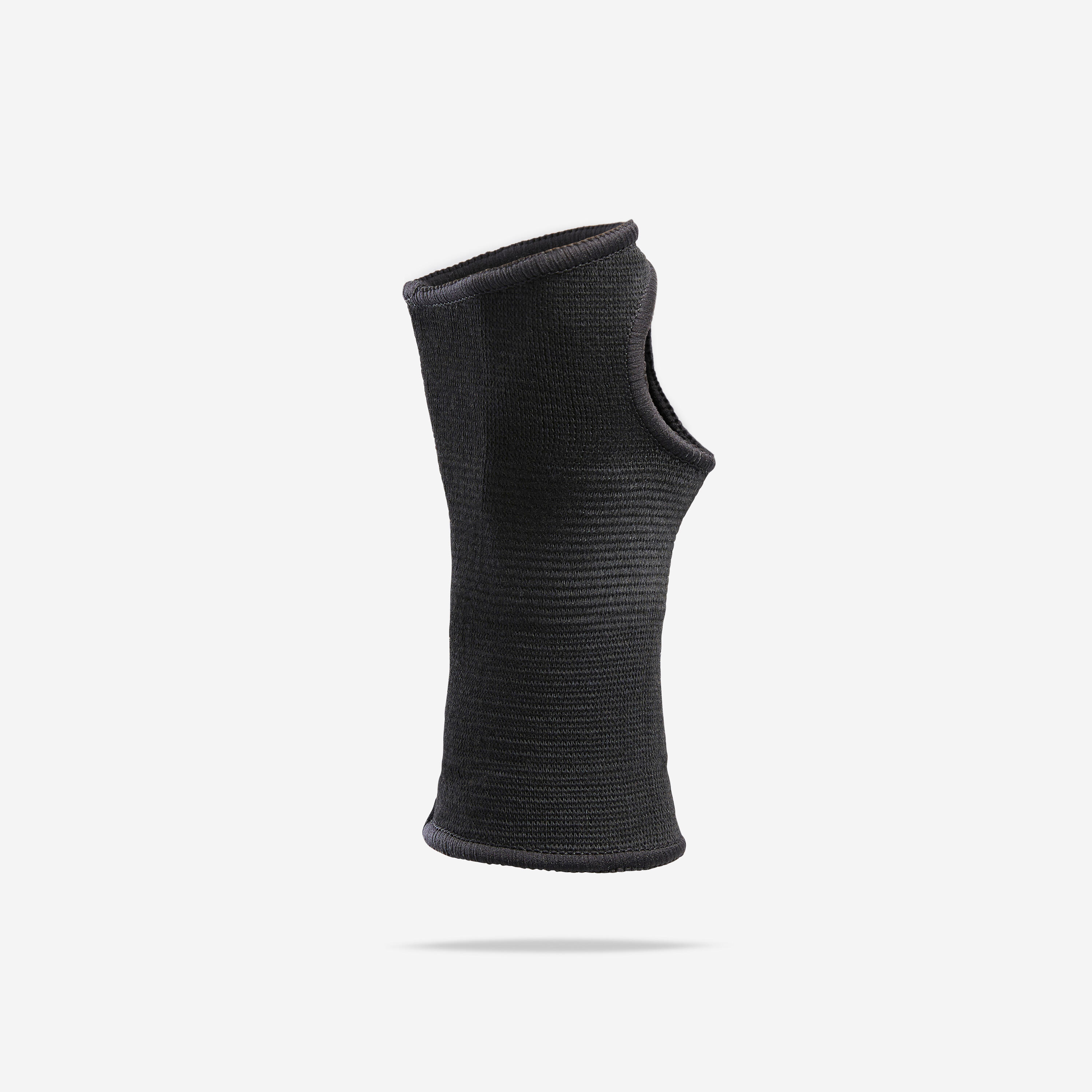
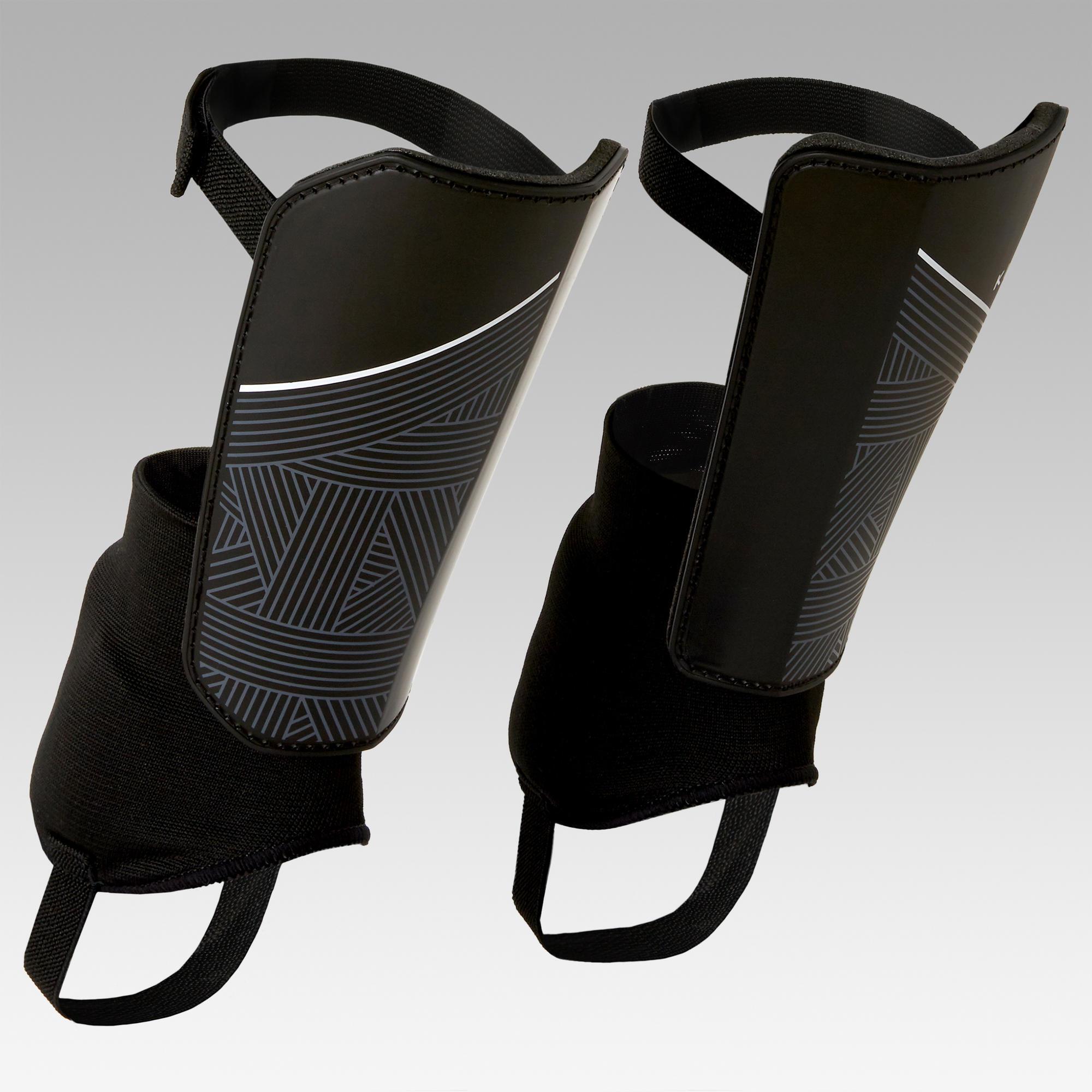
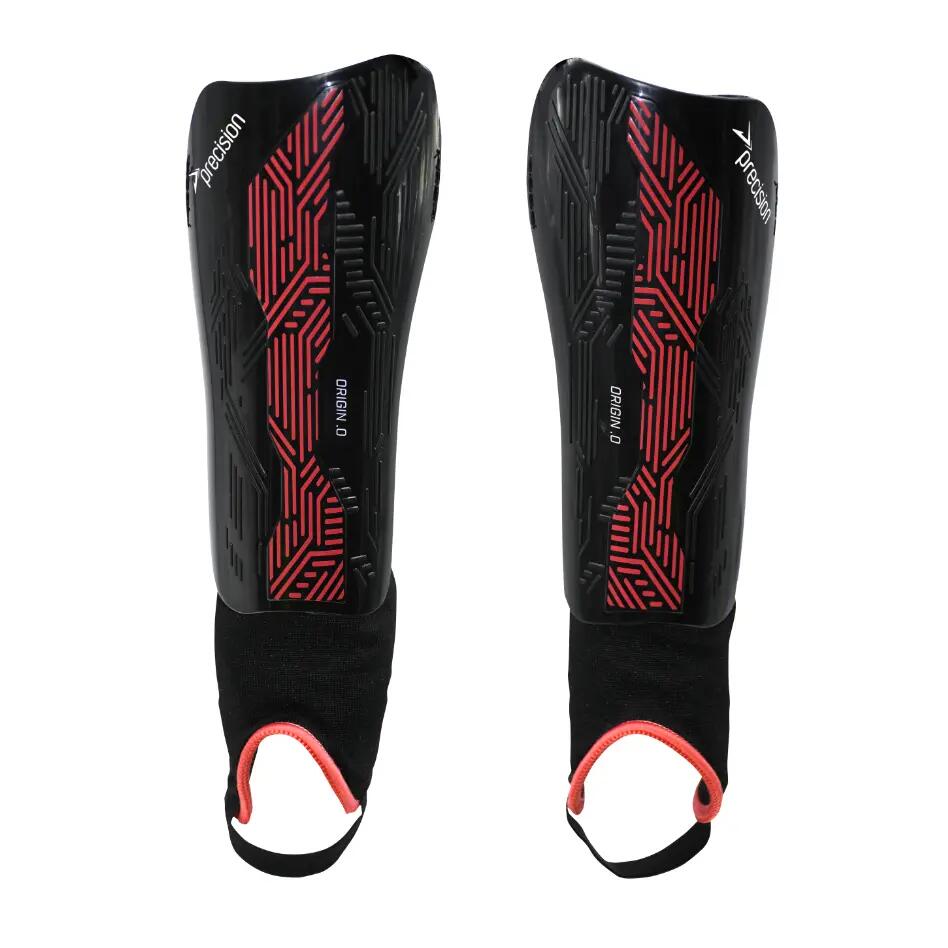
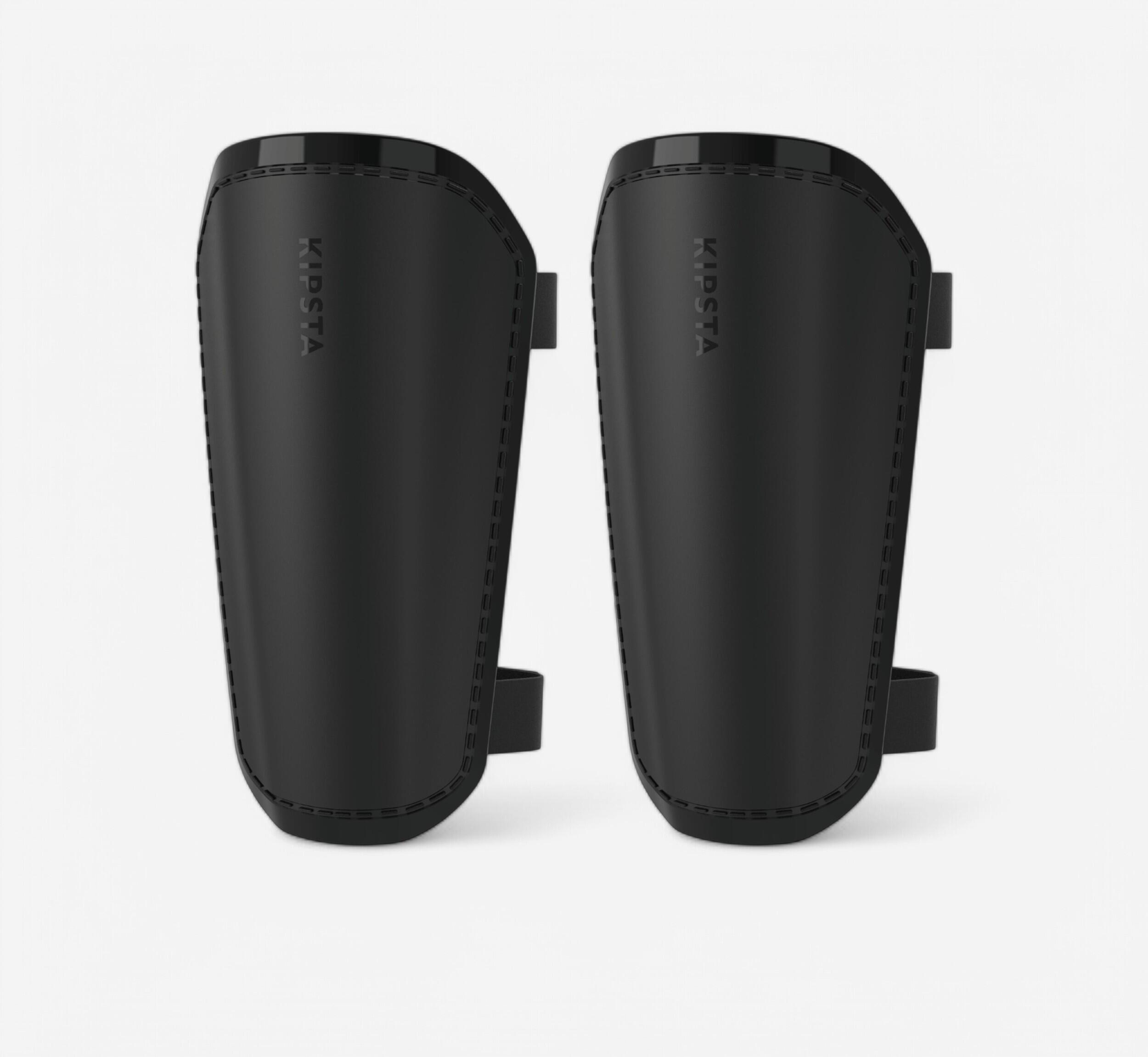
The sampled KIPSTA children's shin pads comply with EN 13061-2009, which covers impact absorption and resistance of the external shell. Both use polypropylene shells with polyethylene foam, but their fastening systems differ. Essential 140 pads include an ankle guard and adjustable strap, while F100 pads use elasticated rip-tab straps and weigh less in the published size S. This certification relates to tackle protection, not muscular recovery or joint support. Products within football muscular supports serve separate purposes and may include wrist braces, thumb supports, compression items or tape. Persistent pain, instability or a suspected injury needs appropriate professional assessment rather than relying only on a support accessory.
What distinguishes elastic wrap from rigid tape?

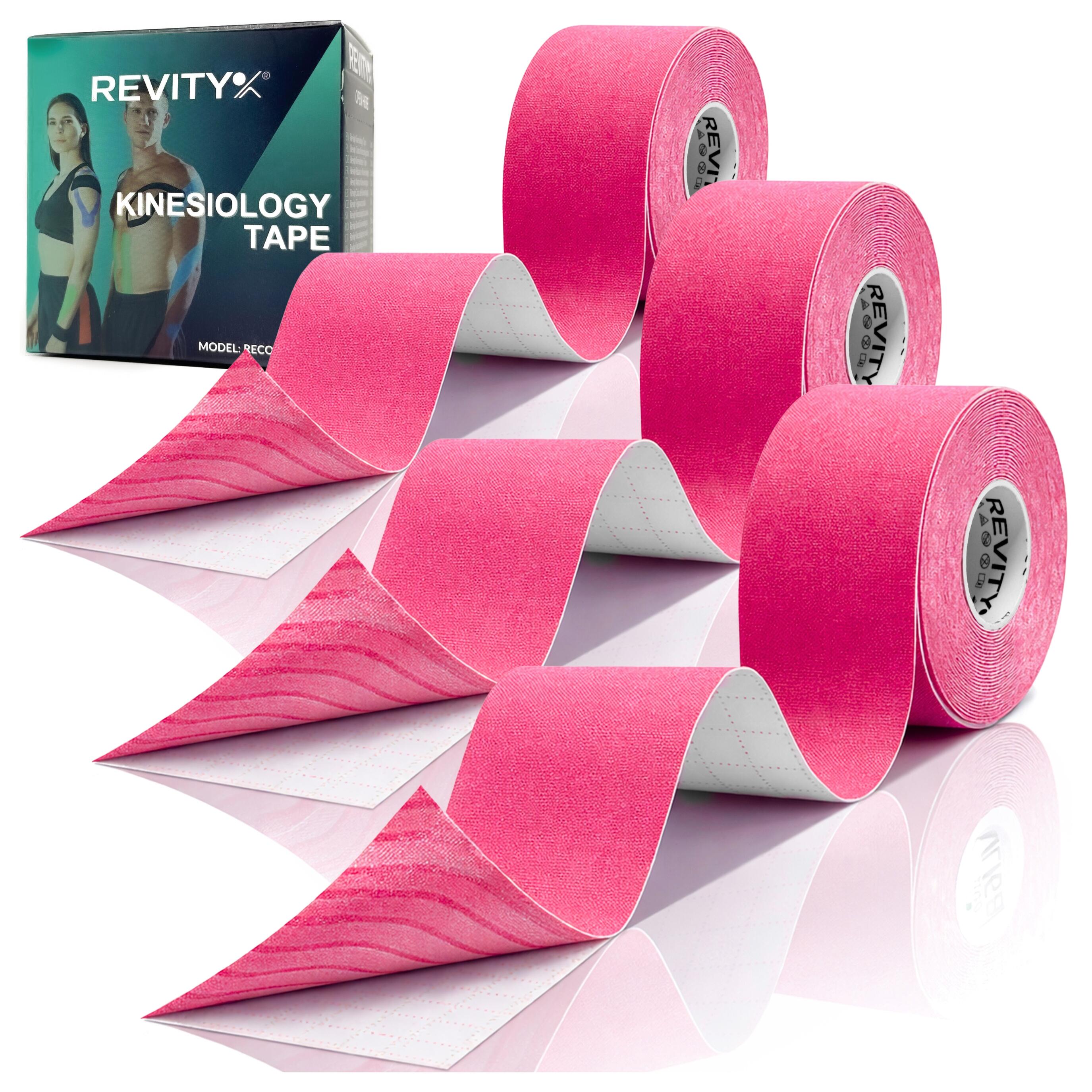
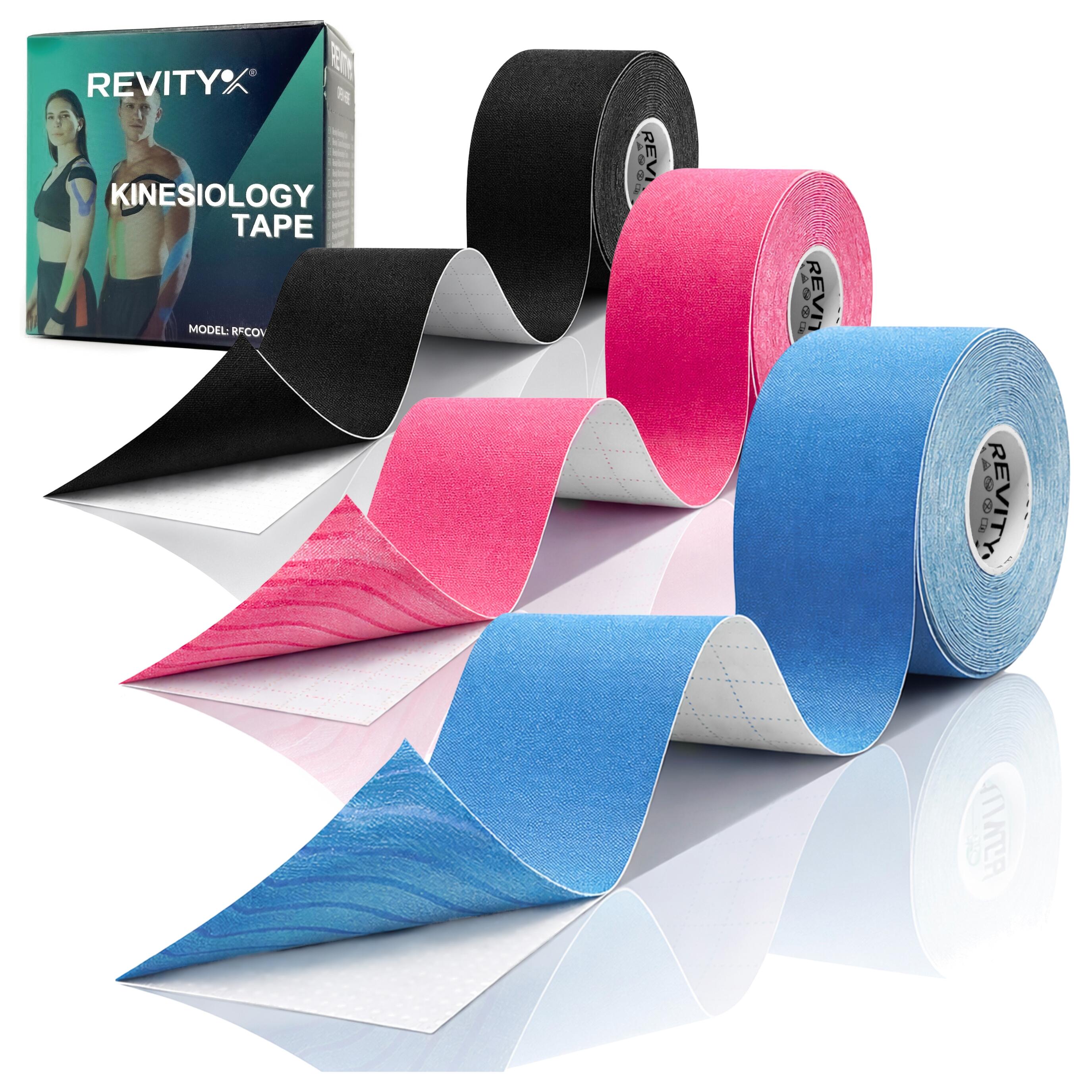
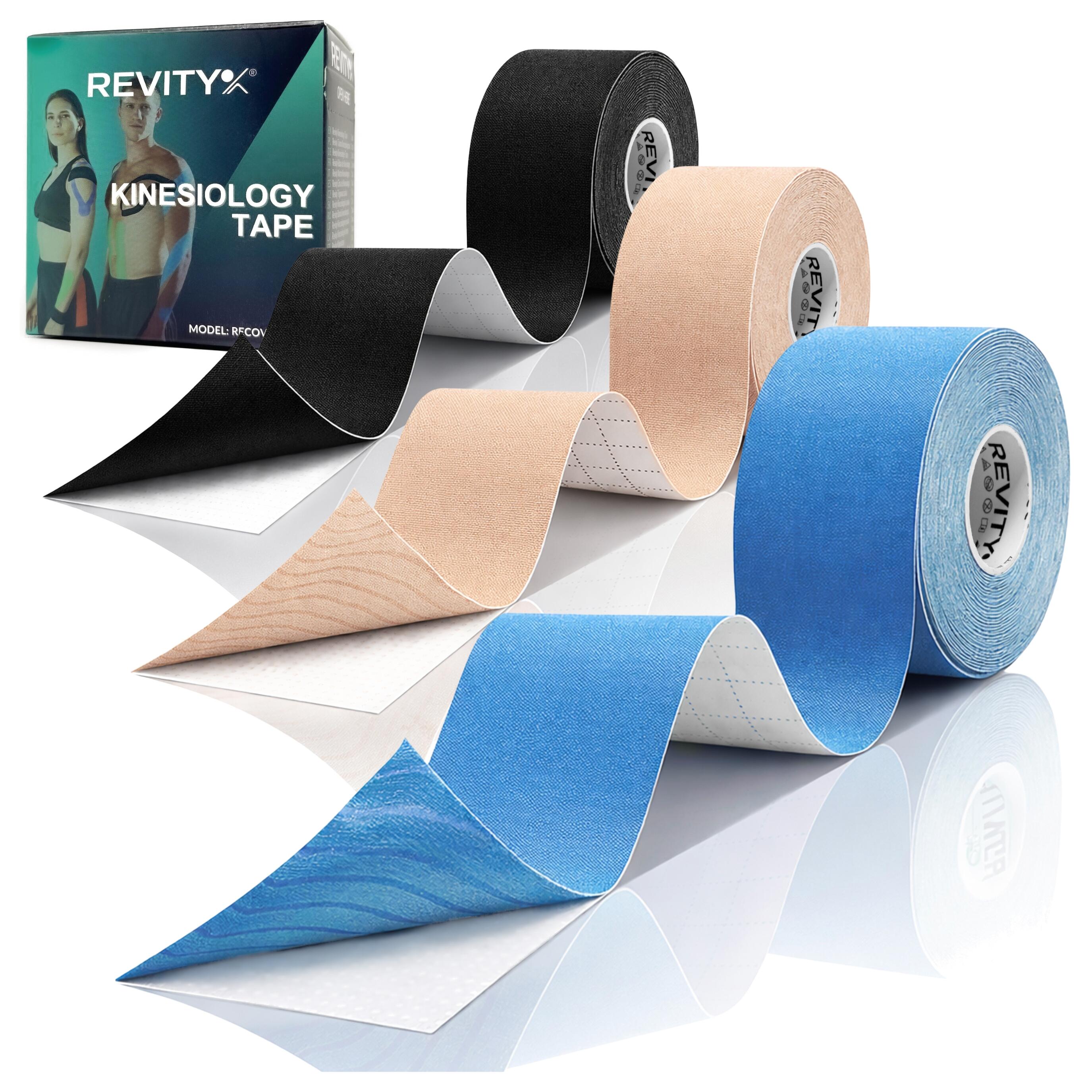
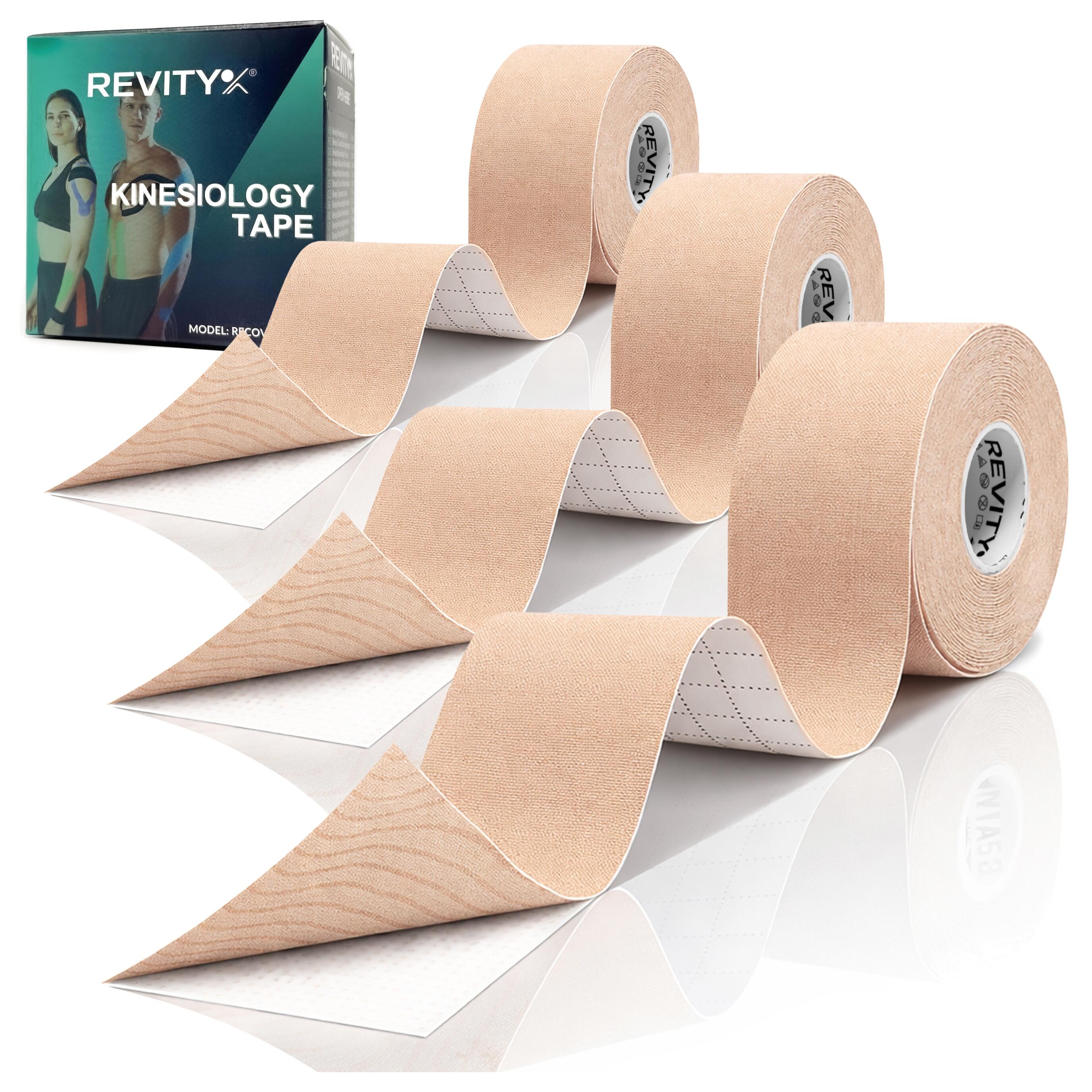
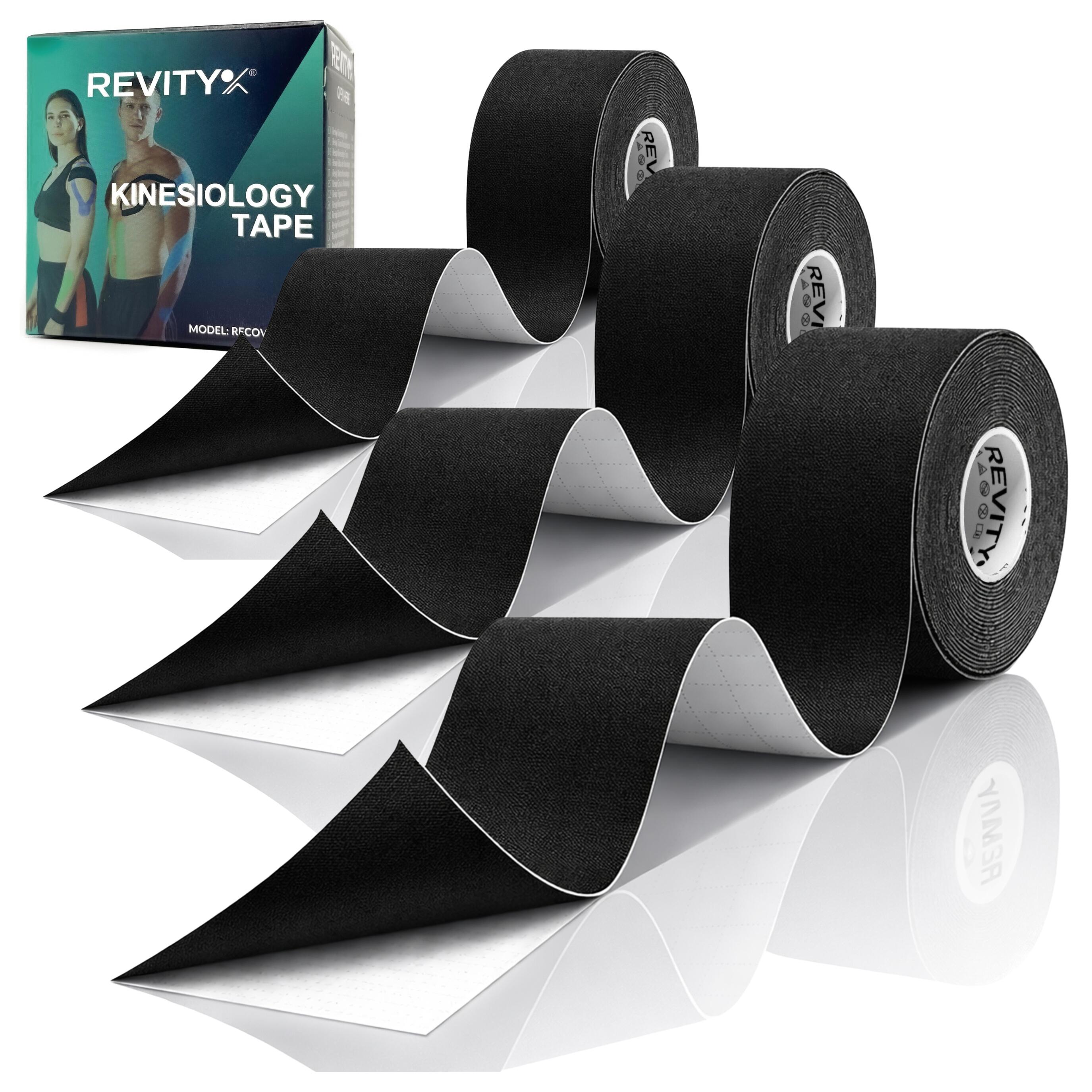
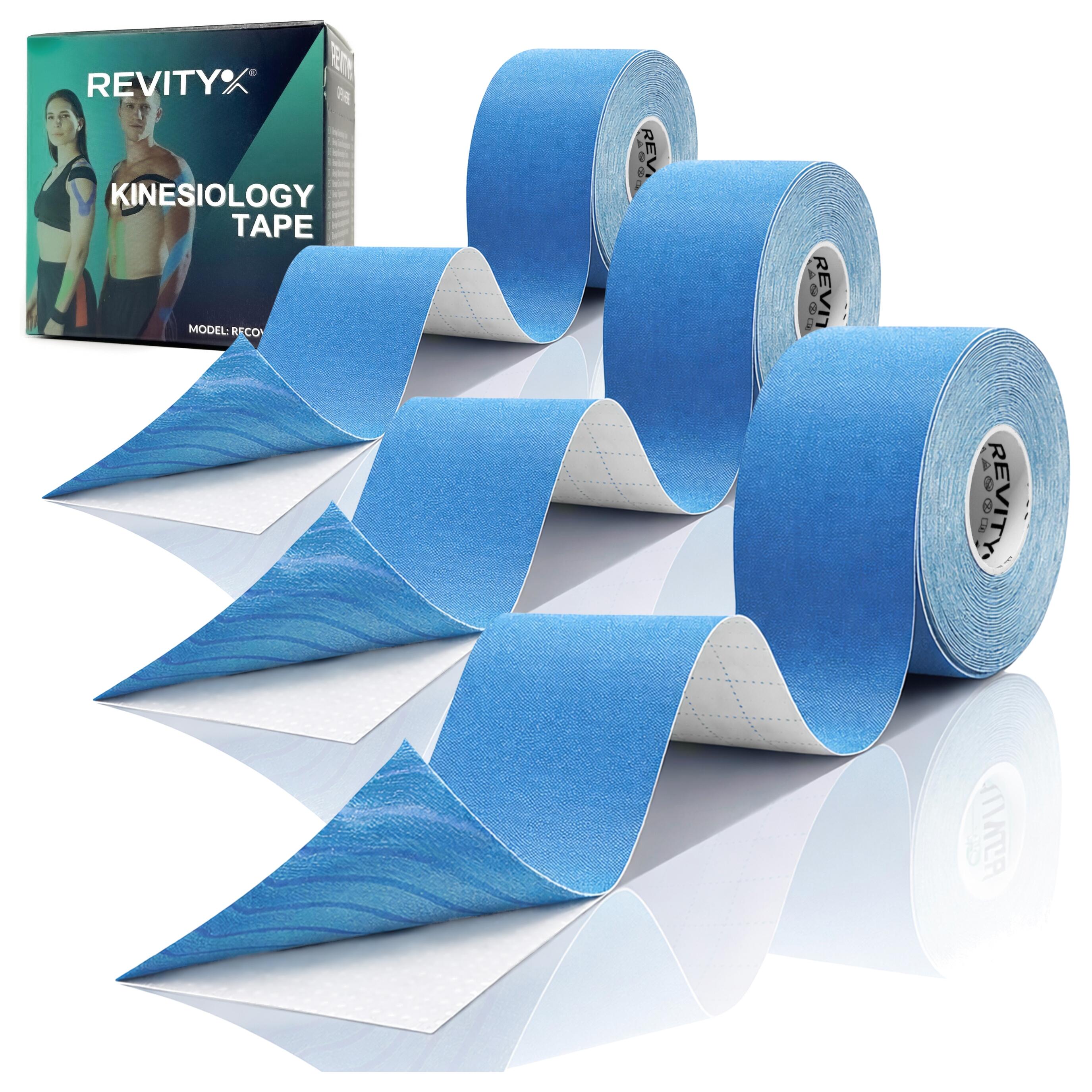
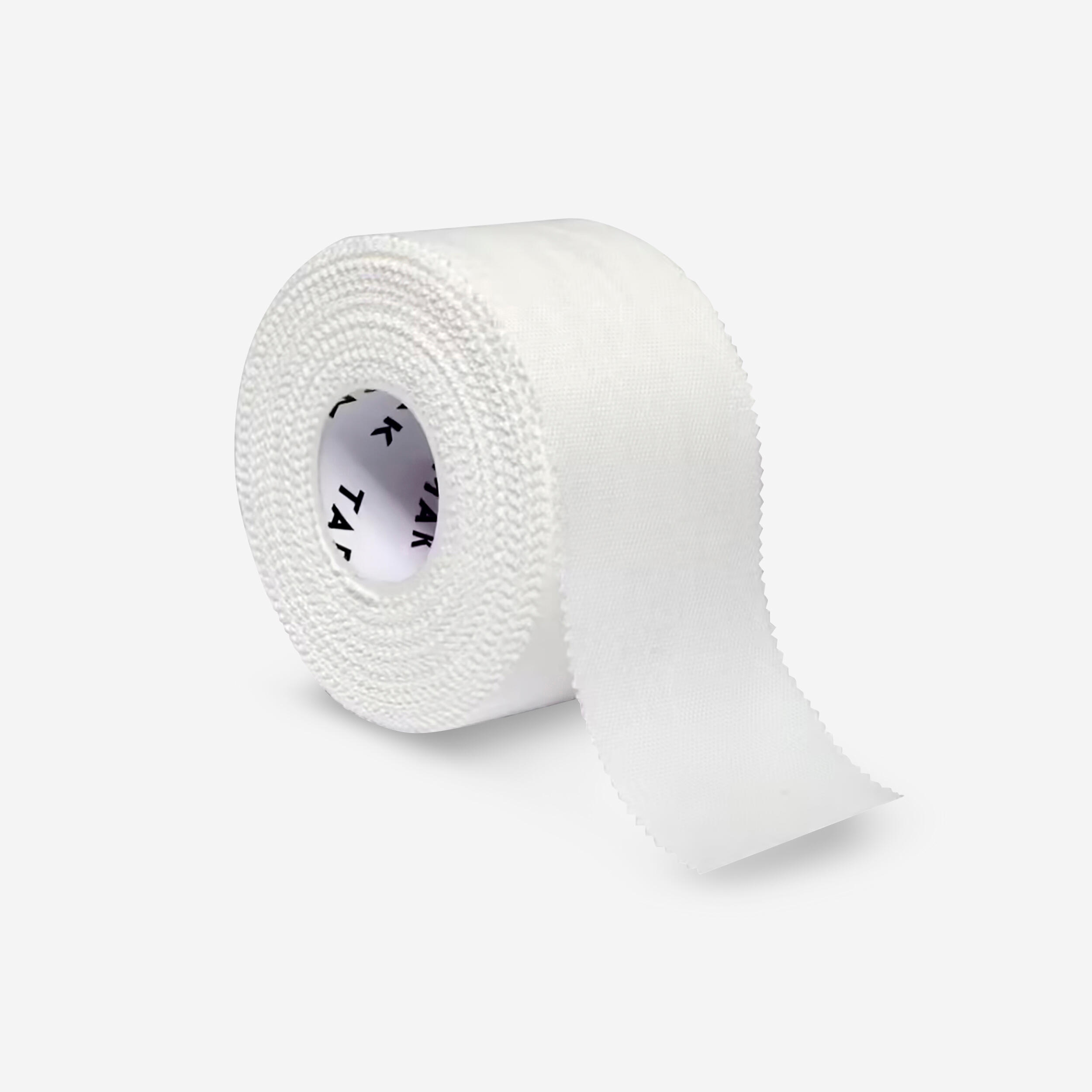
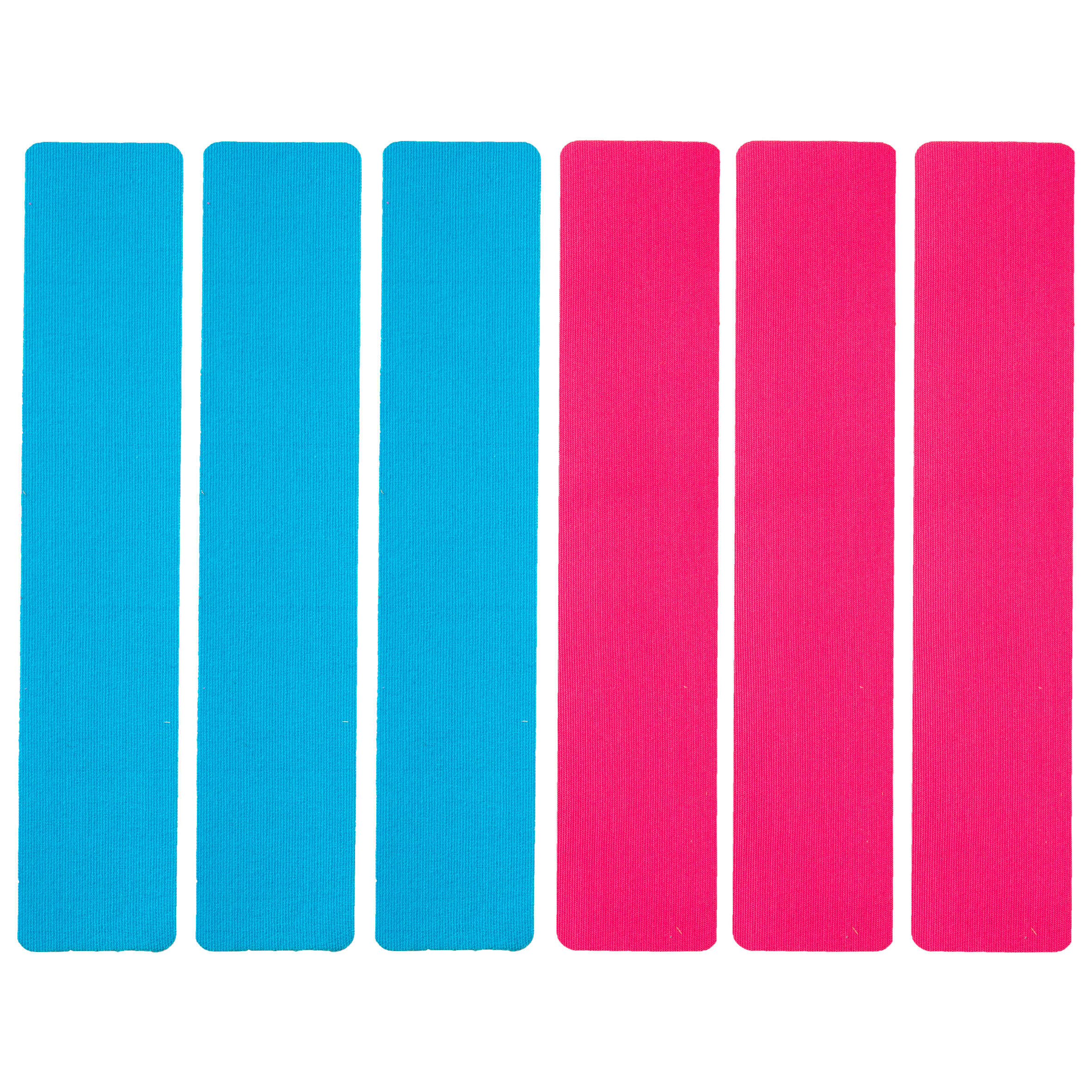
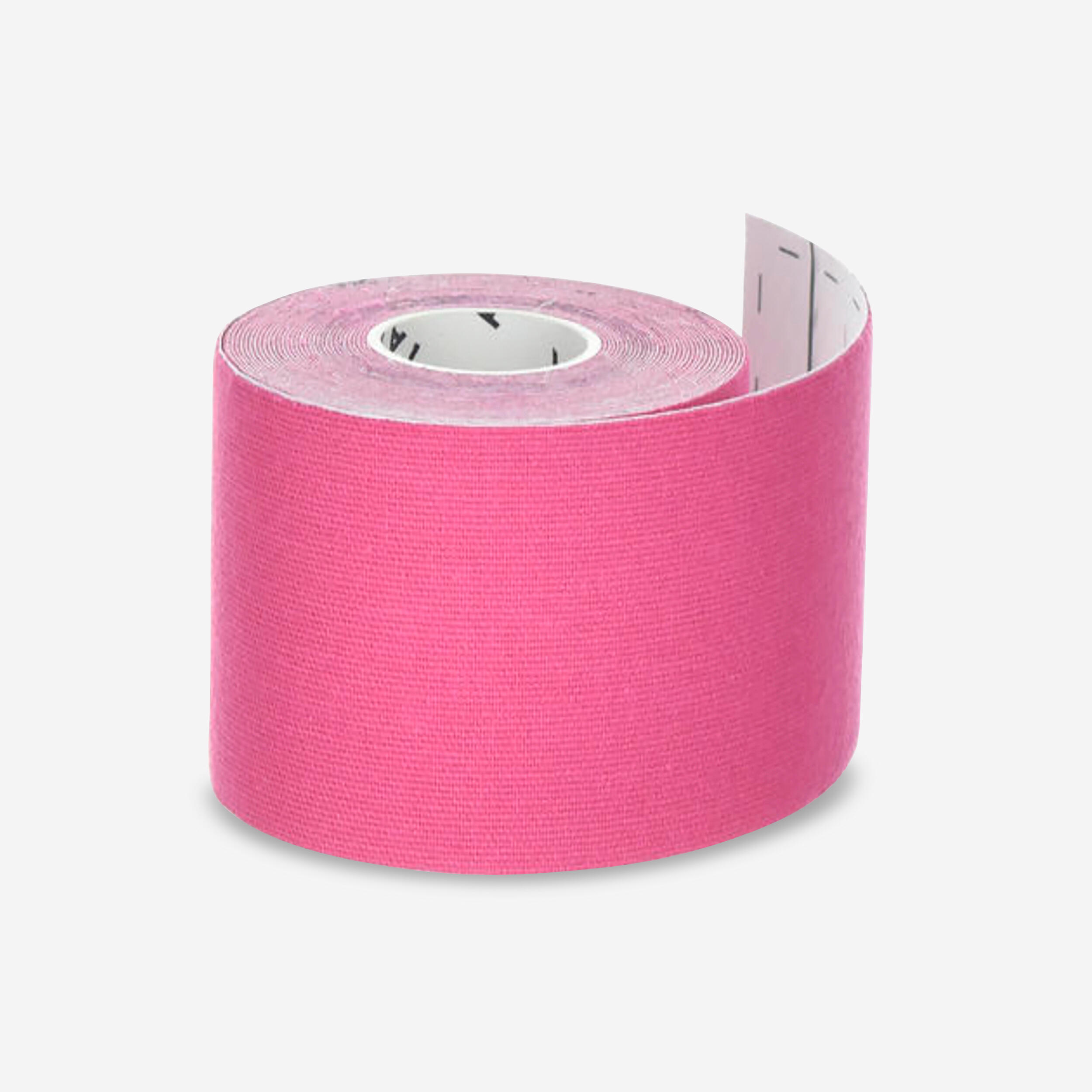
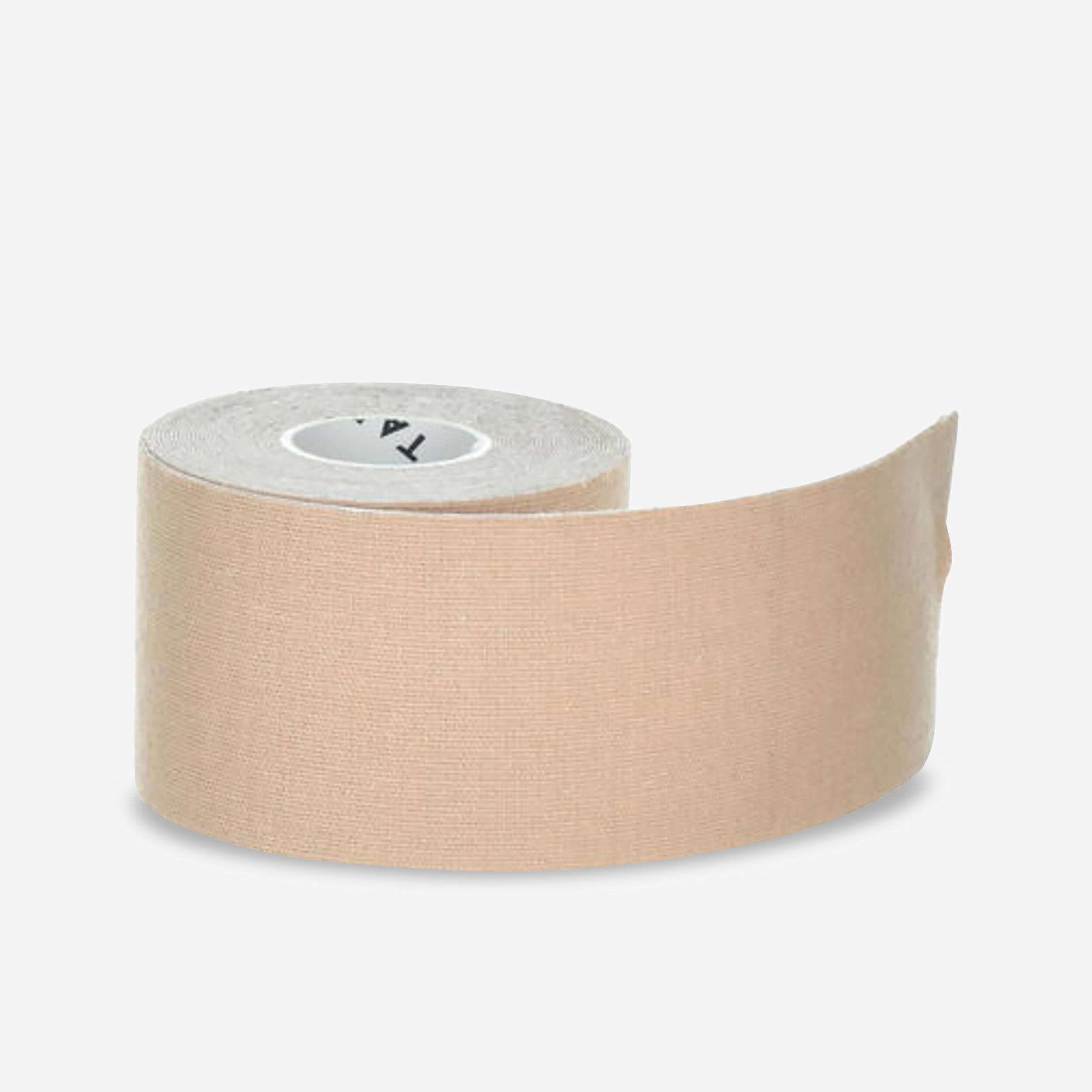
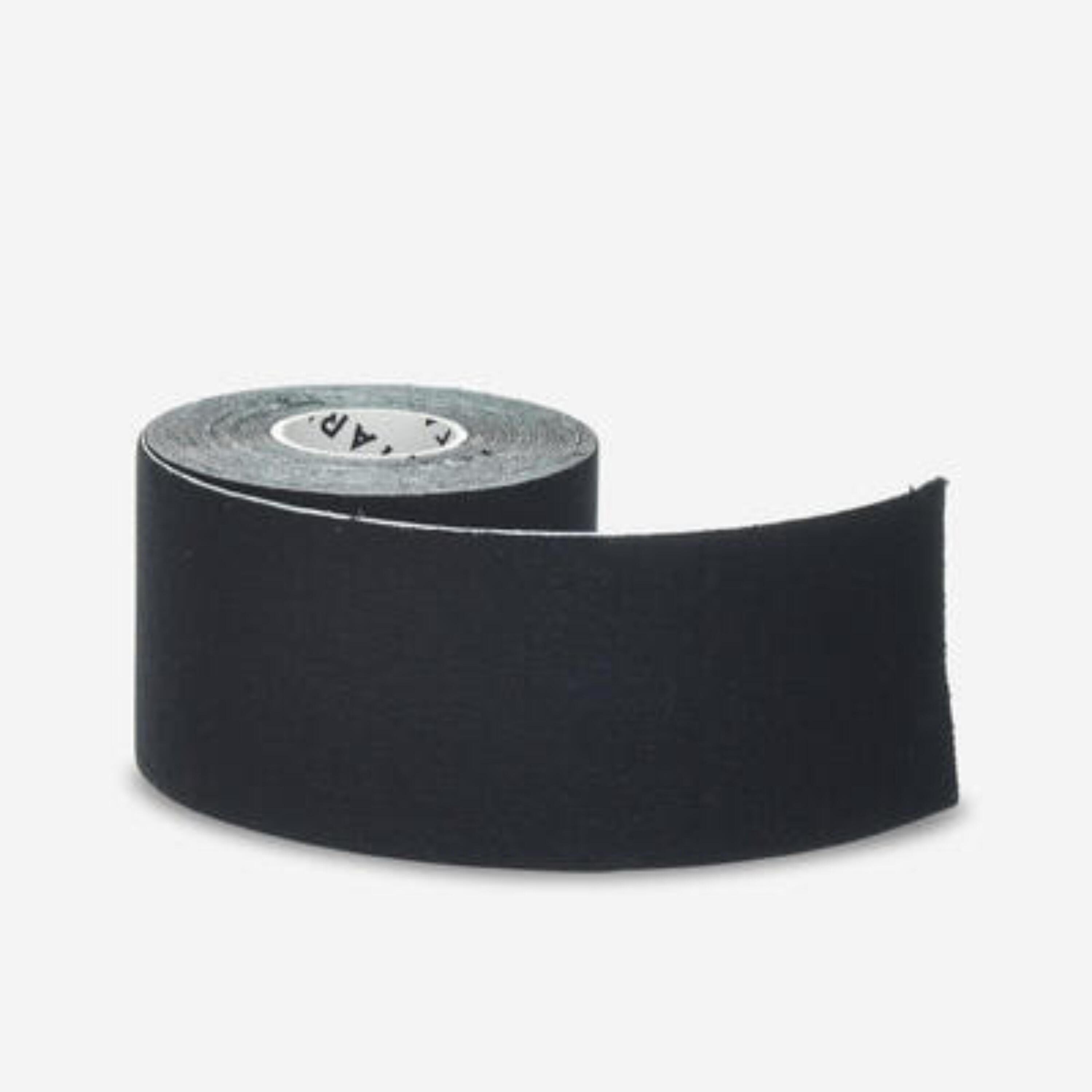
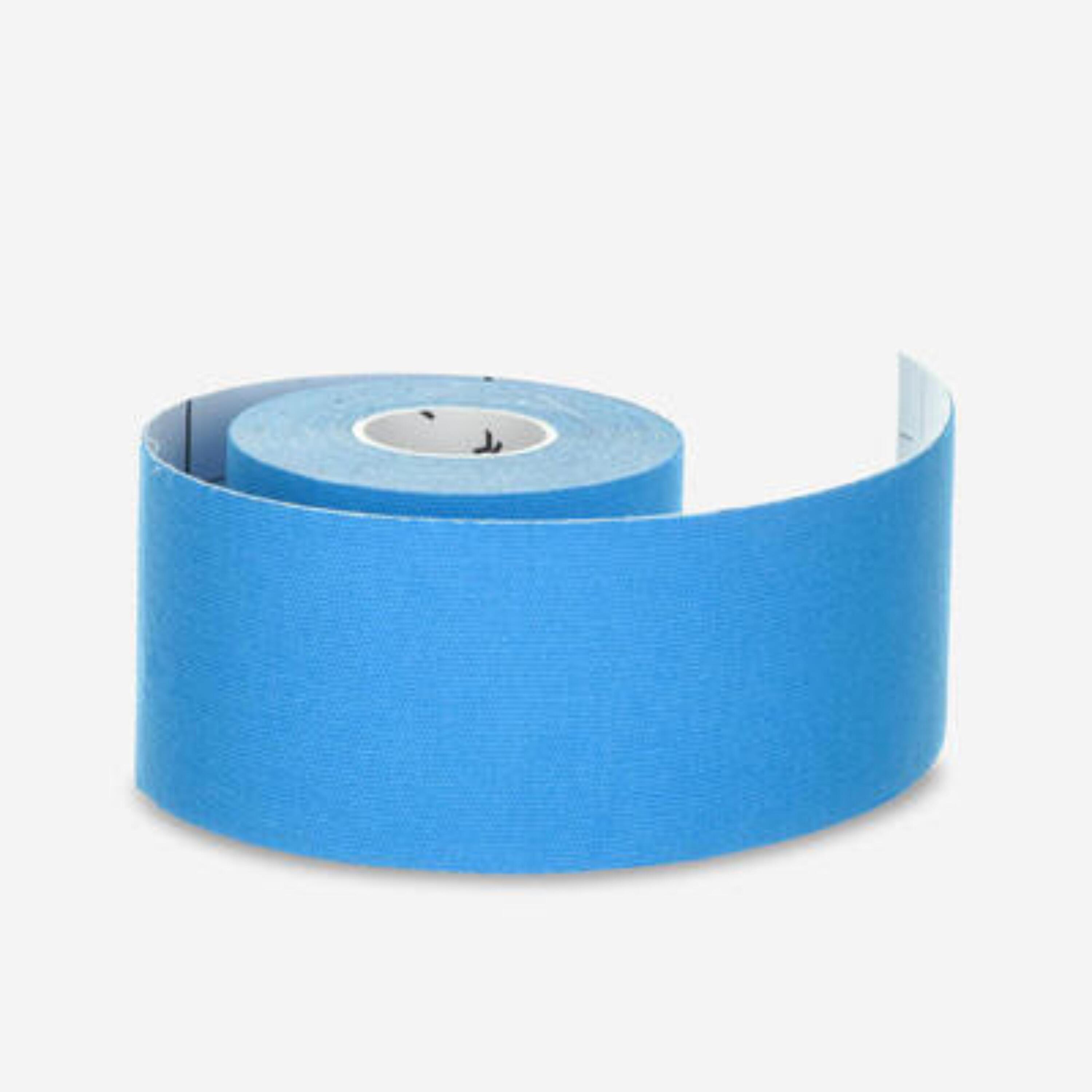
Rigid tape provides non-elastic positioning and support, while an elastic or self-adhesive wrap allows more flexibility and can often be adjusted more easily. The cotton rigid support strap can be torn by hand and is intended for specific joint or muscular-support applications described in its instructions. Elastic wraps stick to themselves rather than directly to the skin, while kinesiology tape uses a separate adhesive construction and application method. These products are medical devices, so follow the supplied instructions and avoid inventing a taping arrangement from general football advice. Check skin condition before use, avoid excessive tightness and remove the product if it causes numbness, discolouration, irritation or increased discomfort.

How does product type affect care after training?

Shin-pad shells need wiping with a damp sponge, while washable sleeves can use a 30 degrees Celsius cycle. Let both parts dry separately and never leave damp pads inside a closed kit bag, near a radiator or in a tumble dryer. Wrist and thumb supports generally require hand washing at up to 40 degrees Celsius, although the sewn-in label remains the main guide. Tape products need dry, dark storage and may be single-use depending on their construction. Keep a reversible support strap clean and dry between uses, and inspect reusable supports for stretched fabric, damaged fastenings or weakened reinforcement. Replace any shin pad with a cracked shell, compressed foam or a fastening system that no longer holds it securely.