237 items
3.4/5 based on 3376 reviews collected online and in stores

Kids Goalkeeper Gloves FAQs

What matters more in your child's goalkeeper gloves, fit or palm material?

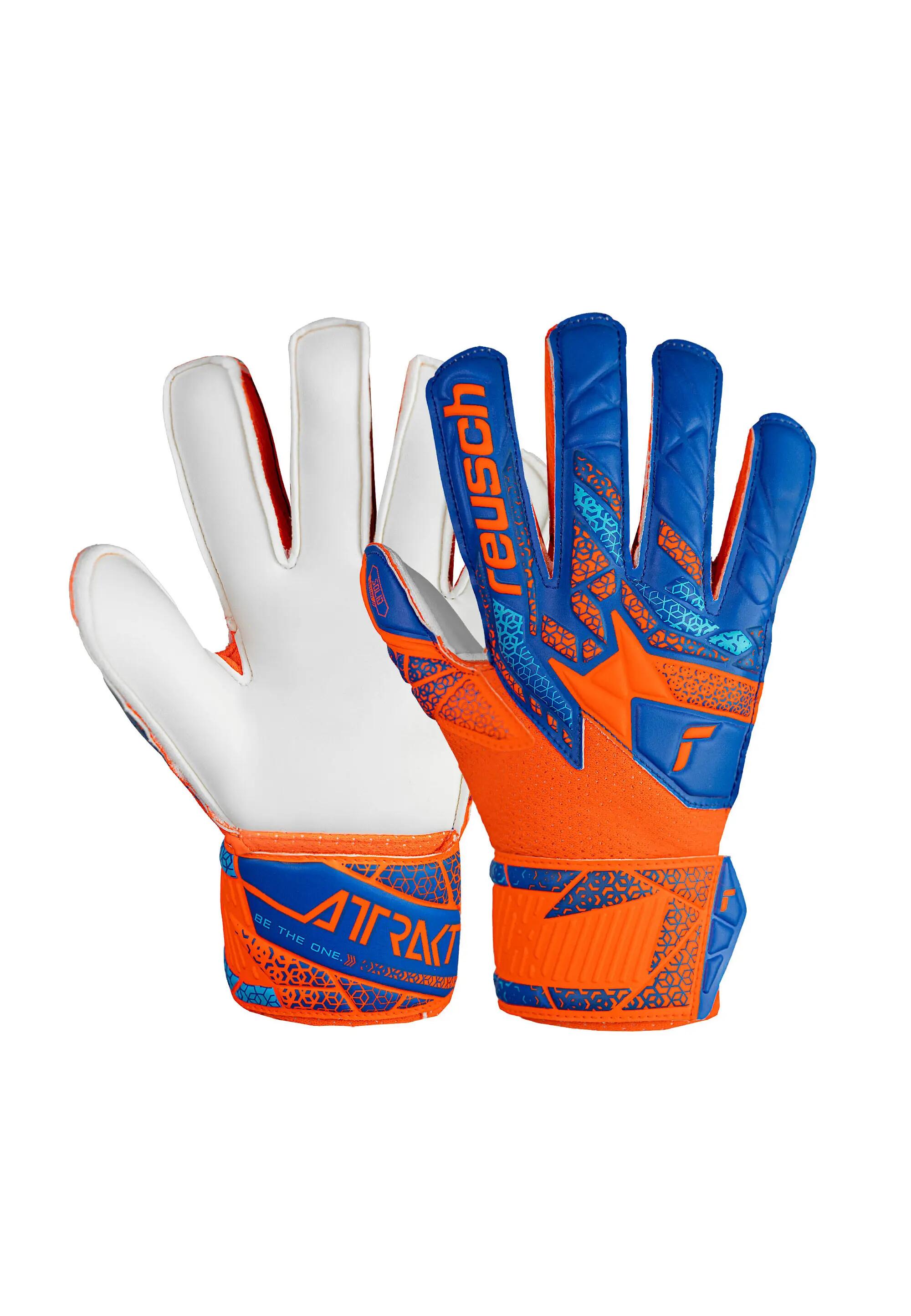
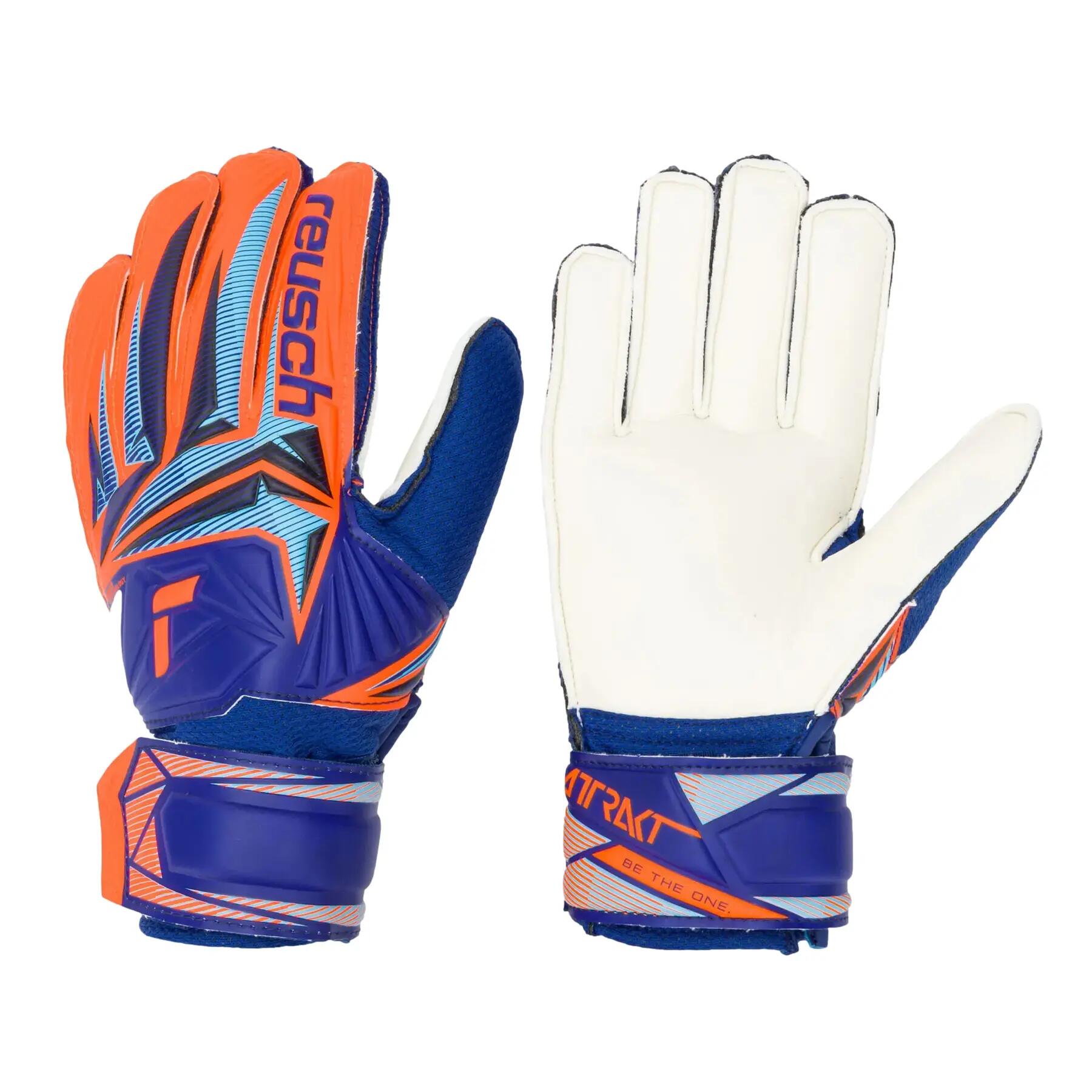
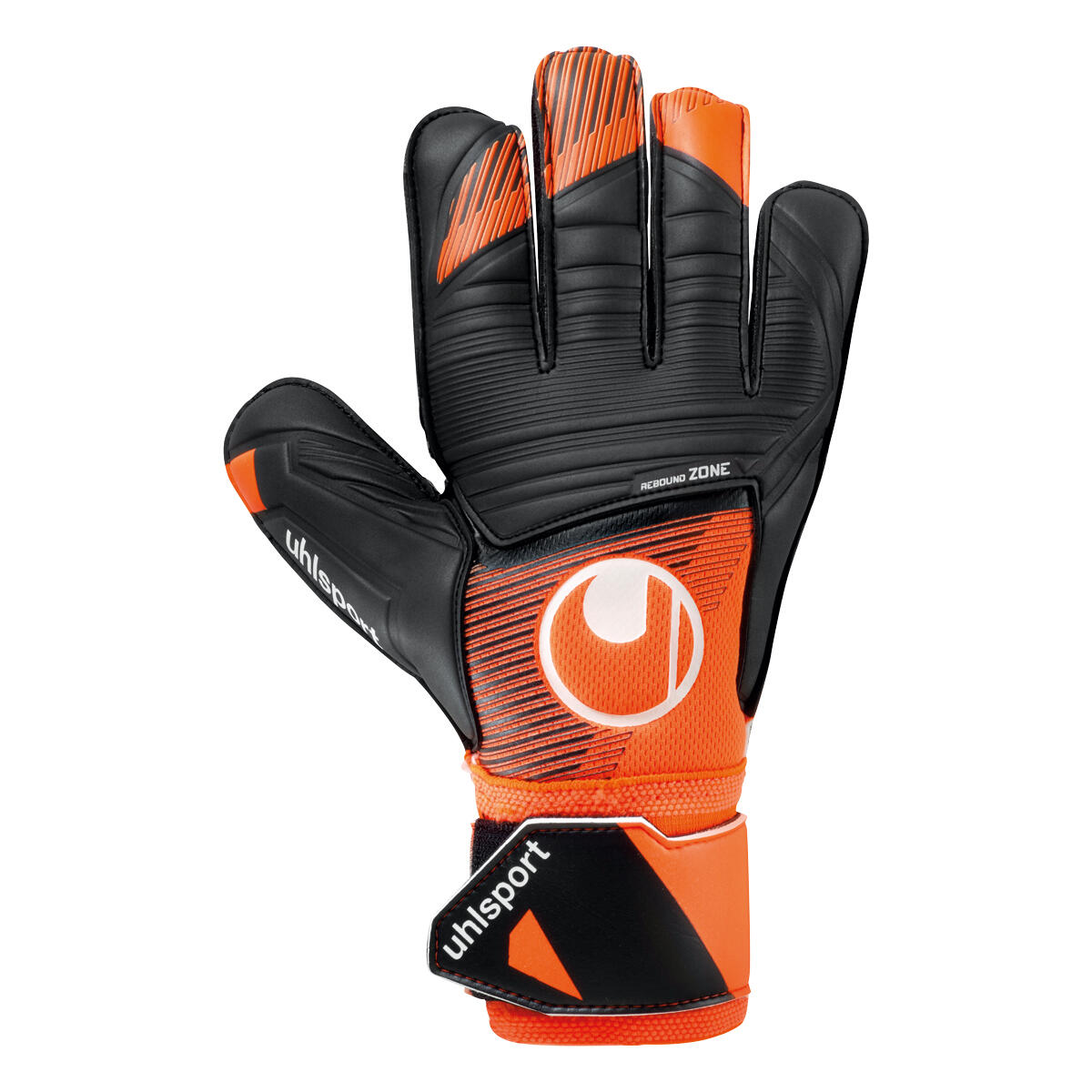
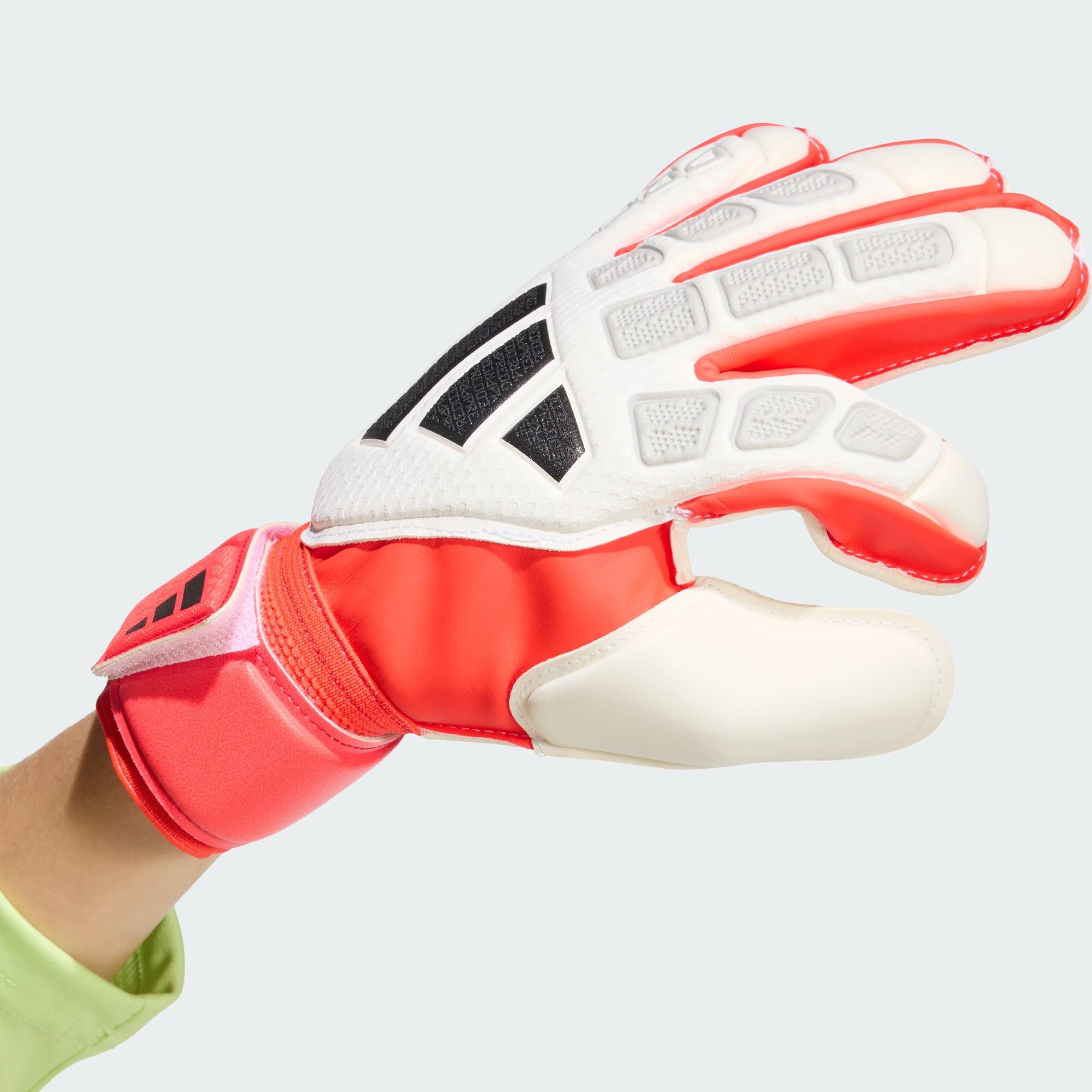
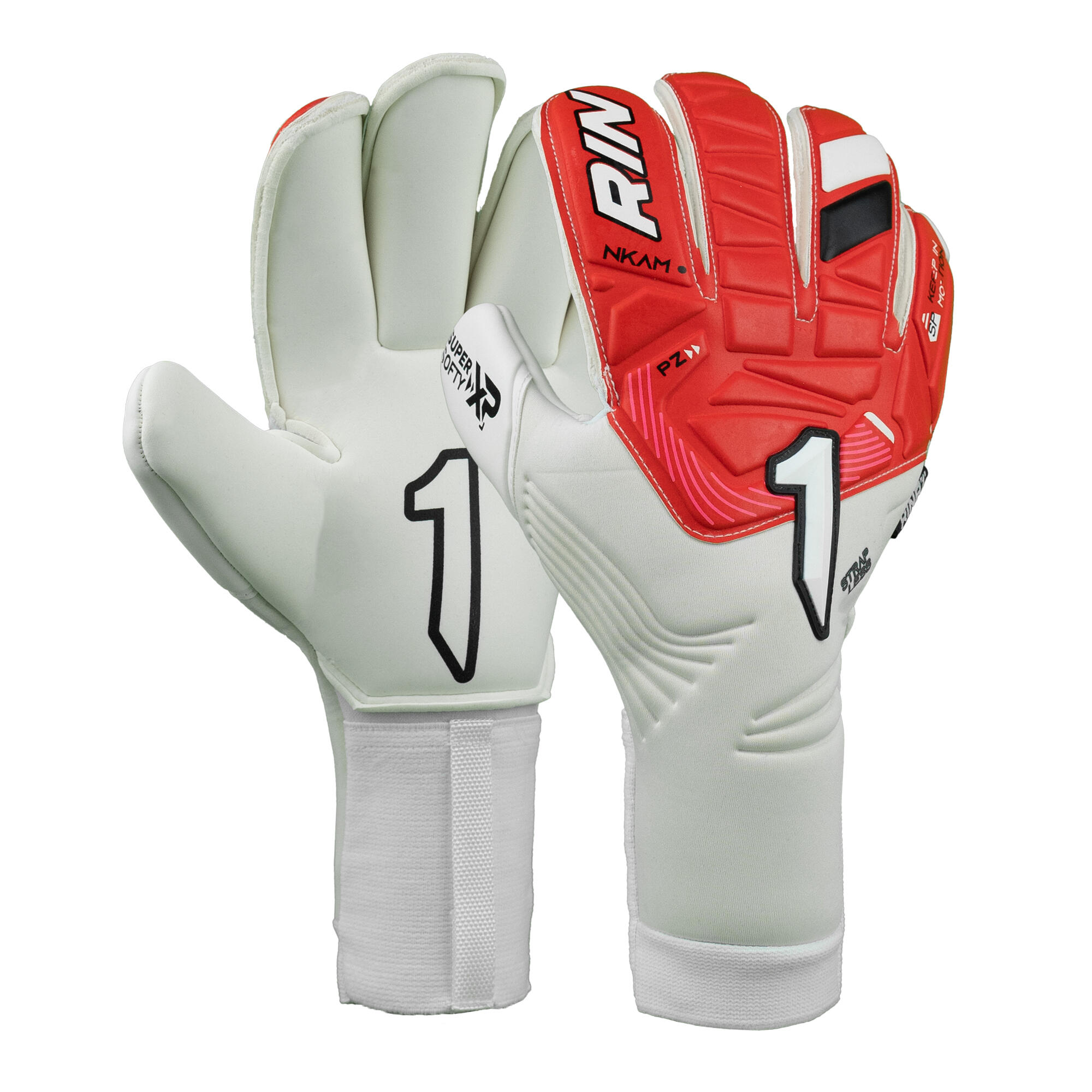
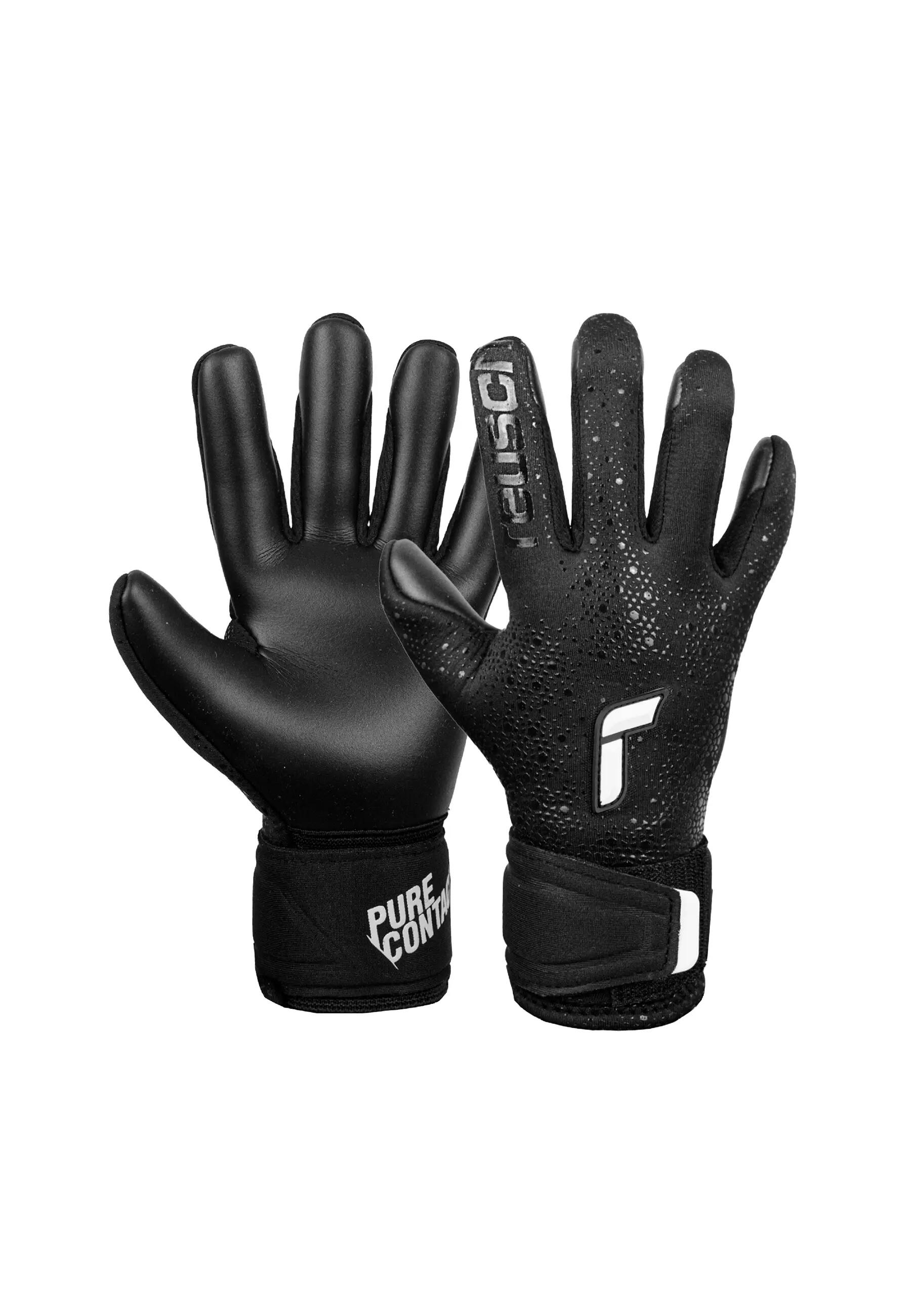
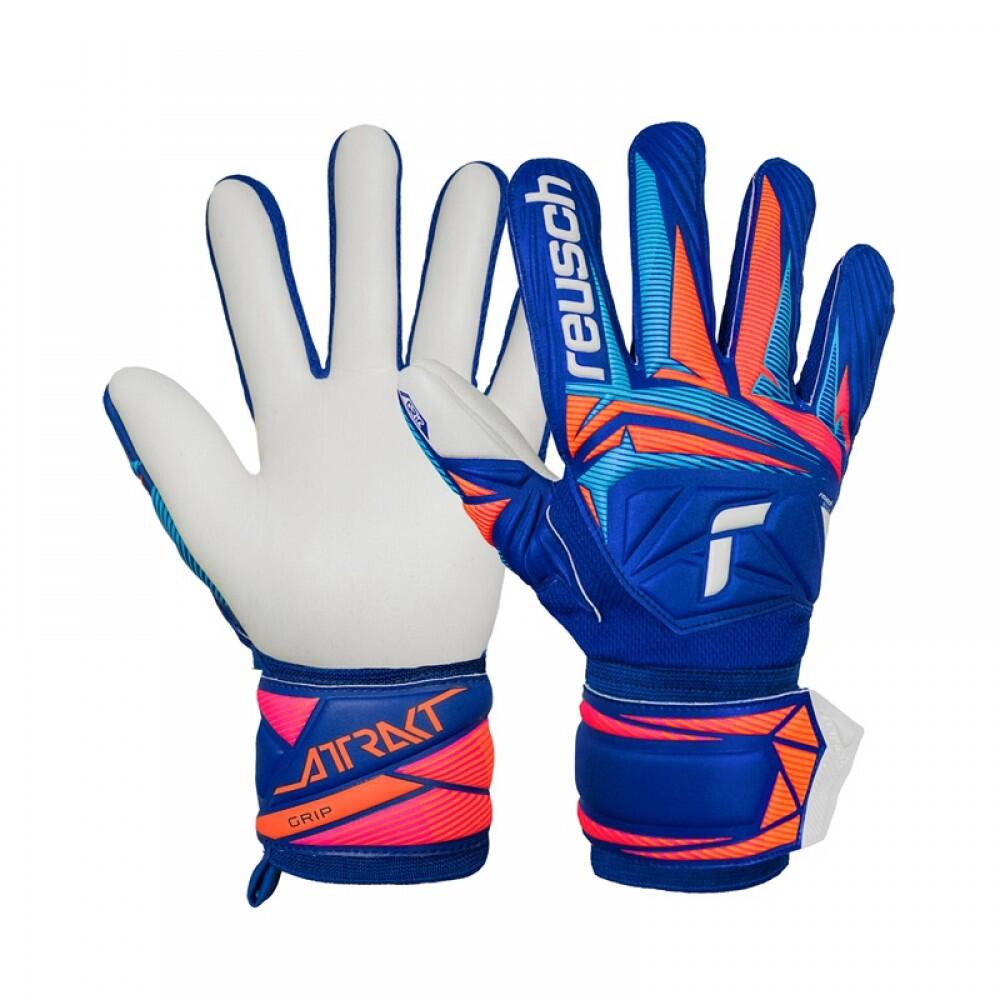
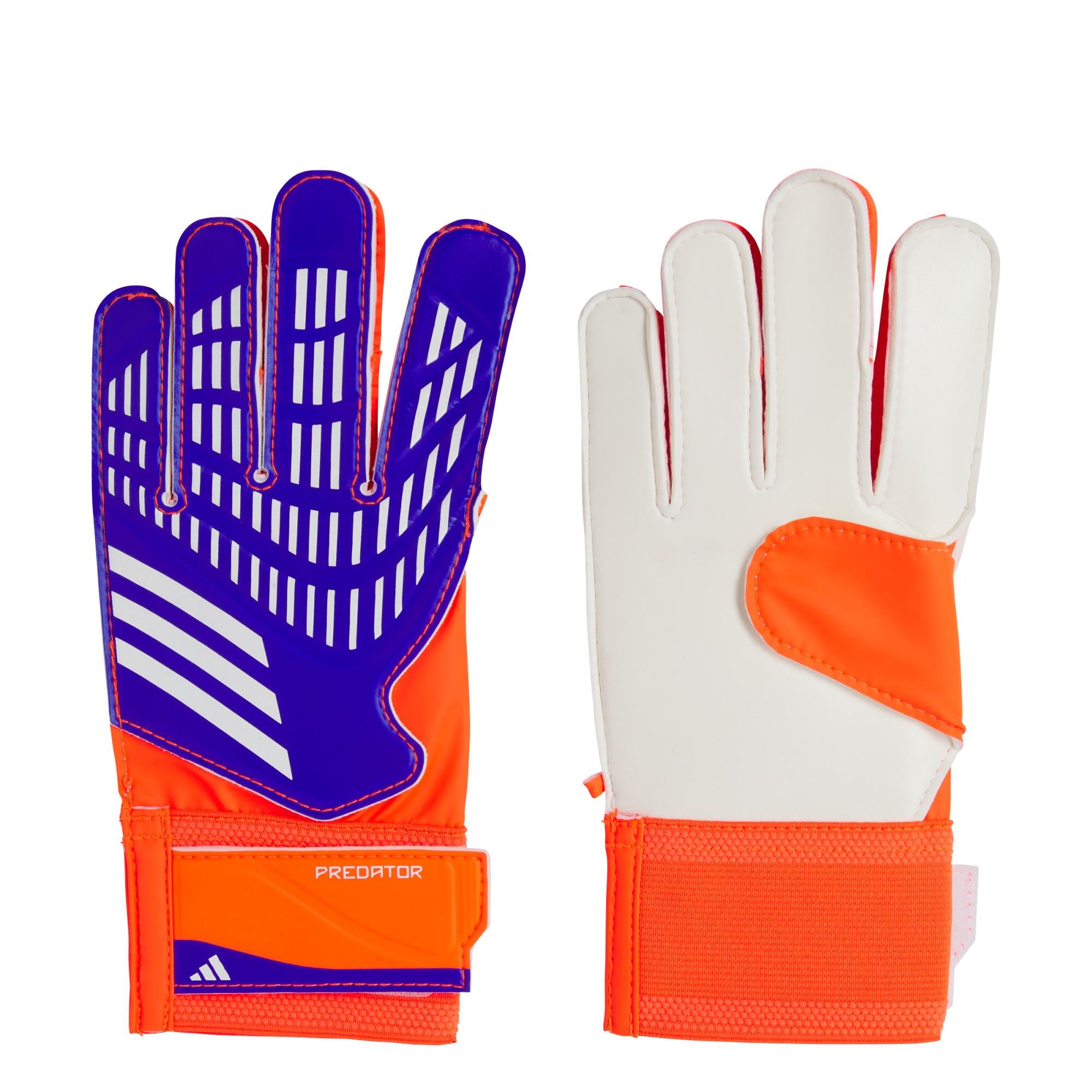
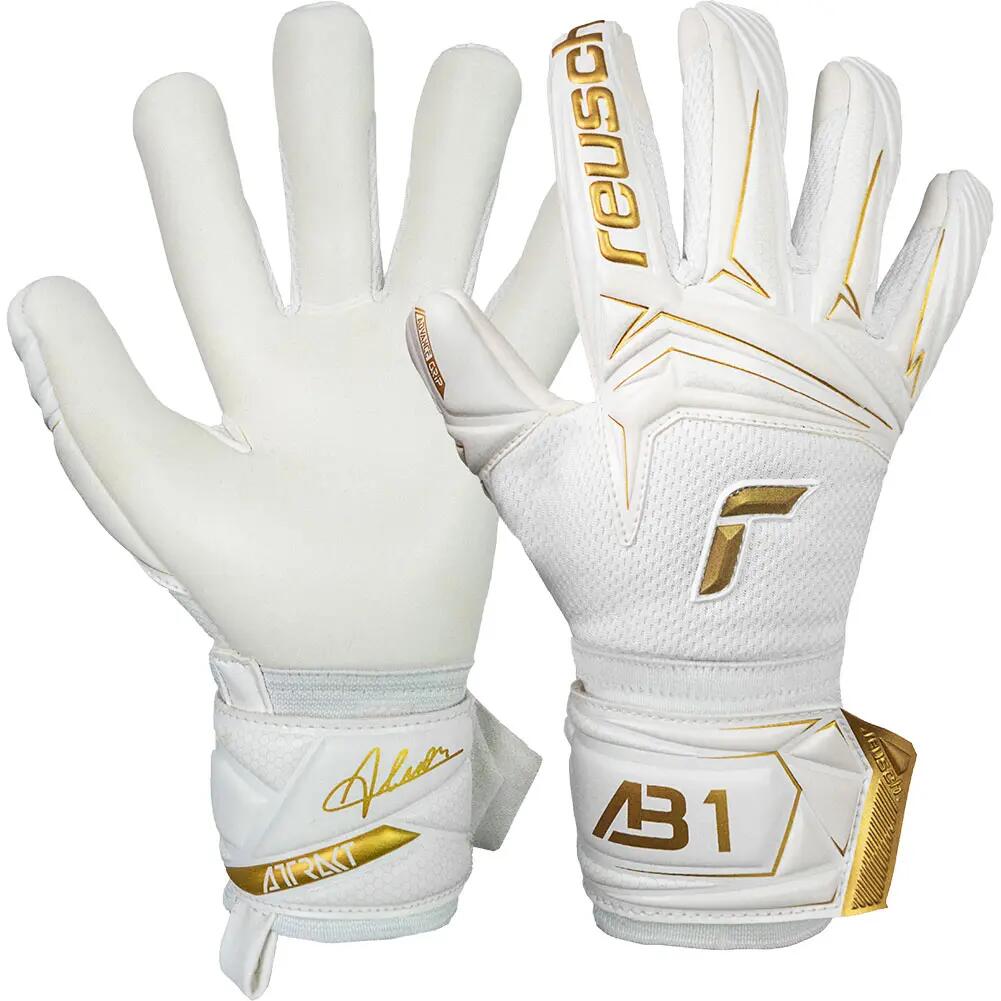
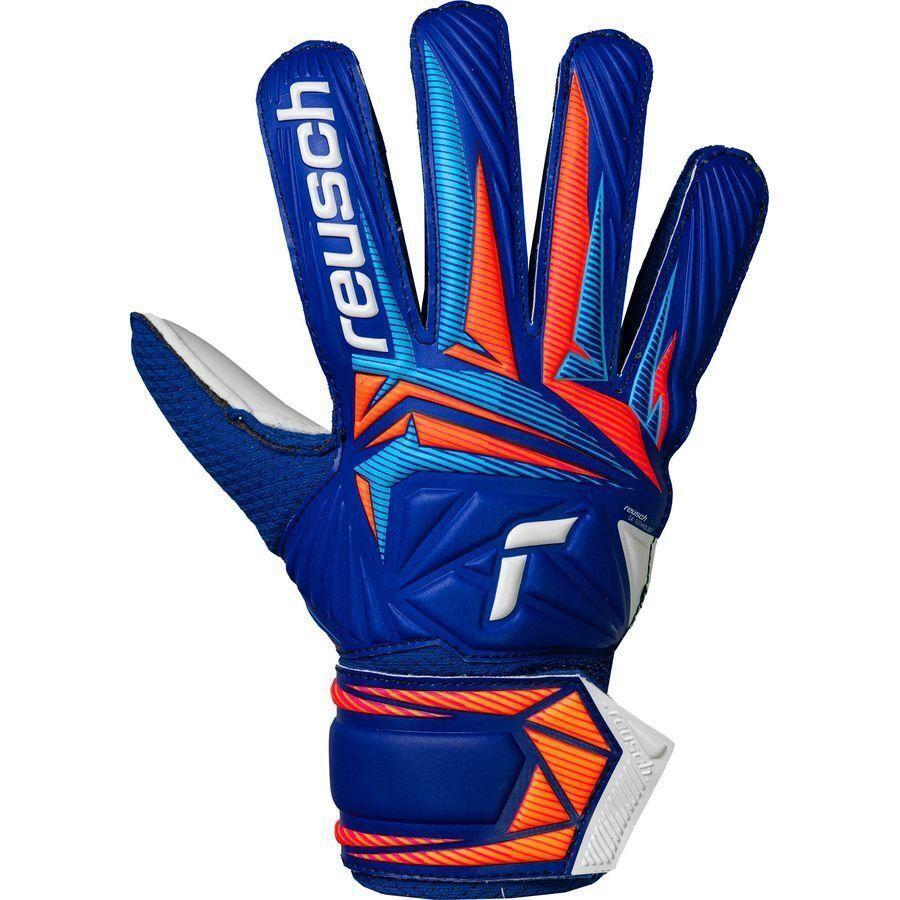
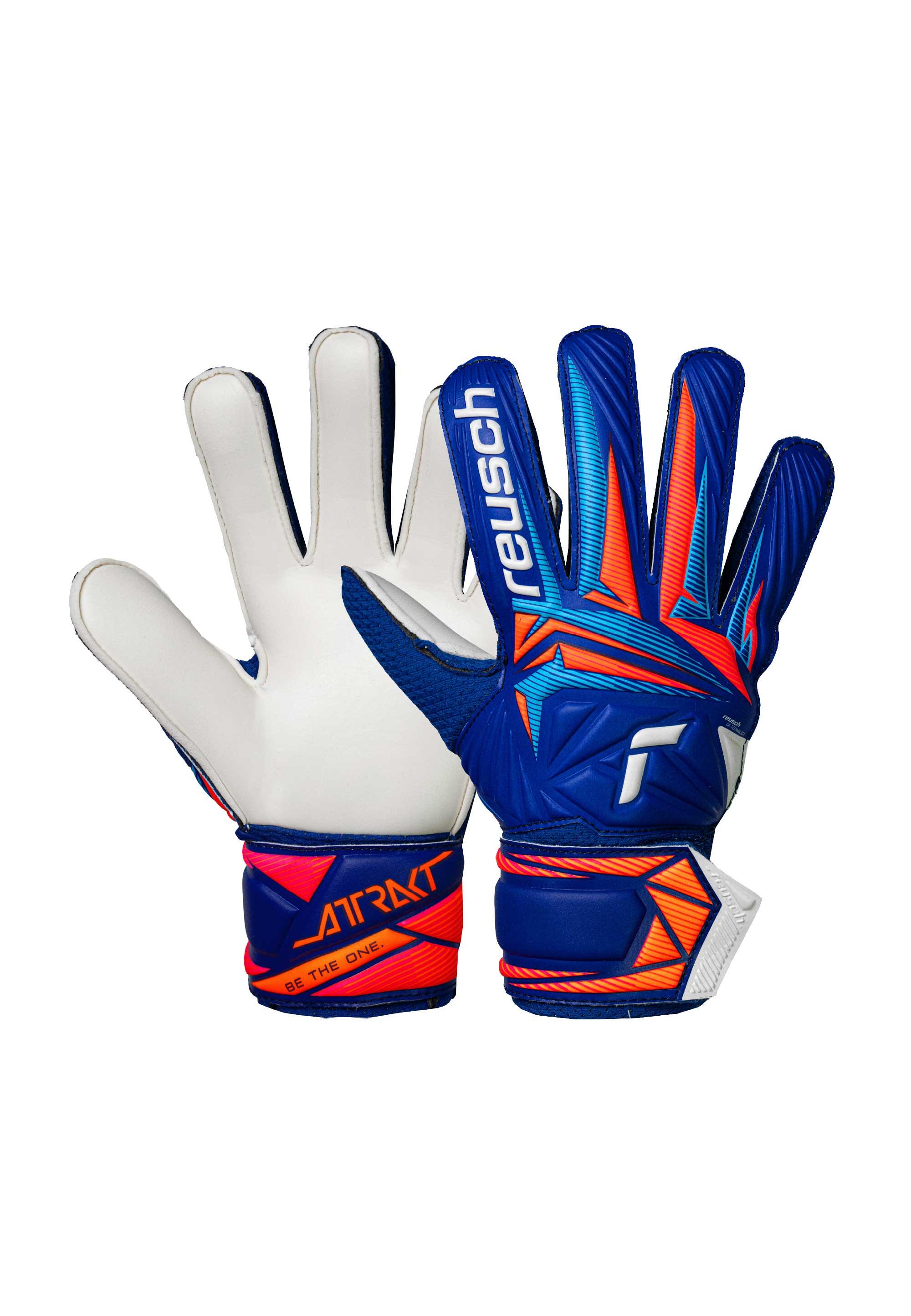
Fit comes first because a glove that moves around the hand can make catching and throwing harder, regardless of the palm material. Leave enough room for the fingers to bend naturally without allowing excessive space at the fingertips. The wrist fastening needs to feel secure without pressing tightly or restricting circulation. Palm material can then be matched to your child's experience and training frequency. EVA offers durable handling for beginners, while latex constructions provide a more specialised balance of grip, cushioning and wear resistance. The broader kids football goalkeeper category also includes padded clothing and protection that can support diving practice alongside properly fitted gloves.

Can EVA gloves support your child's first diving lessons?

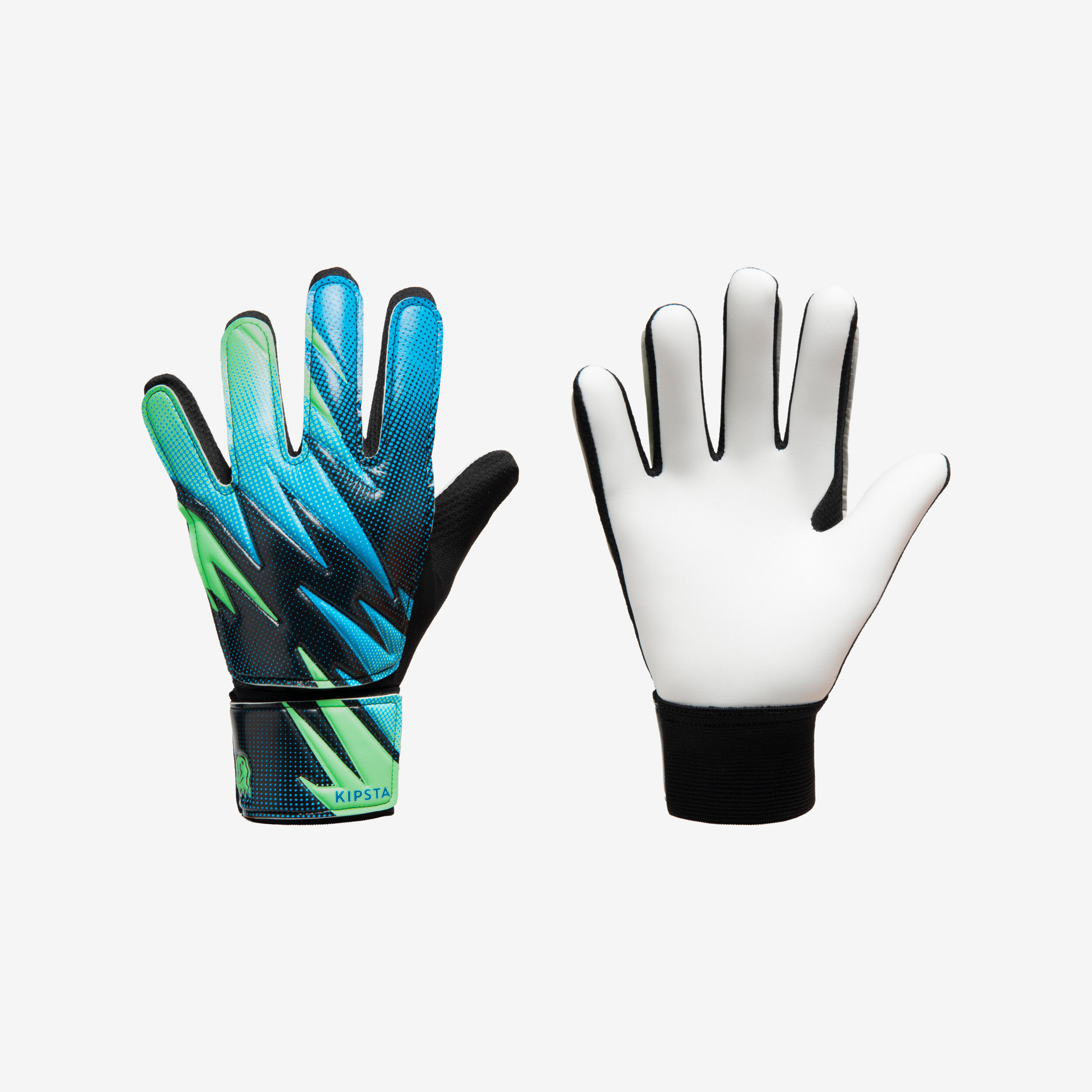
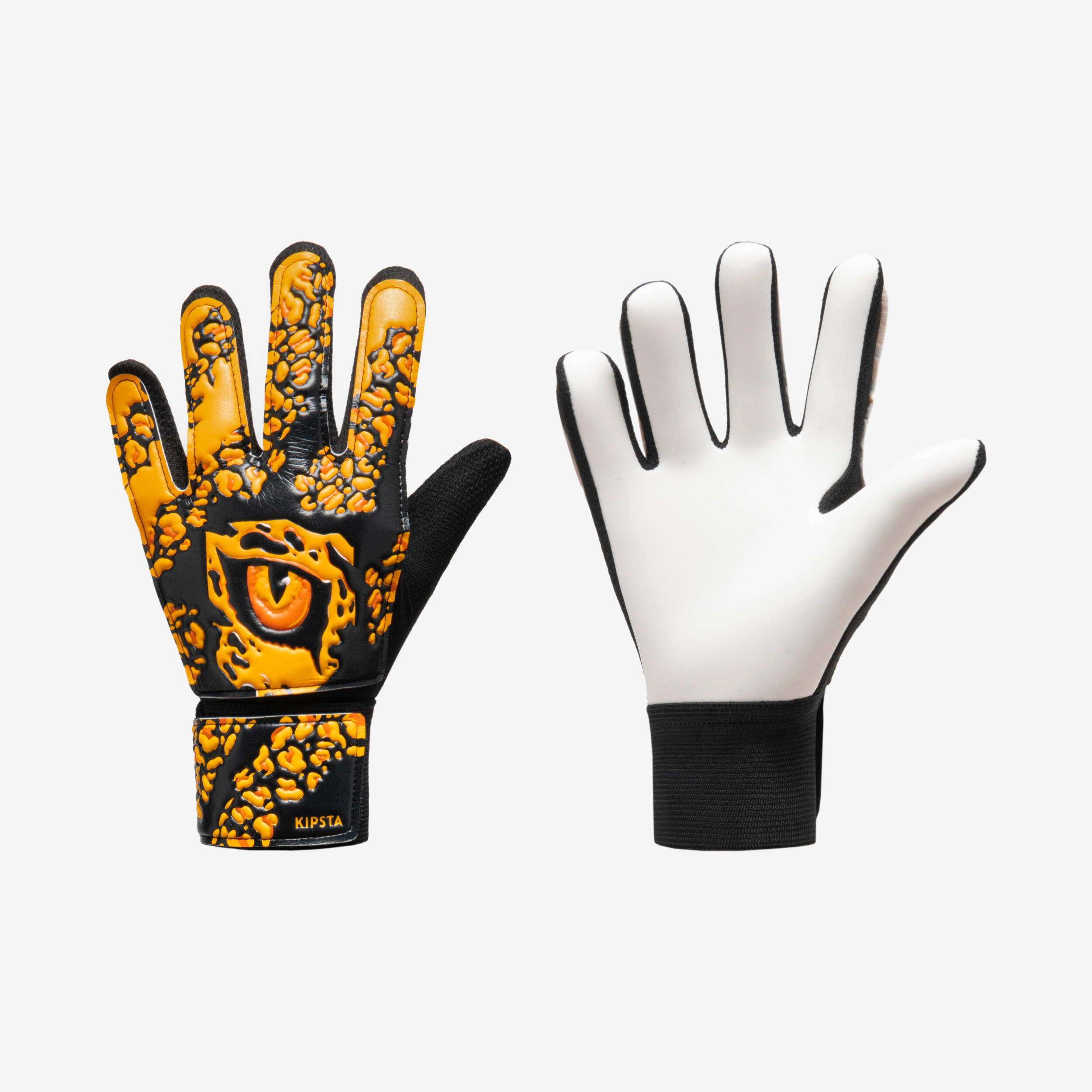
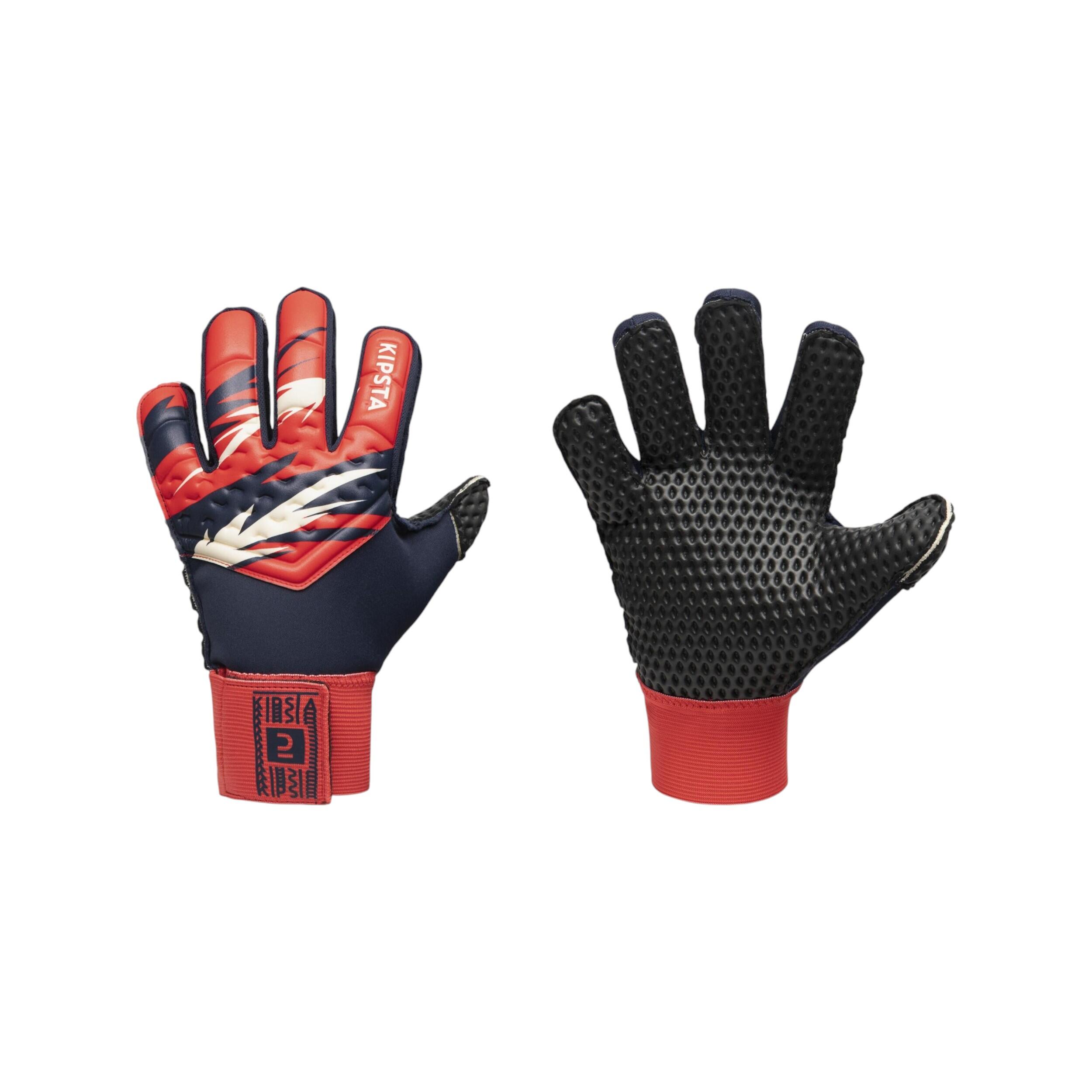
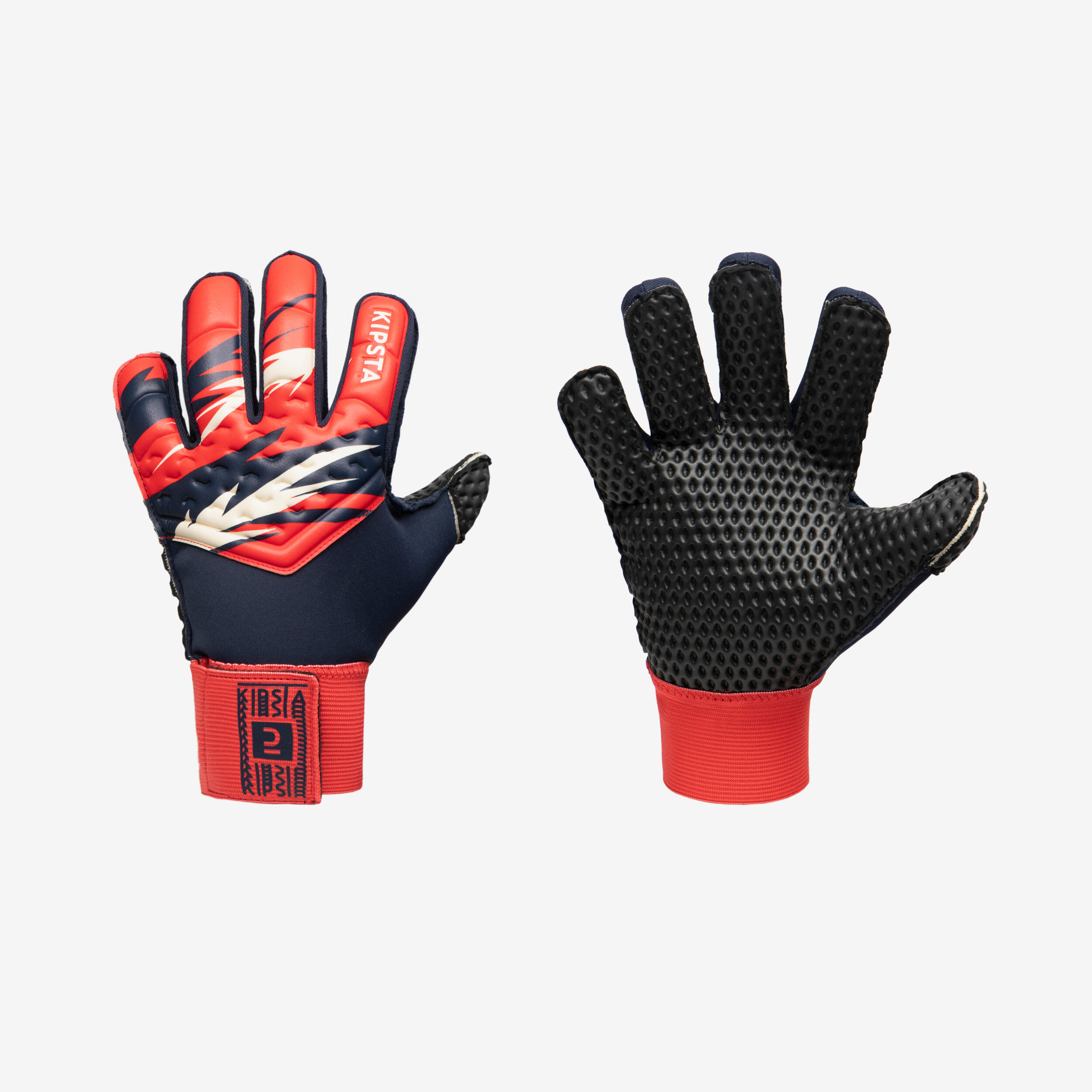
EVA-palmed gloves provide a practical starting point for children learning basic catches, low dives and ball collection. KIPSTA's beginner construction uses a 3 mm EVA palm that prioritises durability during repeated contact with the ball and ground. A simple rip-tab strap lets your child secure the wrist without managing a complicated fastening system. EVA does not provide the same specialised grip as higher-level latex, but it can tolerate the early training stage where technique, confidence and regular handling matter most. Guidance within the wider football goalkeeper selection can also help separate junior learning equipment from more technical gloves intended for experienced or adult players.
At what stage does a durable latex palm become useful?

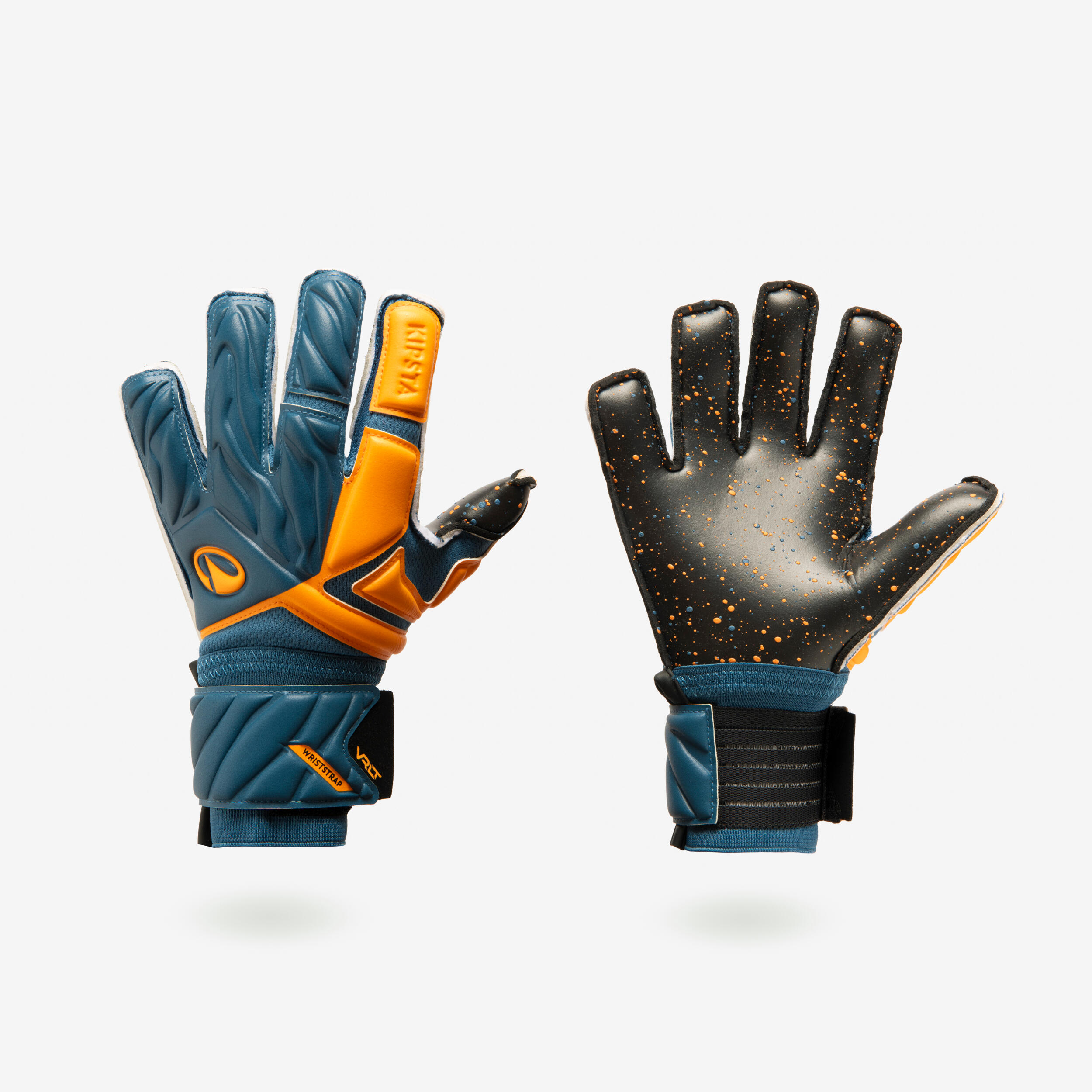
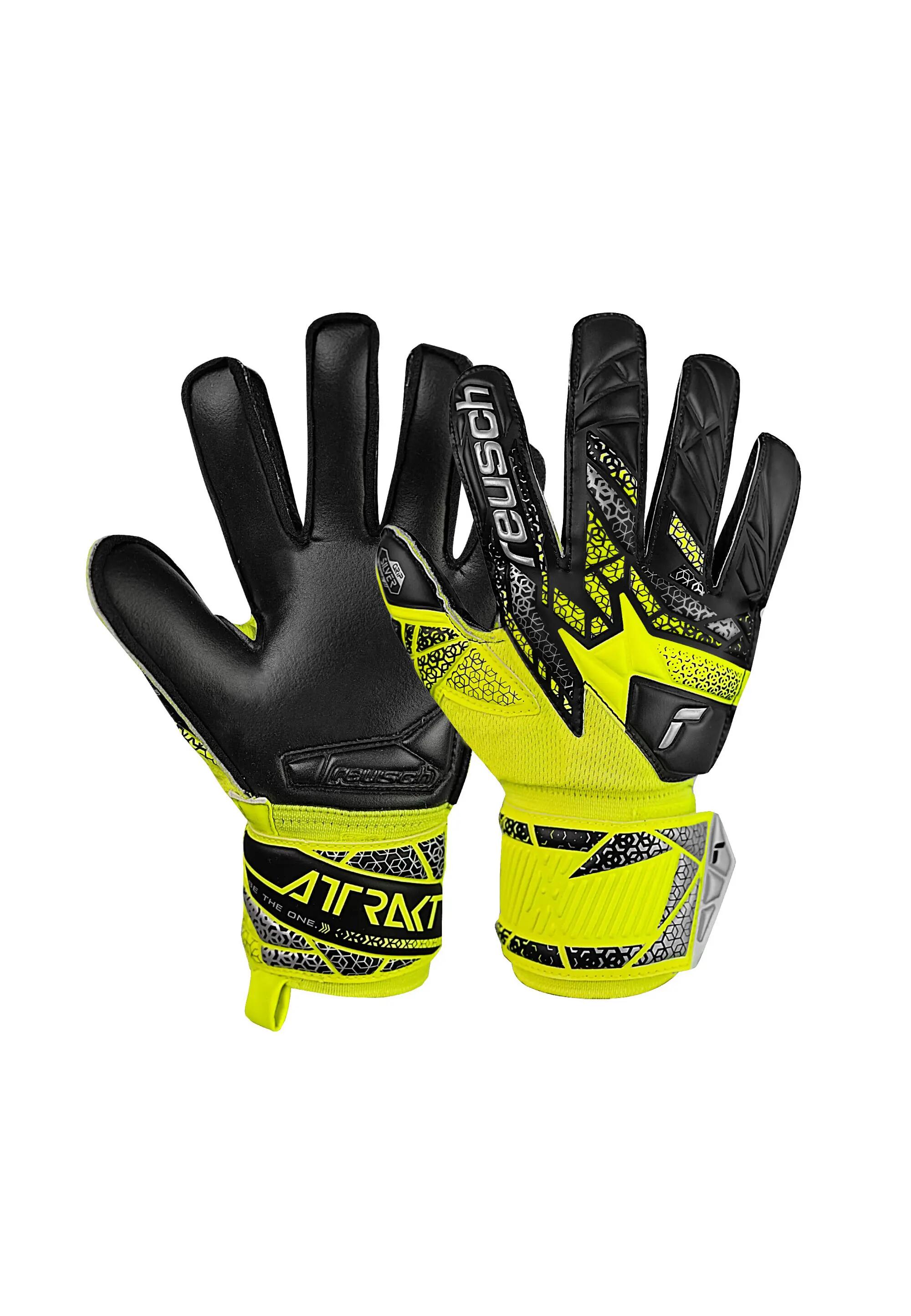
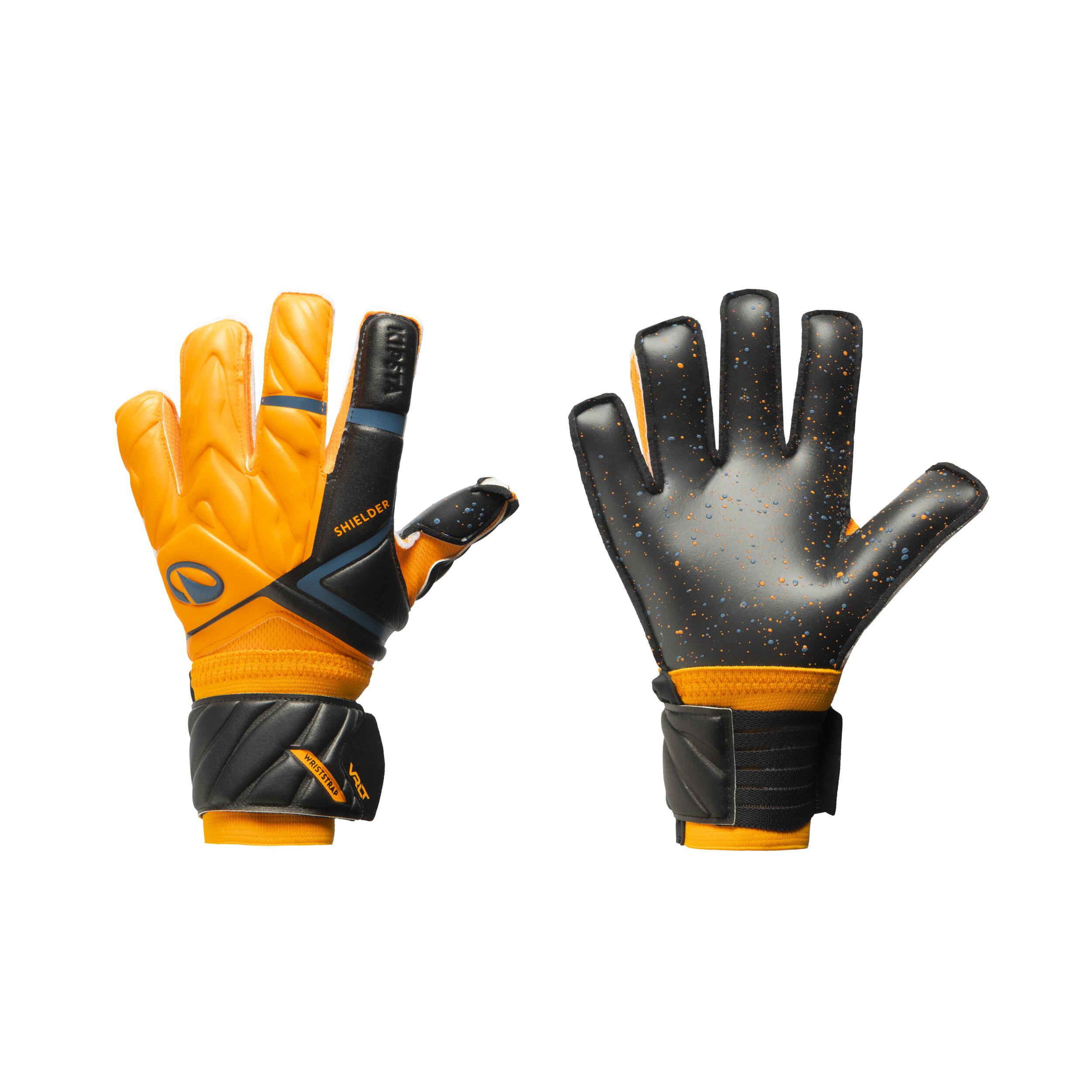
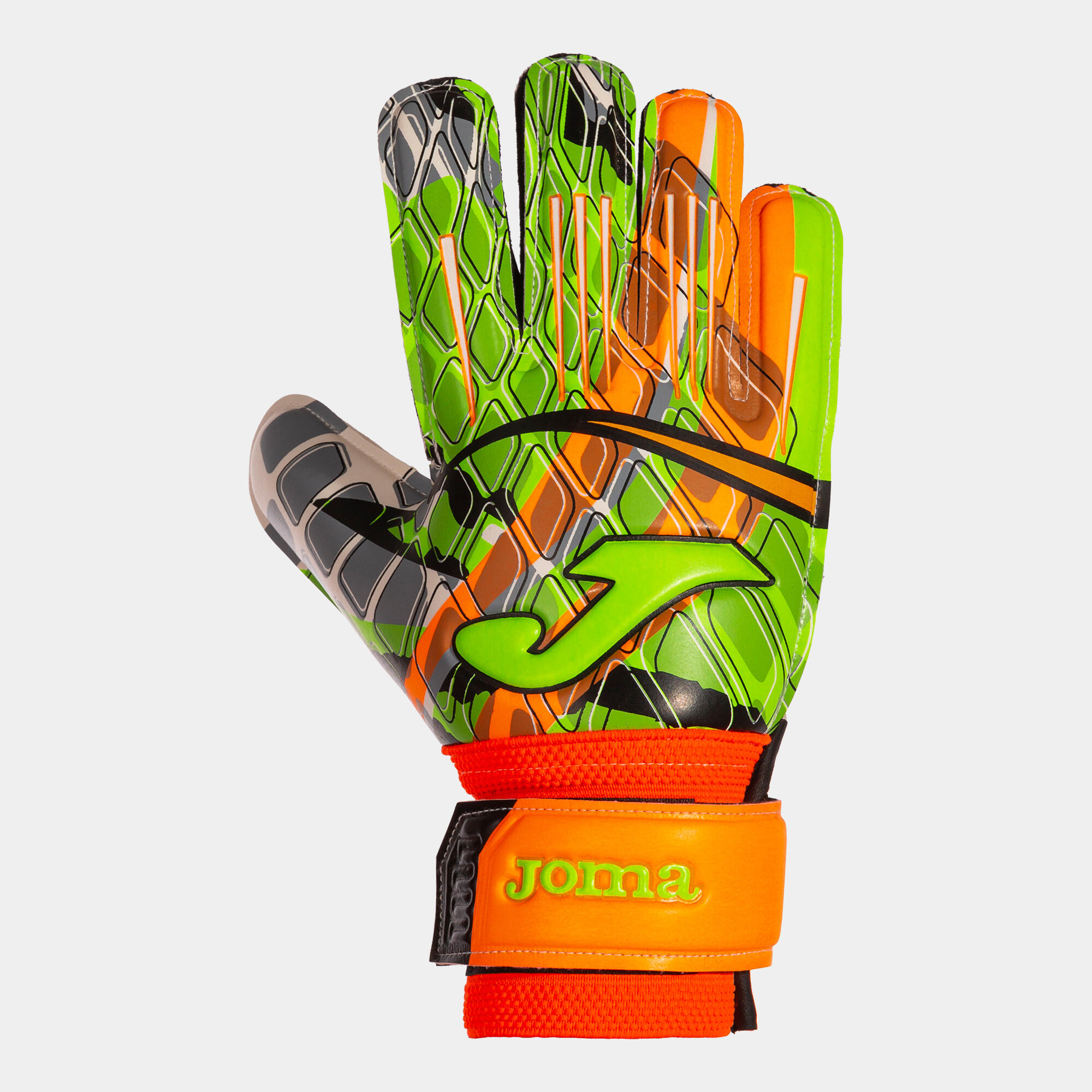
Latex becomes more relevant when your child trains regularly and needs improved contact while catching, holding or pushing the ball away. The kids football goalkeeper gloves in the Superresist model combine 3 mm of hard-wearing latex with 3 mm of foam. This layered palm offers a step up from basic EVA while retaining durability for repeated practice. The rip-tab wrist fastening remains simple for young players to adjust independently. No laboratory grip scores or abrasion-cycle figures are published, so selection needs to rely on the documented palm material, thickness, fit and your child's actual training demands rather than unsupported performance comparisons.

Does finger protection suit every young goalkeeper?

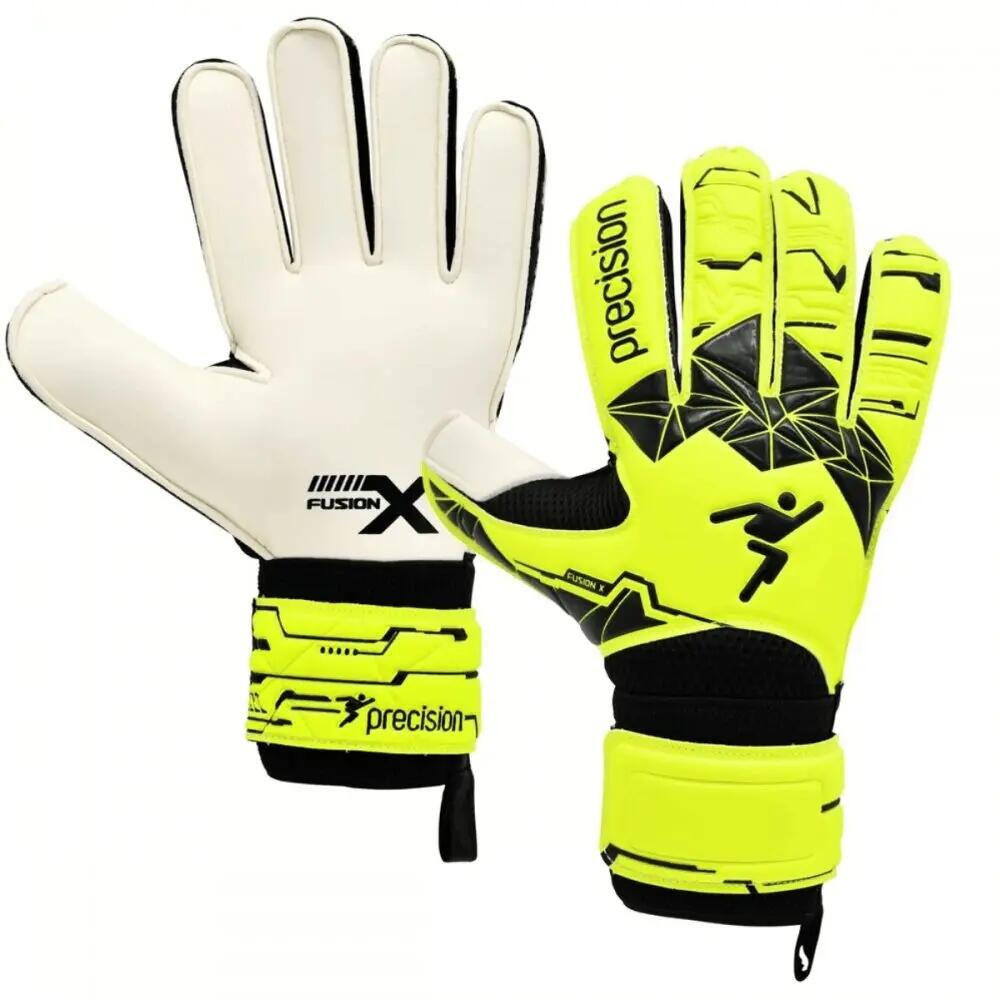
Finger protection can help players who want added resistance against backward finger movement, but it is not essential for every child or every session. The football goalkeeper gloves with finger protection use a 3 mm system across four fingers while leaving the thumb unrestricted. They also include embossed HARDSOFT latex, foam cushioning, preformed shaping and an elasticated wristband. The glove still needs to allow comfortable gripping and a natural catching position. If your child experiences finger pain or restricted movement, they should stop using the gloves until the cause is checked.

What are the benefits of a different glove construction for futsal players?

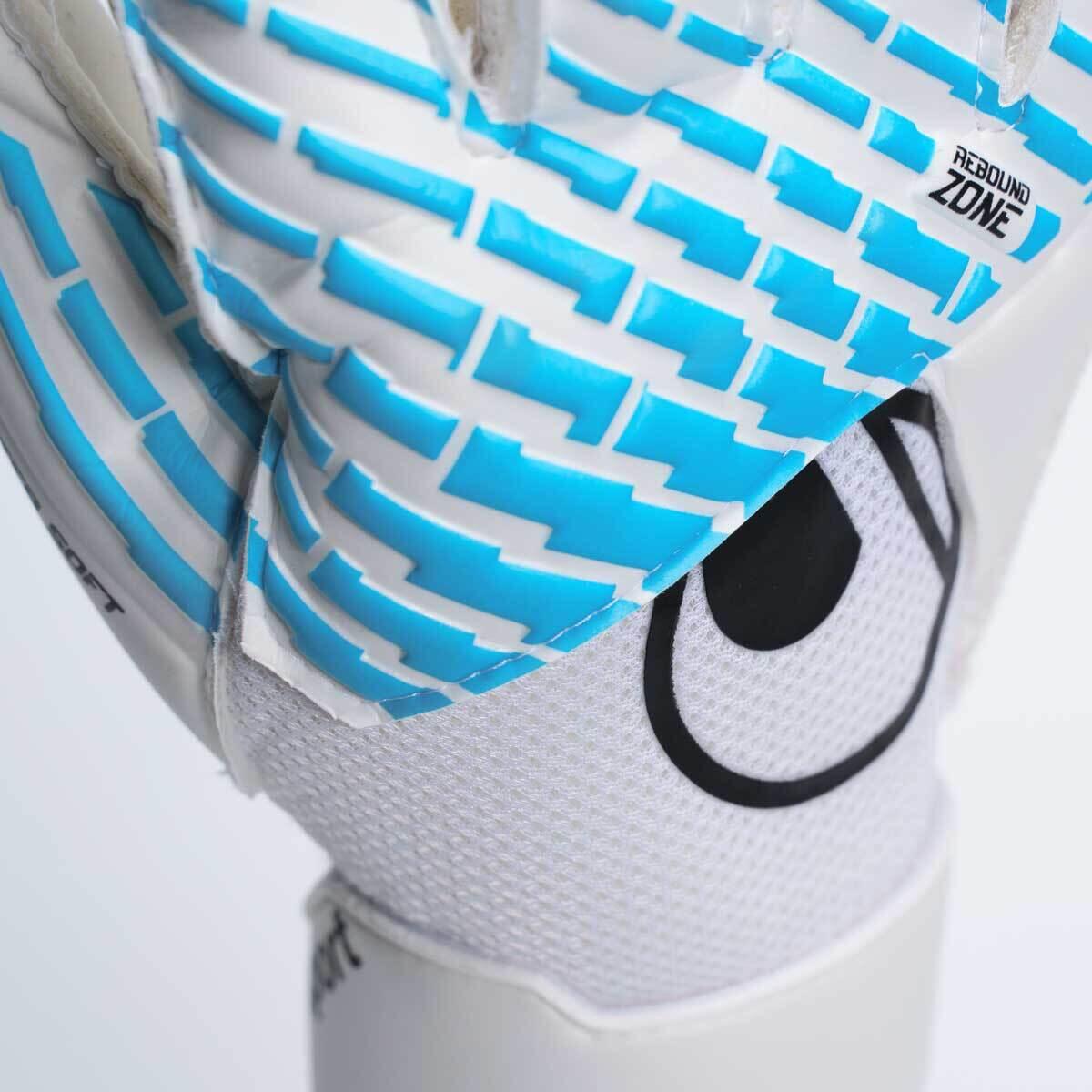
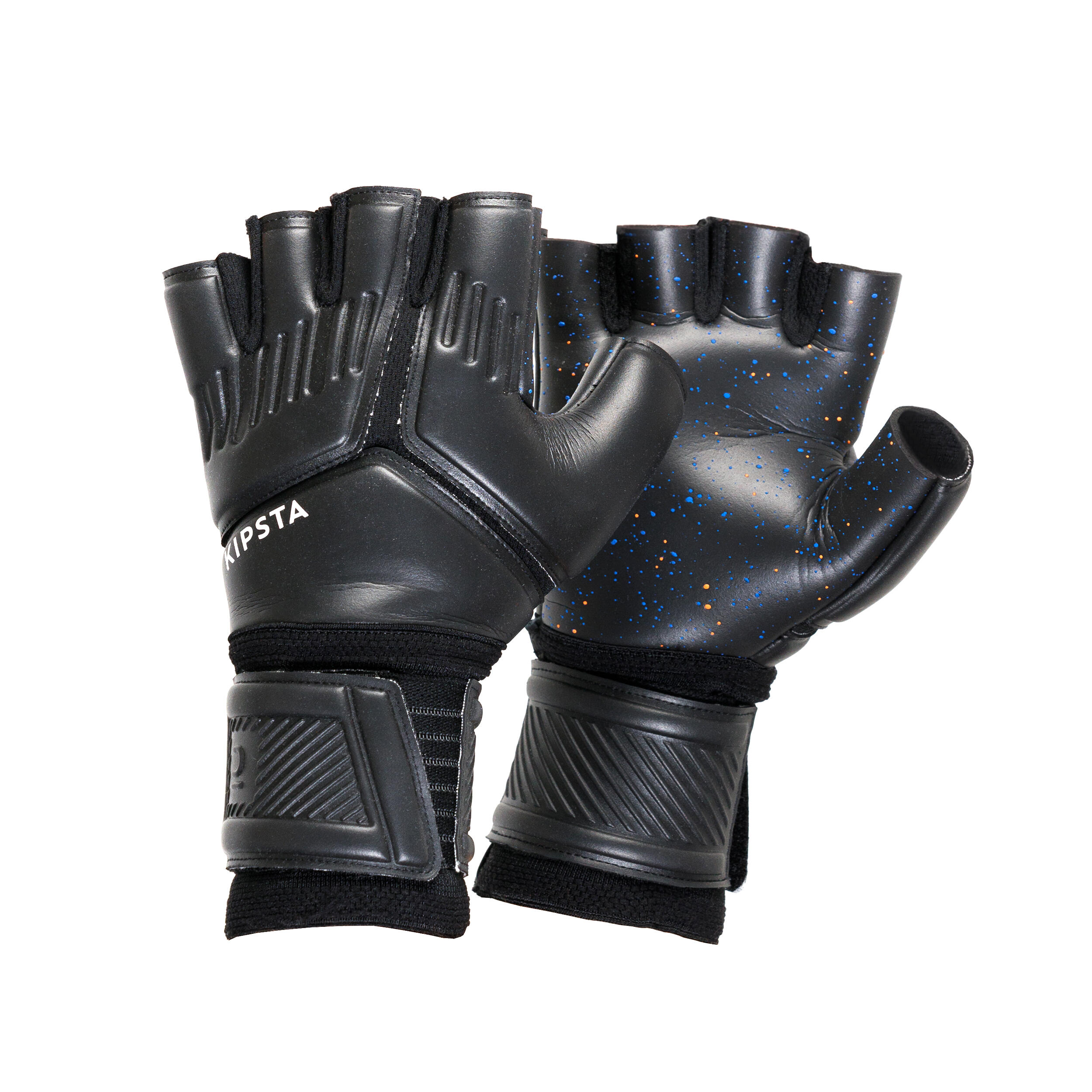
Futsal goalkeepers face close-range shots and need quick finger movement for blocks, throws and low saves. KIPSTA futsal goalkeeper gloves for kids use Supersoft latex bonded to foam, while a Y-shaped upper supports greater hand and finger flexibility than a conventional outdoor glove shape. Dual elasticated straps provide more precise wrist adjustment than the single rip-tab found on beginner models. After training, hand wash the gloves at no more than 40 degrees Celsius and let them dry naturally. Avoid tumble drying, ironing, bleaching and dry cleaning. Store latex palms apart rather than pressed together, as direct contact may cause them to stick or deteriorate.