5 items
3.9/5 based on 141 reviews collected online and in stores

Kids Goalkeeper Equipment FAQs

When is goalkeeper protection useful on hard courts?

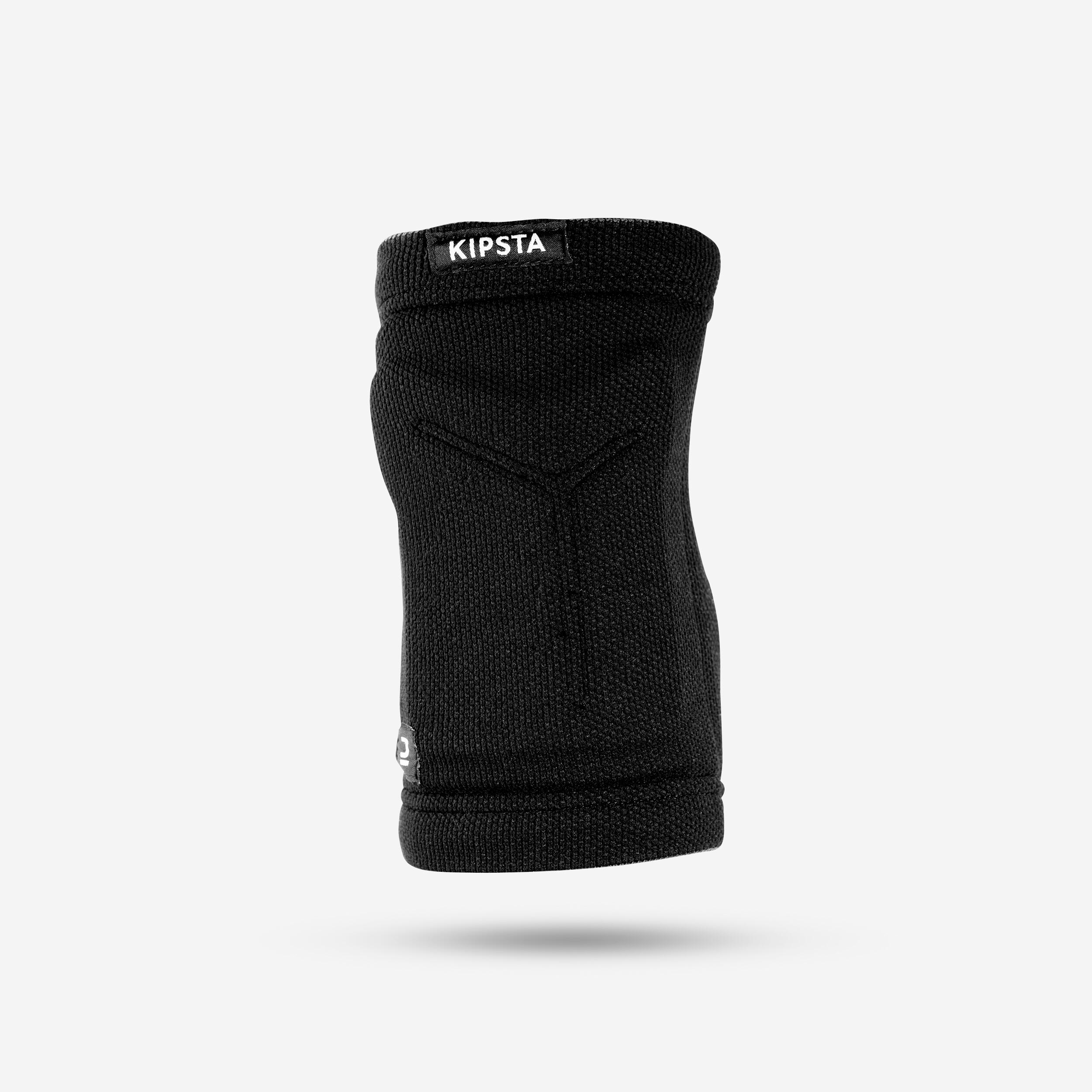
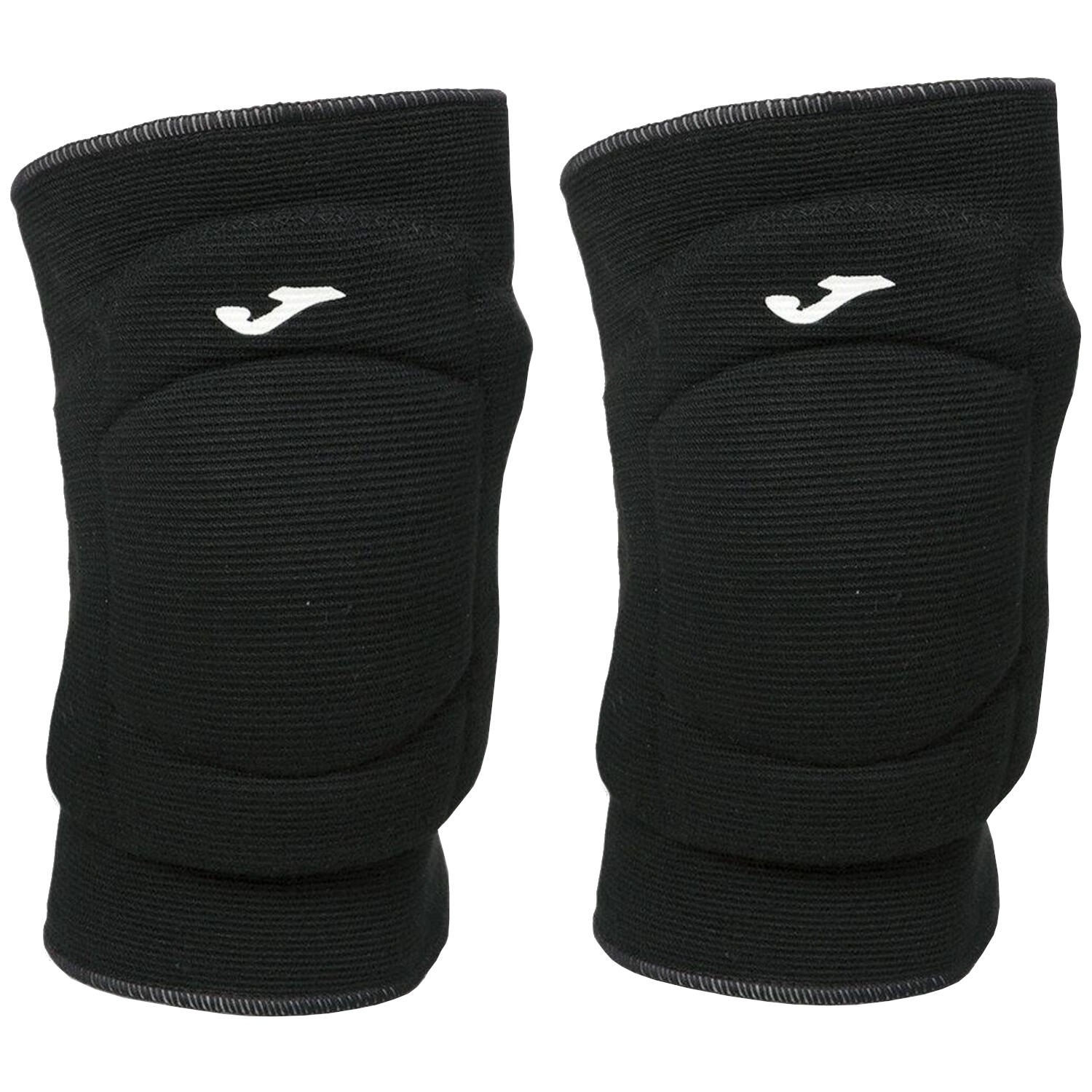
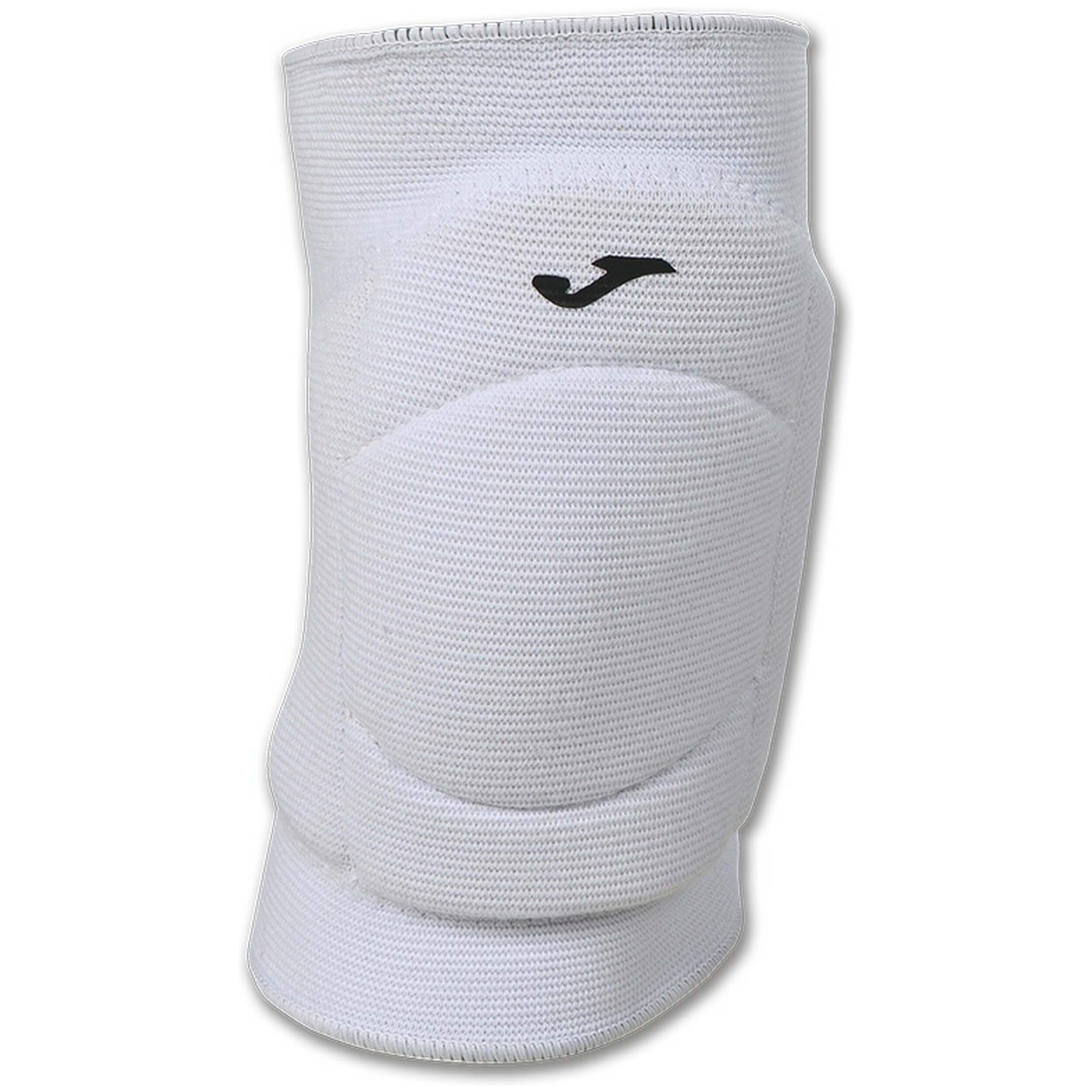
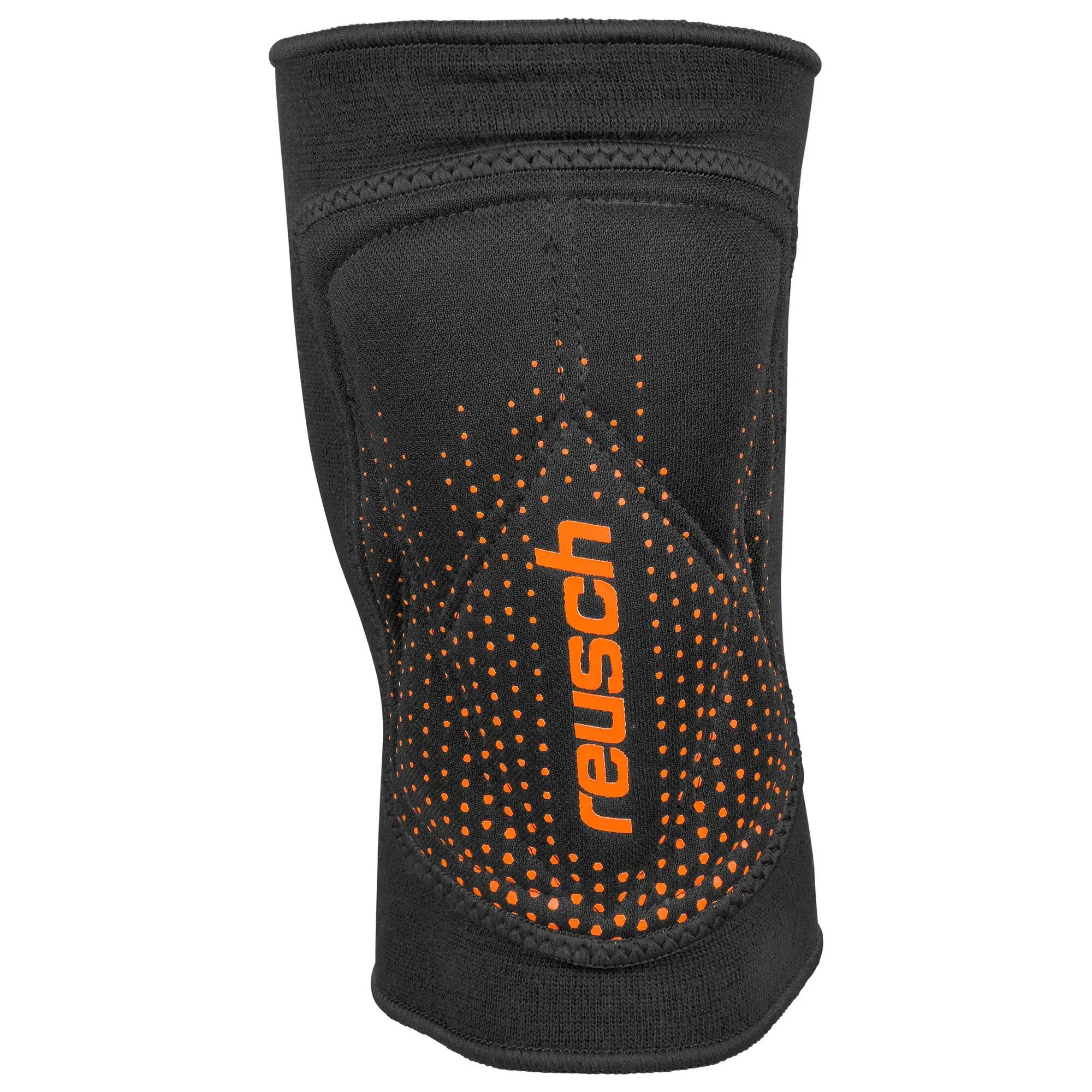
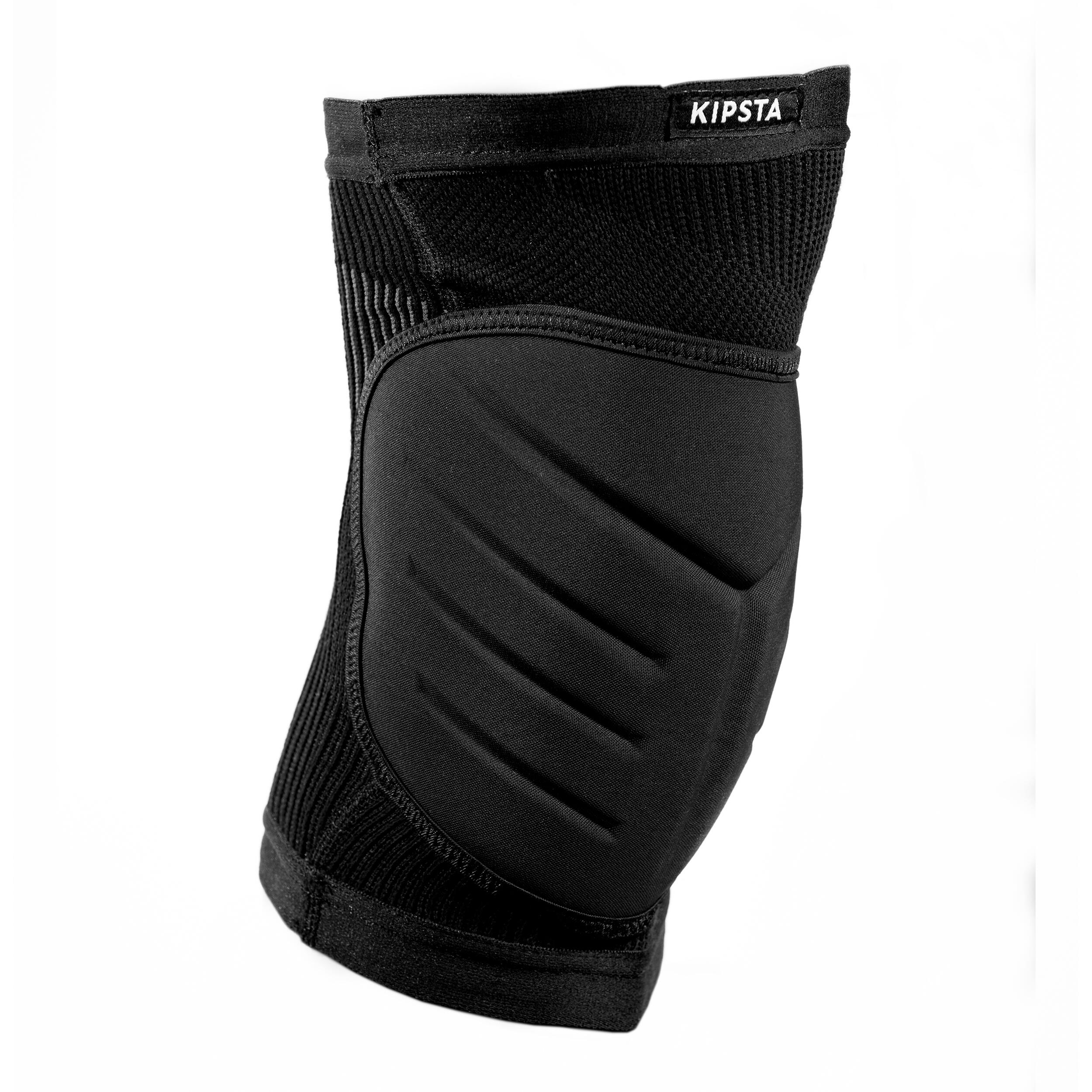
Futsal goalkeepers repeatedly contact the floor with their knees and elbows during low blocks, slides and lateral saves. Targeted pads place cushioning over these exposed joints without covering the whole arm or leg. Double-thickness foam helps absorb impact, while abrasion-resistant outer fabrics protect the padding from repeated friction against indoor courts. The current category focuses mainly on specialist knee and elbow protection rather than complete junior kits containing gloves, shirts and trousers. Children needing those additional items can use the broader kids football goalkeeper category. Protection still needs to be combined with controlled diving technique and a court inspection for grit, moisture or damaged flooring before training begins.

Can futsal pads absorb impact without restricting movement?

Protective foam needs to remain over the joint while allowing the goalkeeper to crouch, extend and move sideways freely. KIPSTA futsal knee pads use polyurethane and EVA cushioning with flexible surrounding fabrics. Separate left and right shapes extend the protective area towards the inside of each knee, reflecting the positions used during lateral blocks and slides. Elastic components and silicone within the band help reduce movement during play. Test the fit through squats, side steps and controlled floor movements before a full session. A pad that twists away from the kneecap, rolls at the edge or leaves deep pressure marks is unlikely to provide reliable coverage during repeated saves.

Which approach is more trustworthy for sizing by age or measurement?

Body measurements provide a more dependable fit than age labels because children and adults of the same age can have very different limb circumferences. Knee-pad sizing is based on the thigh measured 8 cm above the kneecap, with five sizes covering 32-36 cm through 47-51 cm. KIPSTA futsal elbow pads use a separate system based on arm circumference measured 5 cm below the elbow, with four size bands covering 21.5-23.5 cm through 28-30 cm. Measure against the skin or a thin base layer, following the position stated in the size guide. The pad needs firm contact without restricting circulation, bending or finger movement.

What might EU PPE compliance indicate?

The KIPSTA knee and elbow pads are classified as personal protective equipment rather than ordinary padded clothing. They comply with Regulation (EU) 2016/425 and undergo impact-absorption and fit assessments linked with EN 15613 for indoor sport. The elbow-pad information refers to Class B testing, while the knee-pad process adapts impact procedures from the same standard. Professional futsal goalkeepers also validated the products through KIPSTA's specialist team at Kipstadium in northern France. Players looking for position-specific products beyond these protective pads can use the wider football goalkeeper category. Formal testing supports the stated protective function, but pads cannot prevent every bruise or injury caused by poor technique, collision or an unsafe playing surface.

How are the pads cleaned and stored following the final whistle?

Allow damp pads to air before placing them in a closed kit bag, as retained moisture can create odour and affect the materials. The knee-pad instructions specify a very moderate machine wash at a maximum of 30 degrees Celsius, followed by natural drying. Avoid tumble drying, bleaching and ironing because heat or harsh treatment may damage the foam, elastic or silicone grip components. The elbow-pad page contains conflicting care symbols, so use the sewn-in product label as the primary instruction rather than repeating an uncertain online method. Keep pads dry and uncompressed during storage, separate from hard-edged football training equipment that could deform the cushioning. Inspect the fabric, seams and elastic before reuse, particularly after sessions on abrasive indoor courts.