16 items
4.6/5 based on 2246 reviews collected online and in stores

Small Football Goals FAQs

Which small football goal suits your playing space?

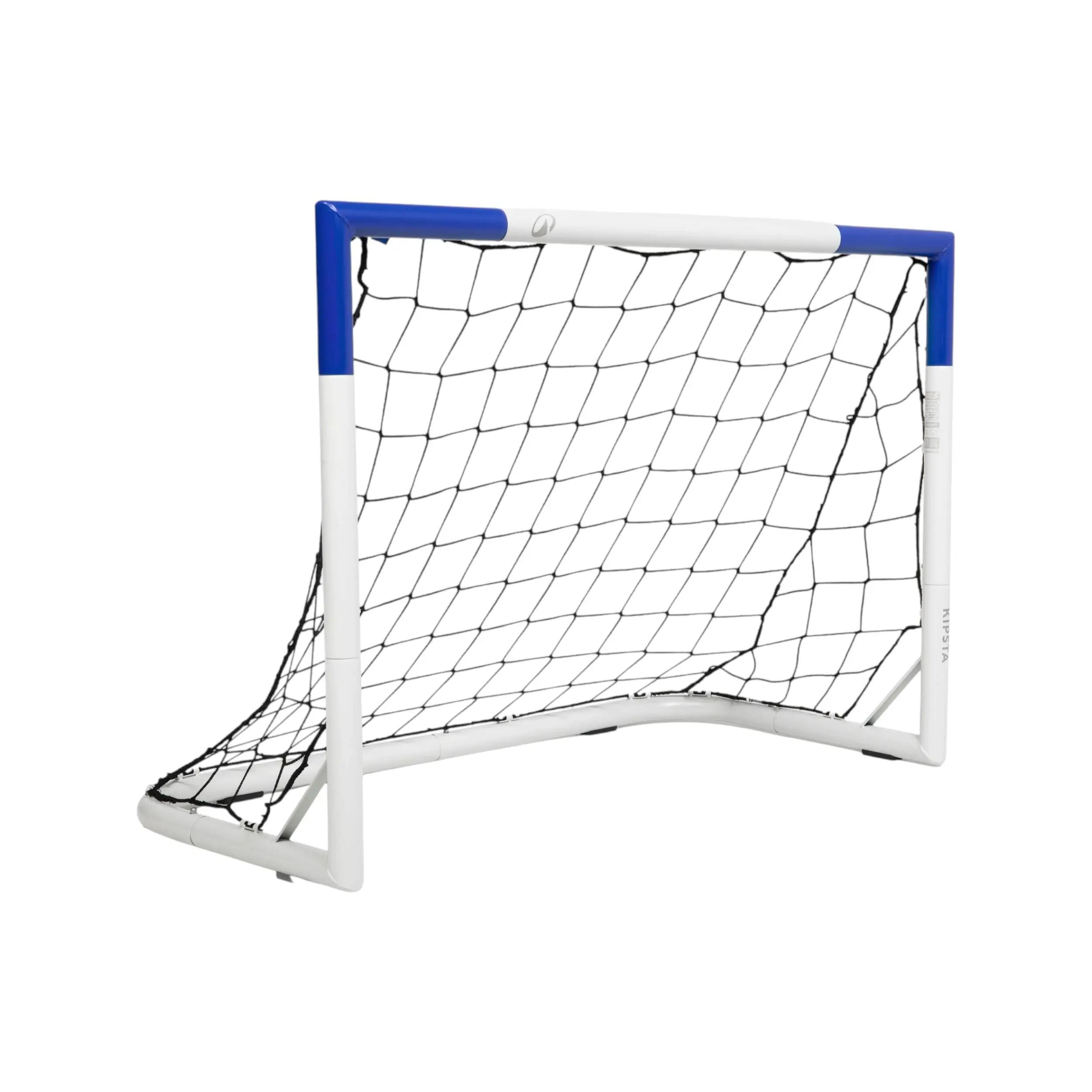
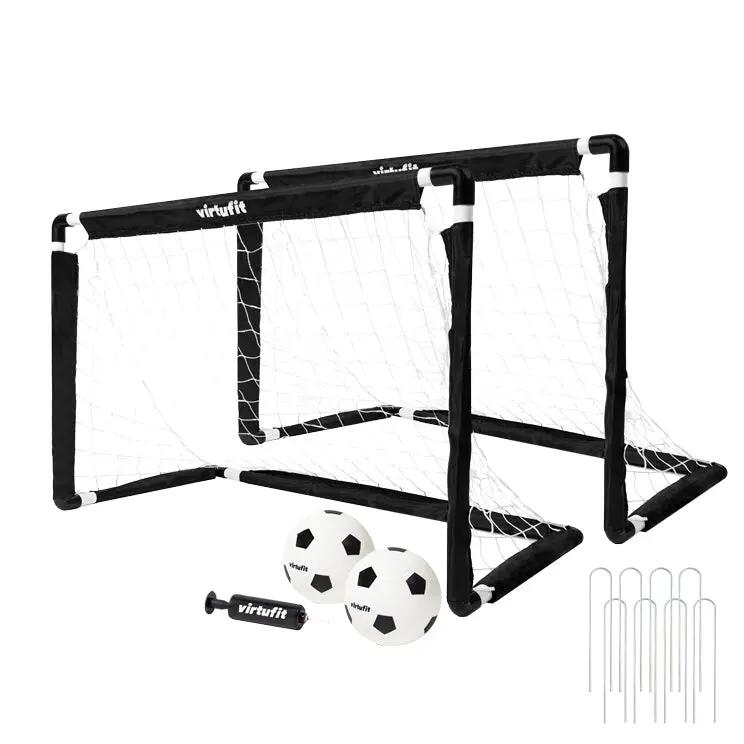
The available space, playing surface and need for portability can help you choose between lightweight and steel small football goals. A compact polyester goal can work well for gardens, parks, beaches and occasional coaching sessions because it is easy to carry and quick to assemble. The football goal Kage weighs approximately 1 kg and uses clip-on corners that make setup and dismantling straightforward. Steel constructions provide a more traditional goal shape and greater frame rigidity for regular home play. Measure the area behind and beside the goal as well as the goal mouth, leaving enough clearance for shots, rebounds and safe movement around the frame.

What is the difference between portable and steel football goals?

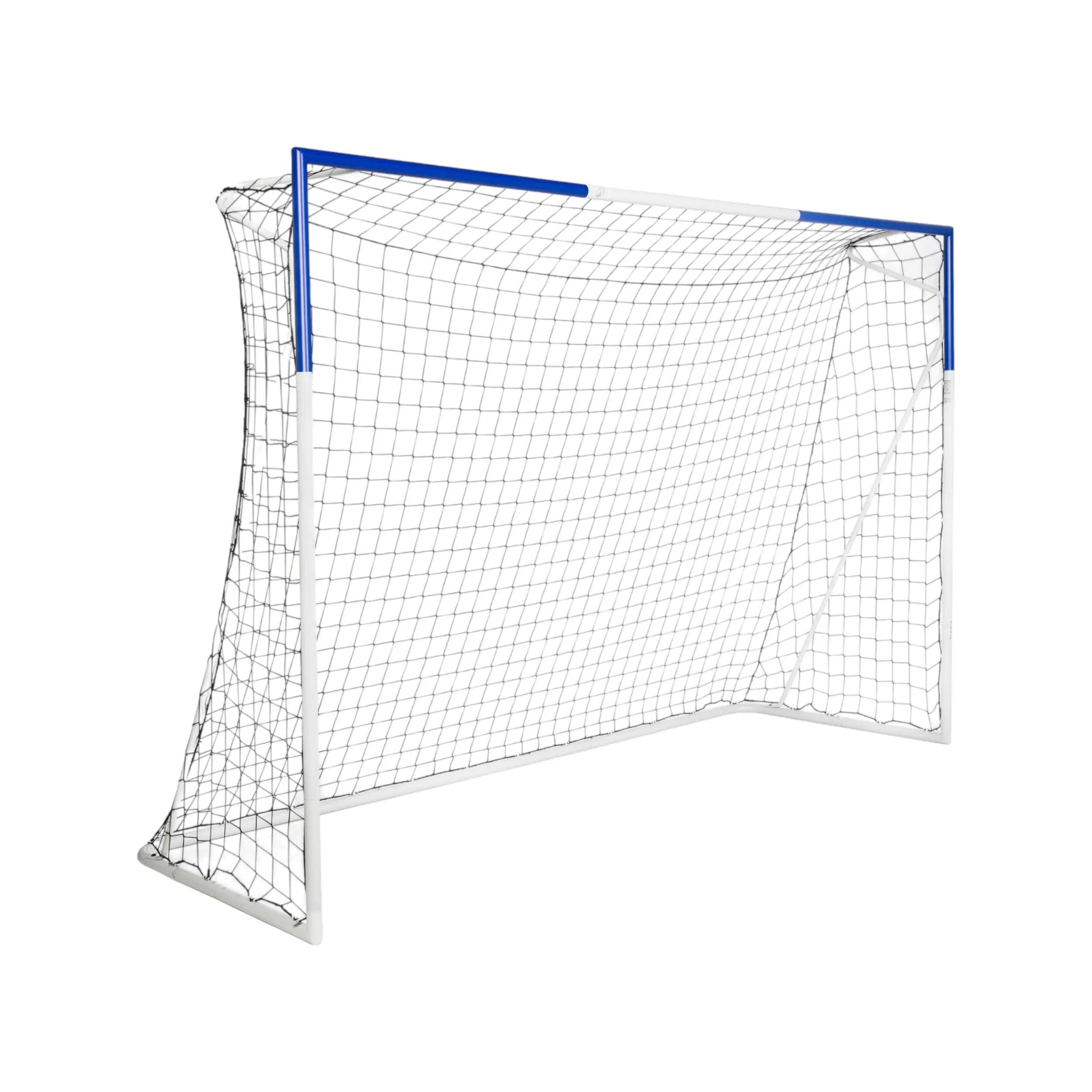
Portable polyester goals prioritise low weight, transport and fast assembly. They suit families carrying equipment to a park or moving the goal into storage after each session. Steel models feel more substantial and can better recreate the structure of a conventional football goal during garden games and shooting practice. The steel football goal uses galvanised 25 mm tubes, a polyester net and tool-free connections. It also undergoes KIPSTA testing involving repeated ball impacts, corrosion assessment and net UV resistance. Steel adds weight and stability, while polyester makes transport easier, so the right construction depends on how often the goal moves and where it is stored.

How do you secure a small football goal safely?

Follow the anchoring method supplied with the exact goal rather than assuming every small frame uses the same system. Lightweight goals may include stakes for grass, while packaging or another approved weight can help stabilise certain portable models where staking is not possible. Some steel goals remain freestanding on firm surfaces but still include ground stakes for additional security on grass. Position the frame on level ground, fit every connection fully and check that the net is not pulling the structure out of shape. Larger football goals may use different anchoring requirements, so keep the original instructions with the equipment. Never allow children to climb, hang or sit on the crossbar.

When should you replace a football goal bottom corner instead of the whole goal?

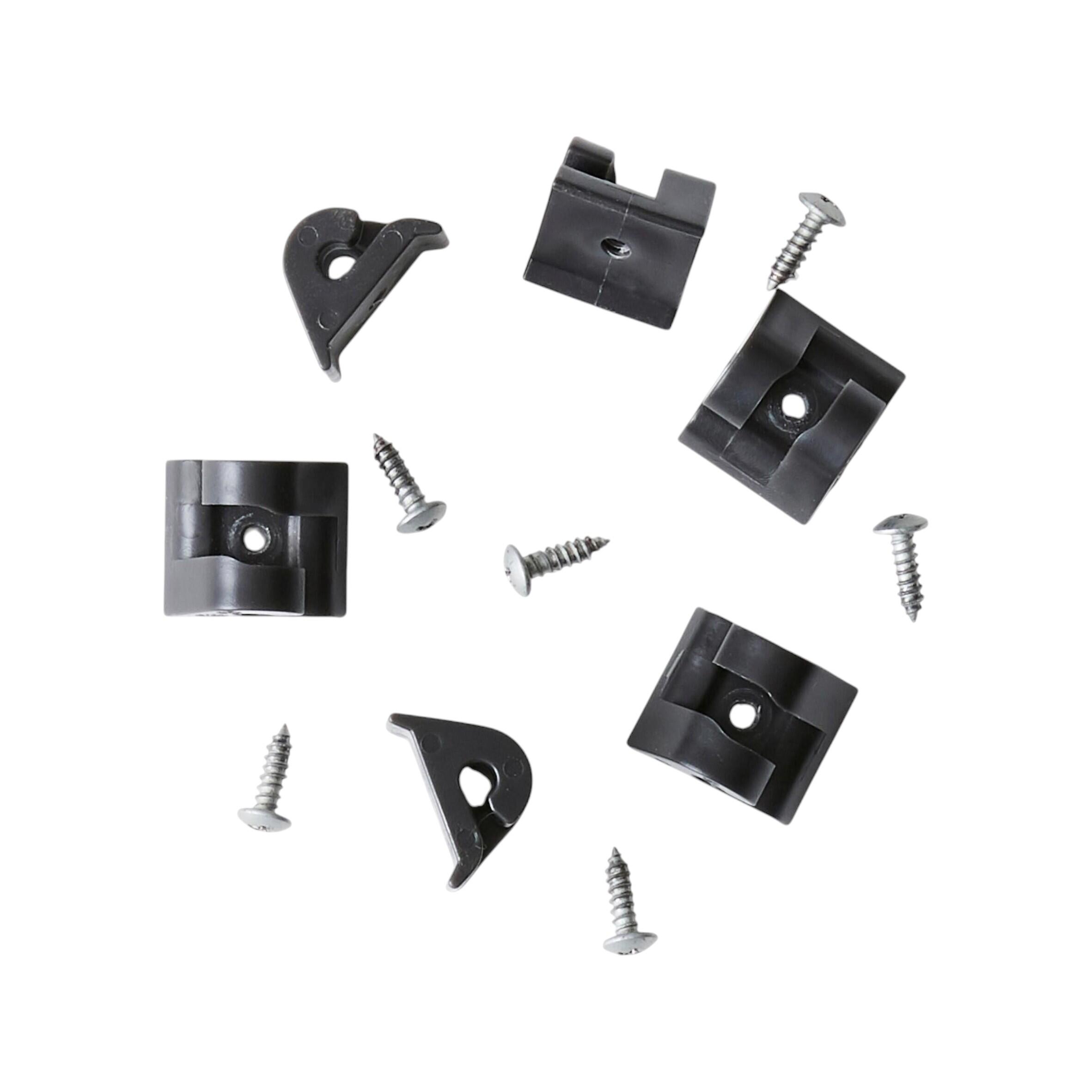
A damaged lower connection does not always mean the entire frame needs replacing. KIPSTA provides repair parts for compatible Classic goal families, allowing one worn or bent component to be changed while the remaining structure stays in use. The football goal bottom corner is matched to specific models rather than sold as a universal piece. Check the goal reference and size before ordering, then inspect the neighbouring tubes, fittings and net attachments for additional damage. Replacement steel corners carry a five-year warranty on the reviewed models, supporting repair as a practical option when the rest of the goal remains sound.

How can small football goals support goalkeeper practice?

Small goals create a compact target that encourages quick reactions, accurate positioning and controlled footwork. A goalkeeper can practise setting their feet, moving across the goal line and responding to close-range shots without needing a full-size pitch. Keep shot speed and distance appropriate for the player's age, and use soft or controlled passes when introducing younger children to diving movements. Gloves, padded clothing and suitable items from the football goalkeeper category can support more focused practice. Small goals also work well for finishing drills because attackers must aim precisely rather than relying on power. Check the frame, net and anchors before each session, especially after transport or outdoor storage.