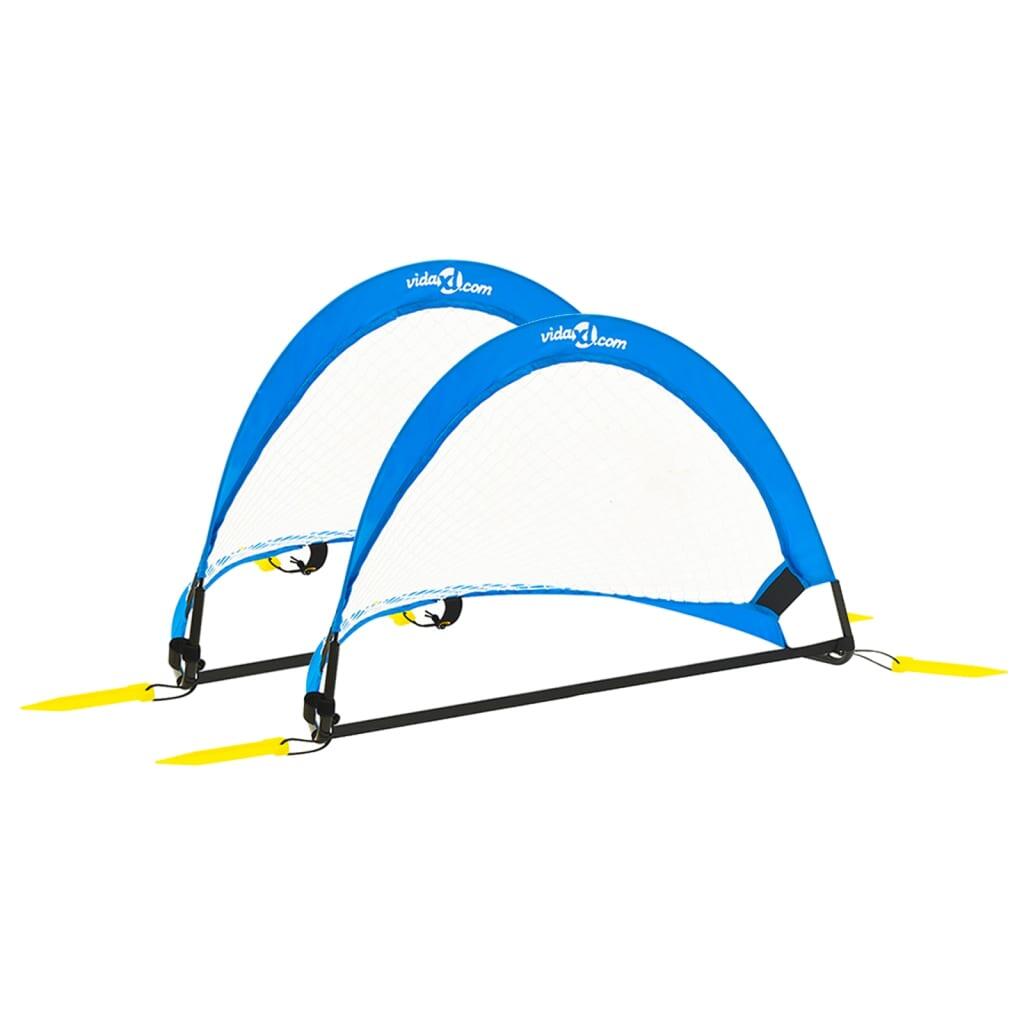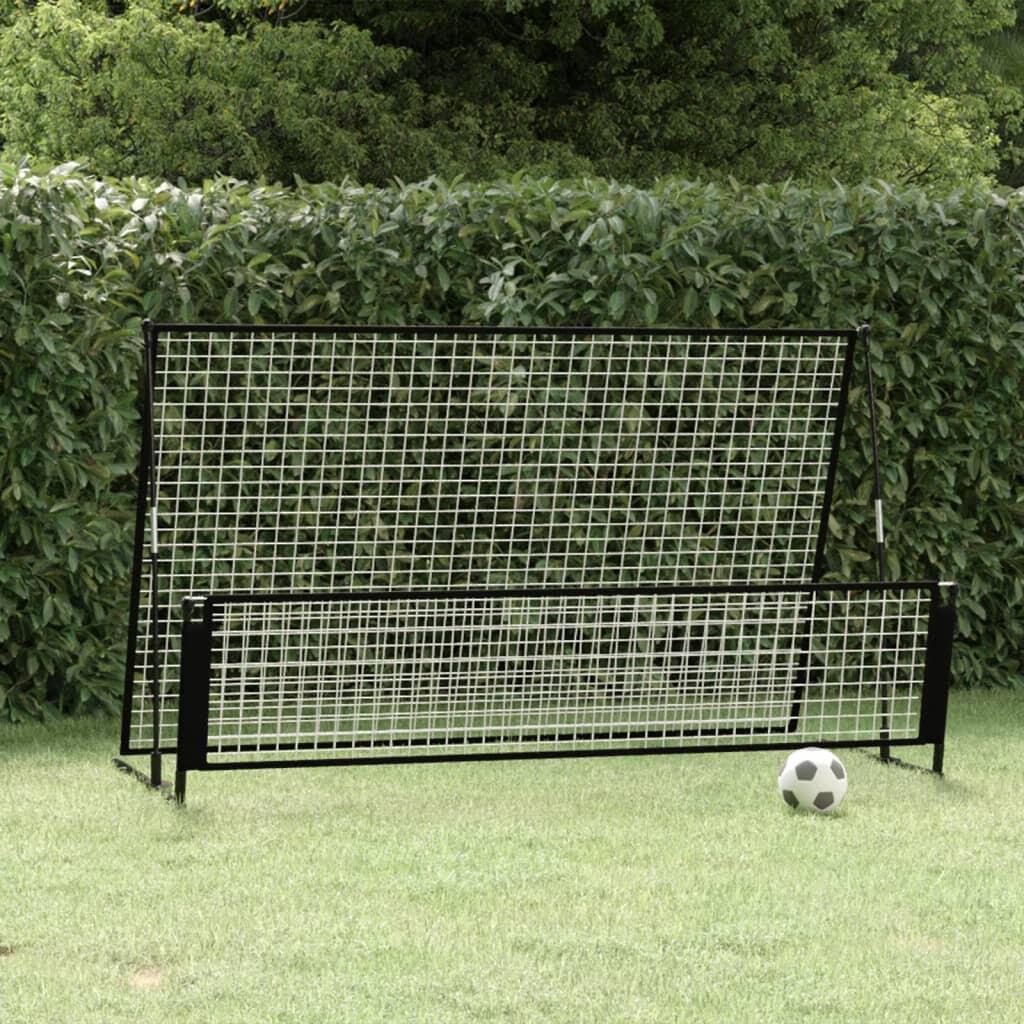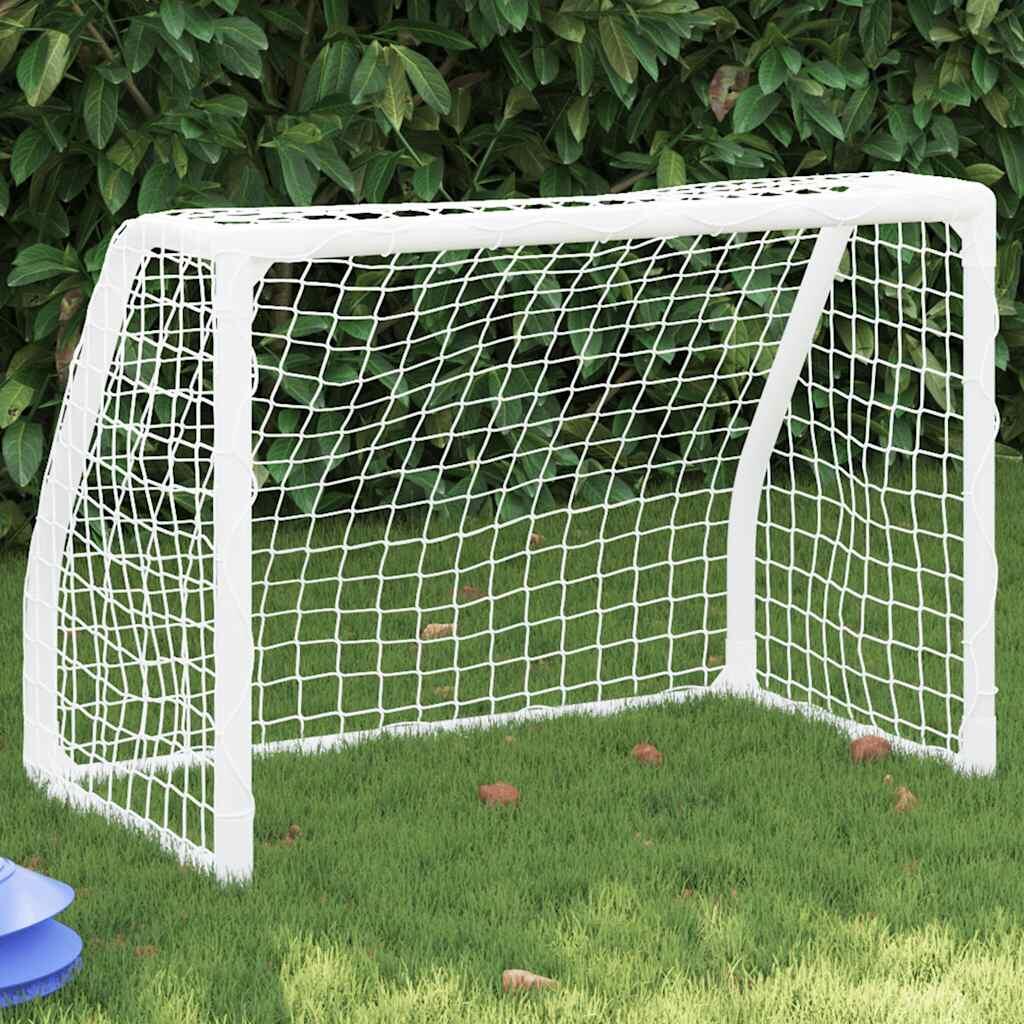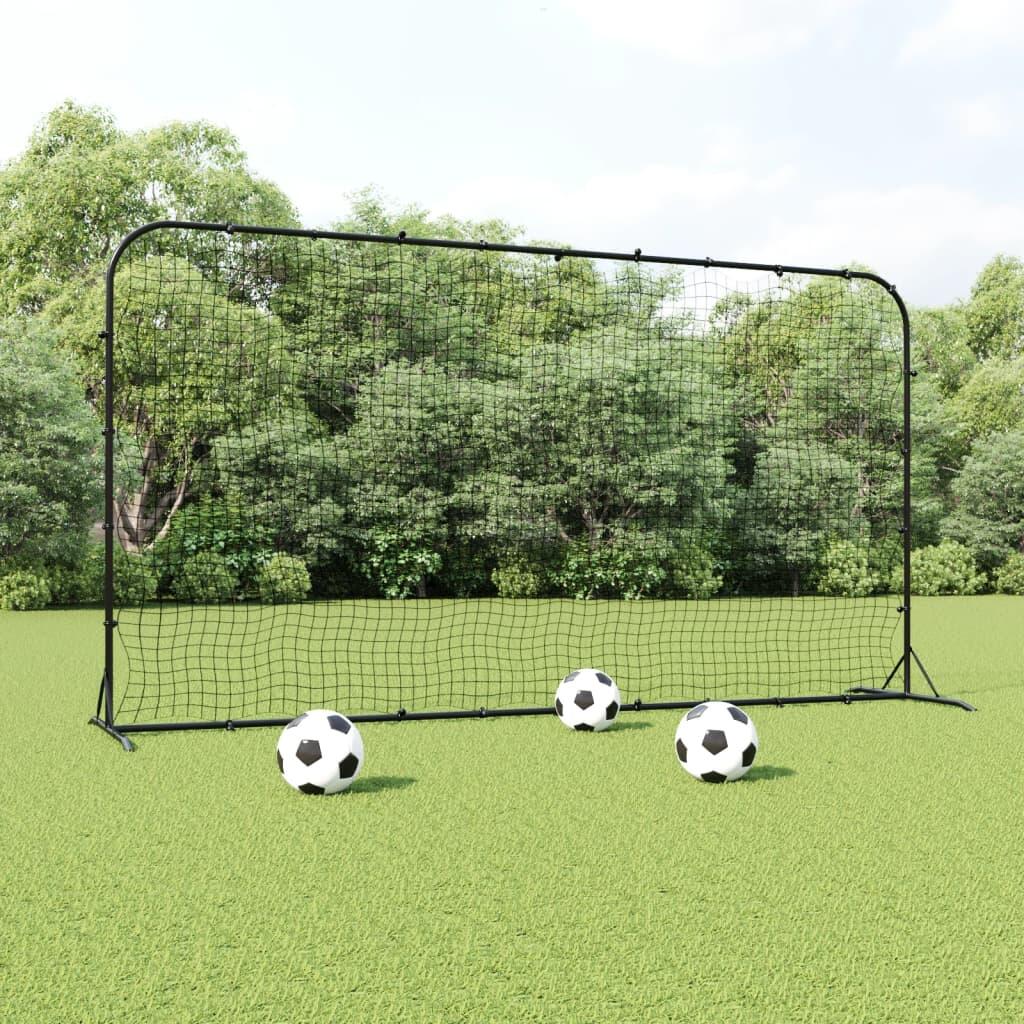
69 items
4.2/5 based on 3195 reviews collected online and in stores

Garden & Kids' Football Goals FAQs

Which garden football goal suits your available space?

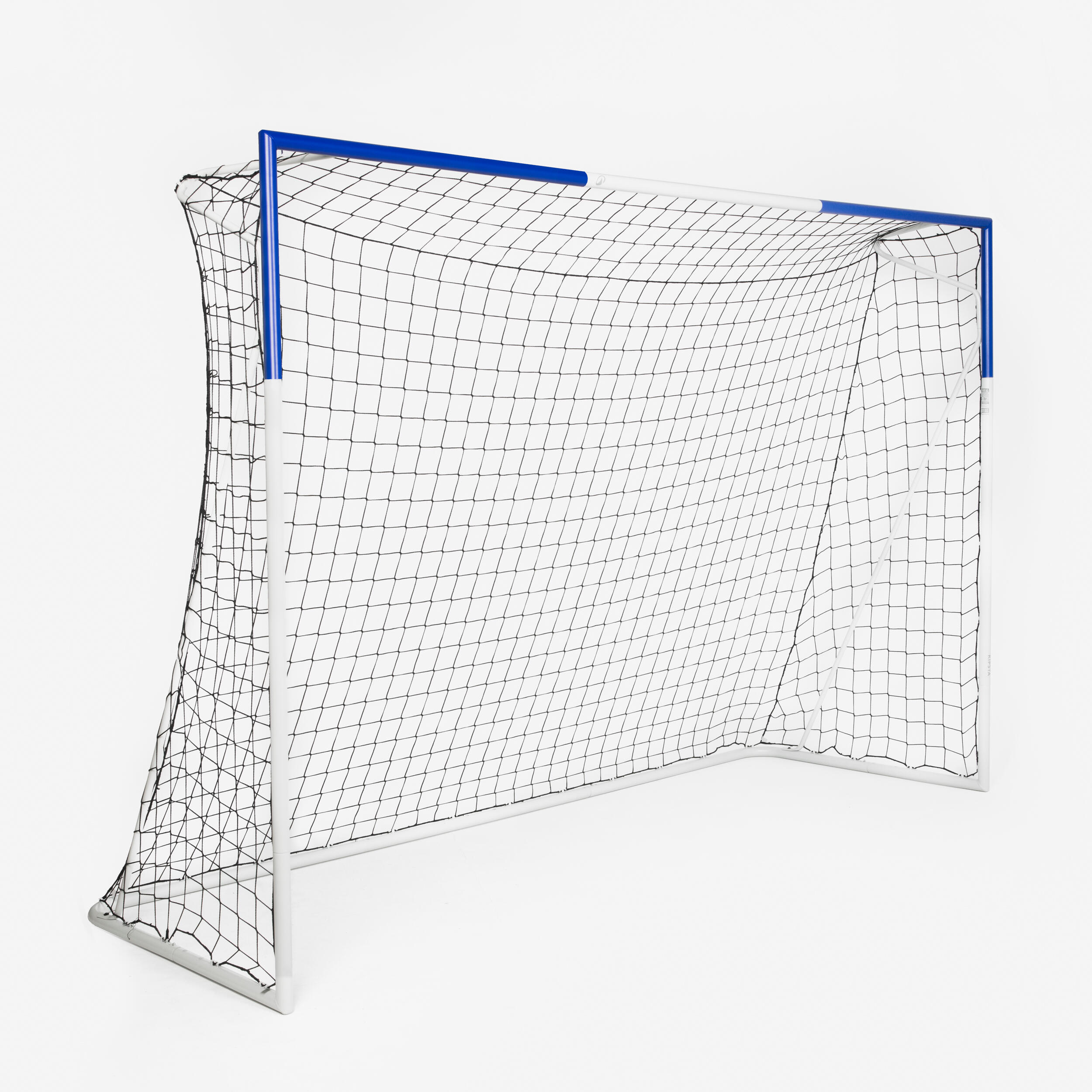
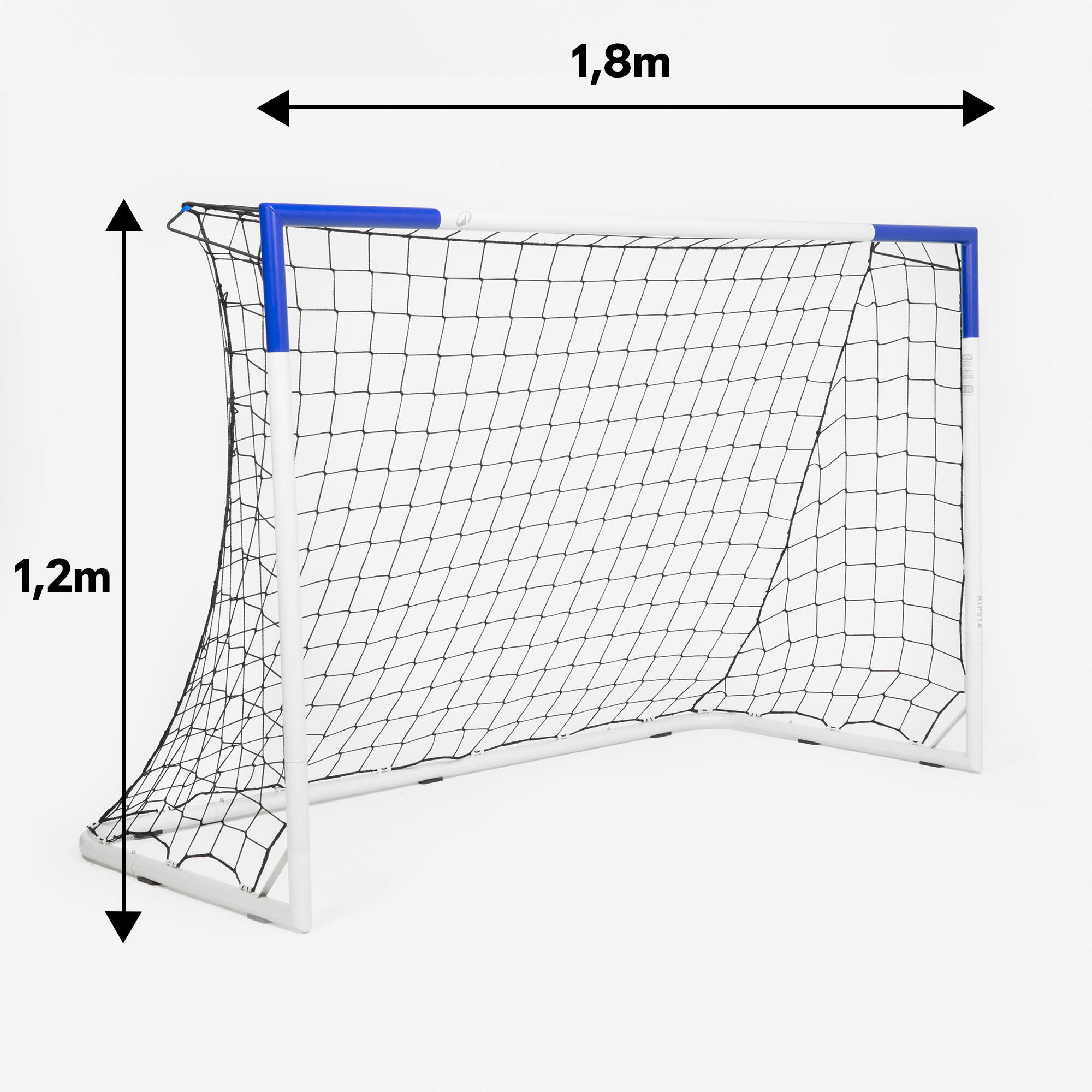
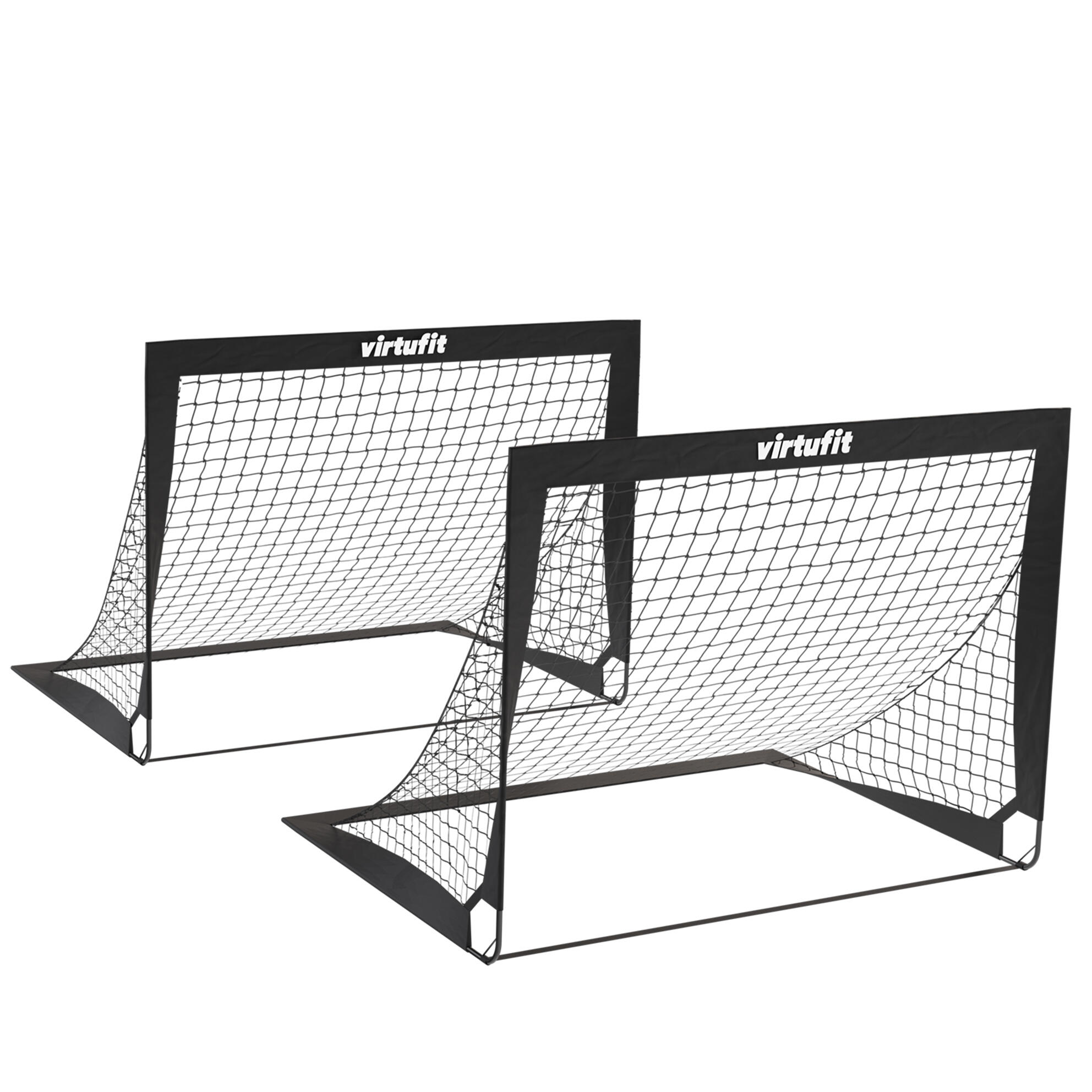
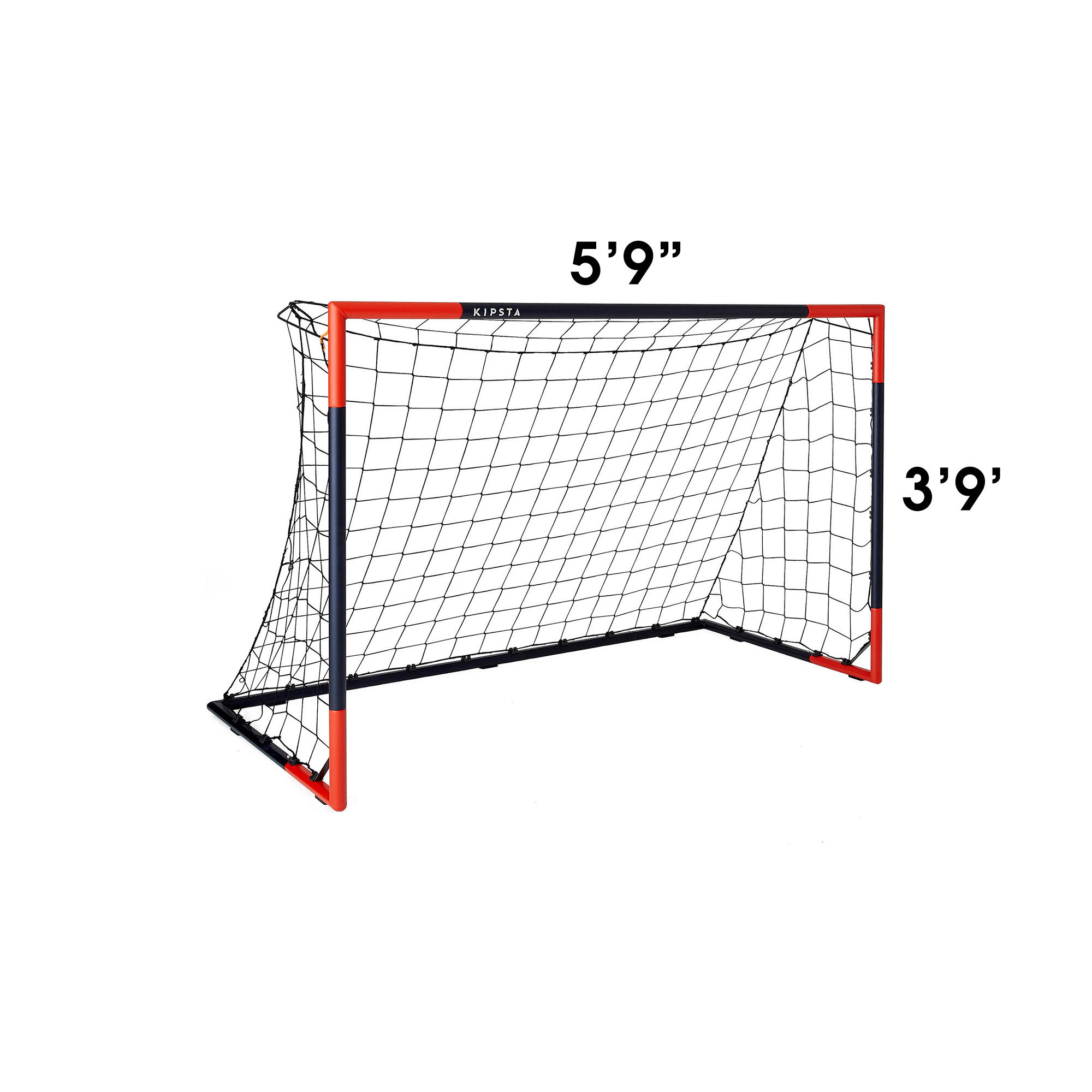
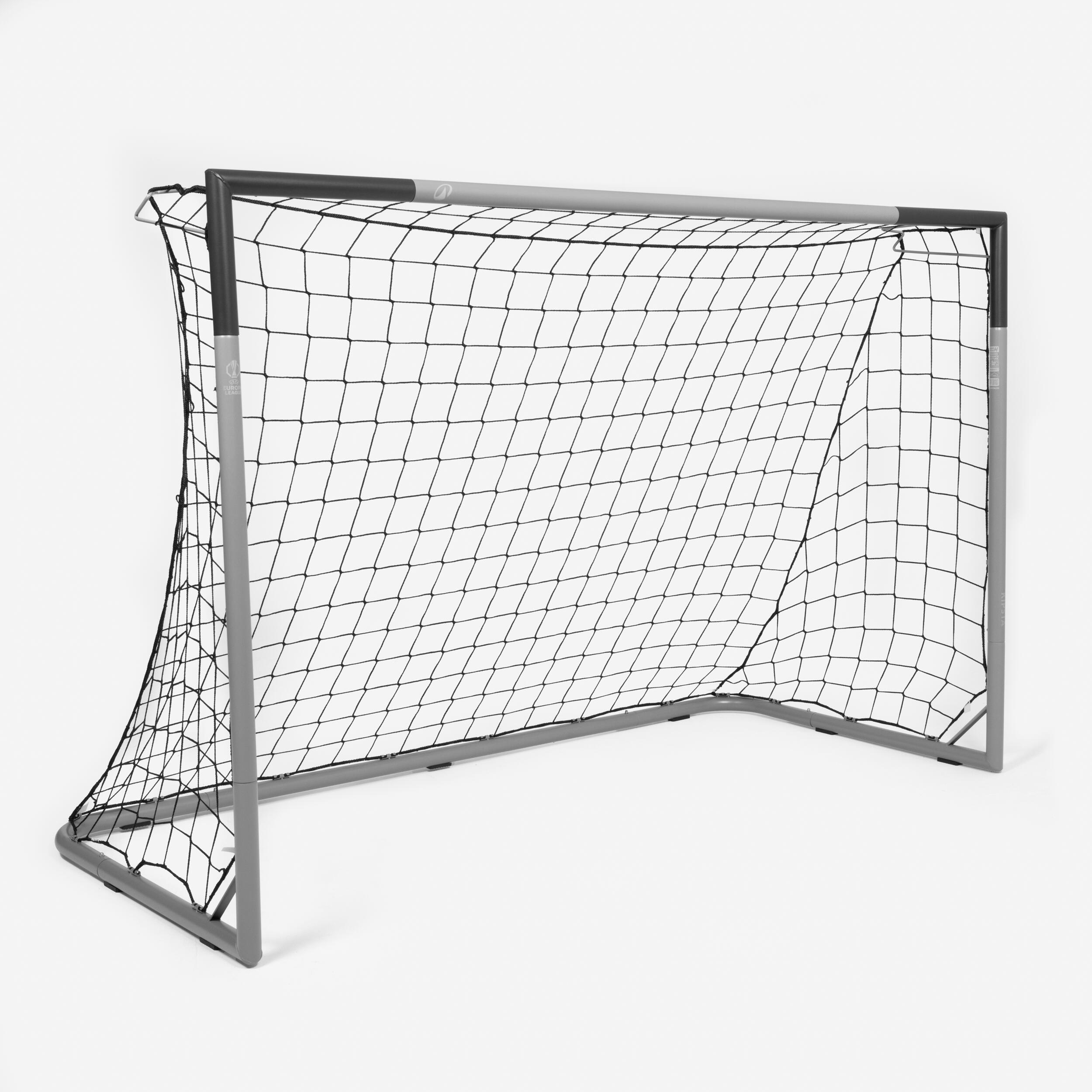
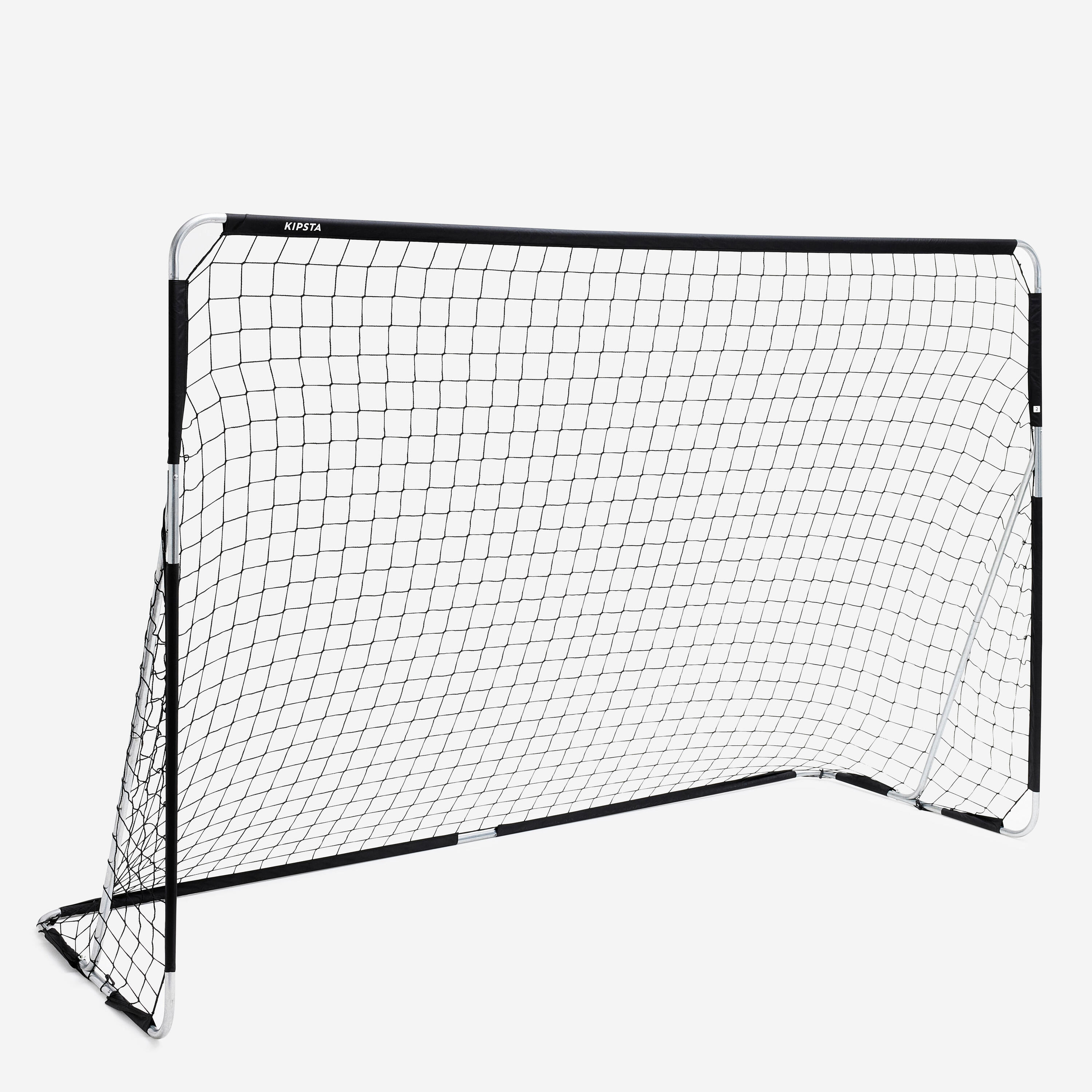
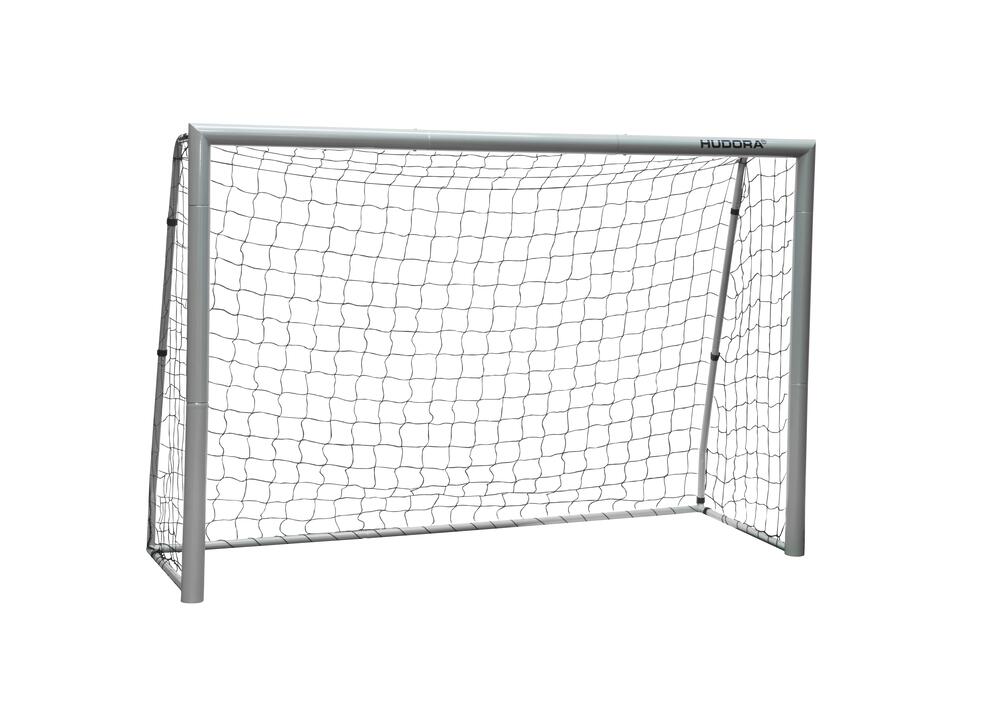
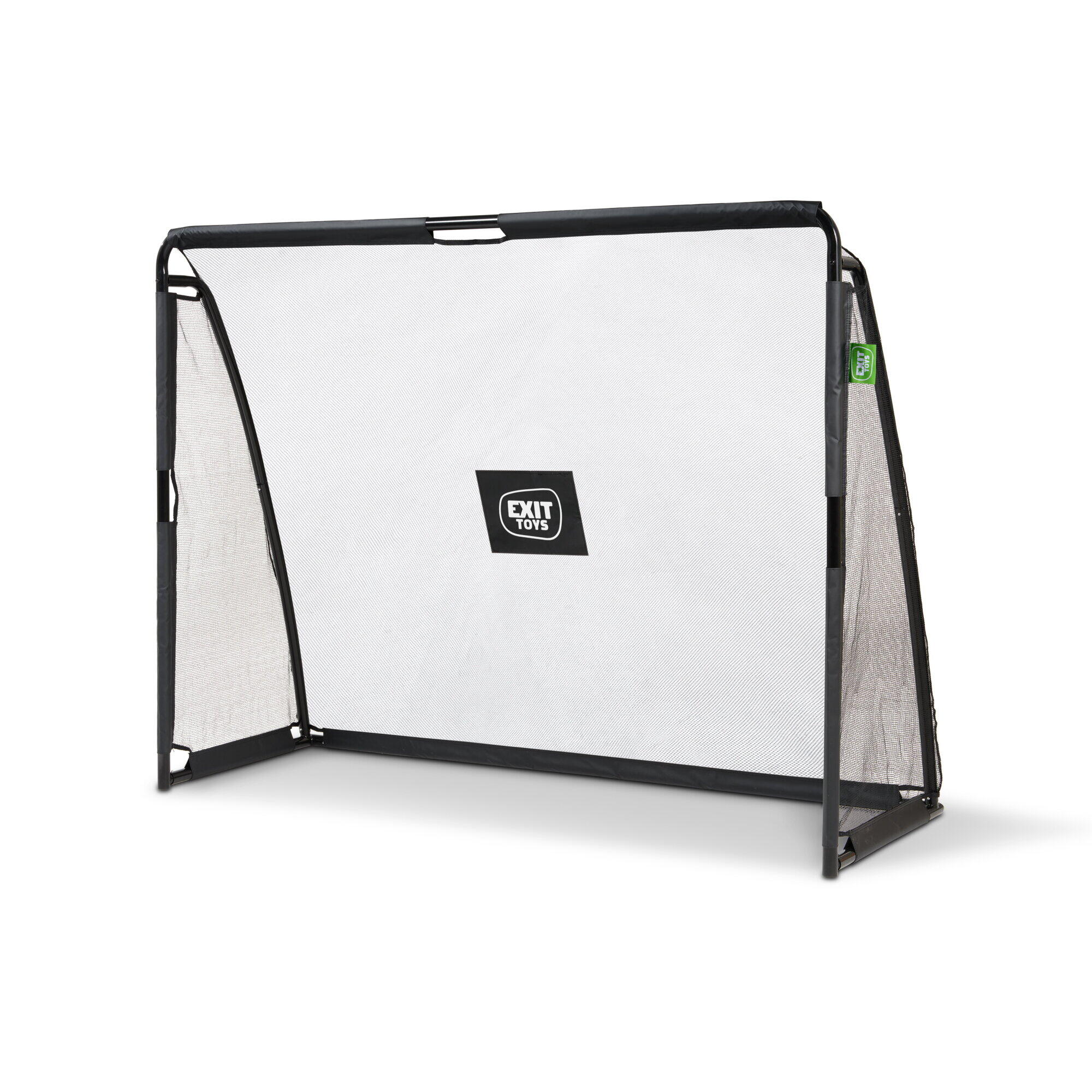
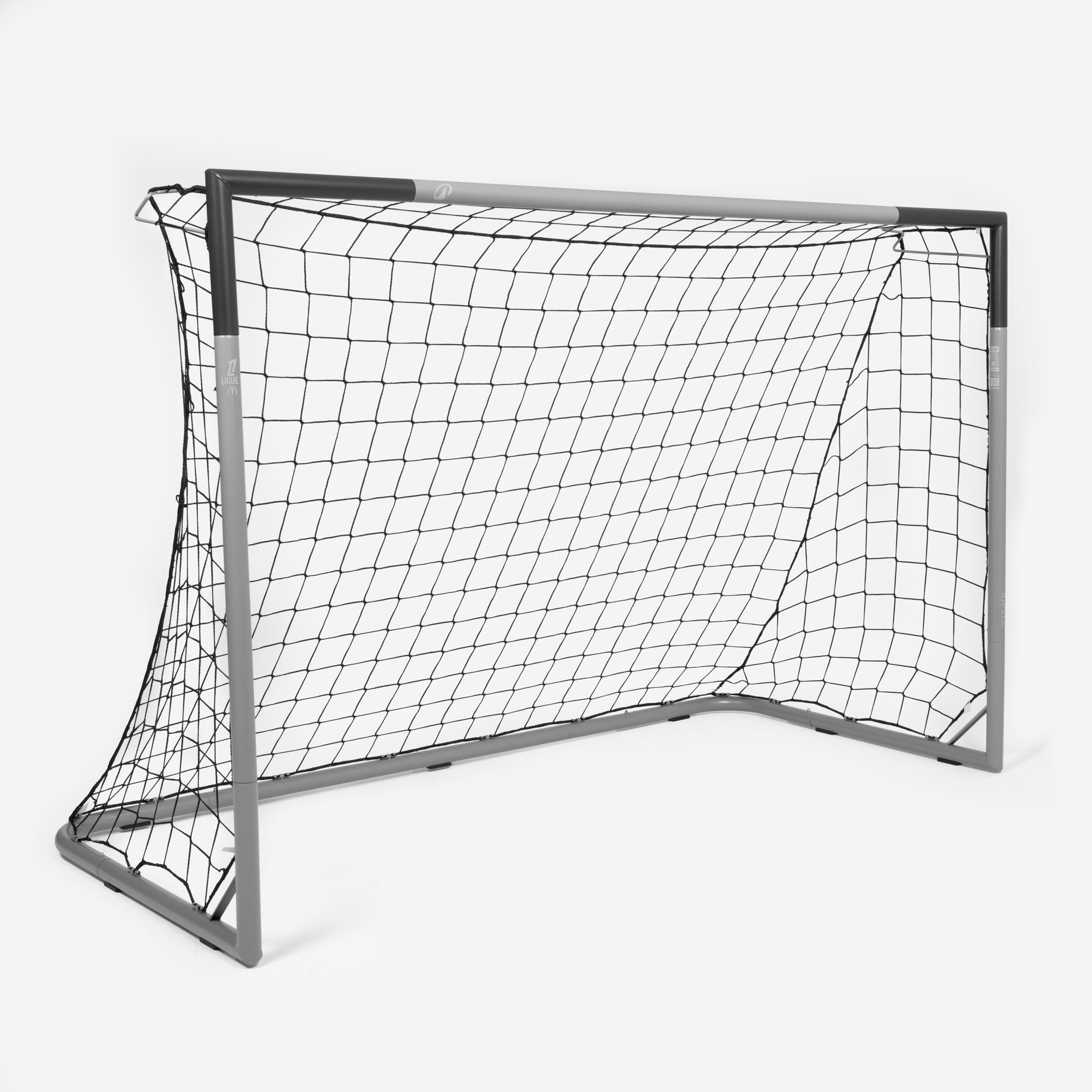
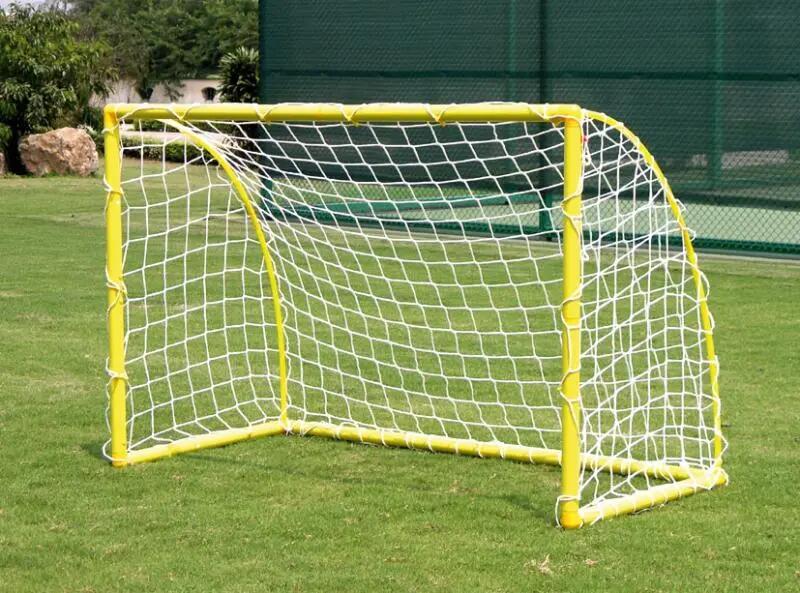
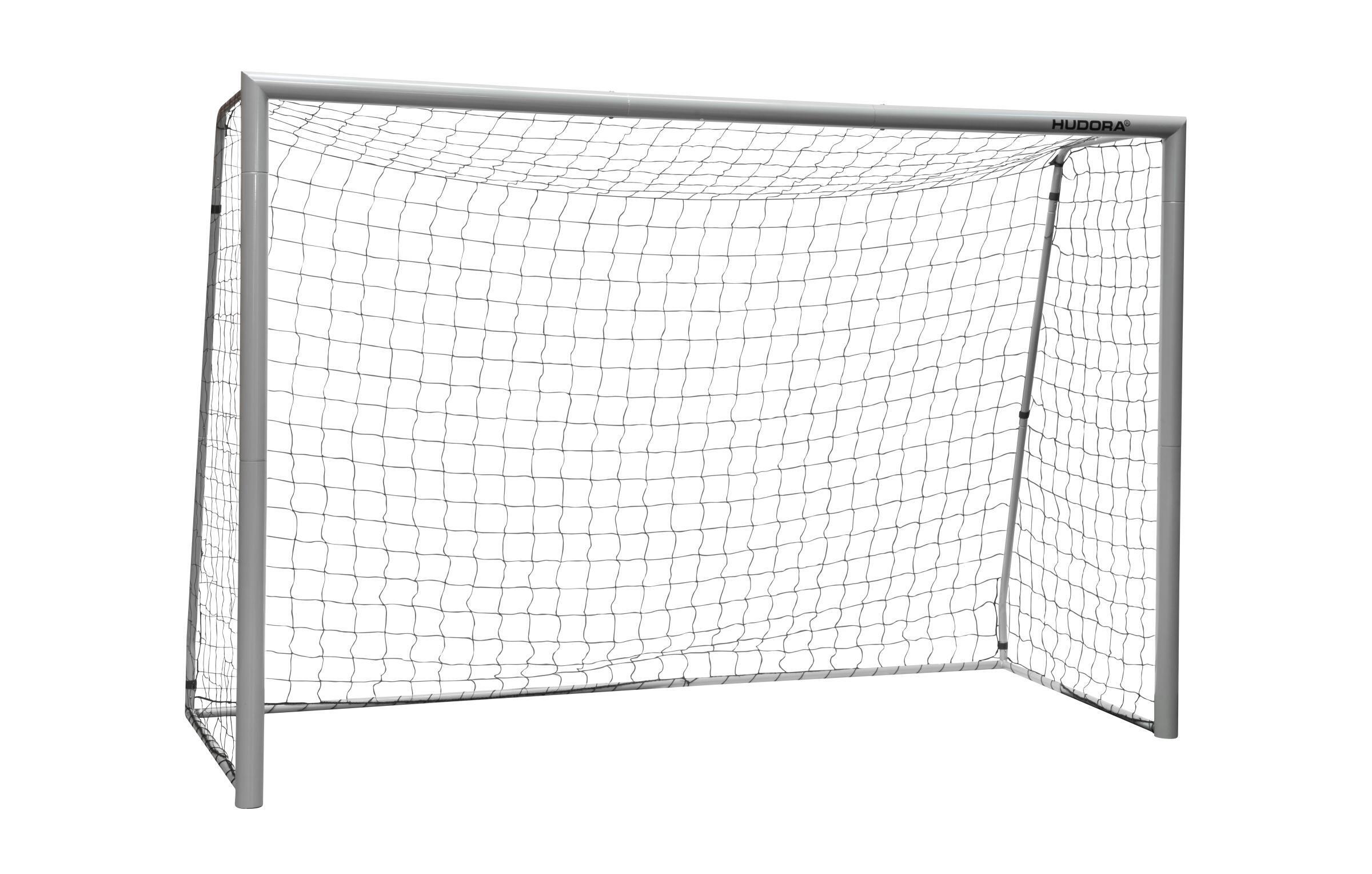
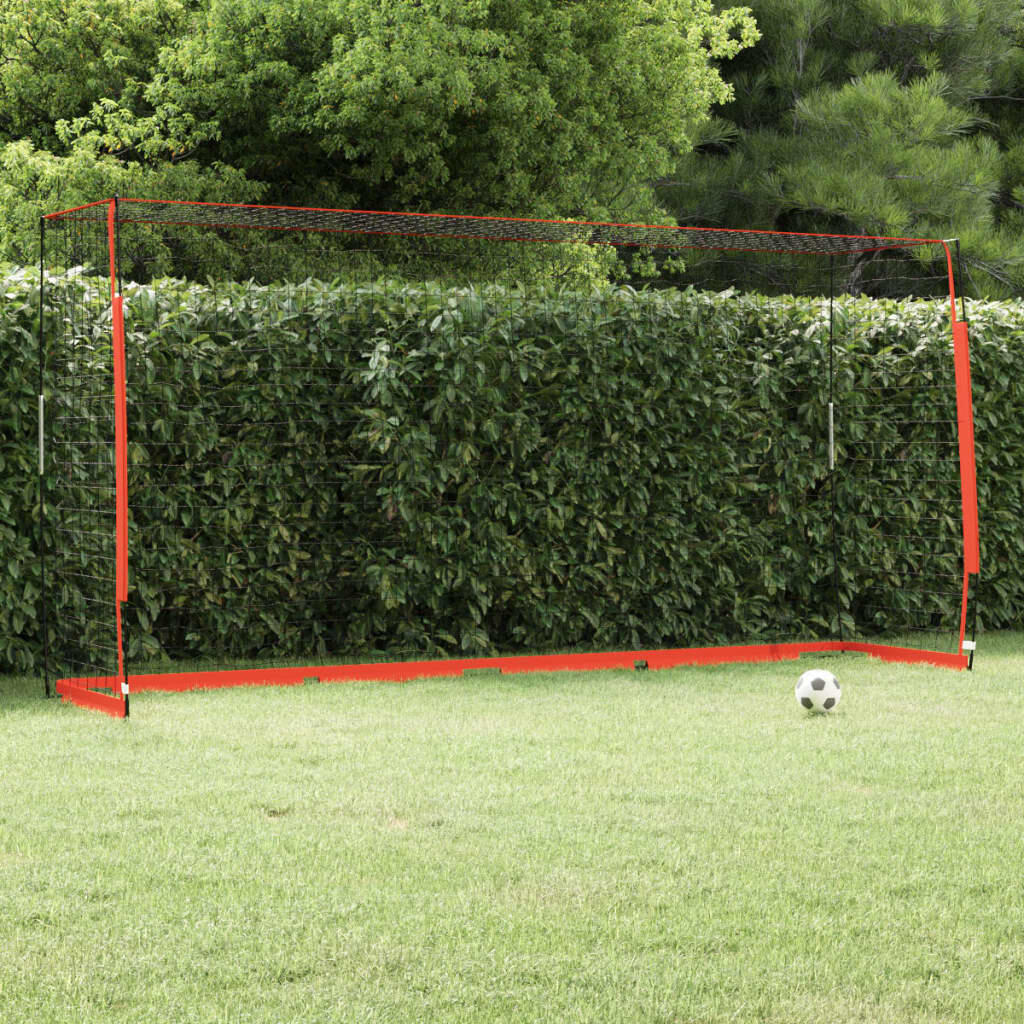
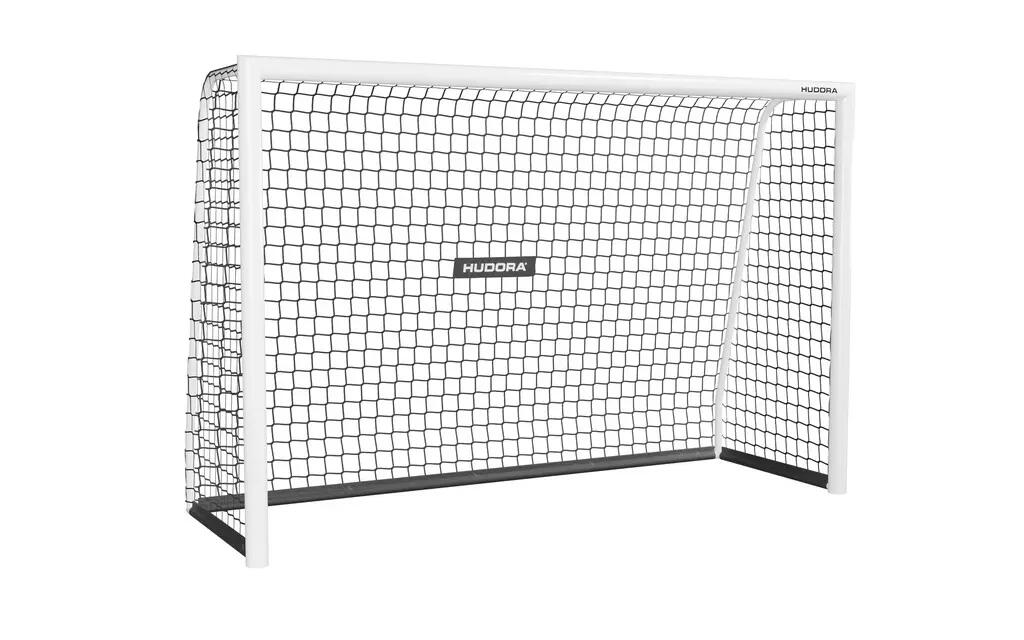
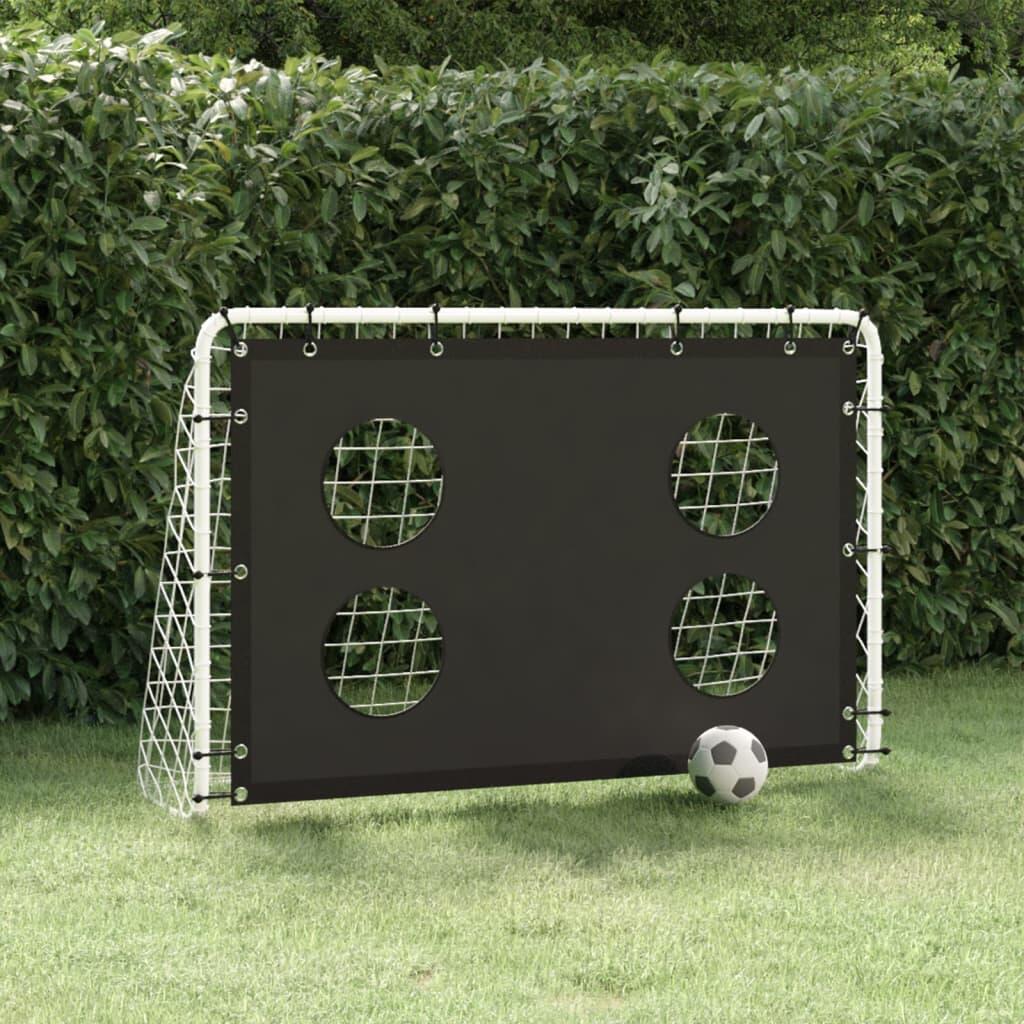
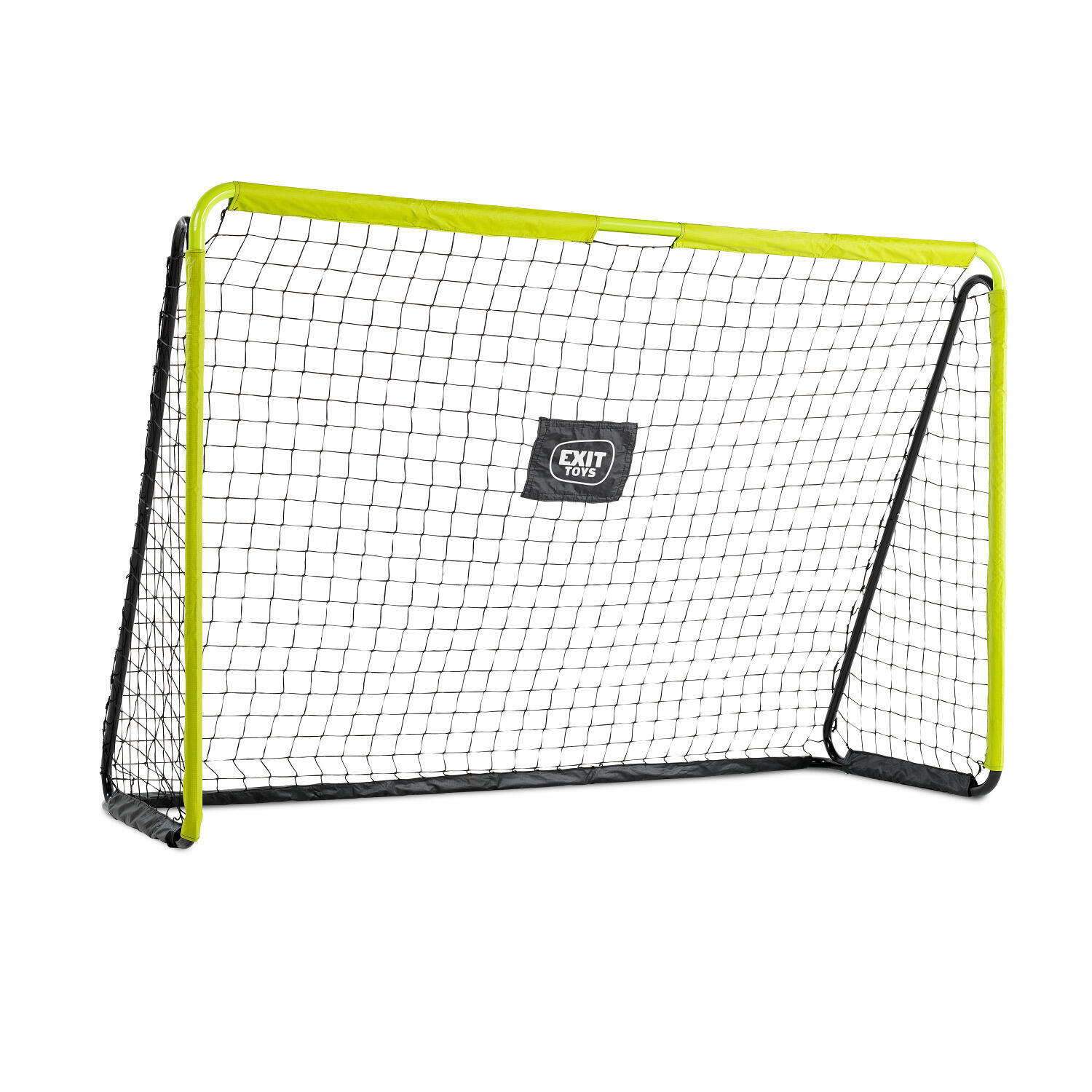
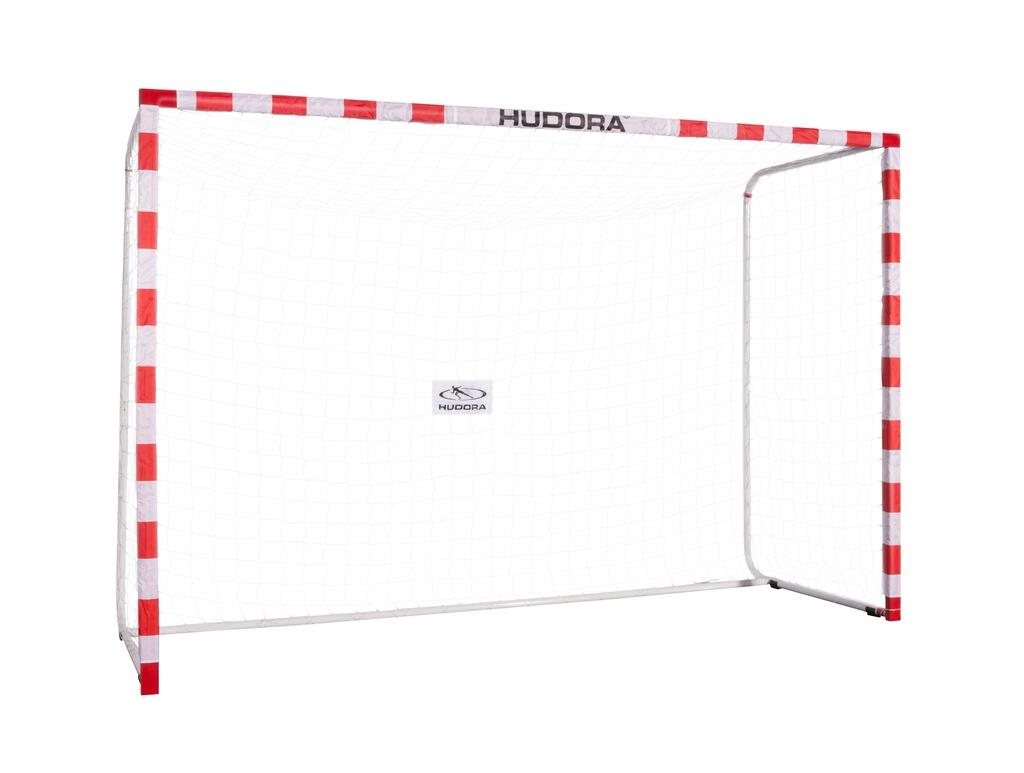
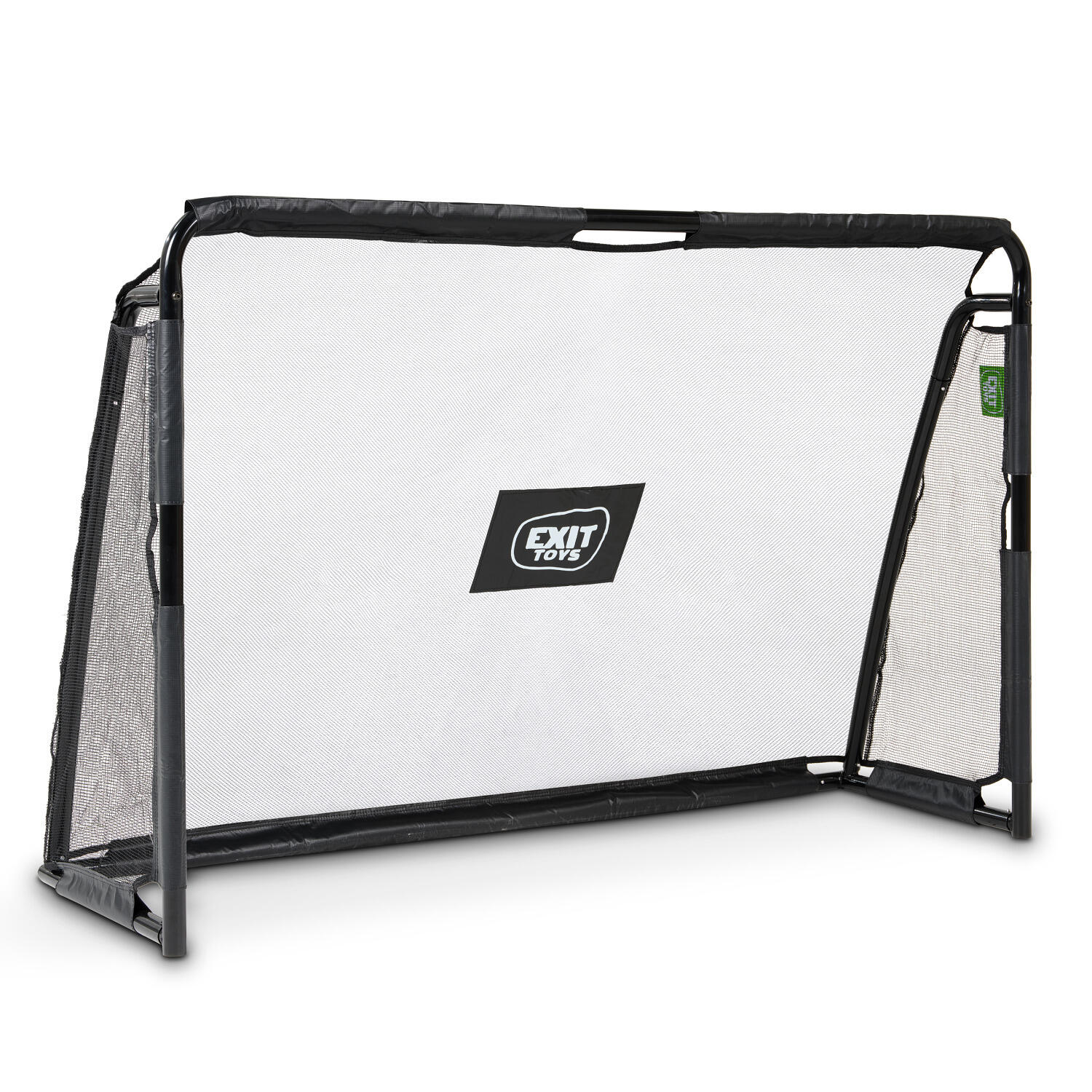
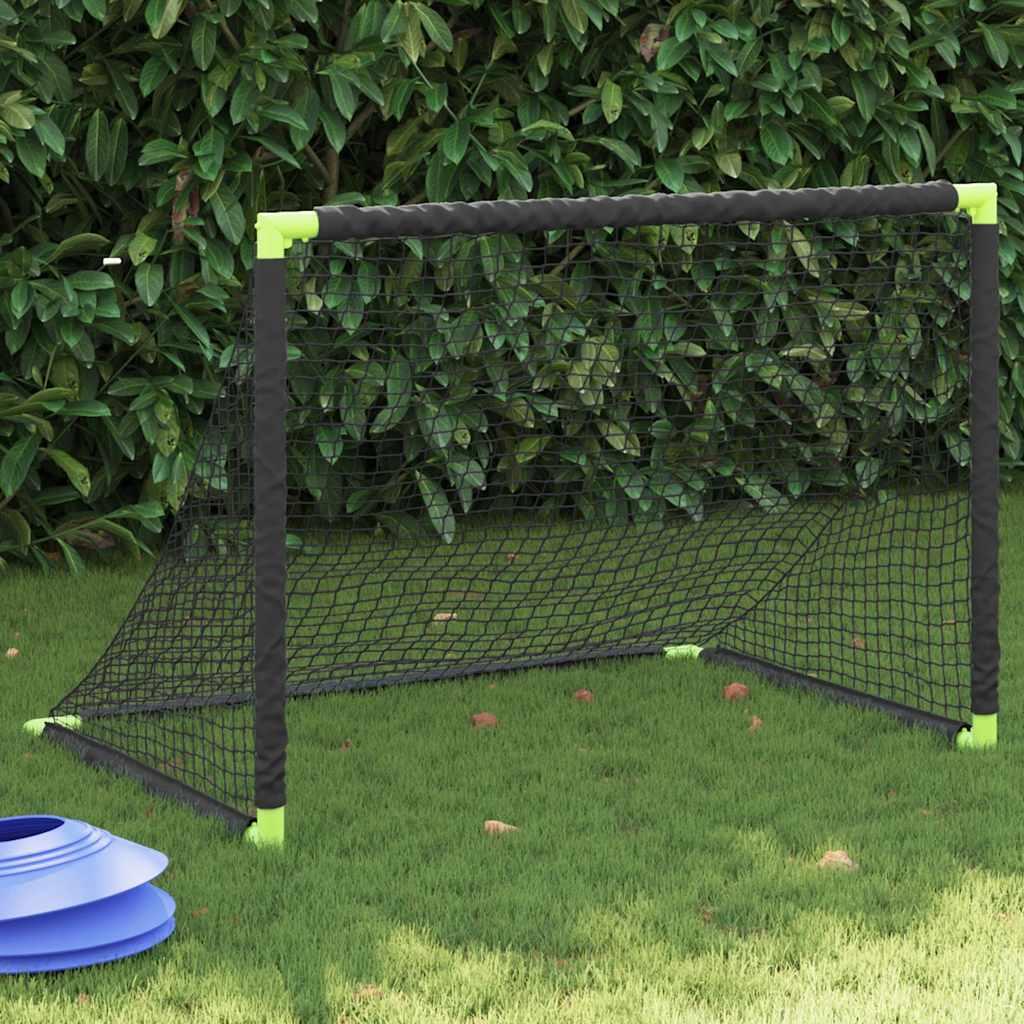
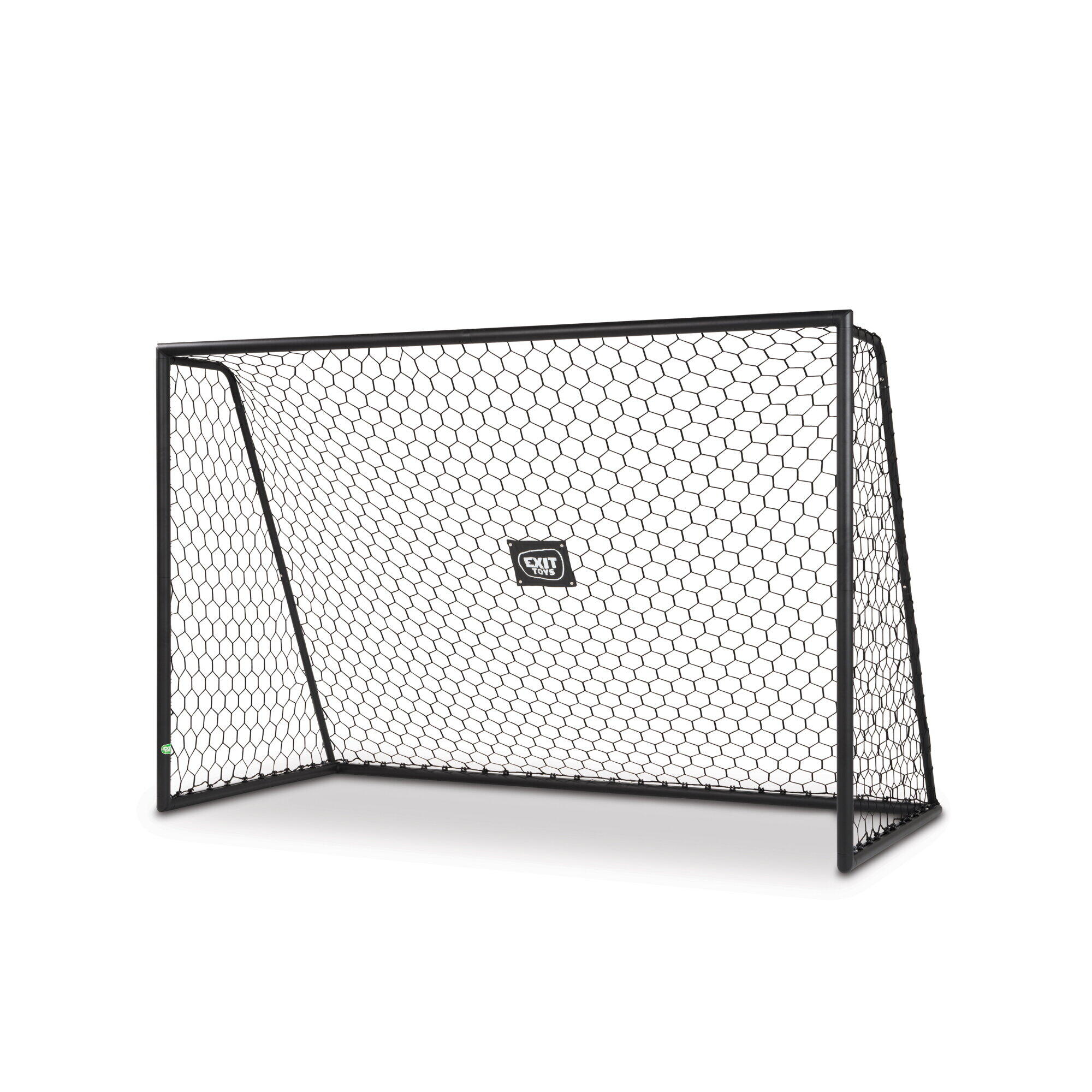
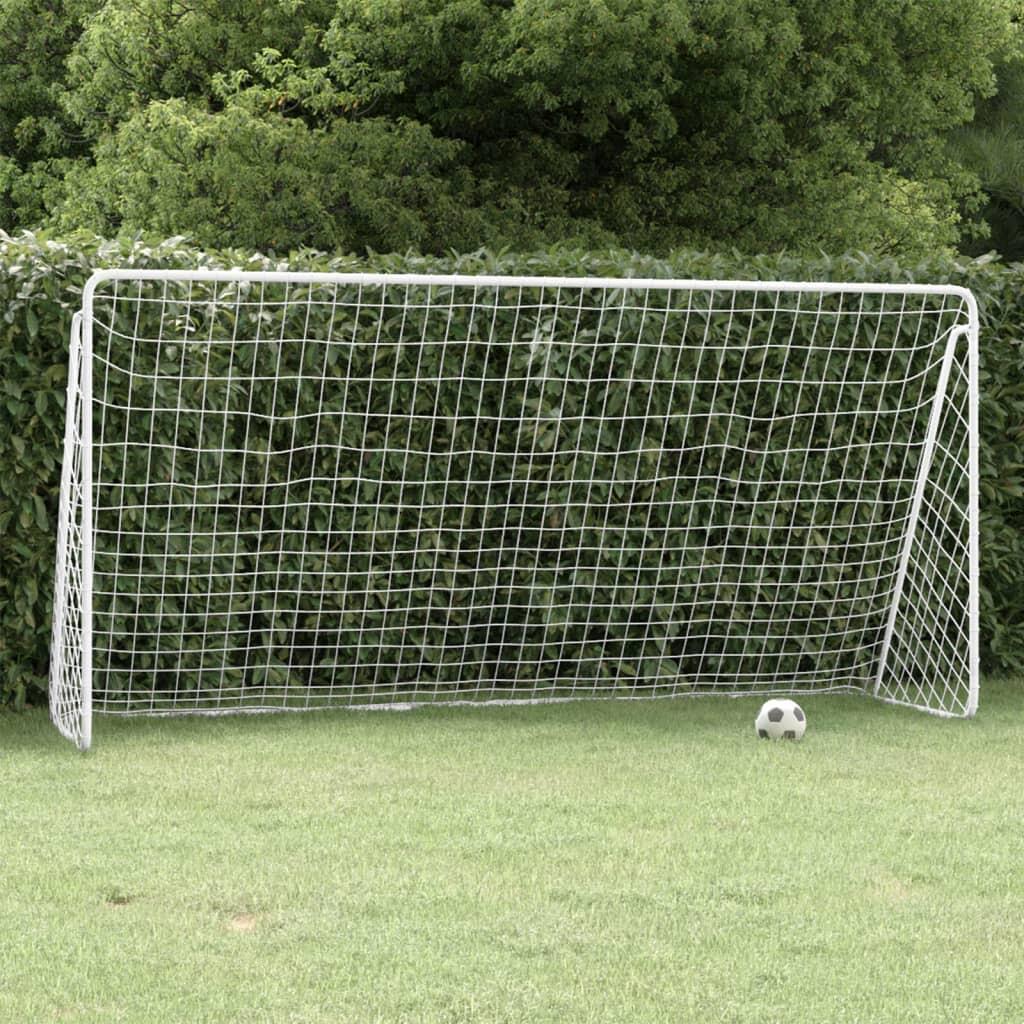
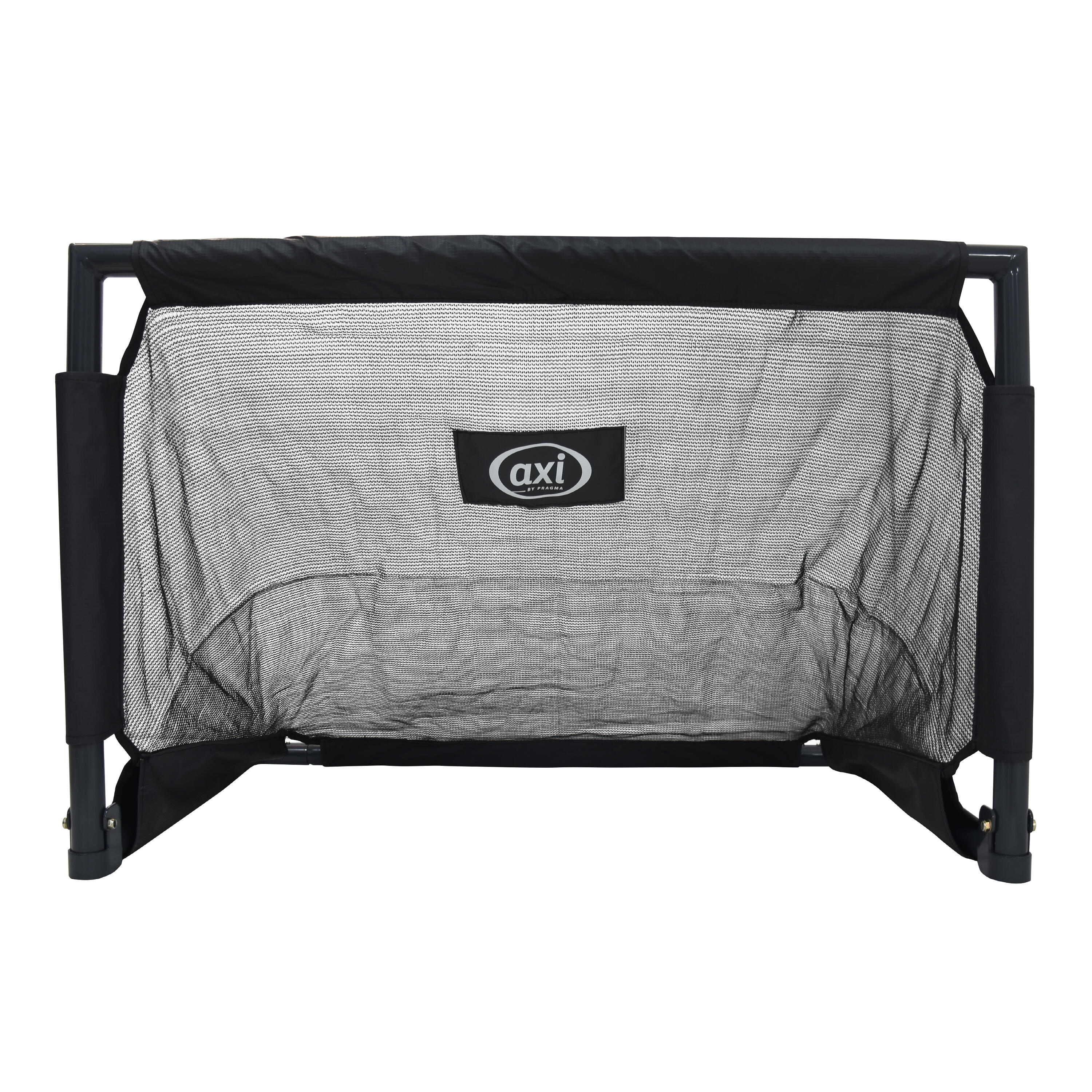
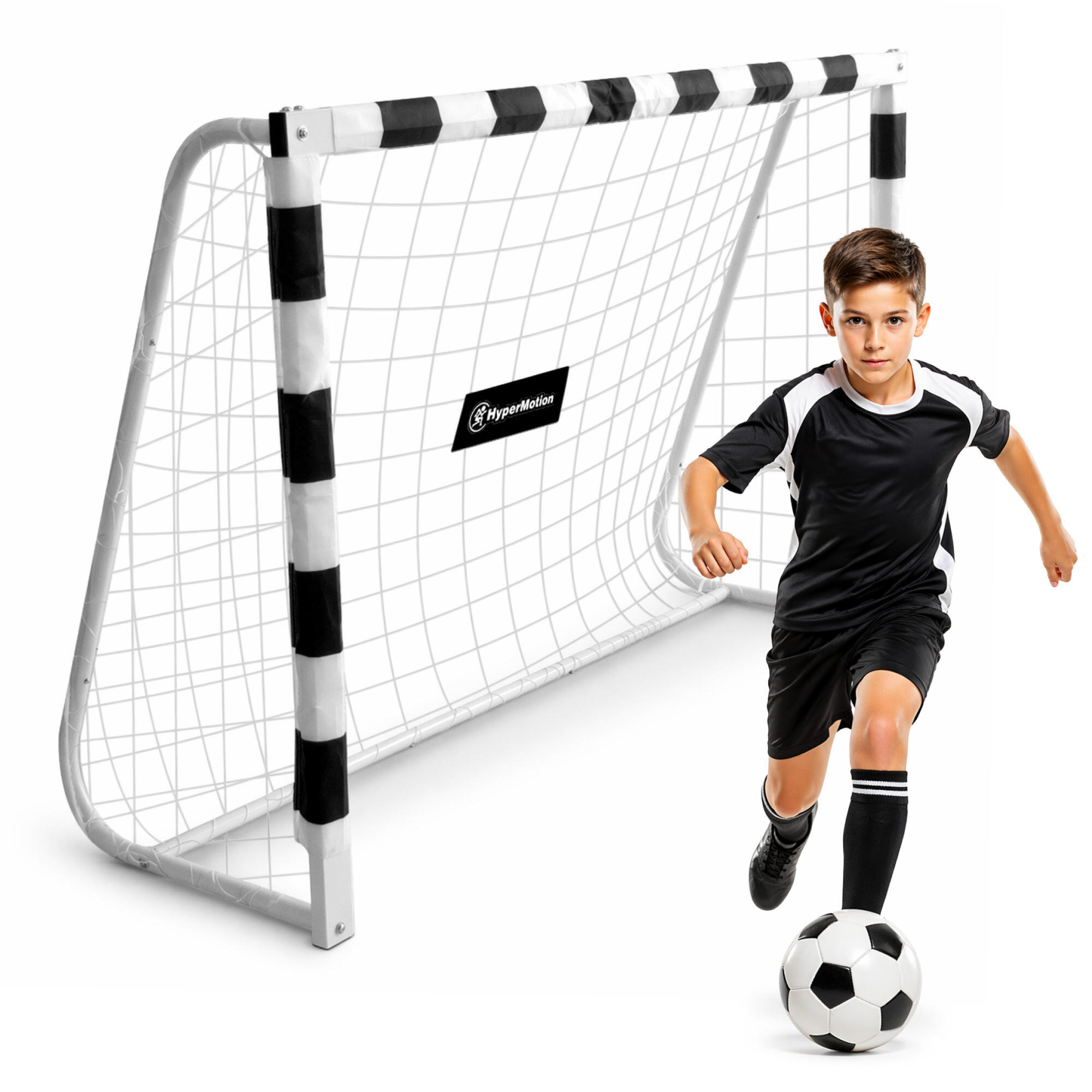
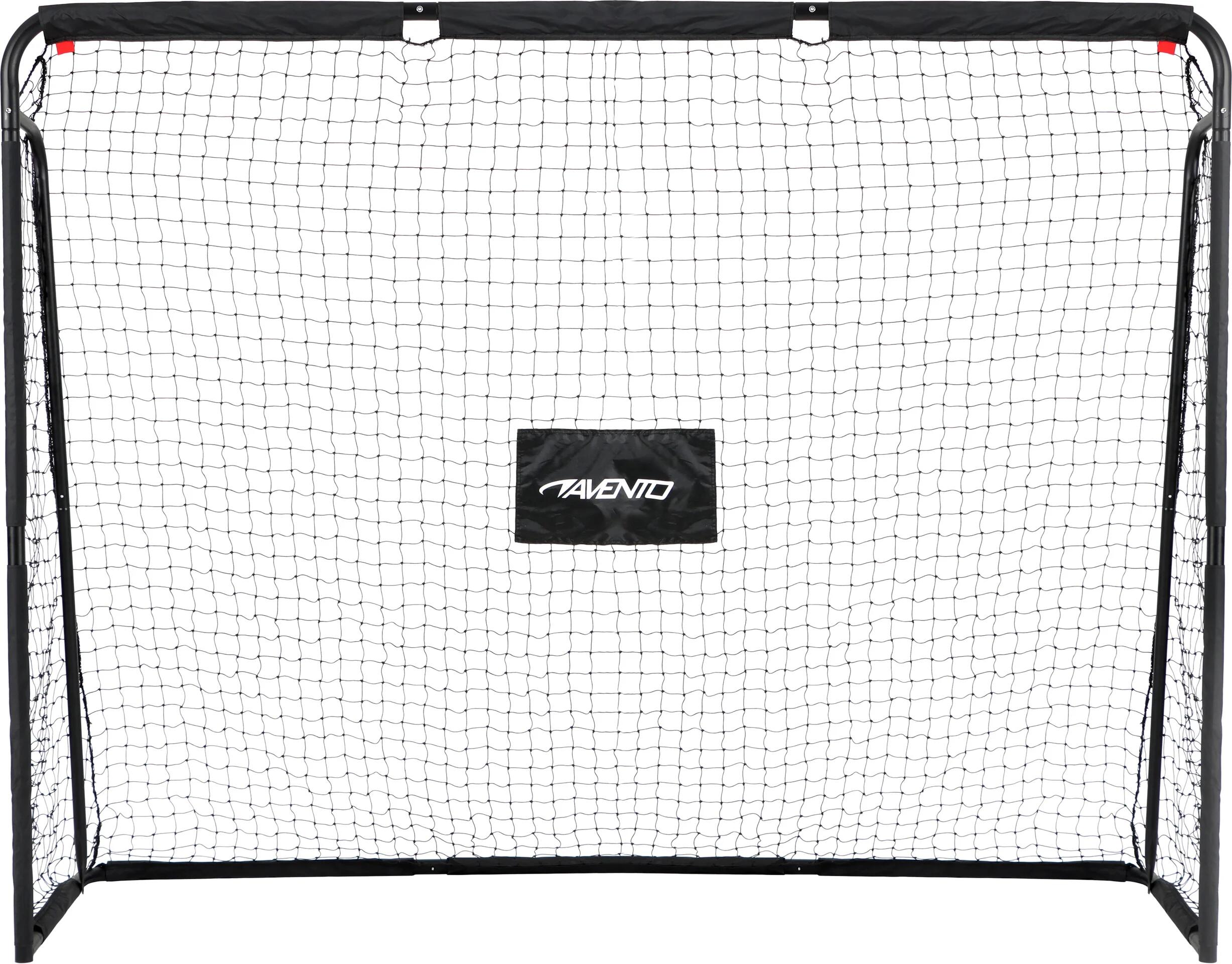
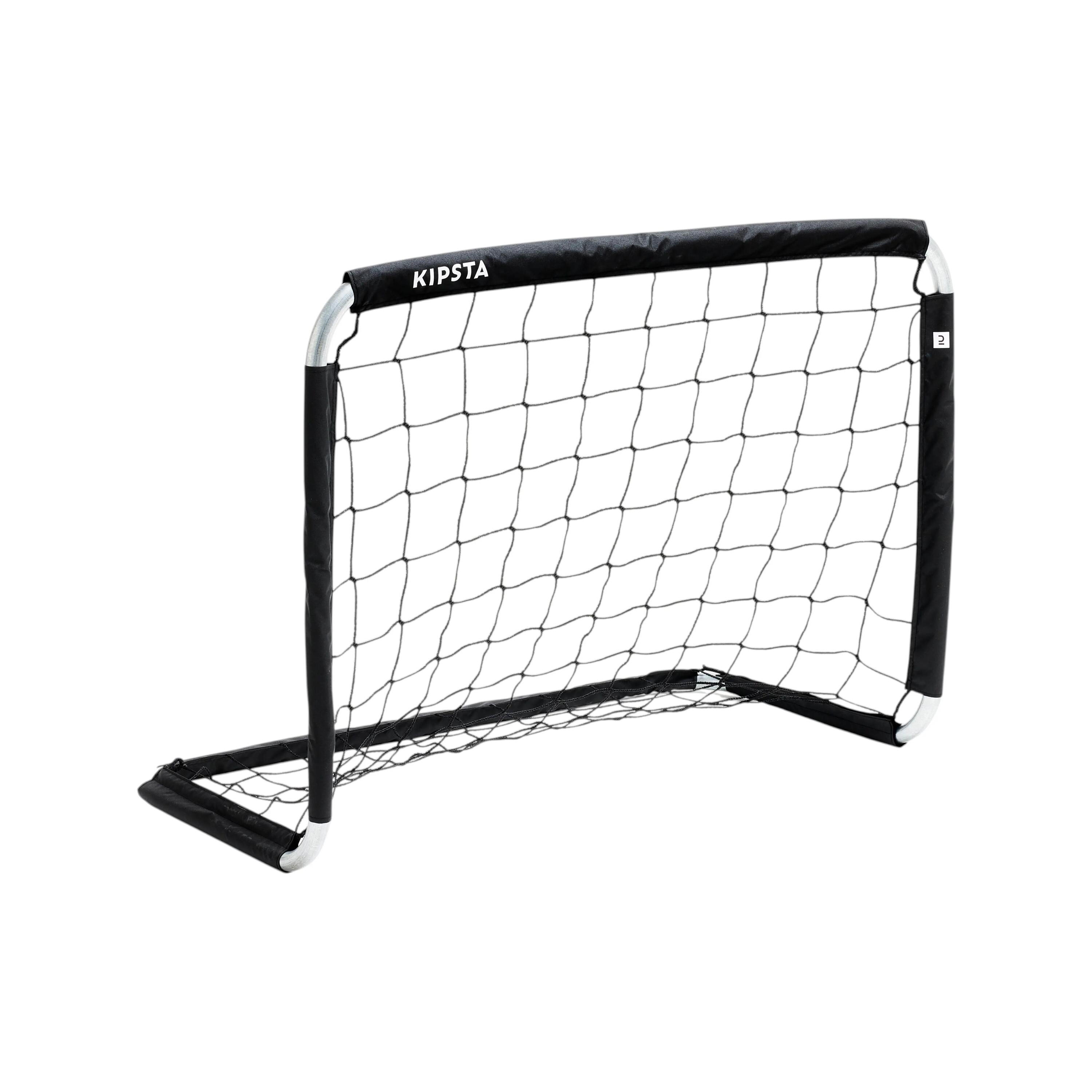
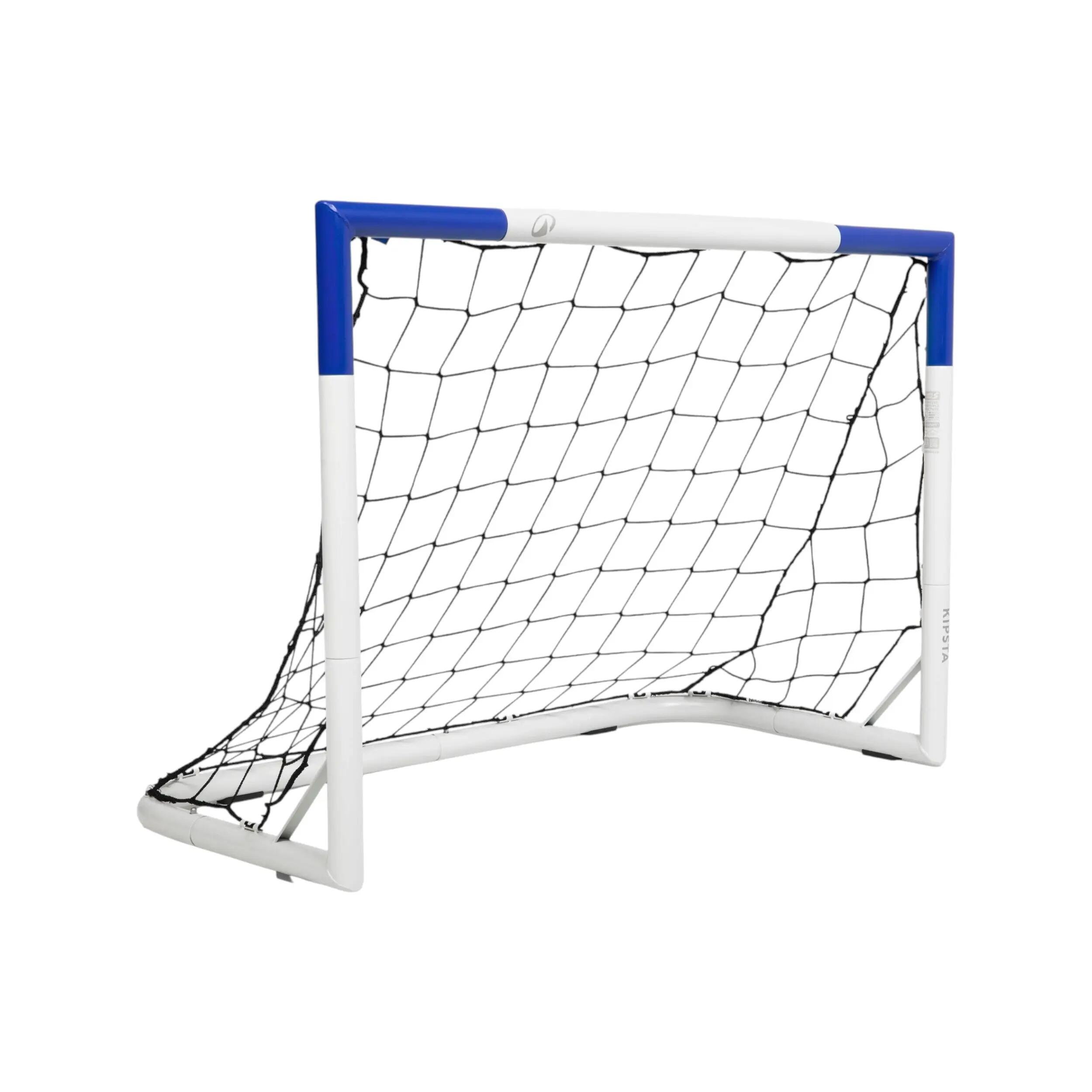
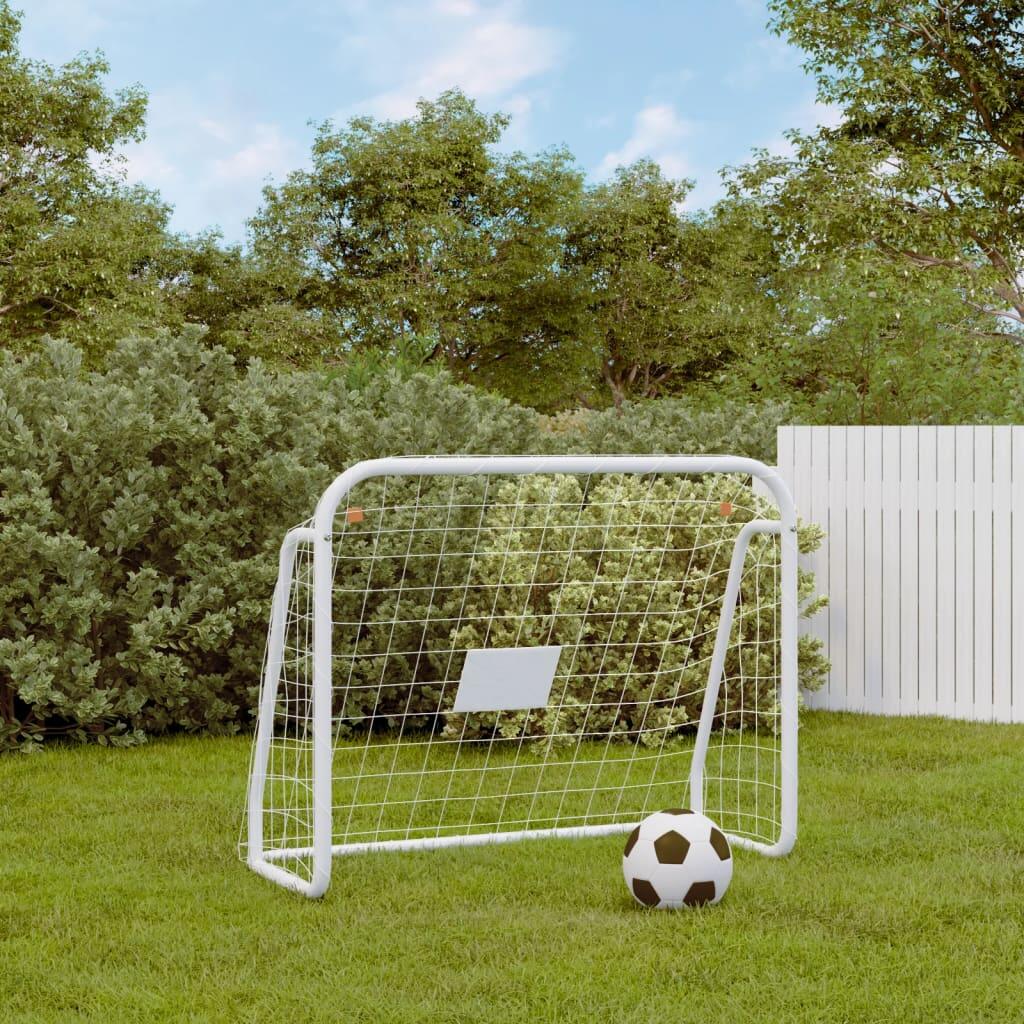
Measure the playing area before choosing a goal, leaving clear space behind the net and around both posts for shots, rebounds and player movement. A medium goal can suit family matches and junior practice, while a 300 cm x 200 cm frame creates a larger target for shooting drills and goalkeeper work. KIPSTA Classic models use squared top corners to recreate the shape of a conventional match goal, while Basic models offer a lighter steel construction. The wider football goals category includes additional sizes and formats for different gardens and training needs. Check the assembled dimensions rather than relying only on size names, and make sure the ground is level enough for stable installation.

What makes a steel garden goal suitable for regular outdoor play?

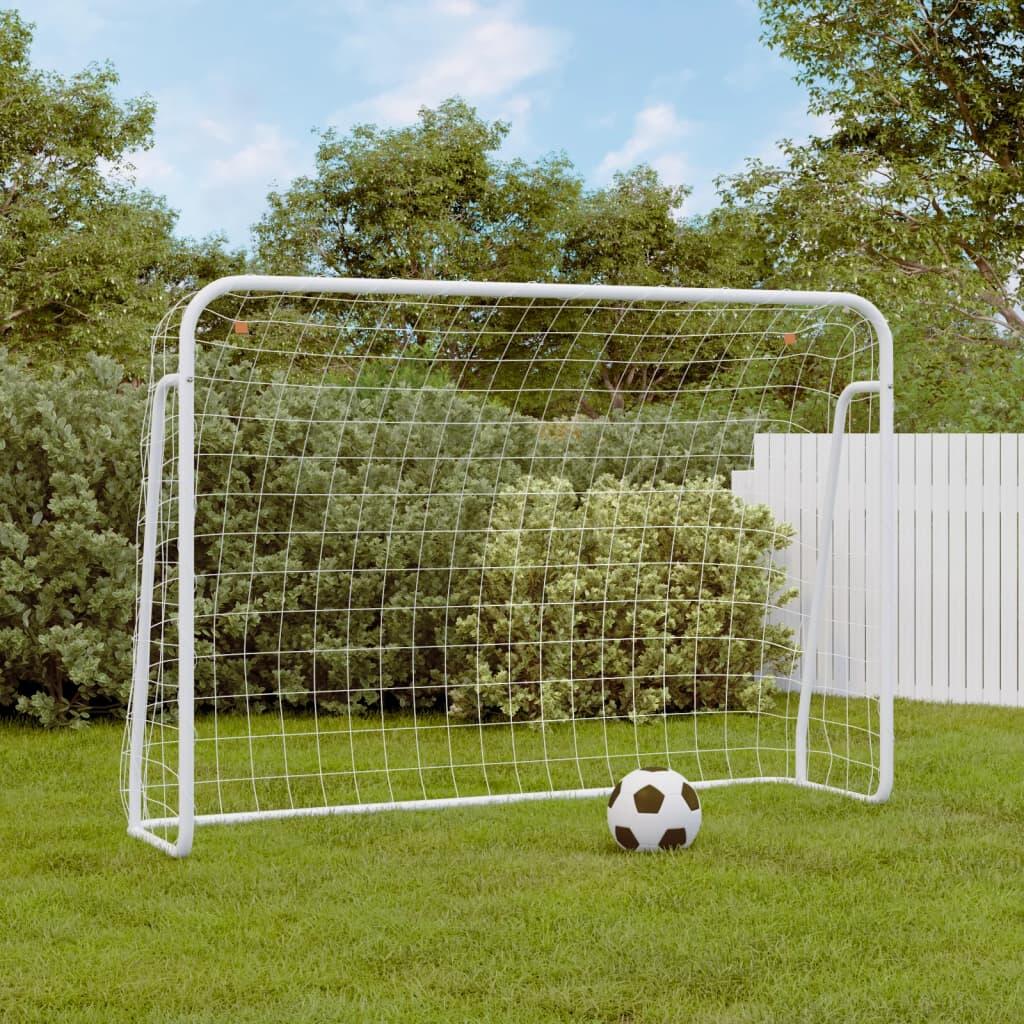
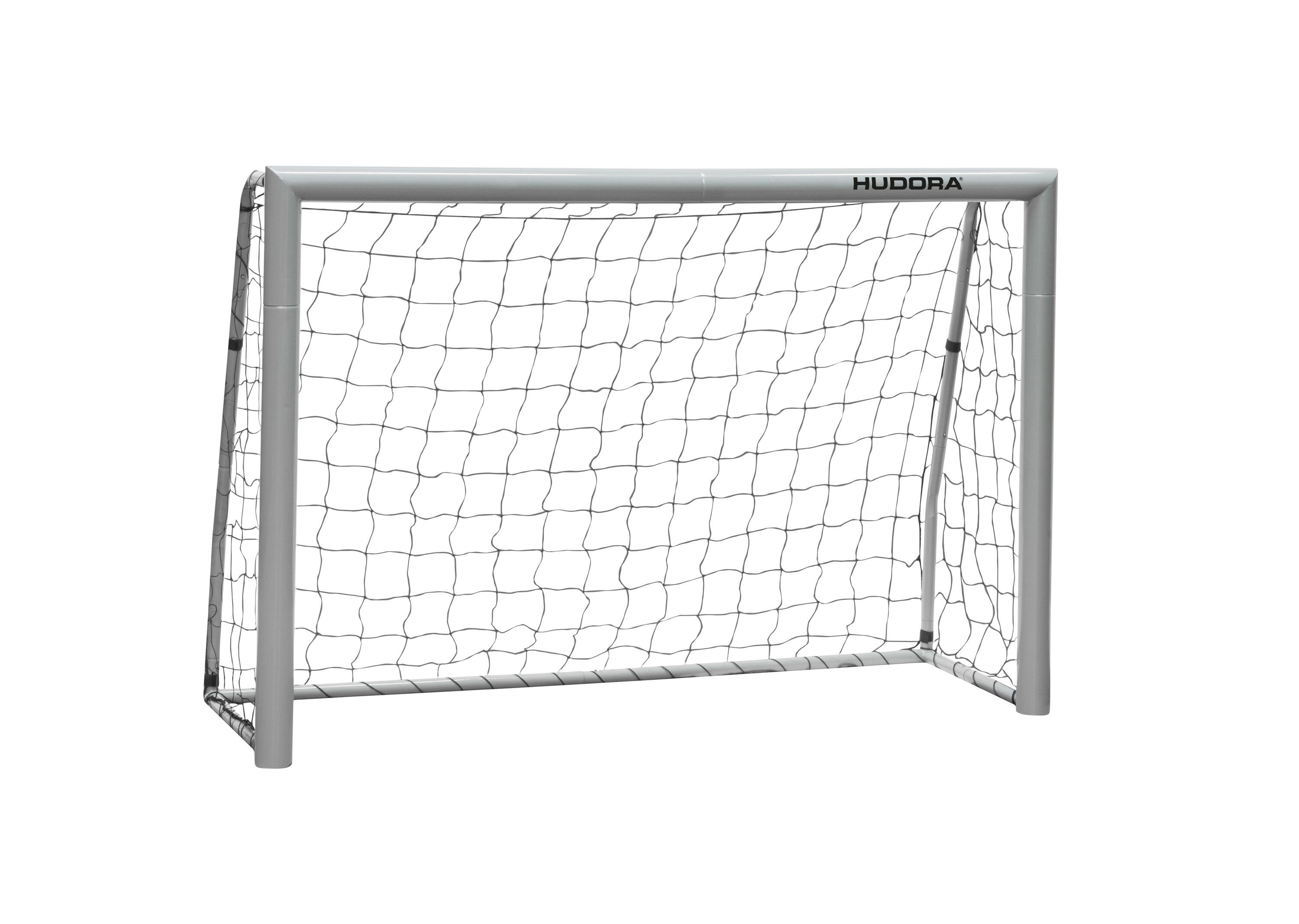
Steel frames provide a rigid goal shape that can handle repeated family games, shooting sessions and junior training. Tube thickness, corrosion protection and frame connections all influence long-term durability. Some KIPSTA Classic and SG 500 goals use cataphoresis treatment to protect the posts from rust, while the Basic L uses galvanised steel tubing. A large pair of galvanised steel football goals can create a practical setup for small-sided matches when there is enough garden space. KIPSTA tests the Basic L with repeated ball impacts, corrosion assessment and UV-resistance checks on the net. Dry storage during prolonged wet or winter conditions can further protect the frame and fittings.
How can a weatherproof football goal last longer outdoors?

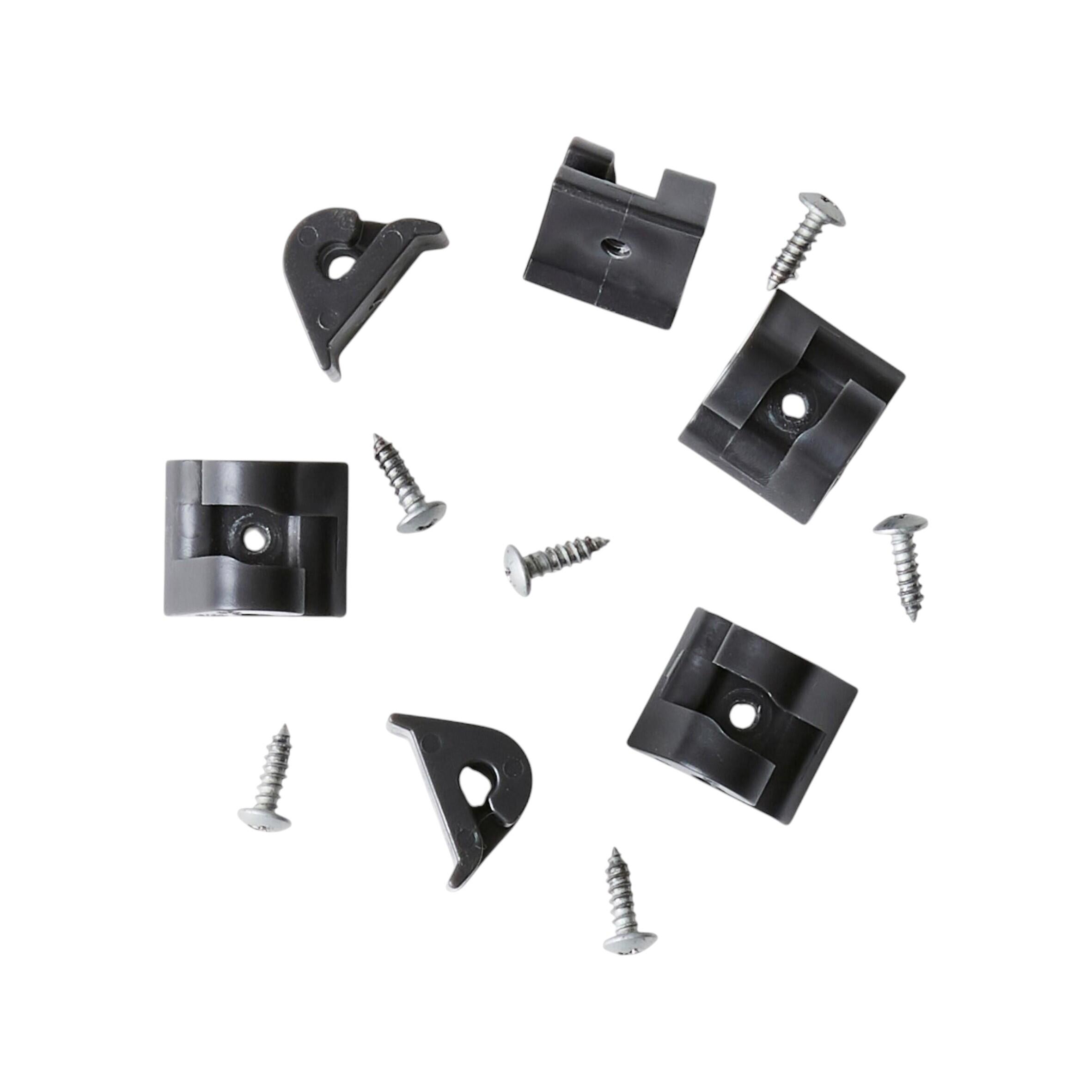
Weather-resistant materials reduce the effects of rain and damp conditions, but no garden goal benefits from being left wet and unchecked for long periods. Inspect the posts, joints, net hooks and ground-contact points regularly, particularly after storms or heavy use. Non-slip pads on selected models raise parts of the frame away from the ground, helping reduce direct moisture contact while improving stability. A steel weatherproof football goal may suit families seeking a substantial outdoor frame, but its individual assembly, anchoring and storage instructions still need to be followed. Remove leaves and mud from the net, allow wet materials to dry and replace damaged fittings before the next match.

Which safety checks matter before children use a garden goal?

Place the goal on level ground, complete every frame connection and use the supplied anchoring system for the intended surface. Lighter Basic goals may require stakes on grass, while other structures use attachments, non-slip pads or wider bases to improve stability. Give the frame a controlled movement check before play and inspect the net for loose sections that could catch hands or feet. Children must never climb, hang from or sit on the crossbar. Goalkeeper sessions also need suitable spacing, controlled shot power and age-appropriate items from the football goalkeeper category. KIPSTA applies model-specific load and safety tests, but correct assembly and supervision remain essential whenever children play around a goal.

How should a garden goal support useful football practice?

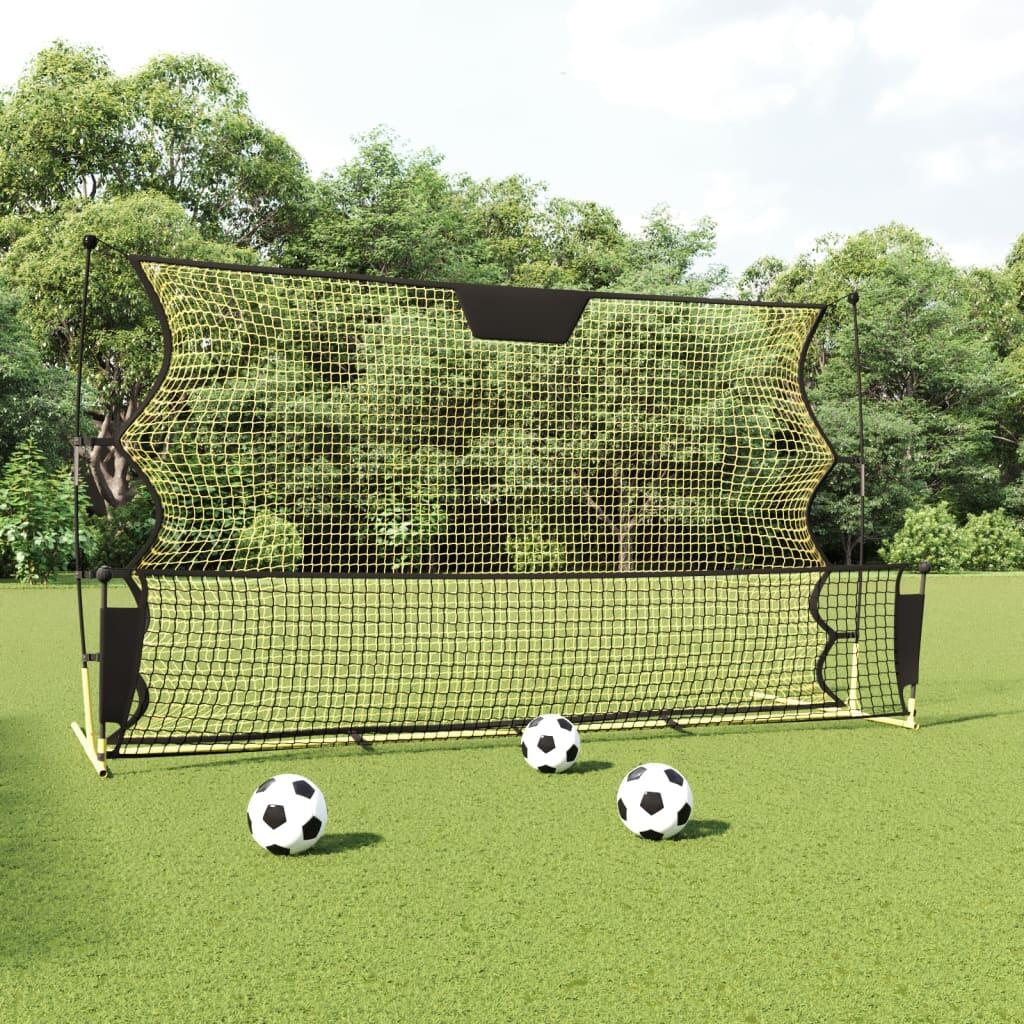
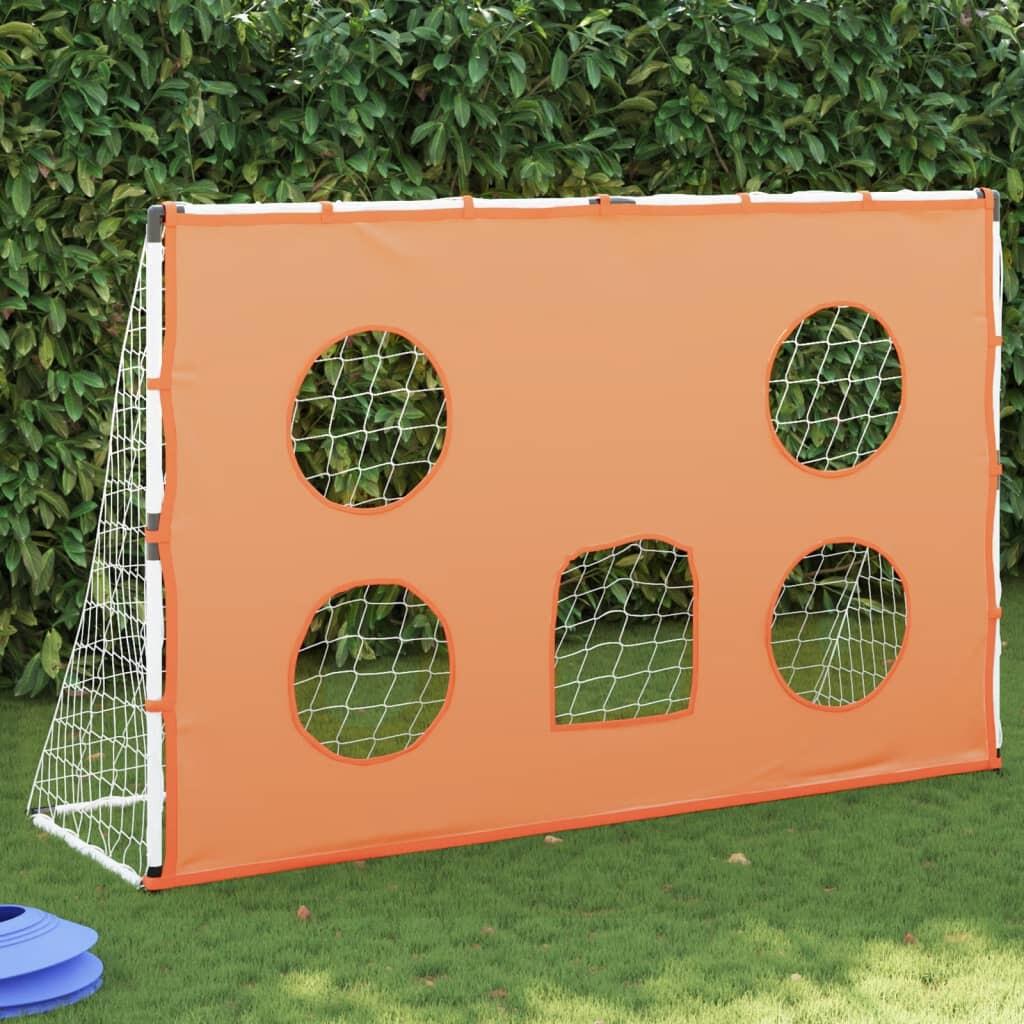
A garden goal can turn limited space into a focused area for passing, finishing and accuracy drills. Mark target zones inside the net, set shooting distances based on the player's age, and alternate between left- and right-footed attempts. Smaller spaces work well for controlled touches and placement, while larger goals allow goalkeeper positioning and crossing practice. Cones, markers and hurdles from the football training equipment category can create movement routes without overcrowding the garden. Keep drills short enough to maintain technique, retrieve stray balls before continuing and move equipment away from windows, roads and fragile garden features. Check the goal's anchors, net attachments, and frame joints again after any session that involves repeated powerful shots.