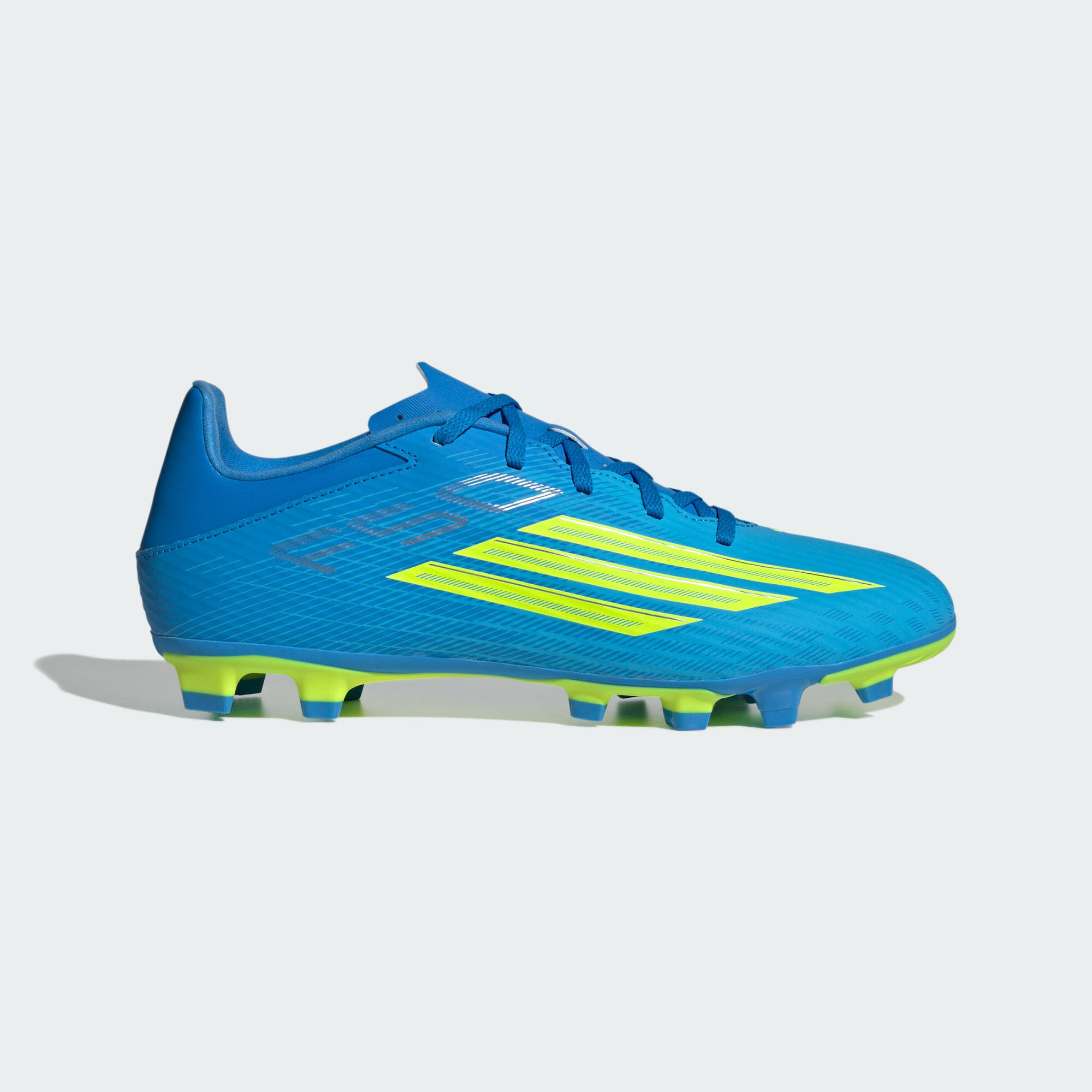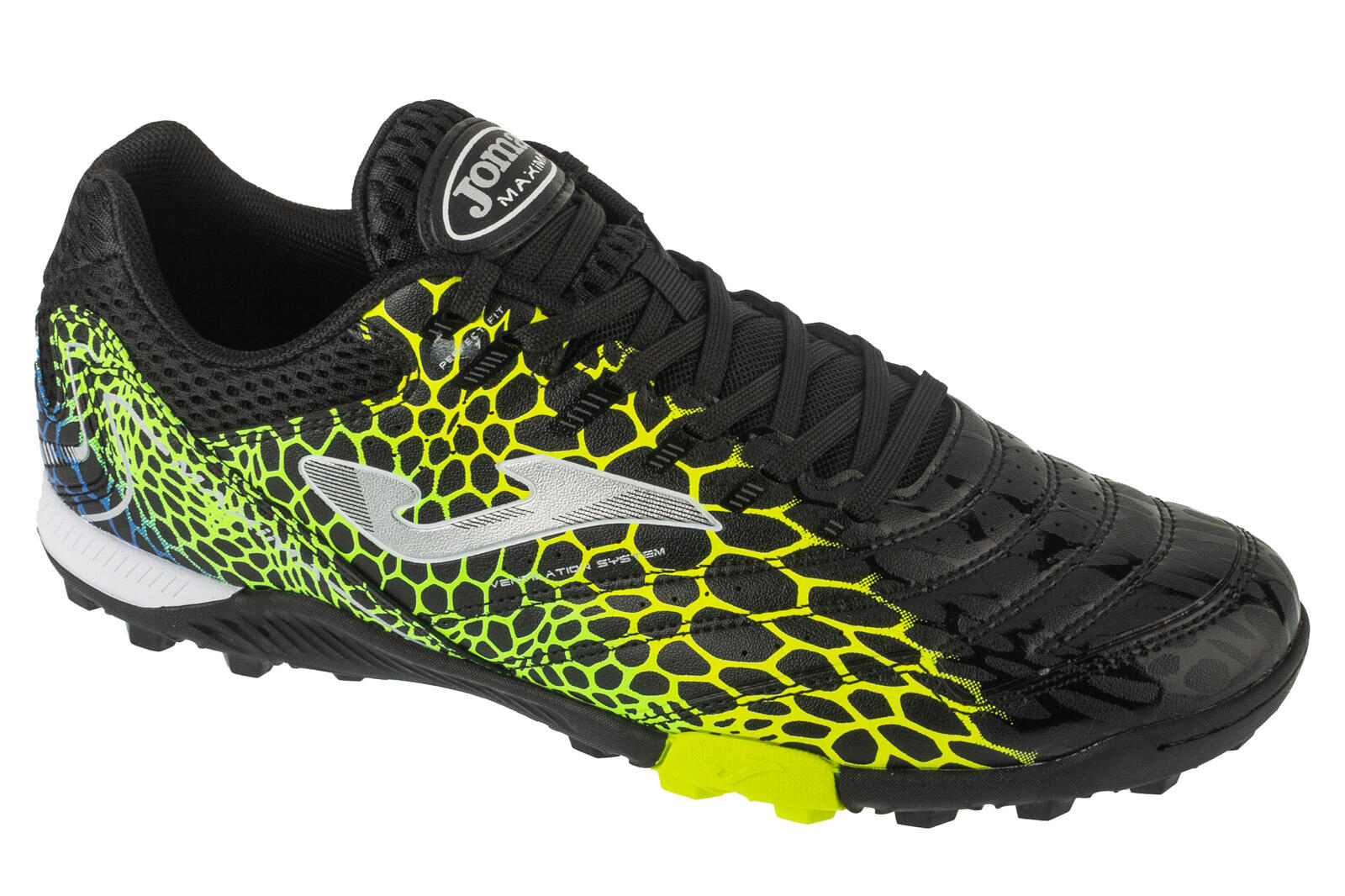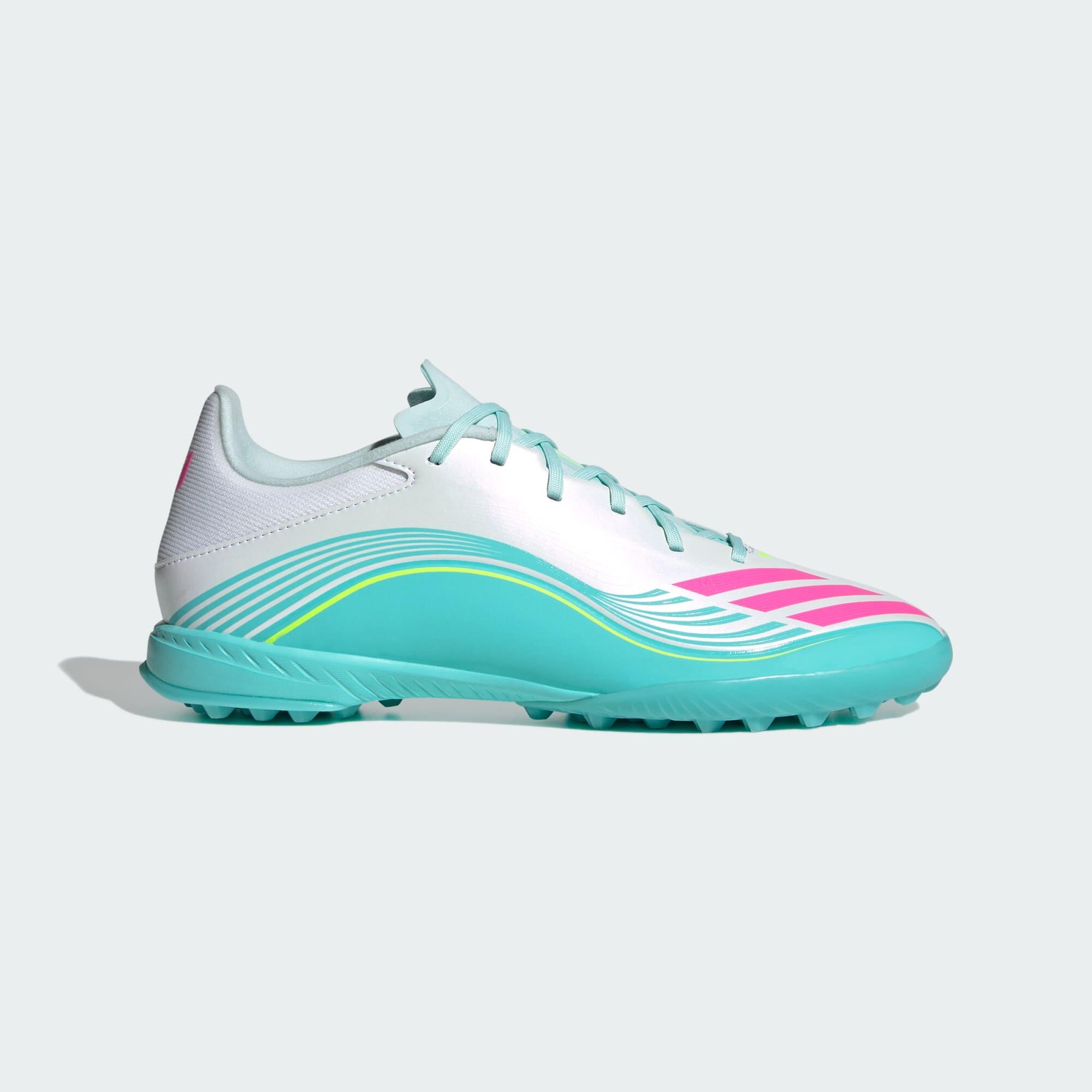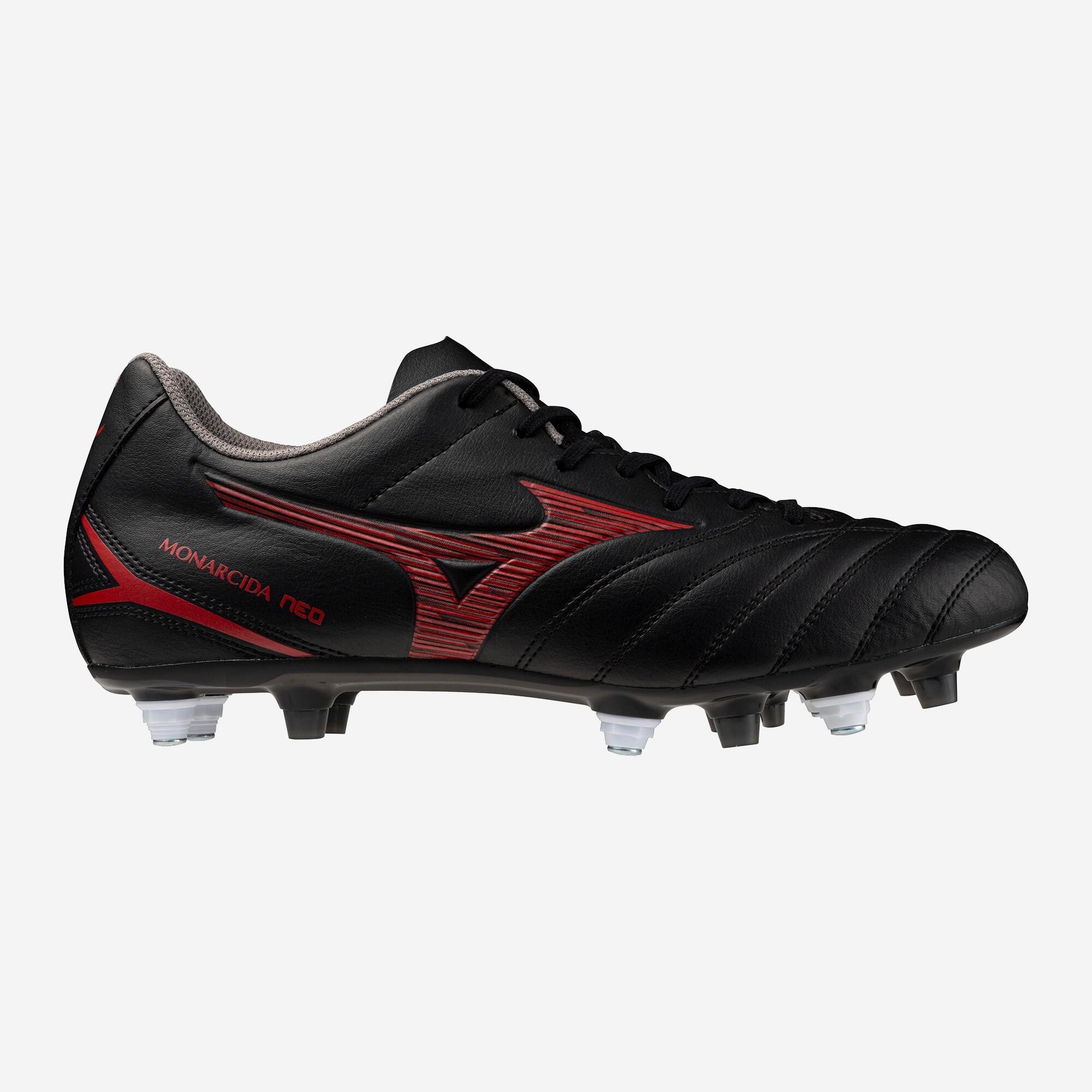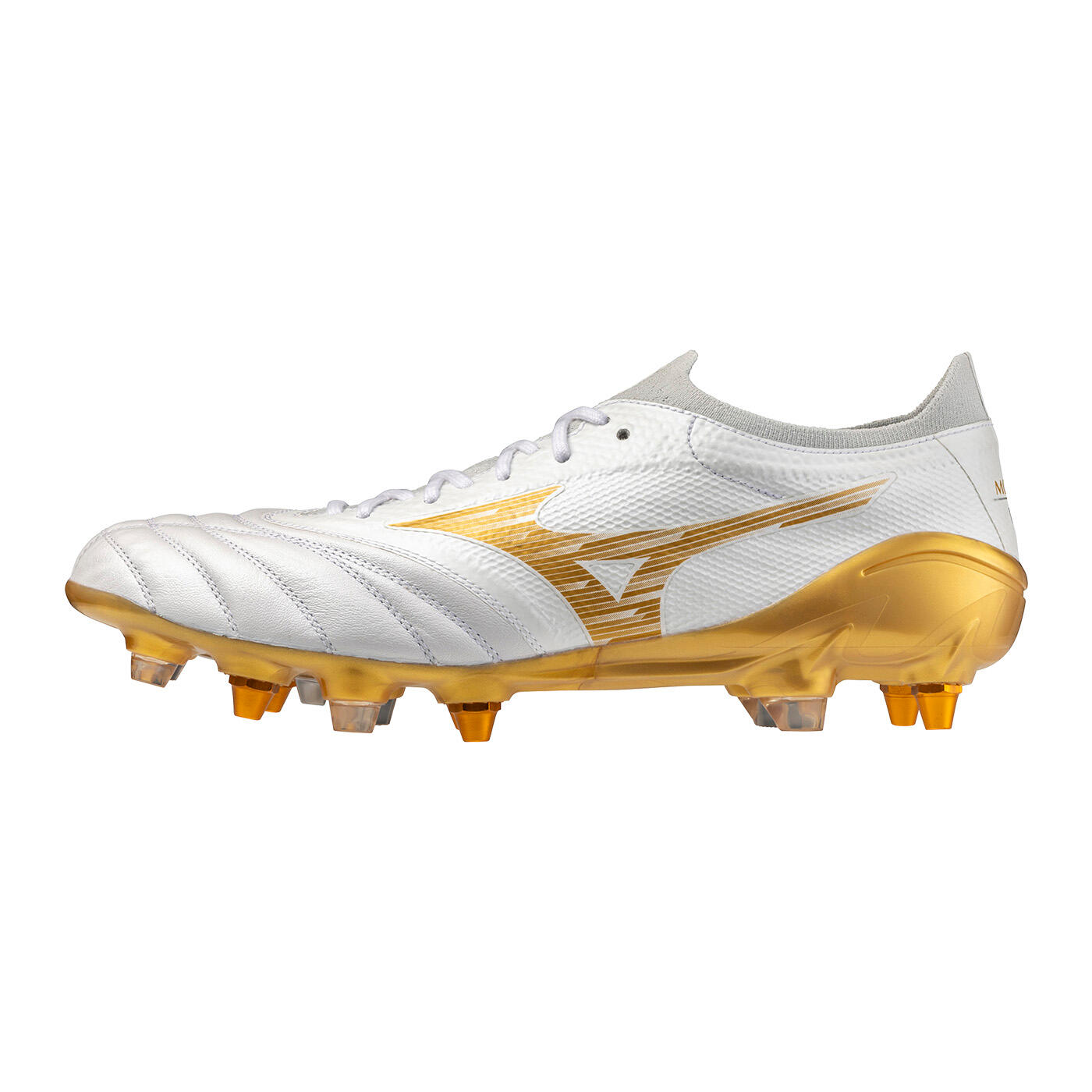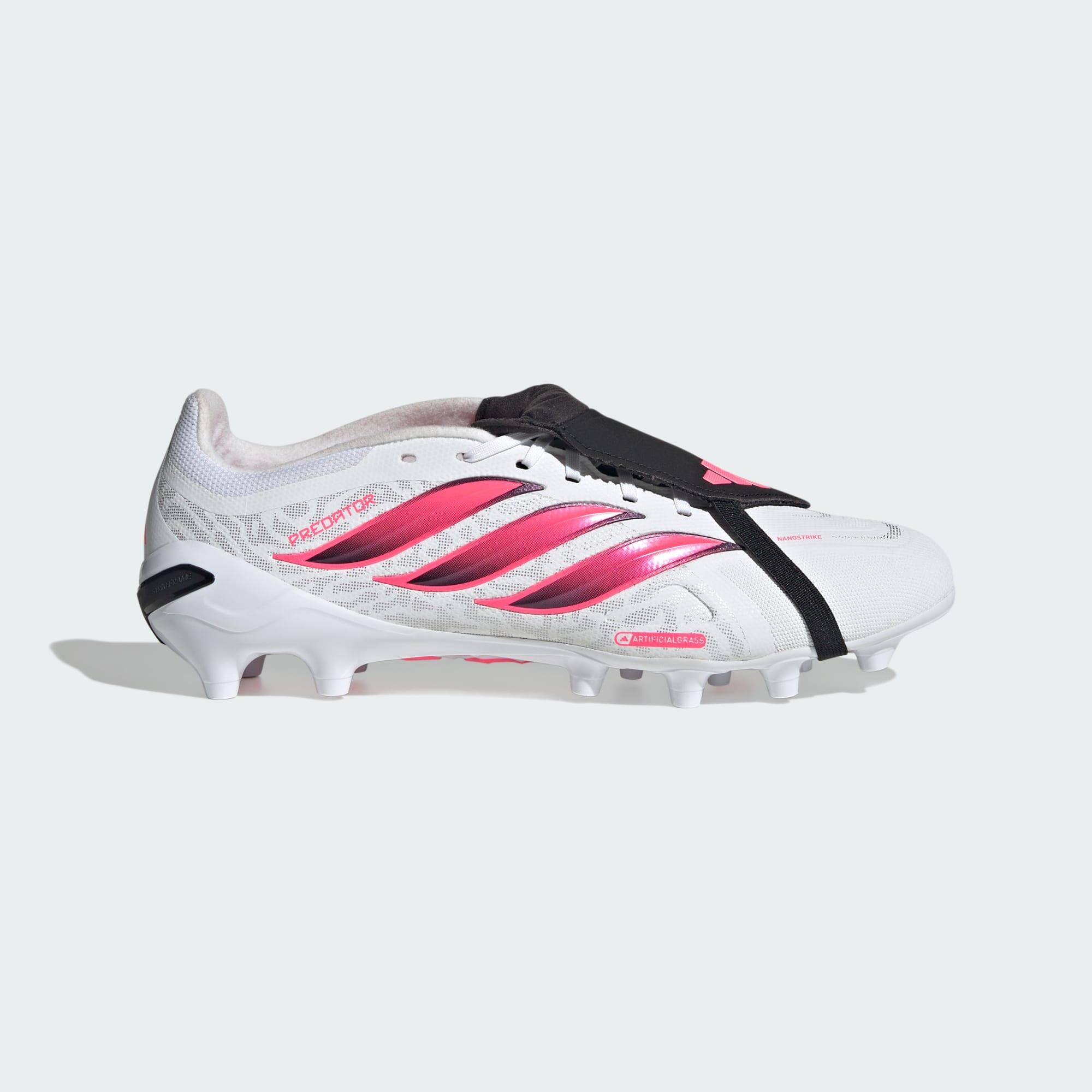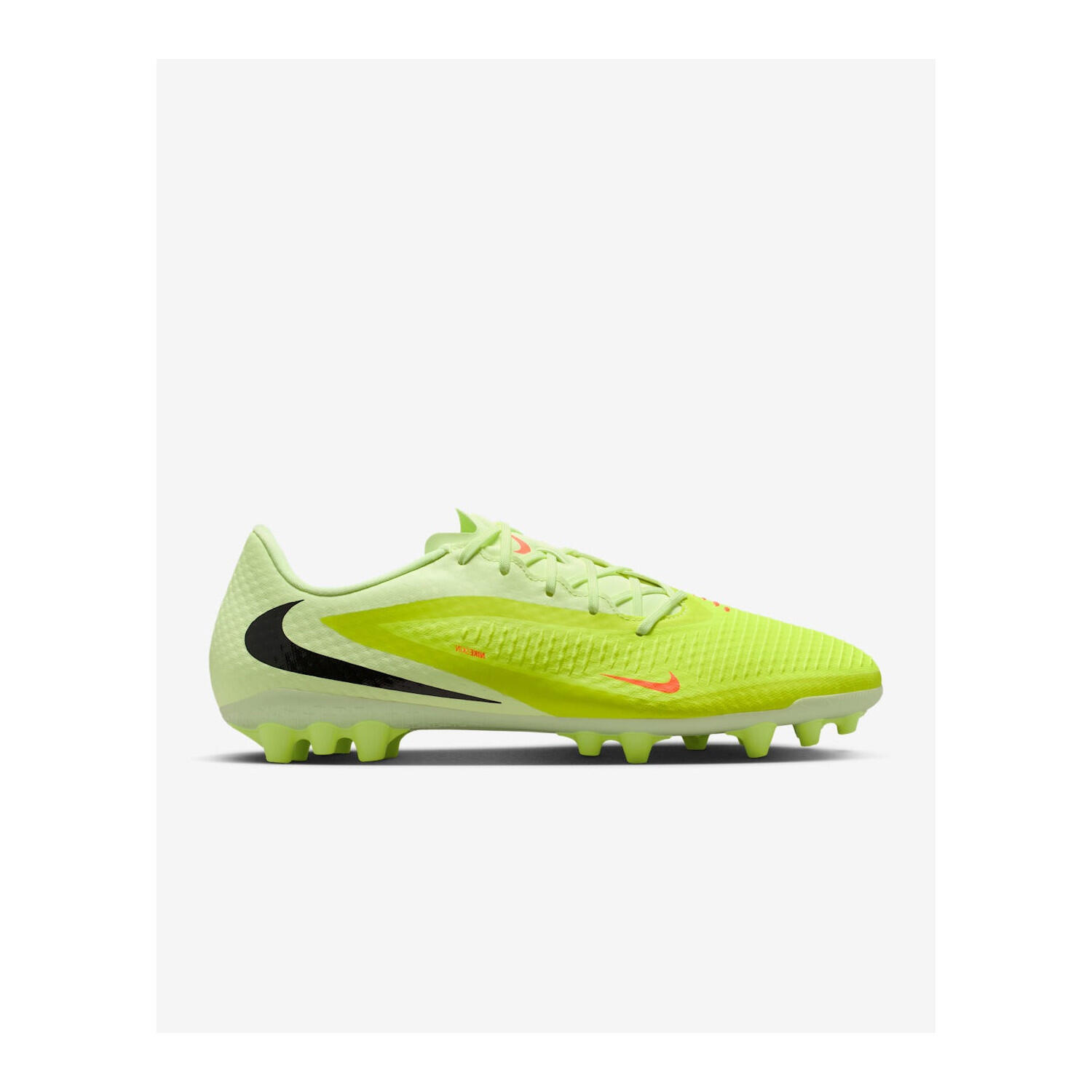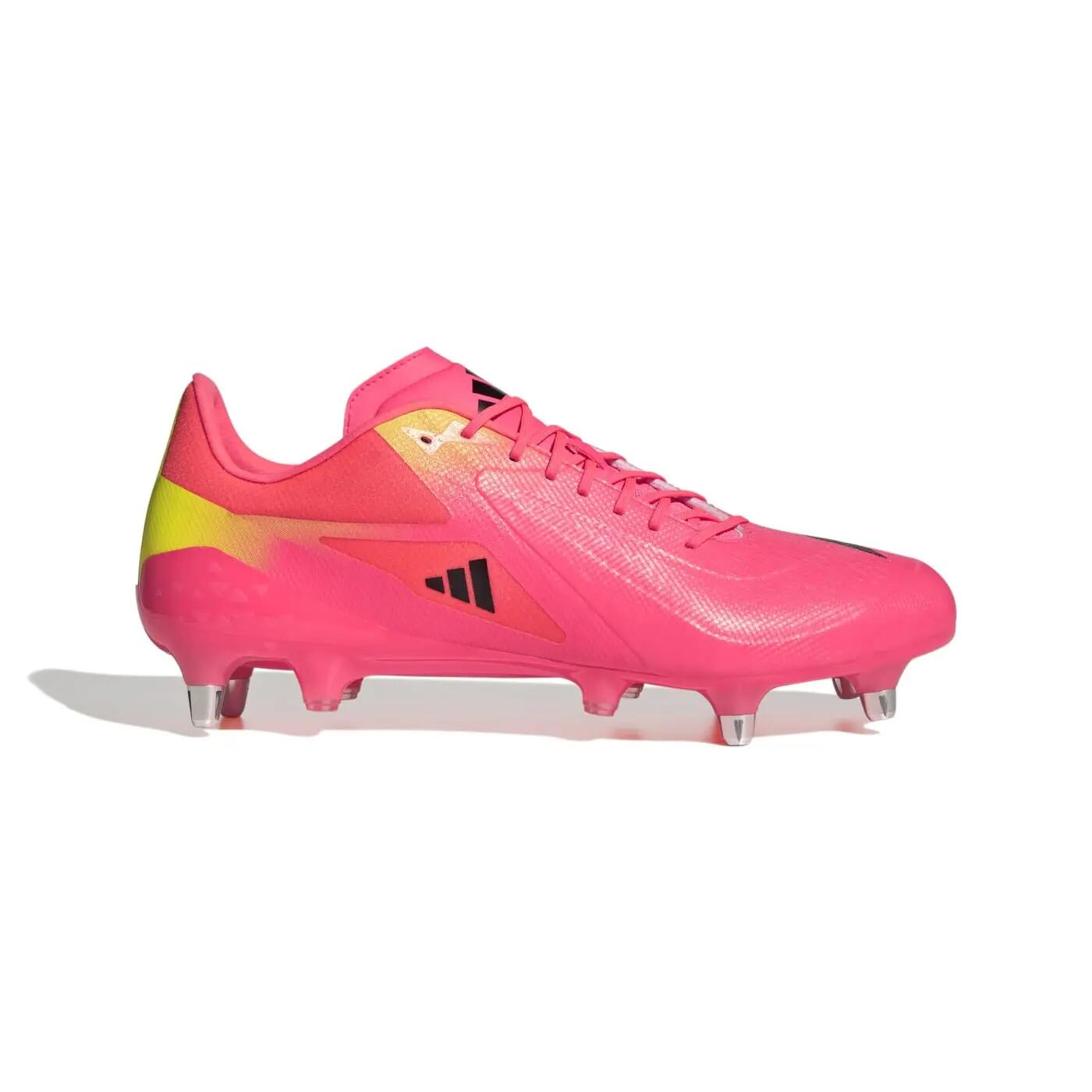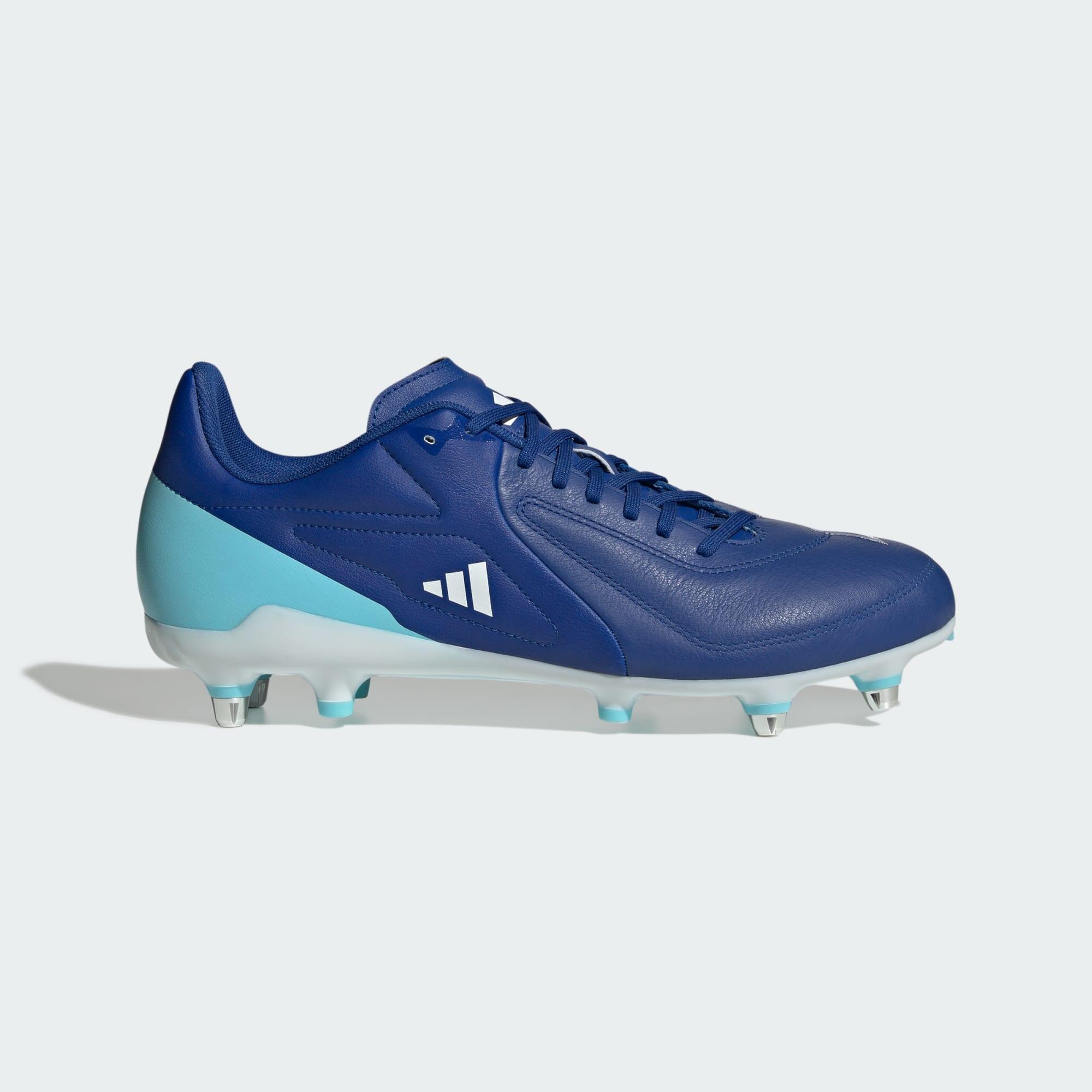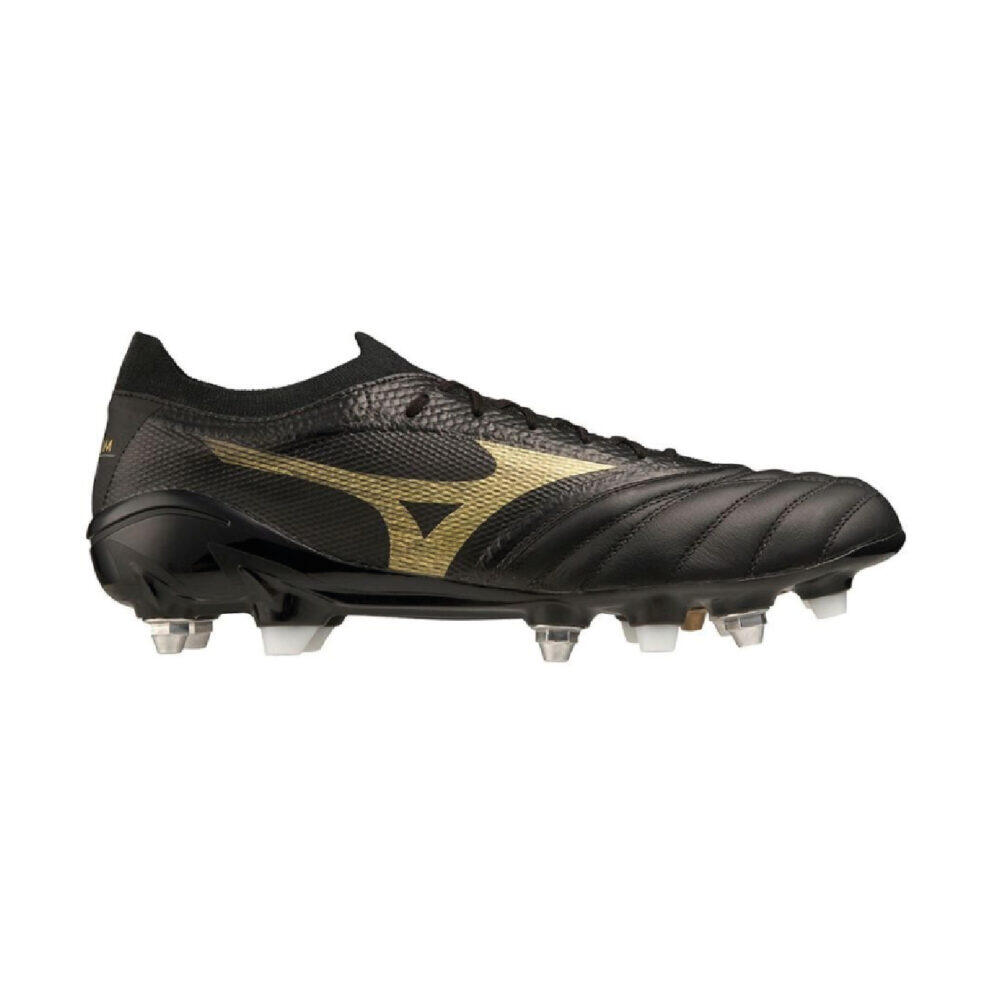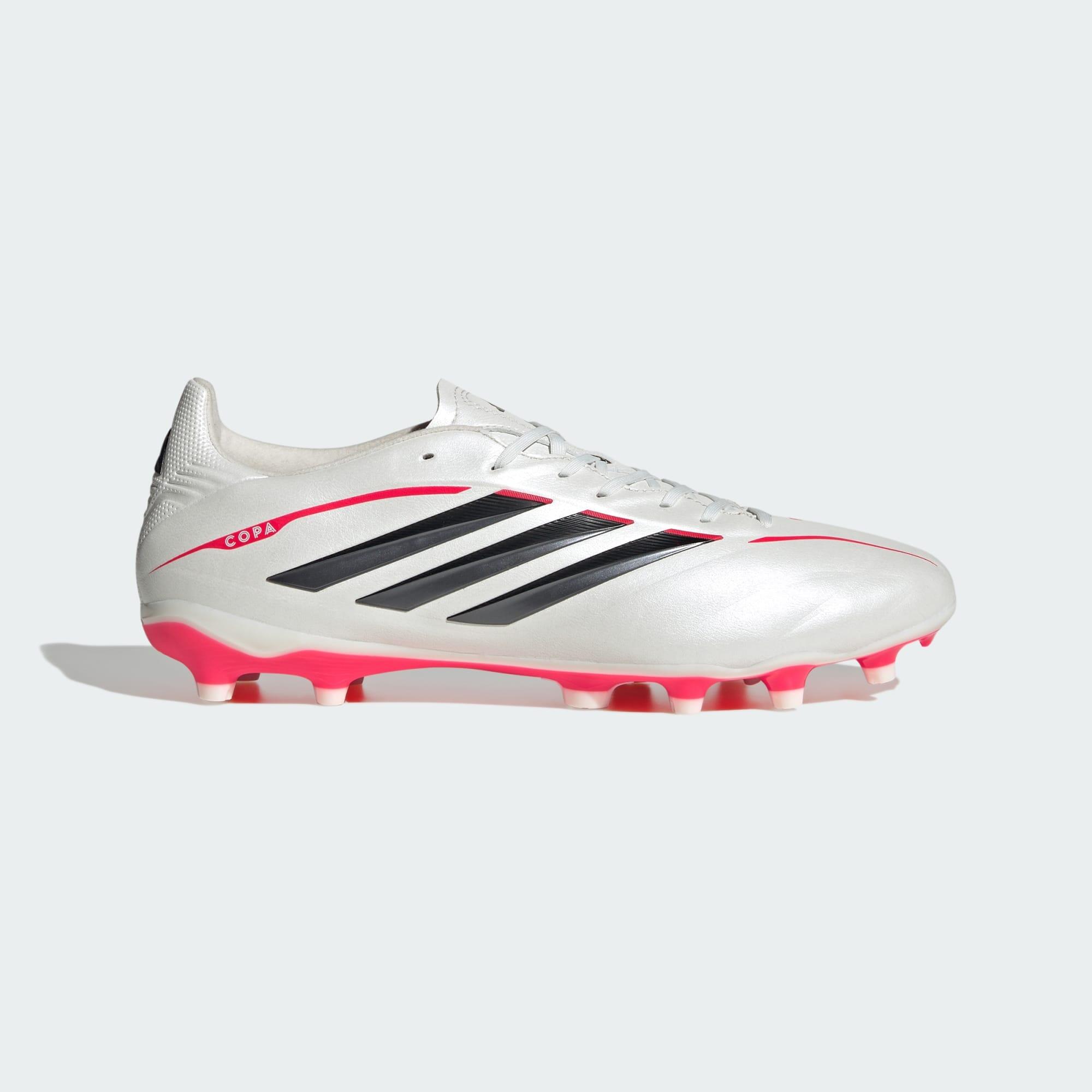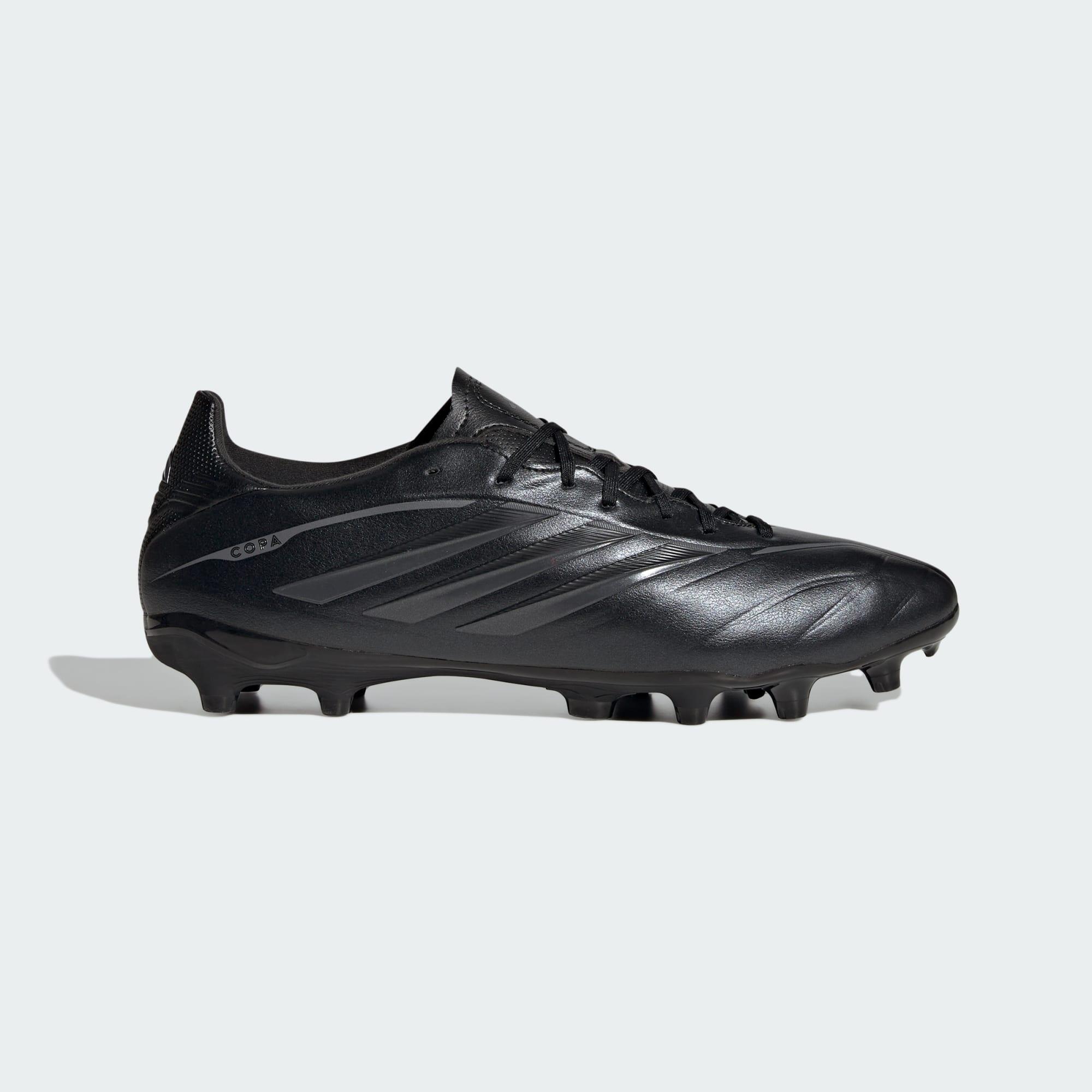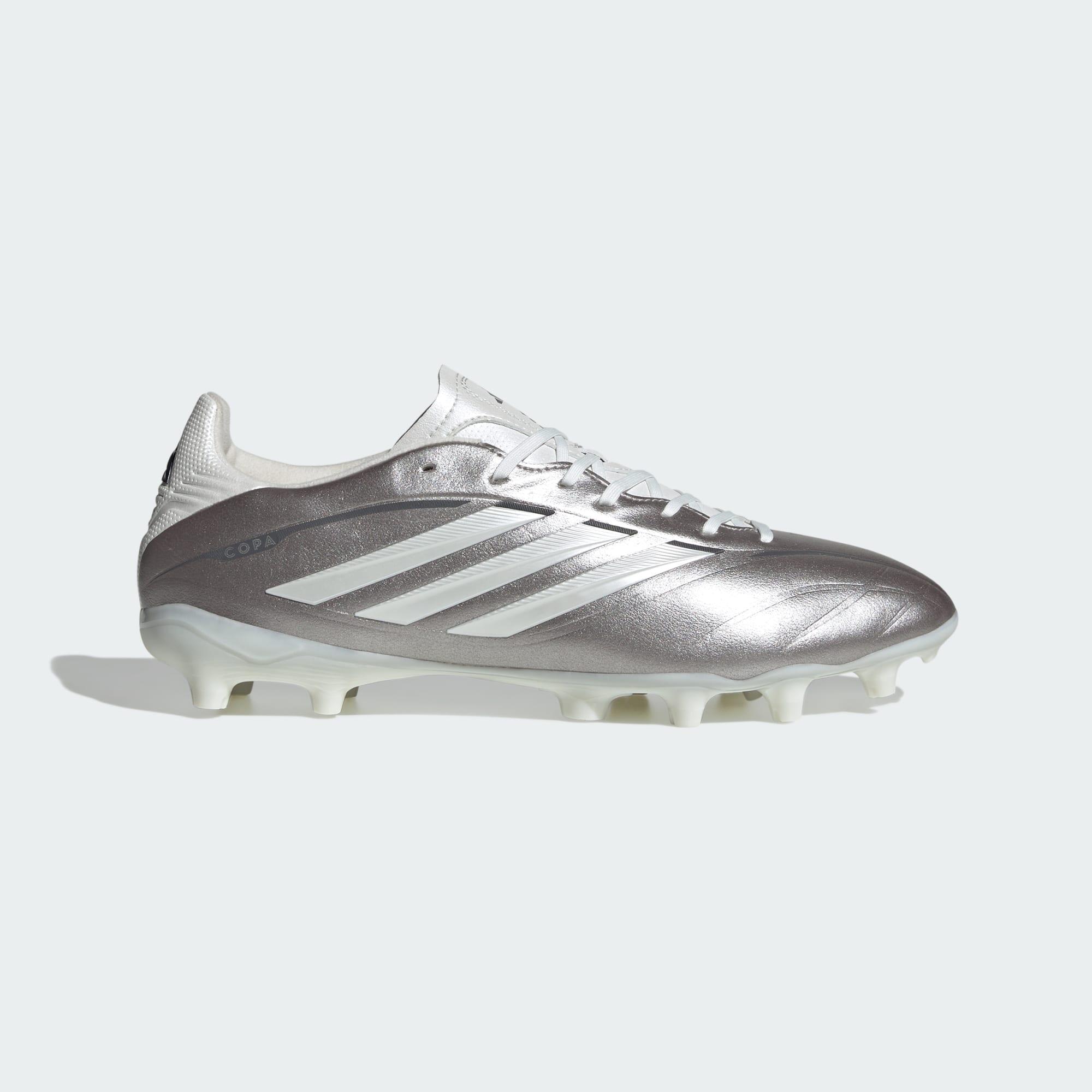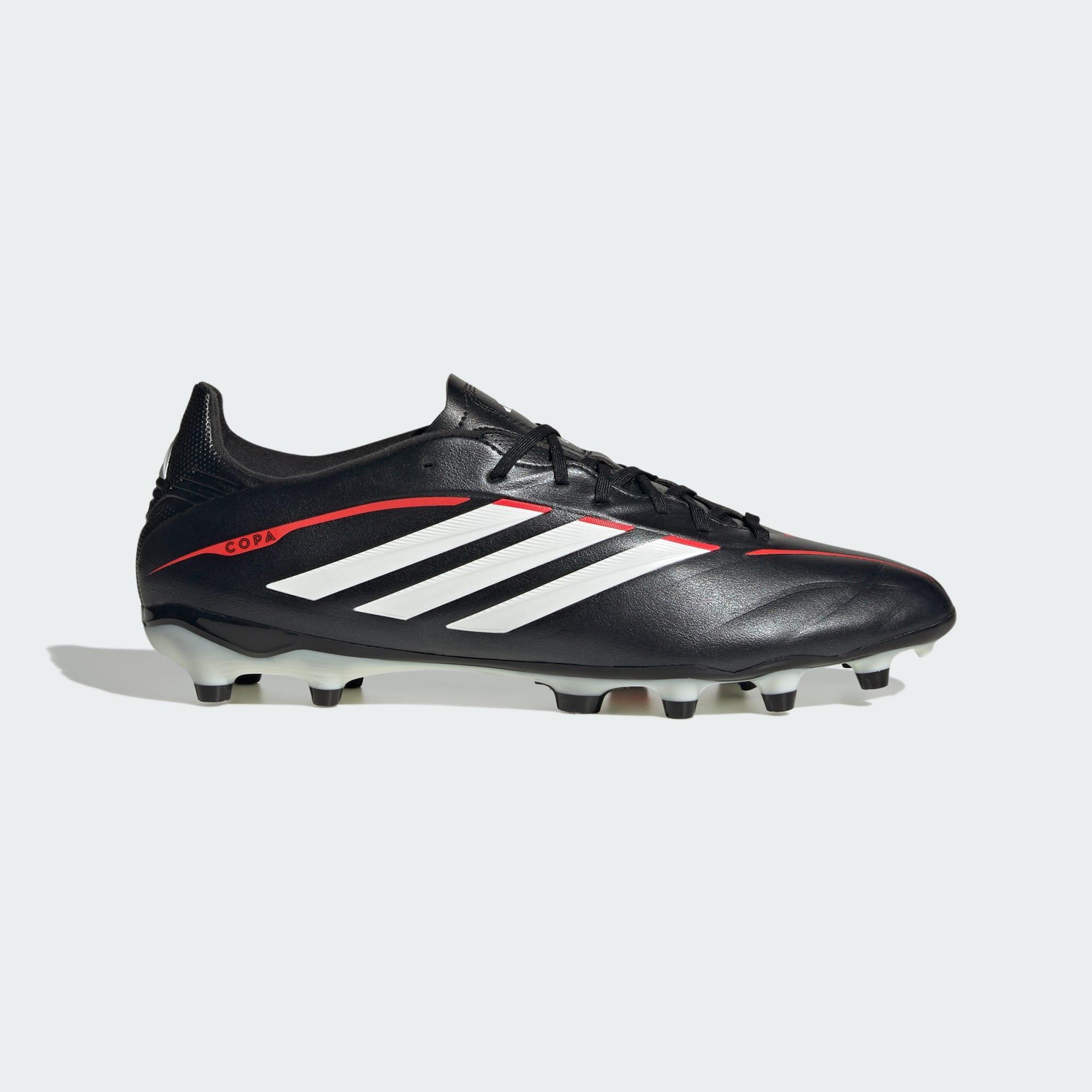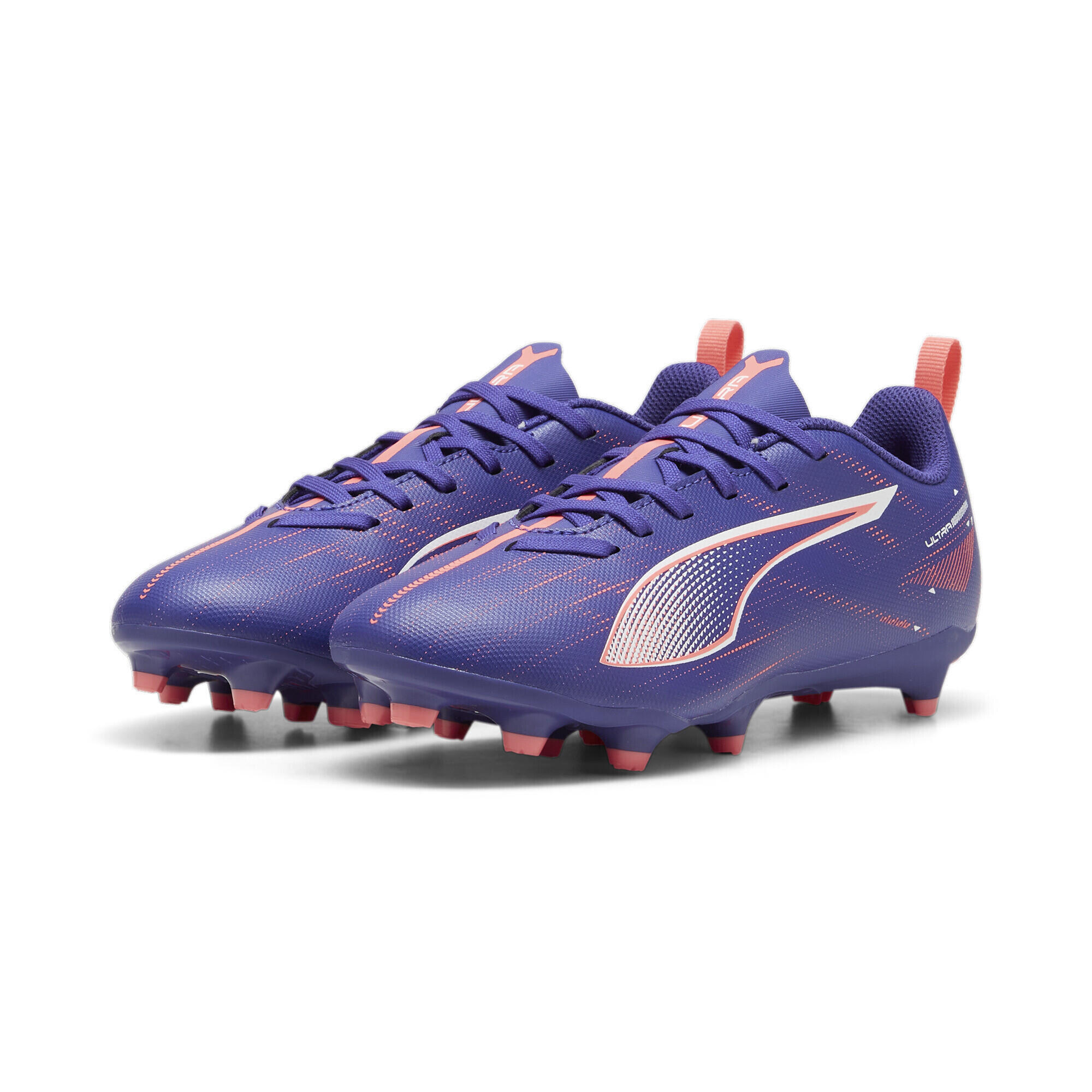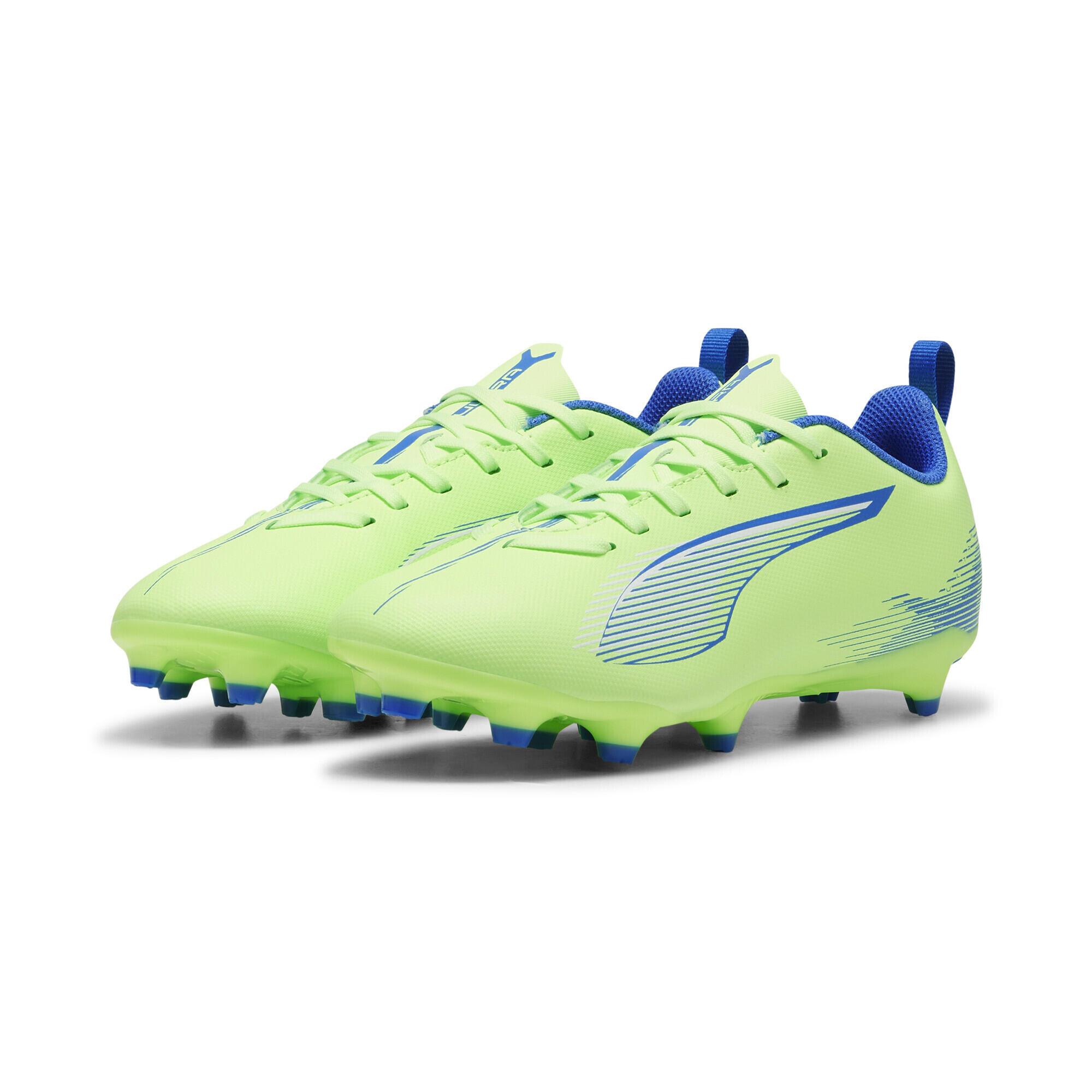
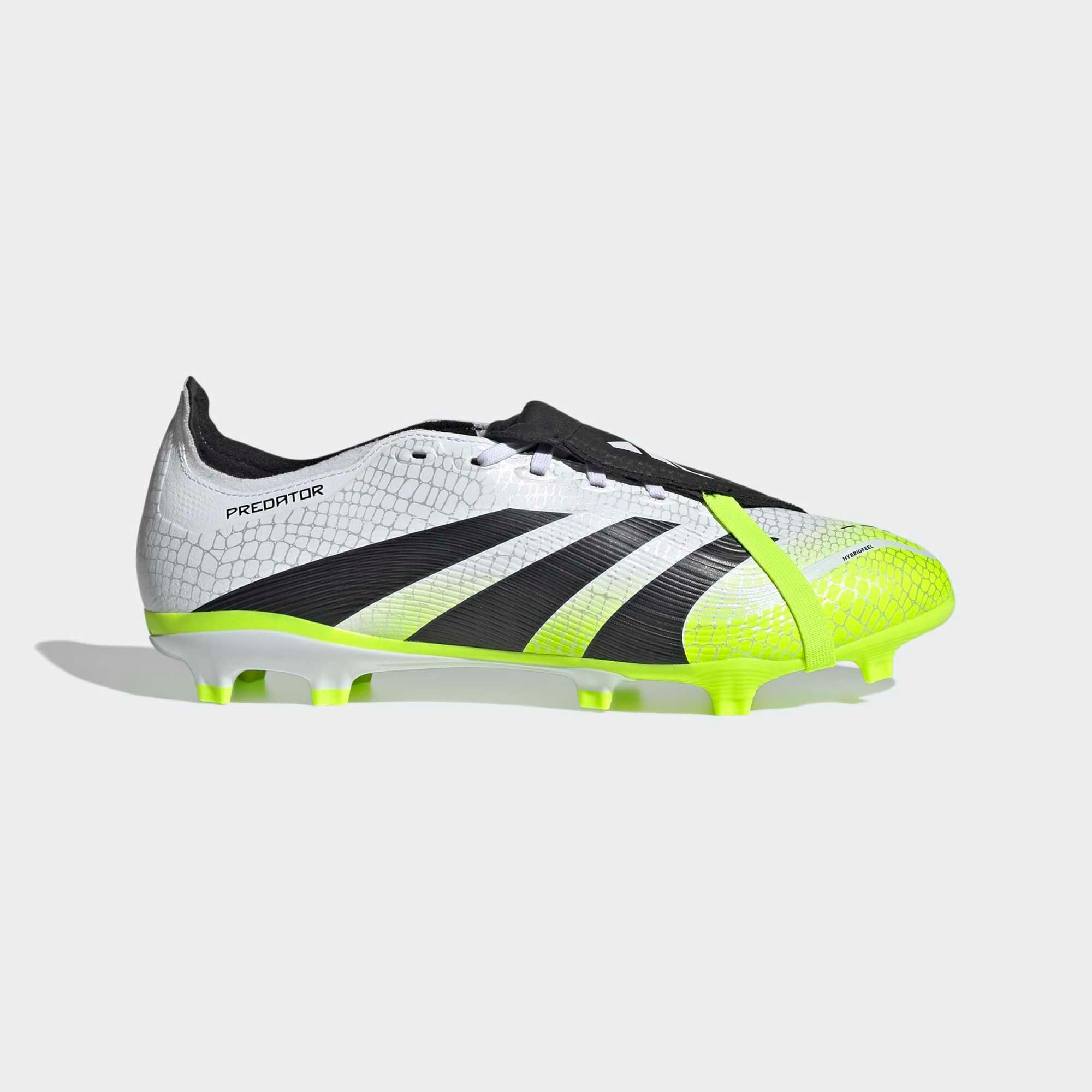
347 items
4.5/5 based on 1351 reviews collected online and in stores

GAA Boots FAQs

How do I choose between metal studs and moulded soles for Gaelic football boots?

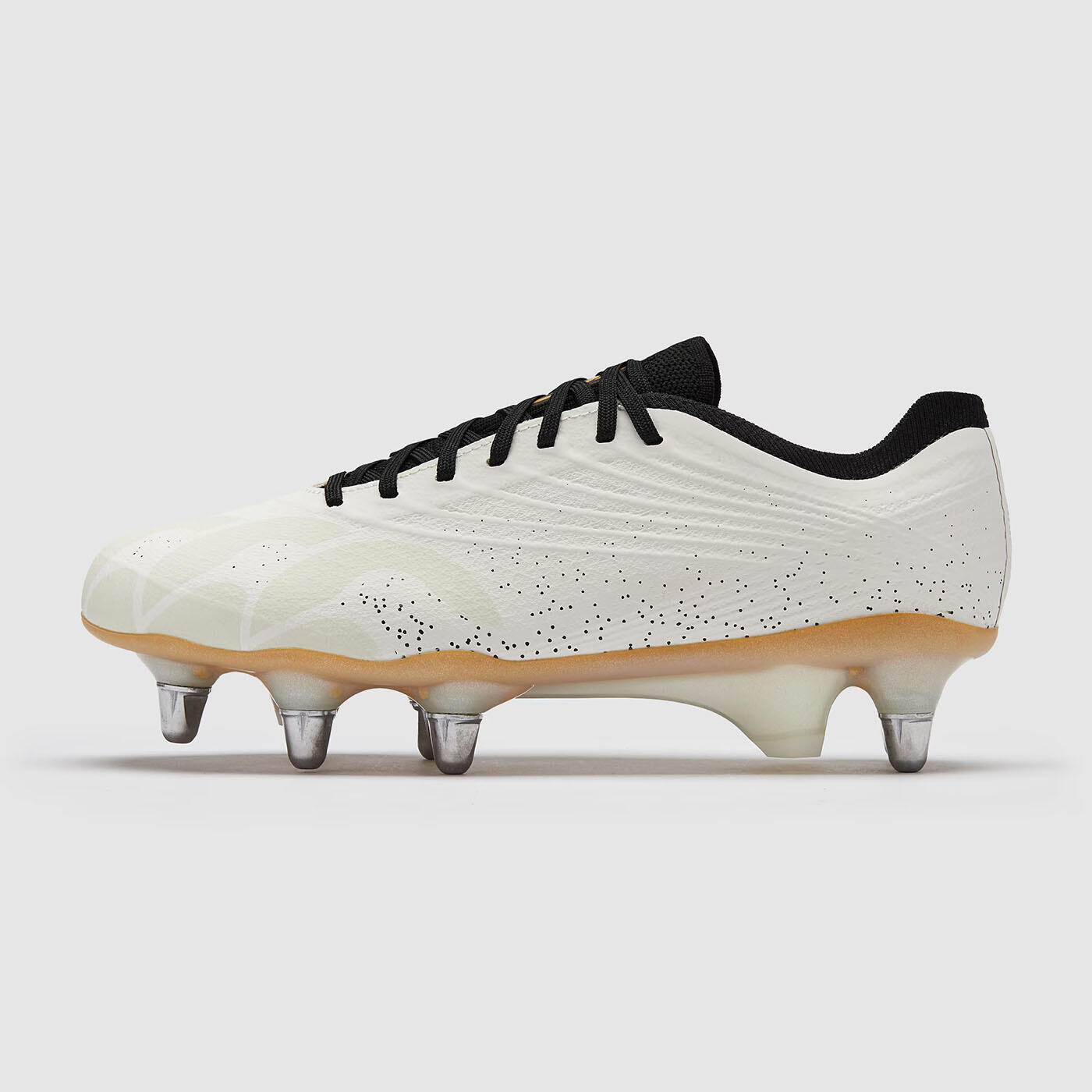
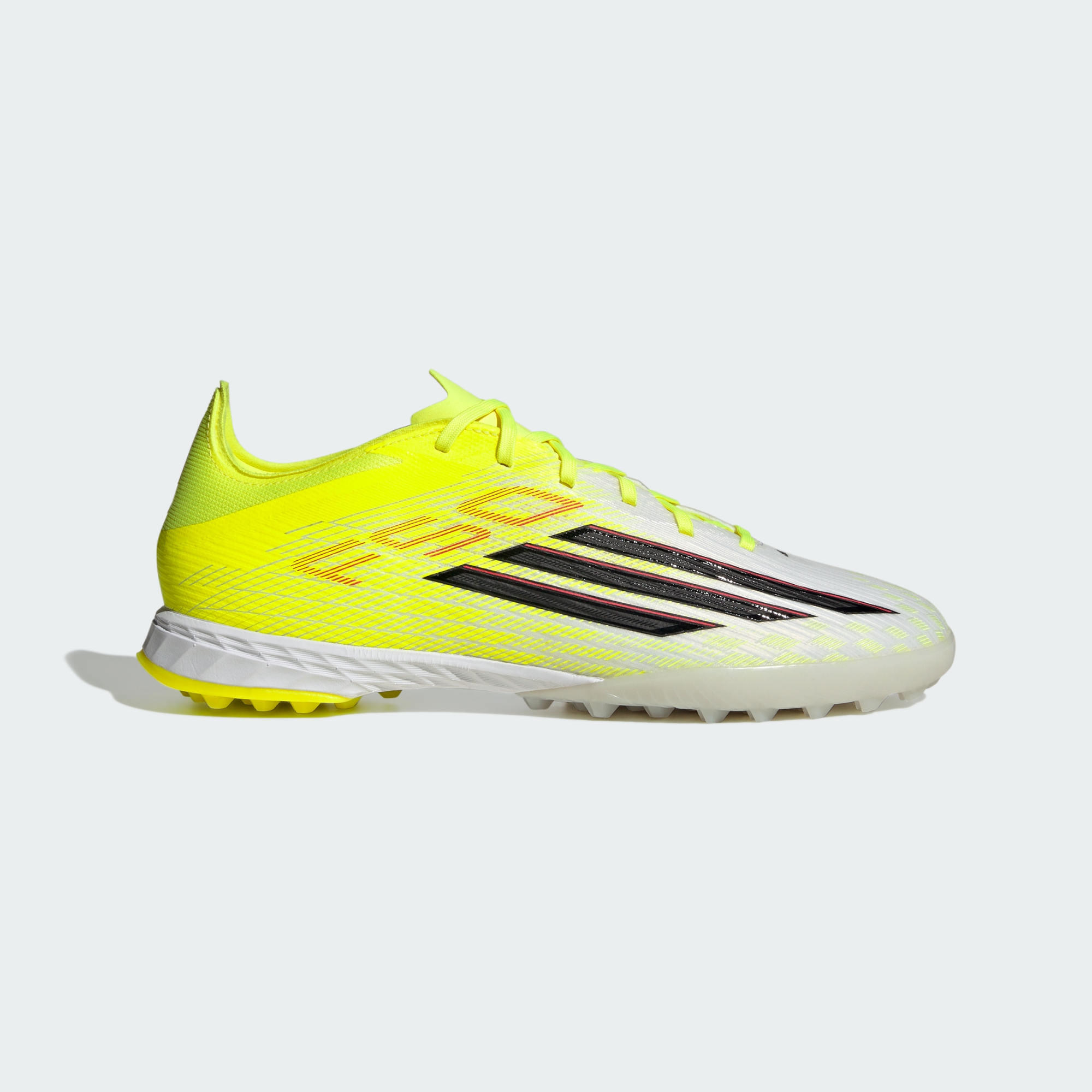
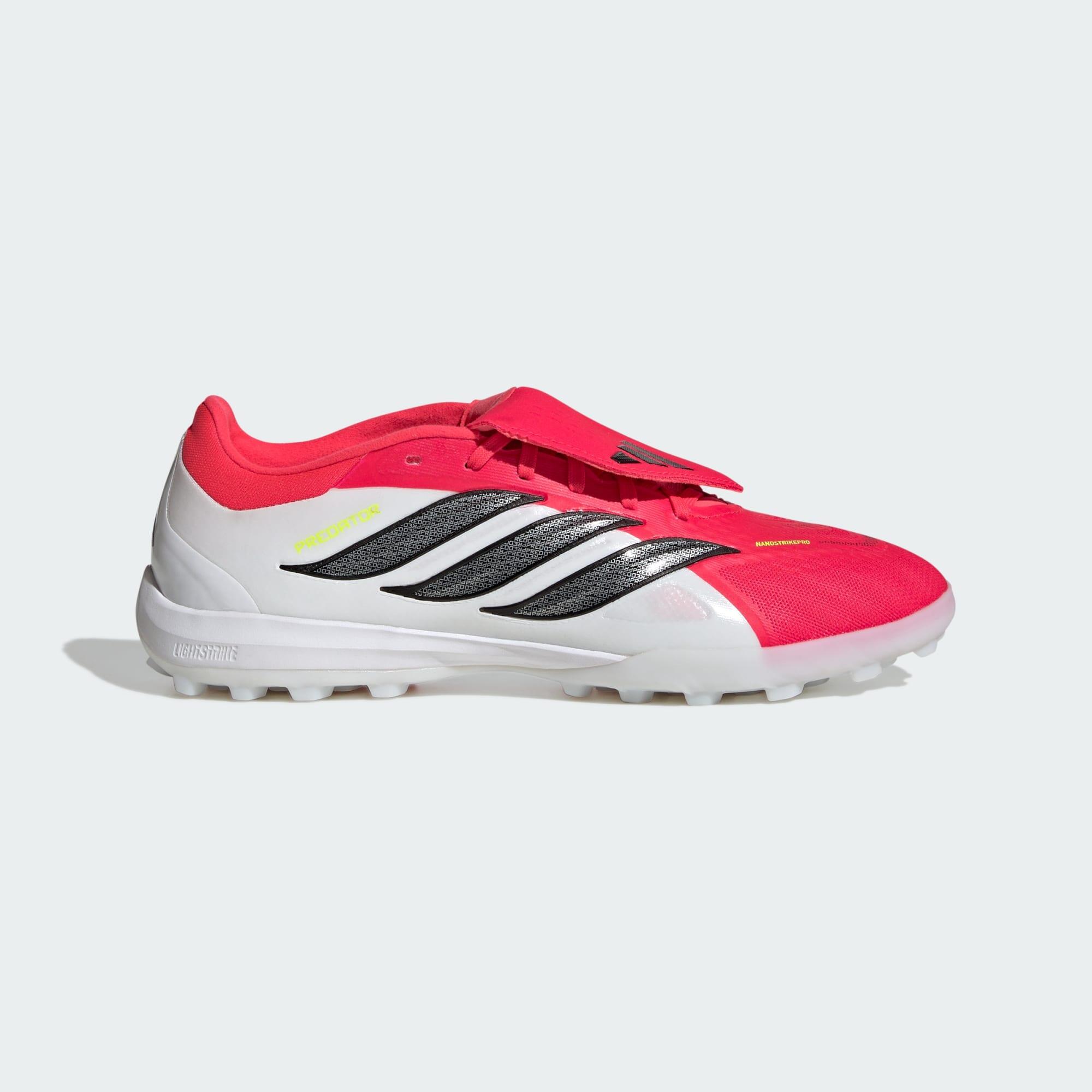
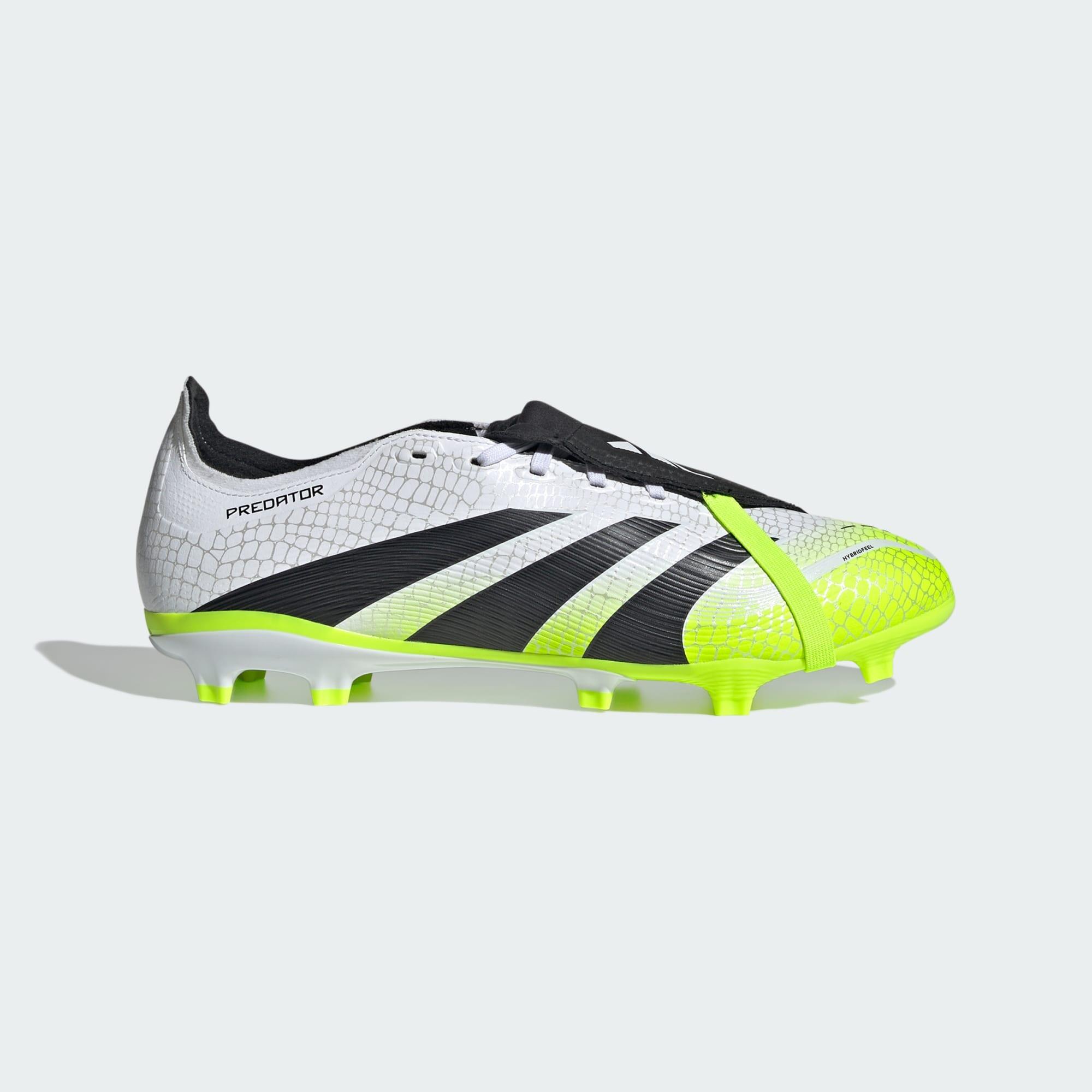
Selecting the correct soleplate depends entirely on pitch conditions and surface moisture. For winter sessions on heavy, waterlogged pitches, adult Gaelic football boots featuring long, interchangeable aluminium studs provide the deep mechanical grip needed to prevent slipping during sudden turns. Conversely, dry summer conditions require firm ground options with moulded TPU studs to distribute weight evenly and minimise pressure points on the base of the foot. Storing your muddy footwear properly inside technical GAA boot bags and backpacks prevents moisture build-up and safeguards structural integrity between weekly training sessions and championship match days.

What specific attributes make PUMA Gaelic football boots suitable for club matches?

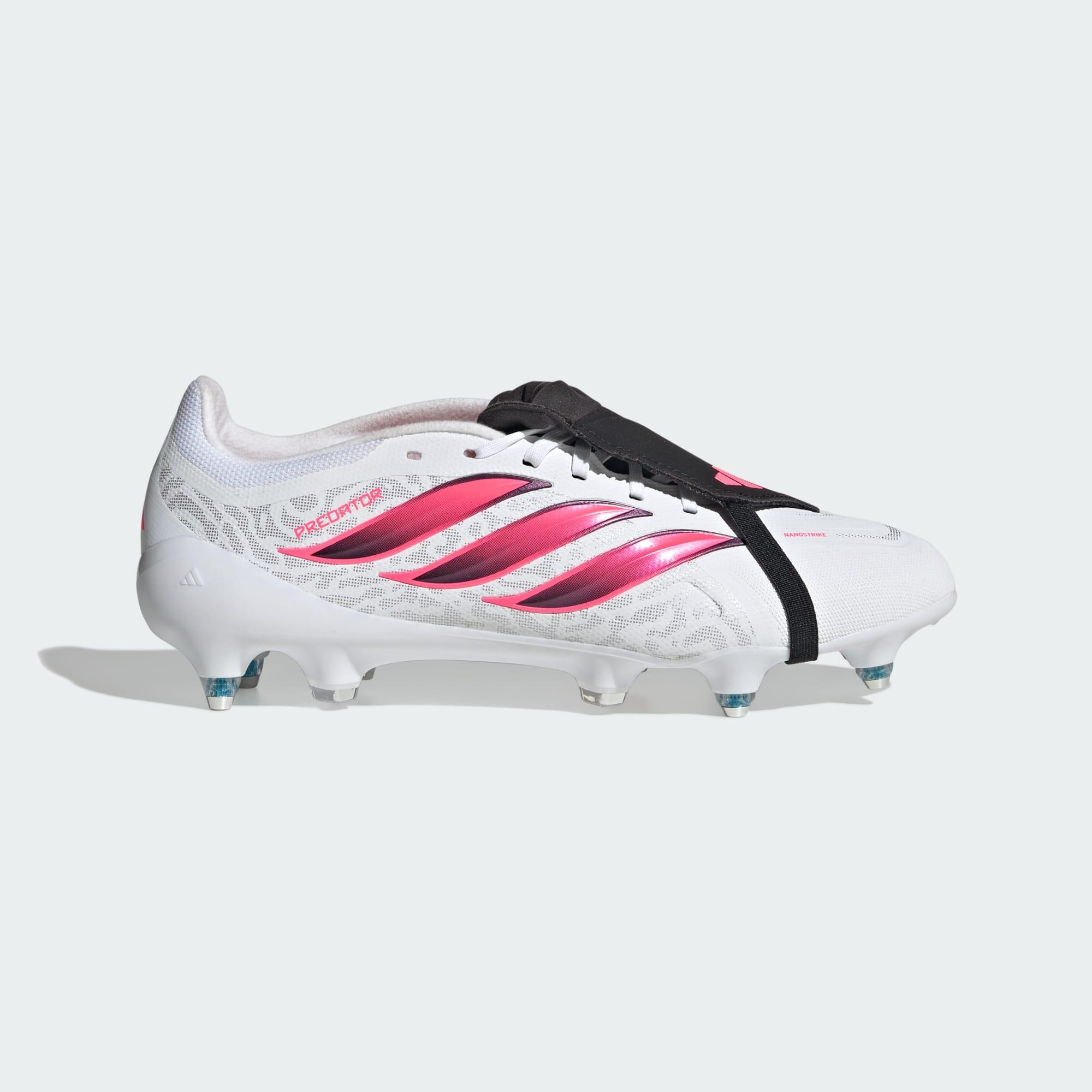
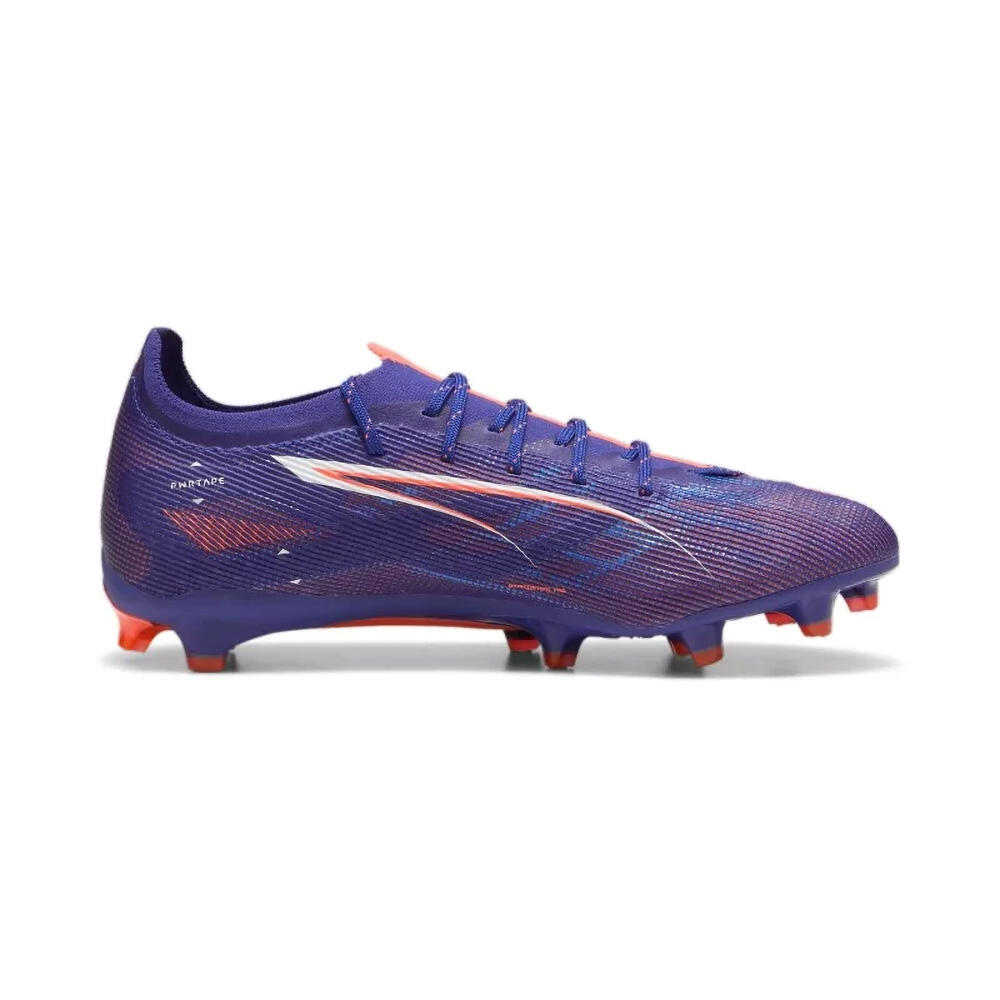
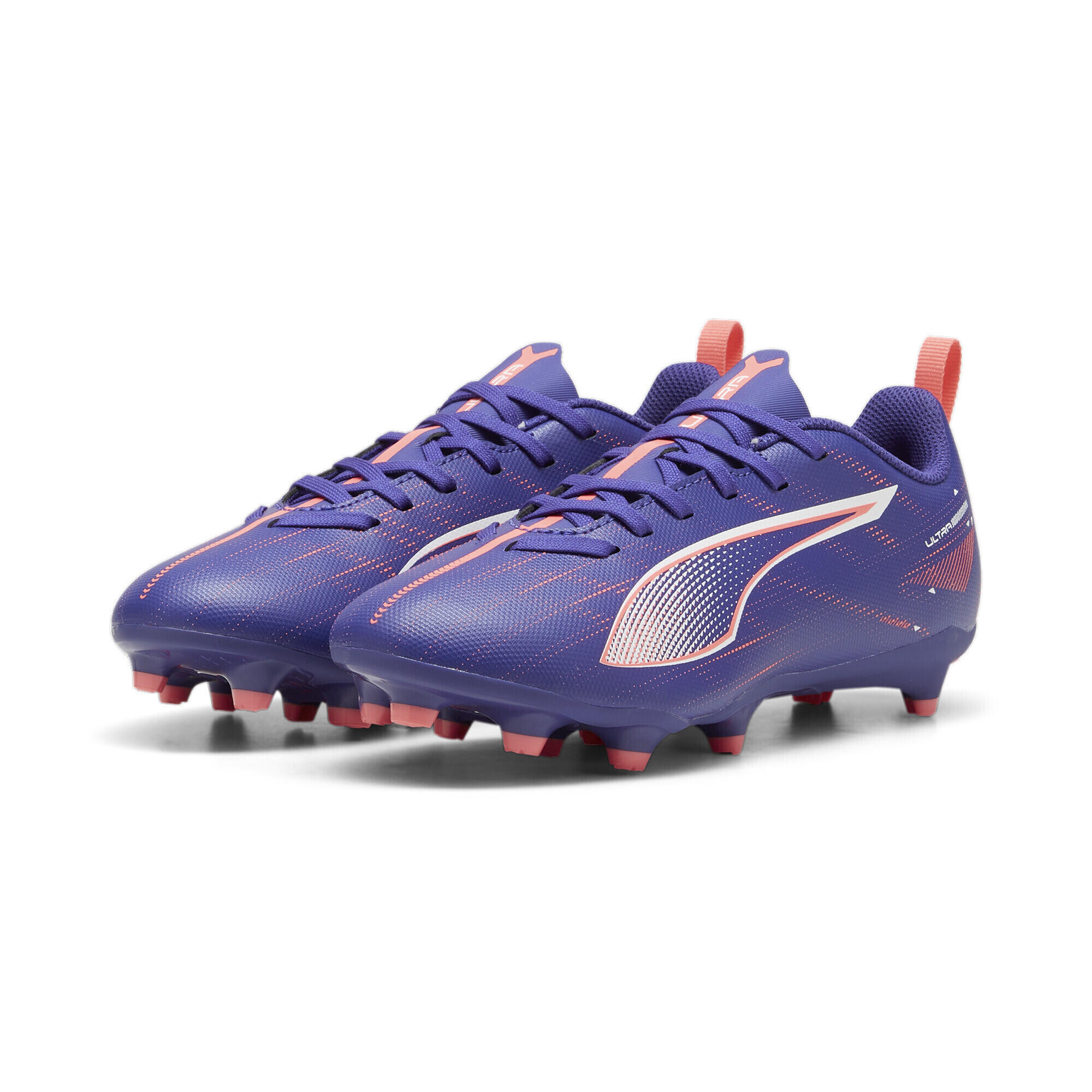
Modern styles focus heavily on lightweight agility and upper flexibility. Options like PUMA Gaelic football boots feature thin, supple synthetic uppers that mimic the natural contours of the foot, enhancing tactile feedback when striking or soloing. The outsoles are engineered with specific torsion bars to support the midfoot during explosive multi-directional acceleration, which reduces the physical strain on your arches. Ensuring comfort requires wearing high-quality socks and lightweight GAA clothing that breathes well and prevents chafing during highly intense training drills or competitive league matches.

How does the upper material of Gaelic GAA boots affect handling and control?

The upper material influences how the ball responds during hand passes, kick passes and pick-ups. Leather uppers provide natural cushioning and gradually mould to the foot, while modern synthetic materials retain their shape and absorb less water in wet conditions. Textured strike zones and grippy surface finishes improve contact with Gaelic footballs, helping players achieve cleaner strikes, better control and more consistent kicking accuracy throughout a match.

Which design features in Gaelic football boots help prevent common foot injuries?

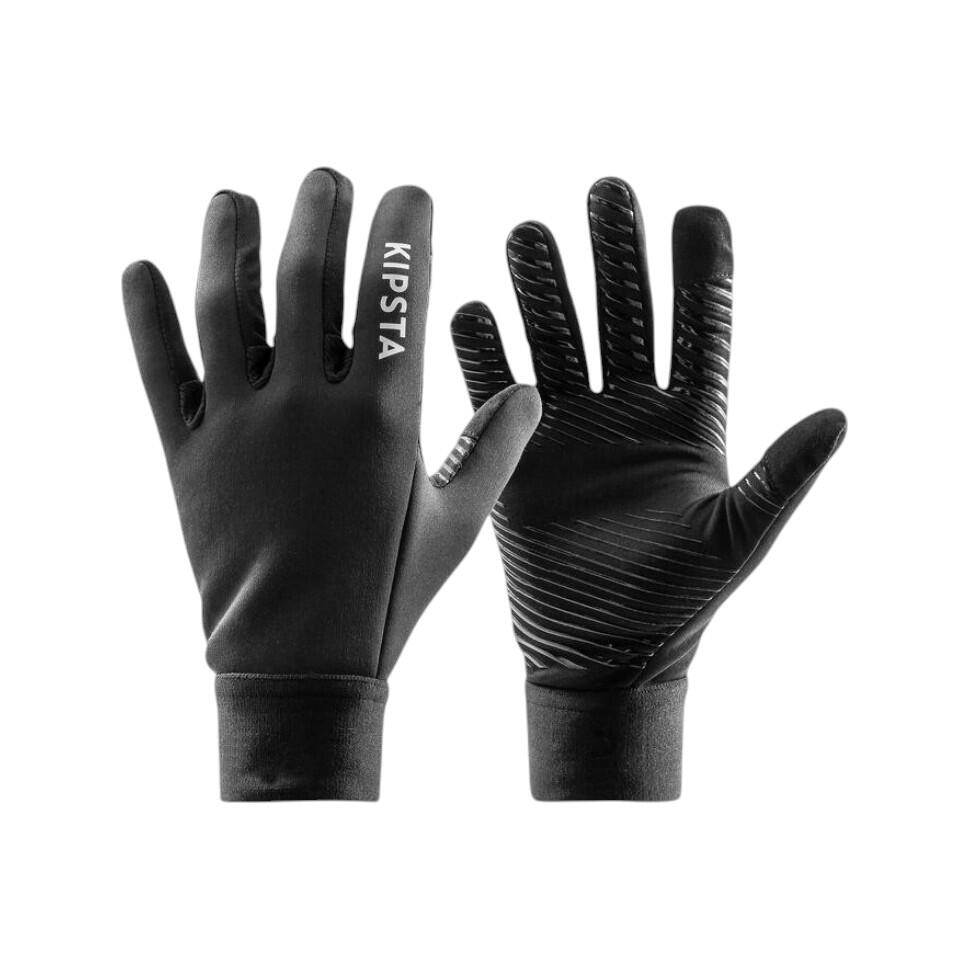
High-tempo movements require specialised heel counters and deep internal padding to secure the rearfoot. Quality GAA boots utilise dense EVA or specialised foam midsoles beneath the heel to absorb high impacts when landing from high fielding catching drills. This internal structure curtails unwanted lateral shifting, protecting ankle ligaments during sharp sidesteps. Field players often couple their footwear choices with padded GAA gloves to optimise handling grip and protect knuckles from impact injuries during tight defensive tracking.

What variables impact how field players select their seasonal match-day footwear?

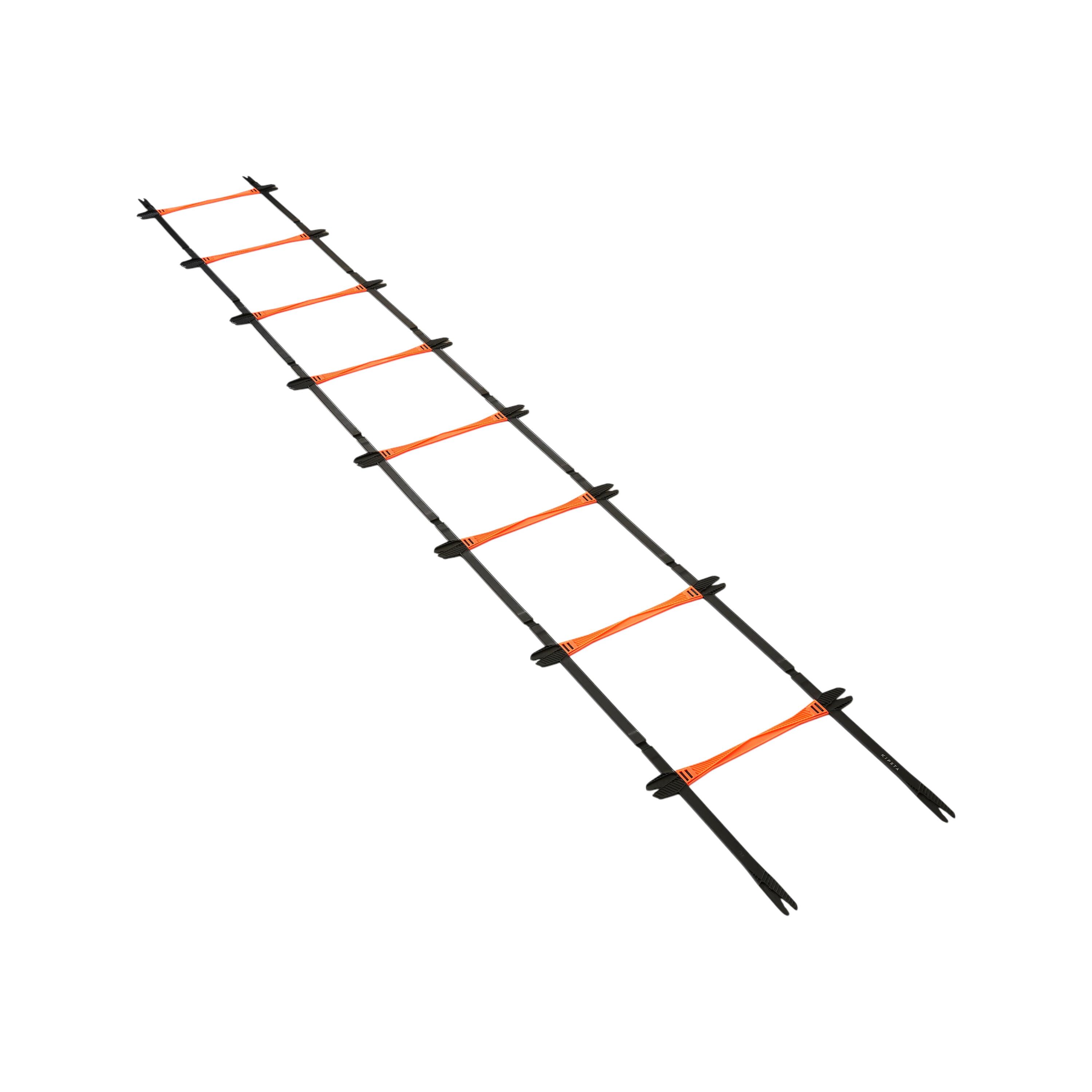
Varying pitch textures demand a thorough consideration of stud configuration, upper weight, and personal comfort. Midfielders require robust support for constant high jumping, whereas nimble corner forwards favour thin, ultralight structures that prioritise maximum top speed. Integrating dynamic agility ladders or resistance bands from a collection of GAA training accessories during pre-season preparation allows athletes to safely test structural stiffness and ensure their chosen studs bite properly into regional playing surfaces.