6,975 items
4.4/5 based on 643930 reviews collected online and in stores

HIKING FOOTWEAR FAQS

What is the correct footwear for hiking?

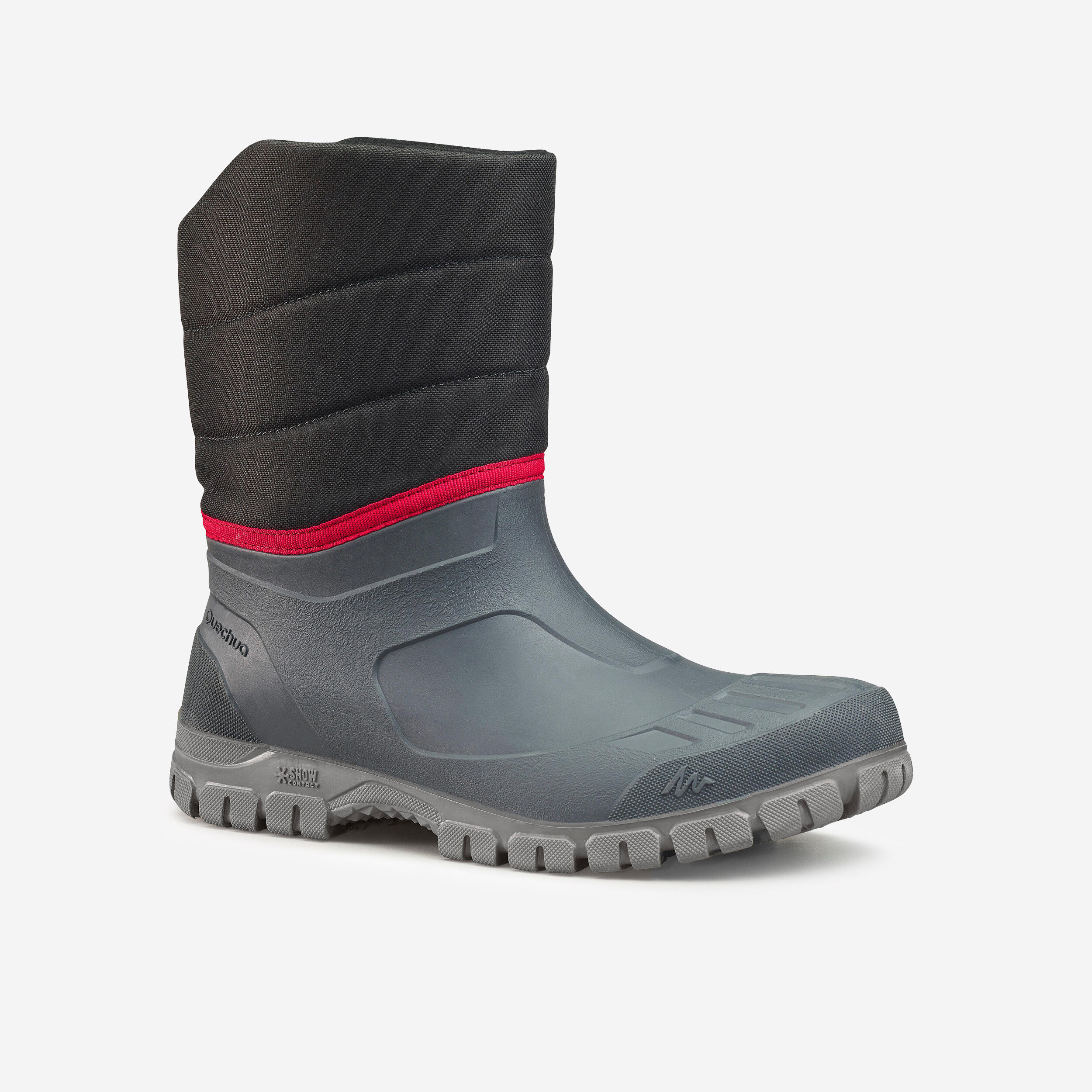
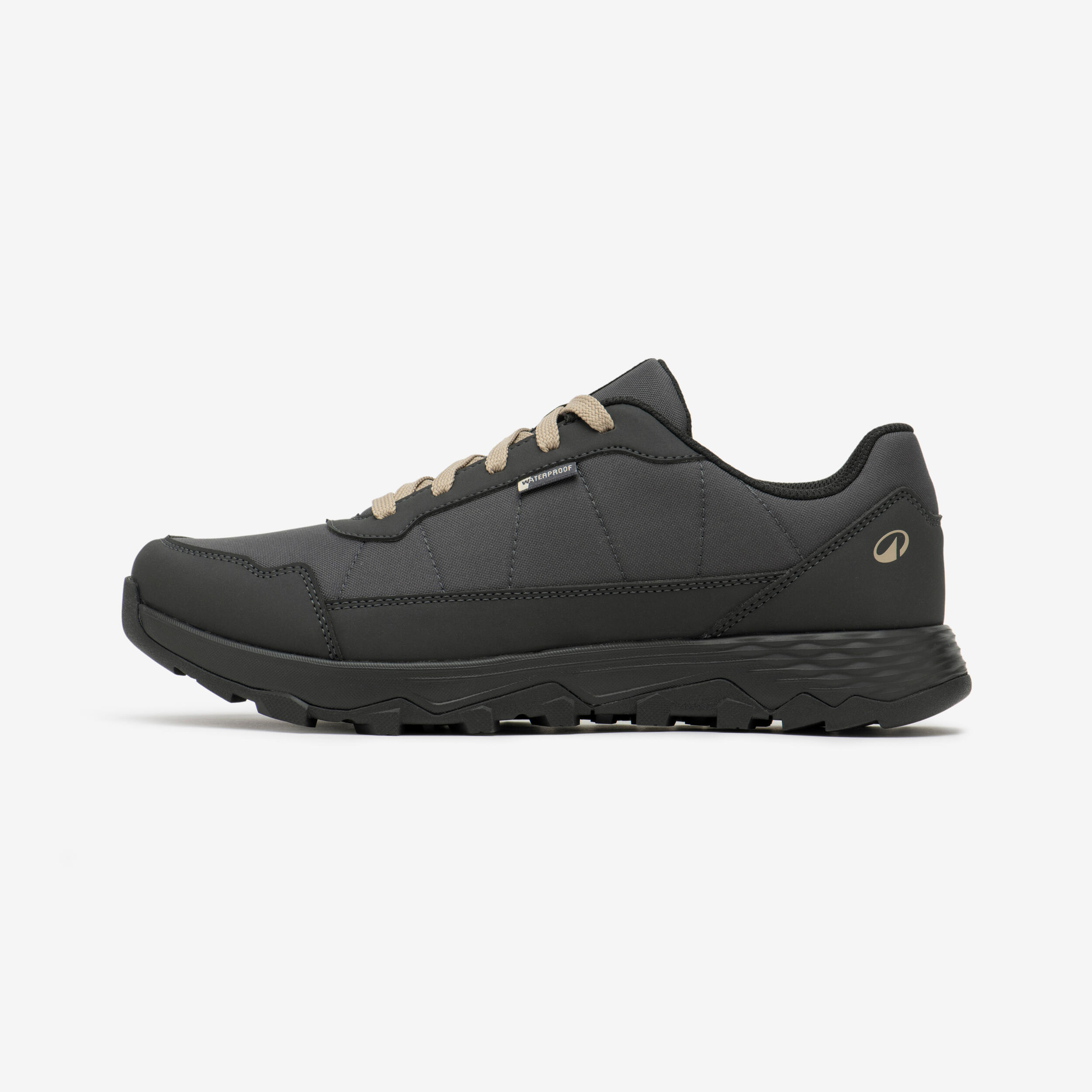
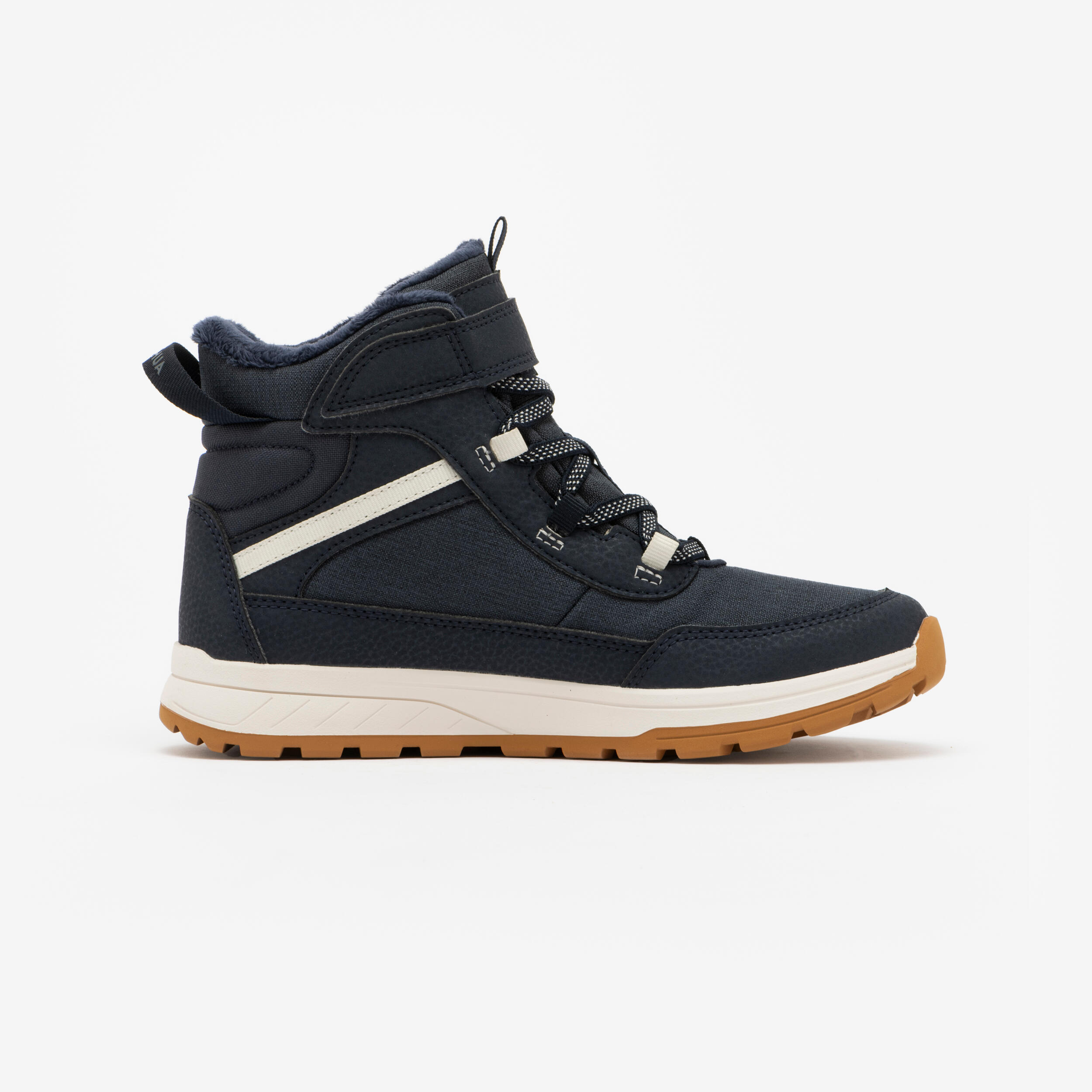
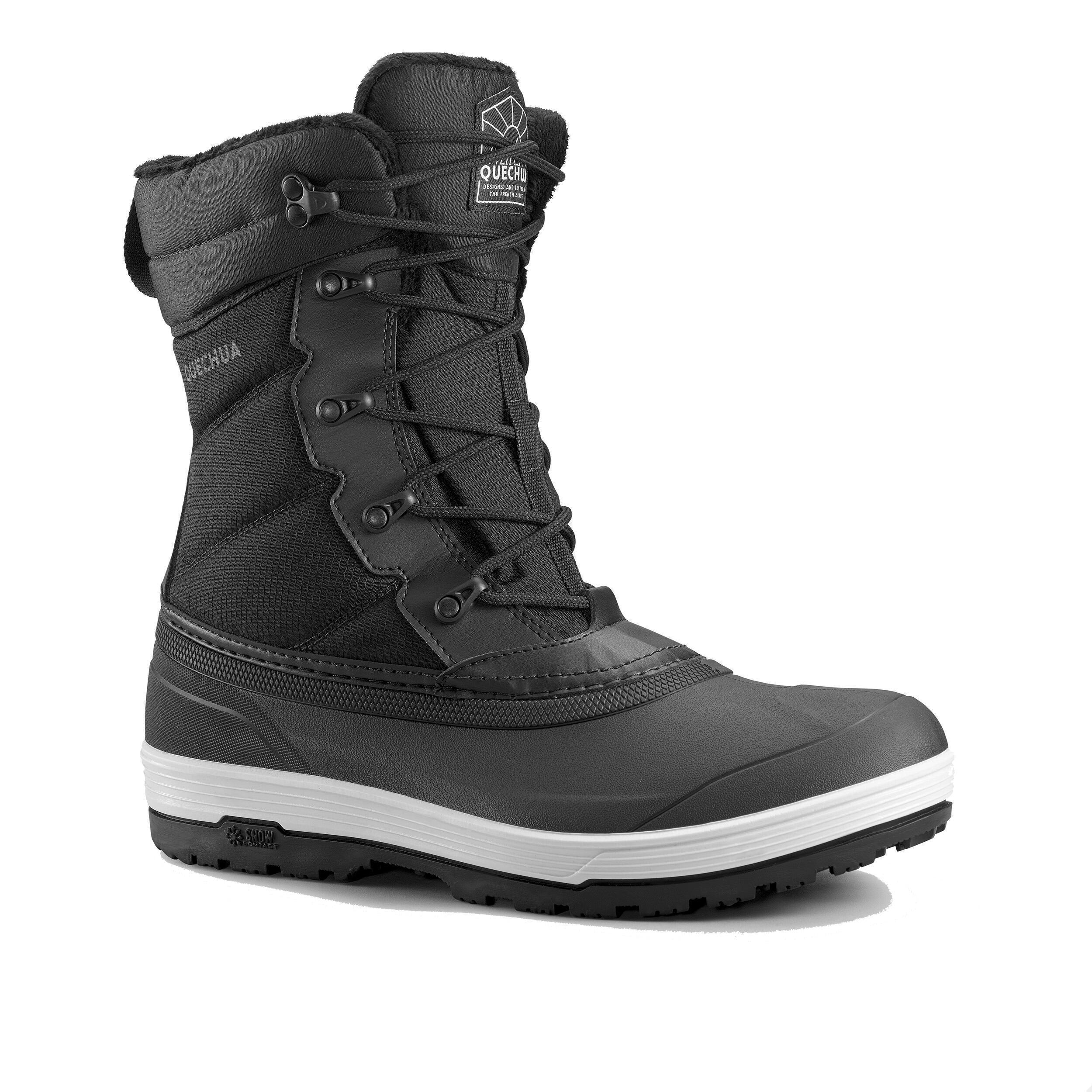
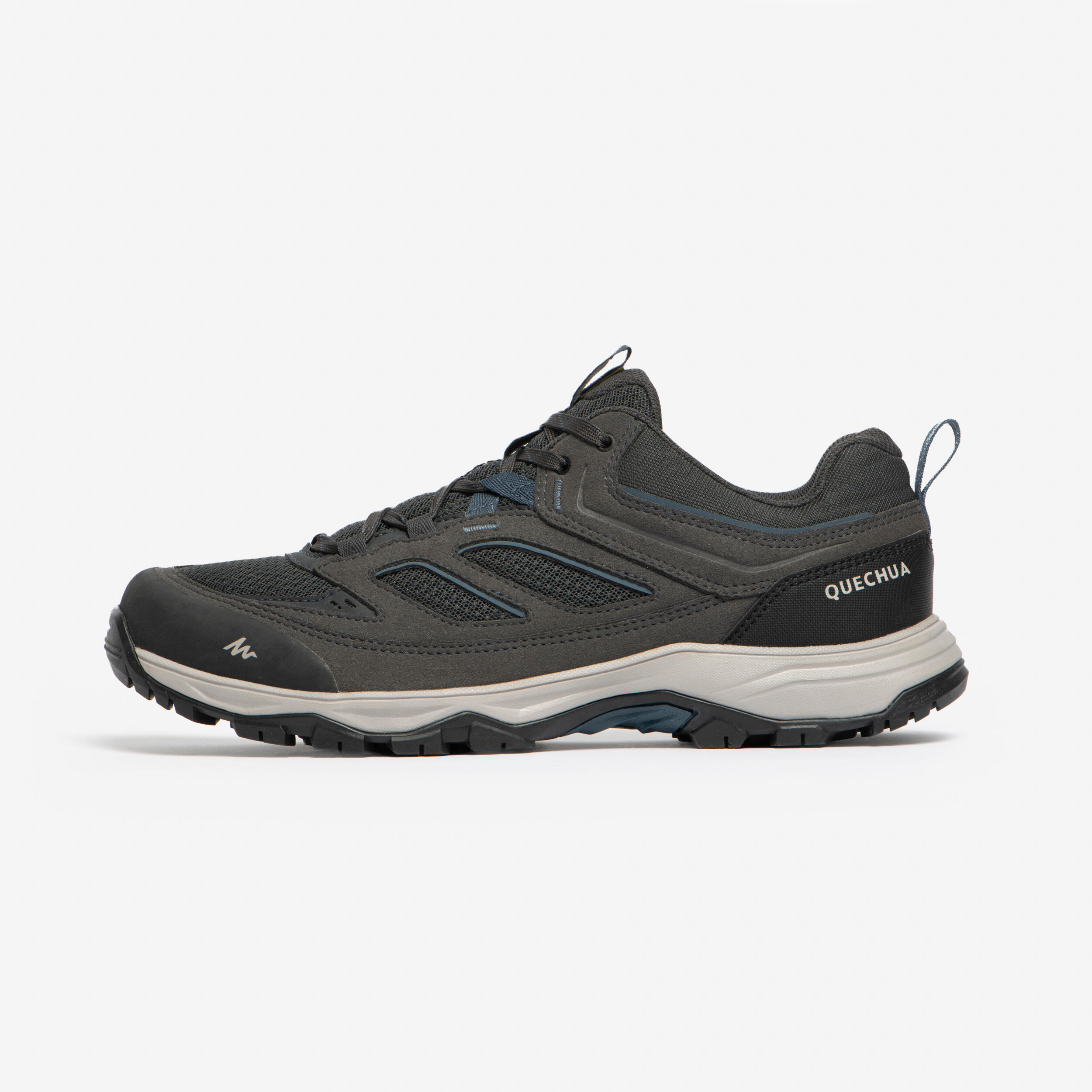
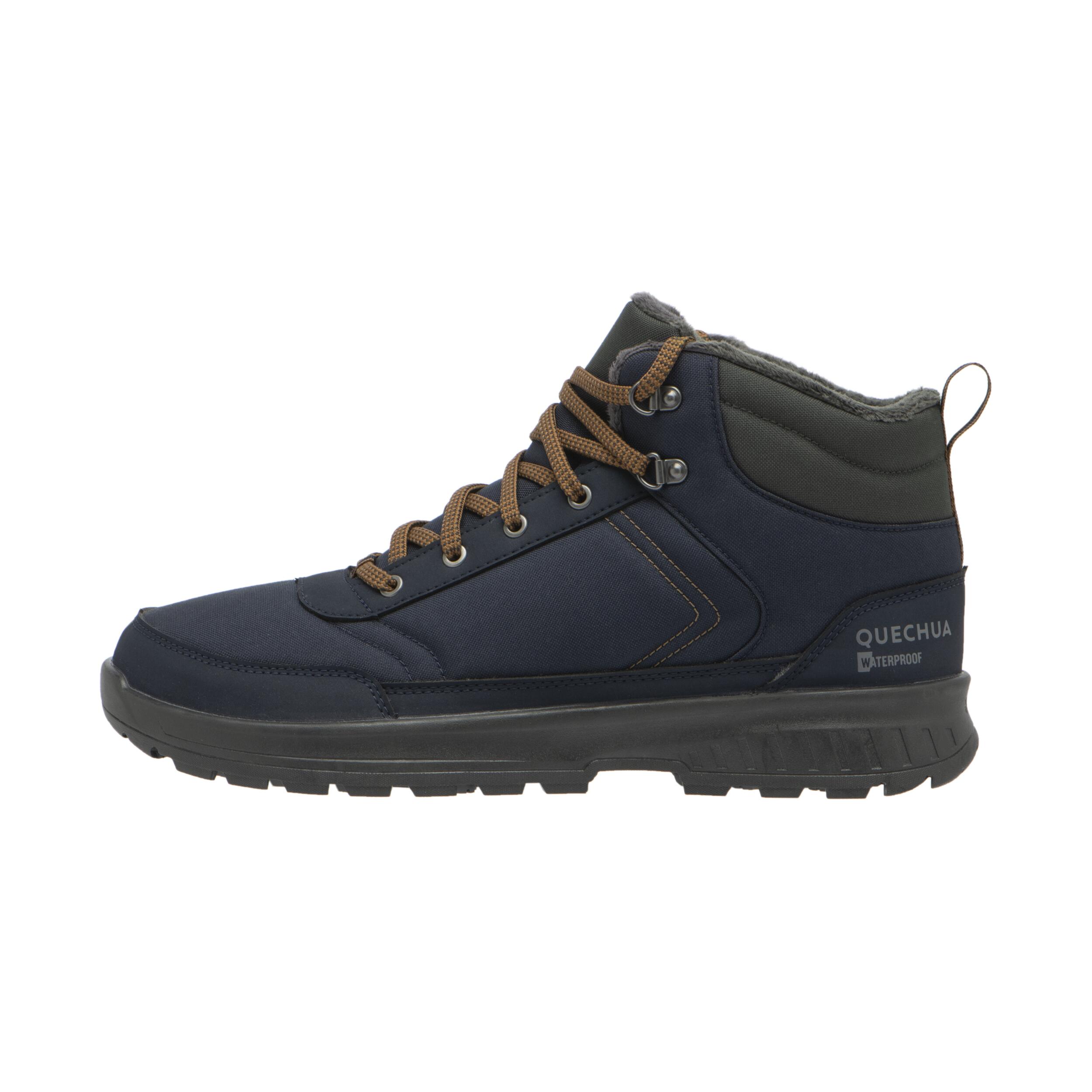
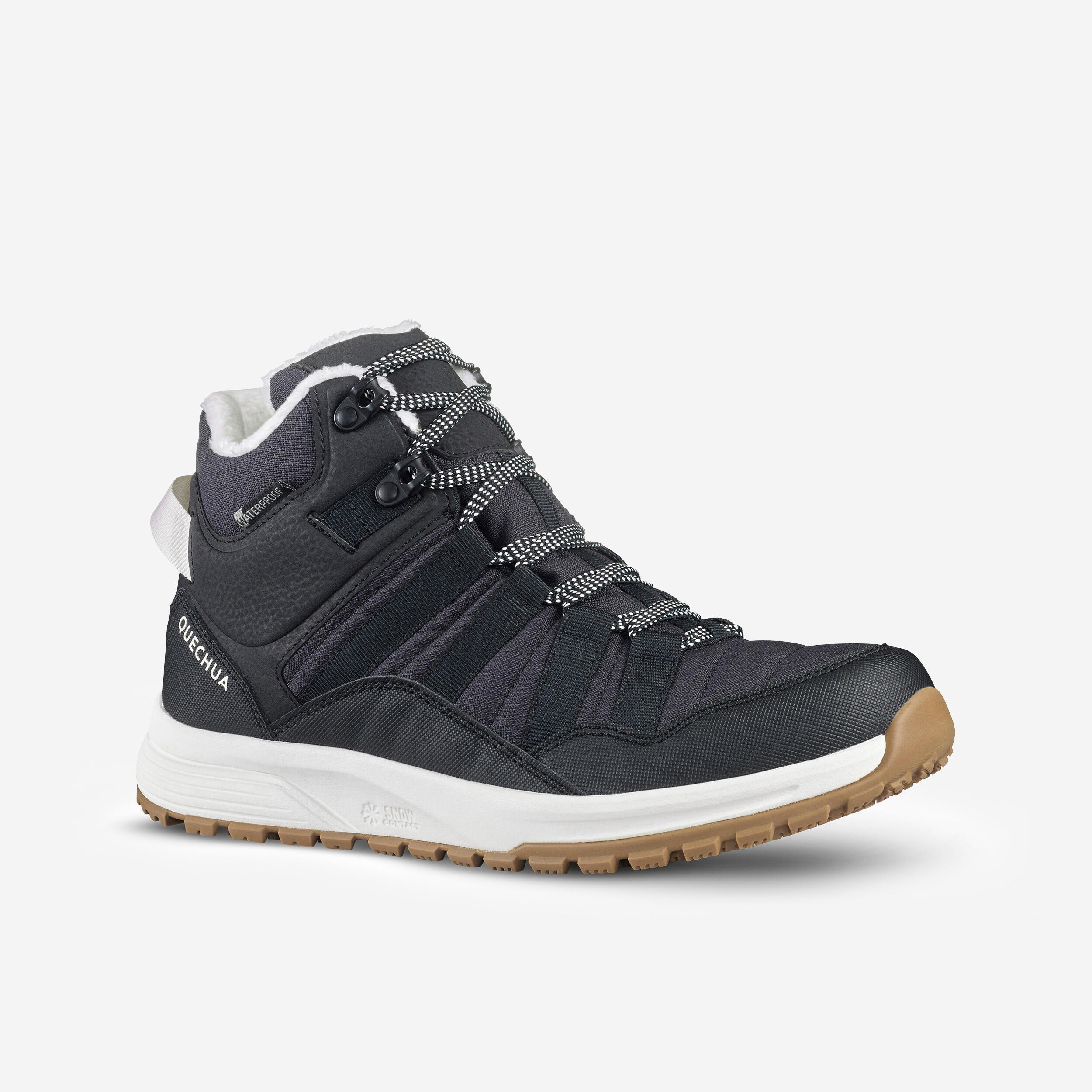
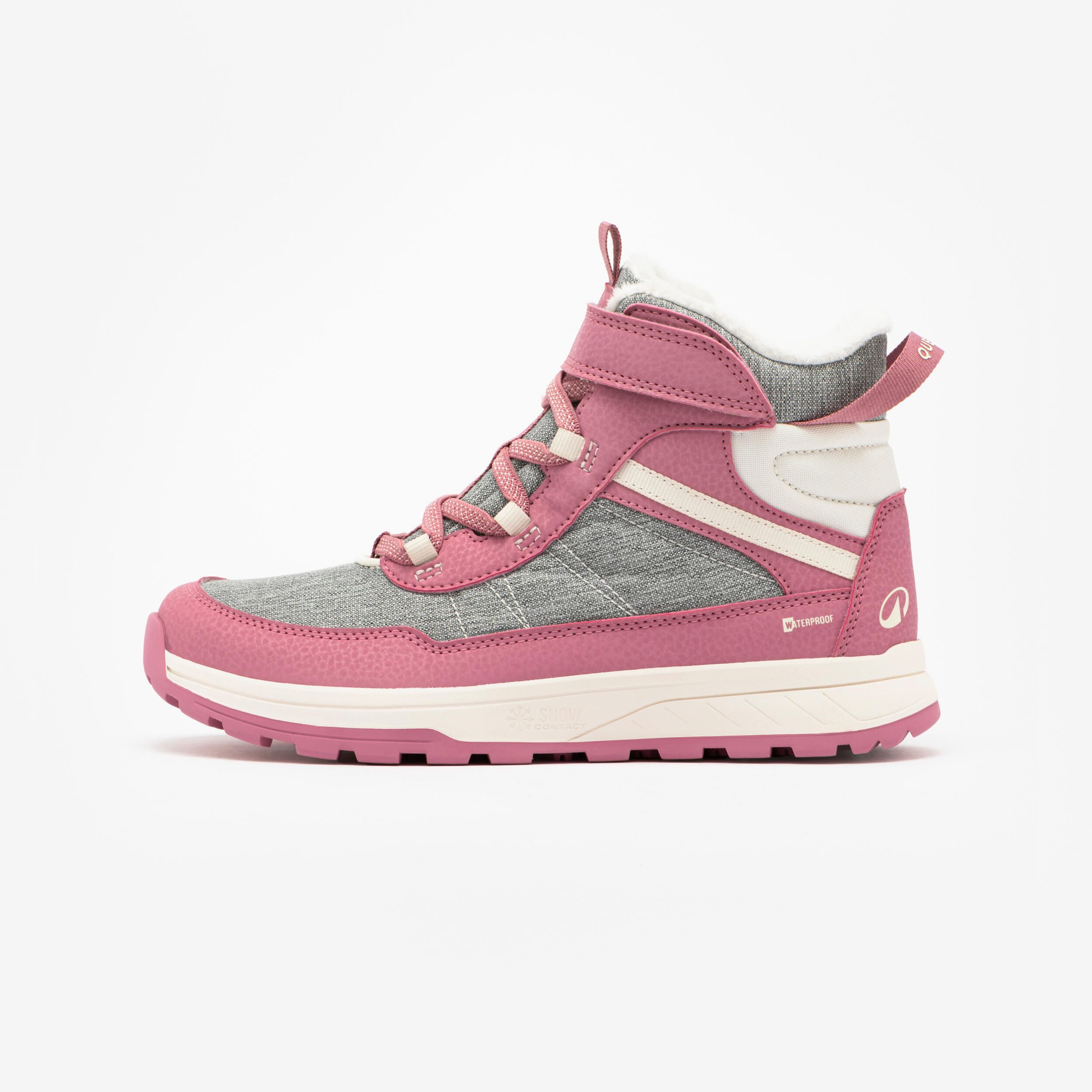
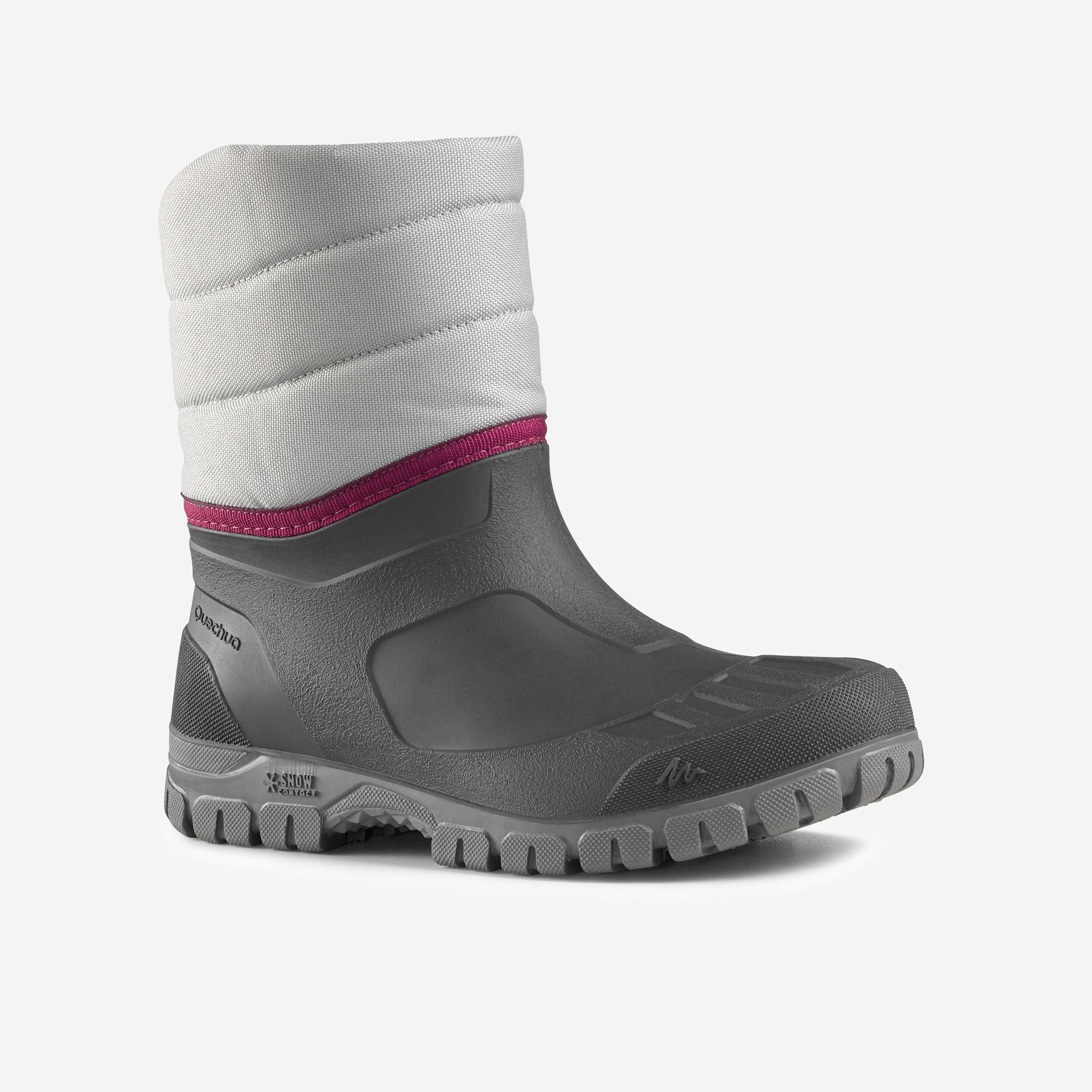
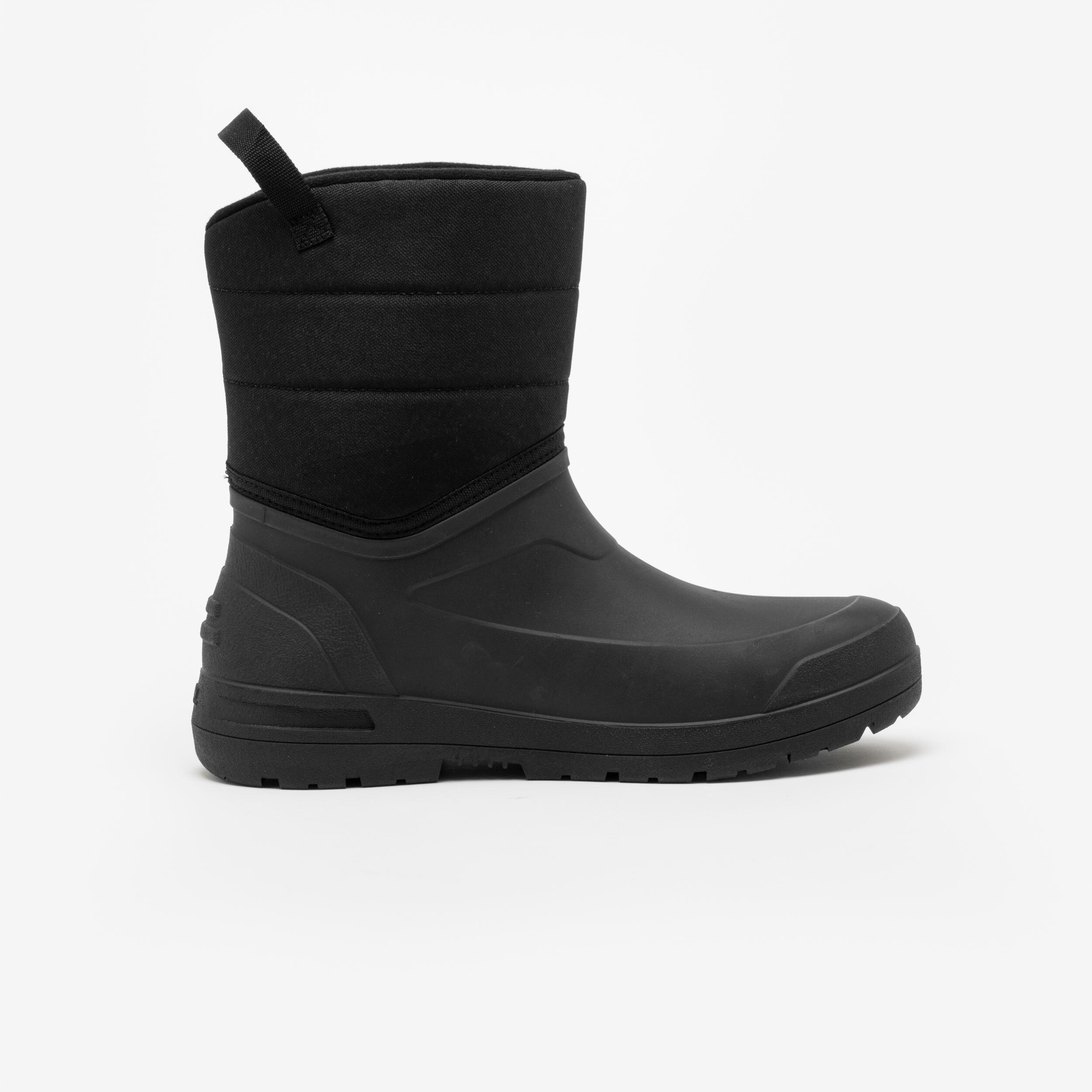
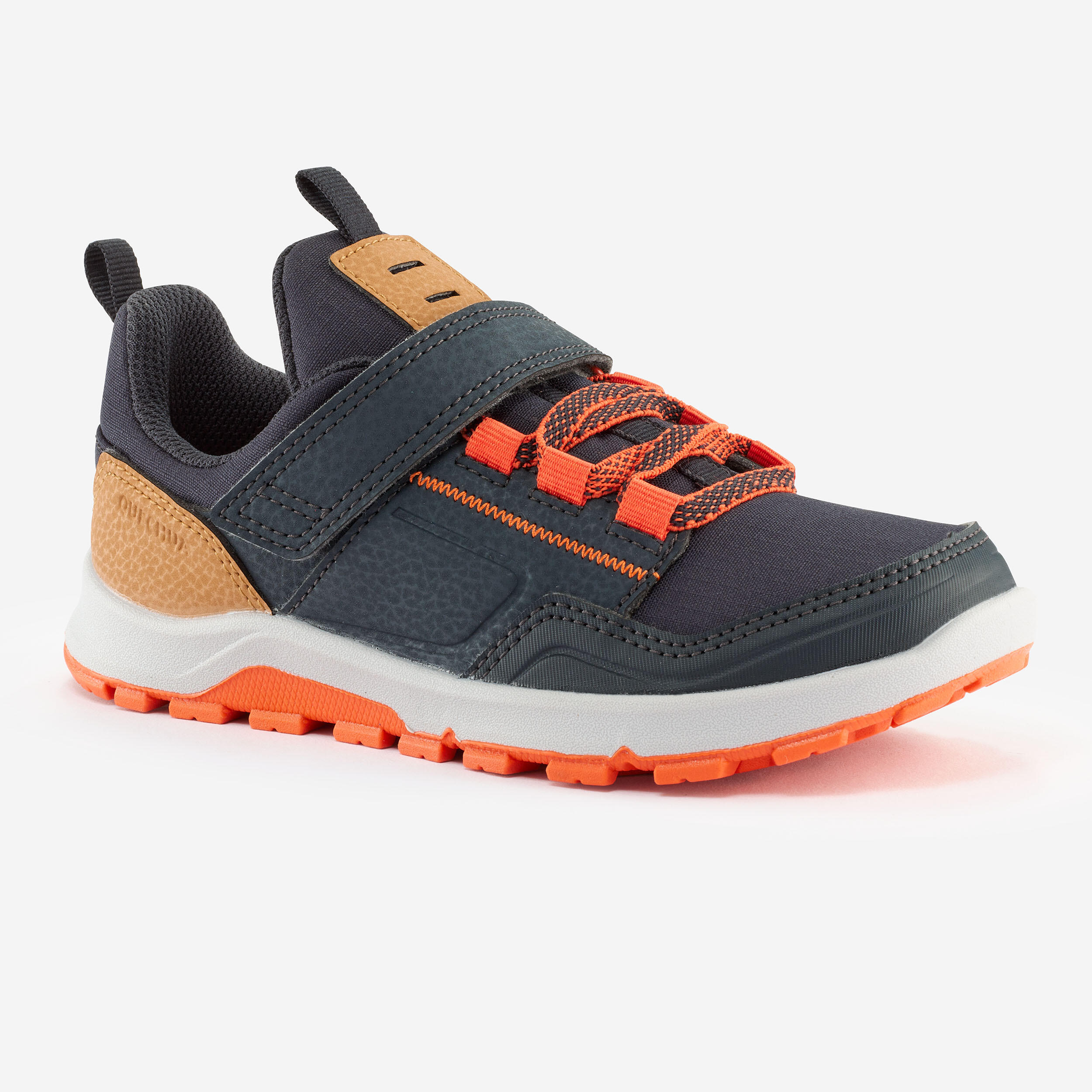
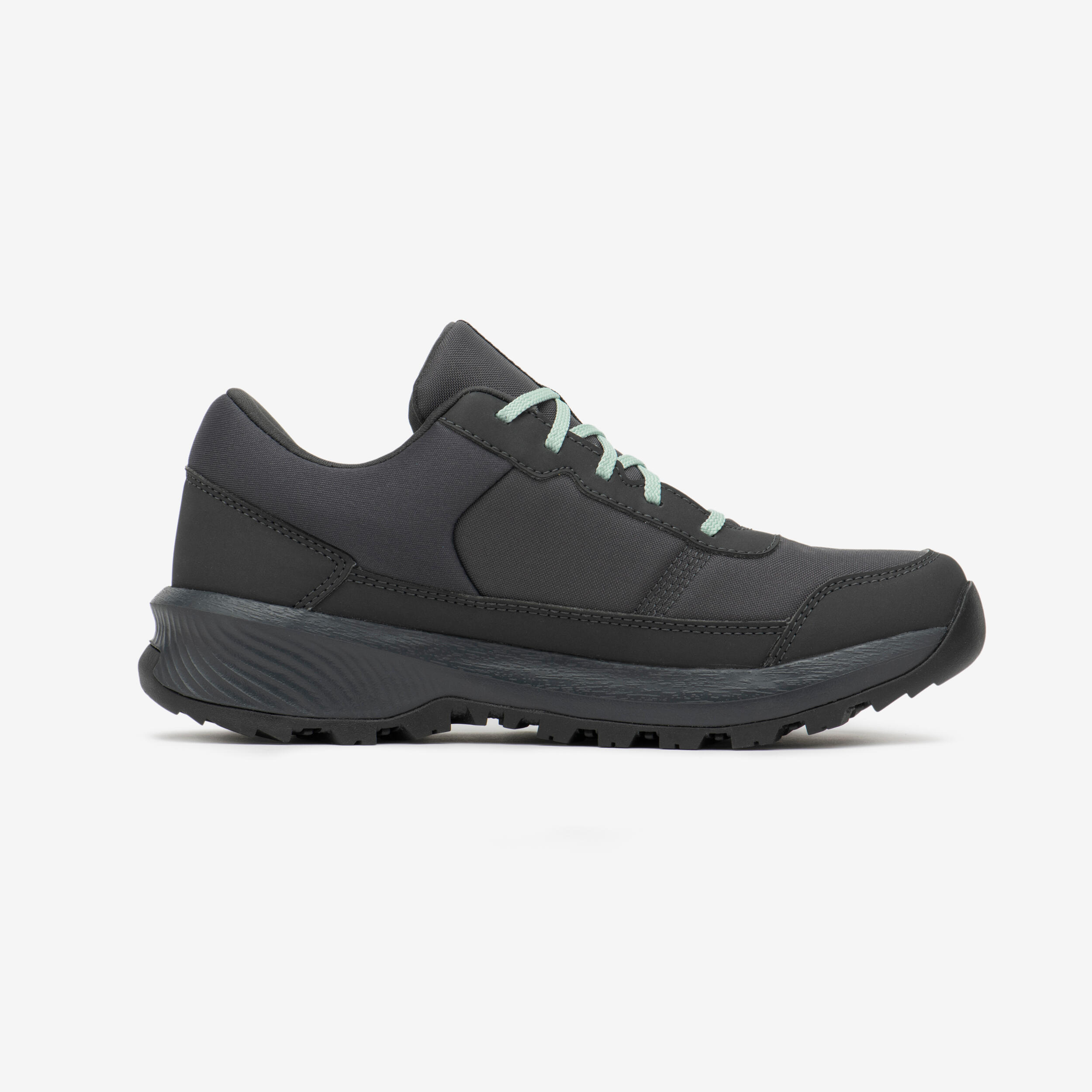
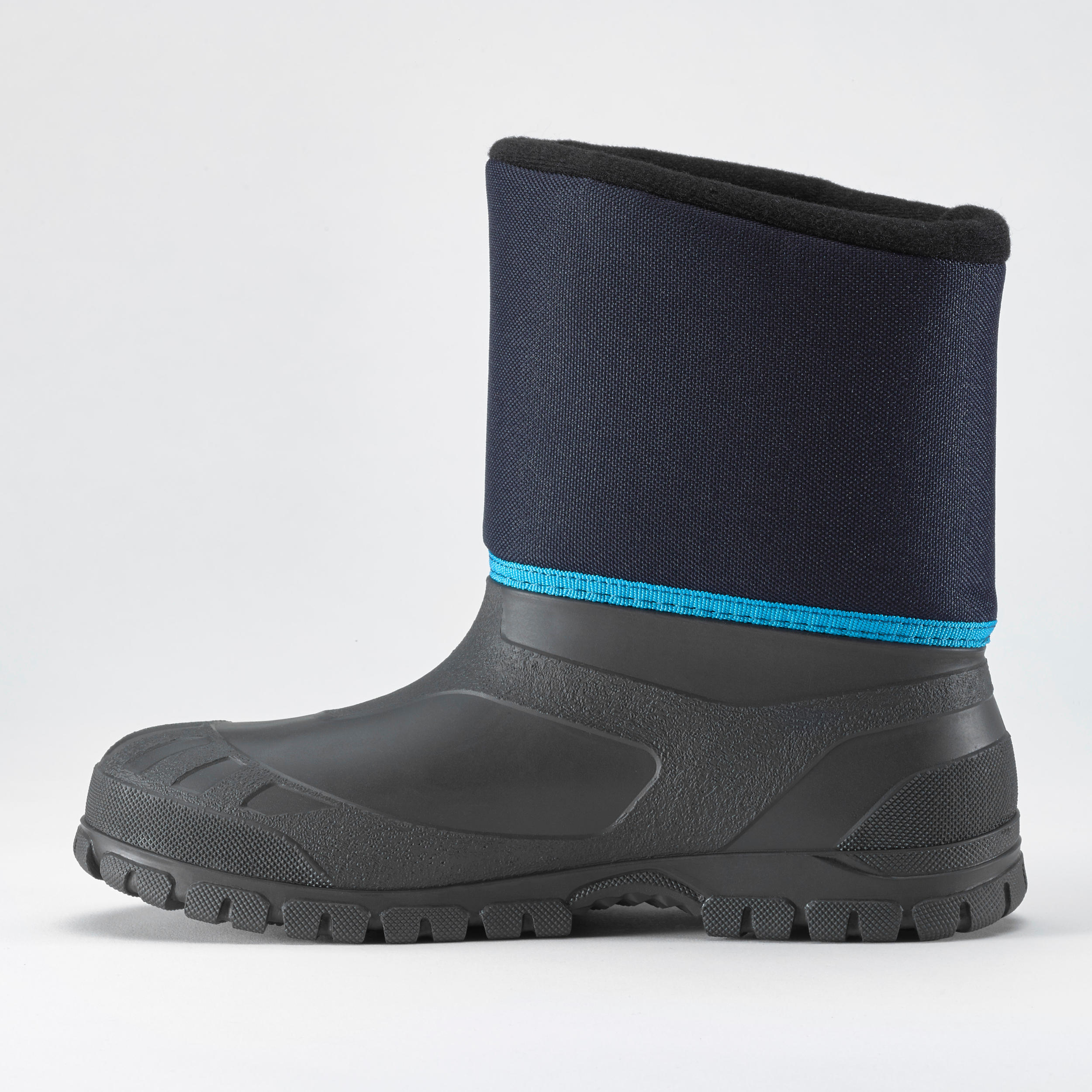
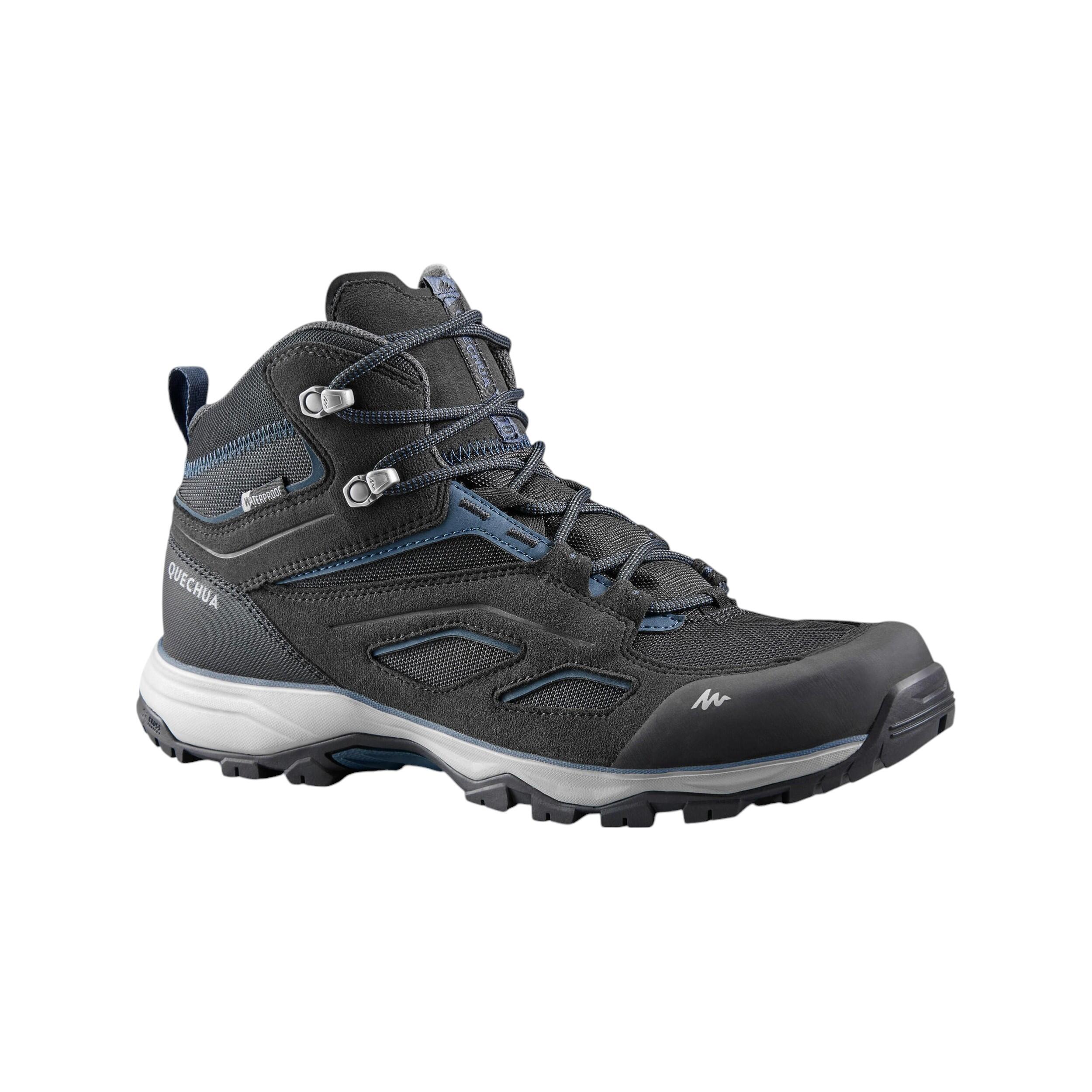
Selecting the right hiking footwear depends entirely on the specific nature of the terrain and the total distance you intend to cover during your trek. For those tackling rocky or wet trails, sturdy hiking shoes and boots with reinforced ankle support and high-traction rubber soles are necessary to maintain balance. The technical reason for opting for mountain hiking footwear over standard trainers is the inclusion of a rock guard; this is a thick rubberised layer at the toe and heel that protects your feet from sharp stones and heavy impacts. If you are walking on well-groomed, flat paths, lightweight hiking footwear offers the benefit of flexibility and reduced muscle fatigue. Make sure to always check the "drop" and cushioning level of the midsole, as 10mm foam is often used to provide high shock absorption on hard, packed surfaces. Whether you prefer a mid-cut boot for maximum stability or a low-cut shoe for speed, ensure the fit allows for slight foot swelling which naturally occurs after several hours of physical exertion in the outdoors.

Is it OK to wear running shoes for hiking?

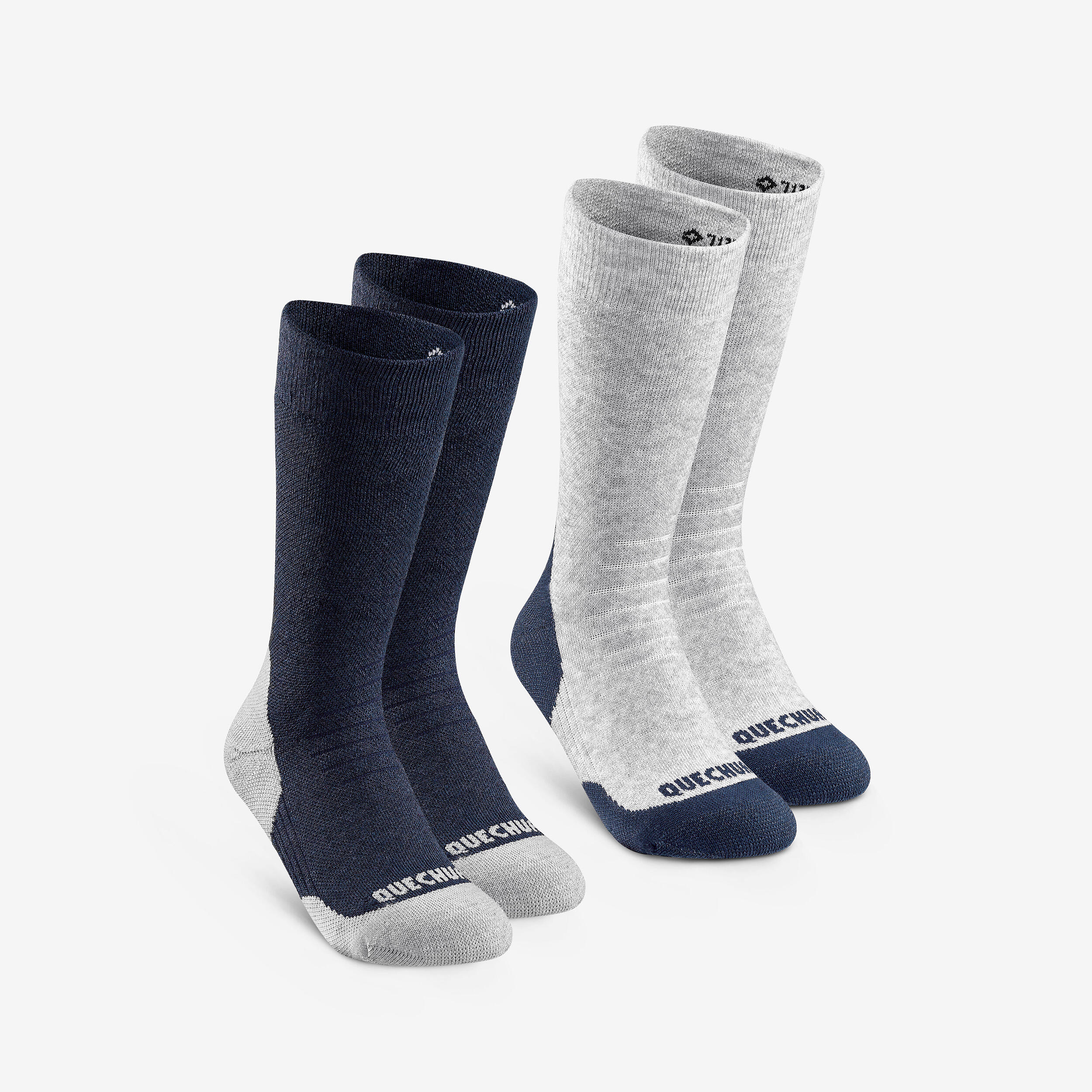
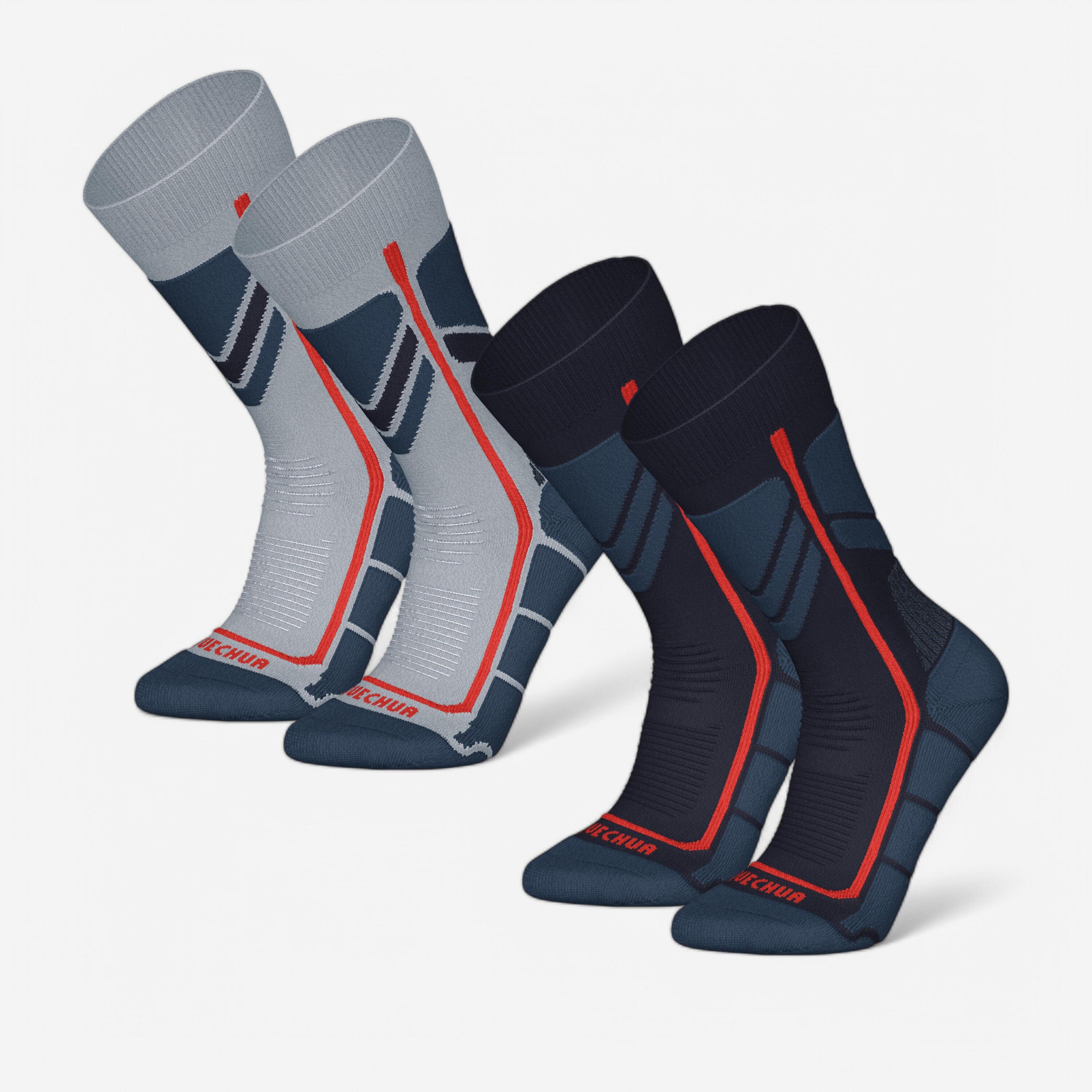
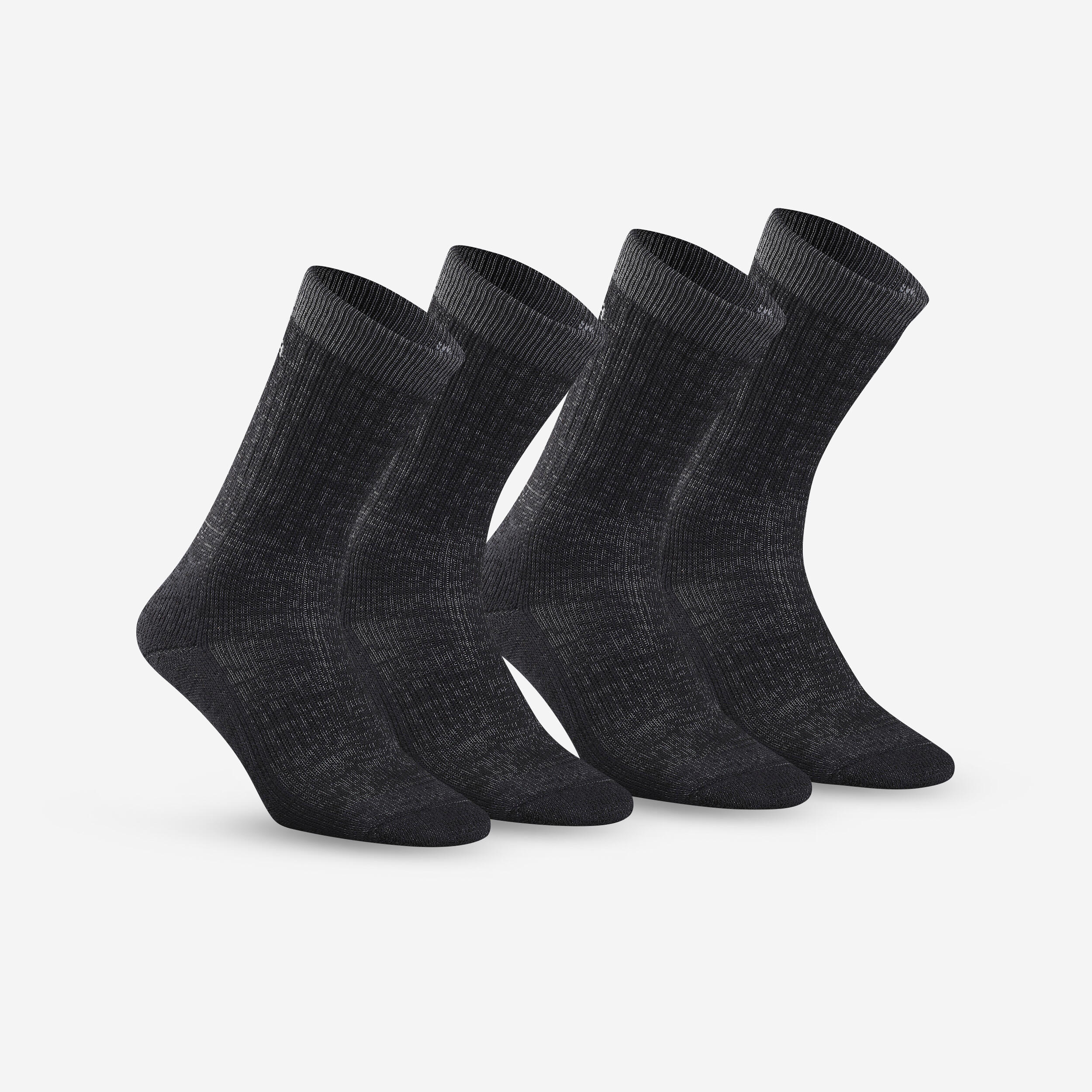
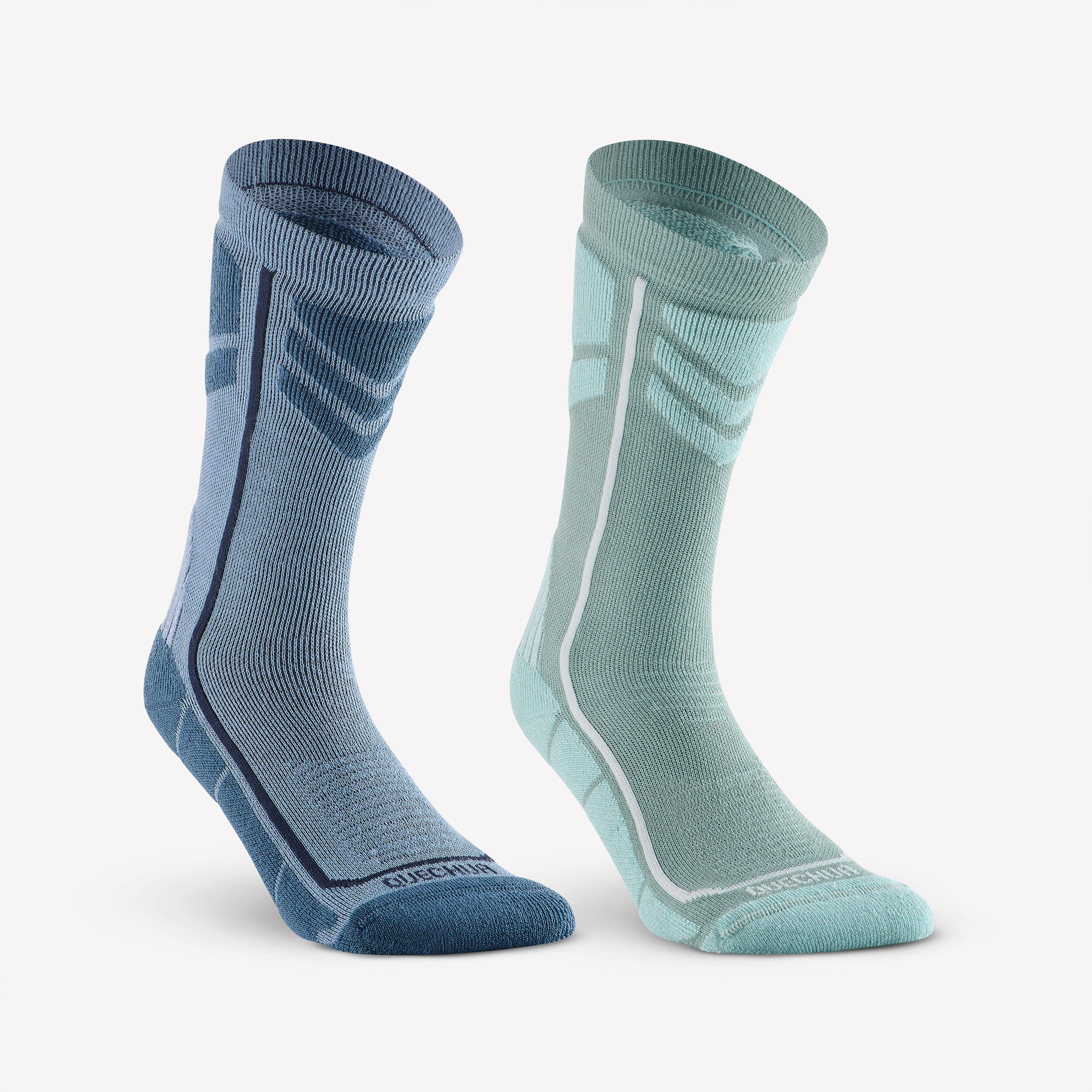
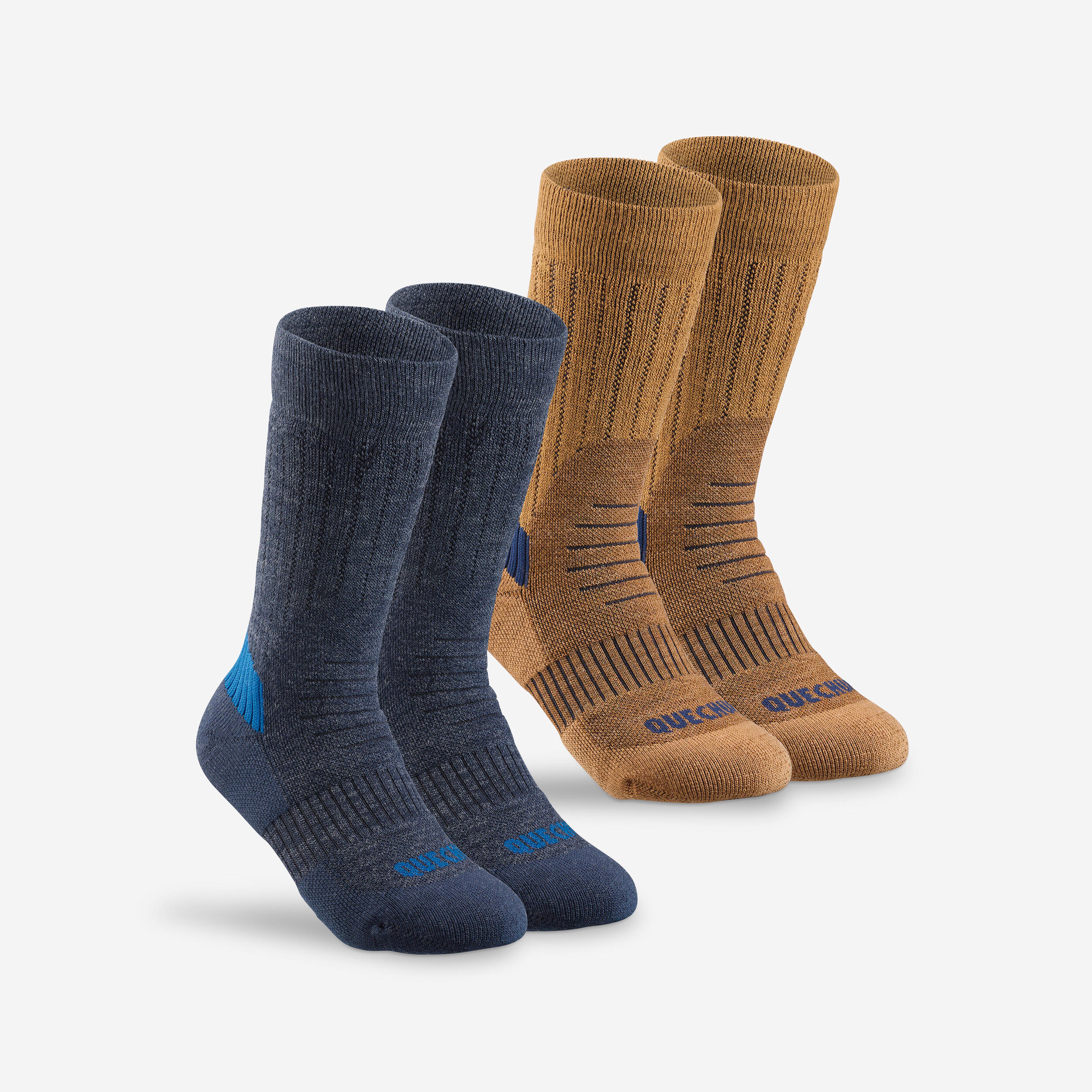
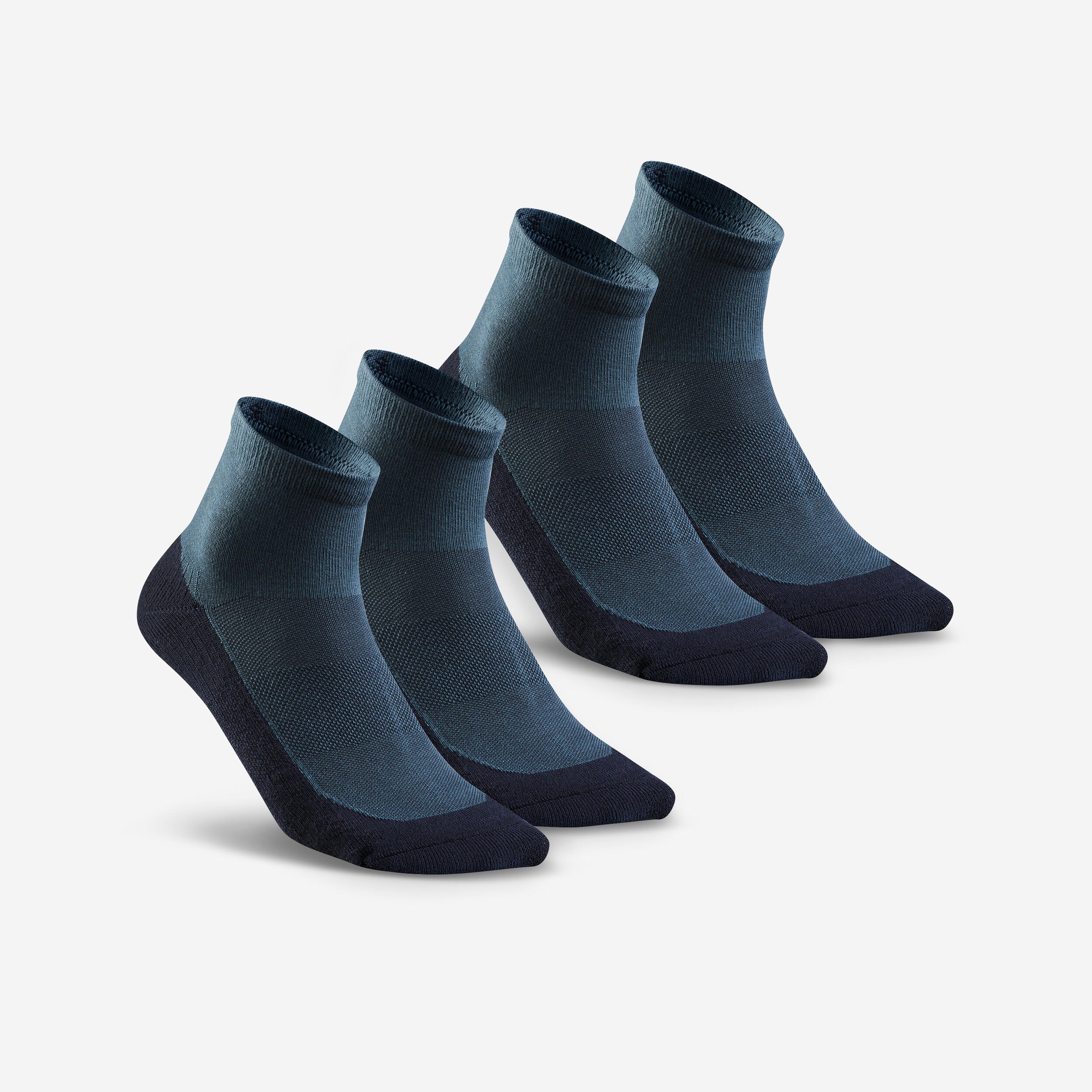
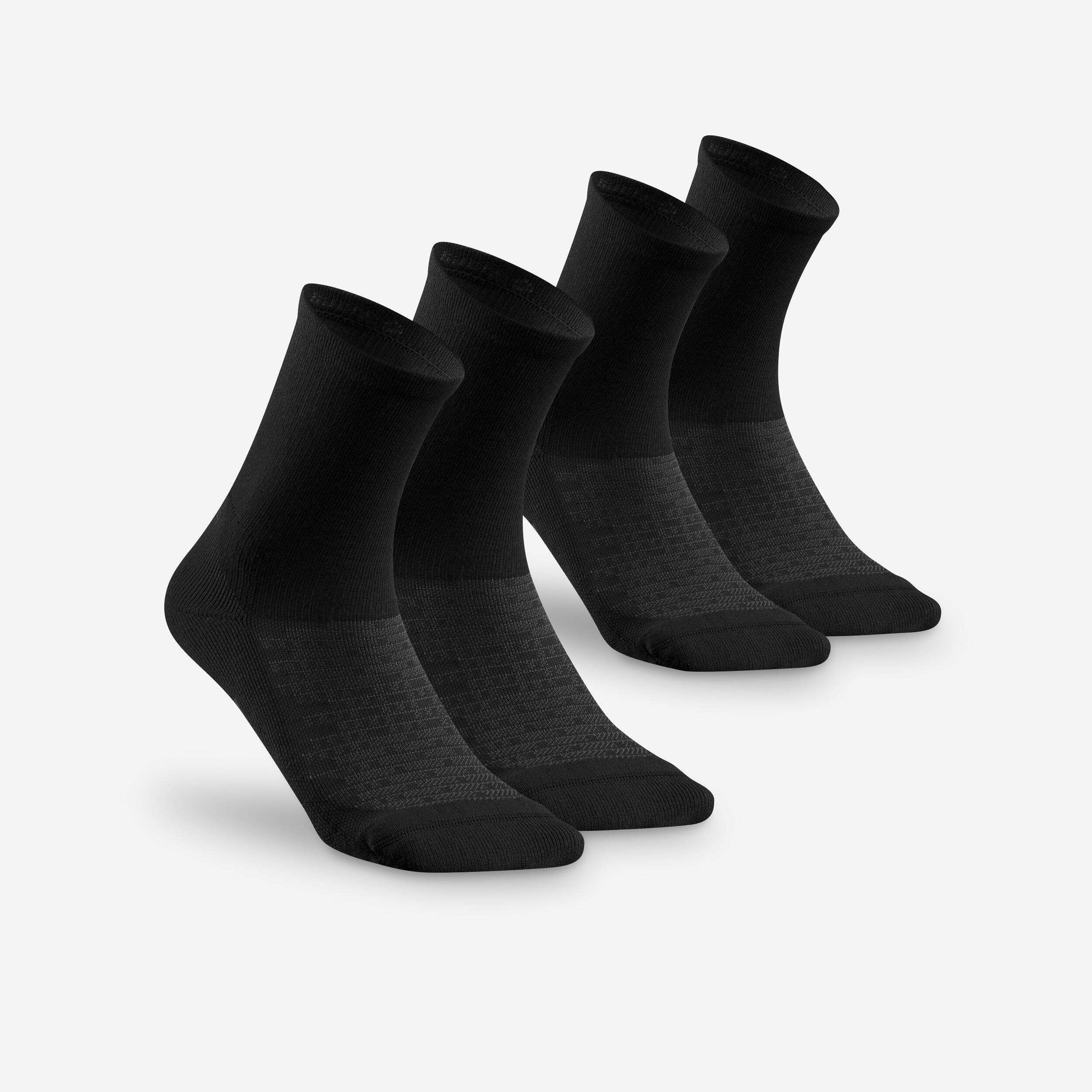
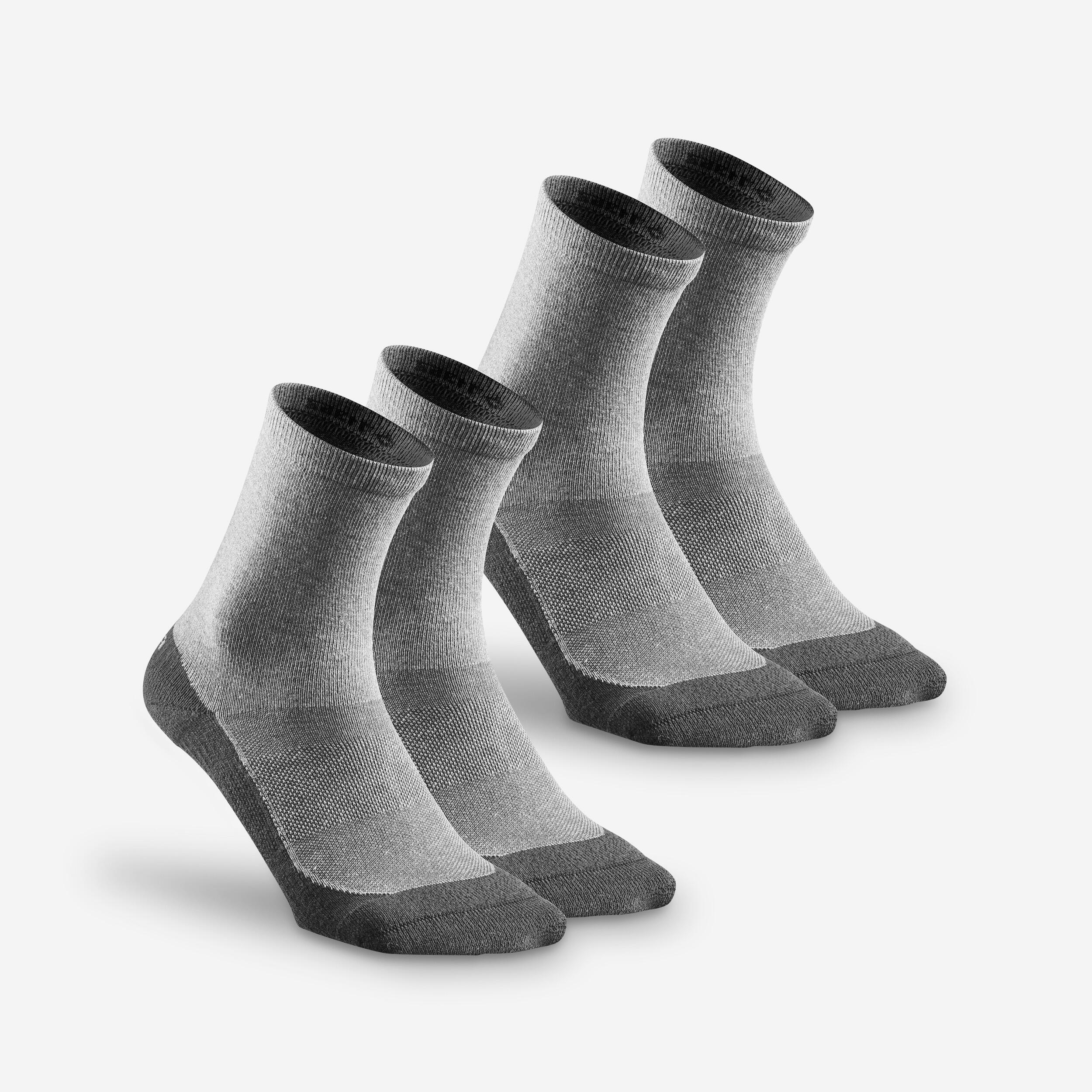
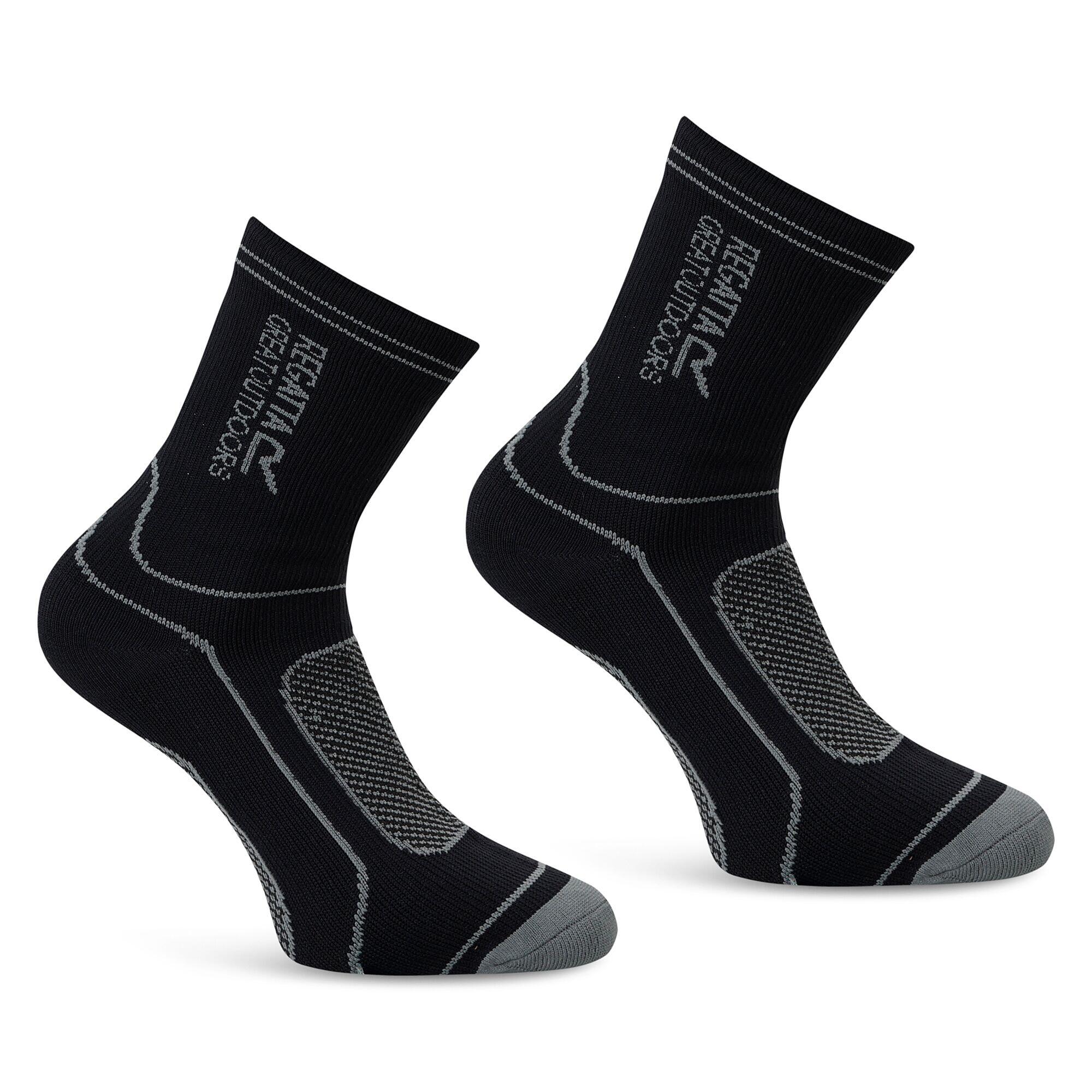
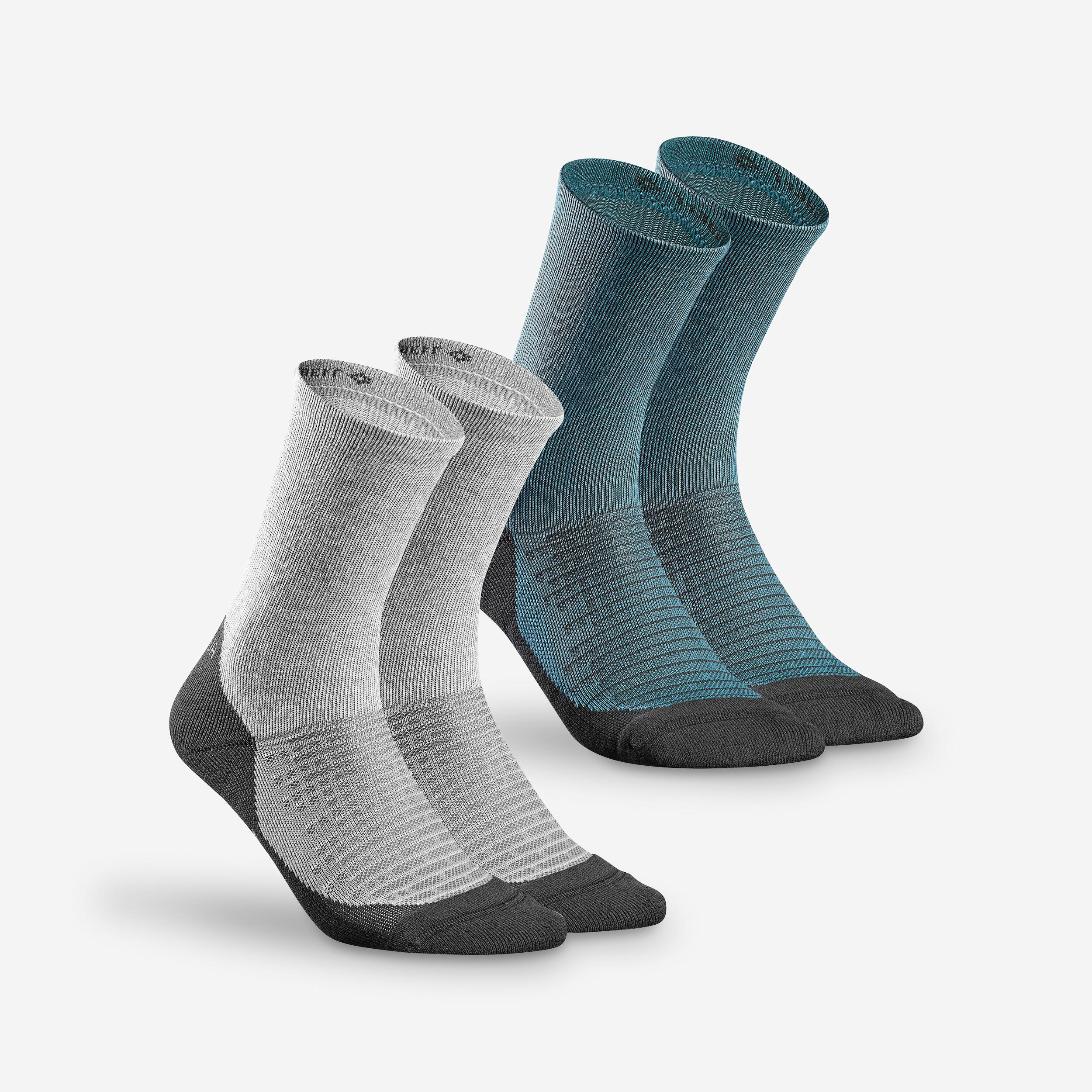
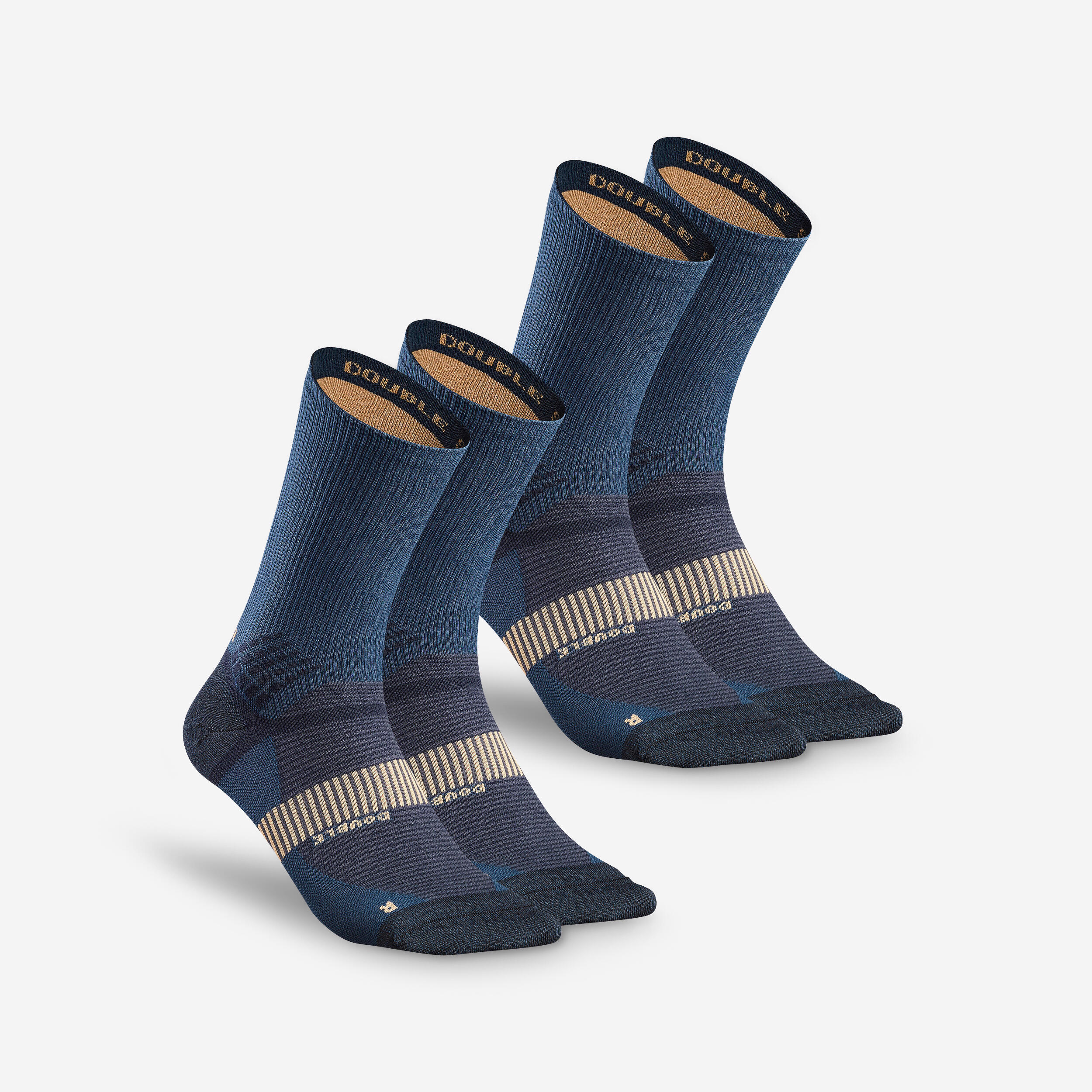
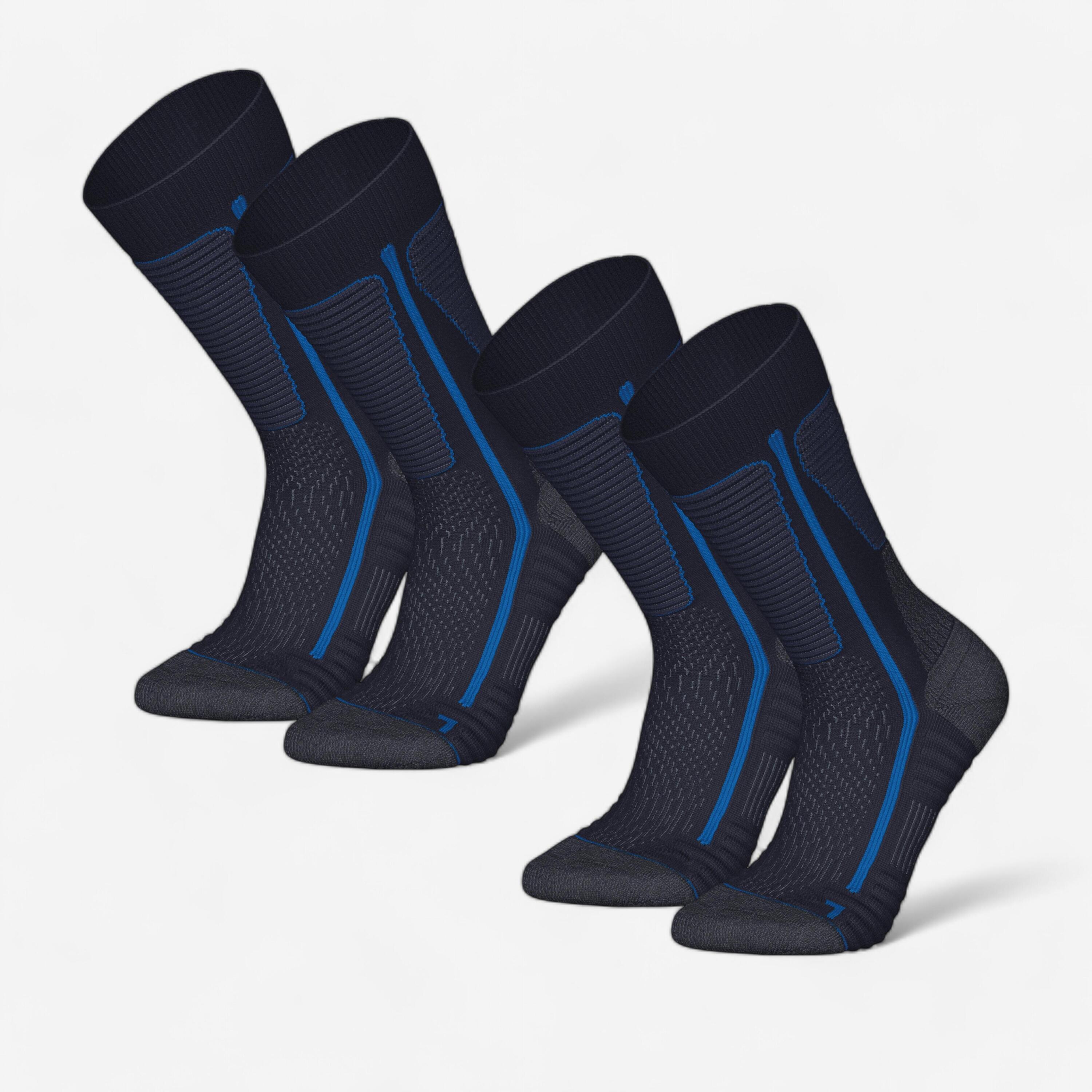
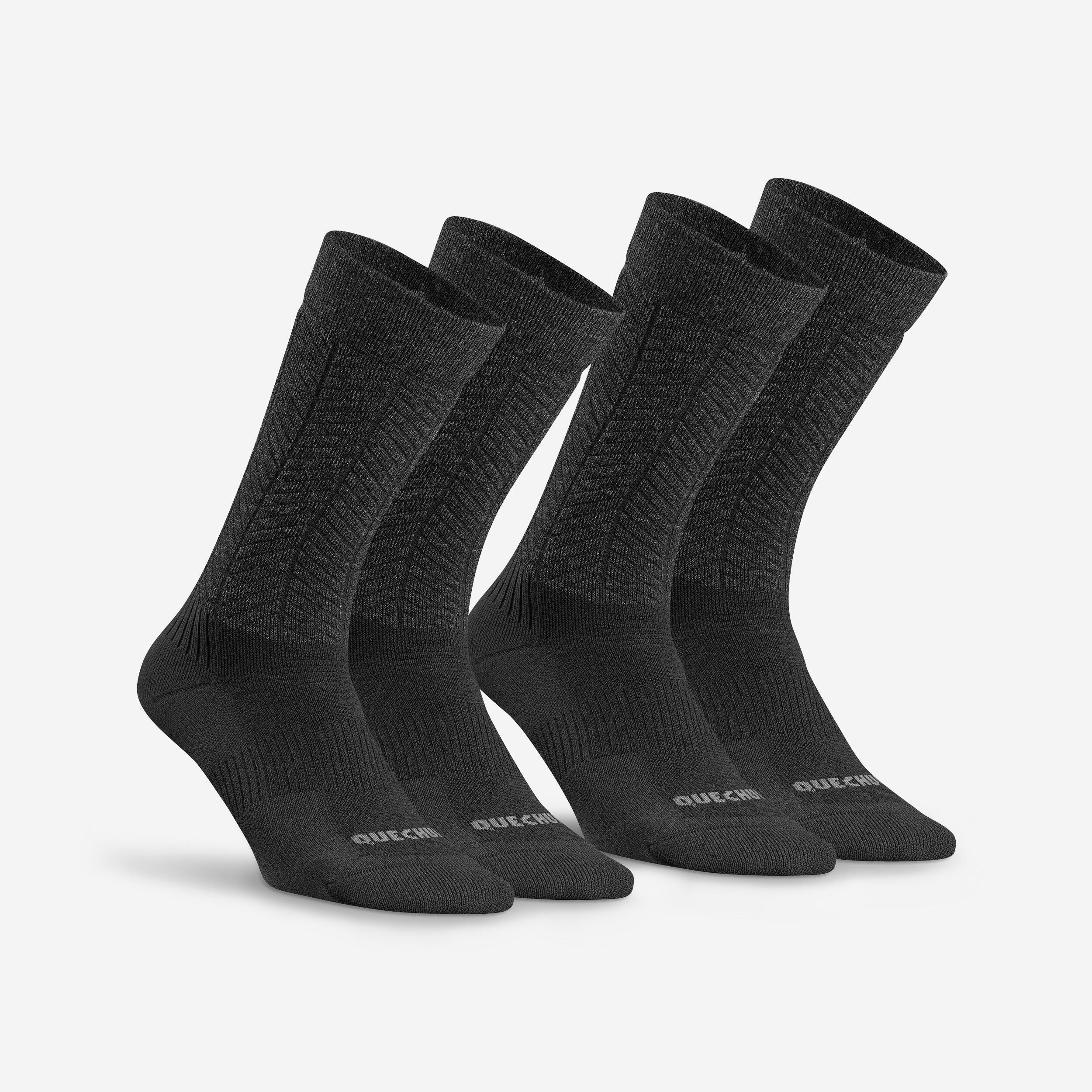
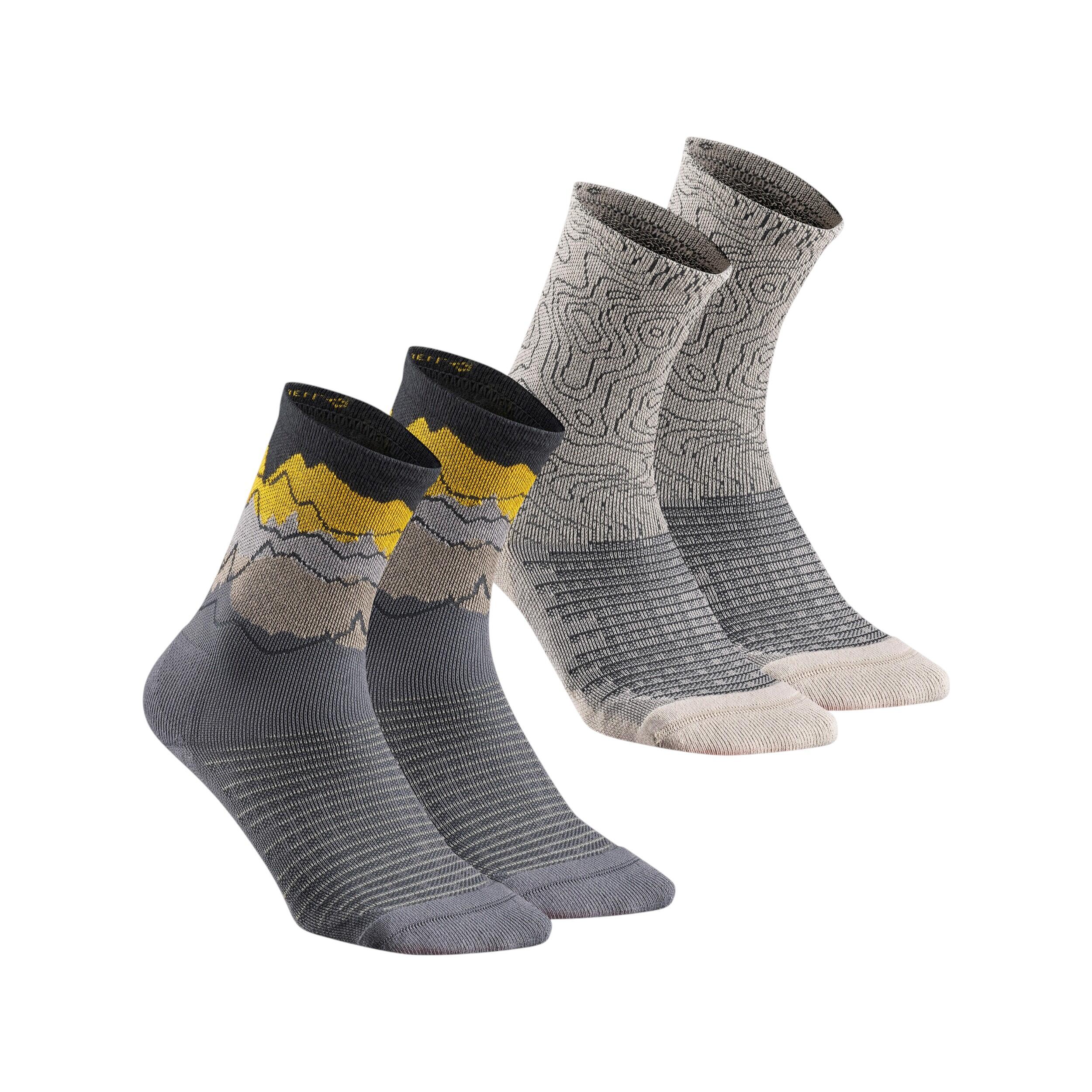
Standard running shoes often lack the specialised grip, structural support, and long-term durability required to safely navigate rough or unpredictable trails. While these are perfectly suitable for short, flat walks on pavement, they do not provide the necessary protection against jagged rocks or slippery mud. To prevent blisters and ensure moisture management, it is better to pair dedicated trail gear with technical hiking socks made from synthetic or merino wool blends. The technical reason behind this choice is traction; hiking soles feature multi-directional lugs that dig into soft earth, a feature absent in smooth-soled road running shoes. If you frequently encounter boggy ground, look for waterproof hiking footwear featuring a breathable membrane like Gore-Tex to keep your feet dry without causing excessive perspiration during high-tempo sections of the climb.
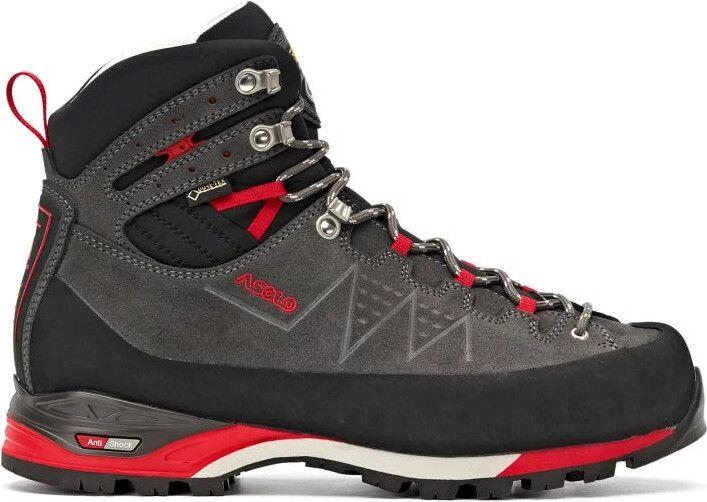
Is there a difference between hiking shoes and hiking boots?

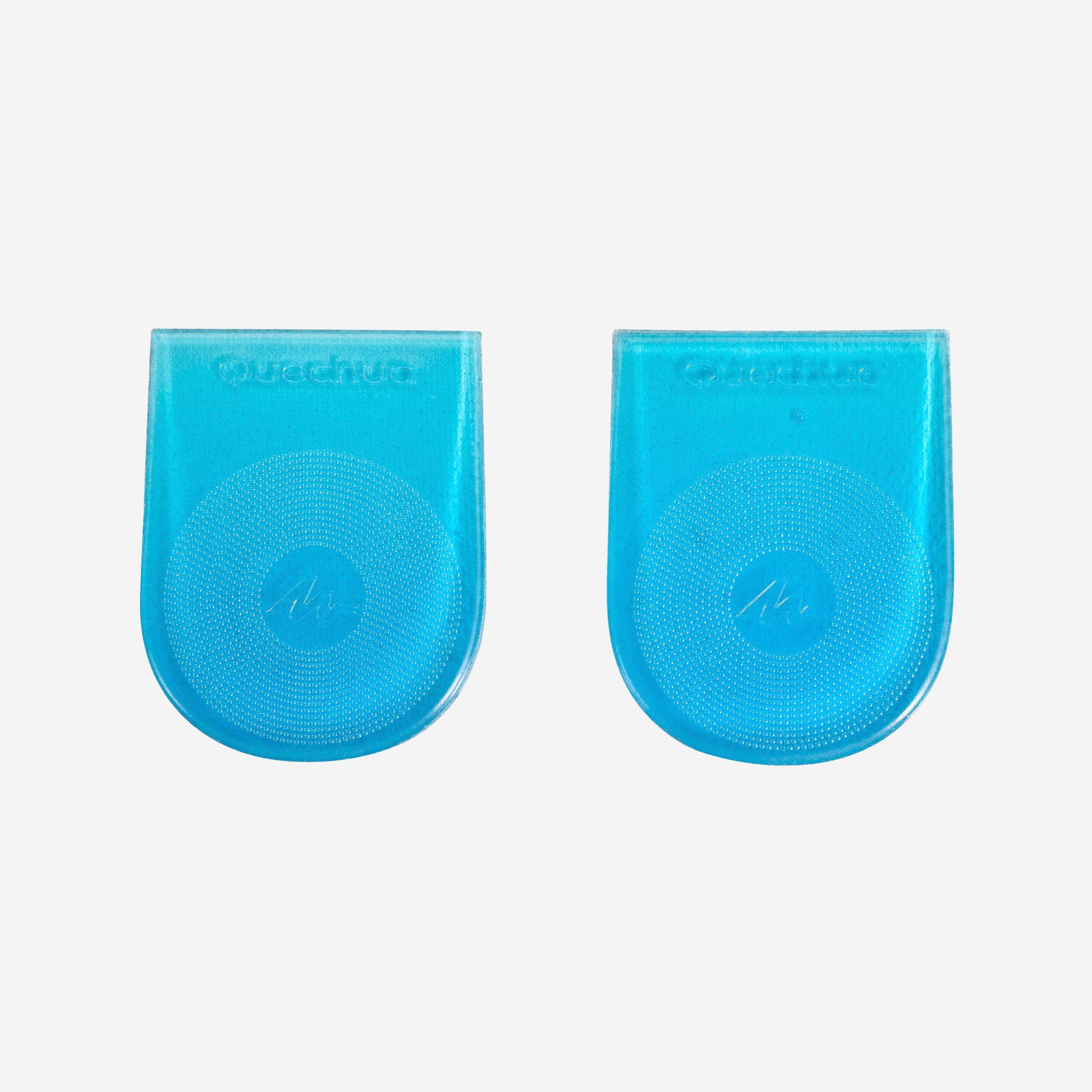
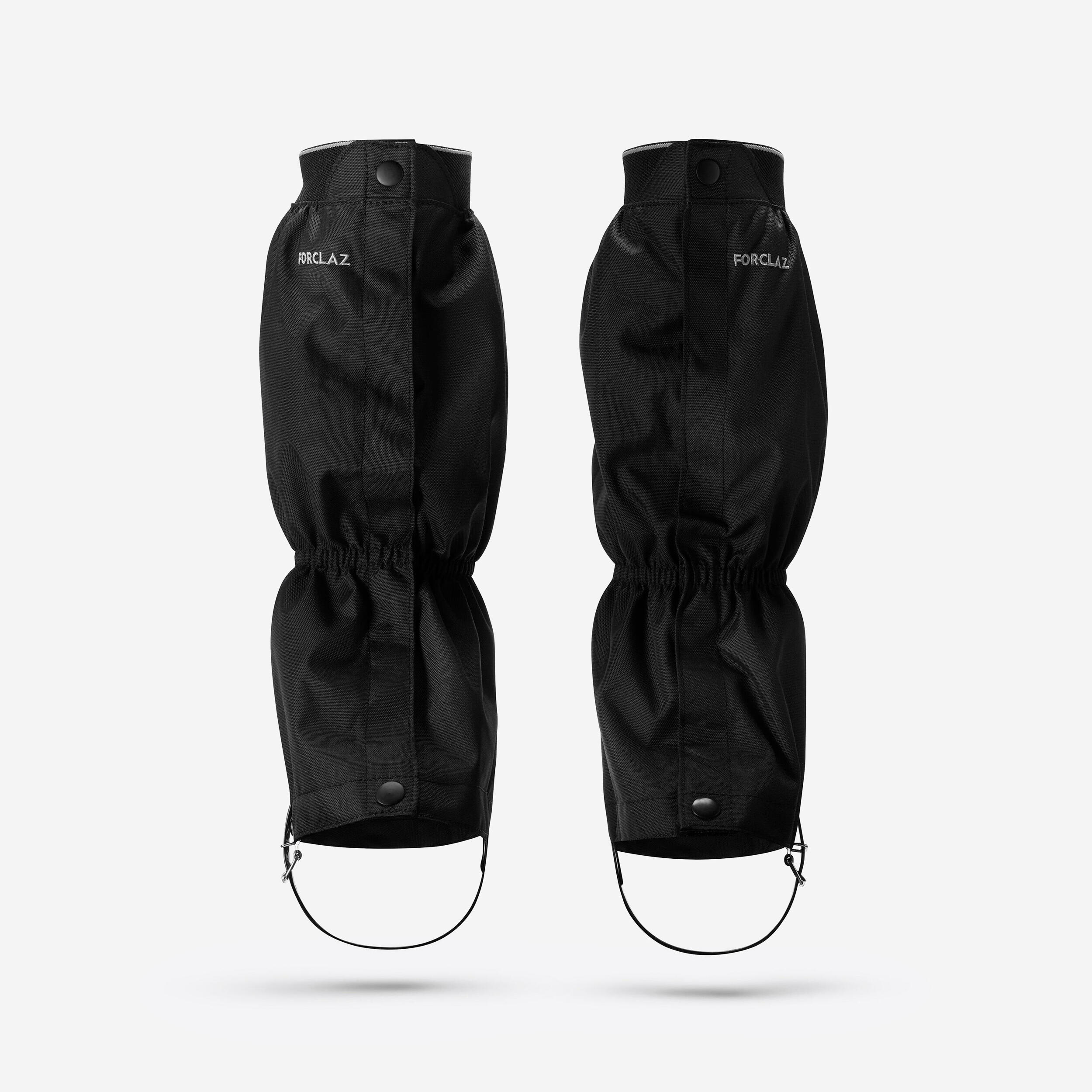
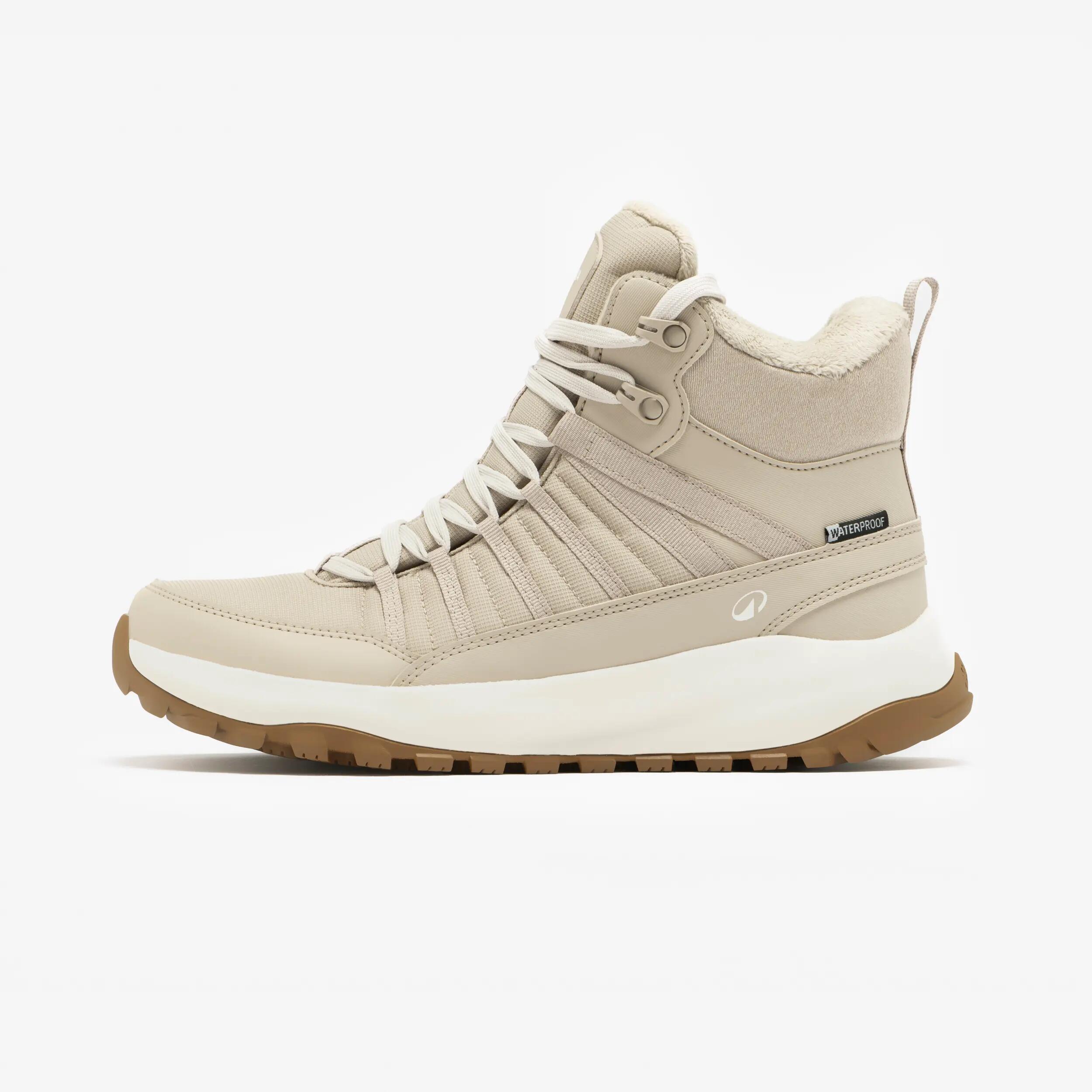
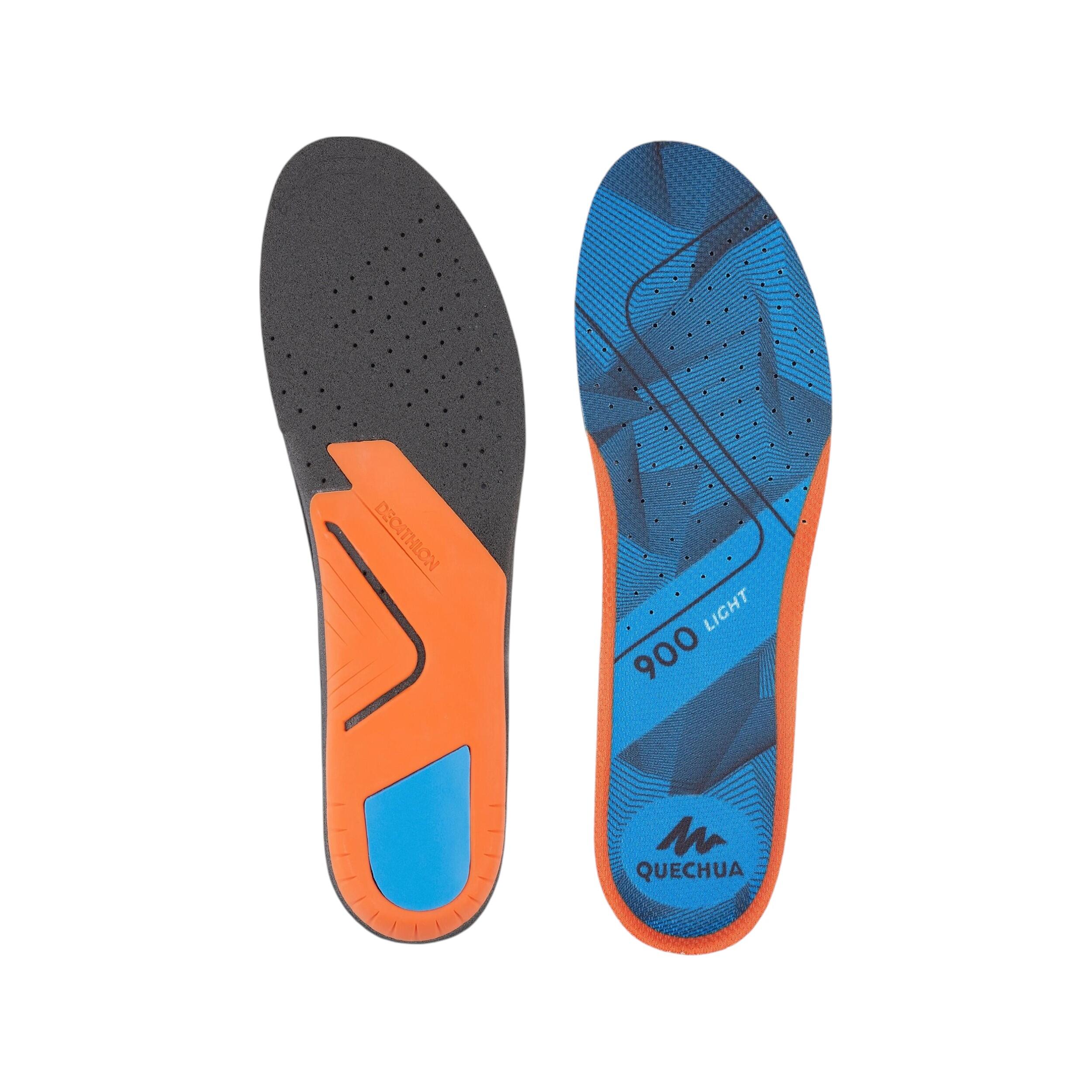
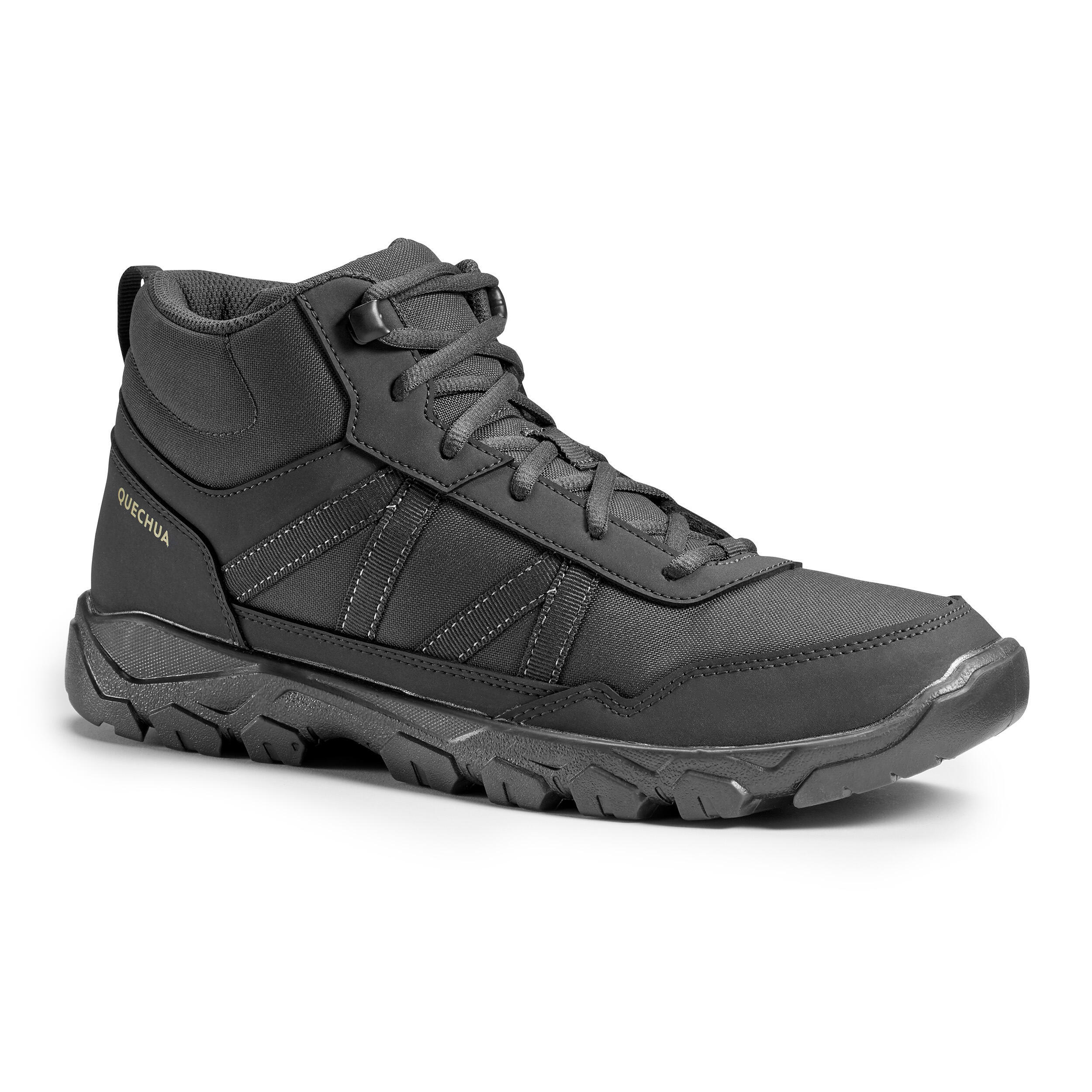
The primary difference lies in the height of the collar and the stiffness of the chassis, with hiking shoes being lightweight and flexible for easy trails. Hiking boots offer significantly more ankle support, which is critical when carrying a heavy rucksack that shifts your centre of gravity. To further enhance your comfort and adjust the fit, you can utilise various hiking soles and accessories such as orthopaedic insoles or gaiters to block debris. The technical benefit of boots is the gusseted tongue, which prevents water and small stones from entering through the lace area. If you are an intermediate hillwalker tackling steep elevation gains, the extra weight of a boot is a fair trade-off for the mechanical stability it provides when descending on loose scree or slippery grass slopes.

When should I opt for hiking sandals instead of enclosed footwear?

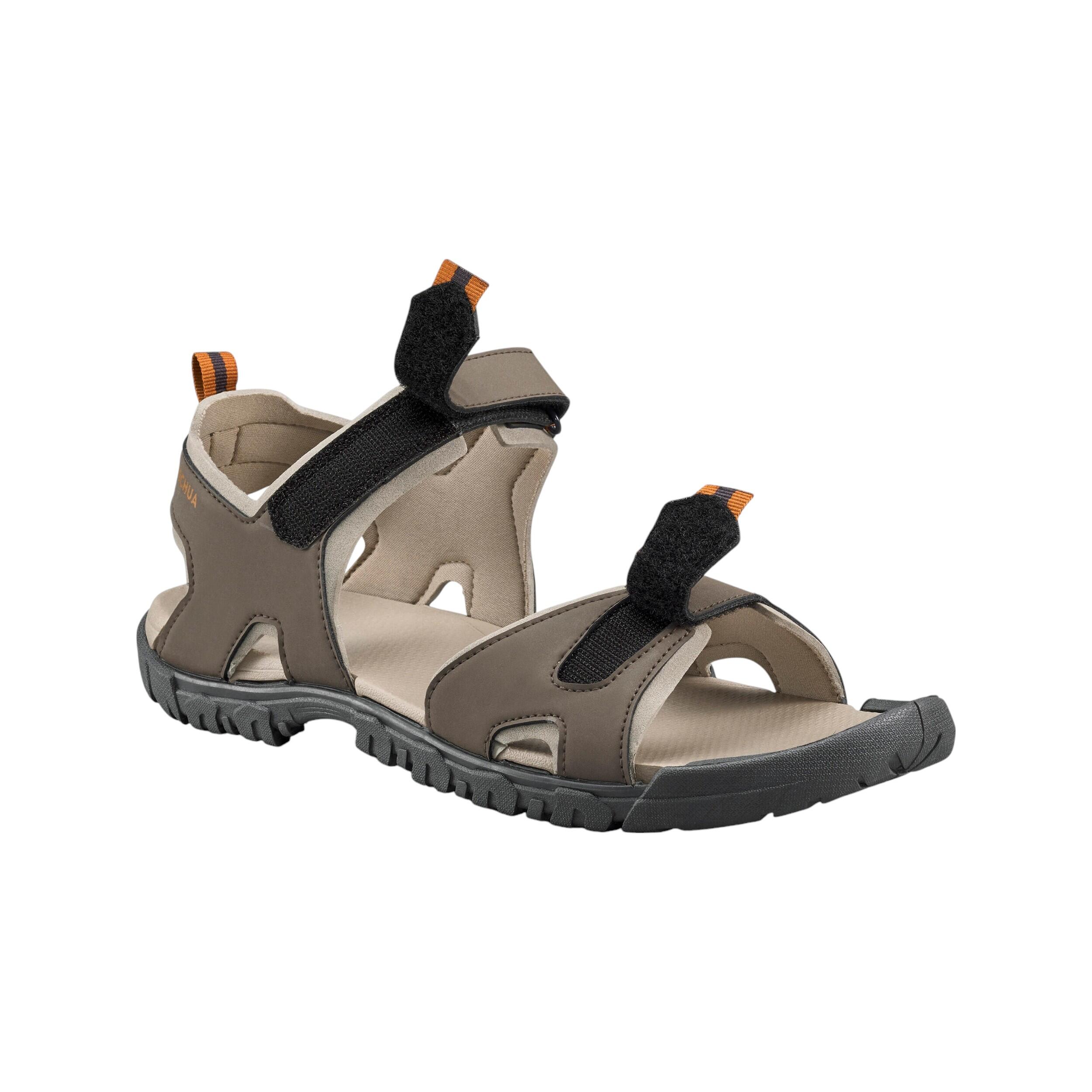
For summer excursions or river crossings where instant drainage is required, breathable hiking footwear like hiking sandals provides a cooler alternative to traditional boots. These models use robust outsoles with deep lugs to maintain grip on wet surfaces while allowing maximum airflow around the skin to prevent overheating. The reason for choosing sandals over shoes in water related hike is that they do not hold water, which prevents the footwear from becoming heavy and waterlogged.