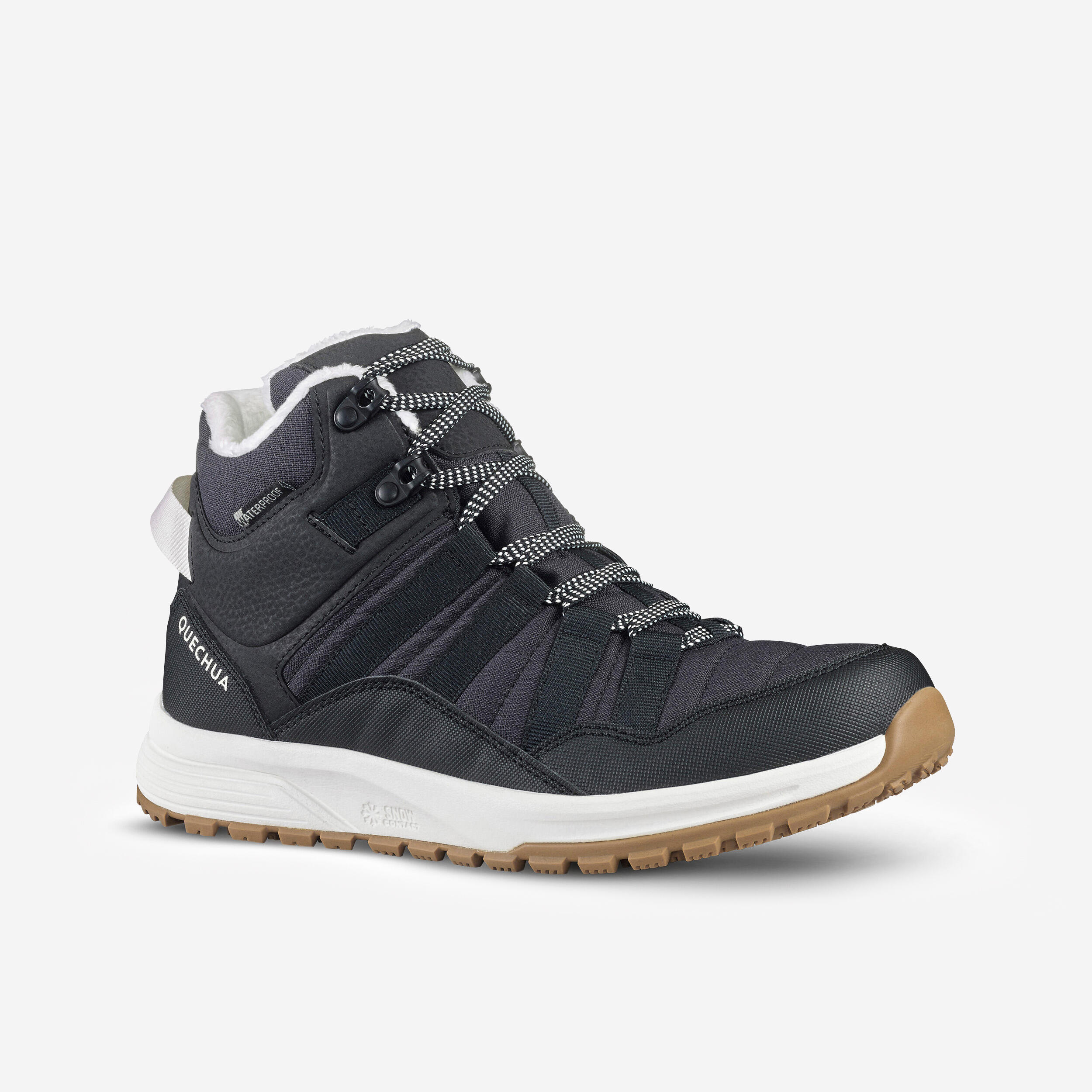
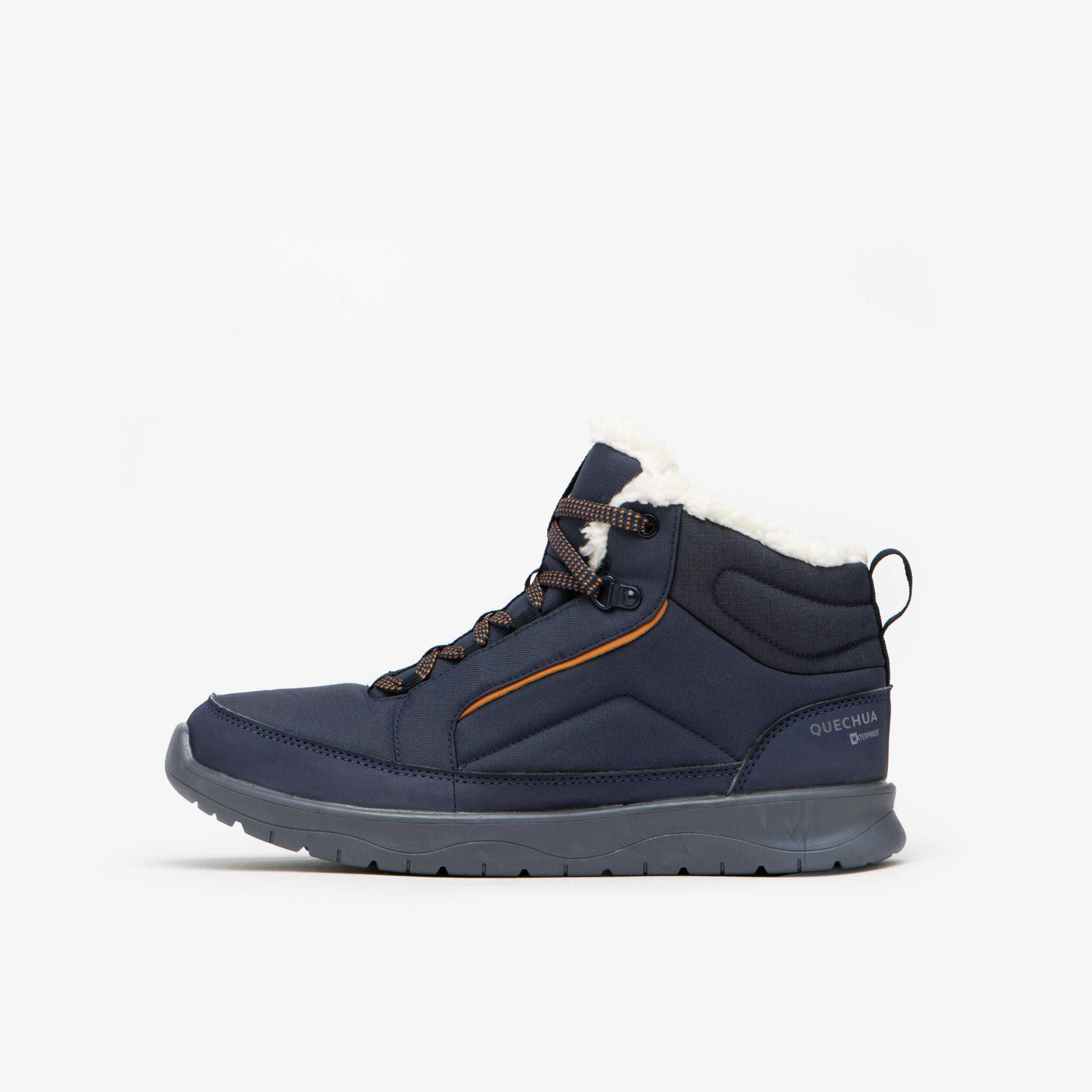
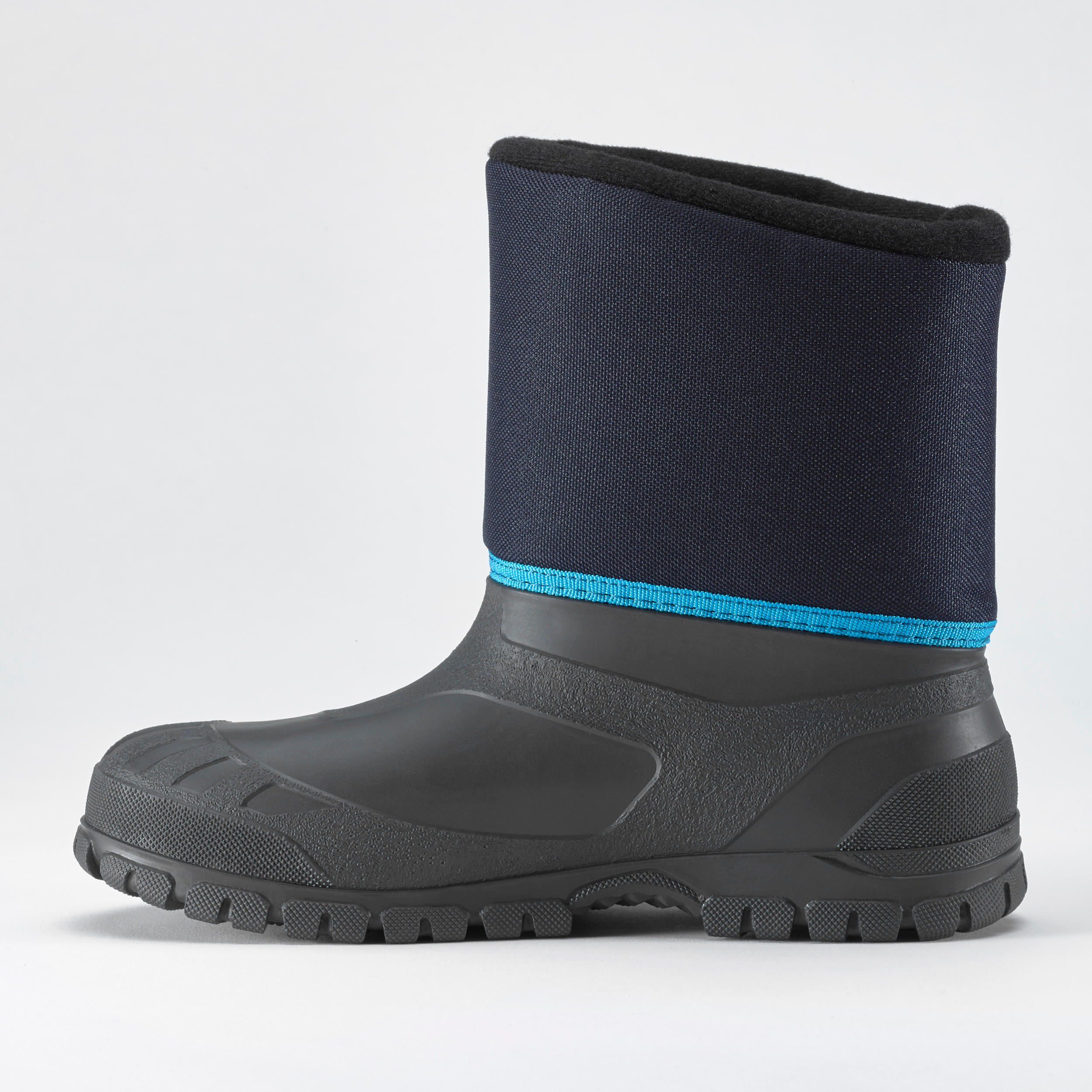
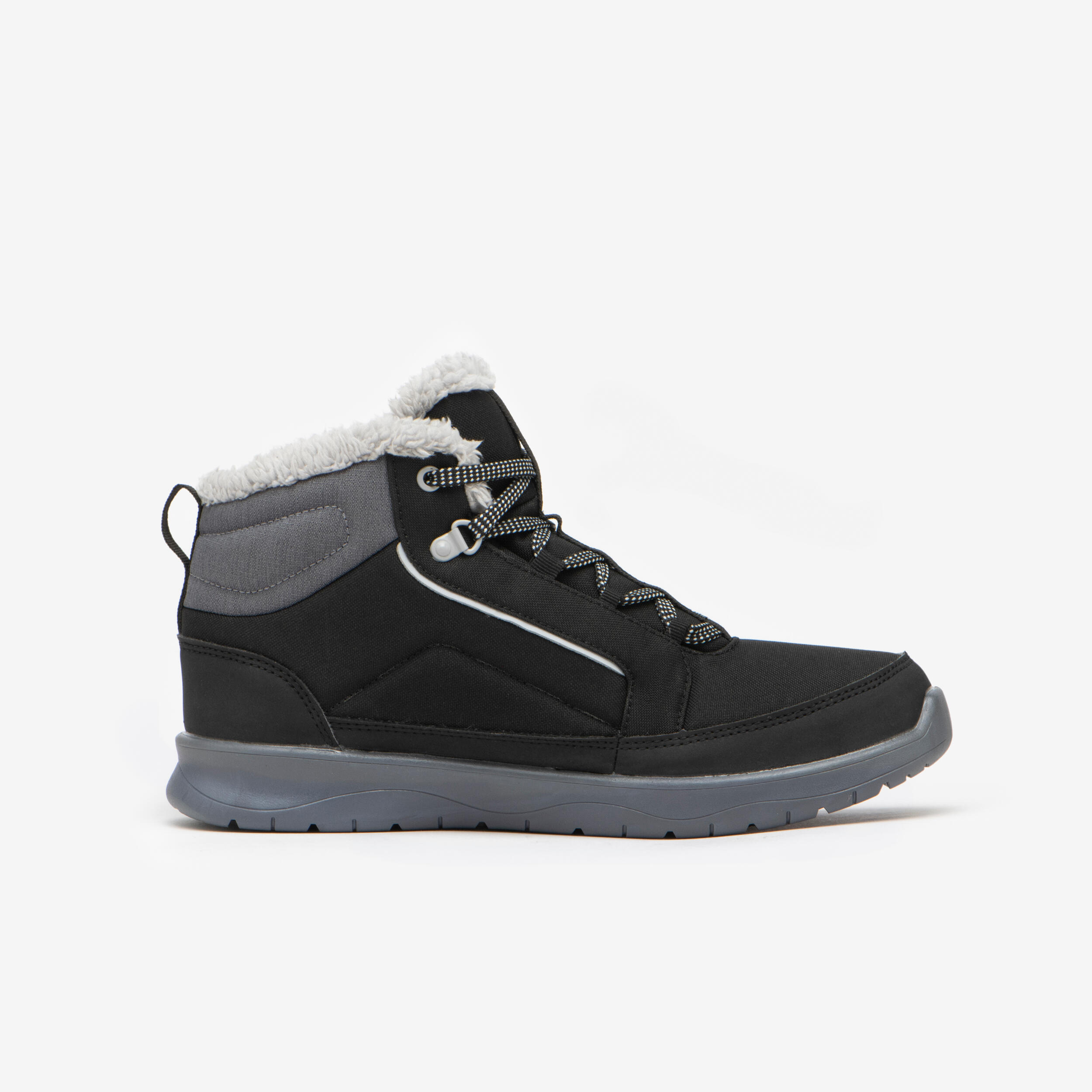
313 items
4.6/5 based on 174551 reviews collected online and in stores

Hiking Snow Boots FAQs


How do I choose the right temperature rating for hiking snow boots?

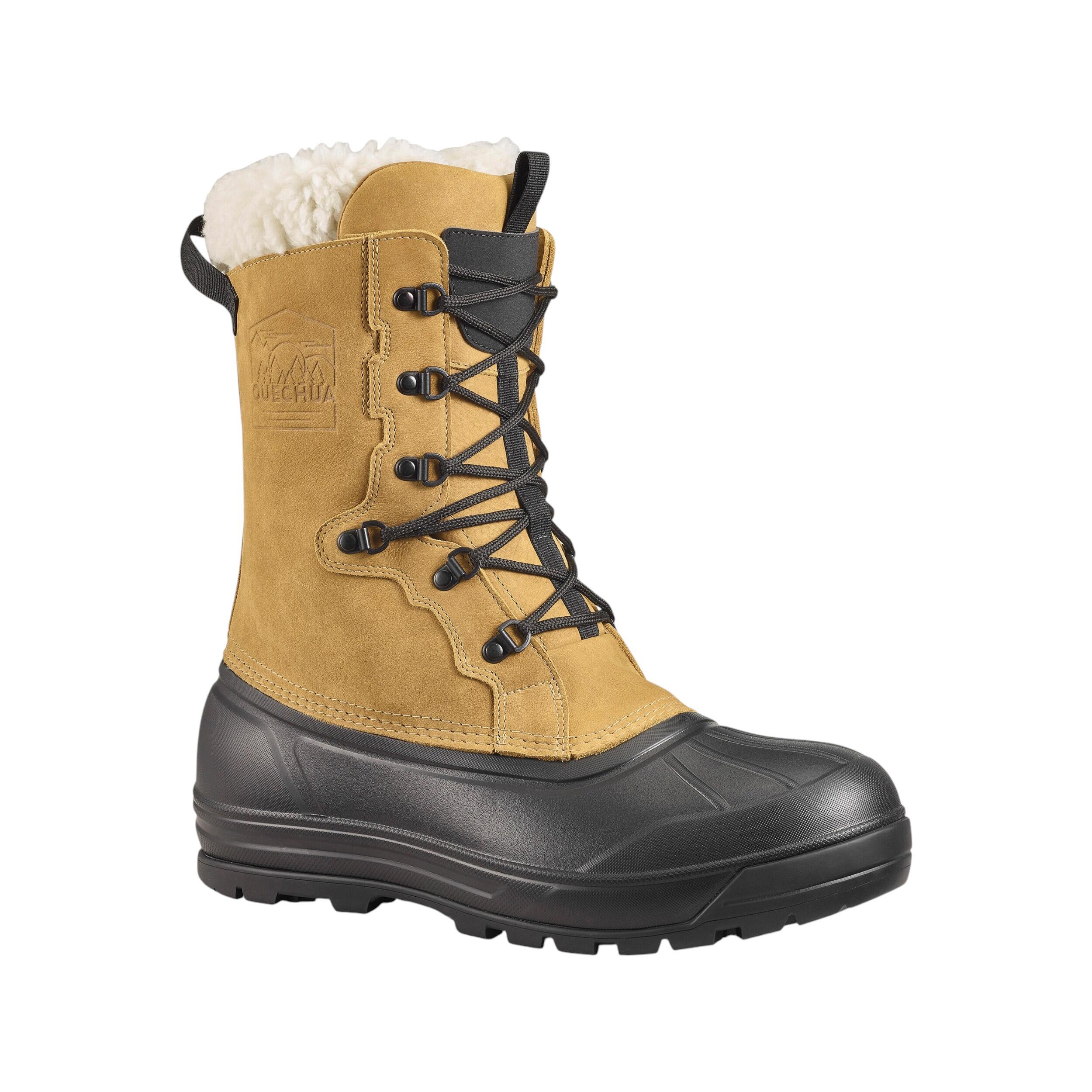
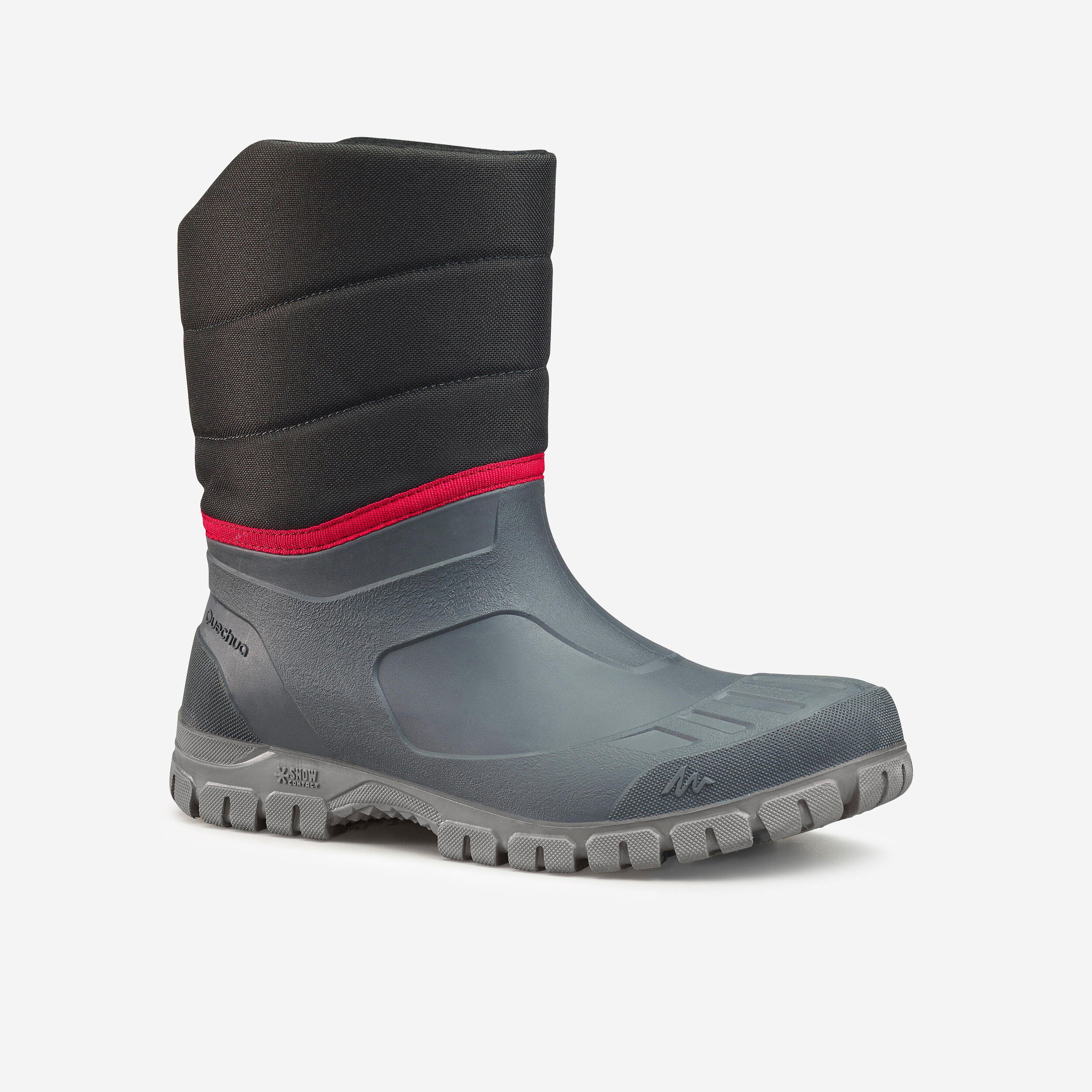
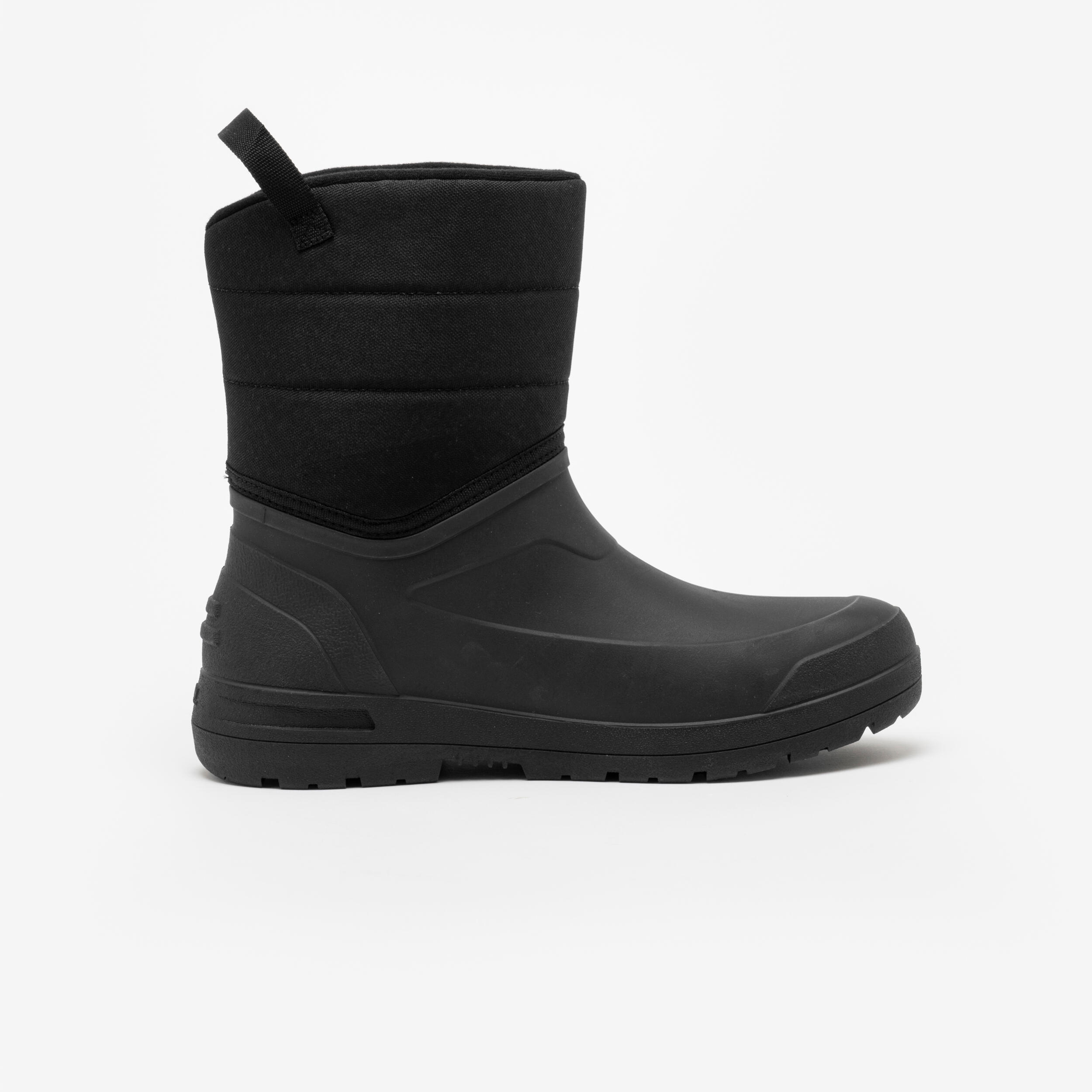
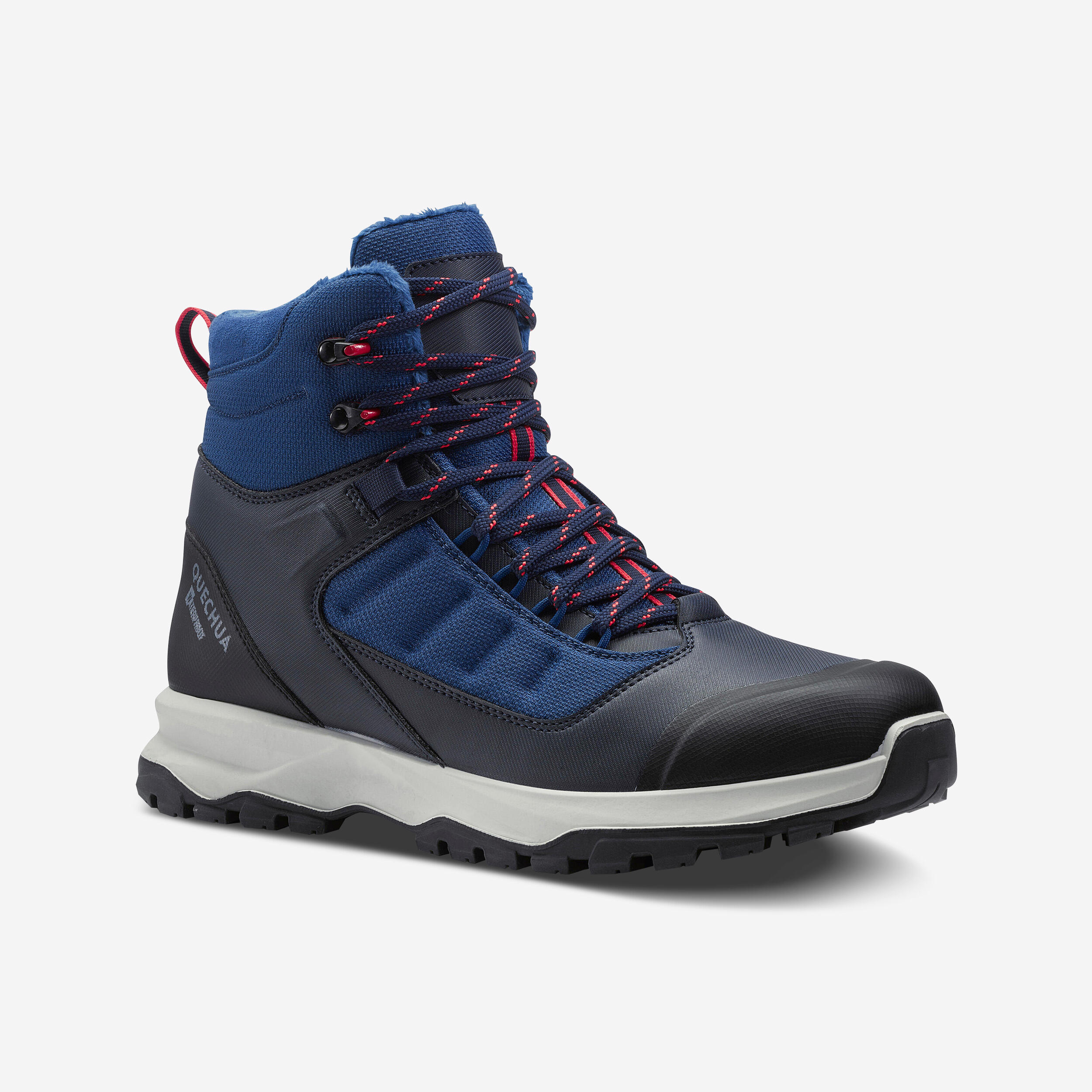
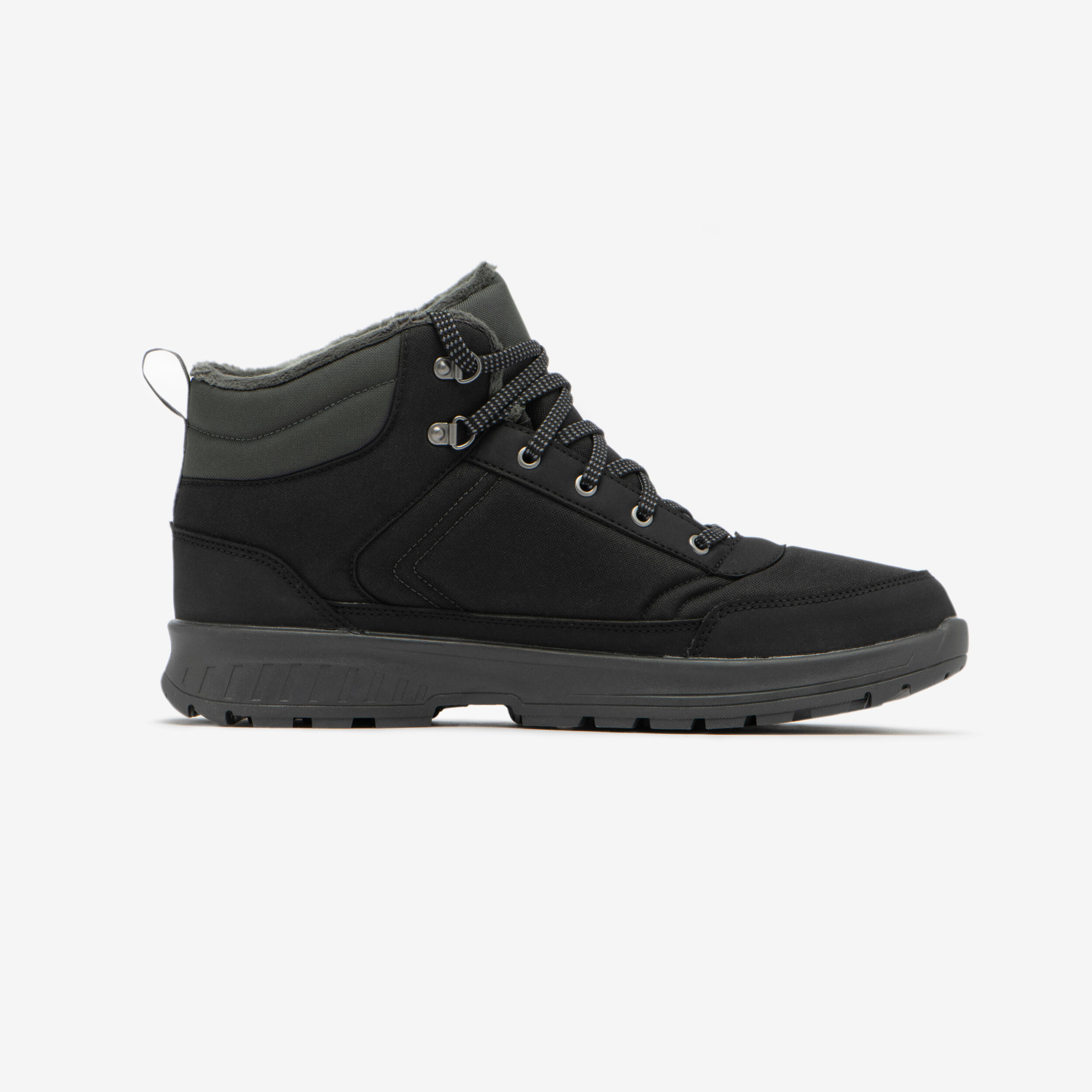
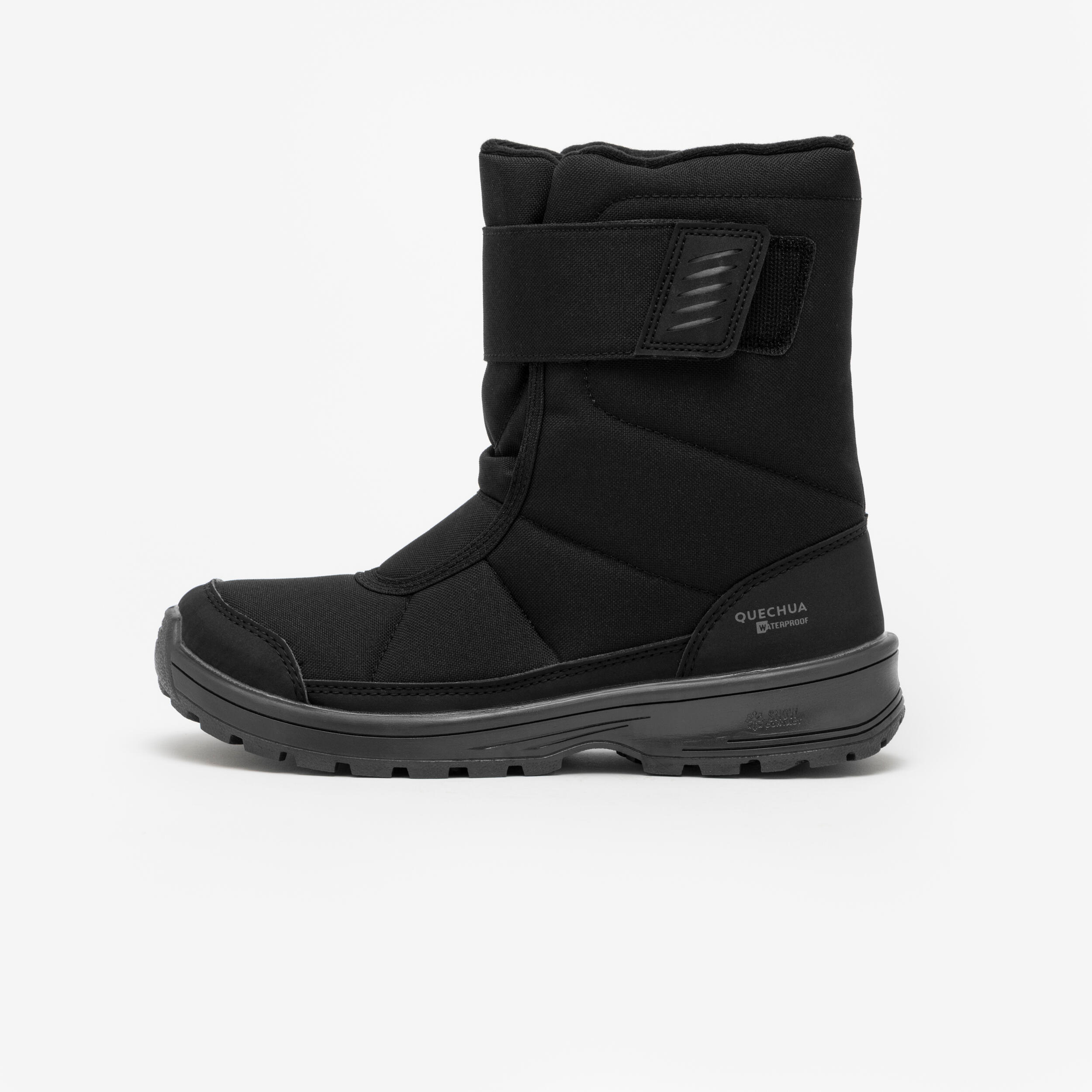
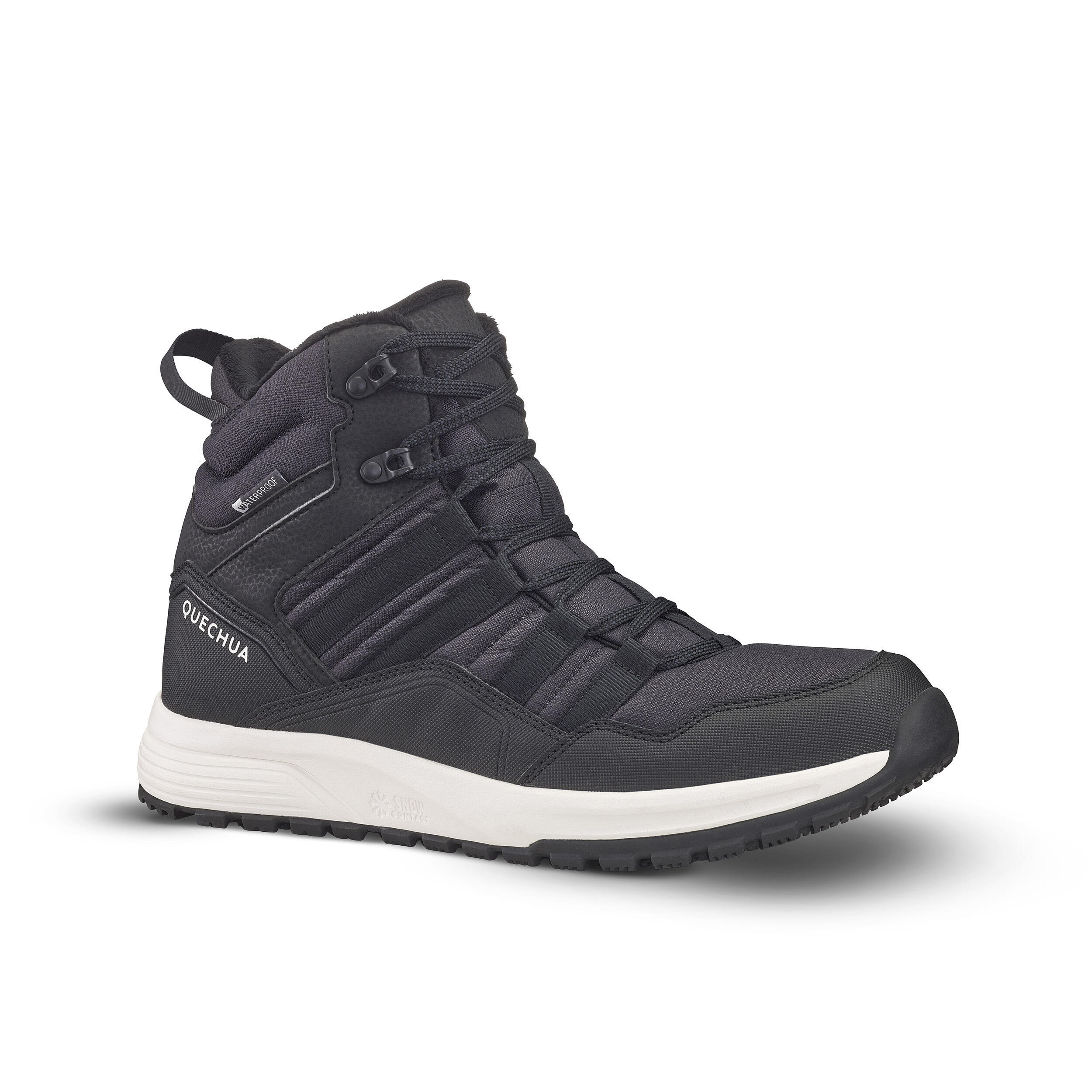
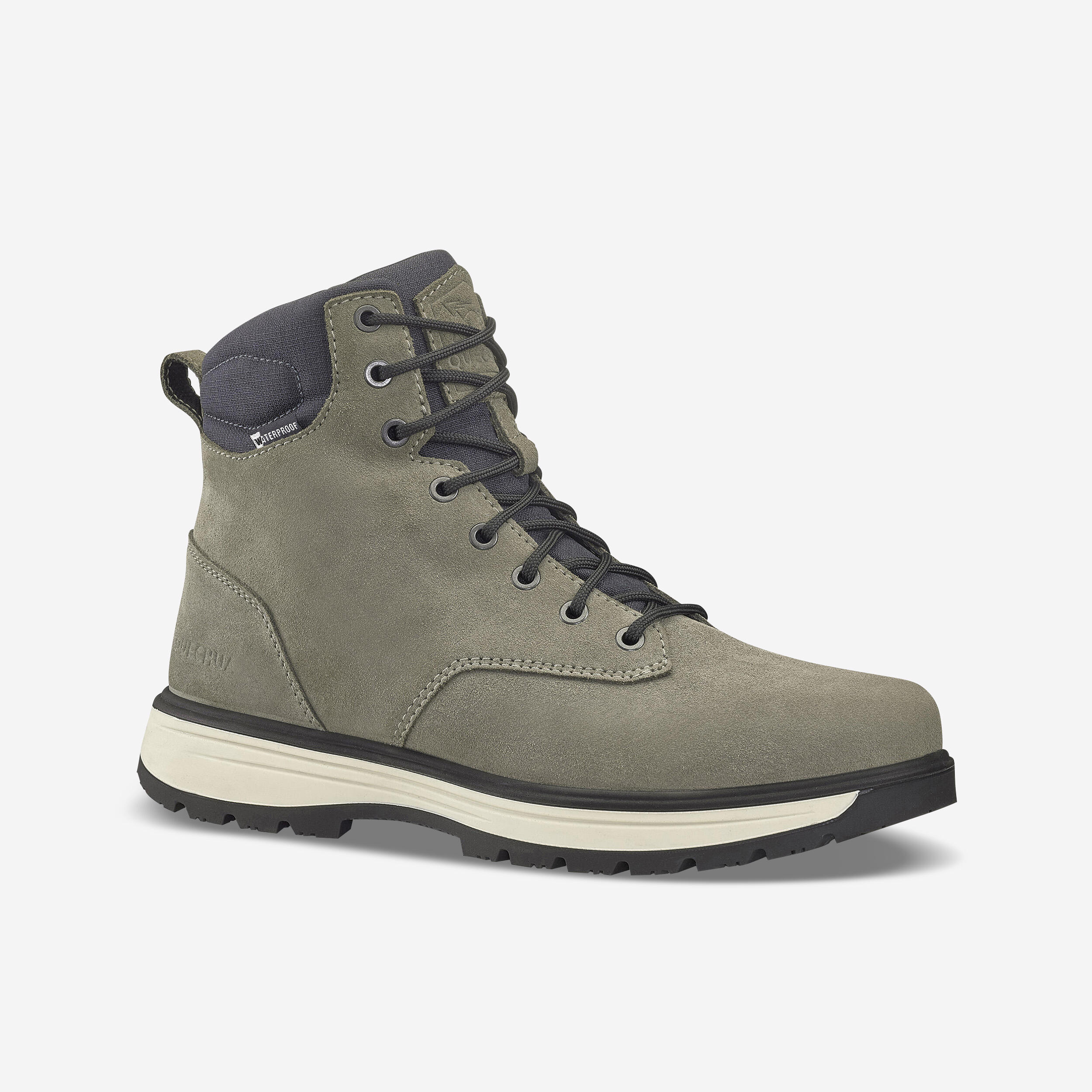
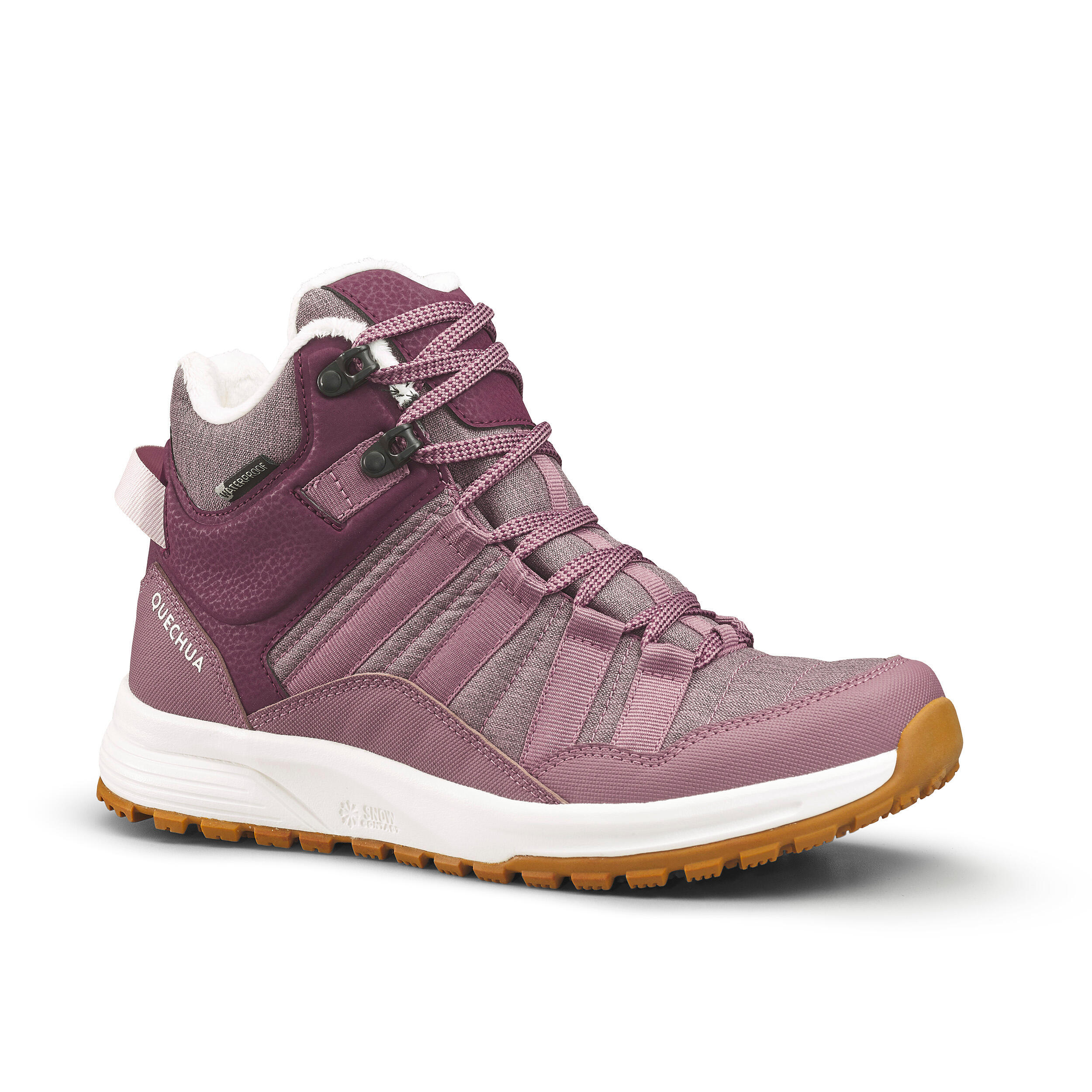
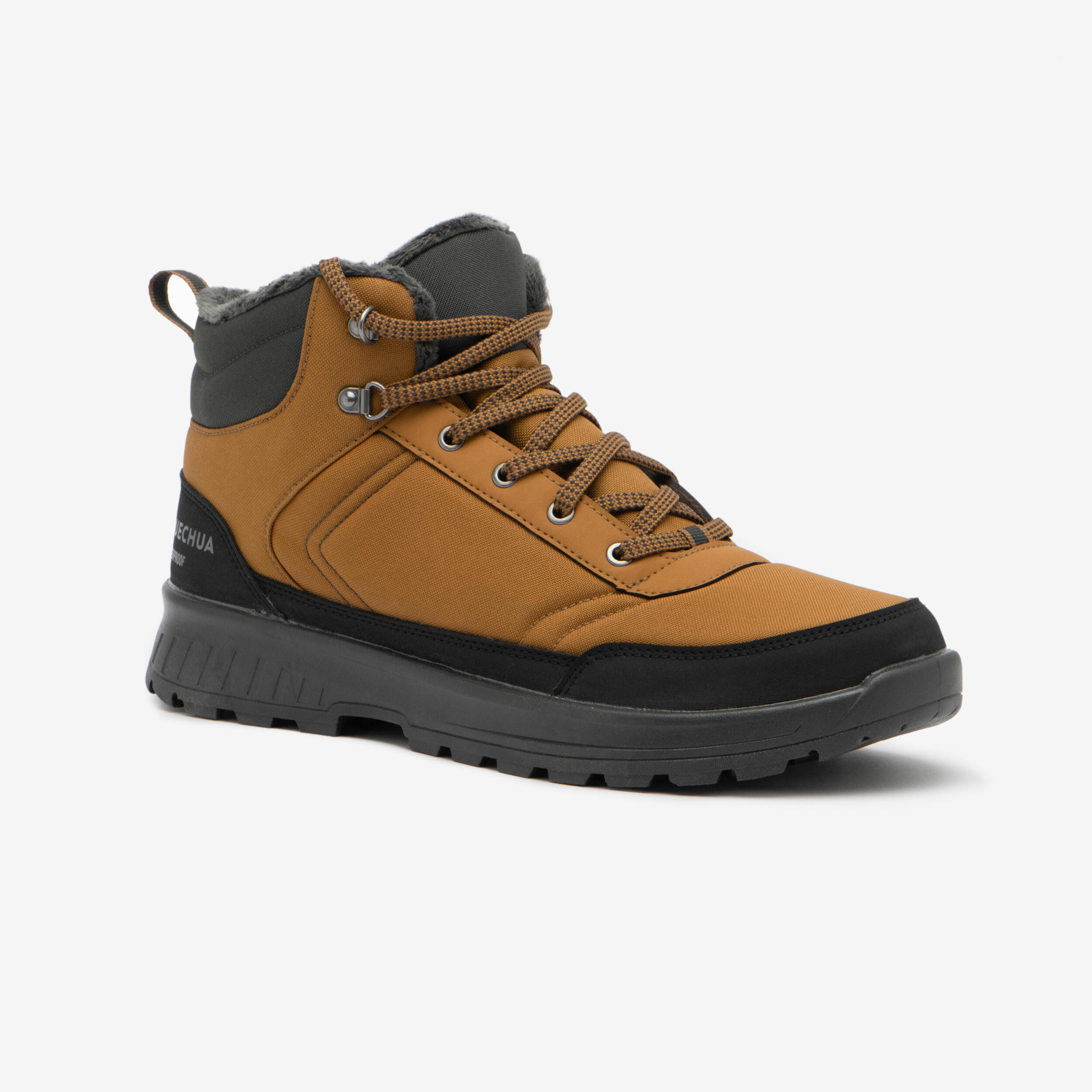
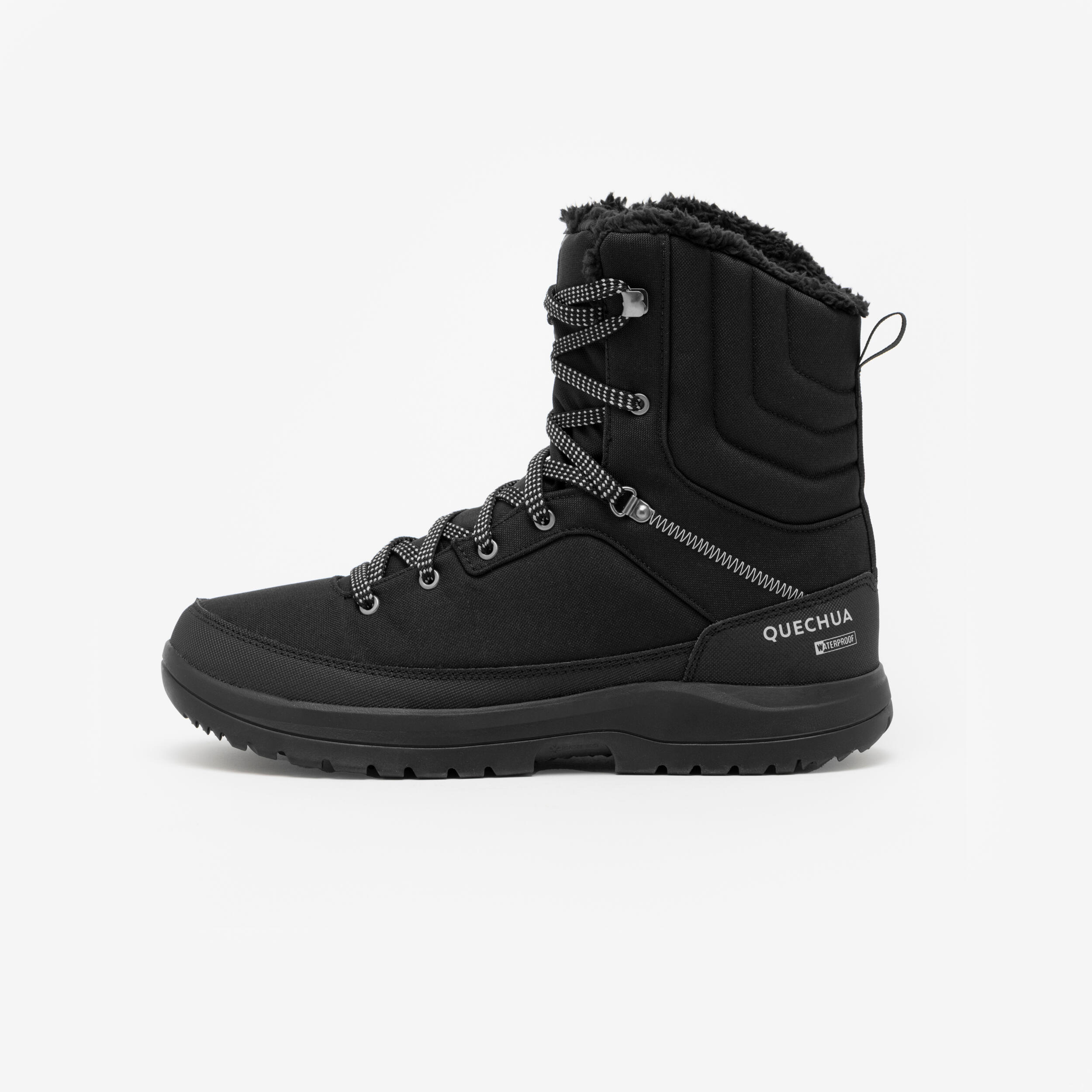
Selecting the correct insulation level for your winter trek depends on your activity intensity and the expected weather conditions. For active winter hikers, men's hiking snow boots often feature a comfort limit that accounts for body heat generated during movement. The technical reason for specific temperature ratings is the thickness and type of synthetic wadding or fleece lining used inside the boot. If you are standing still in the snow, you need a much higher thermal rating than if you are power-walking up a steep mountain slope. Proper sizing is also important. If your boots are too tight, they restrict blood flow, which is the primary cause of cold feet regardless of how much insulation the boot provides. High-quality hiking snow boots must maintain this warm micro-climate to prevent frostbite during long sessions in deep powder.


Why is grip important in snow boots?

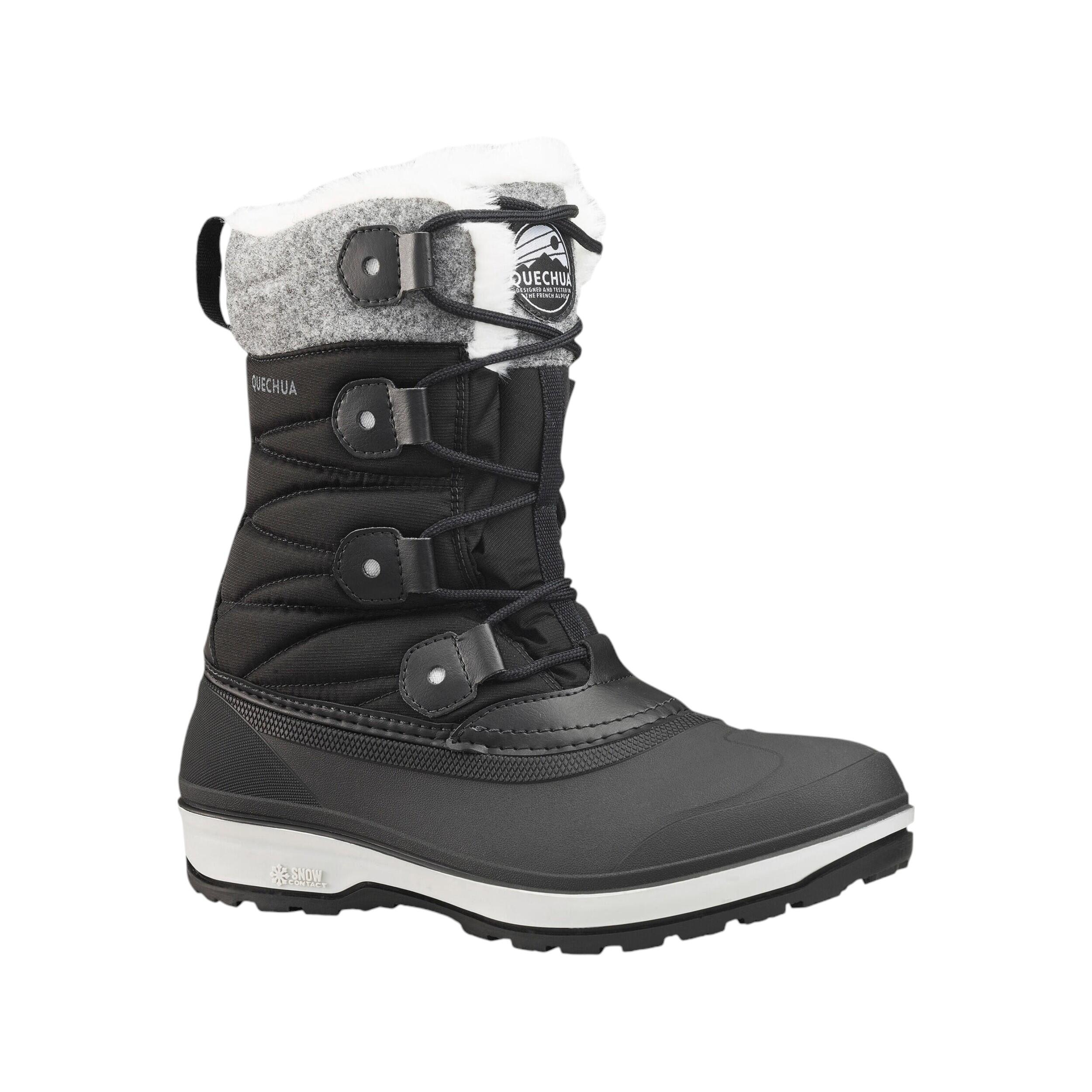
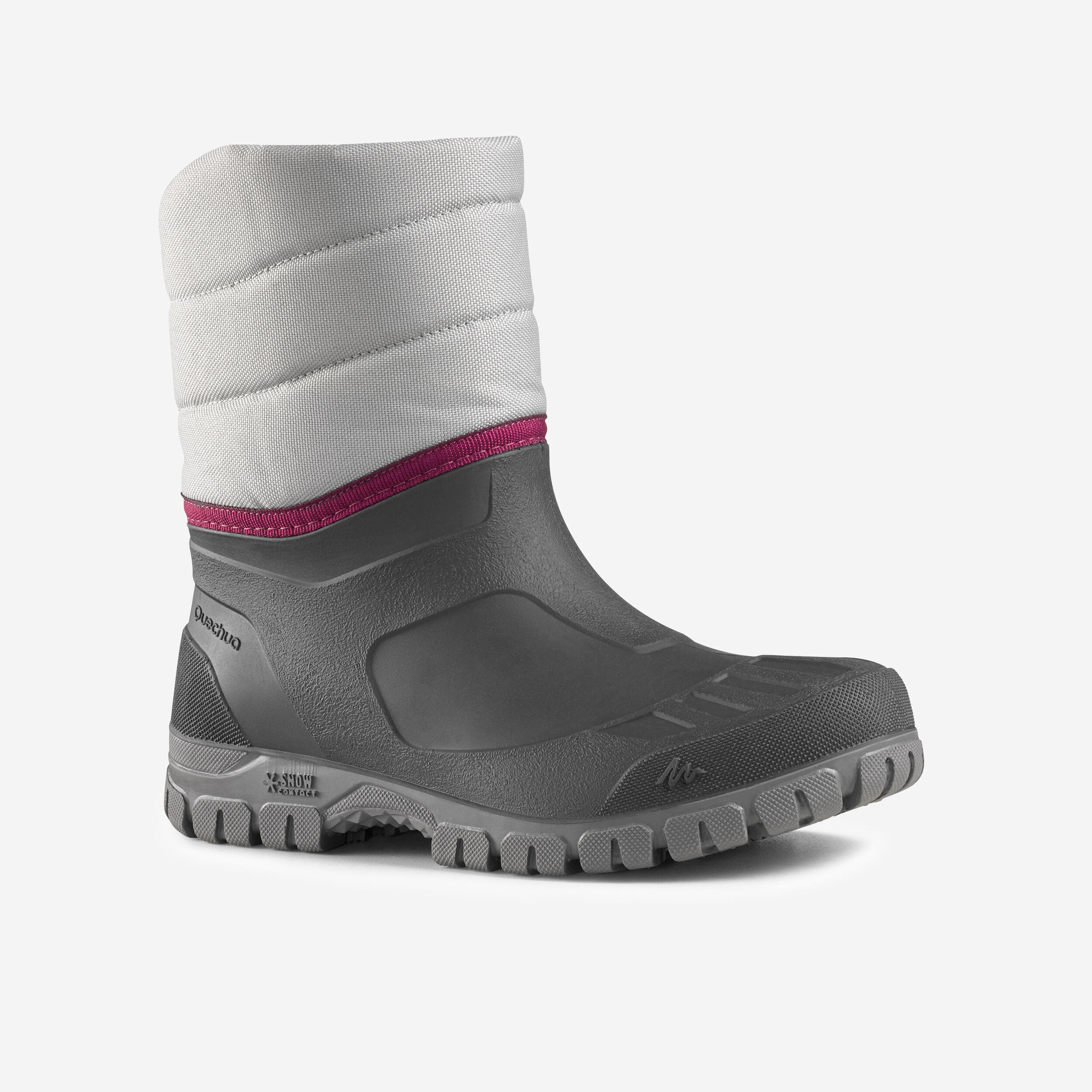
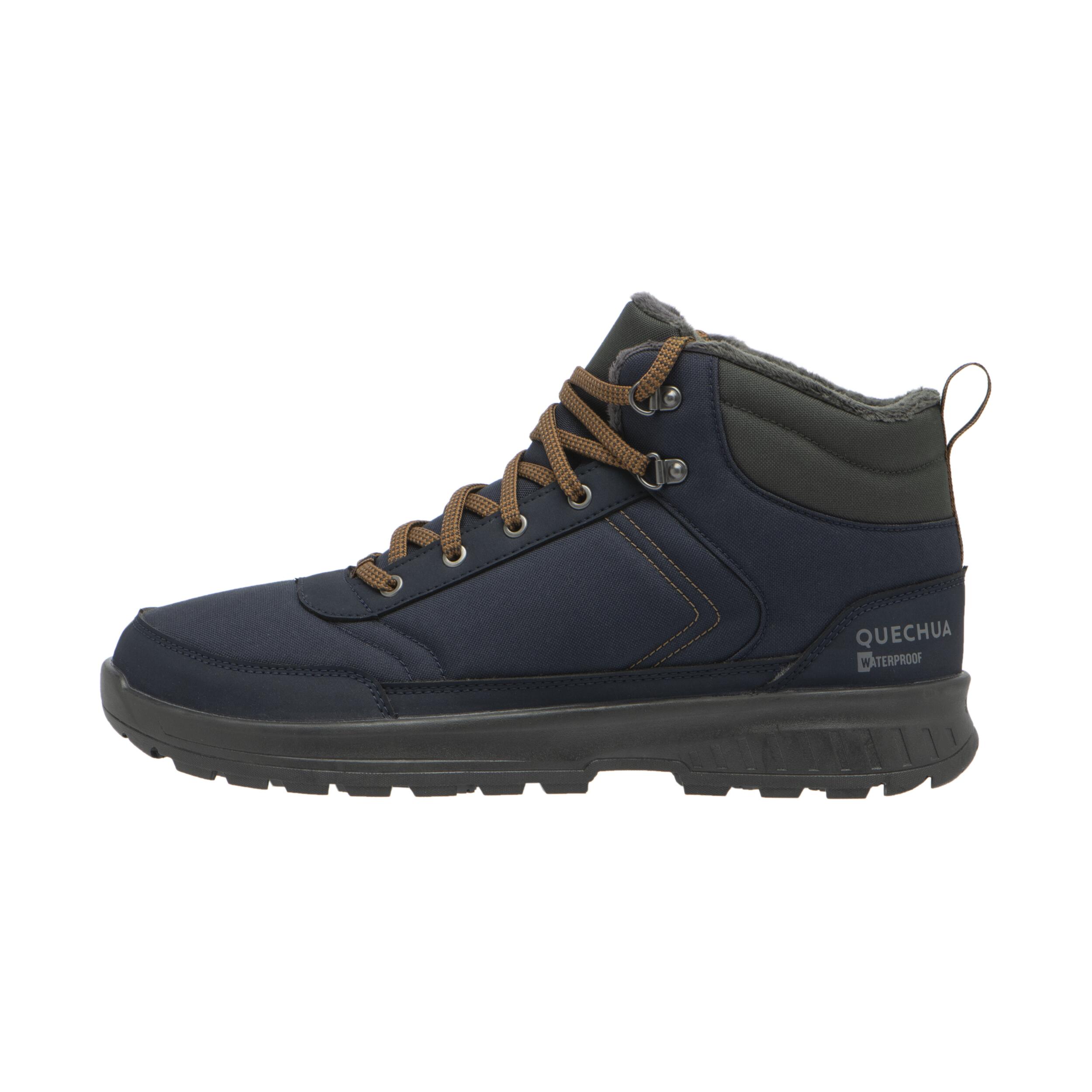
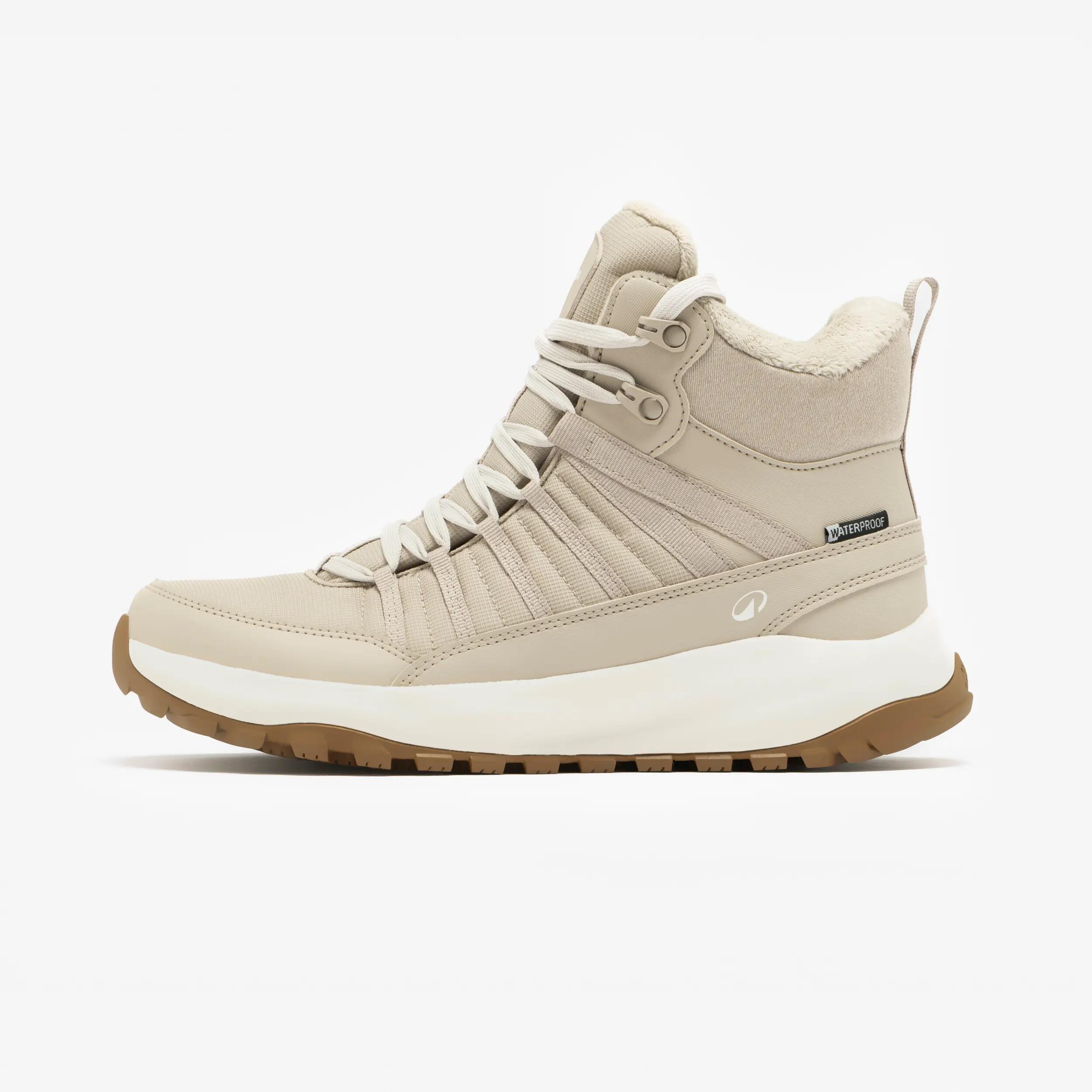
Walking on snow and ice needs better grip than regular footwear. Many women's hiking snow boots use a Snowcontact sole made from softer rubber that stays flexible in cold conditions. This helps the sole grip icy surfaces more effectively, reducing the risk of slipping compared to standard soles that can harden in low temperatures.

How do I ensure my hiking snow boots remain fully waterproof?

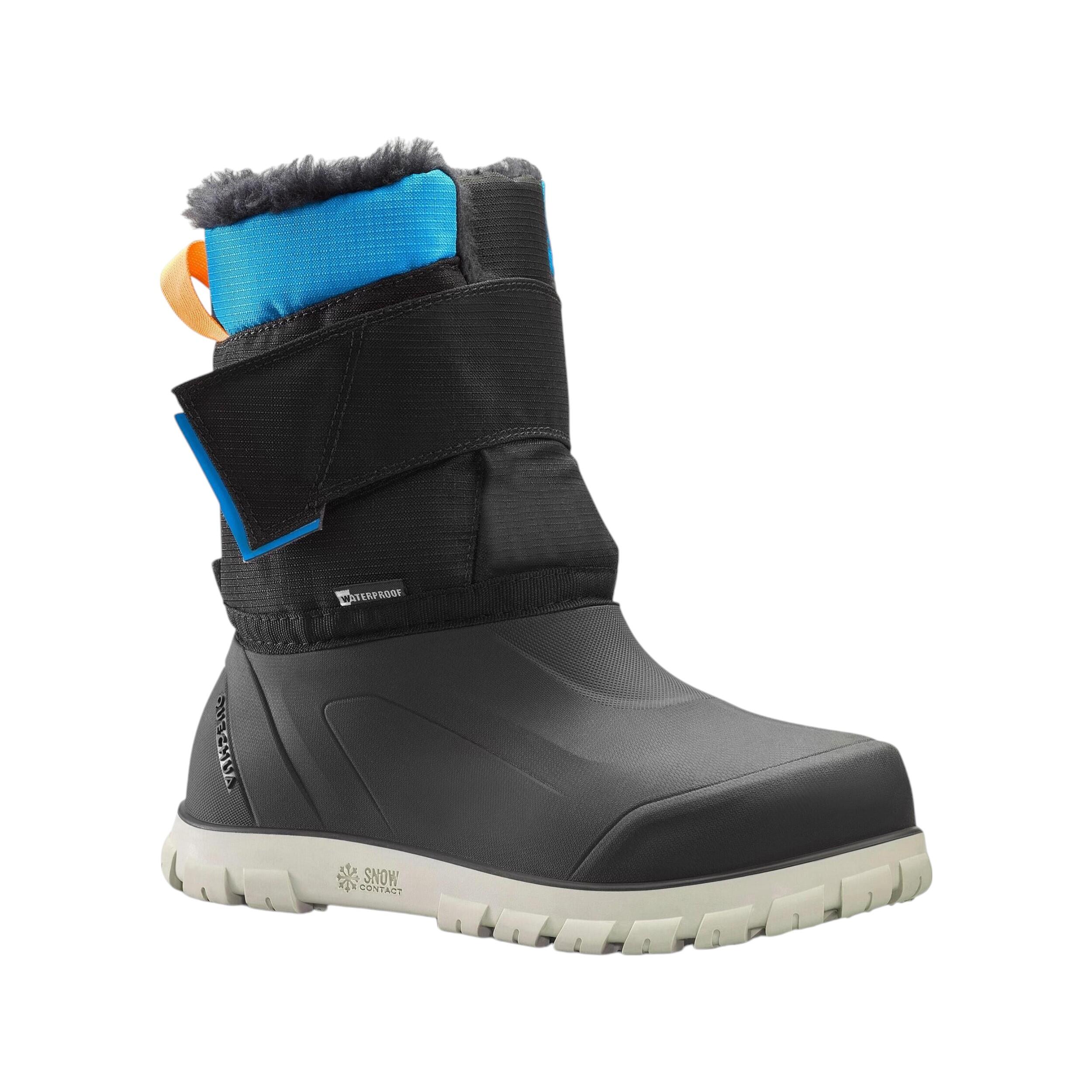
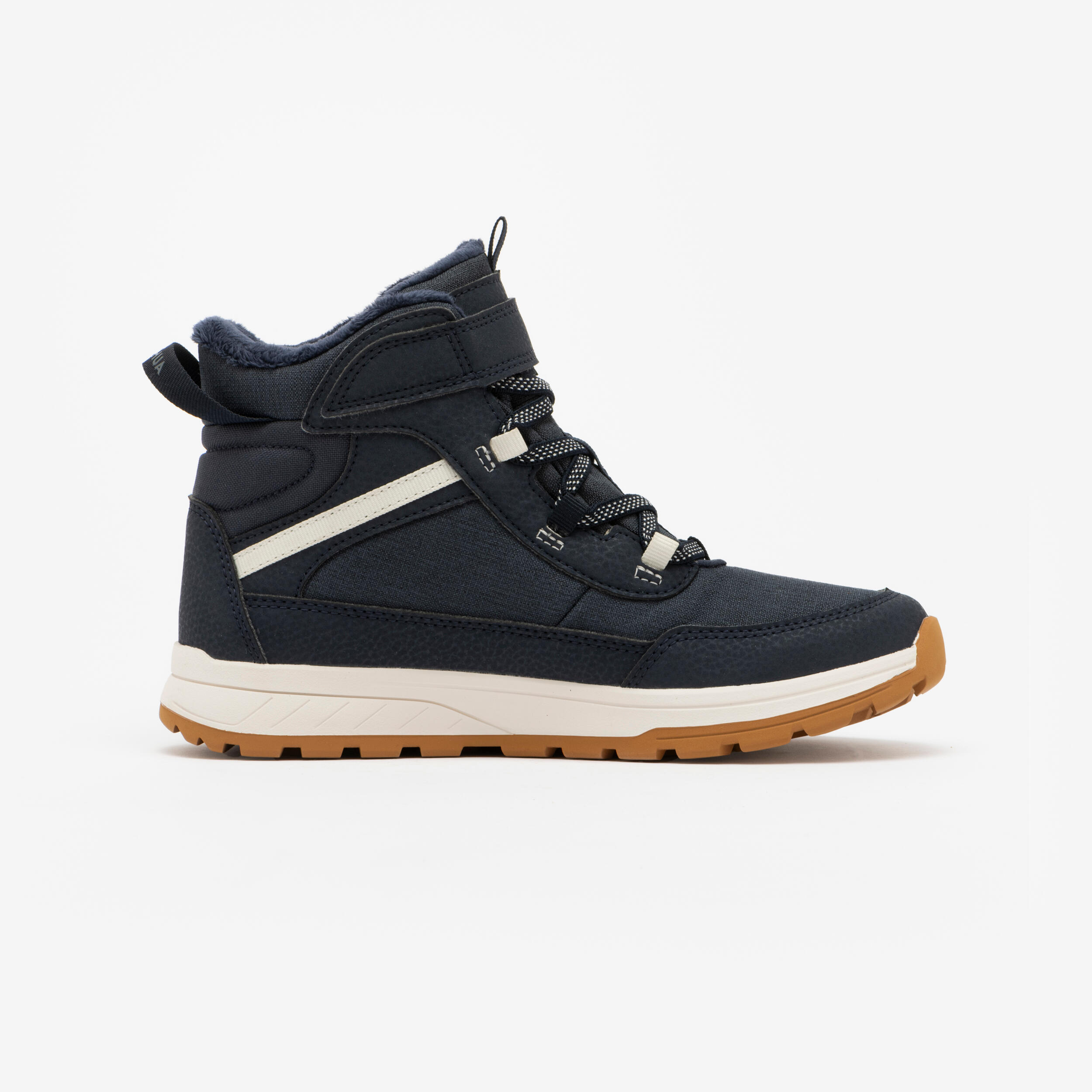
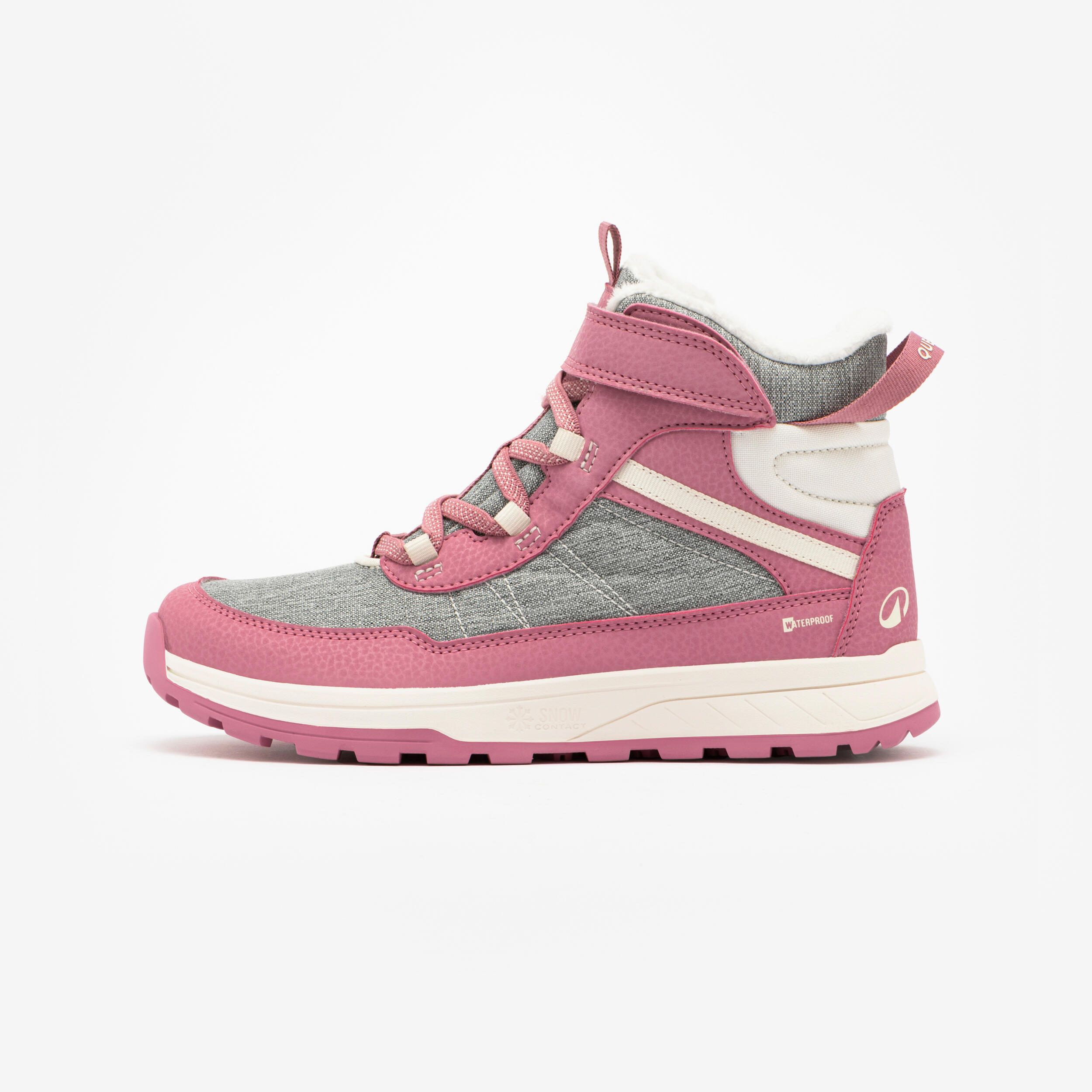
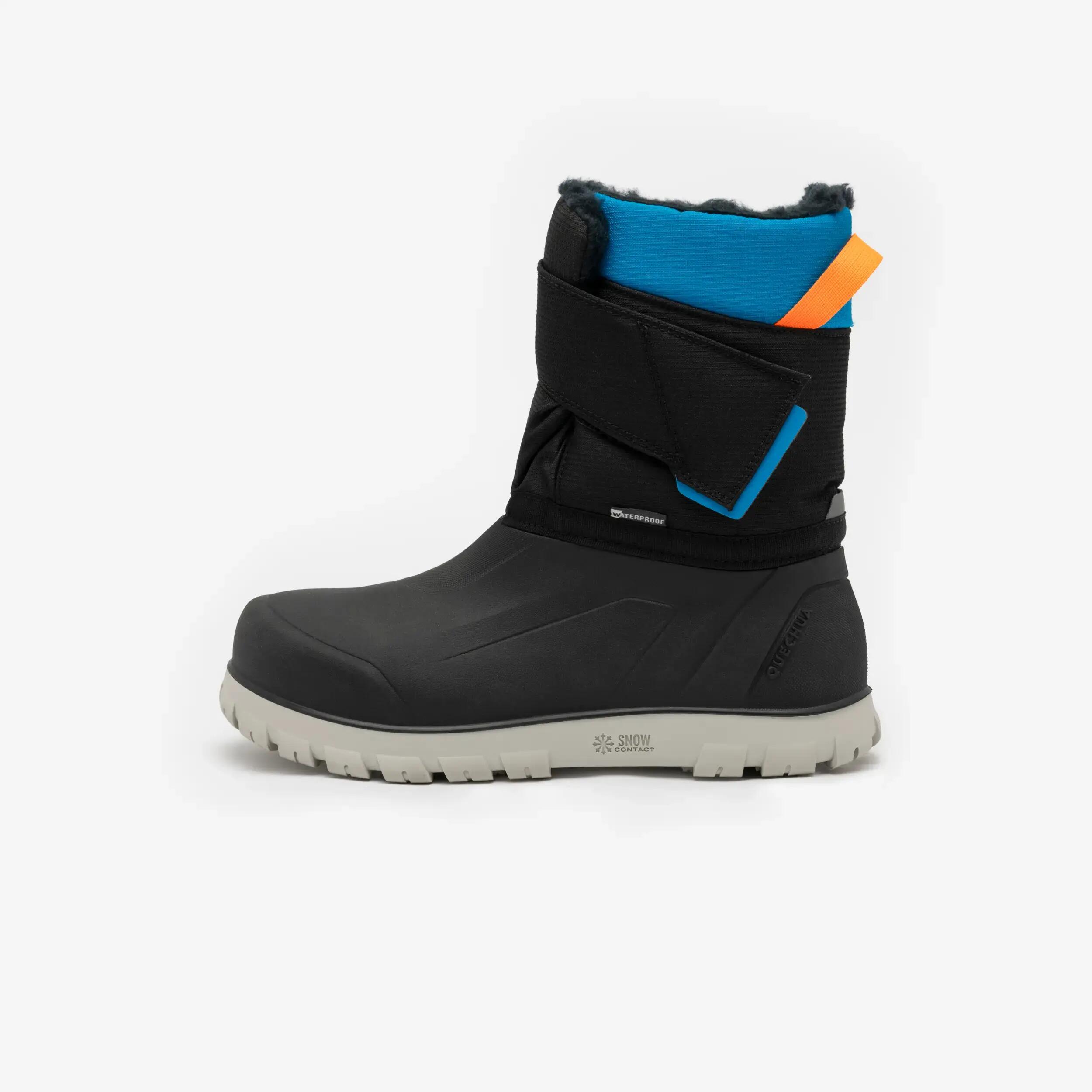
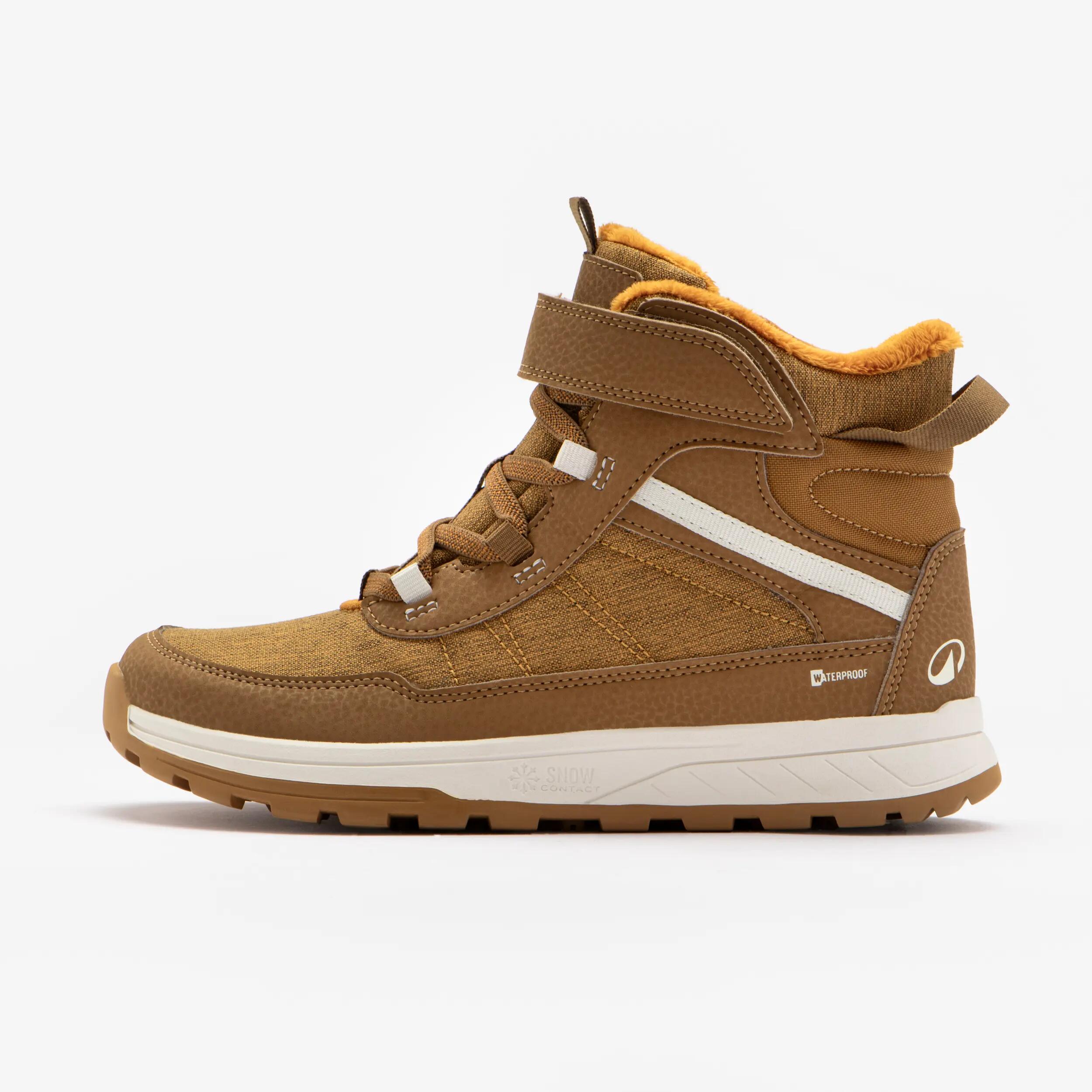
Staying dry is as important as staying warm when navigating winter landscapes. High-quality hiking waterproof snow boots feature an internal membrane that blocks liquid water while allowing water vapour to escape. For younger explorers, our kids hiking snow boots often include a high-top ripstop upper to prevent snow from entering over the collar. The technical benefit of this design is the added thermal protection for the lower leg and the prevention of internal moisture build-up. Use a pair of gaiters when walking through deep snow to create a seamless barrier between your trousers and boots. This prevents snow from melting into your socks, which would otherwise compromise the thermal efficiency of the insulation. Leather snow boots for hiking offer naturally high water resistance, but they still require a breathable membrane to handle internal moisture during high-intensity ascents.

Can I use hiking snow boots for technical summer climbs?

No, you can't use snow boots in summer as they have heavy insulation, which is required to prevents heat from escaping and in warm weather it leads to excessive sweating and blisters. In contrast, technical hiking shoes and boots for summer allow for the airflow necessary to keep feet cool on sun-baked trails. The technical reason for seasonal gear is the difference in outsole density and upper breathability. If you are hiking in the shoulder seasons where you might encounter late-season slush, choose a lightweight hiking snow boot that prioritises waterproofing over heavy fleece lining. This provides the necessary protection without the risk of overheating your feet. Balancing your footwear collection ensures that your snow gear remains in peak condition for the months when you truly need its specialised grip.


When should I use secondary footwear for campsites?

After a long day of trekking through the snow, your feet need a chance to dry and breathe to avoid skin maceration. Switching to lightweight hiking sandals inside a heated mountain hut or tent area allows for immediate ventilation while keeping your feet off the cold floor. The technical advantage of removing your heavy hiking snow boots in the evening is that it allows the internal liners to air out and shed the moisture accumulated during the day. Make sure to always remove the insoles and place them in a dry area to speed up the evaporation process. This practice ensures your boots are ready and dry for the following morning. Keeping your snow gear for the trail and using lighter options for rest periods is the best way to manage foot health during multi-day winter expeditions.