4 items
4.1/5 based on 172 reviews collected online and in stores

Kayak Racks and Transport Accessories for Cars FAQs

How do travel straps for kayaks prevent structural hull damage during transport?

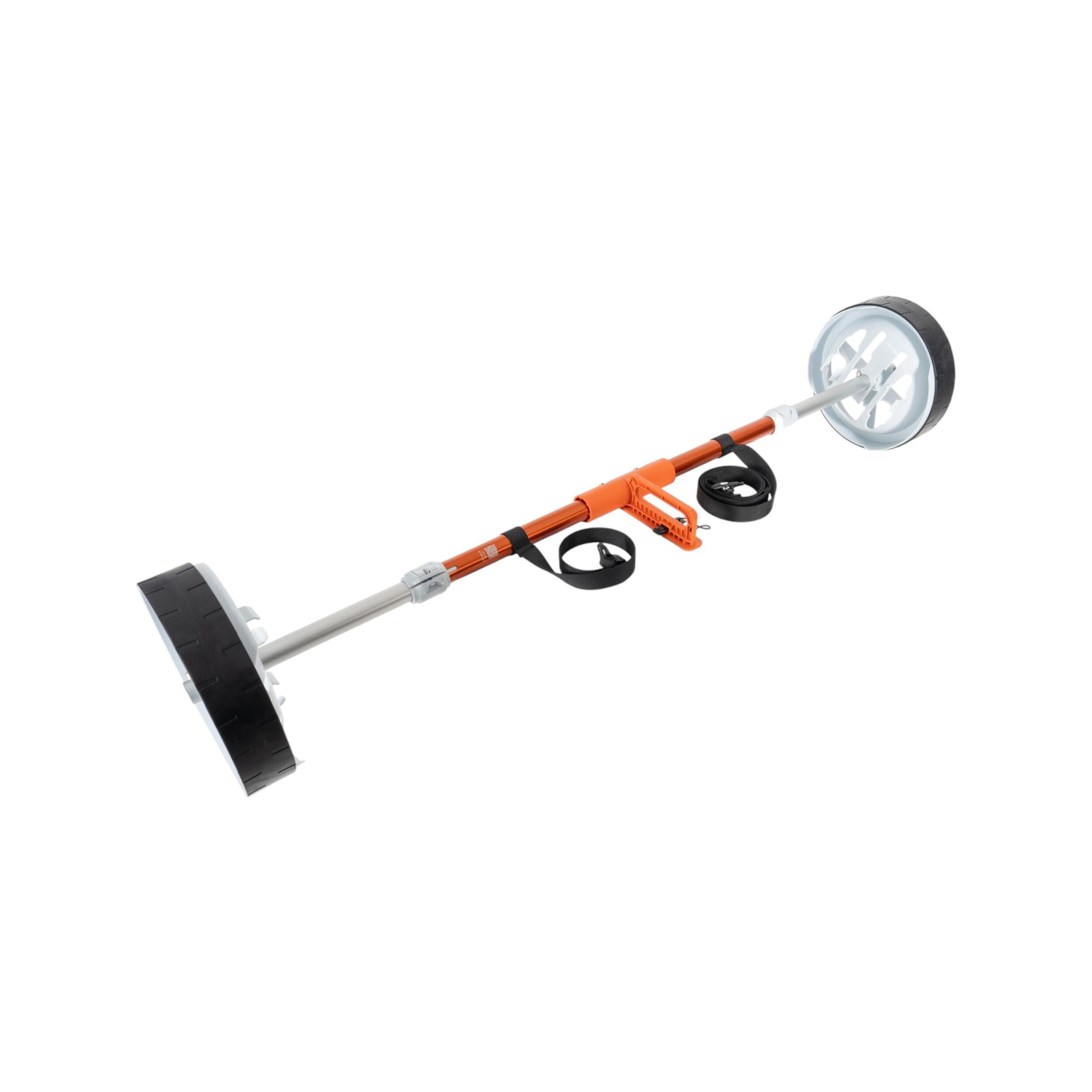
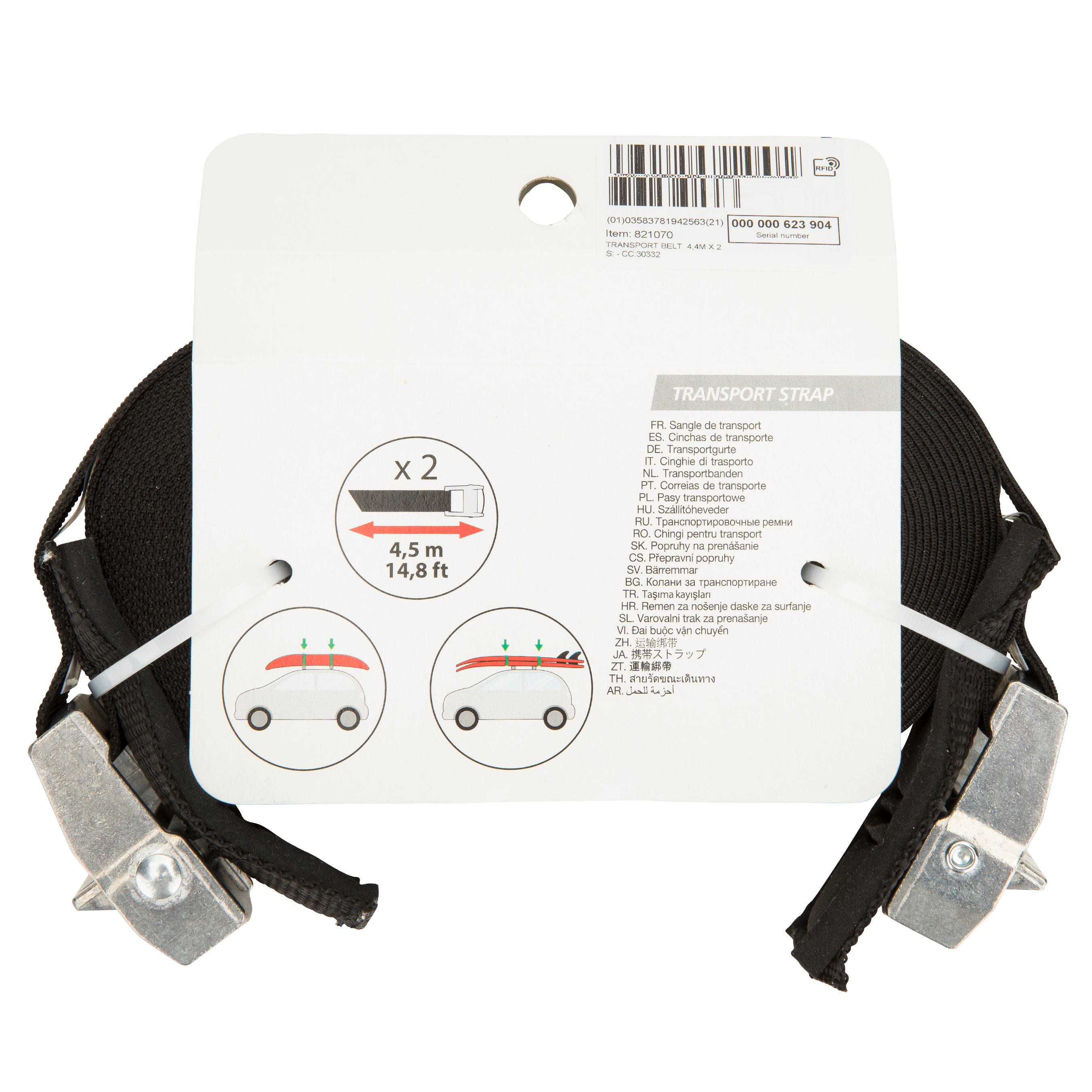
Standard cam-buckle lashing bands provide non-slip tension without the crushing forces associated with mechanical ratchet mechanisms that can fracture fibreglass seams. These technical webbed lines hold the watercraft nose and stern securely to the chassis towing eyes, eliminating vertical lifting forces created by air buffers at high speeds. Paddlers moving larger double-seater vessels often struggle with extreme hull lengths overhanging short vehicle roofs, making bow tie-downs completely essential. Managing heavy touring configurations is easier with strong folding kayak trolleys that help roll the watercraft directly from the vehicle tailgate to remote launch slips with minimal physical strain.

Why should you use protective foam for car racks when hauling composite watercraft?

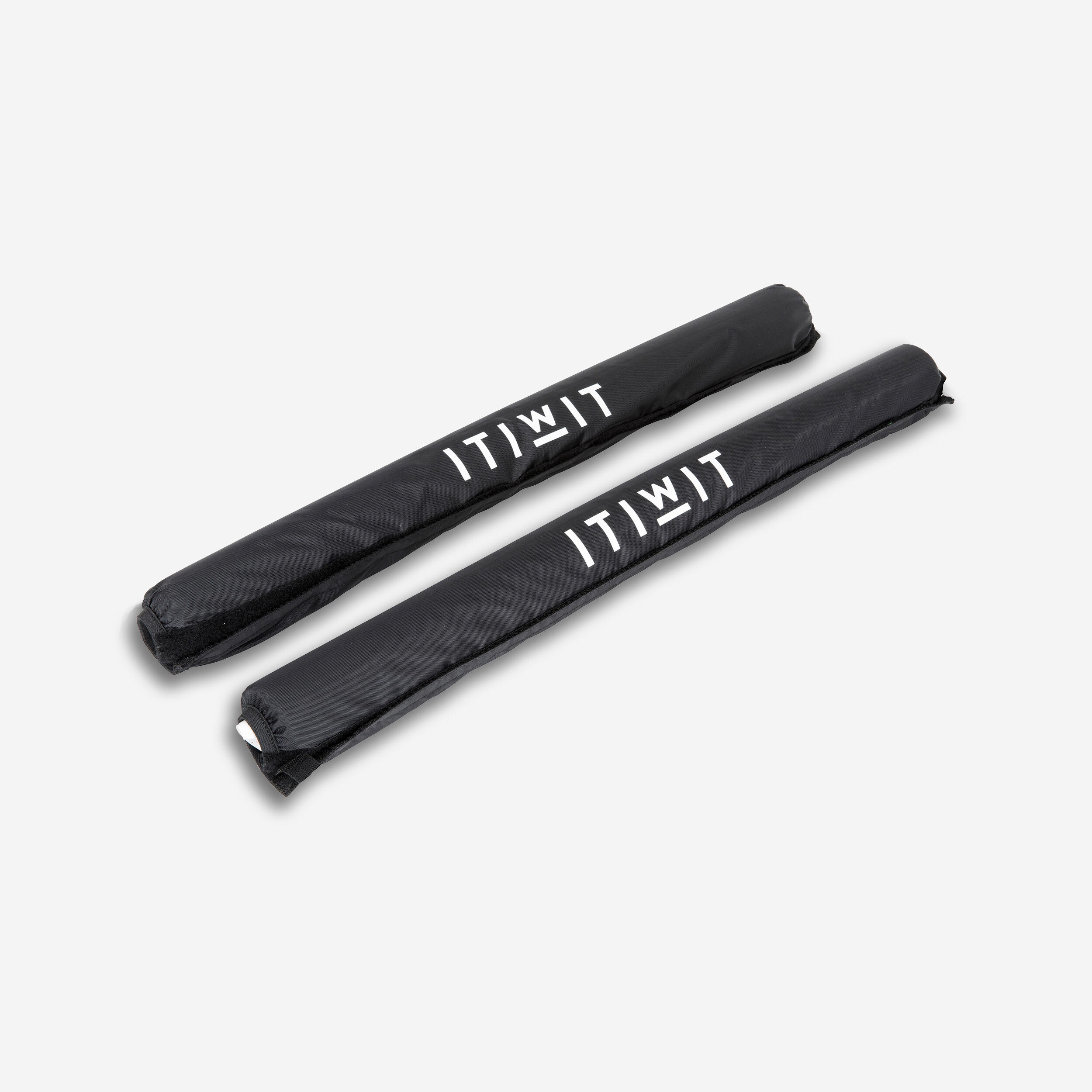
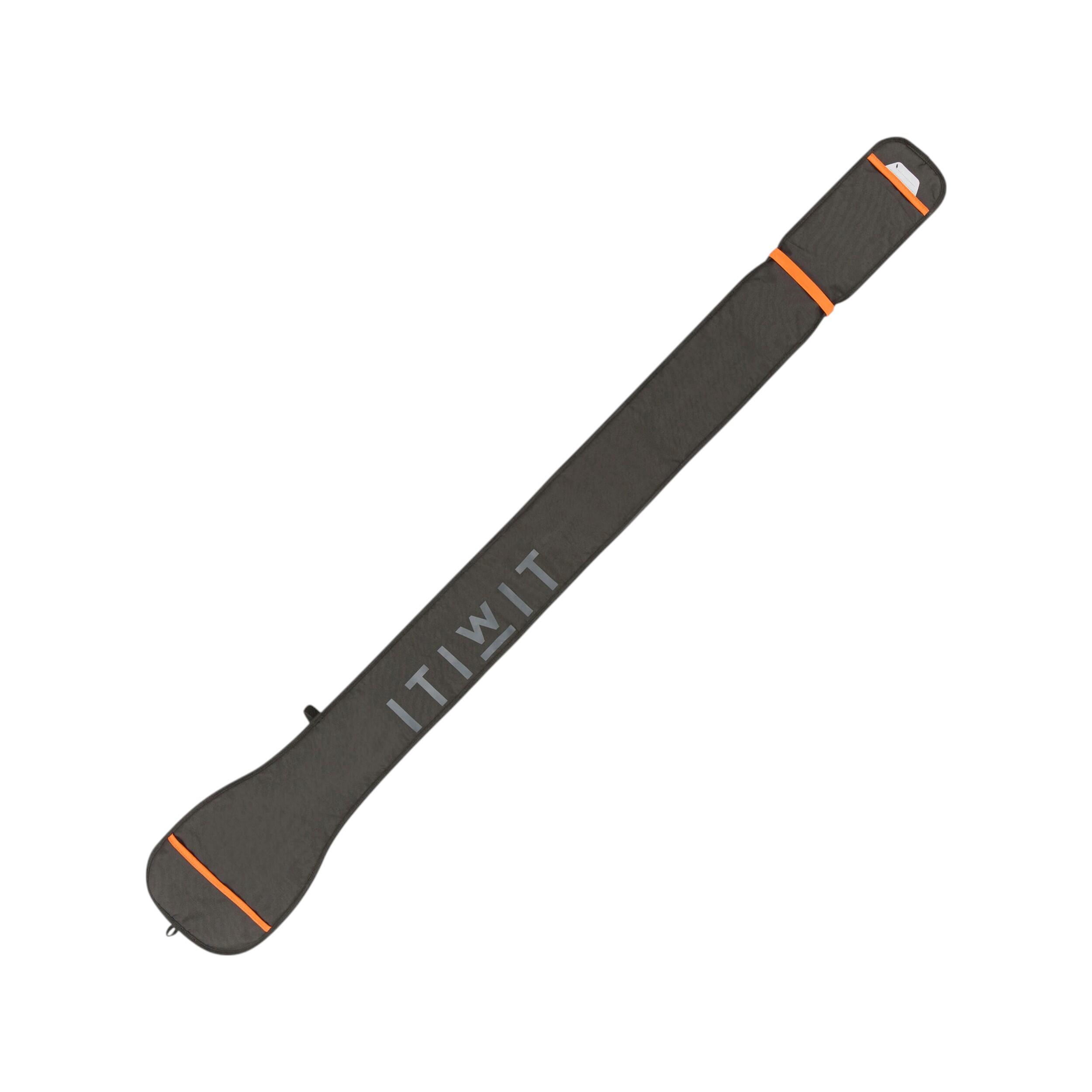
Bare aluminium crossbars feature rigid edges that create localised stress concentrations on curved hulls, leading to permanent plastic deformation or cracking. Dense EVA padding distributes the overall weight evenly across the load-bearing bars, absorbing sudden shocks from potholed rural roads. Safely packing fragile components requires equal diligence, which is why stowing delicate blades inside padded paddle covers prevents severe shaft chipping during bumpy transit inside a crowded car boot space. This dual shielding approach safeguards your entire tracking setup against unexpected impact damage before you ever reach the water’s edge.

Which specific kayak transport accessories optimise long-distance highway travel?

Long highway journeys present high aerodynamic drag that can rattle loose equipment, making heavy-duty tie-downs and locking key systems critical additions. Specialised security cables stop opportunistic theft during fuel stops, while red warning flags signal vehicle overhang dimensions to trailing motorists. Enclosing hulls inside heavy-duty canvas kayak covers and transport bags reduces overall wind resistance and blocks harmful road debris from hitting the gelcoat layer. Small advice: Removing the seats and dry bags before lifting the hull onto the roof reduces crosswind vulnerability and improves fuel economy significantly.

What are the primary differences between rigid car racks and soft rack alternatives?

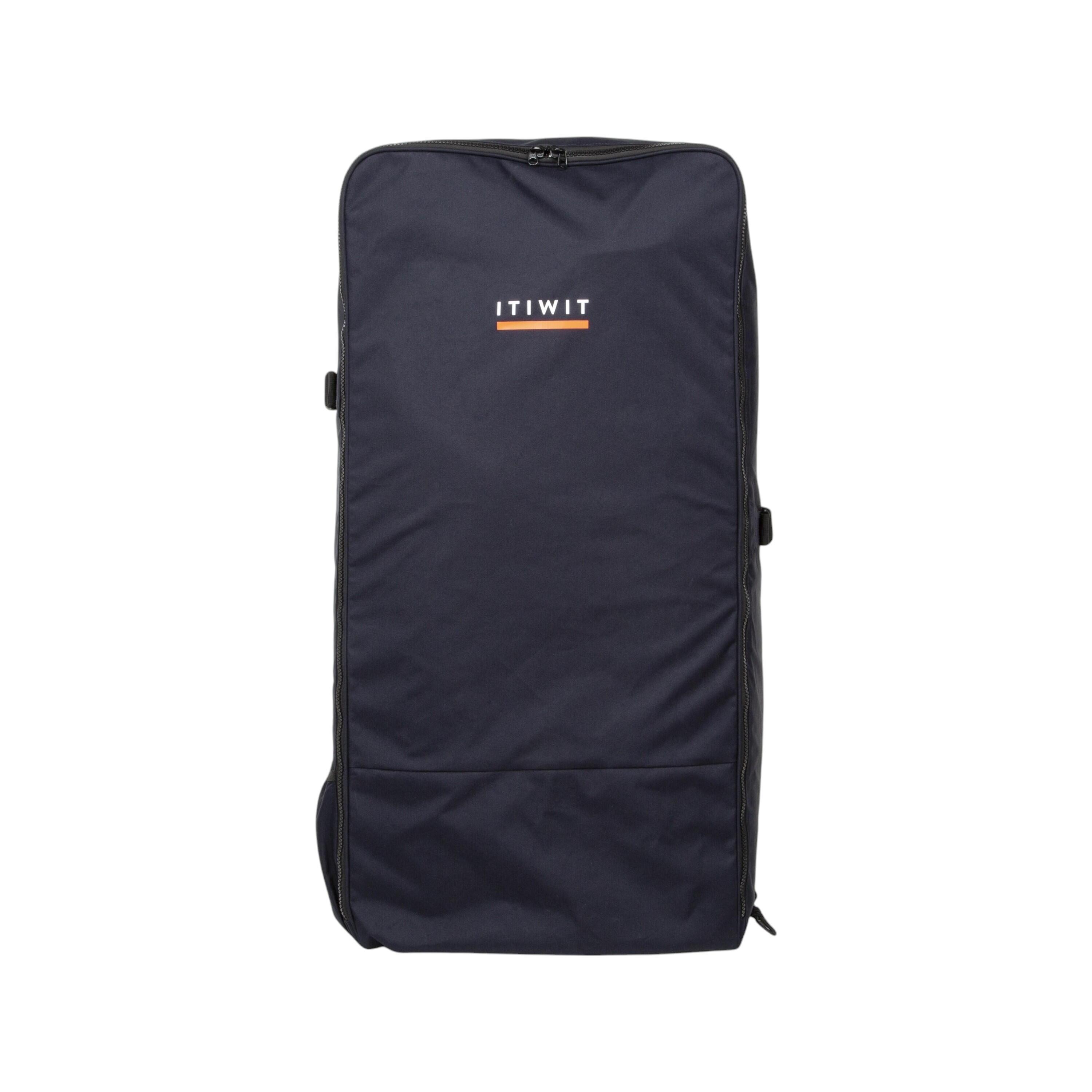
Permanent metal systems bolt securely to existing roof rails, providing maximum rigidity for heavy plastic sea vessels that require absolute structural stability. Temporary soft pads strap directly through the interior door frames, offering a highly portable solution for lightweight watercraft or rental vehicles without permanent tracking. Those utilising collapsible structures can skip heavy roof bars entirely, relying instead on specialised high-pressure inflatable kayak accessories like compact travel bags to store deflated chambers directly in the luggage compartment.

How does proper vehicle weight distribution affect handling when carrying heavy maritime gear?

Centring the physical load perfectly between the front and rear axles prevents front-end lifting, preserving optimal steering response and braking efficiency on slick road surfaces. Fastening items down low reduces the elevated centre of gravity caused by overhead gear, minimising body roll during tight cornering or sudden evasive manoeuvres. Securing professional kayak equipment balanced flat against the support beams curtails aerodynamic lift forces at motorway speeds. Stowing heavy internal loads forward of the rear axle line keeps the entire vehicle suspension compressed uniformly, maintaining predictable traction baseline values across long coastal routes.