27 items
4.1/5 based on 1420 reviews collected online and in stores

Kayak 2 People FAQs

How do weight distributions impact the tracking of tandem watercraft?

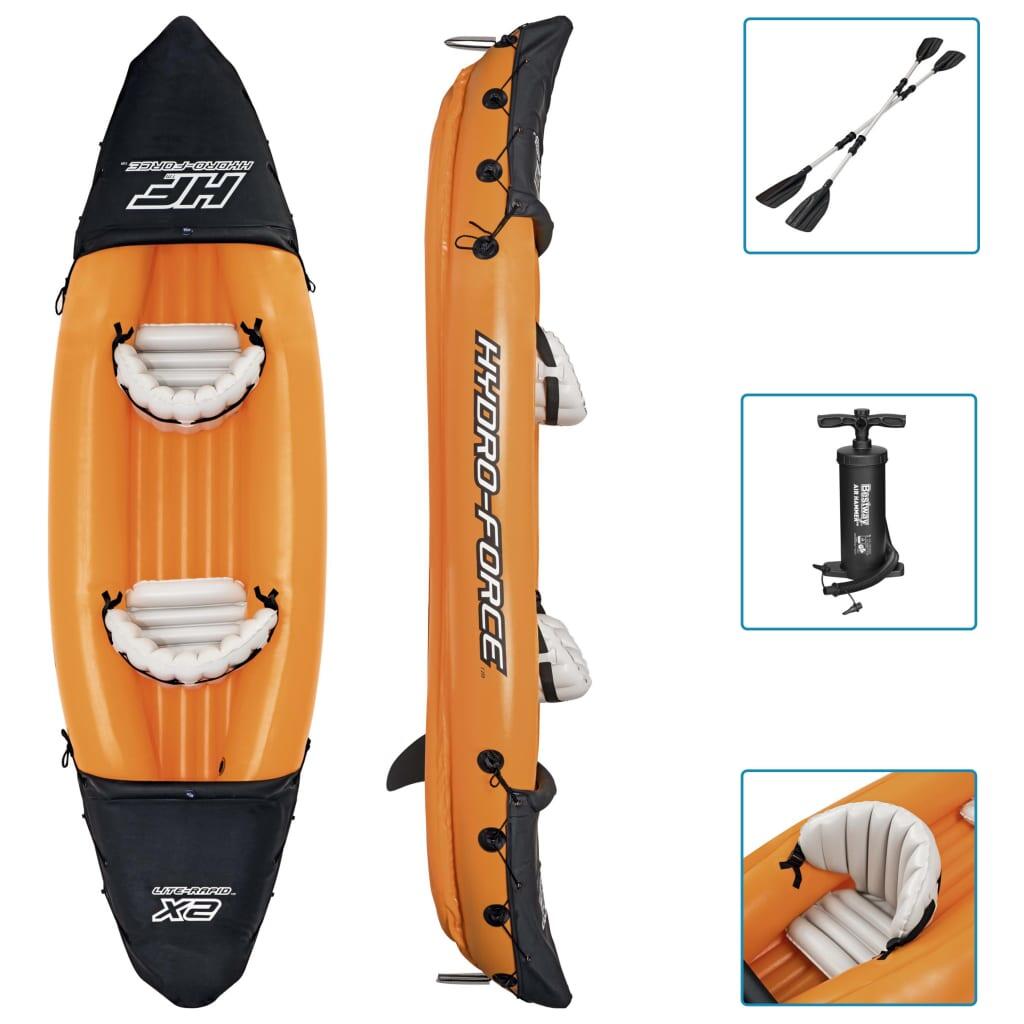
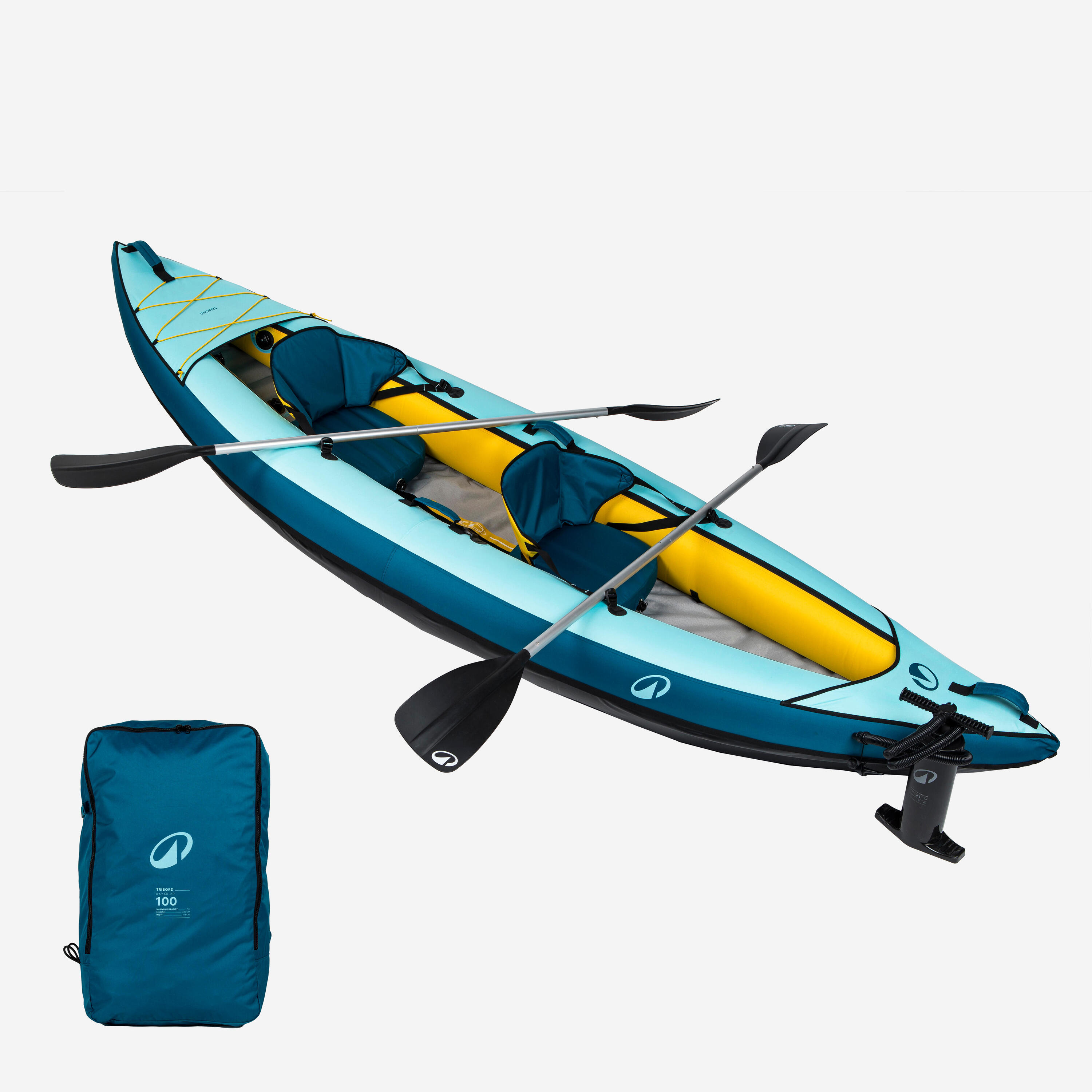
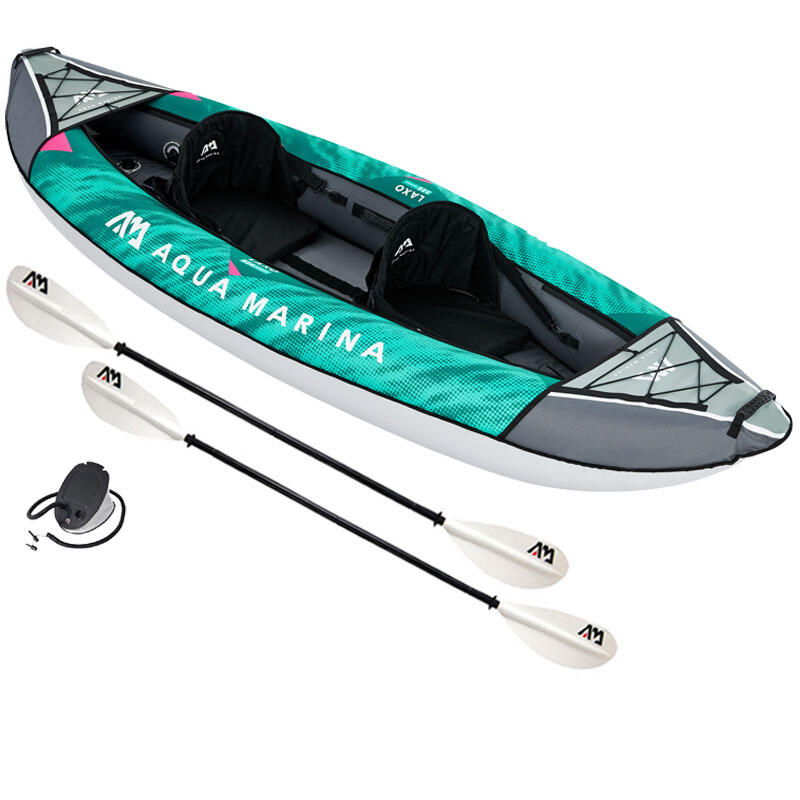
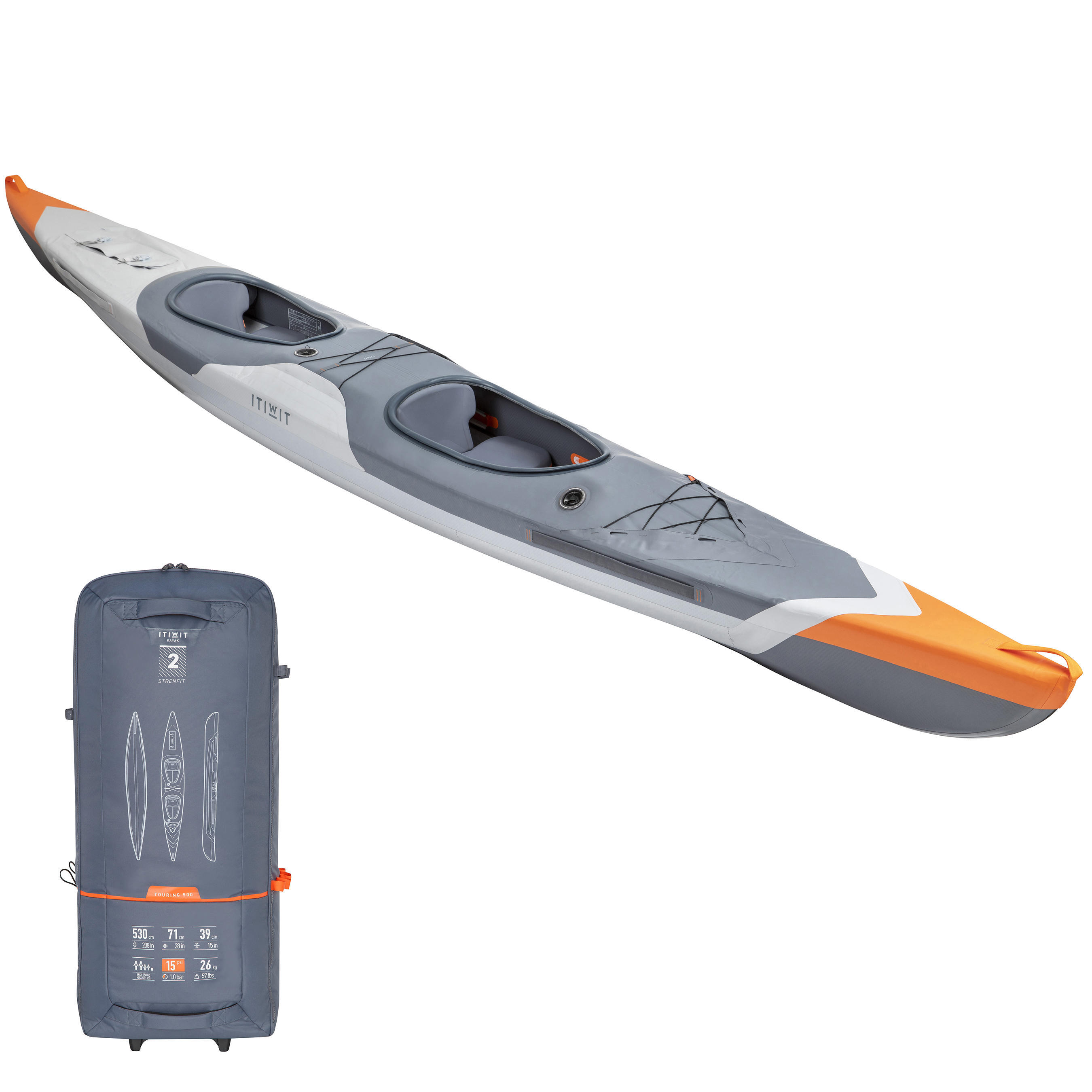
Sustaining a straight vector across windy bays depends significantly on how dual paddlers allocate their collective mass inside the hull. Selecting high-volume inflatable touring kayaks minimises the mechanical bowing effect caused by unequal load positioning over the centre line. The technical reason to place the heavier individual in the rear cockpit is to maximise tracking control and rudder authority, as a deeply seated stern keeps the skeg submerged. This mechanical orientation lifts the bow slightly, allowing the forward position to pierce incoming waves without submerging the deck line or filling the seating area with spray.

When should paddlers opt for plastic models over composite tandem alternatives?

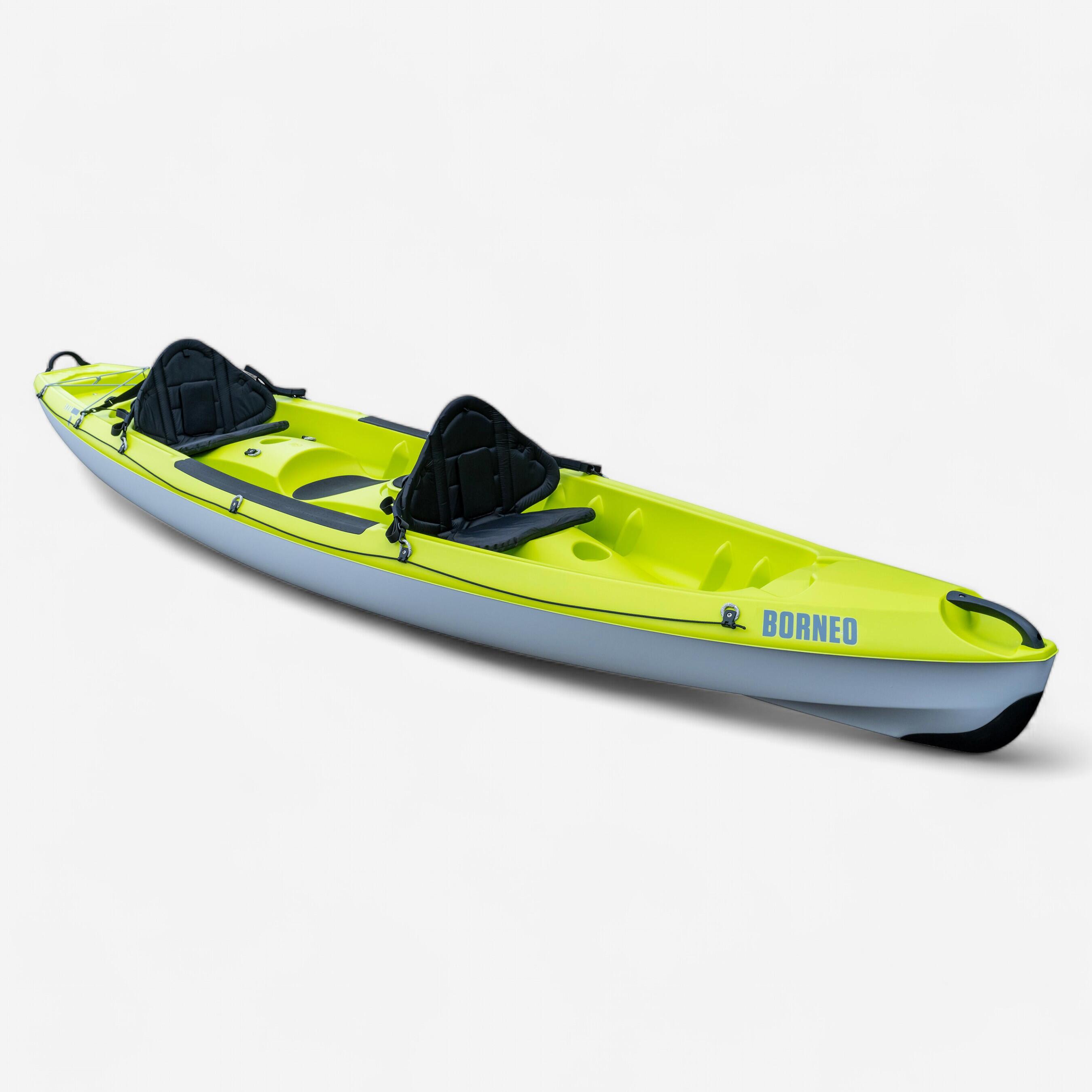
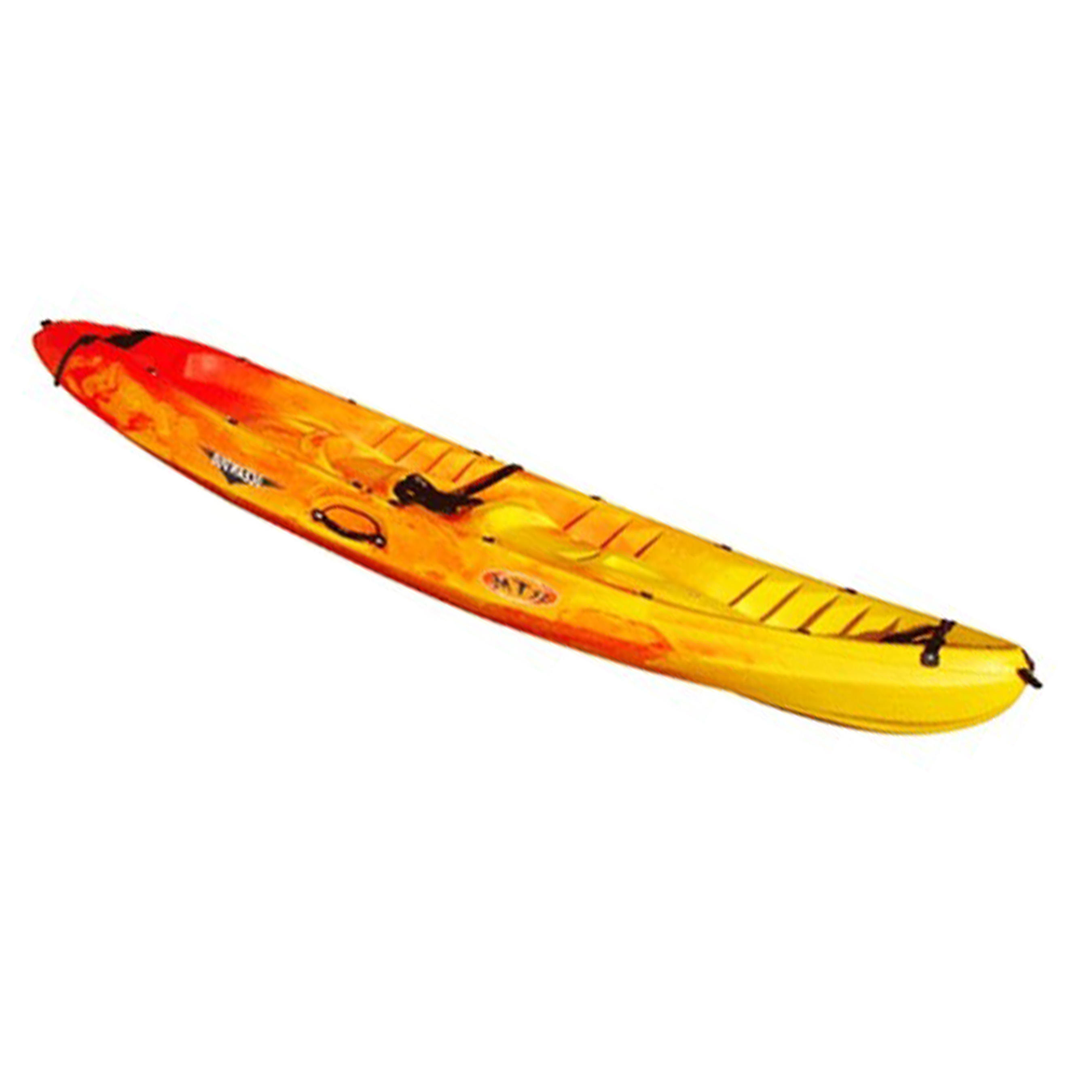
Launching from rocky lake shores or rough shingle beaches introduces severe abrasion risks that can compromise delicate fibreglass gelcoats. Strong polyethene rigid kayaks absorb high-impact collisions against jagged limestone shelves without cracking or suffering structural layer failure. The thermal stability of rotomolded plastics ensures the craft retains its moulded hull profile during summer heat or freezing winter storage. While slightly heavier to transport onto roof racks, these durable shells provide maximum reassurance when navigating unfamiliar coastlines or shallow riverbeds.

What volume differences determine the choice between single and dual cockpits?

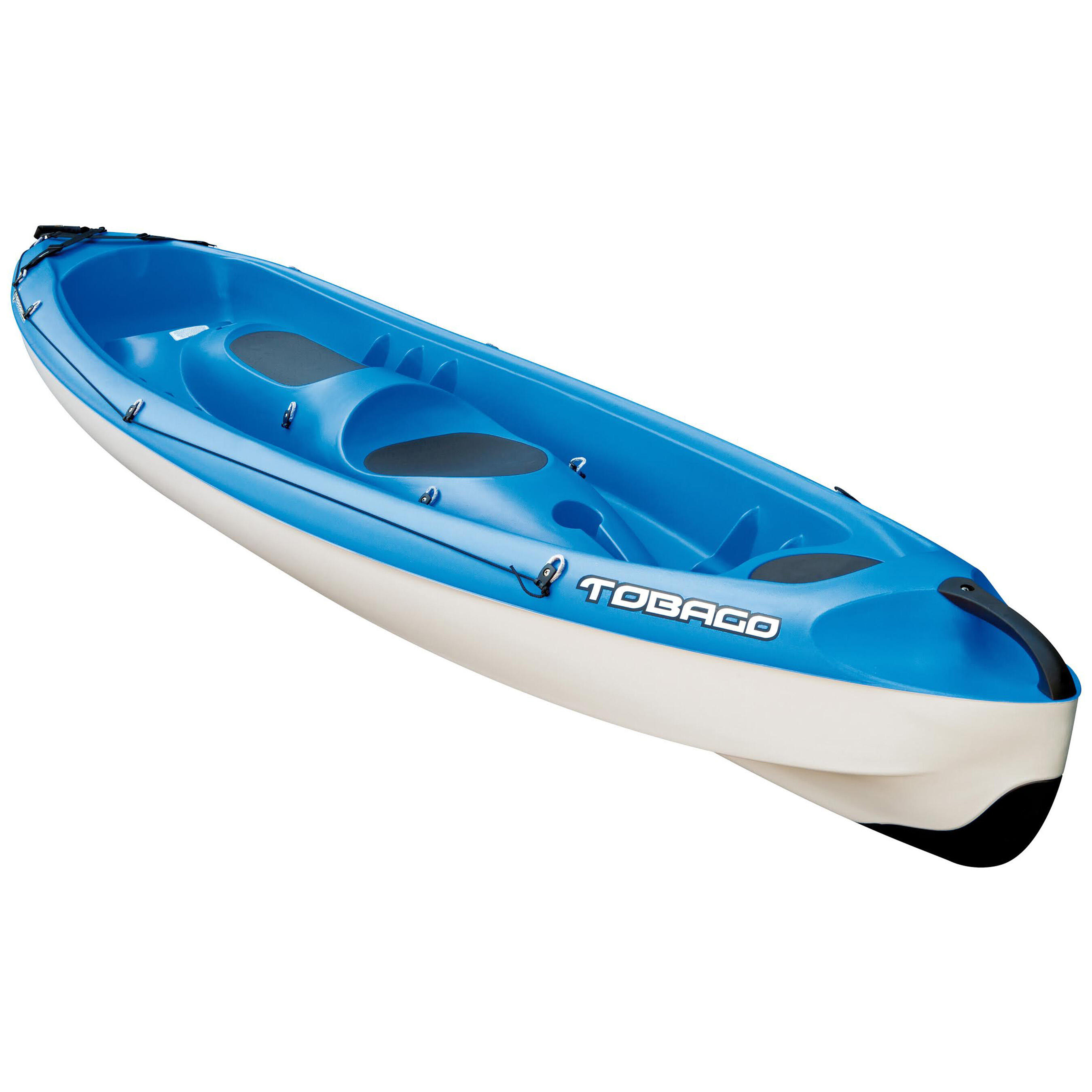
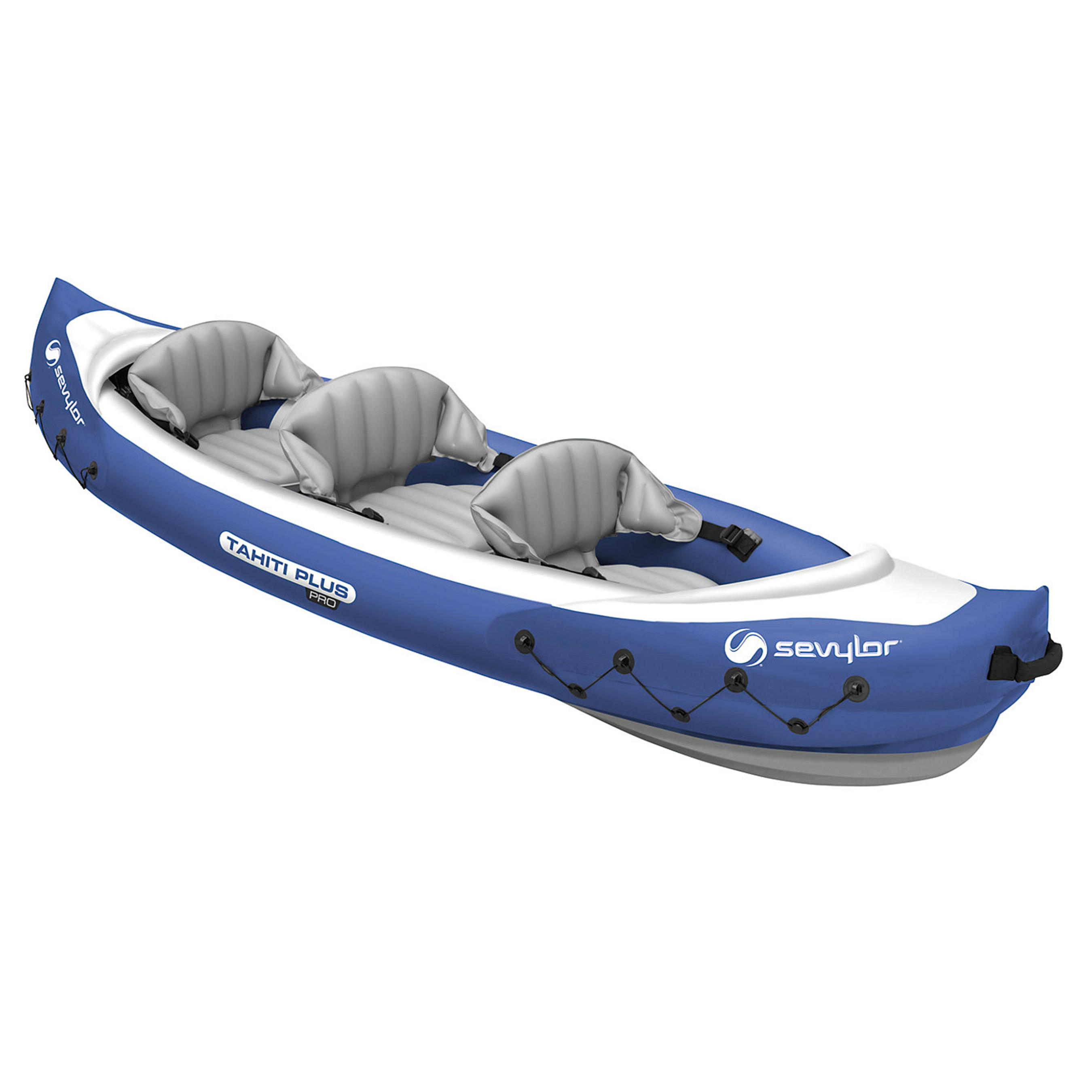
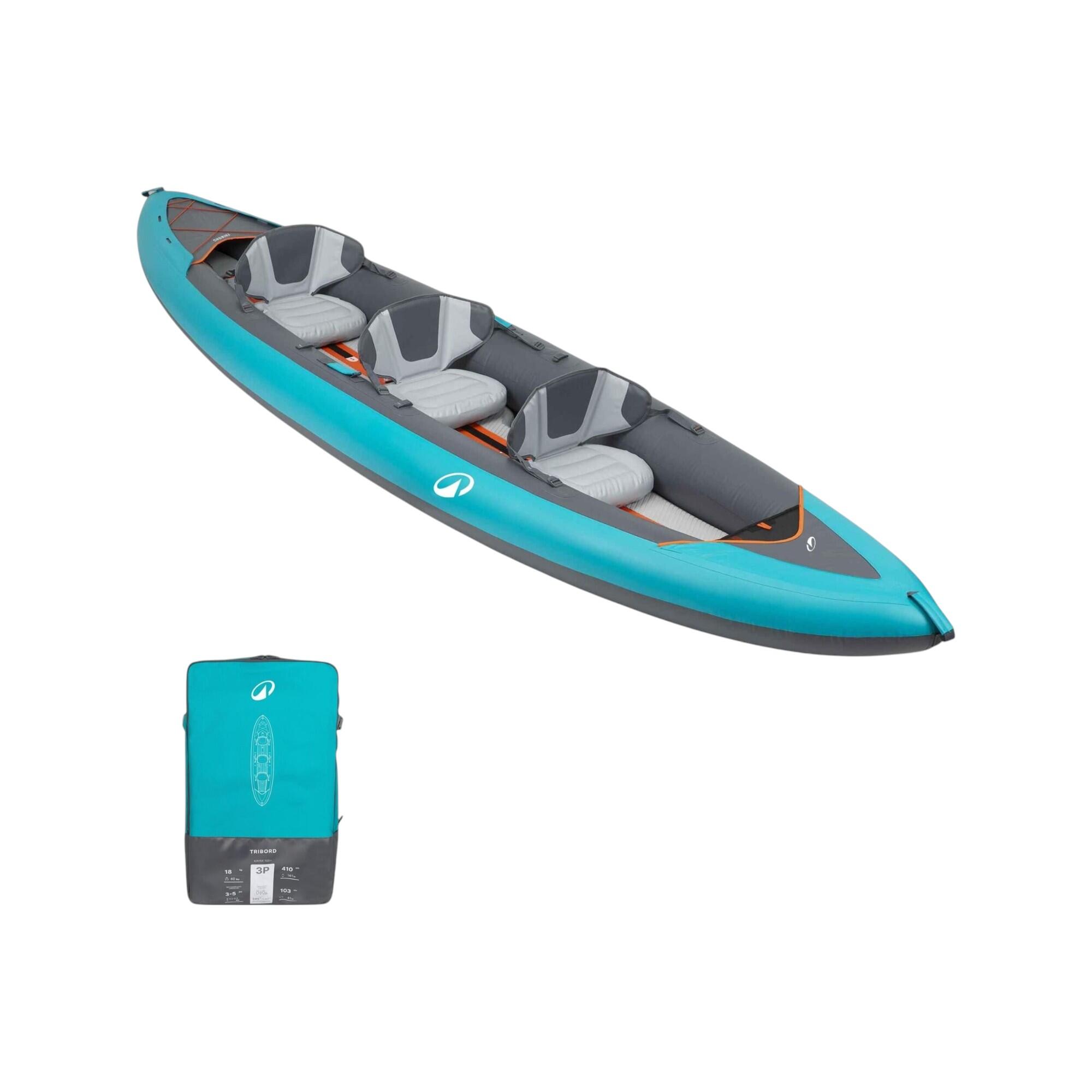
Deciding on vessel configuration depends on your primary paddling environment, storage capacity, and whether you prioritise solo speed over shared stability. Transitioning to a highly manoeuvrable kayak 1 person offers faster acceleration and immediate stroke feedback for training sessions on flat water. Tandem configurations, conversely, yield a significantly longer waterline that naturally increases top-end cruising velocity during long journeys. The wider beam of a dual-occupant hull increases secondary stability, providing immense confidence when handling cross-currents with a novice on board.

How does hull width influence tracking efficiency when paddling with young family members?

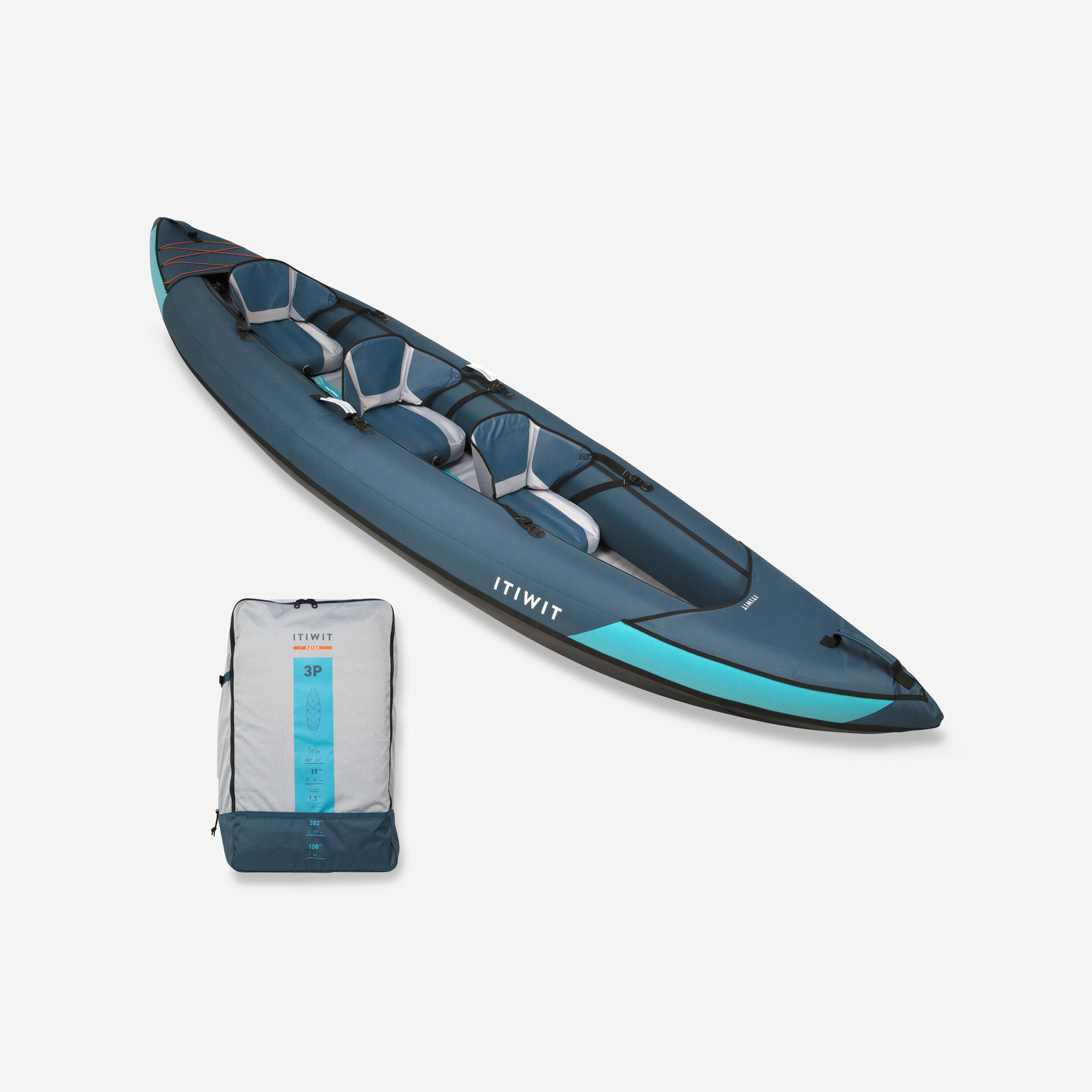
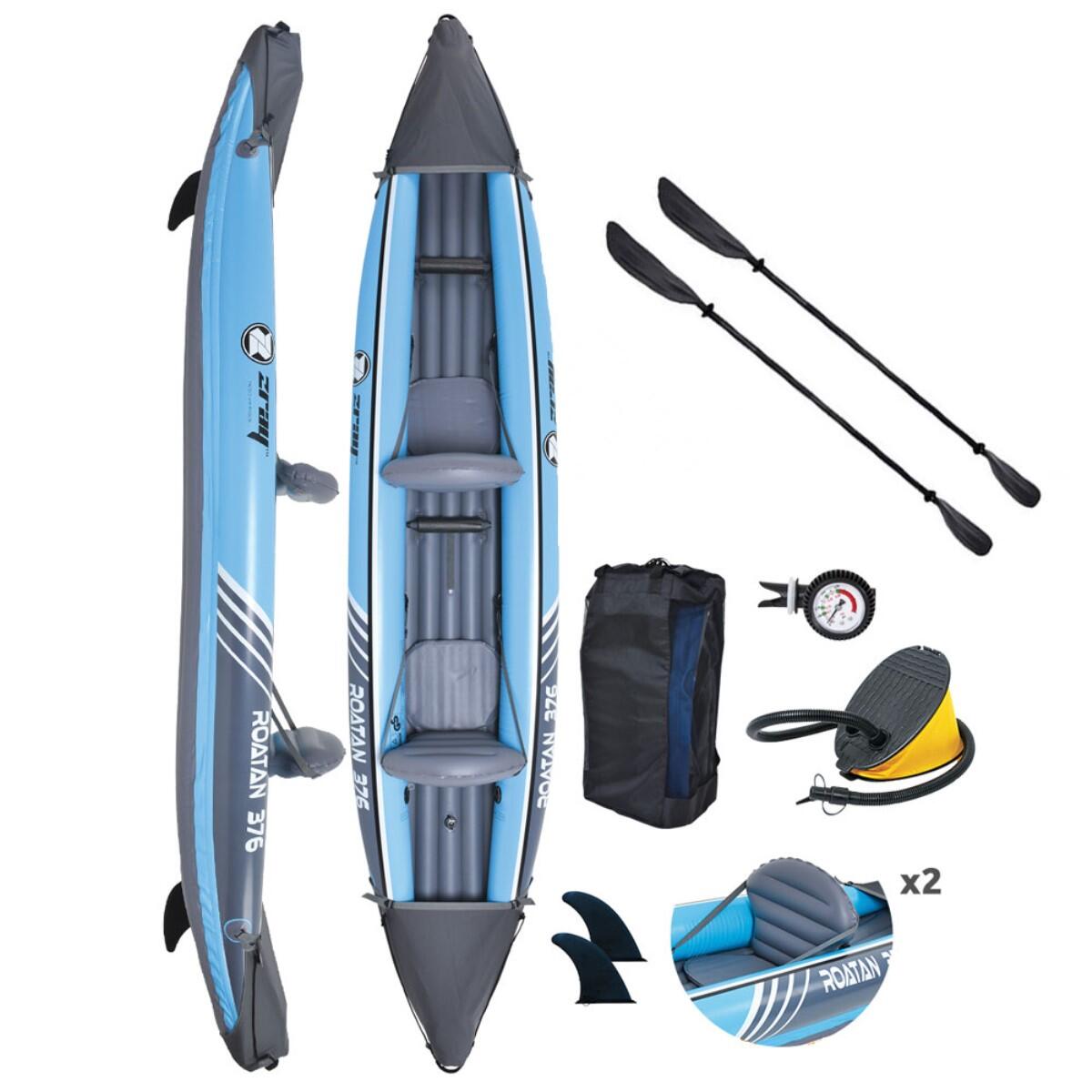
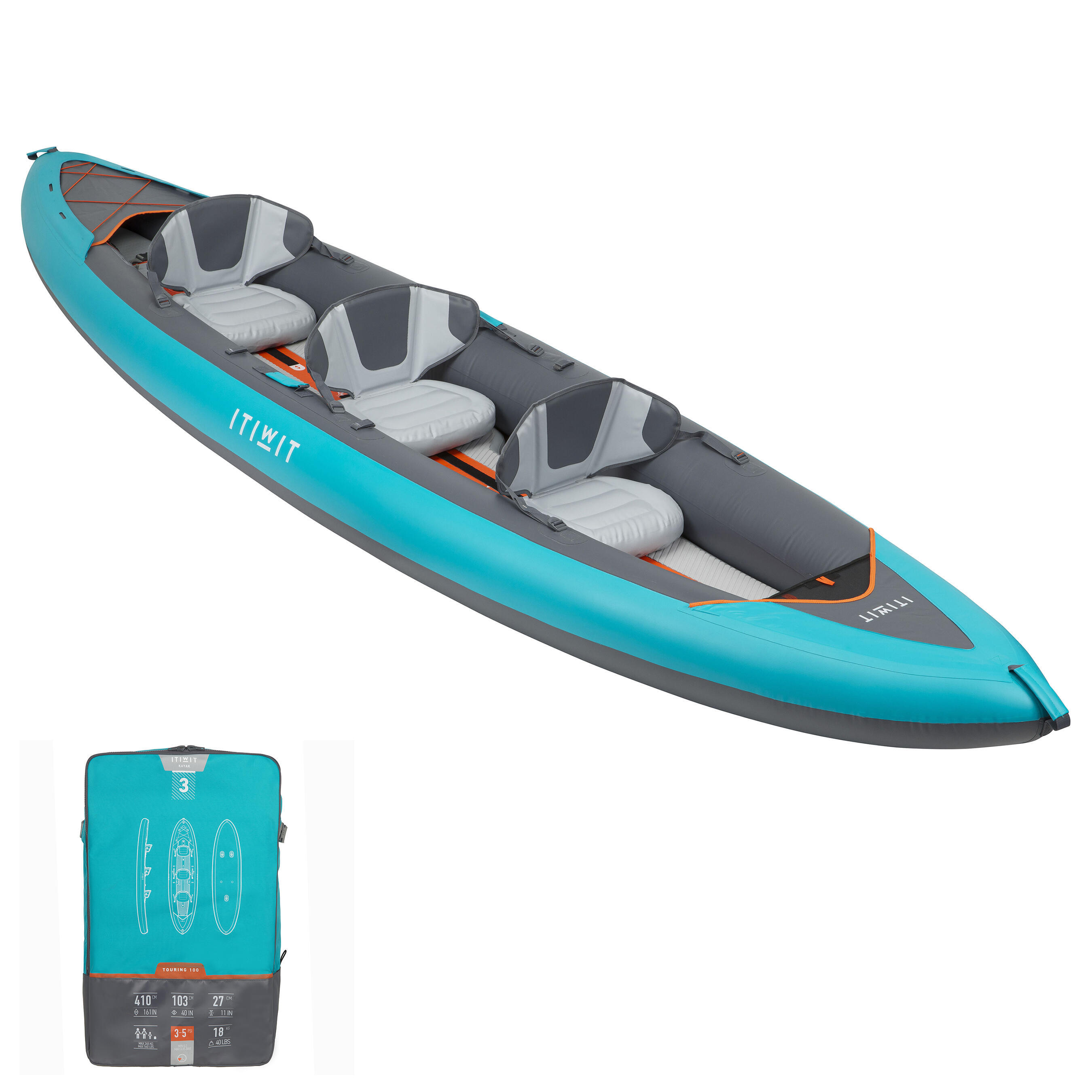
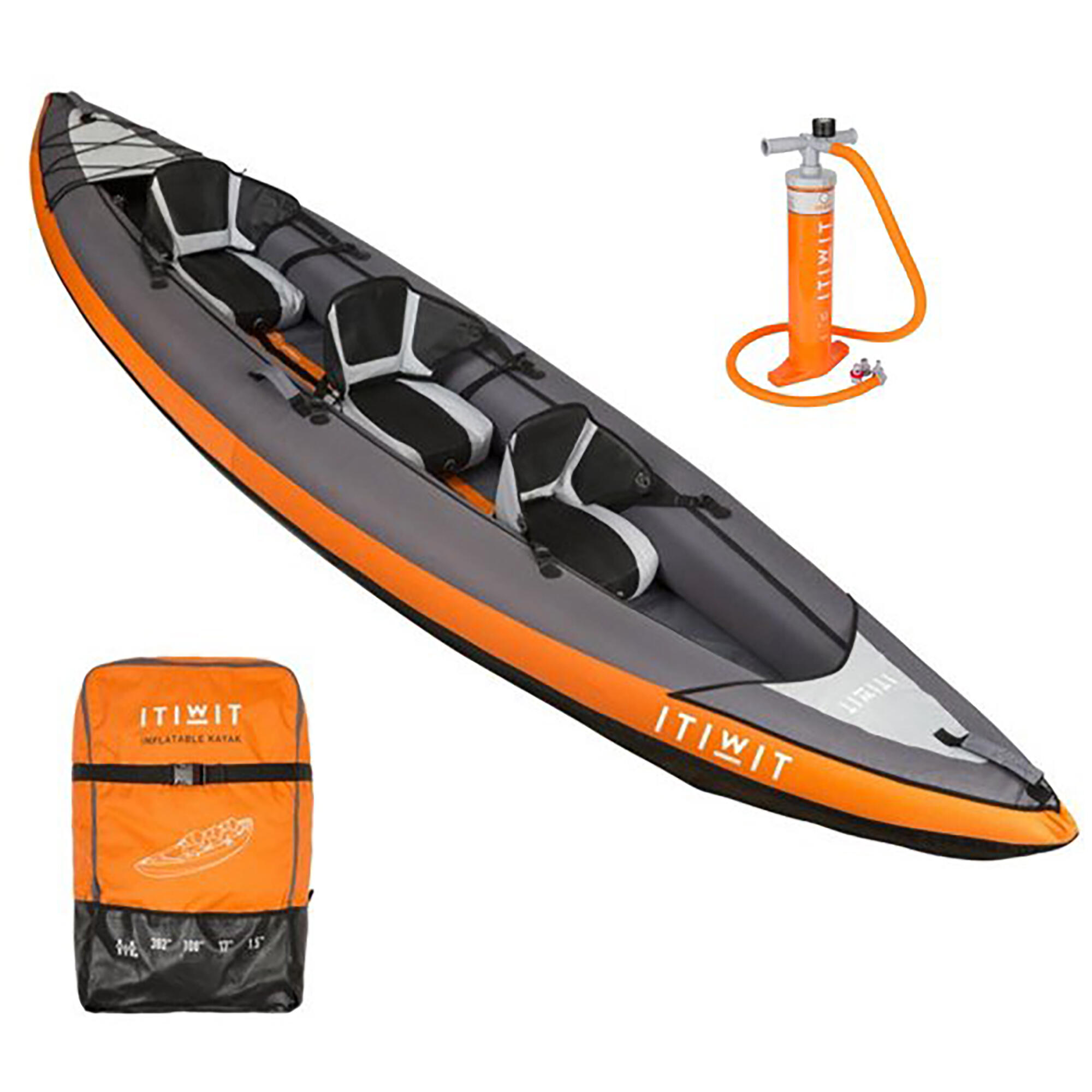
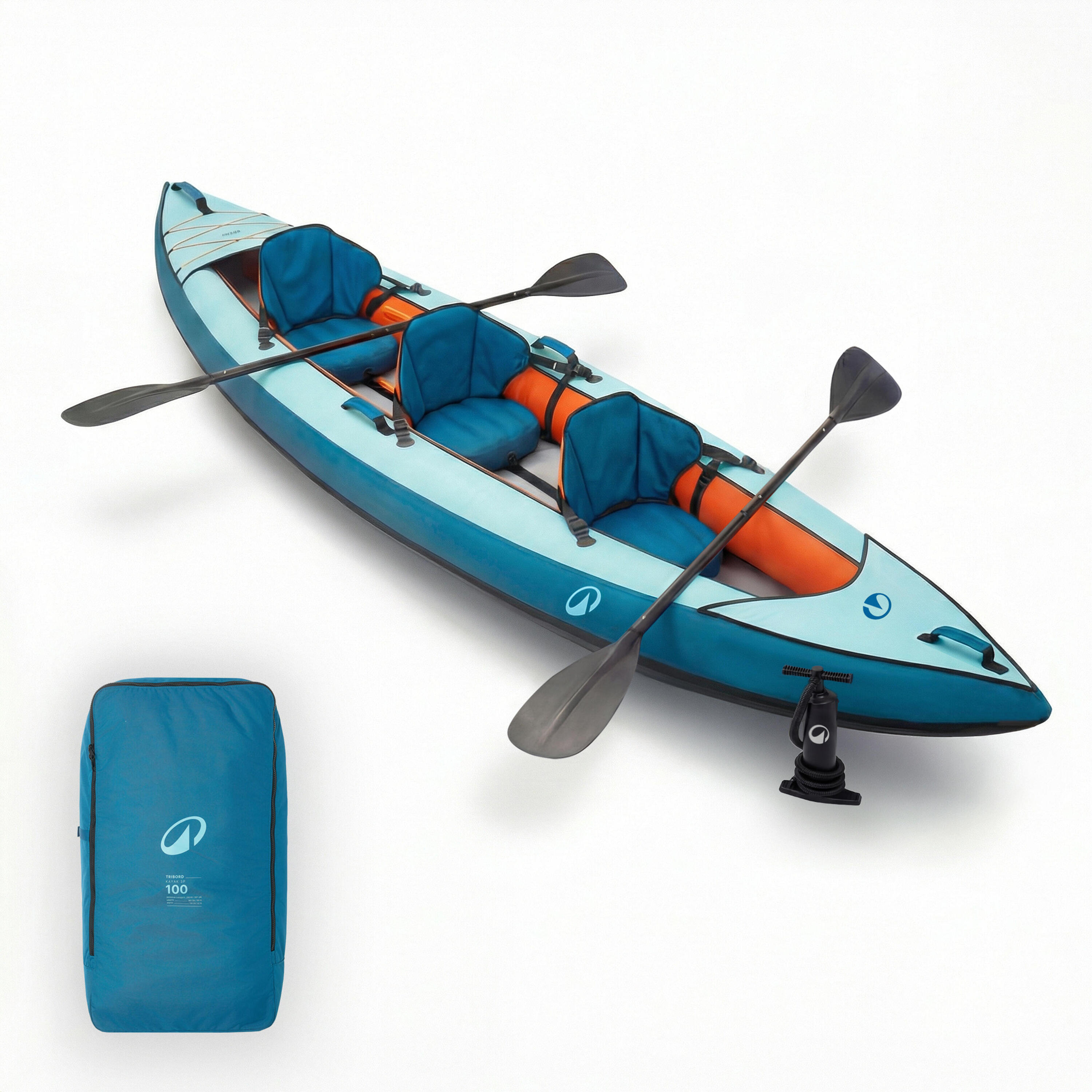
Accommodating an extra youngster requires specific cockpit dimensions to keep the physical centre of gravity low and stable during unexpected shifts in body position. Upgrading to a spacious kayak 3 people platform supplies the vital interior volume required to seat a small child centrally between two adult paddling stations. This balanced placement prevents the boat from listing to one side, which keeps the underwater skeg aligned. The extra floor space guarantees everyone can rotate their torsos fully without clipping paddles during synchronised forward strokes.

Why do drop-stitch floor pressures affect the handling of high-capacity watercraft?

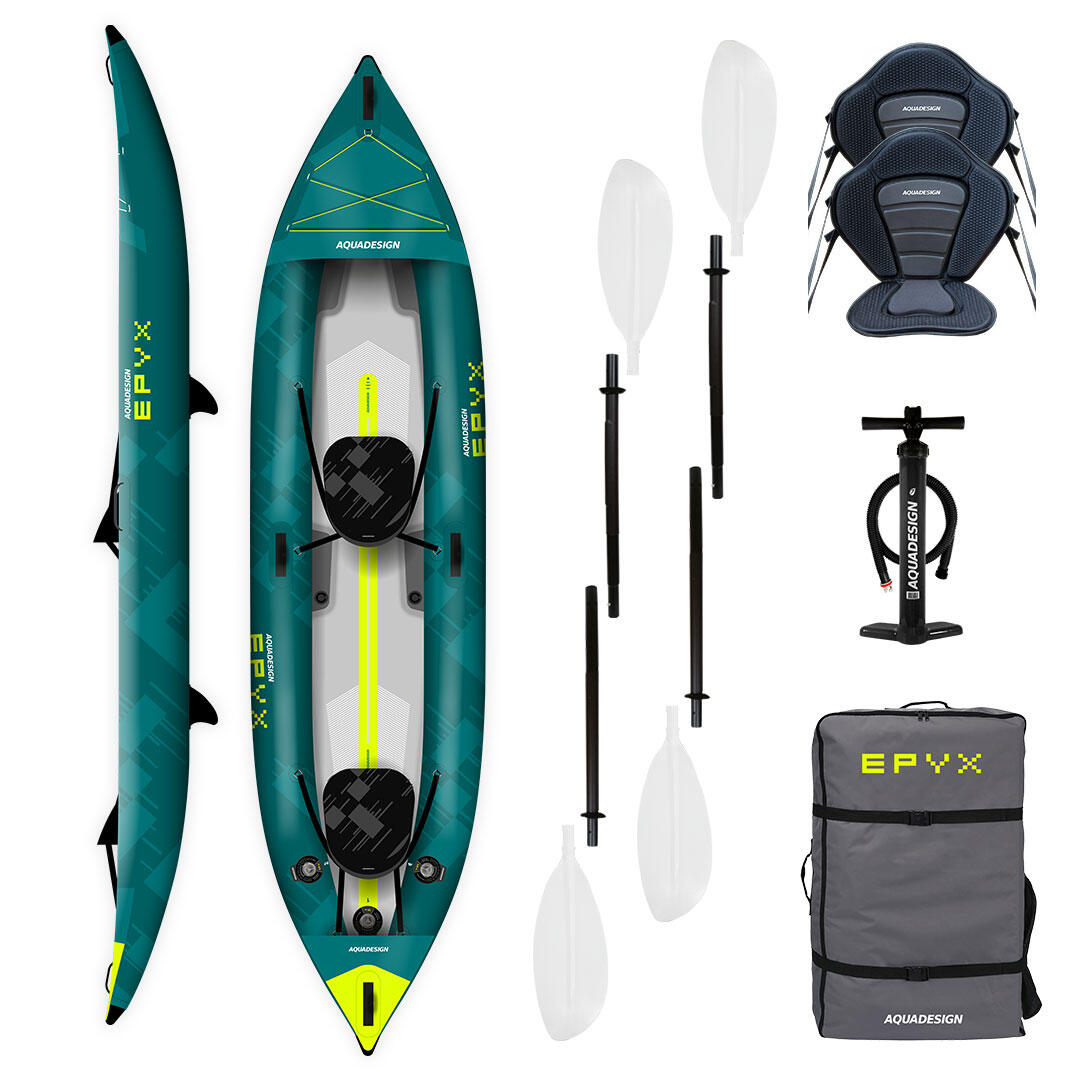
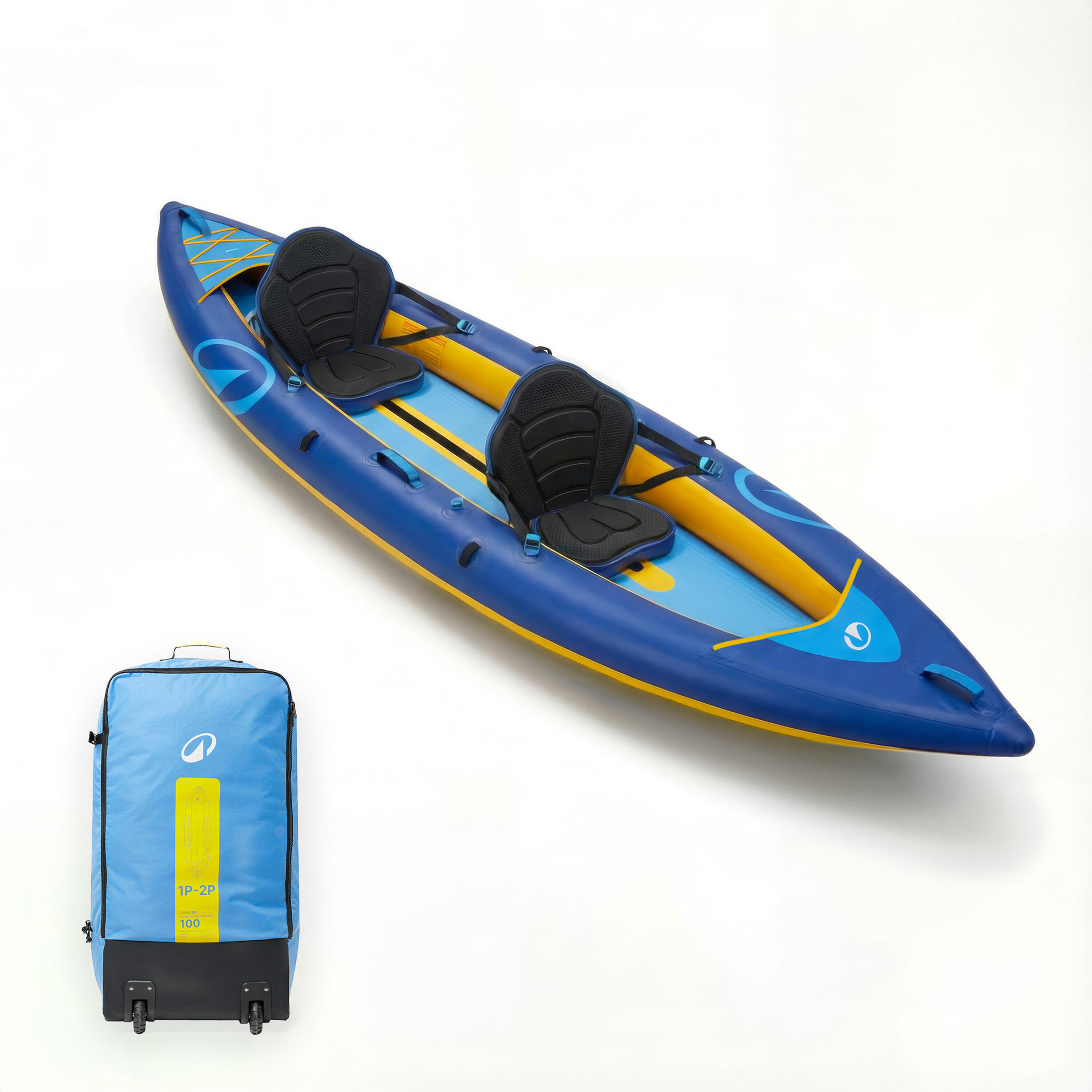
Low-pressure bladders often sag under the concentrated weight of two adults, which increases hull drag and compromises overall efficiency. Modern tandem hulls utilise high-density drop-stitch polyester filaments that allow internal inflation pressures to reach up to 10 PSI. This extreme internal tension forces the outer PVC skin into an unyielding, hydrodynamically efficient profile that mimics hard-shell performance. Expert tip: For alternative summer water sports, these same high-pressure manufacturing methods are applied to inflatable rigid boards used for long-distance coastlines, ensuring optimal stiffness and tracking precision across open water.