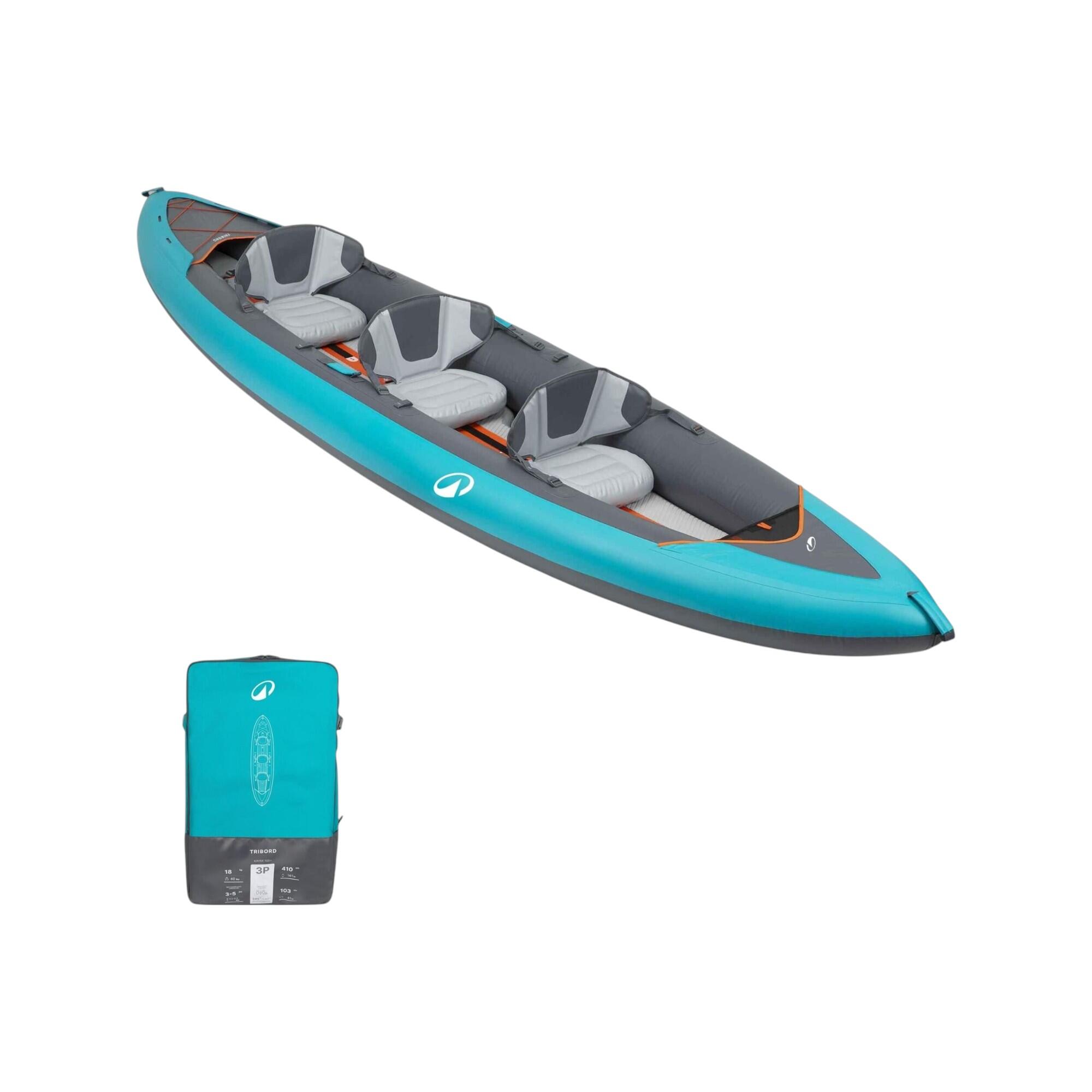
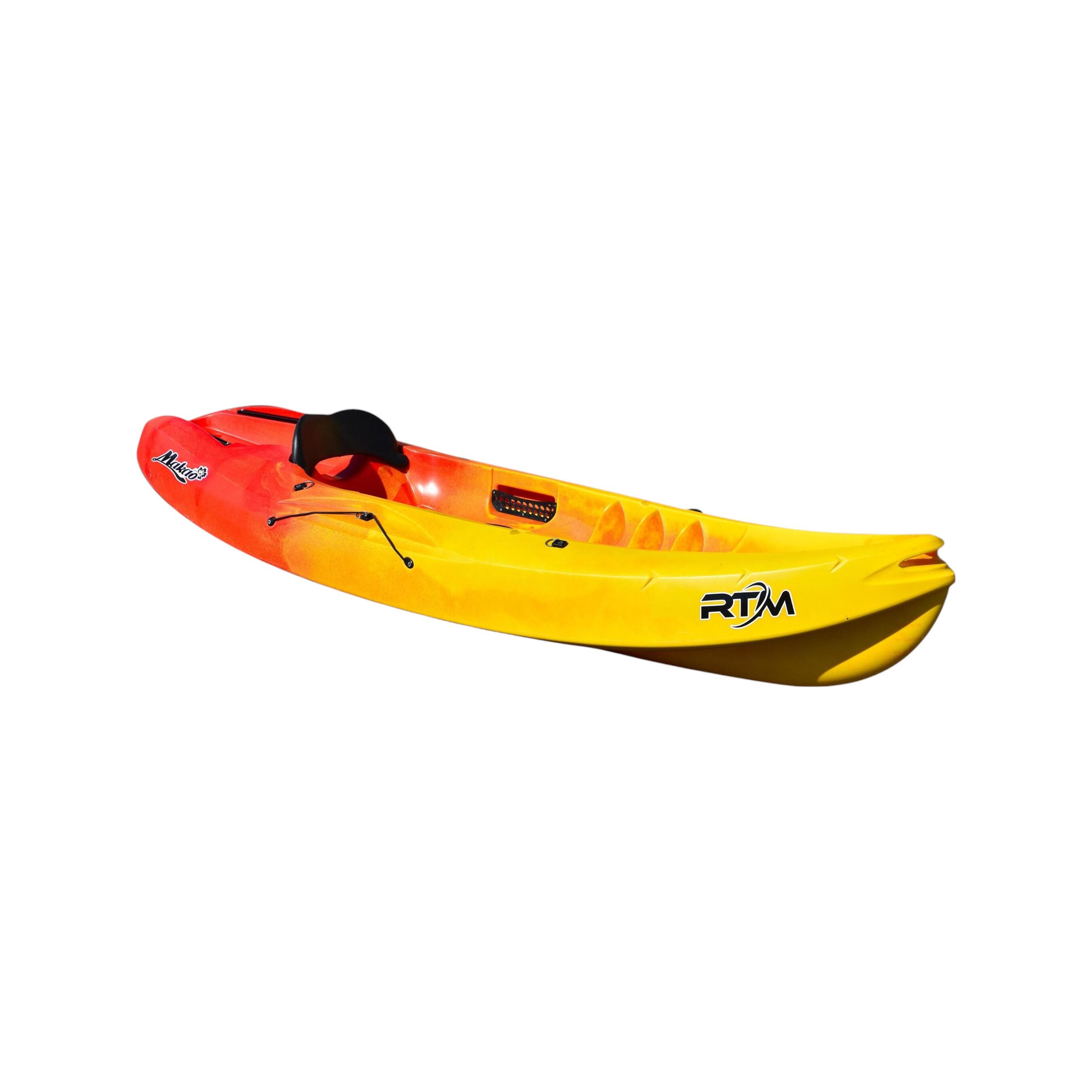
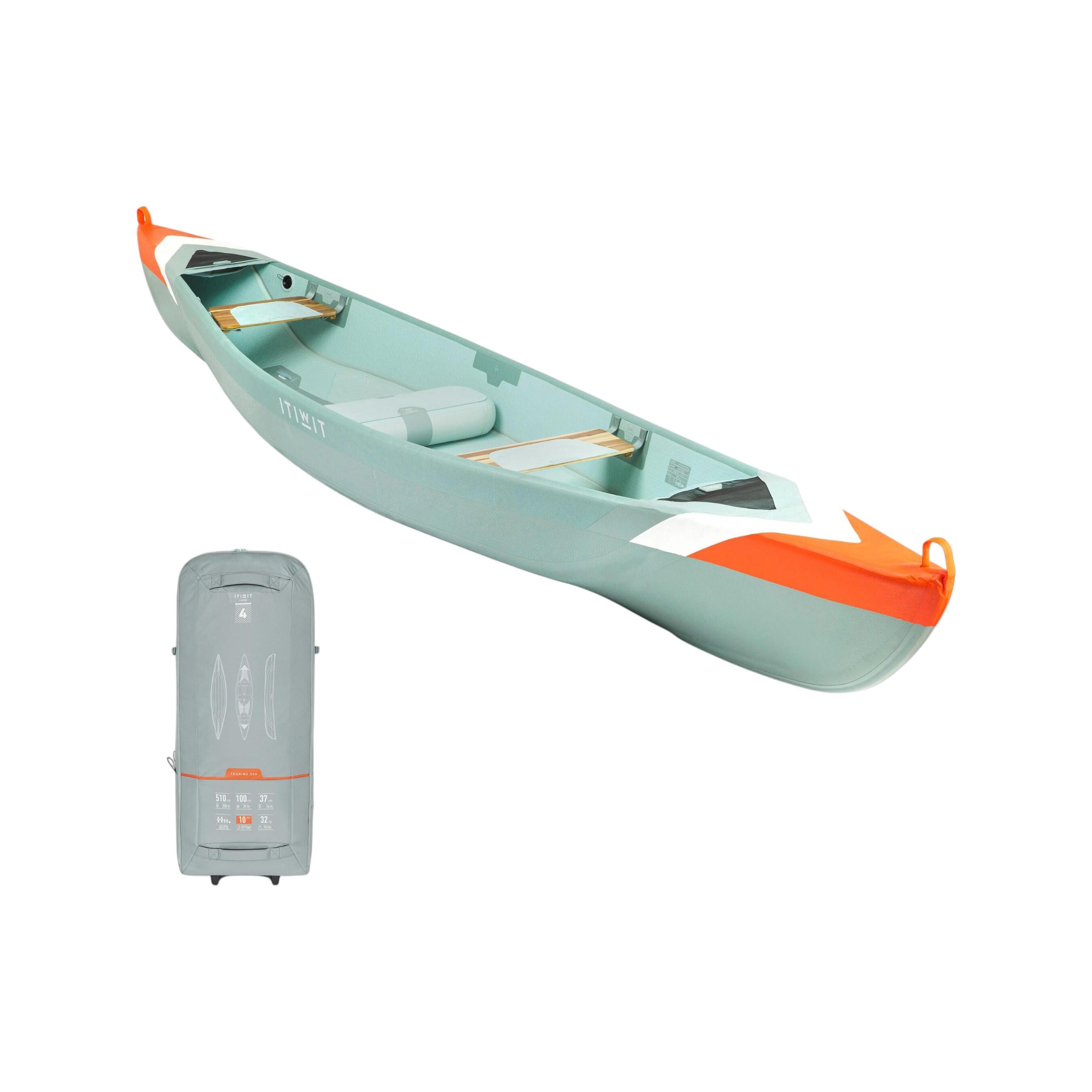
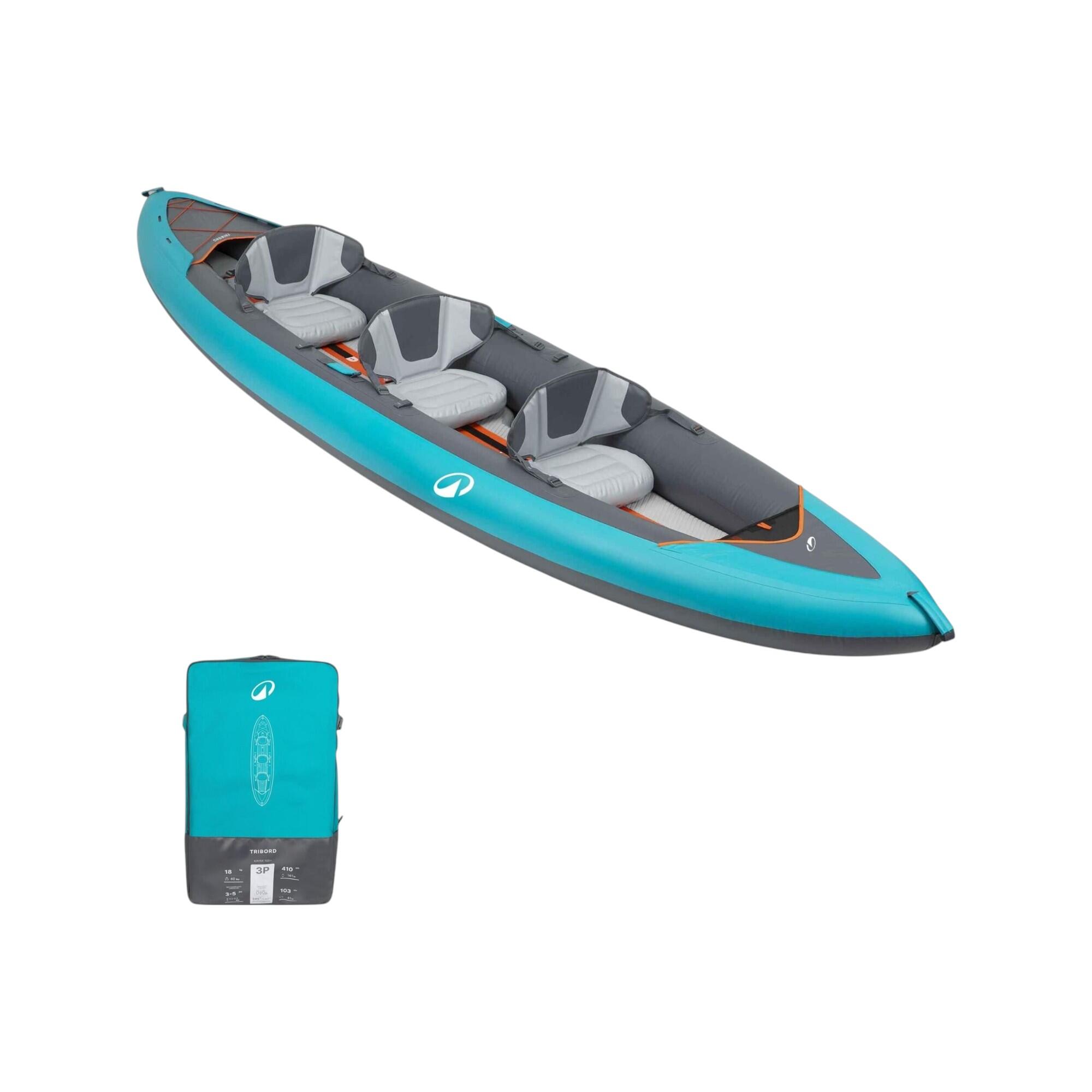
59 items
4.3/5 based on 1434 reviews collected online and in stores

Kayak Canoes and Packcrafts FAQs

What features distinguish traditional kayak canoes from ultra-lightweight packcrafts?

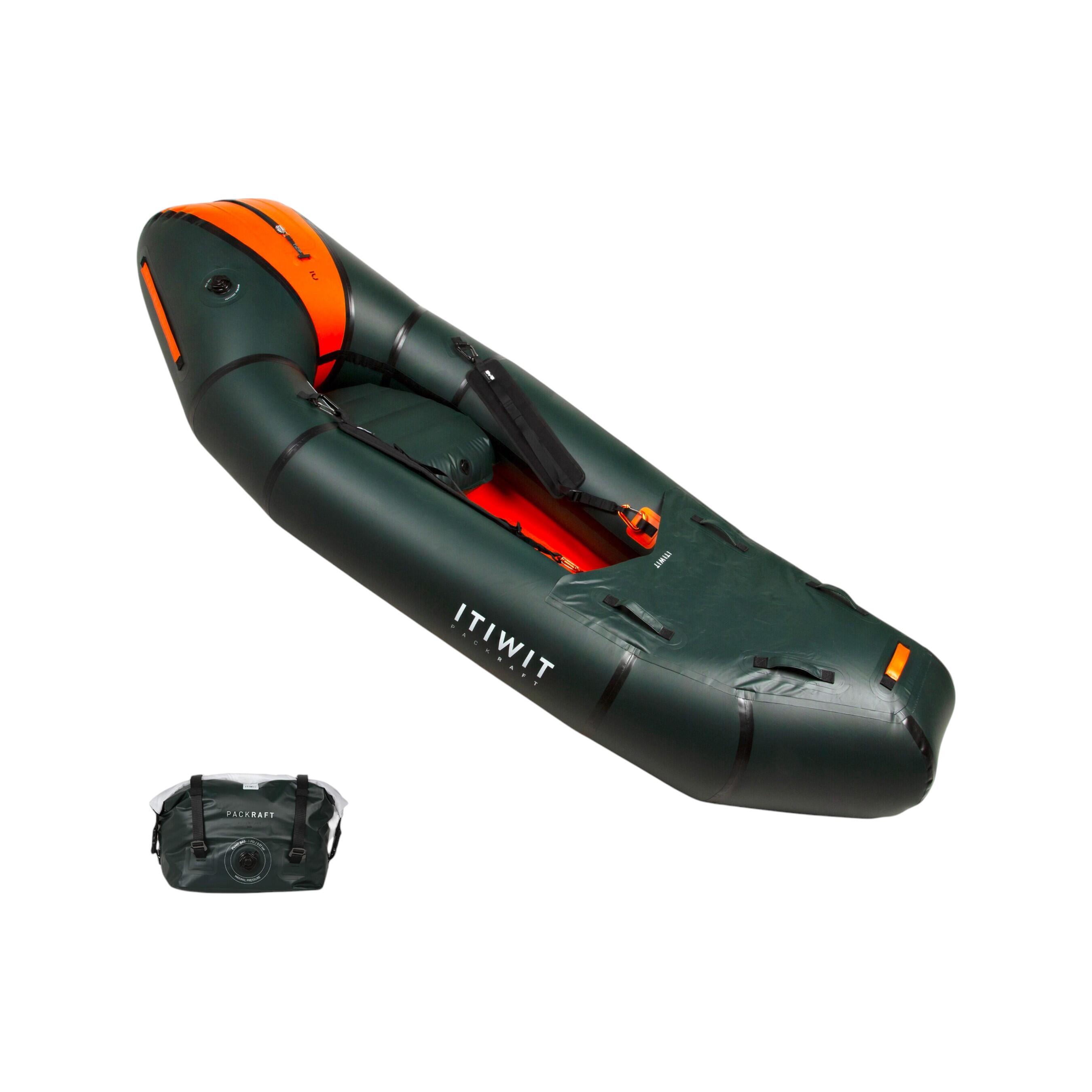
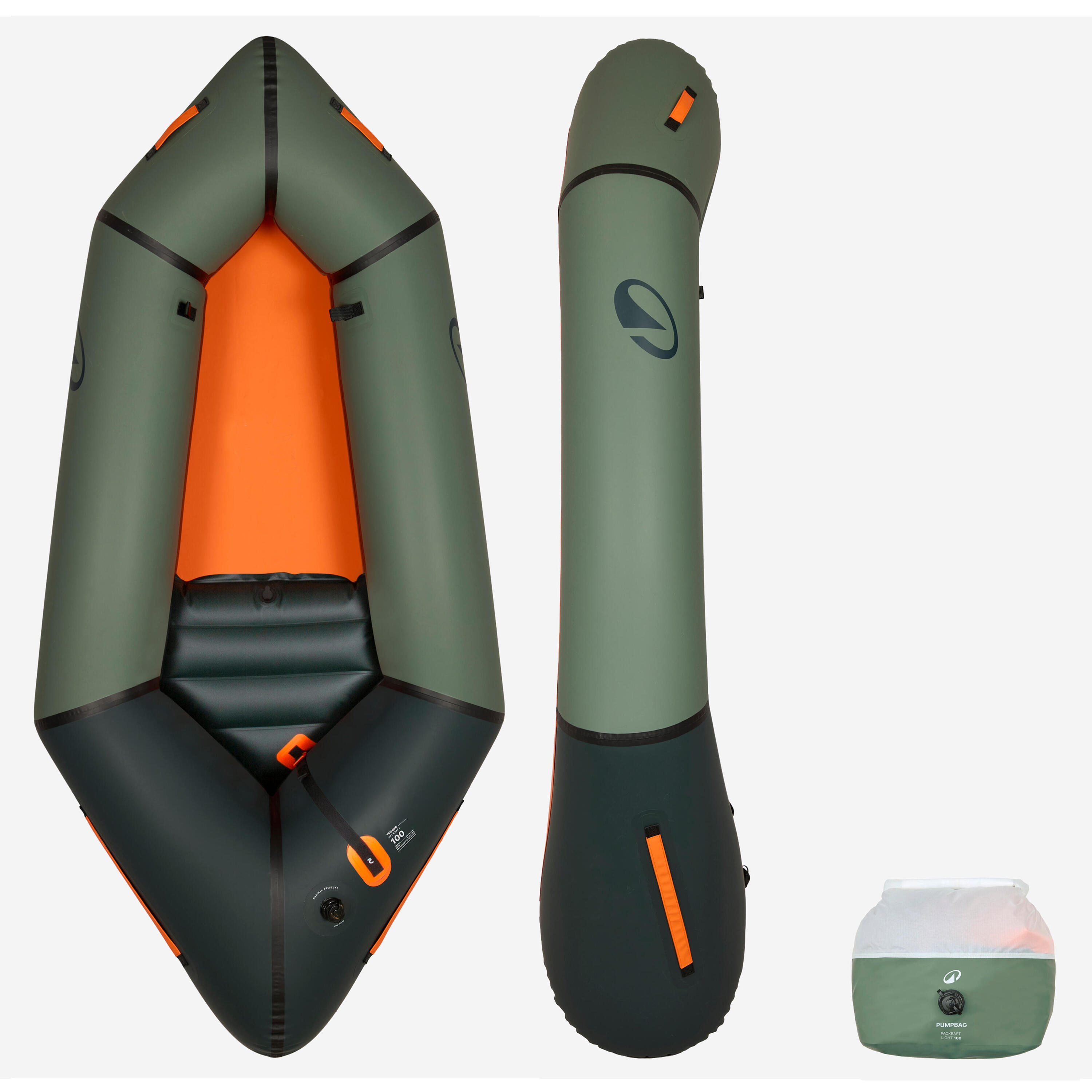
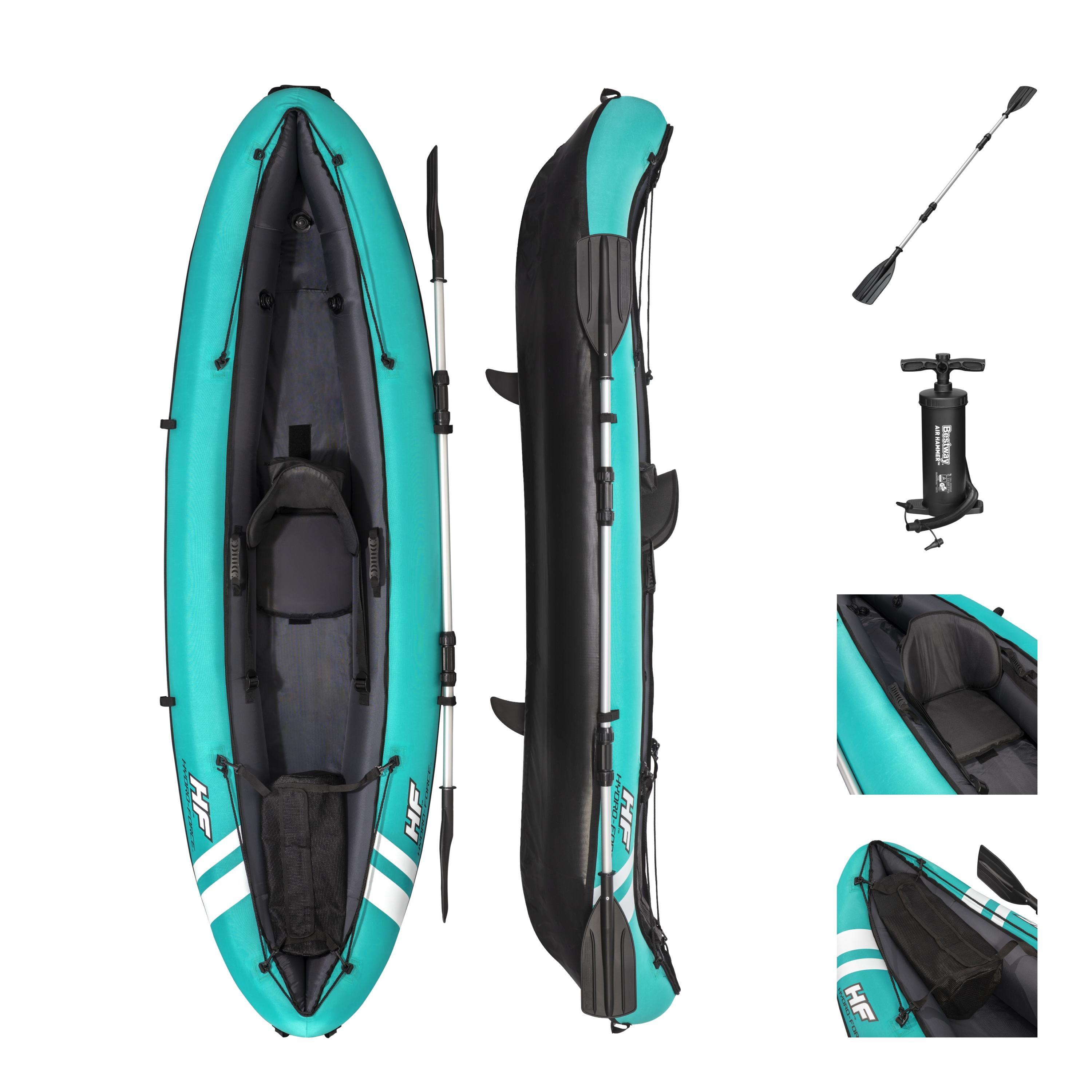
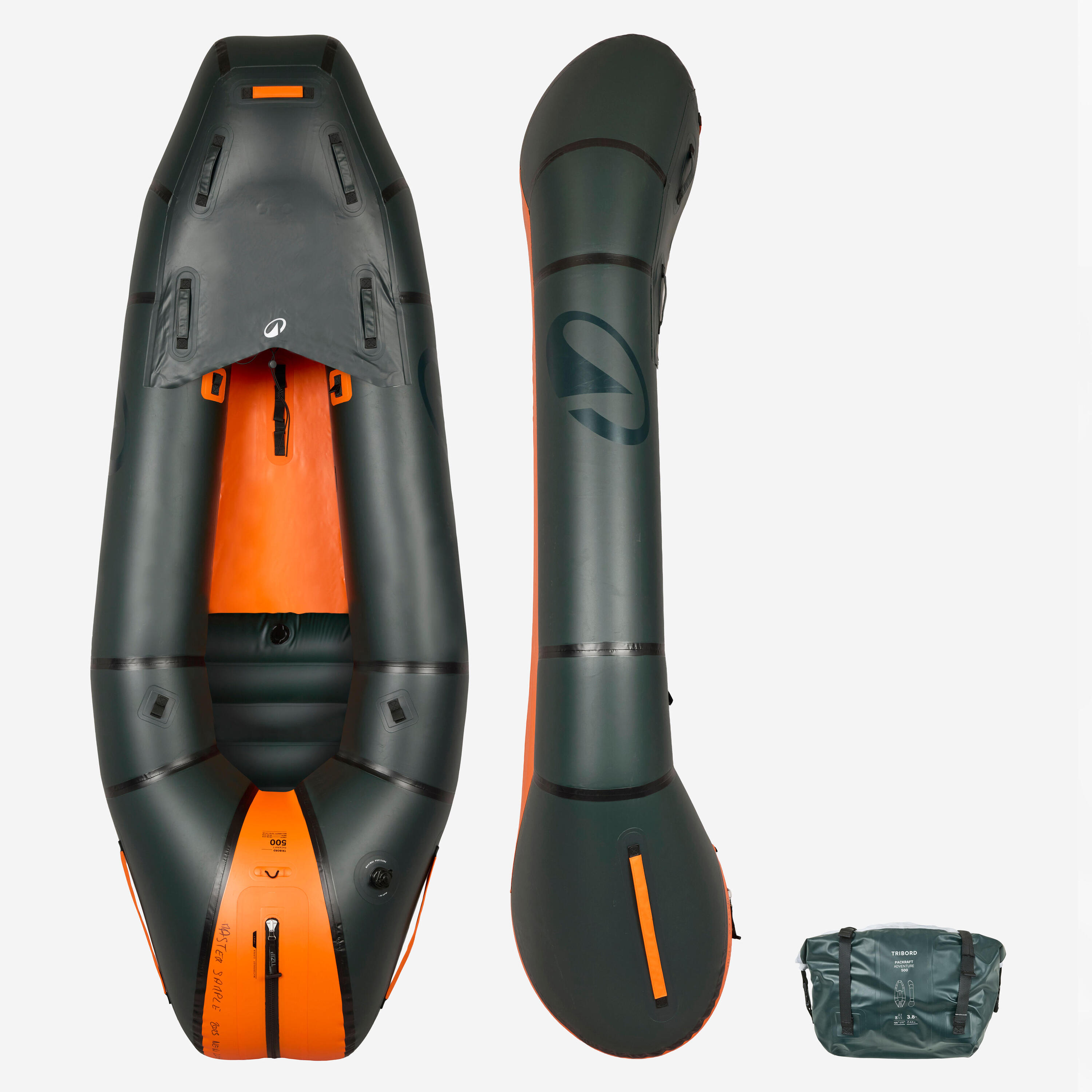
Choosing between heavy-duty kayak canoes and packcrafts involves evaluating weight thresholds and transport logistics for wilderness expeditions. Traditional hulls provide substantial cargo space for multi-day touring across expansive lakes. Conversely, highly portable packrafts compress completely into a compact shape matching a standard sleeping bag configuration, allowing effortless carrying over mountain passes. These robust single-person crafts employ TPU-coated nylon fabrics to endure sharp river rocks while minimising weight.

How do inflatable touring canoes compare to integrated packages for long-distance travel?

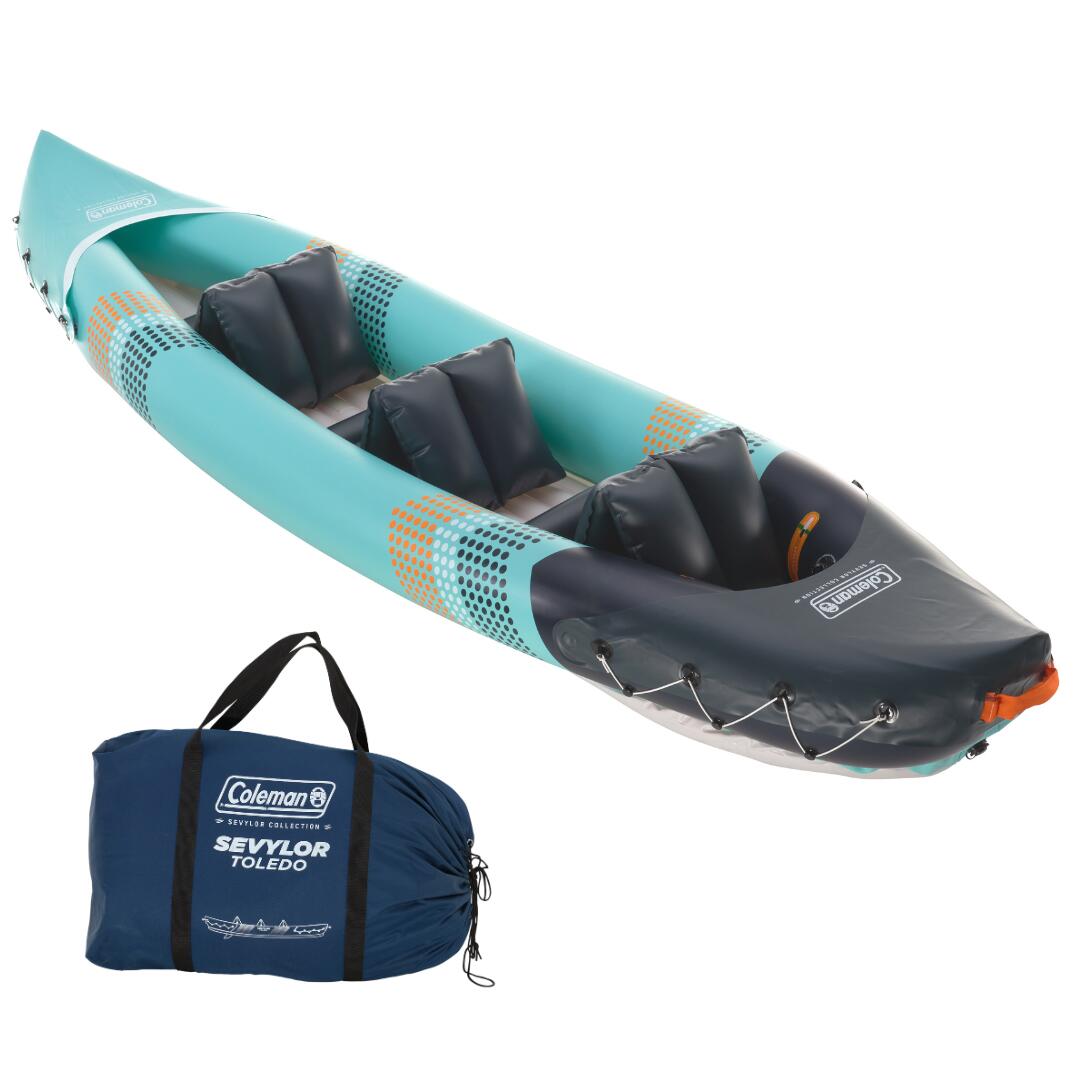
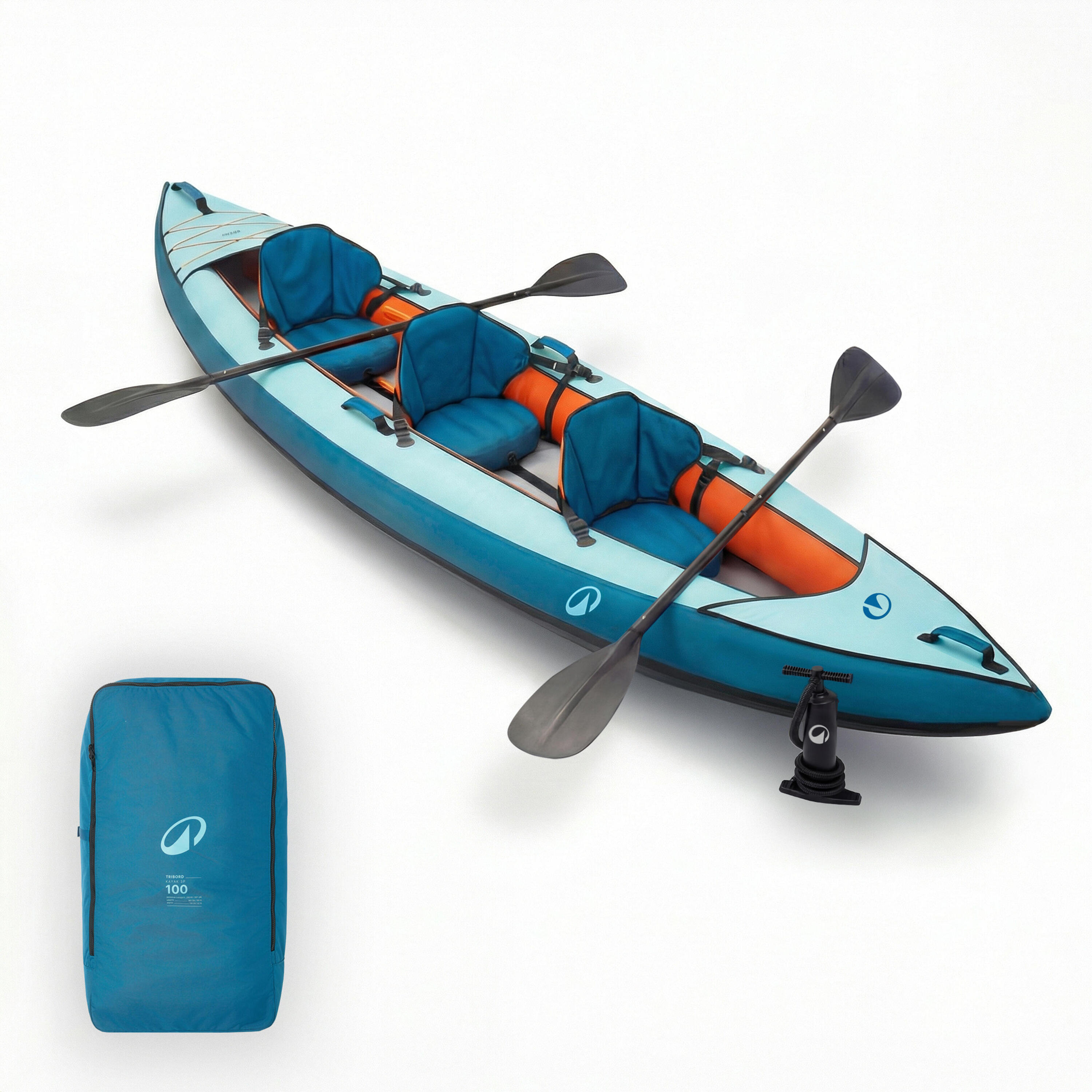
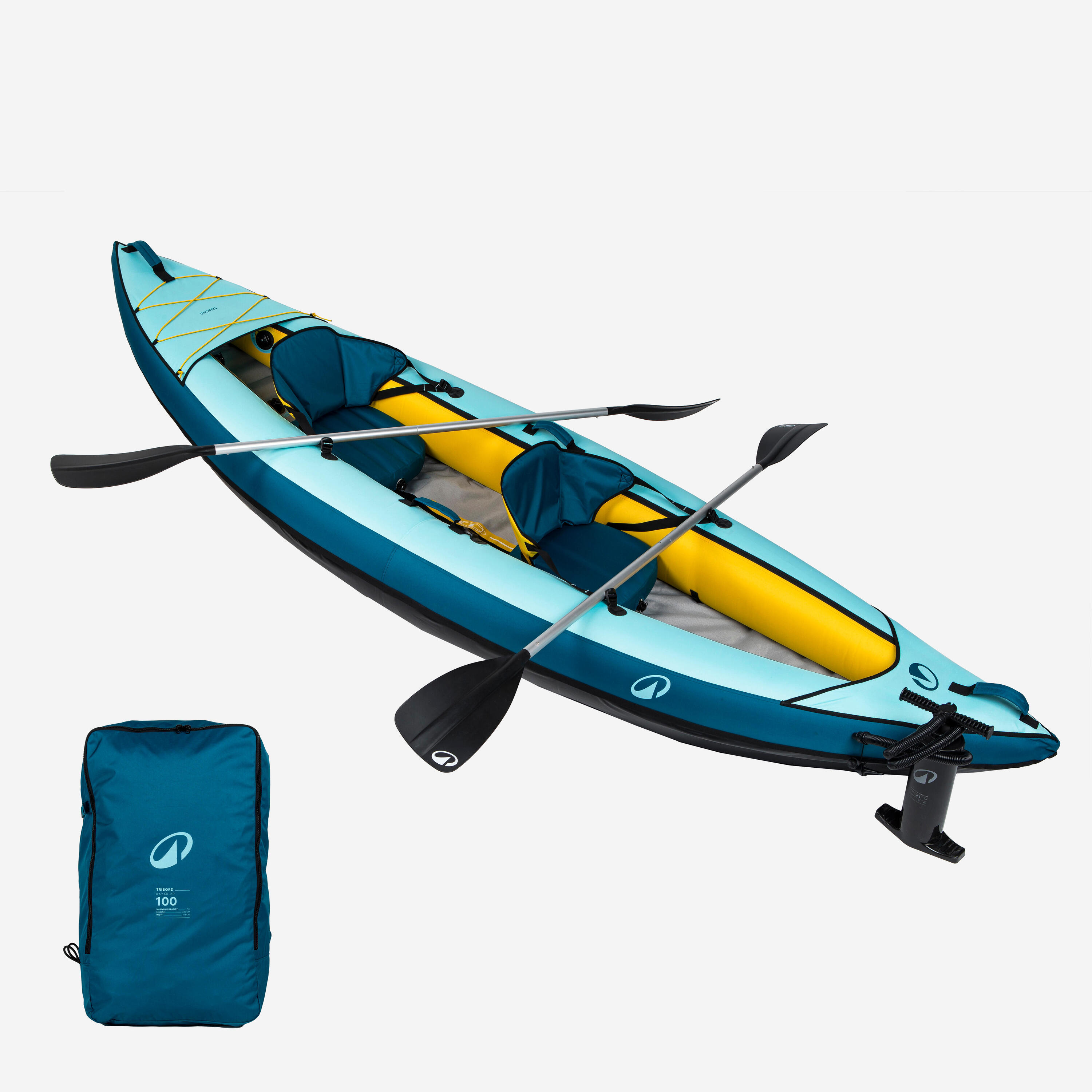
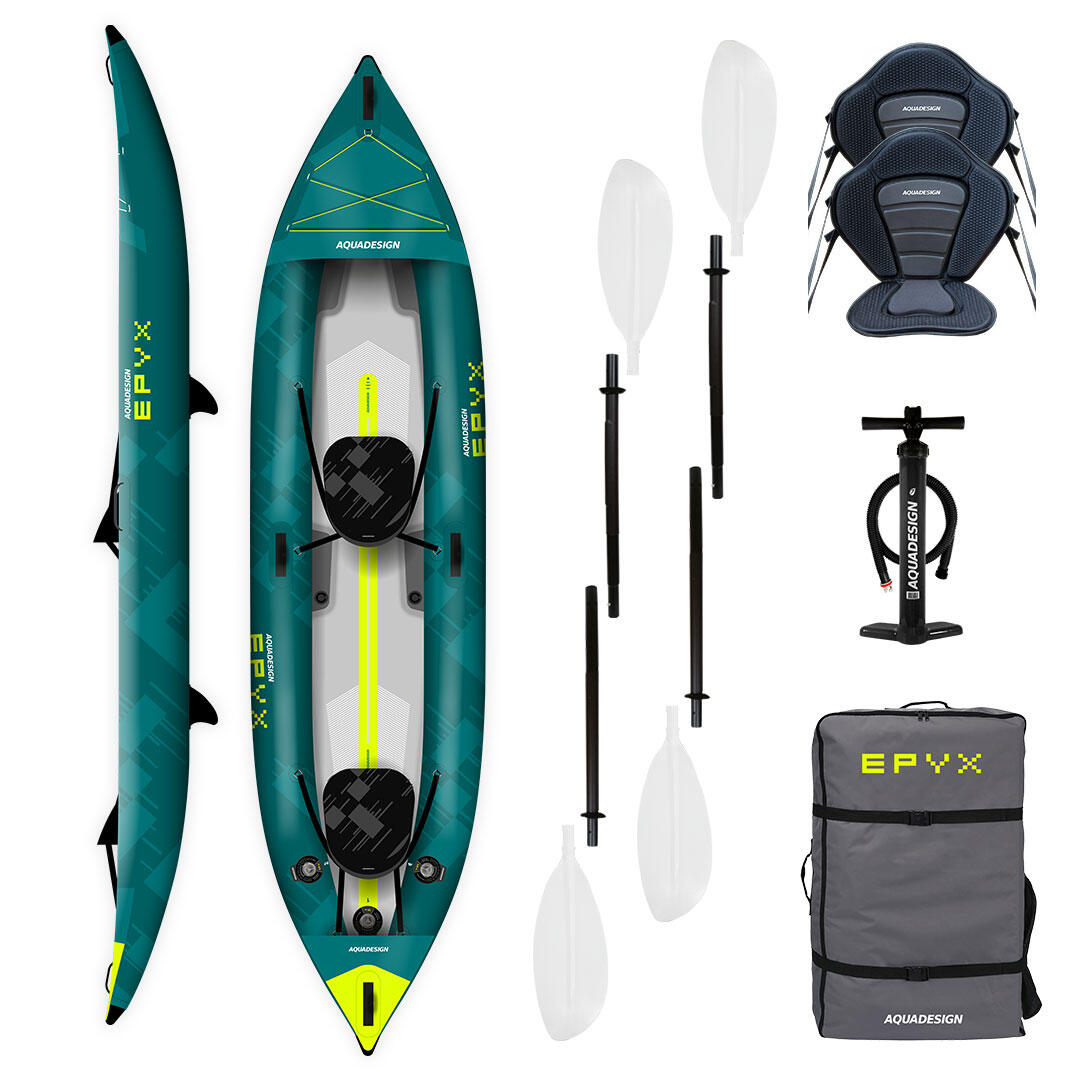
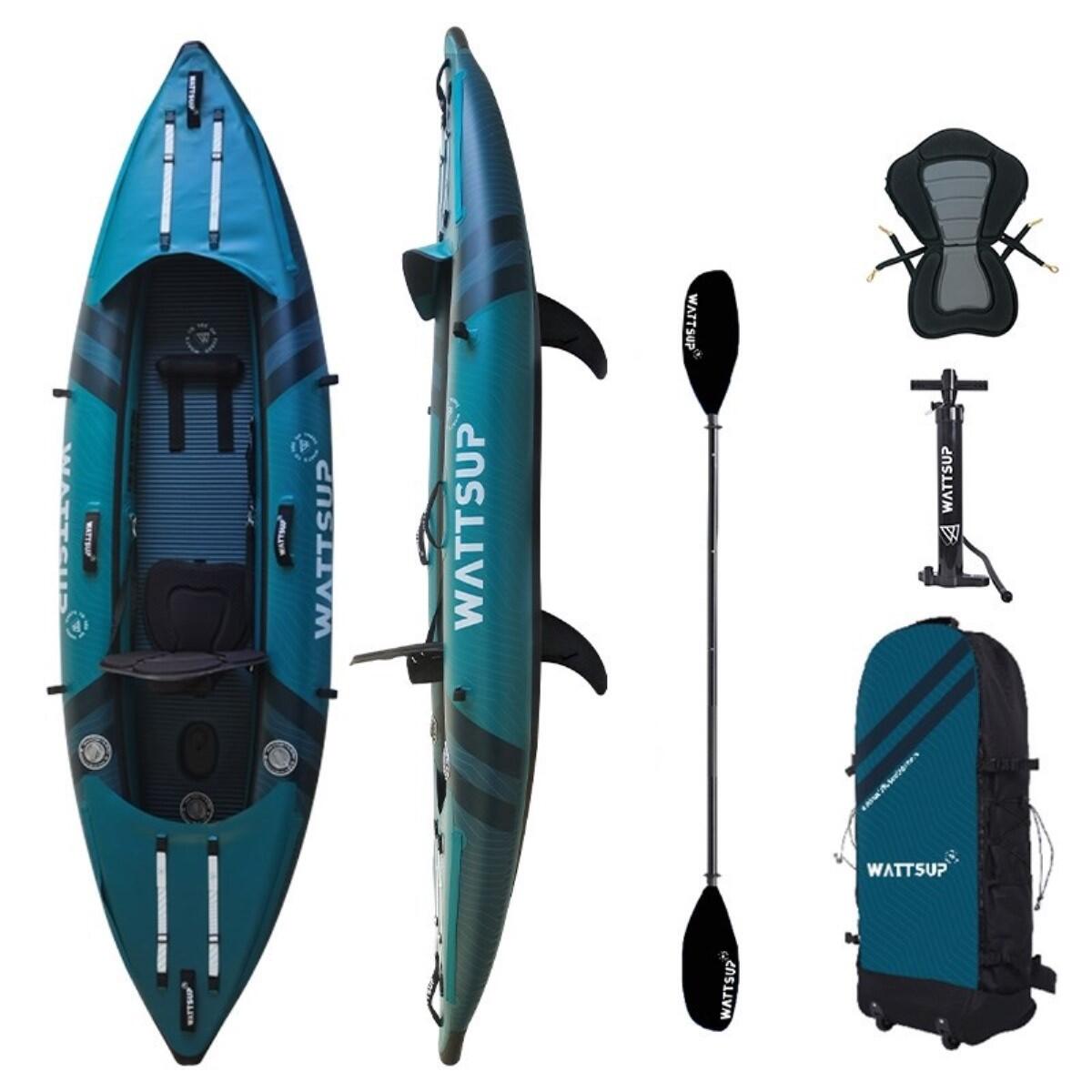
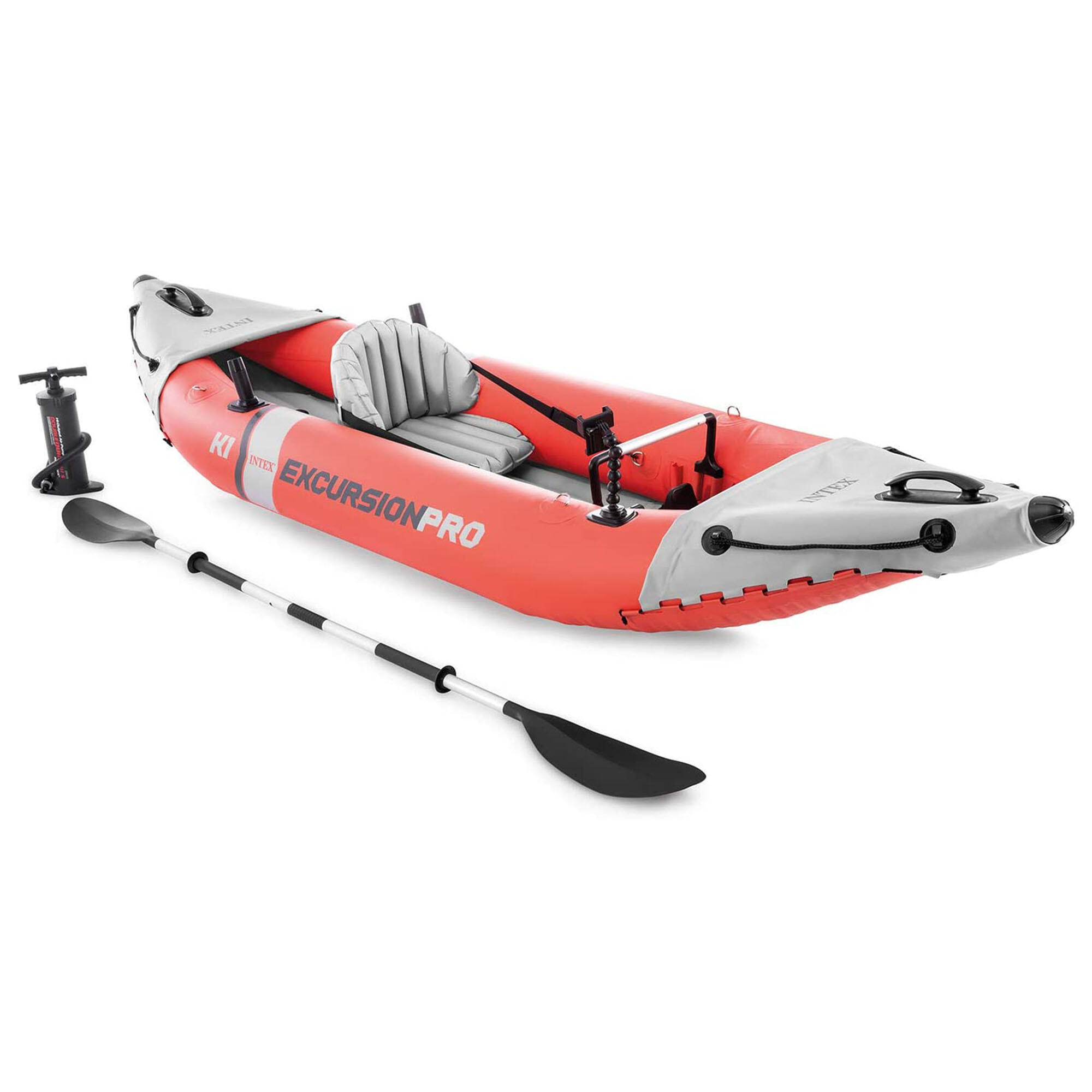
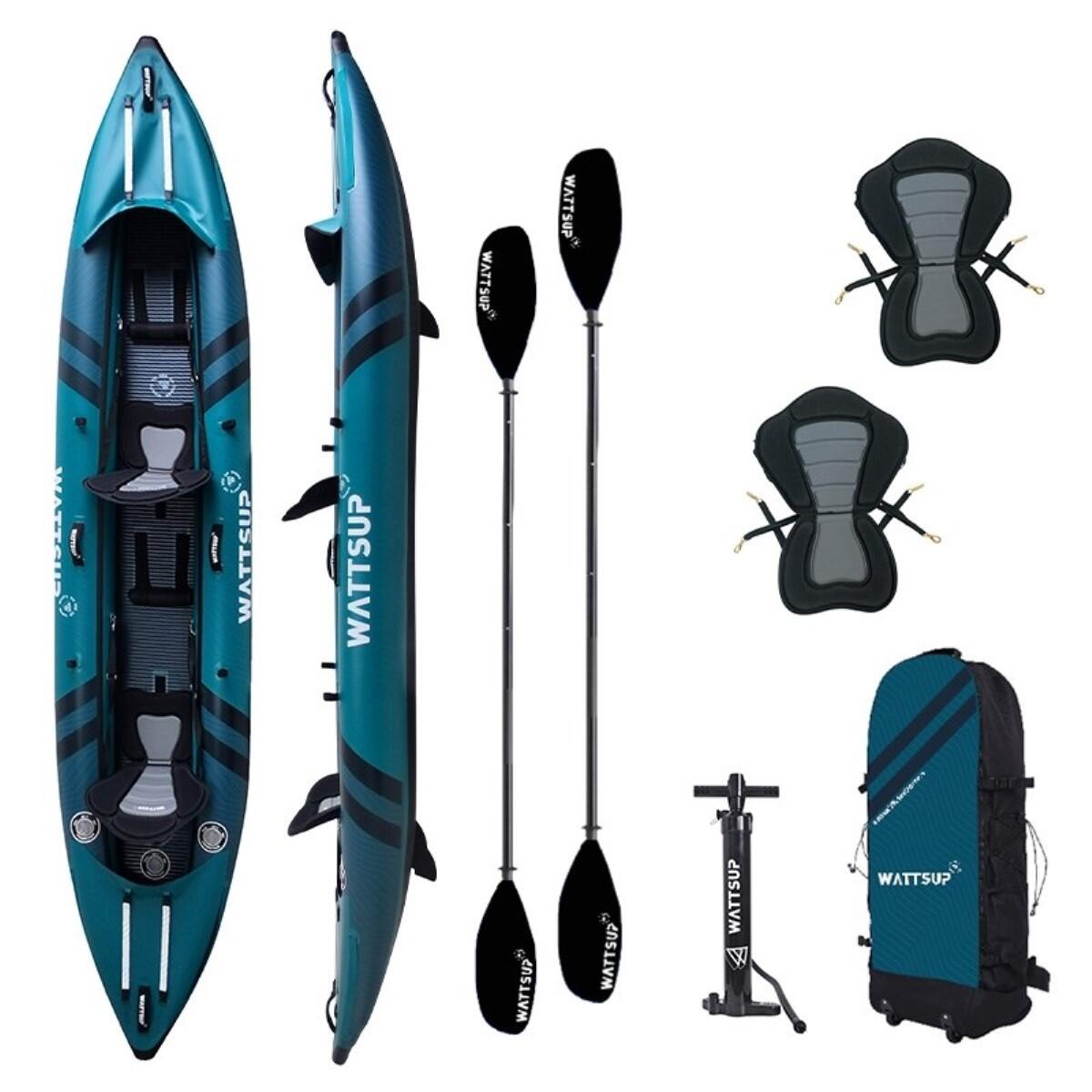
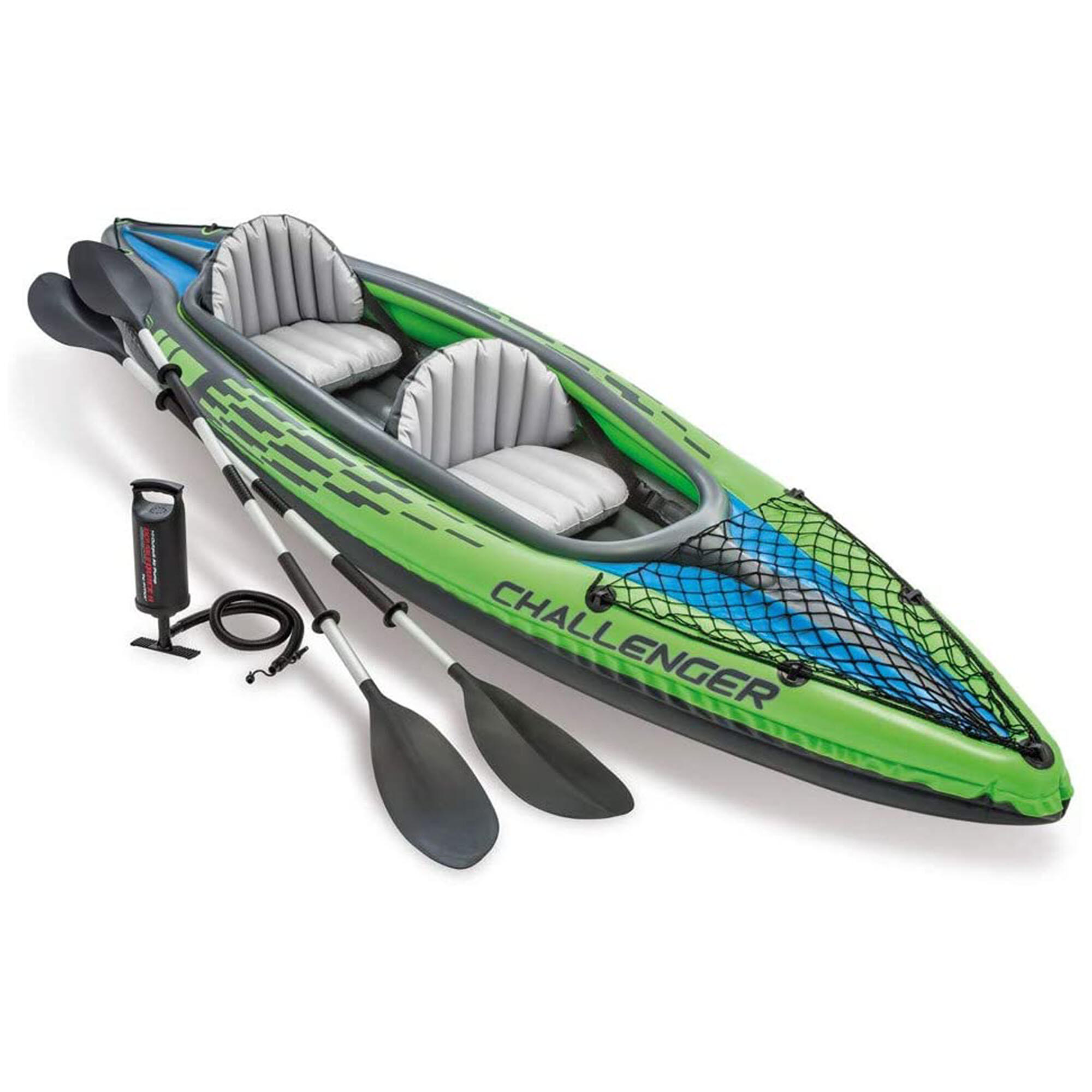
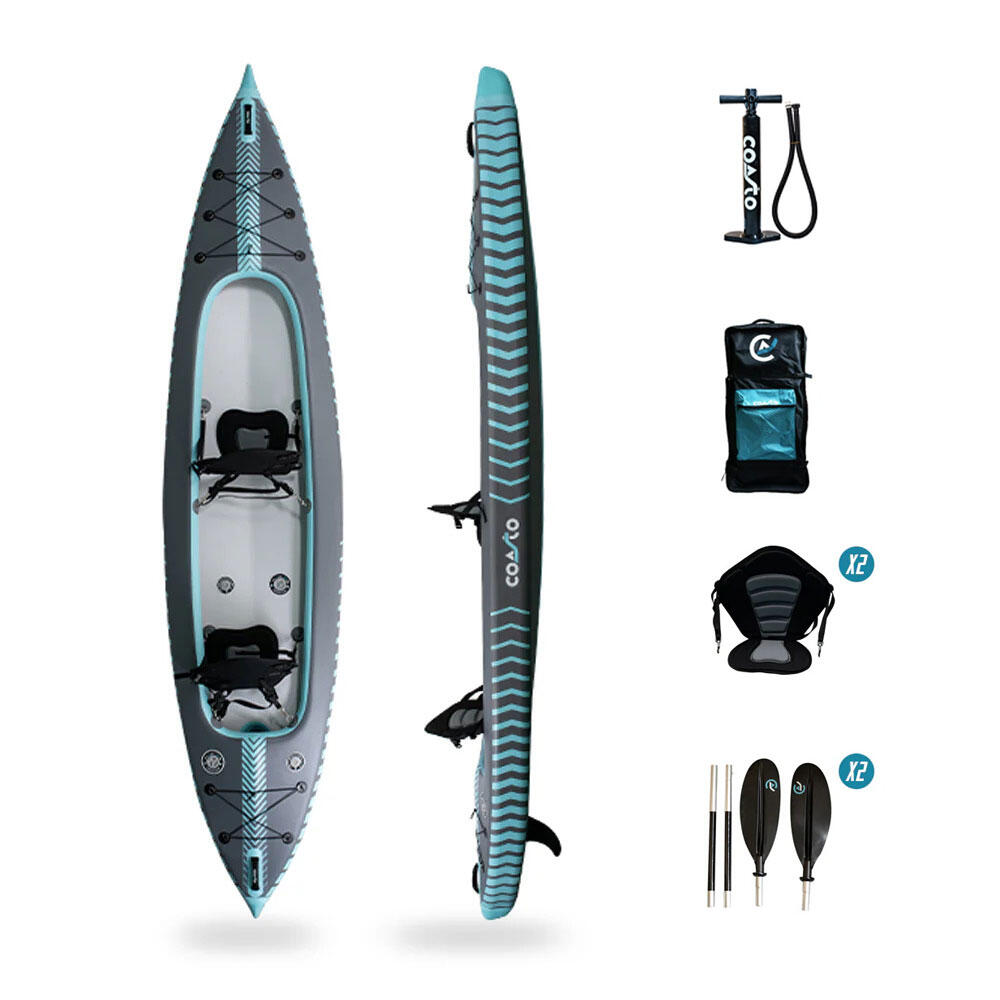
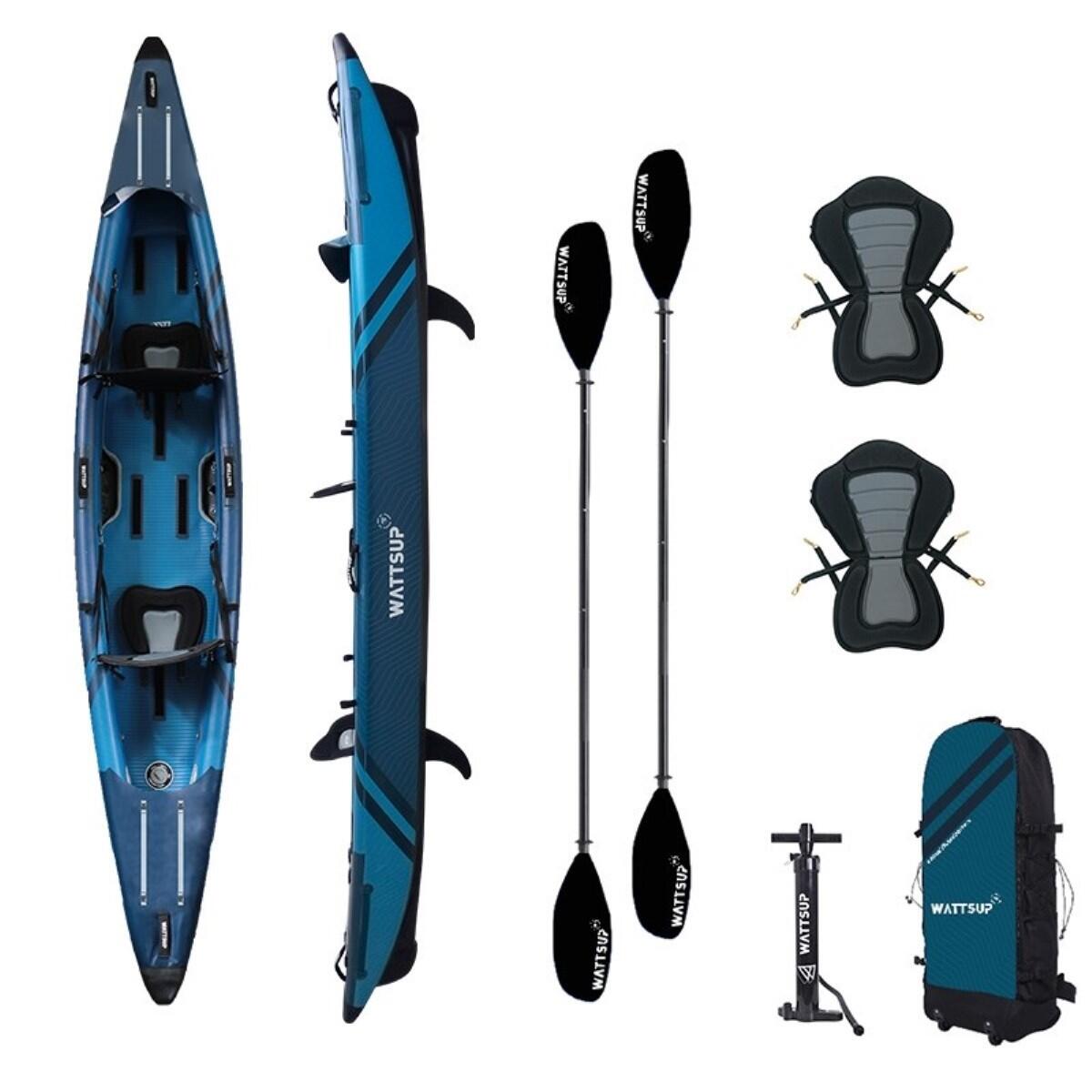
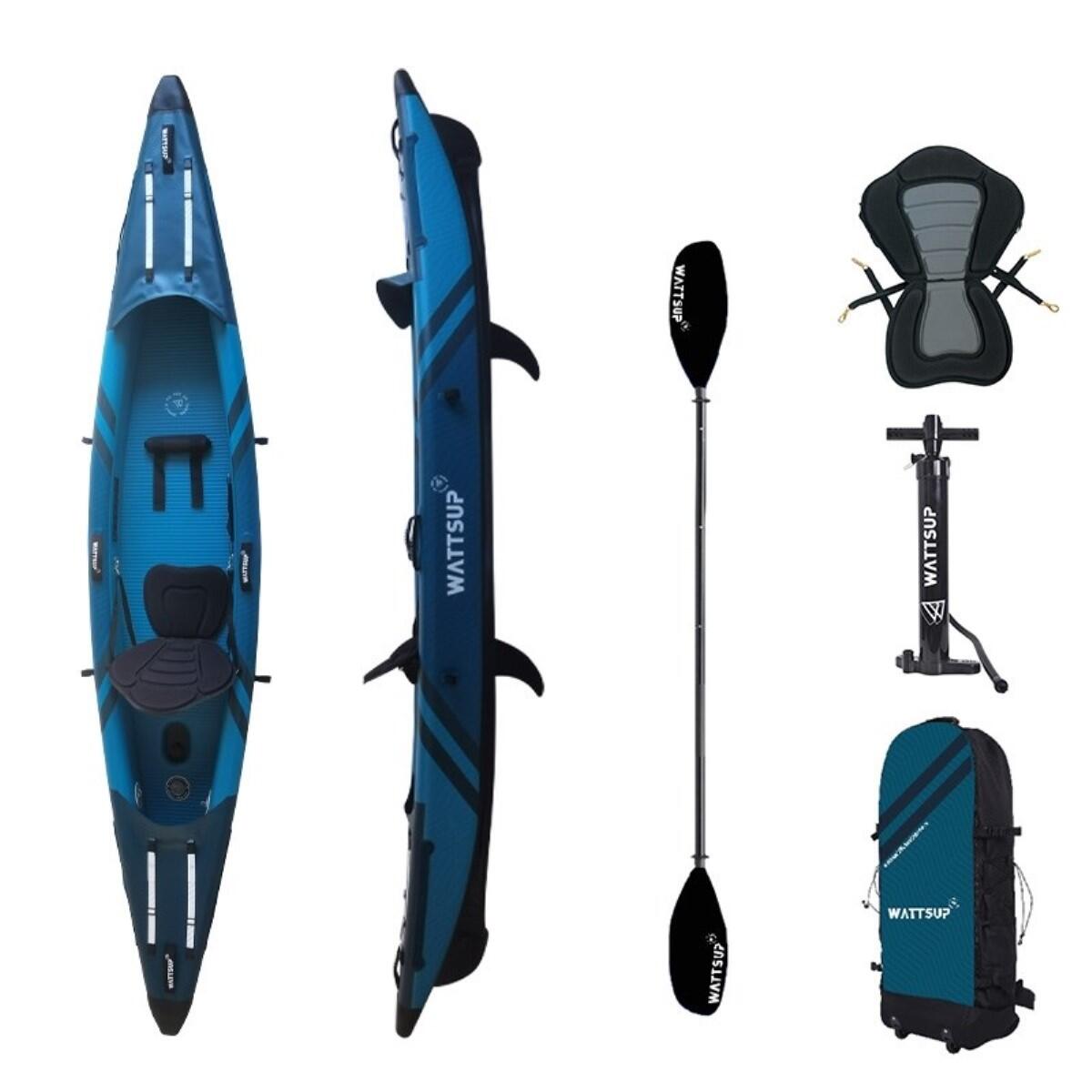
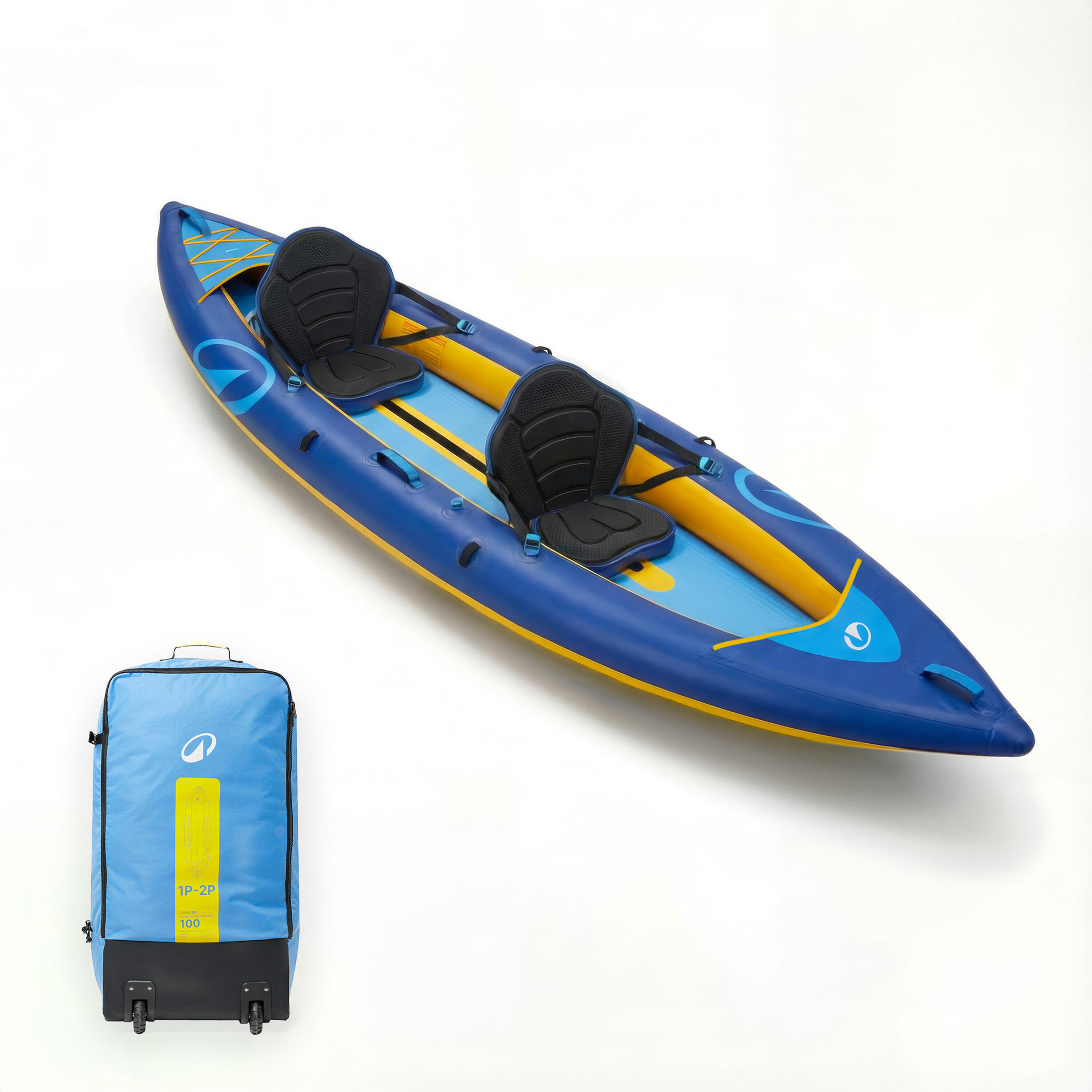
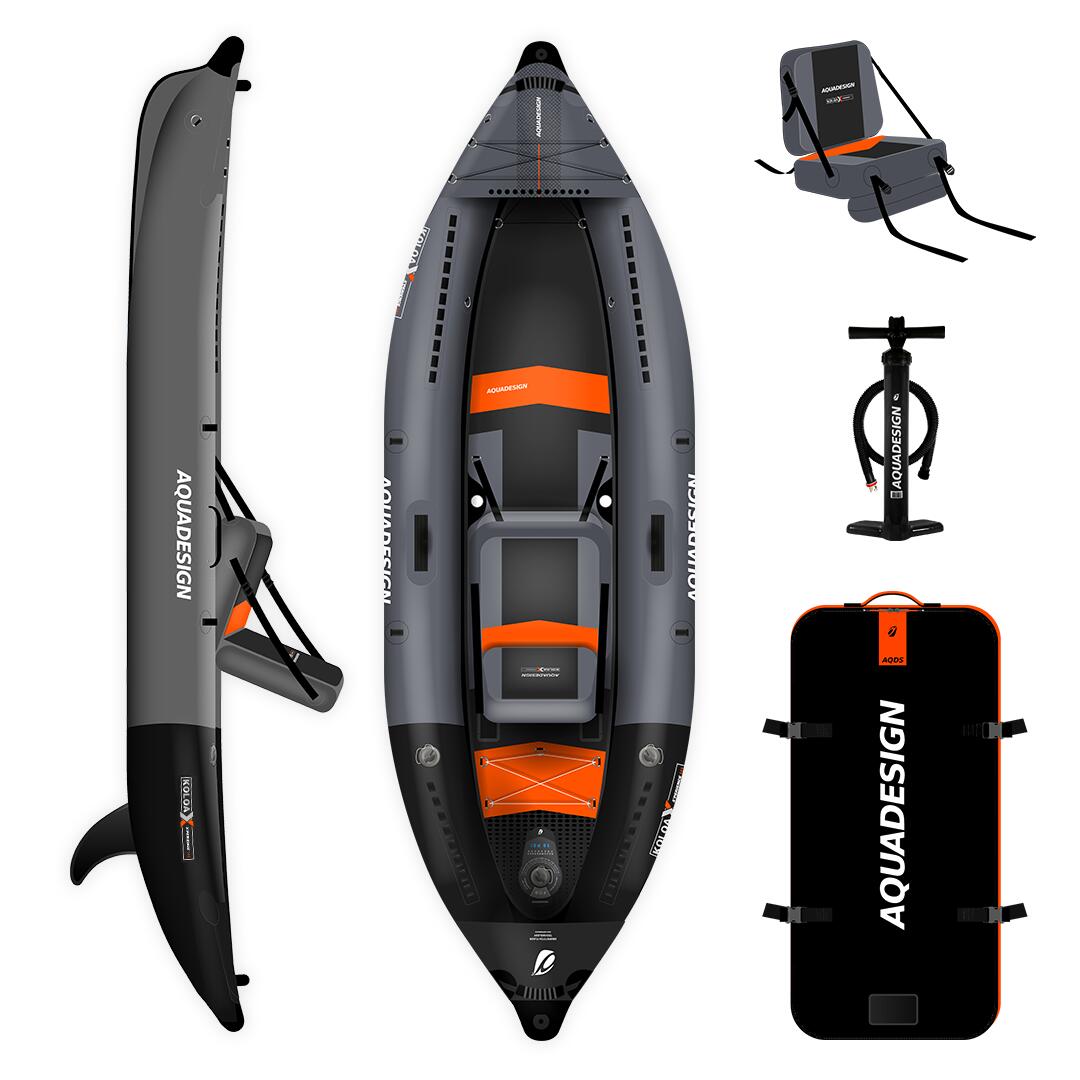
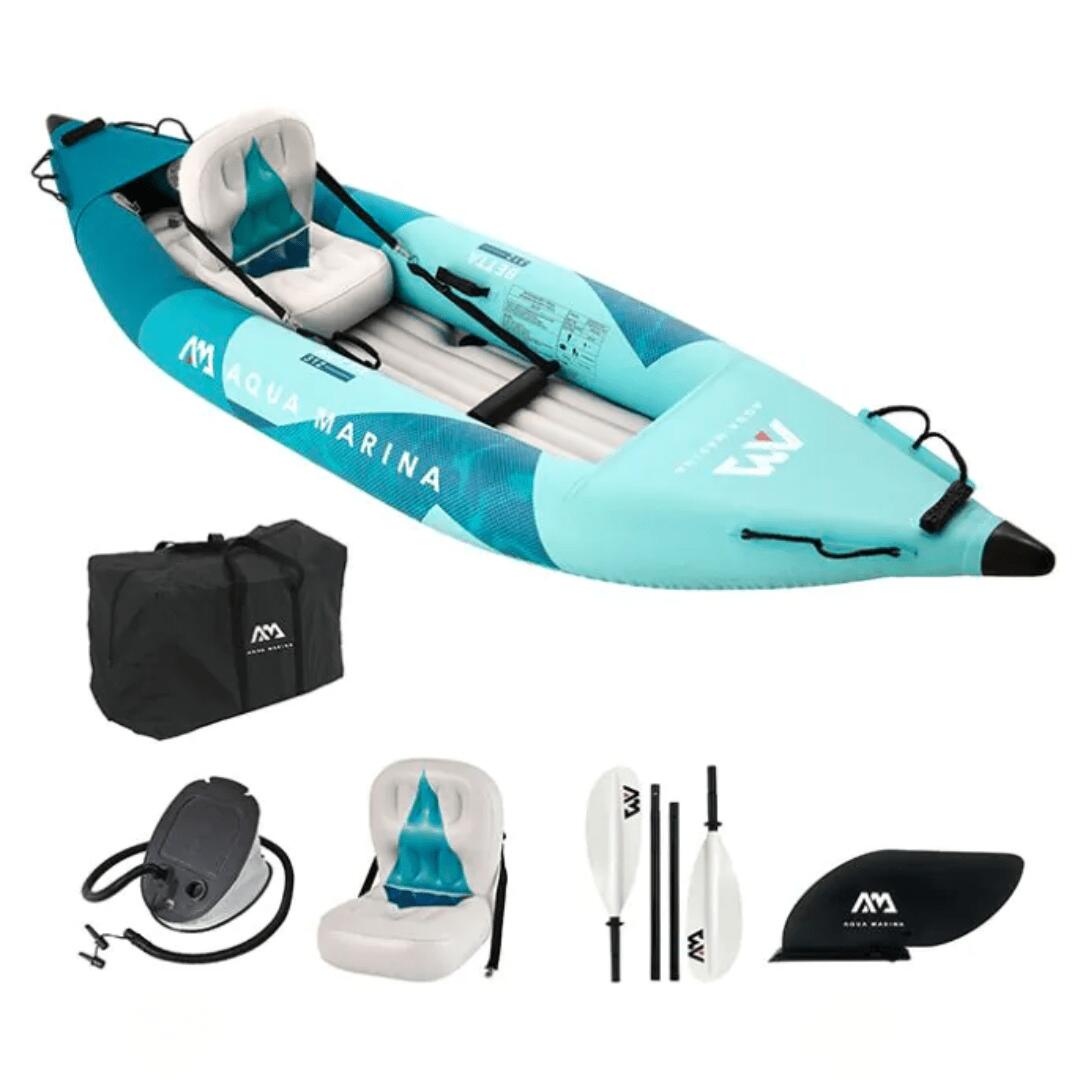
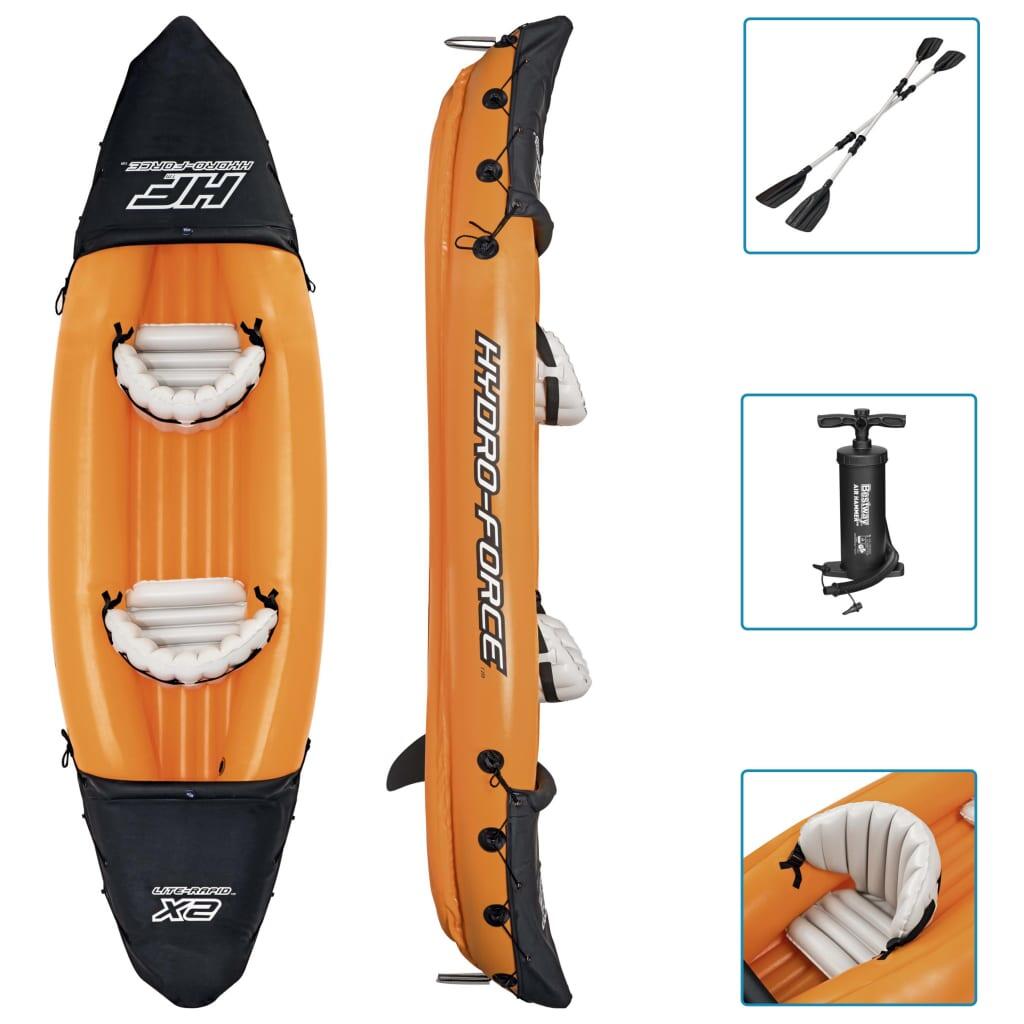
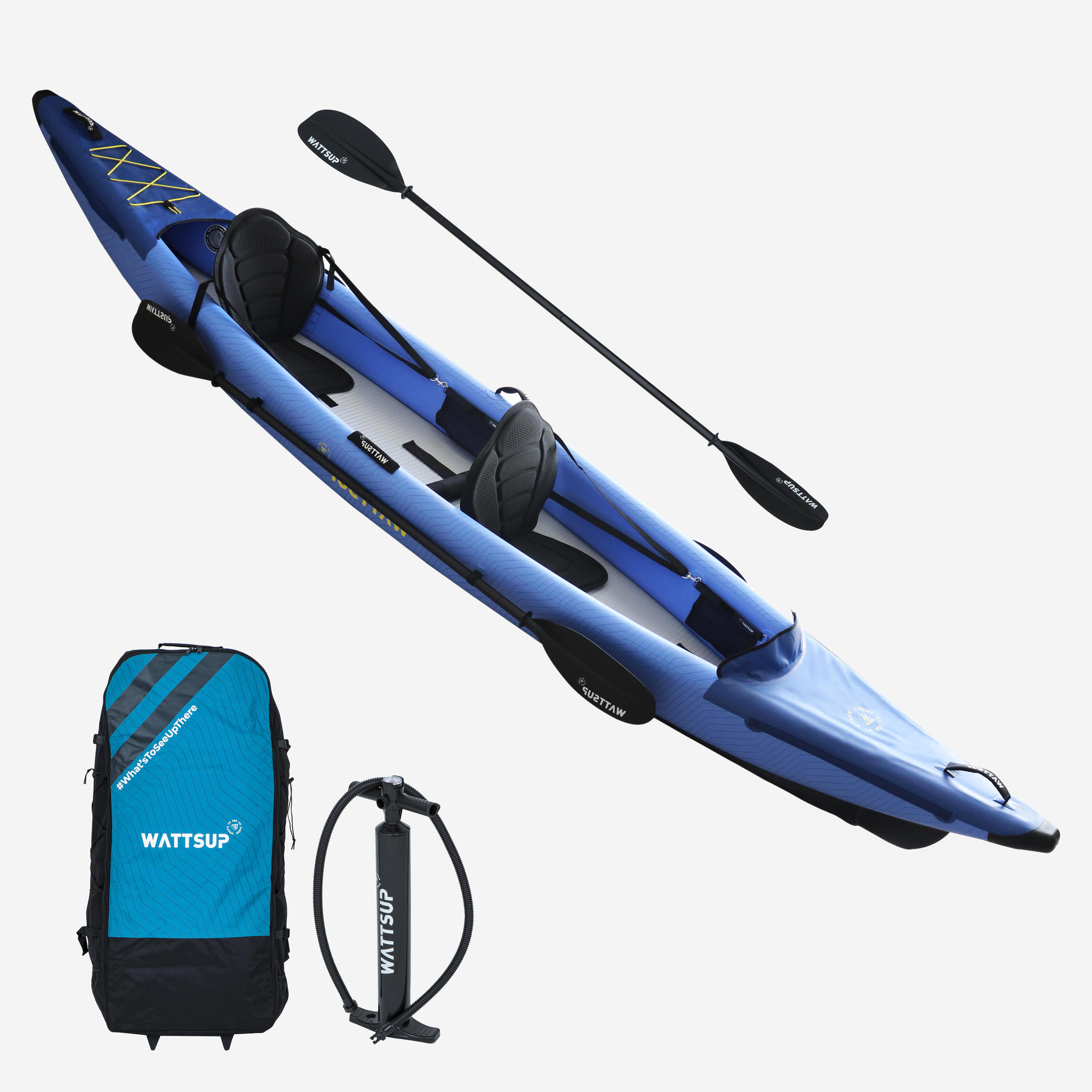
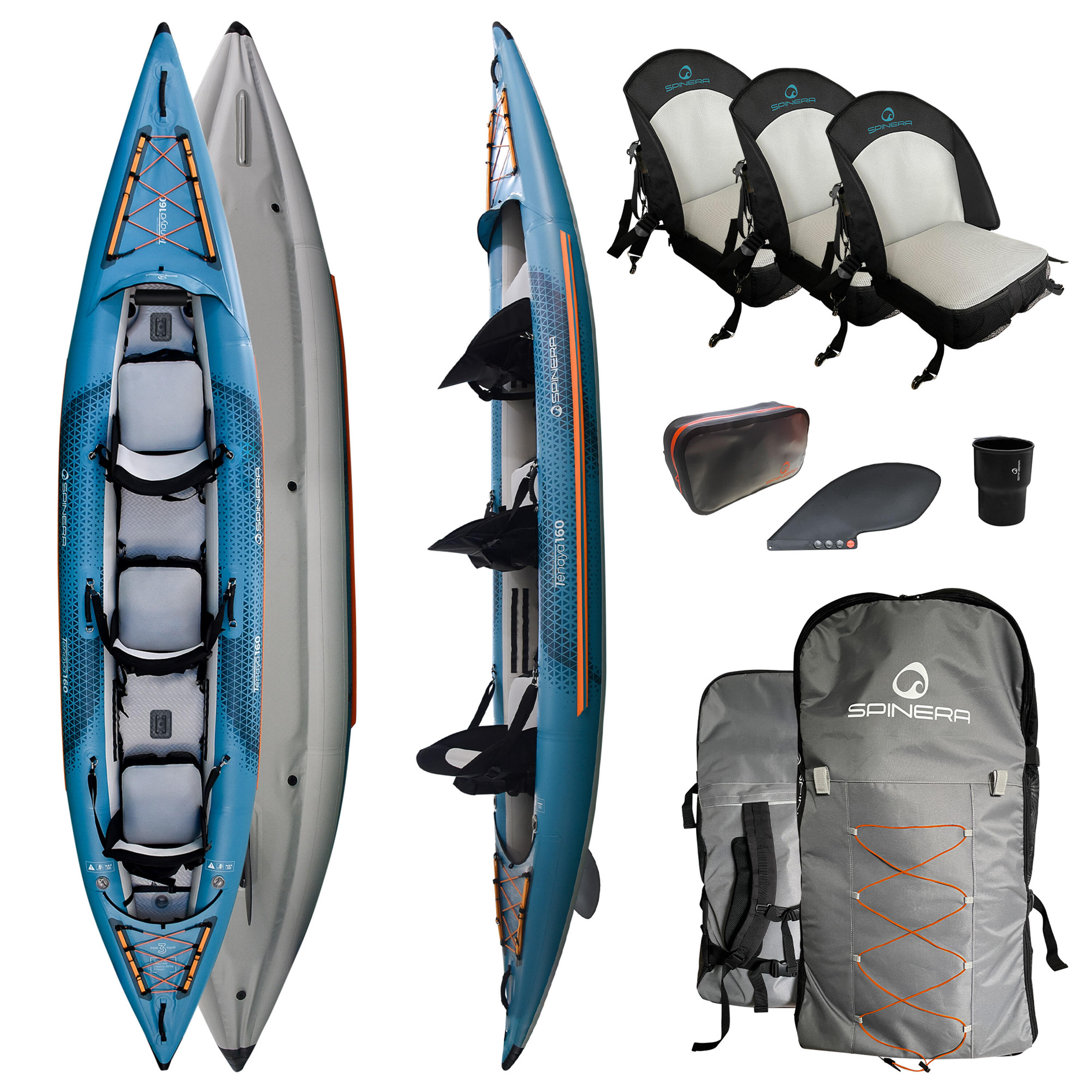
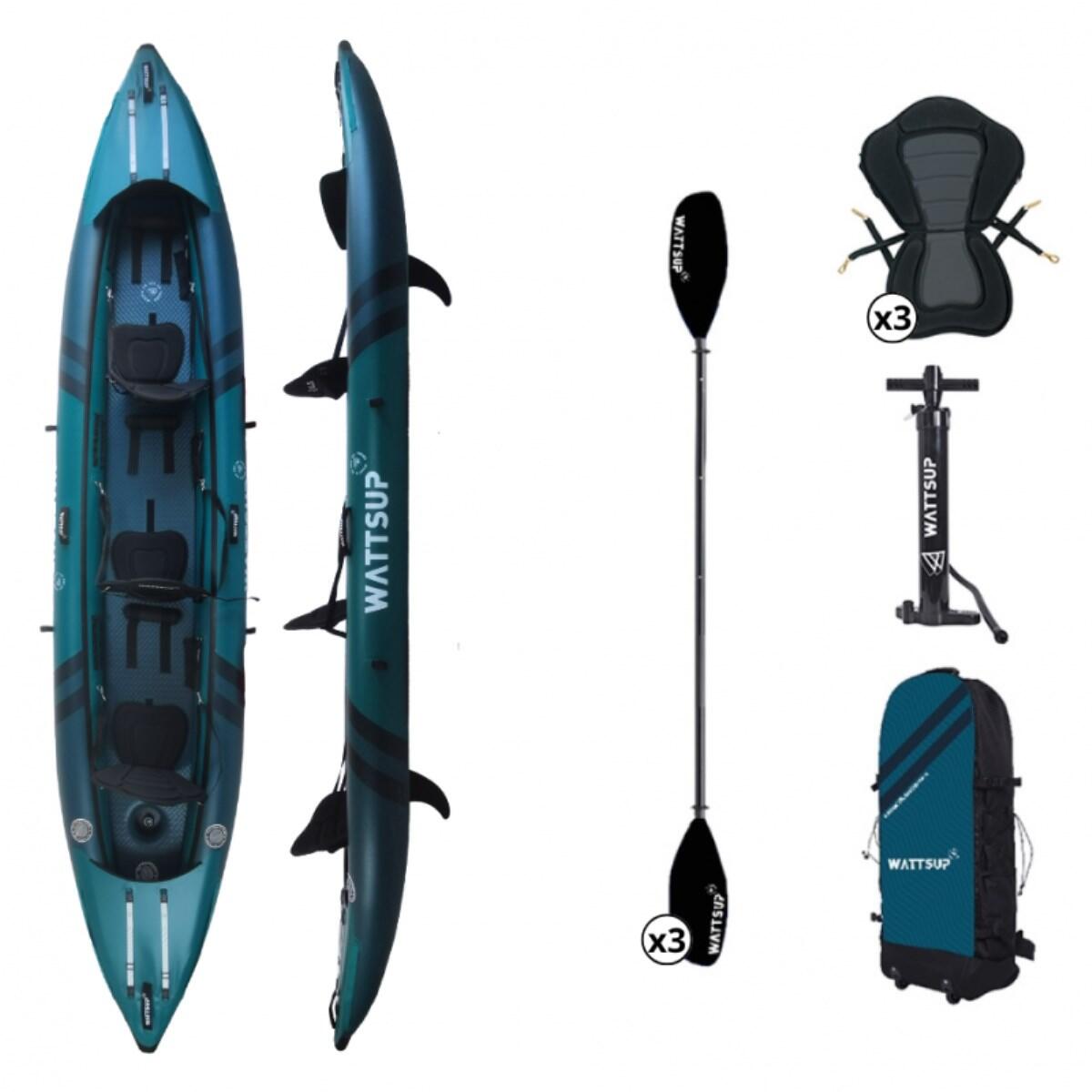
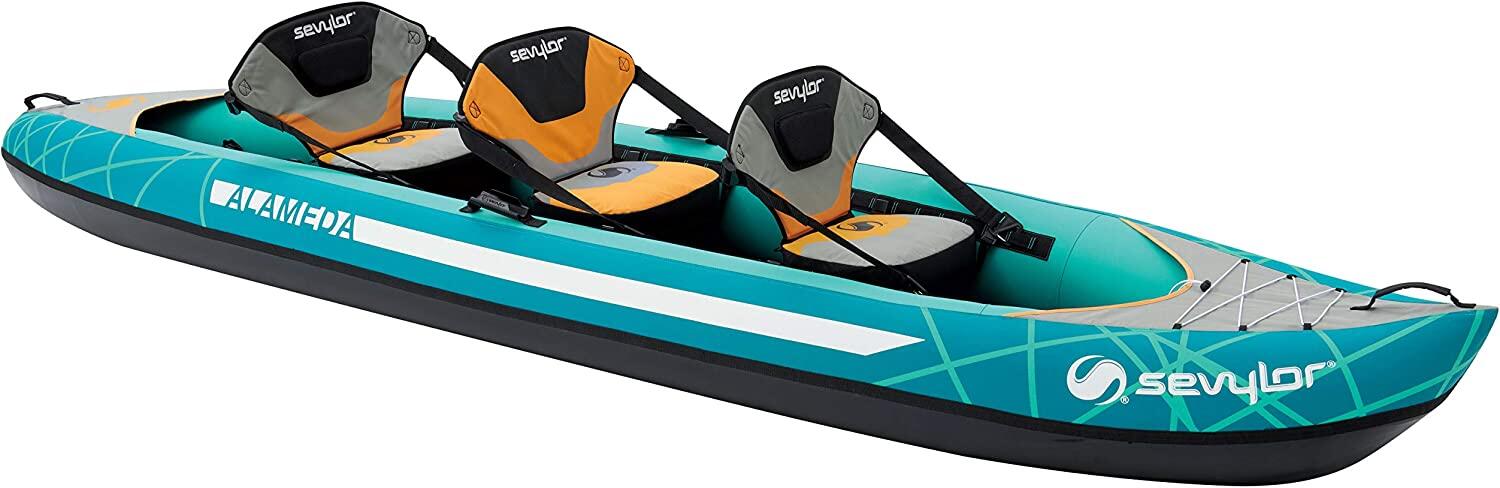
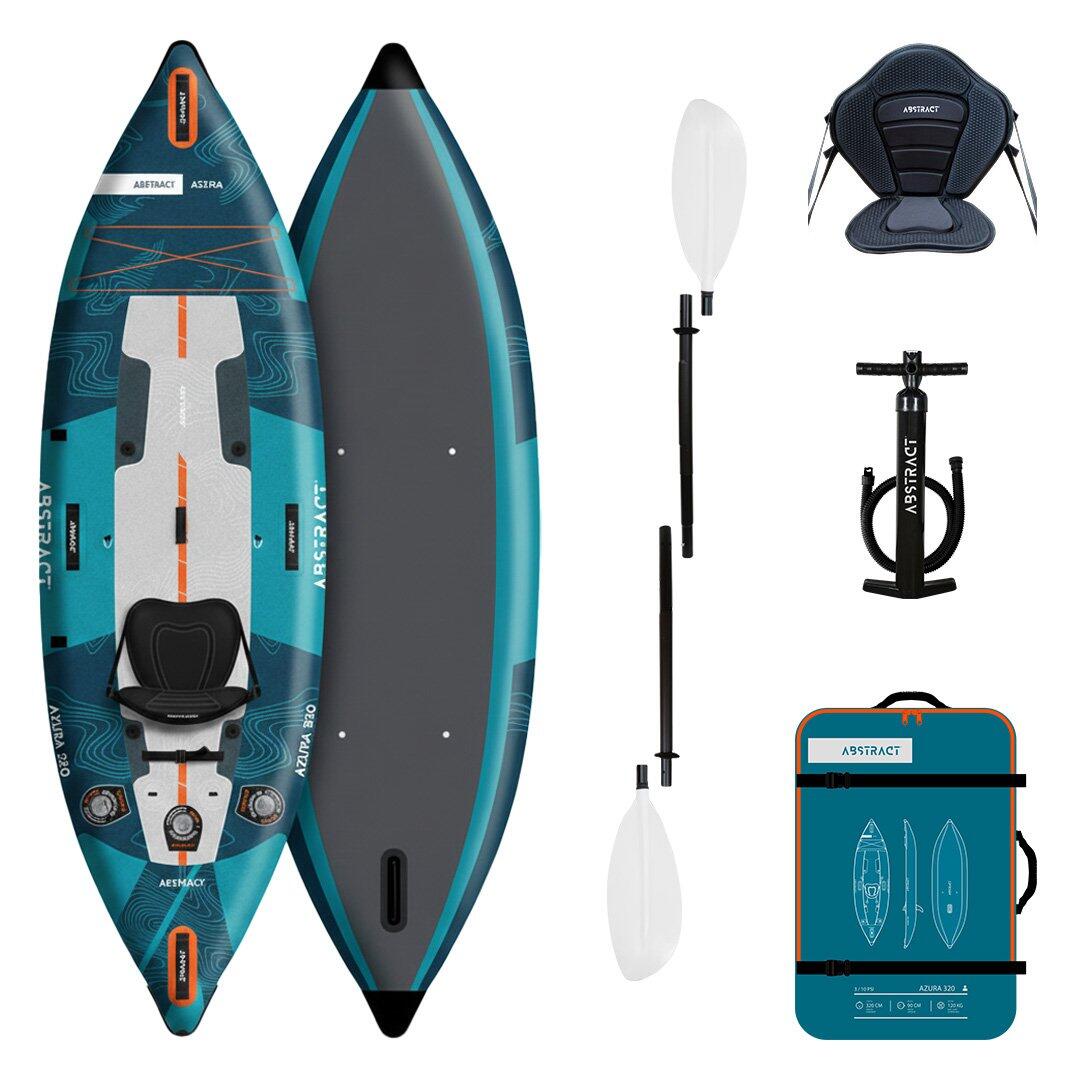
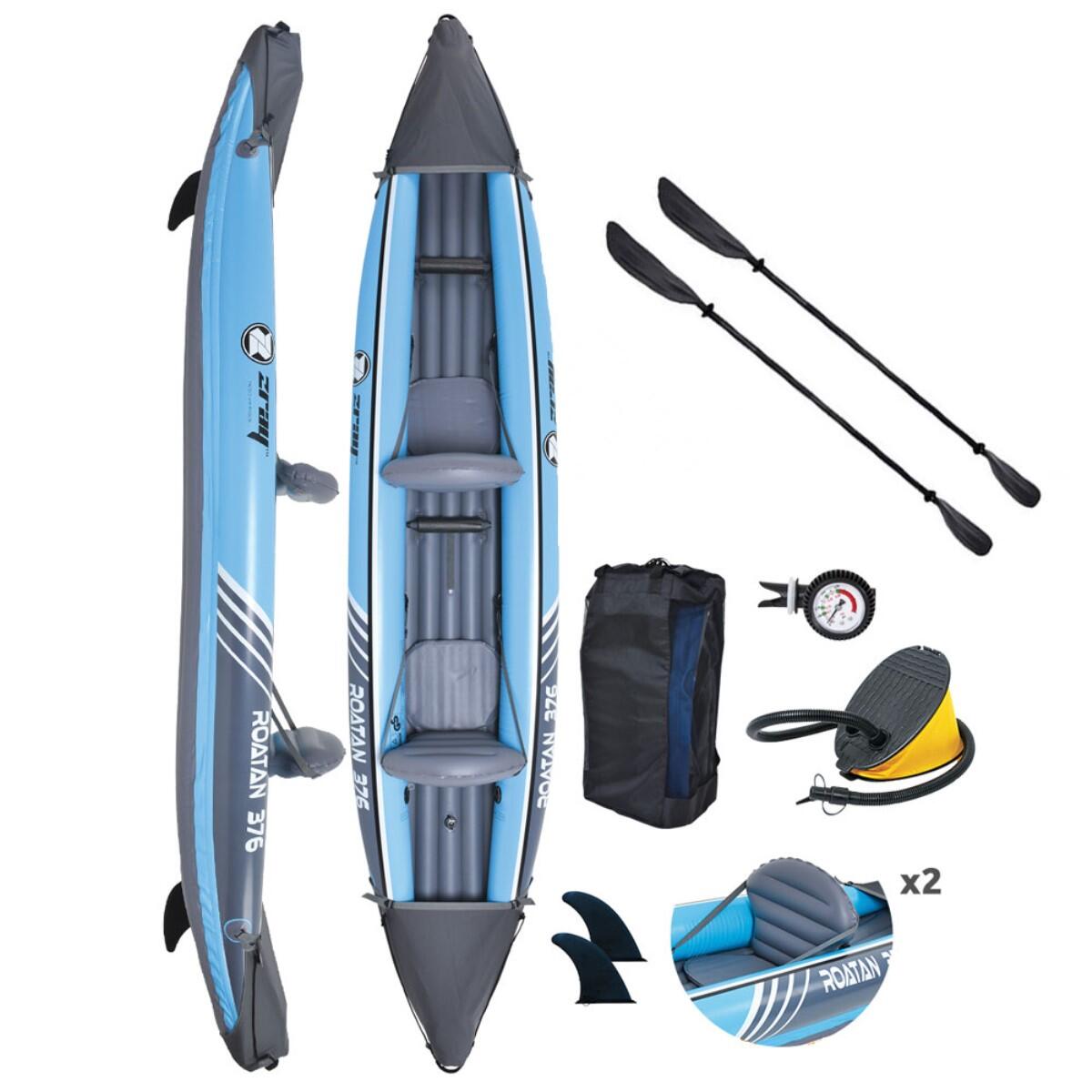
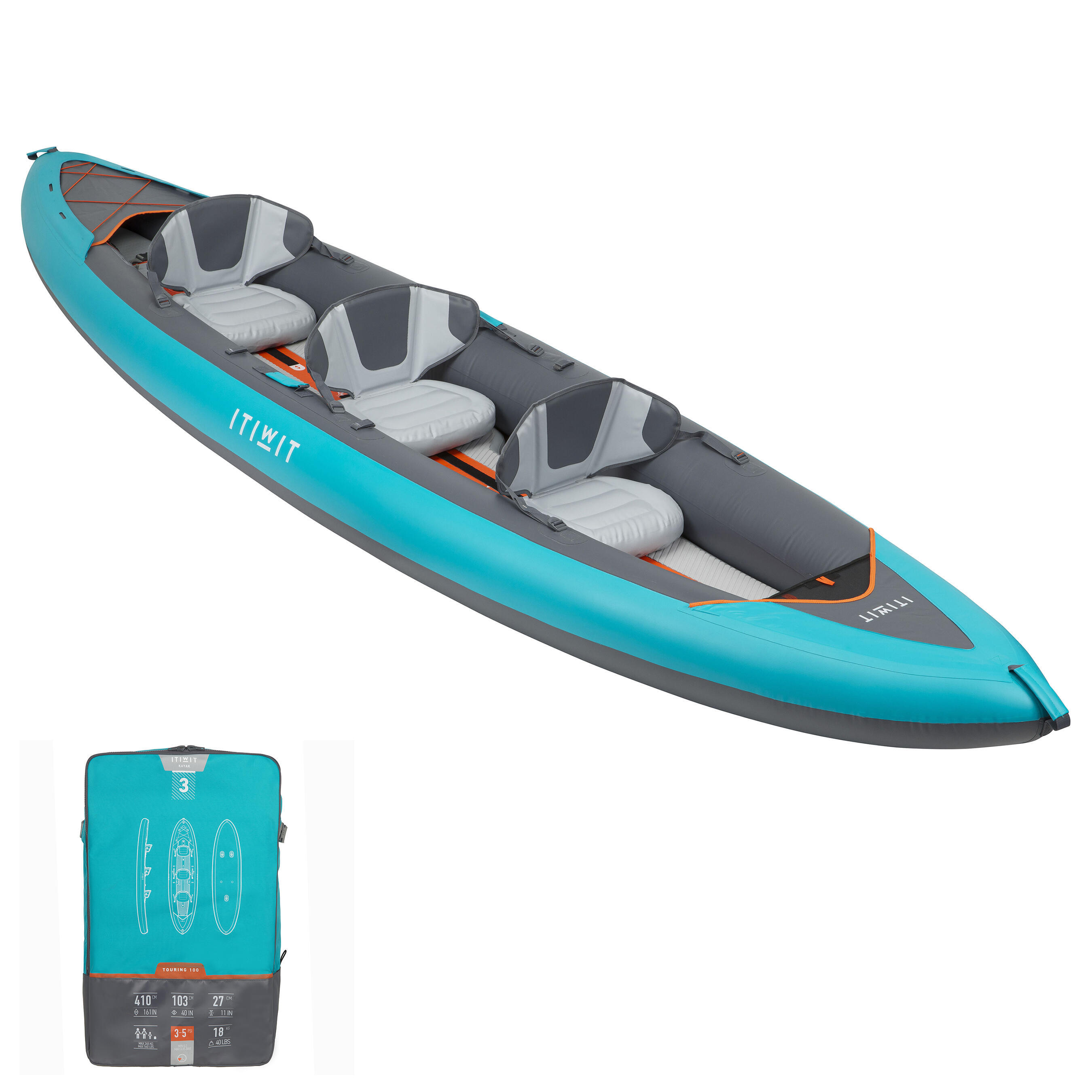
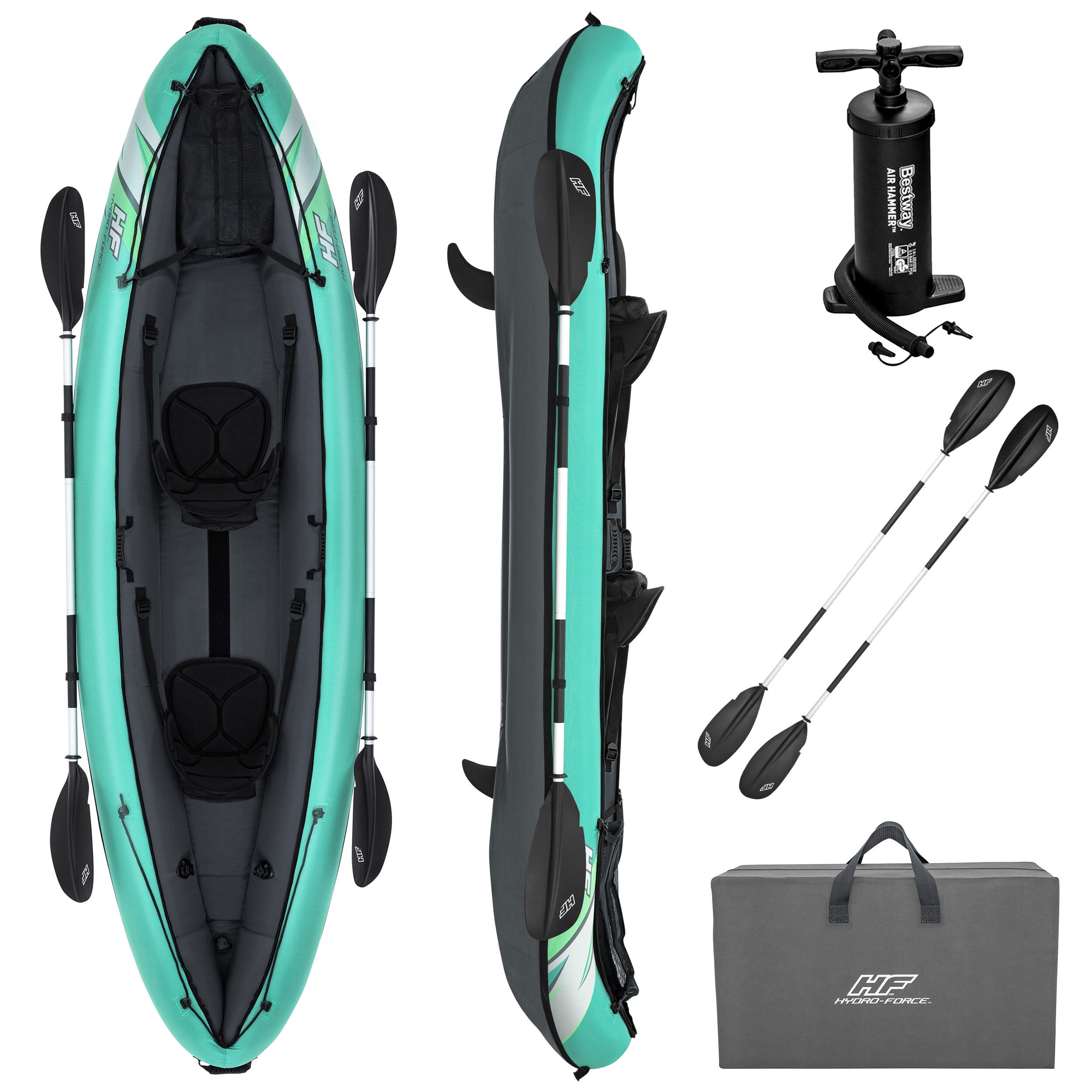
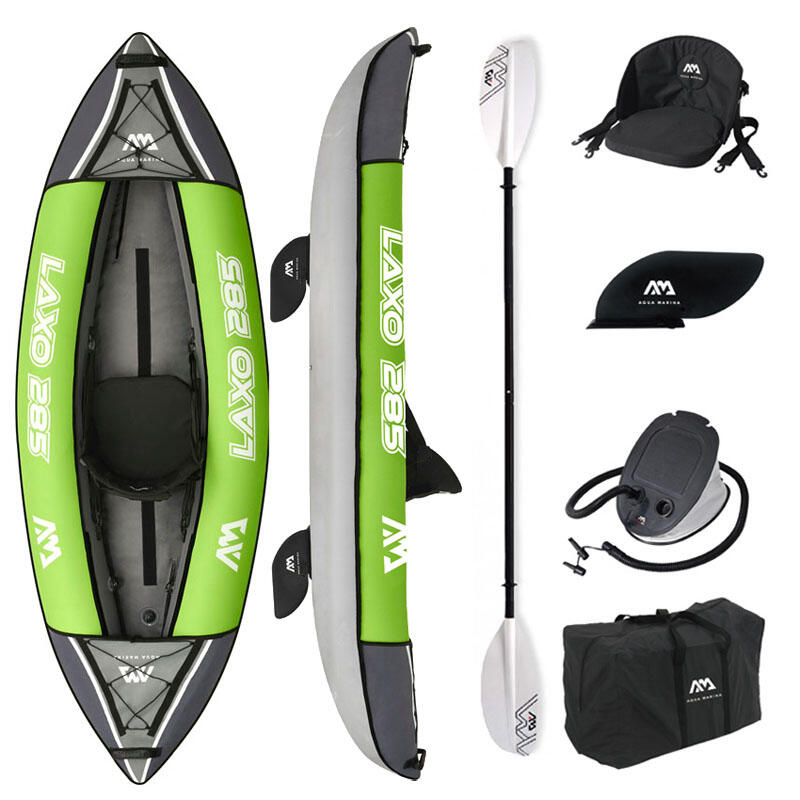
High-volume inflatable touring canoes offer excellent carrying capacity, allowing paddlers to transport expansive camping gear along tranquil inland river corridors. The presence of a drop-stitch floor allows these vessels to accept maximum pressure, minimising hull flex and maximising tracking efficiency. Mismatched or missing accessories slow down any launch; pre-configured inflatable kayaks and packs sidestep that by shipping coordinated gear as one set, so deployment is fast and prep at the water's edge stays simple. This consolidated approach eliminates the need to source separate pumps, paddles, or storage sacks, ensuring complete gear compatibility right out of the box before setting off on extended wilderness journeys.

When is a solid hull advantageous over a flexible canoe kayak pack?

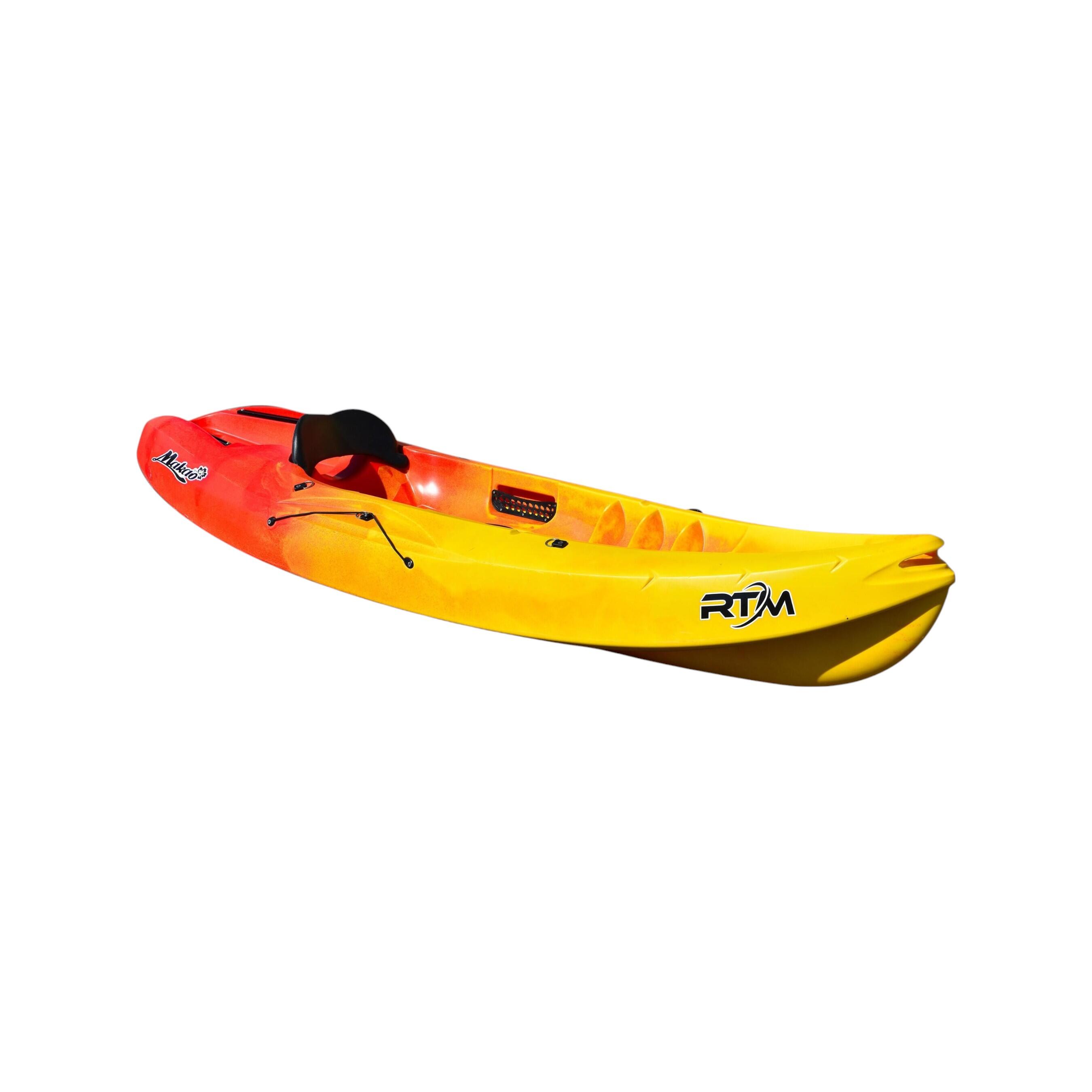
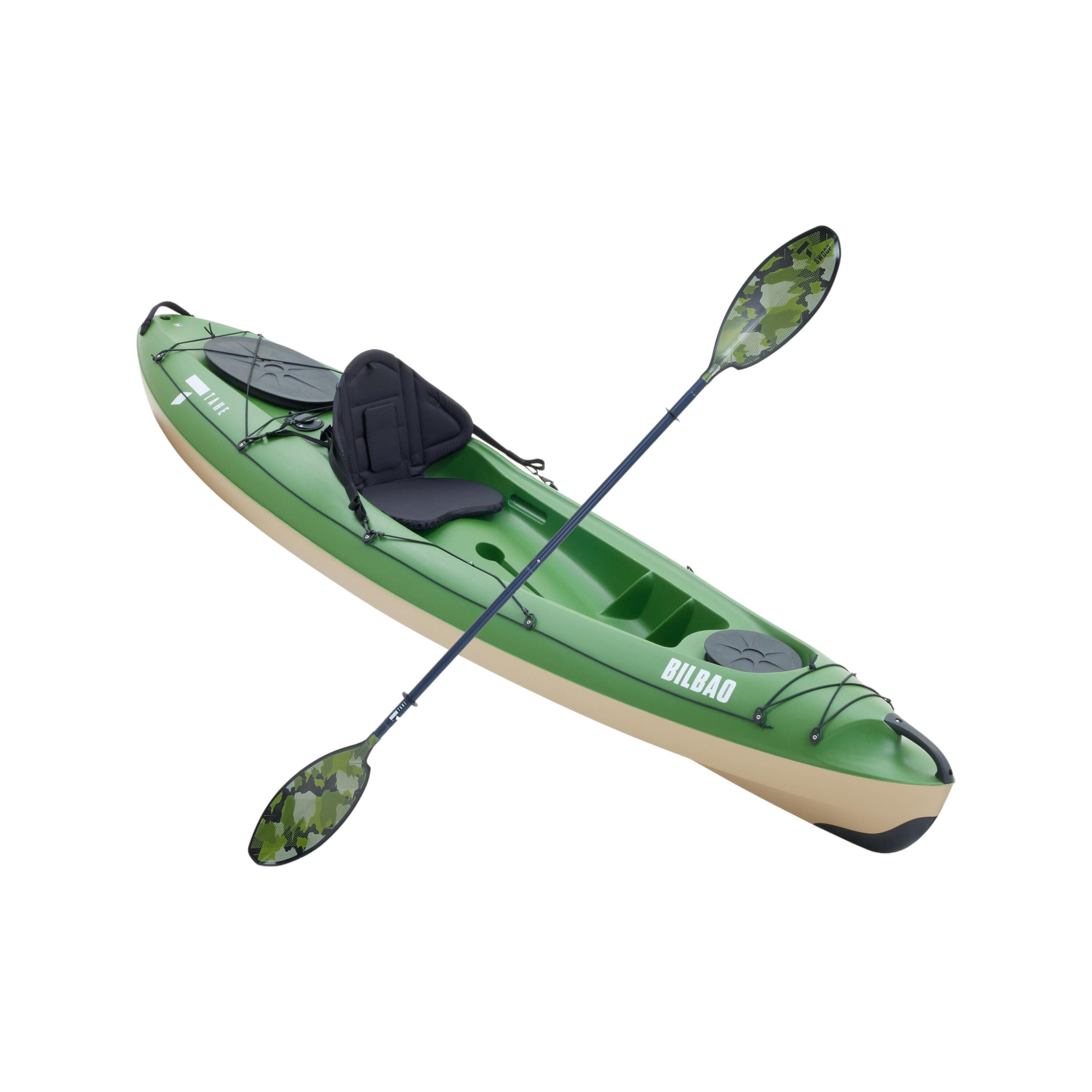
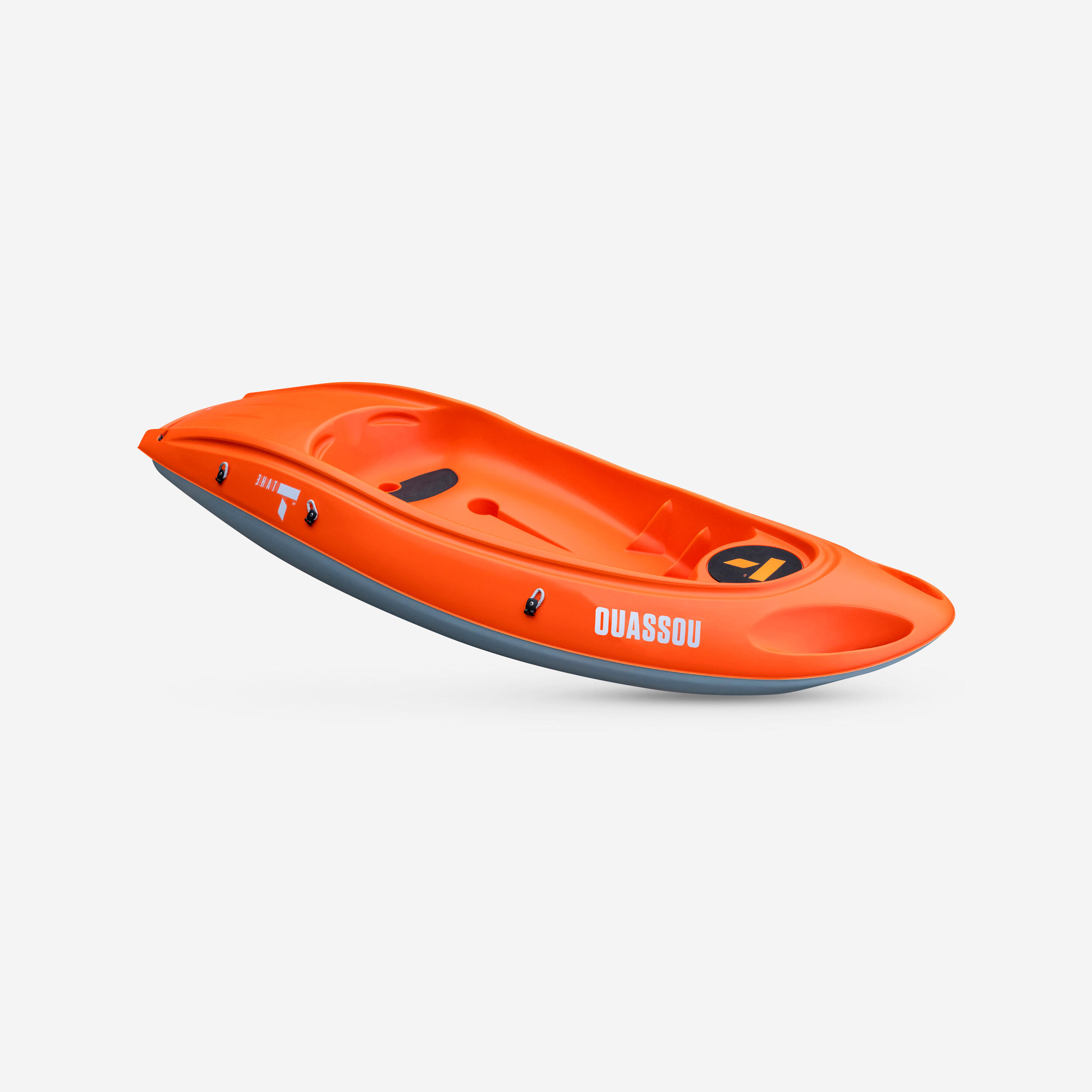
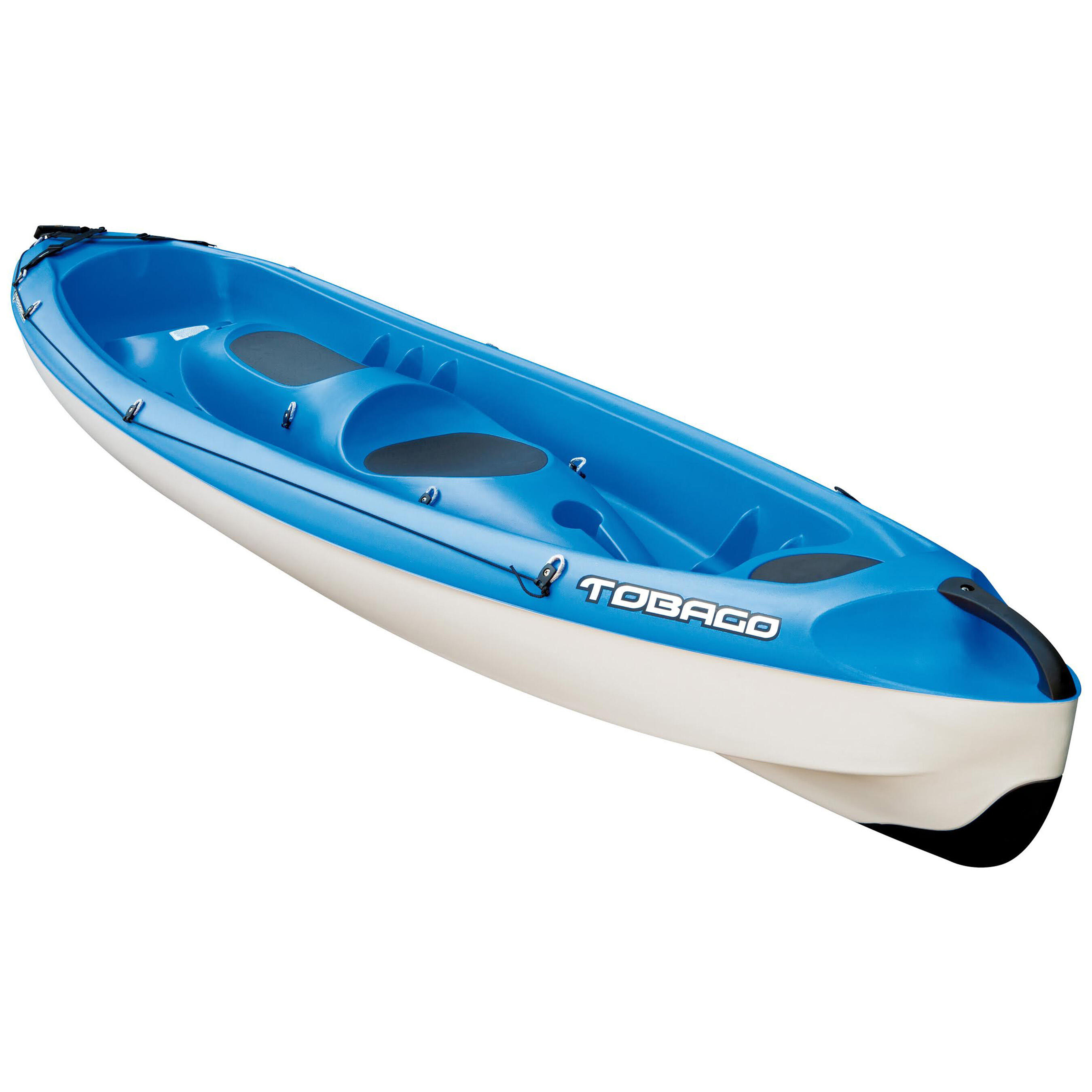
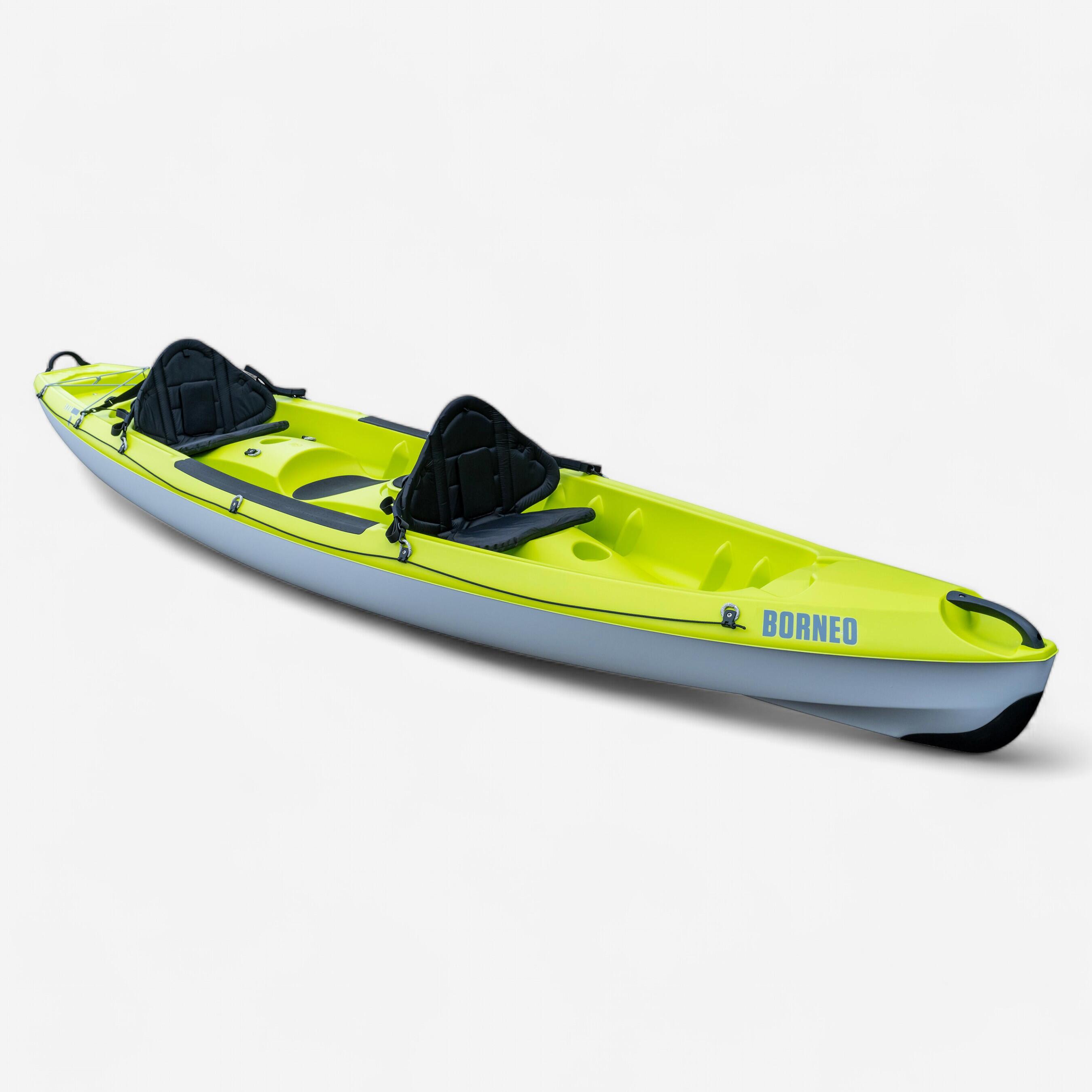
Operating in harsh marine environments characterised by shallow rocky riverbeds or highly abrasive coastal reefs demands robust structural configurations that alternative materials cannot safely sustain. If your aquatic journeys involve launching directly from coarse shingle beaches where friction is unavoidable, choosing heavy-duty rigid kayaks provides added peace of mind alongside exceptional impact resistance. These solid boats feature permanent under-hull tracking channels that maintain an excellent line without requiring separate skeg installation. While a flexible kayak packcraft configuration favours effortless car trunk transportation, a hard-shell alternative provides superior responsiveness when leaning into fast-moving currents.

What performance gains are achieved by choosing rigid boards over seated watercraft?

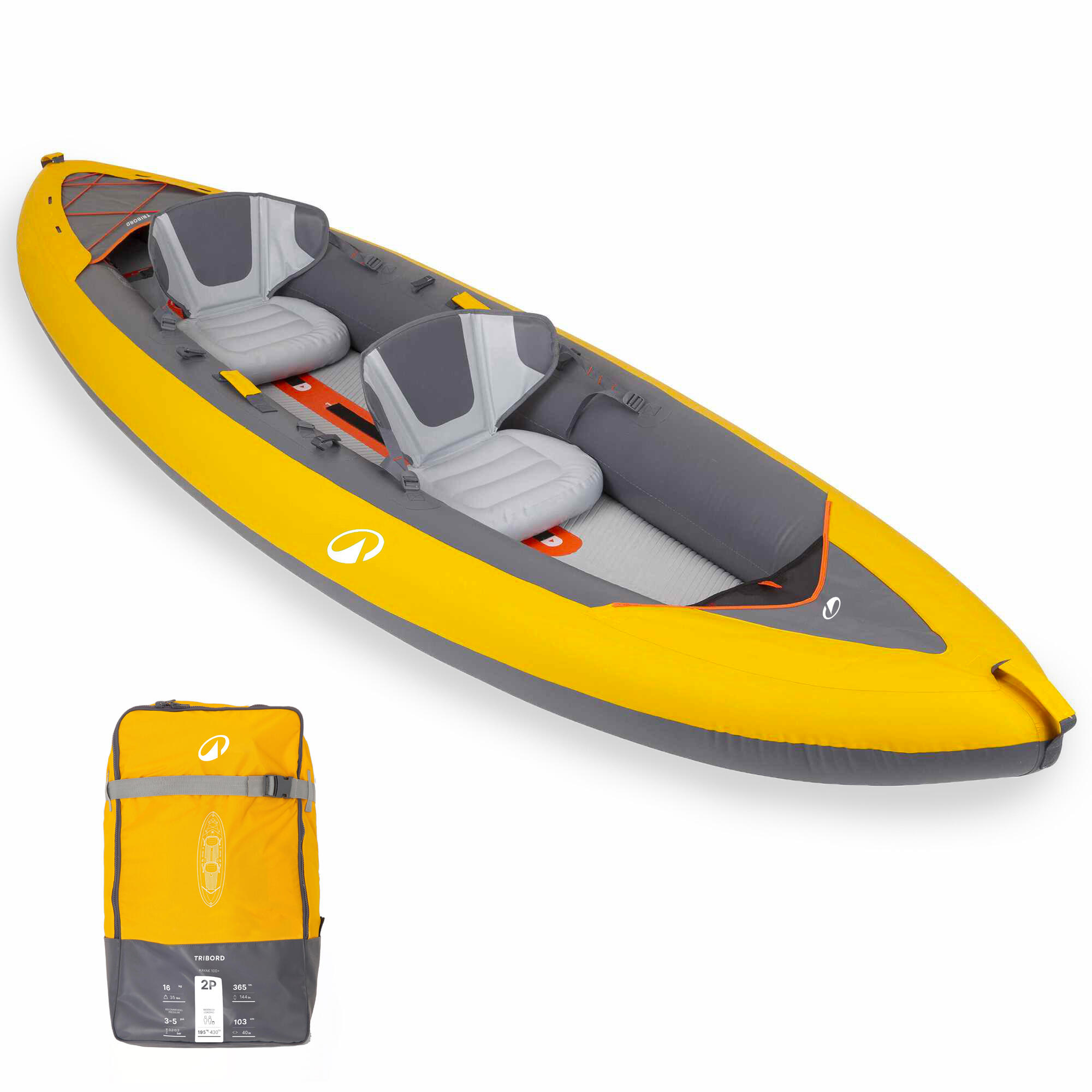
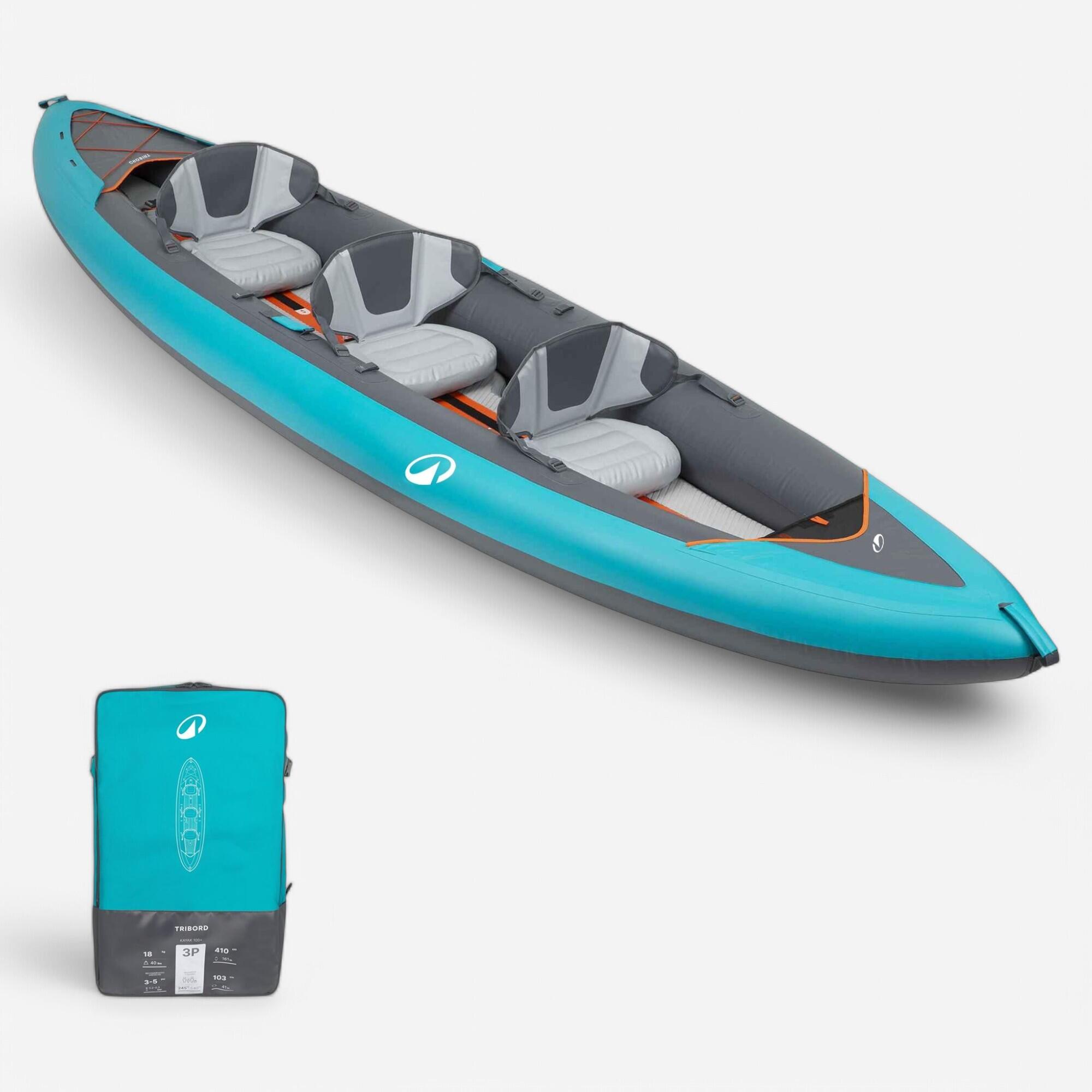
Paddlers focusing purely on maximum linear velocity, core stability training, and an elevated standing vantage point often evaluate open deck alternatives. Harnessing advanced rigid boards delivers continuous hydraulic glide and structural stiffness that composite inflatables find difficult to replicate. This complete structural rigidity ensures immediate power transfer with every single stroke, allowing efficient travel across flat bays. Conversely, traditional seating arrangements like those found in the classic kayad TRIBORD shape maintain a lower centre of gravity, which provides reassuring security when unexpected winds destabilise the surface.

What meteorological and water conditions must be evaluated before launching onto open water?

Carefully analysing local marine forecasts is vital for anyone operating small watercraft on exposed estuaries, tidal rivers, or large lakes. Wind speeds exceeding 15 knots can create challenging head waves, which heavily penalise wider hull profiles or high-sided inflatables. When planning long routes in streamlined inflatable touring kayaks, checking tidal flow charts ensures that you do not fight strong currents on the return leg. Always match your route difficulty to real-time weather observations to ensure a safe return.