50 items
4.2/5 based on 1431 reviews collected online and in stores

Kayaks Per Practice FAQs

Which hull specifications optimise stability for casual family beach excursions?

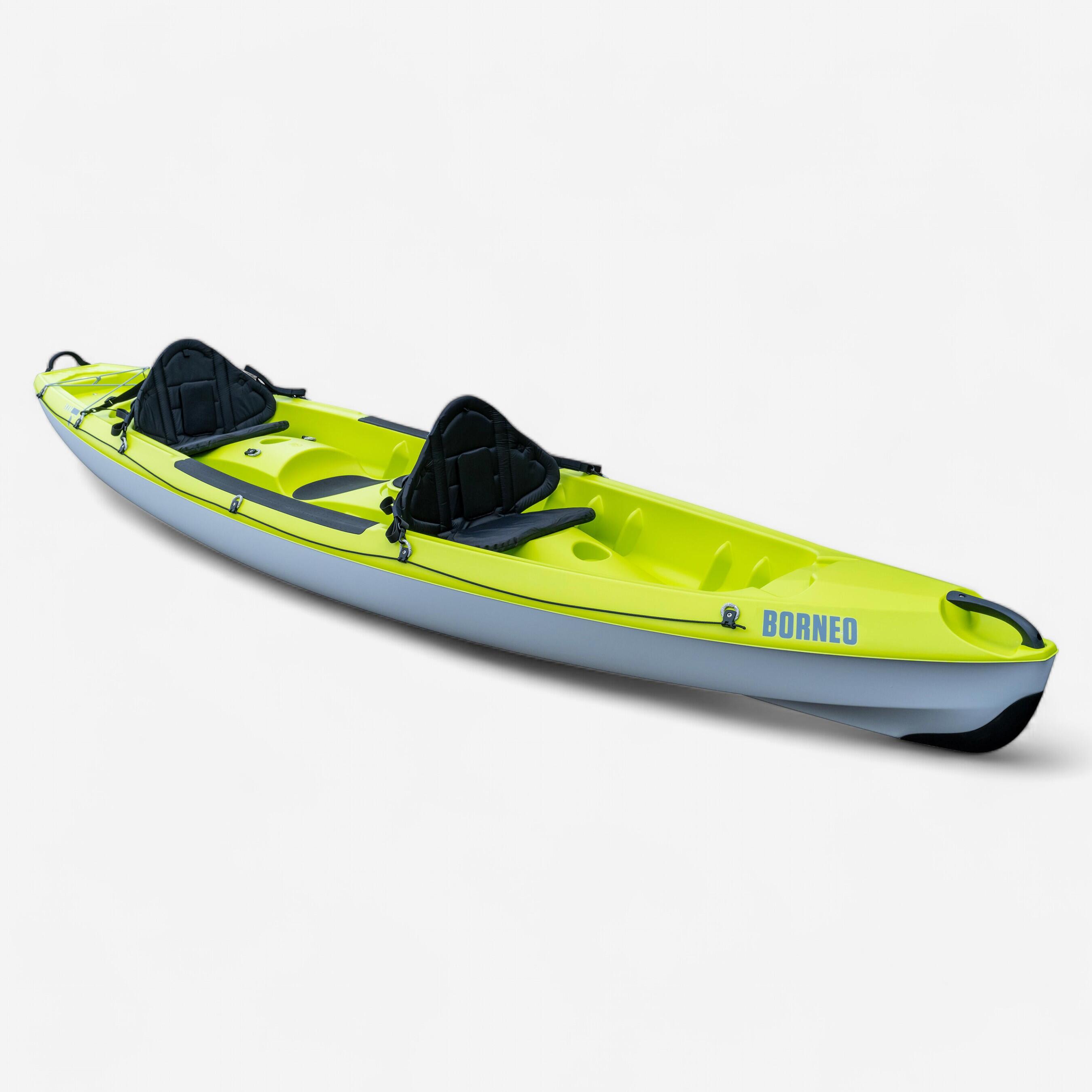
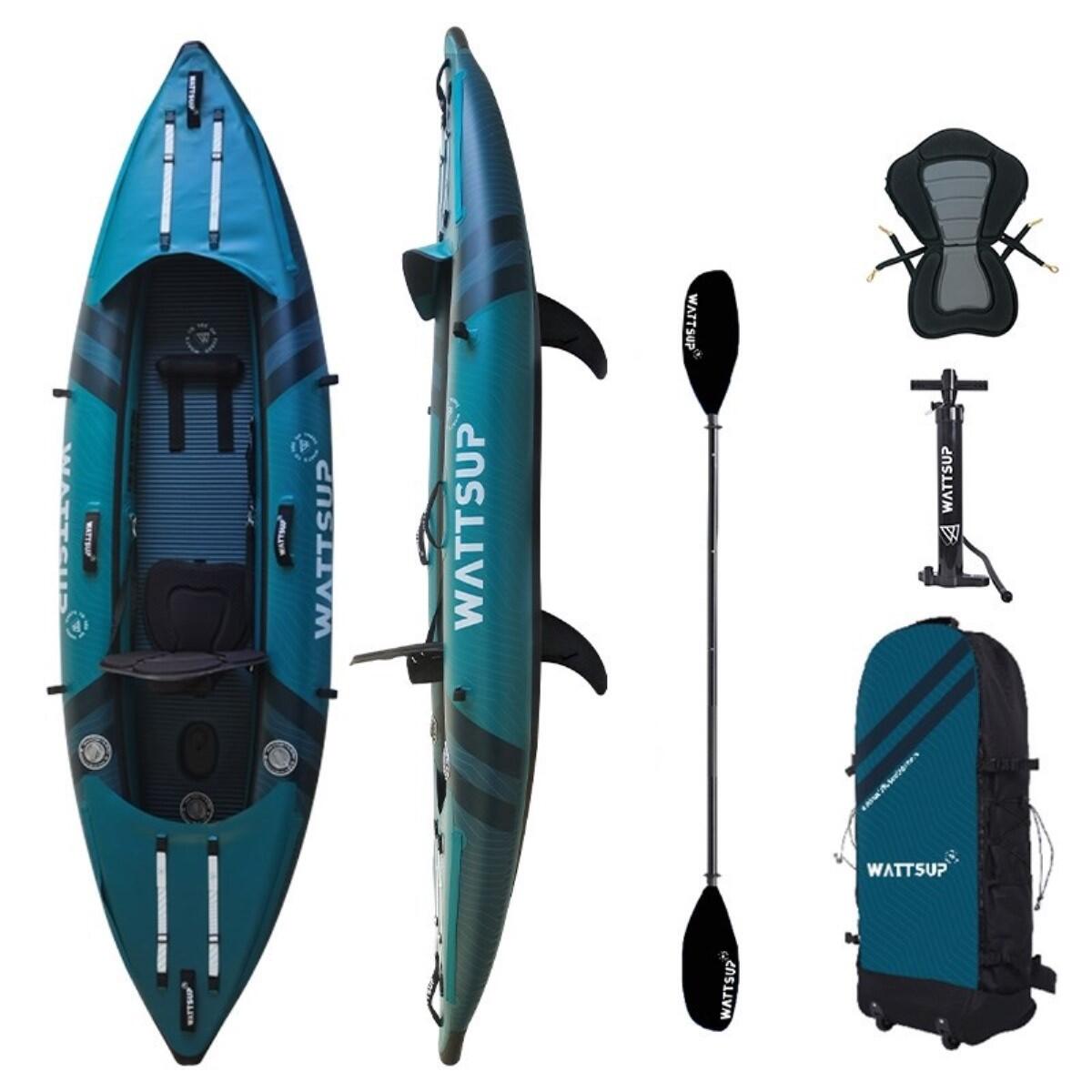
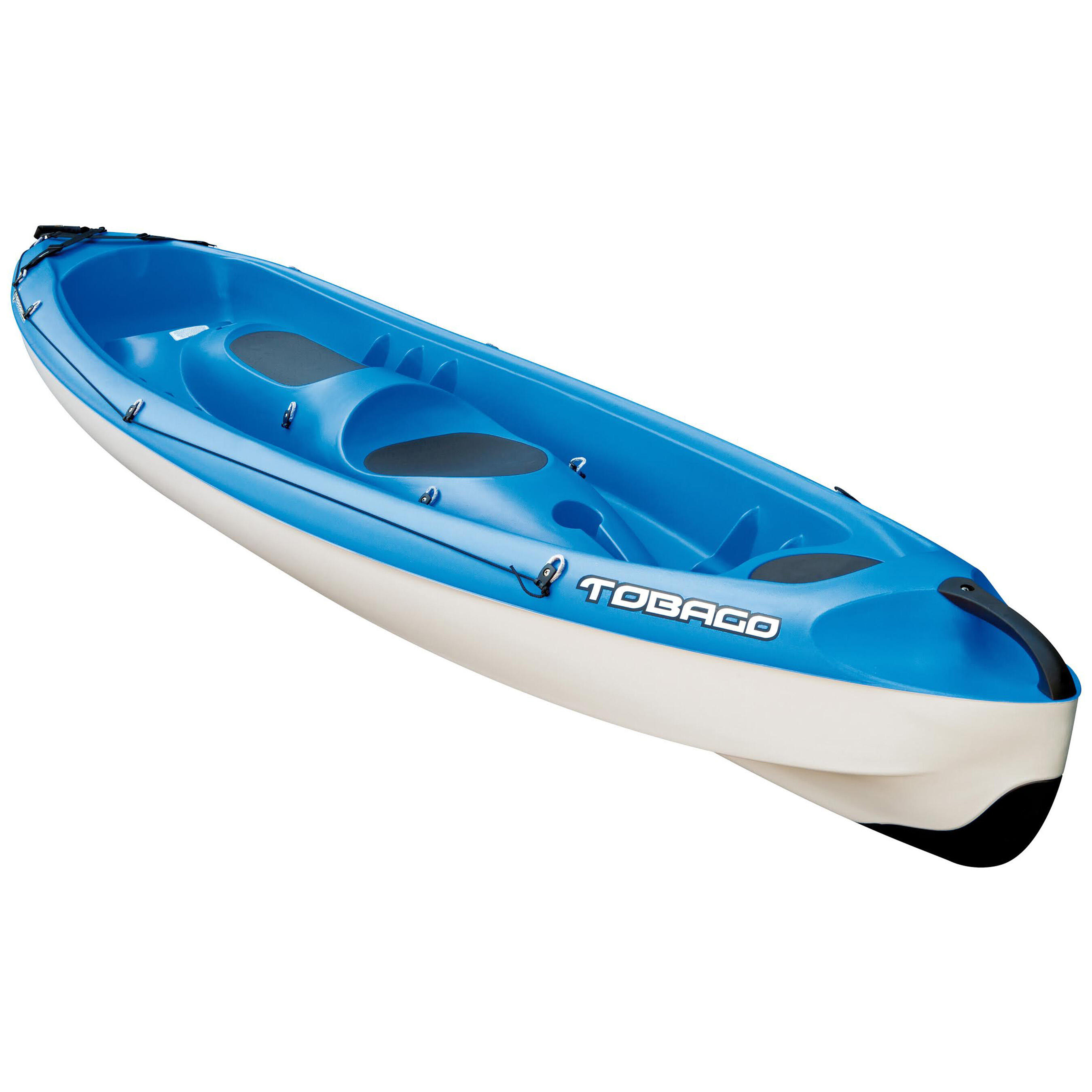
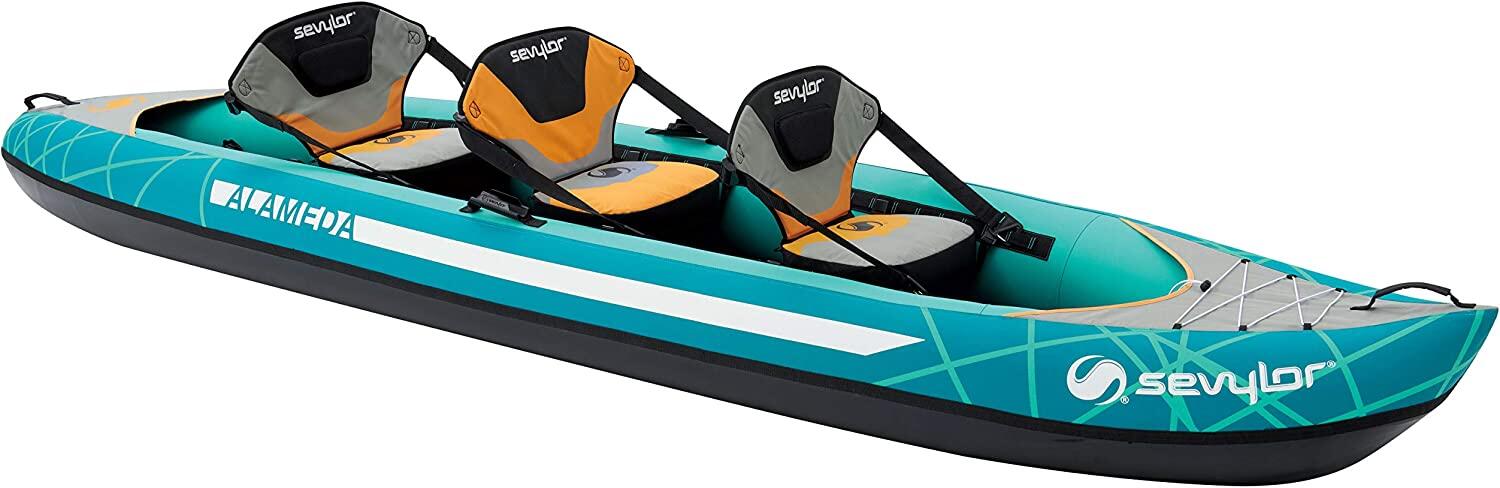
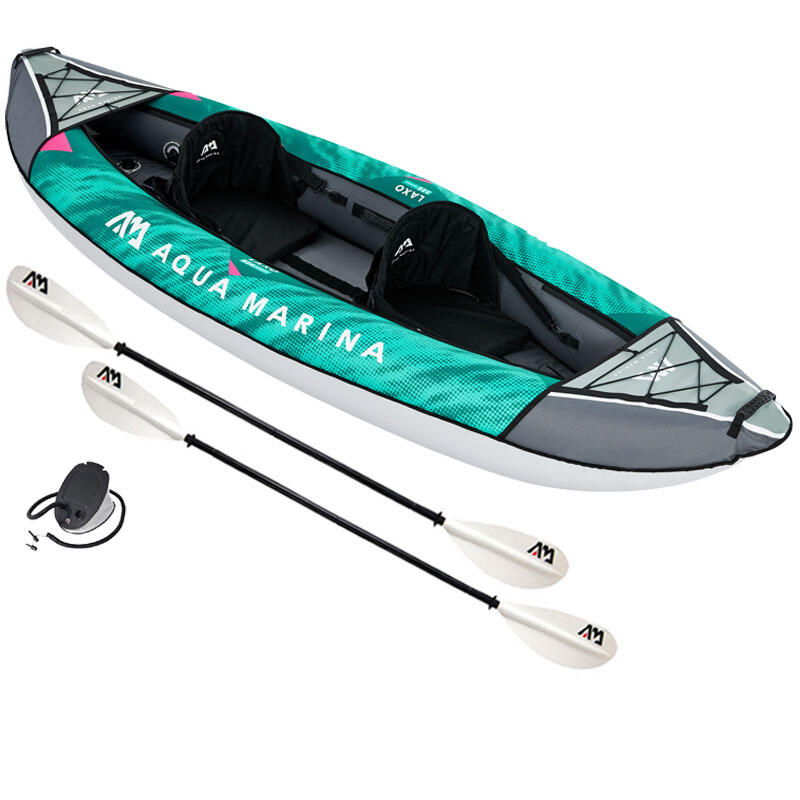
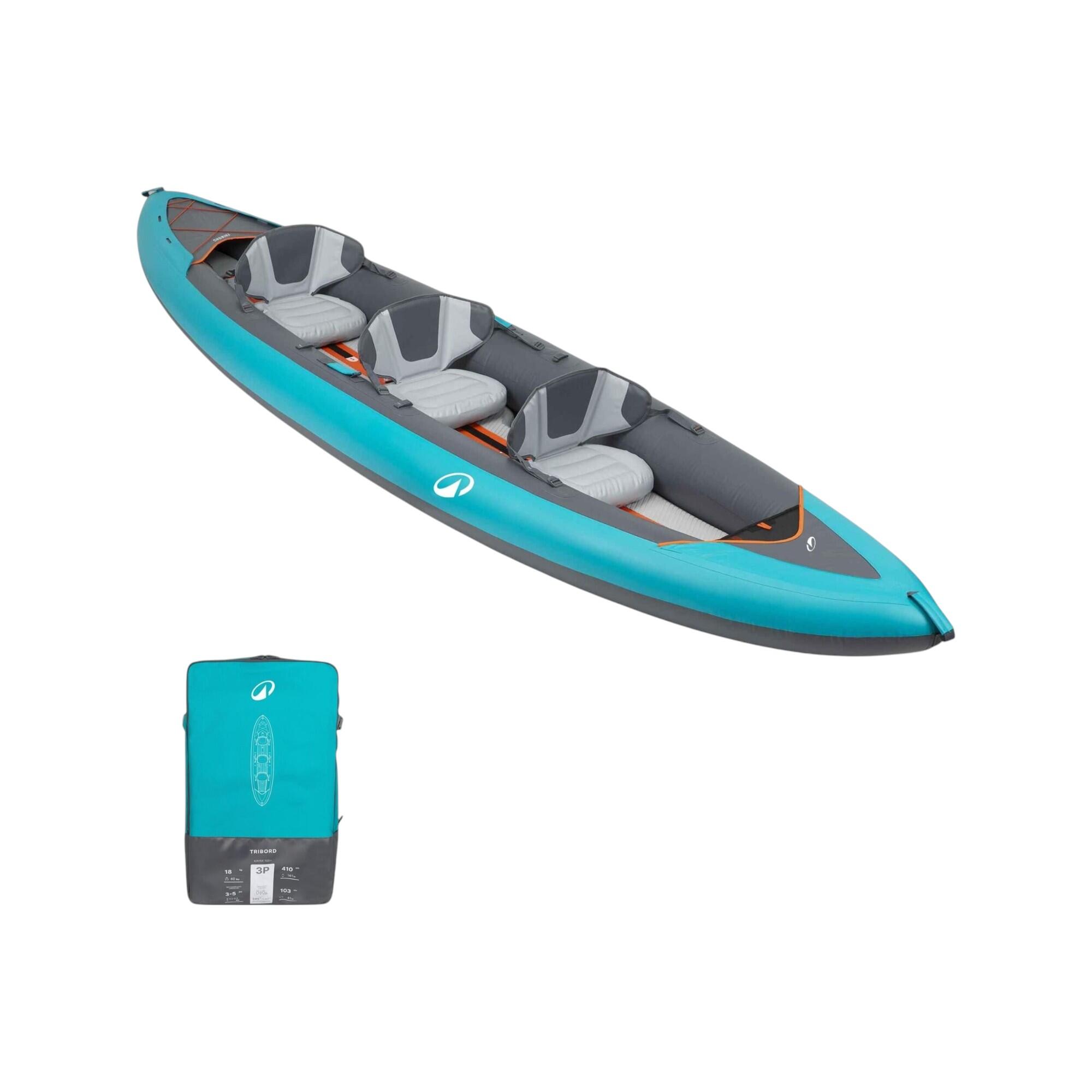
Selecting a watercraft for relaxed, short-distance shoreline paddling requires a wider beam template that prioritises secondary stability over raw tracking speed. Deploying a wide-profile leisure kayak ensures the boat resists tipping when small wind chops or unexpected wakes hit the hull broadside. These stable hulls feature flat or slightly tunnelled bottoms, distributing weight evenly across a large surface area to provide immediate confidence for novices. The extra width allows for spontaneous movement inside the cockpit, making them perfect for warm summer afternoons spent exploring sheltered bays, calm tidal rivers, or inland freshwater bodies without worrying about capsizes.
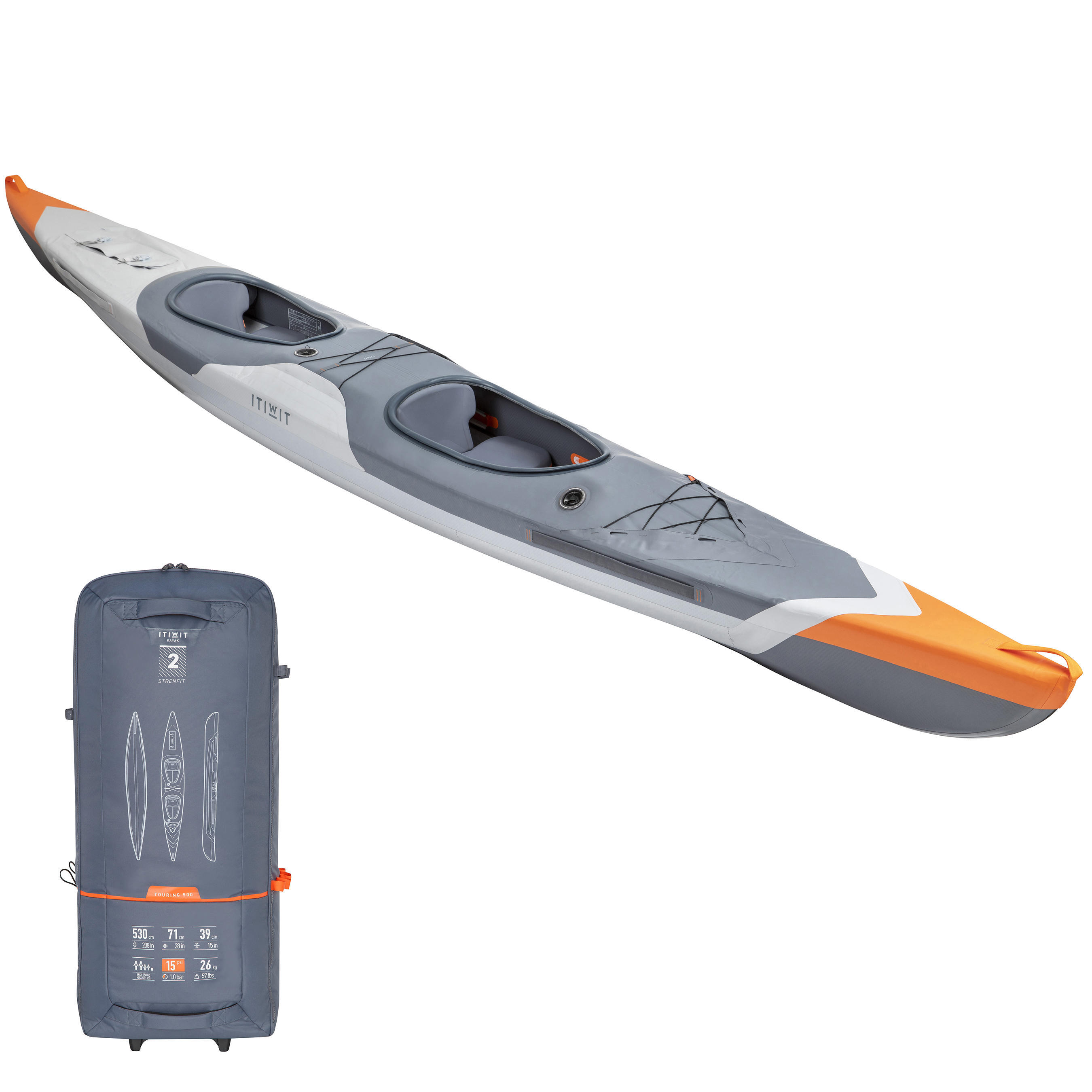
How do drop-stitch panels modify structural tracking during multi-day coastal crossings?

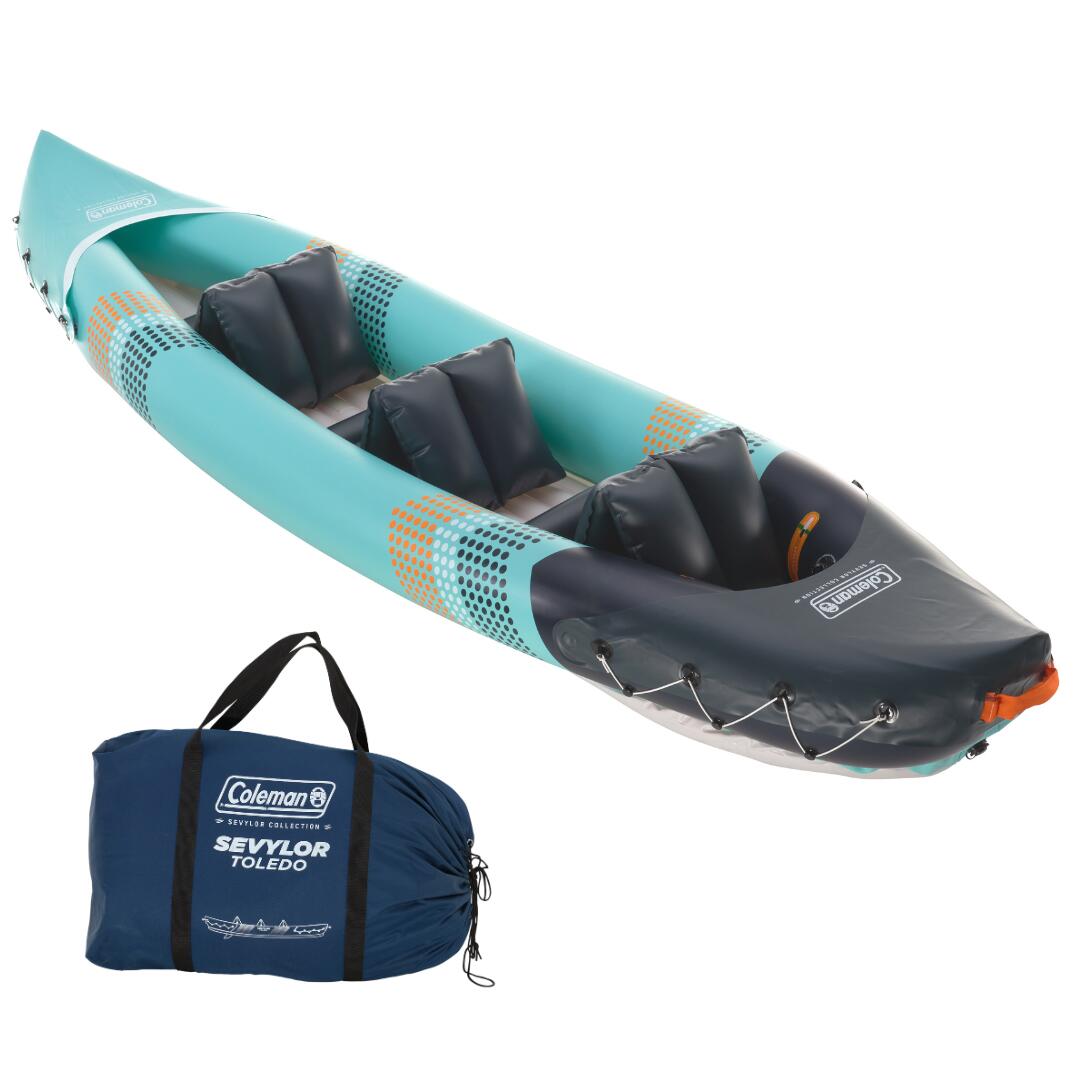
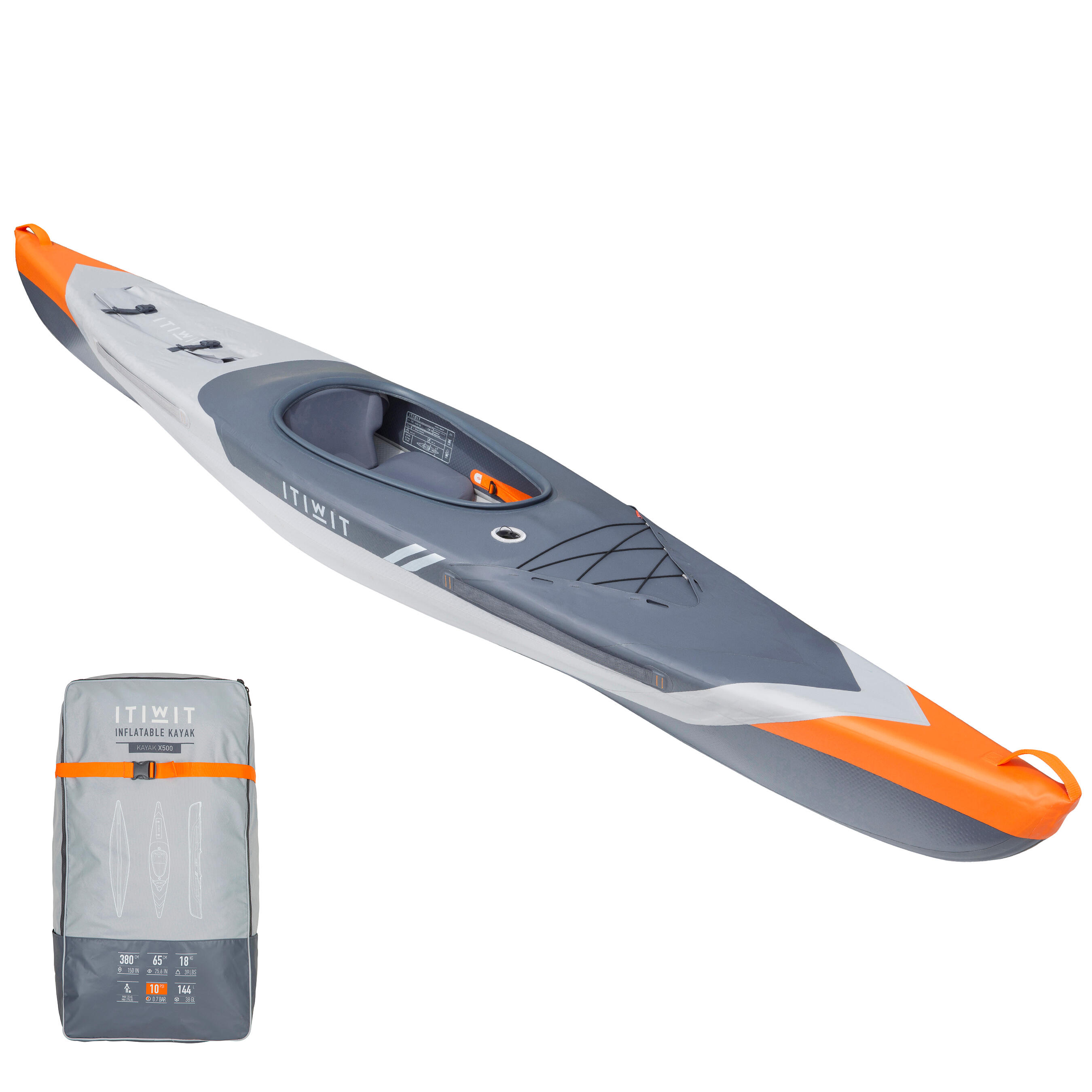
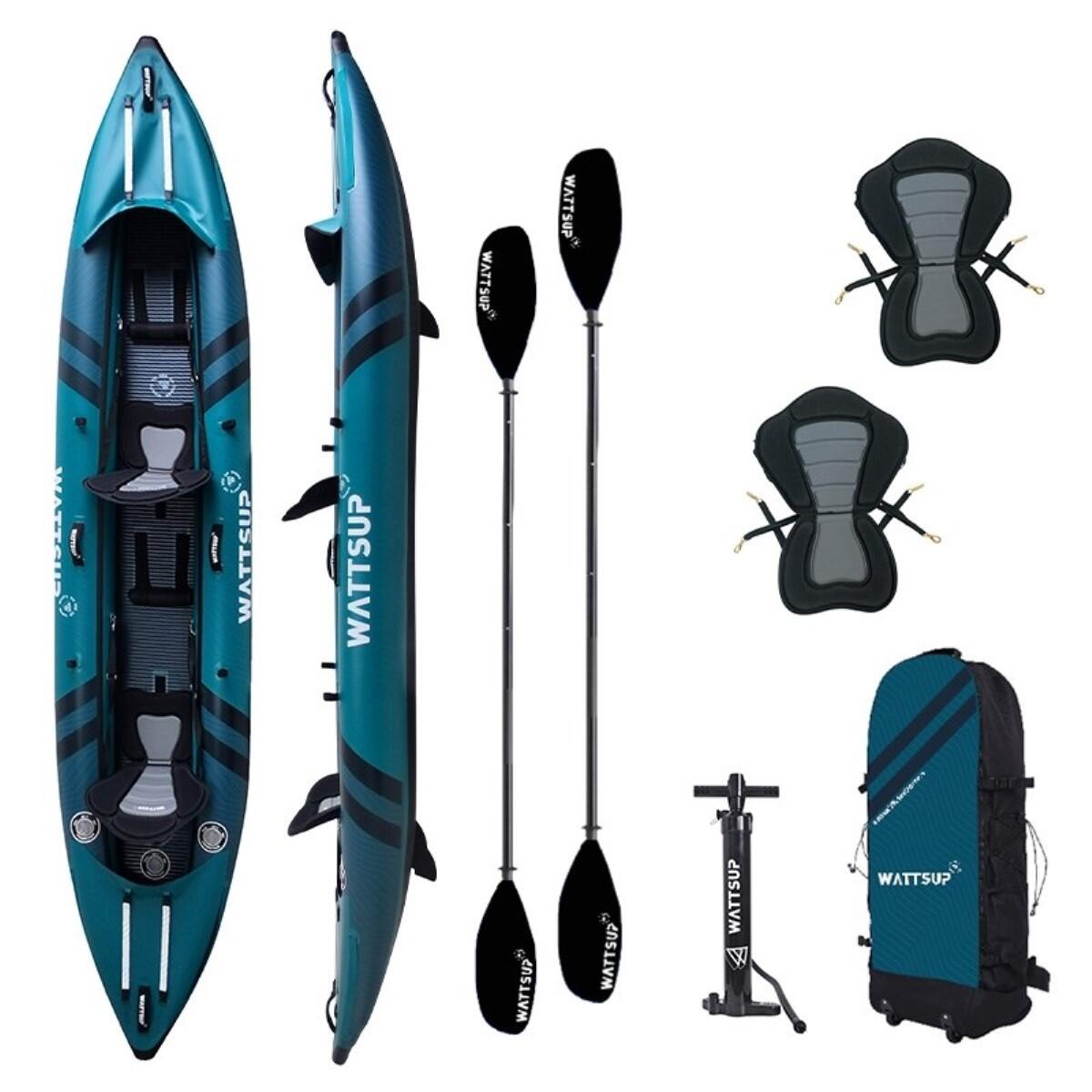
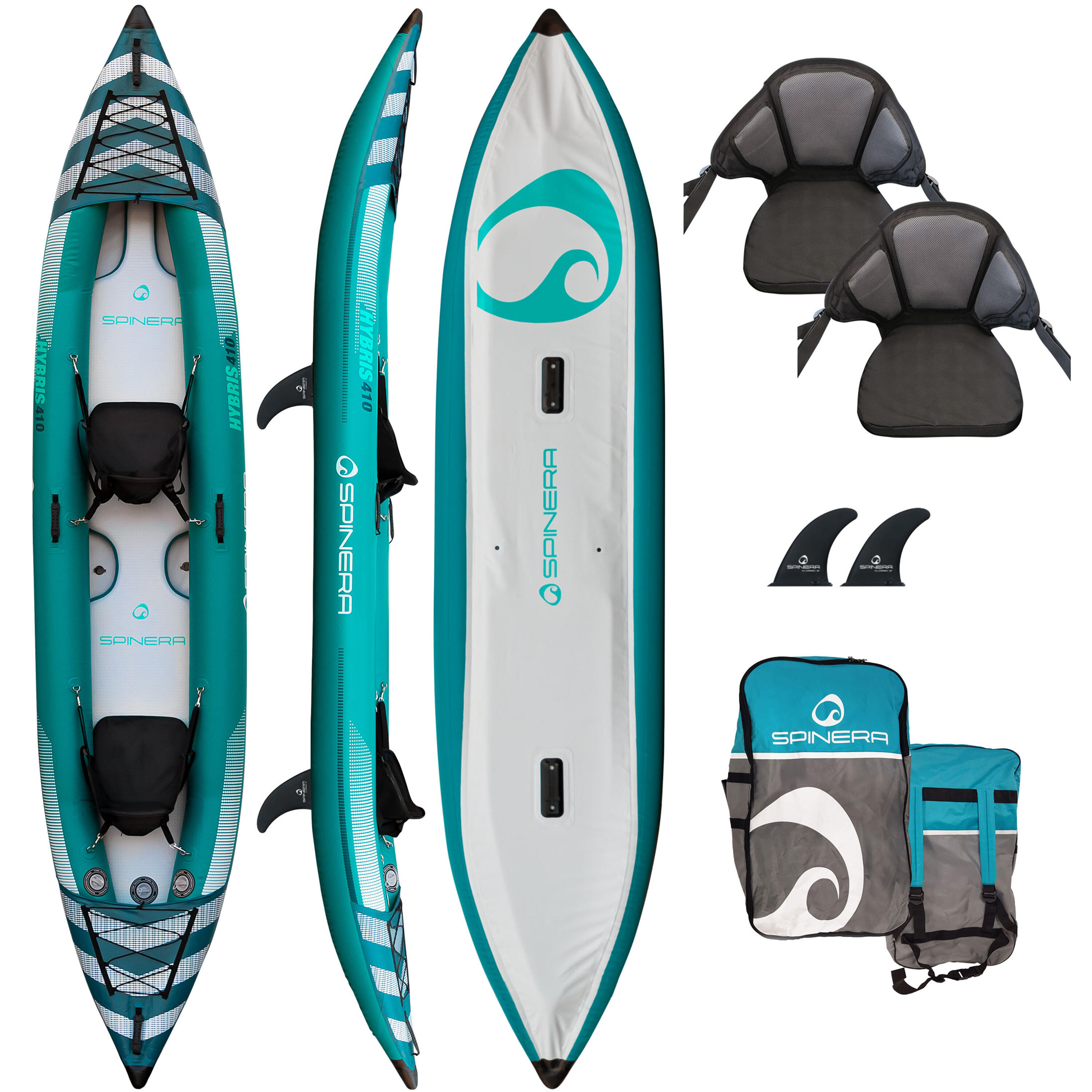
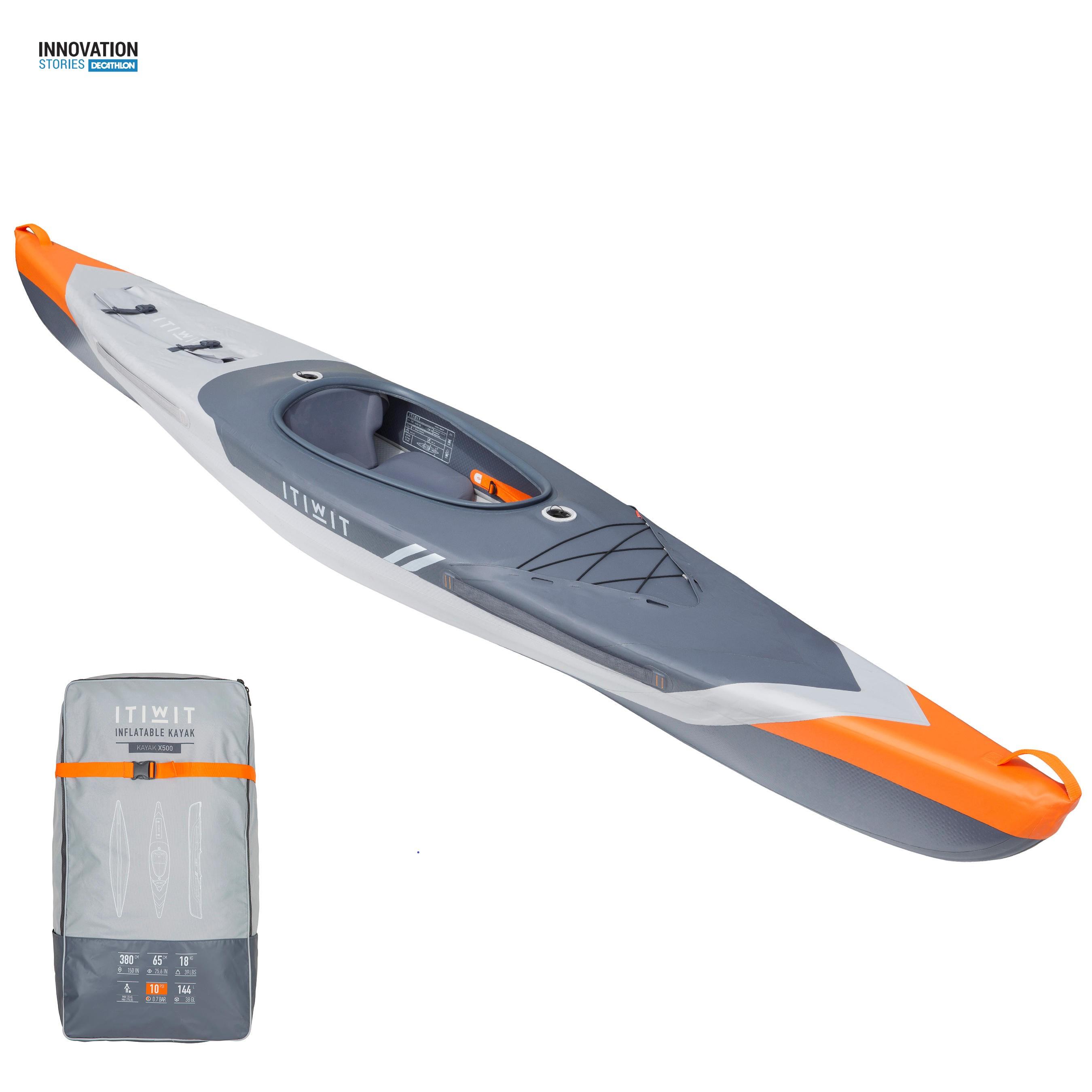
Long-distance open water voyages demand highly specialised vessels capable of cutting through headwinds and carrying significant multi-day payloads safely. Opting for rigid inflatable touring kayaks utilising high-pressure drop-stitch floor chambers effectively replicates the uncompromising tracking efficiency of a traditional hard-shell composite hull. The extreme structural rigidity minimises longitudinal flexing when climbing over large waves, preventing power loss during repetitive forward strokes. V-shaped bow moulds pierce incoming swells cleanly, preserving forward momentum while keeping the tracking line straight over long distances.

What hull geometry safeguards against hull punctures on fast-flowing wilderness waterways?

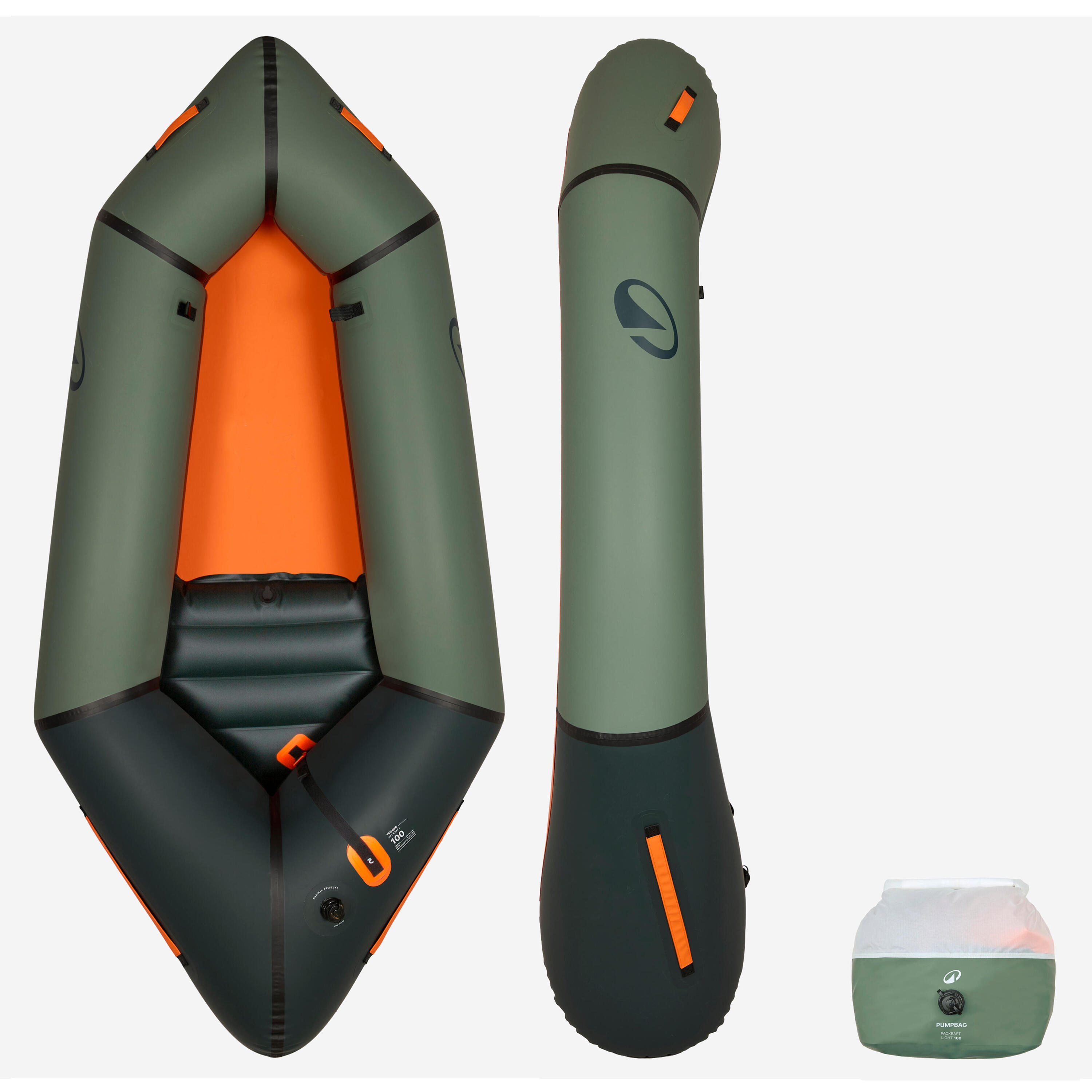
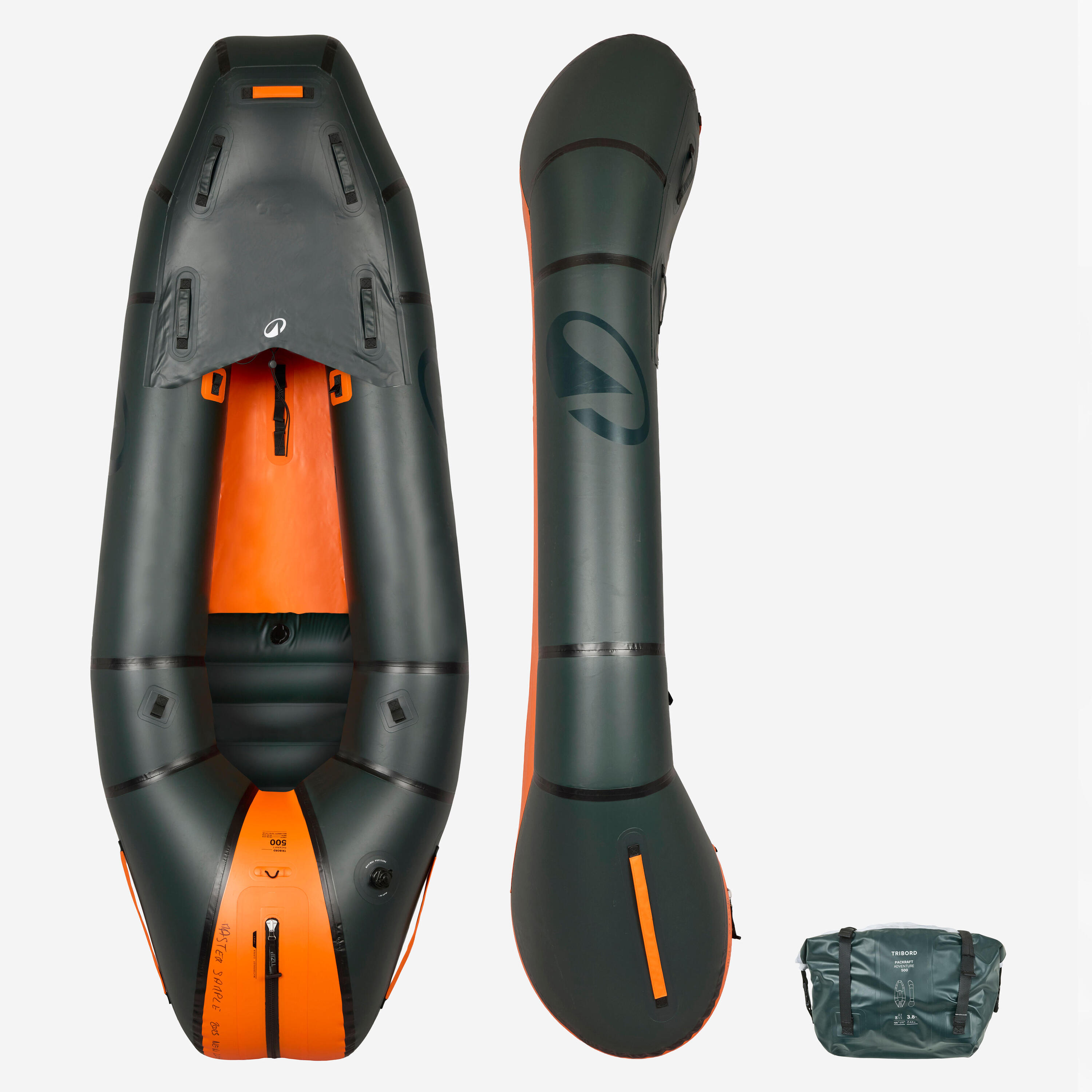
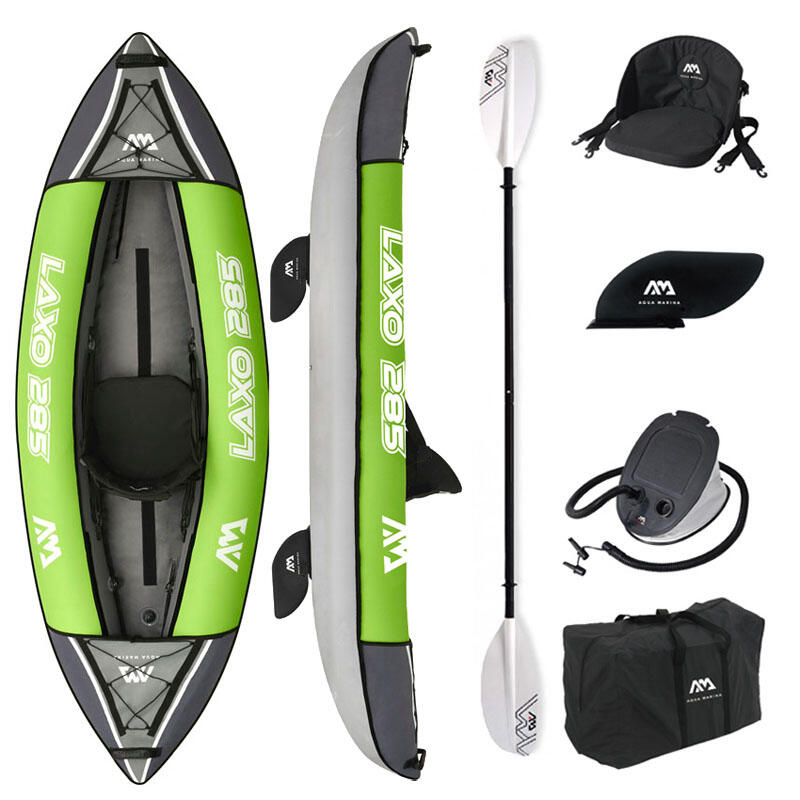
Navigating shallow mountain rivers requires robust watercraft that combine extreme agility with heavy-duty abrasion resistance against hidden riverbed obstacles. Reinforced, lightweight packrafts allow adventurers to portage seamlessly around unrunnable rapids before dropping back into swift currents. The technical rationale behind this specialised fabric architecture relies on highly flexible polyurethane skins that deflect off blunt boulders instead of cracking under sudden hydraulic force. Their short, wide footprint delivers instantaneous pivot capability, allowing quick directional adjustments mid-stream.

Which boat dimensions are required for handling highly technical whitewater rapids?

Fast alpine descents demand heavy rockered profiles and ultra-responsive steering dynamics to safely execute tight breakouts and avoid dangerous river hazards. Investing in expert whitewater, slalom, freestyle and downhill kayaks provides the aggressive hull curvature needed to clear recirculating drop holes without pinning the bow. The aggressive upward sweep allows the craft to clear submerged shelves cleanly, while structural thigh braces maximise physical secondary control. This intimate cockpit connection translates subtle hip movements instantly into tracking angle adjustments.

How do heavy gear capacities alter the tracking behaviour of specialised sea vessels?

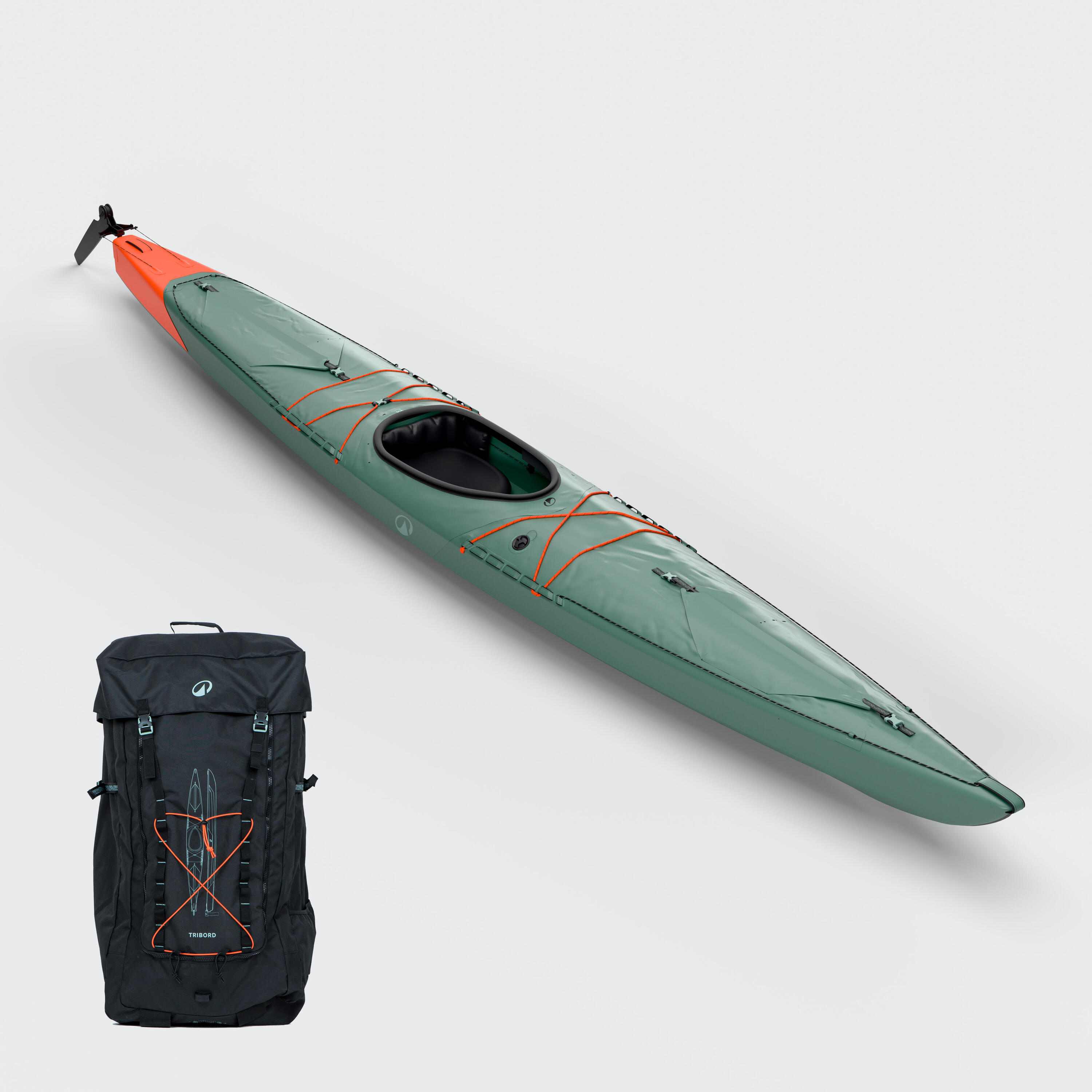
Loading extensive wild-camping gear into a boat lowers the natural waterline, which fundamentally alters how the craft responds to strong lateral crosswinds. Paddling a heavily packed expedition kayak requires utilising integrated bulkheads to distribute gear weight symmetrically between the front and rear storage compartments. The increased overall mass dampens erratic twitchiness caused by surface chop, but it simultaneously expands the turning radius significantly. Deploying an under-stern rudder system compensates for this extra resistance, maintaining predictable tracking control over long distances.