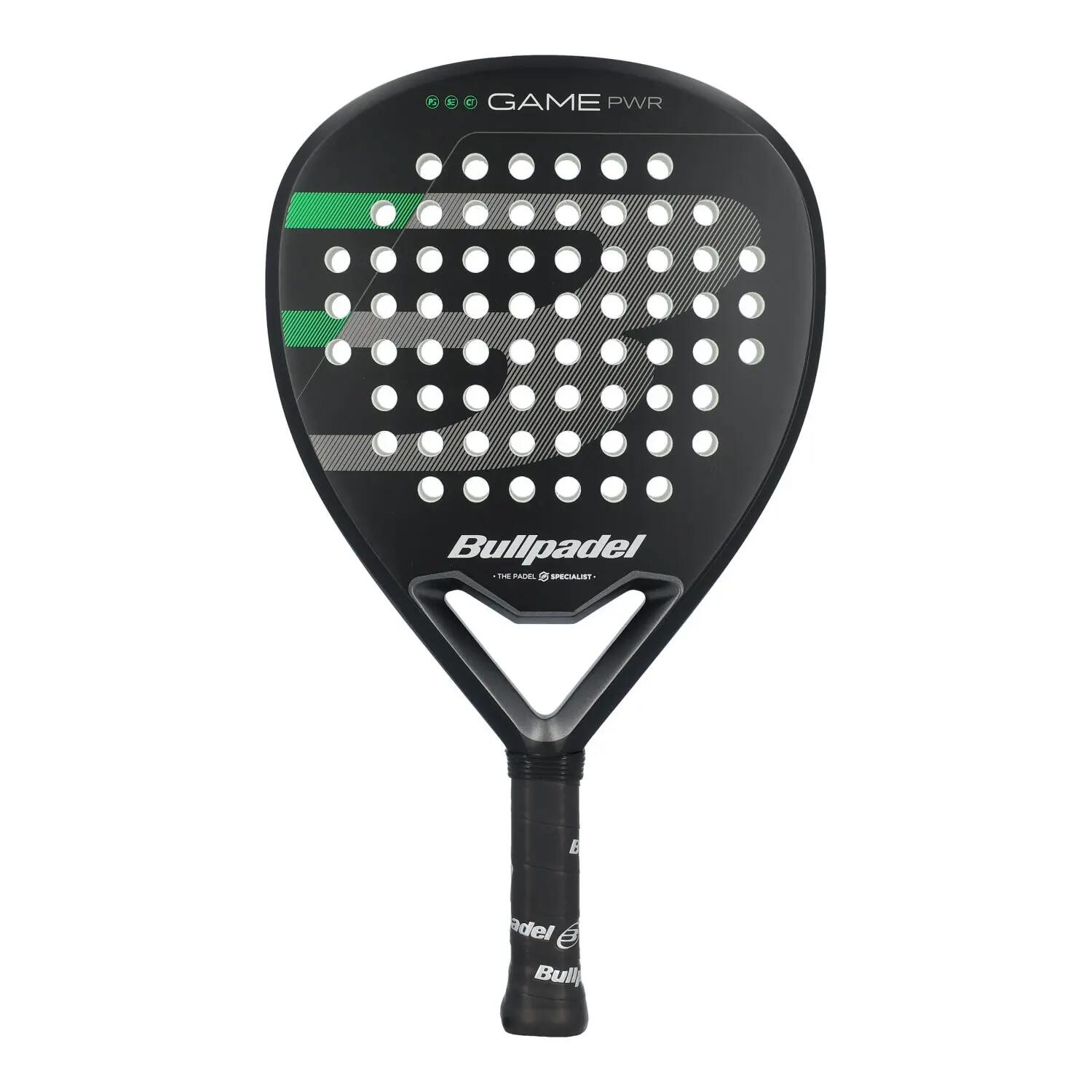
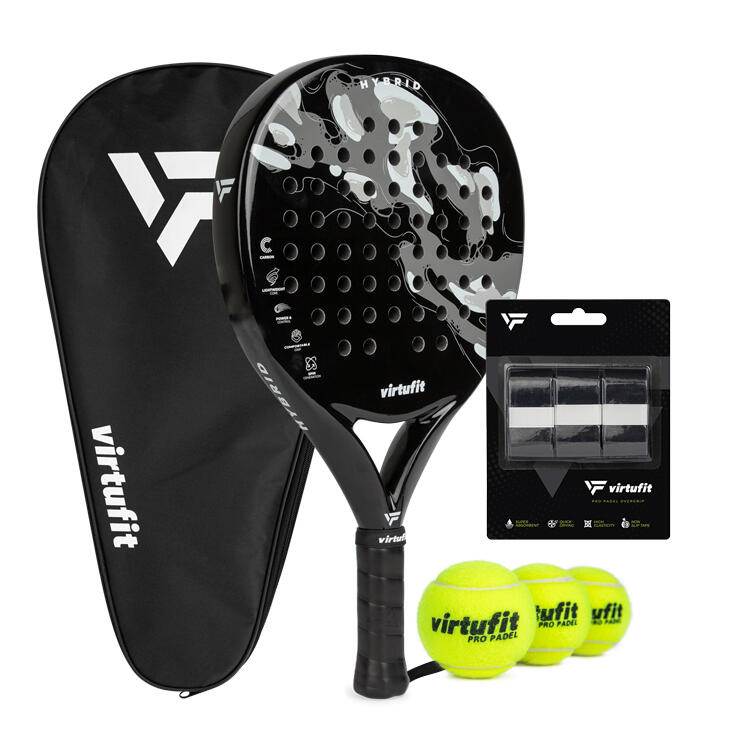
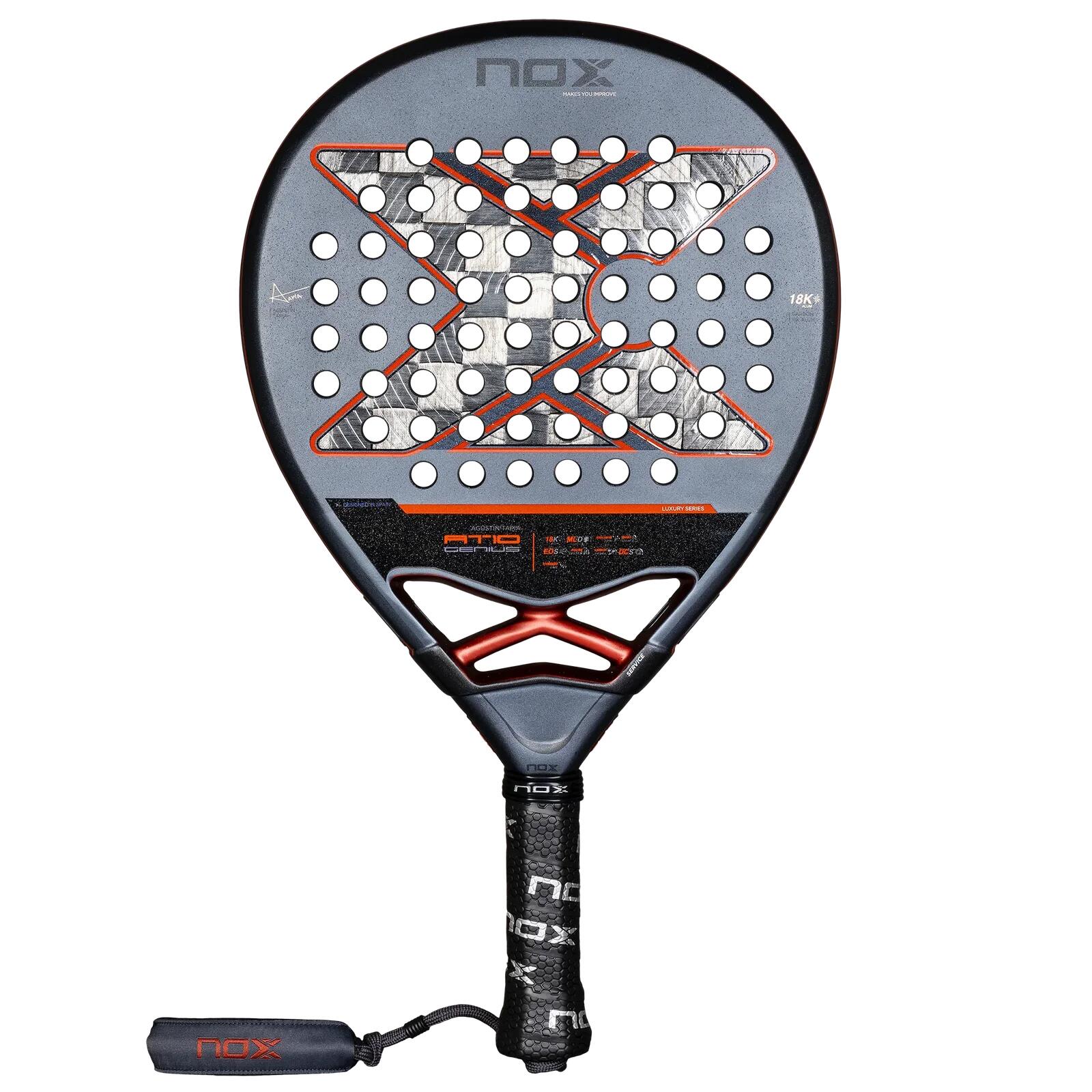
993 items
4.5/5 based on 5243 reviews collected online and in stores

PADEL RACKETS FAQS

How to choose the best padel rackets for beginners?

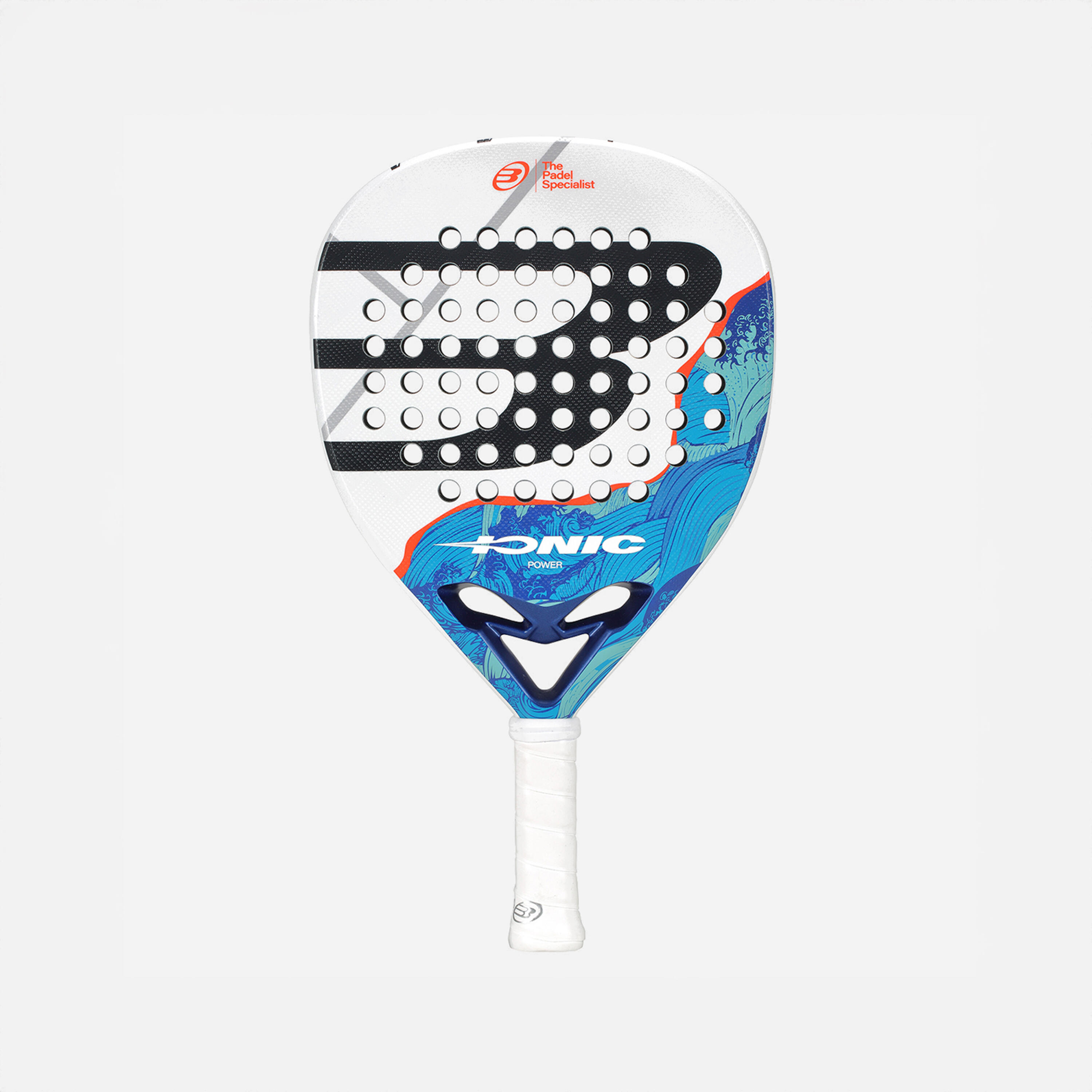
Go for one that feels easy to handle and has a larger hitting area, making it easier to get clean, consistent contact. Most novices benefit from round-shaped adults’ padel rackets because the weight distribution is closer to the handle, providing better control during defensive shots. Soft EVA foam cores are typically used in these models to absorb vibrations and provide a "trampoline effect" that helps launch the ball with less physical effort. Fiberglass faces are also common in beginner ranges as they are more flexible than carbon, allowing for a more forgiving feel when the ball isn't hit perfectly in the center. Expert tip: Avoid jumping straight into diamond-shaped power rackets, as their top-heavy balance can lead to wrist fatigue and technical errors before you have mastered the fundamental swing mechanics used in this fast-paced sport.

What are the differences between men’s and women’s padel rackets?

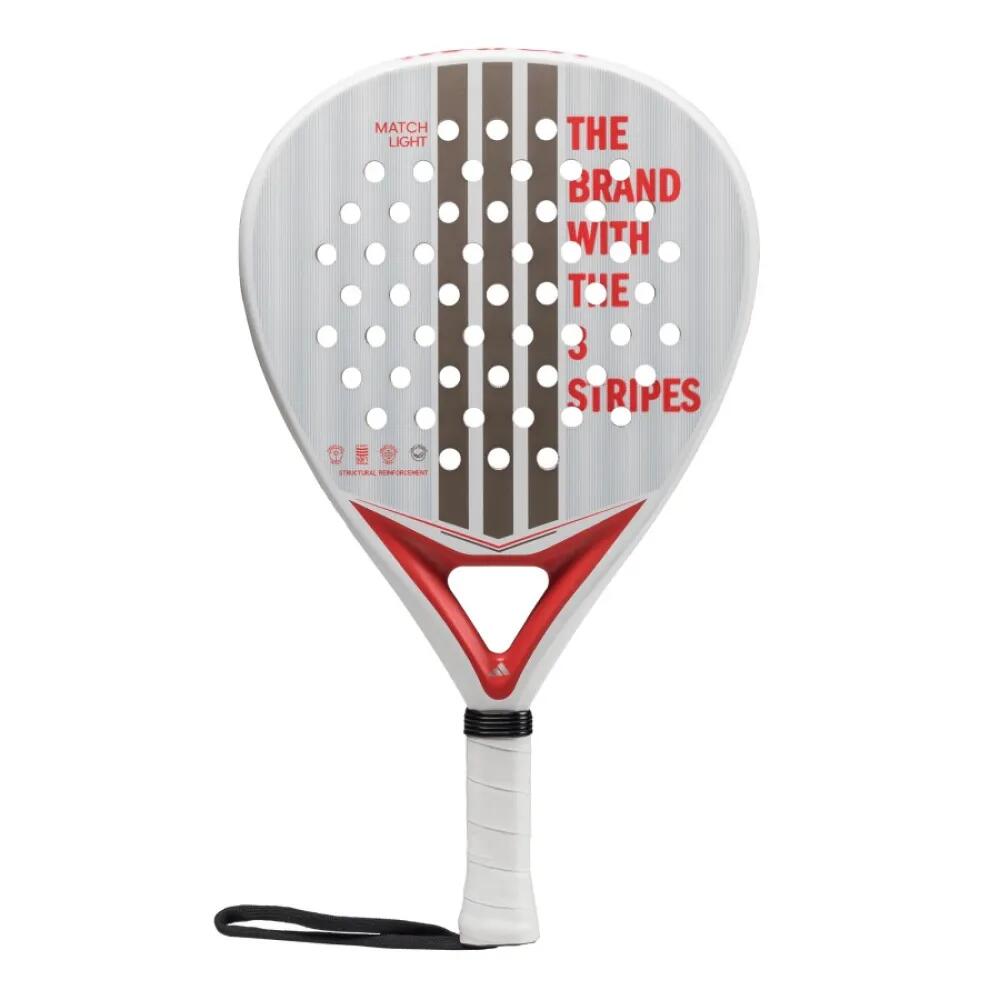
The main difference between men’s and women’s equipment usually comes down to overall weight and grip thickness. Typically, kids padel rackets are the lightest, but adult female-specific models also feature reduced mass, usually ranging between 345g and 360g, to enhance swing speed without sacrificing stability. Men’s padel rackets often sit between 365g and 385g, providing the extra inertia needed for high-velocity smashes. The internal foam density remains a critical technical choice; a harder foam provides more power for aggressive players, while a softer density aids in comfort and touch. Smart tip: If a racket feels too light or vibrates excessively on impact, you can add overgrips to the handle to increase the weight slightly and improve your hold.
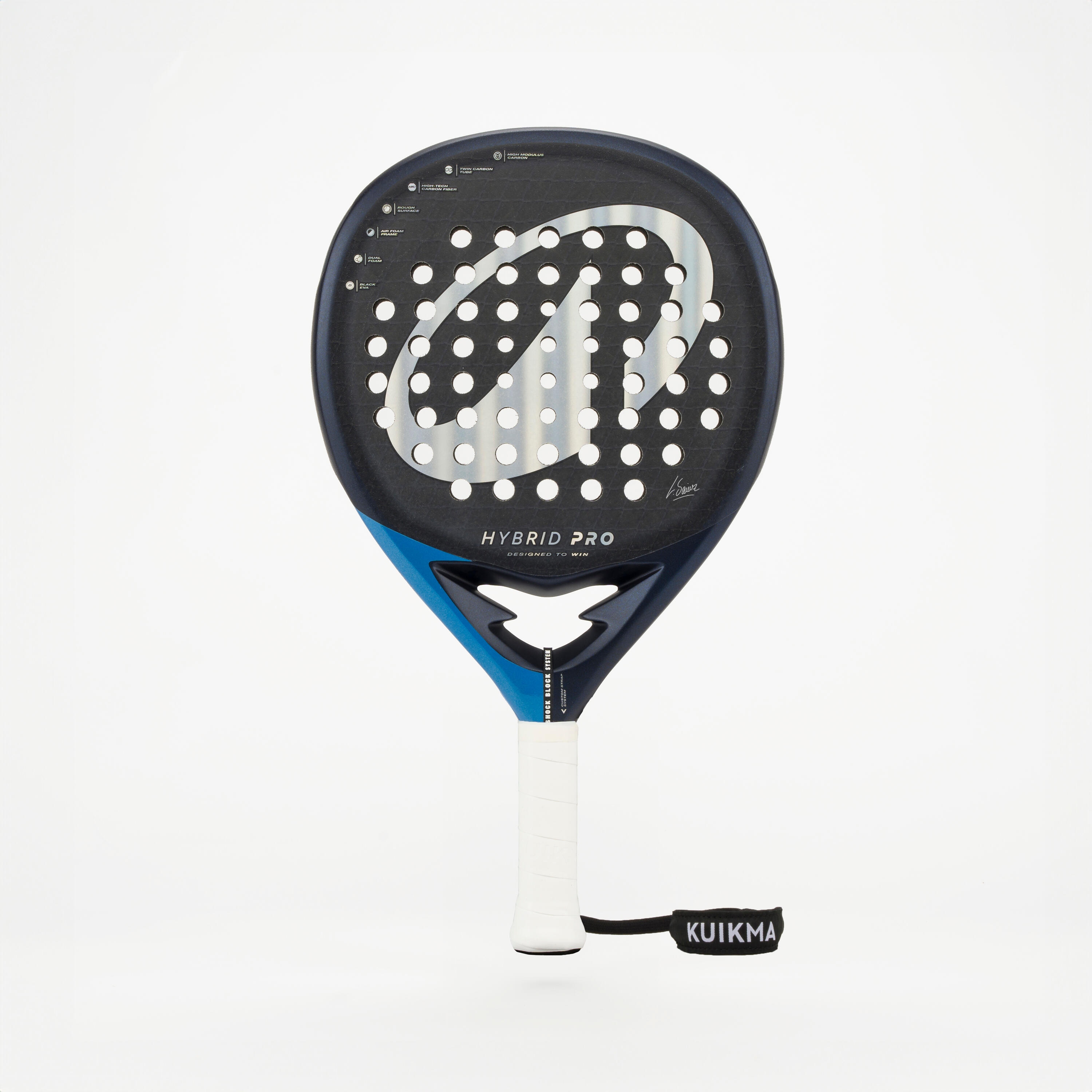
Why are kuikma padel rackets popular for advanced play?

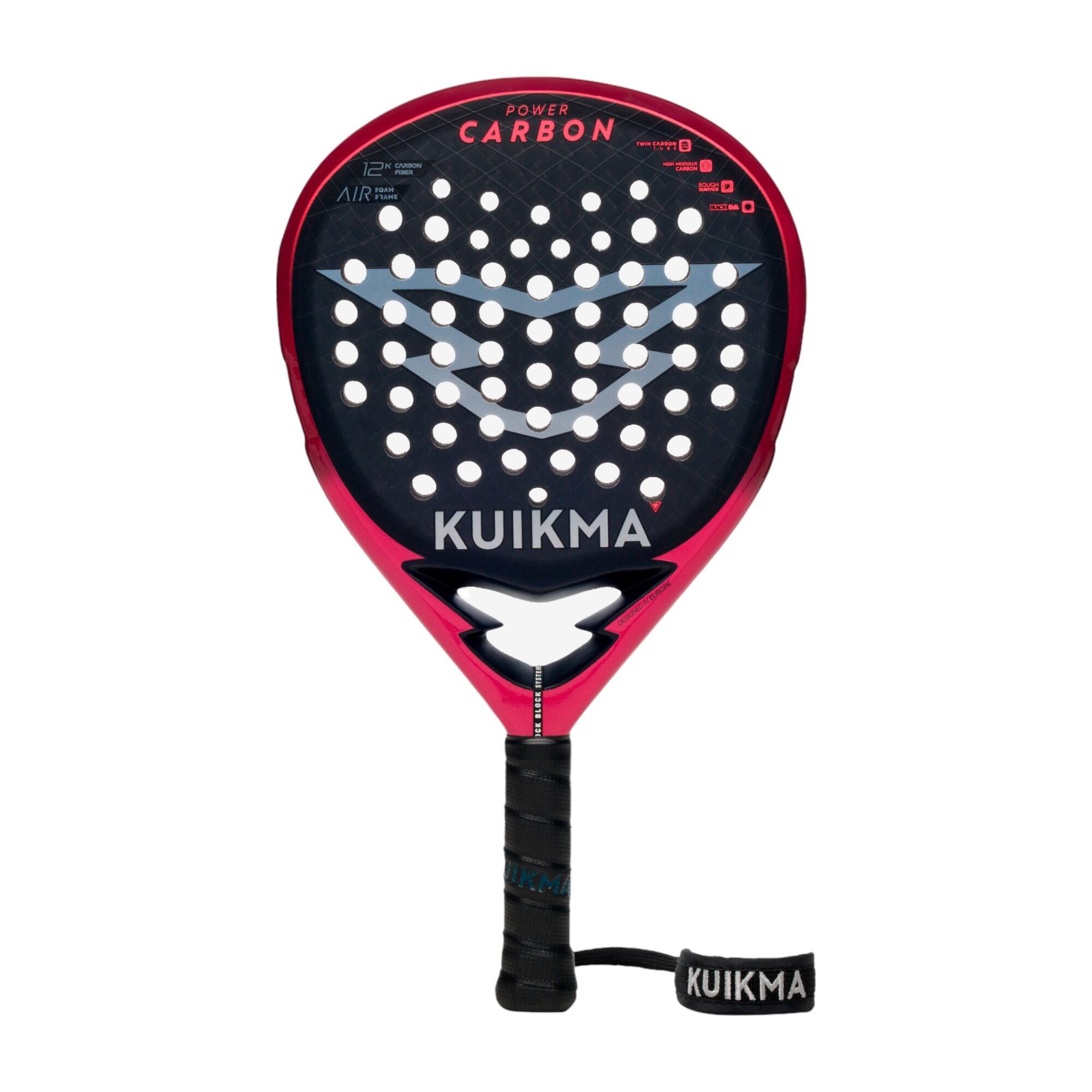
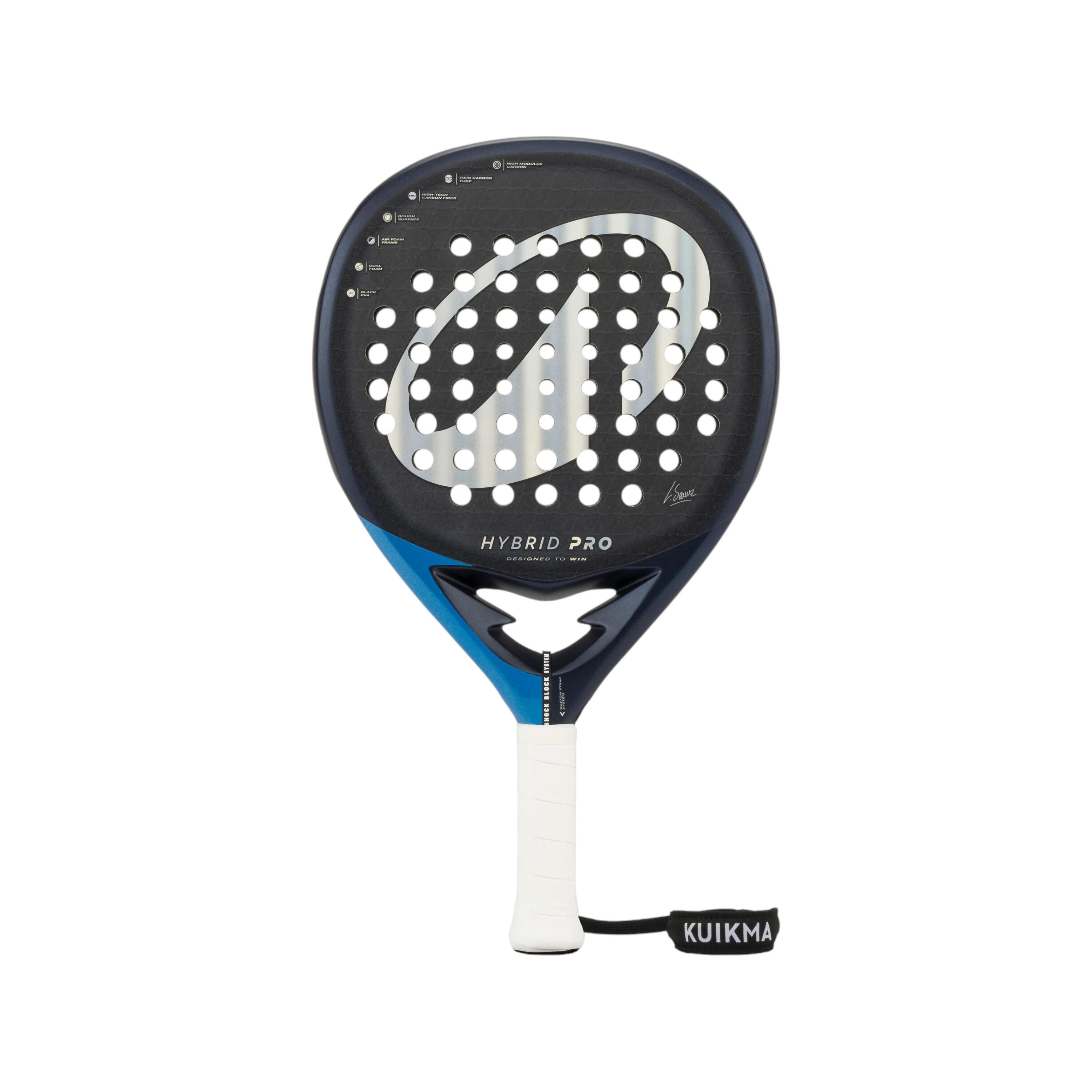
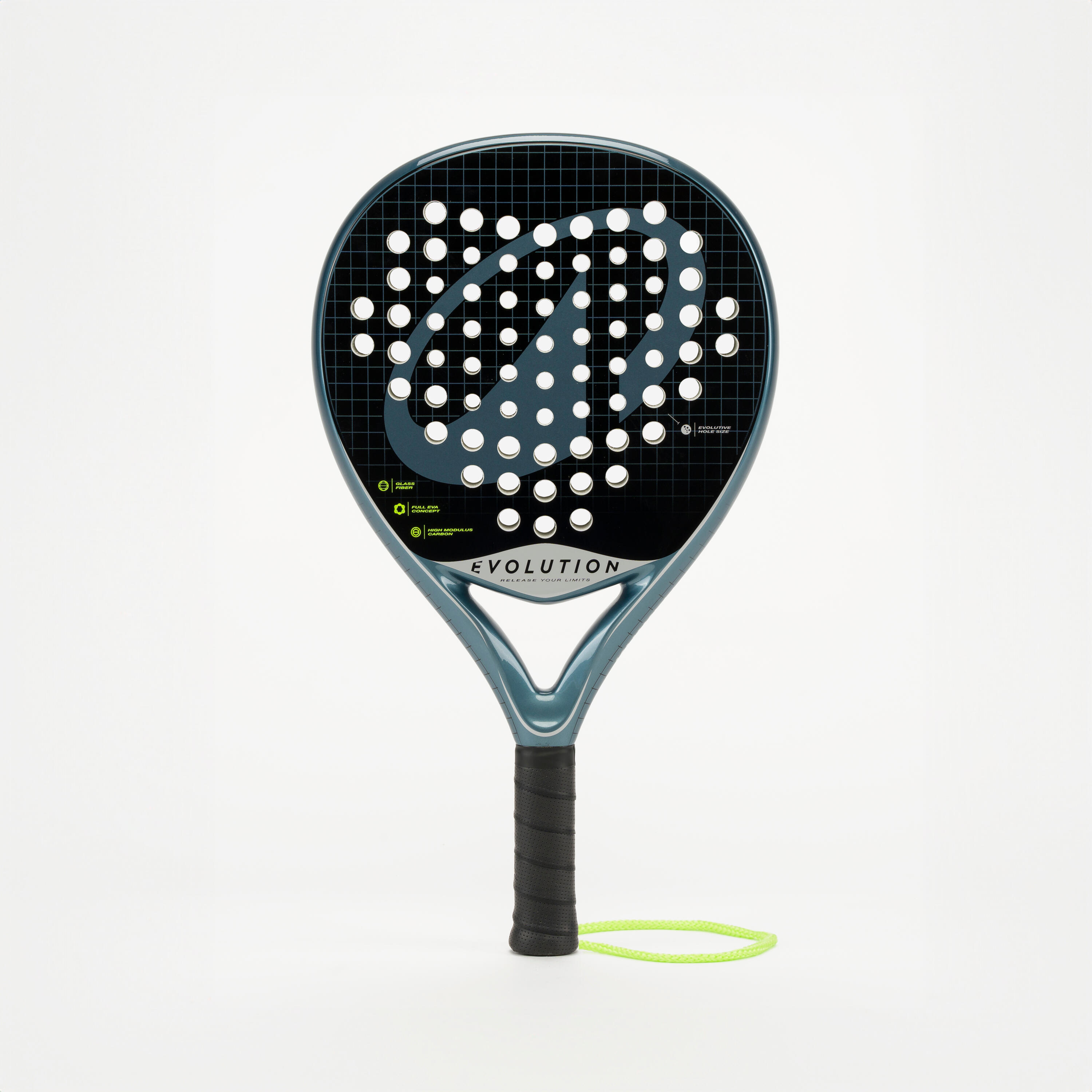
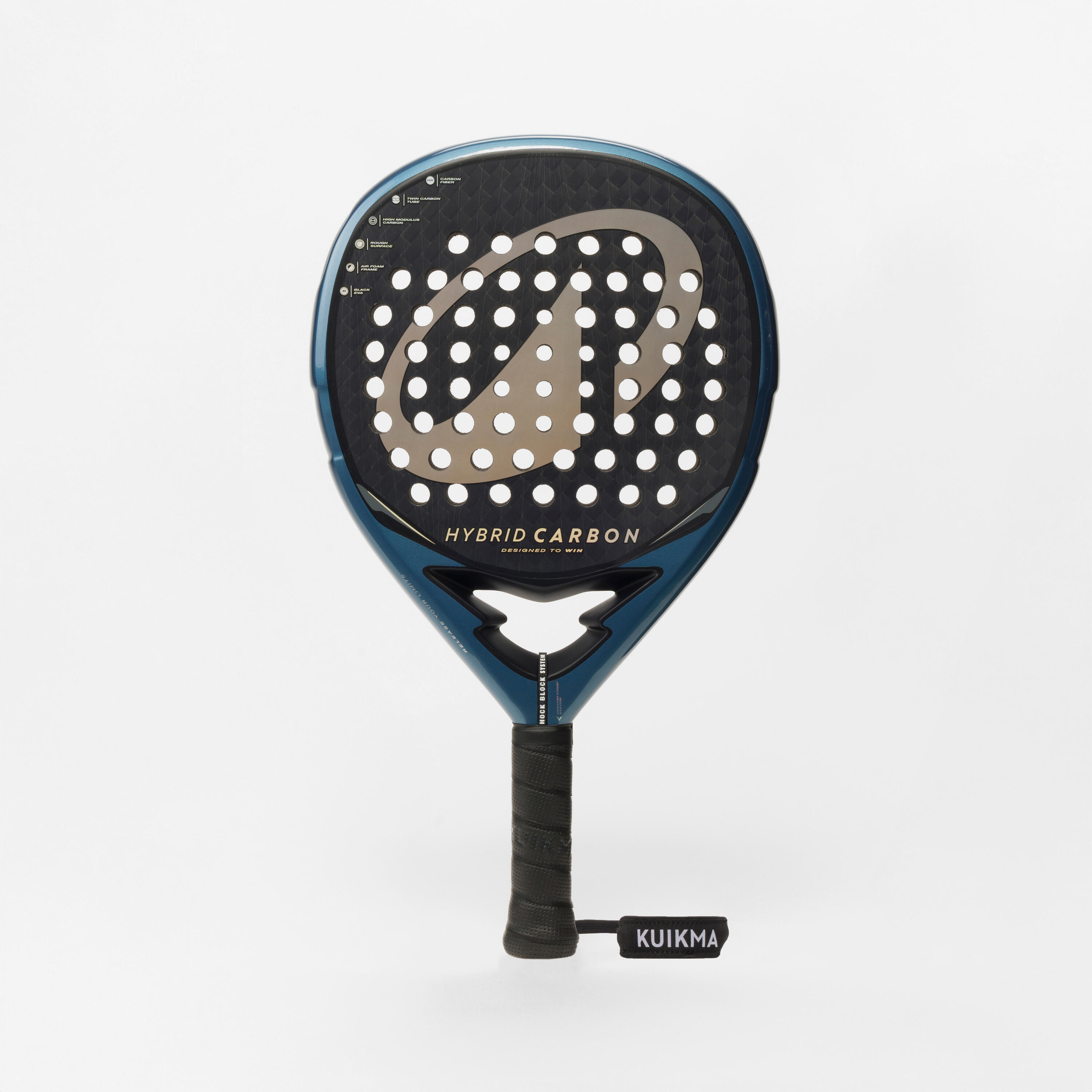
Intermediate and expert players often transition to high-modulus carbon fibre frames to gain a competitive edge in shot precision. Many professional-level kuikma padel rackets use 12k or 18k carbon weaves, which are significantly stiffer than standard materials. This technical stiffness ensures that energy from the player's arm is transferred directly to the ball with minimal frame distortion. Advanced padel tennis rackets also feature specialized surface textures, such as 3D sand-blast finishes, to increase friction and generate more spin on sliced shots. Small advice: If you play more than twice a week, look for a racket with an anti-vibration system in the bridge; this small technical insert reduces the risk of epicondylitis, commonly known as tennis elbow, by dampening the shockwaves before they reach your arm.

Should I choose a round or teardrop padel racket?

The shape of the racket dictates the balance point and the size of the hitting area. A round shape is the most defensive option, placing the center of gravity low for maximum agility at the net. Many players also complement their equipment with breathable padel clothing designed to support quick lateral movements and maintain comfort during intense rallies. Teardrop-shaped padel tennis rackets represent a hybrid approach, offering a balance between power and control that suits all-rounders who enjoy both attacking smashes and controlled volleys. The technical reason for the teardrop shape is to move the sweet spot slightly higher up the face, increasing the leverage during overhead strokes. Expert advice: Test the balance by resting the racket on your finger at the bridge; if the head dips quickly, it is a power-oriented model that requires stronger forearm muscles to manage effectively during long rallies.
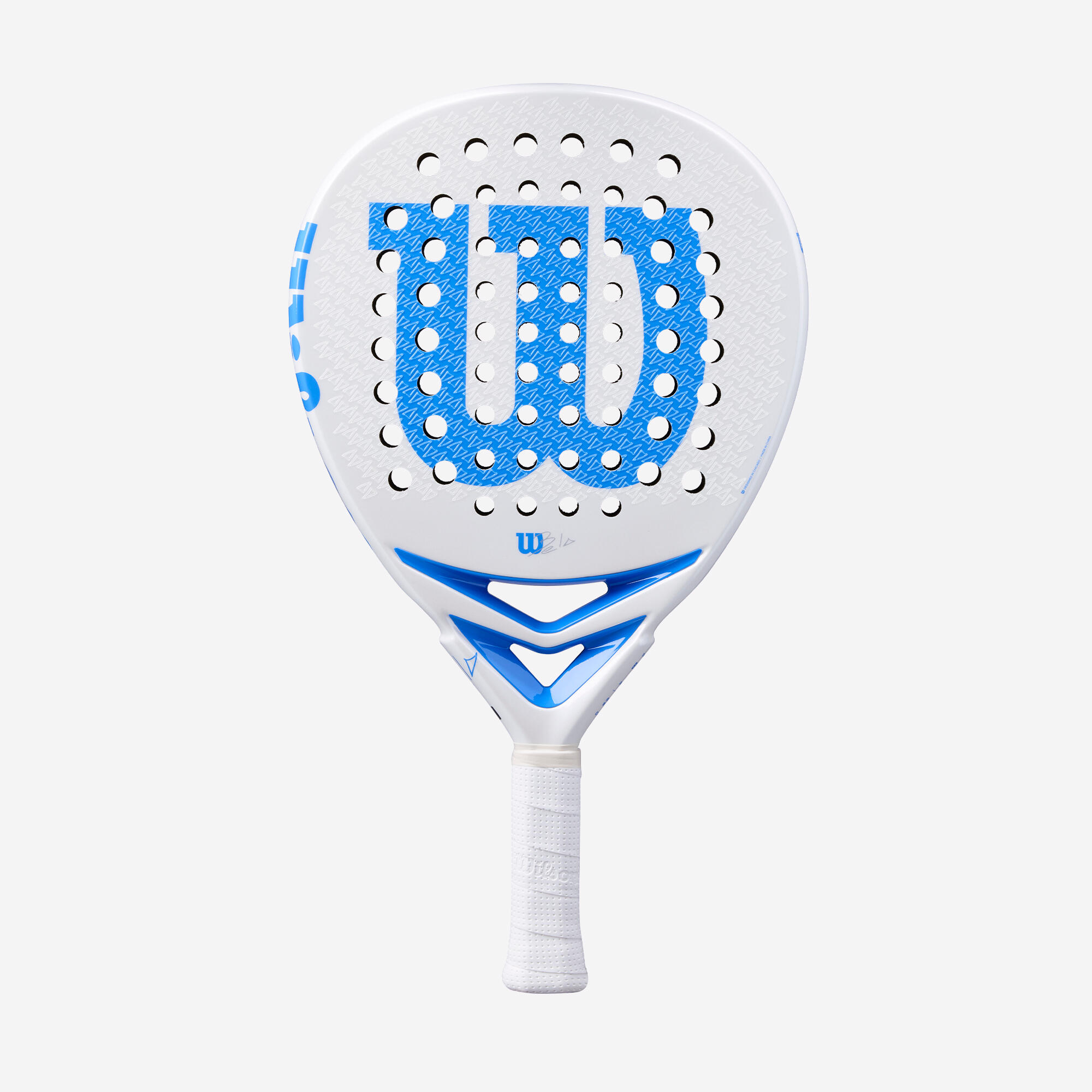
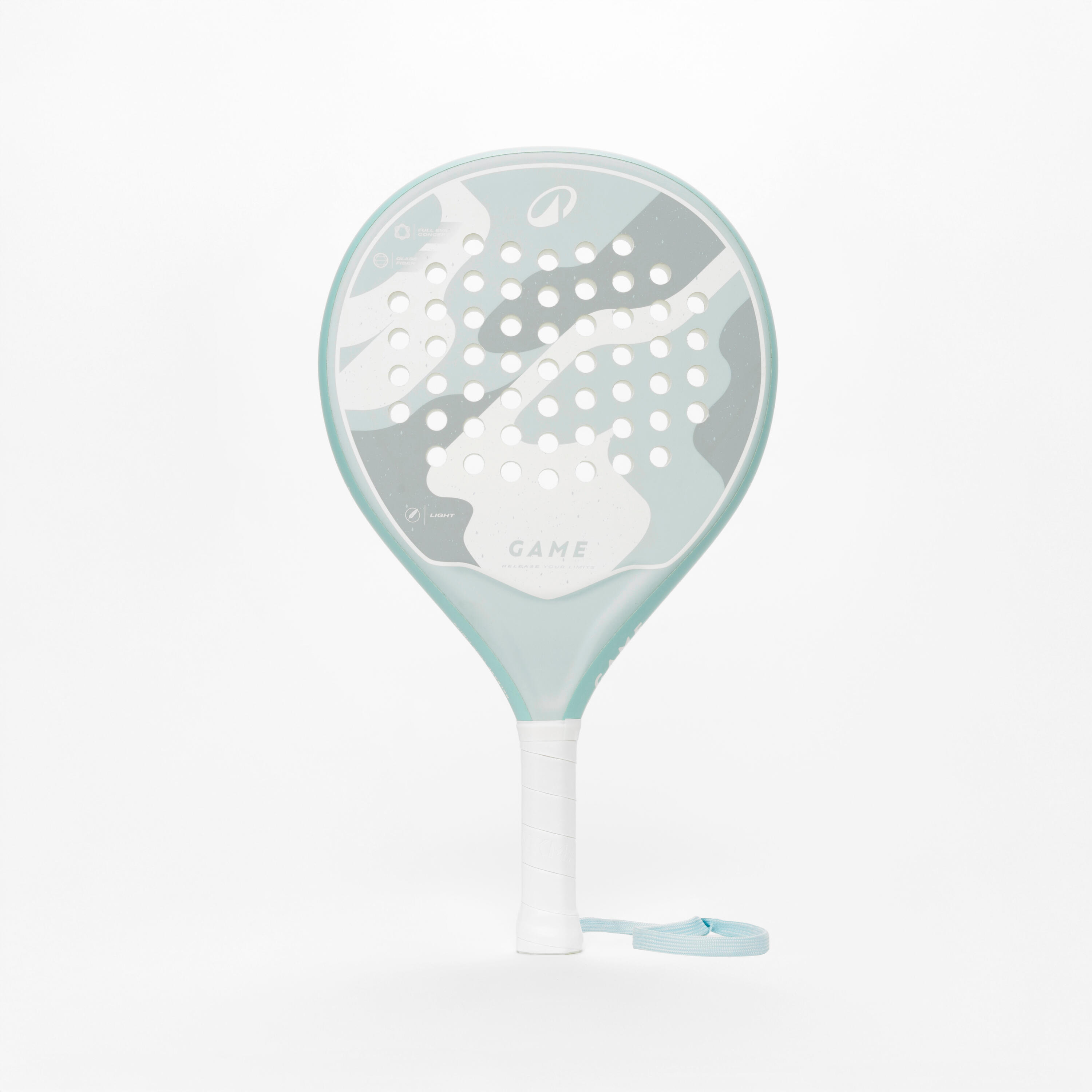
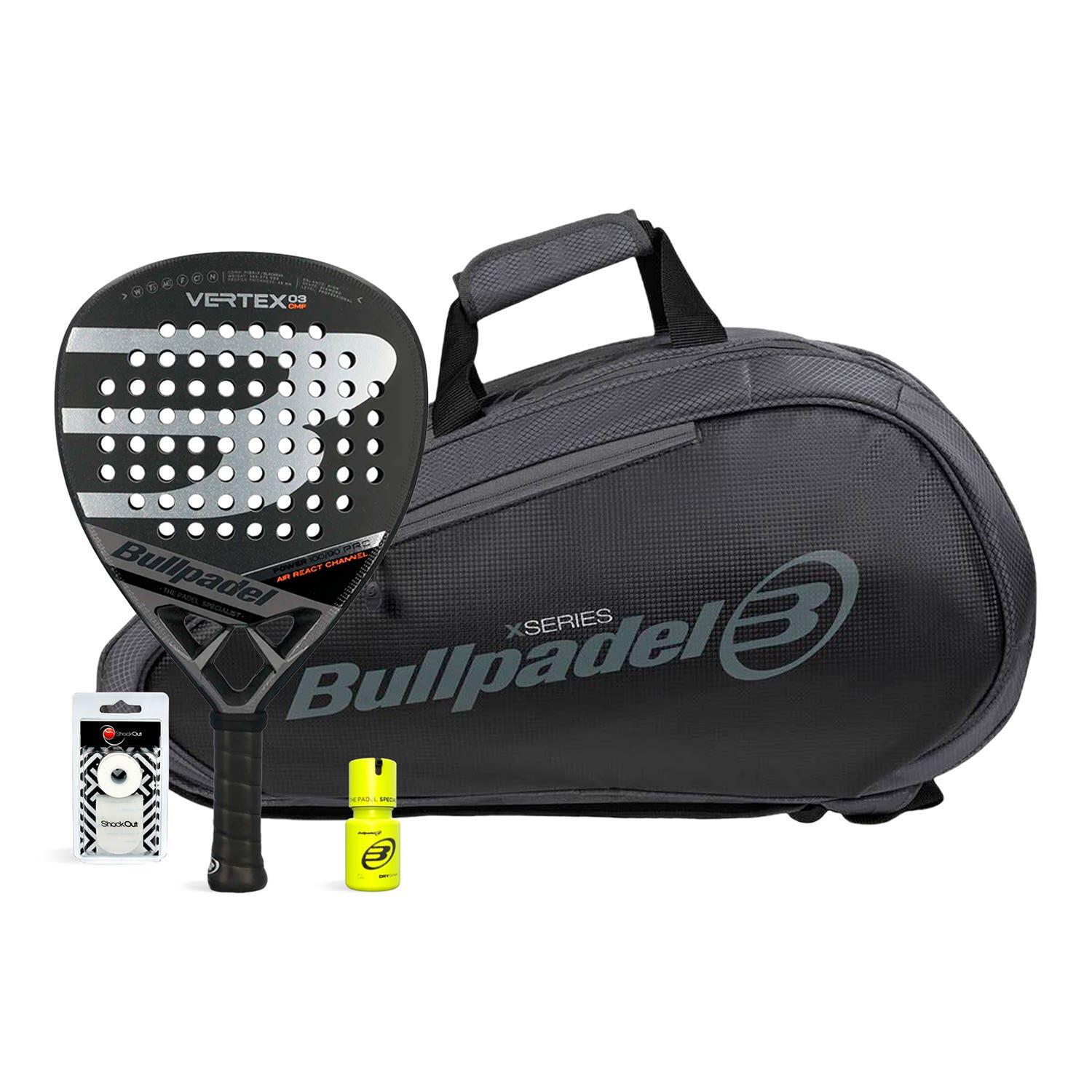
How does foam density affect padel racket performance?

The core material is the most important internal component for determining how the racket feels during impact. High-density EVA foam provides a "hard" touch that rewards players with a fast swing, as it does not absorb much energy, resulting in maximum ball exit speed especially when paired with high-quality padel balls designed for consistent bounce and durability during competitive play. Conversely, low-density foam or foam with "soft" ratings provides a larger margin for error and better vibration dampening, which is why it is frequently recommended for those prone to joint pain. The technical reason behind foam selection is based on the rebound factor; soft foam compresses more, providing a longer contact time with the ball for better placement. Best tip: In colder weather, rubber and foam cores naturally stiffen, so your racket may feel harder and less powerful than it does during the summer months.