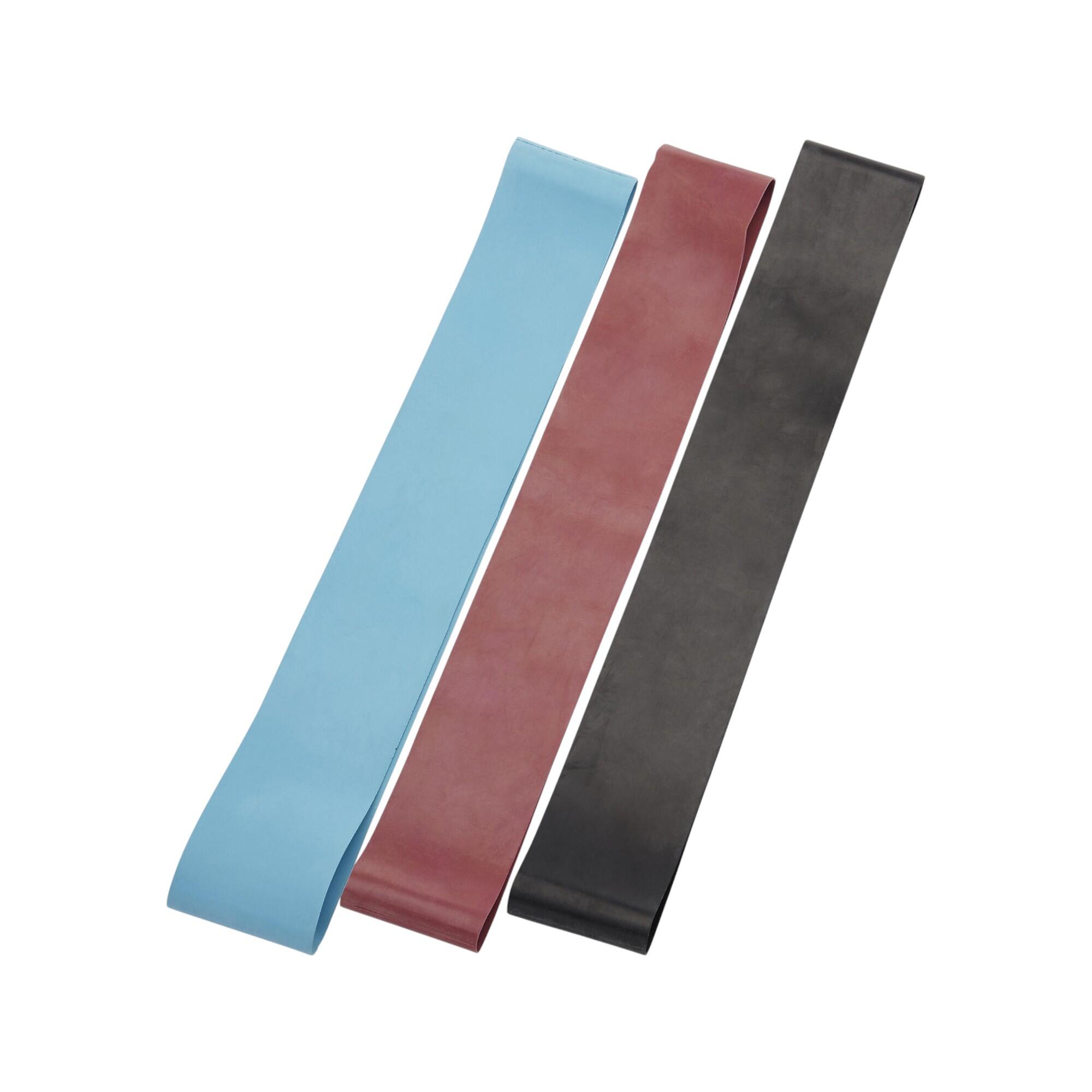
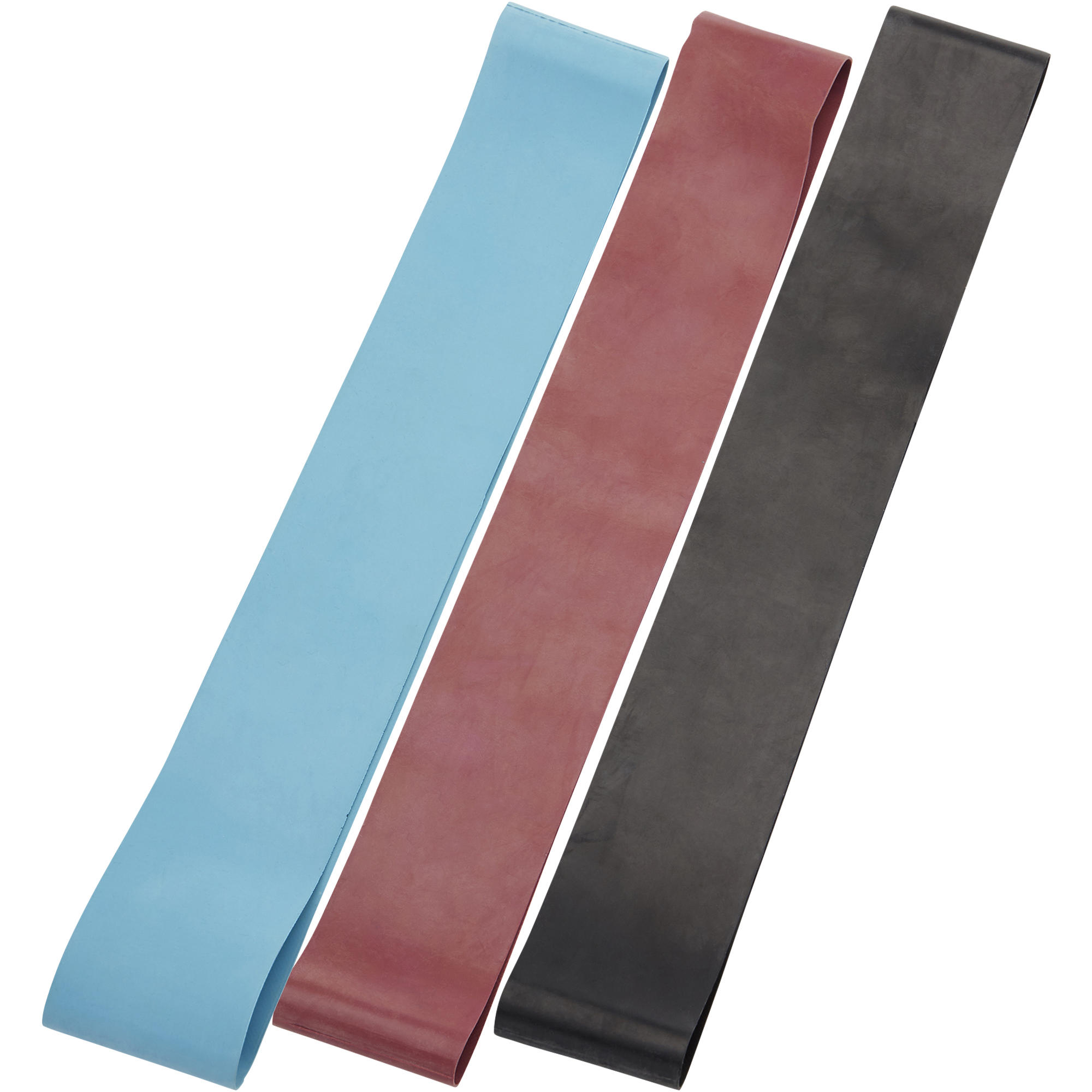
DOMYOS Fitness Resistance Bands Three-Pack 5-6-7 kg - Blue/Burgundy/Black4.5(4,037)Reviews.votesAriaCurrent price {{currentPrice}} €5.00€1.67/unit
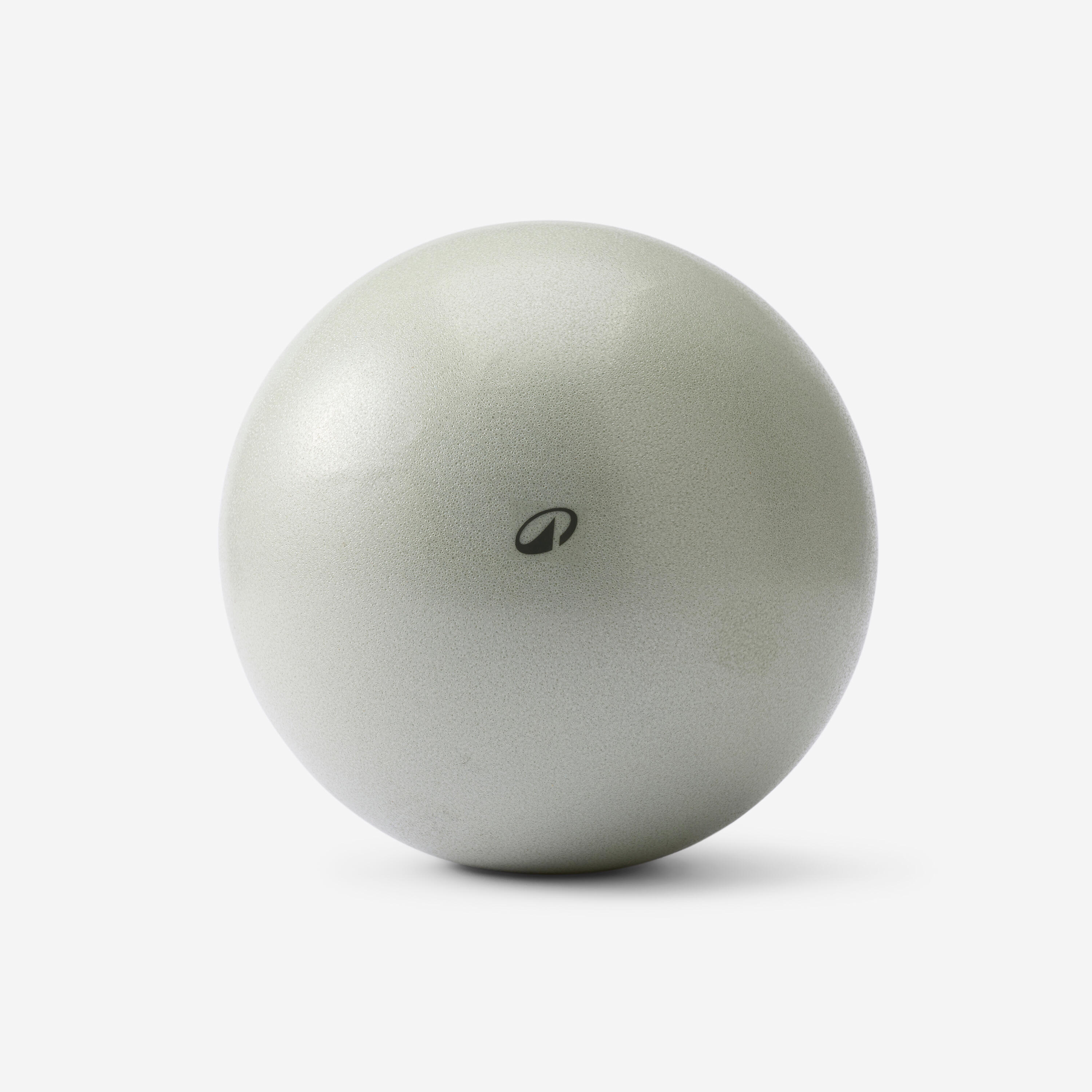
DOMYOS 240 mm Diameter Pilates Soft Ball - Green4.8(2,515)Reviews.votesAriaCurrent price {{currentPrice}} €5.00
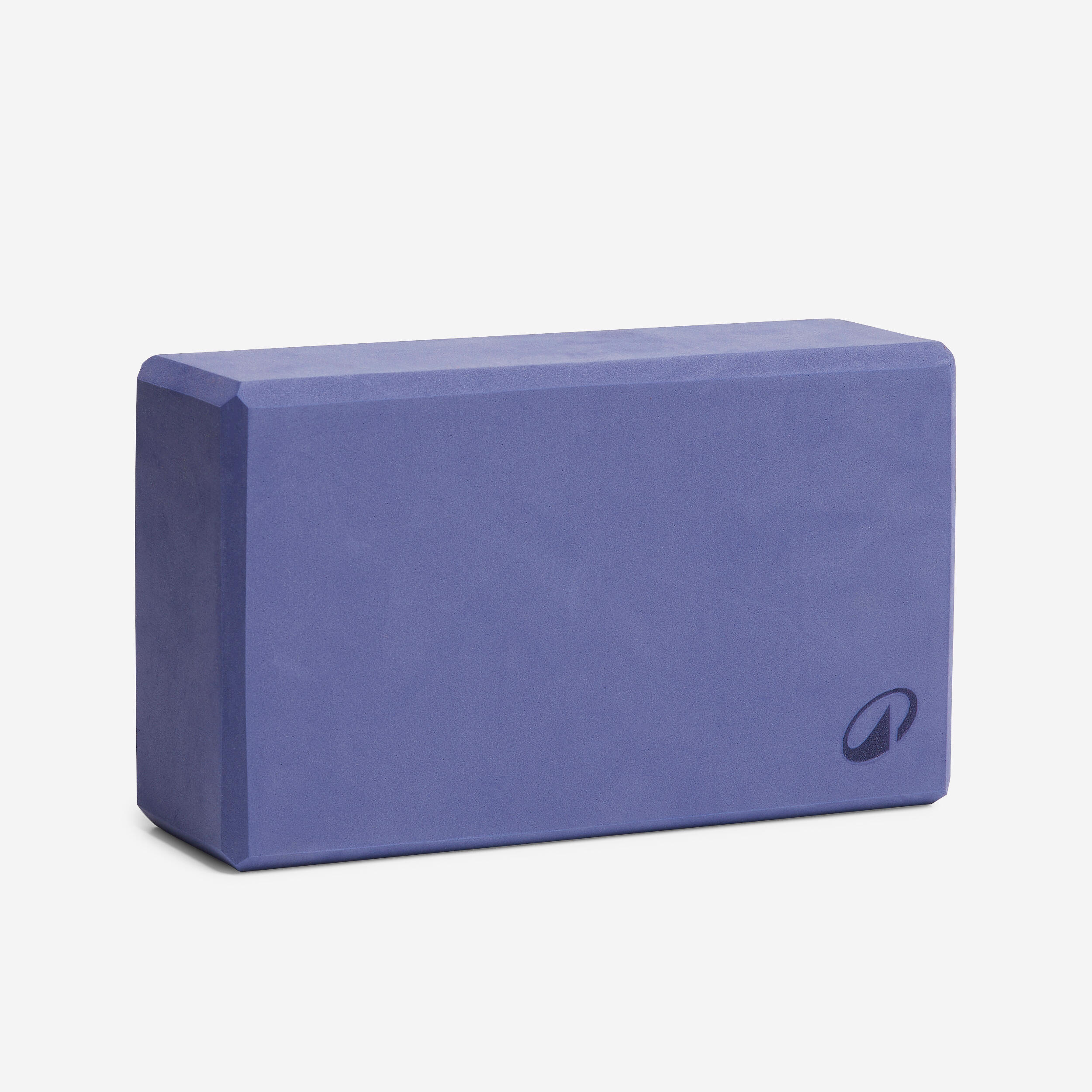
4 coloursKIMJALY Foam Yoga Block - Blue4.8(2,122)Reviews.votesAria4 coloursCurrent price {{currentPrice}} €6.00
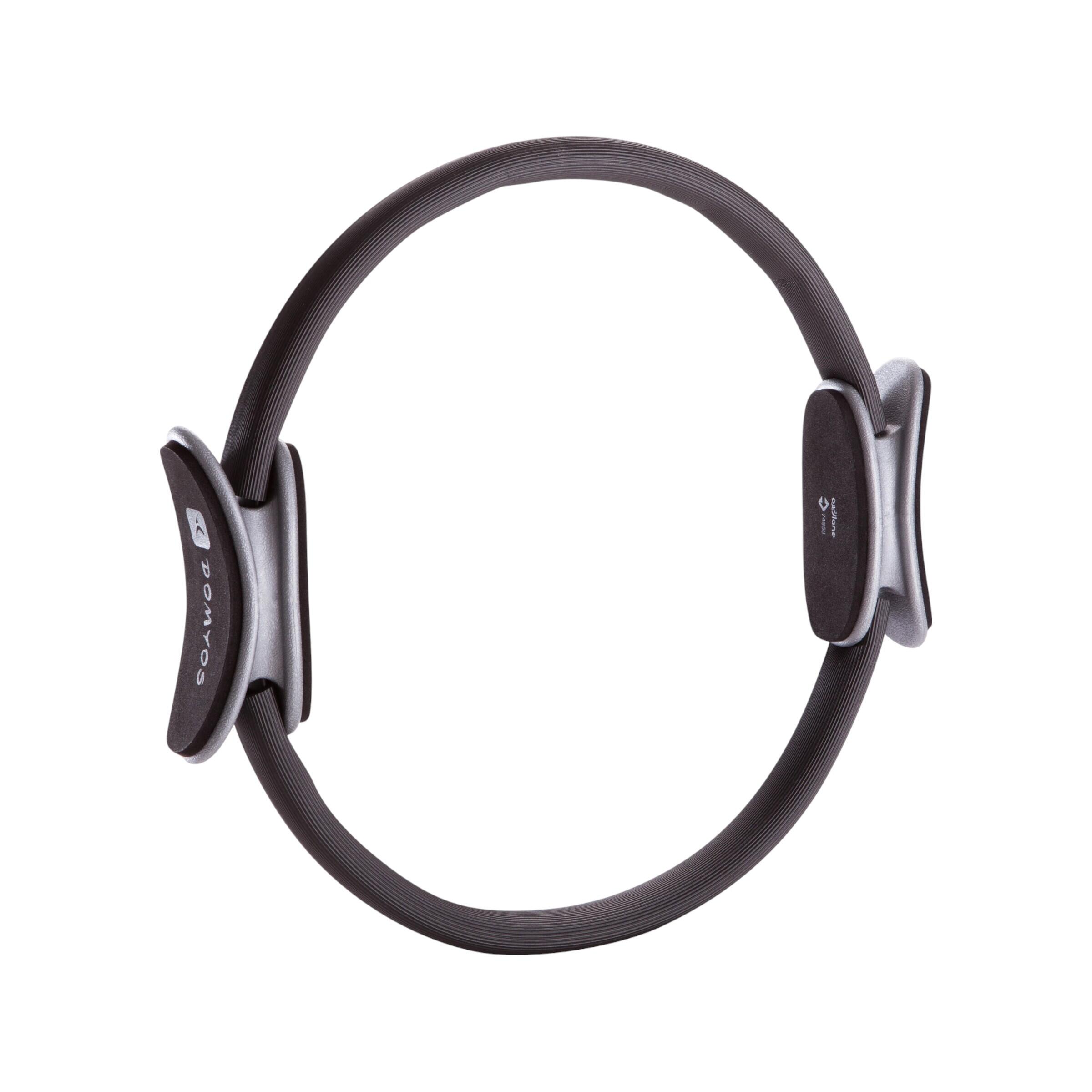
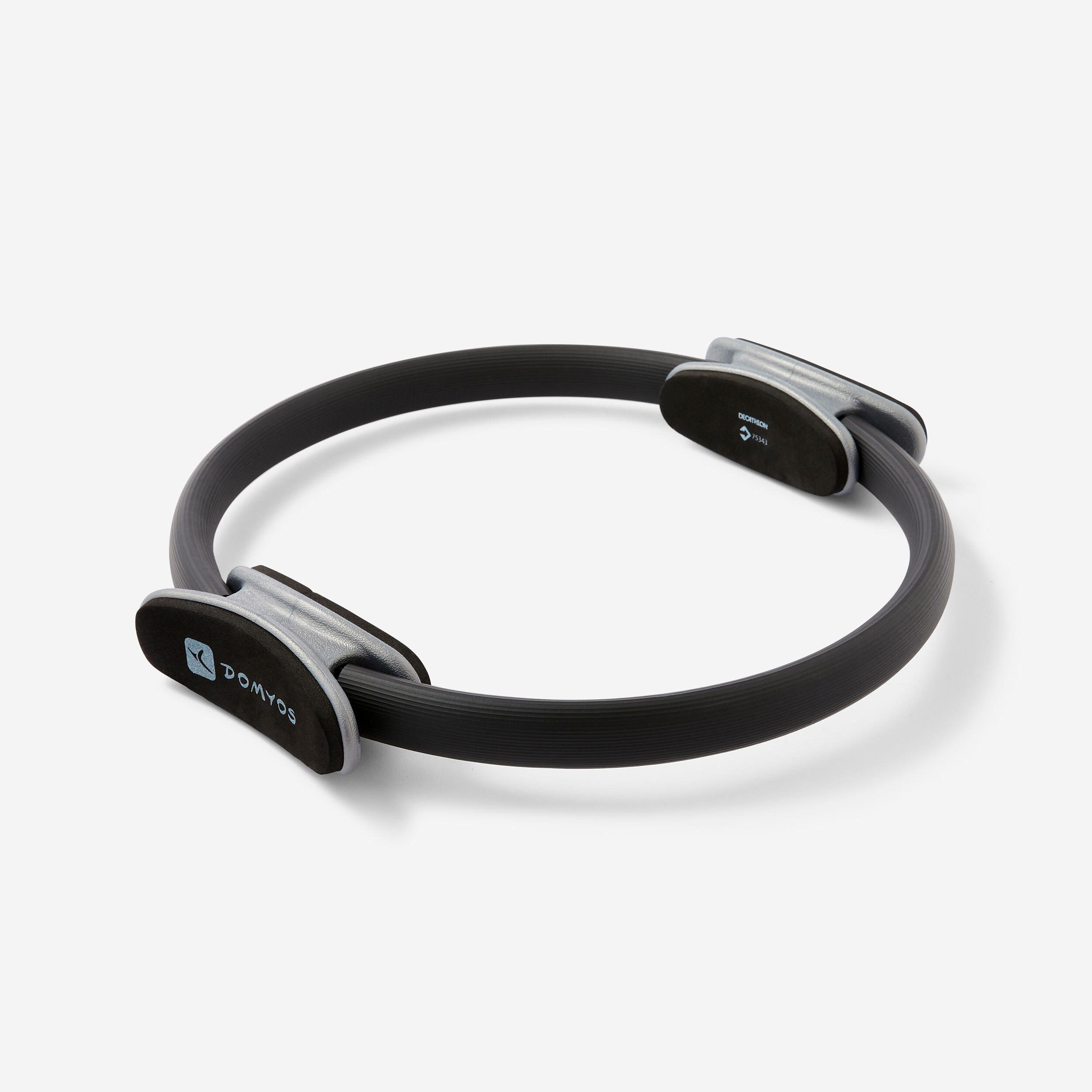
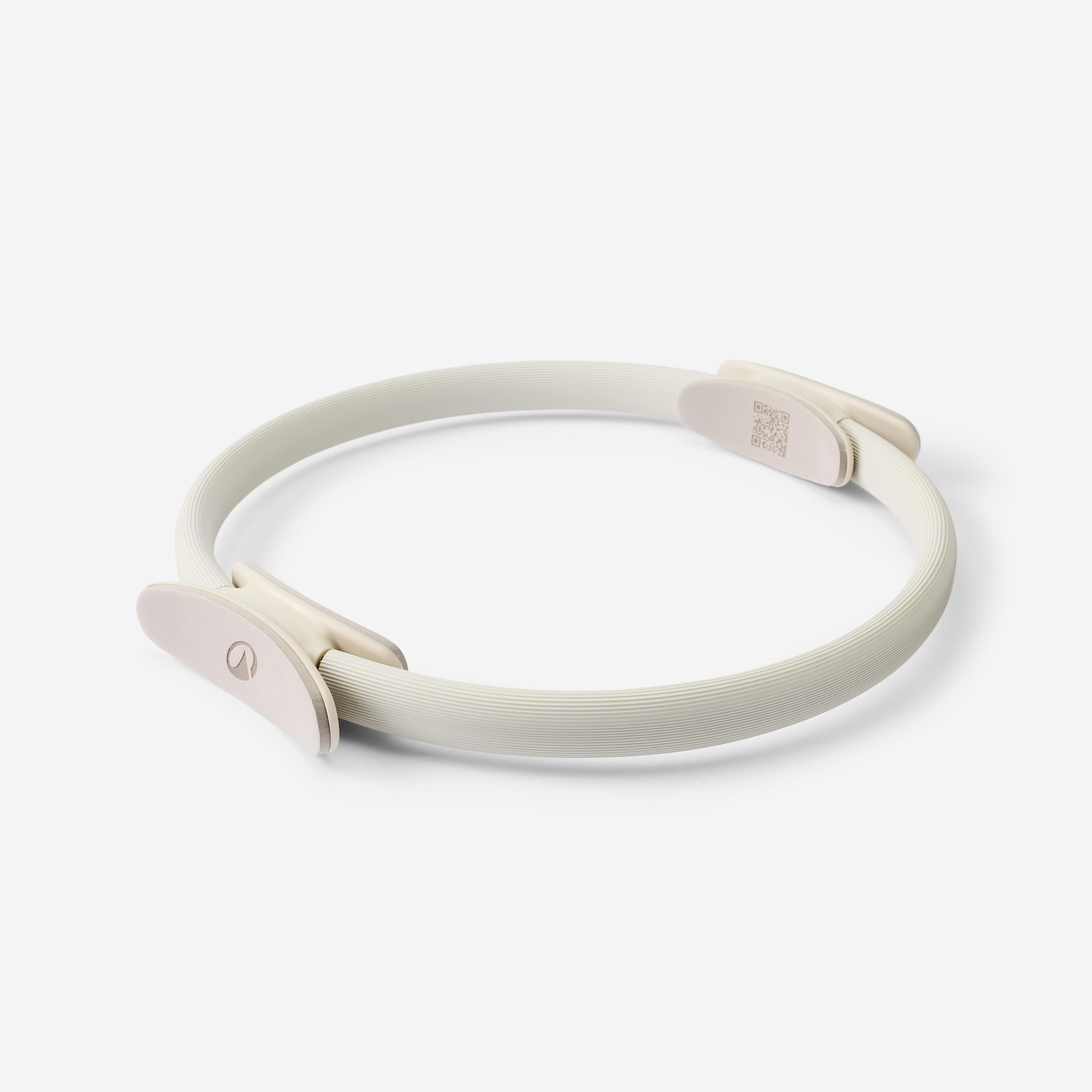
Last chance Last chanceLast chanceDOMYOS Pilates Ring with Ergonomic Grip - Black4.8(965)Reviews.votesAriaCurrent price {{currentPrice}} €16.00
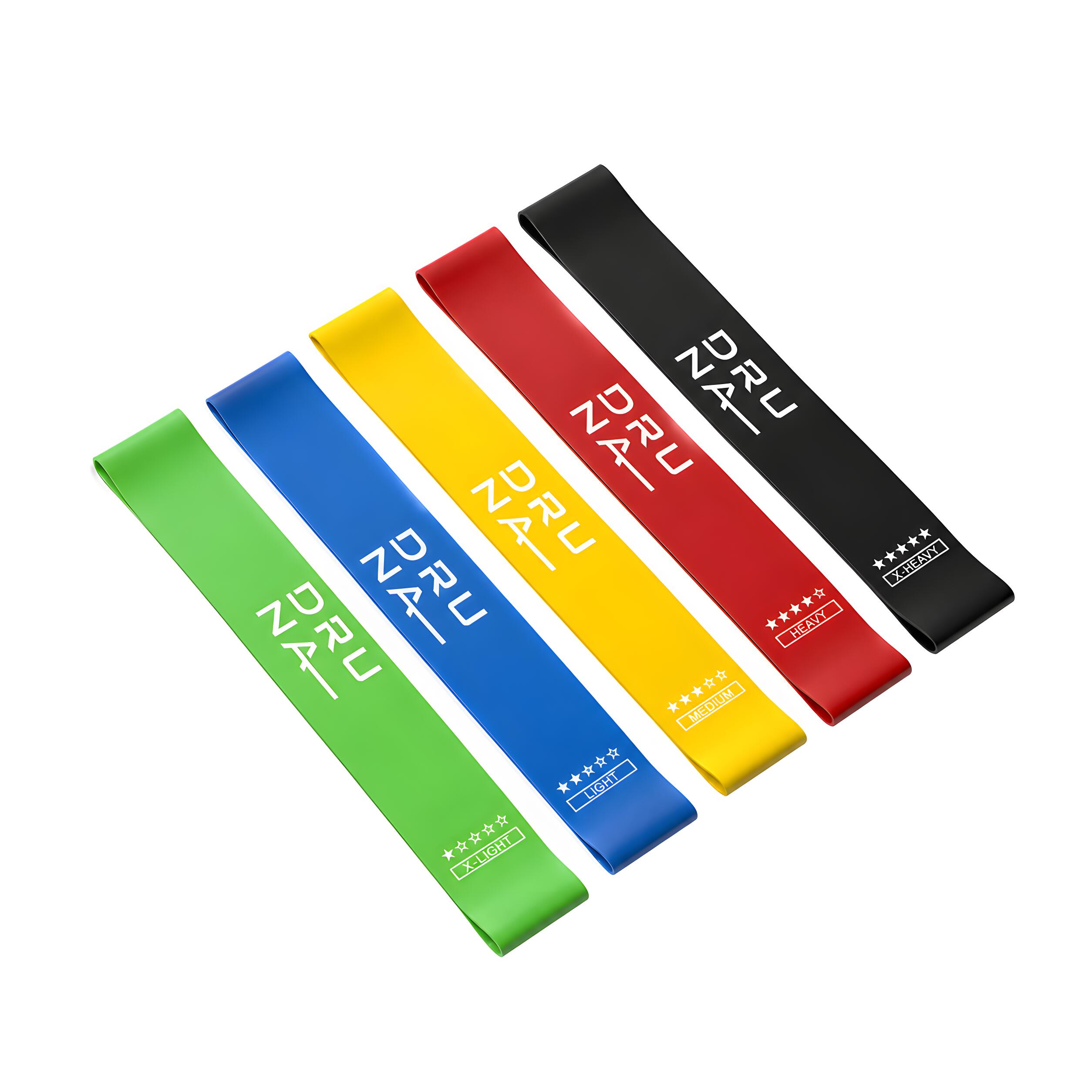
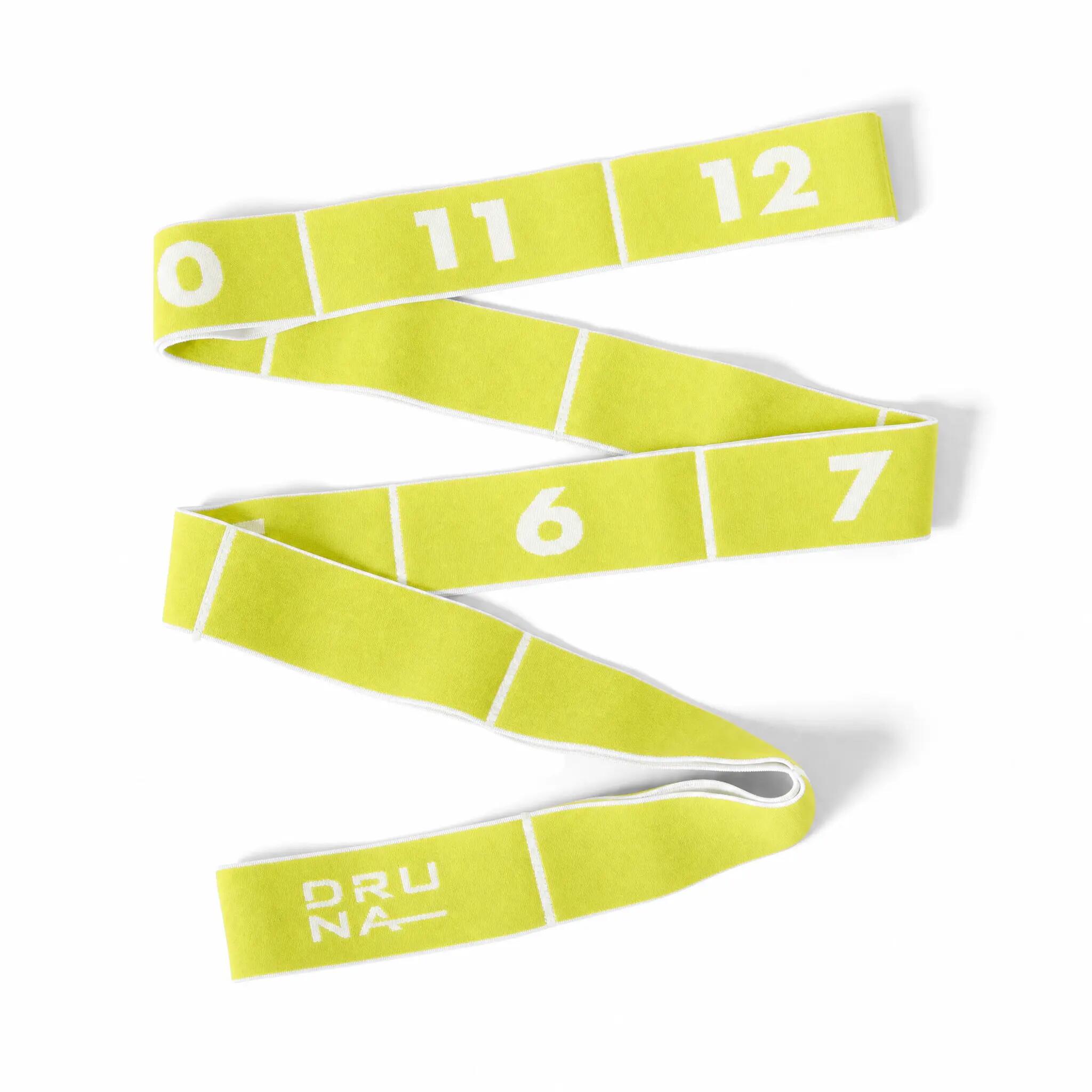
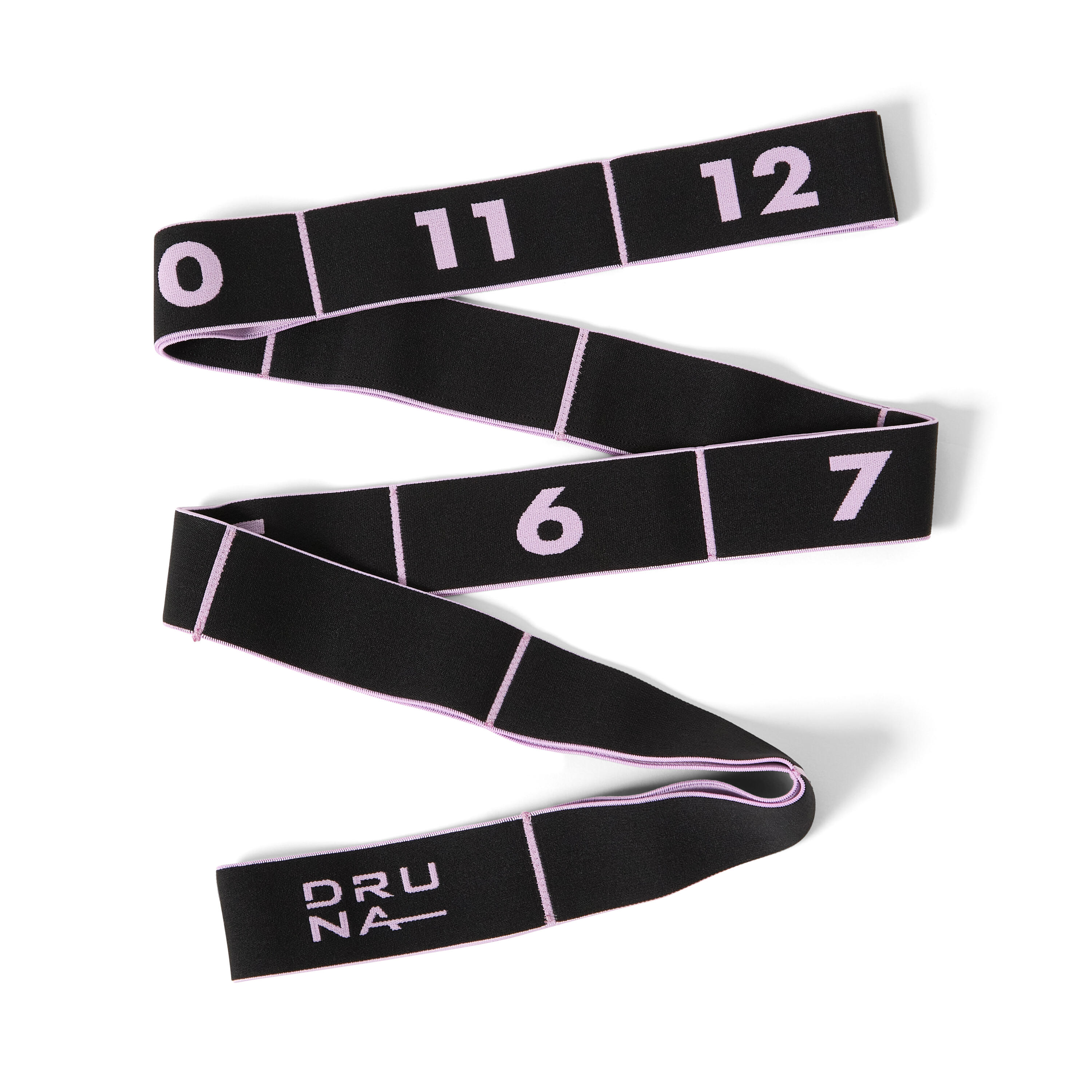
Marketplace -Online Only Marketplace -Online Only2 coloursMarketplace -Online OnlyINDIGO SPORTS DRUNA Resistance Bands Fitness Set 5 Latex Strength Levels3.4(5)Reviews.votesAria2 coloursCurrent price {{currentPrice}} €6.99€1.40/unitSold and shipped by Indigo Sports S.L.
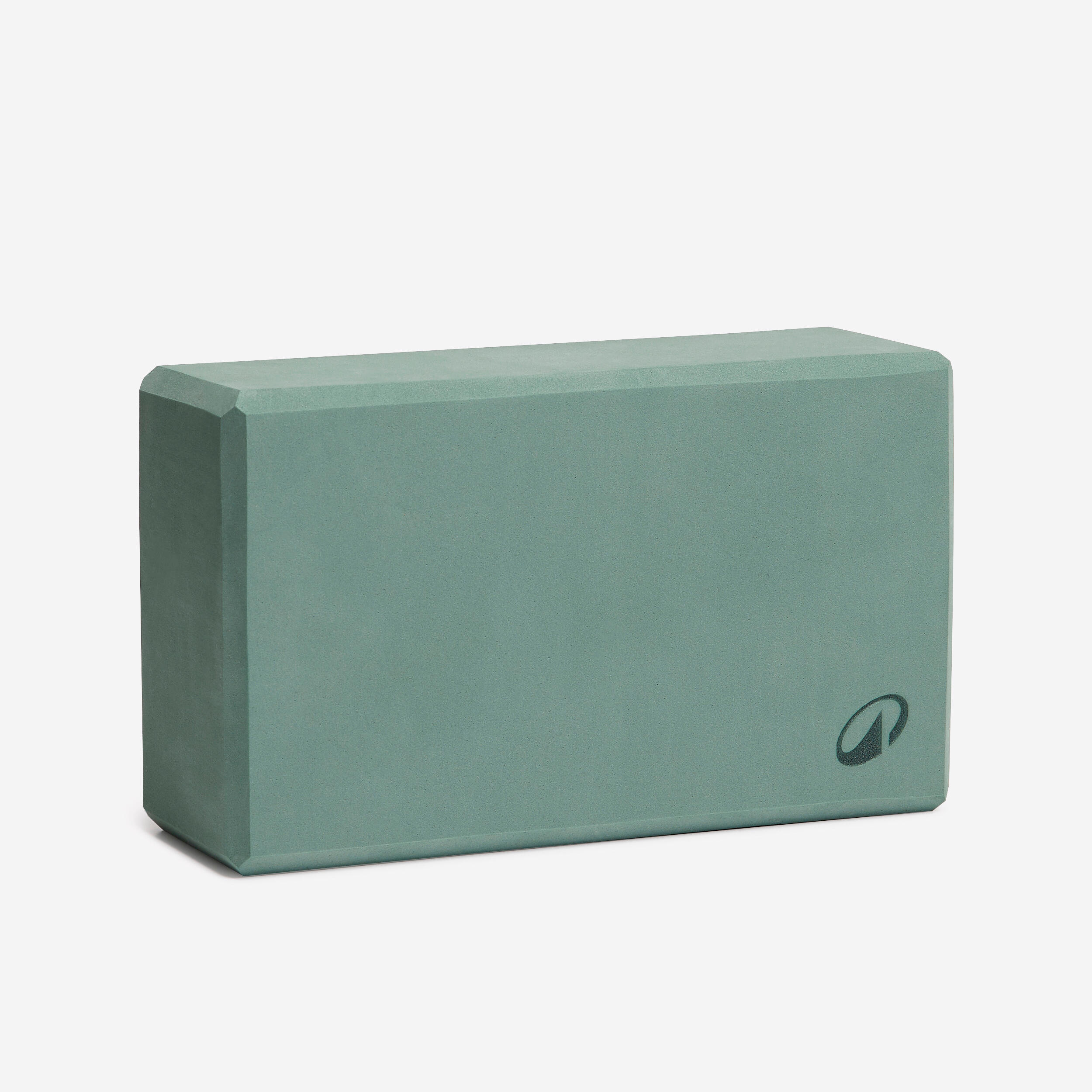
4 coloursKIMJALY Foam Yoga Brick - Dark Green4.8(2,122)Reviews.votesAria4 coloursCurrent price {{currentPrice}} €6.00
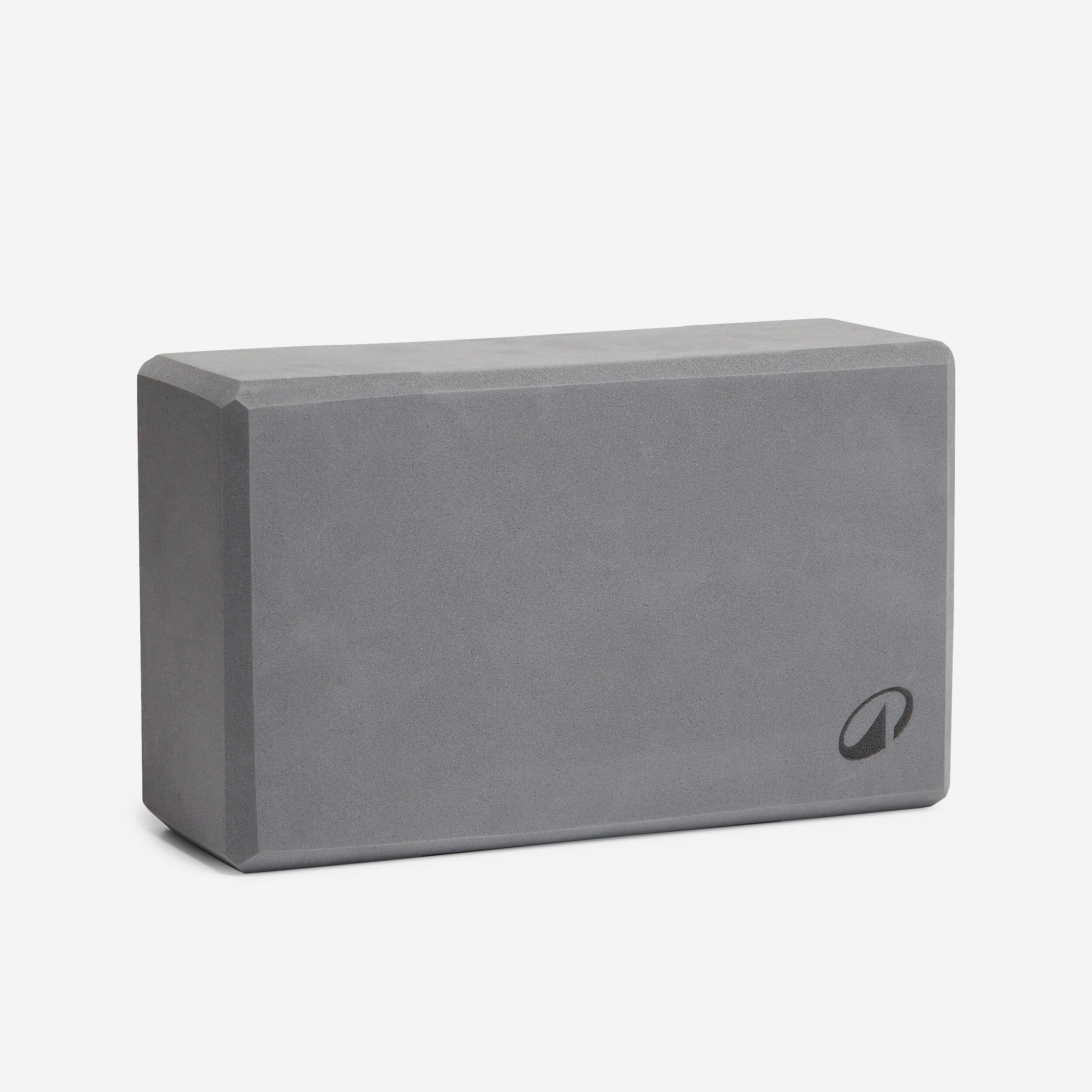
4 coloursKIMJALY Foam Yoga Block - Grey4.8(2,122)Reviews.votesAria4 coloursCurrent price {{currentPrice}} €6.00
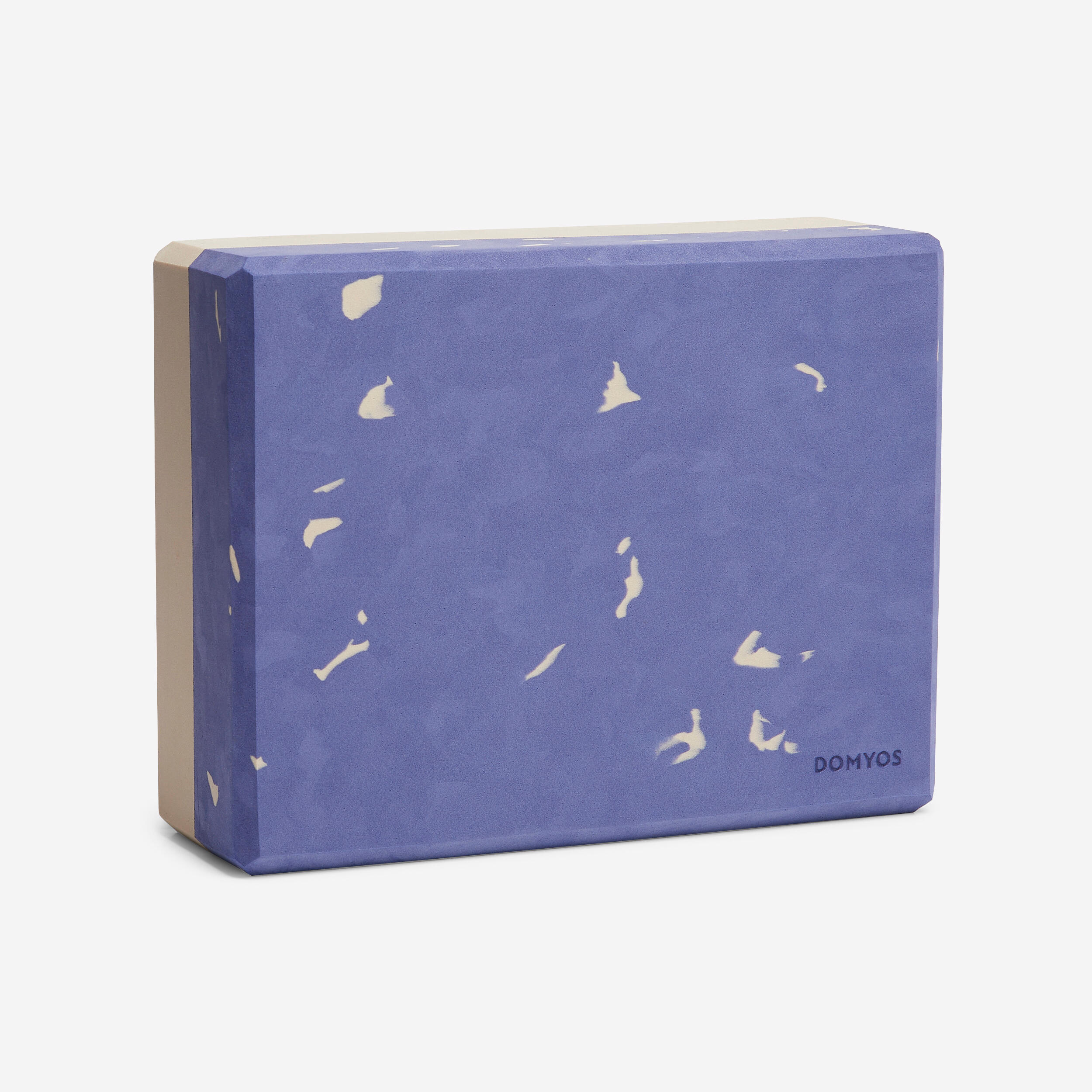
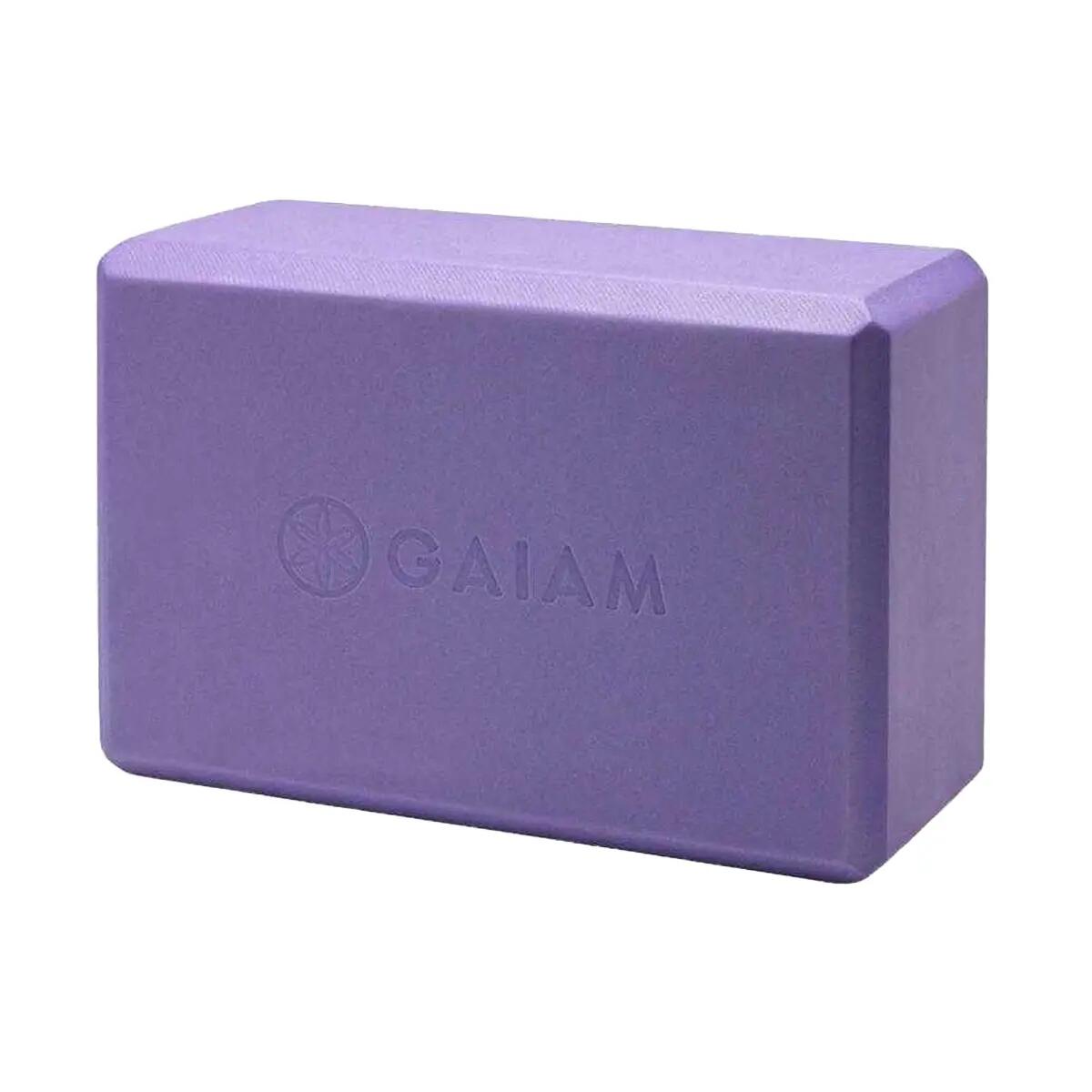
Marketplace -Online Only Marketplace -Online Only2 coloursMarketplace -Online OnlyGAIAM Foam Logo Yoga Block (Violet) One Size2 coloursCurrent price {{currentPrice}} €31.81€31.81/unitSold and shipped by Pertemba IE
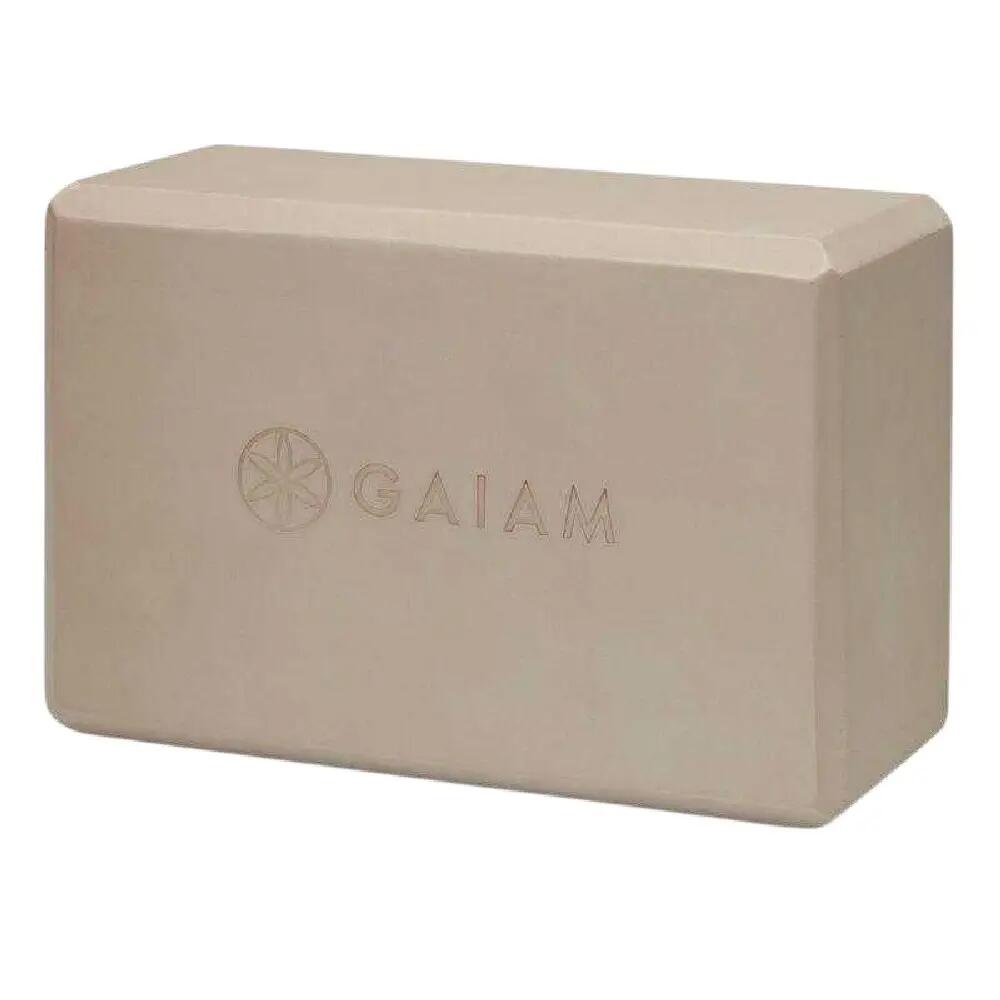
Marketplace -Online Only Marketplace -Online Only2 coloursMarketplace -Online OnlyGAIAM Essentials Engraved Logo Yoga Block (Beige) One Size2 coloursCurrent price {{currentPrice}} €35.80Sold and shipped by Pertemba IE
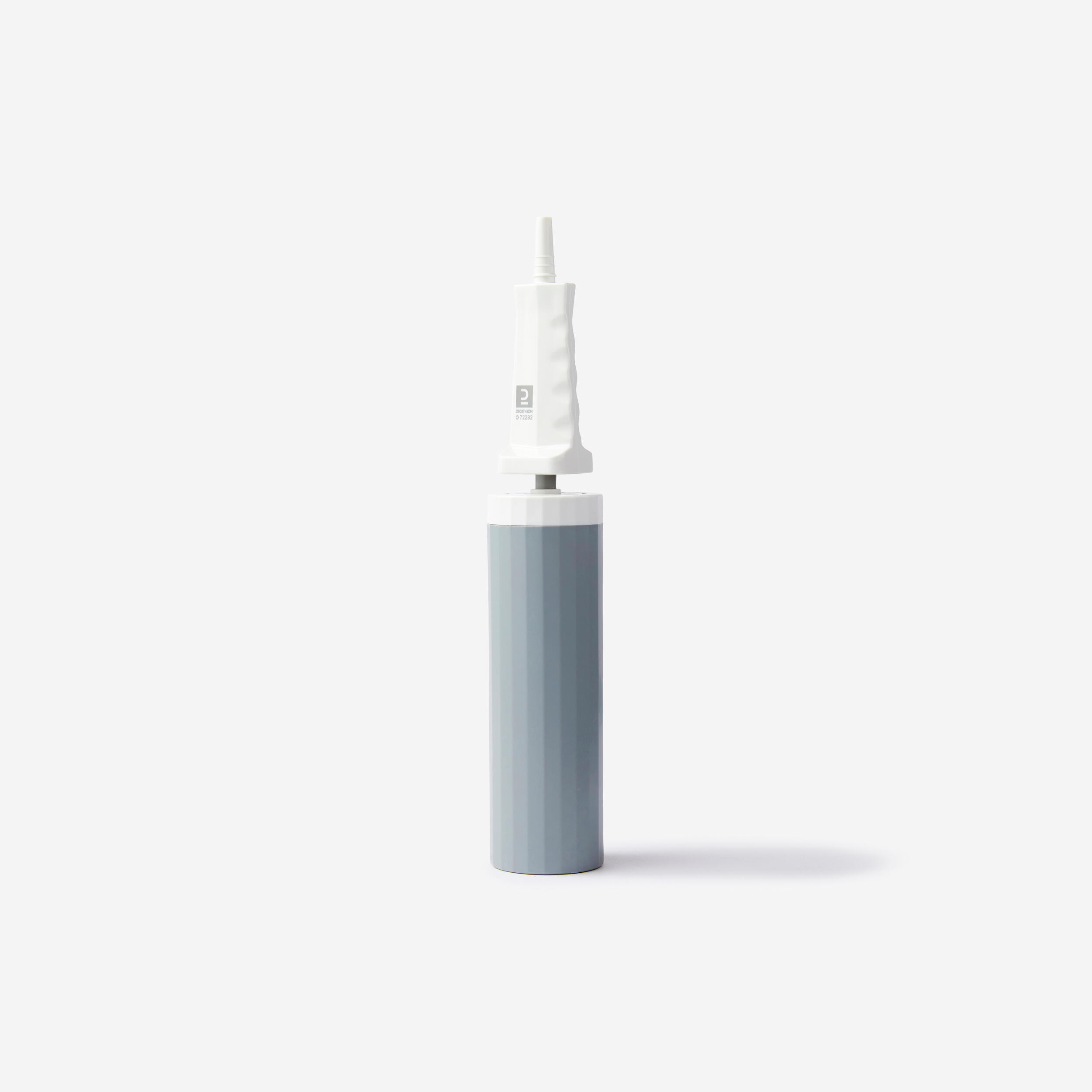
DOMYOS Compact Pump for Swiss Ball - White4.7(1,114)Reviews.votesAriaCurrent price {{currentPrice}} €5.00
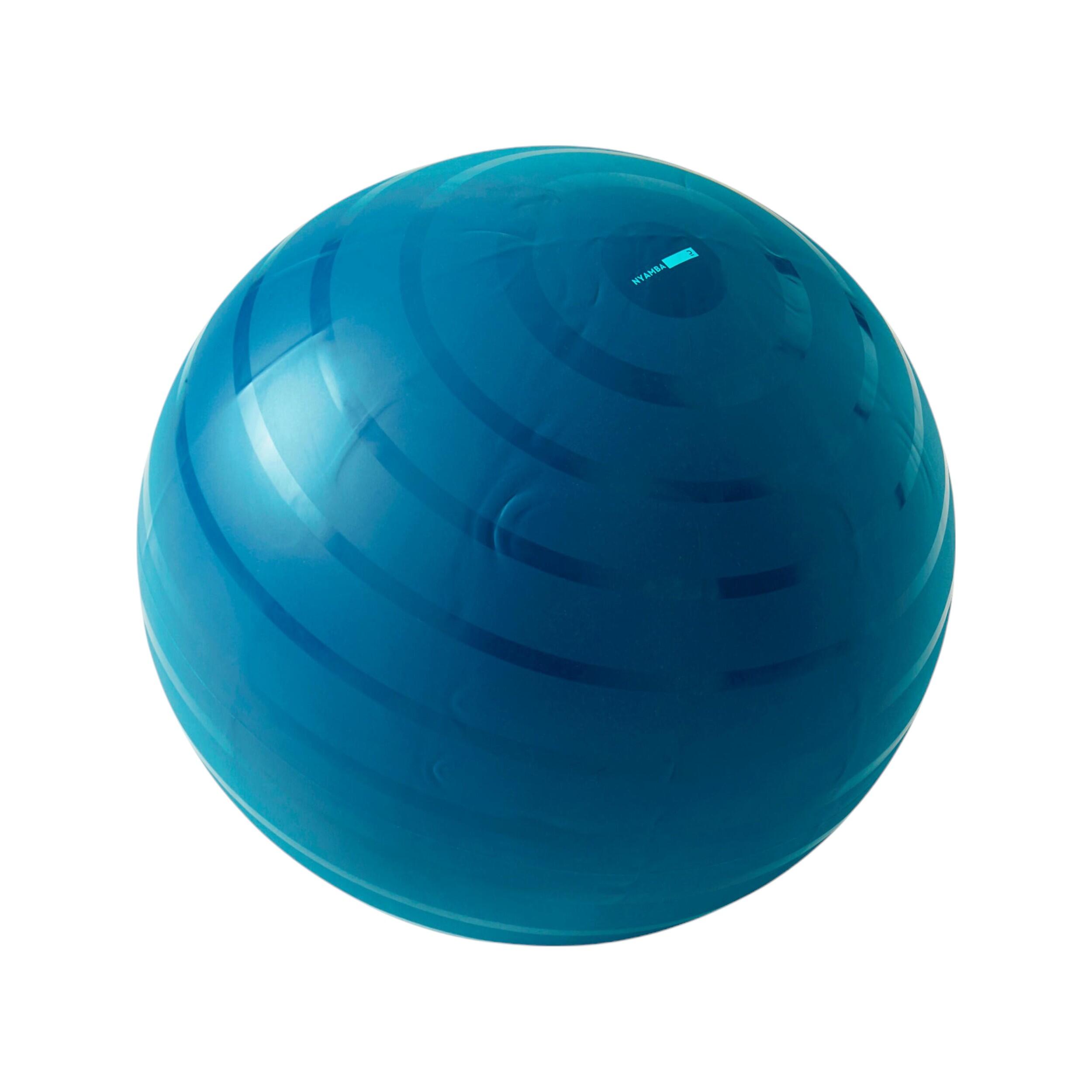
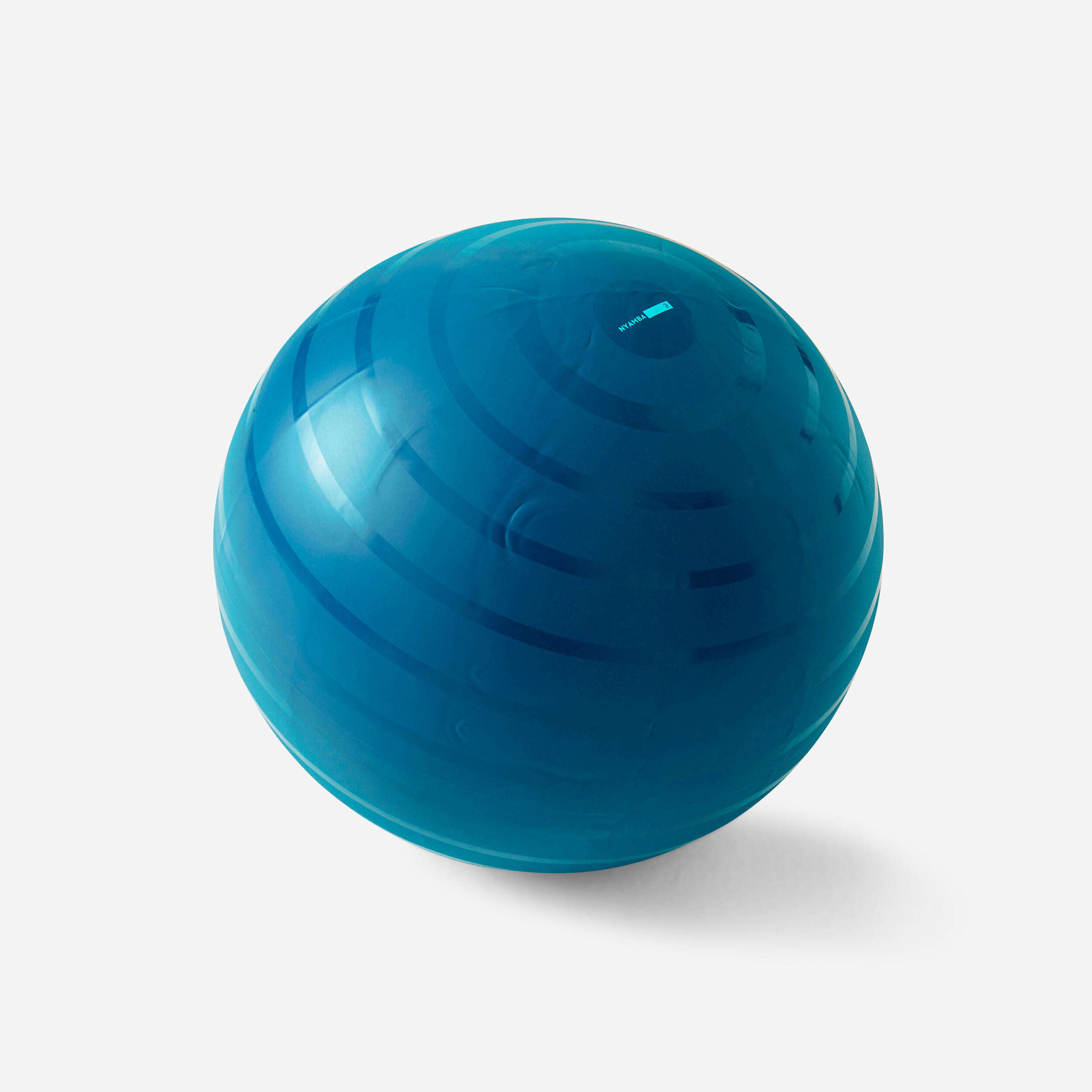
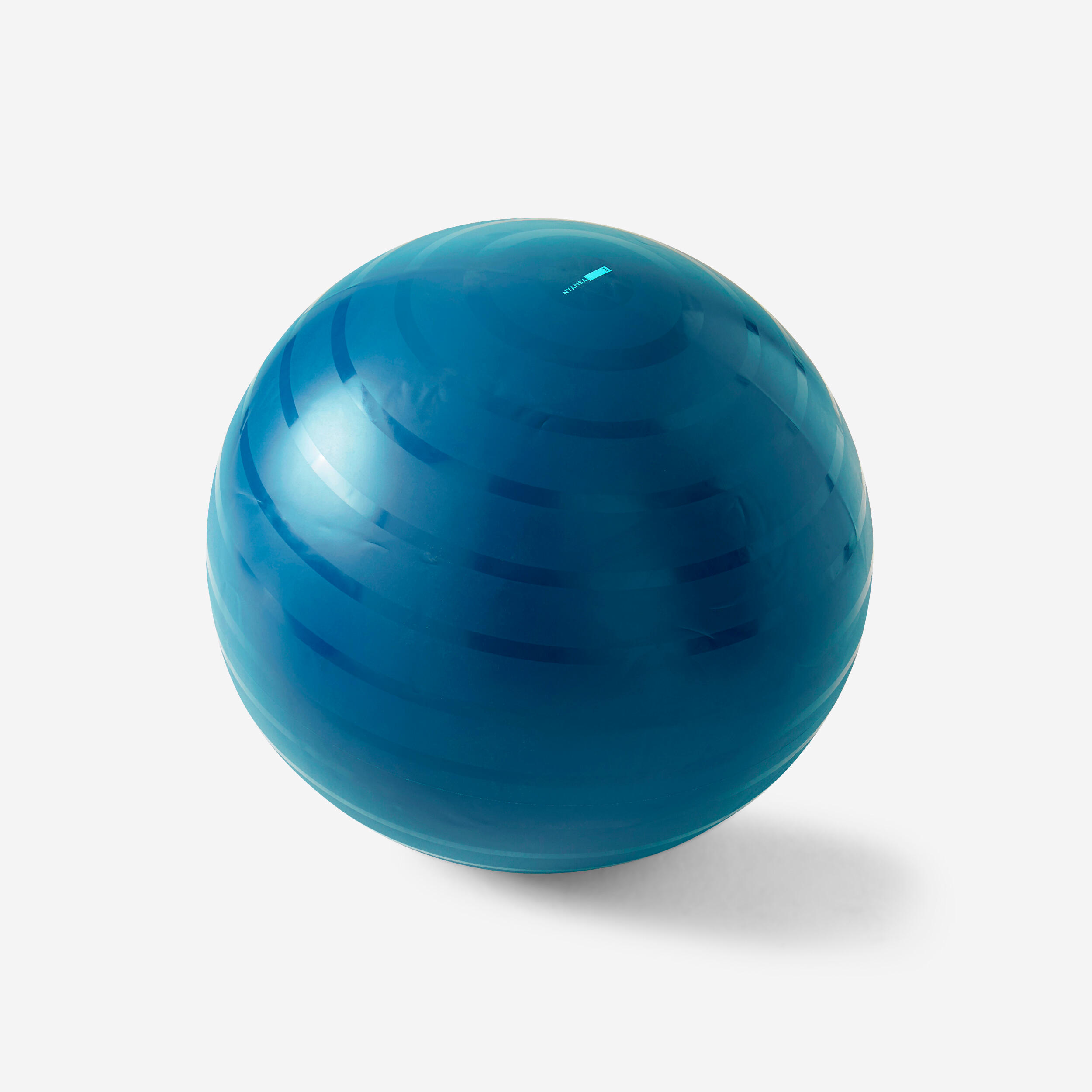
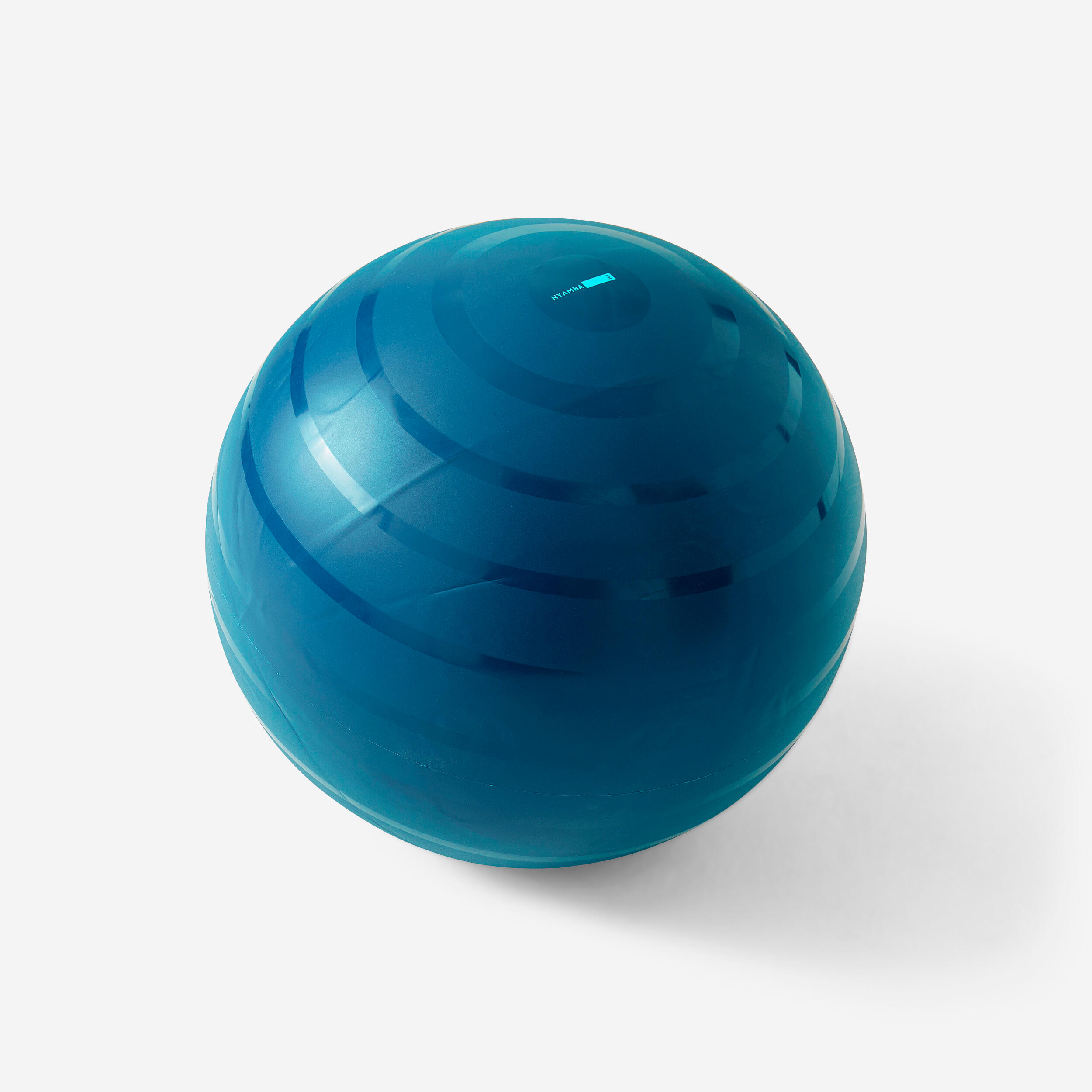
DOMYOS Size 2 / 65 cm Durable Swiss Ball - Blue4.7(2,569)Reviews.votesAriaCurrent price {{currentPrice}} €21.00
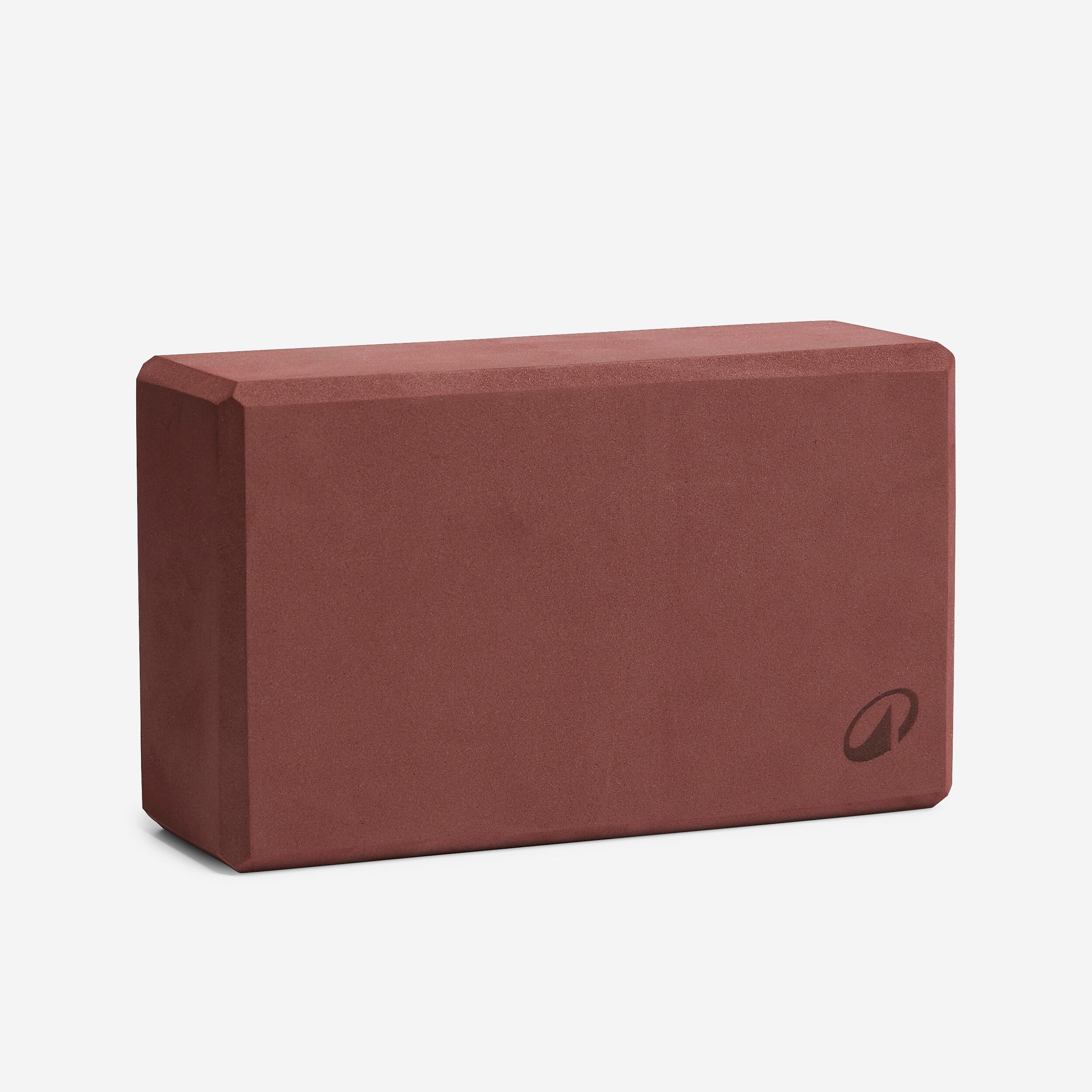
4 coloursKIMJALY Foam Yoga Block - Mahogany4.8(2,122)Reviews.votesAria4 coloursCurrent price {{currentPrice}} €6.00
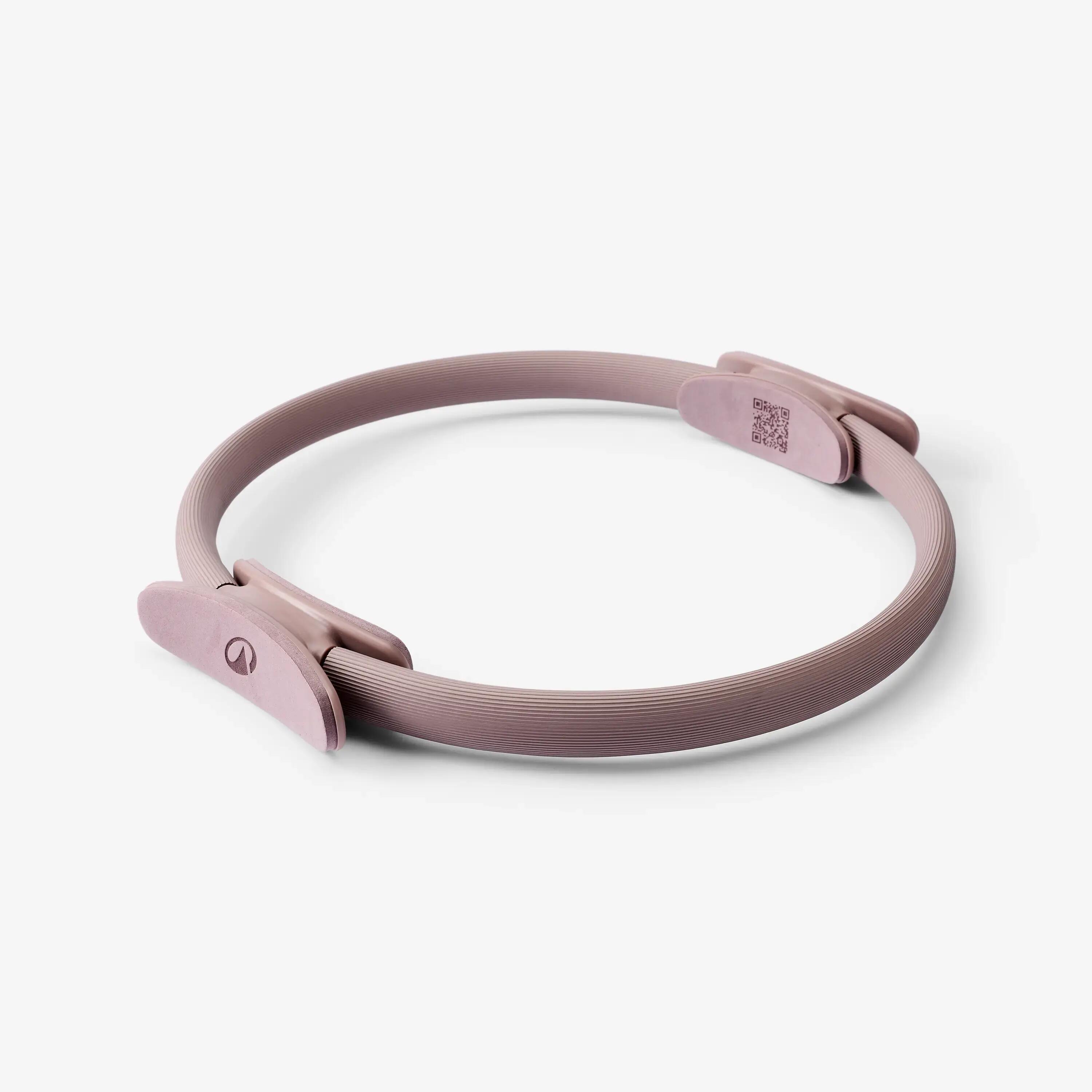
2 coloursDOMYOS Pilates ring, mauve5(13)Reviews.votesAria2 coloursCurrent price {{currentPrice}} €16.00
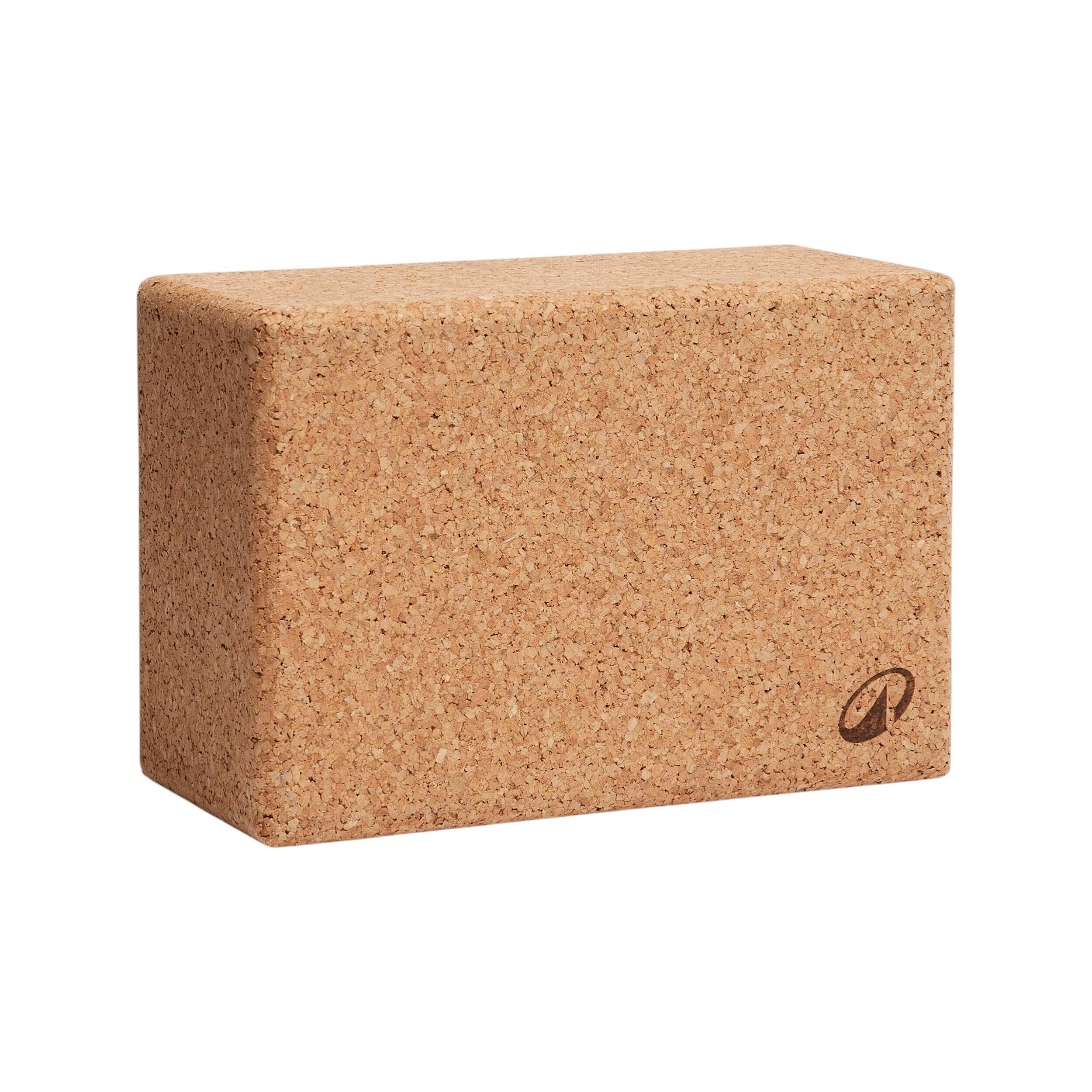
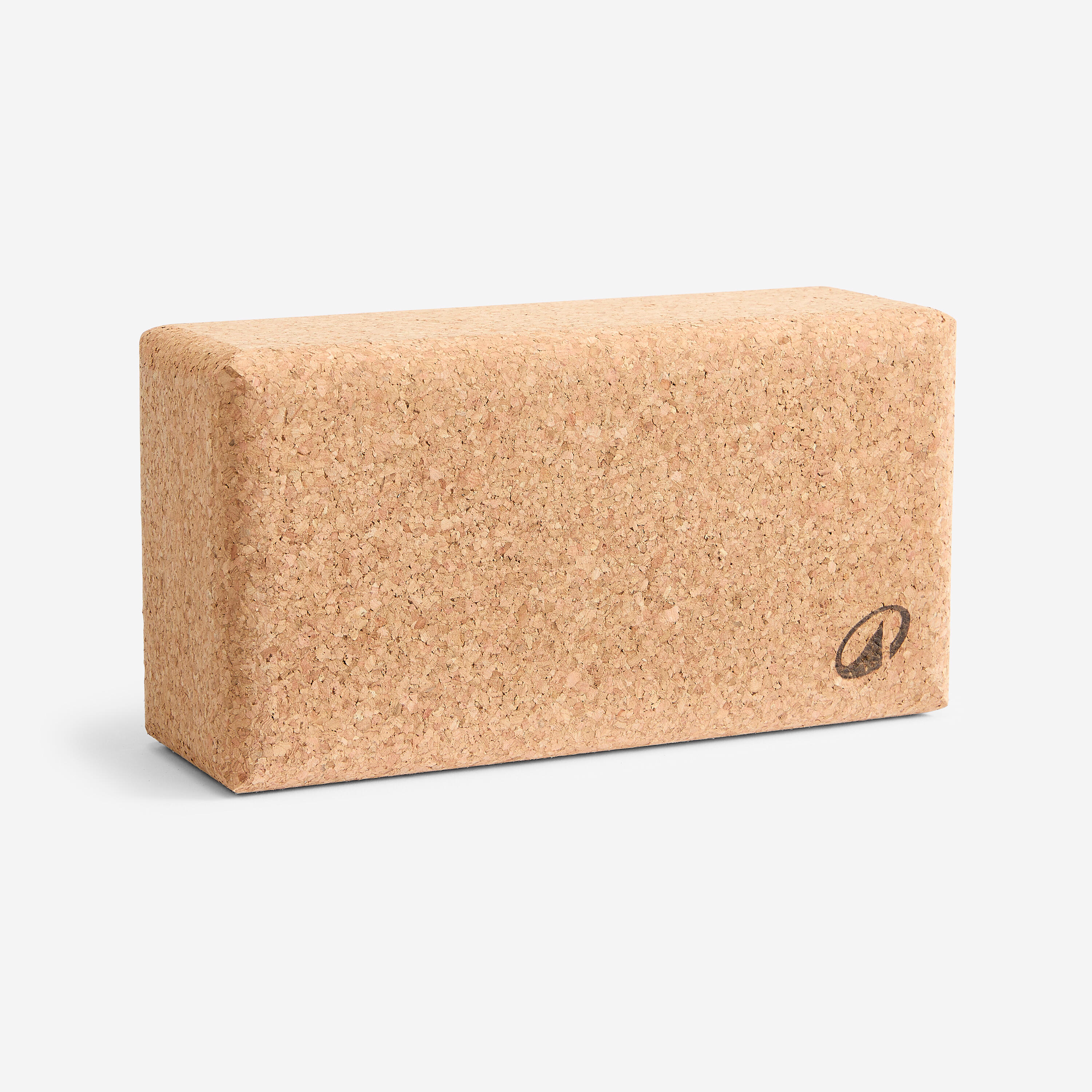
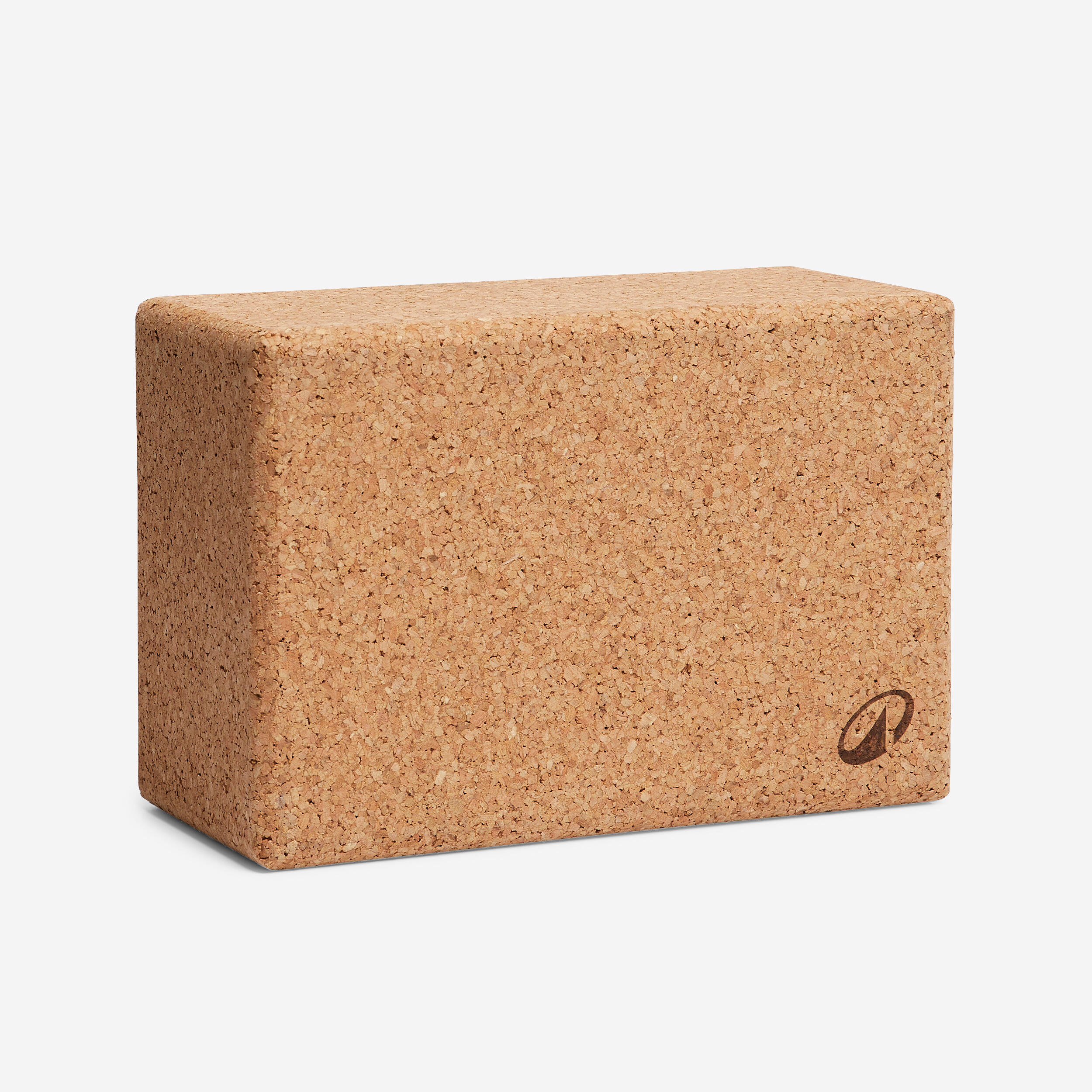
Last chance Last chanceLast chanceKIMJALY Yoga XL Cork Brick4.1(7)Reviews.votesAriaCurrent price {{currentPrice}} €15.00
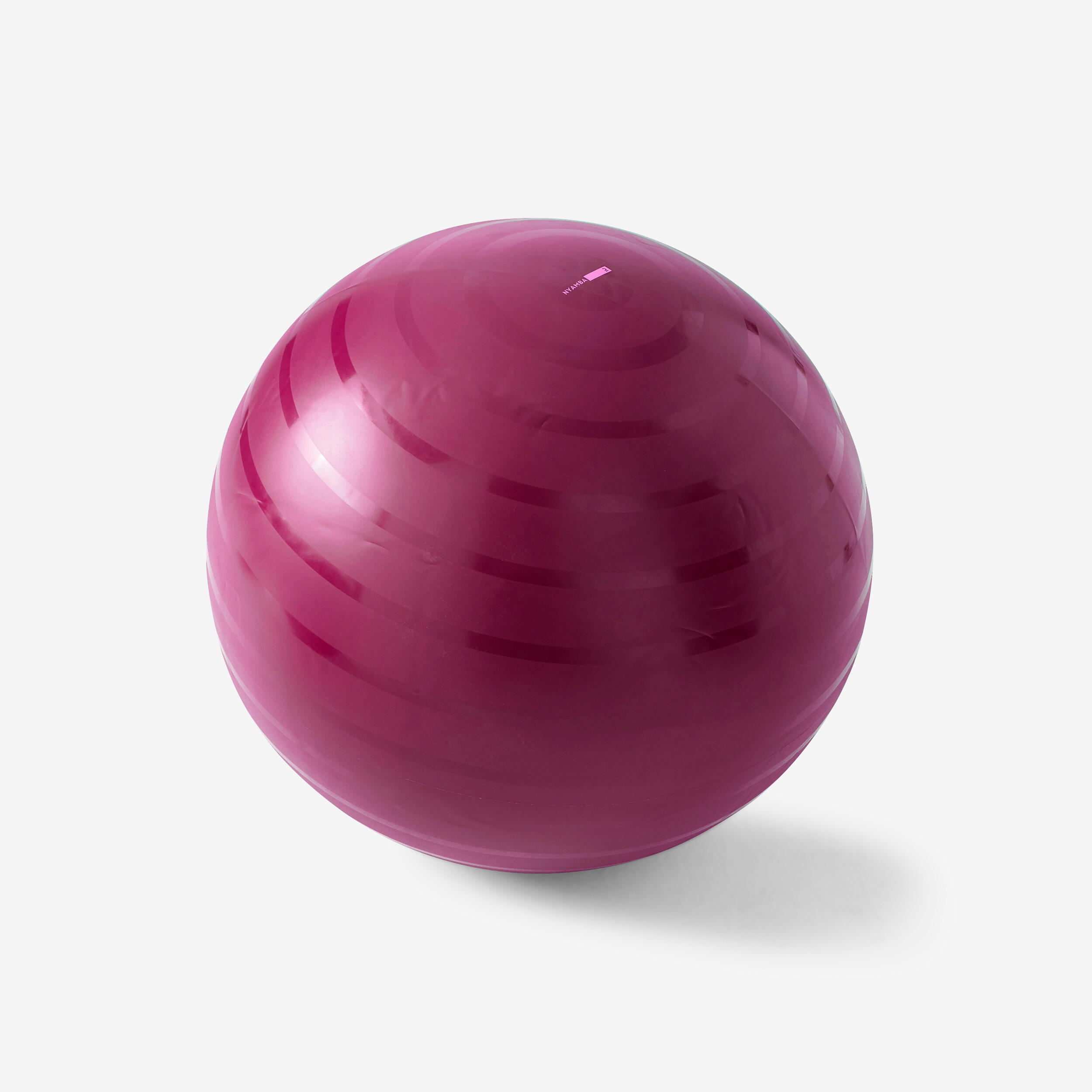
2 coloursDOMYOS Size 1 / 55 cm Durable Swiss Ball - Pink4.7(1,074)Reviews.votesAria2 coloursCurrent price {{currentPrice}} €18.00
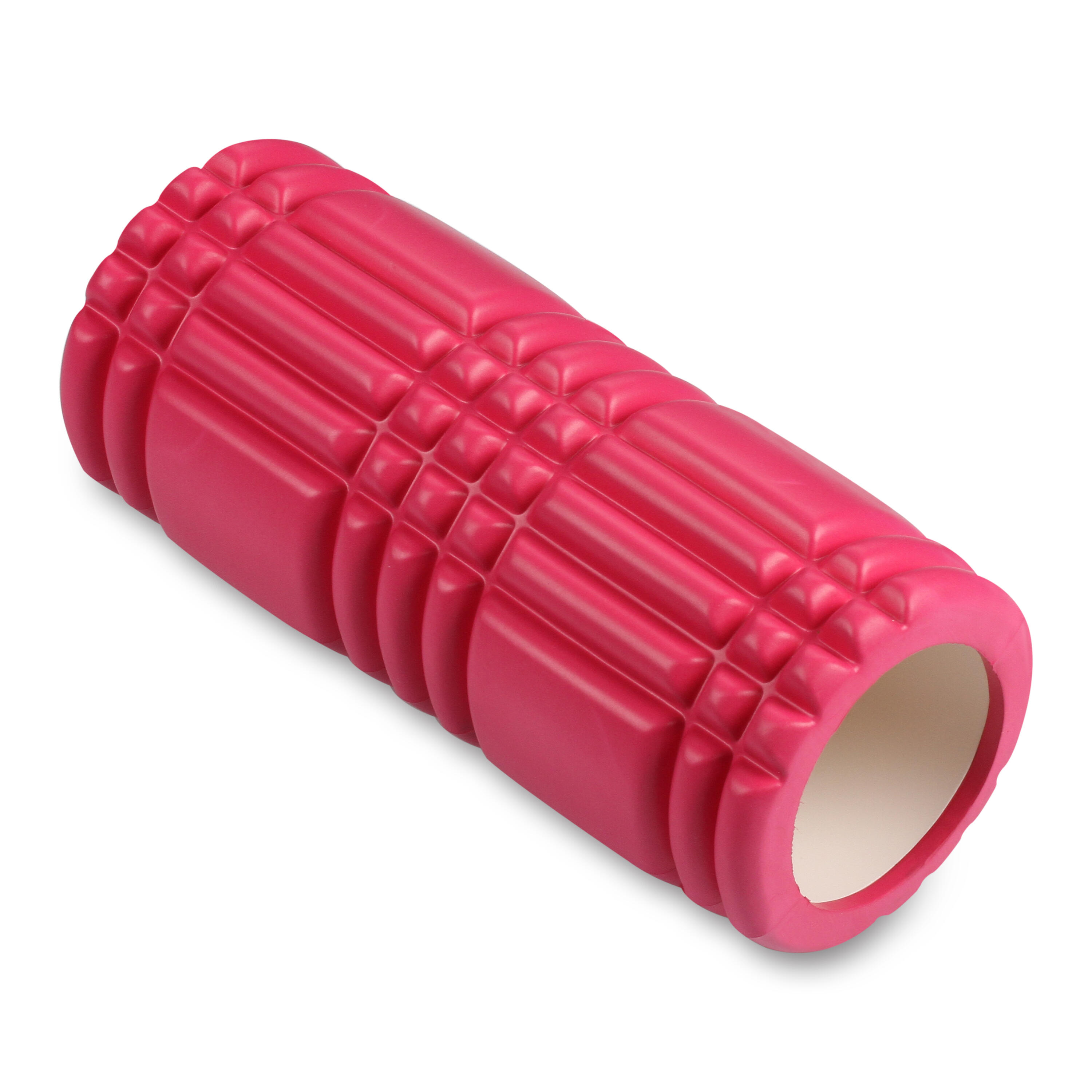
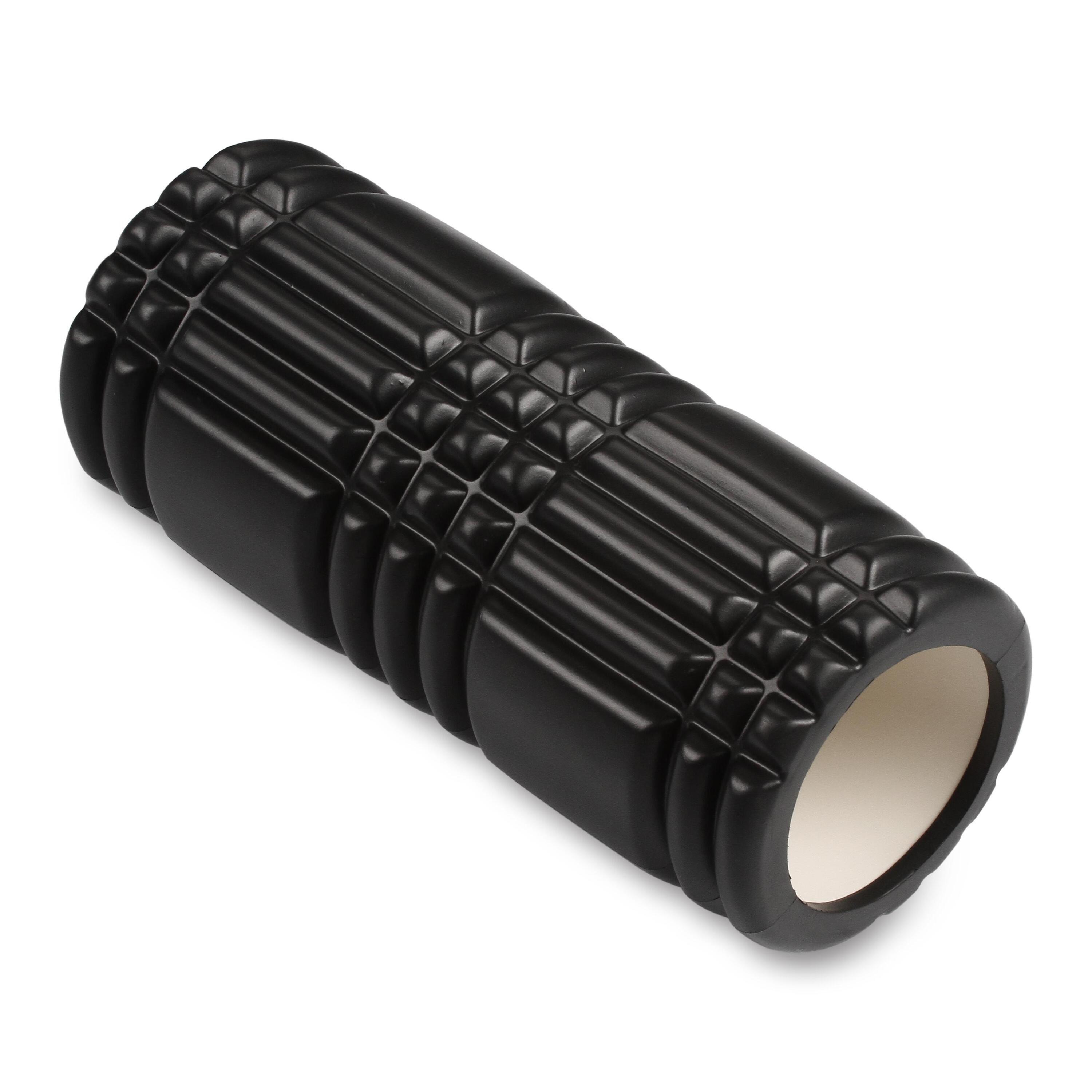
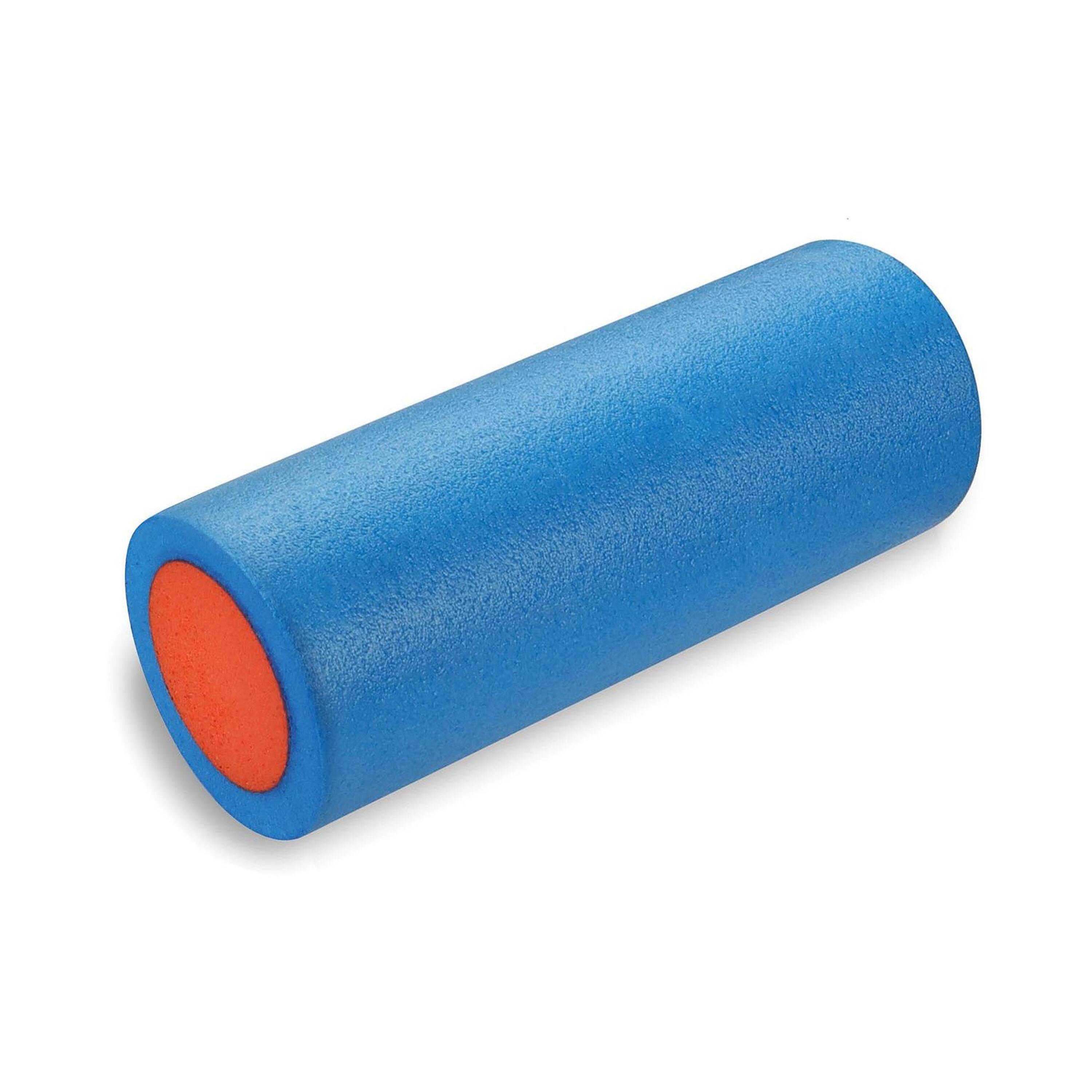
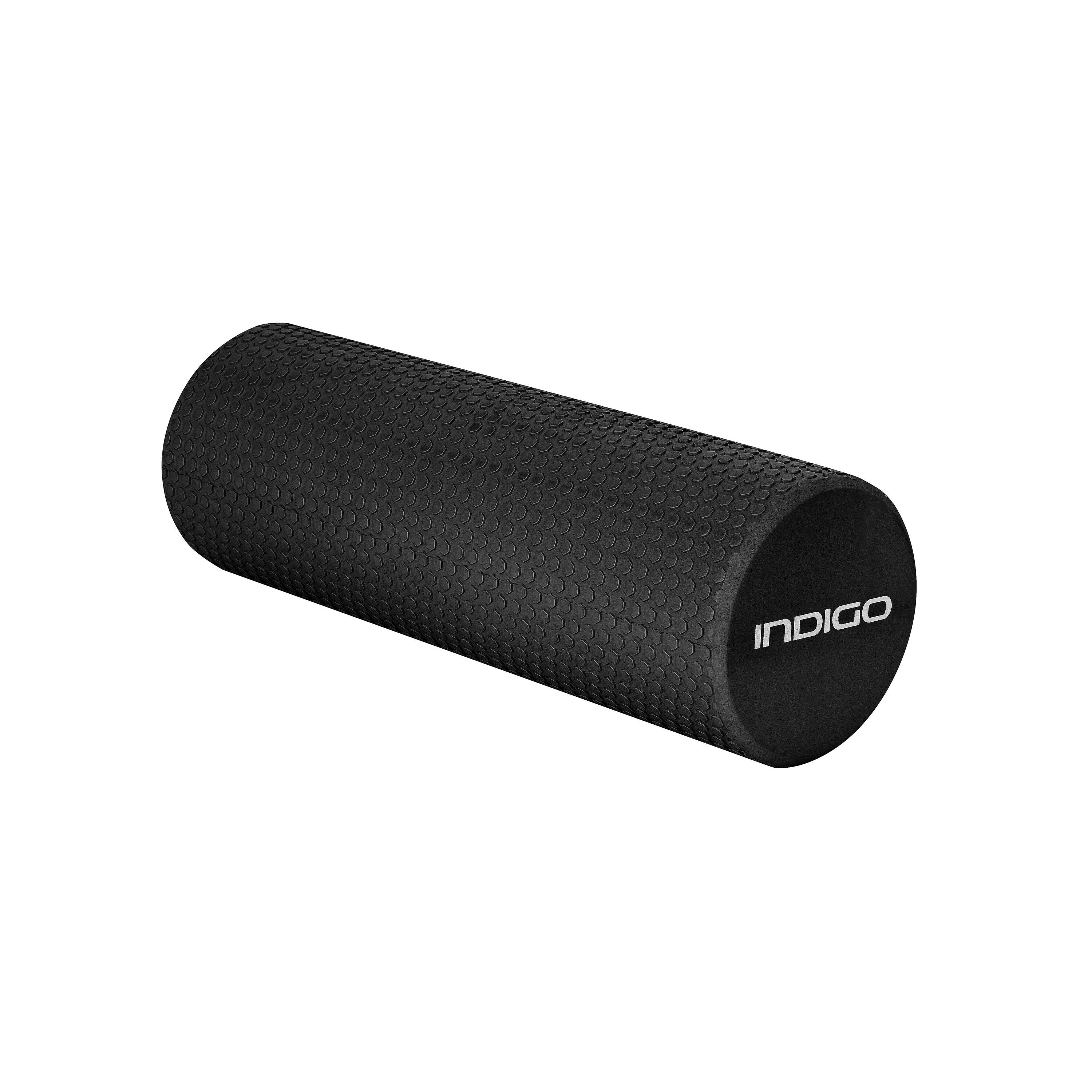
Marketplace -Online Only Marketplace -Online Only2 coloursMarketplace -Online OnlyINDIGO SPORTS INDIGO Round Foam Roller Muscle Massage and Yoga 33x14 cm4.5(2)Reviews.votesAria2 coloursCurrent price {{currentPrice}} €7.99Sold and shipped by Indigo Sports S.L.
Marketplace -Online Only Marketplace -Online Only2 coloursMarketplace -Online OnlyINDIGO SPORTS INDIGO Round Foam Roller Muscle Massage and Yoga 33x14 cm4.5(2)Reviews.votesAria2 coloursCurrent price {{currentPrice}} €7.99Sold and shipped by Indigo Sports S.L.
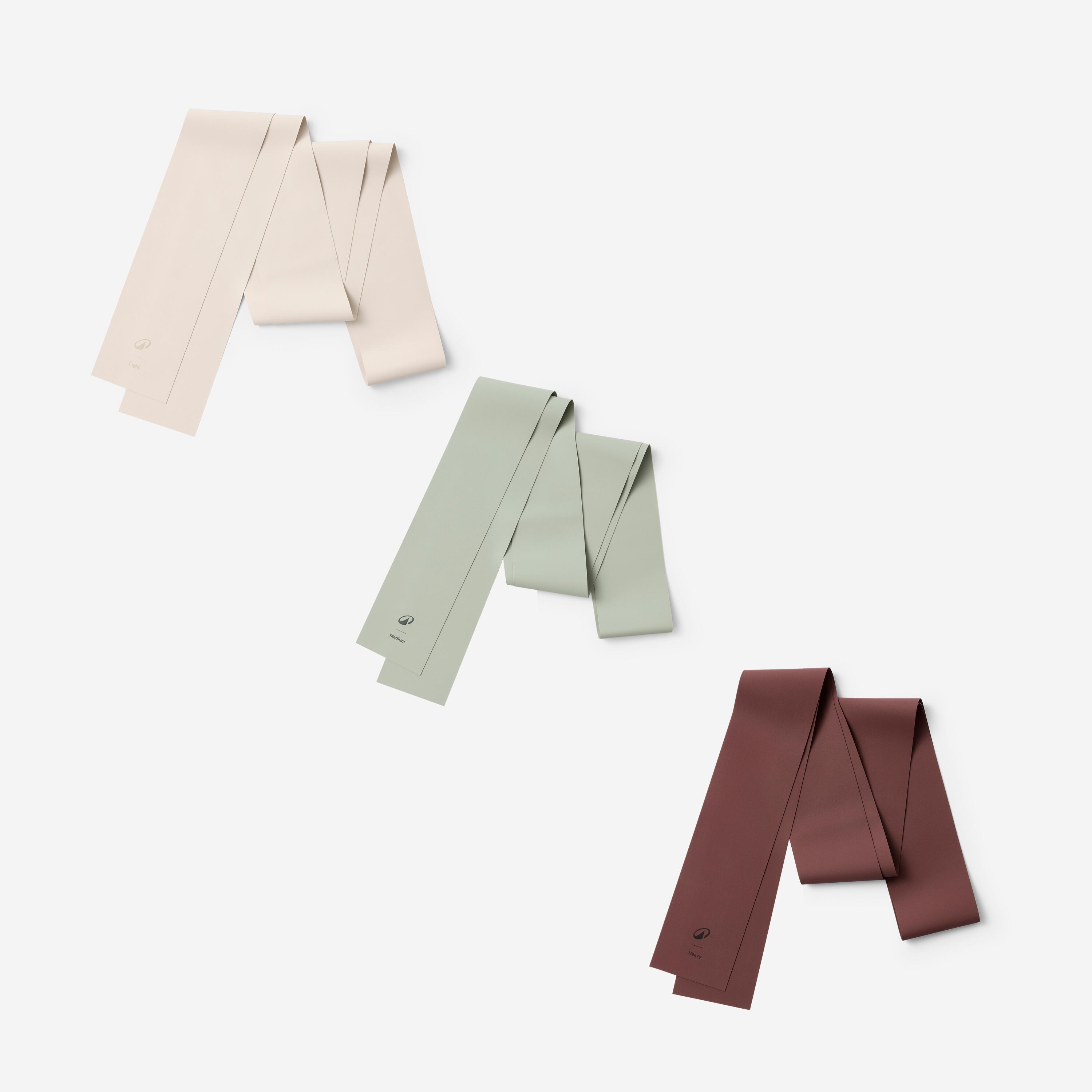
DOMYOS Set of 3 Pilates resistance bands (2, 3 and 4 kg) beige, green and burgundy4.4(16)Reviews.votesAriaCurrent price {{currentPrice}} €20.00
Marketplace -Online Only Marketplace -Online OnlyMarketplace -Online OnlyINDIGO SPORTS INDIGO EPE Yoga Massage Foam Roller 45 x 15 cm Blue5(1)Reviews.votesAriaCurrent price {{currentPrice}} €8.99Sold and shipped by Indigo Sports S.L.
2 coloursDOMYOS Pilates ring, grey5(13)Reviews.votesAria2 coloursCurrent price {{currentPrice}} €16.00
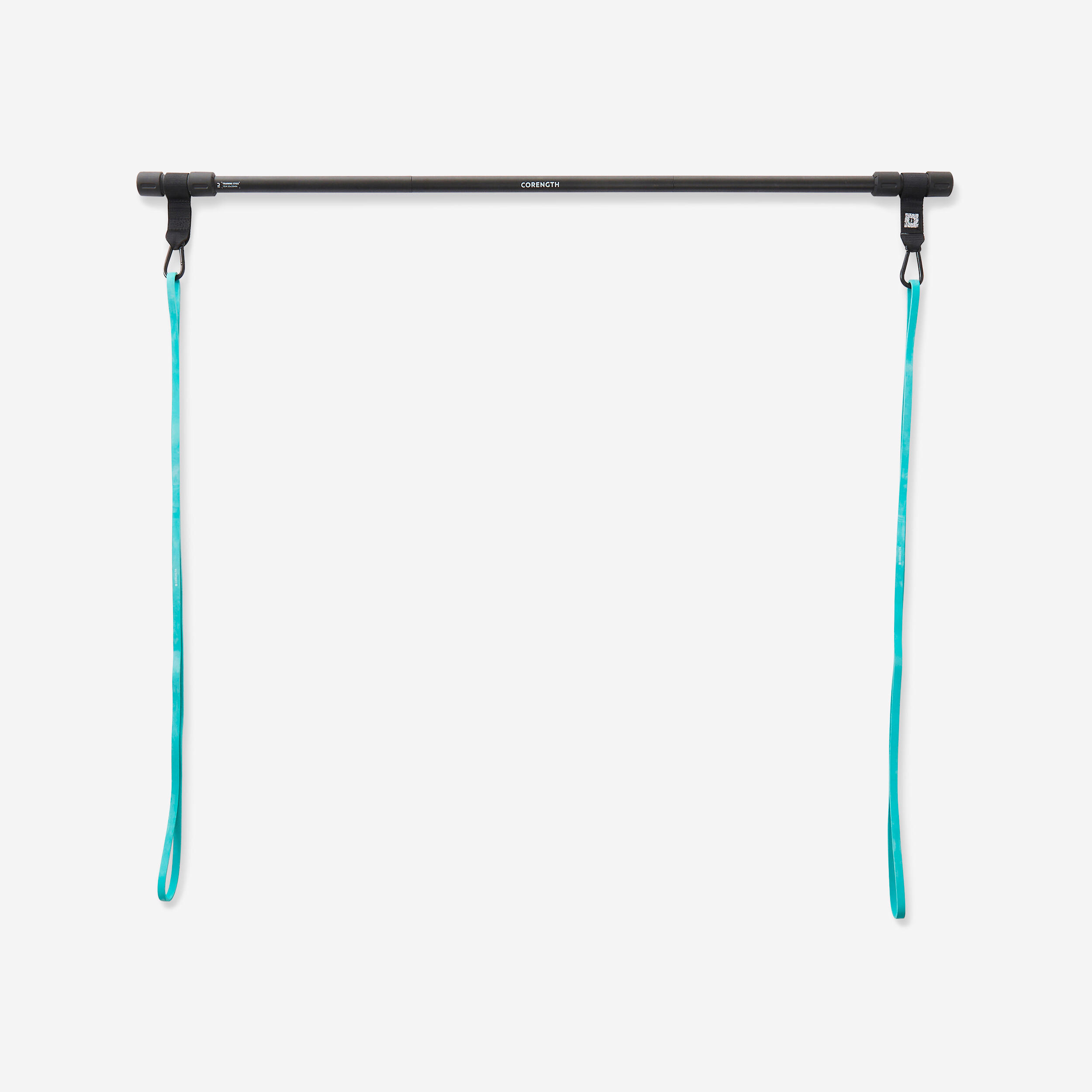
Last chance Last chanceLast chanceCORENGTH Strength Training Bar with Two 15 kg Bands4.6(123)Reviews.votesAriaCurrent price {{currentPrice}} €36.00
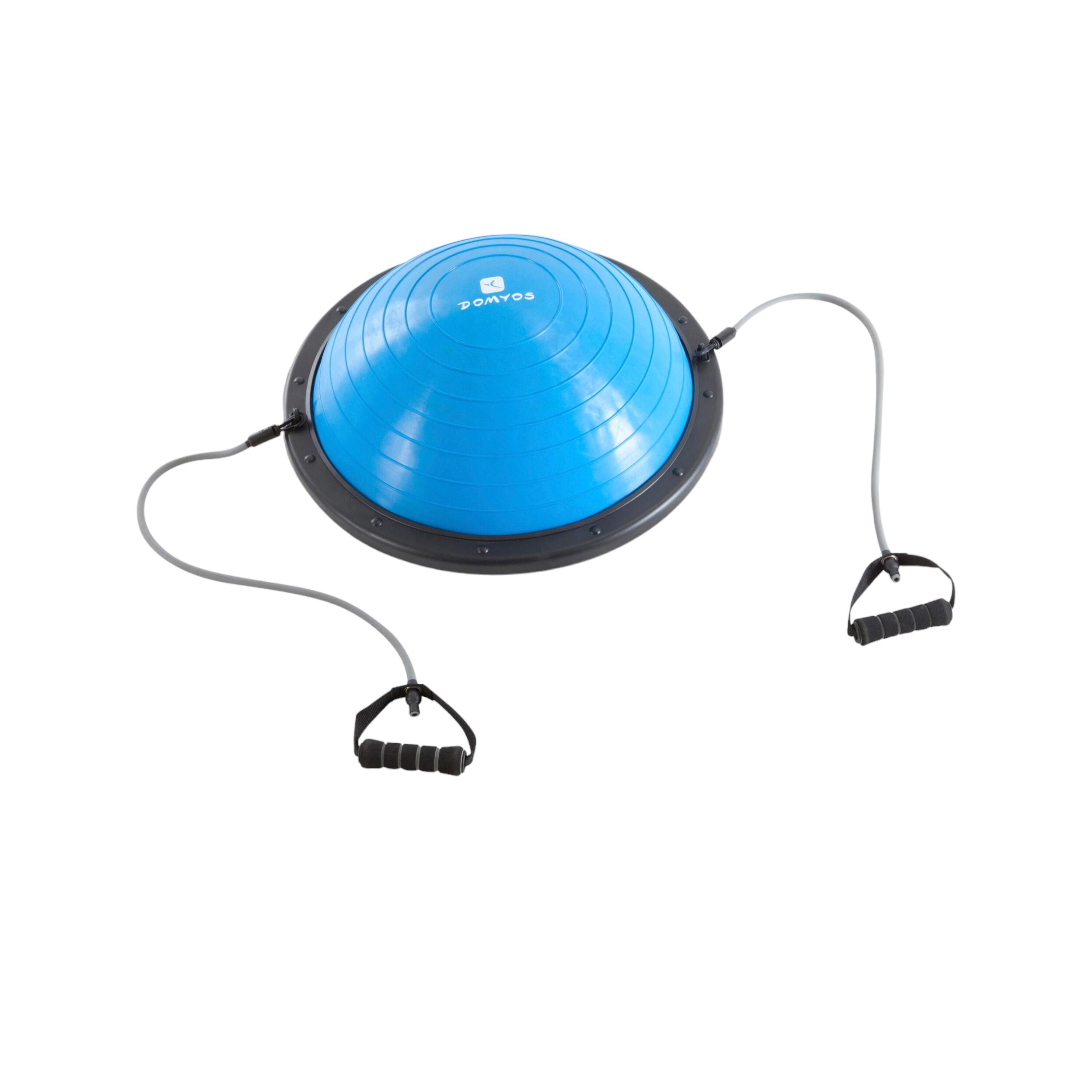
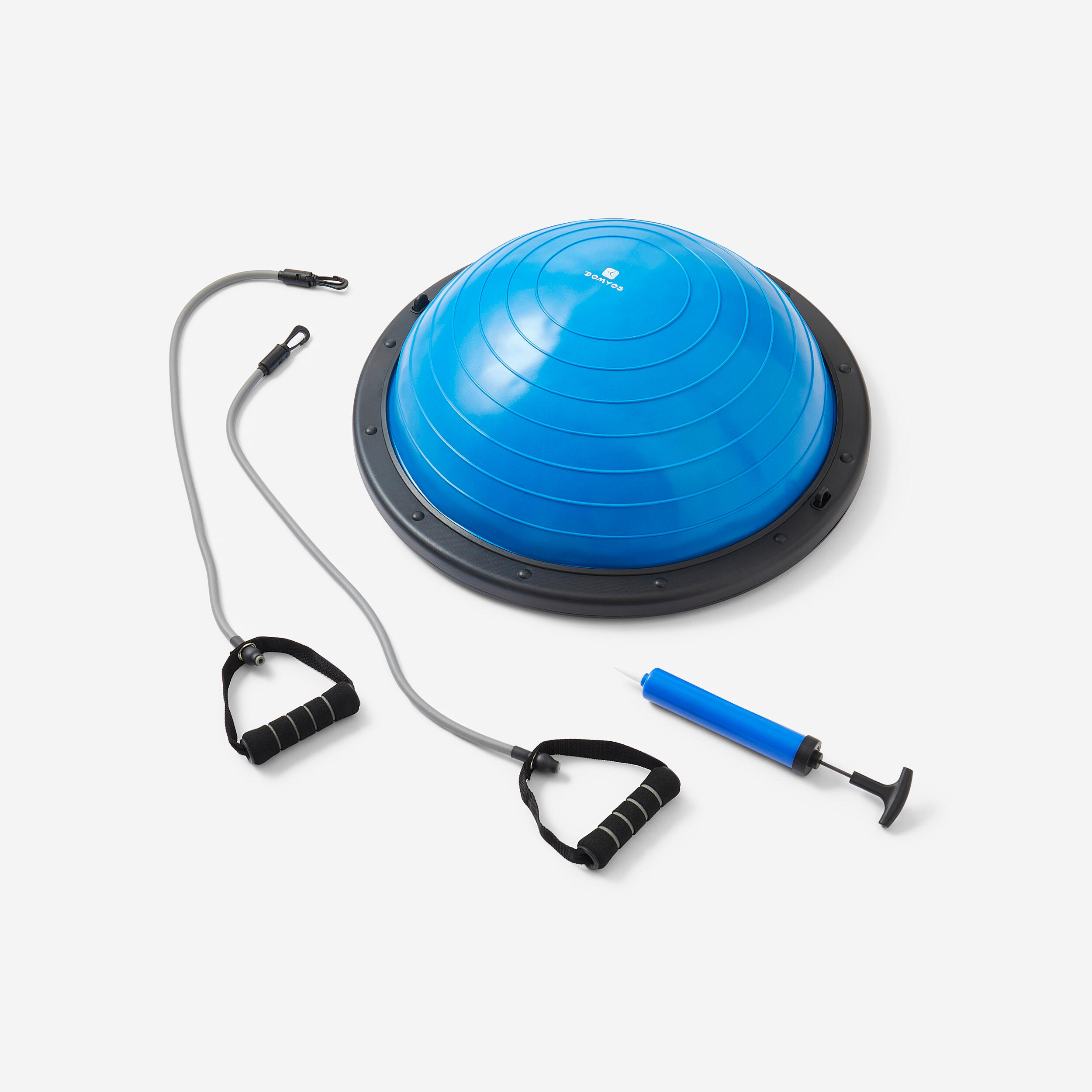
DOMYOS Fitness Reversible Balance Station + Elastic Bands - Blue4.7(135)Reviews.votesAriaCurrent price {{currentPrice}} €95.00
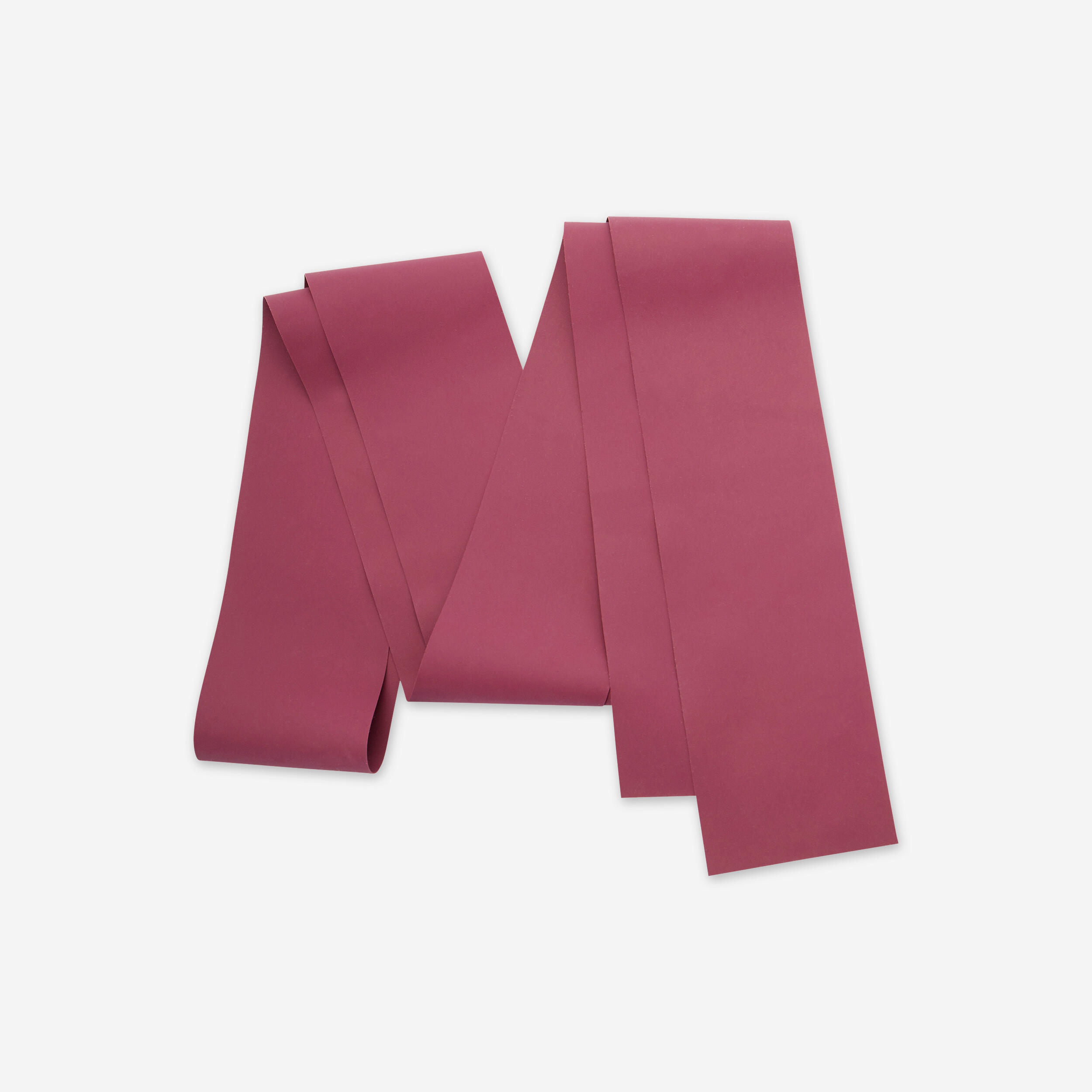
Last chance Last chanceLast chanceDOMYOS Pilates Resistance Band 3 kg - Burgundy4.7(2,426)Reviews.votesAriaCurrent price {{currentPrice}} €8.00€4.22/m
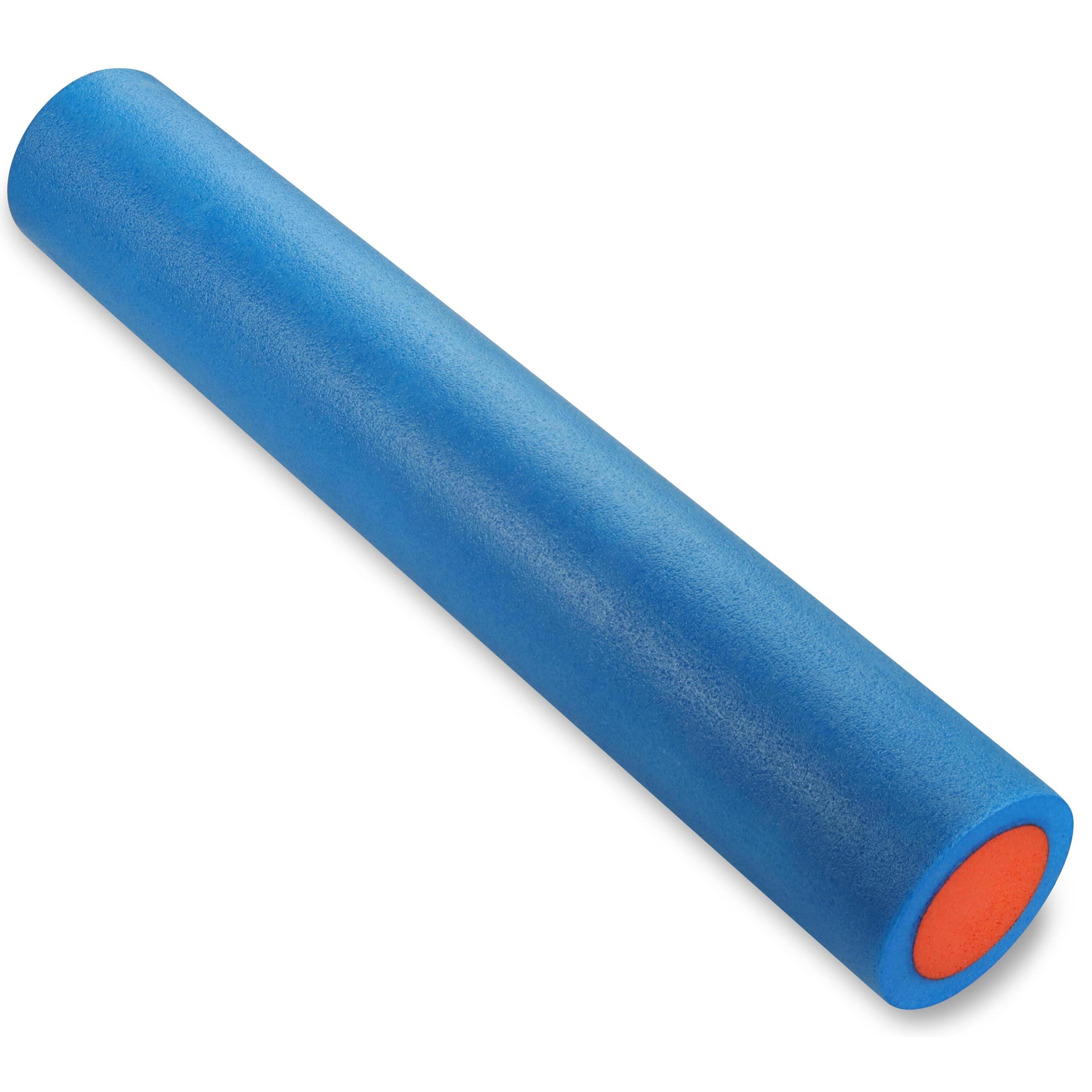
Marketplace -Online Only Marketplace -Online OnlyMarketplace -Online OnlyINDIGO SPORTS INDIGO EPE Yoga Foam Roller Massage 90x15 cm Blue4.3(4)Reviews.votesAriaCurrent price {{currentPrice}} €22.99Sold and shipped by Indigo Sports S.L.
Marketplace -Online Only Marketplace -Online Only2 coloursMarketplace -Online OnlyINDIGO SPORTS INDIGO Resistance Band Fitness Closed Loop4.5(6)Reviews.votesAria2 coloursCurrent price {{currentPrice}} €7.99Sold and shipped by Indigo Sports S.L.
Marketplace -Online Only Marketplace -Online Only2 coloursMarketplace -Online OnlyINDIGO SPORTS INDIGO Resistance Band Fitness Closed Loop4.5(6)Reviews.votesAria2 coloursCurrent price {{currentPrice}} €7.99 Former price €8.99 11% offLowest price: €8.99Starting on 28/8/2026 and valid for the entire duration of the promoSold and shipped by Indigo Sports S.L.
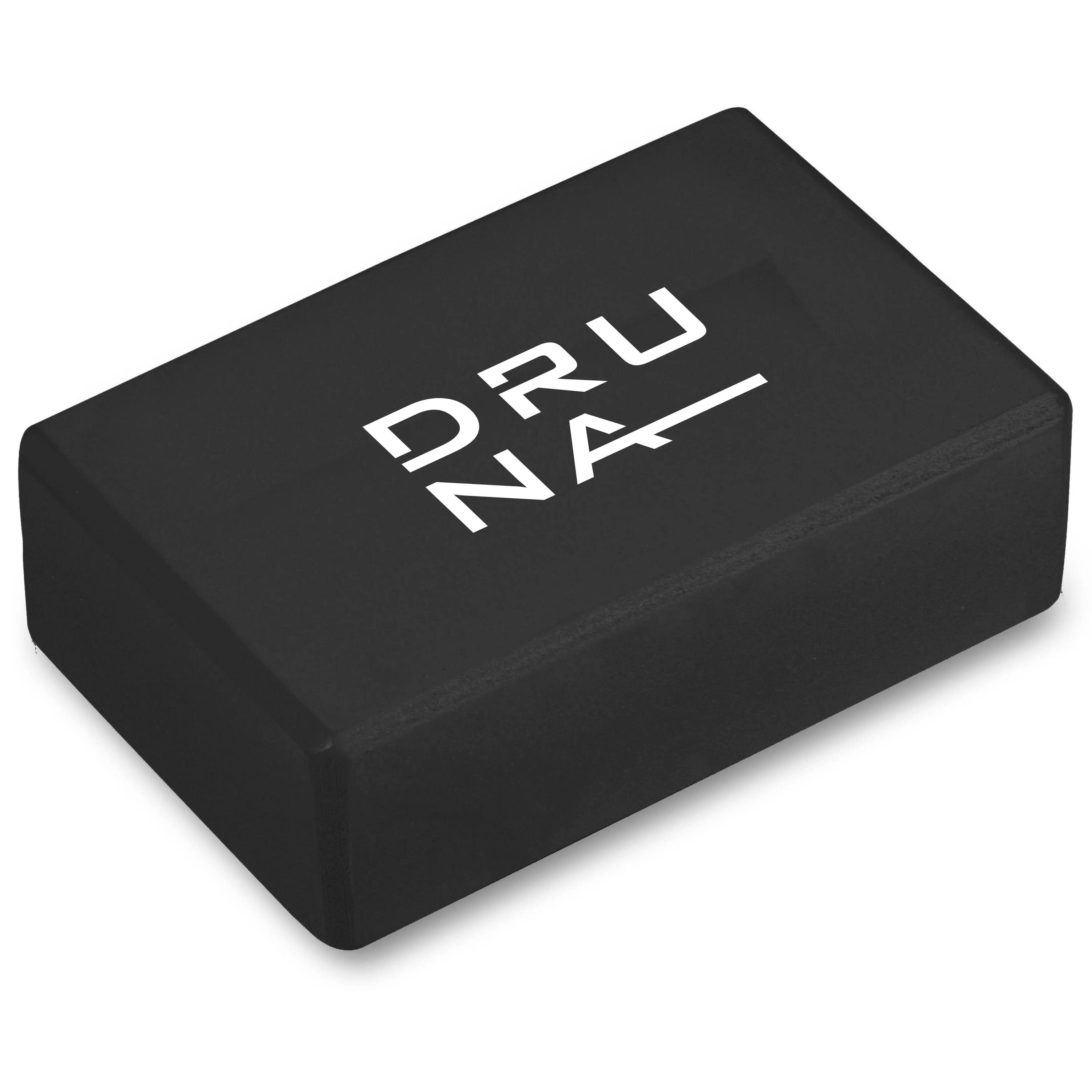
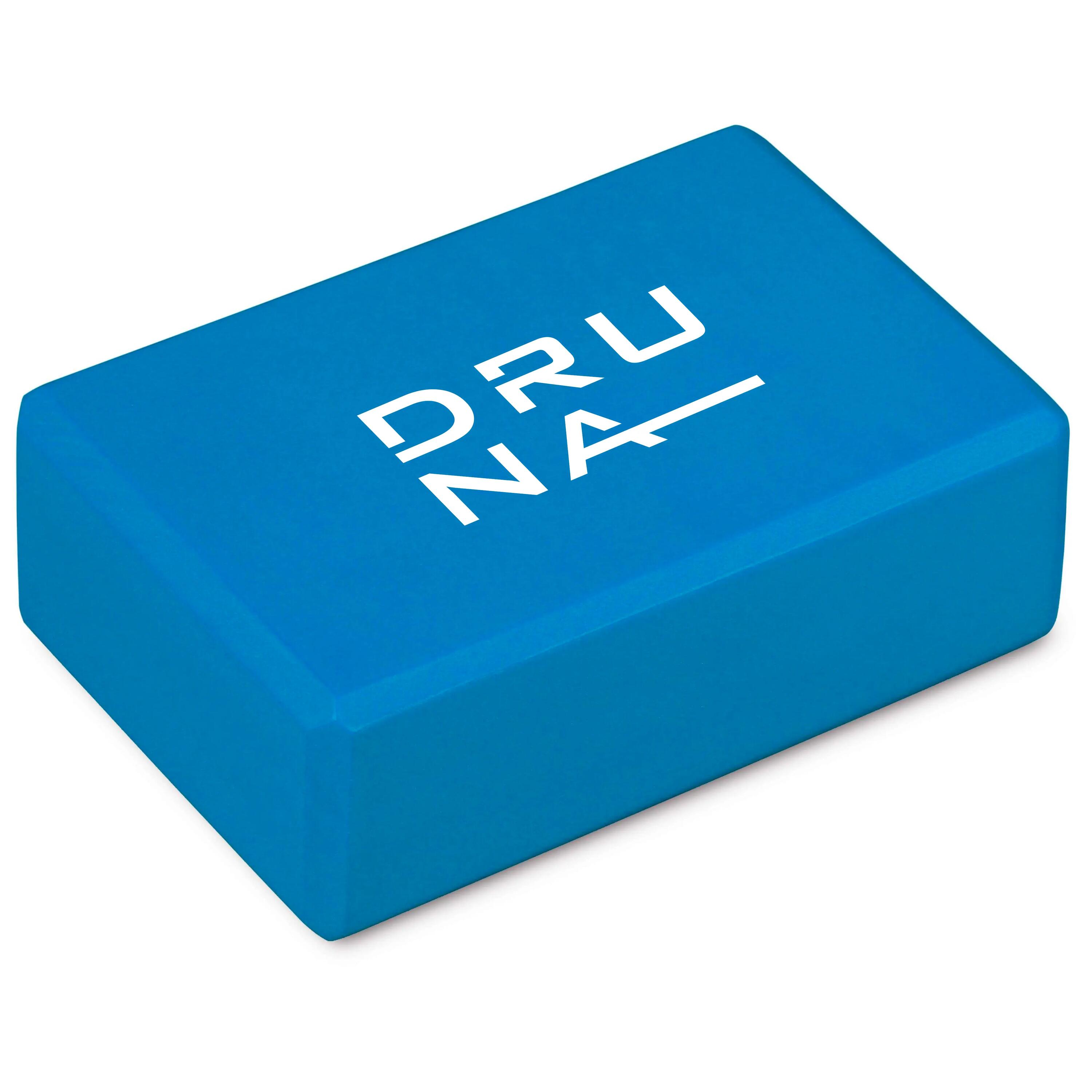
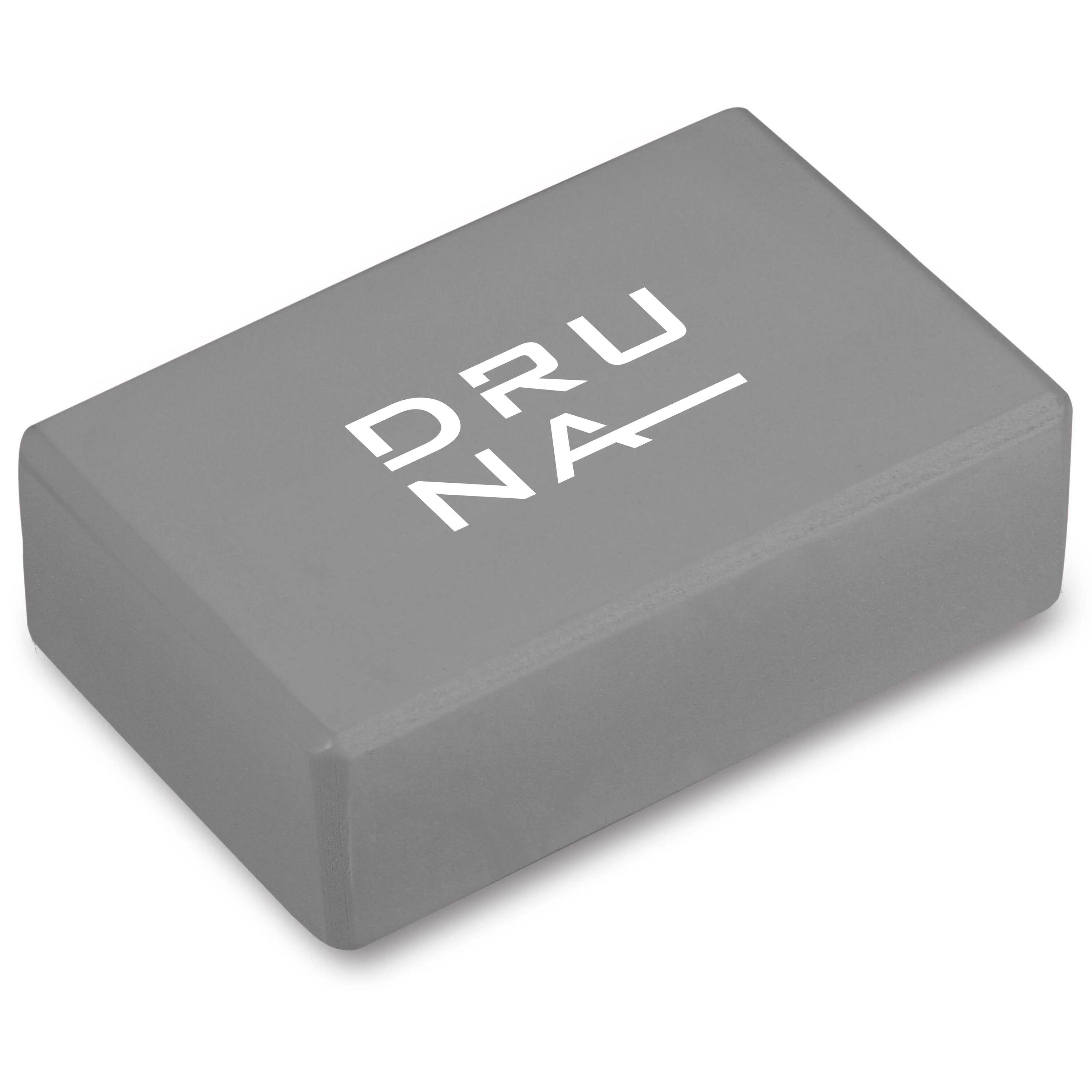
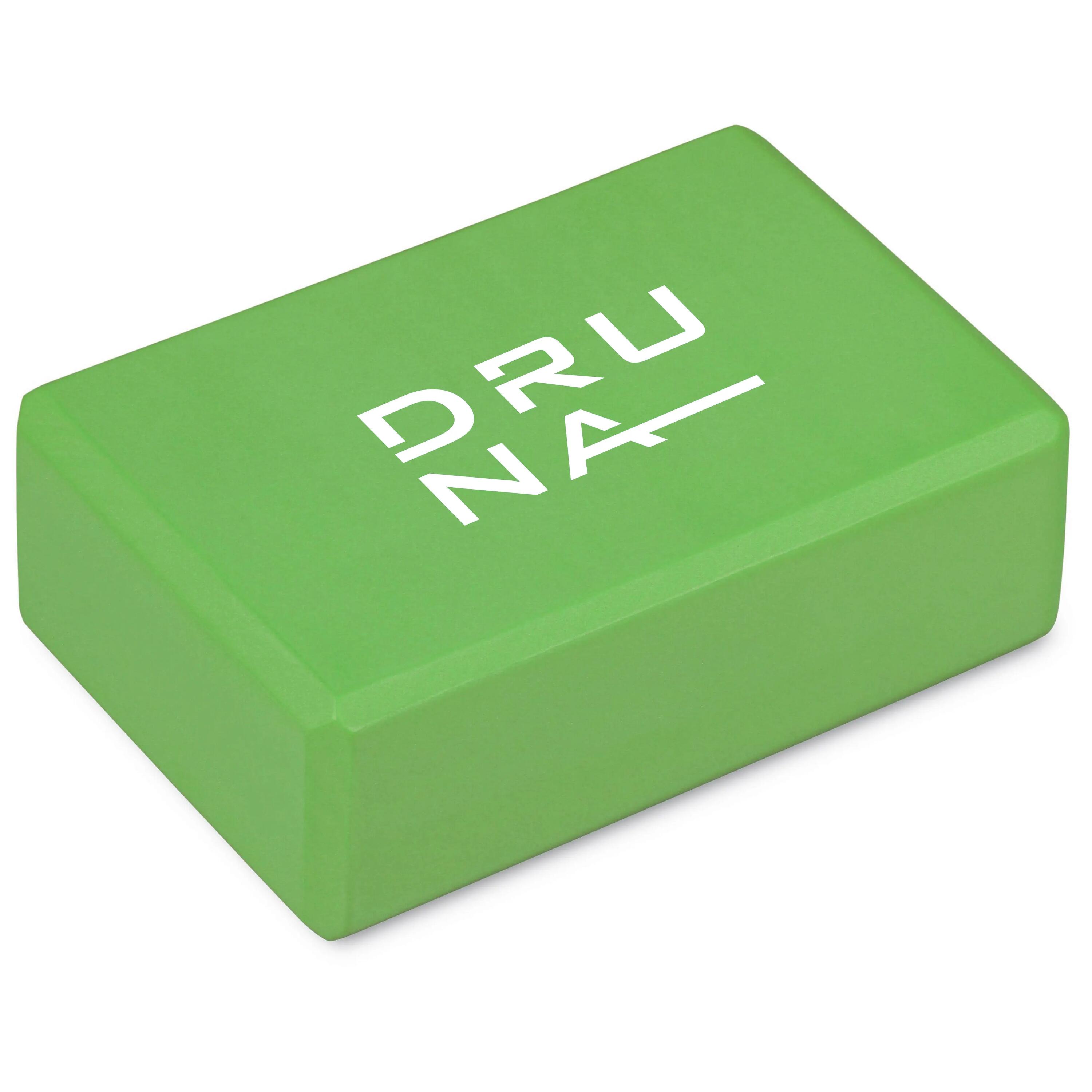
Marketplace -Online Only Marketplace -Online Only4 coloursMarketplace -Online OnlyINDIGO SPORTS INDIGO Non-Slip Yoga Block for Fitness5(3)Reviews.votesAria4 coloursCurrent price {{currentPrice}} €5.99Sold and shipped by Indigo Sports S.L.
Marketplace -Online Only Marketplace -Online Only4 coloursMarketplace -Online OnlyINDIGO SPORTS INDIGO Non-Slip Yoga Block for Fitness5(3)Reviews.votesAria4 coloursCurrent price {{currentPrice}} €5.99Sold and shipped by Indigo Sports S.L.
Marketplace -Online Only Marketplace -Online Only4 coloursMarketplace -Online OnlyINDIGO SPORTS INDIGO Non-Slip Yoga Block for Fitness5(3)Reviews.votesAria4 coloursCurrent price {{currentPrice}} €5.99Sold and shipped by Indigo Sports S.L.
Marketplace -Online Only Marketplace -Online Only4 coloursMarketplace -Online OnlyINDIGO SPORTS INDIGO Non-Slip Yoga Block for Fitness5(3)Reviews.votesAria4 coloursCurrent price {{currentPrice}} €5.99Sold and shipped by Indigo Sports S.L.
DOMYOS Size 3 / 75 cm Durable Swiss Ball - Blue4.7(794)Reviews.votesAriaCurrent price {{currentPrice}} €25.00
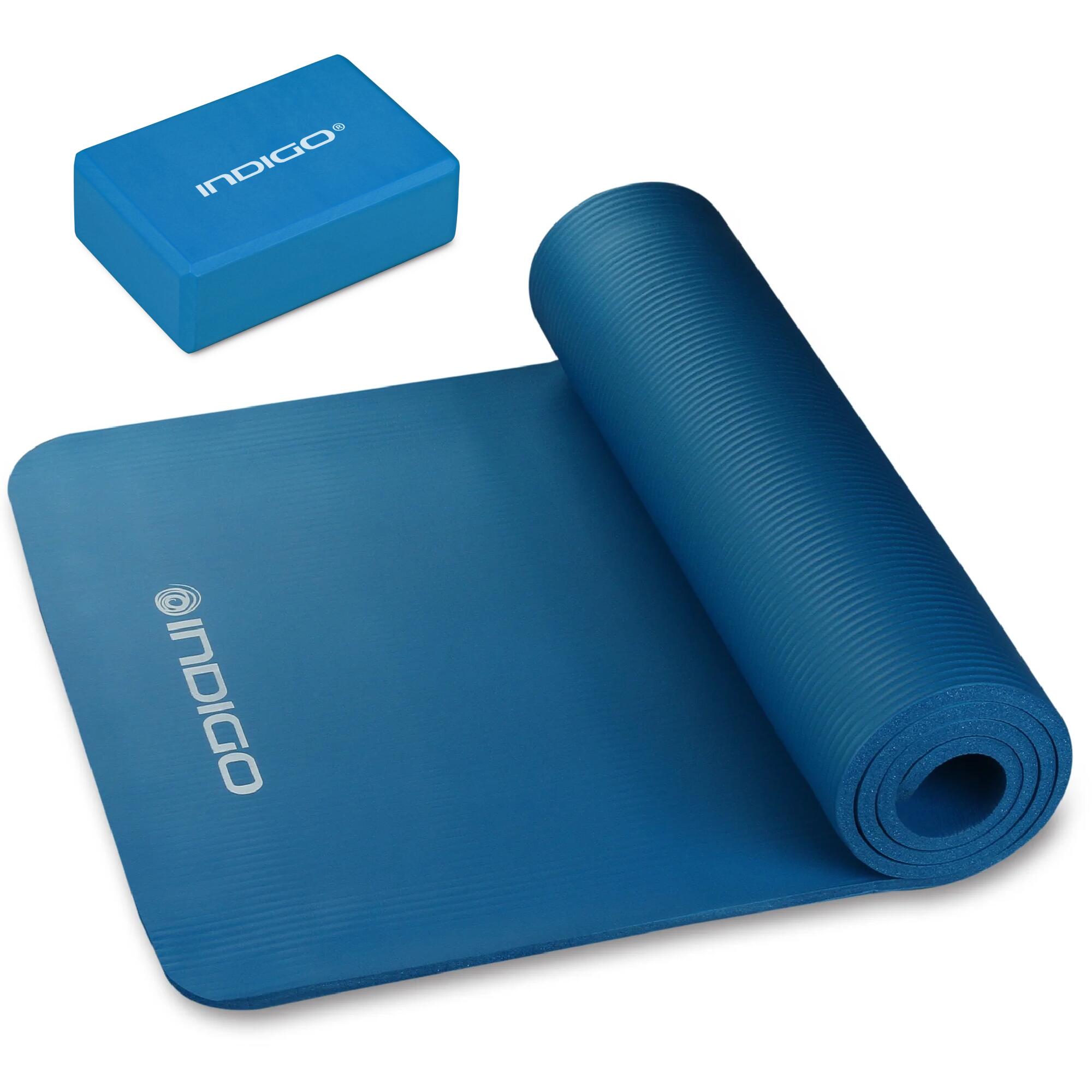
Marketplace -Online Only Marketplace -Online OnlyMarketplace -Online OnlyINDIGO SPORTS INDIGO Yoga Set with Non-Slip Mat and Yoga Block for Fitness Training4(1)Reviews.votesAriaCurrent price {{currentPrice}} €21.99Sold and shipped by Indigo Sports S.L.
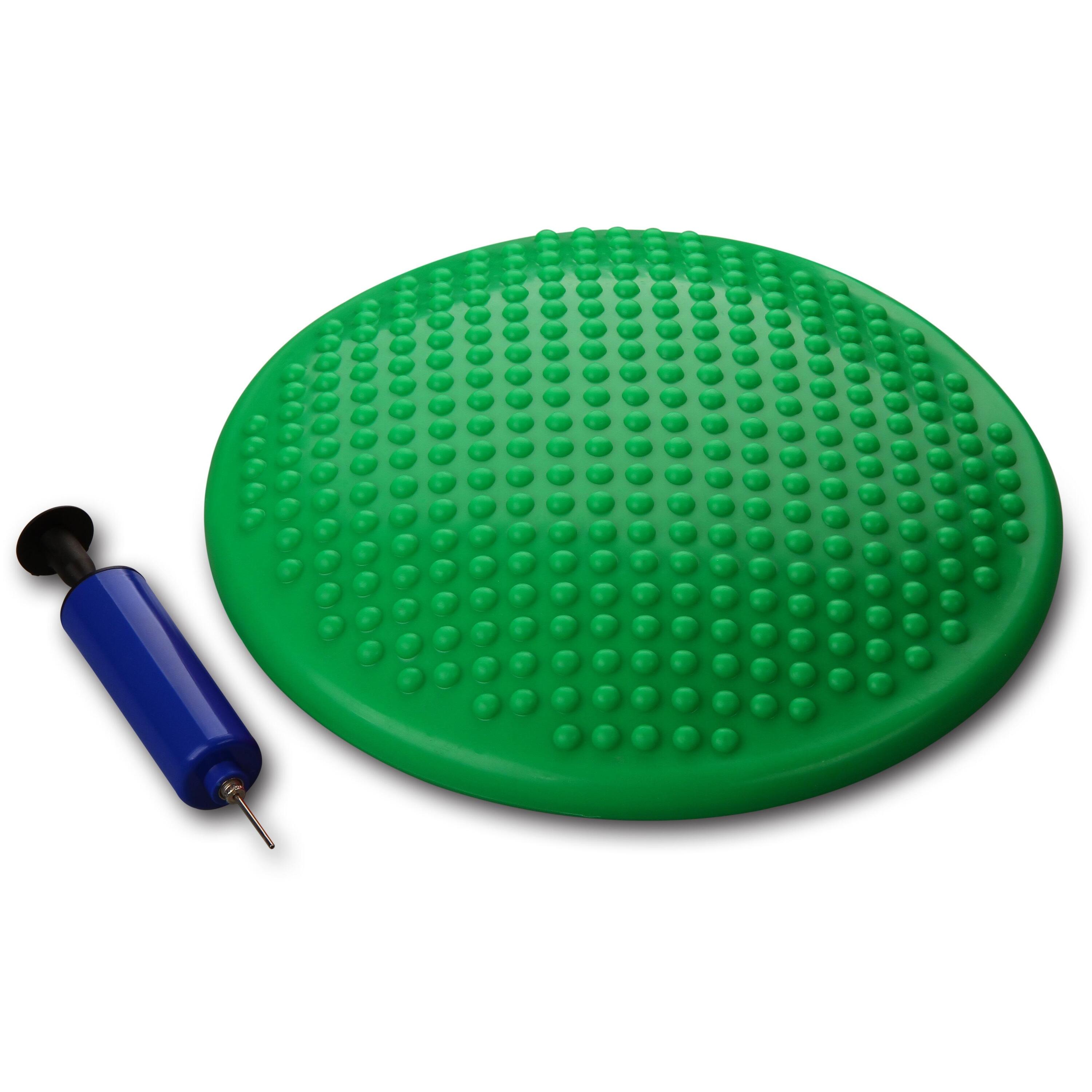
Marketplace -Online Only Marketplace -Online OnlyMarketplace -Online OnlyINDIGO SPORTS INDIGO Balance Cushion Fitness SLIM with Pump 33 cmCurrent price {{currentPrice}} €11.99Sold and shipped by Indigo Sports S.L.
Marketplace -Online Only Marketplace -Online Only2 coloursMarketplace -Online OnlyINDIGO SPORTS INDIGO Round Foam Roller Massage and Yoga 45x15 cm5(3)Reviews.votesAria2 coloursCurrent price {{currentPrice}} €15.99 Former price €16.99 5% offLowest price: €16.99Starting on 14/9/2026 and valid for the entire duration of the promoSold and shipped by Indigo Sports S.L.
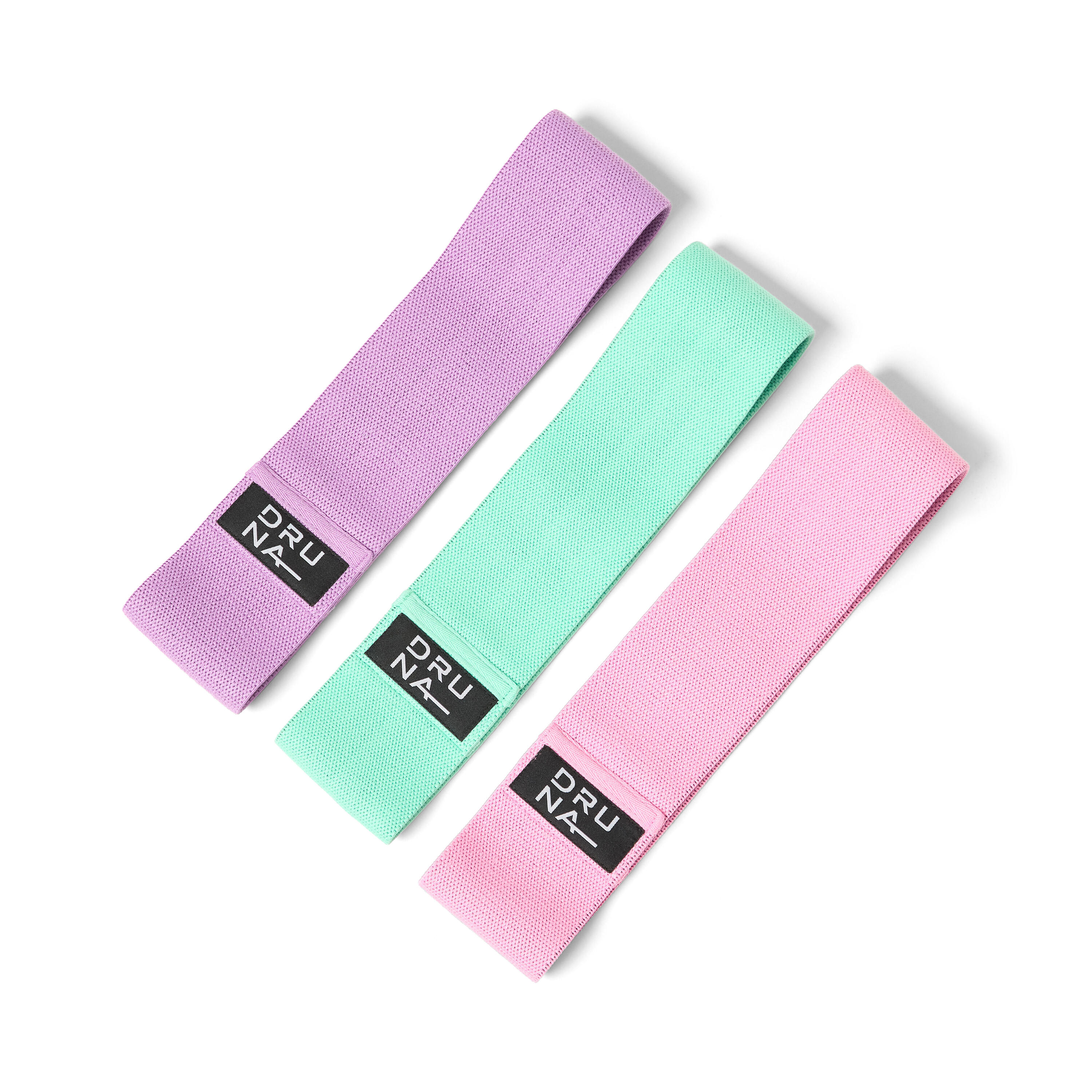
Marketplace -Online Only Marketplace -Online OnlyMarketplace -Online OnlyINDIGO SPORTS INDIGO Fabric Resistance Bands 3 Resistance Levels Purple-Pink-Green4(1)Reviews.votesAriaCurrent price {{currentPrice}} €11.99 Former price €13.99 14% offLowest price: €13.99Starting on 27/6/2026 and valid for the entire duration of the promoSold and shipped by Indigo Sports S.L.
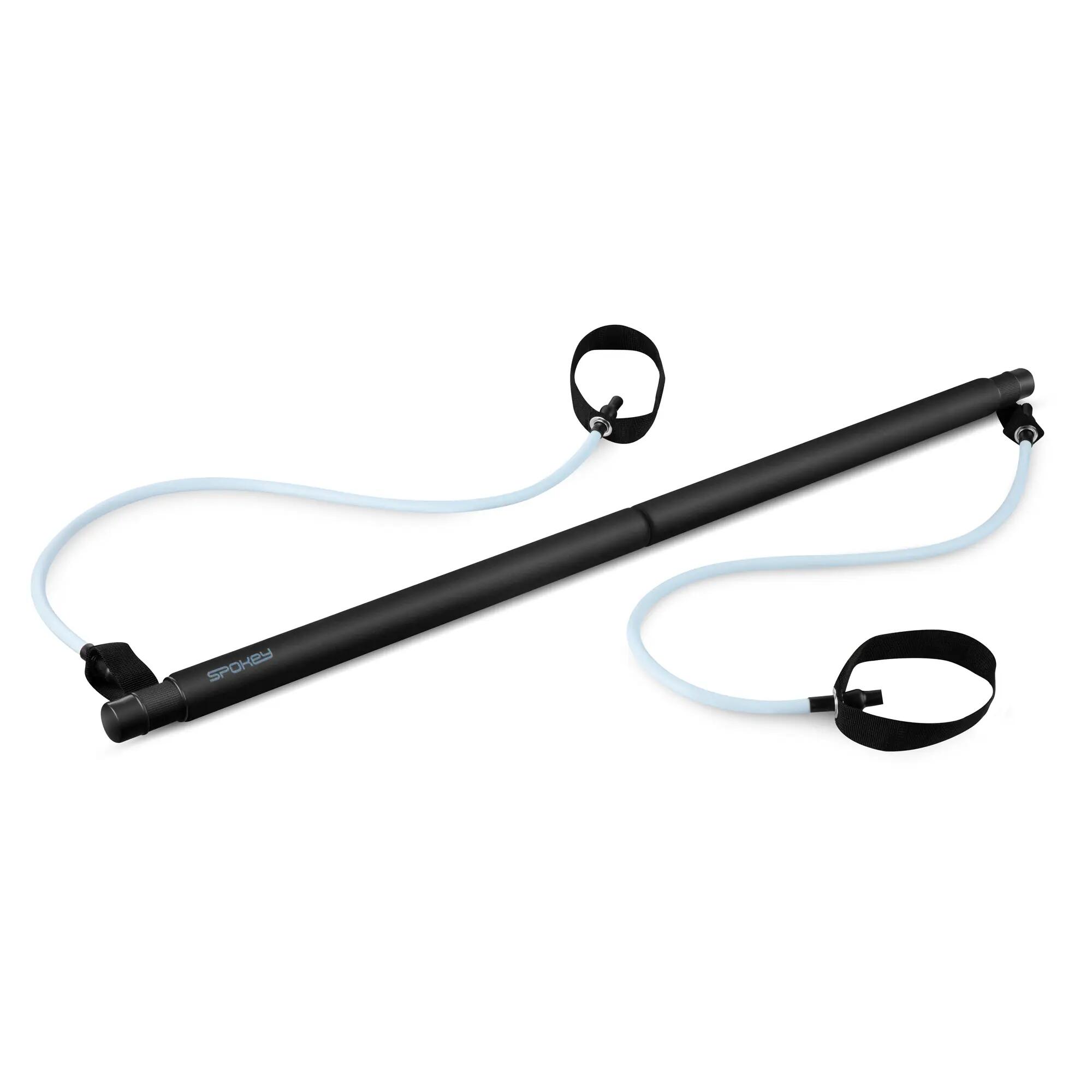
Marketplace -Online Only Marketplace -Online OnlyMarketplace -Online OnlySPOKEY Pilates Bar (Black/Sky Blue)Current price {{currentPrice}} €21.09Sold and shipped by Pertemba IE
2 coloursDOMYOS Size 1 / 55 cm Durable Swiss Ball - Blue4.7(1,074)Reviews.votesAria2 coloursCurrent price {{currentPrice}} €18.00