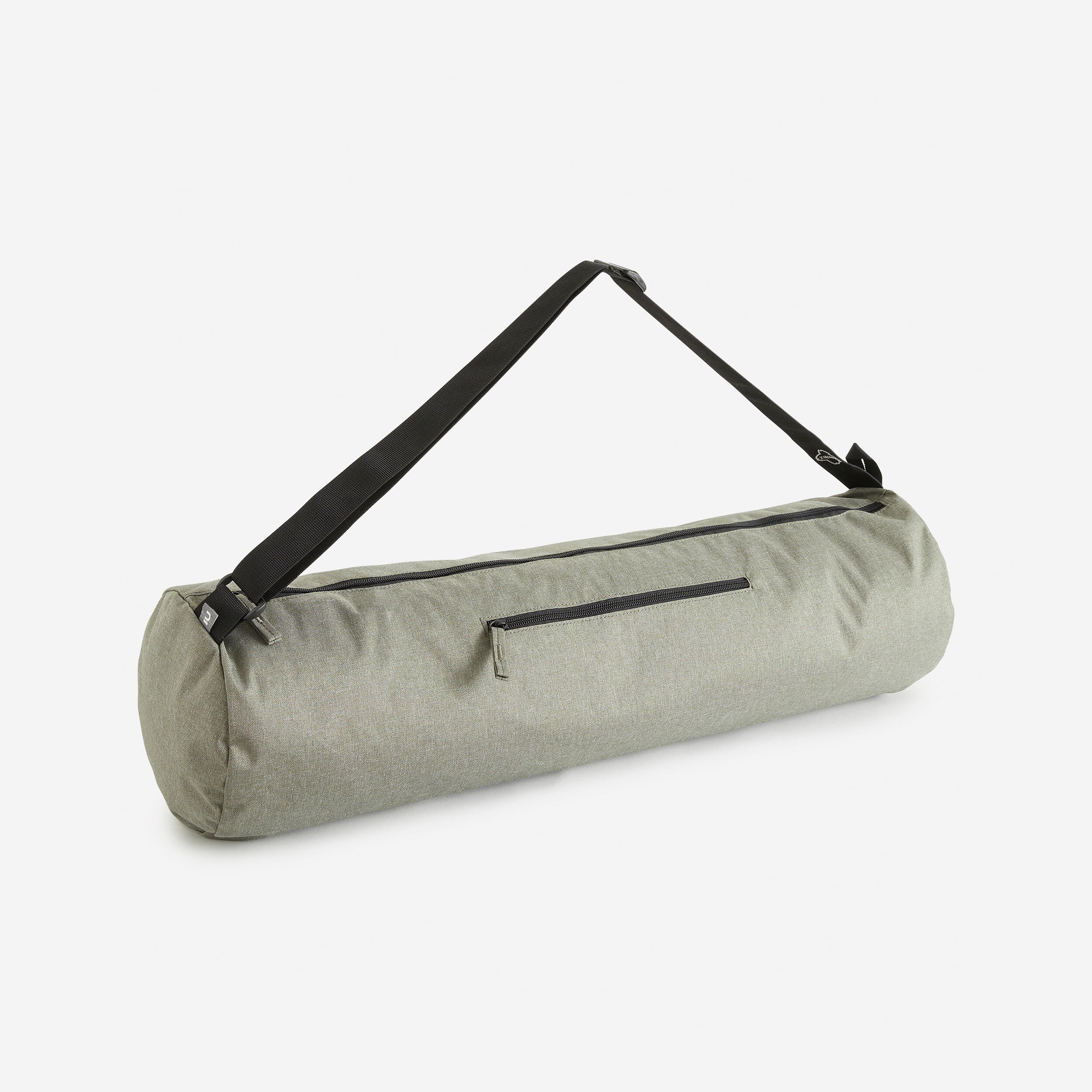
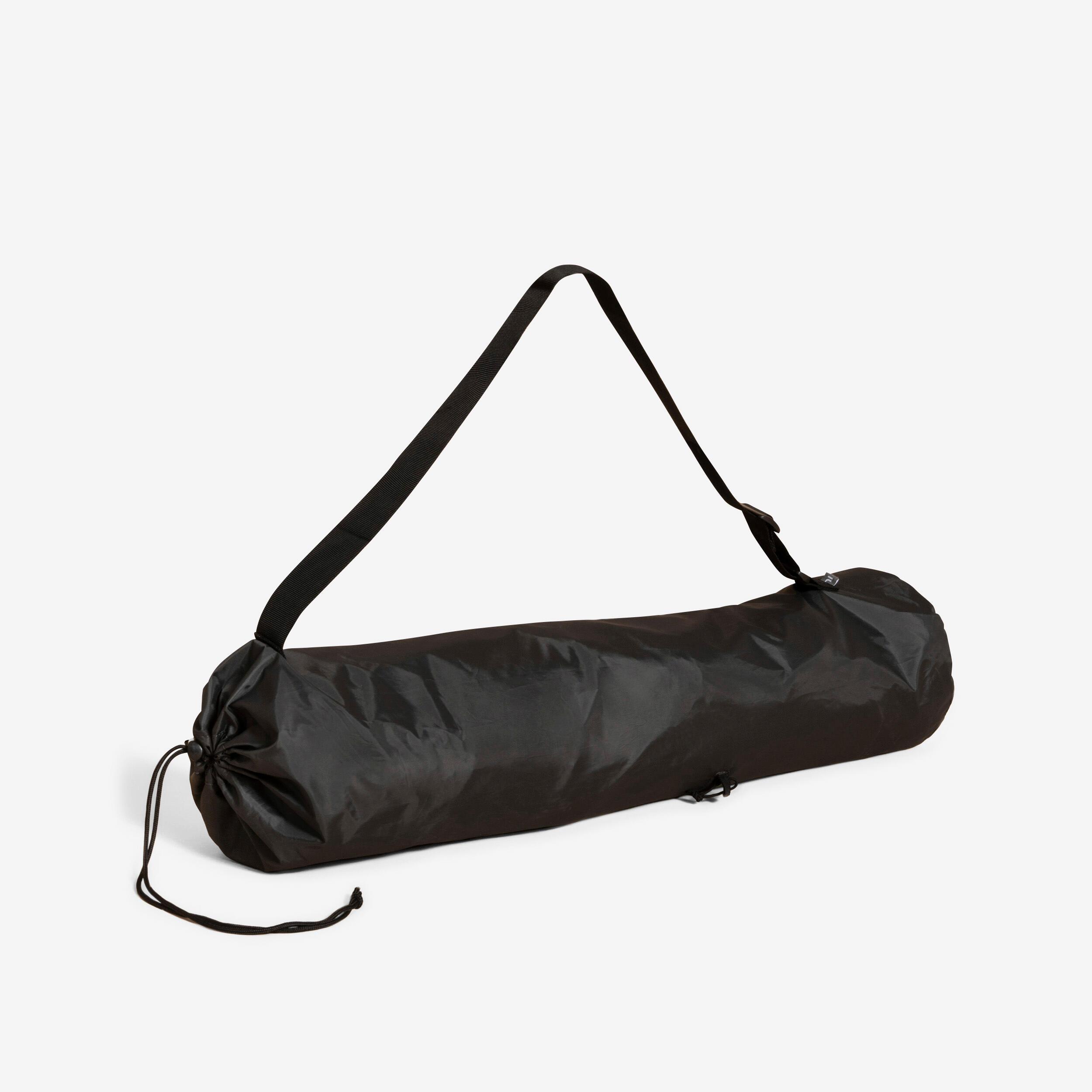
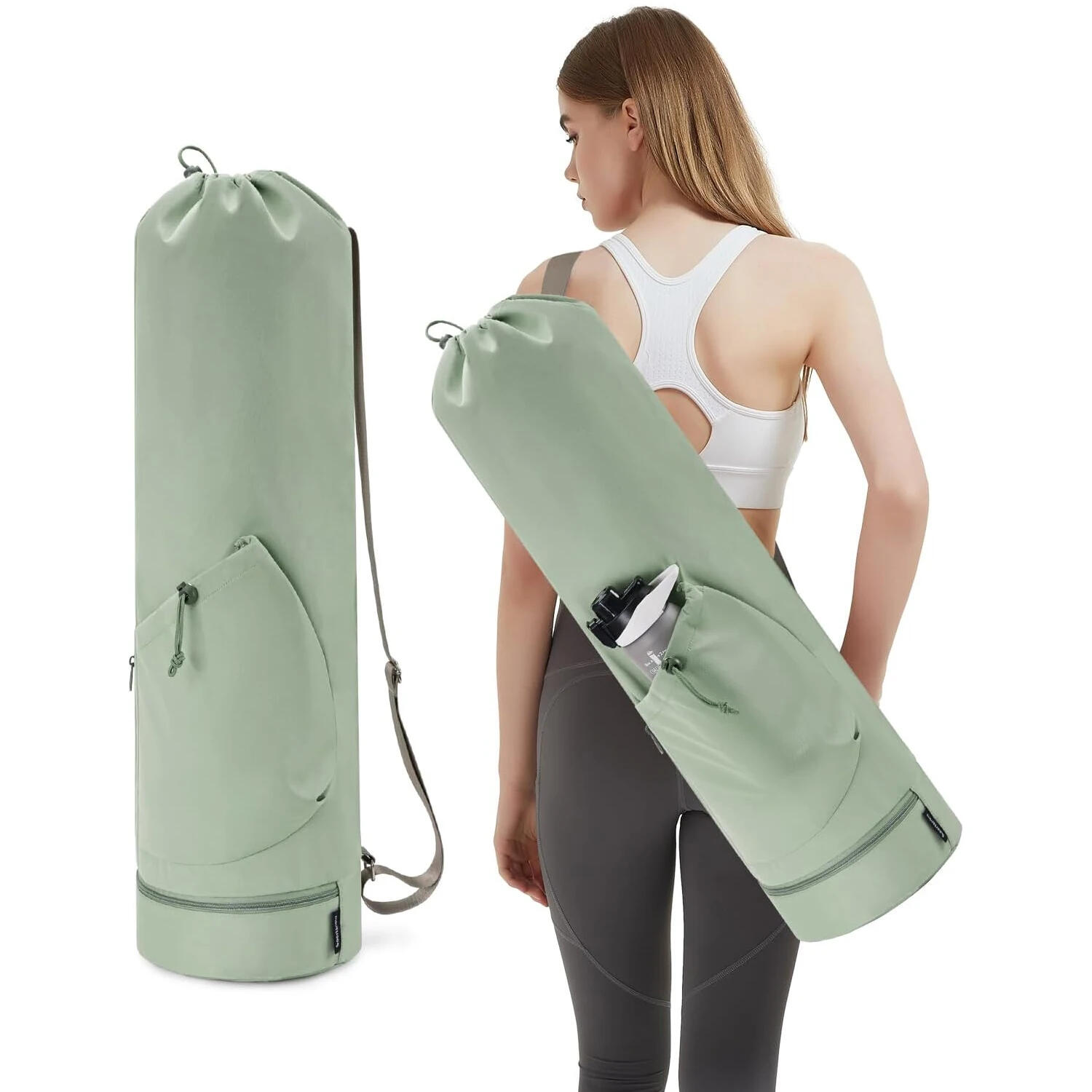
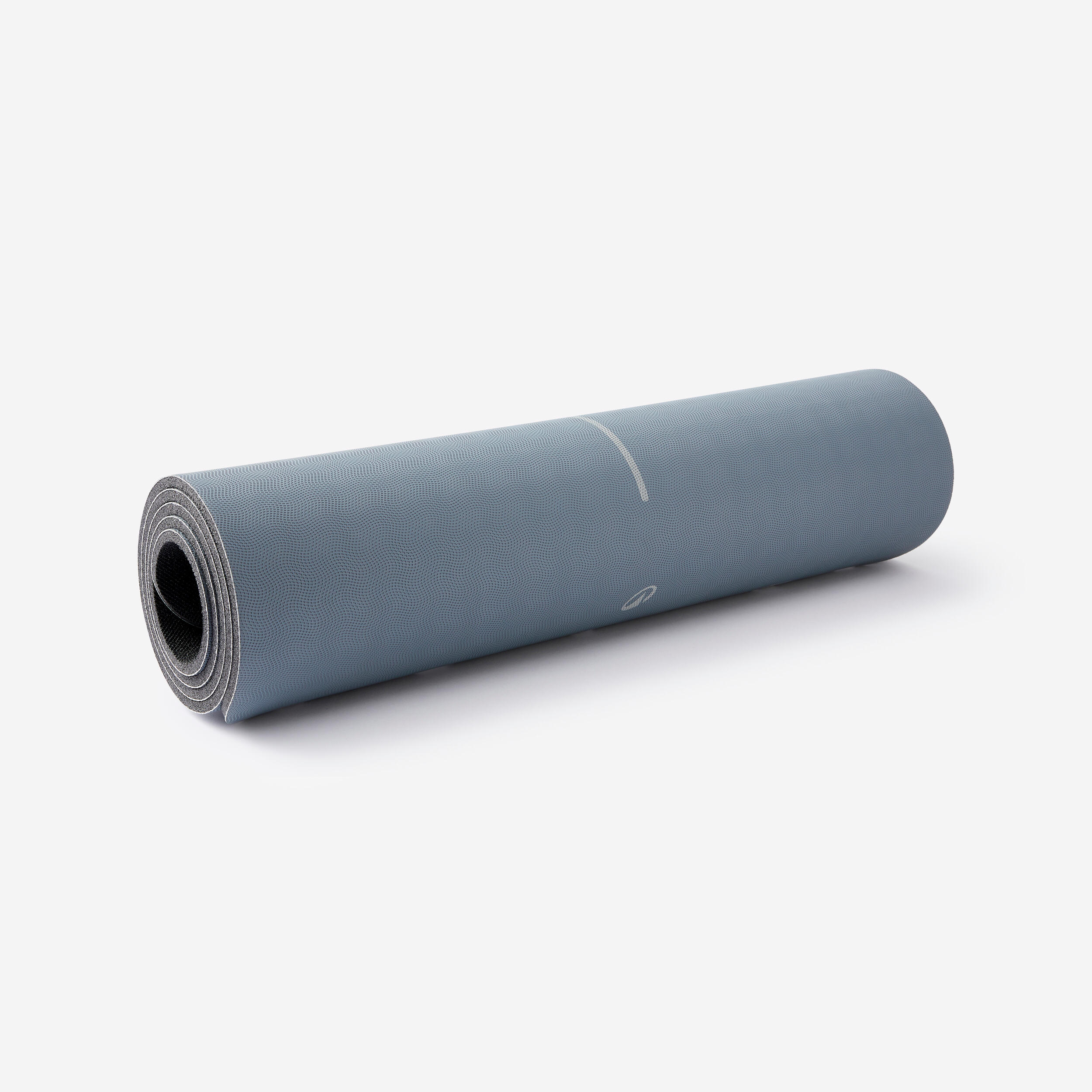
2 coloursKIMJALY Yoga Mat Bag 23 L - Green4.8(340)Reviews.votesAria2 coloursCurrent price {{currentPrice}} €15.00
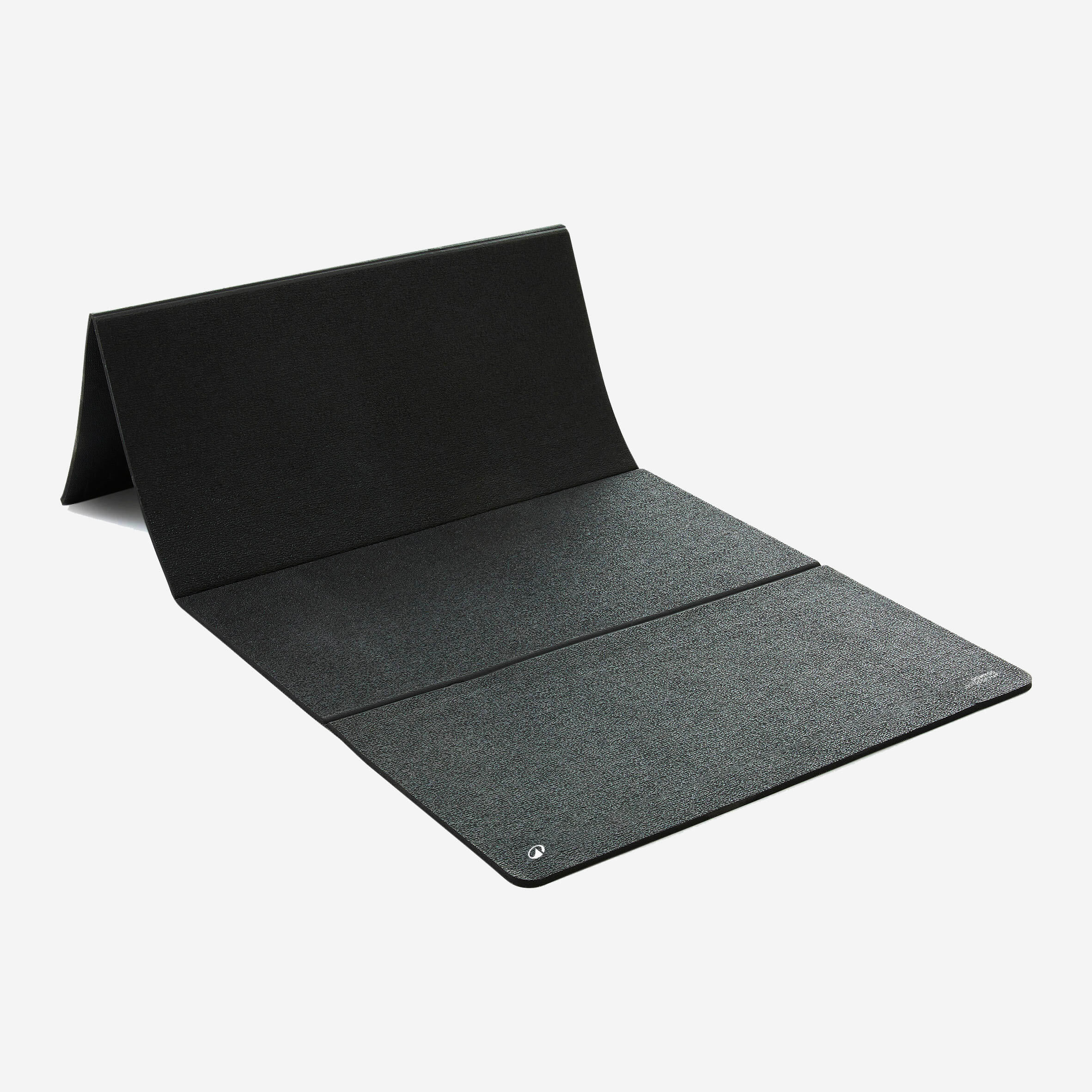
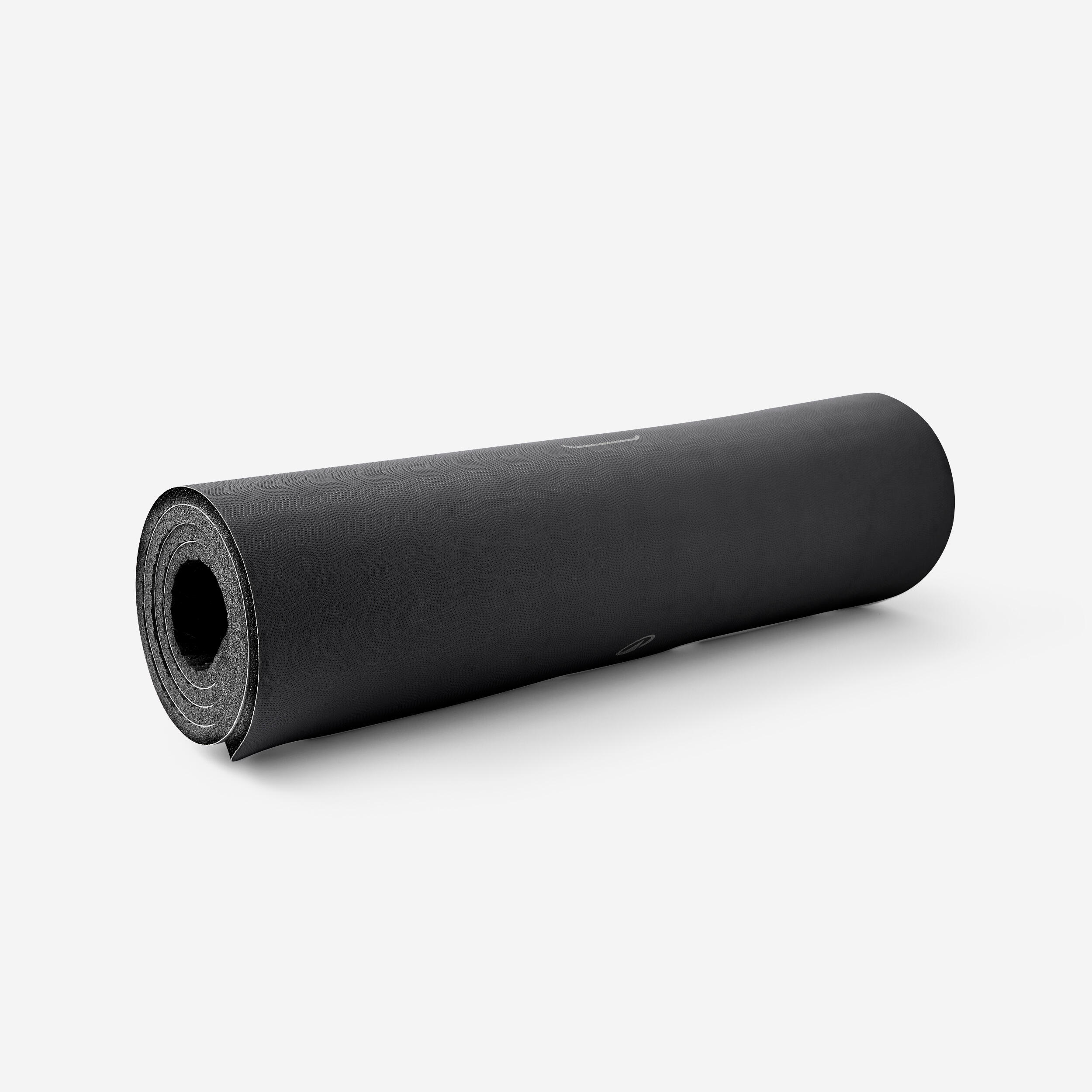
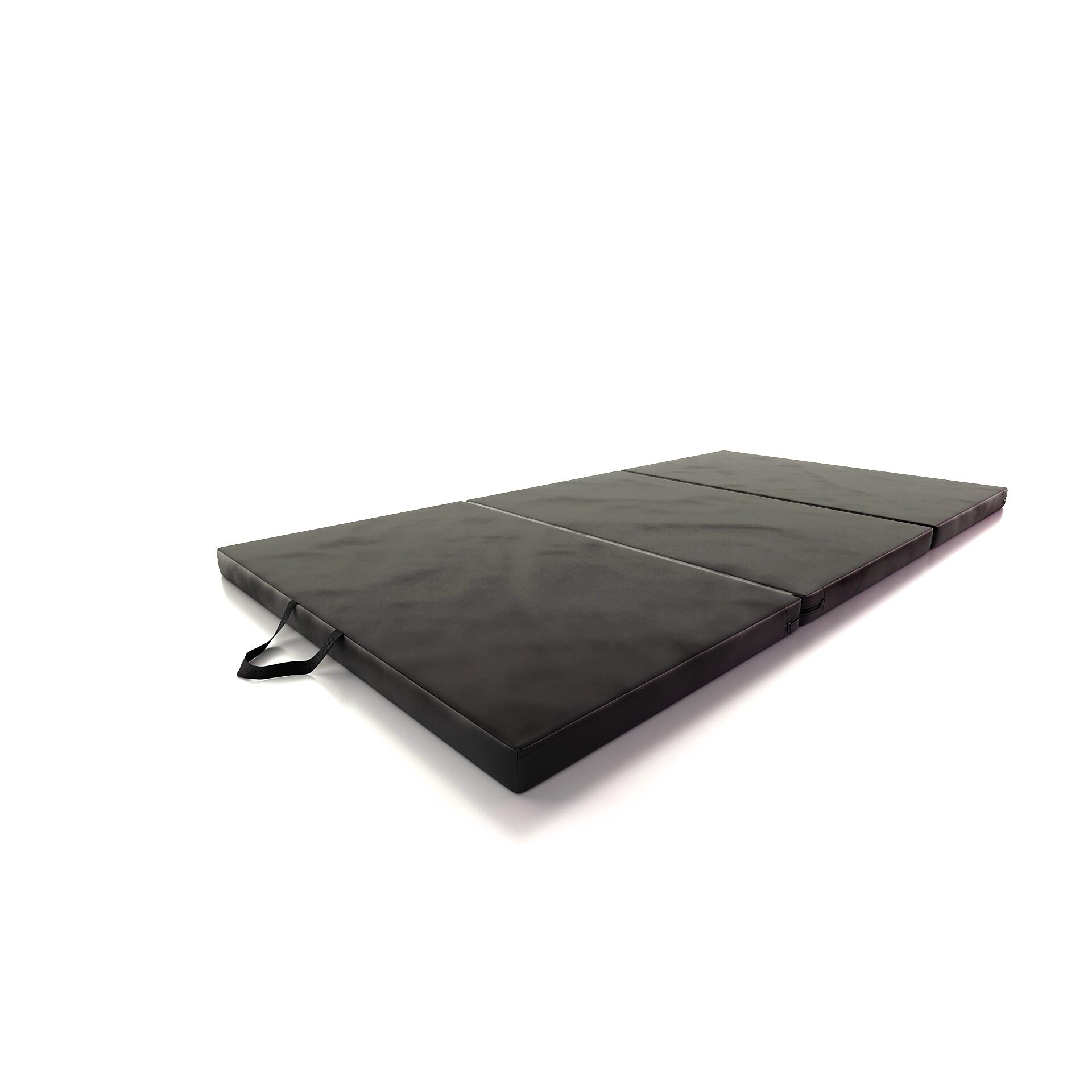
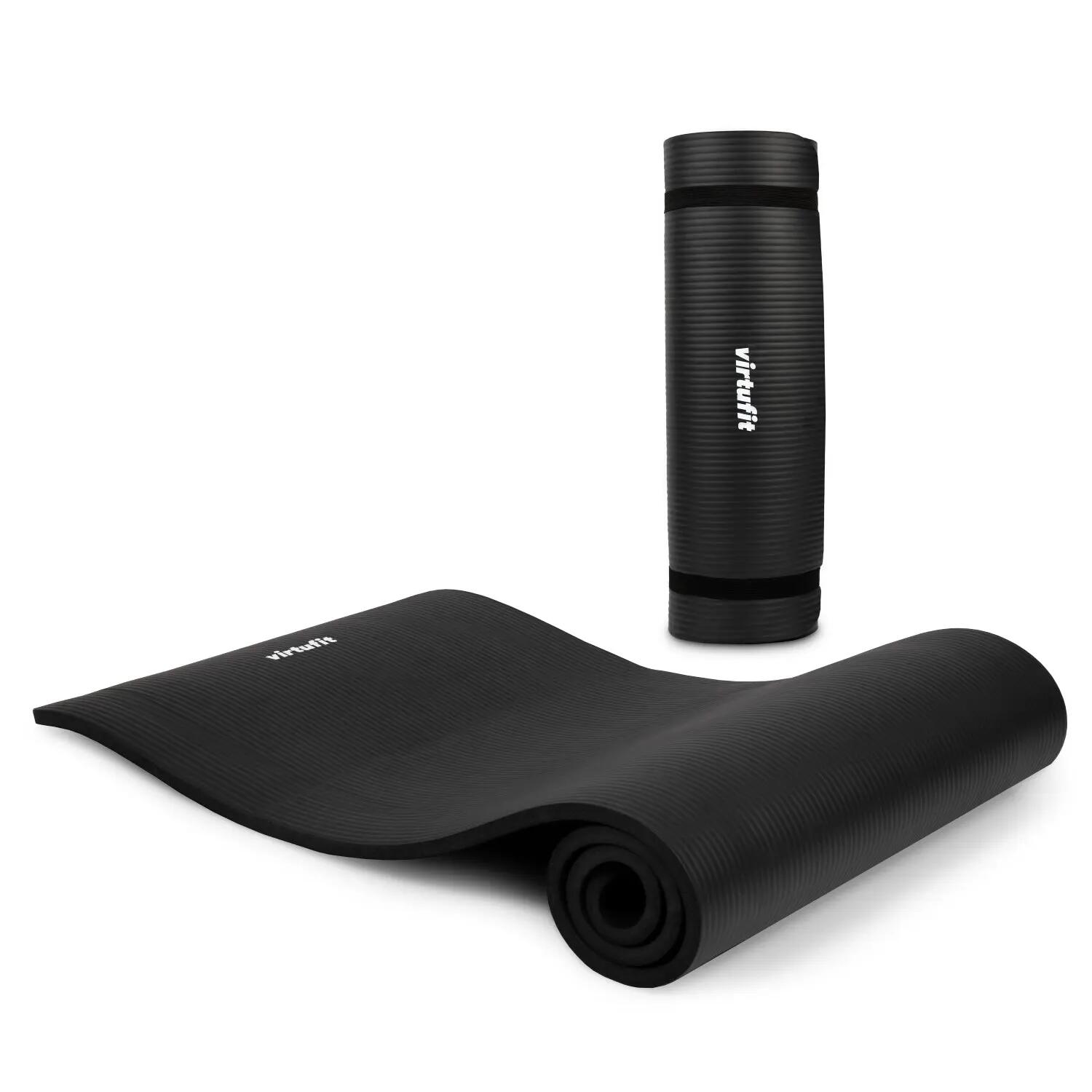
CORENGTH 8 mm Thick Indoors and Outdoors Durable Folding Fitness Mat - Black4.7(1,133)Reviews.votesAriaCurrent price {{currentPrice}} €15.00
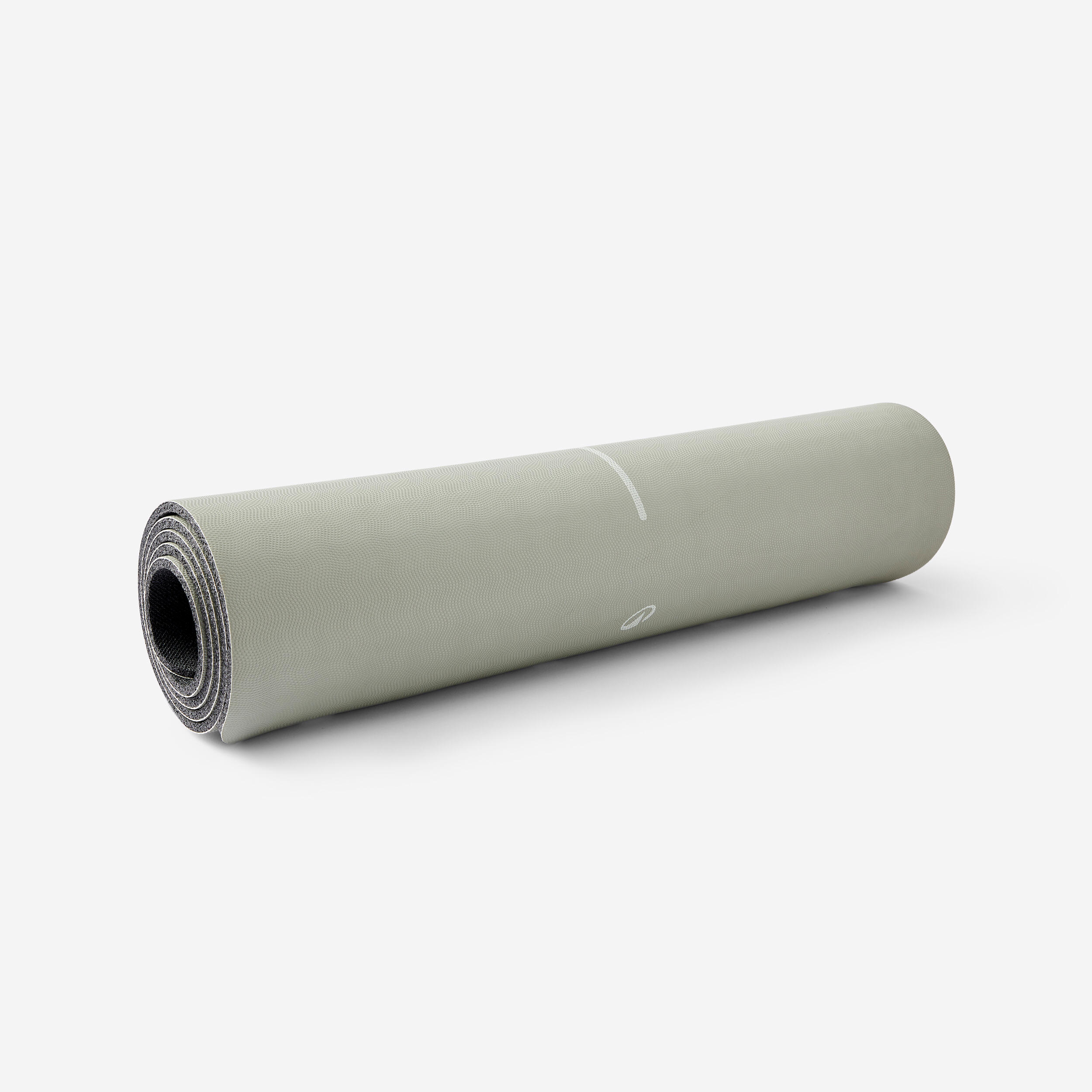
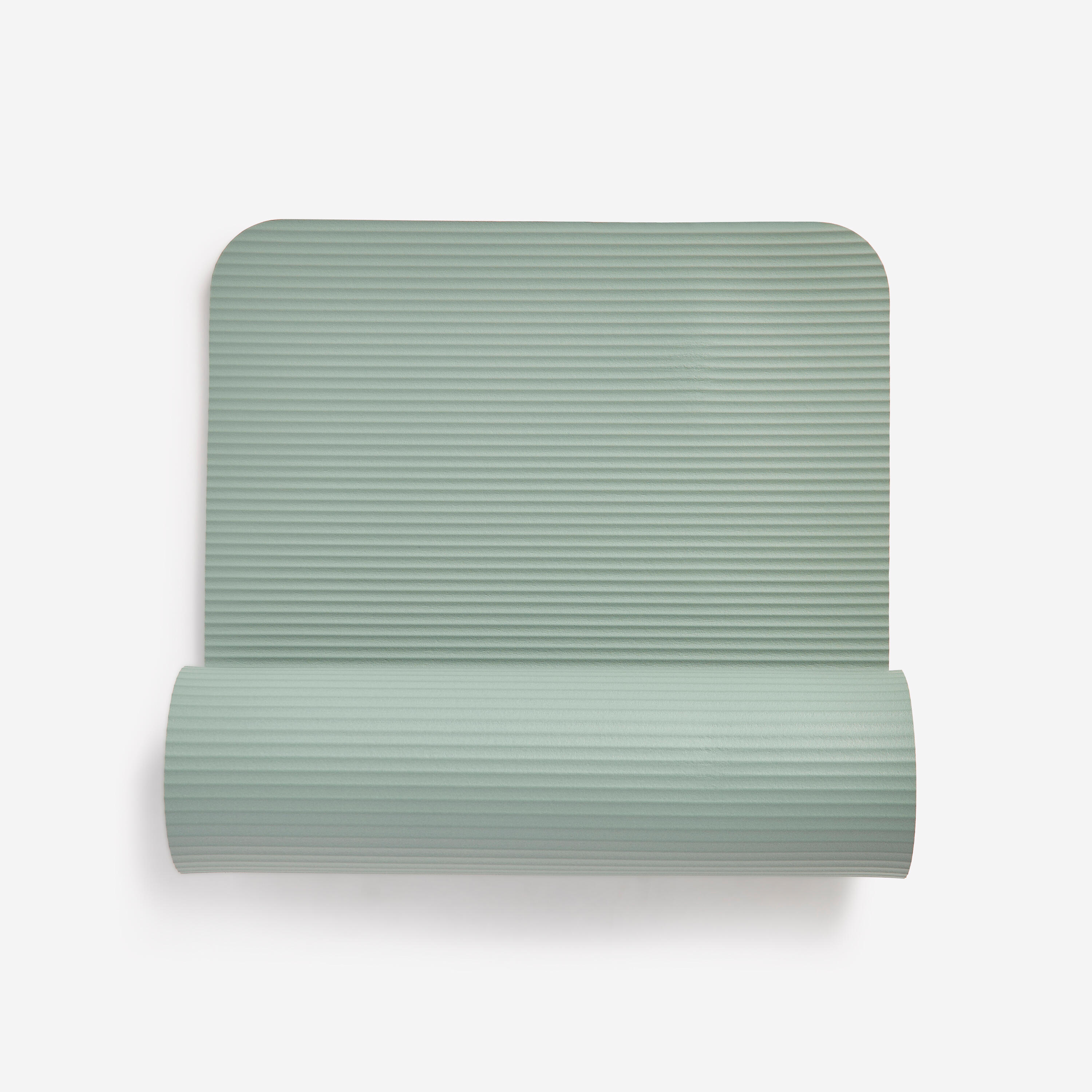
Last chance Last chance2 coloursLast chanceDOMYOS 8 mm Durable and Grippy Fitness Mat - Sage Green4.7(773)Reviews.votesAria2 coloursCurrent price {{currentPrice}} €20.00
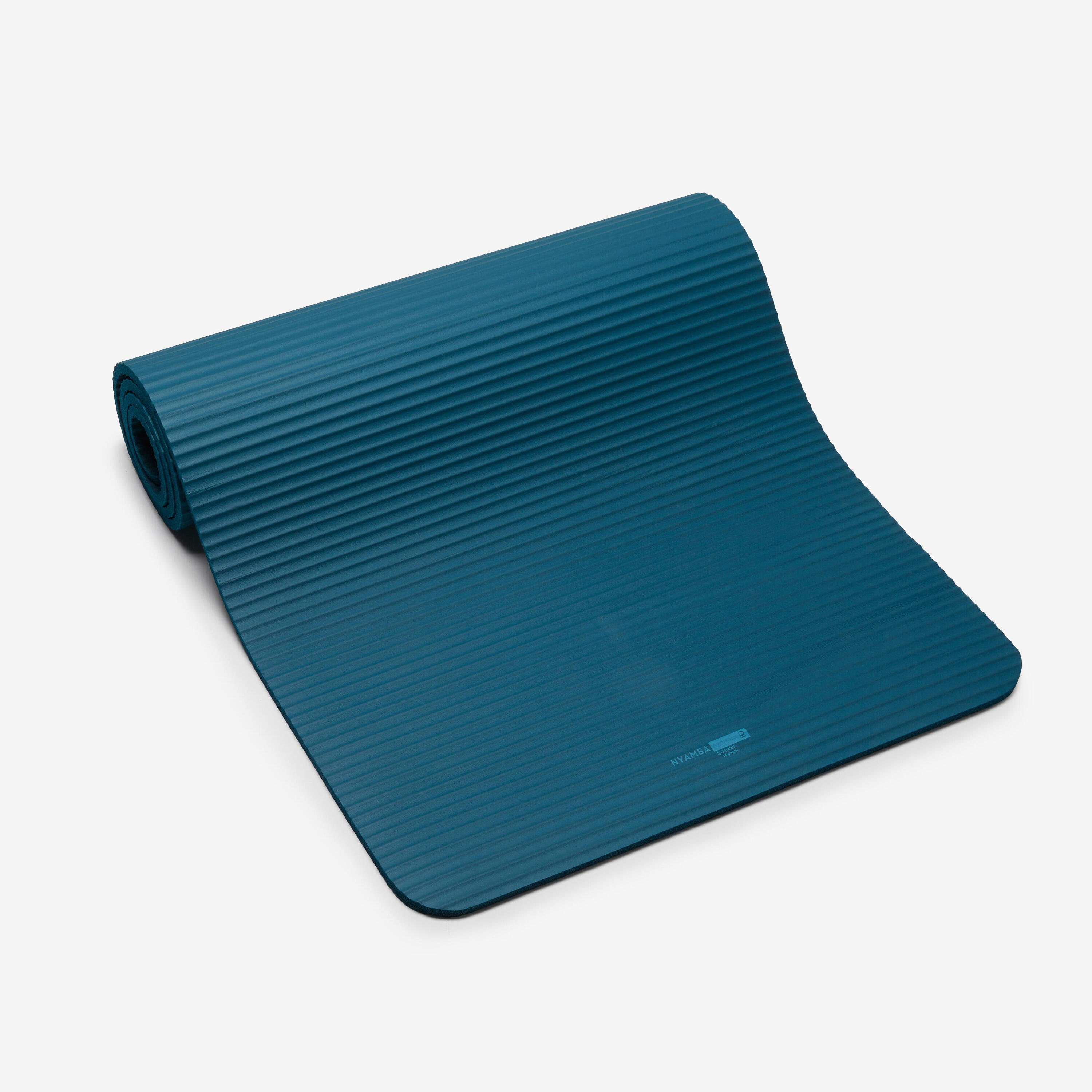
2 coloursDOMYOS 10 mm Comfortable Pilates Mat, Blue4.7(2,233)Reviews.votesAria2 coloursCurrent price {{currentPrice}} €21.00
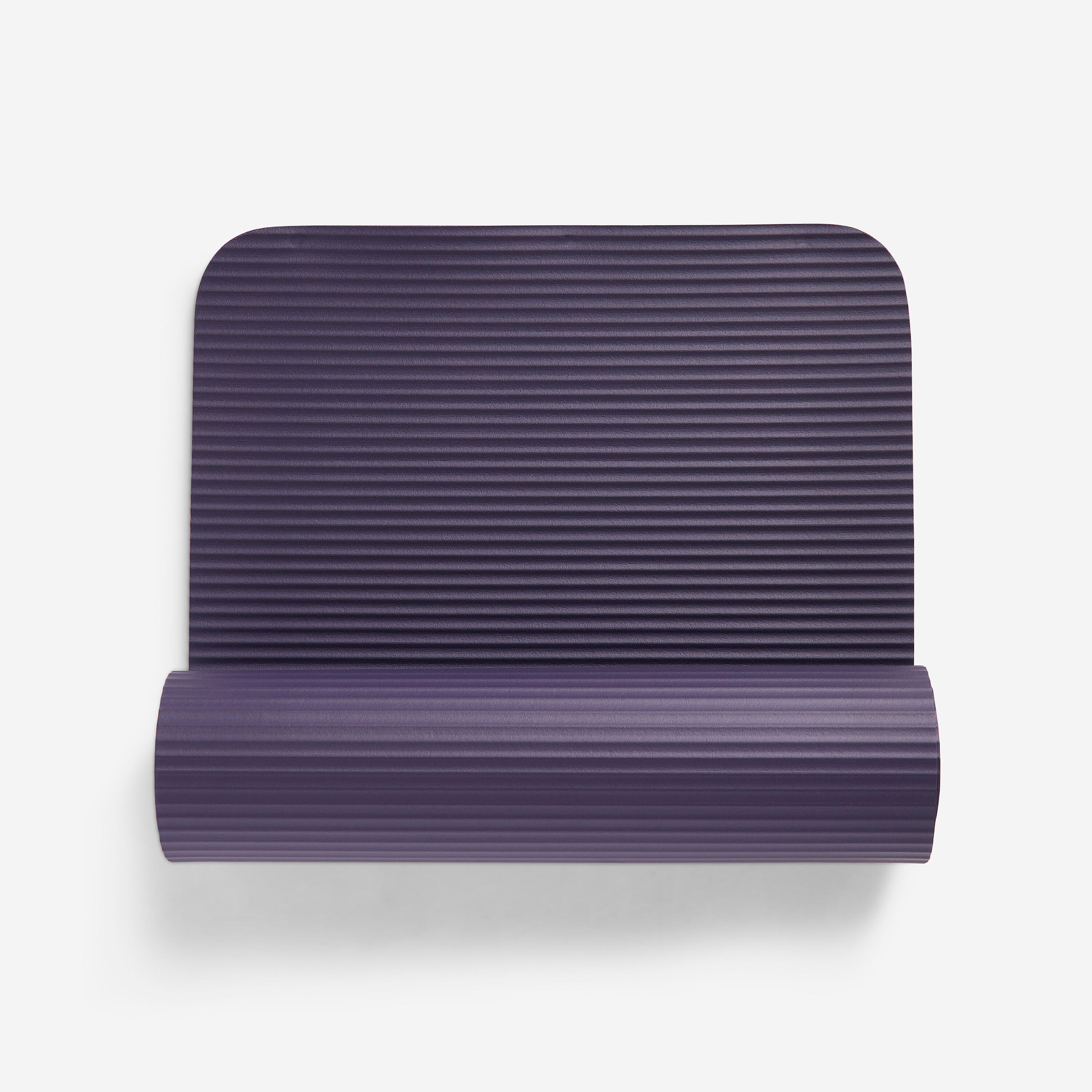
2 coloursDOMYOS 10 mm Comfortable Pilates Mat, Purple4.7(2,233)Reviews.votesAria2 coloursCurrent price {{currentPrice}} €19.00
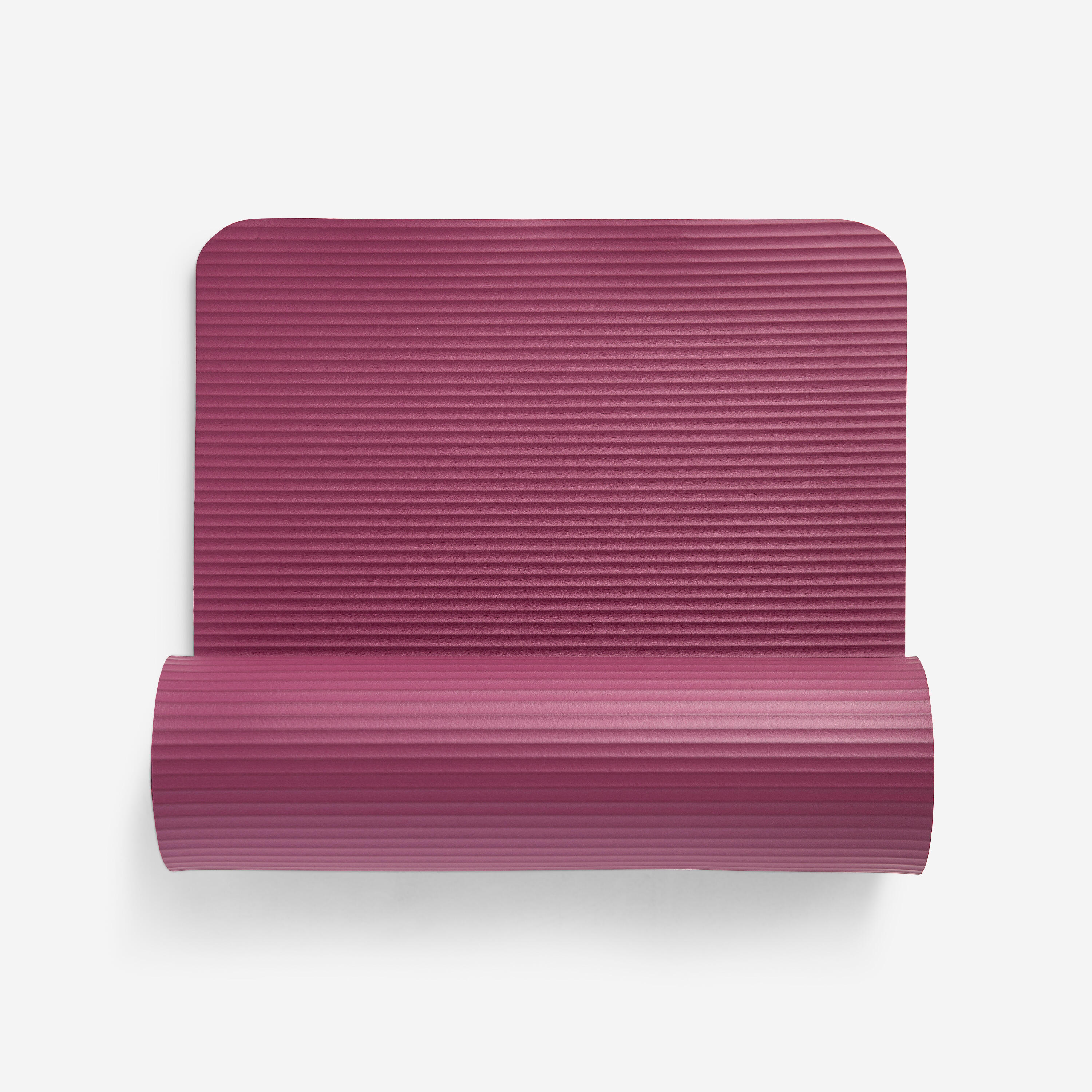
2 coloursDOMYOS 15 mm Comfortable Pilates Mat, Burgundy4.8(2,327)Reviews.votesAria2 coloursCurrent price {{currentPrice}} €30.00
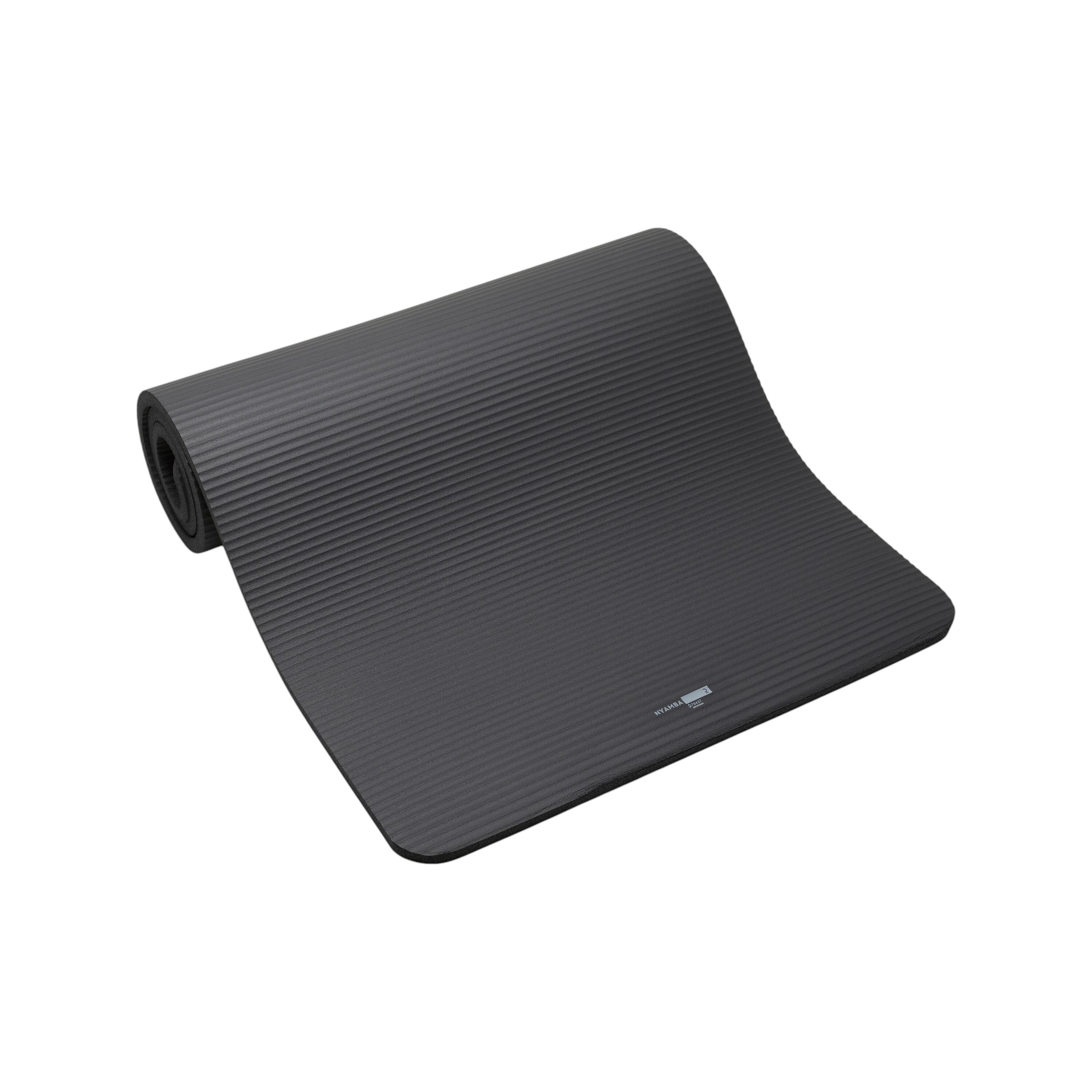
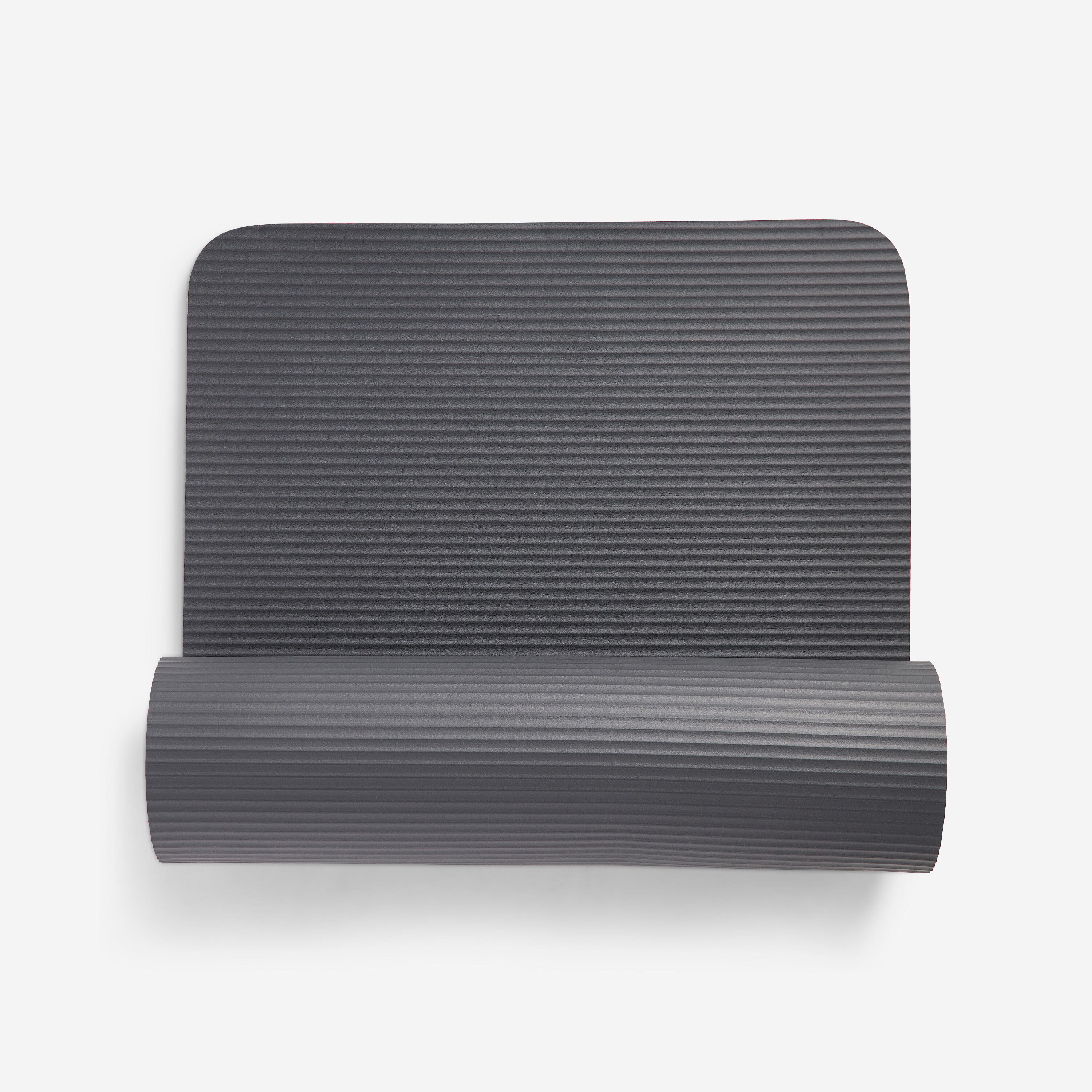
DOMYOS 10 mm Durable Fitness Mat - Dark Grey4.6(554)Reviews.votesAriaCurrent price {{currentPrice}} €30.00
2 coloursDOMYOS 15 mm Comfortable Pilates Mat, Light Green4.8(2,327)Reviews.votesAria2 coloursCurrent price {{currentPrice}} €30.00
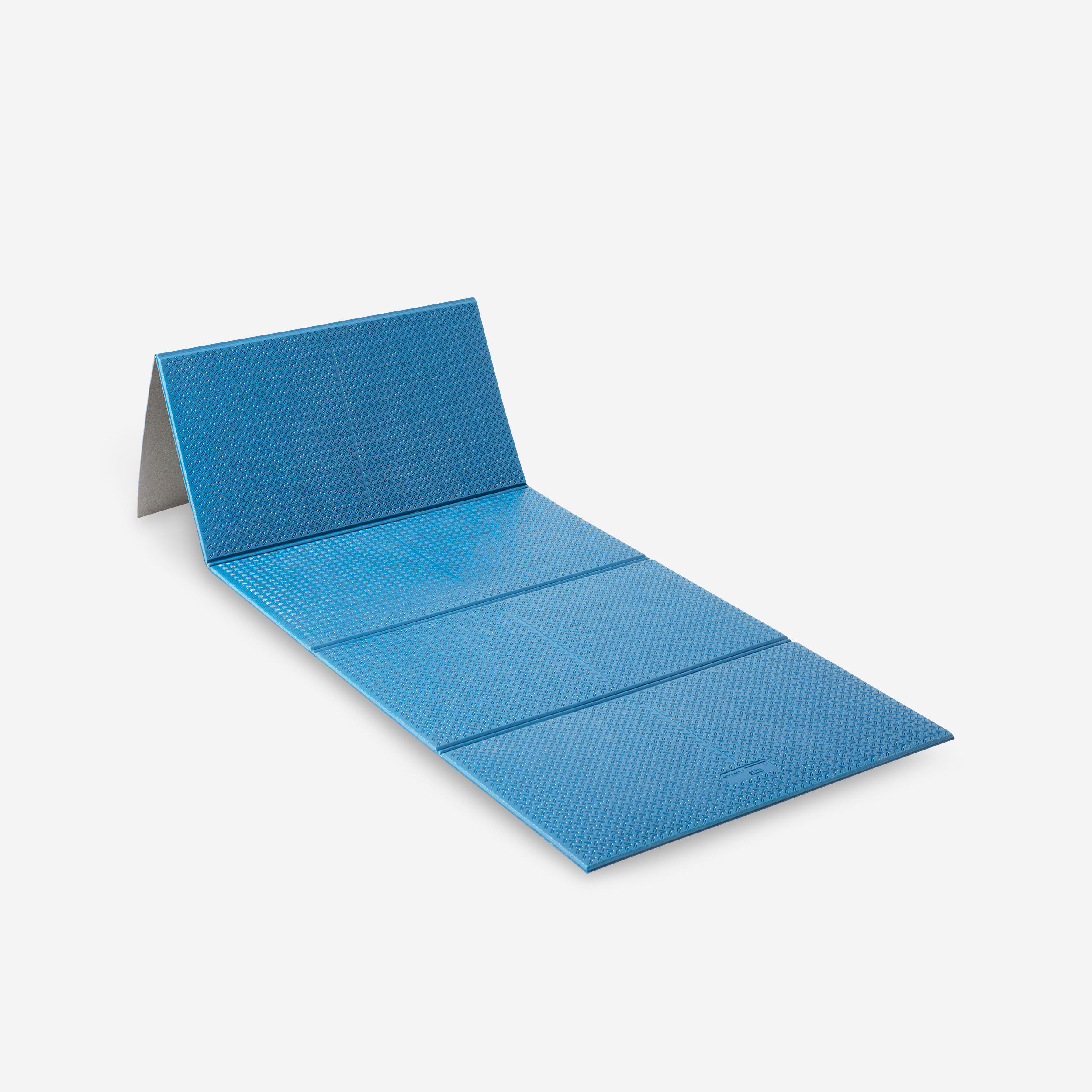
DOMYOS 7 mm Folding Fitness Mat - Blue4.6(1,046)Reviews.votesAriaCurrent price {{currentPrice}} €12.00
DOMYOS 20 mm Thick, Ultra Comfortable and Wide Pilates Mat - Black4.8(739)Reviews.votesAriaCurrent price {{currentPrice}} €50.00
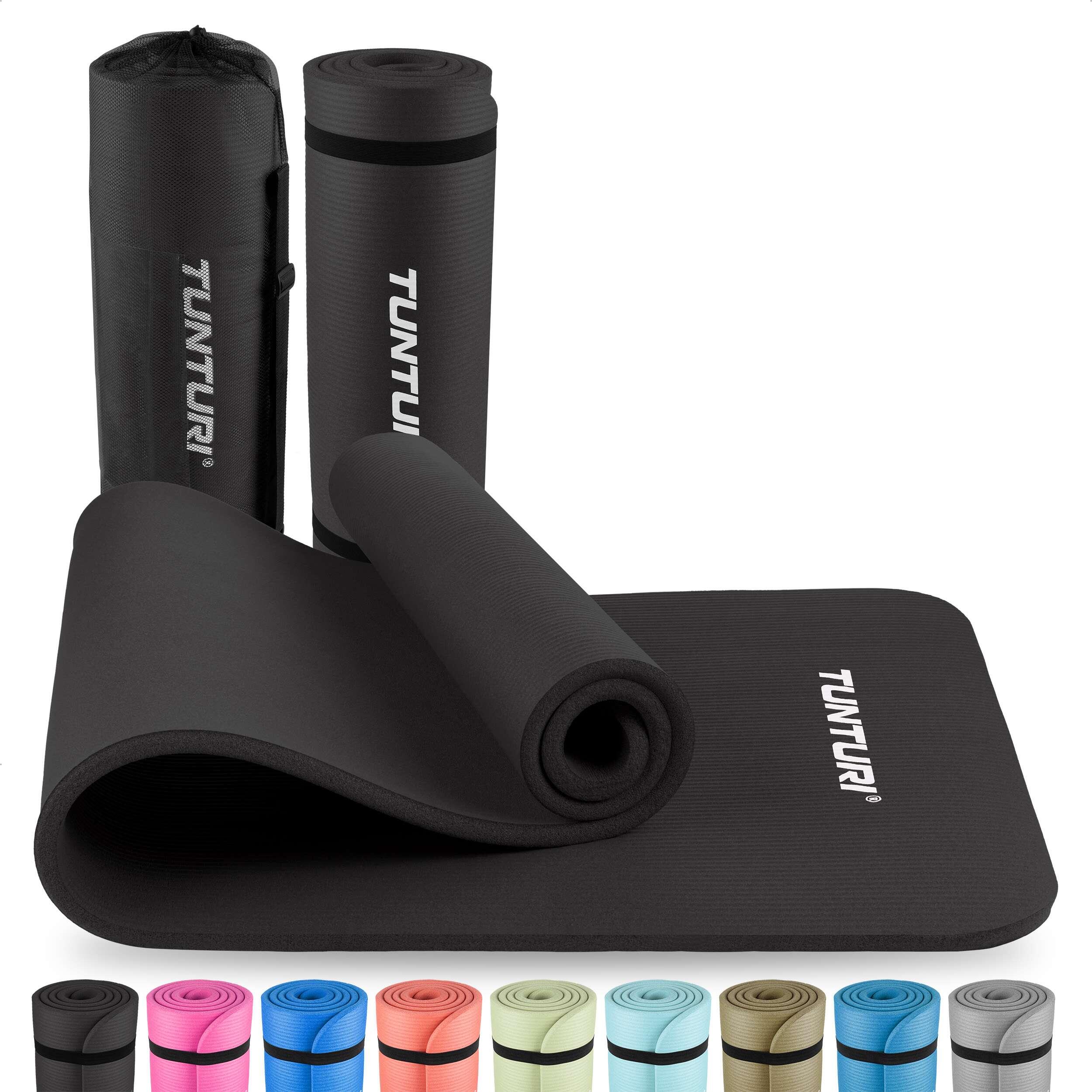
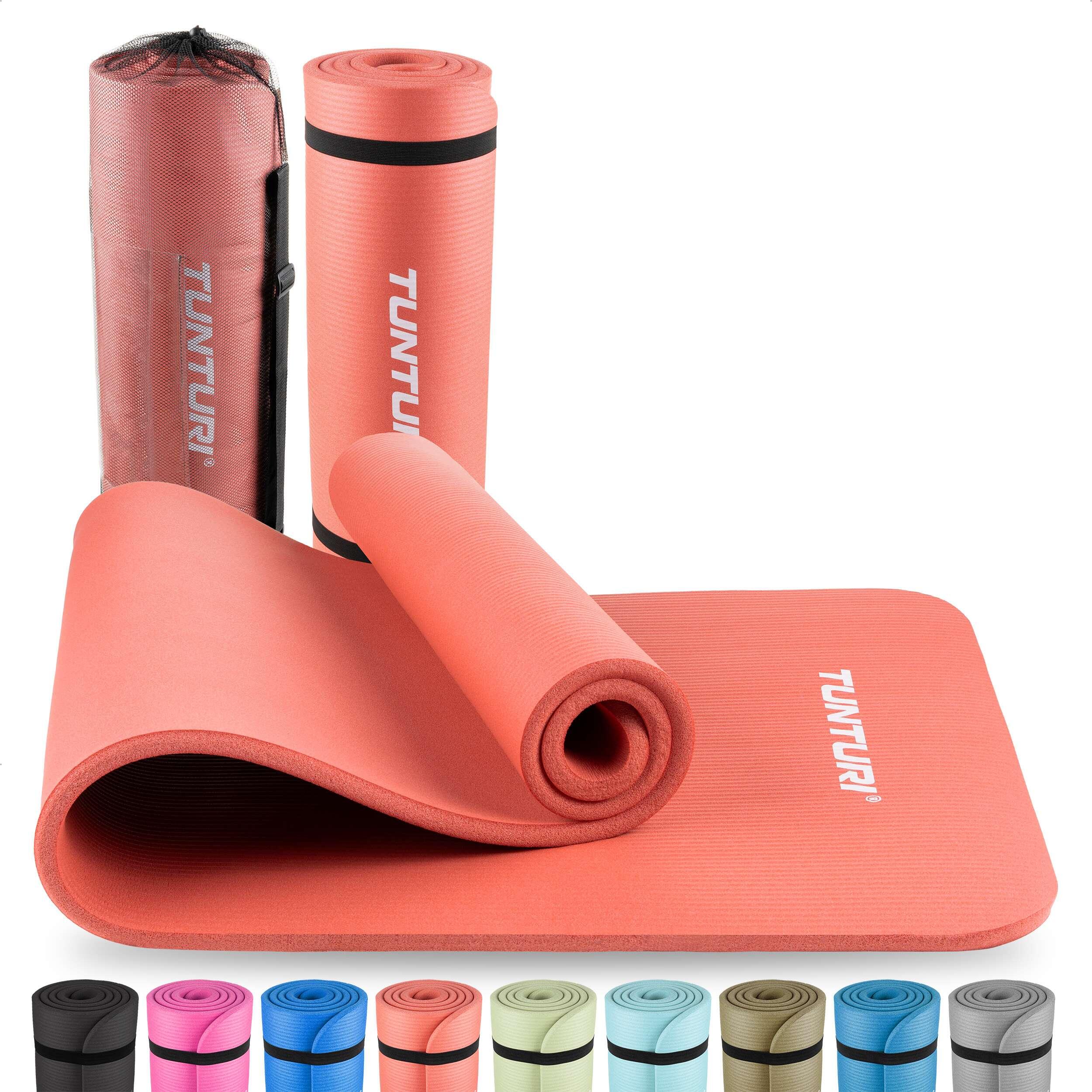
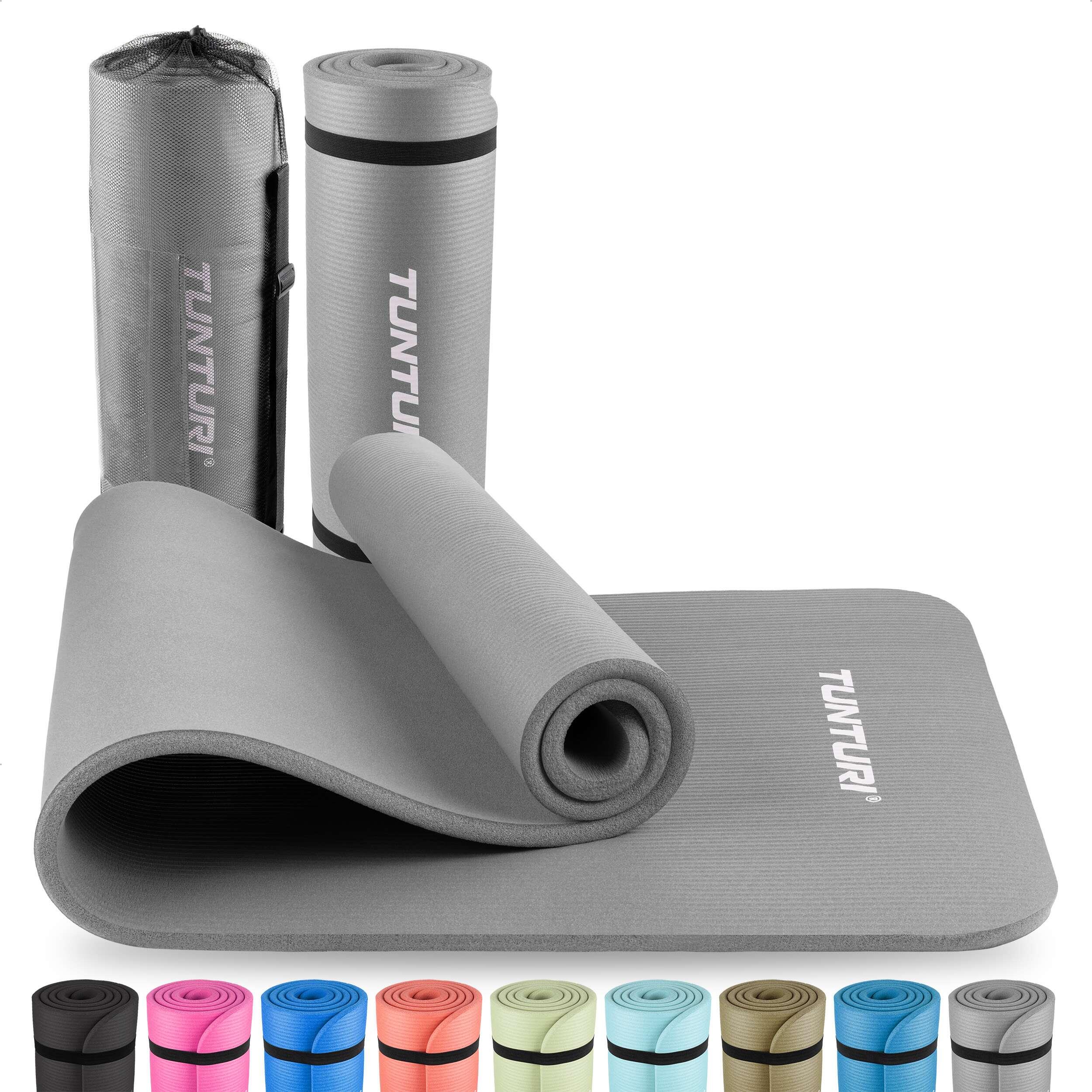
Marketplace -Online Only Marketplace -Online Only8 coloursMarketplace -Online OnlyTUNTURI NBR mat 15mm - Thick NBR mat - Pilates sportsmat - 180x60x1,5cm - With carry bag4.5(67)Reviews.votesAria8 coloursCurrent price {{currentPrice}} €29.99Sold and shipped by Tunturi New Fitness BV
Marketplace -Online Only Marketplace -Online Only8 coloursMarketplace -Online OnlyTUNTURI NBR Non Slip Yoga Fitness Mat – Soft Sports Training Pad for Workout, Gymnastics4.5(67)Reviews.votesAria8 coloursCurrent price {{currentPrice}} €29.99€29.99/unitSold and shipped by Tunturi New Fitness BV
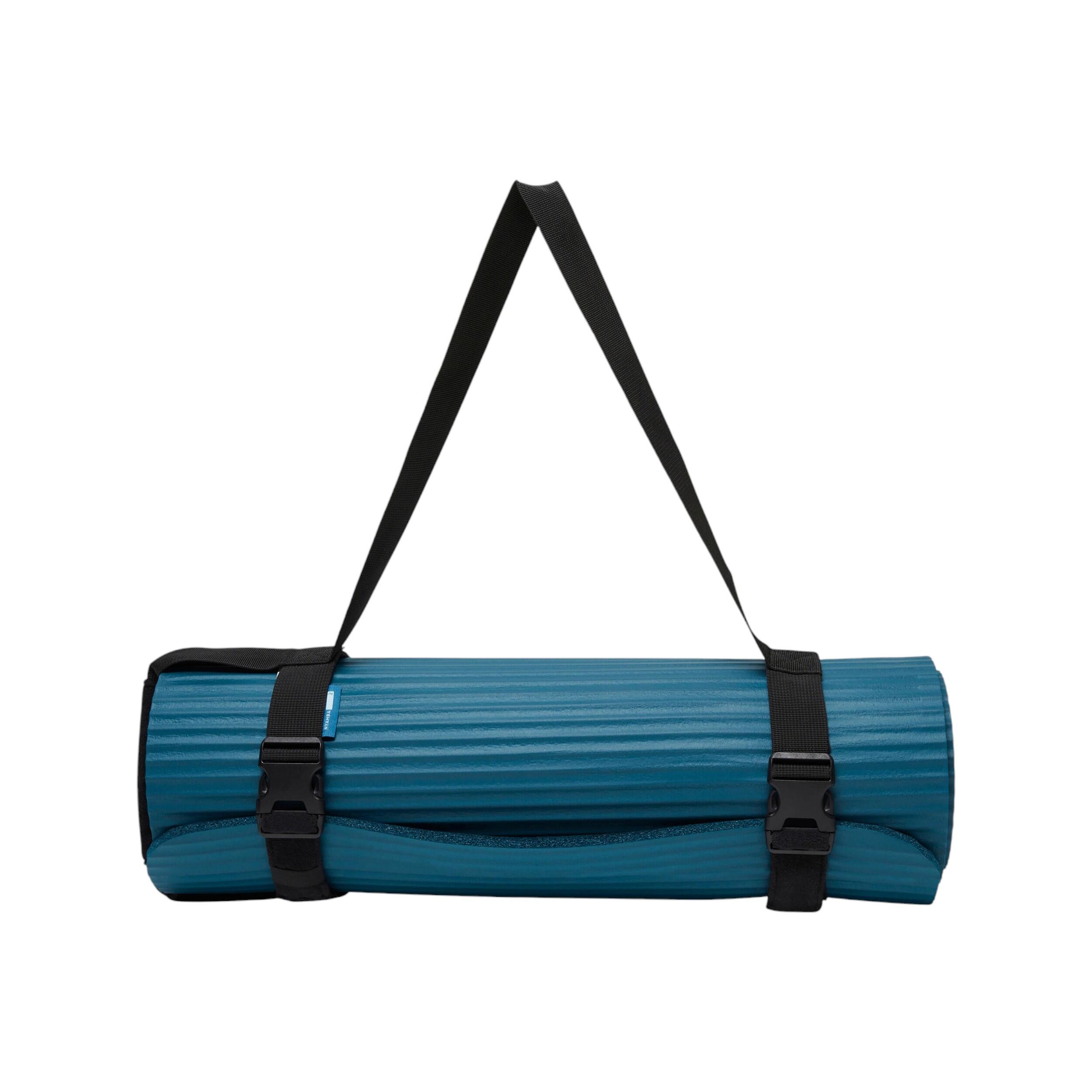
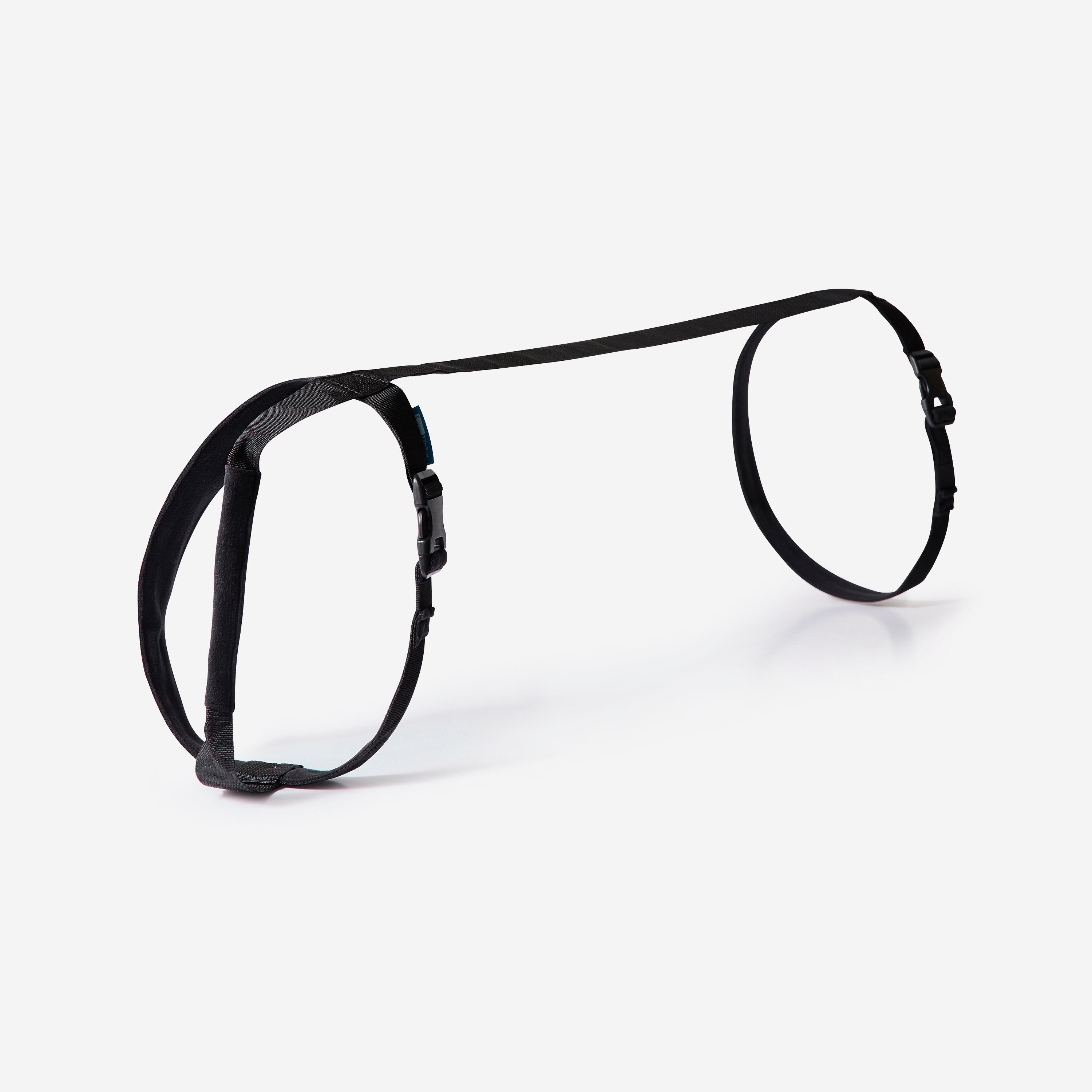
DOMYOS Adjustable Universal Fitness Mat Strap - Black4.6(576)Reviews.votesAriaCurrent price {{currentPrice}} €6.00
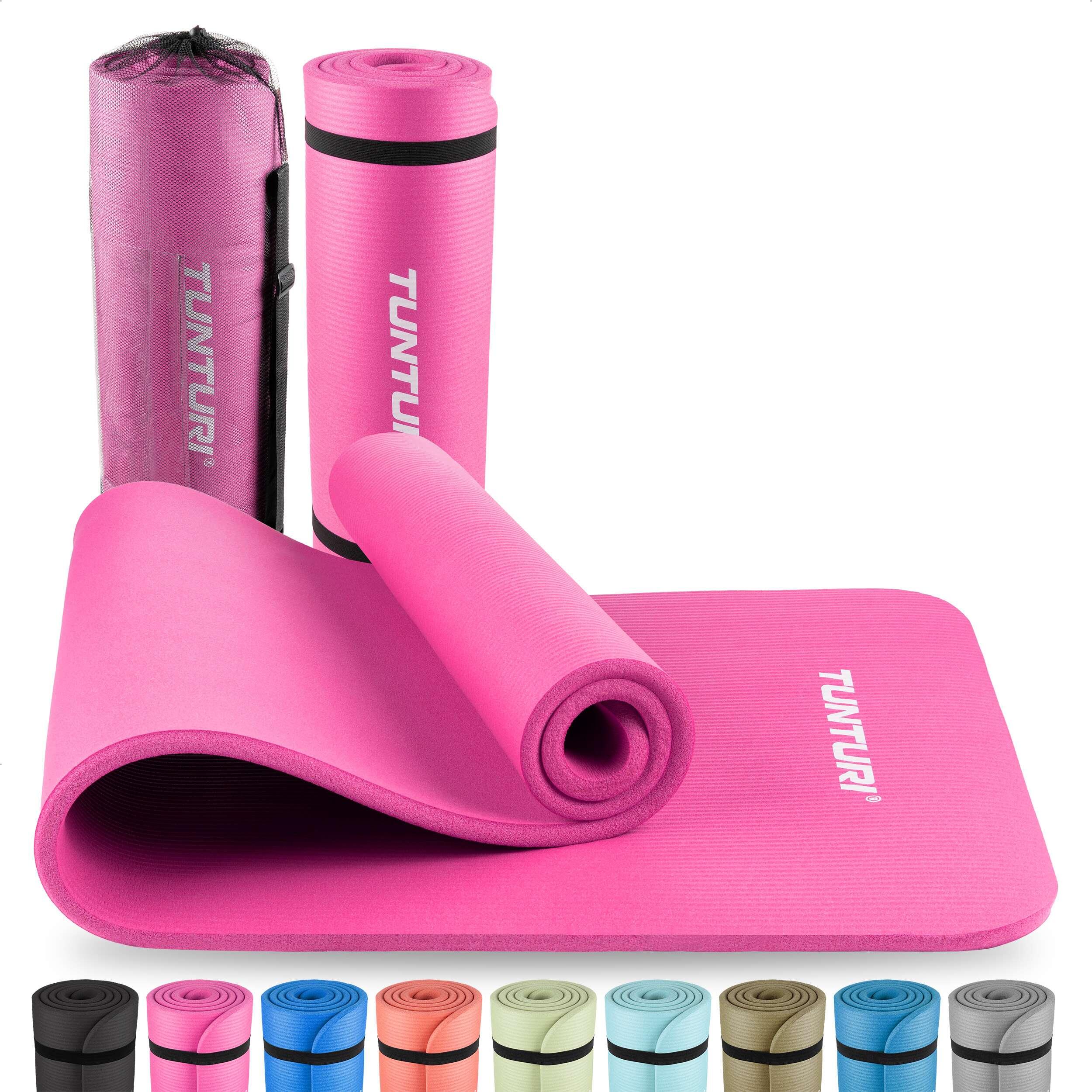
Marketplace -Online Only Marketplace -Online Only8 coloursMarketplace -Online OnlyTUNTURI NBR Non Slip Yoga Fitness Mat – Soft Sports Training Pad for Workout (Pink)4.5(67)Reviews.votesAria8 coloursCurrent price {{currentPrice}} €29.99Sold and shipped by Tunturi New Fitness BV
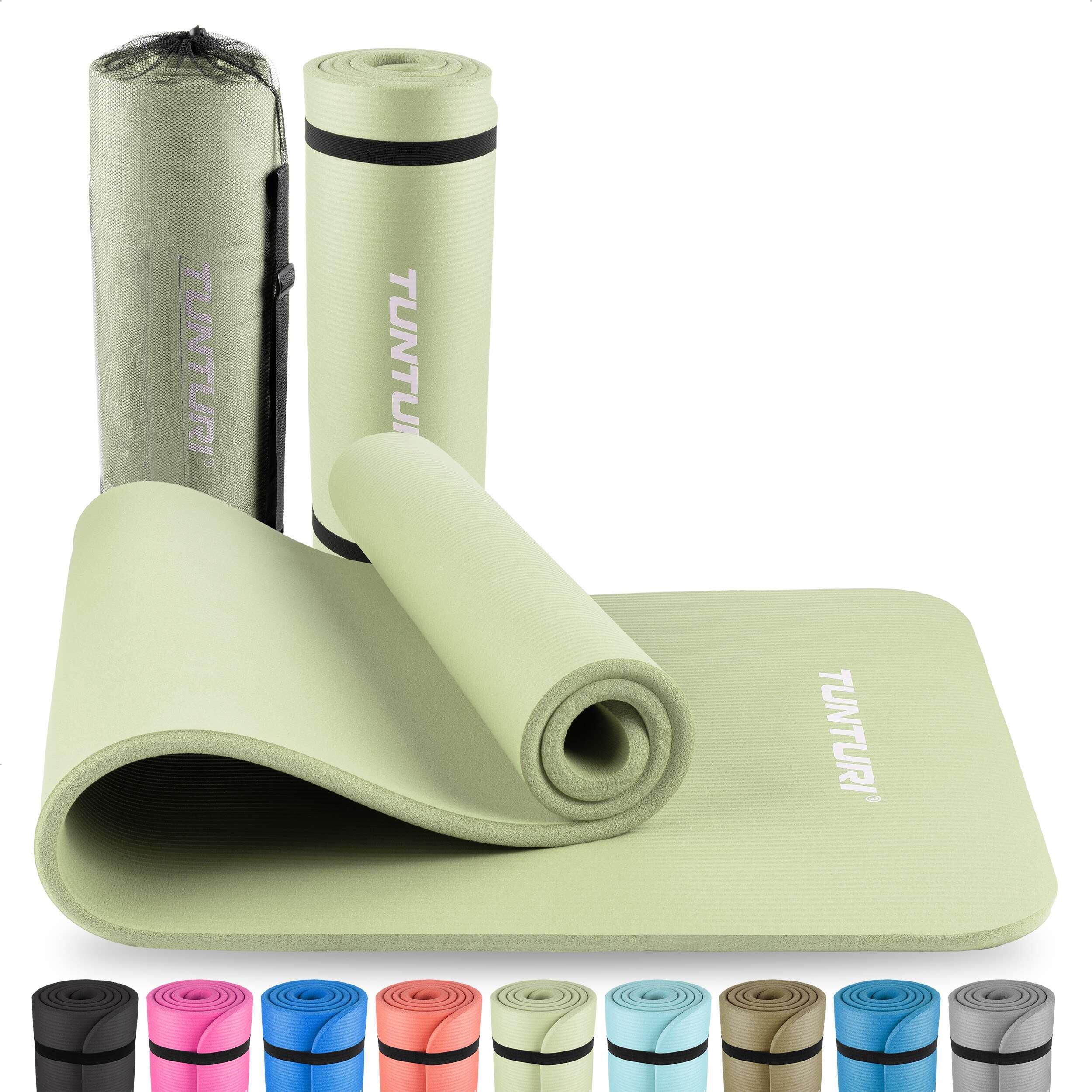
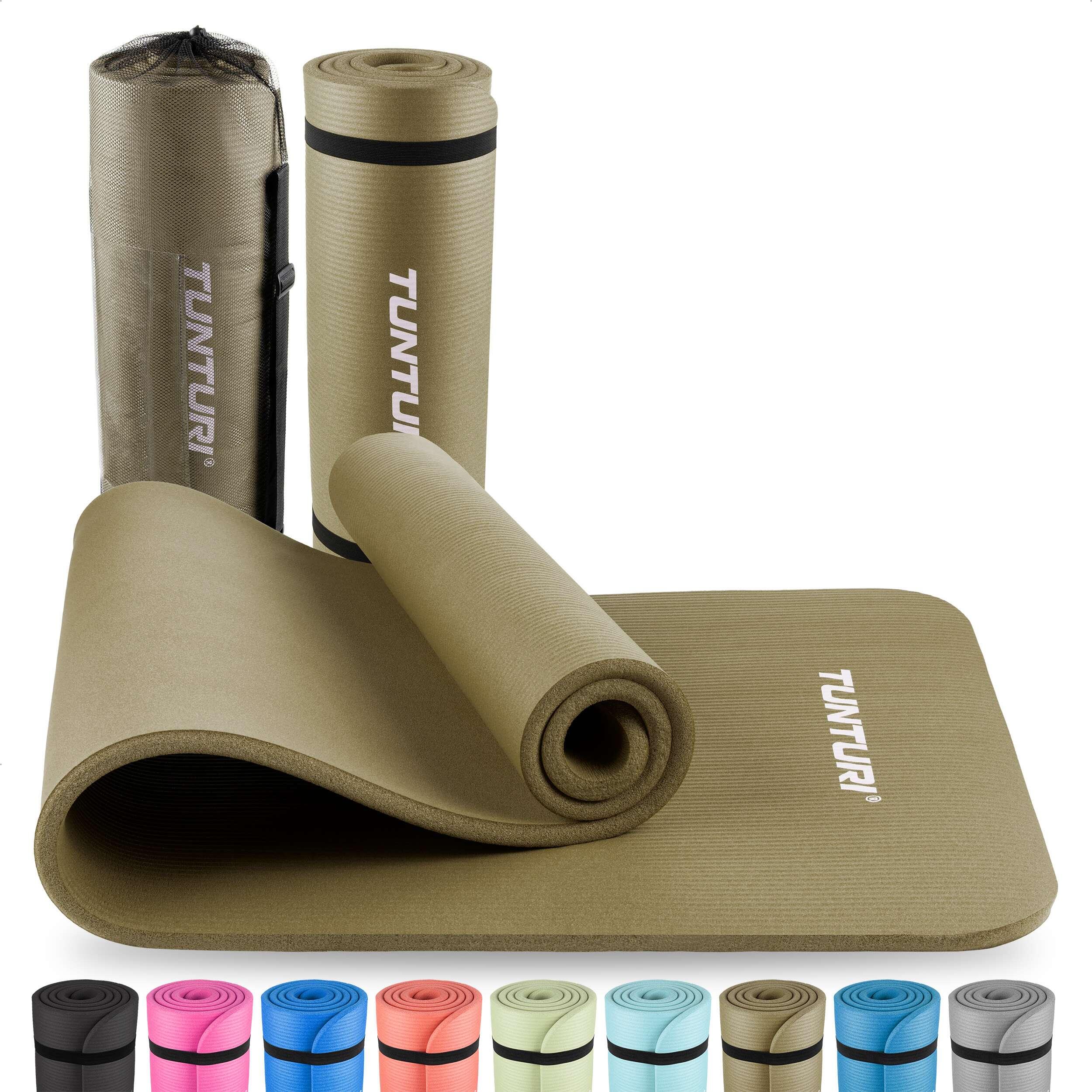
Marketplace -Online Only Marketplace -Online Only8 coloursMarketplace -Online OnlyTUNTURI NBR mat 15mm - Thick NBR mat - Pilates sportsmat - 180x60x1,5cm - Army Green4.5(67)Reviews.votesAria8 coloursCurrent price {{currentPrice}} €29.99€29.99/unitSold and shipped by Tunturi New Fitness BV
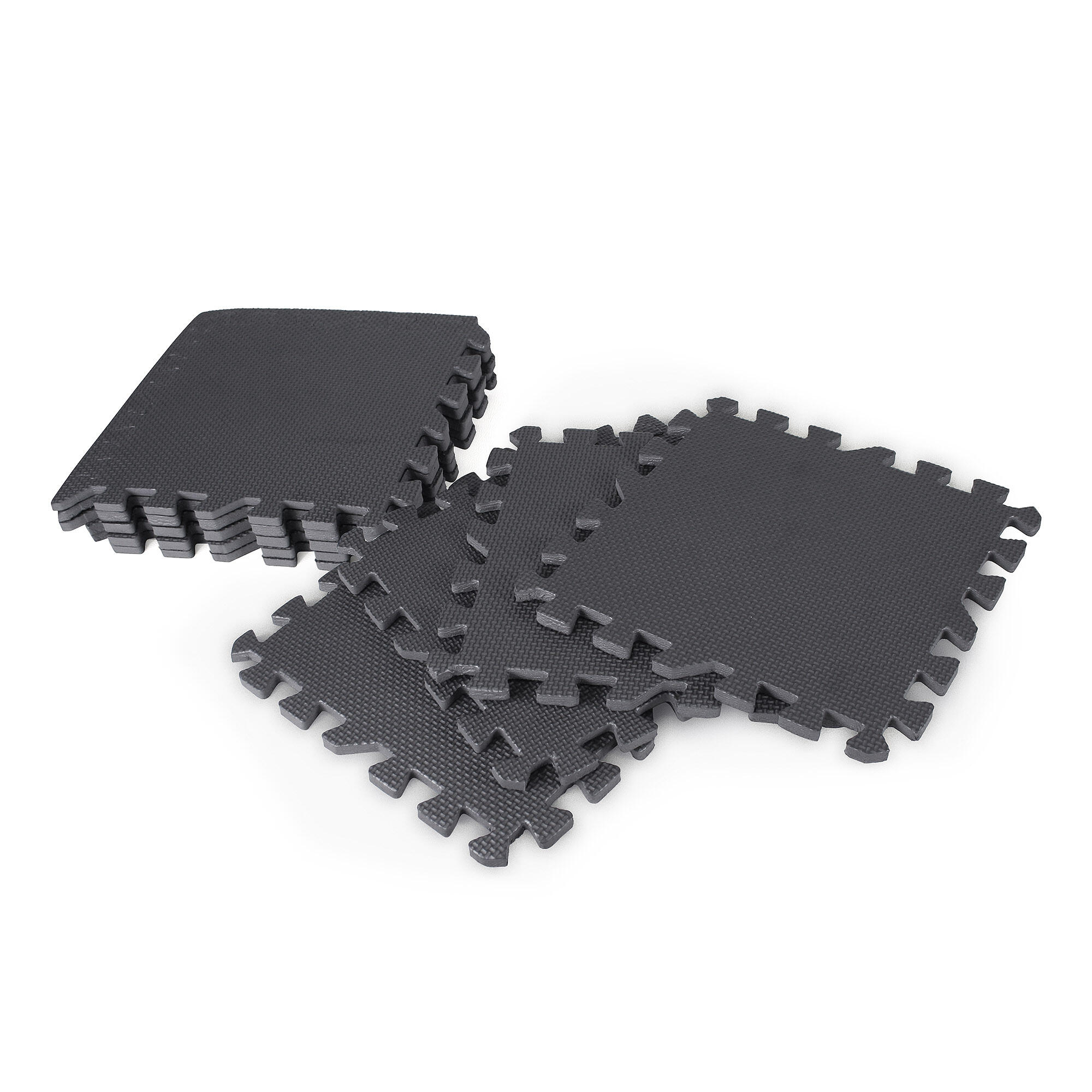
Marketplace -Online Only Marketplace -Online OnlyMarketplace -Online OnlyINDIGO SPORTS INDIGO 9-Piece Interlocking Non-Slip Fitness Mat3.2(5)Reviews.votesAriaCurrent price {{currentPrice}} €10.99Sold and shipped by Indigo Sports S.L.
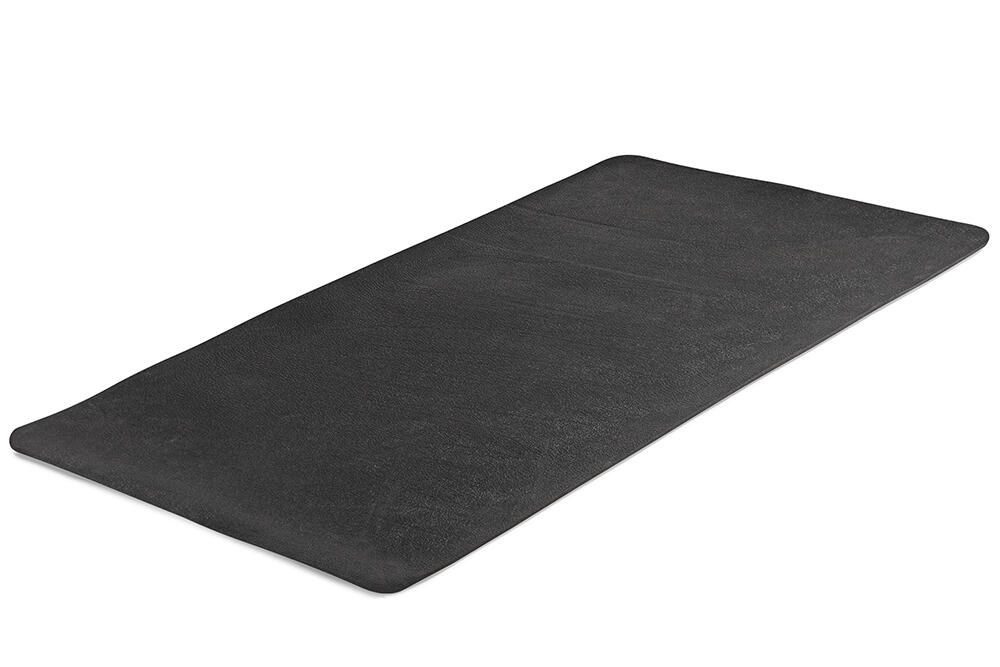
Marketplace -Online Only Marketplace -Online OnlyMarketplace -Online OnlyVIRTUFIT Premium Universal Floor Mat - Protective Mat Fitness - 200 x 90 x 0.7 cm3.7(3)Reviews.votesAriaCurrent price {{currentPrice}} €43.00Sold and shipped by Fitwinkel - Sporttrader
Marketplace -Online Only Marketplace -Online OnlyMarketplace -Online OnlySPORTENZIA Yoga mat carrier bag 30 L with wet pocket and adjustable shoulder strapCurrent price {{currentPrice}} €29.99Sold and shipped by Sportenzia
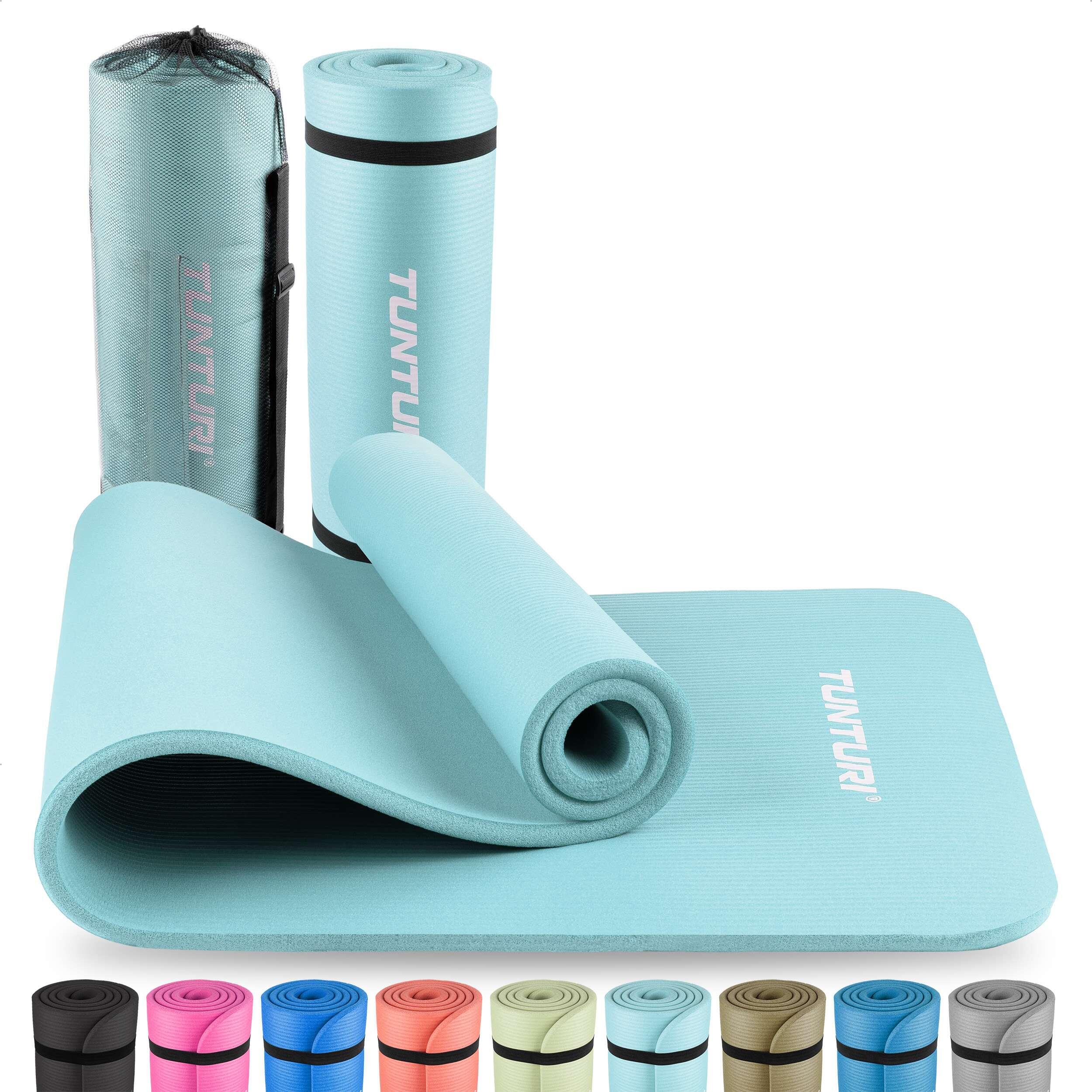
Marketplace -Online Only Marketplace -Online Only8 coloursMarketplace -Online OnlyTUNTURI NBR mat 15mm - Thick Pilates sportsmat 180x60x1,5cm - With carry bag - Light4.5(67)Reviews.votesAria8 coloursCurrent price {{currentPrice}} €29.99€29.99/unitSold and shipped by Tunturi New Fitness BV
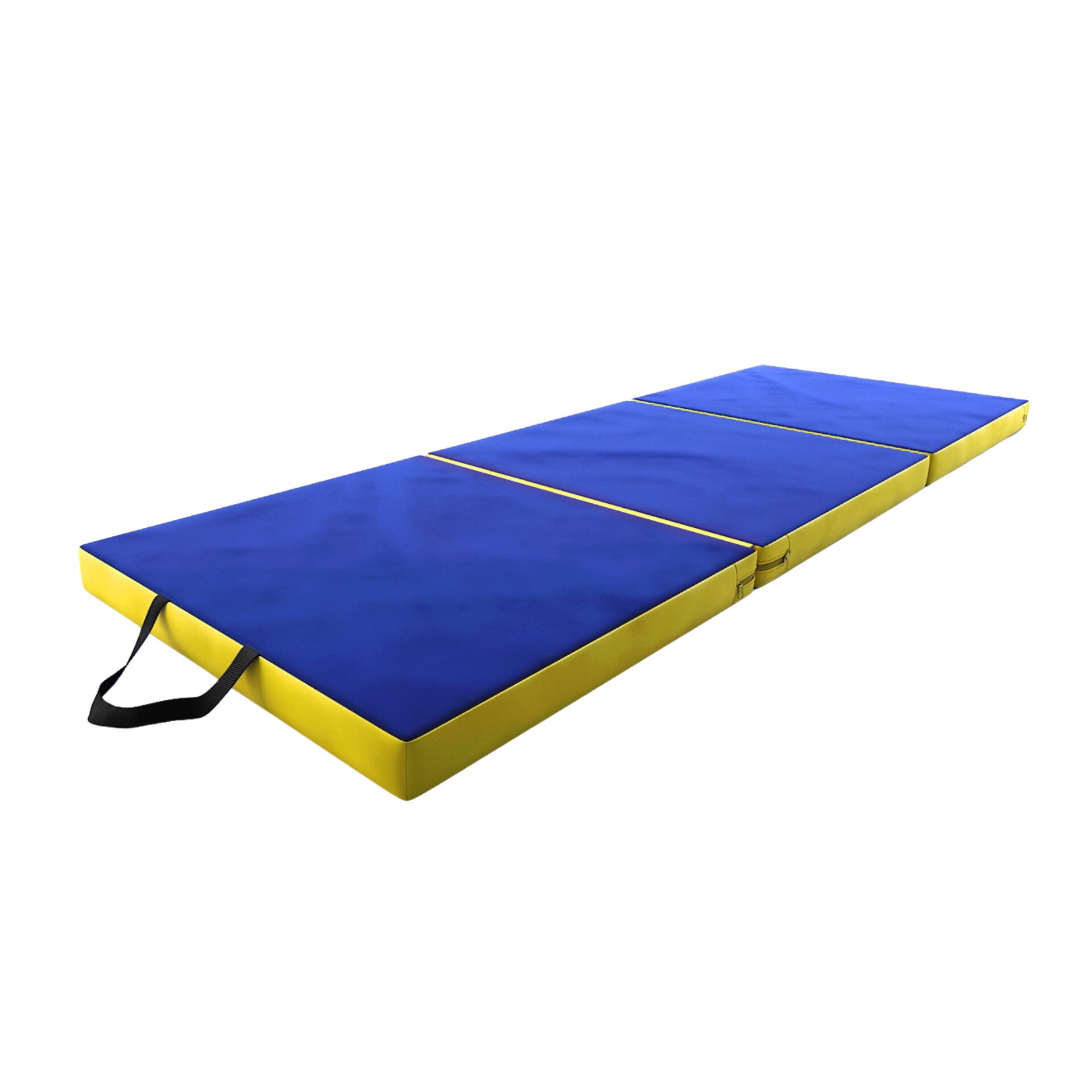
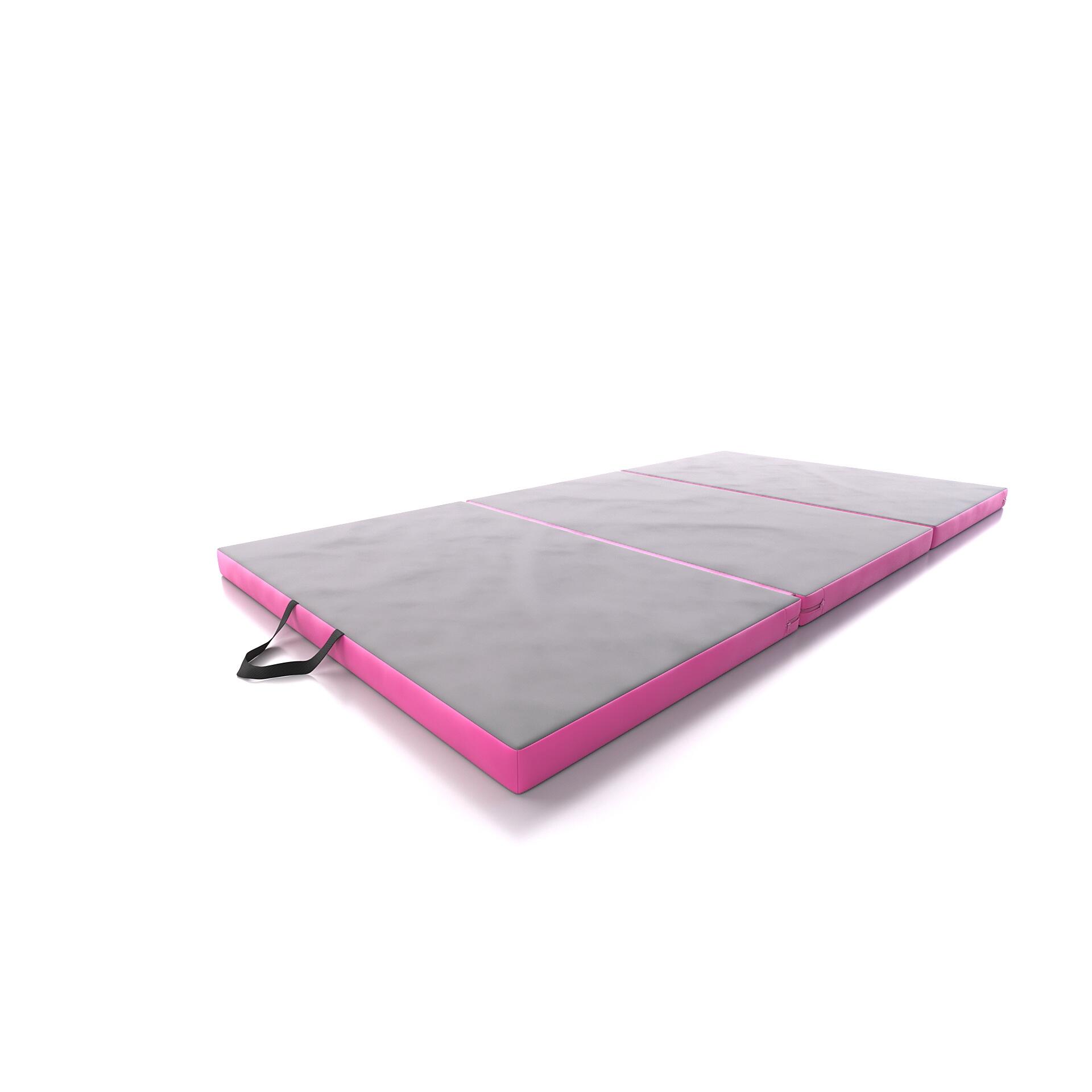
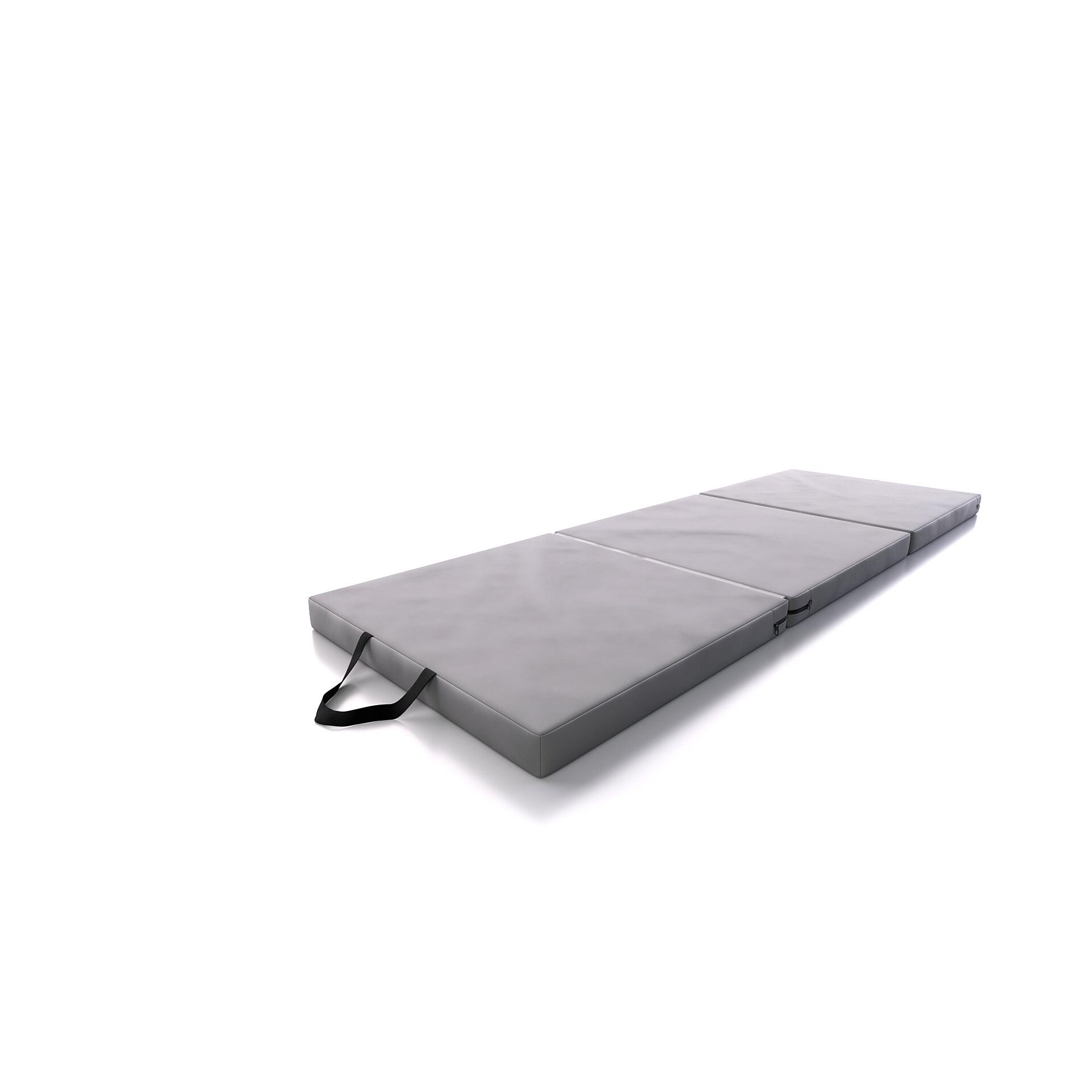
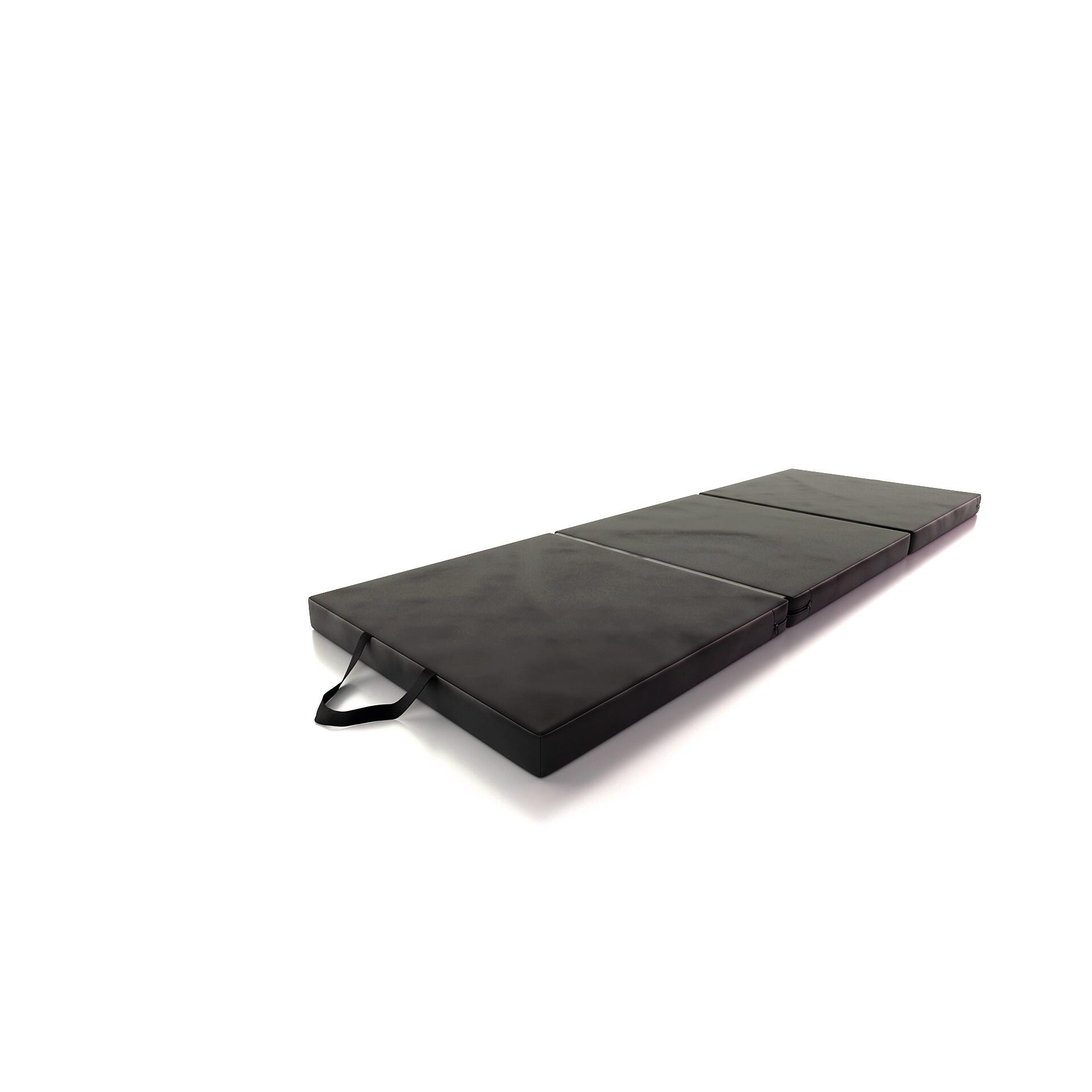
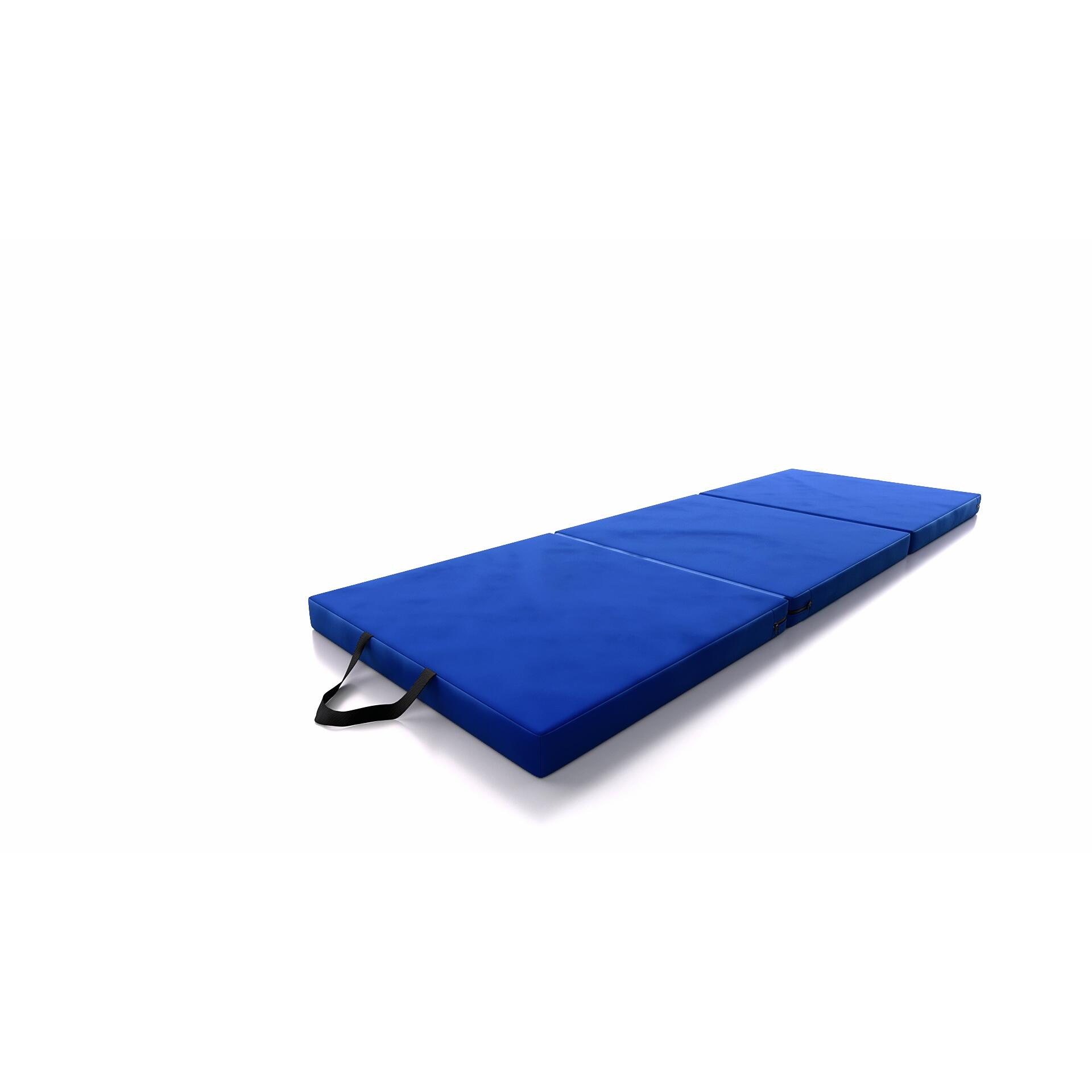
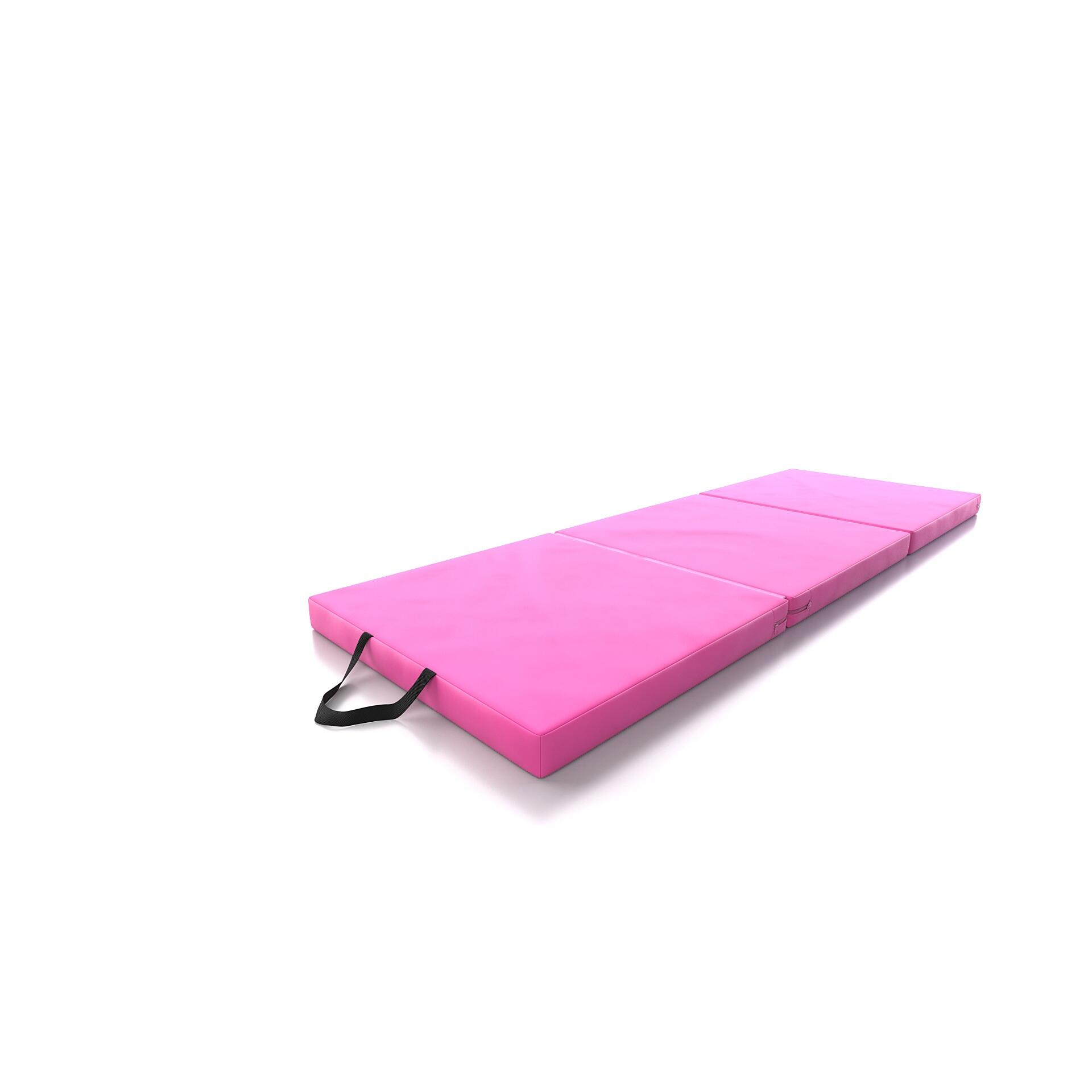
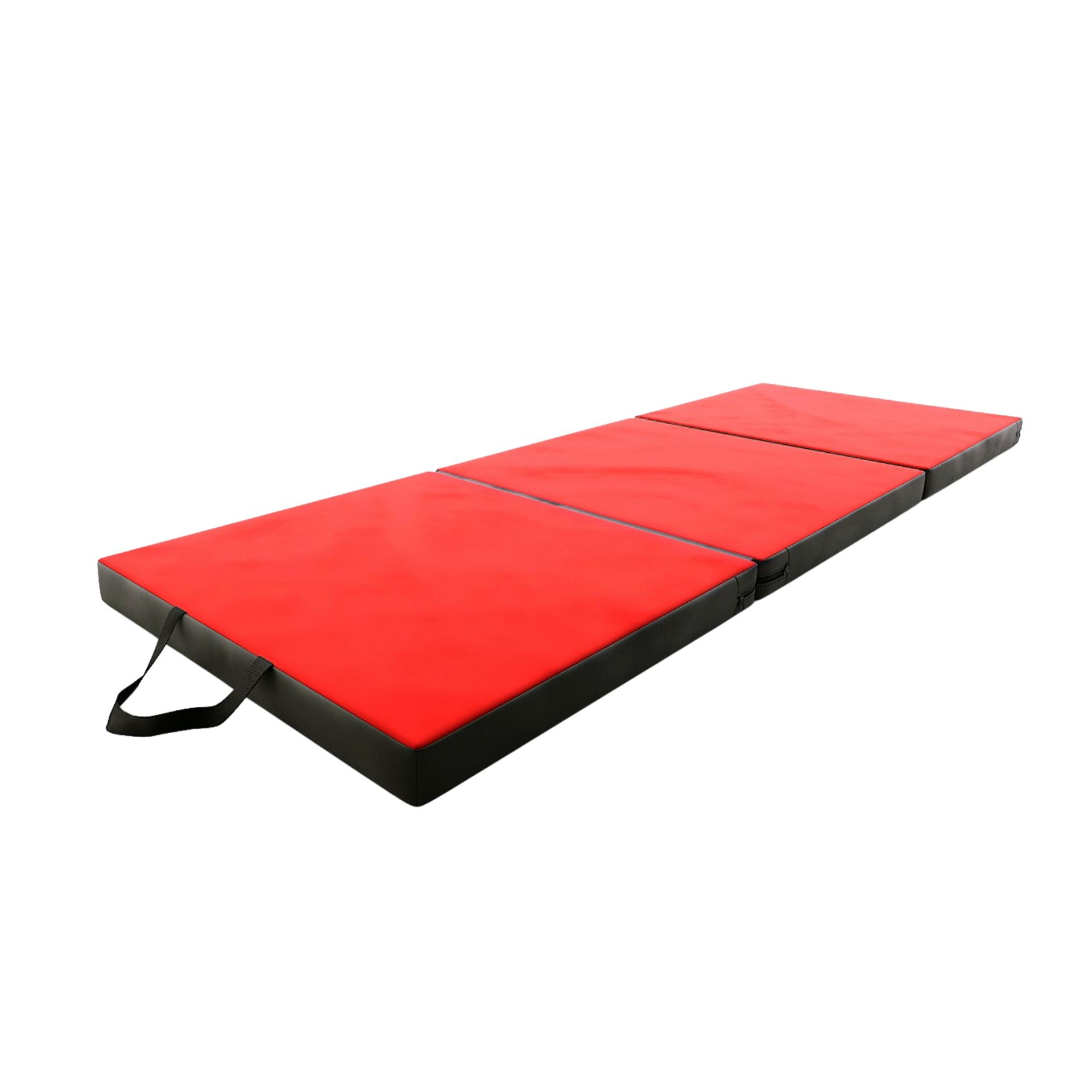
Marketplace -Online Only Marketplace -Online Only4 coloursMarketplace -Online OnlyINDIGO SPORTS DRUNA Foldable Gymnastics Mat 195x100x5 cm with Handles4 coloursCurrent price {{currentPrice}} €159.99€159.99/unitSold and shipped by Indigo Sports S.L.
Marketplace -Online Only Marketplace -Online Only8 coloursMarketplace -Online OnlyTUNTURI NBR mat 15mm - Thick NBR mat - Pilates sportsmat - 180x60x1,5cm - Carry bag -4.5(67)Reviews.votesAria8 coloursCurrent price {{currentPrice}} €29.99Sold and shipped by Tunturi New Fitness BV
Last chance Last chance2 coloursLast chanceDOMYOS 8 mm Durable and Grippy Fitness Mat - Grey4.7(773)Reviews.votesAria2 coloursCurrent price {{currentPrice}} €20.00
Marketplace -Online Only Marketplace -Online OnlyMarketplace -Online OnlyVIRTUFIT PVC Fitness Mat - 180 x 60 x 1.5 cm - Yoga Mat with Carry Strap4.6(18)Reviews.votesAriaCurrent price {{currentPrice}} €41.00Sold and shipped by Fitwinkel - Sporttrader
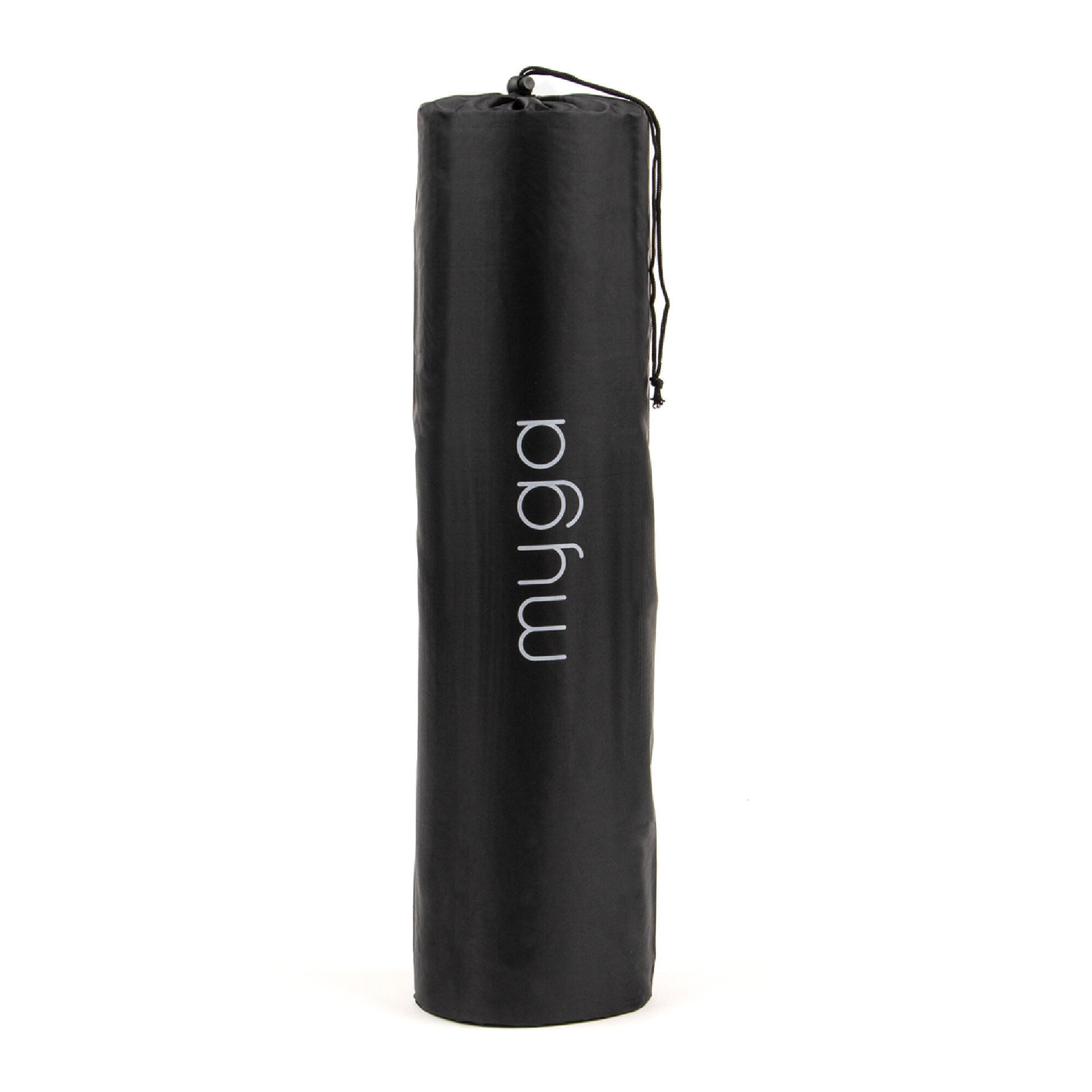
Marketplace -Online Only Marketplace -Online OnlyMarketplace -Online OnlyMYGA Myga Yoga Mat Carry Bag - Black4.7(3)Reviews.votesAriaCurrent price {{currentPrice}} €7.99Sold and shipped by Sportano EU
Marketplace -Online Only Marketplace -Online Only6 coloursMarketplace -Online OnlyINDIGO SPORTS DRUNA Foldable Gymnastics Mat 180x60x6 cm with Handles6 coloursCurrent price {{currentPrice}} €109.99€109.99/unitSold and shipped by Indigo Sports S.L.
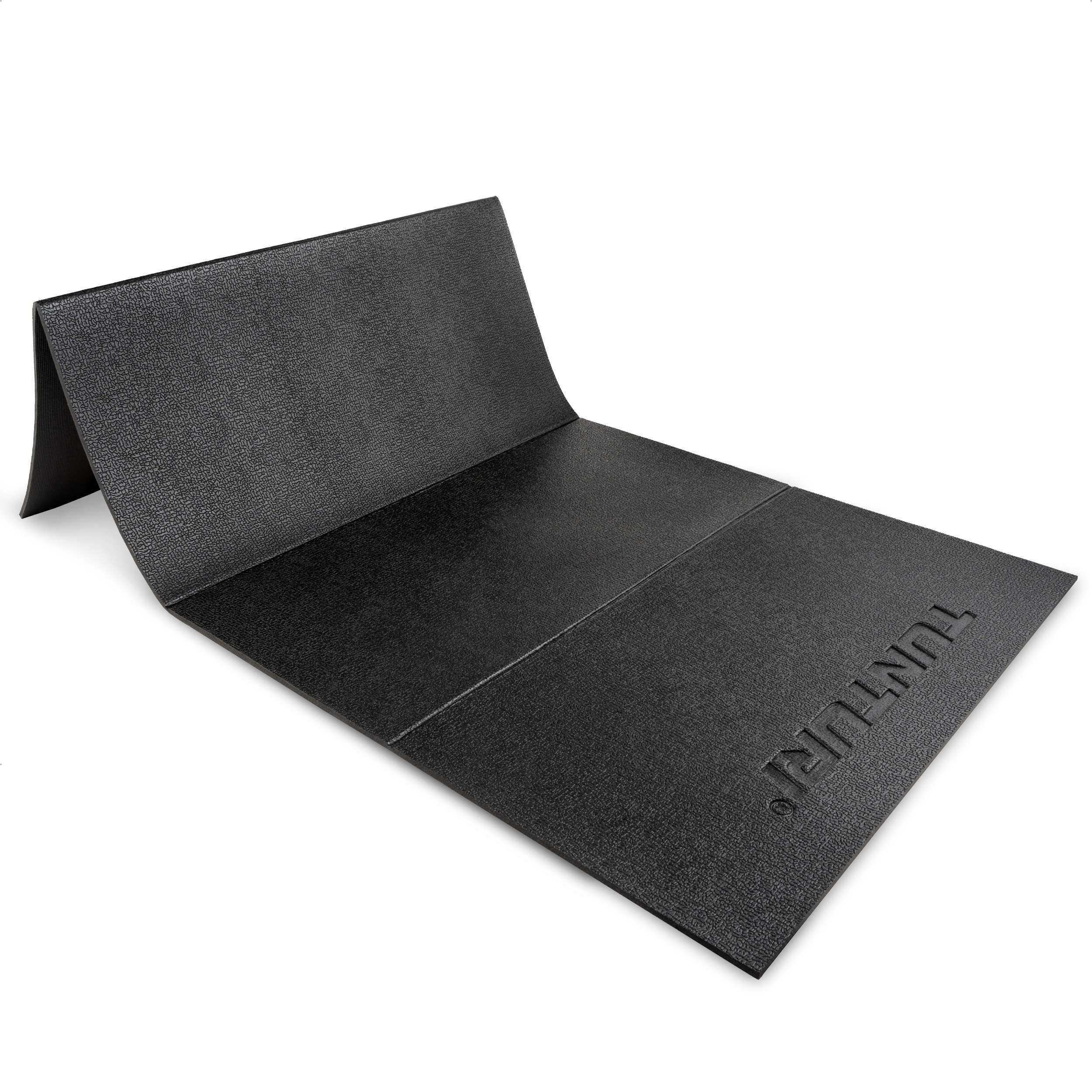
Marketplace -Online Only Marketplace -Online OnlyMarketplace -Online OnlyTUNTURI Fitness Mat - Outdoor Mat Extra Thick - Yoga Mat Non-Slip - Pilates Mat - 6 mmCurrent price {{currentPrice}} €27.99Sold and shipped by Tunturi New Fitness BV
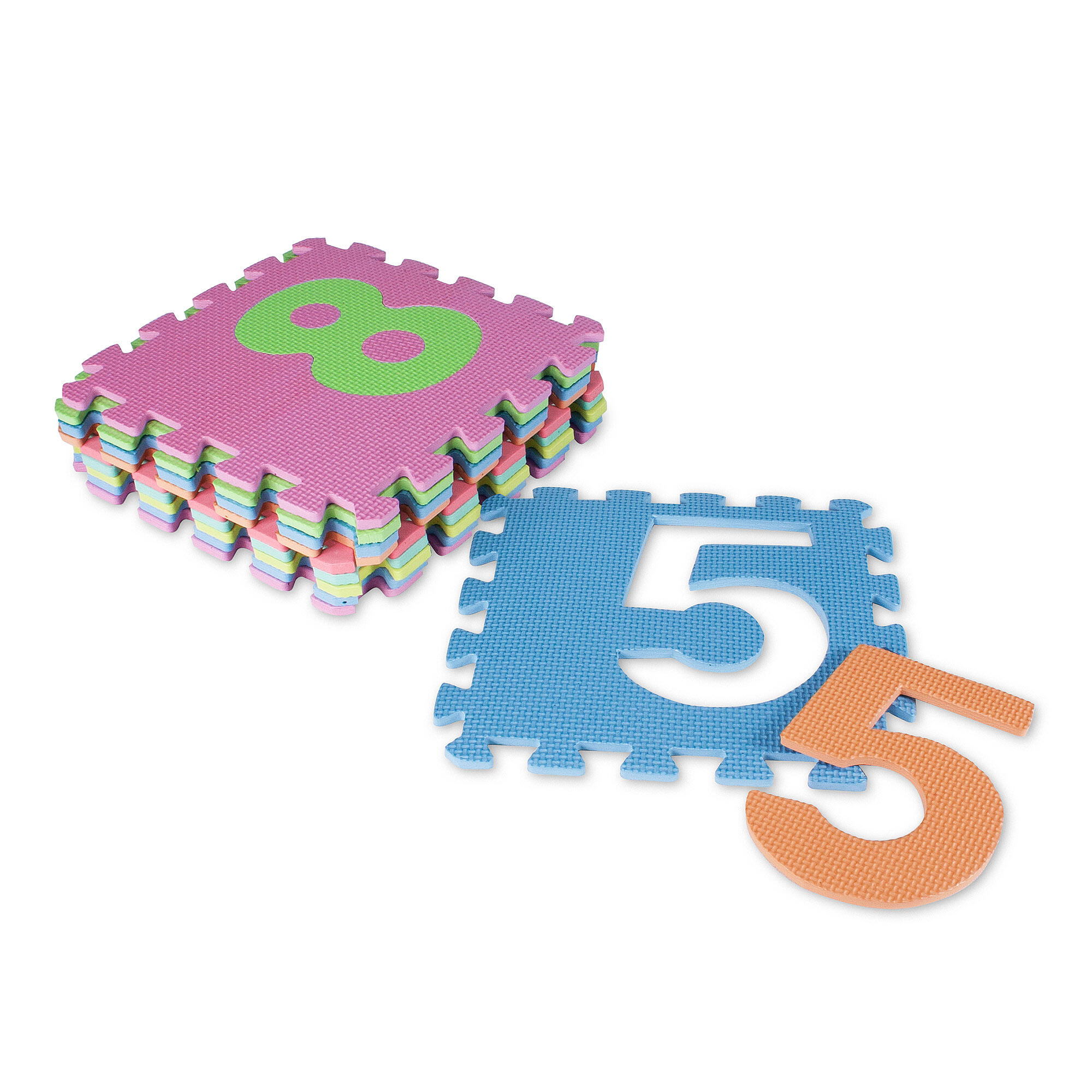
Marketplace -Online Only Marketplace -Online OnlyMarketplace -Online OnlyINDIGO SPORTS INDIGO Interlocking Puzzle Fitness Mat with Numbers 10 Pieces2(3)Reviews.votesAriaCurrent price {{currentPrice}} €9.99Sold and shipped by Indigo Sports S.L.
Marketplace -Online Only Marketplace -Online Only4 coloursMarketplace -Online OnlyINDIGO SPORTS DRUNA Foldable Gymnastics Mat 195x100x5 cm with Handles4 coloursCurrent price {{currentPrice}} €159.99€159.99/unitSold and shipped by Indigo Sports S.L.
Marketplace -Online Only Marketplace -Online OnlyMarketplace -Online OnlyVIRTUFIT Premium Universal Floor Mat - Protective Fitness Mat 130 x 70 x 0.7 cm4.8(4)Reviews.votesAriaCurrent price {{currentPrice}} €36.00Sold and shipped by Fitwinkel - Sporttrader
Marketplace -Online Only Marketplace -Online Only7 coloursMarketplace -Online OnlyINDIGO SPORTS DRUNA Foldable Gymnastics Mat 195x80x6 cm with Handles7 coloursCurrent price {{currentPrice}} €149.99€149.99/unitSold and shipped by Indigo Sports S.L.
Marketplace -Online Only Marketplace -Online Only7 coloursMarketplace -Online OnlyINDIGO SPORTS DRUNA Foldable Gymnastics Mat 195x80x6 cm with Handles7 coloursCurrent price {{currentPrice}} €149.99€149.99/unitSold and shipped by Indigo Sports S.L.
Marketplace -Online Only Marketplace -Online Only7 coloursMarketplace -Online OnlyINDIGO SPORTS DRUNA Foldable Gymnastics Mat 195x80x6 cm with Handles7 coloursCurrent price {{currentPrice}} €149.99€149.99/unitSold and shipped by Indigo Sports S.L.
Marketplace -Online Only Marketplace -Online Only7 coloursMarketplace -Online OnlyINDIGO SPORTS DRUNA Foldable Gymnastics Mat 195x80x6 cm with Handles7 coloursCurrent price {{currentPrice}} €149.99€149.99/unitSold and shipped by Indigo Sports S.L.
Marketplace -Online Only Marketplace -Online Only7 coloursMarketplace -Online OnlyINDIGO SPORTS DRUNA Foldable Gymnastics Mat 195x80x6 cm with Handles7 coloursCurrent price {{currentPrice}} €149.99€149.99/unitSold and shipped by Indigo Sports S.L.
Marketplace -Online Only Marketplace -Online Only7 coloursMarketplace -Online OnlyINDIGO SPORTS DRUNA Foldable Gymnastics Mat 195x80x6 cm with Handles7 coloursCurrent price {{currentPrice}} €149.99€149.99/unitSold and shipped by Indigo Sports S.L.
Marketplace -Online Only Marketplace -Online Only7 coloursMarketplace -Online OnlyINDIGO SPORTS DRUNA Foldable Gymnastics Mat 195x80x6 cm with Handles7 coloursCurrent price {{currentPrice}} €149.99€149.99/unitSold and shipped by Indigo Sports S.L.
Marketplace -Online Only Marketplace -Online Only8 coloursMarketplace -Online OnlyTUNTURI NBR mat 15mm - Thick NBR mat - Pilates sportsmat - 180 x 60 x 1,5cm - Grey4.5(67)Reviews.votesAria8 coloursCurrent price {{currentPrice}} €29.99€29.99/unitSold and shipped by Tunturi New Fitness BV
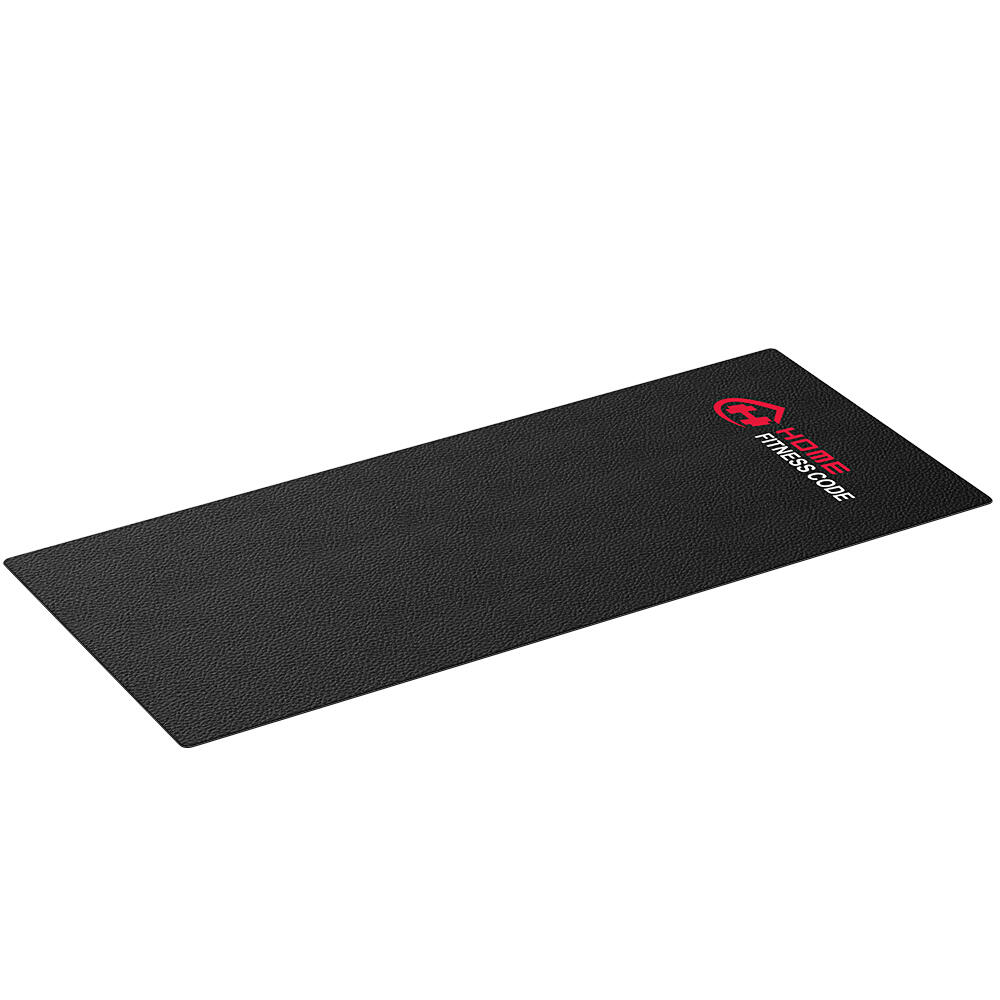
Marketplace -Online Only Marketplace -Online OnlyMarketplace -Online OnlyHOMEFITNESSCODE Non-Slip Fitness Equipment MatCurrent price {{currentPrice}} €39.99 Former price €69.99 42% off€39.99/unitLowest price: €69.99Promo 9/10/2026 from to 9/11/2026Sold and shipped by APEXFIT
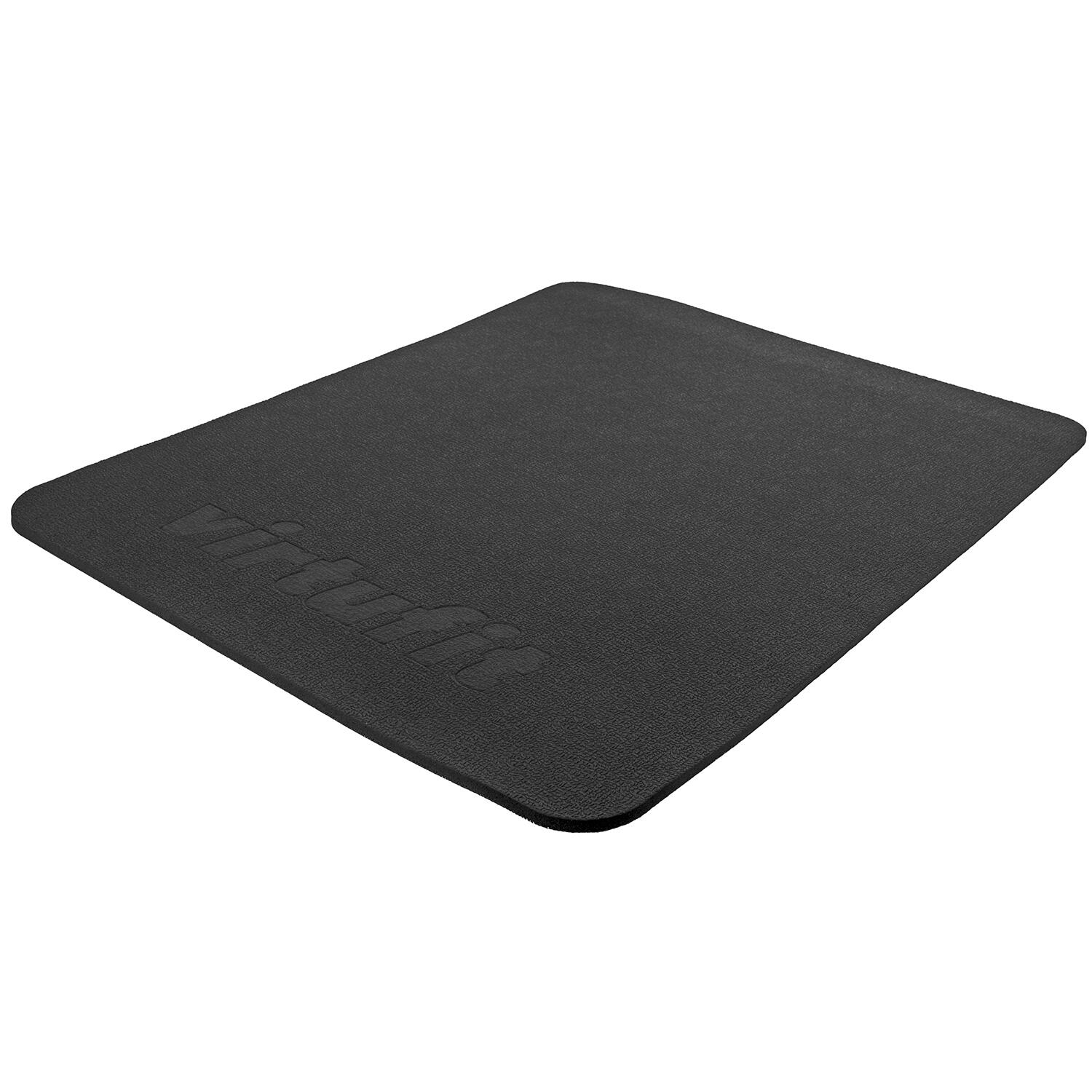
Marketplace -Online Only Marketplace -Online OnlyMarketplace -Online OnlyVIRTUFIT Exercise Bike Floor Mat - Protective Mat - 64 x 52 cm3.7(3)Reviews.votesAriaCurrent price {{currentPrice}} €26.00Sold and shipped by Fitwinkel - Sporttrader