117 items
4.5/5 based on 2069 reviews collected online and in stores

RUGBY BALLS FAQS

How to choose the correct size rugby balls for different age groups?

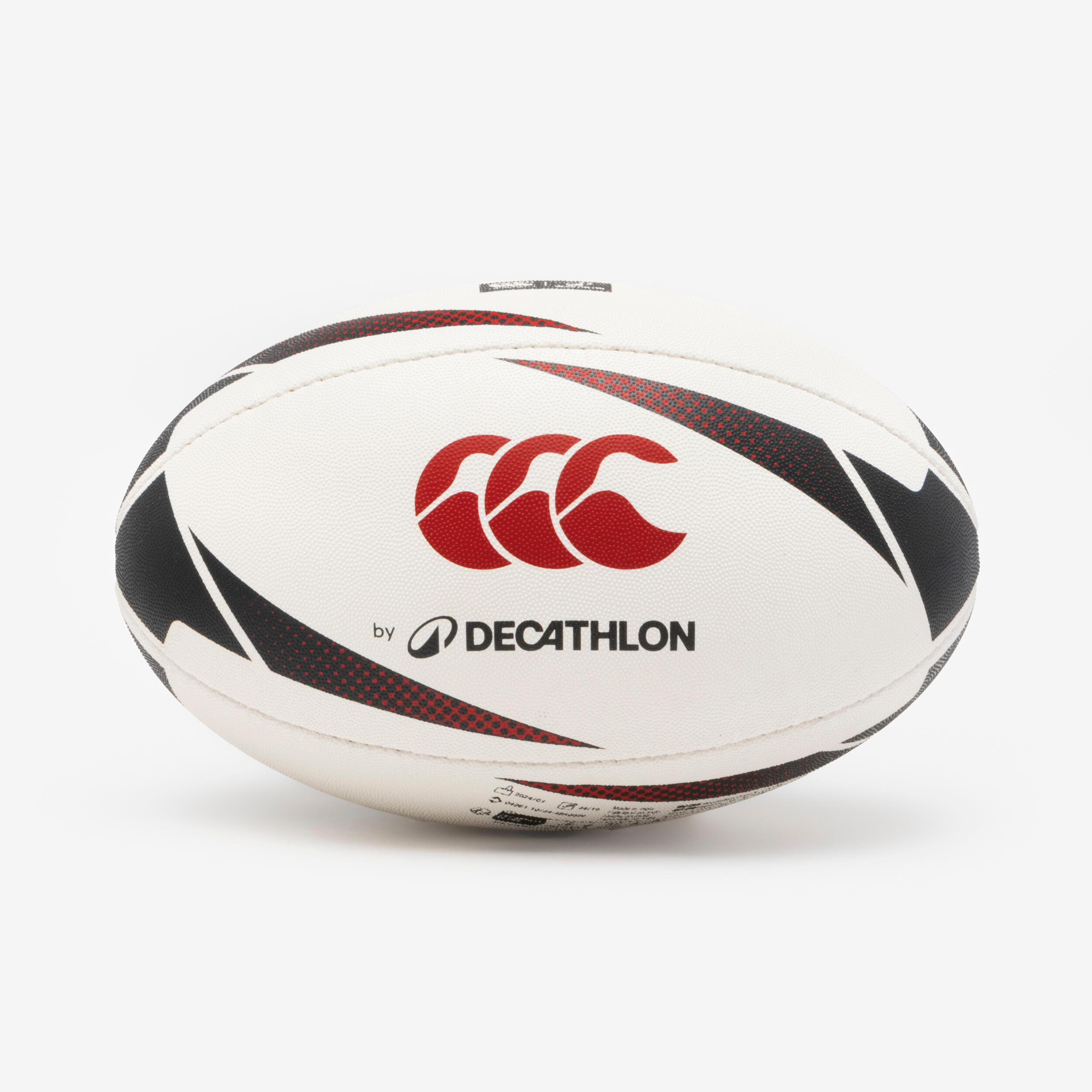
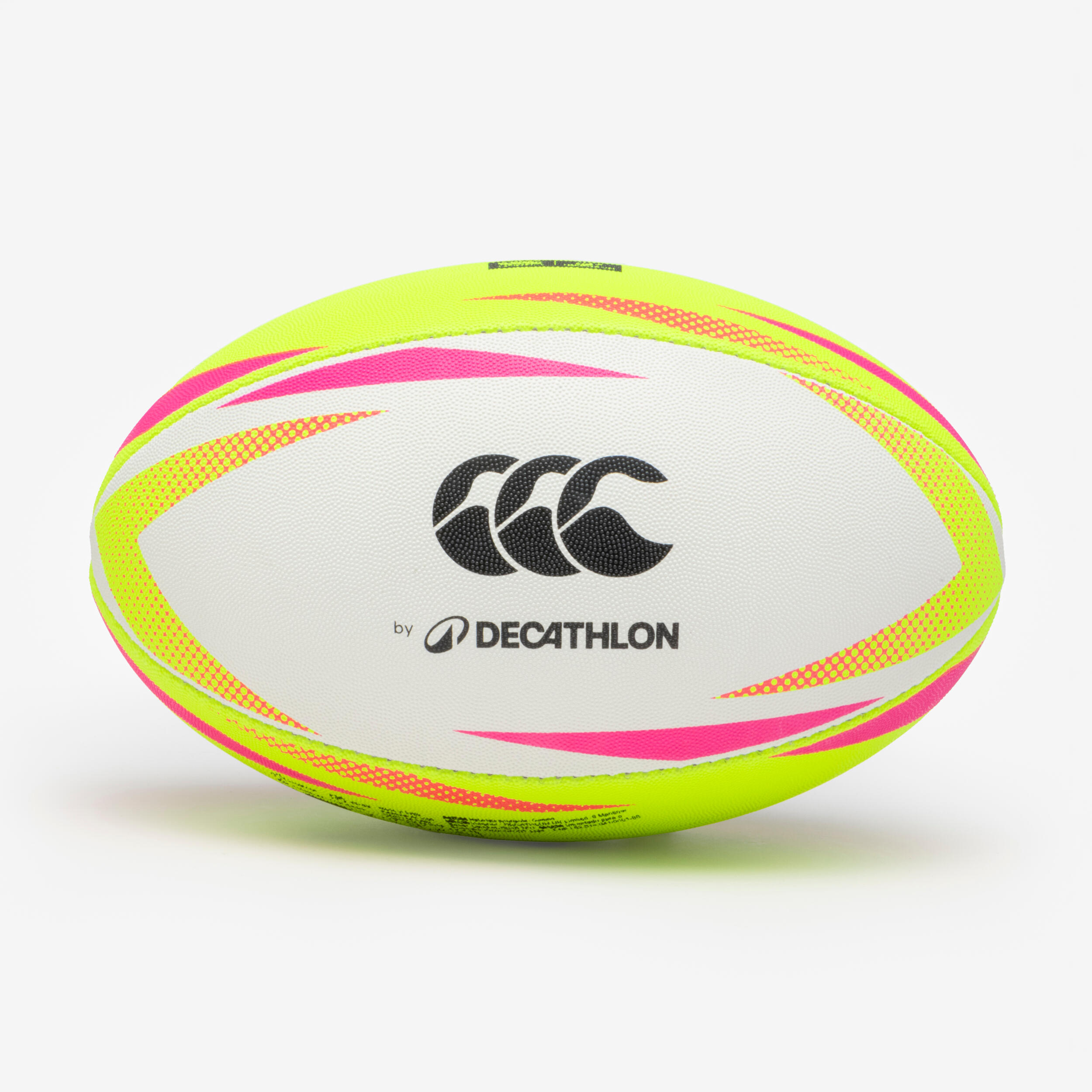
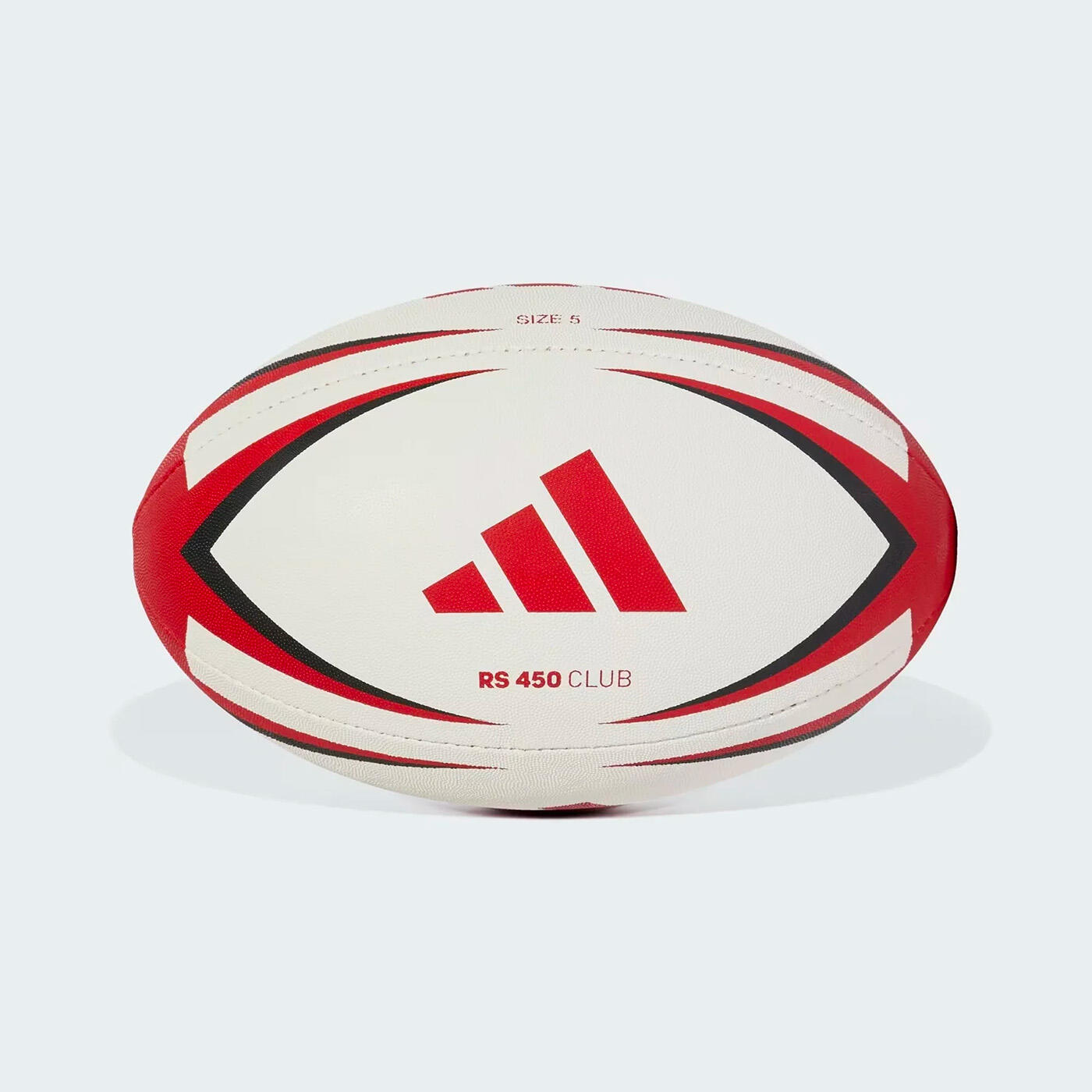
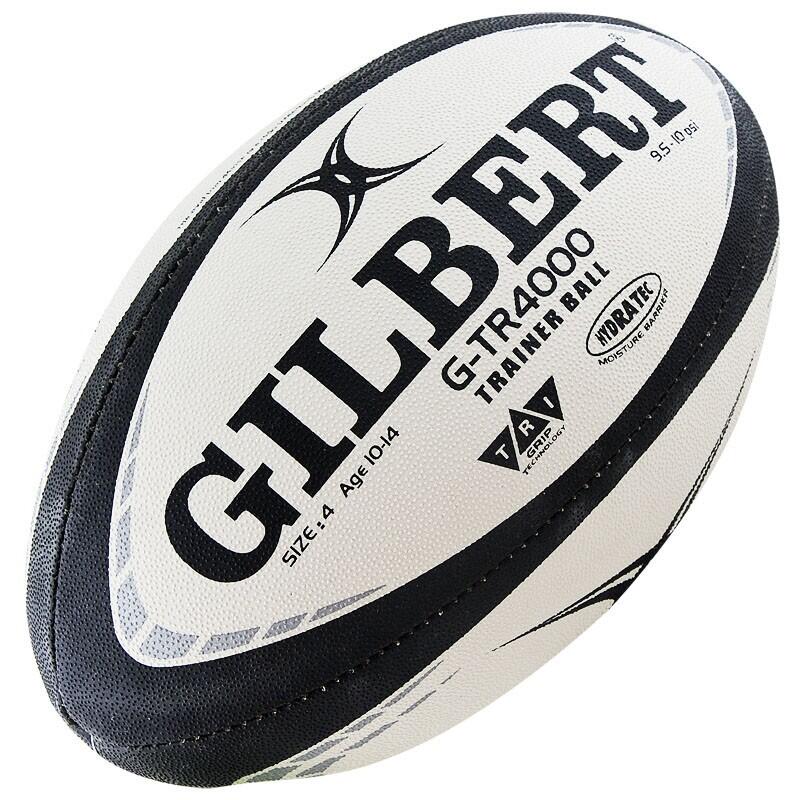
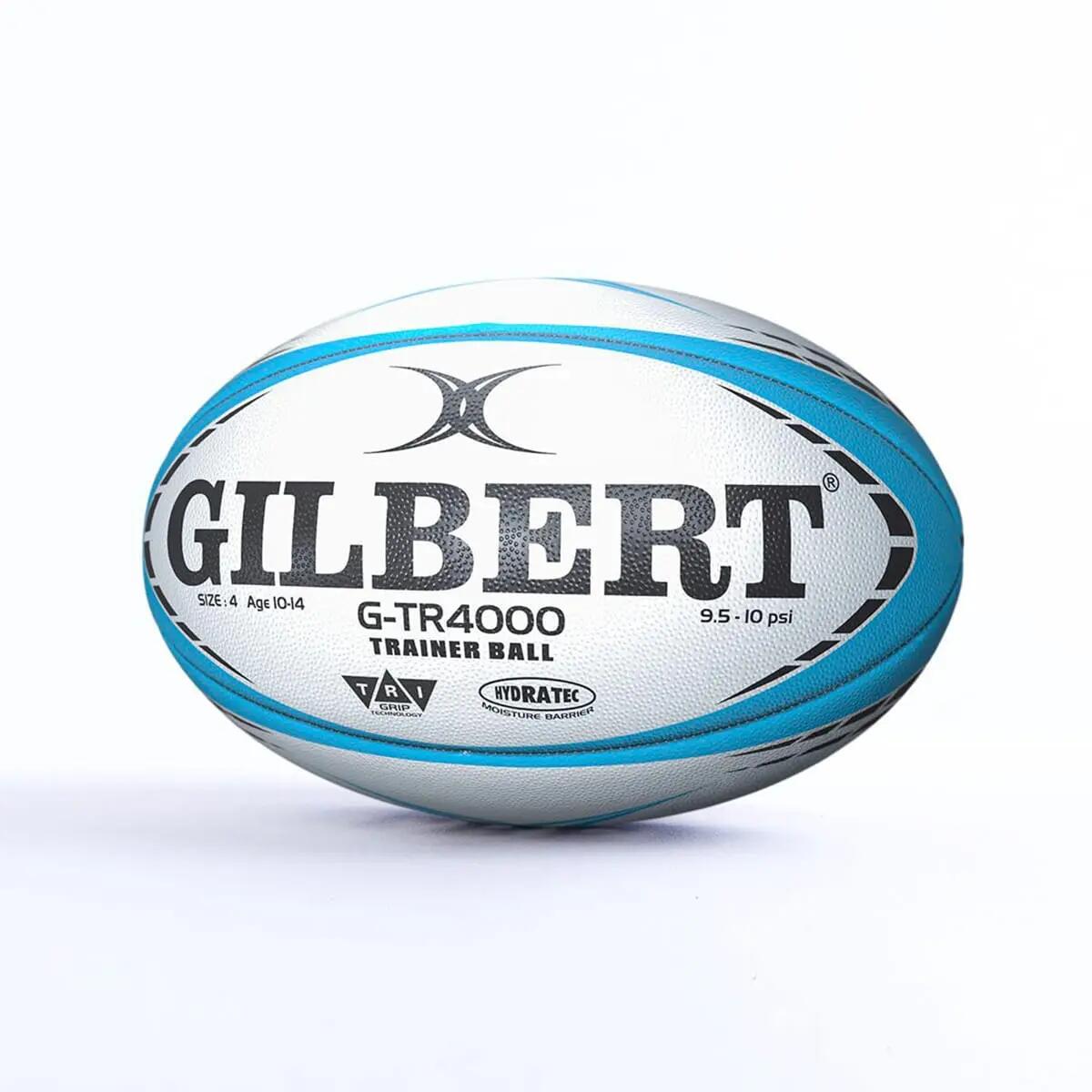
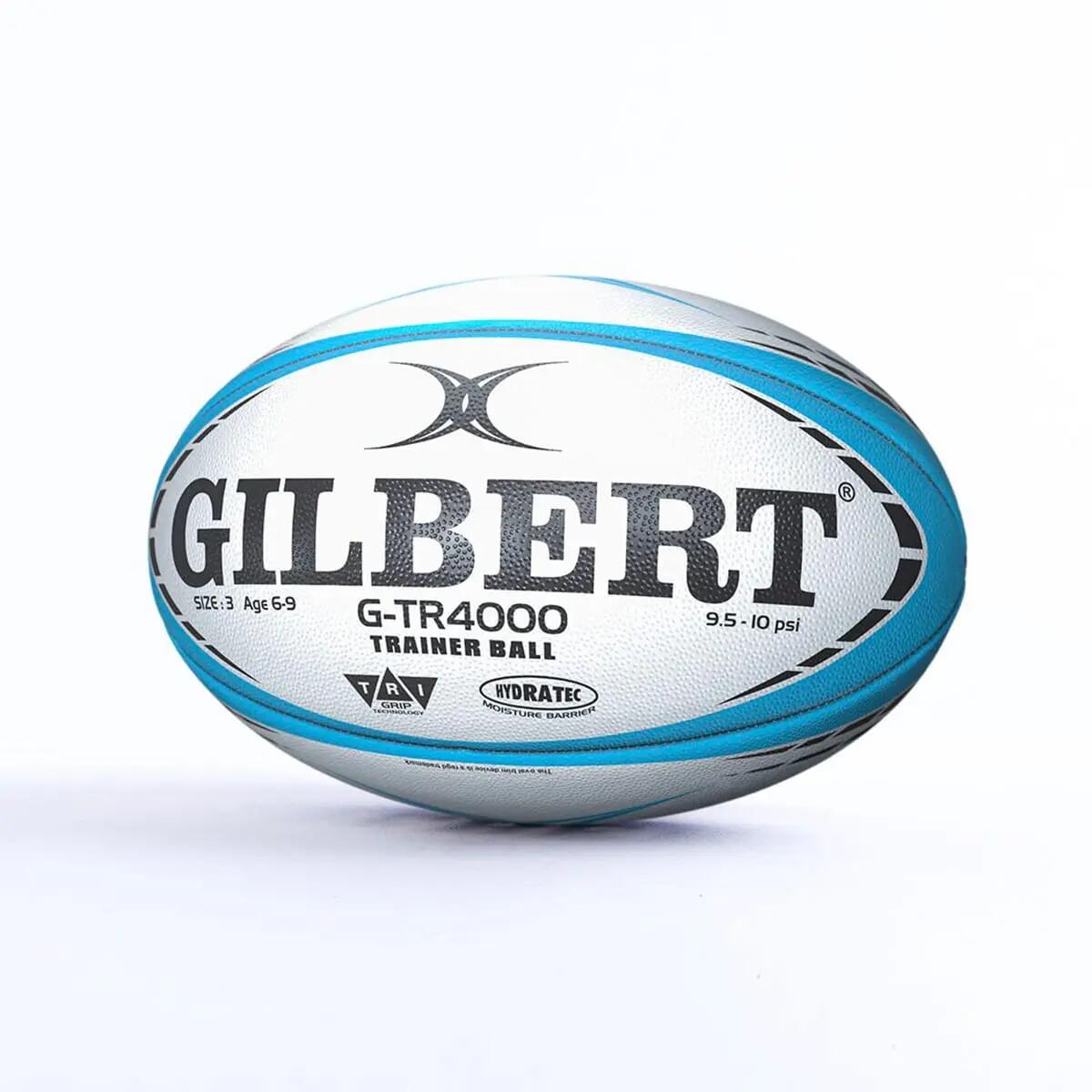
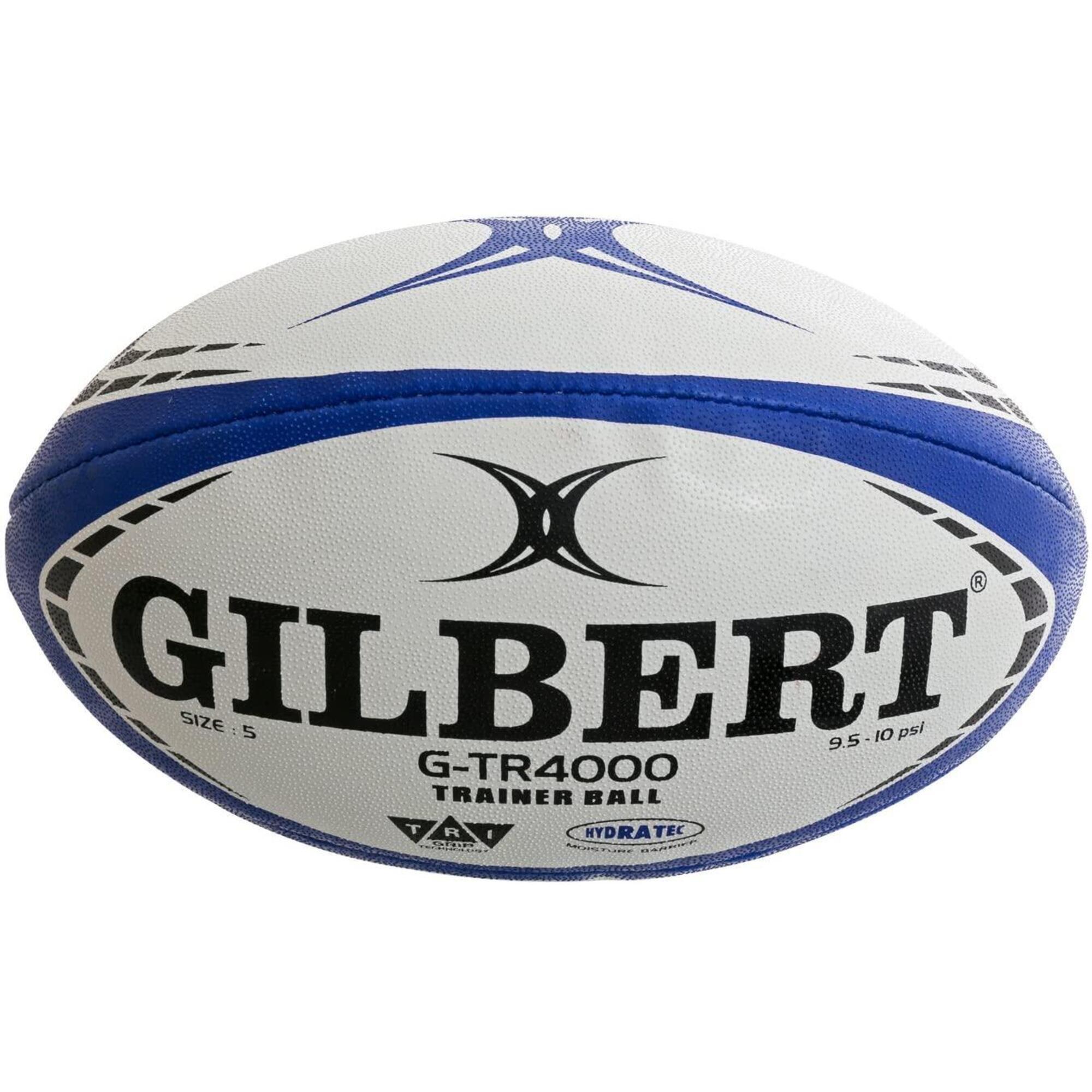
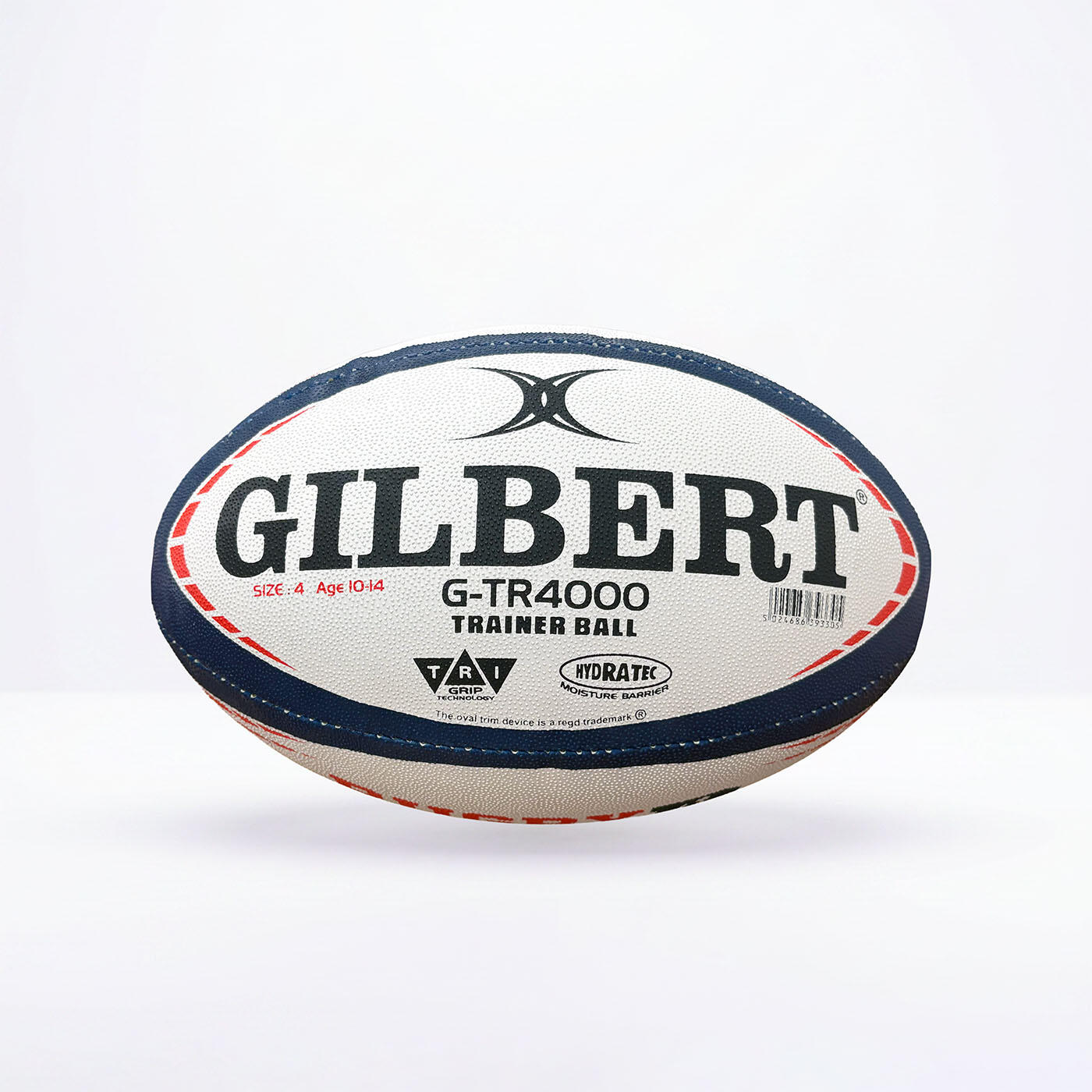
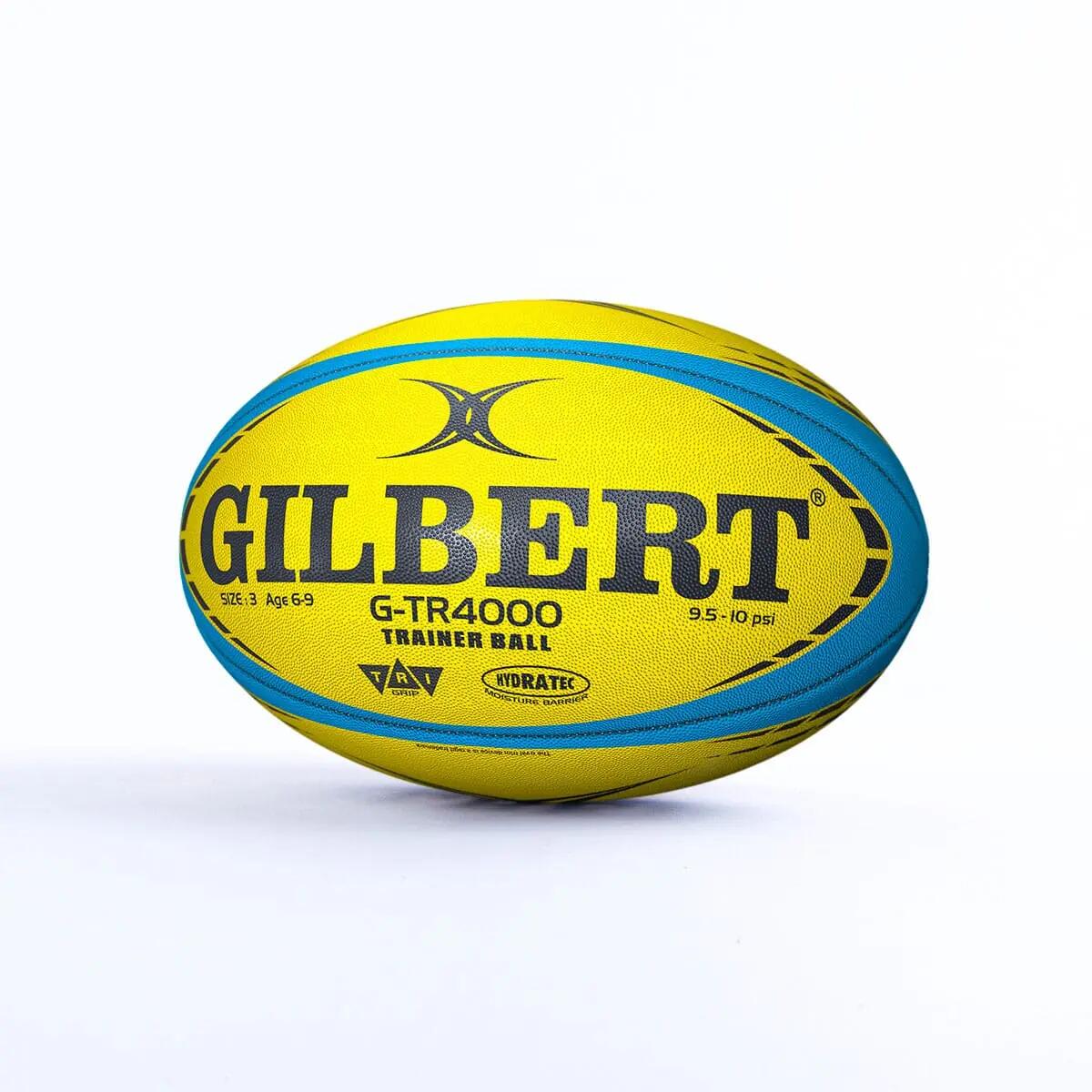
Selecting the appropriate ball dimensions is critical for developing proper handling and passing technique from a young age. For the youngest players starting out in club academies, rugby begins with size 3 models, which are specifically tailored for small hands to ensure a secure grip during contact. The technical reason for using smaller balls initially is to allow children to wrap their fingers around the casing, facilitating the correct "W" shape catch. As players progress to the under-10 to under-14 categories, they transition to a size 4 ball. This intermediate size provides a necessary bridge to senior play, allowing for more realistic flight paths during kicking drills. Once a player reaches age 15 or enters the adult game, the standard size 5 rugby ball becomes the mandatory match requirement. These full-size balls feature a larger circumference and increased weight to handle the high-velocity impacts of senior scrums and lineouts without losing air pressure or aerodynamic stability. Expert advice: Always check with your local club or school coach to verify which ball size is sanctioned for your specific league to ensure training translates directly to match day performance.

What are the technical differences between training and match rugby balls?

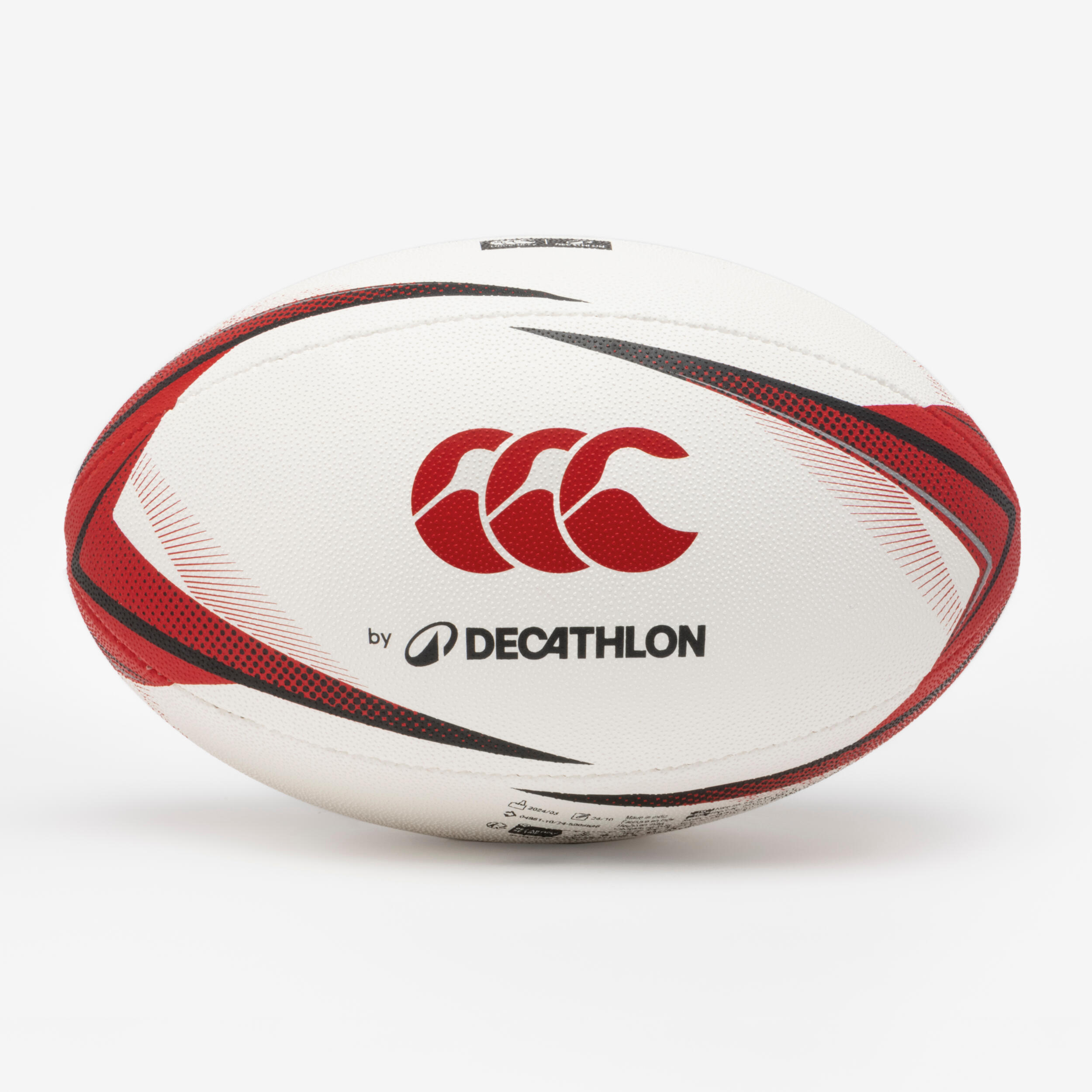
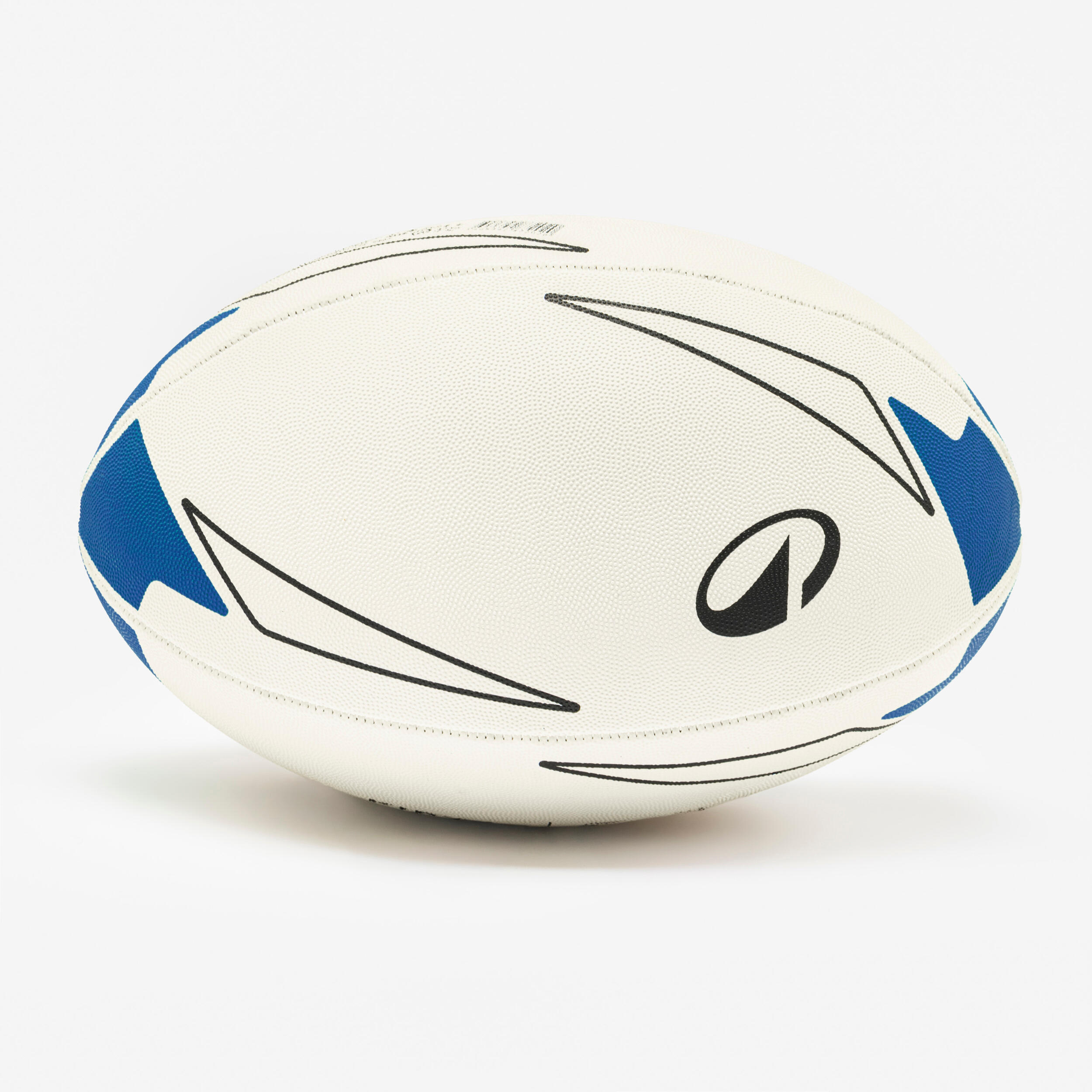
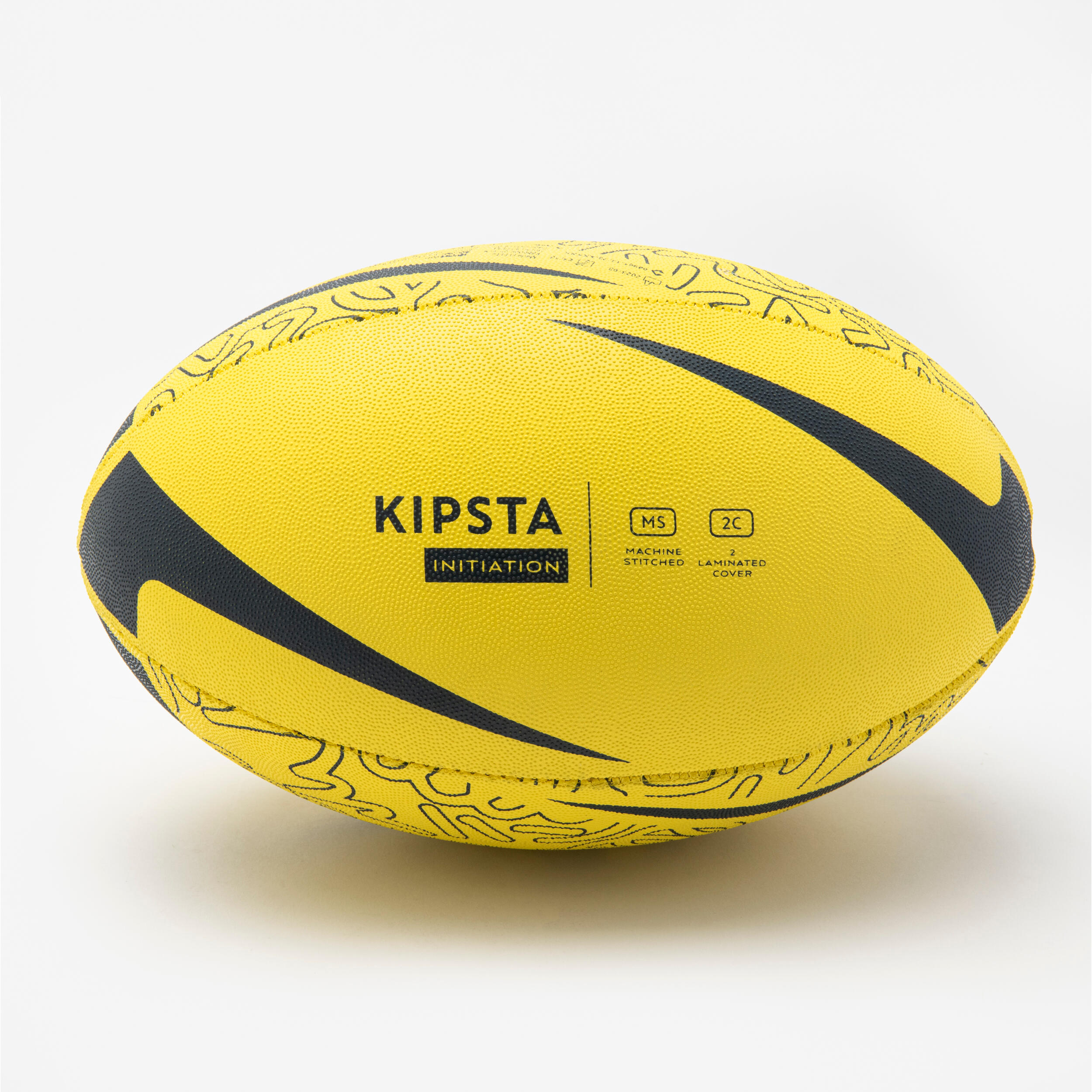
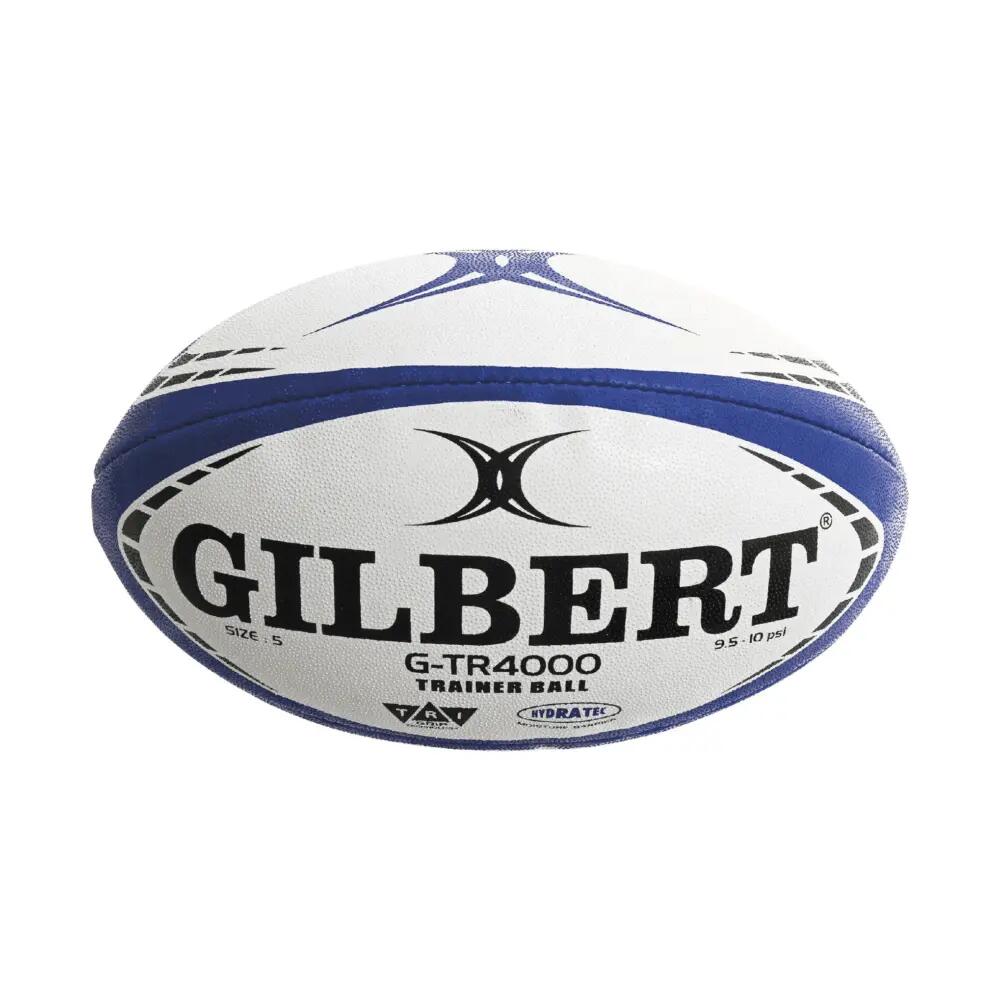
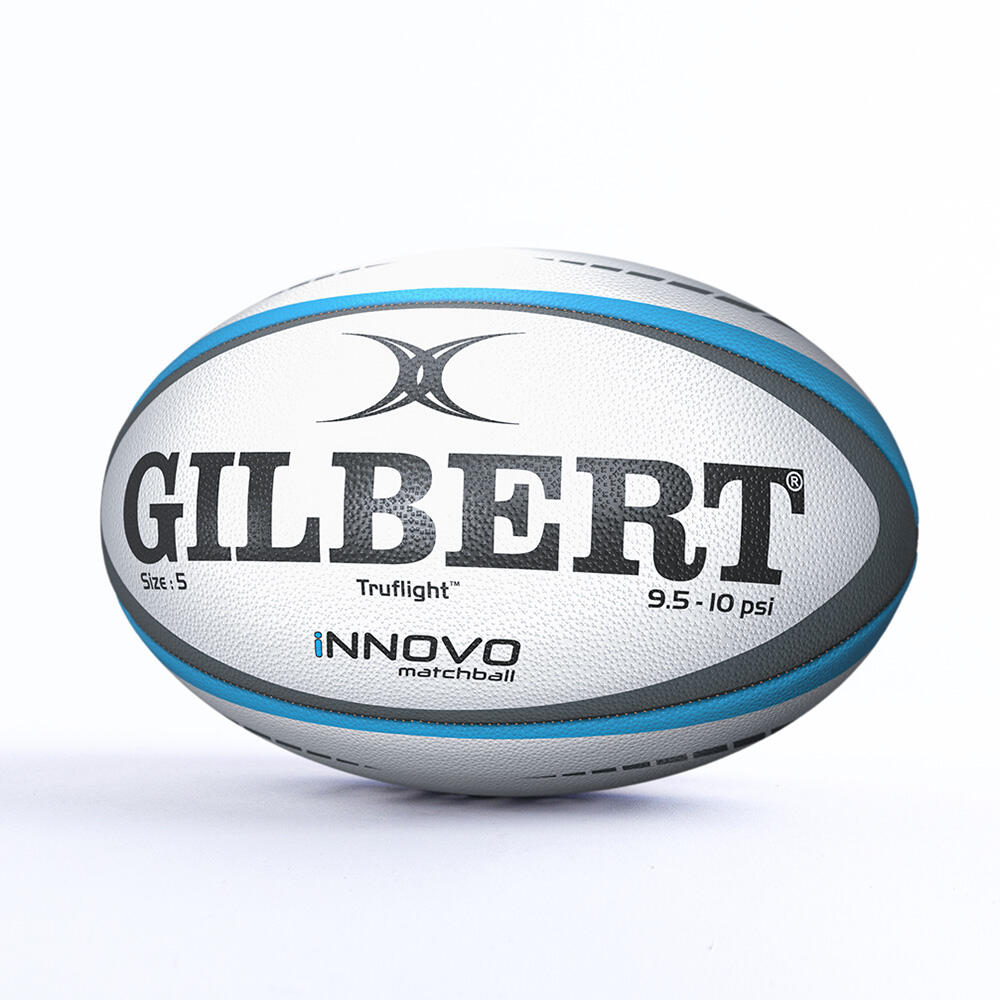
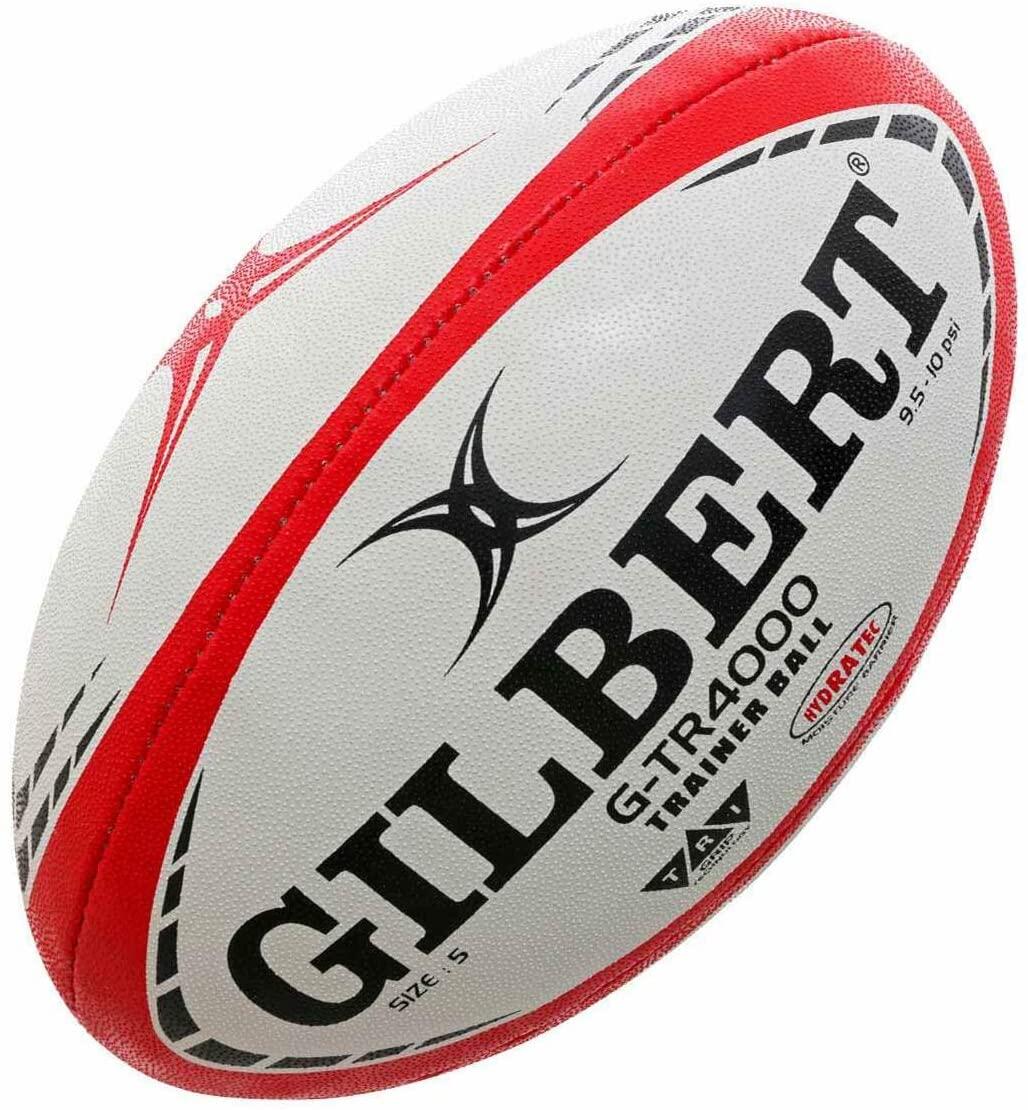
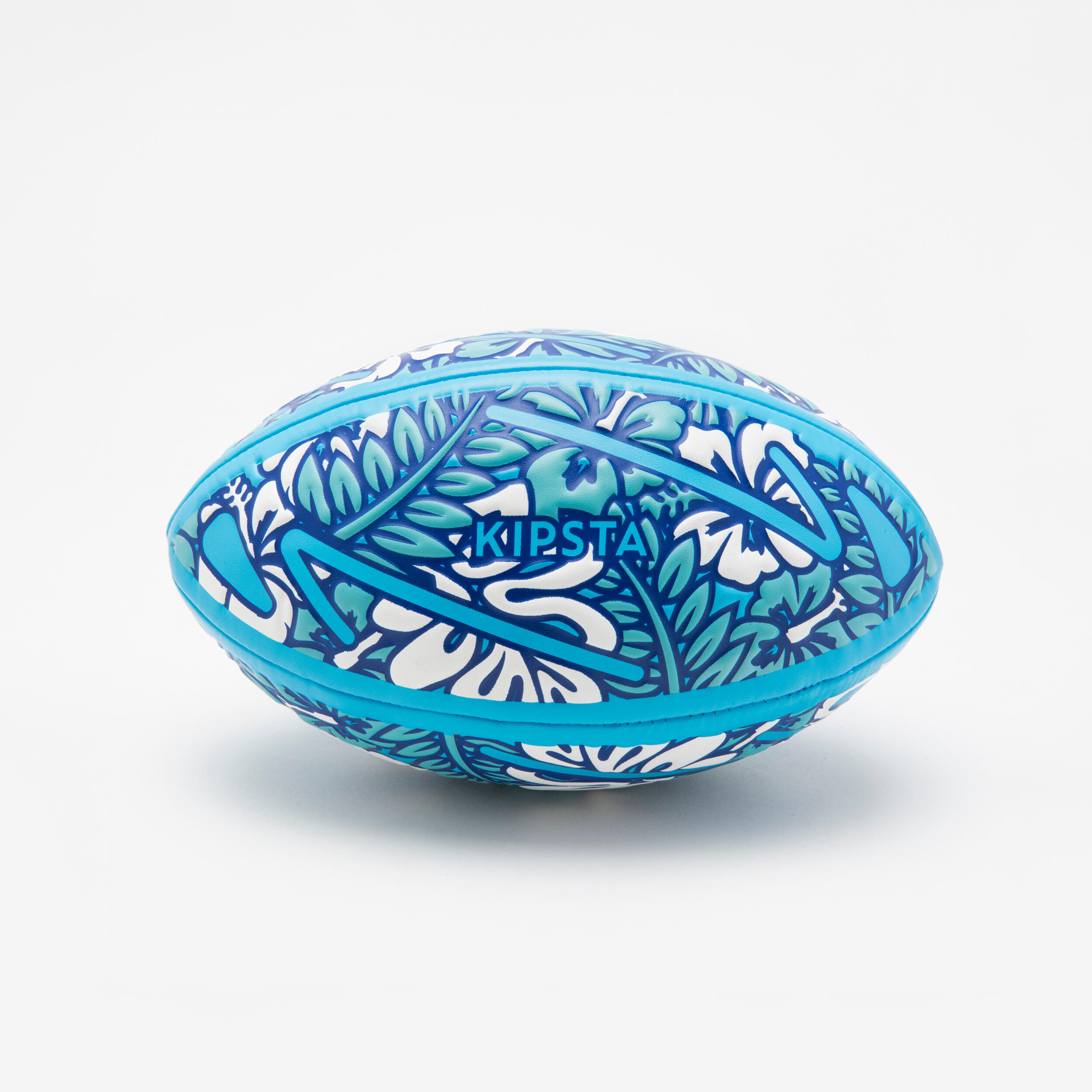
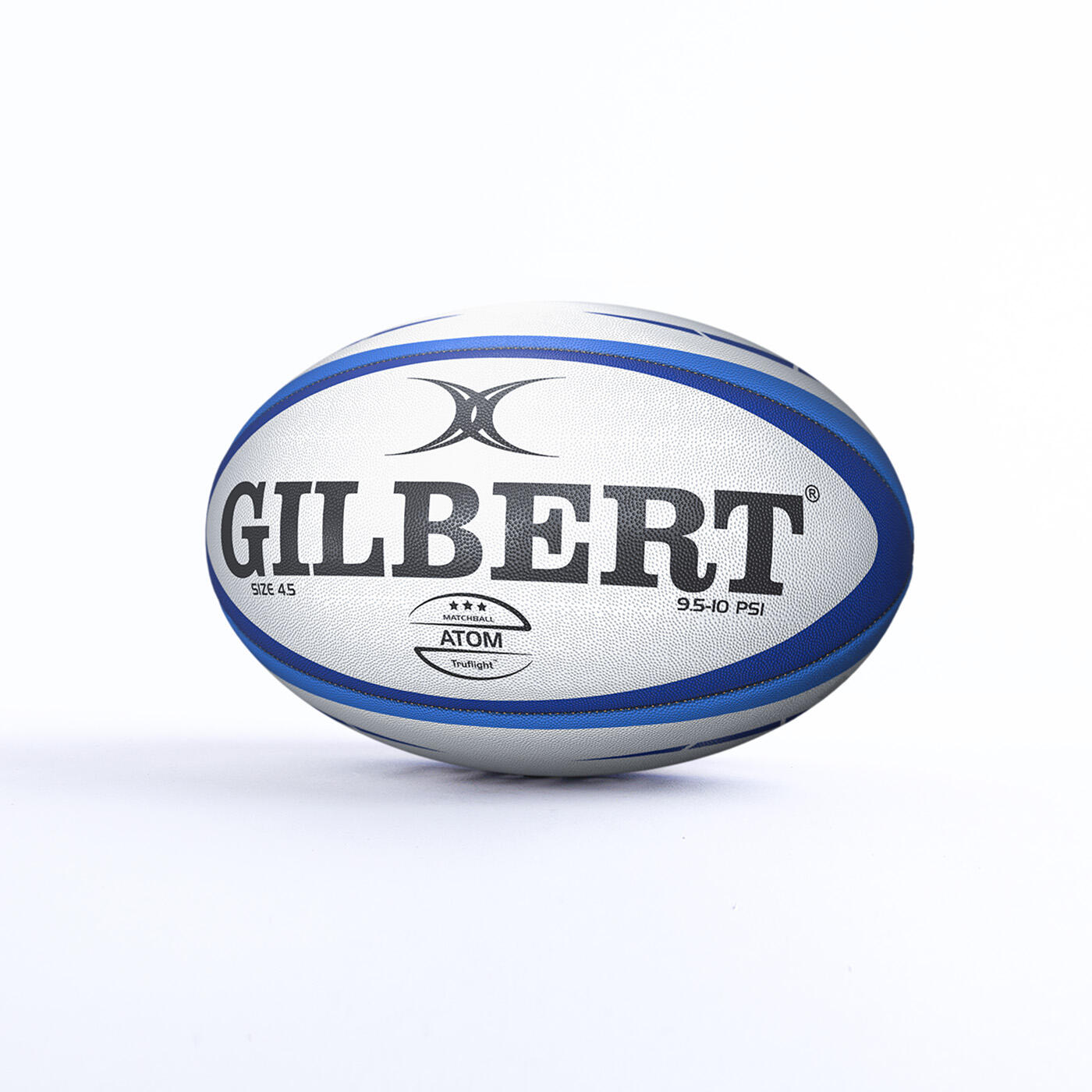
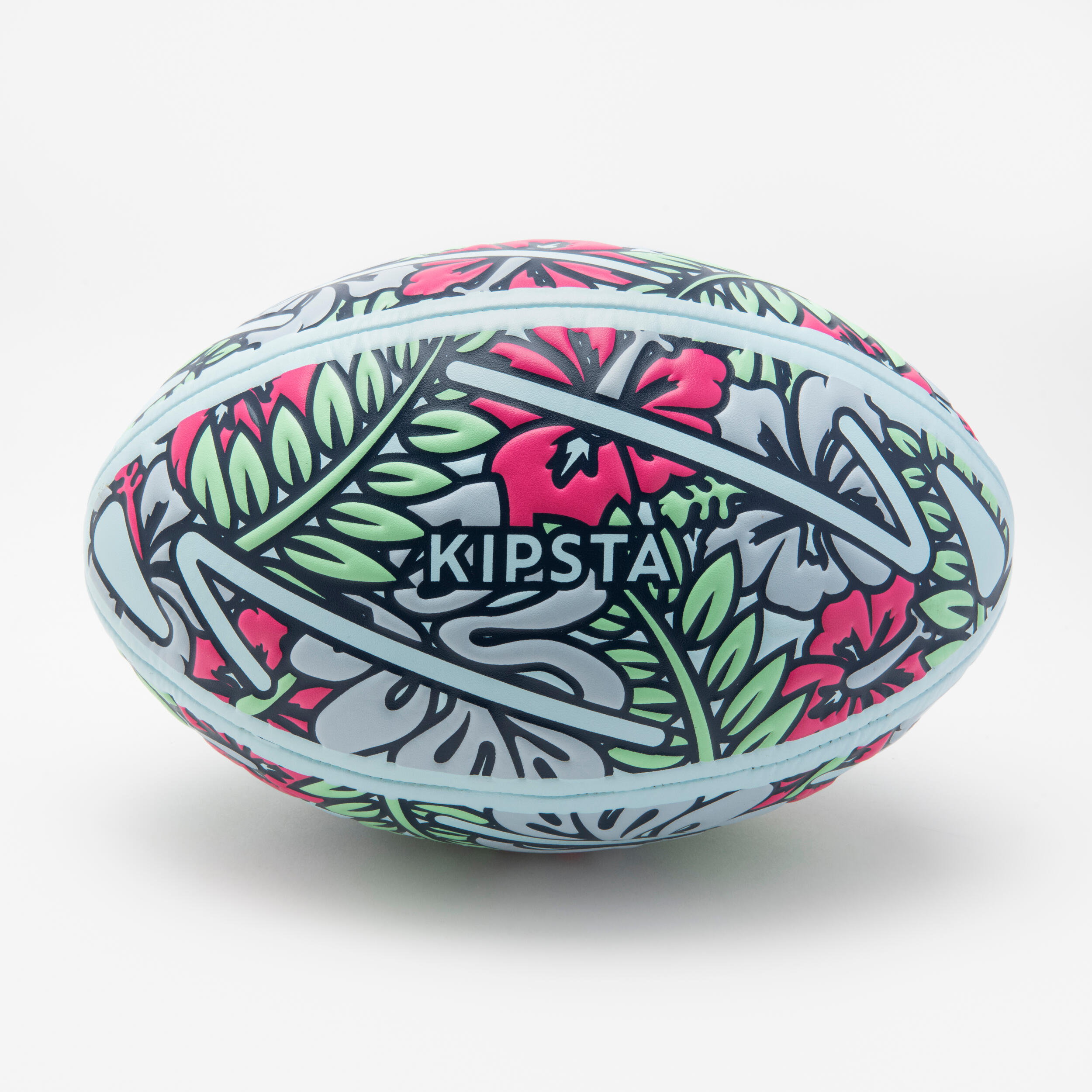
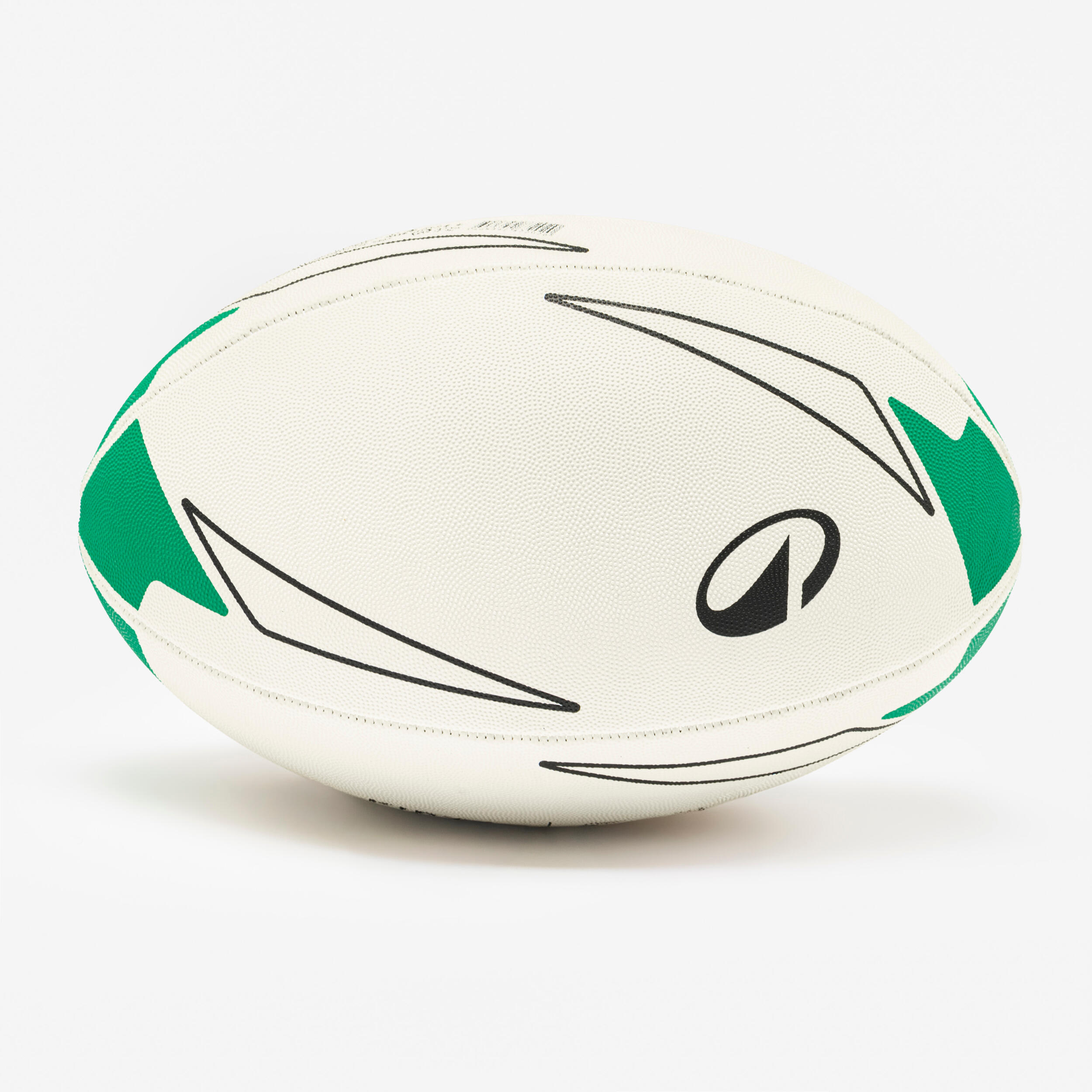
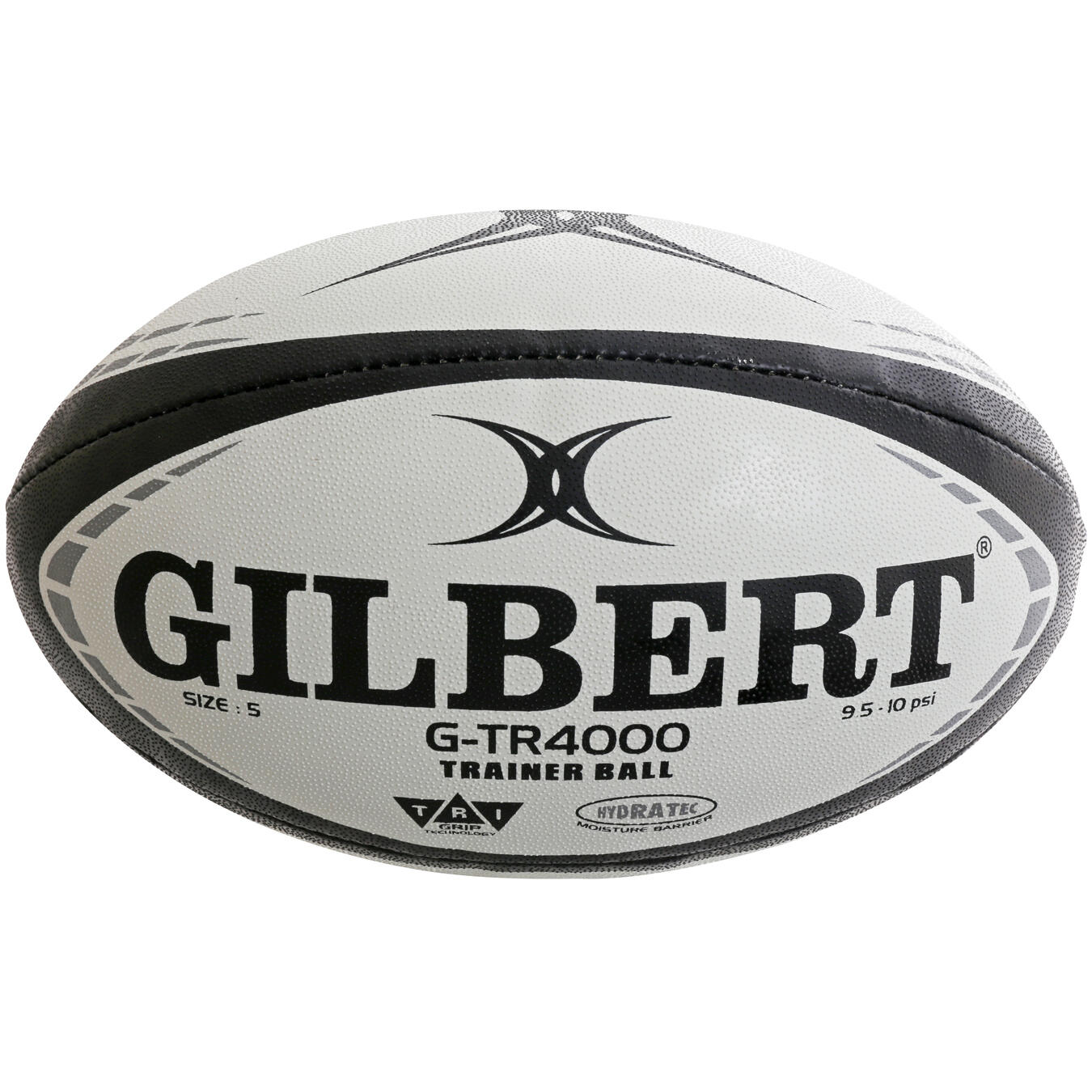
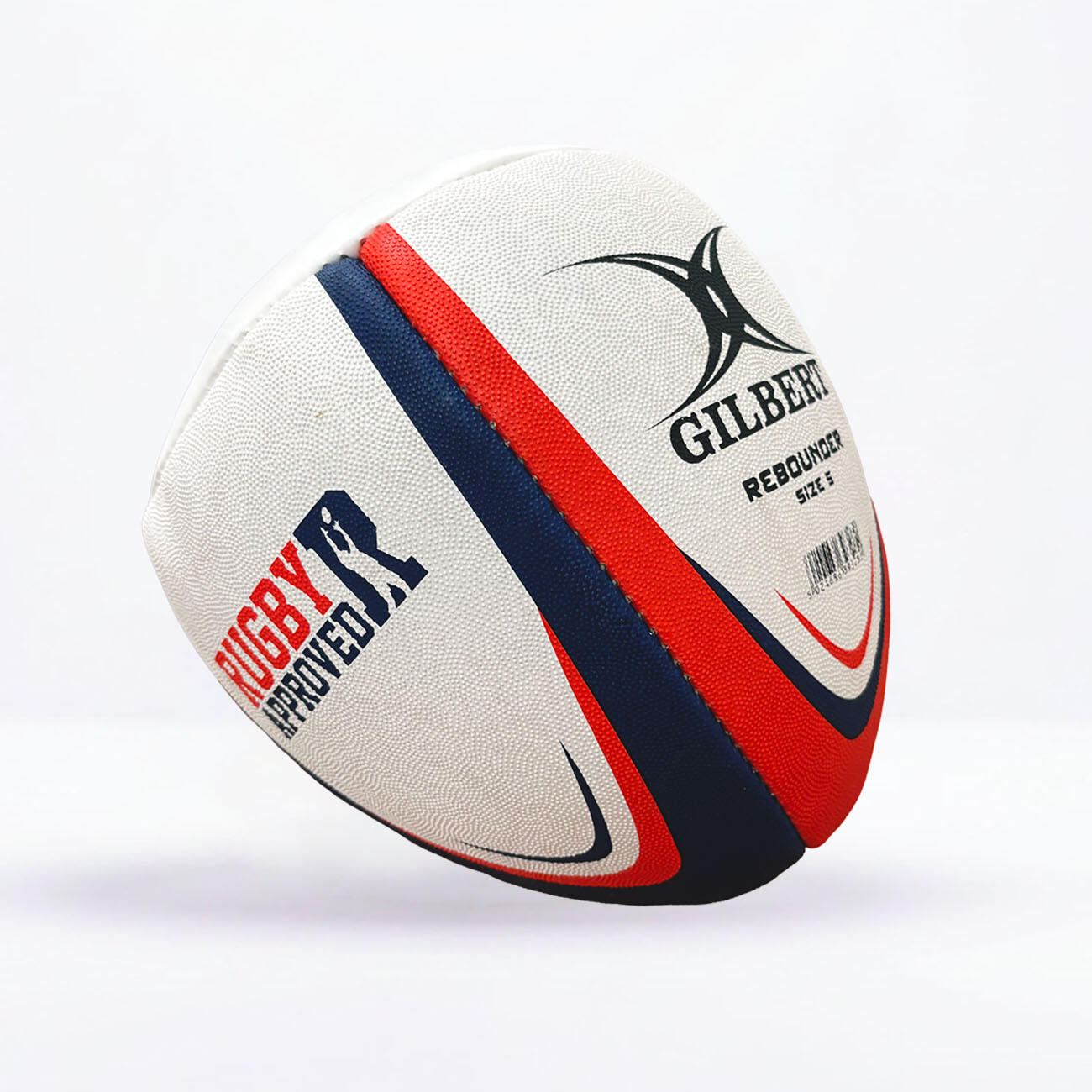
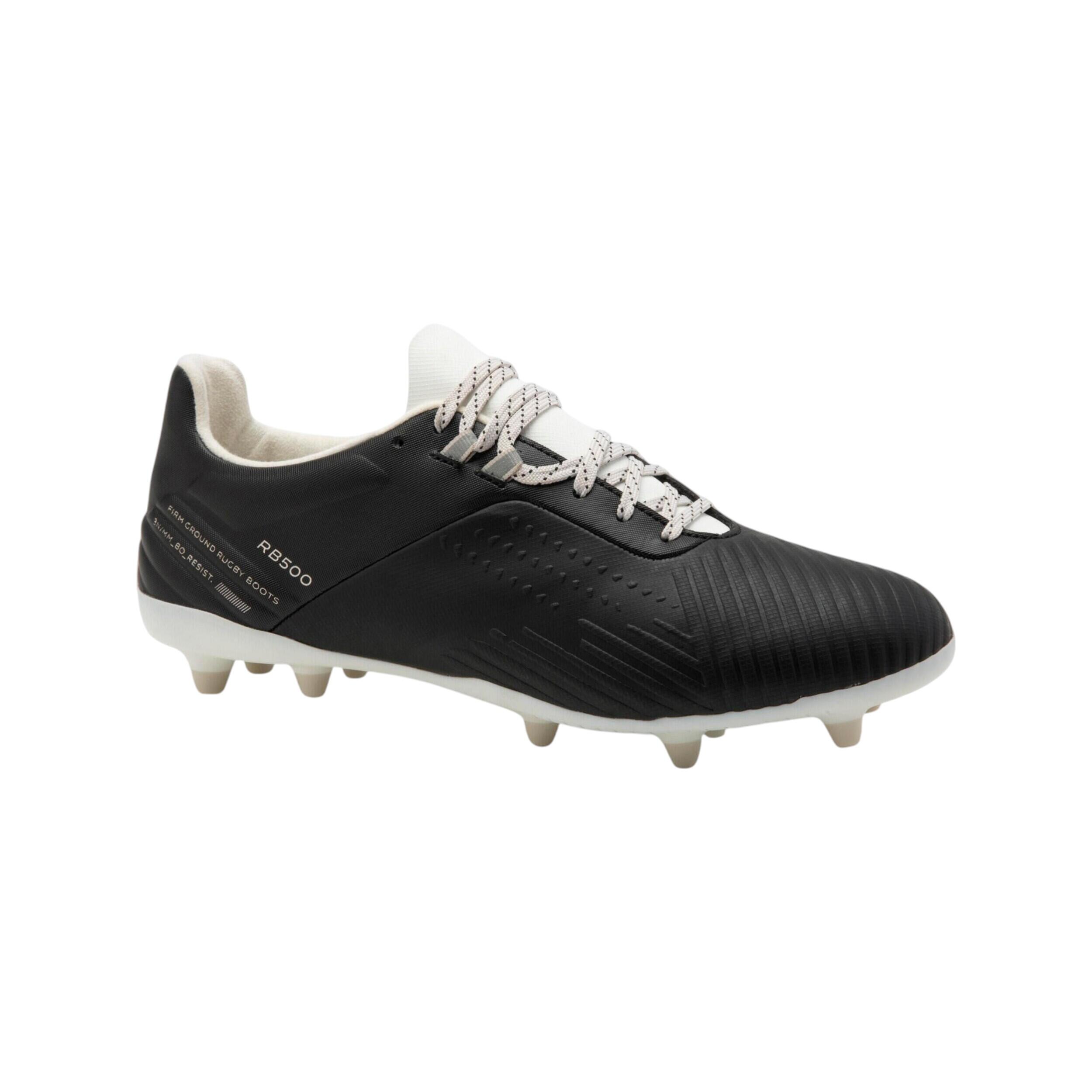
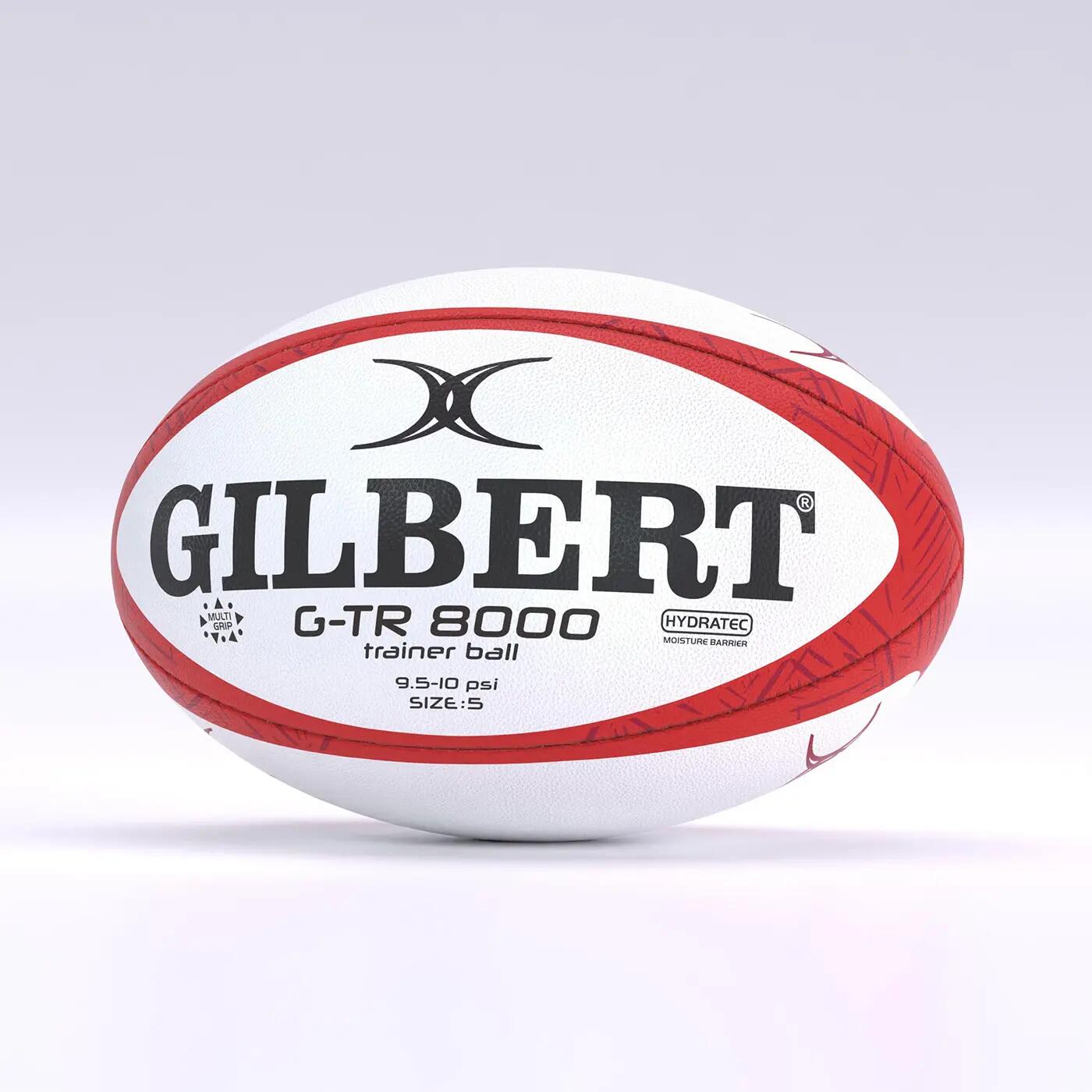
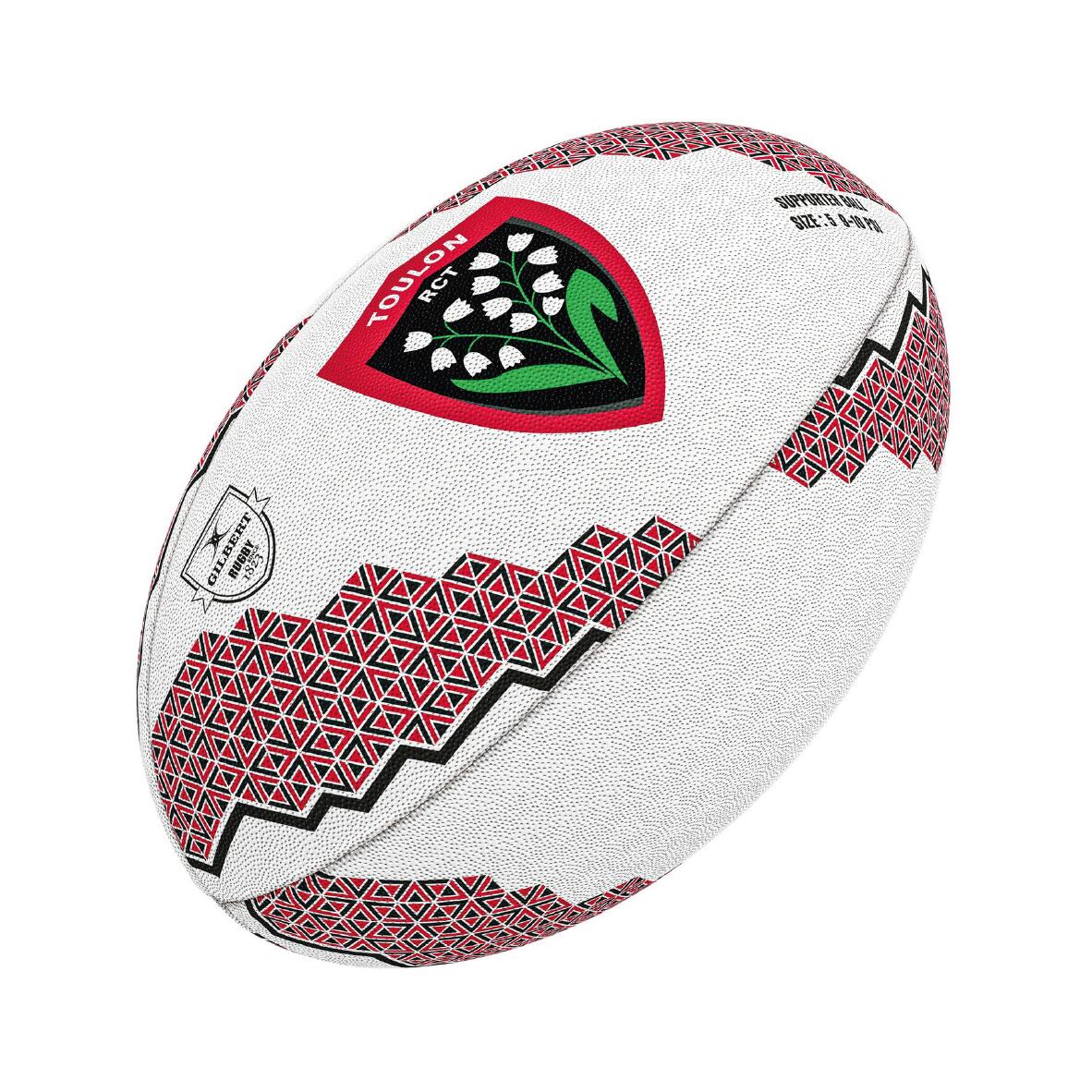
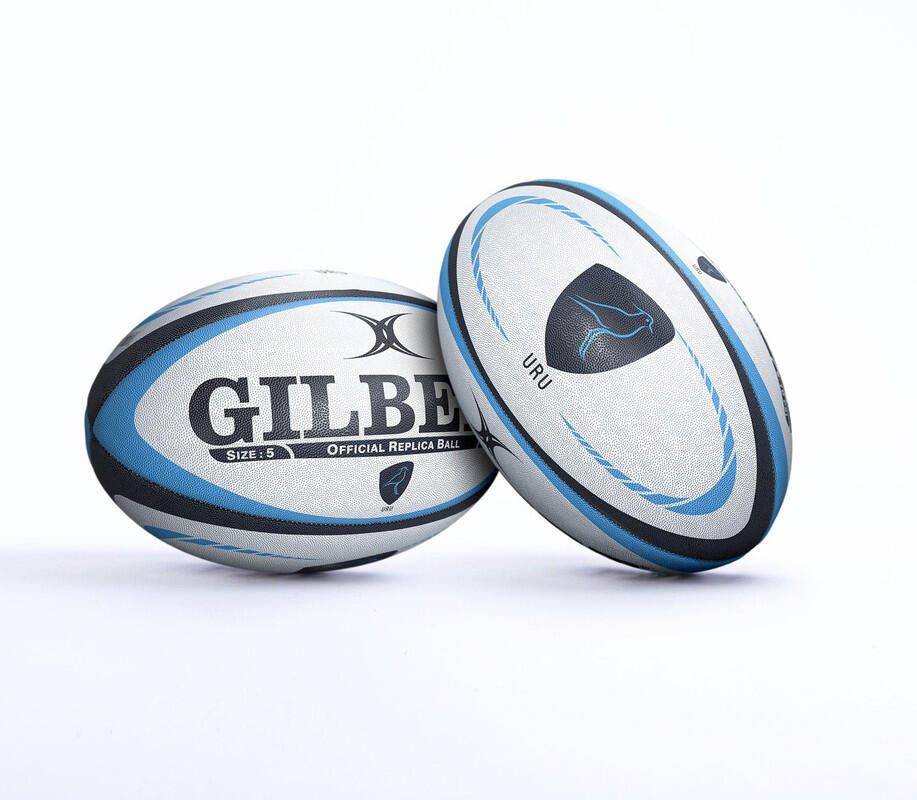
The distinction between these two categories lies primarily in the outer casing materials and the bladder construction. Match-grade Gilbert rugby balls often feature a higher natural rubber content in the outer shell and a specialized dimple pattern to provide maximum friction in wet conditions. This enhanced grip allows for precise offloads and spiraled passes. In contrast, training balls, including many kipsta rugby balls, use a synthetic laminate to increase durability against abrasive surfaces like gravel or synthetic turf. Before stepping onto the pitch, players must ensure they have the right rugby boots to provide the necessary traction for heavy scrums. The internal bladder also differs; match balls use latex for its superior "rebound" qualities, whereas training models often use butyl to retain air pressure for longer periods without needing constant inflation. Smart tip: Match balls require more frequent topping up with a pump due to the porous nature of latex bladders.
Why are mini rugby balls useful for skill development?

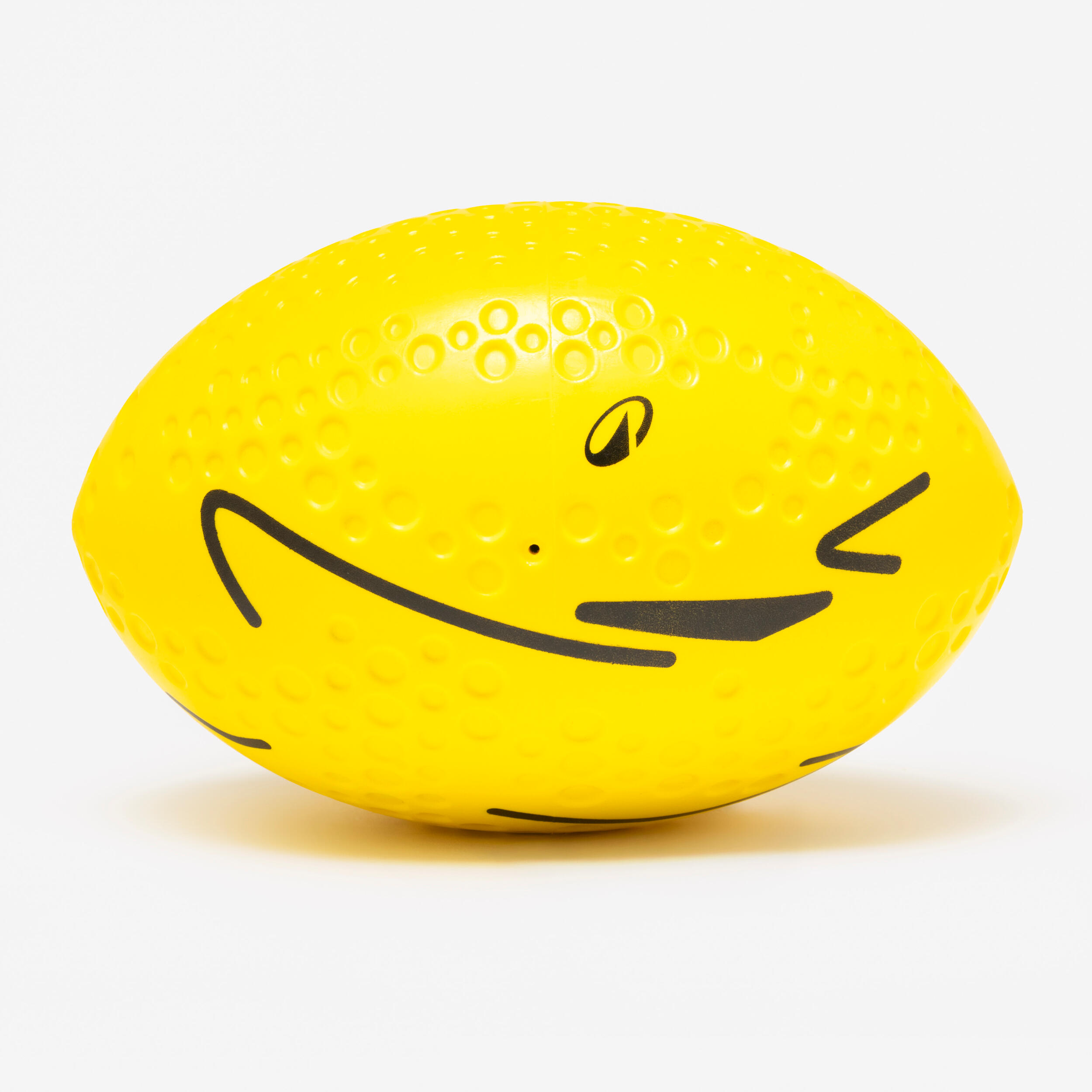
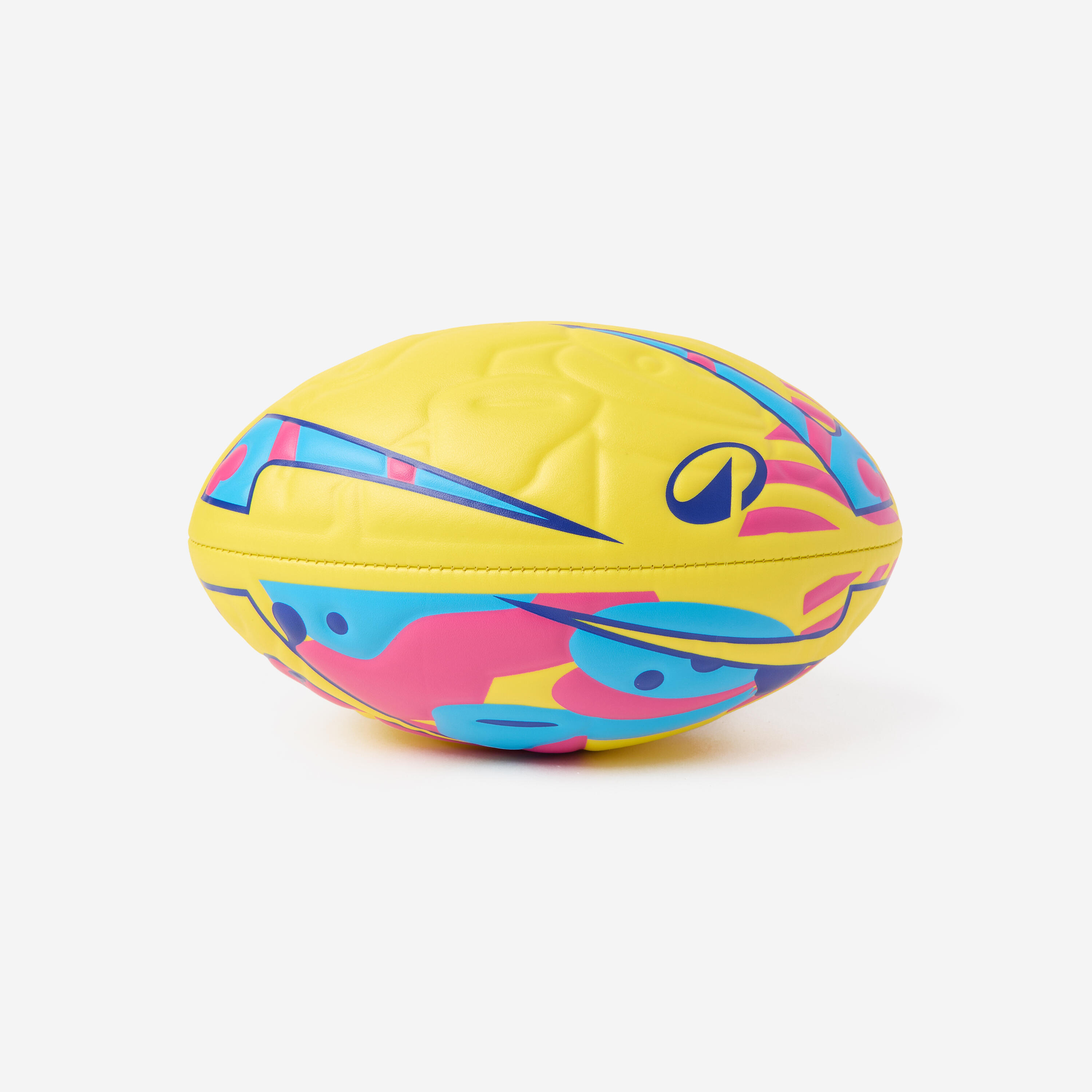
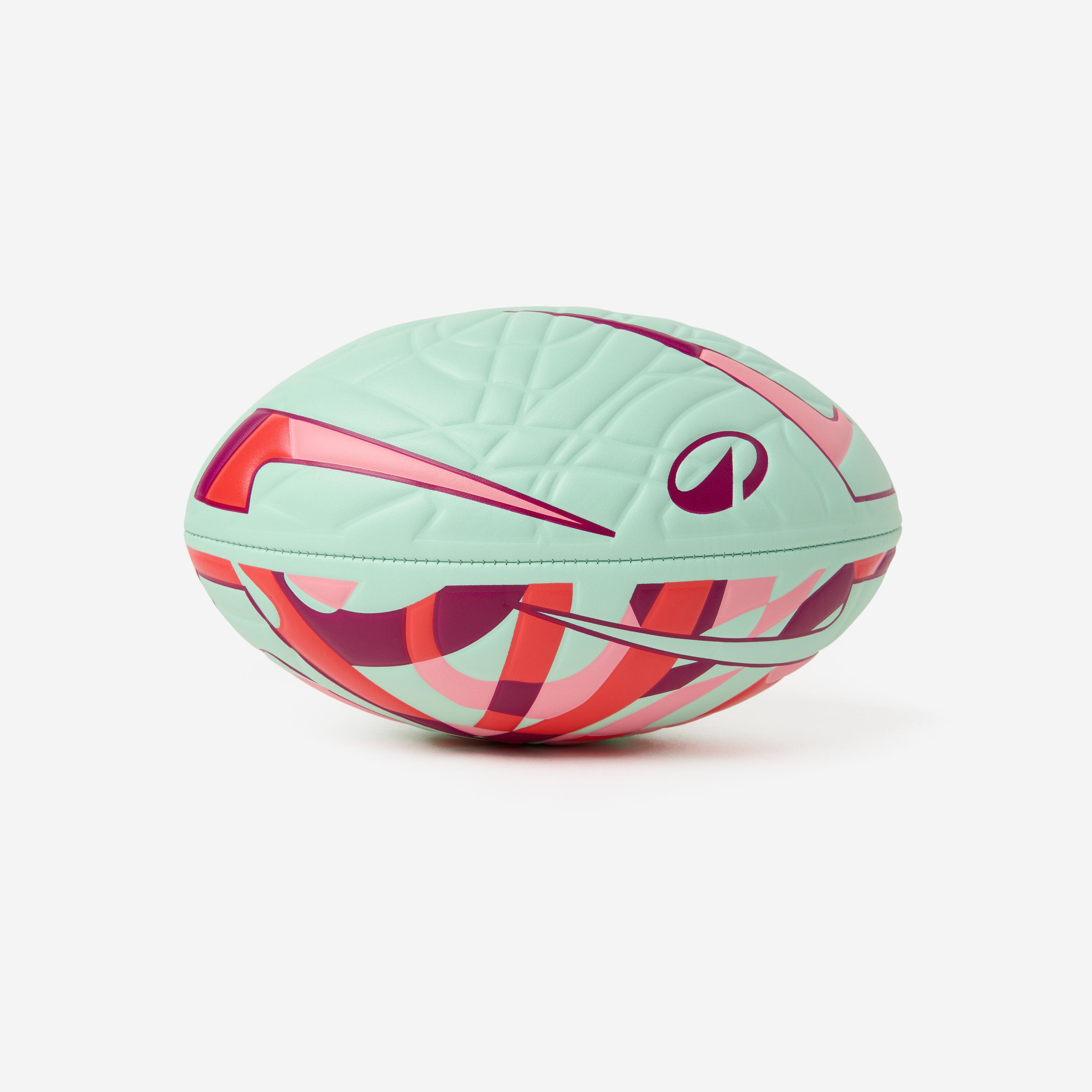
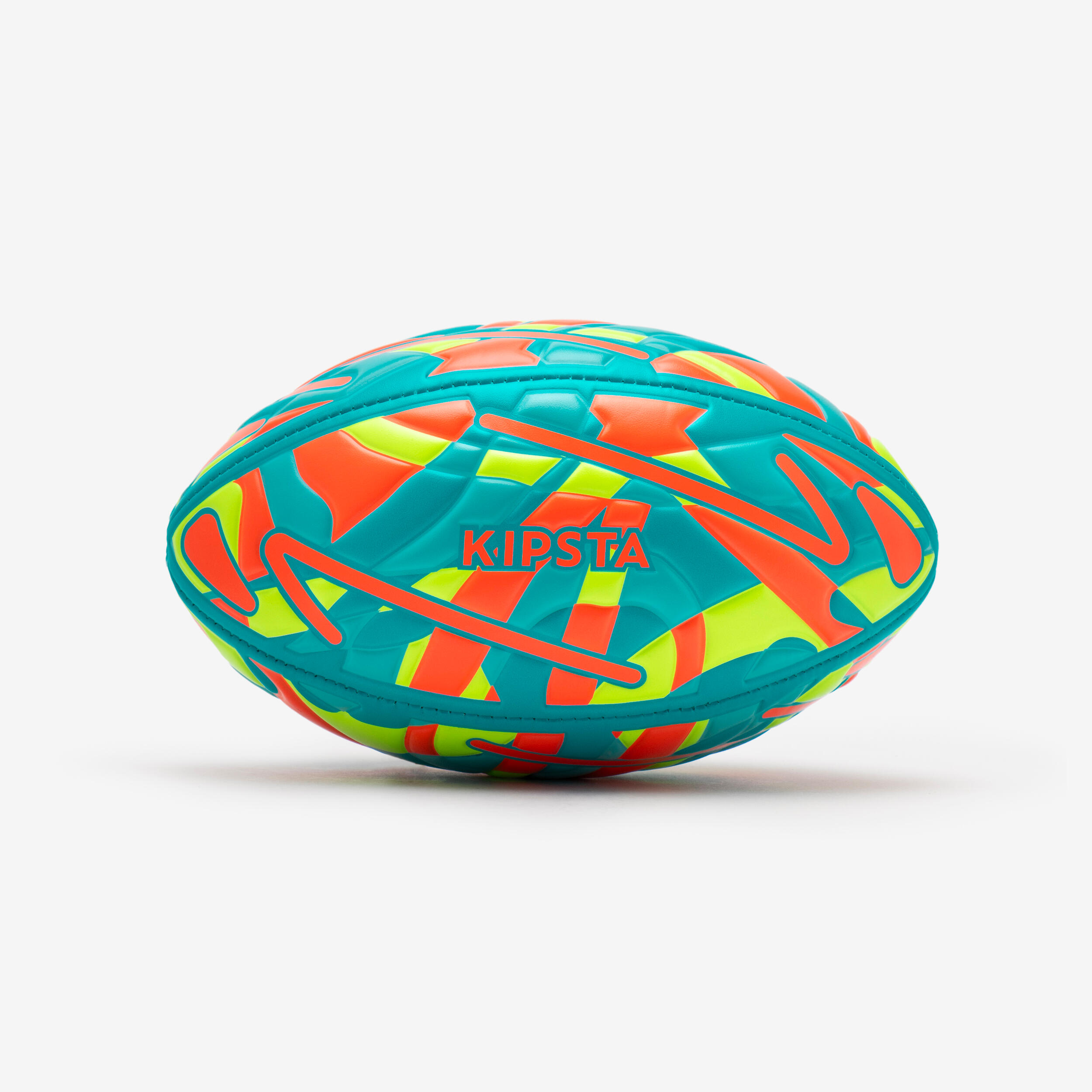
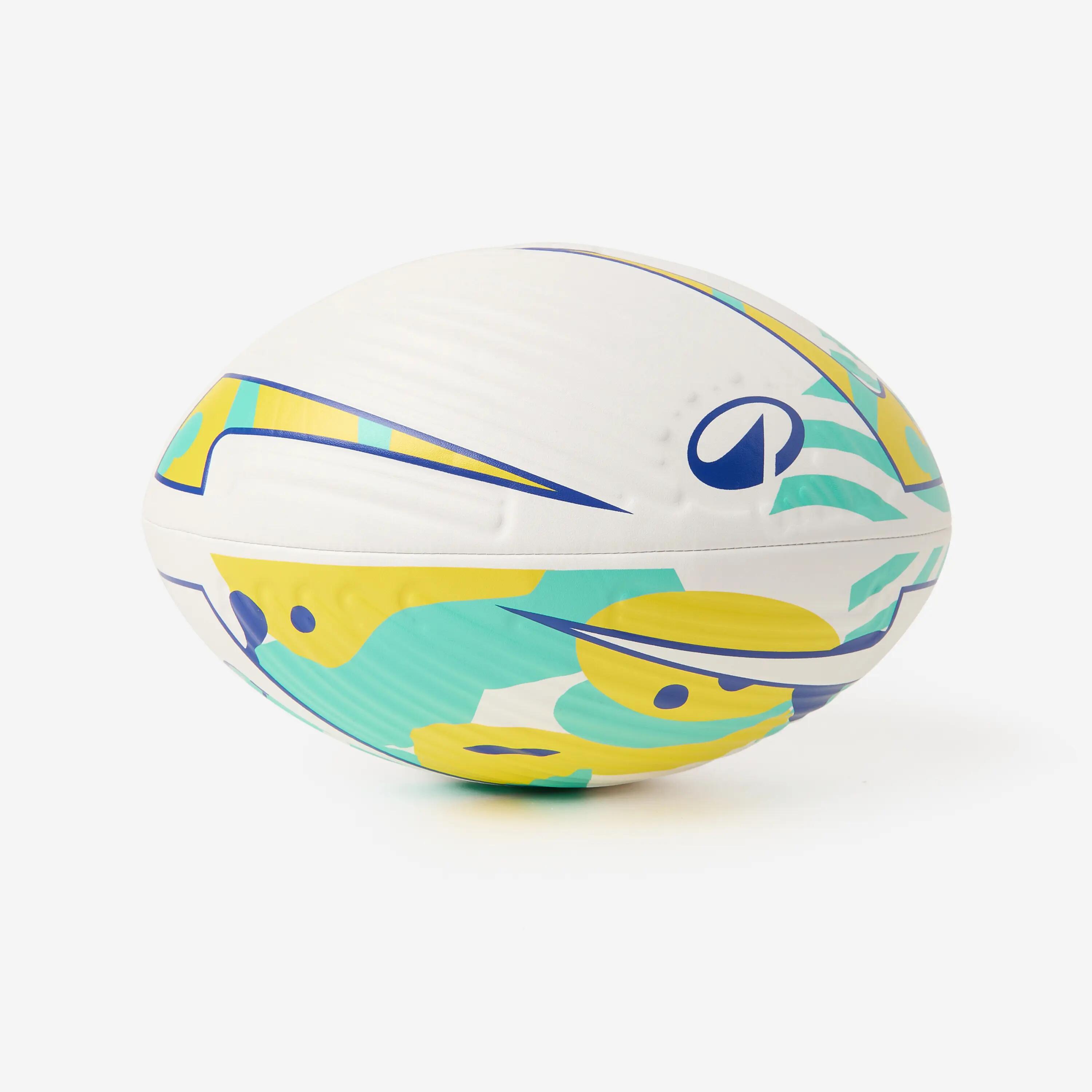
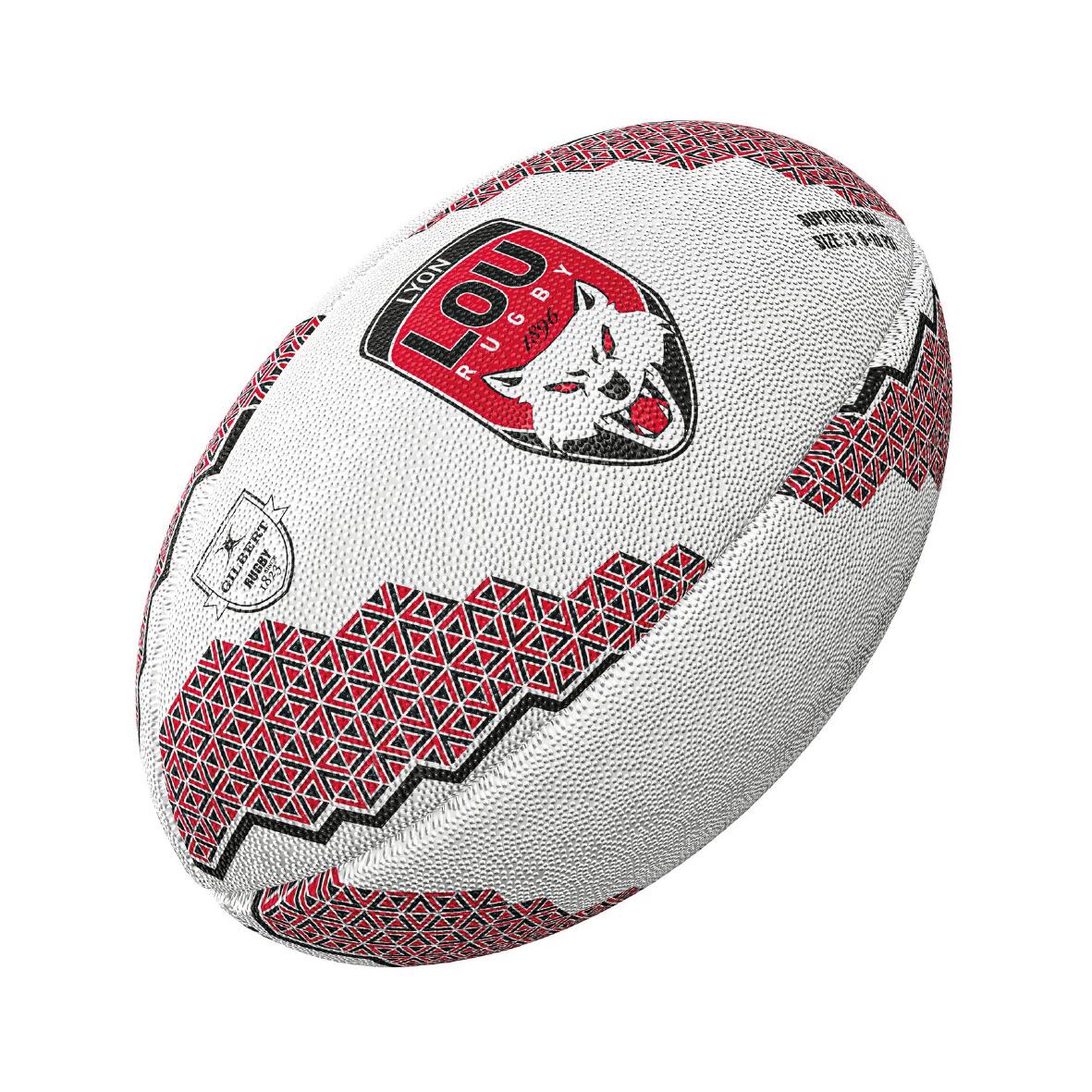
Despite their small appearance, these items are essential for technical growth. While beginners focus on acquiring durable rugby clothing for contact sessions, advanced players use soft-touch mini rugby balls for high-repetition handling drills. Their reduced size forces the fingers to work harder to control the shape, which helps players develop "soft hands"—a technical term for catching the ball with the fingertips rather than the palms. This dexterity is essential when transitioning back to a standard ball during high-pressure games where every millisecond counts. Small advice: Use a foam-based mini ball for indoor practice sessions during the winter months to maintain your reaction speeds and catching reflexes without the risk of damaging household items or gym equipment while working on your hand-eye coordination.

What technical features provide better grip on rugby balls for kids?

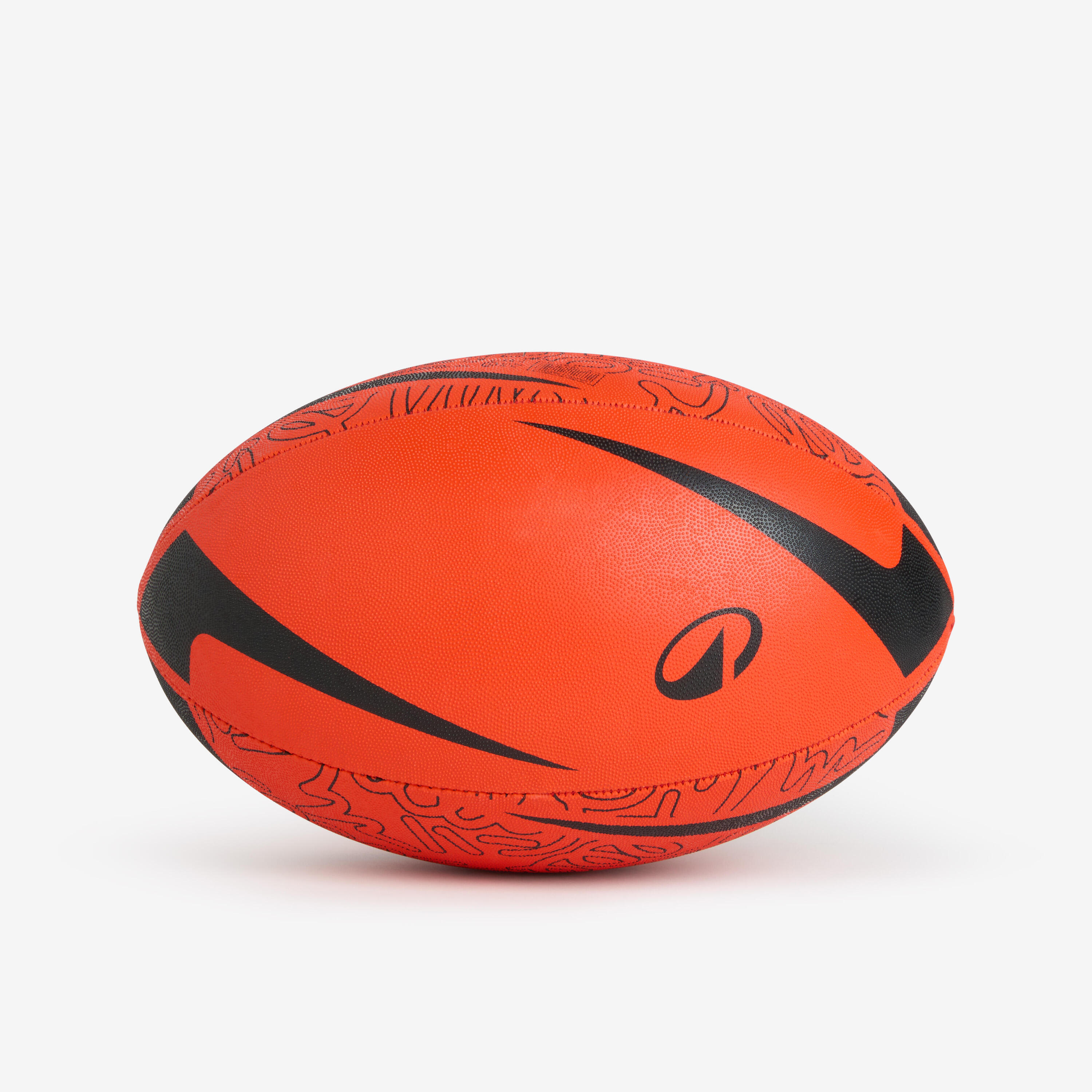
Younger athletes often struggle with ball security, which is why rugby balls for kids are manufactured with exaggerated surface textures. The "pimple" height on the outer casing is technically designed to create a larger contact area with the skin, even when the ball is covered in mud or moisture. For those in full-contact training, wearing rugby protections like mitts can further enhance this grip, though the goal is to develop natural strength. The reason for the varying grip levels across brands like Gilbert and Kipsta is to cater to different playing styles; some prefer a very aggressive, abrasive feel, while others opt for a smoother texture that allows for quicker release during rapid passing sequences. Best tip: To check if the grip is still effective, run your thumb across the surface; if the dimples feel flat or smooth, the ball has reached its end of technical life and should be replaced.