145 items
4.5/5 based on 1288 reviews collected online and in stores

Rugby Boots FAQs


What rugby boots do the pros wear for different positions?

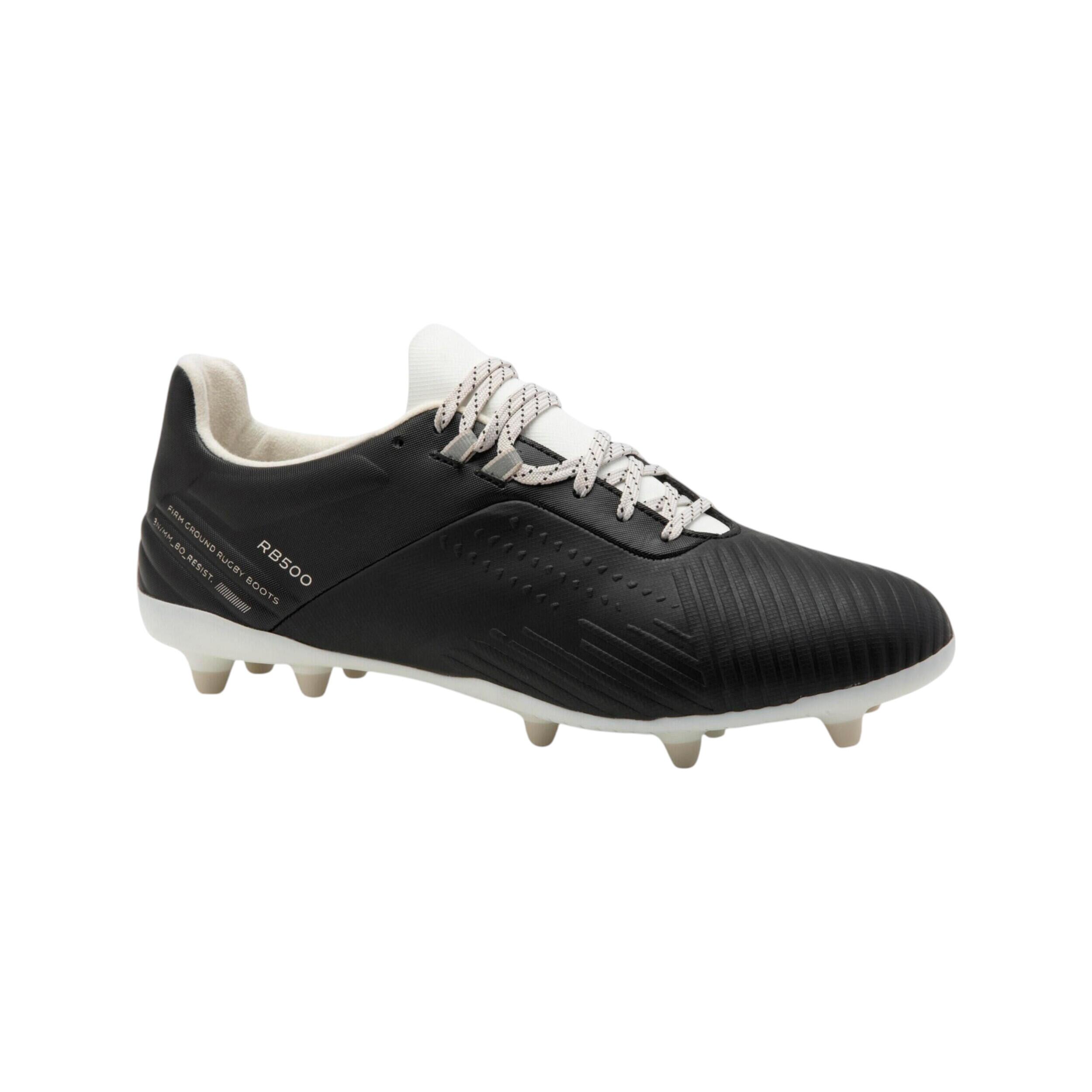
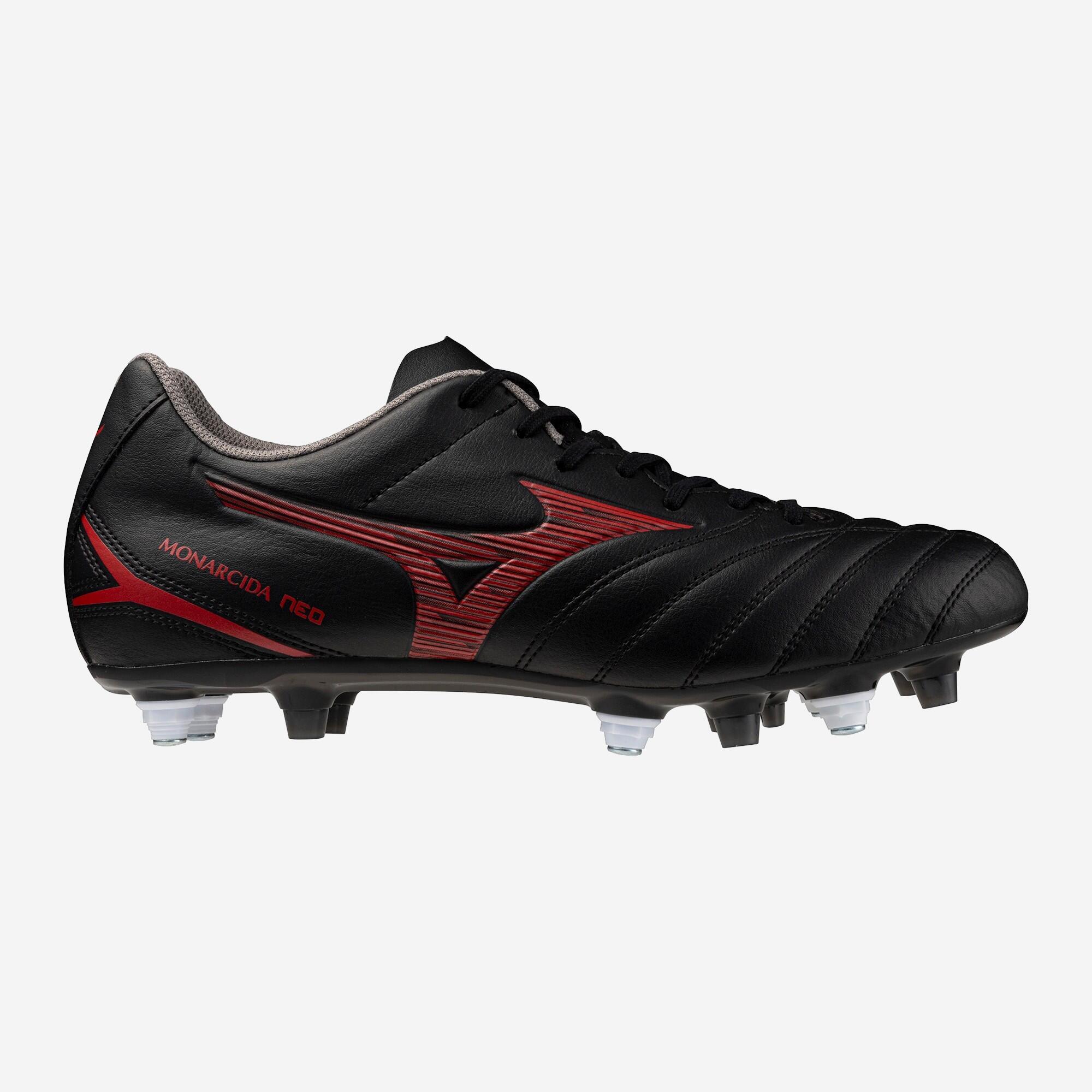
Professional players select their rugby boots based on specific positional requirements to ensure peak performance during intense match play. Forwards typically require boots with maximum traction and ankle support to facilitate power during scrums and rucks on soft ground. In contrast, backs and wingers often opt for lightweight, flexible designs that prioritise speed and agility for fast breaks. When searching for rugby boots, players often look for brands like Adidas, Canterbury, and Gilbert, which offer tailored technology for both power and precision. To maintain your grip throughout a muddy season, it is vital to regularly check and replace your rugby boot studs. The technical reason for using 8-stud configurations in the pack is to provide the mechanical leverage needed to drive forward against the opposition, whereas a 6-stud or hybrid setup allows for better propulsion in the backline.


Are football boots OK to use for rugby matches?

While some football boots might appear similar, they often lack the reinforced structure required for the high-impact nature of rugby. Rugby shoes are specifically built with a wider last and more durable materials to protect the foot during tackling and scrummaging. For younger players starting their journey, we provide specialised kids rugby boots that offer the necessary protection for developing feet. Football boots are generally crafted for agility and ball feel, whereas rugby footwear prioritises lateral stability and force. Best tip: If you are playing on synthetic turf or very hard ground, moulded rugby boots might be acceptable, but for standard grass pitches, the extra protection of a rugby-specific boot is a safety essential. The reason for the sturdier heel counter in rugby footwear is to prevent ankle rolls when changing direction under heavy contact.


What makes rugby boots different to standard football boots?

The primary technical difference lies in the outsole construction and the protective elements integrated into the upper. Rugby boots usually feature a higher cut or a more robust ankle collar to provide support during the extreme torque of a scrum. Additionally, the studs are often longer and made of metal to pierce deep into soft, wet soil. Our range of adult rugby boots includes options with reinforced toe boxes to protect against stray studs during rucks. Football boots typically use shorter, plastic studs created for lightweight speed. In rugby, the focus is on stability and "digging in," which is why a heavier, more stable soleplate is often preferred by tight-five forwards. Choosing the correct footwear ensures you can transfer power efficiently from your legs to the turf without slipping at the point of contact.


Should rugby boots be a size bigger for thick socks?

Rugby boots should fit snugly to prevent the foot from sliding inside the shoe, which can lead to blisters and a loss of stability. While some players consider sizing up to accommodate thick match-day socks, a boot that is too loose will compromise your control during scrums. It is better to have a firm fit that locks the heel in place. If you find the boots too tight, consider a model with a wider fit rather than a larger size. As part of your overall preparation, investing in the right rugby club training and care can further support performance and comfort on the field. Expert tip: Always try on new boots with the exact socks and any ankle strapping you intend to wear during a game. A well-fitted boot ensures that your power is directed entirely into the ground. Remember that synthetic uppers will maintain their shape well, while leather options may stretch slightly over time, conforming to the unique contours of your foot for a personalised feel.


How do I maintain my boots during the winter?

The damp climate can be tough on sports equipment, making regular maintenance essential for longevity. After every match, remove excess mud with a stiff brush and lukewarm water; allowing mud to dry on the surface can degrade the materials and cause stitching to fail. Never dry your boots directly on a radiator, as extreme heat can warp the soleplate and cause leather to crack. Instead, stuff them with newspaper and let them air dry naturally in a well-ventilated area. Regularly tightening your studs is another vital step to prevent the threads from becoming clogged or damaged. Alongside proper boot care, using the right rugby protections helps safeguard players during intense matches and training sessions. For those playing multiple times a week, rotating between two pairs—one with metal studs and one with moulded soles—can extend the lifespan of your gear and ensure you always have the right traction for the prevailing pitch conditions.