DECATHLON Low-Sugar Peanut Protein Bar Coated in Dark Chocolate x64.6(58)Reviews.votesAriaCurrent price {{currentPrice}} €12.00€36.37/kg
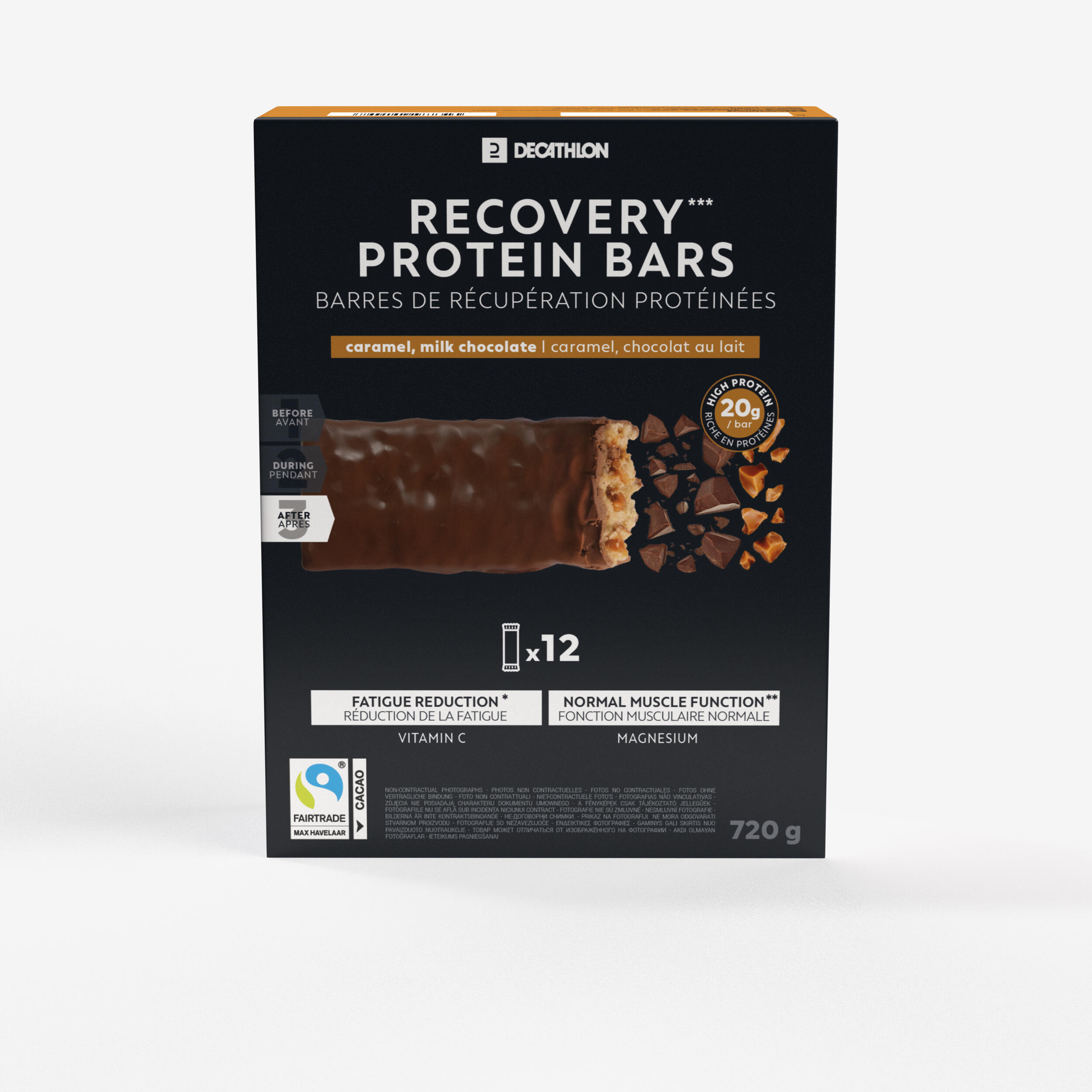
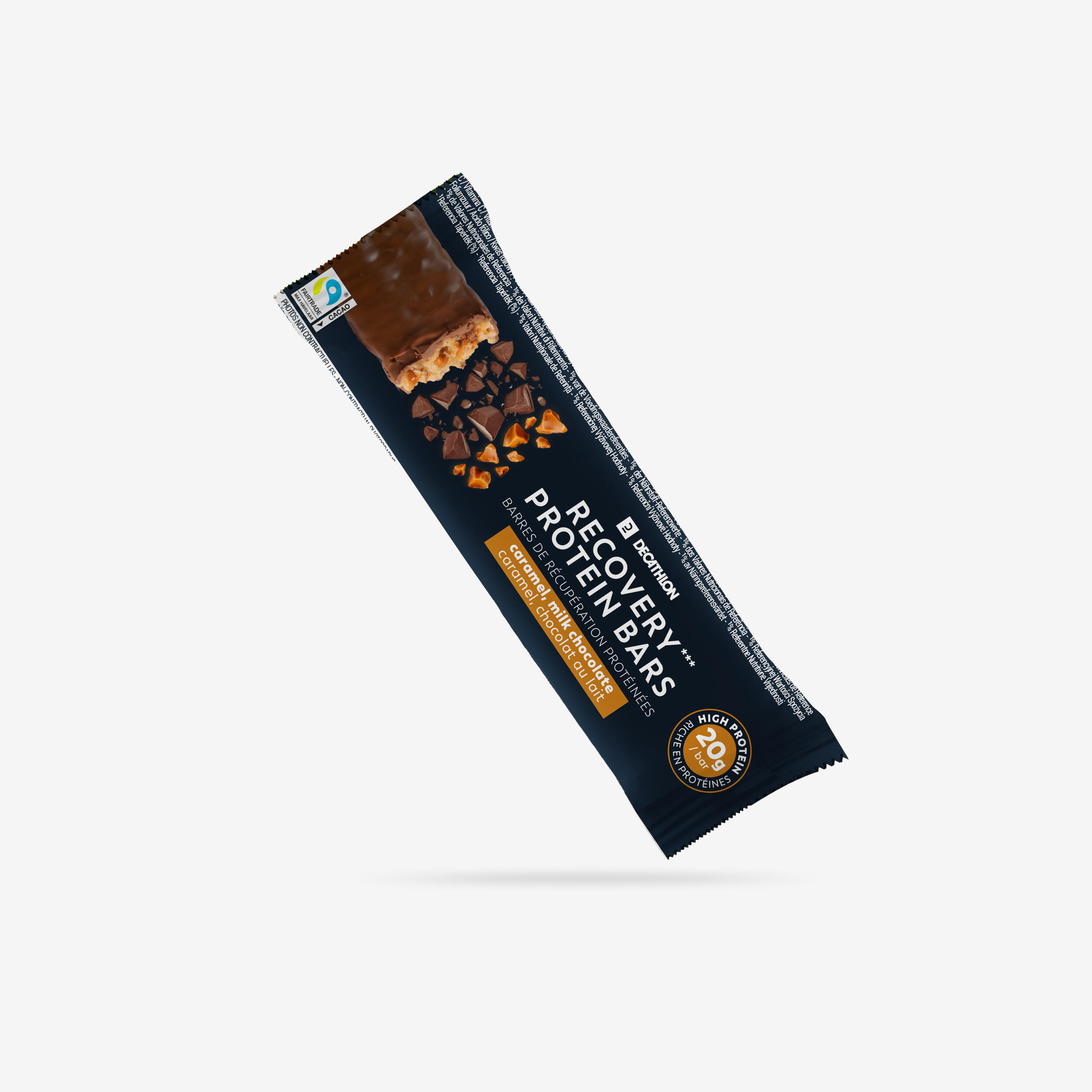
2 flavorsDECATHLON Milk chocolate and caramel recovery protein bar, pack of 124.7(867)Reviews.votesAria2 flavorsCurrent price {{currentPrice}} €23.00€31.95/kg
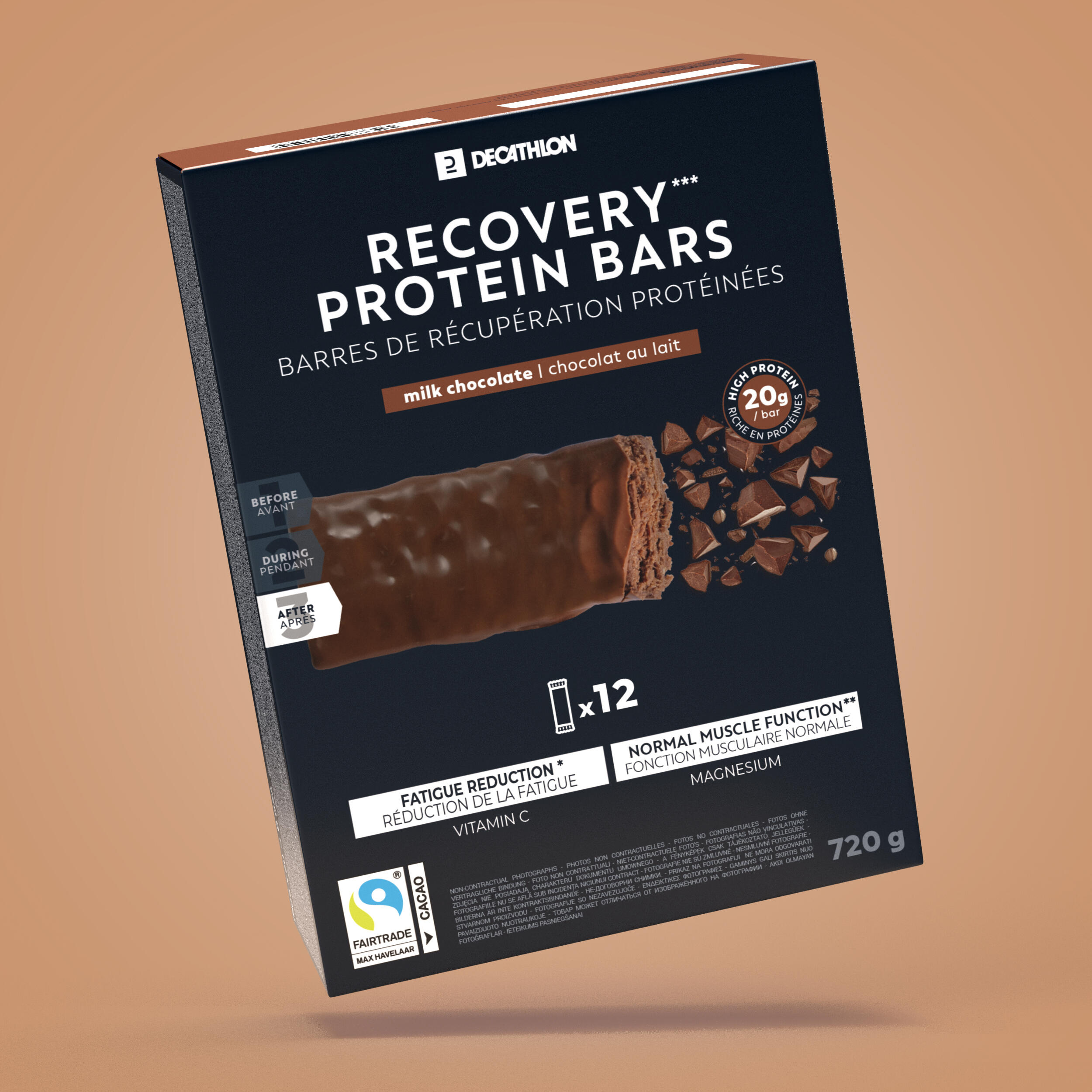
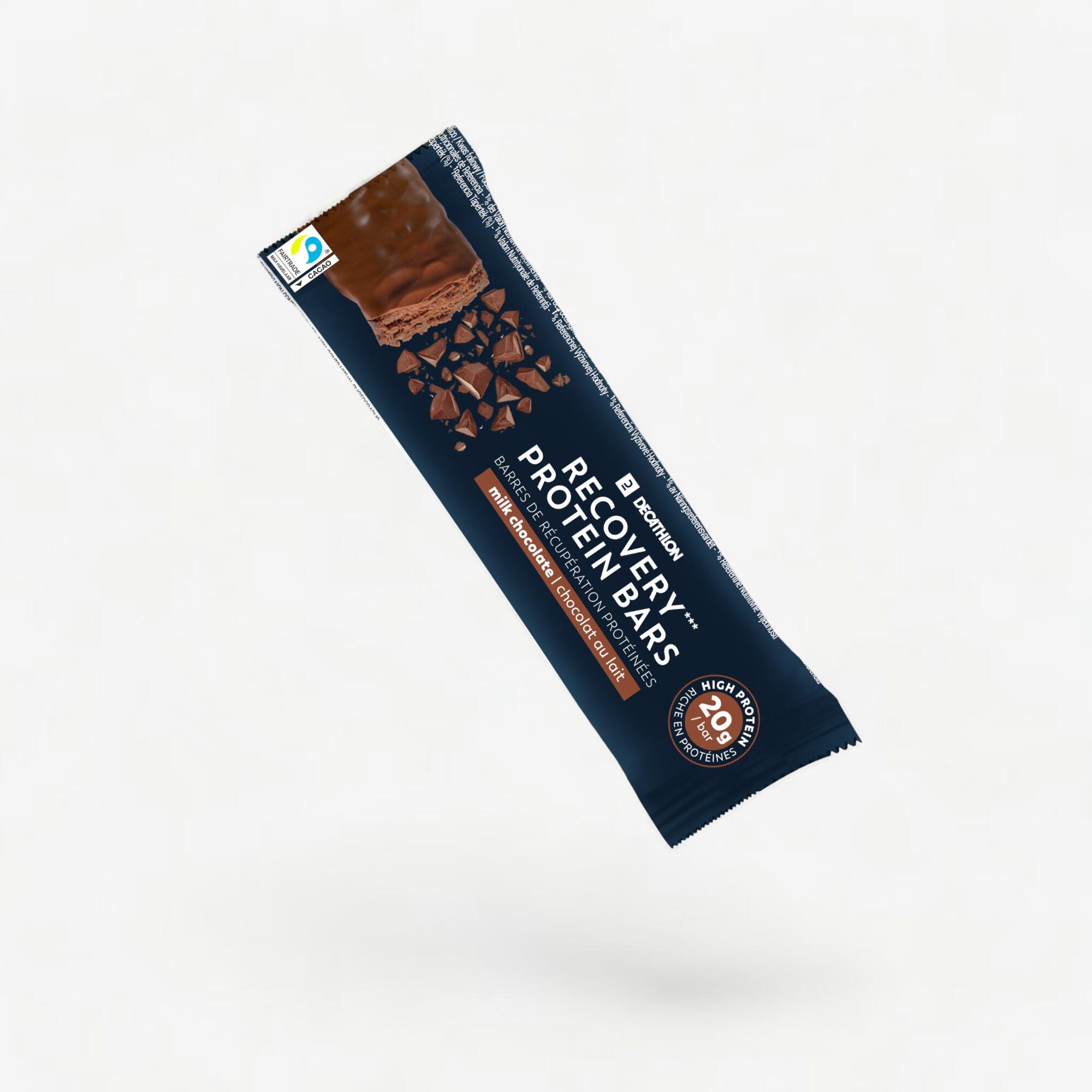
2 flavorsDECATHLON Milk chocolate recovery protein bar, x124.7(867)Reviews.votesAria2 flavorsCurrent price {{currentPrice}} €23.00€31.95/kg
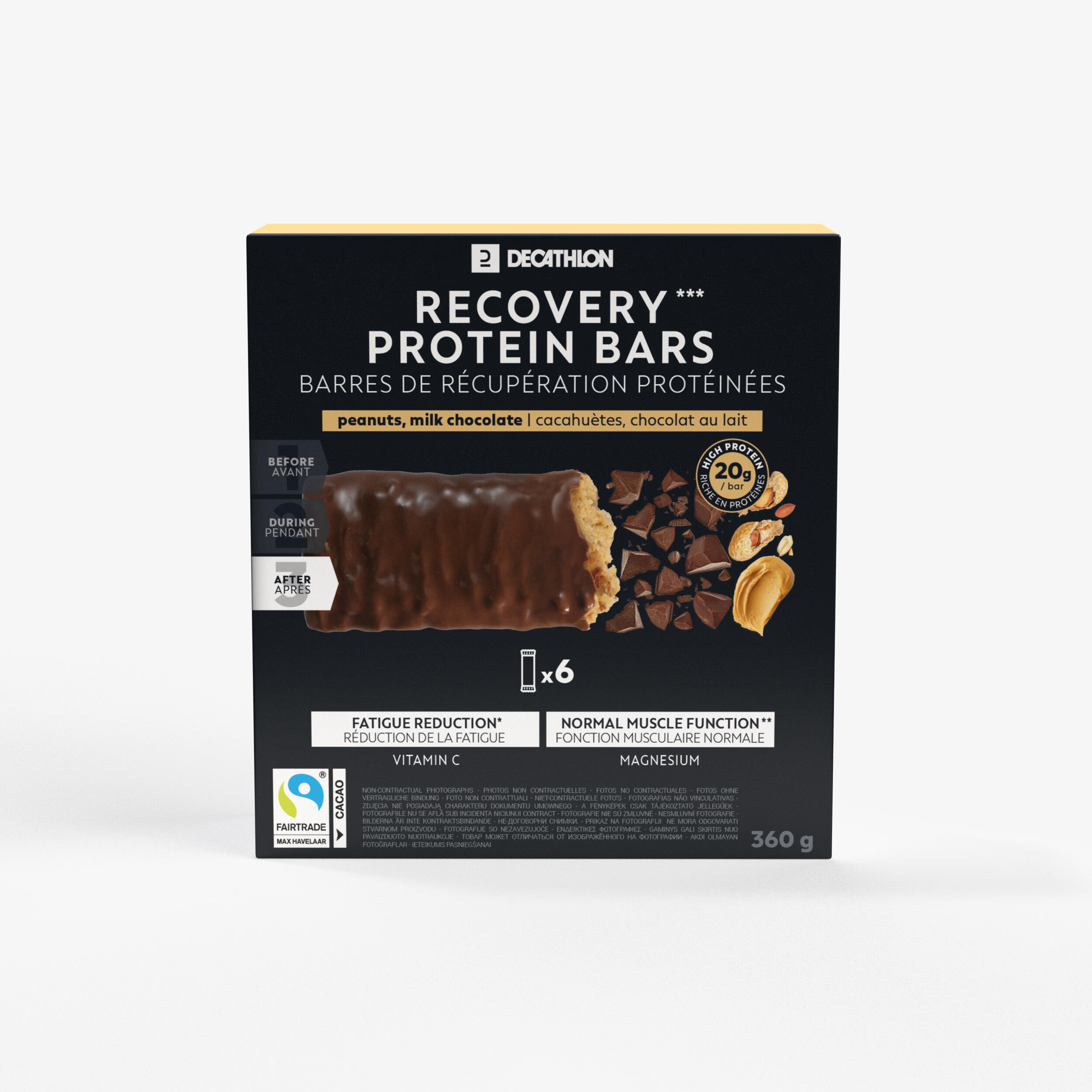
4 flavorsDECATHLON Milk chocolate and peanut recovery protein bar, x64.7(1,358)Reviews.votesAria4 flavorsCurrent price {{currentPrice}} €13.00€36.12/kg
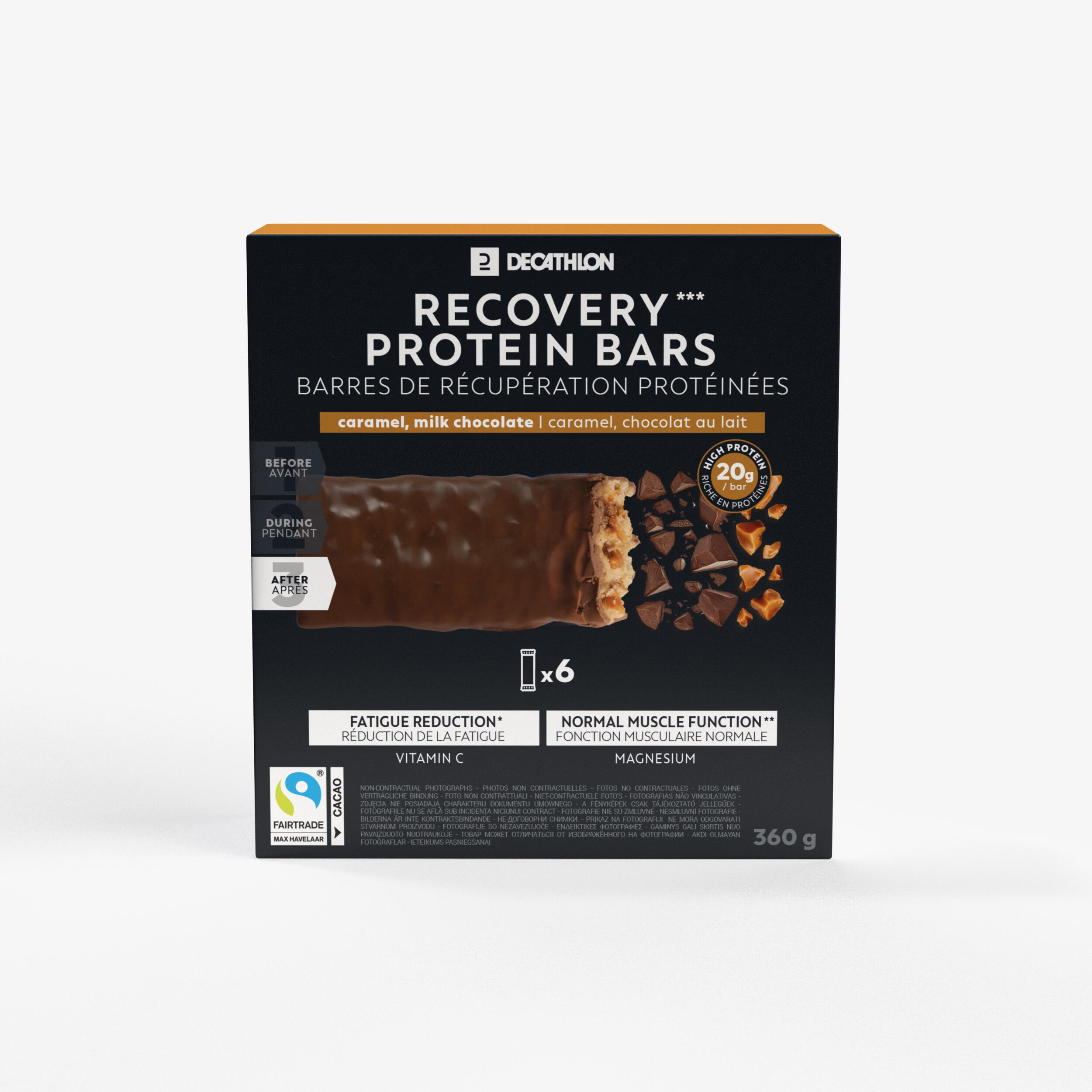
4 flavorsDECATHLON Milk chocolate and caramel recovery protein bar, pack of 64.7(1,358)Reviews.votesAria4 flavorsCurrent price {{currentPrice}} €13.00€36.12/kg
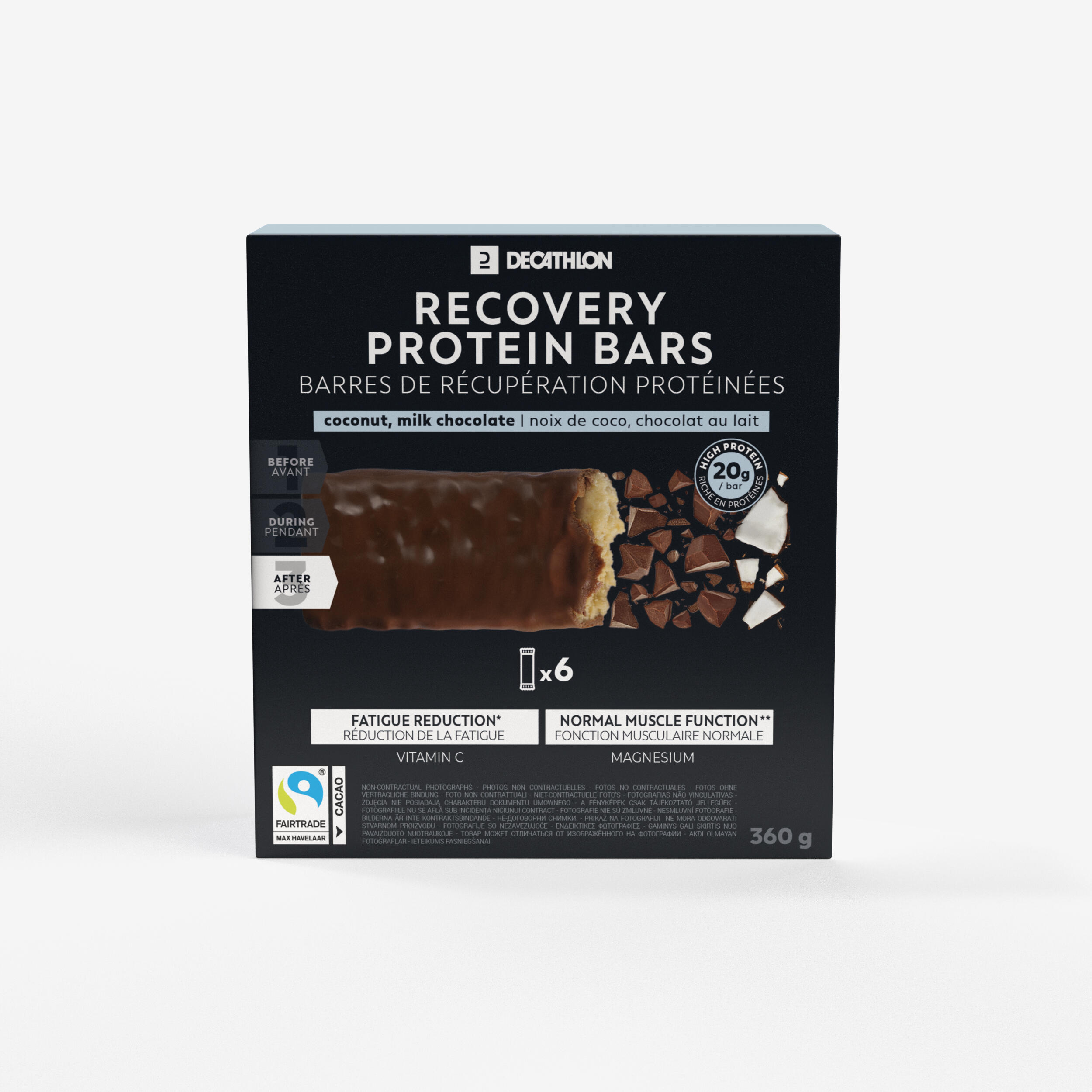
4 flavorsDECATHLON Milk chocolate and coconut recovery protein bar, pack of 64.7(1,358)Reviews.votesAria4 flavorsCurrent price {{currentPrice}} €13.00€36.12/kg
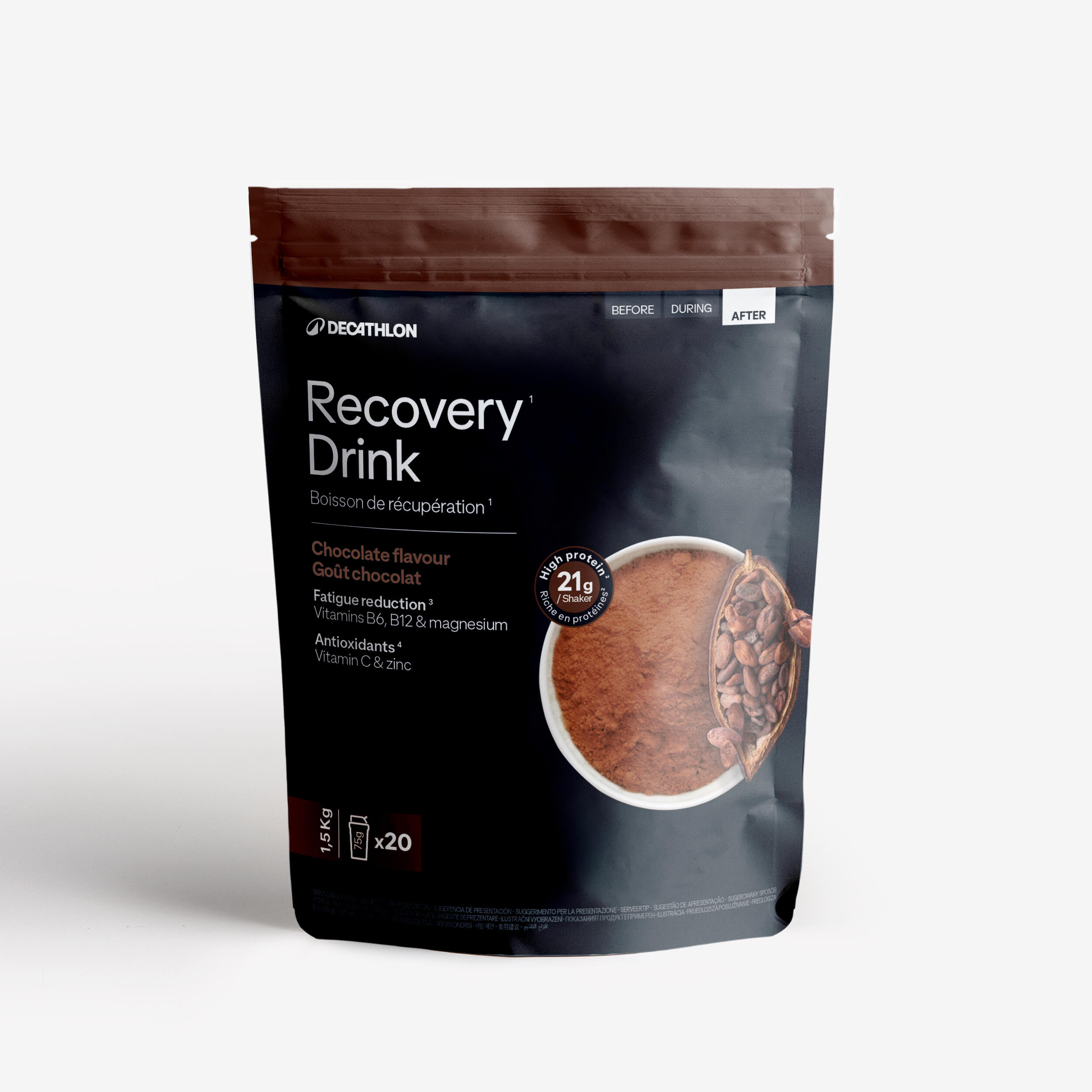
DECATHLON Recovery protein drink powder - chocolate 1.5 kg 3(133)Reviews.votesAriaCurrent price {{currentPrice}} €36.00€24.00/kg
DECATHLON Organic Chocolate Protein Bar x14.6(317)Reviews.votesAriaCurrent price {{currentPrice}} €2.00€50.00/kg
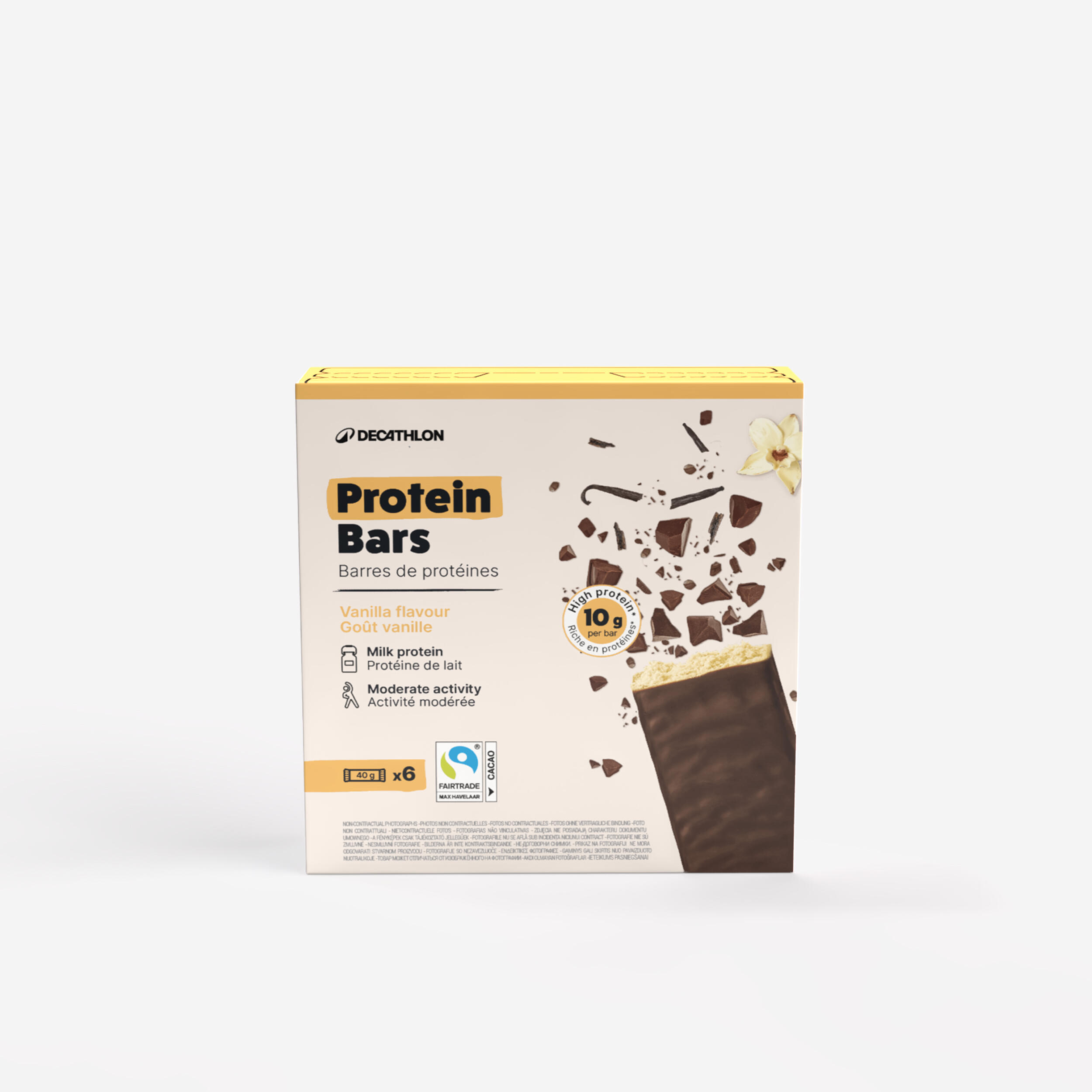
2 flavorsDECATHLON Protein bar coated with milk chocolate x64.6(462)Reviews.votesAria2 flavorsCurrent price {{currentPrice}} €10.00€41.67/kg
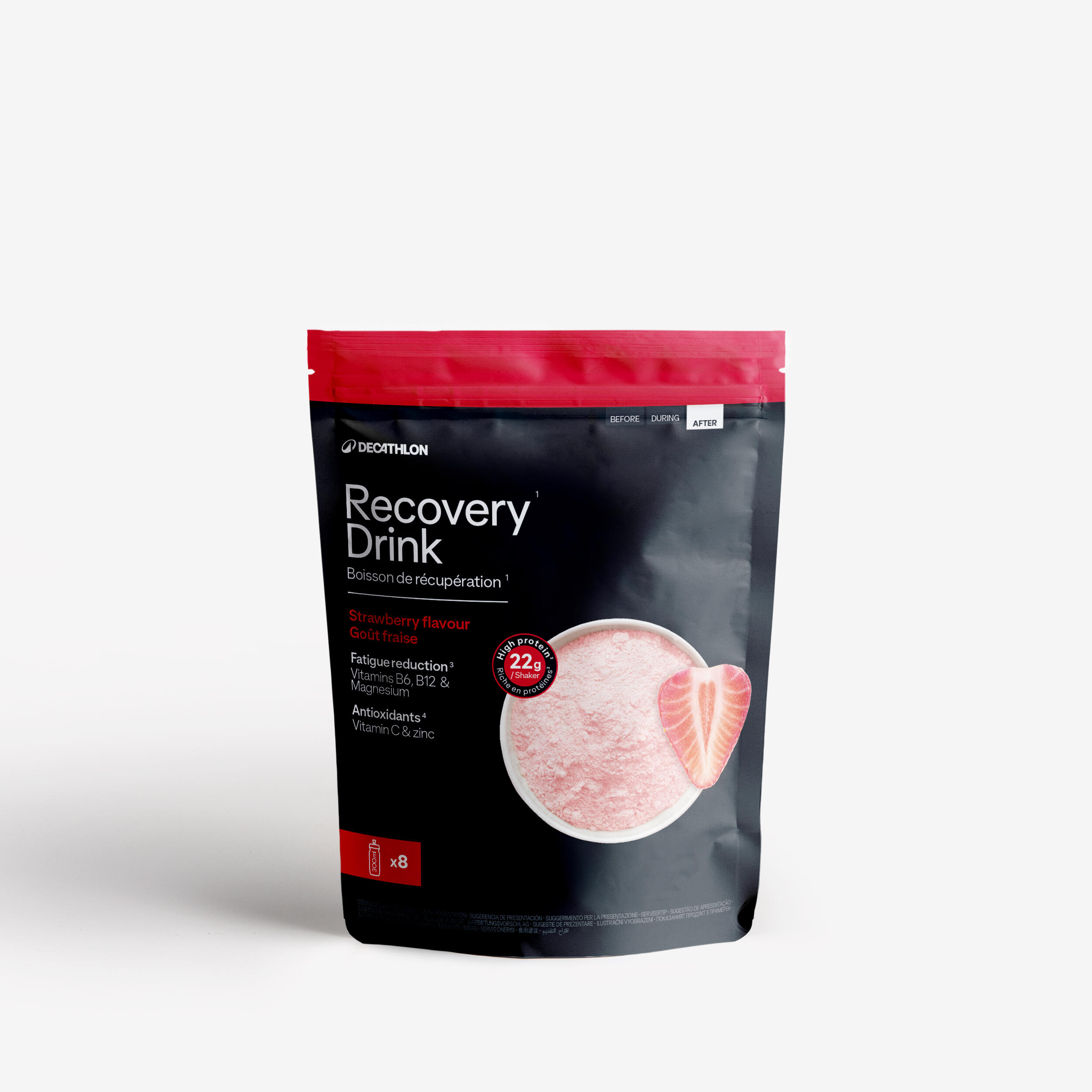
2 flavorsDECATHLON Recovery protein drink powder - strawberry 600 g 4.1(54)Reviews.votesAria2 flavorsCurrent price {{currentPrice}} €24.00€40.00/kg
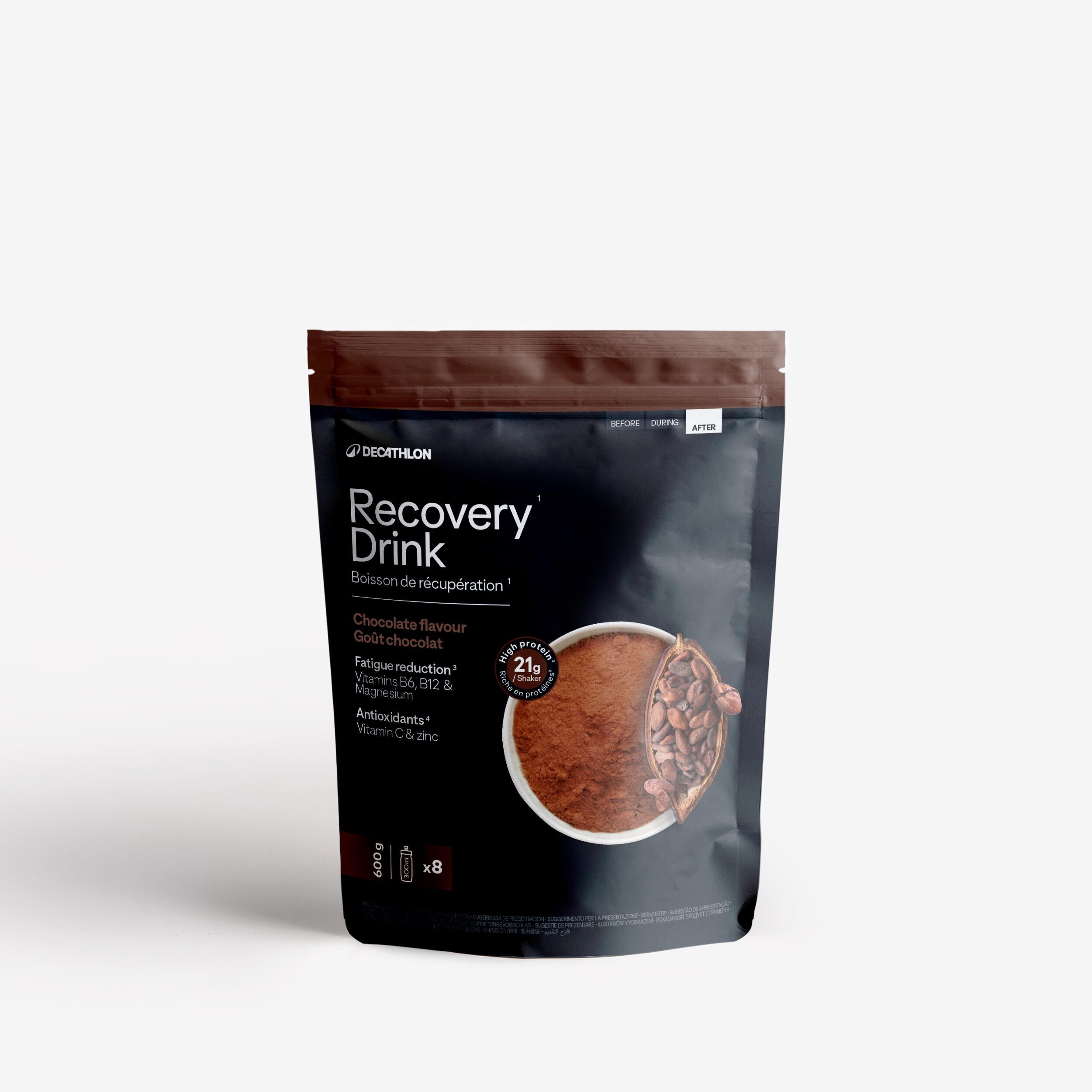
2 flavorsDECATHLON Recovery protein drink powder - chocolate 600 g 4.1(54)Reviews.votesAria2 flavorsCurrent price {{currentPrice}} €22.00€36.67/kg
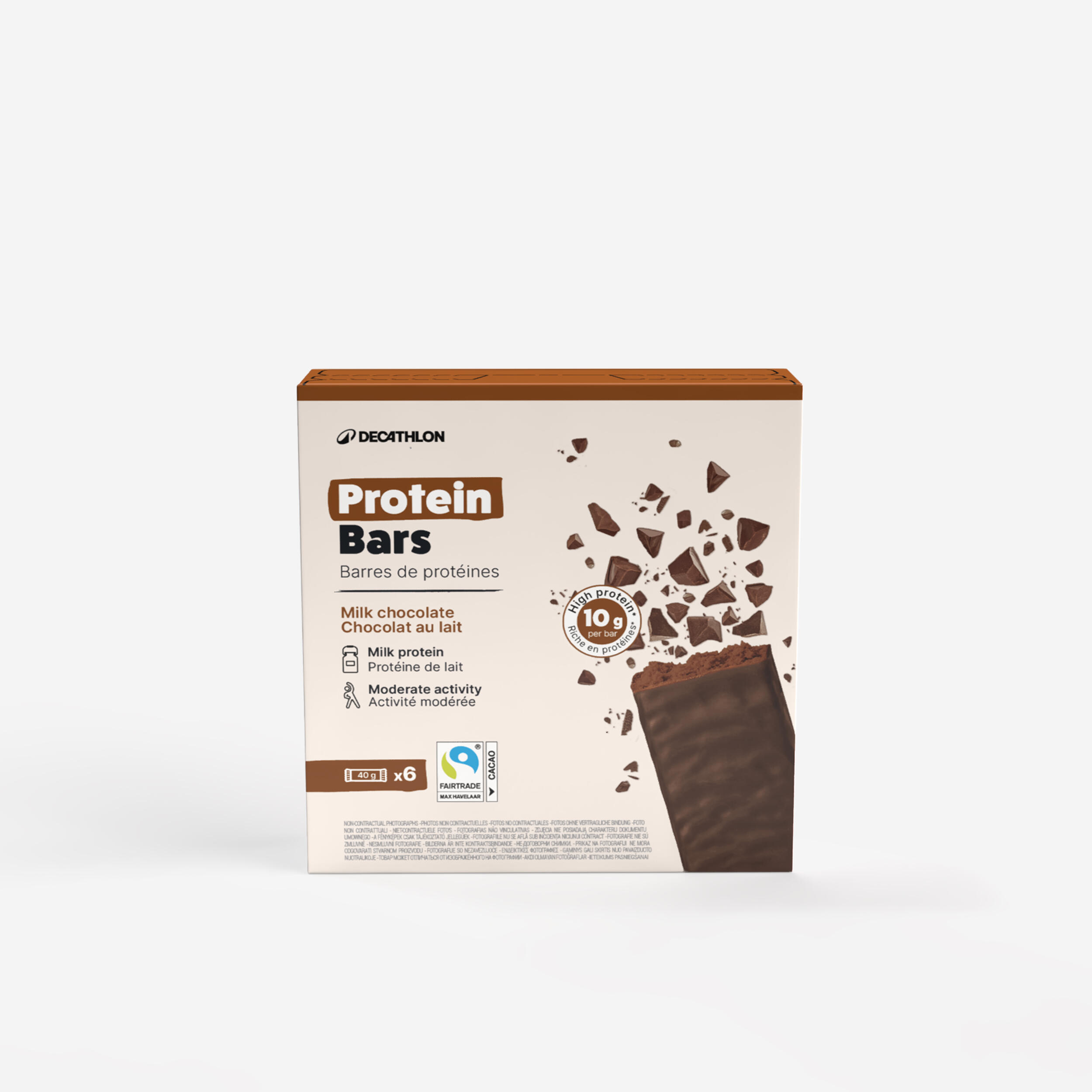
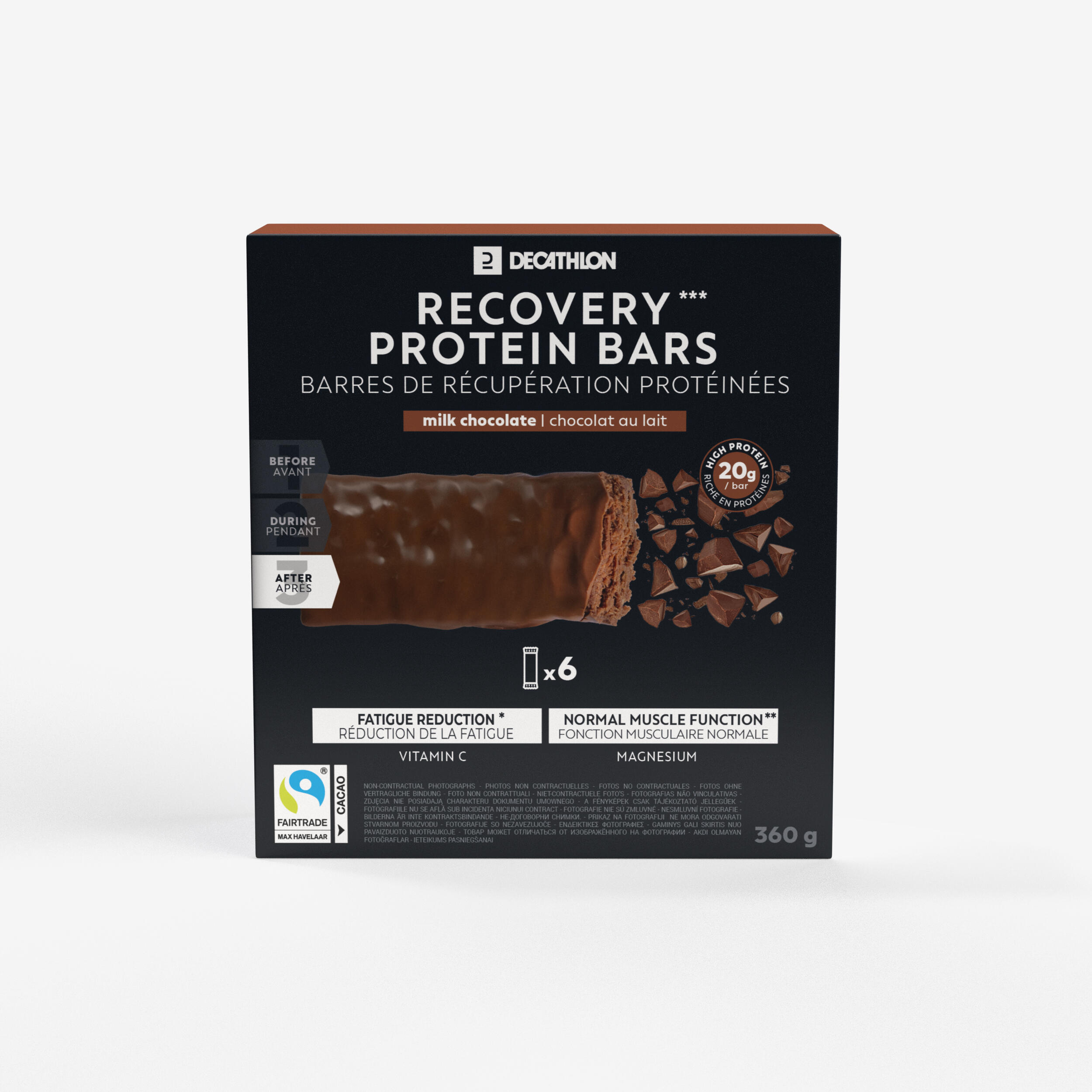
4 flavorsDECATHLON Milk chocolate recovery protein bar, x64.7(1,358)Reviews.votesAria4 flavorsCurrent price {{currentPrice}} €13.00€36.12/kg
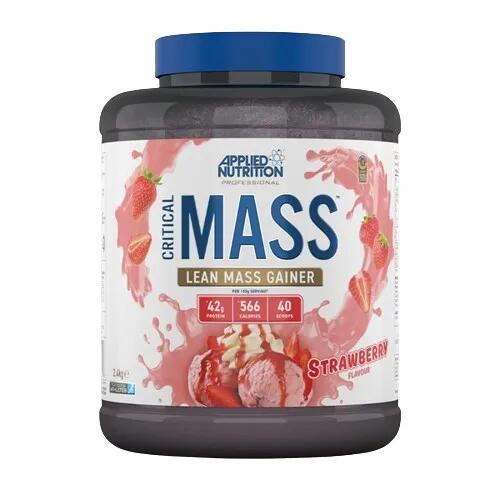
Marketplace -Online Only Marketplace -Online Only3 flavorsMarketplace -Online OnlyAPPLIED NUTRITION Applied Nutrition Critical Mass Professional (2400g) Strawberry3 flavorsCurrent price {{currentPrice}} €39.99€16.67/kgSold and shipped by FITADIUM
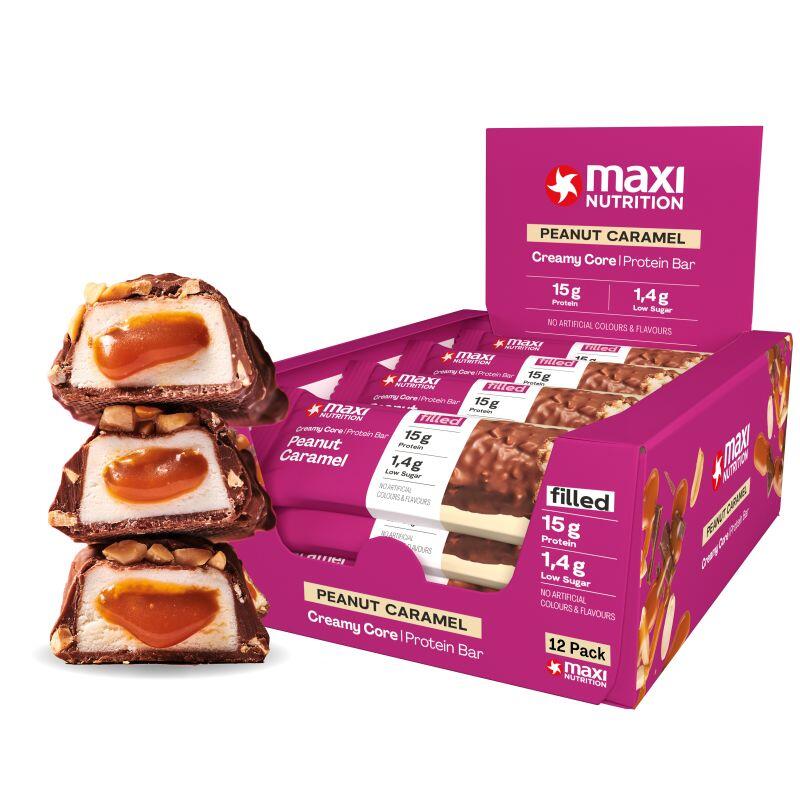
Marketplace -Online Only Marketplace -Online Only3 flavorsMarketplace -Online OnlyMAXINUTRITION Creamy Core Bar Peanut Caramel x 12 Bars3 flavorsCurrent price {{currentPrice}} €57.04€105.63/kgSold and shipped by Accesoralia
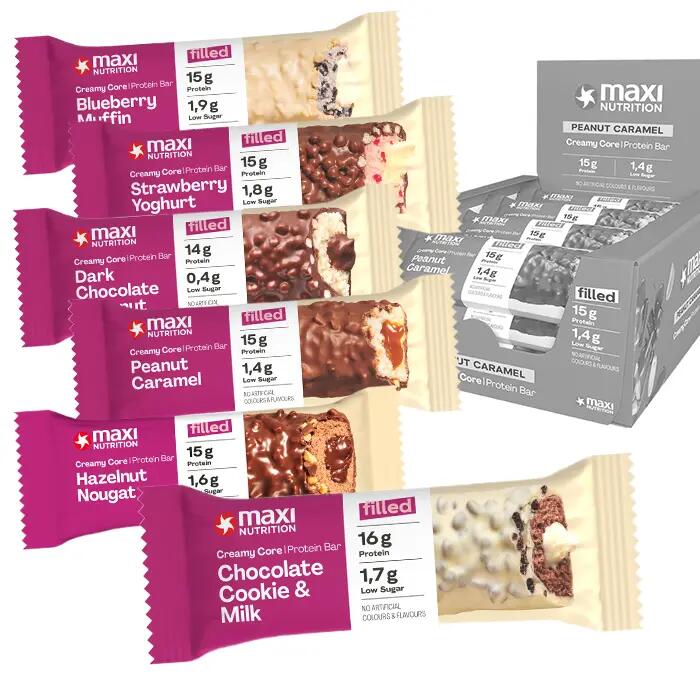
Marketplace -Online Only Marketplace -Online Only3 flavorsMarketplace -Online OnlyMAXINUTRITION Maxi Nutrition Creamy Heart Protein Bar (set of 12)3 flavorsCurrent price {{currentPrice}} €57.04€105.63/kgSold and shipped by Accesoralia
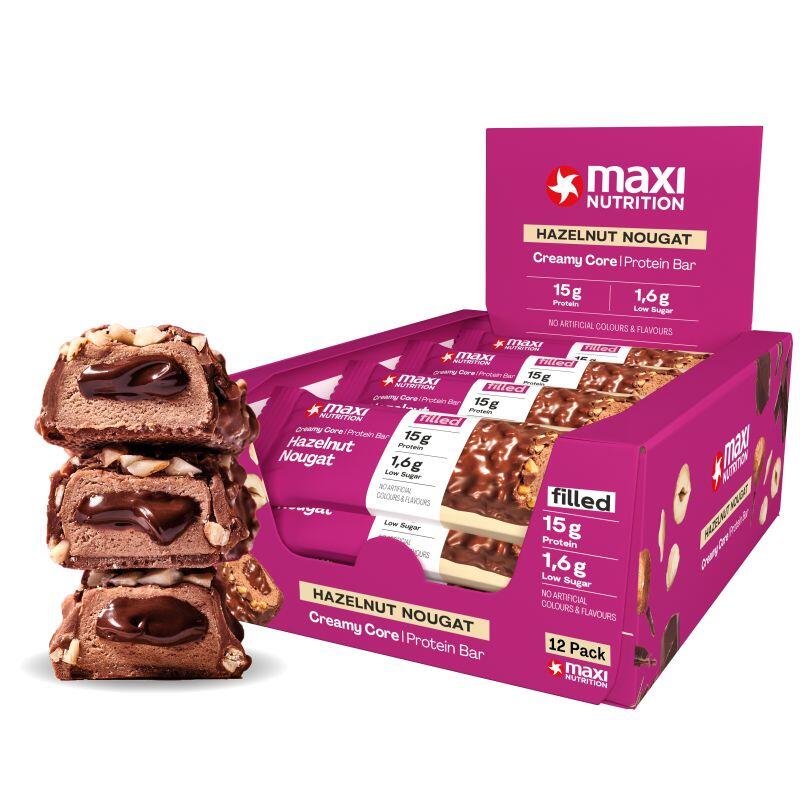
Marketplace -Online Only Marketplace -Online Only3 flavorsMarketplace -Online OnlyMAXINUTRITION Creamy Core Bar Hazelnut Nougat x 12 Bars3 flavorsCurrent price {{currentPrice}} €57.04€105.63/kgSold and shipped by Accesoralia
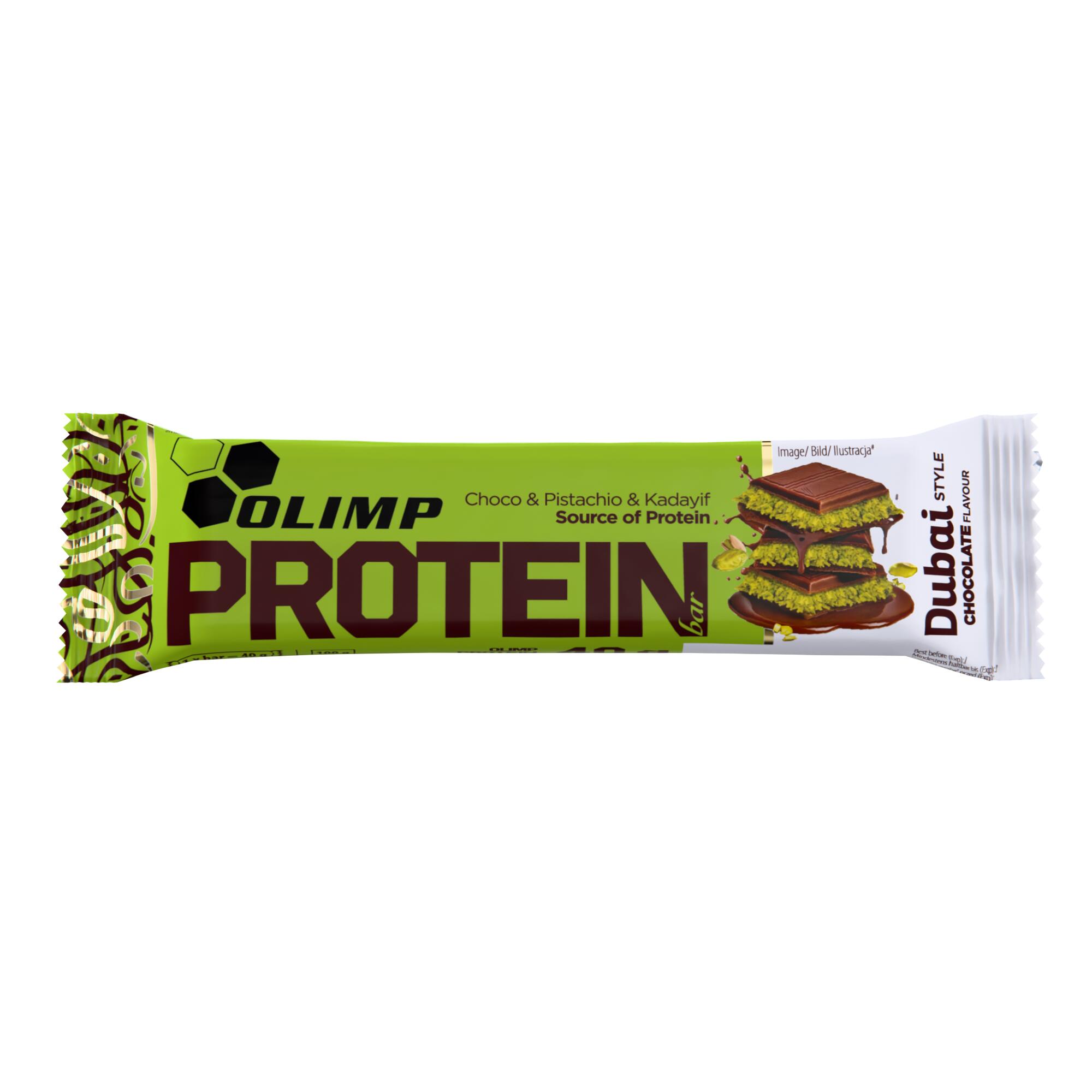
Marketplace -Online Only Marketplace -Online OnlyMarketplace -Online OnlyOLIMP SPORT Olimp Protein Bar 40g x10 Dubai ChocolateCurrent price {{currentPrice}} €22.95Sold and shipped by NutriVit 🇮🇪
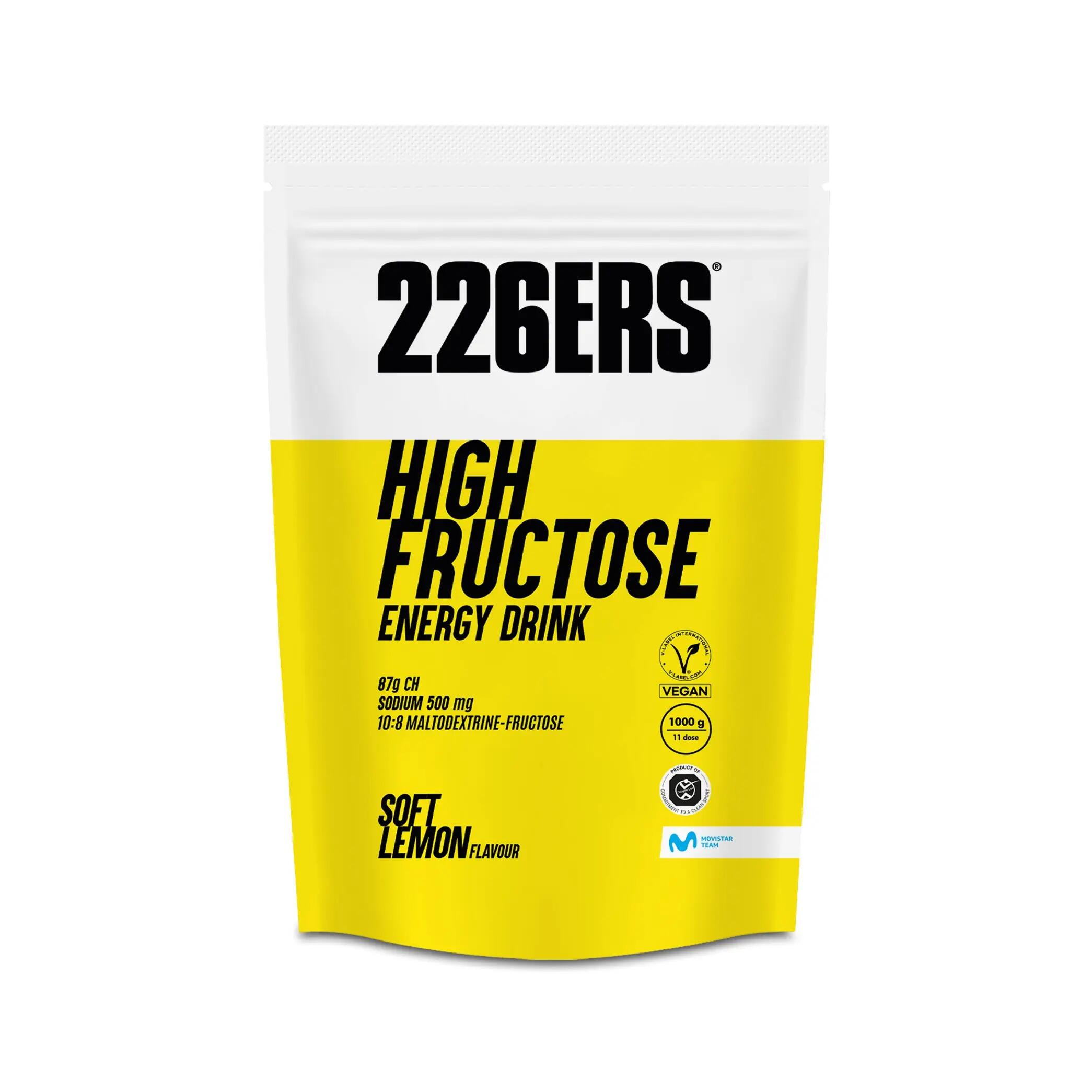
Marketplace -Online Only Marketplace -Online OnlyMarketplace -Online Only226ERS Energy drink 226ERS High FructoseCurrent price {{currentPrice}} €56.99€56.99/kgSold and shipped by Sportano EU
2 flavorsCLIF Gluten-free chocolate plant-based protein bar x14.5(100)Reviews.votesAria2 flavorsCurrent price {{currentPrice}} €3.00€44.12/kg
2 flavorsDECATHLON Milk chocolate recovery protein bar, x14.6(706)Reviews.votesAria2 flavorsCurrent price {{currentPrice}} €3.00€50.00/kg
2 flavorsDECATHLON Milk chocolate and caramel recovery protein bar, x14.6(706)Reviews.votesAria2 flavorsCurrent price {{currentPrice}} €3.00€50.00/kg
2 flavorsDECATHLON Protein Bar with Milk Chocolate Coating x6 Vanilla4.6(462)Reviews.votesAria2 flavorsCurrent price {{currentPrice}} €10.00€41.67/kg
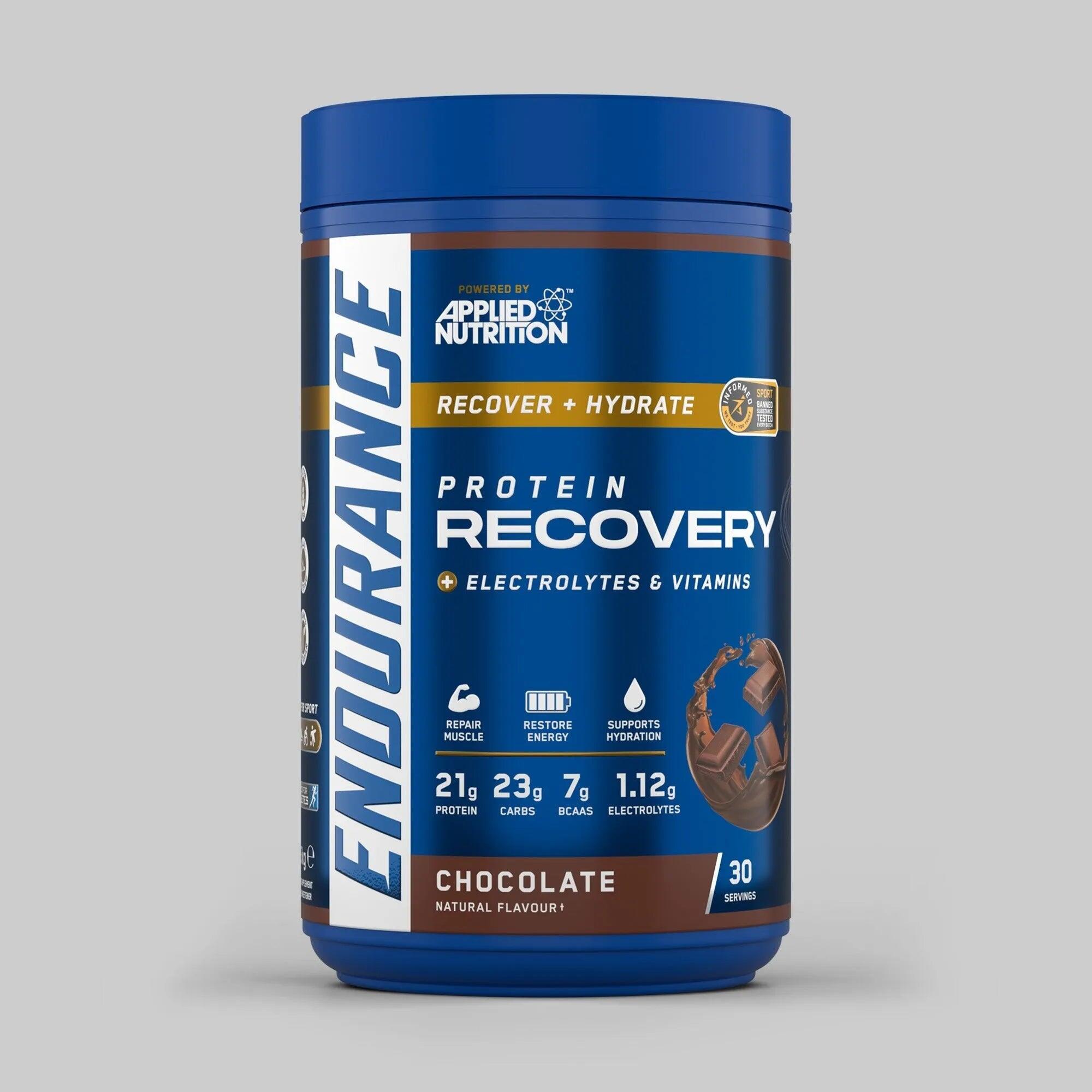
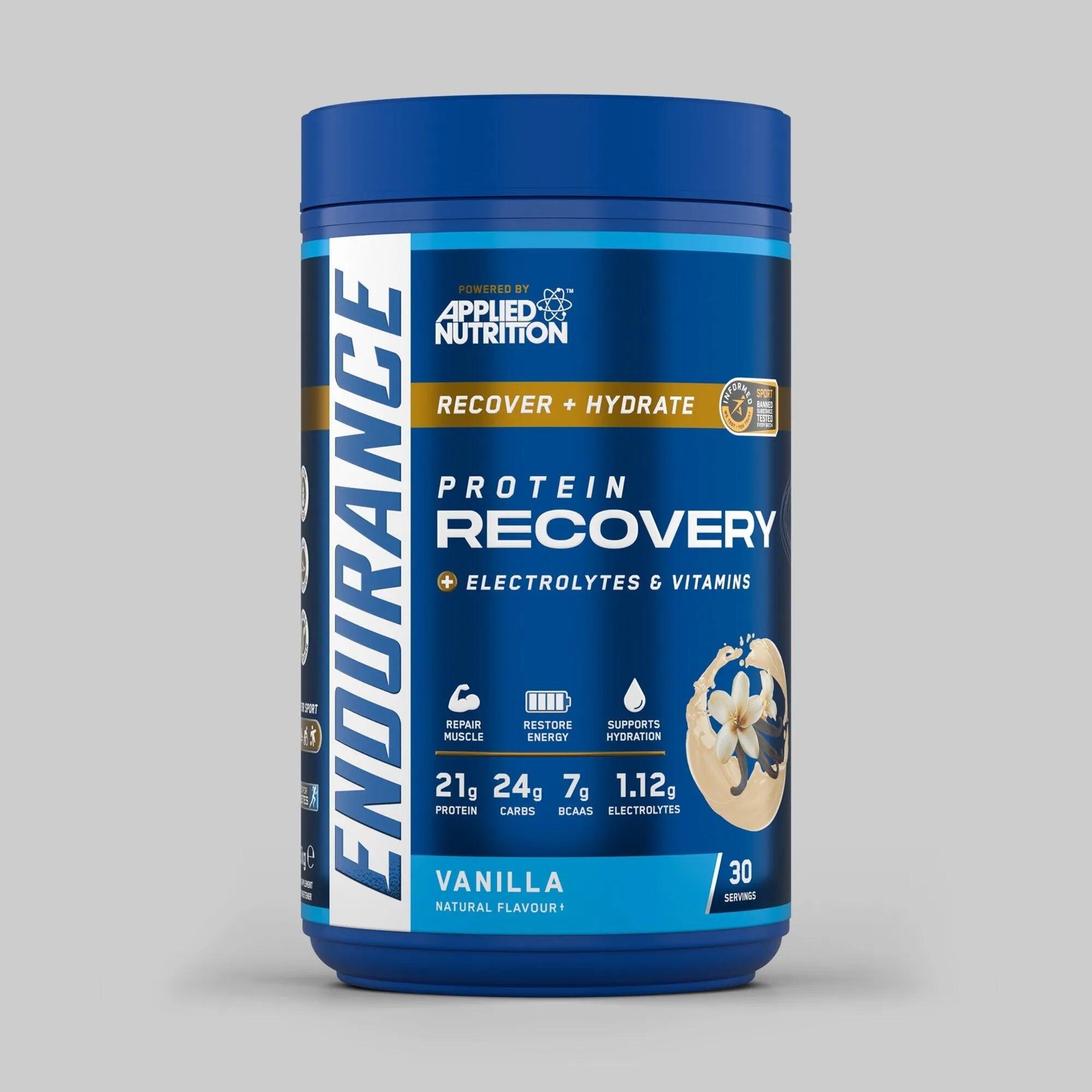
Marketplace -Online Only Marketplace -Online Only2 flavorsMarketplace -Online OnlyAPPLIED NUTRITION Protein recovery (1.5kg)2 flavorsCurrent price {{currentPrice}} €29.99€18.63/kgSold and shipped by FITADIUM
Marketplace -Online Only Marketplace -Online Only2 flavorsMarketplace -Online OnlyAPPLIED NUTRITION Protein recovery (1.5kg)2 flavorsCurrent price {{currentPrice}} €29.99€18.63/kgSold and shipped by FITADIUM
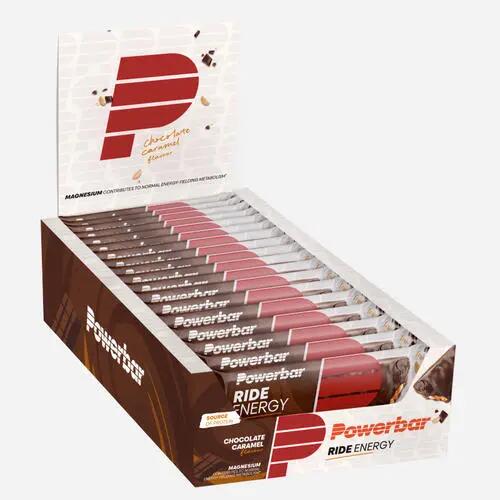
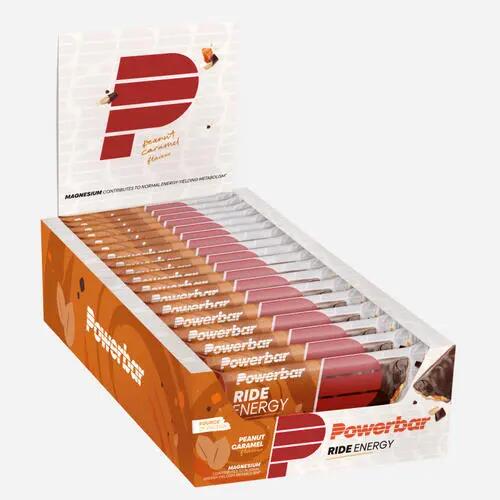
Marketplace -Online Only Marketplace -Online Only2 flavorsMarketplace -Online OnlyPOWERBAR Ride energy bar tin (18X55g)2 flavorsCurrent price {{currentPrice}} €35.82€35.82/kgSold and shipped by FITADIUM
Marketplace -Online Only Marketplace -Online Only2 flavorsMarketplace -Online OnlyPOWERBAR Ride energy bar tin (18X55g)2 flavorsCurrent price {{currentPrice}} €35.82€36.19/kgSold and shipped by FITADIUM
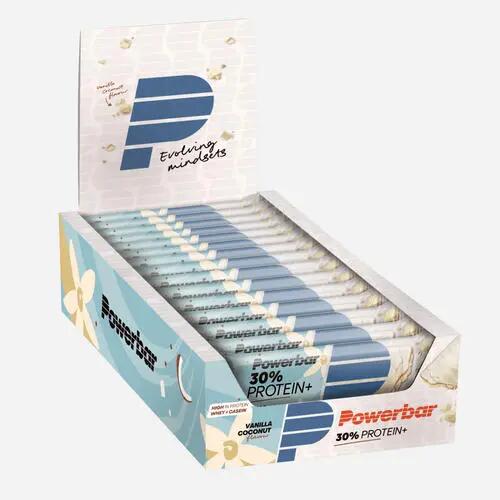
Marketplace -Online Only Marketplace -Online Only2 flavorsMarketplace -Online OnlyPOWERBAR Powerbar Protein Plus Bar 30% (15x55g) Vanilla Coconut - Bars - Protein Bars2 flavorsCurrent price {{currentPrice}} €39.99€48.48/kgSold and shipped by FITADIUM
Marketplace -Online Only Marketplace -Online Only2 flavorsMarketplace -Online OnlyPOWERBAR 30% Protein+ 55g PowerBar (pack of 15)2 flavorsCurrent price {{currentPrice}} €39.99€48.48/kgSold and shipped by FITADIUM
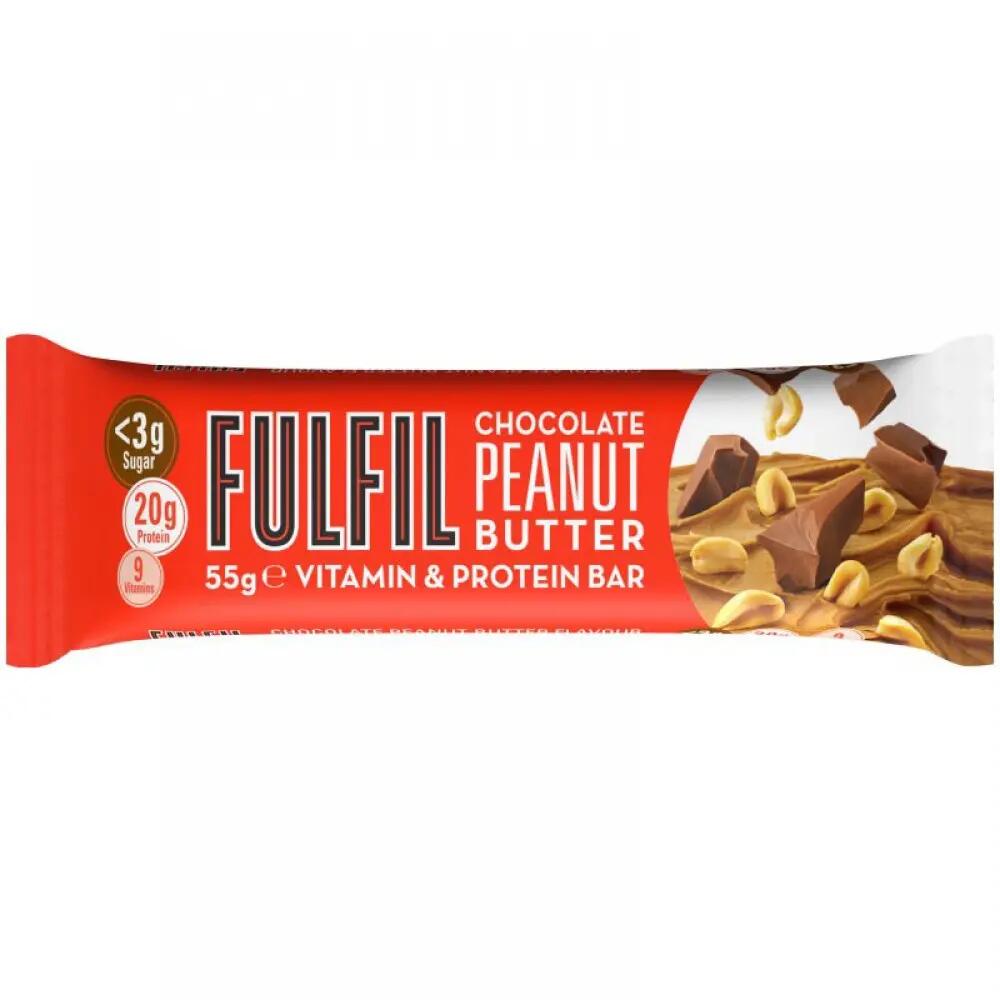
Marketplace -Online Only Marketplace -Online OnlyMarketplace -Online OnlyFULFIL Fulfil Vitamin & Protein Bar 55g x15 Chocolate Peanut ButterCurrent price {{currentPrice}} €37.50€37.50/kgSold and shipped by NutriVit 🇮🇪
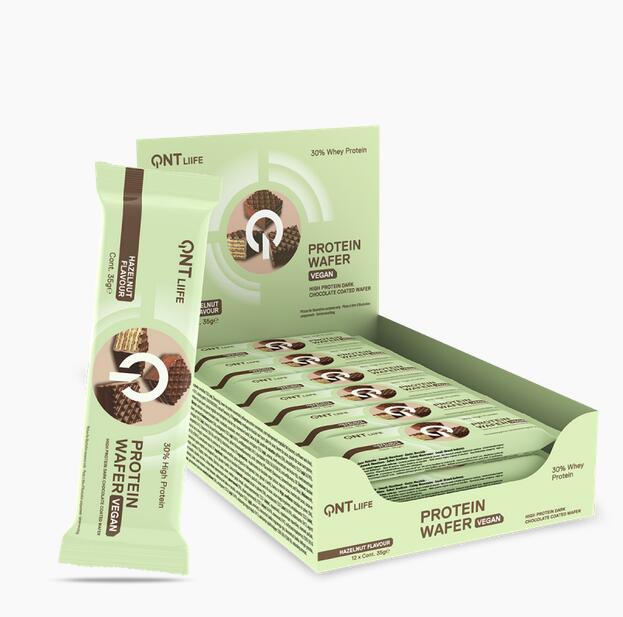
Marketplace -Online Only Marketplace -Online OnlyMarketplace -Online OnlyQNT VEGAN WAFER BAR - Hazelnut - 12 x 35 gCurrent price {{currentPrice}} €39.99€99.98/kgSold and shipped by Outdoor Lux
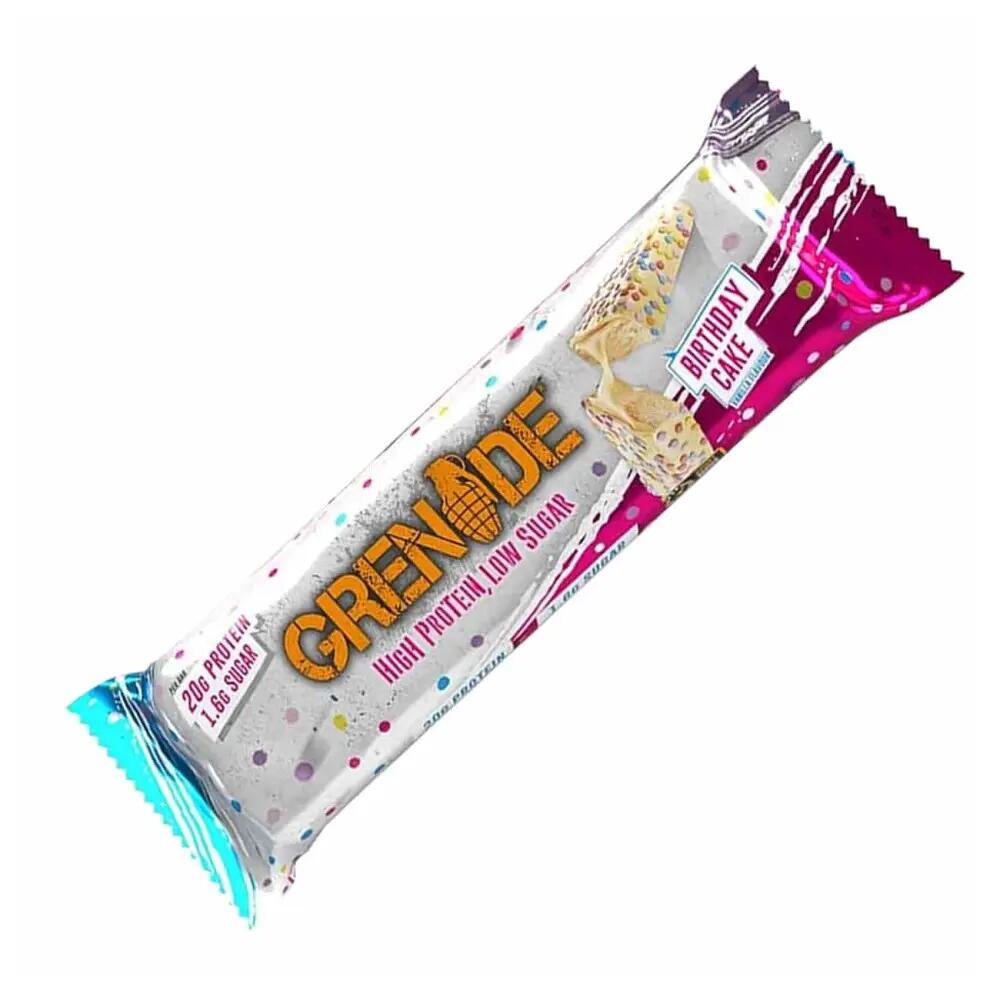
Marketplace -Online Only Marketplace -Online OnlyMarketplace -Online OnlyGRENADE Grenade Carb Killa Bar 60g x12 Birthday CakeCurrent price {{currentPrice}} €24.99€24.99/kgSold and shipped by NutriVit 🇮🇪
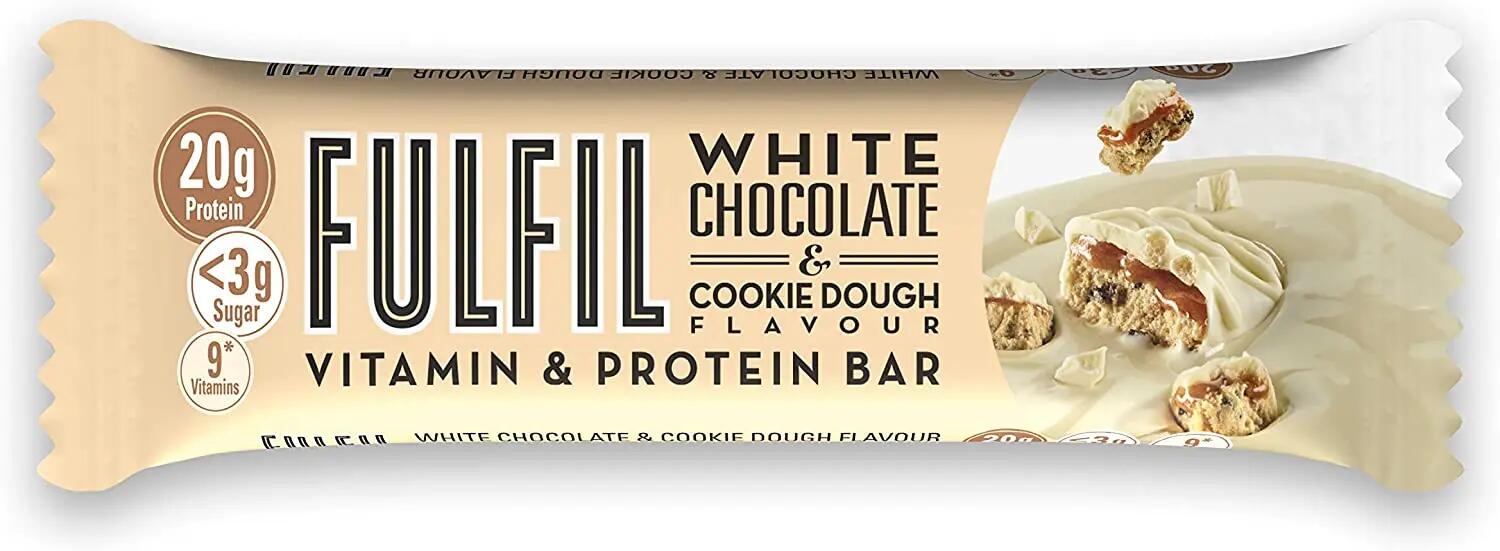
Marketplace -Online Only Marketplace -Online Only2 flavorsMarketplace -Online OnlyFULFIL Fulfil Vitamin & Protein Bar - 55 g x15 White Chocolate Cookie Dough2 flavorsCurrent price {{currentPrice}} €37.50€37.50/kgSold and shipped by NutriVit 🇮🇪
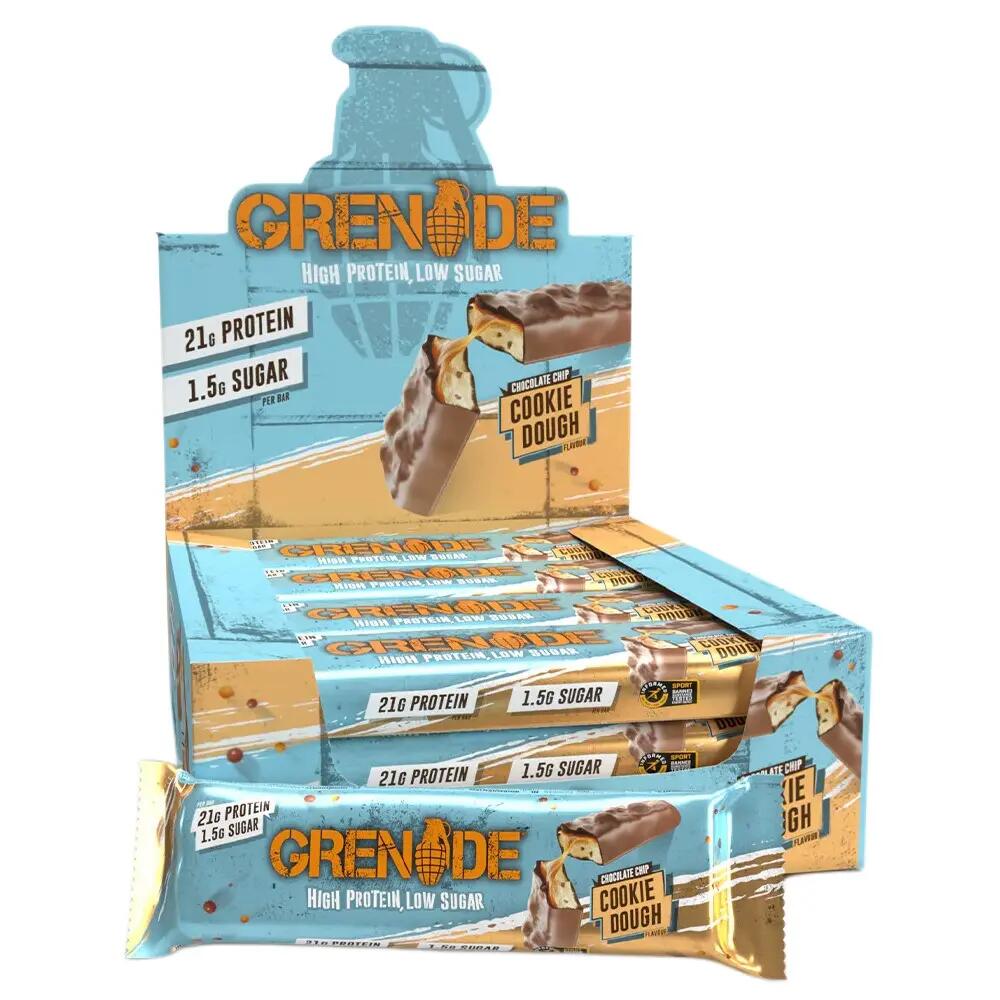
Marketplace -Online Only Marketplace -Online OnlyMarketplace -Online OnlyGRENADE Grenade Carb Killa Bar 60g x12 Chocolate Chip Cookie DoughCurrent price {{currentPrice}} €29.99€29.99/kgSold and shipped by NutriVit 🇮🇪
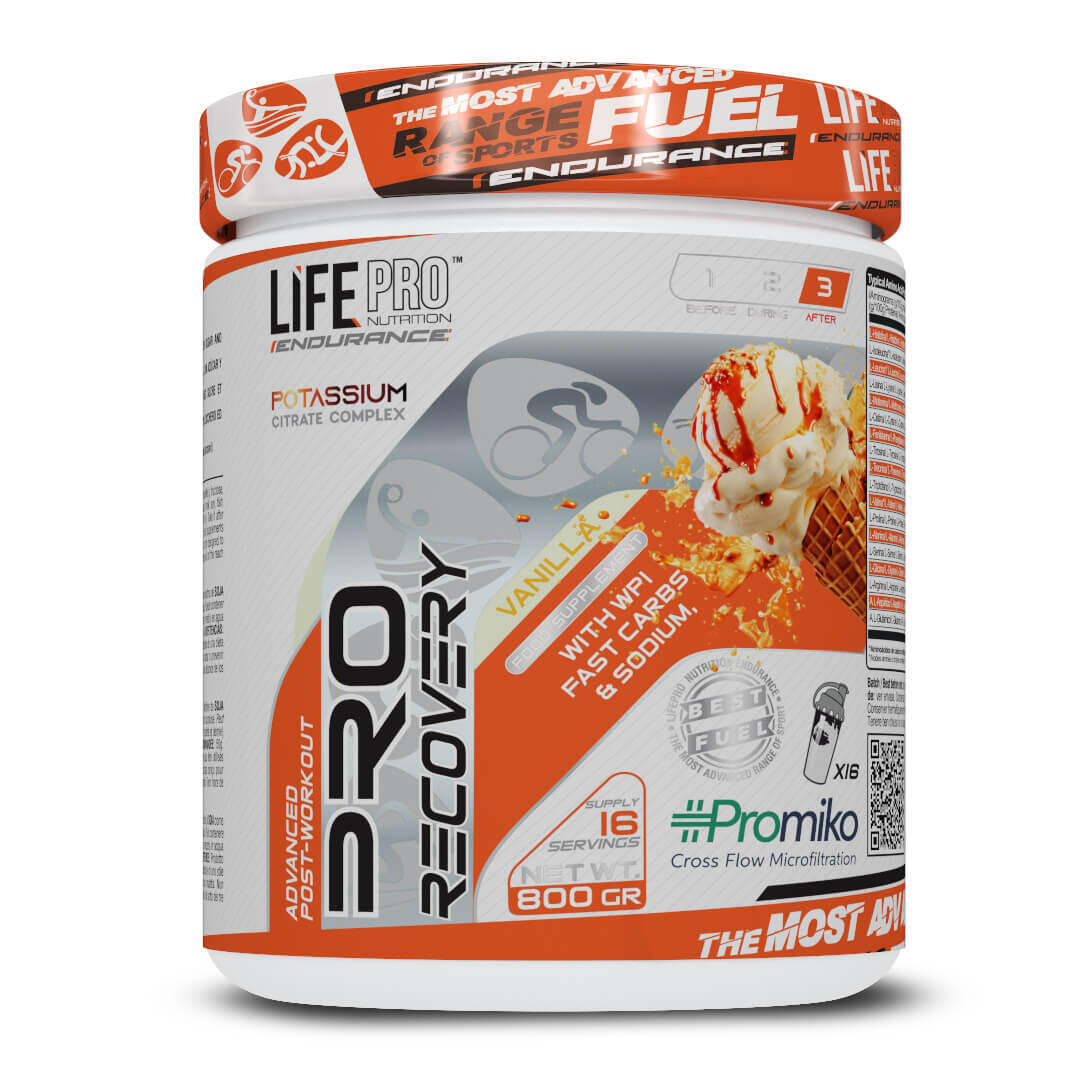
Marketplace -Online Only Marketplace -Online Only3 flavorsMarketplace -Online OnlyLIFE PRO ENDURANCE Recovery Pro - 800g Vanilla LifePRO3 flavorsCurrent price {{currentPrice}} €29.90€37.38/kgSold and shipped by Masmusculo
Marketplace -Online Only Marketplace -Online OnlyMarketplace -Online OnlySTYRKR Styrkrthon BarCurrent price {{currentPrice}} €62.90€74.00/kgSold and shipped by Vélotafeur
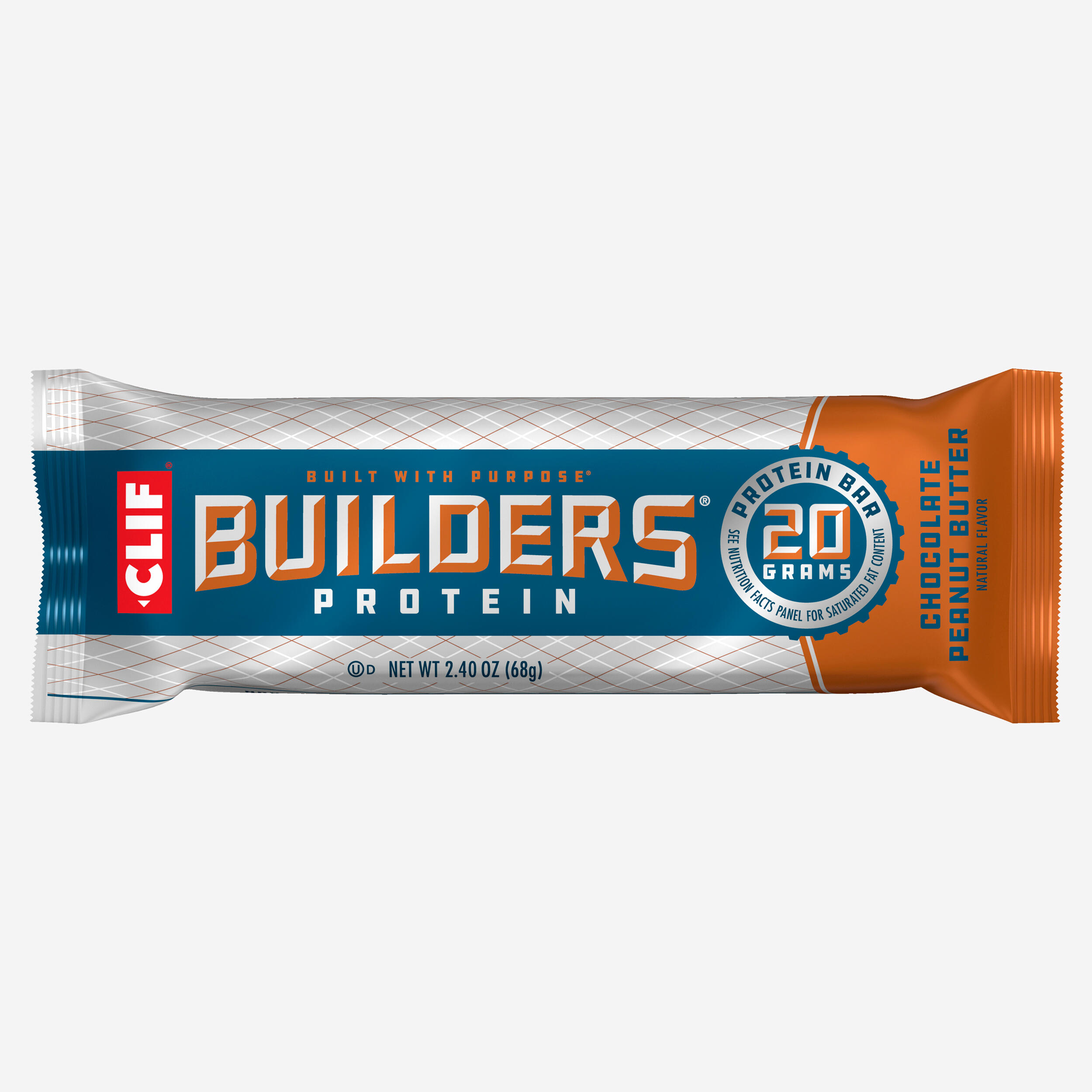
2 flavorsCLIF Gluten-free chocolate peanut butter plant-based protein bar x14.5(100)Reviews.votesAria2 flavorsCurrent price {{currentPrice}} €3.00€44.12/kgOut of stock