79 items
4.7/5 based on 35815 reviews collected online and in stores

During Run FAQs

What should you eat during a run?

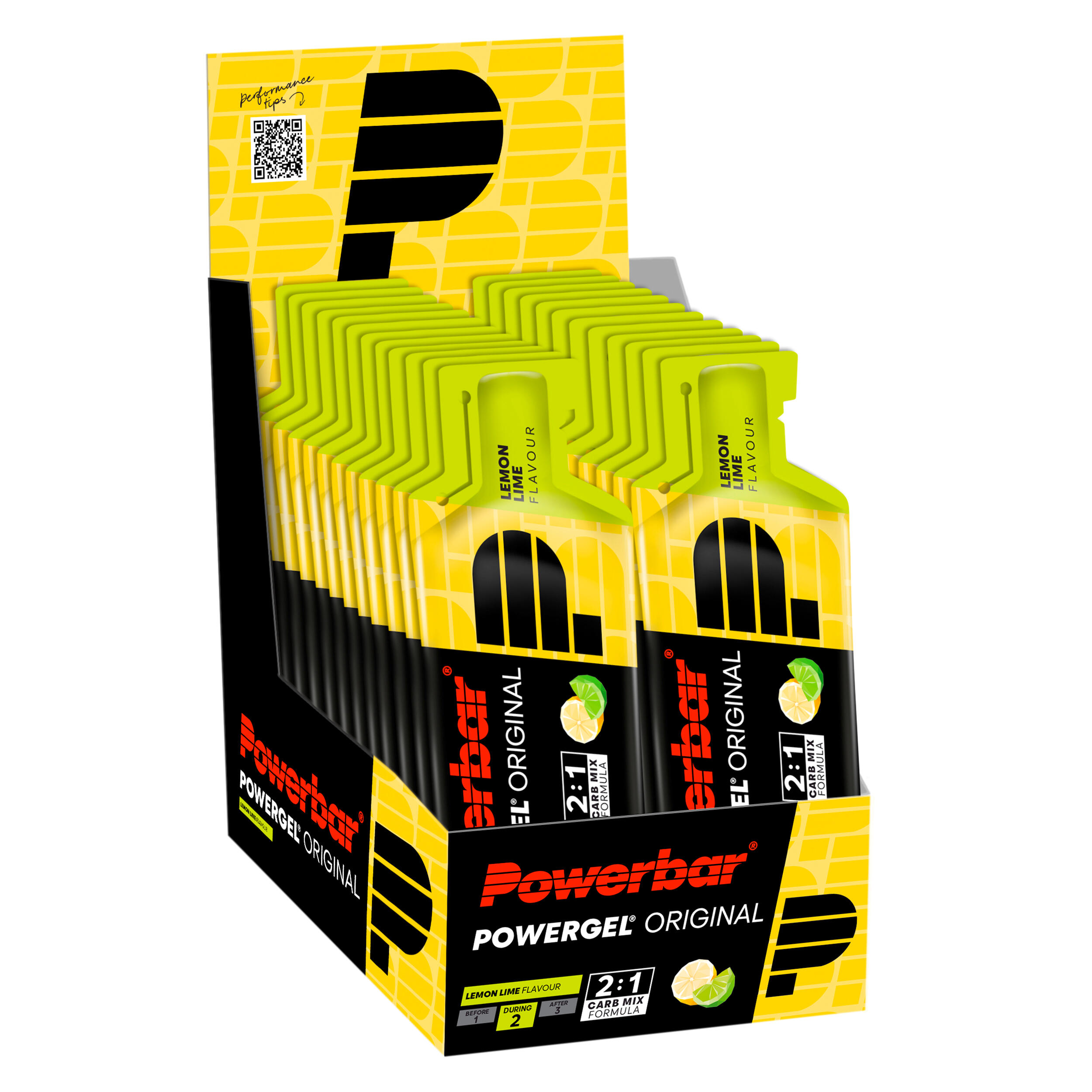
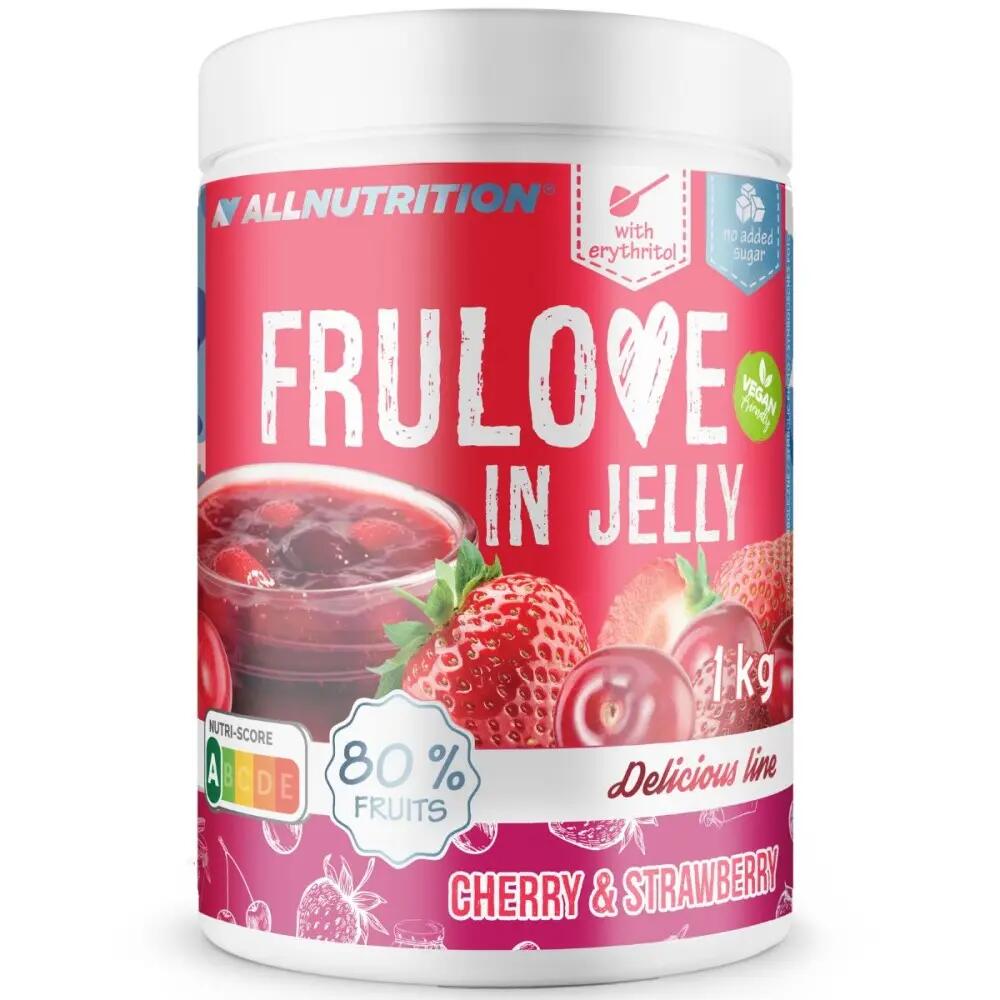
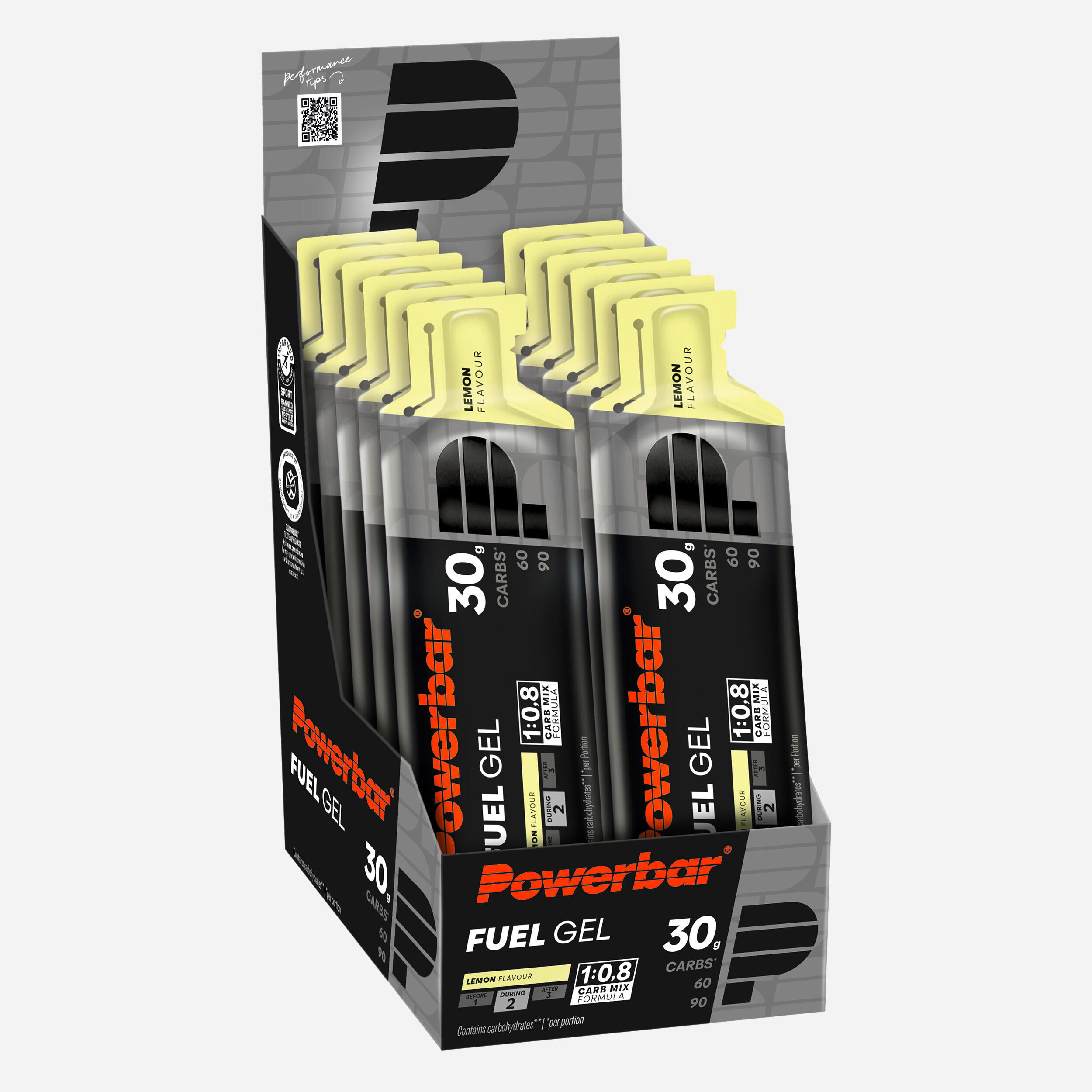
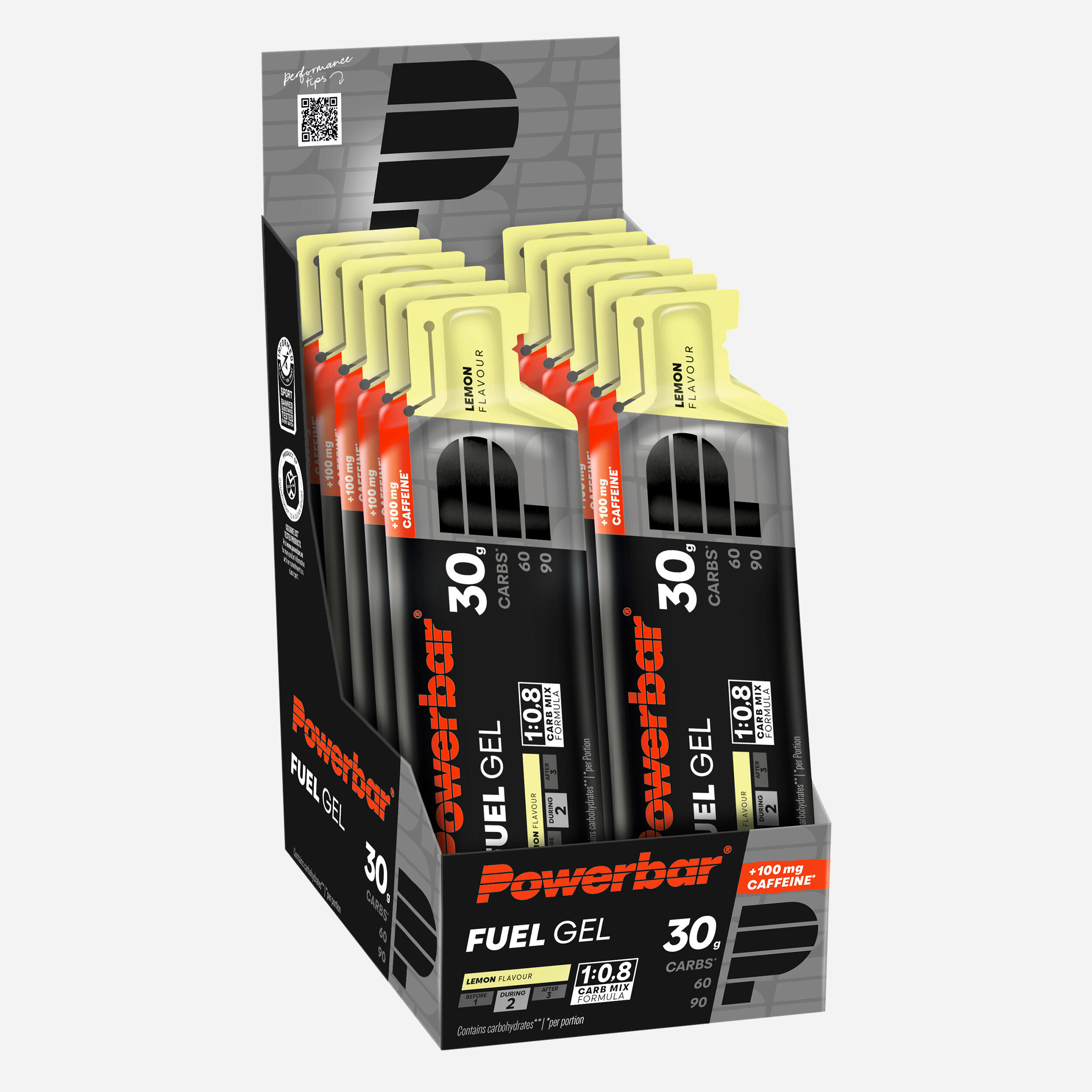
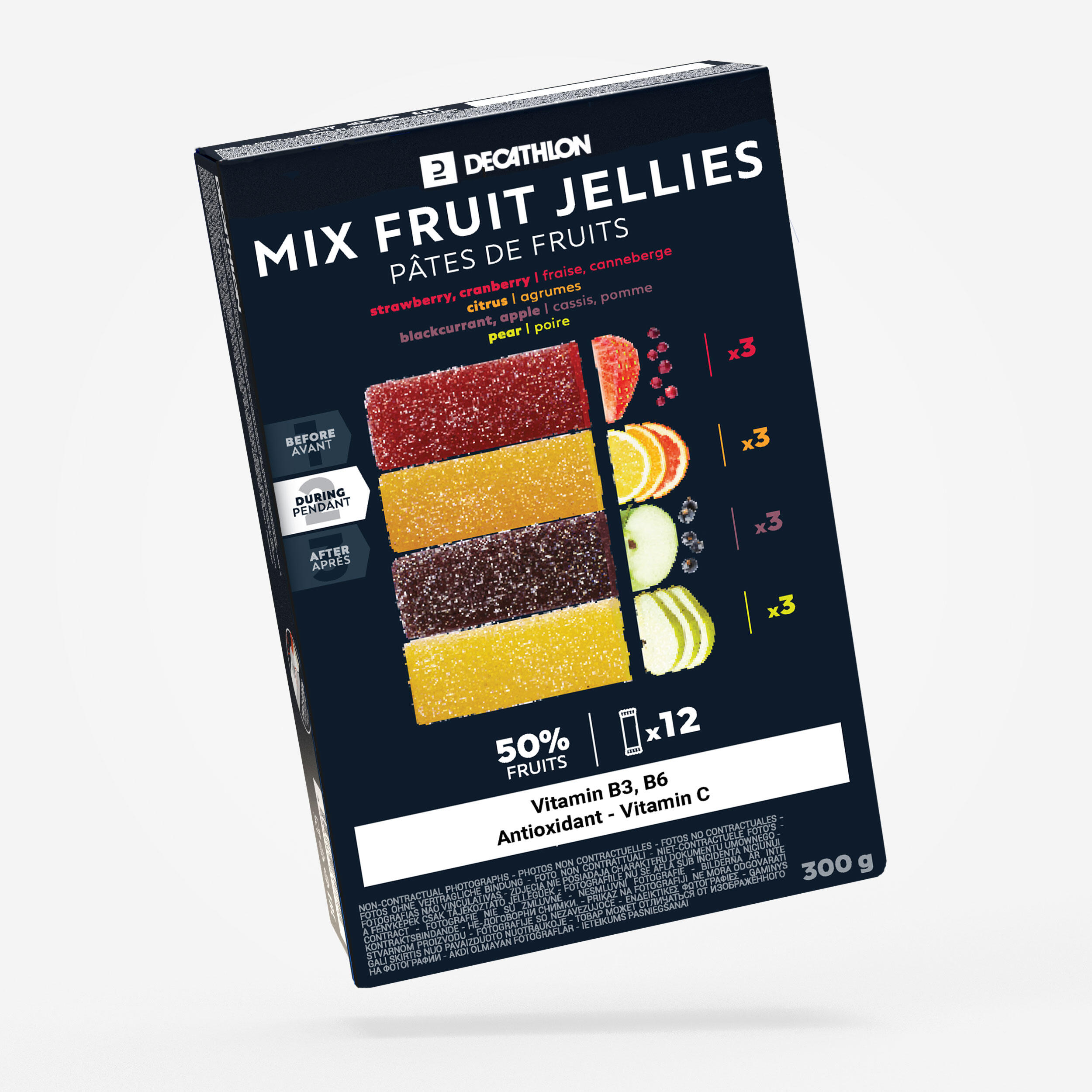
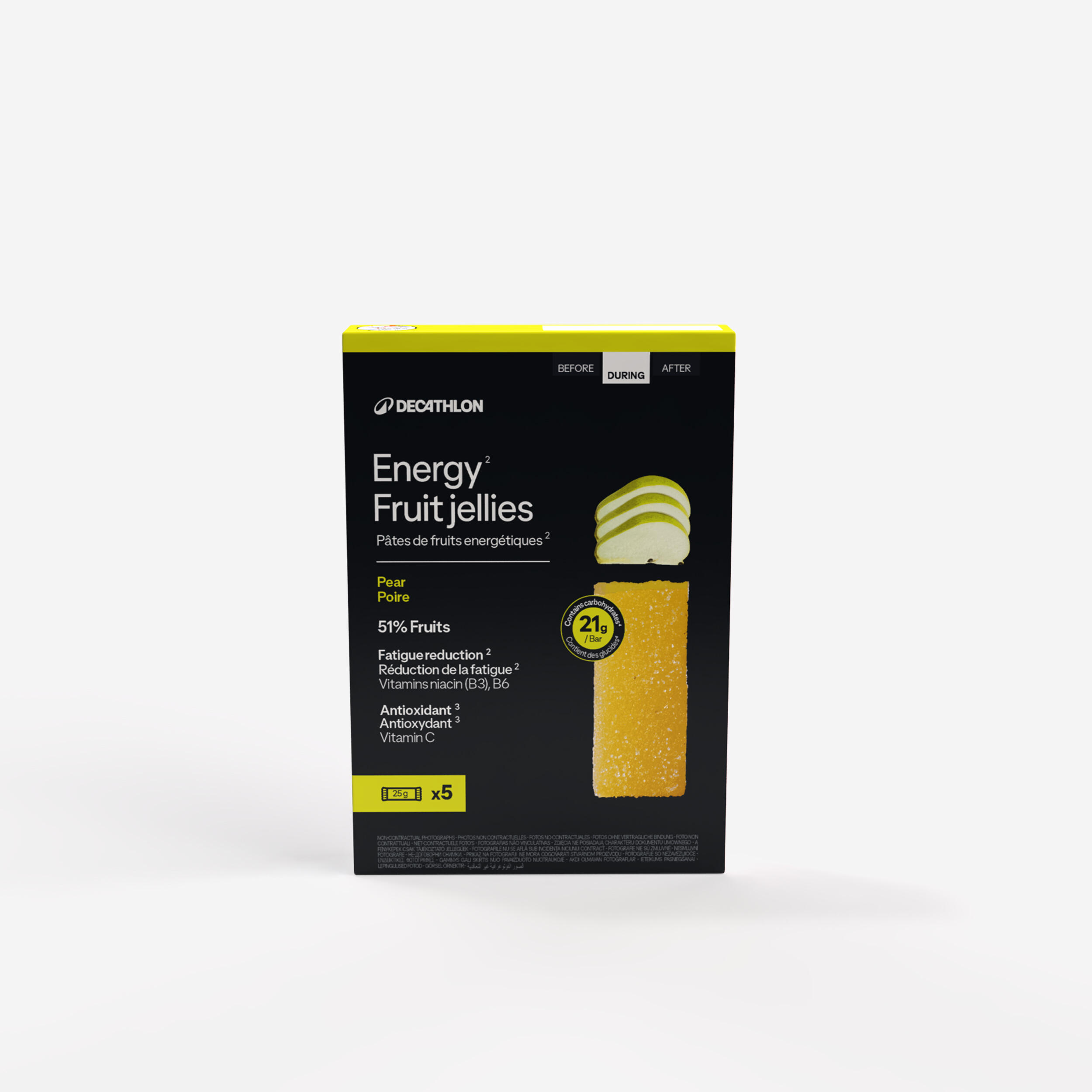
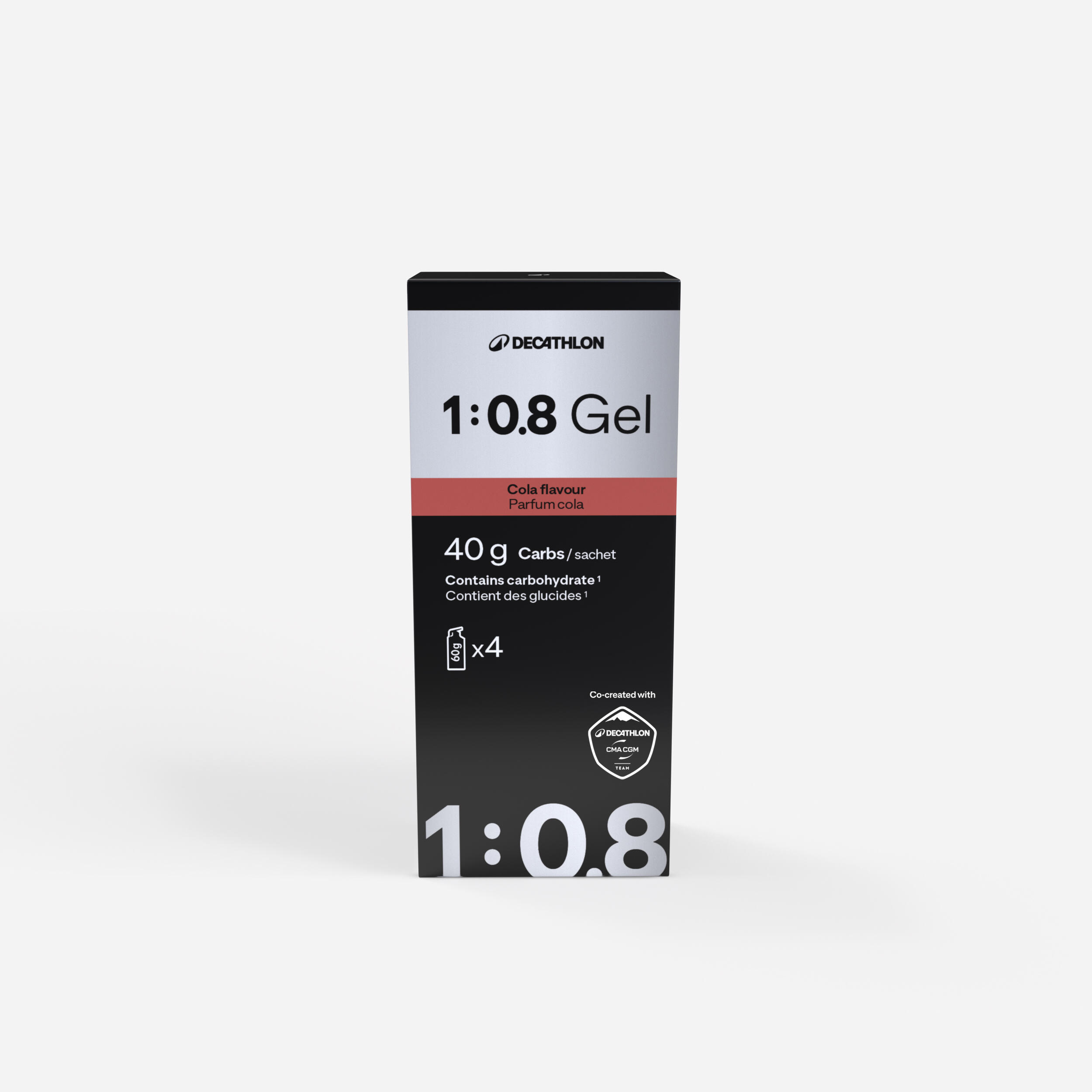
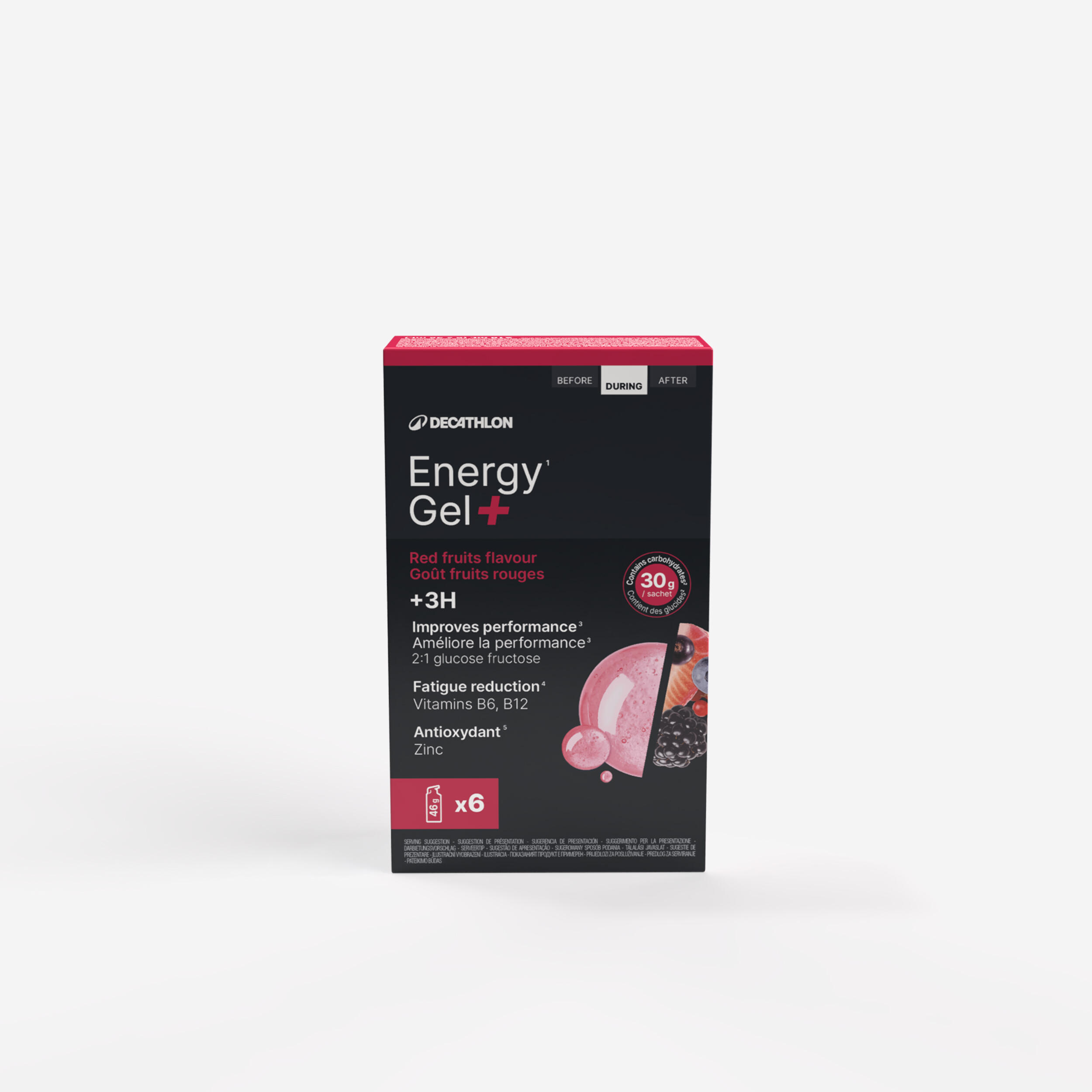
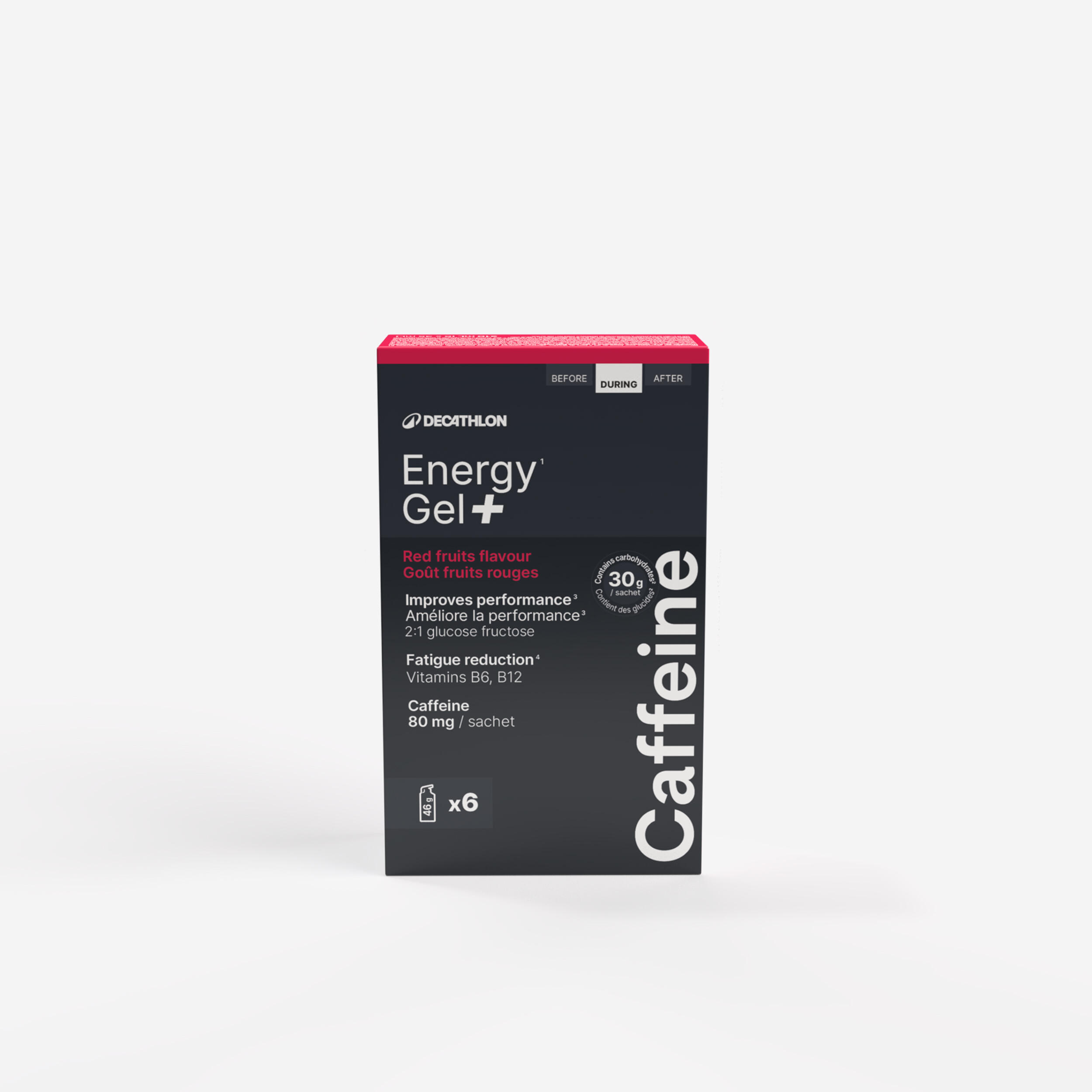
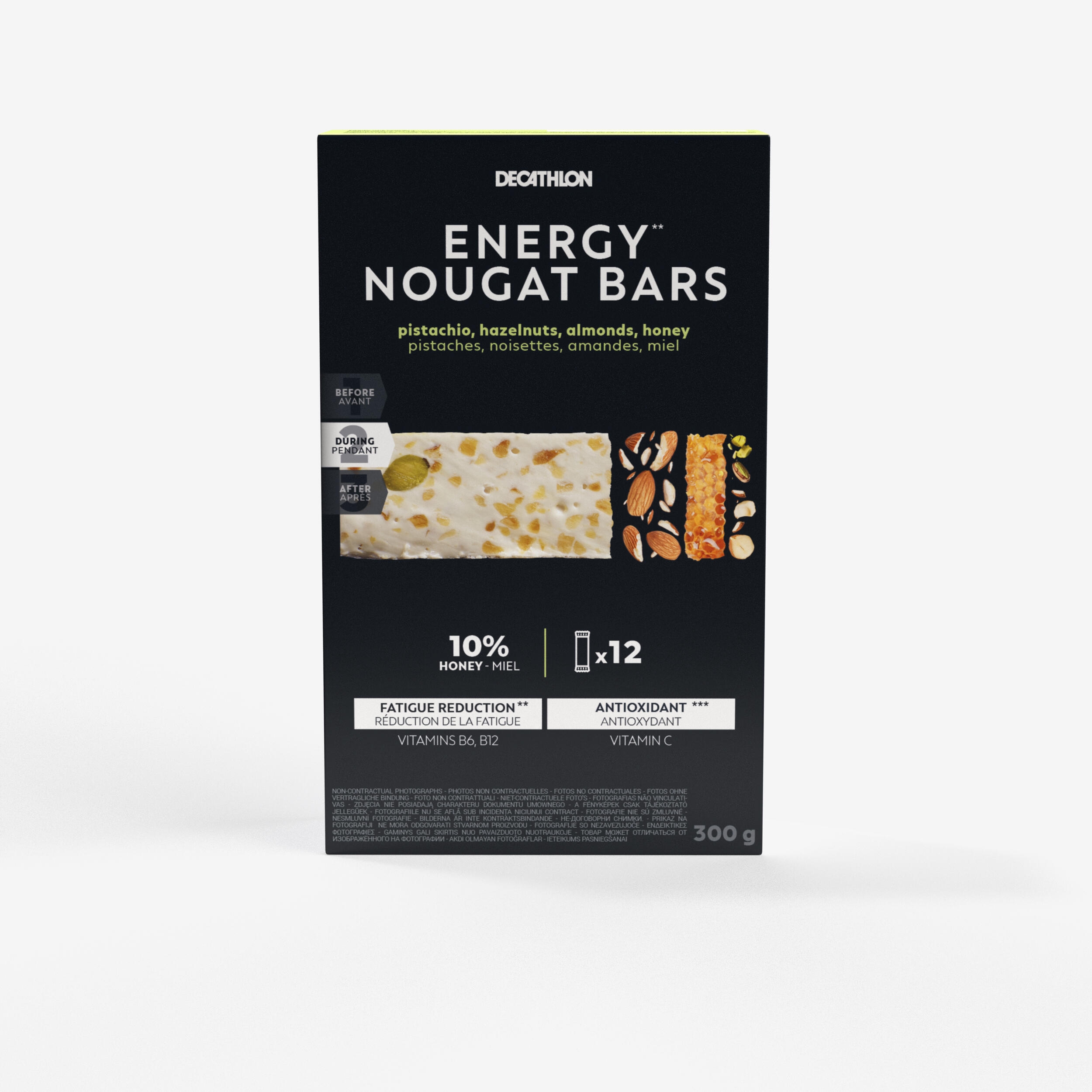
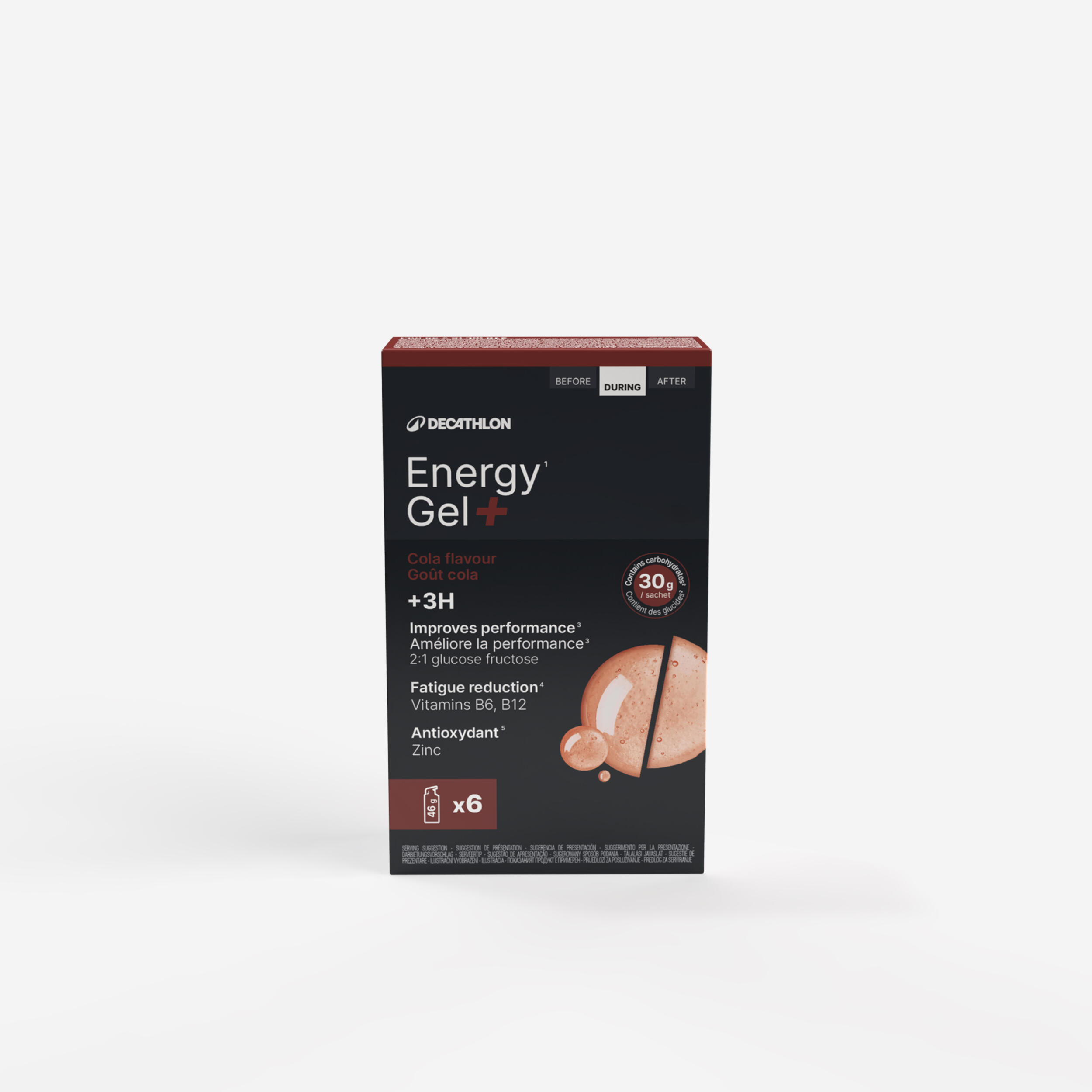
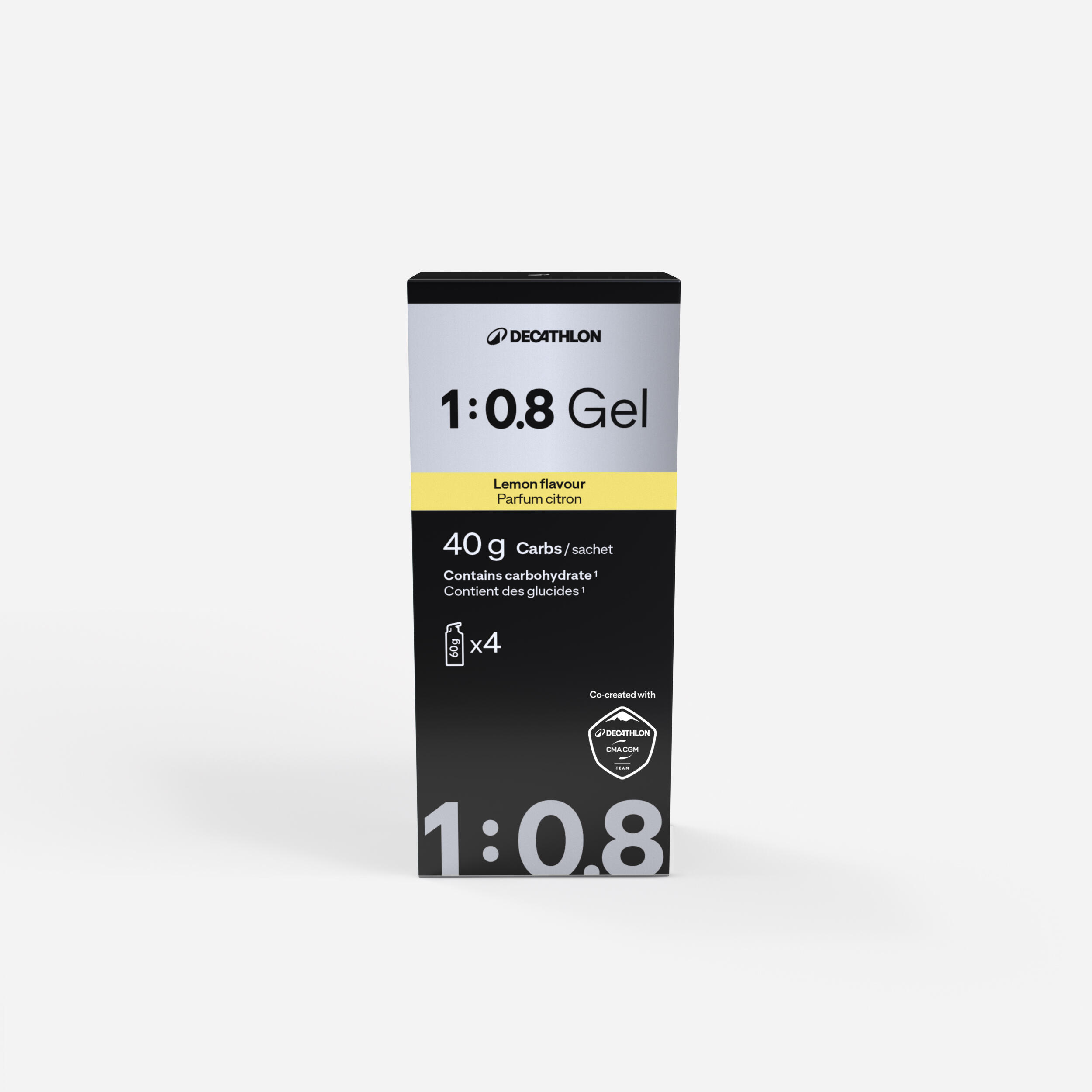
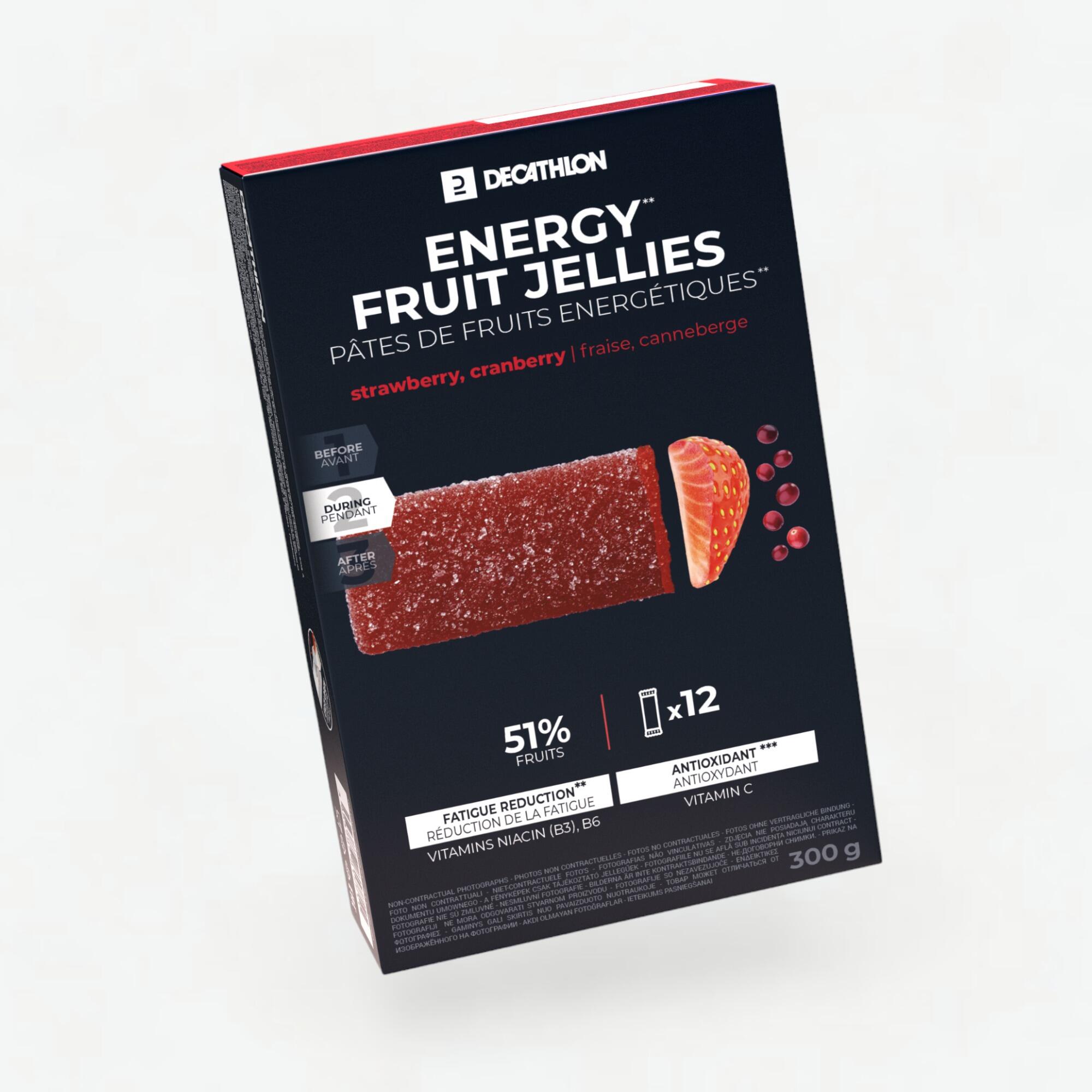
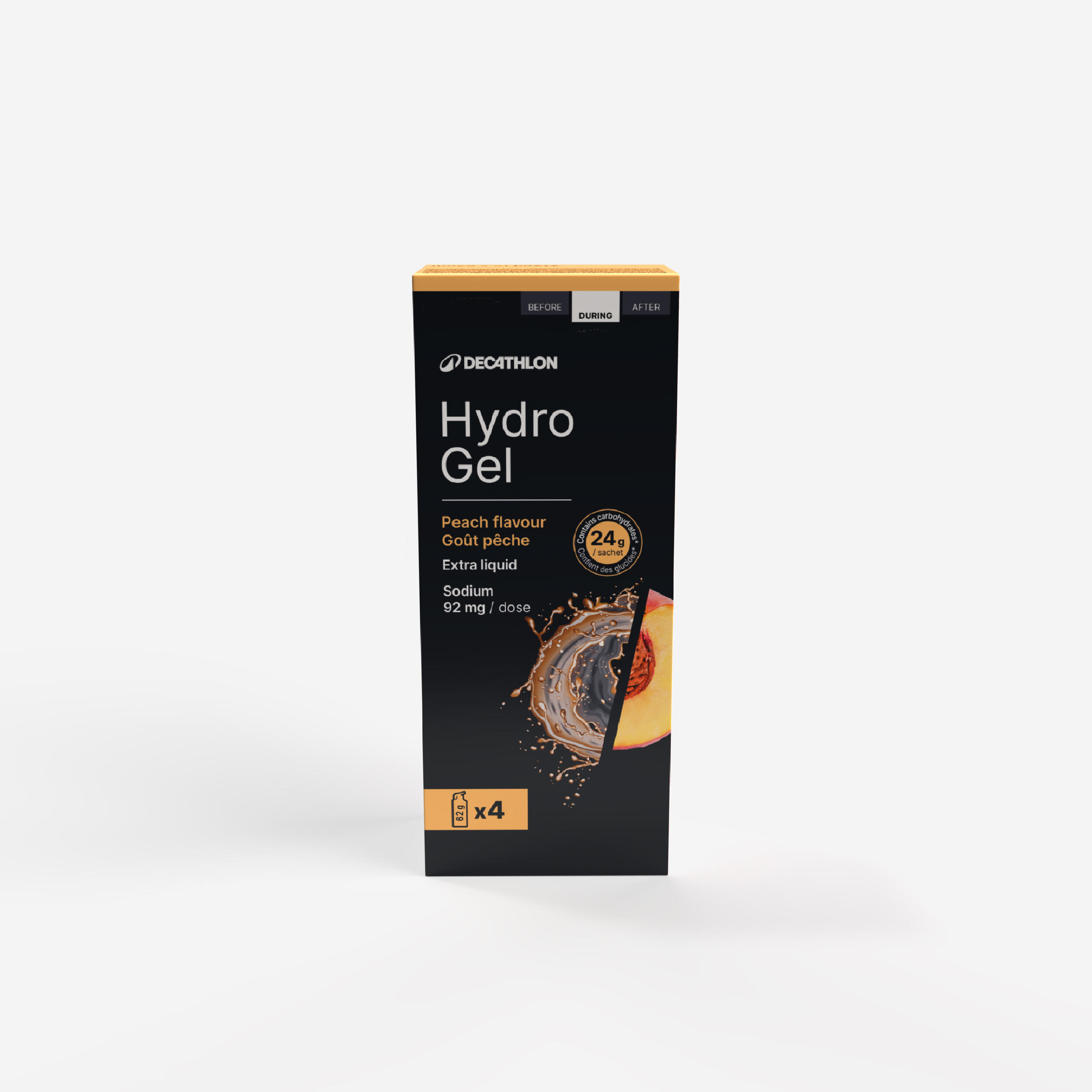
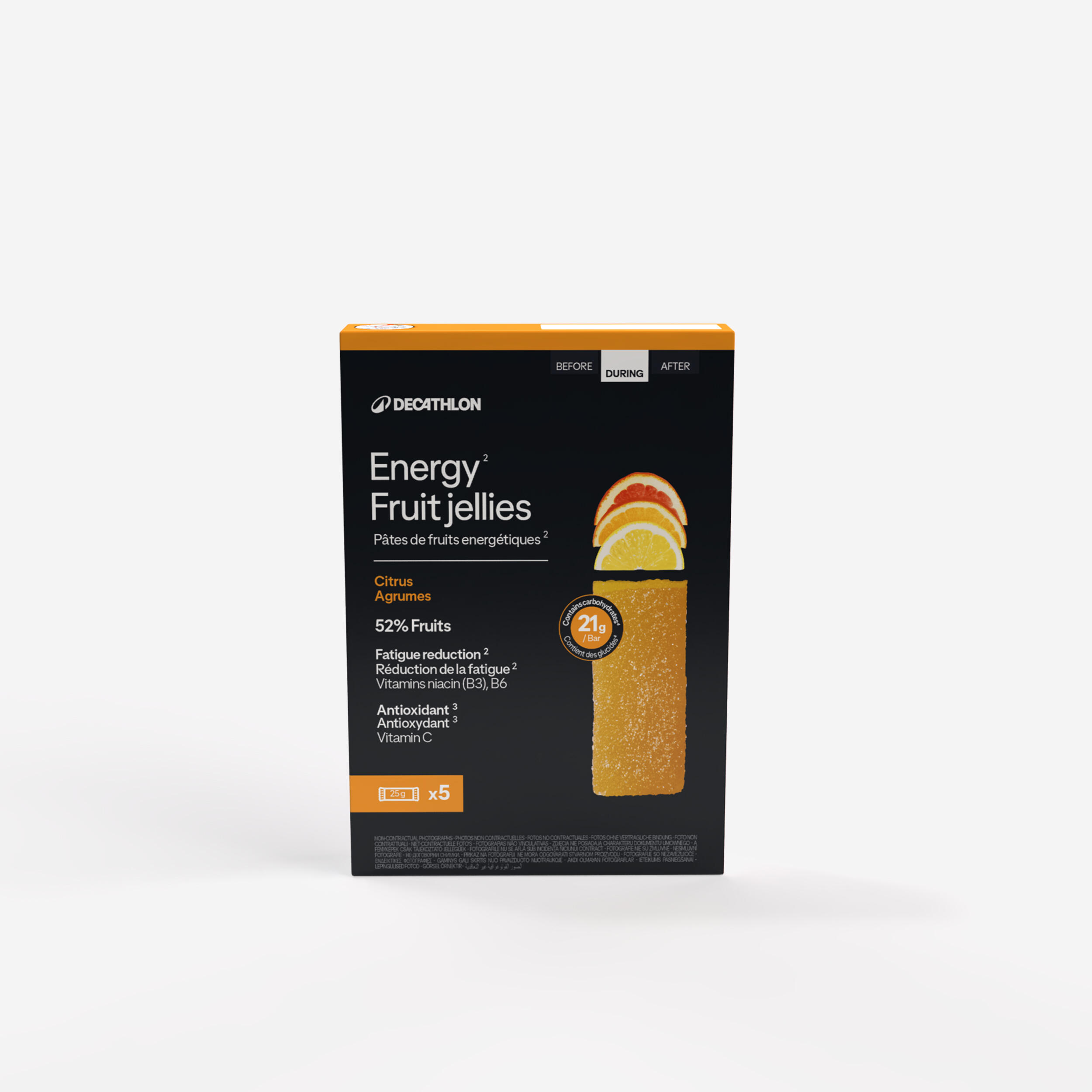
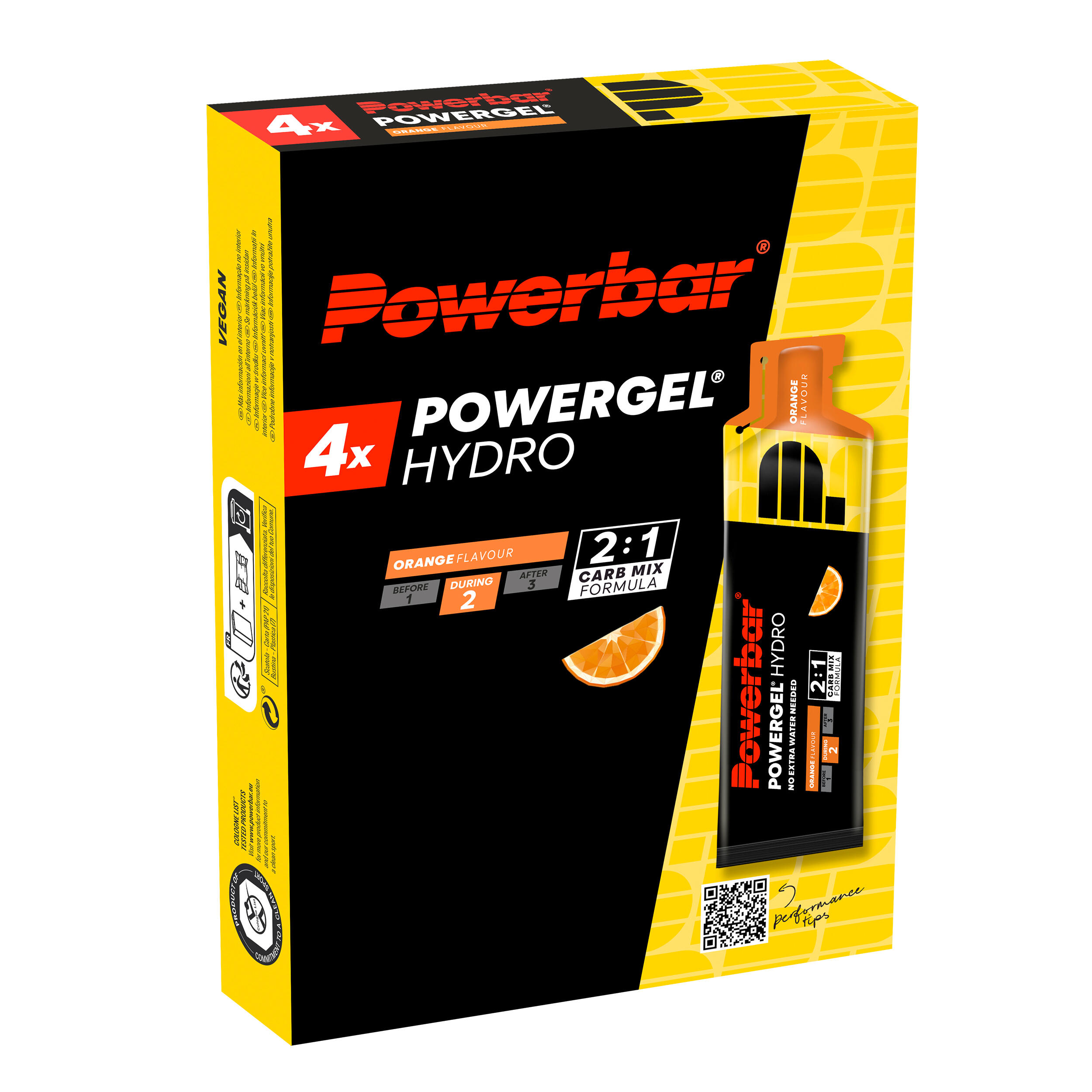
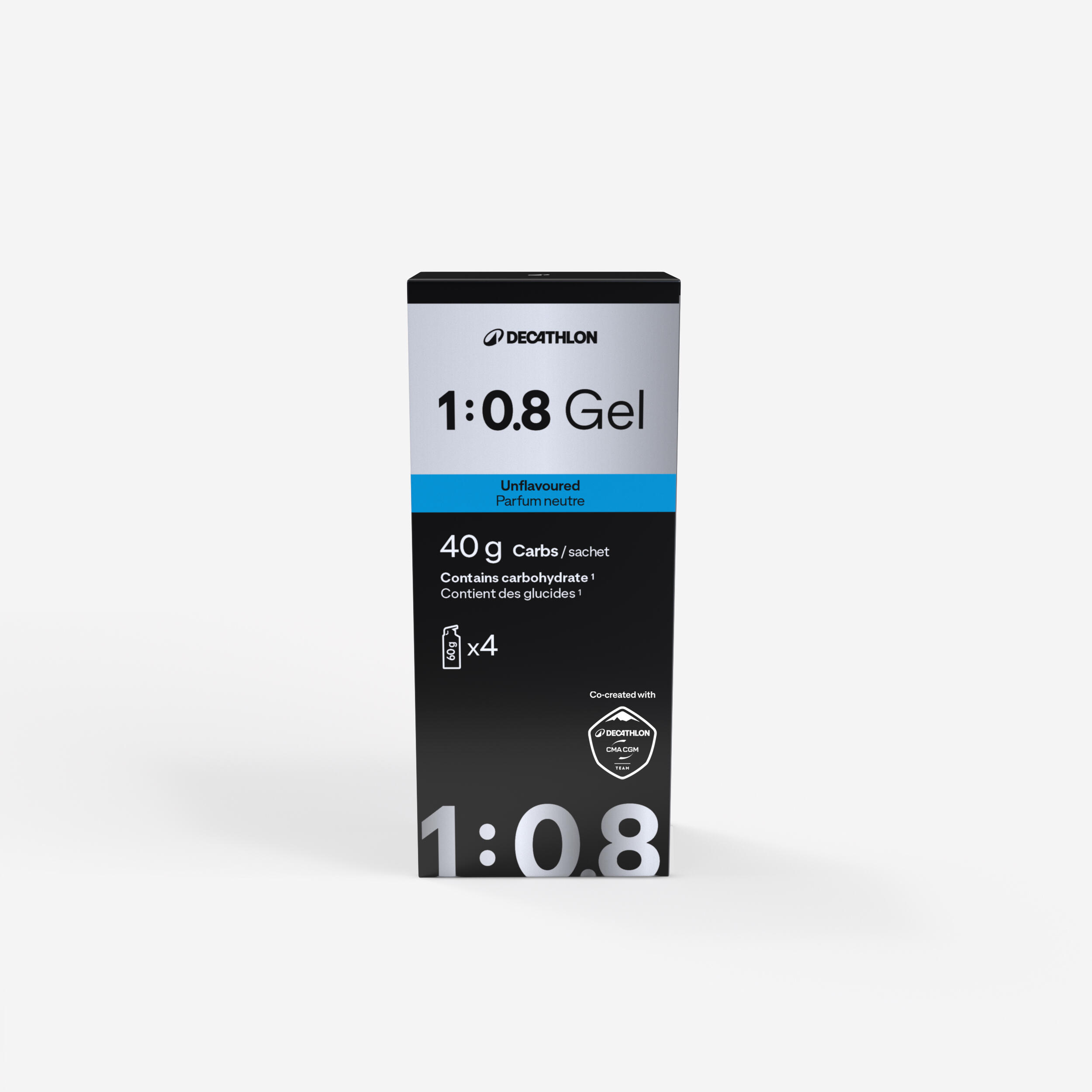
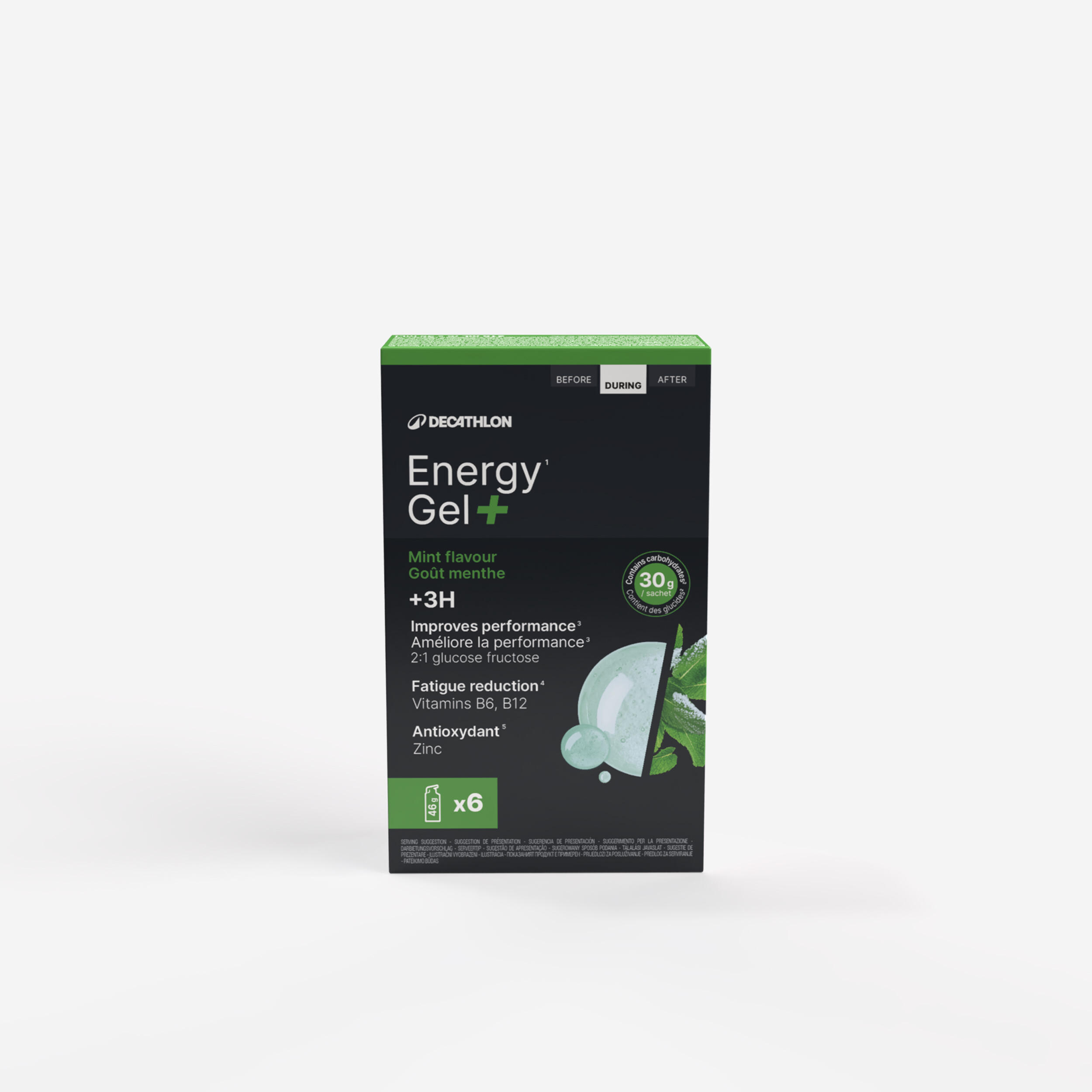
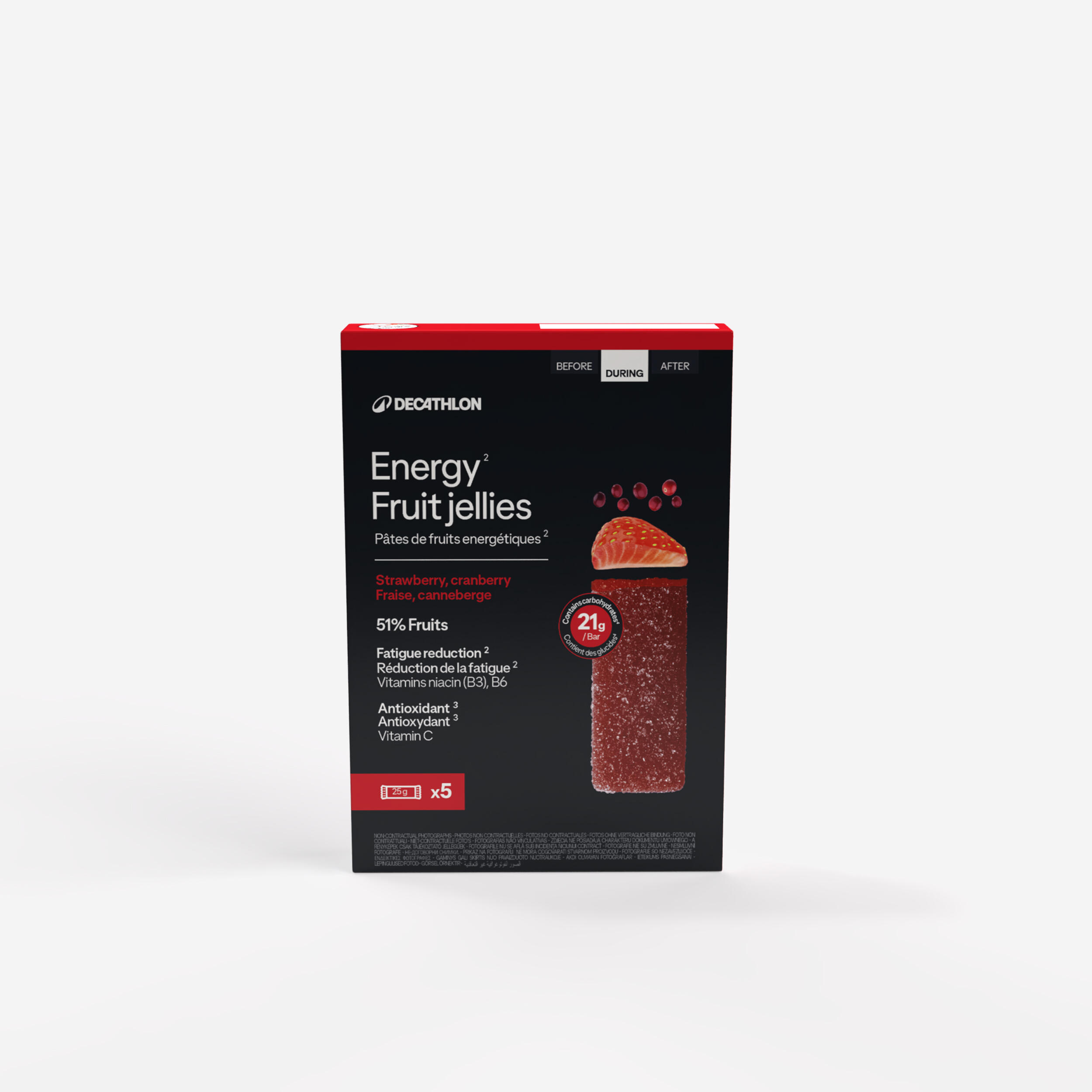
Choose a familiar carbohydrate source that is easy to carry, open, chew and digest while moving. Fruit jellies, nougat, cereal bars and gels provide different textures, so your choice should reflect your appetite and stomach comfort. A 25 g Aptonia fruit jelly provides a measured portion of about 21 g of carbohydrate, making repeated intake easier to plan. Soft jellies may feel easier to eat at higher intensities, while nougat or cereal bars suit runners who prefer a more food-like texture. Compare suitable running energy intakes by carbohydrate content, portion size and packaging. Pro tip: practise opening each wrapper with one hand before race day, especially when your other hand carries a flask.

When do you need nutrition during a run?

Short, easy runs often need no additional food when you have eaten normally beforehand. Fuelling becomes more relevant as duration increases, particularly during long training sessions, races and endurance events lasting several hours. Decathlon advises starting its fruit-jelly strategy after roughly 30 minutes during efforts lasting more than three hours, then taking regular portions according to the complete nutrition plan. Do not wait until you feel empty or weak, as digestion and carbohydrate absorption take time. Your strategy also depends on what you consumed before the run. Begin with modest amounts in training and adjust gradually according to session length, intensity and digestive comfort.

Should you use energy food, energy drinks or both?

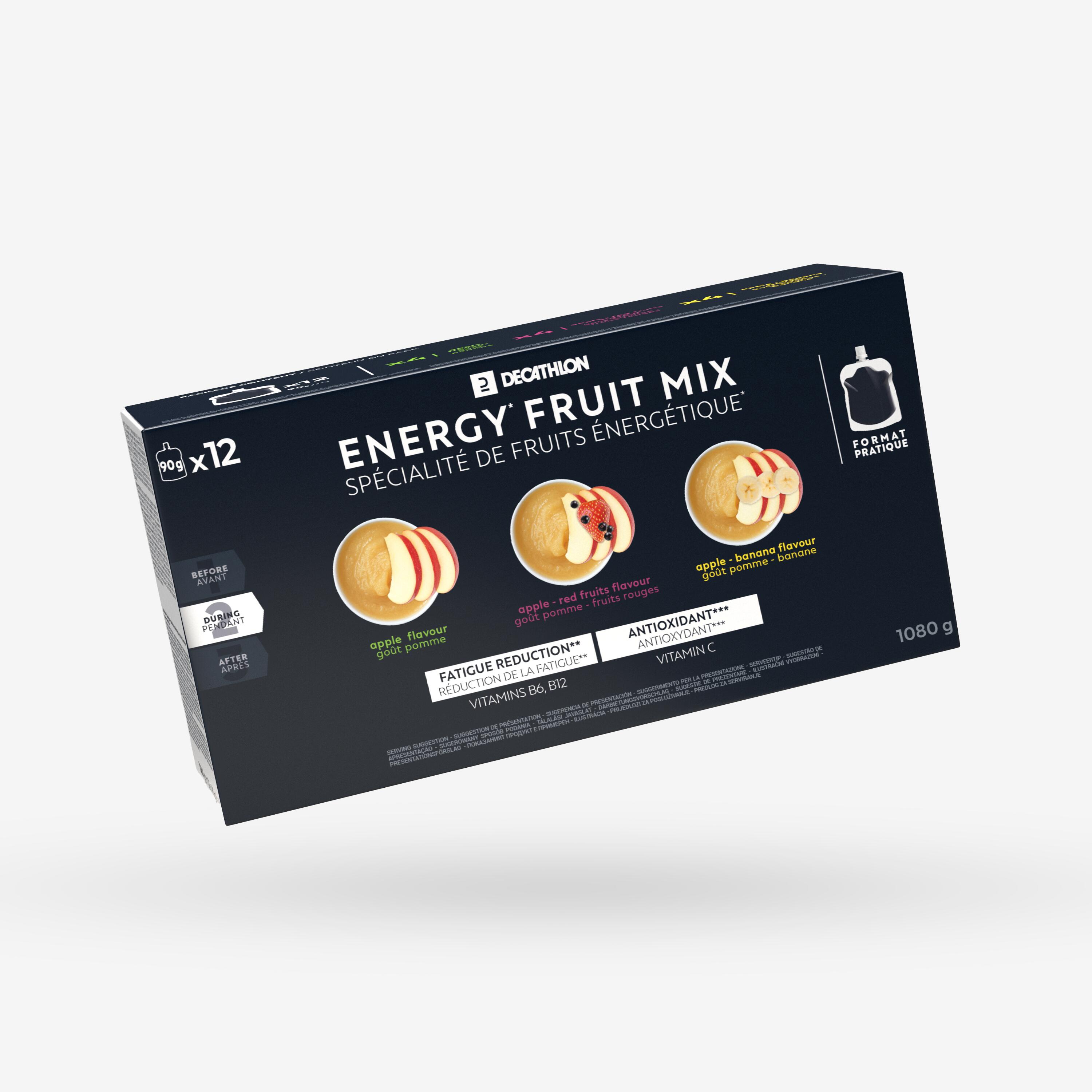
Food and drink can work together because they solve different needs. Energy jellies, nougat and bars provide measured carbohydrate portions, while an isotonic drink supplies fluid alongside carbohydrate and electrolytes. Combining both may help you vary flavour and texture during a long effort, but count the carbohydrate from every source to avoid consuming more than your stomach can tolerate. Decathlon links longer endurance exercise with carbohydrate targets that may reach around 60 g per hour, although individual needs and tolerance vary. Mix running energy drinks according to the instructions rather than adding extra powder. A drink that is too concentrated can feel heavy and may increase digestive discomfort.

How can you make running food easier to carry and eat?

Select compact portions with wrappers that remain manageable when your hands are sweaty or cold. Aptonia fruit jellies use resealable packaging, allowing you to eat part of the portion and close it again, while the energy nougat has a one-handed opening system. Store food where you can reach it without stopping or twisting your body. Shorts pockets, belts and running vests should hold each item firmly enough to limit bouncing. Test your storage with the same men's running clothes you plan to wear during the event, as pocket position and waistband tension affect access. Open difficult wrappers slightly before starting, but keep the food protected from sweat, rain and dirt.
How should you test a during-run nutrition plan?

Use long training sessions to practise the exact product, timing, quantity and fluid combination you intend to use in an event. Start with one familiar format, then add another only when you understand how your stomach responds. Record when you ate, how much fluid you drank and whether you noticed bloating, nausea, thirst or falling energy. Pace also matters because harder running can make solid food more difficult to digest. Store unused products in a cool, dry place and check packaging before carrying them. Your plan should continue into after-run nutrition with fluid, carbohydrate and protein suited to the effort completed. Pro tip: never rely on an untested race-station product during an important event.