503 items
4.4/5 based on 91027 reviews collected online and in stores

Half Marathon Accessories FAQs

Which accessories do you need for a half marathon?

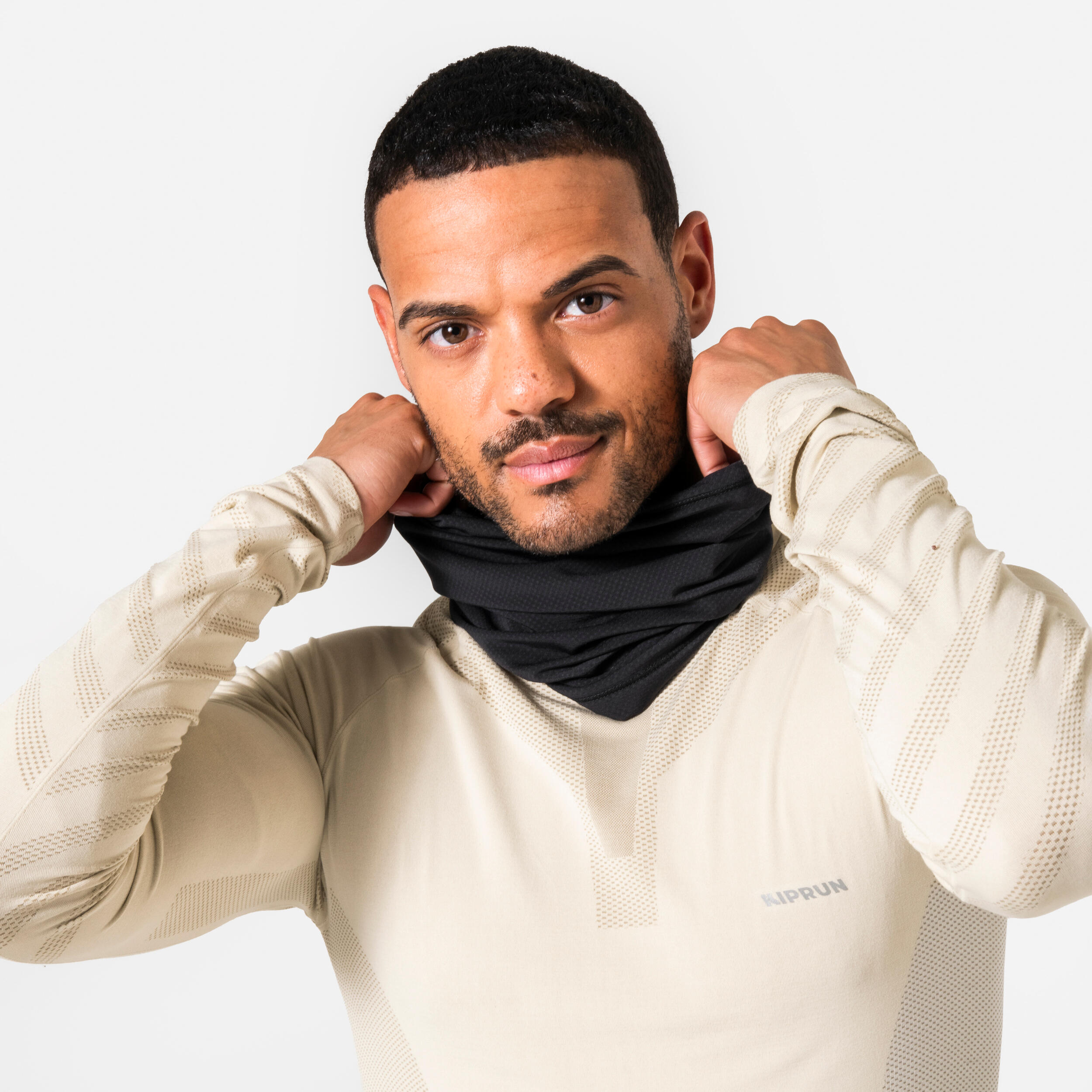
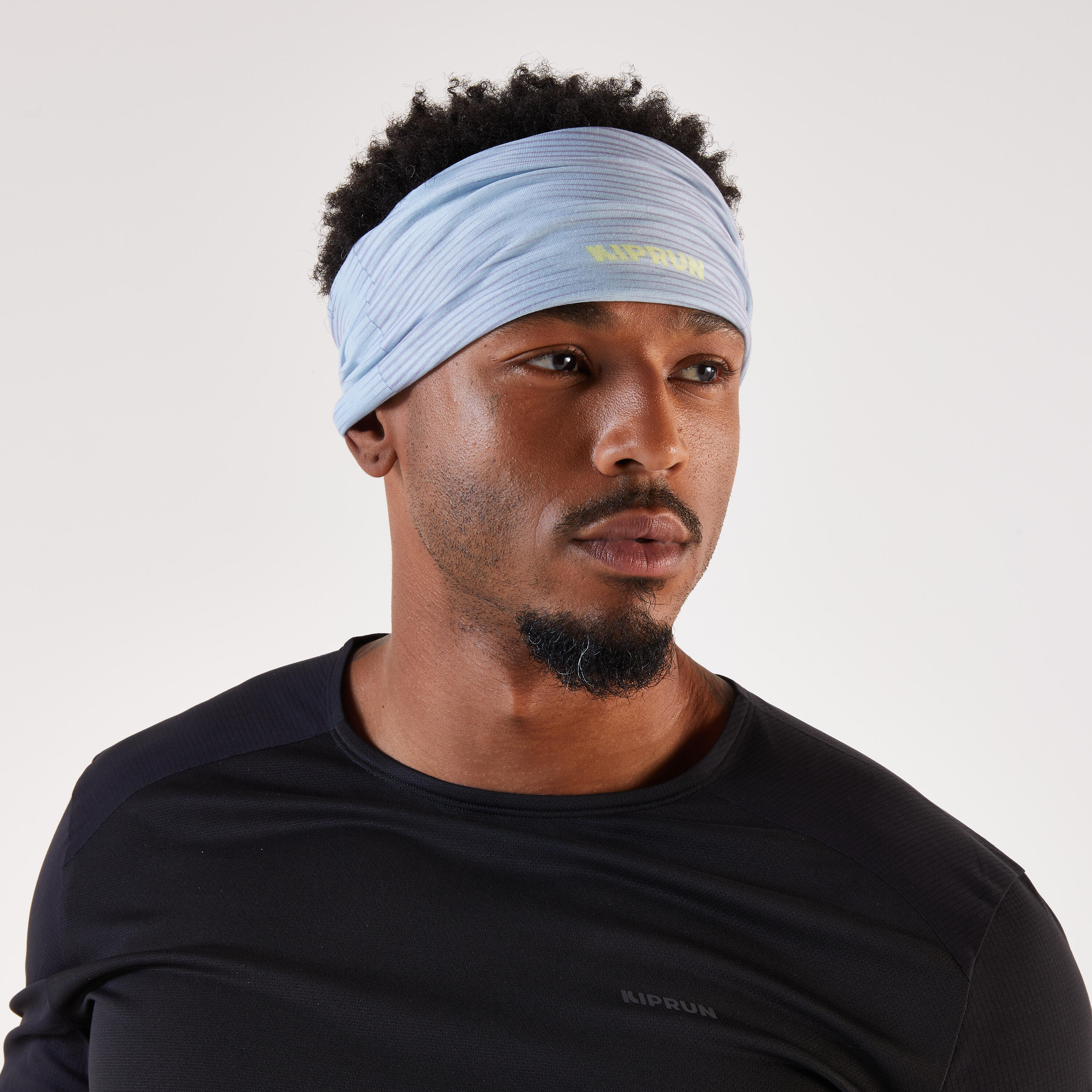
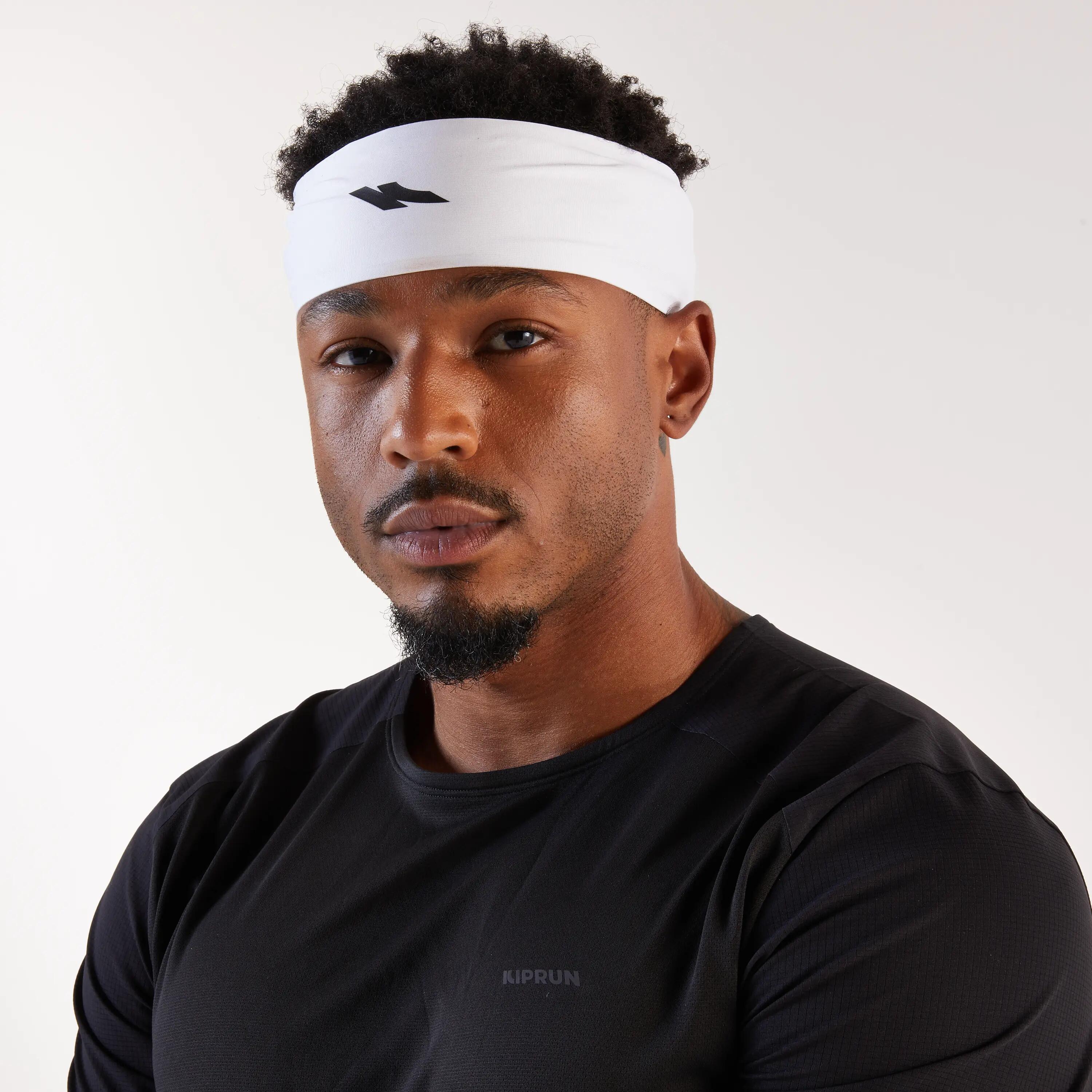
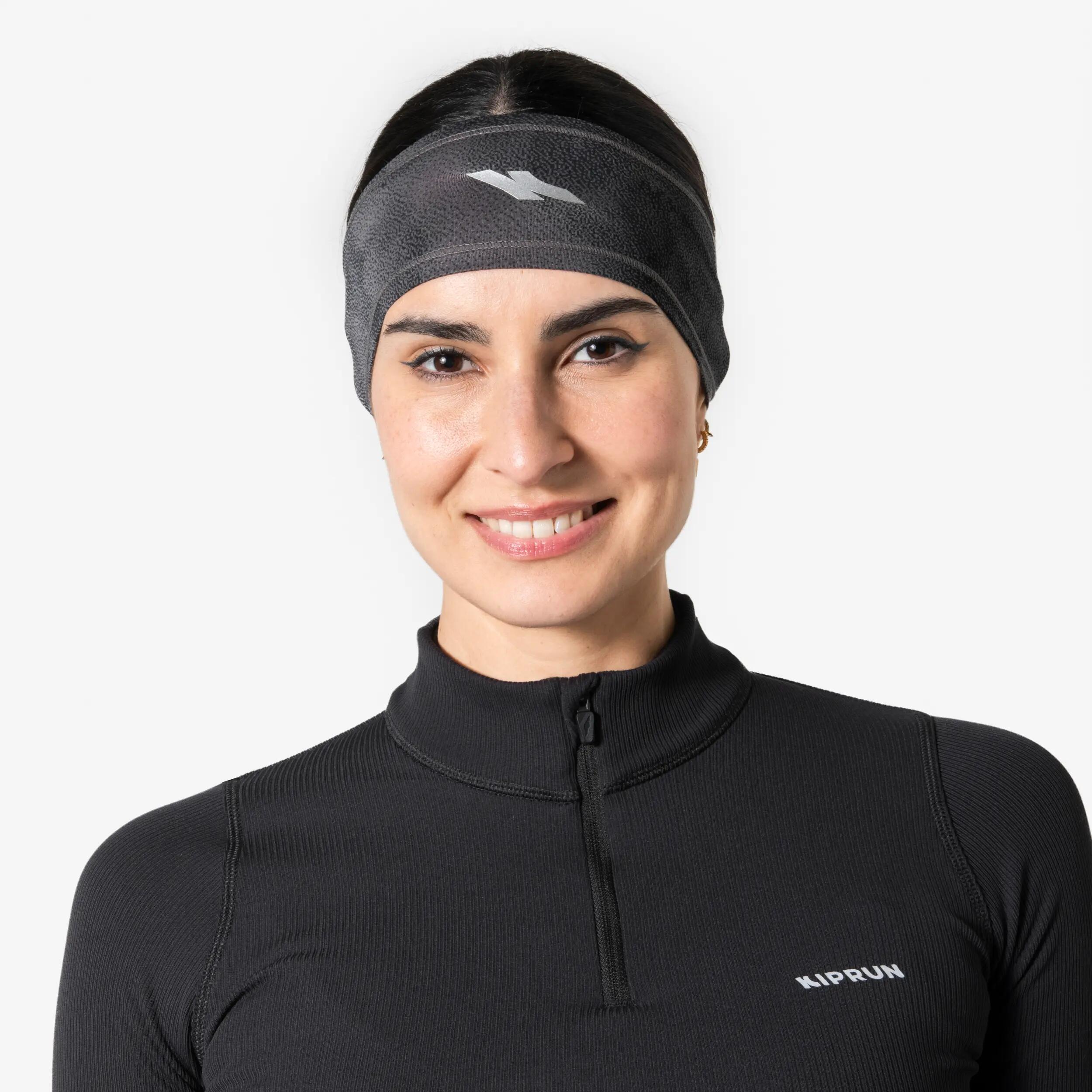
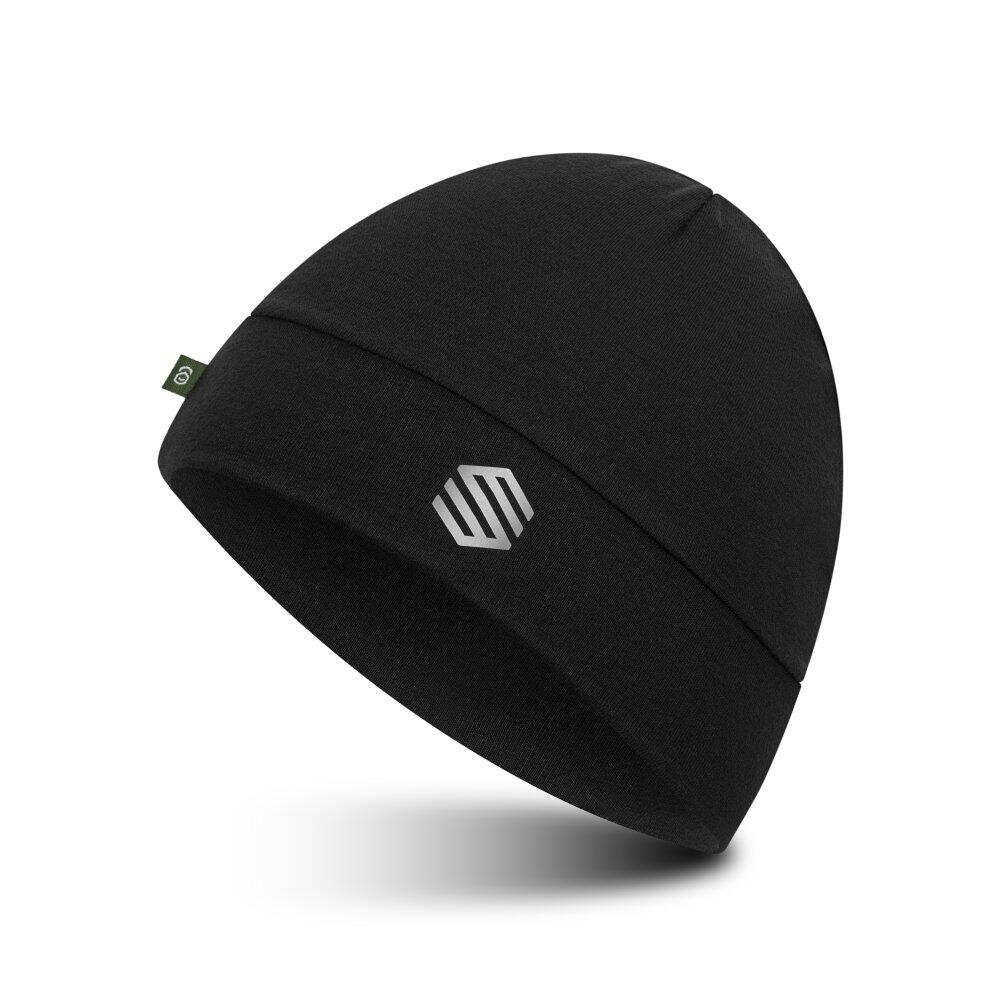
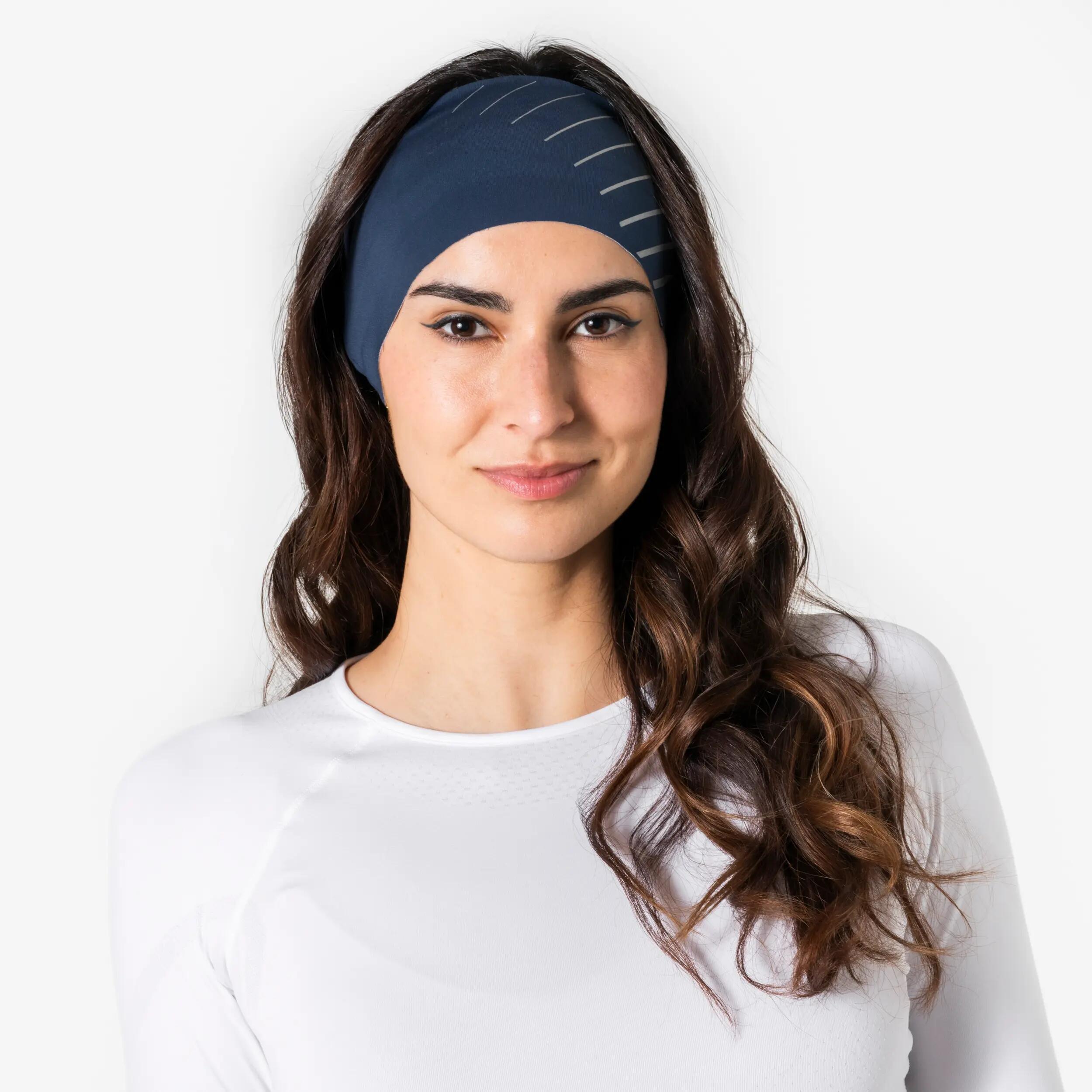
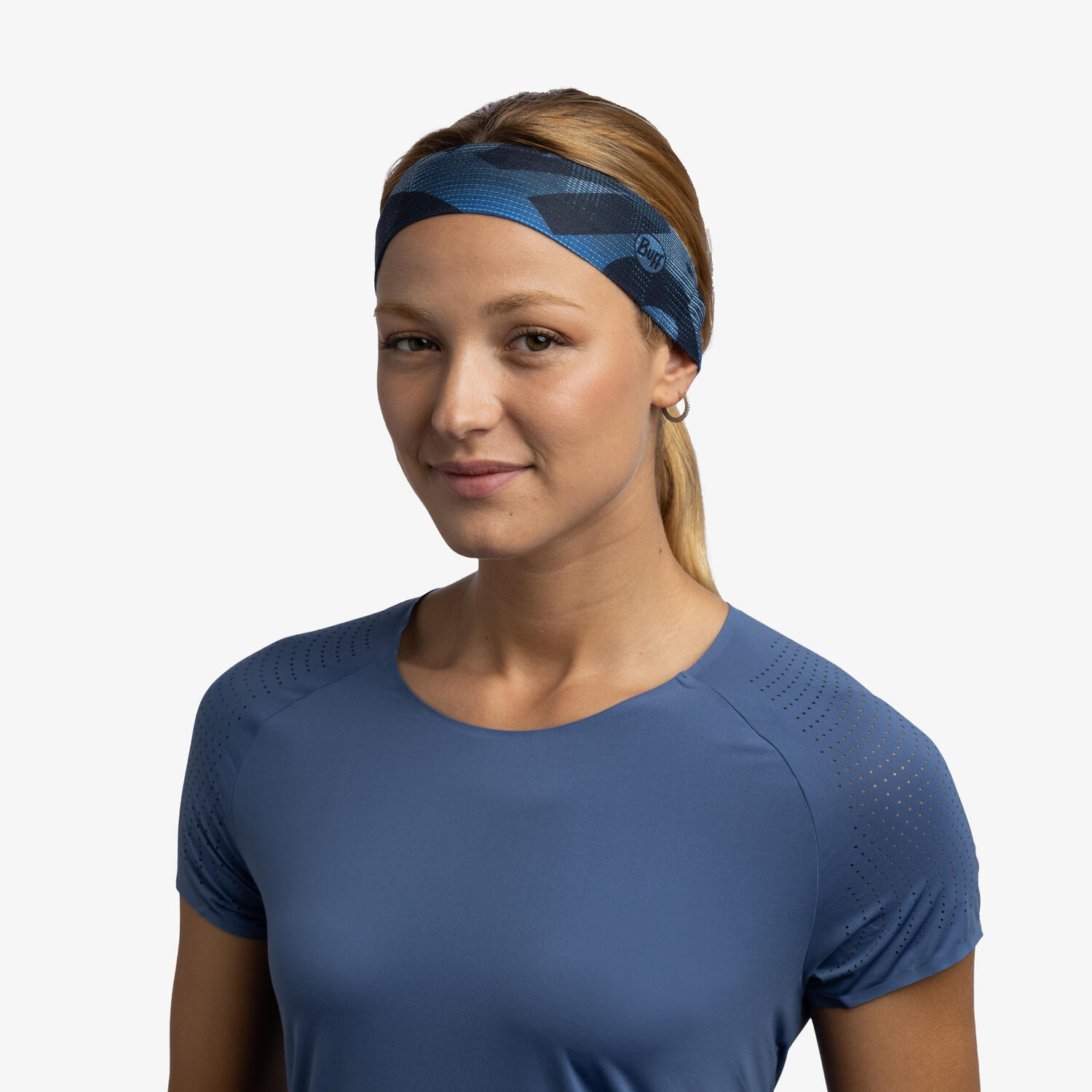
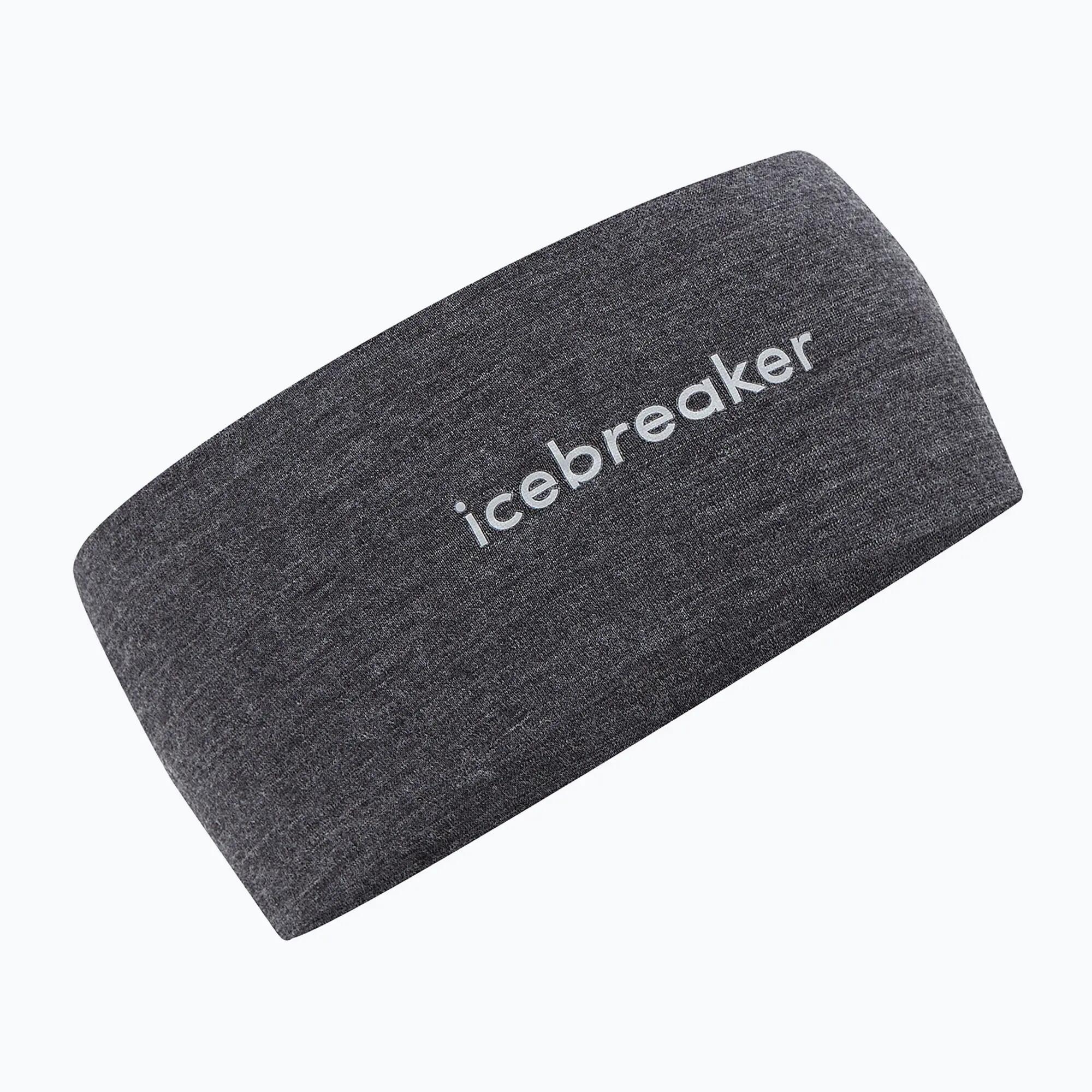
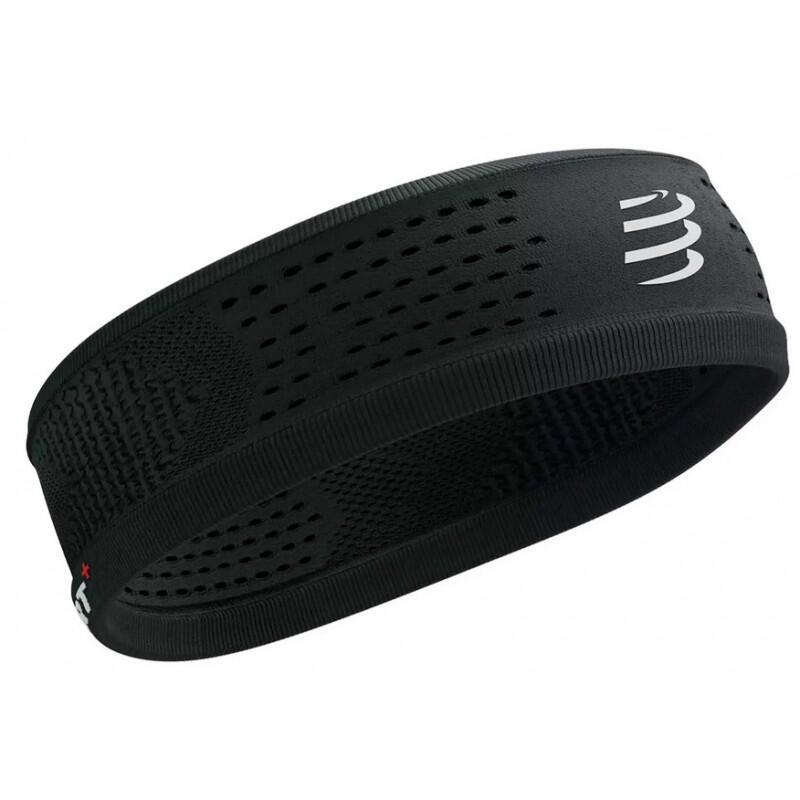
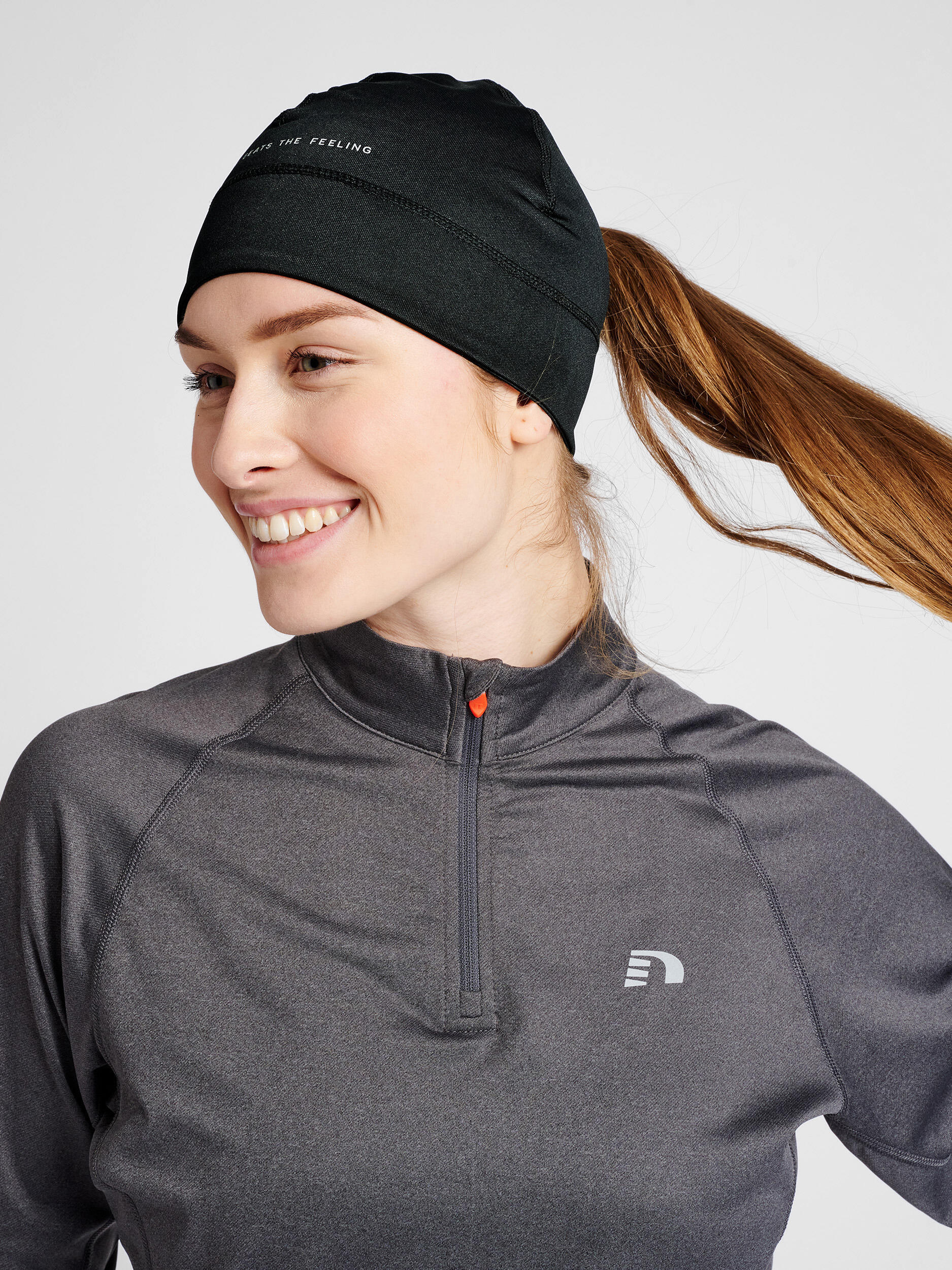
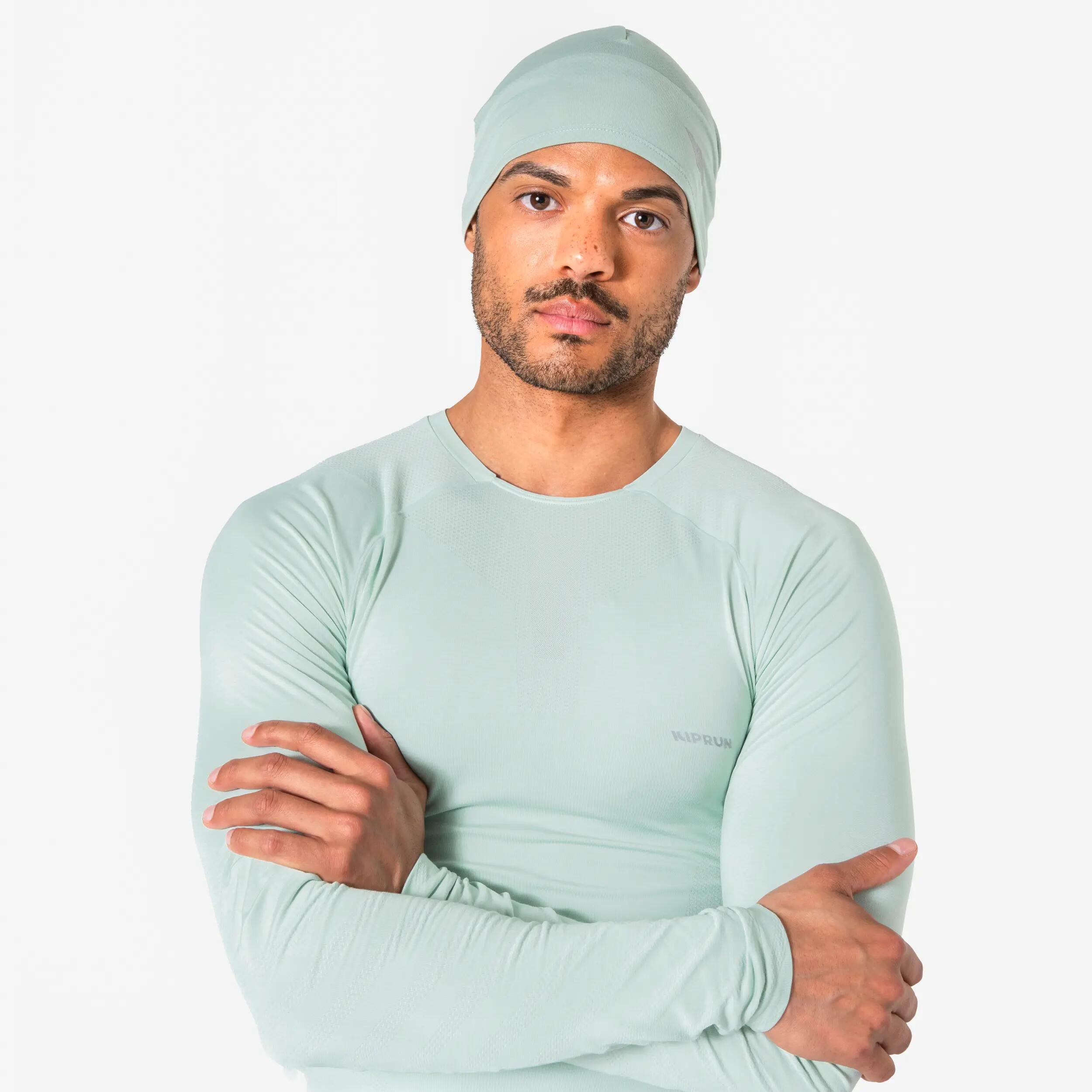
Focus on accessories that solve a clear race-day need, such as carrying fluids, holding nutrition, attaching your number or managing changing weather. You do not need to carry every item used during training. A lightweight race-number belt can secure your bib without putting safety pins through your top, while its gel loops keep fuel within reach. A soft flask may help when water stations are widely spaced, or you prefer drinking smaller amounts on your own schedule. Add a sweat-managing headband or light hat according to the forecast. Test everything with your planned half marathon outfit because pockets, waistbands and clothing layers can affect how securely each accessory sits. Pro tip: remove anything that bounces, rubs or distracts you during your final long training run.

Should you carry a soft flask during a half marathon?

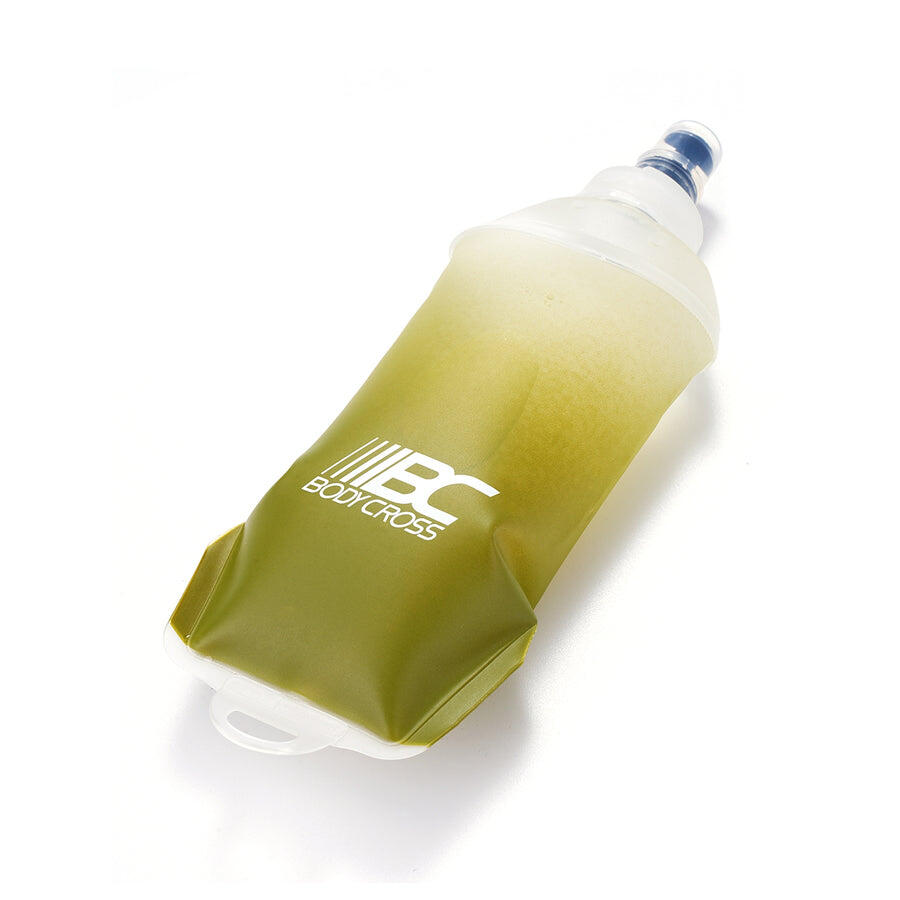
A soft flask can be useful when you want regular access to water or a sports drink without relying entirely on aid stations. Flexible walls compress as you drink, reducing sloshing and taking up less space than a partly empty rigid bottle. A 250 ml flask suits a smaller drink portion, while a 500 ml model carries more fluid but adds extra weight when full. Remove excess air before closing the valve and check that the mouthpiece is locked before placing it in a pocket. Test the flask alongside your half marathon shoes during longer sessions, as both hydration weight and footwear comfort can influence how your form feels late in the run.

How should you carry fuel during a half marathon?

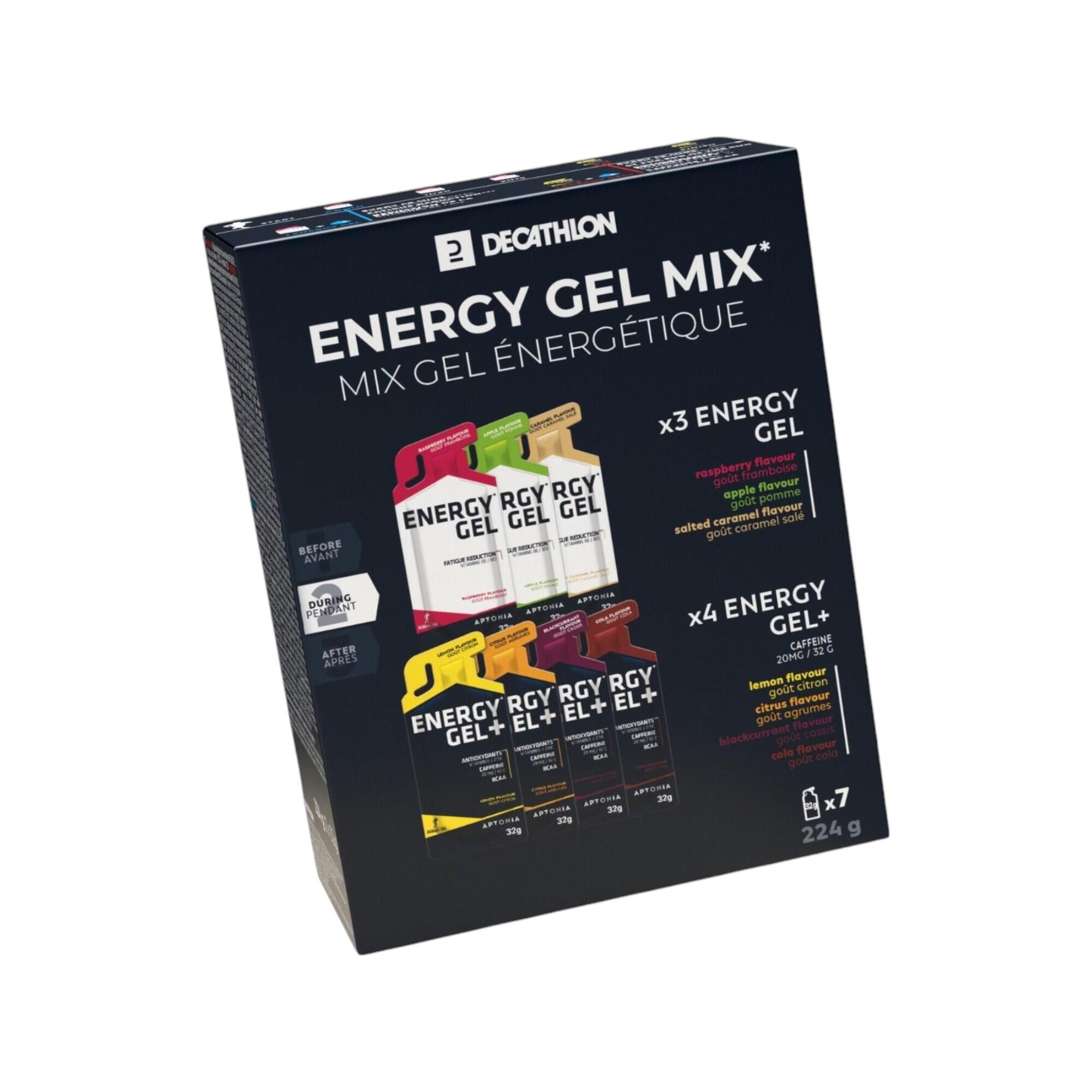
Carry fuel where you can reach it without stopping or twisting awkwardly. A KIPRUN race-number belt combines bib attachment points with silicone loops for holding gel tubes or sachets, helping you keep nutrition separate from your phone or keys. Plan the number of portions around your expected finish time, previous training and the products your stomach tolerates. Avoid trying an unfamiliar gel on race morning, as sweetness, texture and carbohydrate concentration can cause discomfort when tested for the first time at race intensity. Build your plan using suitable half marathon nutrition, then practise opening and consuming each item while running. Take small sips of water where the product instructions recommend it.
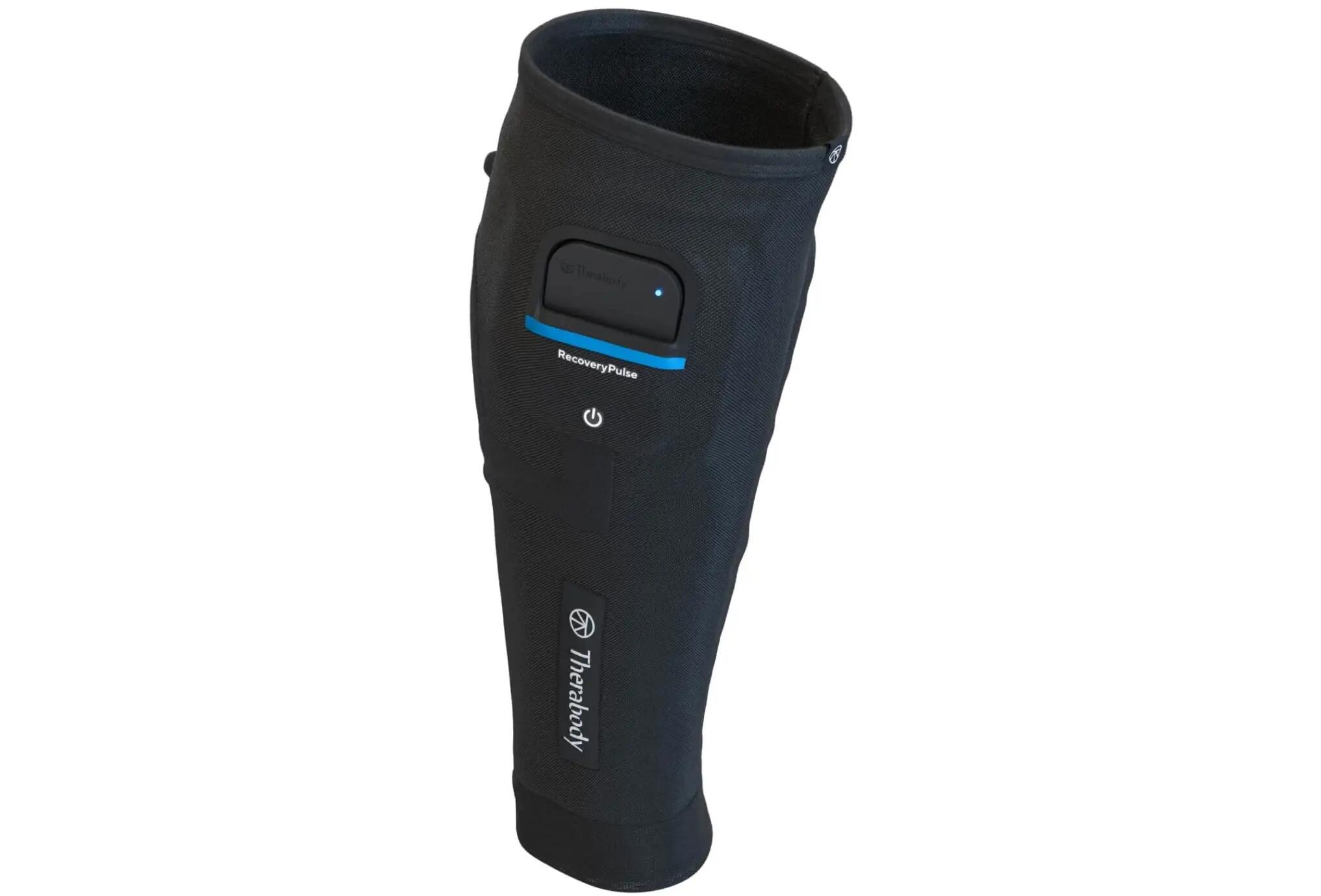
Are calf compression sleeves useful for a half marathon?

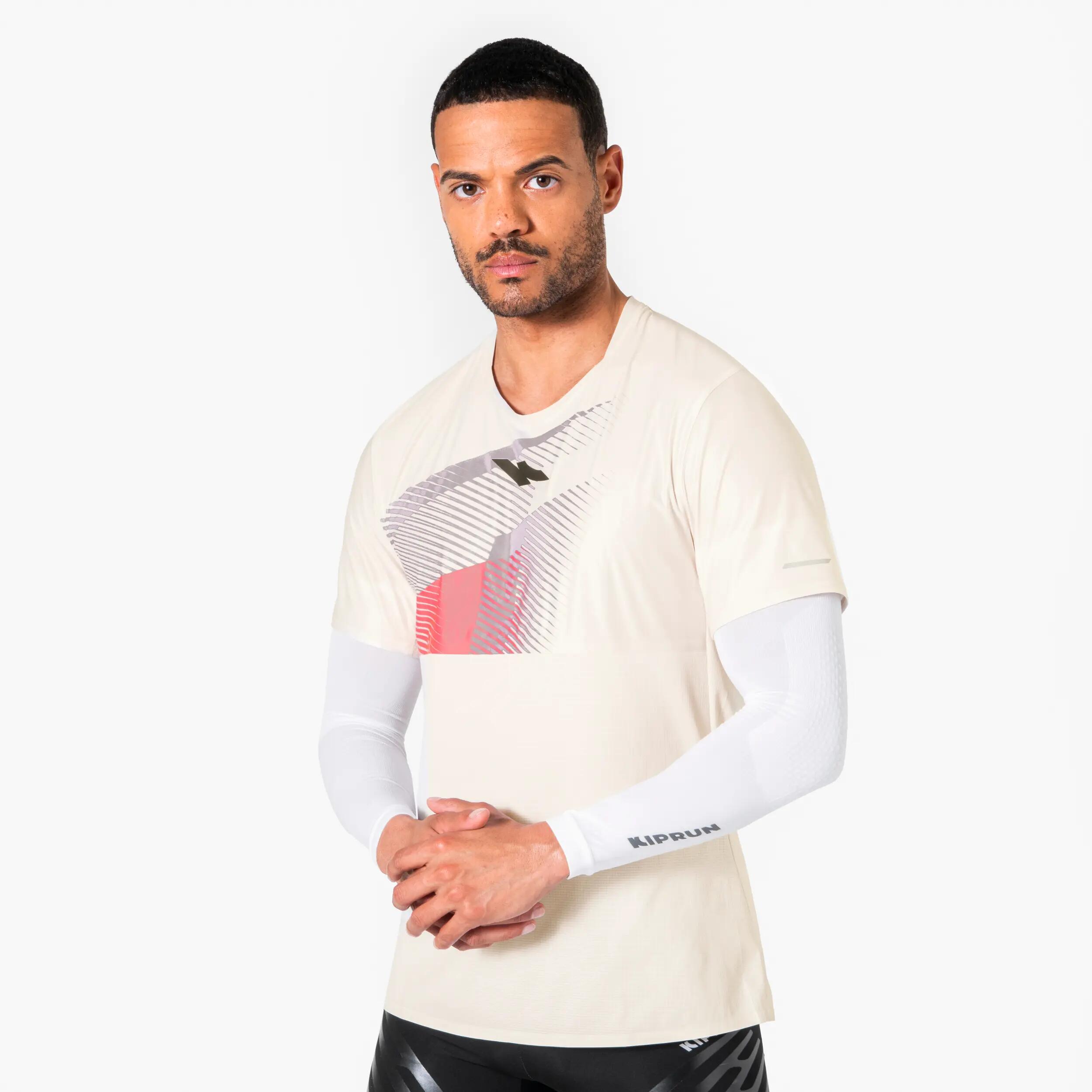
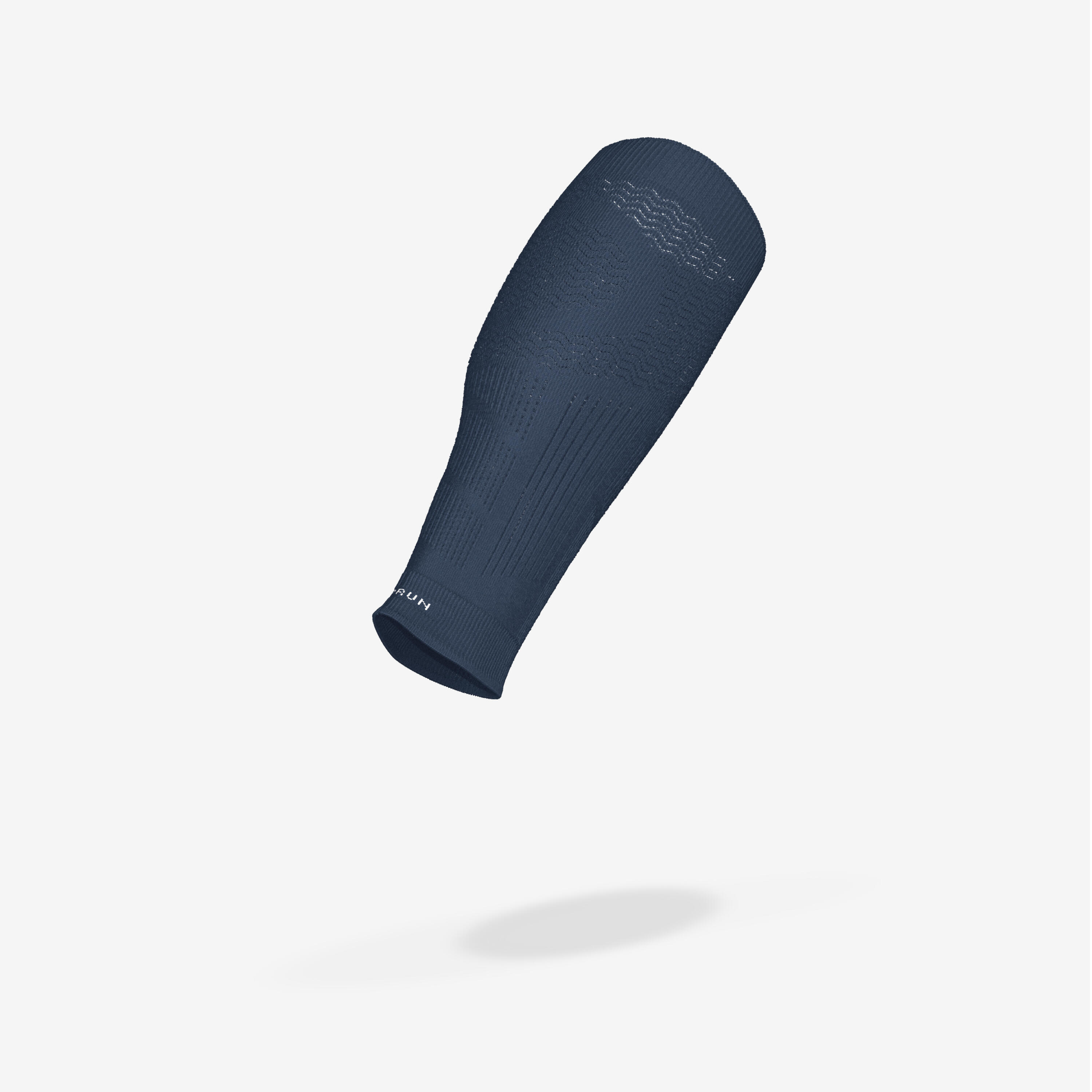
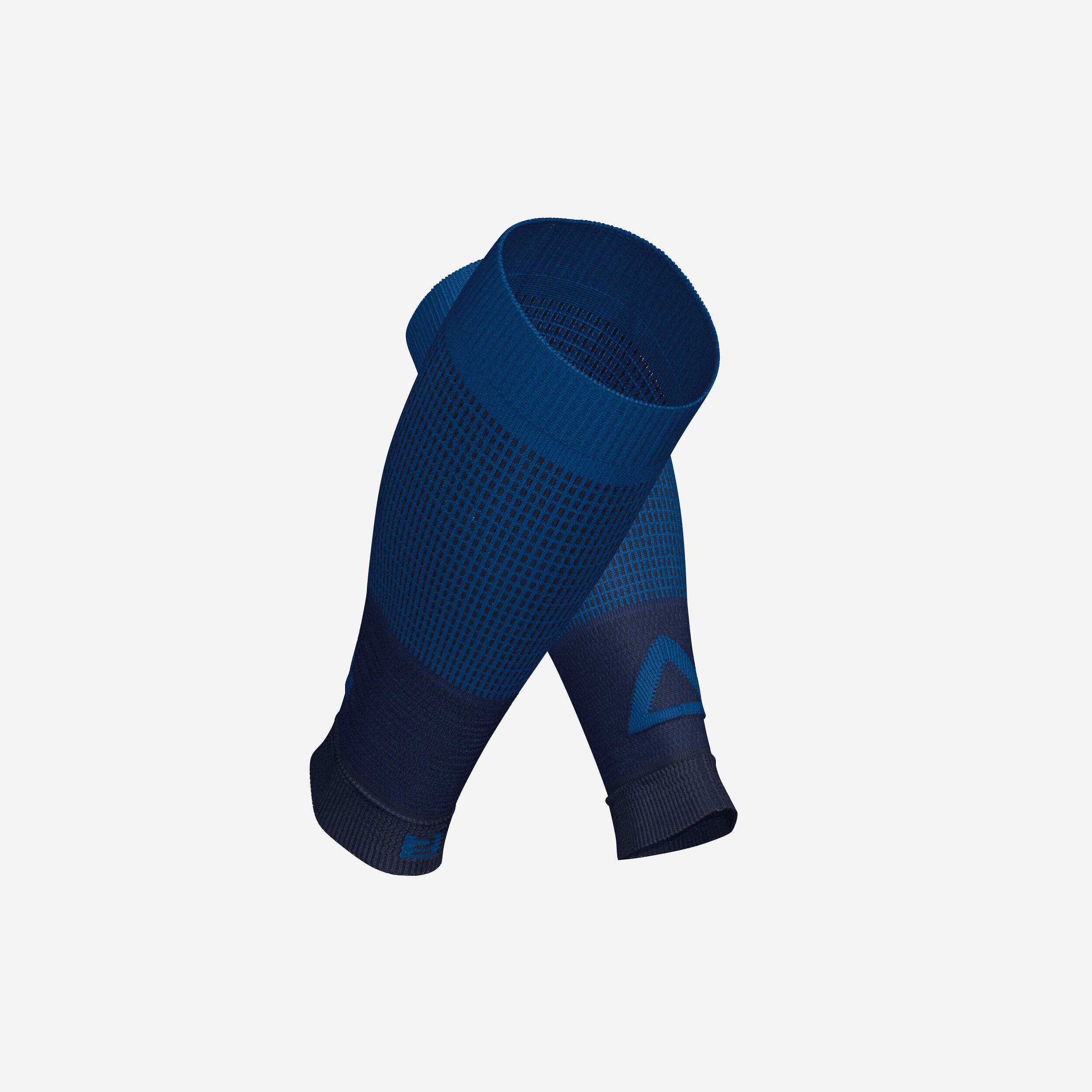
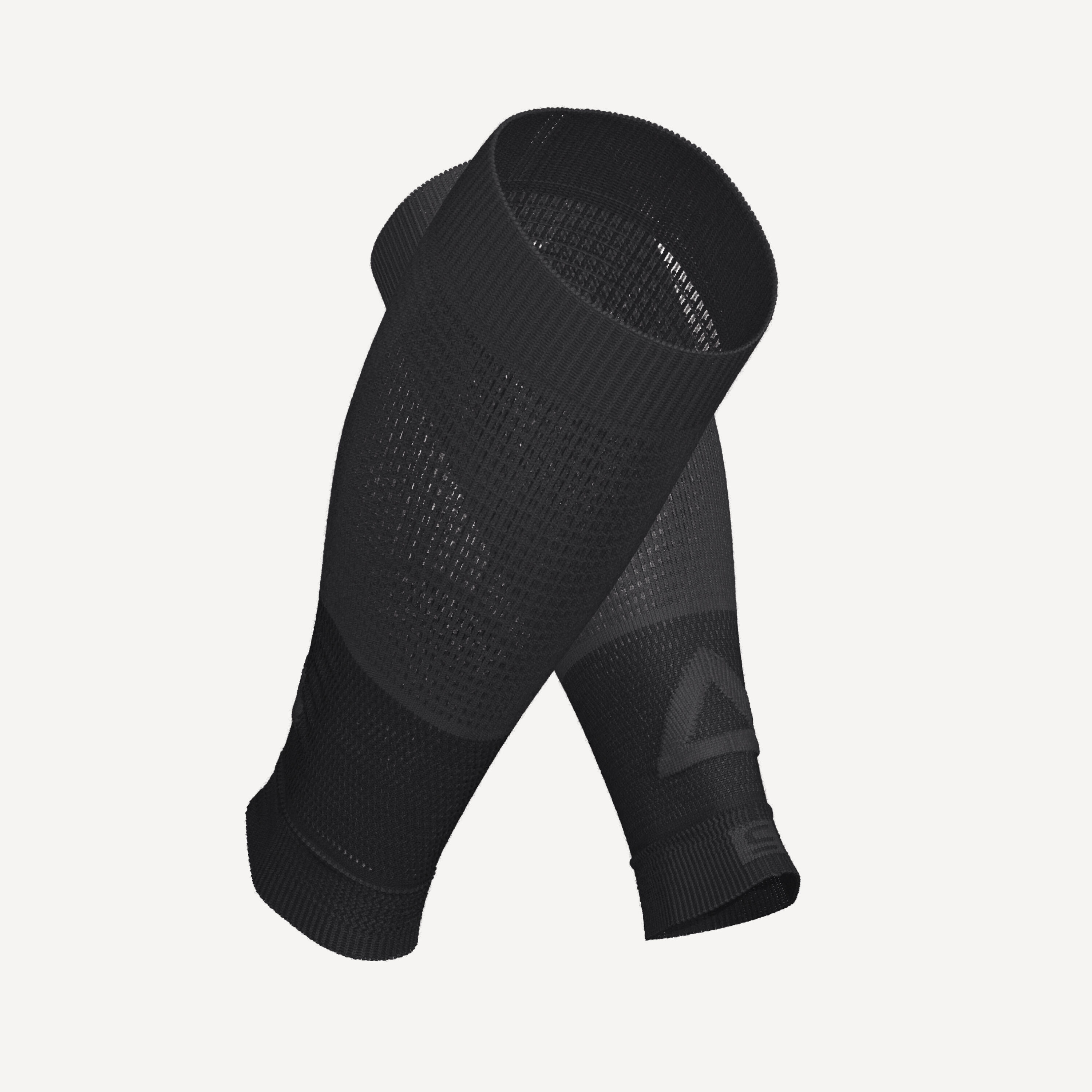
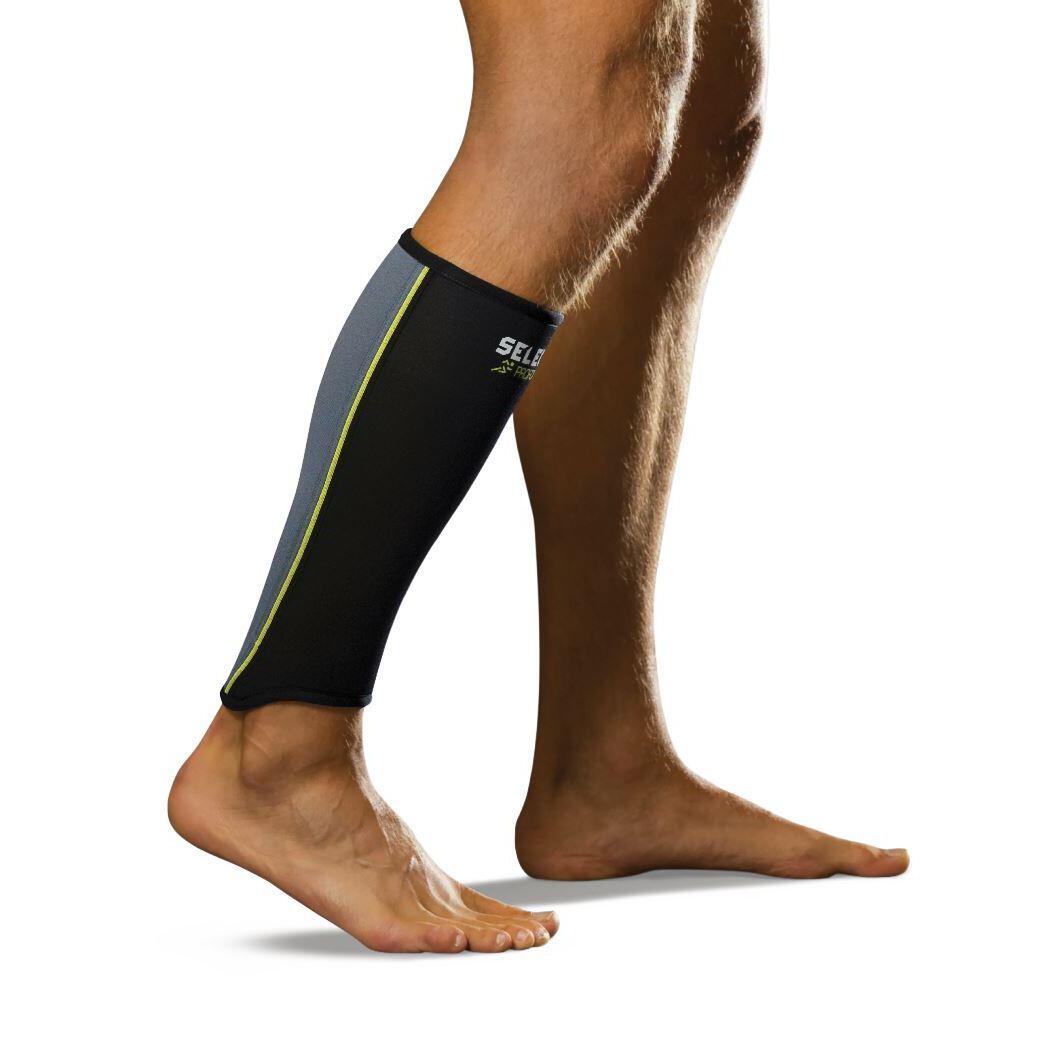
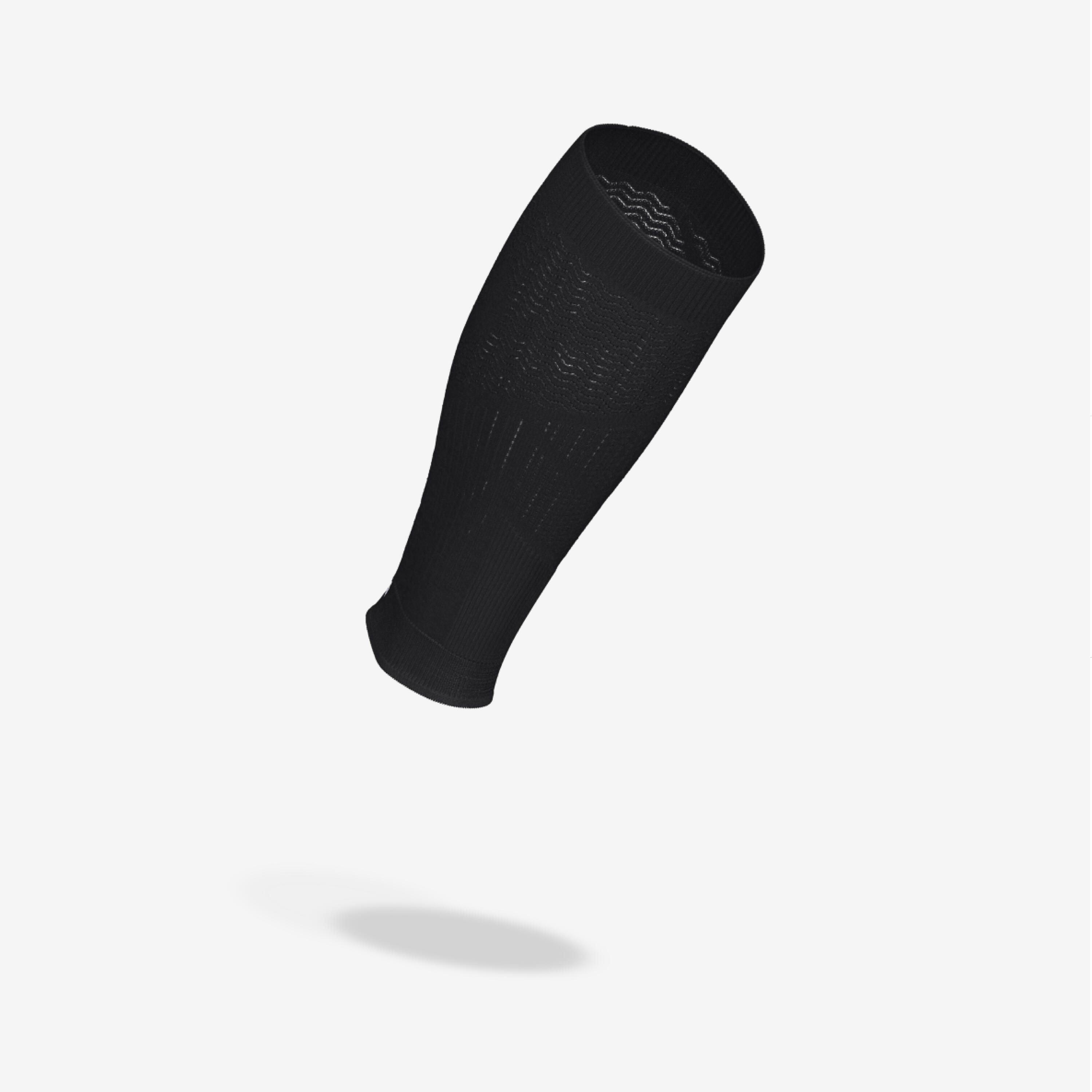
Compression sleeves apply graduated pressure around the lower leg and may help limit soft-tissue movement while you run. KIPRUN Run 500 sleeves are intended for use during exercise rather than as medical or post-race recovery products. Correct sizing is important because pressure depends on calf circumference, not your normal clothing size. Fit each sleeve evenly below the knee and smooth out folds that could create concentrated pressure. Wear them during training before deciding whether they feel comfortable across 21.1 kilometres. Runners moving up after running a 10K should increase distance gradually rather than relying on compression to replace suitable training, recovery or pacing.
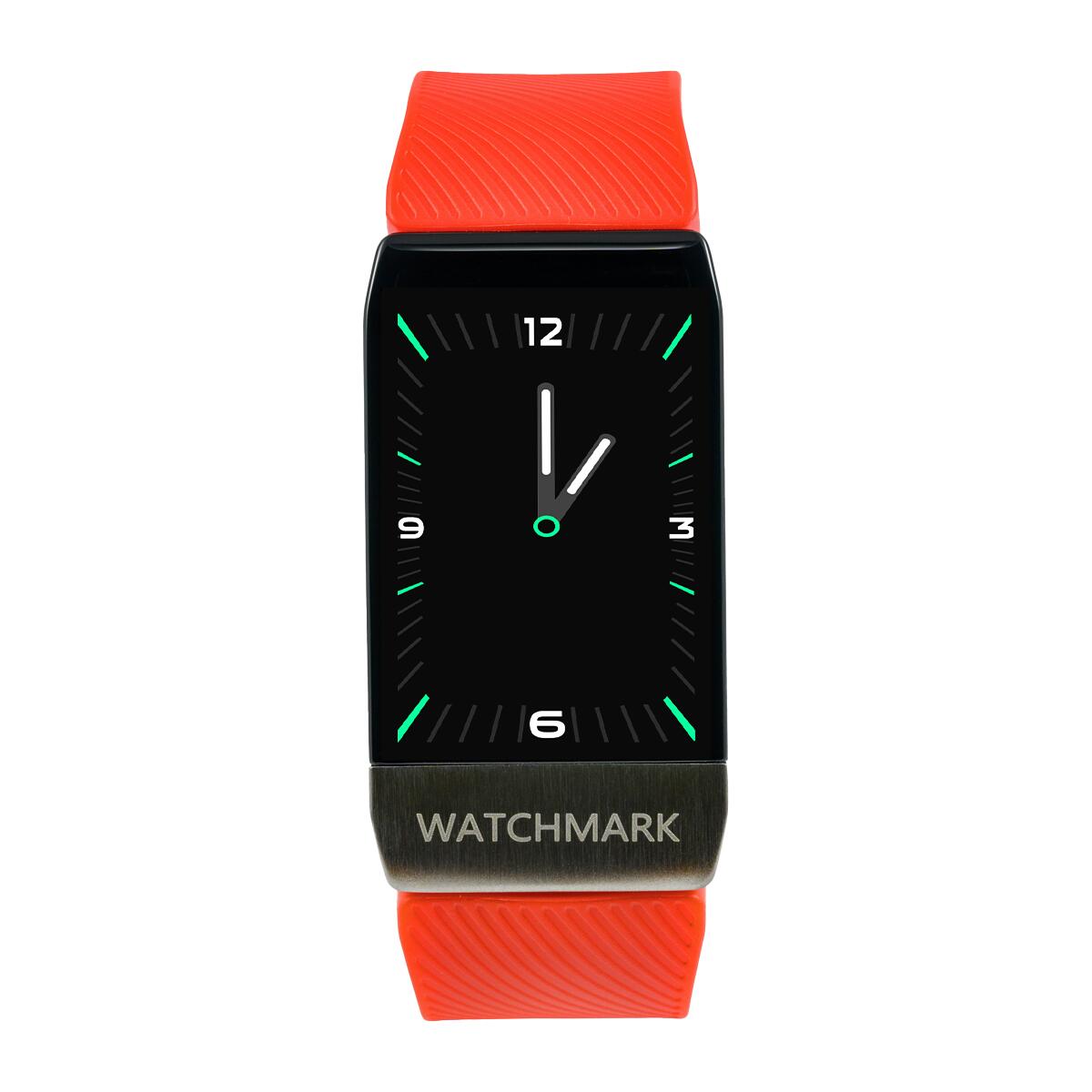
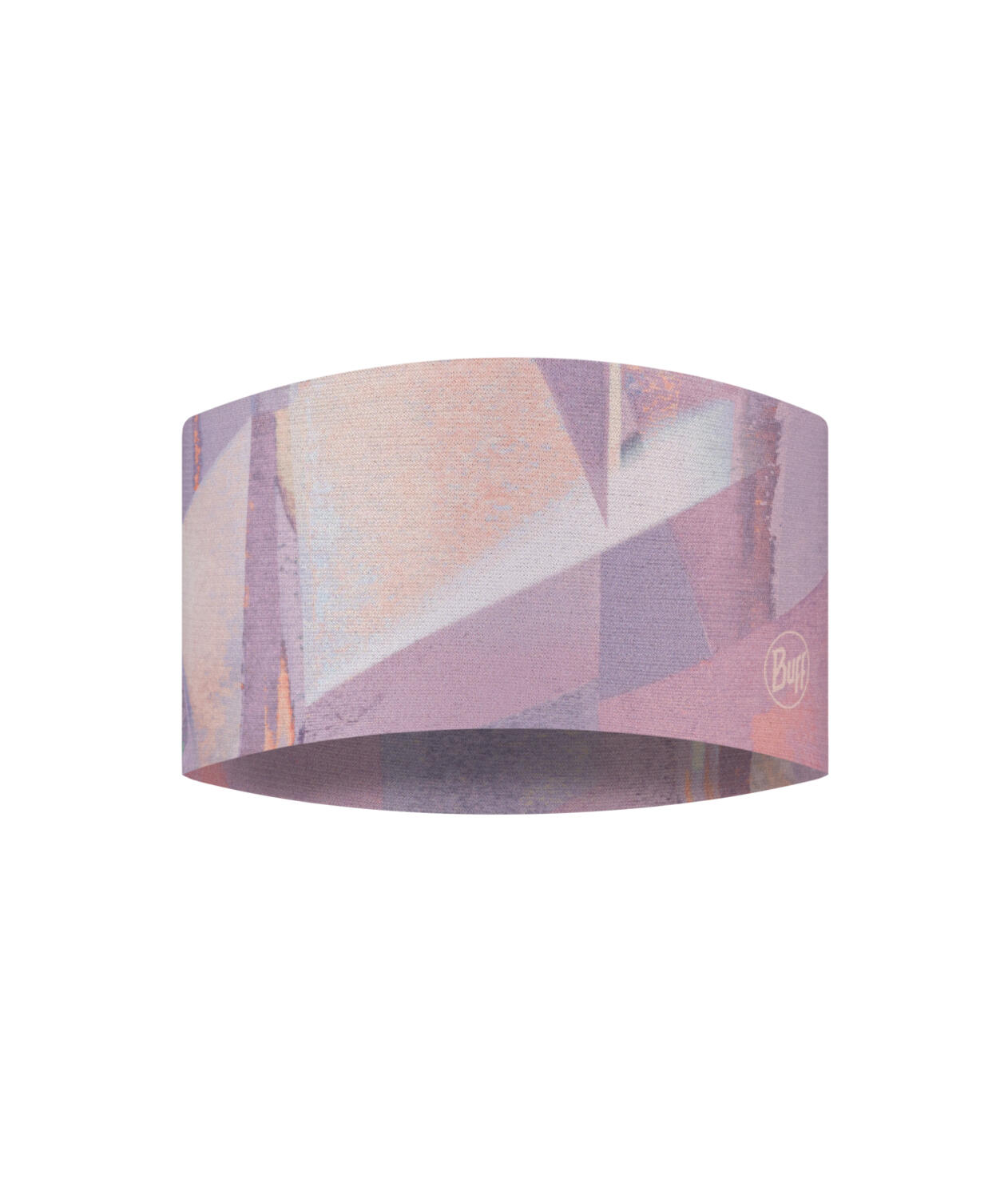
How should you prepare your half marathon accessories?

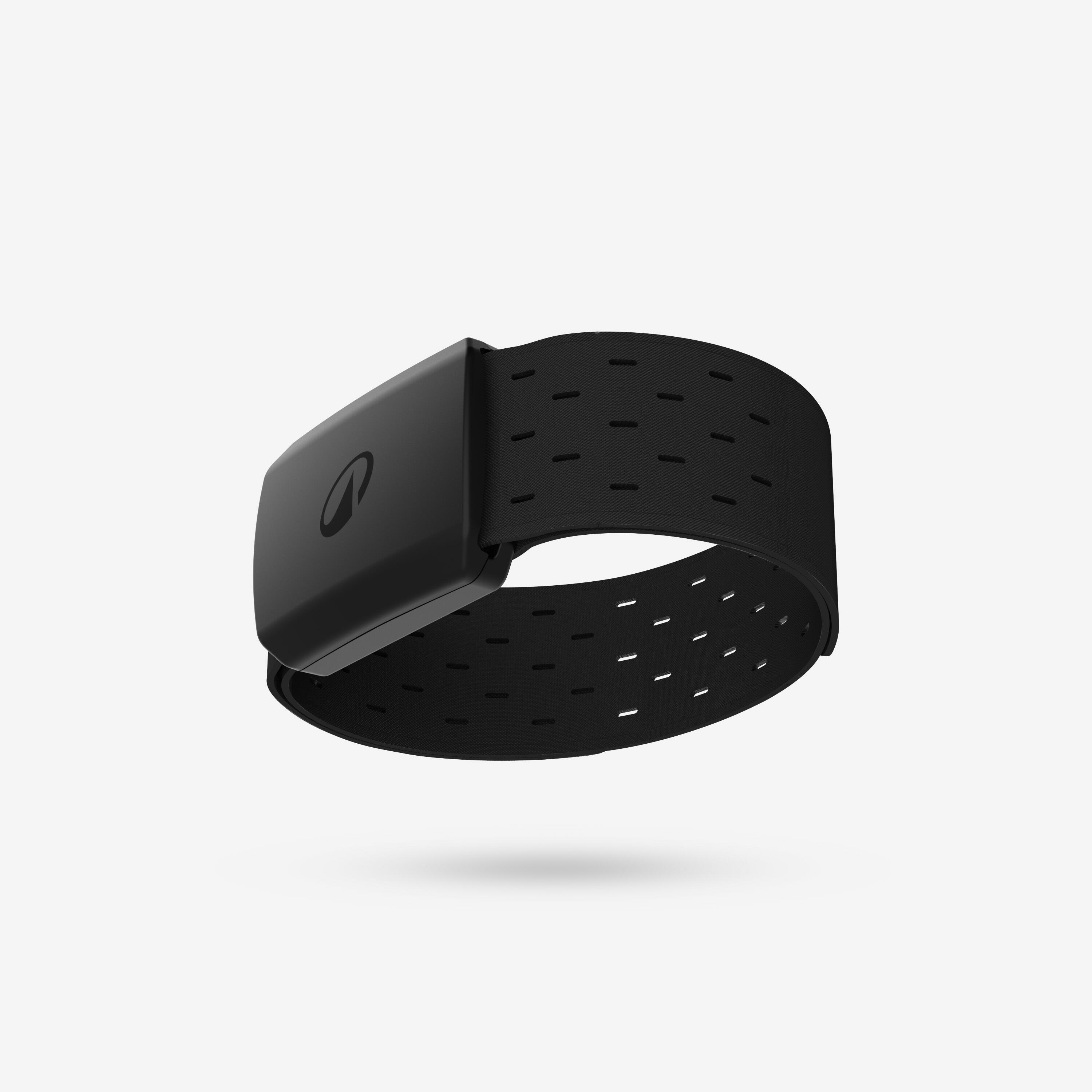
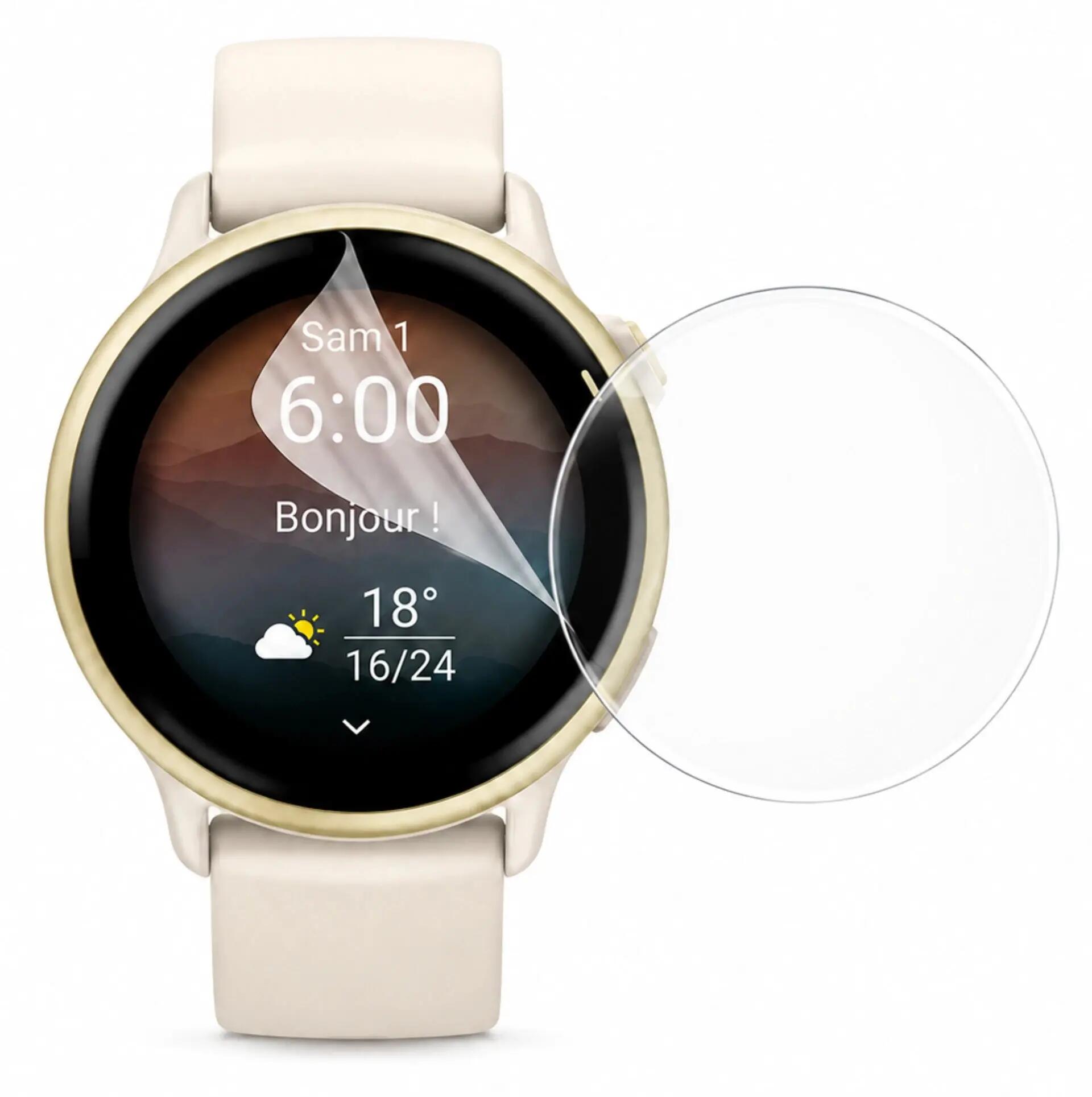
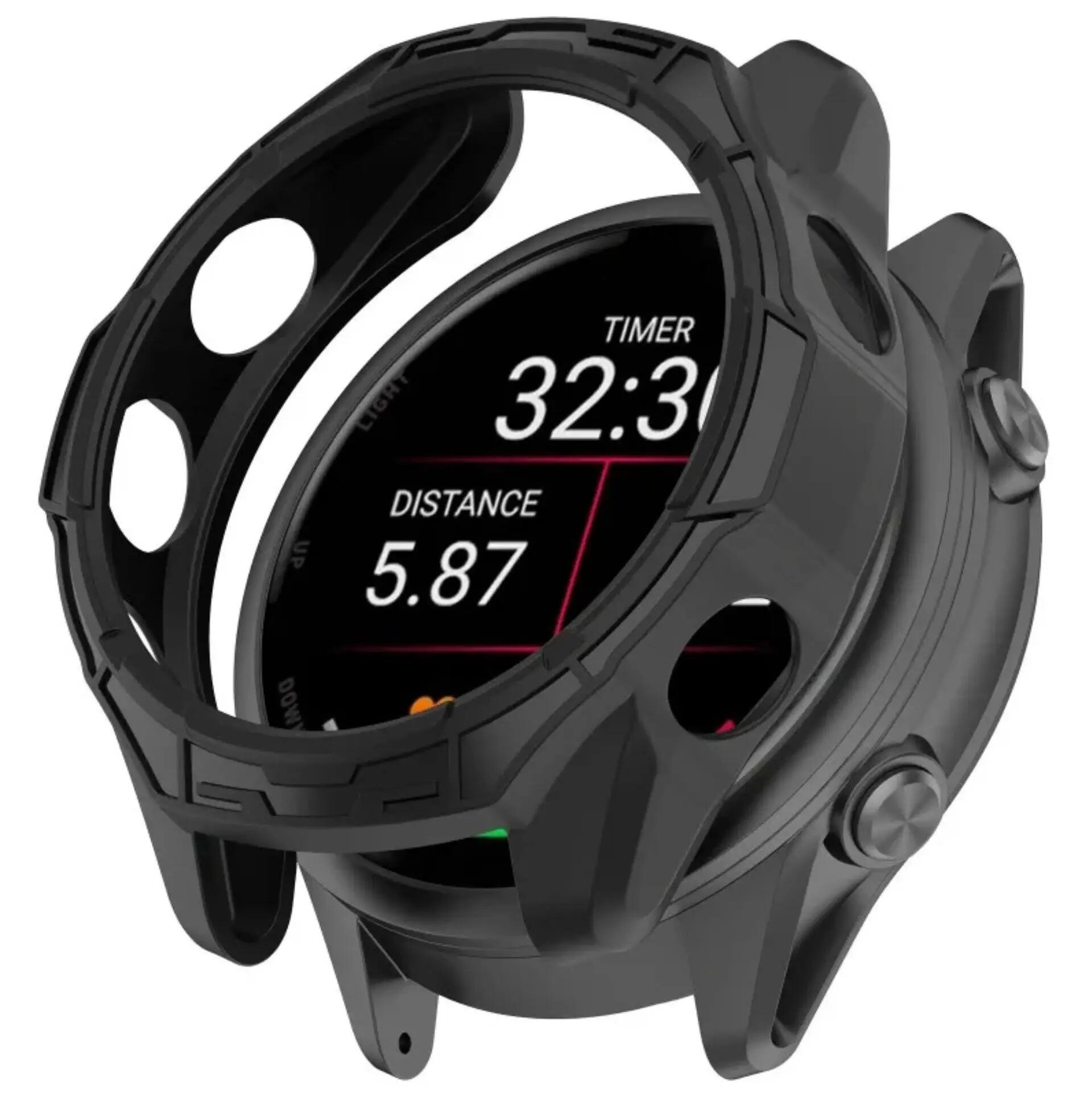
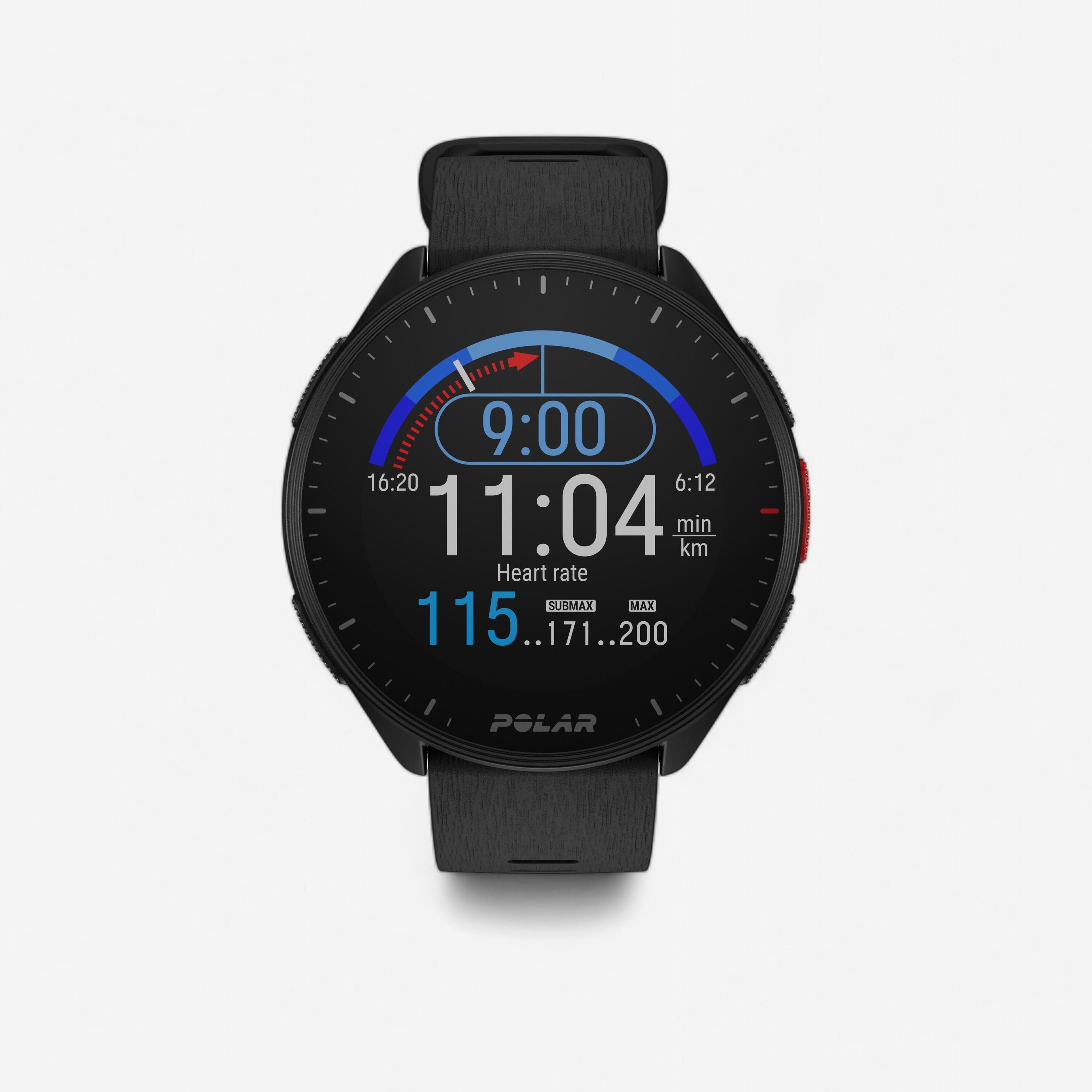
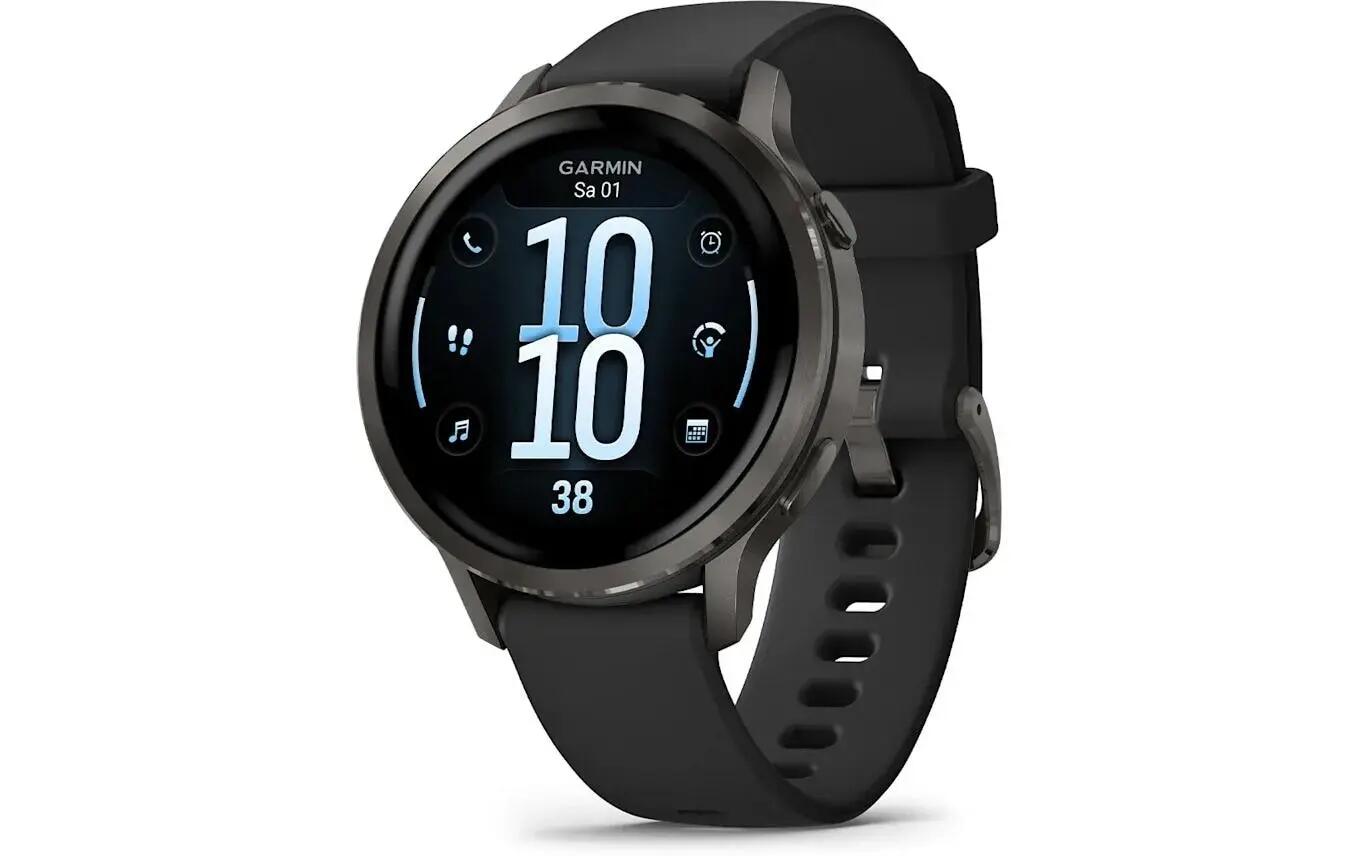
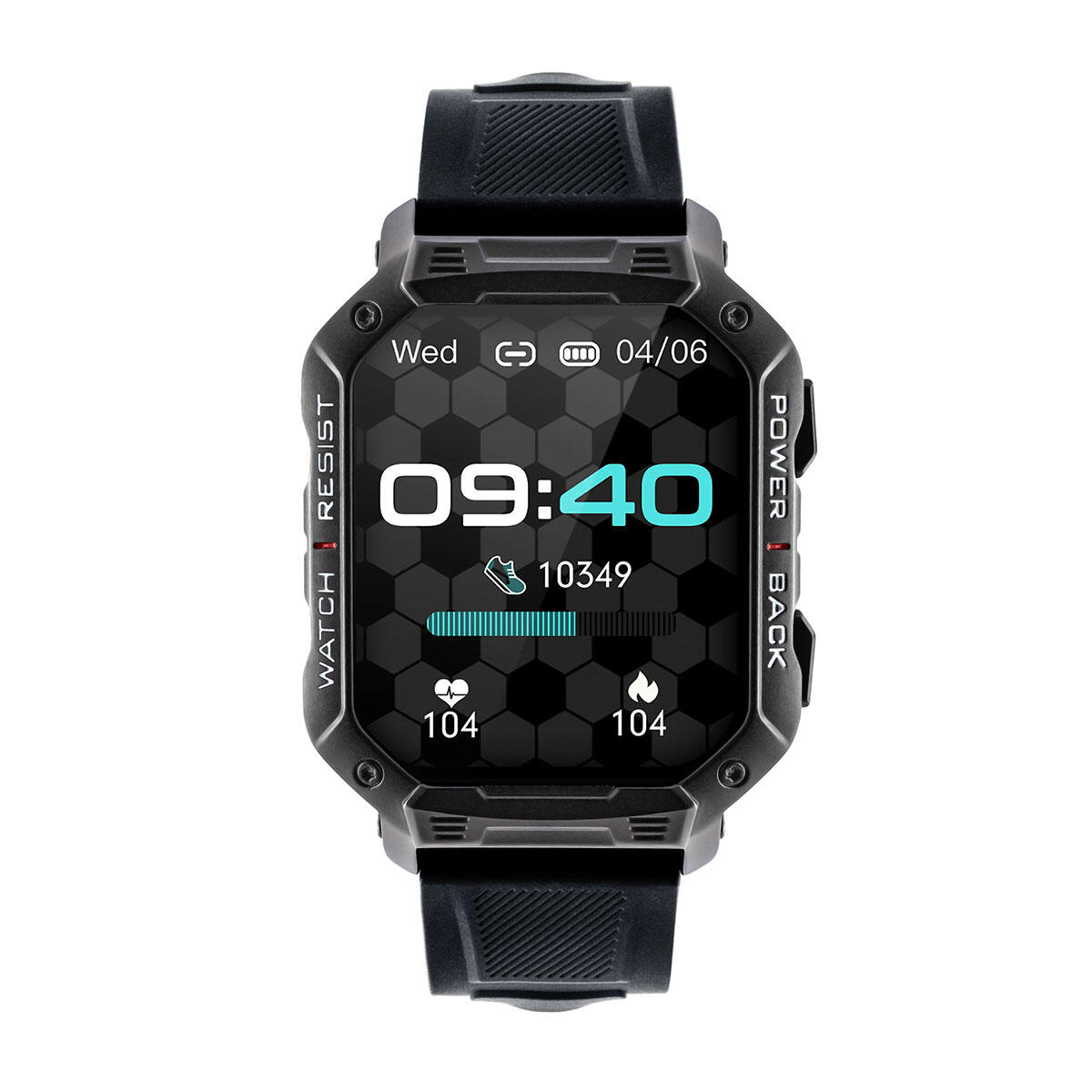
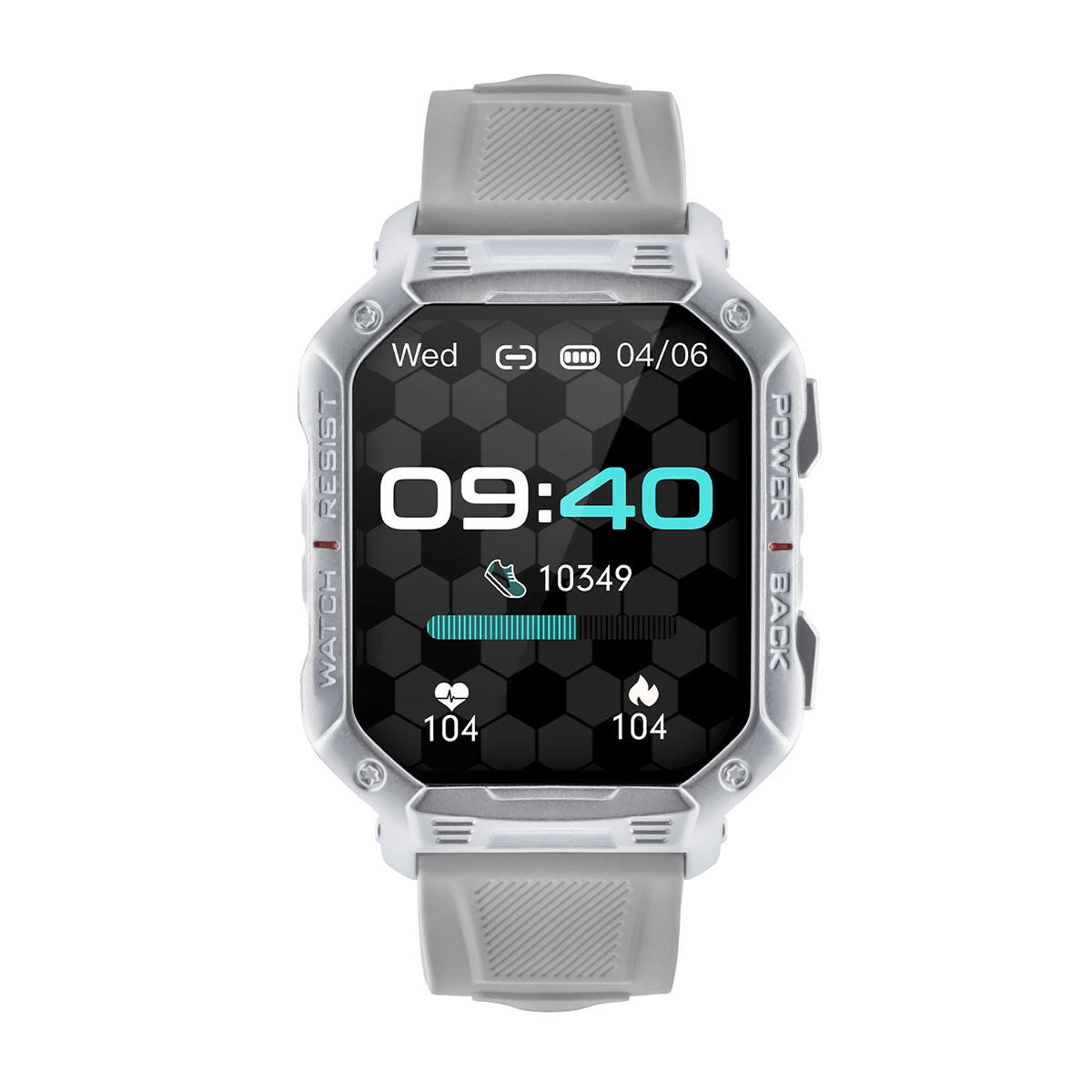
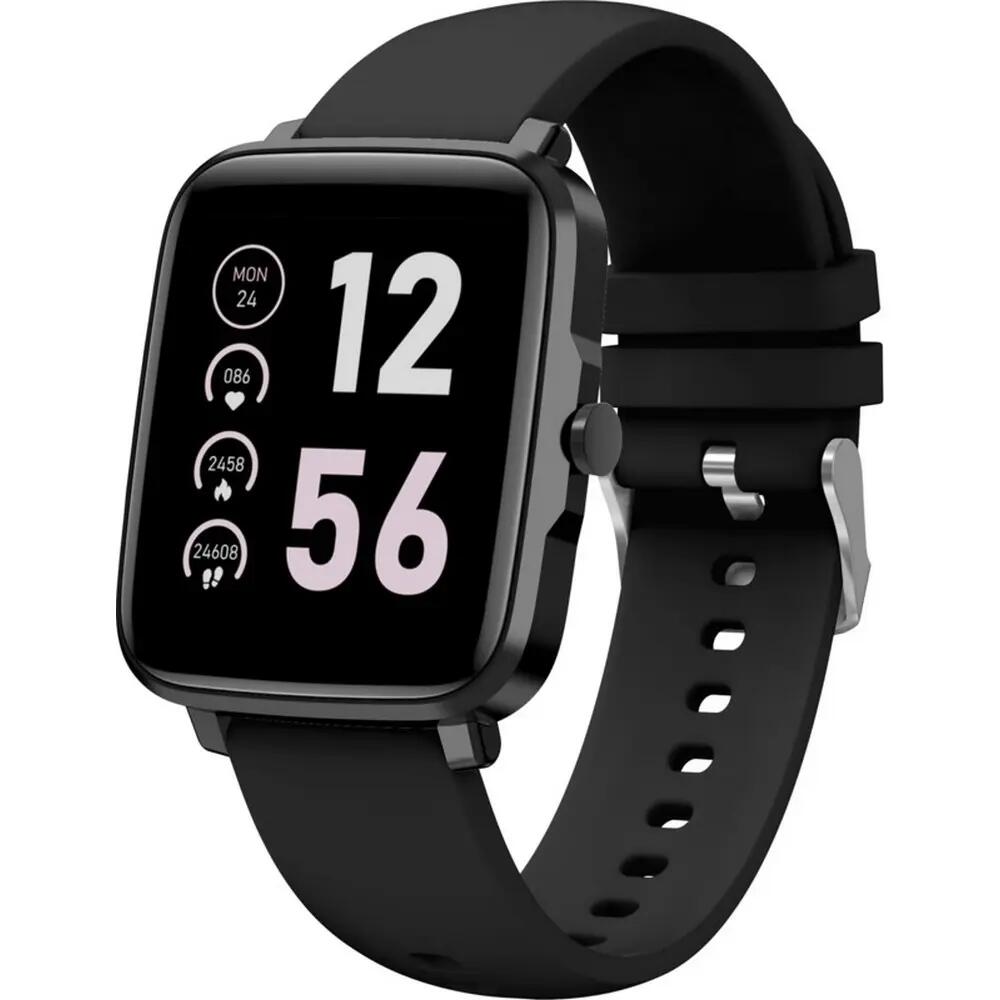
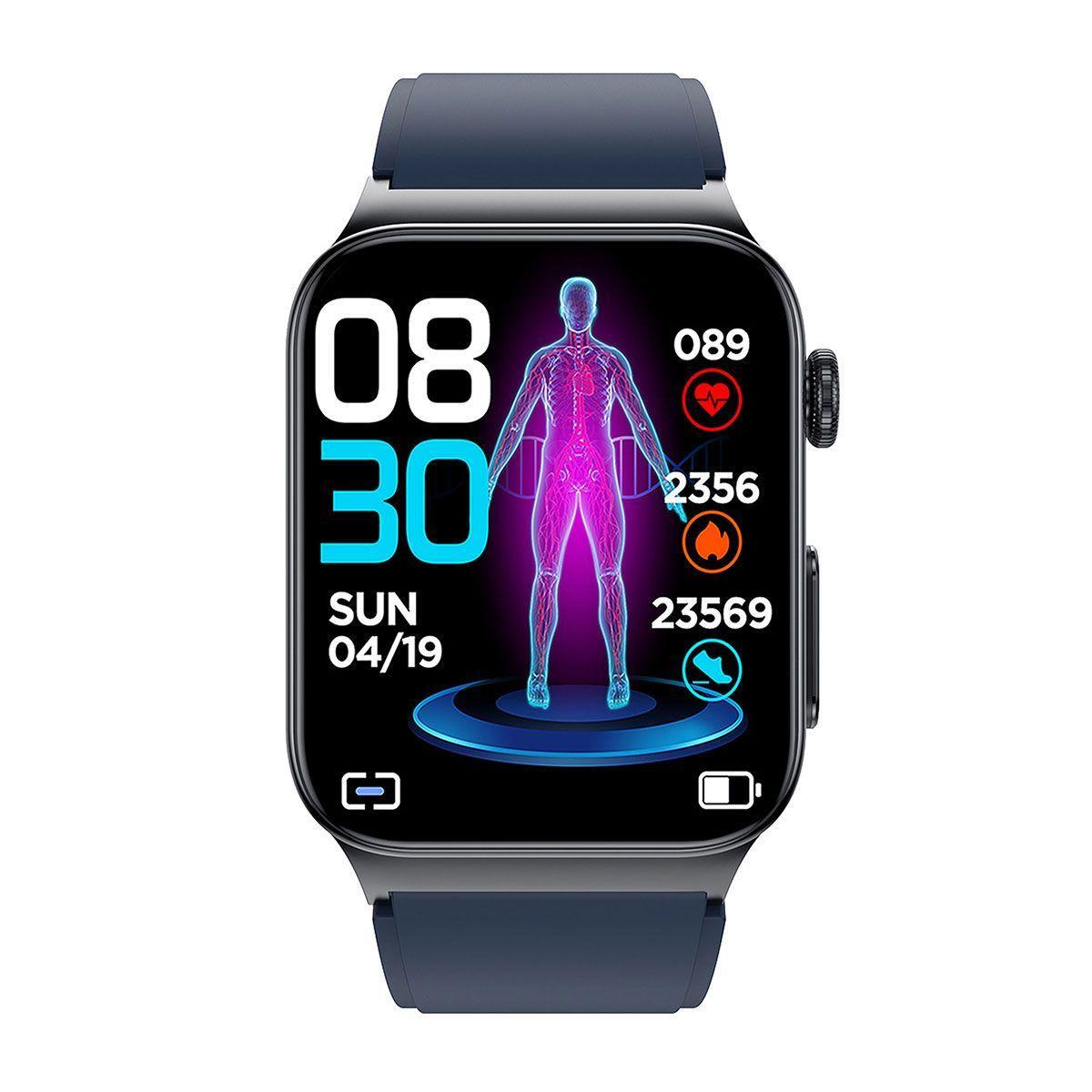
Lay out your equipment before race morning and check every fastening, battery, valve and storage pocket. Attach the race number to your belt, load only the fuel you have already tested and confirm that your flask does not leak. Charge your GPS watch and select a simple data screen that you can read quickly while moving. Match your hat or headband to the temperature rather than the conditions at registration, as you may warm up rapidly once the race starts. Keep spare clothing and small practical items with your every race essentials for before and after the event. Pro tip: complete one short rehearsal wearing the full setup so no new accessory appears for the first time on race day.