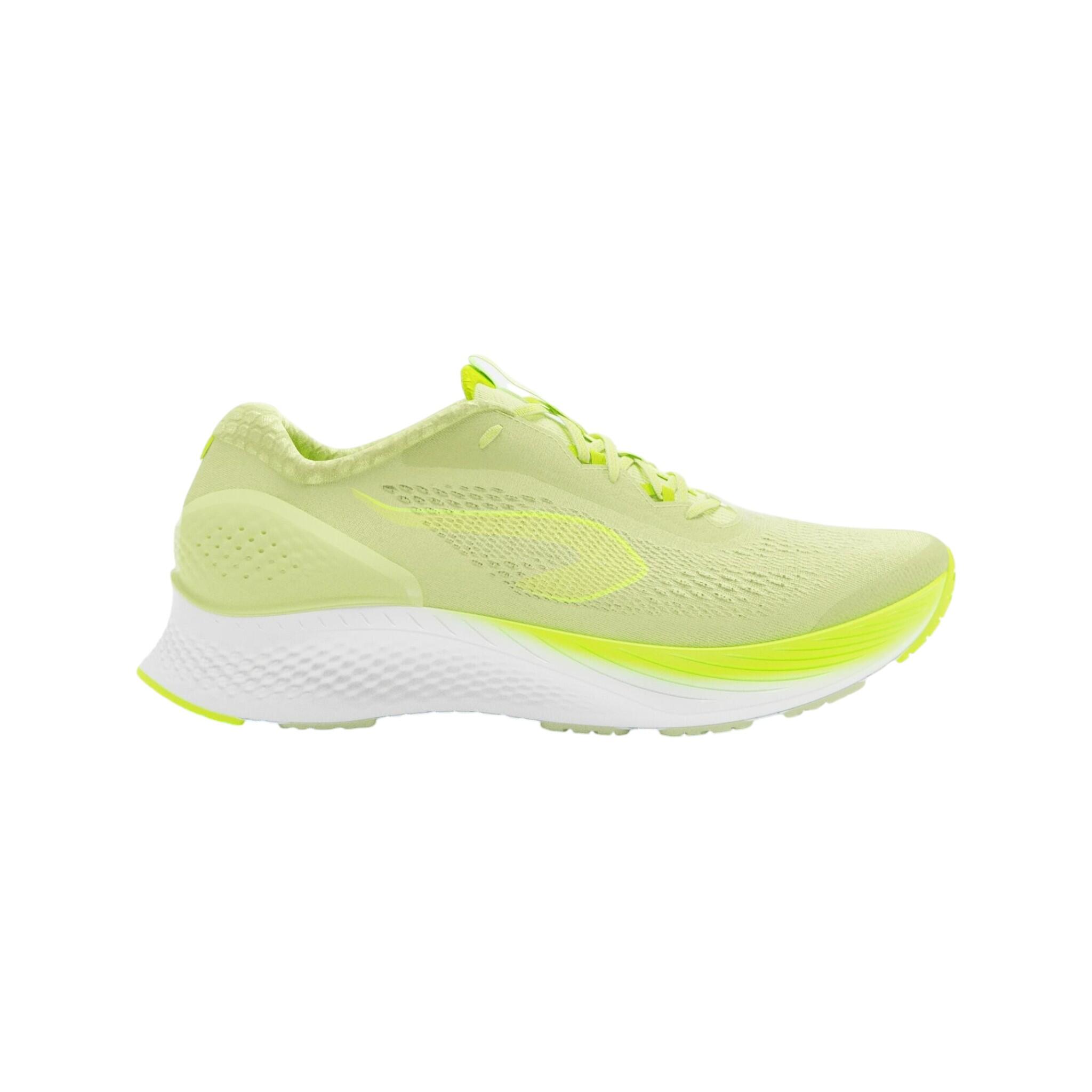
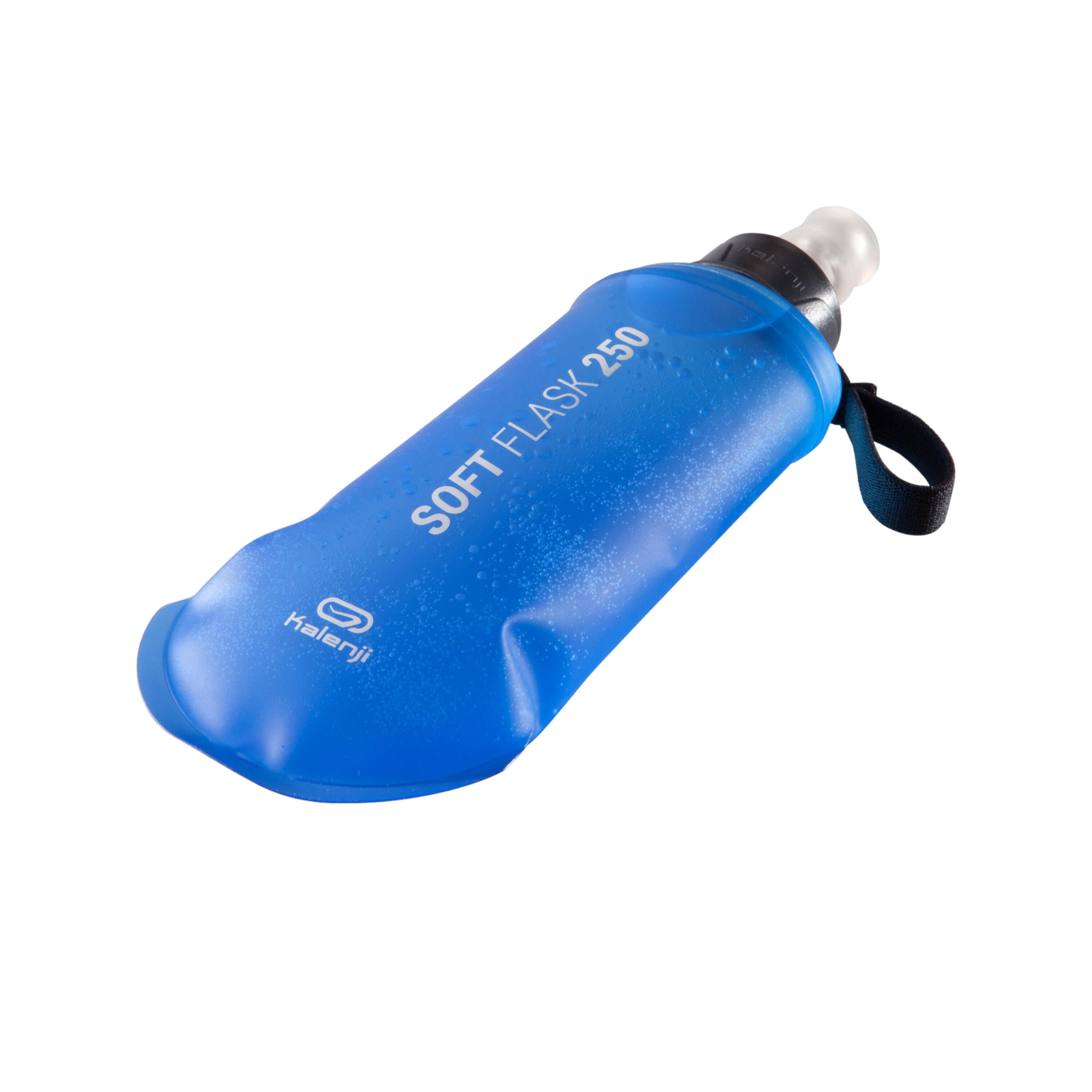
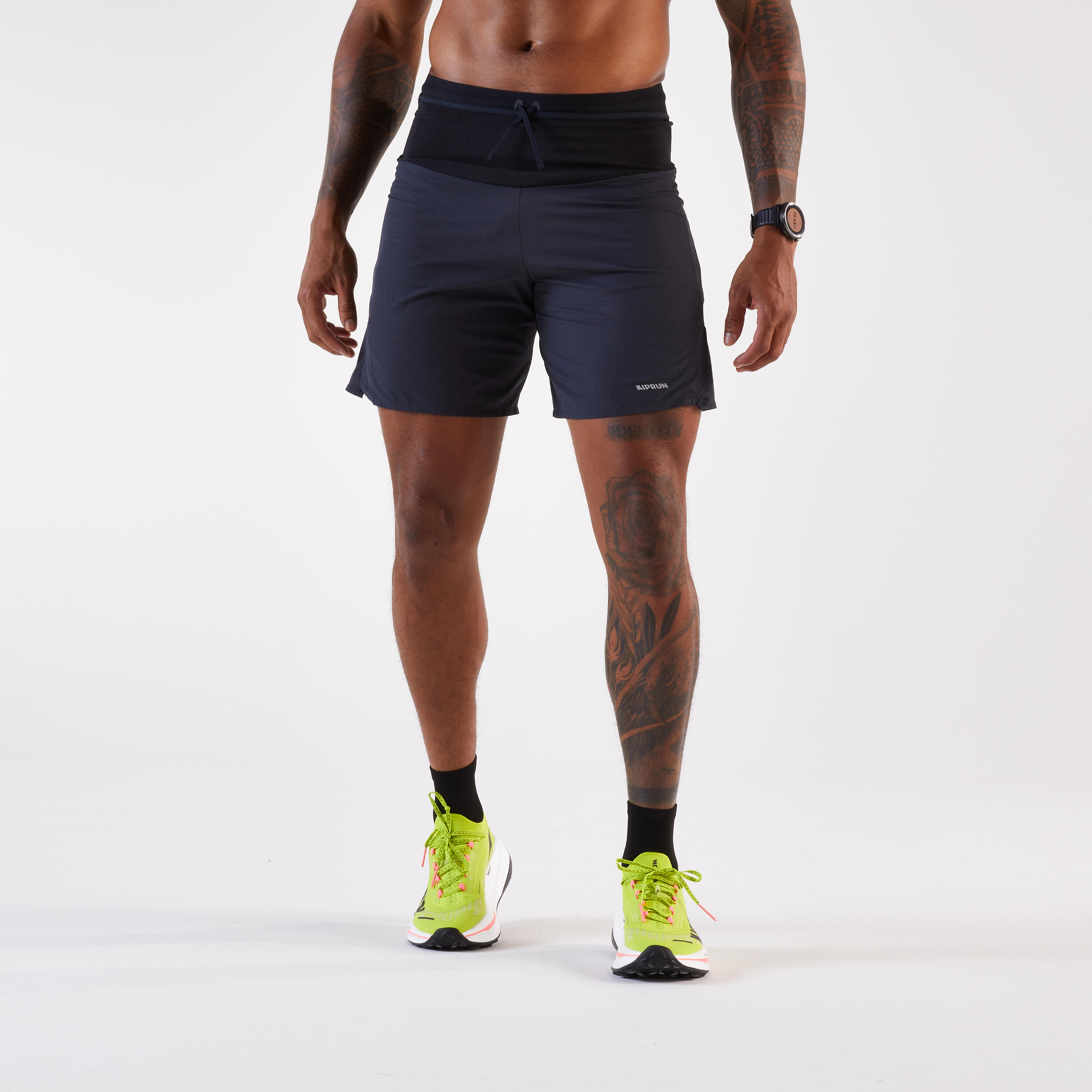
2,376 items
4.6/5 based on 1597346 reviews collected online and in stores

Running Gear By Race Distance FAQs

How does your running gear change as race distance increases?

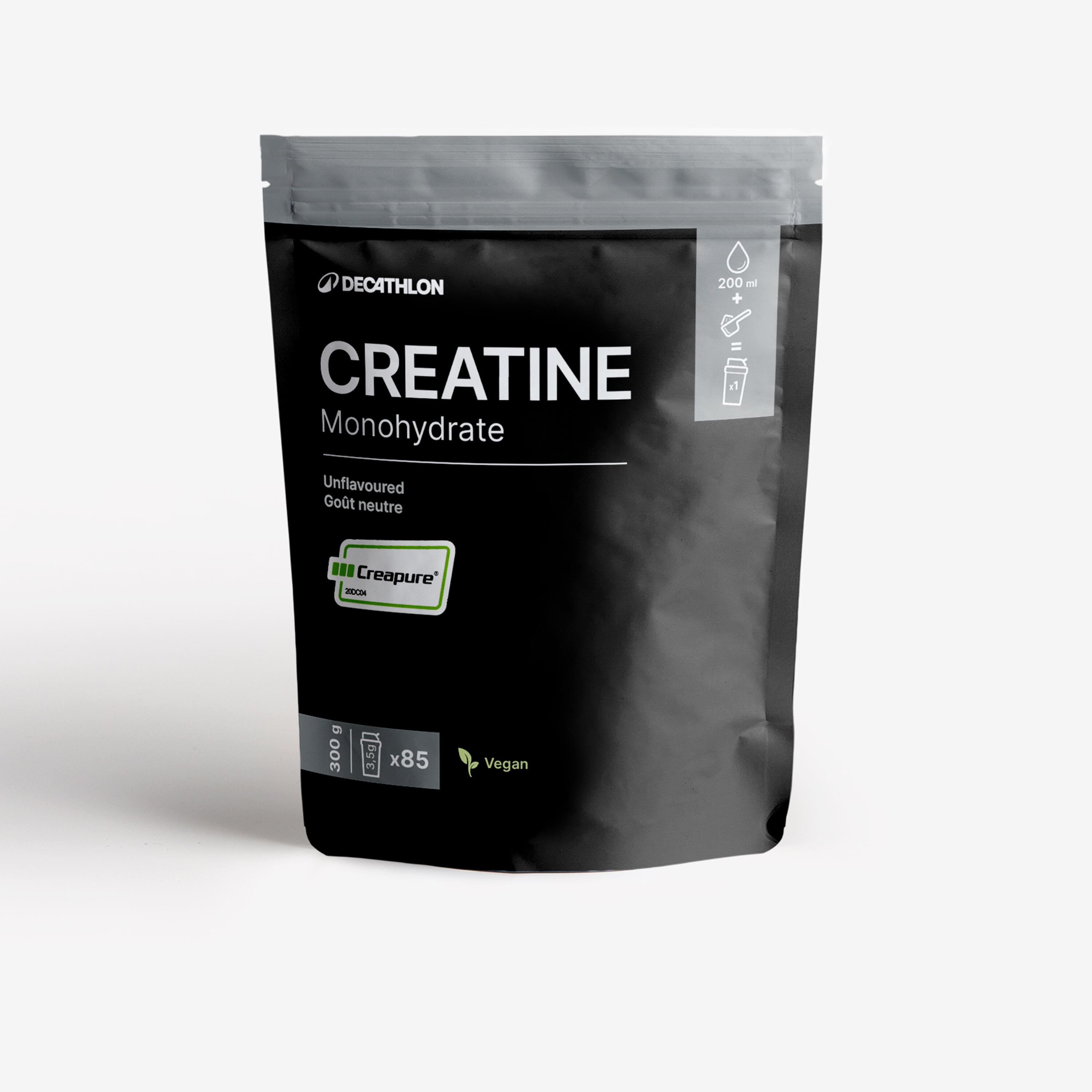
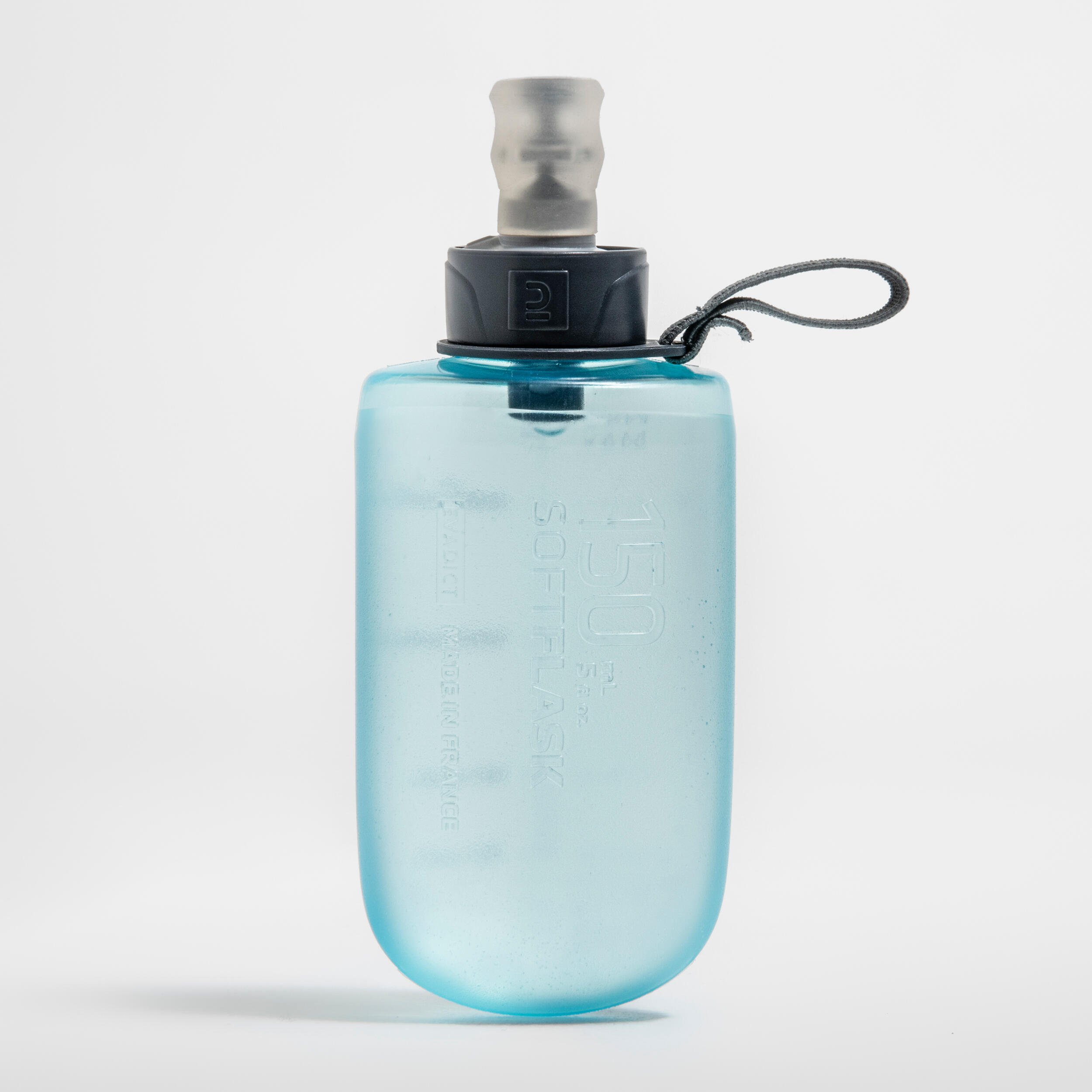
Longer races usually place more importance on cushioning, chafe control, hydration and carrying fuel, while shorter distances can keep the setup simpler. Your running essentials by distance should reflect how long you expect to be moving and what you will need before reaching the finish. For shorter events, footwear, breathable clothing and basic hydration may cover most needs. As distance increases, storage for gels or soft flasks, anti-chafing details and long-distance cushioning become more important. The every race essentials range can help cover common items used across different events. Pro tip: test your complete race setup during training. Shoes, socks, shorts, hydration and nutrition can all feel different after an hour or more of repetitive movement than they do during a short fitting or easy run.
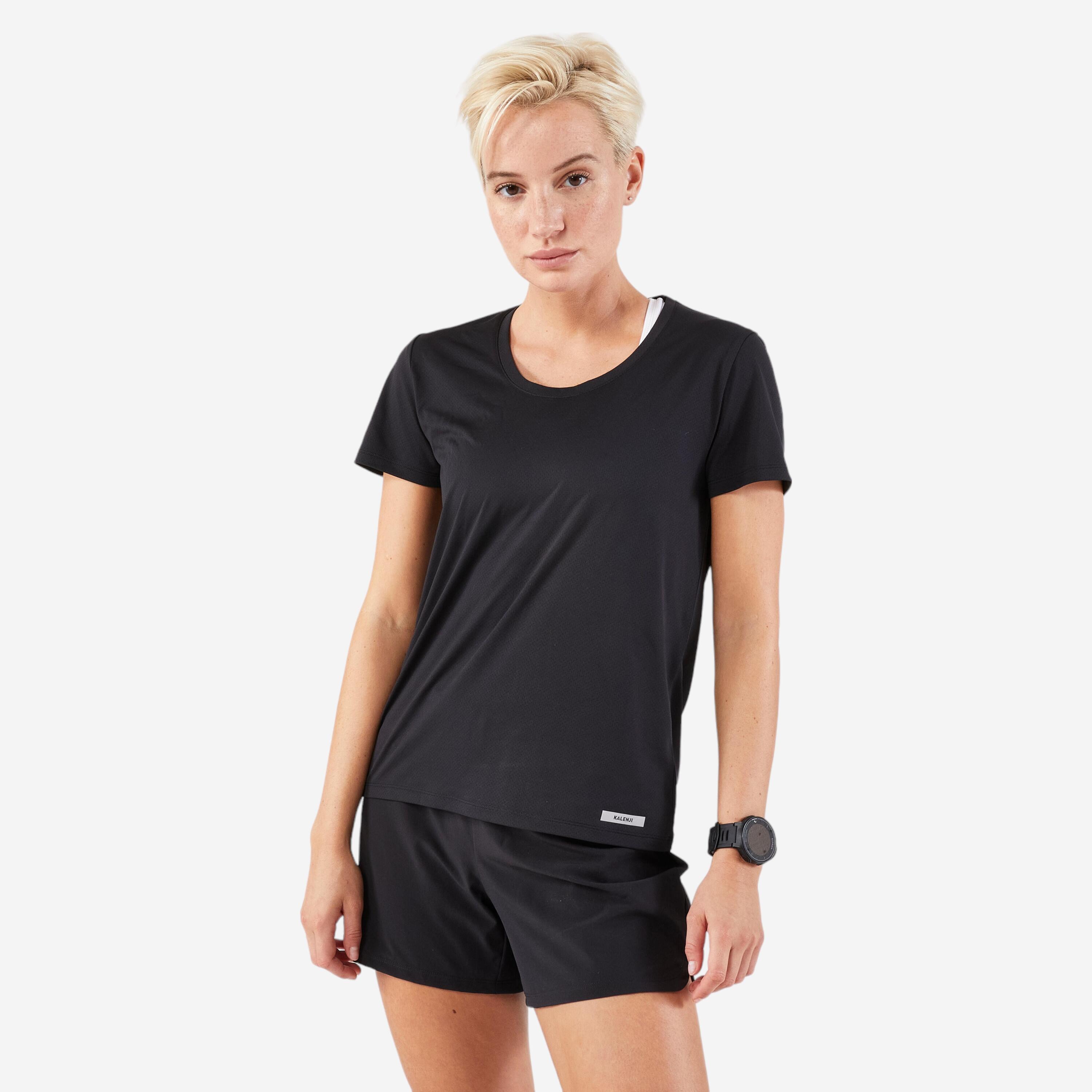
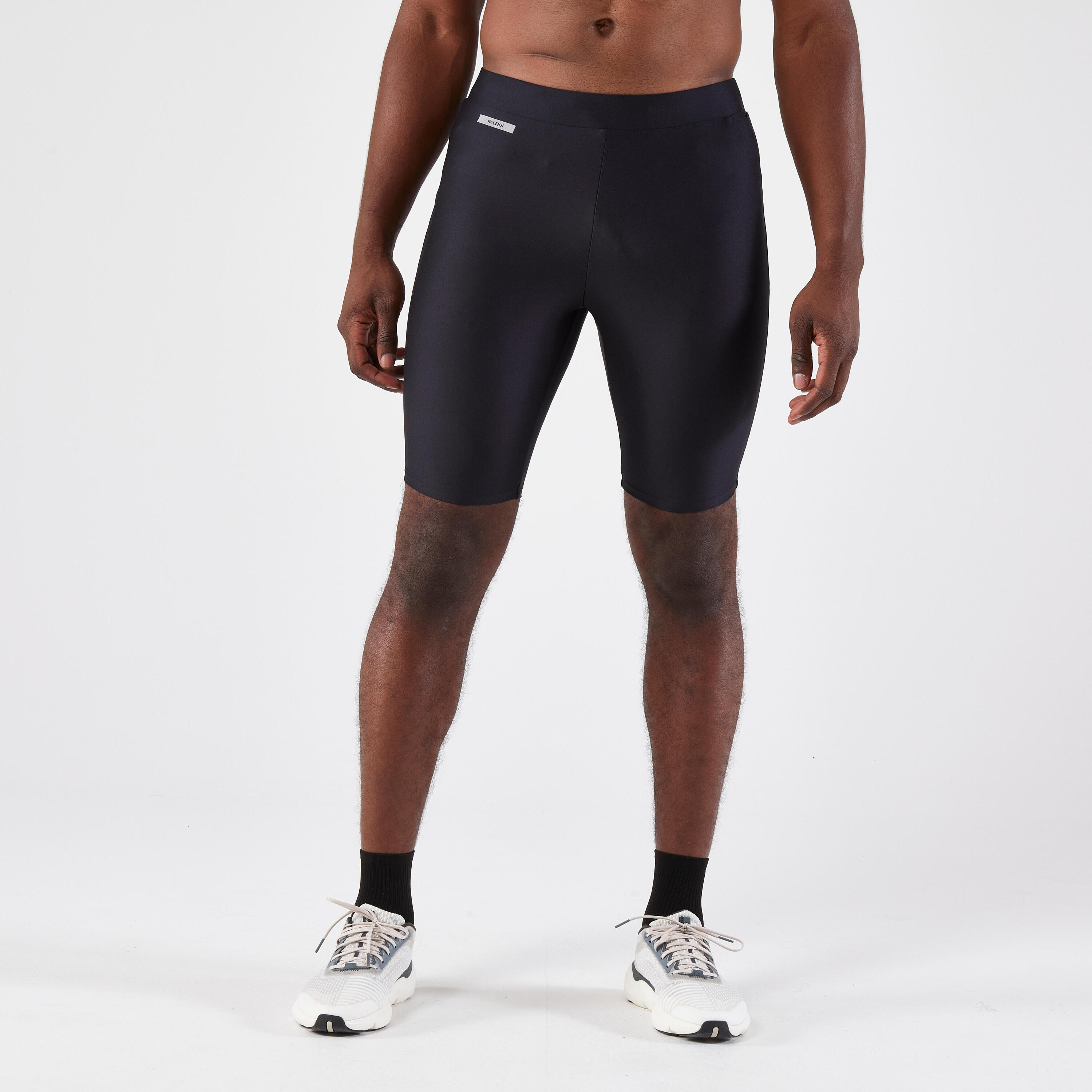
What gear will ideally help you prioritise when running a 10K?

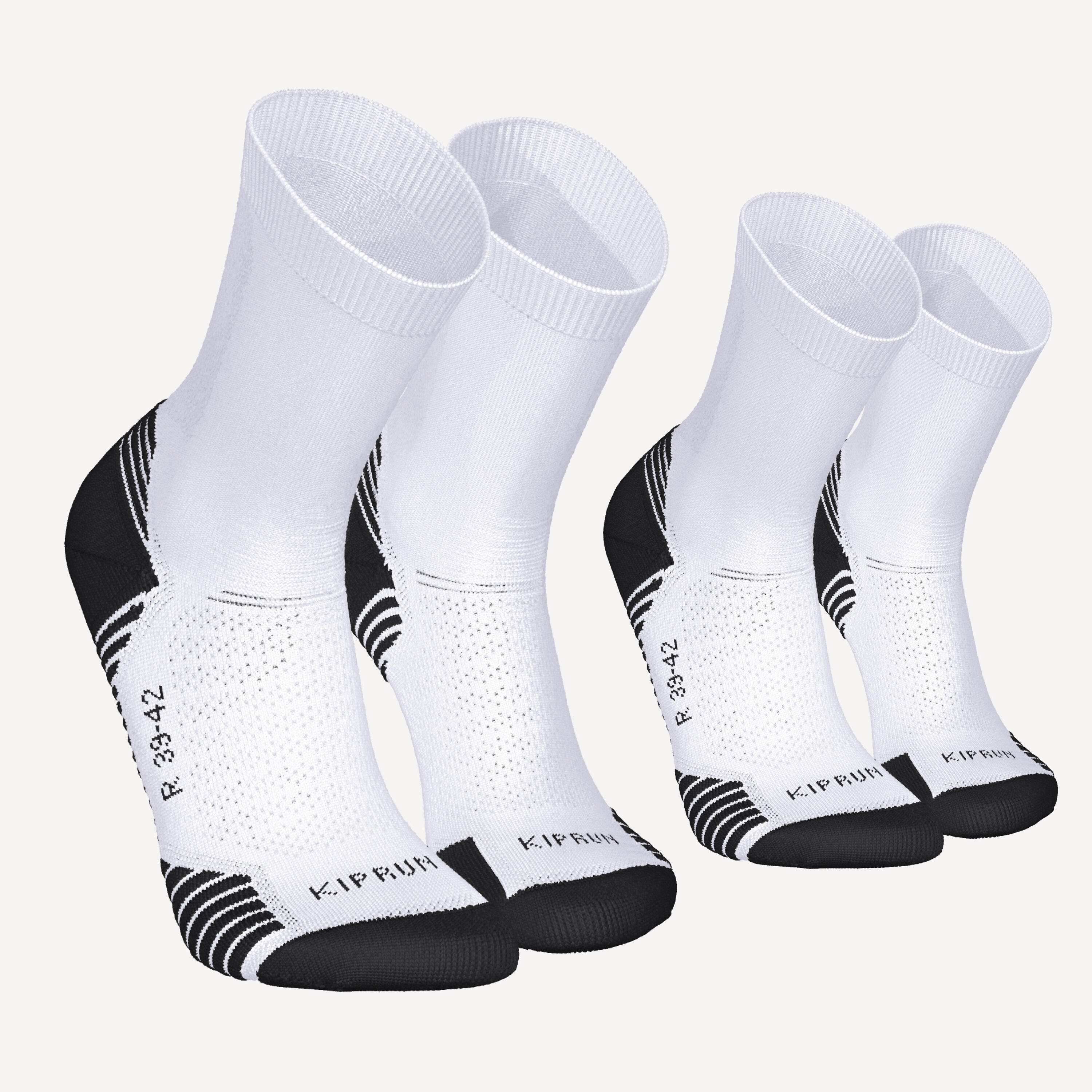
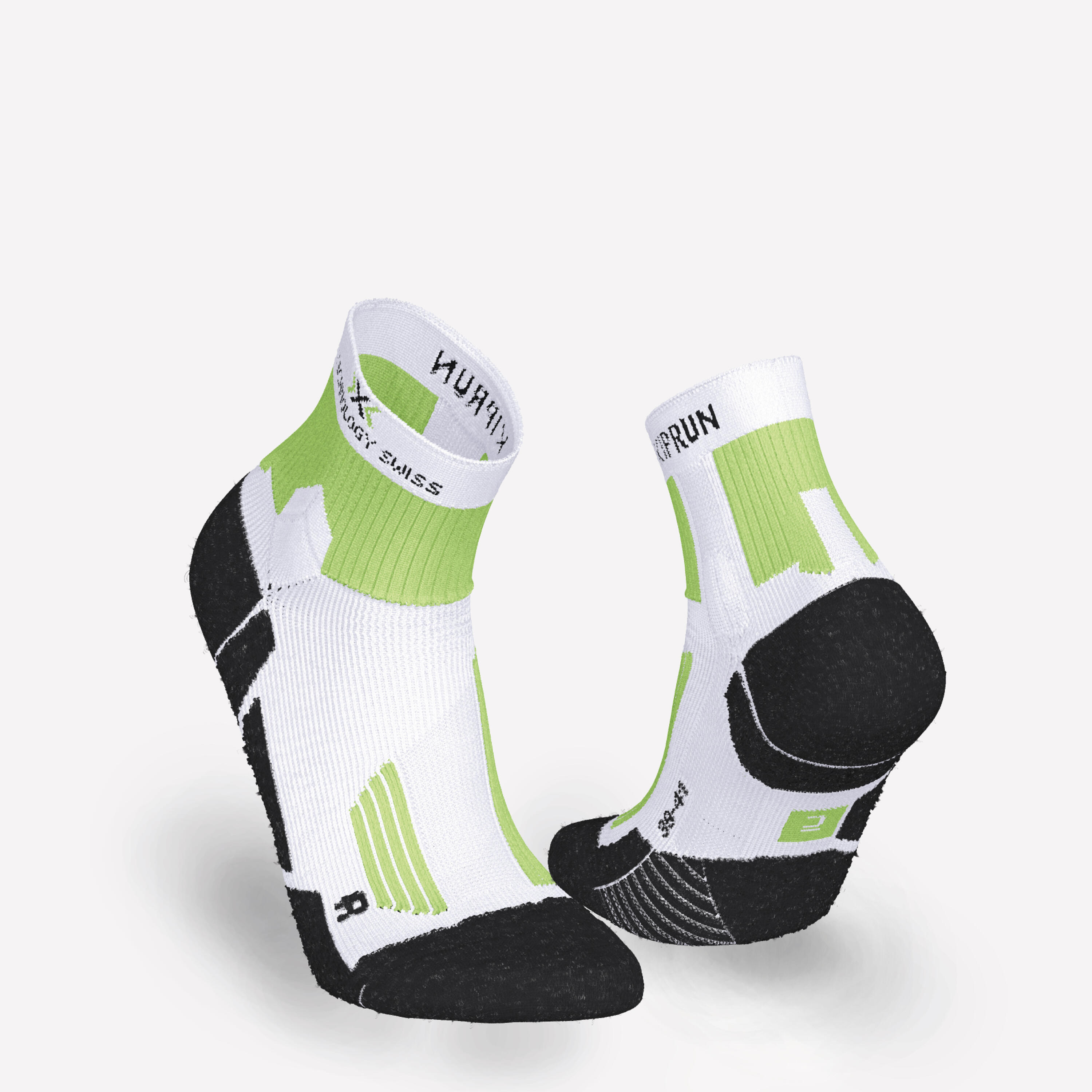
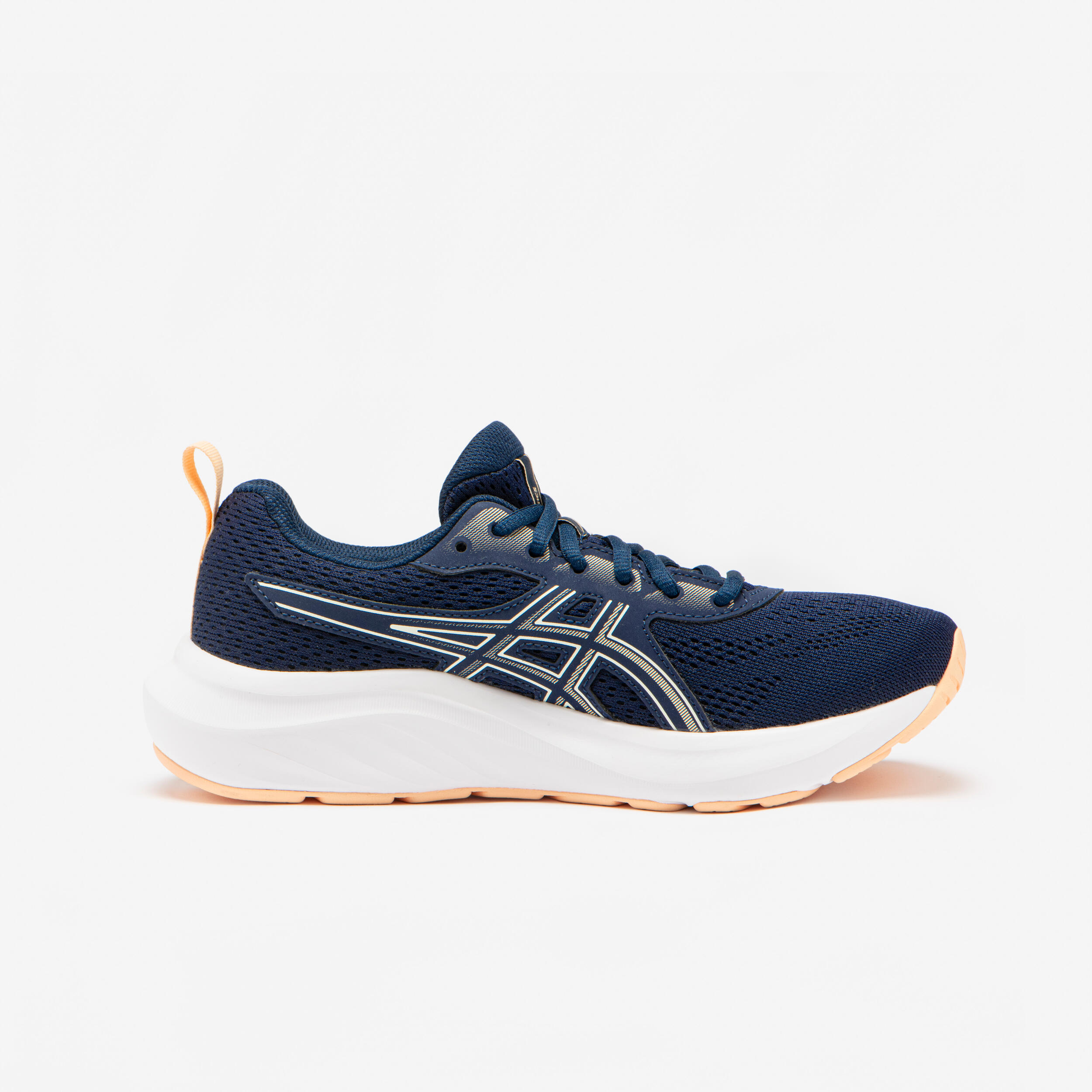
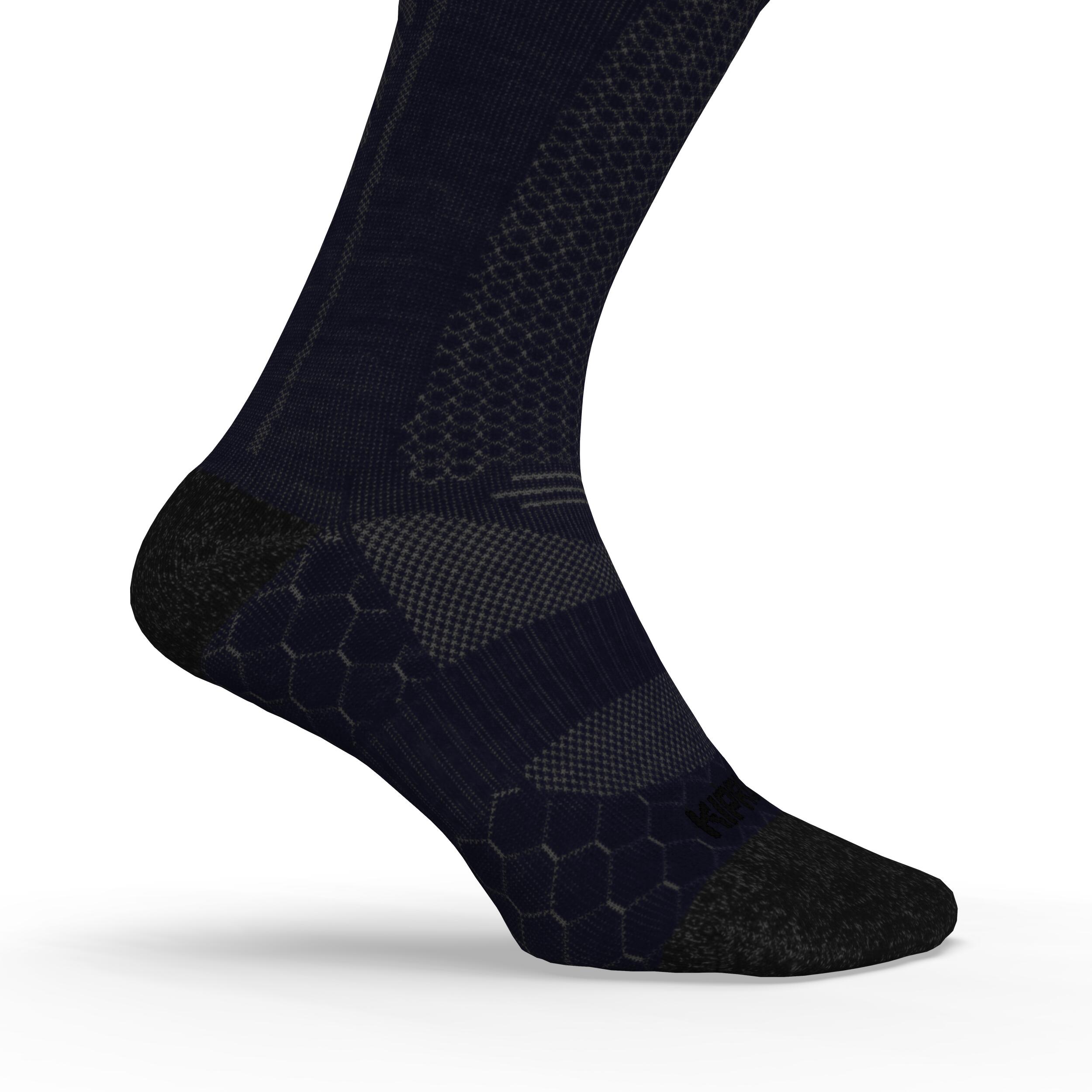
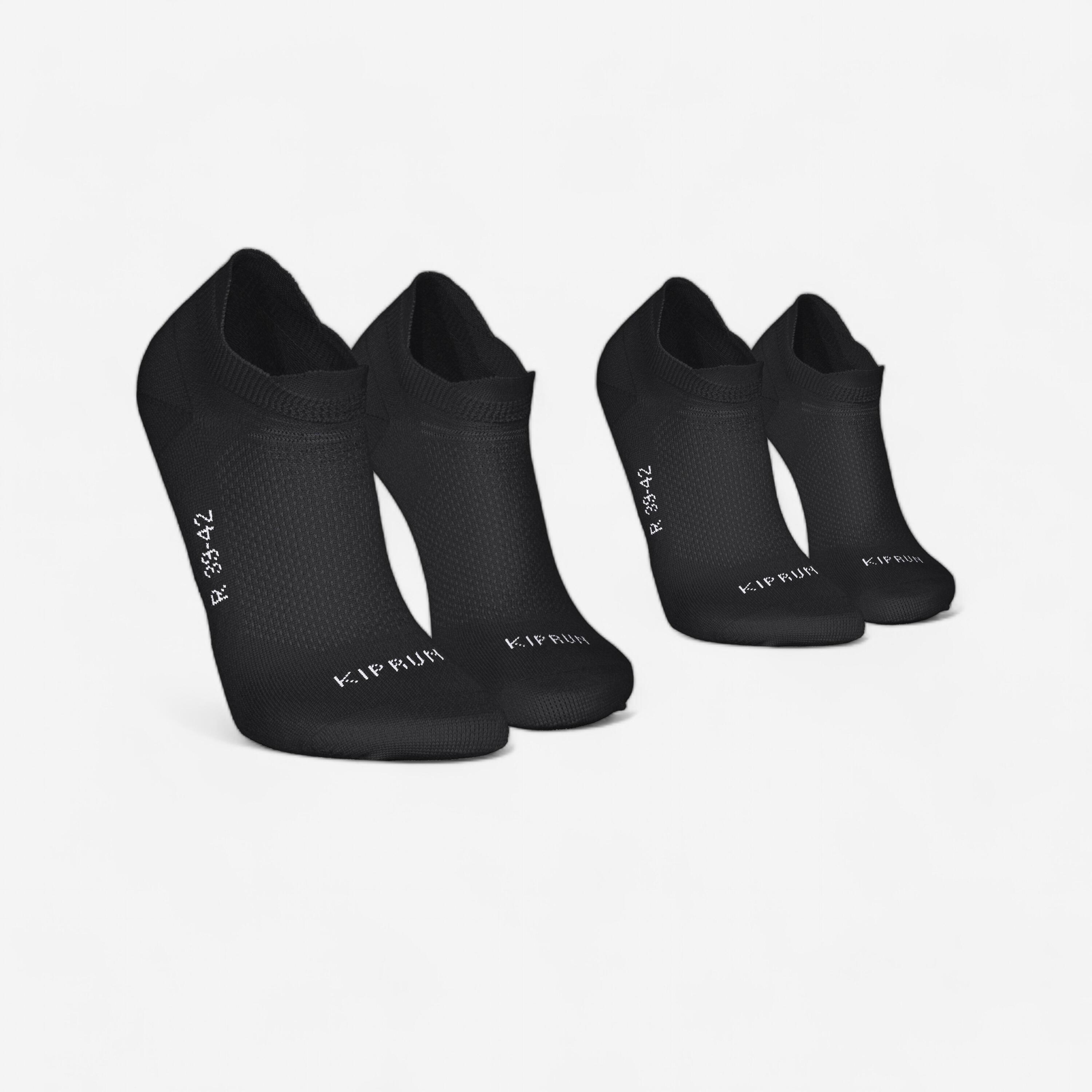
For running a 10K, keep the setup efficient and avoid carrying more than you need. Comfortable running shoes, moisture-managing clothing and socks that reduce rubbing should form the base. Depending on conditions and your expected finish time, you may also want light hydration or a way to carry a small amount of nutrition. KIPRUN footwear is tested in laboratory and real-running conditions, with some platforms validated across thousands of miles and races. Pro tip: use your final training sessions to confirm shoe fit and sock choice rather than changing them immediately before race day. Even a relatively short race creates thousands of repeated foot strikes, so small rubbing points can become uncomfortable surprisingly quickly.

What becomes more important when running a half marathon?

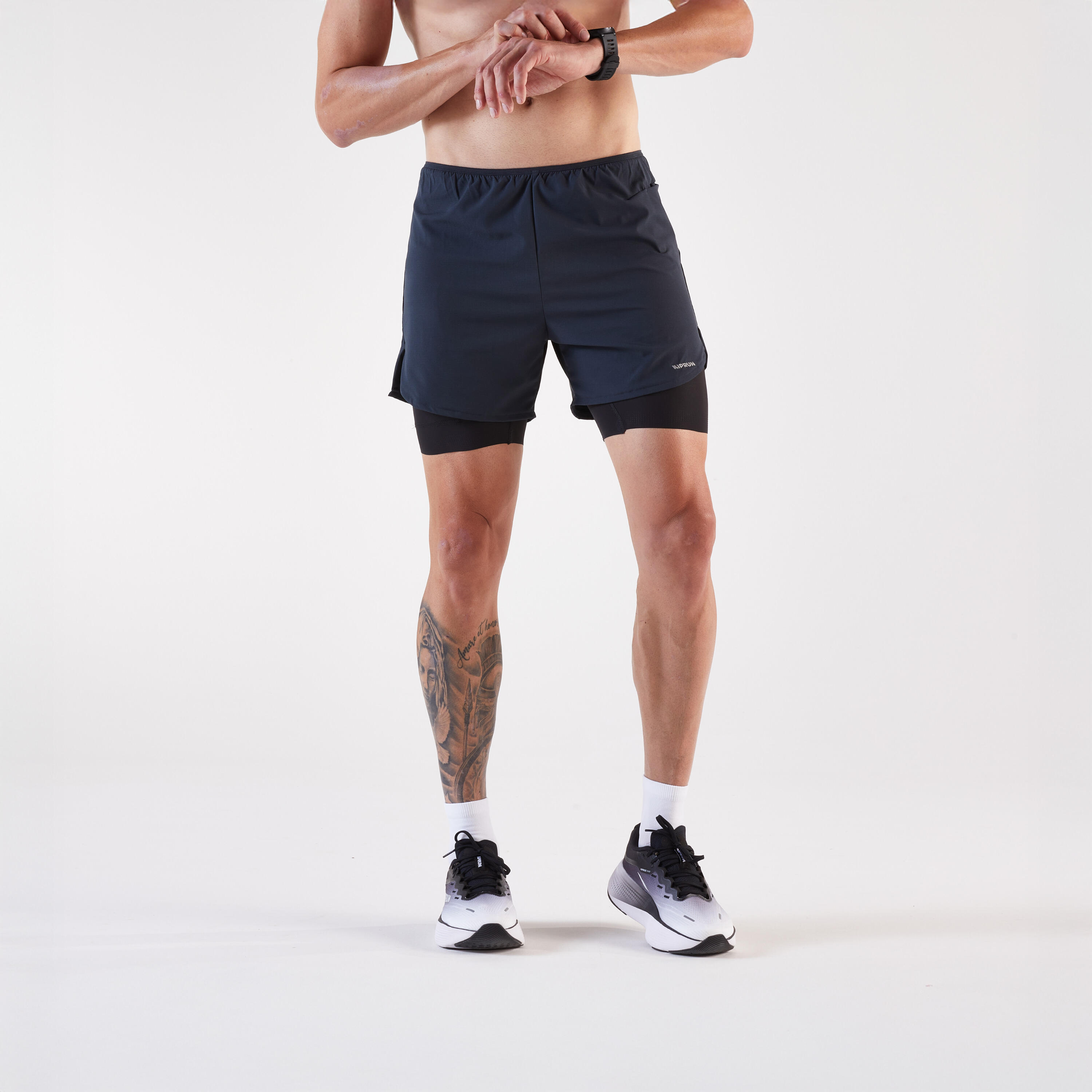
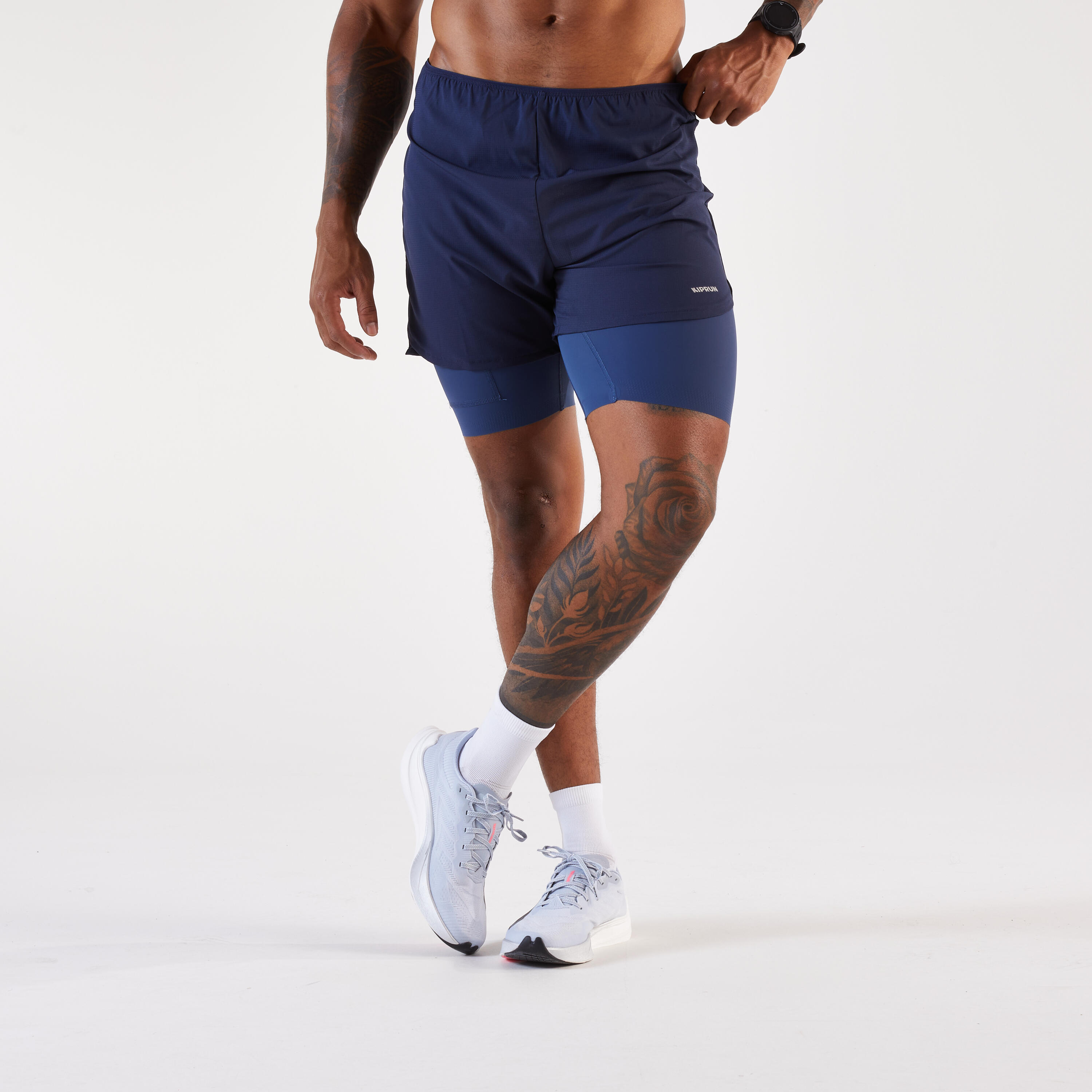
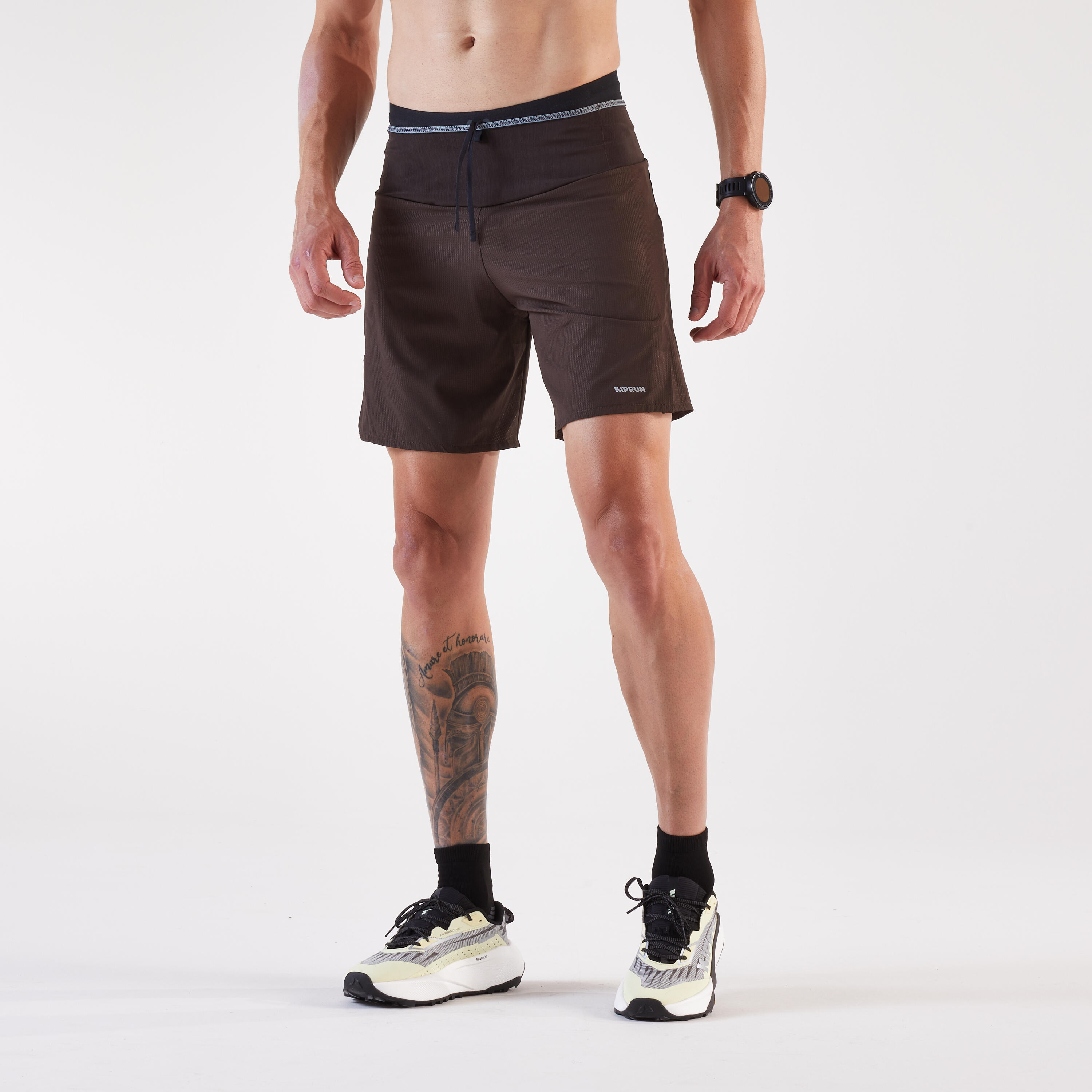
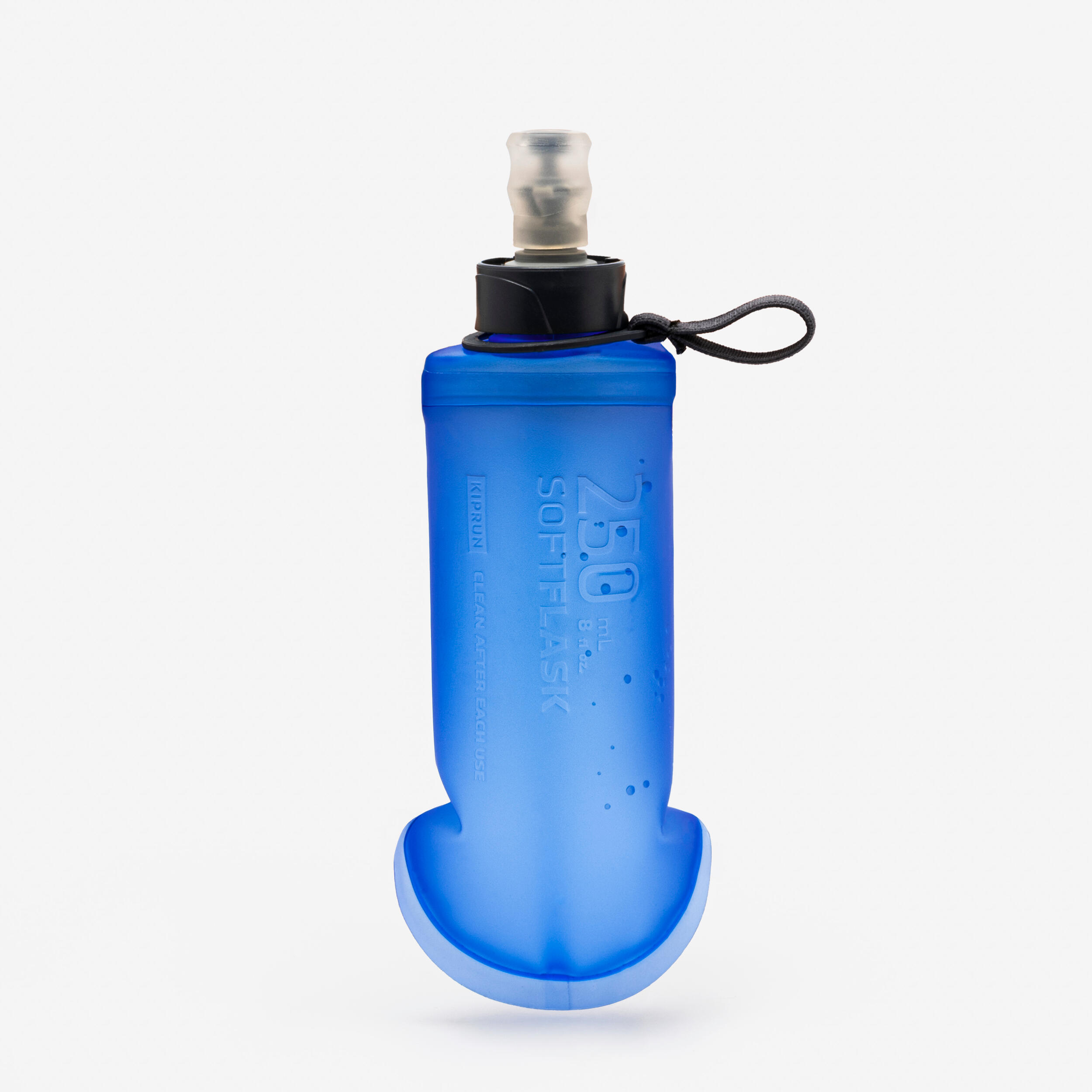
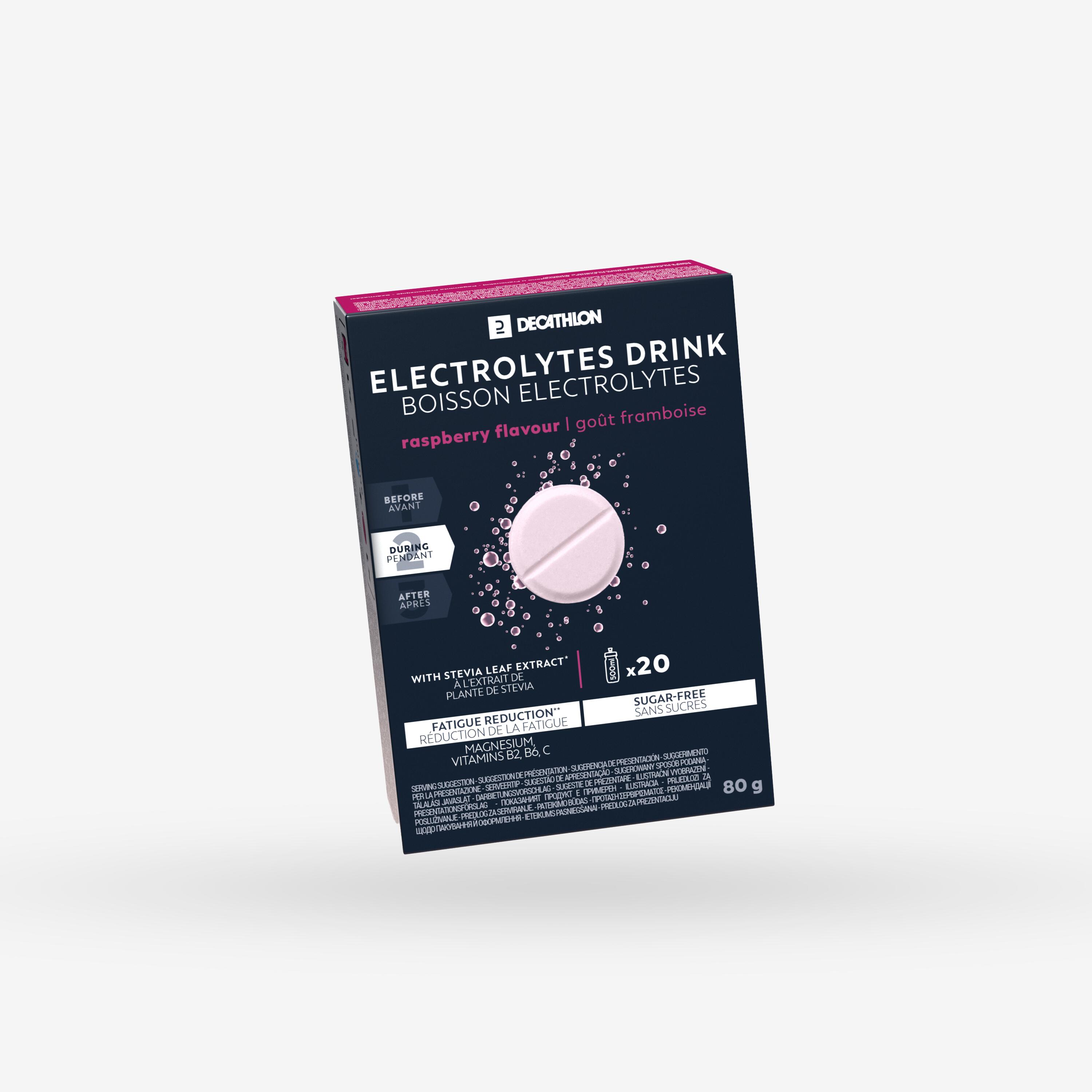
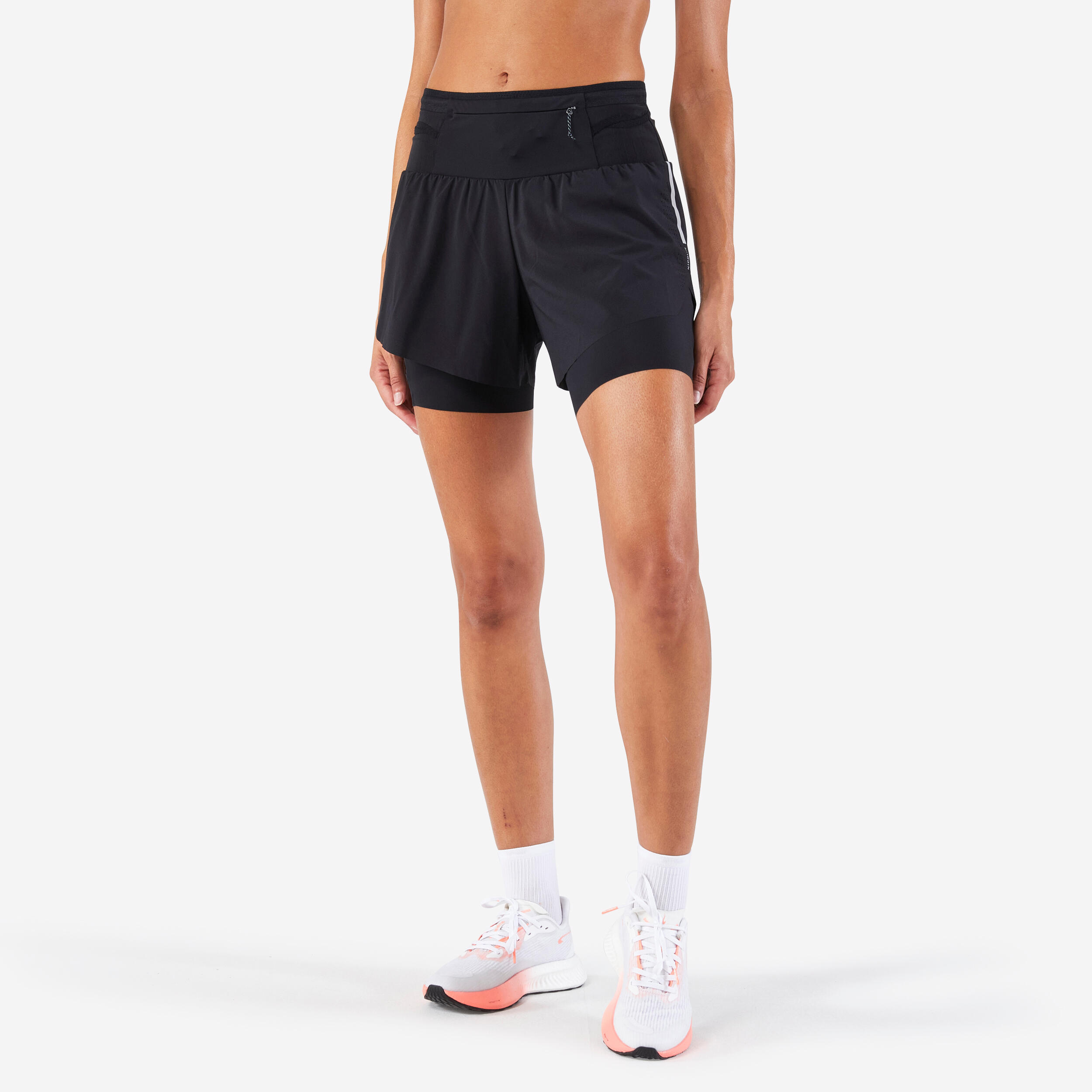
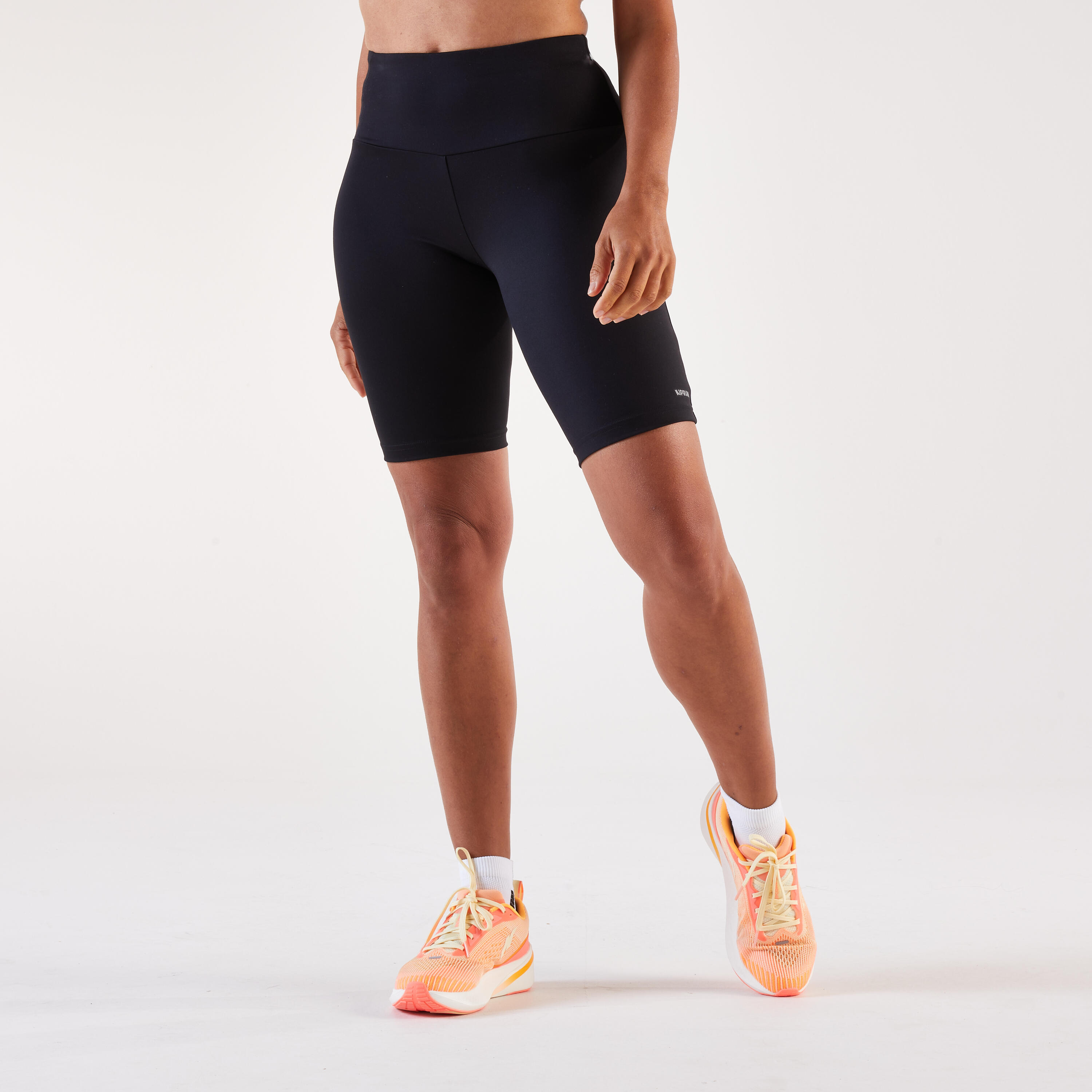
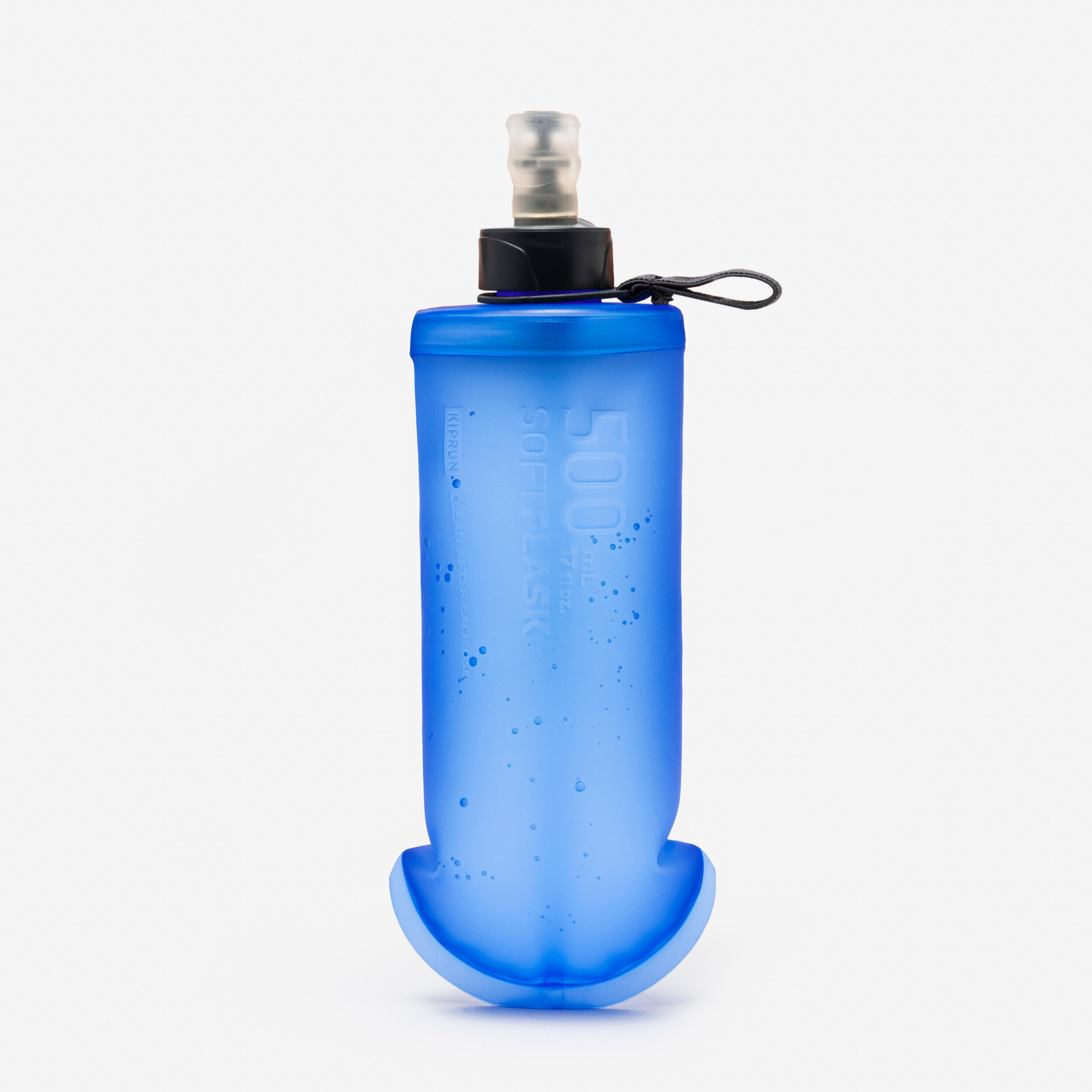
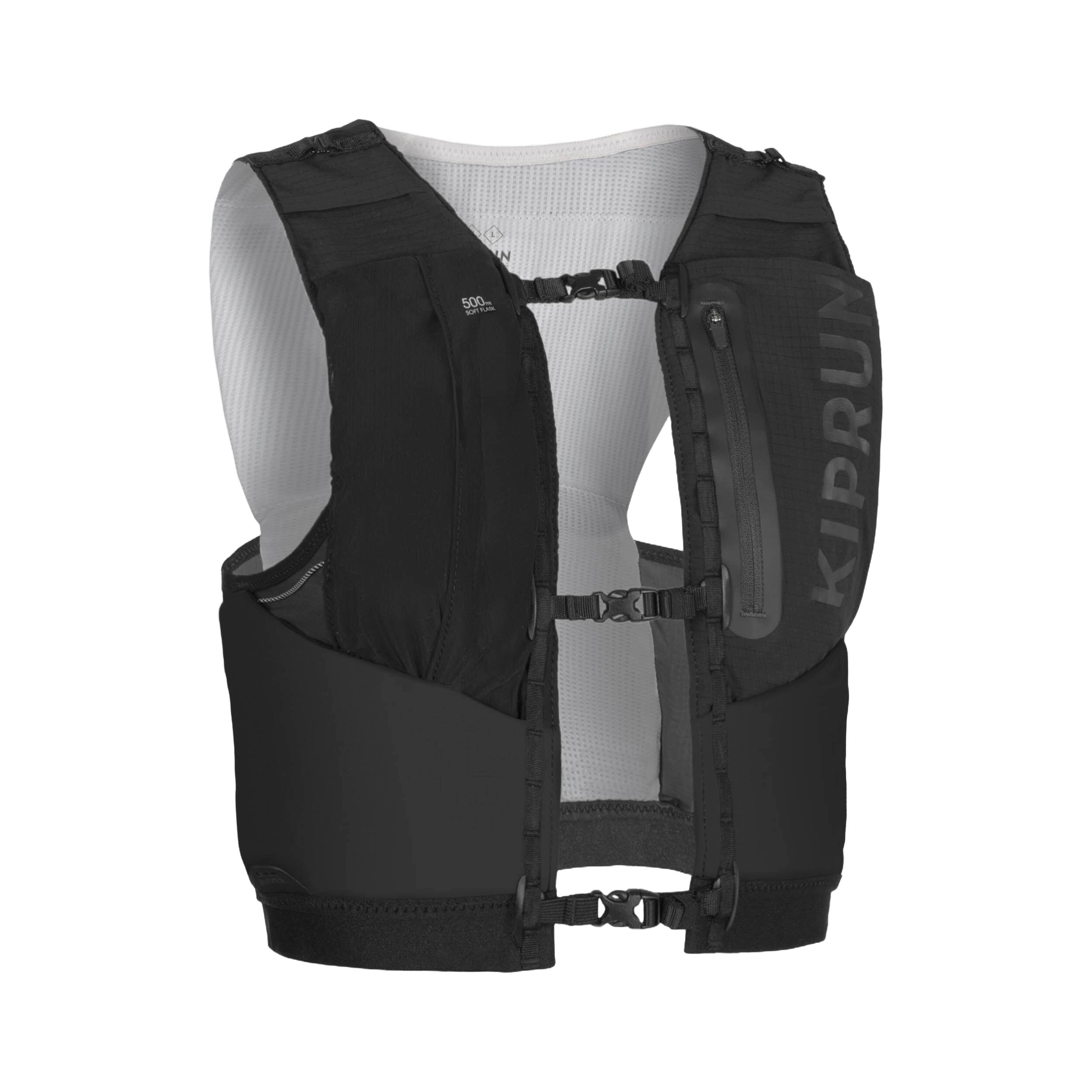
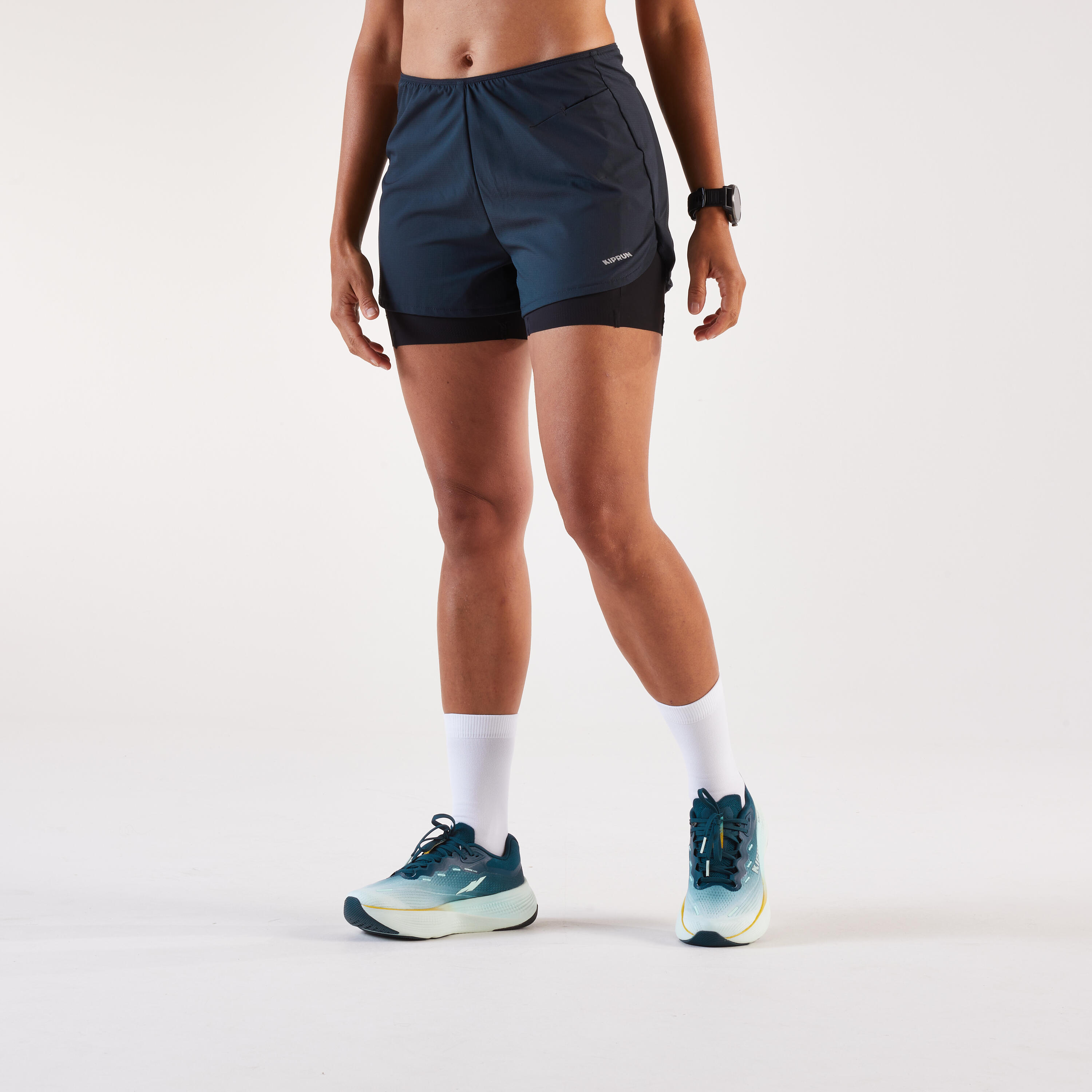
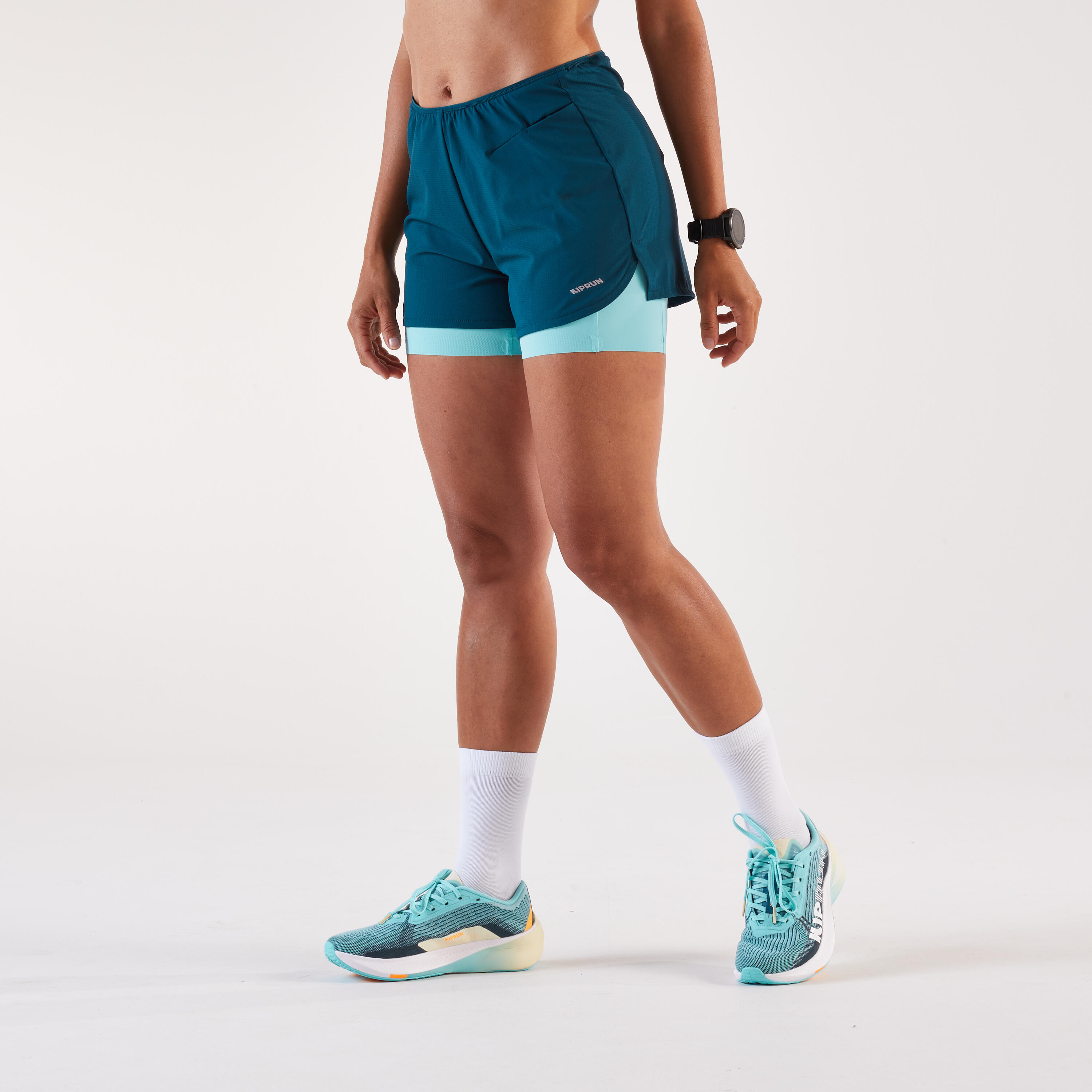
As time on your feet increases, comfort and carrying capacity start to matter more. When running a half marathon, consider shoes with cushioning suited to sustained road running, clothing that limits friction and storage for any hydration or fuel you plan to use. KIPRUN long-distance shorts can include fitted inner layers to reduce thigh rubbing and secure pockets for phones, keys, gels or soft flasks. Pro tip: rehearse your fuelling and hydration routine on longer training runs rather than waiting until race day. Check how easily you can reach pockets while running and make sure carried items do not bounce, shift the waistband or create pressure points as the distance builds.

How should you prepare your gear for running a marathon?

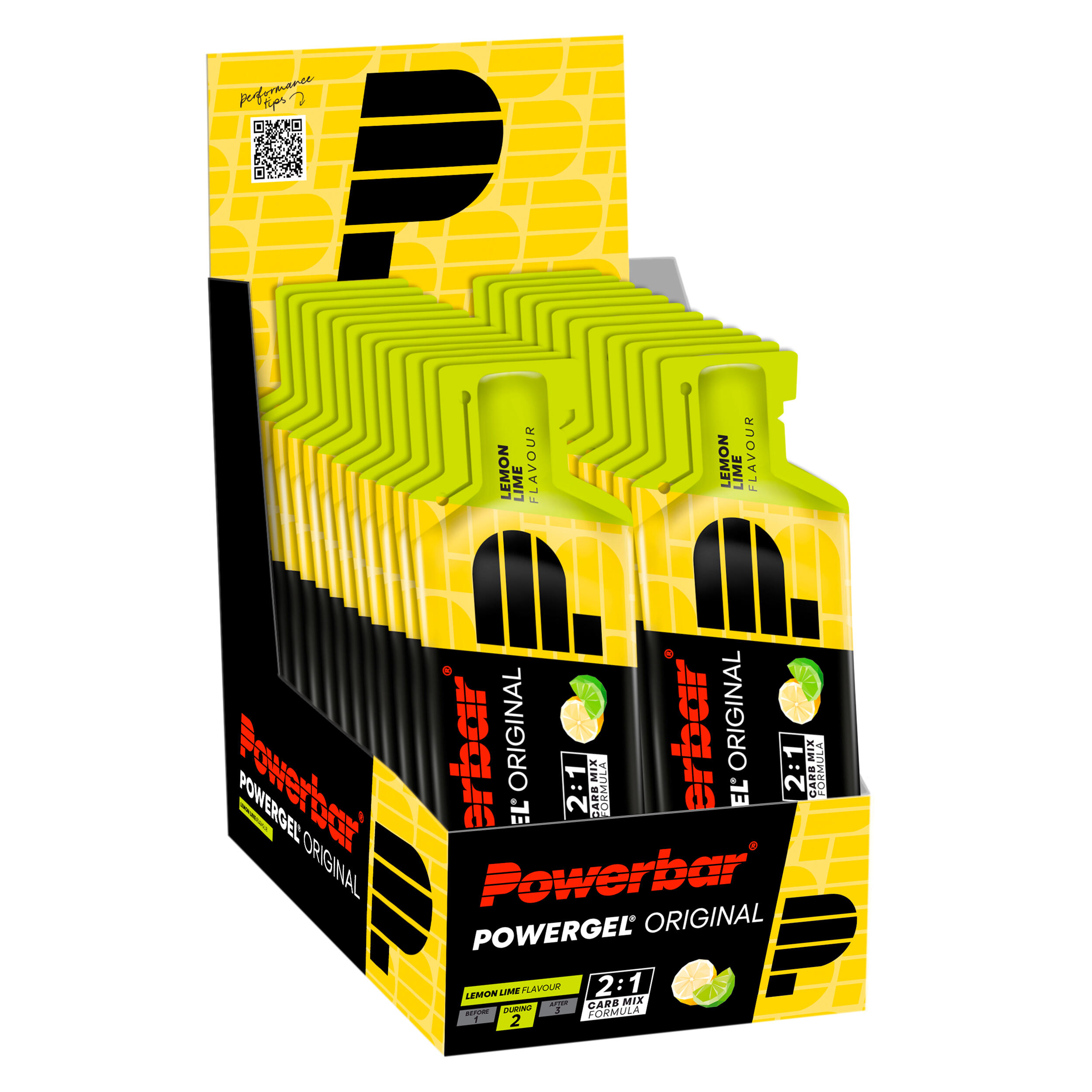
For marathon distance, small comfort issues can become significant because they are repeated for several hours. Shoes, socks, shorts and tops should all have been tested over long runs before you use them for running a marathon. Look closely at cushioning, toe room, heel hold and areas where seams or waistbands may rub. Carrying fuel also becomes a bigger part of the setup, and some KIPRUN garments integrate several storage zones for gels and soft flasks. Pro tip: organise race nutrition in the order you plan to use it. Keeping gels or hydration accessible can reduce unnecessary stopping and prevents you from repeatedly searching through pockets when fatigue makes simple tasks more difficult.

What running gear does a beginner need before choosing a race distance?

Begin with reliable basics and learn what feels comfortable before adding race-specific equipment. The getting started with running range can help you focus on suitable footwear, breathable clothing and simple accessories for regular training. As your weekly distance grows, pay attention to recurring rubbing, overheating, hydration needs and how your shoes feel later in longer sessions. You can then add storage, race belts or nutrition when the distance actually requires them. Pro tip: increase training distance gradually and change one element of your setup at a time. If you replace shoes, socks, shorts and nutrition together, it becomes much harder to identify what caused a comfort problem during the run.