95 items
4.7/5 based on 29189 reviews collected online and in stores

Half Marathon Nutrition FAQs

Why does nutrition matter for a half marathon?

A half marathon takes most runners between roughly 90 minutes and two and a half hours, which is long enough to run your carbohydrate stores low. Topping up with a little fuel keeps your energy and focus steady so you hold your pace instead of fading late on. Good fuelling starts with your meals in the days before too. To plan the whole build-up, the half marathon running hub has training and pacing advice.
What should you take during a half marathon?

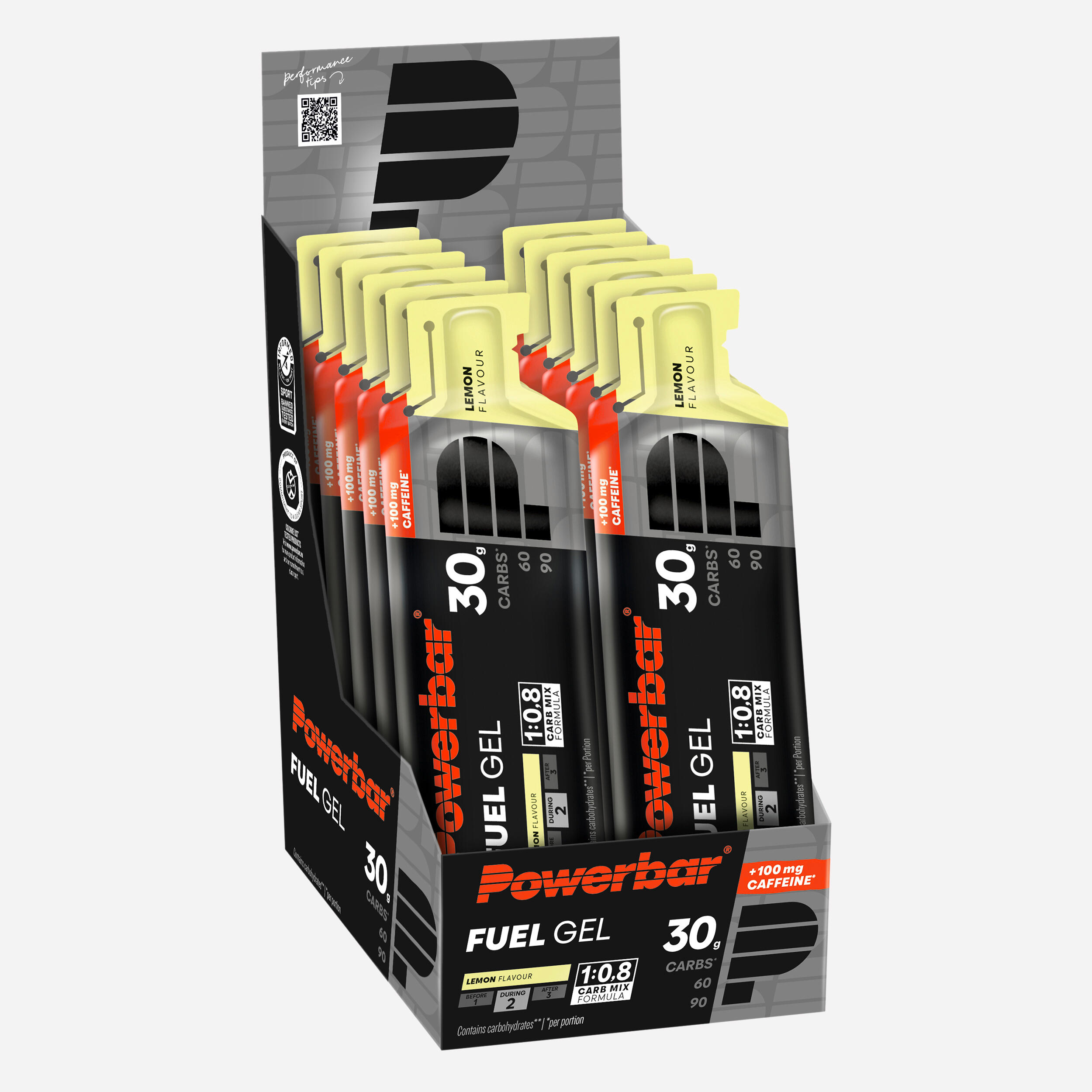
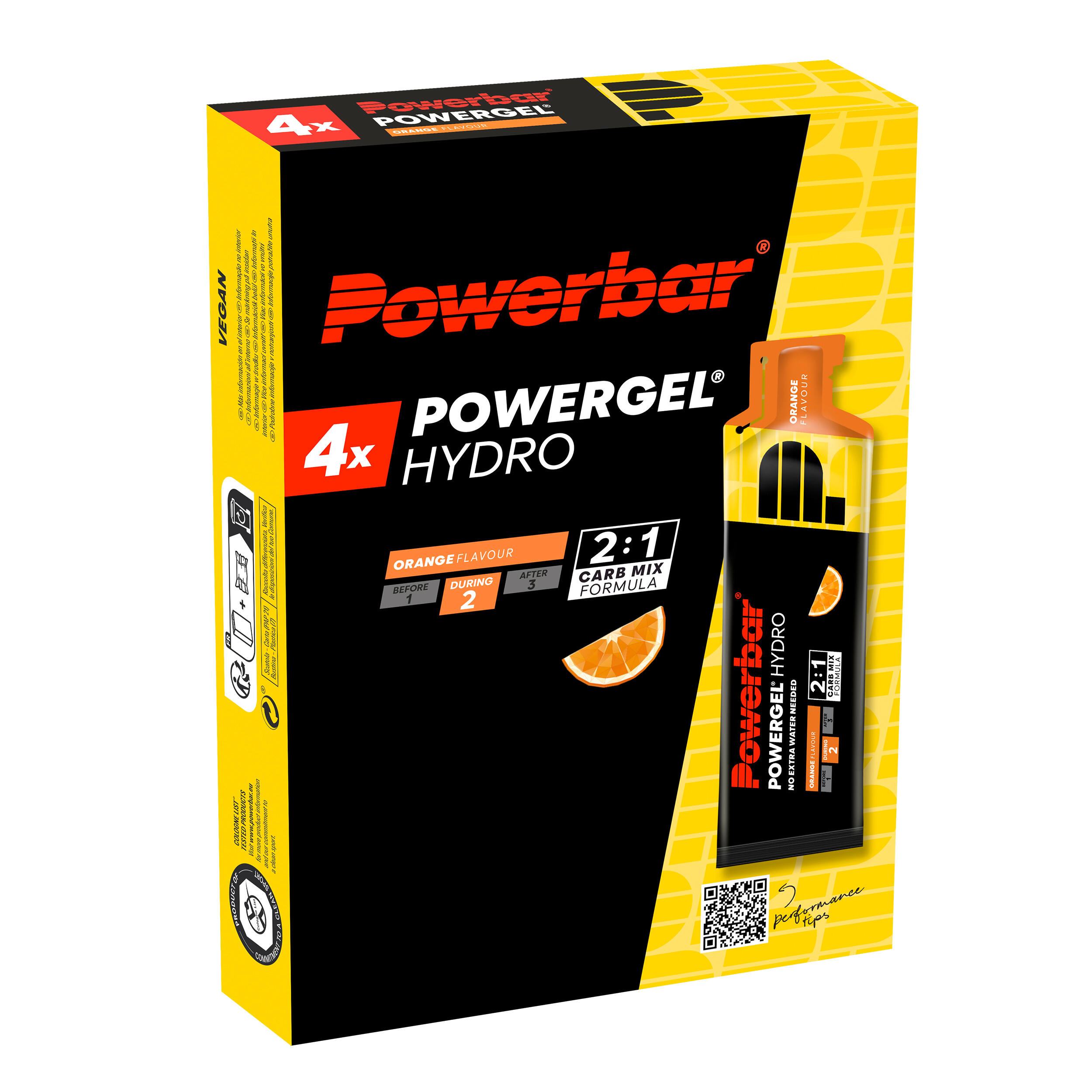
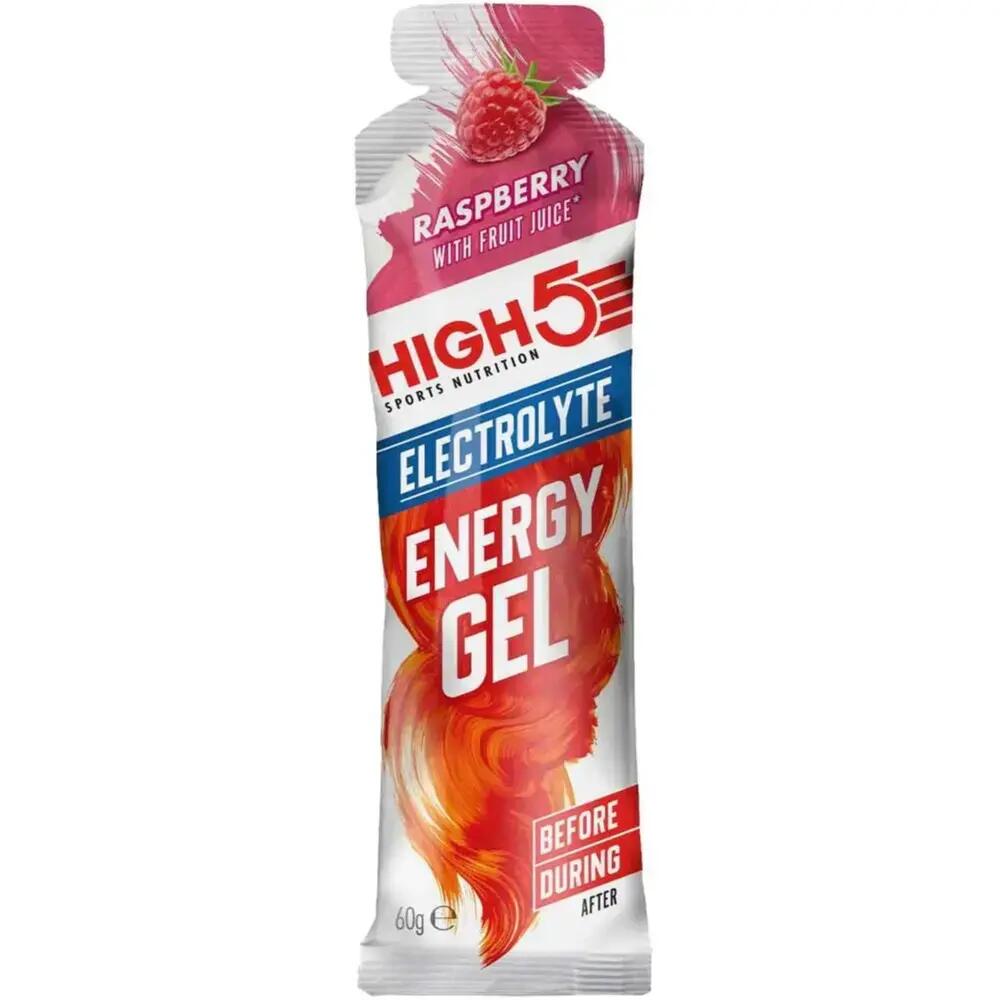
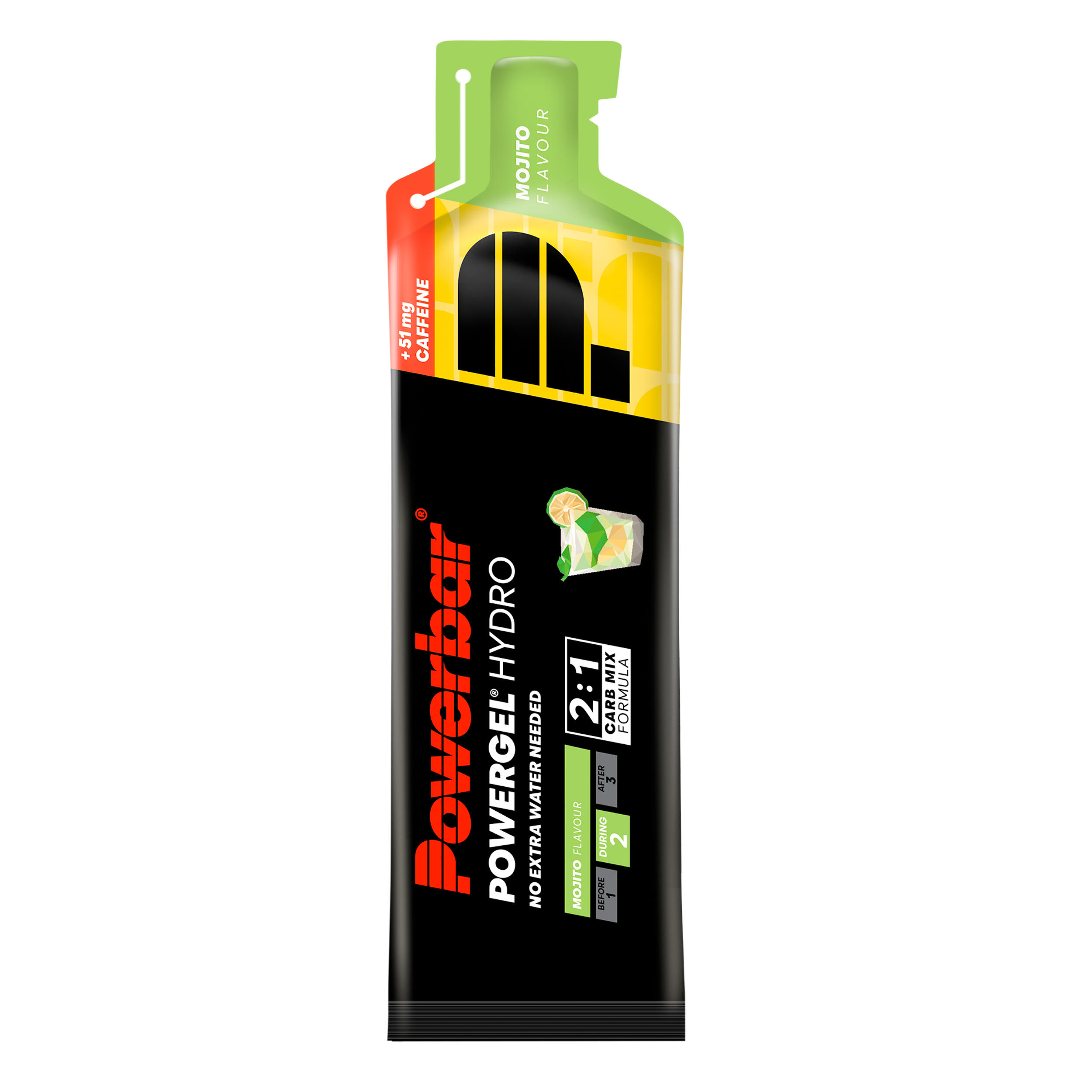
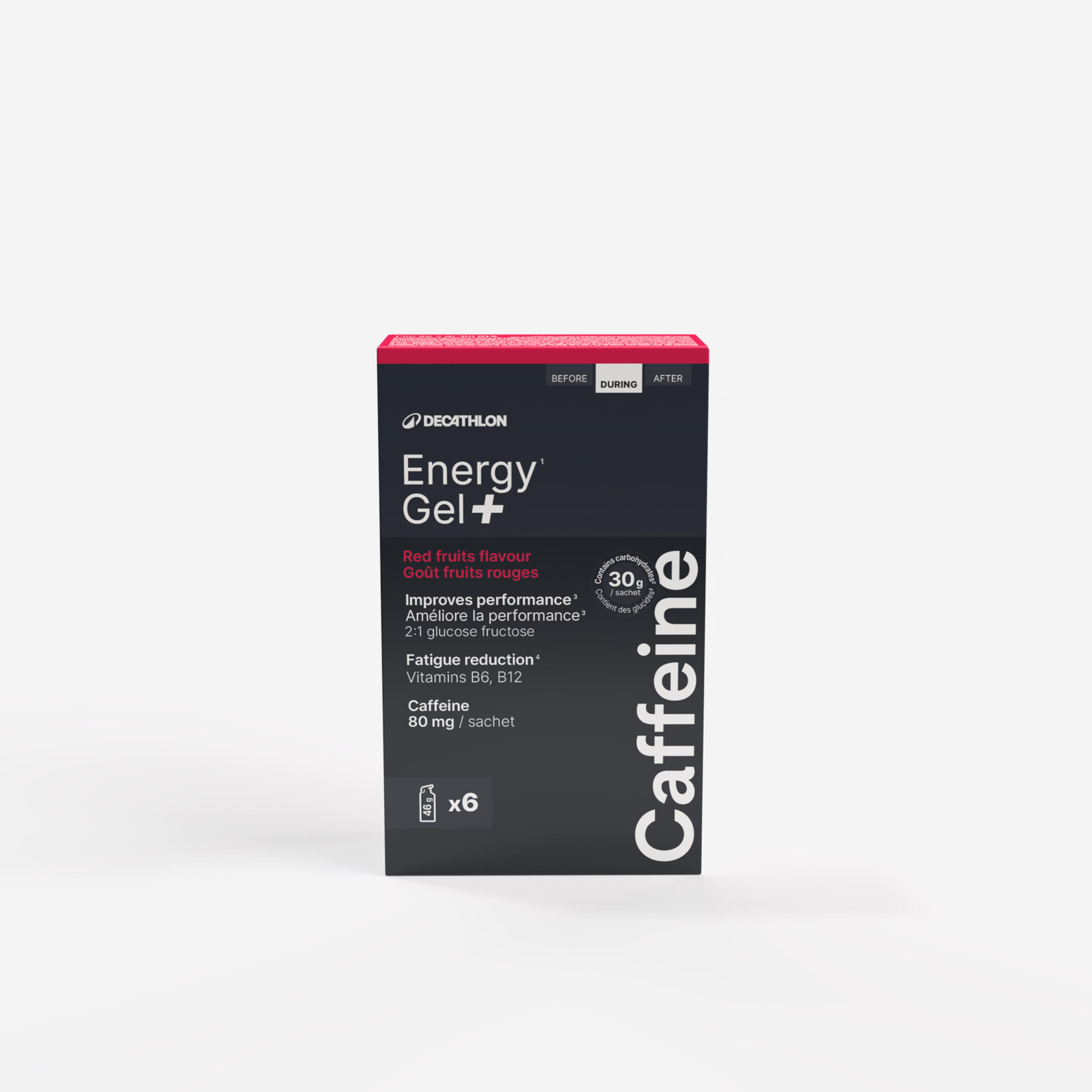
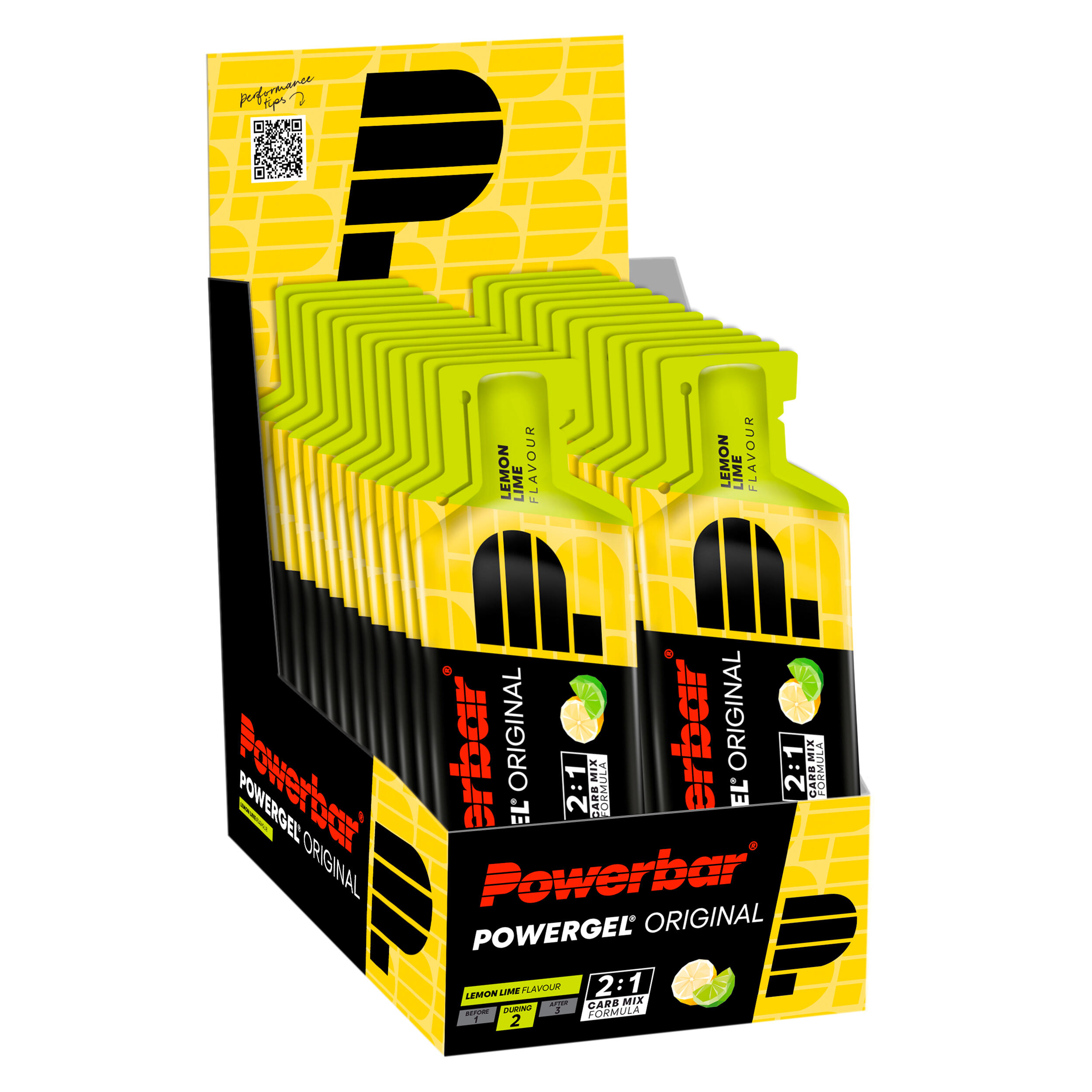
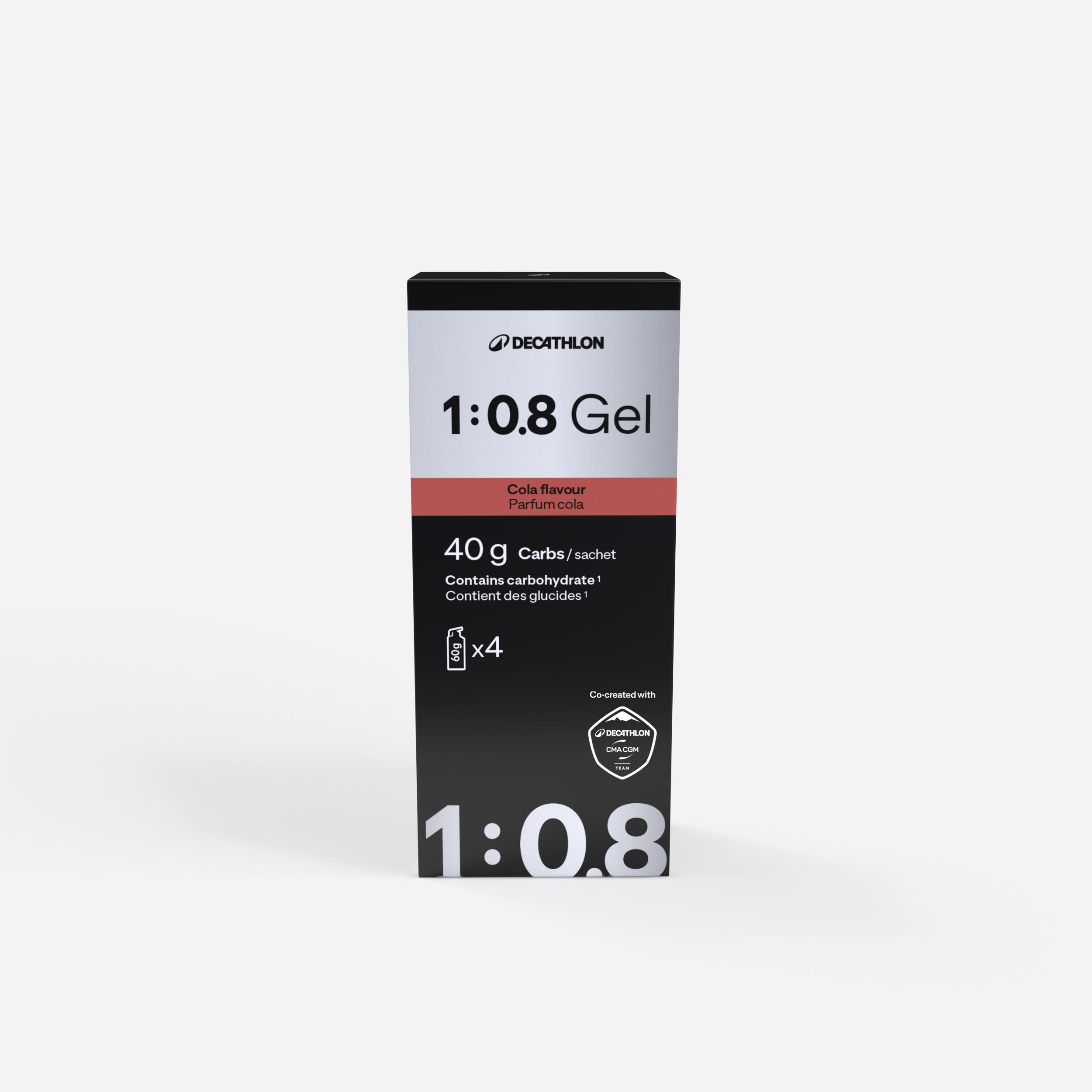
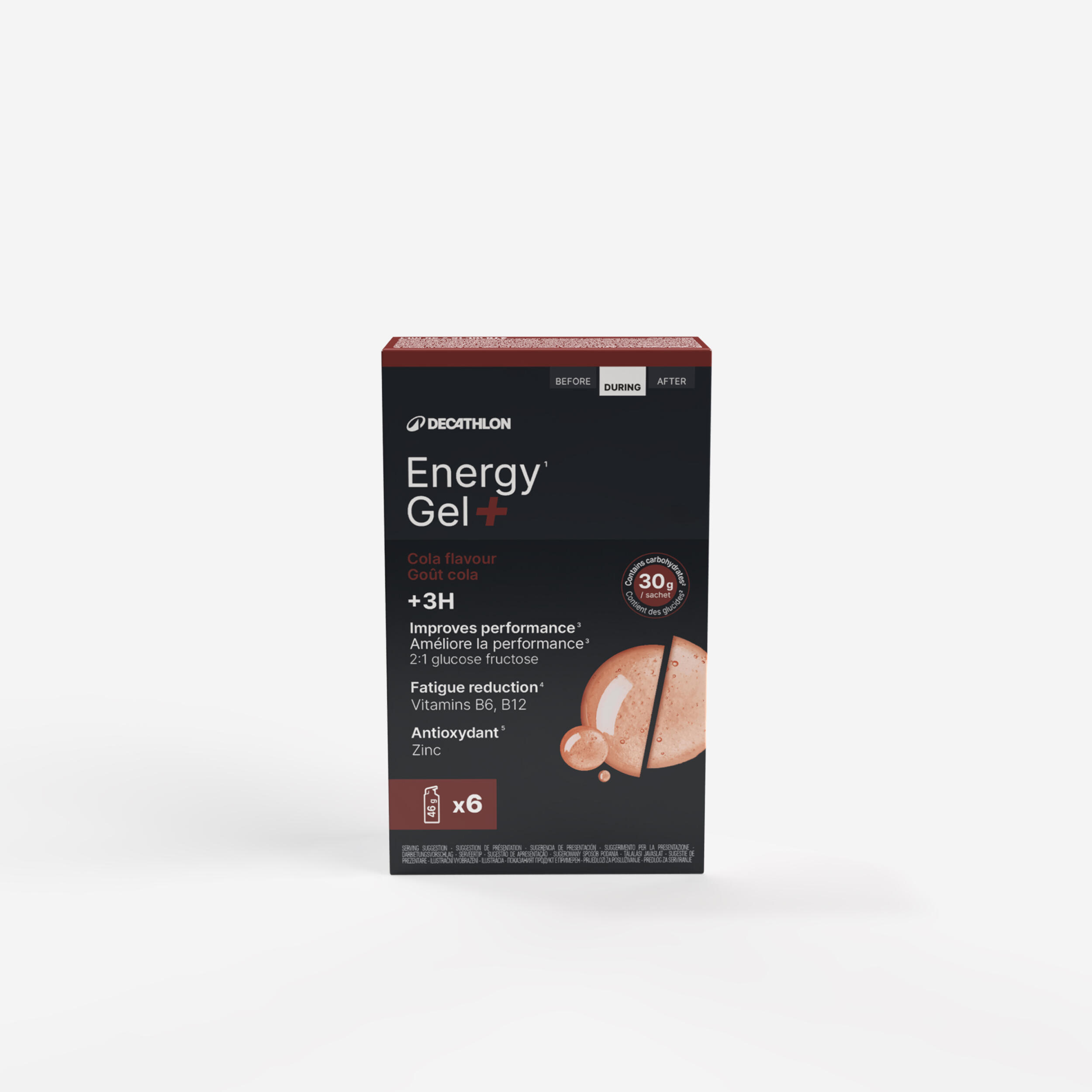
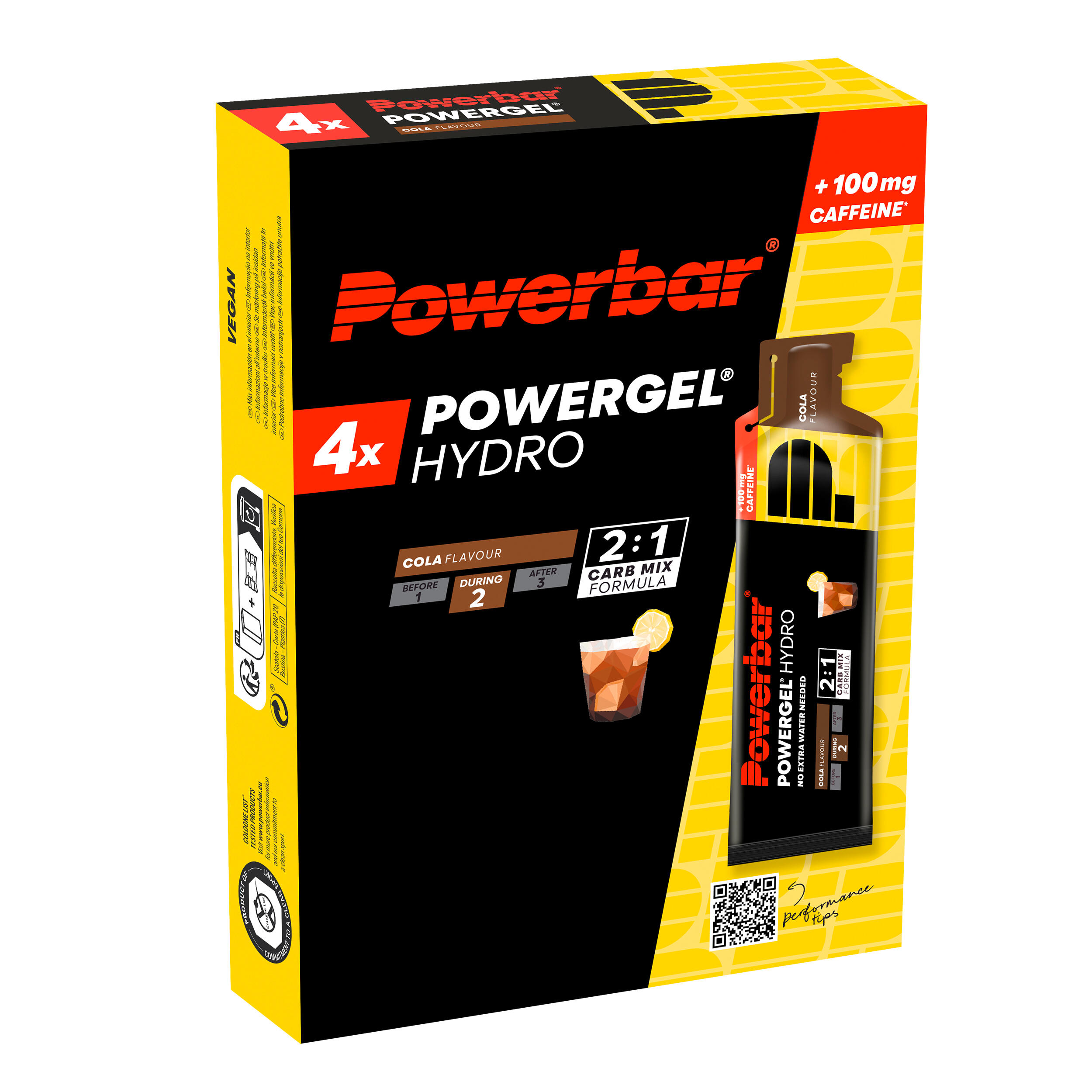
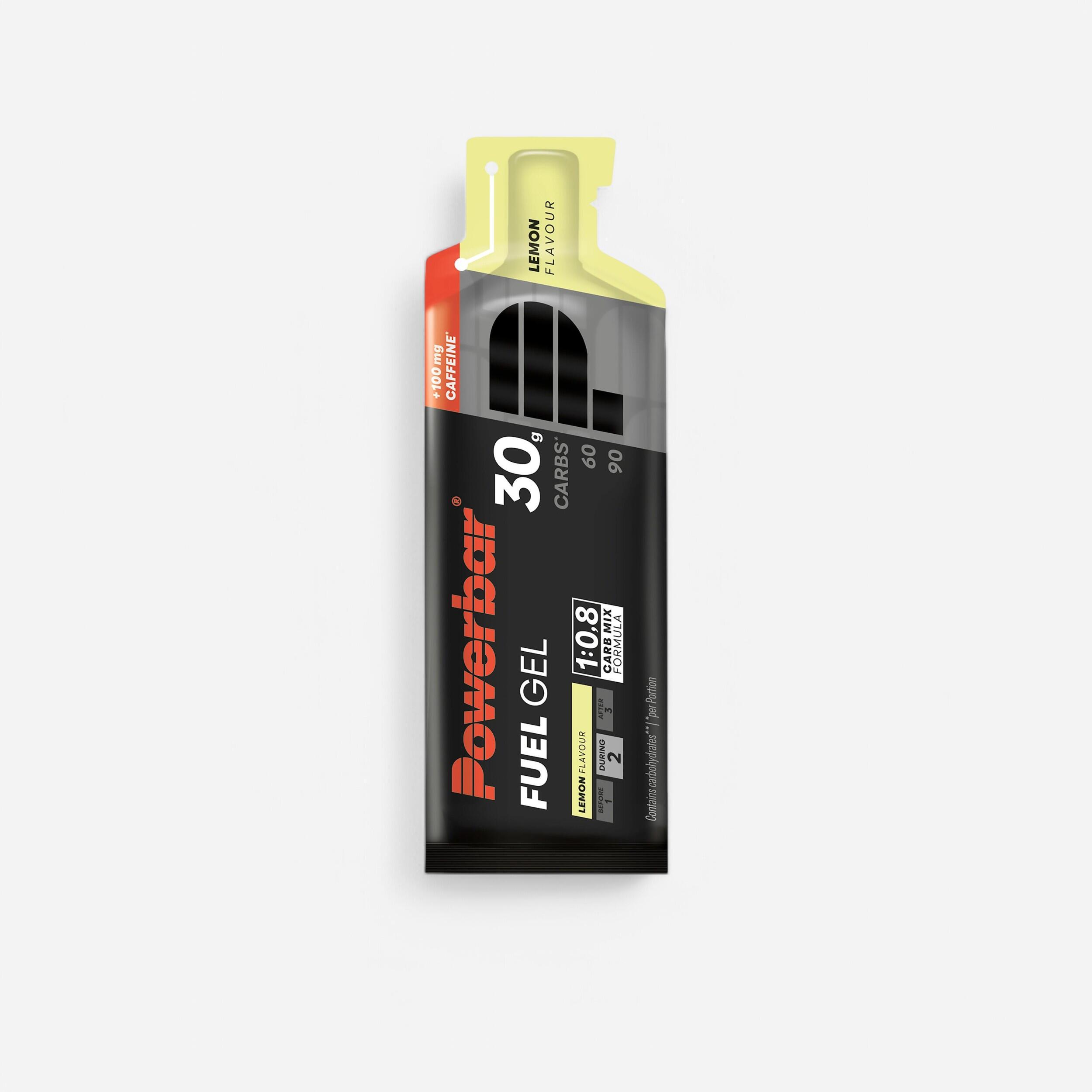
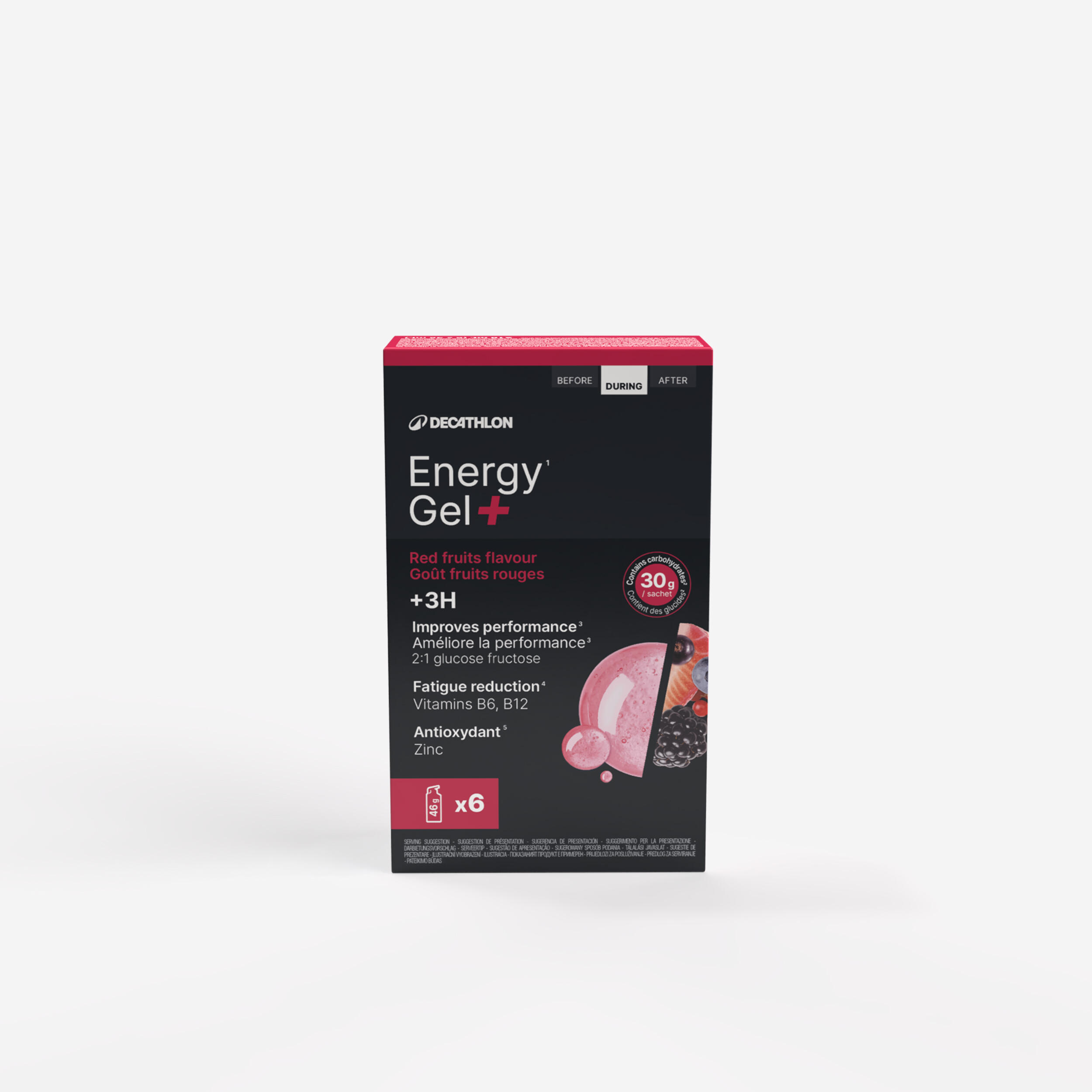
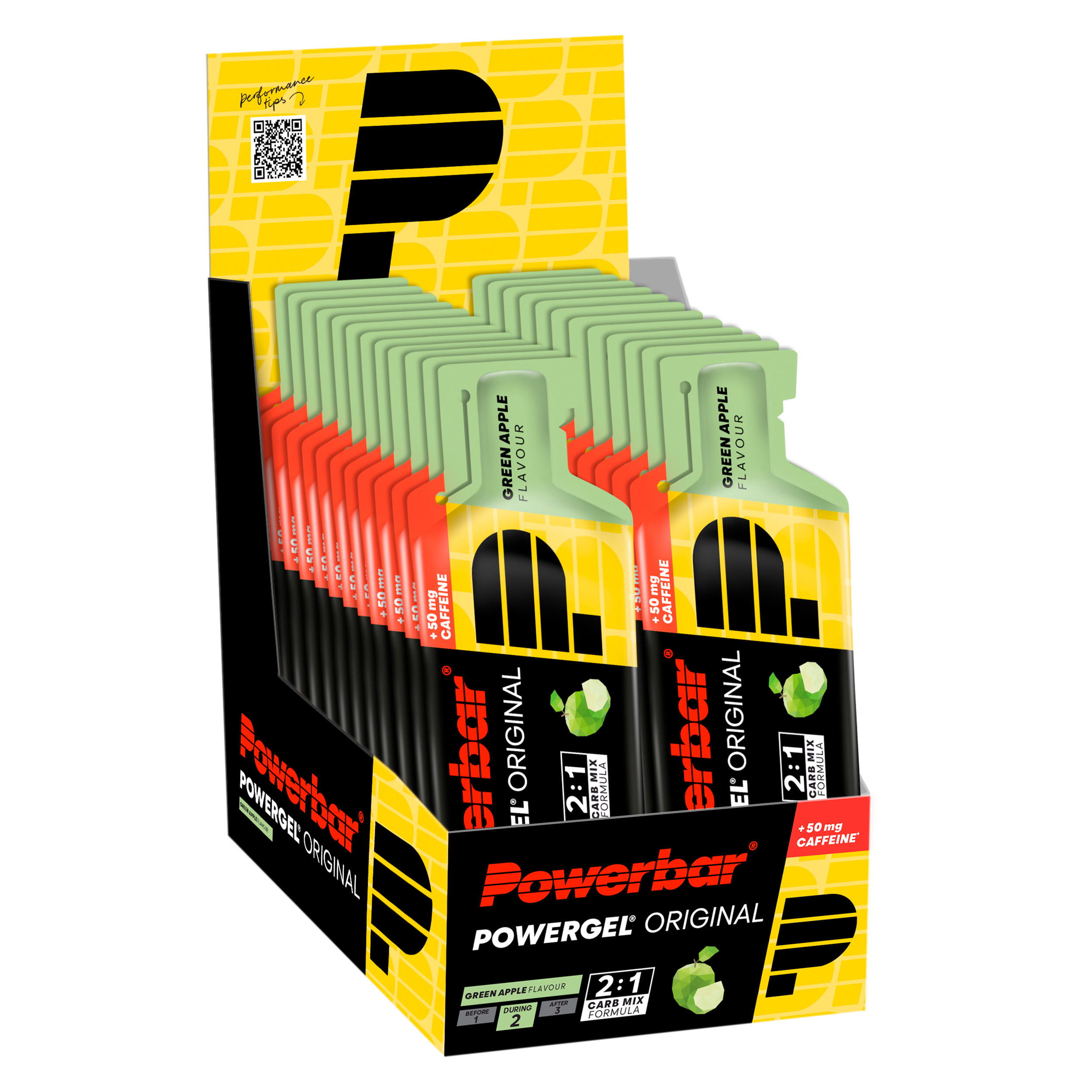
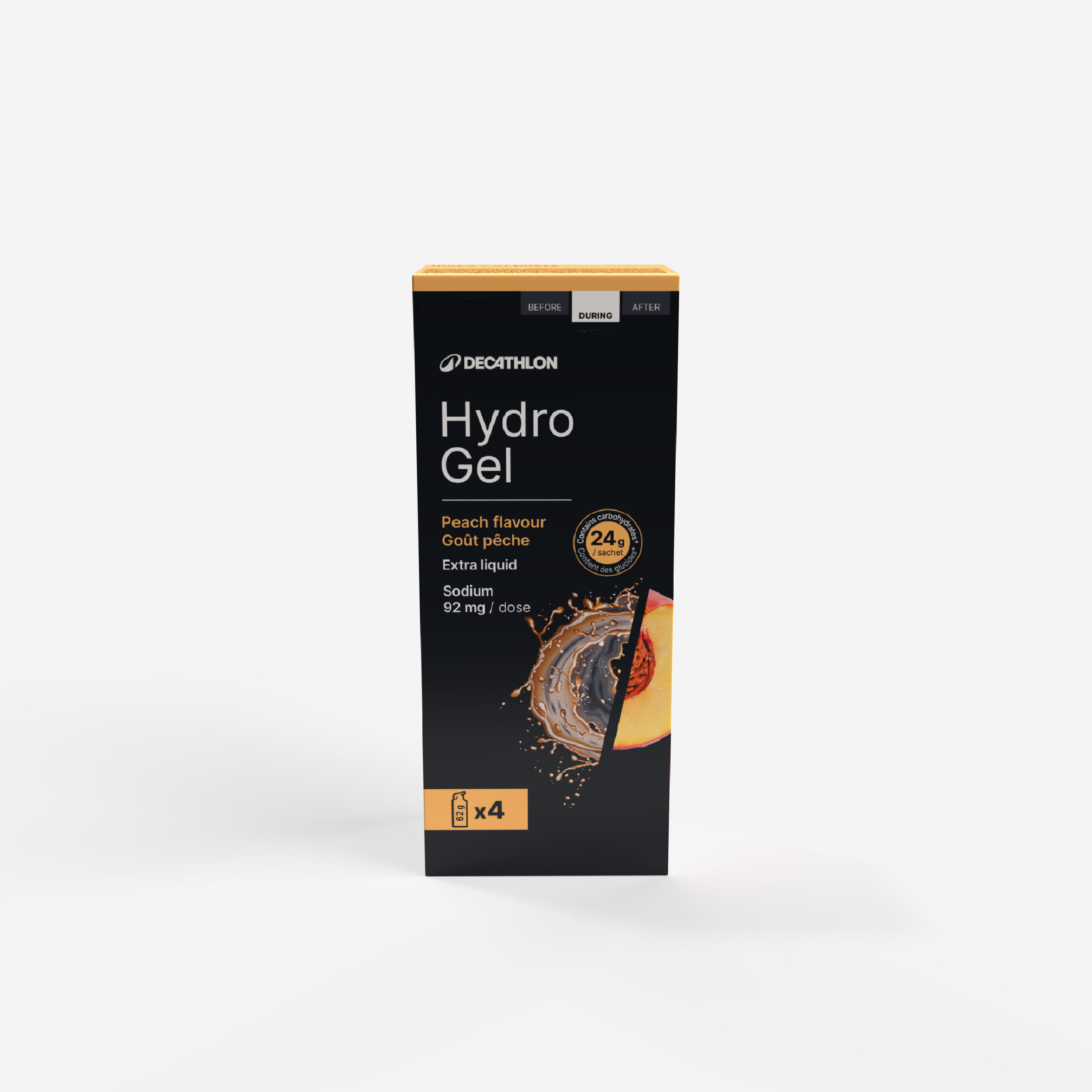
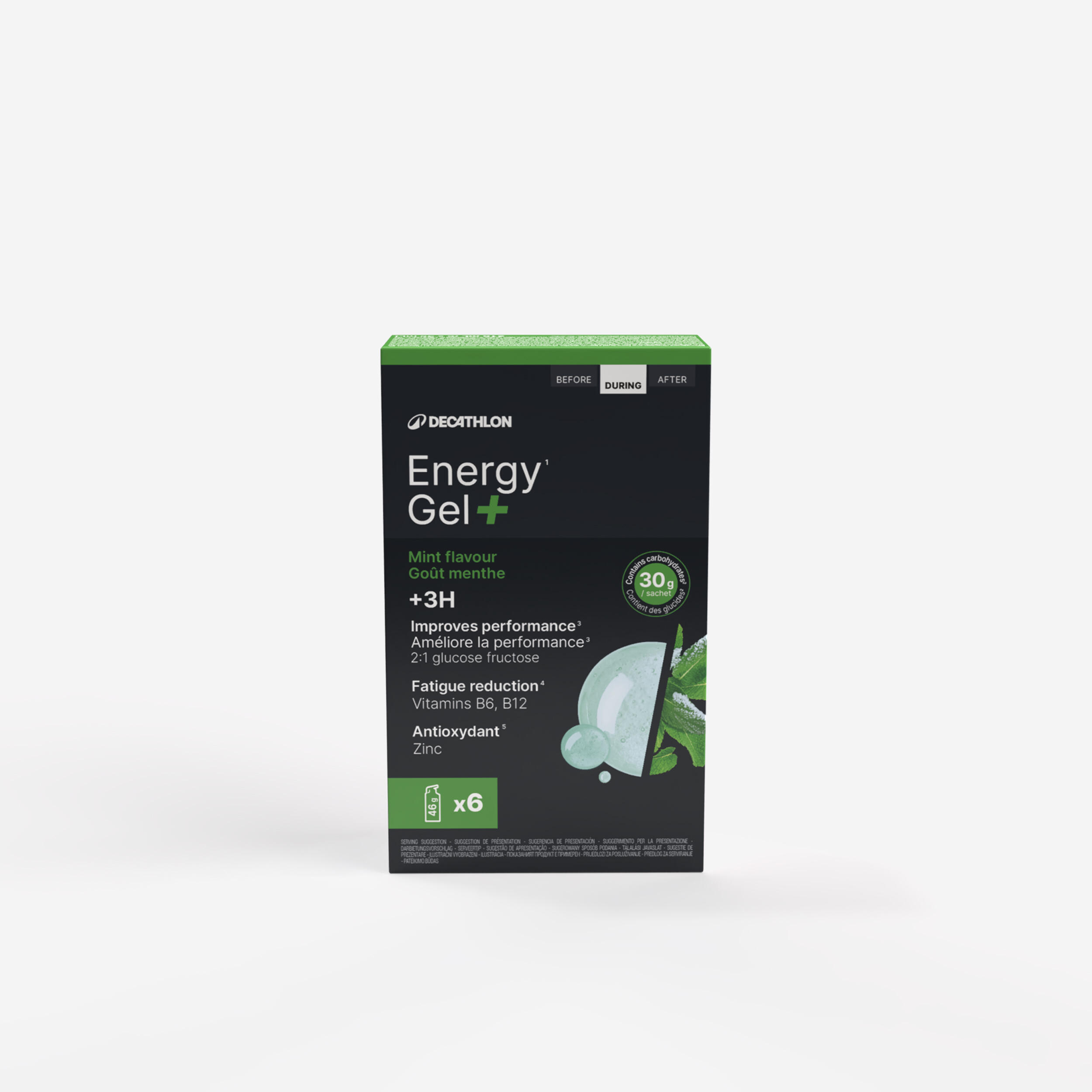
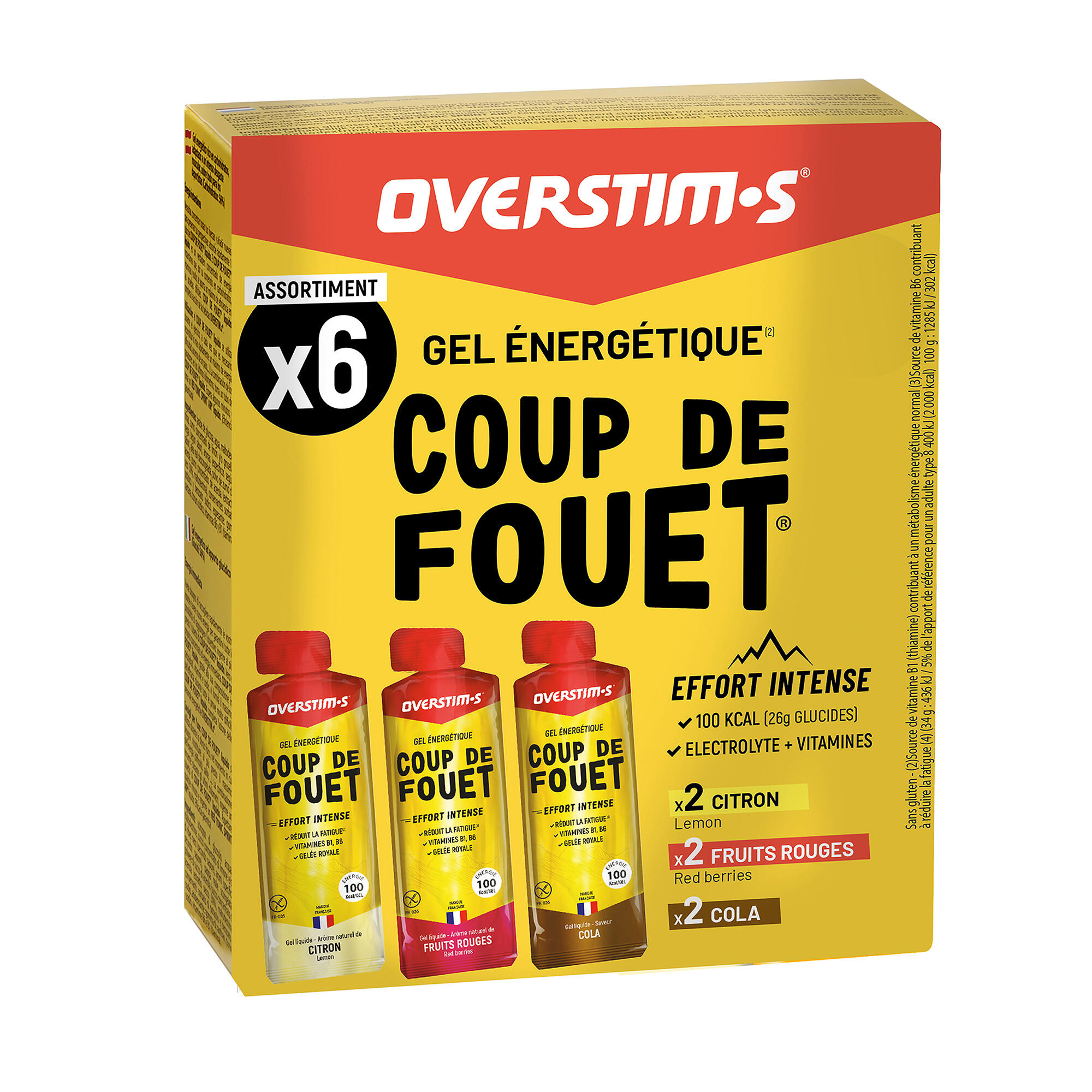
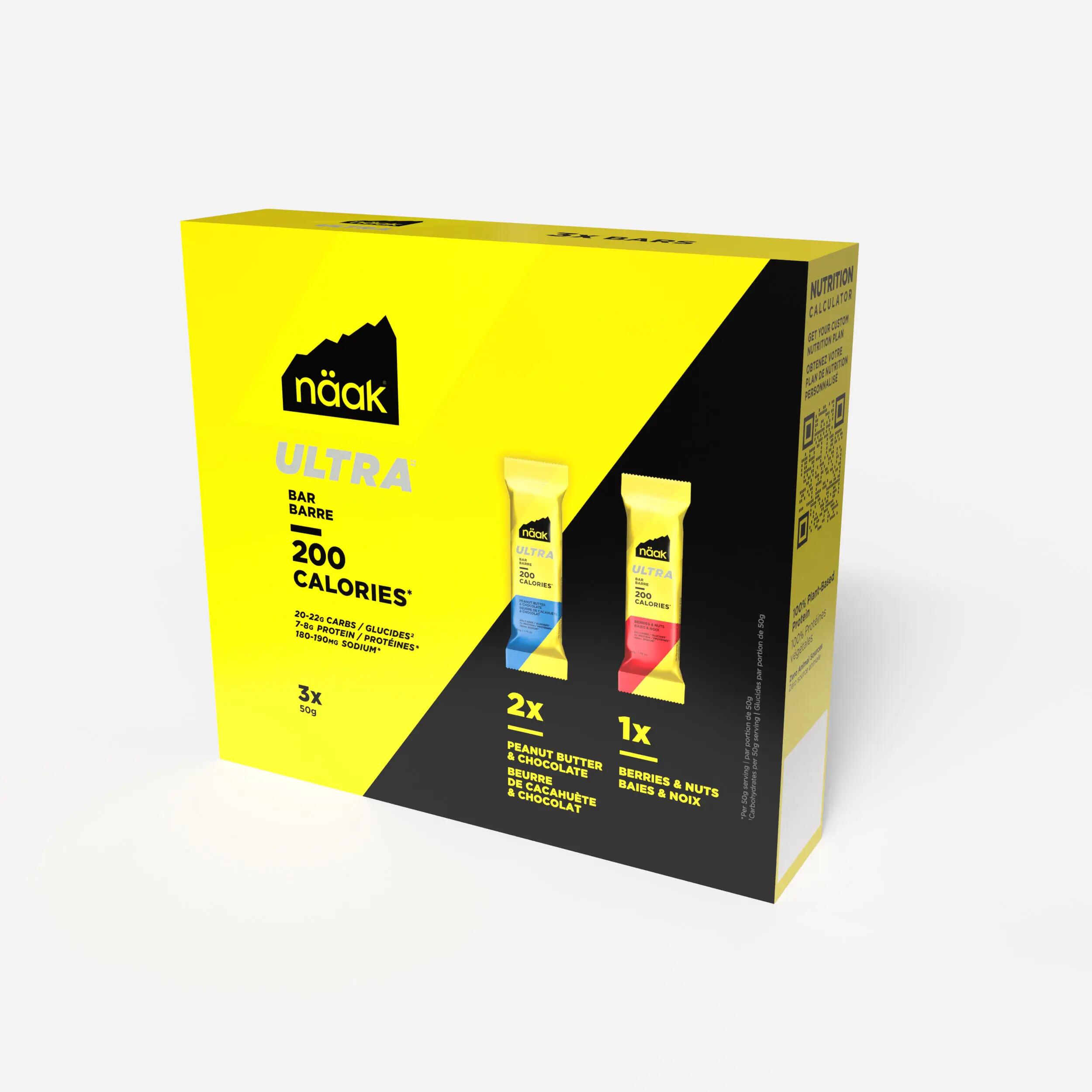
Fast-acting carbohydrate in an easy-to-carry form is the goal, so most runners reach for a gel or two spread across the race, taken with a little water. Aim for around 30 to 60 grams of carbohydrate an hour, and always practise your choice in training rather than trying it fresh on the day. Decathlon's Aptonia range keeps it simple, and a mint energy gel gives a quick, refreshing lift when your legs start to tire.

How should you hydrate for a half marathon?

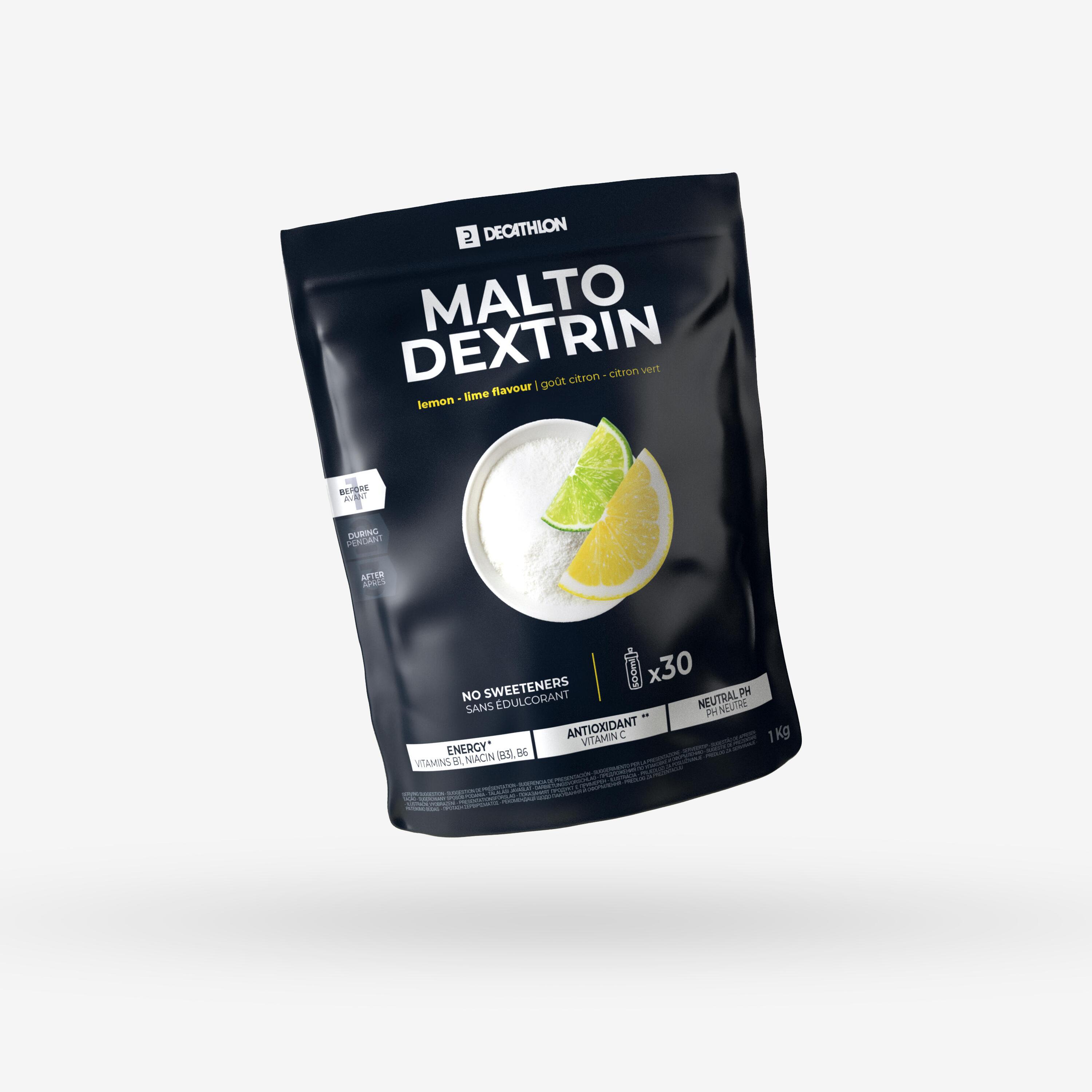
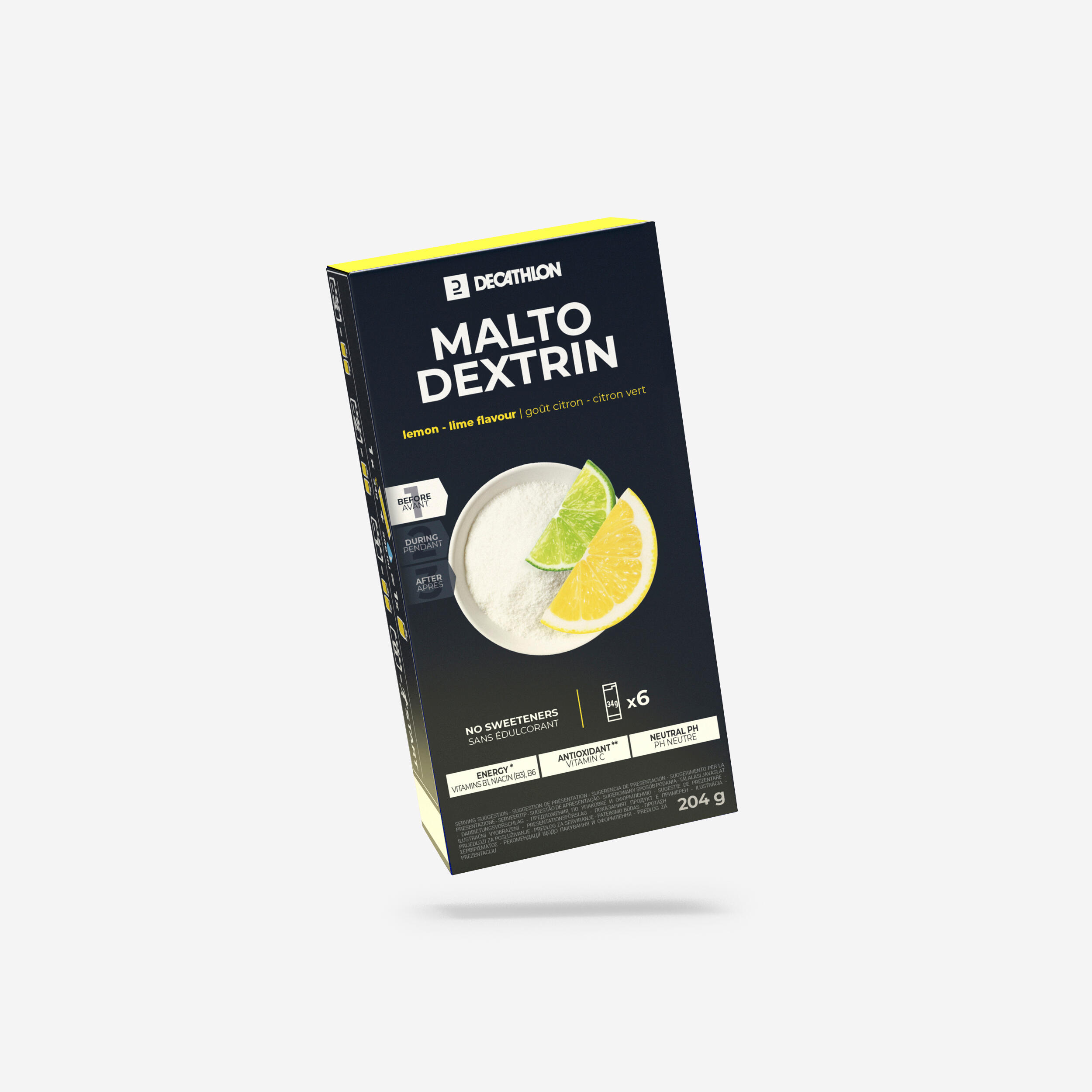
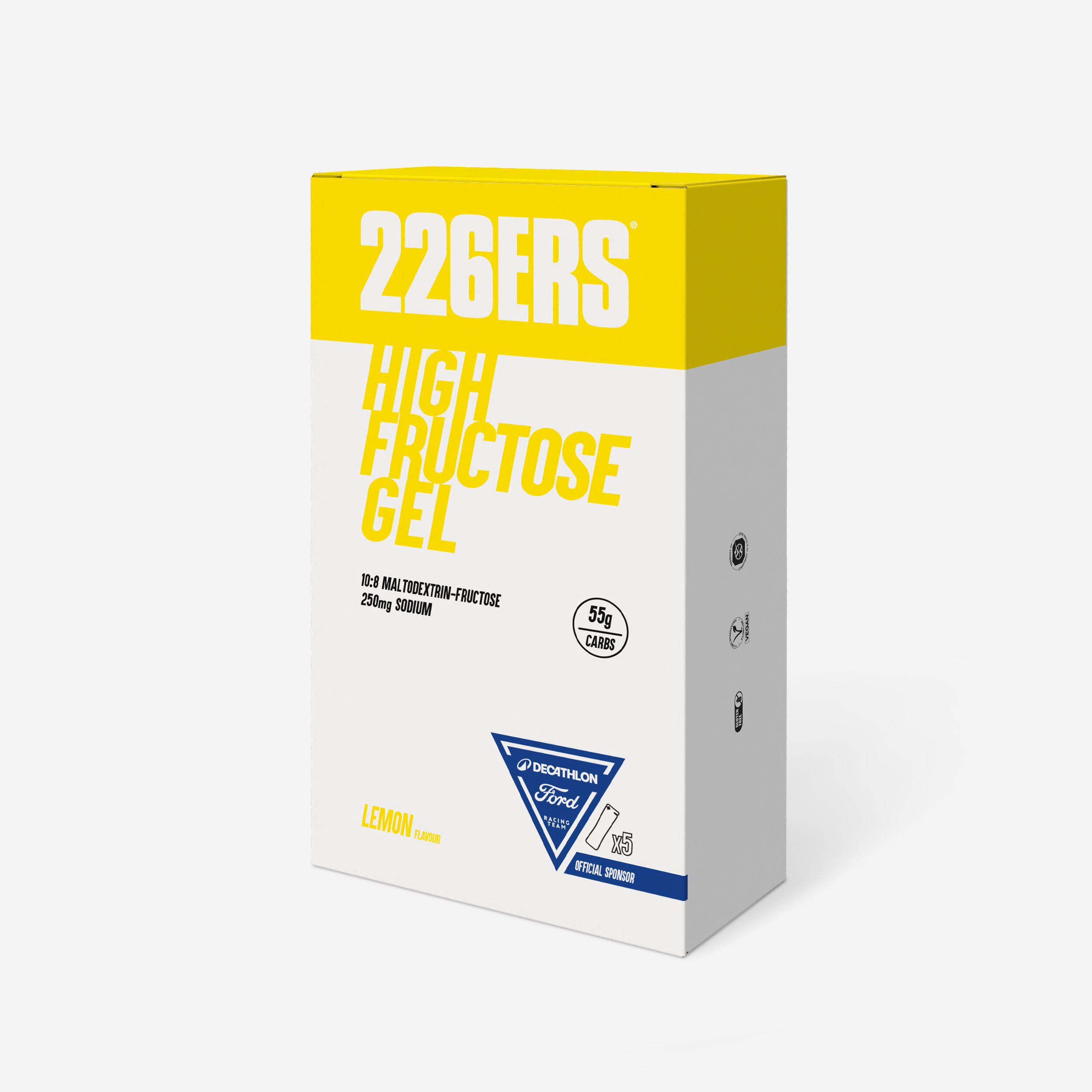
Sip steadily rather than gulping, taking on fluid at the aid stations and topping up with electrolytes on warm days when you sweat more. An isotonic drink replaces both fluid and the salts you lose, which helps stave off cramp late in the race. Start well hydrated rather than trying to catch up. Mixed from Aptonia's own powder, a lemon flavoured maltodextrin drink mix adds carbohydrate and fluid in one bottle.

Do chews and jellies work well for a half marathon?

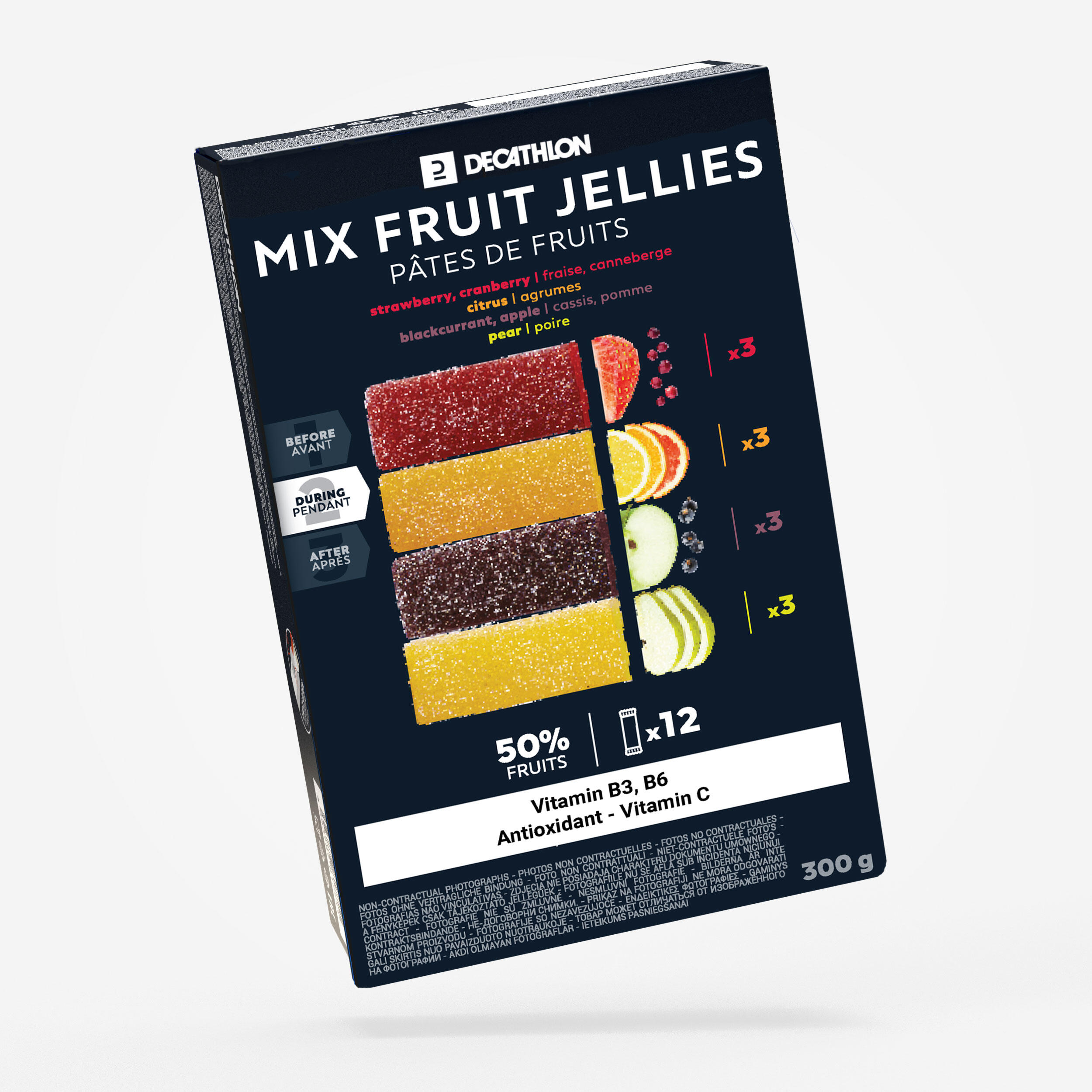
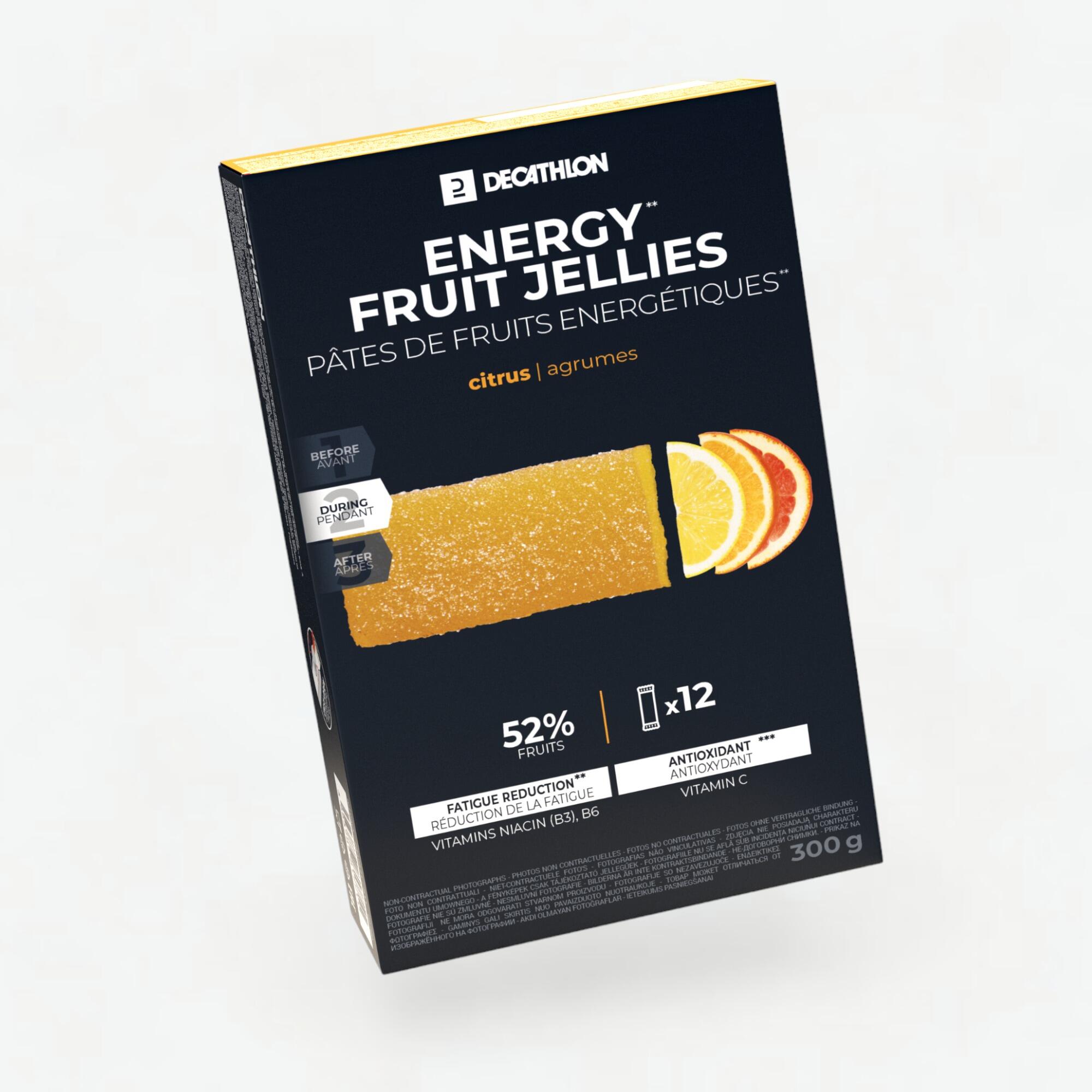
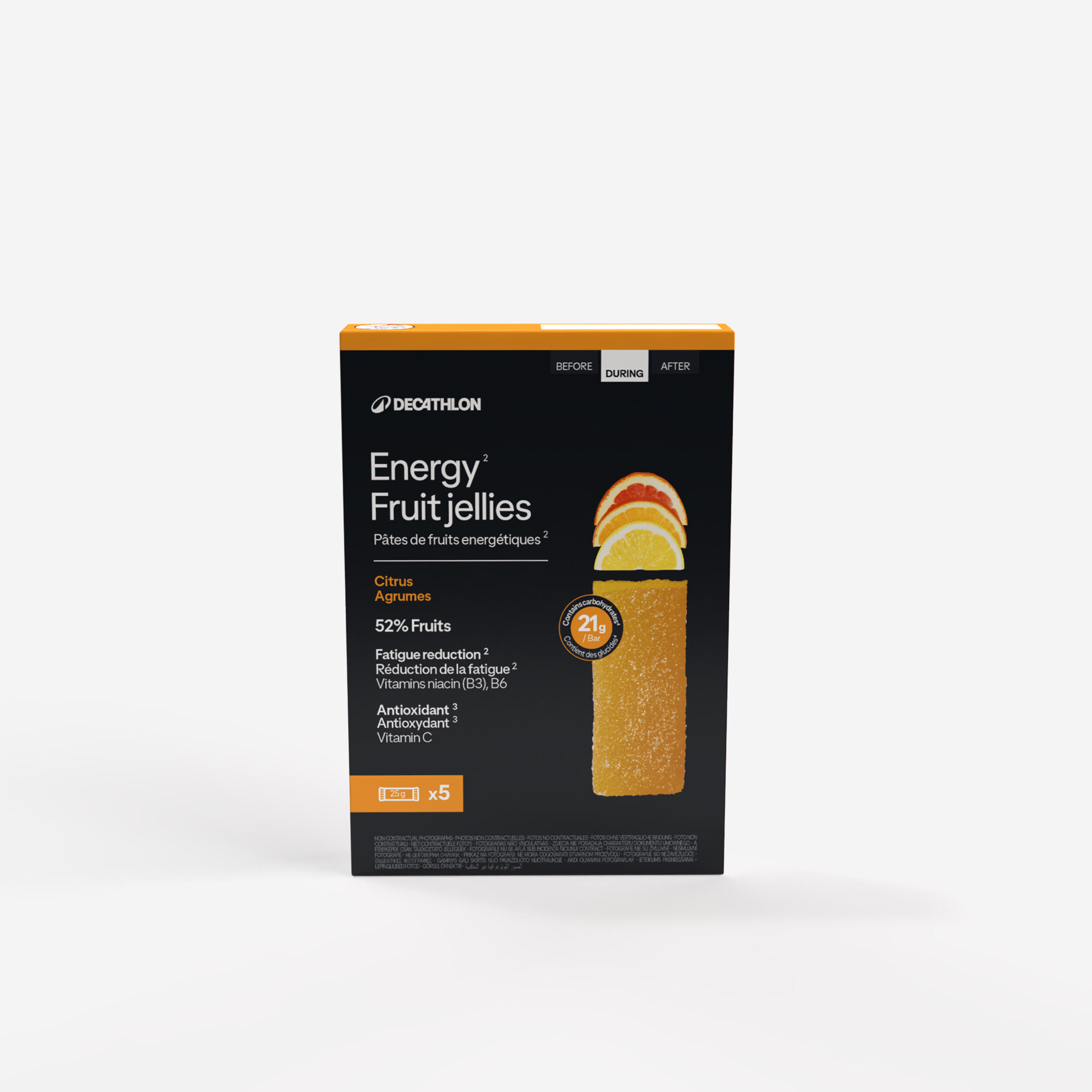
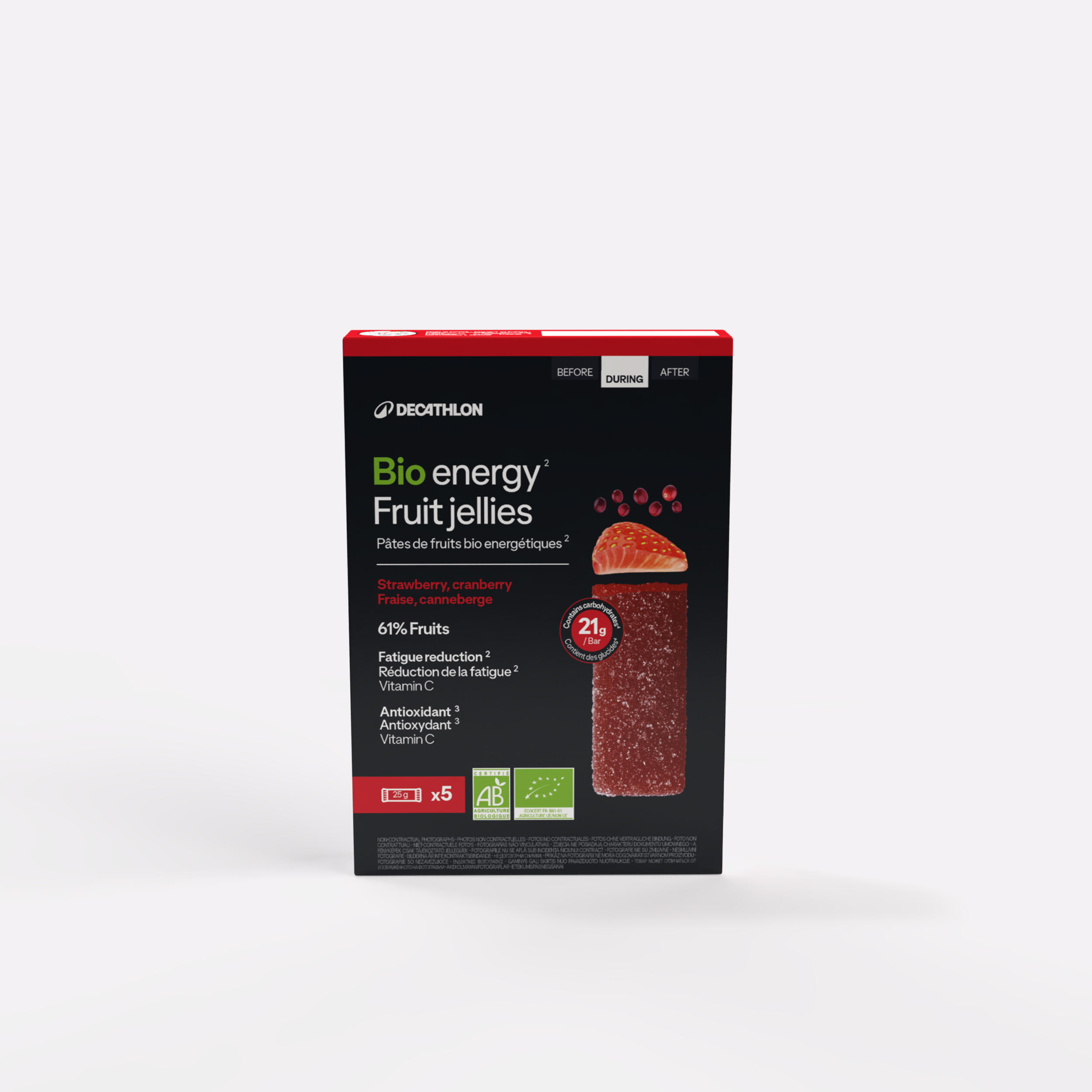
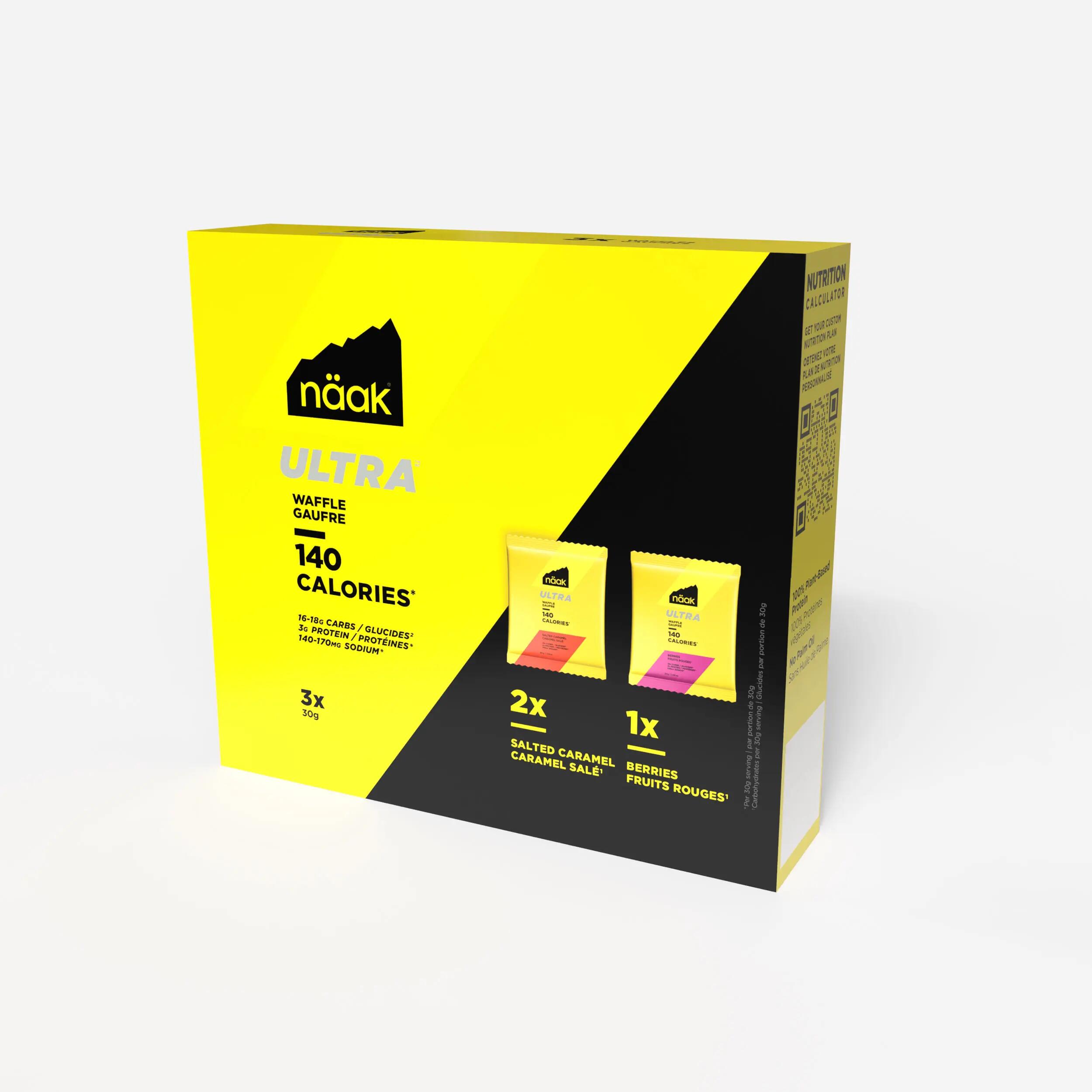
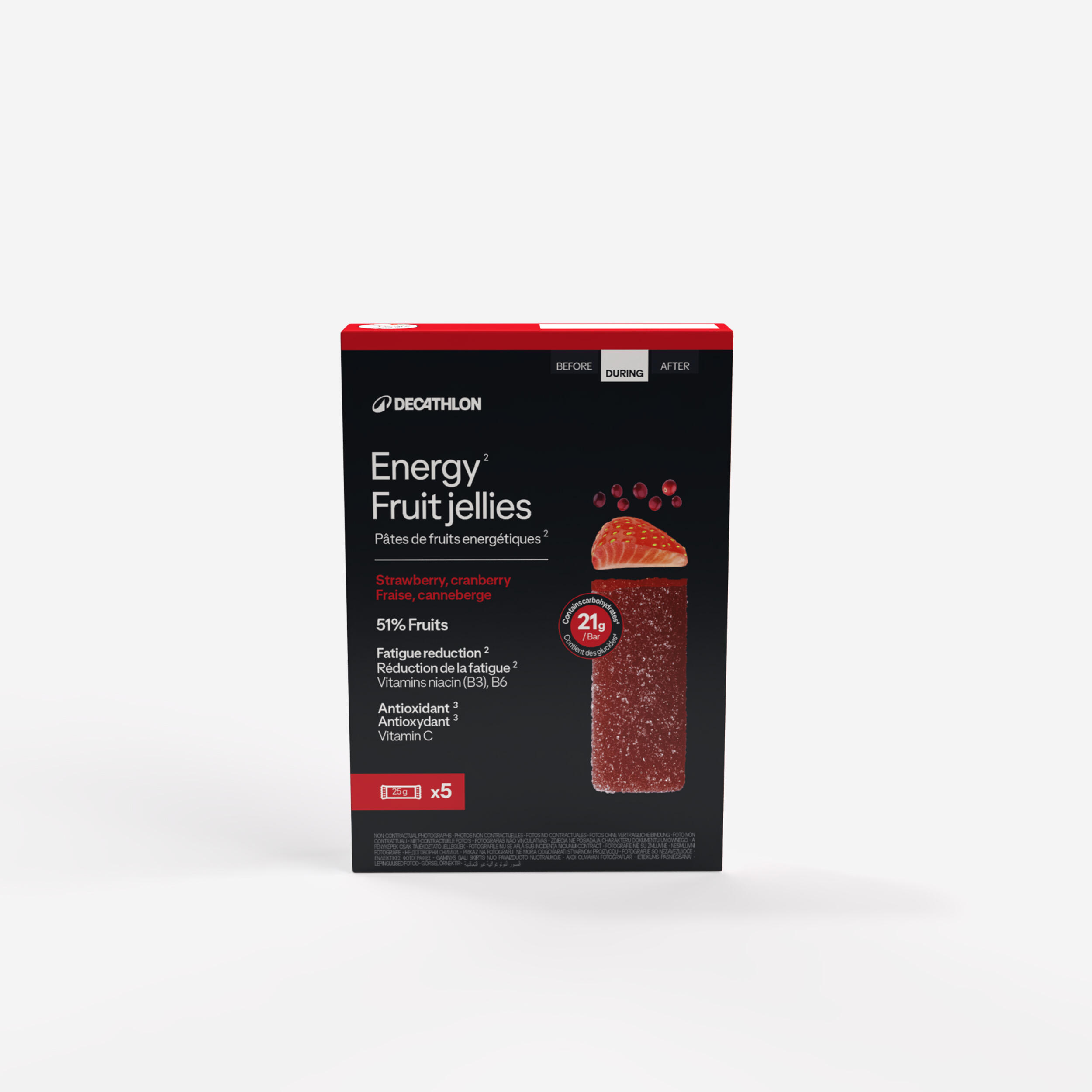
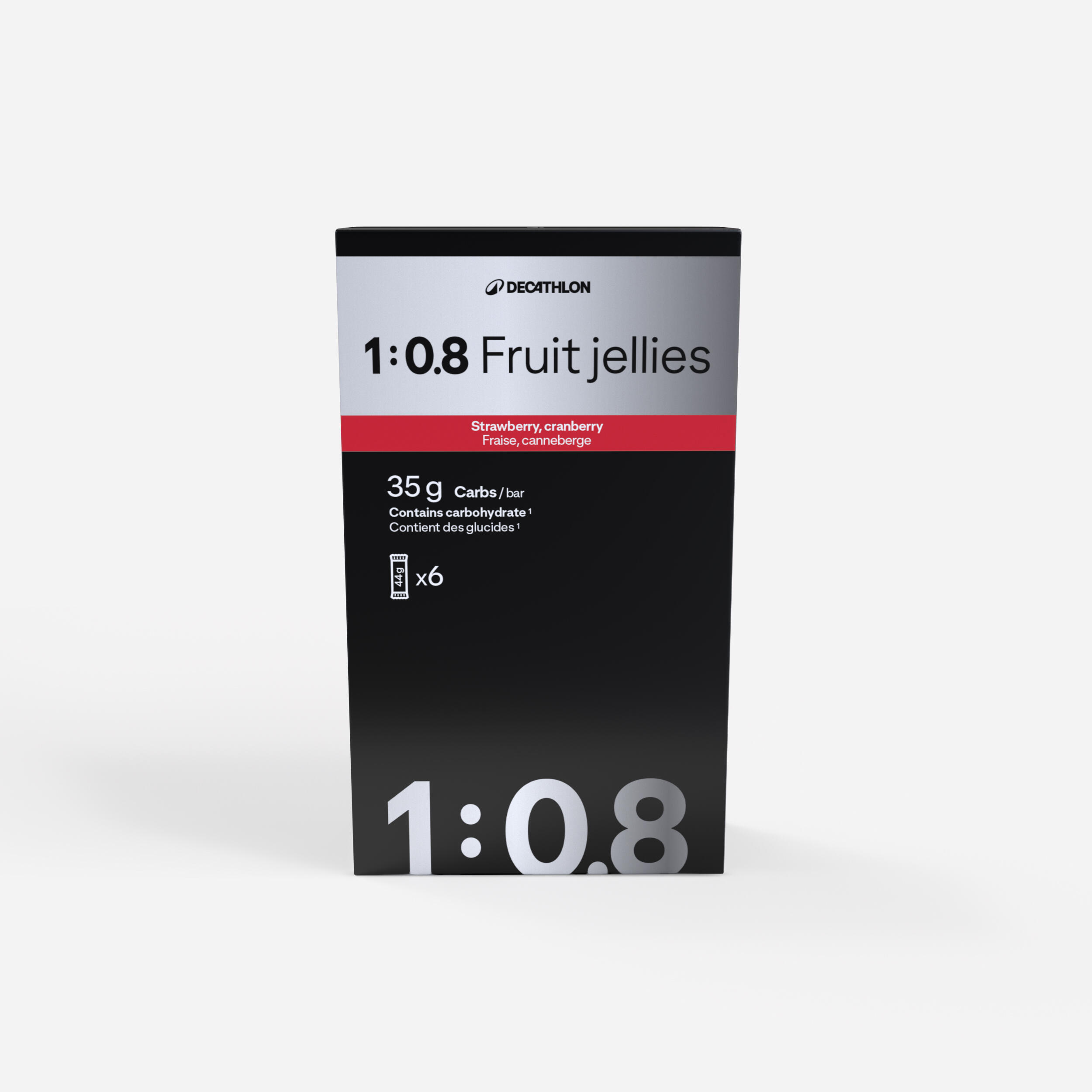
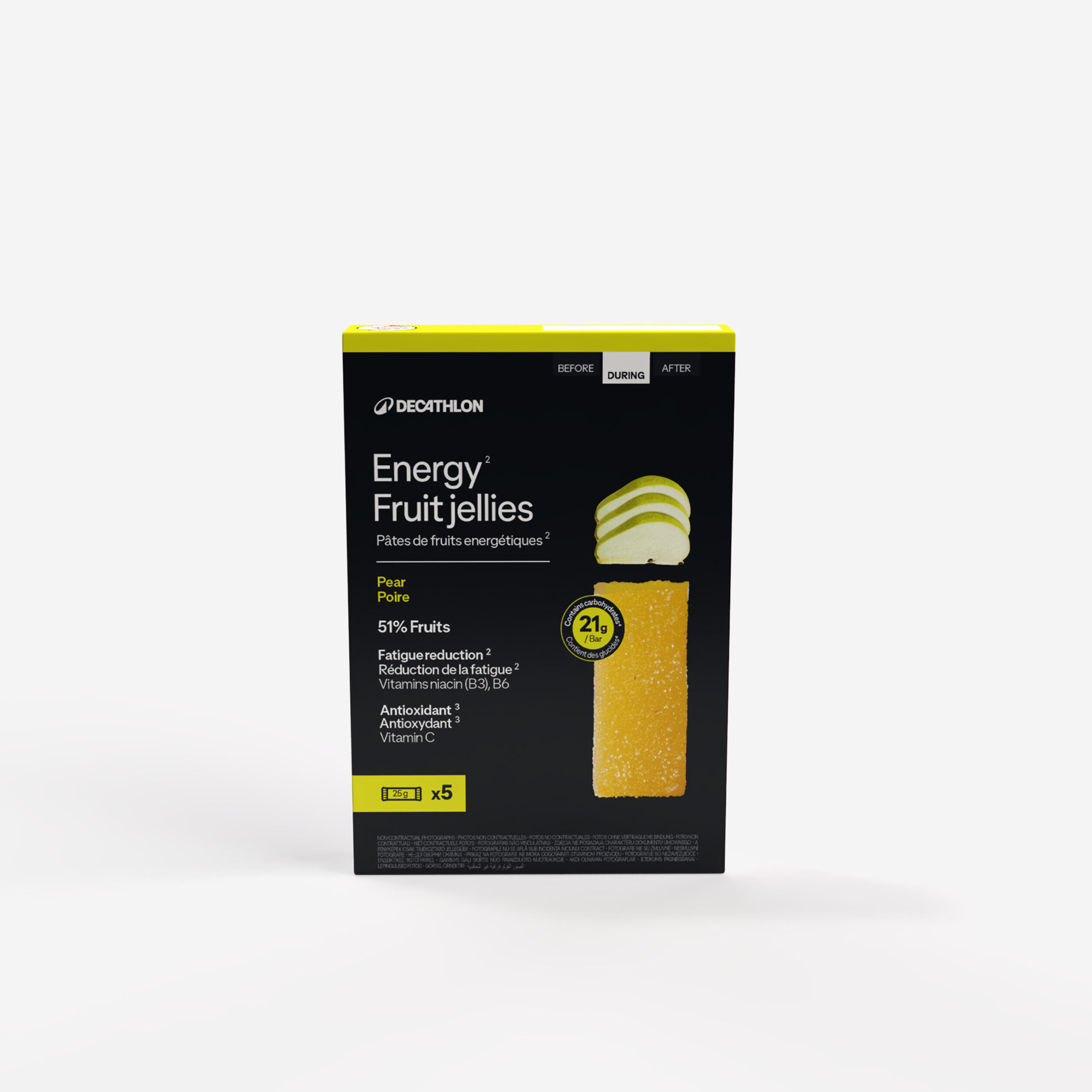
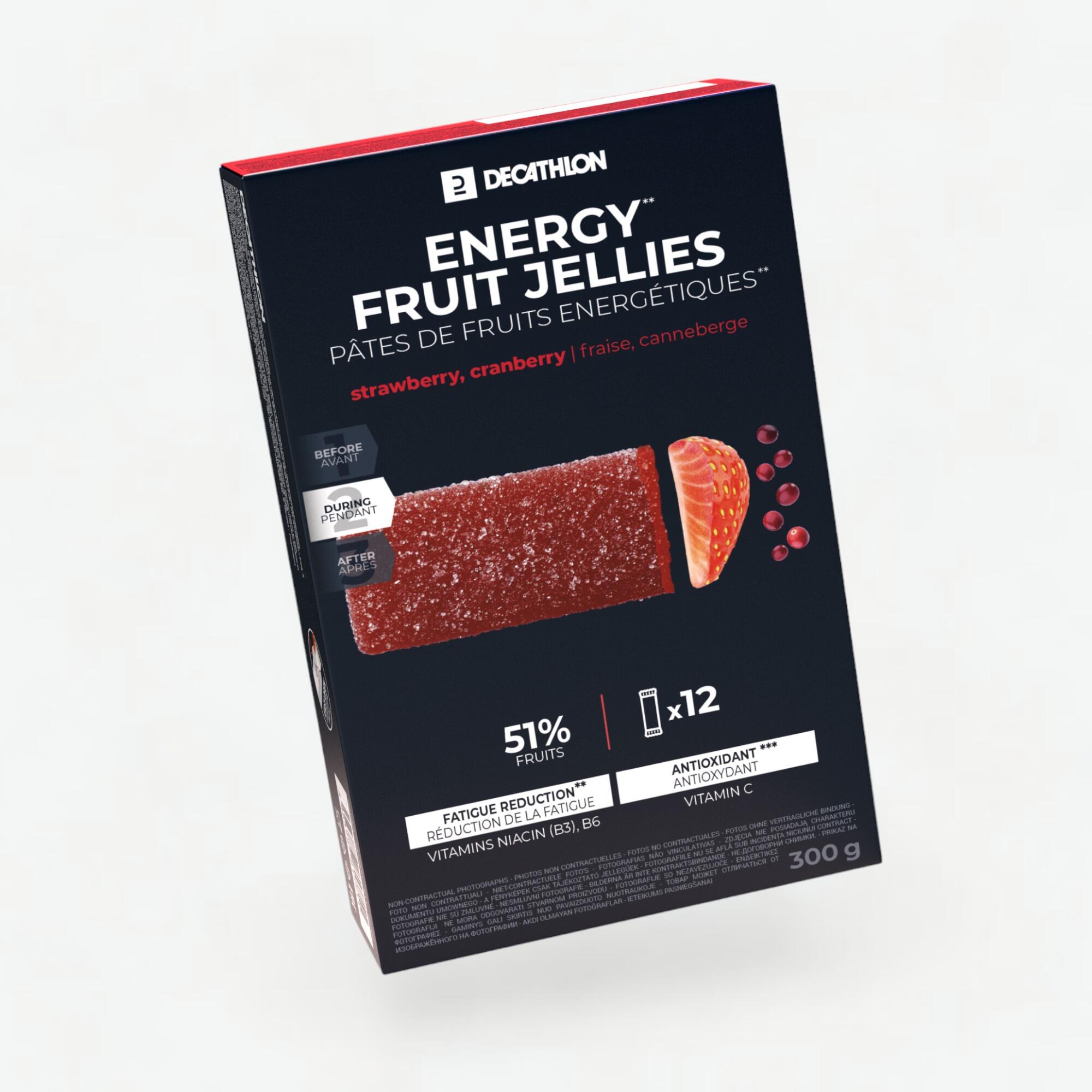
They work brilliantly if you prefer something to bite rather than a gel's texture, and many runners find chews and jellies easier on the stomach over a couple of hours of racing. They deliver the same fast carbohydrate, just in bite-sized pieces you can take a few at a time. Wash them down with water as you would a gel. For a fruity, chewable half marathon option, an energy fruit jelly mix keeps your energy topped up on the move.

How does half-marathon nutrition fit into race-day kit?

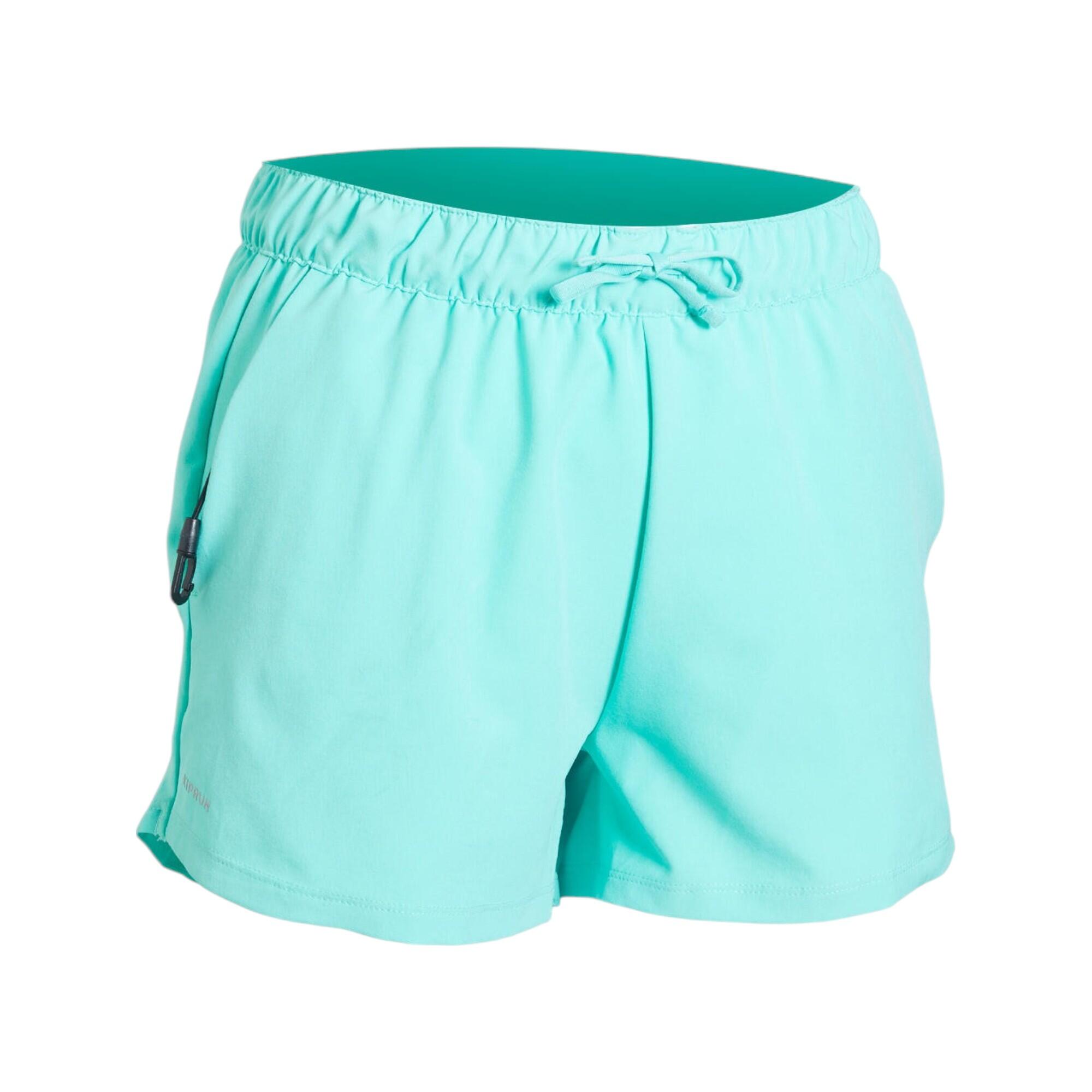
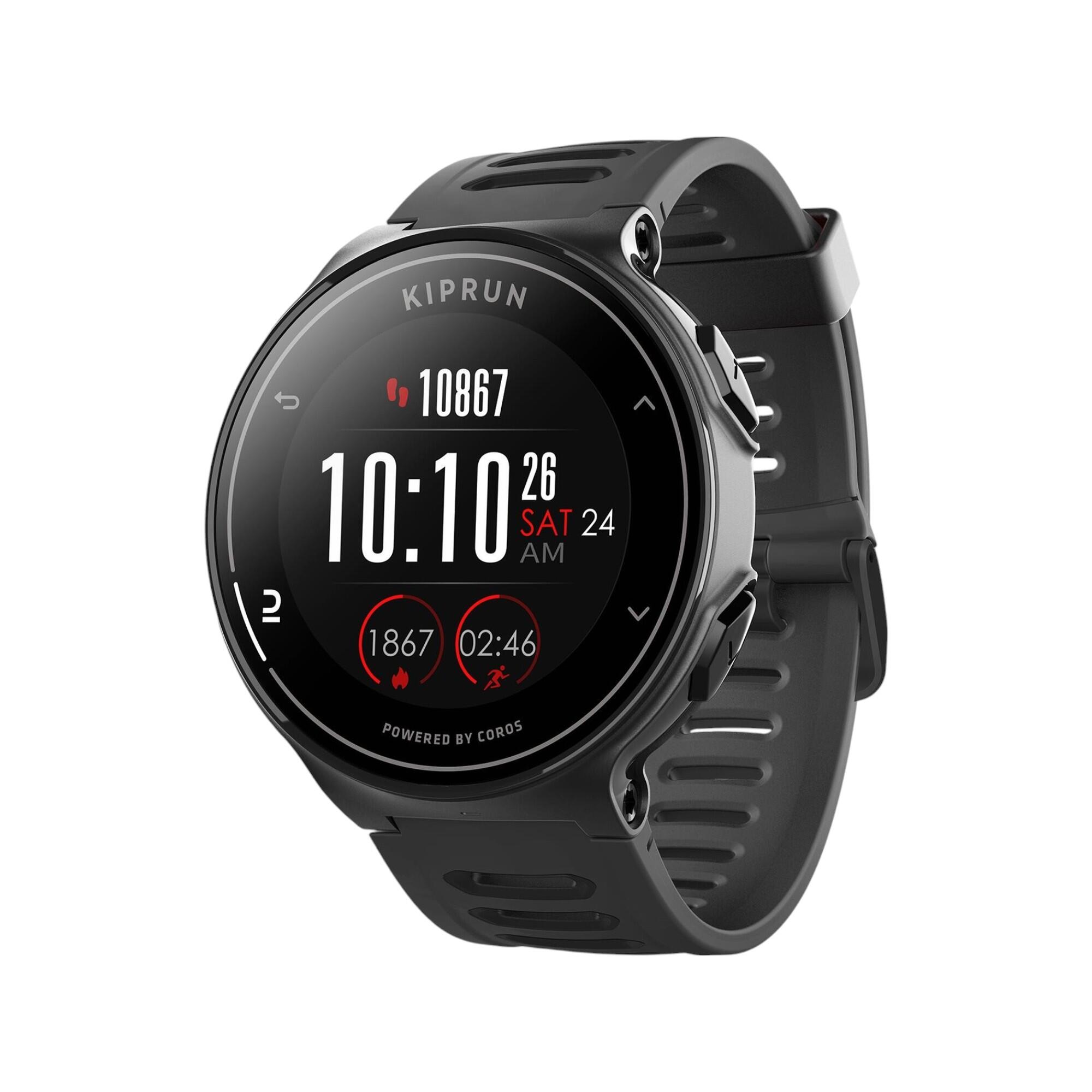
Half marathon nutrition is a key part of race-day planning, especially once the effort goes beyond your usual training distance. Energy gels, chews or drinks can help maintain steady energy, while a belt or vest with pockets keeps them easy to reach. Add a pace watch, tested clothing and a cap or light layer depending on the weather. Lay everything out the night before. Fuel-carrying options sit in the half marathon accessories range.