735 items
4.6/5 based on 63238 reviews collected online and in stores

Men's Running Shoes FAQs


How do I choose the best men's running shoes for my foot strike?

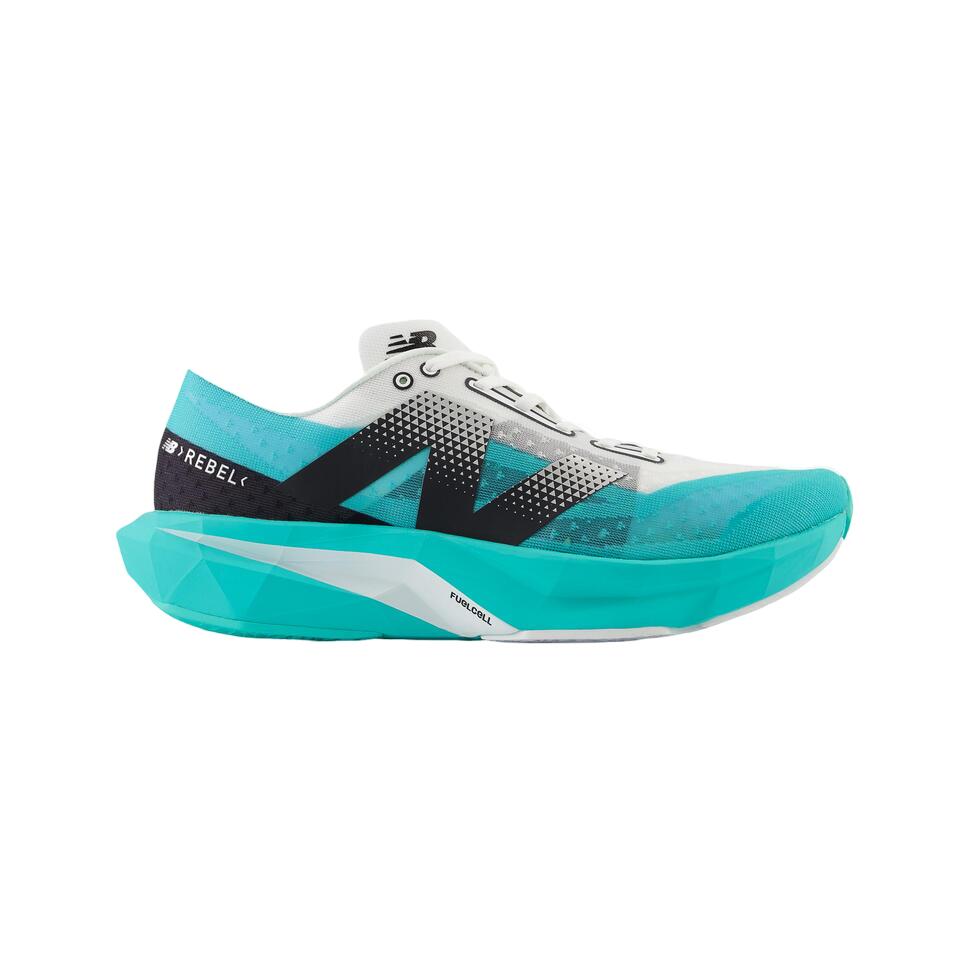
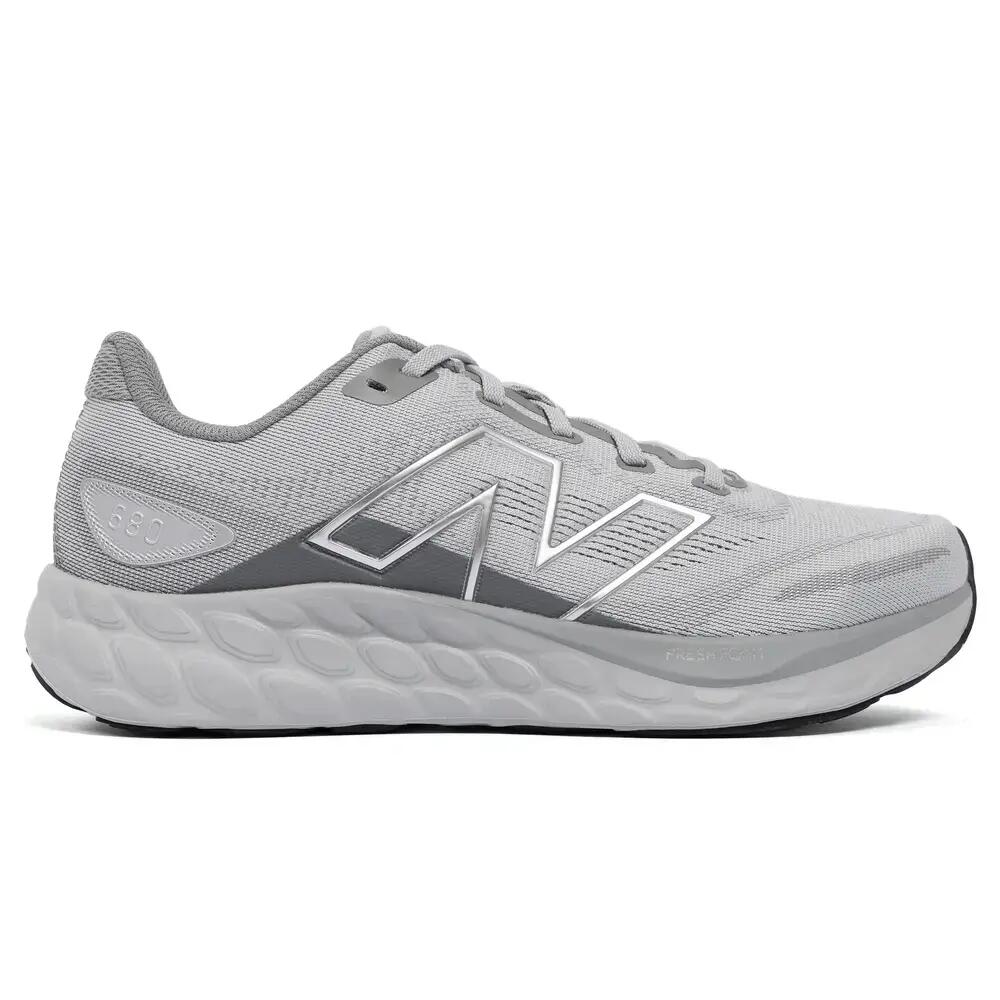
Selecting the right footwear starts by understanding how your foot lands when you run, as this helps you find shoes that feel comfortable and supportive with every step. Neutral runners often perform well in reliable New Balance men's running shoes that provide balanced cushioning without extra stability structures. However, if your feet roll inward excessively, you should look for men's running trainers shoe models featuring denser foam on the medial side to counteract this movement. The technical why behind this support is to align your ankles and knees, reducing the risk of repetitive strain during long-distance efforts. For those seeking maximum energy return, carbon-plate technology provides a mechanical "pop" that propels the foot forward, making them the best running shoes for men aiming for personal bests in competitive races. Small tip: Always measure your feet in the evening when they are at their largest to avoid a fit that is too tight during high-intensity sessions.


What is the difference between men's sports running shoes for road and trail?

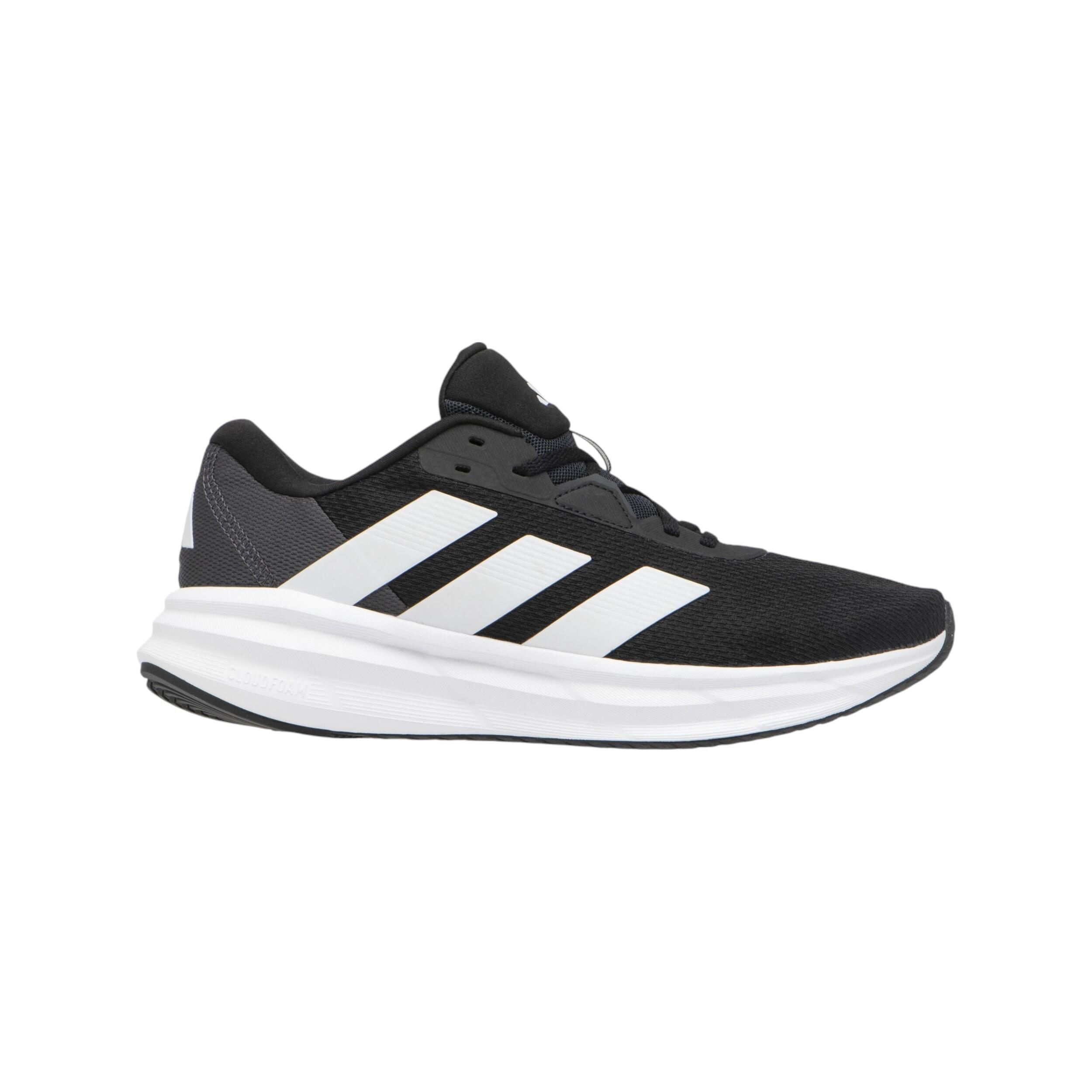
The primary distinction lies in the outsole grip and the rigidity of the midsole construction to handle varying terrains. Road-specific men's sports running shoes feature flat, durable rubber outsoles optimized for friction on tarmac and concrete, ensuring a smooth transition from heel to toe. Conversely, trail versions utilize aggressive lugs for mechanical traction on mud and loose rock. Runners seeking trusted performance and cushioning often explore reliable Adidas men's running shoes designed to balance comfort, durability, and responsiveness across different running conditions. The reason for the softer foam in road shoes is to absorb the high-frequency vibrations of hard surfaces, protecting your joints over time. Expert advice: For a versatile setup, a hybrid shoe with 3mm to 4mm lugs offers enough versatility for park paths and light gravel trails without wearing down too quickly on the pavement.


Why should I consider specific men's running trainers shoe brands?

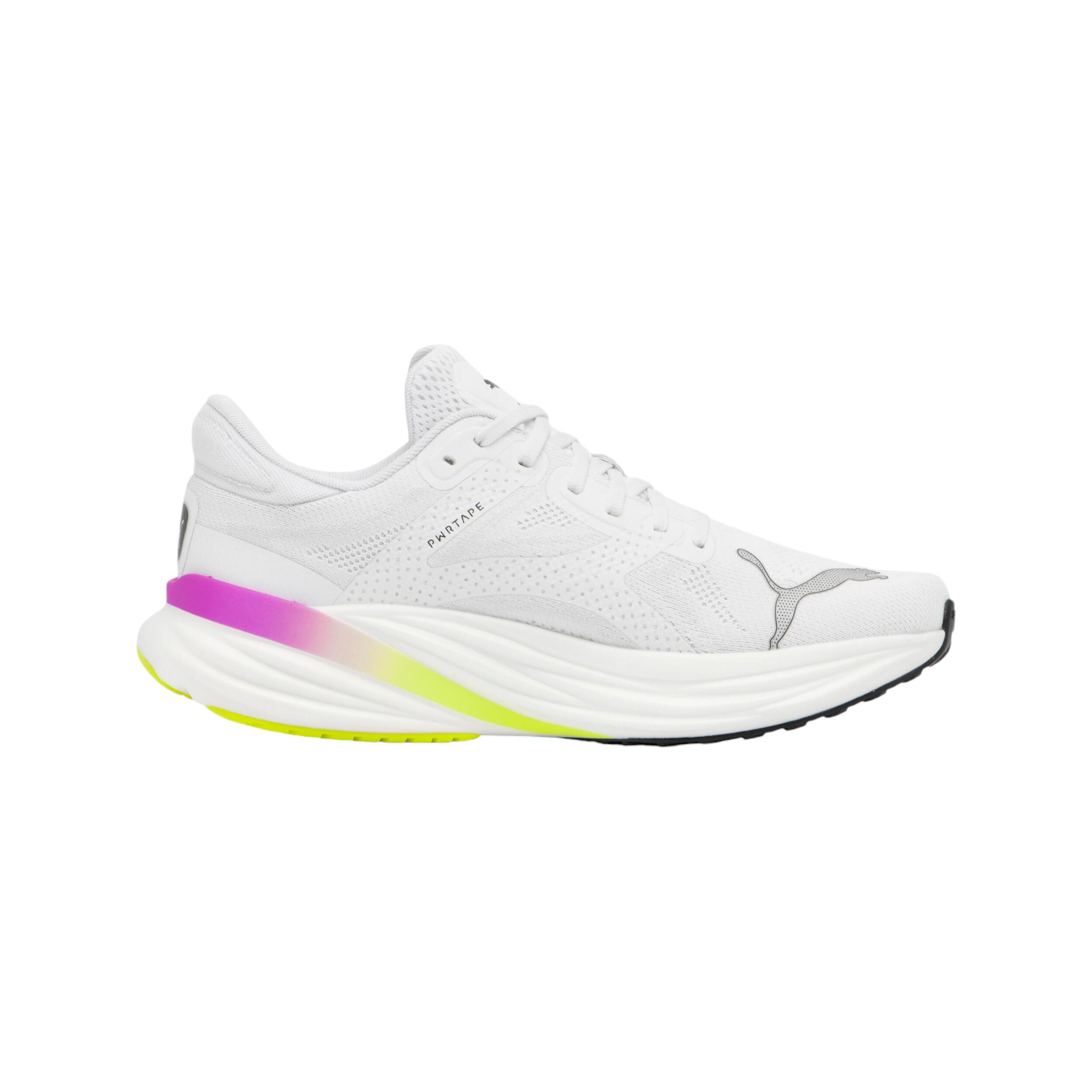
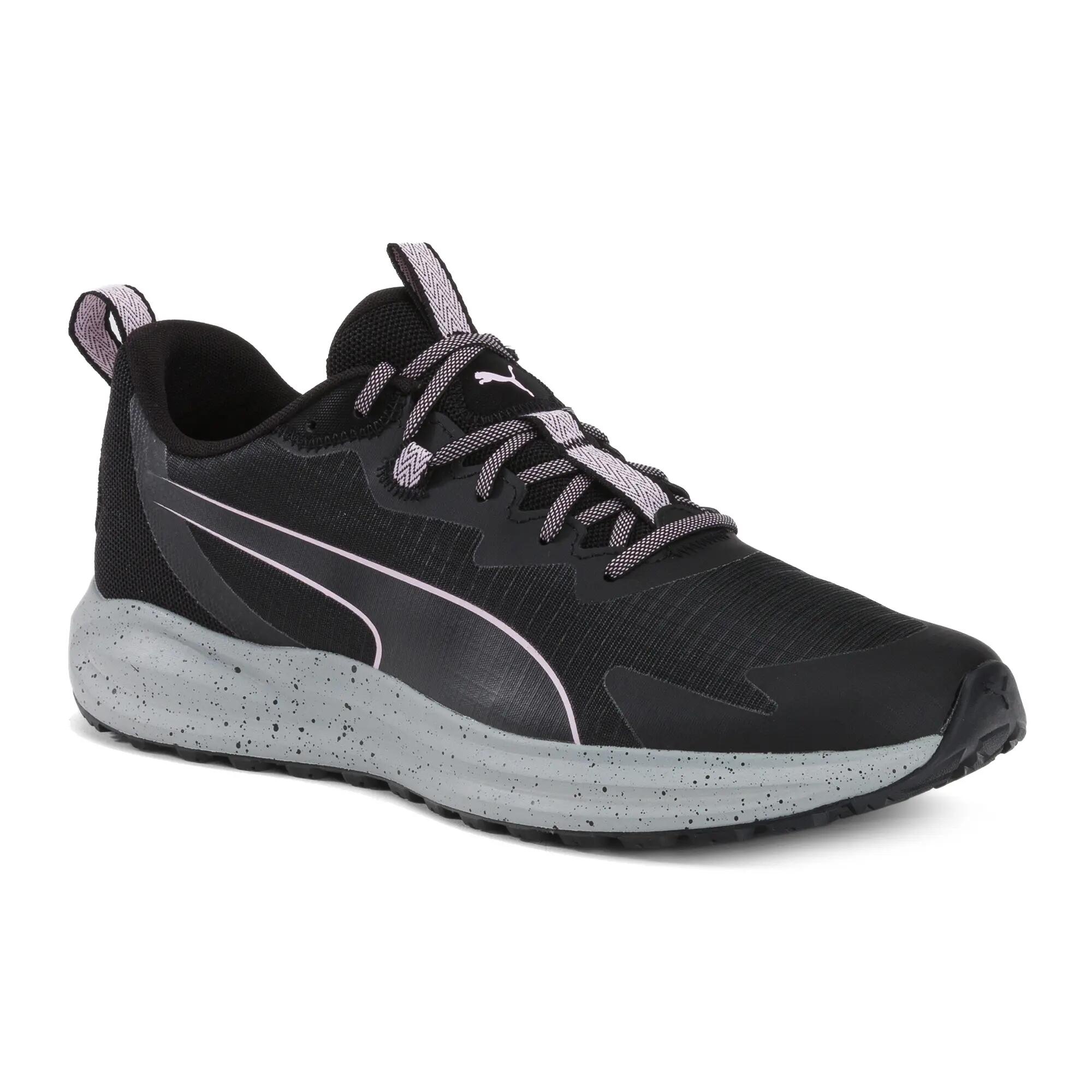
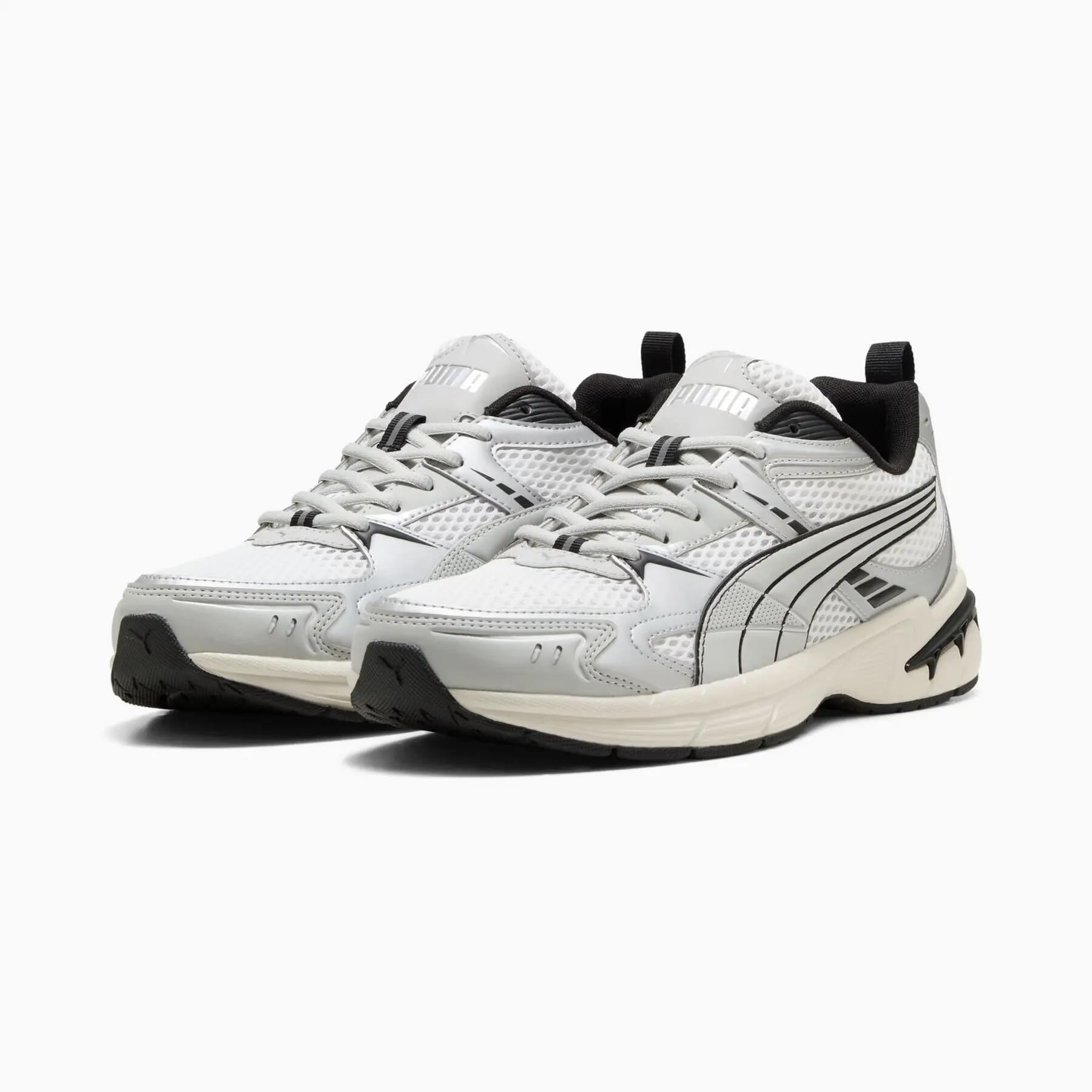
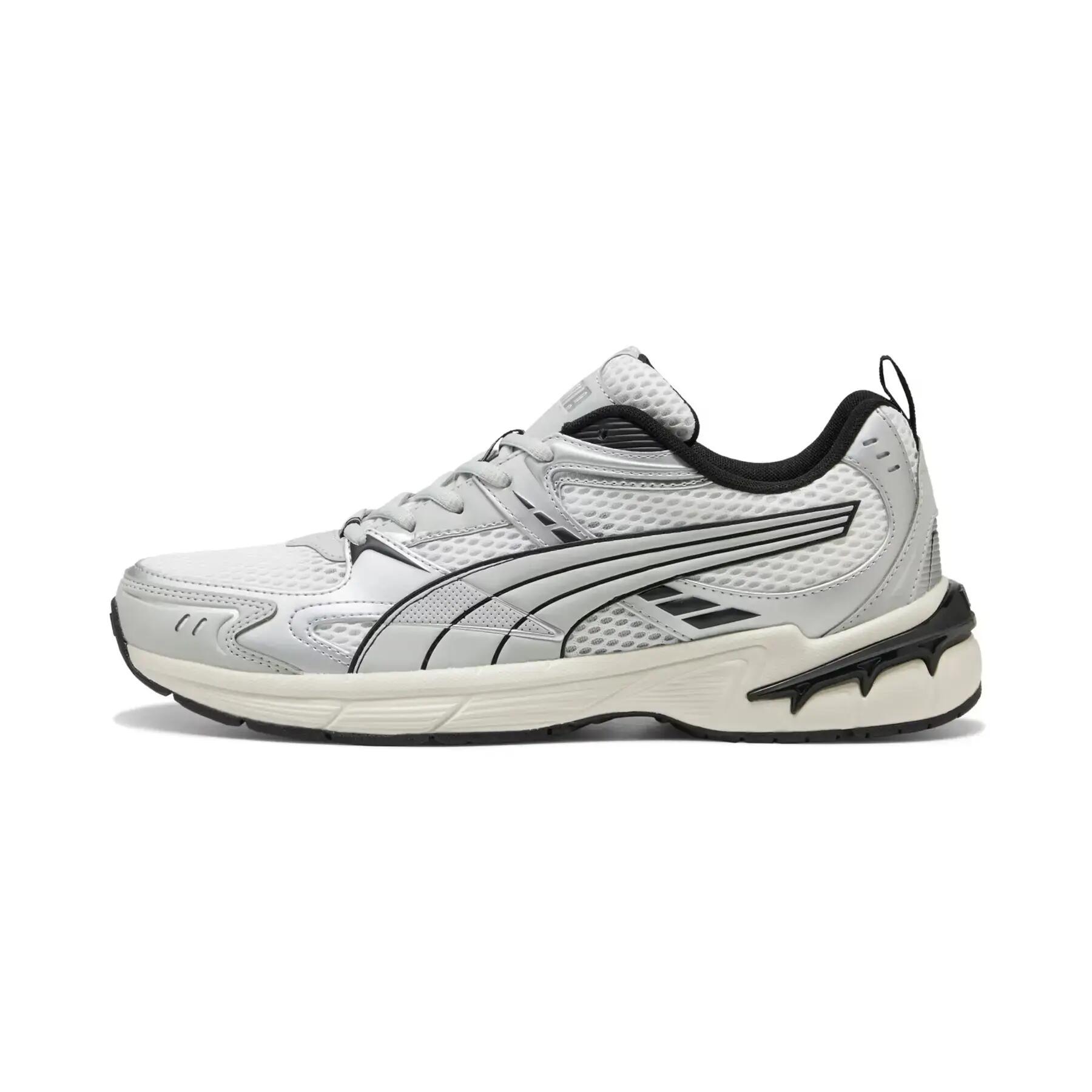
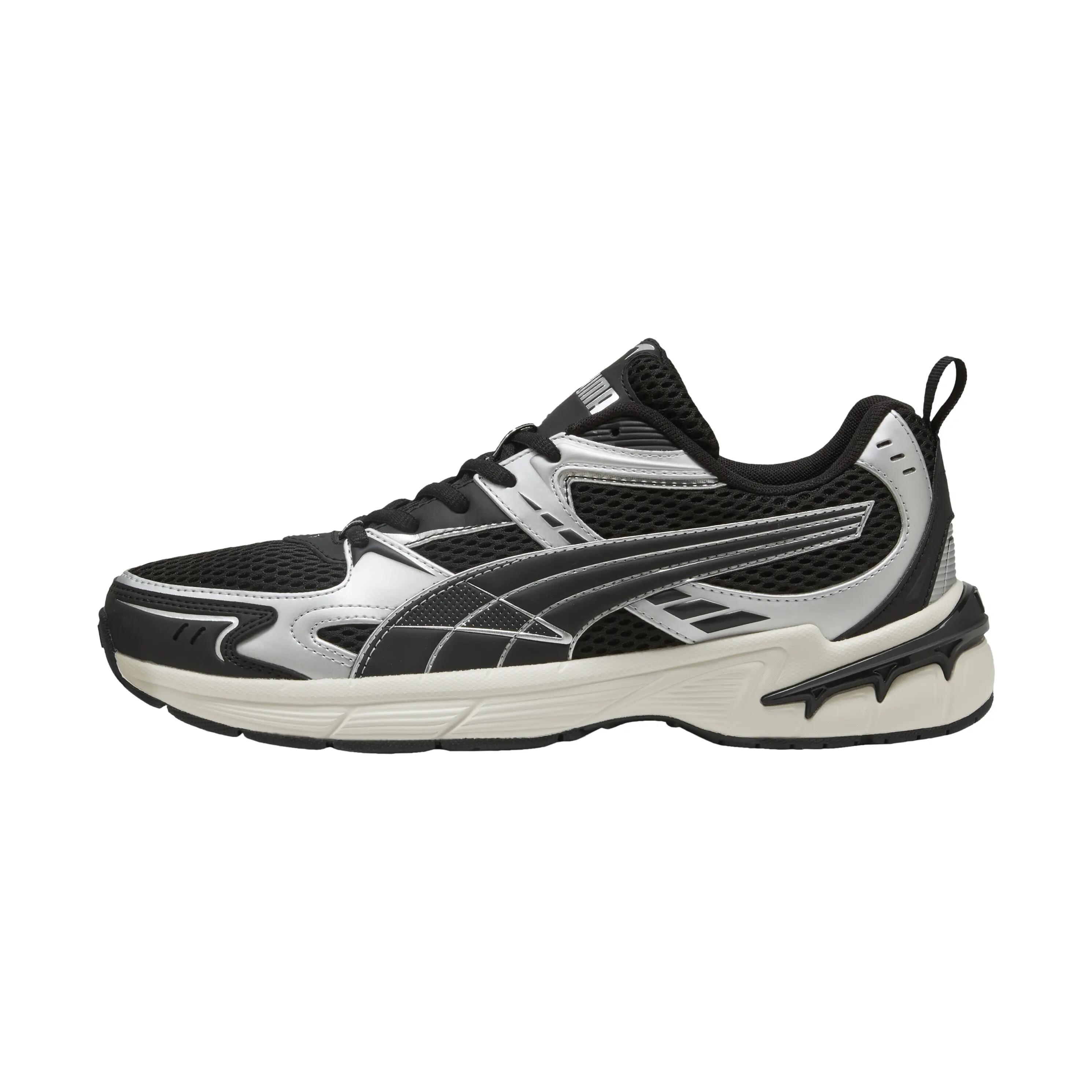
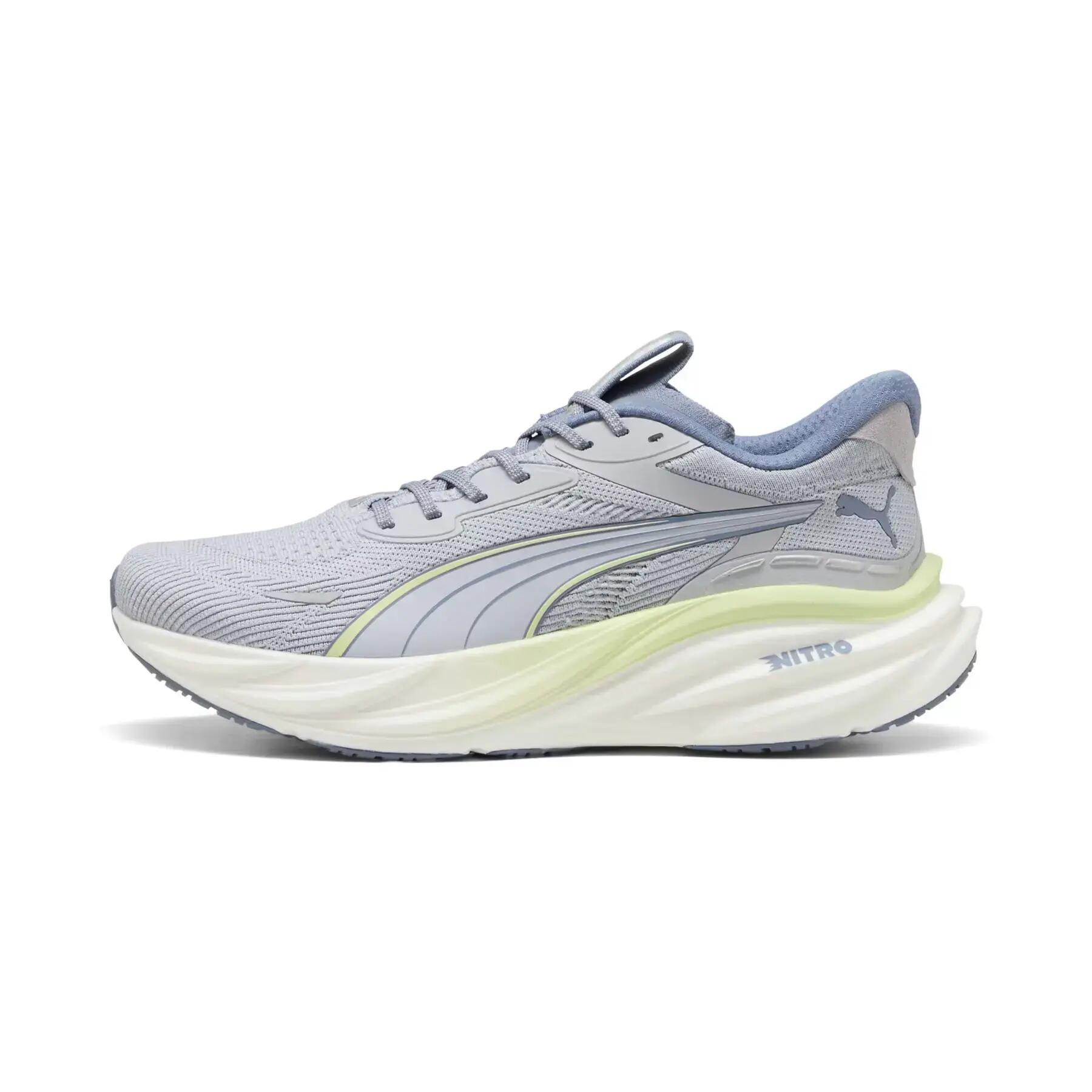
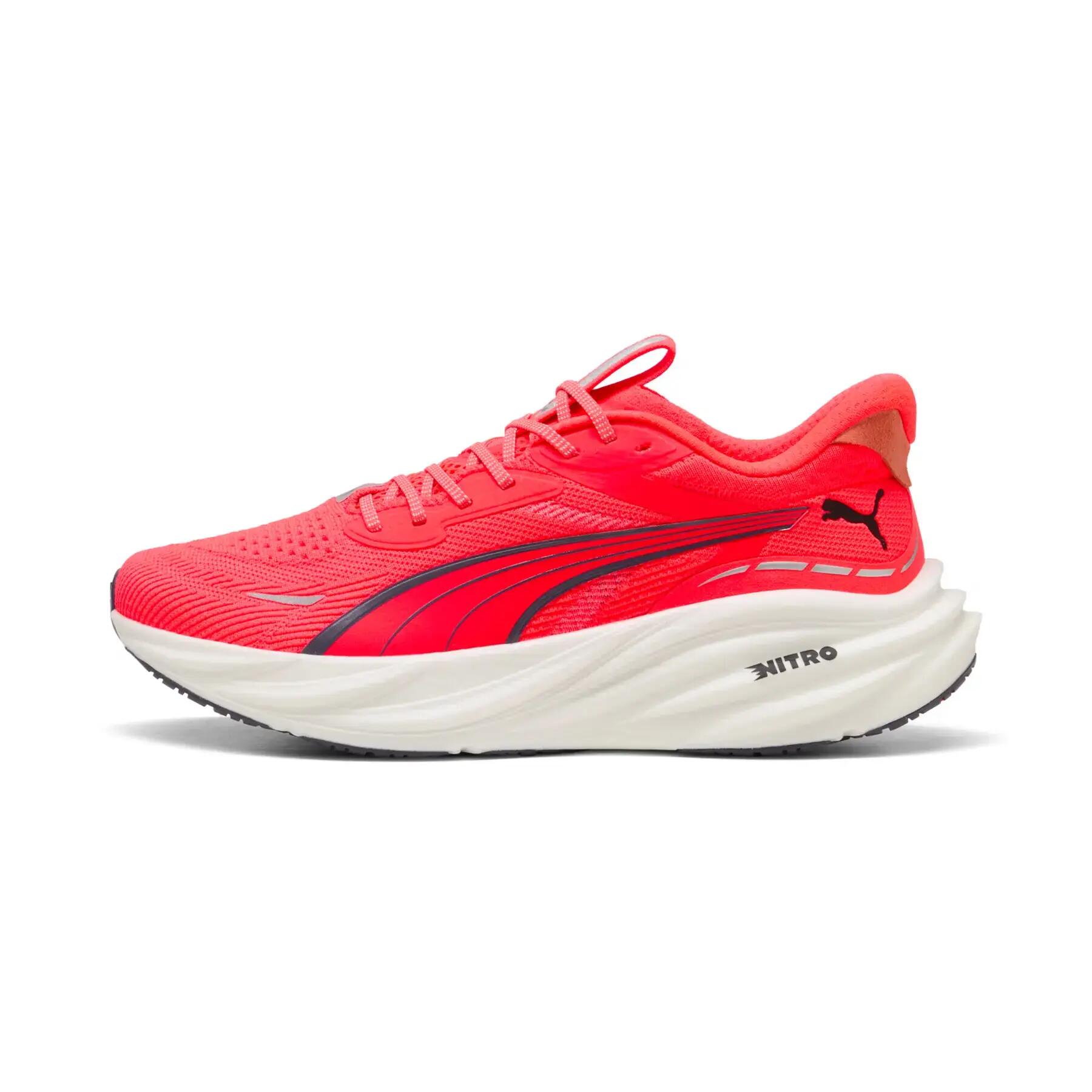
Different manufacturers focus on unique patented technologies, such as GEL inserts, boost foam, or specialized Pebax plates, to enhance the athlete's experience. Exploring trusted options like Puma men's running shoes allows you to find models engineered for comfort, responsiveness, and a fit that matches the width of your forefoot and the height of your arch. A men's jogging shoe intended for casual use will prioritize step-in comfort and plushness, whereas a performance brand might focus on weight reduction and high-speed aerodynamics. Expertise in shoe choice involves understanding that a higher "drop" (the height difference between heel and toe) relieves pressure on the Achilles tendon, while a lower drop encourages a more natural midfoot strike. Expert Insight: If you experience numbness in your toes, look for brands that offer a wider toe box to allow for natural foot splay under load.


What cushioning level is right for a men's jogging shoe?

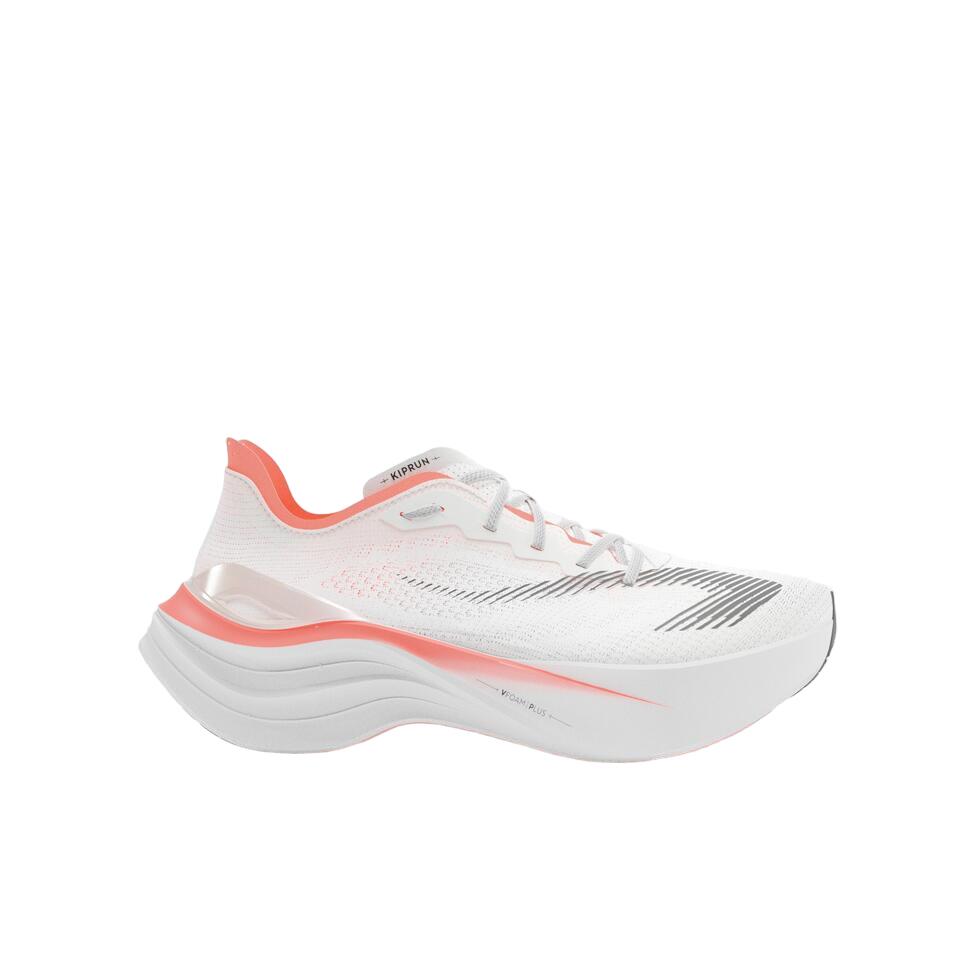
The amount of foam you need depends on your body weight, weekly mileage, and personal preference for ground feel. A heavily cushioned men's jogging shoe utilizes thick EVA or PU foam to provide a "cloud-like" sensation, which is perfect for recovery runs or heavier athletes who need extra impact protection. Lightweight men's running shoes with firmer midsoles are better suited for tempo runs and interval training where responsiveness is more important than pure comfort. Runners seeking a balanced combination of cushioning and durability often consider versatile Kiprun men's running shoes designed to support consistent training across different distances. The technical "why" behind firm cushioning is to prevent the foot from sinking too deep into the material, which speeds up your cadence and ground contact time. For those starting a new fitness journey, a mid-range cushion provides the most versatility for both walking and running. Smart tip: Replace your footwear every 600 to 800 kilometres to ensure the foam still provides the necessary structural support to protect your lower limbs.