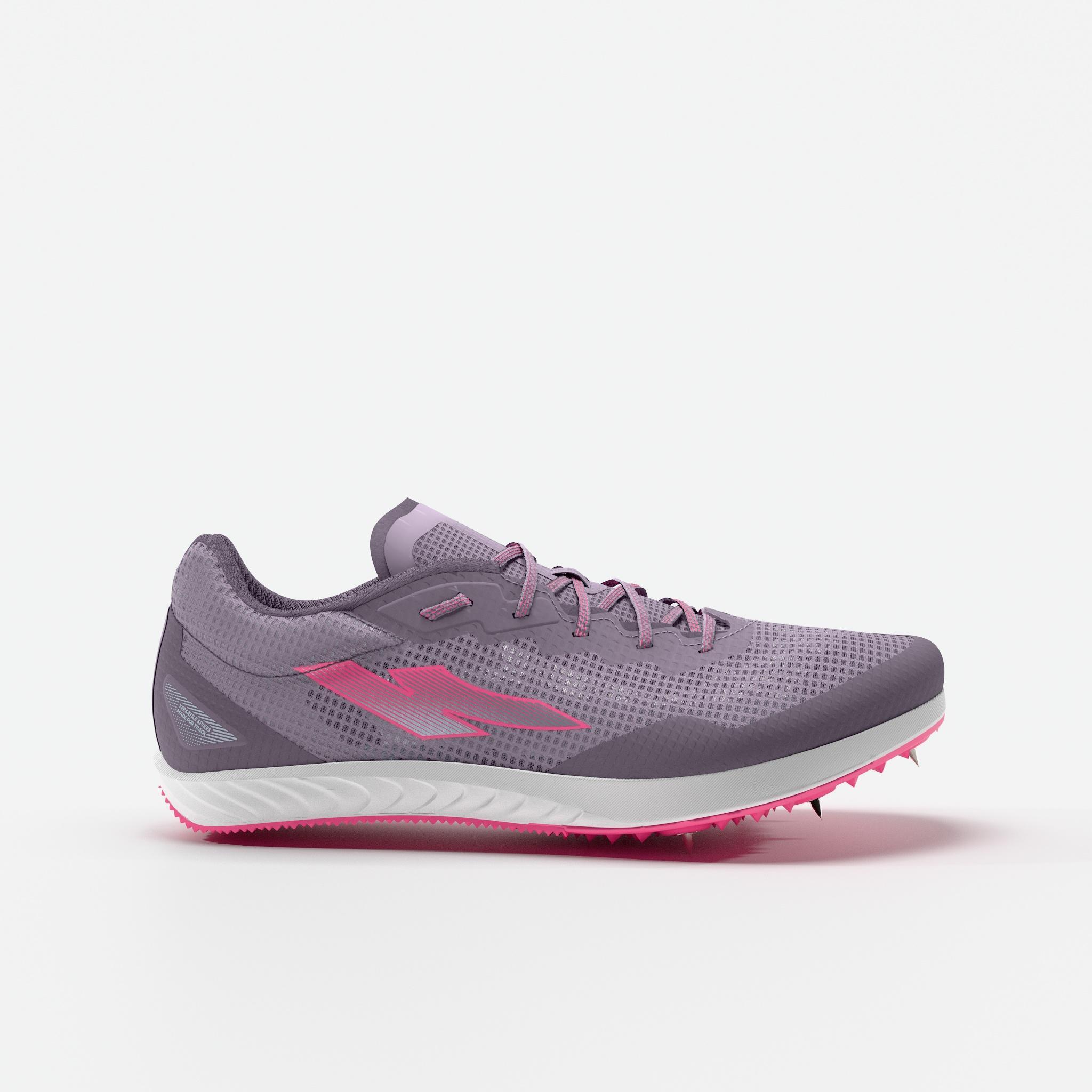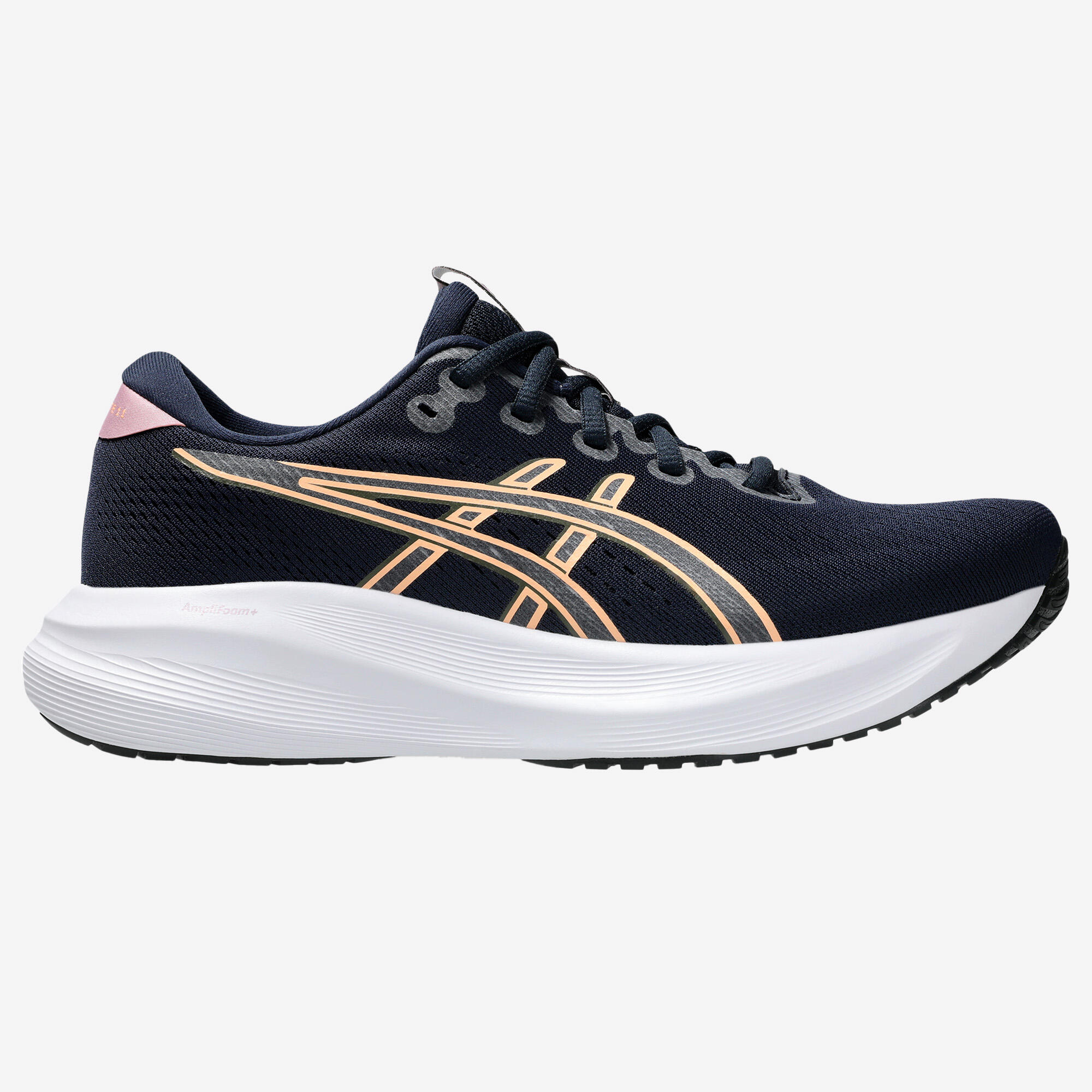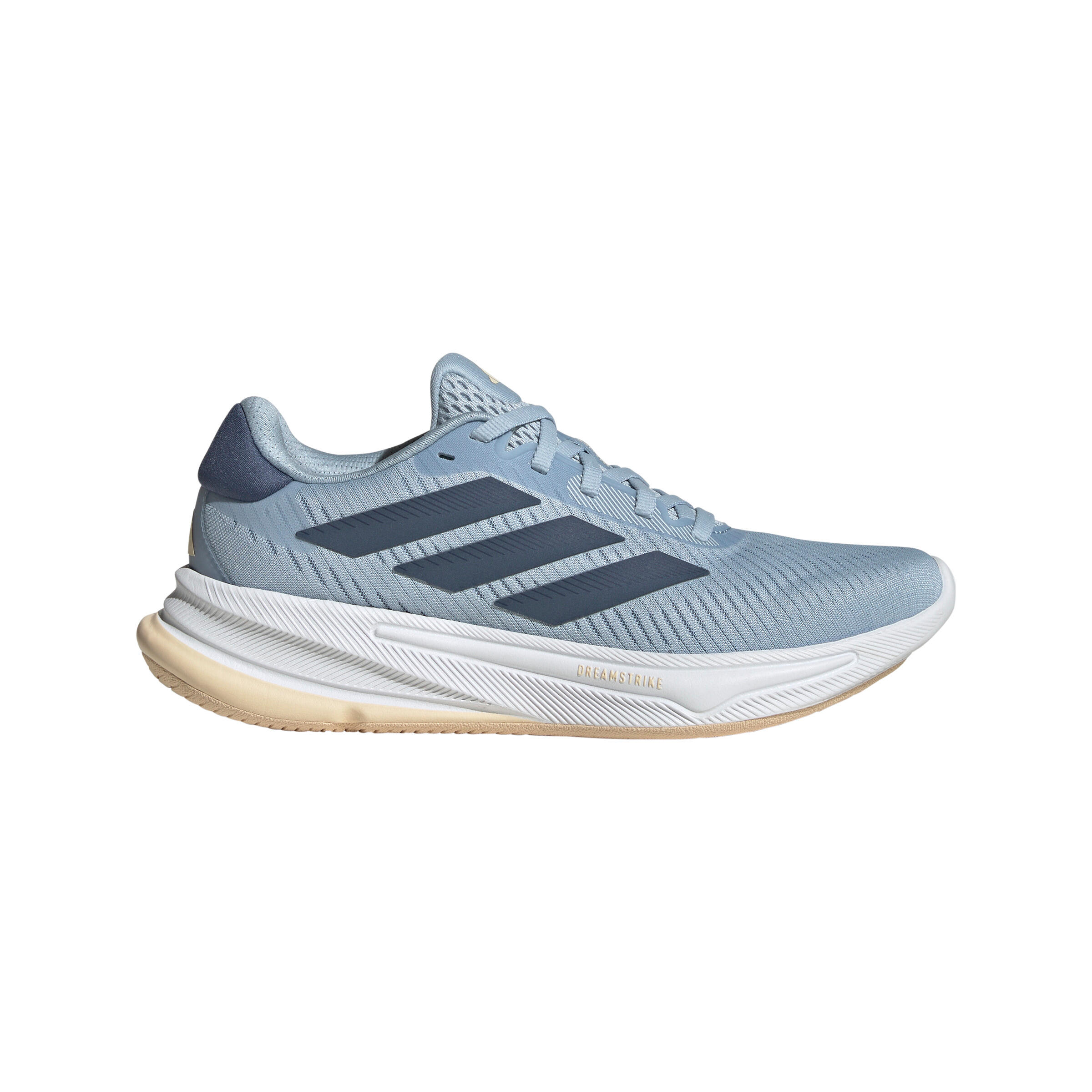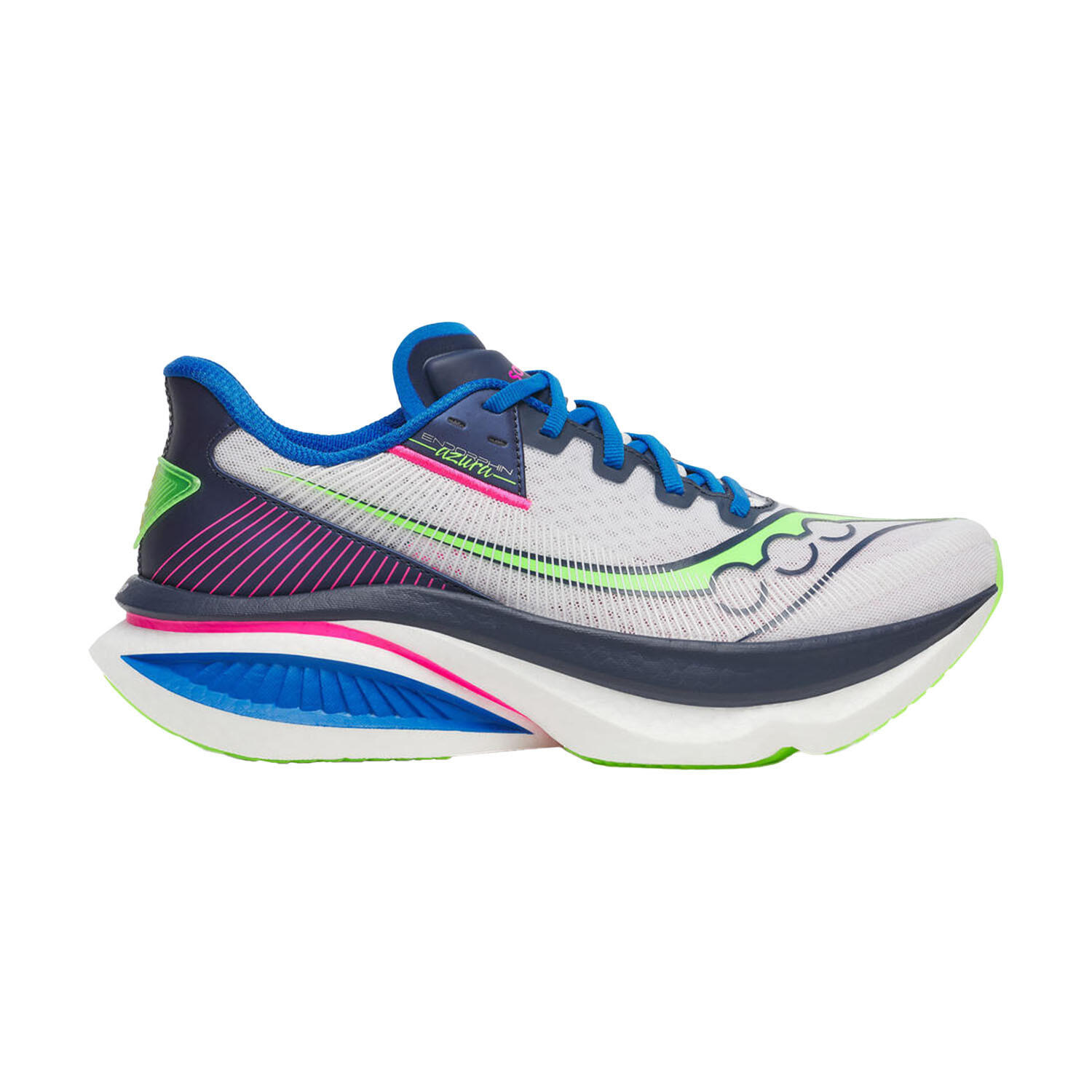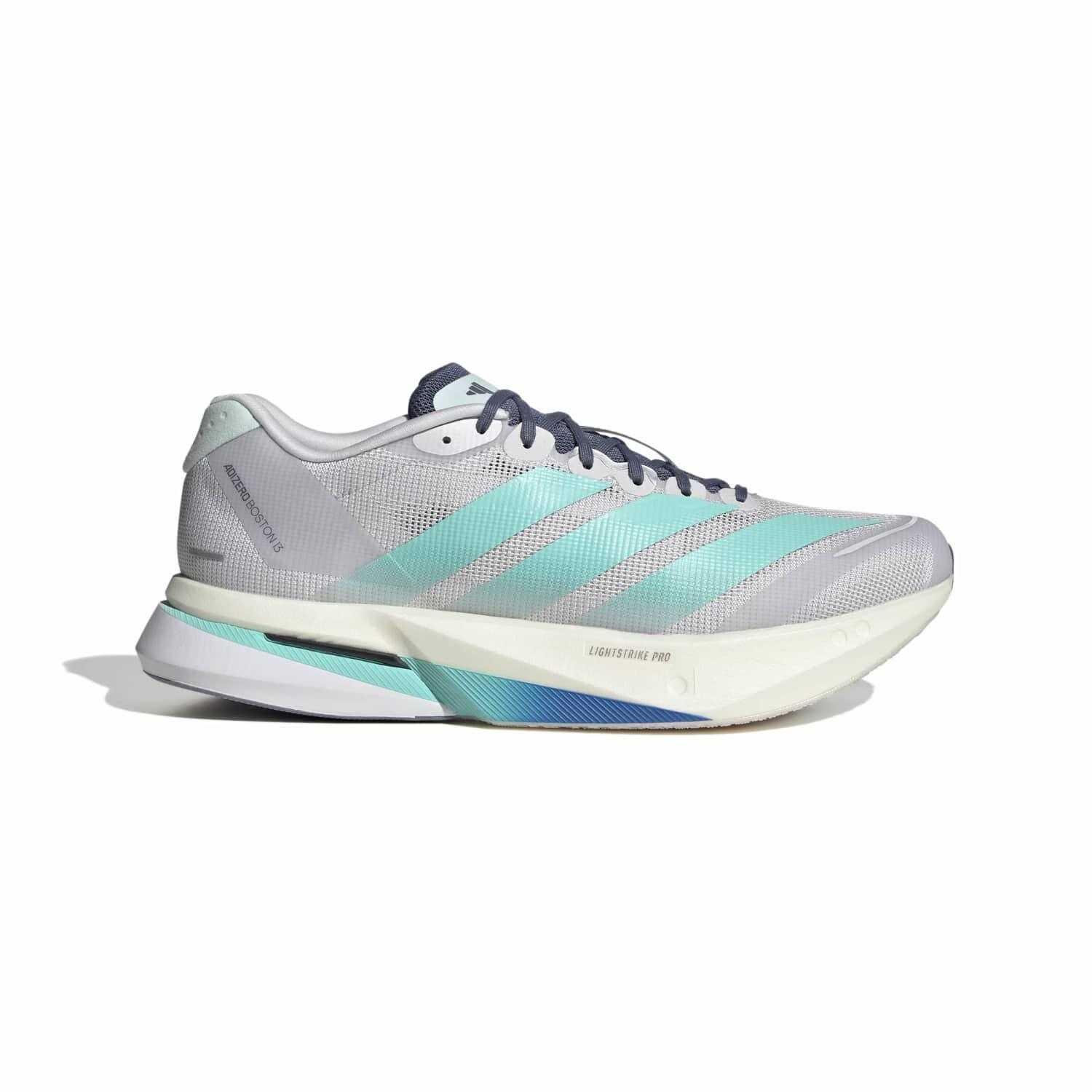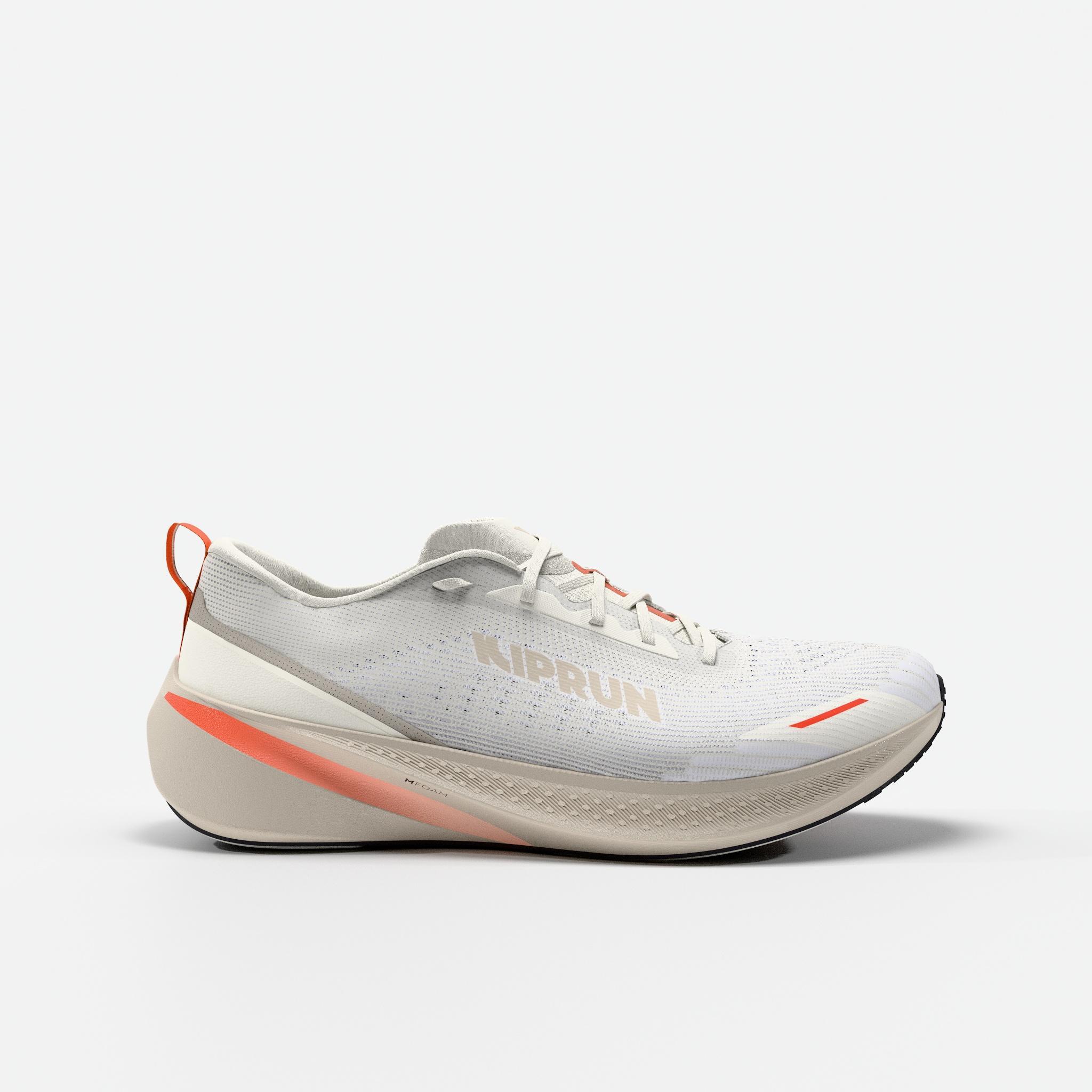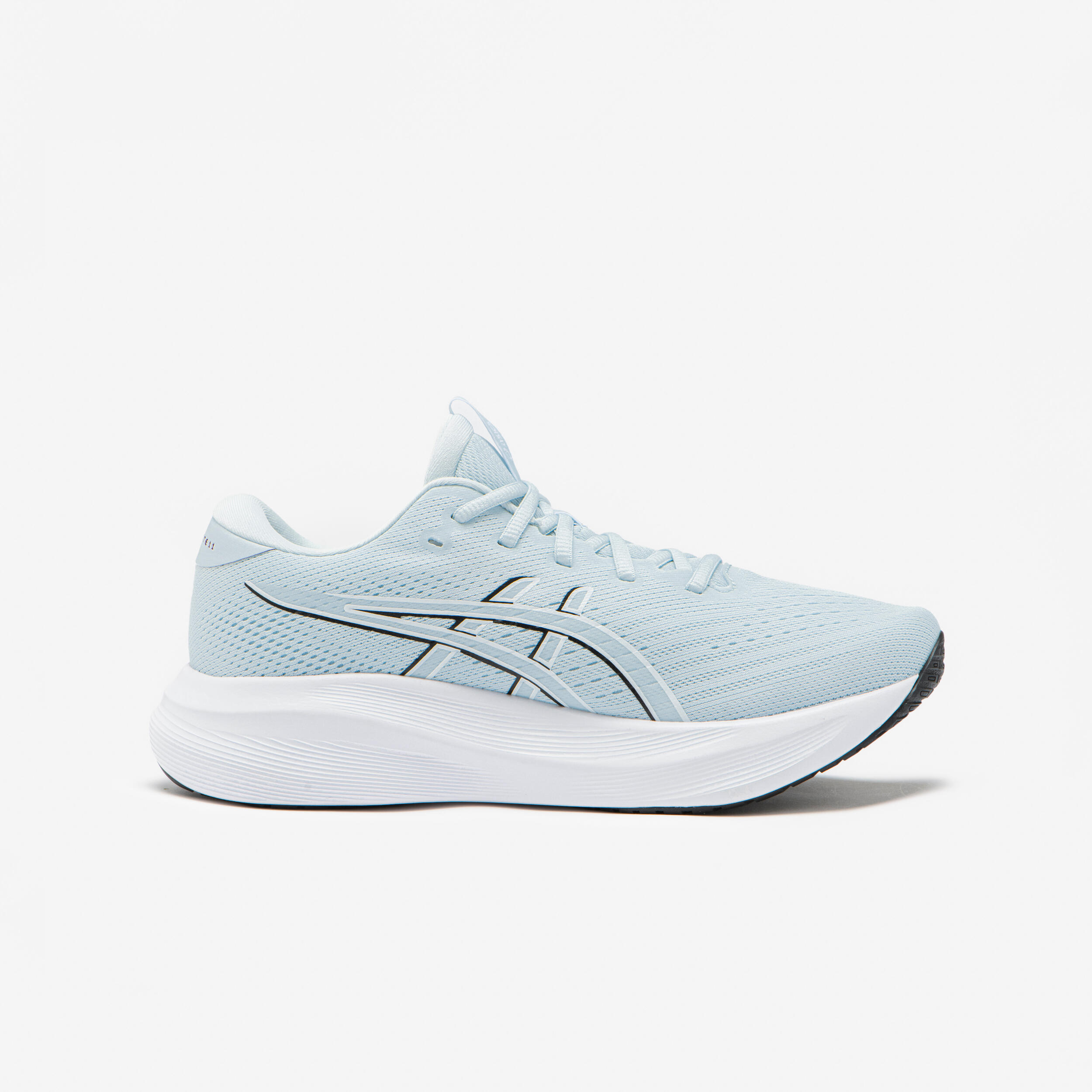
2,190 items
4.6/5 based on 117682 reviews collected online and in stores

Running Shoes FAQs

What should you look for in running shoes?

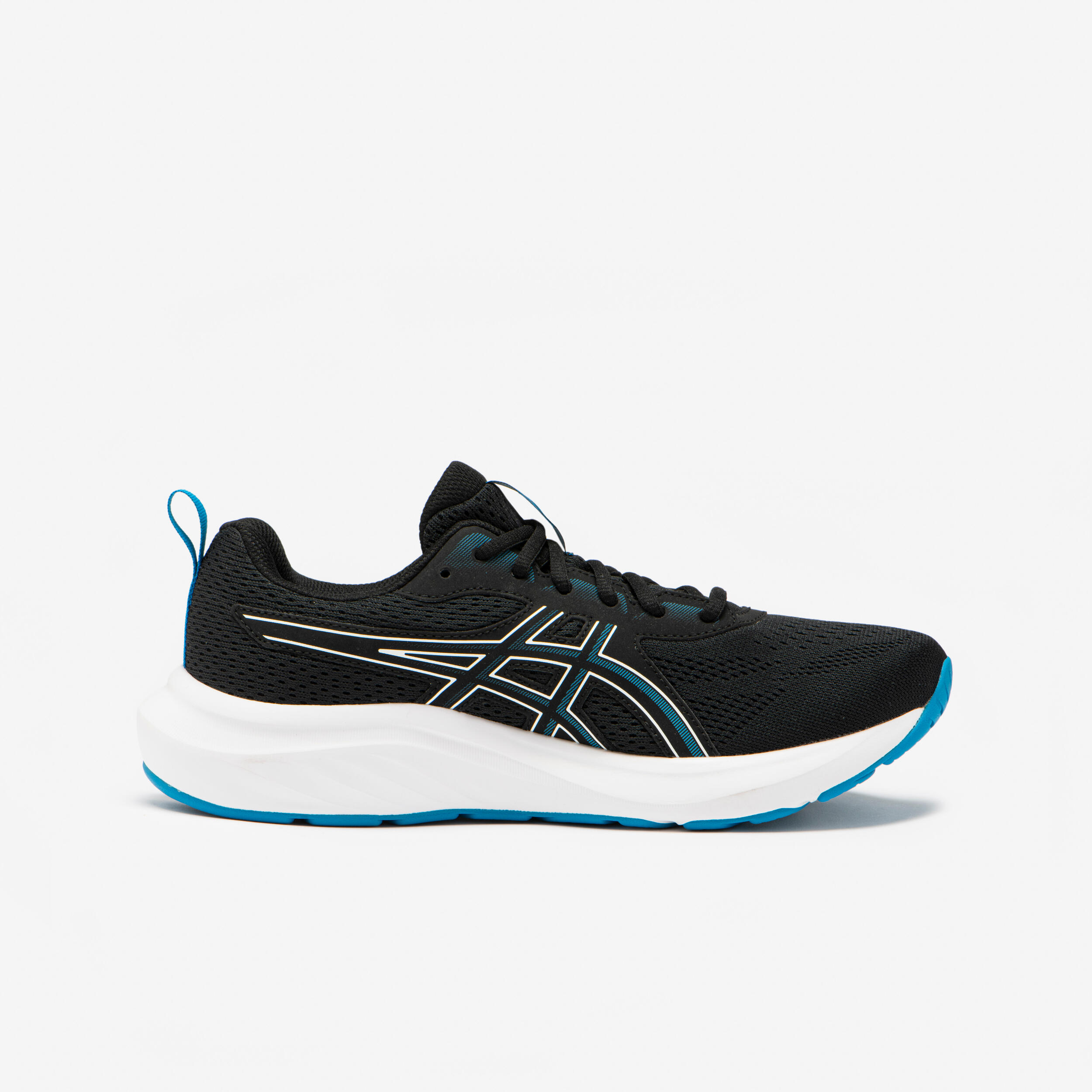
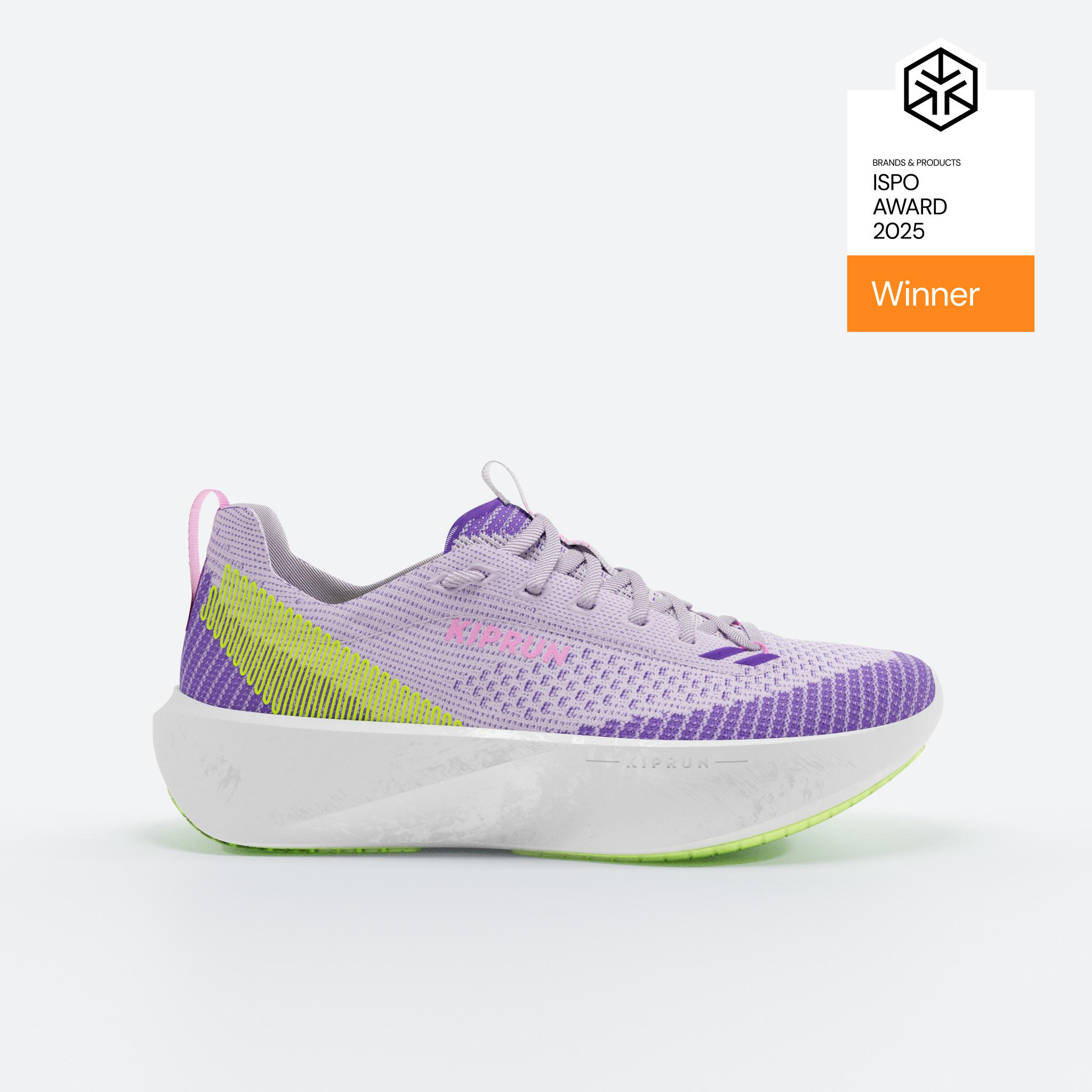
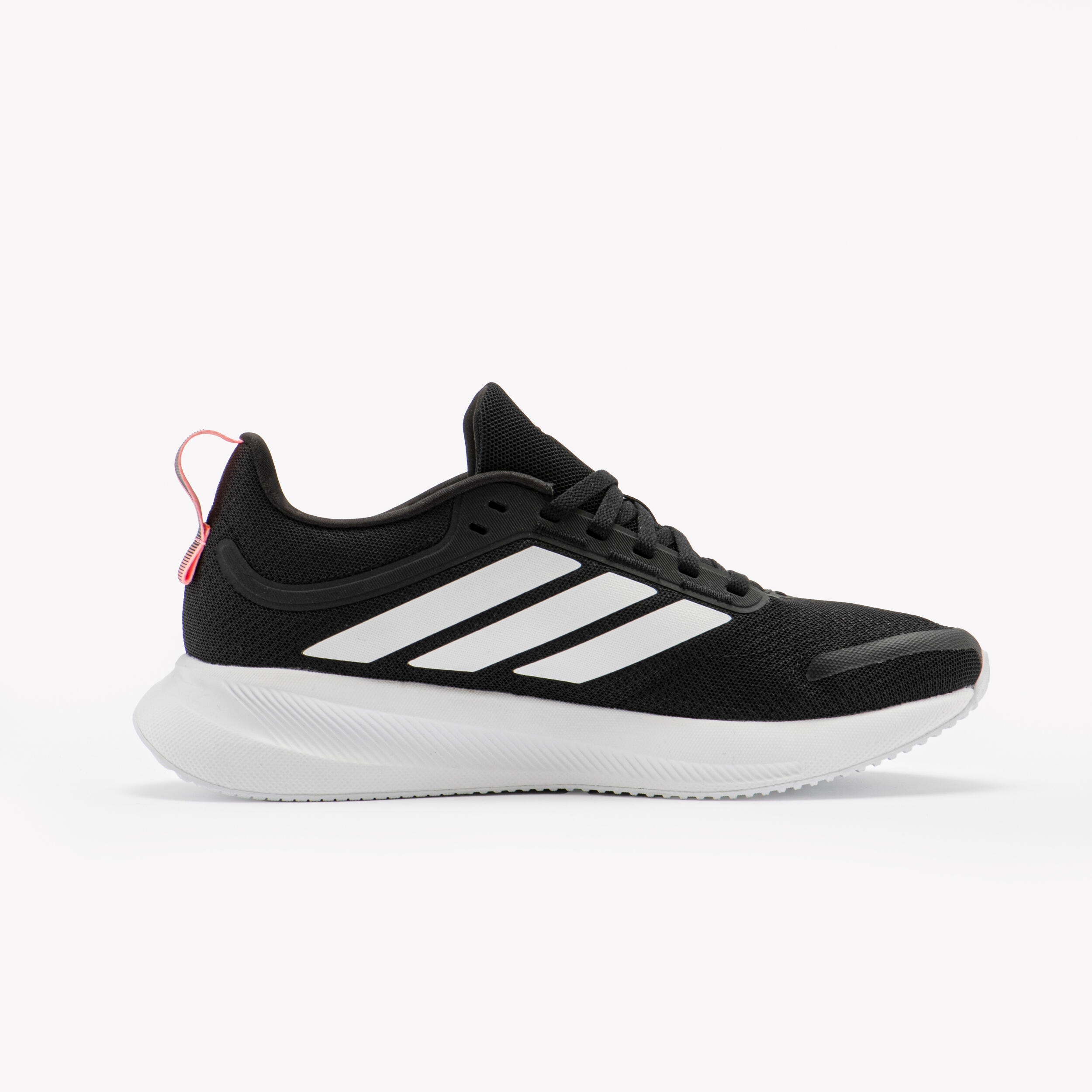
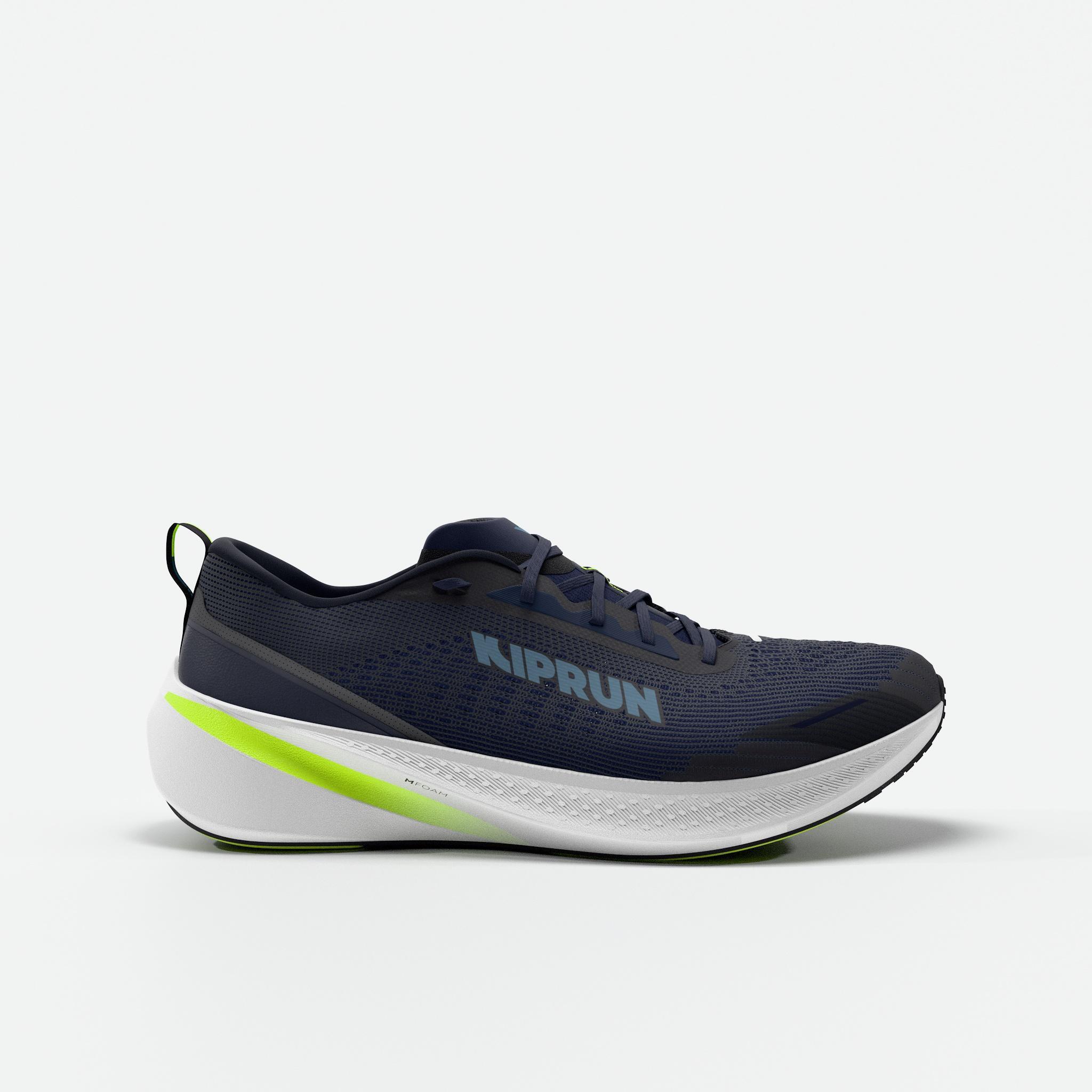
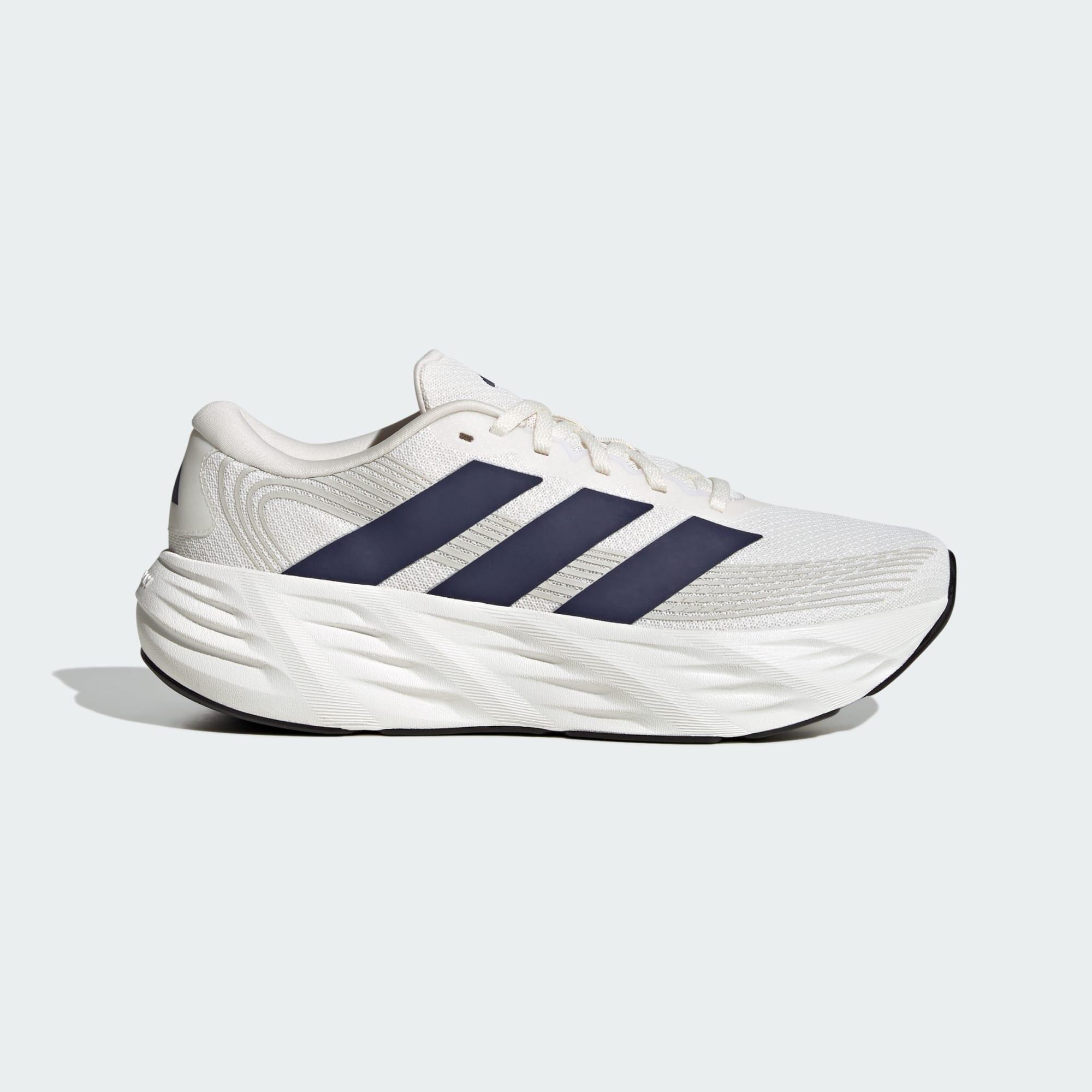
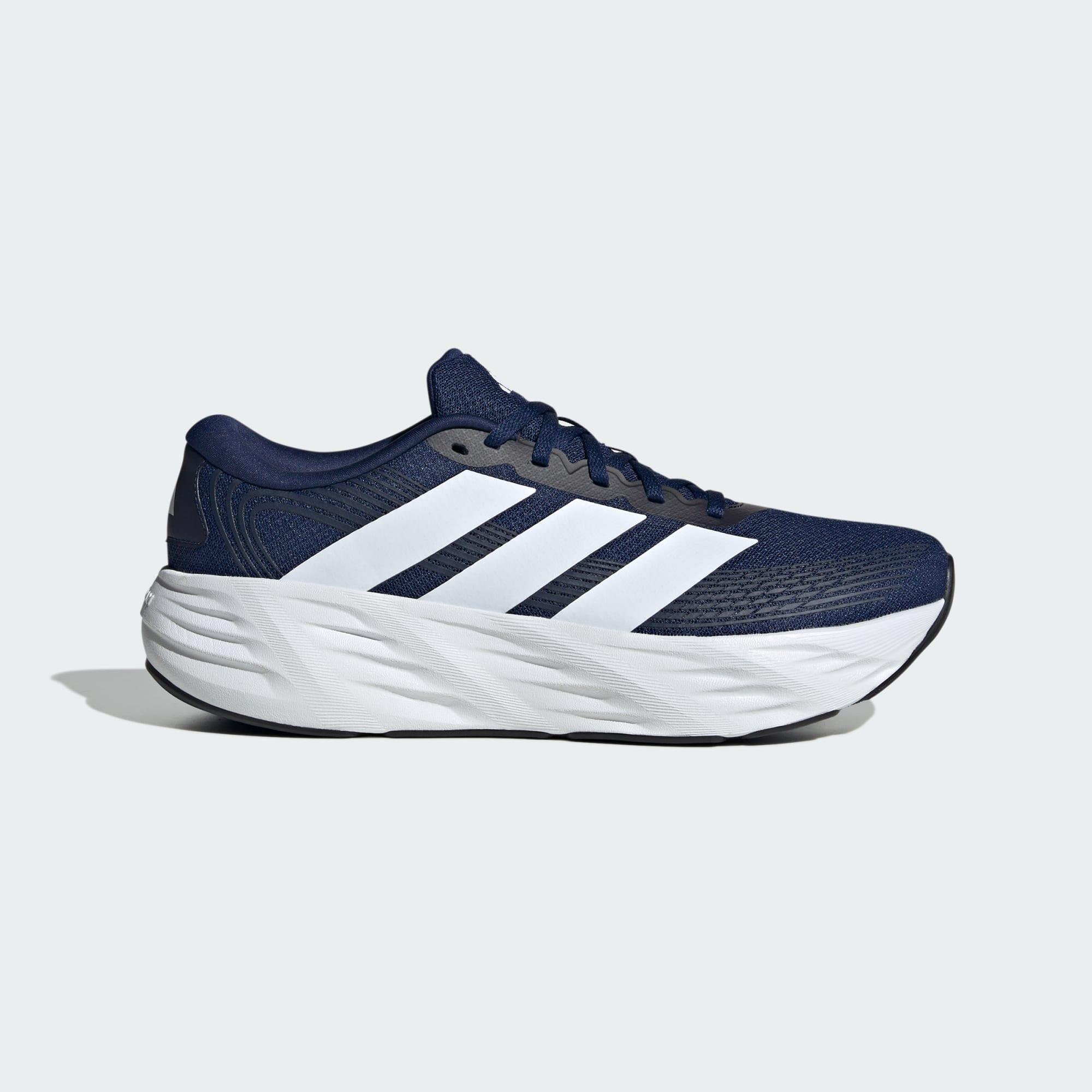
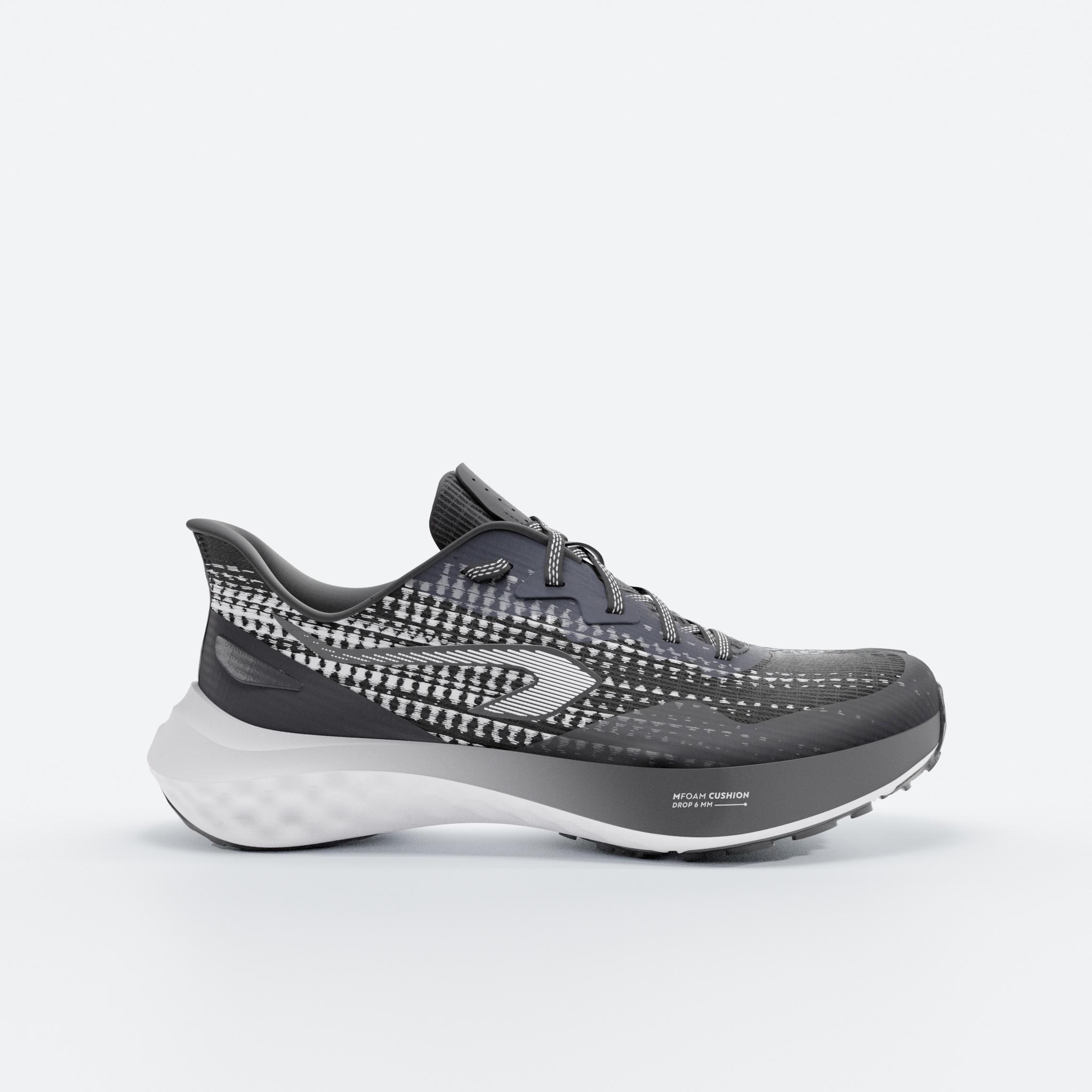
Comfort and fit come first, so look for cushioning that suits your weight and mileage, a secure midfoot hold and a little room at the toes. A breathable upper keeps the feet cool, and the right support helps your stride stay efficient over distance. Matching the shoe to where and how you run matters more than any spec on the box. Heel-to-toe drop is worth a thought, too, since it changes how your foot lands. The men's running shoes range is a good place to start browsing road options.

How should running shoes fit?

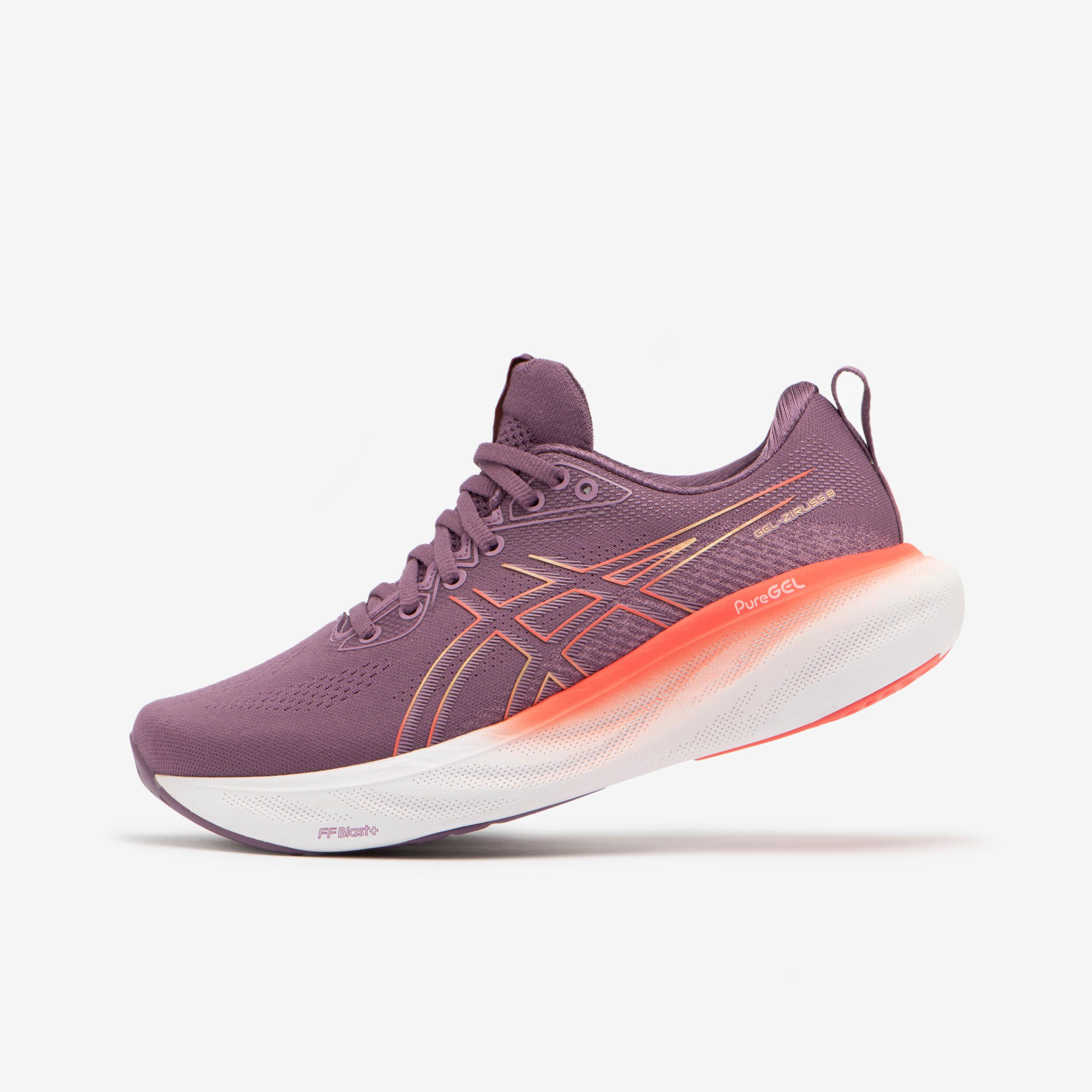
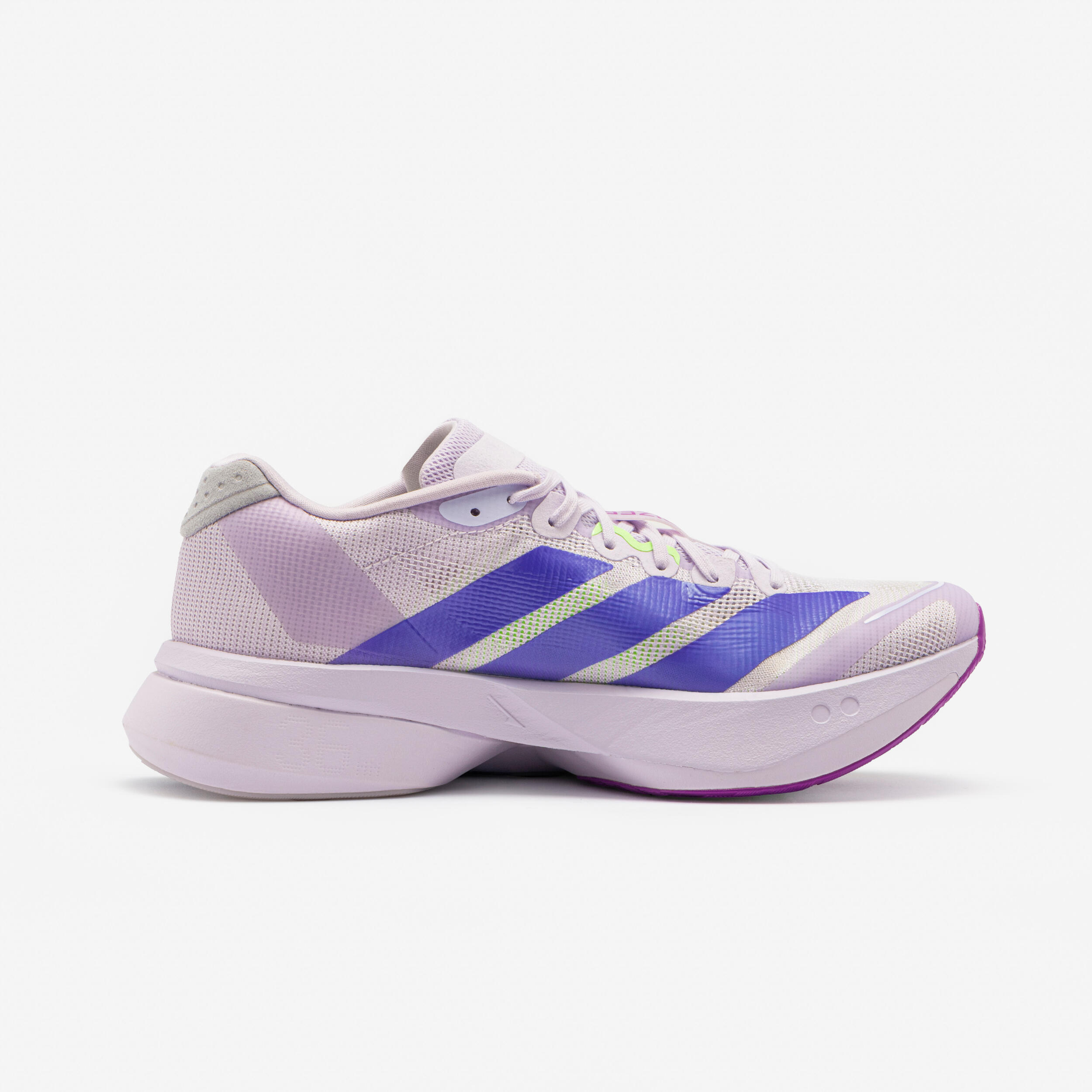
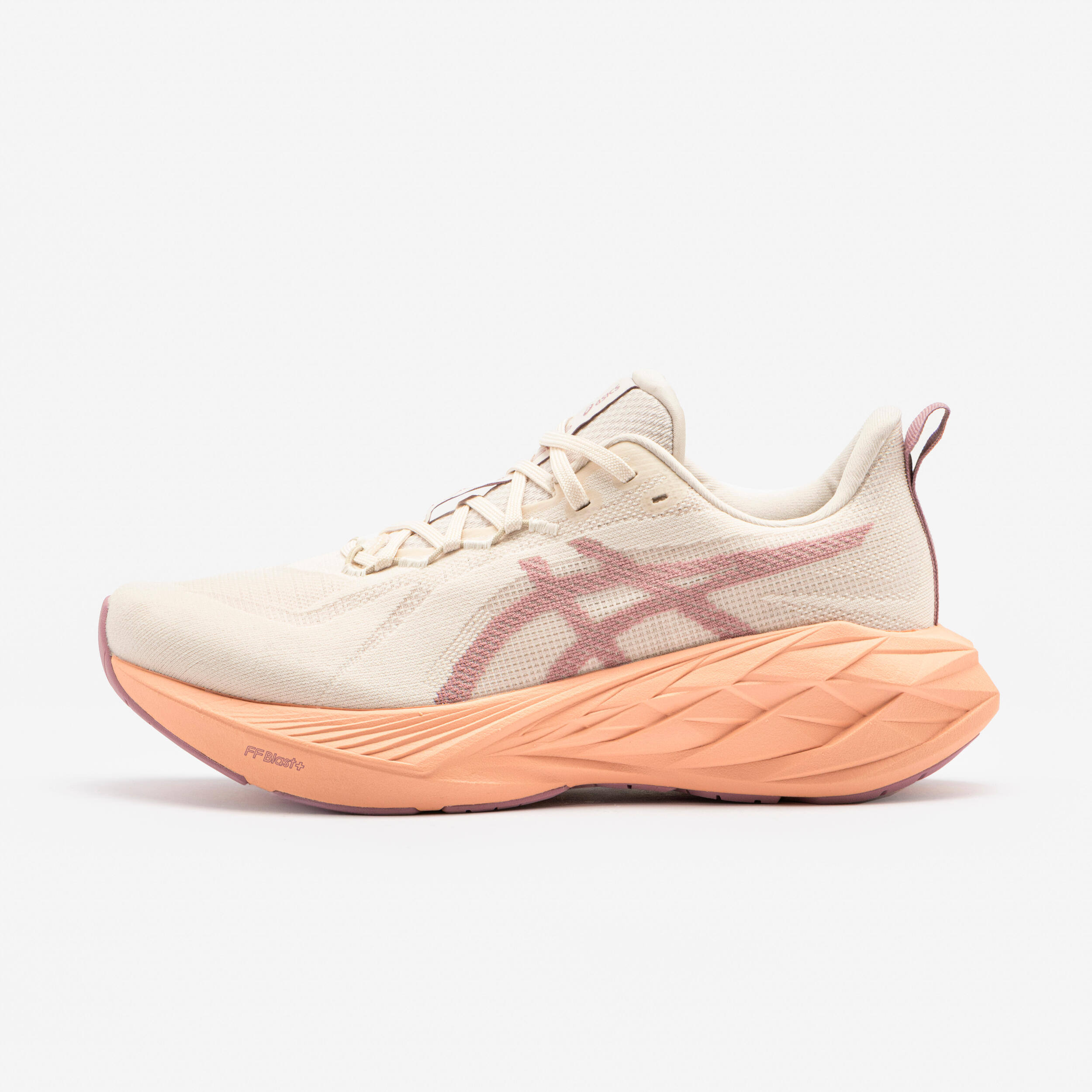
Fit is personal, but as a rule, a shoe should hold your heel and midfoot securely while leaving wiggle room at the toes. Feet swell on a run, so shop later in the day and size up if you are caught between sizes. A snug fit without pinching anywhere is what you are after. Women's feet tend to be narrower at the heel, so women's running shoes use a female-specific last.

What are the best running shoes for people with high arches and high impact?

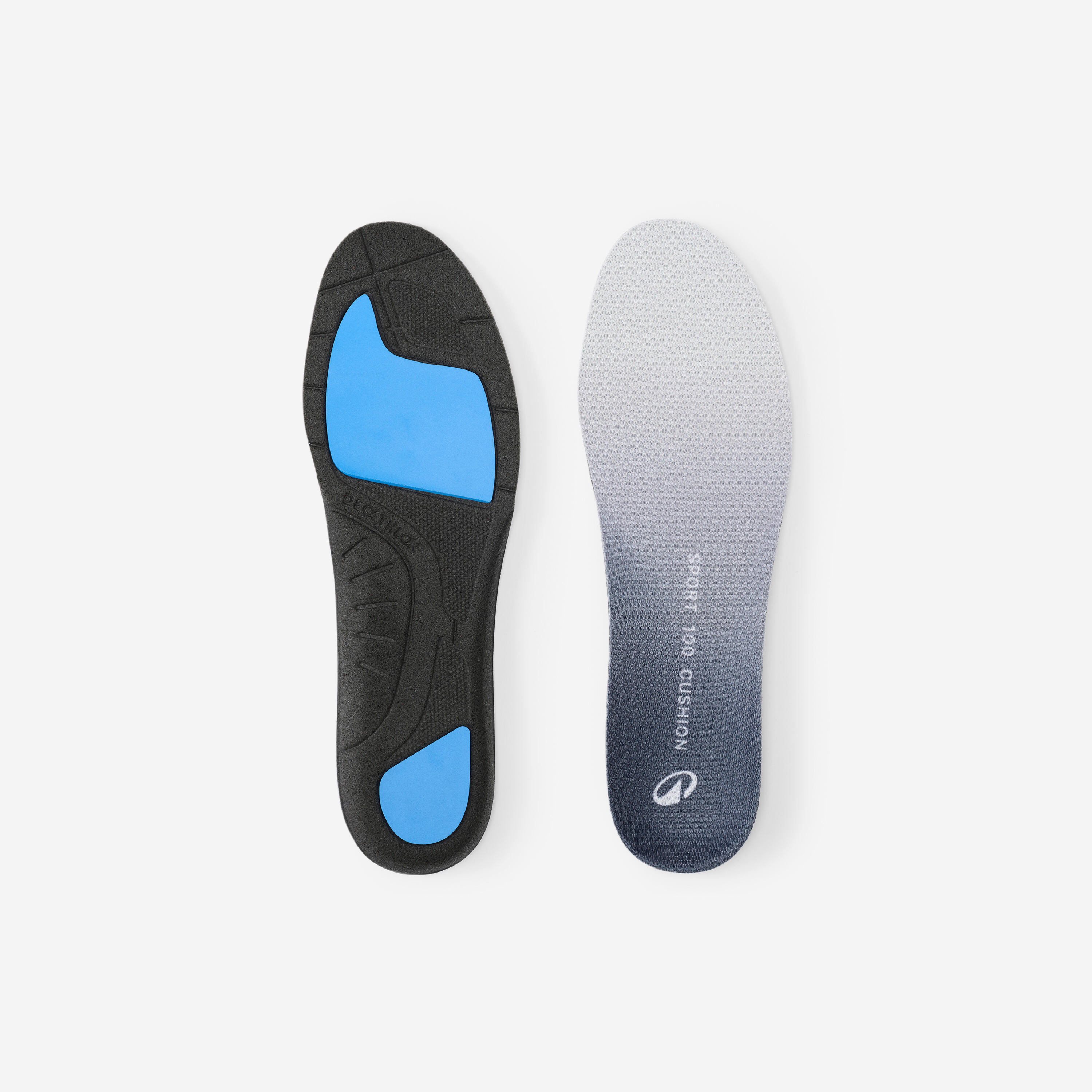
Runners with high arches often experience underpronation, where foot rigidity prevents natural shock absorption during heel strike. For runners taking on high impact on hard surfaces, neutral cushioned running shoes featuring deep stack heights and plush EVA or Pebax foam midsoles are essential to absorb landing forces effectively. The technical reason for choosing high-cushion neutral shoes is force distribution: high arches have a smaller contact area with the ground, concentrating impact pressure under the heel and forefoot rather than spreading it across the midfoot. High-stack road running shoes cushion these peak pressure points while maintaining ankle stability. Pairing cushioned footwear with moisture-wicking, anti-blister running socks provides extra underfoot padding and prevents friction hot spots caused by high arch contours.

What running shoes suit younger runners?

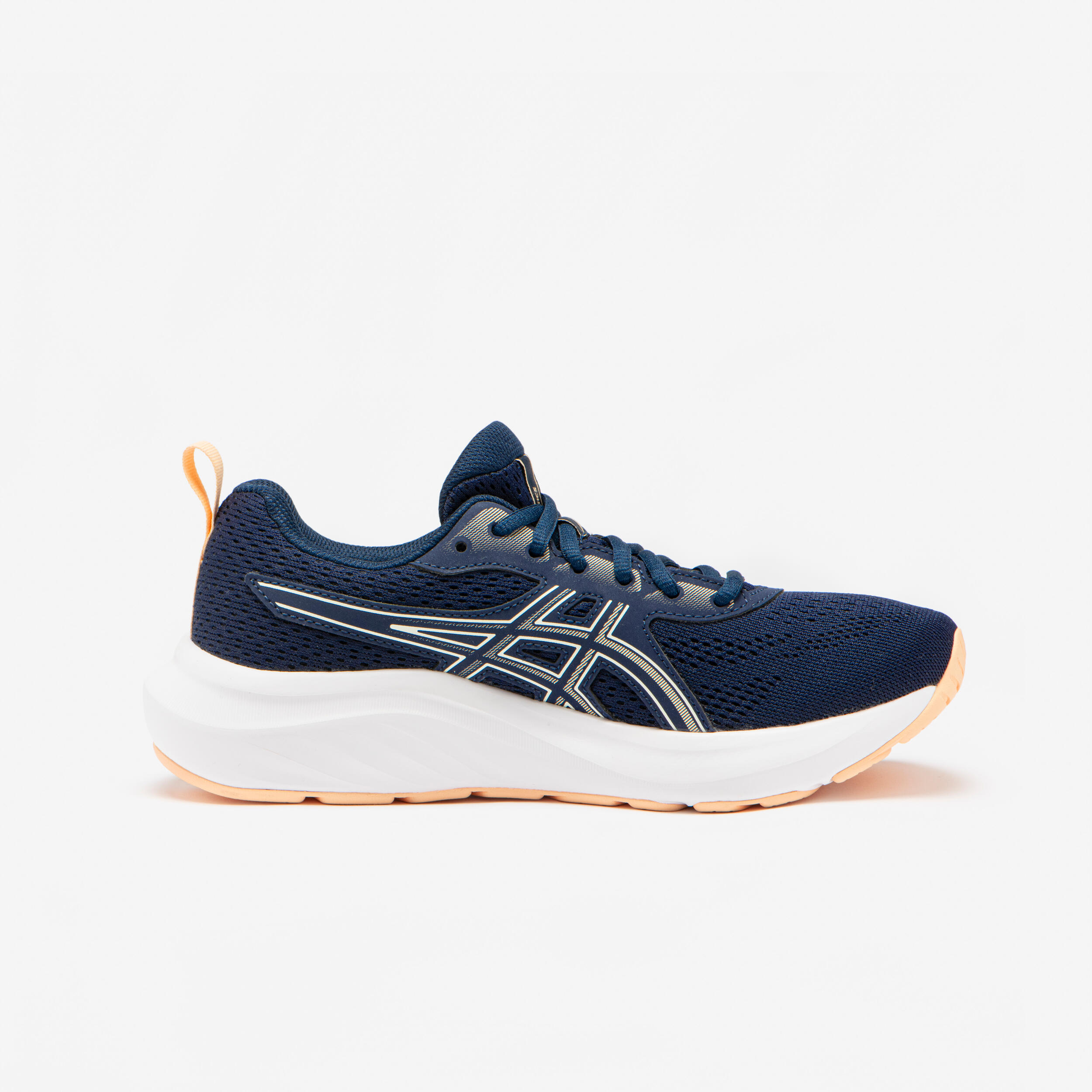
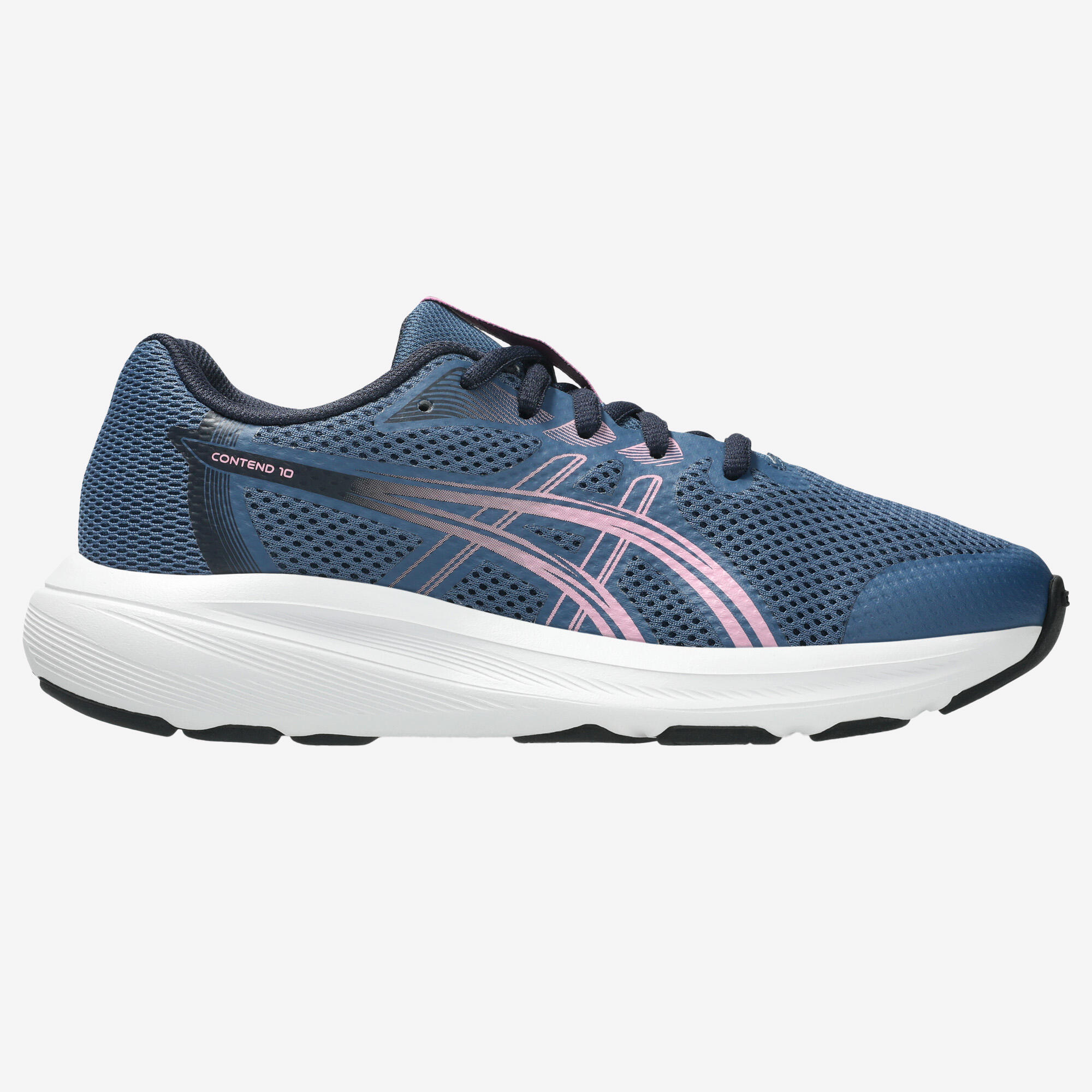
Younger runners are best in a lightweight, flexible shoe that protects growing feet without the firm ride of an adult racer. A secure fit with a thumb of growing room, hard-wearing materials and easy fastenings all help day to day. Room to grow means a pair lasts a full season without pinching. Comfort keeps them keen to run and play. Built for active young feet, the kids' running shoes range has durable, comfortable styles for school and sport.
Do you need different running shoes for wet weather?

For the wet, a grippy outsole and a quick-drying upper matter most, since sure footing counts on slick pavement and painted lines. Water-resistant models help keep the feet drier on soggy days, though most road shoes cope fine with a passing shower. Good grip and a snug fit do more than any single feature for the rain. To keep the rest of you dry, pair them with weatherproof running gear.

What helps you stay comfortable on a run?

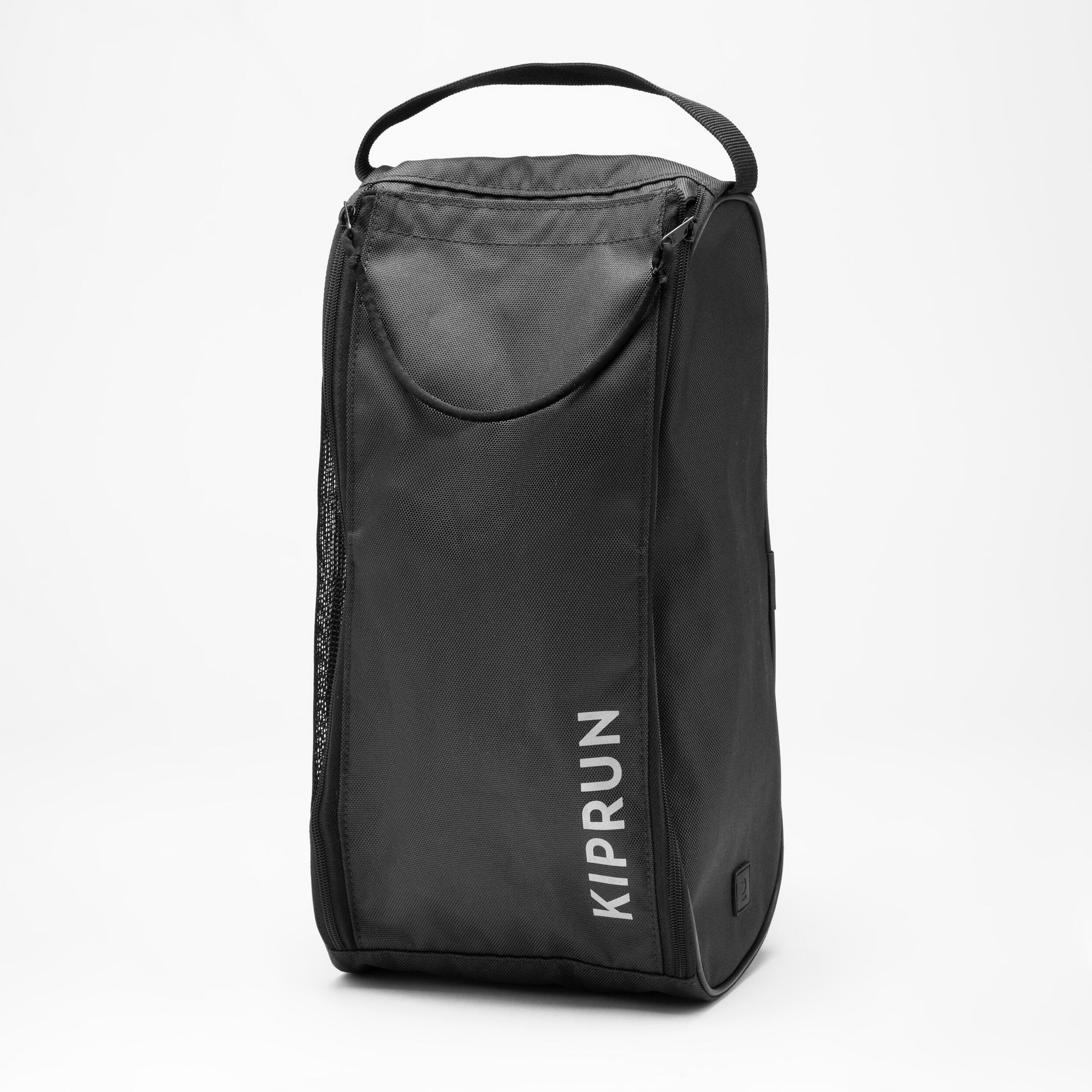
The shoes do most of the work, but a comfortable run also comes down to a secure fit, good socks and a way to carry your essentials. Breaking in new shoes gradually and lacing them to suit the shape of your foot both help prevent rubbing. Small adjustments like these keep longer runs enjoyable rather than a chore. Water bottles, storage belts and armbands sit in the running accessories range.

What is the benefit of carbon plate technology in modern racing shoes?

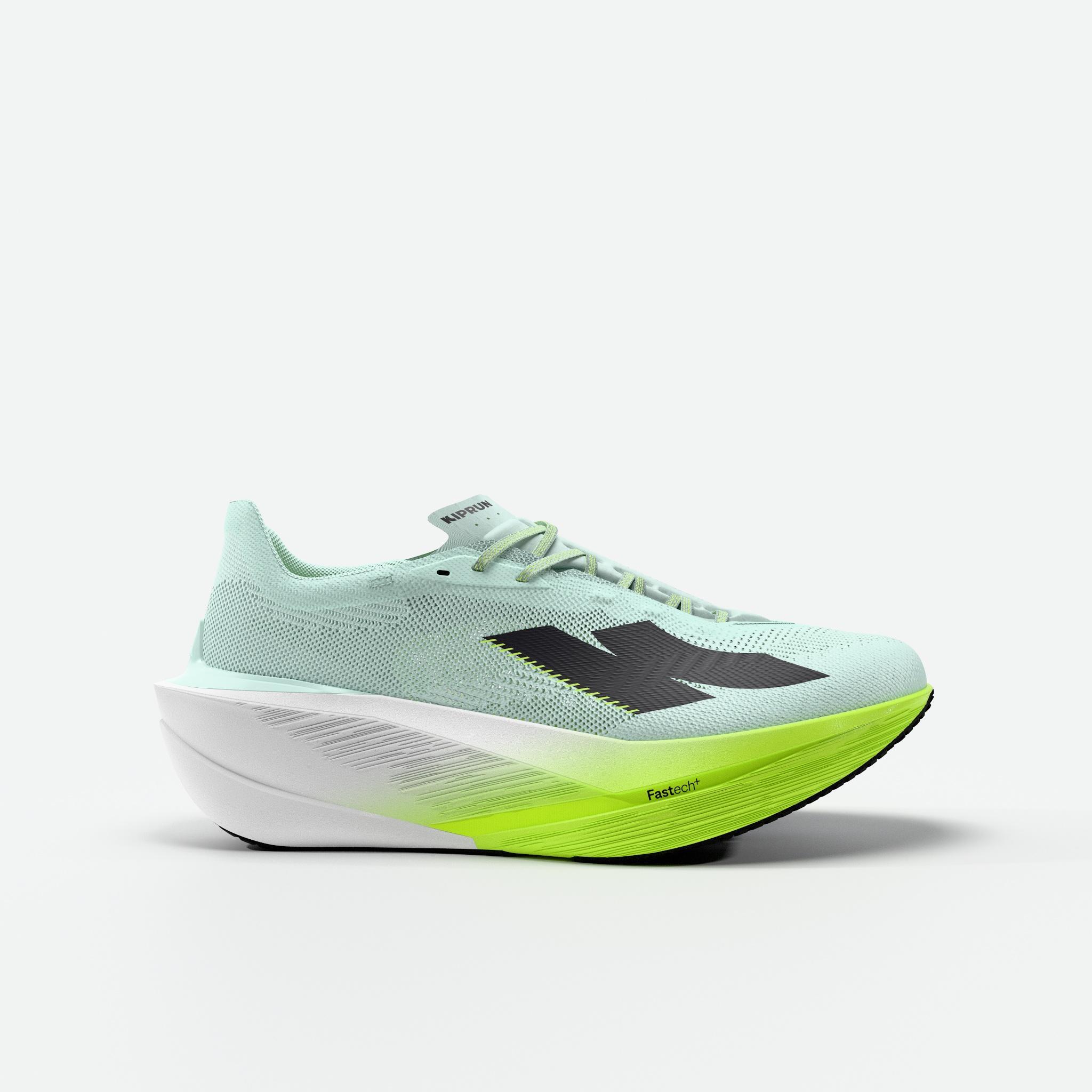
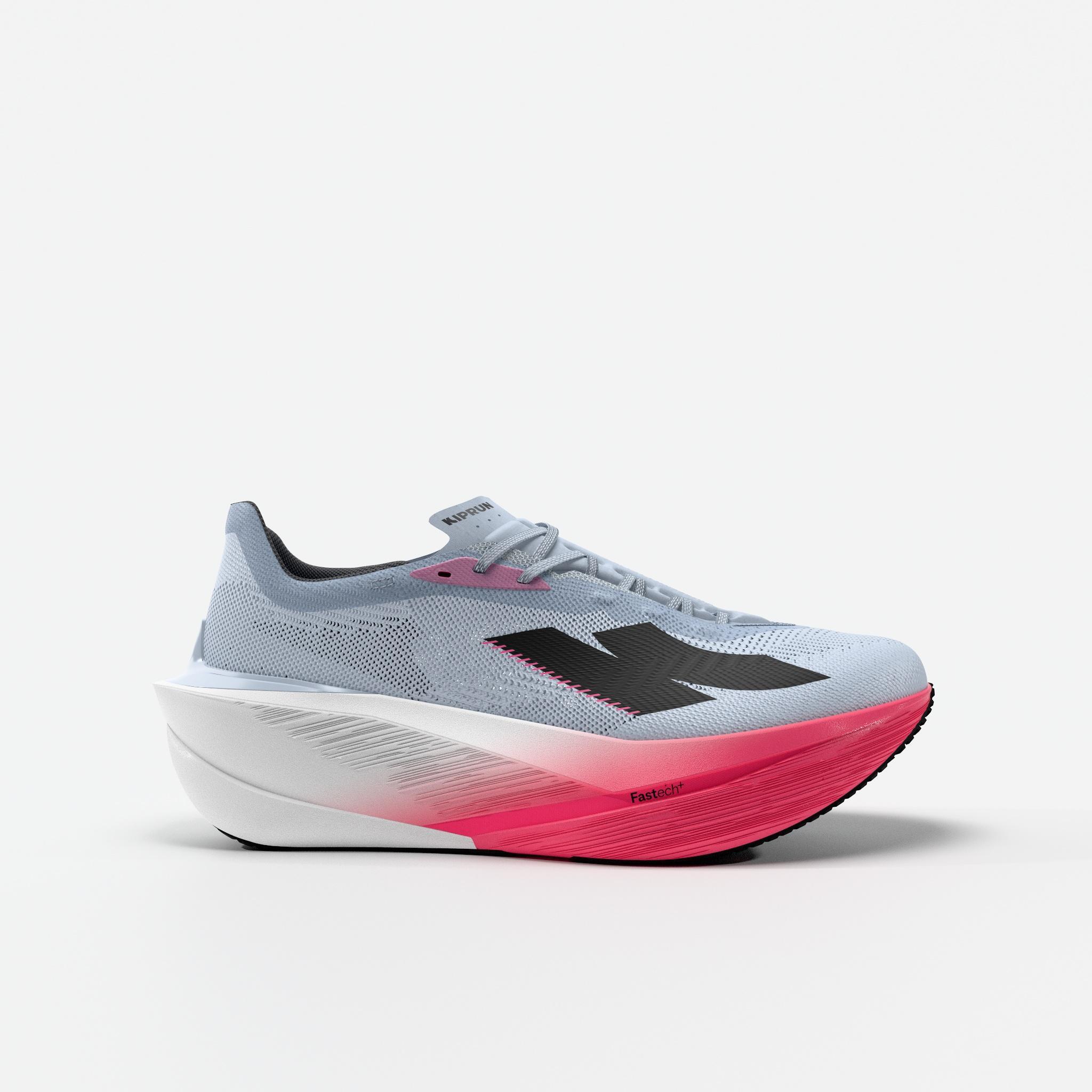
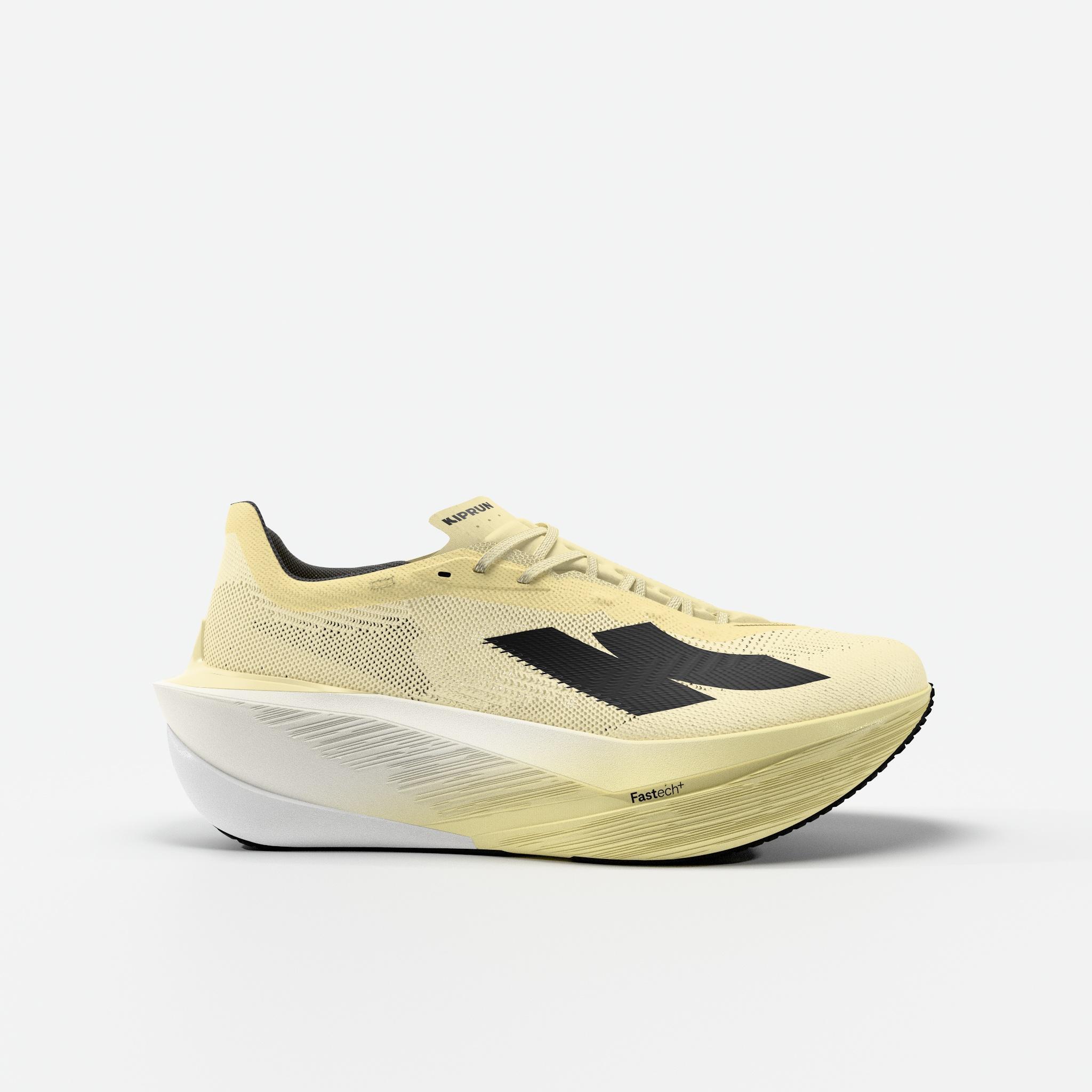
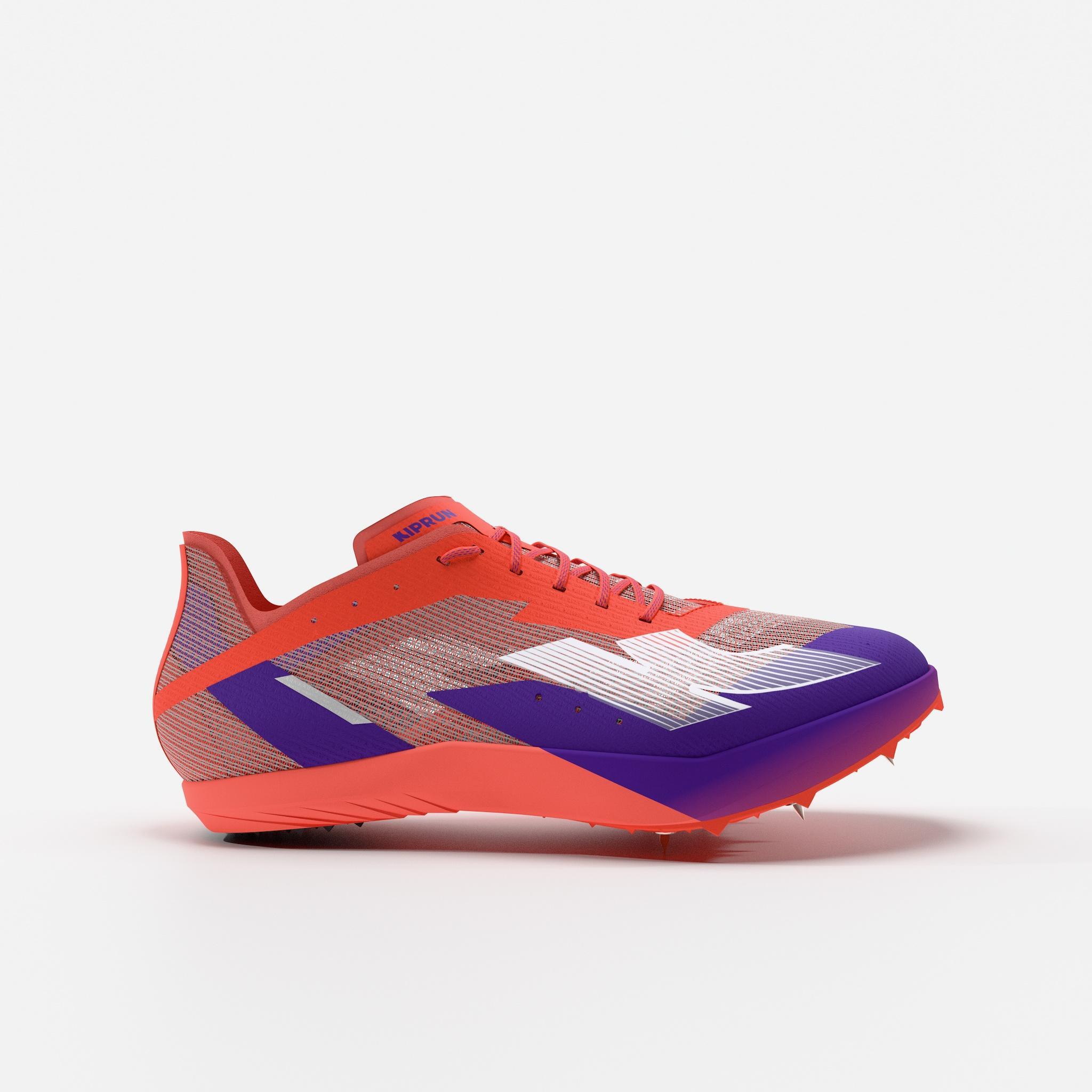
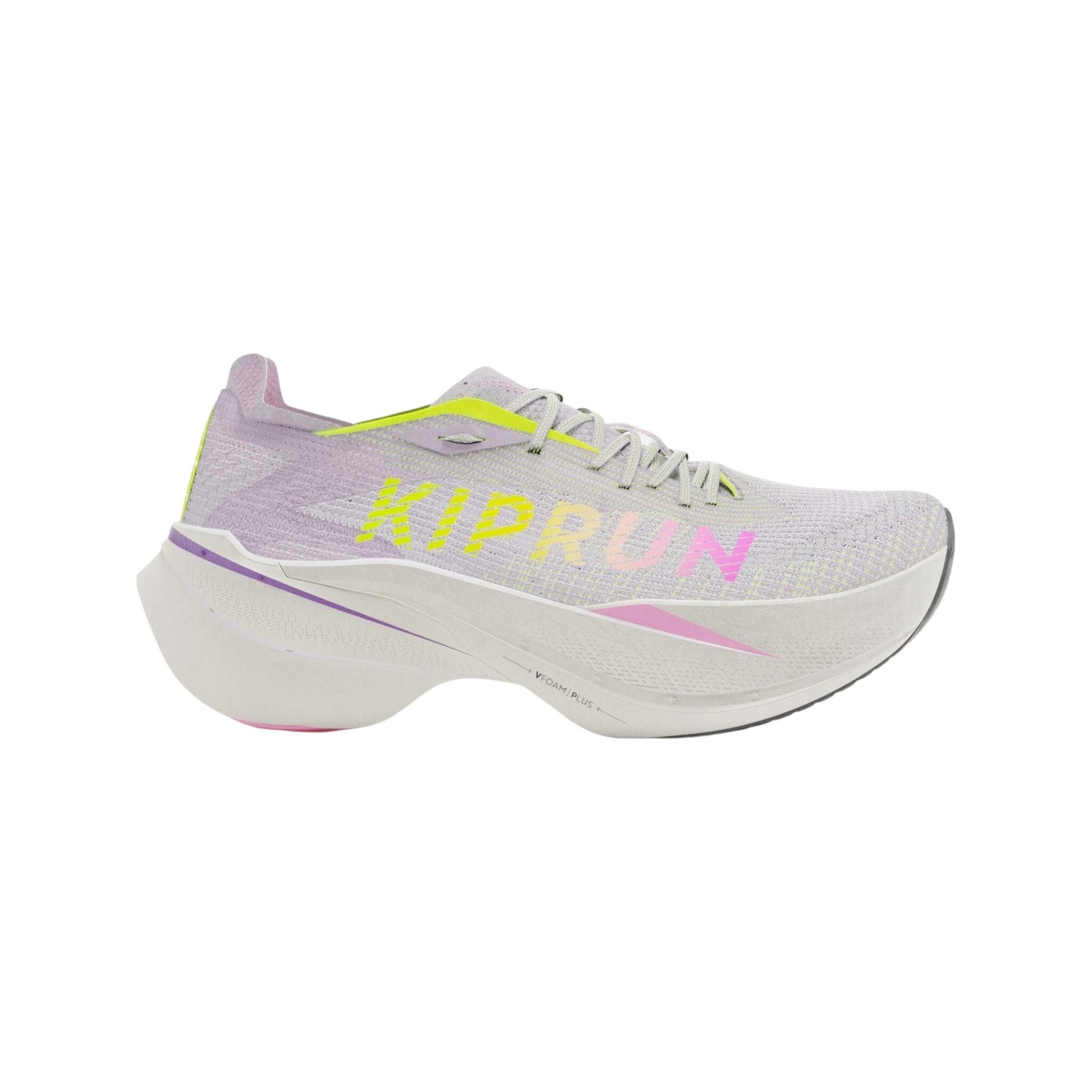
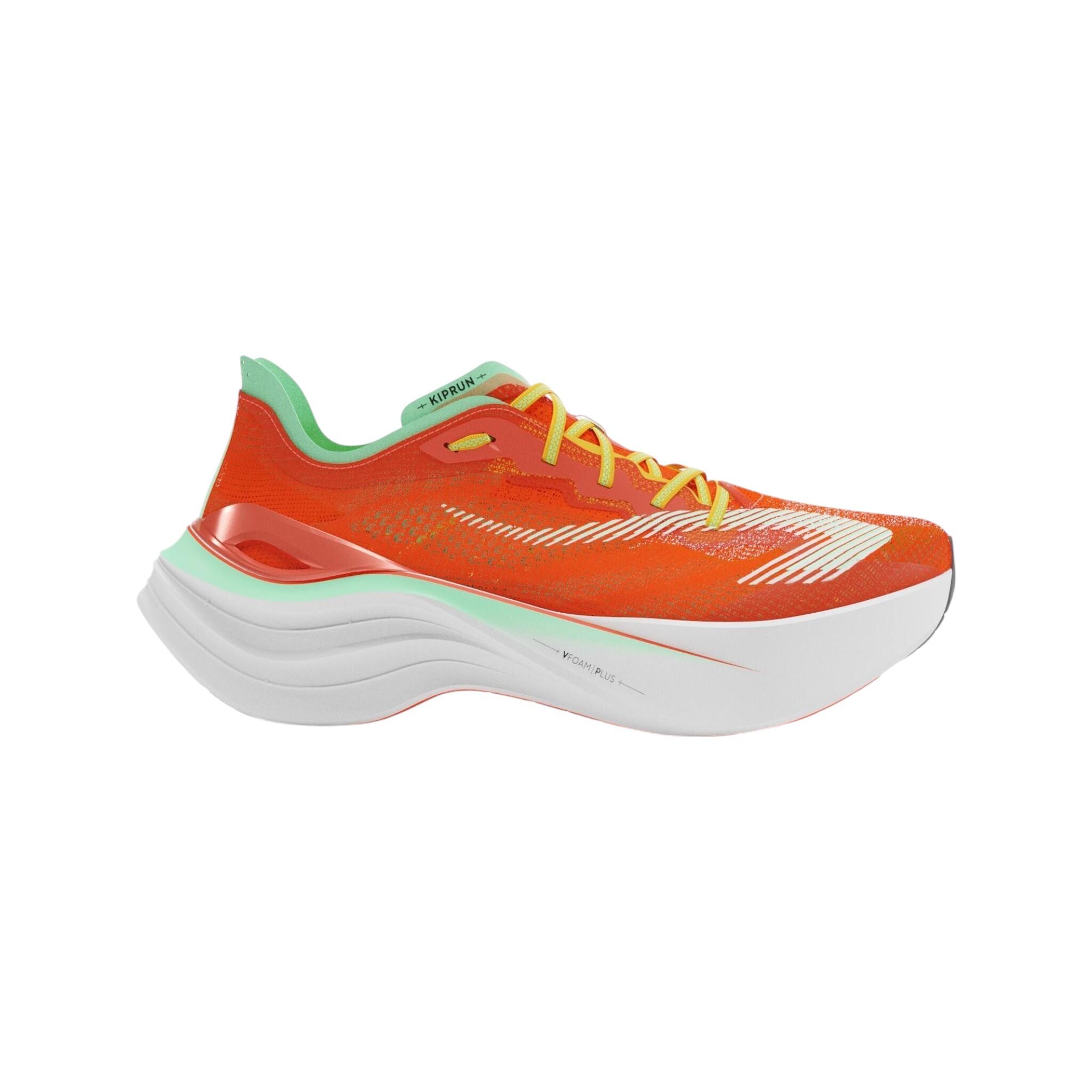
Carbon plate running shoes have revolutionized long-distance road racing by drastically improving energy efficiency and running economy. Modern racing shoes pair a full-length, rigid carbon plate with resilient, high-rebound superfoams. The technical "why" behind carbon running shoes is mechanical lever efficiency and joint stabilization: the rigid carbon curved plate stiffens the toe joint (metatarsophalangeal joint), reducing the metabolic energy lost during ankle flex at toe-off while stabilizing soft, ultra-responsive foam. Advanced designs, such as high-performance marathon options from Kiprun, help runners maintain speed with less muscle fatigue during late-stage marathon miles. If you are exploring targeted gender fits for race day, reviewing specialized options among our collection will help you select the precise stack height and drop profile tailored to your stride. Pro-tip: Save your carbon plate shoes primarily for key workouts and race days, as the rigid lever system alters your gait mechanics and places higher loads on your calves and Achilles tendons.