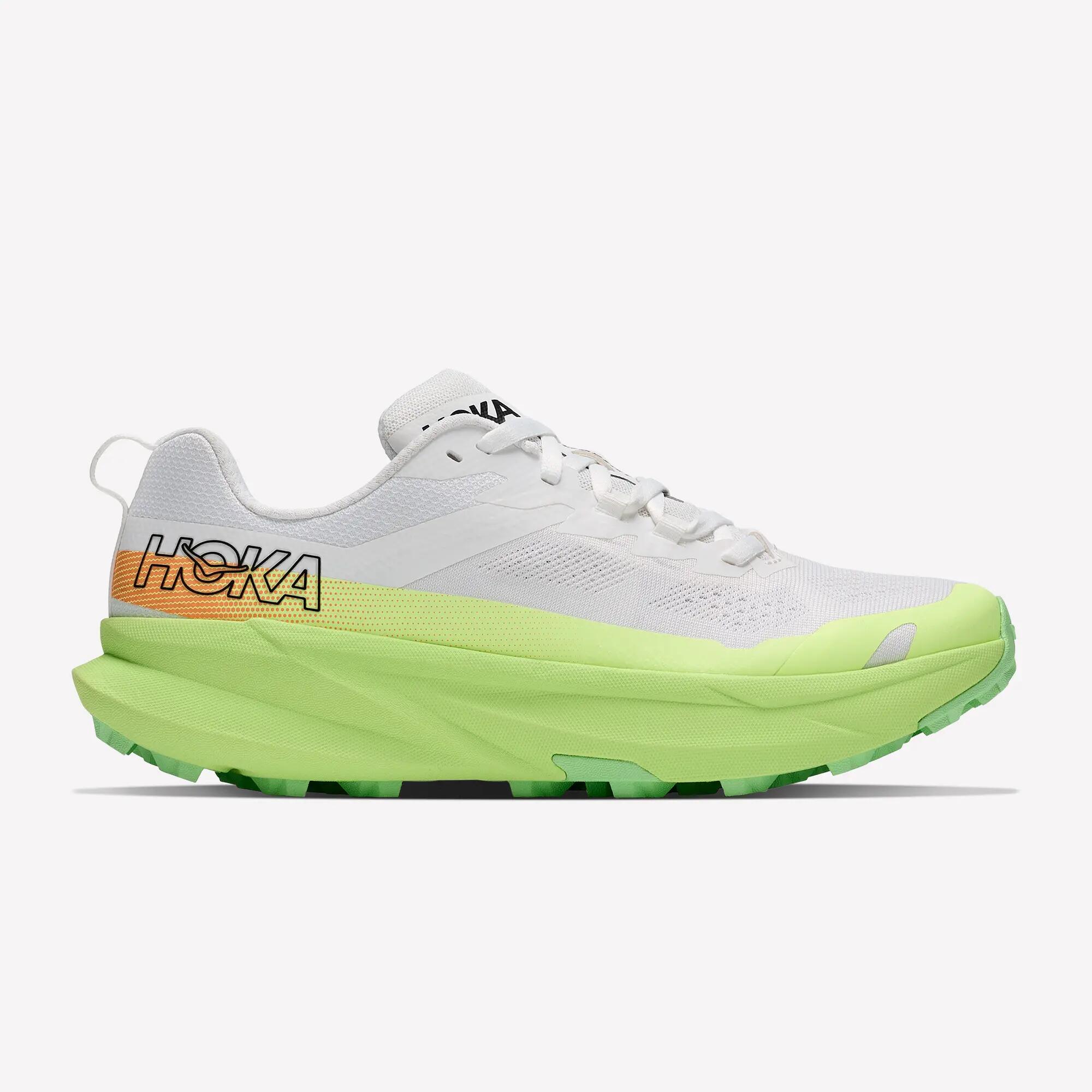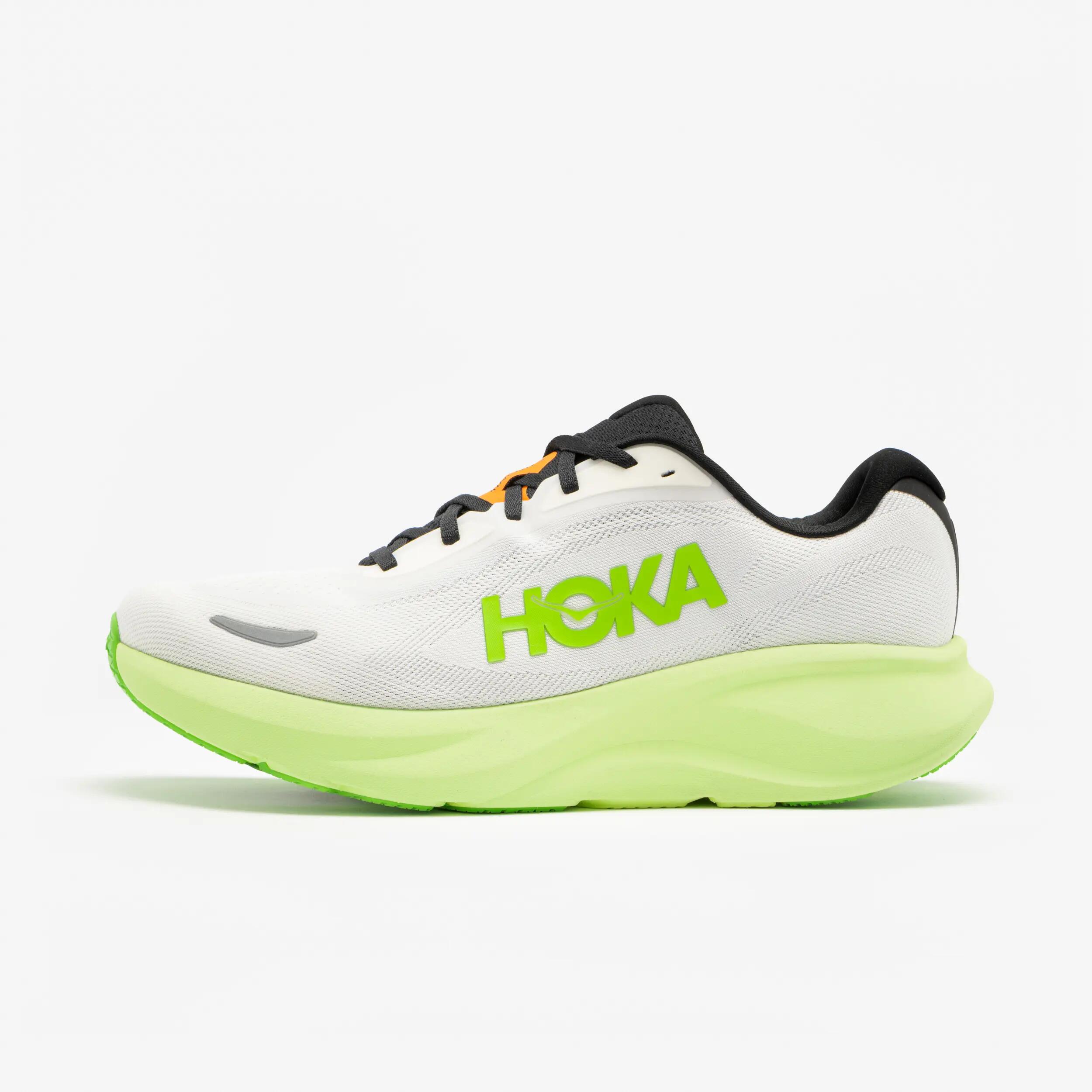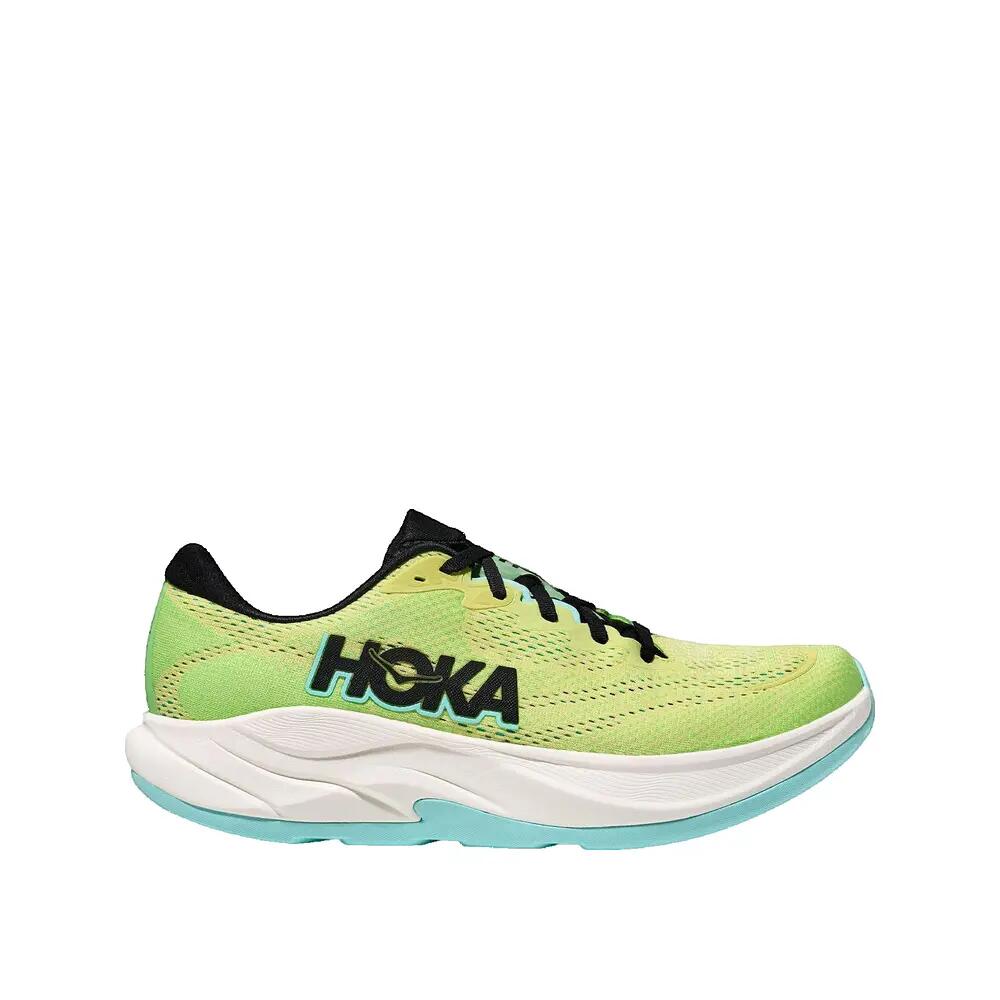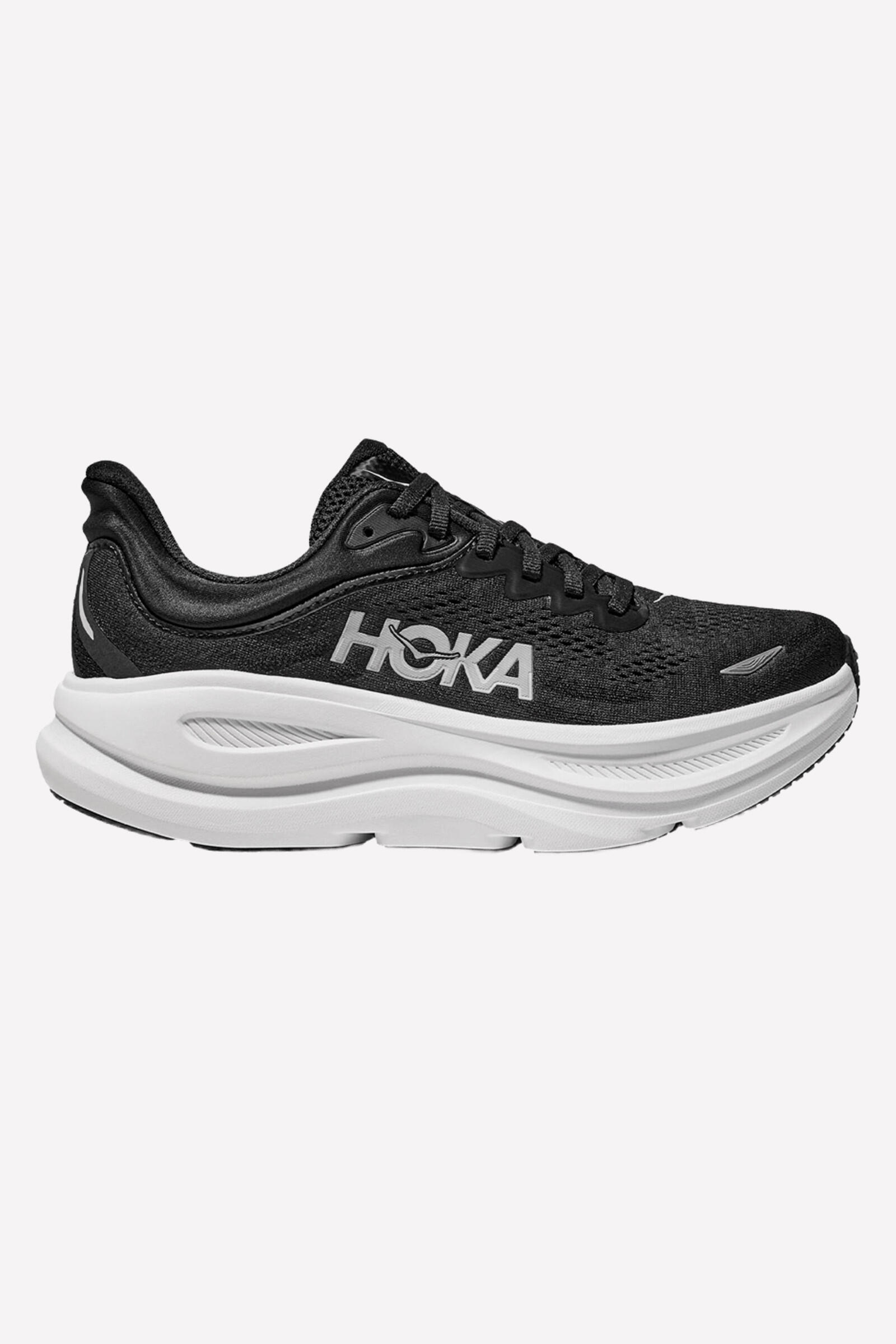
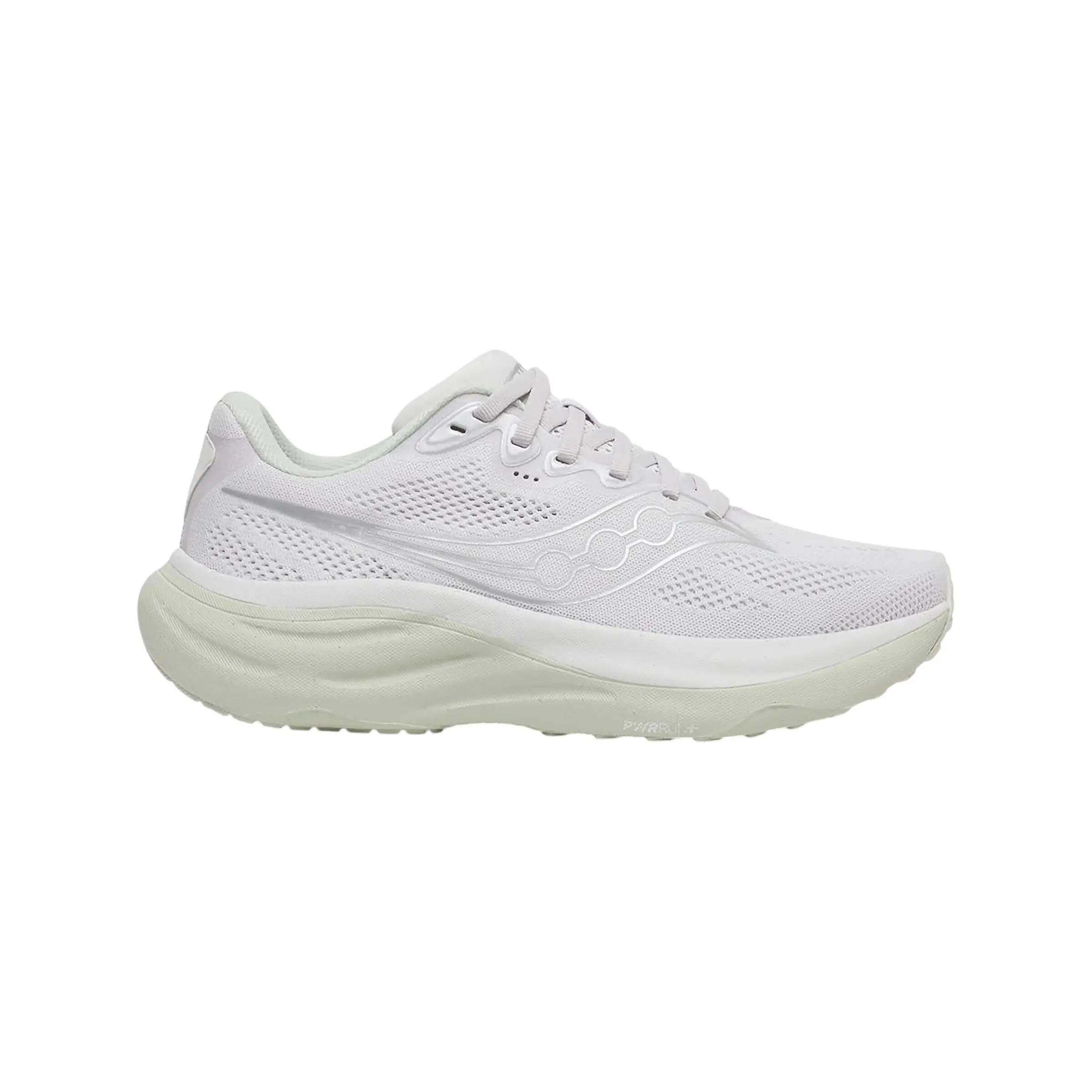
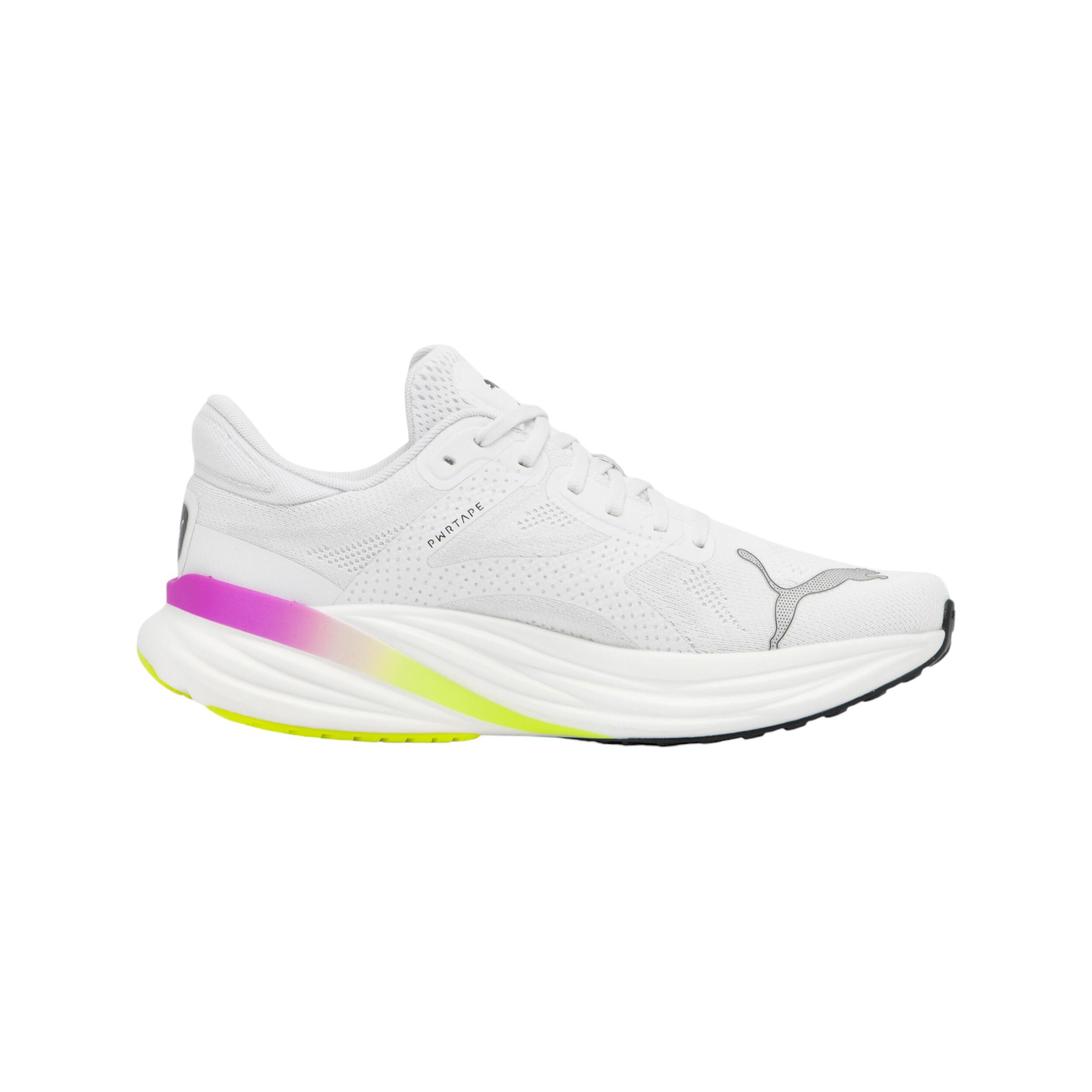
21 items
3/5 based on 3 reviews collected online and in stores

Hoka Men's Running Shoes FAQs

How do you match Hoka men's running shoes to your training needs?

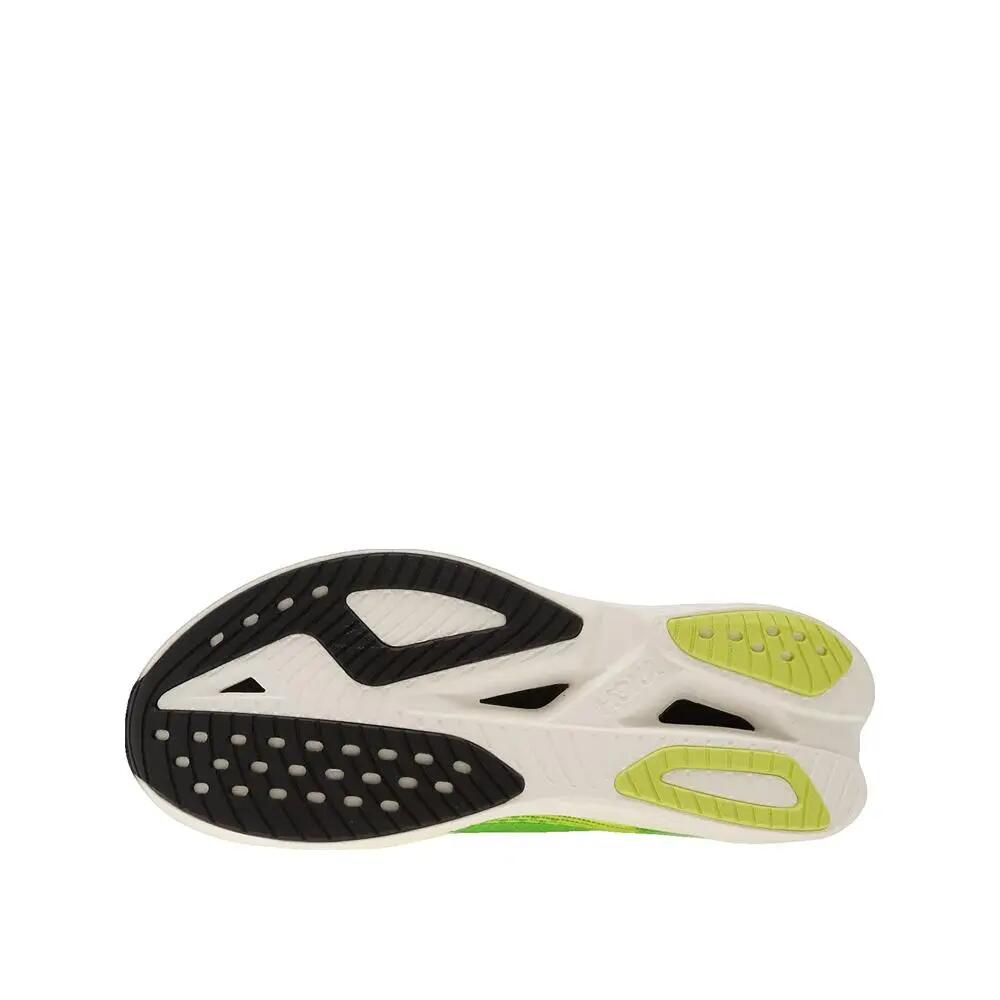
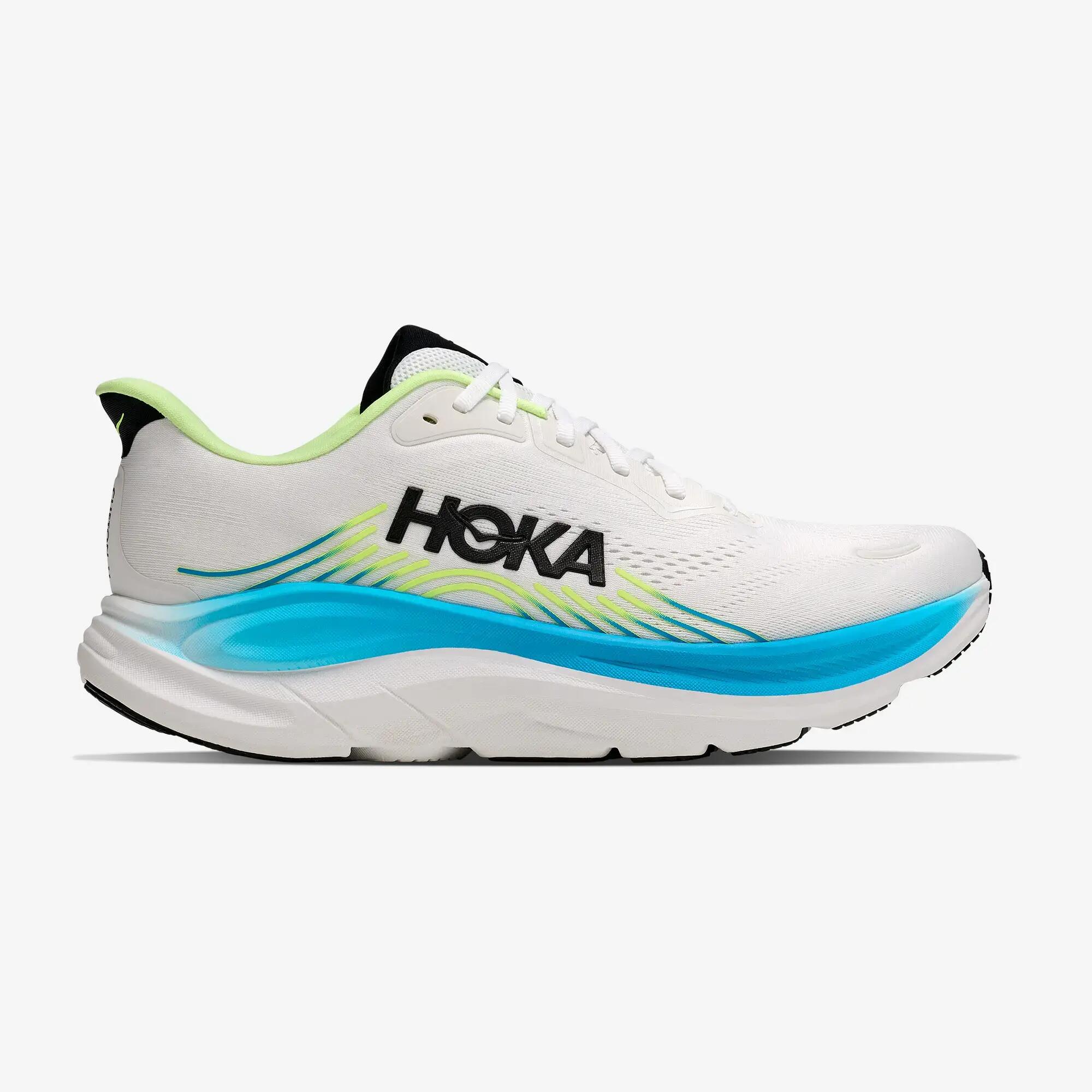
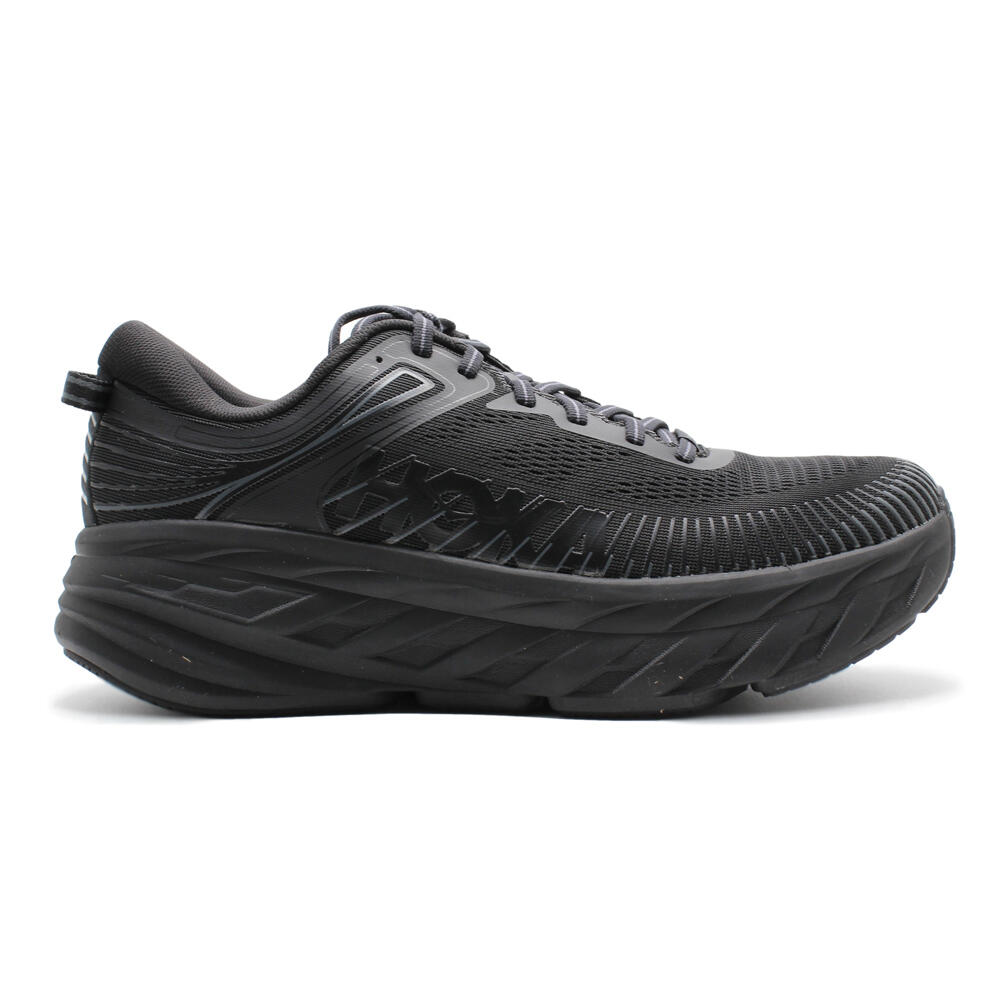
Match the shoe to your usual distance, running pace and the level of support you need rather than choosing solely by cushioning depth. Hoka men's running trainers on this page include lightweight road shoes, cushioned daily trainers, stability models and weather-protected options. A lighter construction, such as the Rincon 4, can suit faster training and runs from 10K to a half-marathon, while a more substantial model may feel steadier during easy mileage. The Rincon 4 weighs 228 g in size 9.5 and combines EVA with rubberised EVA to balance cushioning, rebound and durability. Compare these features with other men's running shoes to decide whether you need a lighter weight, more underfoot protection or additional support.

Are Hoka men's road running shoes suitable for longer distances?

Men's Hoka road running shoes can support longer distances when the cushioning, fit and stability match your stride. A deep midsole does not automatically make a shoe suitable for every runner, but it can reduce the harshness of repeated road impacts as mileage increases. Foam compresses during landing and then returns towards its original shape, helping smooth the transition into toe-off. Your legs still need time to adapt, especially when changing from a firmer or lower shoe. Use the running gear by race distance categories to plan footwear and supporting kit for a 5K, 10K, half marathon or marathon. Pro tip: complete two or three shorter runs before wearing new shoes for a long session.

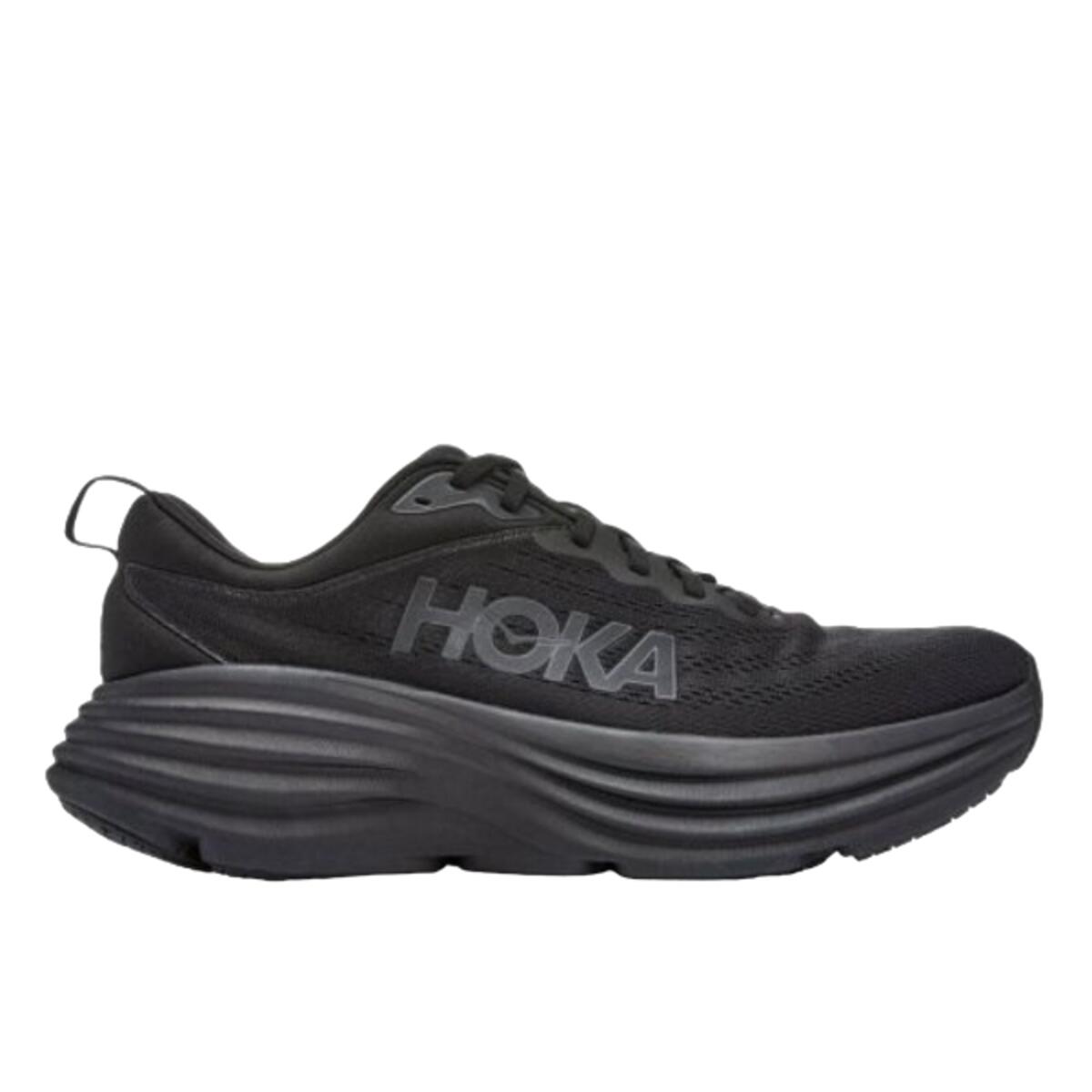
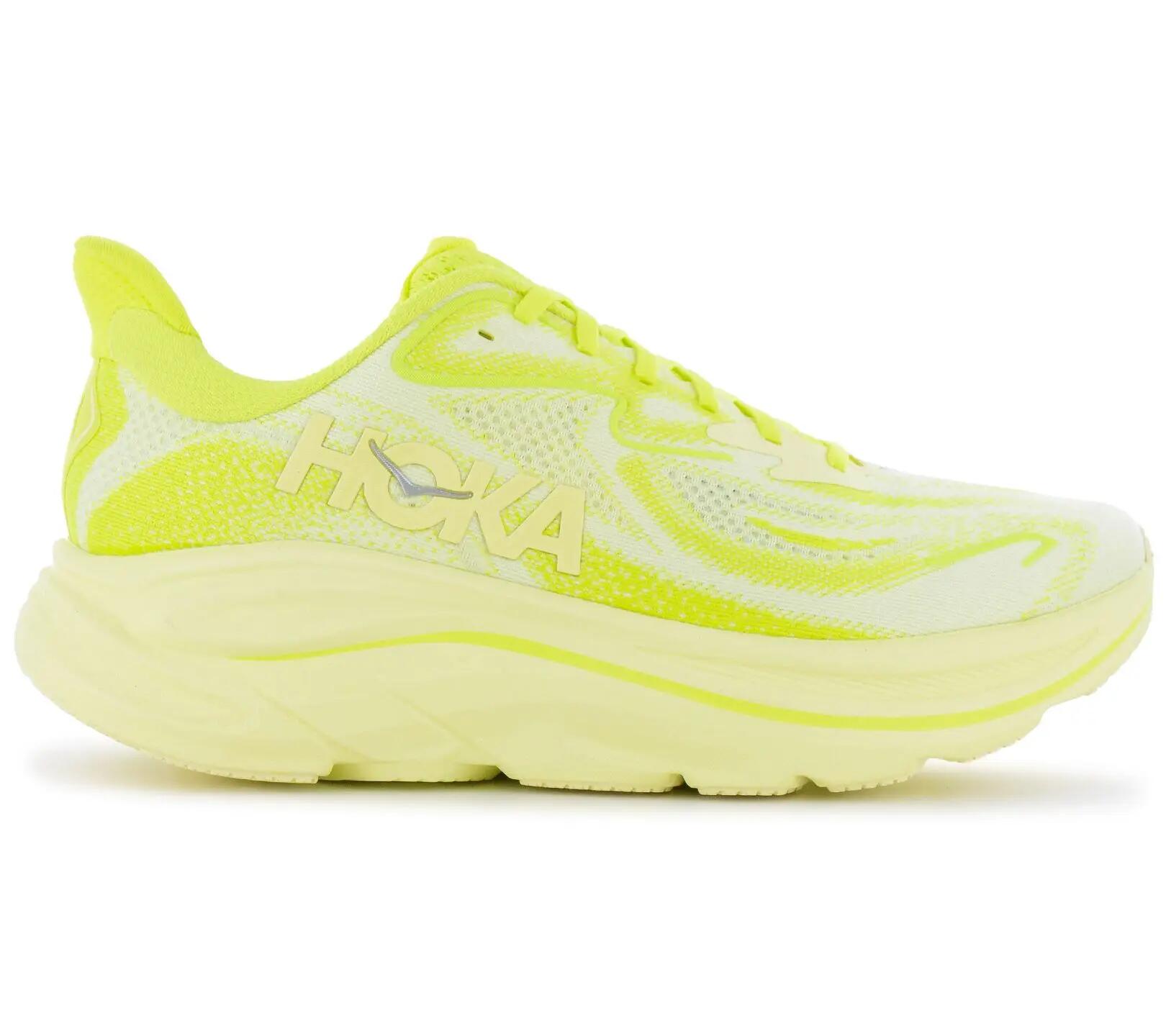
What is the difference between Hoka Clifton and Bondi running shoes?

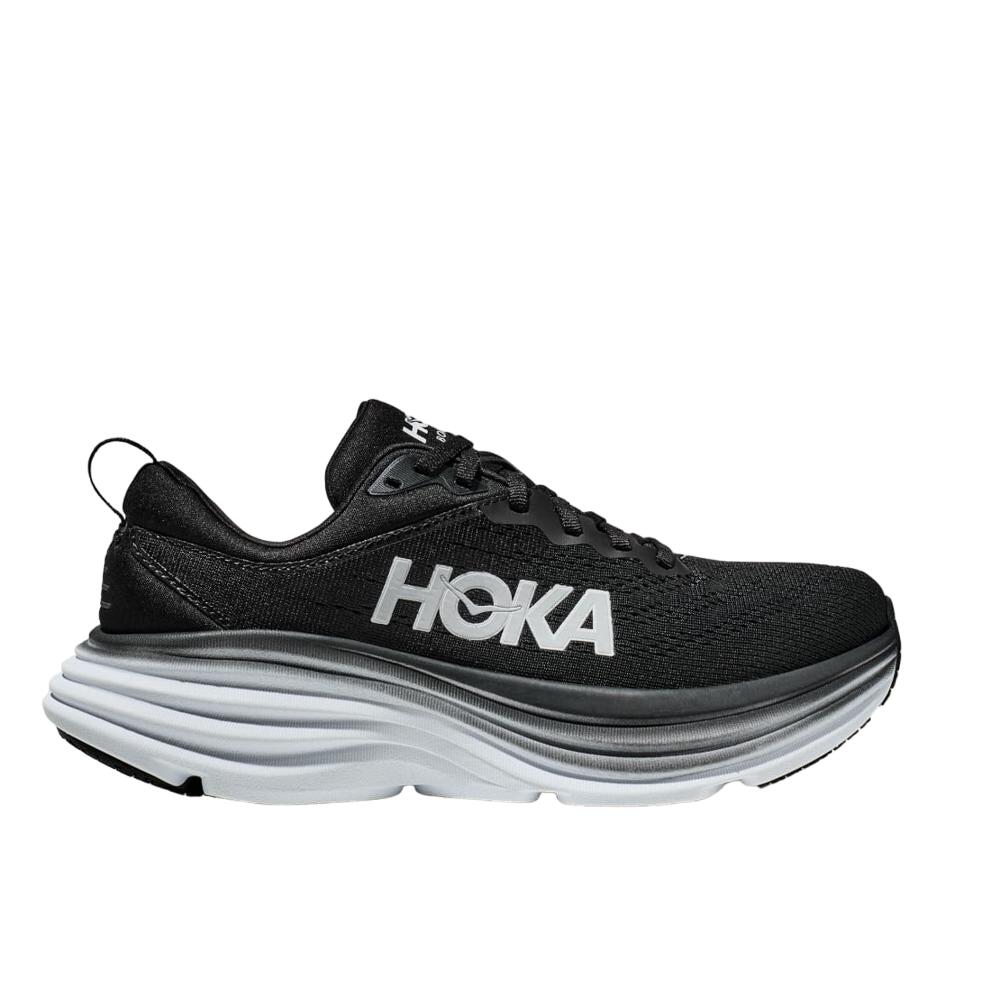
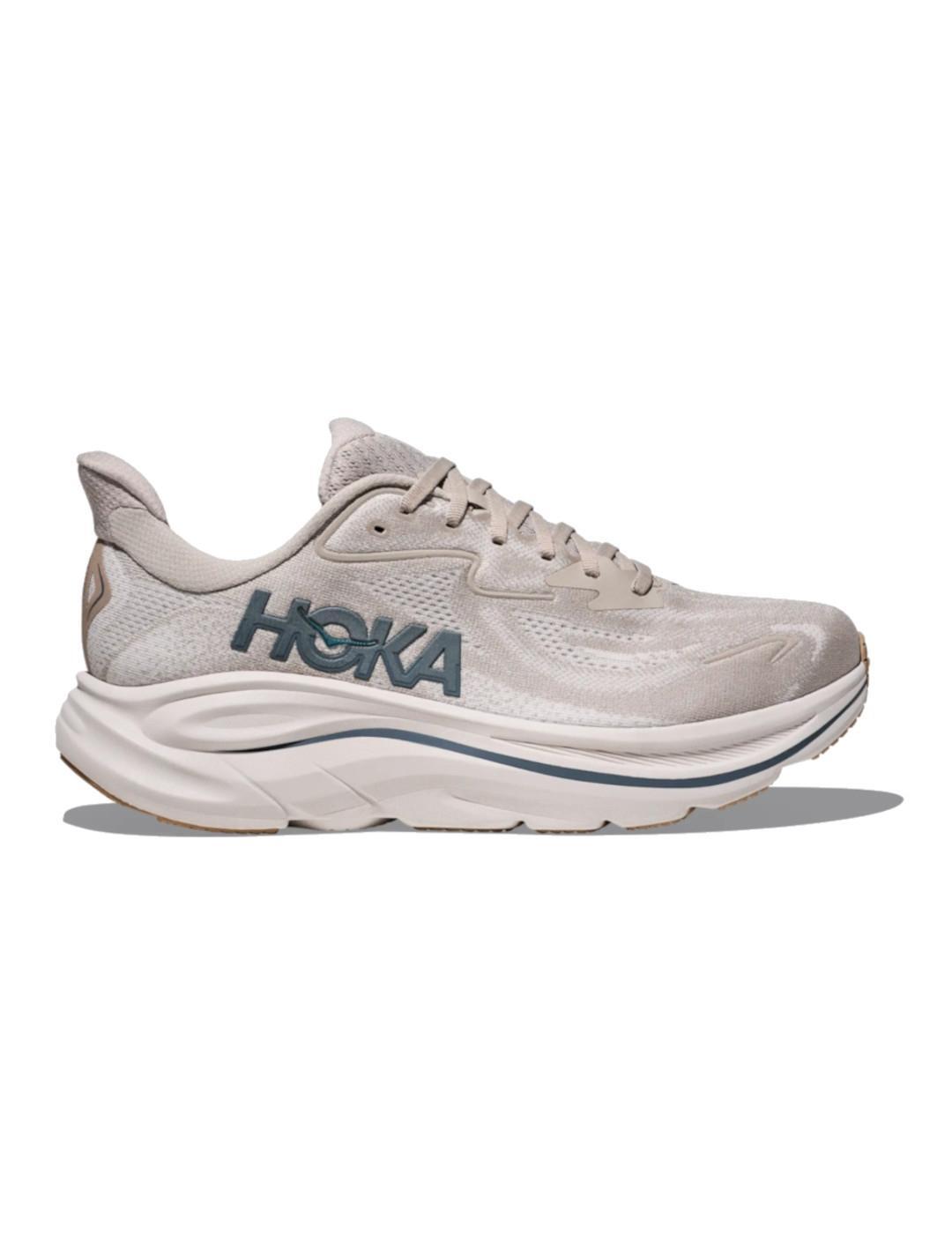
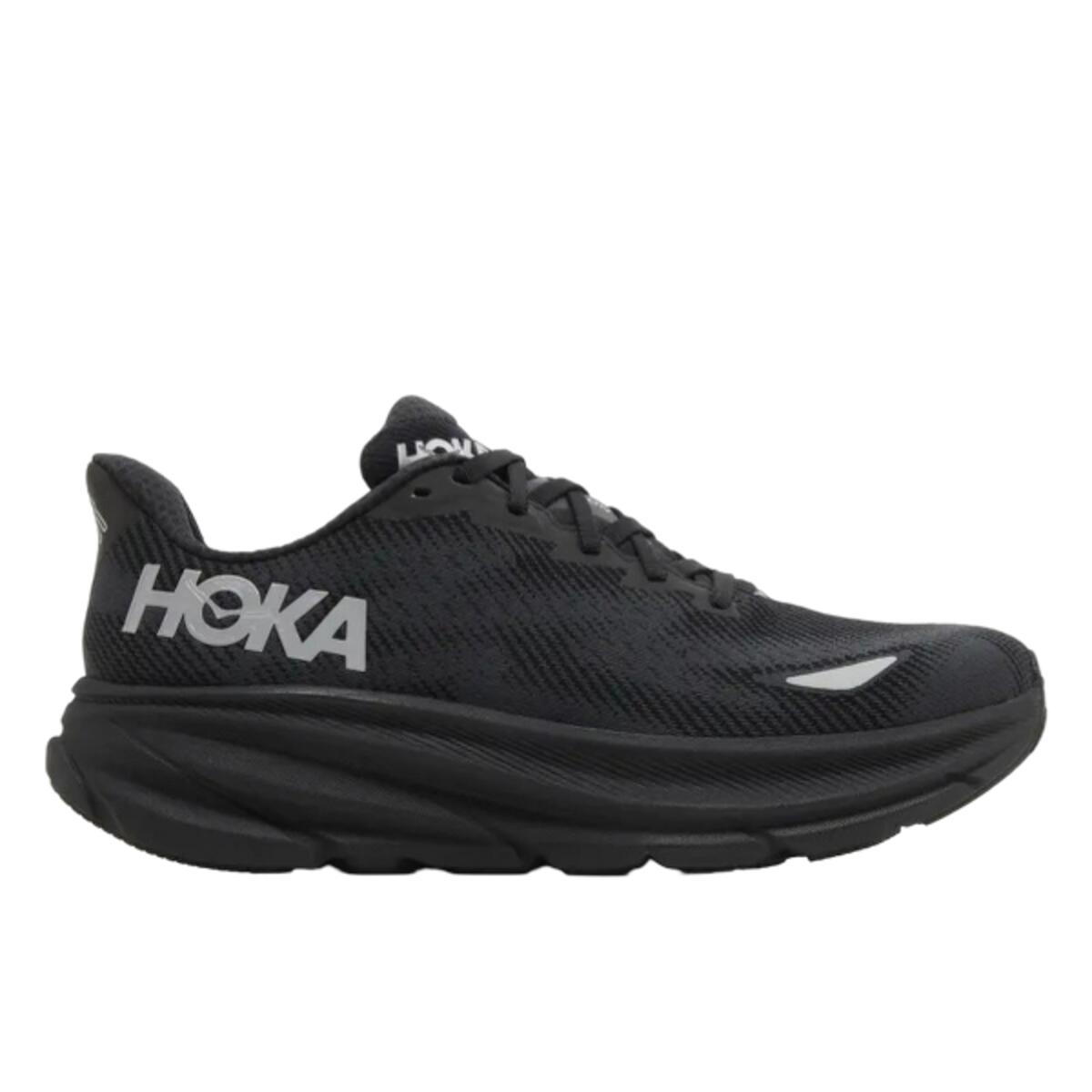
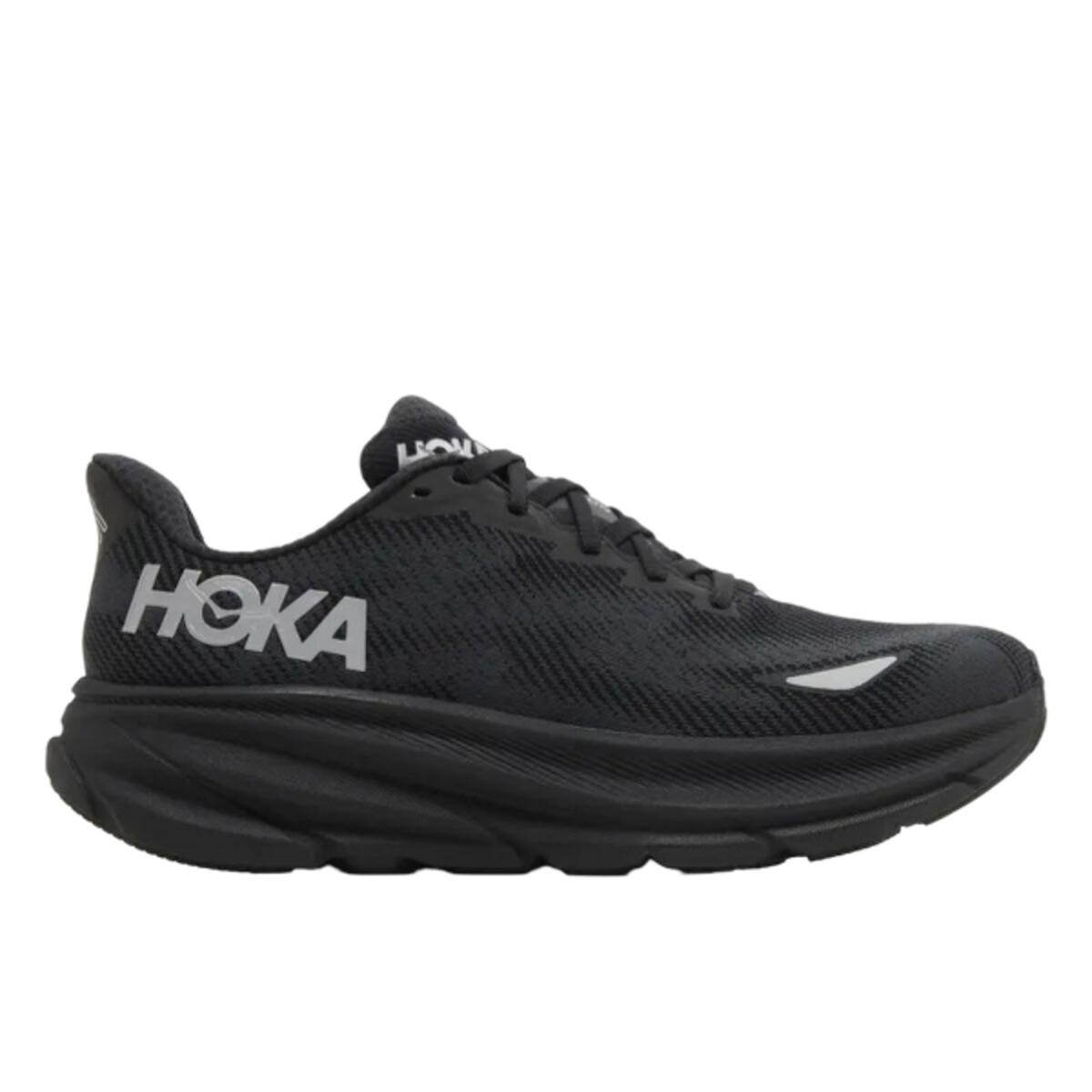
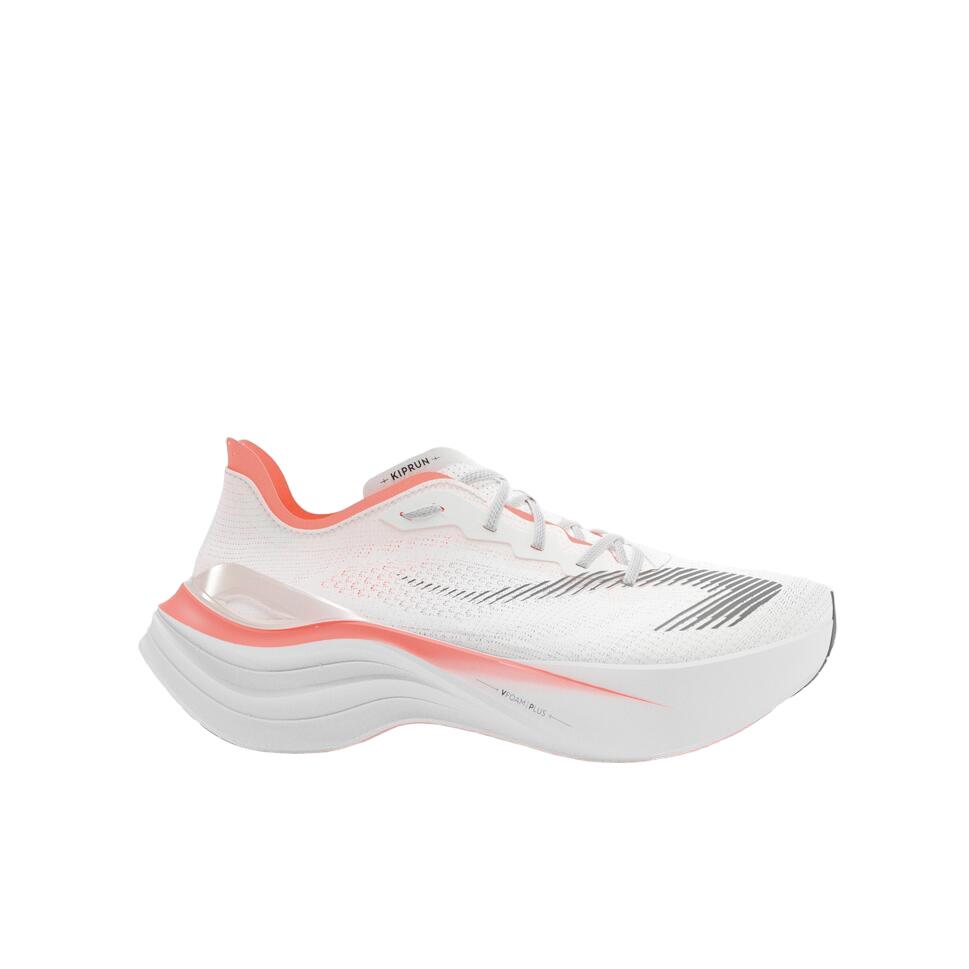
Hoka Clifton 9 men's running shoes generally prioritise a balance between cushioning and weight for everyday road running, while Hoka Bondi 9 men's running shoes sit at the more cushioned end of the brand's road footwear range. The Bondi style may suit runners who prefer a substantial platform for steady miles, walking or recovery sessions. The Clifton can feel less bulky when pace changes are part of the run. Model information can vary between Decathlon-stocked footwear and marketplace listings, so check the stated version, seller, width and specifications carefully. Runners considering a Decathlon-developed alternative can compare KIPRUN men's running shoes, including options for daily mileage, faster sessions and road racing.

How should you check the fit of your Hoka running shoes?

Your heel should remain secure while your toes have enough room to spread and move without pressing against the front. Aim for roughly a thumb's width between your longest toe and the end of the shoe, then check the fit while standing because feet lengthen under body weight. Run briefly if possible and pay attention to heel lift, pressure across the midfoot and contact around the little toe. A wide model may help if the standard shape feels restrictive, but extra width should not allow the foot to slide during cornering. Socks, insoles and lacing can also change the internal fit. Suitable running shoe accessories can help with lace security, comfort and wet-weather protection.

How do you clean and maintain Hoka men's running trainers?

Remove dry mud with a soft-bristled brush, then hand-wash the affected areas with cold water and mild soap or detergent. Avoid machine washing, tumble drying, radiators and strong sunlight because heat and repeated soaking can affect adhesives, upper materials and foam. Take out the insoles and loosen the laces so air can circulate inside the shoes. Stuffing them lightly with plain paper can absorb moisture, but replace the paper once it becomes damp. Rotate between two pairs if you run frequently, giving the cushioning time to dry between sessions. Check the outsole for smooth patches and uneven wear before increasing your mileage. Current footwear and kit reductions are also available in the exclusive running deals category.