15 items
4.5/5 based on 2842 reviews collected online and in stores

RUNNING HEART RATE MONITORS FAQS

Which heart rate monitor chest strap is most reliable for running?

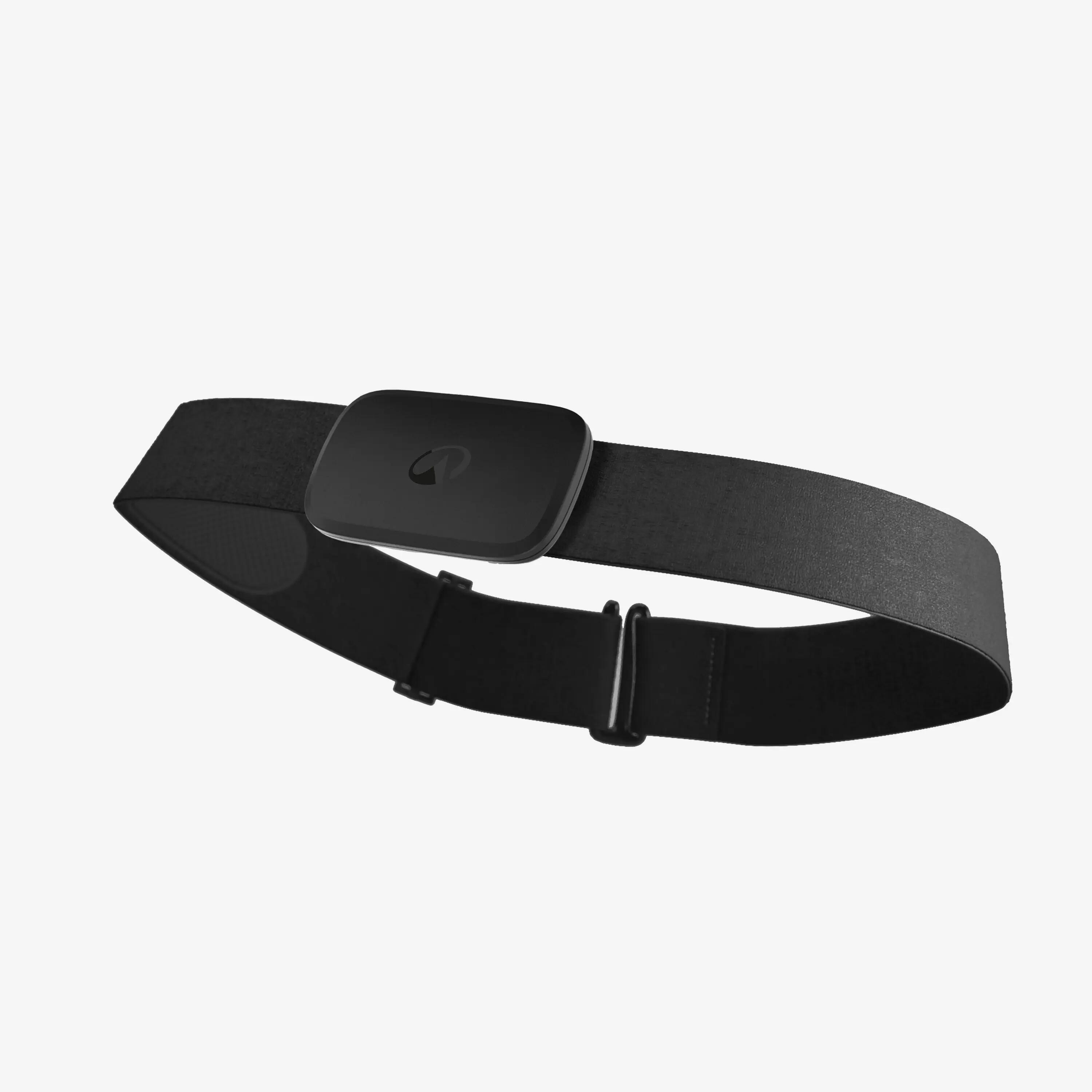
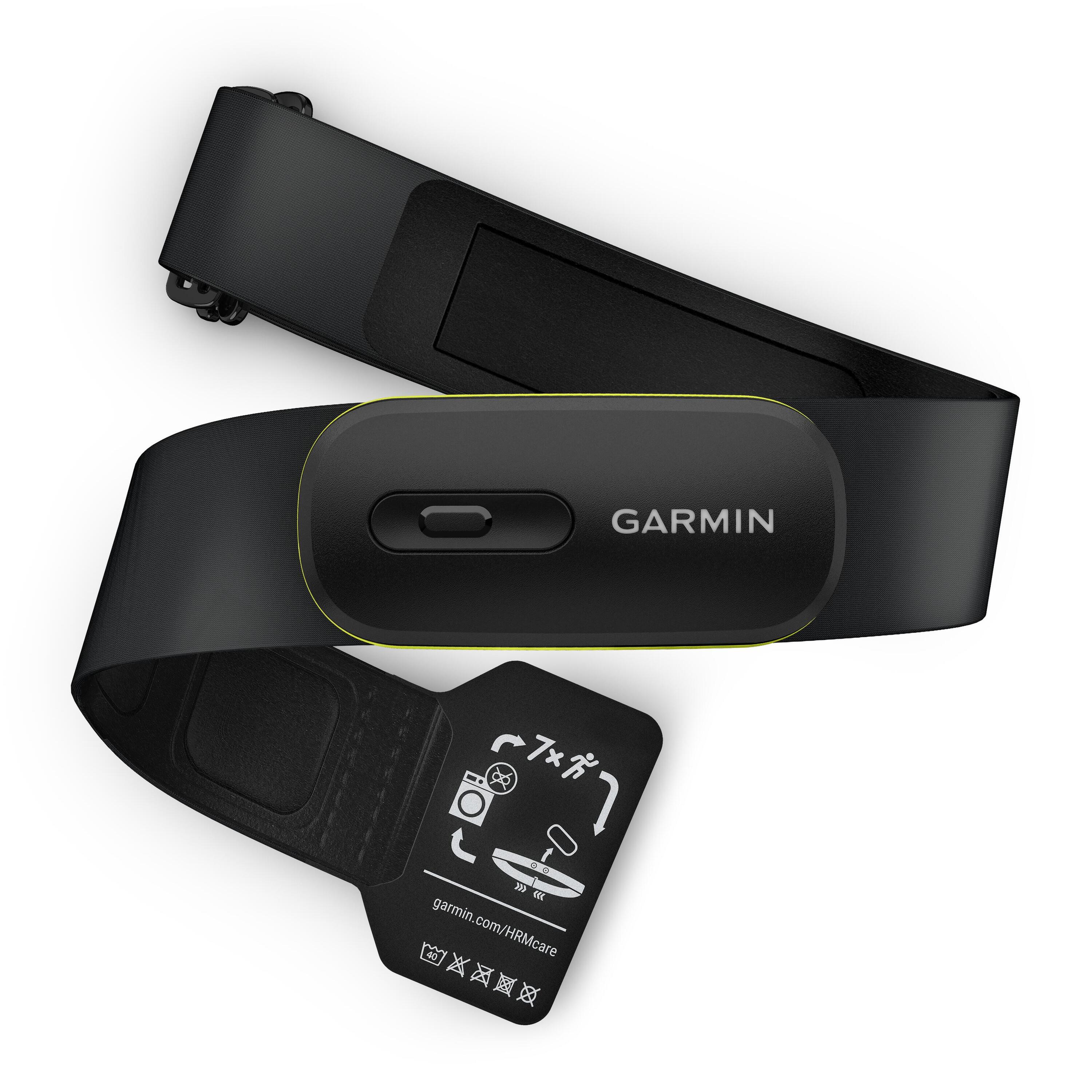
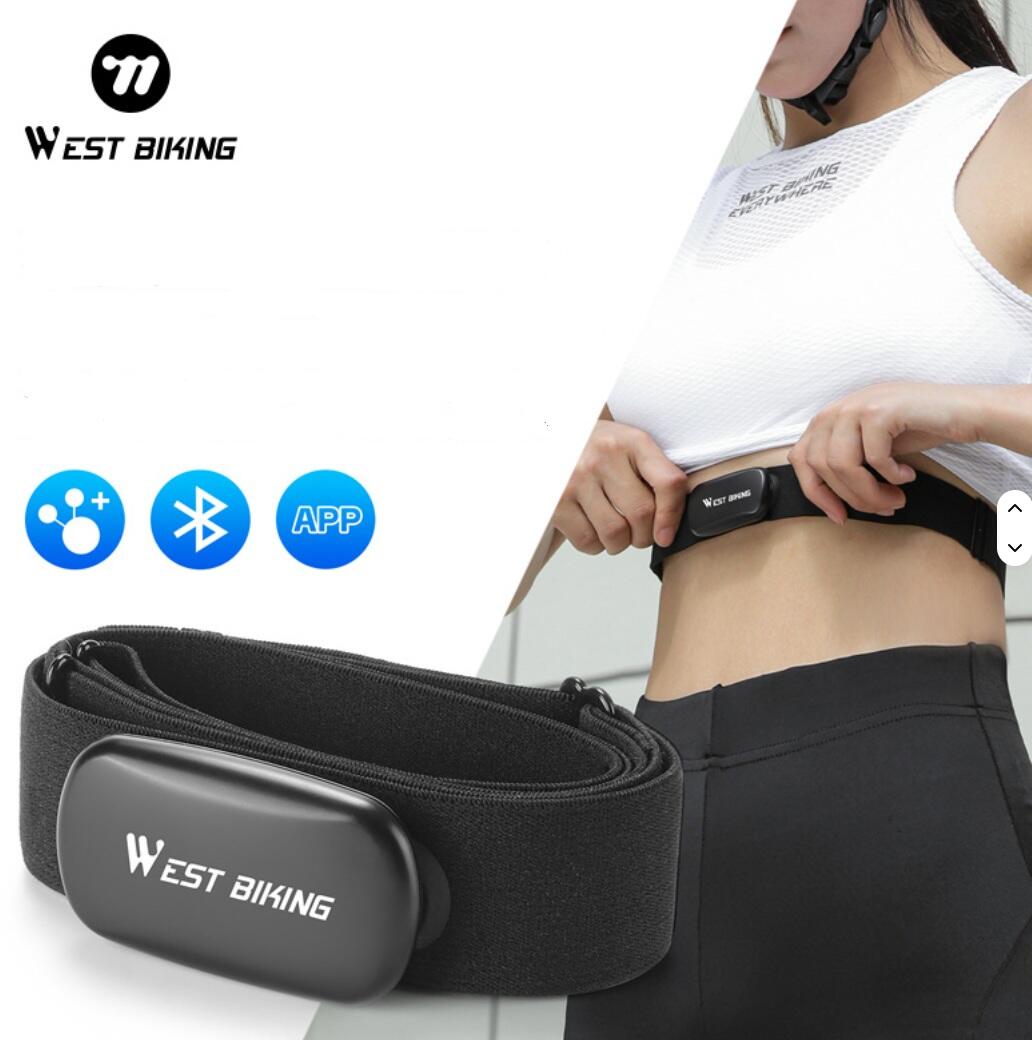
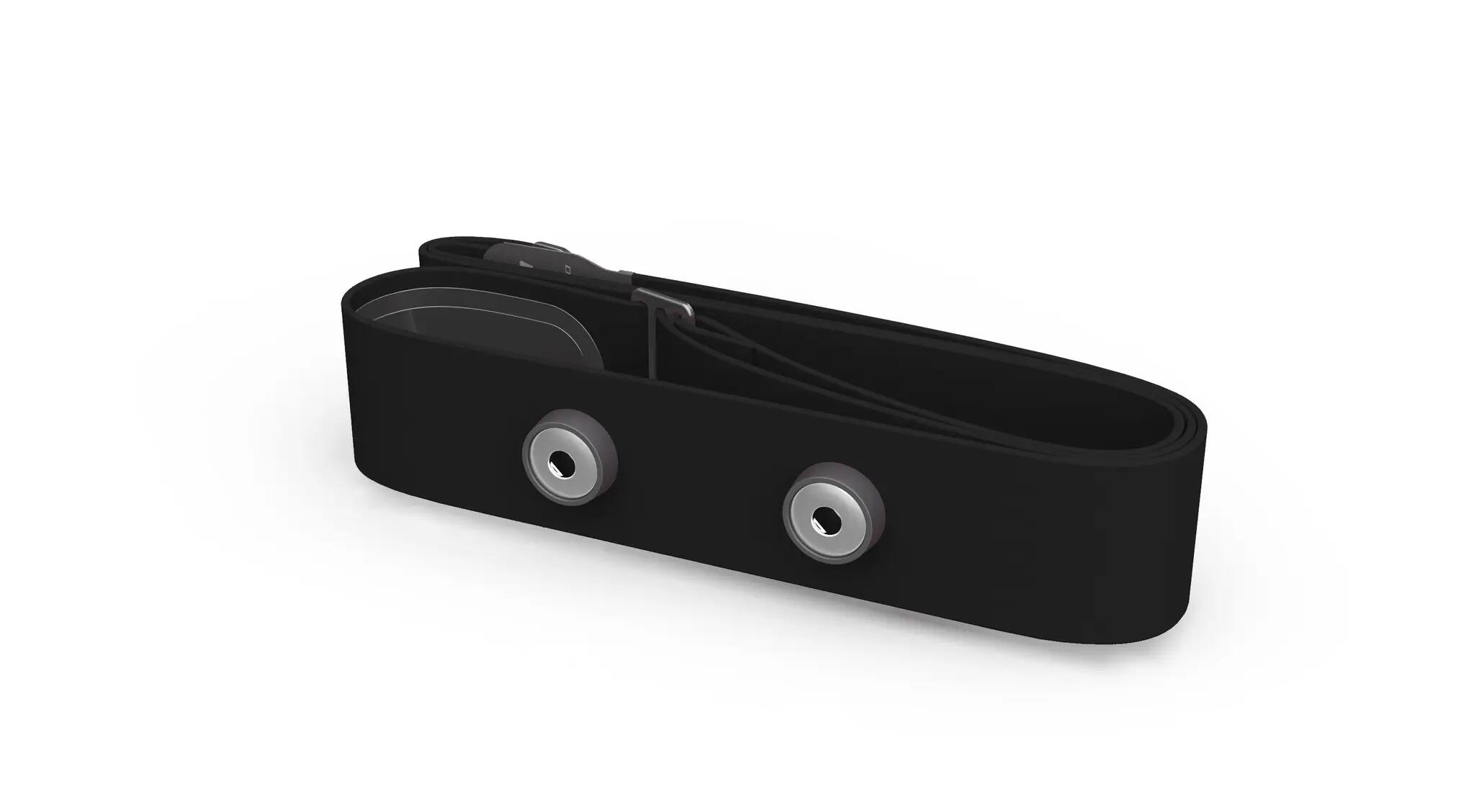
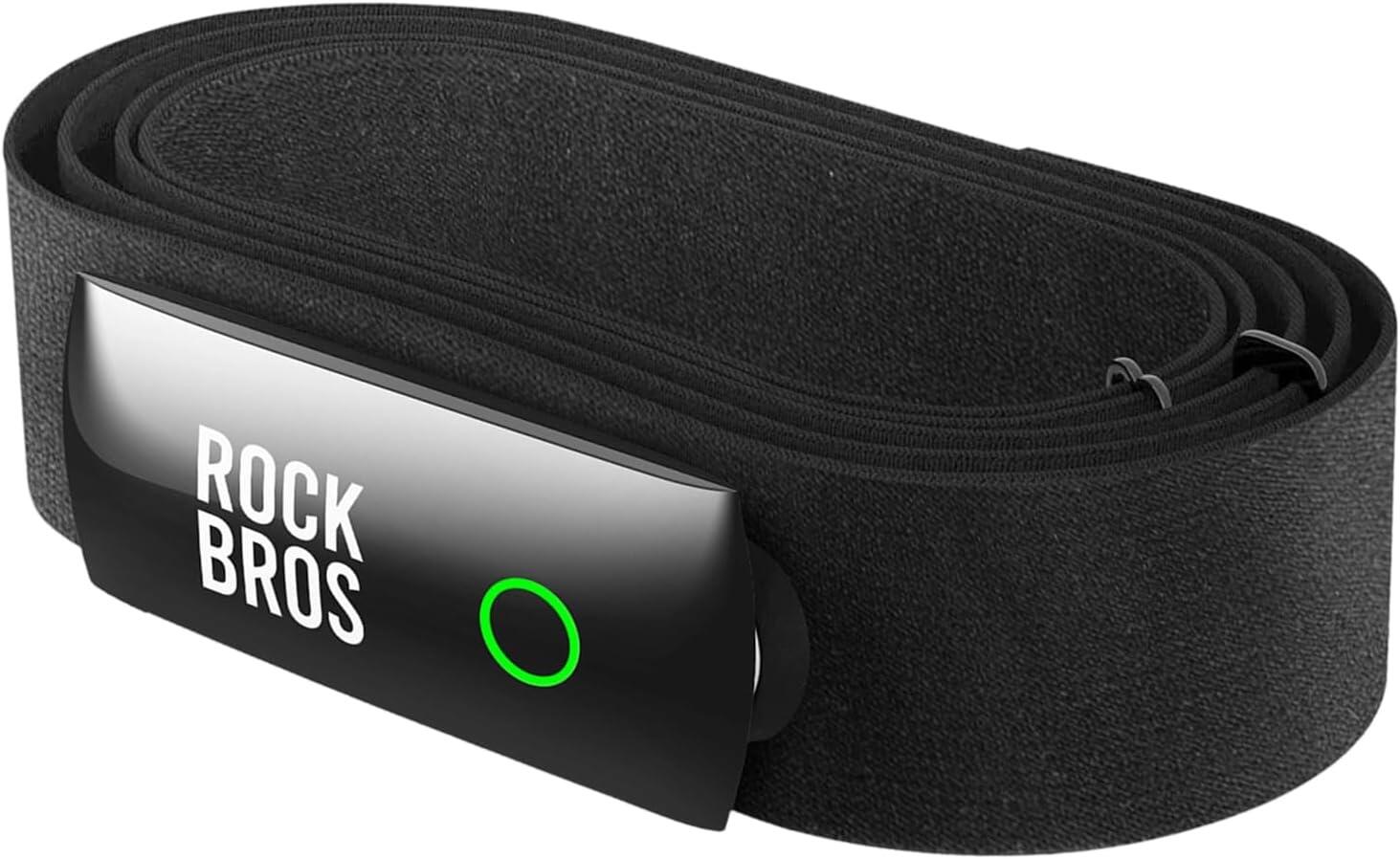
When evaluating tracking accuracy during high-intensity running, a chest strap utilizing electrocardiogram (ECG) electrode technology is vastly superior to optical wrist sensors. A chest-worn heart rate monitor chest strap directly measures the electrical impulses generated by cardiac muscle contractions, providing instantaneous beat-by-beat precision even during rapid interval sprints or cold-weather warm-ups. The technical reason an ECG heart rate monitor belt outperforms optical tracking is signal stability: optical sensors rely on light absorption through skin capillaries, which can suffer from signal lag or drops caused by arm movement and cold peripheral blood vessel constriction. Soft, adjustable elastic straps crafted with non-irritating silicone grip strips ensure the electrodes stay securely positioned against your sternum without slipping as you sweat. Whether you are conducting threshold tempo sessions or tracking recovery heart rate, using a chest-based running heart rate monitor delivers clean, reliable data directly to your preferred running watch. Pro-tip: Moisten the conductive rubber electrode pads with water or conductive contact gel before putting on your strap to establish immediate conductivity and eliminate static readings during your initial warm-up.

How do dual-protocol ANT+ and Bluetooth heart rate belts connect to devices?

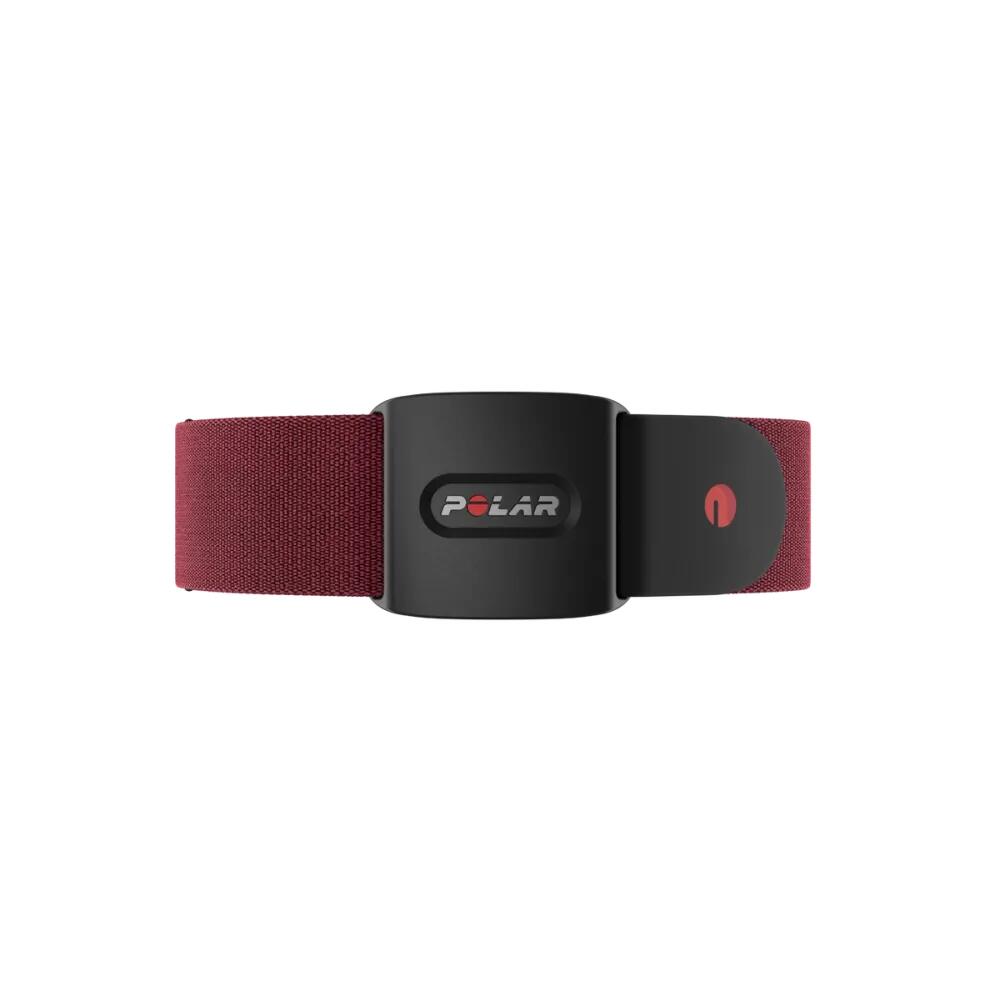
Modern heart rate belts feature dual-band transmission technology that broadcasts data simultaneously across both ANT+ and Bluetooth Smart (BLE) protocols. This dual connectivity allows a single heart rate sensor pod to transmit real-time heart rate data simultaneously to multiple receiving units. For example, you can pair the sensor via ANT+ to your wrist unit while simultaneously broadcasting via Bluetooth to a smartphone training app or indoor treadmill console. The technical "why" behind dual-protocol design is wireless channel versatility and lower power consumption: Bluetooth Smart uses low-energy frequency hopping for secure point-to-point connections with mobile apps, while ANT+ allows an open broadcast signal that can be picked up by multiple devices at once. For runners who integrate cross-training into their routine, pairing your strap with a heart rate monitor watch ensures seamless, lag-free biometric tracking across all your devices. Pro-tip: If your watch loses the heart rate signal during a run, unpair and re-pair the sensor via your device settings menu to reset the Bluetooth or ANT+ channel ID assignment.

What is the difference between a chest strap sensor and an optical heart rate monitor watch?

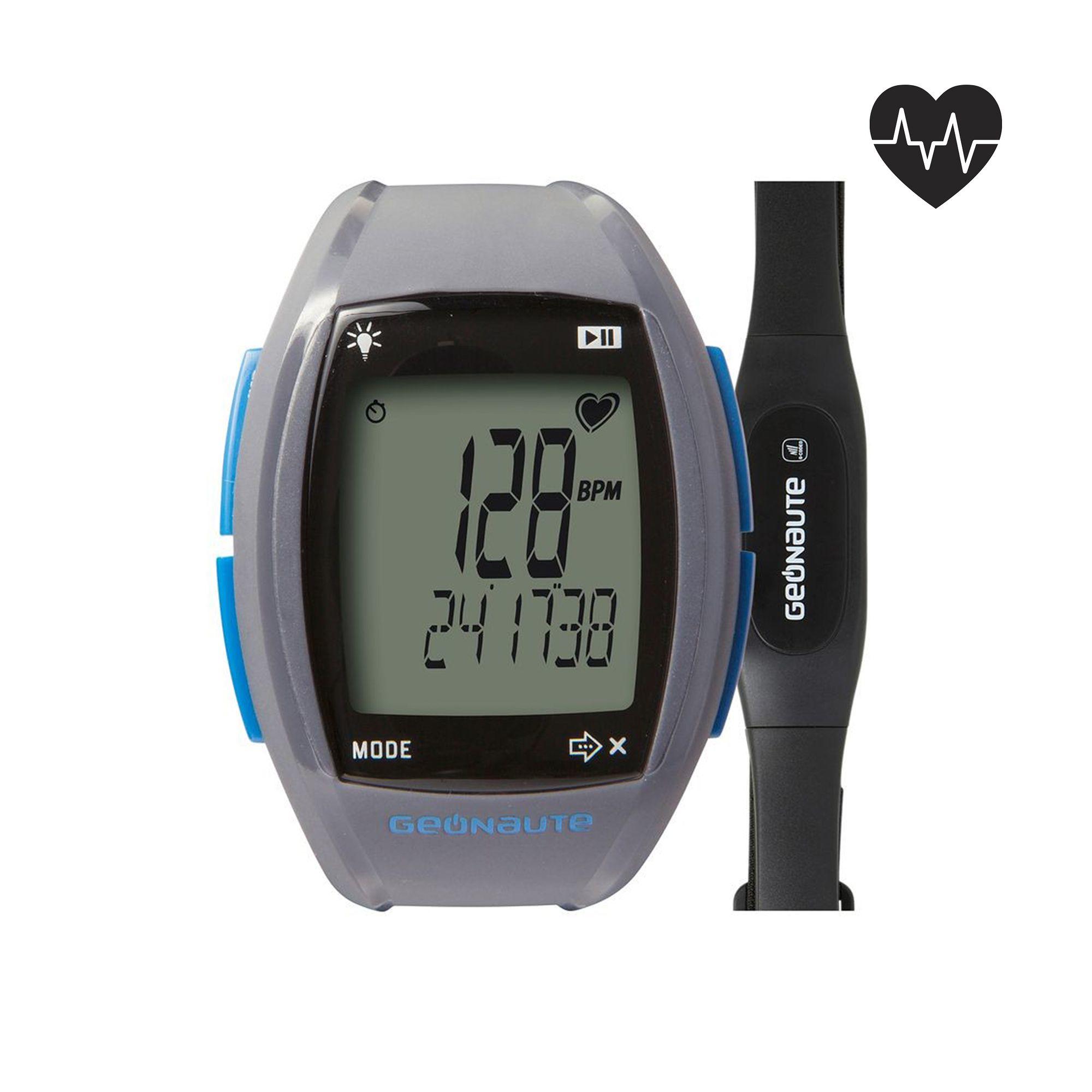
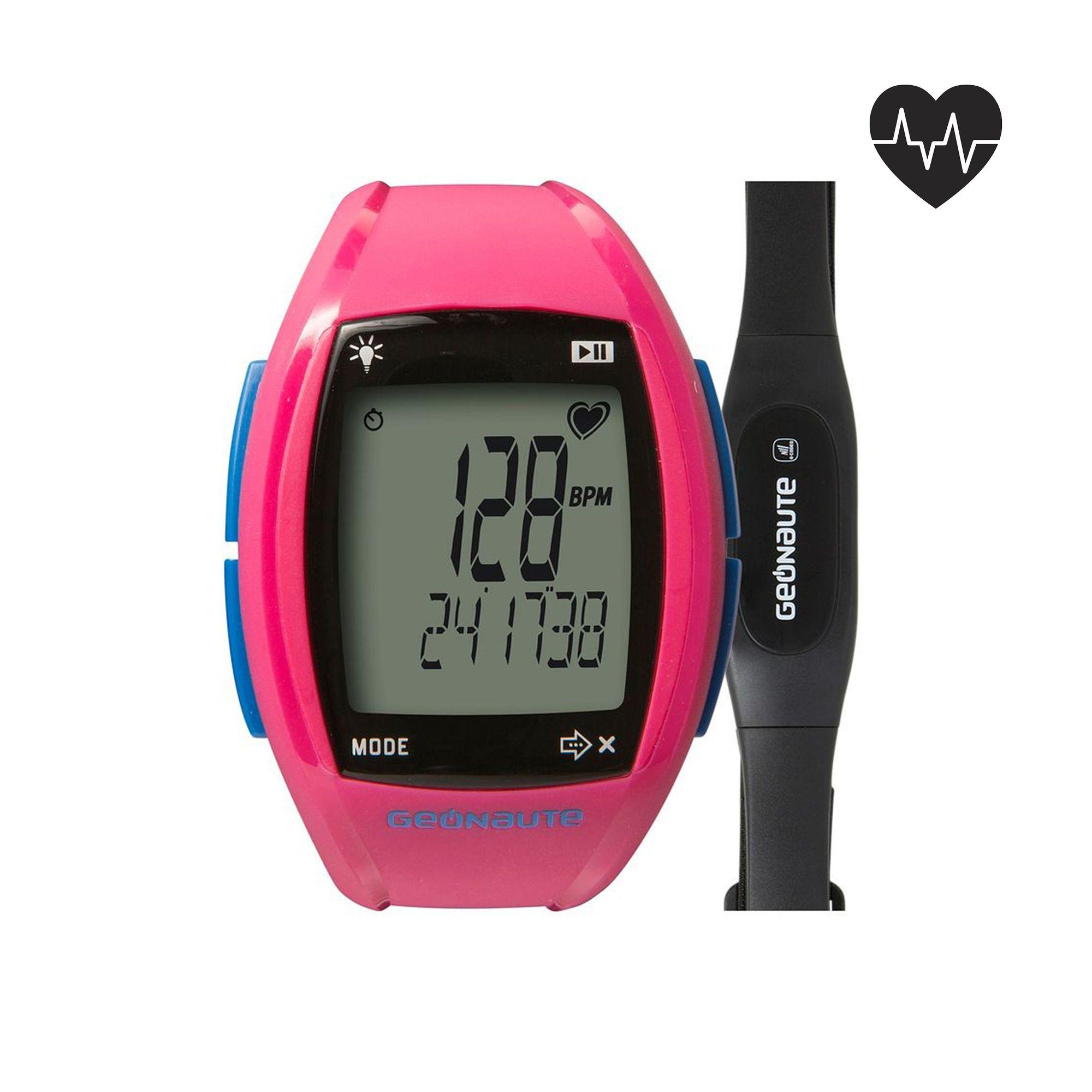
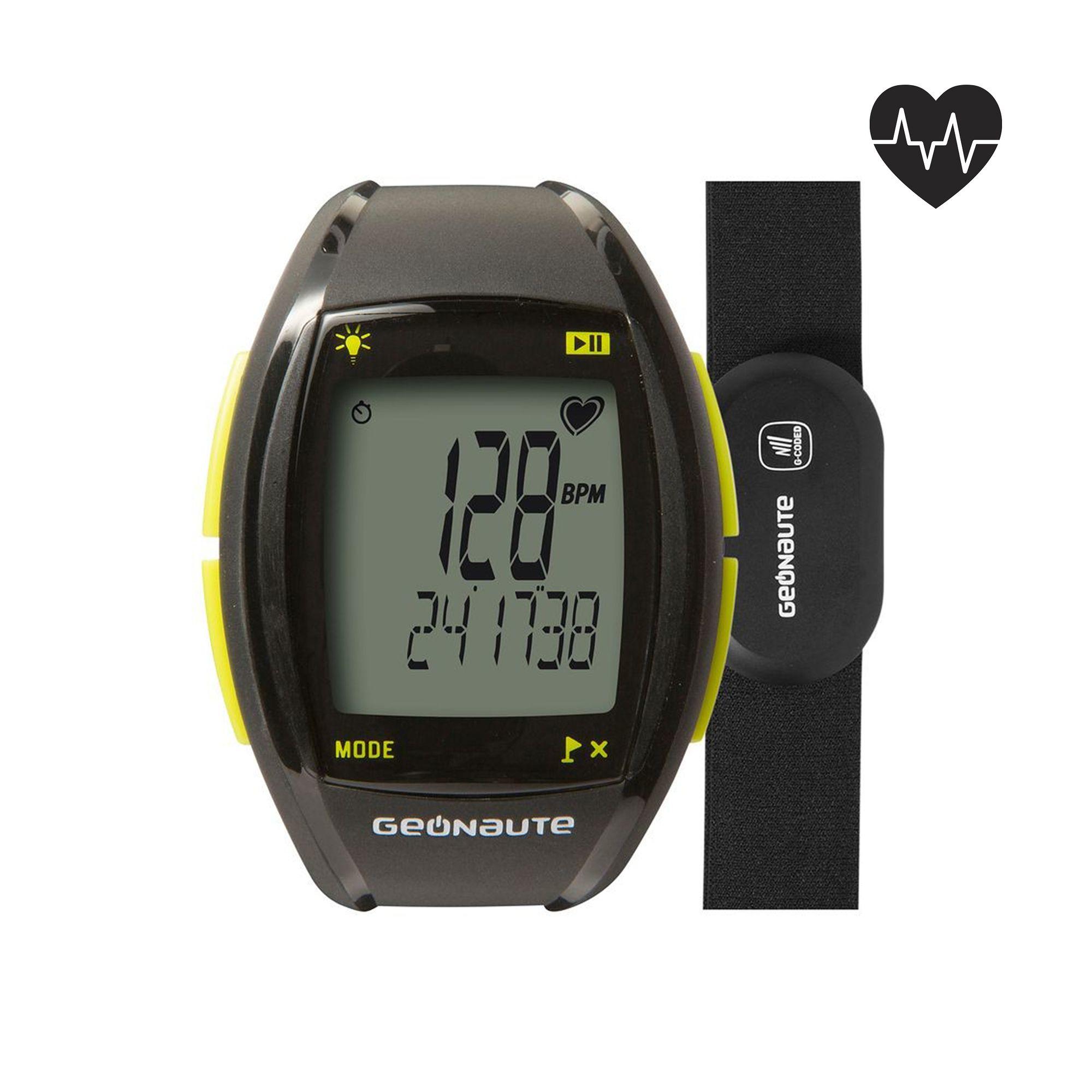
The primary difference between a chest strap transmitter and an optical heart rate monitor watch lies in the underlying sensing technology, response time, and placement. Optical wrist sensors use photoplethysmography (PPG), projecting green LED light into your skin to detect micro-volume changes in blood flow through dermal capillaries. Conversely, chest sensors use electrical micro-voltage pads to detect the heart's actual cardiac cycle. The technical reason an optical sensor struggles during short, explosive sprints is physiological latency: there is an inherent multi-second lag while oxygenated blood surges from the heart down the arm to your wrist. Additionally, heavy wrist movement during fast strides can cause "wrist-slap" artifacts that confuse optical algorithms. Pairing a dedicated chest strap with a high-performance GPS watch eliminates this latency, providing immediate heart rate feedback during fast interval sets. Pro-tip: Use wrist-based optical sensing for steady-state easy recovery runs and daily resting heart rate tracking, but switch to a chest strap for track workouts and race efforts.

How should I clean and maintain a running heart rate monitor belt to ensure accurate readings?

Proper maintenance of your heart rate monitoring equipment is essential to prevent salt buildup, corrosion, and fabric degradation over time. Sweat contains minerals and sodium that can form a crust over the conductive rubber electrodes, causing erratic heart rate spikes or dropped connections. After every run, you should unclip the electronic transmitter pod from the chest strap and rinse the fabric strap thoroughly in lukewarm water. The technical reason for detaching the pod immediately after training is battery preservation and circuit isolation: moisture bridging the metallic press studs keeps the sensor circuit active, rapidly draining the internal CR2032 coin battery even when you are not wearing it. Rinsing the fabric strap regularly keeps the elastane fibers flexible and removes corrosive salts that degrade elastic tension. Pro-tip: Hand-wash the fabric strap once a week with mild liquid soap (never fabric softener or bleach), and let it air-dry completely away from direct heat sources.