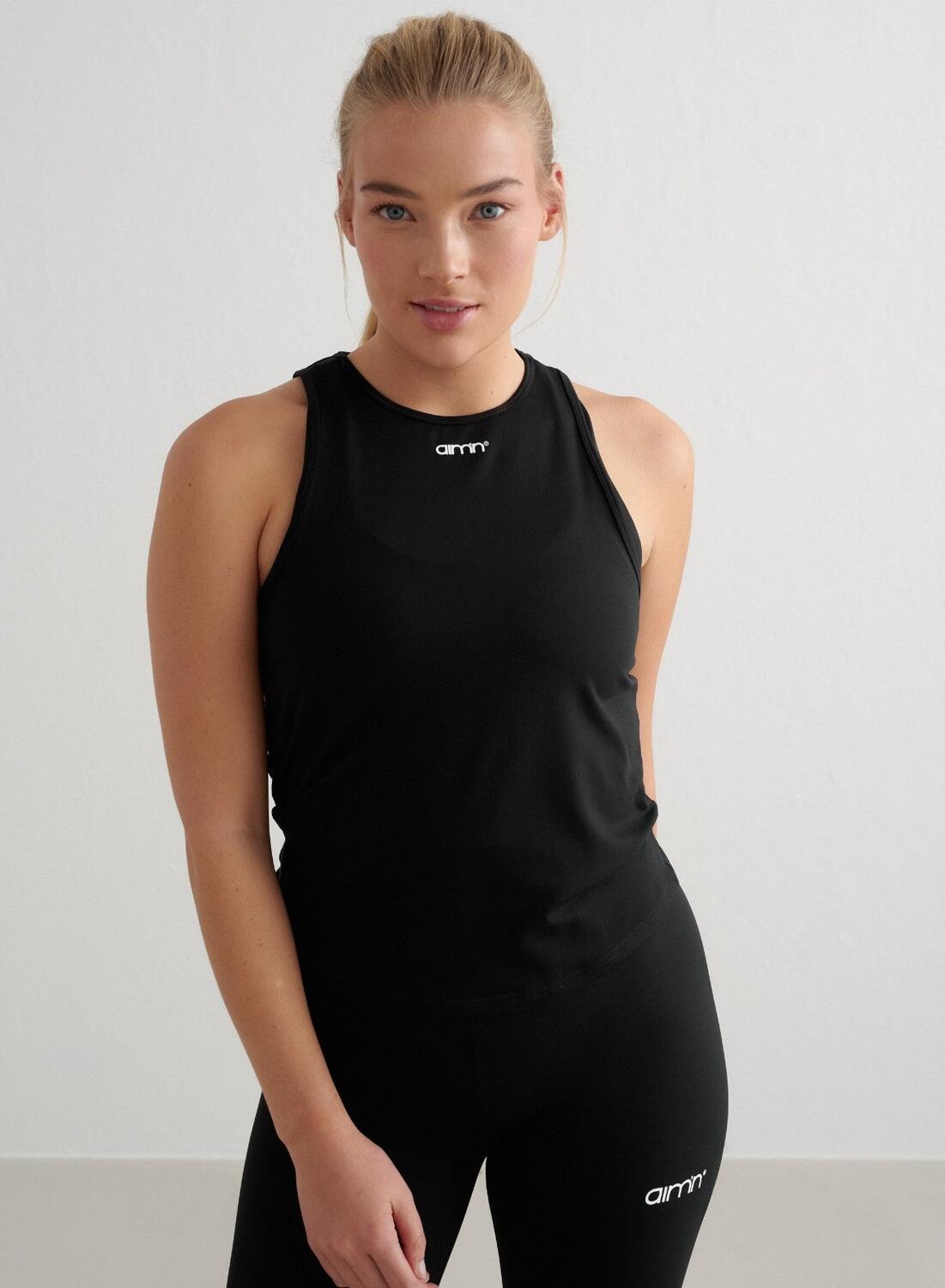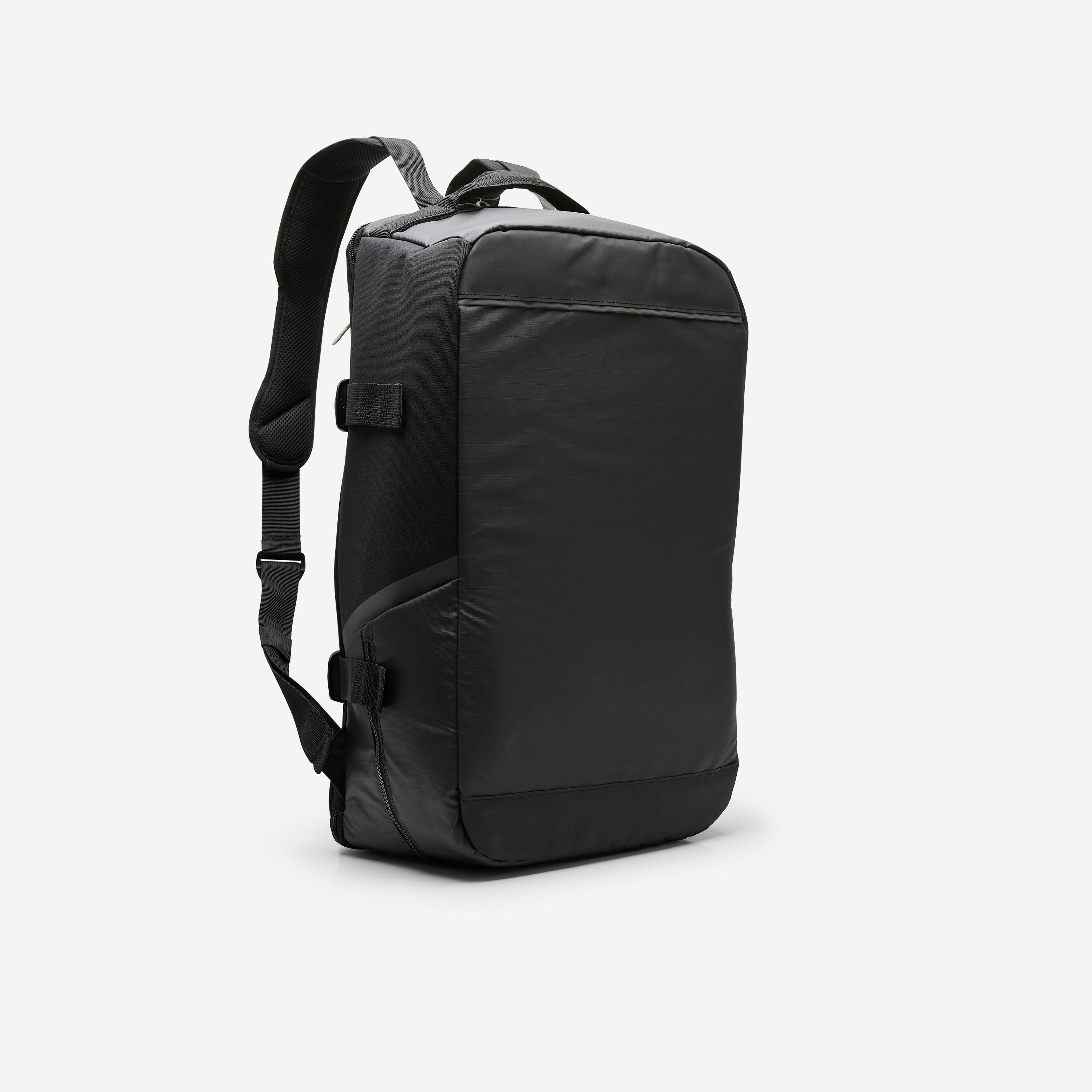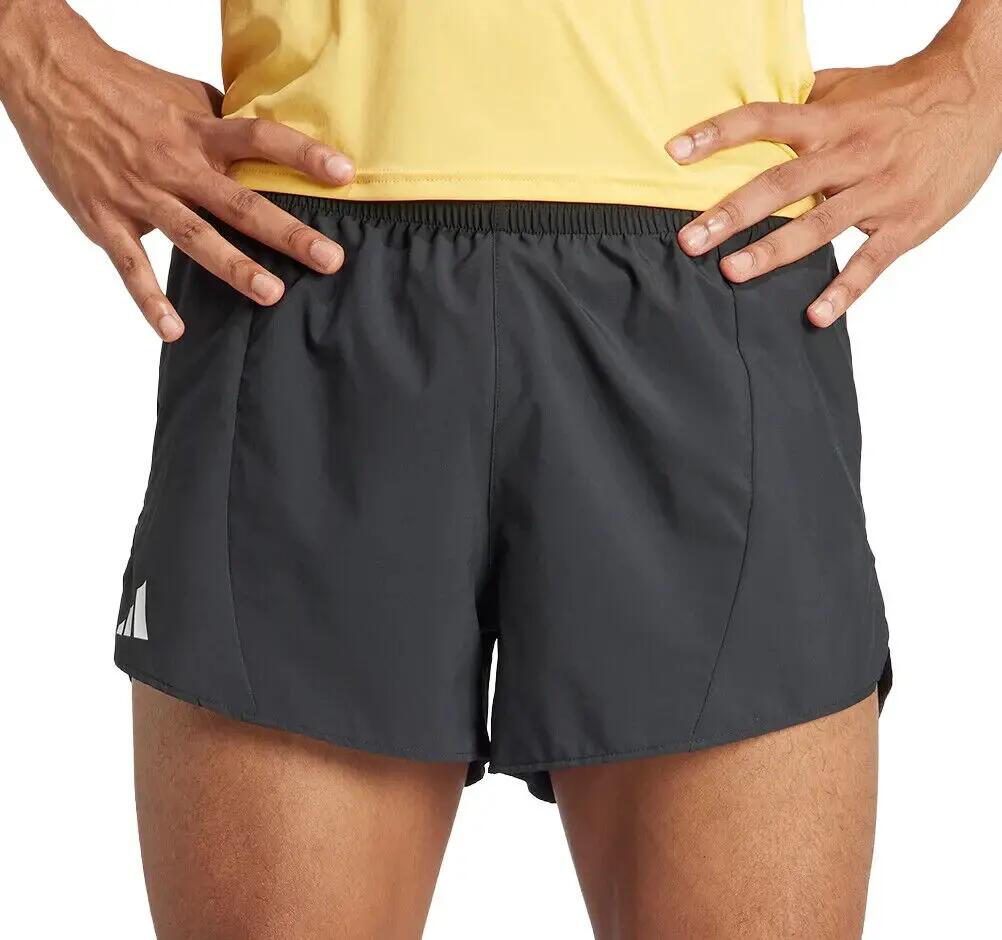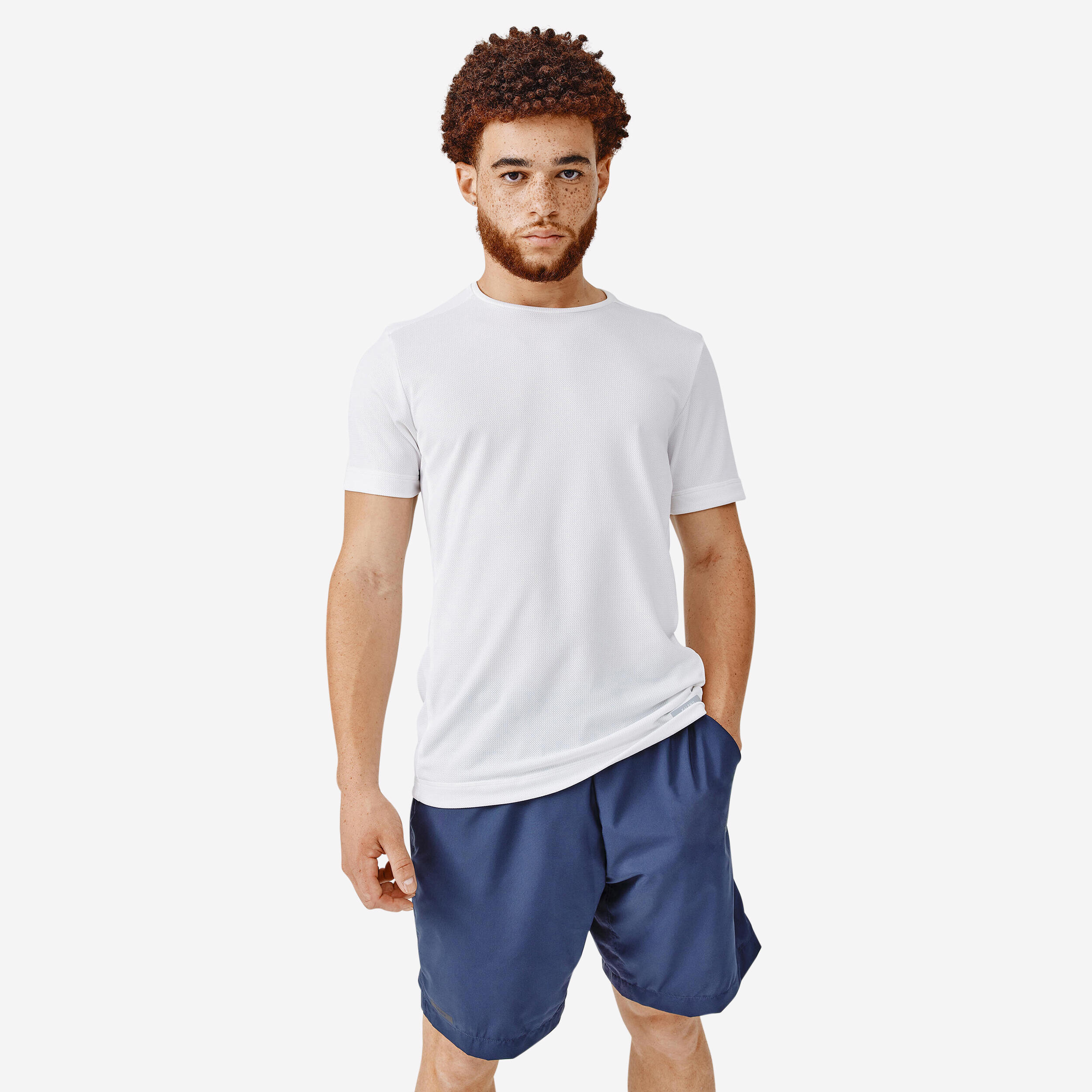
3,469 items
4.6/5 based on 568049 reviews collected online and in stores

Summer Running Gear FAQs

What running gear helps you stay comfortable in summer?

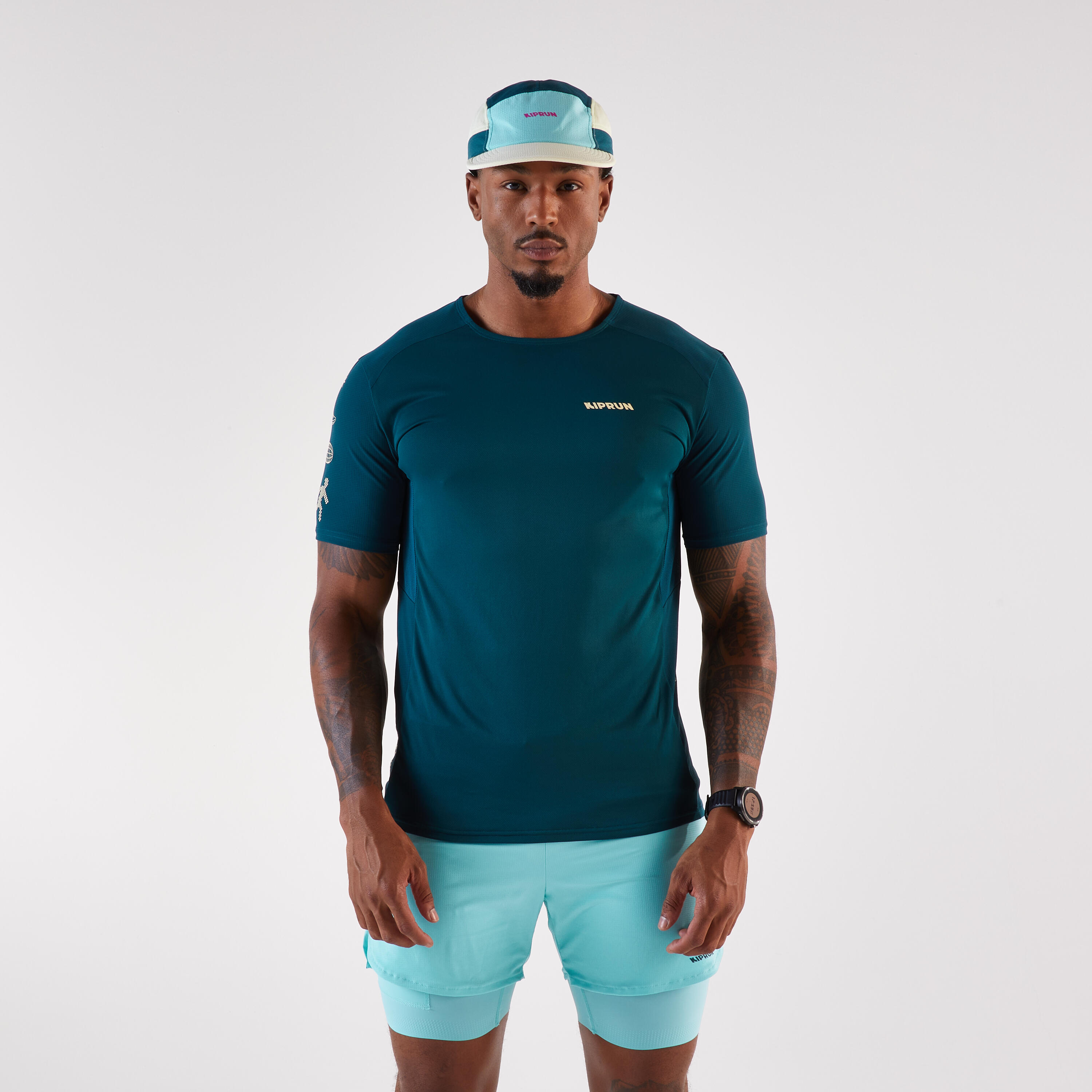
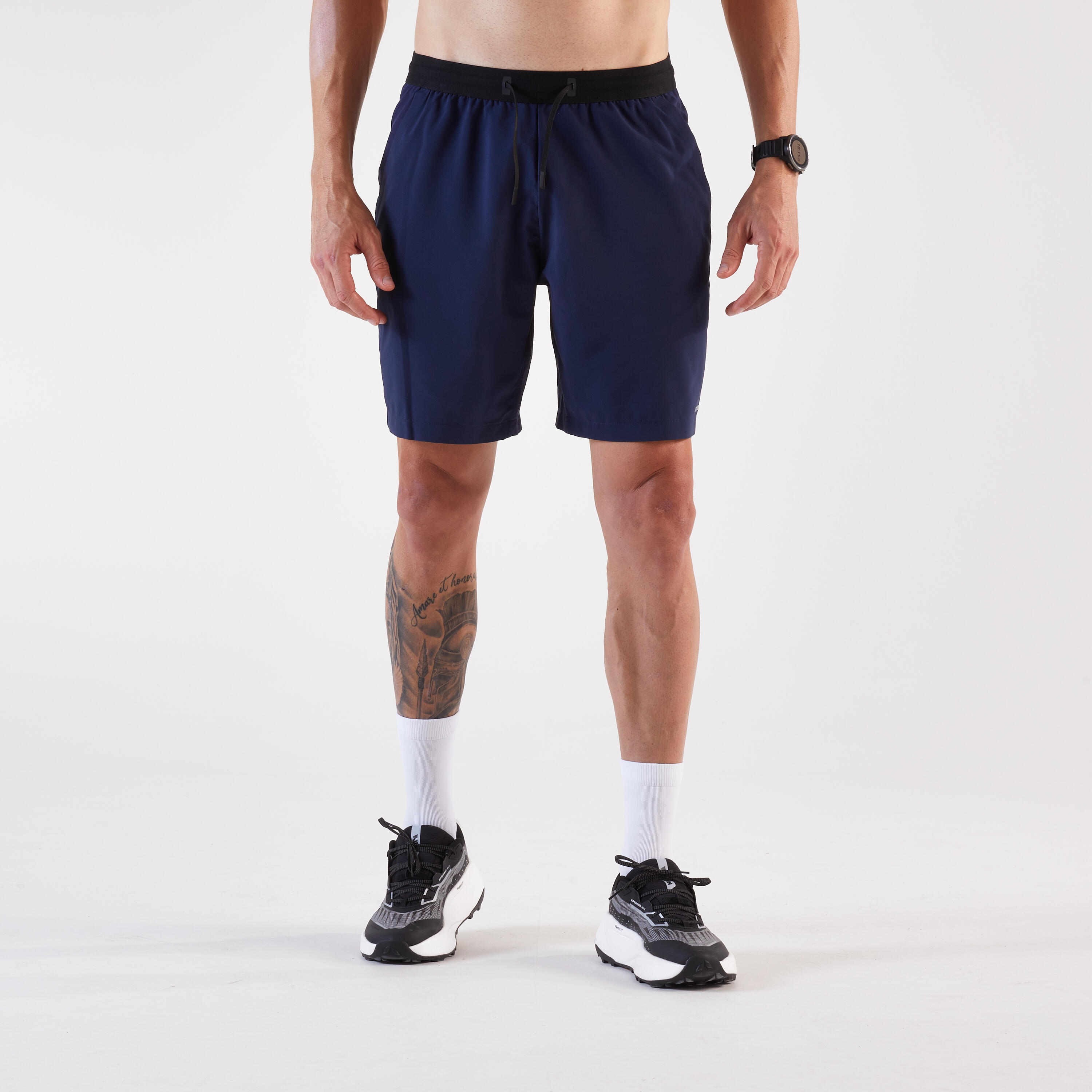
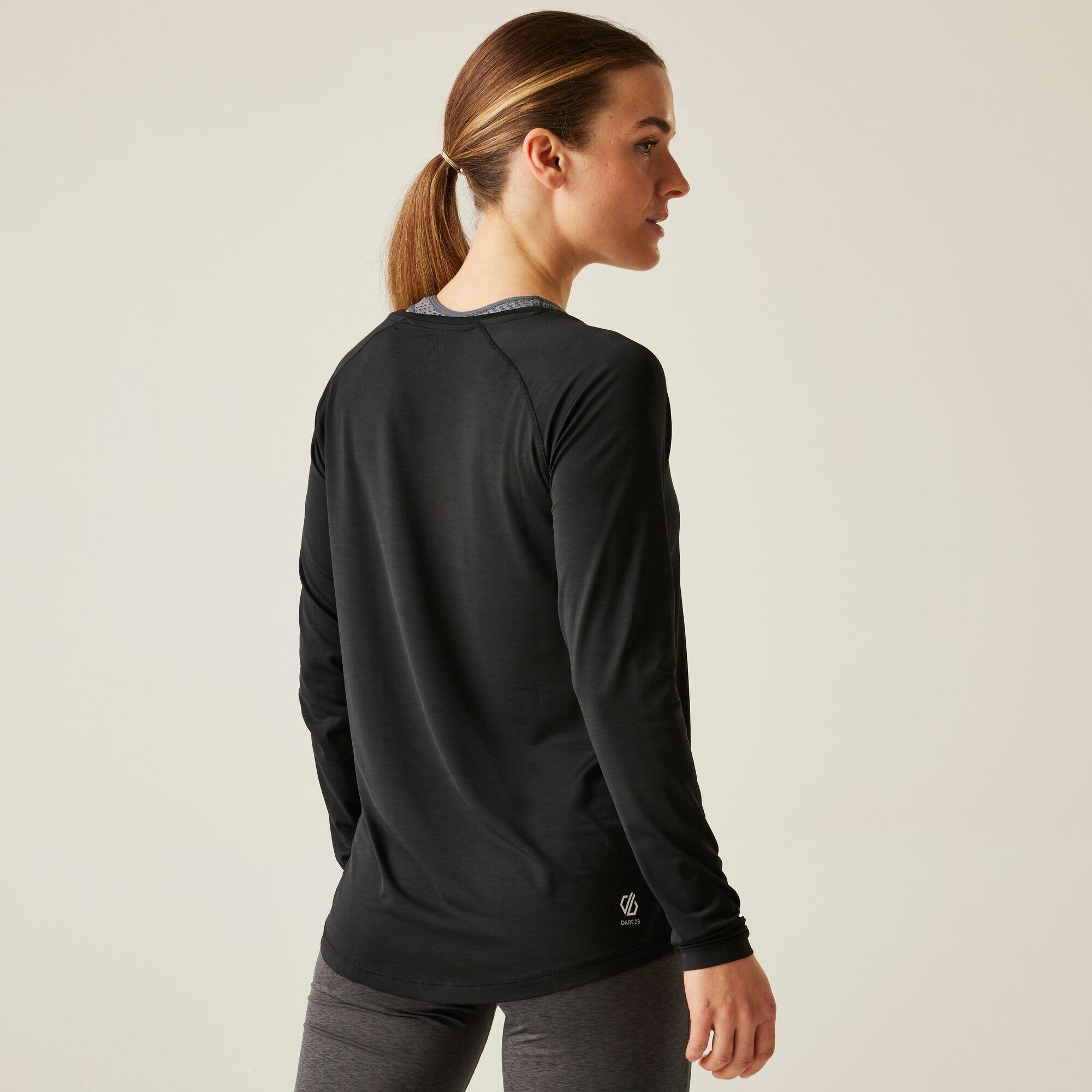
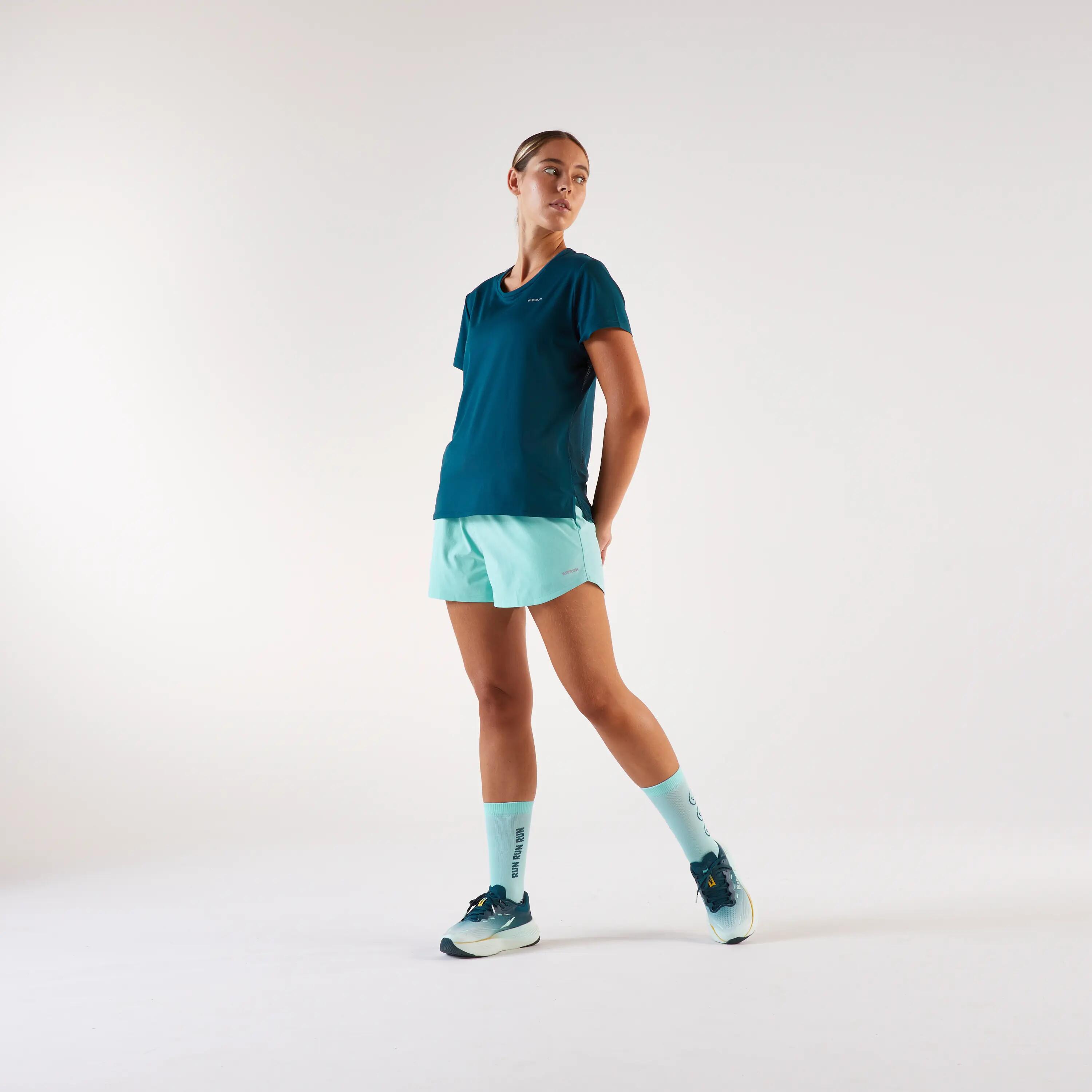
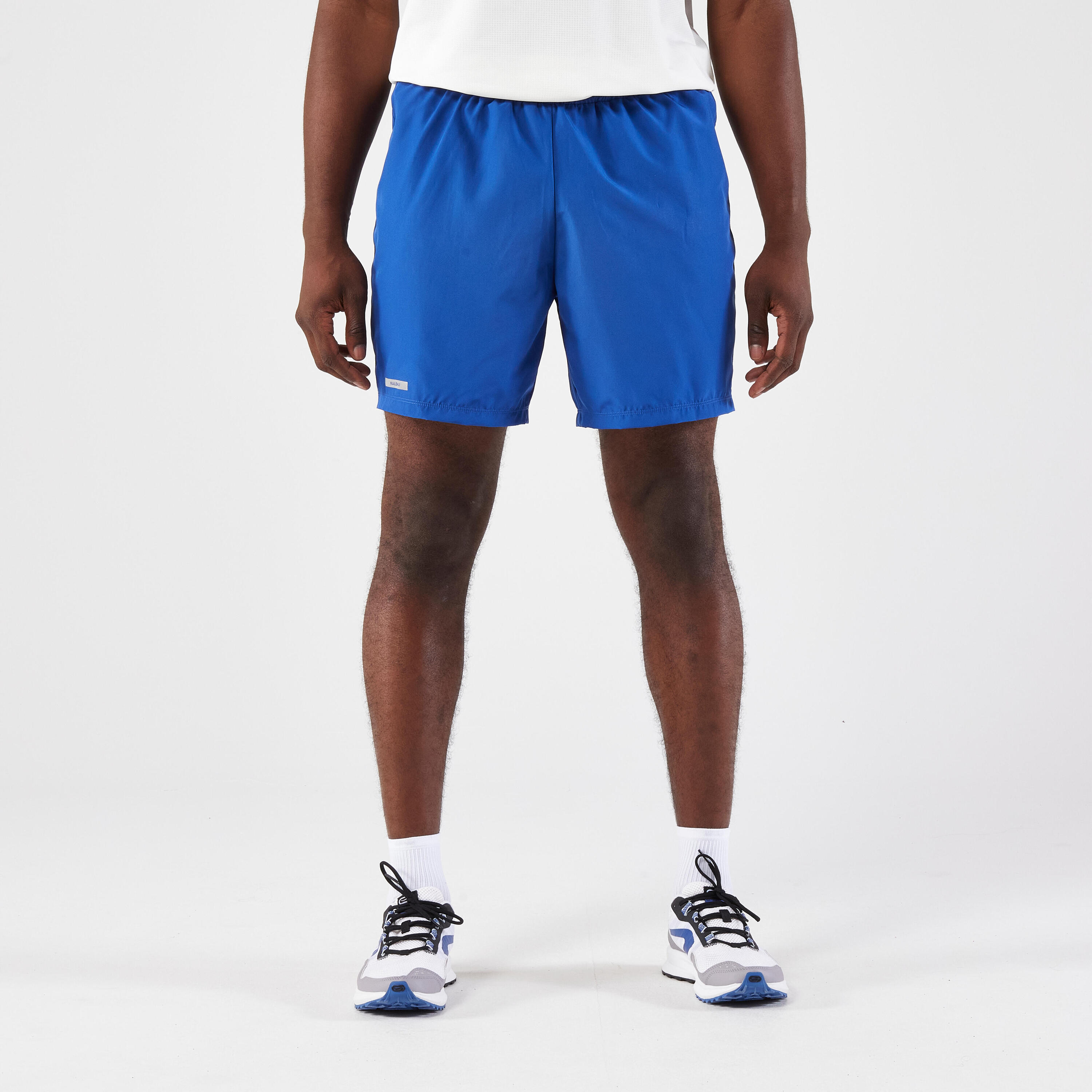
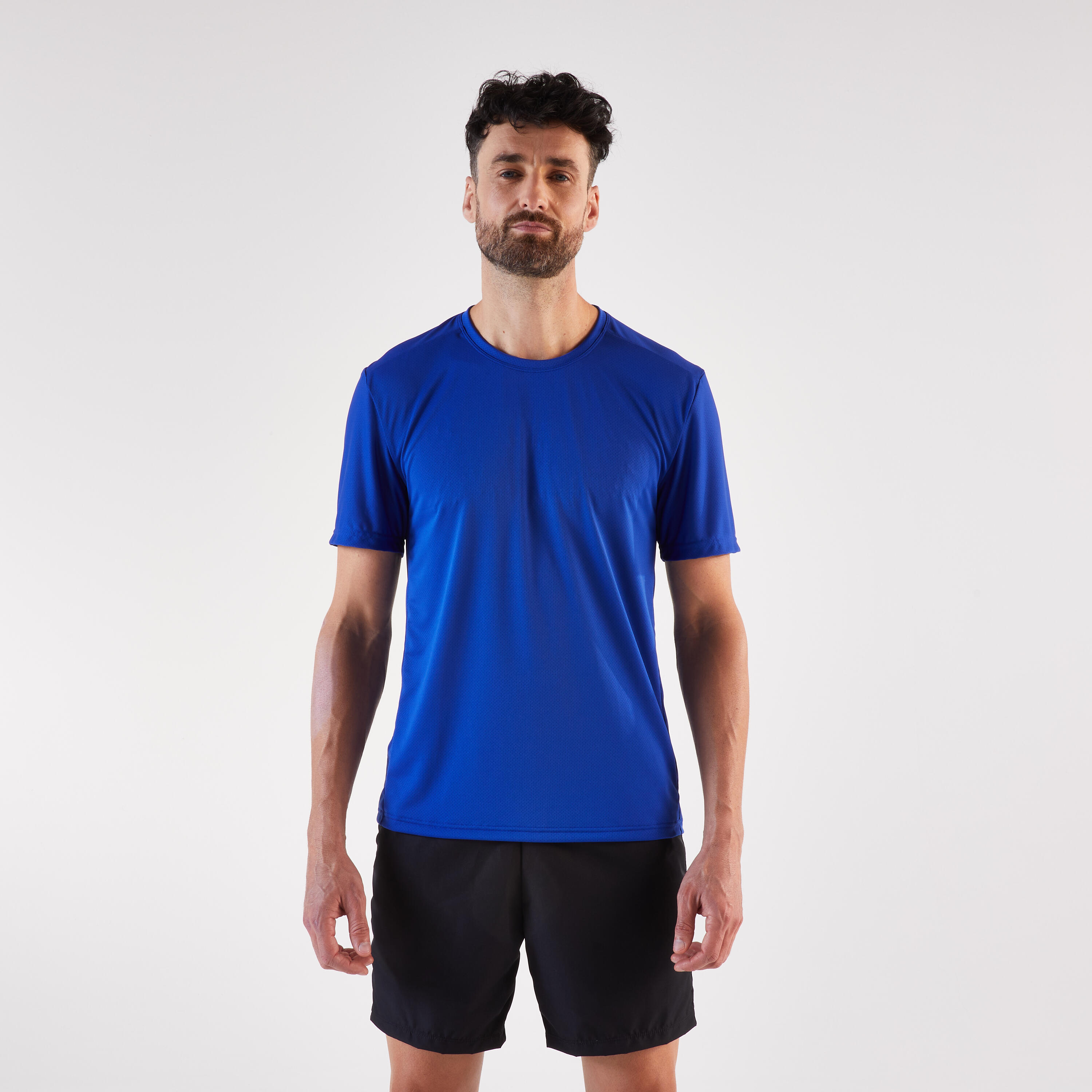
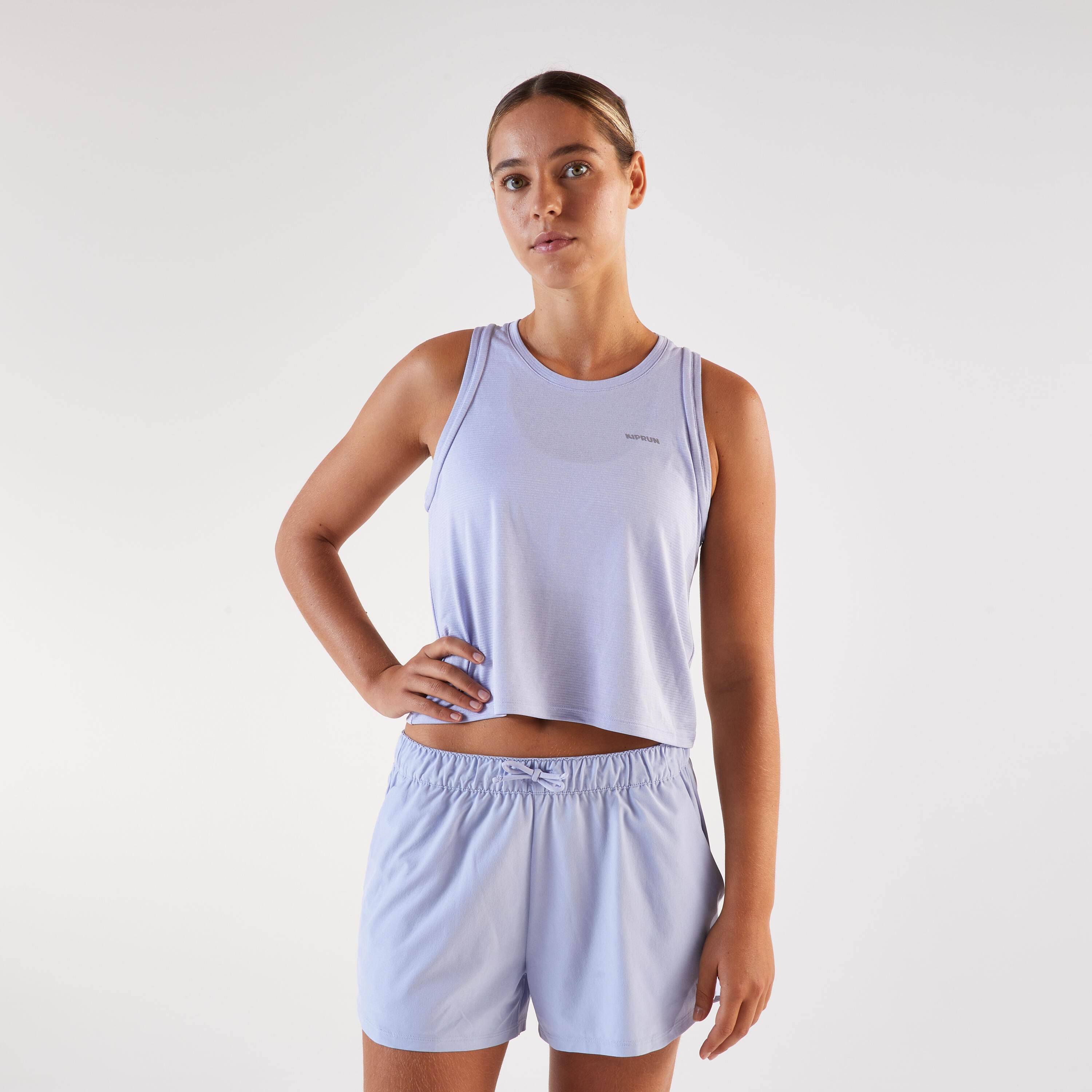
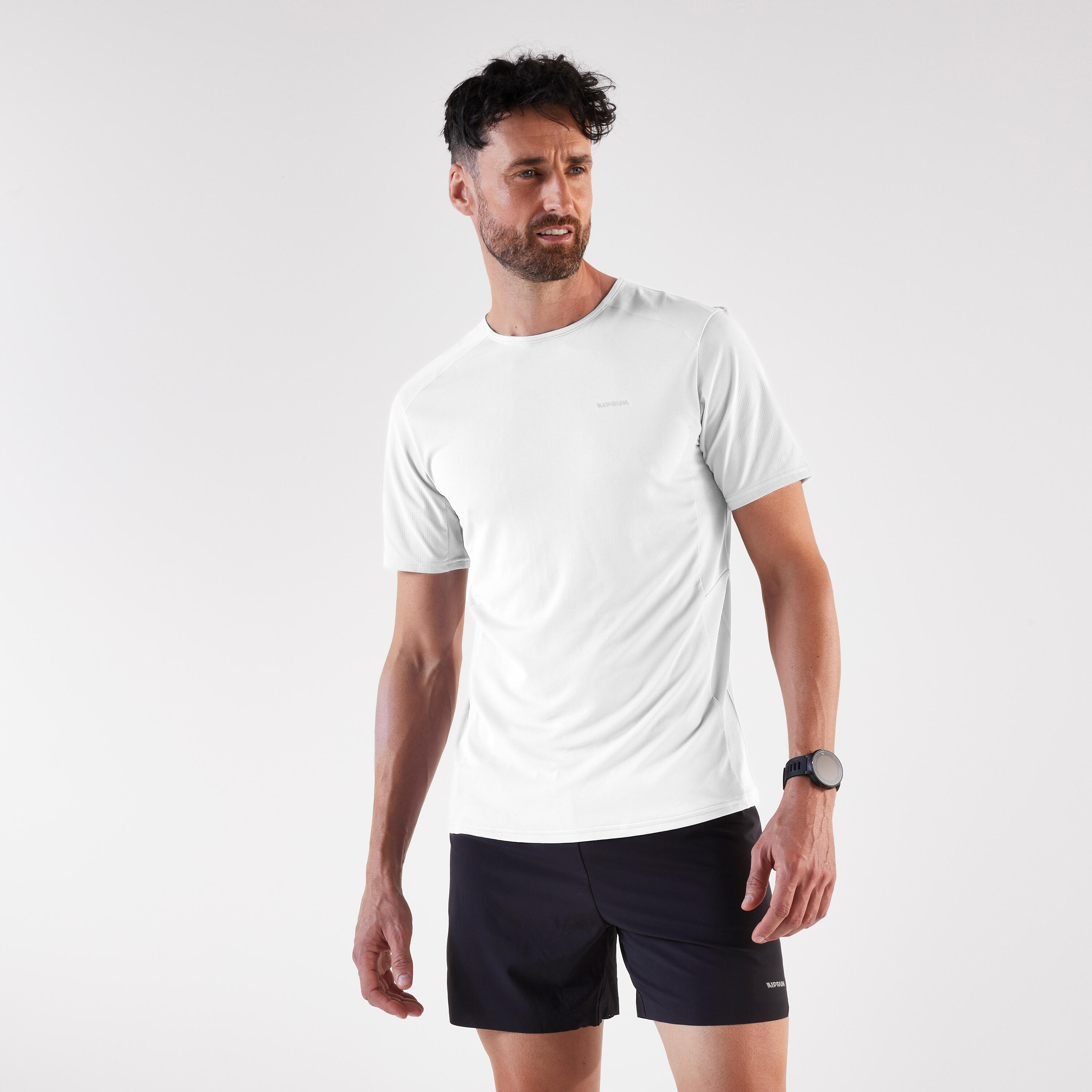
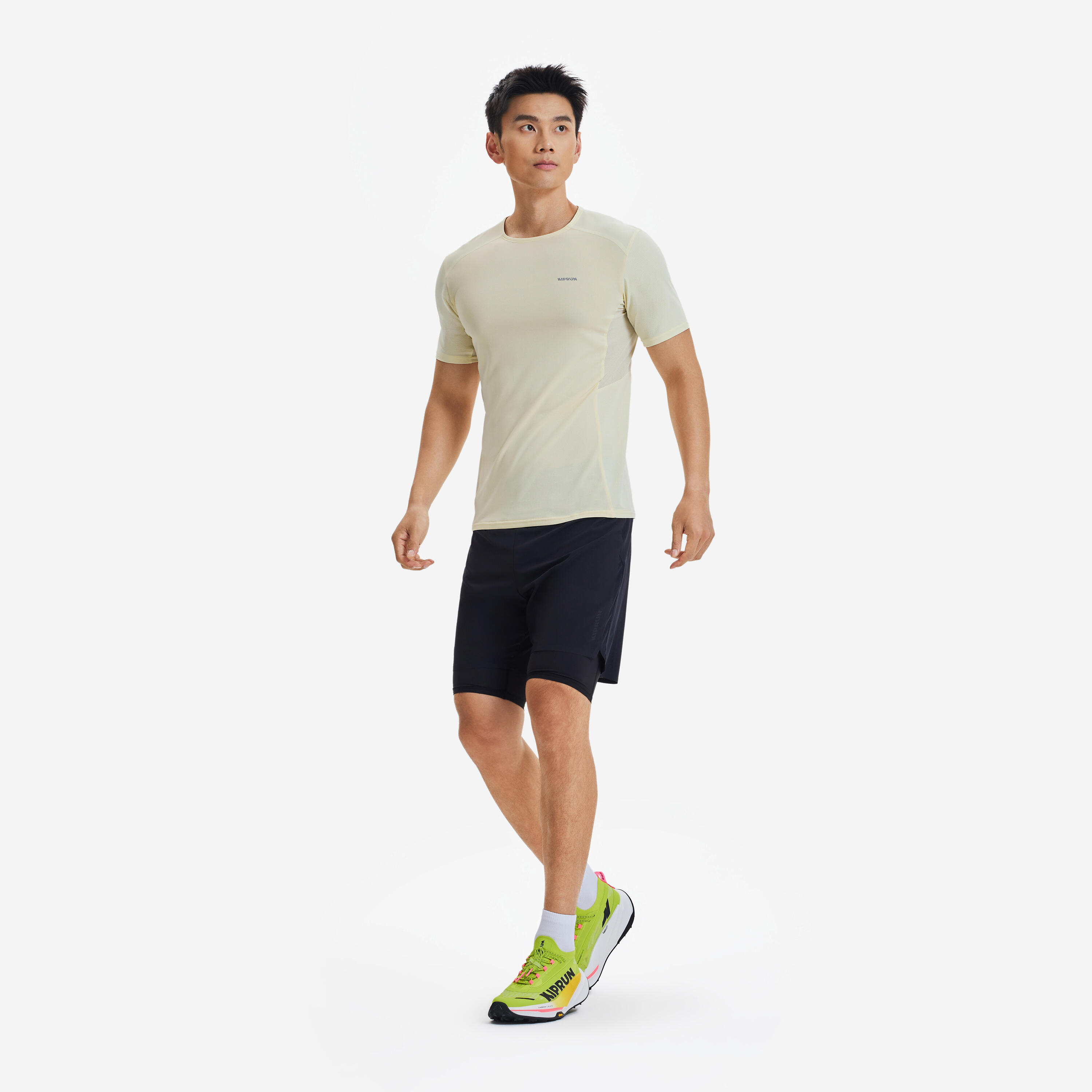
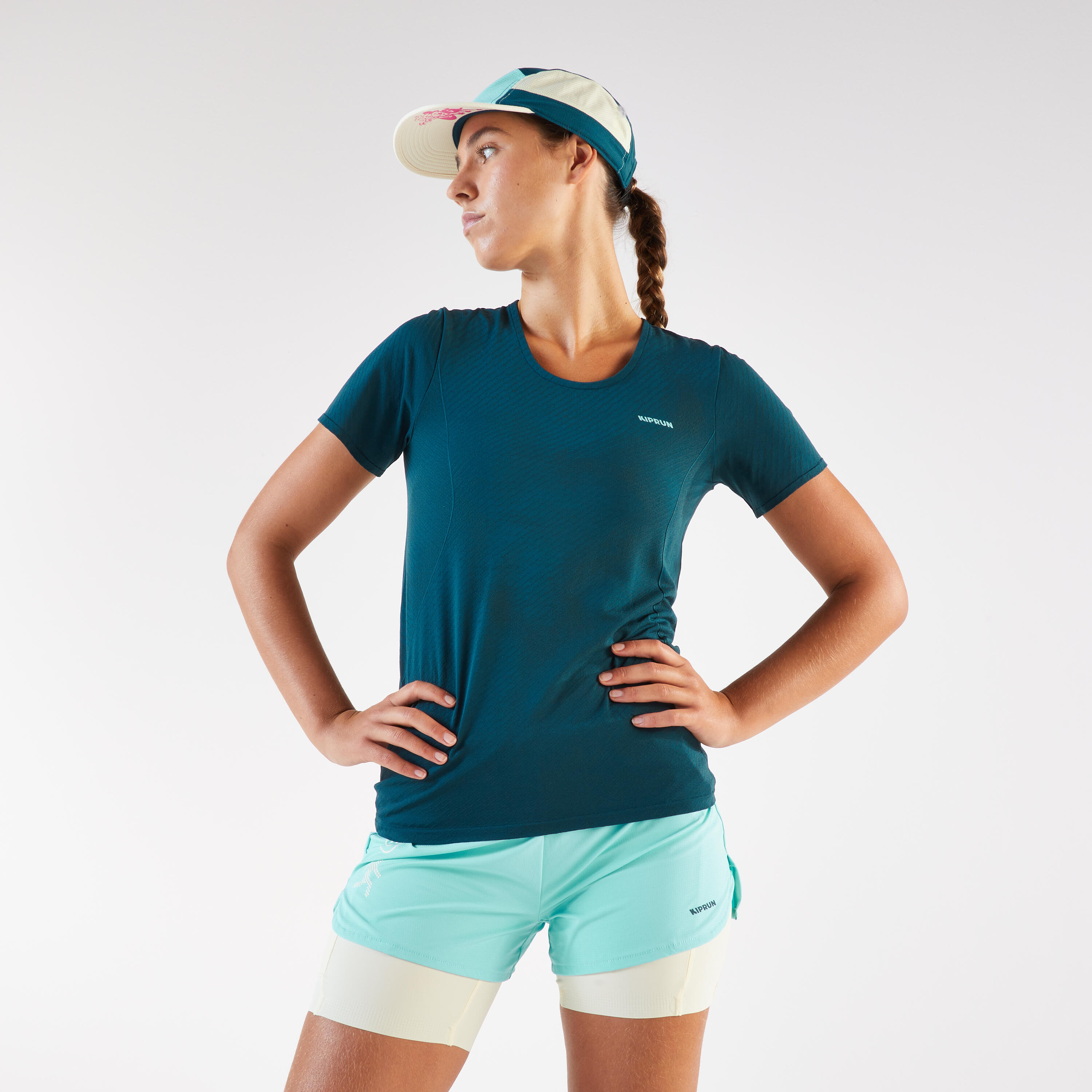
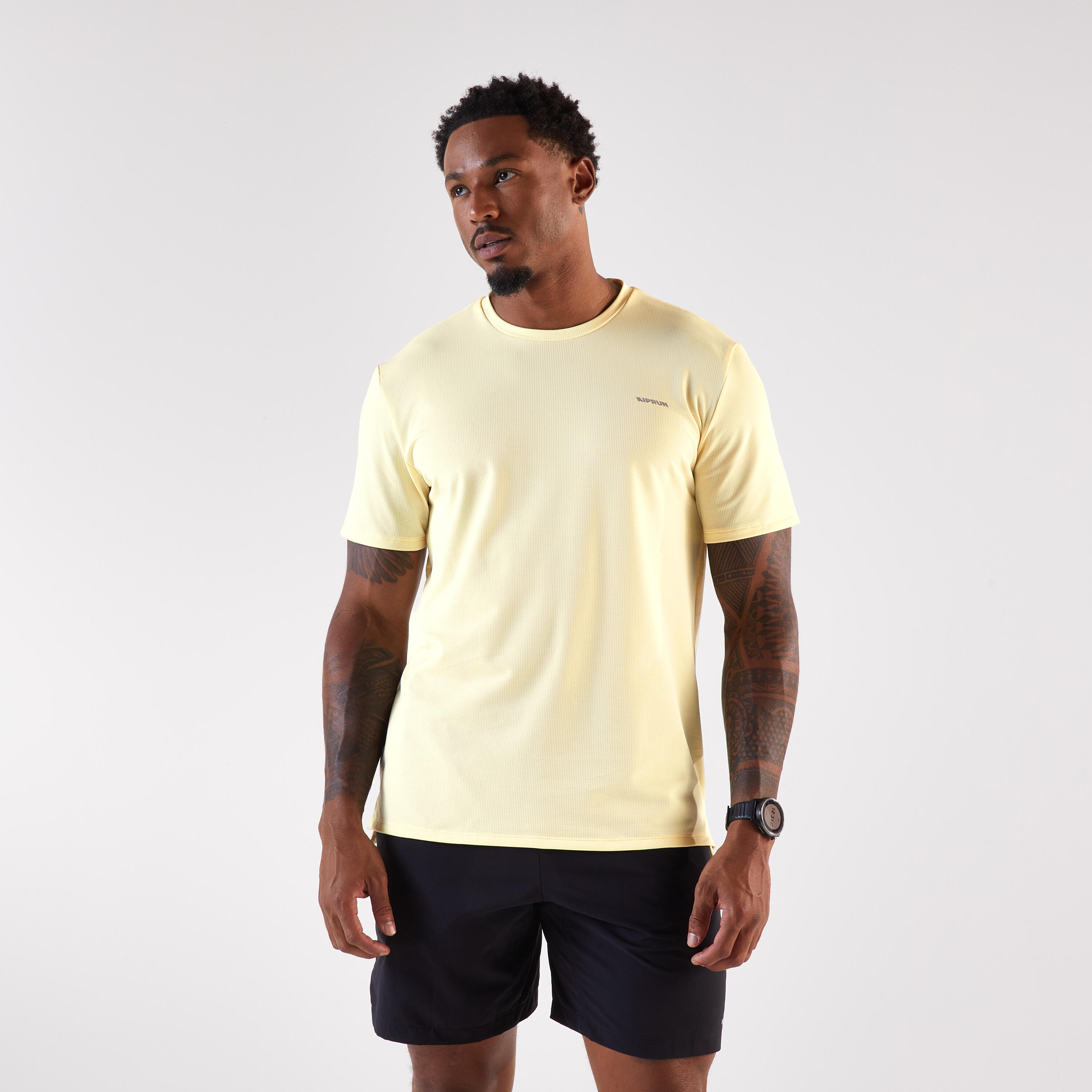
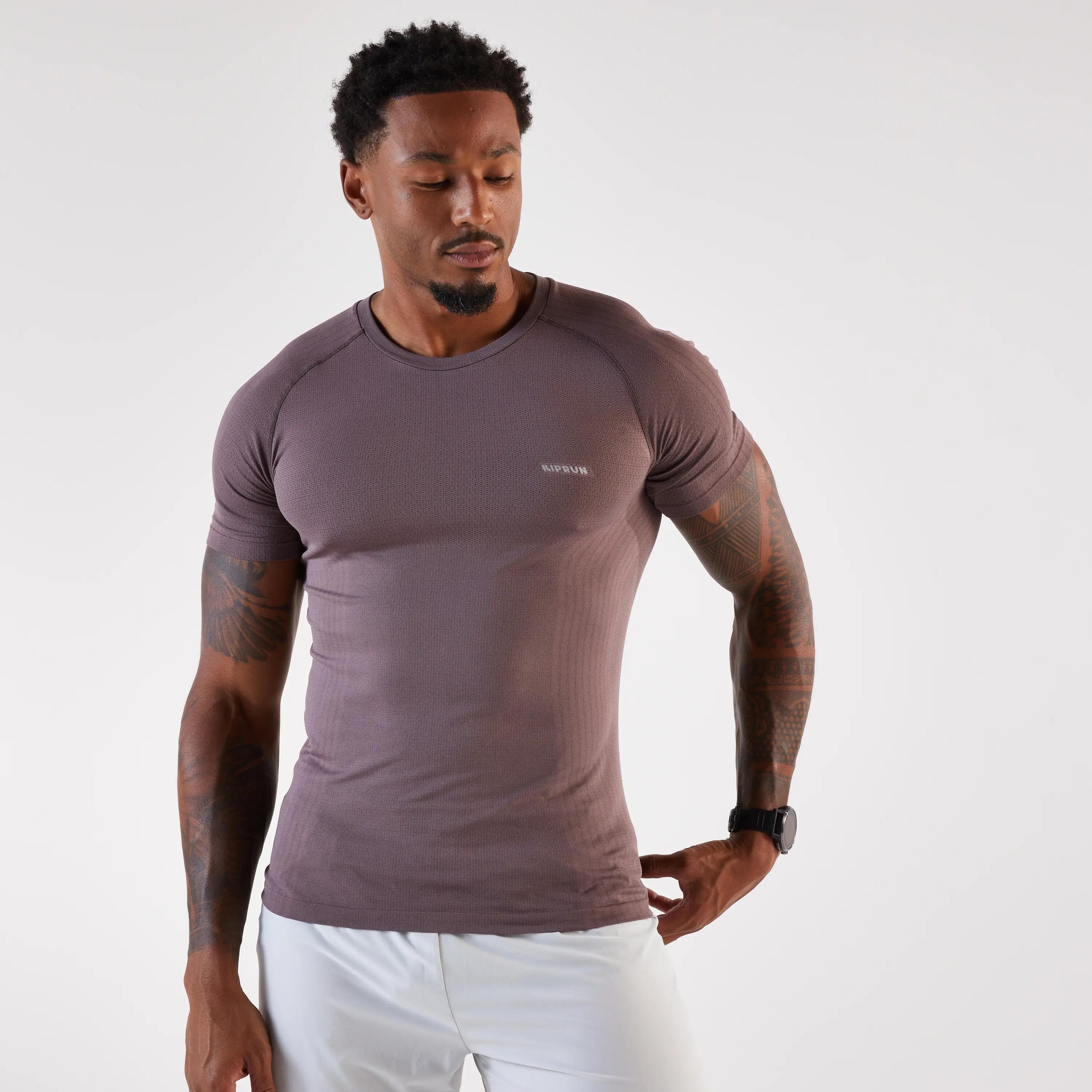
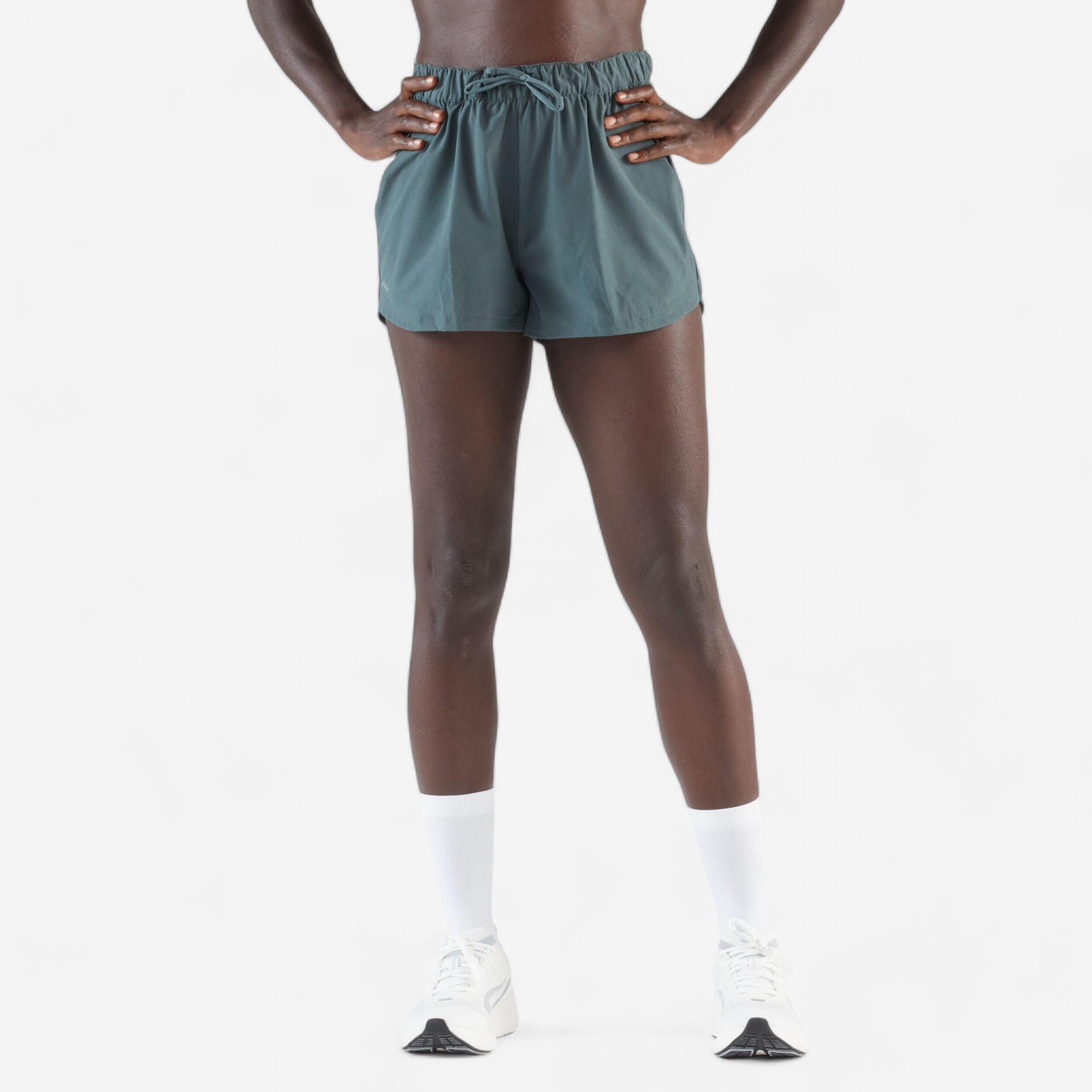
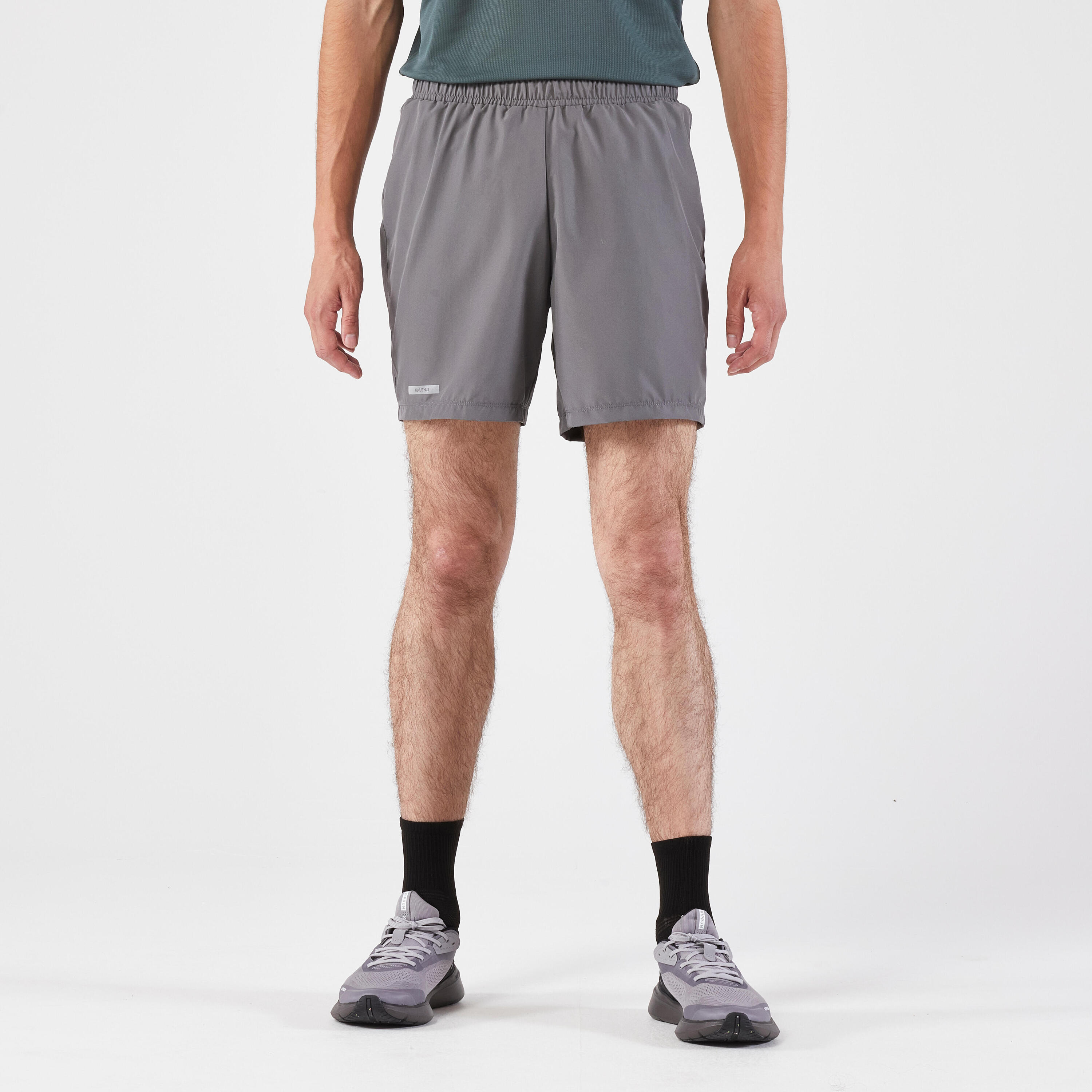
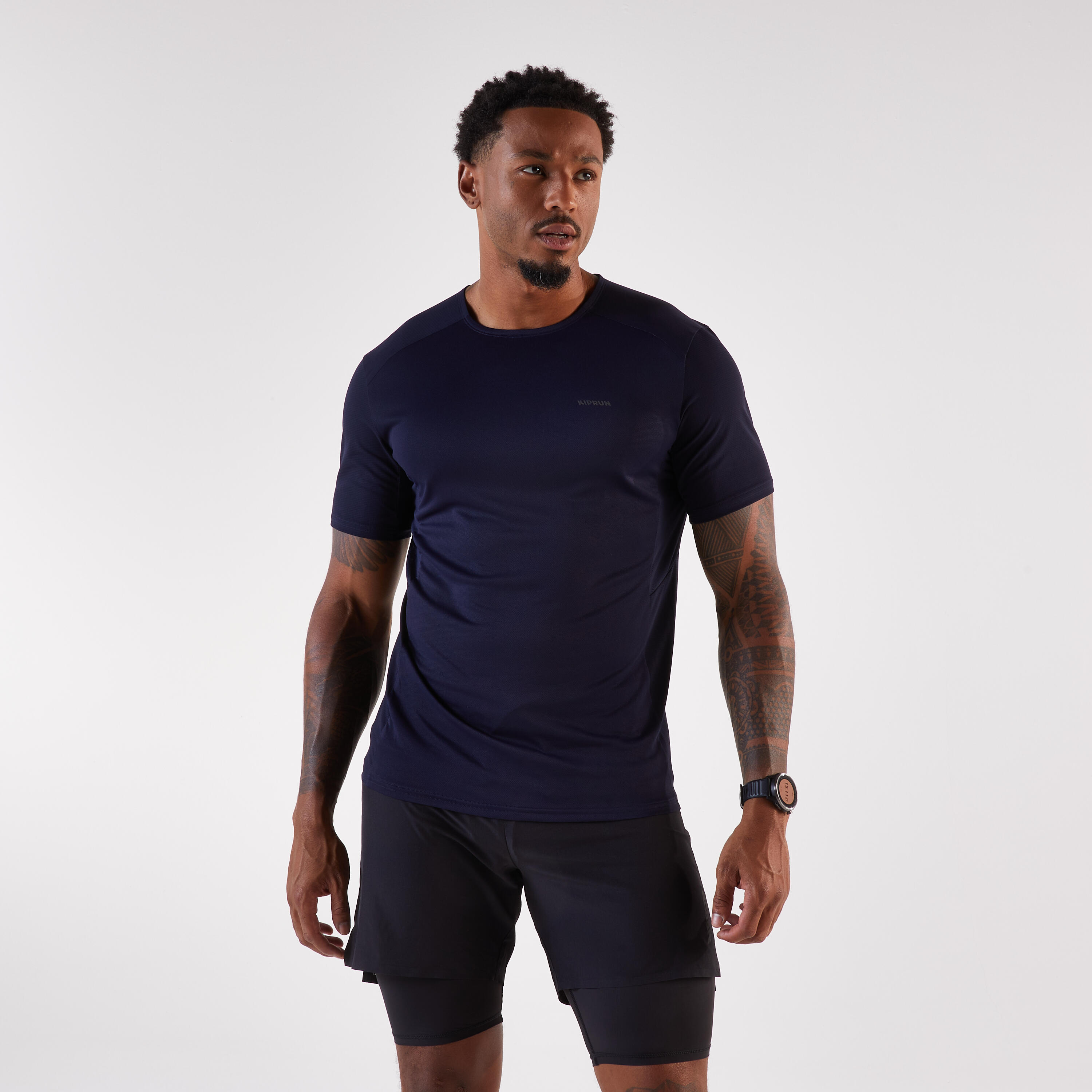
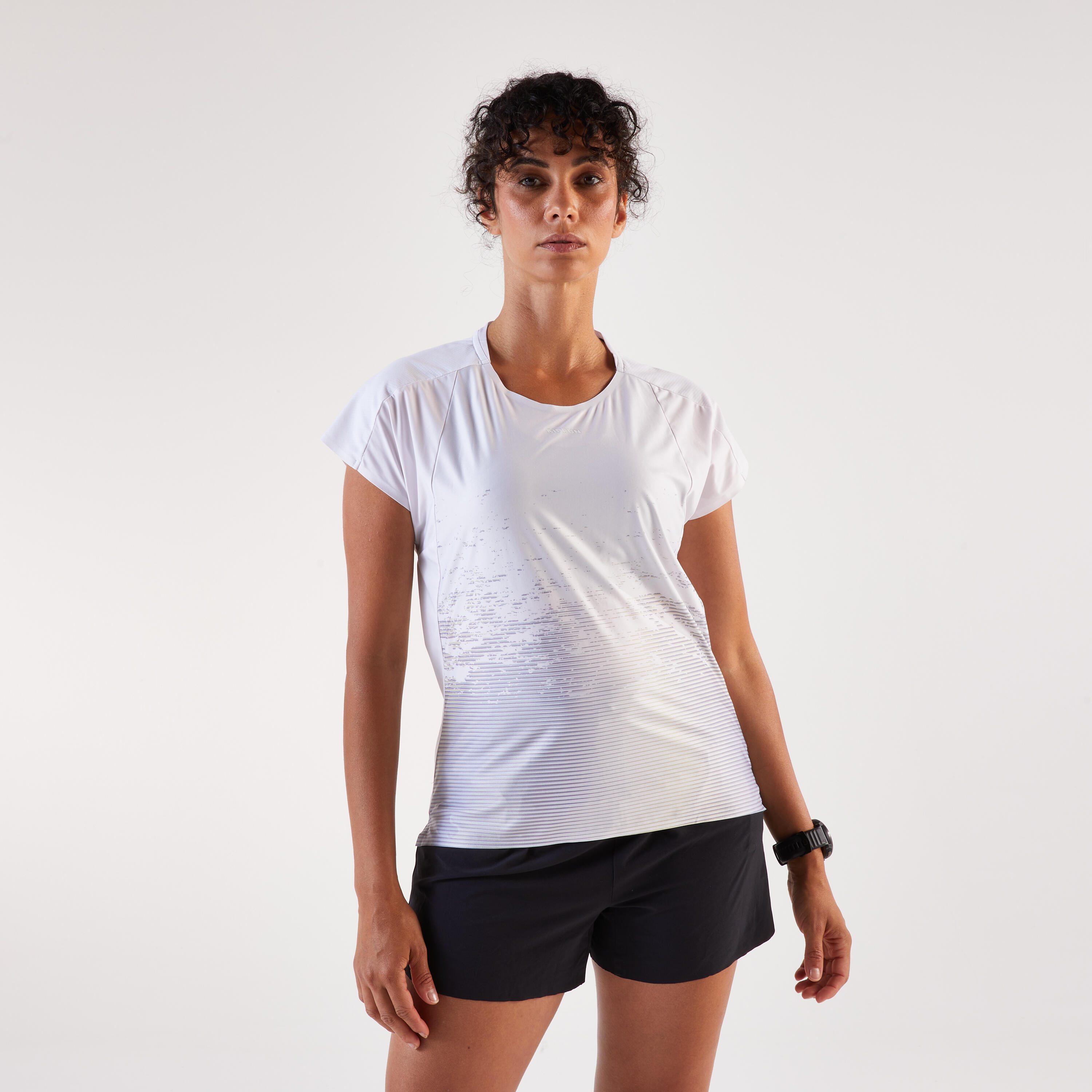
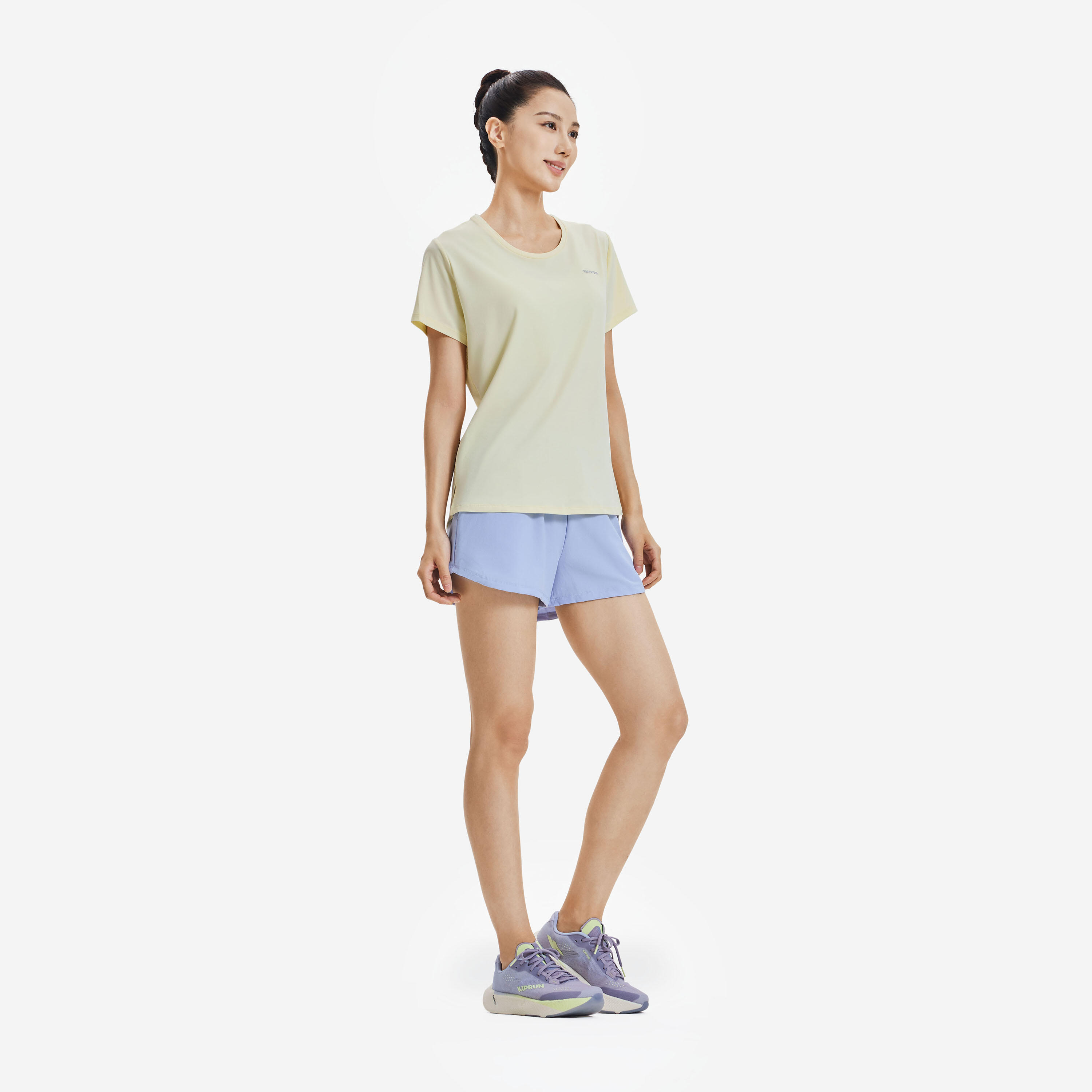
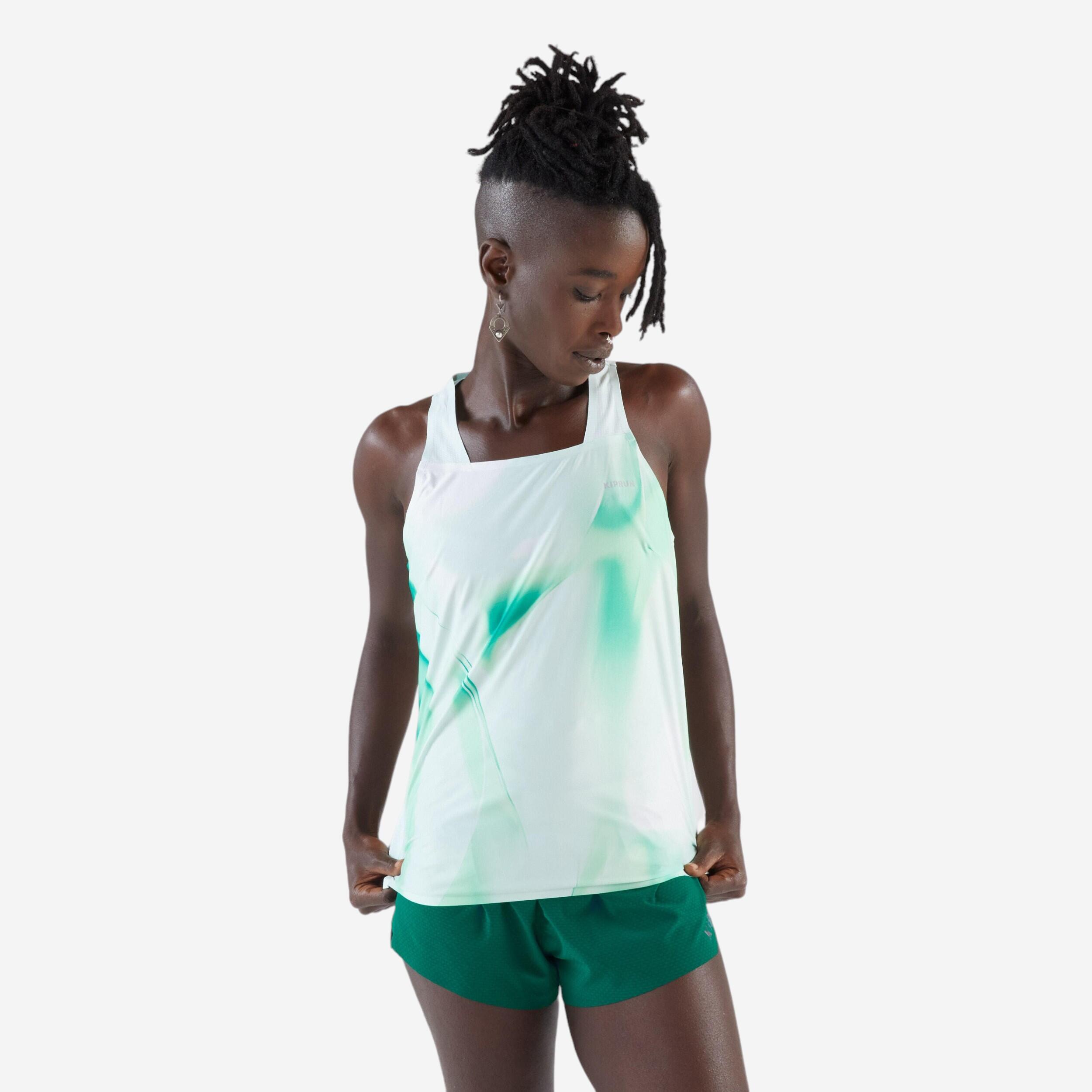
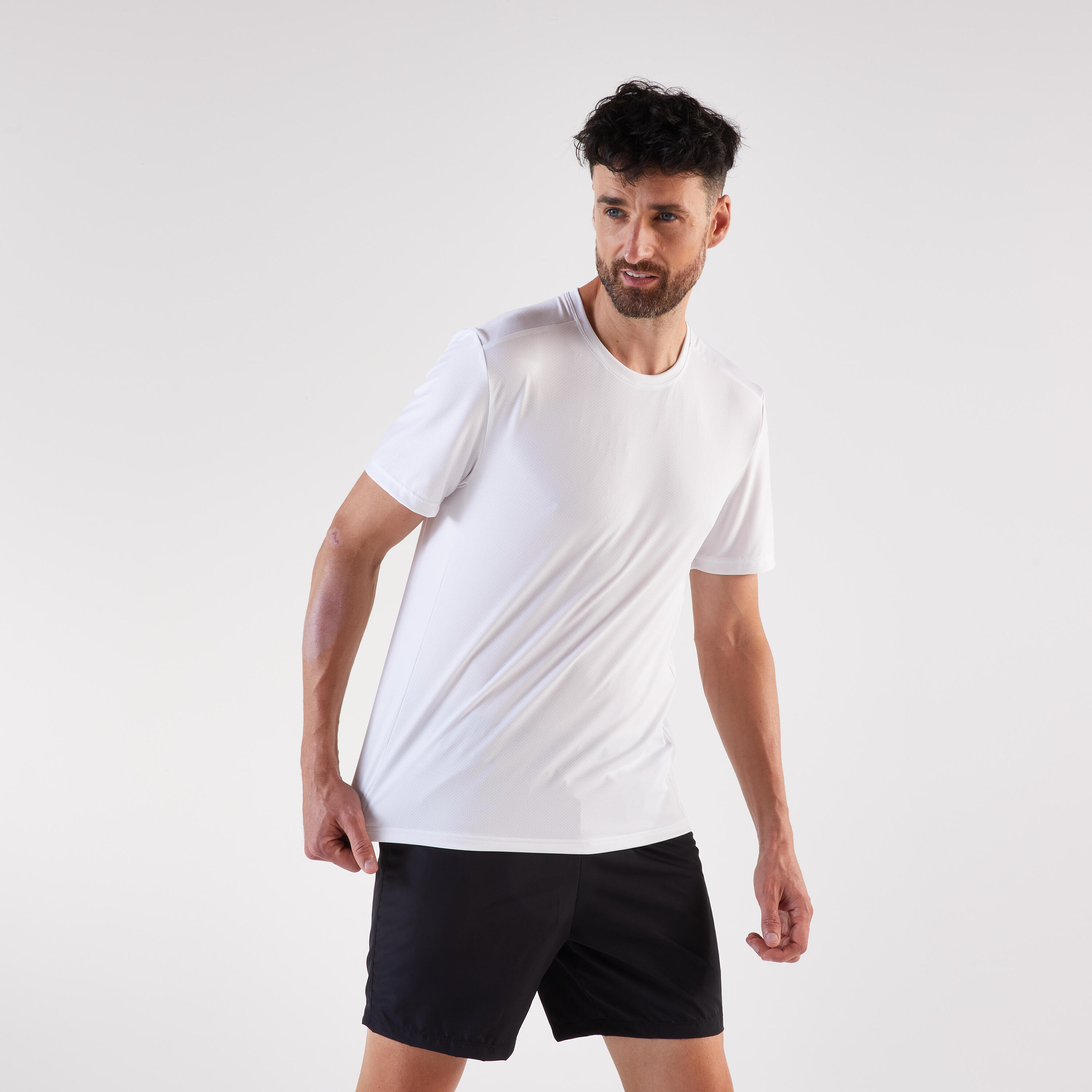
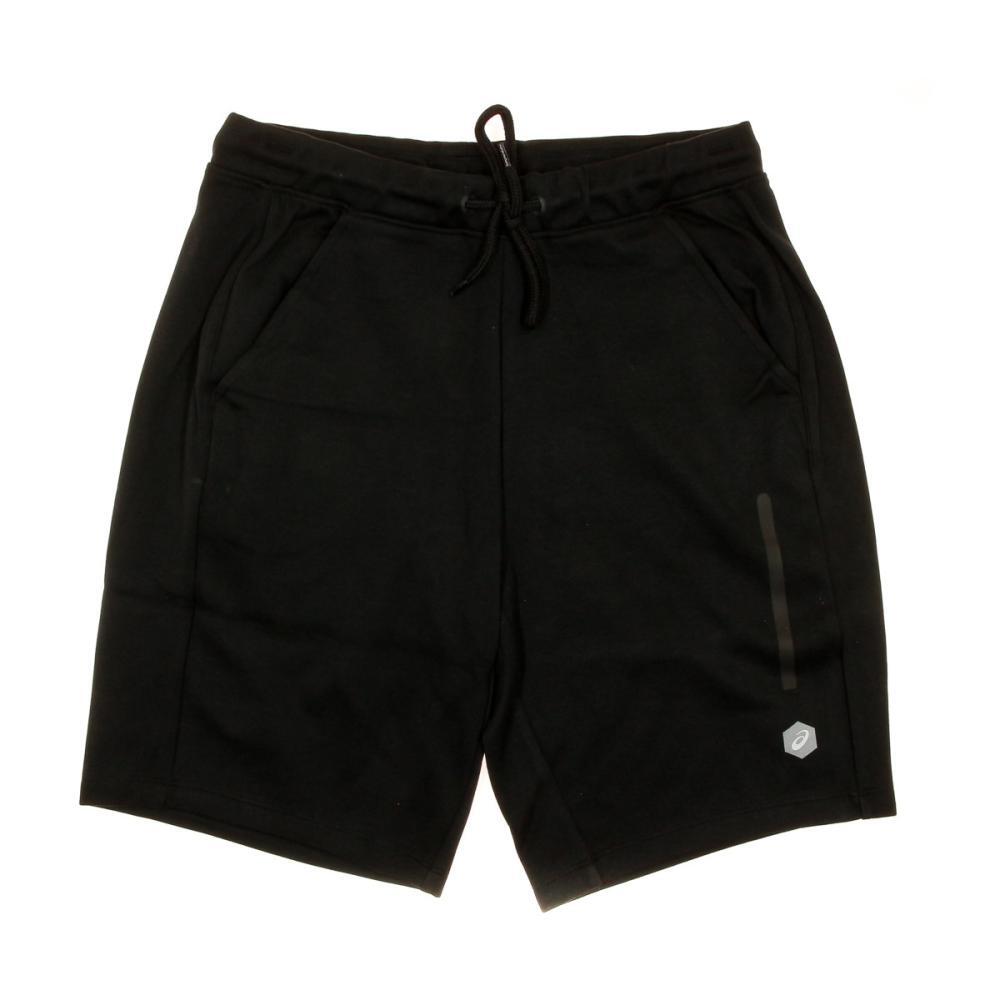
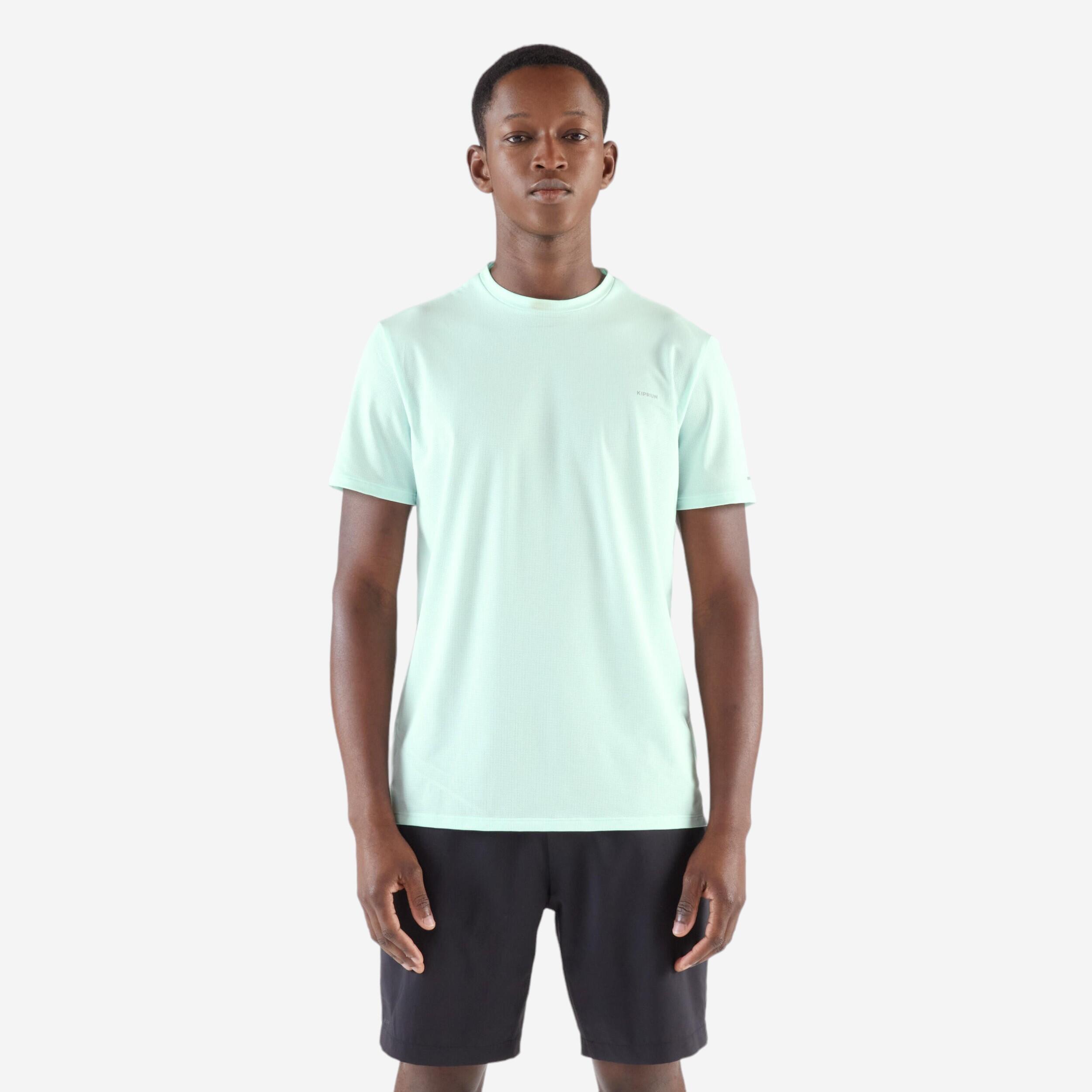
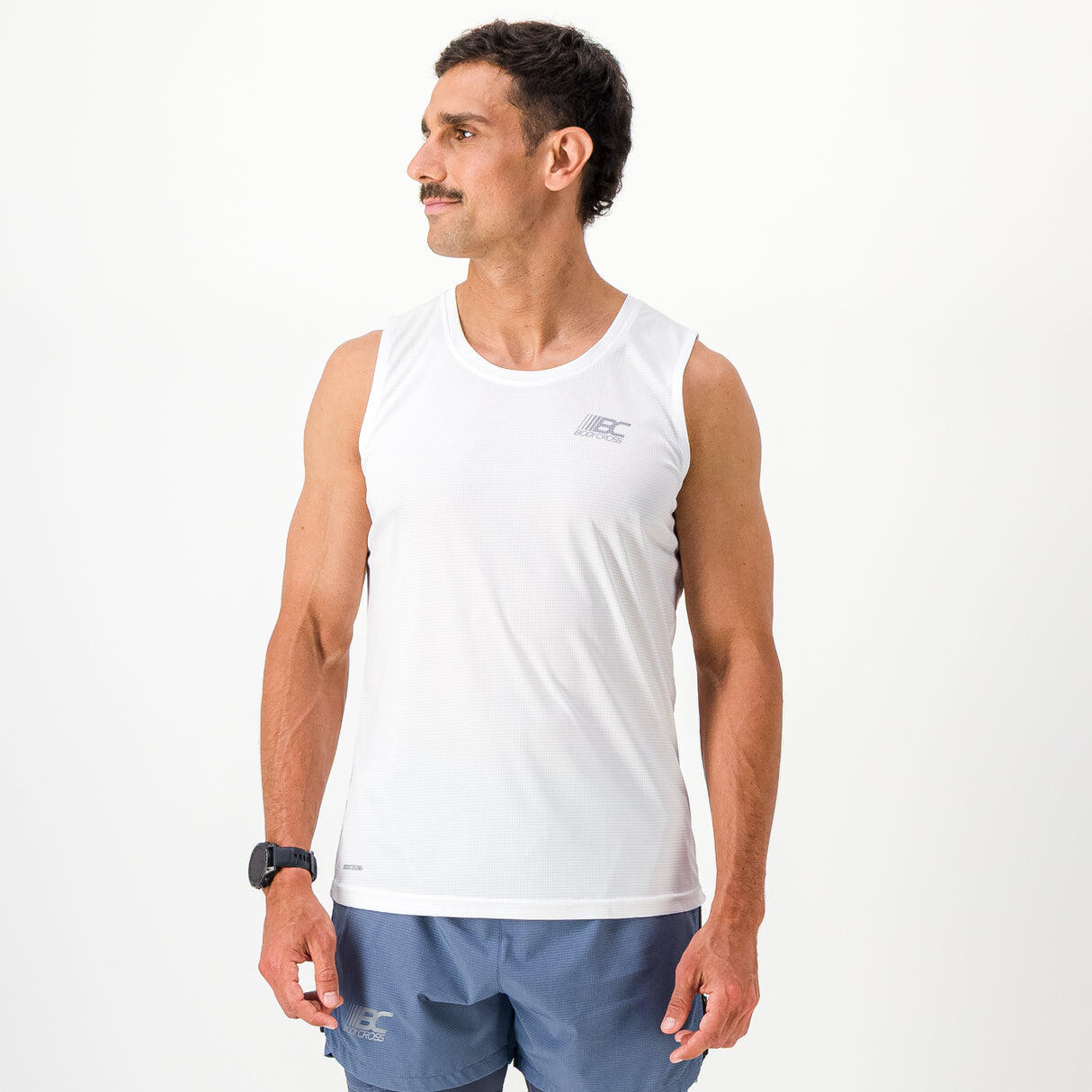
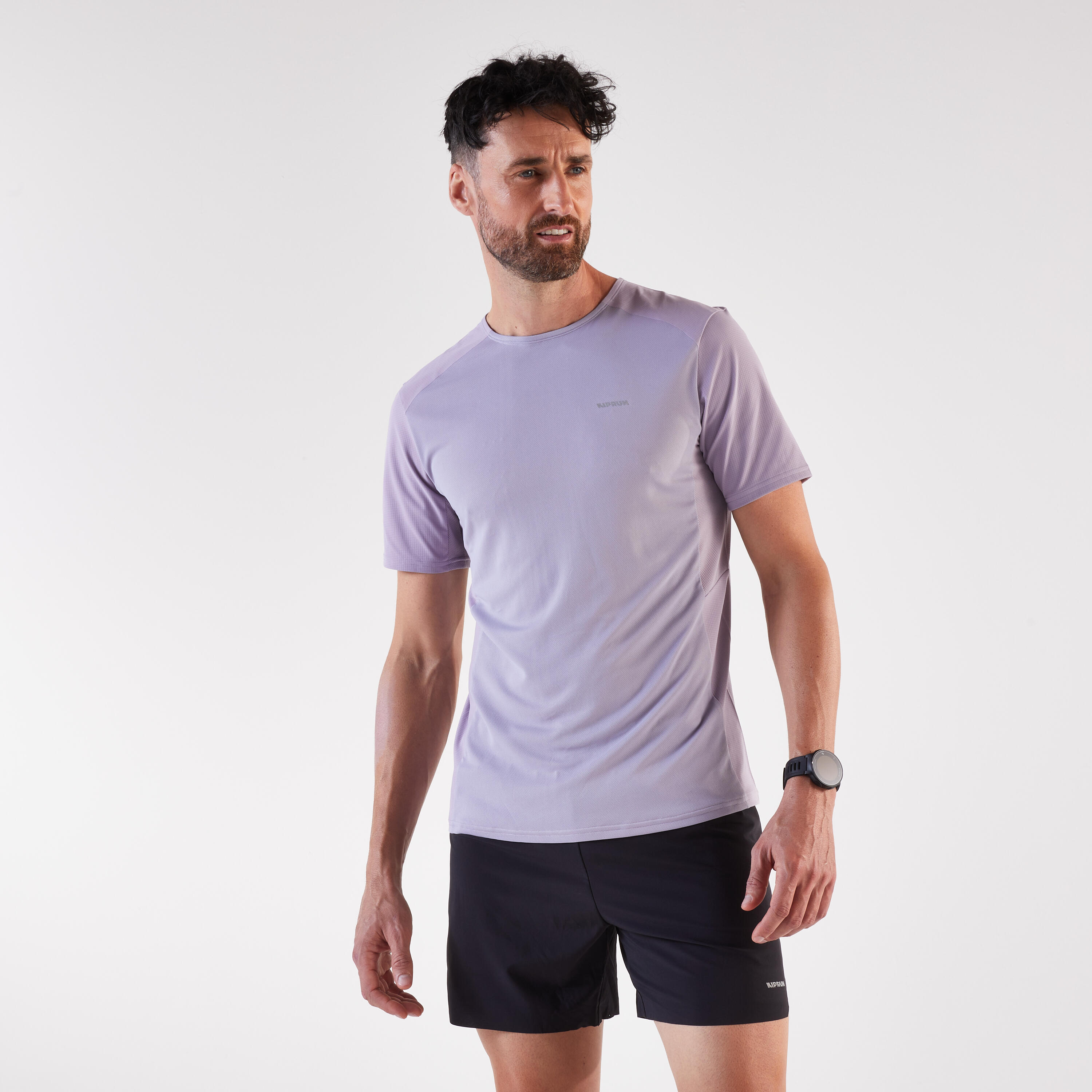
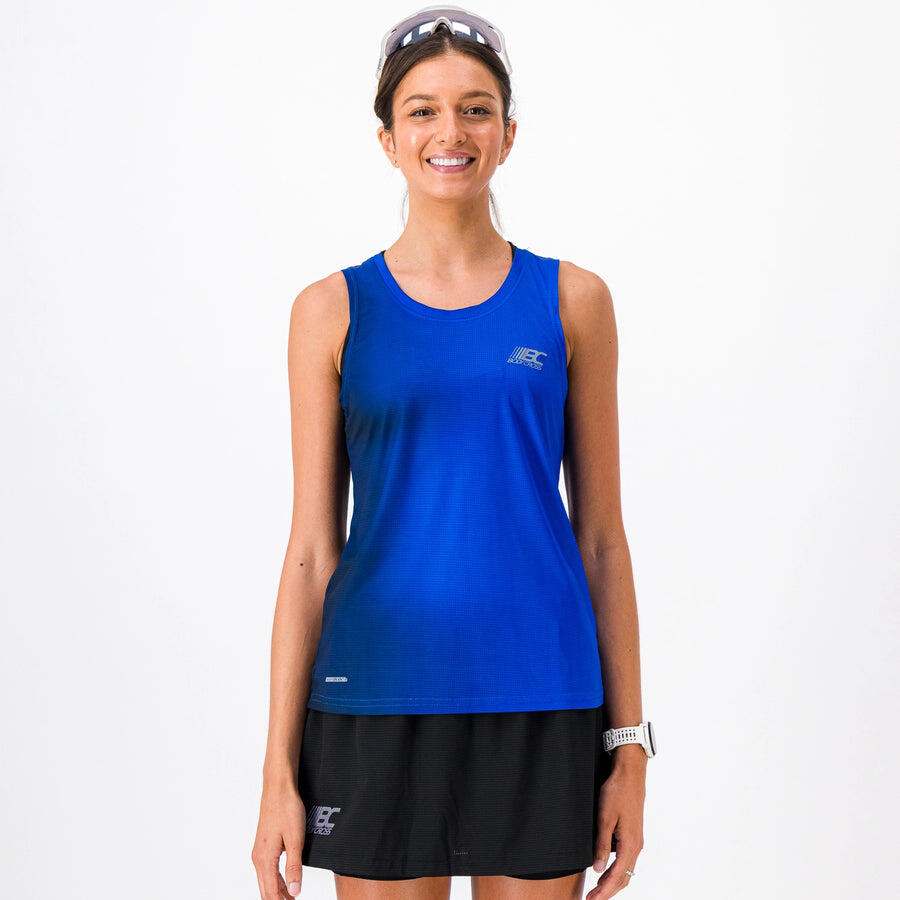
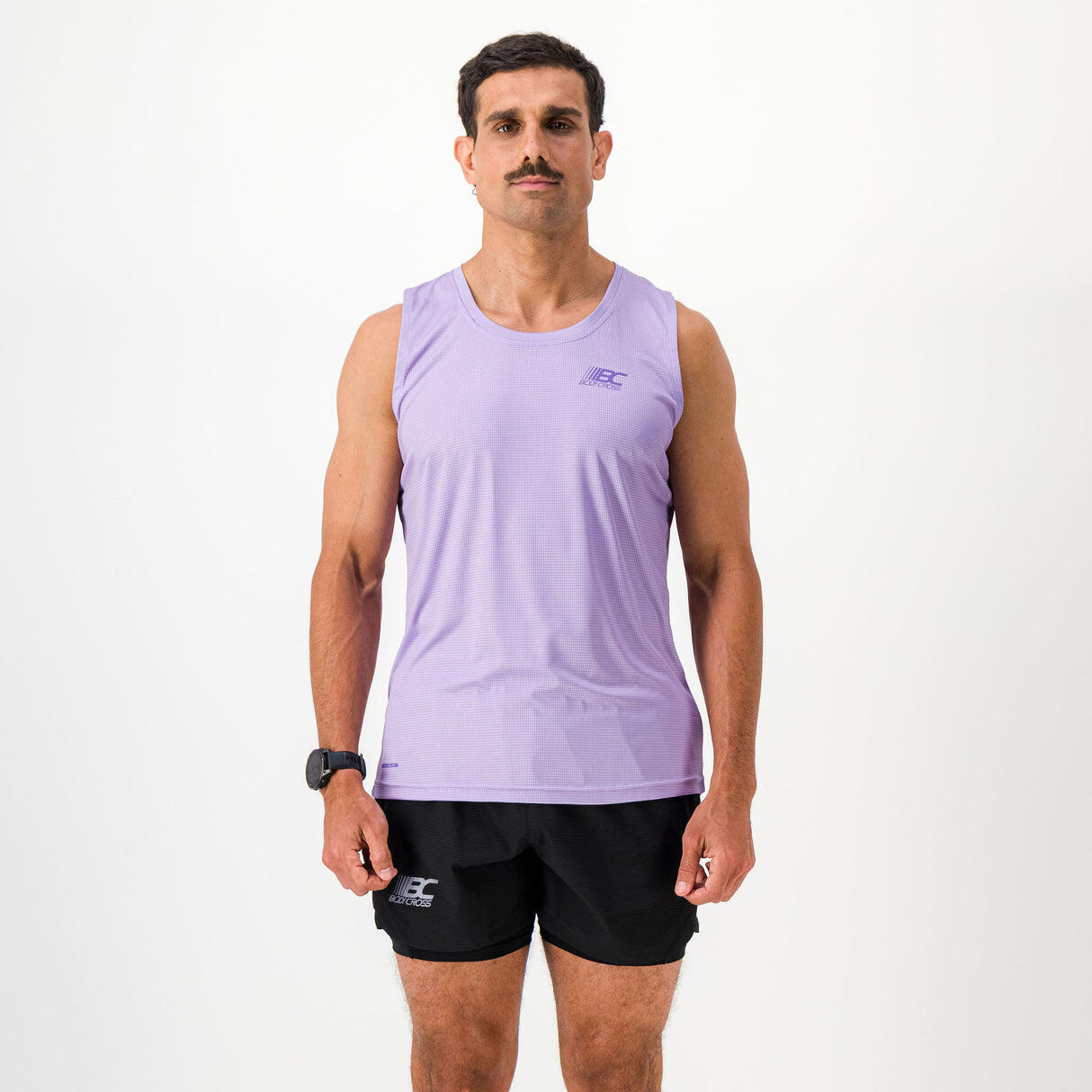
Choose lightweight clothing that moves perspiration away from your skin and allows air to circulate as your body temperature rises. Technical synthetic fabrics dry faster than everyday cotton, which can become heavy and cling to your body once wet. KIPRUN and Kalenji summer tops use breathable constructions, while shorts may include micro-perforated panels in areas where heat builds. A relaxed fit can improve airflow, but the garment should not move enough to rub during your stride. Men can compare breathable men's running clothes when selecting tops, shorts and lightweight layers for warm conditions. Pro tip: test your complete outfit on a shorter run before wearing it during a long session in high temperatures.

Should summer running clothes fit loosely or closely?

Your clothing should allow an unrestricted stride without leaving excess fabric to flap or bunch. Looser tops can improve air movement around your torso, while fitted inner shorts may reduce skin-on-skin contact around the thighs. Stretch fibres help the garment follow your arm drive and hip movement without pulling across the body. Check the waistband while standing, jogging and bending forwards because heat and perspiration can make a tight edge feel more noticeable. The right construction can also depend on your planned distance, so use running gear by race distance to compare the clothing, storage and hydration needs of shorter sessions and longer events.

How can summer running gear reduce chafing?

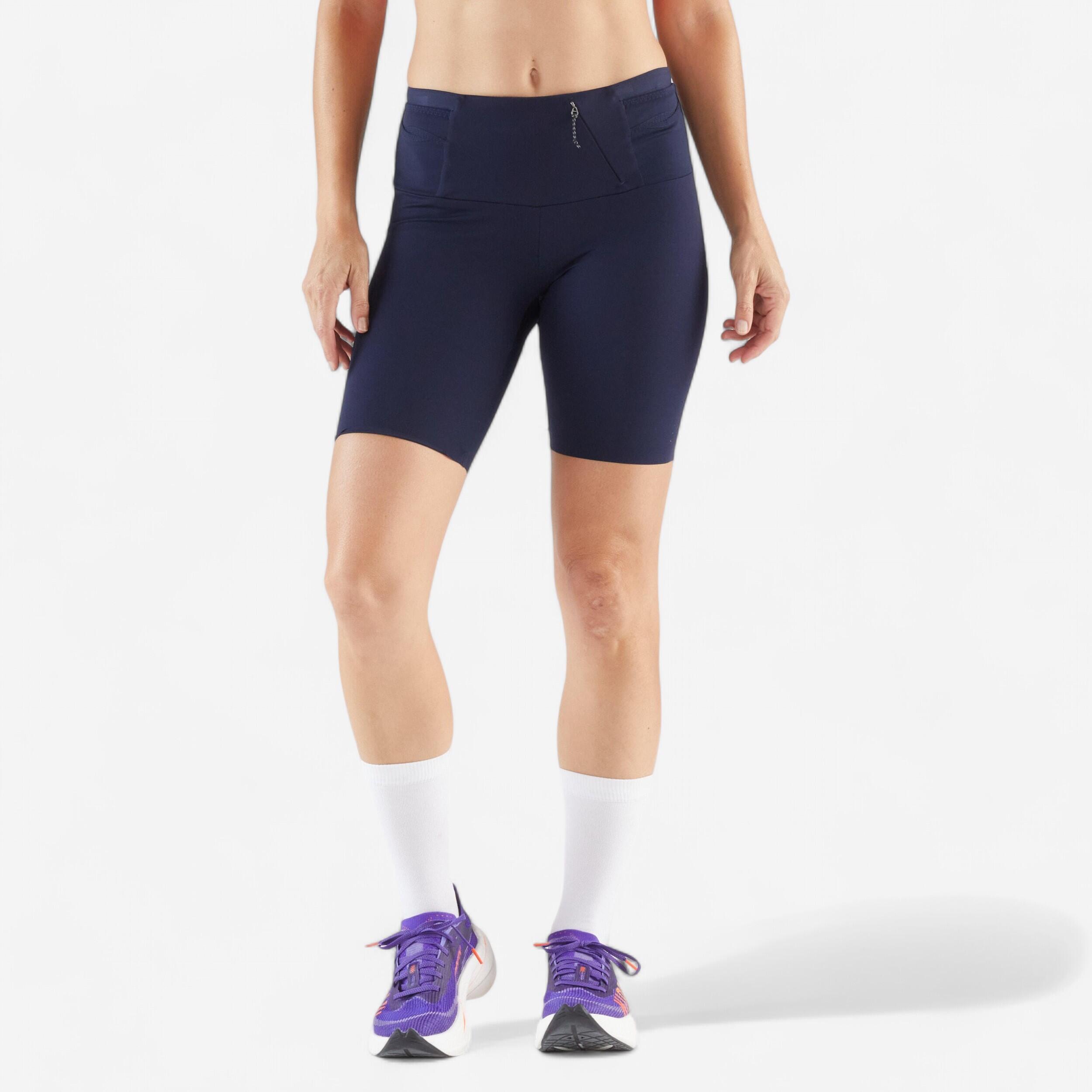
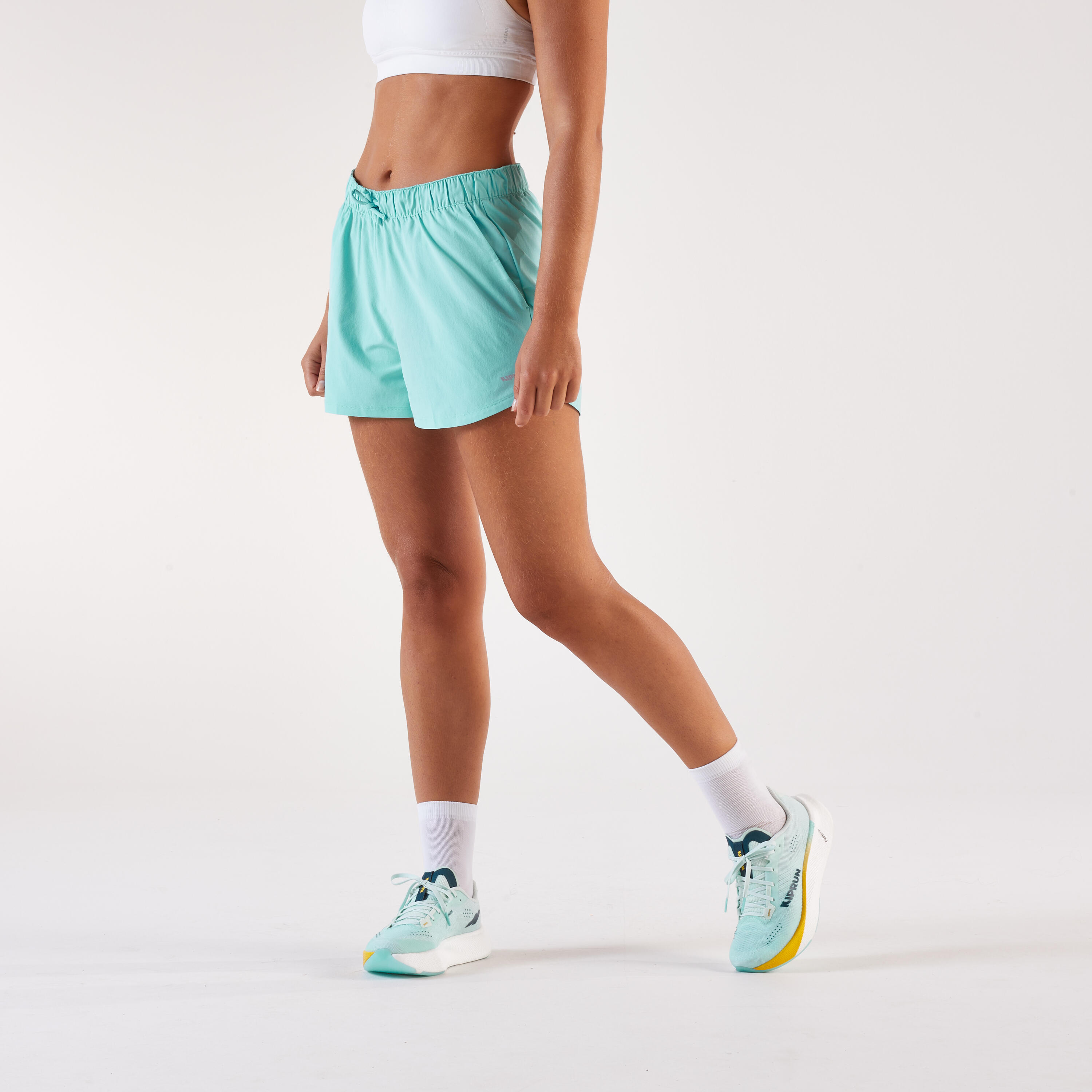
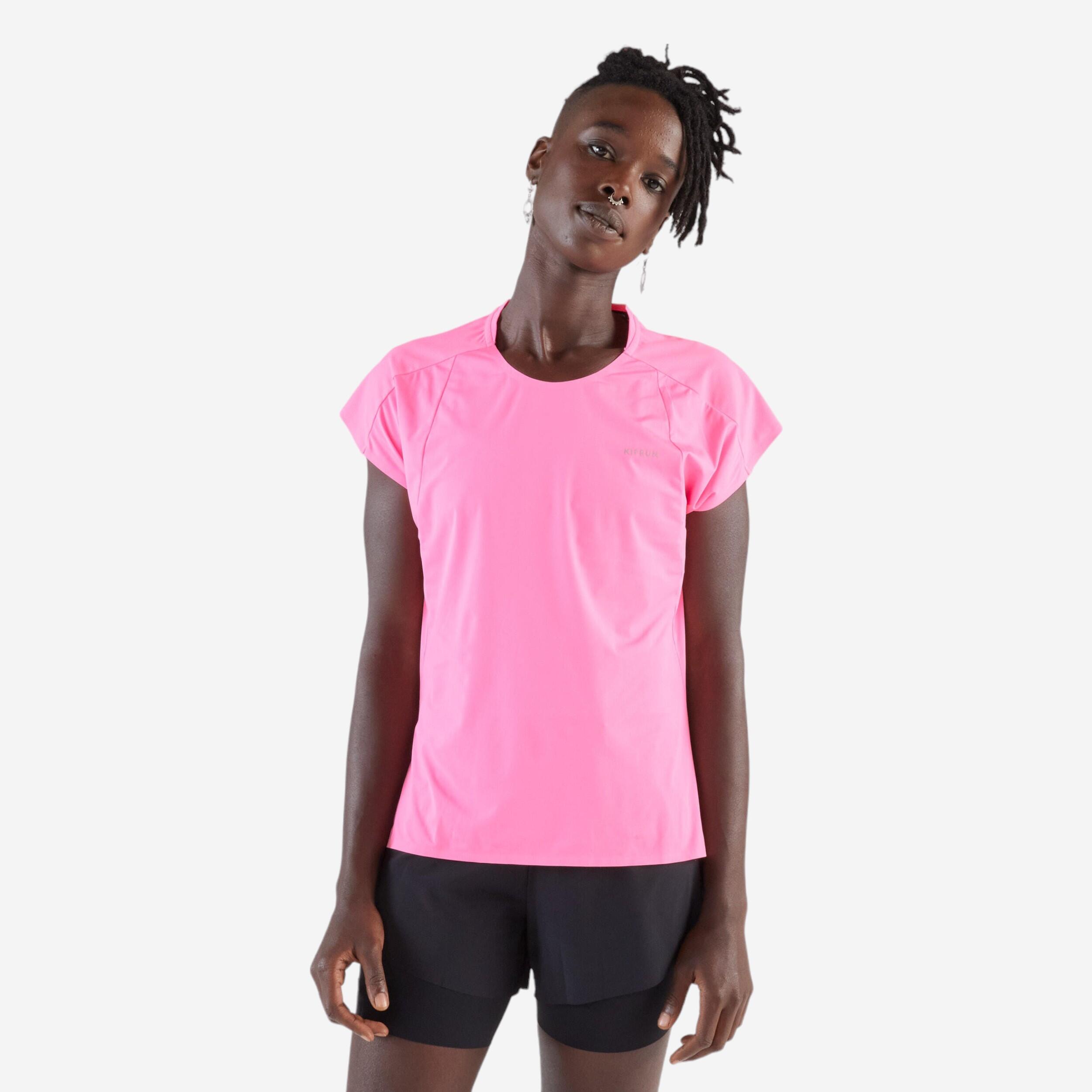
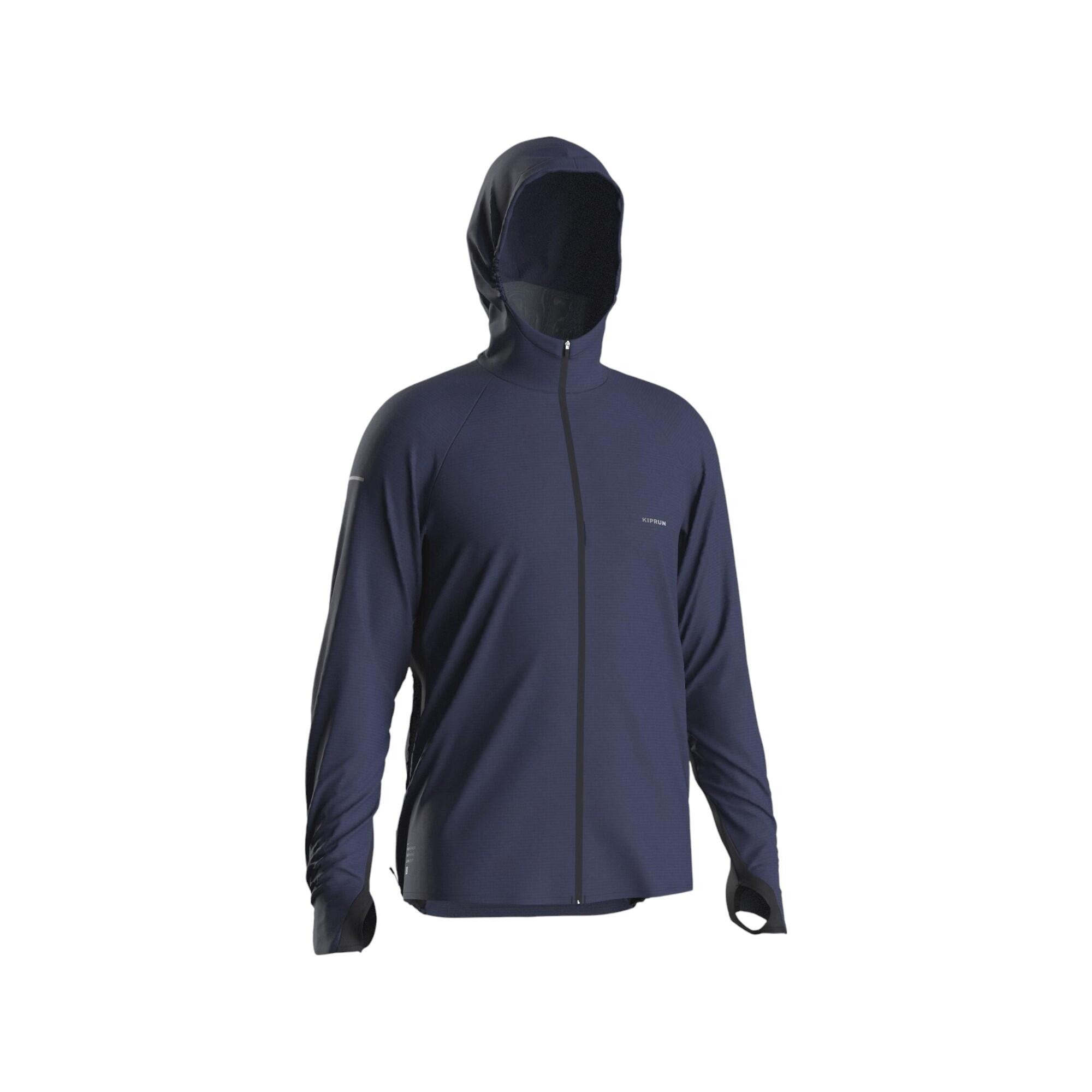
Heat increases perspiration, while repeated movement creates friction around the inner thighs, underarms, waistband and other contact points. Look for smooth finishes, reduced seams and fabric that dries quickly rather than remaining saturated. Two-in-one shorts use fitted inner fabric to separate the thighs, while some lightweight shorts lengthen the leg slightly to limit rubbing. Built-in briefs can also remove the need for another loose layer. Make sure pockets do not pull the garment out of position when loaded. Summer weather can still include sudden rain, so suitable waterproof running gear may be carried as a light outer layer when the forecast is changeable rather than worn throughout a hot, dry session.
What should you carry on a warm-weather run?

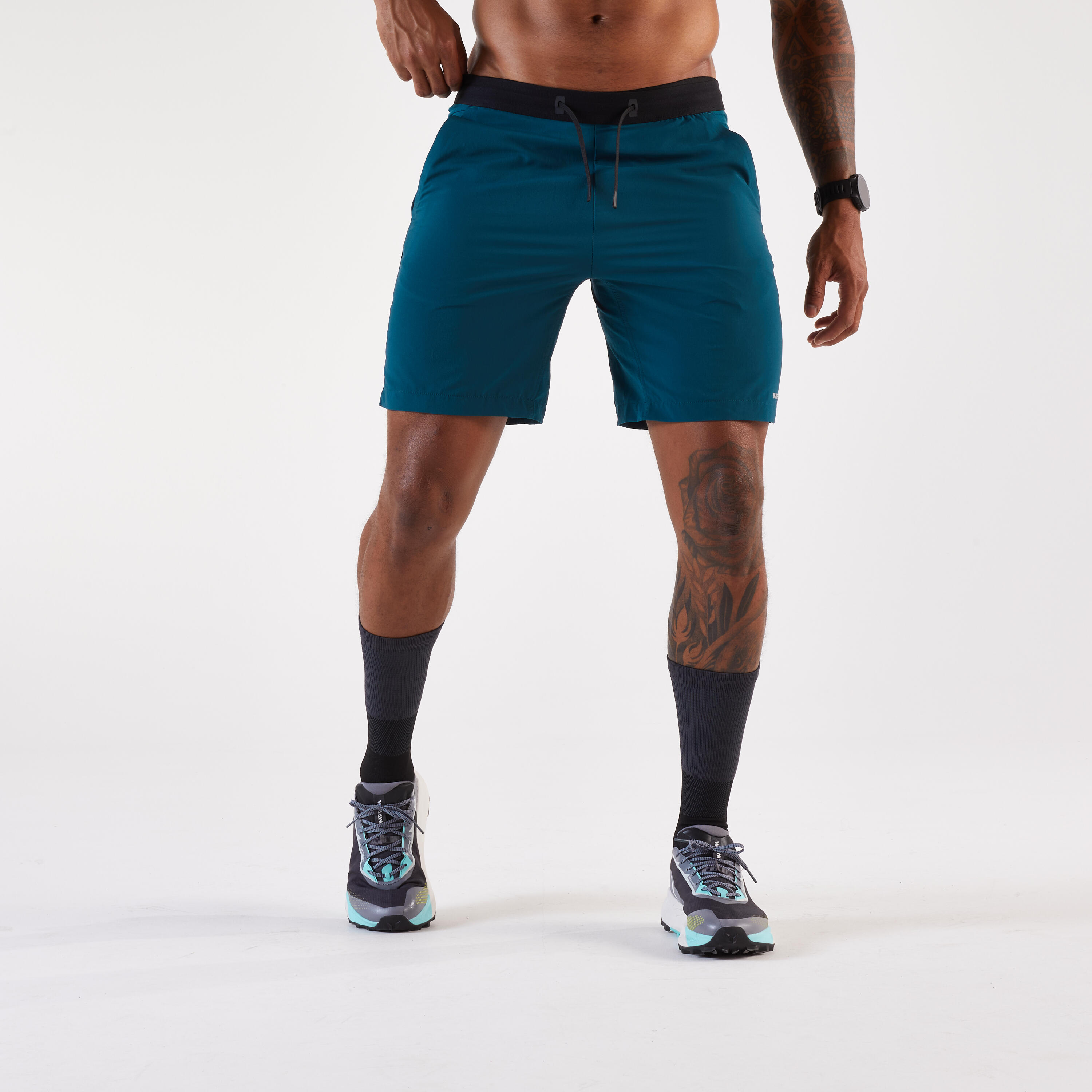
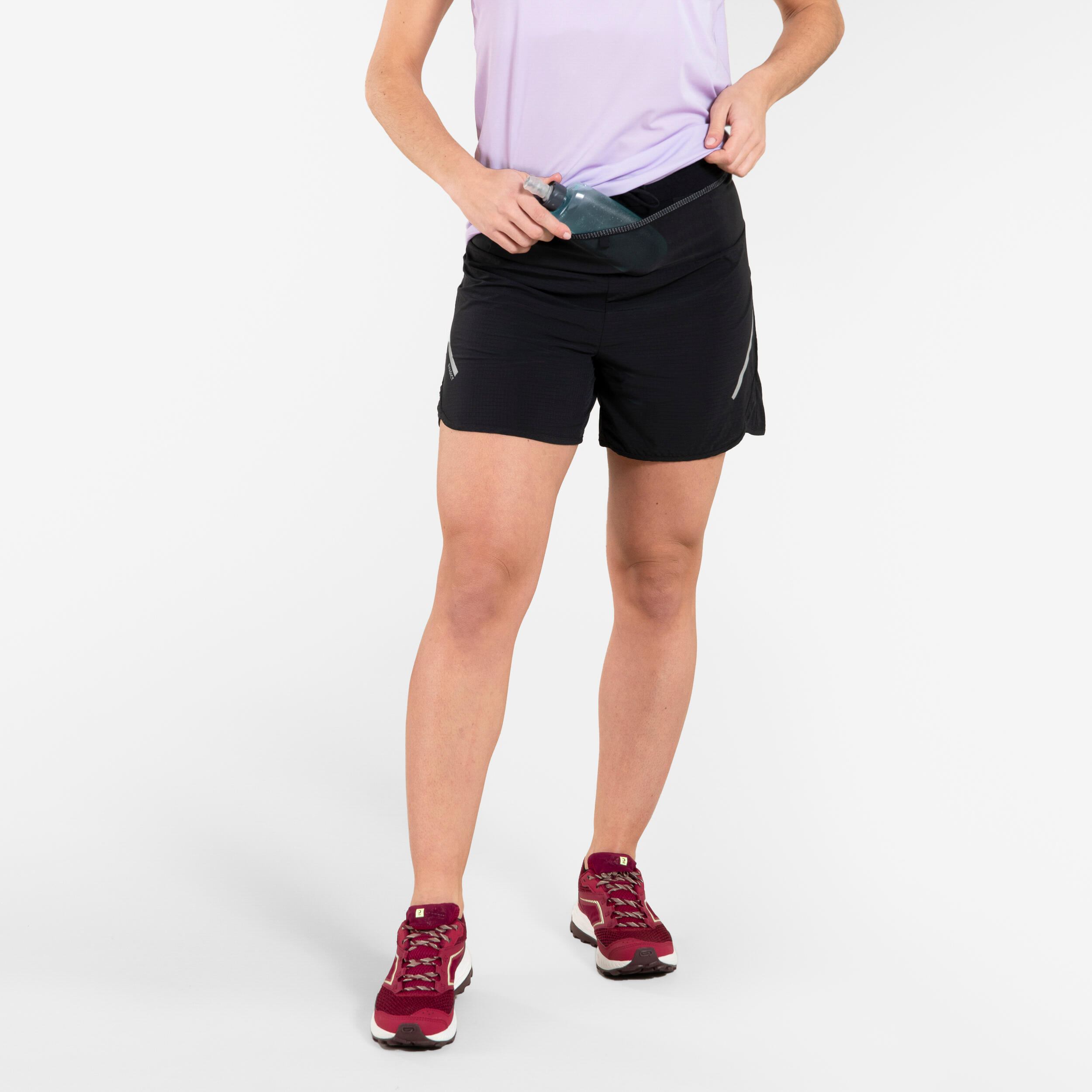
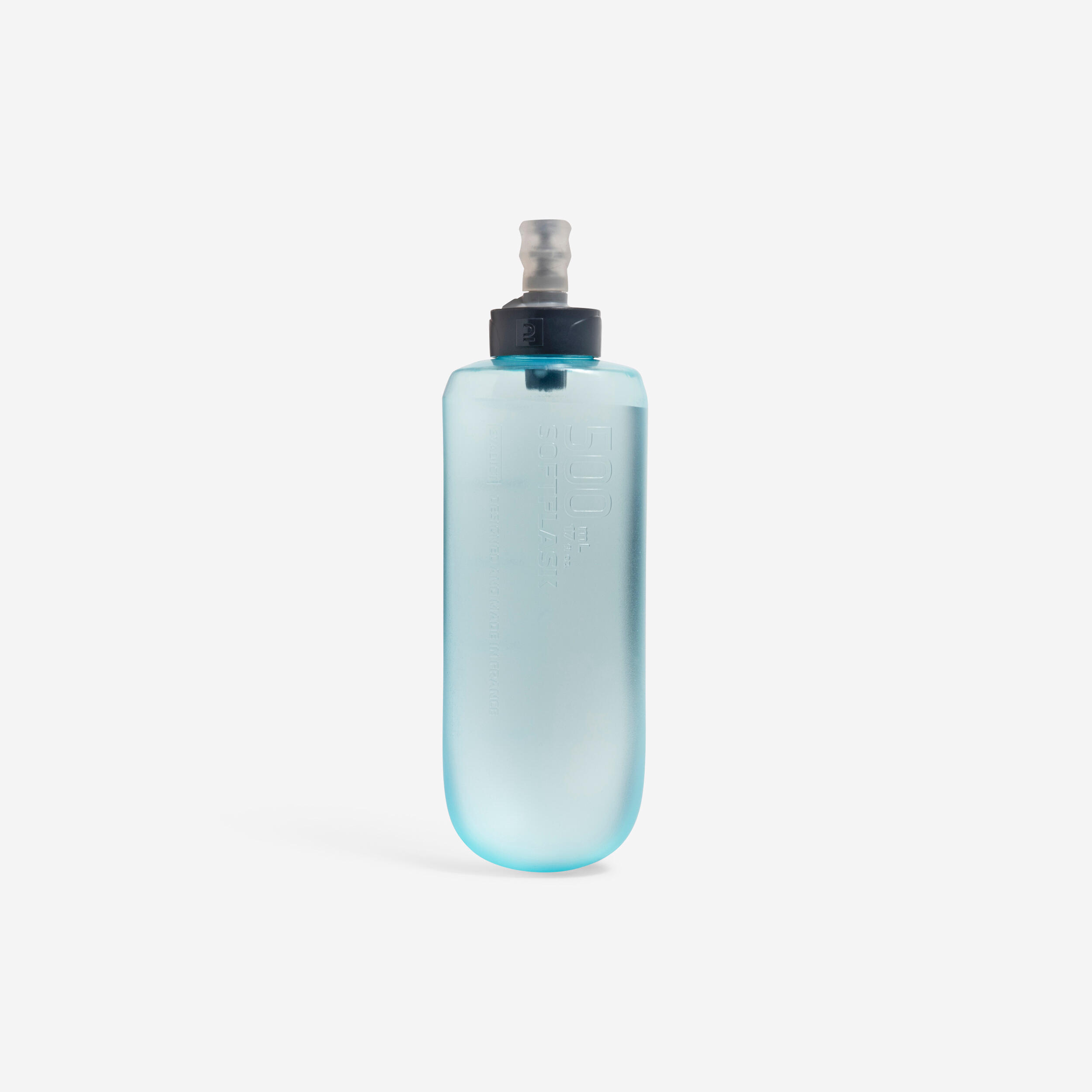
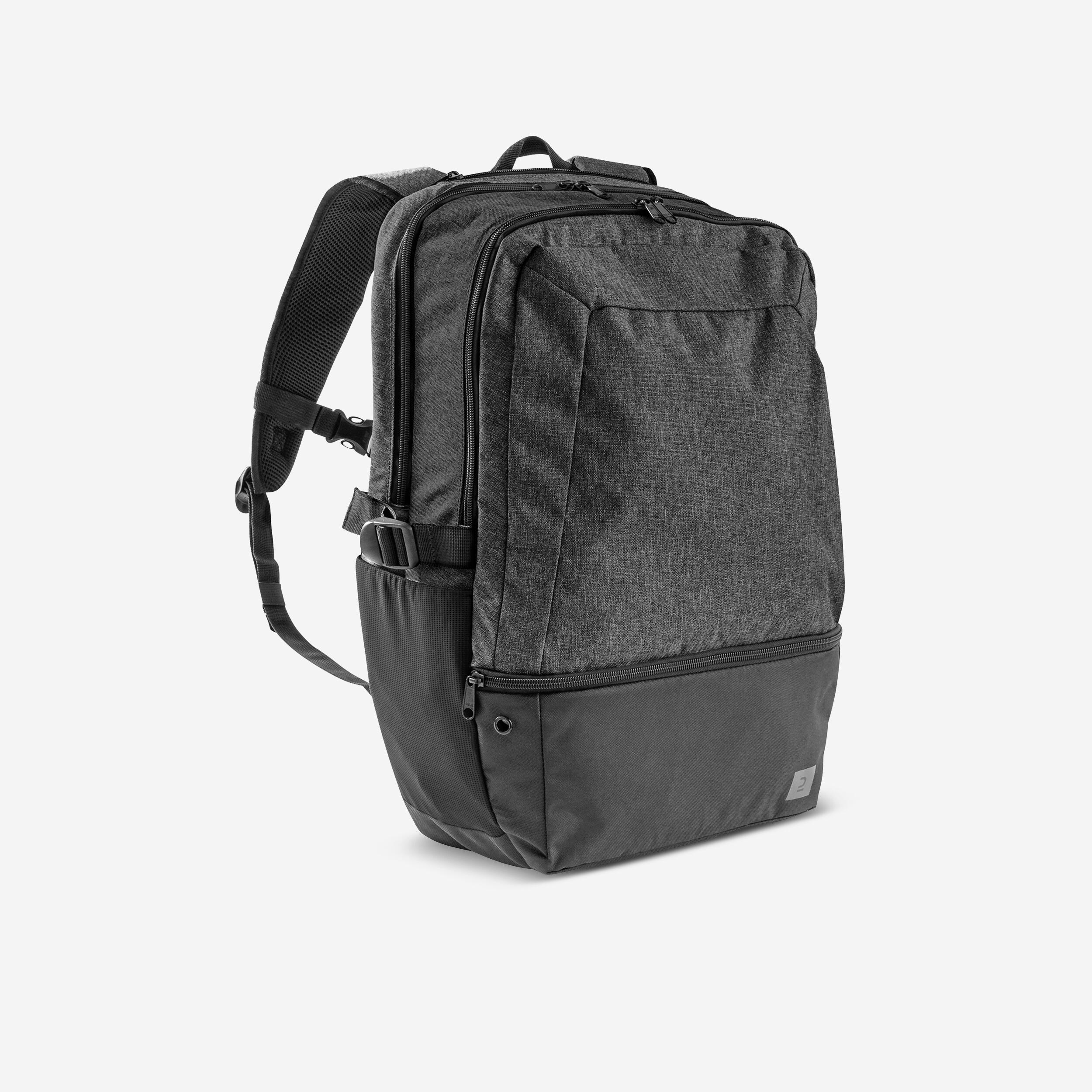
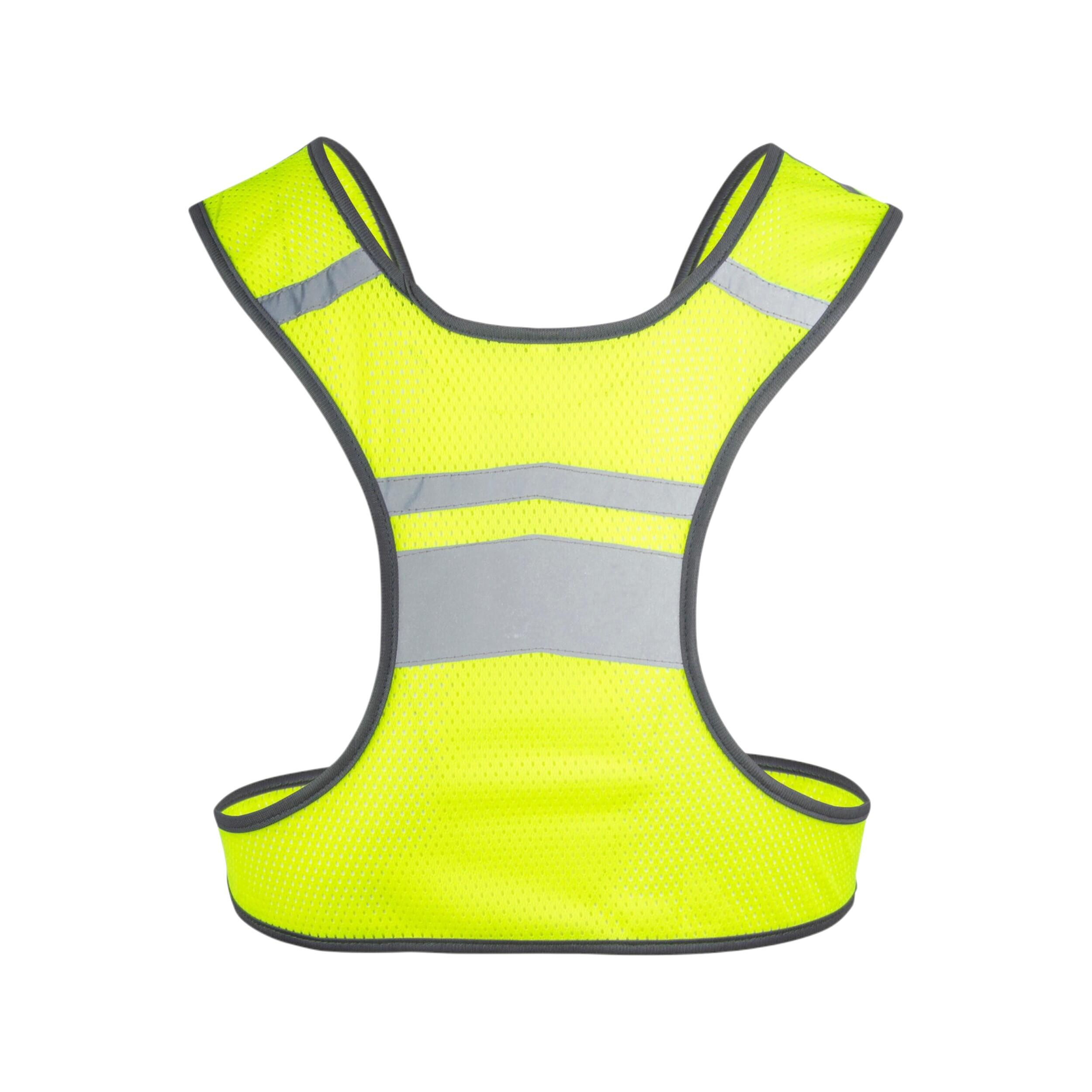
Carry according to the temperature, route length and access to drinking water. A 250 ml flexible flask may suit a shorter run, while longer or hotter sessions can require more fluid. Soft flasks compress as they empty, reducing bulk and water movement compared with a partly filled rigid bottle. Shorts with secure pockets can hold a phone or key without requiring a separate belt, but check for bounce before increasing the load. Running earlier or later may help you avoid the strongest heat. When low light becomes part of the session, add appropriate night running gear rather than assuming bright summer clothing provides enough visibility. Drink to your needs without forcing large amounts at once.

How should you care for lightweight summer running clothes?

Wash clothing soon after sweaty sessions so moisture, salt and odour do not remain trapped in the fibres. Follow the garment label, use a gentle cycle where advised and avoid fabric softener because it can affect moisture management. High heat may damage stretch fibres, bonded finishes or elastic waistbands, so air drying is often the safer option. Keep lightweight clothing away from strong sunlight for prolonged periods while drying, as ultraviolet exposure can fade colours and weaken some fibres. Inspect seams, inner shorts and pocket openings regularly. When temperatures begin to fall, replace thin layers gradually with suitable winter running gear rather than wearing several summer garments together, which may trap sweat without providing effective insulation.