57 items
4.6/5 based on 17194 reviews collected online and in stores

Sailing Bag and Watertight Phone Pouch FAQs

What waterproofing standard should a sailing bag meet for regular use on deck?

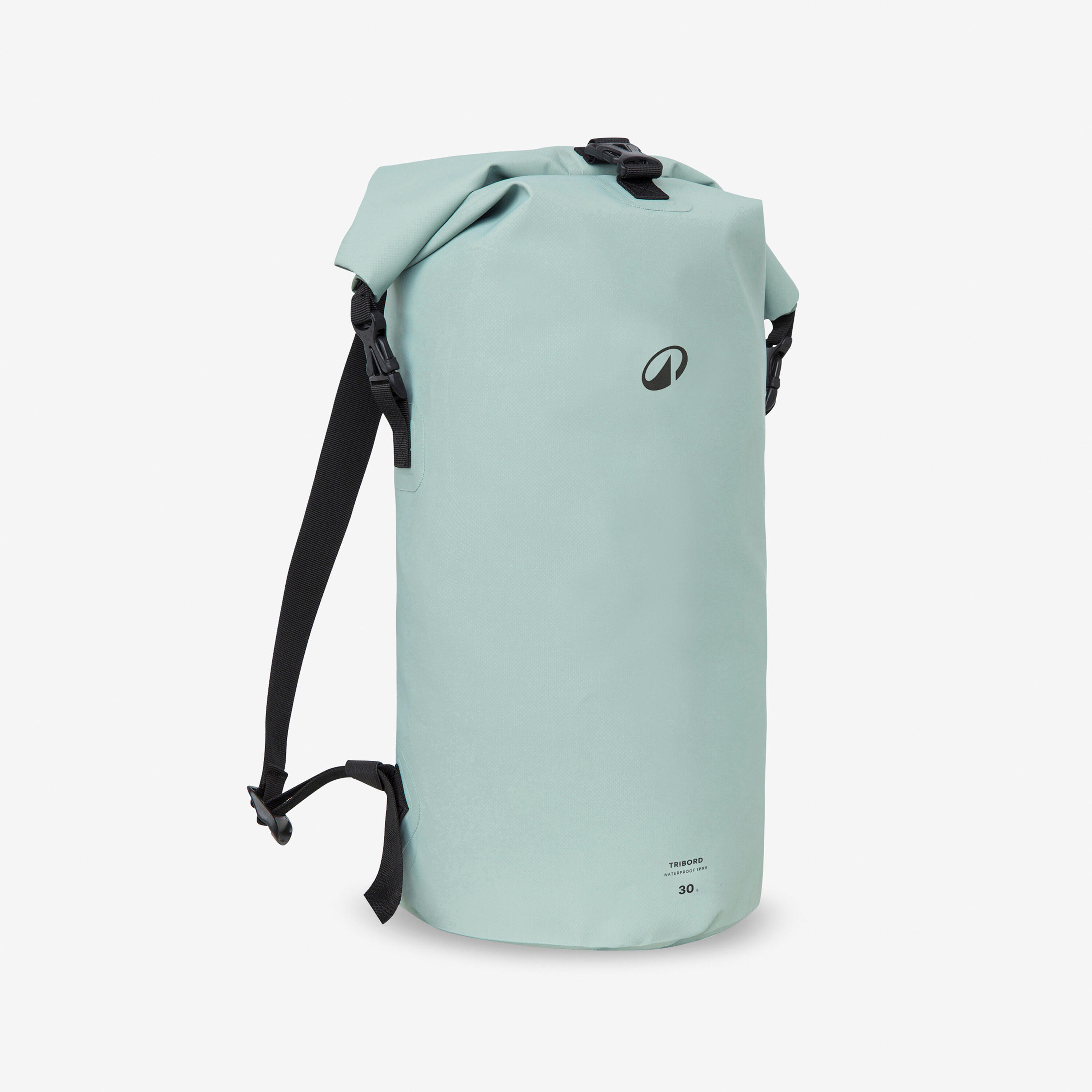
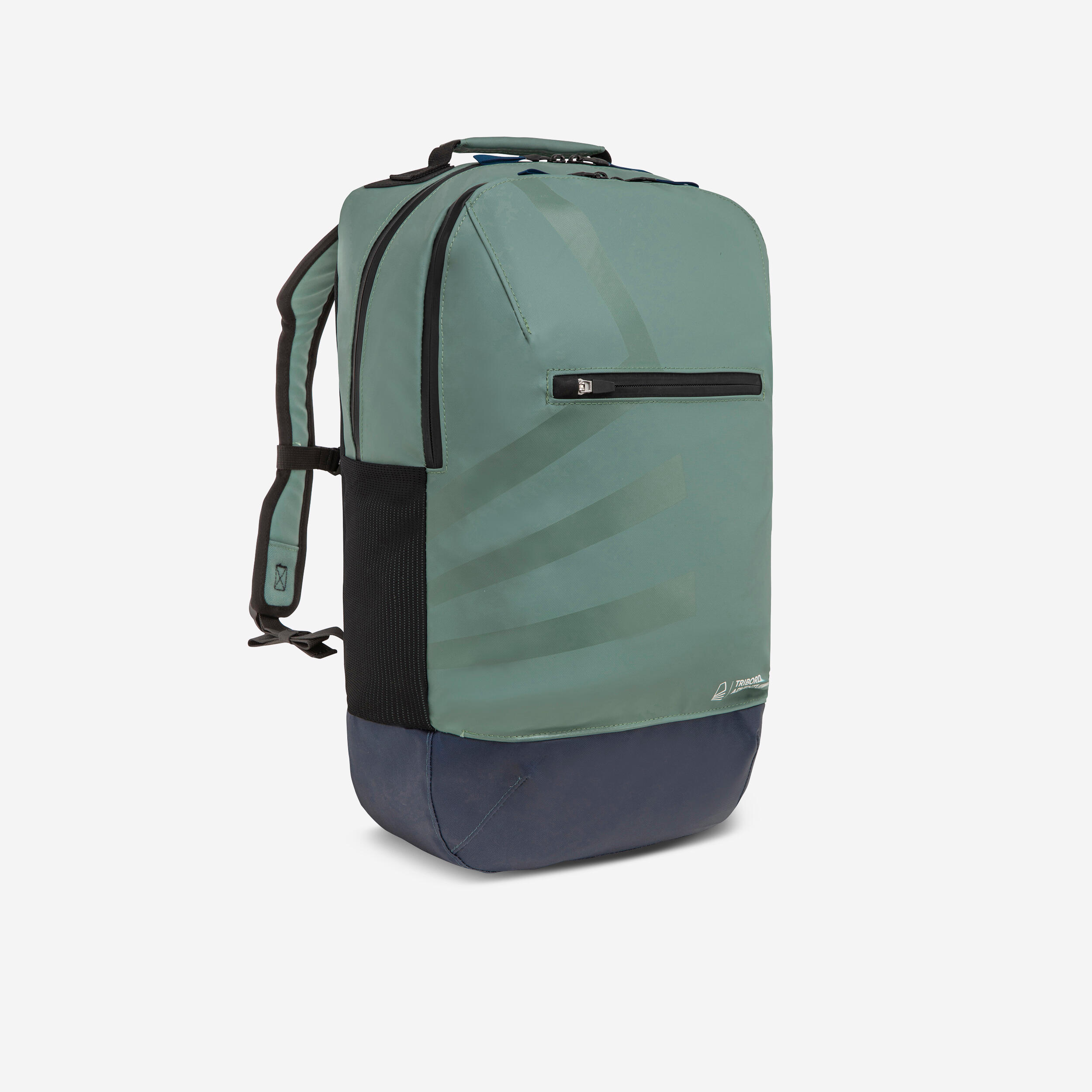
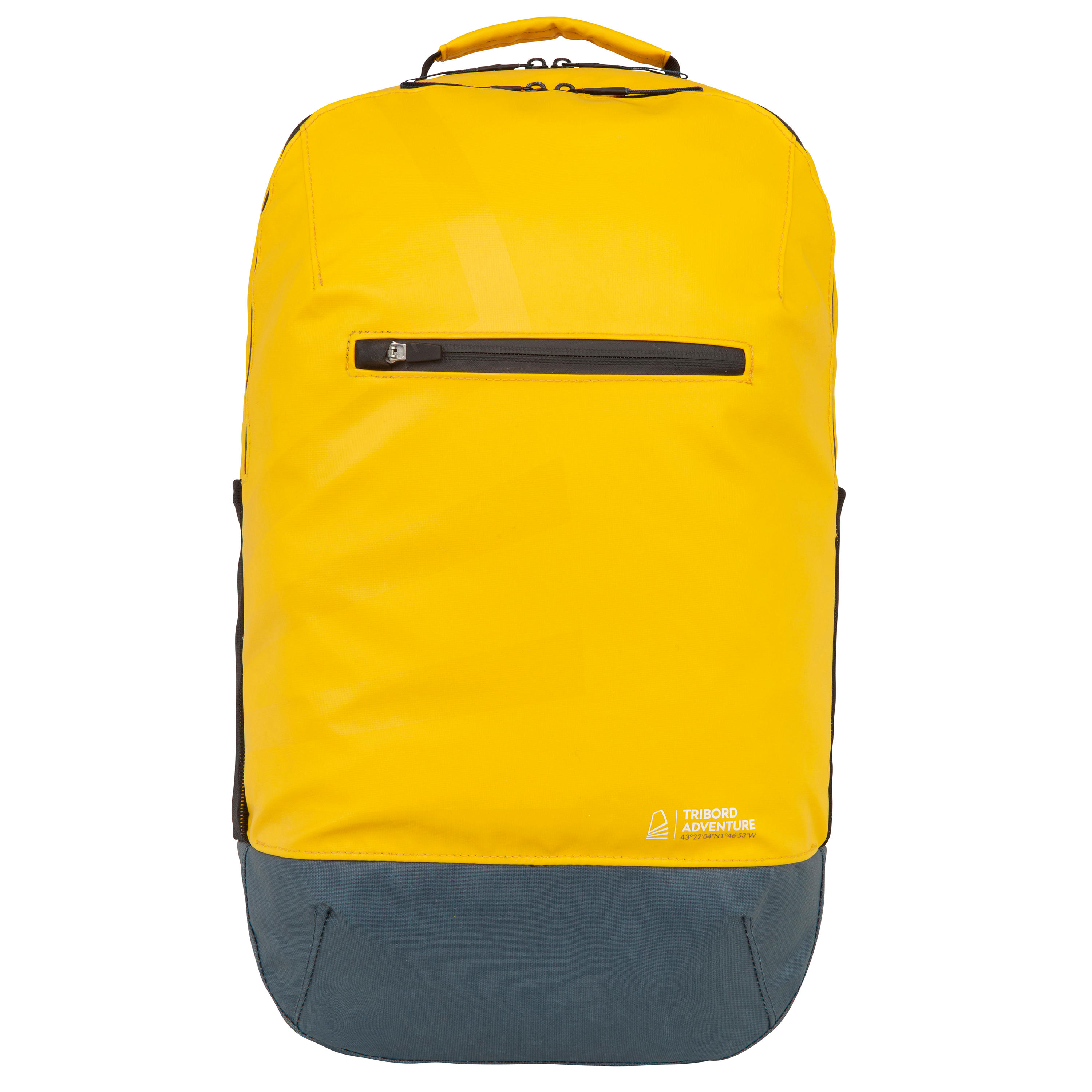
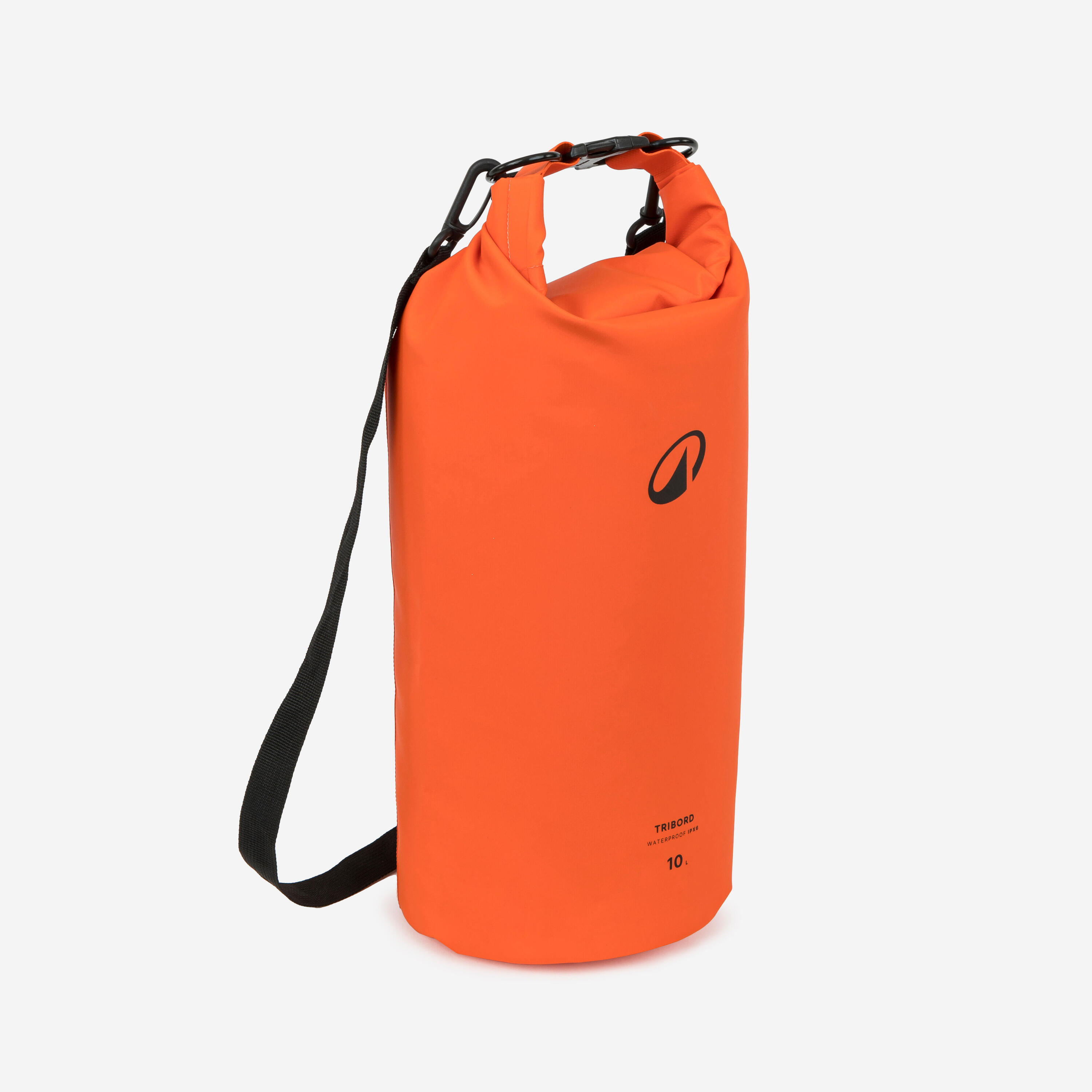
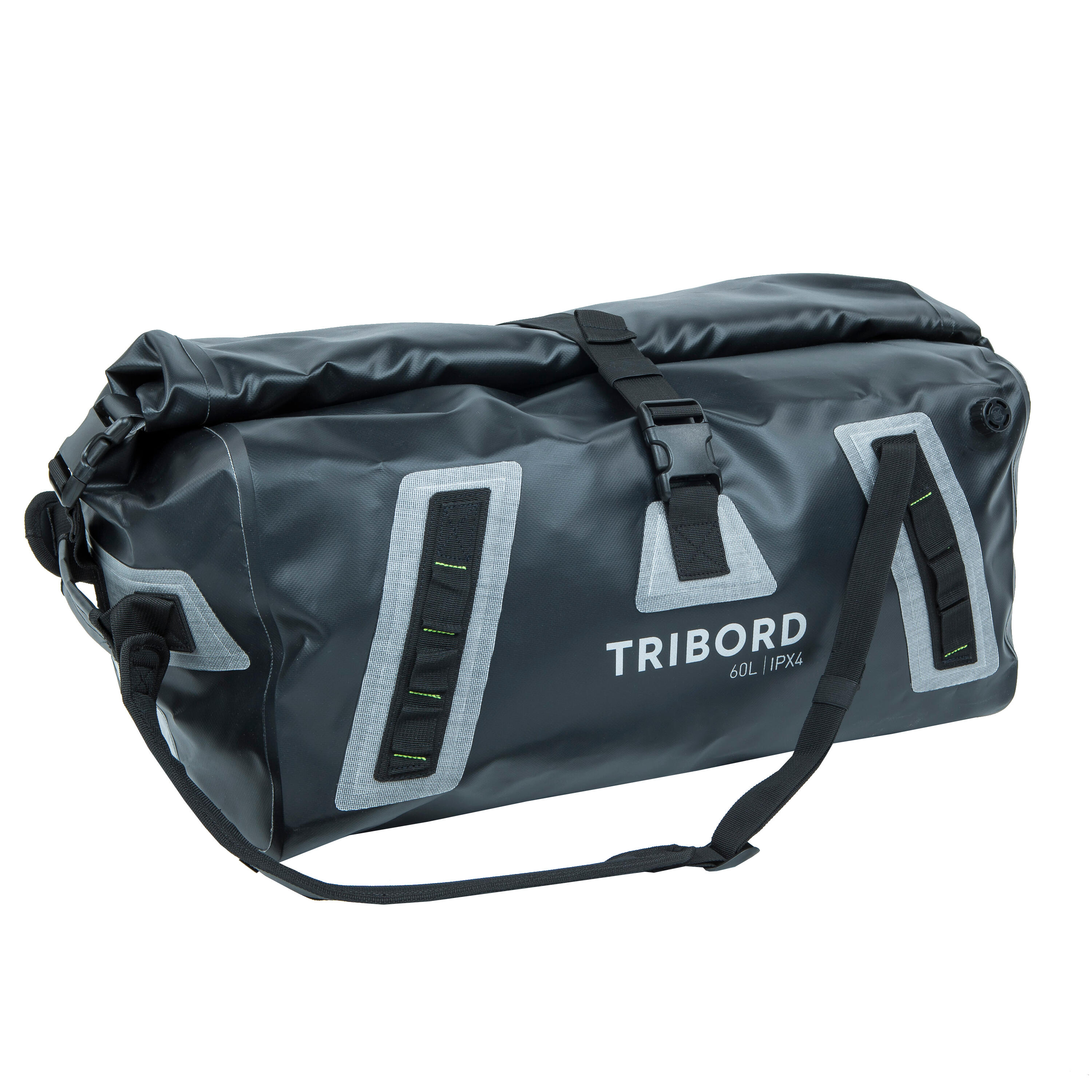
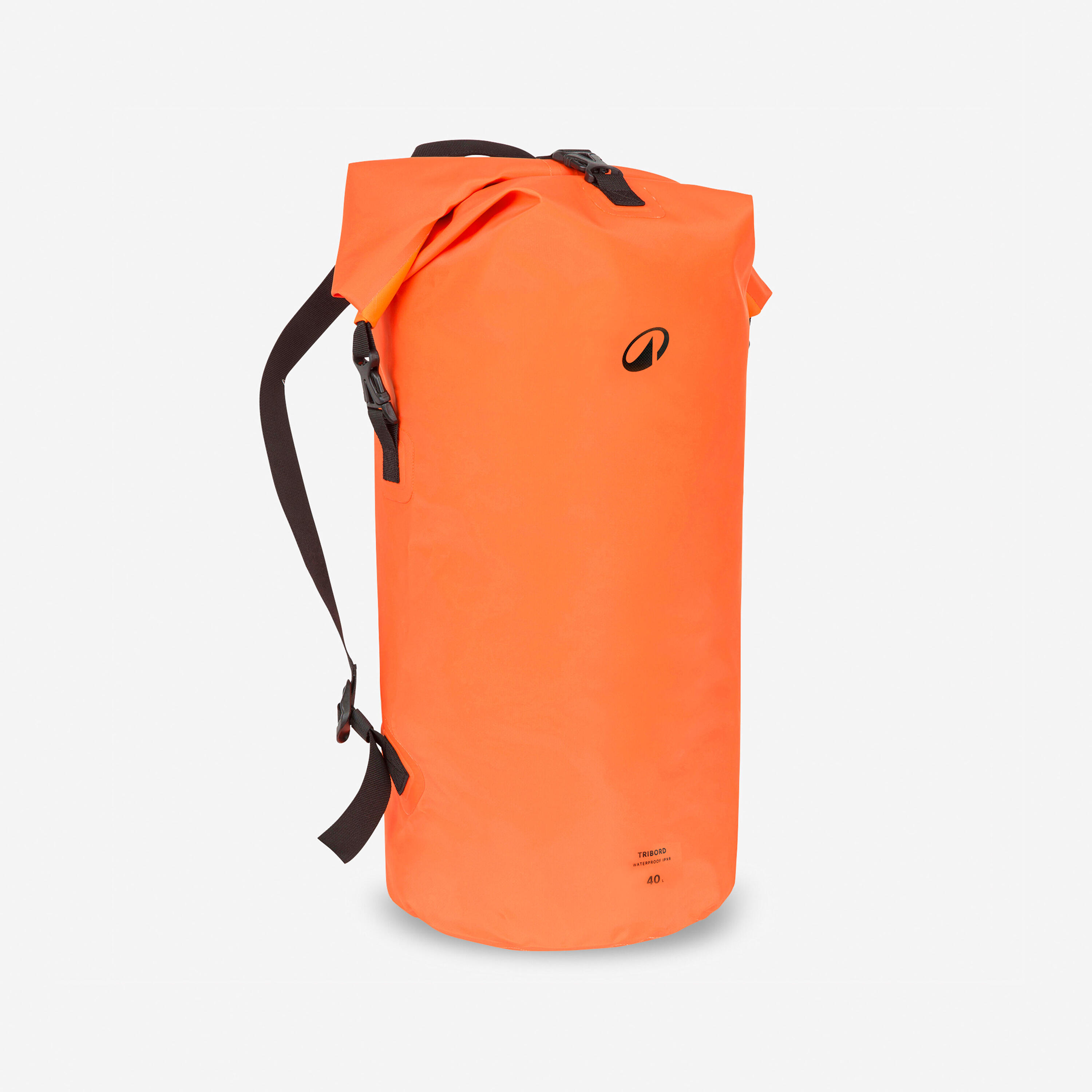
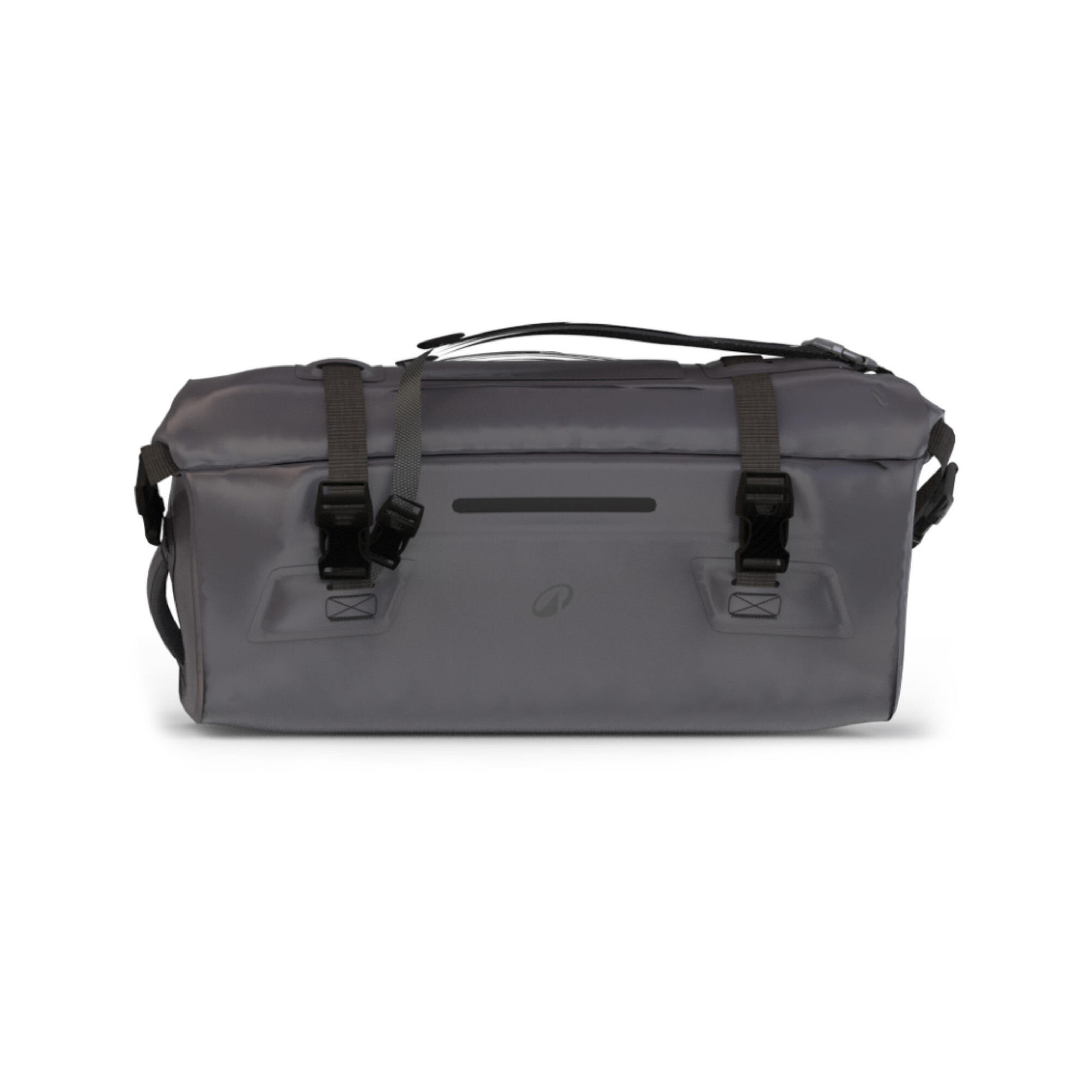
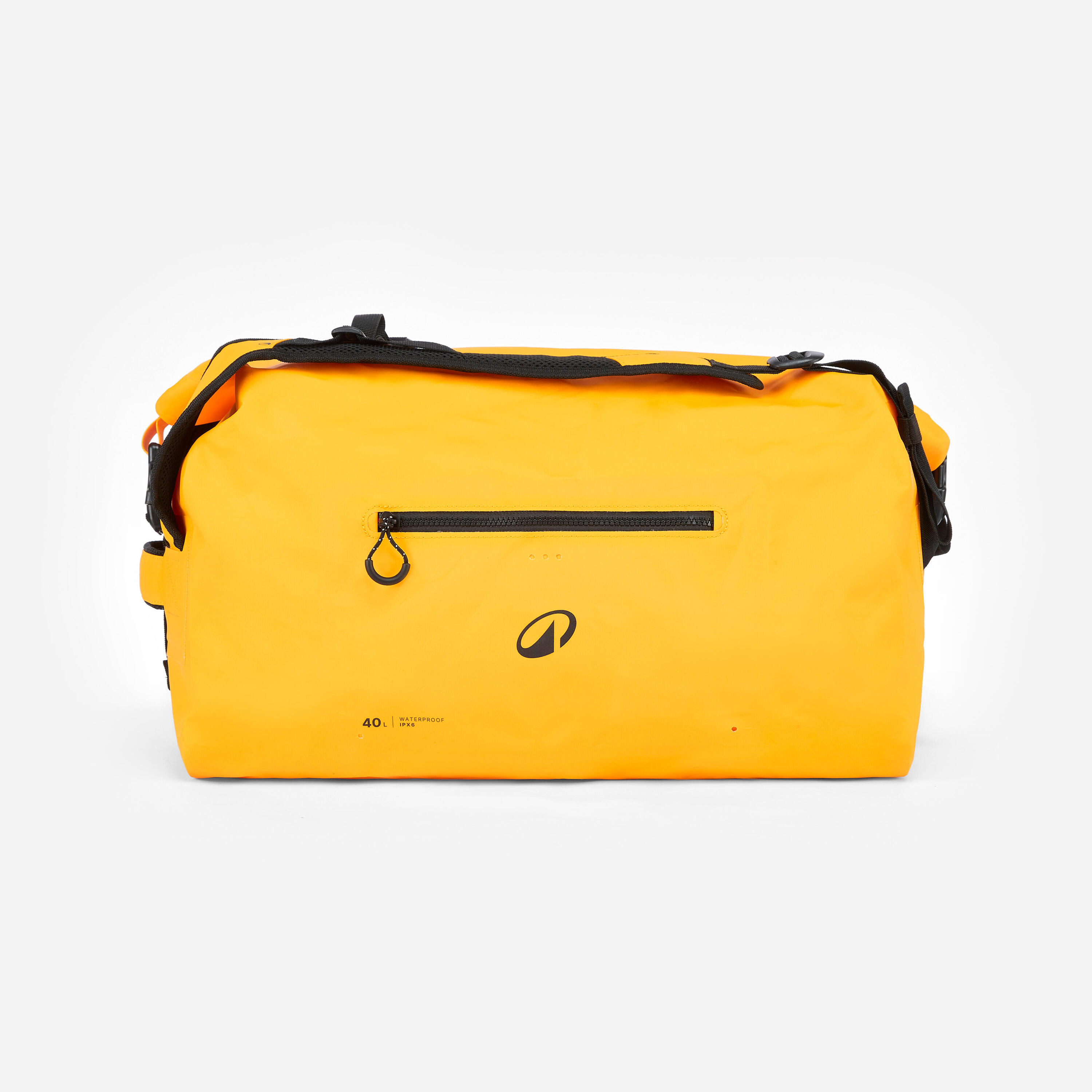
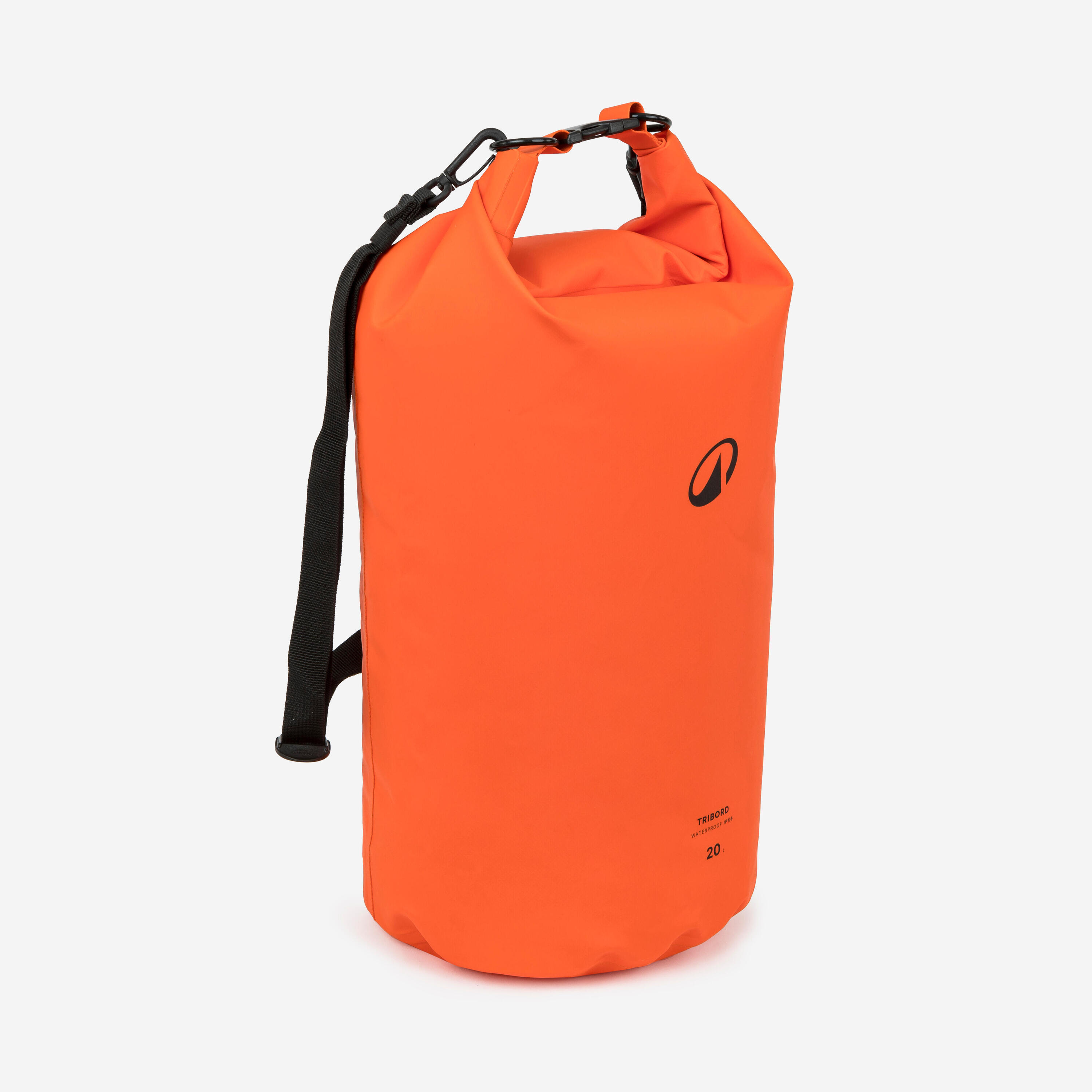
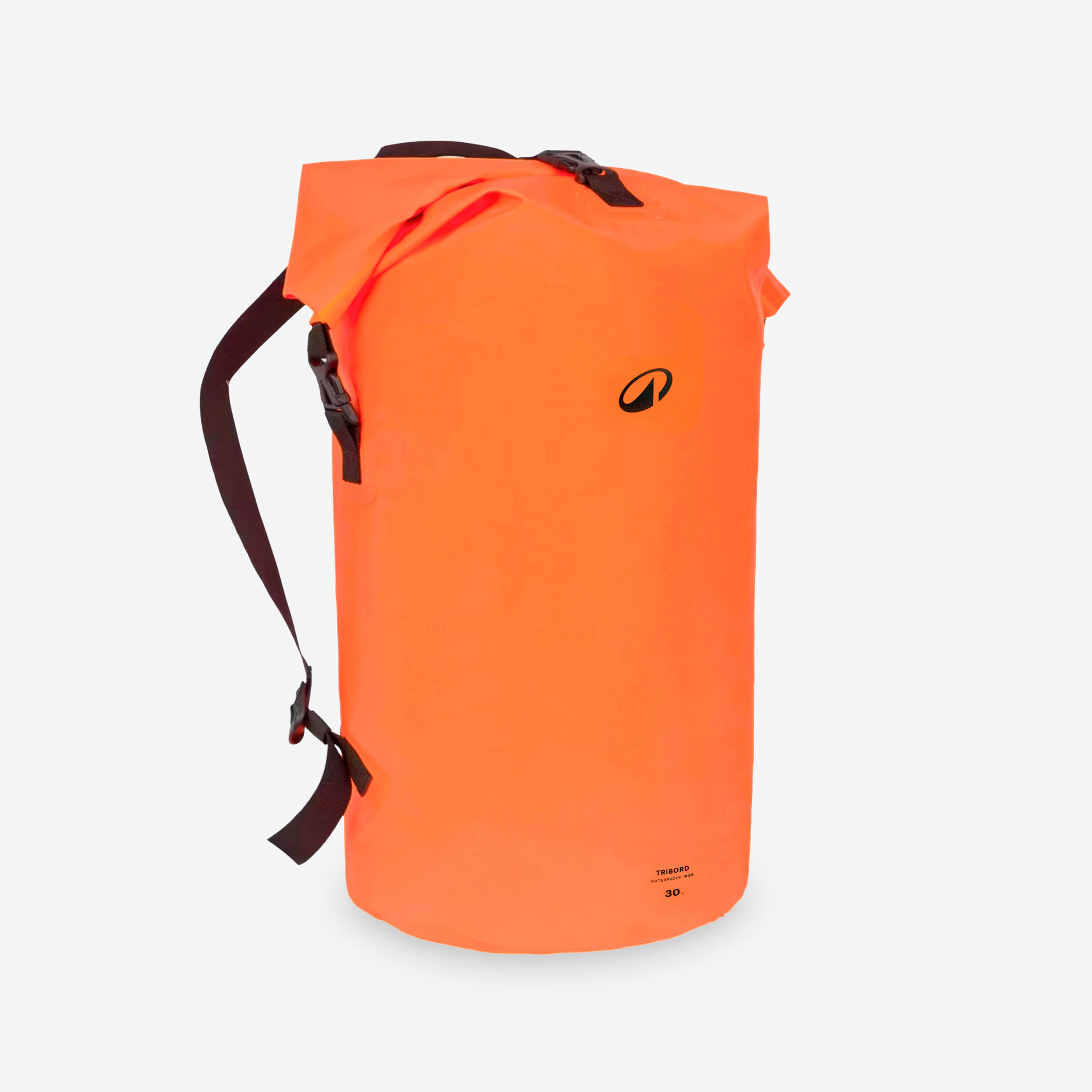
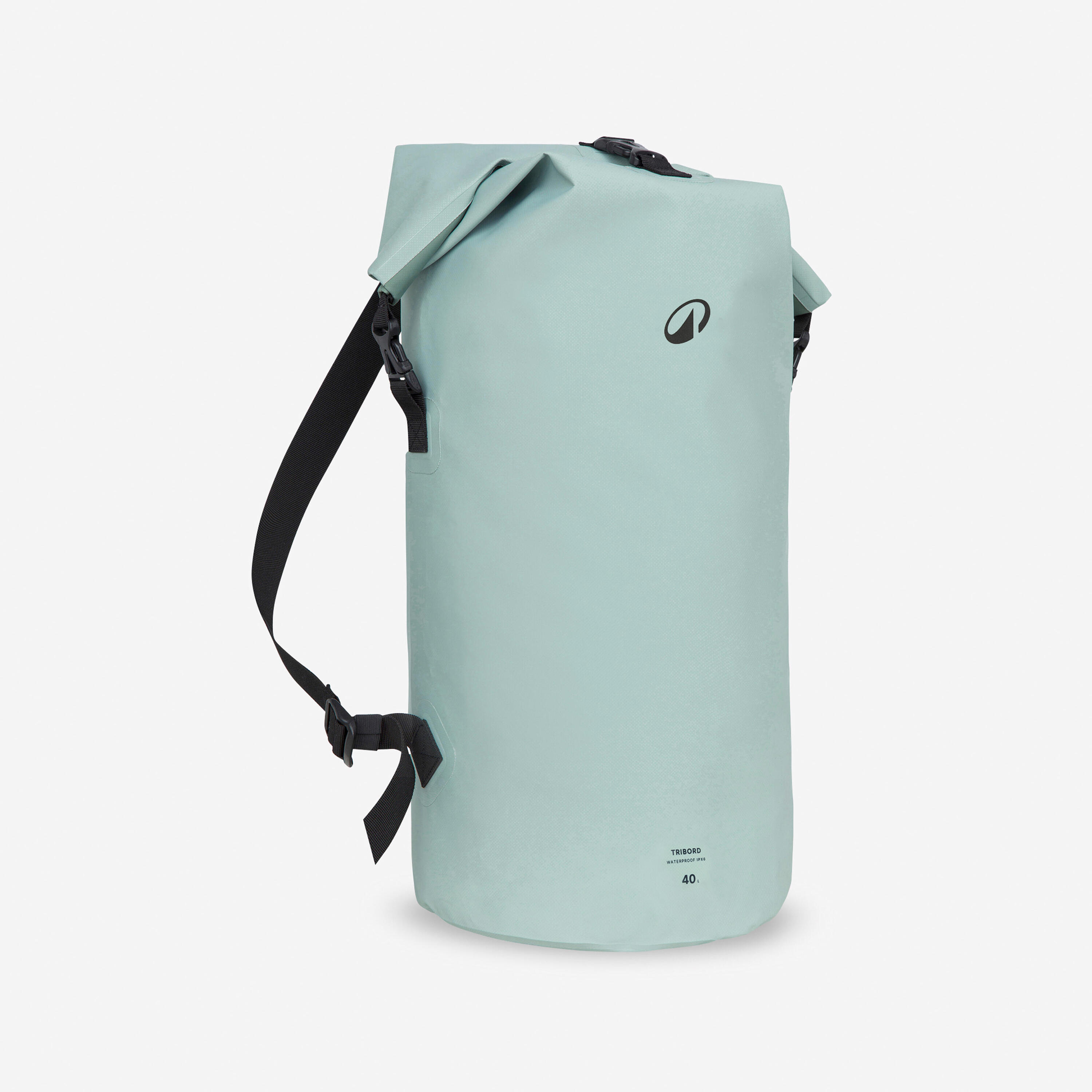
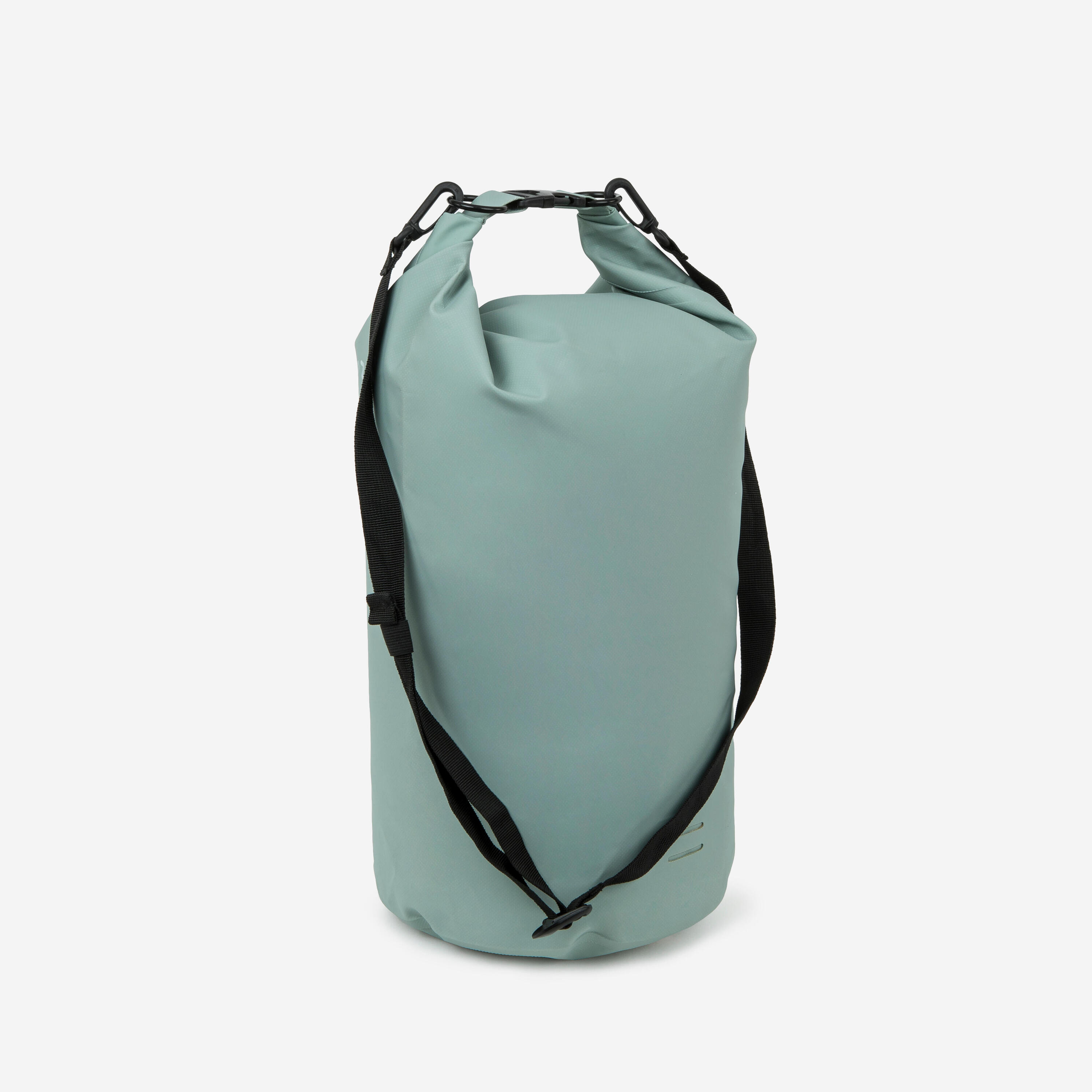
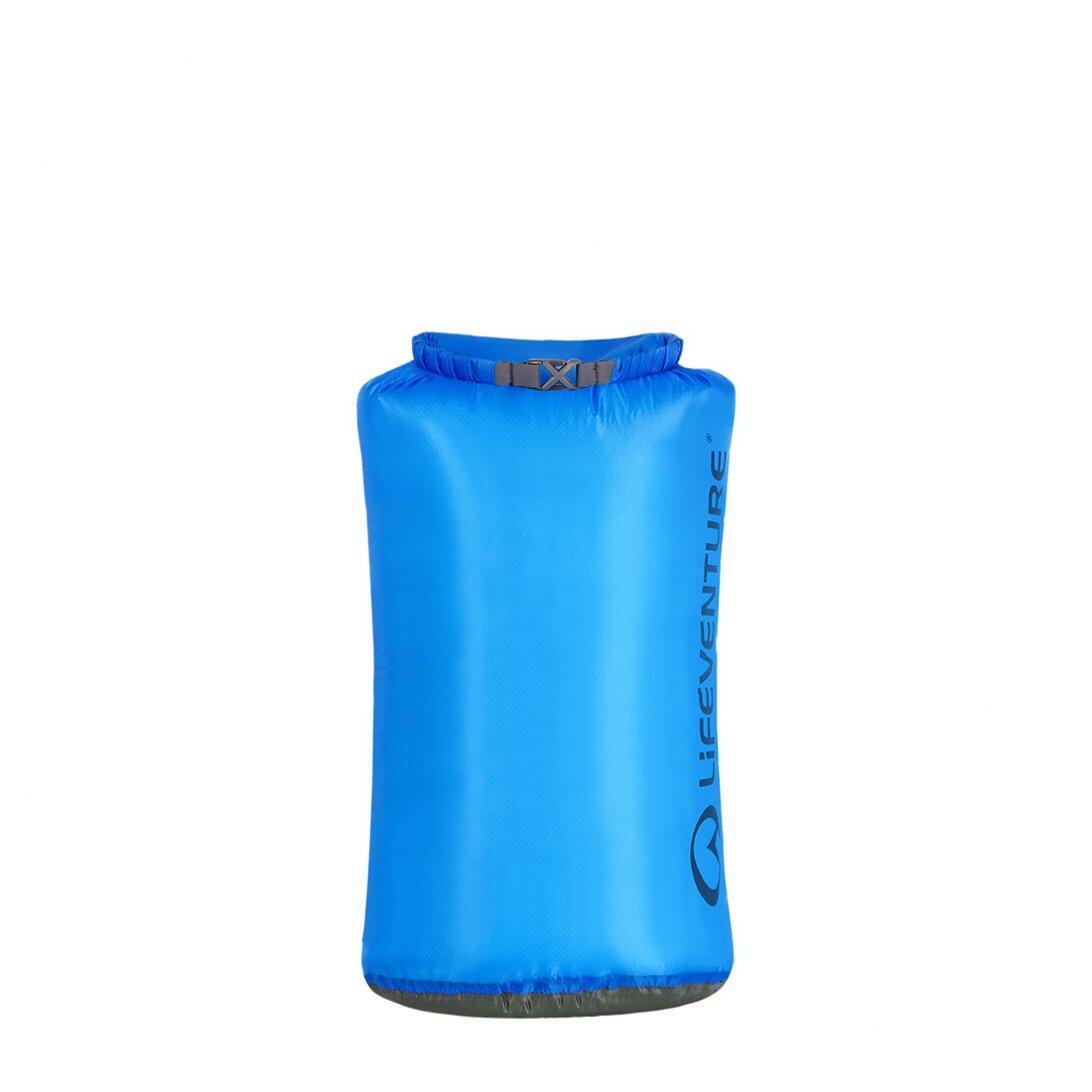
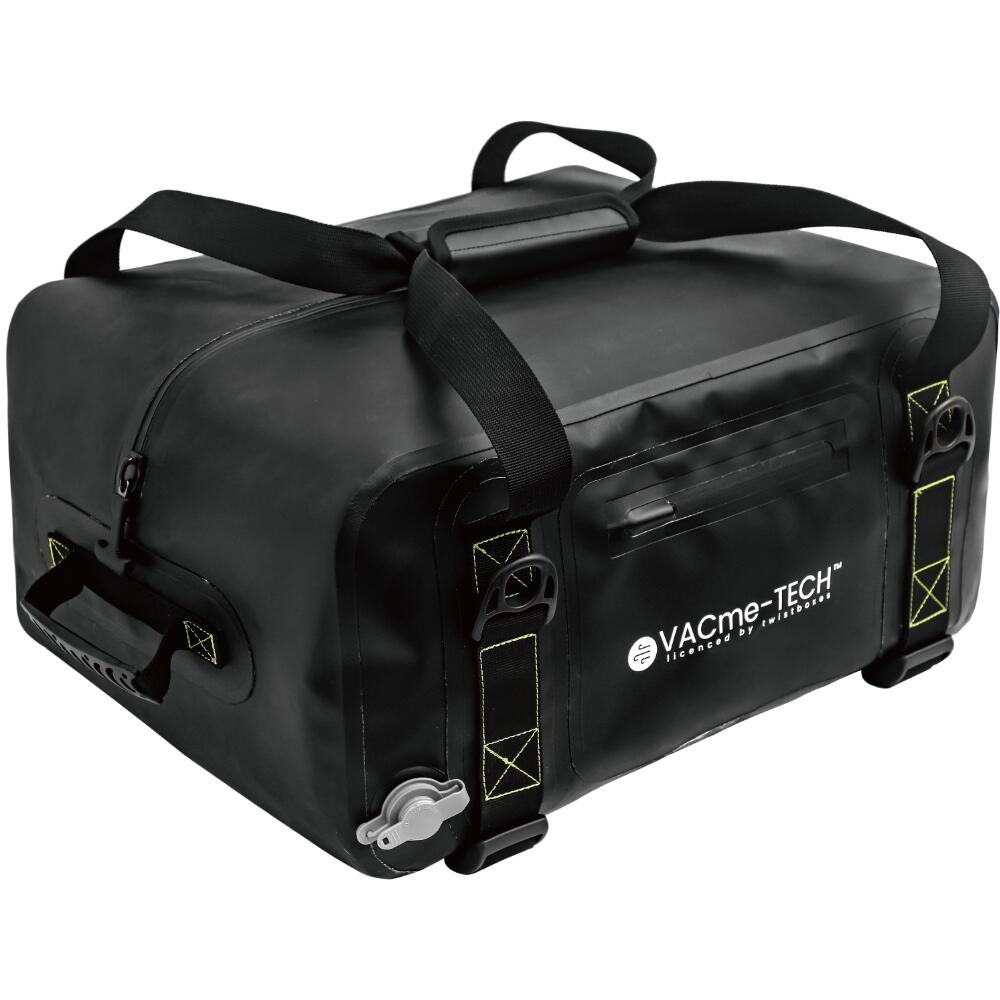
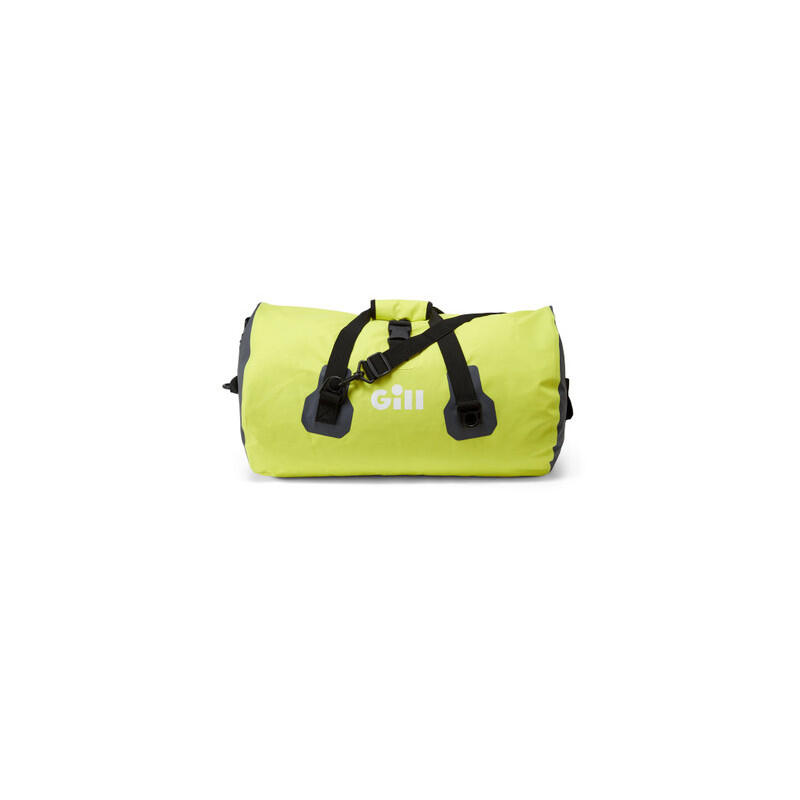
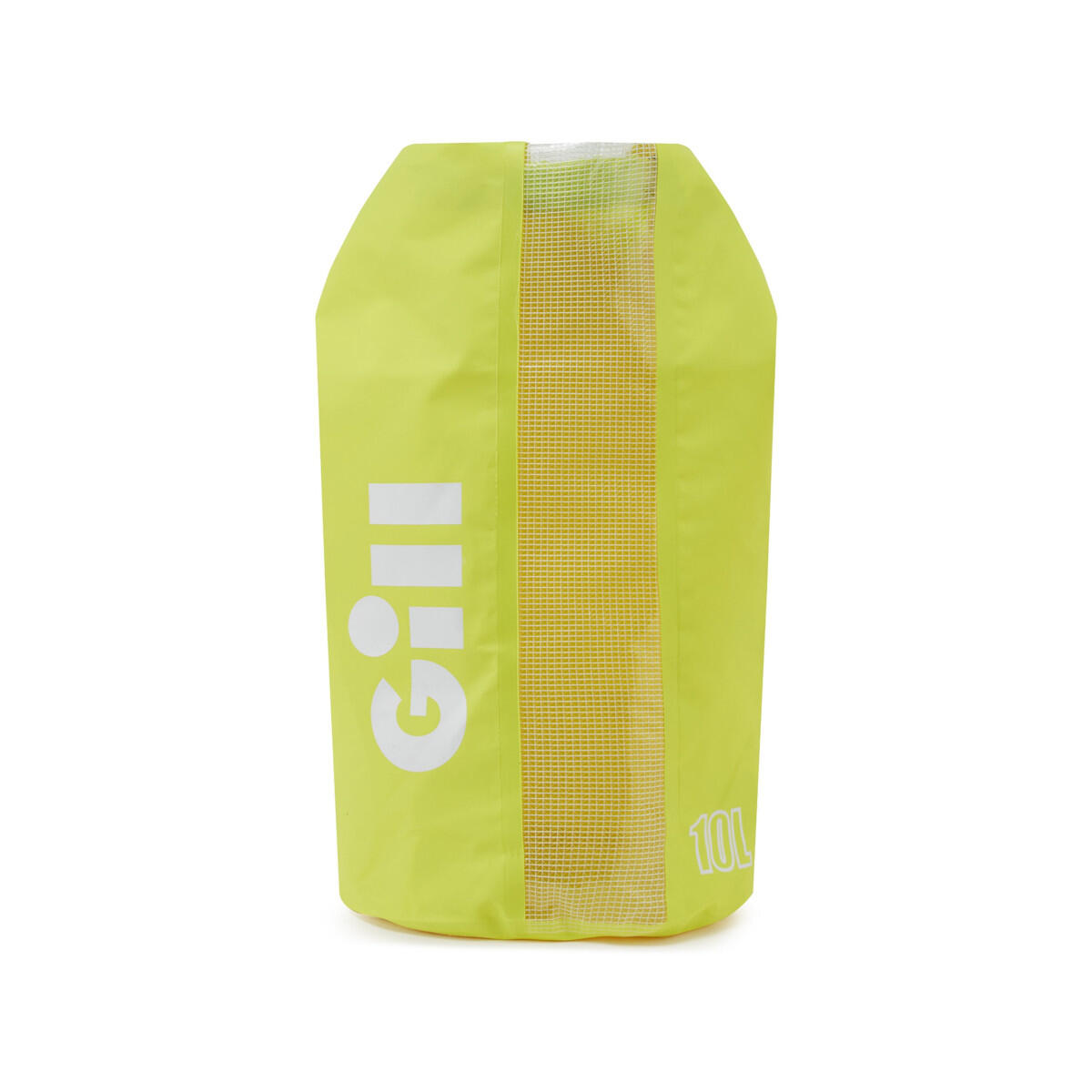
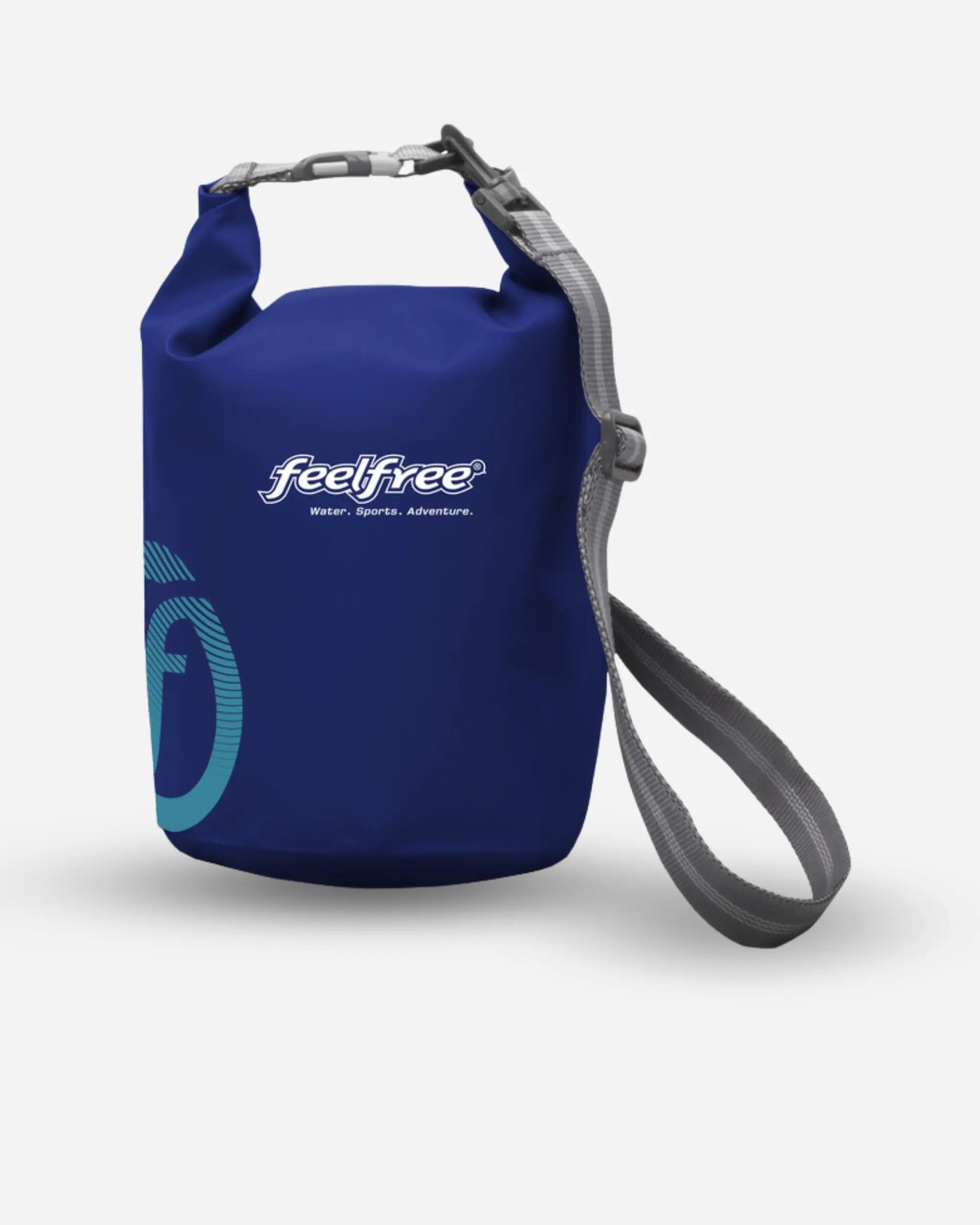
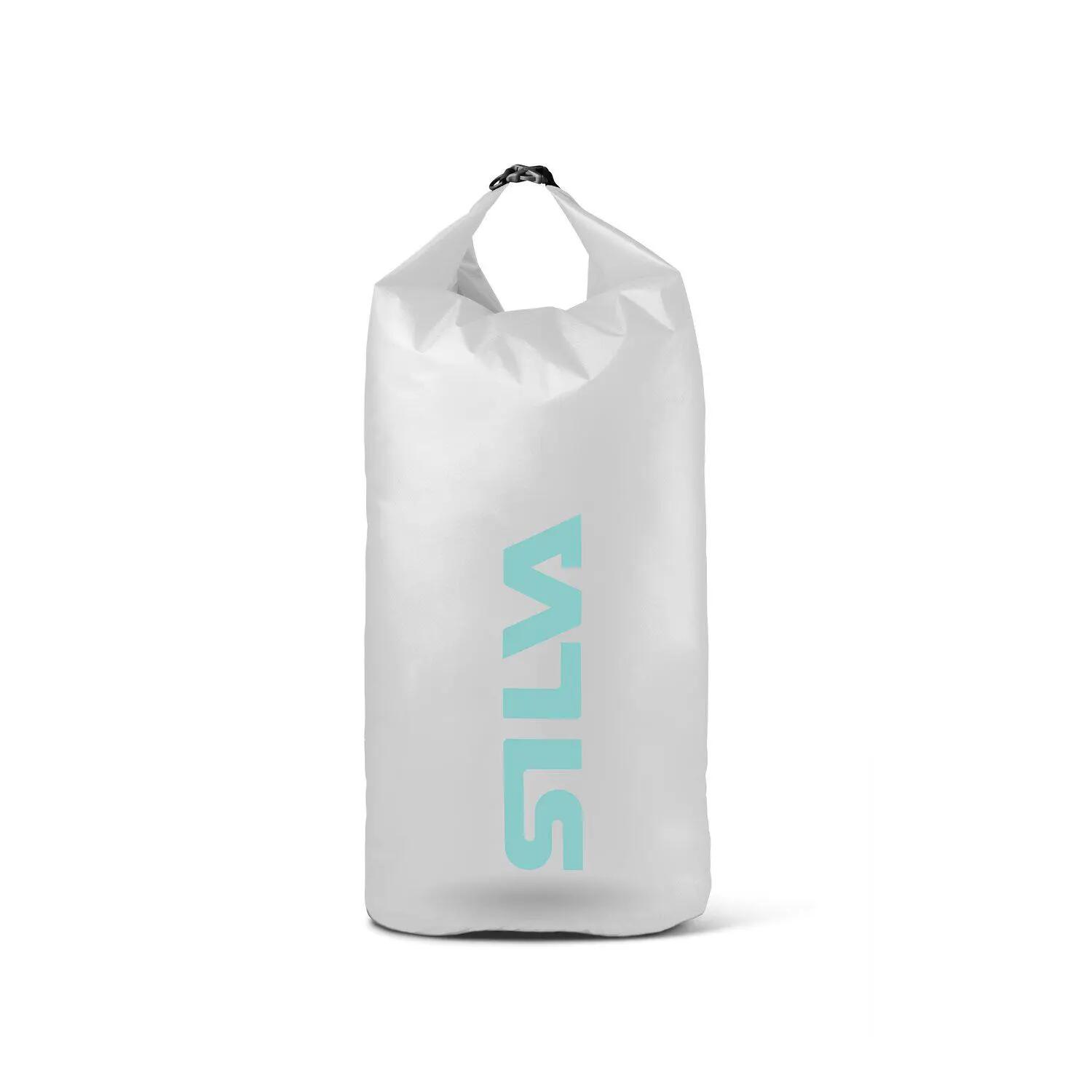
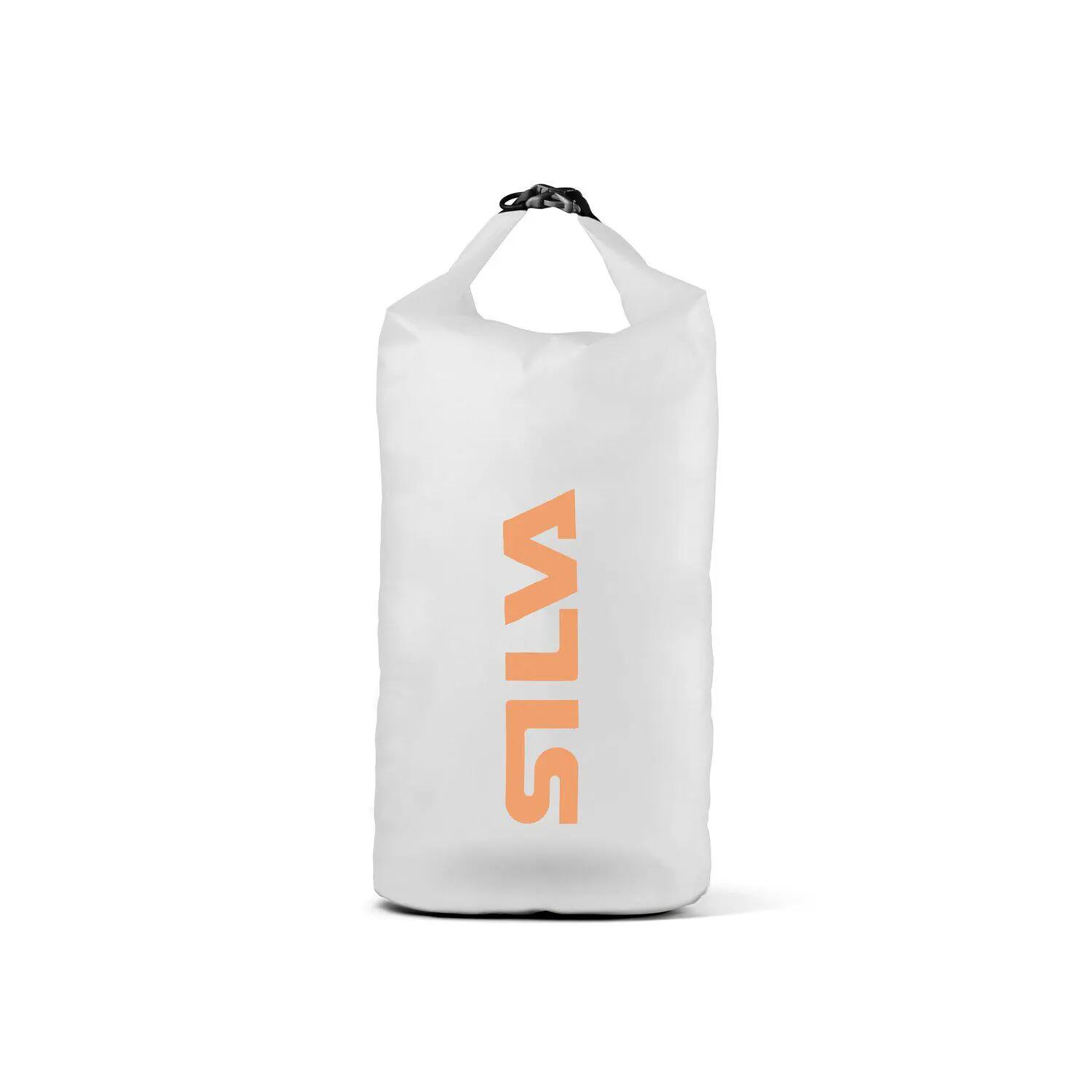
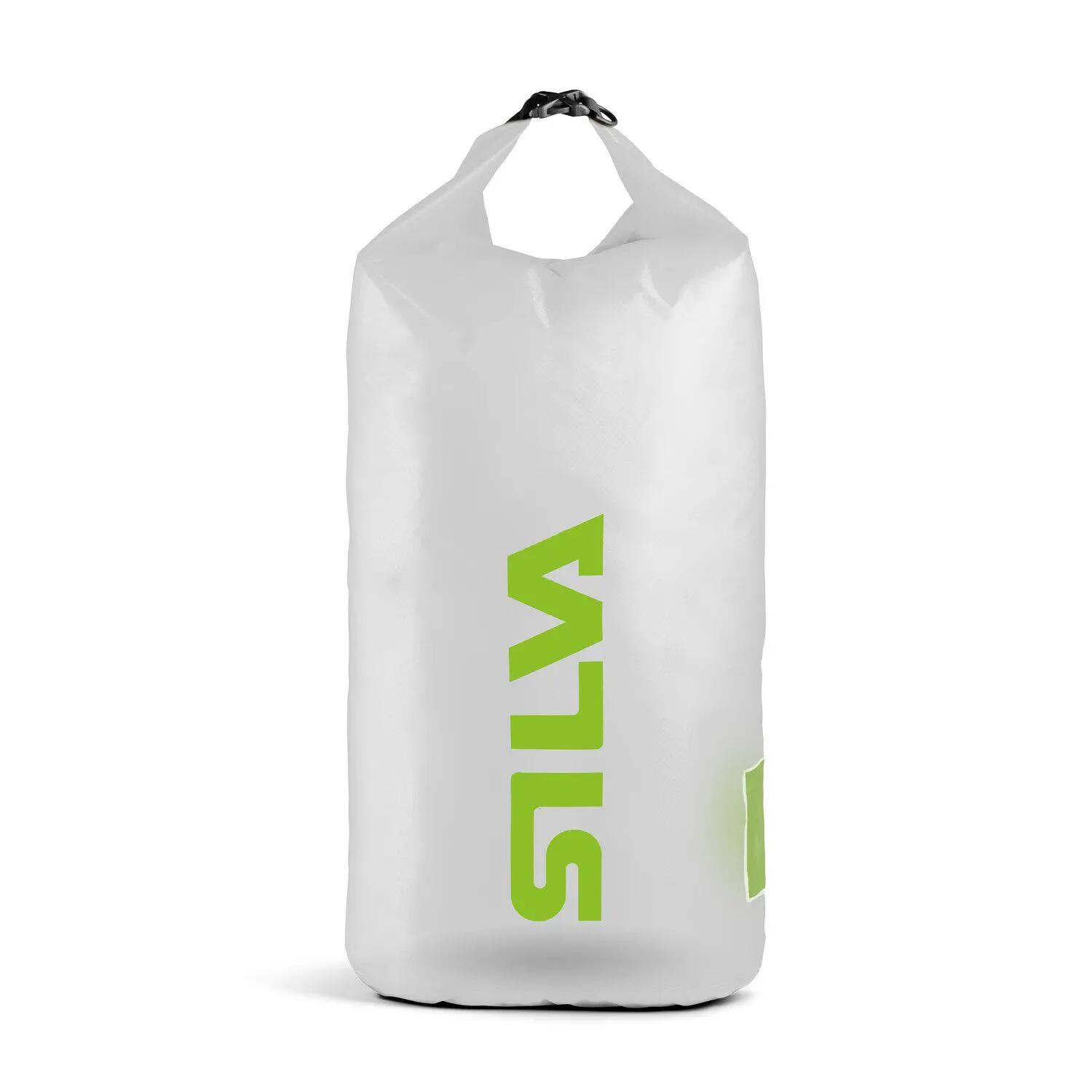
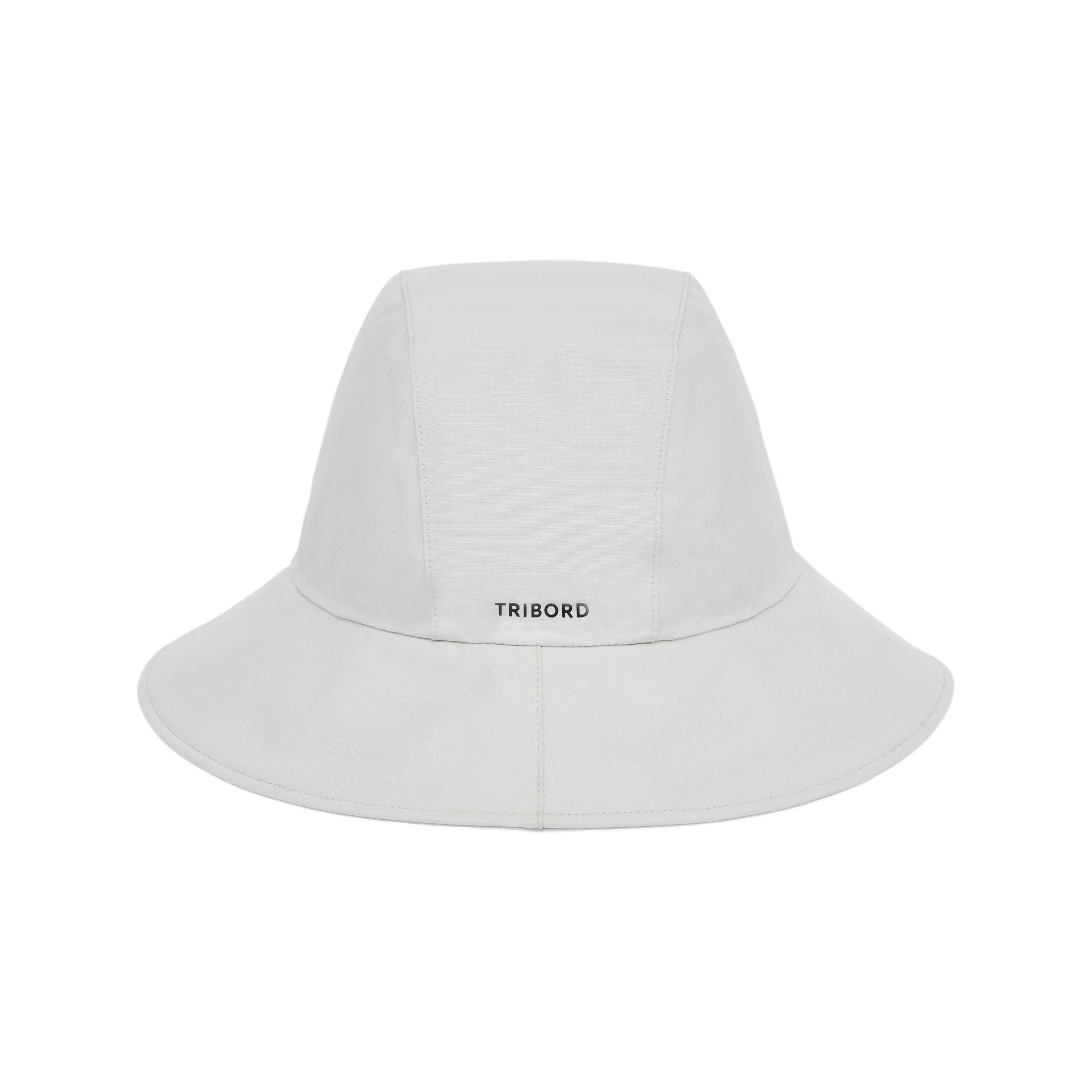
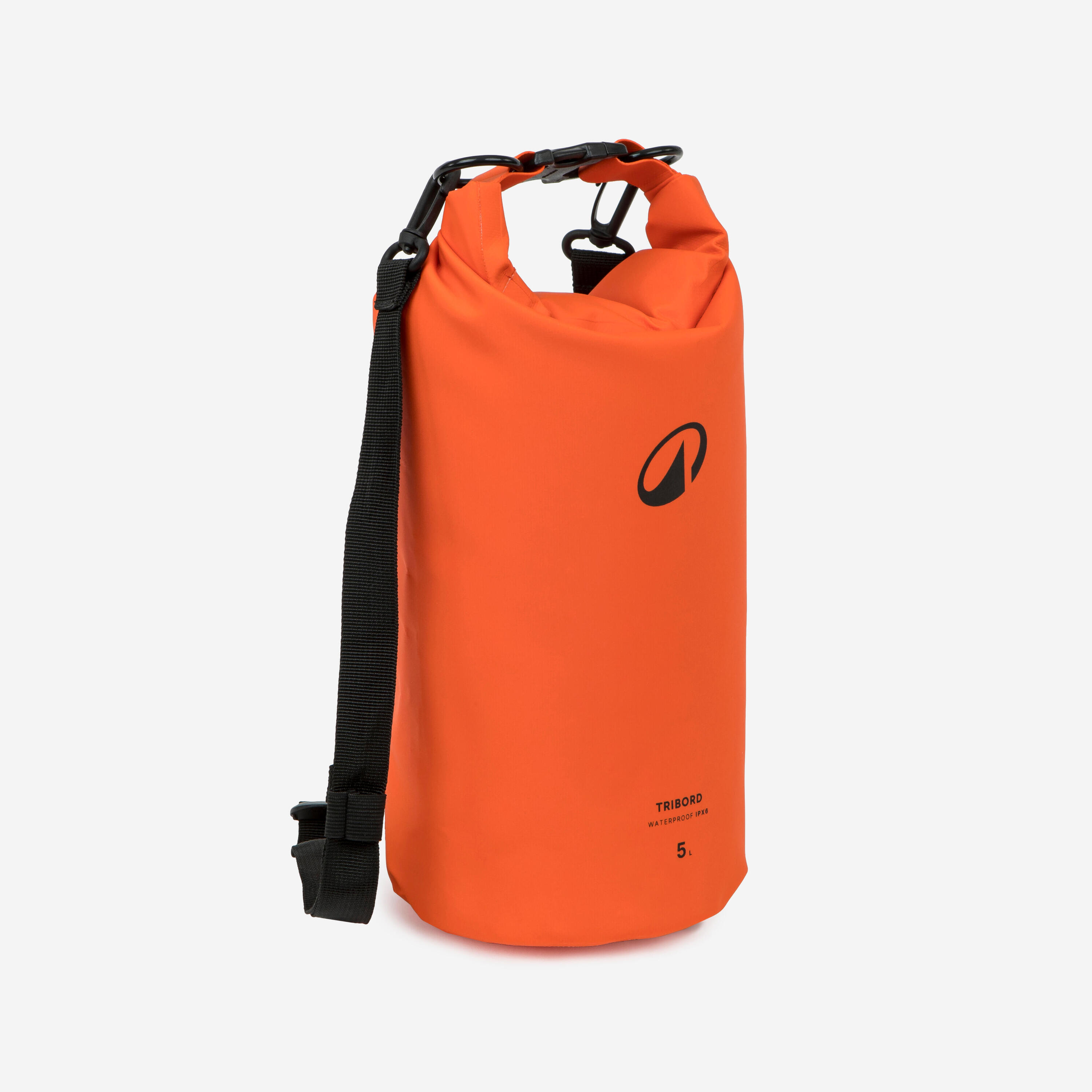
Sailing bags face a more demanding environment than standard outdoor bags; spray, boarding seas, and rain from multiple angles mean that water resistance ratings designed for walking in a shower will fail quickly on deck. An IPX6 rating indicates the bag can withstand powerful water jets from any direction, which covers most spray and heavy rain conditions on a coastal passage. A fully welded or heat-sealed seam construction is more reliable than taped seams for sustained wet exposure, because the weld creates a continuous bond rather than relying on adhesive that can peel at flex points over time. Roll-top closure systems offer adjustable waterproofing depth; rolling the top three or four times before clipping the buckle creates an air-sealed collar that prevents water ingress even during brief submersion, which a standard zip cannot achieve without a gasket seal. For daysailing and racing, a 30 L to 40 L capacity handles a full change of kit, food, and safety equipment without being unwieldy on a crowded foredeck. Sailing hats and caps are often paired with an on-deck bag for reliable sun protection for their face and neck during long passages. Sailing tip: store the bag upright rather than on its side between passages; standing the roll-top vertical allows any moisture that enters at the closure to drain downward away from the contents rather than pooling against them.

What features keep a sailing bag easy to handle with gloves on?

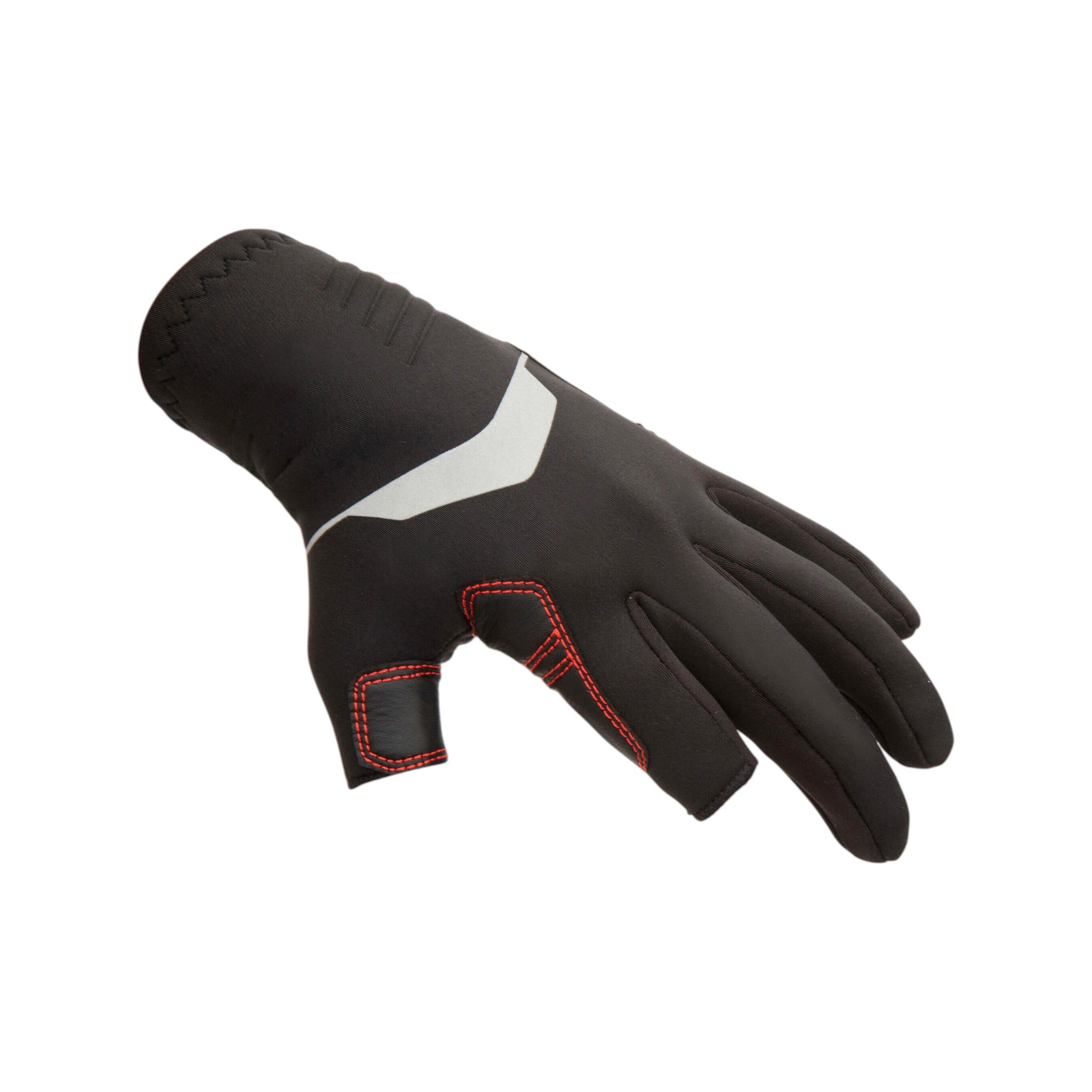
A sailing bag needs to be opened and closed quickly one-handed during a manoeuvre, which means its closure buckle or roll-top clip must be operable while wearing gloves. Oversized buckle releases and wide pull tabs on roll-top closures accommodate gloved hands without requiring the sailor to remove a glove at a critical moment. The same logic applies in reverse; sailors who regularly reach into a bag while underway need gloves that retain enough dexterity to operate small buckles and zip pulls without compromising grip on sheets and halyards. Pre-curved finger construction in sailing gloves and mittens maintains a natural hand position during sail trim, so the transition between handling a line and retrieving an item from a deck bag does not require the hand to open fully flat against resistance.

What watertight phone pouch specification is required to protect a device used for navigation?

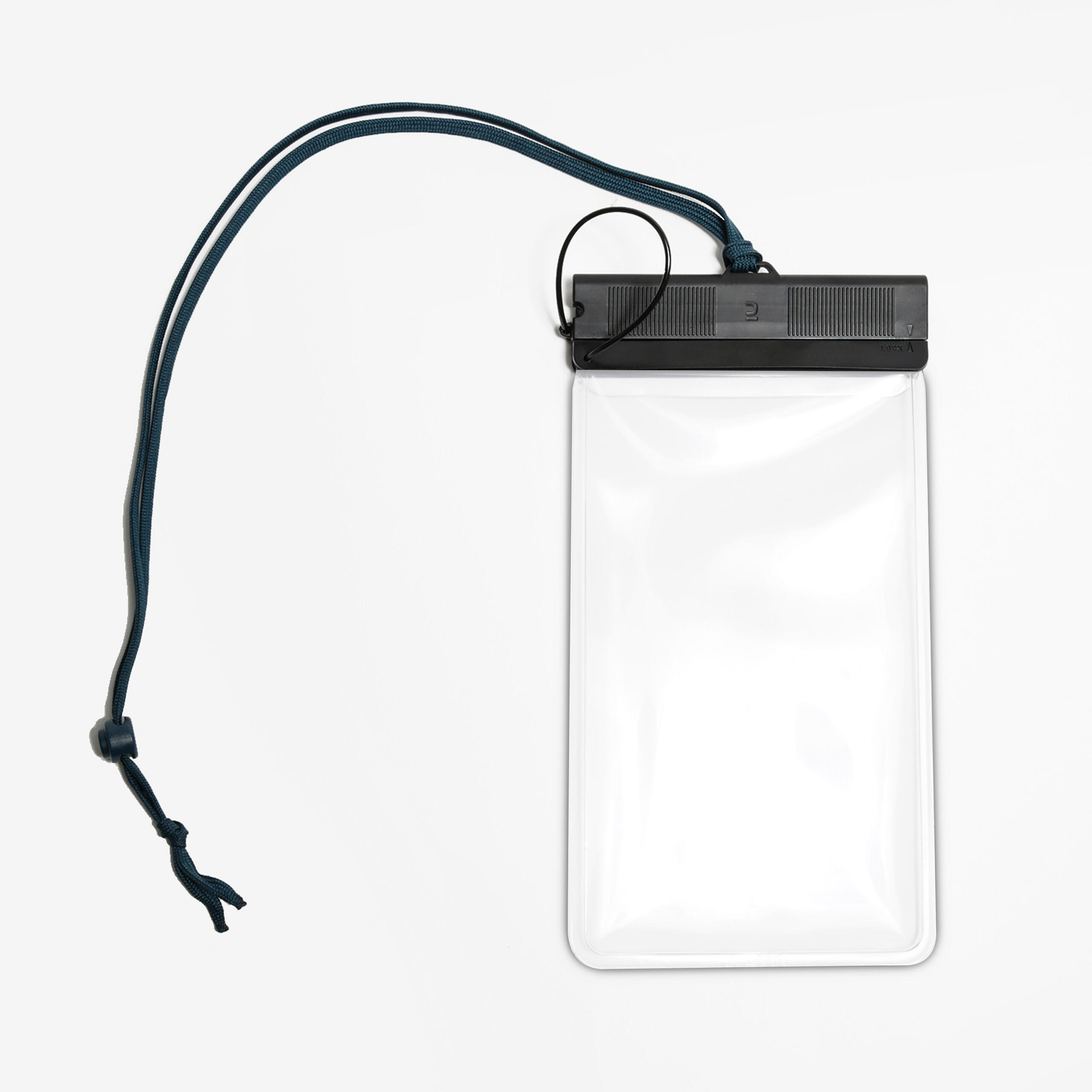
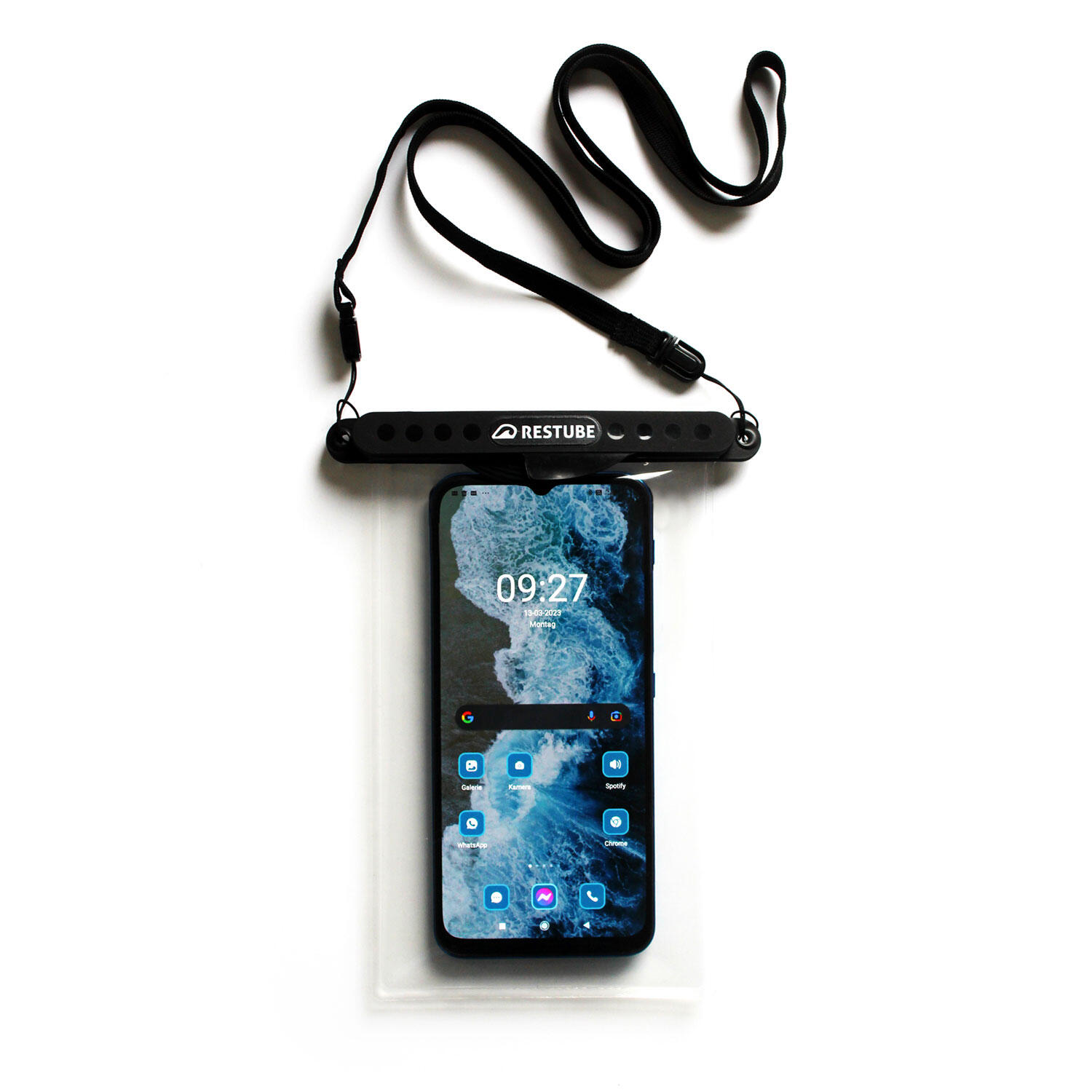
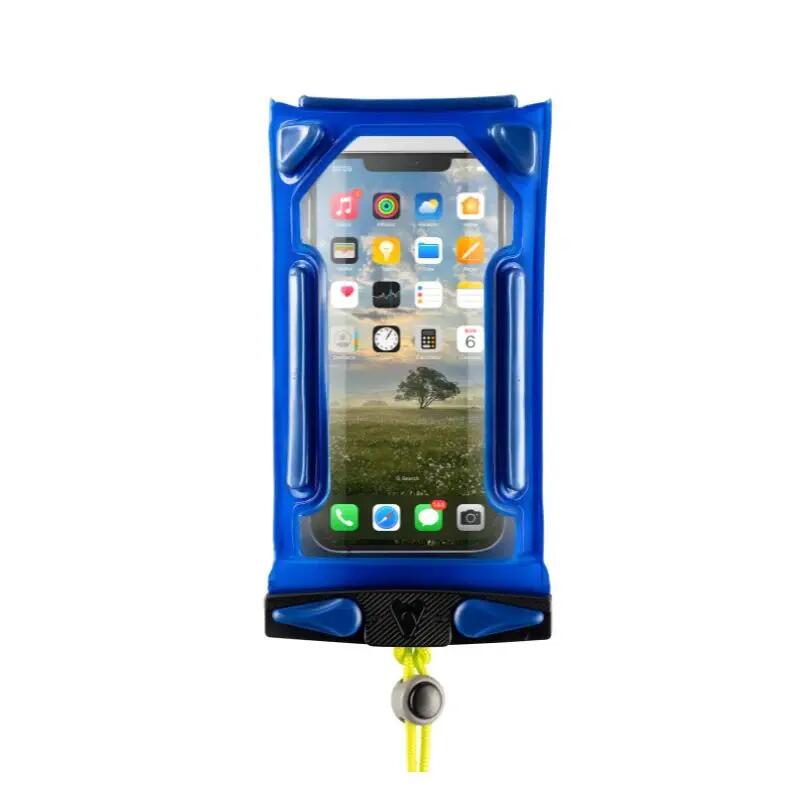
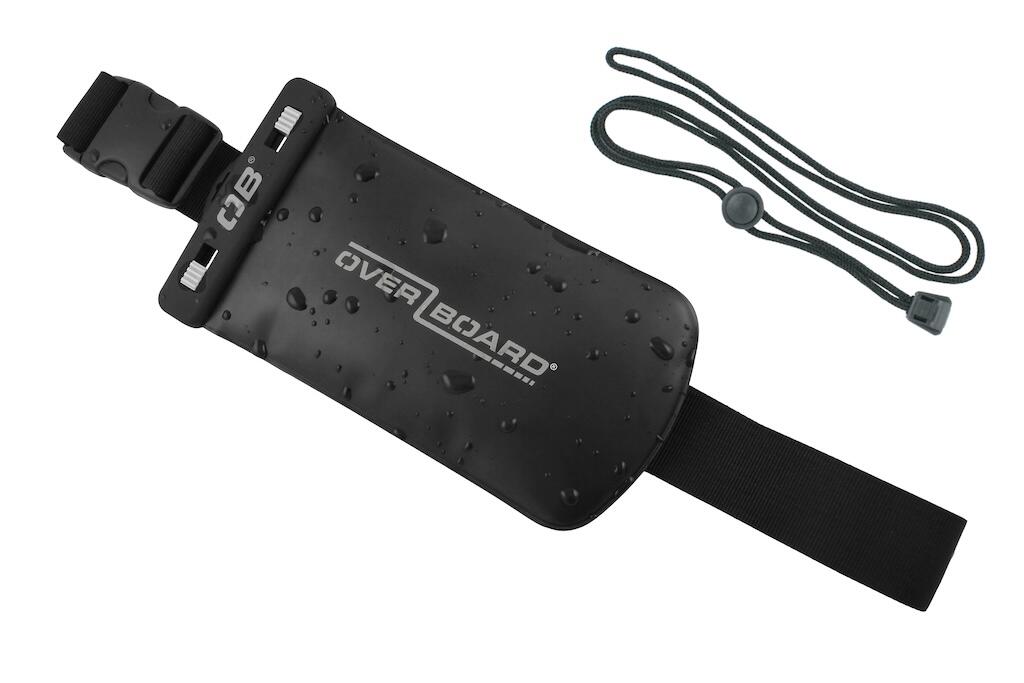
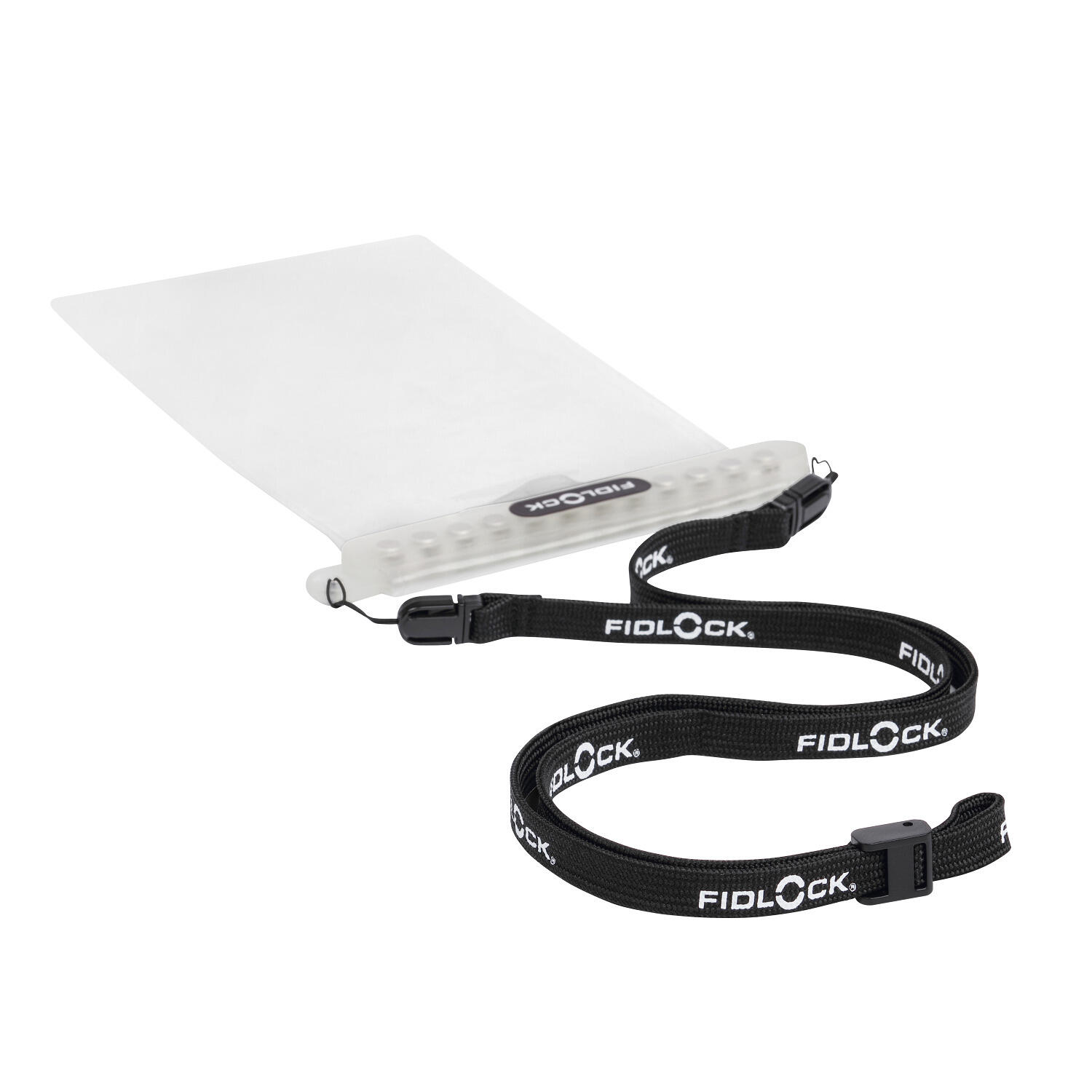
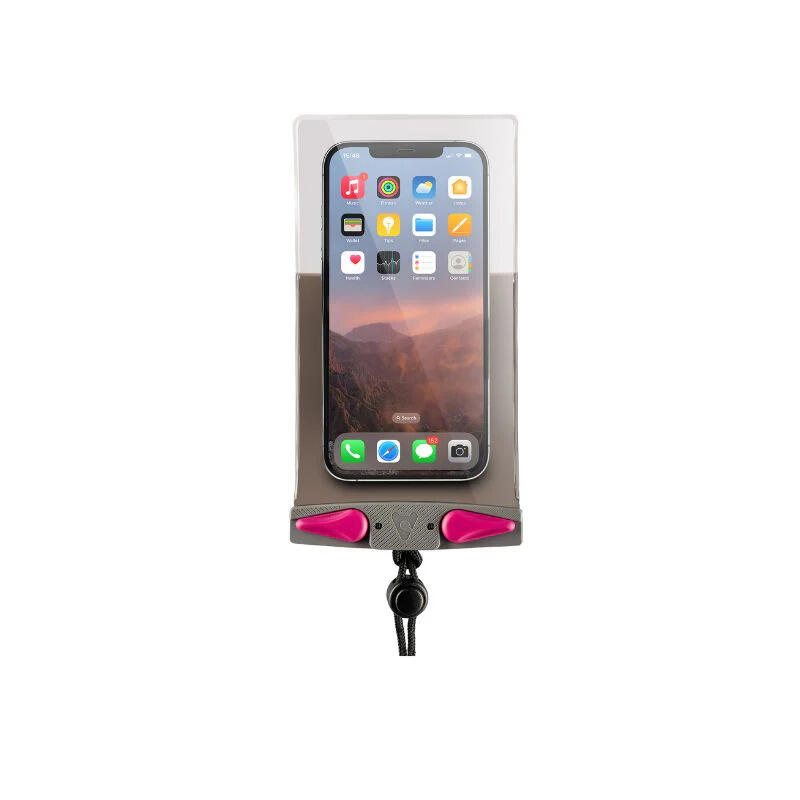
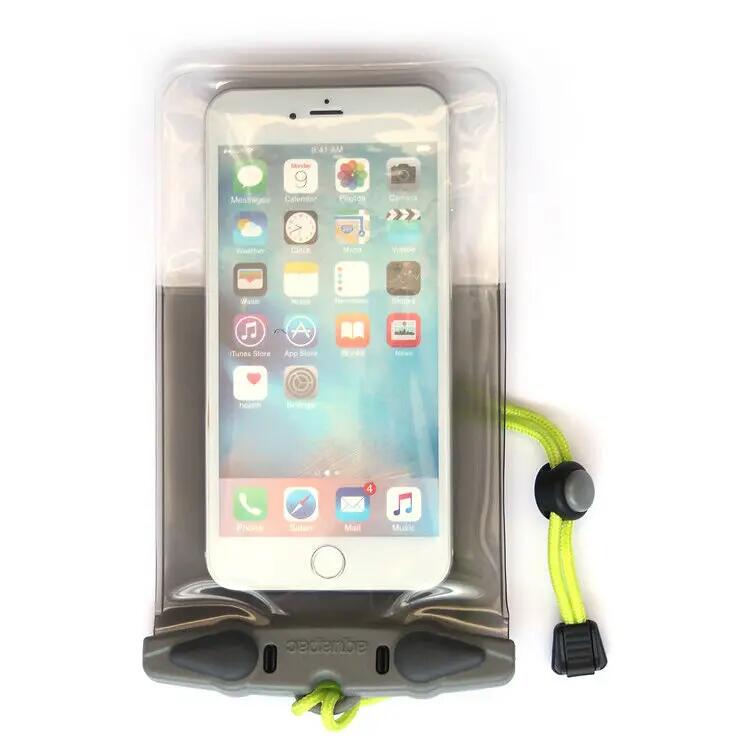
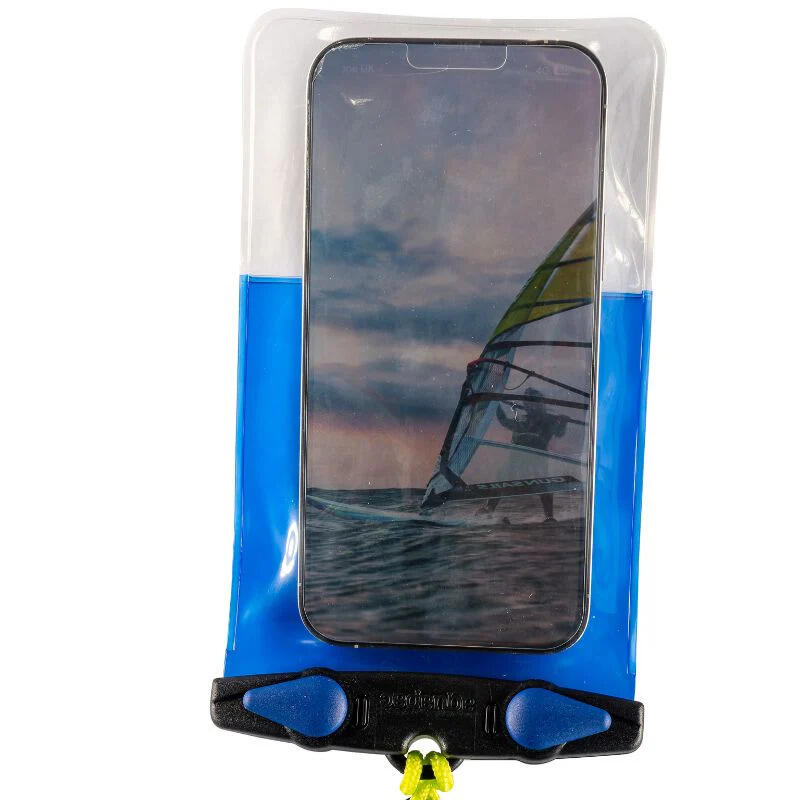
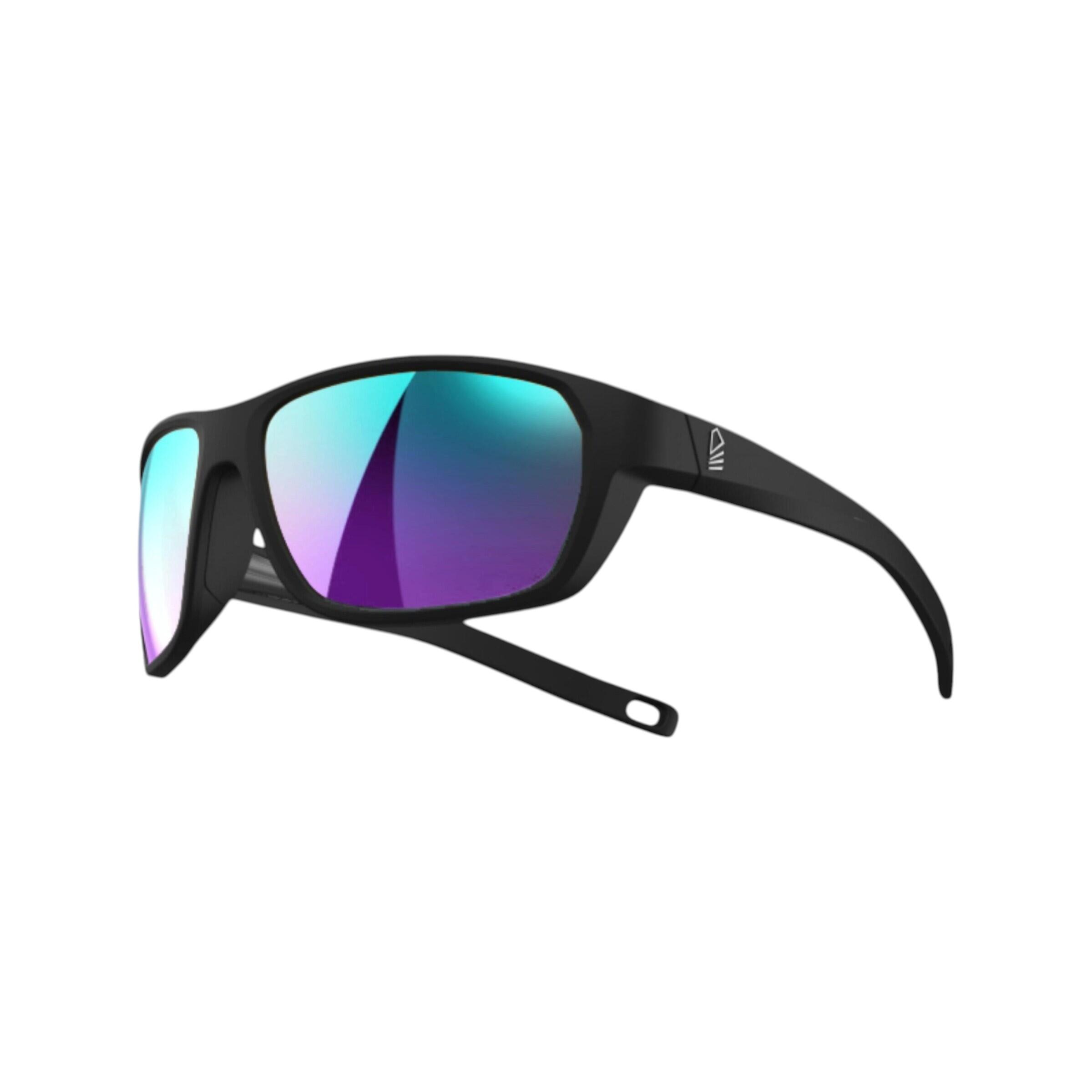
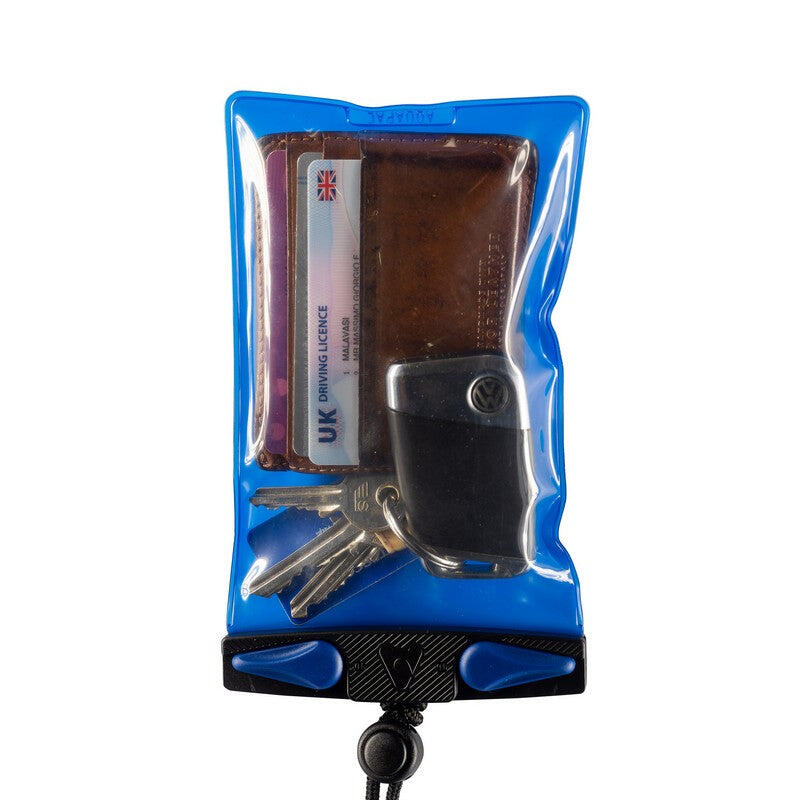
A phone used for navigation on a sailing vessel needs protection rated to at least IPX8, which covers submersion to a defined depth for a defined period rather than simply splash resistance. The practical threshold for a coastal sailing pouch is 1 m for 30 minutes, which covers most accidental drops overboard in sheltered water where retrieval is likely. Touch-screen compatibility through the pouch face material is critical for chart apps and GPS navigation; a pouch that requires the phone to be removed for use defeats the purpose of carrying it in a waterproof case. Mounting options, including lanyards, belt clips, and deck attachment points, determine how the pouch integrates into the rest of the on-deck kit. When sailors spend long offshore watches squinting into low sun, they need proper sailing sunglasses with polarised lenses to reduce visual fatigue that makes reading chart apps on a phone screen in bright conditions particularly difficult.

How should a sailing bag be stowed safely on deck?

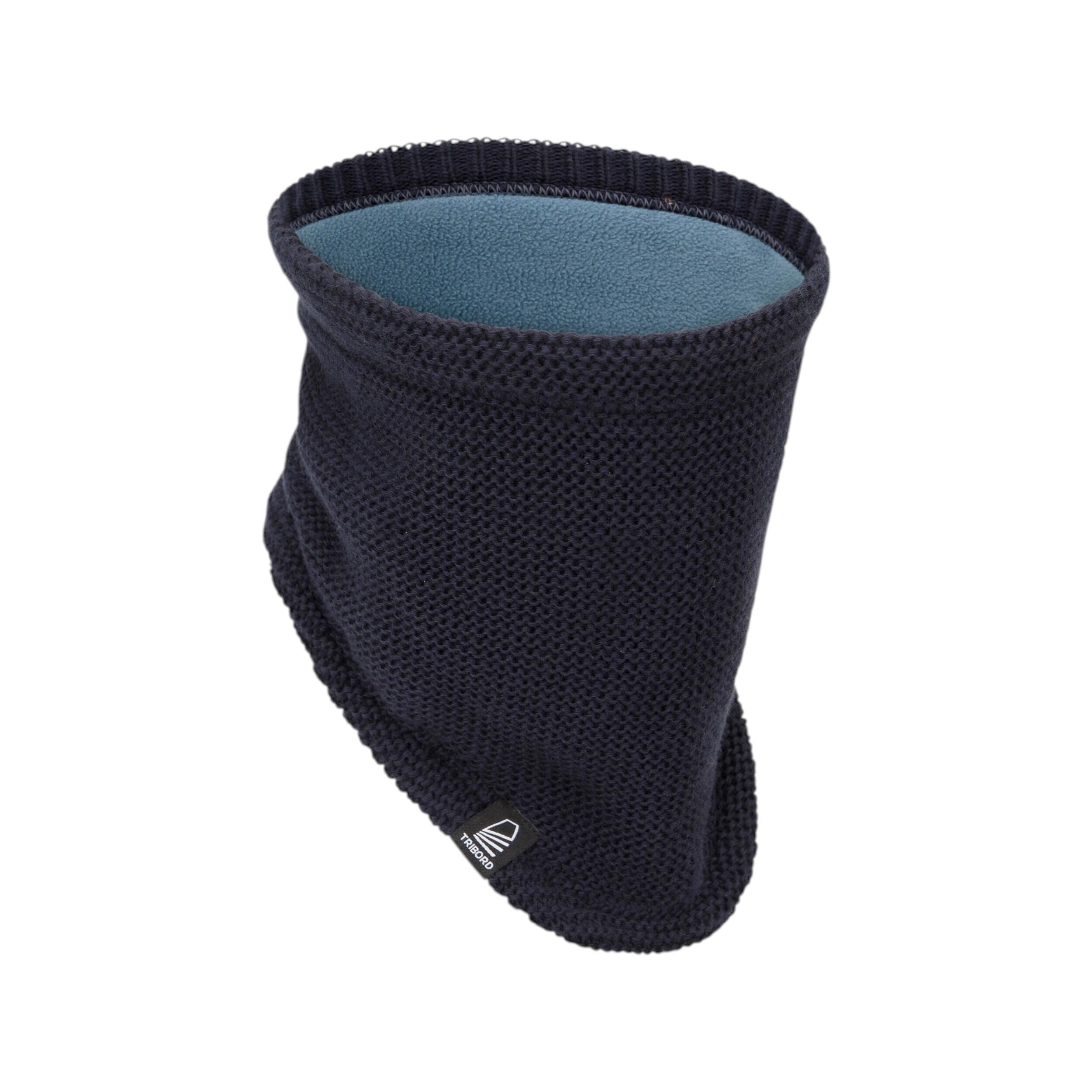
Packing the right cold-weather layers in your sailing bag keeps them dry, organised and easy to reach when conditions change. Thermal sailing headwear needs to sit flat enough under a safety helmet to avoid pressure points across the skull during extended wear, and the hem must stay tucked inside the collar of an offshore jacket rather than riding up in the wind. A close-knit construction that compresses without losing its insulating loft when compressed by helmet straps provides the best balance of warmth and comfort under safety equipment. Ear coverage that extends to the jawline protects against wind chill during night watches without muffling the sounds of the boat that support situational awareness. Keeping sailing beanies, hats, and caps inside a waterproof sailing bag helps protect spare headwear from spray and rain, ensuring a dry replacement is always available when temperatures drop.
How does a sailing bag fit into the broader on-deck safety kit for crew members on a keelboat?

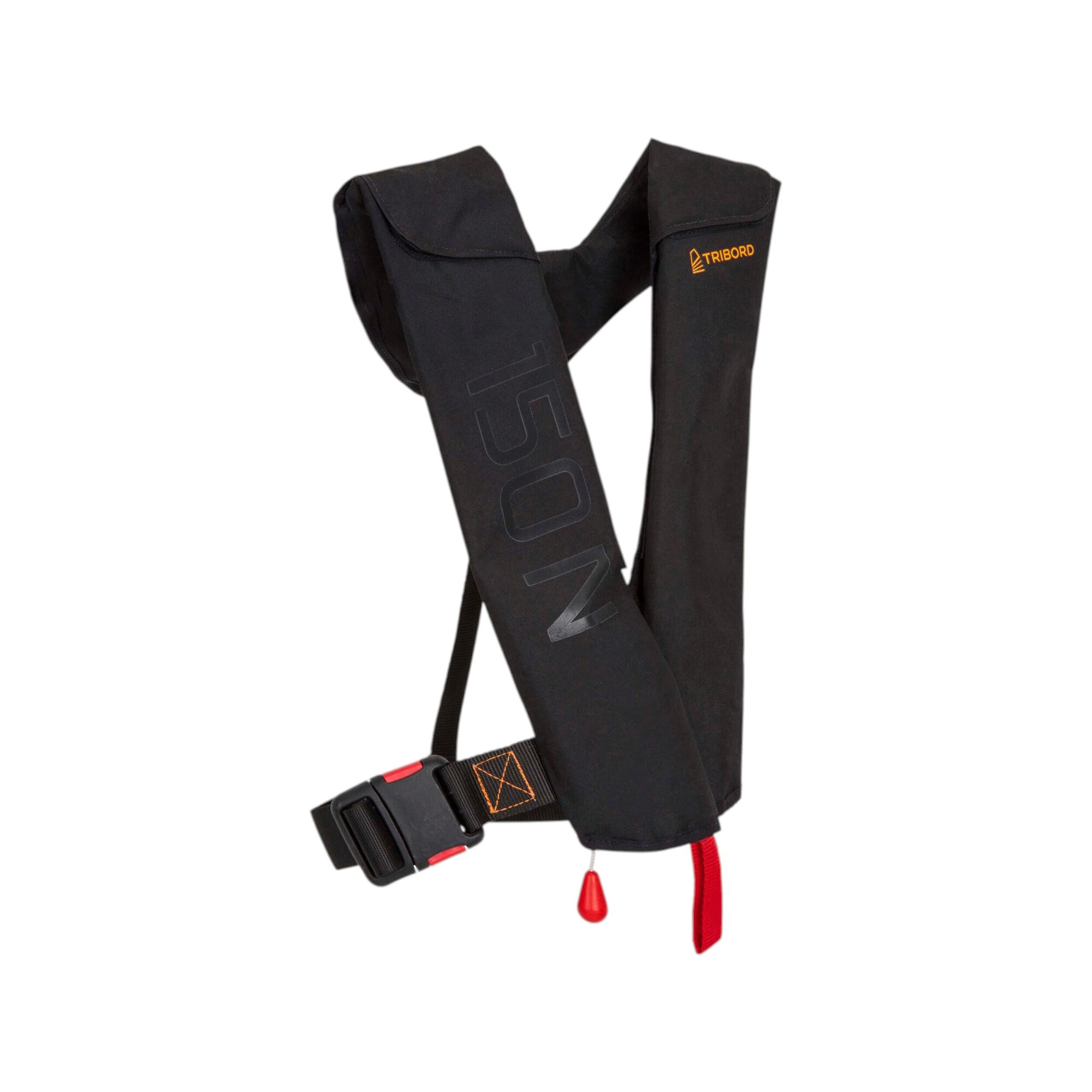
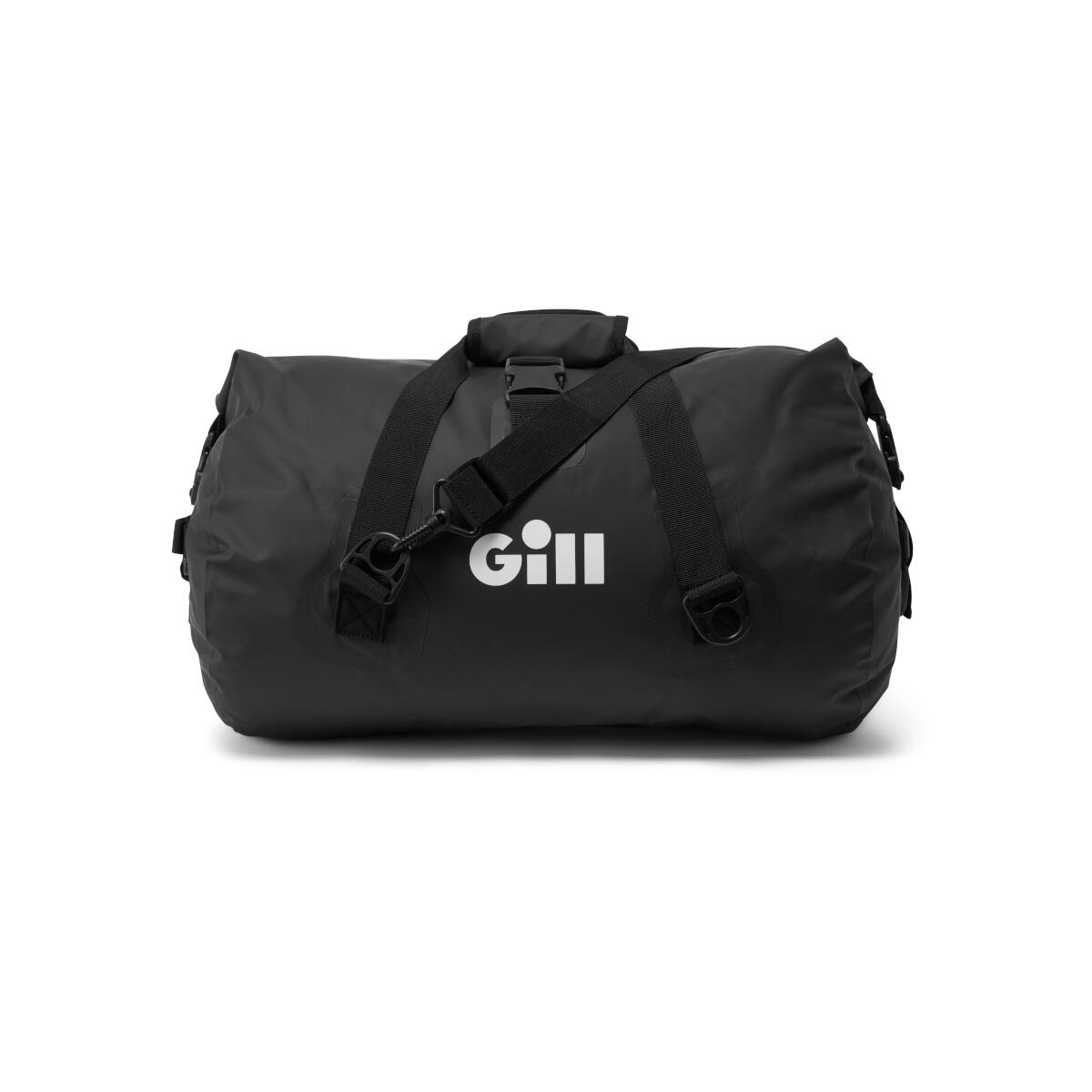
A sailing bag carries personal kit but is one component in a broader safety system that also includes life jacket fit, tether attachment, and deck footwear. A compact thirty-litre roll-top bag stowed on deck, it should not obstruct cockpit movement or tether clipping points, which means its placement and attachment method are as important as its waterproofing. A bag clipped to a stanchion base rather than left loose on the cockpit sole stays accessible without becoming a trip hazard during a manoeuvre. Crew members should organise essential items in their sailing bag before leaving the harbour and ensure all safety gear is ready for use. To complete your on-deck safety kit, consider our sailing life jacket and buoyancy aid range.