100 items
4.2/5 based on 2551 reviews collected online and in stores

Sailing Life Jacket and Buoyancy Aid FAQs

What is the practical difference between a life jacket and a buoyancy aid for sailing?

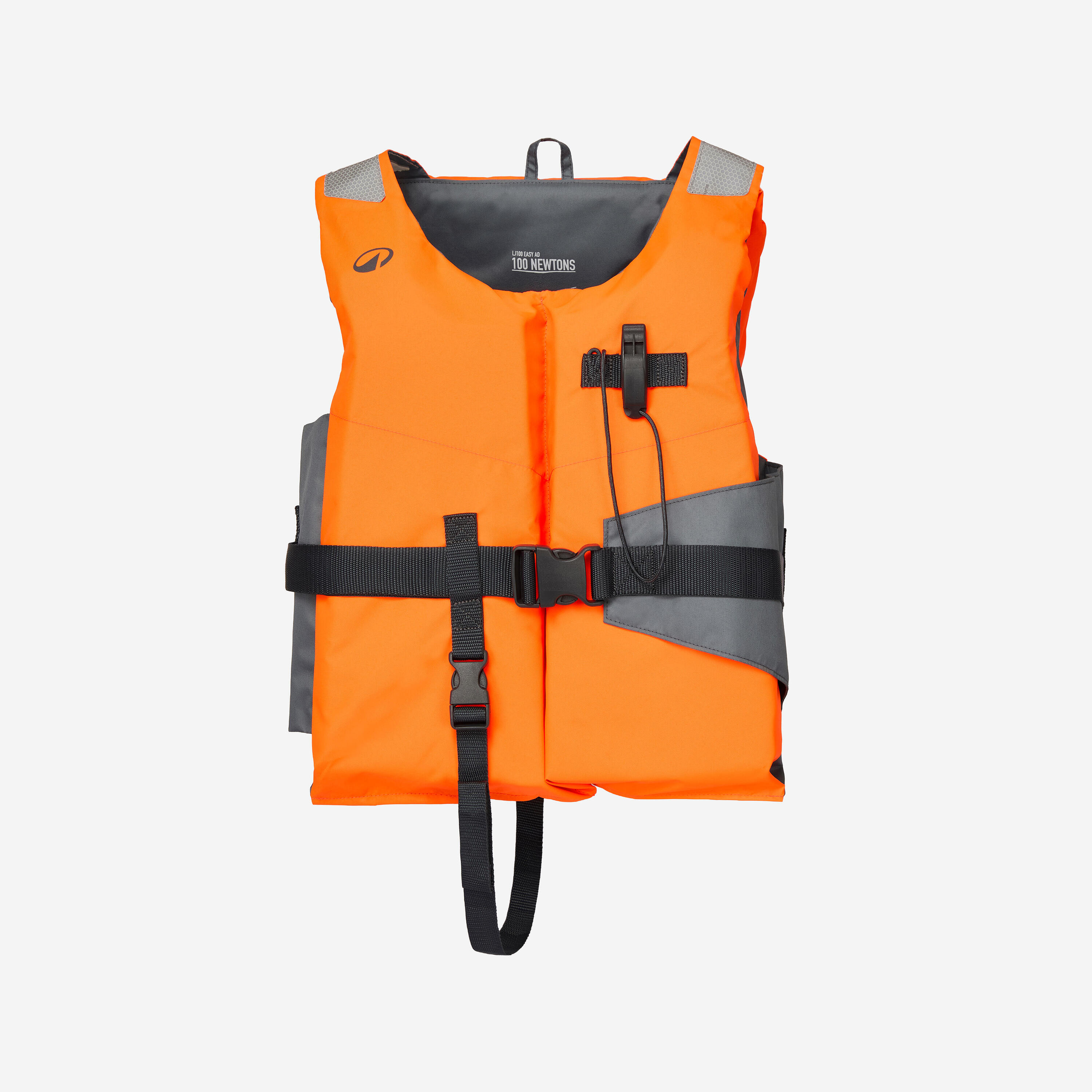
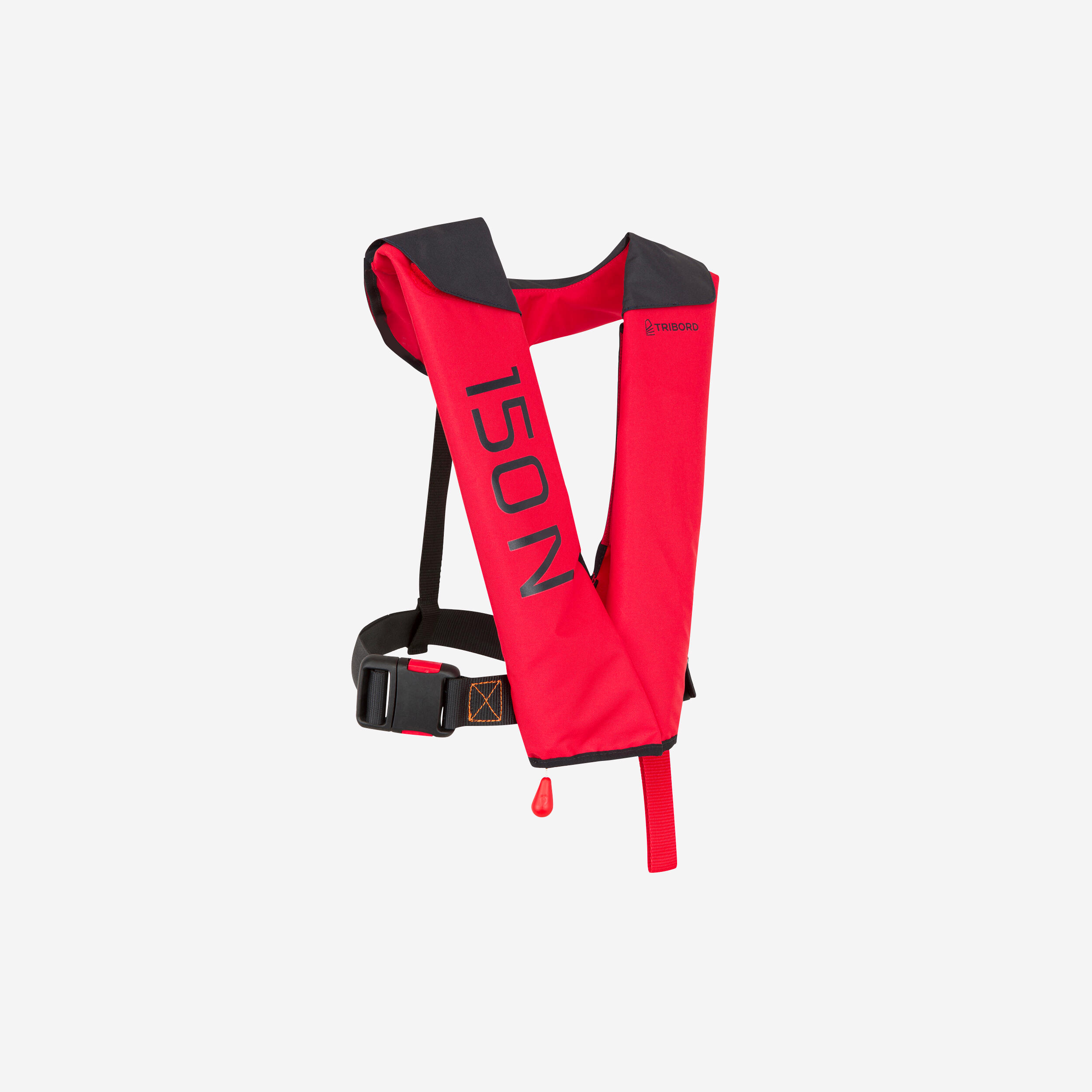
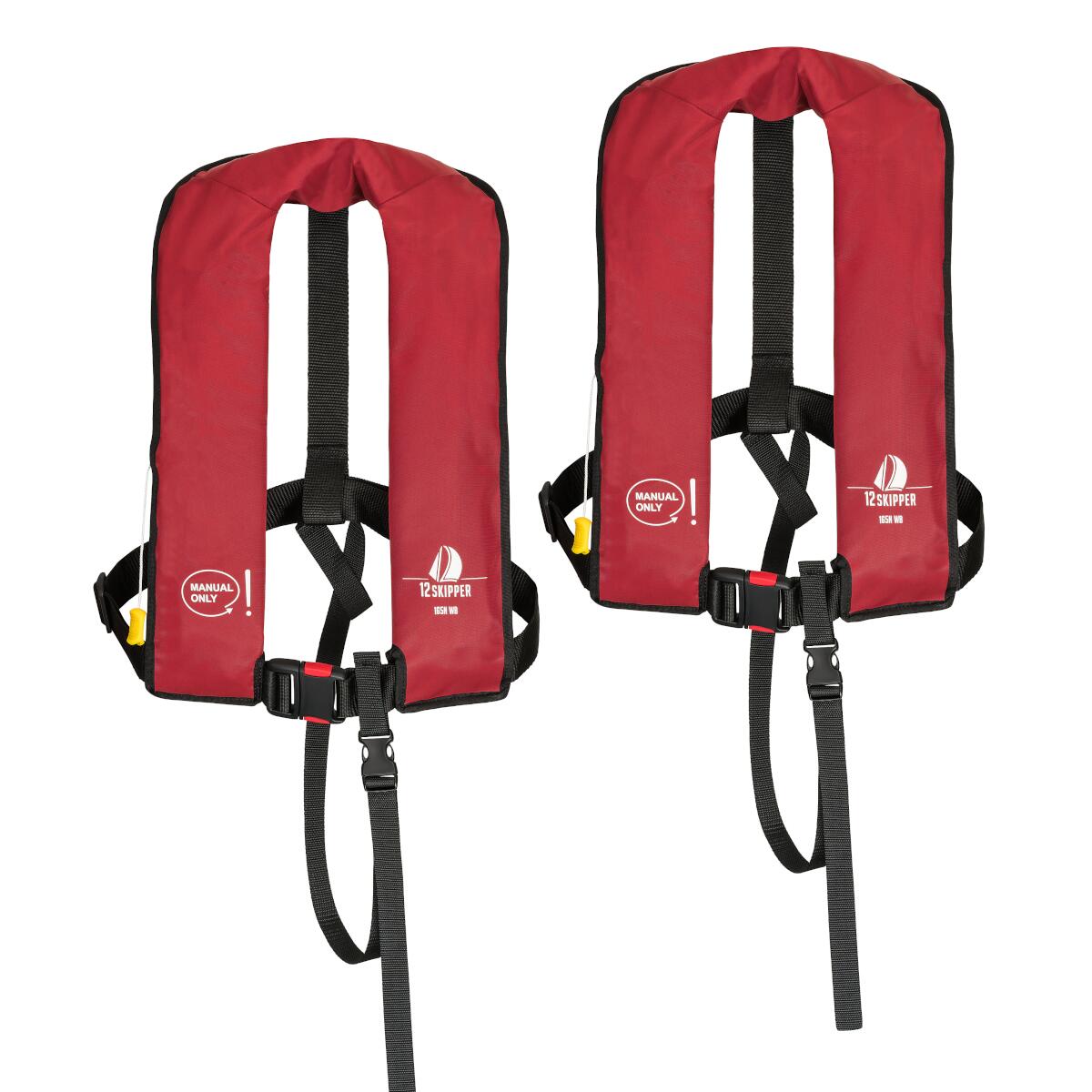
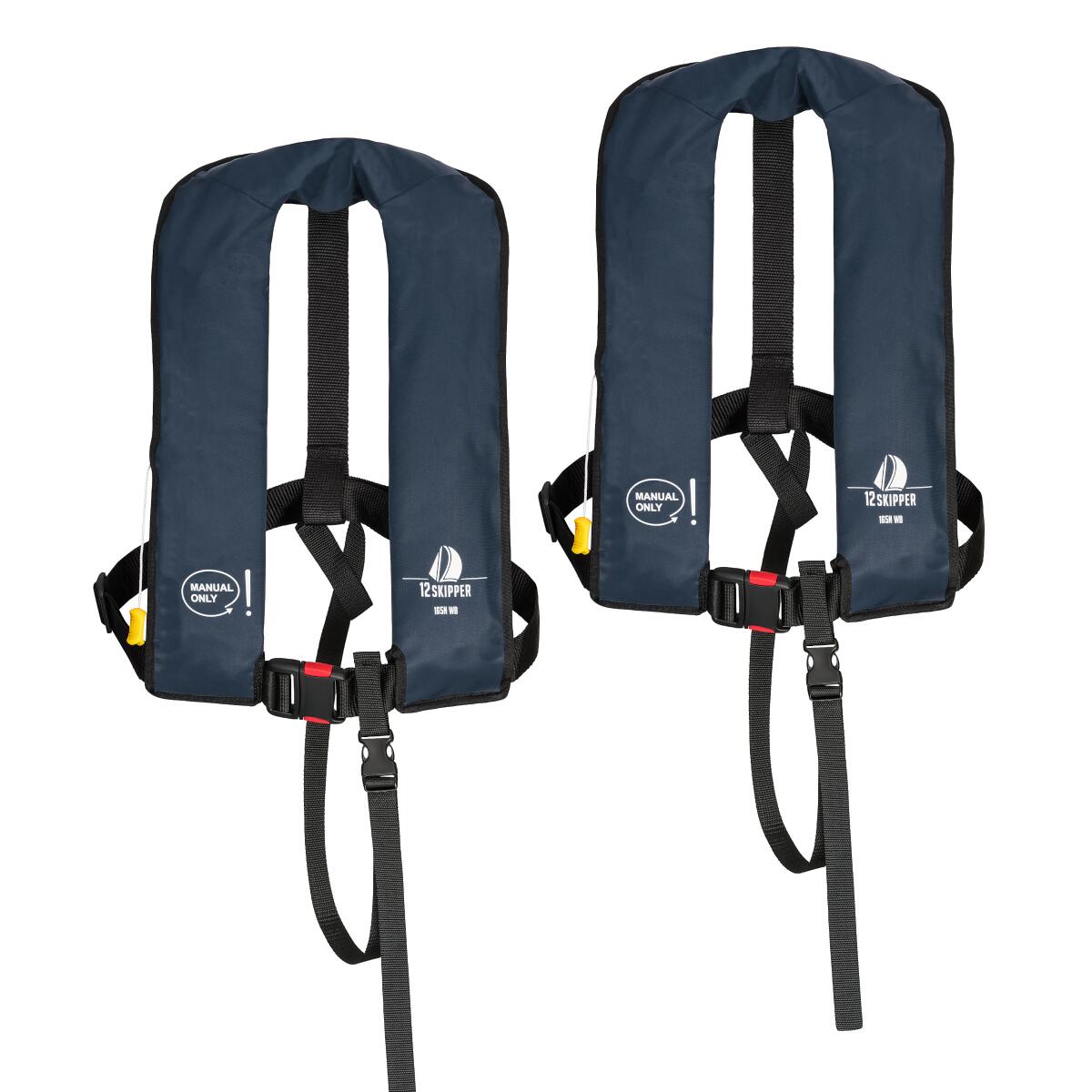
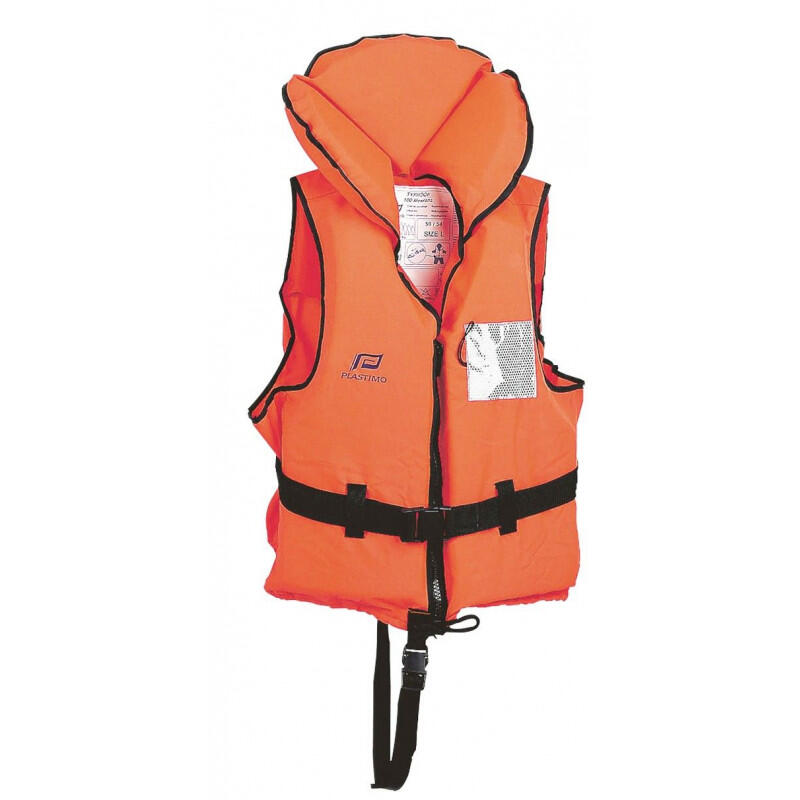
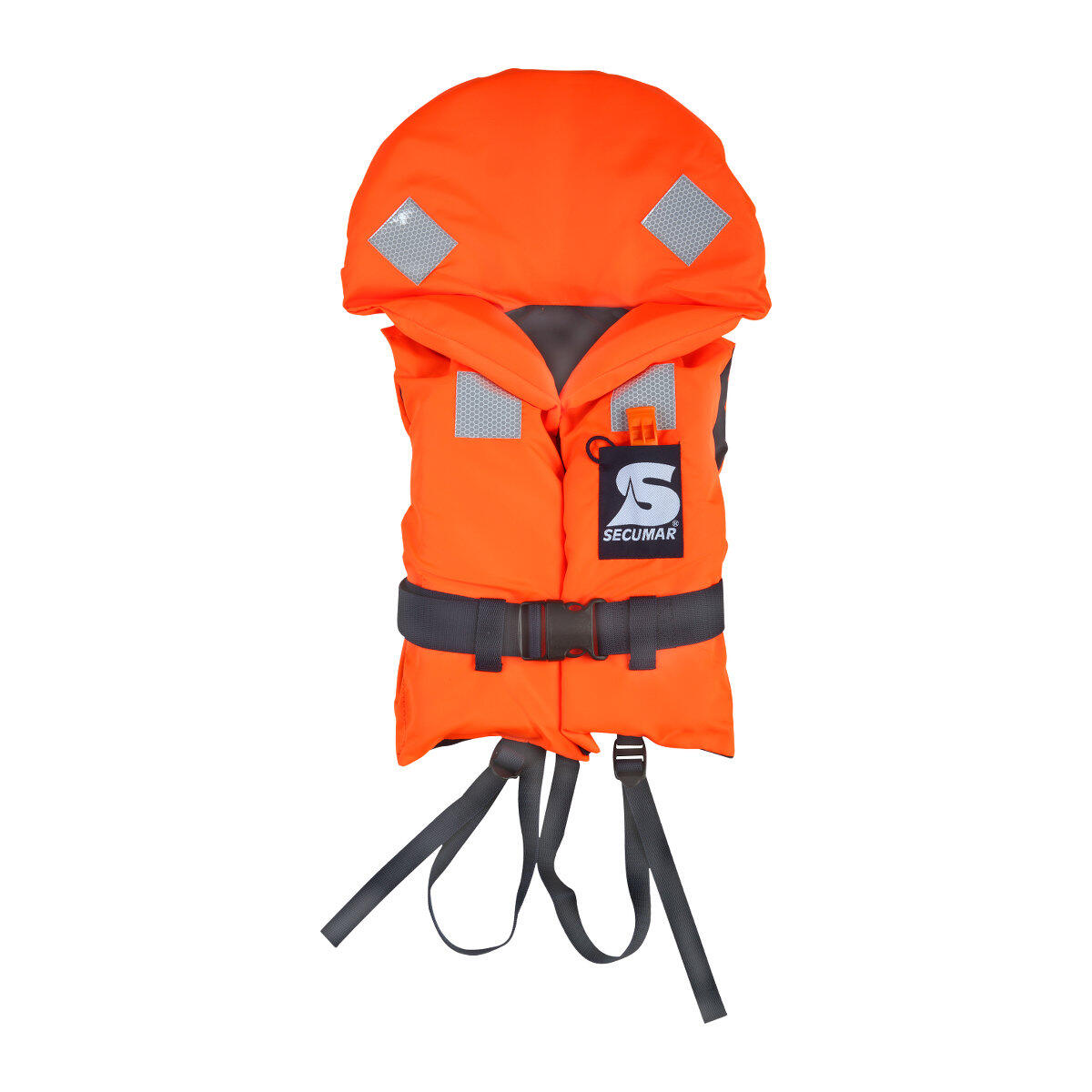
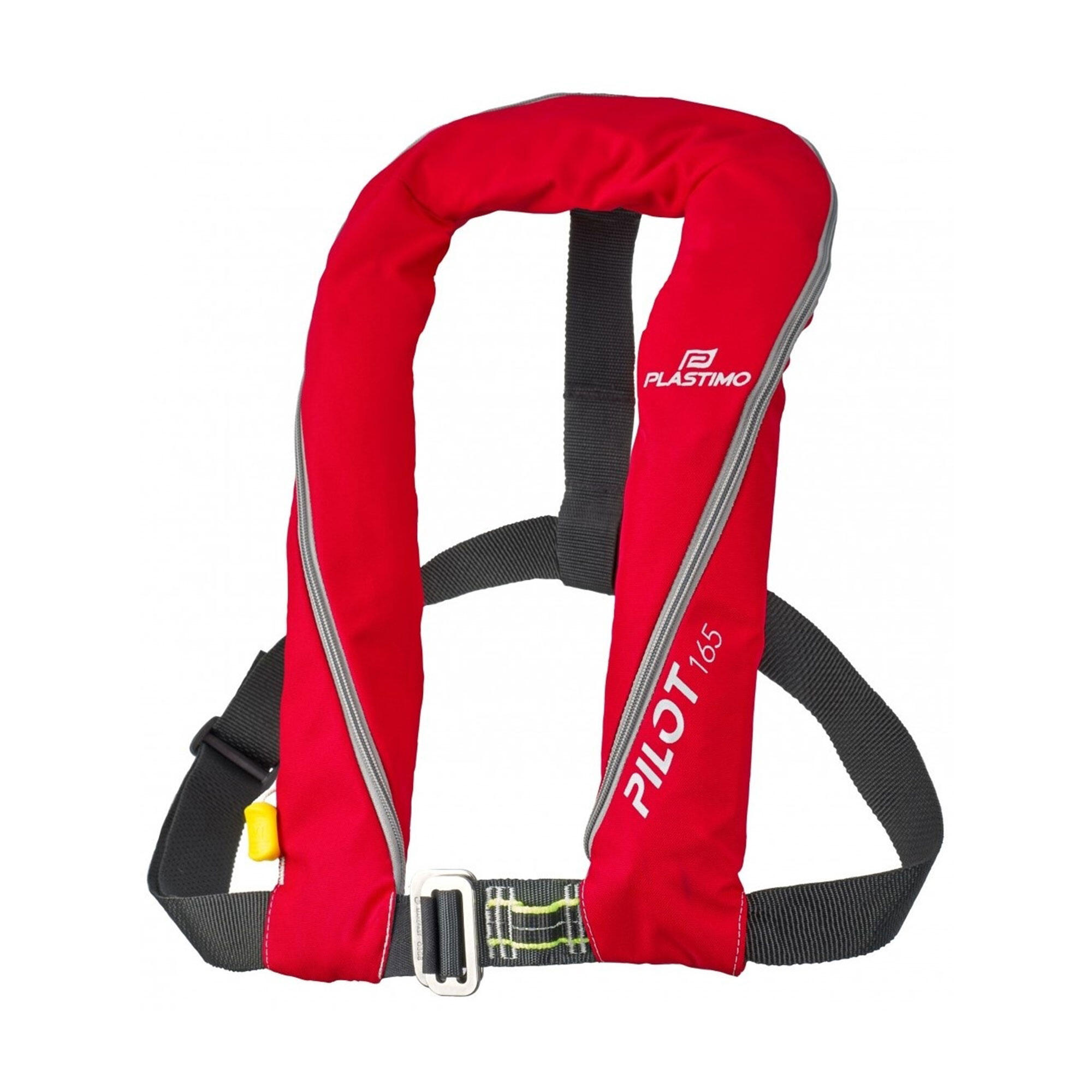
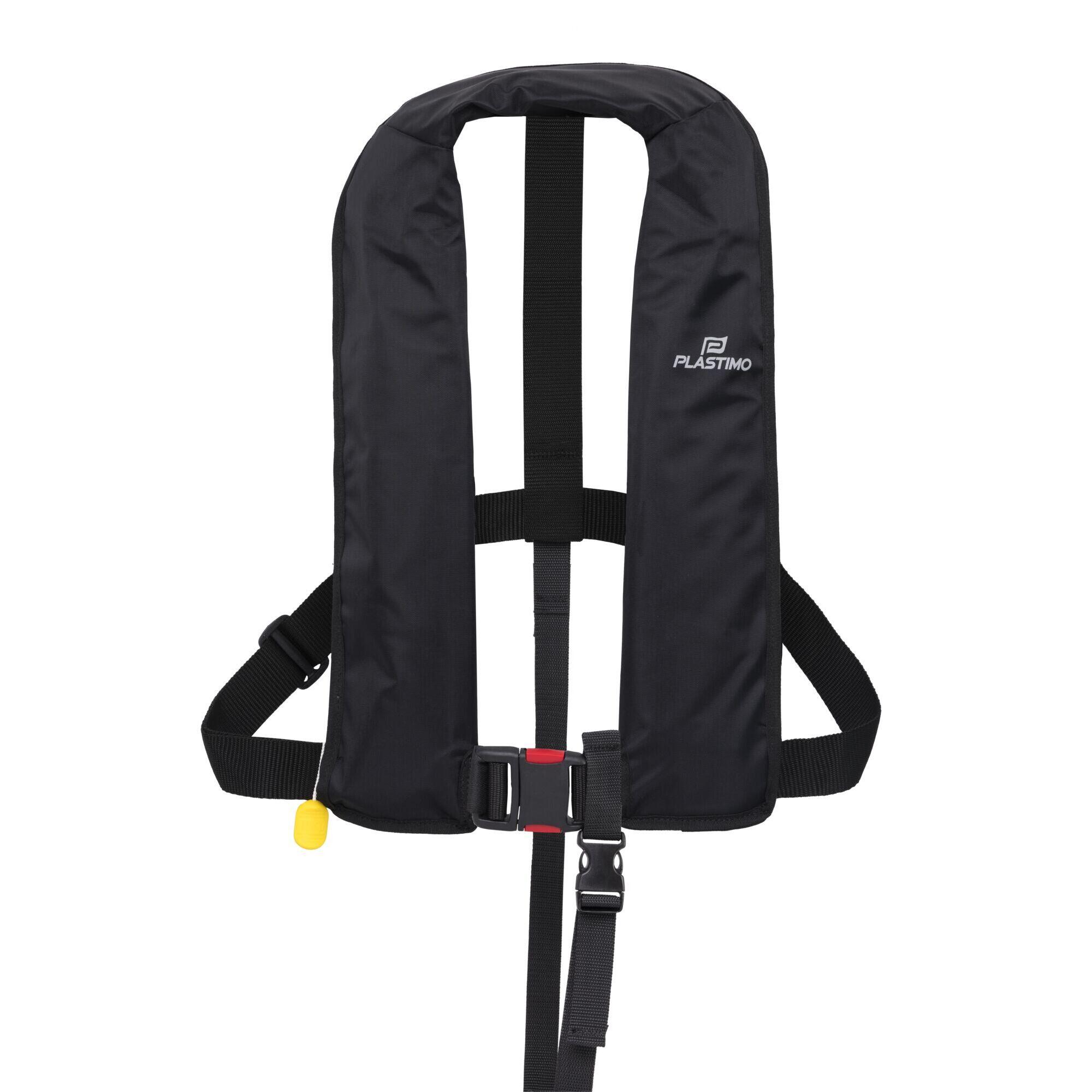
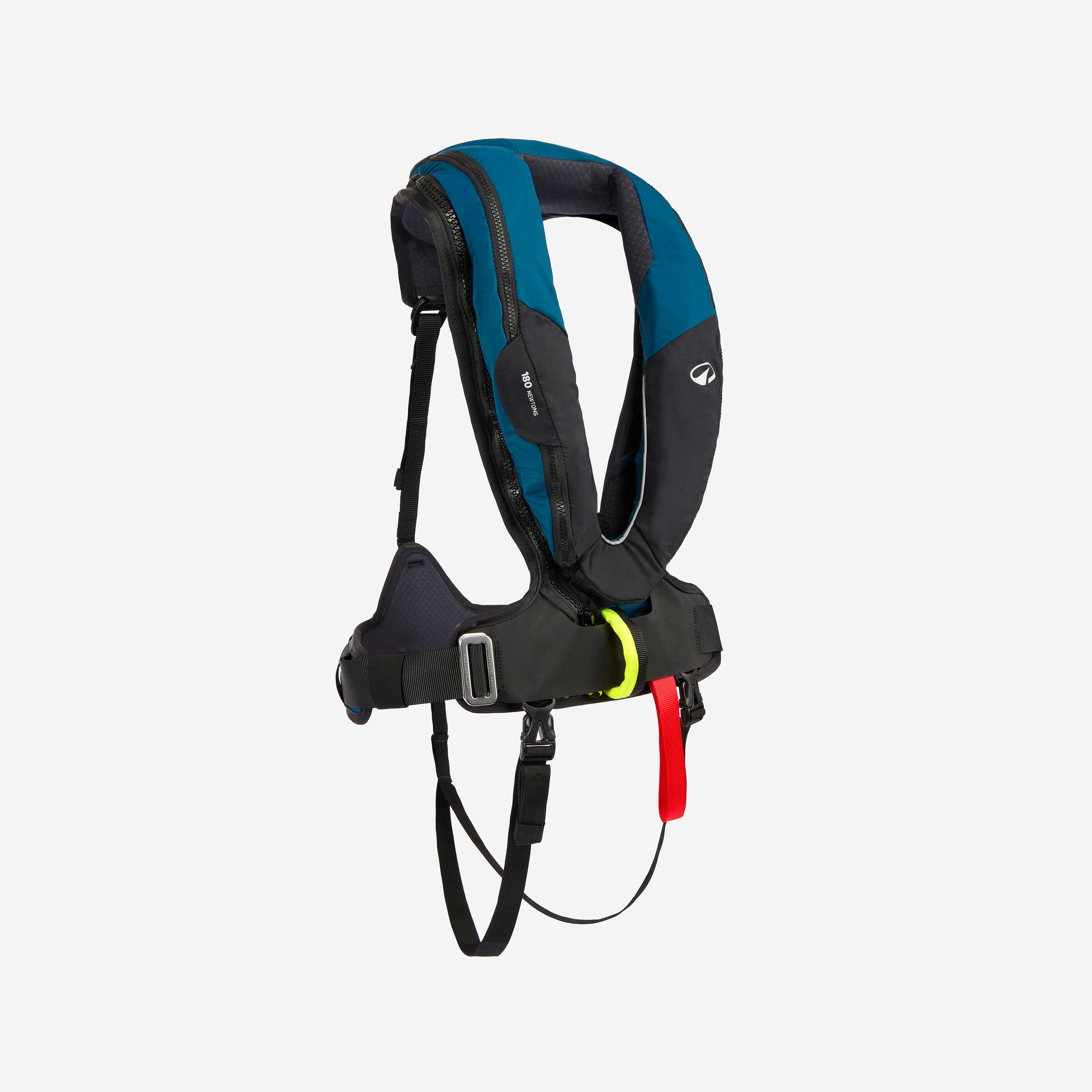
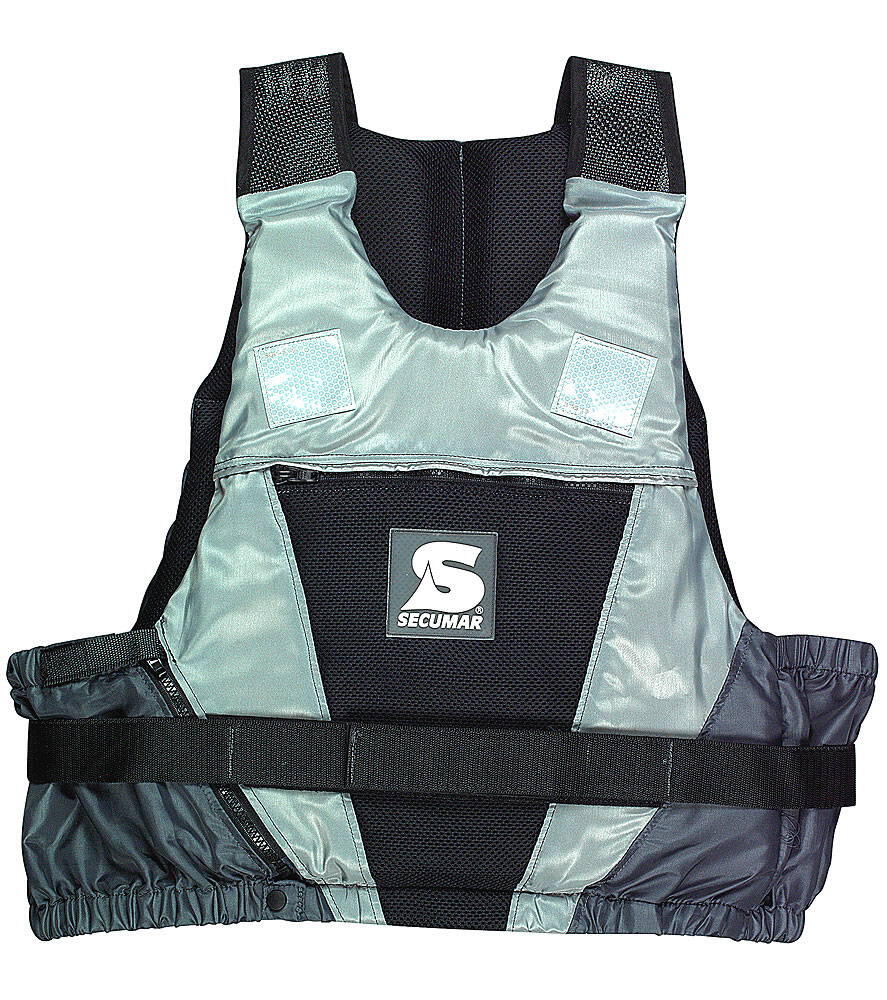
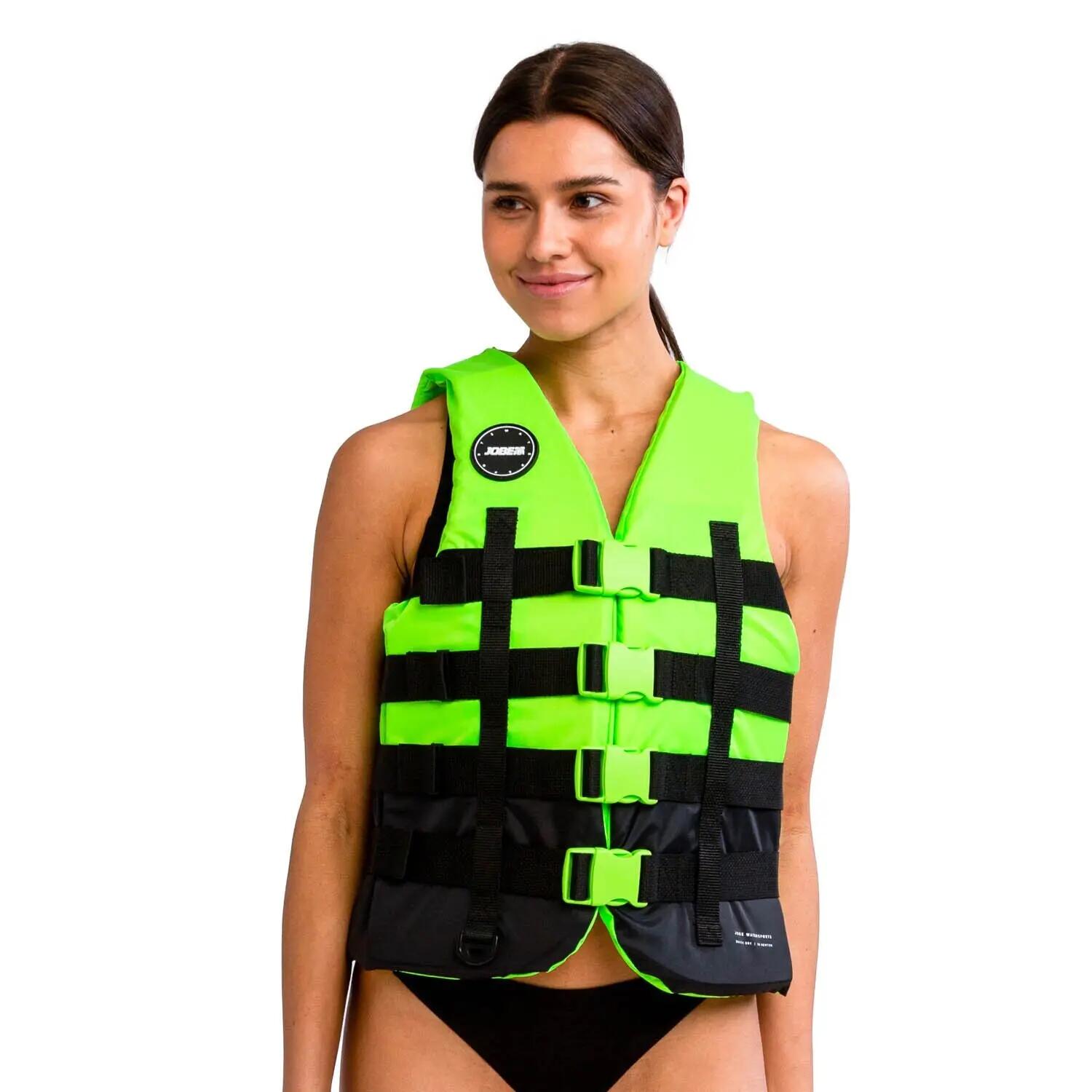
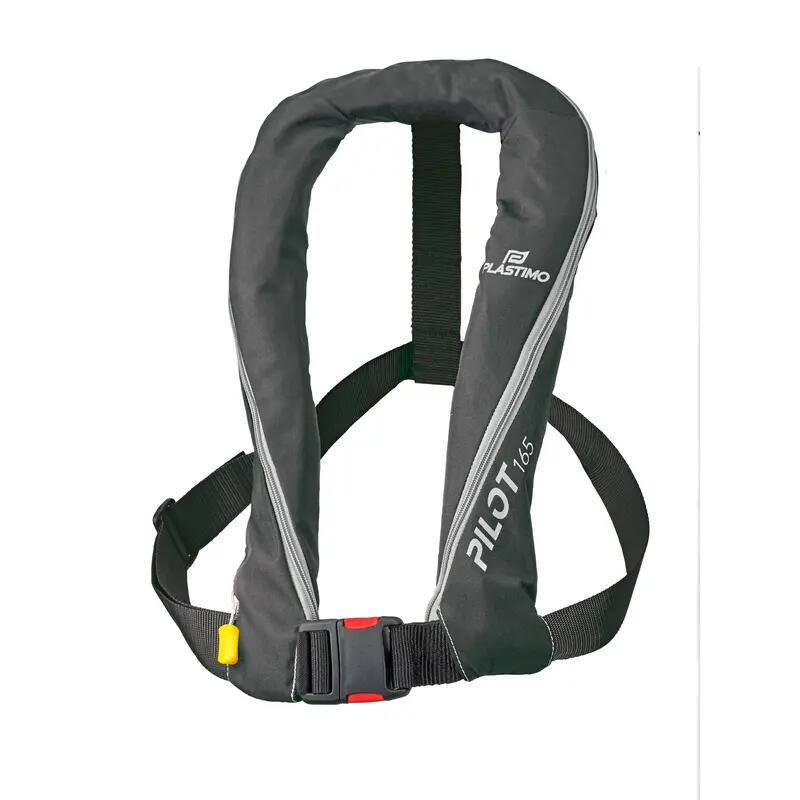
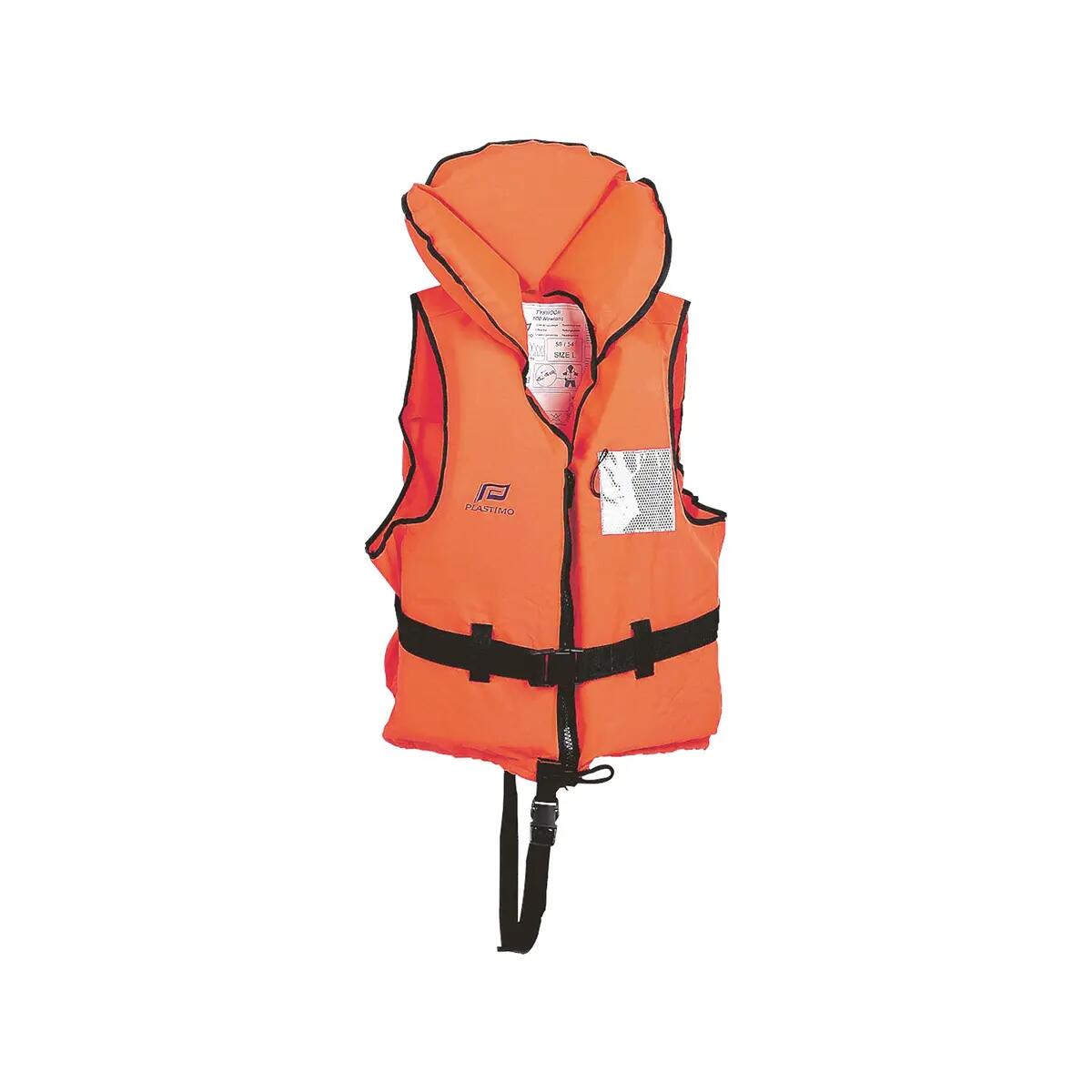
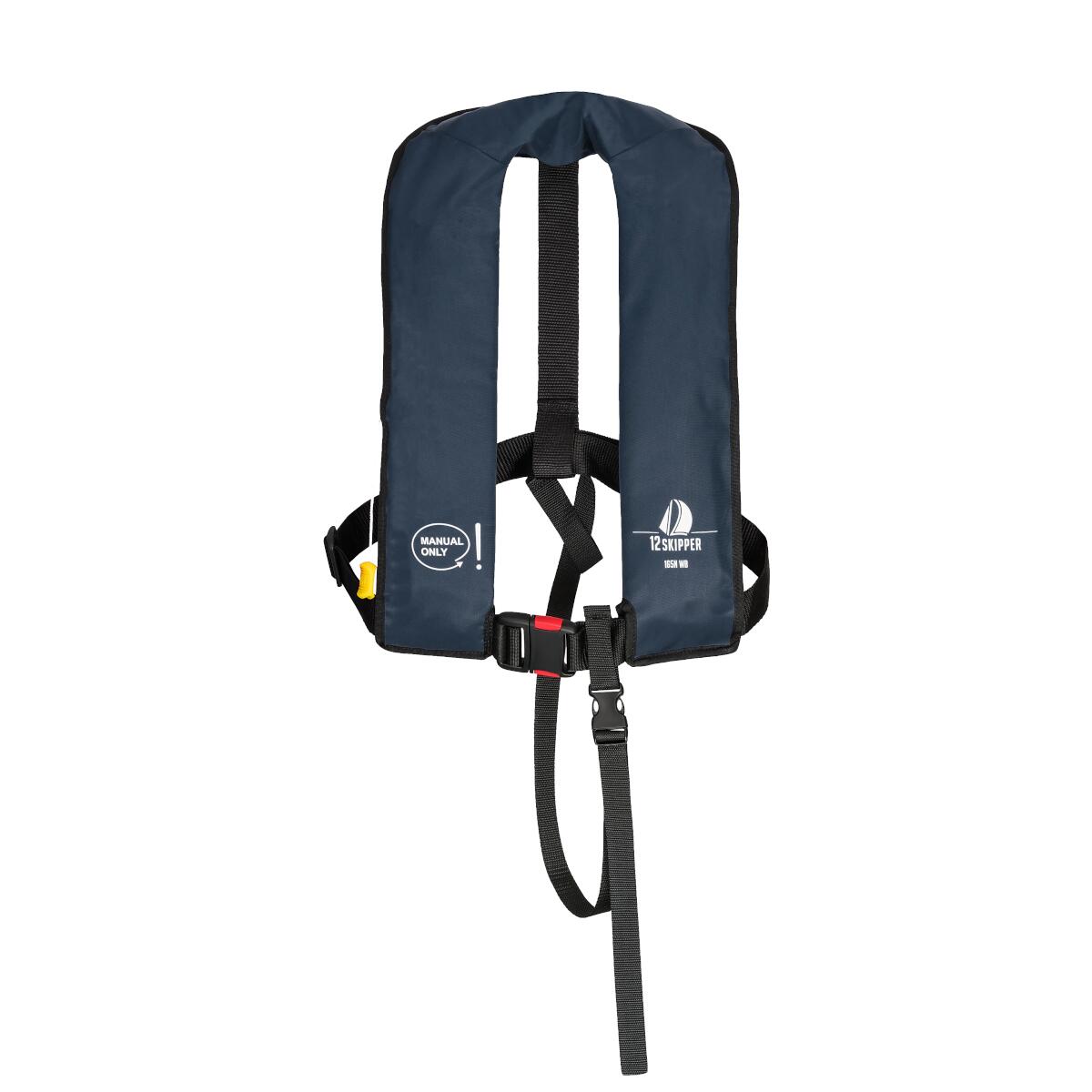
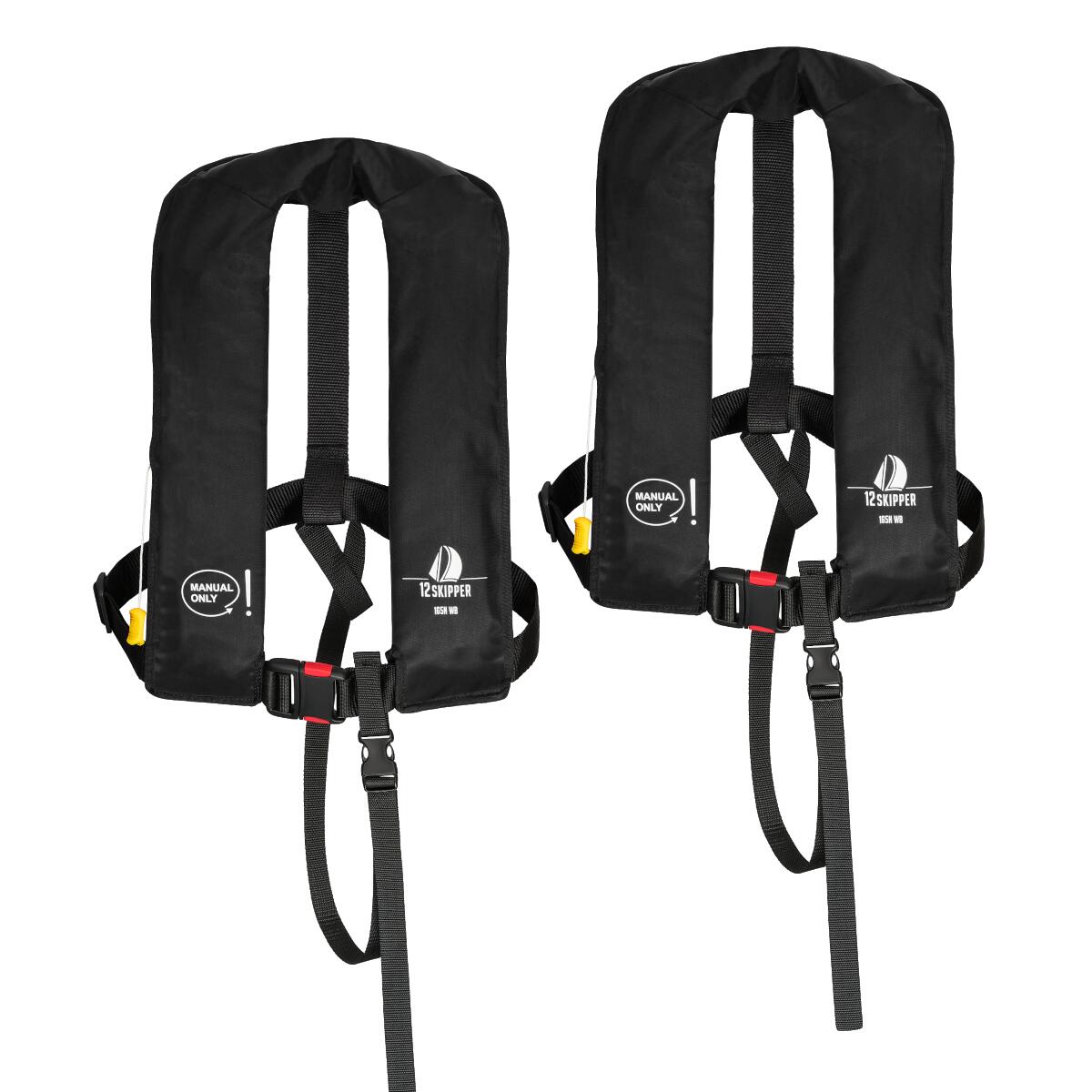
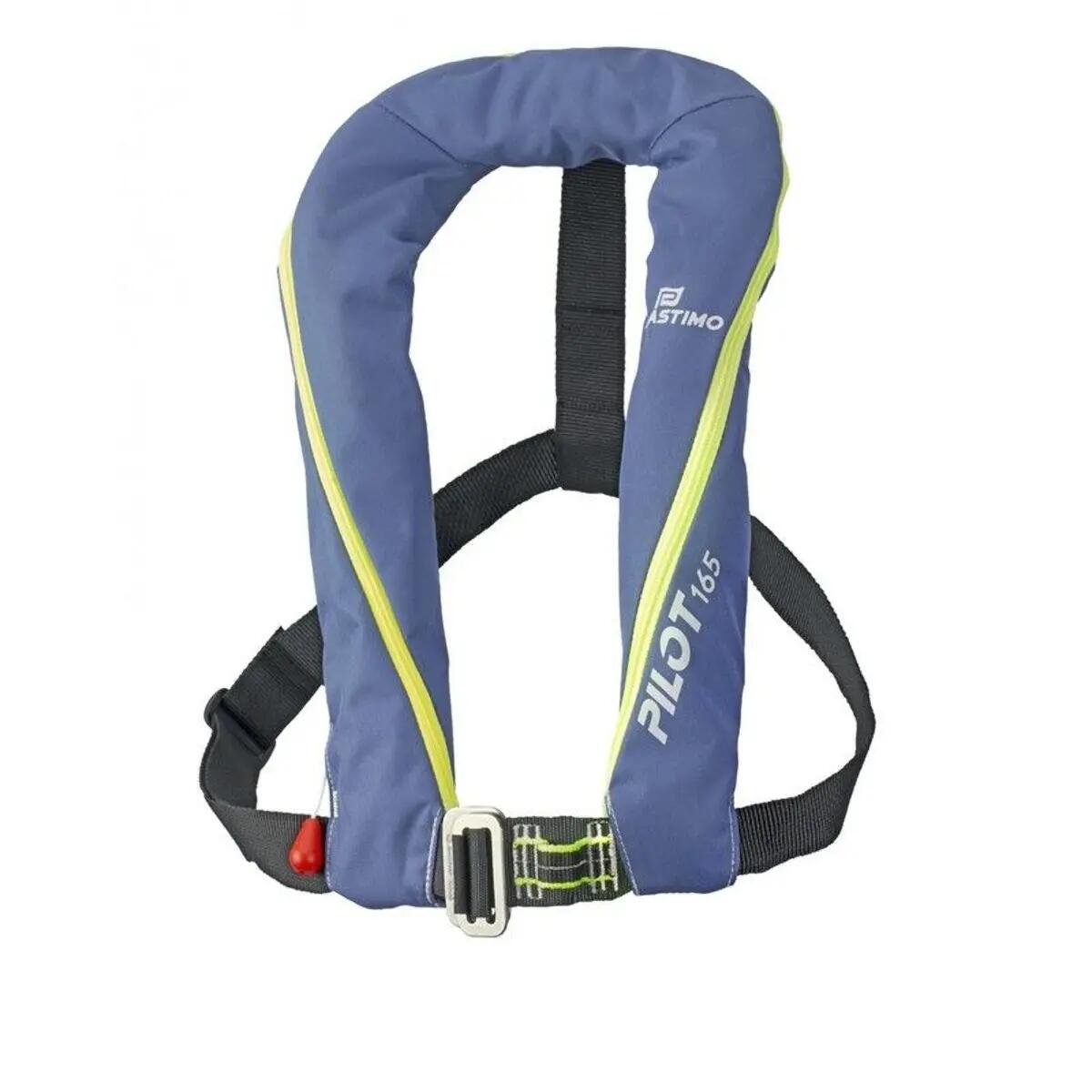
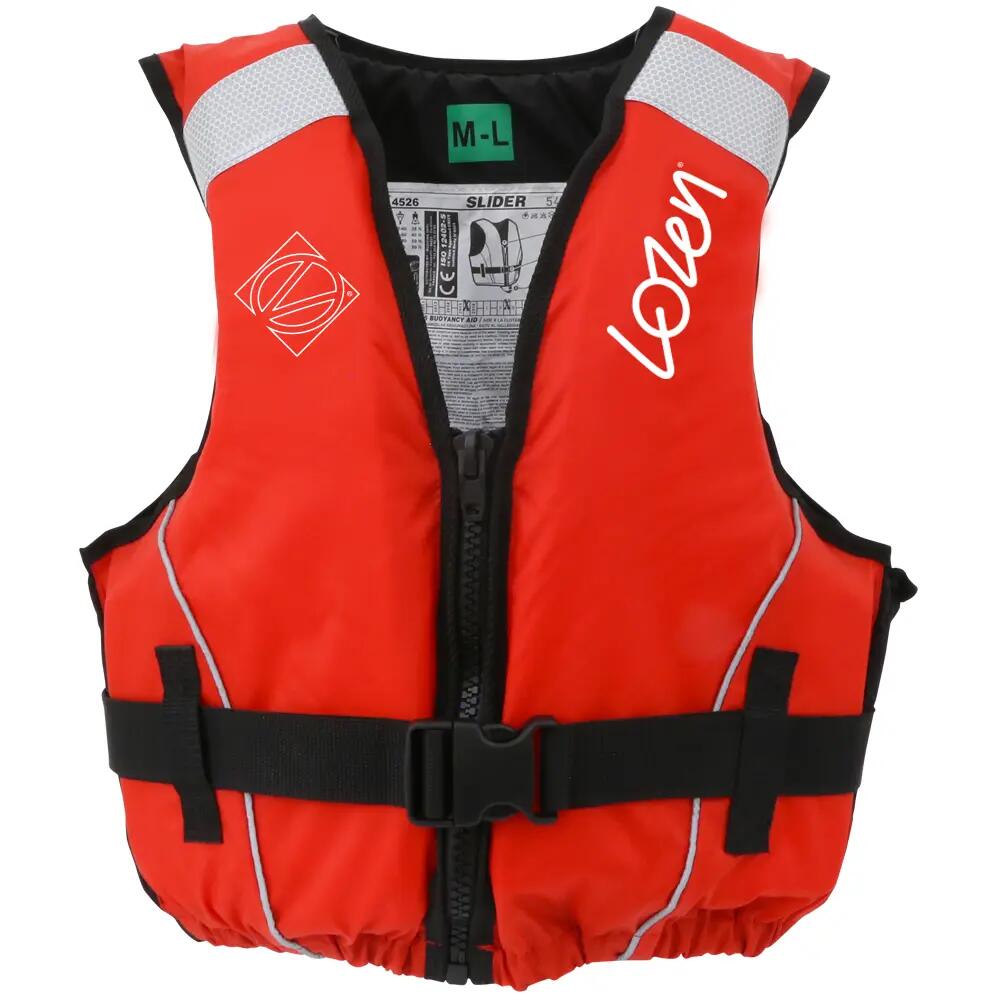
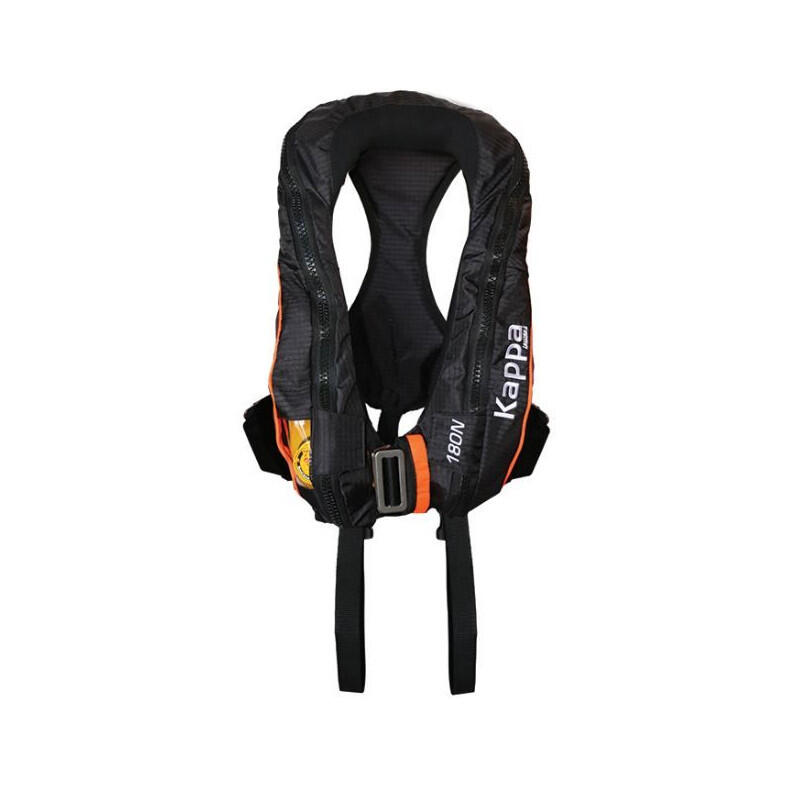
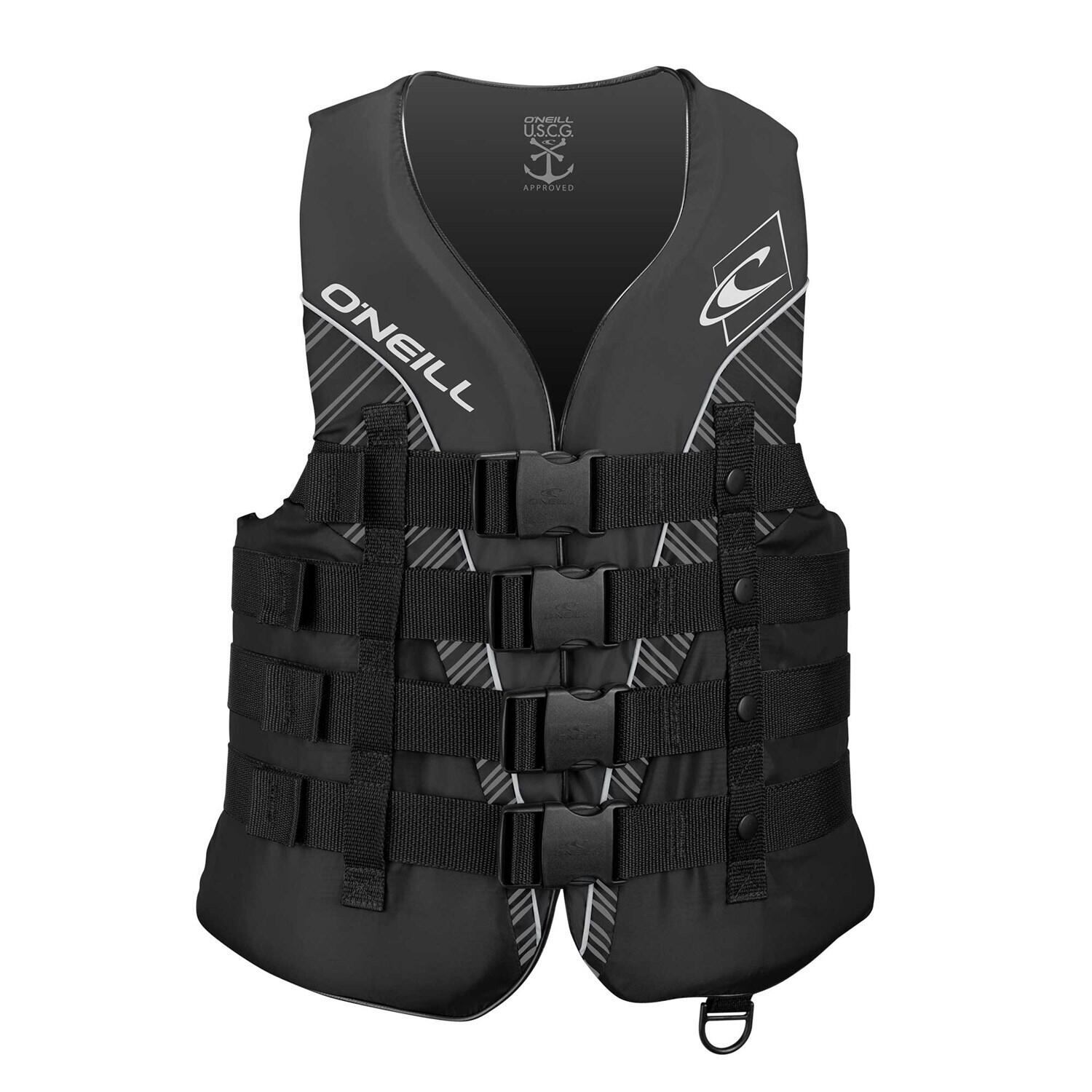
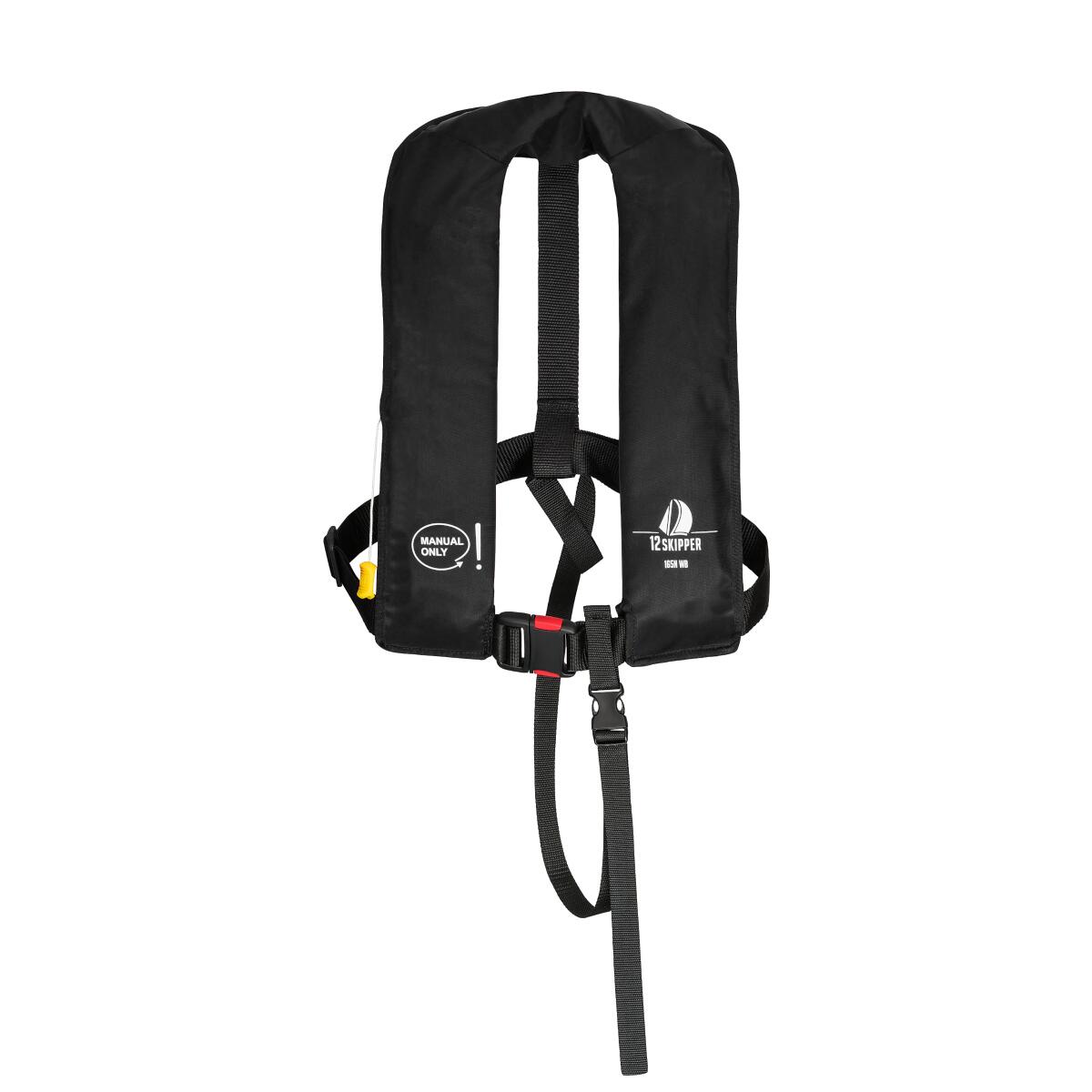
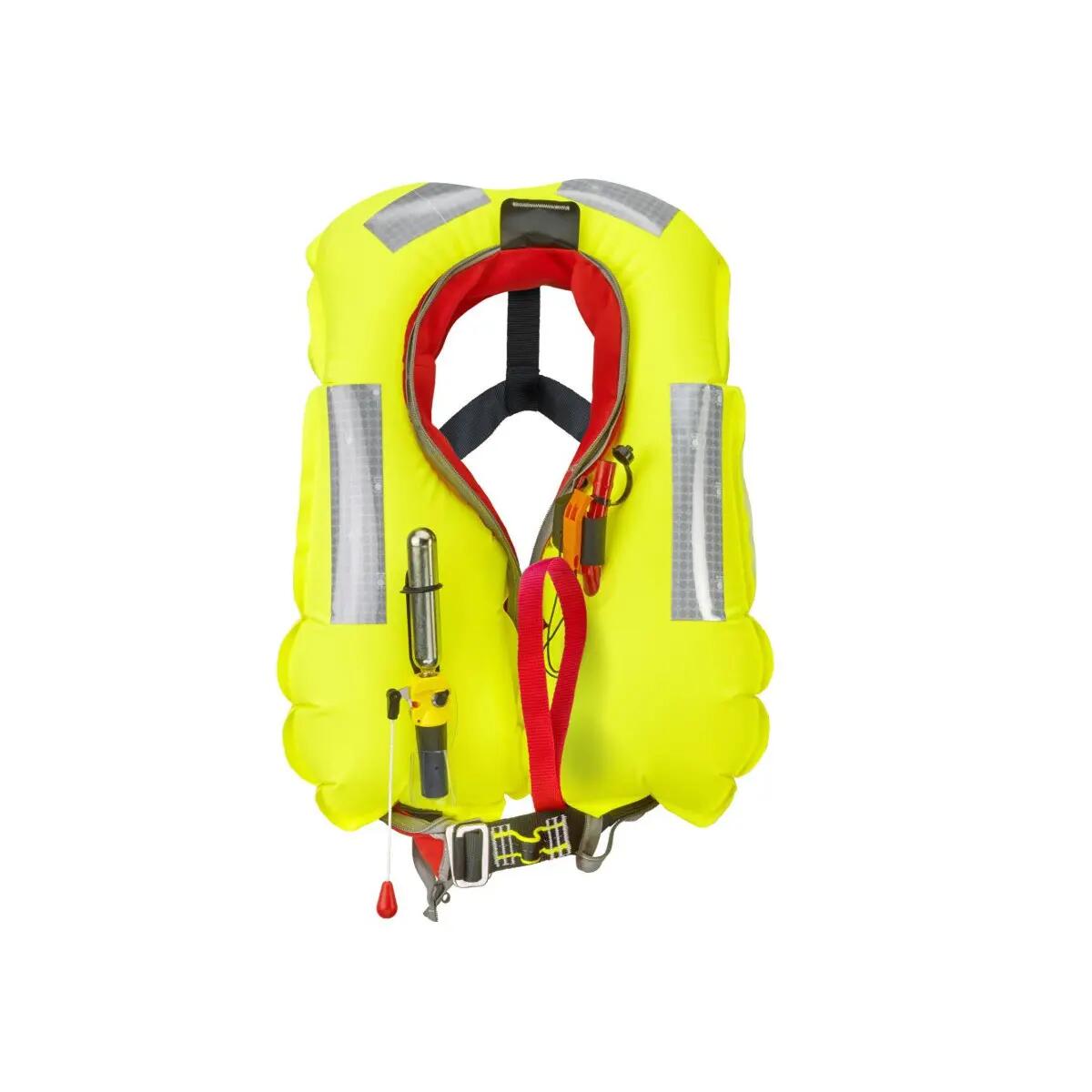
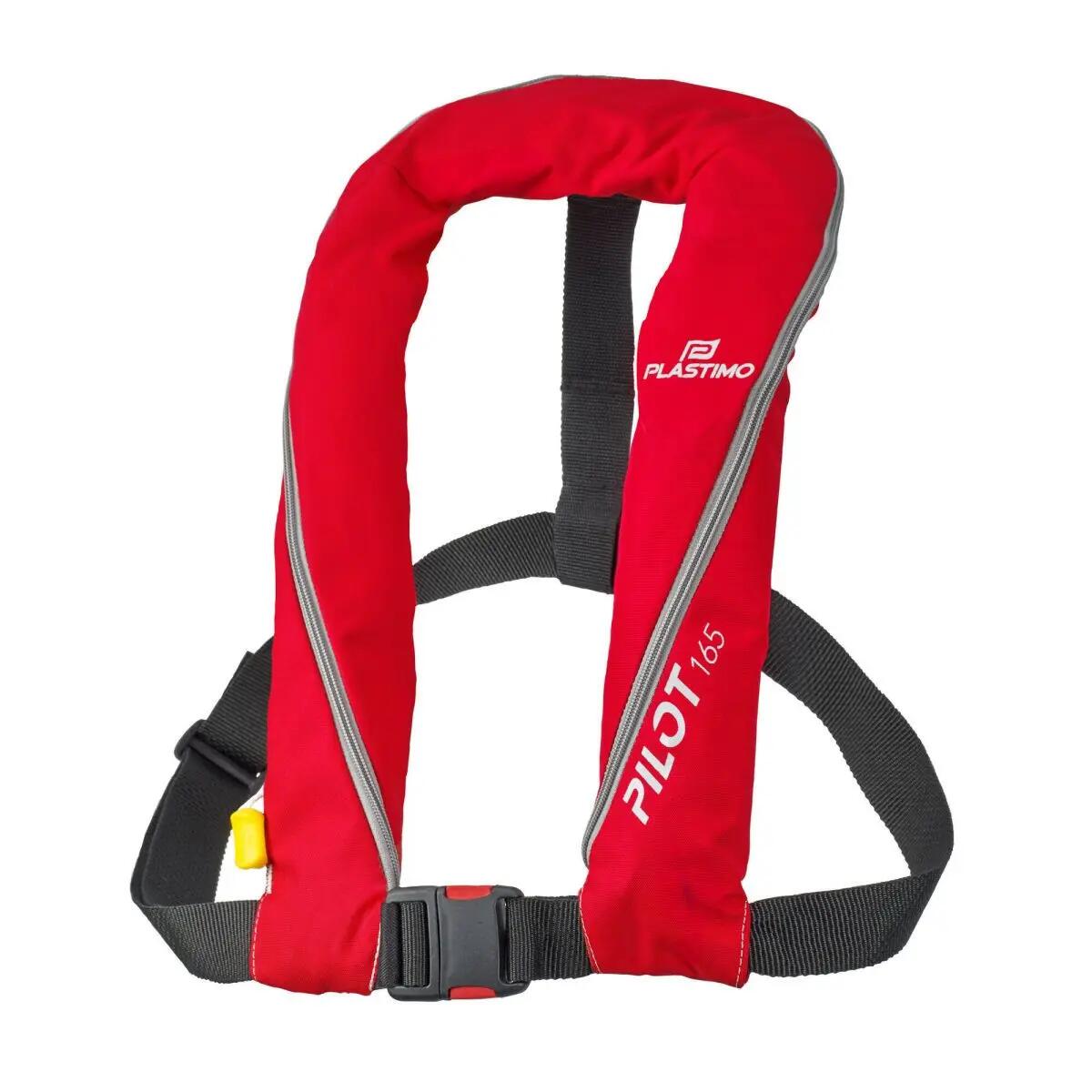
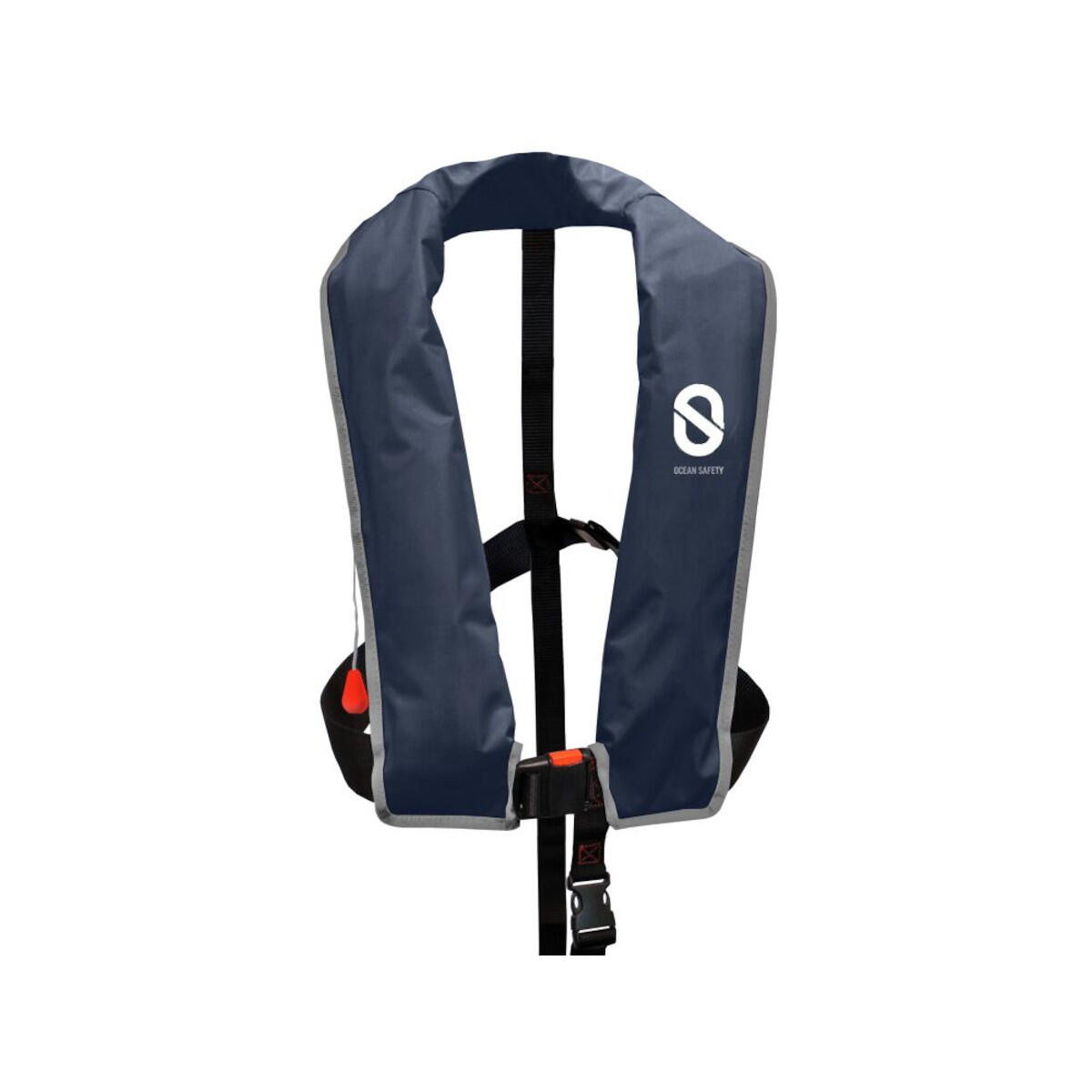
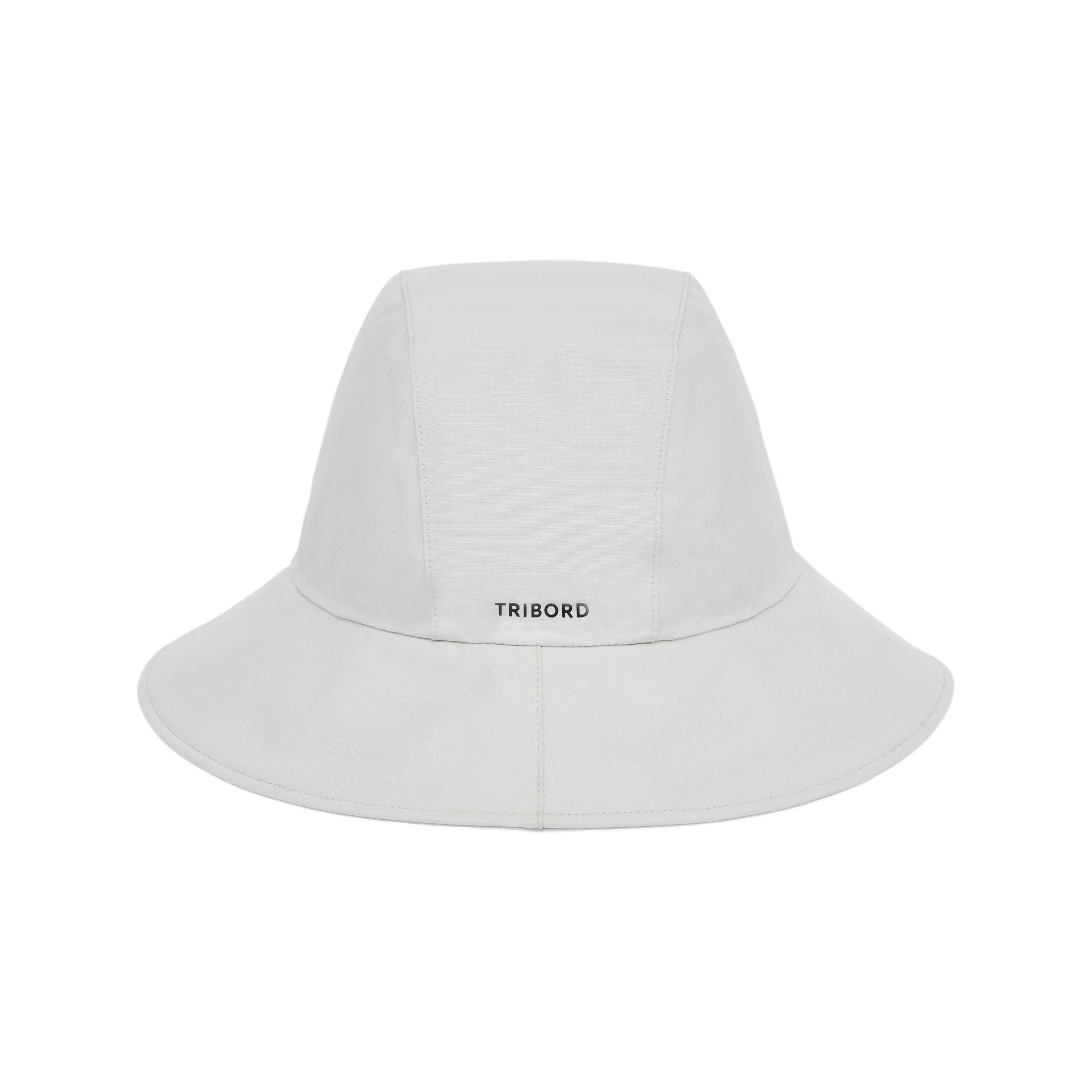
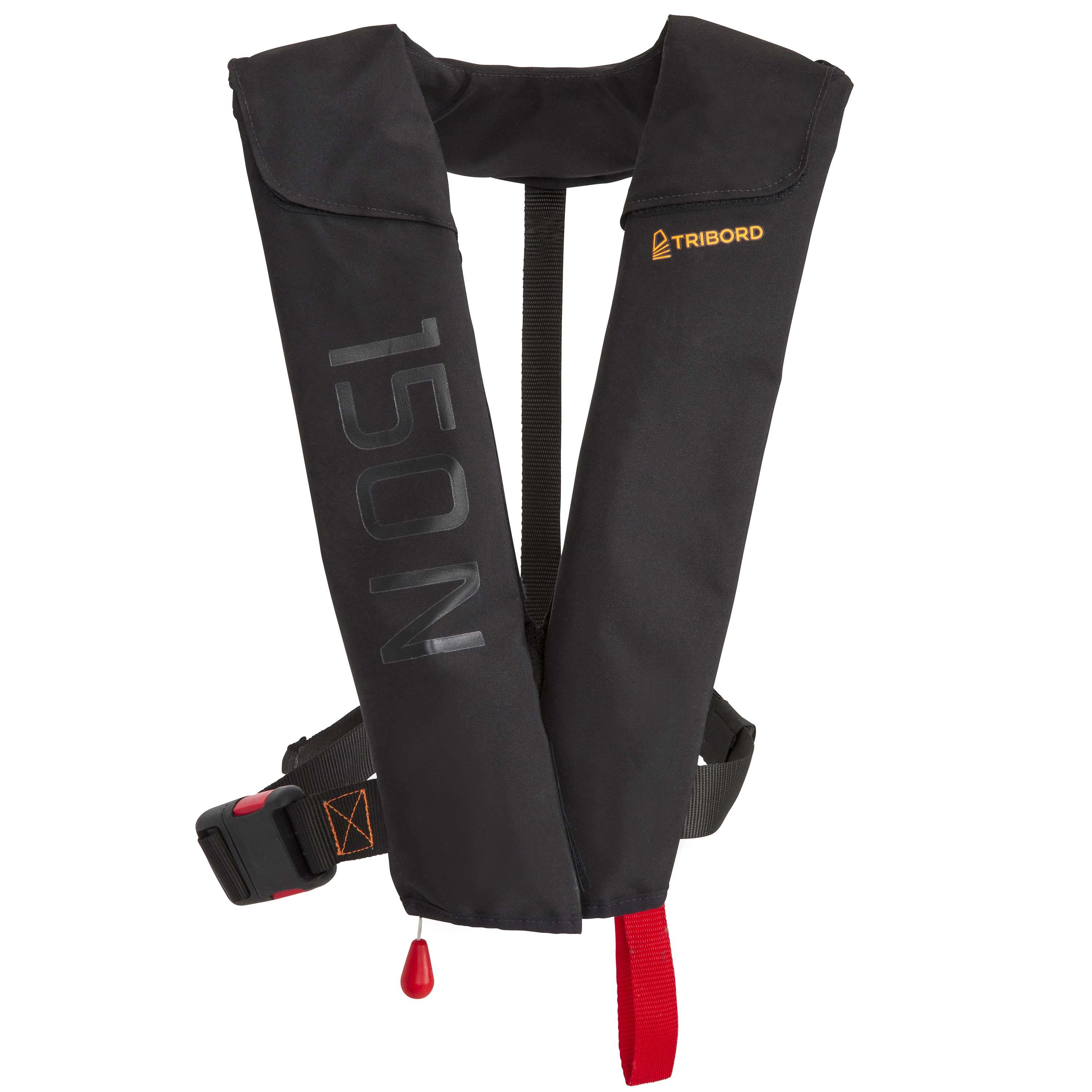
A buoyancy aid, rated at 50 or 100 Newtons, keeps an active person afloat in sheltered water but cannot reliably turn an unconscious person face-up. It suits dinghy racing and club sailing where the person in the water is expected to stay conscious and self-rescue. A life jacket rated at 150 or 275 Newtons provides sufficient buoyancy to turn most unconscious adults face up, making it the correct choice for coastal passages and offshore sailing, where rescue may take time. Automatic inflation, triggered by a soluble bobbin on water contact, is more reliable in an unexpected capsize than manual inflation, where there may be no time to pull the cord. A correctly fitted jacket sits snug against the chest without riding up when lifted by the collar. Completing your cold-weather sailing kit with a sailing hat and cap can help reduce wind exposure and improve comfort on extended watches. Expert tip: service automatic life jackets annually and after any accidental inflation. A deployed jacket needs a new cylinder and bobbin before reuse.
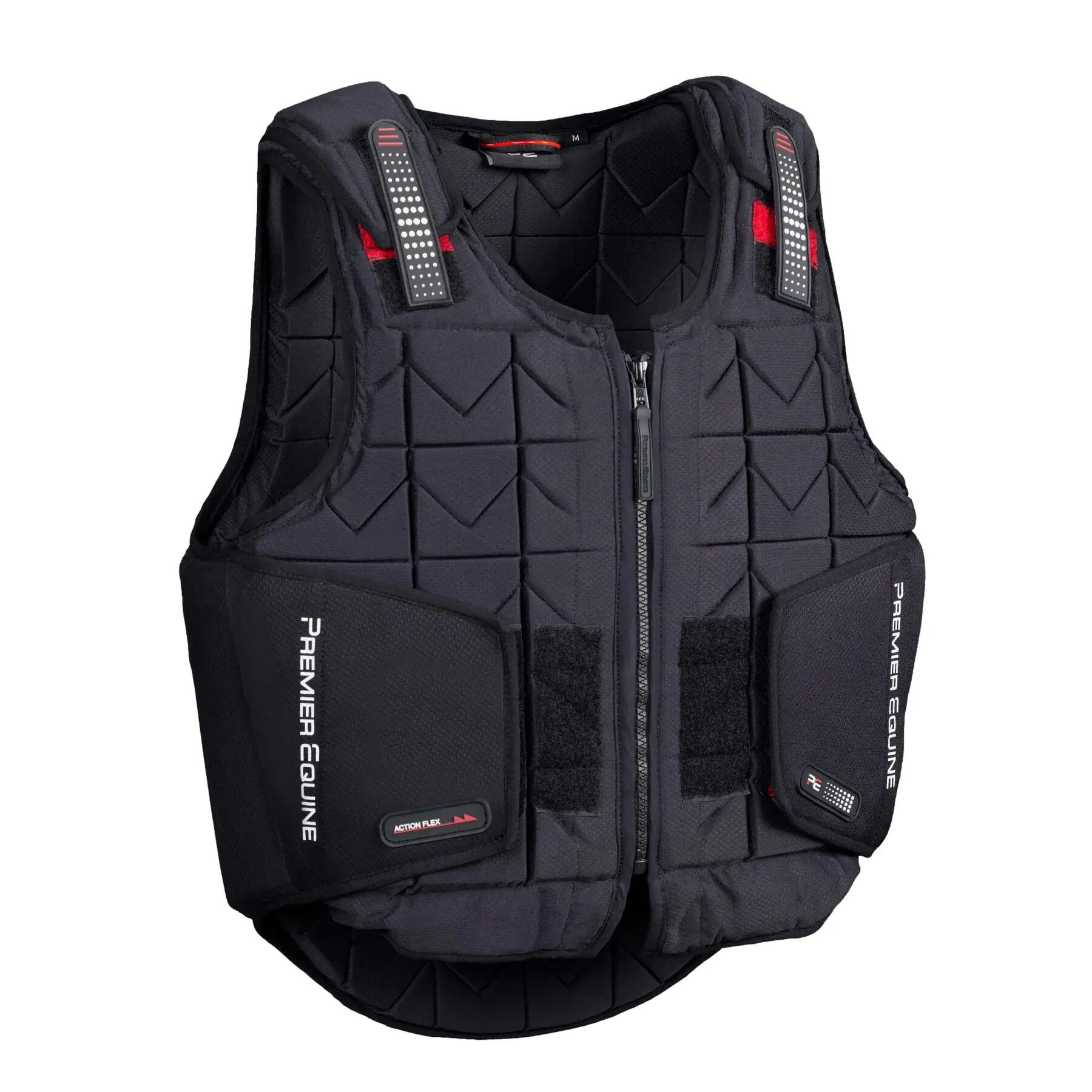
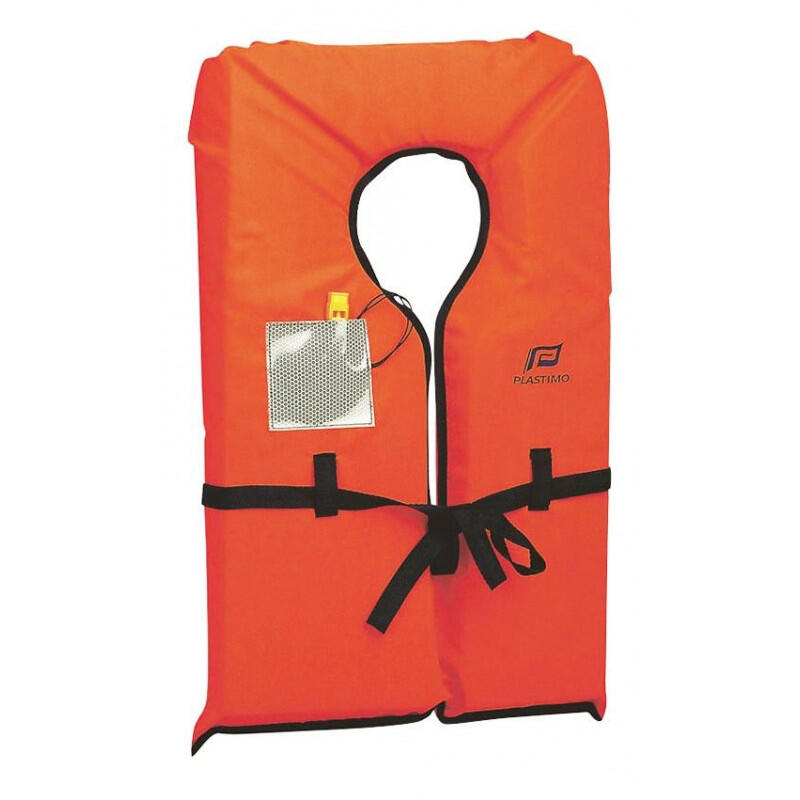
What harness integration features matter most in a life jacket for offshore sailing?

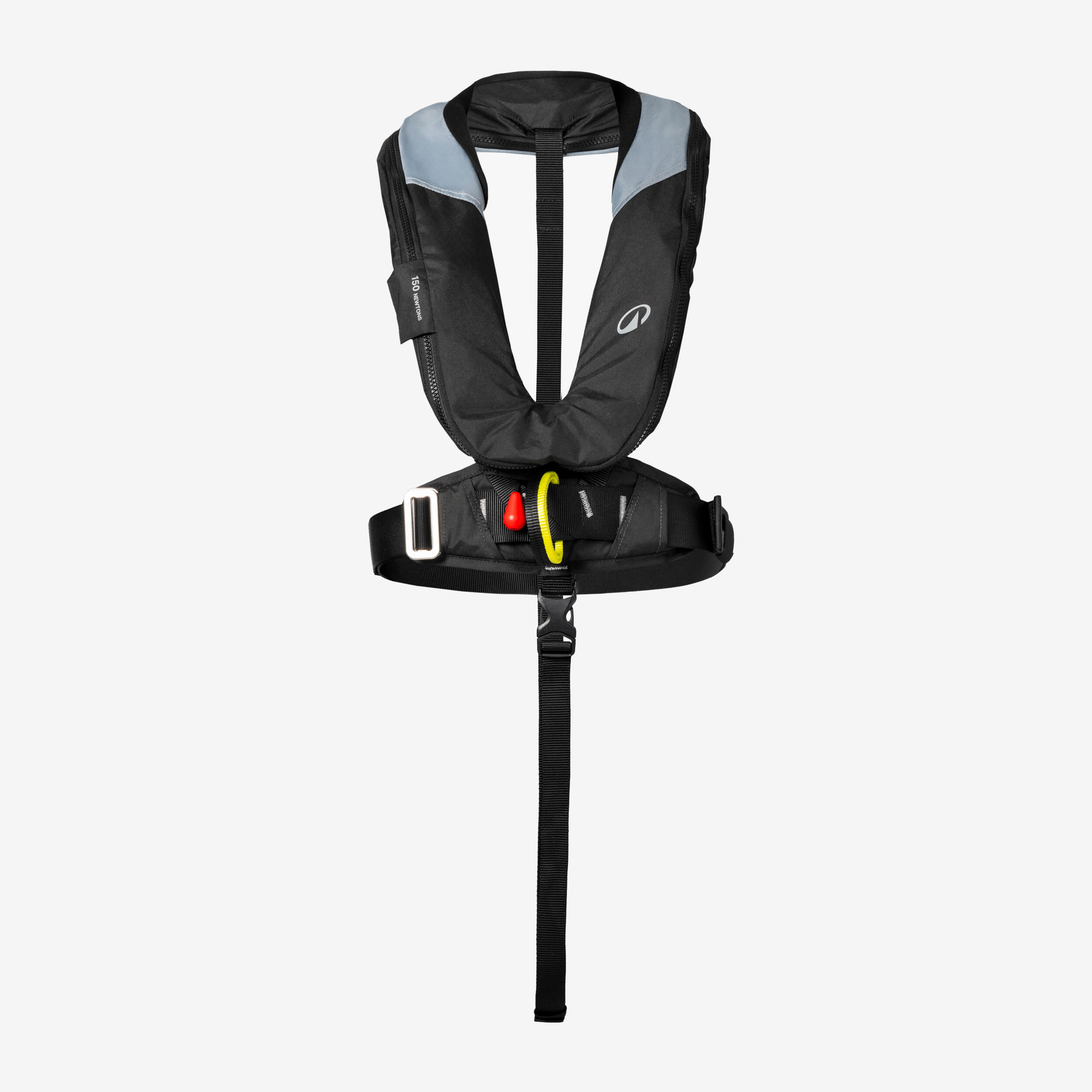
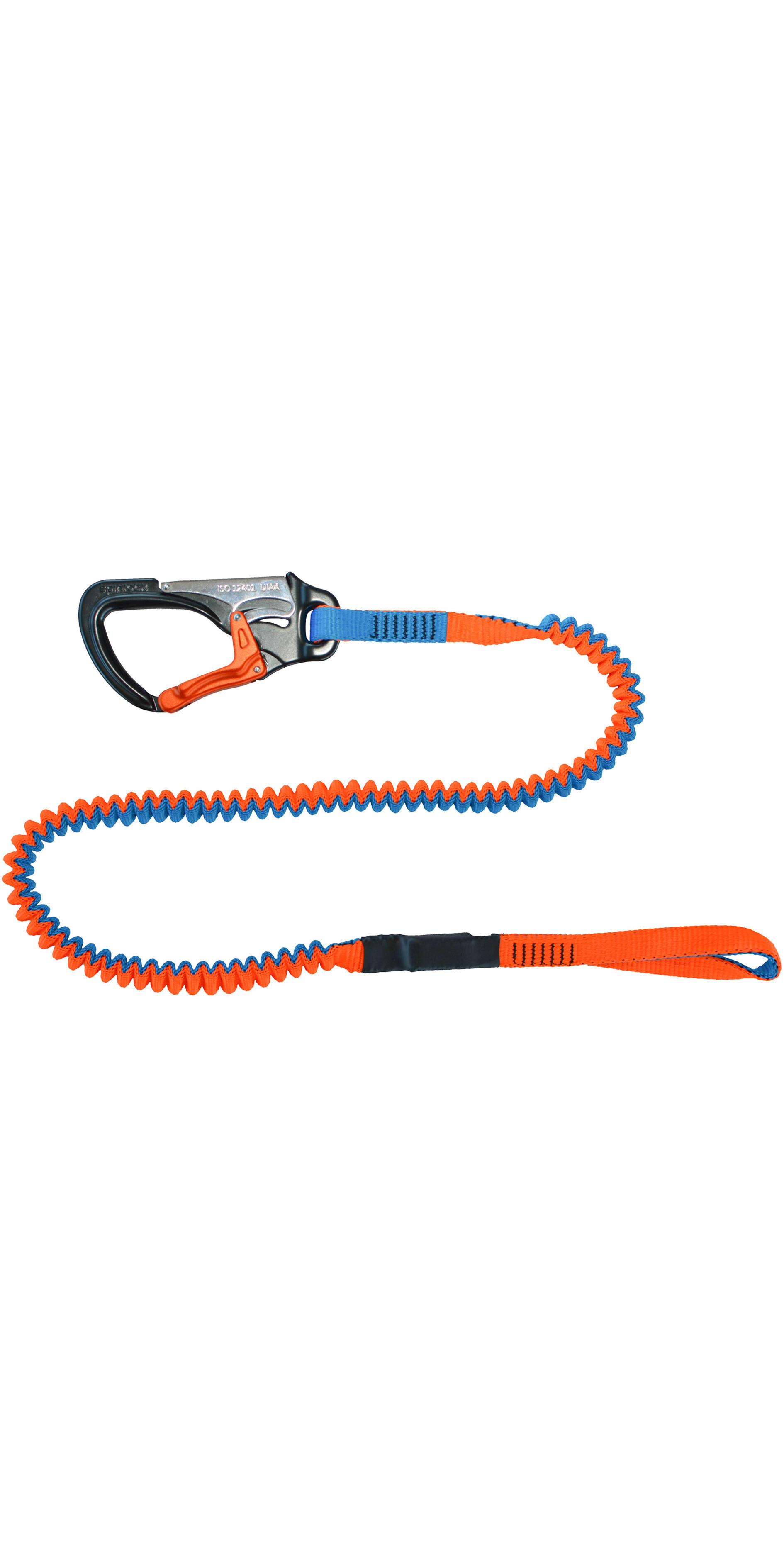
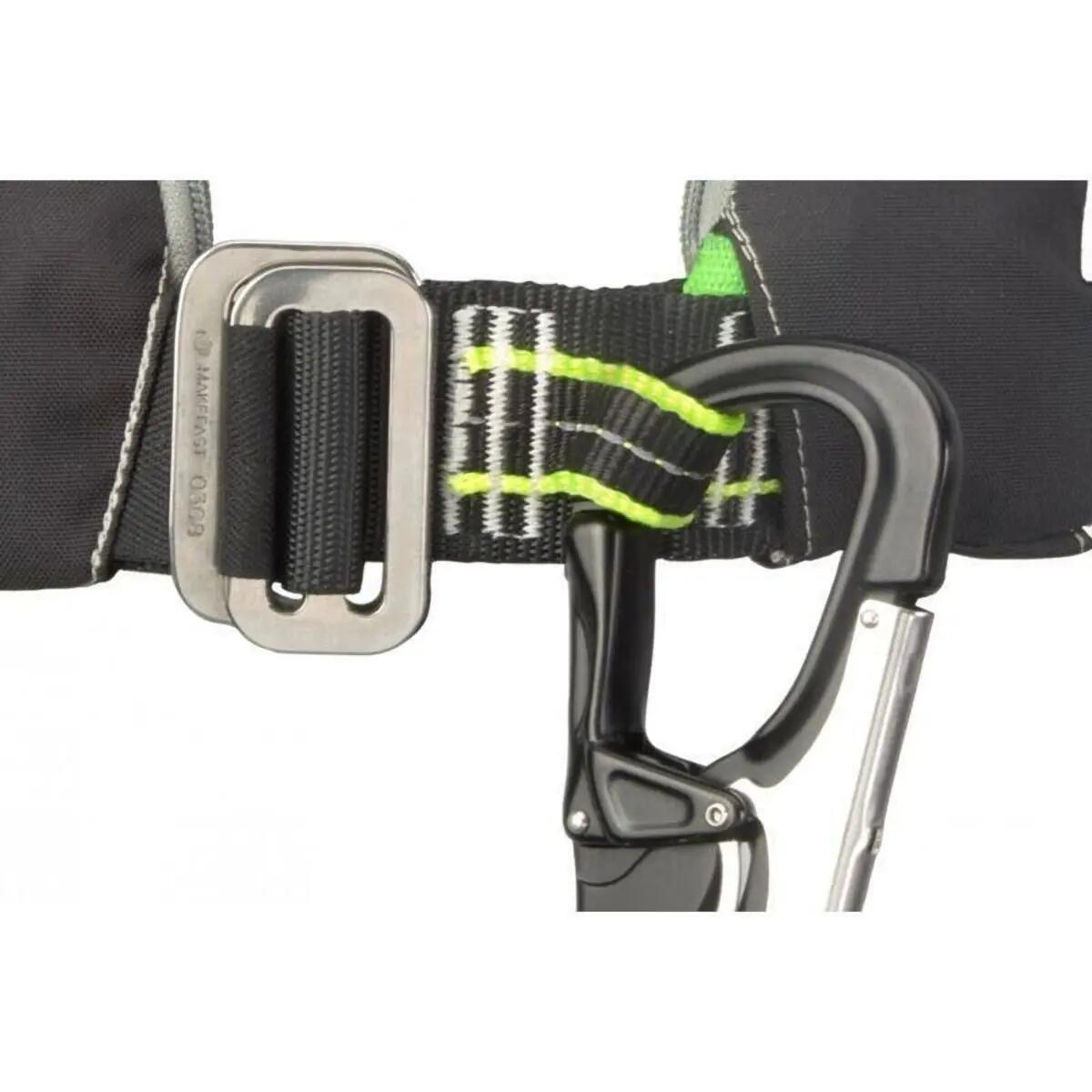
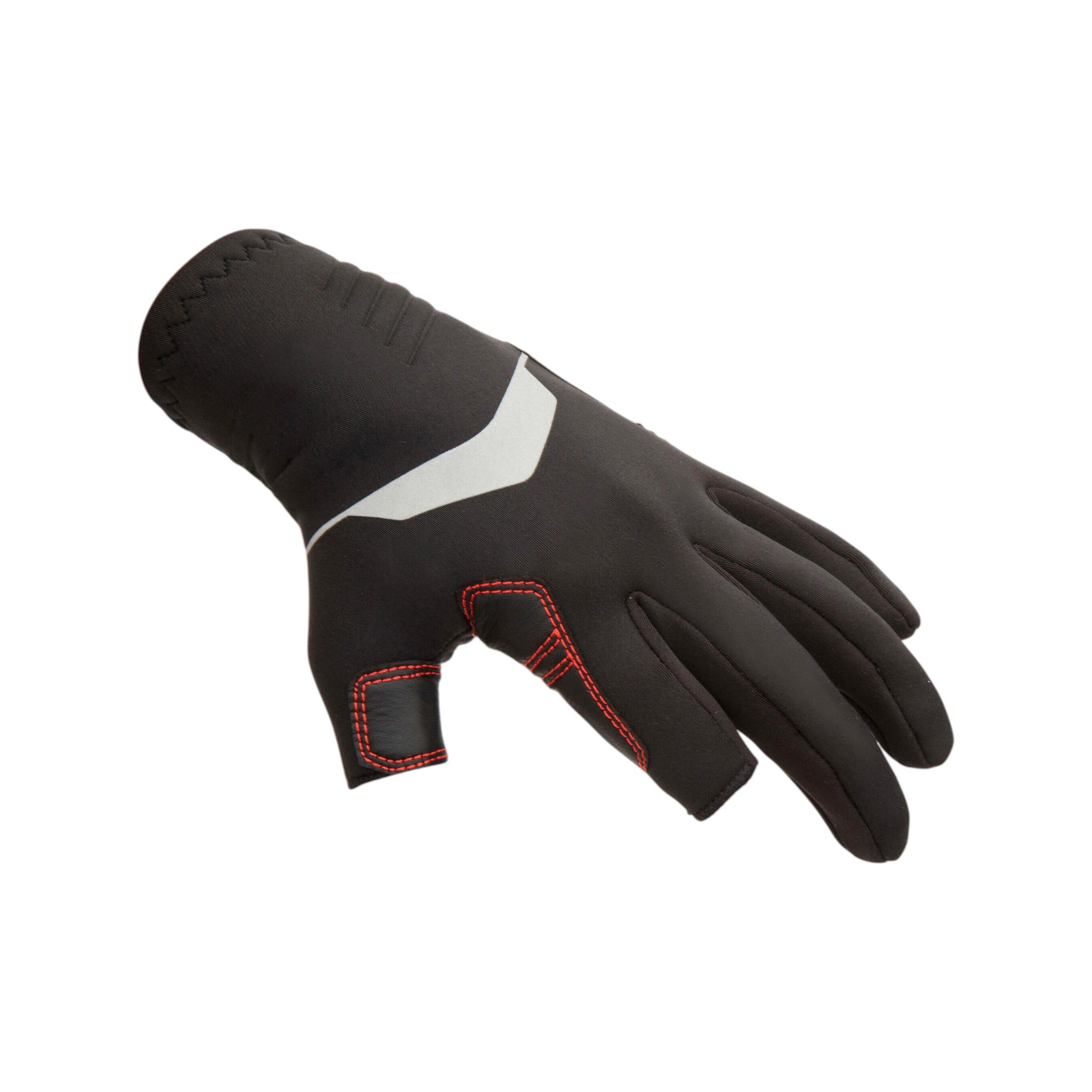
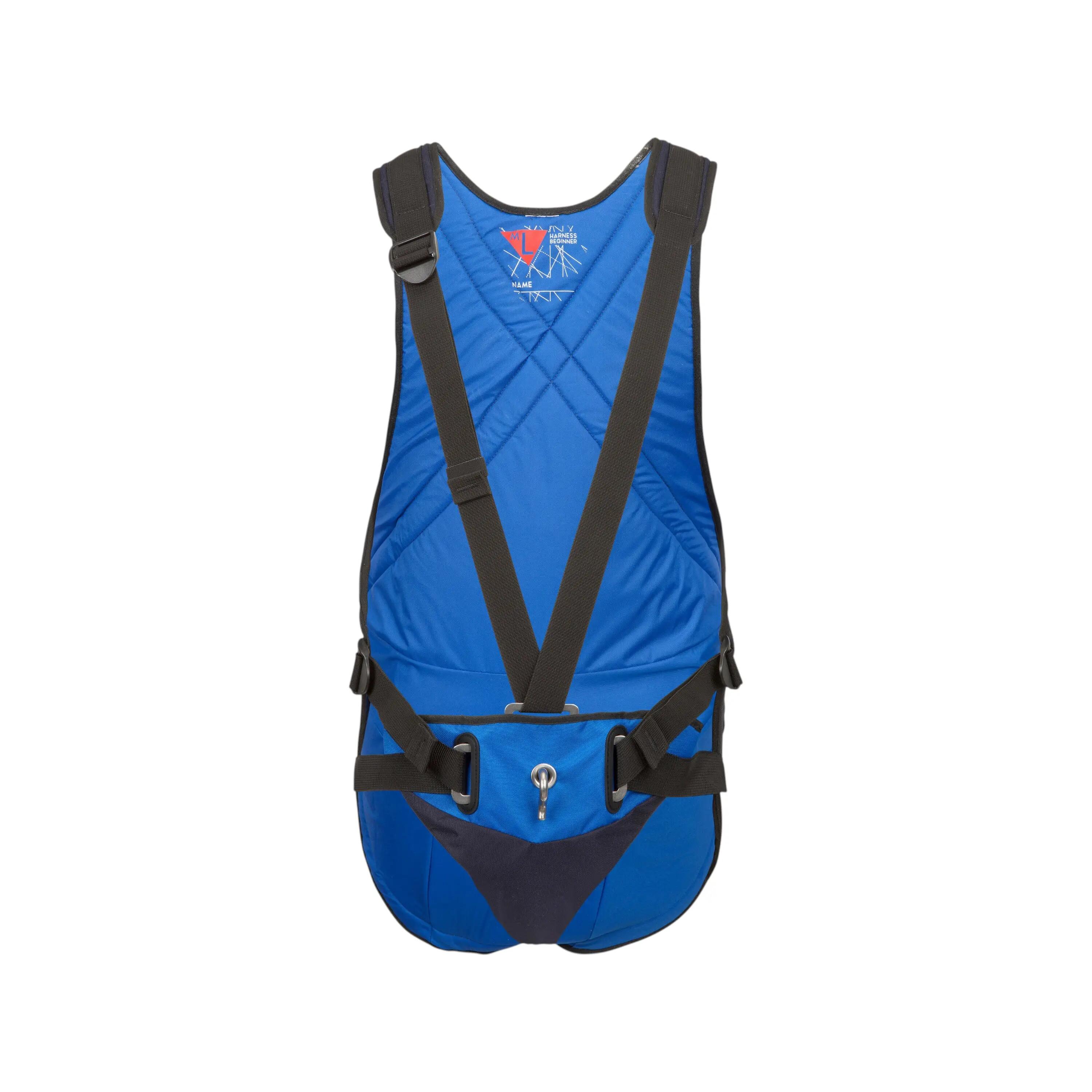
An integrated harness and life jacket combination allows a tether to clip directly to the jacket without a separate chest harness, which simplifies the layering system on a night watch when conditions change quickly. The tether D-ring on the front chest panel must withstand the shock load of a crew member going overboard while tethered to a boat under sail. A crotch strap prevents the jacket from riding up over the face on inflation, and a spray hood accessible in the deployed position keeps the face clear of breaking seas during a prolonged time in the water. Retaining hand grip through all of this is critical, and sailing gloves and mittens rated for cold and wet conditions maintain strength on the tether during any recovery attempt.

What buoyancy aid specification suits youth sailors in a club dinghy programme?

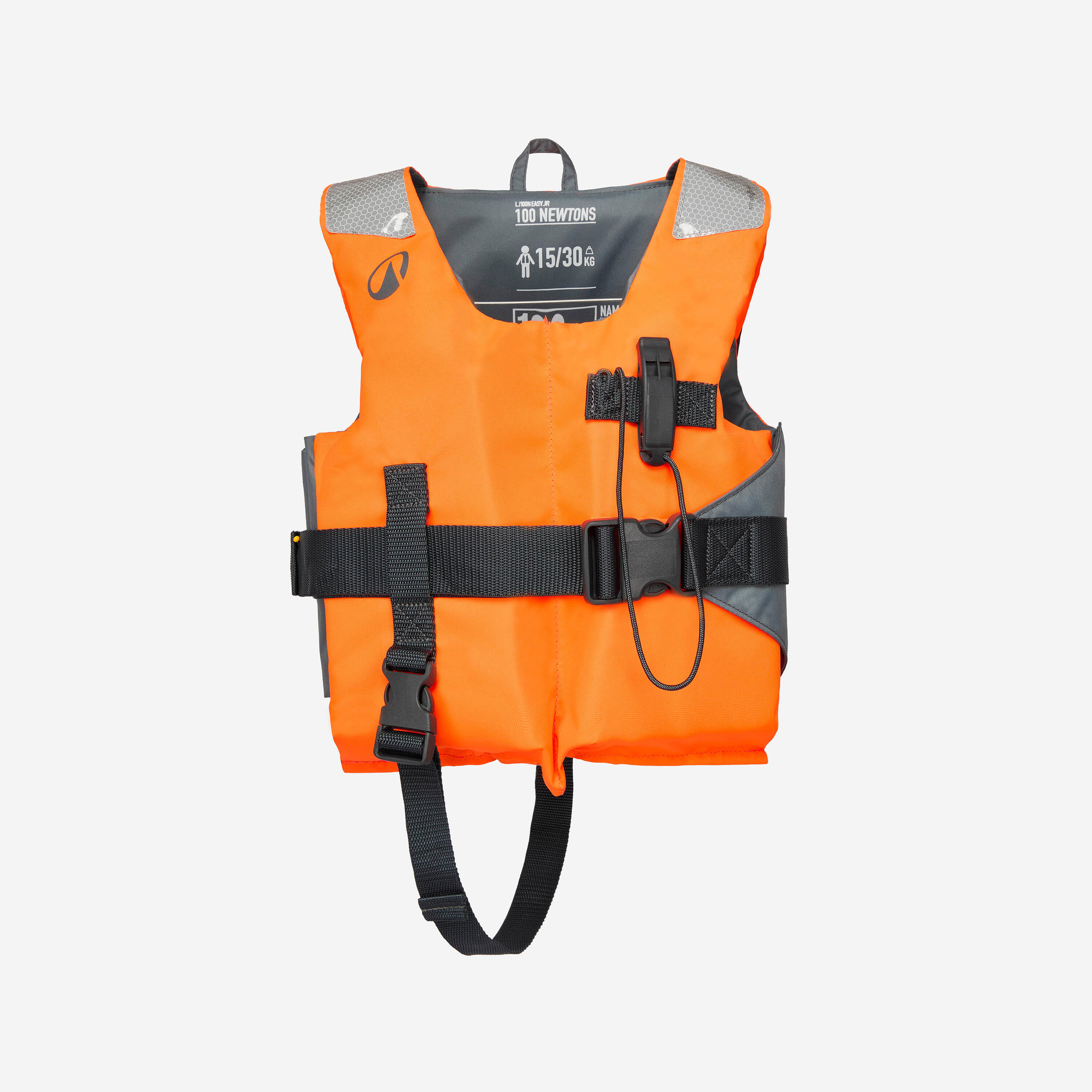
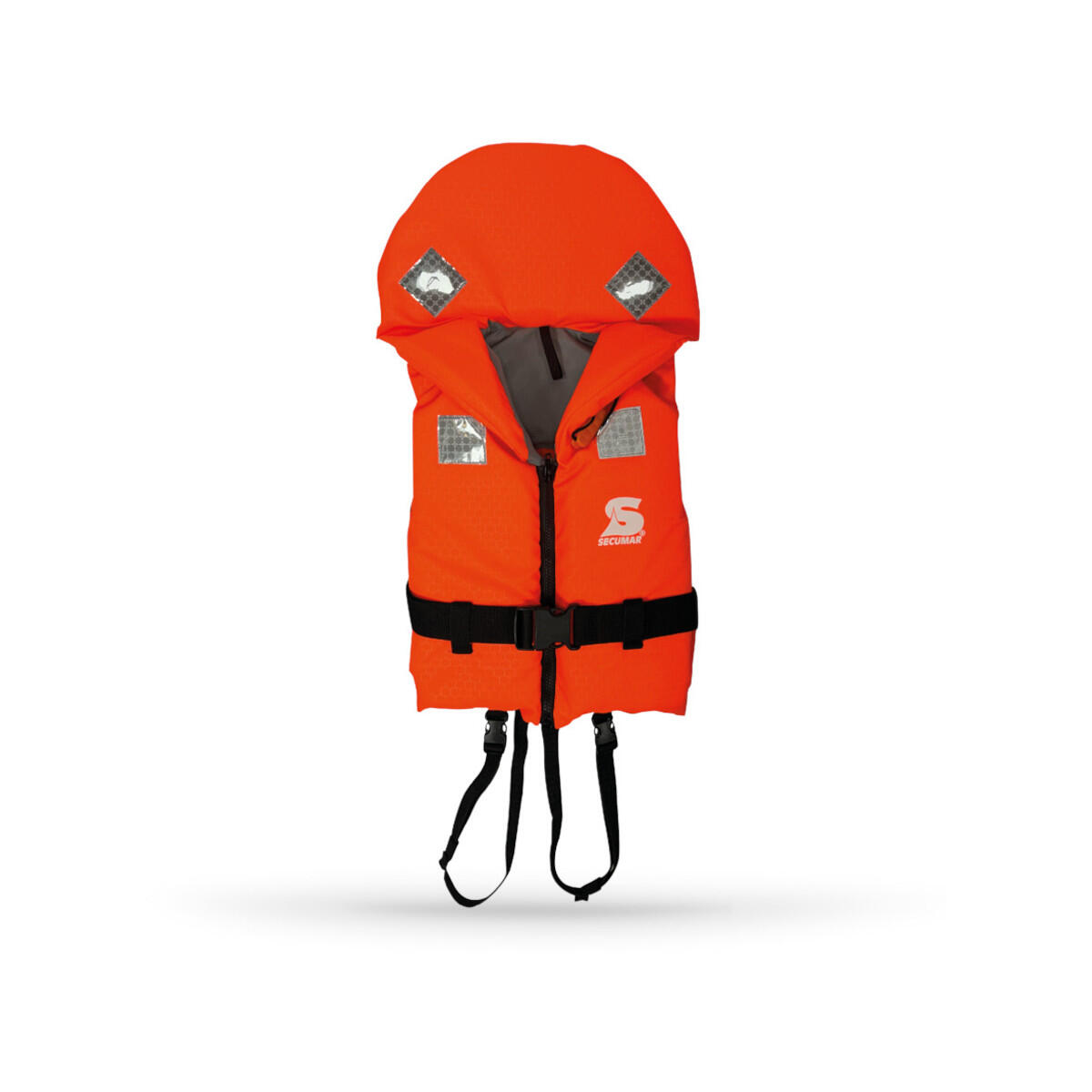
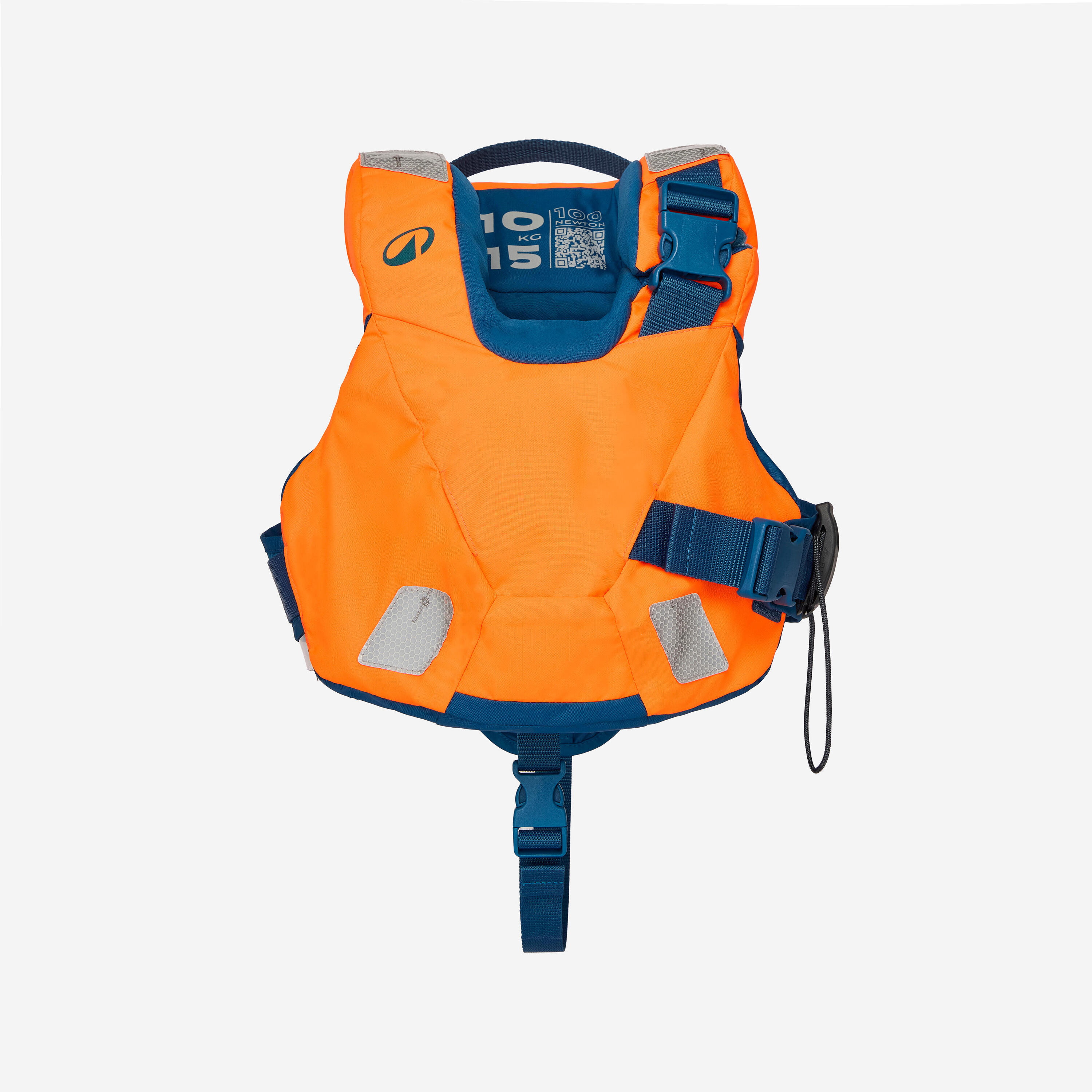
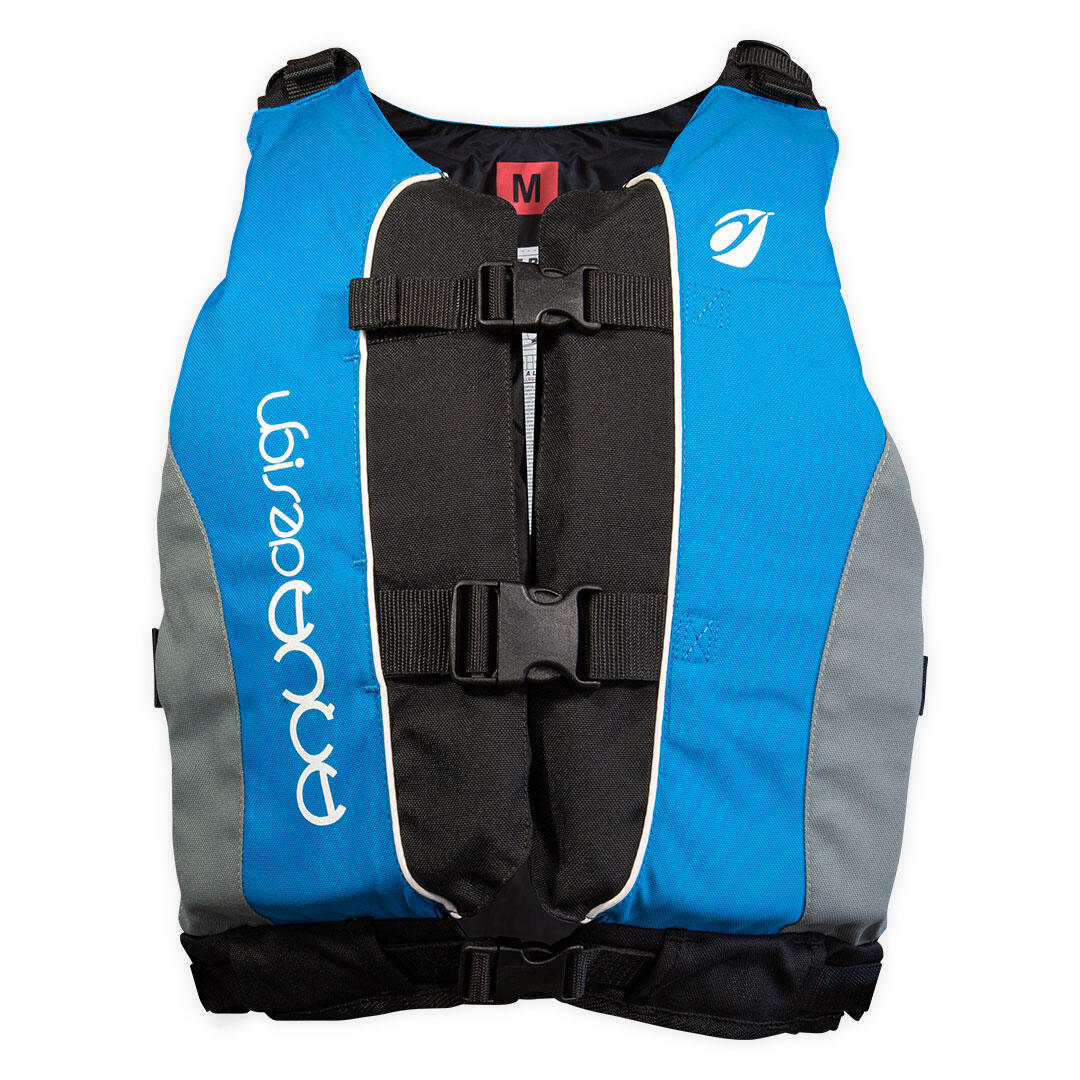
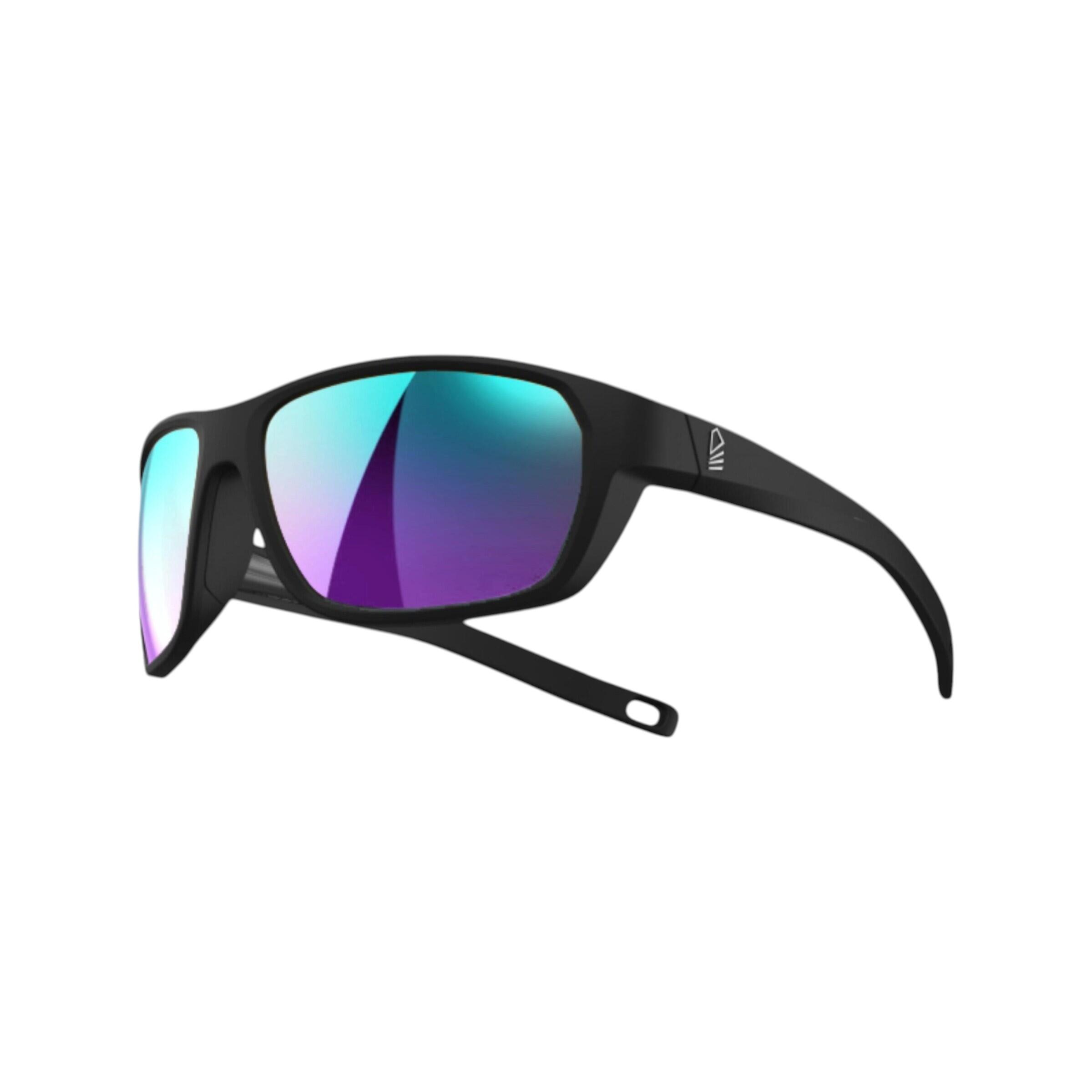
A youth buoyancy aid needs to fit securely through repeated capsizes without restricting the arm movement used for tacking, gybing, and trapeze work. A buckle-closure chest and waist strap maintains its position more reliably than a zip-front design that wave pressure can pull partially open. Bright colouring, typically yellow or orange, makes the wearer visible to safety boats in choppy water where a dark jacket disappears into the surface. A CE 50 Newton rating is the minimum standard for sheltered coastal and inland use. For long training days spent squinting into the sun on each tack, adding sailing sunglasses with polarised lenses reduces eye fatigue without affecting buoyancy aid or helmet fit.

How does inflatable life jacket stowage affect readiness on a passage?

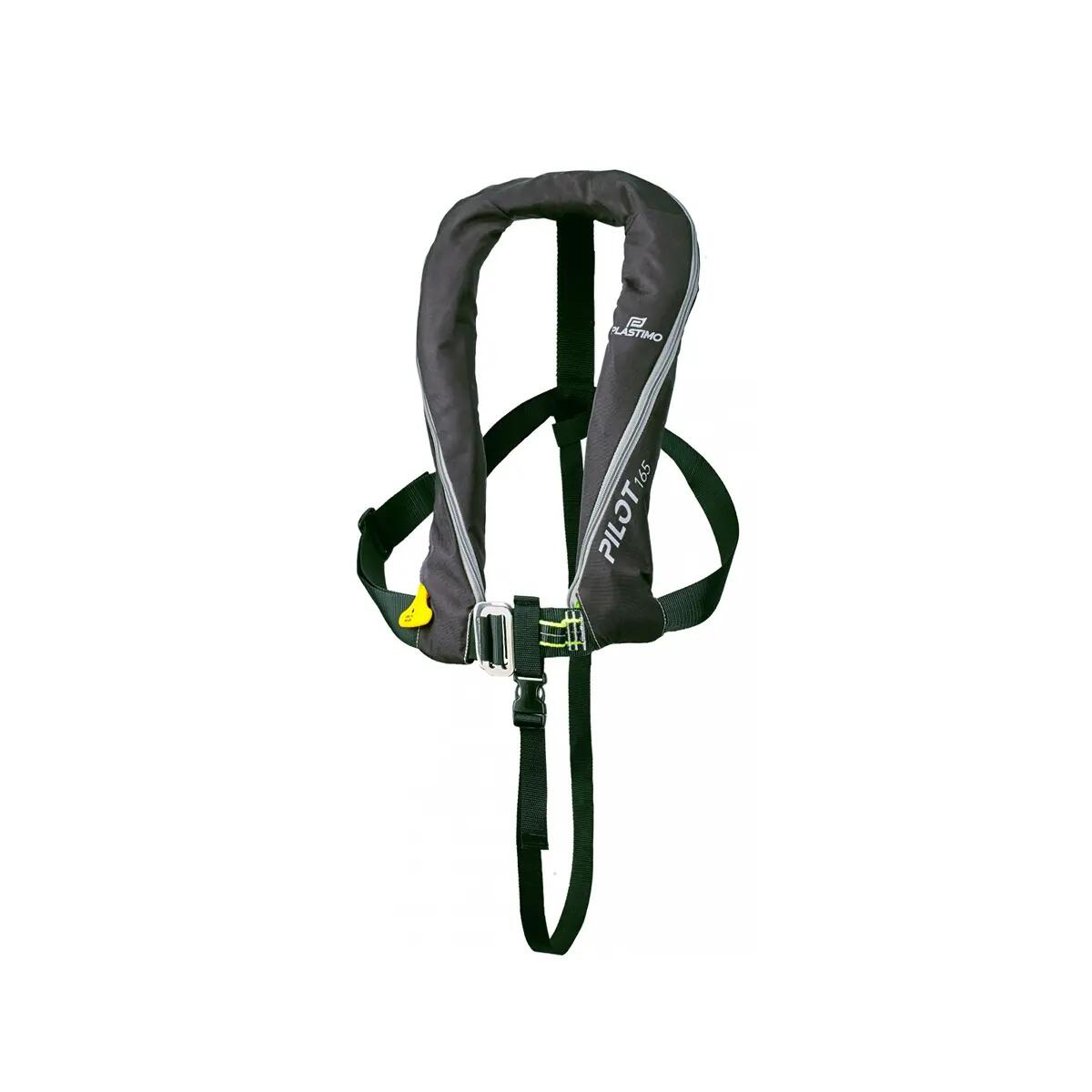
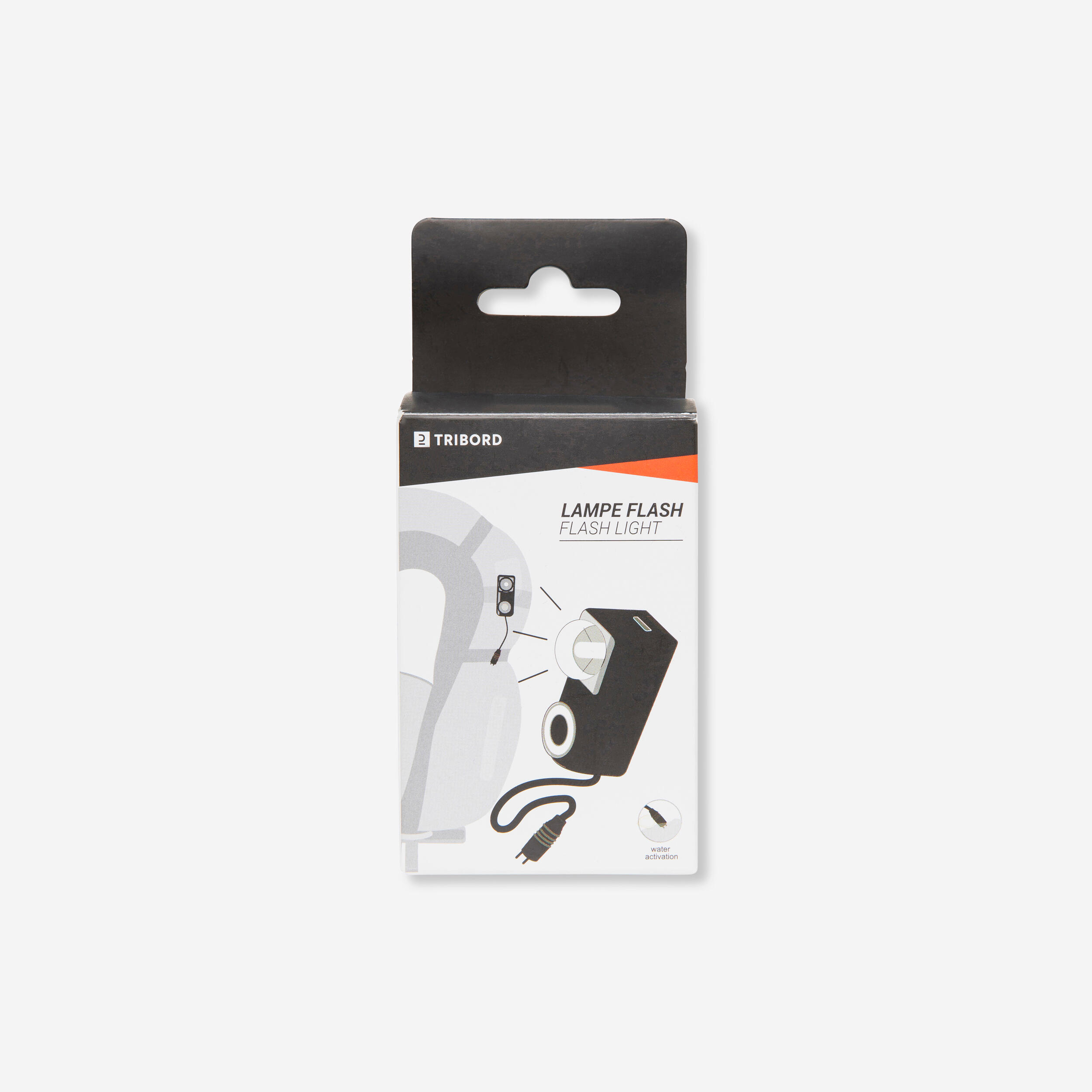
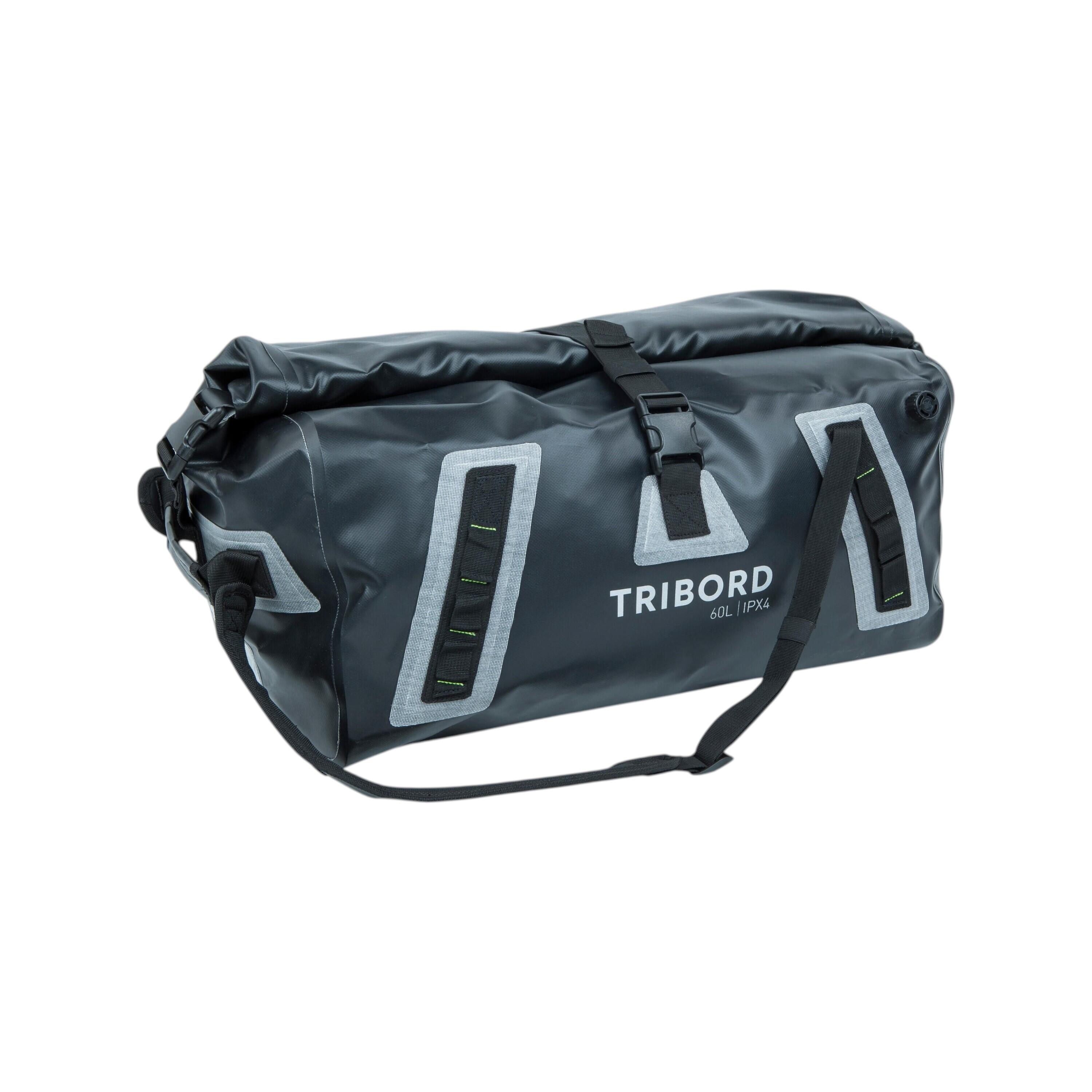
A jacket stored below decks is not a life jacket in any useful sense; retrieving it during an emergency takes longer than the event itself. Offshore sailing requires the jacket to be worn on deck at all times, which makes comfort across a long watch as important as the Newton rating. A low-profile gas cylinder that does not press into the ribcage and a collar that does not restrict head movement determine whether the crew keeps the jacket on. Clip points for a personal AIS beacon, torch, and whistle add signalling capability without a separate vest. A purpose-built sailing bag and watertight phone pouch keep electronics accessible and protected without interfering with jacket deployment.

How does personal flotation fit into the broader cold-weather sailing safety system?

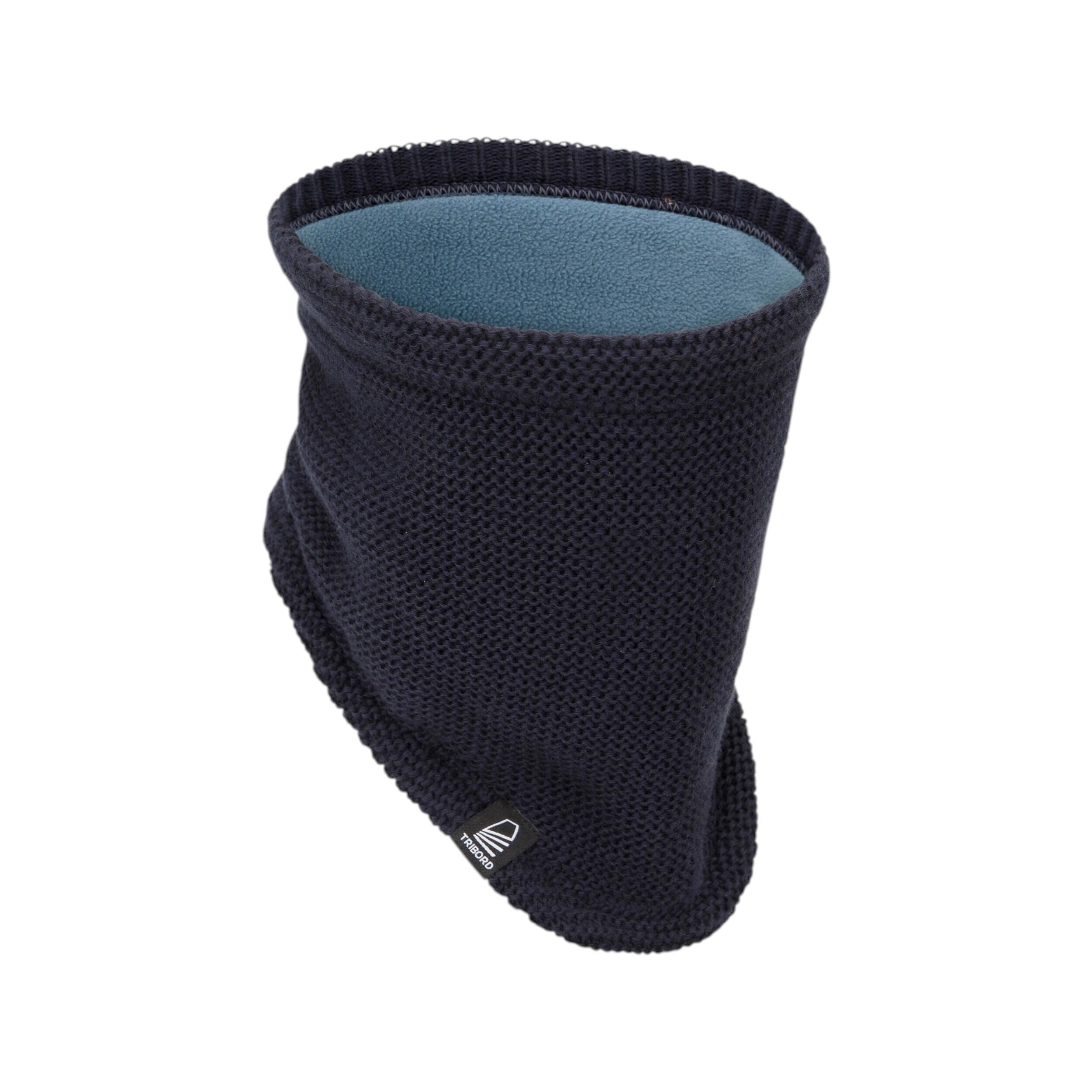
Cold-water immersion incapacitates faster than exhaustion in the water, making hypothermia the primary risk on most temperate coastal passages. A life jacket that keeps the face clear of the surface buys time, but survival duration is determined by sea temperature and the thermal protection worn beneath the jacket. A drysuit or offshore jacket with thermal underlayers significantly extends functional capacity during a recovery. Head coverage matters as much as core insulation; heat loss from the skull is rapid, even in moderate sea temperatures. Sailing beanies, hats, and caps sized to sit under a life jacket collar without adding bulk at the neck seam address this directly, particularly for autumn and early spring passages when combined sea and air temperature creates the highest hypothermia risk.