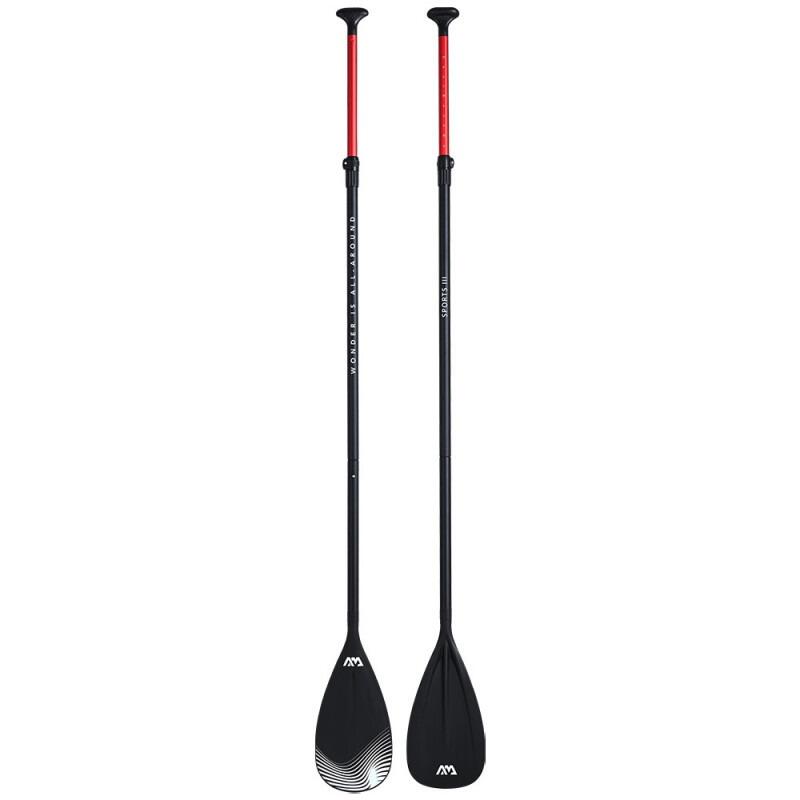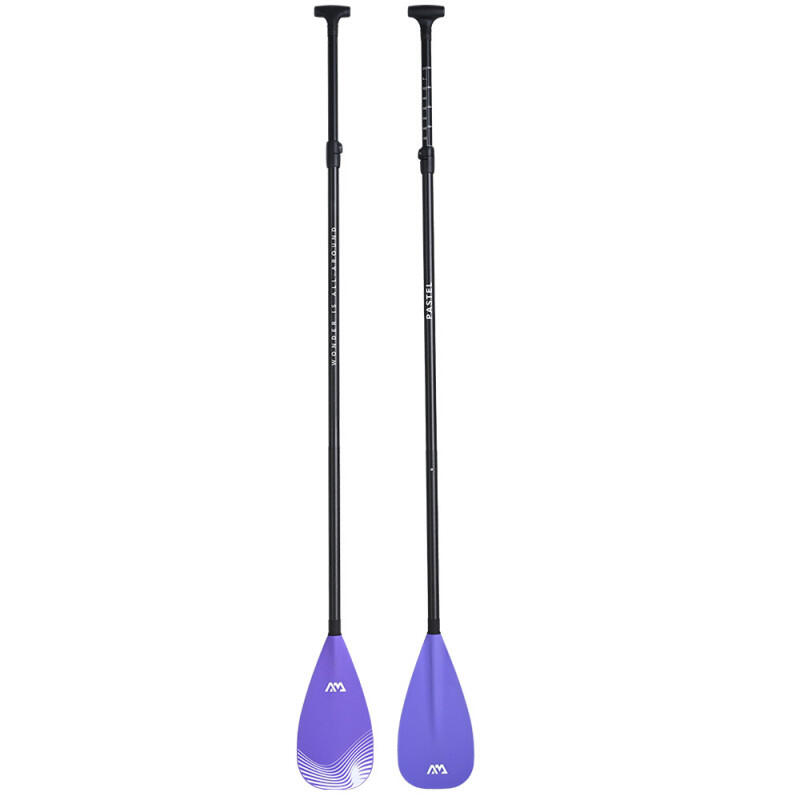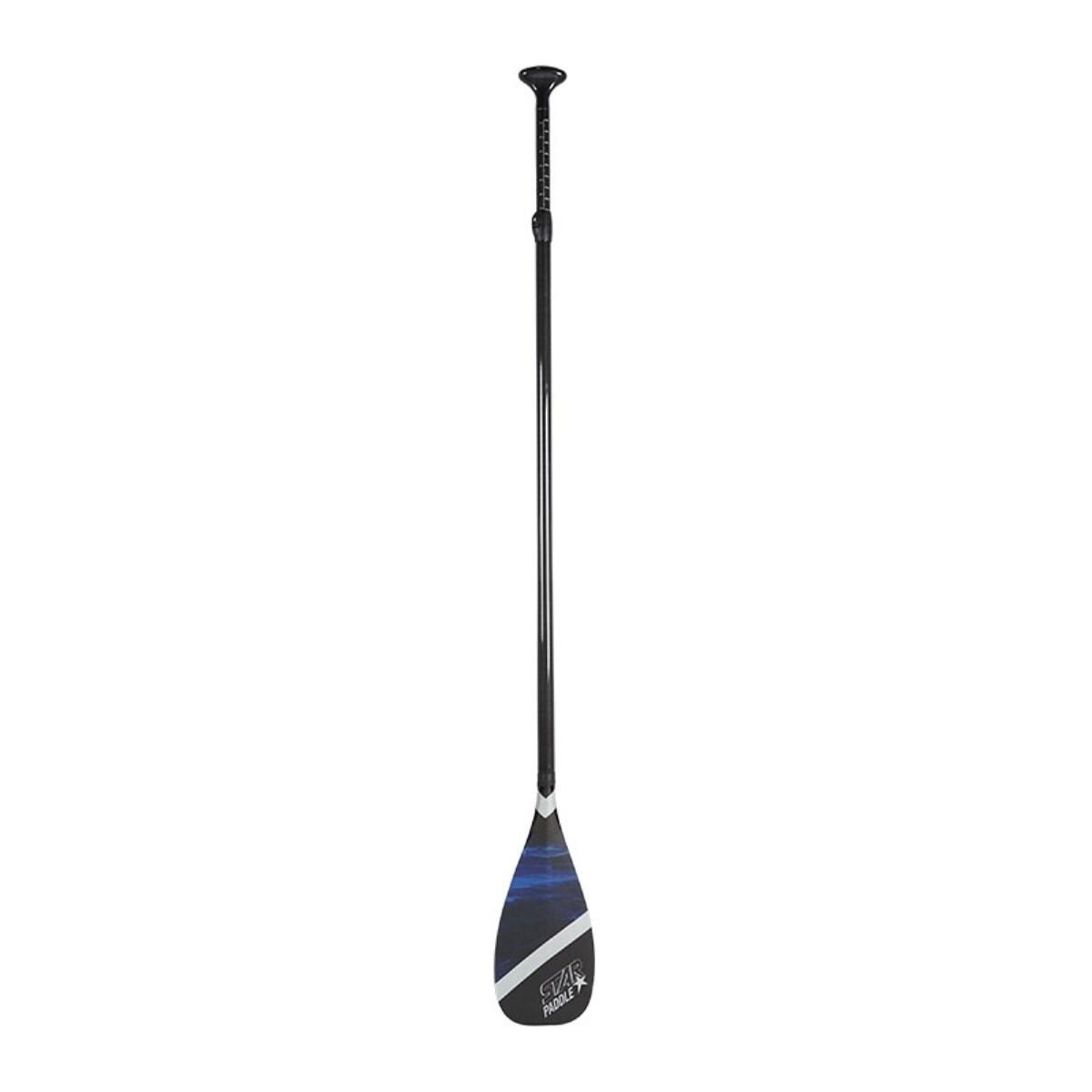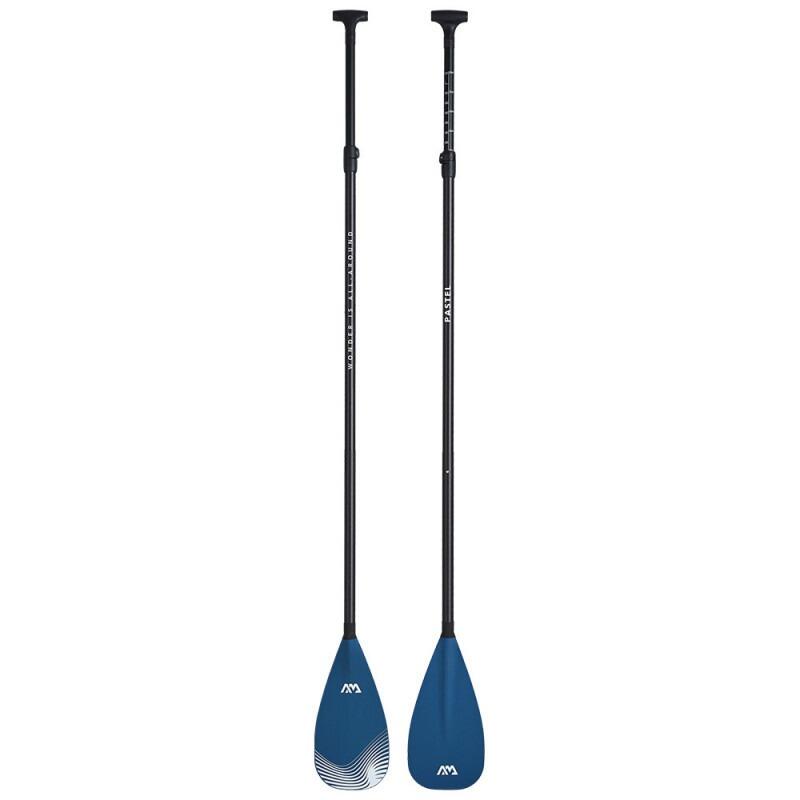
53 items
4/5 based on 861 reviews collected online and in stores

ALL SUP PADDLES FAQS

What are the operational advantages of fibreglass SUP paddles over aluminium models?

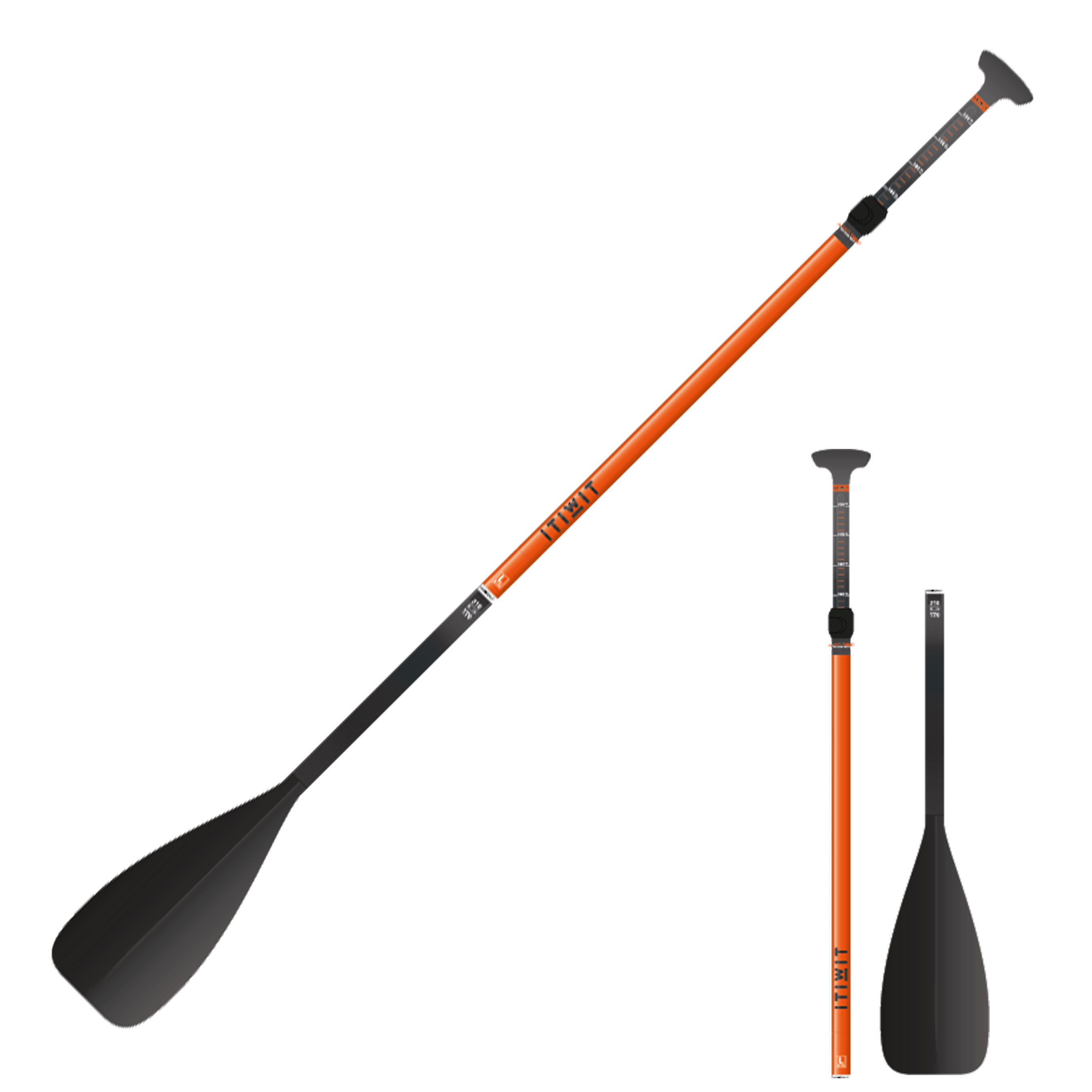
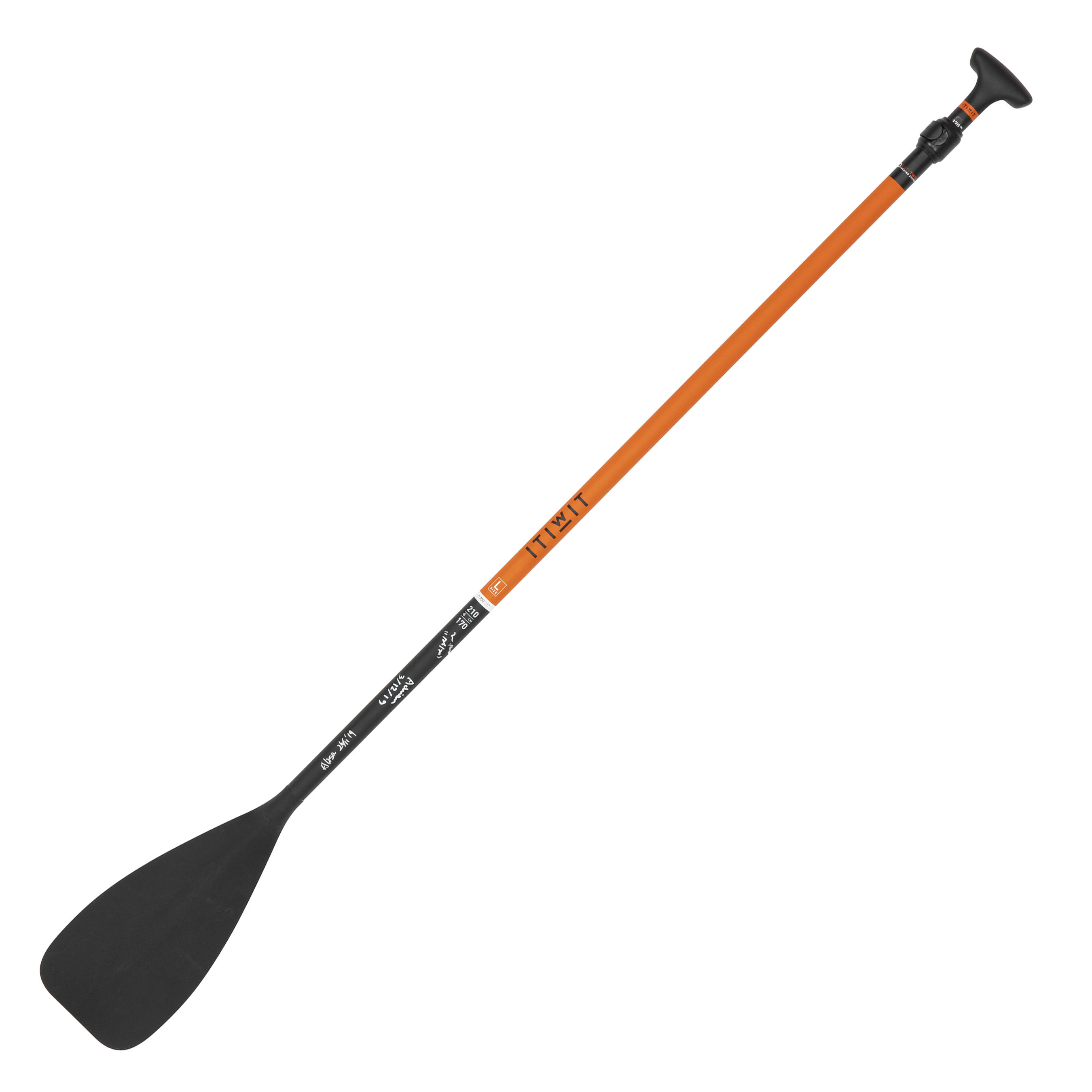
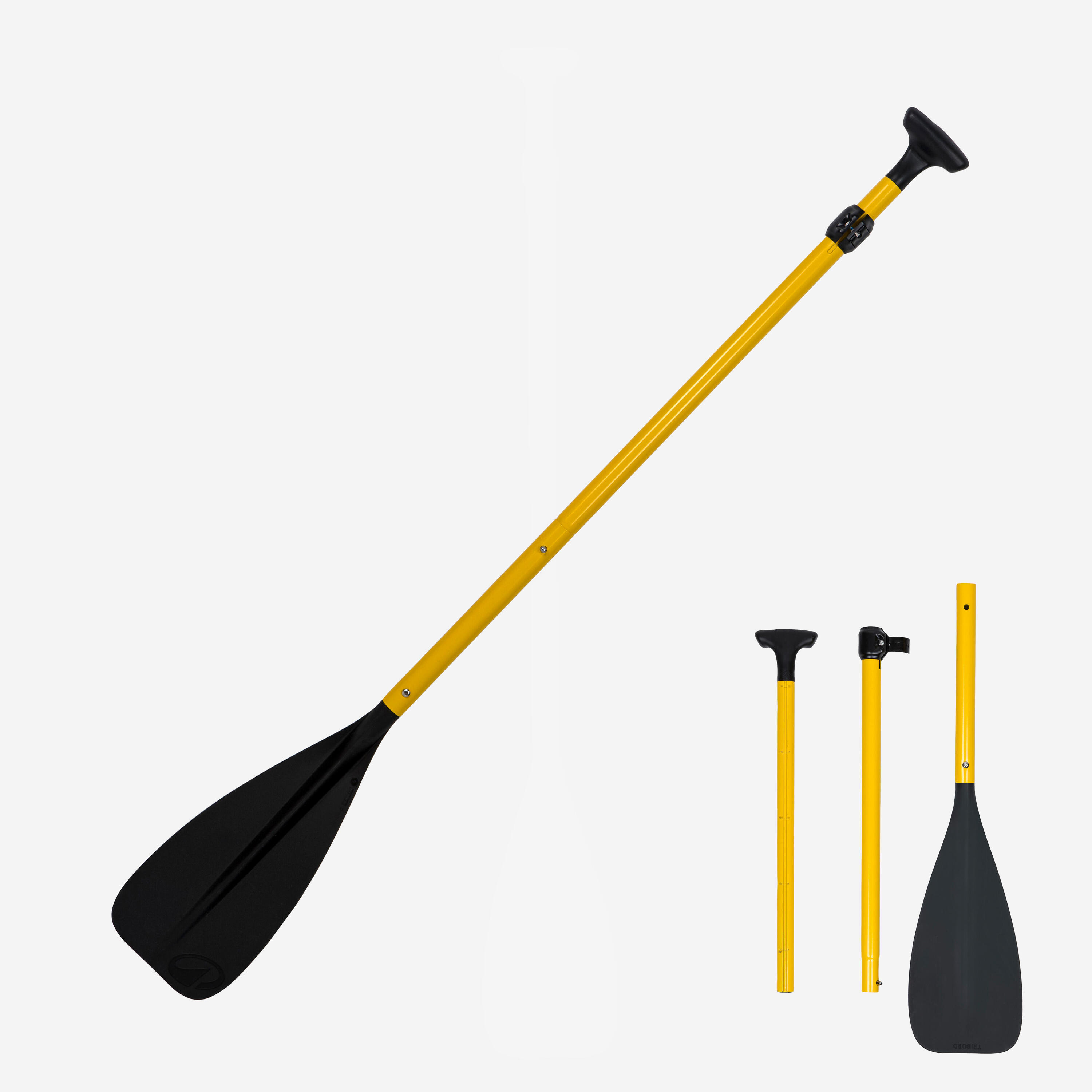
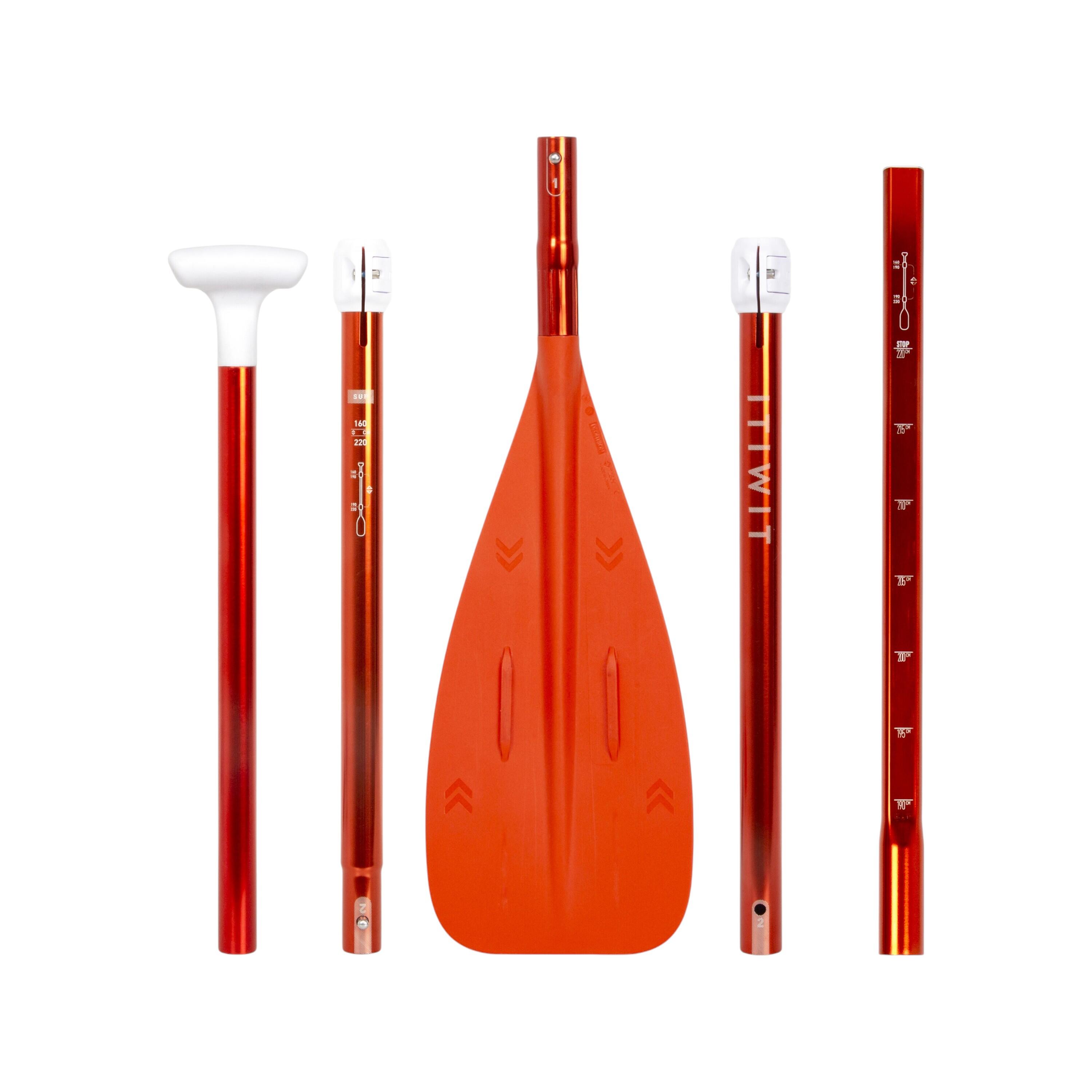
Selecting optimal hardware depends entirely on your target endurance levels and water conditions. While basic skatinger aluminium SUP paddles offer robust durability for families sharing gear at a beach, they carry notable weight that causes shoulder strain over long periods. Transitioning to composite materials provides a lightweight alternative that flexes slightly under pressure, acting as a natural shock absorber for your joints. If storage space is at a premium during transit, incorporating high-performance compact paddles into your marine kit ensures that transport logistics remain completely manageable. The fibreglass construction profile allows for a sharper blade entry into water, maximising energy conversion per stroke while reducing overall fatigue when pushing through stiff coastal headwinds or flat inland lakes.
When should an enthusiast invest in high-end carbon paddles?

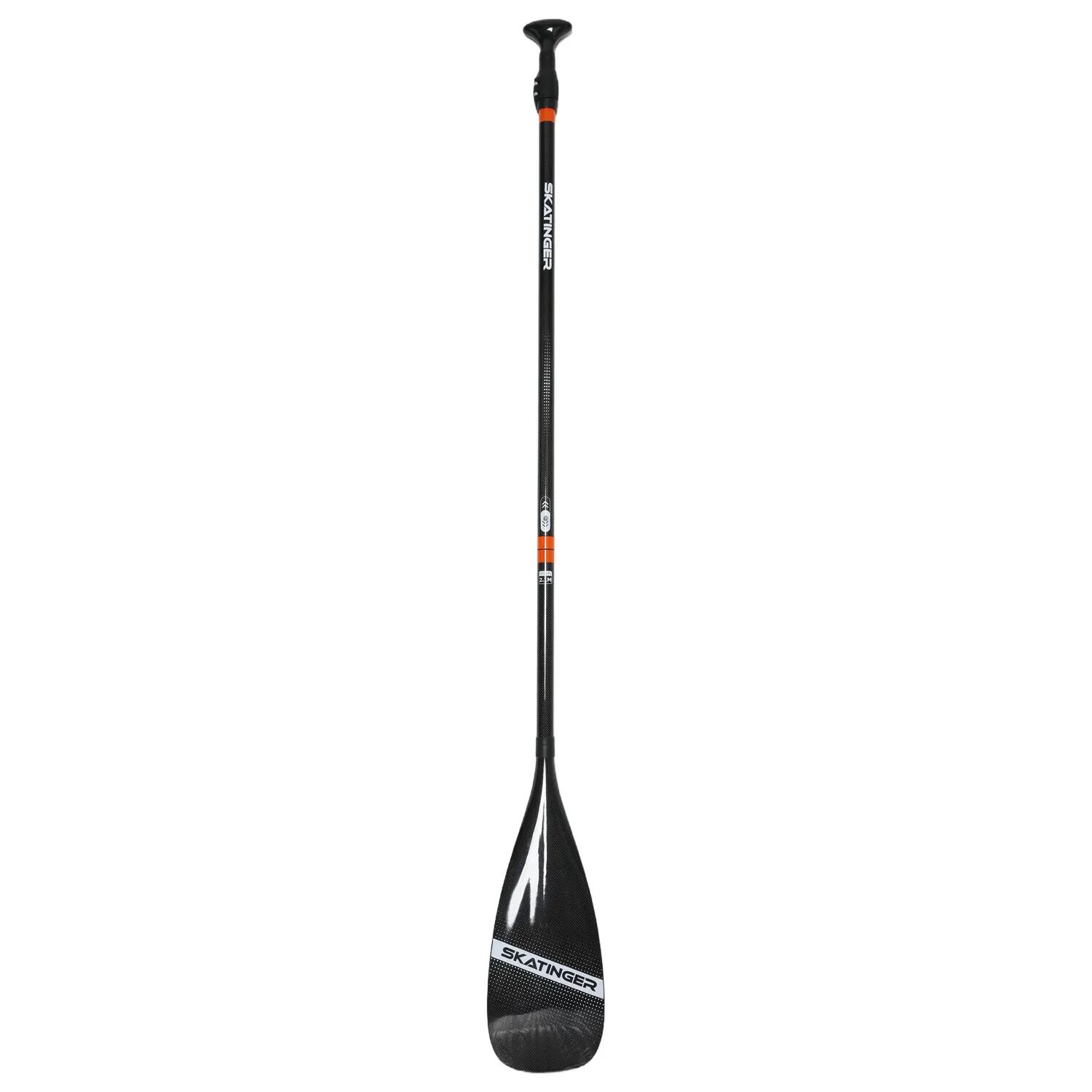
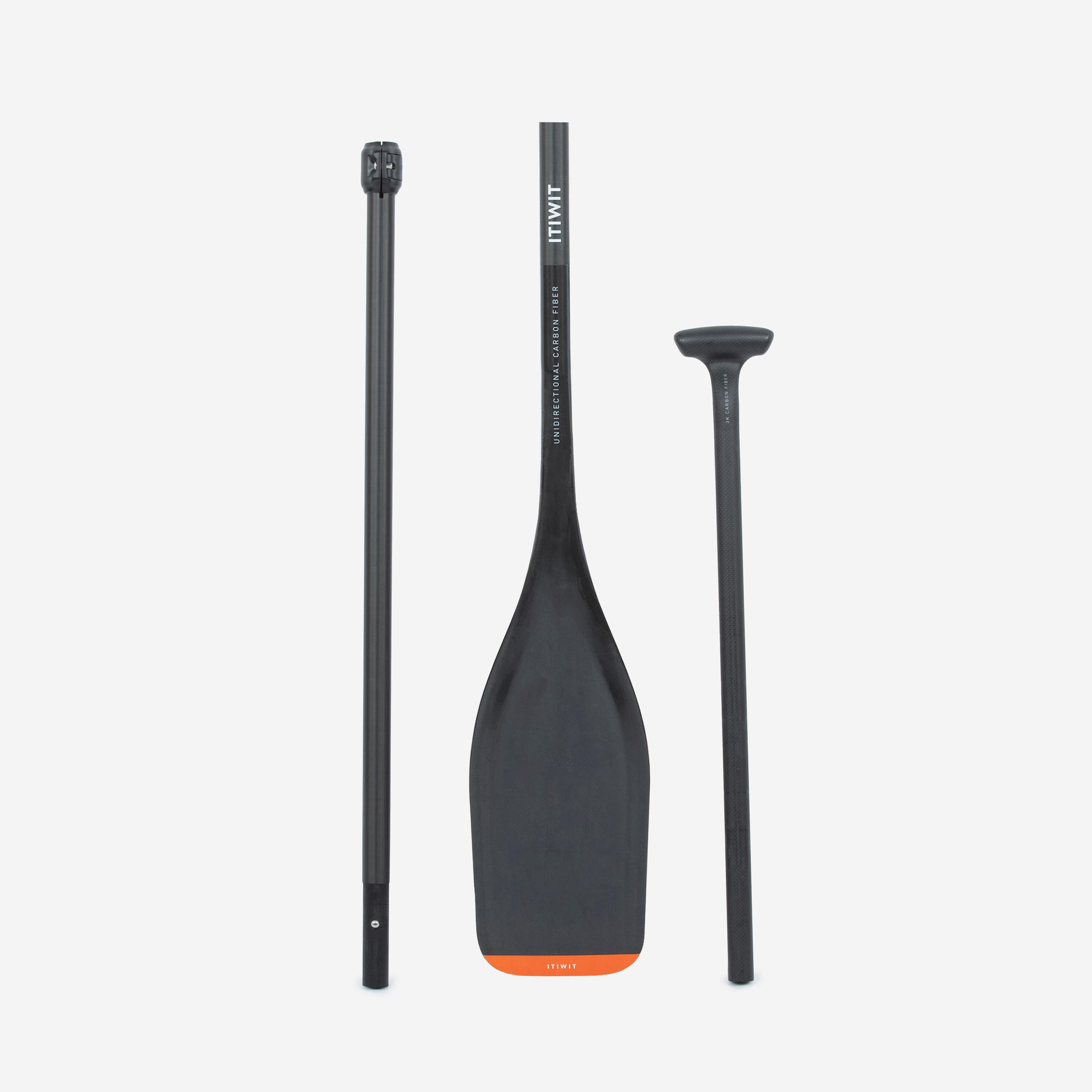
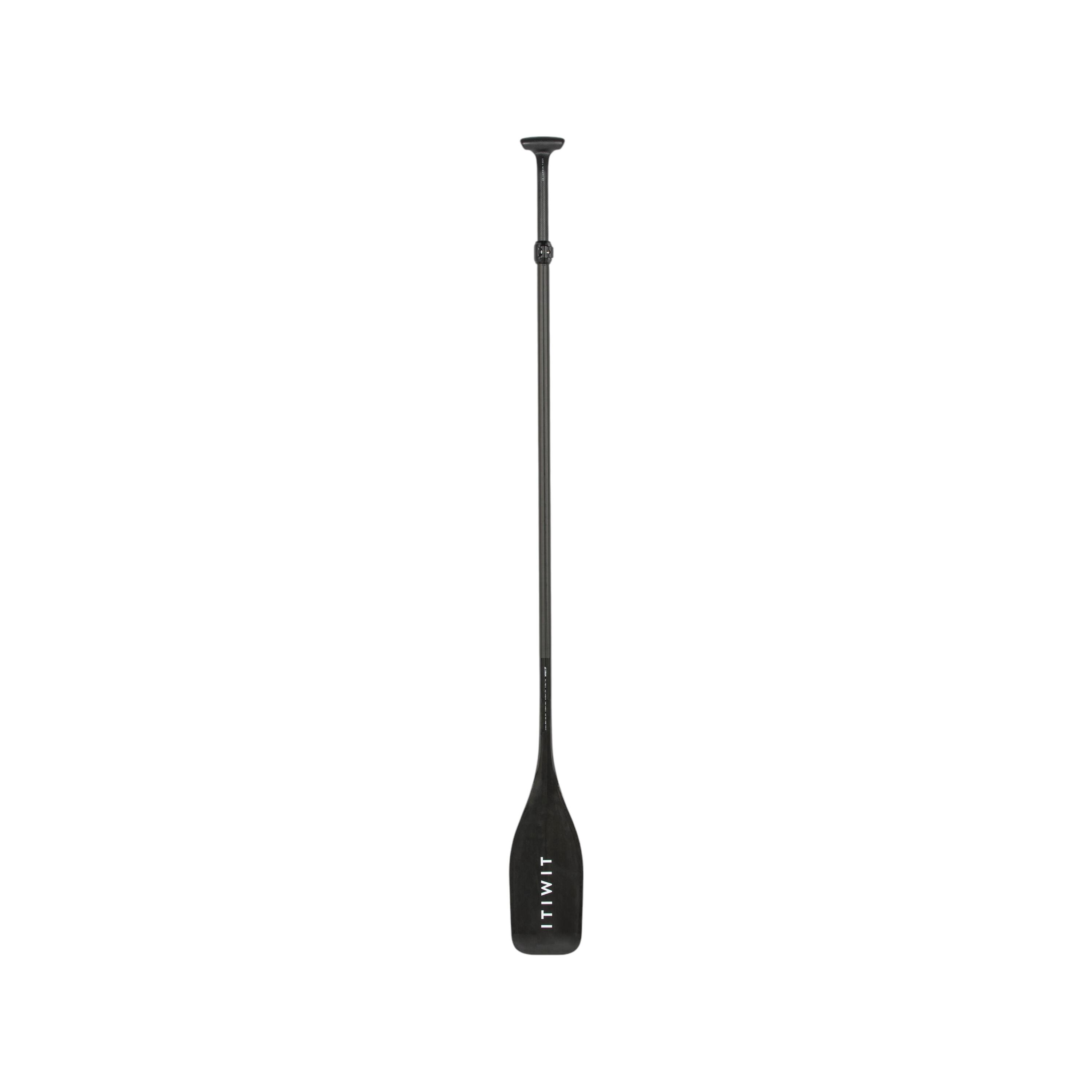
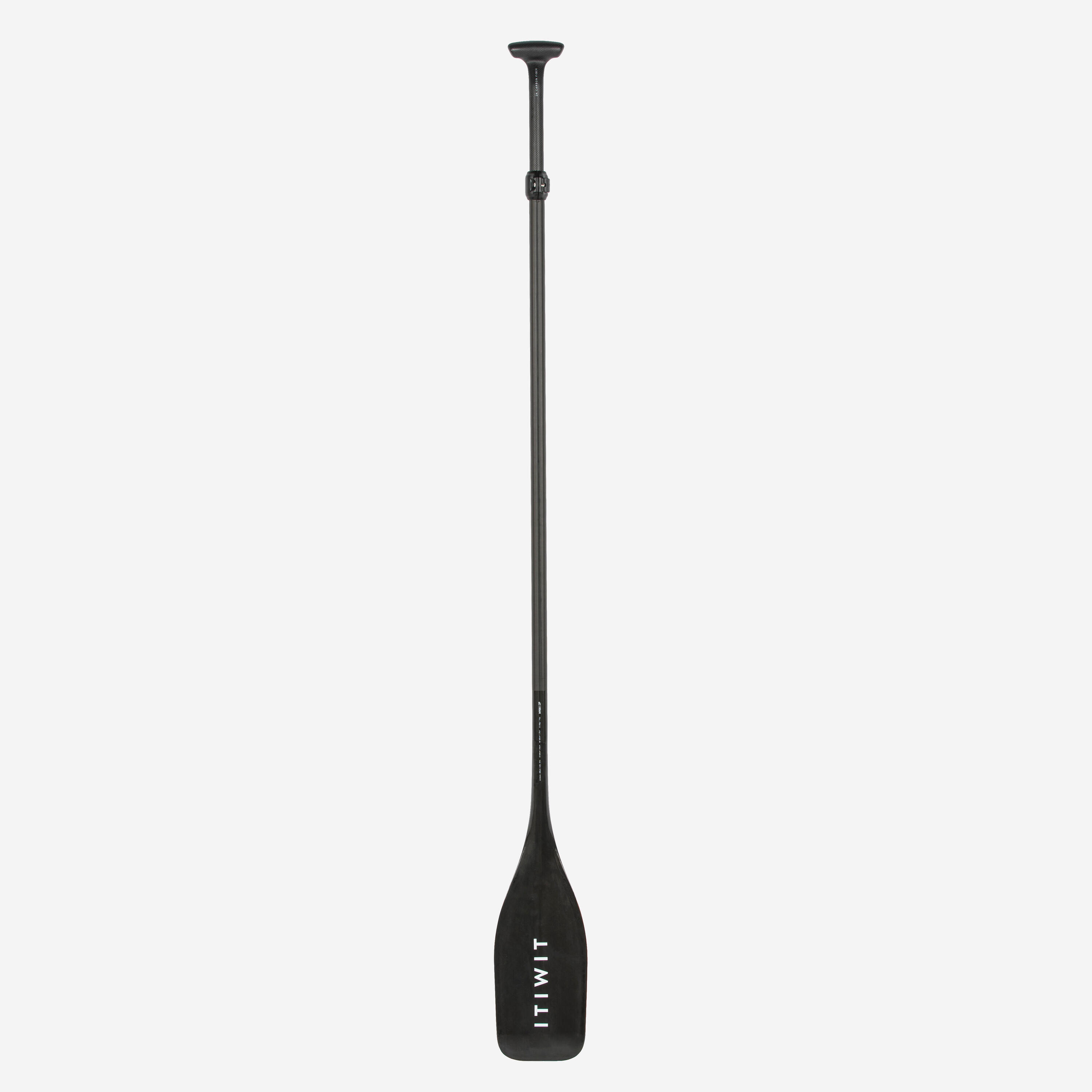
Serious touring demands structural rigidity that minimises energy loss during long-distance water crossings. Ultra-lightweight carbon paddles deliver immediate response because the shaft exhibits zero flex when executing powerful strokes. This absolute structural stiffness ensures that every bit of muscular effort translates directly into forward momentum across the water surface. This configuration is highly favoured by competitive racers and distance tourers who need to maintain a steady paddling rhythm for hours on end, as a lighter tool mitigates long-term fatigue in the forearms and upper back.

How do 2-piece SUP paddles handle variable depth demands?

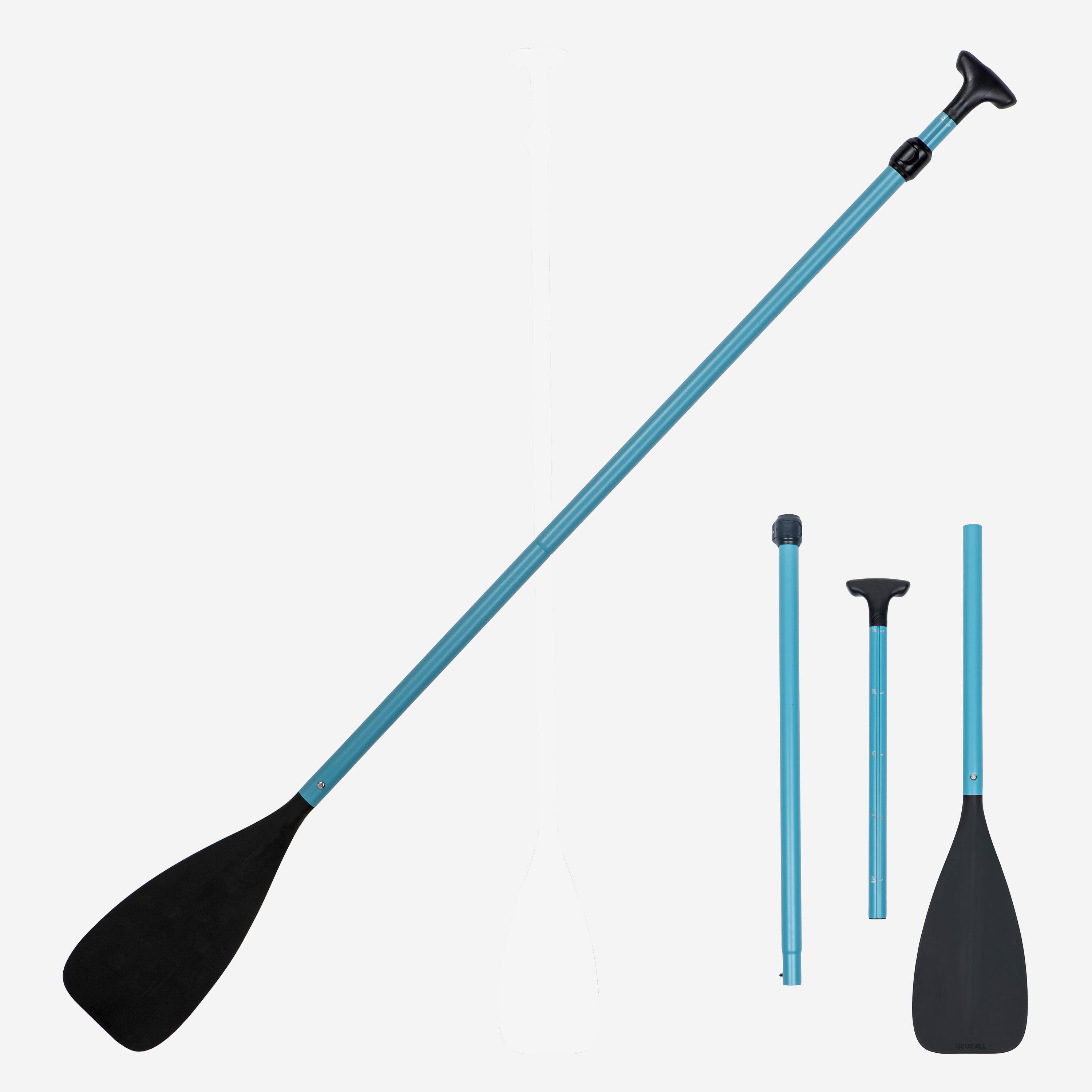
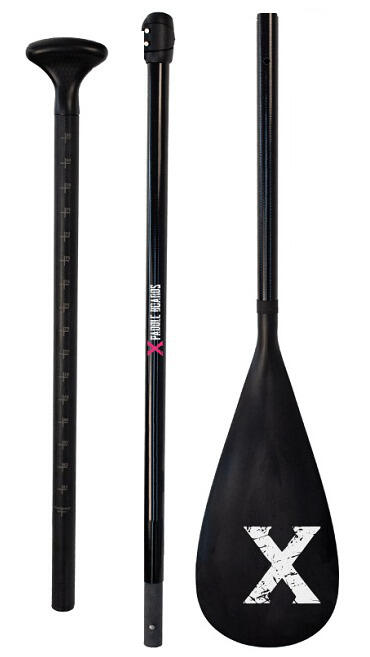
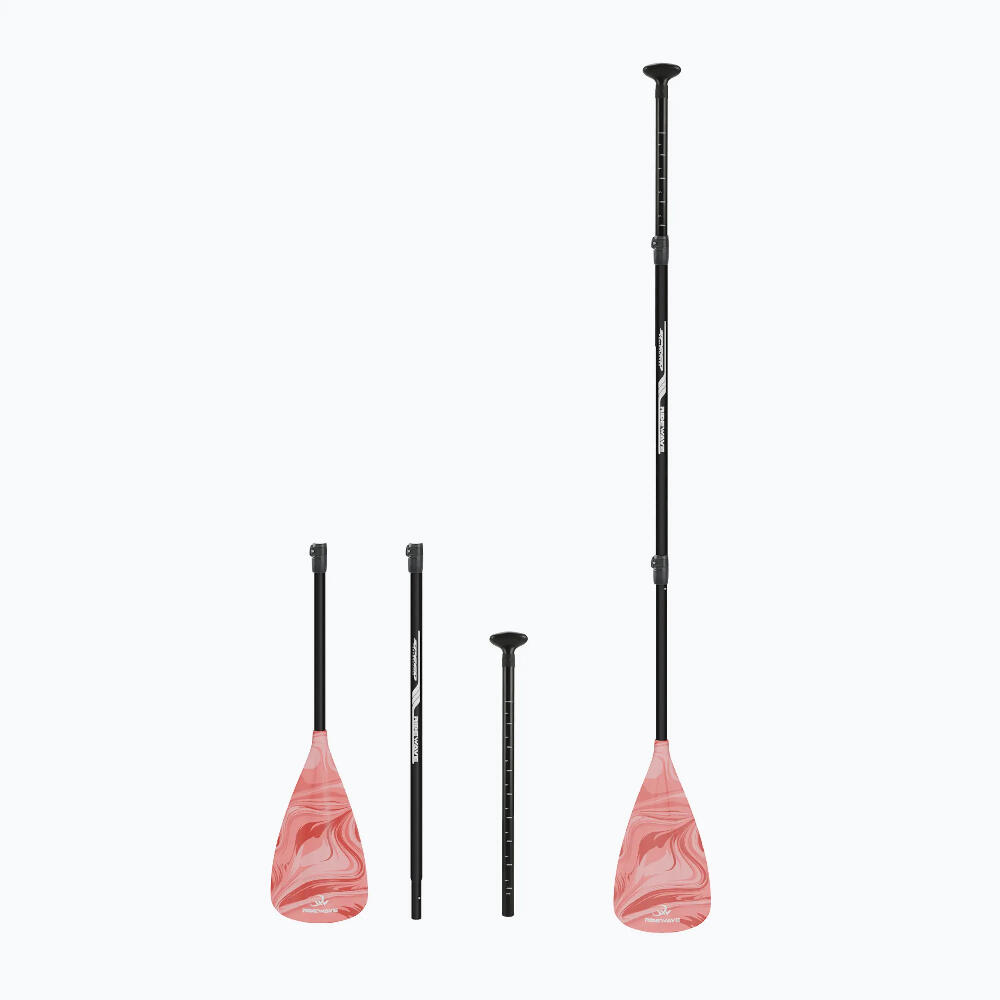
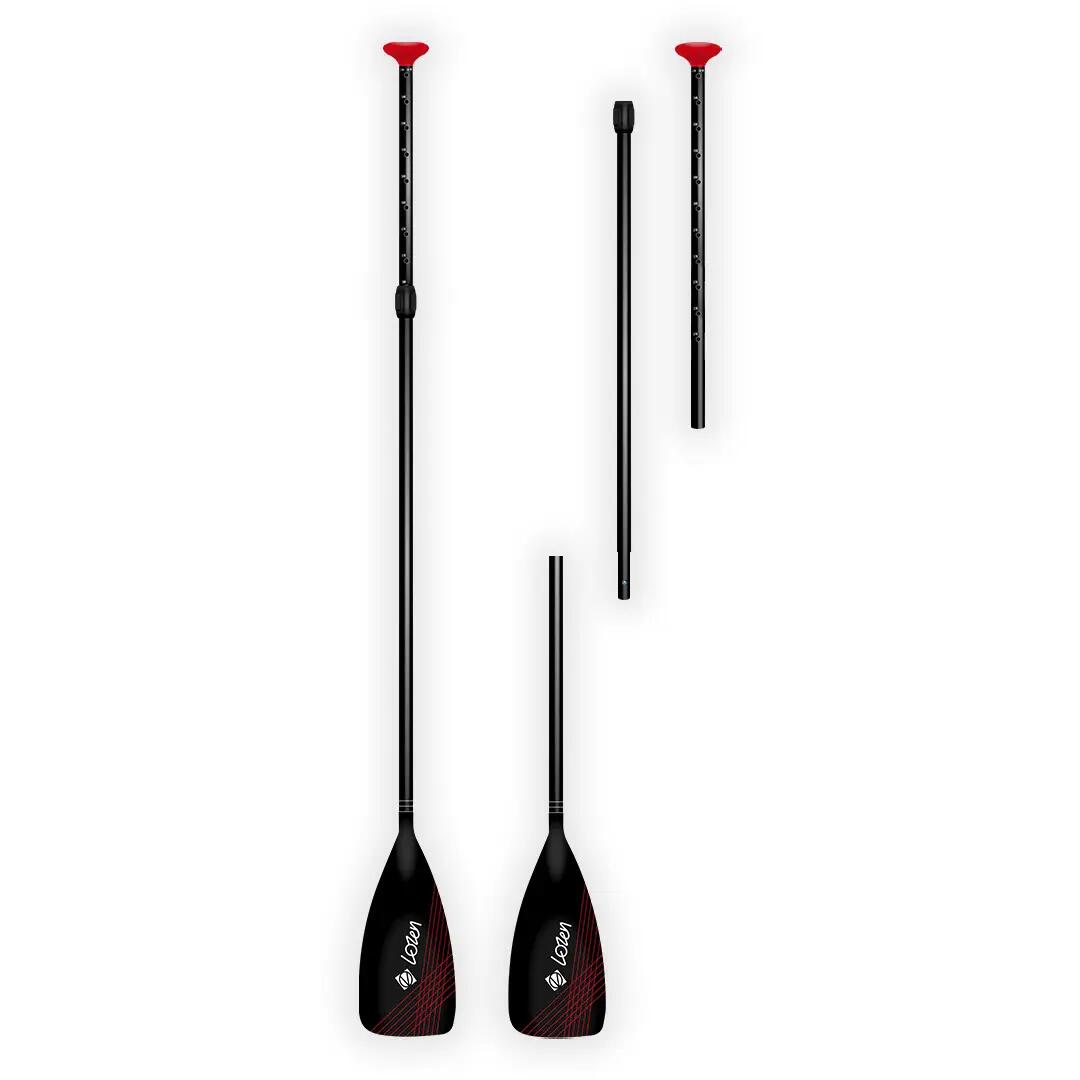
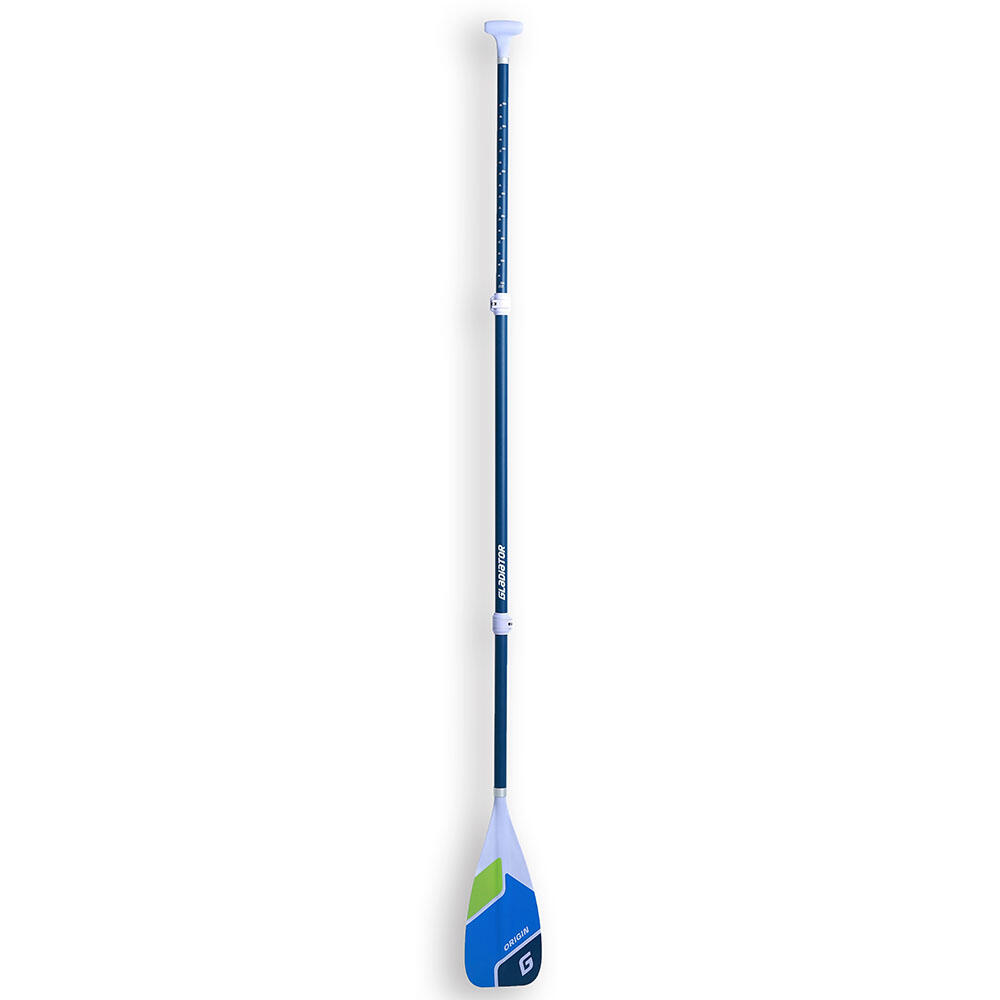
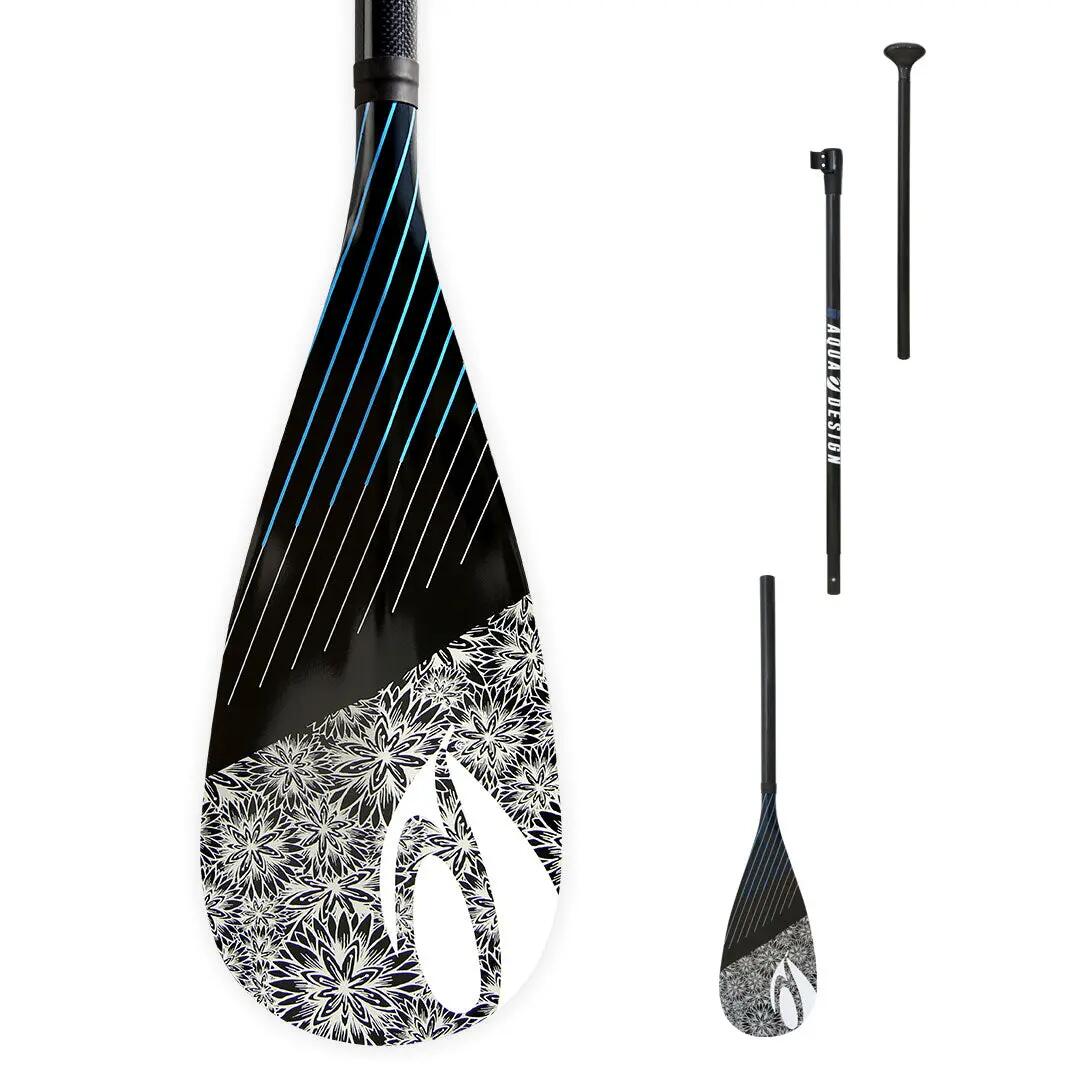
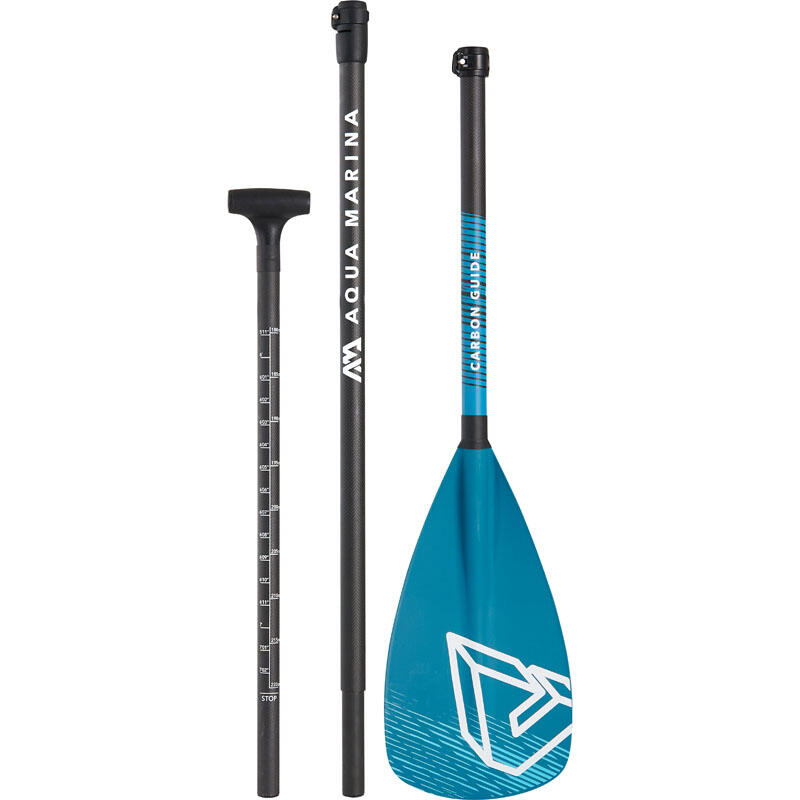
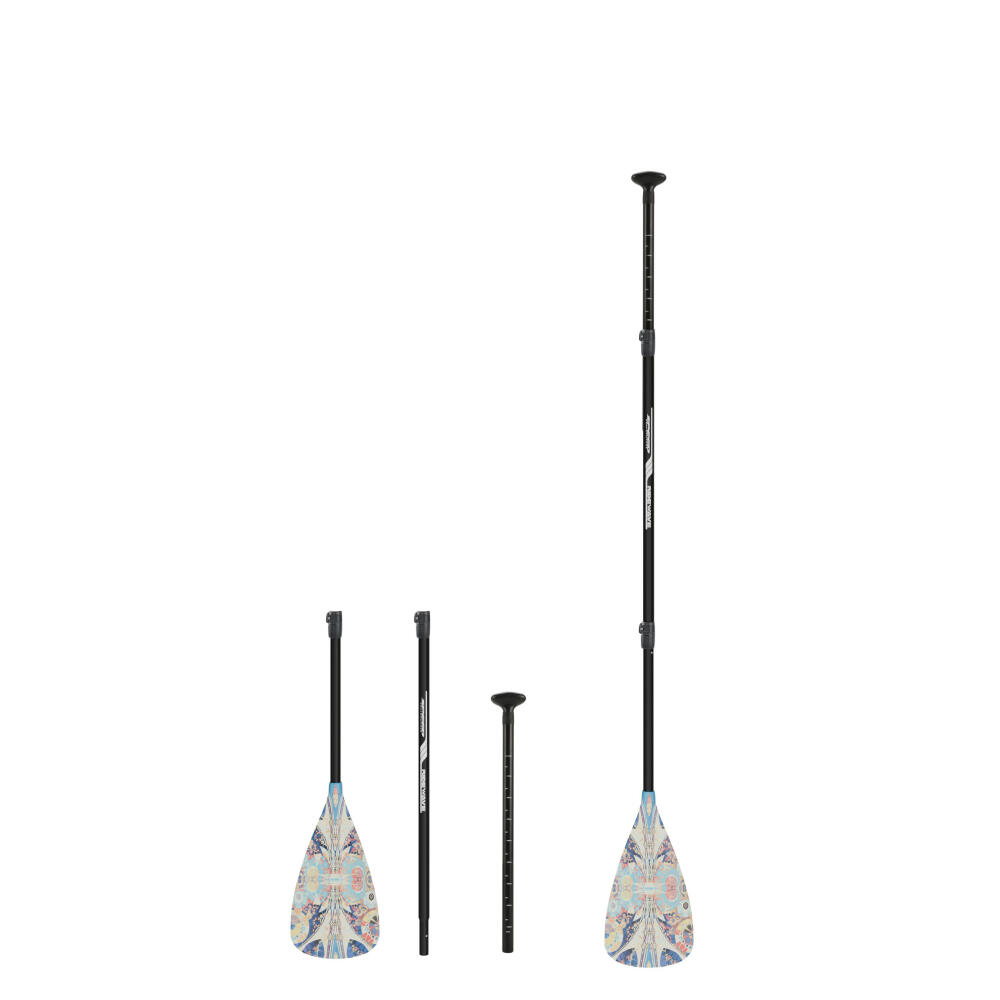
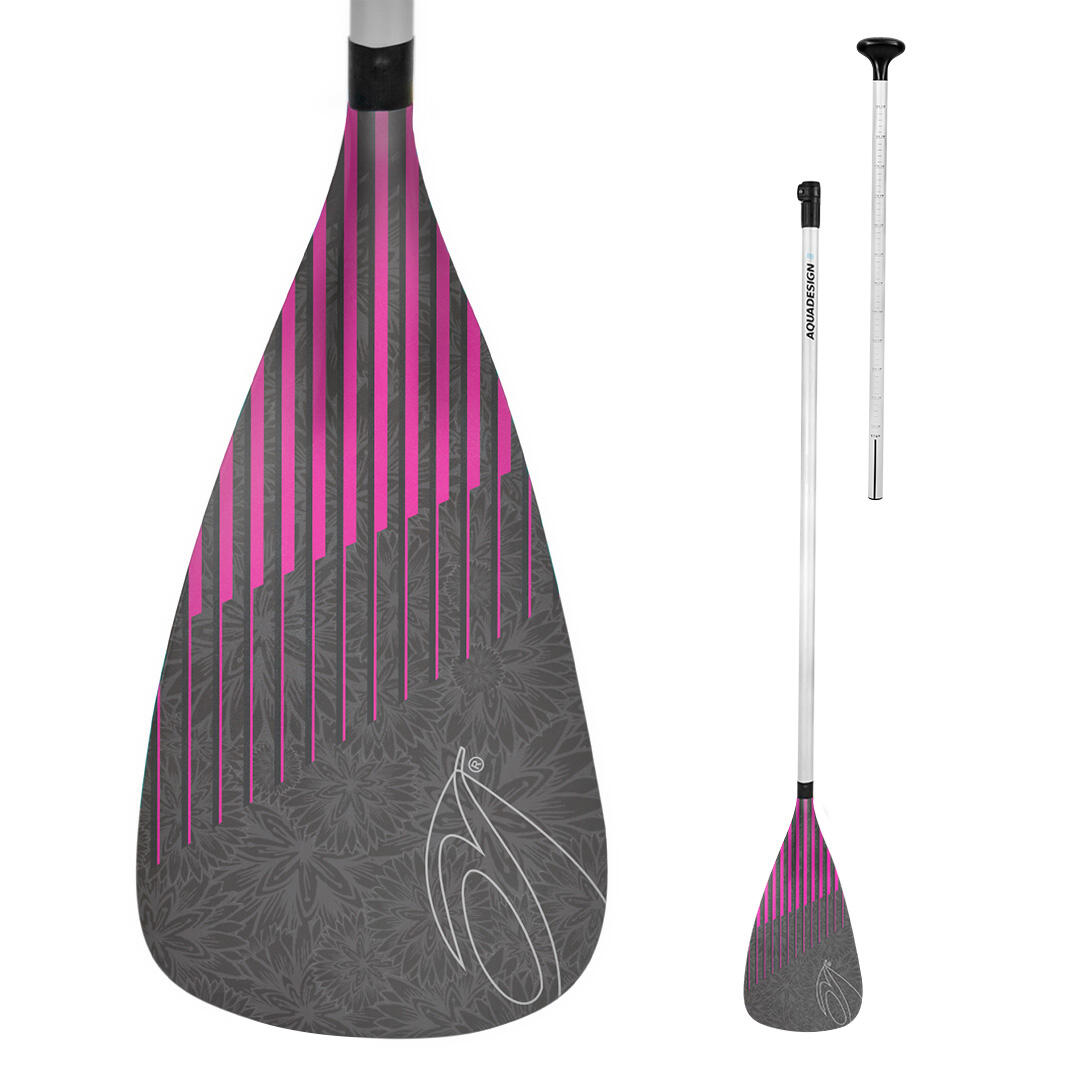
Modular shafts provide crucial versatility when encountering changing environments that require rapid postural changes. Using standard SUP paddles with secure pin-lock systems allows you to alter the length instantly when transitioning from a standing position to a kneeling stance during sudden squalls. This physical flexibility ensures proper blade immersion without overextending your arms. Sturdy dual-section joints are manufactured to prevent twisting under load, keeping the blade perfectly aligned with your stroke line to maintain directional stability in deep channels or shallow riverbeds.

Why do tracking dynamics require precise matching with specific SUP fins?

A blade can only propel a hull straight if the underwater steering elements counteract the rotational force generated by side strokes. Integrating correct SUP fins provides the necessary lateral resistance to keep the nose forward, preventing zig-zag patterns. This synchronisation means you can execute more strokes on a single side before swapping hands, vastly improving efficiency. The blade profile must work harmoniously with your centre fin area to ensure smooth turning arcs and clean tracking through open coastal currents.

How does inflation volume alter the physical leverage required during propulsion?

Hull pressure dictates your exact height above the surface, which directly impacts the length needed for efficient leverage. Deploying efficient SUP pumps to hit maximum structural capacity prevents the deck from bending under foot weight. A rigid, fully pressurised board sits higher on the waterline, reducing surface drag and altering the angle of blade entry. When the board remains flat and steady, the user maintains perfect biomechanical posture, allowing the shoulders to drive the shaft smoothly without twisting uncomfortably to compensate for a sagging deck.