136 items
4.2/5 based on 2919 reviews collected online and in stores

Stand Up Paddle Accessories FAQs

Which stand up paddle accessories do you need for your SUP?

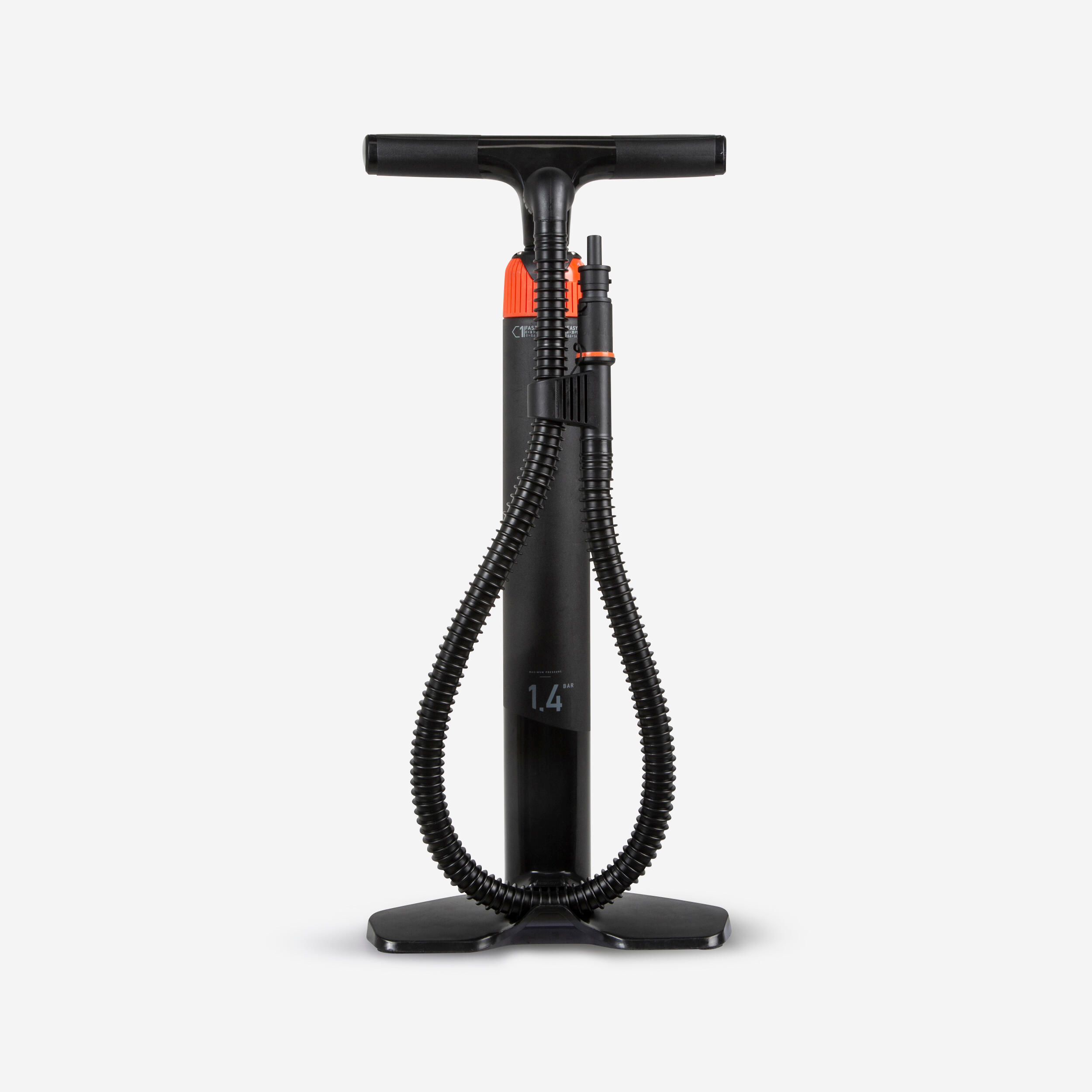
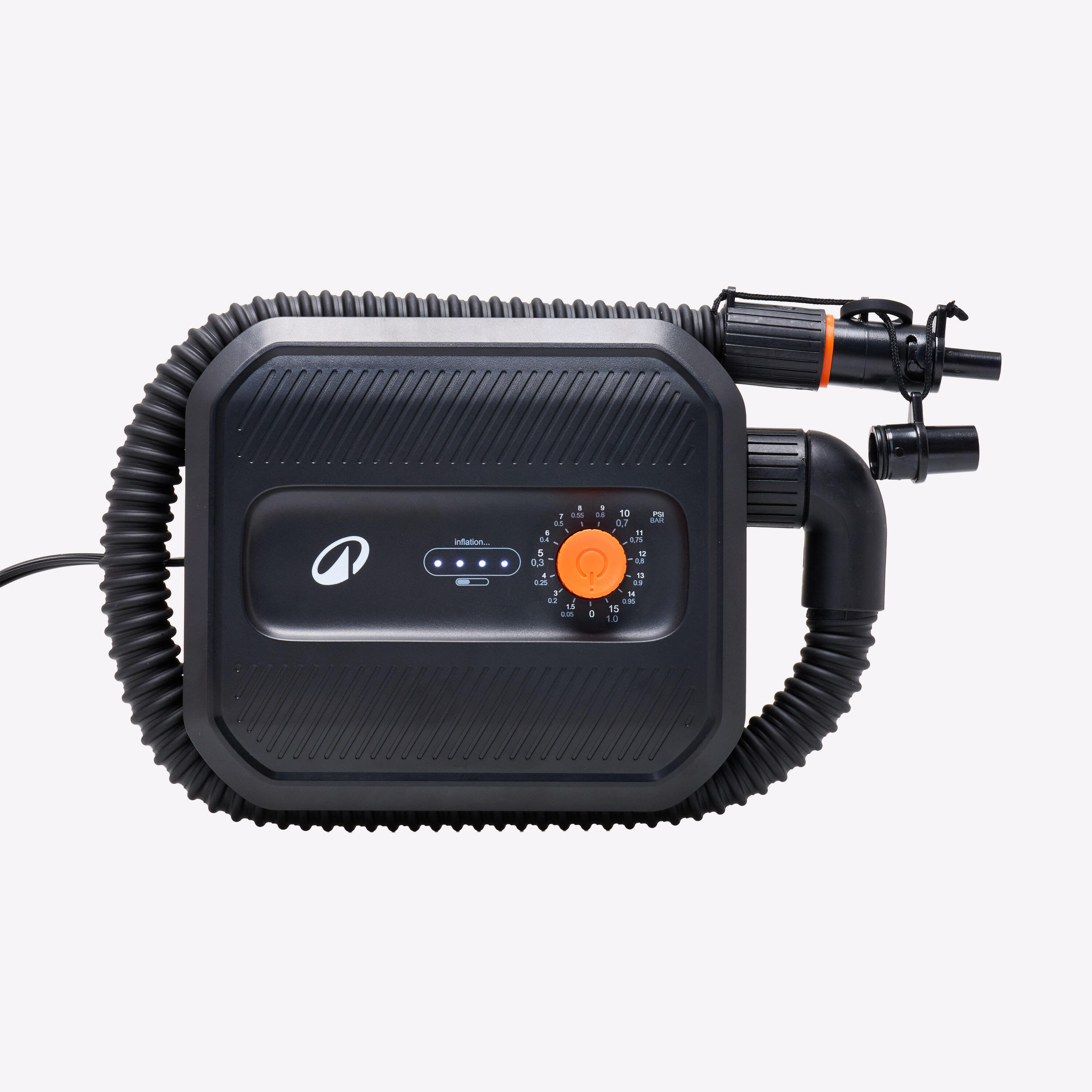
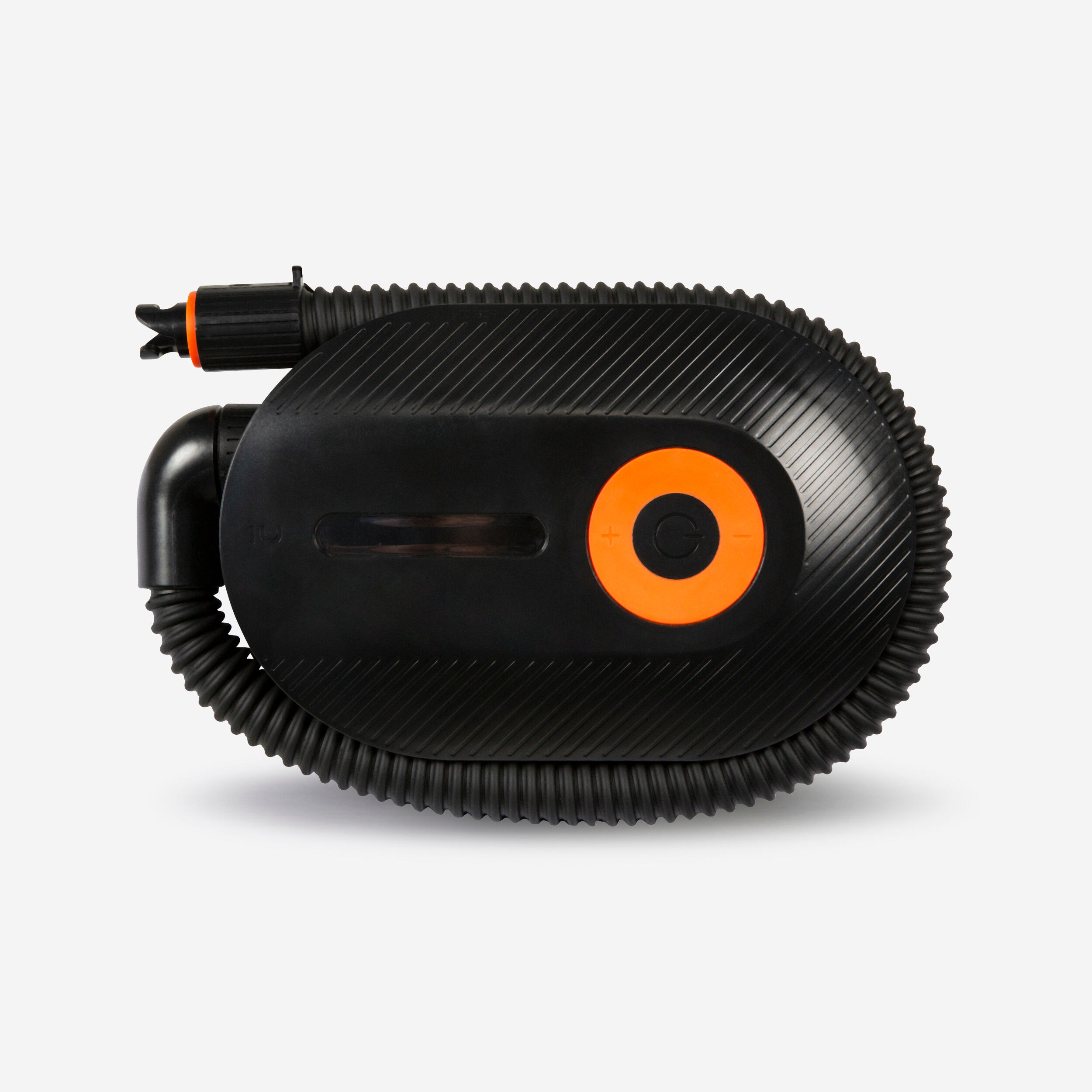
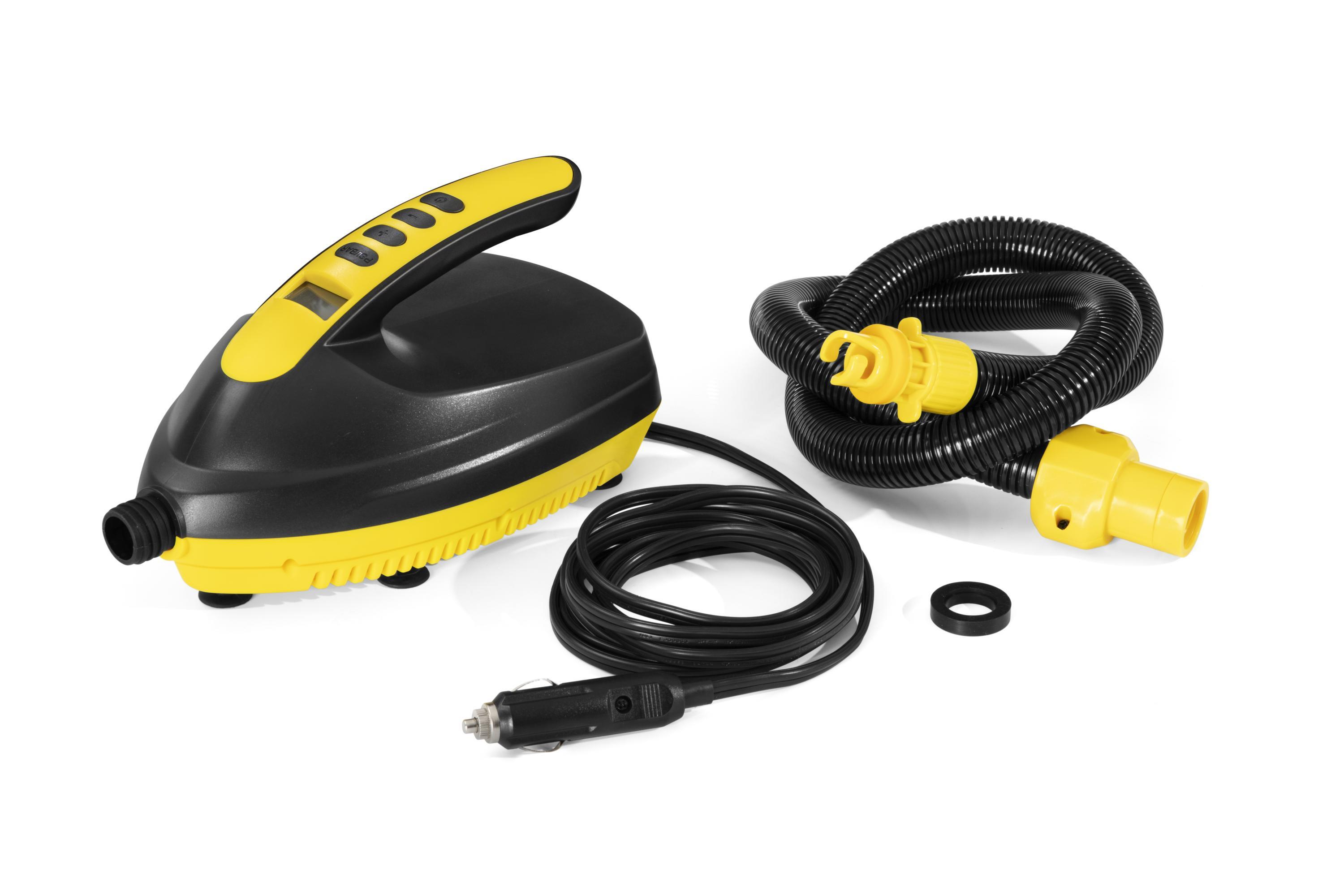
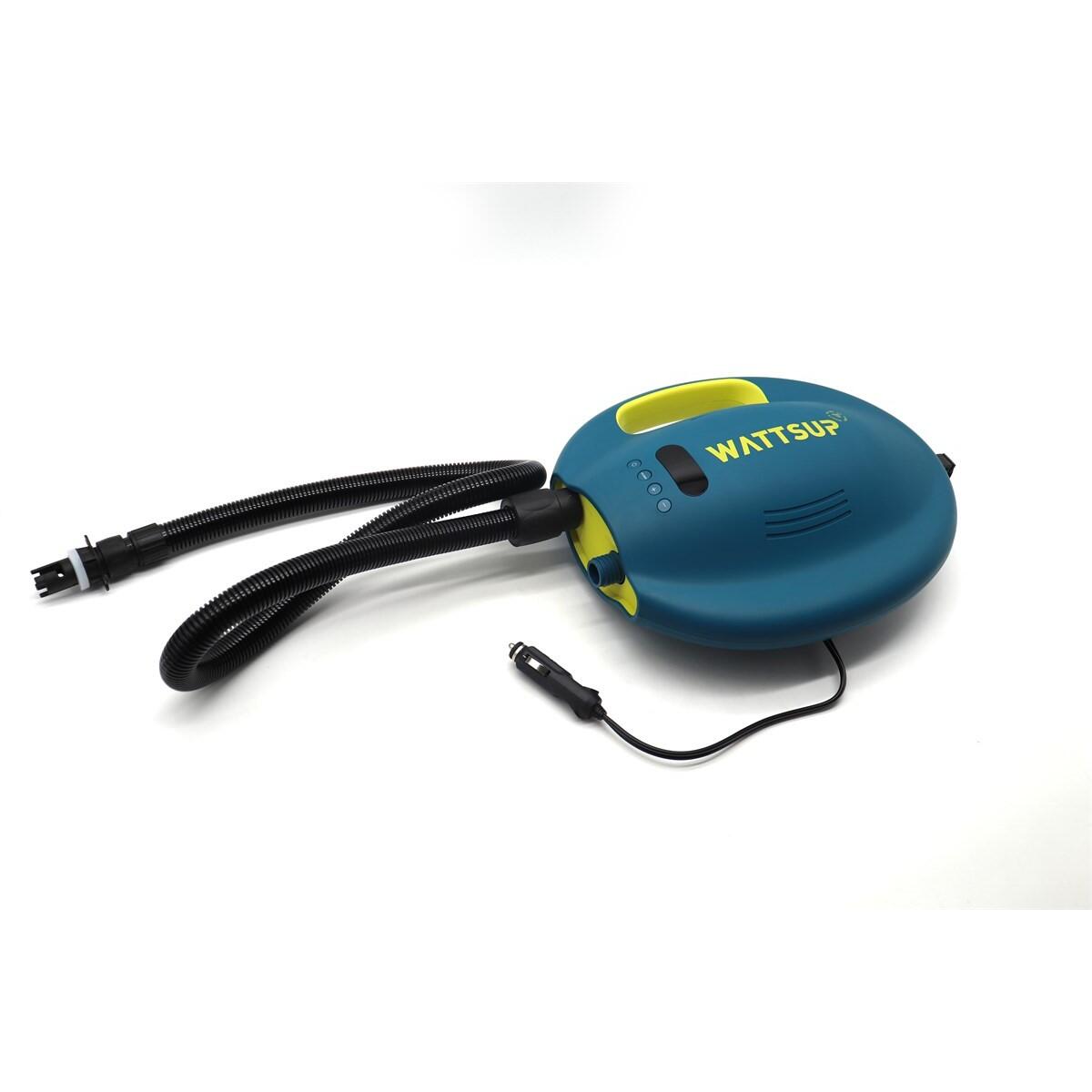
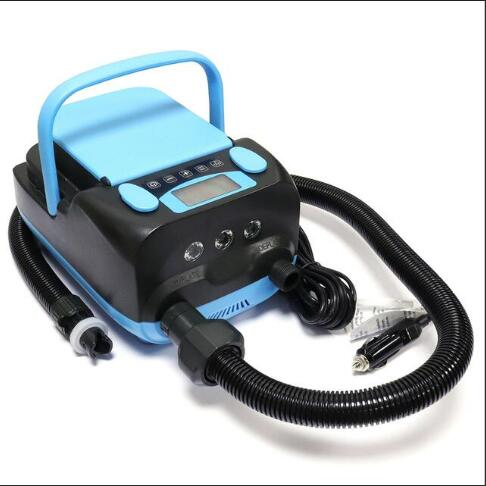
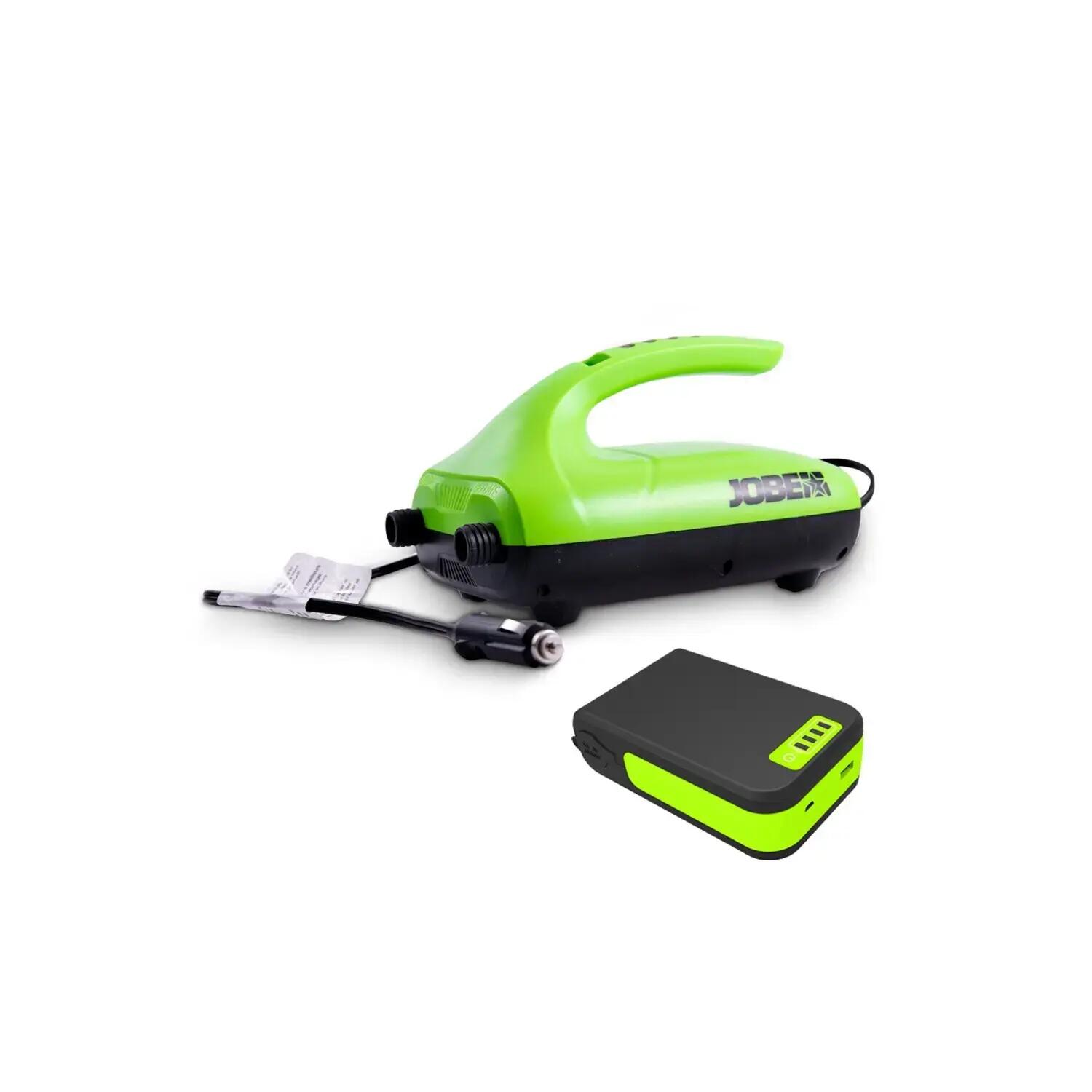
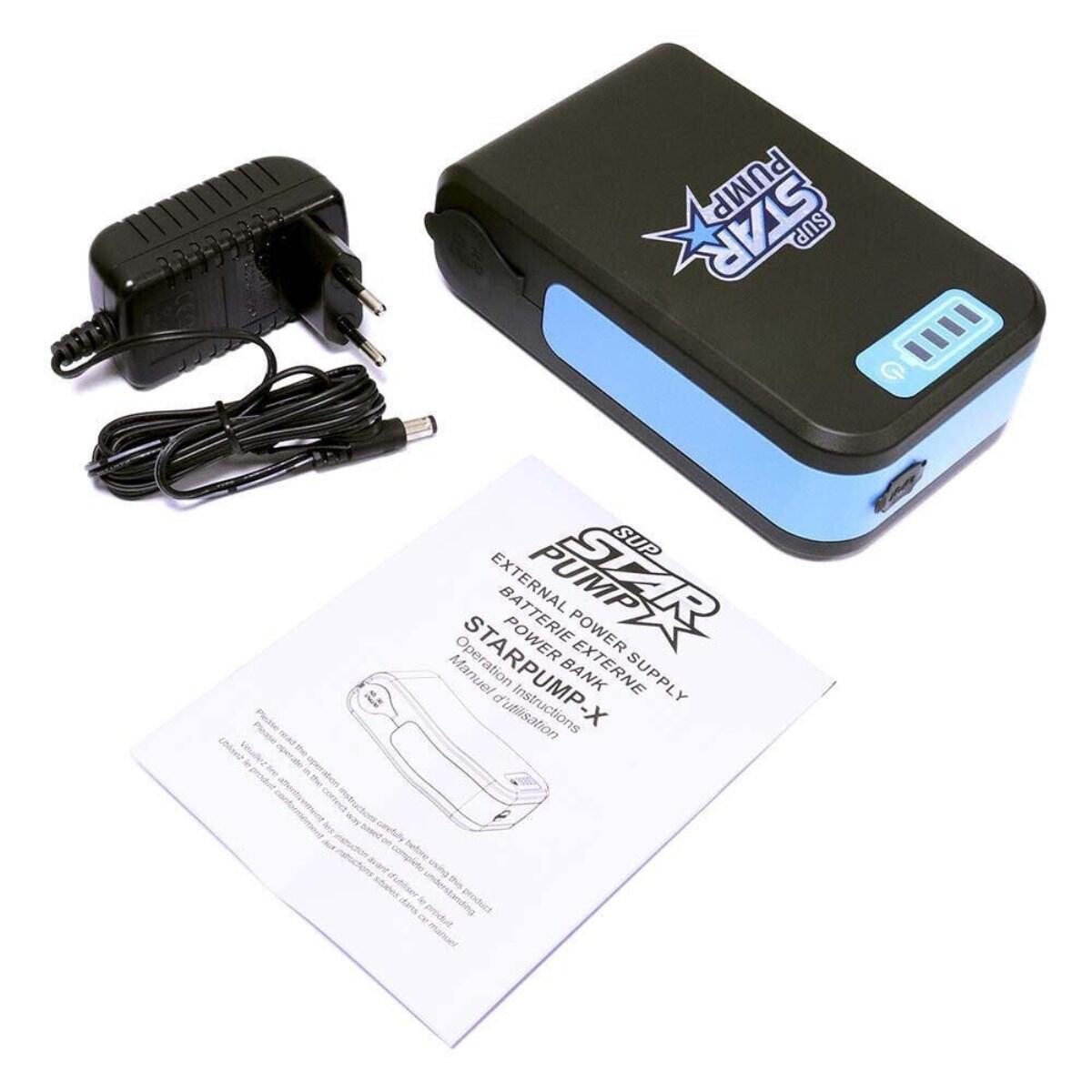
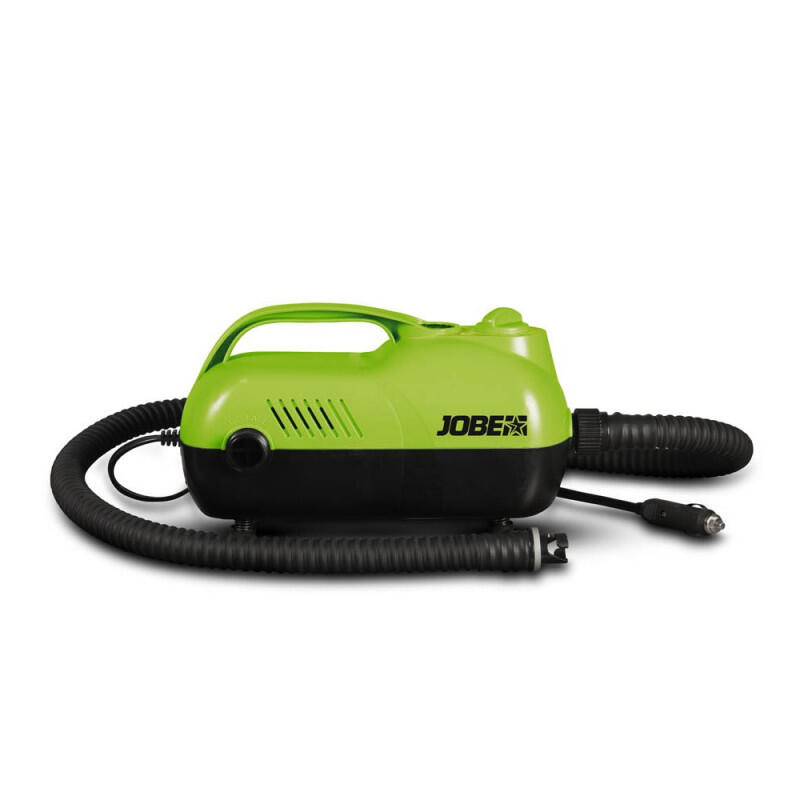
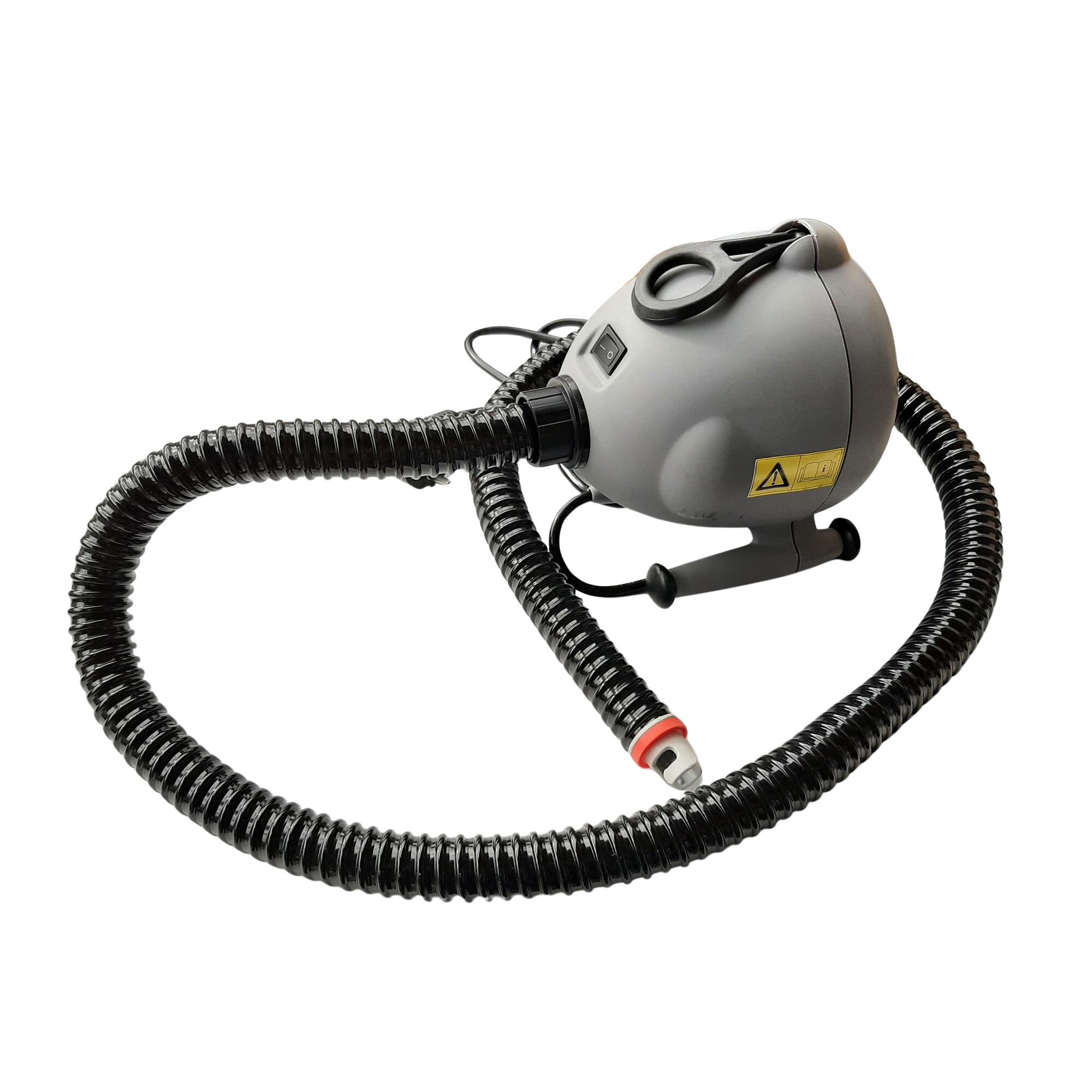
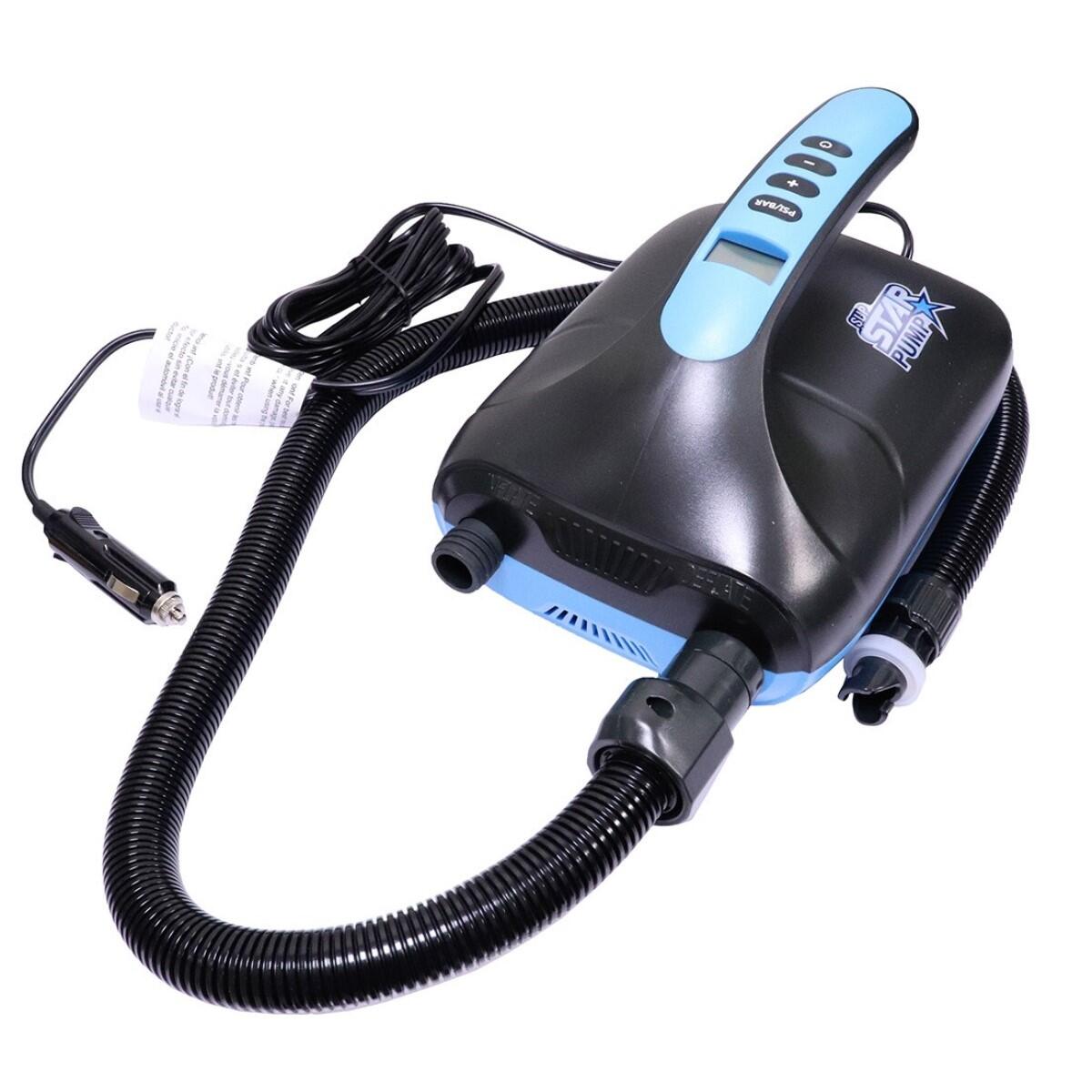
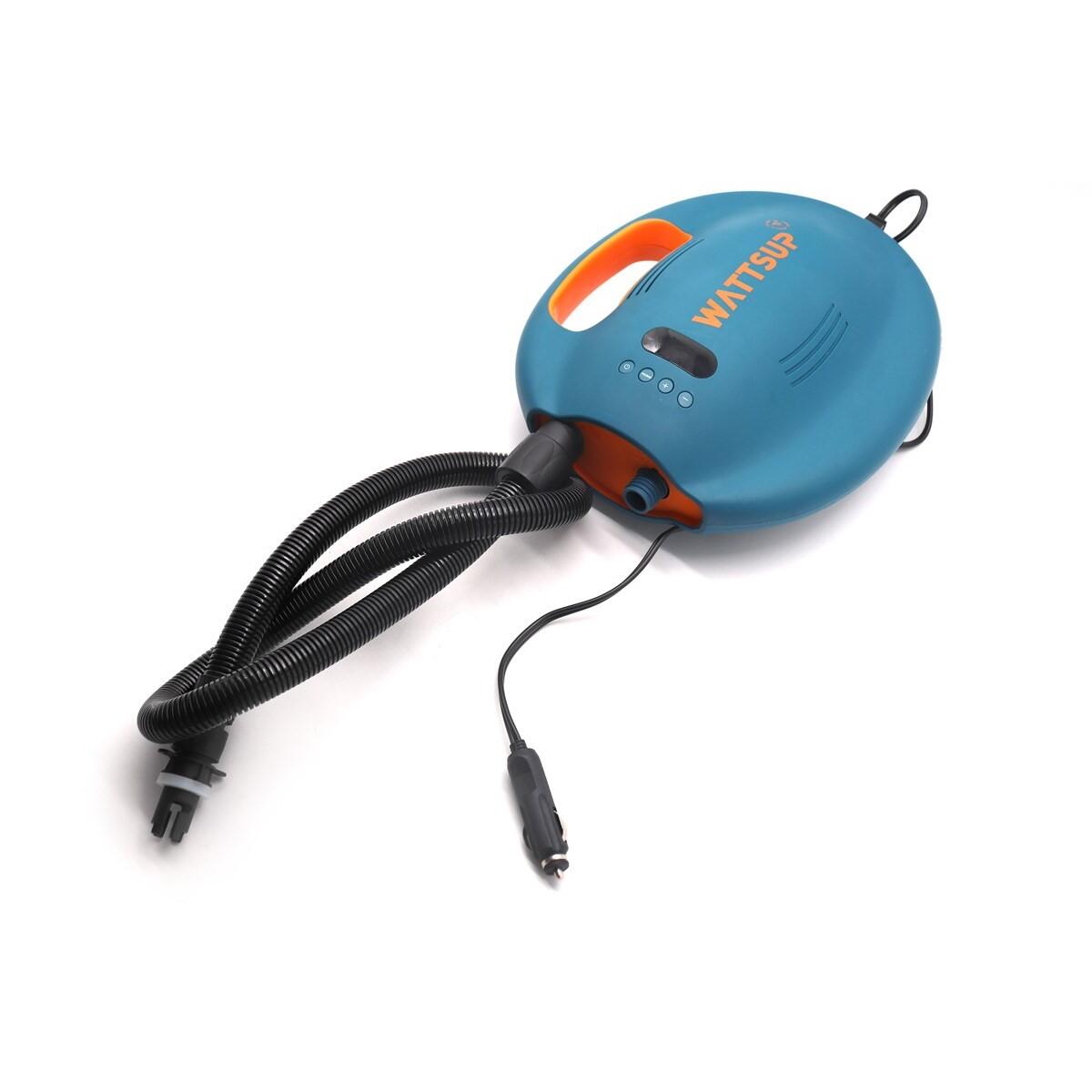
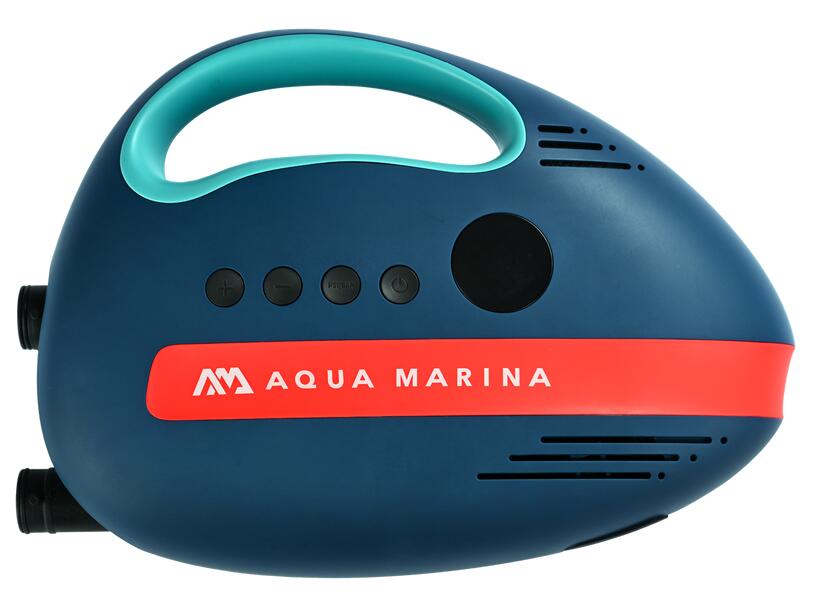
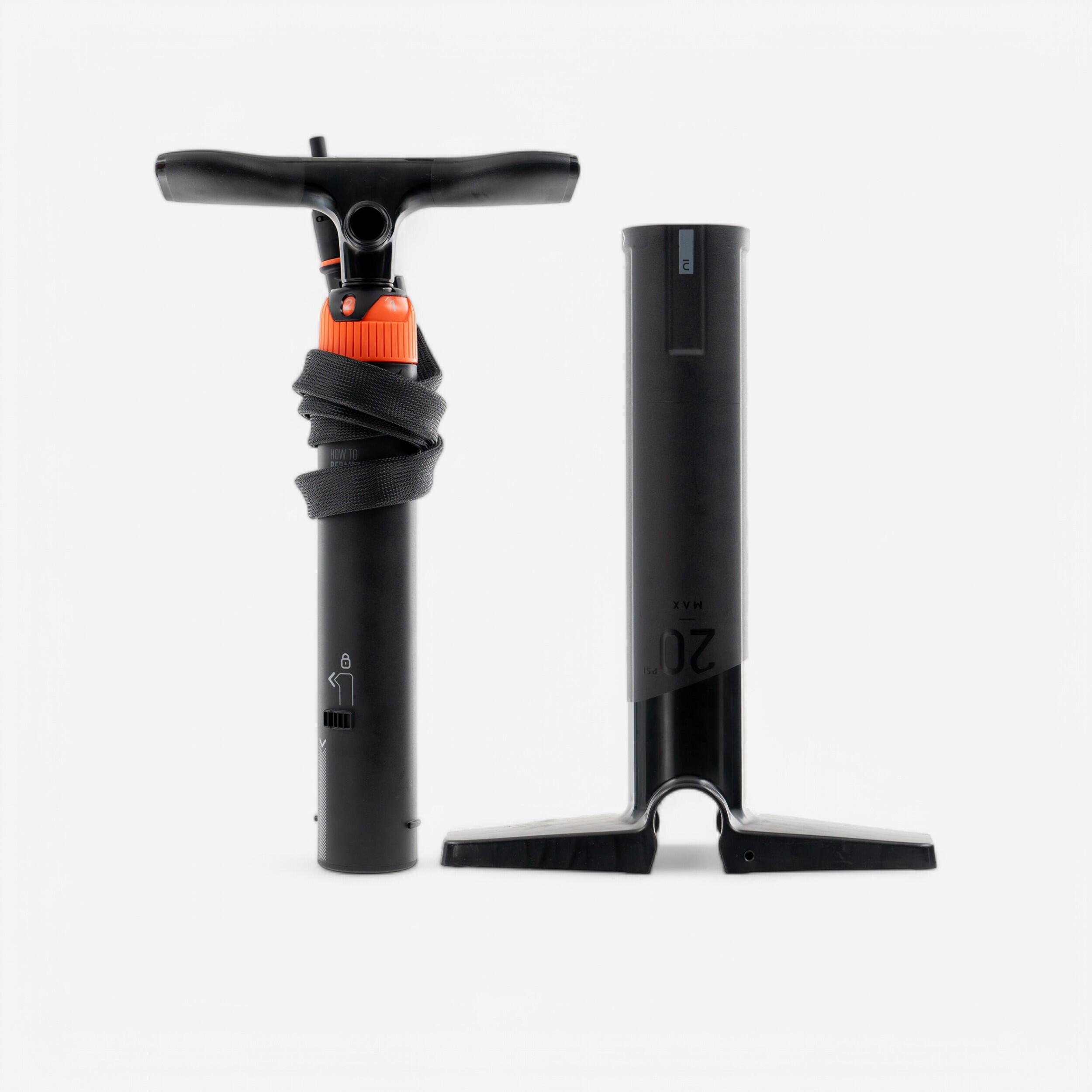
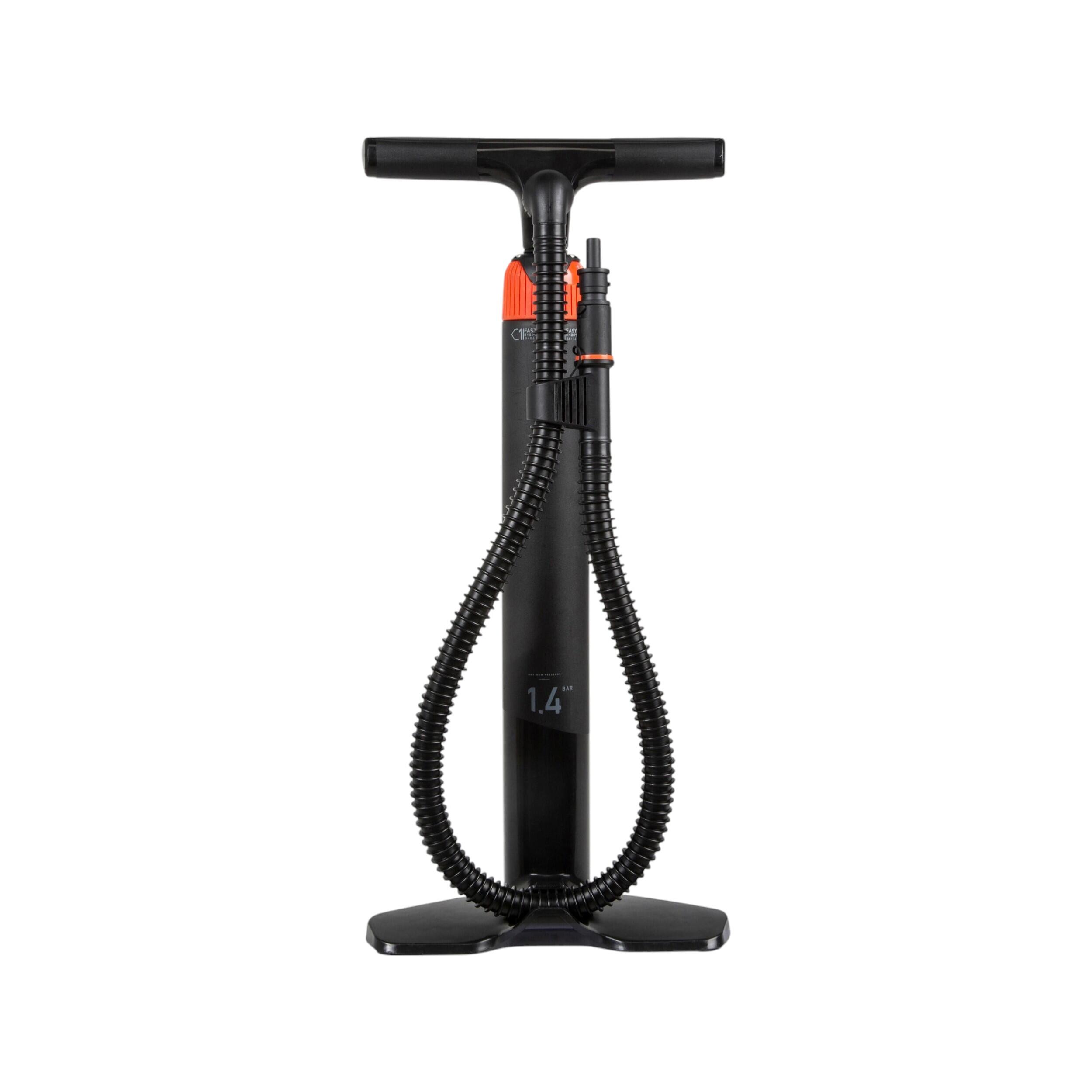
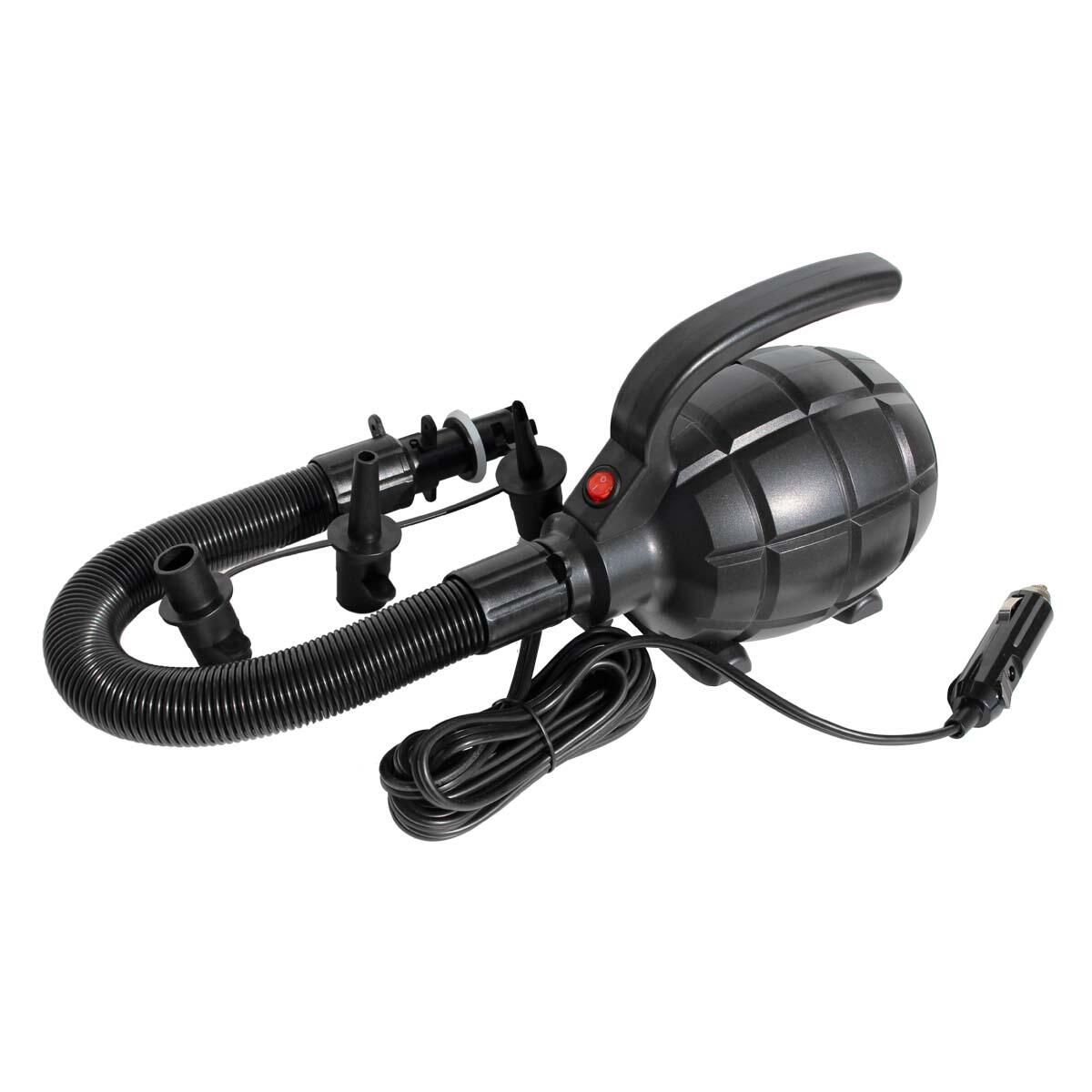
Start with the parts that get your board ready for the water and help you control it once you launch. An inflatable board needs a suitable high-pressure pump, a compatible fin and a paddle adjusted to your height and paddling style. Decathlon's range includes manual and electric SUP pumps, with selected manual models using dual-action inflation to move air on both strokes before switching mode as pressure rises. Check the recommended PSI printed on your board rather than simply pumping until it feels firm. Correct pressure helps the drop-stitch structure become rigid enough to support you efficiently on the water. A leash is another important part of many flat-water setups, while replacement fittings can help keep compatible equipment in use when a smaller component is damaged or lost.
How do you choose and adjust a SUP paddle?

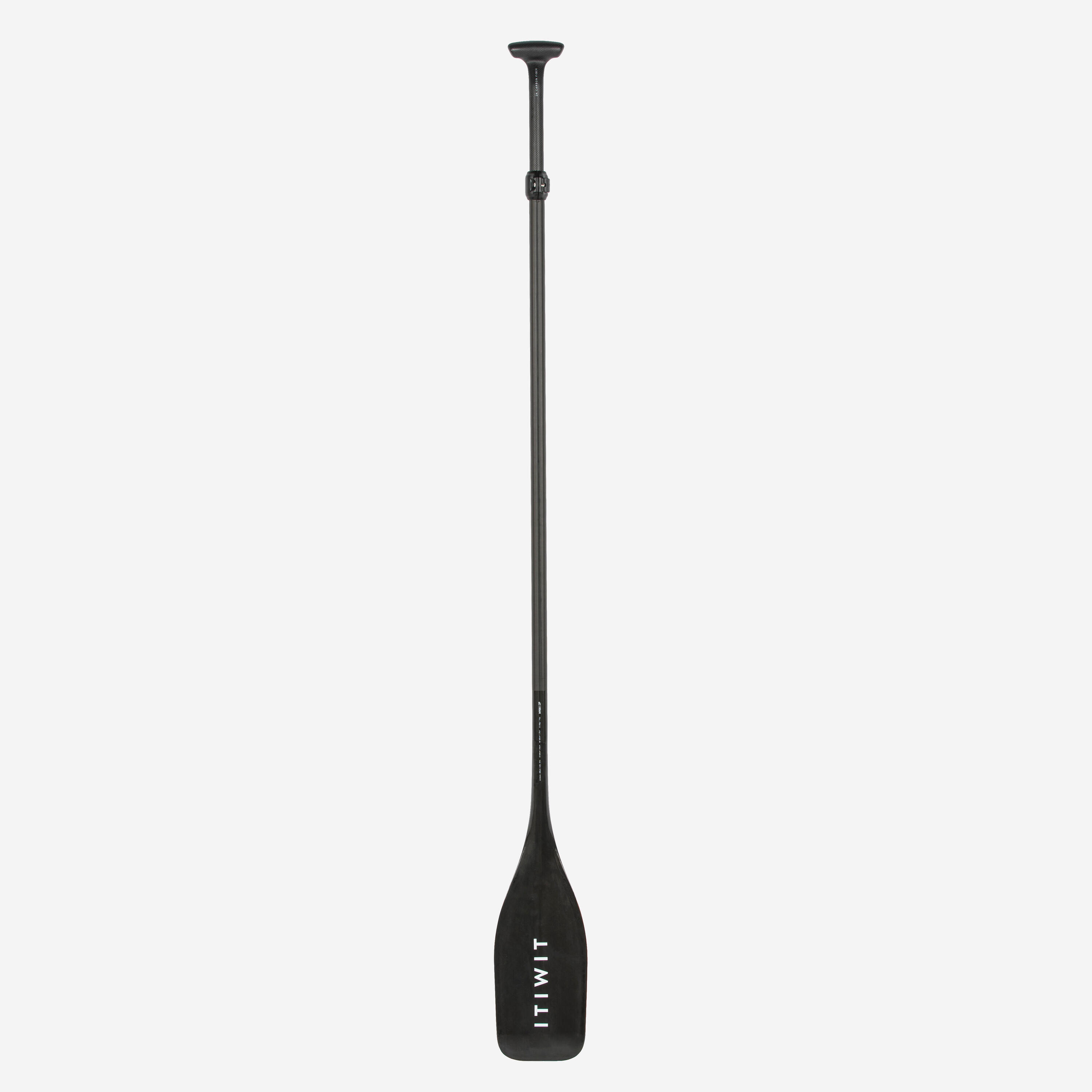
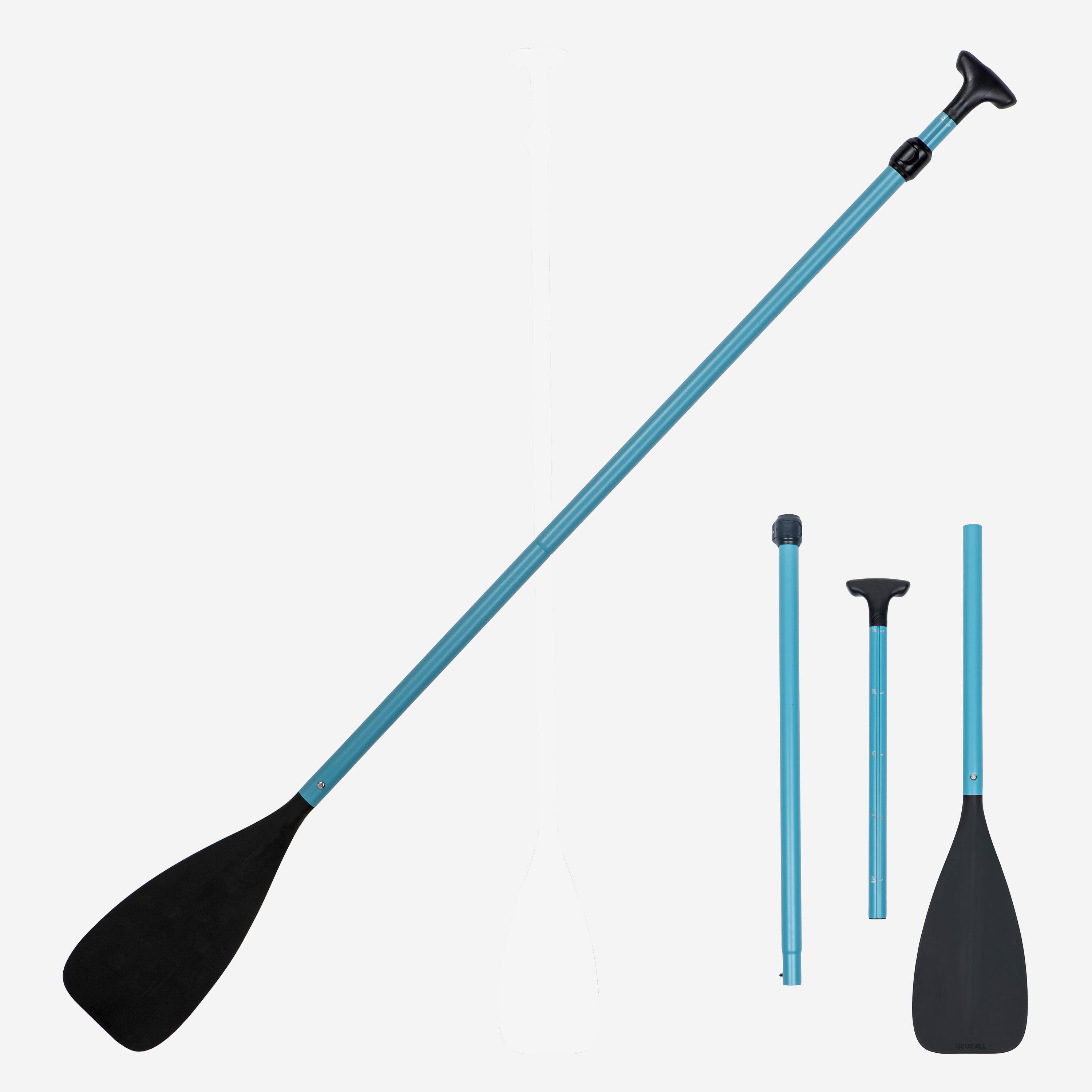
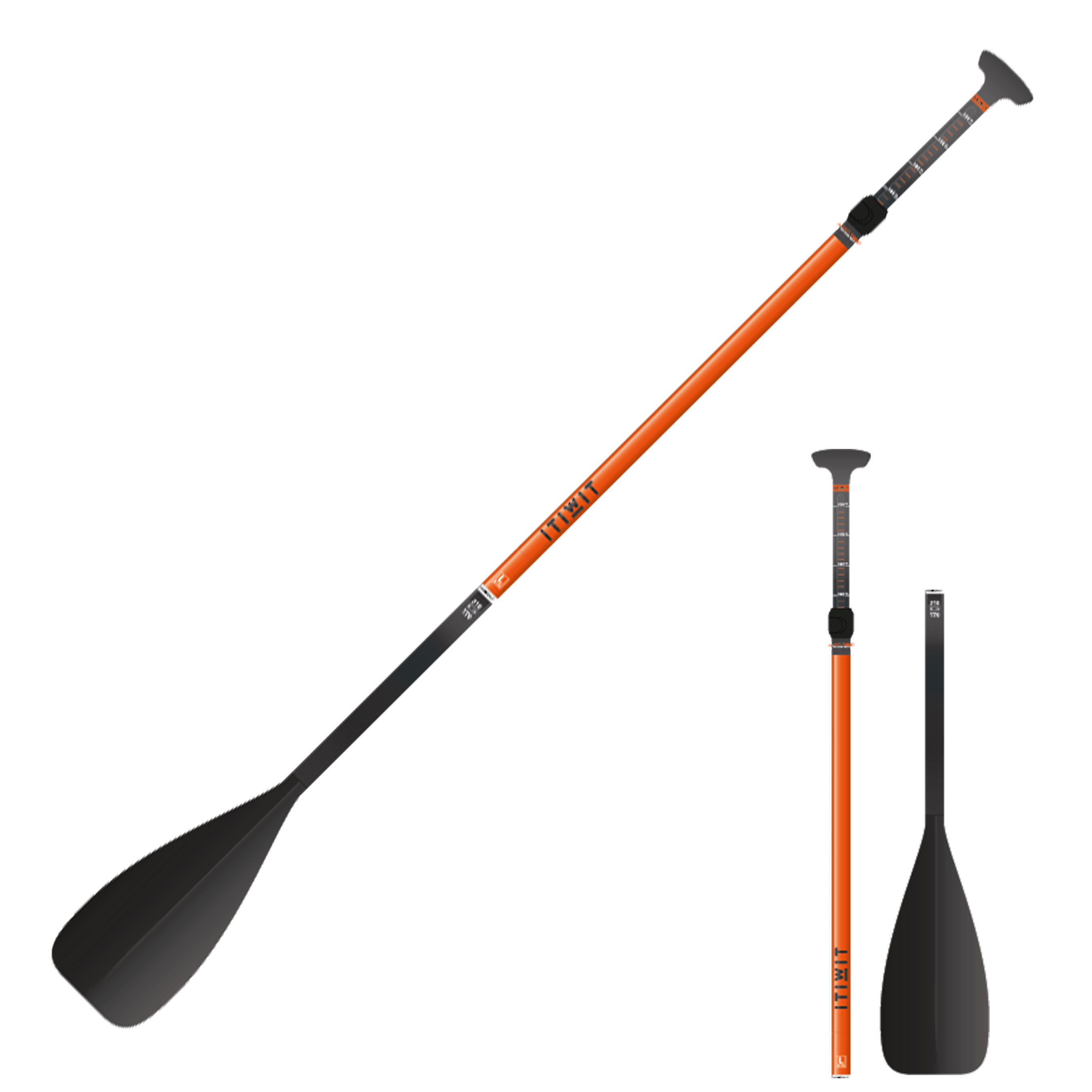
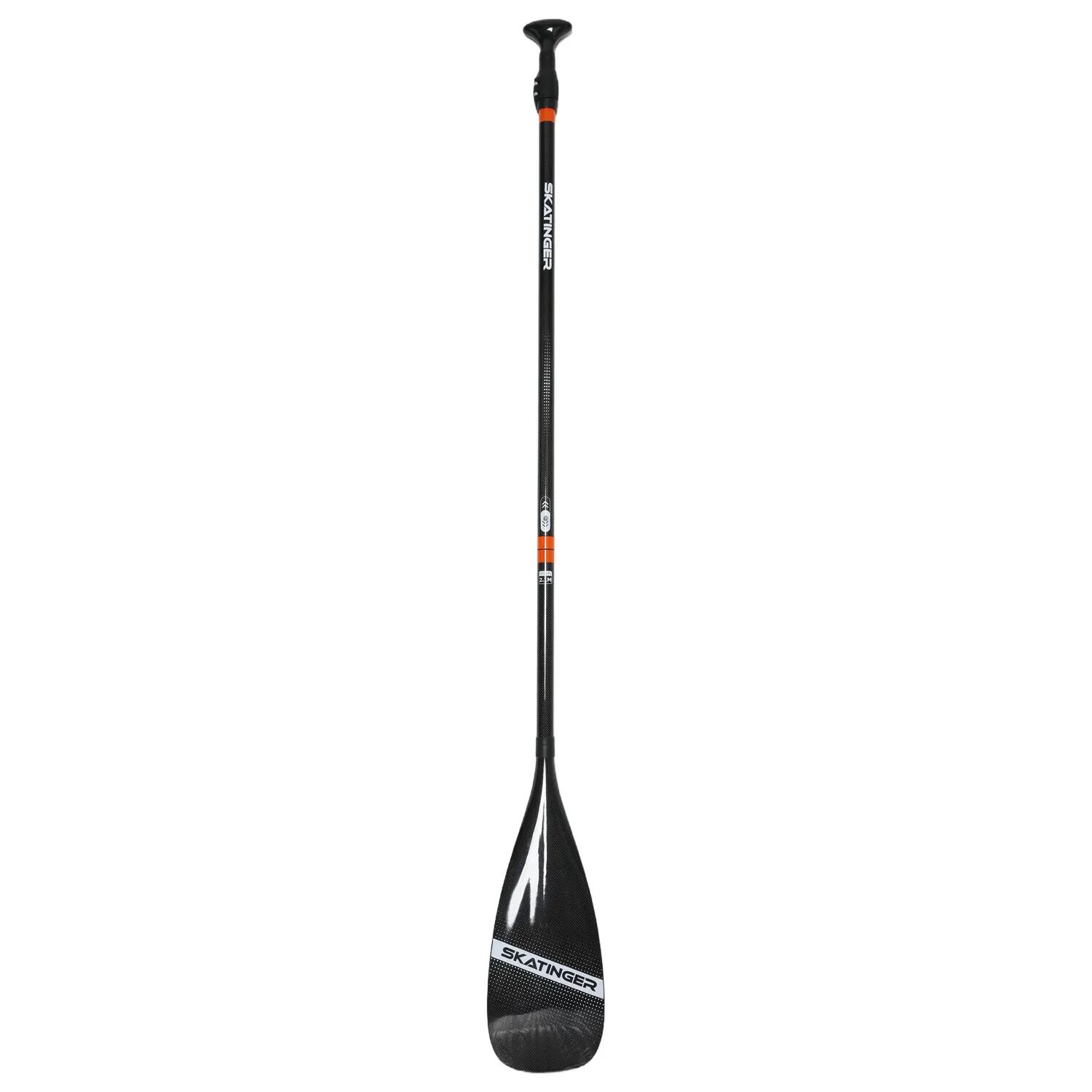
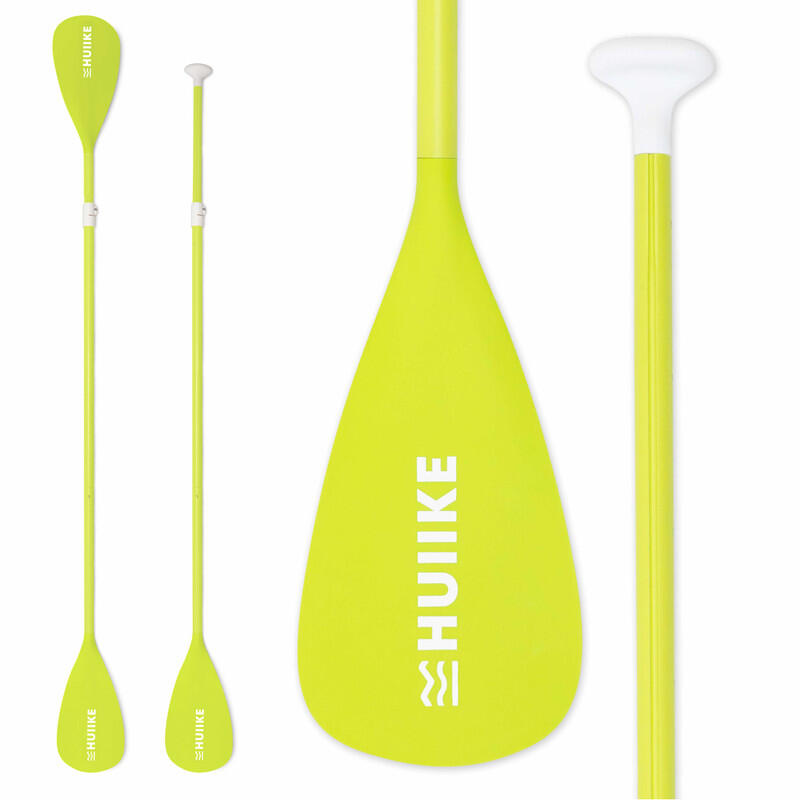
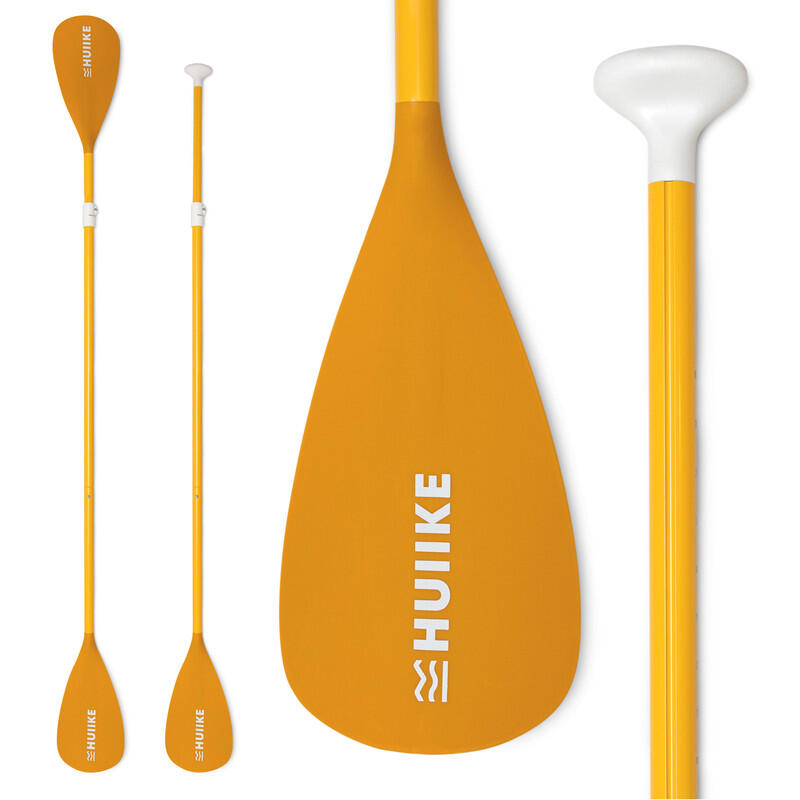
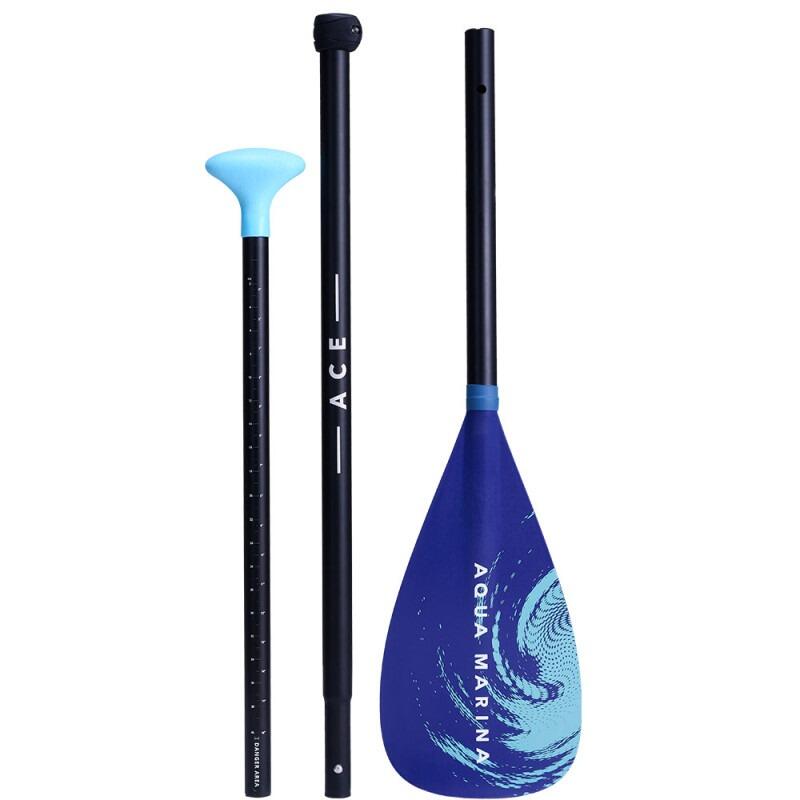
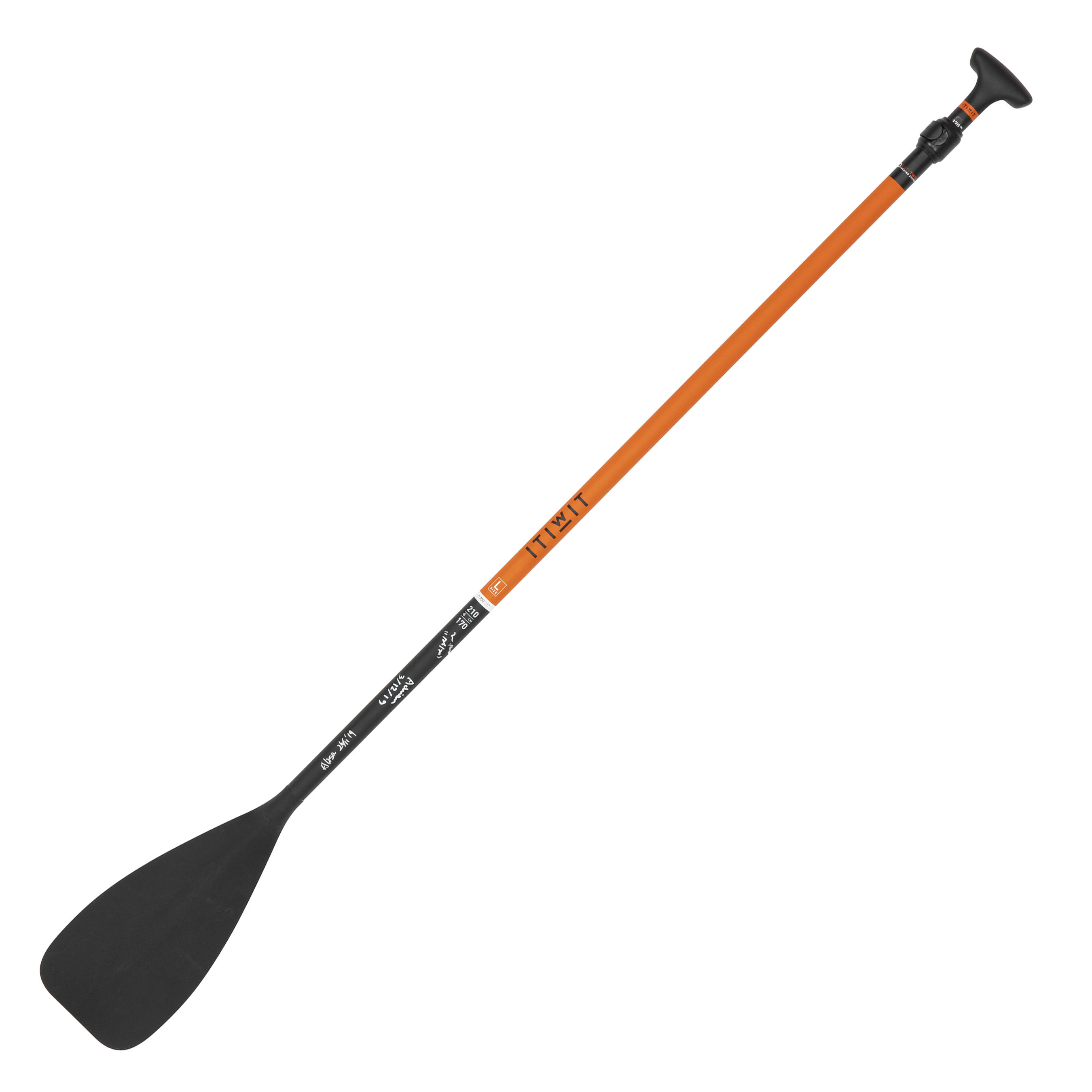
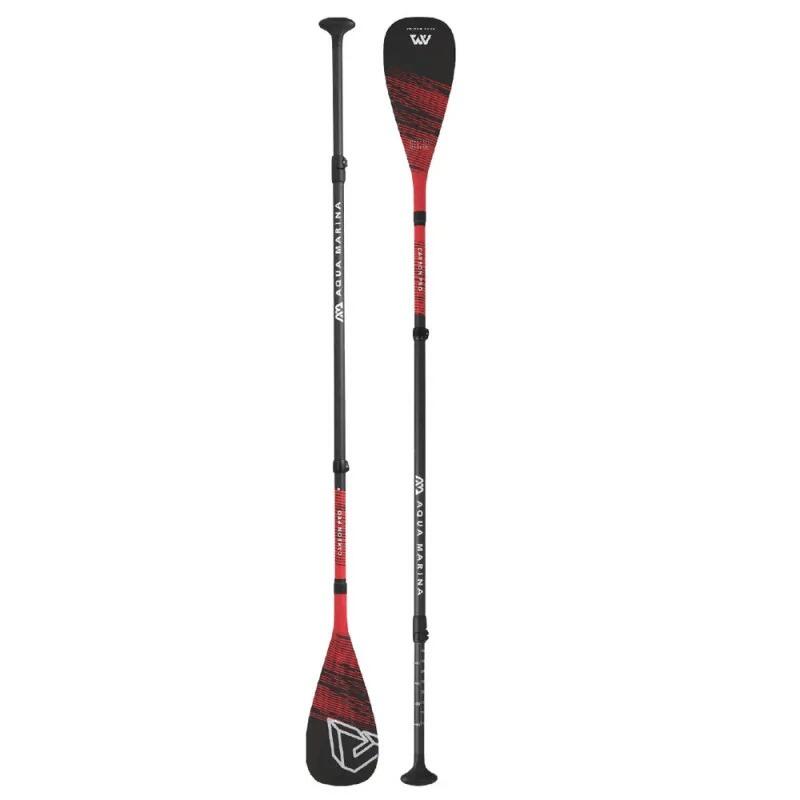
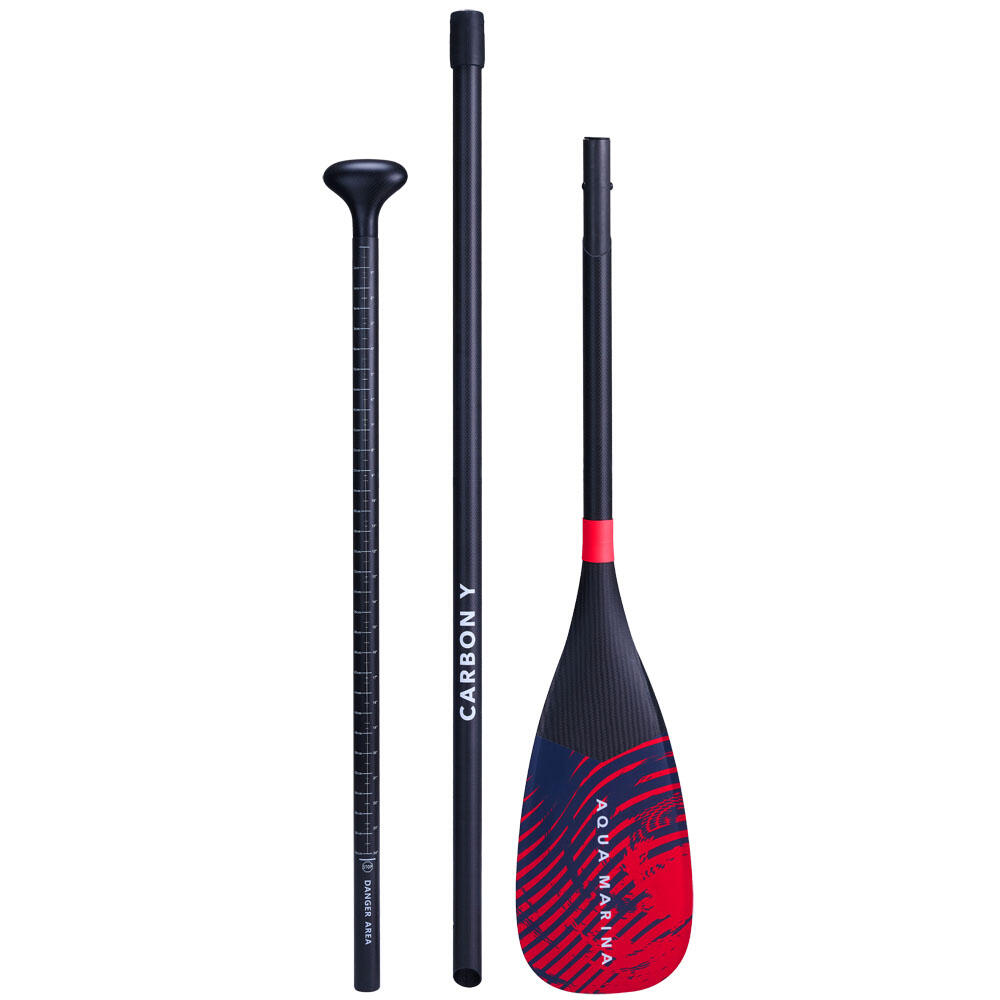
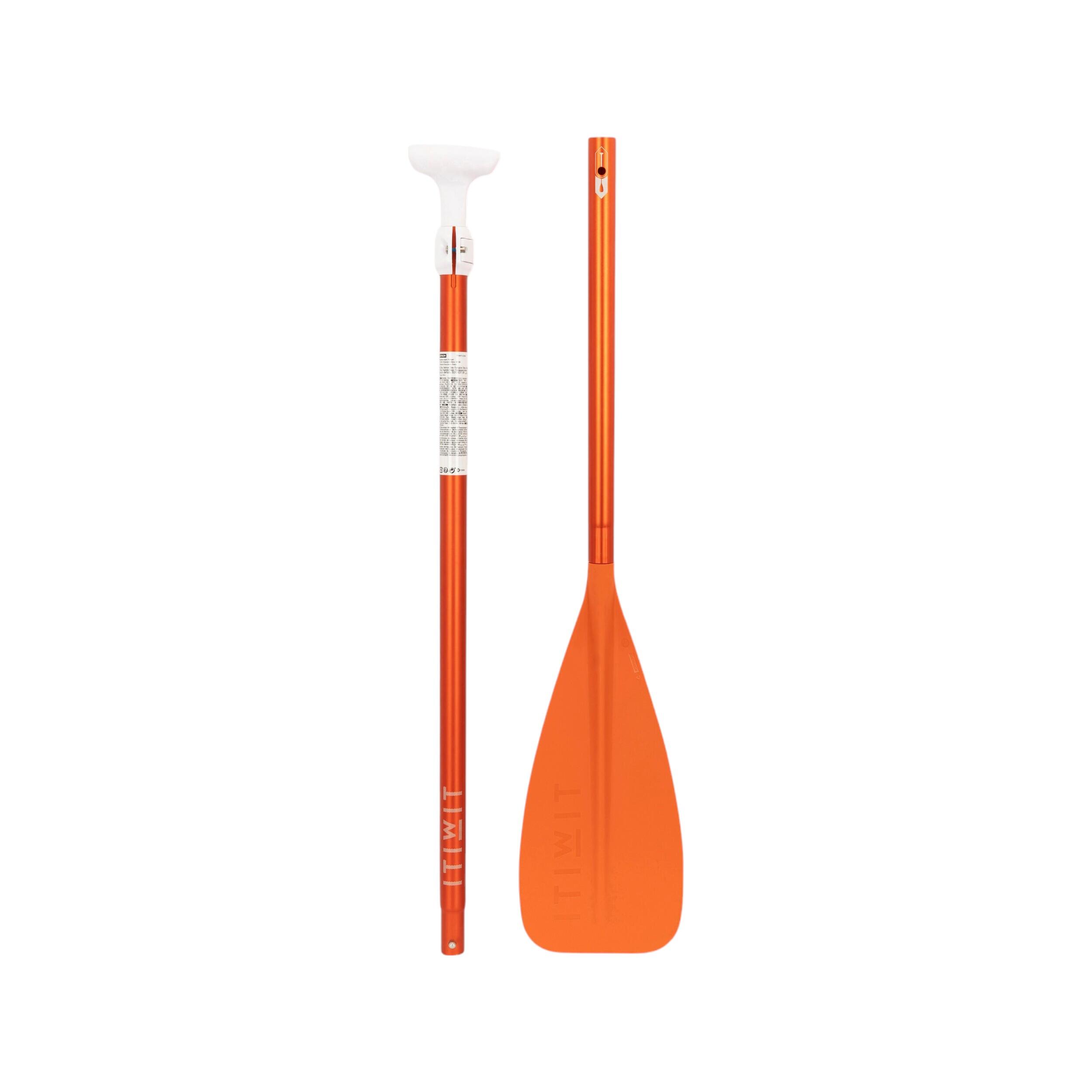
Your paddle should suit both your height and the way you intend to paddle. Adjustable SUP paddles make it easier to fine-tune shaft length, while multi-part models pack down for transport in a board bag or car boot. As a practical starting point, some Decathlon beginner paddles sit roughly 10 to 15 cm above the paddler's height, although individual paddle guidance should take priority. Keep the blade orientation and handle alignment correct when assembling a sectional paddle, as a twisted handle can make each stroke less natural. Aluminium models provide a straightforward option for recreational sessions, while fibreglass and carbon components on selected paddles can reduce weight. After saltwater use, rinse the sections and adjustment mechanism with fresh water before drying them.

Why does the right SUP fin matter?

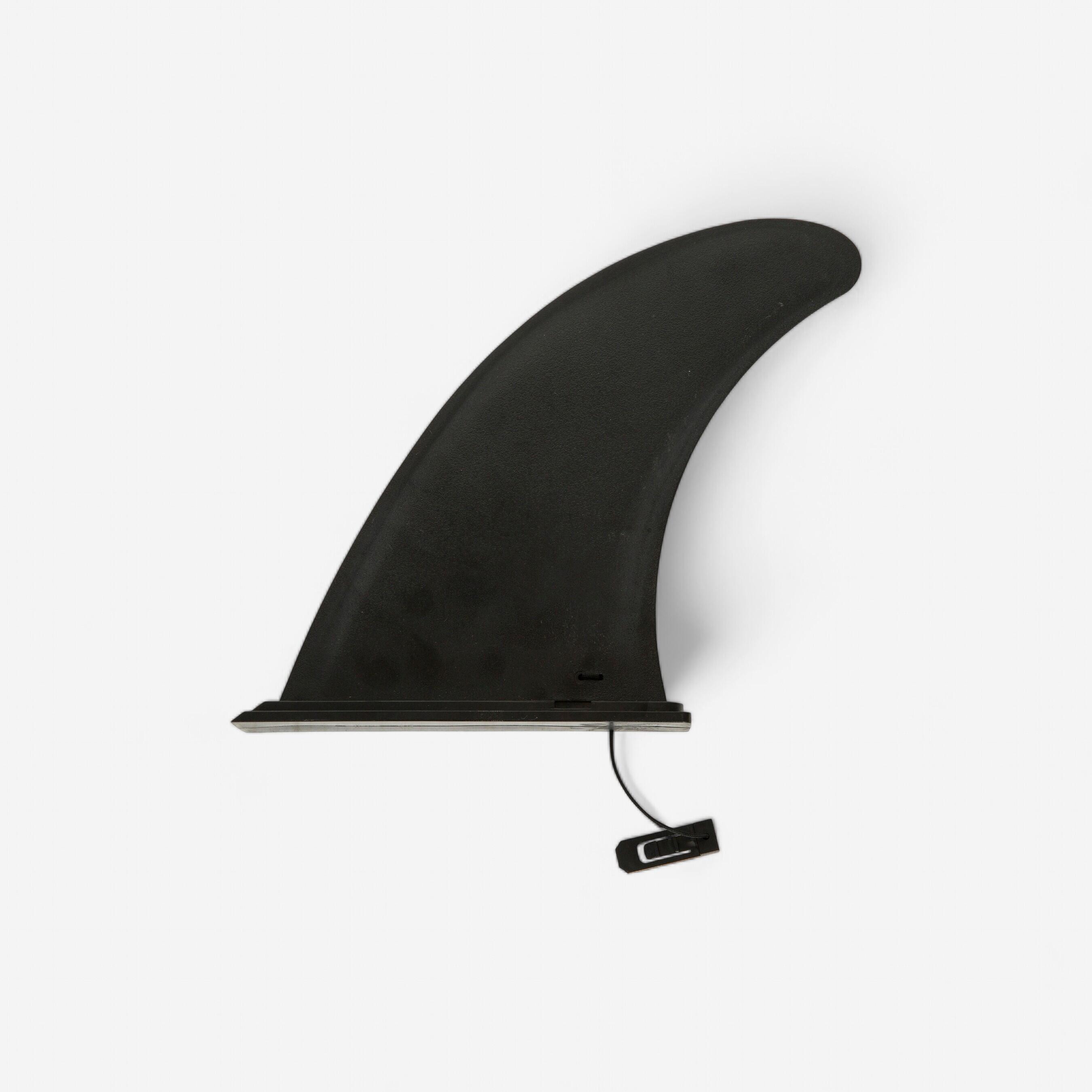
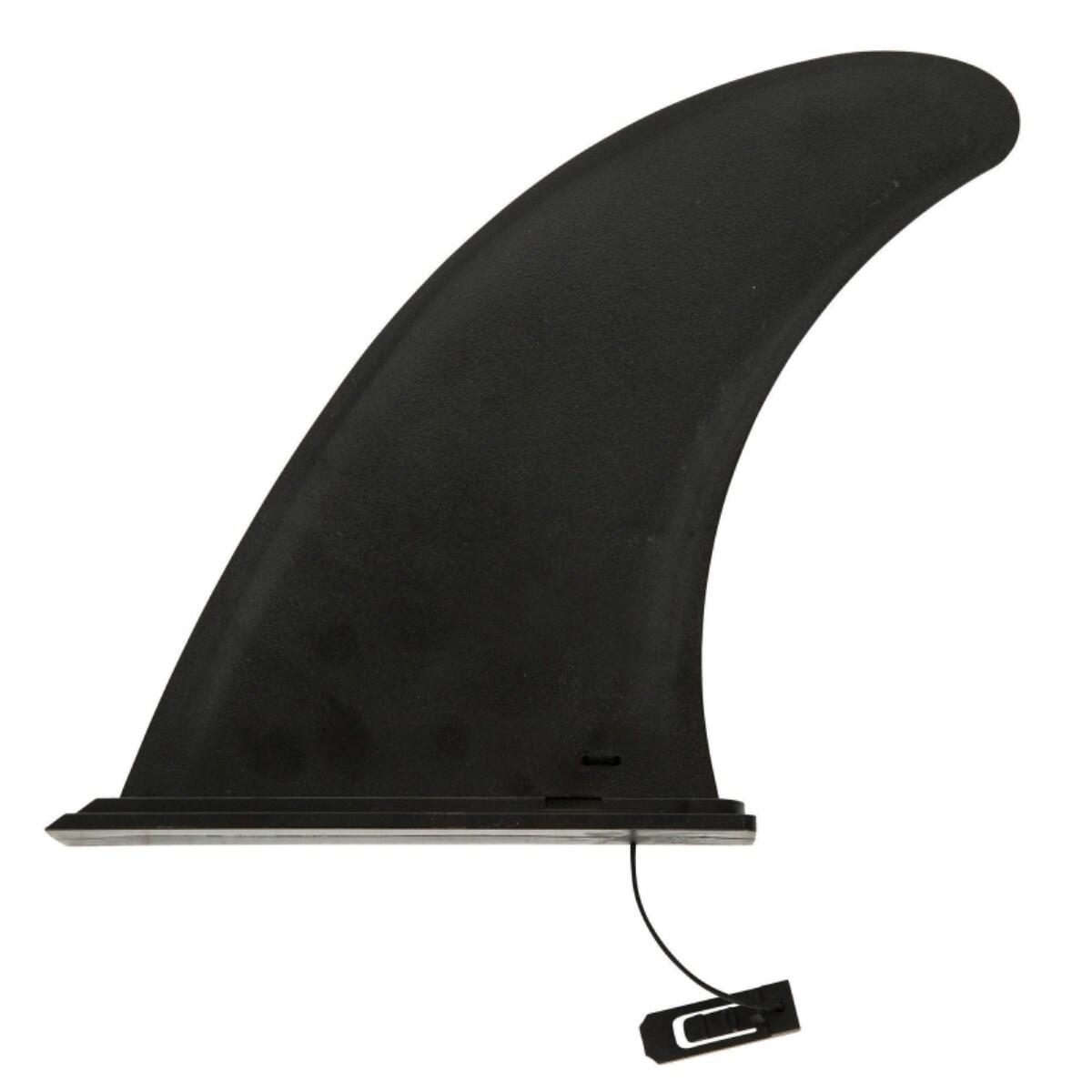
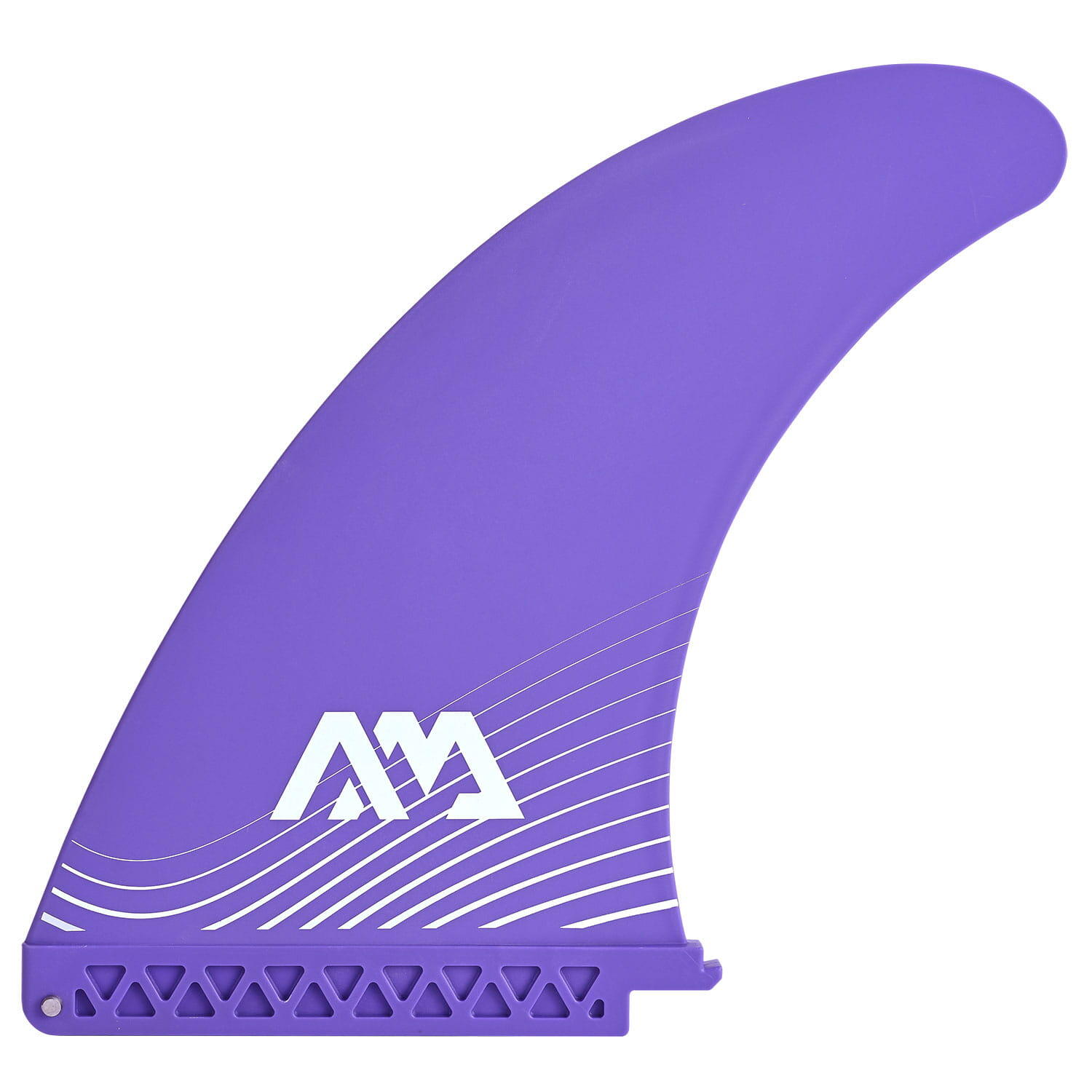
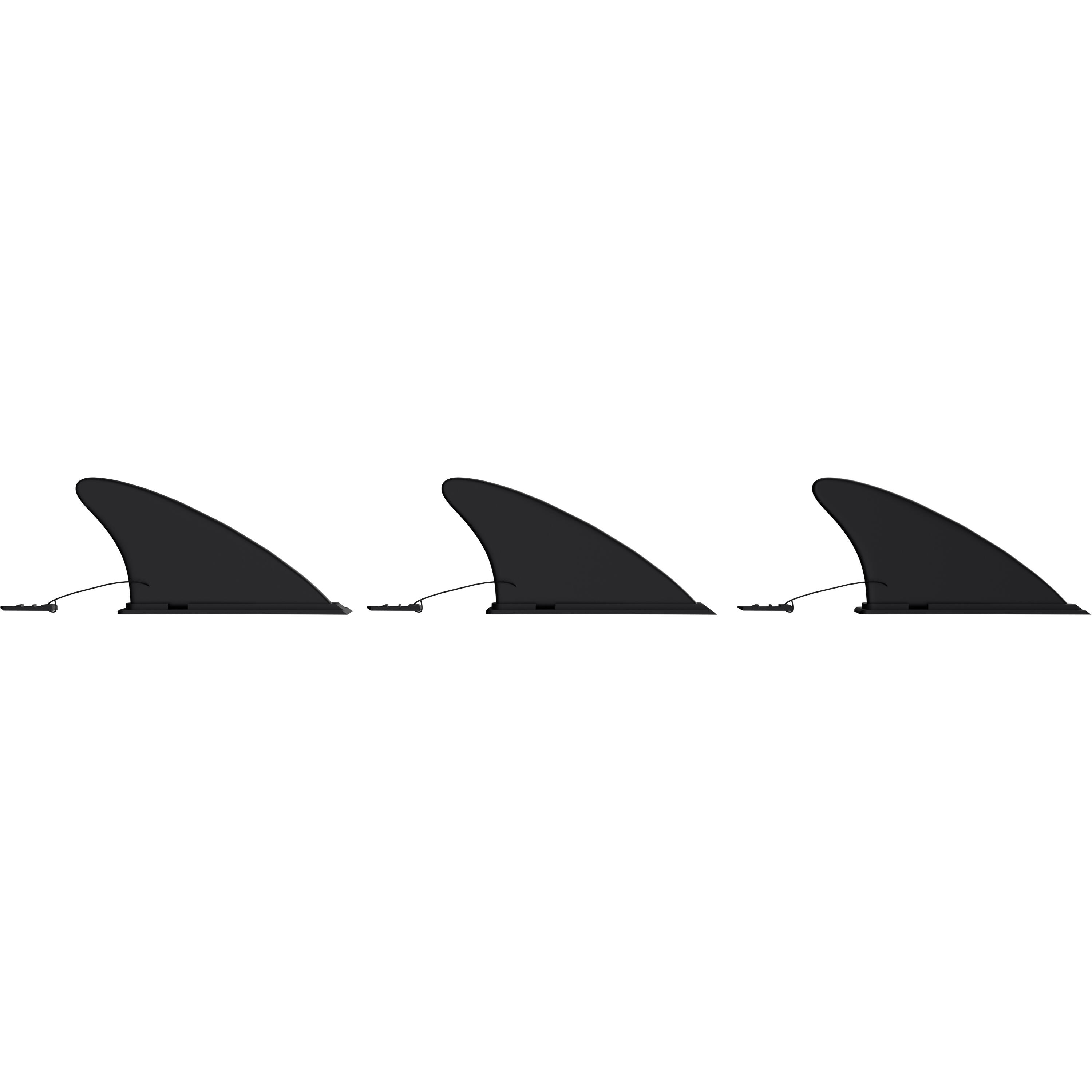
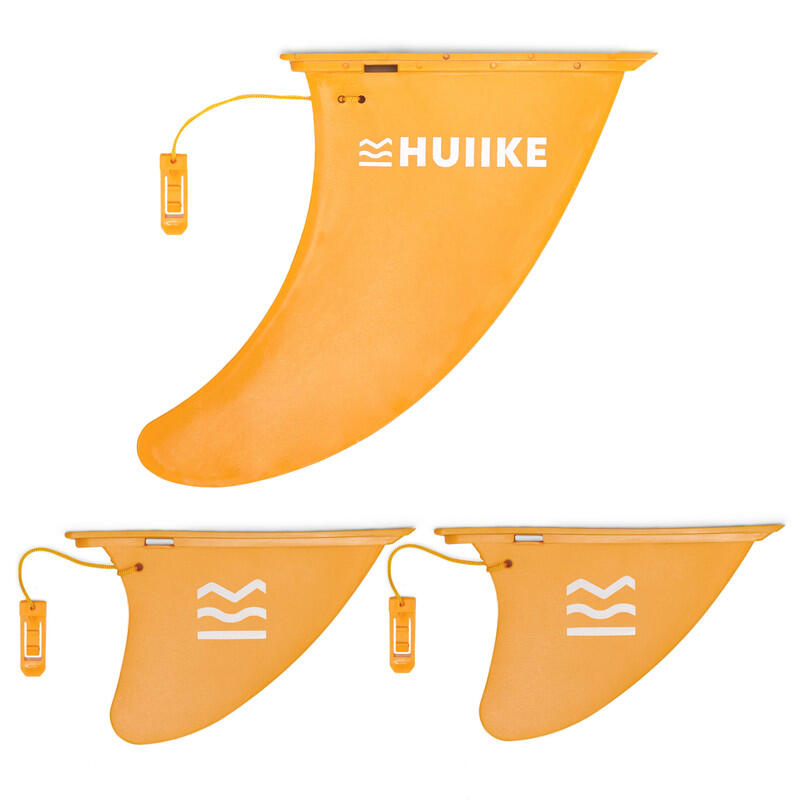
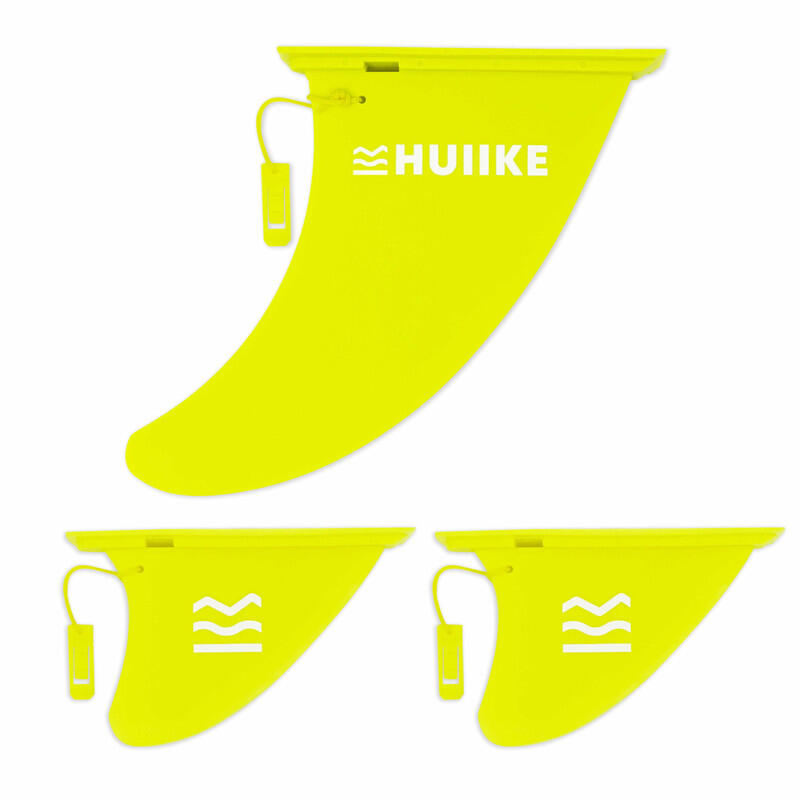
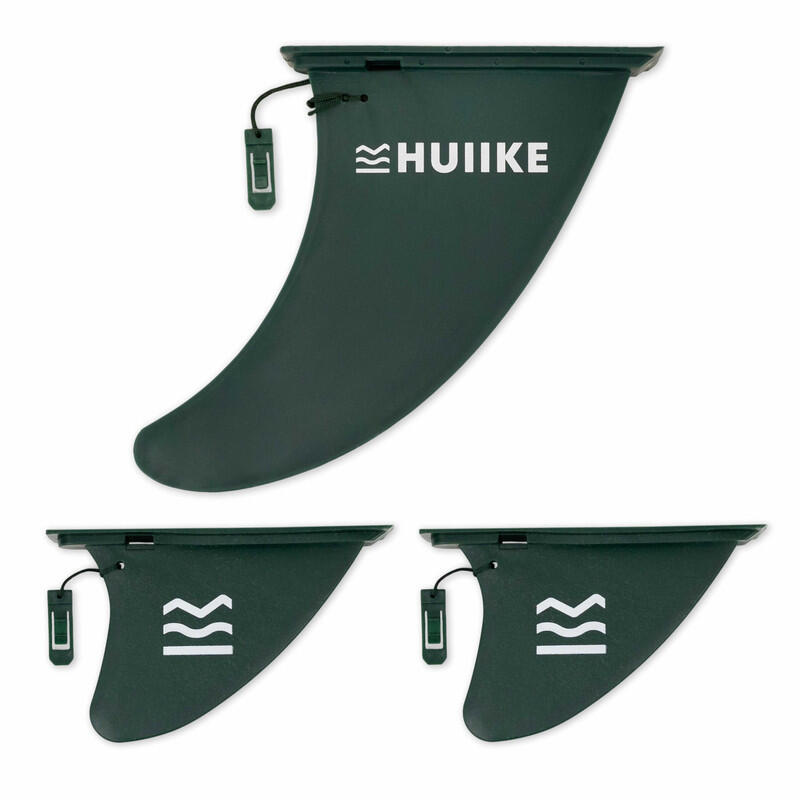
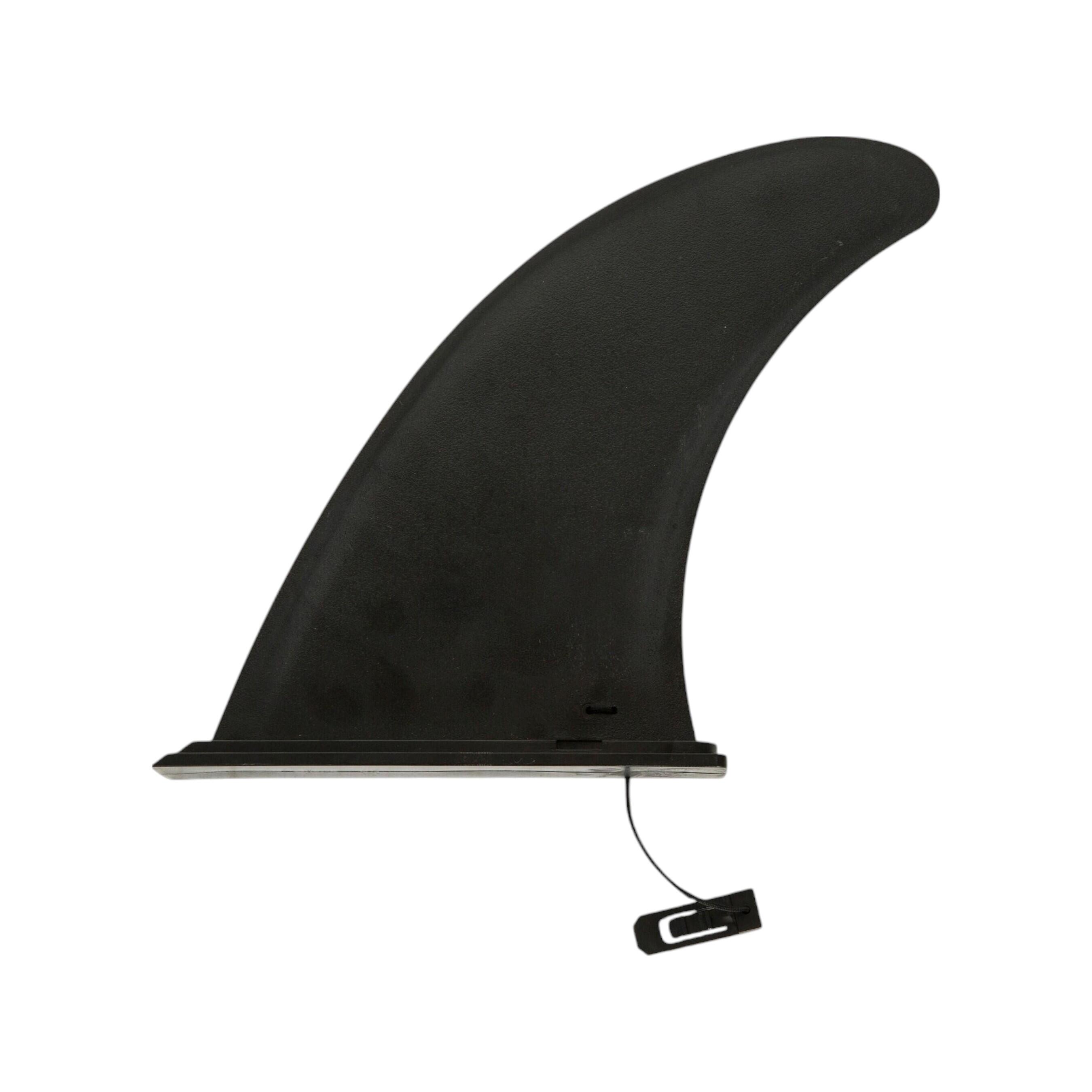
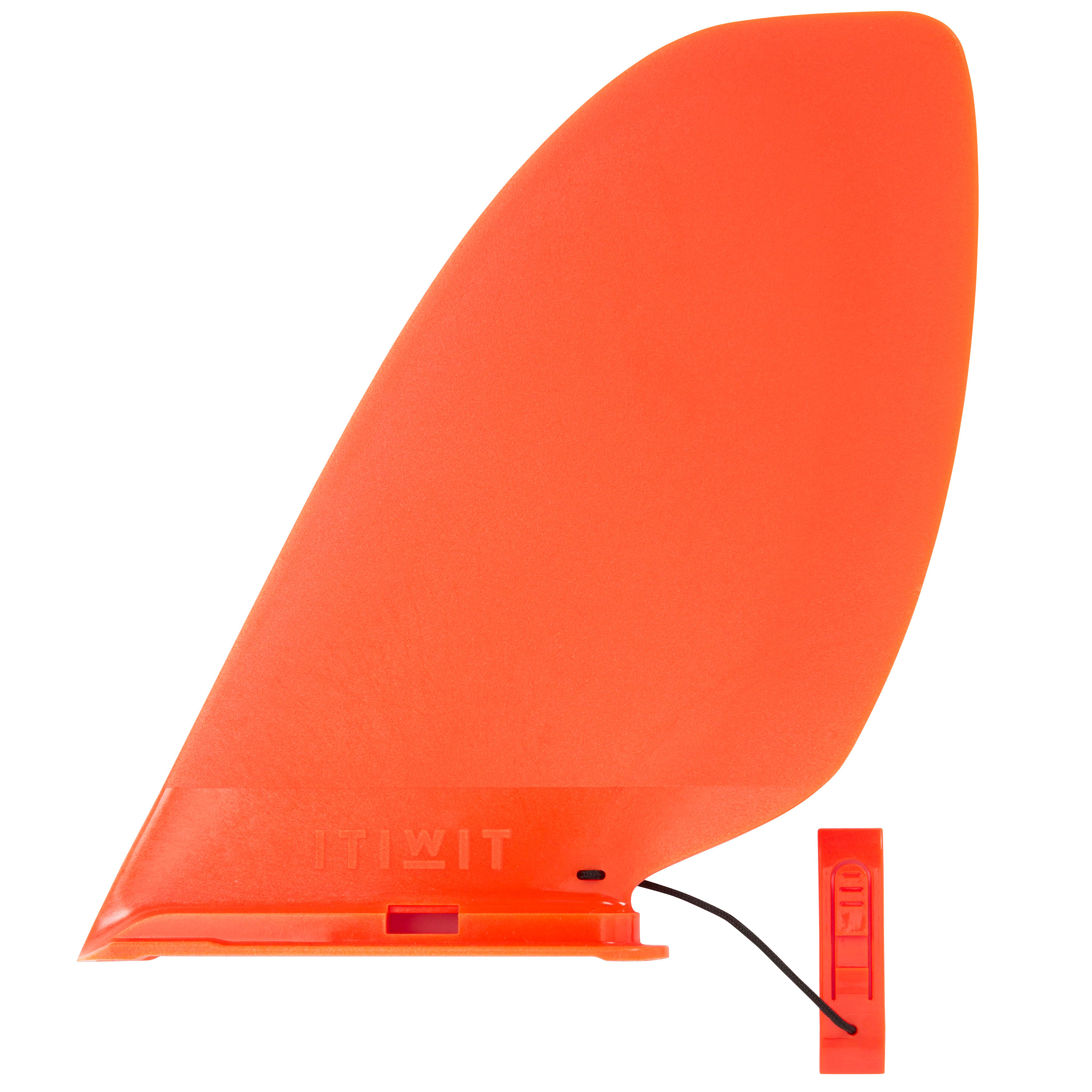
A fin helps your board track forwards instead of sliding sideways each time you stroke. Before replacing one, check the fin-box system, because fittings aren't automatically interchangeable between every board. Decathlon offers SUP fins including tool-free Itiwit fittings and replacement options for US-box systems. A larger fin area can contribute to directional control, but compatibility with your board comes first. Fit the fin before entering deeper water and make sure its retaining mechanism is secure. In shallow water, step off before the fin can strike the bottom. Once your session is over, removing the fin before carrying or storing the board reduces the chance of bending the fin or damaging its box.

When can electric assistance be useful on a stand up paddle board?

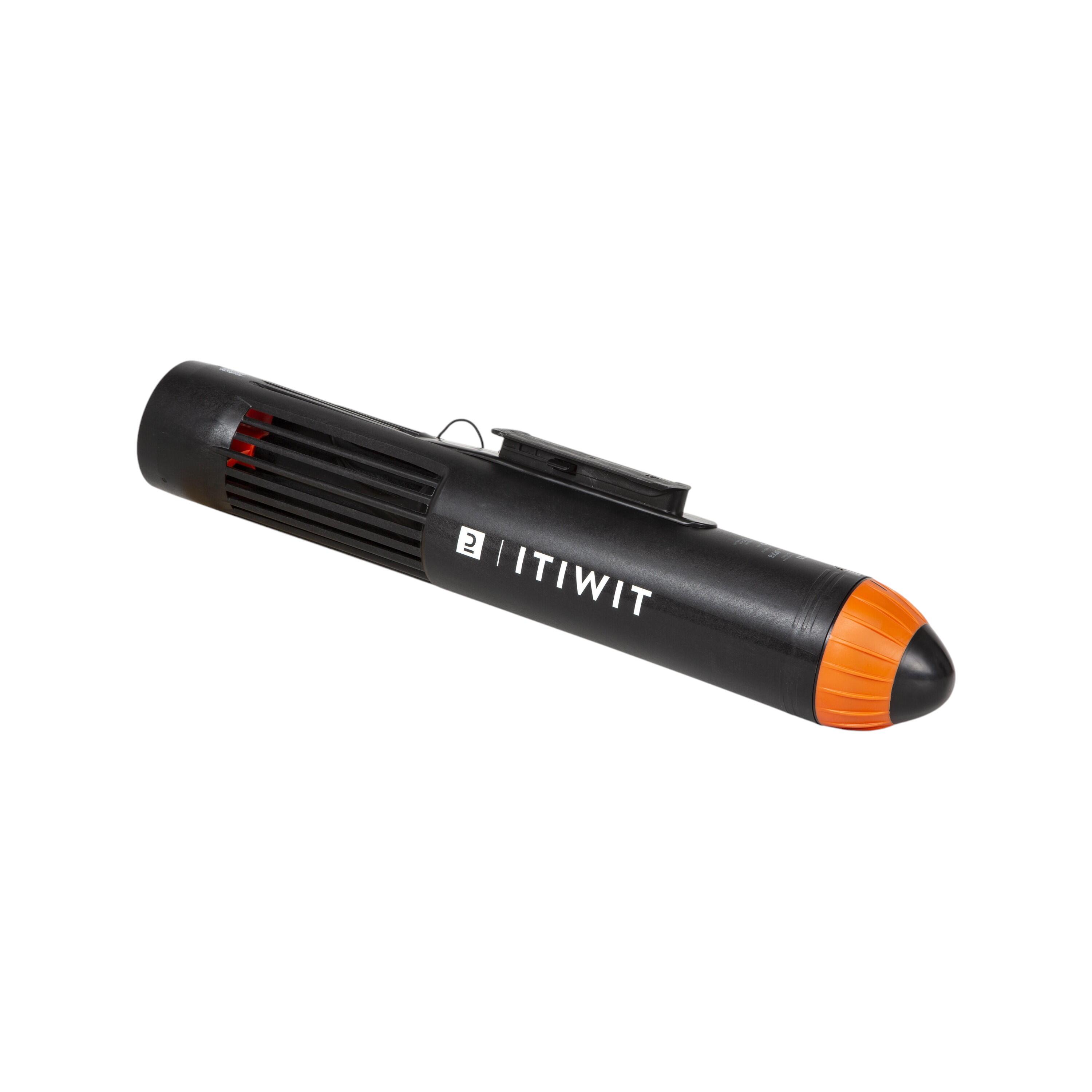
Electric assistance can reduce the physical effort needed to maintain movement, which may be useful for compatible boards and suitable paddling situations. Before considering stand up paddle motors and electric assistances, check the mounting system, board compatibility, operating instructions and intended water conditions rather than choosing on power alone. Added equipment can change the weight and handling of your setup, so allow for that when launching, carrying and manoeuvring the board. Battery range can also vary with load, assistance level, wind and water conditions. Treat electric assistance as part of the complete SUP setup rather than a substitute for basic paddling skills, appropriate safety equipment or planning around changing weather.

How should you use and look after a SUP leash?

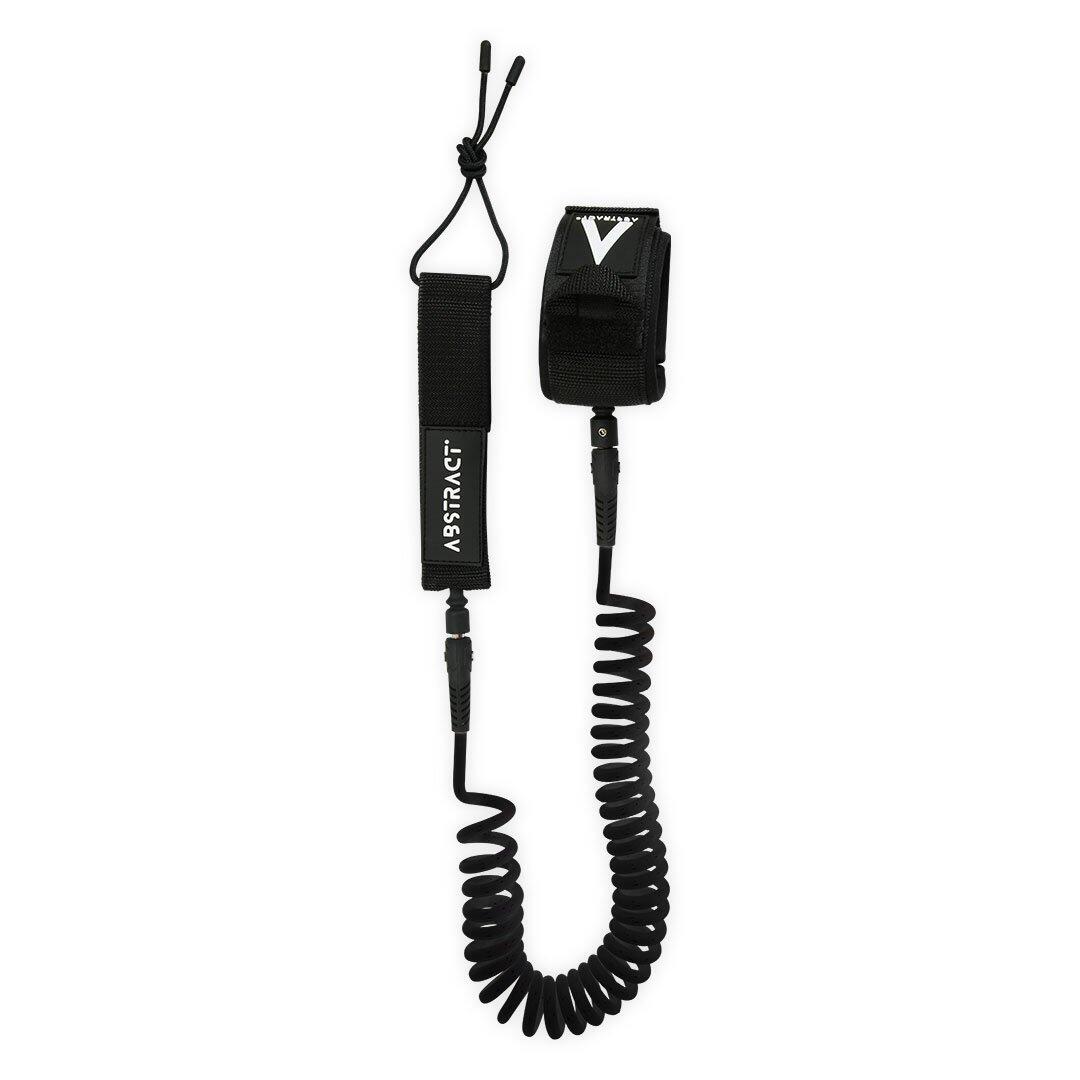
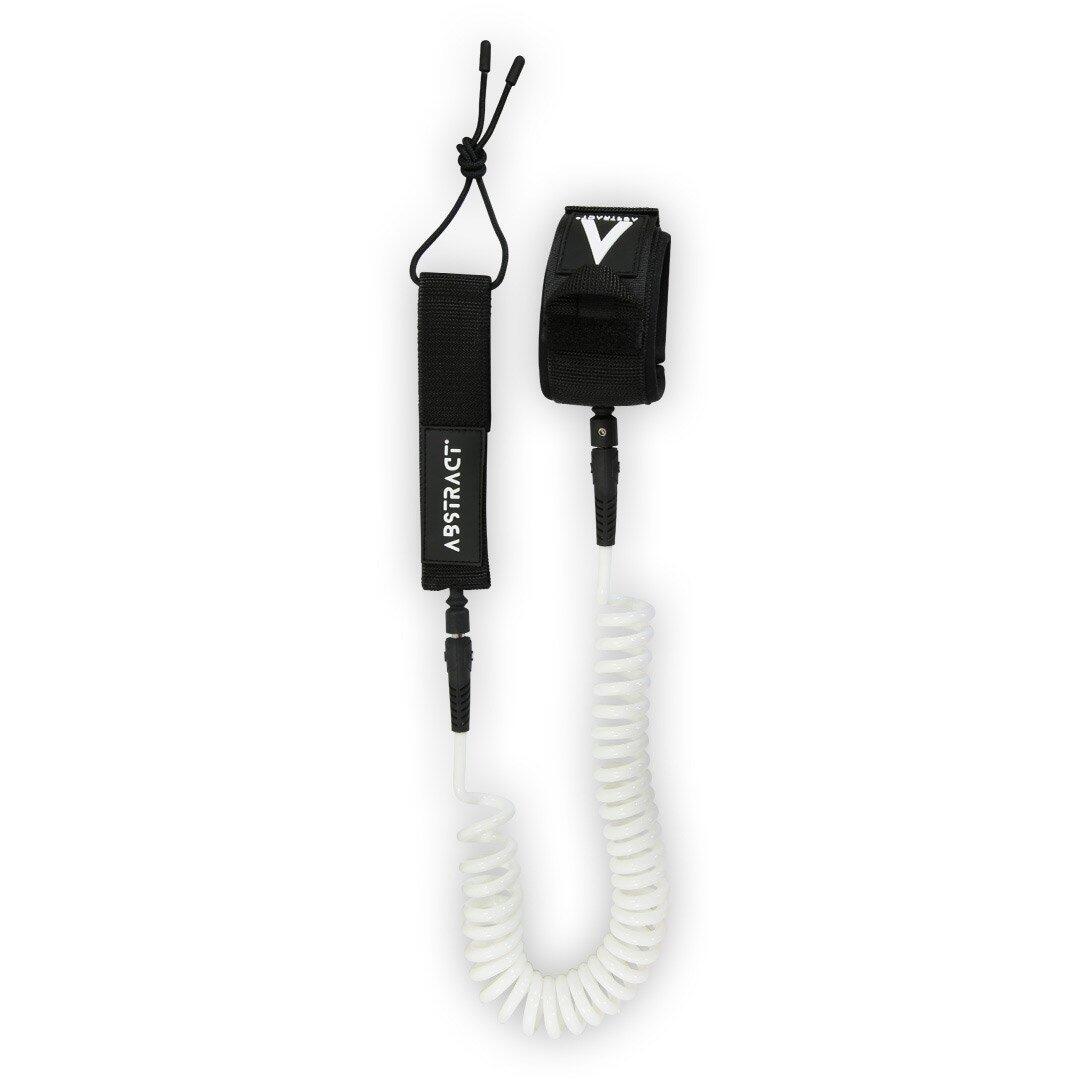
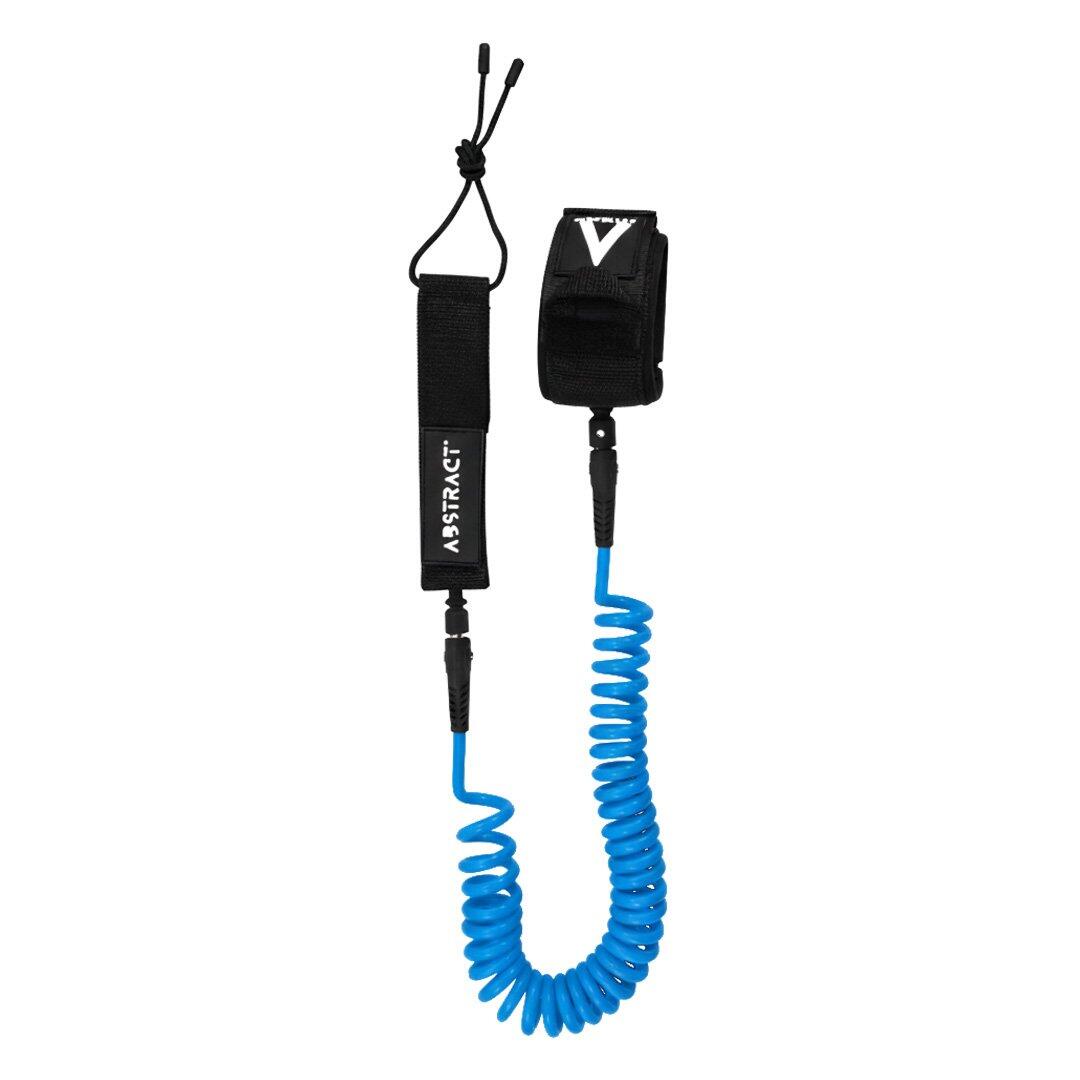
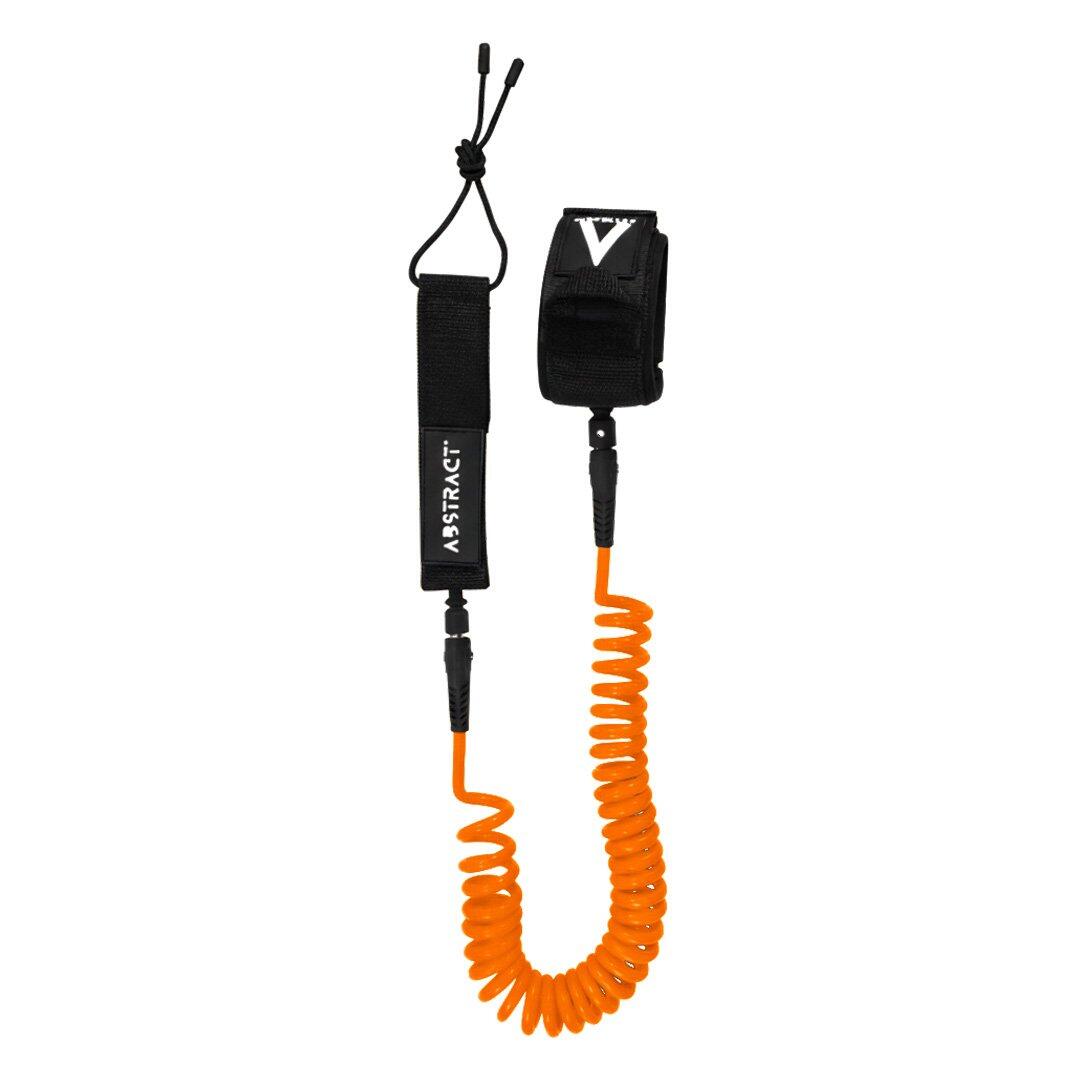
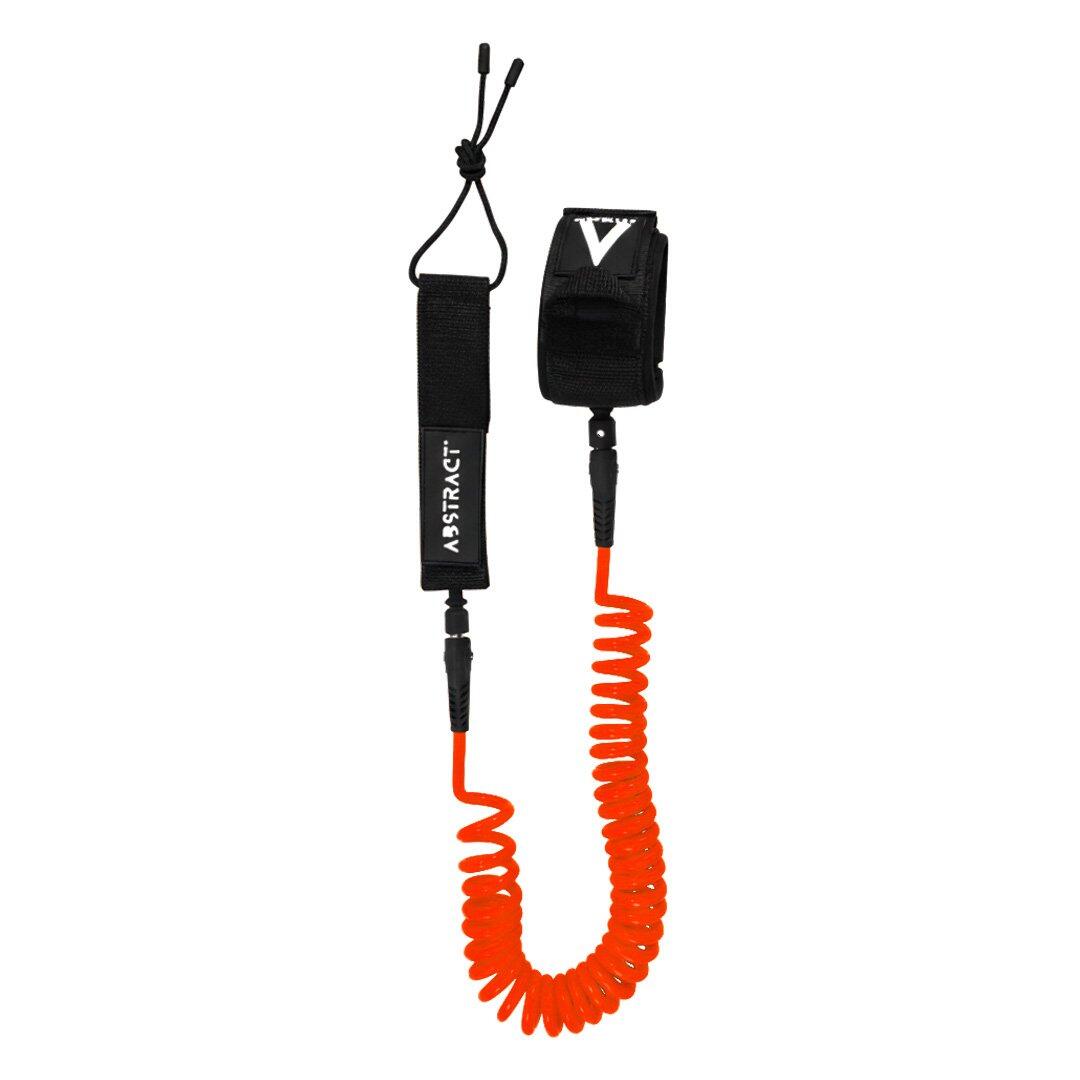
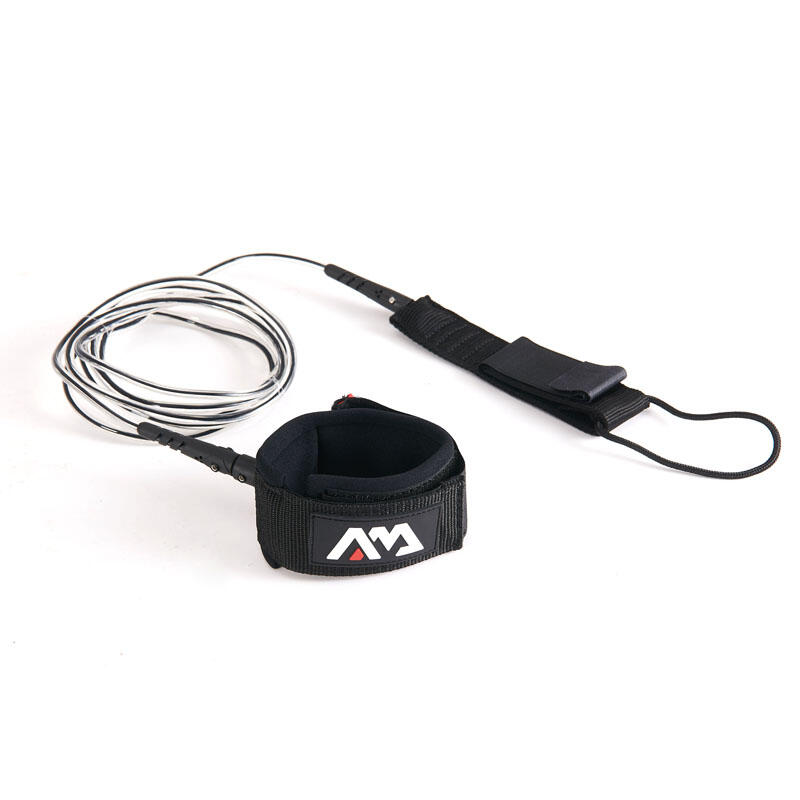
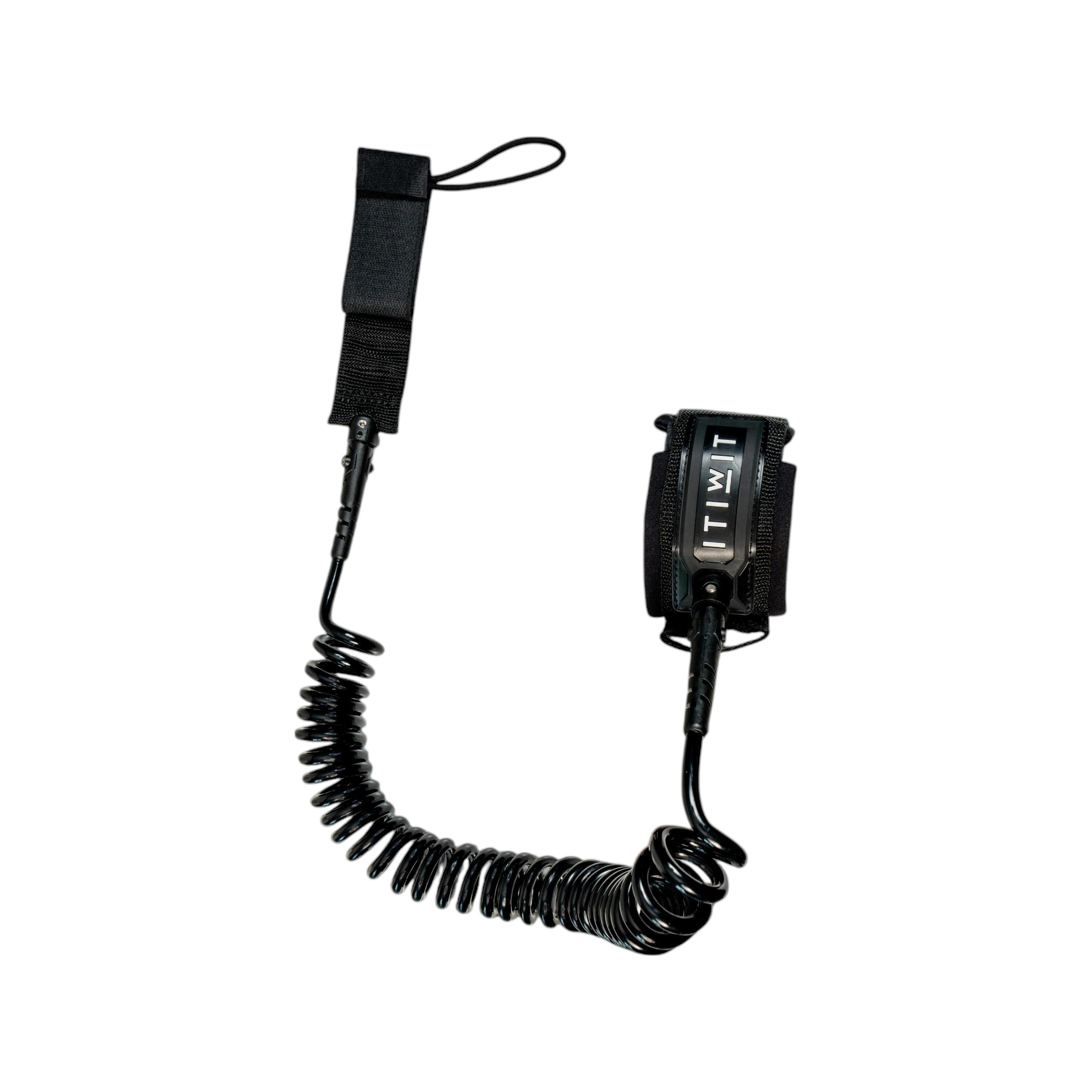
A leash is intended to keep you connected to your board after a fall in conditions where that leash type is appropriate. Choose SUP leashes based on your board, activity, and water environment, and inspect the cord, cuff, and attachment points before setting off. Don't assume the same leash setup works everywhere: Decathlon specifically advises against using its standard inflatable SUP leash type on rivers, where moving water can create different entanglement risks. After paddling in the sea, rinse suitable leash components with fresh water and allow them to dry before storage. The same habit helps with paddles and other salt-exposed accessories, as dried salt and sand can interfere with adjustment points, seals and moving parts over time.