186 items
4.7/5 based on 65754 reviews collected online and in stores

Boys' Swimwear FAQs

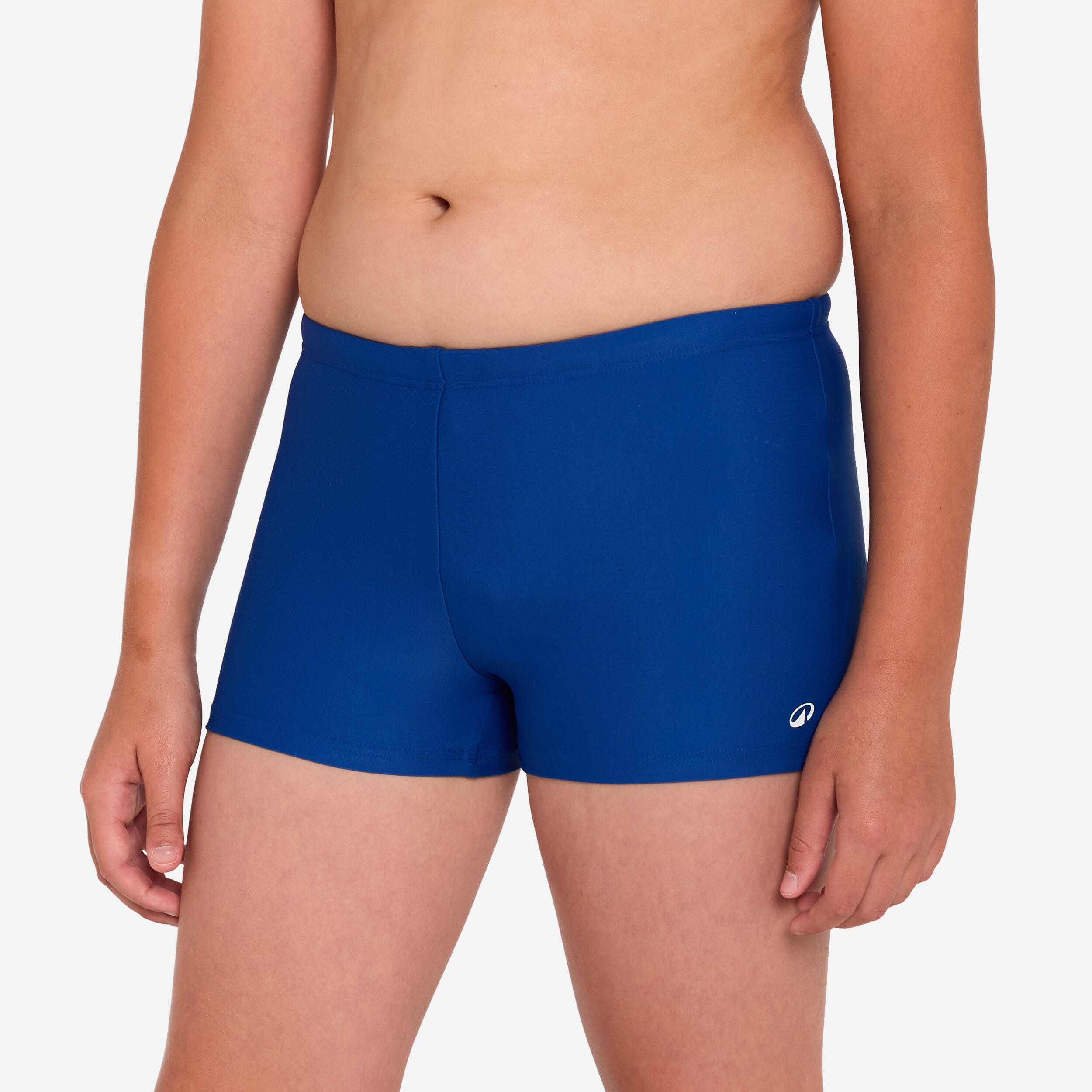
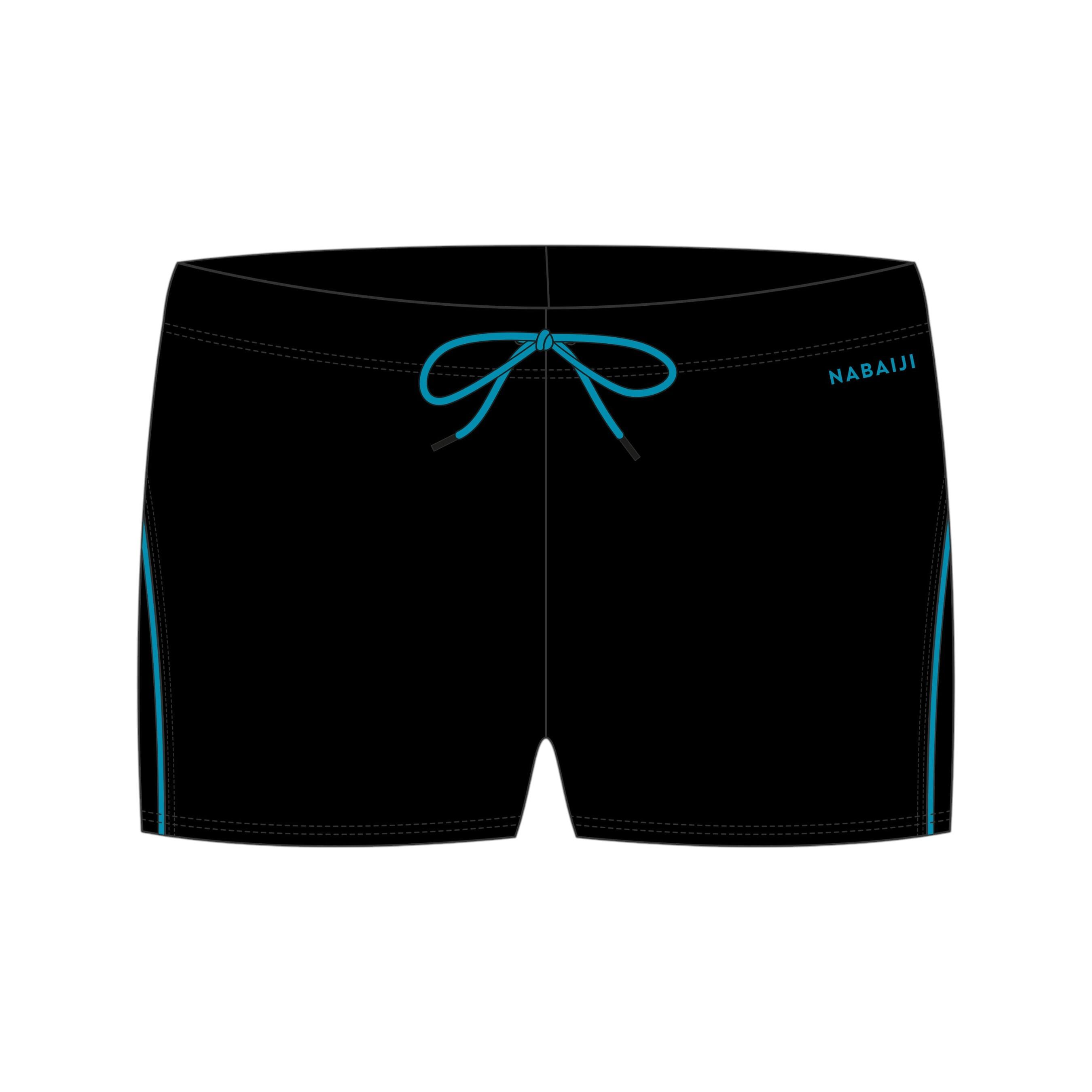
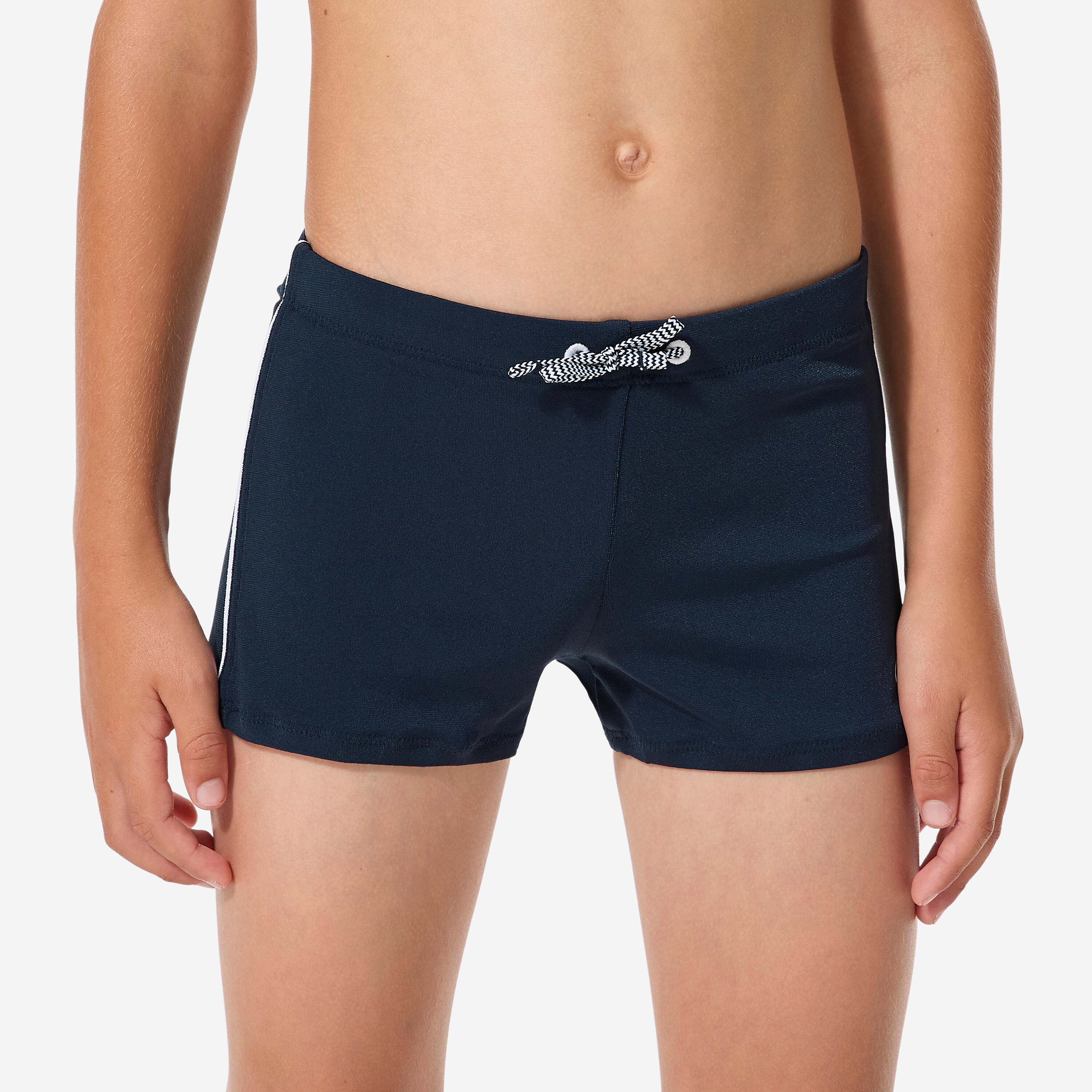
What fabric construction keeps boys' swim boxers holding their shape through a full season of pool sessions?

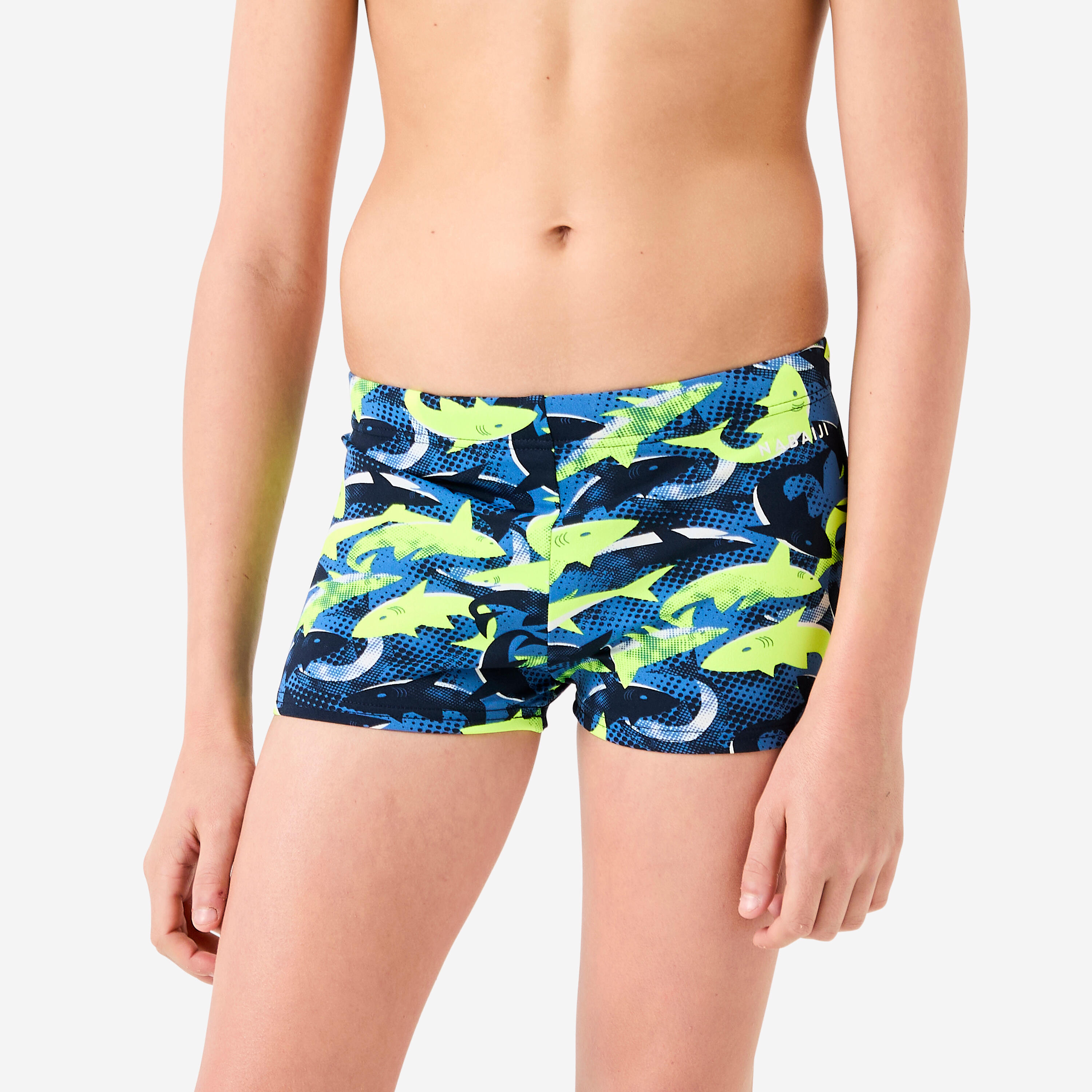
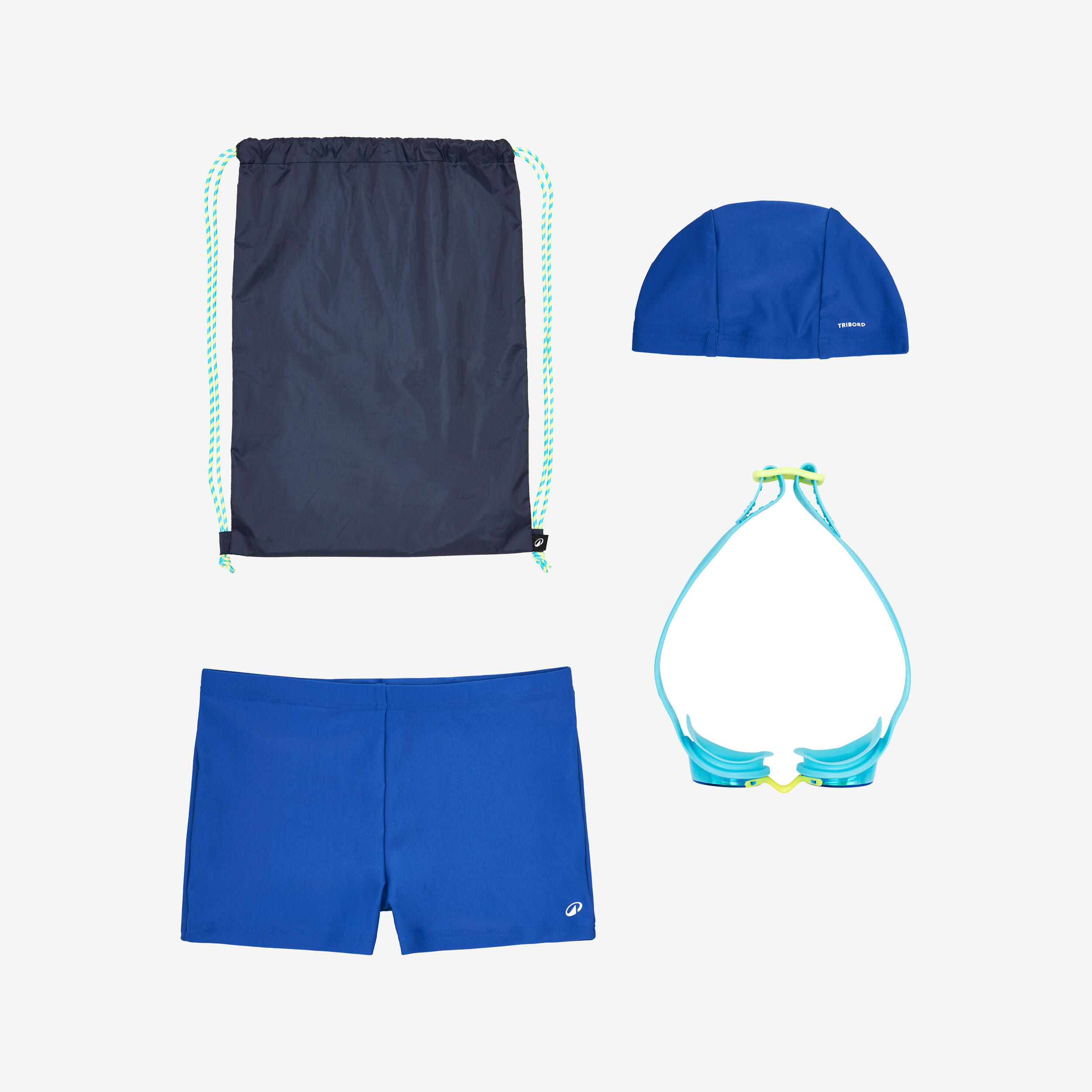
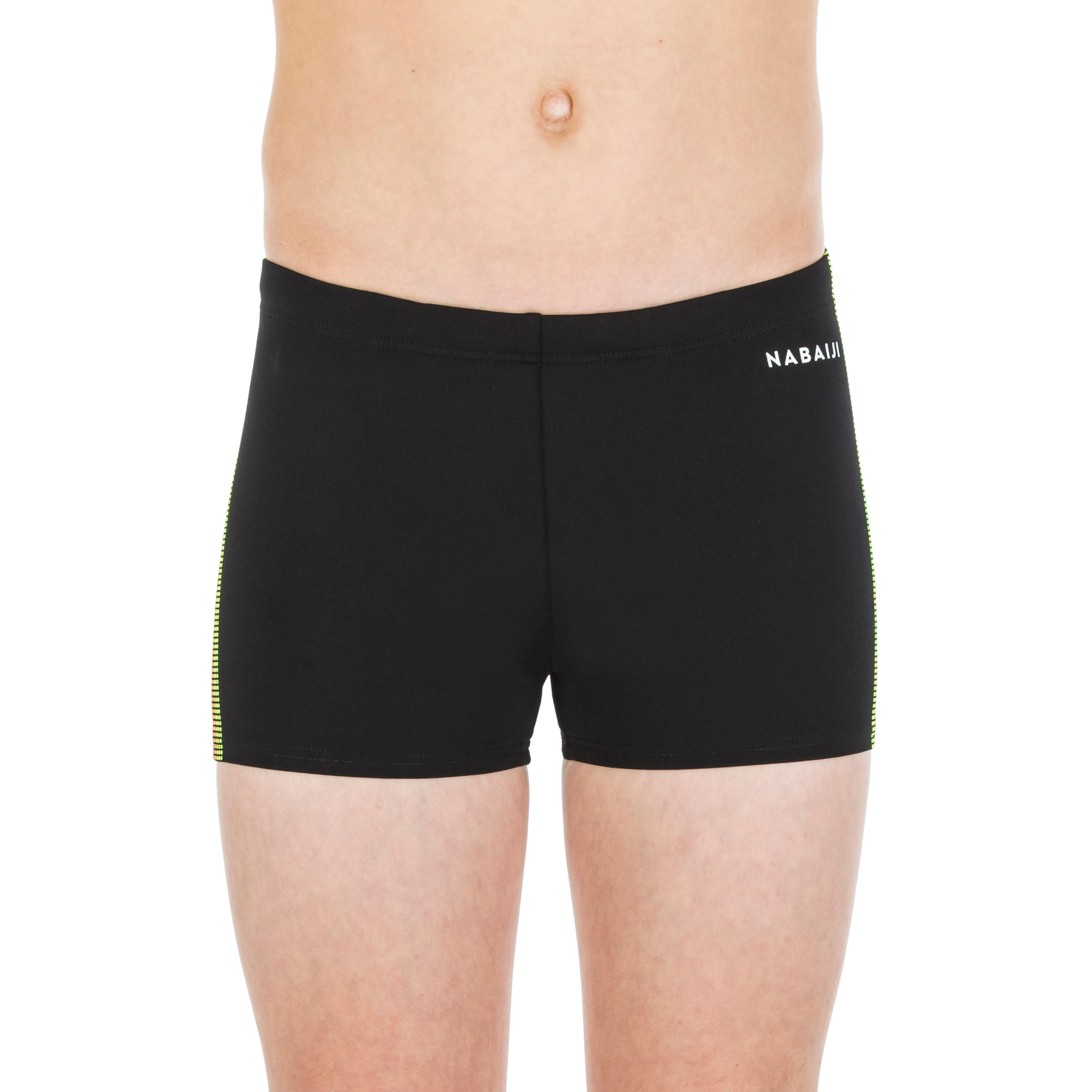
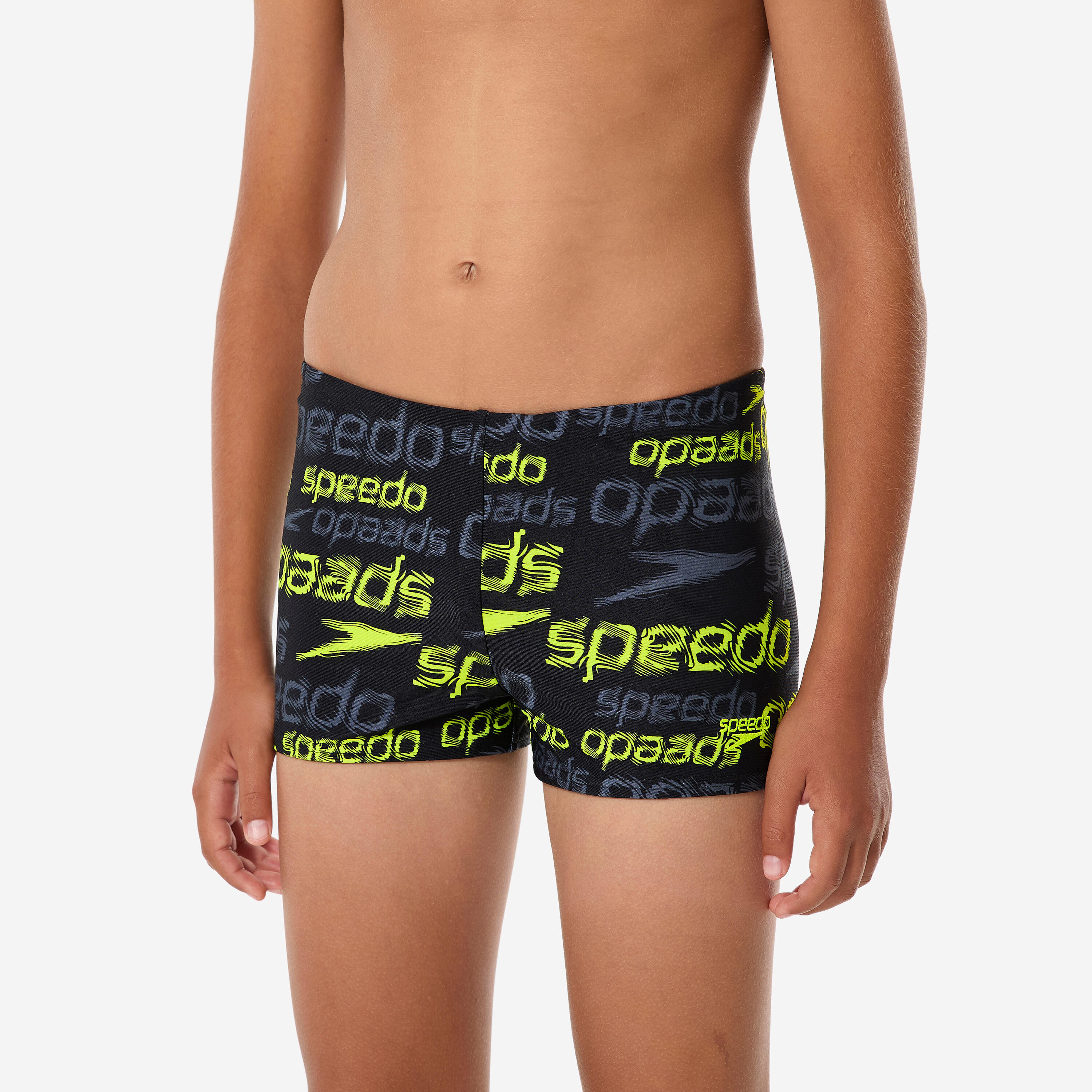
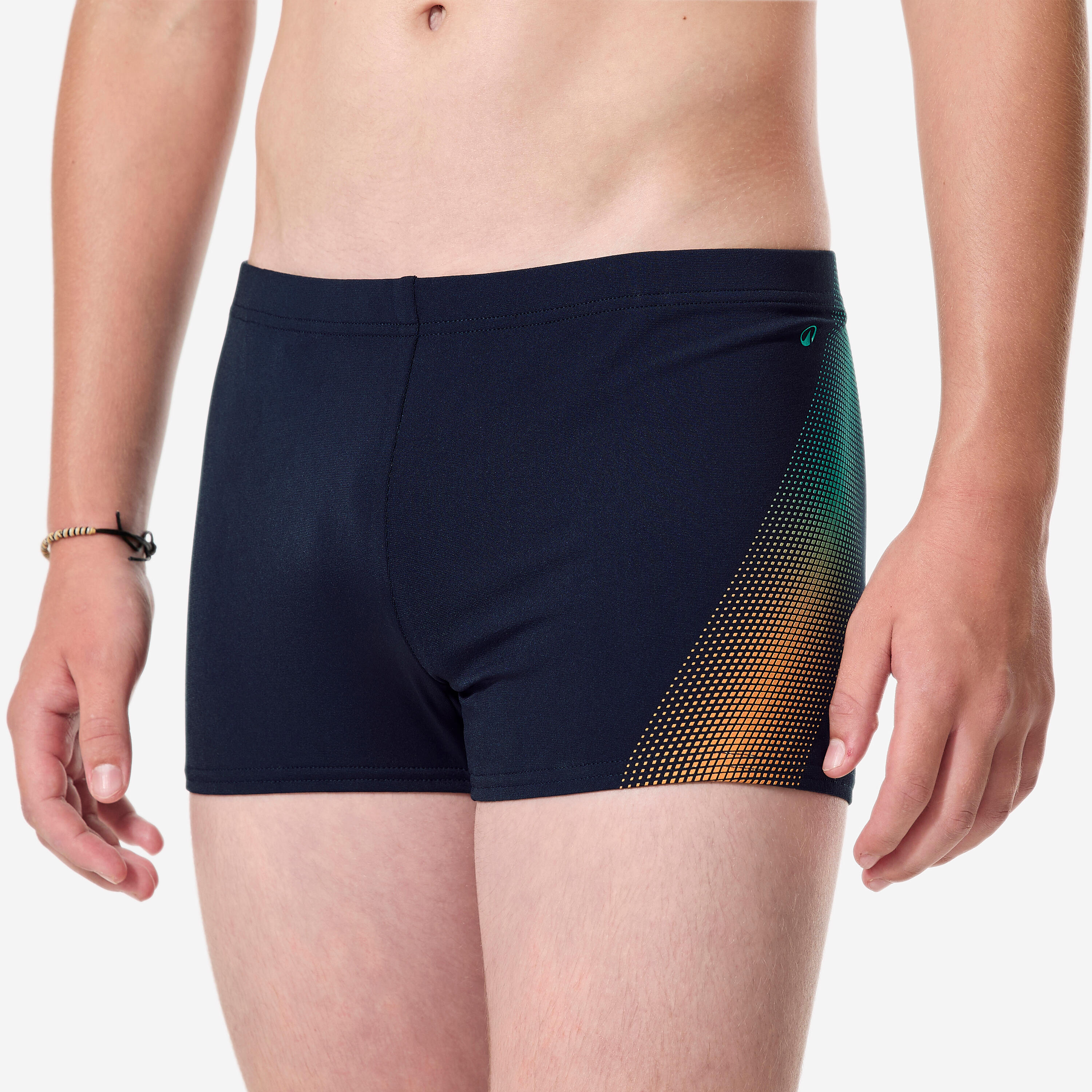
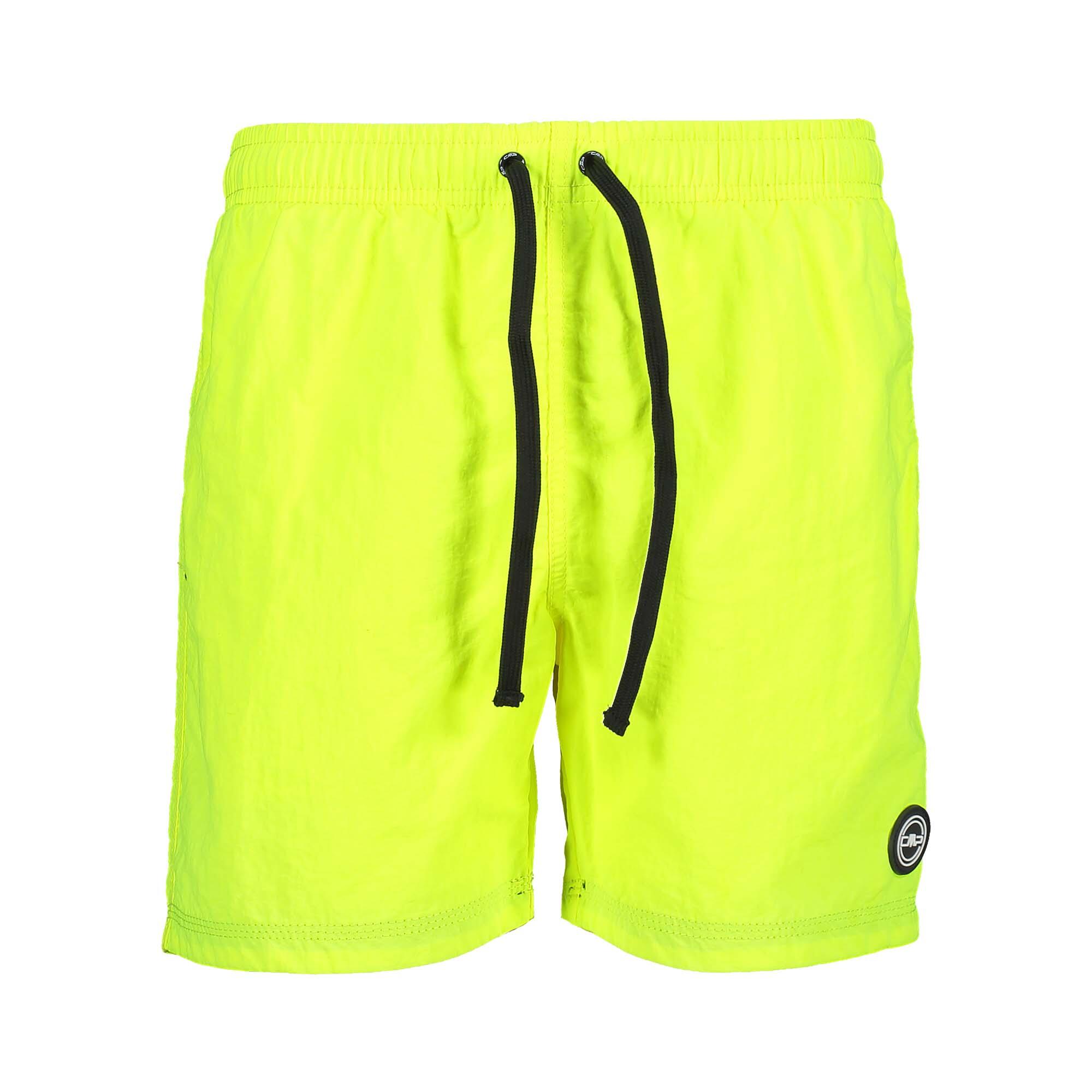
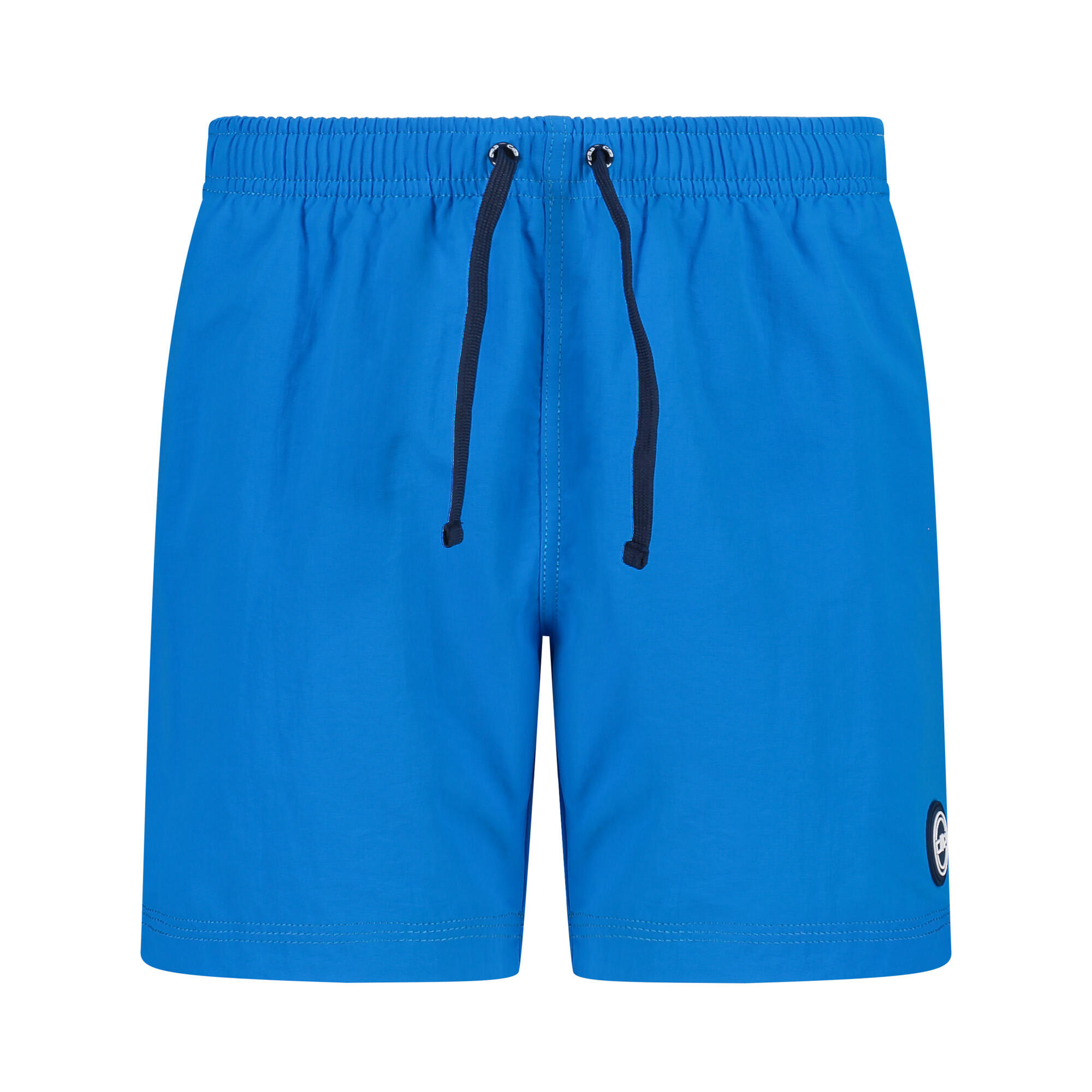
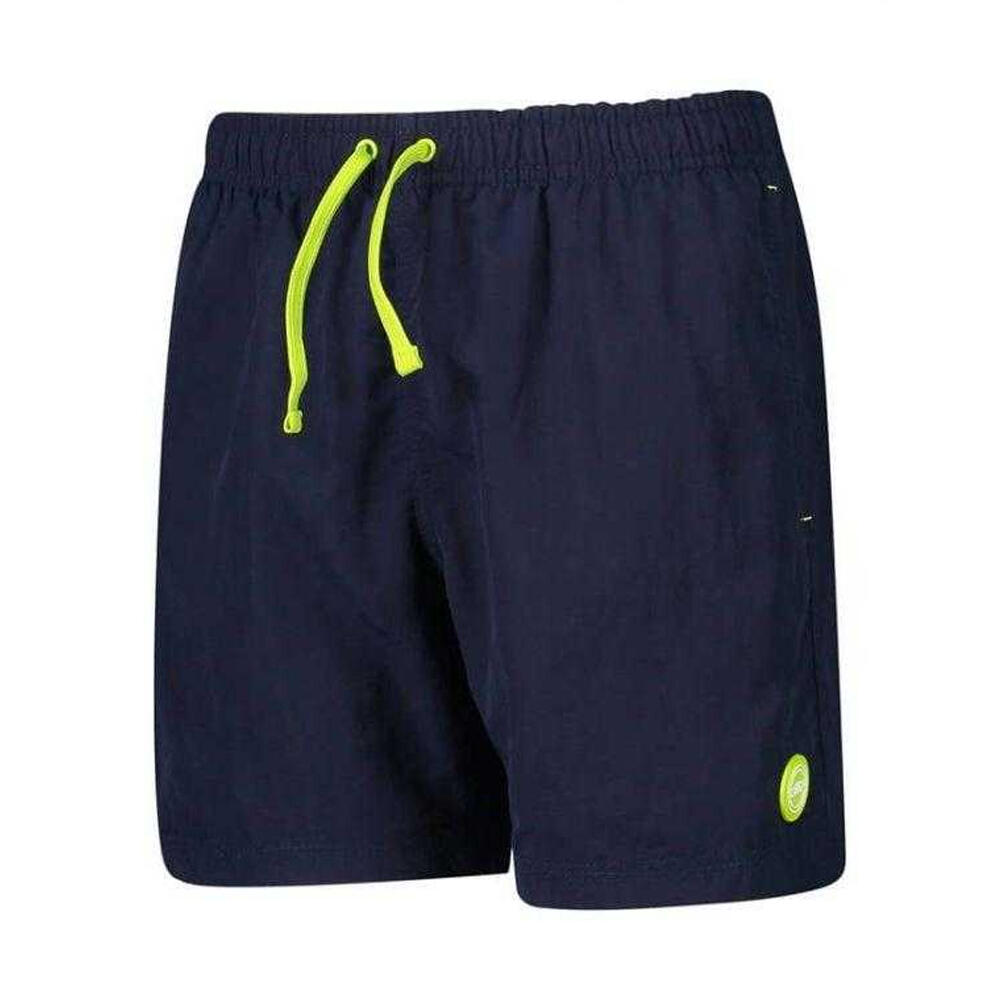
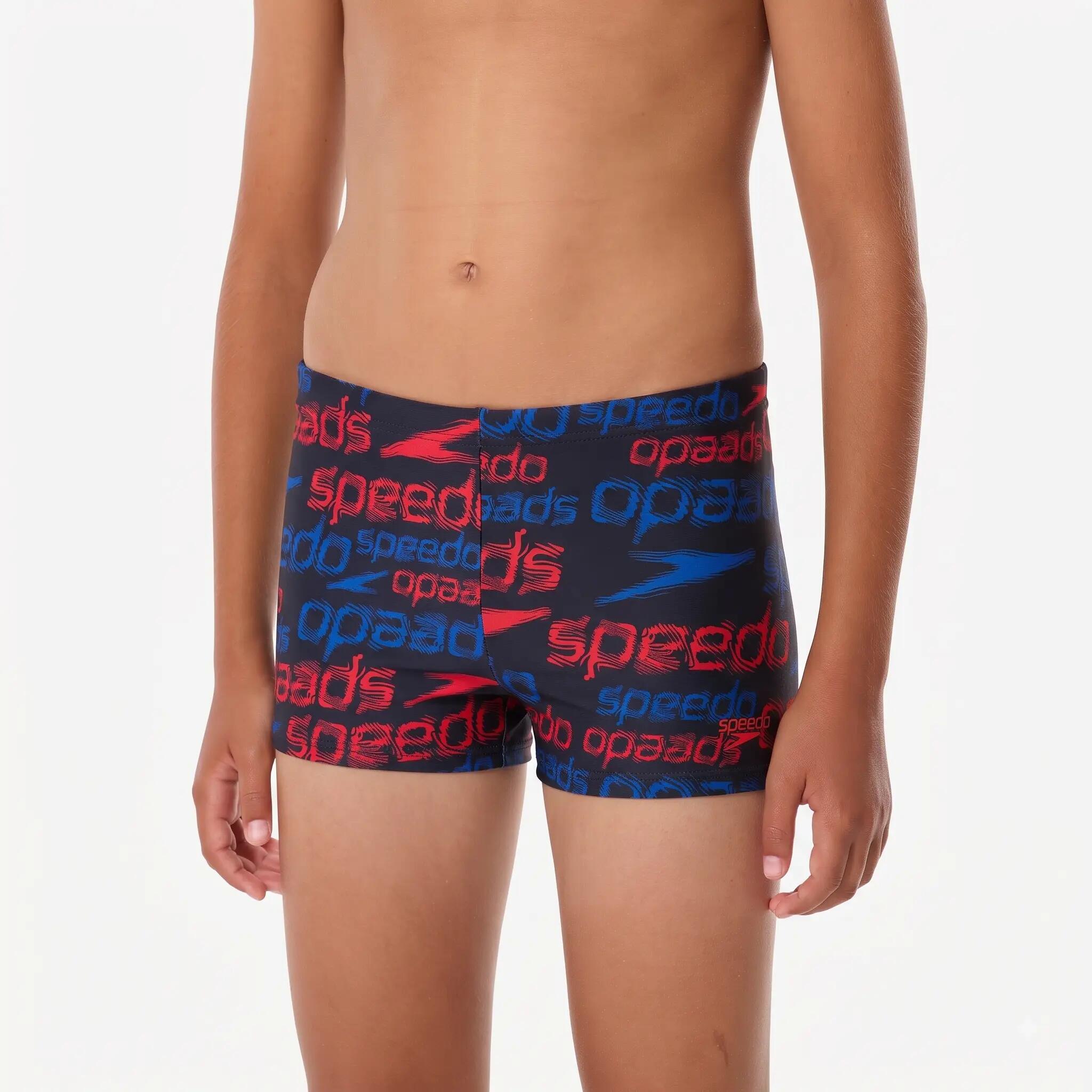
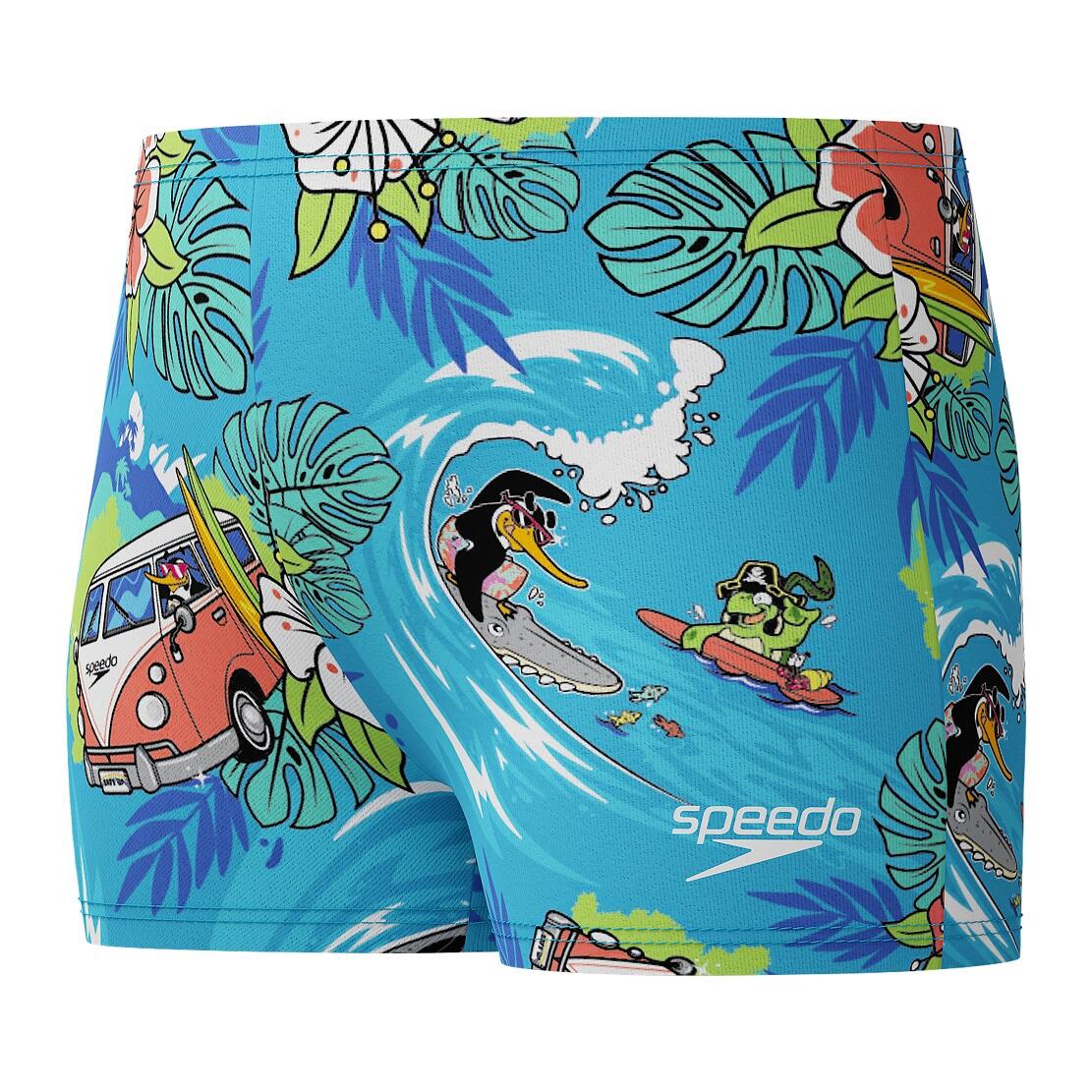
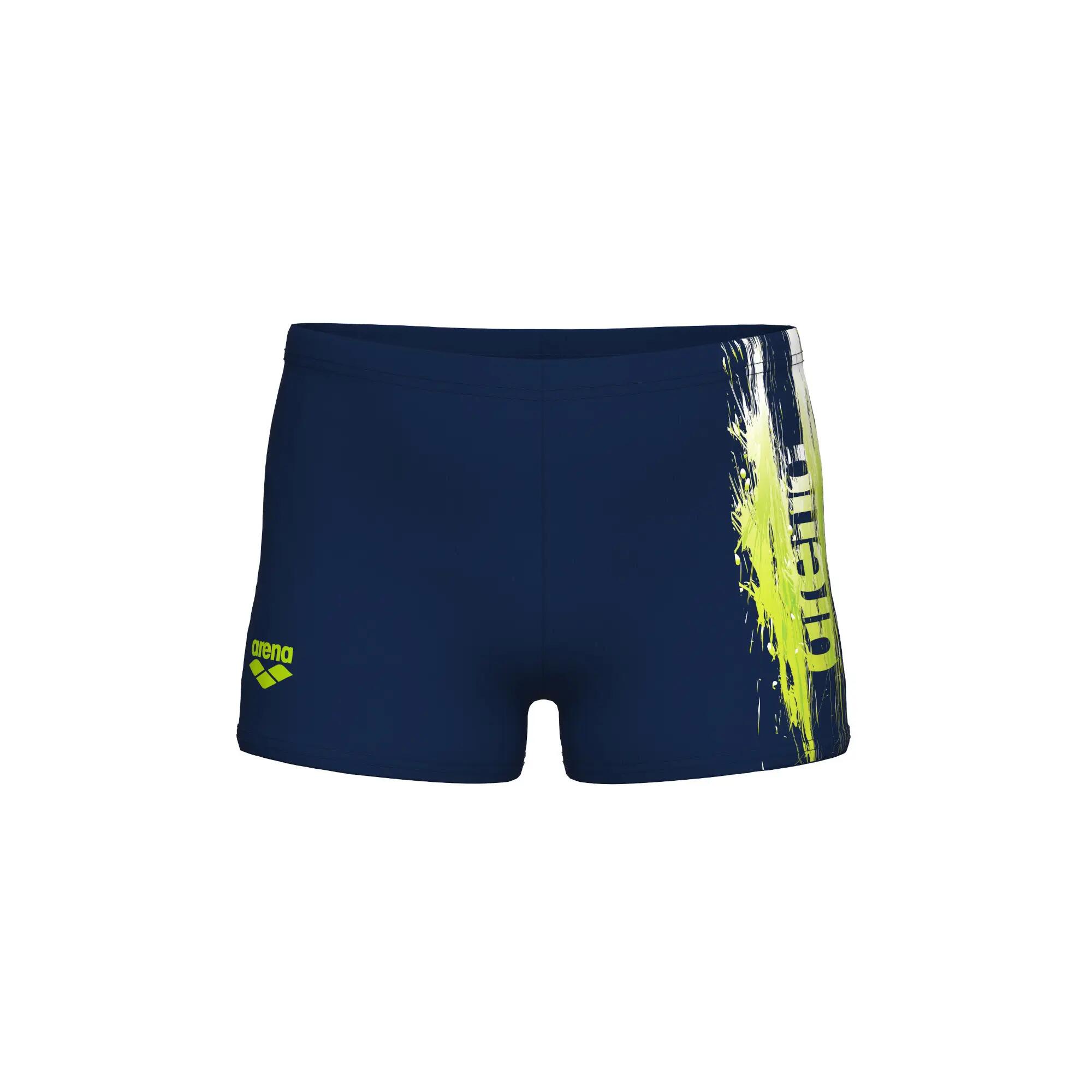
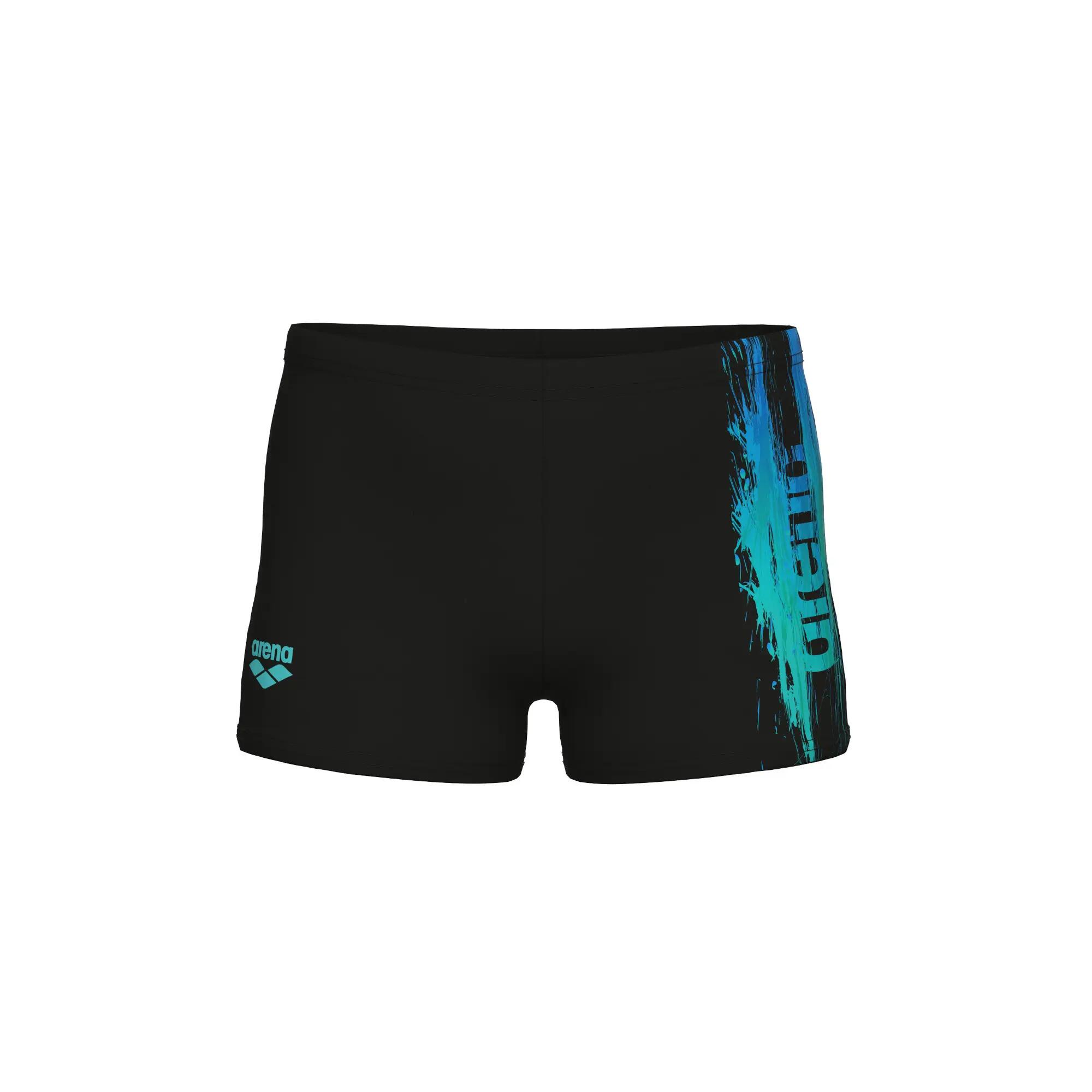
Frequent pool use places constant stress on swimwear fabrics, particularly during swimming lessons and club sessions. Fabrics with a higher proportion of polyester or PBT are designed to retain their shape, colour, and stretch for longer under repeated exposure to chlorinated water. Pool-specific fabrics use a higher proportion of PBT or polyester in the weave, which resists chemical degradation significantly better while still providing the stretch needed for active movement in the water. A garment rated for chlorine resistance will hold its shape and colour across a full term of weekly swimming lessons rather than bagging and fading by half-term. Waistband construction is the other durability factor; a wide elasticated band with an internal drawcord distributes tension evenly and prevents the rolling that a narrow elastic band develops after repeated wetting and drying cycles. Quick-dry fabric removes the damp-waistband discomfort between the pool and the changing room and means the garment is genuinely dry before the next session. Boys who split their time between swimming lessons, leisure sessions, and holidays can choose from a range of boys' swim boxers designed for different levels of pool use. Practical advice: always rinse in cold fresh water immediately after a pool session; residual chlorine continues degrading fabric fibres even after the swim has ended.
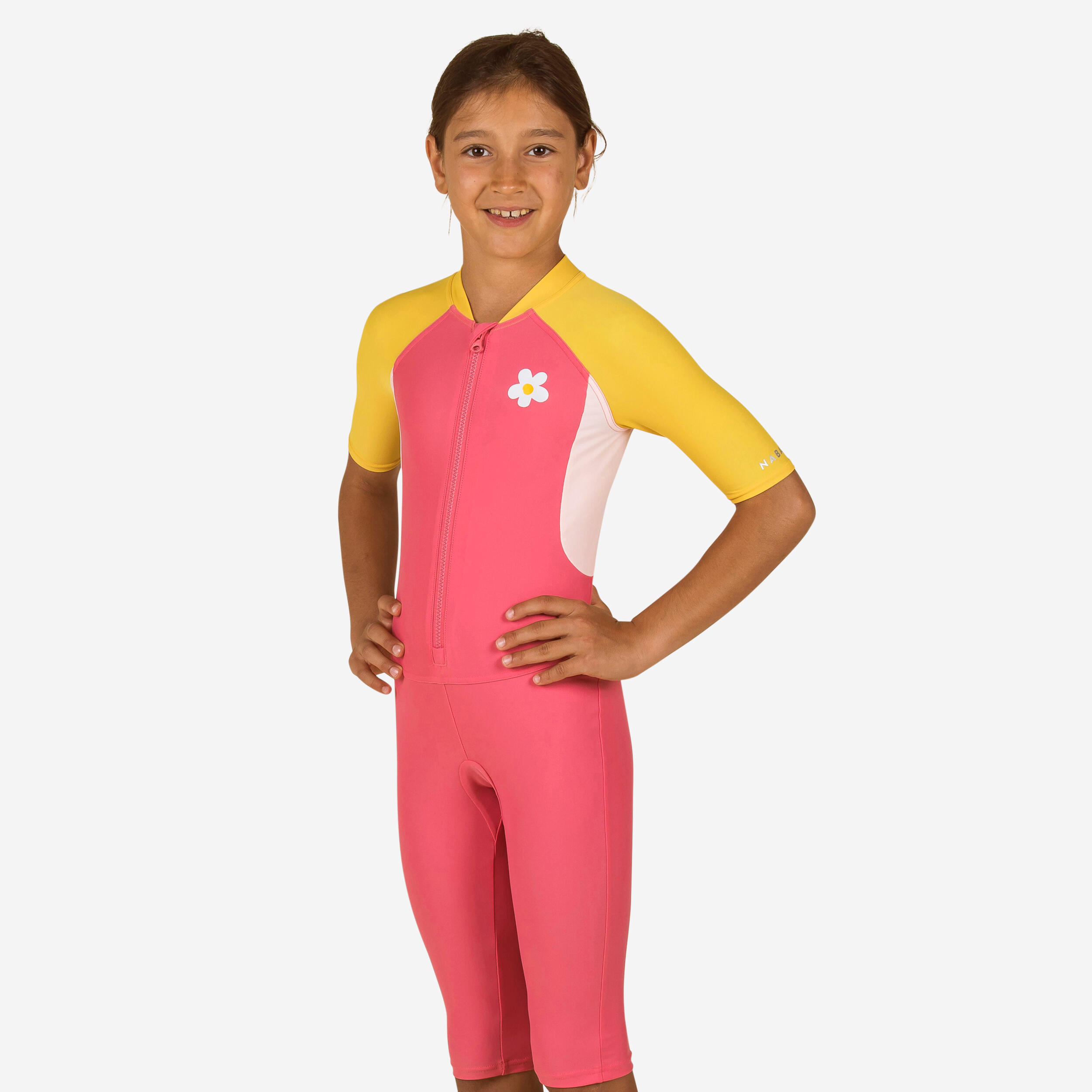
When does a full-body swimsuit offer meaningful advantages over separate trunks for younger swimmers?

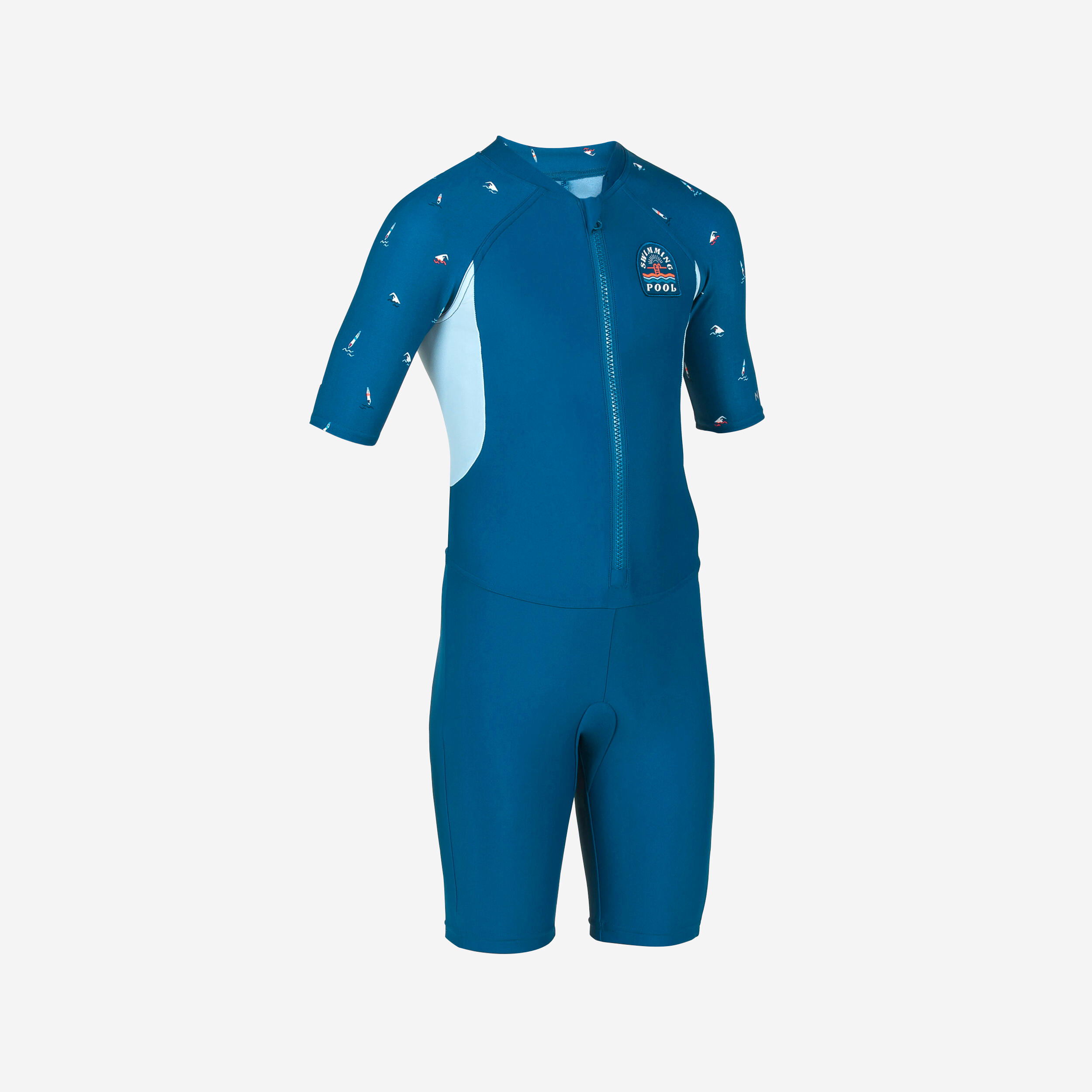
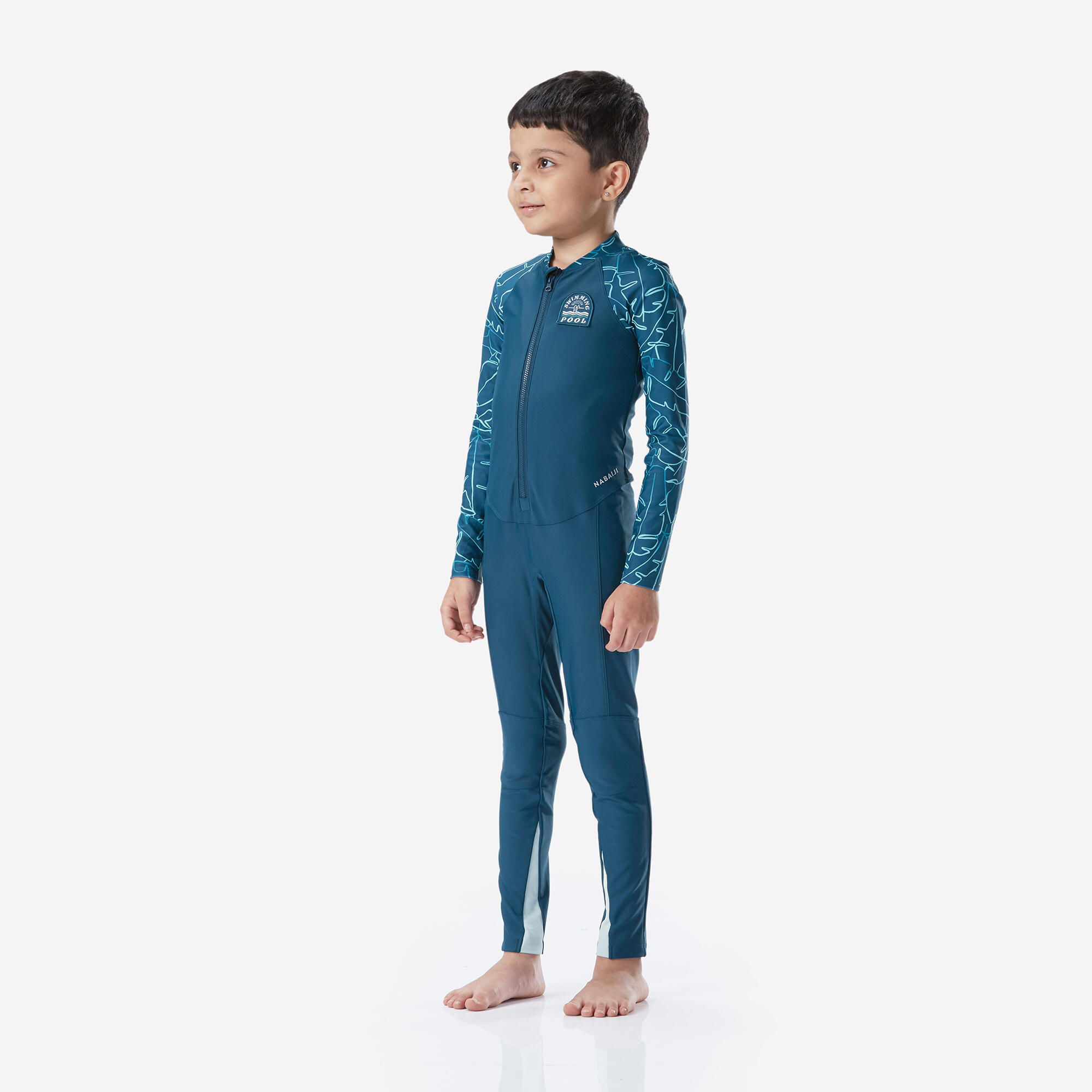
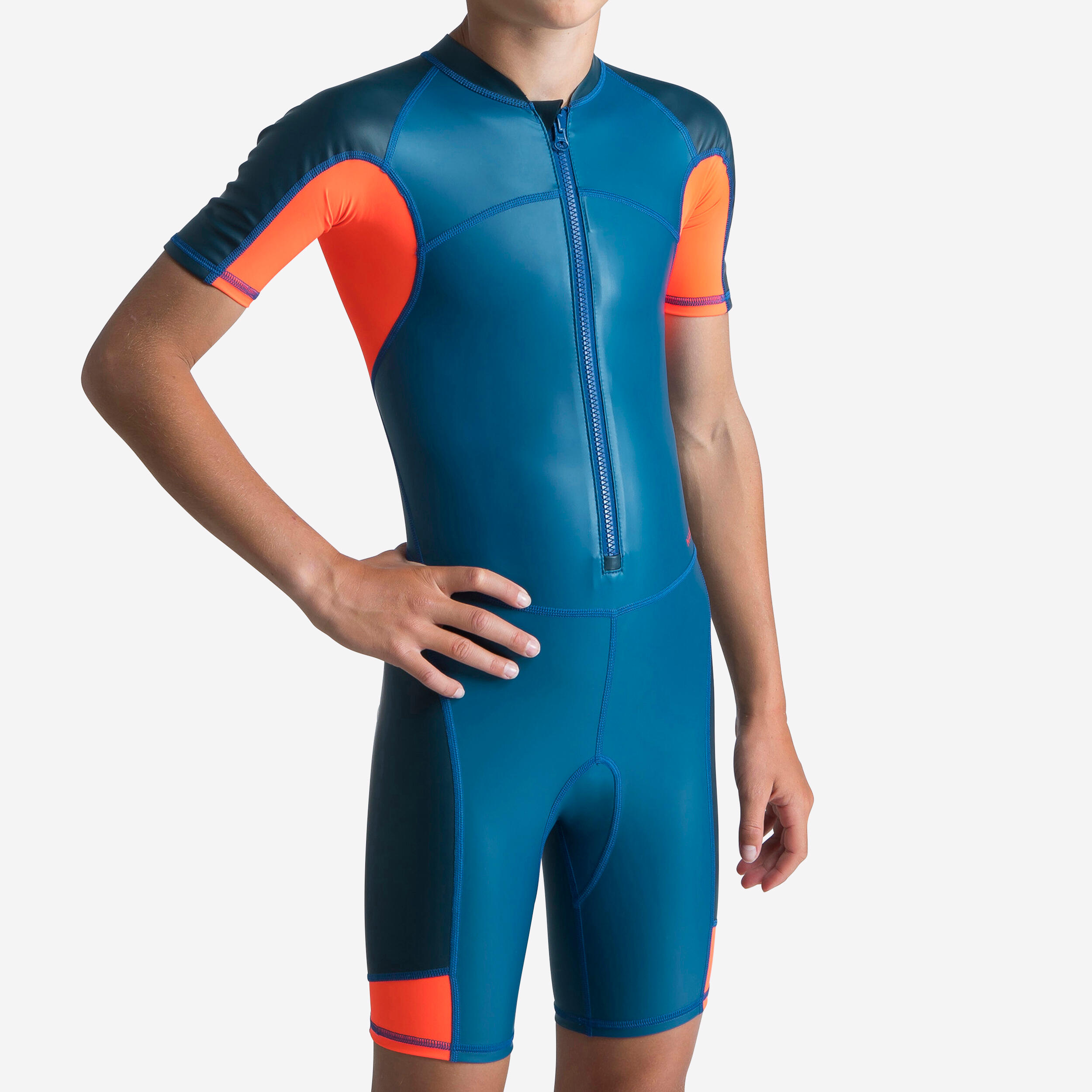
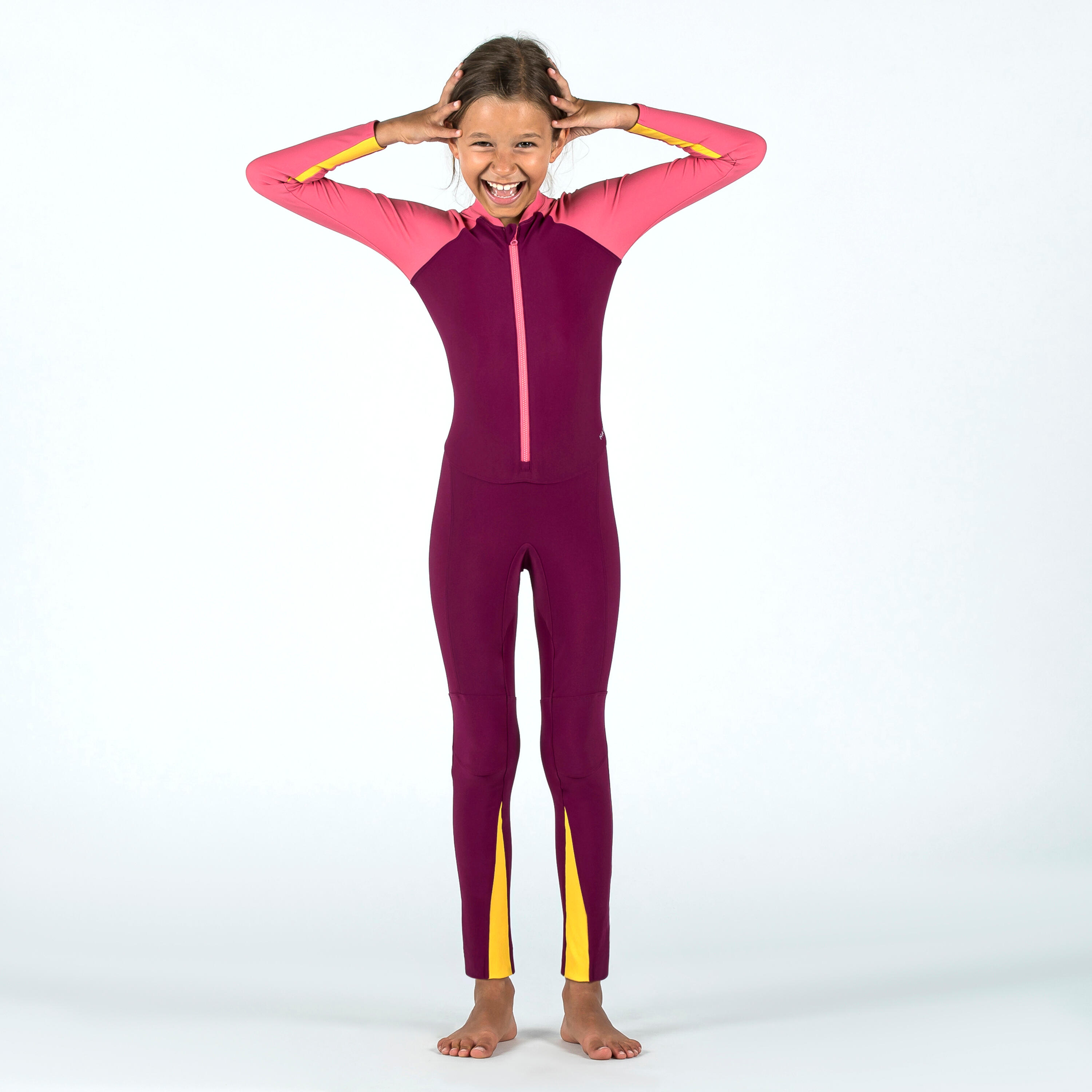
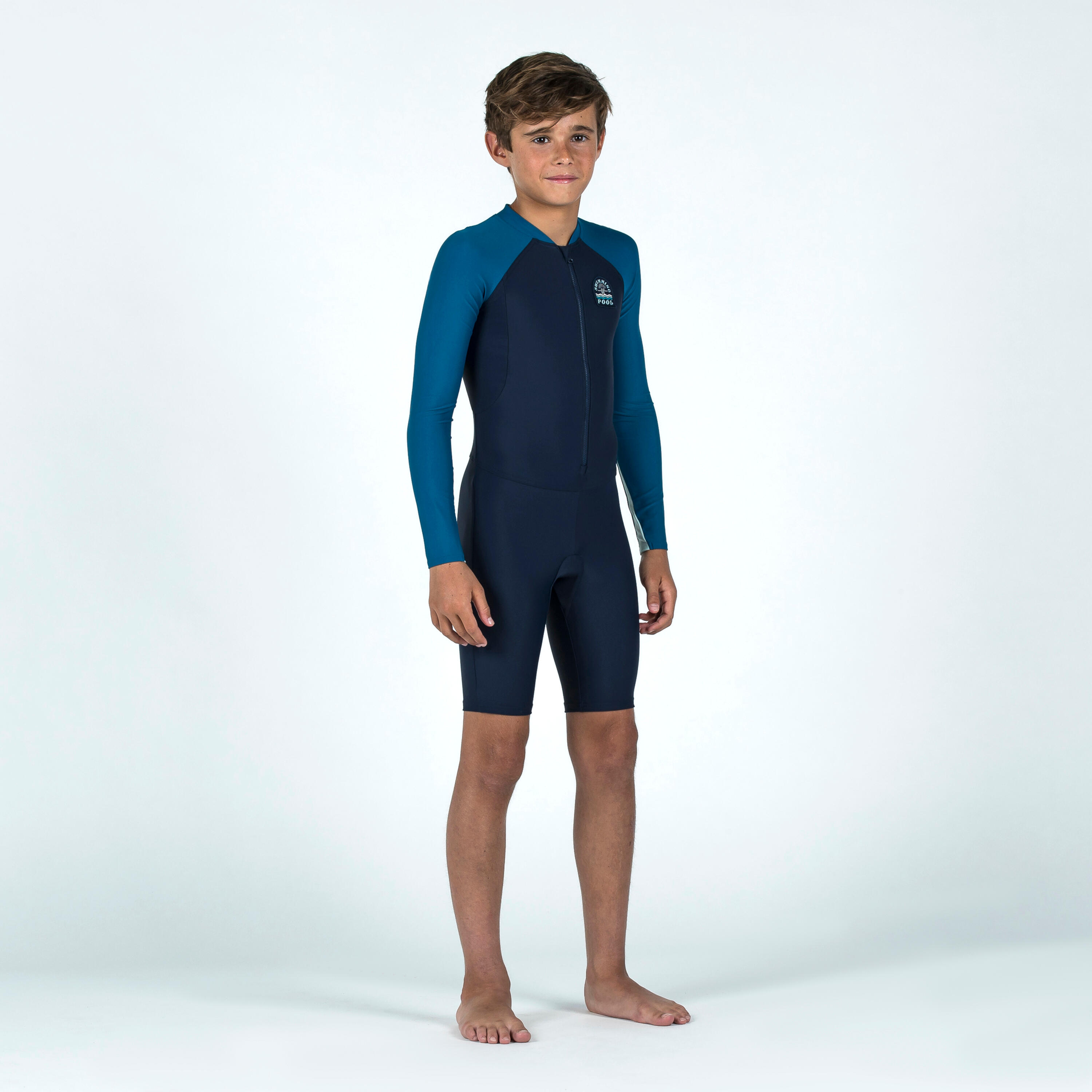
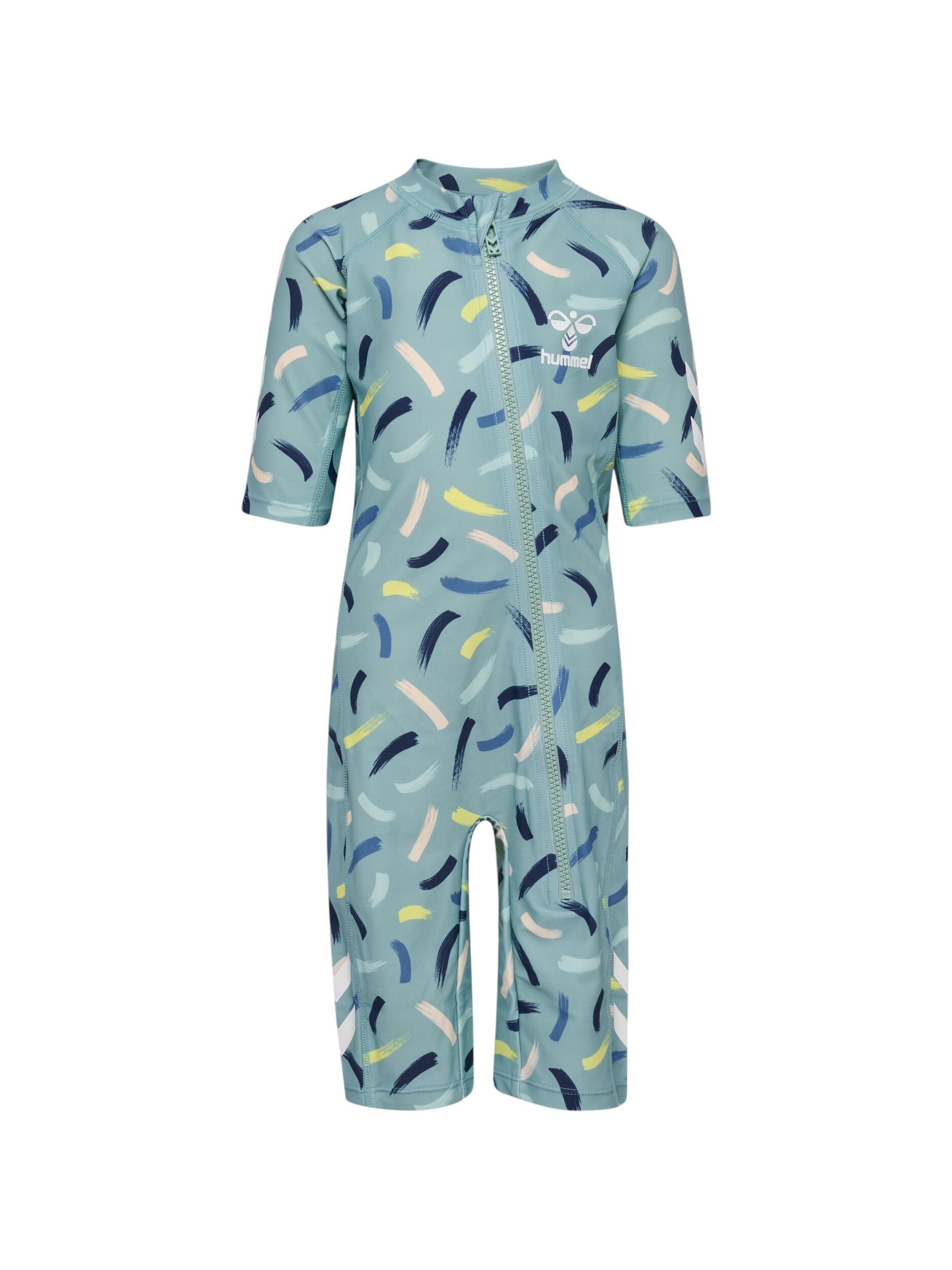
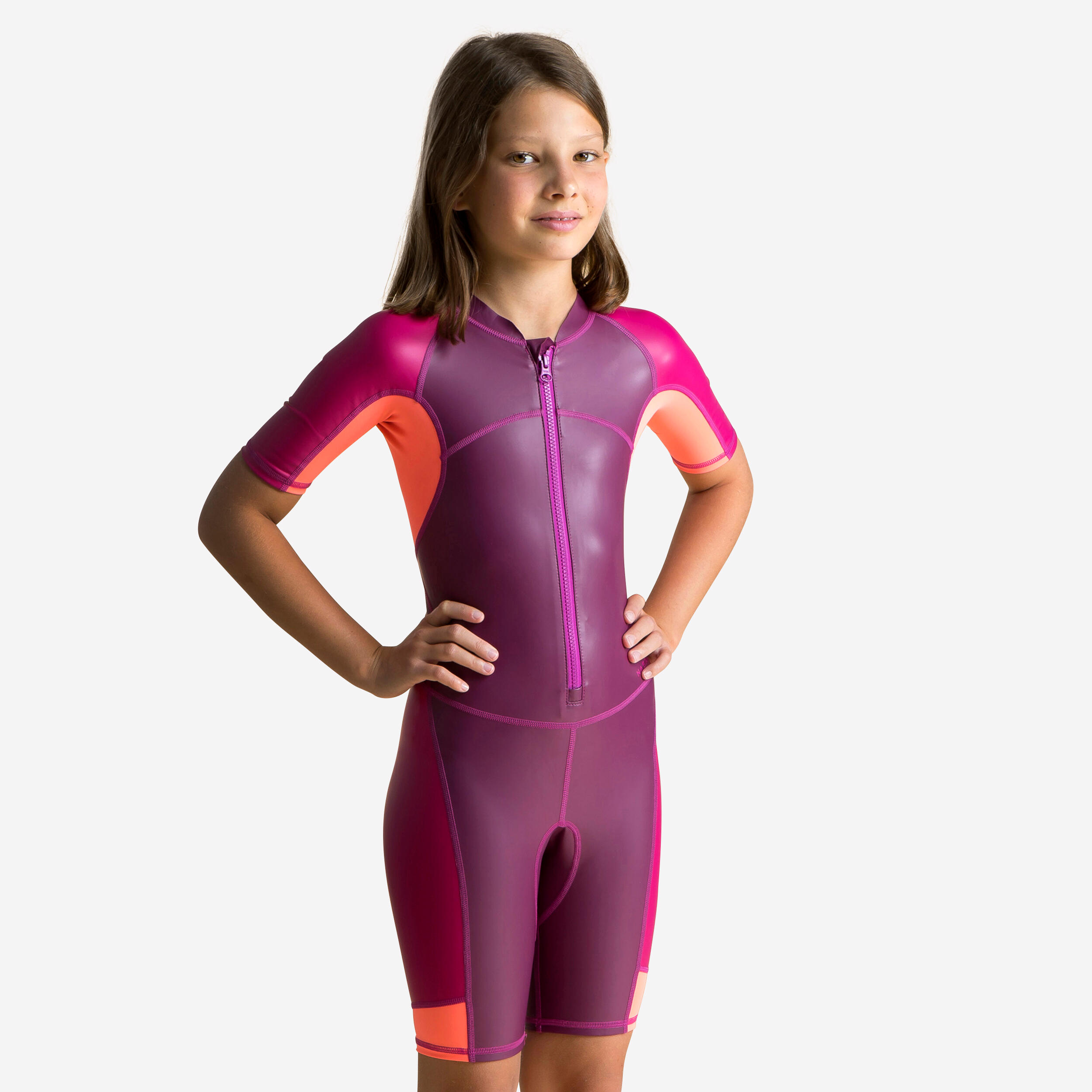
A full-body swimsuit keeps the torso covered throughout the session, which addresses two practical issues for younger swimmers: UV protection when the pool has outdoor sections or skylights, and board rash prevention during competitive starts from the block where the chest contacts the water surface at speed. The continuous coverage also means no waistband rolling or gaps appearing at the midriff during diving practice and underwater work, which are common complaints with separate shorts when the body is repeatedly extended and compressed. For younger age groups who are still developing competitive stroke technique, the snug fit of a one-piece also reduces drag more consistently than loose-cut shorts whose fabric shifts position during tumble turns. A range of boys' full-body swimsuits is available in age-specific sizes for both lessons and competitive swimming.

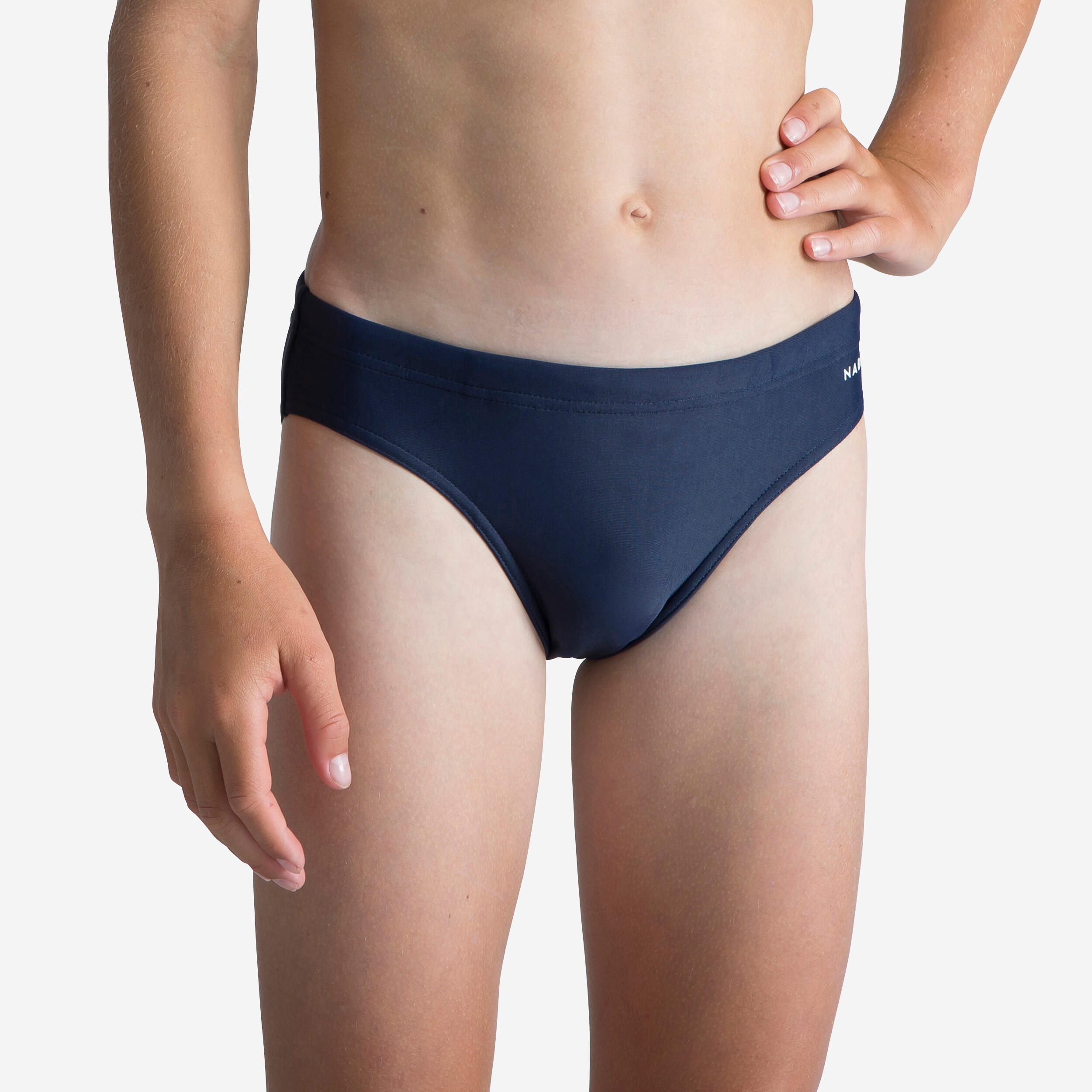
What makes swim briefs the preferred choice for competitive club swimming at the junior level?

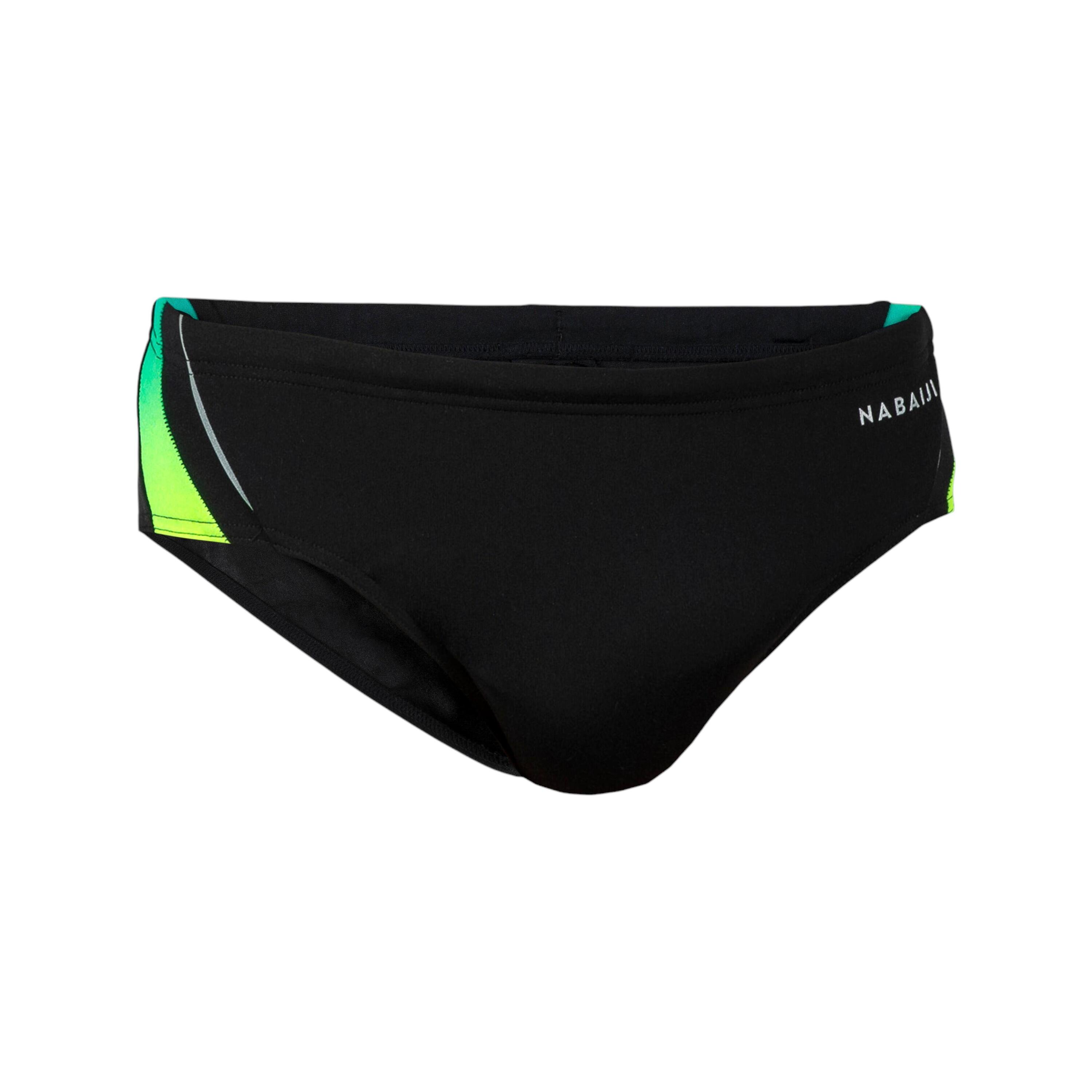
A swim brief reduces drag to the minimum possible for a legal competition garment by eliminating the fabric panel that covers the upper thigh in a jammer or boxer cut. The hip-high cut and low leg opening remove the resistance that even a well-fitted longer garment creates at competition pace, and the difference becomes meaningfully relevant at the sprint distances that dominate junior club competition. Compression across the hip and lower abdomen can also help stabilise the core during the kick cycle, which supports body position in the water during high-tempo sets. A junior swimmer who trains multiple sessions per week often keeps briefs specifically for time-trial and race-pace sets while using a jammer for general volume work to reduce hip flexor fatigue from the higher-cut leg opening. Junior swimmers can choose from boys' swim briefs in a range of fabric weights suited to both training sessions and race days.

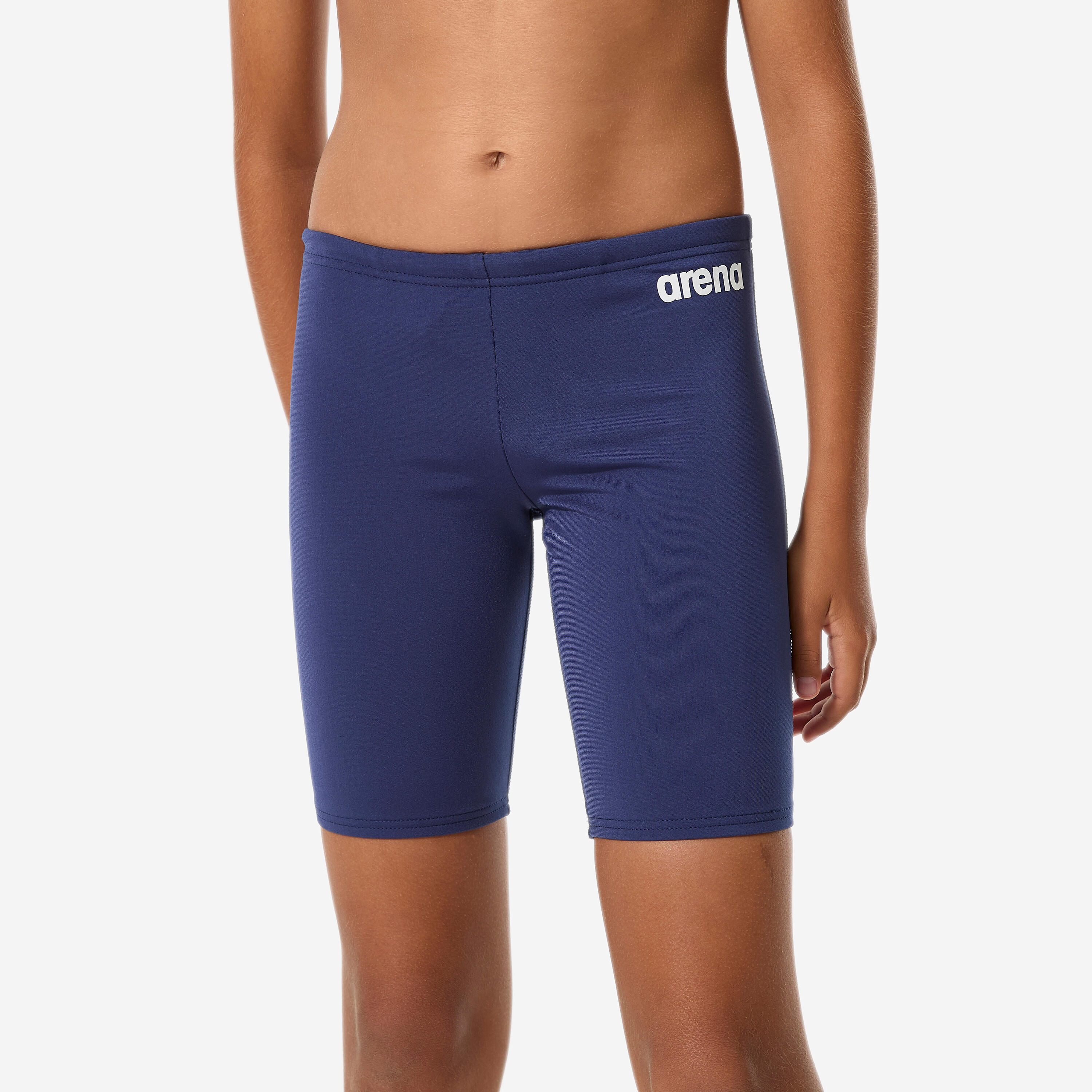
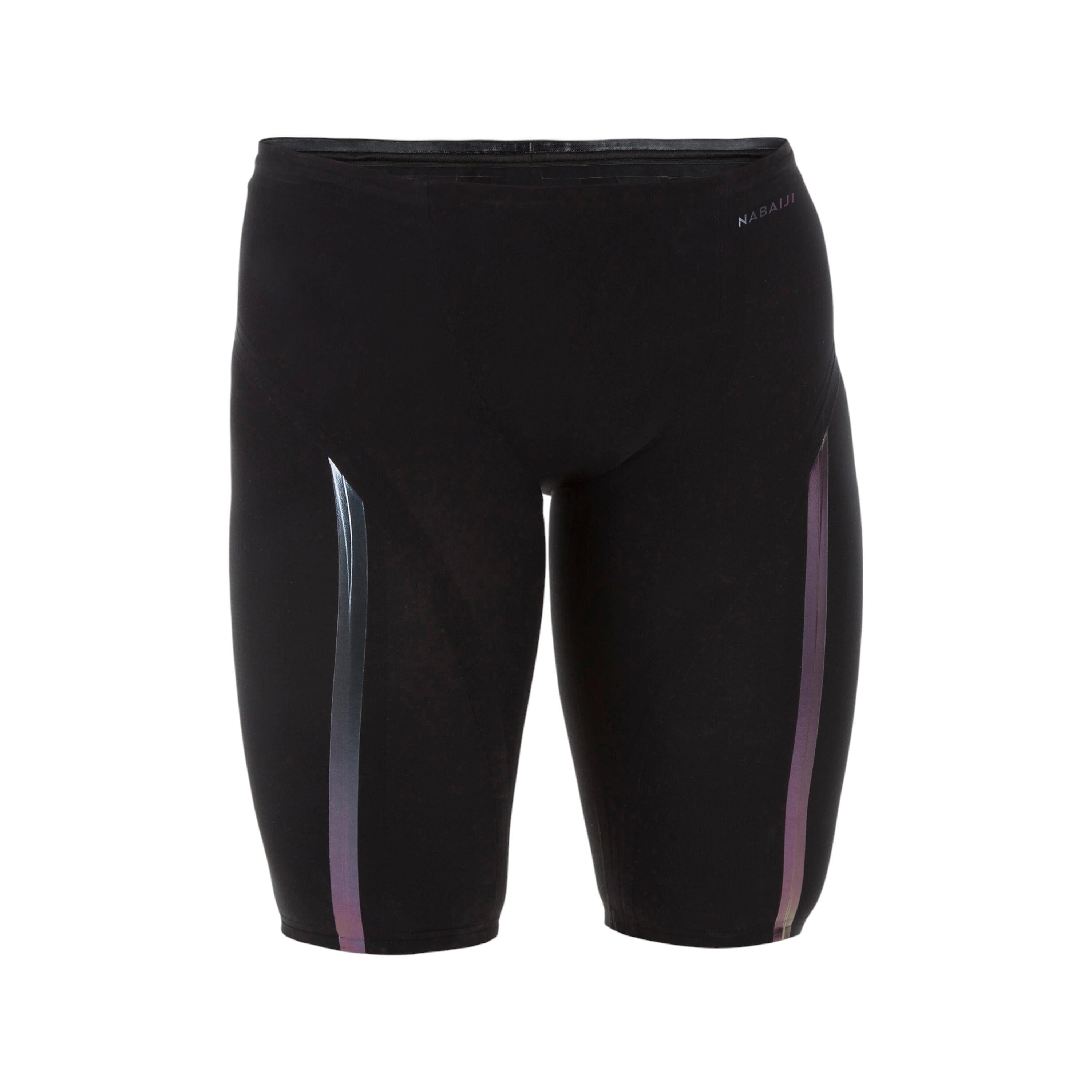
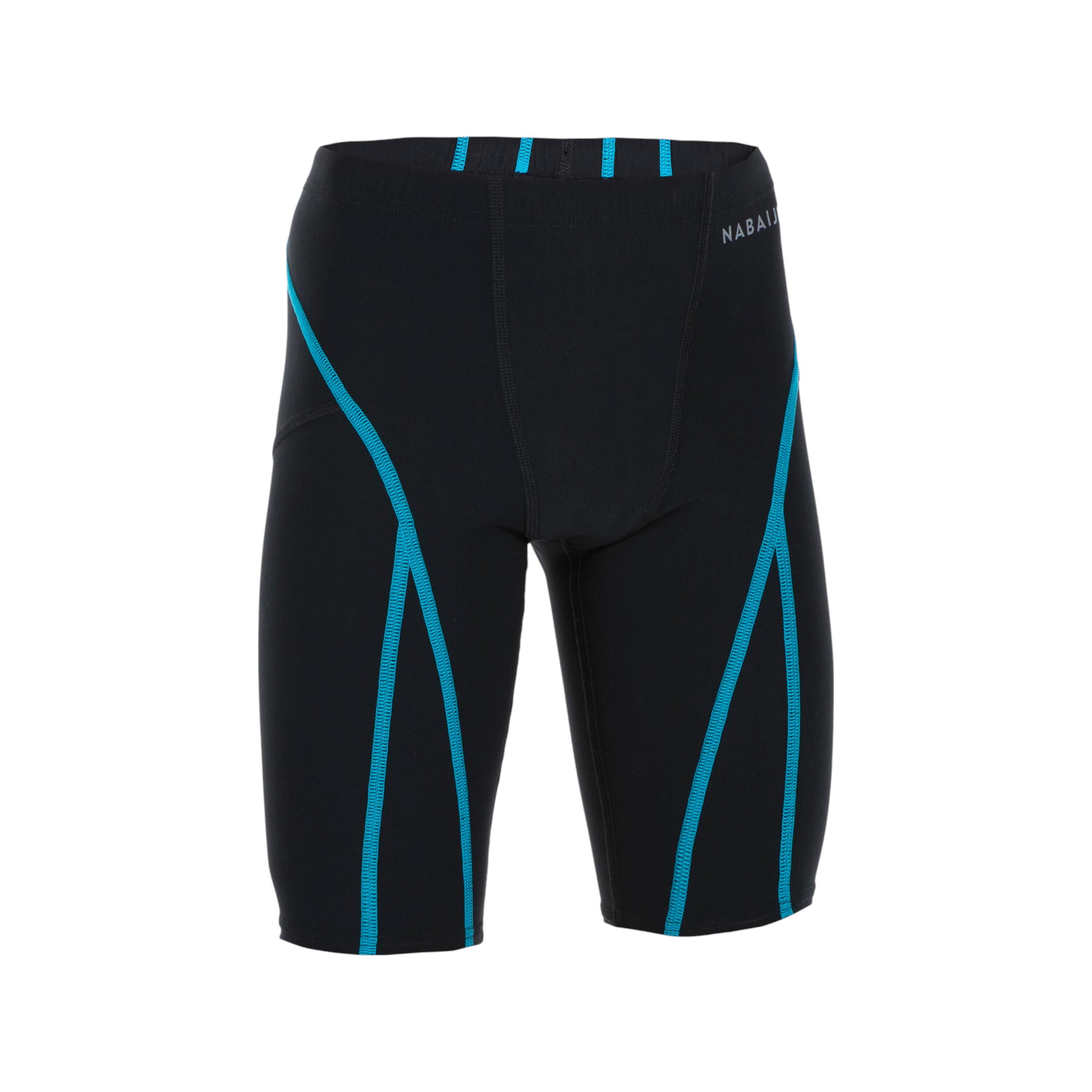
How does a jammer differ from a boxer for a teenage swimmer focused on improving times?

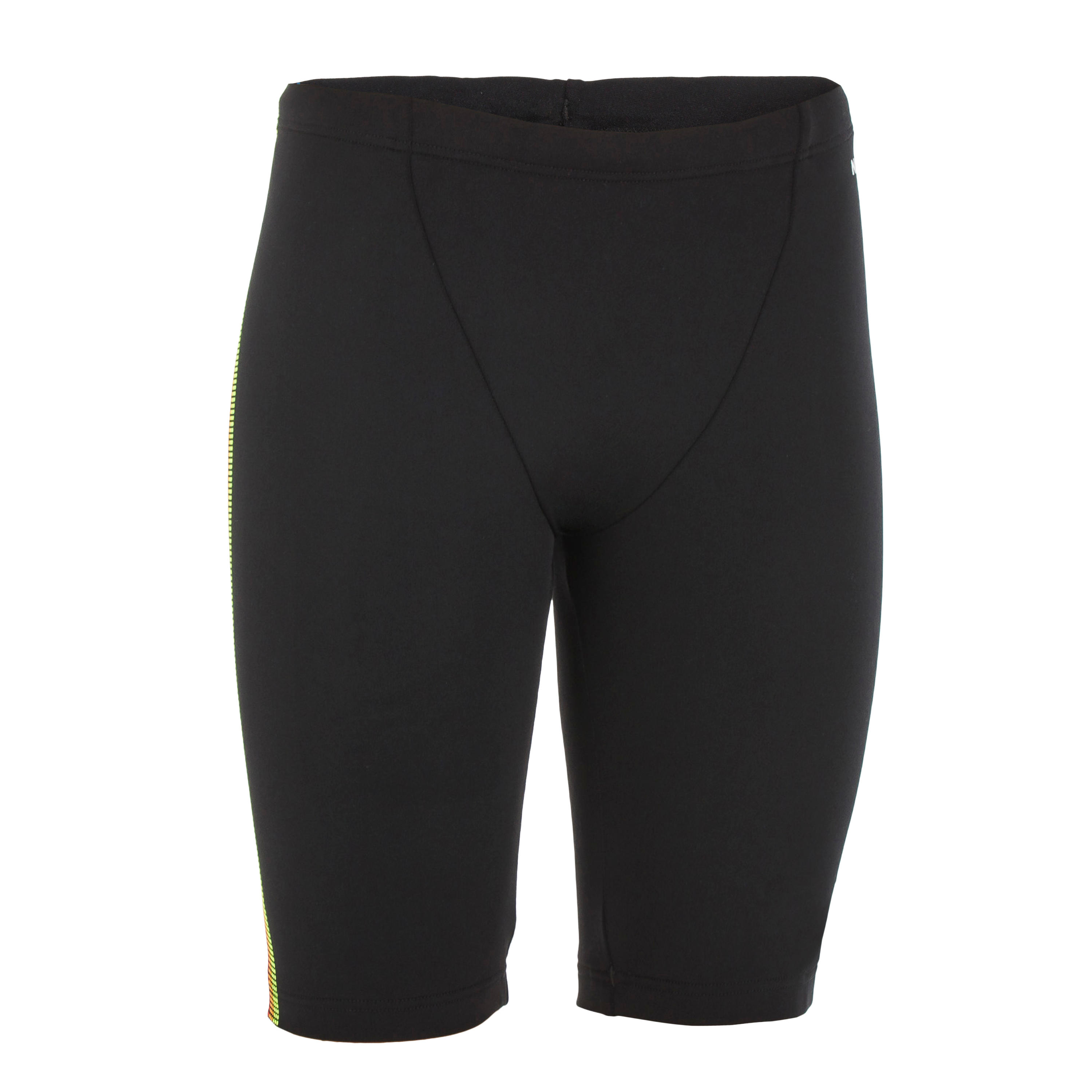
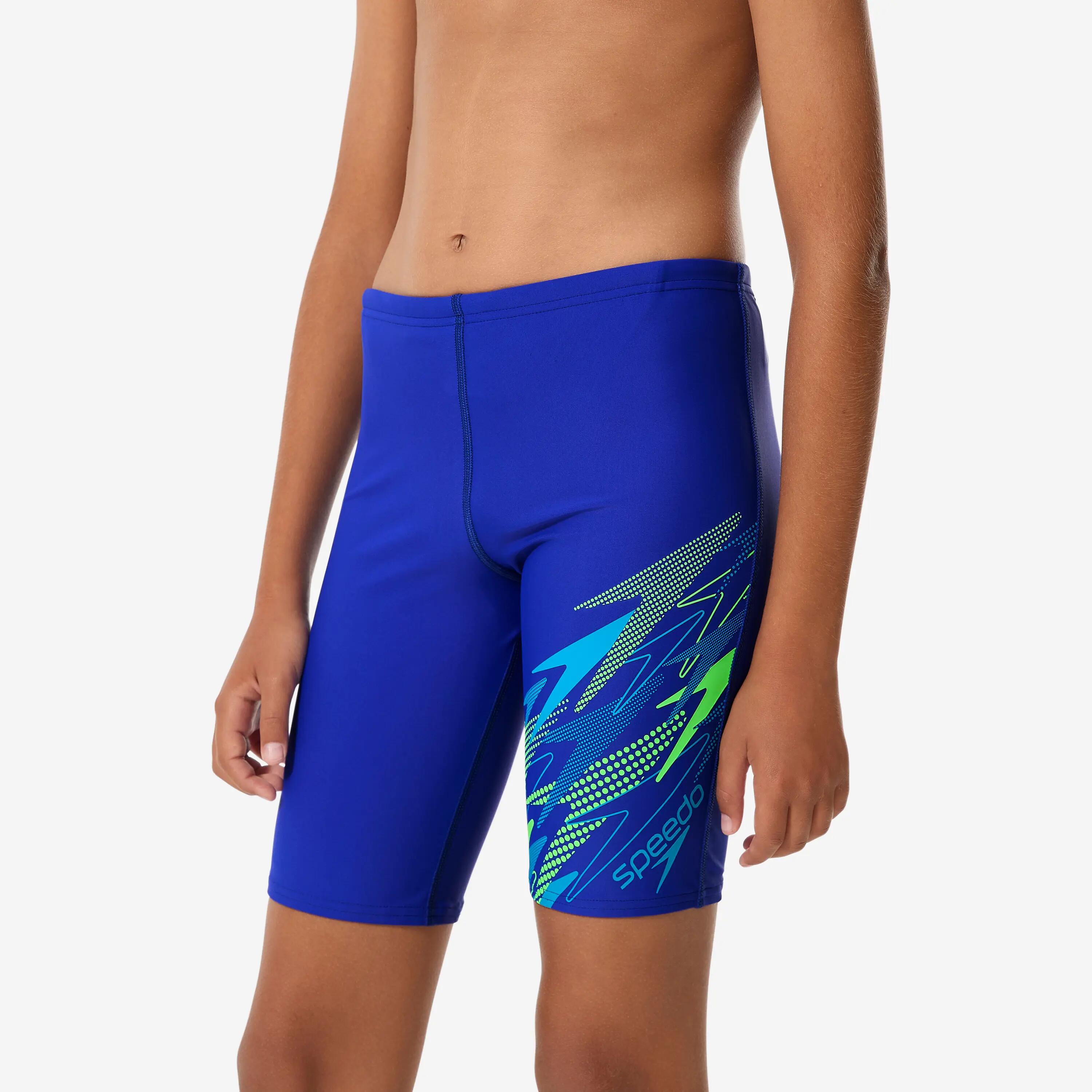
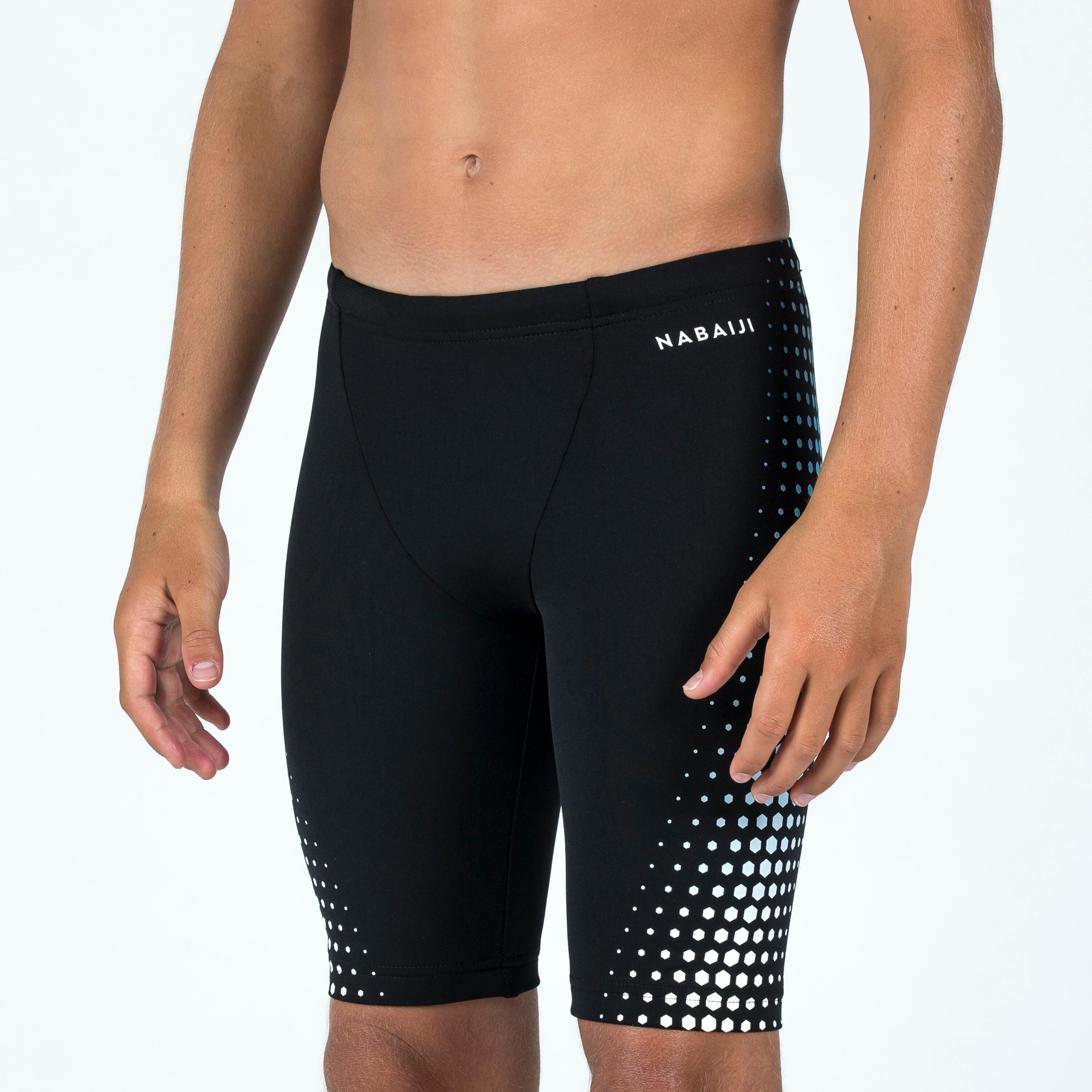
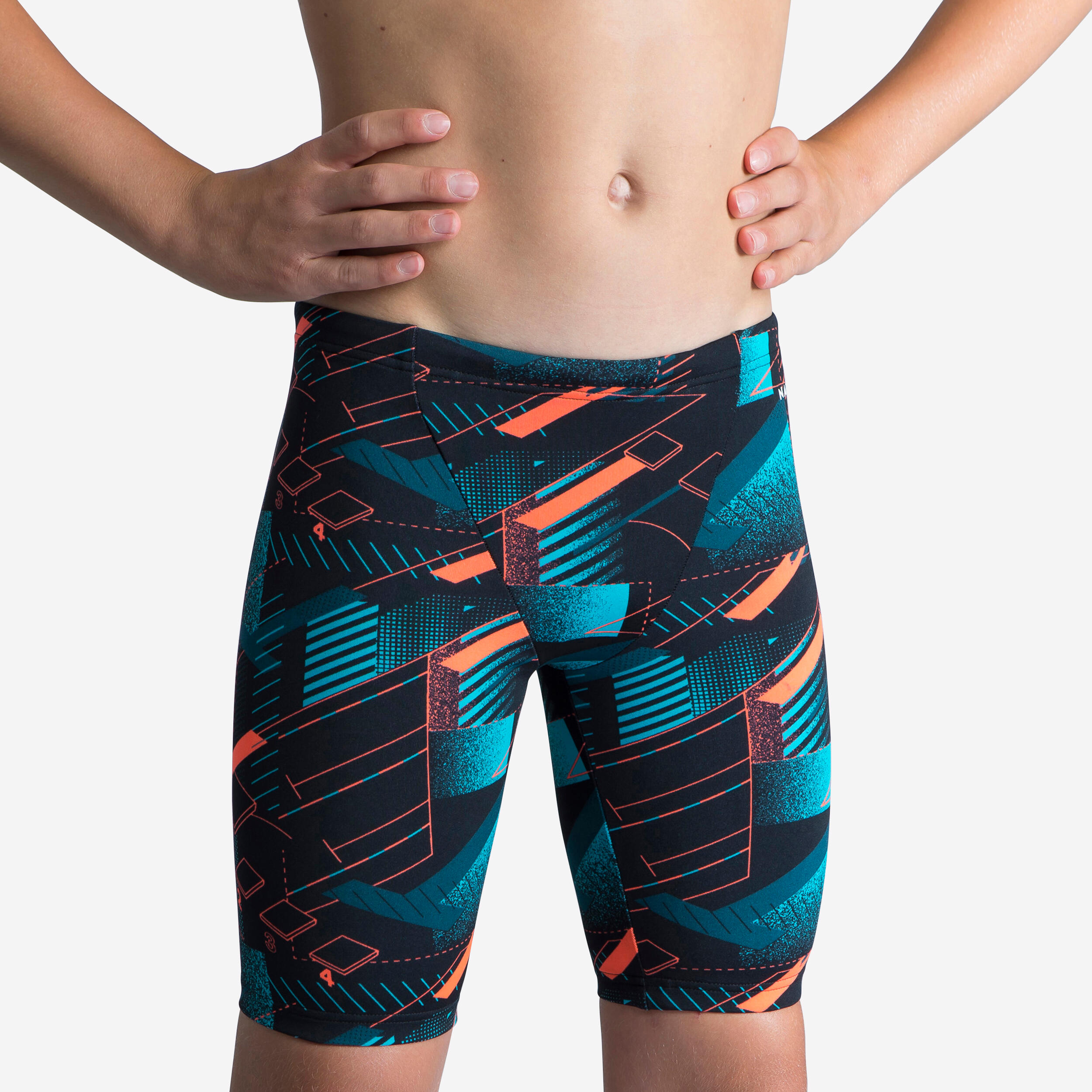
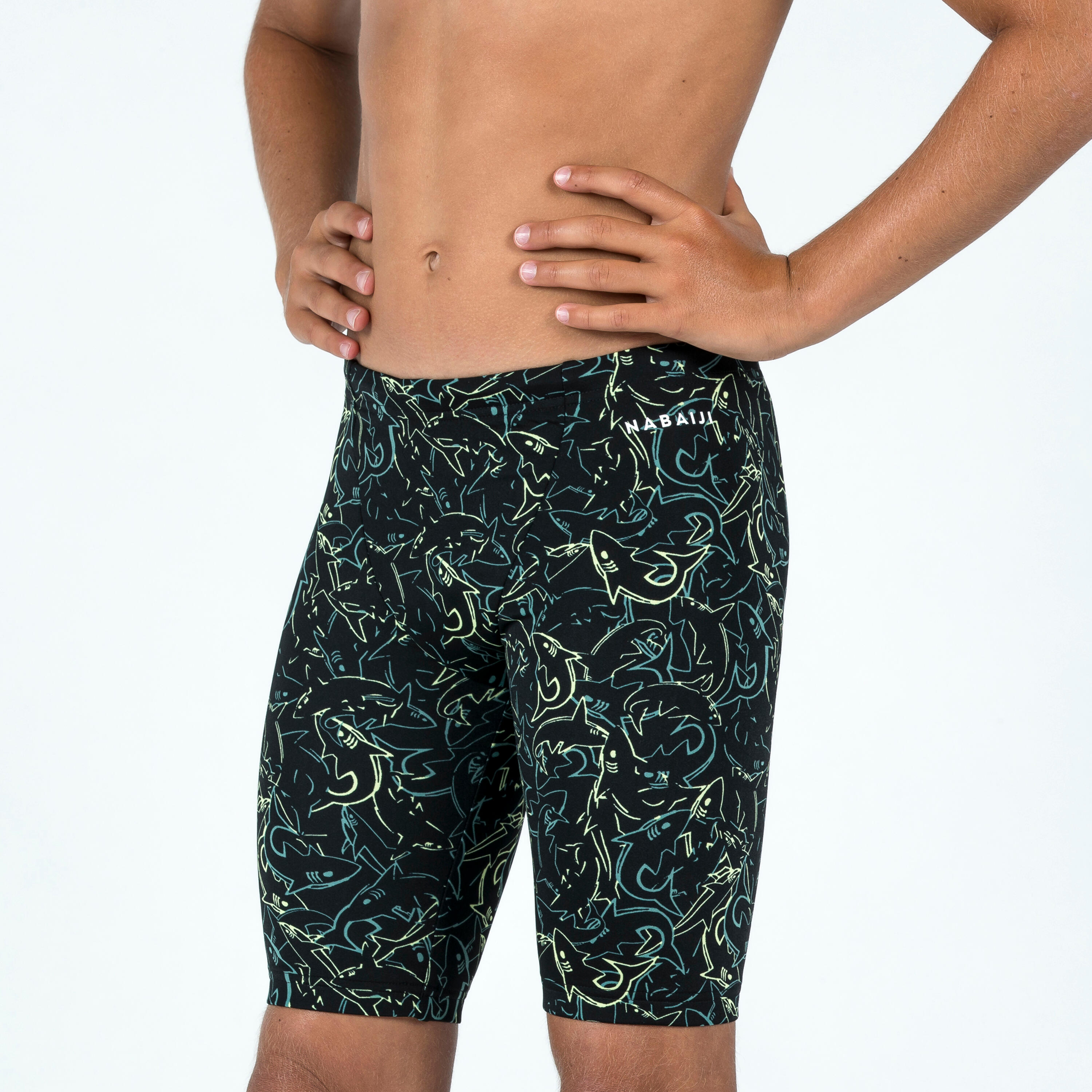
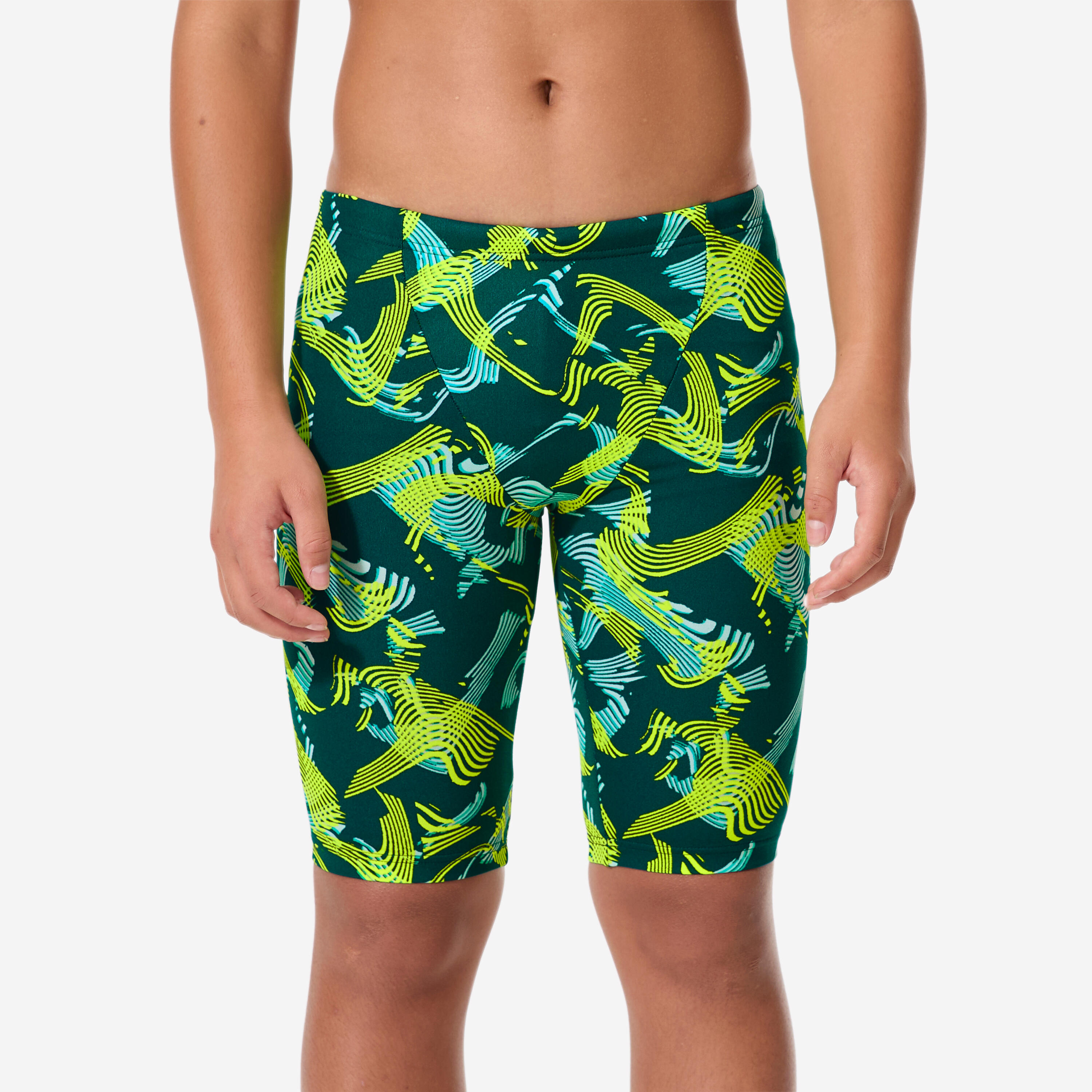
A jammer extends coverage to just above the knee using a compression fabric that holds the thigh musculature closer to the leg throughout the kick cycle. The reduced soft tissue oscillation limits the energy lost to muscle movement on each stroke, and the streamlined profile creates measurably less drag than a loose-cut boxer at training speeds. The compression also maintains consistent body position during the push-off from the wall, where a loose garment shifts and creates a brief resistance spike that disrupts the streamline. A boxer remains the more comfortable option for casual pool use and beach days, but as training intensity and session length increase, the performance difference becomes easier to notice. Club-level swimmers often choose boys' swim jammers because they are available in different compression levels and fabric constructions to support both training and racing.

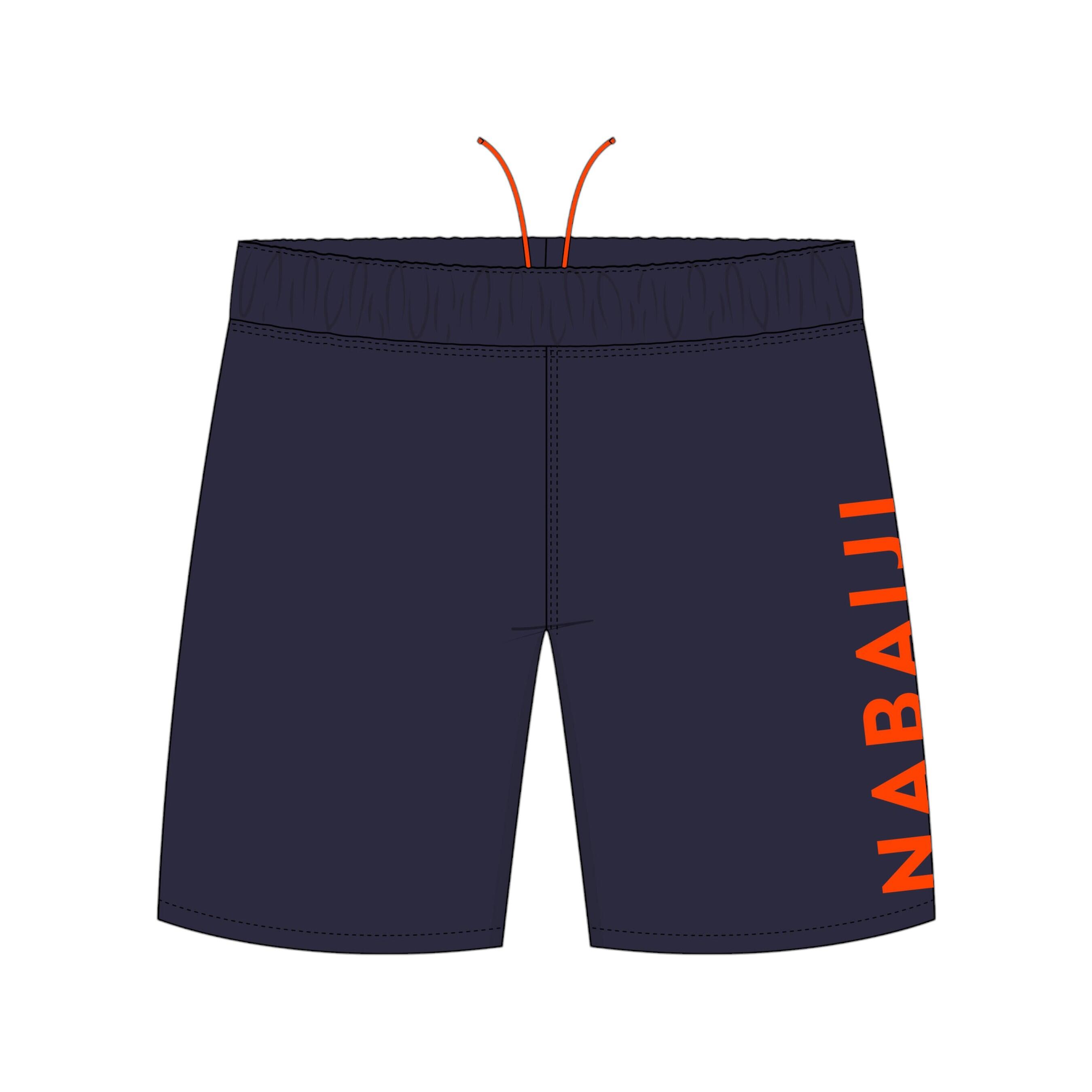
How does boys' swimwear choice shift across pool training, beach holidays, and active water play?

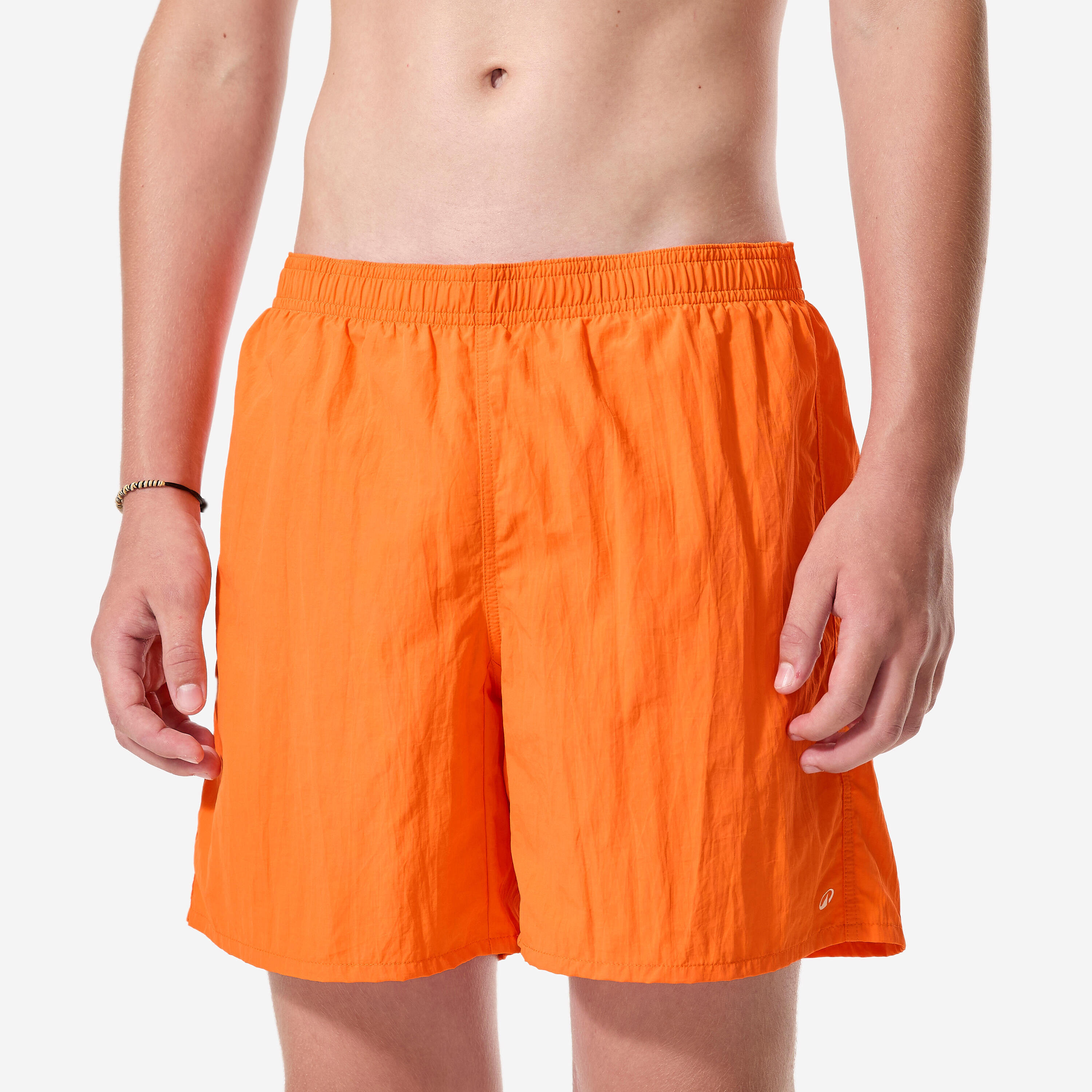
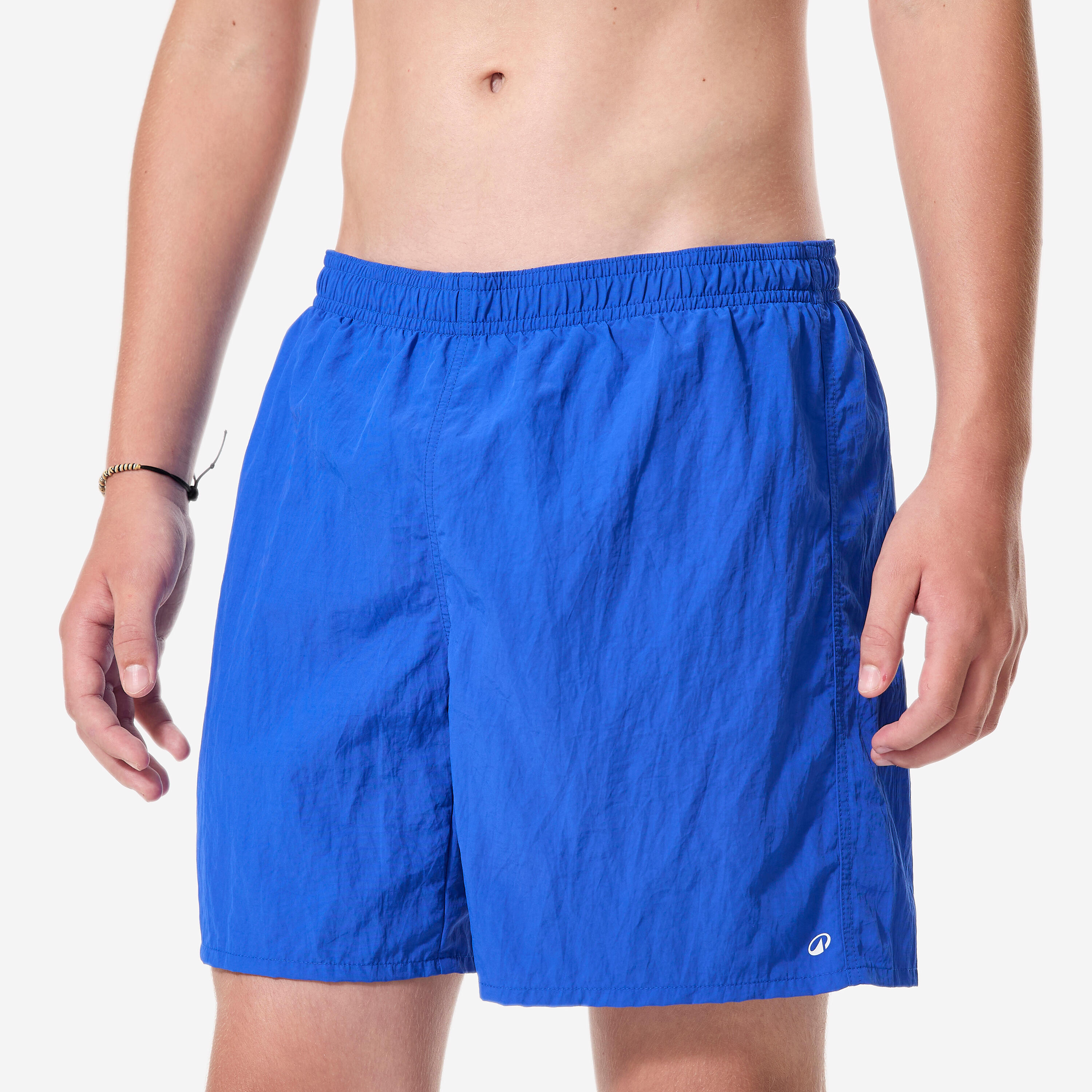
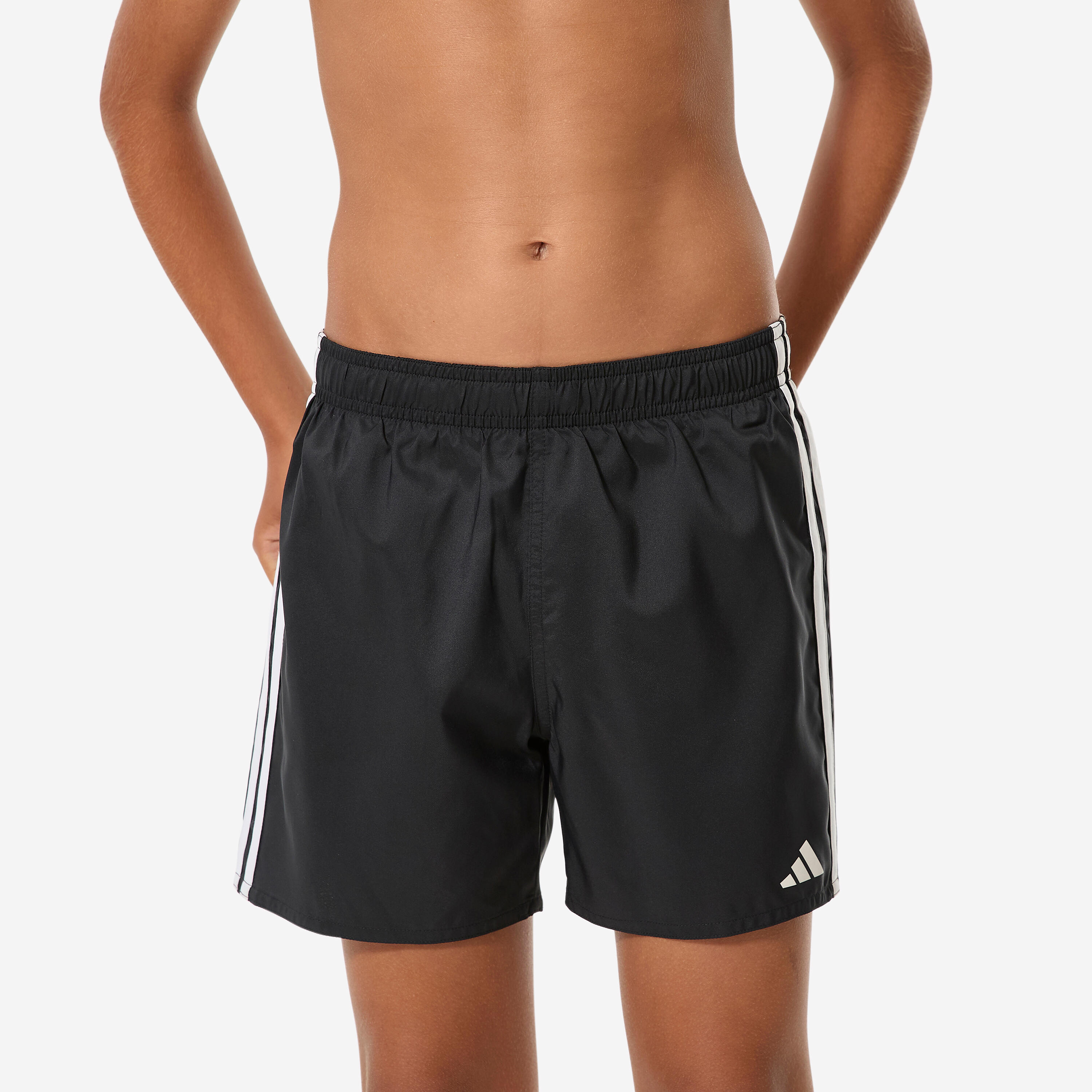
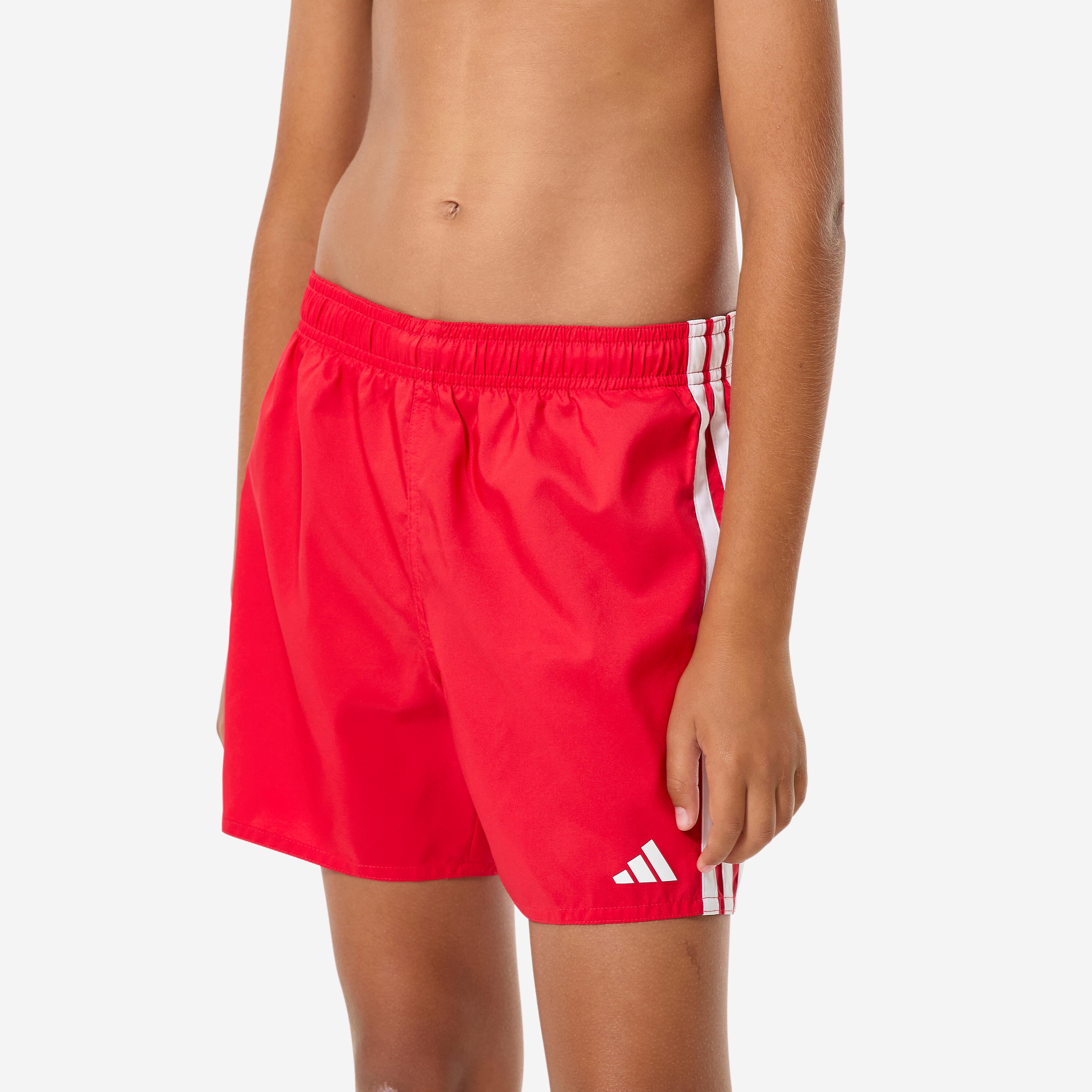
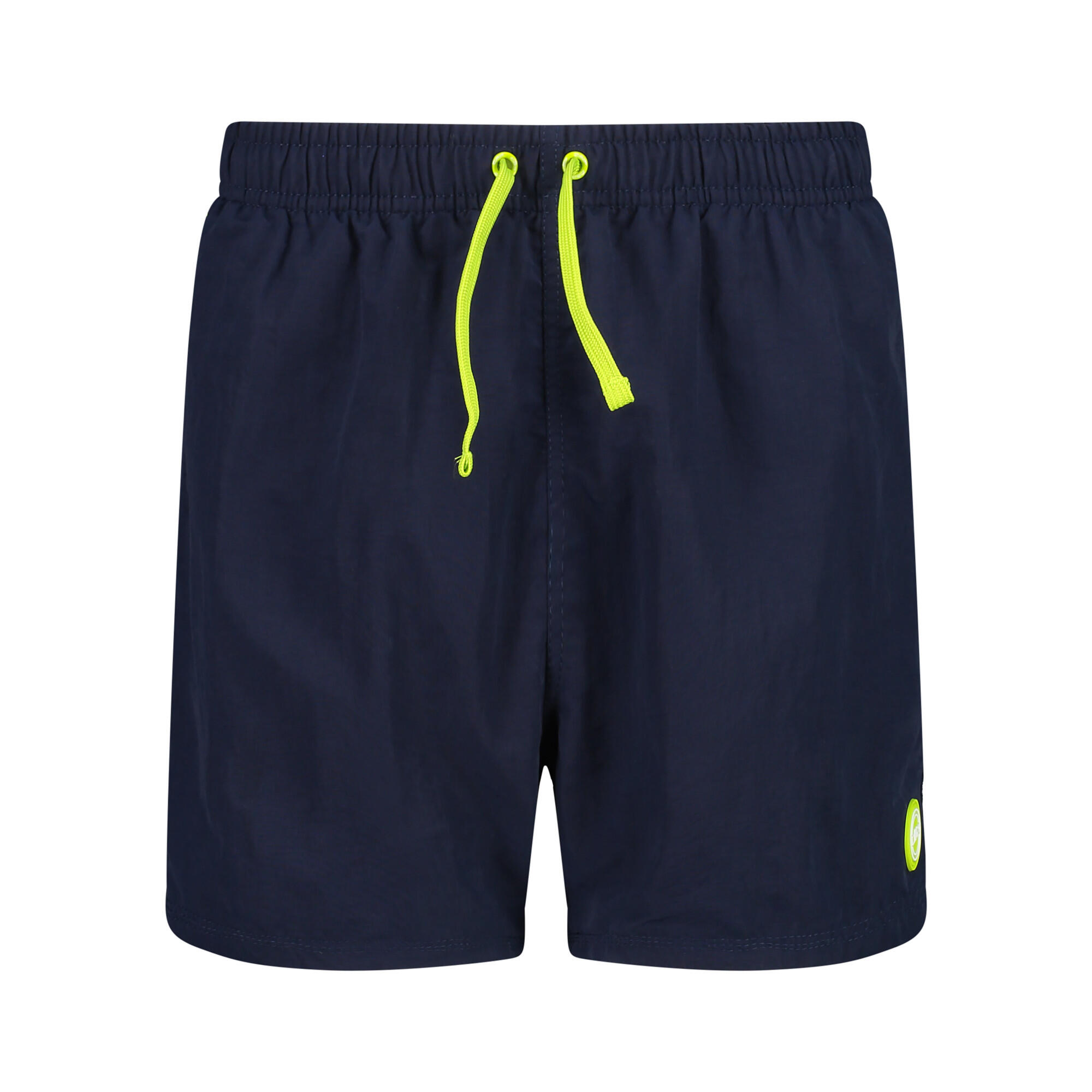
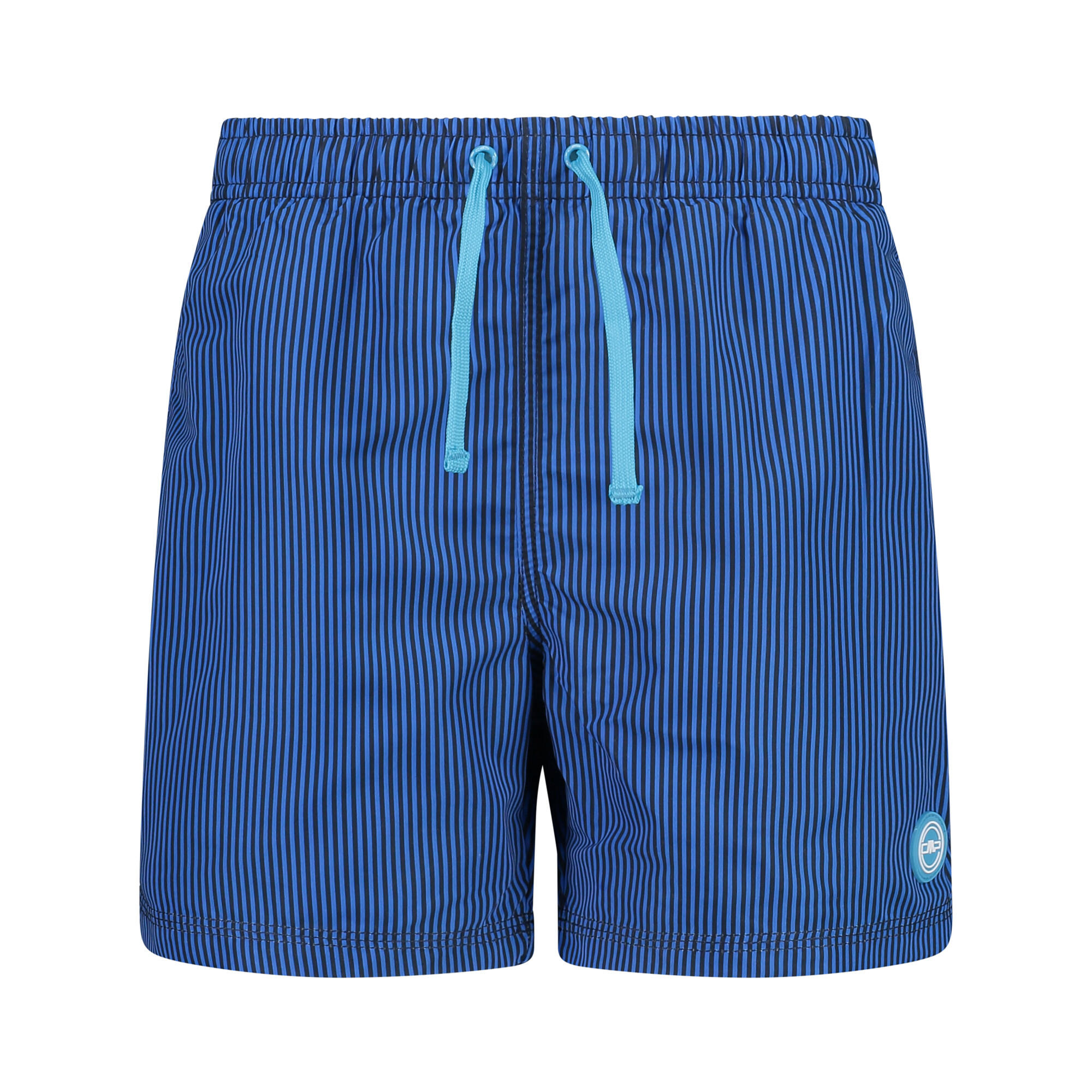
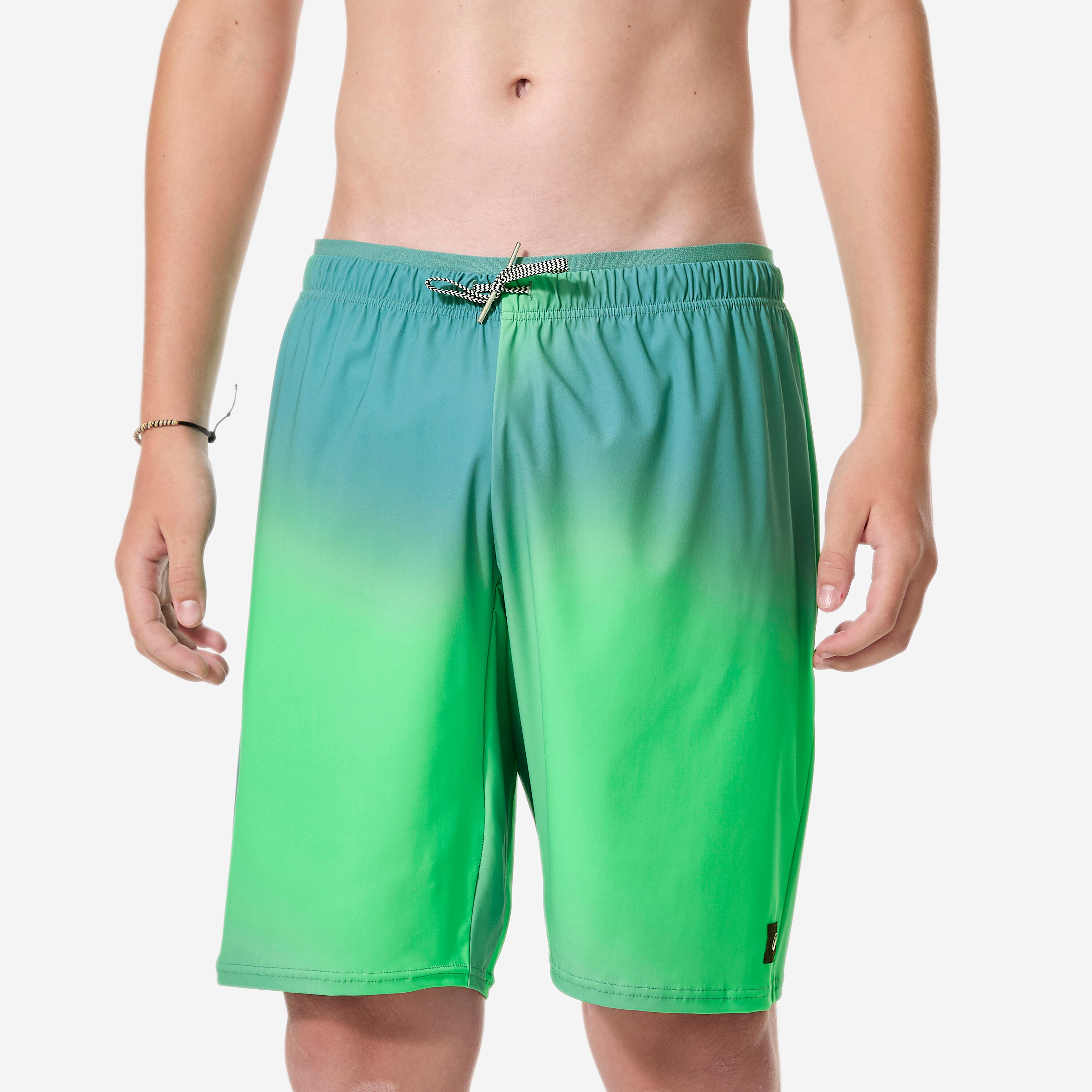
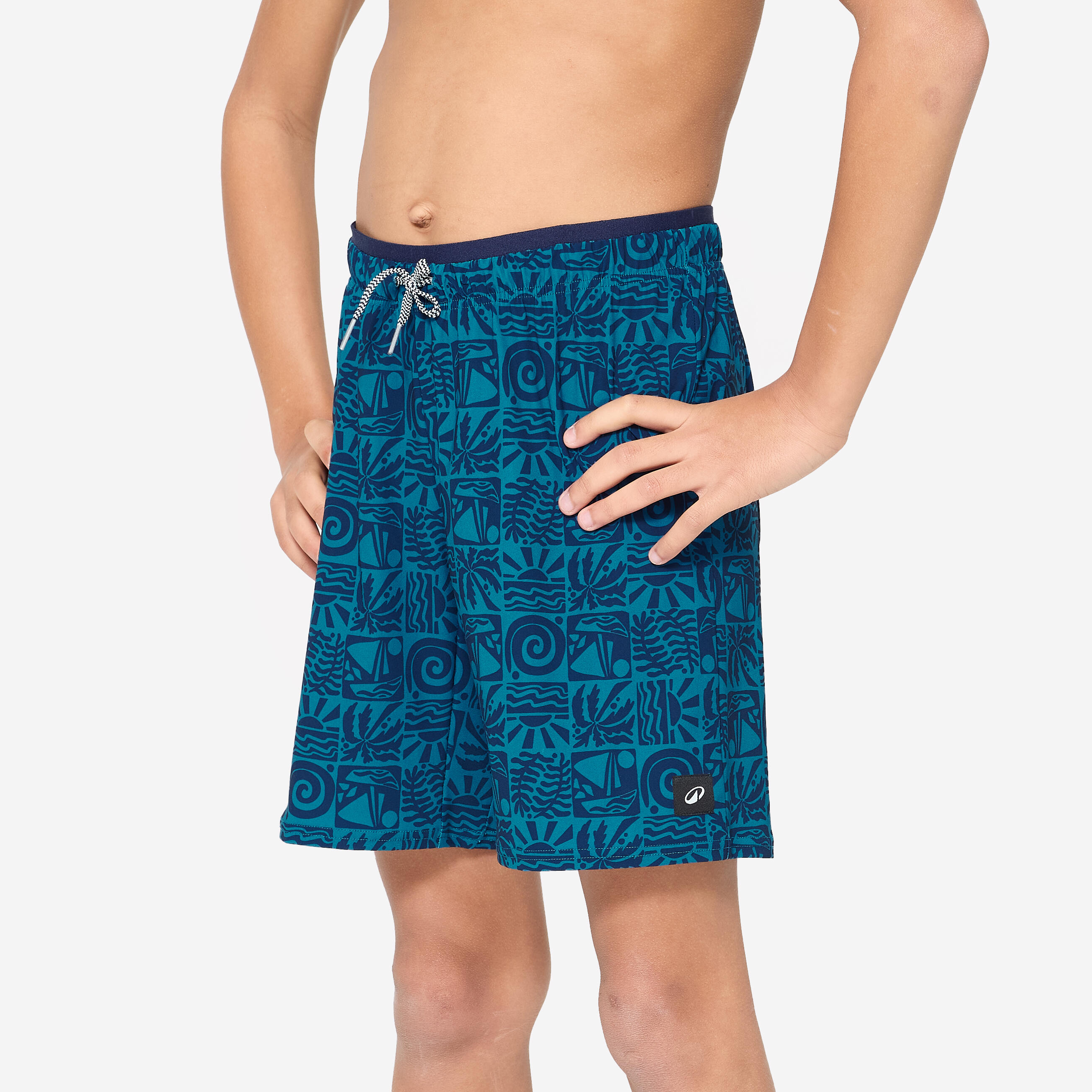
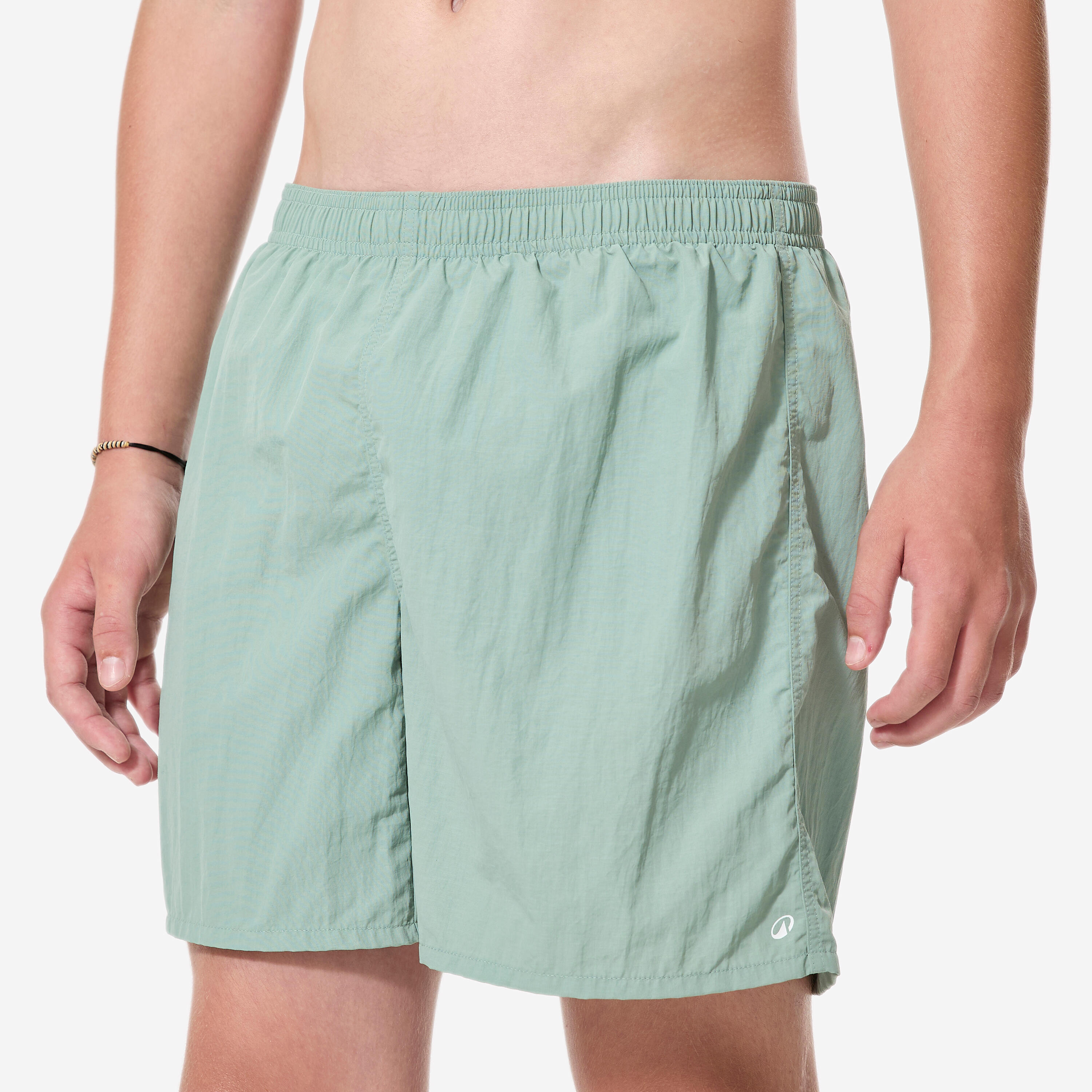
Each context places different demands on the garment. Pool training rewards close-fitting, chlorine-resistant fabrics that hold their shape under repeated chemical exposure and provide hydrodynamic performance during drills and timed sets. Beach and holiday use prioritises comfort, UV resistance, and quick-drying properties over pure performance, and a longer, looser cut suits the mix of swimming, running, and dry-land activity that a beach day involves. Active water play at a leisure pool or water park sits somewhere between the two: the garment needs to stay in place through slides and wave pools without requiring performance-level compression. A longer-cut trunk that sits mid-thigh handles both contexts well, particularly in a chlorine-resistant fabric that transitions between pool and sea without degrading. Families looking for a versatile option for holidays and casual swimming often choose boys' swim trunks thanks to their relaxed fit and all-day comfort.