4 items
4.7/5 based on 538 reviews collected online and in stores

Maternity Swimsuit FAQs

How should a maternity swimsuit fit during pregnancy?

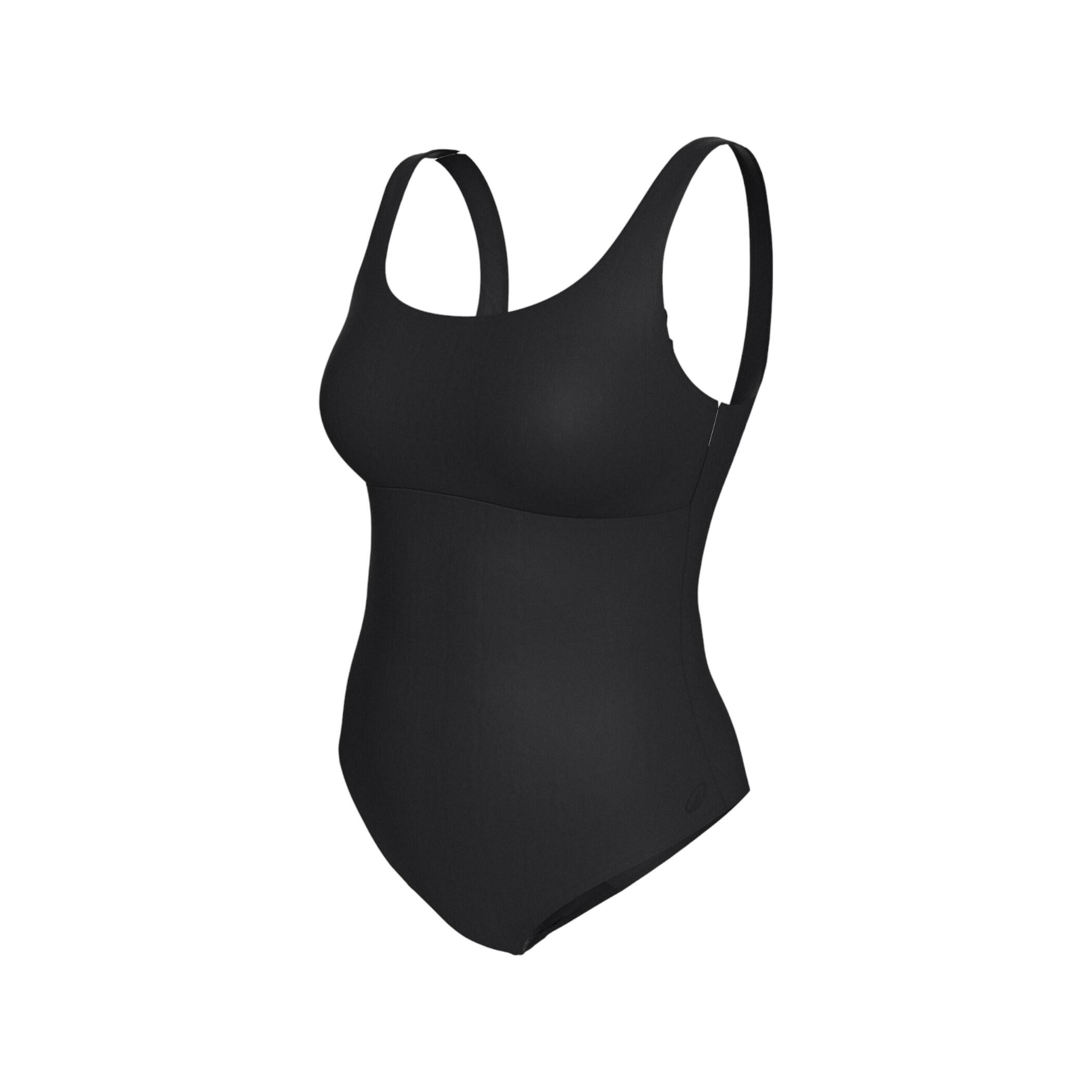
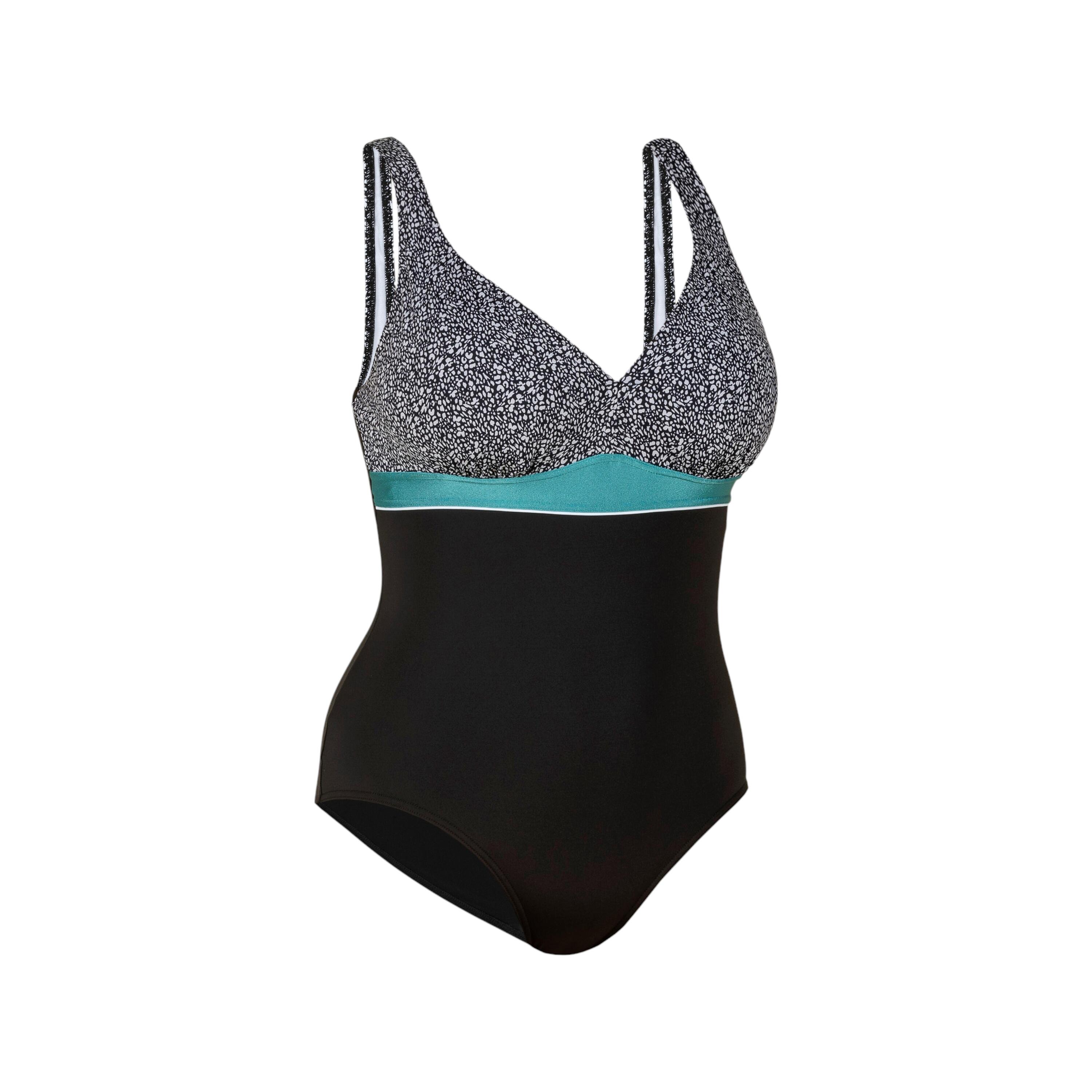
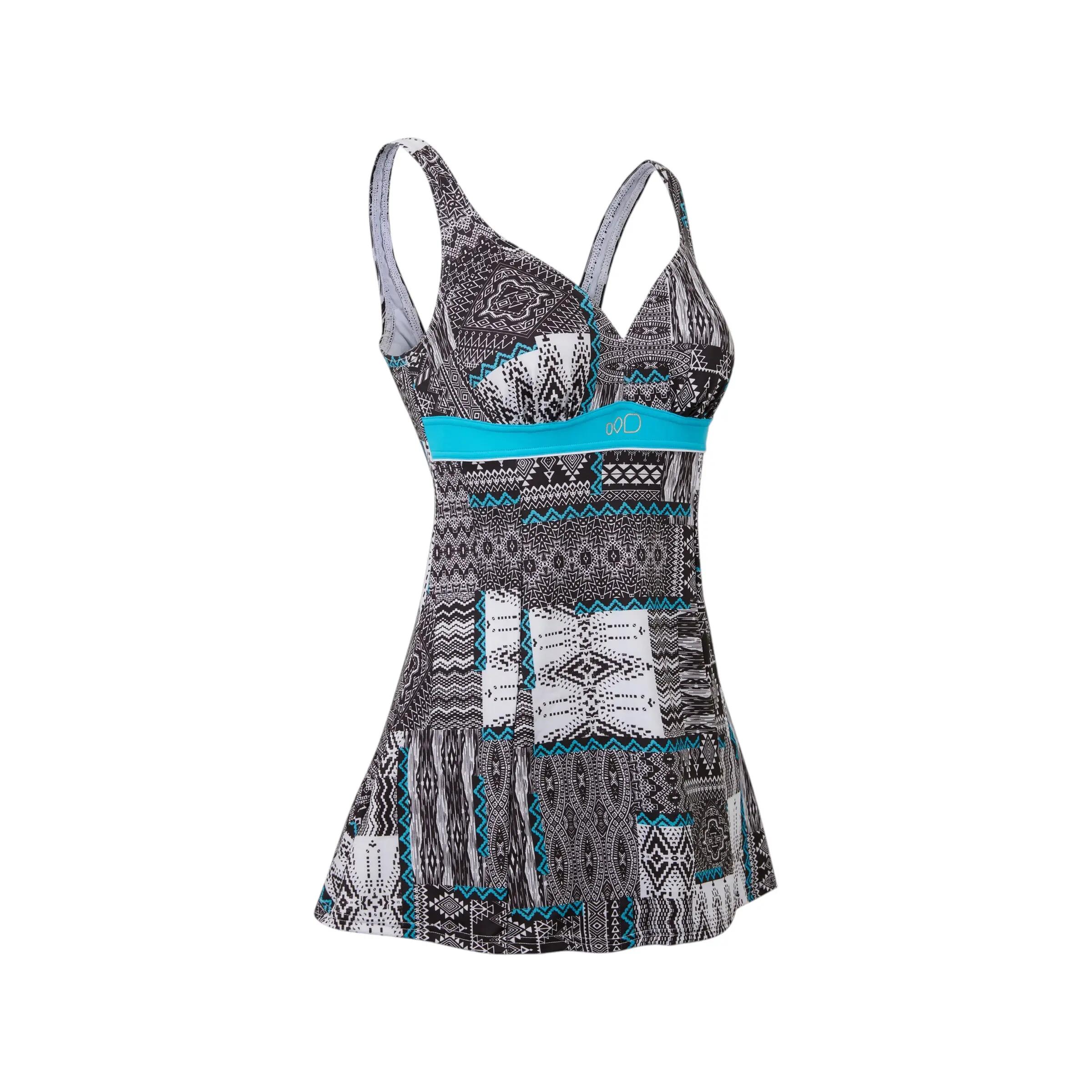
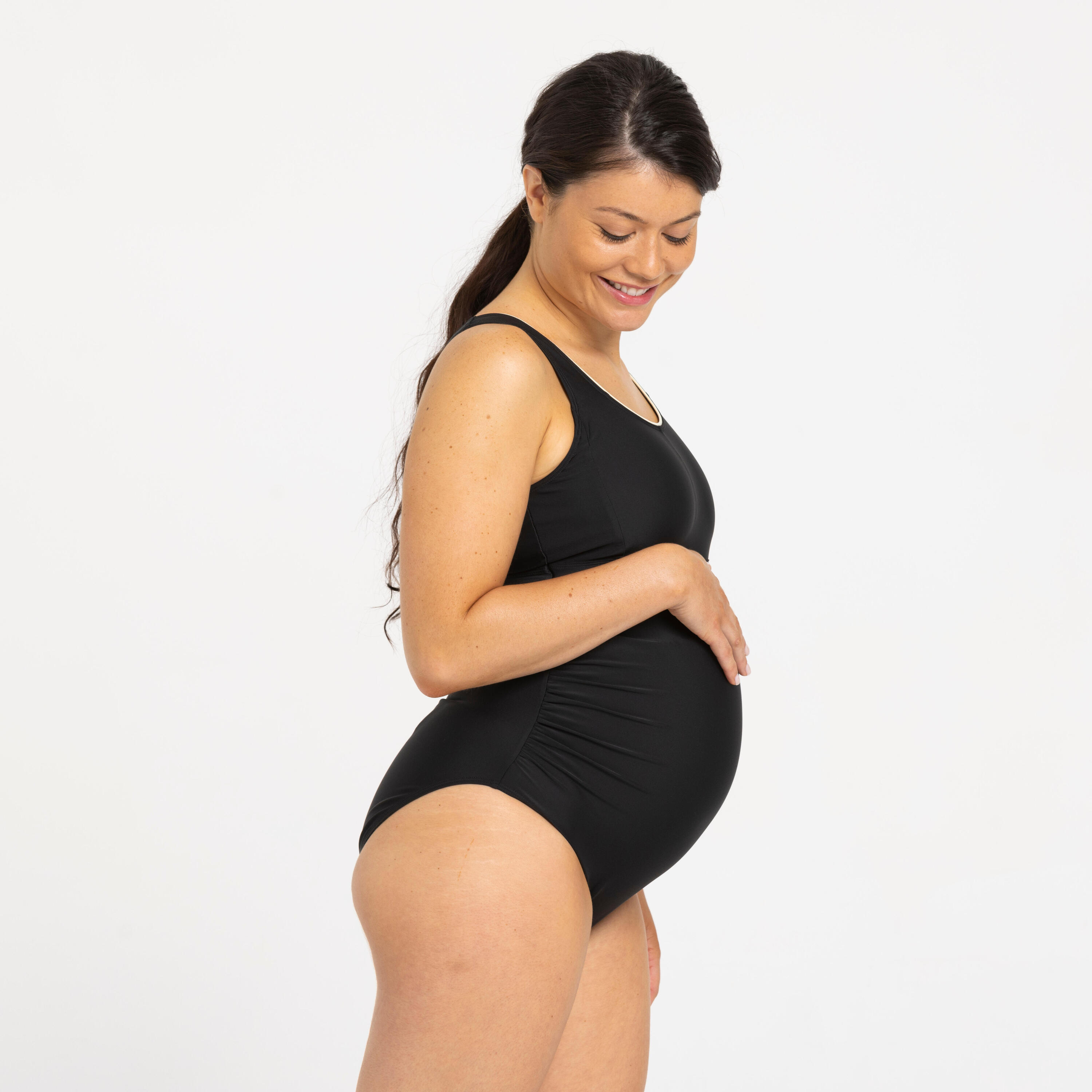
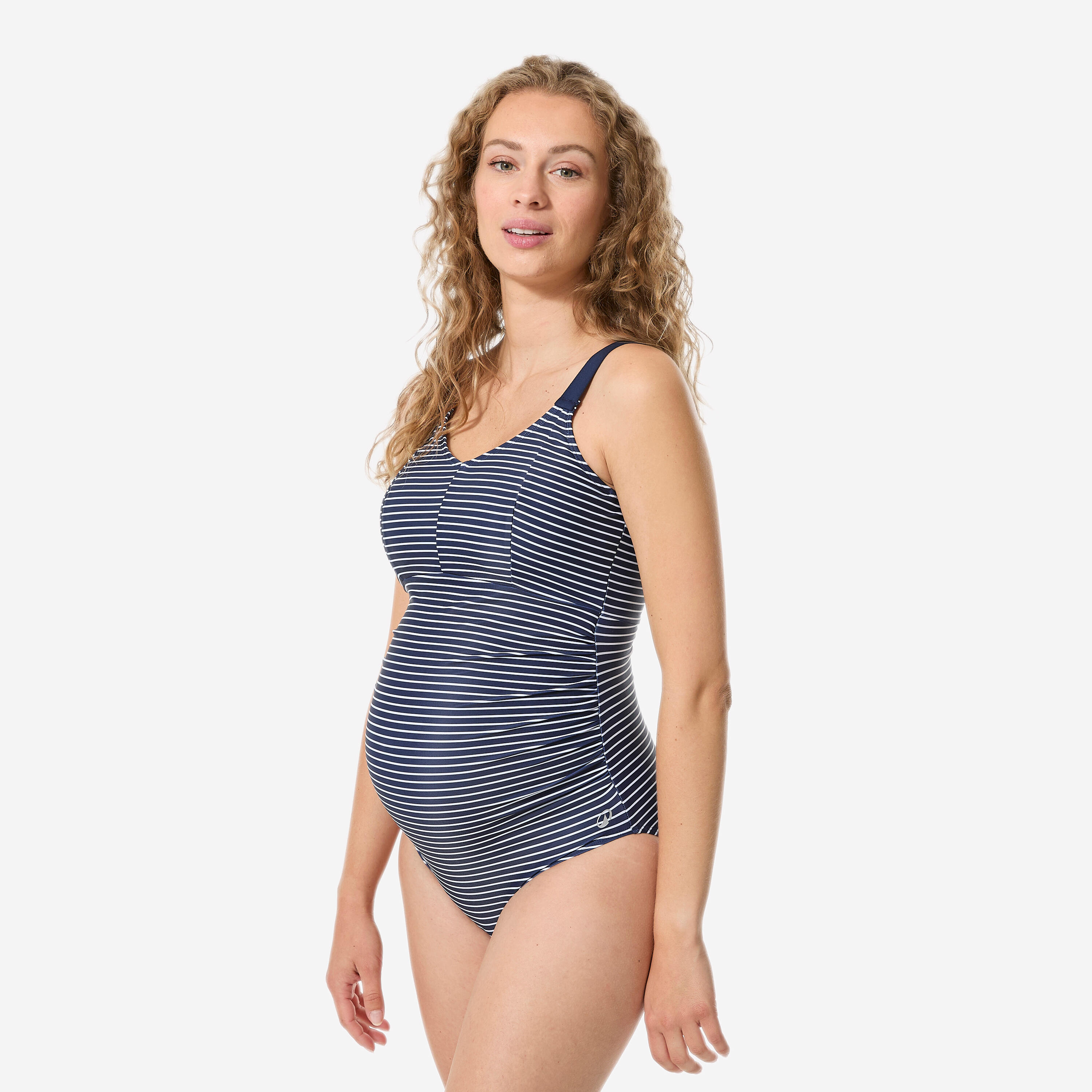
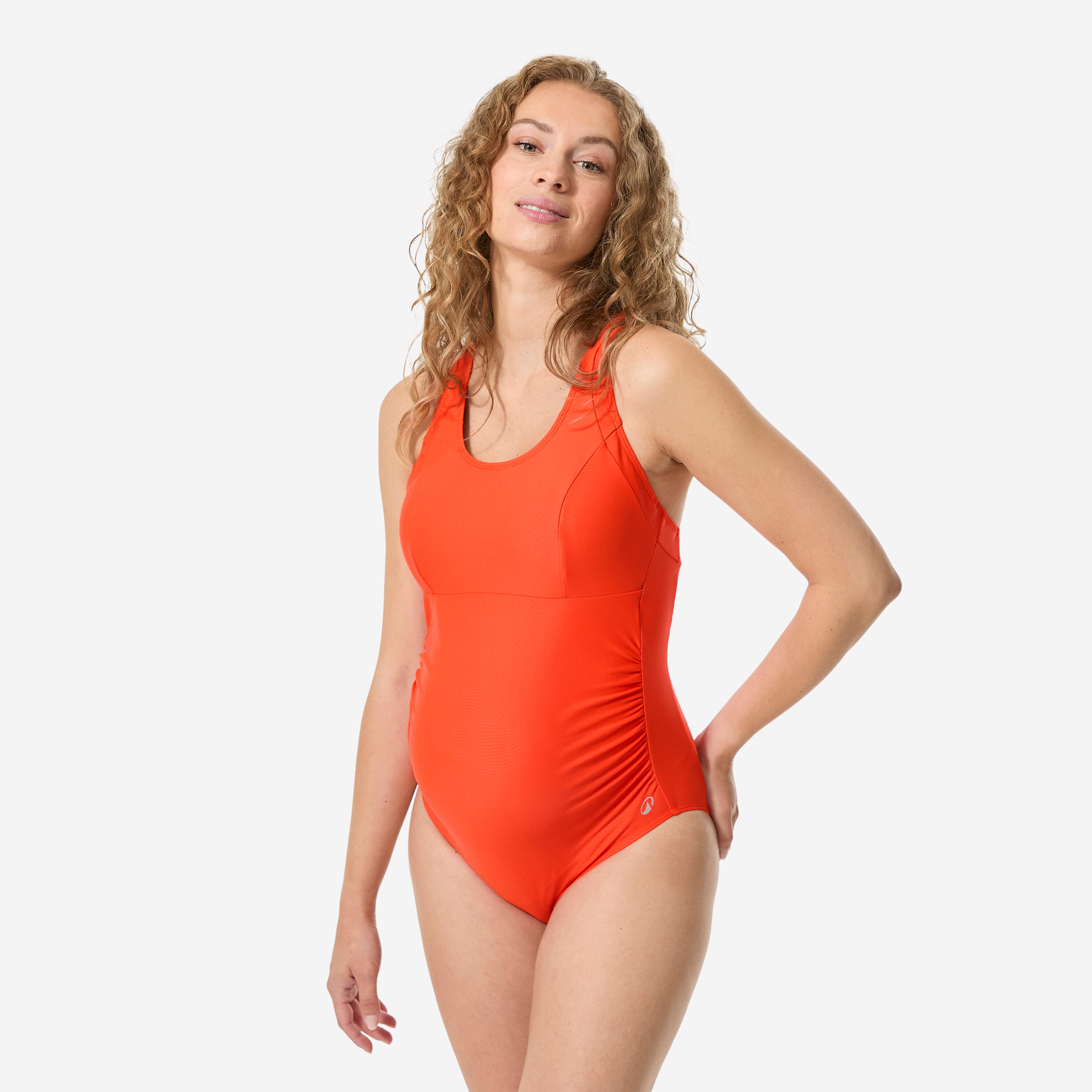
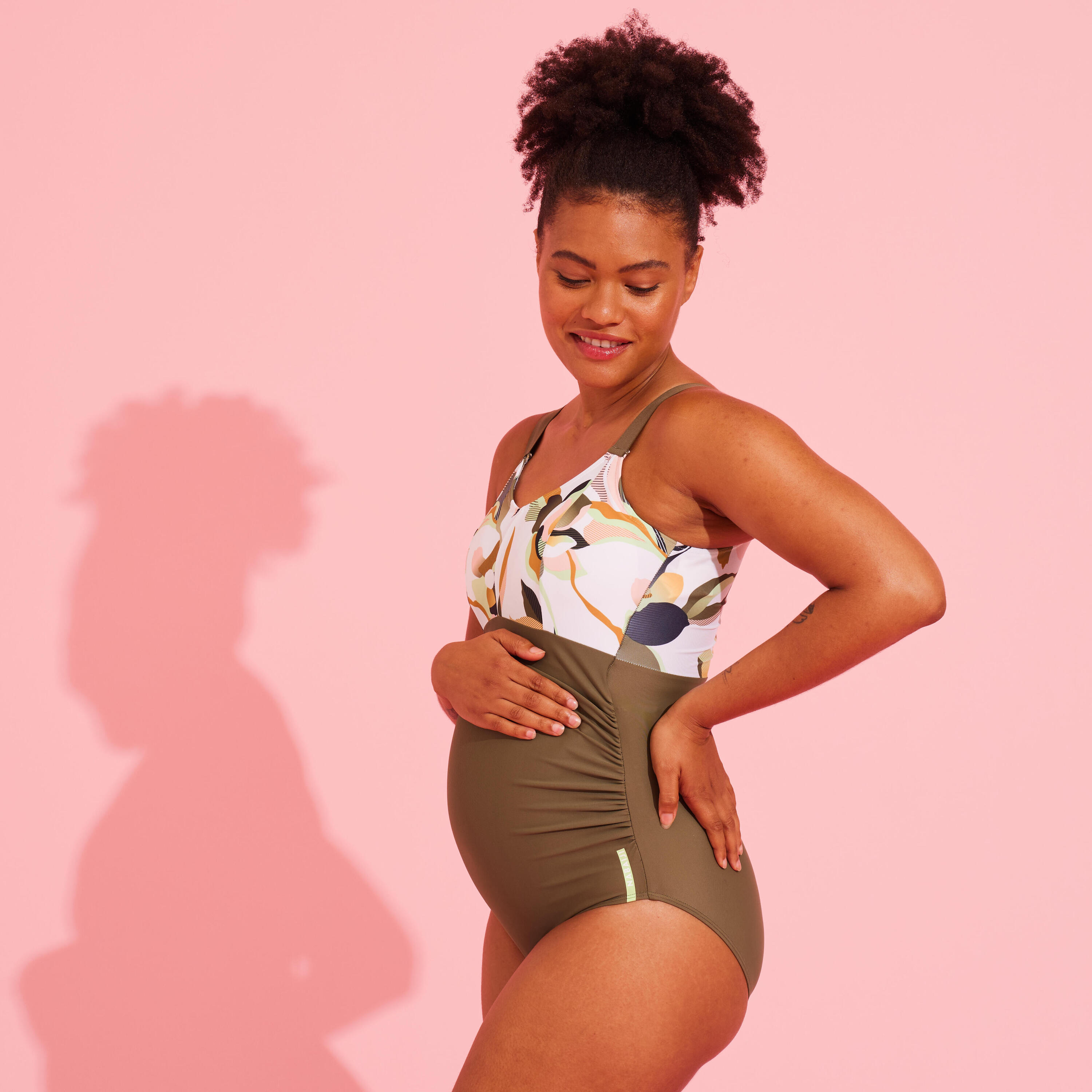
A maternity swimsuit should feel secure without pressing tightly across your bump, bust or hips. The right pregnancy bump fit gives room for your shape to change while still keeping the swimsuit close enough for swimming, aquagym or relaxed pool movement. Look for soft stretch, comfortable straps and coverage that stays in place when you bend, walk or move through the water. The practical reason fit matters is that water movement can pull loose fabric away from the body, while tight seams can feel uncomfortable during longer sessions. Extra lower-body coverage around the pool or beach can come from women's swimming skirts & dresses, helping you feel comfortable before and after your swim.

What makes maternity swimwear different from regular swimwear?

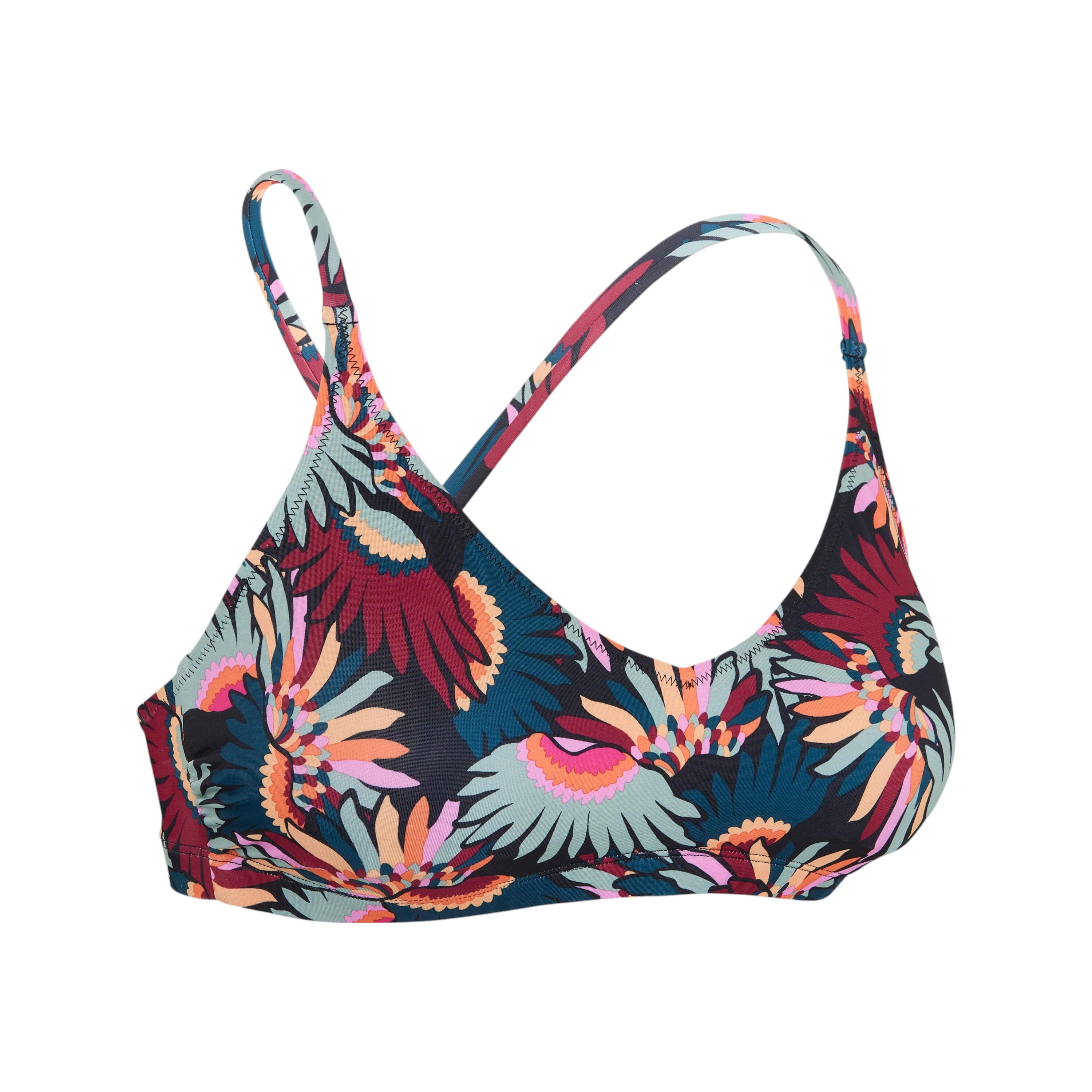
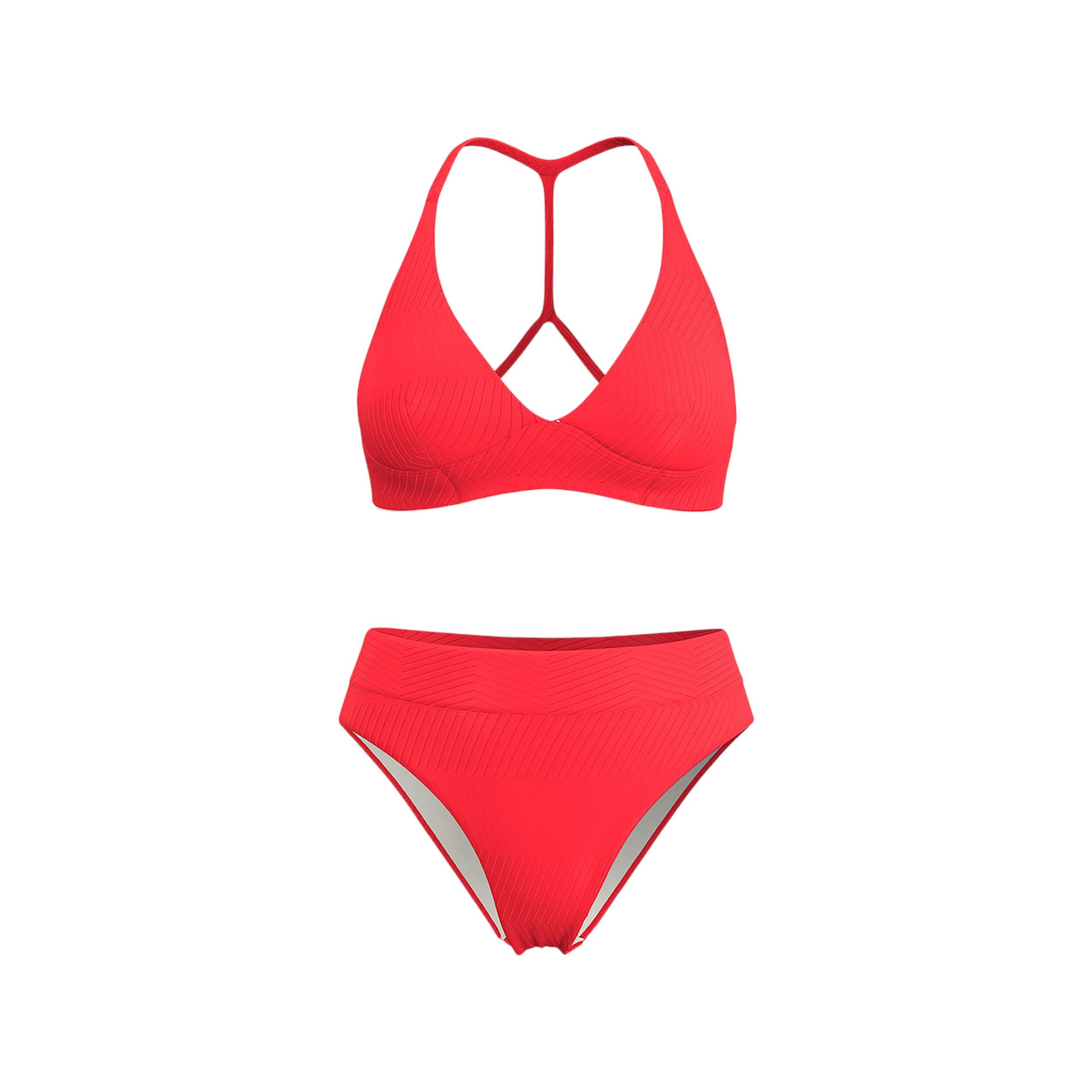
Maternity swimwear is cut with more give around the front body, so it can adapt better as your bump grows. Regular one-piece swimsuits may stretch at first, but they can start pulling at the straps, bust or leg openings as pregnancy progresses. A maternity swimsuit usually feels better for pool classes because it allows easier movement through the waist and stomach area. The technical why is simple: stretch needs to be distributed across the garment, not forced into one tight area. Early pregnancy can make easy changing more important, and bikinis may suit gentle pool sessions or short holiday swims.

Are pregnancy support swimsuits useful for aquagym?

Pregnancy-support swimsuits can be useful for aquagym because the body moves in different directions during water exercises. A secure bust area, wider-feeling straps and a stable back shape can help the swimsuit stay comfortable through side steps, leg lifts and arm movements. Support does not mean the swimsuit should feel rigid; it should hold gently while still letting you breathe and move freely. Pro tip: try a few slow squats or arm circles when checking the fit at home, as this quickly shows whether the neckline, straps or leg openings shift. Designed for women who like a smoothing effect outside maternity ranges, tummy control swimsuits offer another style direction after pregnancy or between size changes.

Can women wear pregnancy swimwear for outdoor pools and beach days?

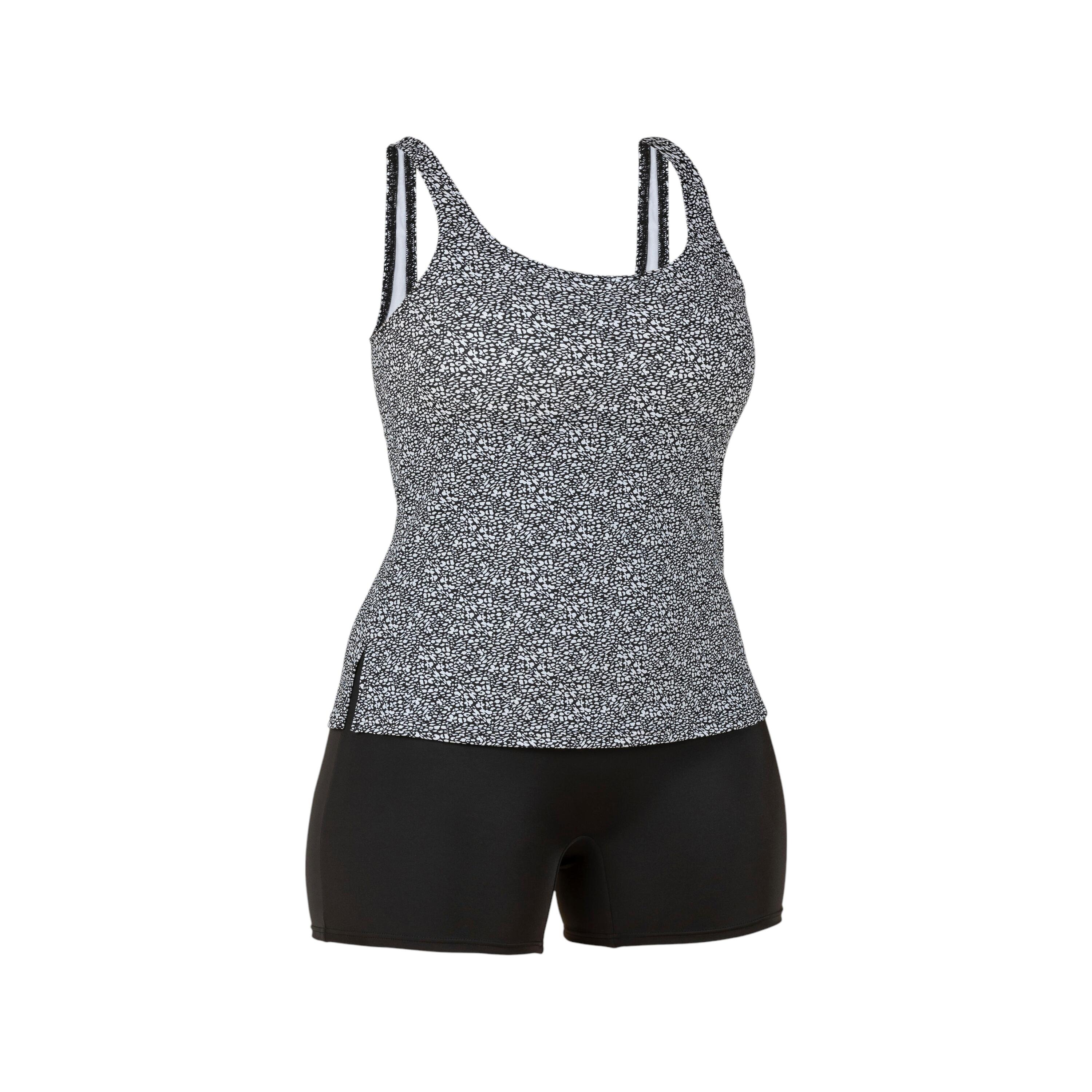
Pregnancy swimwear can work well for outdoor pools and beach days, but coverage and sun exposure need a little extra thought. A maternity swimsuit should always be chosen for comfort and bump fit first, with UV protection as an added benefit where available. If you are looking for UV protection pregnancy swimsuits, always check the product details for any stated UV or UPF rating rather than assuming every swimsuit offers the same level of protection. A darker or fuller-coverage swimsuit may feel more practical for sunny days, but exposed shoulders, arms and upper chest still need care. A tankini swimsuit can be a practical choice for bump comfort, easier changing and relaxed holidays, as the top and bottoms sit separately.

How to choose between one-piece maternity swimsuits and other styles?

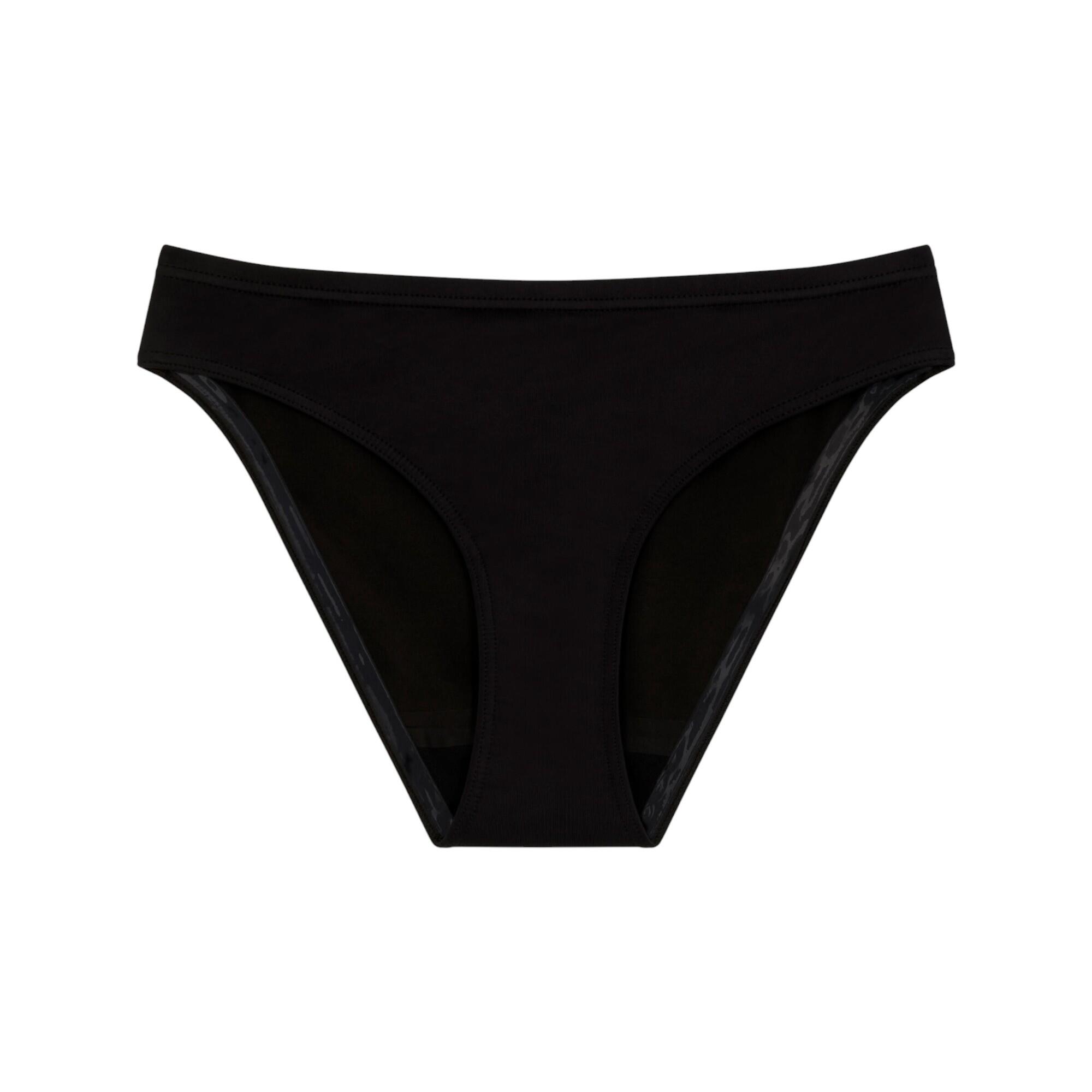
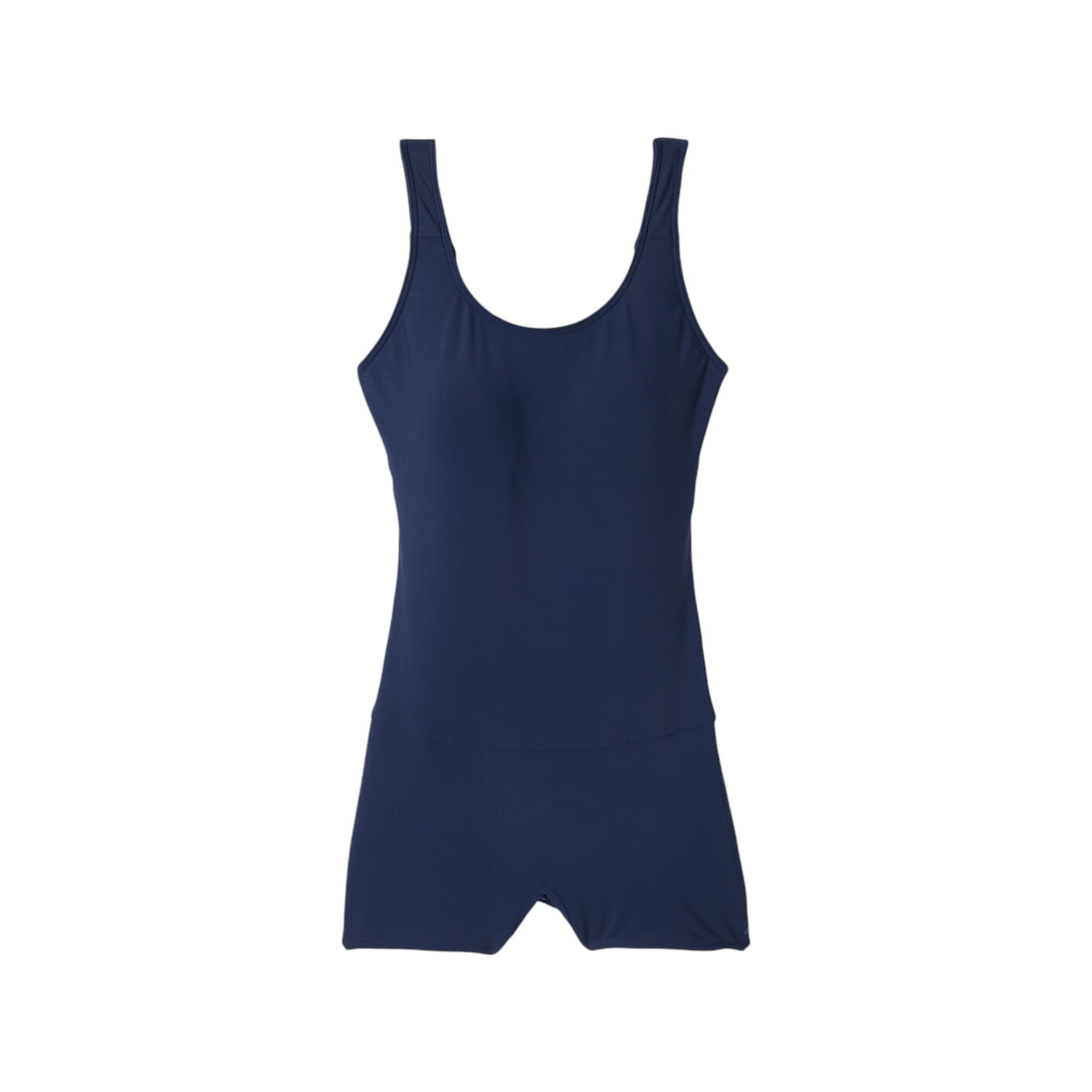
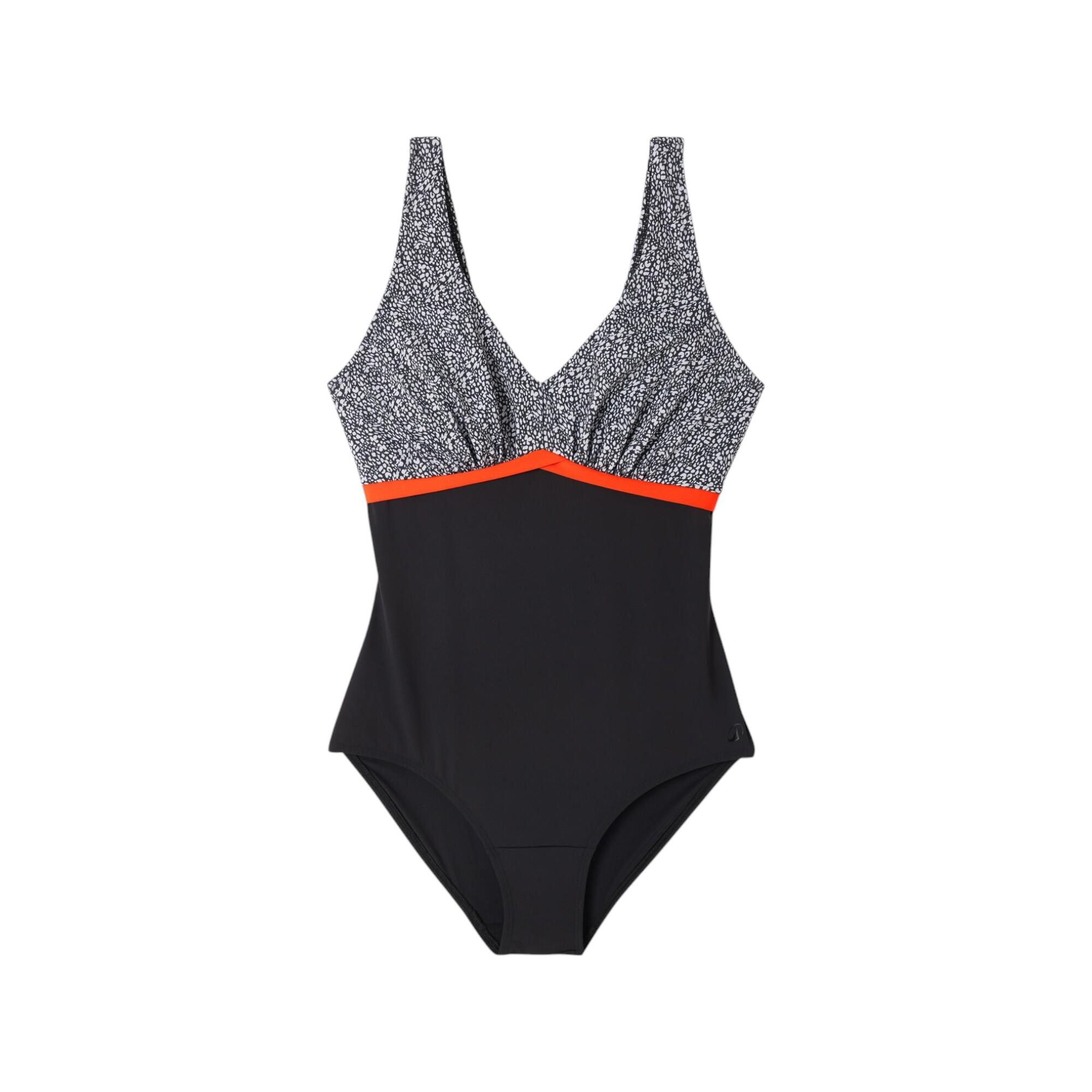
A one-piece maternity swimsuit is usually the easiest choice for swimming lengths, aquafitness or aquagym because it gives consistent coverage and fewer moving parts. It is also practical if you want one simple piece for pool bags, holidays or weekly classes. Other styles can still make sense depending on comfort: a tankini gives more flexibility, while a bikini may feel cooler in warm weather. The best choice is the one that lets you move without adjusting the garment every few minutes. During pregnancy and after birth, changing needs can also include cycle return, spotting or extra reassurance, so period swimsuit options may be helpful for some swimmers when returning to the pool.