684 items
4.3/5 based on 99598 reviews collected online and in stores

Men's Swimwear FAQs

What fabric makes swim boxers suitable for regular pool use without rapid degradation?

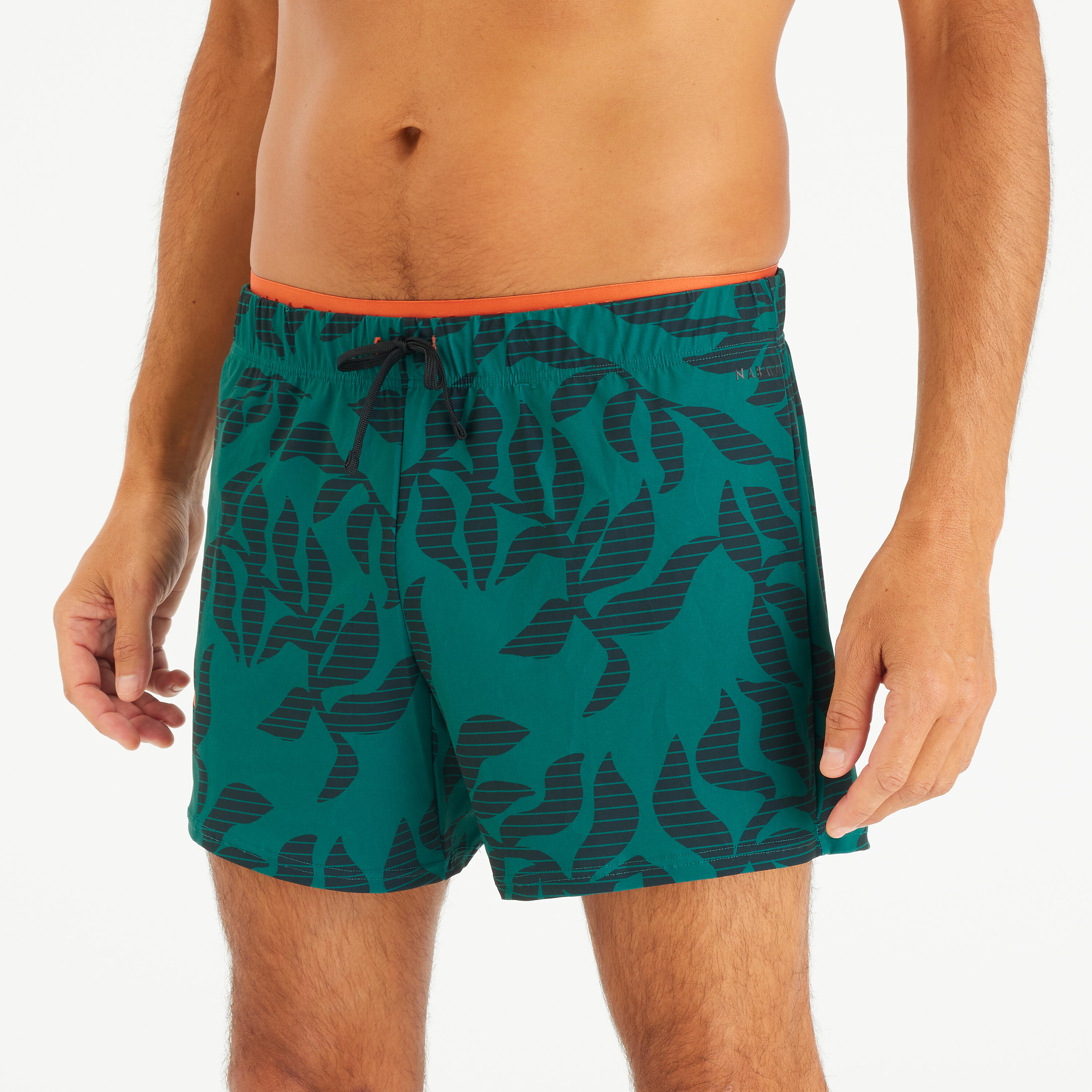
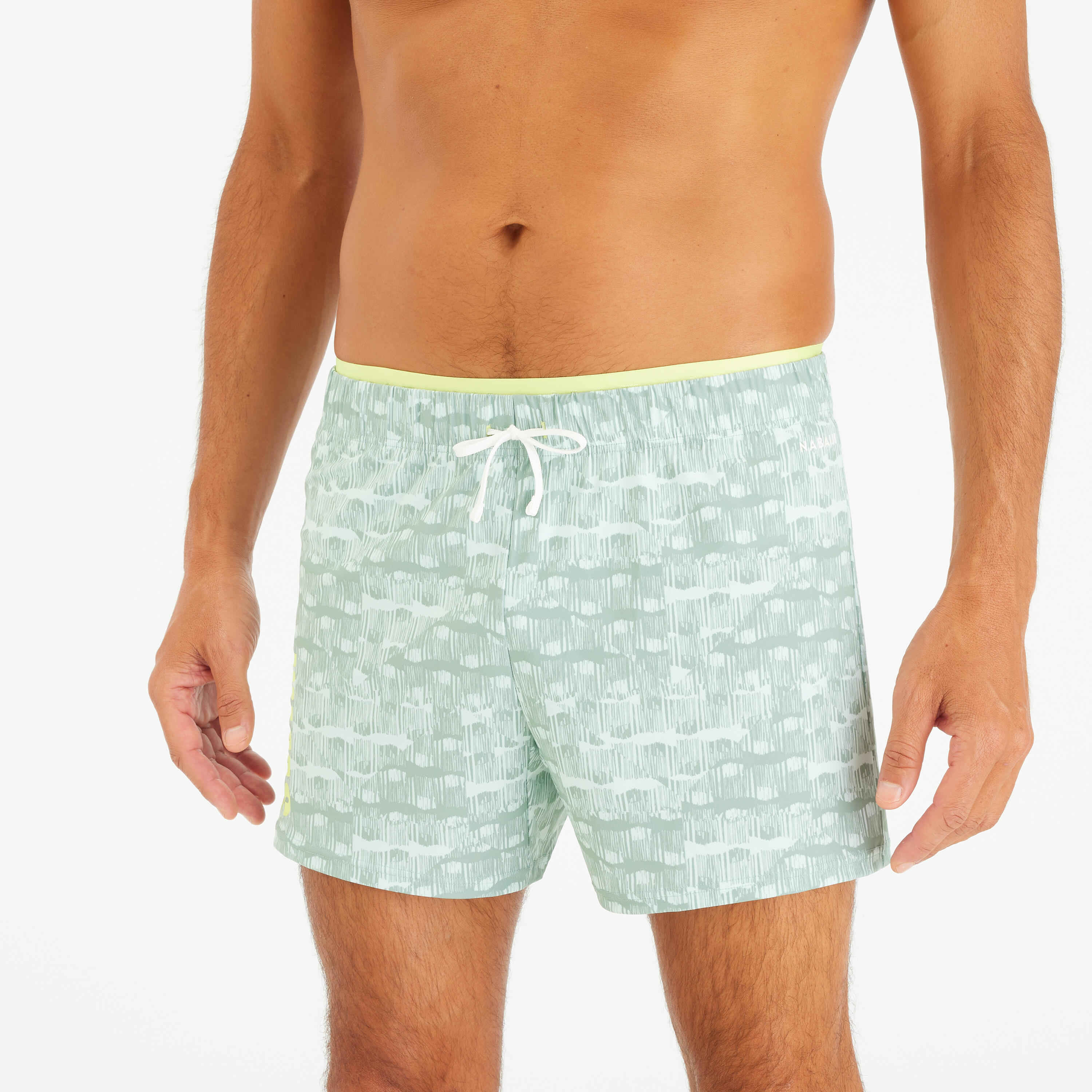
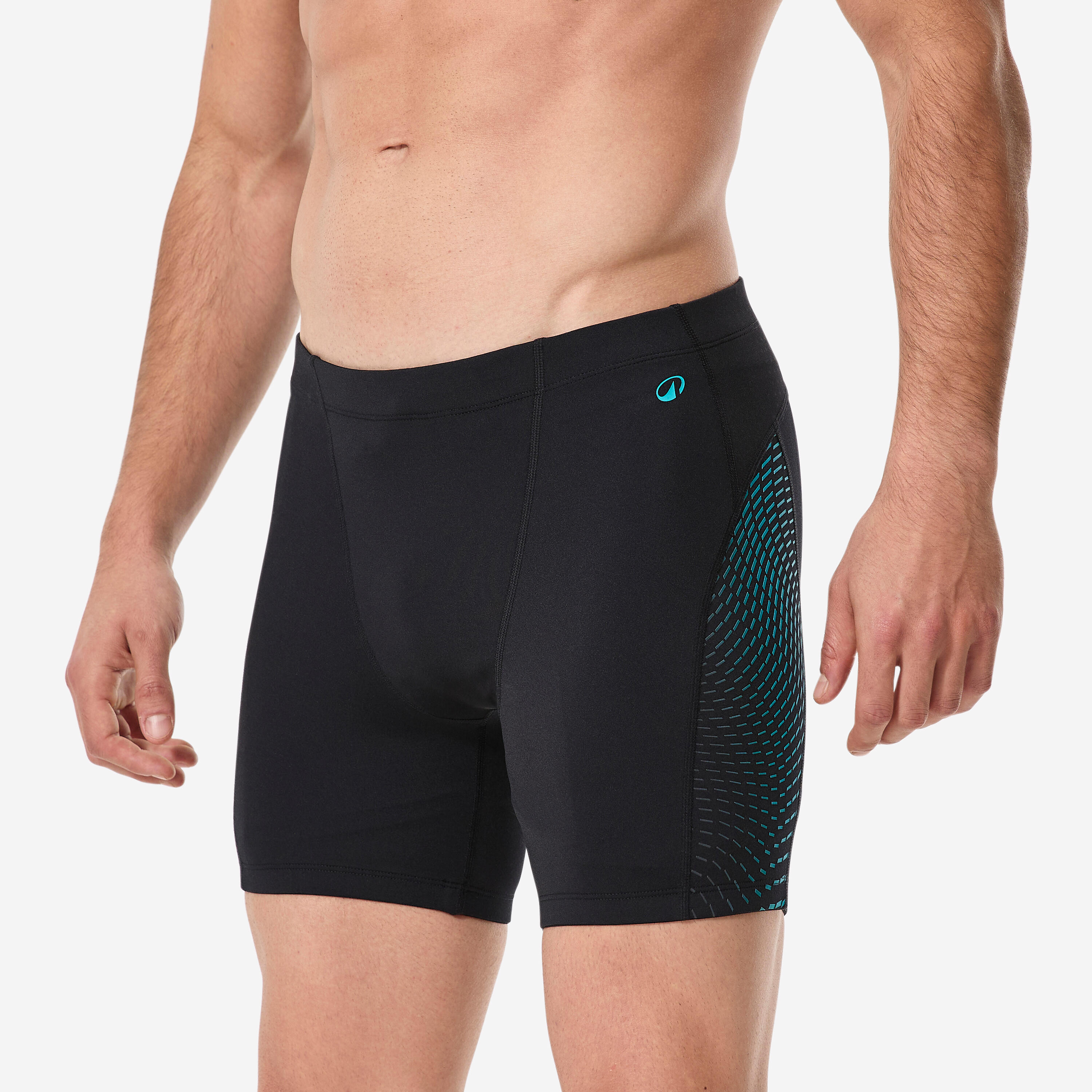
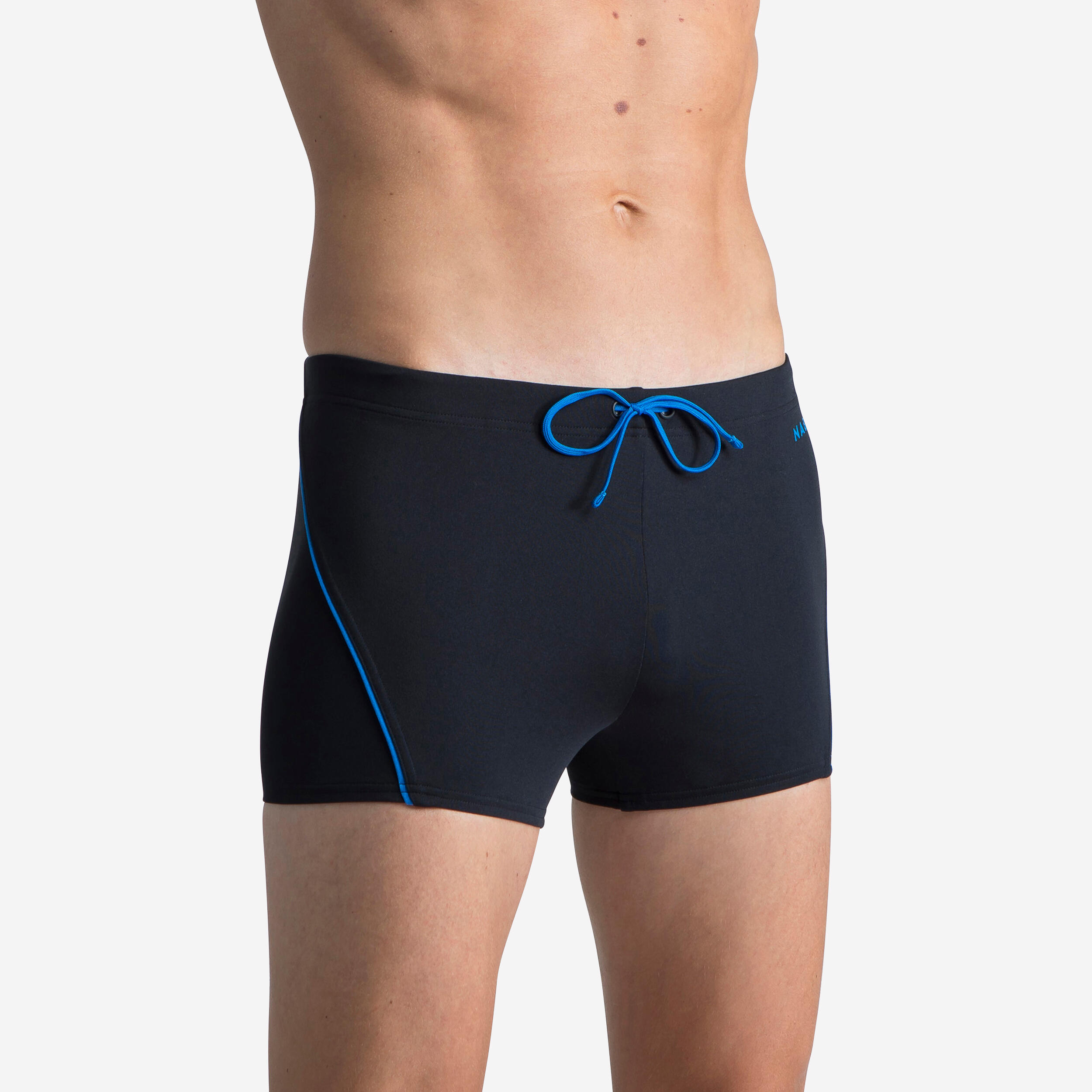
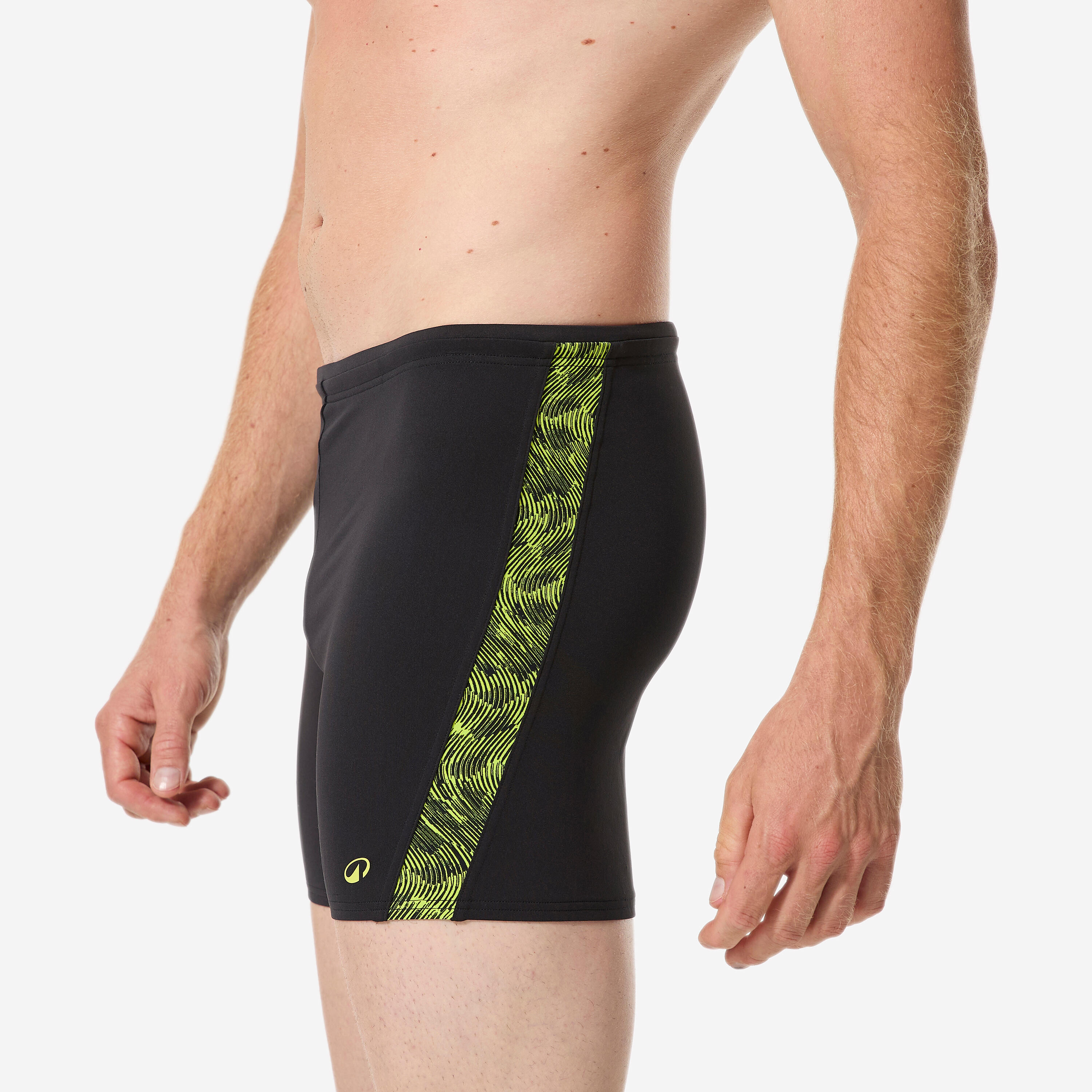
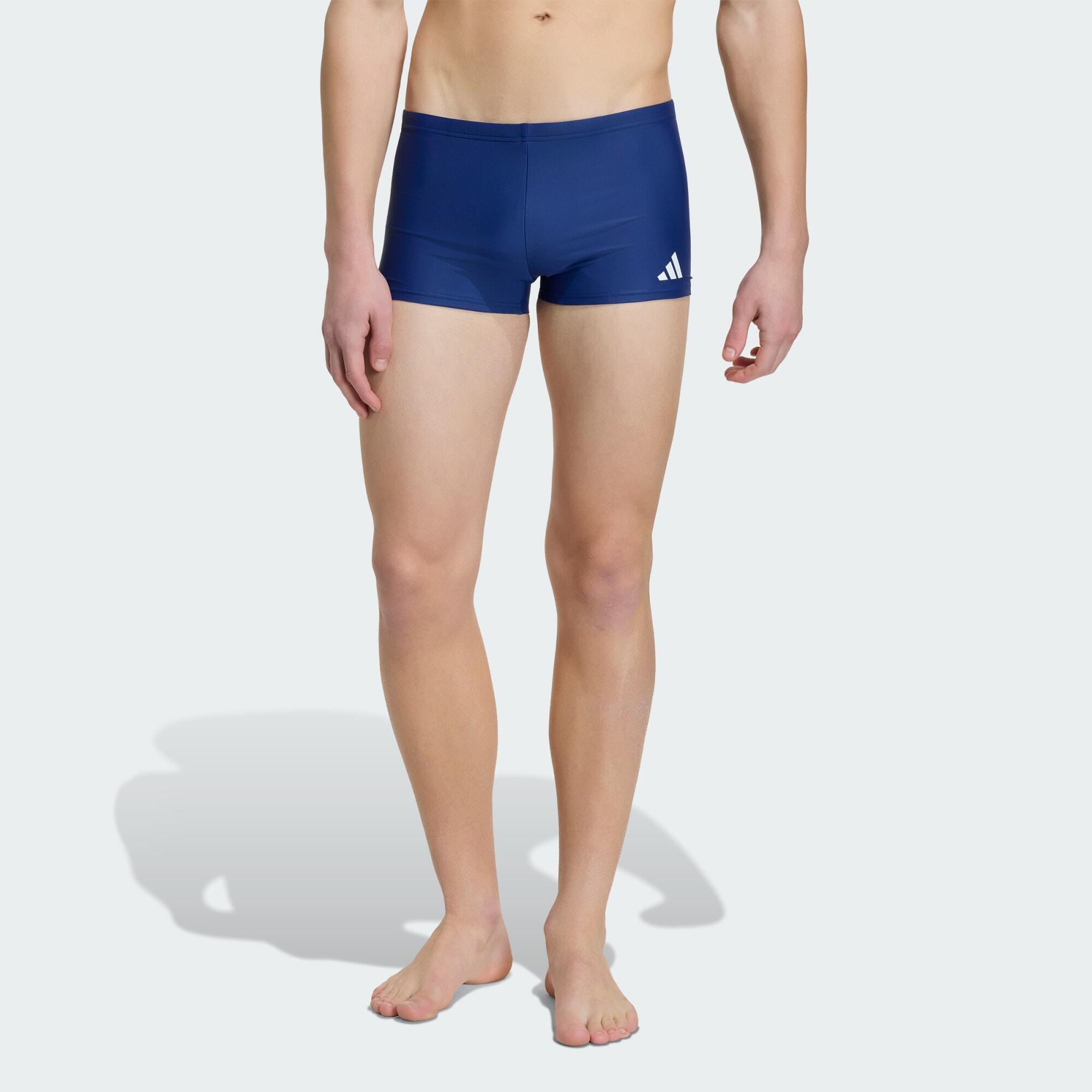
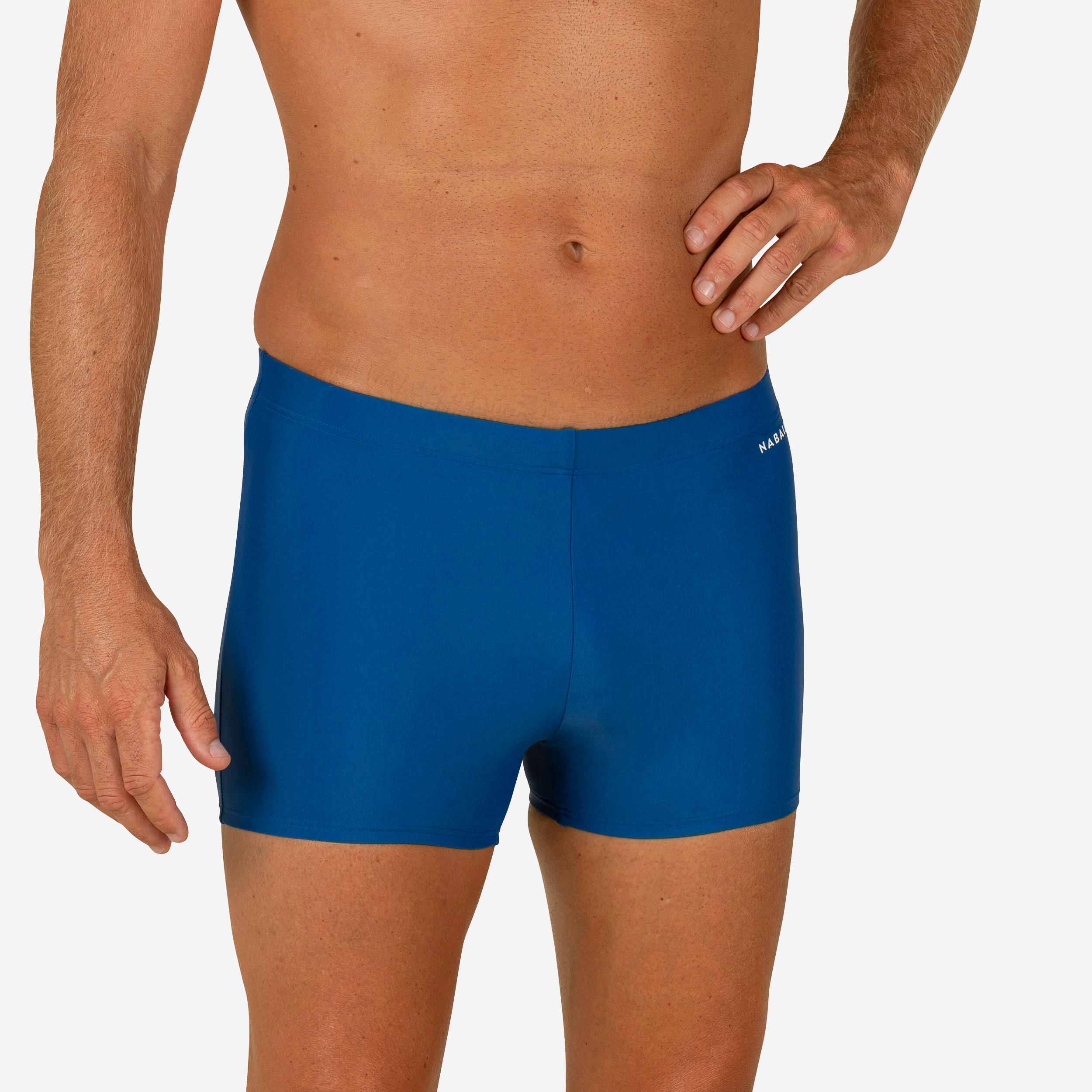
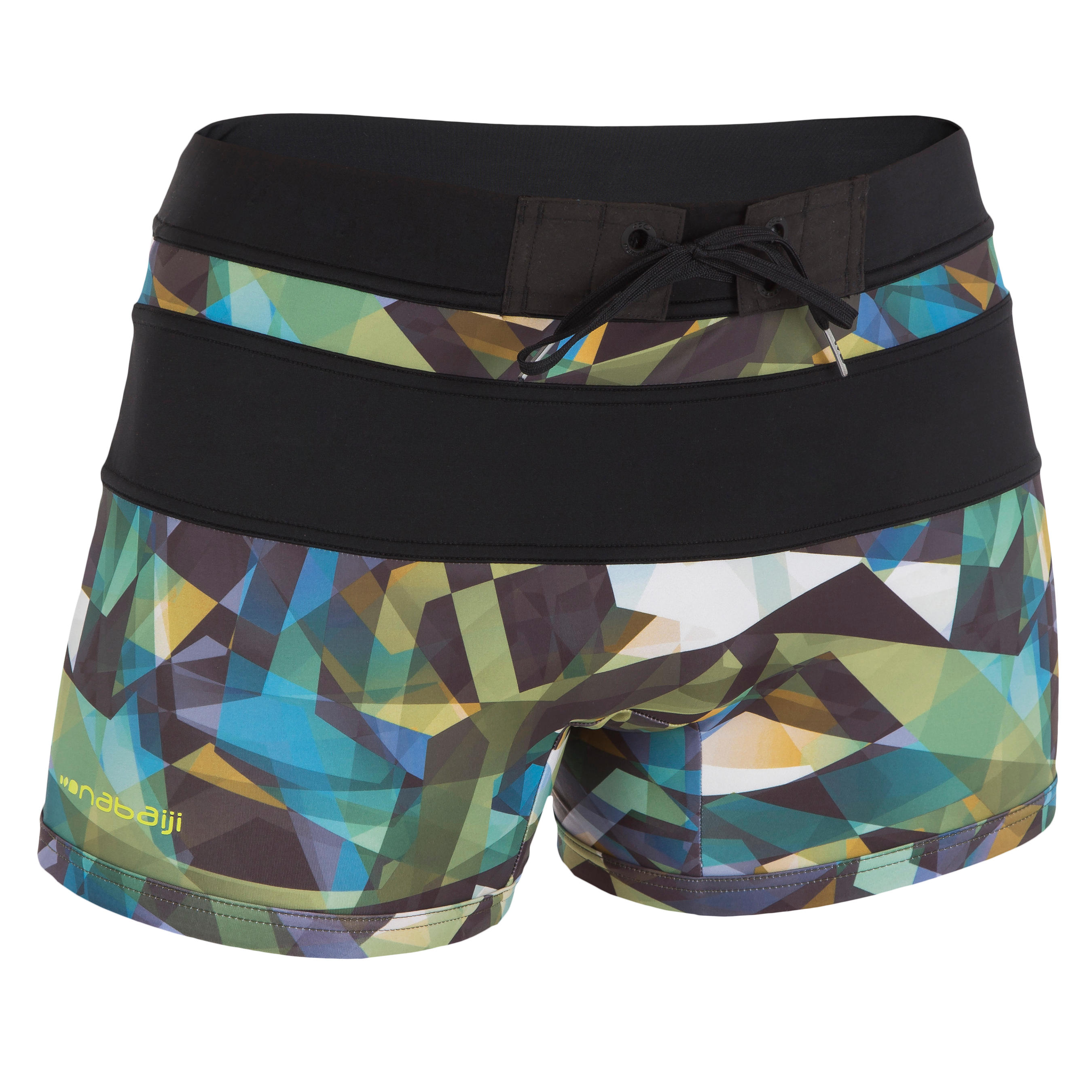
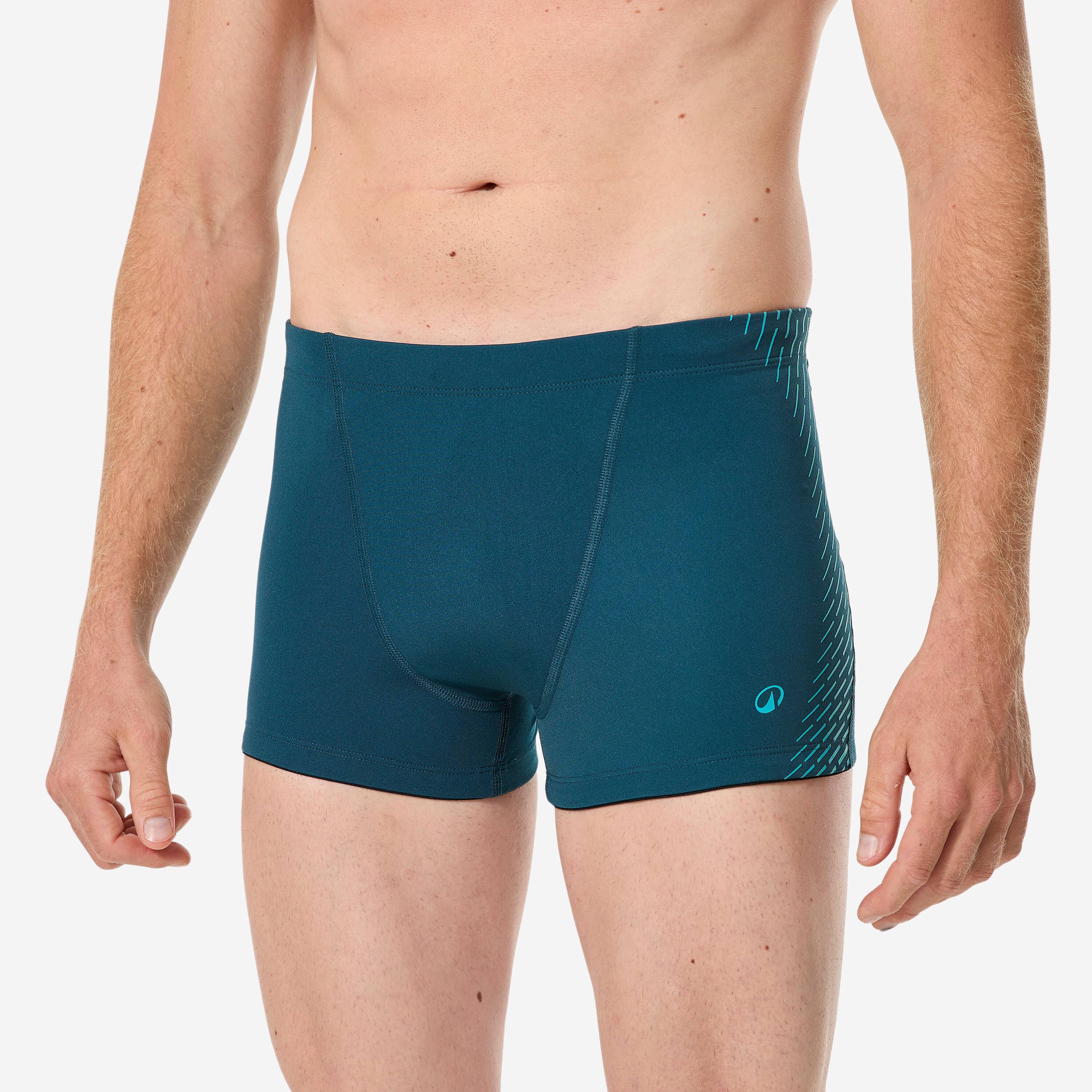
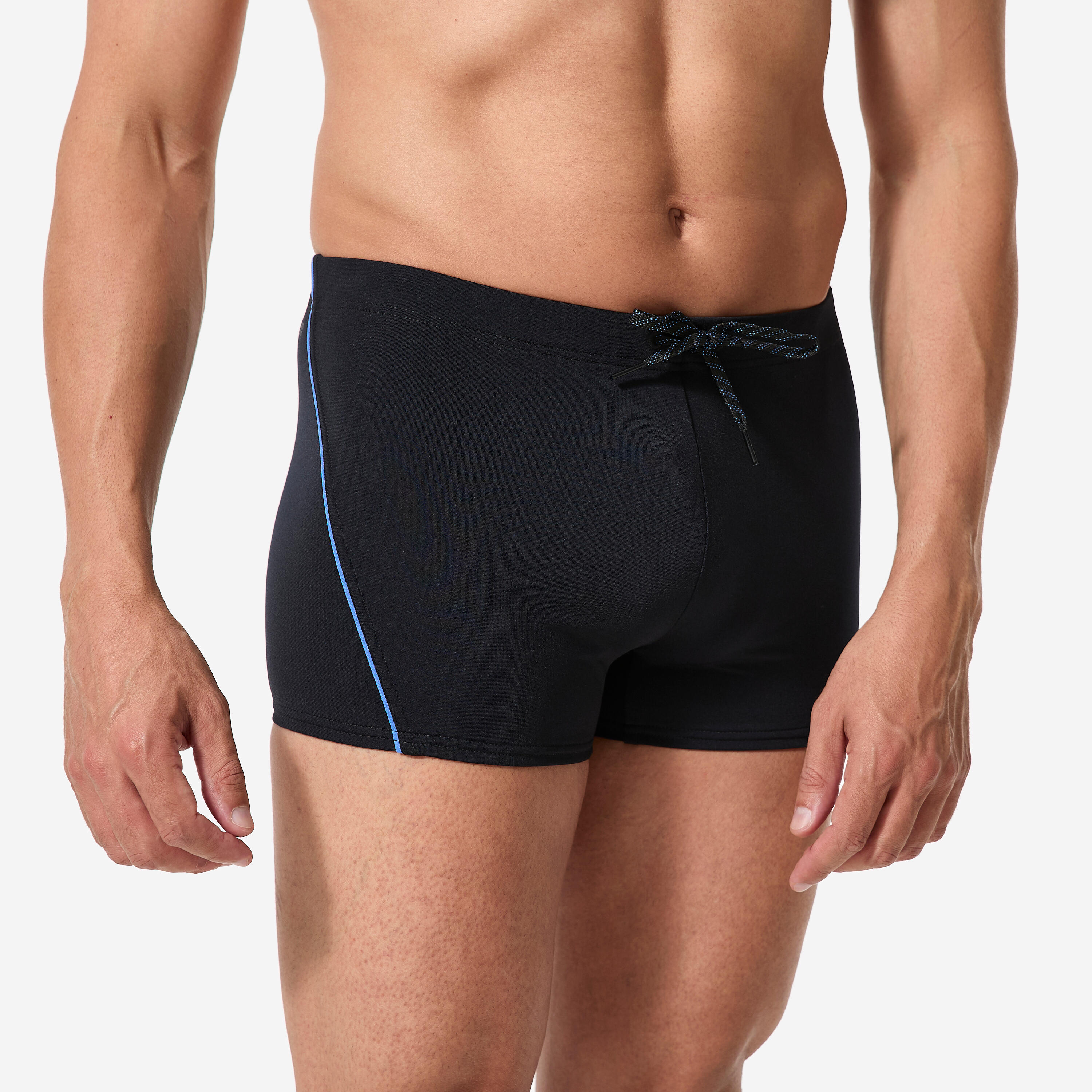
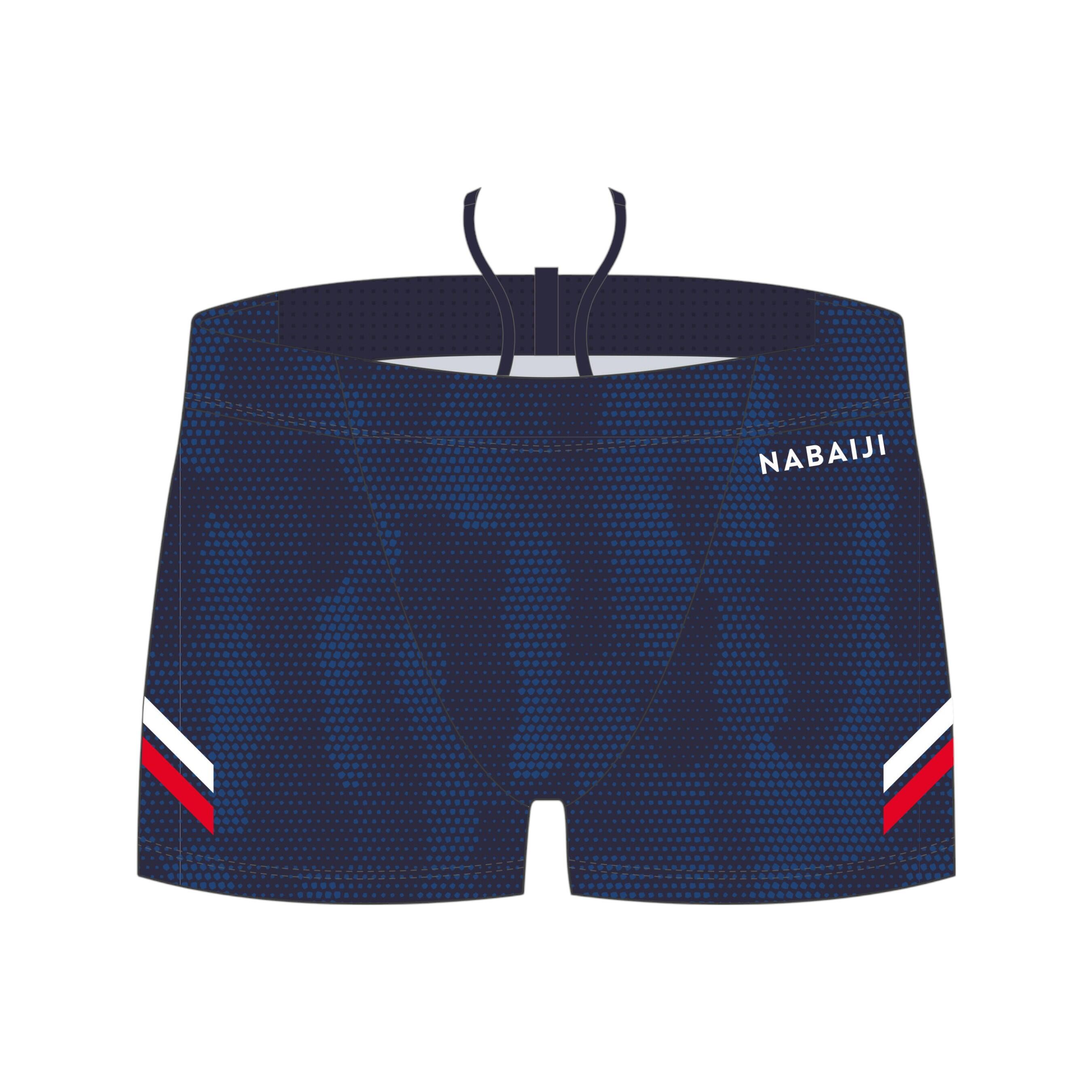
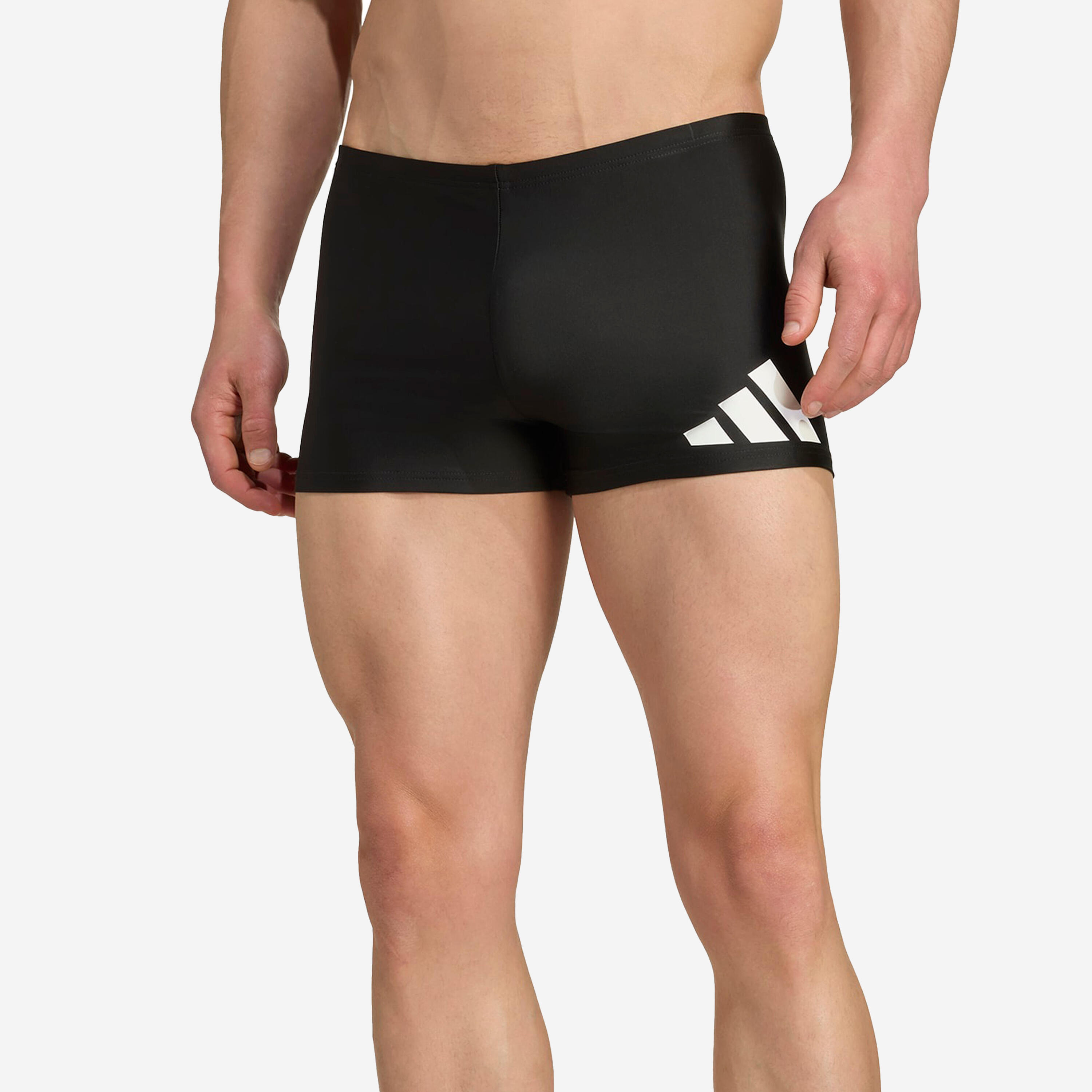
Standard cotton or cotton-blend fabric absorbs chlorine and degrades quickly, losing its shape and colour after a handful of sessions; pool-specific fabric blends resist that chemical attack significantly better. Polyester-dominant fabrics, particularly those containing PBT fibres, maintain their elasticity and colour through repeated chlorine exposure. The fibre structure is less reactive to pool chemicals than elastane or nylon. A chlorine-resistant rating on the product label indicates the fabric has been tested against sustained pool use rather than just casual splash exposure. Quick-dry construction matters as much as chlorine resistance for regular pool use; a fabric that releases water rapidly reduces the discomfort of a wet waistband during the walk between pool and changing room, and means the swimwear is genuinely dry before the next session rather than still damp from the last. A drawcord waistband with a flat internal elastic distributes the waist tension evenly without creating a pressure ridge against the skin during extended wear, which is particularly relevant for longer lane sessions. Chlorine-resistant men's swim boxers cover options from casual beach cuts to longer-leg performance fits suited to training. Smart tip: rinse swimwear in cold, fresh water immediately after a pool session; this removes residual chlorine that continues to attack the fabric fibre even after leaving the pool.
What distinguishes swim trunks from swim boxers in terms of fit and activity suitability?

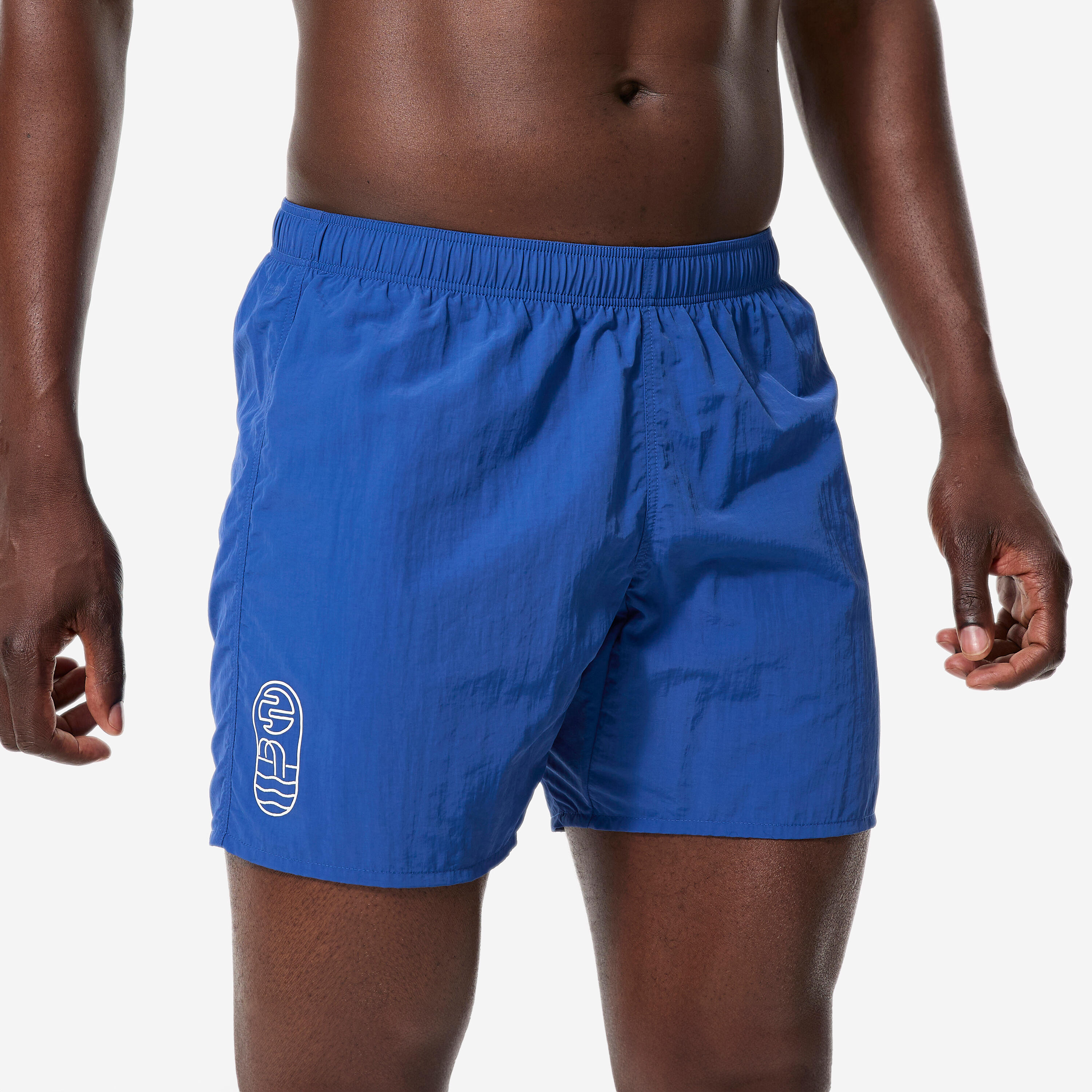
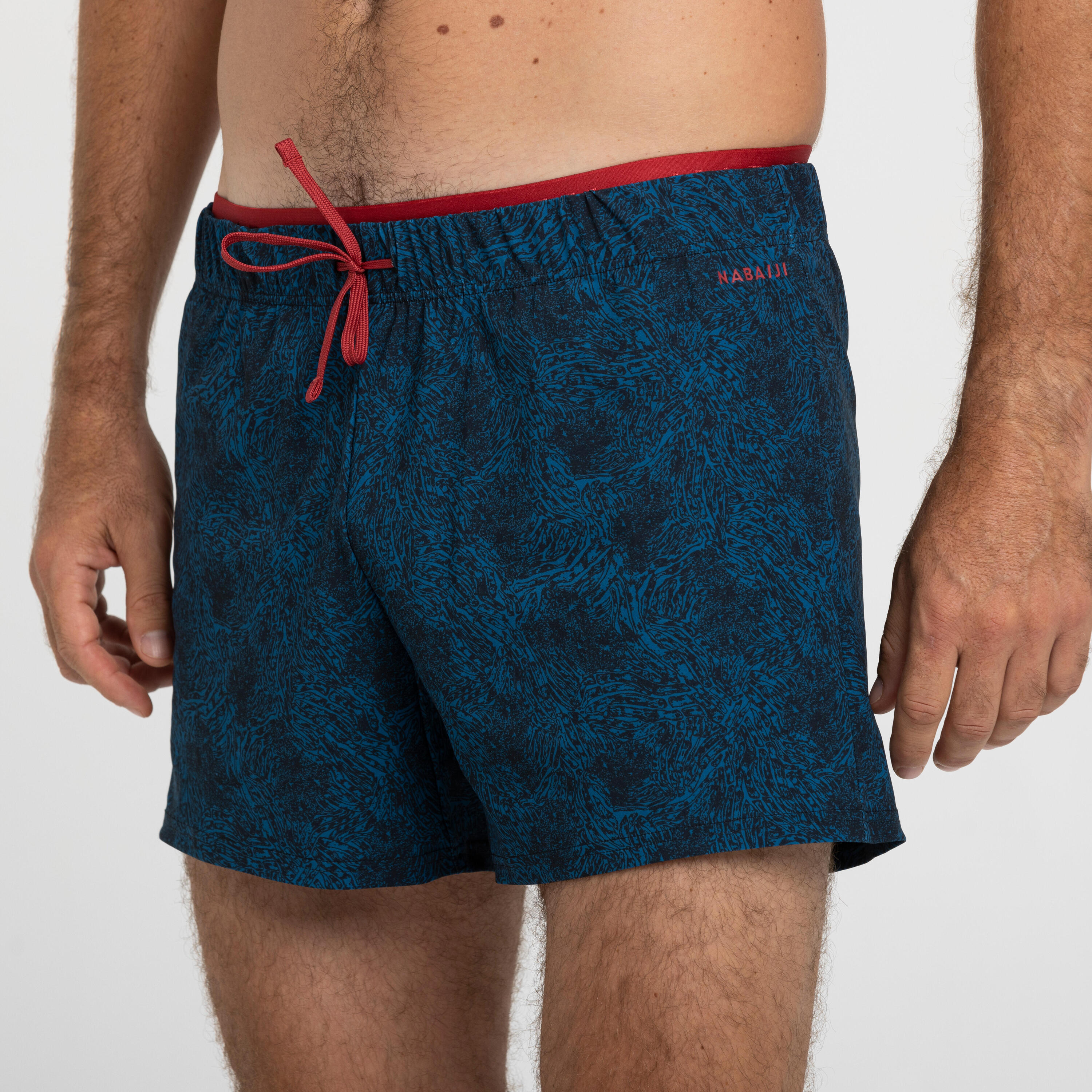
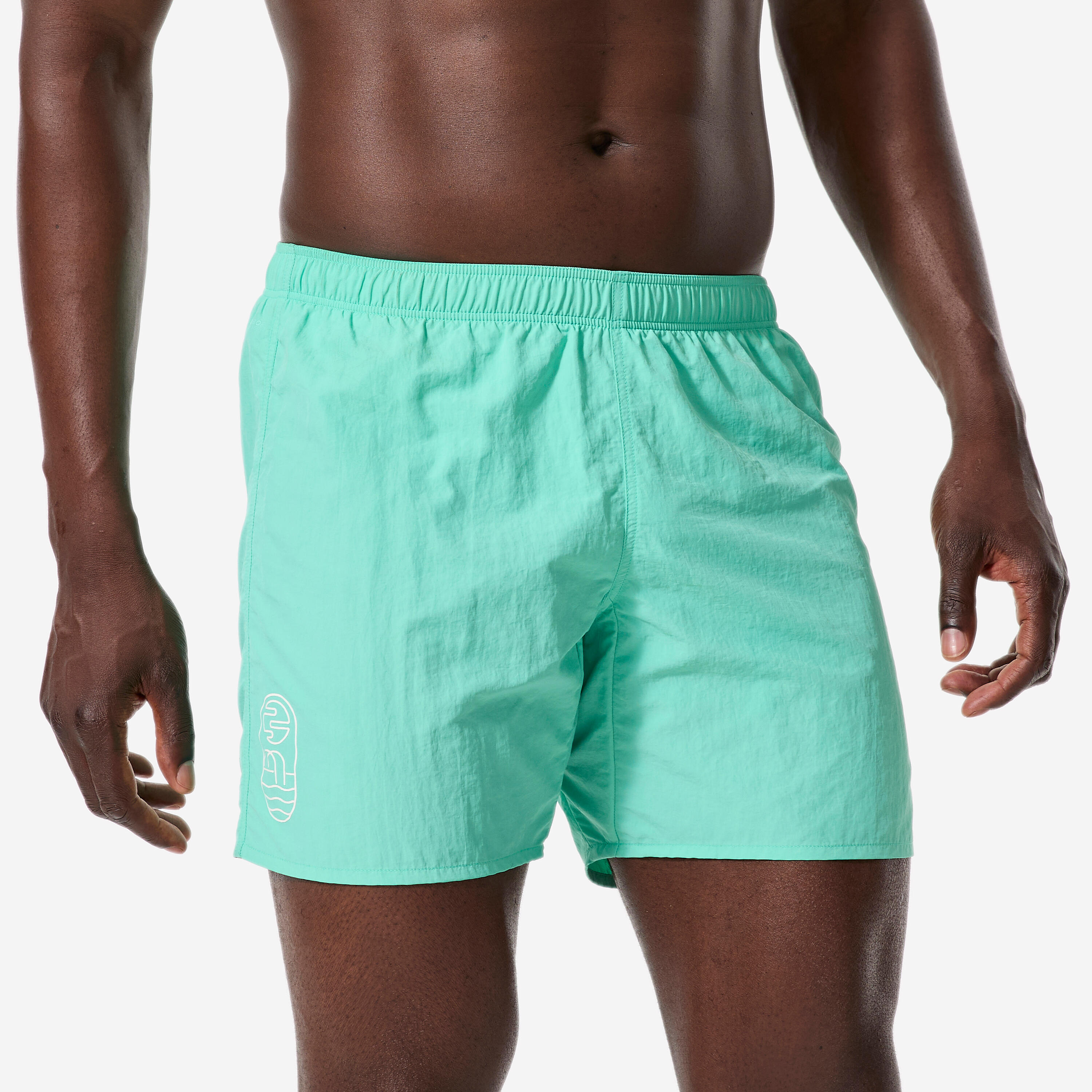
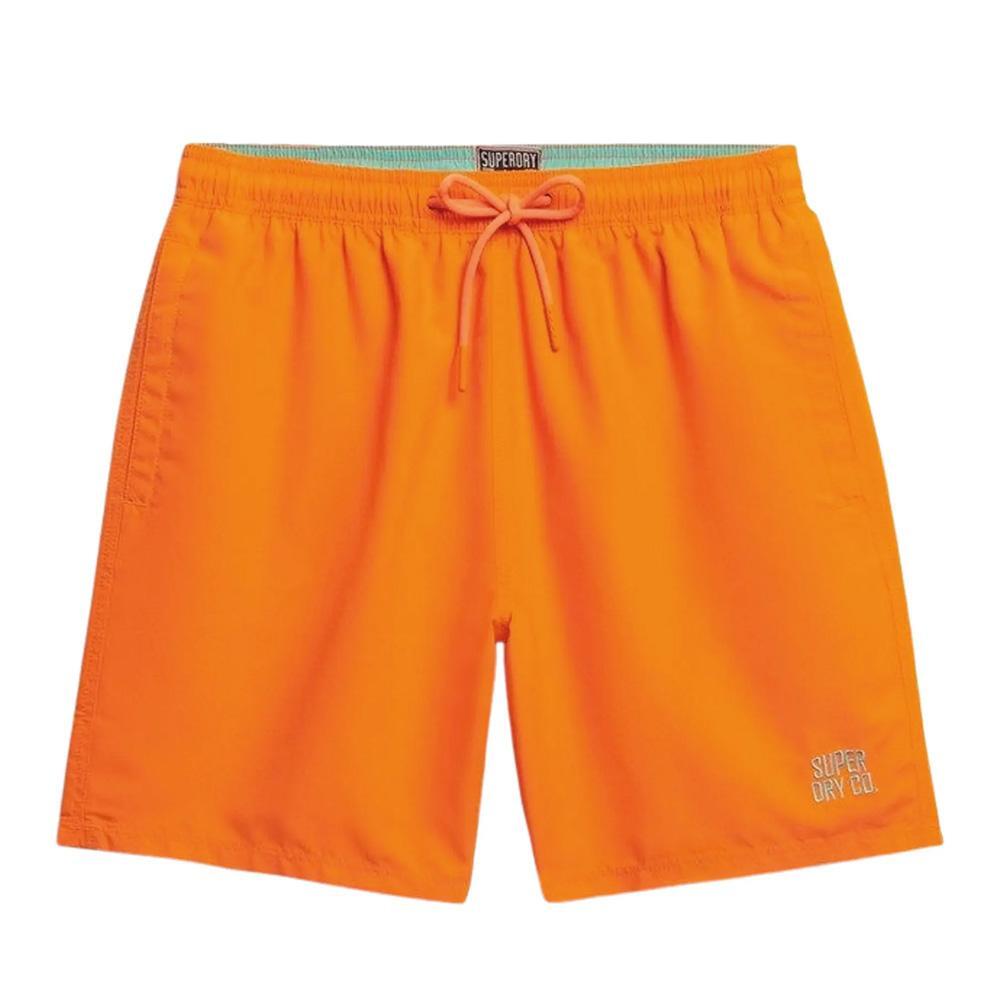
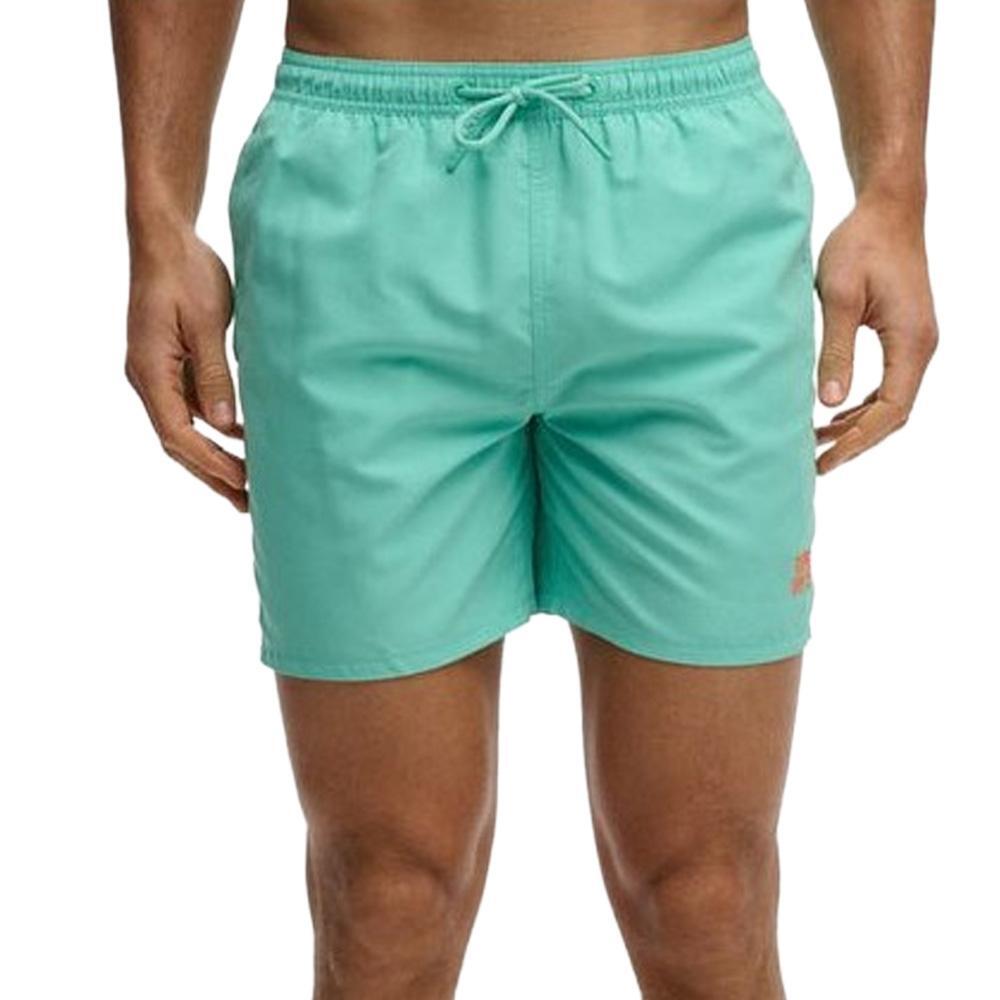
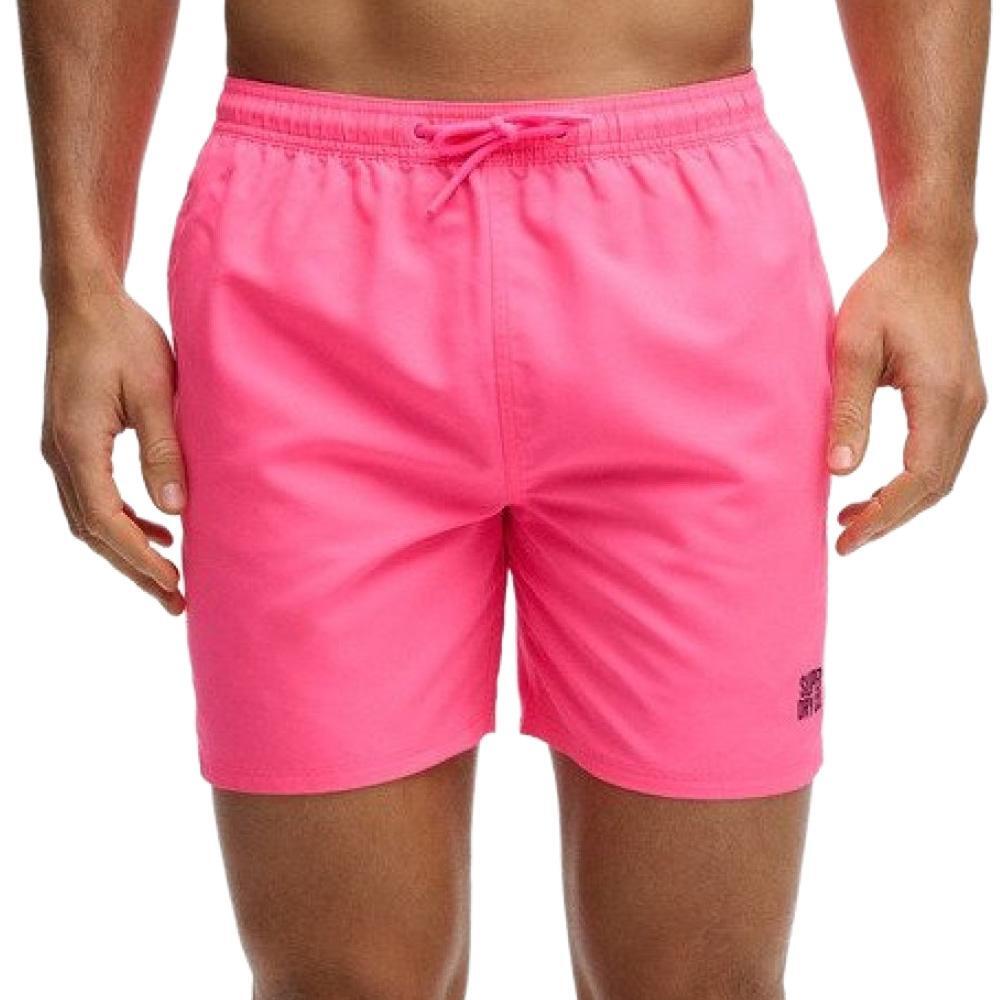
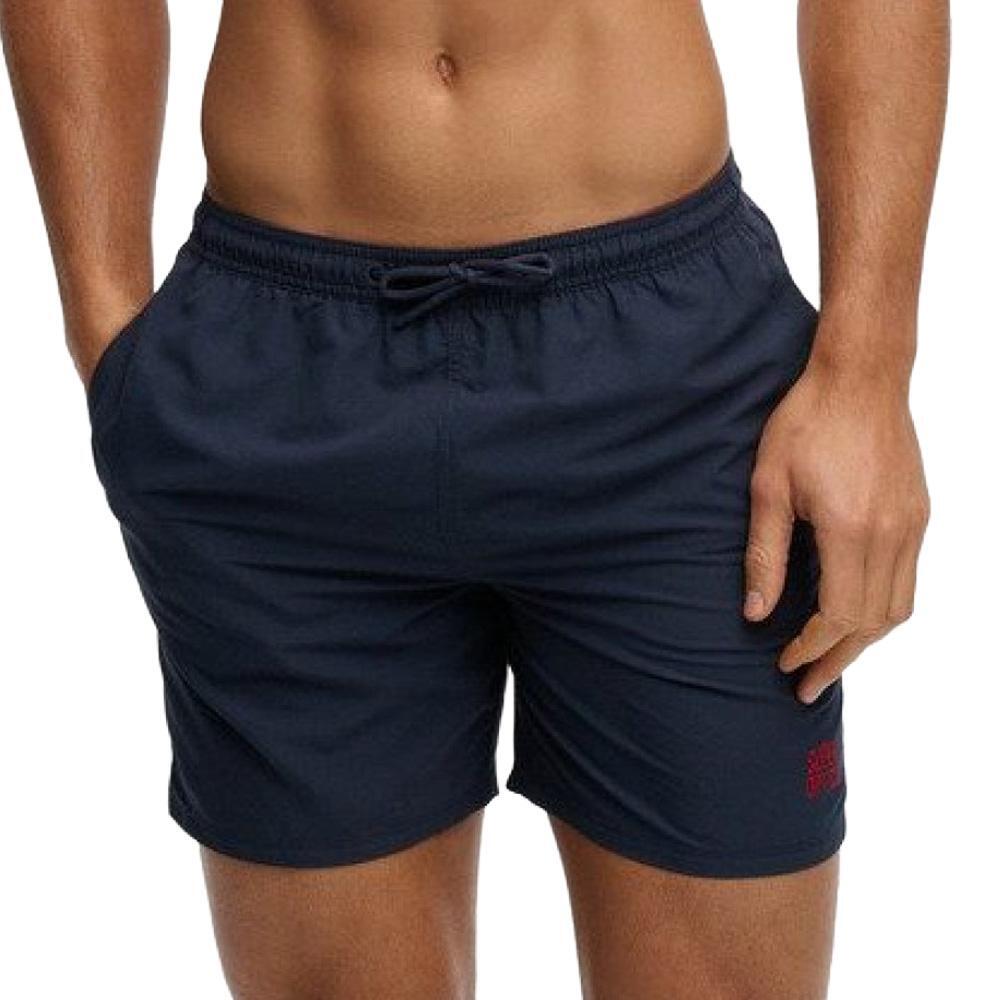
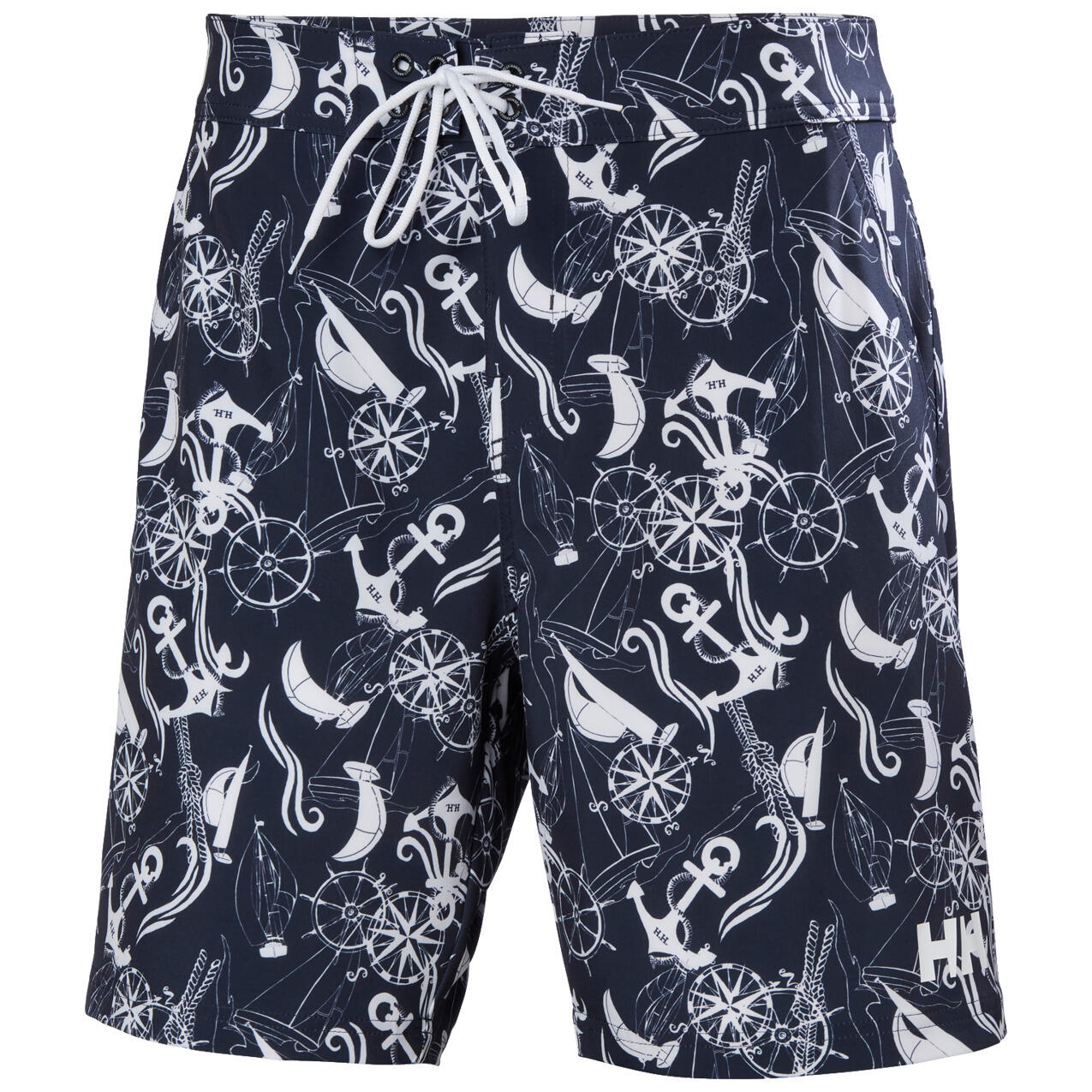
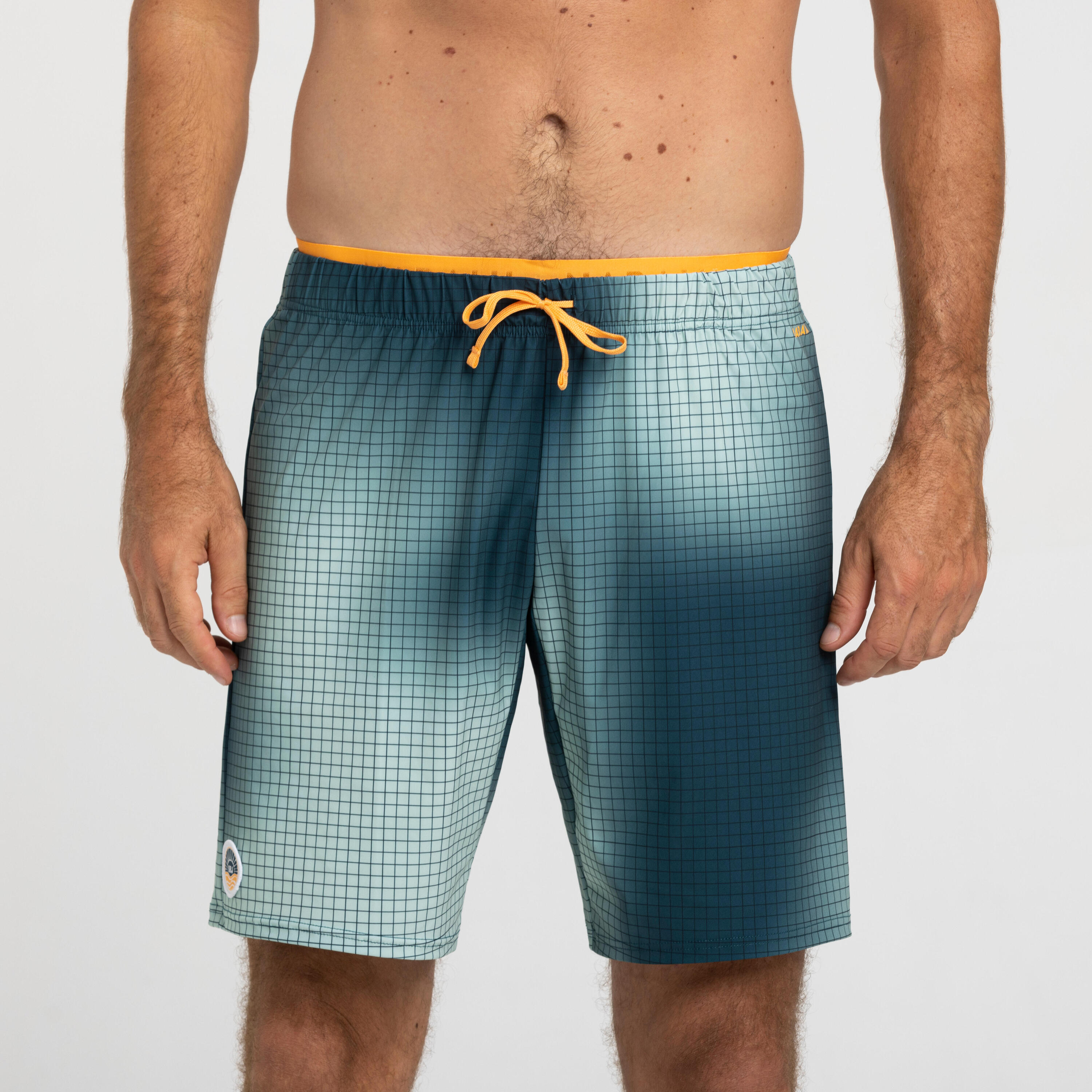
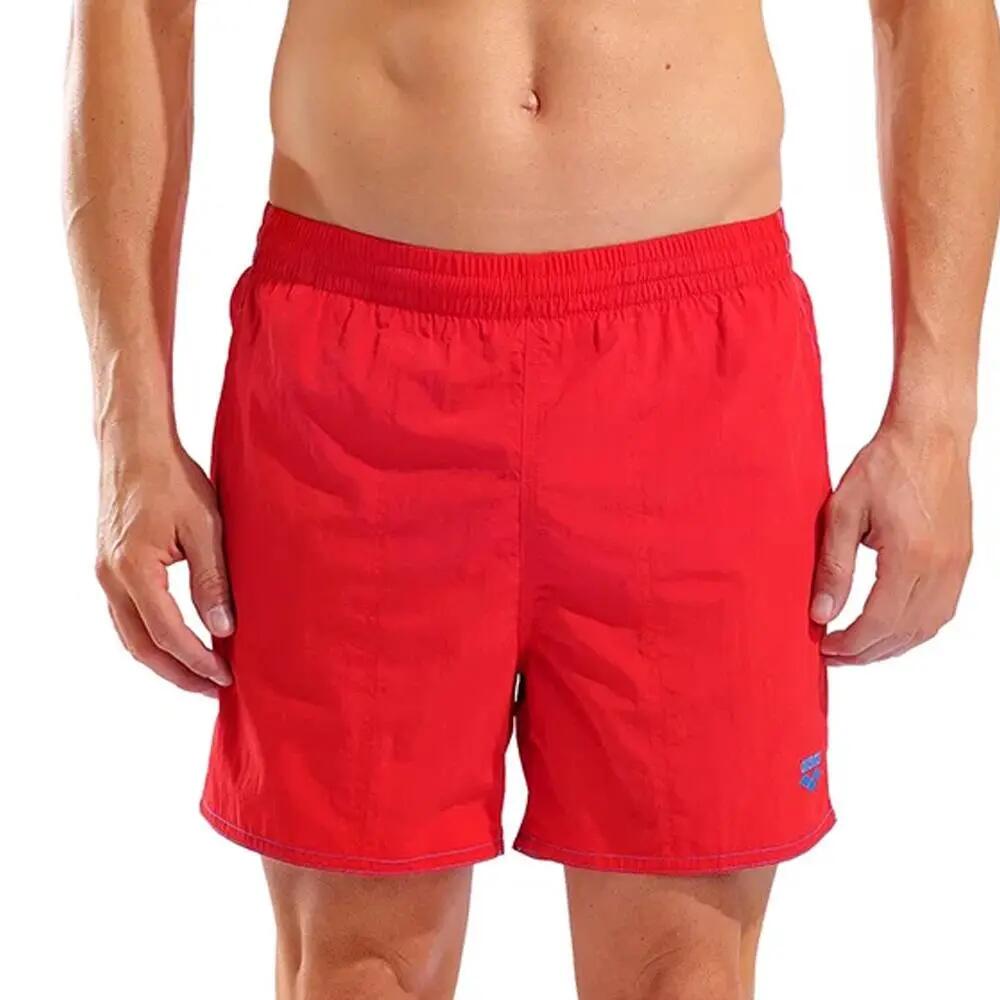
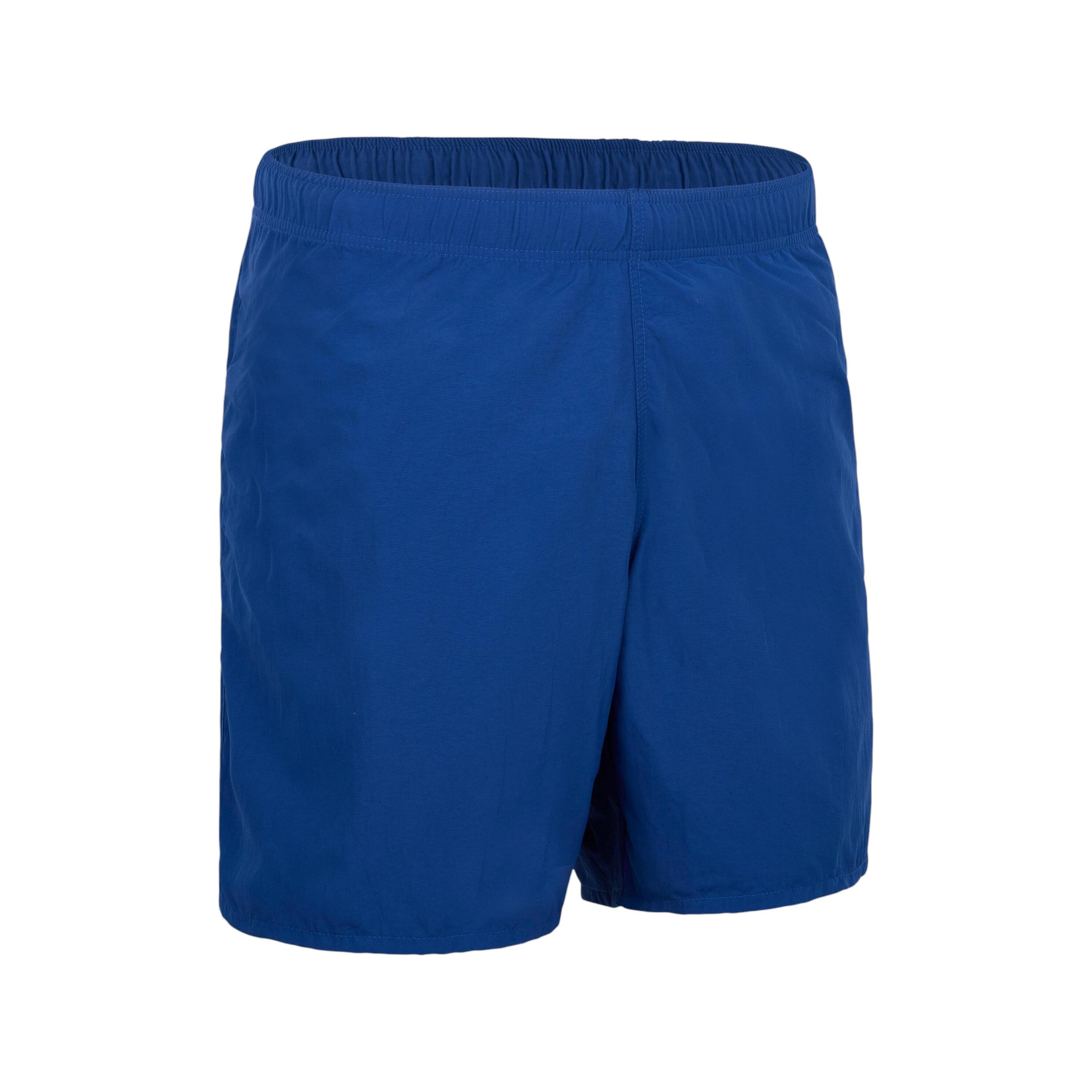
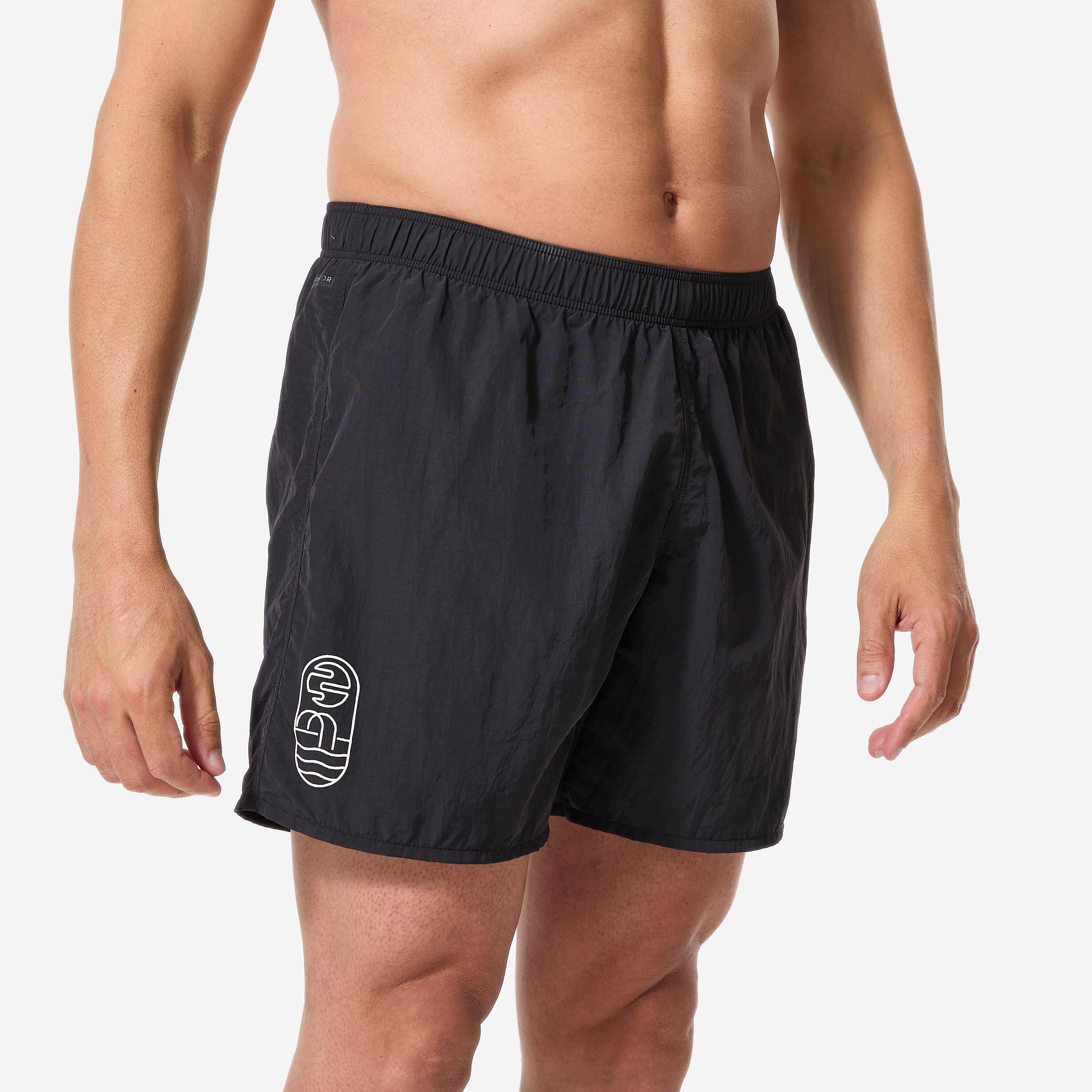
Swim trunks use a shorter, looser cut that sits above the mid-thigh and typically features a mesh lining rather than a separate undergarment layer, making them lighter and faster-drying than boxers with built-in compression liners. The looser leg opening means less restriction during casual swimming, jumping, and beach activities, but also less hydrodynamic efficiency during lane swimming, where fabric drag across the thigh adds measurable resistance over distance. Trunks suit environments where comfort and versatility across water and dry activities take priority over pure performance, such as a family holiday pool, a water park, or a beach day that involves occasional swimming rather than dedicated training. Different trunk designs prioritise different activities, from relaxed beach use to regular leisure swimming, which is why construction details vary across the men's swim trunks collection.
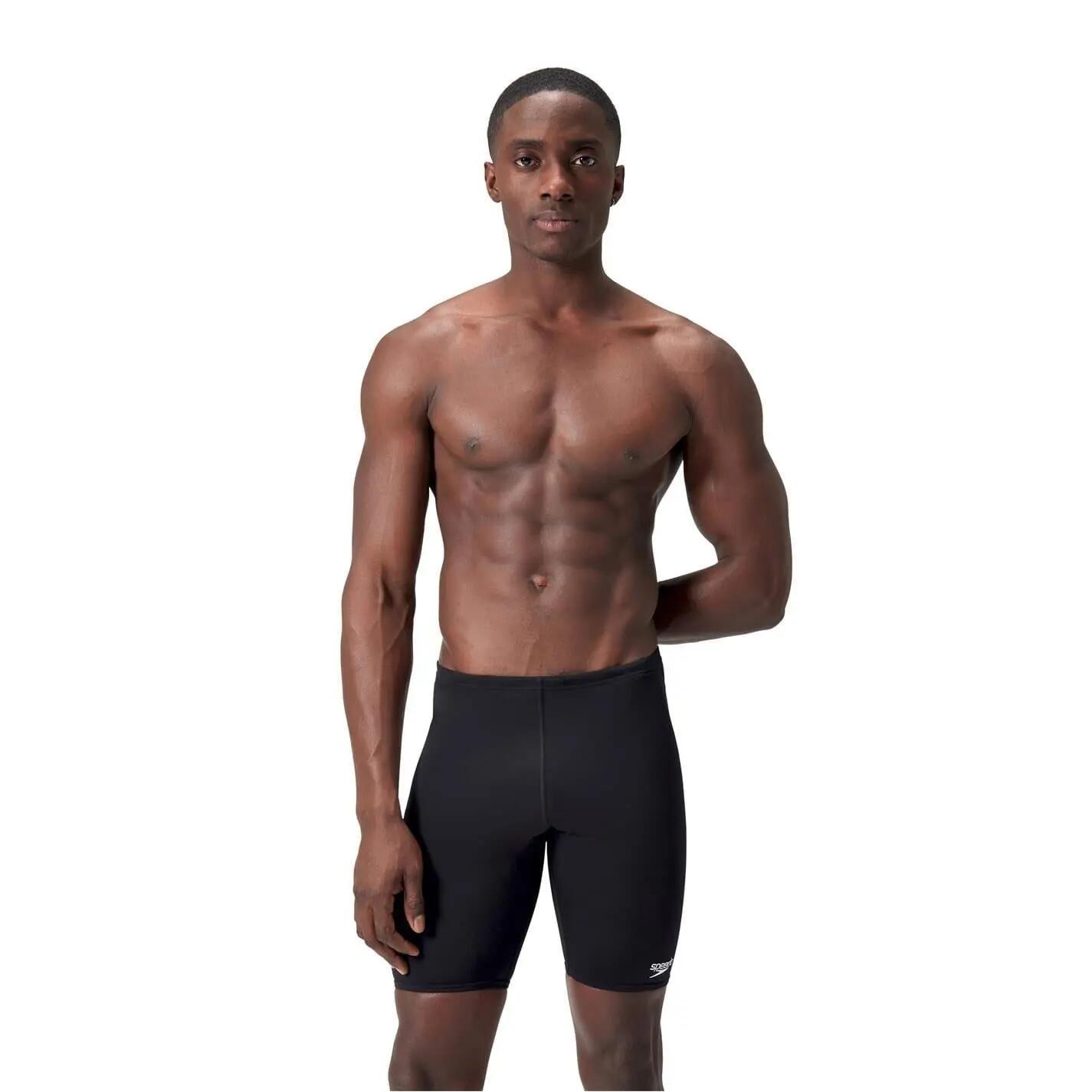
When does a jammer provide a meaningful performance advantage over looser swimwear for lane training?

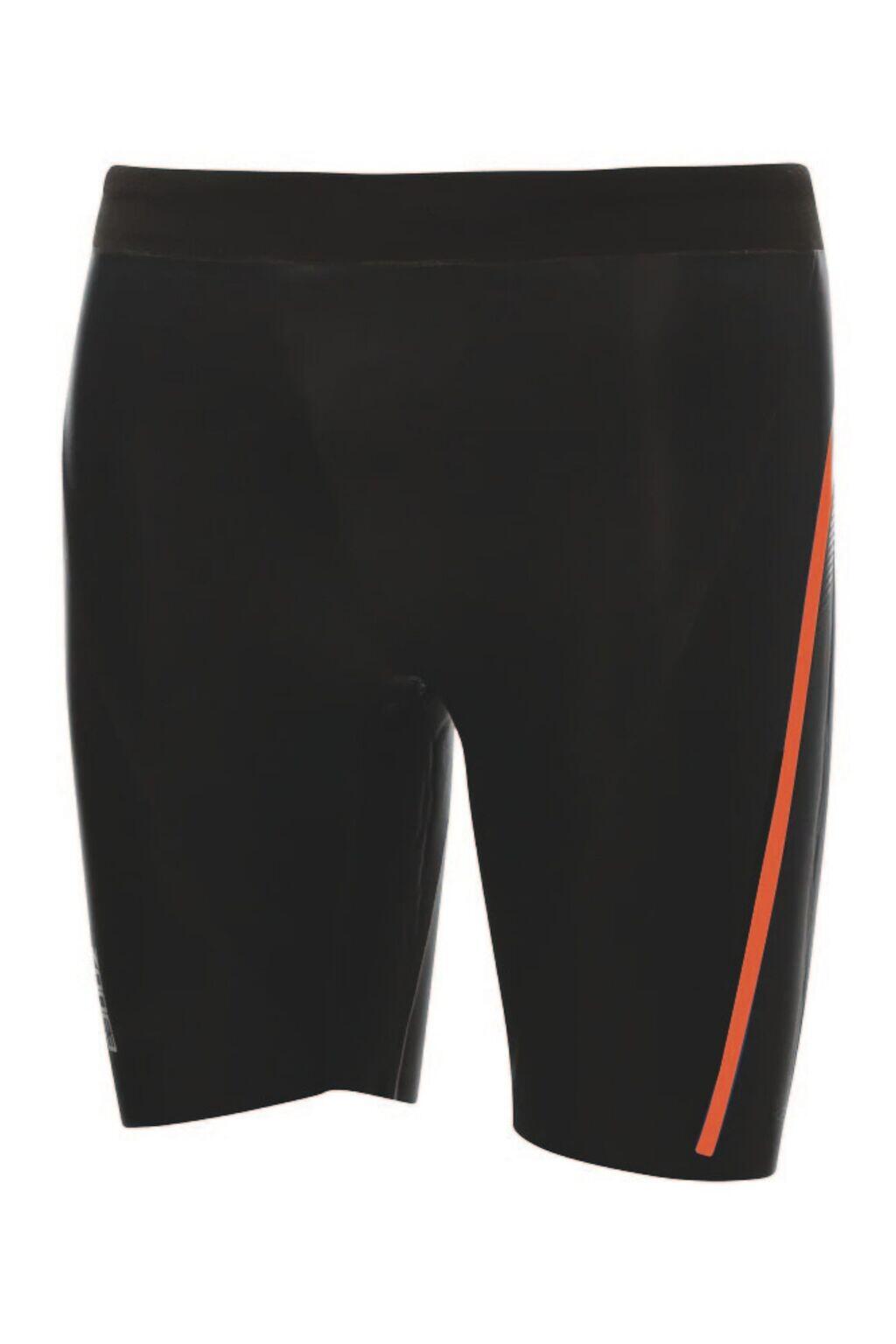
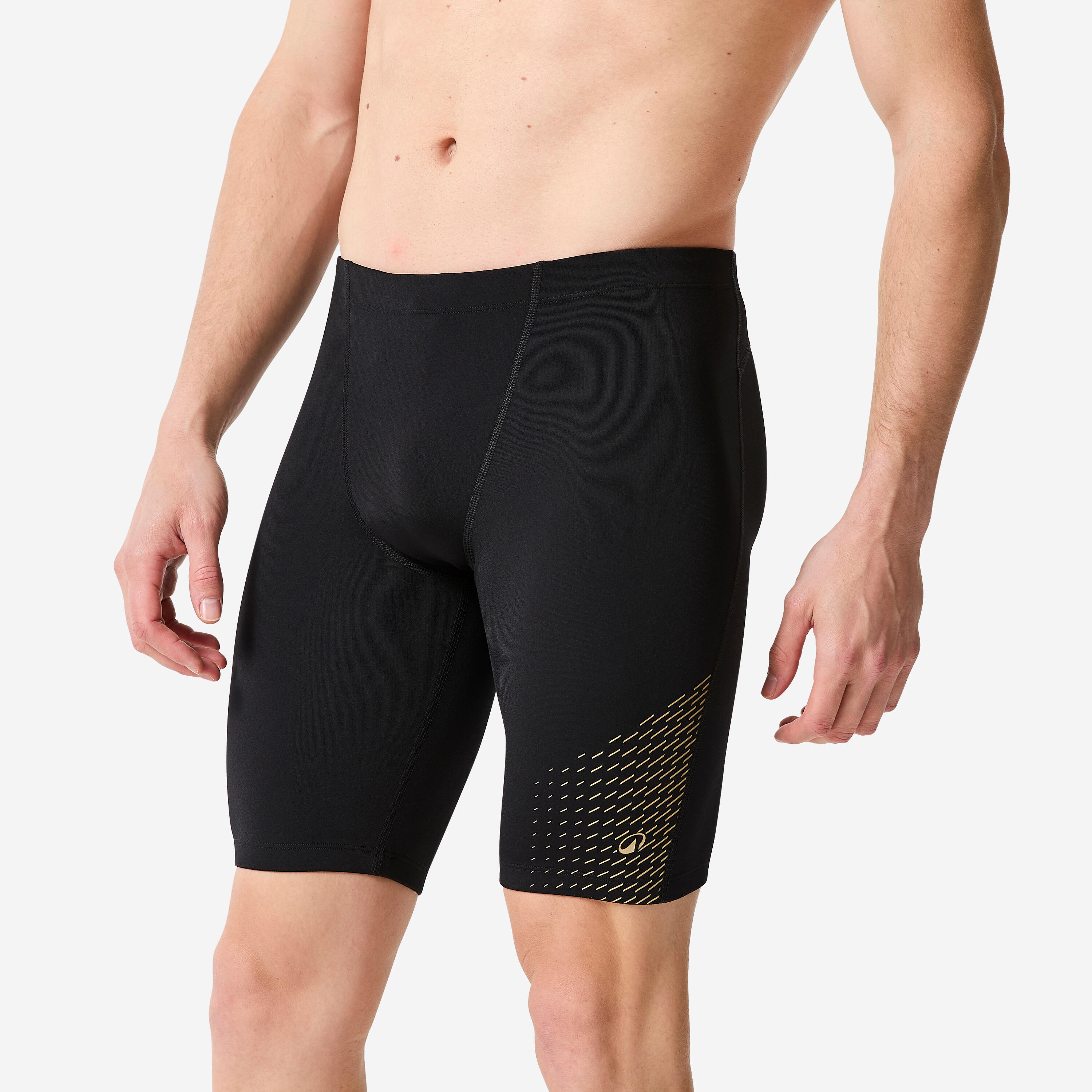
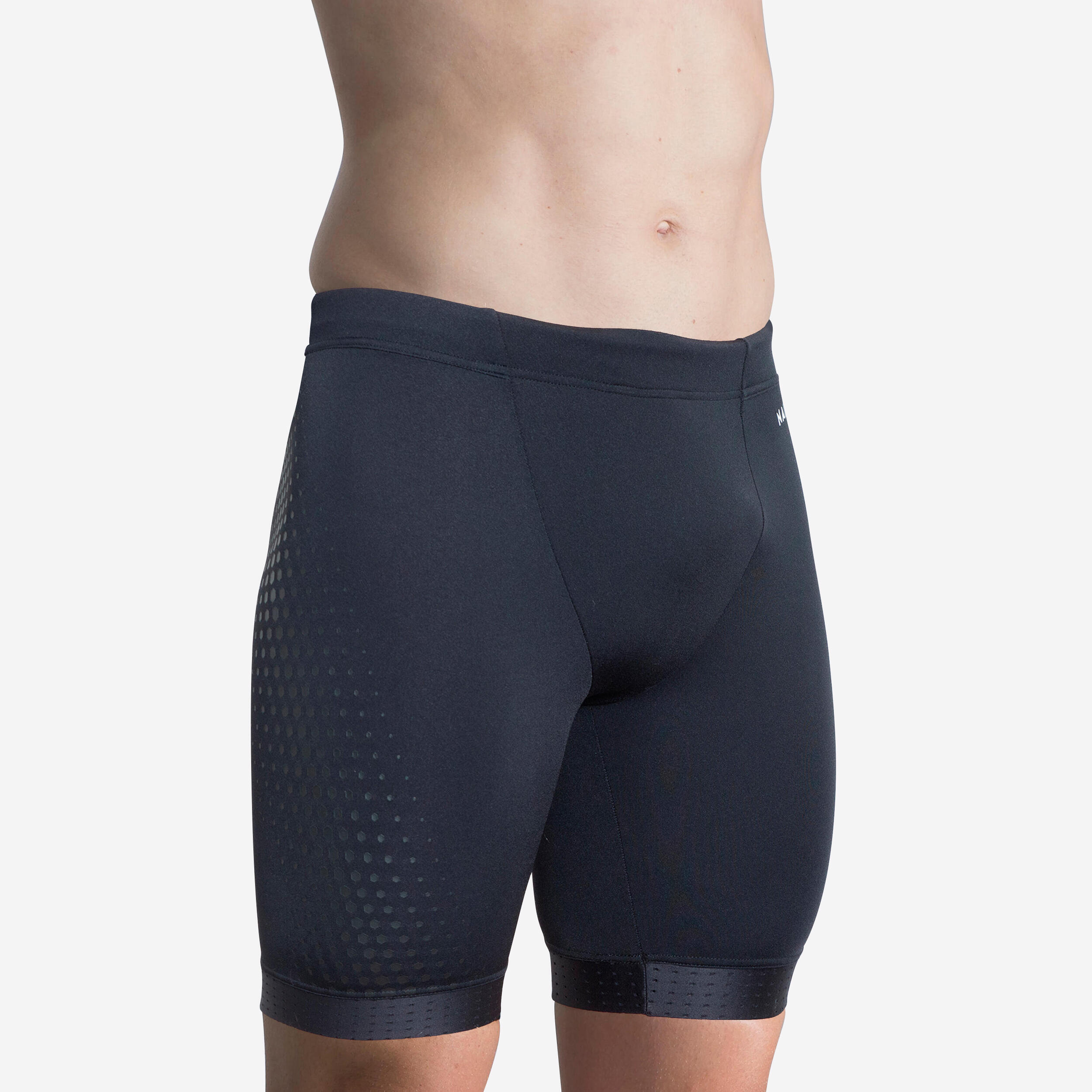
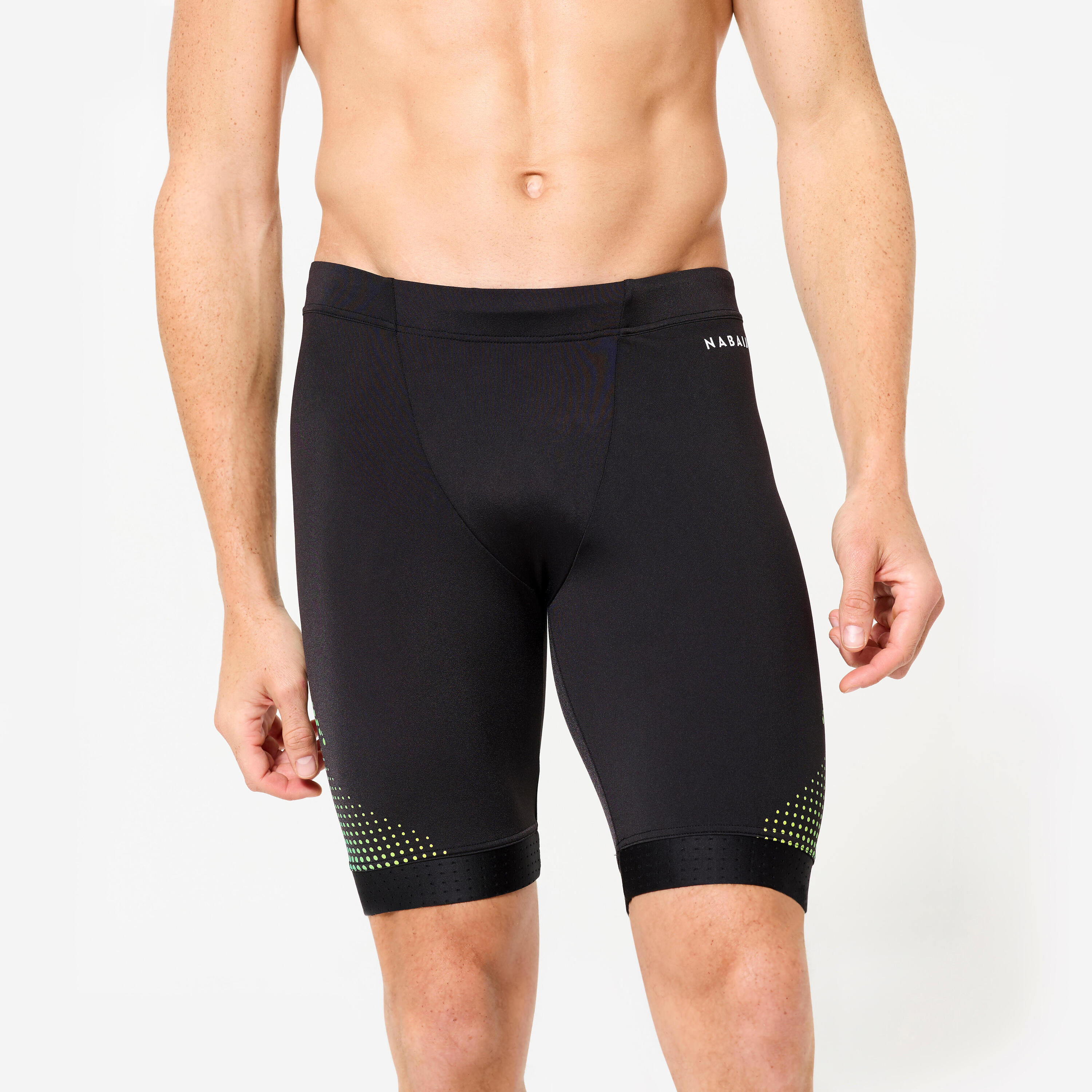
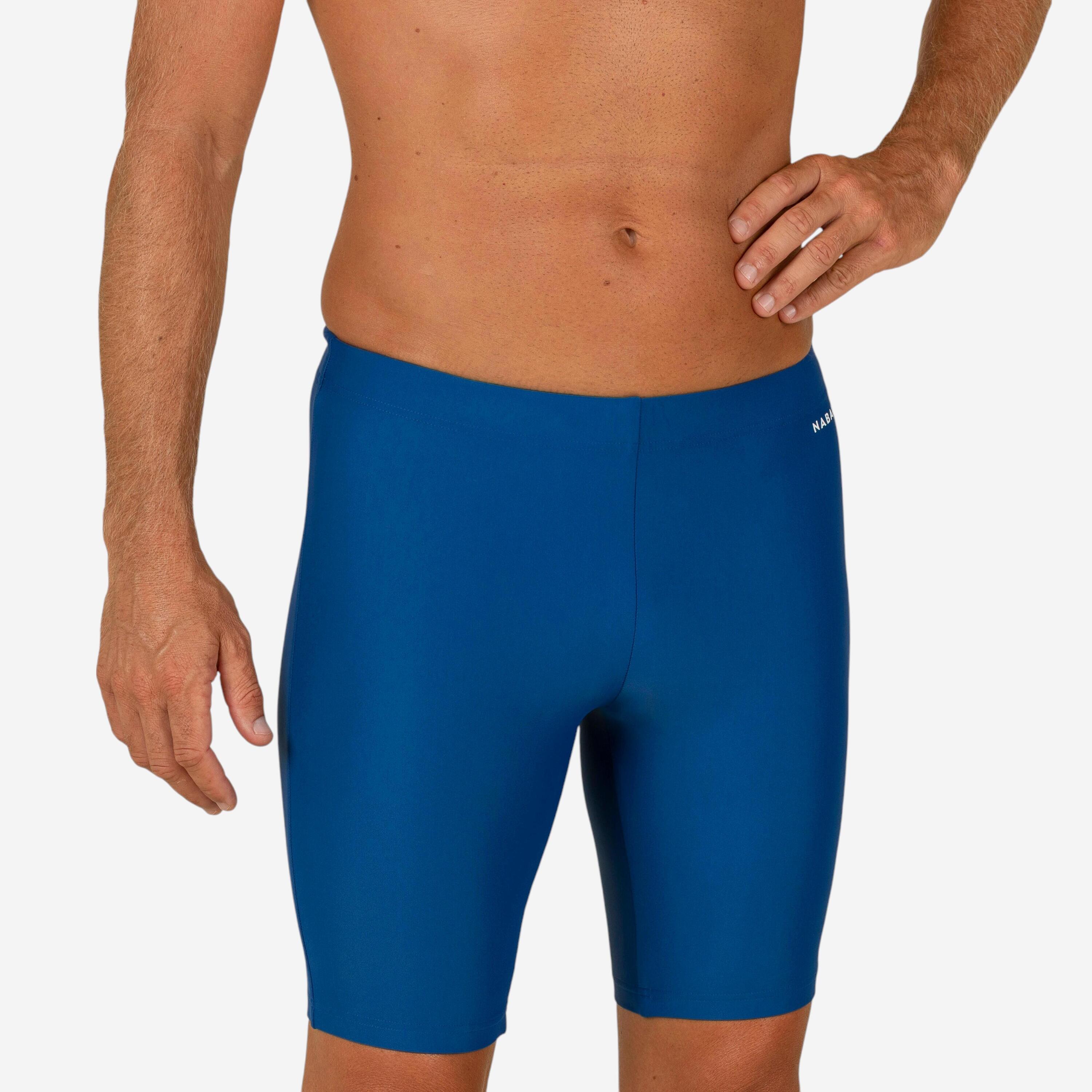
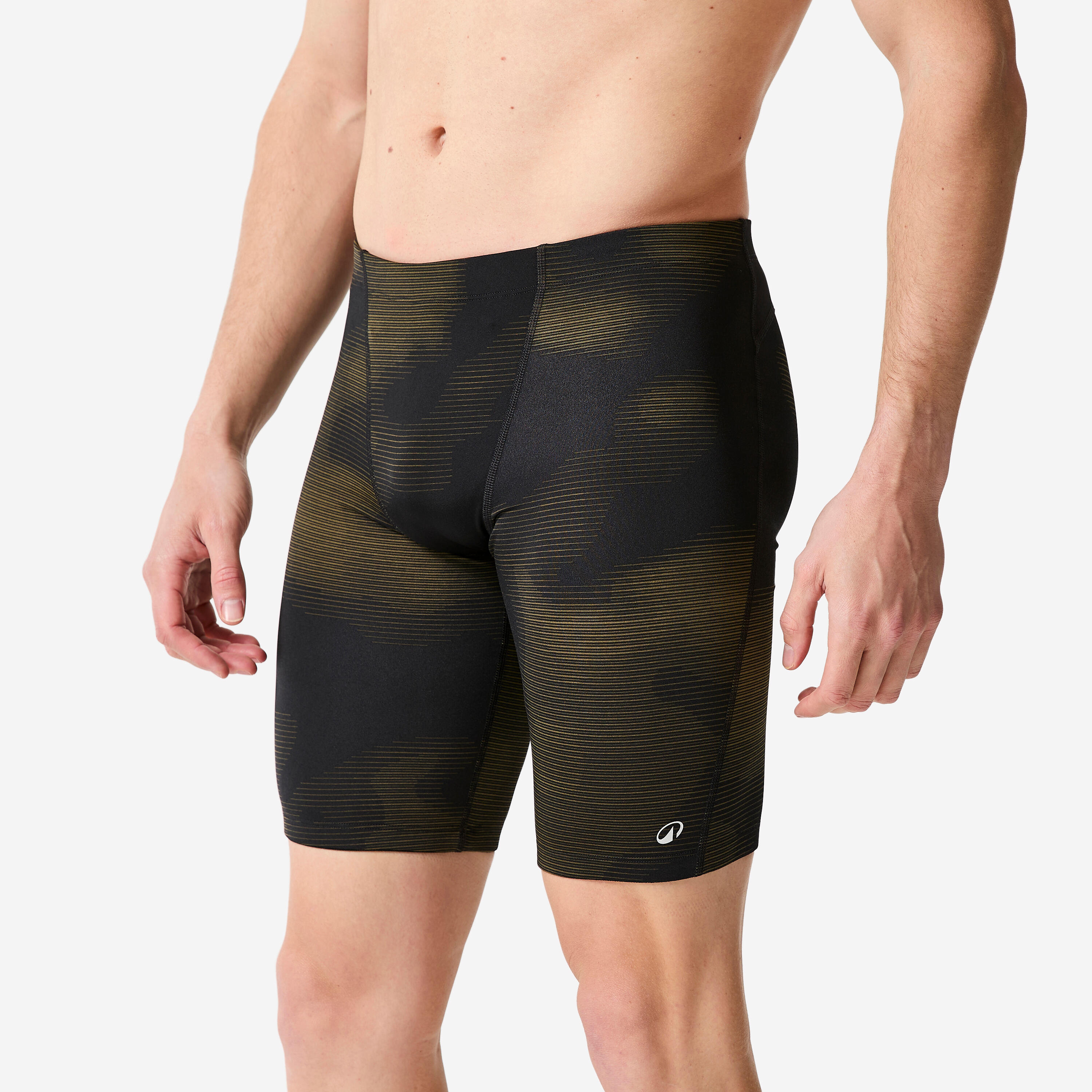
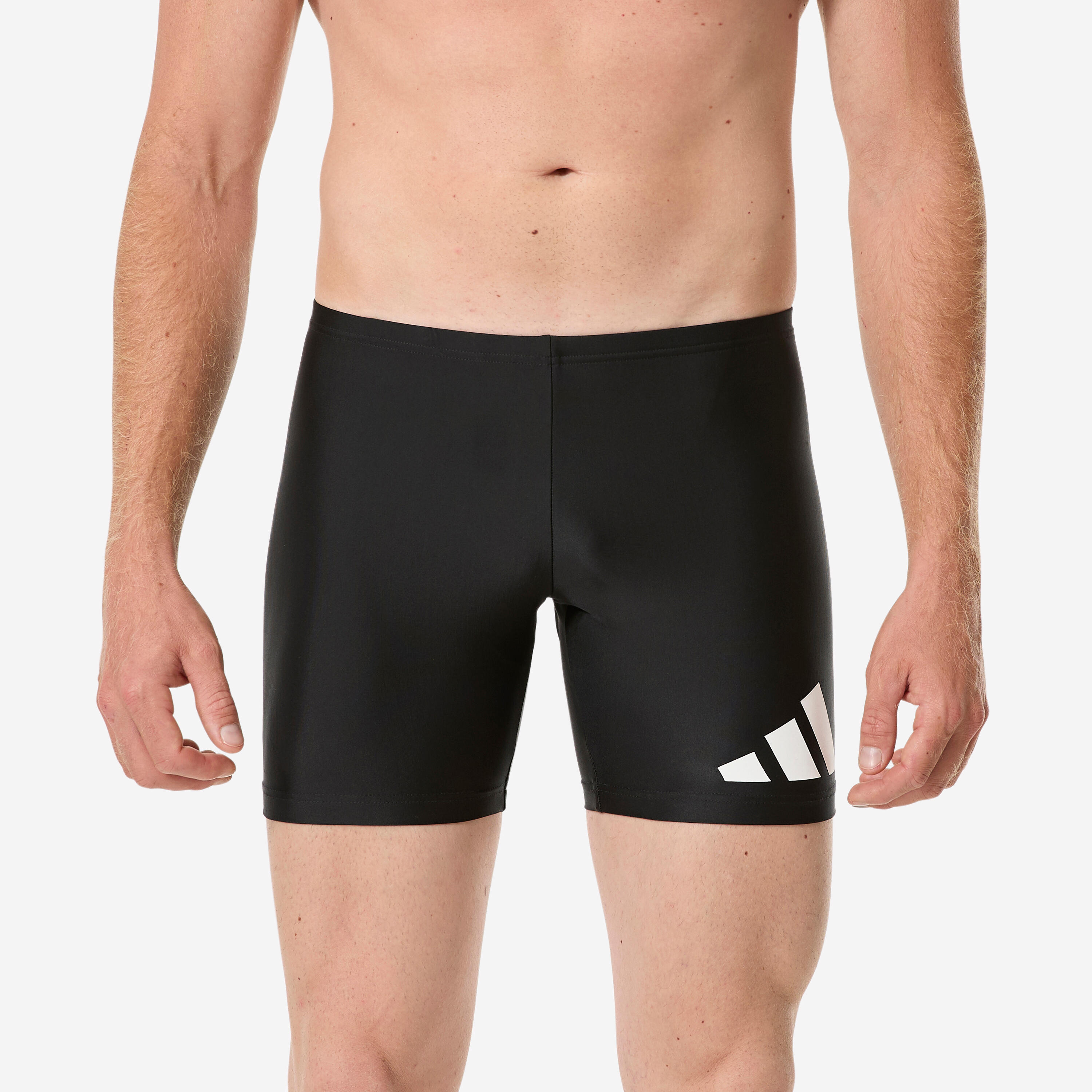
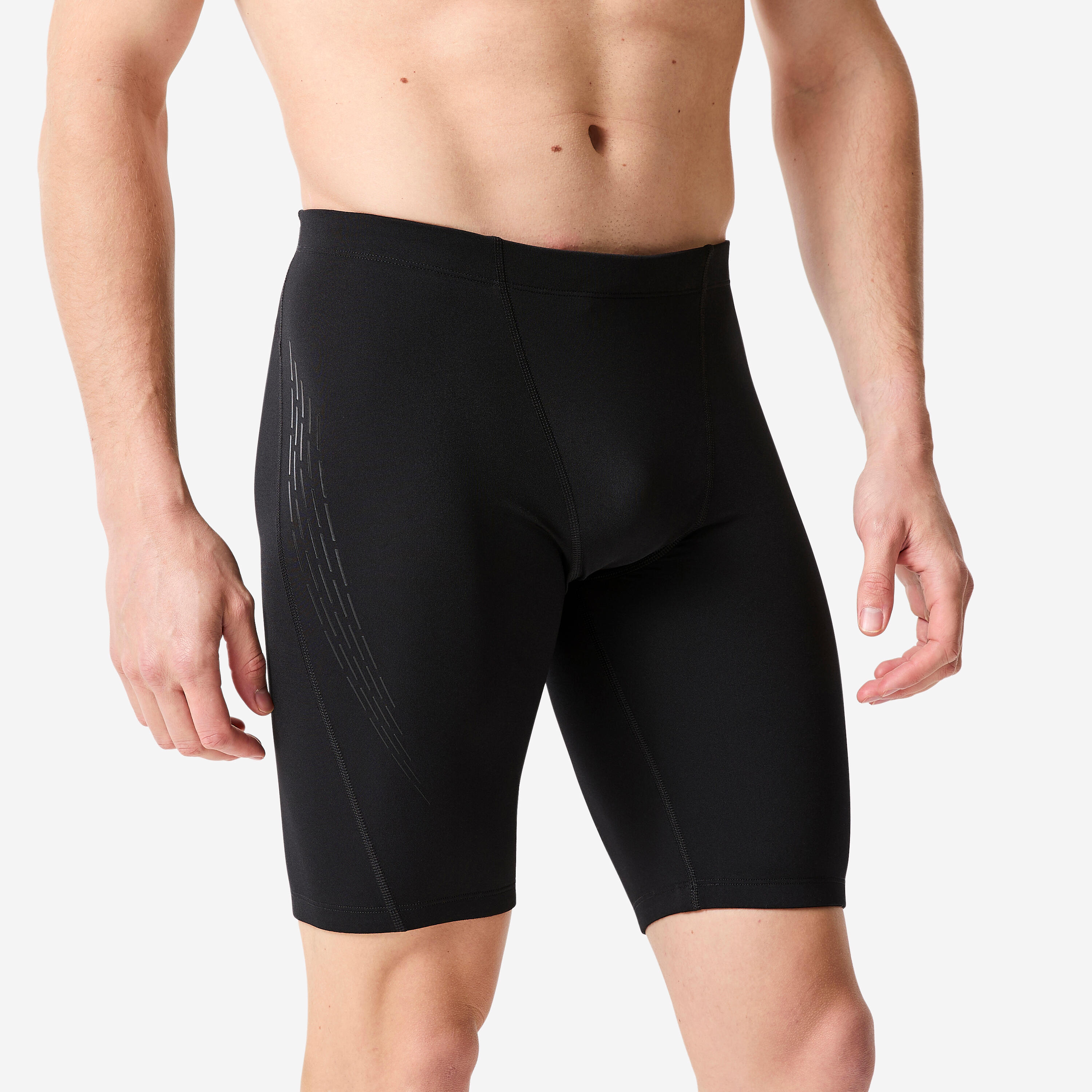
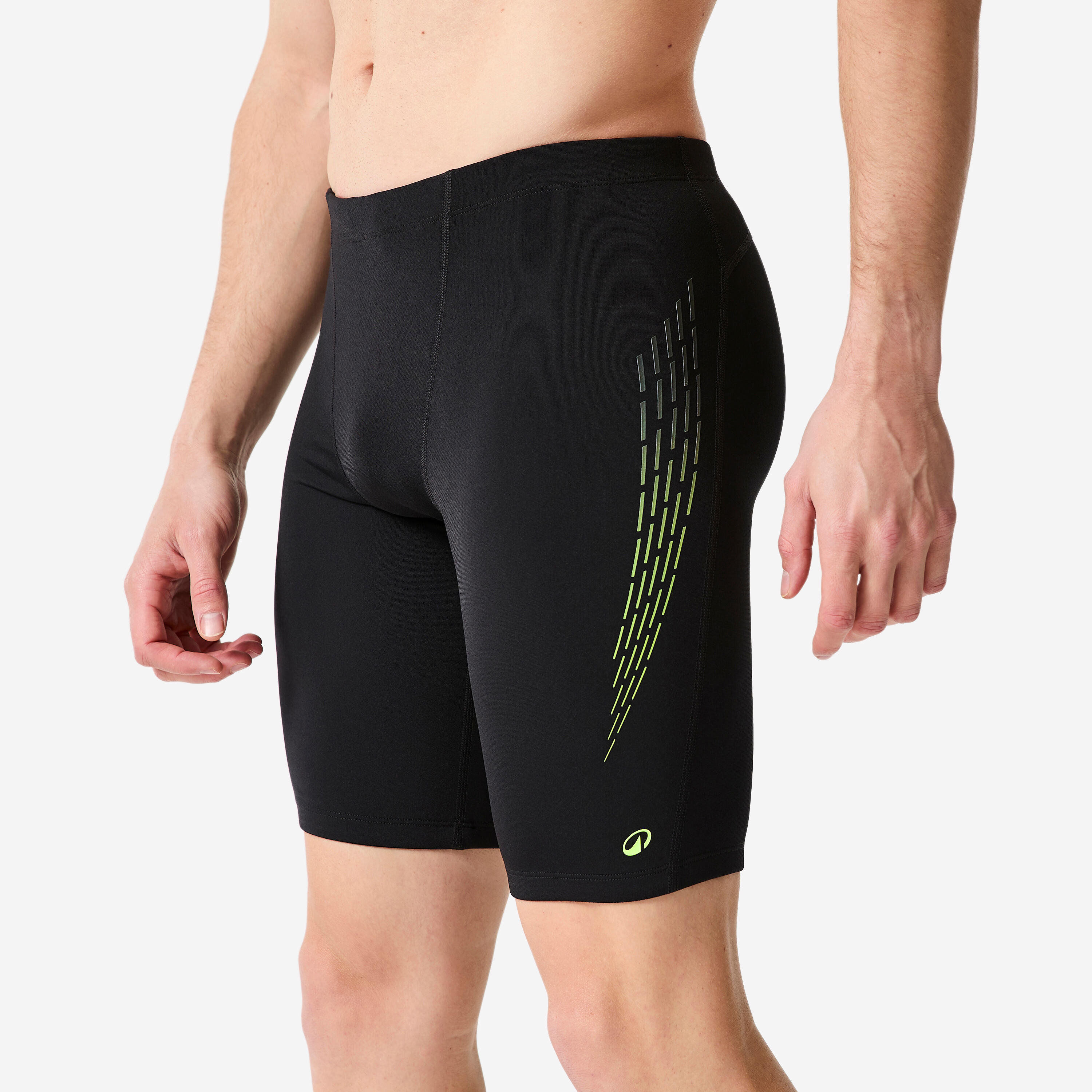
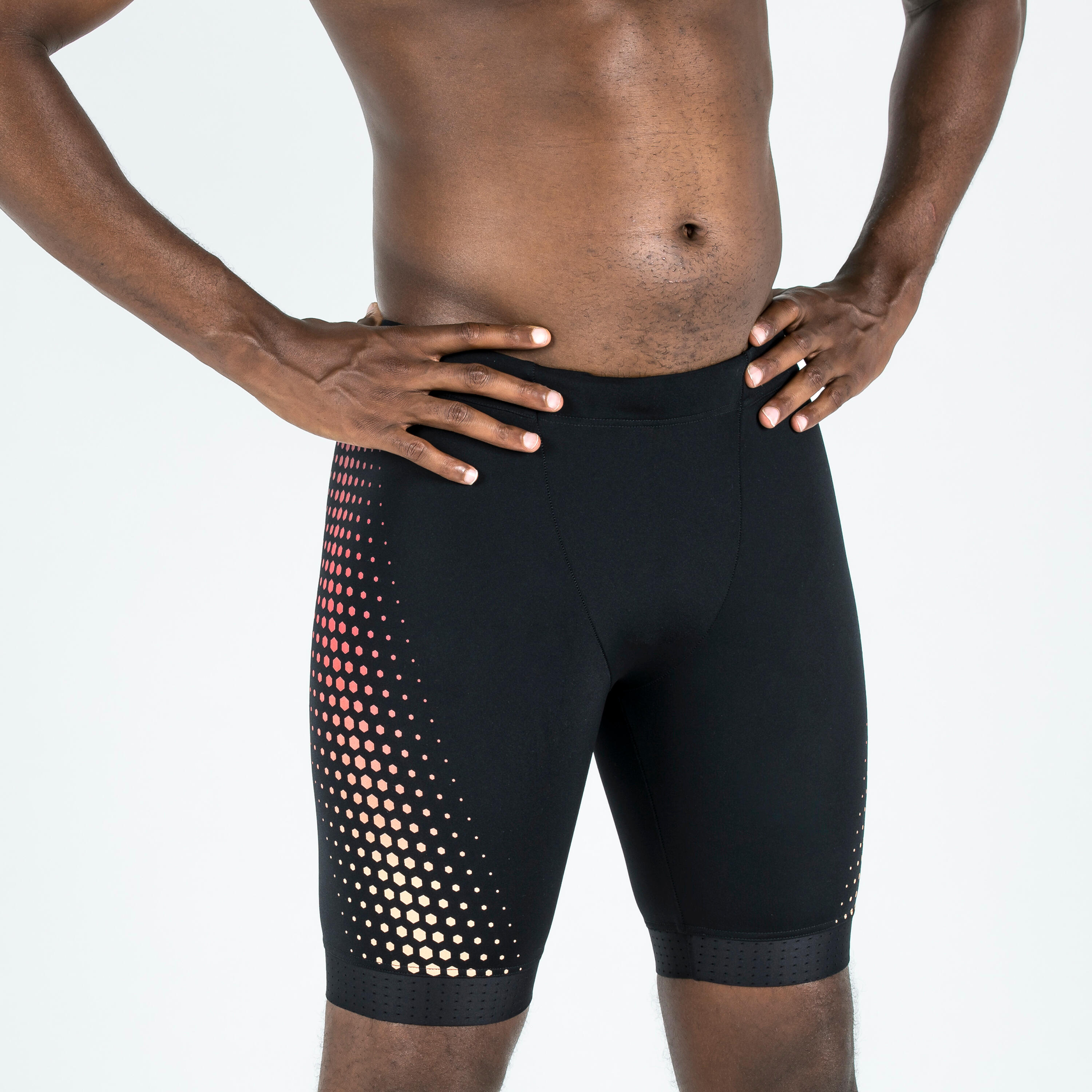
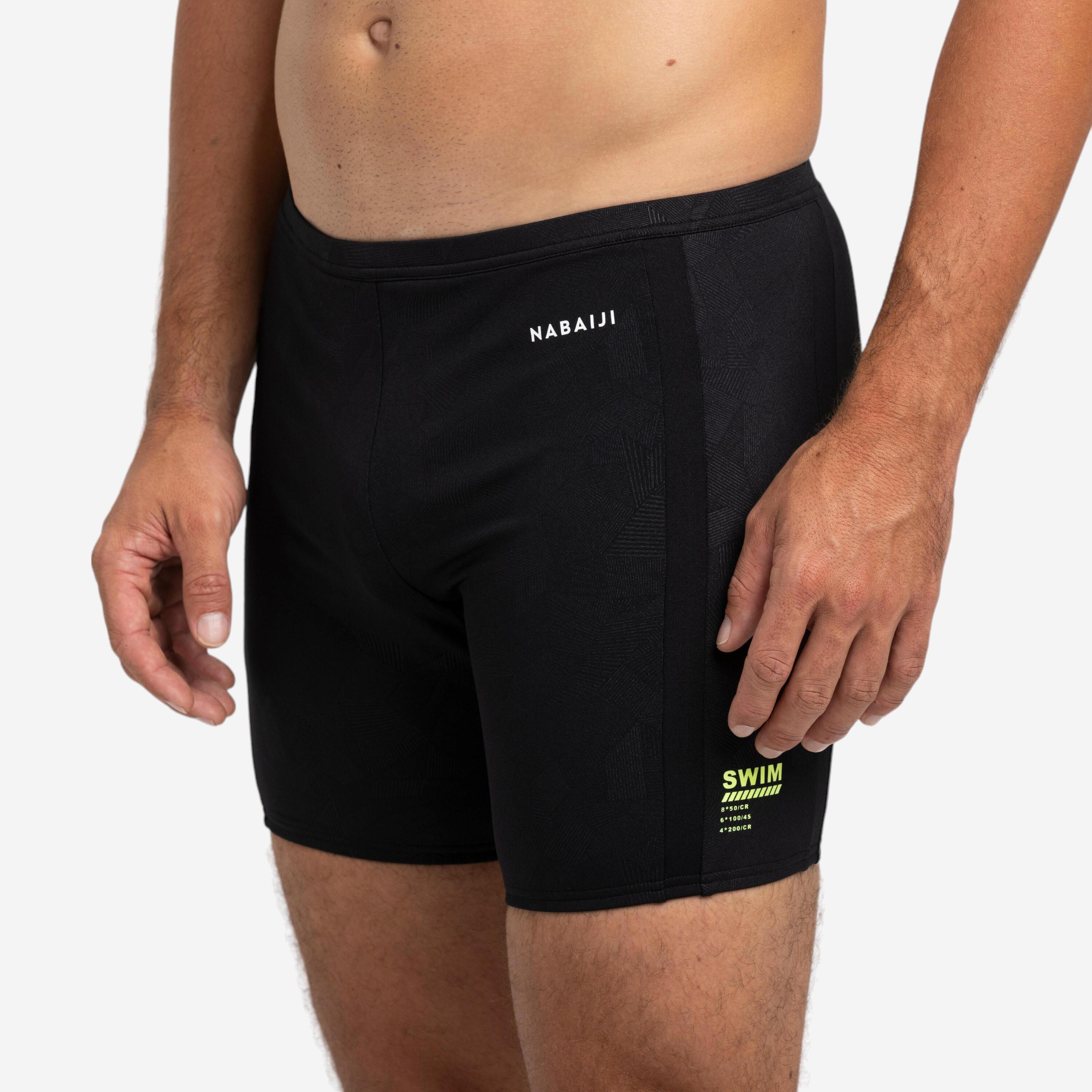
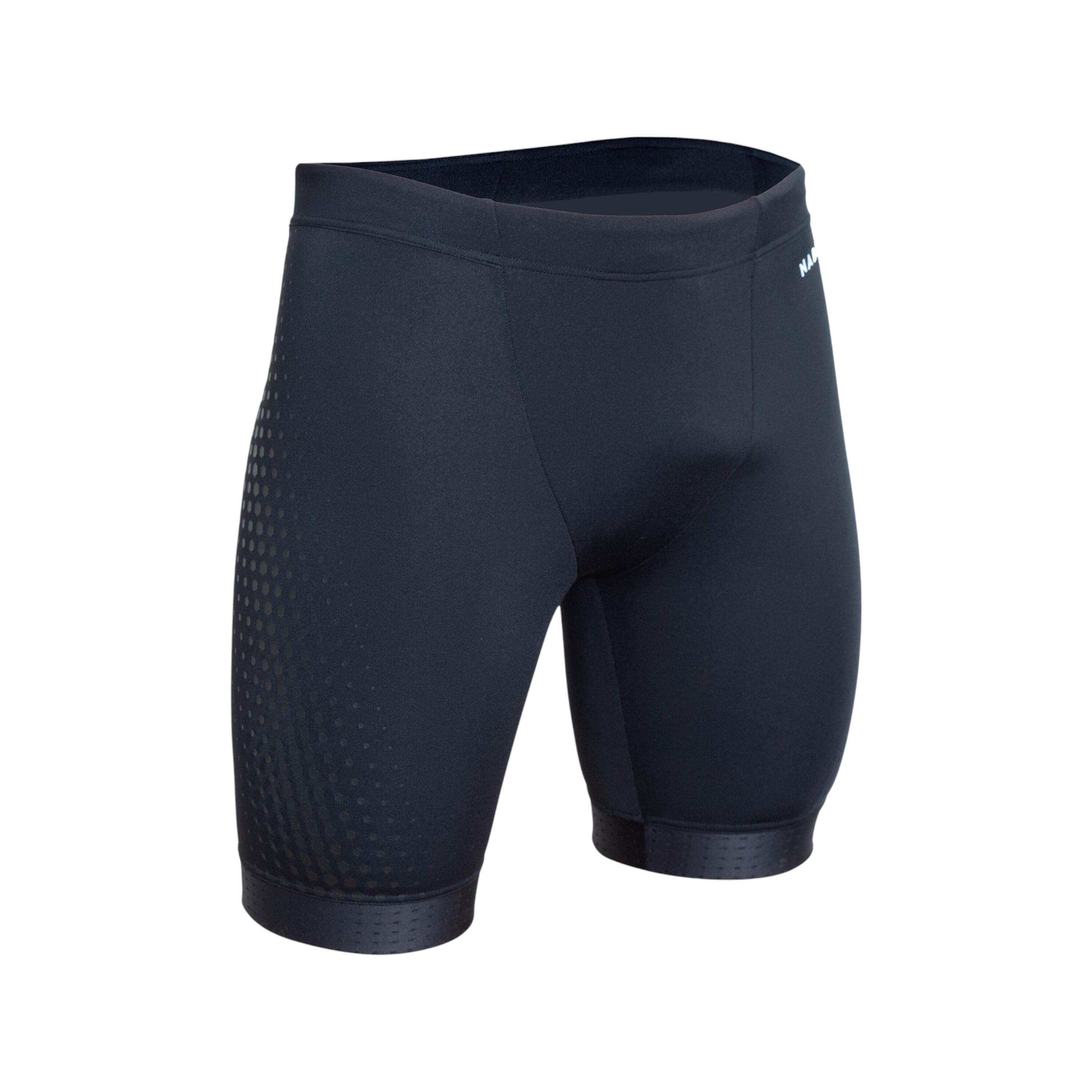
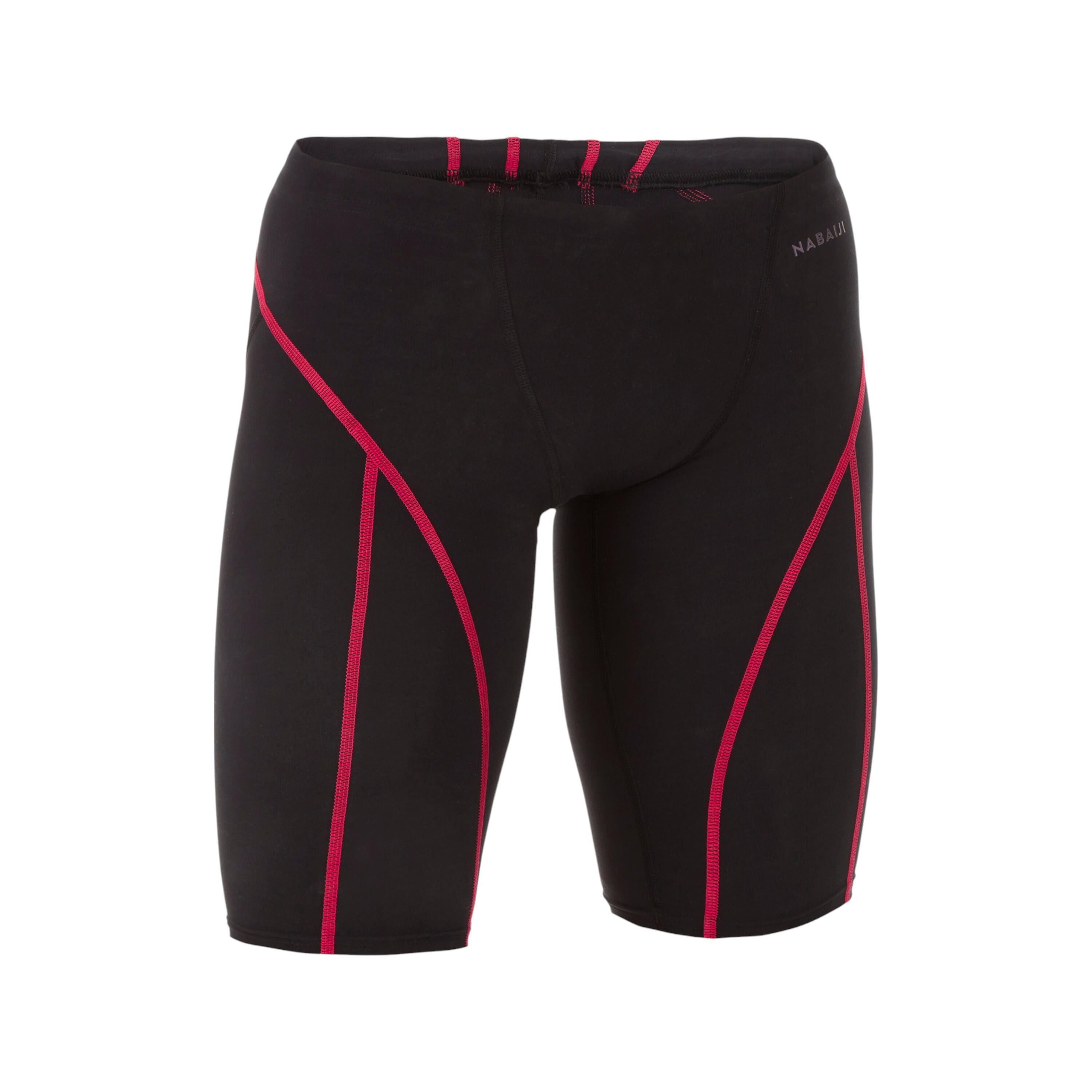
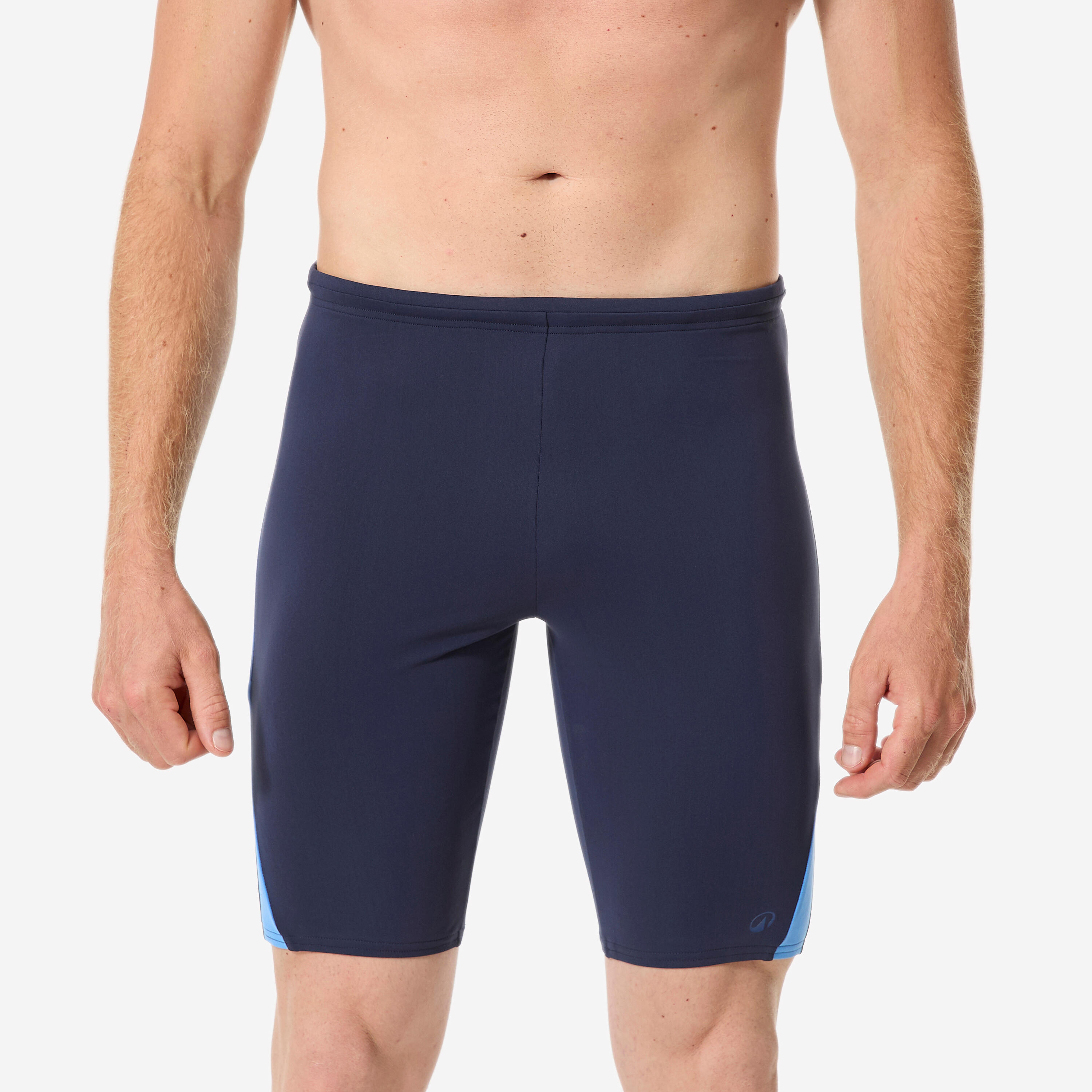
A jammer compresses the thigh and upper leg musculature through a close-fitting polyester-elastane construction that extends from the waist to just above the knee. The compression reduces muscle oscillation during the kick cycle, which diminishes the energy lost to soft tissue movement on each stroke, and the streamlined profile creates less drag through the water than a loose-cut short or boxer. The effect is most noticeable during interval training and time trials rather than casual recreational laps because the efficiency gains add up over repeated strokes and become most noticeable during moderate-to-high intensity swimming. A men's swim jammers also provides more consistent coverage than shorts during flip turns and push-offs, where looser fabrics shift position under the water pressure of a fast wall approach. Swimmers can choose from different compression levels and fabric weights depending on training frequency and performance goals.
What does a swim brief offer that makes it the preferred choice for competitive pool training?

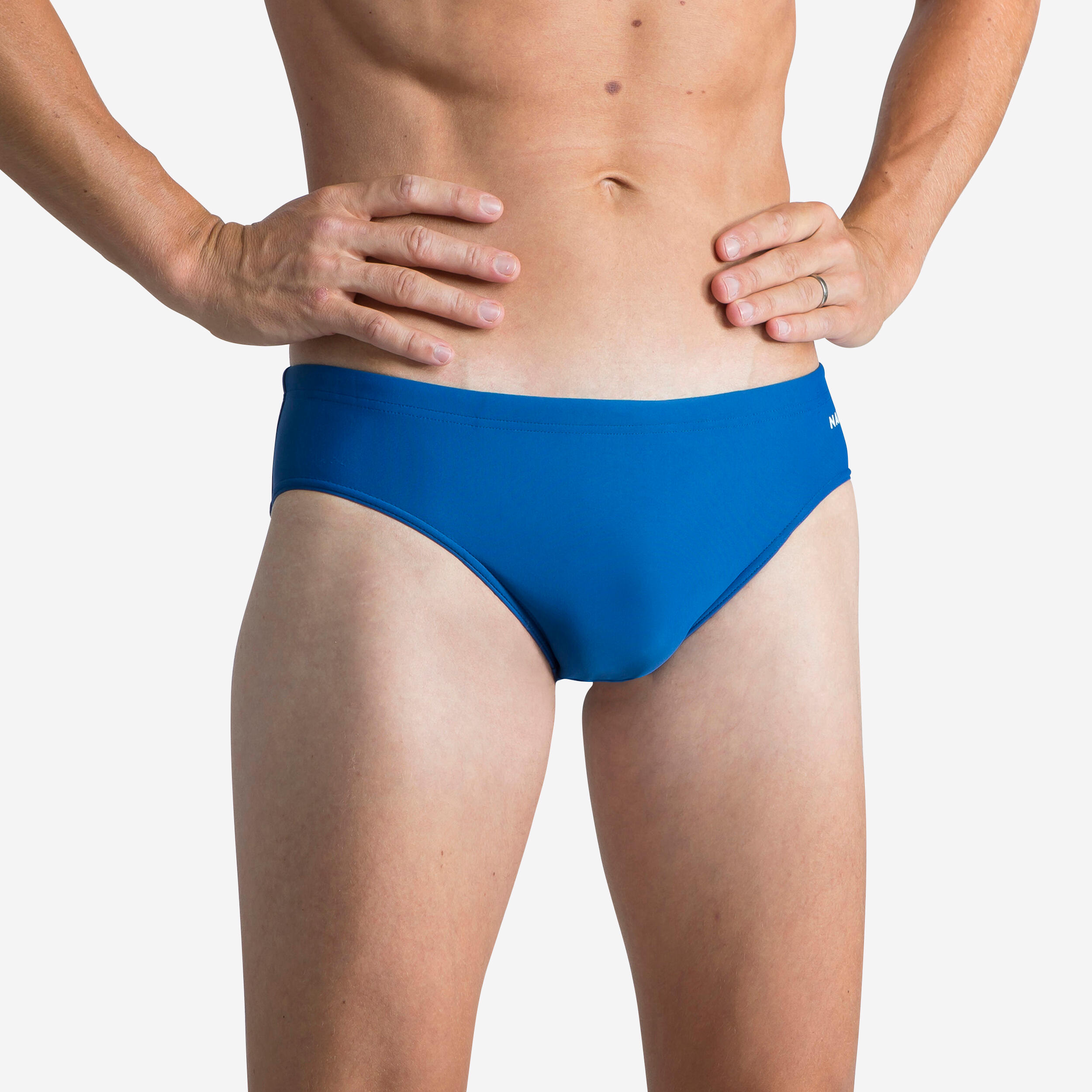
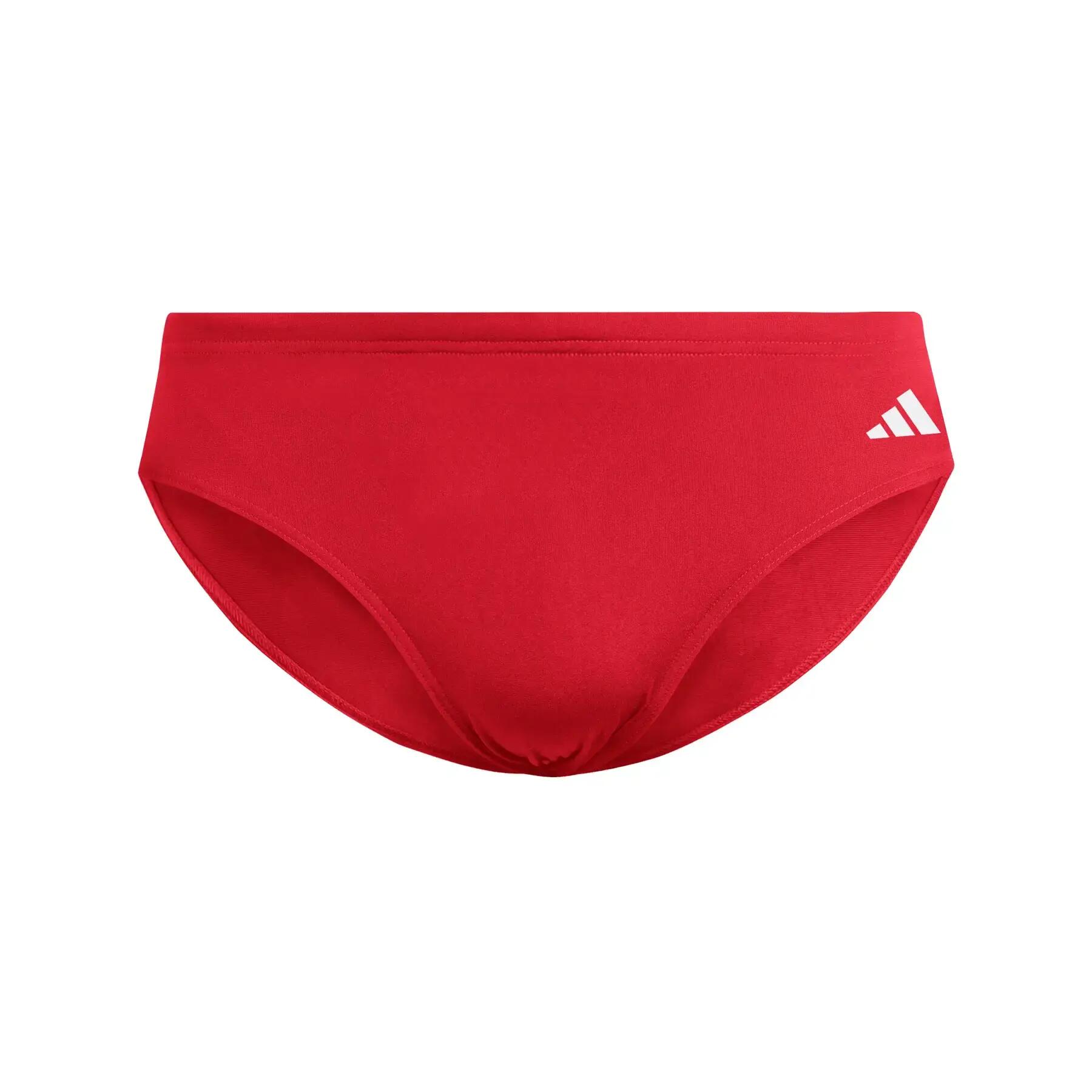
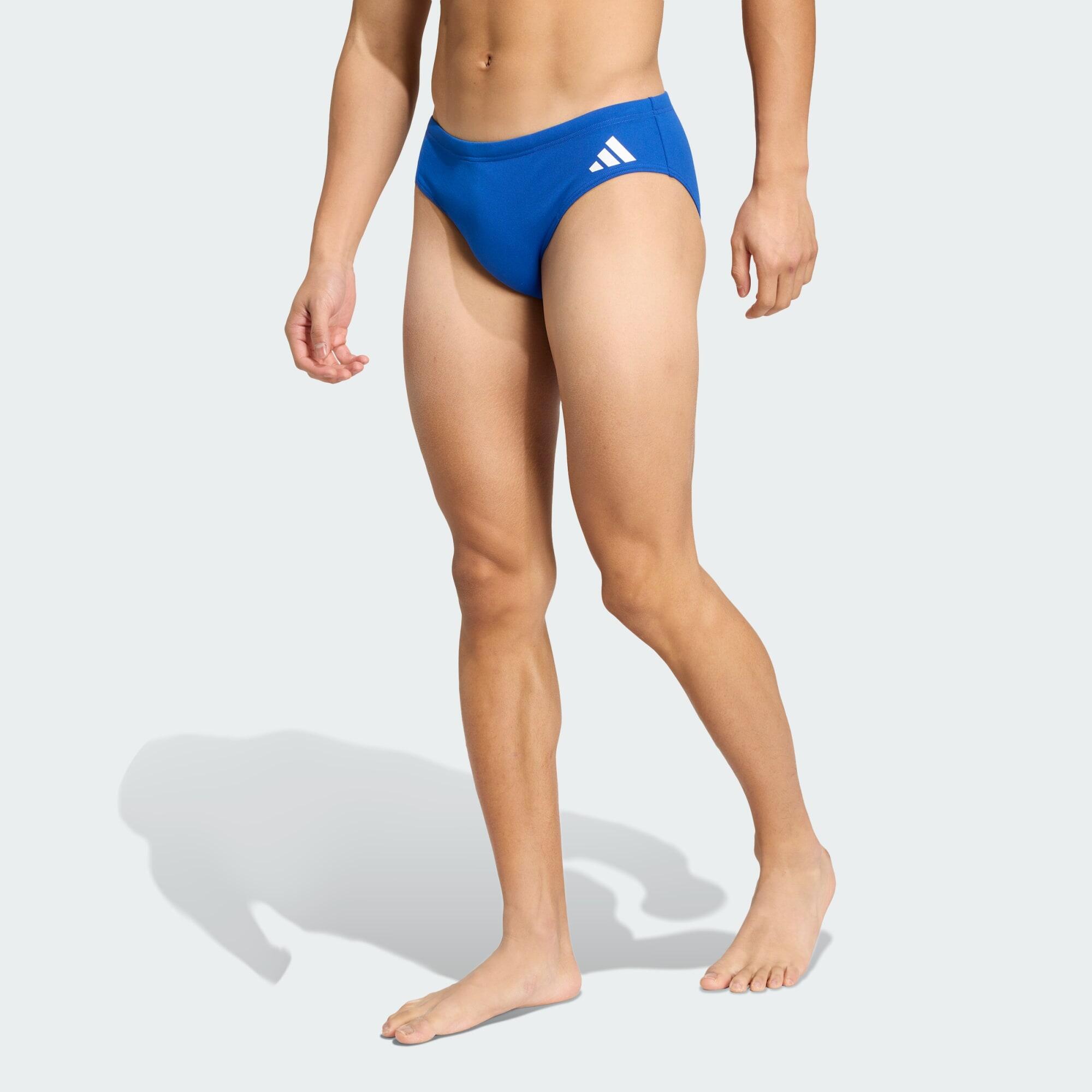
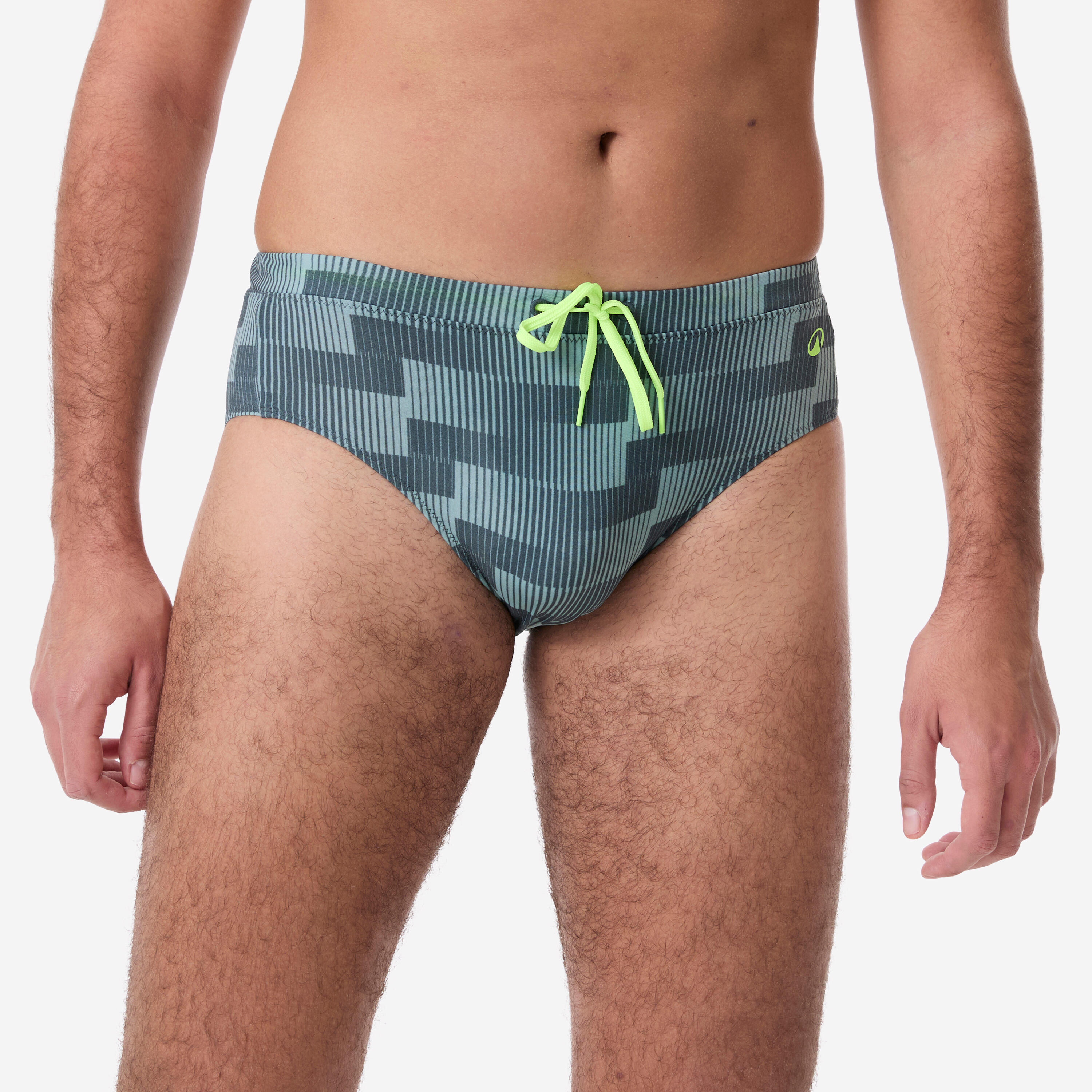
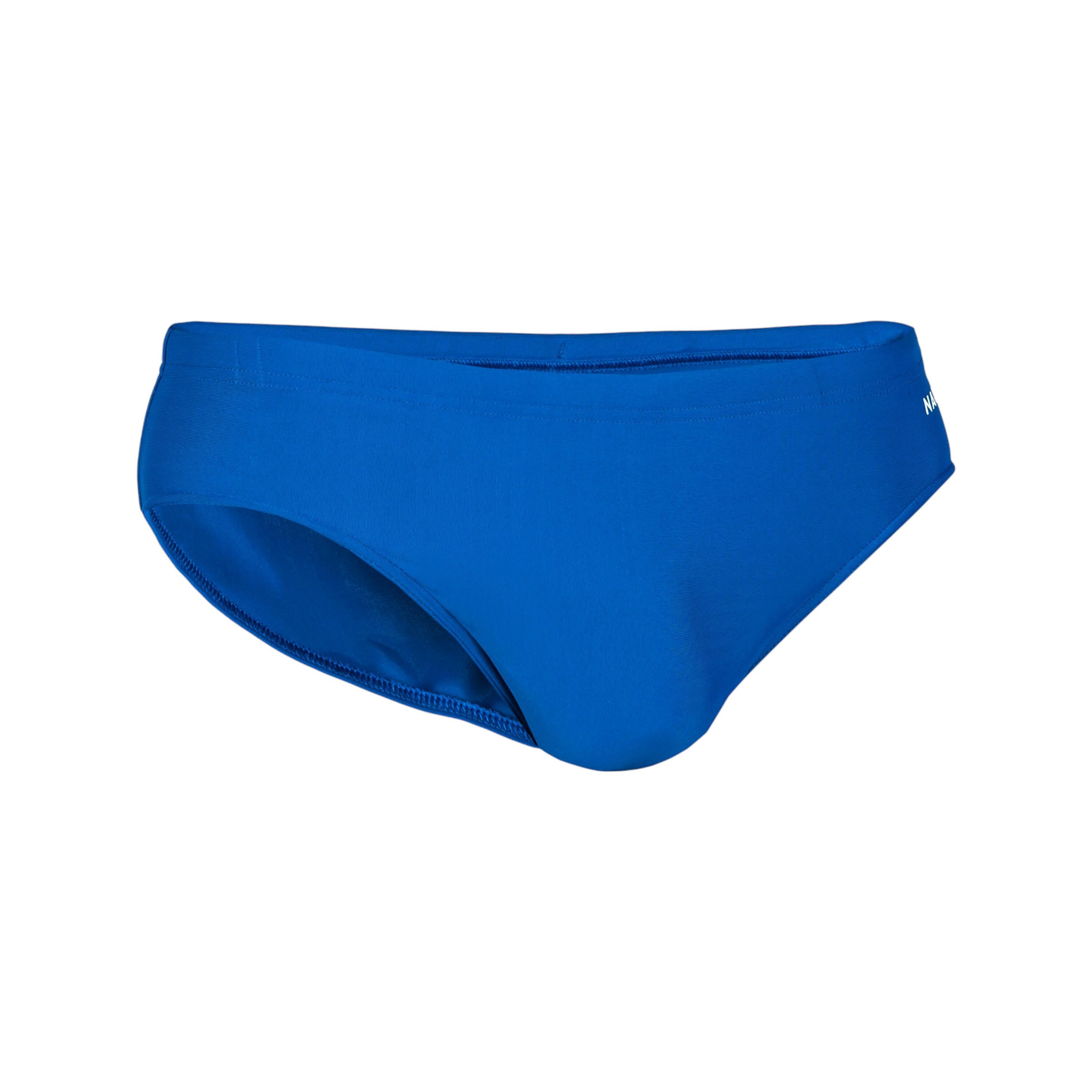
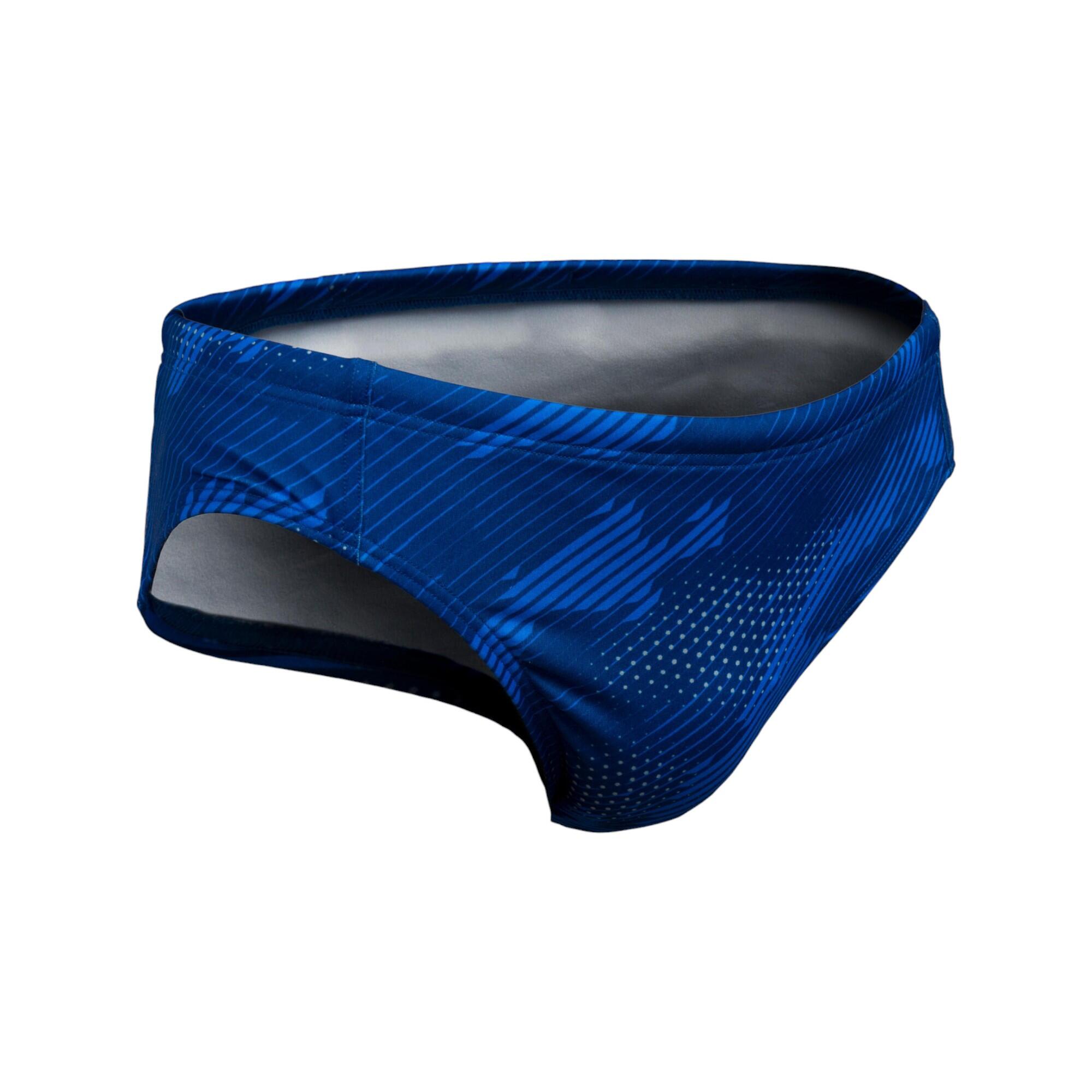
Men's swim briefs, sometimes called a racing or competition brief, provide the minimum fabric coverage consistent with pool regulations, helping minimise drag during competitive swimming and high-intensity training. The cut sits high on the hip and low on the thigh, eliminating the fabric panel that covers the upper leg in a jammer, which removes the hydrodynamic resistance that even a close-fitting longer cut creates at maximum swimming speed. Competitive club swimmers and masters athletes who train multiple sessions per week often keep briefs specifically for time-trial sets and race-pace intervals while using a jammer for general training volume to reduce fatigue on the hip flexors from the brief's higher-cut leg opening.

How does water polo swimwear differ from standard competitive swimwear?

Water polo places different physical demands on swimwear than lane swimming; the garment is regularly grabbed, pulled, and stretched by opposing players, which requires a reinforced construction that standard competitive swimwear is not built to withstand. Men's water polo swimsuits use heavier denier fabrics with reinforced seams at the hip and waistband, and the waistband itself uses a wider, more secure construction that resists the downward force of a grab without shifting position or failing at the seam. The fit tends toward a snugger mid-thigh cut that stays in place during the explosive lateral and vertical movements of the sport, including treading water, jumping for shots, and wrestling for possession. A standard training jammer or brief would degrade within a single competitive session under those conditions.