17 items
4.4/5 based on 5149 reviews collected online and in stores

Nose Clips & Ear Plugs FAQs

Who actually needs a nose clip, and when does it earn its place?

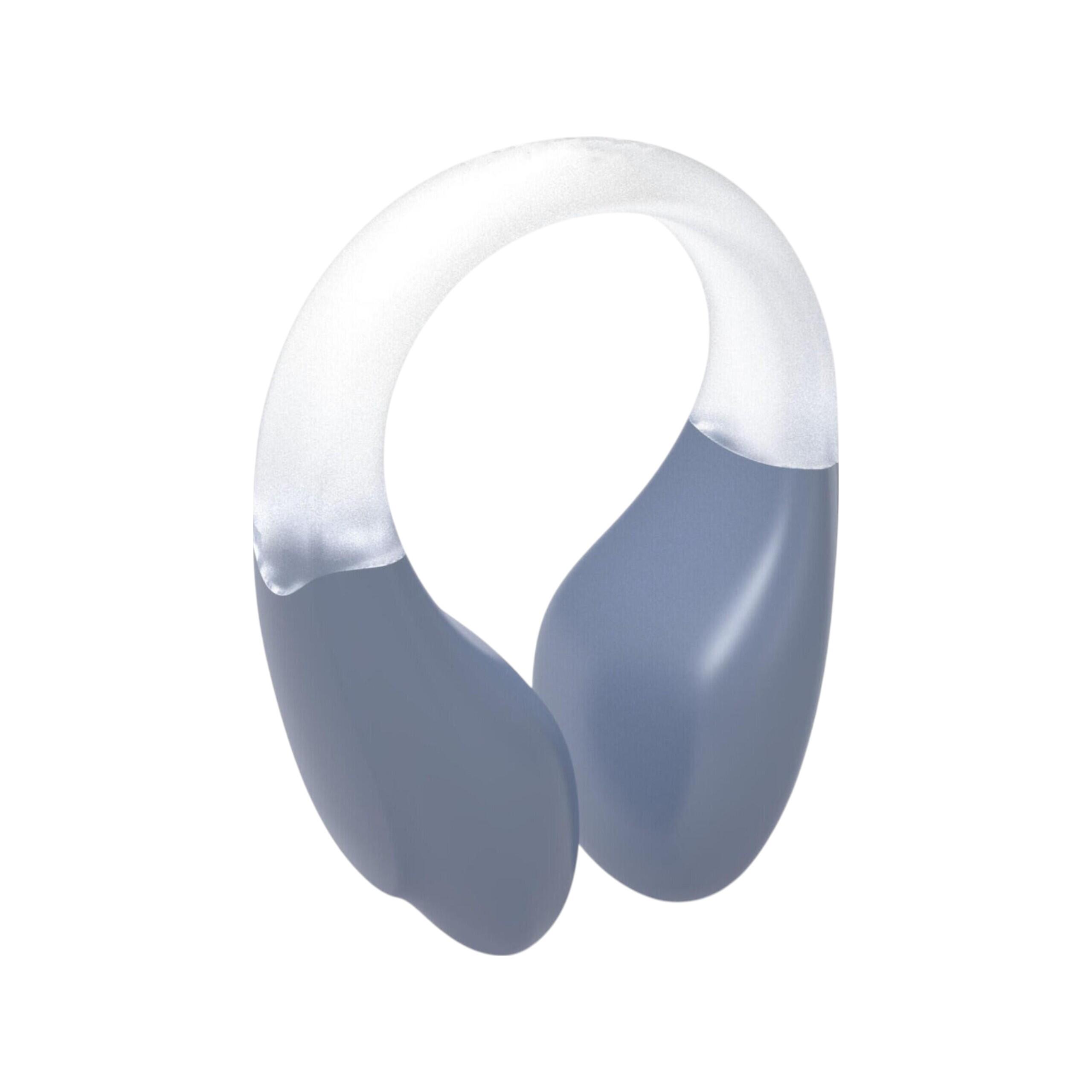
If water shoots up your nose when you push off a wall or roll into backstroke, a nose clip becomes your favourite four-euro bit of kit. That rush into the sinuses is not just unpleasant: it triggers a reflexive gasp that throws your breathing out mid-length, and swimmers still learning to seal the nose feel it most. The clip itself is simple: a spring-tensioned bridge presses gently on the nostrils and keeps water out, no muscle effort needed. Tension is what matters, too loose and the seal pops when you hit the water at speed, too tight and your nose is begging for mercy after a few lengths. Many swimmers pair a nose clip with a well-fitted cap to improve comfort and reduce drag throughout a session.

Moulded or foam earplugs, what is the difference?

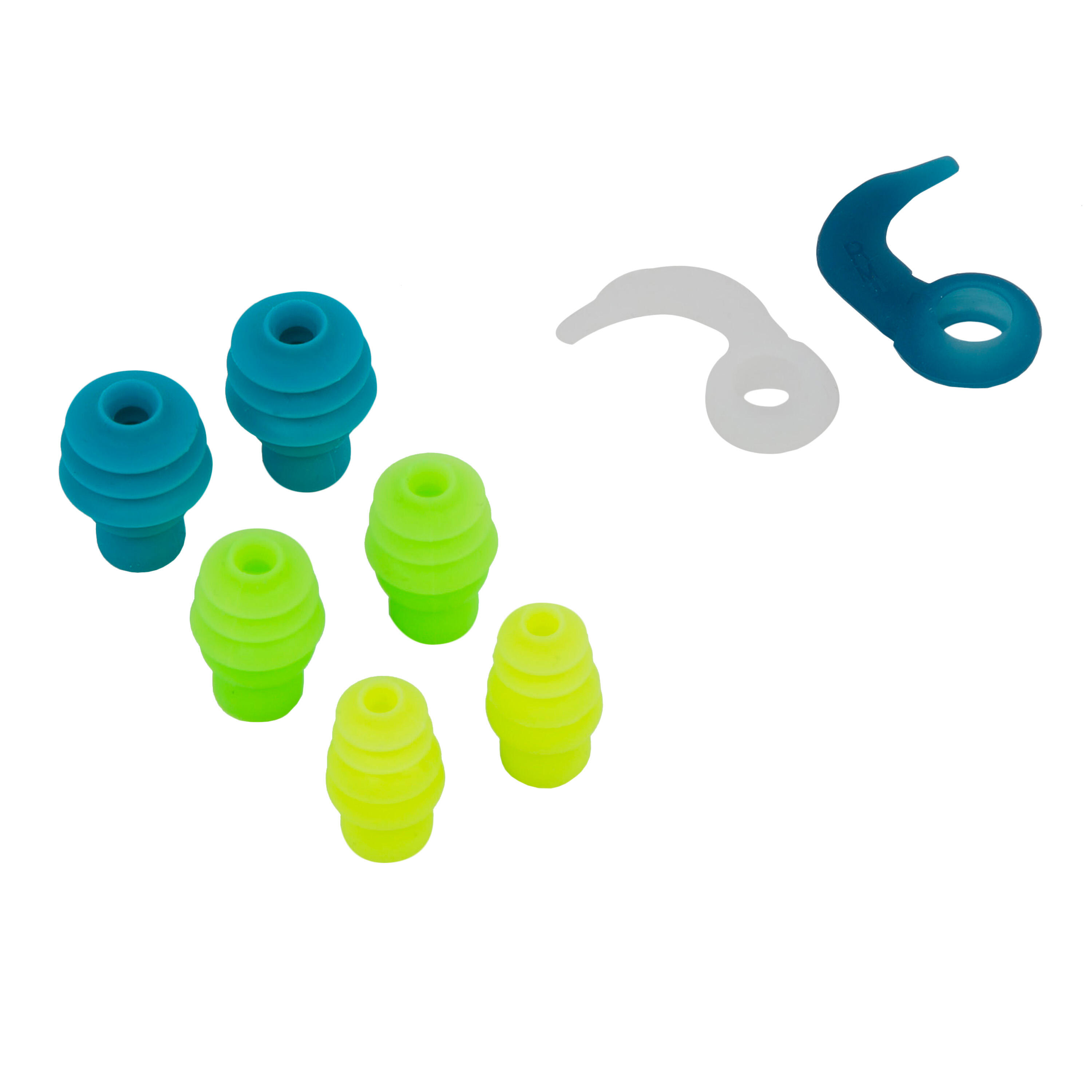
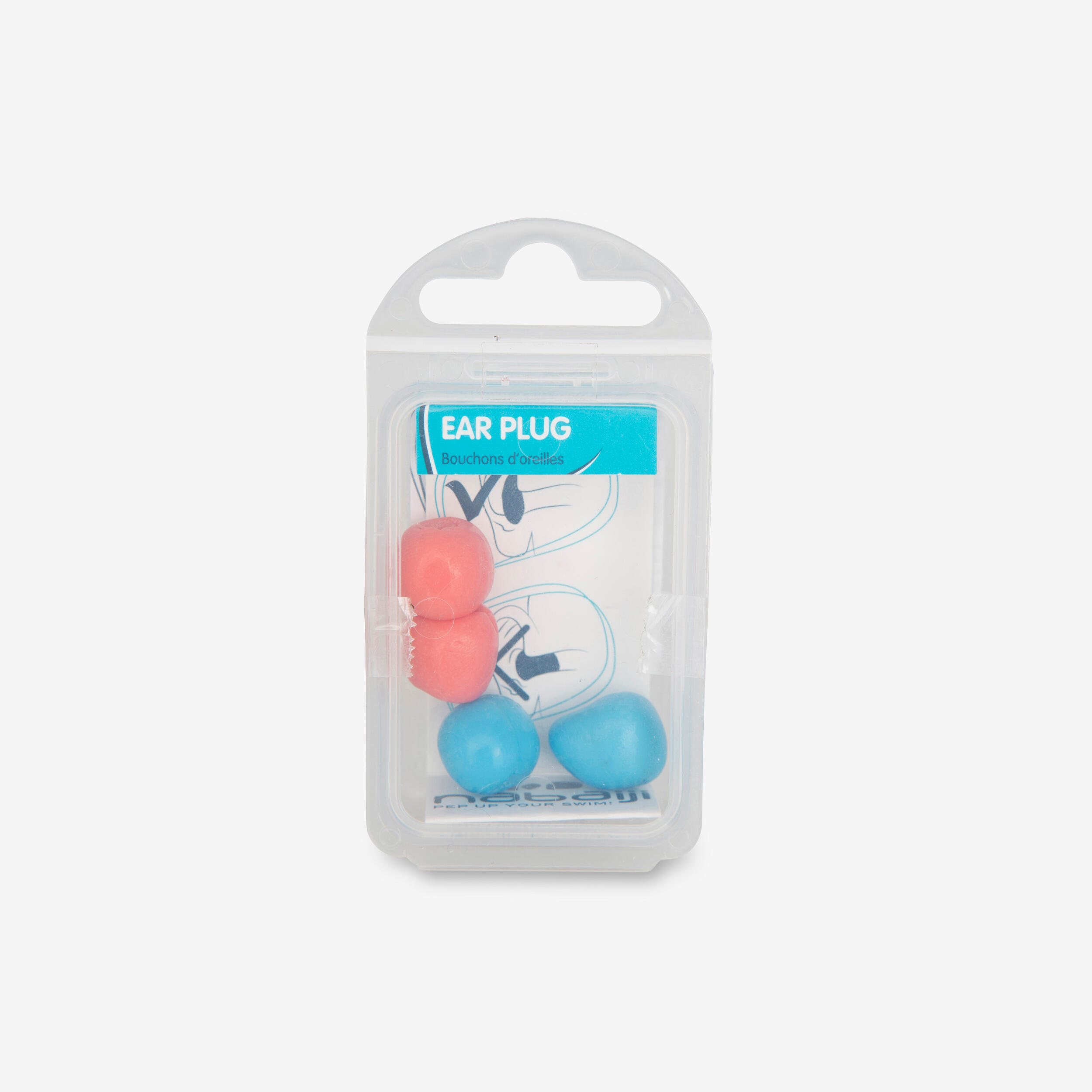
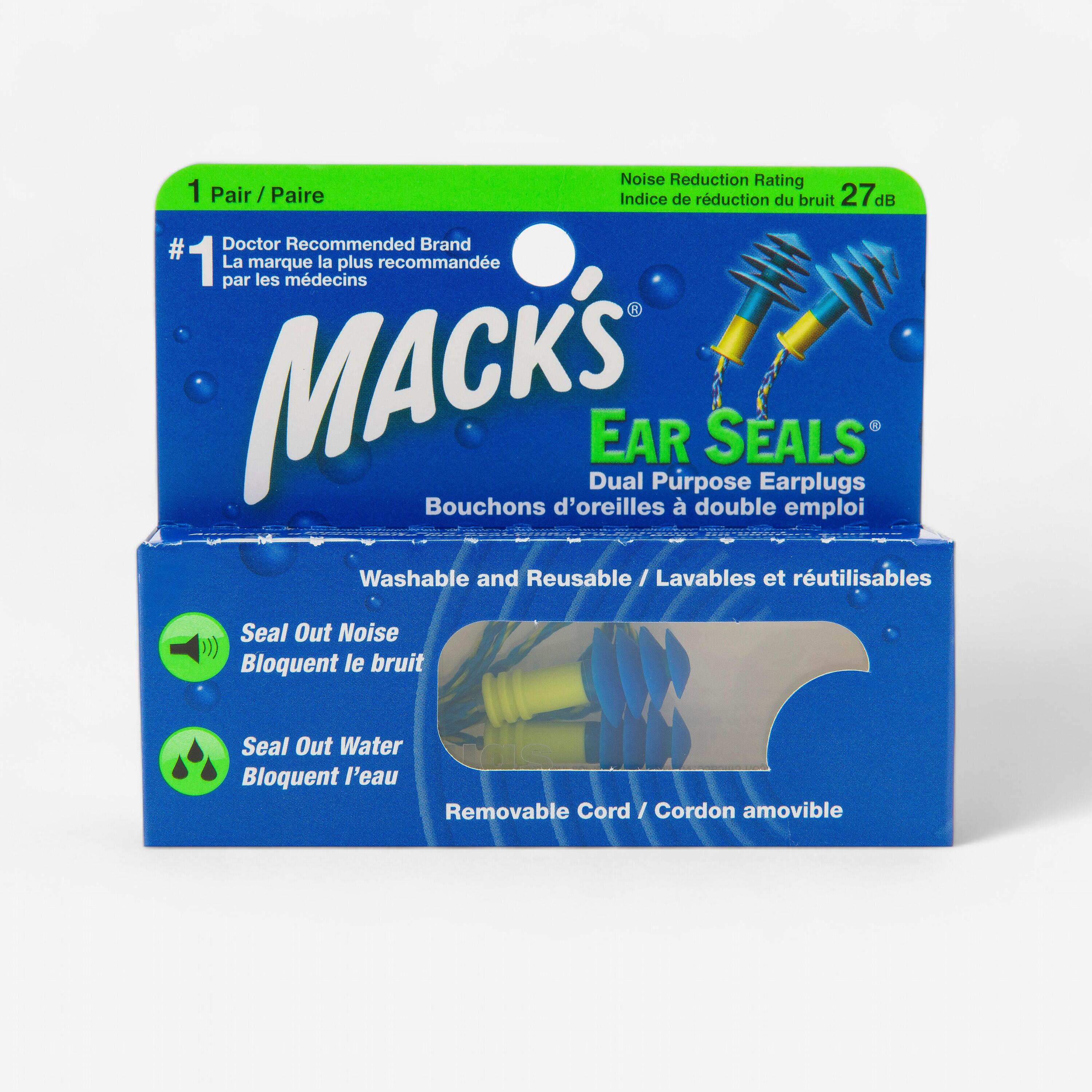
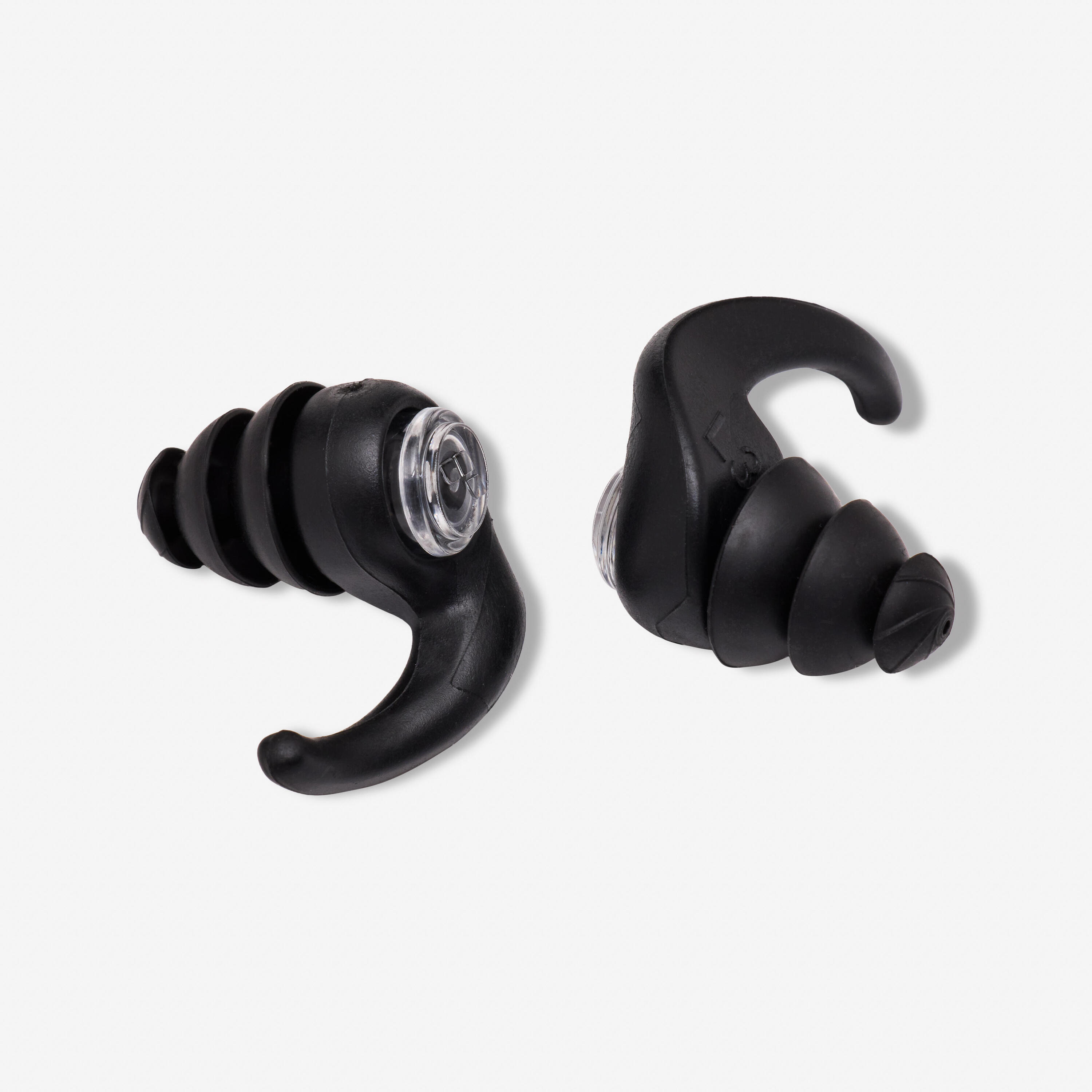
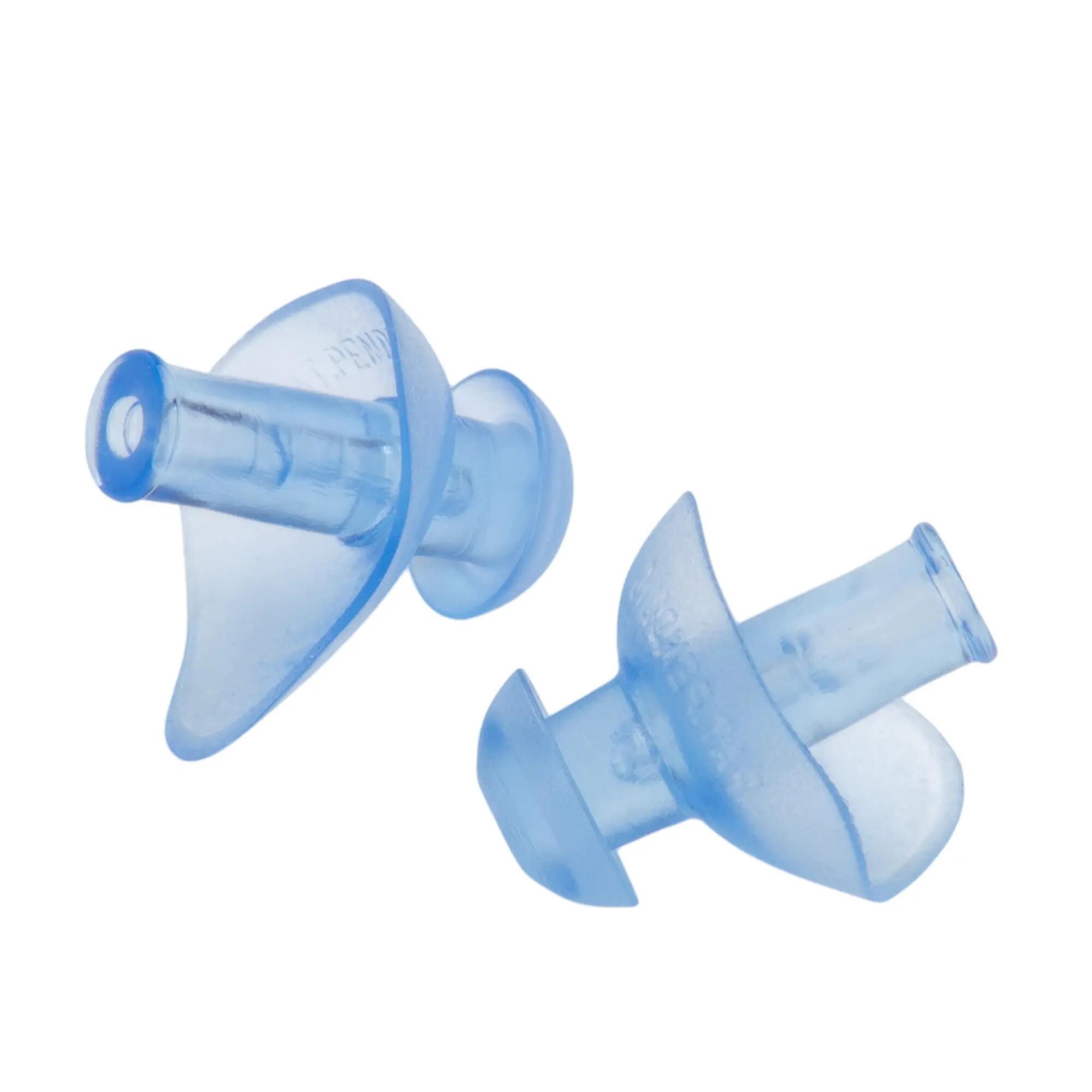
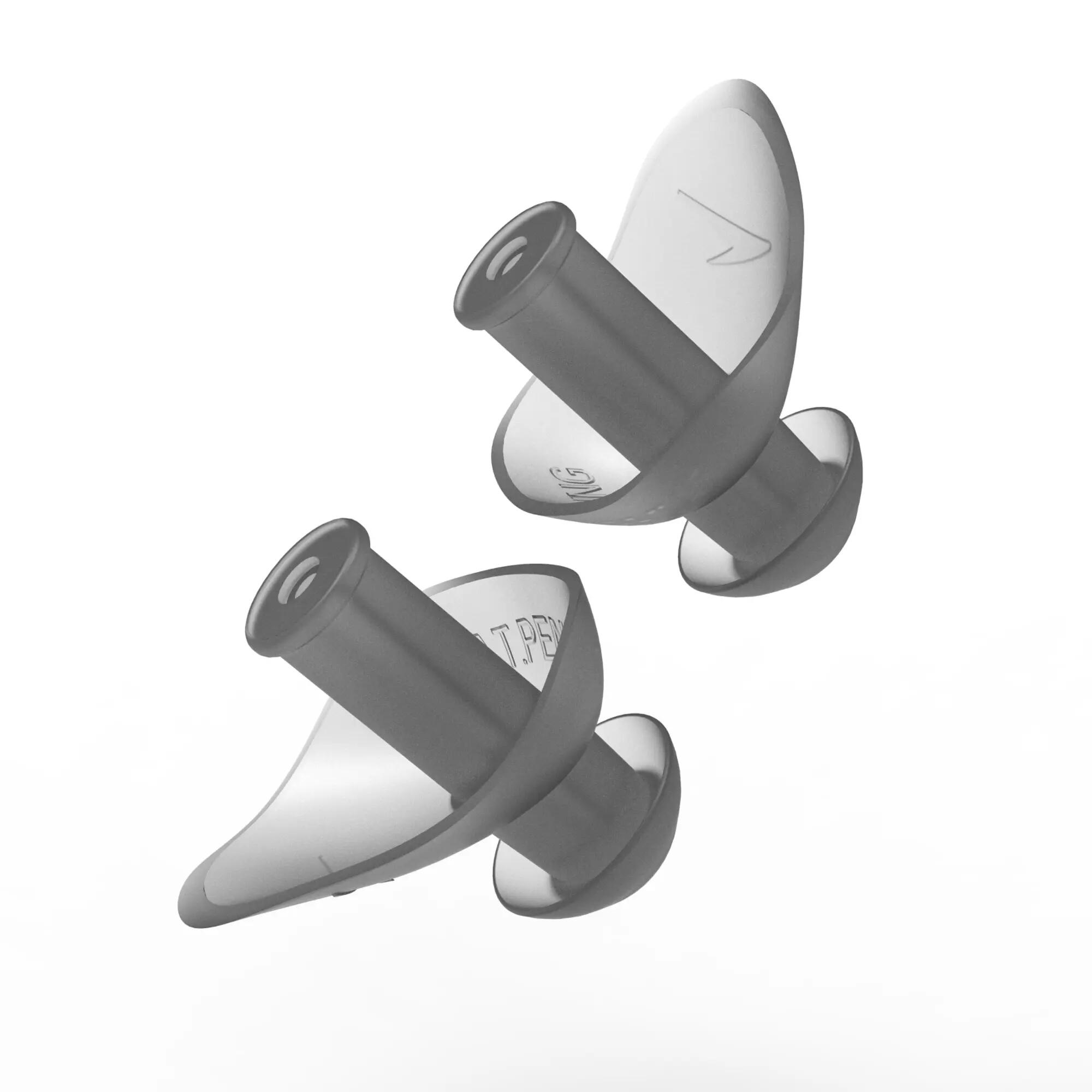
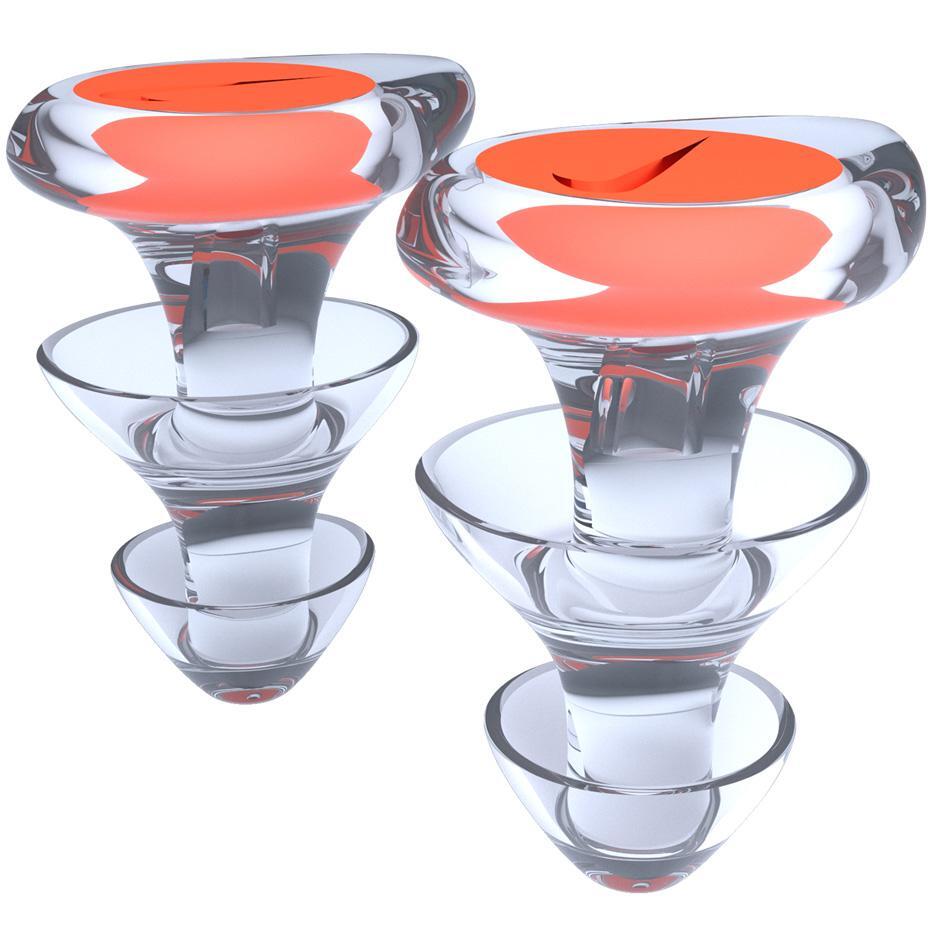
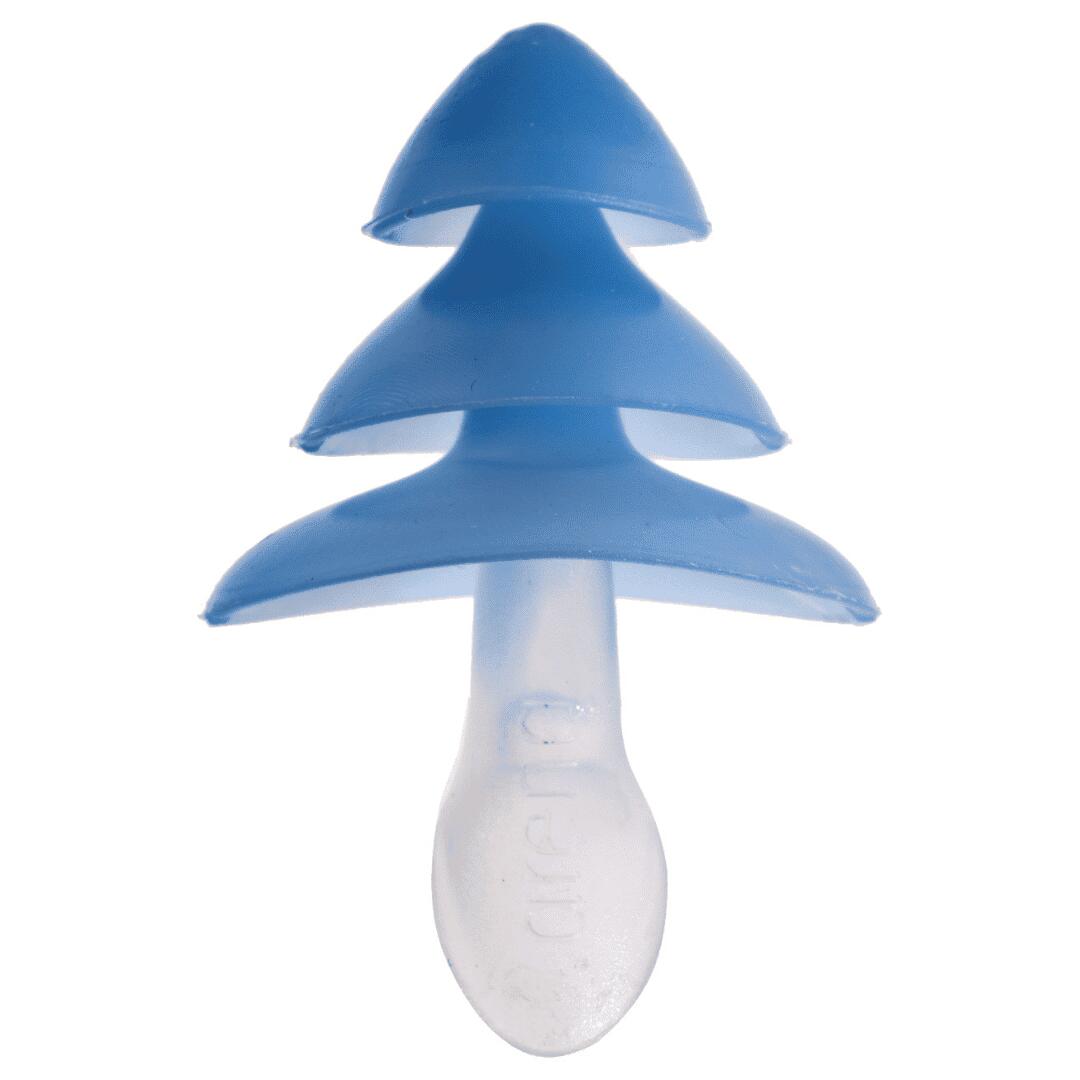
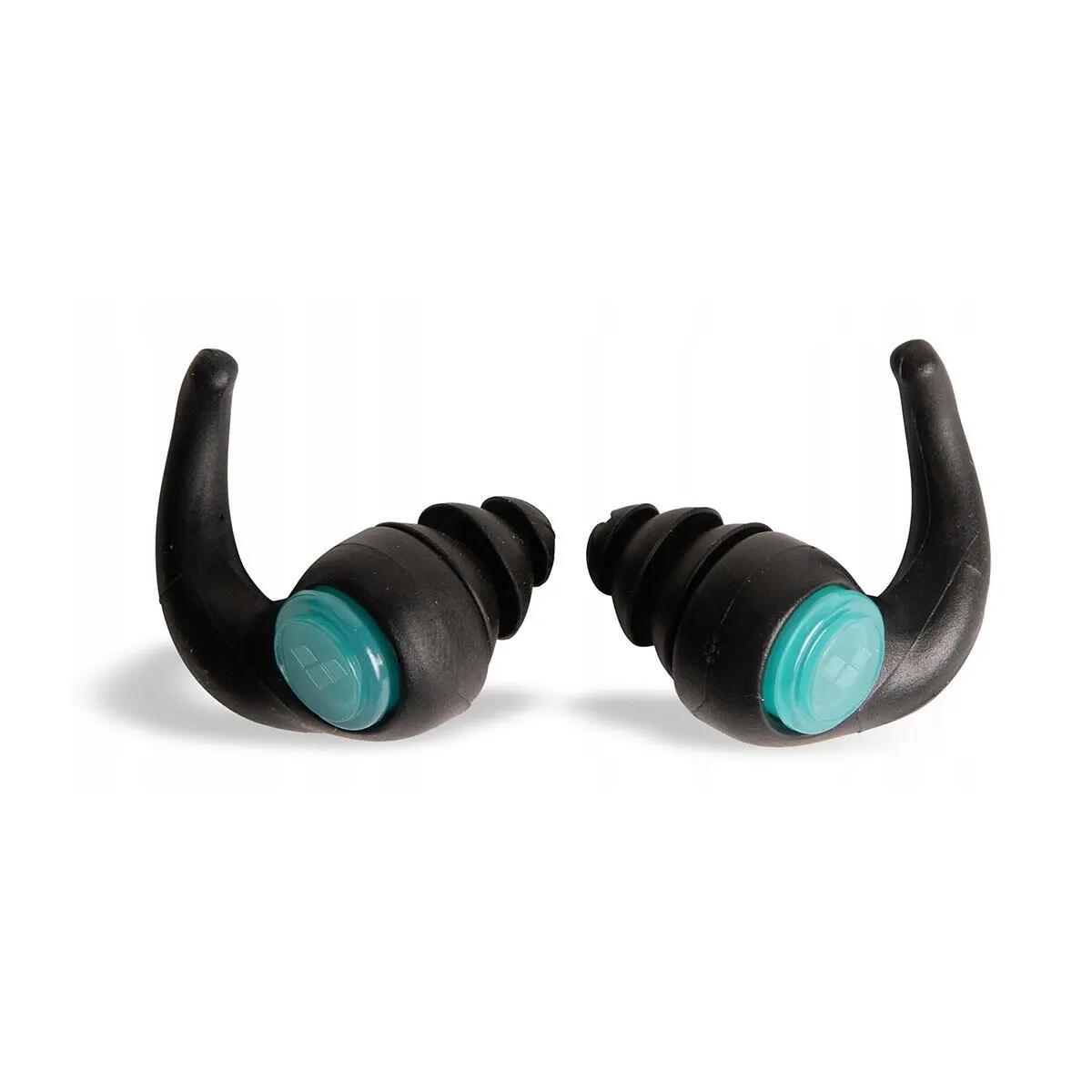
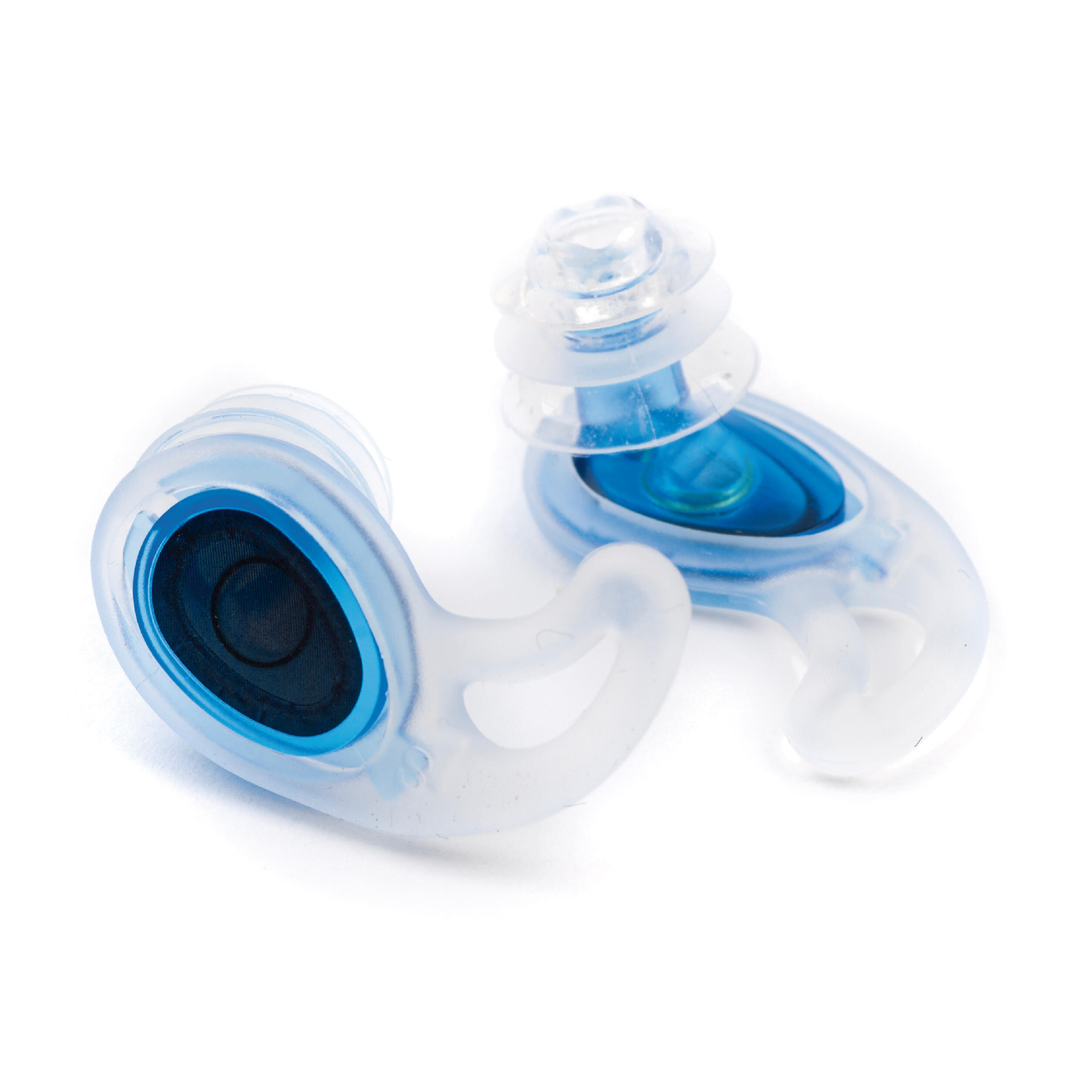
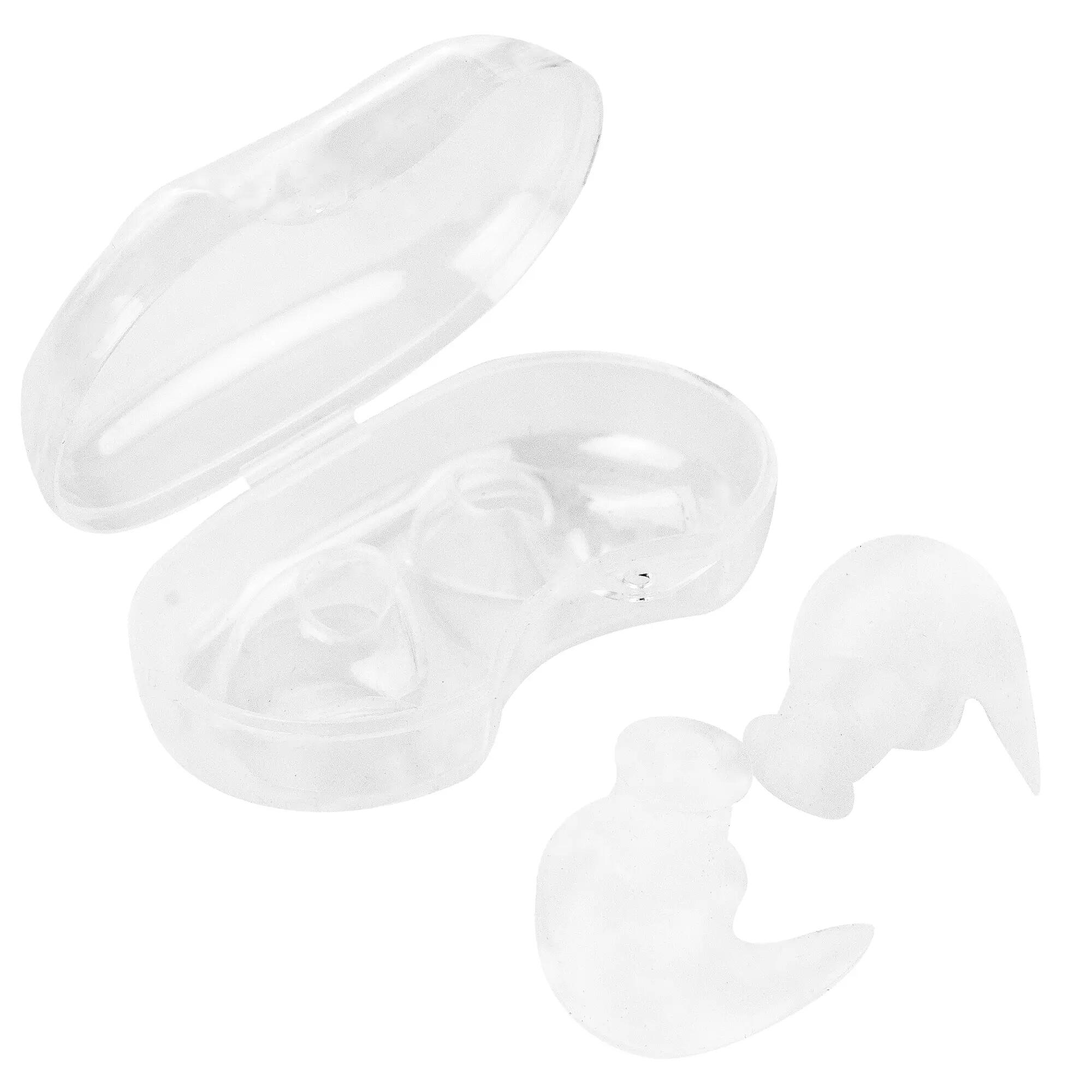
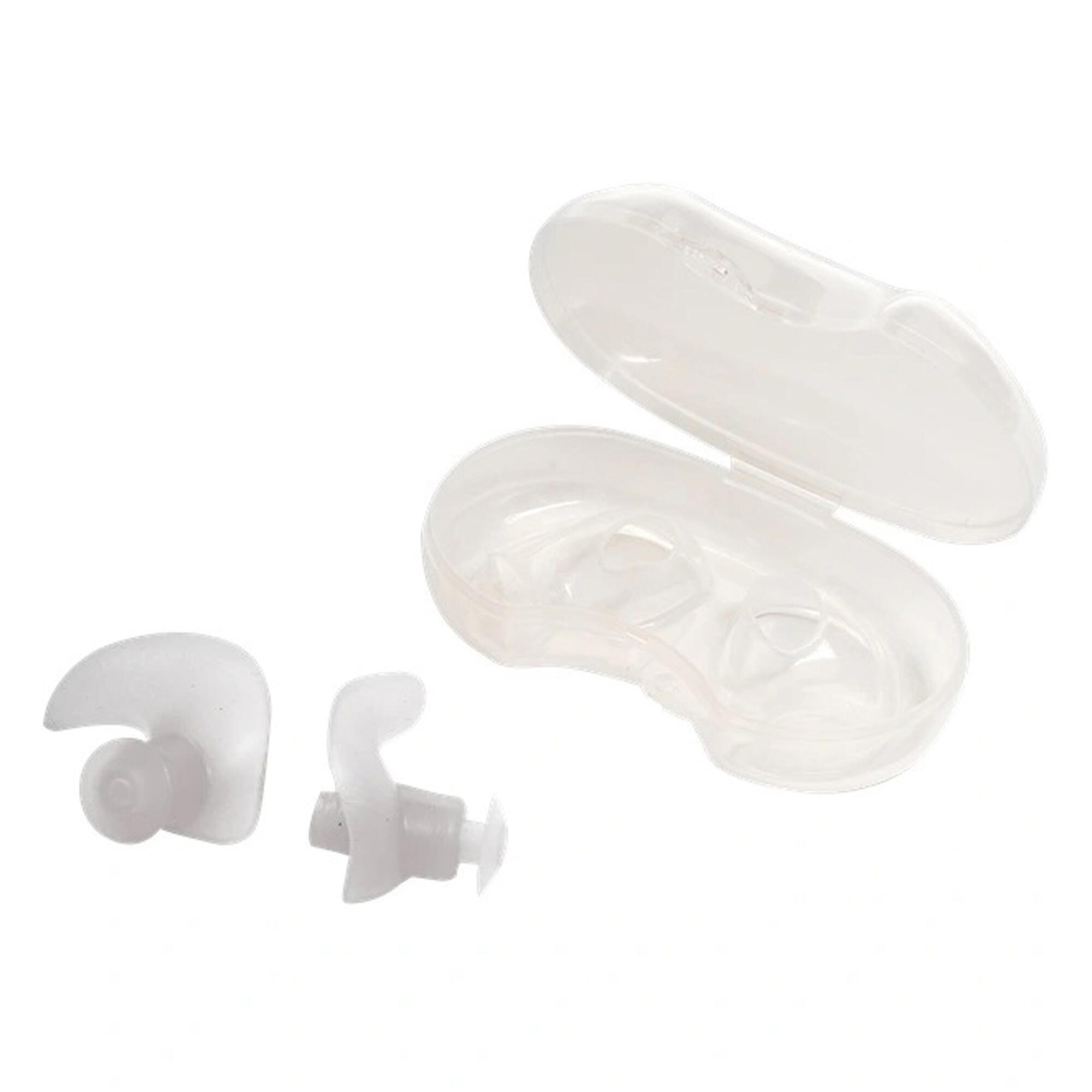
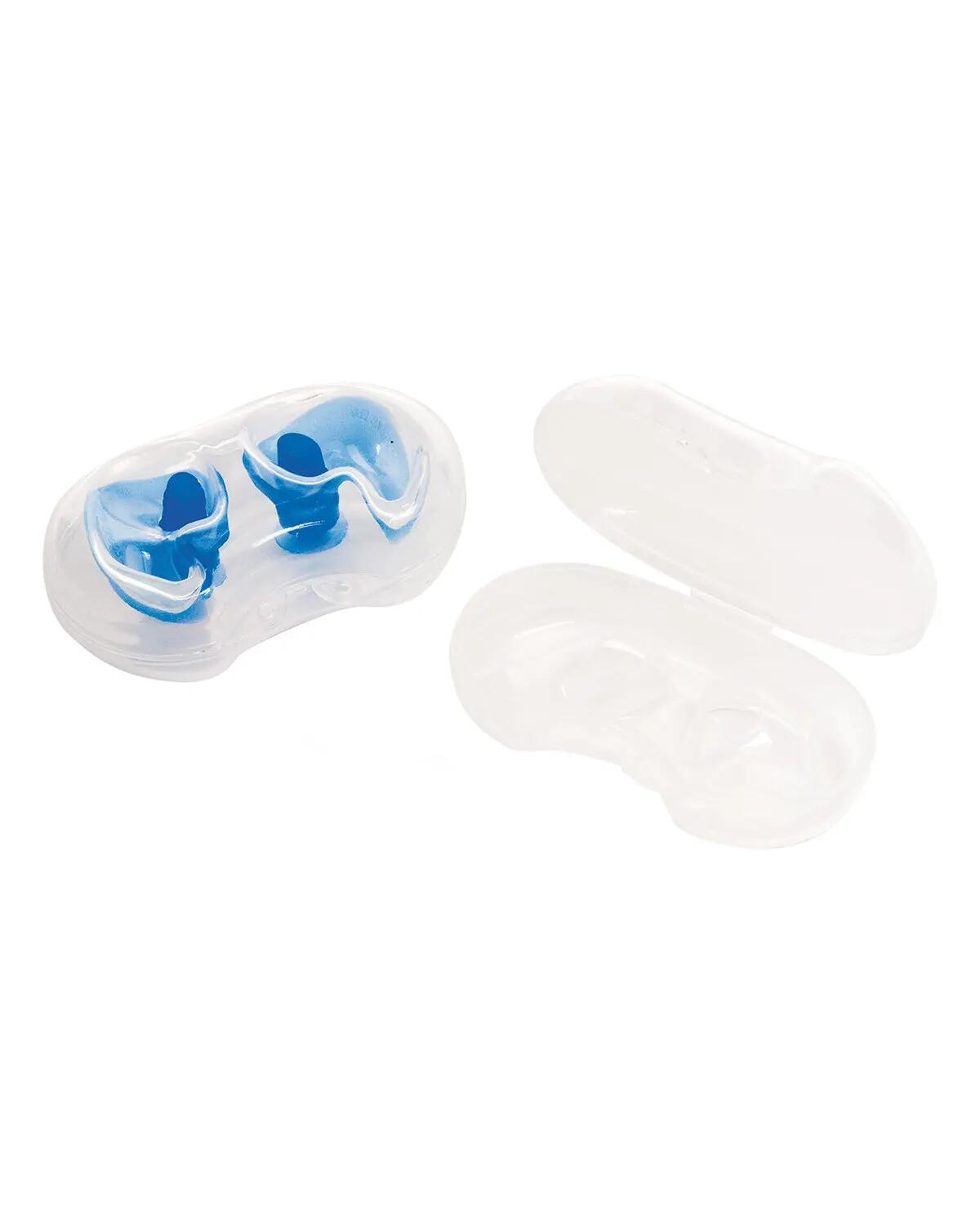
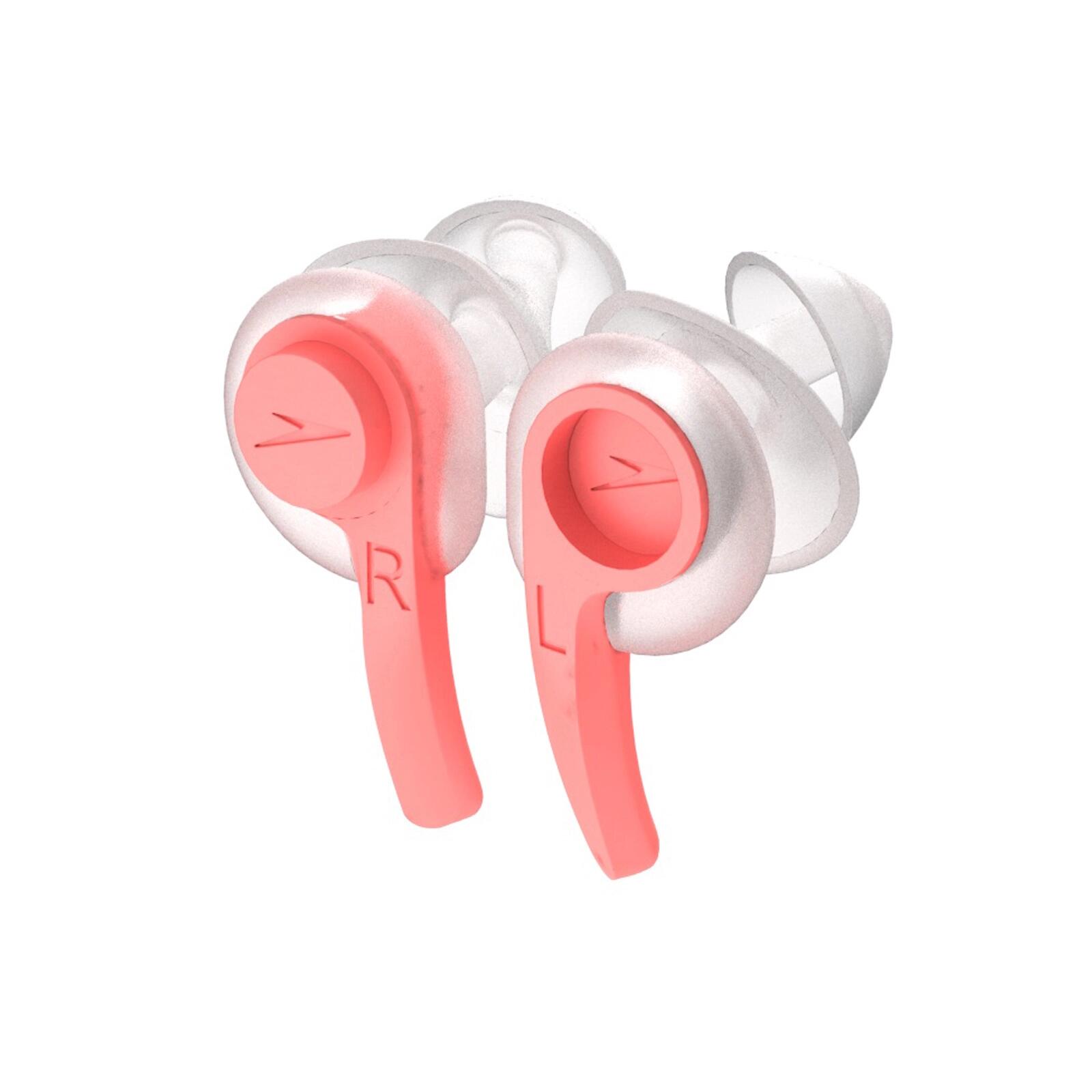
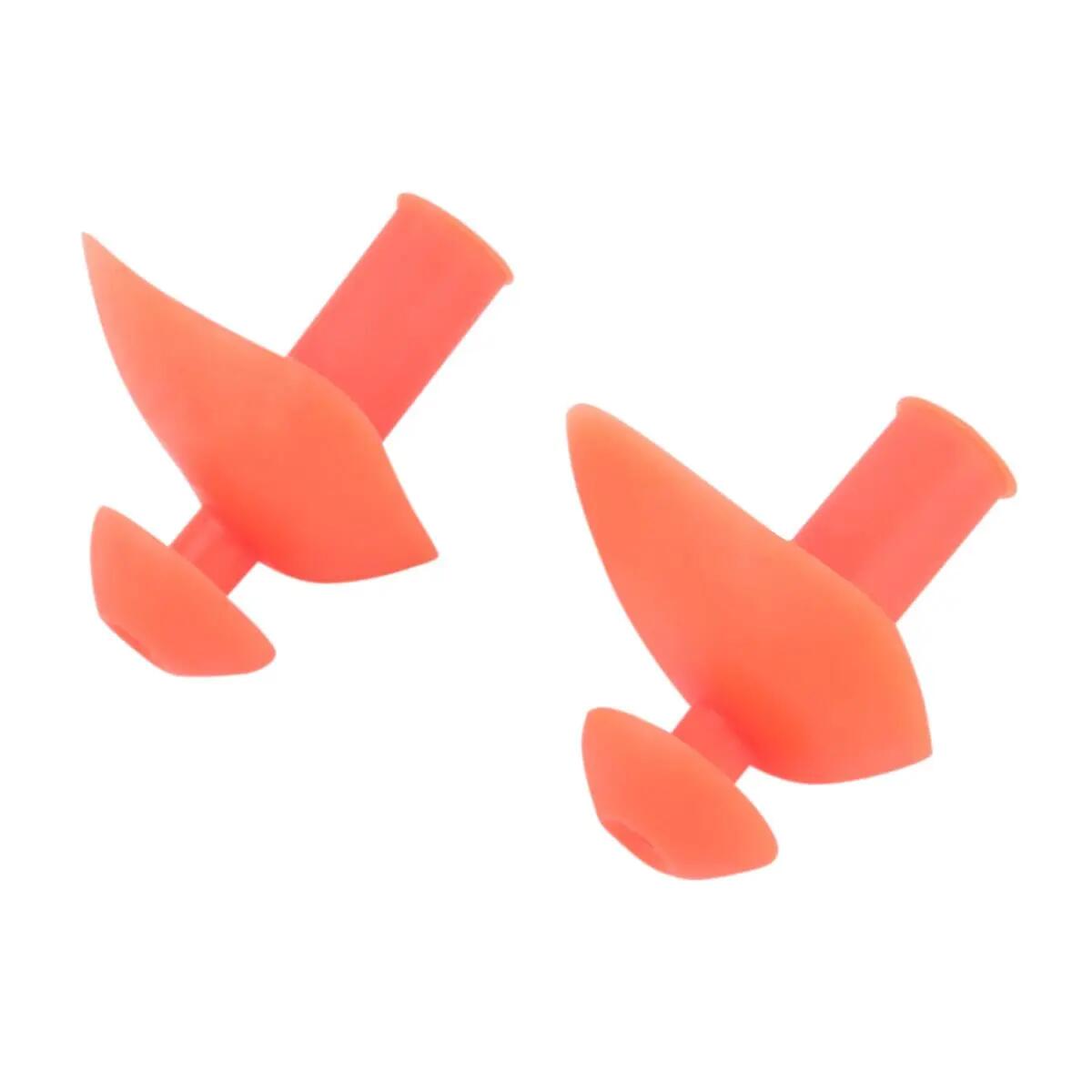
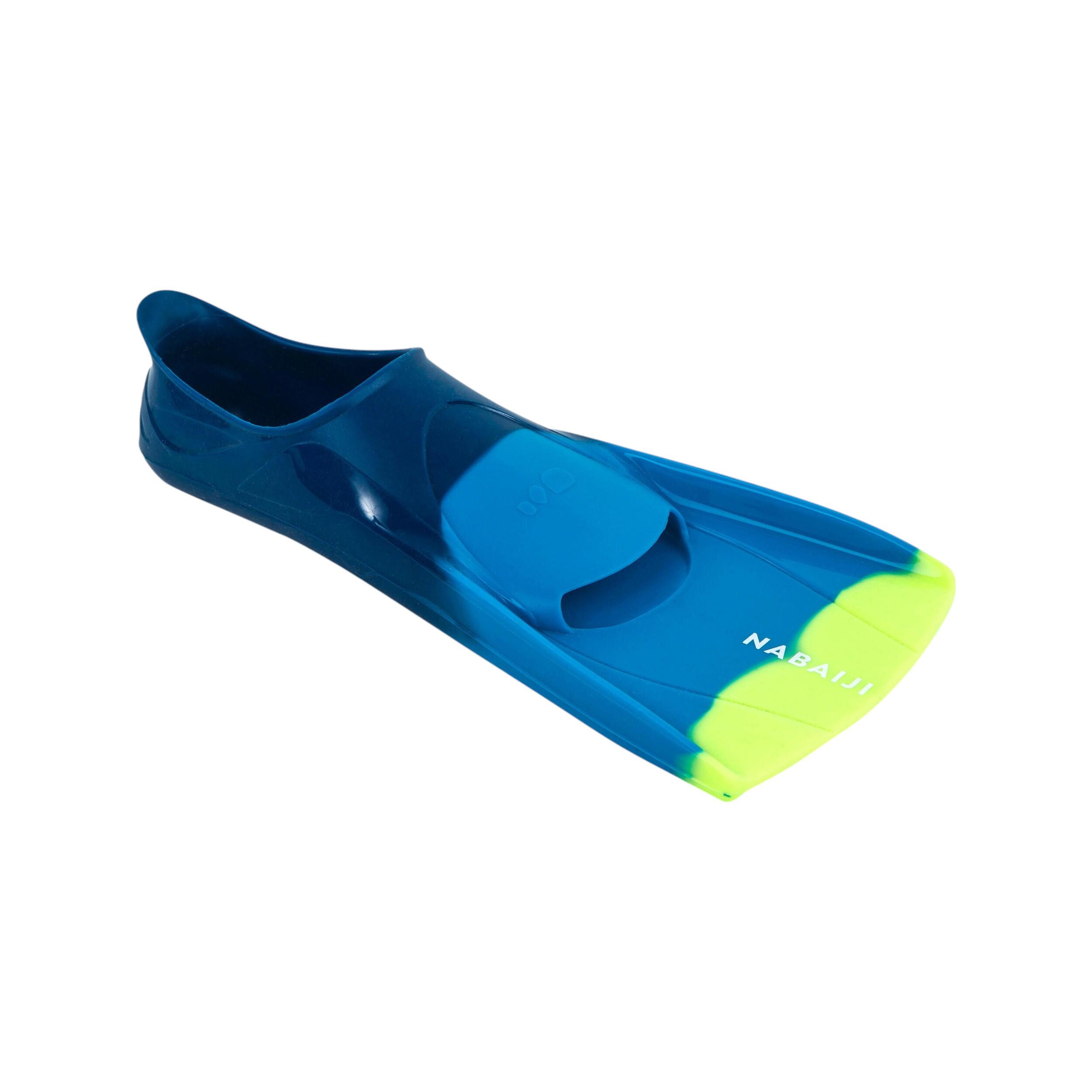
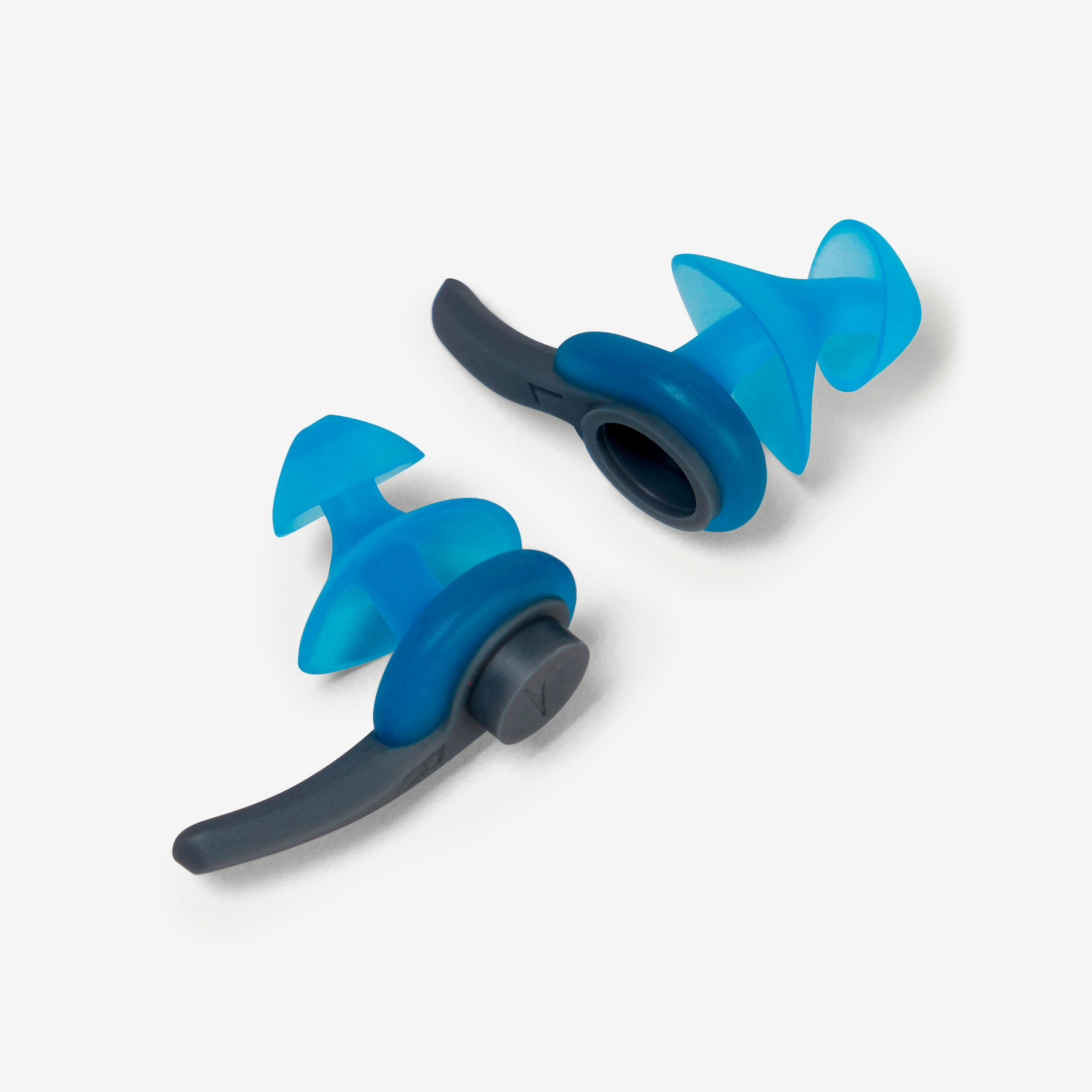
Moulded silicone plugs sit in the outer ear and form a seal without squashing the canal, which is why most pool swimmers reach for them: they are reusable, easy to pop out, and they shrug off chlorine. Foam plugs expand to fill the canal for a tighter seal, but they can feel a bit much on longer swims. The trick with silicone is fit, so seat it flat against the bowl of the ear rather than ramming it deep. During kick-focused training with fins, a snug-fitting earplug can help prevent water ingress during repeated push-offs.

Can I wear a nose clip and earplugs together?

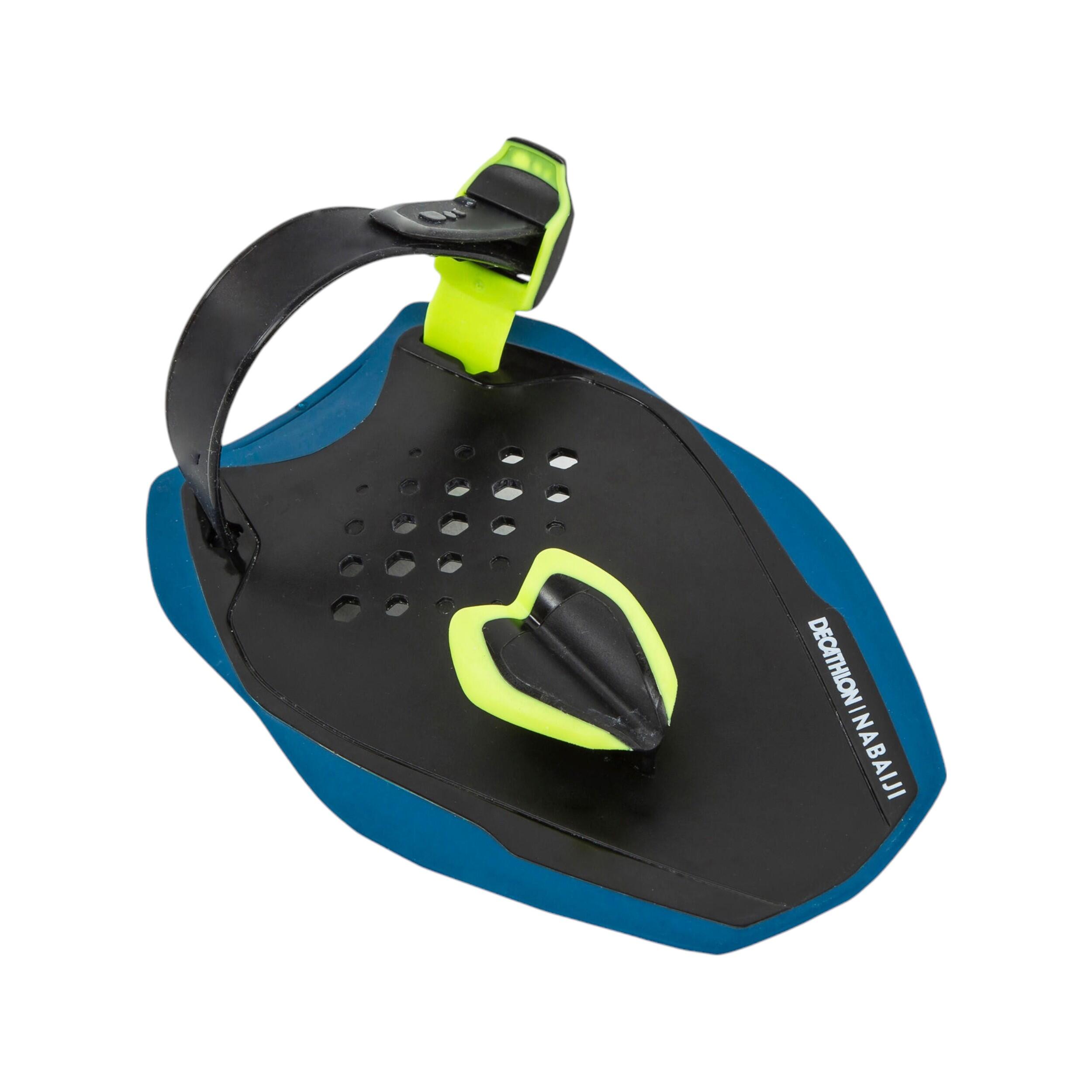
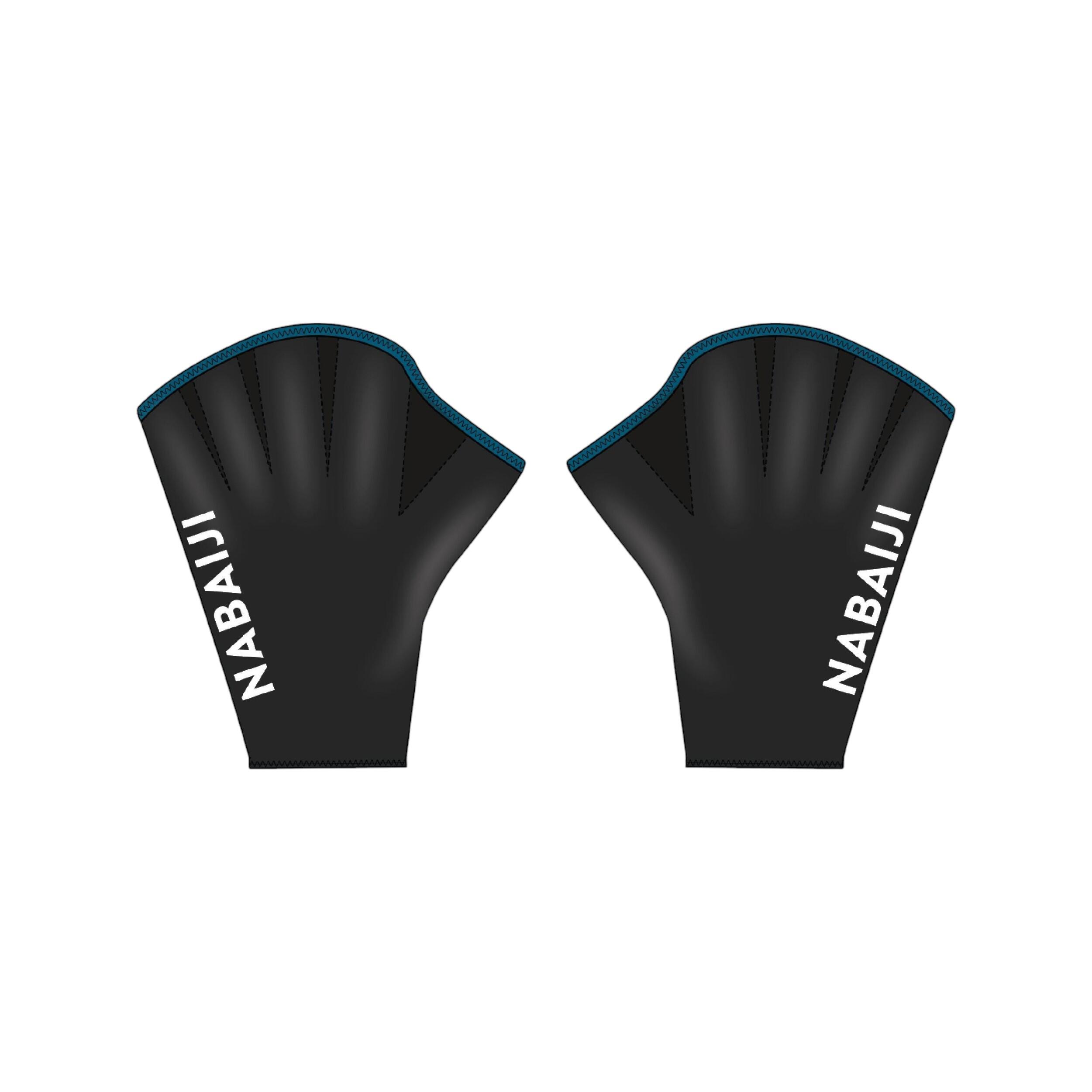
Absolutely, and plenty of swimmers do, especially anyone prone to sinus or ear gripes from pool water. Worn properly, neither one touches your stroke: the nose clip's profile is tiny, and earplugs sit fully inside the ear, so head position and rotation stay exactly as they were. The one habit to build is a slightly firmer exhale through the mouth on the underwater phase, since the nose is sealed. Swimmers drilling with hand paddles happily wear both at once, as the focus there is the catch and pull, well away from anything happening up at the nose.

Do nose clips work for snorkelling too?

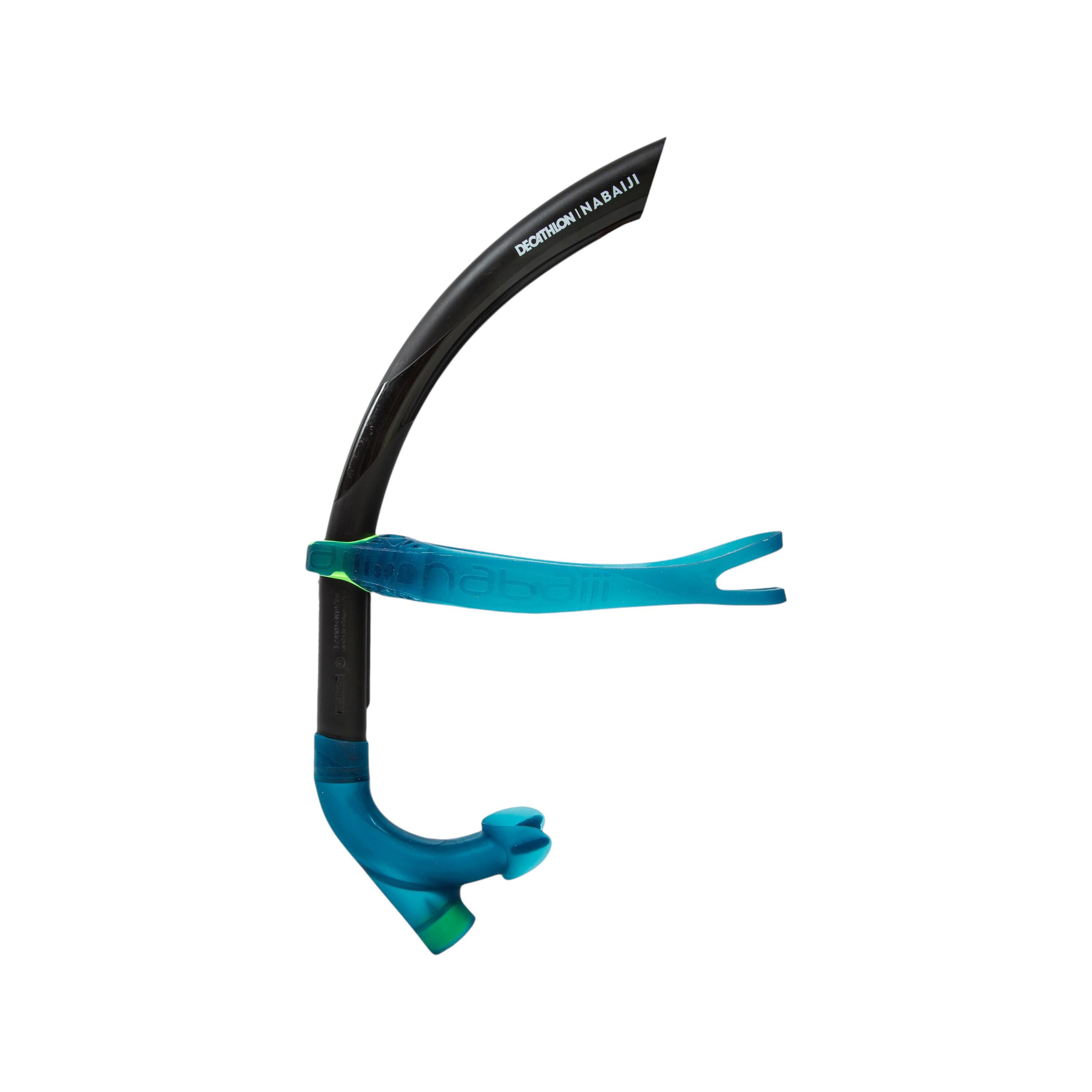
For quick entry dives and surface dives where your face only dips under briefly, a pool nose clip does the job nicely, just do not treat it as a stand-in for a proper mask seal on longer descents. The one thing to watch is clearing a flooded snorkel: blast it out with a sharp breath through the mouth and a sealed nose gets in the way, since that technique leans on nasal pressure. Open-water swimmers and triathletes reach for nose clips far more than snorkellers, because a face-down position keeps steady pressure on the nostrils that a clip handles all day.

Where do nose clips and earplugs sit in a full kit?

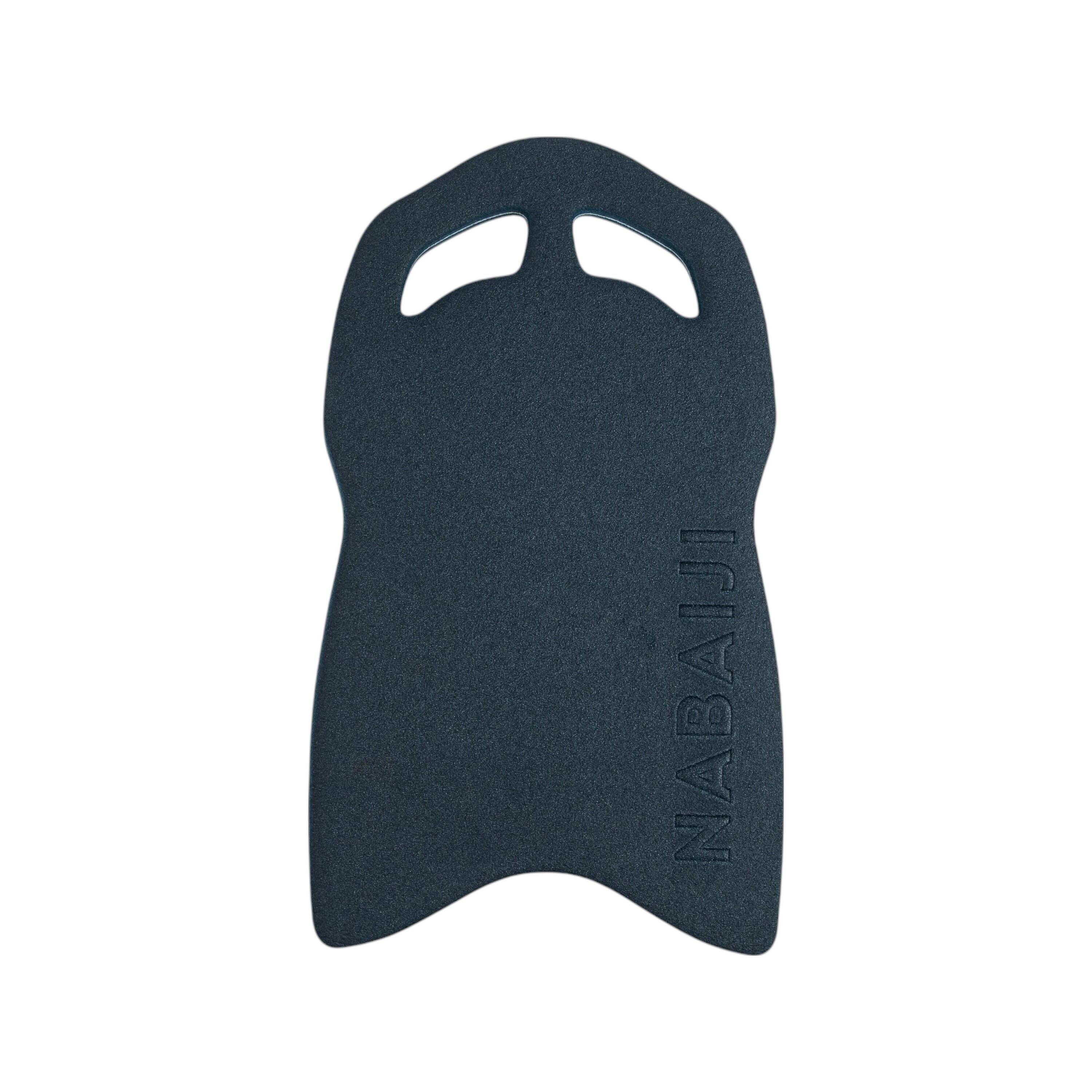
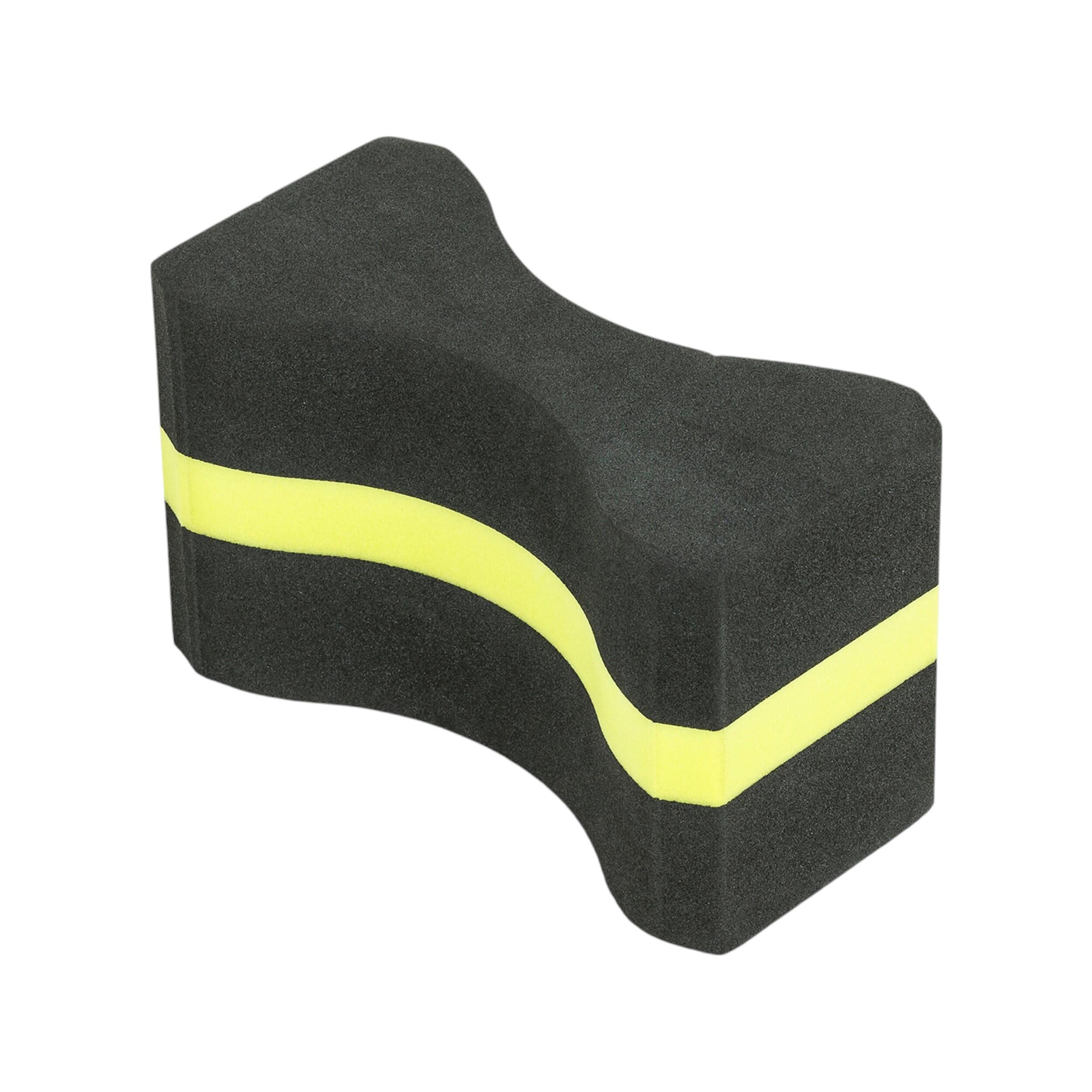
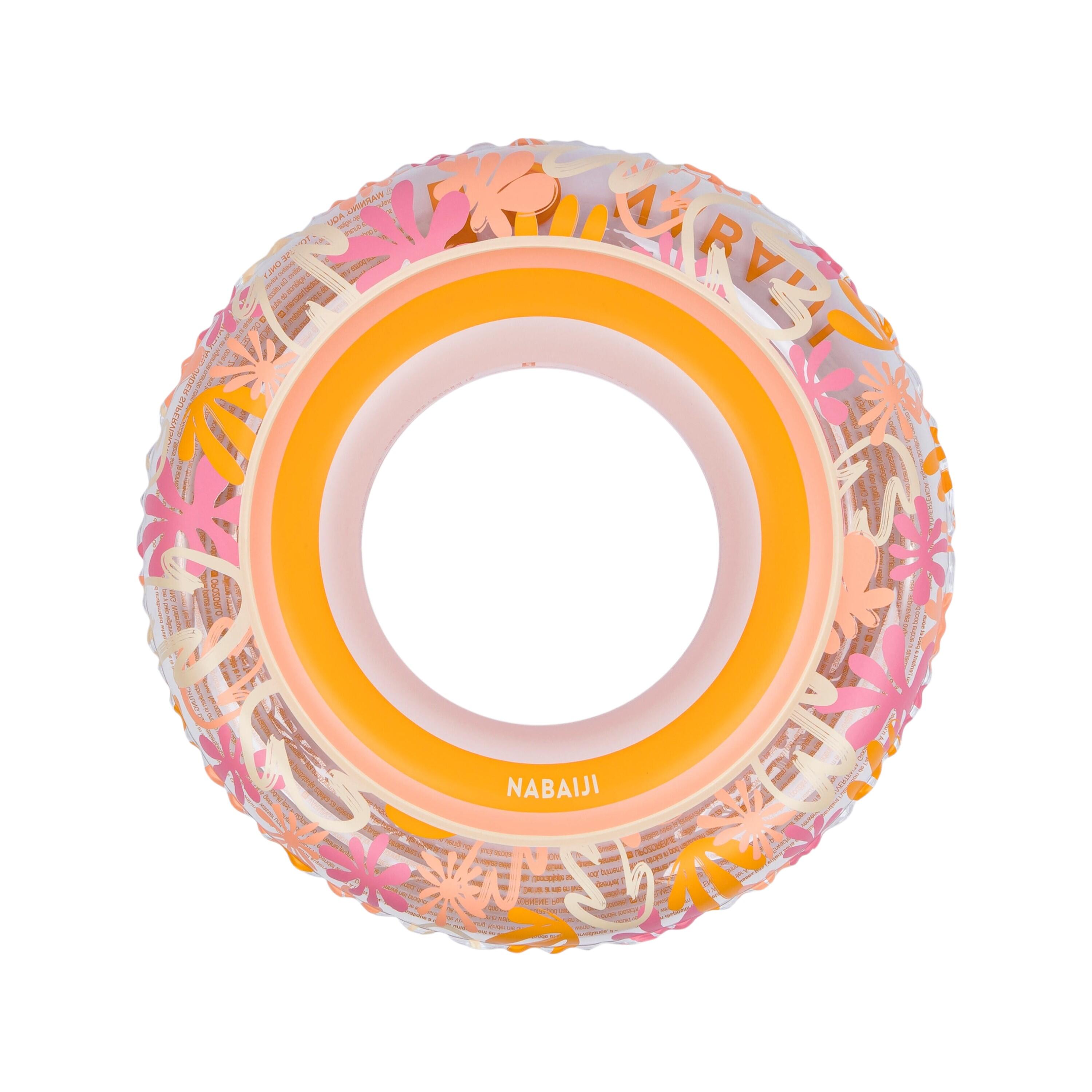
They are about comfort and protection rather than speed, but clearing those distractions lets you focus on technique. A kit usually grows from the basics, goggles and a cap for vision and drag, out to training aids like kickboards, pull buoys and other swimming aids, including swimming rings for recreational sessions. Treat them as proper kit choices, not afterthoughts, and the fit looks after itself.