8 items
4.5/5 based on 249 reviews collected online and in stores

Swimming Headphones FAQs

What swimming headphones can you use underwater?

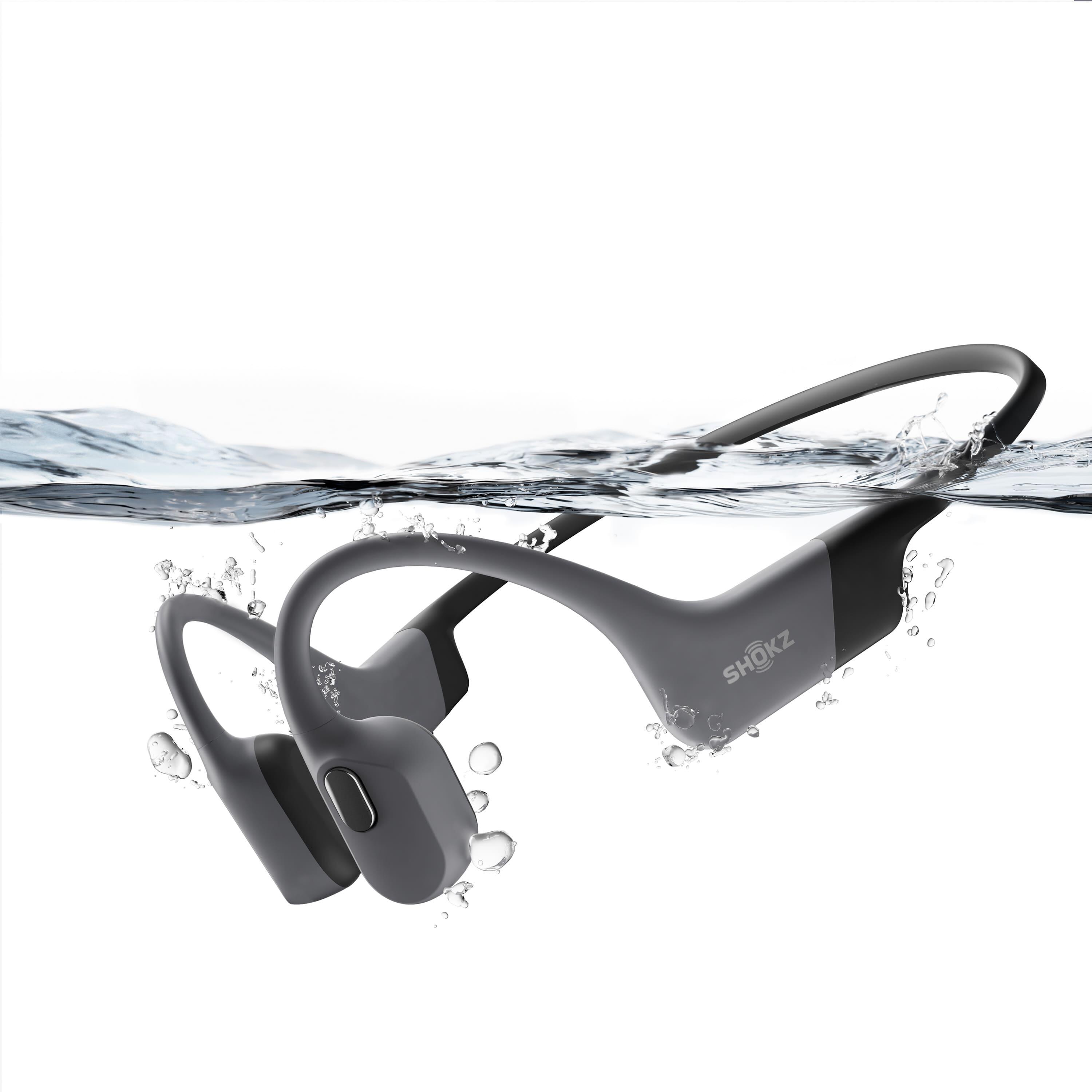
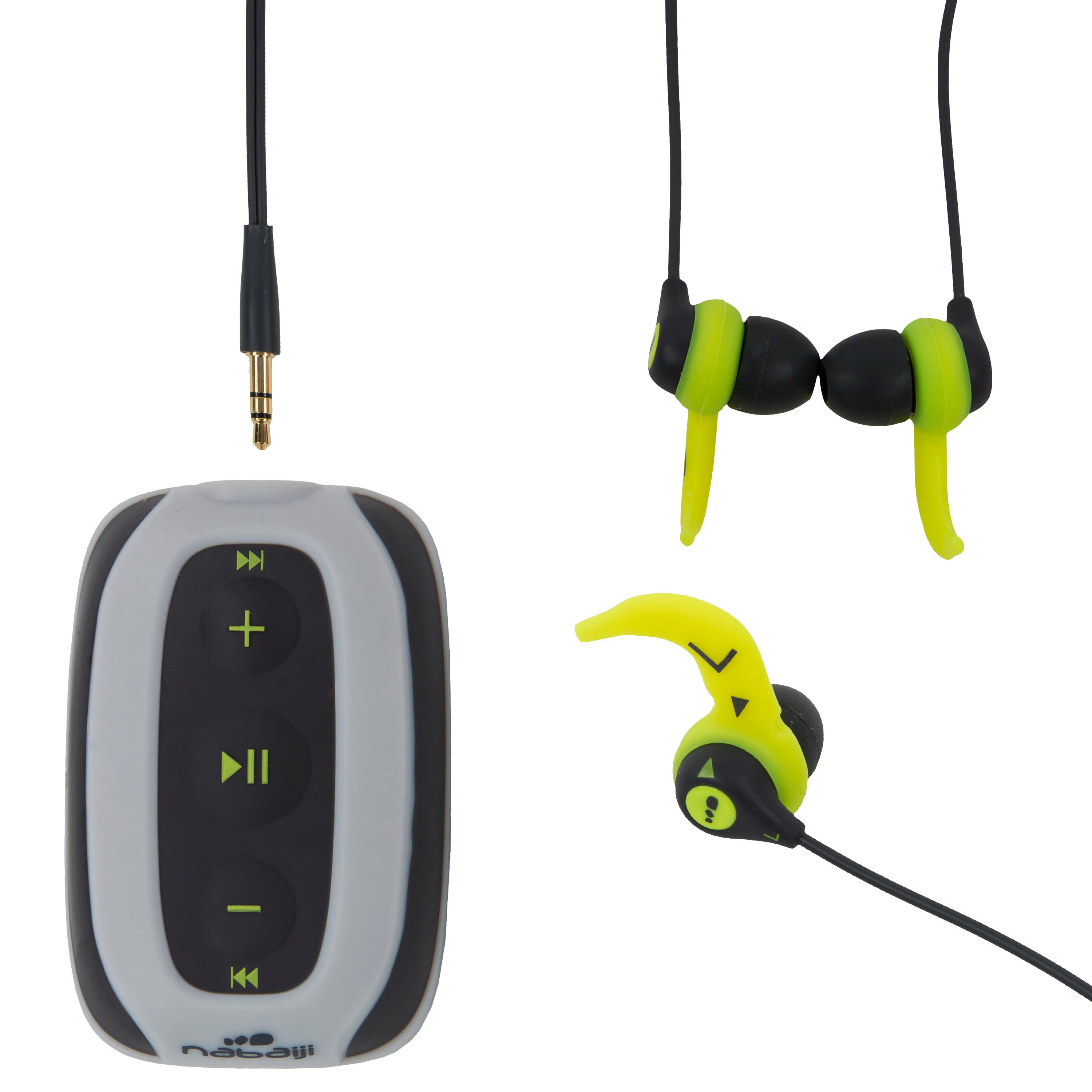
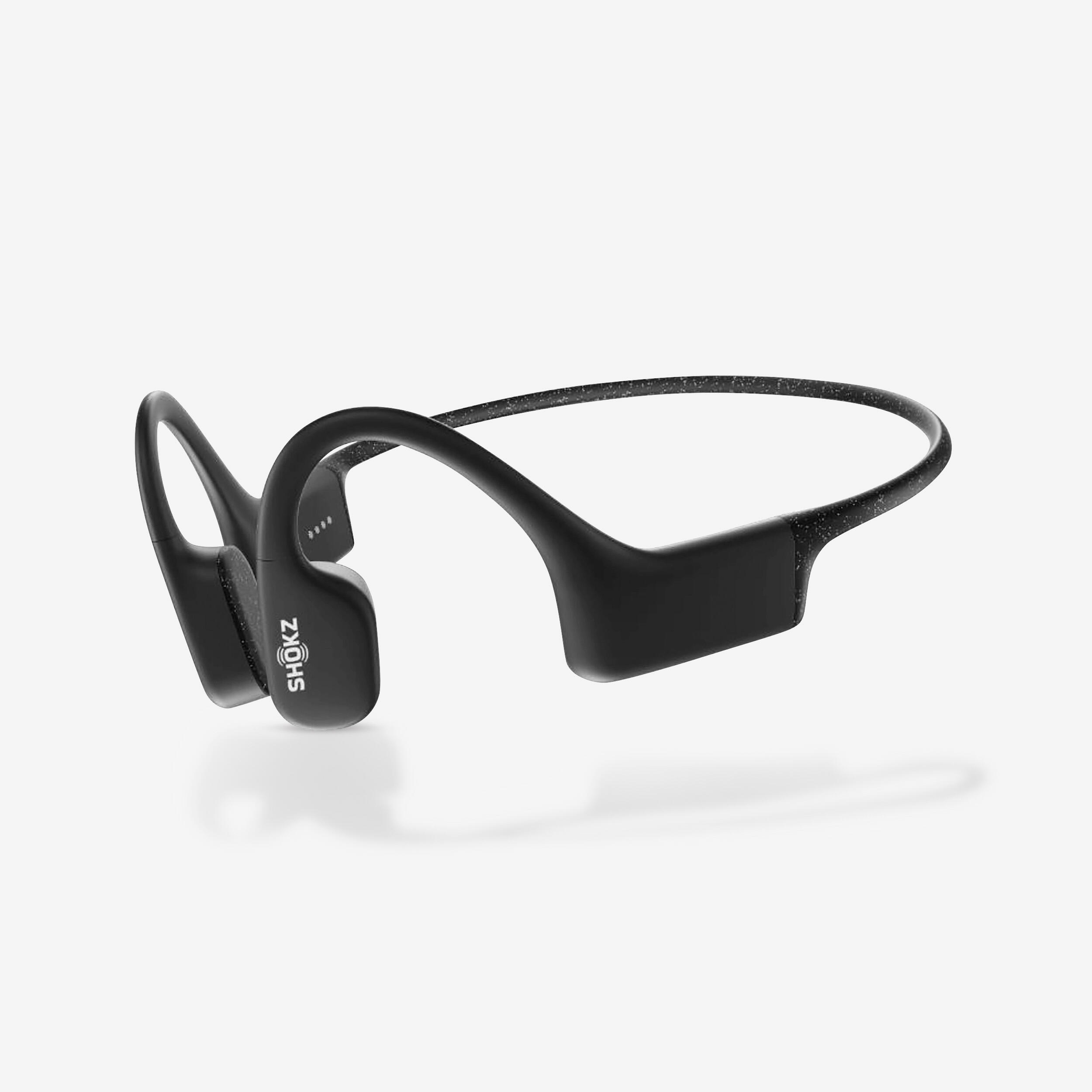
Look for an IP68 headset with internal music storage rather than ordinary water-resistant sport earphones. The Shokz models in this category support underwater listening through MP3 files stored directly on the headset. The standard bone conduction swimming headphones provide 4 GB of storage for approximately 1,200 tracks and up to eight hours of playback. Their IP68 rating supports immersion at depths of up to two metres within the stated usage limits. An IP rating for perspiration or water jets is not enough for lap swimming, so check that the product page specifically permits submersion before taking any headset into the pool.

How would bone conduction swimming headphones work?

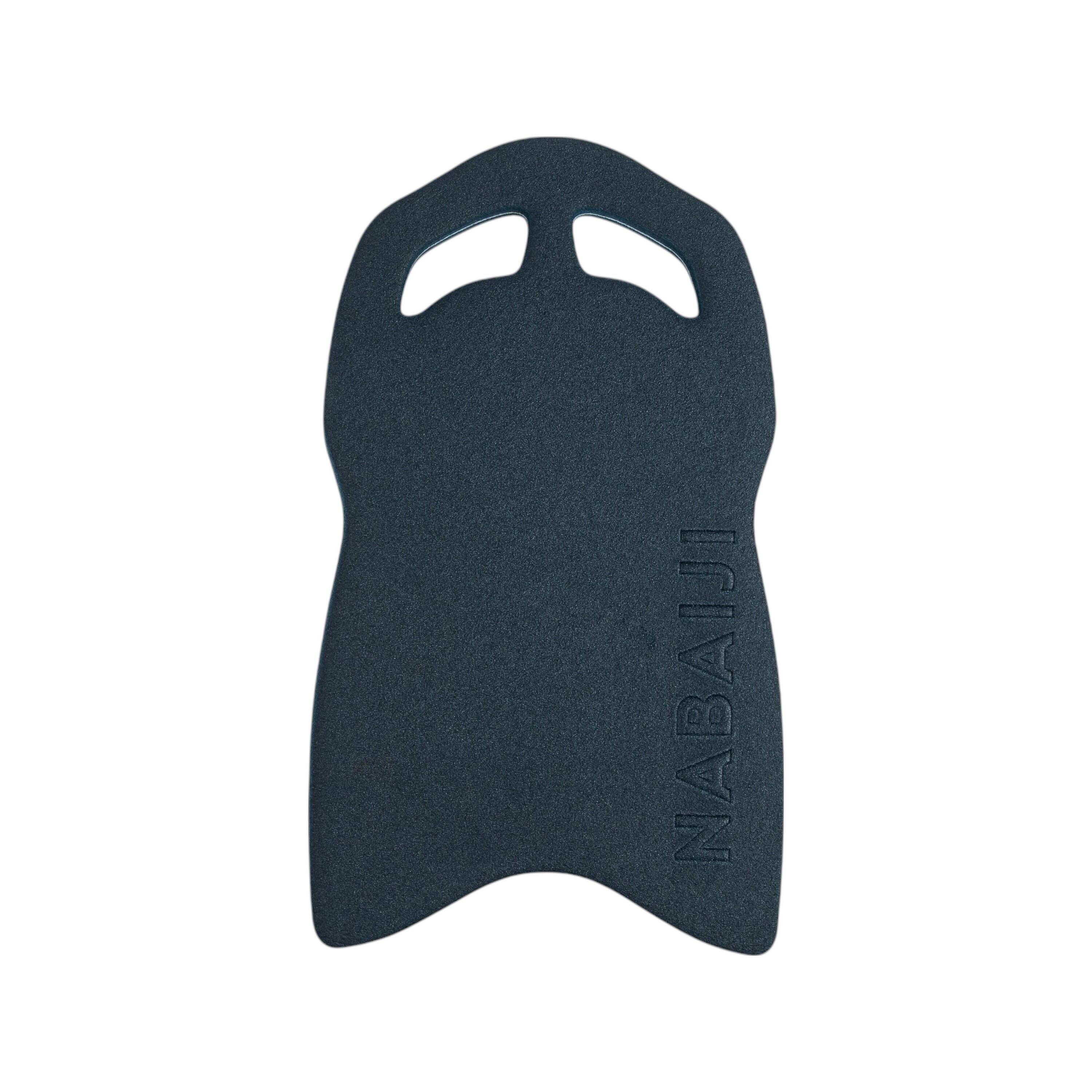
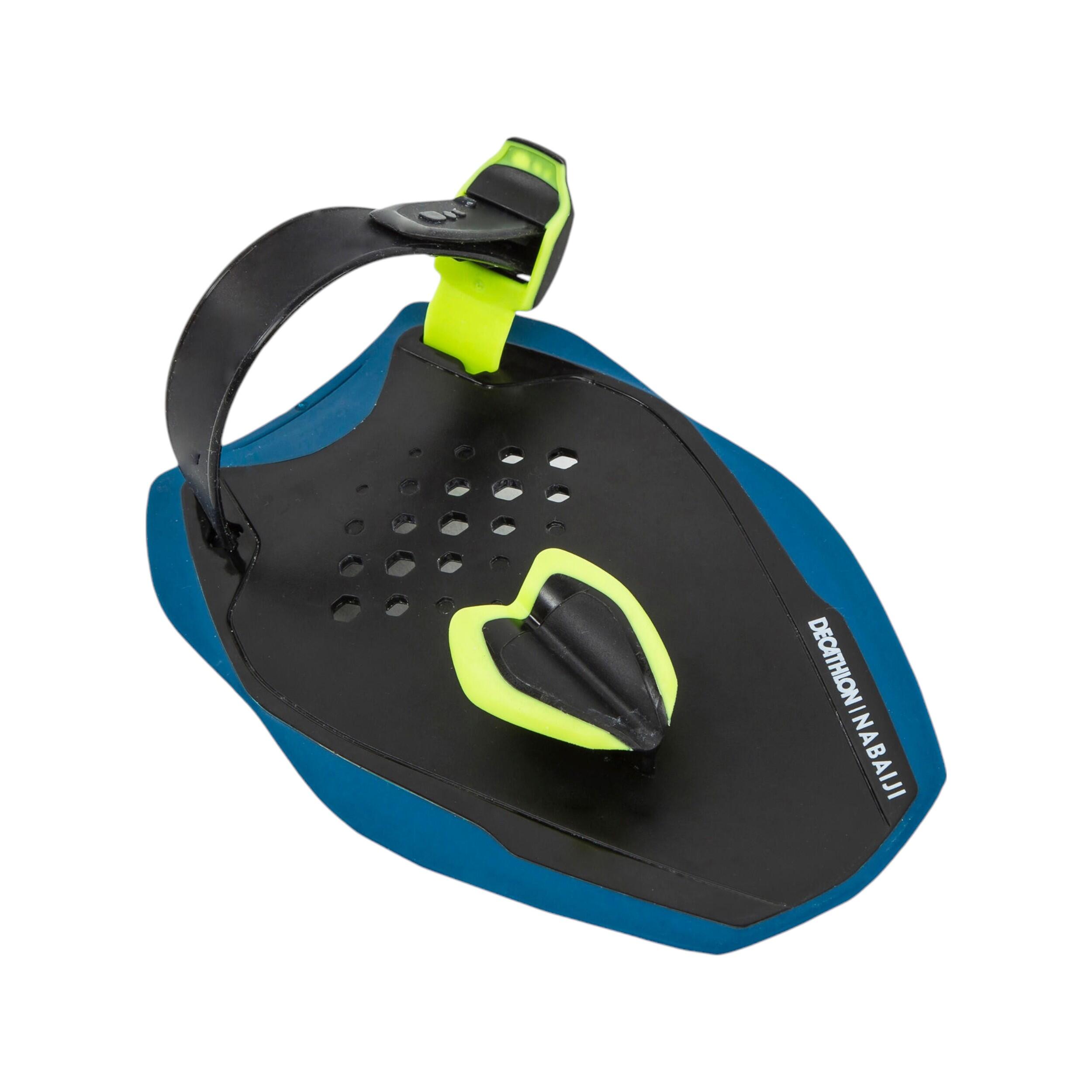
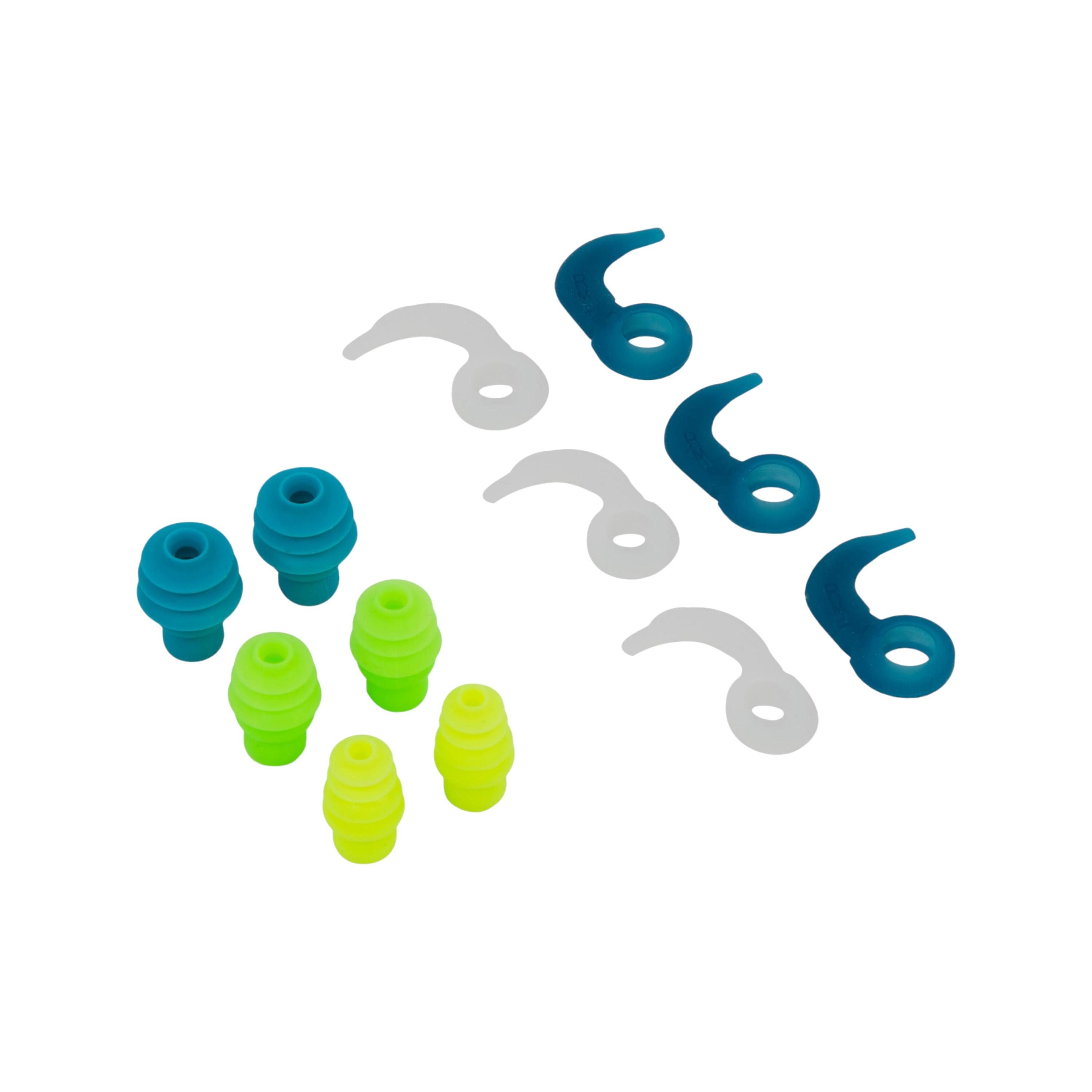
Bone conduction headsets send sound vibrations through the area around the ear rather than placing conventional speakers inside the ear canal. The open-ear construction can help the headset sit alongside goggles and beneath a swimming cap without sealing the ears. Shokz also supplies swimming earplugs, which may make underwater sound clearer by reducing the amount of pool noise reaching the ear canal. The flexible wraparound frame sits behind the head and needs to remain stable during pushing off, turning and regular strokes. These headphones form one part of a pool setup, alongside suitable goggles, caps and other swimming equipment. Test the headband and goggle-strap position before starting longer lengths.

What stands out as the difference between OpenSwim and OpenSwim Pro?

The standard OpenSwim is an MP3-only model with 4 GB of storage, capacity for approximately 1,200 tracks and up to eight hours of playback. Music needs to be transferred from a computer before swimming because the headset does not support Bluetooth. The OpenSwim Pro MP3 headset increases storage to 32 GB, holding approximately 8,000 regular-quality songs. It also adds Bluetooth for dry-land streaming and calls. Battery life is mode-dependent, reaching up to nine hours through Bluetooth and up to six hours in MP3 mode. The Pro also supports fast charging, with a ten-minute charge providing approximately three hours of listening. Each model uses its own compatible charging connection.

Can Bluetooth earphones be used while swimming?

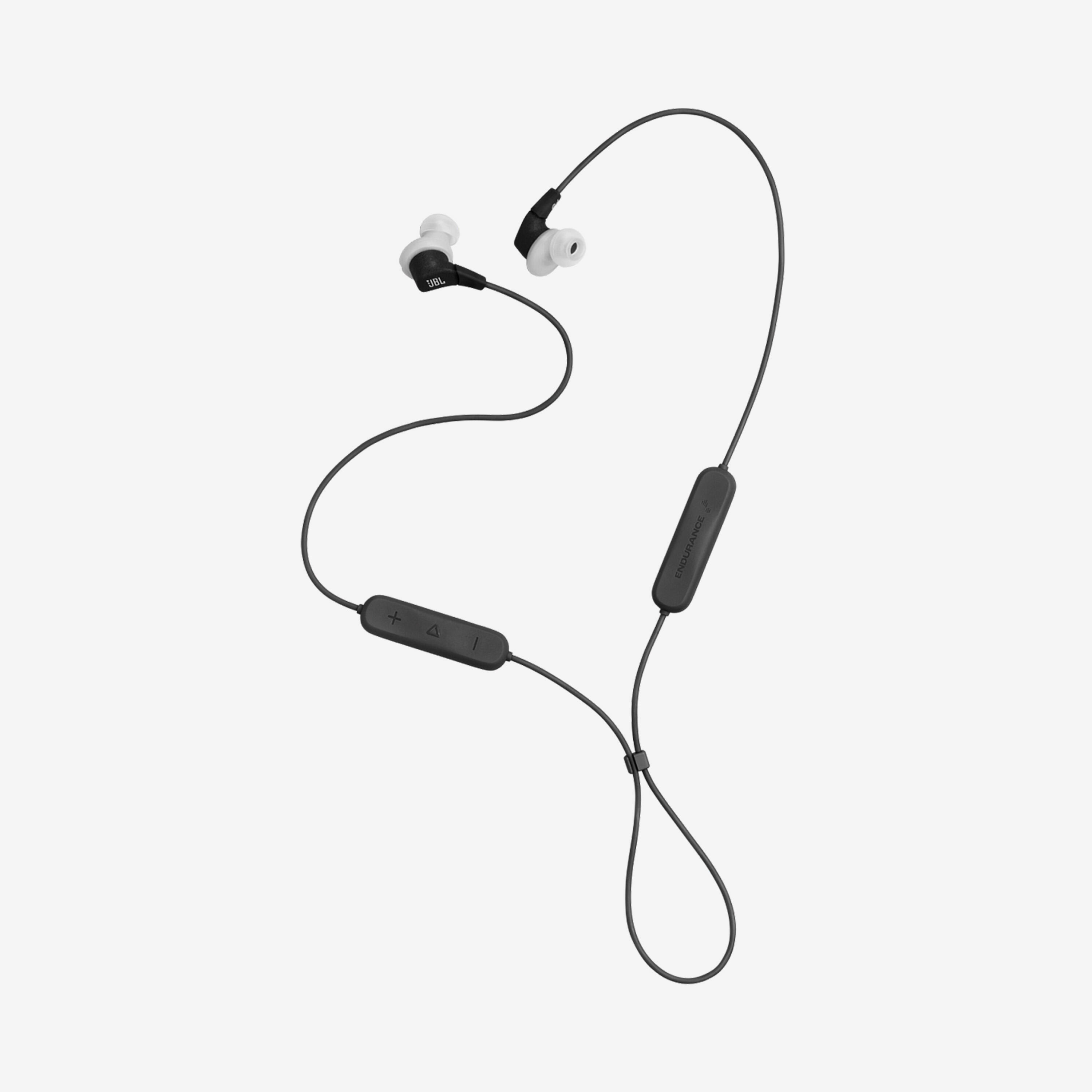
Bluetooth signals do not transmit reliably through water, so even a waterproof headset must use internal MP3 playback during swimming. The OpenSwim Pro therefore needs to be switched from Bluetooth to MP3 mode before entering the pool. Conventional Bluetooth wireless earphones in this category carry an IP65 rating for dust, perspiration and water jets, but they are not rated for underwater immersion. Their in-ear fit, microphone, call and voice assistant functions and long battery life suit running or gym sessions rather than lap swimming. Do not confuse sweat resistance, rain protection or permission to rinse a product with approval for submersion in a pool or open water.

How should you care for swimming headphones?

Rinse suitable waterproof headphones with clean, fresh water after swimming, particularly following salt-water use. Shokz guidance for the Pro model recommends soaking the headset in fresh water for approximately 30 minutes after exposure to salt water. Dry the headset and charging contacts completely before connecting the magnetic cable, transferring files or starting a recharge. Moisture or salt around the contacts may interfere with charging and operation. Keep the headset away from saunas and other high-temperature environments, even when it carries an IP68 rating. Store the headphones in their case without sharply bending the wraparound frame. Check the supplied cable before travel because the standard and Pro charging systems are not interchangeable. Other useful pool items can be organised through swimming accessories.