61 items
4.5/5 based on 34174 reviews collected online and in stores

Trail Running Energy Drinks FAQs

How do you choose between electrolytes and hydration drinks for trail running?

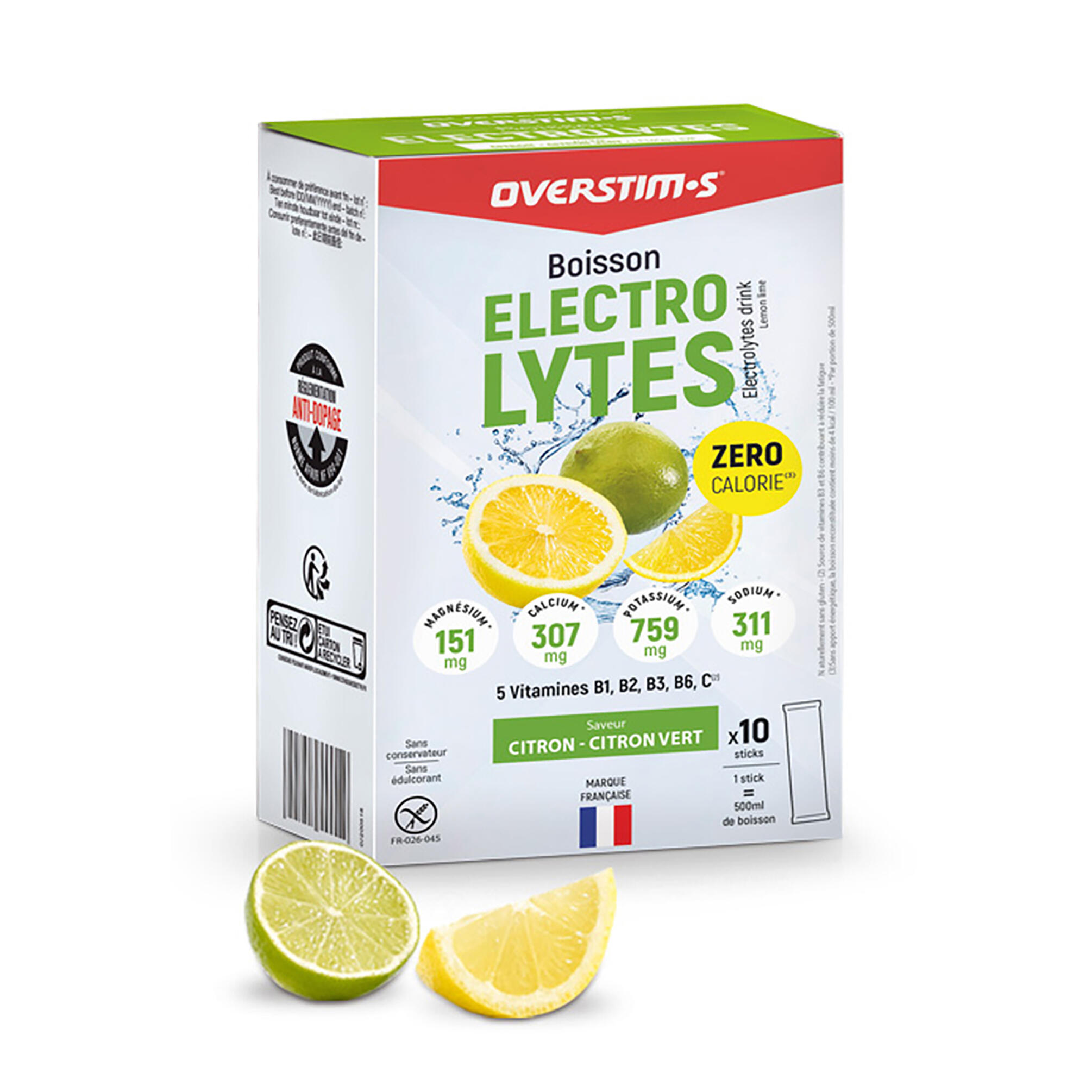
Match the drink to the length and intensity of your run, not just the flavour. Energy drinks for trail running can support hydration, carbohydrate intake or both, depending on the formula. Sweat removes water and minerals such as sodium, potassium, magnesium and calcium. An electrolyte-only drink replaces minerals with very little carbohydrate, so it suits shorter sessions, hot conditions or runners who take energy from separate food. An isotonic drink supplies fluid, electrolytes and carbohydrate together, making it more useful when energy demand rises. The lemon electrolyte powder drink with no added sugar uses a measured 7 g scoop in 500 ml of water, helping you mix the same strength each time.
When is a sugar-free electrolyte drink useful on the trail?

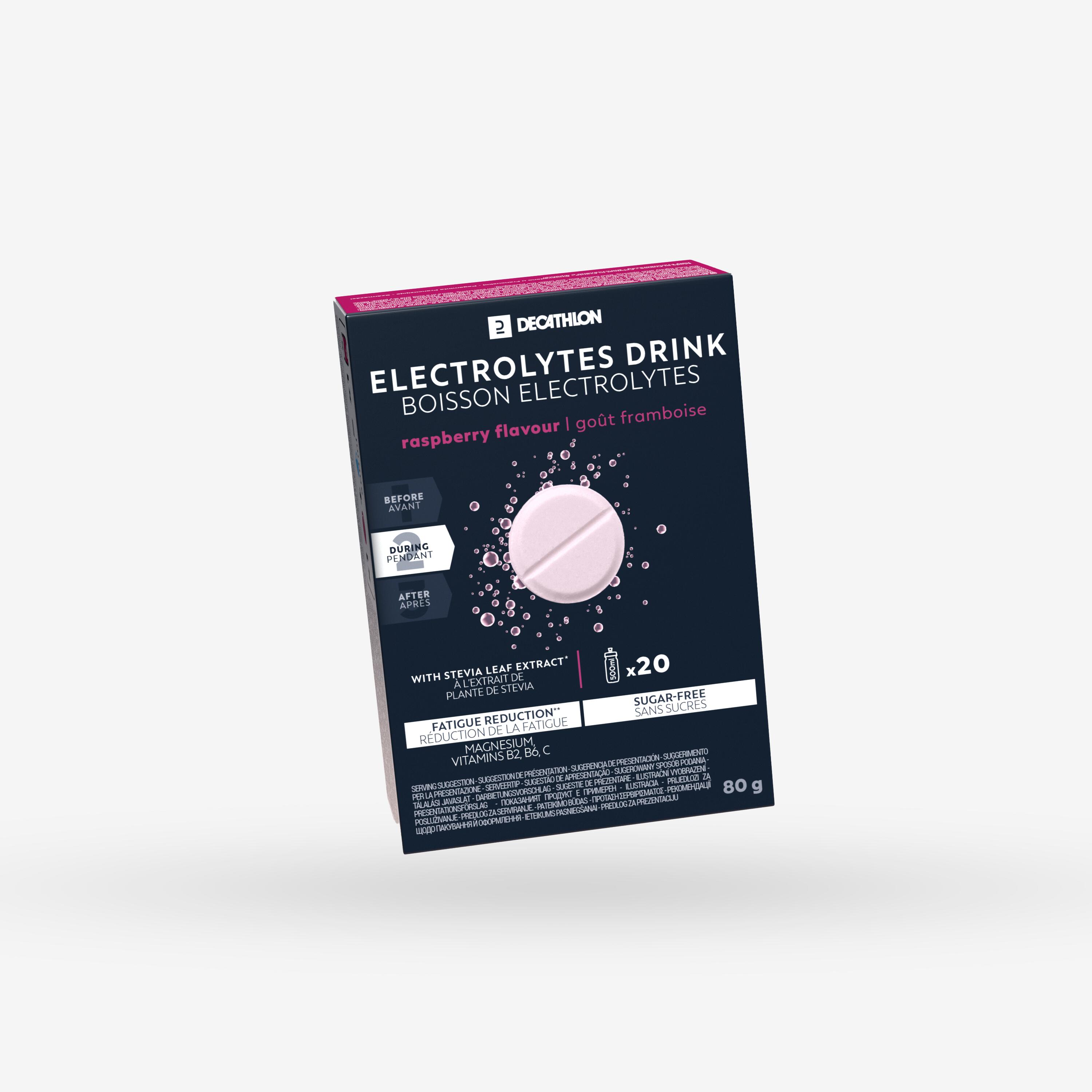
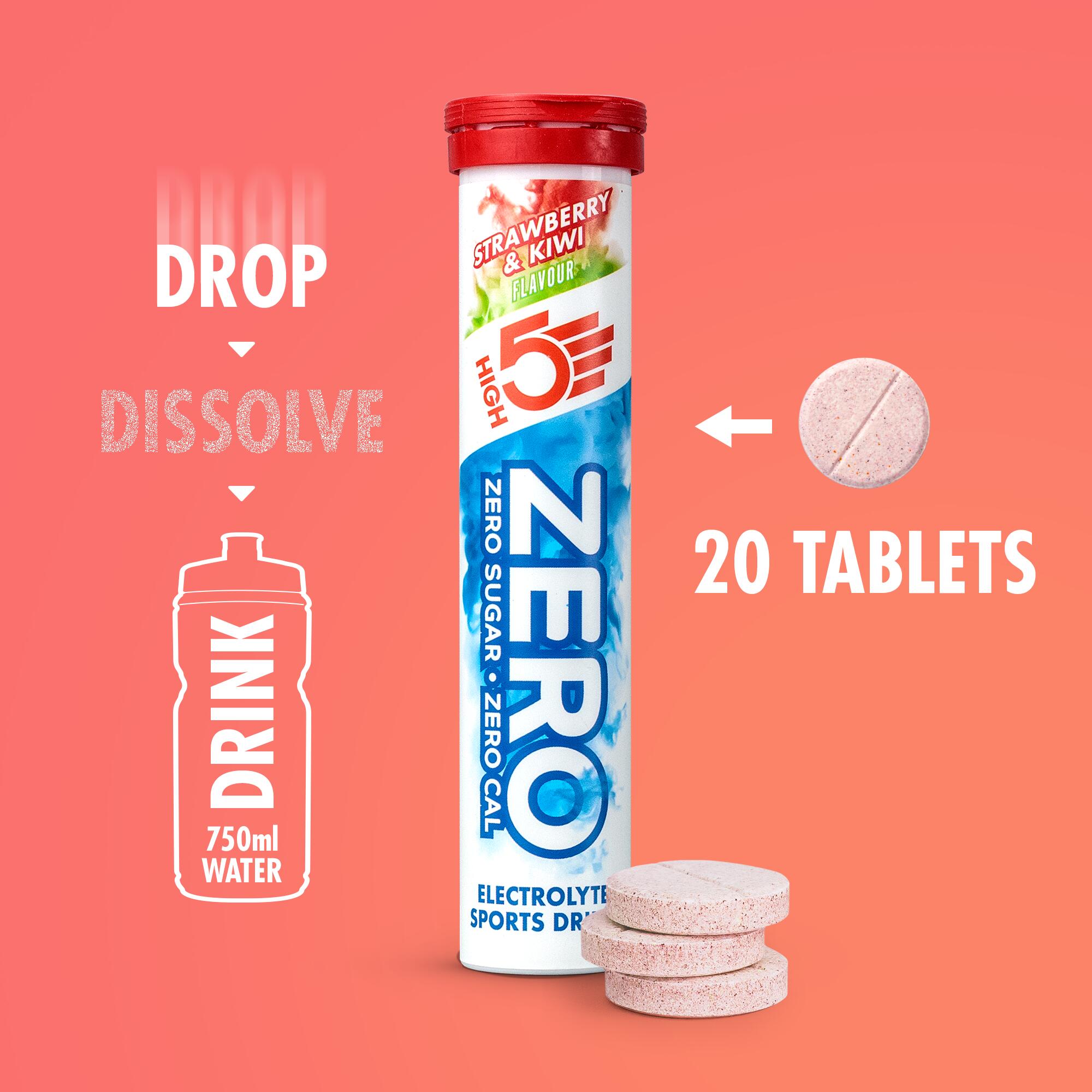
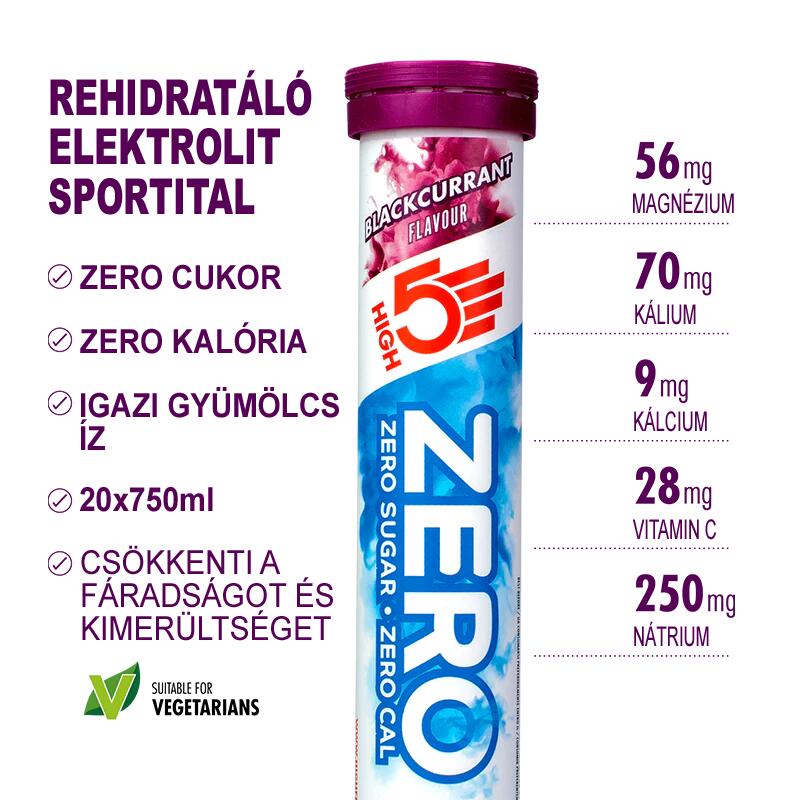
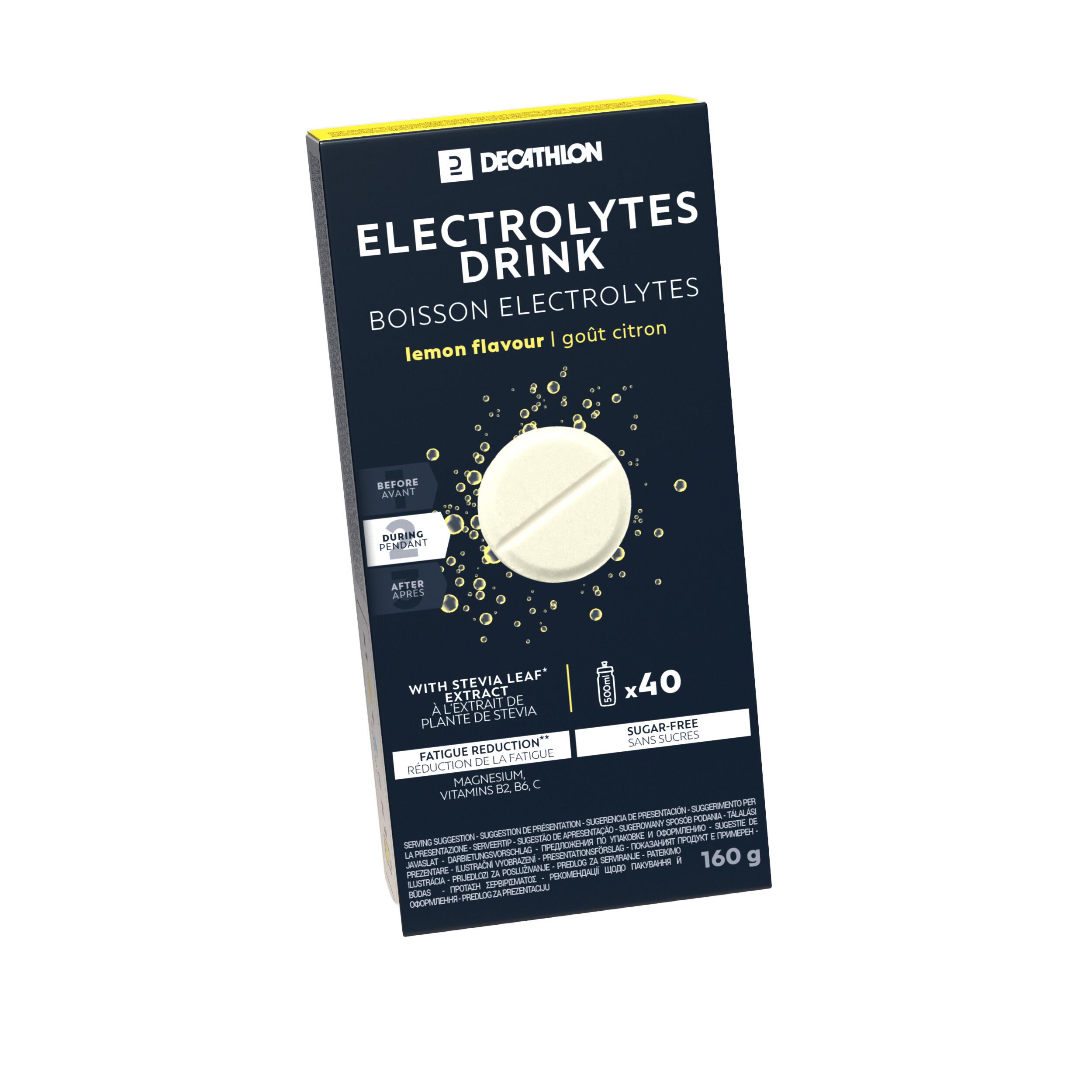
A sugar-free electrolyte drink supports hydration without adding a full carbohydrate load. It works well for easy runs, shorter races or warm sessions where sweat loss is the main concern. It is also useful when gels, bars or other foods already cover your energy needs. Compact sugar-free electrolyte drink tablets are easy to carry in a vest, and one tablet prepares 500 ml of drink. Because the drink is slightly effervescent, leave the flask's bite valve open briefly after mixing. This releases pressure and prevents an unexpected spray when you drink. Pro tip: test the flavour and concentration during training before using it in a race.

What does an isotonic powder energy drink provide during longer runs?

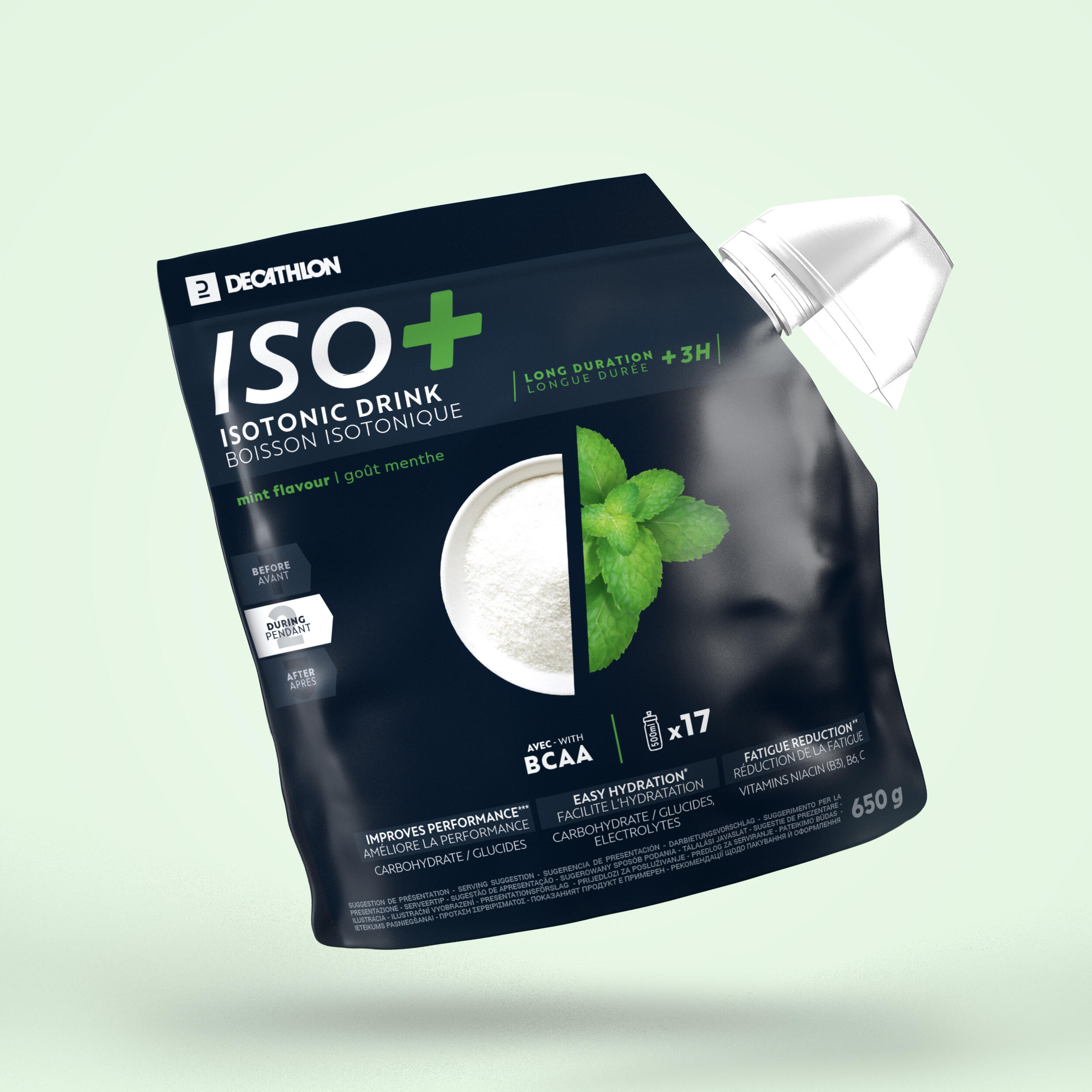
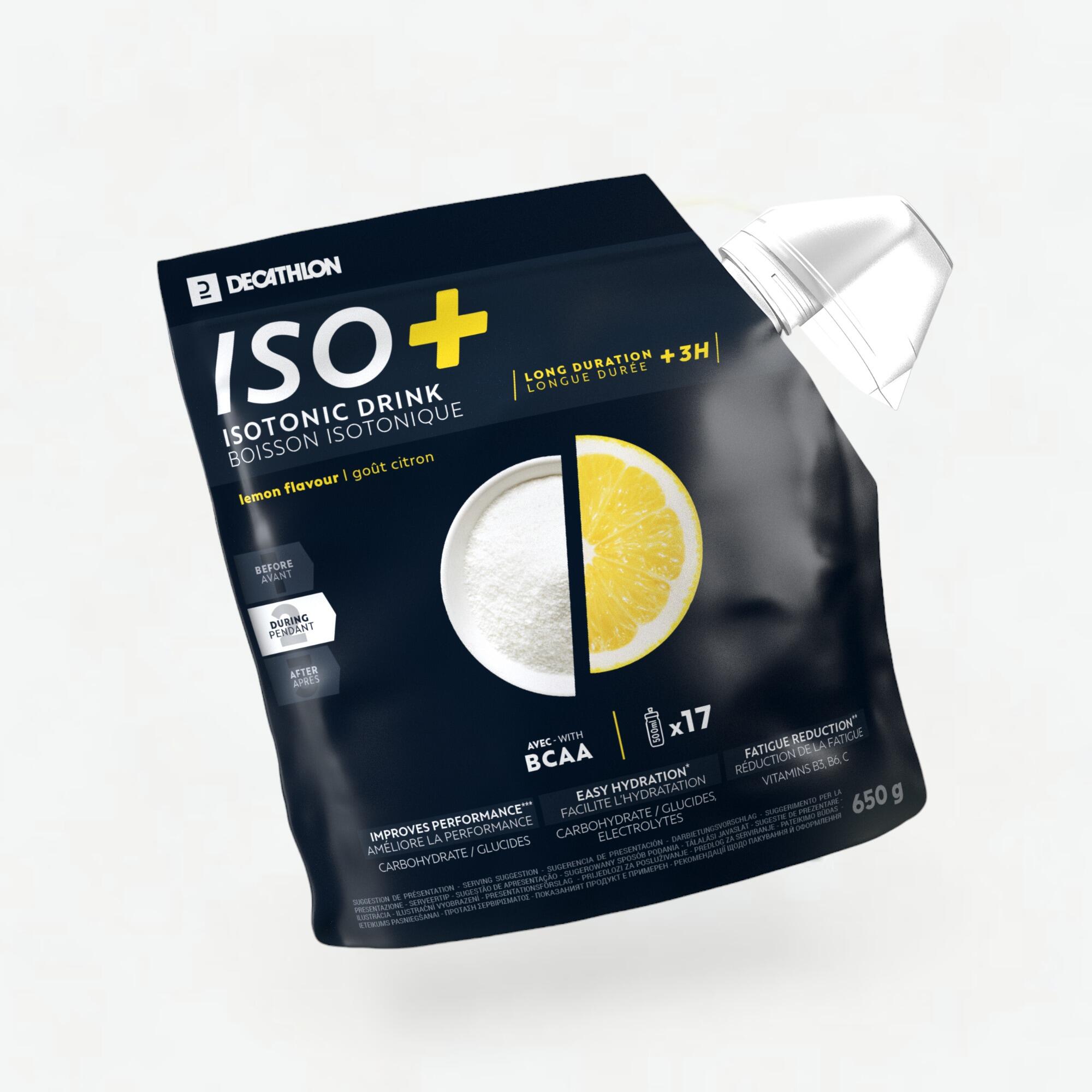
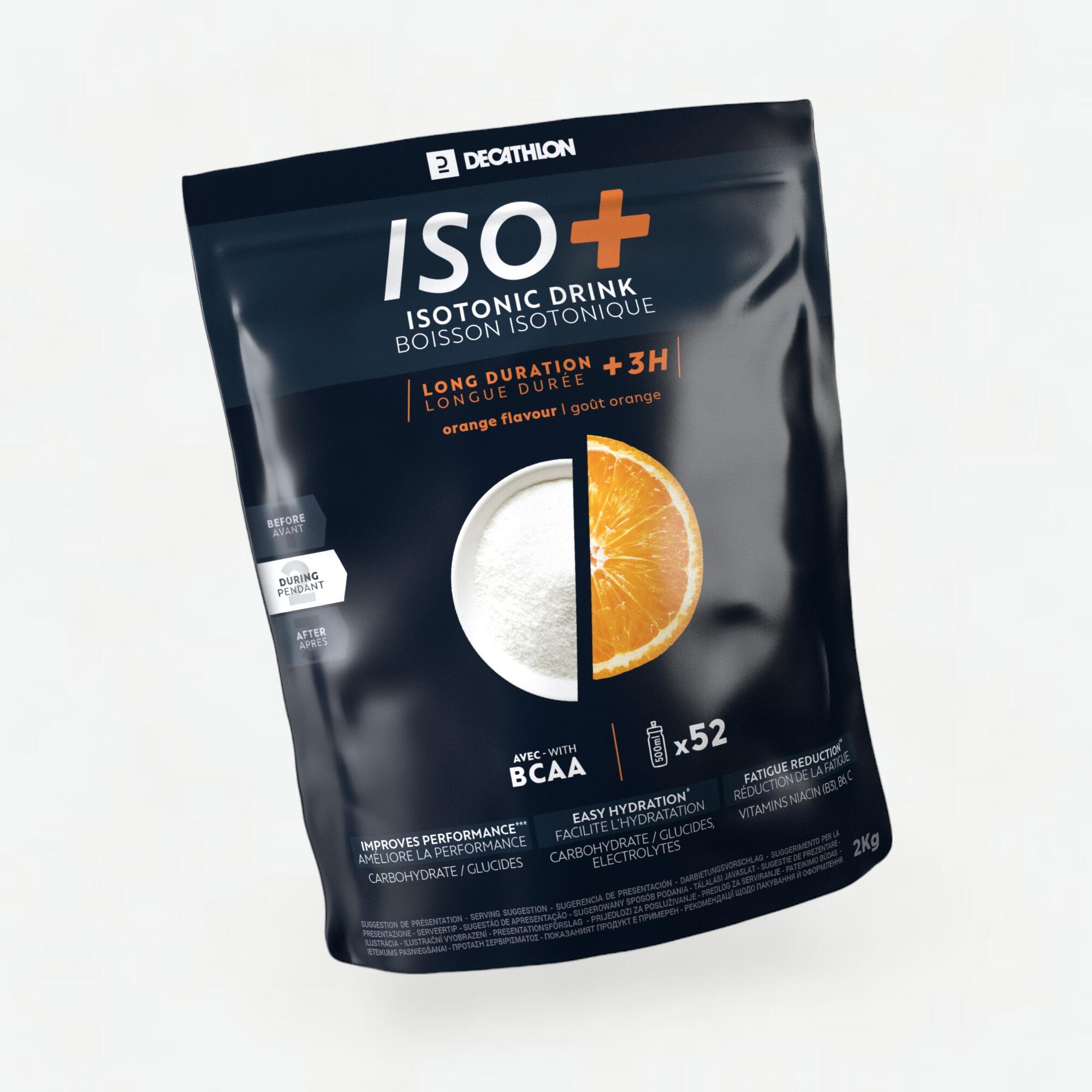
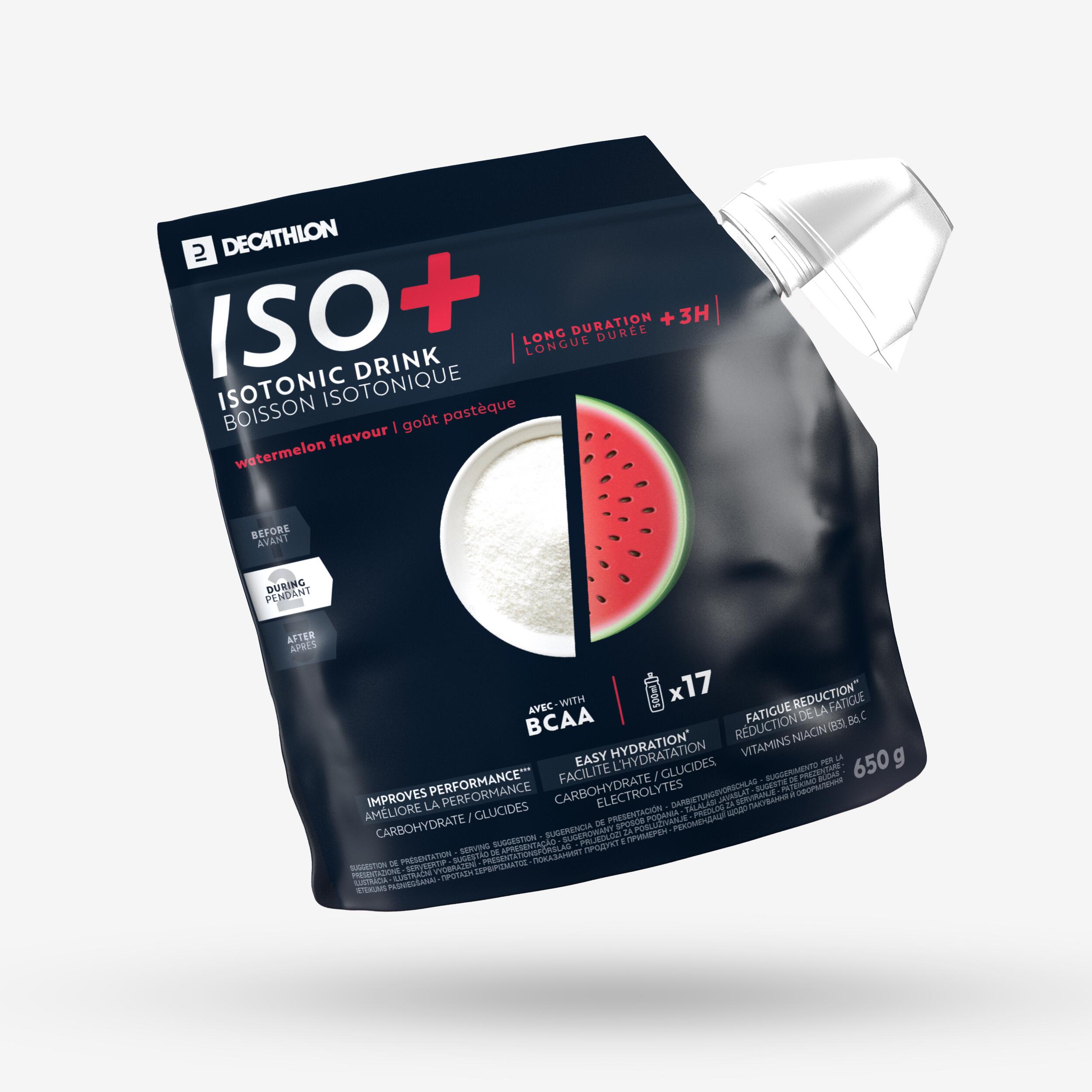
An isotonic powder energy drink combines water, carbohydrates and electrolytes in a concentration that is practical to consume while moving. Carbohydrates help maintain the working muscles' fuel supply, while sodium helps retain fluid and replaces part of what is lost in sweat. Decathlon separates ISO drinks for efforts of about one to three hours from ISO+ formulas for sessions lasting more than three hours. An ISO Organic isotonic drink also offers an option made with ingredients from organic farming and acerola-derived vitamin C. Longer outings normally need food as well as drink, so combine your bottle plan with suitable trail running energy intakes. Avoid making the mix stronger than instructed, as an overly concentrated drink may feel heavy in your stomach.

How is lemon powdered maltodextrin used before a long trail event?

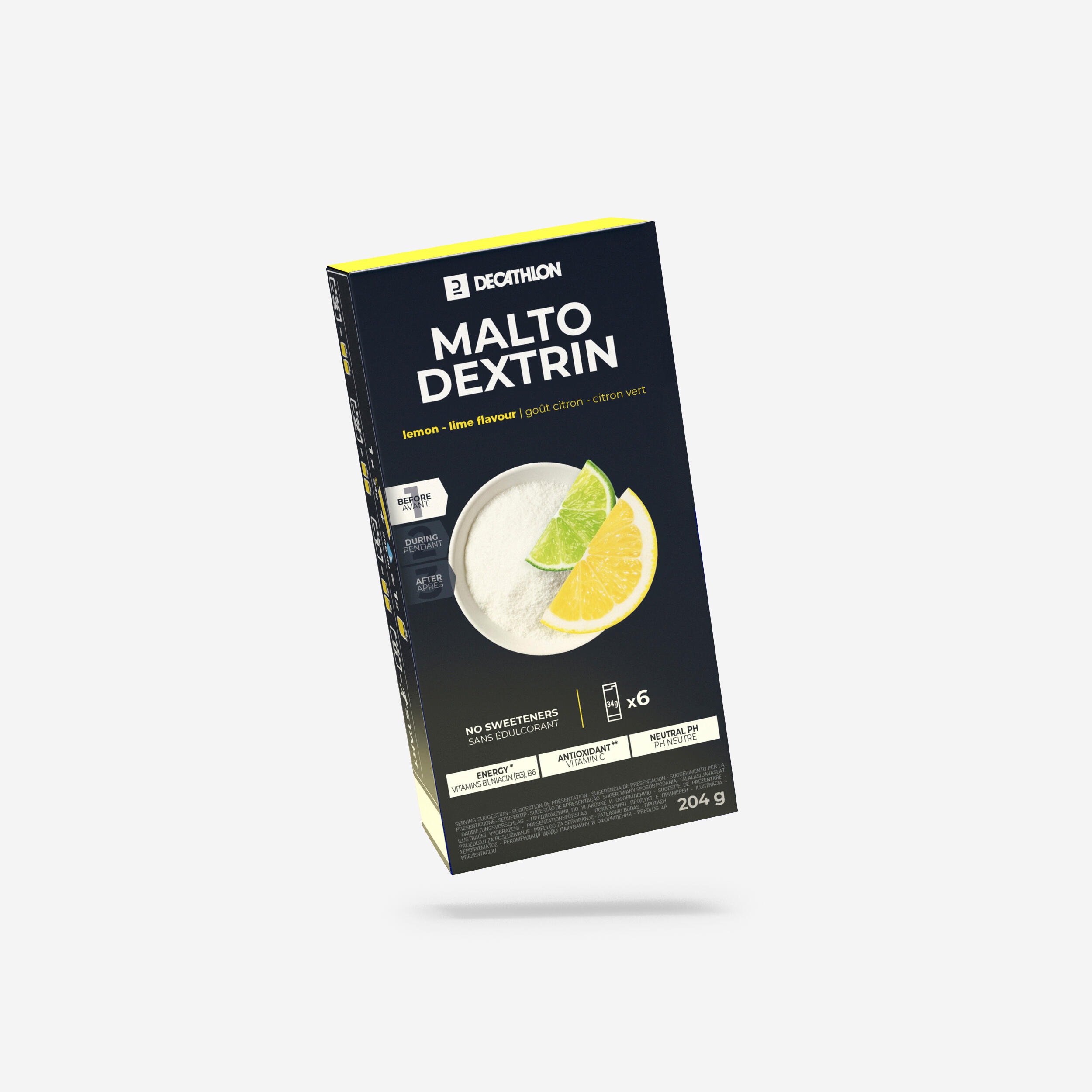
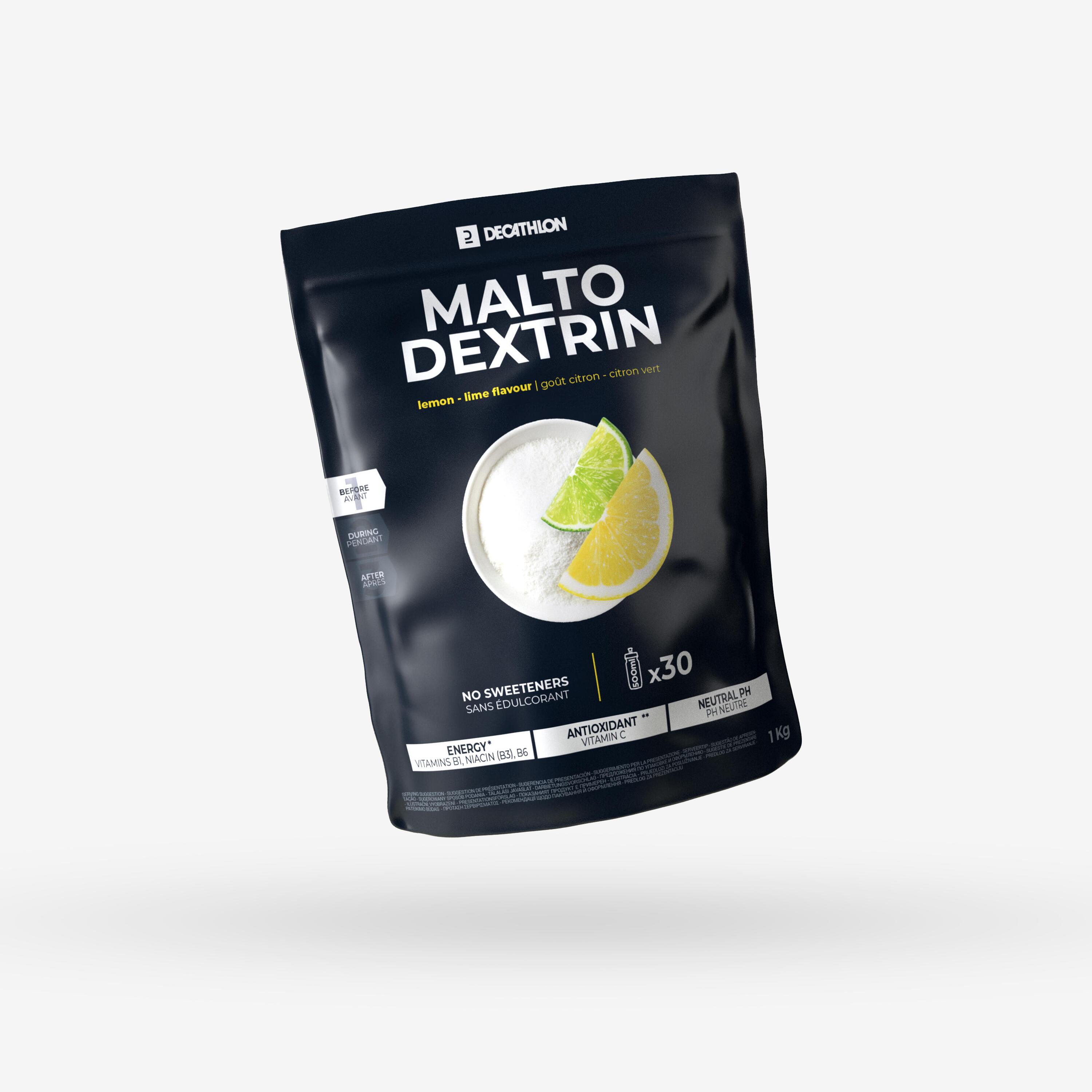
Maltodextrin is a carbohydrate composed of shorter glucose chains and has a lower sweetness intensity than many simple-sugar drinks. Decathlon positions its lemon powdered maltodextrin for building carbohydrate reserves before events lasting more than three hours. The stated preparation is 34 g in 500 ml of water, with two bottles per day during the three days before the event. This differs from an isotonic drink, which is typically consumed during exercise. Your normal meals still matter, and any pre-event plan should be tested before an important run. Once mixed, consume the drink by the end of the day because the formula contains no preservatives.

How should you plan trail running electrolyte hydration for different distances?

Start with your expected duration, temperature, elevation and access to water. A short run in mild weather may need only water, while a hot or hilly session can increase sweat loss even when the distance is modest. For longer runs, plan for both fluid and carbohydrate intake rather than relying on one product to do it all. The wider trail running nutrition and hydration selection helps you compare drinks with gels, bars and carrying options. Sip at regular intervals instead of waiting until you feel very thirsty, but adjust the amount to your sweat rate and conditions. Keep powders and tablets tightly closed in a cool, dry place, and finish mixed drinks within the stated storage guidance.