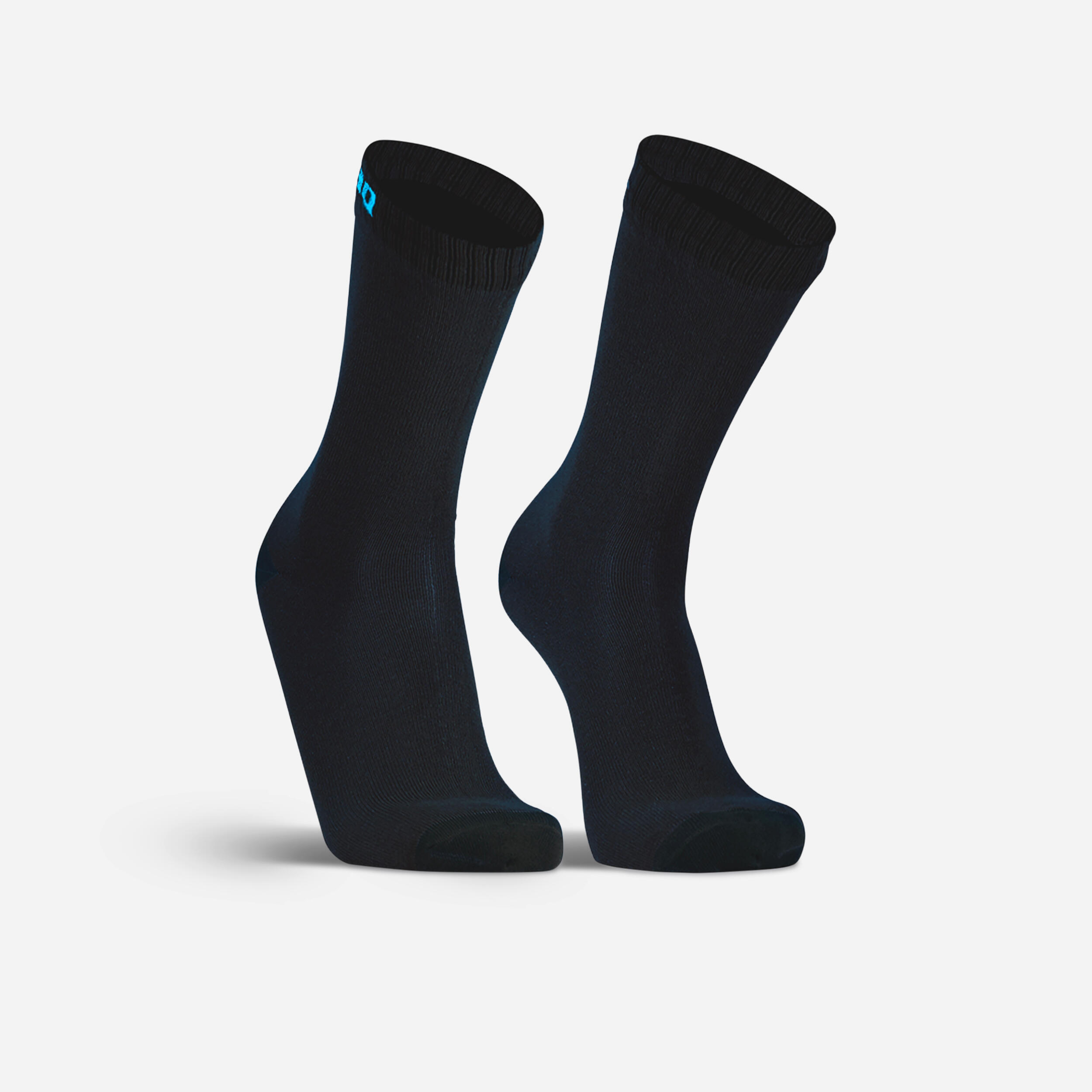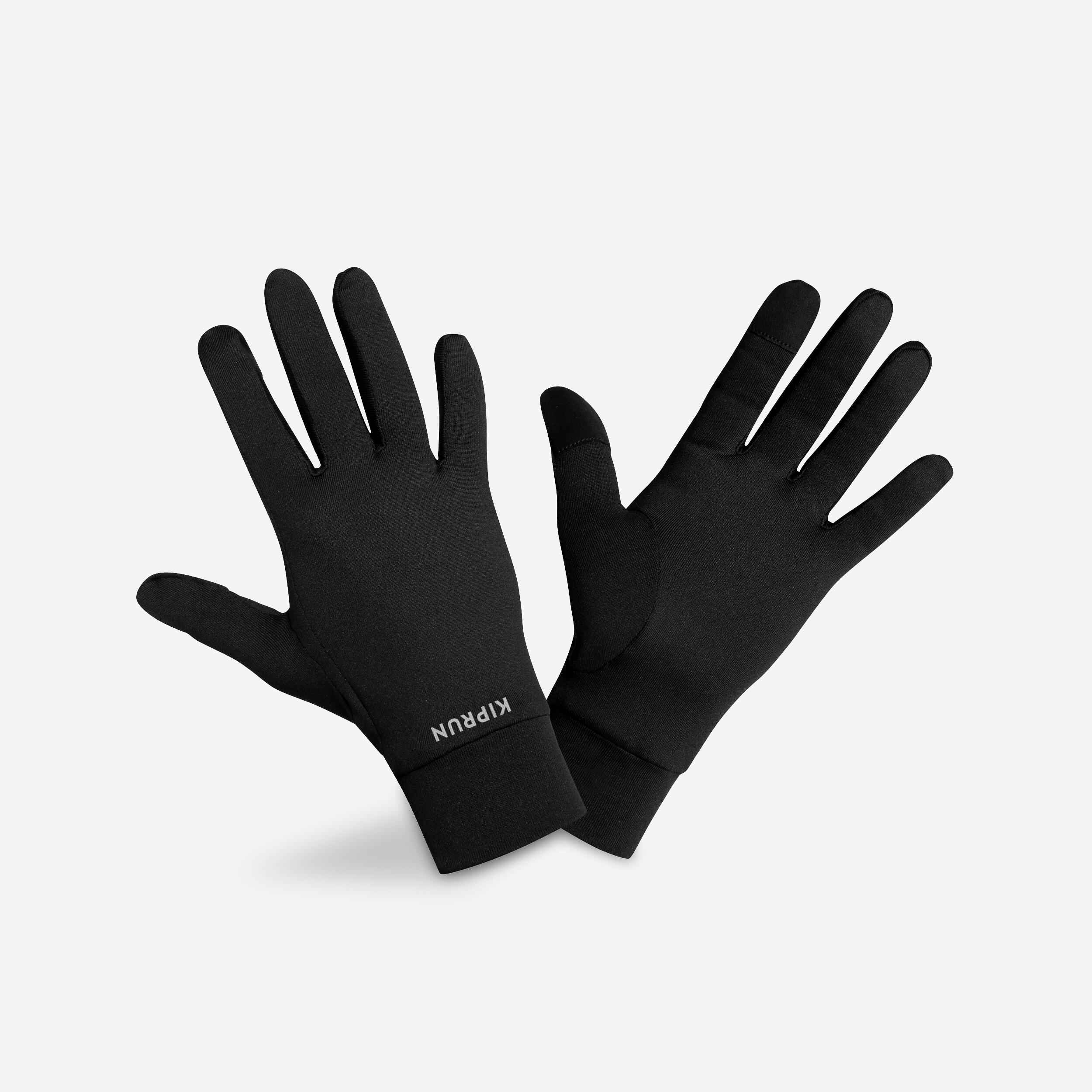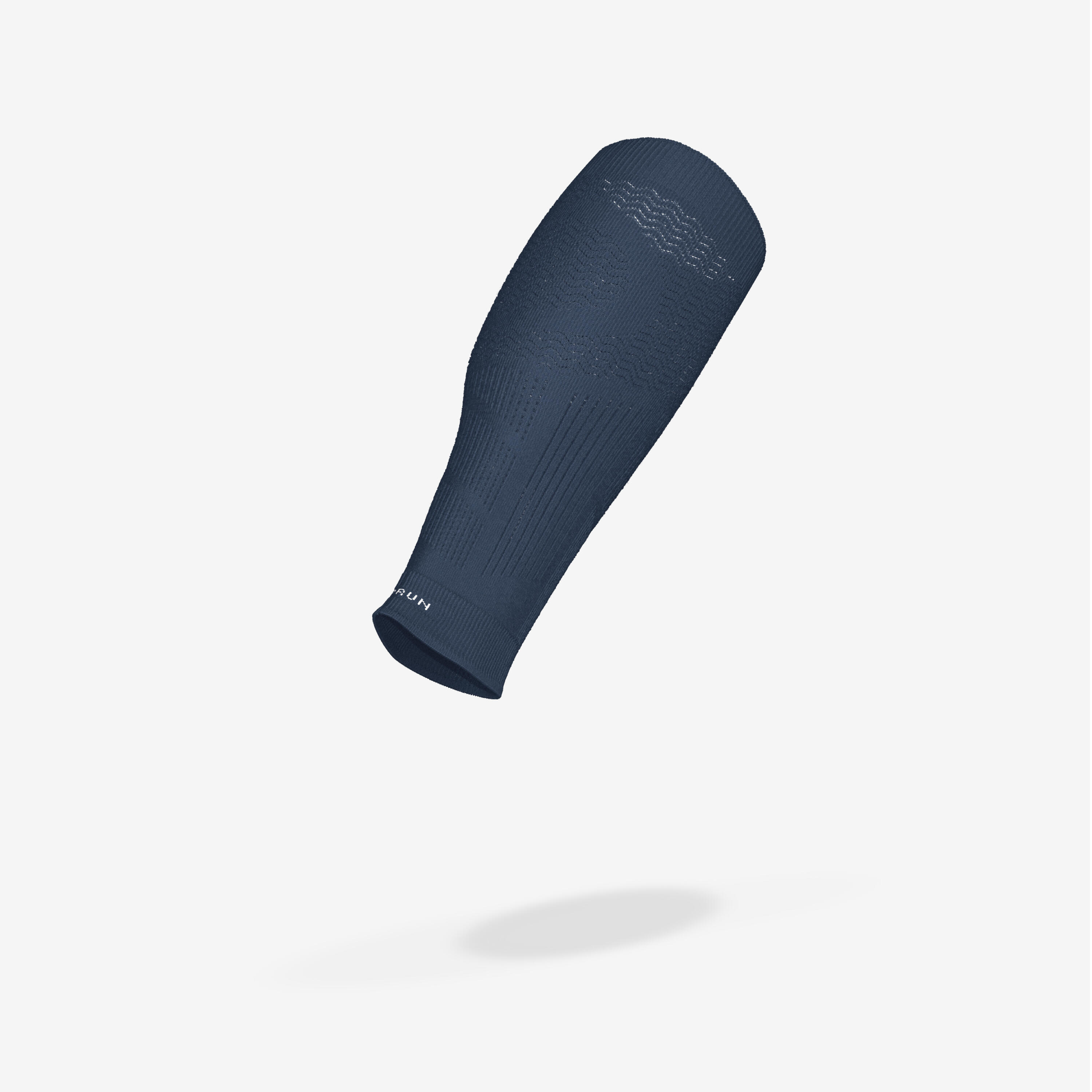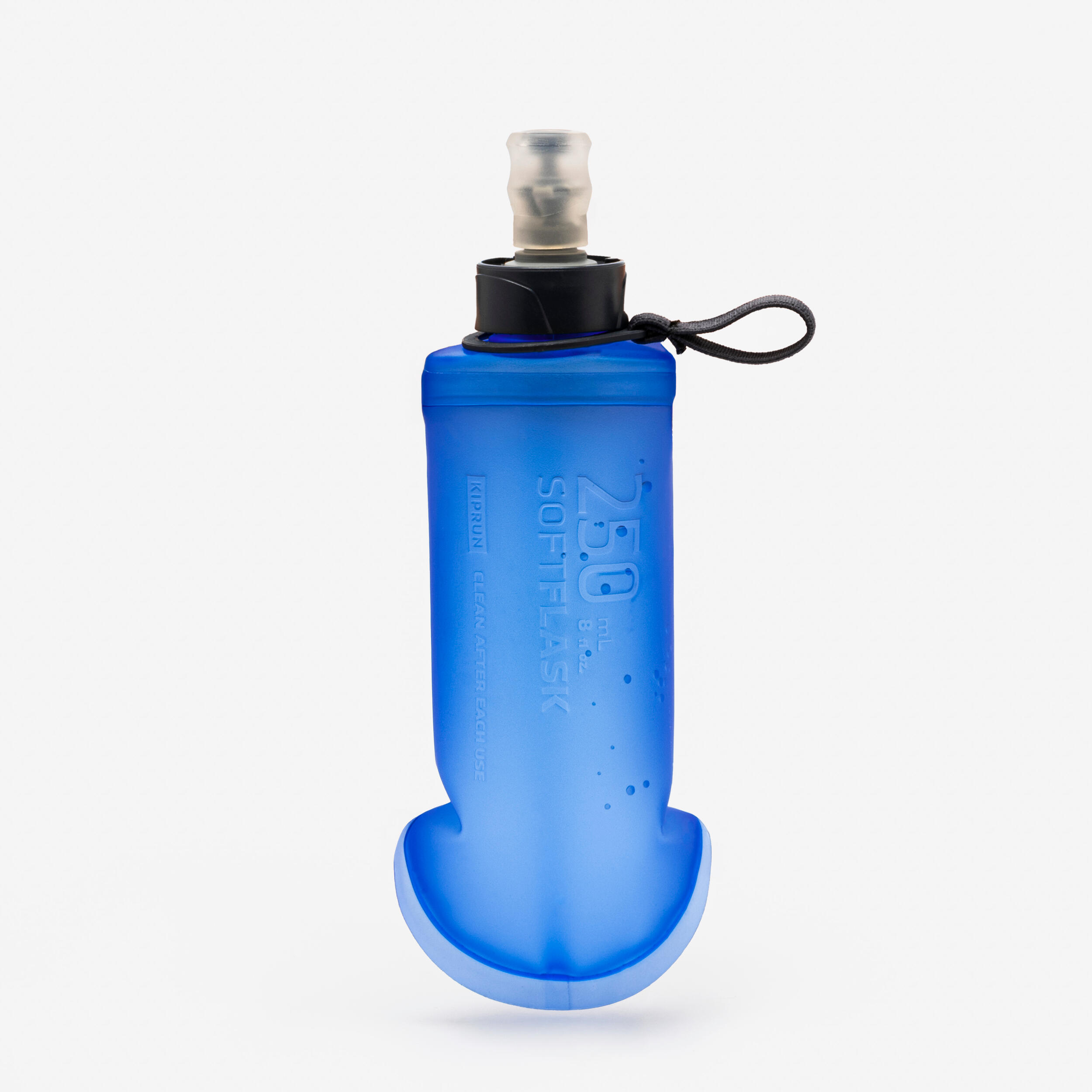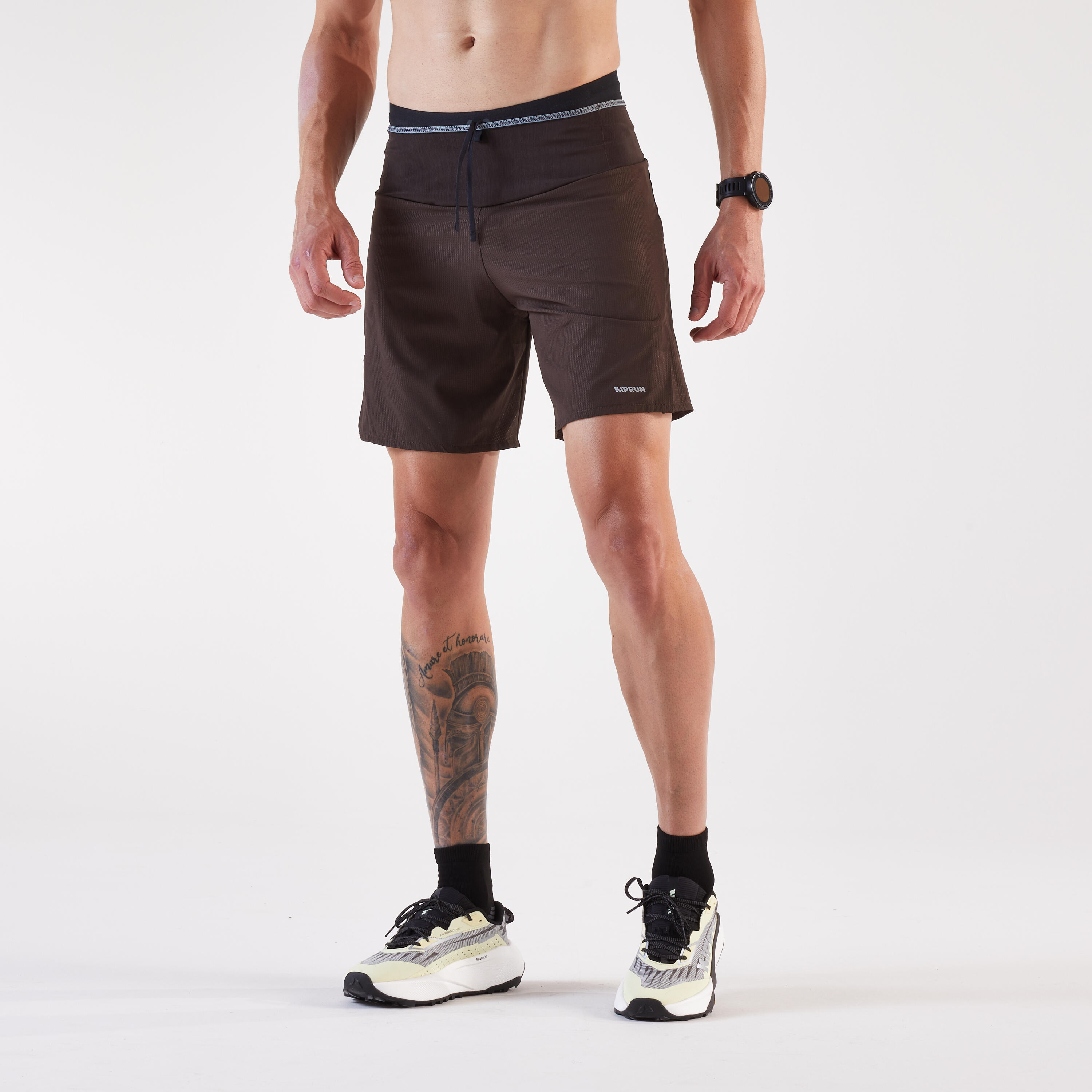



12,219 items
4.5/5 based on 2846413 reviews collected online and in stores

Trail Running FAQs

What kind of activity is trail running?

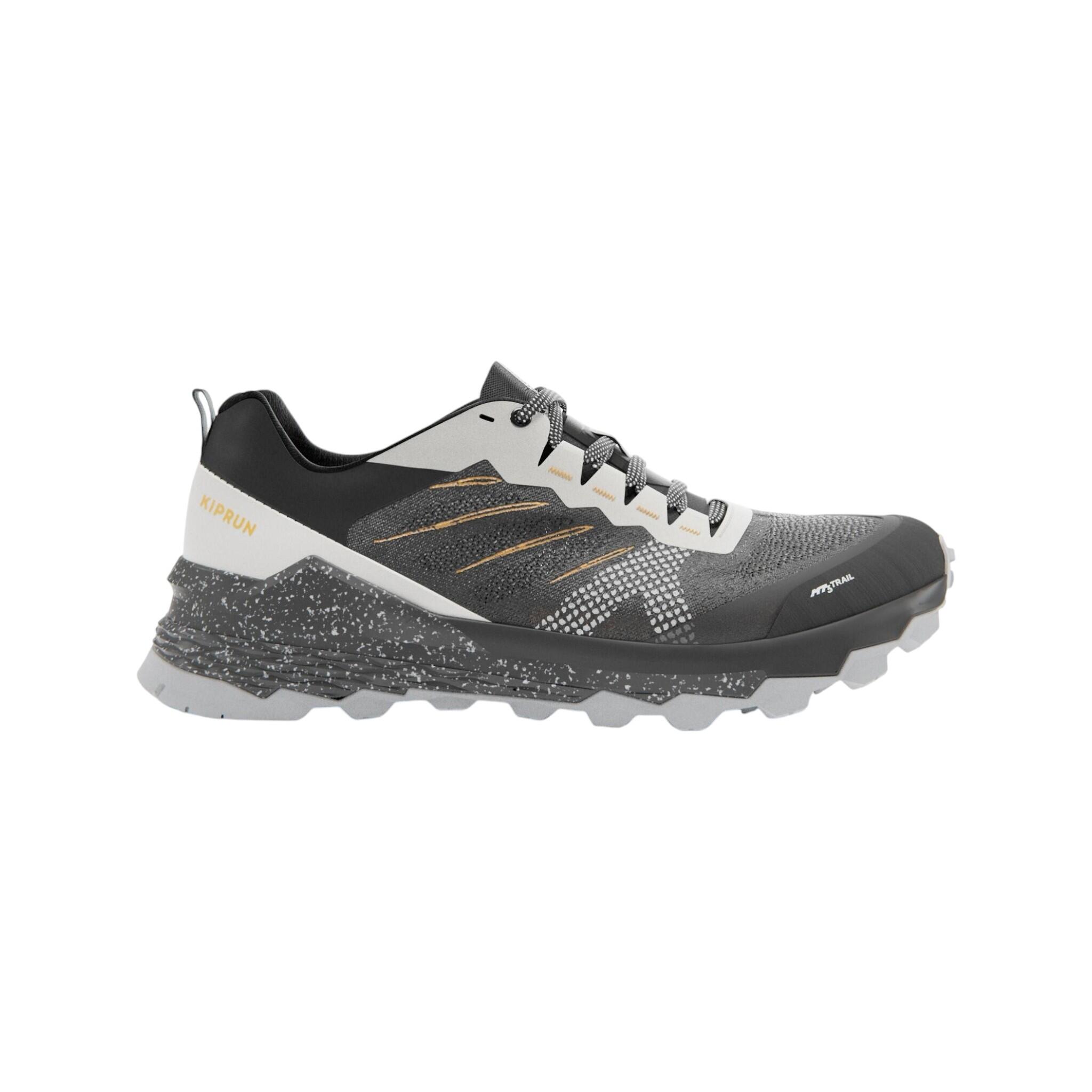
Trail running means running off-road on paths, hills, forests and open ground rather than pavement. The changing surface and gradients work more muscles and keep things interesting, while softer ground is often kinder on the legs. It suits anyone who fancies a change of scene and a bit of adventure. Off-road running builds strength that road miles cannot. The variety keeps every outing feeling fresh. The variety keeps every outing fresh. Off-road miles feel more secure in trail running shoes.

What kit do you need to start trail running?

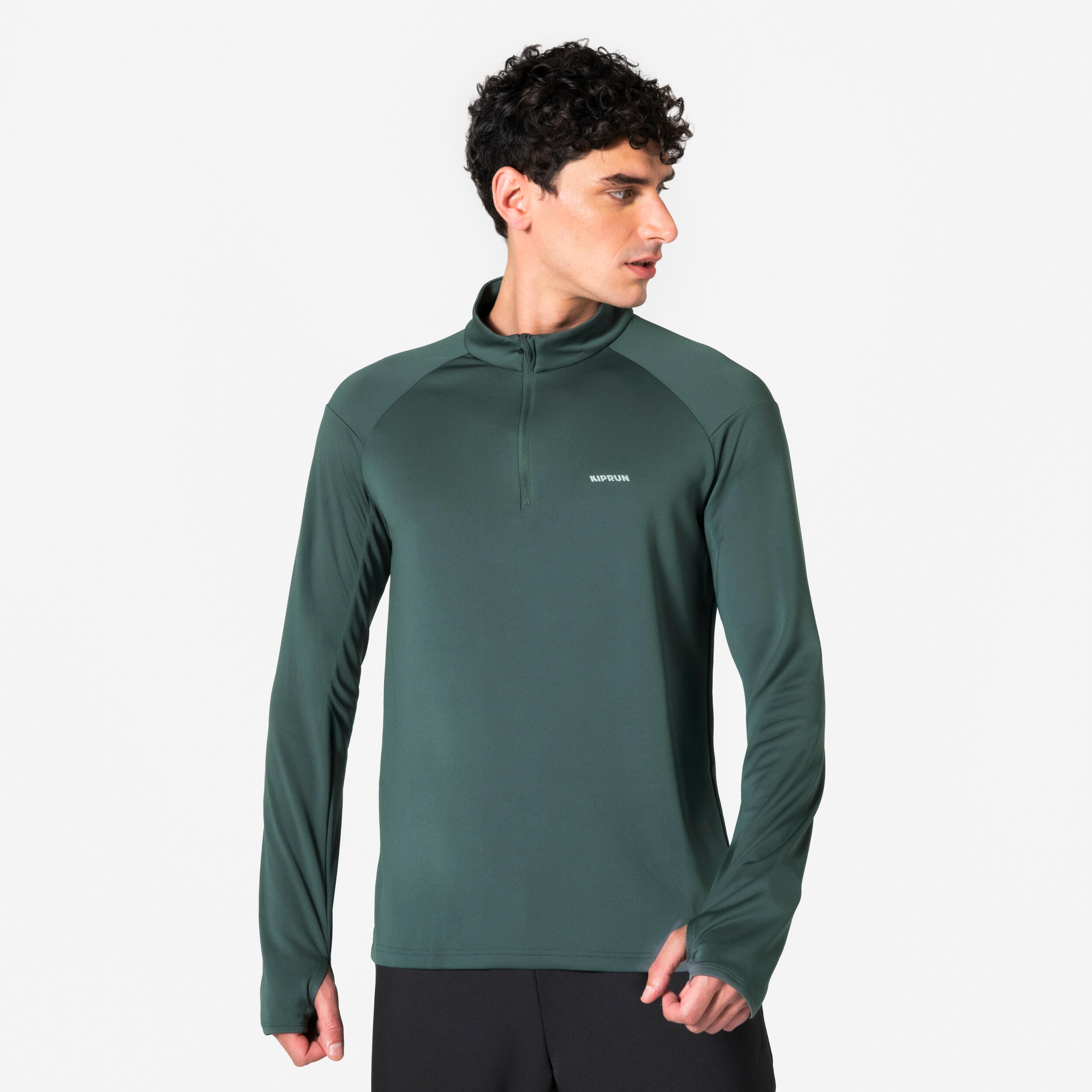
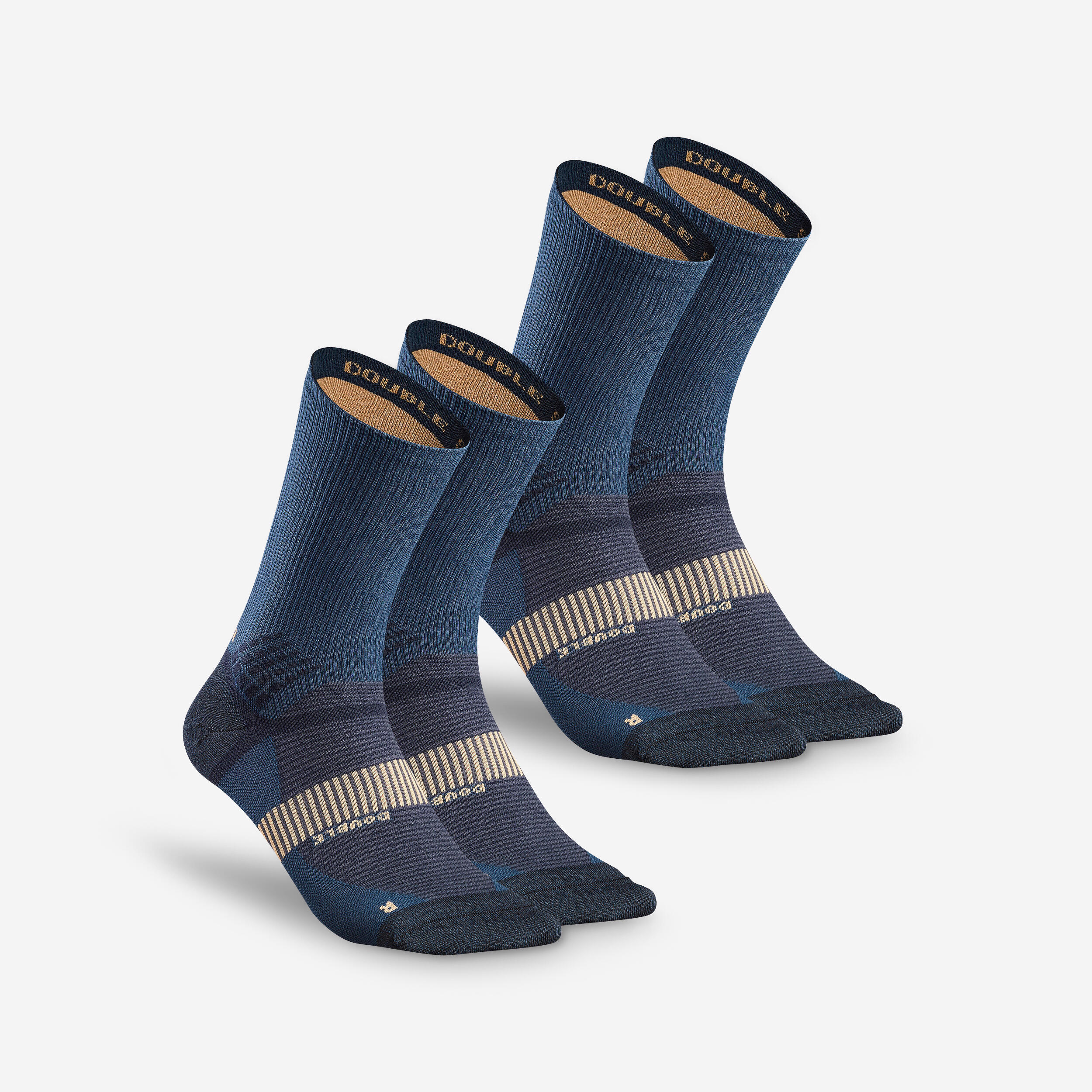
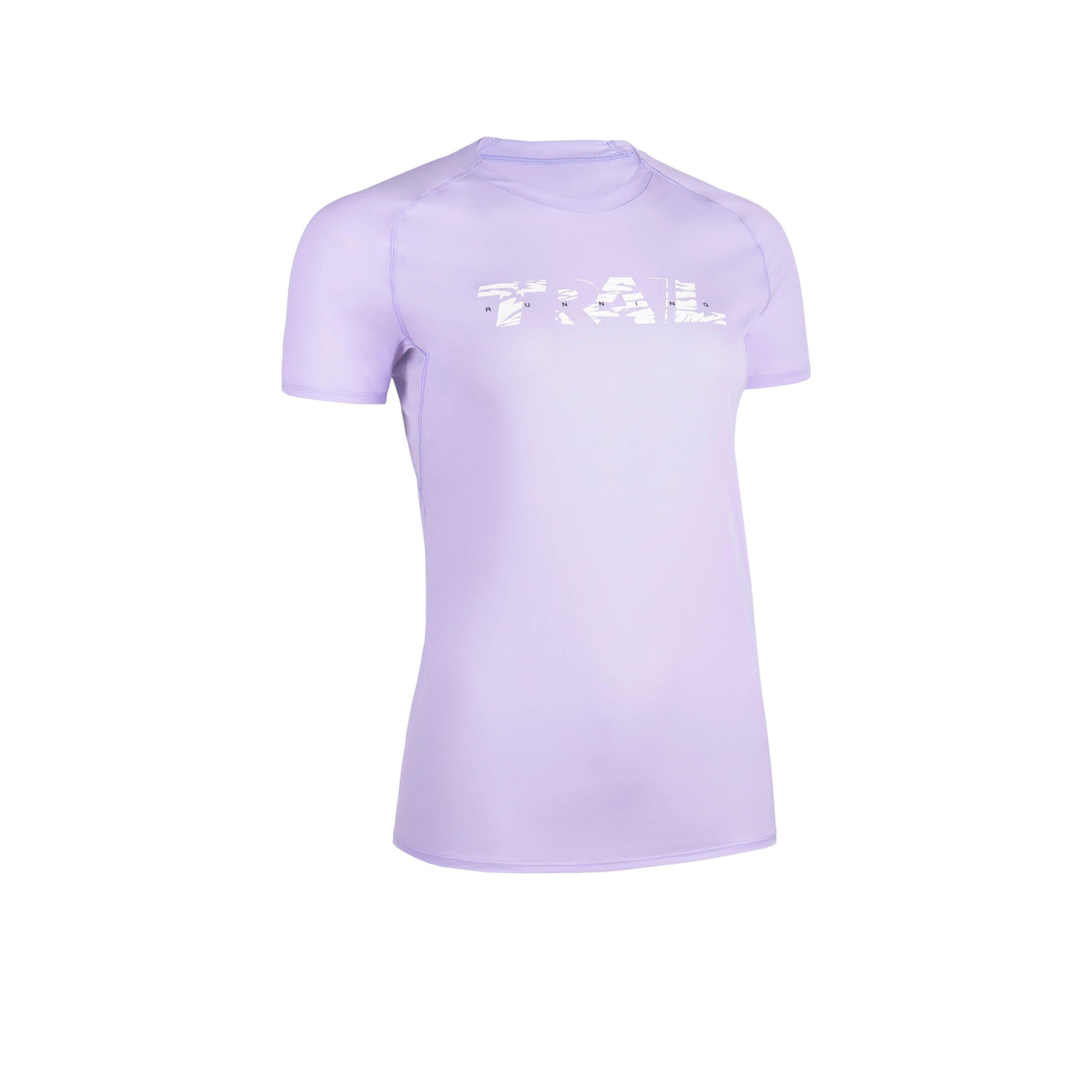
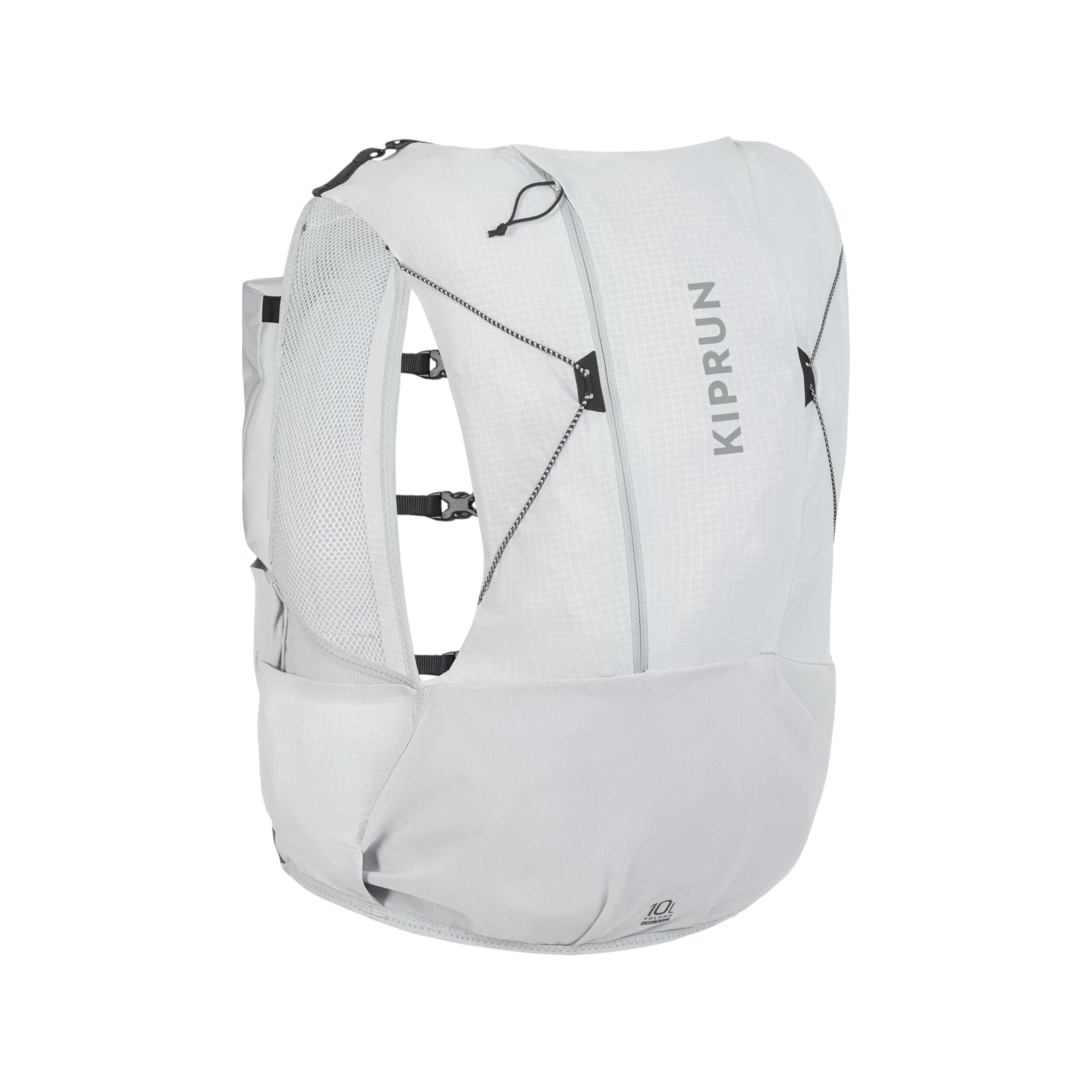
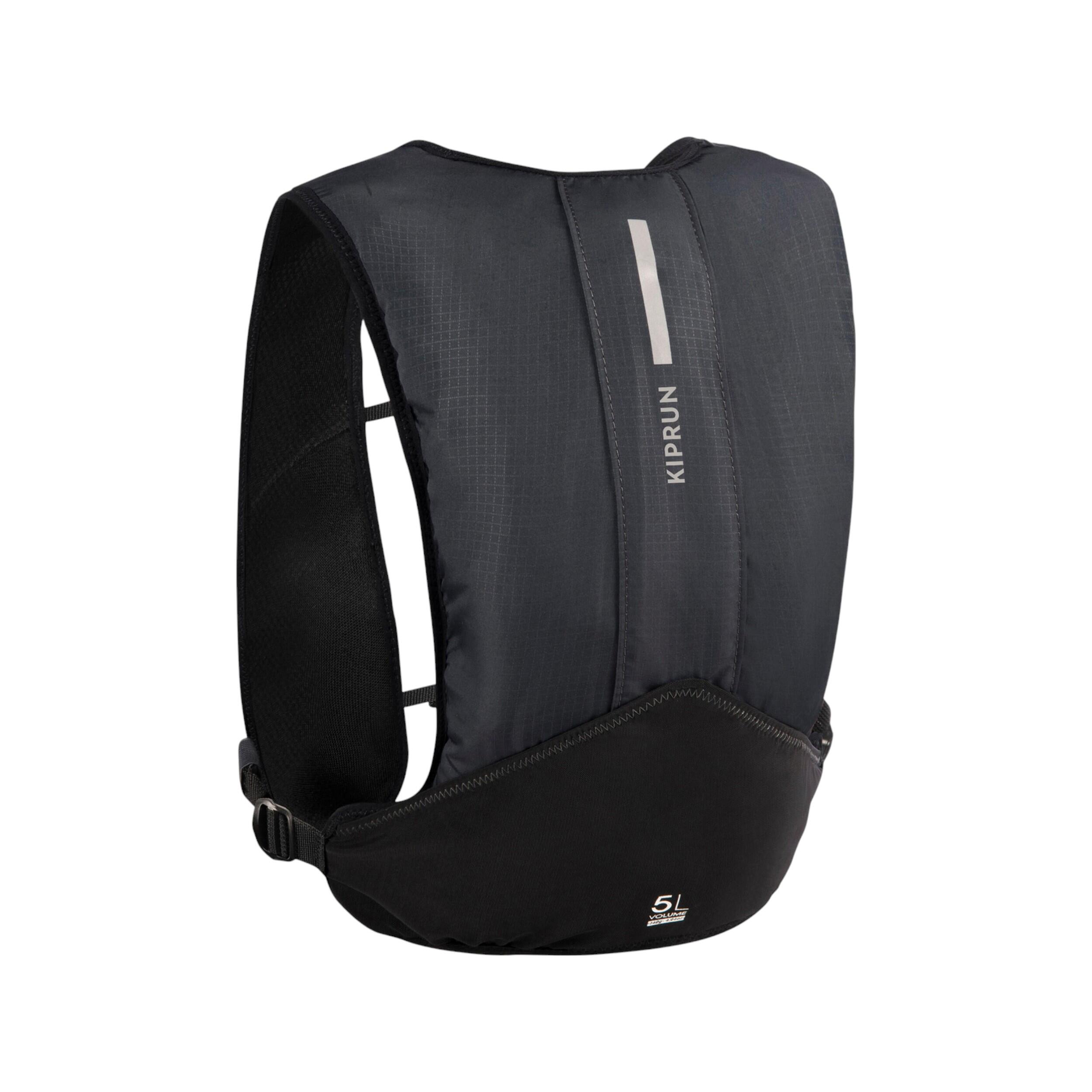
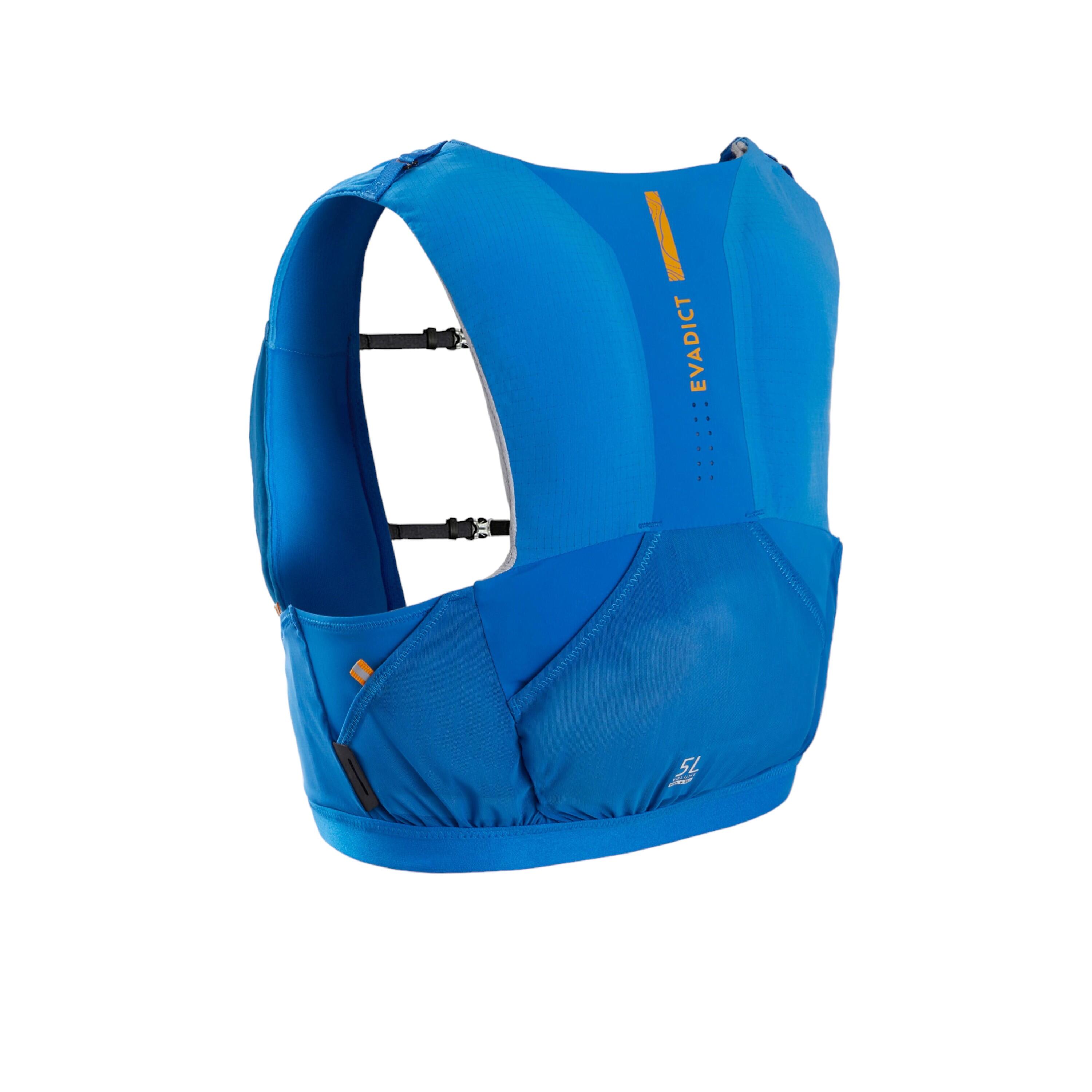
You can start with little more than grippy shoes and comfortable clothing, then add as you go. A small pack, a bottle and a headtorch soon become useful once runs get longer or later. Dressing for changeable outdoor conditions matters more than on the road. Even a short loop nearby is a fine place to begin. Local clubs are a friendly way in. Extra kit for rough routes comes through trail-running accessories.

How do you pick a trail event to train for?

Start with something realistic for your fitness, then build towards it steadily over the weeks. A short, local route is a friendly first goal before you take on anything hilly or long. Matching your training to the challenge ahead keeps it enjoyable. A gentle build-up keeps early enthusiasm from fading. Consistency matters more than big single efforts. Kits for every event are grouped in trail running gear by race distance.

How should you fuel and hydrate on the trail?

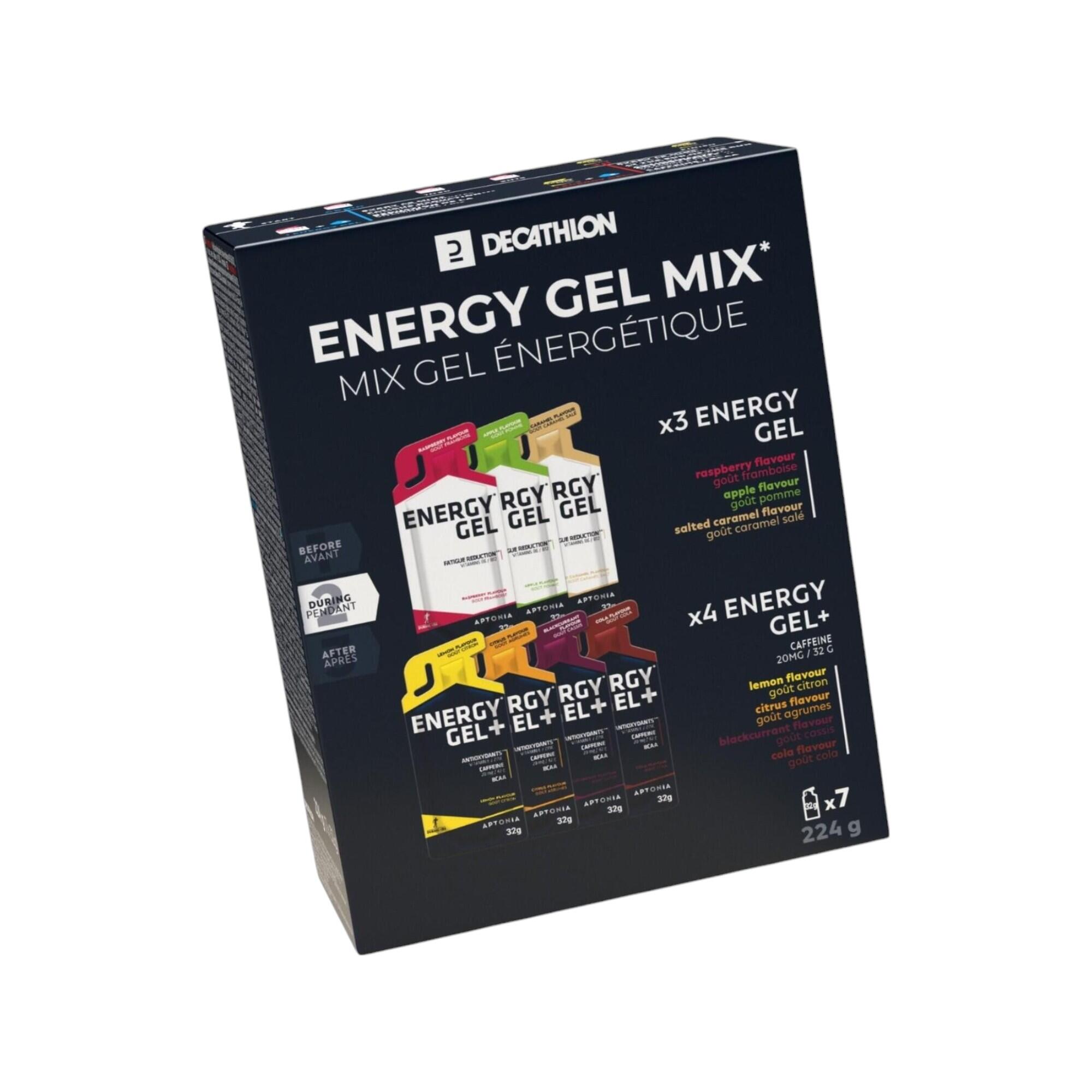
For anything over an hour, carry water and a little food to keep your energy up. Gels, bars and drink mixes are easy to carry and quick to take on the move. Sipping and snacking steadily beats waiting until you feel empty. Little and often beats one big feed mid-run. Salty snacks help on hot, long days. Longer off-road efforts are easier to fuel with trail running nutrition & hydration.

How do you recover after a trail run?

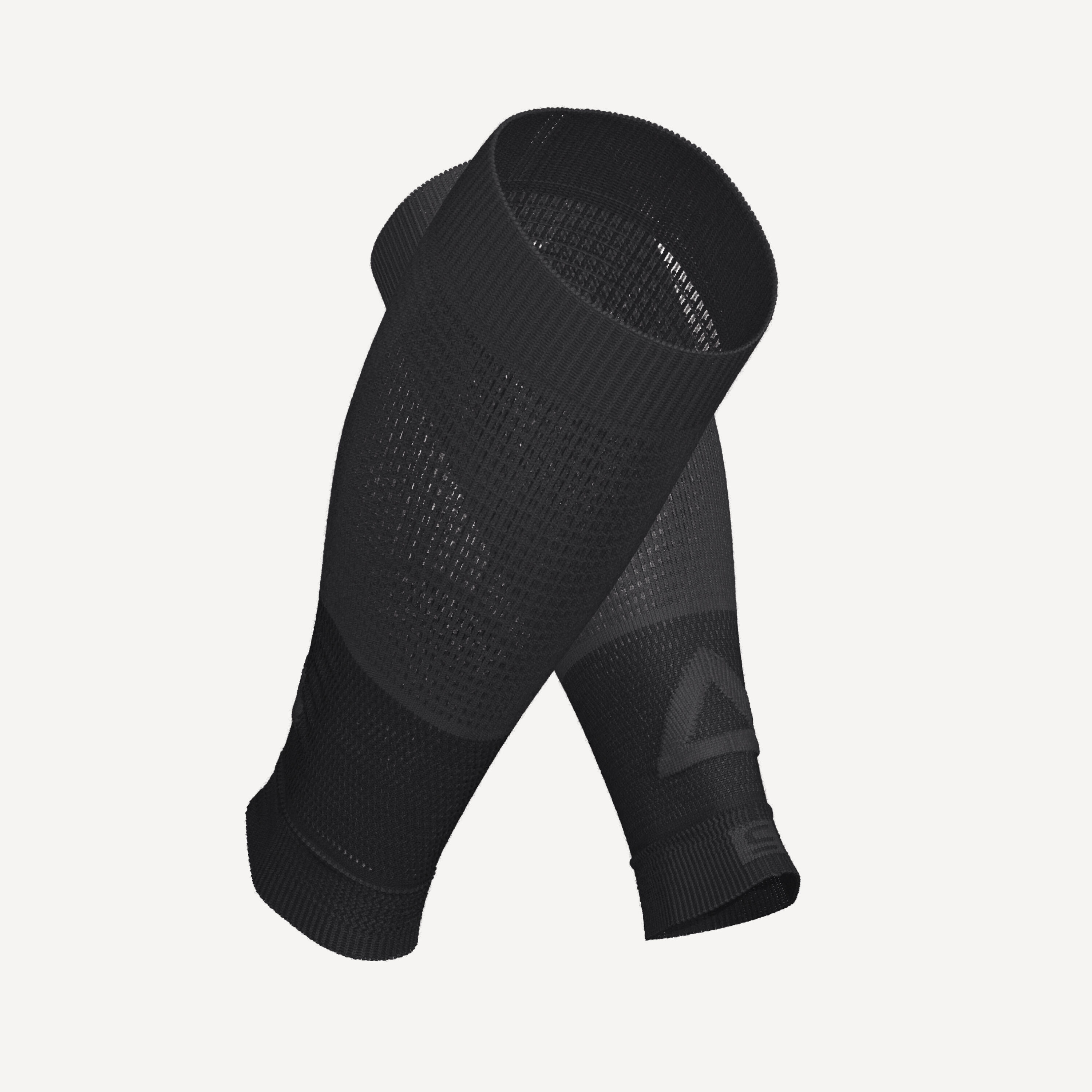
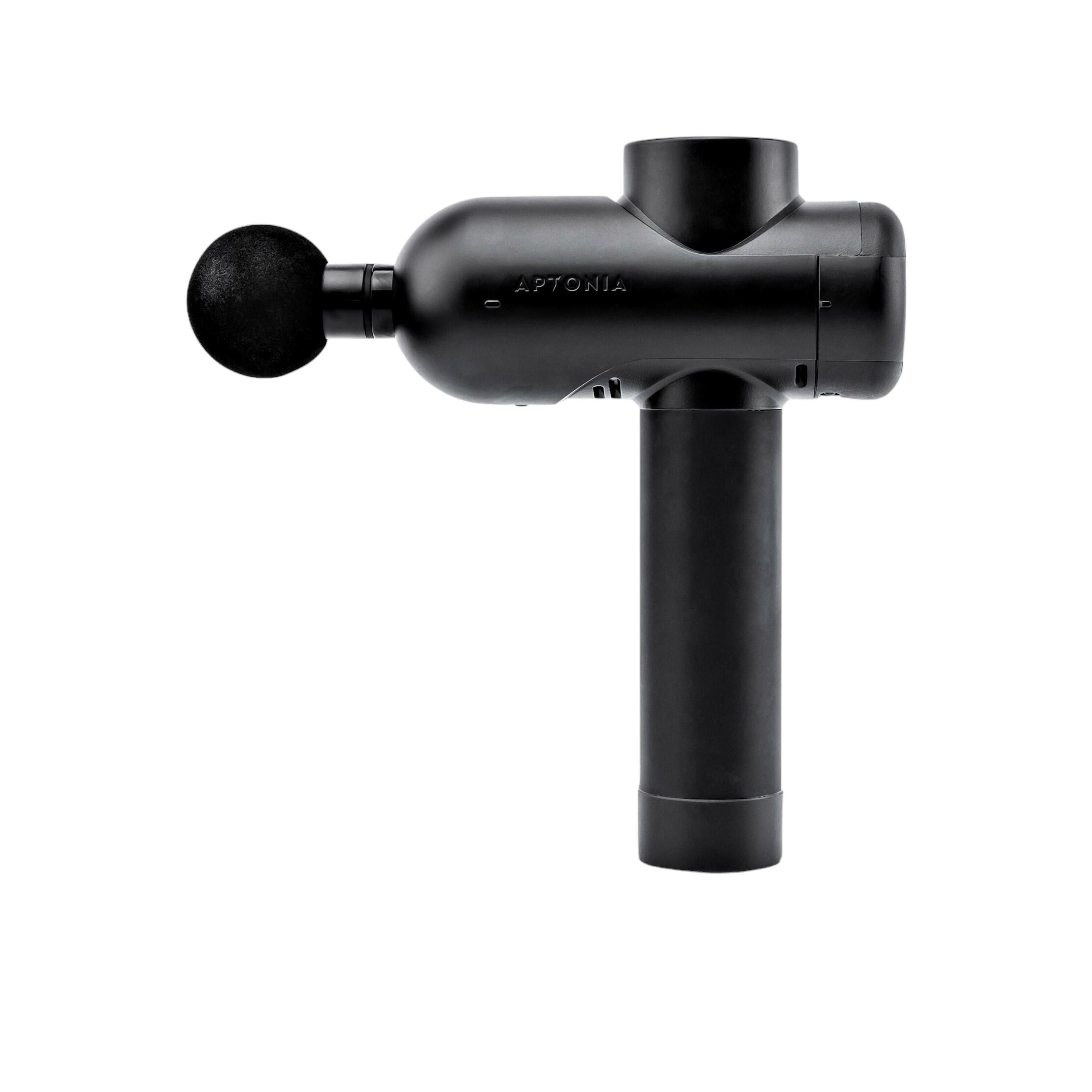
Gentle stretching, a good meal and plenty of fluids help your legs bounce back after rough ground. A foam roller or massage tool eases tired muscles the day after a big outing. A little attention here keeps you running week after week. A warm-down walk eases the legs before you stop. A gentle stretch keeps the legs loose. Post-trail muscle care is covered by trail running care & recovery.